
Tag: Genomics

  • DeepMind’s AlphaGenome Breakthrough: Decoding the 1-Million-Letter Language of Human Disease

    DeepMind’s AlphaGenome Breakthrough: Decoding the 1-Million-Letter Language of Human Disease

    Google DeepMind has officially launched AlphaGenome, a revolutionary artificial intelligence model designed to decode the most complex instructions within human DNA. Revealed in a landmark publication in Nature on January 28, 2026, AlphaGenome represents the first AI capable of analyzing continuous sequences of 1 million base pairs at single-letter resolution. This "megabase" context window allows the model to see twice as much genetic information as its predecessors, effectively bridging the gap between isolated genetic "typos" and the distant regulatory switches that control them.

    The immediate significance of AlphaGenome lies in its ability to illuminate the "dark matter" of the genome—the 98% of our DNA that does not code for proteins but governs how genes are turned on and off. By identifying the specific genetic drivers of complex diseases like leukemia and various solid tumors, DeepMind is providing researchers with a high-definition map of the human blueprint. For the first time, scientists can simulate the functional impact of a mutation in seconds, a process that previously required years of laboratory experimentation, potentially slashing the time and cost of drug discovery and personalized oncology.

    Technical Superiority: From Borzoi to the Megabase Era

    Technically, AlphaGenome is a significant leap beyond previous state-of-the-art models like Borzoi, which was limited to a 500,000-base-pair context window and relied on 32-letter "bins" to process data. While Borzoi could identify general regions of genetic activity, AlphaGenome provides single-base resolution across an entire megabase (1 million letters). This precision means the AI doesn't just point to a neighborhood of DNA; it identifies the exact letter responsible for a biological malfunction.

    The model utilizes a sophisticated hybrid architecture combining U-Net convolutional layers, which capture local DNA patterns, with Transformer modules that model long-range dependencies. This allows AlphaGenome to track how a mutation on one end of a million-letter sequence can "talk" to a gene on the opposite end. According to DeepMind, the model can predict 11 different molecular modalities simultaneously, including gene splicing and chromatin accessibility, outperforming Borzoi by as much as 25% in gene expression tasks.

    Initial reactions from the AI research community have been electric. Dr. Caleb Lareau of Memorial Sloan Kettering described the model as a "milestone for unifying long-range context with base-level precision," while researchers at Stanford have noted that AlphaGenome effectively solves the "blurry" vision of previous genomic models. The ability to train such a complex model in just four hours on Google’s proprietary TPUv3 hardware further underscores the technical efficiency DeepMind has achieved.

    Market Implications for Alphabet and the Biotech Sector

    For Alphabet Inc. (NASDAQ: GOOGL), the launch of AlphaGenome solidifies its dominance in the burgeoning "Digital Biology" market. Analysts at Goldman Sachs have noted that the "full-stack" advantage—owning the hardware (TPUs), the research (DeepMind), and the distribution (Google Cloud)—gives Alphabet a strategic moat that competitors like Microsoft (NASDAQ: MSFT) and NVIDIA (NASDAQ: NVDA) are racing to replicate. The AlphaGenome API is expected to become a cornerstone of Google Cloud’s healthcare offerings, generating high-margin revenue from pharmaceutical giants.

    The pharmaceutical industry stands to benefit most immediately. During the 2026 J.P. Morgan Healthcare Conference, leaders from companies like Roche and AstraZeneca suggested that AI tools like AlphaGenome could increase clinical trial productivity by 35-45%. By narrowing down the most promising genetic targets before a single patient is enrolled, the model reduces the astronomical $2 billion average cost of bringing a new drug to market.

    This development also creates a competitive squeeze for specialized genomics startups. While many firms have focused on niche aspects of the genome, AlphaGenome’s comprehensive ability to predict variant effects across nearly a dozen molecular tracks makes it an all-in-one solution. Companies that fail to integrate these "foundation models" into their workflows risk obsolescence as the industry pivots from experimental trial-and-error to AI-driven simulation.

    A New Frontier in Genomic Medicine and "Junk DNA"

    The broader significance of AlphaGenome rests in its mastery of the non-coding genome. For decades, much of the human genome was dismissed as "junk DNA." AlphaGenome has proven that this "junk" actually functions as a massive, complex control panel. In a case study involving T-cell acute lymphoblastic leukemia (T-ALL), the model successfully identified how a single-letter mutation in a non-coding region created a new "binding site" that abnormally activated the TAL1 cancer gene.

    This capability changes the paradigm of genomic medicine. In the past, doctors could only identify "driver" mutations in the 2% of the genome that builds proteins. AlphaGenome allows for the identification of drivers in the remaining 98%, providing hope for patients with rare diseases that have previously eluded diagnosis. It represents a "step change" in oncology, distinguishing between dangerous "driver" mutations and the harmless "passenger" mutations that occur randomly in the body.

    Comparatively, AlphaGenome is being hailed as the "AlphaFold of Genomics." Just as AlphaFold solved the 50-year-old protein-folding problem, AlphaGenome is solving the regulatory-variant problem. It moves AI from a tool of observation to a tool of prediction, allowing scientists to ask "what if" questions about the human code and receive biologically accurate answers in real-time.

    The Horizon: Clinical Integration and Ethical Challenges

    In the near term, we can expect AlphaGenome to be integrated directly into clinical diagnostic pipelines. Within the next 12 to 24 months, experts predict that the model will be used to analyze the genomes of cancer patients in real-time, helping oncologists select therapies that target the specific regulatory disruptions driving their tumors. We may also see the development of "synthetic" regulatory elements designed by AI to treat genetic disorders.

    However, challenges remain. Despite its predictive power, AlphaGenome still faces hurdles in modeling individual-level variation—the subtle differences that make every human unique. There are also ethical concerns regarding the potential for "genomic editing" should this predictive power be used to manipulate human traits rather than just treat diseases. Regulators will need to keep pace with the technology to ensure it is used responsibly in the burgeoning field of precision medicine.

    Experts suggest the next major breakthrough will be "AlphaGenome-MultiOmics," a model that integrates DNA data with real-time lifestyle, environmental, and protein data to provide a truly holistic view of human health. As DeepMind continues to iterate, the line between computer science and biology will continue to blur.

    Final Assessment: A Landmark in Artificial Intelligence

    The launch of AlphaGenome marks a definitive moment in AI history. It represents the transition of artificial intelligence from a digital assistant into a fundamental tool of scientific discovery. By mastering the 1-million-letter language of the human genome, DeepMind has opened a window into the most fundamental processes of life and disease.

    The long-term impact of this development cannot be overstated. It paves the way for a future where disease is caught at the genetic level before symptoms ever appear, and where treatments are tailored to the individual "operating system" of the patient. In the coming months, keep a close eye on new partnerships between Google DeepMind and global health organizations, as the first clinical applications of AlphaGenome begin to reach the front lines of medicine.


    This content is intended for informational purposes only and represents analysis of current AI developments.

    TokenRing AI delivers enterprise-grade solutions for multi-agent AI workflow orchestration, AI-powered development tools, and seamless remote collaboration platforms.
    For more information, visit https://www.tokenring.ai/.

  • The Era of Interception: How Mayo Clinic’s AI is Predicting Disease Years Before the First Symptom

    The Era of Interception: How Mayo Clinic’s AI is Predicting Disease Years Before the First Symptom

    In a landmark shift for global healthcare, the Mayo Clinic has officially moved from a model of reactive treatment to "proactive interception." As of January 2026, the institution has integrated a suite of AI-powered foundation models that analyze a patient’s unique genetic code, sleep patterns, and cardiac signatures to predict life-threatening conditions—including cancer and heart failure—up to five years before symptoms manifest. This development marks the maturation of personalized medicine, transforming the doctor’s office from a place of diagnosis into a center for predictive forecasting.

    The significance of this milestone cannot be overstated. By leveraging massive datasets and high-performance computing, Mayo Clinic is effectively "decoding" the silent period of disease development. For patients, this means the difference between a late-stage cancer diagnosis and a preventative intervention that stops the disease in its tracks. For the technology industry, it represents the first successful large-scale deployment of multimodal AI in a clinical setting, proving that "foundation models"—the same technology behind generative AI—can save lives when applied to biological data.

    The Technical Backbone: From Genomic Foundation Models to Sleep-Heart AI

    At the heart of this revolution is the Mayo Clinic Genomic Foundation Model, a massive neural network developed in collaboration with Cerebras Systems. Unlike previous genetic tools that focused on specific known mutations, this model was trained on over one trillion tokens of genomic data, including the complex "dark matter" of the human genome. With one billion parameters, the model has demonstrated a 96% accuracy rate in identifying somatic mutations that signal an early predisposition to cancer. This capability allows clinicians to identify high-risk individuals through a simple blood draw years before a tumor would appear on a traditional scan.

    Simultaneously, Mayo has pioneered the use of "ambient data" through its collaboration with Sleep Number (NASDAQ: SNBR). By analyzing longitudinal data from smart beds—including heart rate variability (HRV) and respiratory disturbances—the AI can identify the subtle physiological "fingerprints" of Heart Failure with preserved Ejection Fraction (HFpEF). Furthermore, a new algorithm published in late 2025 utilizes standard 12-lead ECG data to detect Obstructive Sleep Apnea (OSA) with unprecedented precision. This is particularly vital for women, whose symptoms often differ from the traditional male-centric diagnostic criteria, leading to a historic closing of the gender gap in cardiovascular care.

    These models differ fundamentally from traditional diagnostics because they are "multimodal." While a human radiologist might look at a single X-ray, Mayo’s AI integrates pathology slides, genetic sequences, and real-time biometric data to create a holistic "digital twin" of the patient. This approach has already shown the ability to detect pancreatic cancer an average of 438 days earlier than conventional methods. The AI research community has hailed this as a "GPT-4 moment for biology," noting that the transition from task-specific algorithms to broad-based foundation models is the key to unlocking the complexities of human health.

    The Tech Titan Synergy: NVIDIA, Microsoft, and the New Medical Market

    The deployment of these life-saving tools has created a massive strategic advantage for the tech giants providing the underlying infrastructure. NVIDIA (NASDAQ: NVDA) has emerged as the primary hardware backbone for Mayo’s "Atlas" pathology model. Utilizing the NVIDIA Blackwell SuperPOD, Mayo has digitized and analyzed over 20 million pathology slides, reducing the time required for complex diagnostic reviews from weeks to mere seconds. This partnership positions NVIDIA not just as a chipmaker, but as an essential utility for the future of clinical medicine.

    Microsoft (NASDAQ: MSFT) and Alphabet Inc. (NASDAQ: GOOGL) are also deeply entrenched in this ecosystem. Microsoft Research has been instrumental in developing multimodal radiology models that integrate clinical notes with imaging data to catch early signs of lung cancer. Meanwhile, Google’s Med-Gemini models are being used to power MedEduChat, an AI agent that provides patients with personalized, genetic-based education about their risks. This shift is disrupting the traditional medical device market; companies that previously relied on selling standalone diagnostic hardware are now finding themselves forced to integrate with AI-first platforms like the Mayo Clinic Platform_Orchestrate.

    The competitive implications are clear: the future of healthcare belongs to the companies that can manage and interpret the most data. Major AI labs are now pivoting away from general-purpose chatbots and toward specialized "Bio-AI" divisions. Startups in the biotech space are also benefiting, as Mayo’s platform now allows biopharma companies to use "synthetic placebo arms"—AI-generated patient cohorts—to validate new therapies, potentially cutting the cost and time of clinical trials by 50%.

    Societal Impact and the Ethics of the "Pre-Patient"

    As AI begins to predict disease years in advance, it introduces a new category of human experience: the "pre-patient." These are individuals who are clinically healthy but carry an AI-generated "forecast" of future illness. While this allows for life-saving interventions, it also raises significant psychological and ethical concerns. Experts are already debating the potential for "predictive anxiety" and the risk of over-treatment, where patients may undergo invasive procedures for conditions that might not have progressed for decades.

    Furthermore, the privacy of genetic and sleep data remains a paramount concern. As Mayo Clinic expands its global network, the question of who owns this predictive data—and how it might be used by insurance companies—is at the forefront of policy discussions. Despite these concerns, the broader AI landscape is viewing this as a necessary evolution. Much like the transition from the telegraph to the internet, the move from reactive to predictive medicine is viewed as an inevitable technological milestone that will eventually become the global standard of care.

    The impact on the healthcare workforce is also profound. Rather than replacing doctors, these AI tools are acting as "ambient co-pilots," handling the administrative burden of documentation and data synthesis. This allows physicians to return to "high-touch" care, focusing on the human element of medicine while the AI handles the "high-tech" pattern recognition in the background.

    The Horizon: Synthetic Trials and Global Scaling

    Looking ahead to the remainder of 2026 and beyond, the next frontier for Mayo Clinic is the global scaling of these models. Through the Platform_Orchestrate initiative, Mayo aims to export its AI diagnostic capabilities to rural and underserved regions where access to world-class specialists is limited. In these areas, a simple ECG or a night of sleep data could provide the same level of diagnostic insight as a full battery of tests at a major metropolitan hospital.

    In the near term, we expect to see the integration of these AI models directly into Electronic Health Records (EHRs) across the United States. This will trigger automated alerts for primary care physicians when a patient’s data suggests an emerging risk. Long-term, the industry is eyeing "closed-loop" personalized medicine, where AI not only predicts disease but also designs custom-tailored mRNA vaccines or therapies to prevent the predicted condition from ever manifesting. The challenge remains in regulatory approval; the FDA is currently working on a new framework to evaluate "evolving algorithms" that continue to learn and change after they are deployed.

    A New Chapter in Human Longevity

    The developments at Mayo Clinic represent a definitive turning point in the history of artificial intelligence. We are no longer just using AI to generate text or images; we are using it to master the language of life itself. The ability to predict cardiovascular and cancer risks years before symptoms appear is perhaps the most significant application of AI to date, marking the beginning of an era where chronic disease could become a relic of the past.

    As we move through 2026, the industry will be watching for the results of large-scale clinical outcomes studies that quantify the lives saved by these predictive models. The "Mayo Model" is set to become the blueprint for hospitals worldwide. For investors, clinicians, and patients alike, the message is clear: the most important health data is no longer what you feel today, but what the AI sees in your tomorrow.


    This content is intended for informational purposes only and represents analysis of current AI developments.

    TokenRing AI delivers enterprise-grade solutions for multi-agent AI workflow orchestration, AI-powered development tools, and seamless remote collaboration platforms.
    For more information, visit https://www.tokenring.ai/.
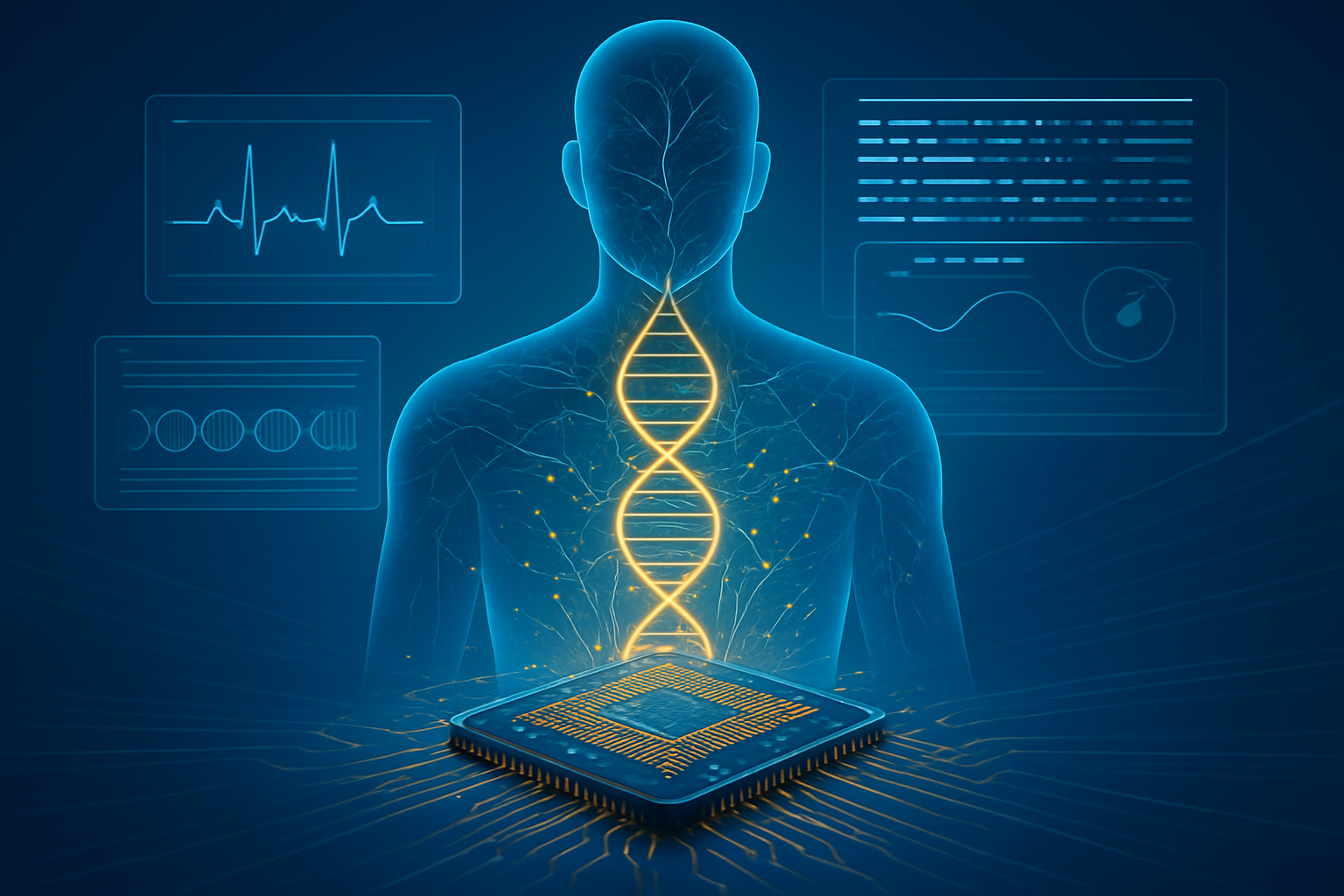
  • Google’s AlphaGenome: Decoding the ‘Dark Genome’ to Revolutionize Disease Prediction and Drug Discovery

    Google’s AlphaGenome: Decoding the ‘Dark Genome’ to Revolutionize Disease Prediction and Drug Discovery

    In a monumental shift for the field of computational biology, Google DeepMind, a subsidiary of Alphabet Inc. (NASDAQ: GOOGL), officially launched AlphaGenome earlier this year, a breakthrough AI model designed to decode the "dark genome." For decades, the 98% of human DNA that does not code for proteins was largely dismissed as "junk DNA." AlphaGenome changes this narrative by providing a comprehensive map of how these non-coding regions regulate gene expression, effectively acting as a master key to the complex logic that governs human health and disease.

    The launch, which took place in June 2025, represents the culmination of years of research into sequence-to-function modeling. By predicting how specific mutations in non-coding regions can trigger or prevent diseases, AlphaGenome provides clinicians and researchers with a predictive power that was previously unimaginable. This development is not just an incremental improvement; it is a foundational shift that moves genomics from descriptive observation to predictive engineering, offering a new lens through which to view cancer, cardiovascular disease, and rare genetic disorders.

    AlphaGenome is built on a sophisticated hybrid architecture that combines the local pattern-recognition strengths of Convolutional Neural Networks (CNNs) with the long-range relational capabilities of Transformers. This dual-natured approach allows the model to process up to one million base pairs of DNA in a single input—a staggering 100-fold increase over previous state-of-the-art models. While earlier tools were limited to looking at local mutations, AlphaGenome can observe how a "switch" flipped at one end of a DNA strand affects a gene located hundreds of thousands of base pairs away.

    The model’s precision is equally impressive, offering base-pair resolution that allows scientists to see the impact of a single-letter change in the genetic code. Beyond just predicting whether a mutation is "bad," AlphaGenome predicts over 11 distinct molecular modalities, including transcription start sites, histone modifications, and 3D chromatin folding. This multi-modal output provides a holistic view of the cellular environment, showing exactly how a genetic variant alters the machinery of the cell.

    This release completes what researchers are calling the "Alpha Trinity" of genomics. While AlphaFold revolutionized our understanding of protein structures and AlphaMissense identified harmful mutations in coding regions, AlphaGenome addresses the remaining 98% of the genome. By bridging the gap between DNA sequence and biological function, it provides the "regulatory logic" that the previous models lacked. Initial reactions from the research community have been overwhelmingly positive, with experts at institutions like Memorial Sloan Kettering describing it as a "paradigm shift" that finally unifies long-range genomic context with microscopic precision.

    The business implications of AlphaGenome are profound, particularly for the pharmaceutical and biotechnology sectors. Alphabet Inc. (NASDAQ: GOOGL) has positioned the model as a central pillar of its "AI for Science" strategy, offering access via the AlphaGenome API for non-commercial research. This move creates a strategic advantage by making Google’s infrastructure the default platform for the next generation of genomic discovery. Biotech startups and established giants alike are now racing to integrate these predictive capabilities into their drug discovery pipelines, potentially shaving years off the time it takes to identify viable drug targets.

    The competitive landscape is also shifting. Major tech rivals such as Microsoft (NASDAQ: MSFT) and Meta Platforms Inc. (NASDAQ: META), which have their own biological modeling initiatives like ESM-3, now face a high bar set by AlphaGenome’s multi-modal integration. For hardware providers like NVIDIA (NASDAQ: NVDA), the rise of such massive genomic models drives further demand for specialized AI chips capable of handling the intense computational requirements of "digital wet labs." The ability to simulate thousands of genetic scenarios in seconds—a process that previously required weeks of physical lab work—is expected to disrupt the traditional contract research organization (CRO) market.

    Furthermore, the model’s ability to assist in synthetic biology allows companies to "write" DNA with specific functions. This opens up new markets in personalized medicine, where therapies can be designed to activate only in specific cell types, such as a treatment that triggers only when it detects a specific regulatory signature in a cancer cell. By controlling the "operating system" of the genome, Google is not just providing a tool; it is establishing a foundational platform for the bio-economy of the late 2020s.

    Beyond the corporate and technical spheres, AlphaGenome represents a milestone in the broader AI landscape. It marks a transition from "Generative AI" focused on text and images to "Scientific AI" focused on the fundamental laws of nature. Much like AlphaGo demonstrated AI’s mastery of complex games, AlphaGenome demonstrates its ability to master the most complex code known to humanity: the human genome. This transition suggests that the next frontier of AI value lies in its application to physical and biological realities rather than purely digital ones.

    However, the power to decode and potentially "write" genomic logic brings significant ethical and societal concerns. The ability to predict disease risk with high accuracy from birth raises questions about genetic privacy and the potential for "genetic profiling" by insurance companies or employers. There are also concerns regarding the "black box" nature of deep learning; while AlphaGenome is highly accurate, understanding why it makes a specific prediction remains a challenge for researchers, which is a critical hurdle for clinical adoption where explainability is paramount.

    Comparisons to previous milestones, such as the Human Genome Project, are frequent. While the original project gave us the "map," AlphaGenome is providing the "manual" for how to read it. This leap forward accelerates the trend of "precision medicine," where treatments are tailored to an individual’s unique regulatory landscape. The impact on public health could be transformative, shifting the focus from treating symptoms to preemptively managing genetic risks identified decades before they manifest as disease.

    In the near term, we can expect a surge in "AI-first" clinical trials, where AlphaGenome is used to stratify patient populations based on their regulatory genetic profiles. This could significantly increase the success rates of clinical trials by ensuring that therapies are tested on individuals most likely to respond. Long-term, the model is expected to evolve to include epigenetic data—information on how environmental factors like diet, stress, and aging modify gene expression—which is currently a limitation of the static DNA-based model.

    The next major challenge for the DeepMind team will be integrating temporal data—how the genome changes its behavior over a human lifetime. Experts predict that within the next three to five years, we will see the emergence of "Universal Biological Models" that combine AlphaGenome’s regulatory insights with real-time health data from wearables and electronic health records. This would create a "digital twin" of a patient’s biology, allowing for continuous, real-time health monitoring and intervention.

    AlphaGenome stands as one of the most significant achievements in the history of artificial intelligence. By successfully decoding the non-coding regions of the human genome, Google DeepMind has unlocked a treasure trove of biological information that remained obscured for decades. The model’s ability to predict disease risk and regulatory function with base-pair precision marks the beginning of a new era in medicine—one where the "dark genome" is no longer a mystery but a roadmap for health.

    As we move into 2026, the tech and biotech industries will be closely watching the first wave of drug targets identified through the AlphaGenome API. The long-term impact of this development will likely be measured in the lives saved through earlier disease detection and the creation of highly targeted, more effective therapies. For now, AlphaGenome has solidified AI’s role not just as a tool for automation, but as a fundamental partner in scientific discovery, forever changing our understanding of the code of life.


    This content is intended for informational purposes only and represents analysis of current AI developments.

    TokenRing AI delivers enterprise-grade solutions for multi-agent AI workflow orchestration, AI-powered development tools, and seamless remote collaboration platforms.
    For more information, visit https://www.tokenring.ai/.

  • popEVE AI: Harvard-Developed Model Set to Revolutionize Rare Disease Diagnosis and Drug Discovery

    popEVE AI: Harvard-Developed Model Set to Revolutionize Rare Disease Diagnosis and Drug Discovery

    Cambridge, MA & Barcelona, Spain – November 25, 2025 – A groundbreaking artificial intelligence model, popEVE, developed by a collaborative team of researchers from Harvard Medical School and the Centre for Genomic Regulation (CRG) in Barcelona, has been unveiled, promising to dramatically accelerate the diagnosis and understanding of rare genetic disorders. Published in the prestigious journal Nature Genetics on November 24, 2025, popEVE introduces an innovative method for classifying genetic variants by assigning a pathogenicity score to each, placing them on a continuous spectrum of disease likelihood rather than a simple binary classification.

    The immediate significance of popEVE is profound. For millions worldwide suffering from undiagnosed rare diseases, the model offers a beacon of hope, capable of pinpointing elusive genetic culprits. Its ability to identify novel disease-causing genes, significantly reduce diagnostic bottlenecks, and address long-standing biases in genetic analysis marks a pivotal moment in precision medicine. Furthermore, by elucidating the precise genetic origins of rare and complex conditions, popEVE is poised to unlock new avenues for drug discovery, transforming the treatment landscape for countless patients.

    Technical Prowess: A Deep Dive into popEVE's Innovative Architecture

    popEVE's technical foundation represents a significant leap forward in computational genomics. At its core, it employs a deep generative architecture, building upon the earlier Evolutionary model of Variant Effect (EVE). The key innovation lies in popEVE's integration of two crucial components: a large-language protein model, which learns from the vast universe of amino acid sequences that form proteins (utilizing models like ESM-1v), and comprehensive human population data from resources such as the UK Biobank and gnomAD databases. This unique fusion allows popEVE to leverage extensive evolutionary information from hundreds of thousands of species alongside real-world human genetic variation.

    The model generates a continuous score for each genetic variant, providing a unified scale of pathogenicity across the entire human proteome. This means that, for the first time, clinicians and researchers can directly compare the predicted disease severity of mutations not only within a single gene but also across different genes. popEVE primarily focuses on missense mutations—single amino acid changes—and calibrates its evolutionary scores based on whether these variants are observed in healthy human populations, thereby translating functional disruption into a measure of human-specific disease risk. In clinical validation, popEVE achieved a 15-fold enrichment for true pathogenic variants, demonstrating its robust performance.

    This approach significantly differentiates popEVE from previous models. While EVE was adept at predicting functional impact within a gene, it lacked the ability to compare pathogenicity across genes. More notably, popEVE has been shown to outperform rival models, including Google DeepMind's AlphaMissense. While AlphaMissense also provides highly effective variant predictions, popEVE excels in reducing false positive predictions, particularly within the general population (flagging only 11% of individuals as carrying severe variants at comparable thresholds, versus AlphaMissense's 44%), and demonstrates superior accuracy in assessing mutations in non-European populations. This enhanced specificity and reduced bias are critical for equitable and accurate genetic diagnostics globally.

    Reshaping the AI Landscape: Implications for Tech Giants and Startups

    The advent of popEVE is set to send ripples across the AI and healthcare industries, creating new opportunities and competitive pressures. Companies deeply entrenched in genomics, healthcare AI, and drug discovery stand to benefit immensely from this development. Genomics companies such as Illumina (NASDAQ: ILMN), BGI Genomics (SZSE: 300676), and PacBio (NASDAQ: PACB) could integrate popEVE's capabilities to enhance their sequencing and analysis services, offering more precise and rapid diagnoses. The model's ability to prioritize causal variants using only a patient's genome, without the need for parental DNA, expands the market to cases where family data is inaccessible.

    Healthcare AI companies like Tempus and Freenome, specializing in diagnostics and clinical decision support, will find popEVE an invaluable tool for improving the identification of disease-causing mutations, streamlining clinical workflows, and accelerating genetic diagnoses. Similarly, drug discovery powerhouses and innovative startups such as Recursion Pharmaceuticals (NASDAQ: RXRX), BenevolentAI (AMS: BAI), and Insilico Medicine will gain a significant advantage. popEVE's capacity to identify hundreds of novel gene-disease associations and pinpoint specific pathogenic mechanisms offers a fertile ground for discovering new drug targets and developing tailored therapeutics for rare disorders.

    The model poses a direct competitive challenge to existing variant prediction tools, notably Google DeepMind's AlphaMissense. popEVE's reported superior performance in reducing false positives and its enhanced accuracy in diverse populations indicate a potential shift in leadership within computational biology for certain applications. This will likely spur further innovation among major AI labs and tech companies to enhance their own models. Moreover, popEVE's capabilities could disrupt traditional genetic diagnostic services reliant on older, less comprehensive computational methods, pushing them towards adopting more advanced AI. Its open-access availability via a portal and repository further fosters widespread adoption and collaborative research, potentially establishing it as a de facto standard for certain types of genetic analysis.

    Wider Significance: A New Era for Personalized Medicine and Ethical AI

    popEVE's significance extends far beyond its immediate technical capabilities, embedding itself within the broader AI landscape and driving key trends in personalized medicine. It directly contributes to the vision of tailored healthcare by providing more precise and nuanced genetic diagnoses, enabling clinicians to develop highly specific treatment hypotheses. The model also exemplifies the growing trend of integrating large language model (LLM) architectures into biological contexts, demonstrating their versatility beyond text processing to interpret complex biological sequences.

    Crucially, popEVE addresses a persistent ethical challenge in genetic diagnostics: bias against underrepresented populations. By leveraging diverse human genetic variation data, it calibrates predictions to human-specific disease risk, ensuring more equitable diagnostic outcomes globally. This is particularly impactful for healthcare systems with limited resources, as the model can function effectively even without parental DNA, making advanced genetic analysis more accessible. Beyond direct patient care, popEVE significantly advances basic scientific research by identifying novel disease-associated genes, deepening our understanding of human biology. The developers' commitment to open access for popEVE further fosters scientific collaboration, contrasting with the proprietary nature of many commercial AI health tools.

    However, the widespread adoption of popEVE also brings potential concerns. Like all AI models, its accuracy is dependent on the quality and continuous curation of its training data. Its current focus on missense mutations means other types of genetic variations would require different analytical tools. Furthermore, while powerful, popEVE is intended as a clinical aid, not a replacement for human judgment. Over-reliance on AI without integrating clinical context and patient history could lead to misdiagnoses. As with any powerful AI in healthcare, ongoing ethical oversight and robust regulatory frameworks are essential to prevent erroneous or discriminatory outcomes.

    The Road Ahead: Future Developments and Expert Predictions

    The journey for popEVE is just beginning, with exciting near-term and long-term developments on the horizon. In the immediate future, researchers are actively testing popEVE in clinical settings to assess its ability to expedite accurate diagnoses of rare, single-variant genetic diseases. A key focus is the integration of popEVE scores into established variant and protein databases like ProtVar and UniProt, making its capabilities accessible to scientists and clinicians worldwide. This integration aims to establish a new standard for variant interpretation, moving beyond binary classifications to a more nuanced spectrum of pathogenicity.

    Looking further ahead, experts predict that popEVE could become an integral part of routine clinical workflows, significantly boosting clinicians' confidence in utilizing computational models for genetic diagnoses. Beyond its current scope, the principles underlying popEVE's success, such as leveraging evolutionary and population data, could be adapted or extended to analyze other variant types, including structural variants or complex genomic rearrangements. The model's profound impact on drug discovery is also expected to grow, as it continues to pinpoint genetic origins of diseases, thereby identifying new targets and avenues for drug development.

    The broader AI landscape anticipates a future where AI acts as a "decision augmentation" tool, seamlessly integrated into daily workflows, providing context-sensitive solutions to clinical teams. Experts foresee a substantial increase in human productivity driven by AI, with a significant majority (74%) believing AI will enhance productivity in the next two decades. In drug discovery, AI is predicted to shorten development timelines by as much as four years and save an estimated $26 billion, with AI-assisted programs already showing significantly higher success rates in clinical trials. The emergence of generative physical models, capable of designing novel molecular structures from fundamental scientific laws, is also on the horizon, further powered by advancements like popEVE.

    A New Chapter in AI-Driven Healthcare

    The popEVE AI model marks a truly transformative moment in the application of artificial intelligence to healthcare and biology. Its ability to provide a proteome-wide, calibrated assessment of mutation pathogenicity, integrate vast evolutionary and human population data, and identify hundreds of novel disease-causing genes represents a significant leap forward. By dramatically reducing false positives and addressing long-standing diagnostic biases, popEVE sets a new benchmark for variant effect prediction models and promises to usher in an era of more equitable and efficient genetic diagnosis.

    The long-term impact of popEVE will resonate across patient care, scientific research, and pharmaceutical development. Faster and more accurate diagnoses will alleviate years of suffering for rare disease patients, while the identification of novel gene-disease relationships will expand our fundamental understanding of human health. Its potential to accelerate drug discovery by pinpointing precise therapeutic targets could unlock treatments for currently intractable conditions. What to watch for in the coming weeks and months includes its successful integration into clinical practice, further validation of its novel gene discoveries, progress towards regulatory approvals, and the ongoing collaborative efforts fostered by its open-access model. popEVE stands as a testament to AI's potential to solve some of humanity's most complex medical mysteries, promising a future where genetic insights lead directly to better lives.


    This content is intended for informational purposes only and represents analysis of current AI developments.

    TokenRing AI delivers enterprise-grade solutions for multi-agent AI workflow orchestration, AI-powered development tools, and seamless remote collaboration platforms.
    For more information, visit https://www.tokenring.ai/.