
Tag: Geopolitics

  • Dutch Government Seizes Nexperia Operations Amid Intensifying US-Led Semiconductor Scrutiny

    Dutch Government Seizes Nexperia Operations Amid Intensifying US-Led Semiconductor Scrutiny

    In an unprecedented move underscoring the intensifying global geopolitical battle over critical technology, the Dutch government has seized control of Nexperia's operations in the Netherlands. Announced on October 13, 2025, this dramatic intervention saw the Dutch Minister of Economic Affairs invoke the rarely-used "Goods Availability Act," citing "serious governance shortcomings and actions" at the chipmaker that threatened crucial technological knowledge and capabilities within the Netherlands and Europe. The immediate impact includes Nexperia, a key producer of semiconductors for the automotive and electronics industries, being placed under temporary external management for up to a year, with its Chinese parent company, Wingtech Technology (SSE: 600745), protesting the move and facing the suspension of its Chairman, Zhang Xuezheng, from Nexperia leadership roles.

    This forceful action is deeply intertwined with broader US regulatory pressures and a growing Western compliance scrutiny within the semiconductor sector. Nexperia's parent company, Wingtech Technology (SSE: 600745), was previously added to the US Commerce Department's "Entity List" in December 2024, restricting US firms from supplying it with sensitive technologies. Furthermore, newly disclosed court documents reveal that US officials had warned Dutch authorities in June about the need to replace Nexperia's Chinese CEO to avoid further Entity List repercussions. The seizure marks an escalation in European efforts to safeguard its technological sovereignty, aligning with Washington's strategic industrial posture and following previous national security concerns that led the UK to block Nexperia's acquisition of Newport Wafer Fab in 2022. The Dutch intervention highlights a widening scope of Western governments' willingness to take extraordinary measures, including direct control of foreign-owned assets, when national security interests in the vital semiconductor industry are perceived to be at risk.

    Unprecedented Intervention: The Legal Basis and Operational Fallout

    The Dutch government's "highly exceptional" intervention, effective September 30, 2025, utilized the "Goods Availability Act" (Wet beschikbaarheid goederen), an emergency power typically reserved for wartime or severe national crises to ensure the supply of critical goods. The Ministry of Economic Affairs explicitly stated its aim was "to prevent a situation in which the goods produced by Nexperia (finished and semi-finished products) would become unavailable in an emergency." The stated reasons for the seizure revolve around "serious governance shortcomings and actions" within Nexperia, with "recent and acute signals" indicating these deficiencies posed a direct threat to the continuity and safeguarding of crucial technological knowledge and capabilities on Dutch and European soil, particularly highlighting risks to the automotive sector. Unnamed government sources also indicated concerns about Nexperia planning to transfer chip intellectual property to China.

    The intervention led to immediate and significant operational changes. Nexperia is now operating under temporary external management for up to one year, with restrictions preventing changes to its assets, business operations, or personnel. Wingtech Chairman Zhang Xuezheng has been suspended from all leadership roles at Nexperia, and an independent non-Chinese director has been appointed with decisive voting authority, effectively stripping Wingtech of almost all control. Nexperia's CFO, Stefan Tilger, will serve as interim CEO. This action represents a significant departure from previous EU approaches to foreign investment scrutiny, which typically involved blocking acquisitions or requiring divestments. The direct seizure of a company through emergency powers is unprecedented, signaling a profound shift in European thinking about economic security and a willingness to take extraordinary measures when national security interests in the semiconductor sector are perceived to be at stake.

    The US regulatory context played a pivotal role in the Dutch decision. The US Commerce Department's Bureau of Industry and Security placed Wingtech Technology (SSE: 600745) on its 'Entity List' in December 2024, blacklisting it from receiving American technology and components without special licenses. This designation was justified by Wingtech's alleged role "in aiding China's government's efforts to acquire entities with sensitive semiconductor manufacturing capability." In September 2025, the Entity List was expanded to include majority-owned subsidiaries, meaning Nexperia itself would be subject to these restrictions by late November 2025. Court documents released on October 14, 2025, further revealed that US Commerce Department officials warned Dutch authorities in June 2025 about the need to replace Nexperia's Chinese CEO to avoid further Entity List repercussions, stating that "it is almost certain the CEO will have to be replaced to qualify for the exemption."

    Wingtech (SSE: 600745) issued a fierce rebuke, labeling the seizure an act of "excessive intervention driven by geopolitical bias, rather than a fact-based risk assessment." The company accused Western executives and policymakers of exploiting geopolitical tensions to undermine Chinese enterprises abroad, vowing to pursue legal remedies. Wingtech's shares plunged 10% on the Shanghai Stock Exchange following the announcement. In a retaliatory move, China has since prohibited Nexperia China from exporting certain finished components and sub-assemblies manufactured within China. Industry experts view the Nexperia seizure as a "watershed moment" in technology geopolitics, demonstrating Western governments' willingness to take extraordinary measures, including direct expropriation, to secure national security interests in the semiconductor sector.

    Ripple Effects: Impact on AI Companies and the Semiconductor Sector

    The Nexperia seizure and the broader US-Dutch regulatory actions reverberate throughout the global technology landscape, carrying significant implications for AI companies, tech giants, and startups. While Nexperia primarily produces foundational semiconductors like diodes, transistors, and MOSFETs—crucial "salt and pepper" chips for virtually all electronic designs—these components are integral to the vast ecosystem that supports AI development and deployment, from power management in data centers to edge AI devices in autonomous systems.

    Disadvantaged Companies: Nexperia and its parent, Wingtech Technology (SSE: 600745), face immediate operational disruptions, investor backlash, and now export controls from Beijing on Nexperia China's products. Chinese tech and AI companies are doubly disadvantaged; not only do US export controls directly limit their access to cutting-edge AI chips from companies like NVIDIA (NASDAQ: NVDA), but any disruption to Nexperia's output could indirectly affect Chinese companies that integrate these foundational components into a wide array of electronic products supporting AI applications. The global automotive industry, heavily reliant on Nexperia's chips, faces potential component shortages and production delays.

    Potentially Benefiting Companies: Non-Chinese semiconductor manufacturers, particularly competitors of Nexperia in Europe, the US, or allied nations such as Infineon (ETR: IFX), STMicroelectronics (NYSE: STM), and ON Semiconductor (NASDAQ: ON), may see increased demand as companies diversify their supply chains. European tech companies could benefit from a more secure and localized supply of essential components, aligning with the Dutch government's explicit aim to safeguard the availability of critical products for European industry. US-allied semiconductor firms, including chip designers and equipment manufacturers like ASML (AMS: ASML), stand to gain from the strategic advantage created by limiting China's technological advancement.

    Major AI labs and tech companies face significant competitive implications, largely centered on supply chain resilience. The Nexperia situation underscores the extreme fragility and geopolitical weaponization of the semiconductor supply chain, forcing tech giants to accelerate efforts to diversify suppliers and potentially invest in regional manufacturing hubs. This adds complexity, cost, and lead time to product development. Increased costs and slower innovation may result from market fragmentation and the need for redundant sourcing. Companies will likely make more strategic decisions about where they conduct R&D, manufacturing, and AI model deployment, considering geopolitical risks, potentially leading to increased investment in "friendly" nations. The disruption to Nexperia's foundational components could indirectly impact the manufacturing of AI servers, edge AI devices, and other AI-enabled products, making it harder to build and scale the hardware infrastructure for AI.

    A New Era: Wider Significance in Technology Geopolitics

    The Nexperia interventions, encompassing both the UK's forced divestment of Newport Wafer Fab and the Dutch government's direct seizure, represent a profound shift in the global technology landscape. While Nexperia primarily produces essential "general-purpose" semiconductors, including wide bandgap semiconductors vital for power electronics in electric vehicles and data centers that power AI systems, the control over such foundational chipmakers directly impacts the development and security of the broader AI ecosystem. The reliability and efficiency of these underlying hardware components are critical for AI functionality at the edge and in complex autonomous systems.

    These events are direct manifestations of an escalating tech competition, particularly between the U.S., its allies, and China. Western governments are increasingly willing to use national security as a justification to block or unwind foreign investments and to assert control over critical technology firms with ties to perceived geopolitical rivals. China's retaliatory export controls further intensify this tit-for-tat dynamic, signaling a new era of technology governance where national security-driven oversight challenges traditional norms of free markets and open investment.

    The Nexperia saga exemplifies the weaponization of global supply chains. The US entity listing of Wingtech (SSE: 600745) and the subsequent Dutch intervention effectively restrict a Chinese-owned company's access to crucial technology and markets. China's counter-move to restrict Nexperia China's exports demonstrates its willingness to use its own economic leverage. This creates a volatile environment where critical goods, from raw materials to advanced components, can be used as tools of geopolitical coercion, disrupting global commerce and fostering economic nationalism. Both interventions explicitly aim to safeguard domestic and European "crucial technological knowledge and capacities," reflecting a growing emphasis on "technological sovereignty"—the idea that nations must control key technologies and supply chains to ensure national security, economic resilience, and strategic autonomy. This signifies a move away from purely efficiency-driven globalized supply chains towards security-driven "de-risking" or "friend-shoring" strategies.

    The Nexperia incidents raise significant concerns for international trade, investment, and collaboration, creating immense uncertainty for foreign investors and potentially deterring legitimate cross-border investment in sensitive sectors. This could lead to market fragmentation, with different geopolitical blocs developing parallel, less efficient, and potentially more expensive technology ecosystems, hindering global scientific and technological advancement. These interventions resonate with other significant geopolitical technology interventions, such as the restrictions on Huawei (SHE: 002502) in 5G network development and the ongoing ASML (AMS: ASML) export controls on advanced lithography equipment to China. The Nexperia cases extend this "technology denial" strategy from telecommunications infrastructure and equipment to direct intervention in the operations of a Chinese-owned company itself.

    The Road Ahead: Future Developments and Challenges

    The Dutch government's intervention under the "Goods Availability Act" provides broad powers to block or reverse management decisions deemed harmful to Nexperia's interests, its future as a Dutch/European enterprise, or the preservation of its critical value chain. This "control without ownership" model could set a precedent for future interventions in strategically vital sectors. While day-to-day production is expected to continue, strategic decisions regarding assets, IP transfers, operations, and personnel changes are effectively frozen for up to a year. Wingtech Technology (SSE: 600745) has strongly protested the Dutch intervention and stated its intention to pursue legal remedies and appeal the decision in court, seeking assistance from the Chinese government. The outcome of these legal battles and the extent of Chinese diplomatic pressure will significantly shape the long-term resolution of Nexperia's governance.

    Further actions by the US government could include tightening existing restrictions or adding more entities if Nexperia's operations are not perceived to align with US national security interests, especially concerning technology transfer to China. The Dutch action significantly accelerates and alters efforts toward technological sovereignty and supply chain resilience, particularly in Europe. It demonstrates a growing willingness of European governments to take aggressive steps to protect strategic technology assets and aligns with the objectives of the EU Chips Act, which aims to double Europe's share in global semiconductor production to 20% by 2030.

    Challenges that need to be addressed include escalating geopolitical tensions, with the Dutch action risking further retaliation from Beijing, as seen with China's export controls on Nexperia China. Navigating Wingtech's legal challenges and potential diplomatic friction with China will be a complex and protracted process. Maintaining Nexperia's operational stability and long-term competitiveness under external management and strategic freeze is a significant challenge, as a lack of strategic agility could be detrimental in a fast-paced industry. Experts predict that this development will significantly shape public and policy discussions on technology sovereignty and supply chain resilience, potentially encouraging other EU members to take similar protective measures. The semiconductor industry is a new strategic battleground, crucial for economic growth and national security, and events like the Nexperia case highlight the fragility of the global supply chain amidst geopolitical tensions.

    A Defining Moment: Wrap-up and Long-term Implications

    The Nexperia seizure by the Dutch government, following the UK's earlier forced divestment of Newport Wafer Fab, represents a defining moment in global technology and geopolitical history. It underscores the profound shift where semiconductors are no longer merely commercial goods but critical infrastructure, deemed vital for national security and economic sovereignty. The coordinated pressure from the US, leading to the Entity List designation of Wingtech Technology (SSE: 600745) and the subsequent Dutch intervention, signals a new era of Western alignment to limit China's access to strategic technologies.

    This development will likely exacerbate tensions between Western nations and China, potentially leading to a more fragmented global technological landscape with increased pressure on countries to align with either Western or Chinese technological ecosystems. The forced divestments and seizures introduce significant uncertainty for foreign direct investment in sensitive sectors, increasing political risk and potentially leading to a decoupling of tech supply chains towards more localized or "friend-shored" manufacturing. While such interventions aim to secure domestic capabilities, they also risk stifling the cross-border collaboration and investment that often drive innovation in high-tech industries like semiconductors and AI.

    In the coming weeks and months, several critical developments bear watching. Observe any further retaliatory measures from China beyond blocking Nexperia's exports, potentially targeting Dutch or other European companies, or implementing new export controls on critical materials. The outcome of Wingtech's legal challenges against the Dutch government's decision will be closely scrutinized, as will the broader discussions within the EU on strengthening its semiconductor capabilities and increasing technological sovereignty. The Nexperia cases could embolden other governments to review and potentially intervene in foreign-owned tech assets under similar national security pretexts, setting a potent precedent for state intervention in the global economy. The long-term impact on global supply chains, particularly the availability and pricing of essential semiconductor components, will be a key indicator of the enduring consequences of this escalating geopolitical contest.


    This content is intended for informational purposes only and represents analysis of current AI developments.

    TokenRing AI delivers enterprise-grade solutions for multi-agent AI workflow orchestration, AI-powered development tools, and seamless remote collaboration platforms.
    For more information, visit https://www.tokenring.ai/.

  • Europe’s Chip Gambit: Navigating the US-China Tech War Amidst Nexperia’s Dutch Dilemma

    Europe’s Chip Gambit: Navigating the US-China Tech War Amidst Nexperia’s Dutch Dilemma

    The global semiconductor industry, a cornerstone of modern technology and economic power, has become a central battleground in the escalating US-China tech war. Europe, caught between these two giants, is scrambling to forge a resilient and independent semiconductor strategy. This urgent need for technological sovereignty has been starkly underscored by the recent, unprecedented intervention by the Dutch government into Nexperia, a critical chipmaker with Chinese ownership, highlighting the immense geopolitical pressures and the complex challenges facing the European Union in securing its vital chip supply.

    As of October 14, 2025, Europe's ambition to double its global semiconductor market share by 2030, articulated through the European Chips Act, faces a gauntlet of external pressures and internal hurdles. The Dutch government's move against Nexperia, a company producing essential components like diodes and transistors, represents a watershed moment, signaling a new era of protectionism and strategic intervention aimed at safeguarding critical technological knowledge and supply chain continuity on European soil.

    Geopolitical Fault Lines and Europe's Chip Supply Predicament

    The US-China tech war has transformed the semiconductor supply chain into a weaponized arena, profoundly impacting Europe's access to crucial components and advanced manufacturing capabilities. The conflict, characterized by escalating export controls and restrictions from both Washington and Beijing, places European nations and companies in a precarious position, forcing them to navigate a complex compliance landscape while striving for technological independence.

    The European Chips Act, enacted in 2023, is the EU's primary vehicle for achieving its ambitious goal of securing 20% of the global semiconductor market by 2030, backed by a €43 billion investment. However, this initiative faces significant headwinds. An April 2025 report by the European Court of Auditors cautioned that Europe was "far off the pace," a sentiment echoed by Intel's (NASDAQ: INTC) decision in early 2025 to cancel its €30 billion mega-fab project in Magdeburg, Germany, citing escalating costs. In response, all 27 EU member states endorsed the "European Semicon Coalition" in September 2025, calling for an "ambitious and forward-looking" revision to the Chips Act, often dubbed "Chips Act 2.0," to increase R&D investment, streamline funding, and foster international partnerships. Recent successes include the formal granting of "Integrated Production Facility (IPF)" and "Open EU Foundry (OEF)" status to projects like the ESMC joint venture in Dresden, Germany, involving TSMC (NYSE: TSM), Bosch, Infineon (ETR: IFX), and NXP (NASDAQ: NXPI), aiming for high-performance chip production by 2029.

    The US has steadily tightened its grip on technology exports to China, culminating in December 2024 with the addition of China's Wingtech Technology, Nexperia's parent company, to its Entity List. This was further expanded on September 29, 2025, when the US Bureau of Industry and Security (BIS) extended export control restrictions to entities at least 50% owned by companies on the Entity List, directly impacting Nexperia. These measures are designed to curb China's access to advanced semiconductor manufacturing capabilities, putting immense pressure on European companies with Chinese ties. China's retaliation has been swift, with new export controls imposed in early October 2025 on rare-earth elements and other critical materials vital for semiconductor production. Furthermore, on October 4, 2025, the Chinese Ministry of Commerce specifically prohibited Nexperia China and its subcontractors from exporting certain finished components and sub-assemblies manufactured in China. This tit-for-tat dynamic creates a volatile environment, forcing Europe to diversify its supply chains and strategically stockpile critical materials.

    The Dutch government's intervention in Nexperia on September 30, 2025, publicly announced on October 13, 2025, was a direct response to these geopolitical currents and concerns over economic security. While not a full "seizure," the Dutch Ministry of Economic Affairs and Climate Policy imposed special administrative measures under the "Goods Availability Act." This order prohibits Nexperia and its global subsidiaries from altering assets, intellectual property, operations, or personnel for one year without government consent. This action followed an October 7, 2025, ruling by the Dutch Enterprise Chamber, which cited "well-founded reasons to doubt sound management" under former Chinese CEO Zhang Xuezheng, leading to his suspension and the appointment of Dutch executive Guido Dierick. Crucially, control of almost all voting rights on Nexperia's shares, indirectly held by Wingtech, was transferred to a Dutch lawyer for oversight. The intervention was primarily driven by "serious governance shortcomings" and fears of technology transfer to Wingtech, posing a "threat to the continuity and safeguarding on Dutch and European soil of crucial technological knowledge and capabilities," particularly for the automotive and consumer electronics sectors.

    Competitive Implications for European and Global Tech Players

    The intensified focus on securing Europe's semiconductor supply chain has significant implications for both established tech giants and burgeoning startups. European companies engaged in chip design, manufacturing, and materials stand to benefit from increased public and private investment, while those heavily reliant on vulnerable supply chains face heightened risks and pressure to diversify.

    Companies like ASML (AMS: ASML), a critical supplier of lithography equipment, are at the epicenter of this geopolitical chess match. While ASML's advanced DUV and EUV machines are indispensable globally, the company must navigate stringent export controls from its home country, the Netherlands, aligning with US policy. This dynamic could accelerate investments in European R&D for next-generation lithography or alternative manufacturing processes, potentially fostering new partnerships within the EU. European foundries, such as the ESMC joint venture in Dresden, involving TSMC, Bosch, Infineon, and NXP, are direct beneficiaries of the Chips Act, receiving significant funding and strategic support to boost domestic manufacturing capacity. This move aims to reduce reliance on Asian foundries and ensure a stable supply of chips for European industries.

    Conversely, companies with significant operations or ownership ties to both the US and China, like Nexperia, find themselves in an increasingly untenable position. The Dutch intervention, coupled with US export controls on Wingtech and Chinese retaliatory measures, creates immense operational and strategic challenges for Nexperia. This situation could lead to divestitures, restructuring, or even a complete re-evaluation of business models for companies caught in the crossfire. For European automotive and industrial sectors, which are major consumers of Nexperia's components, the uncertainty surrounding its supply chain could accelerate efforts to qualify alternative suppliers or invest in domestic component production. Startups focused on novel semiconductor materials, packaging technologies, or specialized chip designs could also see a surge in interest and investment as Europe seeks to fill strategic gaps in its ecosystem and foster innovation within its borders.

    The competitive landscape is shifting towards regionalized supply chains and strategic alliances. Major AI labs and tech companies, particularly those developing advanced AI hardware, will increasingly prioritize suppliers with resilient and geographically diversified production capabilities. This could lead to a premium on European-sourced chips and components, offering a strategic advantage to companies that can demonstrate supply chain security. The disruption to existing products or services could be substantial for those heavily dependent on single-source suppliers or technologies subject to export restrictions. Market positioning will increasingly be defined by a company's ability to ensure a stable and secure supply of critical components, making supply chain resilience a core competitive differentiator.

    Europe's Quest for Digital Sovereignty: A Broader Perspective

    Europe's semiconductor strategy, intensified by the Nexperia intervention, is not merely an economic endeavor but a critical component of its broader quest for digital sovereignty. This initiative fits into a global trend where nations are increasingly viewing advanced technology as a matter of national security, leading to a de-globalization of critical supply chains and a push for domestic capabilities.

    The impacts of this strategic shift are profound. On one hand, it fosters innovation and investment within Europe, aiming to create a more robust and self-reliant tech ecosystem. The emphasis on R&D, talent development, and advanced manufacturing under the Chips Act is designed to reduce dependencies on external powers and insulate Europe from geopolitical shocks. On the other hand, it risks creating a more fragmented global tech landscape, potentially leading to higher costs, slower innovation due to reduced economies of scale, and the proliferation of different technological standards. The Nexperia case exemplifies the potential for regulatory fragmentation and the weaponization of economic policy, with national security concerns overriding traditional free-market principles. This situation raises concerns about the potential for further nationalization or intervention in strategically important companies, creating uncertainty for foreign investors in European tech.

    This current push for semiconductor independence draws parallels to past industrial policies aimed at securing critical resources or technologies. However, the complexity and globalized nature of the modern semiconductor industry make this challenge uniquely formidable. Unlike previous industrial revolutions, the chip industry relies on an intricate global web of specialized equipment, materials, intellectual property, and expertise that no single region can fully replicate in isolation. Europe's efforts represent a significant milestone in its journey towards greater technological autonomy, moving beyond mere regulation to proactive industrial policy. The geopolitical implications extend beyond economics, touching upon national security, data privacy, and the ability to control one's digital future.

    The Road Ahead: Future Developments and Challenges

    The coming years will be crucial for Europe's semiconductor ambitions, with expected near-term and long-term developments shaping its technological future. The focus will remain on implementing the European Chips Act and its potential "2.0" revision, while navigating the persistent pressures of the US-China tech war.

    In the near term, we can expect continued efforts to attract investment for new fabs and R&D facilities within the EU, potentially through enhanced incentives and streamlined regulatory processes. The European Commission will likely prioritize the swift implementation of projects granted IPF and OEF status, aiming to bring new production capacity online as quickly as possible. Furthermore, increased collaboration between European member states on shared semiconductor initiatives, as advocated by the "European Semicon Coalition," will be essential. The Nexperia situation will likely lead to heightened scrutiny of foreign acquisitions in critical tech sectors across Europe, with more rigorous national security reviews becoming the norm. Experts predict a continued push for diversification of supply chains, not just in manufacturing but also in critical raw materials, with potential partnerships being explored with "like-minded" countries outside the immediate EU bloc.

    Longer-term developments will focus on achieving true technological leadership in specific niches, such as advanced packaging, quantum computing, and specialized AI chips. The development of a skilled workforce remains a significant challenge, necessitating substantial investments in education and training programs. The geopolitical environment will continue to be a dominant factor, with the US-China tech war likely to evolve, requiring Europe to maintain a flexible and adaptable strategy. Potential applications and use cases on the horizon include next-generation automotive electronics, industrial IoT, and advanced computing infrastructure, all powered by a more secure European chip supply. Challenges that need to be addressed include the enormous capital expenditure required for advanced fabs, the intense global competition for talent, and the need to strike a balance between protectionism and fostering an open, innovative ecosystem. What experts predict will happen next is a continued "de-risking" rather than outright "decoupling" from global supply chains, with a strong emphasis on building redundant capacities and strategic reserves within Europe.

    A New Era of European Chip Sovereignty

    The confluence of the US-China tech war and the Dutch government's unprecedented intervention in Nexperia marks a pivotal moment in Europe's pursuit of semiconductor sovereignty. This development underscores the critical importance of chips not just as economic commodities but as strategic assets vital for national security and digital autonomy.

    The key takeaway is Europe's firm commitment to building a resilient and independent semiconductor ecosystem, moving beyond rhetoric to concrete, albeit challenging, actions. The Nexperia case serves as a stark reminder of the geopolitical realities that now govern the tech industry and the lengths to which European nations are willing to go to safeguard critical technologies. Its significance in AI history is indirect but profound, as the availability and security of advanced chips are fundamental to the future development and deployment of AI technologies. A secure European chip supply chain is essential for fostering indigenous AI innovation and preventing external dependencies from becoming vulnerabilities.

    In the long term, this development will likely accelerate the trend towards regionalized semiconductor supply chains and a more protectionist stance in strategic industries. What to watch for in the coming weeks and months includes further details on the implementation of the revised European Chips Act, any appeals or further actions related to the Nexperia intervention, and the evolving dynamics of the US-China tech war and its impact on global trade and technology flows. Europe's ability to successfully navigate these complex challenges will determine its standing as a technological power in the 21st century.


    This content is intended for informational purposes only and represents analysis of current AI developments.

    TokenRing AI delivers enterprise-grade solutions for multi-agent AI workflow orchestration, AI-powered development tools, and seamless remote collaboration platforms.
    For more information, visit https://www.tokenring.ai/.

  • TSMC’s Q3 2025 Earnings Propel AI Revolution Amid Bullish Outlook

    TSMC’s Q3 2025 Earnings Propel AI Revolution Amid Bullish Outlook

    Taipei, Taiwan – October 14, 2025 – Taiwan Semiconductor Manufacturing Company (NYSE: TSM), the undisputed titan of the semiconductor foundry industry, is poised to announce a blockbuster third quarter for 2025. Widespread anticipation and a profoundly bullish outlook are sweeping through the tech world, driven by the insatiable global demand for artificial intelligence (AI) chips. Analysts are projecting record-breaking revenue and net profit figures, cementing TSMC's indispensable role as the "unseen architect" of the AI supercycle and signaling a robust health for the broader tech ecosystem.

    The immediate significance of TSMC's anticipated Q3 performance cannot be overstated. As the primary manufacturer of the most advanced processors for leading AI companies, TSMC's financial health serves as a critical barometer for the entire AI and high-performance computing (HPC) landscape. A strong report will not only validate the ongoing AI supercycle but also reinforce TSMC's market leadership and its pivotal role in enabling the next generation of technological innovation.

    Analyst Expectations Soar Amidst AI-Driven Demand and Strategic Pricing

    The financial community is buzzing with optimism for TSMC's Q3 2025 earnings, with specific forecasts painting a picture of exceptional growth. Analysts widely anticipated TSMC's Q3 2025 revenue to fall between $31.8 billion and $33 billion, representing an approximate 38% year-over-year increase at the midpoint. Preliminary sales data confirmed a strong performance, with Q3 revenue reaching NT$989.918 billion ($32.3 billion), exceeding most analyst expectations. This robust growth is largely attributed to the relentless demand for AI accelerators and high-end computing components.

    Net profit projections are equally impressive. A consensus among analysts, including an LSEG SmartEstimate compiled from 20 analysts, forecast a net profit of NT$415.4 billion ($13.55 billion) for the quarter. This would mark a staggering 28% increase from the previous year, setting a new record for the company's highest quarterly profit in its history and extending its streak to a seventh consecutive quarter of profit growth. Wall Street analysts generally expected earnings per share (EPS) of $2.63, reflecting a 35% year-over-year increase, with the Zacks Consensus Estimate adjusted upwards to $2.59 per share, indicating a 33.5% year-over-year growth.

    A key driver of this financial strength is TSMC's improving pricing power for its advanced nodes. Reports indicate that TSMC plans for a 5% to 10% price hike for advanced node processes in 2025. This increase is primarily a response to rising production costs, particularly at its new Arizona facility, where manufacturing expenses are estimated to be at least 30% higher than in Taiwan. However, tight production capacity for cutting-edge technologies also contributes to this upward price pressure. Major clients such as Apple (NASDAQ: AAPL), Advanced Micro Devices (NASDAQ: AMD), and Nvidia (NASDAQ: NVDA), who are heavily reliant on these advanced nodes, are expected to absorb these higher manufacturing costs, demonstrating TSMC's indispensable position. For instance, TSMC has set the price for its upcoming 2nm wafers at approximately $30,000 each, a 15-20% increase over the average $25,000-$27,000 price for its 3nm process.

    TSMC's technological leadership and dominance in advanced semiconductor manufacturing processes are crucial to its Q3 success. Its strong position in 3-nanometer (3nm) and 5-nanometer (5nm) manufacturing nodes is central to the revenue surge, with these advanced nodes collectively representing 74% of total wafer revenue in Q2 2025. Production ramp-up of 3nm chips, vital for AI and HPC devices, is progressing faster than anticipated, with 3nm lines operating at full capacity. The "insatiable demand" for AI chips, particularly from companies like Nvidia, Apple, AMD, and Broadcom (NASDAQ: AVGO), continues to be the foremost driver, fueling substantial investments in AI infrastructure and cloud computing.

    TSMC's Indispensable Role: Reshaping the AI and Tech Landscape

    TSMC's strong Q3 2025 performance and bullish outlook are poised to profoundly impact the artificial intelligence and broader tech industry, solidifying its role as the foundational enabler of the AI supercycle. The company's unique manufacturing capabilities mean that its success directly translates into opportunities and challenges across the industry.

    Major beneficiaries of TSMC's technological prowess include the leading players in AI and high-performance computing. Nvidia, for example, is heavily dependent on TSMC for its cutting-edge GPUs, such as the H100 and upcoming architectures like Blackwell and Rubin, with TSMC's advanced CoWoS (Chip-on-Wafer-on-Substrate) packaging technology being indispensable for integrating high-bandwidth memory. Apple relies on TSMC's 3nm process for its M4 and M5 chips, powering on-device AI capabilities. Advanced Micro Devices (NASDAQ: AMD) utilizes TSMC's advanced packaging and leading-edge nodes for its next-generation data center GPUs and EPYC CPUs, positioning itself as a strong contender in the HPC market. Hyperscalers like Alphabet (NASDAQ: GOOGL), Amazon (NASDAQ: AMZN), Meta Platforms (NASDAQ: META), and Microsoft (NASDAQ: MSFT) are increasingly designing their own custom AI silicon (ASICs) and are significant customers for TSMC's advanced nodes, including the upcoming 2nm process.

    The competitive implications for major AI labs and tech companies are significant. TSMC's indispensable position centralizes the AI hardware ecosystem around a select few dominant players who can secure access to its advanced manufacturing capabilities. This creates substantial barriers to entry for newer firms or those without significant capital or strategic partnerships. While Intel (NASDAQ: INTC) is working to establish its own competitive foundry business, TSMC's advanced-node manufacturing capabilities are widely recognized as superior, creating a significant gap. The continuous push for more powerful and energy-efficient AI chips directly disrupts existing products and services that rely on older, less efficient hardware. Companies unable to upgrade their AI infrastructure or adapt to the rapid advancements risk falling behind in performance, cost-efficiency, and capabilities.

    In terms of market positioning, TSMC maintains its undisputed position as the world's leading pure-play semiconductor foundry, holding over 70.2% of the global pure-play foundry market and an even higher share in advanced AI chip production. Its technological prowess, mastering cutting-edge process nodes (3nm, 2nm, A16, A14 for 2028) and innovative packaging solutions (CoWoS, SoIC), provides an unparalleled strategic advantage. The 2nm (N2) process, featuring Gate-All-Around (GAA) nanosheet transistors, is on track for mass production in the second half of 2025, with demand already exceeding initial capacity. Furthermore, TSMC is pursuing a "System Fab" strategy, offering a comprehensive suite of interconnected technologies, including advanced 3D chip stacking and packaging (TSMC 3DFabric®) to enable greater performance and power efficiency for its customers.

    Wider Significance: AI Supercycle Validation and Geopolitical Crossroads

    TSMC's exceptional Q3 2025 performance is more than just a corporate success story; it is a profound validation of the ongoing AI supercycle and a testament to the transformative power of advanced semiconductor technology. The company's financial health is a direct reflection of the global AI chip market's explosive growth, projected to increase from an estimated $123.16 billion in 2024 to $311.58 billion by 2029, with AI chips contributing over $150 billion to total semiconductor sales in 2025 alone.

    This success highlights several key trends in the broader AI landscape. Hardware has re-emerged as a strategic differentiator, with custom AI chips (NPUs, TPUs, specialized AI accelerators) becoming ubiquitous. TSMC's dominance in advanced nodes and packaging is crucial for the parallel processing, high data transfer speeds, and energy efficiency required by modern AI accelerators and large language models. There's also a significant shift towards edge AI and energy efficiency, as AI deployments scale and demand low-power, high-efficiency chips for applications from autonomous vehicles to smart cameras.

    The broader impacts are substantial. TSMC's growth acts as a powerful economic catalyst, driving innovation and investment across the entire tech ecosystem. Its capabilities accelerate the iteration of chip technology, compelling companies to continuously upgrade their AI infrastructure. This profoundly reshapes the competitive landscape for AI companies, creating clear beneficiaries among major tech giants that rely on TSMC for their most critical AI and high-performance chips.

    However, TSMC's centrality to the AI landscape also highlights significant vulnerabilities and concerns. The "extreme supply chain concentration" in Taiwan, where over 90% of the world's most advanced chips are manufactured by TSMC and Samsung (KRX: 005930), creates a critical single point of failure. Escalating geopolitical tensions in the Taiwan Strait pose a severe risk, with potential military conflict or economic blockade capable of crippling global AI infrastructure. TSMC is actively trying to mitigate this by diversifying its manufacturing footprint with significant investments in the U.S. (Arizona), Japan, and Germany. The U.S. CHIPS Act is also a strategic initiative to secure domestic semiconductor production and reduce reliance on foreign manufacturing. Beyond Taiwan, the broader AI chip supply chain relies on a concentrated "triumvirate" of Nvidia (chip designs), ASML (AMS: ASML) (precision lithography equipment), and TSMC (manufacturing), creating further single points of failure.

    Comparing this to previous AI milestones, the current growth phase, heavily reliant on TSMC's manufacturing prowess, represents a unique inflection point. Unlike previous eras where hardware was more of a commodity, the current environment positions advanced hardware as a "strategic differentiator." This "sea change" in generative AI is being compared to fundamental technology shifts like the internet, mobile, and cloud computing, indicating a foundational transformation across industries.

    Future Horizons: Unveiling Next-Generation AI and Global Expansion

    Looking ahead, TSMC's future developments are characterized by an aggressive technology roadmap, continued advancements in manufacturing and packaging, and strategic global diversification, all geared towards sustaining its leadership in the AI era.

    In the near term, TSMC's 3nm (N3 family) process, already in volume production, will remain a workhorse for current high-performance AI chips. However, the true game-changer will be the mass production of the 2nm (N2) process node, ramping up in late 2025. Major clients like Apple, Advanced Micro Devices (NASDAQ: AMD), Intel (NASDAQ: INTC), Nvidia (NASDAQ: NVDA), Qualcomm (NASDAQ: QCOM), and MediaTek are expected to utilize this node, which promises a 25-30% reduction in power consumption or a 10-15% increase in performance compared to 3nm chips. TSMC projects initial 2nm capacity to reach over 100,000 wafers per month in 2026. Beyond 2nm, the A16 (1.6nm-class) technology is slated for production readiness in late 2026, followed by A14 (1.4nm-class) for mass production in the second half of 2028, further pushing the boundaries of chip density and efficiency.

    Advanced packaging technologies are equally critical. TSMC is aggressively expanding its CoWoS (Chip-on-Wafer-on-Substrate) advanced packaging capacity, aiming to quadruple its output by the end of 2025 and further increase it to 130,000 wafers per month by 2026 to meet surging AI demand. Innovations like CoWoS-L (expected 2027) and SoIC (System-on-Integrated-Chips) will enable even denser chip stacking and integration, crucial for the complex architectures of future AI accelerators.

    The ongoing advancements in AI chips are enabling a vast array of new and enhanced applications. Beyond data centers and cloud computing, there is a significant shift towards deploying AI at the edge, including autonomous vehicles, industrial robotics, smart cameras, mobile devices, and various IoT devices, demanding low-power, high-efficiency chips like Neural Processing Units (NPUs). AI-enabled PCs are expected to constitute 43% of all shipments by the end of 2025. In healthcare, AI chips are crucial for medical imaging systems with superhuman accuracy and powering advanced computations in scientific research and drug discovery.

    Despite the rapid progress, several significant challenges need to be overcome. Manufacturing complexity and cost remain immense, with a new fabrication plant costing $15B-$20B. Design and packaging hurdles, such as optimizing performance while reducing immense power consumption and managing heat dissipation, are critical. Supply chain and geopolitical risks, particularly the concentration of advanced manufacturing in Taiwan, continue to be a major concern, driving TSMC's strategic global expansion into the U.S. (Arizona), Japan, and Germany. The immense energy consumption of AI infrastructure also raises significant environmental concerns, making energy efficiency a crucial area for innovation.

    Industry experts are highly optimistic, predicting TSMC will remain the "indispensable architect of the AI supercycle," with its market dominance and growth trajectory defining the future of AI hardware. The global AI chip market is projected to skyrocket to an astonishing $311.58 billion by 2029, or around $295.56 billion by 2030, with a Compound Annual Growth Rate (CAGR) of 33.2% from 2025 to 2030. The intertwining of AI and semiconductors is projected to contribute more than $15 trillion to the global economy by 2030.

    A New Era: TSMC's Enduring Legacy and the Road Ahead

    TSMC's anticipated Q3 2025 earnings mark a pivotal moment, not just for the company, but for the entire technological landscape. The key takeaway is clear: TSMC's unparalleled leadership in advanced semiconductor manufacturing is the bedrock upon which the current AI revolution is being built. The strong revenue growth, robust net profit projections, and improving pricing power are all direct consequences of the "insatiable demand" for AI chips and the company's continuous innovation in process technology and advanced packaging.

    This development holds immense significance in AI history, solidifying TSMC's role as the "unseen architect" that enables breakthroughs across every facet of artificial intelligence. Its pure-play foundry model has fostered an ecosystem where innovation in chip design can flourish, driving the rapid advancements seen in AI models today. The long-term impact on the tech industry is profound, centralizing the AI hardware ecosystem around TSMC's capabilities, accelerating hardware obsolescence, and dictating the pace of technological progress. However, it also highlights the critical vulnerabilities associated with supply chain concentration, especially amidst escalating geopolitical tensions.

    In the coming weeks and months, all eyes will be on TSMC's official Q3 2025 earnings report and the subsequent earnings call on October 16, 2025. Investors will be keenly watching for any upward revisions to full-year 2025 revenue forecasts and crucial fourth-quarter guidance. Geopolitical developments, particularly concerning US tariffs and trade relations, remain a critical watch point, as proposed tariffs or calls for localized production could significantly impact TSMC's operational landscape. Furthermore, observers will closely monitor the progress and ramp-up of TSMC's global manufacturing facilities in Arizona, Japan, and Germany, assessing their impact on supply chain resilience and profitability. Updates on the development and production scale of the 2nm process and advancements in critical packaging technologies like CoWoS and SoIC will also be key indicators of TSMC's continued technological leadership and the trajectory of the AI supercycle.


    This content is intended for informational purposes only and represents analysis of current AI developments.

    TokenRing AI delivers enterprise-grade solutions for multi-agent AI workflow orchestration, AI-powered development tools, and seamless remote collaboration platforms.
    For more information, visit https://www.tokenring.ai/.

  • Forging a Resilient Future: Global Race to De-Risk the Semiconductor Supply Chain

    Forging a Resilient Future: Global Race to De-Risk the Semiconductor Supply Chain

    The global semiconductor industry, the bedrock of modern technology, is undergoing an unprecedented transformation driven by a concerted worldwide effort to build supply chain resilience. Spurred by geopolitical tensions, the stark lessons of the COVID-19 pandemic, and the escalating demand for chips across every sector, nations and corporations are investing trillions to diversify manufacturing, foster domestic capabilities, and secure a stable future for critical chip supplies. This pivot from a hyper-efficient, geographically concentrated model to one prioritizing redundancy and strategic independence marks a monumental shift with profound implications for global economics, national security, and technological innovation.

    The immediate significance of these initiatives is already palpable, manifesting in a massive surge of investments and a reshaping of the global manufacturing landscape. Governments, through landmark legislation like the U.S. CHIPS Act and the European Chips Act, are pouring billions into incentives for domestic production, while private sector investments are projected to reach trillions in the coming decade. This unprecedented financial commitment is catalyzing the establishment of new fabrication plants (fabs) in diverse regions, aiming to mitigate the vulnerabilities exposed by past disruptions and ensure the uninterrupted flow of the semiconductors that power everything from smartphones and AI data centers to advanced defense systems.

    A New Era of Strategic Manufacturing: Technical Deep Dive into Resilience Efforts

    The drive for semiconductor supply chain resilience is characterized by a multi-pronged technical and strategic approach, fundamentally altering how chips are designed, produced, and distributed. At its core, this involves a significant re-evaluation of the industry's historical reliance on just-in-time manufacturing and extreme geographical specialization, particularly in East Asia. The new paradigm emphasizes regionalization, technological diversification, and enhanced visibility across the entire value chain.

    A key technical advancement is the push for geographic diversification of advanced logic capabilities. Historically, the cutting edge of semiconductor manufacturing, particularly sub-5nm process nodes, has been heavily concentrated in Taiwan (Taiwan Semiconductor Manufacturing Company – TSMC (TWSE: 2330)) and South Korea (Samsung Electronics (KRX: 005930)). Resilience efforts aim to replicate these advanced capabilities in new regions. For instance, the U.S. CHIPS Act is specifically designed to bring advanced logic manufacturing back to American soil, with projections indicating the U.S. could capture 28% of global advanced logic capacity by 2032, up from virtually zero in 2022. This involves the construction of "megafabs" costing tens of billions of dollars, equipped with the latest Extreme Ultraviolet (EUV) lithography machines and highly automated processes. Similar initiatives are underway in Europe and Japan, with TSMC expanding to Dresden and Kumamoto, respectively.

    Beyond advanced logic, there's a renewed focus on "legacy" or mature node chips, which are crucial for automotive, industrial controls, and IoT devices, and were severely impacted during the pandemic. Strategies here involve incentivizing existing fabs to expand capacity and encouraging new investments in these less glamorous but equally critical segments. Furthermore, advancements in advanced packaging technologies, which involve integrating multiple chiplets onto a single package, are gaining traction. This approach offers increased design flexibility and can help mitigate supply constraints by allowing companies to source different chiplets from various manufacturers and then assemble them closer to the end-user market. The development of chiplet architecture itself is a significant technical shift, moving away from monolithic integrated circuits towards modular designs, which inherently offer more flexibility and resilience.

    These efforts represent a stark departure from the previous "efficiency-at-all-costs" model. Earlier approaches prioritized cost reduction and speed through globalization and specialization, leading to a highly optimized but brittle supply chain. The current strategy, while more expensive in the short term, seeks to build in redundancy, reduce single points of failure, and establish regional self-sufficiency for critical components. Initial reactions from the AI research community and industry experts are largely positive, recognizing the necessity of these changes for long-term stability. However, concerns persist regarding the immense capital expenditure required, the global talent shortage, and the potential for overcapacity in certain chip segments if not managed strategically. Experts emphasize that while the shift is vital, it requires sustained international cooperation to avoid fragmentation and ensure a truly robust global ecosystem.

    Reshaping the AI Landscape: Competitive Implications for Tech Giants and Startups

    The global push for semiconductor supply chain resilience is fundamentally reshaping the competitive landscape for AI companies, tech giants, and burgeoning startups alike. The ability to secure a stable and diverse supply of advanced semiconductors, particularly those optimized for AI workloads, is becoming a paramount strategic advantage, influencing market positioning, innovation cycles, and even national technological sovereignty.

    Tech giants like NVIDIA (NASDAQ: NVDA), Google (NASDAQ: GOOGL), Amazon (NASDAQ: AMZN), and Microsoft (NASDAQ: MSFT), which are at the forefront of AI development and deployment, stand to significantly benefit from a more resilient supply chain. These companies are heavy consumers of high-performance GPUs and custom AI accelerators. A diversified manufacturing base means reduced risk of production delays, which can cripple their ability to scale AI infrastructure, launch new services, or meet the surging demand for AI compute. Furthermore, as countries like the U.S. and EU incentivize domestic production, these tech giants may find opportunities to collaborate more closely with local foundries, potentially leading to faster iteration cycles for custom AI chips and more secure supply lines for sensitive government or defense AI projects. The ability to guarantee supply will be a key differentiator in the intensely competitive AI cloud market.

    Conversely, the increased cost of establishing new fabs in higher-wage regions like the U.S. and Europe could translate into higher chip prices, potentially impacting the margins of companies that rely heavily on commodity chips or operate with tighter budgets. However, the long-term benefit of supply stability is generally seen as outweighing these increased costs. Semiconductor manufacturers themselves, such as TSMC, Samsung, Intel (NASDAQ: INTC), and Micron Technology (NASDAQ: MU), are direct beneficiaries of the massive government incentives and private investments. These companies are receiving billions in subsidies and tax credits to build new facilities, expand existing ones, and invest in R&D. This influx of capital allows them to de-risk their expansion plans, accelerate technological development, and solidify their market positions in strategic regions. Intel, in particular, is positioned to regain significant foundry market share through its aggressive IDM 2.0 strategy and substantial investments in U.S. and European manufacturing.

    For AI startups, the implications are mixed. On one hand, a more stable supply chain reduces the risk of chip shortages derailing their hardware-dependent innovations. On the other hand, if chip prices rise due to higher manufacturing costs in diversified regions, it could increase their operational expenses, particularly for those developing AI hardware or embedded AI solutions. However, the rise of regional manufacturing hubs could also foster localized innovation ecosystems, providing startups with closer access to foundries and design services, potentially accelerating their product development cycles. The competitive landscape will likely see a stronger emphasis on partnerships between AI developers and chip manufacturers, with companies prioritizing long-term supply agreements and strategic collaborations to secure their access to cutting-edge AI silicon. The ability to navigate this evolving supply chain will be crucial for market positioning and strategic advantage in the rapidly expanding AI market.

    Beyond Chips: Wider Significance and Geopolitical Chessboard of AI

    The global endeavor to build semiconductor supply chain resilience extends far beyond the immediate economics of chip manufacturing; it is a profound geopolitical and economic phenomenon with wide-ranging significance for the broader AI landscape, international relations, and societal development. This concerted effort marks a fundamental shift in how nations perceive and safeguard their technological futures, particularly in an era where AI is rapidly becoming the most critical and transformative technology.

    One of the most significant impacts is on geopolitical stability and national security. Semiconductors are now recognized as strategic assets, akin to oil or critical minerals. The concentration of advanced manufacturing in a few regions, notably Taiwan, has created a significant geopolitical vulnerability. Efforts to diversify the supply chain are intrinsically linked to reducing this risk, allowing nations to secure their access to essential components for defense, critical infrastructure, and advanced AI systems. The "chip wars" between the U.S. and China, characterized by export controls and retaliatory measures, underscore the strategic importance of this sector. By fostering domestic and allied manufacturing capabilities, countries aim to reduce their dependence on potential adversaries and enhance their technological sovereignty, thereby mitigating the risk of economic coercion or supply disruption in times of conflict. This fits into a broader trend of de-globalization in strategic sectors and the re-emergence of industrial policy as a tool for national competitiveness.

    The resilience drive also has significant economic implications. While initially more costly, the long-term goal is to stabilize economies against future shocks. The estimated $210 billion loss to automakers alone in 2021 due to chip shortages highlighted the immense economic cost of supply chain fragility. By creating redundant manufacturing capabilities, nations aim to insulate their industries from such disruptions, ensuring consistent production and fostering innovation. This also leads to regional economic development, as new fabs bring high-paying jobs, attract ancillary industries, and stimulate local economies in areas receiving significant investment. However, there are potential concerns about market distortion if government incentives lead to an oversupply of certain types of chips, particularly mature nodes, creating inefficiencies or "chip gluts" in the future. The immense capital expenditure also raises questions about sustainability and the long-term return on investment.

    Comparisons to previous AI milestones reveal a shift in focus. While earlier breakthroughs, such as the development of deep learning or transformer architectures, focused on algorithmic innovation, the current emphasis on hardware resilience acknowledges that AI's future is inextricably linked to the underlying physical infrastructure. Without a stable and secure supply of advanced chips, the most revolutionary AI models cannot be trained, deployed, or scaled. This effort is not just about manufacturing chips; it's about building the foundational infrastructure for the next wave of AI innovation, ensuring that the global economy can continue to leverage AI's transformative potential without being held hostage by supply chain vulnerabilities. The move towards resilience is a recognition that technological leadership in AI requires not just brilliant software, but also robust and secure hardware capabilities.

    The Road Ahead: Future Developments and the Enduring Quest for Stability

    The journey towards a truly resilient global semiconductor supply chain is far from over, but the current trajectory points towards several key near-term and long-term developments that will continue to shape the AI and tech landscapes. Experts predict a sustained focus on diversification, technological innovation, and international collaboration, even as new challenges emerge.

    In the near term, we can expect to see the continued ramp-up of new fabrication facilities in the U.S., Europe, and Japan. This will involve significant challenges related to workforce development, as these regions grapple with a shortage of skilled engineers and technicians required to operate and maintain advanced fabs. Governments and industry will intensify efforts in STEM education, vocational training, and potentially streamlined immigration policies to attract global talent. We will also likely witness a surge in supply chain visibility and analytics solutions, leveraging AI and machine learning to predict disruptions, optimize logistics, and enhance real-time monitoring across the complex semiconductor ecosystem. The focus will extend beyond manufacturing to raw materials, equipment, and specialty chemicals, identifying and mitigating vulnerabilities at every node.

    Long-term developments will likely include a deeper integration of AI in chip design and manufacturing itself. AI-powered design tools will accelerate the development of new chip architectures, while AI-driven automation and predictive maintenance in fabs will enhance efficiency and reduce downtime, further contributing to resilience. The evolution of chiplet architectures will continue, allowing for greater modularity and the ability to mix and match components from different suppliers, creating a more flexible and adaptable supply chain. Furthermore, we might see the emergence of specialized regional ecosystems, where certain regions focus on specific aspects of the semiconductor value chain – for instance, one region excelling in advanced logic, another in memory, and yet another in advanced packaging or design services, all interconnected through resilient logistics and strong international agreements.

    Challenges that need to be addressed include the immense capital intensity of the industry, which requires sustained government support and private investment over decades. The risk of overcapacity in certain mature nodes, driven by competitive incentive programs, could lead to market inefficiencies. Geopolitical tensions, particularly between the U.S. and China, will continue to pose a significant challenge, potentially leading to further fragmentation if not managed carefully through diplomatic channels. Experts predict that while complete self-sufficiency for any single nation is unrealistic, the goal is to achieve "strategic interdependence" – a state where critical dependencies are diversified across trusted partners, and no single point of failure can cripple the global supply. The focus will be on building robust alliances and multilateral frameworks to share risks and ensure collective security of supply.

    Charting a New Course: The Enduring Legacy of Resilience

    The global endeavor to build semiconductor supply chain resilience represents a pivotal moment in the history of technology and international relations. It is a comprehensive recalibration of an industry that underpins virtually every aspect of modern life, driven by the stark realization that efficiency alone cannot guarantee stability in an increasingly complex and volatile world. The sheer scale of investment, the strategic shifts in manufacturing, and the renewed emphasis on national and allied technological sovereignty mark a fundamental departure from the globalization trends of previous decades.

    The key takeaways are clear: the era of hyper-concentrated semiconductor manufacturing is giving way to a more diversified, regionalized, and strategically redundant model. Governments are playing an unprecedented role in shaping this future through massive incentive programs, recognizing chips as critical national assets. For the AI industry, this means a more secure foundation for innovation, albeit potentially with higher costs in the short term. The long-term impact will be a more robust global economy, less vulnerable to geopolitical shocks and natural disasters, and a more balanced distribution of advanced manufacturing capabilities. This development's significance in AI history cannot be overstated; it acknowledges that the future of artificial intelligence is as much about secure hardware infrastructure as it is about groundbreaking algorithms.

    Final thoughts on long-term impact suggest that while the road will be challenging, these efforts are laying the groundwork for a more stable and equitable technological future. The focus on resilience will foster innovation not just in chips, but also in related fields like advanced materials, manufacturing automation, and supply chain management. It will also likely lead to a more geographically diverse talent pool in the semiconductor sector. What to watch for in the coming weeks and months includes the progress of major fab construction projects, the effectiveness of workforce development programs, and how international collaborations evolve amidst ongoing geopolitical dynamics. The interplay between government policies and corporate investment decisions will continue to shape the pace and direction of this monumental shift, ultimately determining the long-term stability and innovation capacity of the global AI and tech ecosystems.


    This content is intended for informational purposes only and represents analysis of current AI developments.

    TokenRing AI delivers enterprise-grade solutions for multi-agent AI workflow orchestration, AI-powered development tools, and seamless remote collaboration platforms.
    For more information, visit https://www.tokenring.ai/.

  • The Great Chip Divide: US-China Tech War Reshapes Global Semiconductor Landscape

    The Great Chip Divide: US-China Tech War Reshapes Global Semiconductor Landscape

    The US-China tech war has reached an unprecedented intensity by October 2025, profoundly reshaping the global semiconductor industry. What began as a strategic rivalry has evolved into a full-blown struggle for technological supremacy, creating a bifurcated technological ecosystem and an 'AI Cold War.' This geopolitical conflict is not merely about trade balances but about national security, economic dominance, and the future of artificial intelligence, with the semiconductor sector at its very core. The immediate significance is evident in the ongoing disruption of global supply chains, a massive redirection of investment towards domestic capabilities, and unprecedented challenges for multinational chipmakers navigating a fractured market.

    Technical Frontlines: Export Controls, Indigenous Innovation, and Supply Chain Weaponization

    The technical ramifications of this conflict are far-reaching, fundamentally altering how semiconductors are designed, manufactured, and distributed. The United States, through increasingly stringent export controls, has effectively restricted China's access to advanced computing and semiconductor manufacturing equipment. Since October 2022, and with further expansions in October 2023 and December 2024, these controls utilize the Entity List and the Foreign Direct Product Rule (FDPR) to prevent Chinese entities from acquiring cutting-edge chips and the machinery to produce them. This has forced Chinese companies to innovate rapidly with older technologies or seek alternative, less advanced solutions, often leading to performance compromises in their AI and high-performance computing initiatives.

    Conversely, China is accelerating its 'Made in China 2025' initiative, pouring hundreds of billions into state-backed funds to achieve self-sufficiency across the entire semiconductor supply chain. This includes everything from raw materials and equipment to chip design and fabrication. While China has announced breakthroughs, such as its 'Xizhi' electron beam lithography machine, the advanced capabilities of these indigenous technologies are still under international scrutiny. The technical challenge for China lies in replicating the intricate, multi-layered global expertise and intellectual property that underlies advanced semiconductor manufacturing, a process that has taken decades to build in the West.

    The technical decoupling also manifests in retaliatory measures. China, leveraging its dominance in critical mineral supply chains, has expanded export controls on rare earth production technologies, certain rare earth elements, and lithium battery production equipment. This move aims to weaponize its control over essential inputs for high-tech manufacturing, creating a new layer of technical complexity and uncertainty for global electronics producers. The expanded 'unreliable entity list,' which now includes a Canadian semiconductor consultancy, further indicates China's intent to control access to technical expertise and analysis.

    Corporate Crossroads: Navigating a Fractured Global Market

    The tech war has created a complex and often precarious landscape for major semiconductor companies and tech giants. US chipmakers like Nvidia (NASDAQ: NVDA) and Advanced Micro Devices (AMD) (NASDAQ: AMD), once heavily reliant on the lucrative Chinese market, now face immense pressure from US legislation. Recent proposals, including a 100% tariff on imported semiconductors and Senate legislation requiring priority access for American customers for advanced AI chips, underscore the shifting priorities. While these companies have developed China-specific chips to comply with earlier export controls, China's intensifying crackdown on advanced AI chip imports and instructions to domestic tech giants to halt orders for Nvidia products present significant revenue challenges and force strategic re-evaluations.

    On the other side, Chinese tech giants like Huawei and Tencent are compelled to accelerate their indigenous chip development and diversify their supply chains away from US technology. This push for self-reliance, while costly and challenging, could foster a new generation of Chinese semiconductor champions in the long run, albeit potentially at a slower pace and with less advanced technology initially. The competitive landscape is fragmenting, with companies increasingly forced to choose sides or operate distinct supply chains for different markets.

    Taiwan Semiconductor Manufacturing Company (TSMC) (NYSE: TSM), the world's largest contract chipmaker and a critical linchpin in the global supply chain, finds itself at the epicenter of these tensions. While some Taiwanese firms benefit from diversification strategies away from China, TSMC's significant manufacturing presence in Taiwan makes it a focal point of geopolitical risk. The US CHIPS and Science Act, which prohibits recipients of funding from expanding advanced semiconductor manufacturing in China for 10 years, directly impacts TSMC's global expansion and investment decisions, pushing it towards greater US-based production.

    Broader Implications: Decoupling, Geopolitics, and the Future of AI

    This ongoing tech war fundamentally alters the broader AI landscape and global technological trends. It accelerates a trend towards technological decoupling, where two distinct and potentially incompatible technological ecosystems emerge, one centered around the US and its allies, and another around China. This fragmentation threatens to reverse decades of globalization, leading to inefficiencies, increased costs, and potentially slower overall technological progress due to reduced collaboration and economies of scale. The drive for national self-sufficiency, while boosting domestic industries, also creates redundancies and stifles the free flow of innovation that has historically fueled rapid advancements.

    The impacts extend beyond economics, touching upon national security and international relations. Control over advanced semiconductors is seen as critical for military superiority, AI development, and cybersecurity. This perception fuels the aggressive policies from both sides, transforming the semiconductor industry into a battleground for geopolitical influence. Concerns about data sovereignty, intellectual property theft, and the weaponization of supply chains are paramount, leading to a climate of mistrust and protectionism.

    Comparisons to historical trade wars or even the Cold War's arms race are increasingly relevant. However, unlike previous eras, the current conflict is deeply intertwined with the foundational technologies of the digital age – semiconductors and AI. The stakes are arguably higher, as control over these technologies determines future economic power, scientific leadership, and even the nature of global governance. The emphasis on 'friend-shoring' and diversification away from perceived adversaries marks a significant departure from the interconnected global economy of the past few decades.

    The Road Ahead: Intensifying Rivalry and Strategic Adaptation

    In the near term, experts predict an intensification of existing policies and the emergence of new ones. The US is likely to continue refining and expanding its export controls, potentially targeting new categories of chips or manufacturing equipment. The proposed 100% tariff on imported semiconductors, if enacted, would dramatically reshape global trade flows. Simultaneously, China will undoubtedly double down on its indigenous innovation efforts, with continued massive state investments and a focus on overcoming technological bottlenecks, particularly in advanced lithography and materials science.

    Longer term, the semiconductor industry could see a more permanent bifurcation. Companies may be forced to maintain separate research, development, and manufacturing facilities for different geopolitical blocs, leading to higher operational costs and slower global product rollouts. The race for quantum computing and next-generation AI chips will likely become another front in this tech war, with both nations vying for leadership. Challenges include maintaining global standards, preventing technological fragmentation from stifling innovation, and ensuring resilient supply chains that can withstand future geopolitical shocks.

    Experts predict that while China will eventually achieve greater self-sufficiency in some areas of semiconductor production, it will likely lag behind the cutting edge for several years, particularly in the most advanced nodes. The US and its allies, meanwhile, will focus on strengthening their domestic ecosystems and tightening technological alliances to maintain their lead. The coming years will be defined by a delicate balance between national security imperatives and the economic realities of a deeply interconnected global industry.

    Concluding Thoughts: A New Era for Semiconductors

    The US-China tech war's impact on the global semiconductor industry represents a pivotal moment in technological history. Key takeaways include the rapid acceleration of technological decoupling, the weaponization of supply chains by both nations, and the immense pressure on multinational corporations to adapt to a fractured global market. This conflict underscores the strategic importance of semiconductors, not just as components of electronic devices, but as the foundational elements of future economic power and national security.

    The significance of this development in AI history cannot be overstated. With AI advancements heavily reliant on cutting-edge chips, the ability of nations to access or produce these semiconductors directly impacts their AI capabilities. The current trajectory suggests a future where AI development might proceed along divergent paths, reflecting the distinct technological ecosystems being forged.

    In the coming weeks and months, all eyes will be on new legislative actions from both Washington and Beijing, the financial performance of key semiconductor companies, and any breakthroughs (or setbacks) in indigenous chip development efforts. The ultimate long-term impact will be a more resilient but potentially less efficient and more costly global semiconductor supply chain, characterized by regionalized production and intensified competition for technological leadership.


    This content is intended for informational purposes only and represents analysis of current AI developments.

    TokenRing AI delivers enterprise-grade solutions for multi-agent AI workflow orchestration, AI-powered development tools, and seamless remote collaboration platforms.
    For more information, visit https://www.tokenring.ai/.

  • TSMC’s Arizona Gigafab: A New Dawn for US Chip Manufacturing and Global AI Resilience

    TSMC’s Arizona Gigafab: A New Dawn for US Chip Manufacturing and Global AI Resilience

    The global technology landscape is undergoing a monumental shift, spearheaded by Taiwan Semiconductor Manufacturing Company (TSMC) (NYSE: TSM) and its colossal investment in Arizona. What began as a $12 billion commitment has burgeoned into an unprecedented $165 billion endeavor, poised to redefine the global semiconductor supply chain and dramatically enhance US chip manufacturing capabilities. This ambitious project, now encompassing three advanced fabrication plants (fabs) with the potential for six, alongside advanced packaging facilities and an R&D center, is not merely an expansion; it's a strategic rebalancing act designed to secure the future of advanced computing, particularly for the burgeoning Artificial Intelligence (AI) sector, against a backdrop of increasing geopolitical volatility.

    The immediate significance of TSMC's Arizona complex, known as Fab 21, cannot be overstated. By bringing leading-edge 4nm, 3nm, and eventually 2nm and A16 (1.6nm) chip production to American soil, the initiative directly addresses critical vulnerabilities exposed by a highly concentrated global supply chain. This move aims to foster domestic supply chain resilience, strengthen national security, and ensure that the United States maintains its competitive edge in foundational technologies like AI, high-performance computing (HPC), and advanced communications. With the first fab already achieving high-volume production of 4nm chips in late 2024 with impressive yields, the promise of a robust, domestic advanced semiconductor ecosystem is rapidly becoming a reality, creating thousands of high-tech jobs and anchoring a vital industry within the US.

    The Microscopic Marvels: Technical Prowess of Arizona's Advanced Fabs

    TSMC's Arizona complex is a testament to cutting-edge semiconductor engineering, designed to produce some of the world's most advanced logic chips. The multi-phase development outlines a clear path to leading-edge manufacturing:

    The first fab (Fab 21 Phase 1) commenced high-volume production of 4nm-class chips in the fourth quarter of 2024, with full operational status expected by mid-2025. Notably, initial reports indicate that the yield rates for 4nm production in Arizona are not only comparable to but, in some cases, surpassing those achieved in TSMC's established facilities in Taiwan. This early success underscores the viability of advanced manufacturing in the US. The 4nm process, an optimized version within the 5nm family, is crucial for current generation high-performance processors and mobile SoCs.

    The second fab, whose structure was completed in 2025, is slated to begin volume production using N3 (3nm) process technology by 2028. This facility will also be instrumental in introducing TSMC's N2 (2nm) process technology, featuring next-generation Gate-All-Around (GAA) transistors – a significant architectural shift from the FinFET technology used in previous nodes. GAA transistors are critical for enhanced performance scaling, improved power efficiency, and better current control, all vital for the demanding workloads of modern AI and HPC.

    Further demonstrating its commitment, TSMC broke ground on a third fab in April 2025. This facility is targeted for volume production by the end of the decade (between 2028 and 2030), focusing on N2 and A16 (1.6nm-class) process technologies. The A16 node is set to incorporate "Super Power Rail," TSMC's version of Backside Power Delivery, promising an 8% to 10% increase in chip speed and a 15% to 20% reduction in power consumption at the same speed. While the Arizona fabs are expected to lag Taiwan's absolute bleeding edge by a few years, they will still bring world-class, advanced manufacturing capabilities to the US.

    The chips produced in Arizona will power a vast array of high-demand applications. Key customers like Apple (NASDAQ: AAPL) are already utilizing the Arizona fabs for components such as the A16 Bionic system-on-chip for iPhones and the S9 system-in-package for smartwatches. AMD (NASDAQ: AMD) has committed to sourcing its Ryzen 9000 series CPUs and future EPYC "Venice" processors from these facilities, while NVIDIA (NASDAQ: NVDA) has reportedly begun mass-producing its next-generation Blackwell AI chips at the Arizona site. These fabs will be indispensable for the continued advancement of AI, HPC, 5G/6G communications, and autonomous vehicles, providing the foundational hardware for the next wave of technological innovation.

    Reshaping the Tech Titans: Industry Impact and Competitive Edge

    TSMC's Arizona investment is poised to profoundly impact the competitive landscape for tech giants, AI companies, and even nascent startups, fundamentally altering strategic advantages and market positioning. The availability of advanced manufacturing capabilities on US soil introduces a new dynamic, prioritizing supply chain resilience and national security alongside traditional cost efficiencies.

    Major tech giants are strategically leveraging the Arizona fabs to diversify their supply chains and secure access to cutting-edge silicon. Apple, a long-standing primary customer of TSMC, is already incorporating US-made chips into its flagship products, mitigating risks associated with geopolitical tensions and potential trade disruptions. NVIDIA, a dominant force in AI hardware, is shifting some of its advanced AI chip production to Arizona, a move that signals a significant strategic pivot to meet surging demand and strengthen its supply chain. While advanced packaging like CoWoS currently requires chips to be sent back to Taiwan, the planned advanced packaging facilities in Arizona will eventually create a more localized, end-to-end solution. AMD, too, is committed to sourcing its advanced CPUs and HPC chips from Arizona, even accepting potentially higher manufacturing costs for the sake of supply chain security and reliability, reportedly even shifting some orders from Samsung due to manufacturing consistency concerns.

    For AI companies, both established and emerging, the Arizona fabs are a game-changer. The domestic availability of 4nm, 3nm, 2nm, and A16 process technologies provides the essential hardware backbone for developing the next generation of AI models, advanced robotics, and data center infrastructure. The presence of TSMC's facilities, coupled with partners like Amkor (NASDAQ: AMKR) providing advanced packaging services, helps to establish a more robust, end-to-end AI chip ecosystem within the US. This localized infrastructure can accelerate innovation cycles, reduce design-to-market times for AI chip designers, and provide a more secure supply of critical components, fostering a competitive advantage for US-based AI initiatives.

    While the primary beneficiaries are large-scale clients, the ripple effects extend to startups. The emergence of a robust domestic semiconductor ecosystem in Arizona, complete with suppliers, research institutions, and a growing talent pool, creates an environment conducive to innovation. Startups designing specialized AI chips will have closer access to leading-edge processes, potentially enabling faster prototyping and iteration. However, the higher production costs in Arizona, estimated to be 5% to 30% more expensive than in Taiwan, could pose a challenge for smaller entities with tighter budgets, potentially favoring larger, well-capitalized companies in the short term. This cost differential highlights a trade-off between geopolitical security and economic efficiency, which will continue to shape market dynamics.

    Silicon Nationalism: Broader Implications and Geopolitical Chess Moves

    TSMC's Arizona fabs represent more than just a manufacturing expansion; they embody a profound shift in global technology trends and geopolitical strategy, signaling an an era of "silicon nationalism." This monumental investment reshapes the broader AI landscape, impacts national security, and draws striking parallels to historical technological arms races.

    The decision to build extensive manufacturing operations in Arizona is a direct response to escalating geopolitical tensions, particularly concerning Taiwan's precarious position relative to China. Taiwan's near-monopoly on advanced chip production has long been considered a "silicon shield," deterring aggression due to the catastrophic global economic impact of any disruption. The Arizona expansion aims to diversify this concentration, mitigating the "unacceptable national security risk" posed by an over-reliance on a single geographic region. This move aligns with a broader "friend-shoring" strategy, where nations seek to secure critical supply chains within politically aligned territories, prioritizing resilience over pure cost optimization.

    From a national security perspective, the Arizona fabs are a critical asset. By bringing advanced chip manufacturing to American soil, the US significantly bolsters its technological independence, ensuring a secure domestic source for both civilian and military applications. The substantial backing from the US government through the CHIPS and Science Act underscores this national imperative, aiming to create a more resilient and secure semiconductor supply chain. This strategic localization reduces the vulnerability of the US to potential supply disruptions stemming from geopolitical conflicts or natural disasters in East Asia, thereby safeguarding its competitive edge in foundational technologies like AI and high-performance computing.

    The concept of "silicon nationalism" is vividly illustrated by TSMC's Arizona venture. Nations worldwide are increasingly viewing semiconductors as strategic national assets, driving significant government interventions and investments to localize production. This global trend, where technological independence is prioritized, mirrors historical periods of intense strategic competition, such as the 1960s space race between the US and the Soviet Union. Just as the space race symbolized Cold War technological rivalry, the current "new silicon age" reflects a contemporary geopolitical contest over advanced computing and AI capabilities, with chips at its core. While Taiwan will continue to house TSMC's absolute bleeding-edge R&D and manufacturing, the Arizona fabs significantly reduce the US's vulnerability, partially modifying the dynamics of Taiwan's "silicon shield."

    The Road Ahead: Future Developments and Expert Outlook

    The development of TSMC's Arizona fabs is an ongoing, multi-decade endeavor with significant future milestones and challenges on the horizon. The near-term focus will be on solidifying the operations of the initial fabs, while long-term plans envision an even more expansive and advanced manufacturing footprint.

    In the near term, the ramp-up of the first fab's 4nm production will be closely monitored throughout 2025. Attention will then shift to the second fab, which is targeted to begin 3nm and 2nm production by 2028. The groundbreaking of the third fab in April 2025, slated for N2 and A16 (1.6nm) process technologies by the end of the decade (potentially accelerated to 2027), signifies a continuous push towards bringing the most advanced nodes to the US. Beyond these three, TSMC's master plan for the Arizona campus includes the potential for up to six fabs, two advanced packaging facilities, and an R&D center, creating a truly comprehensive "gigafab" cluster.

    The chips produced in these future fabs will primarily cater to the insatiable demands of high-performance computing and AI. We can expect to see an increasing volume of next-generation AI accelerators, CPUs, and specialized SoCs for advanced mobile devices, autonomous vehicles, and 6G communications infrastructure. Companies like NVIDIA and AMD will likely deepen their reliance on the Arizona facilities for their most critical, high-volume products.

    However, significant challenges remain. Workforce development is paramount; TSMC has faced hurdles with skilled labor shortages and cultural differences in work practices. Addressing these through robust local training programs, partnerships with universities, and effective cultural integration will be crucial for sustained operational efficiency. The higher manufacturing costs in the US, compared to Taiwan, will also continue to be a factor, potentially leading to price adjustments for advanced chips. Furthermore, building a complete, localized upstream supply chain for critical materials like ultra-pure chemicals remains a long-term endeavor.

    Experts predict that TSMC's Arizona fabs will solidify the US as a major hub for advanced chip manufacturing, significantly increasing its share of global advanced IC production. This initiative is seen as a transformative force, fostering a more resilient domestic semiconductor ecosystem and accelerating innovation, particularly for AI hardware startups. While Taiwan is expected to retain its leadership in experimental nodes and rapid technological iteration, the US will gain a crucial strategic counterbalance. The long-term success of this ambitious project hinges on sustained government support through initiatives like the CHIPS Act, ongoing investment in STEM education, and the successful integration of a complex international supply chain within the US.

    The Dawn of a New Silicon Age: A Comprehensive Wrap-up

    TSMC's Arizona investment marks a watershed moment in the history of the semiconductor industry and global technology. What began as a strategic response to supply chain vulnerabilities has evolved into a multi-billion dollar commitment to establishing a robust, advanced chip manufacturing ecosystem on US soil, with profound implications for the future of AI and national security.

    The key takeaways are clear: TSMC's Arizona fabs represent an unprecedented financial commitment, bringing cutting-edge 4nm, 3nm, 2nm, and A16 process technologies to the US, with initial production already achieving impressive yields. This initiative is a critical step in diversifying the global semiconductor supply chain, reshoring advanced manufacturing to the US, and strengthening the nation's technological leadership, particularly in the AI domain. While challenges like higher production costs, workforce integration, and supply chain maturity persist, the strategic benefits for major tech companies like Apple, NVIDIA, and AMD, and the broader AI industry, are undeniable.

    This development's significance in AI history is immense. By securing a domestic source of advanced logic chips, the US is fortifying the foundational hardware layer essential for the continued rapid advancement of AI. This move provides greater stability, reduces geopolitical risks, and fosters closer collaboration between chip designers and manufacturers, accelerating the pace of innovation for AI models, hardware, and applications. It underscores a global shift towards "silicon nationalism," where nations prioritize sovereign technological capabilities as strategic national assets.

    In the long term, the TSMC Arizona fabs are poised to redefine global technology supply chains, making them more resilient and geographically diversified. While Taiwan will undoubtedly remain a crucial center for advanced chip development, the US will emerge as a formidable second hub, capable of producing leading-edge semiconductors. This dual-hub strategy will not only enhance national security but also foster a more robust and innovative domestic technology ecosystem.

    In the coming weeks and months, several key indicators will be crucial to watch. Monitor the continued ramp-up and consistent yield rates of the first 4nm fab, as well as the progress of construction and eventual operational timelines for the 3nm and 2nm/A16 fabs. Pay close attention to how TSMC addresses workforce development challenges and integrates its demanding work culture with American norms. The impact of higher US manufacturing costs on chip pricing and the reactions of major customers will also be critical. Finally, observe the disbursement of CHIPS Act funding and any discussions around future government incentives, as these will be vital for sustaining the growth of this transformative "gigafab" cluster and the wider US semiconductor ecosystem.


    This content is intended for informational purposes only and represents analysis of current AI developments.

    TokenRing AI delivers enterprise-grade solutions for multi-agent AI workflow orchestration, AI-powered development tools, and seamless remote collaboration platforms.
    For more information, visit https://www.tokenring.ai/.
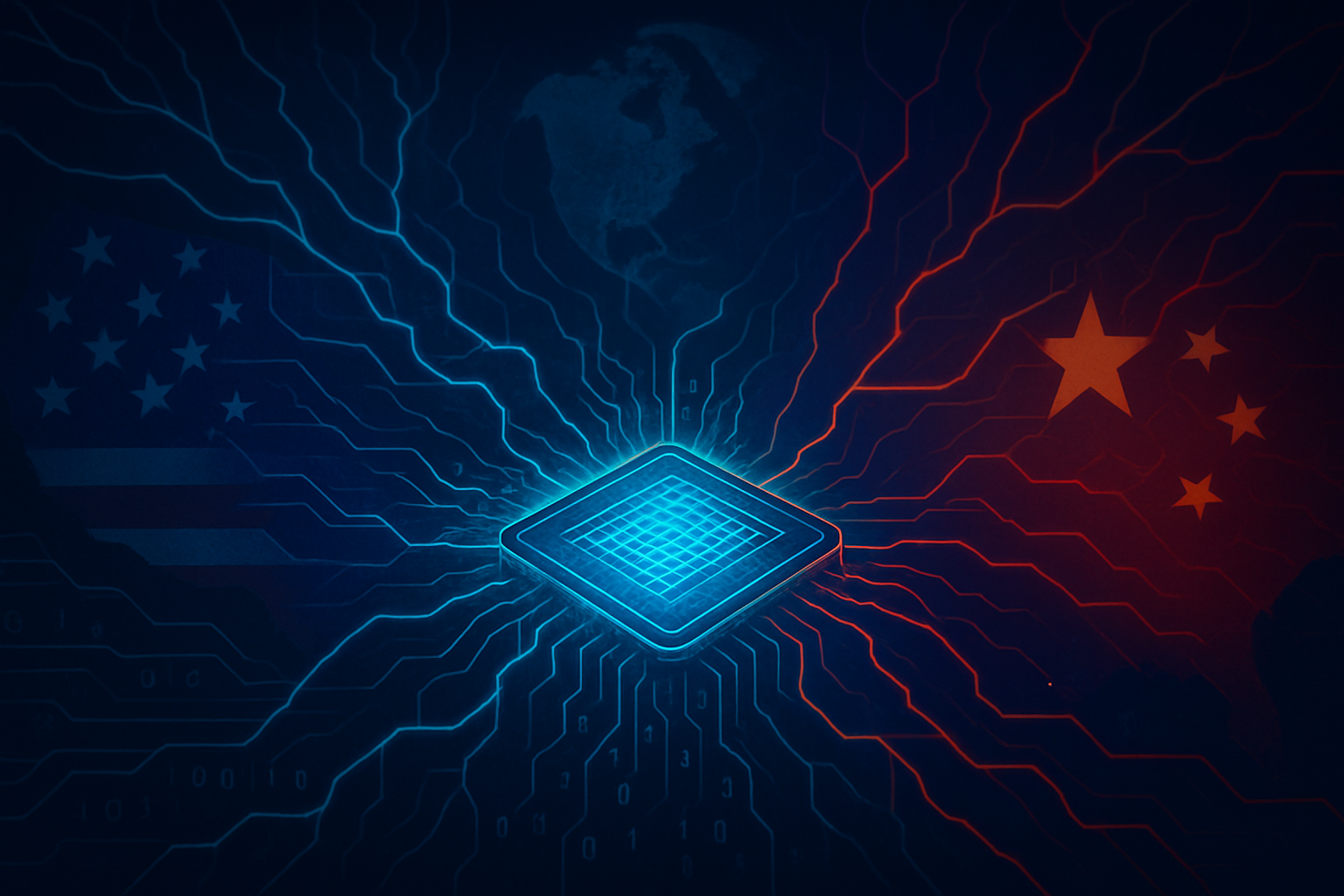
  • China’s Tariff Threats Send Tech Stocks Reeling, But Wedbush Sees a ‘Buying Opportunity’

    China’s Tariff Threats Send Tech Stocks Reeling, But Wedbush Sees a ‘Buying Opportunity’

    Global financial markets were gripped by renewed uncertainty on October 10, 2025, as former President Donald Trump reignited fears of a full-blown trade war with China, threatening "massive" new tariffs. Beijing swiftly retaliated by expanding its export controls on critical materials and technologies, sending shockwaves through the tech sector and triggering a broad market sell-off. While investors scrambled for safer havens, influential voices like Wedbush Securities are urging a contrarian view, suggesting that the market's knee-jerk reaction presents a strategic "buying opportunity" for discerning investors in the tech space.

    The escalating tensions, fueled by concerns over rare earth exports and a potential cancellation of high-level meetings, have plunged market sentiment into a state of fragility. The immediate aftermath saw significant declines across major US indexes, with the tech-heavy Nasdaq Composite experiencing the sharpest drops. This latest volley in the US-China economic rivalry underscores a persistent geopolitical undercurrent that continues to dictate the fortunes of multinational corporations and global supply chains.

    Market Turmoil and Wedbush's Contrarian Call

    The announcement of potential new tariffs by former President Trump on October 10, 2025, targeting Chinese products, was met with an immediate and sharp downturn across global stock markets. The S&P 500 (NYSEARCA: SPY) fell between 1.8% and 2.1%, the Dow Jones Industrial Average (NYSEARCA: DIA) declined by 1% to 1.5%, and the Nasdaq Composite (NASDAQ: QQQ) sank by 1.7% to 2.7%. The tech sector bore the brunt of the sell-off, with the PHLX Semiconductor Index plummeting by 4.1%. Individual tech giants also saw significant drops; Nvidia (NASDAQ: NVDA) closed down approximately 2.7%, Advanced Micro Devices (NASDAQ: AMD) shares sank between 6% and 7%, and Qualcomm (NASDAQ: QCOM) fell 5.5% amidst a Chinese antitrust probe. Chinese tech stocks listed in the US, such as Alibaba (NYSE: BABA) and Baidu (NASDAQ: BIDU), also experienced substantial losses.

    In response to the US threats, China expanded its export control regime on the same day, targeting rare earth production technologies, key rare earth elements, lithium battery equipment, and superhard materials. Beijing also placed 14 Western entities on its "unreliable entity list," including US drone firms. These actions are seen as strategic leverage in the ongoing trade and technology disputes, reinforcing a trend towards economic decoupling. Investors reacted by fleeing to safety, with the 10-year Treasury yield falling and gold futures resuming their ascent. Conversely, stocks of rare earth companies like USA Rare Earth Inc (OTCQB: USAR) and MP Materials Corp (NYSE: MP) surged, driven by expectations of increased domestic production interest.

    Despite the widespread panic, analysts at Wedbush Securities have adopted a notably bullish stance. They argue that the current market downturn, particularly in the tech sector, represents an overreaction to geopolitical noise rather than a fundamental shift in technological demand or innovation. Wedbush's investment advice centers on identifying high-quality tech companies with strong underlying fundamentals, robust product pipelines, and diversified revenue streams that are less susceptible to short-term trade fluctuations. They believe that the long-term growth trajectory of artificial intelligence, cloud computing, and cybersecurity remains intact, making current valuations attractive entry points for investors.

    Wedbush's perspective highlights a critical distinction between temporary geopolitical headwinds and enduring technological trends. While acknowledging the immediate volatility, their analysis suggests that the current market environment is creating a temporary discount on valuable assets. This contrarian view advises investors to look beyond the immediate headlines and focus on the inherent value and future growth potential of leading tech innovators, positioning the current slump as an opportune moment for strategic accumulation rather than divestment.

    Competitive Implications and Corporate Strategies

    The renewed tariff threats and export controls have significant competitive implications for major AI labs, tech giants, and startups, accelerating the trend towards supply chain diversification and regionalization. Companies heavily reliant on Chinese manufacturing or consumer markets, particularly those in the semiconductor and hardware sectors, face increased pressure to "friend-shore" or "reshoring" production. For instance, major players like Apple (NASDAQ: AAPL), Nvidia (NASDAQ: NVDA), TSMC (NYSE: TSM), Micron (NASDAQ: MU), and IBM (NYSE: IBM) have already committed substantial investments to US manufacturing and AI infrastructure, aiming to reduce their dependence on cross-border supply chains. This strategic shift is not merely about avoiding tariffs but also about national security and technological sovereignty.

    The competitive landscape is being reshaped by this geopolitical friction. Companies with robust domestic manufacturing capabilities or diversified global supply chains stand to benefit, as they are better insulated from trade disruptions. Conversely, those with highly concentrated supply chains in China face increased costs, delays, and potential market access issues. This situation could disrupt existing products or services, forcing companies to redesign supply chains, find alternative suppliers, or even alter product offerings to comply with new regulations and avoid punitive tariffs. Startups in critical technology areas, especially those focused on domestic production or alternative material sourcing, might find new opportunities as larger companies seek resilient partners.

    The "cold tech war" scenario, characterized by intense technological competition without direct military conflict, is compelling tech companies to reconsider their market positioning and strategic advantages. Investment in R&D for advanced materials, automation, and AI-driven manufacturing processes is becoming paramount to mitigate risks associated with geopolitical instability. Companies that can innovate domestically and reduce reliance on foreign components, particularly from China, will gain a significant competitive edge. This includes a renewed focus on intellectual property protection and the development of proprietary technologies that are less susceptible to export controls or forced technology transfers.

    Furthermore, the escalating tensions are fostering an environment where governments are increasingly incentivizing domestic production through subsidies and tax breaks. This creates a strategic advantage for companies that align with national economic security objectives. The long-term implication is a more fragmented global tech ecosystem, where regional blocs and national interests play a larger role in shaping technological development and market access. Companies that can adapt quickly to this evolving landscape, demonstrating agility in supply chain management and a strategic focus on domestic innovation, will be best positioned to thrive.

    Broader Significance in the AI Landscape

    The recent escalation of US-China trade tensions, marked by tariff threats and expanded export controls, holds profound significance for the broader AI landscape and global technological trends. This situation reinforces the ongoing "decoupling" narrative, where geopolitical competition increasingly dictates the development, deployment, and accessibility of advanced AI technologies. It signals a move away from a fully integrated global tech ecosystem towards one characterized by regionalized supply chains and nationalistic technological agendas, profoundly impacting AI research collaboration, talent mobility, and market access.

    The impacts extend beyond mere economic considerations, touching upon the very foundation of AI innovation. Restrictions on the export of critical materials and technologies, such as rare earths and advanced chip manufacturing equipment, directly impede the development and production of cutting-edge AI hardware, including high-performance GPUs and specialized AI accelerators. This could lead to a bifurcation of AI development paths, with distinct technological stacks emerging in different geopolitical spheres. Such a scenario could slow down global AI progress by limiting the free flow of ideas and components, potentially increasing costs and reducing efficiency due to duplicated efforts and fragmented standards.

    Comparisons to previous AI milestones and breakthroughs highlight a crucial difference: while past advancements often fostered global collaboration and open innovation, the current climate introduces significant barriers. The focus shifts from purely technical challenges to navigating complex geopolitical risks. This environment necessitates that AI companies not only innovate technologically but also strategically manage their supply chains, intellectual property, and market access in a world increasingly divided by trade and technology policies. The potential for "AI nationalism," where countries prioritize domestic AI development for national security and economic advantage, becomes a more pronounced trend.

    Potential concerns arising from this scenario include a slowdown in the pace of global AI innovation, increased costs for AI development and deployment, and a widening technological gap between nations. Furthermore, the politicization of technology could lead to the weaponization of AI capabilities, raising ethical and security dilemmas on an international scale. The broader AI landscape must now contend with the reality that technological leadership is inextricably linked to geopolitical power, making the current trade tensions a pivotal moment in shaping the future trajectory of artificial intelligence.

    Future Developments and Expert Predictions

    Looking ahead, the near-term future of the US-China tech relationship is expected to remain highly volatile, with continued tit-for-tat actions in tariffs and export controls. Experts predict that both nations will intensify efforts to build resilient, independent supply chains, particularly in critical sectors like semiconductors, rare earths, and advanced AI components. This will likely lead to increased government subsidies and incentives for domestic manufacturing and R&D in both the US and China. We can anticipate further restrictions on technology transfers and investments, creating a more fragmented global tech market.

    In the long term, the "cold tech war" is expected to accelerate the development of alternative technologies and new geopolitical alliances. Countries and companies will be driven to innovate around existing dependencies, potentially fostering breakthroughs in areas like advanced materials, novel chip architectures, and AI-driven automation that reduce reliance on specific geopolitical regions. The emphasis will shift towards "trusted" supply chains, leading to a realignment of global manufacturing and technological partnerships. This could also spur greater investment in AI ethics and governance frameworks within national borders as countries seek to control the narrative and application of their domestic AI capabilities.

    Challenges that need to be addressed include mitigating the economic impact of decoupling, ensuring fair competition, and preventing the complete balkanization of the internet and technological standards. The risk of intellectual property theft and cyber warfare also remains high. Experts predict that companies with a strong focus on innovation, diversification, and strategic geopolitical awareness will be best positioned to navigate these turbulent waters. They also anticipate a growing demand for AI solutions that enhance supply chain resilience, enable localized production, and facilitate secure data management across different geopolitical zones.

    What experts predict will happen next is a continued push for technological self-sufficiency in both the US and China, alongside an increased focus on multilateral cooperation among allied nations to counter the effects of fragmentation. The role of international bodies in mediating trade disputes and setting global technology standards will become even more critical, though their effectiveness may be challenged by the prevailing nationalistic sentiments. The coming years will be defined by a delicate balance between competition and the necessity of collaboration in addressing global challenges, with AI playing a central role in both.

    A New Era of Geopolitical Tech: Navigating the Divide

    The recent re-escalation of US-China trade tensions, marked by renewed tariff threats and retaliatory export controls on October 10, 2025, represents a significant inflection point in the history of artificial intelligence and the broader tech industry. The immediate market downturn, while alarming, has been framed by some, like Wedbush Securities, as a strategic buying opportunity, underscoring a critical divergence in investment philosophy: short-term volatility versus long-term technological fundamentals. The key takeaway is that geopolitical considerations are now inextricably linked to technological development and market performance, ushering in an era where strategic supply chain management and national technological sovereignty are paramount.

    This development's significance in AI history lies in its acceleration of a fragmented global AI ecosystem. No longer can AI progress be viewed solely through the lens of open collaboration and unfettered global supply chains. Instead, companies and nations are compelled to prioritize resilience, domestic innovation, and trusted partnerships. This shift will likely reshape how AI research is conducted, how technologies are commercialized, and which companies ultimately thrive in an increasingly bifurcated world. The "cold tech war" is not merely an economic skirmish; it is a fundamental reordering of the global technological landscape.

    Final thoughts on the long-term impact suggest a more localized and diversified tech industry, with significant investments in domestic manufacturing and R&D across various regions. While this might lead to some inefficiencies and increased costs in the short term, it could also spur unprecedented innovation in areas previously overlooked due to reliance on centralized supply chains. The drive for technological self-sufficiency will undoubtedly foster new breakthroughs and strengthen national capabilities in critical AI domains.

    In the coming weeks and months, watch for further policy announcements from both the US and China regarding trade and technology. Observe how major tech companies continue to adjust their supply chain strategies and investment portfolios, particularly in areas like semiconductor manufacturing and rare earth sourcing. Pay close attention to the performance of companies identified as having strong fundamentals and diversified operations, as their resilience will be a key indicator of market adaptation. The current environment demands a nuanced understanding of both market dynamics and geopolitical currents, as the future of AI will be shaped as much by policy as by technological innovation.


    This content is intended for informational purposes only and represents analysis of current AI developments.

    TokenRing AI delivers enterprise-grade solutions for multi-agent AI workflow orchestration, AI-powered development tools, and seamless remote collaboration platforms.
    For more information, visit https://www.tokenring.ai/.

  • China Launches New Antitrust Probe into Qualcomm Amid Escalating US-China Tech Tensions

    China Launches New Antitrust Probe into Qualcomm Amid Escalating US-China Tech Tensions

    In a significant development echoing past regulatory challenges, China's State Administration for Market Regulation (SAMR) has initiated a fresh antitrust investigation into US chipmaking giant Qualcomm (NASDAQ: QCOM). Launched in October 2025, this probe centers on Qualcomm's recent acquisition of the Israeli firm Autotalks, a move that Beijing alleges failed to comply with Chinese anti-monopoly laws regarding the declaration of undertakings. This latest scrutiny comes at a particularly sensitive juncture, as technology and trade tensions between Washington and Beijing continue to intensify, positioning the investigation as more than just a regulatory oversight but a potential strategic maneuver in the ongoing geopolitical rivalry.

    The immediate significance of this new investigation is multi-faceted. For Qualcomm, it introduces fresh uncertainty into its strategic M&A activities and its operations within the crucial Chinese market, which accounts for a substantial portion of its revenue. For the broader US-China tech relationship, it signals a renewed willingness by Beijing to leverage its regulatory powers against major American tech firms, underscoring the escalating complexity and potential for friction in cross-border business and regulatory environments. This development is being closely watched by industry observers, who see it as a barometer for the future of international tech collaborations and the global semiconductor supply chain.

    The Dragon's Renewed Gaze: Specifics of the Latest Antitrust Challenge

    The current antitrust investigation by China's SAMR into Qualcomm (NASDAQ: QCOM) specifically targets the company's acquisition of Autotalks, an Israeli fabless semiconductor company specializing in vehicle-to-everything (V2X) communication solutions. The core accusation is that Qualcomm failed to declare the concentration of undertakings in accordance with Chinese anti-monopoly law for the Autotalks deal, which was finalized in June 2025. This type of regulatory oversight typically pertains to mergers and acquisitions that meet certain turnover thresholds, requiring prior approval from Chinese authorities to prevent monopolistic practices.

    This latest probe marks a distinct shift in focus compared to China's previous major antitrust investigation into Qualcomm, which commenced in November 2013 and concluded in February 2015. That earlier probe, conducted by the National Development and Reform Commission (NDRC), centered on Qualcomm's alleged abuse of its dominant market position through excessively high patent licensing fees and unreasonable licensing conditions. The NDRC's investigation culminated in a record fine of approximately US$975 million and mandated significant changes to Qualcomm's patent licensing practices in China.

    The current investigation, however, is not about licensing practices but rather about procedural compliance in M&A activities. SAMR's scrutiny suggests a heightened emphasis on ensuring that foreign companies adhere strictly to China's Anti-Monopoly Law (AML) when expanding their global footprint, particularly in strategic sectors like automotive semiconductors. The V2X technology developed by Autotalks is critical for advanced driver-assistance systems (ADAS) and autonomous vehicles, a sector where China is investing heavily and seeking to establish domestic leadership. This makes the acquisition of a key player like Autotalks particularly sensitive to Chinese regulators, who may view any non-declaration as a challenge to their oversight and industrial policy objectives. Initial reactions from the AI research community and industry experts suggest that this move by SAMR is less about the immediate competitive impact of the Autotalks deal itself and more about asserting regulatory authority and signaling geopolitical leverage in the broader US-China tech rivalry.

    Qualcomm Navigates a Treacherous Geopolitical Landscape

    China's renewed antitrust scrutiny of Qualcomm (NASDAQ: QCOM) over its Autotalks acquisition places the US chipmaker in a precarious position, navigating not only regulatory hurdles but also the increasingly fraught geopolitical landscape between Washington and Beijing. The implications for Qualcomm are significant, extending beyond potential fines to strategic market positioning and future M&A endeavors in the world's largest automotive market.

    The immediate financial impact, while potentially capped at a 5 million yuan (approximately US$702,000) penalty for non-declaration, could escalate dramatically if SAMR deems the acquisition to restrict competition, potentially leading to fines up to 10% of Qualcomm's previous year's revenue. Given that China and Hong Kong contribute a substantial 45% to 60% of Qualcomm's total sales, such a penalty would be considerable. Beyond direct financial repercussions, the probe introduces significant uncertainty into Qualcomm's integration of Autotalks, a critical component of its strategy to diversify its Snapdragon portfolio into the rapidly expanding automotive chip market. Any forced modifications to the deal or operational restrictions could impede Qualcomm's progress in developing and deploying V2X communication technologies, essential for advanced driver-assistance systems and autonomous vehicles.

    This repeated regulatory scrutiny underscores Qualcomm's inherent vulnerability in China, a market where it has faced significant challenges before, including a nearly billion-dollar fine in 2015. For other chipmakers, this investigation serves as a stark warning and a potential precedent. It signals China's aggressive stance on M&A activities involving foreign tech firms, particularly those in strategically important sectors like semiconductors. Previous Chinese regulatory actions, such as the delays that ultimately scuttled Qualcomm's acquisition of NXP in 2018 and Intel's (NASDAQ: INTC) terminated acquisition of Tower Semiconductor, highlight the substantial operational and financial risks companies face when relying on cross-border M&A for growth.

    The competitive landscape is also poised for shifts. Should Qualcomm's automotive V2X efforts be hindered, it could create opportunities for domestic Chinese chipmakers and other international players to gain market share in China's burgeoning automotive sector. This regulatory environment compels global chipmakers to adopt more cautious M&A strategies, emphasizing rigorous compliance and robust risk mitigation plans for any deals involving significant Chinese market presence. Ultimately, this probe could slow down the consolidation of critical technologies under a few dominant global players, while simultaneously encouraging domestic consolidation within China's semiconductor industry, thereby fostering a more localized and potentially fragmented innovation ecosystem.

    A New Chapter in the US-China Tech Rivalry

    The latest antitrust probe by China's SAMR against Qualcomm (NASDAQ: QCOM) transcends a mere regulatory compliance issue; it is widely interpreted as a calculated move within the broader, escalating technological conflict between the United States and China. This development fits squarely into a trend where national security and economic self-sufficiency are increasingly intertwined with regulatory enforcement, particularly in the strategically vital semiconductor sector. The timing of the investigation, amidst intensified rhetoric and actions from both nations regarding technology dominance, suggests it is a deliberate strategic play by Beijing.

    This probe is a clear signal that China is prepared to use its Anti-Monopoly Law (AML) as a potent instrument of economic statecraft. It stands alongside other measures, such as export controls on critical minerals and the aggressive promotion of domestic alternatives, as part of Beijing's comprehensive strategy to reduce its reliance on foreign technology and build an "all-Chinese supply chain" in semiconductors. By scrutinizing major US tech firms through antitrust actions, China not only asserts its regulatory sovereignty but also aims to gain leverage in broader trade negotiations and diplomatic discussions with Washington. This approach mirrors, in some ways, the US's own use of export controls and sanctions against Chinese tech companies.

    The wider significance of this investigation lies in its contribution to the ongoing decoupling of global technology ecosystems. It reinforces the notion that companies operating across these two economic superpowers must contend with divergent regulatory frameworks and geopolitical pressures. For the AI landscape, which is heavily reliant on advanced semiconductors, such actions introduce significant uncertainty into supply chains and collaborative efforts. Any disruption to Qualcomm's ability to integrate or deploy V2X technology, for instance, could have ripple effects on the development of AI-powered autonomous driving solutions globally.

    Comparisons to previous AI milestones and breakthroughs highlight the increasing politicization of technology. While past breakthroughs were celebrated for their innovation, current developments are often viewed through the lens of national competition. This investigation, therefore, is not just about a chip acquisition; it's about the fundamental control over foundational technologies that will power the next generation of AI and digital infrastructure. It underscores a global trend where governments are more actively intervening in markets to protect perceived national interests, even at the cost of global market efficiency and technological collaboration.

    Uncertainty Ahead: What Lies on the Horizon for Qualcomm and US-China Tech

    The antitrust probe by China's SAMR into Qualcomm's (NASDAQ: QCOM) Autotalks acquisition casts a long shadow over the immediate and long-term trajectory of the chipmaker and the broader US-China tech relationship. In the near term, Qualcomm faces the immediate challenge of cooperating fully with SAMR while bracing for potential penalties. A fine of up to 5 million yuan (approximately US$702,000) for failing to seek prior approval is a distinct possibility. More significantly, the timing of this investigation, just weeks before a critical APEC forum meeting between US President Donald Trump and Chinese leader Xi Jinping, suggests its use as a strategic lever in ongoing trade and diplomatic discussions.

    Looking further ahead, the long-term implications could be more substantial. If SAMR concludes that the Autotalks acquisition "eliminates or restricts market competition," Qualcomm could face more severe fines, potentially up to 10% of its previous year's revenue, and be forced to modify or even divest parts of the deal. Such an outcome would significantly impede Qualcomm's strategic expansion into the lucrative connected car market, particularly in China, which is a global leader in automotive innovation. This continued regulatory scrutiny is part of a broader, sustained effort by China to scrutinize and potentially restrict US semiconductor companies, aligning with its industrial policy of achieving technological self-reliance and displacing foreign products through various means.

    The V2X (Vehicle-to-Everything) technology, which Autotalks specializes in, remains a critical area of innovation with immense potential. V2X enables real-time communication between vehicles, infrastructure, pedestrians, and networks, promising enhanced safety through collision reduction, optimized traffic flow, and crucial support for fully autonomous vehicles. It also offers environmental benefits through reduced fuel consumption and facilitates smart city integration. However, its widespread adoption faces significant challenges, including the lack of a unified global standard (DSRC vs. C-V2X), the need for substantial infrastructure investment, and paramount concerns regarding data security and privacy. The high costs of implementation and the need for a critical mass of equipped vehicles and infrastructure also pose hurdles.

    Experts predict a continued escalation of the US-China tech war, characterized by deepening distrust and a "tit-for-tat" exchange of regulatory actions. The US is expected to further expand export controls and investment restrictions targeting critical technologies like semiconductors and AI, driven by bipartisan support for maintaining a competitive edge. In response, China will likely continue to leverage antitrust probes, expand its own export controls on critical materials, and accelerate efforts to build an "all-Chinese supply chain." Cross-border mergers and acquisitions, especially in strategic tech sectors, will face increased scrutiny and a more restrictive environment. The tech rivalry is increasingly viewed as a zero-sum game, leading to significant volatility and uncertainty for tech companies, compelling them to diversify supply chains and adapt to a more fragmented global technology landscape.

    Navigating the New Normal: A Concluding Assessment

    China's latest antitrust investigation into Qualcomm's (NASDAQ: QCOM) acquisition of Autotalks represents a critical juncture, not only for the US chipmaker but for the entire US-China tech relationship. The key takeaway from this development is the undeniable escalation of geopolitical tensions manifesting as regulatory actions in the strategic semiconductor sector. This probe, focusing on M&A declaration compliance rather than licensing practices, signals a more sophisticated and targeted approach by Beijing to assert its economic sovereignty and advance its technological self-sufficiency agenda. It underscores the growing risks for foreign companies operating in China, where regulatory compliance is increasingly intertwined with national industrial policy.

    This development holds significant weight in the history of AI and technology. While not directly an AI breakthrough, it profoundly impacts the foundational hardware—advanced semiconductors—upon which AI innovation is built, particularly in areas like autonomous driving. It serves as a stark reminder that the future of AI is not solely determined by technological prowess but also by the geopolitical and regulatory environments in which it develops. The increasing weaponization of antitrust laws and export controls by both the US and China is reshaping global supply chains, fostering a bifurcated tech ecosystem, and forcing companies to make difficult strategic choices.

    Looking ahead, the long-term impact of such regulatory maneuvers will likely be a more fragmented and less interconnected global technology landscape. Companies will increasingly prioritize supply chain resilience and regional independence over global optimization. For Qualcomm, the resolution of this probe will be crucial for its automotive ambitions in China, but the broader message is that future cross-border M&A will face unprecedented scrutiny.

    What to watch for in the coming weeks and months includes the specifics of SAMR's findings and any penalties or remedies imposed on Qualcomm. Beyond that, observe how other major tech companies adjust their strategies for market entry and M&A in China, and whether this probe influences the tone and outcomes of high-level US-China diplomatic engagements. The evolving interplay between national security, economic competition, and regulatory enforcement will continue to define the contours of the global tech industry.


    This content is intended for informational purposes only and represents analysis of current AI developments.

    TokenRing AI delivers enterprise-grade solutions for multi-agent AI workflow orchestration, AI-powered development tools, and seamless remote collaboration platforms.
    For more information, visit https://www.tokenring.ai/.

  • Silicon’s Unyielding Ascent: How AI and Strategic Diversification Propel Semiconductor Growth Amidst Geopolitical Crosswinds

    Silicon’s Unyielding Ascent: How AI and Strategic Diversification Propel Semiconductor Growth Amidst Geopolitical Crosswinds

    The global semiconductor industry is demonstrating remarkable resilience, projected to achieve unprecedented growth despite the persistent and often escalating U.S.-China trade tensions. With global sales anticipated to hit a new all-time high of $697 billion in 2025—an 11.2% increase over 2024—and an ambitious trajectory towards $1 trillion by 2030, the sector is not merely weathering geopolitical storms but leveraging underlying technological revolutions and strategic adaptations to fuel its expansion. This robust outlook, confirmed by industry analysts and recent performance figures, underscores the foundational role of semiconductors in the modern digital economy and the powerful tailwinds generated by the relentless march of artificial intelligence.

    At the heart of this growth narrative is the insatiable demand for advanced computing power, primarily driven by the exponential rise of Artificial Intelligence (AI) and cloud computing. The generative AI chip market alone, valued at over $125 billion in 2024 and expected to surpass $150 billion in 2025, already accounts for more than 20% of total chip sales. This segment encompasses a broad array of specialized components, including high-performance CPUs, GPUs, data center communication chips, and High-Bandwidth Memory (HBM). The transition to cutting-edge semiconductor technologies, such as Gate-All-Around (GAA) transistors, advanced DRAM, and sophisticated packaging solutions, is not just an incremental improvement but a fundamental shift demanding new equipment and processes, thereby stimulating further investment and innovation across the supply chain. Unlike previous cycles driven primarily by consumer electronics, the current surge is propelled by a broader, more diversified demand for compute across enterprise, industrial, automotive, and healthcare sectors, making the industry less susceptible to single-market fluctuations.

    The AI Engine and Strategic Re-Industrialization

    The specific details underpinning this robust growth are multifaceted. The pervasive integration of AI across various industries, extending beyond traditional data centers into edge computing, autonomous systems, and advanced analytics, necessitates an ever-increasing supply of powerful and efficient chips. This demand is fostering rapid advancements in chip architecture and manufacturing processes. For instance, the development of GAA transistors represents a significant leap from FinFET technology, allowing for greater transistor density and improved performance, crucial for next-generation AI accelerators. Similarly, HBM is becoming indispensable for AI workloads by providing significantly higher memory bandwidth compared to traditional DRAM, overcoming a critical bottleneck in data-intensive applications. These technical advancements differentiate the current era from past cycles, where growth was often tied to more incremental improvements in general-purpose computing.

    Initial reactions from the AI research community and industry experts are overwhelmingly optimistic, albeit with a cautious eye on geopolitical complexities. Analysts like Joshua Buchalter of TD Cowen suggest that the semiconductor ecosystem will "grind higher" despite trade tensions, often viewing restrictions as tactical negotiation tools rather than insurmountable barriers. Deloitte projects an impressive compound annual growth rate (CAGR) of 7.5% between 2025 and 2030, aligning with the industry's $1 trillion sales target. The KPMG 2025 Global Semiconductor Industry Outlook further reinforces this sentiment, with a staggering 92% of executives anticipating revenue growth in 2025, highlighting the industry's proactive stance in fostering innovation and adaptability. This consensus points to a belief that fundamental demand drivers, particularly AI, will outweigh geopolitical friction in the long run.

    Corporate Beneficiaries and Market Realignments

    This dynamic environment creates distinct winners and losers, reshaping the competitive landscape for AI companies, tech giants, and startups alike. Companies like Taiwan Semiconductor Manufacturing Company (NYSE: TSM), the world's largest contract chipmaker, stand to benefit significantly from increased demand for advanced nodes and strategic investments in manufacturing capacity outside of Asia, notably in the U.S., supported by initiatives like the CHIPS Act. This "friend-shoring" strategy helps TSMC maintain market access and diversify its operational footprint. Similarly, equipment manufacturers such as Applied Materials (NASDAQ: AMAT) are strategically positioned to capitalize on the global build-out of new fabs and the transition to advanced technologies, despite facing headwinds in historically substantial markets like China due to export controls.

    The competitive implications for major AI labs and tech companies are profound. Those with proprietary chip designs, such as NVIDIA (NASDAQ: NVDA) with its dominant position in AI GPUs, and cloud providers like Amazon (NASDAQ: AMZN) and Google (NASDAQ: GOOGL) developing their own custom AI accelerators, will see their strategic advantages amplified by the underlying growth in the semiconductor sector. Conversely, Chinese semiconductor firms, like Semiconductor Manufacturing International Corporation (SMIC), face significant challenges due to U.S. restrictions on advanced manufacturing equipment and technology. While these restrictions have led to declines in SMIC's net income, they have also spurred aggressive R&D spending within China to achieve technological self-reliance, with the ambitious goal of 50% semiconductor self-sufficiency by 2025. This creates a bifurcated market, where geopolitical alignment increasingly dictates market positioning and strategic advantages, potentially disrupting existing product pipelines and forcing companies to rethink their global supply chain strategies.

    Broader Implications and Geopolitical Tectonics

    The resilience and growth of the semiconductor industry amidst U.S.-China trade tensions represent a critical development within the broader AI landscape. It underscores that AI's insatiable demand for processing power is a force strong enough to reconfigure global supply chains and stimulate unprecedented investment. This situation fits into broader trends of technological nationalism and the weaponization of economic dependencies, where governments are increasingly viewing semiconductor manufacturing as a matter of national security rather than just economic competitiveness. The U.S. CHIPS Act and similar initiatives in Europe and Japan are direct responses to this, aiming to re-industrialize chip production and enhance supply chain resilience, reducing reliance on single geographic regions.

    The impacts are wide-ranging. On one hand, it fosters diversification and strengthens regional manufacturing bases, potentially leading to more robust and secure supply chains in the long term. On the other hand, it raises concerns about market fragmentation, increased costs due to redundant manufacturing capabilities, and the potential for slower innovation if access to global talent and markets is restricted. This geopolitical chess match has led to comparisons with past technological arms races, highlighting the strategic importance of semiconductors as the "new oil" of the digital age. The current situation differs from previous milestones by not just being about technological advancement, but also about the fundamental restructuring of a globalized industry along geopolitical lines, with national security driving significant capital allocation and policy decisions.

    The Horizon: Innovation and Persistent Challenges

    Looking ahead, the semiconductor industry is poised for continuous innovation and expansion. Near-term developments will likely focus on optimizing existing advanced nodes and accelerating the deployment of HBM and advanced packaging solutions to meet immediate AI demands. Longer-term, the industry is expected to push towards even more advanced transistor architectures, such as 2nm and beyond, and explore novel materials and computing paradigms, including neuromorphic and quantum computing, which will unlock new frontiers for AI applications. The proliferation of AI into every conceivable sector—from smart cities and personalized healthcare to advanced robotics and sustainable energy management—will continue to drive demand for specialized, energy-efficient chips.

    However, significant challenges remain. The escalating costs of developing and manufacturing at the leading edge necessitate massive R&D investments and collaborative ecosystems. Geopolitical volatility will continue to be a persistent concern, requiring companies to navigate complex regulatory environments and manage diversified, yet potentially less efficient, supply chains. Experts predict a continued "grinding higher" for the industry, but also anticipate that the U.S.-China dynamic will evolve into a more permanent bifurcated market, where companies must choose or balance their allegiances. The need for a highly skilled workforce will also intensify, posing a talent acquisition and development challenge globally.

    A New Era for Silicon

    In wrap-up, the semiconductor industry's expected growth despite U.S.-China trade tensions is a testament to the irresistible force of technological progress, particularly the rise of AI, and the strategic adaptability of global corporations and governments. Key takeaways include the pivotal role of AI as the primary growth driver, the acceleration of geographical diversification and "friend-shoring" strategies, and the emergence of a bifurcated global market. This development signifies a new era for silicon, where national security interests are as influential as market forces in shaping the industry's trajectory.

    The significance of this period in AI history cannot be overstated. It marks a shift from purely economic competition to a geopolitical contest for technological supremacy, with semiconductors at its core. The long-term impact will likely be a more regionally diversified but potentially more fragmented global semiconductor ecosystem. In the coming weeks and months, observers should watch for further government policies aimed at bolstering domestic manufacturing, the progress of Chinese firms in achieving self-reliance, and the continued innovation in AI chip architectures. The silicon heart of the digital world continues to beat strongly, adapting and evolving in the face of unprecedented challenges.


    This content is intended for informational purposes only and represents analysis of current AI developments.

    TokenRing AI delivers enterprise-grade solutions for multi-agent AI workflow orchestration, AI-powered development tools, and seamless remote collaboration platforms.
    For more information, visit https://www.tokenring.ai/.

  • Semiconductor Sector Poised for Sustained Growth Amidst Headwinds, Says TD Cowen Analyst

    Semiconductor Sector Poised for Sustained Growth Amidst Headwinds, Says TD Cowen Analyst

    New York, NY – October 10, 2025 – Despite a landscape frequently marked by geopolitical tensions and supply chain complexities, the semiconductor industry is on a trajectory of sustained growth and resilience. This optimistic outlook comes from Joshua Buchalter, a senior analyst at TD Cowen, who foresees the sector continuing to "grind higher," driven by fundamental demand for compute power and the accelerating expansion of artificial intelligence (AI). Buchalter's analysis offers a reassuring perspective for investors and industry stakeholders, suggesting that underlying market strengths are robust enough to navigate ongoing challenges.

    The immediate significance of this prediction lies in its counter-narrative to some prevailing anxieties about the global economy and trade relations. Buchalter’s steadfast confidence underscores a belief that the core drivers of semiconductor demand—namely, the insatiable need for processing power across an ever-widening array of applications—will continue to fuel the industry's expansion, cementing its critical role in the broader technological ecosystem.

    Deep Dive into the Pillars of Semiconductor Expansion

    Buchalter's positive assessment is rooted in a confluence of powerful, simultaneous growth factors that are reshaping the demand landscape for semiconductors. Firstly, the increasing global user base continues to expand, bringing more individuals online and integrating them into the digital economy, thereby driving demand for a vast array of devices and services powered by advanced chips. Secondly, the growing complexity of applications and workloads means that as software and digital services evolve, they require increasingly sophisticated and powerful semiconductors to function efficiently. This trend is evident across enterprise computing, consumer electronics, and specialized industrial applications.

    The third, and perhaps most impactful, driver identified by Buchalter is the expanding use cases for Artificial Intelligence. AI's transformative potential is creating an unprecedented demand for high-performance computing, specialized AI accelerators, and robust data center infrastructure. Buchalter highlights the "AI arms race" as a critical catalyst, noting that the demand for compute, particularly for AI, continues to outstrip supply. This dynamic underpins his confidence in companies like NVIDIA (NASDAQ: NVDA), which he does not consider overvalued despite its significant market capitalization, given its pivotal role and growth rates in the global compute ecosystem.

    In terms of specific company performance, Buchalter has maintained a "Buy" rating on ON Semiconductor (NASDAQ: ON) with a target price of $55 as of September 2025, signaling confidence in its market position. Similarly, Broadcom (NASDAQ: AVGO) received a reiterated "Buy" rating in September 2025, supported by strong order momentum and its burgeoning influence in the AI semiconductor market, with expectations that Broadcom's AI revenue growth will more than double year-over-year in FY26. However, not all outlooks are universally positive; Marvell Technology (NASDAQ: MRVL) saw its rating downgraded from "Buy" to "Hold" in October 2025, primarily due to limited visibility in its custom XPU (AI accelerators) business and intensifying competition in key segments. This nuanced view underscores that while the overall tide is rising, individual company performance will still be subject to specific market dynamics and competitive pressures.

    Competitive Implications and Strategic Advantages in the AI Era

    Buchalter's analysis suggests a clear delineation of beneficiaries within the semiconductor landscape. Companies deeply entrenched in the AI value chain, such as NVIDIA (NASDAQ: NVDA), are poised for continued dominance. Their specialized GPUs and AI platforms are fundamental to the "AI arms race," making them indispensable to tech giants and startups alike who are vying for AI leadership. Broadcom (NASDAQ: AVGO) also stands to benefit significantly, leveraging its robust order momentum and increasing weight in the AI semiconductor market, particularly with its projected doubling of AI revenue growth. These companies are strategically positioned to capitalize on the escalating demand for advanced computing power required for AI model training, inference, and deployment.

    Conversely, companies like Marvell Technology (NASDAQ: MRVL) face heightened competitive pressures and visibility challenges, particularly in niche segments like custom AI accelerators. This highlights a critical aspect of the AI era: while overall demand is high, the market is also becoming increasingly competitive and specialized. Success will depend not just on innovation, but also on strong execution, clear product roadmaps, and the ability to secure follow-on design wins in rapidly evolving technological paradigms. The "lumpiness" of customer orders and the difficulty in securing next-generation programs can introduce volatility for companies operating in these highly specialized areas.

    The broader competitive landscape is also shaped by governmental initiatives like the U.S. CHIPS Act, which aims to rebuild and strengthen the domestic semiconductor ecosystem. This influx of investment in wafer fab equipment and manufacturing capabilities is expected to drive substantial growth, particularly for equipment suppliers and foundries. While this initiative promises to enhance supply chain resilience and reduce reliance on overseas manufacturing, it also introduces challenges such as higher operating costs and the scarcity of skilled talent, which could impact the market positioning and strategic advantages of both established players and emerging startups in the long run.

    Broader AI Landscape and Geopolitical Crossroads

    Buchalter's optimistic outlook for the semiconductor industry fits squarely into the broader narrative of AI's relentless expansion and its profound impact on the global economy. The analyst's emphasis on the "increasing users, growing complexity of applications, and expanding use cases for AI" as key drivers underscores that AI is not merely a trend but a foundational shift demanding unprecedented computational resources. This aligns with the wider AI landscape, where advancements in large language models, computer vision, and autonomous systems are consistently pushing the boundaries of what's possible, each requiring more powerful and efficient silicon.

    However, this growth is not without its complexities, particularly concerning geopolitical dynamics. Buchalter acknowledges that "increased tech trade tensions between the U.S. and China is not good for the semiconductor index." While he views some investigations and export restrictions as strategic negotiating tactics, the long-term implications of a bifurcating tech ecosystem remain a significant concern. The potential for further restrictions could disrupt global supply chains, increase costs, and fragment market access, thereby impacting the growth trajectories of multinational semiconductor firms. This situation draws parallels to historical periods of technological competition, but with AI's strategic importance, the stakes are arguably higher.

    Another critical consideration is the ongoing investment in mature-node technologies, particularly by China. While Buchalter predicts no structural oversupply in mature nodes, he warns that China's aggressive expansion in this segment could pose a risk to the long-term growth of Western suppliers. This competitive dynamic, coupled with the global push to diversify manufacturing geographically, highlights the delicate balance between fostering innovation, ensuring supply chain security, and navigating complex international relations. The industry's resilience will be tested not just by technological demands but also by its ability to adapt to a constantly shifting geopolitical chessboard.

    Charting the Course: Future Developments and Emerging Challenges

    Looking ahead, the semiconductor industry is poised for several significant developments, largely fueled by the persistent demand for AI and the strategic imperative of supply chain resilience. Near-term, expect continued substantial investments in data centers globally, as cloud providers and enterprises race to build the infrastructure necessary to support the burgeoning AI workloads. This will translate into robust demand for high-performance processors, memory, and networking components. The "AI arms race" is far from over, ensuring that innovation in AI-specific hardware will remain a top priority.

    Longer-term, the rebuilding of the semiconductor ecosystem, particularly in the U.S. through initiatives like the CHIPS Act, will see substantial capital deployed into new fabrication plants and research and development. Buchalter anticipates that the U.S. could meet domestic demand for leading-edge chips by the end of the decade, a monumental shift in global manufacturing dynamics. This will likely lead to the emergence of new manufacturing hubs and a more diversified global supply chain. Potential applications on the horizon include more pervasive AI integration into edge devices, advanced robotics, and personalized healthcare, all of which will require increasingly sophisticated and energy-efficient semiconductors.

    However, significant challenges need to be addressed. As Buchalter and TD Cowen acknowledge, the drive to rebuild domestic manufacturing ecosystems comes with higher operating costs and the persistent scarcity of skilled talent. Attracting and retaining the necessary engineering and technical expertise will be crucial for the success of these initiatives. Furthermore, navigating the evolving landscape of U.S.-China tech trade tensions will continue to be a delicate act, with potential for sudden policy shifts impacting market access and technology transfer. Experts predict that the industry will become even more strategic, with governments playing an increasingly active role in shaping its direction and ensuring national security interests are met.

    A Resilient Future: Key Takeaways and What to Watch

    Joshua Buchalter's analysis from TD Cowen provides a compelling narrative of resilience and growth for the semiconductor industry, driven primarily by the relentless expansion of AI and the fundamental demand for compute. The key takeaway is that despite geopolitical headwinds and competitive pressures, the underlying drivers for semiconductor demand are robust and will continue to propel the sector forward. The industry's ability to innovate and adapt to the ever-increasing complexity of applications and workloads, particularly those related to AI, will be paramount.

    This development holds significant importance in AI history, as it underscores the symbiotic relationship between advanced silicon and AI breakthroughs. Without continuous advancements in semiconductor technology, the ambitious goals of AI—from fully autonomous systems to human-level intelligence—would remain out of reach. Buchalter's outlook suggests that the foundational hardware enabling AI is on a solid footing, paving the way for further transformative AI applications.

    In the coming weeks and months, industry watchers should pay close attention to several indicators. Monitor the progress of new fabrication plant constructions and the efficacy of government incentives in attracting talent and investment. Observe the quarterly earnings reports of key players like NVIDIA (NASDAQ: NVDA), Broadcom (NASDAQ: AVGO), and ON Semiconductor (NASDAQ: ON) for insights into order momentum and revenue growth, especially in their AI-related segments. Furthermore, any developments in U.S.-China trade relations, particularly those impacting technology exports and imports, will be crucial to understanding potential shifts in the global semiconductor landscape. The future of AI is inextricably linked to the health and innovation of the semiconductor ecosystem, making this sector a critical barometer for technological progress.


    This content is intended for informational purposes only and represents analysis of current AI developments.

    TokenRing AI delivers enterprise-grade solutions for multi-agent AI workflow orchestration, AI-powered development tools, and seamless remote collaboration platforms.
    For more information, visit https://www.tokenring.ai/.