Tag: Germany

  • Global AI Powerhouse in the Making: IIT Kharagpur and Rhine-Main Universities Forge Strategic Alliance

    Global AI Powerhouse in the Making: IIT Kharagpur and Rhine-Main Universities Forge Strategic Alliance

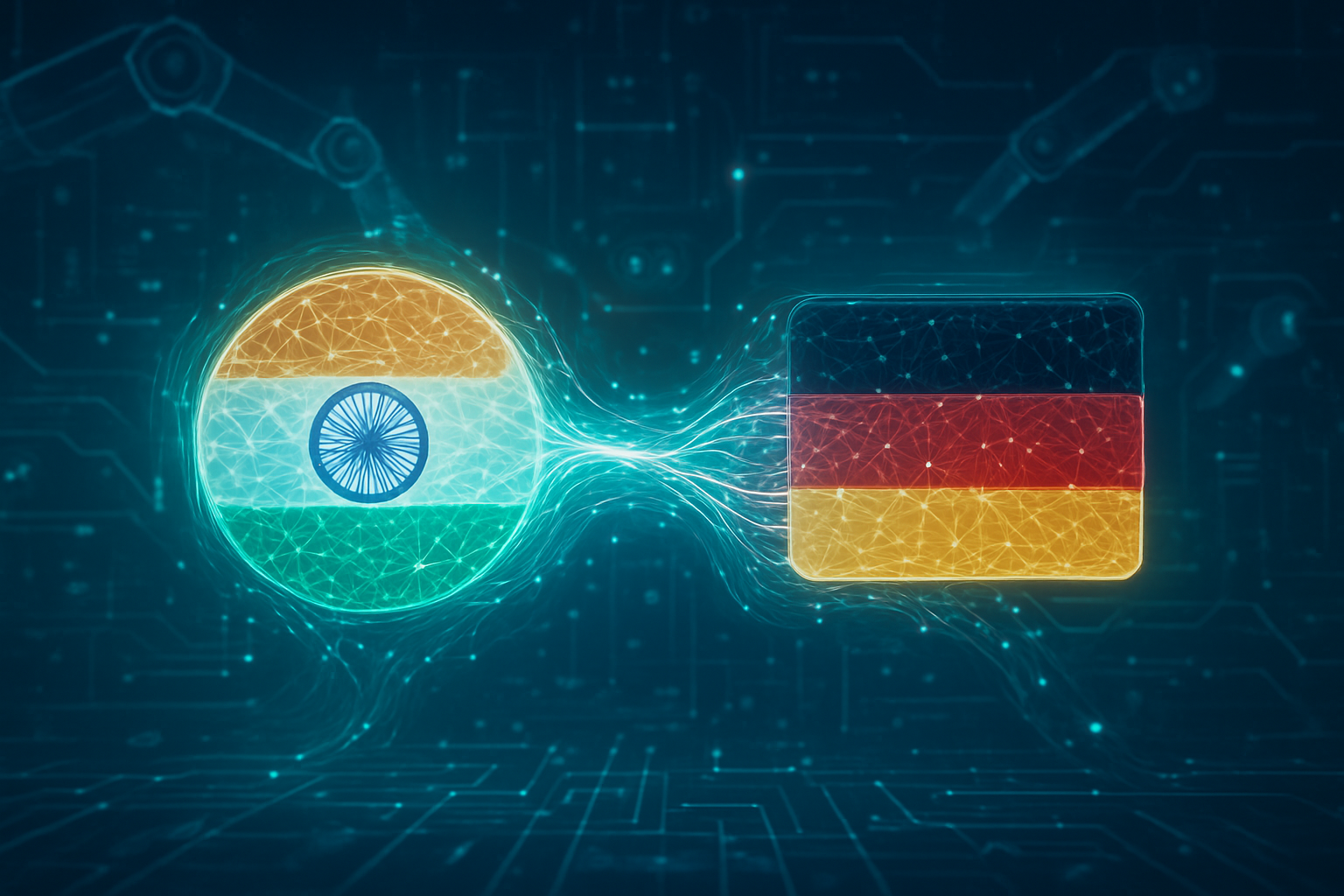
    In a landmark move poised to significantly reshape the landscape of international scientific and technological collaboration, the Indian Institute of Technology (IIT) Kharagpur and the Rhine-Main Universities (RMU) alliance in Germany have officially joined forces. This strategic partnership, formalized through a Memorandum of Understanding (MoU) signed recently—as of November 6, 2025—at TU Darmstadt, Germany, marks a pivotal moment for Indo-German cooperation in critical fields such as Artificial Intelligence (AI), robotics, and sustainable technologies. The five-year agreement is set to foster an unprecedented level of joint research, academic exchange, and innovation, aiming to cultivate a new generation of "future-ready researchers and innovators equipped to tackle the world's grand challenges."

    The alliance brings together IIT Kharagpur's renowned innovation-driven ecosystem with the deep academic and research strengths of RMU, which comprises Goethe University Frankfurt am Main, Johannes Gutenberg University Mainz, and Technische Universität (TU) Darmstadt. This comprehensive collaboration extends beyond traditional academic exchanges, envisioning a dynamic confluence of expertise that will drive cutting-edge advancements and address pressing global issues. The formal induction of IIT Kharagpur into RMU's international network, "RM Universe," further solidifies this commitment, opening avenues for broader participation in joint research proposals, fellowships, and student research stays.

    Deep Dive into Collaborative Research and Technical Advancements

    The IIT Kharagpur-RMU partnership is designed to establish a robust framework for extensive joint research and academic initiatives across a wide spectrum of scientific and engineering disciplines. This ambitious collaboration is expected to yield significant technological advancements, particularly in areas critical to the future of AI and related emerging technologies.

    Specific technical areas of focus, frequently highlighted in the discussions and related agreements (including a separate MoU with TU Darmstadt signed on May 24, 2025), include Artificial Intelligence (AI), Robotics, Mechanical Engineering, Aerospace Engineering, Computer Science and Engineering, Electrical and Electronics Engineering, Biological Sciences, Medical Sciences, Biotechnology, and Industrial Engineering. The explicit mention of AI and Robotics underscores their central role in the collaborative agenda, leveraging IIT Kharagpur's dedicated Centre of Excellence for AI and its specialized B.Tech program in AI. The partnership also extends to interdisciplinary applications, with potential for AI in precision agriculture, high-tech mobility, and sustainable technologies.

    The collaboration is structured to facilitate various joint initiatives, including joint academic and research programs, faculty and student exchanges, and specialized PhD training programs. Emphasis will be placed on early-career researcher mobility and collaborative research proposals and fellowships, all aimed at fostering interdisciplinary research to address complex global challenges. Expected technological advancements include the cultivation of innovators for grand challenges, impactful interdisciplinary research outcomes, and the creation of new technologies for global markets. For instance, the synergy of Indian AI and software expertise with German manufacturing leadership in high-tech mobility is anticipated to generate innovative solutions. This partnership will undoubtedly strengthen AI capabilities, leading to the development and deployment of advanced AI-driven tools and systems, and potentially contribute to cutting-edge advancements in semiconductor technologies and quantum devices.

    Competitive Implications for the AI Industry

    This strategic tie-up between IIT Kharagpur and Rhine-Main Universities is poised to have a significant impact on AI companies, tech giants, and startups in both India and Germany, reshaping competitive landscapes and opening new avenues for innovation.

    One of the most immediate benefits will be the enhancement of the talent pool and skill development. The robust exchange programs for students and faculty will facilitate the cross-pollination of knowledge and best practices in AI research and development. This will cultivate a highly skilled workforce proficient in cutting-edge AI technologies, providing a deeper and more diverse talent pool for both Indian and German companies. Furthermore, the collaborative research initiatives are expected to lead to breakthroughs in foundational and applied AI, resulting in novel algorithms, advanced AI models, and innovative solutions that can be commercialized by tech giants and startups. Past collaborations of IIT Kharagpur with companies like Wipro (NSE: WIPRO) and Tata Consultancy Services (BSE: 532540, NSE: TCS) for AI applications in healthcare, education, retail, climate change, and cybersecurity demonstrate the potential for industry-focused research outcomes and faster technology transfer.

    From a competitive standpoint, the partnership will undoubtedly stimulate innovation, leading to more sophisticated AI products and services. Companies that actively engage with or leverage the research outcomes from this collaboration will gain a significant competitive edge in developing next-generation AI solutions. This could lead to the disruption of existing products and services as new, more efficient, or capable AI technologies emerge. Breakthroughs in areas like digital health or advanced manufacturing, powered by joint research, could revolutionize these sectors. For market positioning, this alliance will strengthen the global reputation of IIT Kharagpur and the Rhine-Main Universities as leading centers for AI research and innovation, attracting further investment and partnerships. It will also bolster the global market positioning of both India and Germany as key players in the AI landscape, fostering a perception of these nations as sources of cutting-edge AI talent and innovation. Startups in both regions, particularly those in deep tech and specialized AI applications, stand to benefit immensely by leveraging the advanced research, infrastructure, and talent emerging from this collaboration, enabling them to compete more effectively and secure funding.

    Broader Significance in the Global AI Landscape

    The IIT Kharagpur-RMU partnership is a timely and strategic development that deeply integrates with and contributes to several overarching trends in the global AI landscape, signifying a mature phase of international collaboration in this critical domain.

    Firstly, it underscores the increasing global collaboration in AI research, acknowledging that the complexity and resource-intensive nature of modern AI development necessitate shared expertise across national borders. By combining IIT Kharagpur's innovation-driven ecosystem with RMU's deep academic and research strengths, the partnership exemplifies this trend. Secondly, while not explicitly detailed in initial announcements, the collaboration is likely to embed principles of ethical and responsible AI development, a major global imperative. Both India and Germany have expressed strong commitments to these principles, ensuring that joint research will implicitly consider issues of bias, fairness, transparency, and data protection. Furthermore, the partnership aligns with the growing focus on AI for societal challenges, aiming to leverage AI to address pressing global issues such as climate change, healthcare accessibility, and sustainable development, an area where India and Germany have a history of collaborative initiatives.

    The wider impacts of this collaboration are substantial. It promises to advance AI research and innovation significantly, leading to more comprehensive and innovative solutions in areas like AI-assisted manufacturing, robotics, and smart textiles. This will accelerate breakthroughs across machine learning, deep learning, natural language processing, and computer vision. The exchange programs will also enhance educational and talent pipelines, exposing students and faculty to diverse methodologies and enriching their skills with a global perspective, thereby helping to meet the global demand for AI talent. This partnership also strengthens bilateral ties between India and Germany, reinforcing their long-standing scientific and technological cooperation and their shared vision for AI and other advanced technologies. However, potential concerns include navigating data privacy and security across different regulatory environments, resolving intellectual property rights for jointly developed innovations, mitigating algorithmic bias, addressing potential brain drain, and ensuring the long-term sustainability and funding of such extensive international efforts.

    Compared to previous AI milestones, which were often driven by individual breakthroughs or national initiatives, this partnership reflects the modern trend towards complex, resource-intensive, and inherently international collaborations. It represents an evolution of Indo-German AI cooperation, moving beyond general agreements to a specific, multi-university framework with a broader scope and a clear focus on nurturing "future-ready" innovators to tackle grand global challenges.

    Charting the Course: Future Developments and Applications

    The IIT Kharagpur-Rhine-Main Universities partnership is poised to unfold a series of significant developments in both the near and long term, promising a rich landscape of applications and impactful research outcomes, while also navigating inherent challenges.

    In the near term (within the five-year MoU period), immediate developments will include the initiation of joint research projects across diverse disciplines, particularly in AI and robotics. Active student and faculty exchange programs will commence, facilitating research stays and academic networking. Specialized PhD training programs and workshops will be catalyzed, promoting early-career researcher mobility between the two regions. IIT Kharagpur's formal integration into RMU's "RM Universe" network will immediately enable participation in joint research proposals, fellowships, and lecture series, setting a dynamic pace for collaboration.

    Looking long term (beyond the initial five years), the partnership is envisioned as a "new chapter in the Indo-German scientific alliance," aiming for a sustained confluence of innovation and academic strength. The overarching goal is to nurture future-ready researchers and innovators equipped to tackle the world's grand challenges, generating far-reaching impacts in interdisciplinary research and global education exchange. Given IIT Kharagpur's existing strong focus on AI through other collaborations, the RMU partnership is expected to significantly deepen expertise and innovation in AI-driven solutions across various sectors. Potential applications in AI and related technologies are vast, spanning advancements in robotics and intelligent systems (autonomous systems, industrial automation), digital health (diagnostics, personalized medicine), smart manufacturing and materials engineering, 5G networks and cognitive information processing, and critical areas like cybersecurity and climate change. AI-driven solutions for education, retail, and cross-disciplinary innovations in bioinformatics and computational social science are also anticipated.

    However, the path forward is not without challenges. Securing sustained funding, navigating cultural and administrative differences, establishing clear intellectual property rights frameworks, effectively translating academic research into tangible applications, and ensuring equitable benefits for both partners will require careful management. Experts from both institutions express high aspirations, emphasizing the partnership as a "powerful framework for joint research" and a "confluence of innovation-driven ecosystem and deep academic and research strengths." They predict it will generate "far-reaching impacts in interdisciplinary research and global education exchange," reinforcing the commitment to international collaboration for academic excellence.

    A New Era of Indo-German AI Collaboration

    The strategic partnership between IIT Kharagpur and the Rhine-Main Universities marks a profound moment in the evolution of international academic and research collaboration, particularly in the rapidly advancing field of Artificial Intelligence. This comprehensive alliance, formalized through a five-year MoU, is a testament to the shared vision of both India and Germany to drive innovation, cultivate world-class talent, and collectively address some of humanity's most pressing challenges.

    The key takeaways underscore a commitment to broad disciplinary engagement, with AI and robotics at the forefront, alongside extensive joint research, academic and student exchanges, and integration into RMU's prestigious international network. This confluence of IIT Kharagpur's dynamic innovation ecosystem and RMU's deep academic prowess is poised to accelerate breakthroughs and foster a new generation of globally-minded innovators. In the context of AI history, this partnership signifies a crucial shift towards more integrated and large-scale international collaborations, moving beyond individual institutional agreements to a multi-university framework designed for comprehensive impact. It reinforces the understanding that advanced AI development, with its inherent complexities and resource demands, thrives on collective intelligence and shared resources across borders.

    The long-term impact is expected to be transformative, yielding accelerated research and innovation, developing a truly global talent pool, and significantly strengthening the scientific and technological ties between India and Germany. This alliance is not just about academic exchange; it's about building a sustainable pipeline for solutions to grand global challenges, driven by cutting-edge advancements in AI and related fields. The synergy created will undoubtedly elevate the academic ecosystems in both regions, fostering a more dynamic and internationally oriented environment.

    In the coming weeks and months, observers should keenly watch for the concrete manifestations of this partnership. This includes the announcement of initial joint research projects that will define the early focus areas, the launch of PhD training programs and workshops offering new opportunities for doctoral candidates and early-career researchers, and the commencement of faculty and student exchange programs. Any news regarding new fellowships and lecture series under the 'RM Universe' network, as well as collaborative funding initiatives from governmental bodies, funding agencies, and industry partners, will be critical indicators of the partnership's trajectory and ambition. This alliance represents a significant step forward in shaping the future of AI and promises to be a focal point for technological progress and international cooperation for years to come.


    This content is intended for informational purposes only and represents analysis of current AI developments.

    TokenRing AI delivers enterprise-grade solutions for multi-agent AI workflow orchestration, AI-powered development tools, and seamless remote collaboration platforms.
    For more information, visit https://www.tokenring.ai/.
  • Geopolitical Fault Lines Jolt Global Auto Industry: German Supplier Aumovio Navigates China’s Chip Export Curbs

    Geopolitical Fault Lines Jolt Global Auto Industry: German Supplier Aumovio Navigates China’s Chip Export Curbs

    November 3, 2025 – The delicate balance of global supply chains has once again been rattled, with German automotive supplier Aumovio reportedly seeking urgent exemptions from China's recently imposed export constraints on chips manufactured by Nexperia. This development, surfacing on November 3, 2025, underscores the profound and immediate impact of escalating geopolitical tensions on the indispensable semiconductor industry, particularly for the global automotive sector. The crisis, which began in late September 2025, has highlighted the inherent fragility of a highly interconnected world, where national security concerns are increasingly overriding traditional economic logic, leaving industries like automotive grappling with potential production shutdowns.

    The immediate significance of Aumovio's plea cannot be overstated. It serves as a stark illustration of how a single point of failure within a complex global supply chain, exacerbated by international political maneuvering, can send ripple effects across continents. For the automotive industry, which relies heavily on a steady flow of foundational semiconductor components, the Nexperia chip saga represents a critical stress test, forcing a re-evaluation of long-held sourcing strategies and a renewed focus on resilience in an increasingly unpredictable geopolitical landscape.

    Geopolitical Chessboard Disrupts Foundational Chip Supply

    The current predicament traces its roots to late September 2025, when the Dutch government, reportedly under significant pressure from the United States, effectively moved to assert control over Nexperia, a Dutch-headquartered chipmaker whose parent company, Wingtech Technology, is backed by the Chinese government. Citing national security concerns, this move was swiftly met with retaliation from Beijing. In early October 2025, China's Ministry of Commerce imposed an export ban on finished semiconductor products from Nexperia's facilities in China, specifically preventing their re-export to European clients. Beijing vehemently criticized the Dutch intervention as improper and accused the US of meddling, setting the stage for a dramatic escalation of trade tensions.

    Nexperia is not a manufacturer of cutting-edge, advanced logic chips, but rather a crucial global supplier of "mature node" chips, including diodes, transistors, and voltage regulators. These seemingly mundane components are, in fact, the bedrock of modern electronics, indispensable across a vast array of industries, with the automotive sector being a primary consumer. Nexperia's unique supply chain model, where most products are manufactured in Europe but then sent to China for finishing and packaging before re-export, made China's ban particularly potent and disruptive. Unlike previous supply chain disruptions that often targeted advanced processors, this incident highlights that even foundational, "older" chip designs are critical and their absence can cripple global manufacturing.

    The technical implications for the automotive industry are severe. Nexperia's components are integral to countless onboard electronic systems in vehicles, from power management ICs and power semiconductors for electric vehicle (EV) battery management systems to motor drives and body control modules. These are not easily substituted; the process of qualifying and integrating alternative components by automakers is notoriously time-consuming, often taking months or even years. This inherent inertia in the automotive supply chain meant that the initial export restrictions immediately sparked widespread alarm, with European carmakers and parts suppliers warning of significant production bottlenecks and potential shutdowns within days or weeks. Initial reactions from the industry indicated a scramble for alternative sources and a stark realization of their vulnerability to geopolitical actions impacting seemingly minor, yet critical, components.

    Ripple Effects Across the Global Tech and Auto Landscape

    The Nexperia chip crisis has sent palpable tremors through the global tech and automotive sectors, exposing vulnerabilities and reshaping competitive dynamics. Among the most directly impacted are major German carmakers like Volkswagen (XTRA: VOW) and BMW (XTRA: BMW), both of whom had already issued stark warnings about looming production stoppages and were preparing to implement reduced working hours for employees. Beyond Germany, Nissan (TYO: 7201) and Honda (TYO: 7267) also reported immediate impacts, with Honda halting production at a facility in Mexico and adjusting operations in North America. These companies, heavily reliant on a just-in-time supply chain, find themselves in a precarious position, facing direct financial losses from manufacturing delays and potential market share erosion if they cannot meet demand.

    The competitive implications extend beyond just the automakers. Semiconductor companies with diversified manufacturing footprints outside of China, or those specializing in mature node chips with alternative packaging capabilities, may stand to benefit in the short term as automakers desperately seek alternative suppliers. However, the crisis also underscores the need for all semiconductor companies to reassess their global manufacturing and supply chain strategies to mitigate future geopolitical risks. For tech giants with significant automotive divisions or those investing heavily in autonomous driving and EV technologies, the disruption highlights the foundational importance of even the simplest chips and the need for robust, resilient supply chains. This incident could accelerate investments in regionalized manufacturing and onshoring initiatives, potentially shifting market positioning in the long run.

    The potential disruption to existing products and services is significant. Beyond direct manufacturing halts, the inability to procure essential components can delay the launch of new vehicle models, impact the rollout of advanced driver-assistance systems (ADAS), and slow down the transition to electric vehicles, all of which rely heavily on a consistent supply of various semiconductor types. This forces companies to prioritize existing models or even consider redesigns to accommodate available components, potentially increasing costs and compromising initial design specifications. The market positioning of companies that can quickly adapt or those with more resilient supply chains will undoubtedly strengthen, while those heavily exposed to single-source dependencies in geopolitically sensitive regions face an uphill battle to maintain their competitive edge and avoid significant reputational damage.

    A Broader Canvas of Geopolitical Fragmentation

    The Nexperia chip saga fits squarely into a broader and increasingly concerning trend of geopolitical fragmentation and the "weaponization of supply chains." This incident is not merely a trade dispute; it is a direct manifestation of escalating tensions, particularly between the United States and China, with Europe often caught in the crosshairs. The Dutch government's decision to intervene with Nexperia, driven by national security concerns and US pressure, reflects a wider shift where strategic autonomy and supply chain resilience are becoming paramount national objectives, often at the expense of pure economic efficiency. This marks a significant departure from the decades-long push for globalized, interconnected supply chains, signaling a new era where national interests frequently override traditional corporate considerations.

    The impacts are far-reaching. Beyond the immediate disruption to the automotive industry, this situation raises fundamental concerns about the future of global trade and investment. It accelerates the trend towards "de-risking" or even "decoupling" from certain regions, prompting companies to rethink their entire global manufacturing footprint. This could lead to increased costs for consumers as companies invest in less efficient, but more secure, regional supply chains. Potential concerns also include the fragmentation of technological standards, reduced innovation due to restricted collaboration, and a general chilling effect on international business as companies face heightened political risks. This situation echoes previous trade disputes, such as the US-China trade war under the Trump administration, but with a more direct and immediate impact on critical technological components, suggesting a deeper and more structural shift in international relations.

    Comparisons to previous AI milestones and breakthroughs, while seemingly disparate, reveal a common thread: the increasing strategic importance of advanced technology and its underlying components. Just as breakthroughs in AI capabilities have spurred a race for technological supremacy, the control over critical hardware like semiconductors has become a central battleground. This incident underscores that the "brains" of AI — the chips — are not immune to geopolitical machinations. It highlights that the ability to innovate and deploy AI depends fundamentally on secure access to the foundational hardware, making semiconductor supply chain resilience a critical component of national AI strategies.

    The Road Ahead: Diversification and Regionalization

    Looking ahead, the Nexperia chip crisis is expected to accelerate several key developments in the near and long term. In the immediate future, companies will intensify their efforts to diversify their sourcing strategies, actively seeking out alternative suppliers and building greater redundancy into their supply chains. This will likely involve engaging with multiple vendors across different geographic regions, even if it means higher initial costs. The partial lifting of China's export ban, allowing for exemptions, provides some critical breathing room, but it does not resolve the underlying geopolitical tensions that sparked the crisis. Therefore, companies will continue to operate with a heightened sense of risk and urgency.

    Over the long term, experts predict a significant push towards regionalization and even reshoring of semiconductor manufacturing and packaging capabilities. Governments, particularly in Europe and North America, are already investing heavily in domestic chip production facilities to reduce reliance on single points of failure in Asia. This trend will likely see increased investment in "mature node" chip production, as the Nexperia incident demonstrated the critical importance of these foundational components. Potential applications on the horizon include the development of more robust supply chain monitoring and analytics tools, leveraging AI to predict and mitigate future disruptions.

    However, significant challenges remain. Building new fabrication plants is incredibly capital-intensive and time-consuming, meaning that immediate solutions to supply chain vulnerabilities are limited. Furthermore, the global nature of semiconductor R&D and manufacturing expertise makes complete decoupling difficult, if not impossible, without significant economic drawbacks. Experts predict that the coming years will be characterized by a delicate balancing act: governments and corporations striving for greater self-sufficiency while still needing to engage with a globally interconnected technological ecosystem. What happens next will largely depend on the ongoing diplomatic efforts between major powers and the willingness of nations to de-escalate trade tensions while simultaneously fortifying their domestic industrial bases.

    Securing the Future: Resilience in a Fragmented World

    The Aumovio-Nexperia situation serves as a potent reminder of the profound interconnectedness and inherent vulnerabilities of modern global supply chains, particularly in the critical semiconductor sector. The crisis, emerging on November 3, 2025, and rooted in geopolitical tensions stemming from late September 2025, underscores that even foundational components like mature node chips can become strategic assets in international disputes, with immediate and severe consequences for industries like automotive. The key takeaway is clear: the era of purely economically driven, hyper-efficient global supply chains is yielding to a new paradigm where geopolitical risk, national security, and resilience are paramount considerations.

    This development holds significant weight in the annals of AI history, not because it's an AI breakthrough, but because it highlights the fundamental dependence of AI innovation on a secure and stable hardware supply. Without the underlying chips, the "brains" of AI systems, the most advanced algorithms and models remain theoretical. The incident underscores that the race for AI supremacy is not just about software and data, but also about controlling the means of production for the essential hardware. It's a stark assessment of how geopolitical friction can directly impede technological progress and economic stability.

    In the long term, this event will undoubtedly accelerate the ongoing shift towards more diversified, regionalized, and resilient supply chains. Companies and governments alike will prioritize strategic autonomy and de-risking over pure cost efficiency, leading to potentially higher costs for consumers but greater stability in critical sectors. What to watch for in the coming weeks and months includes further diplomatic negotiations to ease export restrictions, announcements from major automotive players regarding supply chain adjustments, and continued government investments in domestic semiconductor manufacturing capabilities. The Aumovio case is a microcosm of a larger global realignment, where the pursuit of technological leadership is increasingly intertwined with geopolitical strategy.


    This content is intended for informational purposes only and represents analysis of current AI developments.

    TokenRing AI delivers enterprise-grade solutions for multi-agent AI workflow orchestration, AI-powered development tools, and seamless remote collaboration platforms.
    For more information, visit https://www.tokenring.ai/.

  • Europe’s Chip Ambitions Soar: GlobalFoundries’ €1.1 Billion Dresden Expansion Ignites Regional Semiconductor Strategy

    Europe’s Chip Ambitions Soar: GlobalFoundries’ €1.1 Billion Dresden Expansion Ignites Regional Semiconductor Strategy

    The European Union's ambitious semiconductor strategy, driven by the EU Chips Act, is gaining significant momentum, aiming to double the continent's global market share in chips to 20% by 2030. A cornerstone of this strategic push is the substantial €1.1 billion investment by GlobalFoundries (NASDAQ: GFS) to expand its manufacturing capabilities in Dresden, Germany. This move, announced as Project SPRINT, is poised to dramatically enhance Europe's production capacity and bolster its quest for technological sovereignty in a fiercely competitive global landscape. As of October 2025, this investment underscores Europe's determined effort to secure its digital future and reduce critical dependencies in an era defined by geopolitical chip rivalries and an insatiable demand for AI-enabling hardware.

    Engineering Europe's Chip Future: GlobalFoundries' Technical Prowess in Dresden

    GlobalFoundries' €1.1 billion expansion of its Dresden facility, often referred to as "Project SPRINT," is not merely an increase in capacity; it's a strategic enhancement of Europe's differentiated semiconductor manufacturing capabilities. This investment is set to make the Dresden site the largest of its kind in Europe by the end of 2028, with a projected annual production capacity exceeding one million wafers. Since 2009, GlobalFoundries has poured over €10 billion into its Dresden operations, cementing its role as a vital hub within "Silicon Saxony."

    The expanded facility will primarily focus on highly differentiated technologies across various mature process nodes, including 55nm, 40nm, 28nm, and notably, the 22nm 22FDX® (Fully Depleted Silicon-on-Insulator) platform. This 22FDX® technology is purpose-built for connected intelligence at the edge, offering ultra-low power consumption (as low as 0.4V with adaptive body-biasing, achieving up to 60% lower power at the same frequency), high performance (up to 50% higher performance and 70% less power compared to other planar CMOS technologies), and robust integration. It enables full System-on-Chip (SoC) integration of digital, analog, high-performance RF, power management, and non-volatile memory (eNVM) onto a single die, effectively combining up to five chips into one. Crucially, the 22FDX platform is qualified for Automotive Grade 1 and 2 applications, with temperature resistance up to 150°C, vital for the durability and safety of vehicle electronics.

    This strategic focus on feature-rich, differentiated technologies sets GlobalFoundries apart from the race for sub-10nm nodes dominated by Asian foundries. Instead, Dresden will churn out essential chips for critical applications such as automotive advanced driver assistance systems (ADAS), Internet of Things (IoT) devices, defense systems requiring stringent security, and essential components for the burgeoning field of physical AI. Furthermore, the investment supports innovation in next-generation compute architectures and quantum technologies, including the manufacturing of control chips for quantum computers and core quantum components like single-photon sources and detectors using standard CMOS processes. A key upgrade involves offering "end-to-end European processes and data flows for critical semiconductor security requirements," directly contributing to a more independent and secure digital future for the continent.

    Reshaping the Tech Landscape: Impact on AI Companies, Tech Giants, and Startups

    The European Semiconductor Strategy and GlobalFoundries' Dresden investment are poised to significantly reshape the competitive landscape for AI companies, tech giants, and startups operating within or engaging with Europe. The overarching goal of achieving technological sovereignty translates into tangible benefits and strategic shifts across the industry.

    European AI companies, particularly those specializing in embedded AI, neuromorphic computing, and physical AI applications, stand to benefit immensely. Localized production of specialized chips with low power, embedded secure memory, and robust connectivity will provide more secure and potentially faster access to critical components, reducing reliance on volatile external supply chains. Deep-tech startups like SpiNNcloud, based in Dresden and focused on neuromorphic computing, have already indicated that increased local capacity will accelerate the commercialization of their brain-inspired AI solutions. The "Chips for Europe Initiative" further supports these innovators through design platforms, pilot lines, and competence centers, fostering an environment ripe for AI hardware development.

    For major tech giants, both European and international, the impact is multifaceted. Companies with substantial European automotive operations, such as Infineon (ETR: IFX), NXP (NASDAQ: NXPI), and major car manufacturers like Volkswagen (FWB: VOW), BMW (FWB: BMW), and Mercedes-Benz (FWB: MBG), will gain from enhanced supply chain resilience and reduced exposure to geopolitical shocks. The emphasis on "end-to-end European processes and data flows for semiconductor security" also opens doors for strategic partnerships with tech firms prioritizing data and IP security. While GlobalFoundries' focus is not on the most advanced GPUs for large language models (LLMs) dominated by companies like NVIDIA (NASDAQ: NVDA) and AMD (NASDAQ: AMD), its specialized output complements the broader AI ecosystem, supporting the hardware foundation for Europe's ambitious plan to deploy 15 AI factories by 2026. This move encourages dual sourcing and diversification, subtly altering traditional sourcing strategies for global players.

    The potential for disruption lies in the development of more sophisticated, secure, and energy-efficient edge AI products and IoT devices by European companies leveraging these locally produced chips. This could challenge existing offerings that rely on less optimized, general-purpose components. Furthermore, the "Made in Europe" label for semiconductors could become a significant market advantage in highly regulated sectors like automotive and defense, where trust, security, and supply reliability are paramount. The strategy reinforces Europe's existing strengths in equipment (ASML, AMS: ASML), chemicals, sensors, and automotive chips, creating a unique competitive edge in specialized AI applications that prioritize power efficiency and real-time processing at the edge.

    A New Geopolitical Chessboard: Wider Significance and Global Implications

    The European Semiconductor Strategy, with GlobalFoundries' Dresden investment as a pivotal piece, transcends mere industrial policy; it represents a profound geopolitical statement in an era where semiconductors are the "new oil" driving global competition. This initiative is unfolding against a backdrop of the "AI Supercycle," where AI chips are forecasted to contribute over $150 billion to total semiconductor sales in 2025, and an unprecedented global surge in domestic chip production investments.

    Europe's strategy, aiming for 20% global market share by 2030, is a direct response to the vulnerabilities exposed by recent global chip shortages and the escalating "chip war" between the United States and China. By boosting domestic manufacturing, Europe seeks to reduce its dependence on non-EU supply chains and enhance its strategic autonomy. The Nexperia incident in October 2025, where the Dutch government seized control of a Chinese-owned chip firm amid retaliatory export restrictions, underscored Europe's precarious position and the urgent need for self-reliance from both superpowers. This push for localized production is part of a broader "Great Chip Reshuffle," with similar initiatives in the US (CHIPS and Science Act) and Asia, signaling a global shift from highly concentrated supply chains towards more resilient, regionalized ecosystems.

    However, concerns persist. An April 2025 report by the European Court of Auditors suggested Europe might fall short of its 20% target, projecting a more modest 11.7% by 2030, sparking calls for an "ambitious and forward-looking" Chips Act 2.0. Europe also faces an enduring dependence on critical elements of the supply chain, such as ASML's (AMS: ASML) near-monopoly on EUV lithography machines, which in turn rely on Chinese rare earth elements (REEs). China's increasing weaponization of its REE dominance, with export restrictions in April and October 2025, highlights a complex web of interdependencies. Experts predict an intensified geopolitical fragmentation, potentially leading to a "Silicon Curtain" where resilience is prioritized over efficiency, fostering collaboration among "like-minded" countries.

    In the broader AI landscape, this strategy is a foundational enabler. Just as the invention of the transistor laid the groundwork for modern computing, these investments in manufacturing infrastructure are creating the essential hardware that powers the current AI boom. While GlobalFoundries' Dresden fab focuses on mature nodes for edge AI and physical AI, it complements the high-end AI accelerators imported from the US. This period marks a systemic application of AI itself to optimize semiconductor manufacturing, creating a self-reinforcing cycle where AI drives better chip production, which in turn drives better AI. Unlike earlier, purely technological AI breakthroughs, the current semiconductor race is profoundly geopolitical, transforming chips into strategic national assets on par with aerospace and defense, and defining future innovation and power.

    The Road Ahead: Future Developments and Expert Predictions

    Looking beyond October 2025, the European Semiconductor Strategy and GlobalFoundries' Dresden investment are poised to drive significant near-term and long-term developments, though not without their challenges. The EU Chips Act continues to be the guiding framework, with a strong emphasis on scaling production capacity, securing raw materials, fostering R&D, and addressing critical talent shortages.

    In the near term, Europe will see the continued establishment of "Open EU Foundries" and "Integrated Production Facilities," with more projects receiving official status. Efforts to secure three-month reserves of rare earth elements by 2026 under the European Critical Raw Materials Act will intensify, alongside initiatives to boost domestic extraction and processing. The "Chips for Europe Initiative" will strategically reorient research towards sustainable manufacturing, neuromorphic computing, quantum technologies, and the automotive sector, supported by a new cloud-based Design Platform. Crucially, addressing the projected shortfall of 350,000 semiconductor professionals by 2030 through programs like the European Chips Skills Academy (ECSA) will be paramount. GlobalFoundries' Dresden expansion will steadily increase its production capacity, aiming for 1.5 million wafers per year, with the final EU approval for Project SPRINT expected later in 2025.

    Long-term, by 2030, Europe aims for technological leadership in niche areas like 6G, AI, quantum, and self-driving cars, maintaining its global strength in equipment, chemical inputs, and automotive chips. The vision is to build a more resilient and autonomous semiconductor ecosystem, characterized by enhanced internal integration among EU member states and a strong focus on sustainable manufacturing practices. The chips produced in Dresden and other European fabs will power advanced applications in autonomous driving, edge AI, neuromorphic computing, 5G/6G connectivity, and critical infrastructure, feeding into Europe's "AI factories" and "gigafactories."

    However, significant challenges loom. The persistent talent gap remains a critical bottleneck, requiring sustained investment in education and improved mobility for skilled workers. Geopolitical dependencies, particularly on Chinese REEs and US-designed advanced AI chips, necessitate a delicate balancing act between strategic autonomy and "smart interdependence" with allies. Competition from other global chip powerhouses and the risk of overcapacity from massive worldwide investments also pose threats. Experts predict continued growth in the global semiconductor market, exceeding $1 trillion by 2030, driven by AI and EVs, with a trend towards regionalization. Europe is expected to solidify its position in specialized, "More than Moore" components, but achieving full autonomy is widely considered unrealistic. The success of the strategy hinges on effective coordination of subsidies, strengthening regional ecosystems, and fostering international collaboration.

    Securing Europe's Digital Destiny: A Comprehensive Wrap-up

    As October 2025 draws to a close, Europe stands at a pivotal juncture in its semiconductor journey. The European Semiconductor Strategy, underpinned by the ambitious EU Chips Act, is a clear declaration of intent: to reclaim technological sovereignty, enhance supply chain resilience, and secure the continent's digital future in an increasingly fragmented world. GlobalFoundries' €1.1 billion "Project SPRINT" in Dresden is a tangible manifestation of this strategy, transforming a regional hub into Europe's largest wafer fabrication site and a cornerstone for critical, specialized chip production.

    The key takeaways from this monumental endeavor are clear: Europe is actively reinforcing its manufacturing base, particularly for the differentiated technologies essential for the automotive, IoT, defense, and emerging physical AI sectors. This public-private partnership model is vital for de-risking large-scale semiconductor investments and ensuring a stable, localized supply chain. For AI history, this strategy is profoundly significant. It is enabling the foundational hardware for "physical AI" and edge computing, building crucial infrastructure for Europe's AI ambitions, and actively addressing critical AI hardware dependencies. By fostering domestic production, Europe is moving towards digital sovereignty for AI, reducing its vulnerability to external geopolitical pressures and "chip wars."

    The long-term impact of these efforts is expected to be transformative. Enhanced resilience against global supply chain disruptions, greater geopolitical leverage, and robust economic growth driven by high-skilled jobs and innovation across the semiconductor value chain are within reach. A secure and accessible digital supply chain is the bedrock for Europe's broader digital transformation, including the development of advanced AI and quantum technologies. However, the path is fraught with challenges, including high energy costs, dependence on raw material imports, and a persistent talent shortage. The goal of 20% global market share by 2030 remains ambitious, requiring sustained commitment and strategic agility to navigate a complex global landscape.

    In the coming weeks and months, several developments will be crucial to watch. The formal EU approval for GlobalFoundries' Dresden expansion is highly anticipated, validating its alignment with EU strategic goals. The ongoing public consultation for a potential "Chips Act 2.0" will shape future policy and investment, offering insights into Europe's evolving approach. Further geopolitical tensions in the global "chip war," particularly concerning export restrictions and rare earth elements, will continue to impact supply chain stability. Additionally, progress on Europe's "AI Gigafactories" and new EU policy initiatives like the Digital Networks Act (DNA) and the Cloud and AI Development Act (CAIDA) will illustrate how semiconductor strategy integrates with broader AI development goals. The upcoming SEMICON Europa 2025 in Munich will also offer critical insights into industry trends and collaborations aimed at strengthening Europe's semiconductor resilience.


    This content is intended for informational purposes only and represents analysis of current AI developments.

    TokenRing AI delivers enterprise-grade solutions for multi-agent AI workflow orchestration, AI-powered development tools, and seamless remote collaboration platforms.
    For more information, visit https://www.tokenring.ai/.
  • GlobalFoundries Unveils €1.1 Billion Expansion in Germany, Bolstering European Semiconductor Sovereignty

    GlobalFoundries Unveils €1.1 Billion Expansion in Germany, Bolstering European Semiconductor Sovereignty

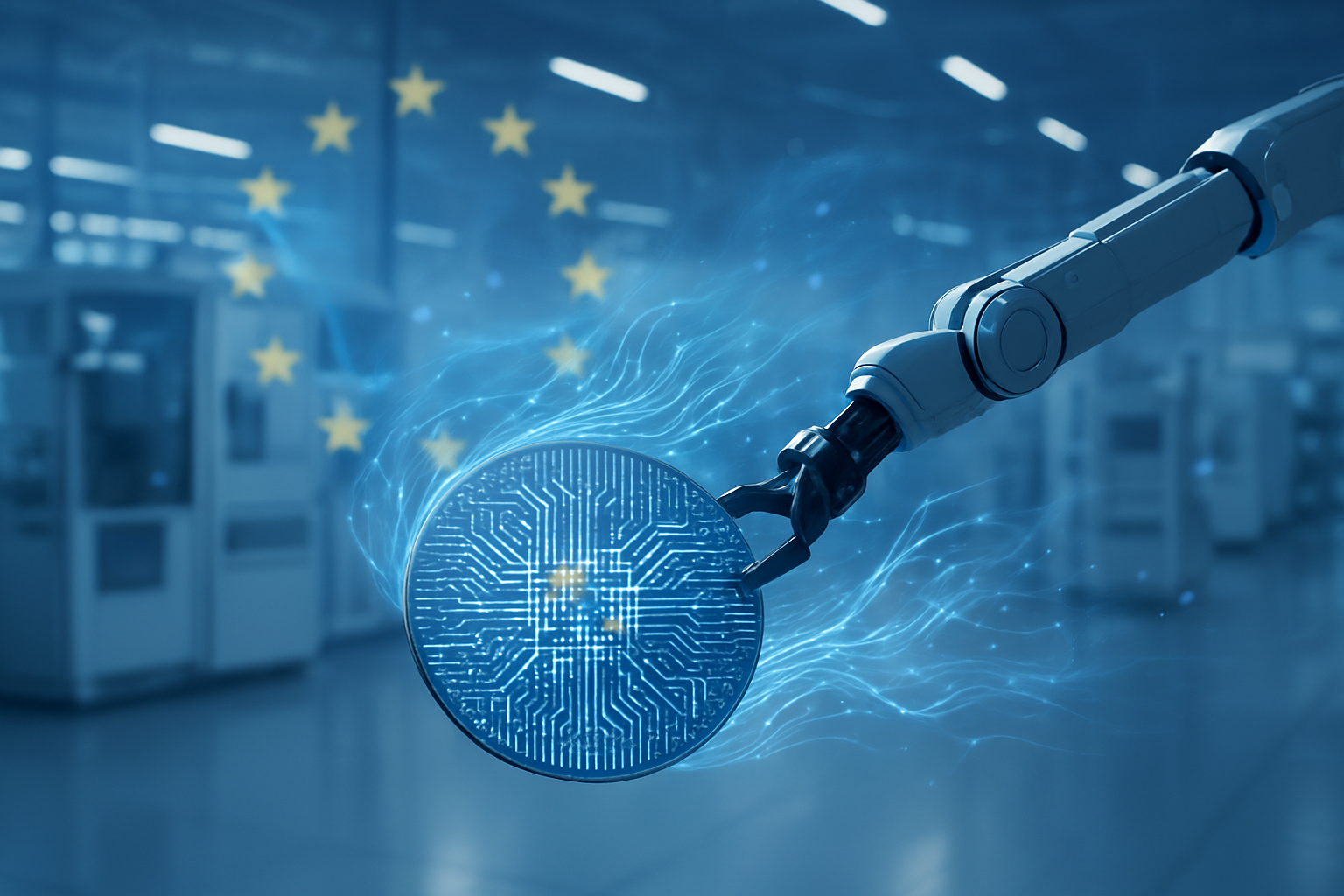
    Dresden, Germany – October 28, 2025 – GlobalFoundries (NASDAQ: GFS) today announced a monumental 1.1 billion euro investment to significantly expand its manufacturing capabilities at its Dresden, Germany site. Branded as "Project SPRINT," this strategic move is poised to dramatically increase the facility's production capacity, aiming to establish it as Europe's largest semiconductor manufacturing hub and a cornerstone for regional technological independence. The investment comes at a critical juncture for the global semiconductor industry, which has grappled with supply chain vulnerabilities, underscored Europe's urgent need for enhanced domestic production and resilience.

    This substantial financial commitment by GlobalFoundries is a direct response to the escalating demand for advanced semiconductor technologies across key European industries. It signifies a pivotal step towards fortifying the continent's semiconductor supply chain, reducing reliance on external manufacturing, and ensuring a more secure and robust future for vital sectors such as automotive, IoT, and defense. The expansion is expected to have immediate and far-reaching implications, not only for the German economy but for the broader European ambition of achieving greater technological sovereignty.

    Project SPRINT: A Deep Dive into Europe's Semiconductor Future

    The "Project SPRINT" initiative is designed to propel GlobalFoundries' Dresden facility to an unprecedented scale, with a projected production capacity exceeding one million wafers per year by the end of 2028. This ambitious target will solidify the Dresden plant's status as the preeminent semiconductor manufacturing site in Europe. The expansion focuses on producing critical technologies essential for high-growth markets, including low-power applications, embedded secure memory, wireless connectivity, and components crucial for the automotive, Internet of Things (IoT), defense, and critical infrastructure sectors.

    Technically, the investment will involve upgrades to existing cleanroom facilities, the integration of advanced manufacturing equipment, and the implementation of sophisticated process technologies. A key differentiator of this expansion is its emphasis on establishing end-to-end European processes and data flows, a vital component for meeting stringent semiconductor security requirements, particularly for defense and critical infrastructure applications. This approach contrasts with previous strategies that often relied on fragmented global supply chains, offering a more integrated and secure manufacturing ecosystem within Europe. Initial reactions from the European semiconductor community and industry experts have been overwhelmingly positive, hailing the investment as a game-changer for regional competitiveness and security. German Chancellor Friedrich Merz welcomed the announcement, emphasizing its contribution to Germany and Europe's industrial and innovation sovereignty.

    Competitive Implications and Market Positioning

    This significant investment by GlobalFoundries (NASDAQ: GFS) carries profound implications for various stakeholders within the AI and broader tech landscape. Companies heavily reliant on specialized semiconductors, particularly those in the European automotive industry, industrial automation, and secure communications, stand to benefit immensely from increased localized production. This includes major European automakers, industrial giants like Siemens (ETR: SIE), and numerous IoT startups seeking reliable and secure component sourcing within the continent.

    The competitive landscape for major AI labs and tech companies will also be subtly but significantly reshaped. While GlobalFoundries primarily operates as a foundry, its enhanced capabilities in Europe will provide a more robust and secure manufacturing option for European chip designers and fabless companies. This could foster a new wave of innovation by reducing lead times and logistical complexities associated with overseas production. For tech giants with significant European operations, such as Infineon Technologies (ETR: IFX) or NXP Semiconductors (NASDAQ: NXPI), the expansion offers a strengthened regional supply chain, potentially mitigating risks associated with geopolitical tensions or global disruptions. The investment also positions GlobalFoundries as a critical enabler of the European Chips Act, allowing it to attract further partnerships and potentially government incentives, thereby bolstering its market positioning against global competitors. This strategic move could disrupt existing supply chain dynamics, encouraging more "made in Europe" initiatives and potentially shifting market share towards companies that can leverage this localized production advantage.

    Broader Significance for European AI and Tech Landscape

    GlobalFoundries' "Project SPRINT" fits squarely into the broader European ambition for strategic autonomy in critical technologies, particularly semiconductors, which are the bedrock of modern AI. The initiative aligns perfectly with the objectives of the European Chips Act, a legislative framework designed to boost the continent's semiconductor production capacity and reduce its reliance on external sources. This investment is not just about manufacturing; it's about establishing a resilient foundation for Europe's digital future, directly impacting the development and deployment of AI technologies by ensuring a stable and secure supply of the underlying hardware.

    The impacts are wide-ranging. Enhanced domestic semiconductor production will foster innovation in AI hardware, potentially leading to specialized chips optimized for European AI research and applications. It mitigates the risks associated with global supply chain disruptions, which have severely hampered industries like automotive in recent years, impacting AI-driven features in vehicles. Potential concerns, however, include the long lead times required for such massive expansions and the ongoing challenge of attracting and retaining highly skilled talent in the semiconductor sector. Nevertheless, this investment stands as a critical milestone, comparable to previous European initiatives aimed at bolstering digital infrastructure and R&D, signifying a concerted effort to move beyond dependence and towards leadership in key technological domains.

    The Road Ahead: Future Developments and Challenges

    The near-term developments following GlobalFoundries' €1.1 billion investment will likely involve a rapid acceleration of construction and equipment installation at the Dresden facility. We can expect to see increased hiring drives for engineers, technicians, and skilled labor to support the expanded operations. In the long term, by 2028, the facility is projected to reach its full production capacity of over one million wafers per year, significantly altering the European semiconductor landscape. Potential applications and use cases on the horizon include a surge in advanced automotive electronics, more robust IoT devices with enhanced security features, and specialized chips for European defense and critical infrastructure projects, all underpinned by AI capabilities.

    However, several challenges need to be addressed. Securing a consistent supply of raw materials, navigating complex regulatory environments, and fostering a robust talent pipeline will be crucial for the project's sustained success. Experts predict that this investment will catalyze further investments in the European semiconductor ecosystem, encouraging other players to establish or expand their presence. It is also expected to strengthen collaborations between research institutions, chip designers, and manufacturers within Europe, fostering a more integrated and innovative environment for AI hardware development.

    A New Era for European Semiconductor Independence

    GlobalFoundries' 1.1 billion euro investment in its Dresden facility marks a pivotal moment for European semiconductor production and, by extension, for the continent's burgeoning AI industry. The "Project SPRINT" initiative is set to dramatically increase domestic manufacturing capacity, ensuring a more resilient and secure supply chain for critical components across automotive, IoT, defense, and other high-growth sectors. This strategic move not only addresses past vulnerabilities but also lays a robust foundation for future innovation and technological sovereignty within Europe.

    The significance of this development cannot be overstated; it represents a tangible commitment to the goals of the European Chips Act and a powerful statement about Europe's determination to control its technological destiny. By focusing on end-to-end European processes and data flows, GlobalFoundries is not just expanding a factory; it's helping to build a more secure and independent digital future for the continent. In the coming weeks and months, industry observers will be watching closely for further announcements regarding government support, hiring initiatives, and the initial phases of construction, all of which will underscore the profound and lasting impact of this historic investment on the global AI and technology landscape.


    This content is intended for informational purposes only and represents analysis of current AI developments.

    TokenRing AI delivers enterprise-grade solutions for multi-agent AI workflow orchestration, AI-powered development tools, and seamless remote collaboration platforms.
    For more information, visit https://www.tokenring.ai/.

  • Germany’s €10 Billion Bet: Intel’s Magdeburg Megafab to Anchor European Semiconductor Independence

    Germany’s €10 Billion Bet: Intel’s Magdeburg Megafab to Anchor European Semiconductor Independence

    Berlin, Germany – October 2, 2025 – Over two years ago, on June 19, 2023, a landmark agreement was forged in Berlin, fundamentally reshaping the future of Europe's semiconductor landscape. Intel Corporation (NASDAQ: INTC) officially secured an unprecedented €10 billion (over $10 billion USD at the time of the agreement) in German state subsidies, cementing its commitment to build two state-of-the-art semiconductor manufacturing facilities in Magdeburg. This colossal investment, initially estimated at €30 billion, represented the single largest foreign direct investment in Germany's history and signaled a decisive move by the German government and the European Union to bolster regional semiconductor manufacturing capabilities and reduce reliance on volatile global supply chains.

    The immediate significance of this announcement was profound. For Intel, it solidified a critical pillar in CEO Pat Gelsinger's ambitious "IDM 2.0" strategy, aiming to regain process leadership and expand its global manufacturing footprint. For Germany and the broader European Union, it was a monumental leap towards achieving the goals of the European Chips Act, which seeks to double the EU's share of global chip production to 20% by 2030. This strategic partnership underscored a growing global trend of governments actively incentivizing domestic and regional semiconductor production, driven by geopolitical concerns and the harsh lessons learned from recent chip shortages that crippled industries worldwide.

    A New Era of Advanced Manufacturing: Intel's German Fabs Detailed

    The planned "megafab" complex in Magdeburg is not merely an expansion; it represents a generational leap in European semiconductor manufacturing capabilities. Intel's investment, now projected to exceed €30 billion, will fund two highly advanced fabrication plants (fabs) designed to produce chips utilizing cutting-edge process technologies. These fabs are expected to manufacture chips down to the Angstrom era, including Intel's 20A (equivalent to 2nm class) and 18A (1.8nm class) process nodes, positioning Europe at the forefront of semiconductor innovation. This marks a significant departure from much of Europe's existing, more mature process technology manufacturing, bringing the continent into direct competition with leading-edge foundries in Asia and the United States.

    Technically, these facilities will incorporate extreme ultraviolet (EUV) lithography, a highly complex and expensive technology essential for producing the most advanced chips. The integration of EUV will enable the creation of smaller, more power-efficient, and higher-performing transistors, crucial for next-generation AI accelerators, high-performance computing (HPC), and advanced mobile processors. This differs significantly from older fabrication methods that rely on deep ultraviolet (DUV) lithography, which cannot achieve the same level of precision or transistor density. The initial reactions from the AI research community and industry experts were overwhelmingly positive, viewing the investment as a critical step towards diversifying the global supply of advanced chips, which are increasingly vital for AI development and deployment. The prospect of having a robust, leading-edge foundry ecosystem within Europe is seen as a de-risking strategy against potential geopolitical disruptions and a catalyst for local innovation.

    The Magdeburg fabs are envisioned as a cornerstone of an integrated European semiconductor ecosystem, complementing Intel's existing operations in Ireland (Leixlip) and its planned assembly and test facility in Poland (Wrocław). This multi-site strategy aims to create an end-to-end manufacturing chain within the EU, from wafer fabrication to packaging and testing. The sheer scale and technological ambition of the Magdeburg project are unprecedented for Europe, signaling a strategic intent to move beyond niche manufacturing and become a significant player in the global production of advanced logic chips. This initiative is expected to attract a vast ecosystem of suppliers, research institutions, and skilled talent, further solidifying Europe's position in the global tech landscape.

    Reshaping the AI and Tech Landscape: Competitive Implications and Strategic Advantages

    The establishment of Intel's advanced manufacturing facilities in Germany carries profound implications for AI companies, tech giants, and startups across the globe. Primarily, companies relying on cutting-edge semiconductors for their AI hardware, from training supercomputers to inference engines, stand to benefit immensely. A diversified and geographically resilient supply chain for advanced chips reduces the risks associated with relying on a single region or foundry, potentially leading to more stable pricing, shorter lead times, and greater innovation capacity. This particularly benefits European AI startups and research institutions, granting them closer access to leading-edge process technology.

    The competitive landscape for major AI labs and tech companies will undoubtedly shift. While Intel (NASDAQ: INTC) itself aims to be a leading foundry service provider (Intel Foundry Services), this investment also strengthens its position as a primary supplier of processors and accelerators crucial for AI workloads. Other tech giants like NVIDIA (NASDAQ: NVDA), AMD (NASDAQ: AMD), and even hyperscalers developing their own custom AI silicon could potentially leverage Intel's European fabs for manufacturing, though the primary goal for Intel is to produce its own chips and offer foundry services. The presence of such advanced manufacturing capabilities in Europe could spur a new wave of hardware innovation, as proximity to fabs often fosters closer collaboration between chip designers and manufacturers.

    Potential disruption to existing products or services could arise from increased competition and the availability of more diverse manufacturing options. Companies currently tied to specific foundries might explore new partnerships, leading to a more dynamic and competitive market for chip manufacturing services. Furthermore, the strategic advantage for Intel is clear: by establishing a significant manufacturing presence in Europe, it aligns with governmental incentives, diversifies its global footprint, and positions itself as a critical enabler of European technological sovereignty. This move enhances its market positioning, not just as a chip designer, but as a foundational partner in the continent's digital future, potentially attracting more design wins and long-term contracts from European and international clients.

    Wider Significance: A Cornerstone of European Tech Sovereignty

    Intel's Magdeburg megafab, buoyed by over €10 billion in German subsidies, represents far more than just a factory; it is a cornerstone in Europe's ambitious quest for technological sovereignty and a critical component of the broader global recalibration of semiconductor supply chains. This initiative fits squarely into the overarching trend of "reshoring" or "friend-shoring" critical manufacturing capabilities, a movement accelerated by the COVID-19 pandemic and escalating geopolitical tensions. It signifies a collective recognition that an over-reliance on a geographically concentrated semiconductor industry, particularly in East Asia, poses significant economic and national security risks.

    The impacts of this investment are multifaceted. Economically, it promises thousands of high-tech jobs, stimulates local economies, and attracts a vast ecosystem of ancillary industries and research. Strategically, it provides Europe with a much-needed degree of independence in producing the advanced chips essential for everything from defense systems and critical infrastructure to next-generation AI and automotive technology. This directly addresses the vulnerabilities exposed during the recent global chip shortages, which severely impacted European industries, most notably the automotive sector. The initiative is a direct manifestation of the European Chips Act, a legislative package designed to mobilize over €43 billion in public and private investment to boost the EU's chip-making capacity.

    While the benefits are substantial, potential concerns include the immense scale of the subsidies, raising questions about market distortion and the long-term sustainability of such state aid. There are also challenges related to securing a highly skilled workforce and navigating the complex regulatory environment. Nevertheless, comparisons to previous AI and tech milestones highlight the significance. Just as the development of the internet or the rise of cloud computing fundamentally reshaped industries, the establishment of robust, regional advanced semiconductor manufacturing is a foundational step that underpins all future technological progress, especially in AI. It ensures that Europe will not merely be a consumer of advanced technology but a producer, capable of shaping its own digital destiny.

    The Road Ahead: Anticipated Developments and Lingering Challenges

    The journey for Intel's Magdeburg megafab is still unfolding, with significant developments expected in the near-term and long-term. In the immediate future, focus will remain on the construction phase, with thousands of construction jobs already underway and the complex process of installing highly specialized equipment. We can expect regular updates on construction milestones and potential adjustments to timelines, given the sheer scale and technical complexity of the project. Furthermore, as the facilities near operational readiness, there will be an intensified push for workforce development and training, collaborating with local universities and vocational schools to cultivate the necessary talent pool.

    Longer-term developments include the eventual ramp-up of production, likely commencing in 2027 or 2028, initially focusing on Intel's own leading-edge processors and eventually expanding to offer foundry services to external clients. The potential applications and use cases on the horizon are vast, ranging from powering advanced AI research and supercomputing clusters to enabling autonomous vehicles, sophisticated industrial automation, and cutting-edge consumer electronics. The presence of such advanced manufacturing capabilities within Europe could also foster a boom in local hardware startups, providing them with unprecedented access to advanced fabrication.

    However, significant challenges need to be addressed. Securing a continuous supply of skilled engineers, technicians, and researchers will be paramount. The global competition for semiconductor talent is fierce, and Germany will need robust strategies to attract and retain top-tier professionals. Furthermore, the operational costs of running such advanced facilities are enormous, and maintaining competitiveness against established Asian foundries will require ongoing innovation and efficiency. Experts predict that while the initial investment is a game-changer, the long-term success will hinge on the sustained commitment from both Intel and the German government, as well as the ability to adapt to rapidly evolving technological landscapes. The interplay of geopolitical factors, global economic conditions, and further technological breakthroughs will also shape the trajectory of this monumental undertaking.

    A New Dawn for European Tech: Securing the Future of AI

    Intel's strategic investment in Magdeburg, underpinned by over €10 billion in German subsidies, represents a pivotal moment in the history of European technology and a critical step towards securing the future of AI. The key takeaway is the profound commitment by both a global technology leader and a major European economy to build a resilient, cutting-edge semiconductor ecosystem within the continent. This initiative moves Europe from being primarily a consumer of advanced chips to a significant producer, directly addressing vulnerabilities in global supply chains and fostering greater technological independence.

    This development's significance in AI history cannot be overstated. Advanced semiconductors are the bedrock upon which all AI progress is built. By ensuring a robust, geographically diversified supply of leading-edge chips, Europe is laying the foundation for sustained innovation in AI research, development, and deployment. It mitigates risks associated with geopolitical instability and enhances the continent's capacity to develop and control its own AI hardware infrastructure, a crucial element for national security and economic competitiveness. The long-term impact will likely see a more integrated and self-sufficient European tech industry, capable of driving innovation from silicon to software.

    In the coming weeks and months, all eyes will be on the construction progress in Magdeburg, the ongoing recruitment efforts, and any further announcements regarding partnerships or technological advancements at the site. The success of this megafab will serve as a powerful testament to the effectiveness of government-industry collaboration in addressing strategic technological imperatives. As the world continues its rapid embrace of AI, the ability to manufacture the very components that power this revolution will be a defining factor, and with its Magdeburg investment, Germany and Europe are positioning themselves at the forefront of this new industrial era.

    This content is intended for informational purposes only and represents analysis of current AI developments.

    TokenRing AI delivers enterprise-grade solutions for multi-agent AI workflow orchestration, AI-powered development tools, and seamless remote collaboration platforms.
    For more information, visit https://www.tokenring.ai/.