
Tag: Global Trade

  • The Digital Tides: How AI and Emerging Technologies Are Reshaping Global Trade and Economic Policy

    The Digital Tides: How AI and Emerging Technologies Are Reshaping Global Trade and Economic Policy

    The global economic landscape is undergoing a profound transformation, driven by an unprecedented wave of technological advancements. Artificial intelligence (AI), automation, blockchain, and the Internet of Things (IoT) are not merely enhancing existing trade mechanisms; they are fundamentally redefining international commerce, supply chain structures, and the very fabric of economic policy. This digital revolution is creating both immense opportunities for efficiency and market access, while simultaneously posing complex challenges related to regulation, job markets, and geopolitical stability.

    The immediate significance of these technological shifts is undeniable. They are forcing governments, businesses, and international organizations to rapidly adapt, update existing frameworks, and grapple with a future where data flows are as critical as cargo ships, and algorithms wield influence over market dynamics. As of late 2025, the world stands at a critical juncture, navigating the intricate interplay between innovation and governance in an increasingly interconnected global economy.

    The Algorithmic Engine: Technical Deep Dive into Trade's Digital Transformation

    At the heart of this transformation lies the sophisticated integration of AI and other emerging technologies into the operational sinews of global trade. These advancements offer capabilities far beyond traditional manual or static approaches, providing real-time insights, adaptive decision-making, and unprecedented transparency.

    Artificial Intelligence (AI), with its machine learning algorithms, predictive analytics, natural language processing (NLP), and optical character recognition (OCR), is revolutionizing demand forecasting, route optimization, and risk management in supply chains. Unlike traditional methods that rely on historical data and human intuition, AI dynamically accounts for variables like traffic, weather, and port congestion, reducing logistics costs by an estimated 15% and stockouts by up to 50%. AI also powers digital trade platforms, identifying high-potential buyers and automating lead generation, offering a smarter alternative to time-consuming traditional sales methods. In data governance, AI streamlines compliance by monitoring regulations and analyzing shipping documents for discrepancies, minimizing costly errors. Experts like Emmanuelle Ganne of the World Trade Organization (WTO) highlight AI's adaptability and dynamic learning as a "general-purpose technology" reshaping sectors globally.

    Automation, encompassing Robotic Process Automation (RPA) and intelligent automation, uses software robots and APIs to streamline repetitive, rule-based tasks. This includes automated warehousing, inventory monitoring, order tracking, and expedited customs clearance and invoice processing. Automation dramatically improves efficiency and reduces costs compared to manual processes, with DHL reporting over 80% of supply chain leaders planning to increase automation spending by 2027. Automated trading systems execute trades in milliseconds, process massive datasets, and operate without emotional bias, a stark contrast to slower, error-prone manual trading. In data governance, automation ensures consistent data handling, entry, and validation, minimizing human errors and operational risks across multiple jurisdictions.

    Blockchain technology, a decentralized and immutable ledger, offers secure, transparent, and tamper-proof record-keeping. Its core technical capabilities, including cryptography and smart contracts (self-executing agreements coded in languages like Solidity or Rust), are transforming supply chain traceability and trade finance. Blockchain provides end-to-end visibility, allowing real-time tracking and authenticity verification of goods, moving away from insecure paper-based systems. Smart contracts automate procurement and payment settlements, triggering actions upon predefined conditions, drastically reducing transaction times from potentially 120 days to minutes. While promising to increase global trade by up to $1 trillion over the next decade (World Economic Forum), challenges include regulatory variations, integration with legacy systems, and scalability.

    The Internet of Things (IoT) involves a network of interconnected physical devices—sensors, RFID tags, and GPS trackers—that collect and share real-time data. In supply chains, IoT sensors monitor conditions like temperature and humidity for perishable cargo, provide real-time tracking of goods and vehicles, and enable predictive maintenance. This continuous, automated monitoring offers unprecedented visibility, allowing for proactive risk management and adaptation to environmental factors, a significant improvement over manual tracking. IoT devices feed real-time data into trading platforms for enhanced market surveillance and fraud detection. In data governance, IoT automatically records critical data points, providing an auditable trail for compliance with industry standards and regulations, reducing manual paperwork and improving data quality.

    Corporate Crossroads: Navigating the New Competitive Terrain

    The integration of AI and emerging technologies is profoundly impacting companies across logistics, finance, manufacturing, and e-commerce, creating new market leaders and disrupting established players. Companies that embrace these solutions are gaining significant strategic advantages, while those that lag risk being left behind.

    In logistics, companies like FedEx (NYSE: FDX) are leveraging AI for enhanced shipment visibility, optimized routes, and simplified customs clearance, leading to reduced transportation costs, improved delivery speeds, and lower carbon emissions. AI-driven robotics in warehouses are automating picking, sorting, and packing, while digital twins allow for scenario testing and proactive problem-solving. These efficiencies can reduce operational costs by 40-60%.

    Trade finance is being revolutionized by AI and blockchain, addressing inefficiencies, manual tasks, and lack of transparency. Financial institutions such as HSBC (LSE: HSBA) are using AI to extract data from trade documents, improving transaction speed and safety, and reducing compliance risks. AI-powered platforms automate document verification, compliance checks, and risk assessments, potentially halving transaction times and achieving 90% document accuracy. Blockchain-enabled smart contracts automate payments and conditional releases, building trust among trading partners.

    In manufacturing, AI optimizes production plans, enabling greater flexibility and responsiveness to global demand. AI-powered quality control systems, utilizing computer vision, inspect products with greater speed and accuracy, reducing costly returns in export markets. Mass customization, driven by AI, allows factories to produce personalized goods at scale, catering to diverse global consumer preferences. IoT and AI also enable predictive maintenance, ensuring equipment reliability and reducing costly downtime.

    E-commerce giants like Amazon (NASDAQ: AMZN), Alibaba (NYSE: BABA), Shopify (NYSE: SHOP), and eBay (NASDAQ: EBAY) are at the forefront of deploying AI for personalized shopping experiences, dynamic pricing strategies, and enhanced customer service. AI-driven recommendations account for up to 31% of e-commerce revenues, while dynamic pricing can increase revenue by 2-5%. AI also empowers small businesses to navigate cross-border trade by providing data-driven insights into consumer trends and enabling targeted marketing strategies.

    Major tech giants, with their vast data resources and infrastructure, hold a significant advantage in the AI race, often integrating startup innovations into their platforms. However, agile AI startups can disrupt existing industries by focusing on unique value propositions and novel AI applications, though they face immense challenges in competing with the giants' resources. The automation of services, disruption of traditional trade finance, and transformation of warehousing and transportation are all potential outcomes, creating a need for continuous adaptation across industries.

    A New Global Order: Broader Implications and Looming Concerns

    The widespread integration of technology into global trade extends far beyond corporate balance sheets, touching upon profound economic, social, and political implications, reshaping the broader AI landscape and challenging existing international norms.

    In the broader AI landscape, these advancements signify a deep integration of AI into global value chains, moving beyond theoretical applications to practical, impactful deployments. AI, alongside blockchain, IoT, and 5G, is becoming the operational backbone of modern commerce, driving trends like hyper-personalized trade, predictive logistics, and automated compliance. The economic impact is substantial, with AI alone estimated to raise global GDP by 7% over 10 years, primarily through productivity gains and reduced trade costs. It fosters new business models, enhances competitiveness through dynamic pricing, and drives growth in intangible assets like R&D and intellectual property.

    However, this progress is not without significant concerns. The potential for job displacement due to automation and AI is a major social challenge, with up to 40% of global jobs potentially impacted. This necessitates proactive labor policies, including massive investments in reskilling, upskilling, and workforce adaptation to ensure AI creates new opportunities rather than just eliminating old ones. The digital divide—unequal access to digital infrastructure, skills, and the benefits of technology—threatens to exacerbate existing inequalities between developed and developing nations, concentrating AI infrastructure and expertise in a few economies and leaving many underrepresented in global AI governance.

    Politically, the rapid pace of technological change is outpacing the development of international trade rules, leading to regulatory fragmentation. Different domestic regulations on AI across countries risk hindering international trade and creating legal complexities. There is an urgent need for a global policy architecture to reconcile trade and AI, updating frameworks like those of the WTO to address data privacy, cybersecurity, intellectual property rights for AI-generated works, and the scope of subsidy rules for AI services. Geopolitical implications are also intensifying, with a global competition for technological leadership in AI, semiconductors, and 5G leading to "technological decoupling" and export controls, as nations seek independent capabilities and supply chain resilience through strategies like "friendshoring."

    Historically, technological breakthroughs have consistently reshaped global trade, from the domestication of the Bactrian camel facilitating the Silk Road to the invention of the shipping container. The internet and e-commerce, in particular, democratized international commerce in the late 20th century. AI, however, represents a new frontier. Its unique ability to automate complex cognitive tasks, provide predictive analytics, and enable intelligent decision-making across entire value chains distinguishes it. While it will generate economic growth, it will also lead to labor market disruptions and calls for new protectionist policies, mirroring patterns seen with previous industrial revolutions.

    The Horizon Ahead: Anticipating Future Developments

    The trajectory of technological advancements in global trade points towards a future of hyper-efficiency, deeper integration, and continuous adaptation. Both near-term and long-term developments are poised to reshape how nations and businesses interact on the global stage.

    In the near term, we will witness the continued maturation of digital trade agreements, with countries actively updating laws to accommodate AI-driven transactions and cross-border data flows. AI will become even more embedded in optimizing supply chain management, enhancing regulatory compliance, and facilitating real-time communication across diverse global markets. Blockchain technology, though still in early adoption stages, will gain further traction for secure and transparent record-keeping, laying the groundwork for more widespread use of smart contracts in trade finance and logistics.

    Looking towards the long term, potentially by 2040, the WTO predicts AI could boost global trade by nearly 40% and global GDP by 12-13%, primarily through productivity gains and reduced trade costs. AI is expected to revolutionize various industries, potentially automating aspects of trade negotiations and compliance monitoring, making these processes more efficient and less prone to human error. The full potential of blockchain, including self-executing smart contracts, will likely be realized, transforming cross-border transactions by significantly reducing fraud, increasing transparency, and enhancing trust. Furthermore, advancements in robotics, virtual reality, and 3D printing are anticipated to become integral to trade, potentially leading to more localized production, reduced reliance on distant supply chains, and greater resilience against disruptions.

    However, realizing this potential hinges on addressing critical challenges. Regulatory fragmentation remains a significant hurdle, as diverse national policies on AI and data privacy risk hindering international trade. There is an urgent need for harmonized global AI governance frameworks. Job displacement due to automation necessitates robust retraining programs and support for affected workforces. Cybersecurity threats will intensify with increased digital integration, demanding sophisticated defenses and international cooperation. The digital divide must be actively bridged through investments in infrastructure and digital literacy, especially in low and middle-income nations, to ensure equitable participation in the digital economy. Concerns over data governance, privacy, and intellectual property theft will also require evolving legal and ethical standards across borders.

    Experts predict a future where policy architecture must rapidly evolve to reconcile trade and AI, moving beyond the "glacial pace" of traditional multilateral policymaking. There will be a strong emphasis on investment in AI infrastructure and workforce skills to ensure long-term growth and resilience. A collaborative approach among businesses, policymakers, and international organizations will be essential for maximizing AI's benefits, establishing robust data infrastructures, and developing clear ethical frameworks. Digital trade agreements are expected to become increasingly prevalent, modernizing trade laws to facilitate e-commerce and AI-driven transactions, aiming to reduce barriers and compliance costs for businesses accessing international markets.

    The Unfolding Narrative: A Comprehensive Wrap-Up

    The ongoing technological revolution, spearheaded by AI, marks a pivotal moment in the history of global trade and economic policy. It is a narrative of profound transformation, characterized by ubiquitous digitalization, unprecedented efficiencies, and the empowerment of businesses of all sizes, particularly SMEs, through expanded market access. AI acts as a force multiplier, fundamentally enhancing decision-making, forecasting, and operational efficiency across global value chains, with the WTO projecting a near 40% boost to global trade by 2040.

    The overall significance of these developments in the context of AI history and global trade evolution cannot be overstated. Much like containerization and the internet reshaped commerce in previous eras, AI is driving the next wave of globalization, often termed "TradeTech." Its unique ability to automate complex cognitive tasks, provide predictive analytics, and enable real-time intelligence positions it as a critical driver for a more interconnected, transparent, and resilient global trading system. However, this transformative power also brings fundamental questions about labor markets, social equity, data sovereignty, and the future of national competitiveness.

    Looking ahead, the long-term impact will likely be defined by hyper-efficiency and deepened interconnectedness, alongside significant structural adjustments. We can anticipate a reconfiguration of global value chains, potentially leading to some reshoring of production as AI and advanced manufacturing reduce the decisive role of labor costs. The workforce will undergo continuous transformation, demanding persistent investment in upskilling and reskilling. Geopolitical competition for technological supremacy will intensify, influencing trade policies and potentially leading to technology-aligned trade blocs. The persistent digital divide remains a critical challenge, requiring concerted international efforts to ensure the benefits of AI in trade are broadly shared. Trade policies will need to become more agile and anticipatory, integrating ethical considerations, data privacy, and intellectual property rights into international frameworks.

    In the coming weeks and months, observers should closely watch the evolving landscape of AI policies across major trading blocs like the US, EU, and China. The emergence of divergent regulations on data privacy, AI ethics, and cross-border data flows could create significant hurdles for international trade, making efforts towards international standards from organizations like the OECD and UNESCO particularly crucial. Pay attention to trade measures—tariffs, export controls, and subsidies—related to critical AI components, such as advanced semiconductors, as these will reflect ongoing geopolitical tensions. Shifts in e-commerce policy, particularly regarding "de minimis" thresholds and compliance requirements, will directly impact cross-border sellers. Finally, observe investments in digital infrastructure, green trade initiatives, and the further integration of AI in trade finance and customs, as these will be key indicators of progress towards a more technologically advanced and interconnected global trading system.


    This content is intended for informational purposes only and represents analysis of current AI developments.

    TokenRing AI delivers enterprise-grade solutions for multi-agent AI workflow orchestration, AI-powered development tools, and seamless remote collaboration platforms.
    For more information, visit https://www.tokenring.ai/.

  • Silicon Curtains Descend: Global Trade Tensions and Fleeting Truces Reshape AI’s Fragile Chip Lifeline

    Silicon Curtains Descend: Global Trade Tensions and Fleeting Truces Reshape AI’s Fragile Chip Lifeline

    As November 2025 unfolds, the intricate web of global trade relations has become the defining force sculpting the semiconductor supply chain, with immediate and profound consequences for the burgeoning Artificial Intelligence industry. Far from a stable, interconnected system, the flow of advanced chips – the very "oil" of the AI revolution – is increasingly dictated by geopolitical maneuverings, export controls, and strategic drives for national technological sovereignty. While recent, tenuous truces between major powers like the US and China have offered temporary reprieves in specific areas, the overarching trend is one of fragmentation, compelling nations and tech giants to fundamentally restructure their hardware procurement and development strategies, directly impacting the speed, cost, and availability of the cutting-edge compute power essential for next-generation AI.

    The past year has solidified AI's transformation from an experimental technology to an indispensable tool across industries, driving a voracious demand for advanced semiconductor hardware and, in turn, fueling geopolitical rivalries. This period marks the full emergence of AI as the central driver of technological and geopolitical strategy, with the capabilities of AI directly constrained and enabled by advancements and access in semiconductor technology. The intense global competition for control over AI chips and manufacturing capabilities is forming a "silicon curtain," potentially leading to a bifurcated global technology ecosystem that will define the future development and deployment of AI across different regions.

    Technical Deep Dive: The Silicon Undercurrents of Geopolitical Strife

    Global trade relations are profoundly reshaping the semiconductor industry, particularly impacting the supply chain for Artificial Intelligence (AI) chips. Export controls, tariffs, and national industrial policies are not merely economic measures but technical forces compelling significant alterations in manufacturing processes, chip design, material sourcing, and production methodologies. As of November 2025, these disruptions are eliciting considerable concern and adaptation within the AI research community and among industry experts.

    Export controls and national industrial policies directly influence where and how advanced semiconductors are manufactured. The intricate web of the global semiconductor industry, once optimized for cost and speed, is now undergoing a costly and complex process of diversification and regionalization. Initiatives like the U.S. CHIPS and Science Act and the EU Chips Act incentivize domestic production, aiming to bolster resilience but also introducing inefficiencies and raising production costs. For instance, the U.S.'s share of semiconductor fabrication has declined significantly, and meeting critical application capacity would require numerous new fabrication plants (fabs) and a substantial increase in the workforce. These restrictions also target advanced computing chips based on performance metrics, limiting access to advanced manufacturing equipment, such as extreme ultraviolet (EUV) lithography tools from companies like ASML Holding N.V. (NASDAQ: ASML). China has responded by developing domestic tooling for its production lines and focusing on 7nm chip production.

    Trade tensions are directly influencing the technical specifications and design choices for AI accelerators. U.S. export controls have forced companies like NVIDIA Corporation (NASDAQ: NVDA) to reconfigure their advanced AI accelerator chips, such as the B30A and Blackwell, to meet performance thresholds that avoid restrictions for certain markets, notably China. This means intentionally capping capabilities like interconnect bandwidth and memory clock rates. For example, the NVIDIA A800 and H800 were developed as China-focused GPUs with reduced NVLink interconnect bandwidth and slightly lower memory bandwidth compared to their unrestricted counterparts (A100 and H100). Cut off from the most advanced GPUs, Chinese AI labs are increasingly focused on innovating to "do more with less," developing models that run faster and cheaper on less powerful hardware, and pushing towards alternative architectures like RISC-V and FP8 data formats.

    The global nature of the semiconductor supply chain makes it highly vulnerable to trade disruptions, with significant repercussions for the availability of AI accelerators. Geopolitical tensions are fracturing once hyper-efficient global supply chains, leading to a costly and complex process of regionalization, creating a bifurcated market where geopolitical alignment dictates access to advanced technology. Export restrictions directly limit the availability of cutting-edge AI accelerators in targeted regions, forcing companies in affected areas to rely on downgraded versions or accelerate the development of indigenous alternatives. Material sourcing diversification is also critical, with active efforts to reduce reliance on single suppliers or high-risk regions for critical raw materials.

    Corporate Crossroads: Winners, Losers, and Strategic Shifts in the AI Arena

    Global trade tensions and disruptions in the semiconductor supply chain are profoundly reshaping the landscape for AI companies, tech giants, and startups as of November 2025, leading to a complex interplay of challenges and strategic realignments. The prevailing environment is characterized by a definitive move towards "tech decoupling," where national security and technological sovereignty are prioritized over economic efficiencies, fostering fragmentation in the global innovation ecosystem.

    Companies like NVIDIA Corporation (NASDAQ: NVDA) face significant headwinds, with its lucrative Chinese market increasingly constrained by U.S. export controls on advanced AI accelerators. The need to constantly reconfigure chips to meet performance thresholds, coupled with advisories to block even these reconfigured versions, creates immense uncertainty. Similarly, Intel Corporation (NASDAQ: INTC) and Advanced Micro Devices, Inc. (NASDAQ: AMD) are adversely affected by China's push for AI chip self-sufficiency and mandates for domestic AI chips in state-funded data centers. ASML Holding N.V. (NASDAQ: ASML), while experiencing a surge in China-derived revenue recently, anticipates a sharp decline from 2025 onwards due to U.S. pressure and compliance, leading to revised forecasts and potential tensions with European allies. Samsung Electronics Co., Ltd. (KRX: 005930) also faces vulnerabilities from sourcing key components from Chinese suppliers and reduced sales of high-end memory chips (HBM) due to export controls.

    Conversely, Taiwan Semiconductor Manufacturing Company Limited (NYSE: TSM) remains dominant as the global foundry leader and a major beneficiary of the AI boom. Its technological leadership makes it a critical supplier, though it faces intensifying U.S. pressure to increase domestic production. Tech giants like Alphabet Inc. (NASDAQ: GOOGL), Microsoft Corporation (NASDAQ: MSFT), and Amazon.com, Inc. (NASDAQ: AMZN), with their extensive AI divisions, are driven by an "insatiable appetite" for advanced chips. While reliant on external suppliers, they are also actively developing their own custom AI chips (e.g., Google's 7th-gen Ironwood TPU and Axion CPUs) to reduce reliance and maintain their competitive edge in AI development and cloud services. Their strategic advantage lies in their ability to invest heavily in both internal chip development and diversified cloud infrastructure.

    The escalating trade tensions and semiconductor disruptions are creating a "silicon curtain" that could lead to a bifurcation of AI development. U.S.-based AI labs may find their market access to China increasingly constrained, while Chinese AI labs and companies (e.g., Huawei Technologies Co., Ltd., Semiconductor Manufacturing International Corporation (HKG: 0981)) are incentivized to innovate rapidly with domestic hardware, potentially leading to unique AI architectures. This environment also leads to increased costs and prices for consumer electronics, production delays, and potential service degradation for cloud-based AI services. The most significant shift is the accelerating "tech decoupling" and the fragmentation of technology ecosystems, pushing companies towards "China Plus One" strategies and prioritizing national sovereignty and indigenous capabilities.

    A New Digital Iron Curtain: Broader Implications for AI's Future

    The confluence of global trade tensions and persistent semiconductor supply chain disruptions is profoundly reshaping the Artificial Intelligence (AI) landscape, influencing development trajectories, fostering long-term strategic realignments, and raising significant ethical, societal, and national security concerns as of November 2025. This complex interplay is often described as a "new cold war" centered on technology, particularly between the United States and China.

    The AI landscape is experiencing several key trends in response, including the fragmentation of research and development, accelerated demand for AI chips and potential shortages, and the reshoring and diversification of supply chains. Ironically, AI is also being utilized by customs agencies to enforce tariffs, using machine learning to detect anomalies. These disruptions significantly impact the trajectory of AI development, affecting both the pursuit of Artificial General Intelligence (AGI) and specialized AI. The pursuit of AGI, requiring immense computational power and open global collaboration, faces headwinds, potentially slowing universal advancements. However, the drive for national AI supremacy might also lead to accelerated, albeit less diversified, domestic efforts. Conversely, the situation is likely to accelerate the development of specialized AI applications within national or allied ecosystems, with nations and companies incentivized to optimize AI for specific industries.

    The long-term impacts are far-reaching, pointing towards heightened geopolitical rivalry, with AI becoming a symbol of national power. There is a growing risk of a "digital iron curtain" emerging, separating US-led and China-led tech spheres with potentially incompatible standards and fragmented AI ecosystems. This could lead to increased costs and slower innovation due to limited collaboration. Resilience through regionalization will be a key focus, with nations investing heavily in domestic AI infrastructure. Potential concerns include the complication of establishing global norms for ethical AI development, as national interests may supersede collaborative ethics. The digital divide could also widen, limiting access to crucial AI hardware and software for smaller economies. Furthermore, AI's critical role in national security means that the integrity and security of the semiconductor supply chain are foundational to AI leadership, creating new vulnerabilities.

    The current situation is frequently compared to a "new cold war" or "techno-economic cold war," echoing 20th-century geopolitical rivalries but with AI at its core. Unlike previous tech revolutions where leaders gained access simultaneously, the current AI competition is marked by deliberate restrictions aimed at containing specific nations' technological rise. The focus on technological capabilities as a core element of state power mirrors historical pursuits of military strength, but now with AI offering a new dimension to assert global influence. The drive for national self-sufficiency in critical technologies recalls historical industrial policies, but the interconnectedness of modern supply chains makes complete decoupling exceedingly difficult and costly.

    The Road Ahead: Navigating AI's Geopolitical Future

    The landscape of global trade, the semiconductor supply chain, and the Artificial Intelligence (AI) industry is undergoing rapid and profound transformations, driven by technological advancements, evolving geopolitical dynamics, and a push for greater resilience and efficiency. As of November 2025, experts predict significant developments in the near term (next 1-2 years) and long term (next 5-10 years), alongside emerging applications, use cases, and critical challenges.

    In the near term (2026-2027), global trade will be characterized by continued uncertainty, evolving regulatory frameworks, and intensifying protectionist measures. AI is expected to revolutionize trade logistics, supply chain management, and regulatory compliance, reducing costs and enabling greater market access. By 2030-2035, digitalization will fundamentally reshape trade, with AI-driven platforms providing end-to-end visibility and fostering inclusivity. However, challenges include regulatory complexity, geopolitical risks, the digital divide, and cybersecurity. The semiconductor industry faces targeted shortages, particularly in mature-node semiconductors, despite new fab construction. By 2030, the global semiconductor market is projected to reach approximately $1 trillion, driven by AI, with the supply chain becoming more geographically diversified. Challenges include geopolitical risks, raw material constraints, high costs and delays in fab construction, and talent shortages.

    The near-term future of AI (2026-2027) will be dominated by agentic AI, moving beyond prompt-driven tools to autonomous AI agents capable of reasoning, planning, and executing complex tasks. Generative AI will continue to be a major game-changer. By 2030-2035, AI is expected to become a foundational pillar of economies, growing to an extraordinary $5.26 trillion by 2035. AI's impact will extend to scientific discovery, smart cities, and potentially even human-level intelligence (AGI). Potential applications span enterprise automation, healthcare, finance, retail, manufacturing, education, and cybersecurity. Key challenges include ethical AI and governance, job displacement, data availability and quality, energy consumption, and widening gaps in AI adoption.

    Experts predict that geopolitical strategies will continue to drive shifts in global trade and semiconductor supply chains, with the U.S.-China strategic competition leading to export controls, tariffs, and a push for domestic production. The demand for high-performance semiconductors is directly fueled by the explosive growth of AI, creating immense pressure on the semiconductor supply chain. AI, in turn, is becoming a critical tool for the semiconductor industry, optimizing supply chains and manufacturing processes. AI is not just a traded technology but also a transformative force for trade itself, streamlining logistics and enabling new forms of digital services trade.

    Conclusion: Charting a Course Through the AI-Driven Geopolitical Storm

    As of November 2025, the global landscape of trade, semiconductors, and artificial intelligence is at a critical inflection point, marked by an unprecedented surge in AI capabilities, an intensified geopolitical struggle for chip dominance, and a fundamental reshaping of international commerce. The interplay between these three pillars is not merely influencing technological progress but is actively redefining national security, economic power, and the future trajectory of innovation.

    This period, particularly late 2024 through 2025, will be remembered as a pivotal moment in AI history. It marks the full emergence of AI as the central driver of technological and geopolitical strategy. The insatiable demand for computational power for large language models (LLMs) and generative AI has fundamentally reshaped the semiconductor industry, prioritizing performance, efficiency, and advanced packaging. This is not just an era of AI application but of AI dependency, where the capabilities of AI are directly constrained and enabled by advancements and access in semiconductor technology. The intense global competition for control over AI chips and manufacturing capabilities is forming a "silicon curtain," potentially leading to a bifurcated global technology ecosystem, which will define the future development and deployment of AI across different regions. This period also highlights the increasing role of AI itself in optimizing complex supply chains and chip design, creating a virtuous cycle where AI advances semiconductors, which then further propel AI capabilities.

    The long-term impact of these converging trends points toward a world where technological sovereignty is as crucial as economic stability. The fragmentation of supply chains and the rise of protectionist trade policies, while aiming to bolster national resilience, will likely lead to higher production costs and increased consumer prices for electronic goods. We may see the emergence of distinct technological standards and ecosystems in different geopolitical blocs, complicating interoperability but also fostering localized innovation. The "research race" in advanced semiconductor materials and AI algorithms will intensify, with nations heavily investing in fundamental science to gain a competitive edge. Talent shortages in the semiconductor industry, exacerbated by the rapid pace of AI innovation, will remain a critical challenge. Ultimately, the relentless pursuit of AI will continue to accelerate scientific advancements, but its global development will be heavily influenced by the accessibility and control of the underlying semiconductor infrastructure.

    In the coming weeks and months, watch for ongoing geopolitical negotiations and sanctions, particularly any new U.S. export controls on AI chips to China or China's retaliatory measures. Key semiconductor manufacturing milestones, such as the mass production ramp-up of 2nm technology by leading foundries like TSMC (NYSE: TSM), Samsung (KRX: 005930), and Intel (NASDAQ: INTC), and progress in High-Bandwidth Memory (HBM) capacity expansion will be crucial indicators. Also, observe the continued trend of major tech companies developing their own custom AI silicon (ASICs) and the evolution of AI agents and multimodal AI. Finally, the ongoing debate about a potential "AI bubble" and signs of market correction will be closely scrutinized, given the rapid valuation increases of AI-centric companies.


    This content is intended for informational purposes only and represents analysis of current AI developments.

    TokenRing AI delivers enterprise-grade solutions for multi-agent AI workflow orchestration, AI-powered development tools, and seamless remote collaboration platforms.
    For more information, visit https://www.tokenring.ai/.

  • Fortifying the Digital Backbone: The Urgent Quest for Semiconductor Supply Chain Resilience

    Fortifying the Digital Backbone: The Urgent Quest for Semiconductor Supply Chain Resilience

    The intricate web of the global semiconductor supply chain, the very bedrock of our digital age, is undergoing an unprecedented and critical transformation. Propelled by the stark lessons of recent disruptions – from the widespread chaos of the COVID-19 pandemic to escalating geopolitical tensions and natural disasters – the world is now engaged in an urgent and strategic pivot towards resilience and diversification. Semiconductors, once seen primarily as mere components, have unequivocally ascended to the status of strategic national assets, vital for economic stability, national security, and technological supremacy, particularly in the burgeoning field of Artificial Intelligence (AI). This seismic shift is reshaping global trade dynamics, prompting colossal investments, and fundamentally redefining how nations and industries secure their technological futures.

    The immediate significance of this global re-evaluation cannot be overstated. With semiconductors powering virtually every facet of modern life, from smartphones and electric vehicles to critical infrastructure, medical devices, and advanced military hardware, any disruption to their supply chain sends profound ripple effects across the global economy. The pervasive role of these chips means that vulnerabilities in their production directly impede innovation, inflate costs, and threaten national capabilities. The strategic competition between global powers, notably the United States and China, has further amplified this urgency, as control over semiconductor manufacturing is increasingly viewed as a key determinant of geopolitical influence and technological independence.

    Lessons Learned and Strategies for a Robust Future

    The recent era of disruption has provided invaluable, albeit costly, lessons regarding the fragility of the globally optimized, just-in-time semiconductor supply chain. A primary takeaway has been the over-reliance on geographically concentrated production, particularly in East Asia. Taiwan, for instance, commands over 50% of the global wafer foundry market for advanced chips, making the entire world susceptible to any regional event, be it a natural disaster or geopolitical conflict. The COVID-19 pandemic also exposed the severe limitations of just-in-time inventory models, which, while efficient, left companies without sufficient buffers to meet surging or shifting demand, leading to widespread shortages across industries like automotive. Furthermore, a lack of end-to-end supply chain visibility hindered accurate demand forecasting, and geopolitical influence demonstrated how national security interests could fundamentally restructure global trade flows, exemplified by export controls and tariffs.

    In response to these critical lessons, a multi-faceted approach to building more robust and diversified supply networks is rapidly taking shape. A cornerstone strategy is the geographic diversification of manufacturing (fab diversification). Governments worldwide are pouring billions into incentives, such as the U.S. CHIPS Act ($52.7 billion) and the European Chips Act (€43 billion), to encourage companies like Taiwan Semiconductor Manufacturing Company (TSMC) (NYSE: TSM) and Intel Corporation (NASDAQ: INTC) to establish new fabrication plants (fabs) in diverse regions, including the U.S., Europe, and Japan. The U.S., for example, is projected to triple its domestic fab capacity by 2032. This "reshoring" or "friend-shoring" aims to create resilient regional manufacturing ecosystems.

    Beyond geographical shifts, supplier diversification and multi-sourcing are becoming standard practice, reducing dependence on single vendors for critical components and raw materials. Companies are also leveraging advanced technologies like AI and data analytics to improve demand forecasting and enhance end-to-end supply chain visibility, enabling faster responses to disruptions. A strategic shift towards "just-in-case" inventory building is also underway, involving the stockpiling of critical components to buffer against sudden shortages, even if it entails higher costs.

    Technically, resilience efforts extend to advanced packaging innovation. As traditional Moore's Law scaling faces physical limits, technologies like chiplet architectures, 3D packaging, and heterogeneous integration are becoming crucial for performance and supply chain stability. Advanced packaging is projected to represent 35% of total semiconductor value by 2027. Furthermore, material sourcing strategies are focusing on diversifying beyond concentrated regions, seeking alternative suppliers for critical raw materials like gallium and germanium, and investing in R&D for innovative substitute materials. This comprehensive re-engineering of the supply chain is designed to withstand future shocks and ensure the uninterrupted flow of the world's most vital technological components.

    Competitive Realignments and Strategic Advantages

    The global drive for semiconductor supply chain resilience is fundamentally reshaping the competitive landscape for major semiconductor companies, tech giants, and nascent startups alike. For leading pure-play foundries like TSMC (NYSE: TSM), the pressure to diversify manufacturing beyond Taiwan has led to substantial investments in new fabs in Arizona (U.S.) and Europe. While maintaining its cutting-edge R&D in Taiwan, this expansion enhances supply chain security for its global clientele, albeit at a higher cost. Intel Corporation (NASDAQ: INTC), through its IDM 2.0 strategy, is aggressively reasserting itself as both a chip designer and a foundry, leveraging significant government incentives to build new fabs in the U.S. and Europe. Its ability to offer guaranteed supply through its own diversified manufacturing capabilities is a powerful differentiator, particularly in critical sectors like AI cloud computing. Samsung Electronics Co., Ltd. (KRX: 005930), the second-largest foundry, is similarly investing heavily in advanced technology nodes and global manufacturing expansion. These companies are direct beneficiaries of massive government support, strengthening their market positions and reducing vulnerability to geopolitical and logistical risks.

    Tech giants that are major consumers of advanced semiconductors, such as Apple Inc. (NASDAQ: AAPL), Qualcomm Incorporated (NASDAQ: QCOM), and NVIDIA Corporation (NASDAQ: NVDA), stand to gain significant advantages from localized and diversified production. Enhanced supply chain security means more reliable access to cutting-edge process technologies and reduced exposure to international disruptions, ensuring consistent product availability. For NVIDIA, whose AI business is rapidly expanding, a secure and localized supply of advanced chips is paramount. Companies that proactively invest in resilient supply chains will secure a strategic advantage by avoiding the costly production halts that have plagued less agile competitors, thereby protecting market share and fostering growth.

    For startups, the implications are mixed. While a more stable supply chain can reduce the risk of chip shortages, the higher manufacturing costs associated with diversification in certain regions could inflate operational expenses. Startups, often lacking the bargaining power of tech giants, may also face challenges in securing critical chip allocations during periods of shortage. However, government initiatives, such as India's "Chips-to-Startup" program, are actively fostering localized design and manufacturing ecosystems, creating new opportunities. The rise of regional manufacturing hubs can provide smaller firms with closer access to foundries and design services, accelerating product development. Furthermore, the demand for specialized "Resilience-as-a-Service" consulting and innovation in materials science, advanced packaging, and AI-driven supply chain management presents fertile ground for agile startups.

    Potential disruptions to existing products include increased costs, as regionalized manufacturing can be more expensive, potentially leading to higher consumer prices. Supply imbalances can also arise, requiring considerable time to correct. However, the strategic advantages of investing in resilience—ensured product availability, market share protection, alignment with national security goals, enhanced collaboration, and improved risk management—far outweigh these short-term challenges, positioning companies for sustainable growth in an increasingly volatile global environment.

    A New Era of Geopolitical and Economic Imperatives

    The drive for semiconductor supply chain resilience transcends mere economic efficiency; it represents a profound shift in global industrial policy, carrying immense wider significance for economic and geopolitical landscapes. Semiconductors are now recognized as a foundational technology, underpinning global economic growth and national security. The disruptions of recent years, particularly the estimated $210 billion output loss for global automakers due to chip shortages in 2021, underscore their capacity to cause widespread economic instability. The massive investments in domestic manufacturing, exemplified by the U.S. CHIPS Act, aim not only to stimulate local economies but also to reduce reliance on concentrated manufacturing hubs, fostering a more stable global supply.

    Geopolitically, semiconductors are at the epicenter of intense competition, particularly between the United States and China. Nations view secure access to advanced chips as critical for national defense systems, critical infrastructure, and maintaining a technological edge, especially in AI. Over-reliance on foreign suppliers, particularly those in potentially adversarial or unstable regions like Taiwan, presents significant national security risks. Strategies like "friend-shoring" – establishing supply chains with allied partners – are emerging as a means to manage technology, economics, and security more cooperatively. This pursuit of "tech sovereignty" is aimed at fostering domestic innovation and preventing the potential weaponization of supply chains.

    However, this paradigm shift is not without its concerns. The diversification of manufacturing geographically and the investment in domestic production facilities are inherently more expensive than the previous model optimized for global efficiency. These increased costs, exacerbated by tariffs and trade restrictions, are likely to be passed on to consumers. The ongoing "chip war" between the U.S. and China, characterized by stringent sanctions and export controls, risks fragmenting global semiconductor markets, potentially disrupting trade flows and reducing economies of scale. Furthermore, the ambitious expansion of domestic manufacturing capacity globally is exacerbated by a chronic talent shortage across the industry, posing a critical bottleneck.

    Historically, industrial policy is not new. The U.S. has roots in it dating back to Alexander Hamilton, and Japan's semiconductor industrial policy in the 1970s and 80s propelled it to global leadership. Today's initiatives, such as the CHIPS Act, are being implemented in a far more interconnected and geopolitically charged environment. While concerns about "subsidy races" exist, the current shift prioritizes strategic independence and security alongside economic competitiveness, marking a significant departure from purely market-fundamentalist approaches.

    The Horizon: Innovation, Regional Hubs, and Persistent Challenges

    The trajectory of semiconductor supply chain resilience points towards a future defined by continued innovation, strategic regionalization, and the persistent need to overcome significant challenges. In the near term (2025-2028), the focus will remain on the regionalization and diversification of manufacturing capacity, with initiatives like the U.S. CHIPS Act driving substantial public and private investment into new fabrication plants. This will see an increase in "split-shoring," combining offshore production with domestic manufacturing for greater flexibility. Crucially, AI integration in logistics and supply chain management will become more prevalent, with advanced analytics and machine learning optimizing real-time monitoring, demand forecasting, and predictive maintenance.

    Longer term (beyond 2028-2030), the geographic diversification of advanced logic chip production is expected to expand significantly beyond traditional hubs to include the U.S., Europe, and Japan, with the U.S. potentially capturing 28% of advanced logic capacity by 2032. AI's role will deepen, becoming integral to chip design and fabrication processes, from ideation to production. Sustainability is also predicted to become a core criterion in vendor selection, with increasing pressure for eco-friendly manufacturing practices and carbon accounting. Furthermore, continuous innovation in advanced materials and packaging, such as next-generation glass-core substrates, will be crucial for the increasing density and performance demands of AI chips.

    Potential applications and use cases are primarily centered around the development of regional semiconductor manufacturing hubs. In the U.S., regions like Phoenix, Arizona ("Silicon Desert"), and Austin, Texas, are emerging as powerhouses, attracting major investments from Intel Corporation (NASDAQ: INTC) and TSMC (NYSE: TSM). Other potential hubs include Ohio ("Silicon Heartland") and Virginia ("Silicon Commonwealth"). Globally, Europe, Japan, India, and Southeast Asia are also pushing for local production and R&D. Advanced manufacturing will rely heavily on AI-driven smart factories and modular manufacturing systems to enhance efficiency and flexibility, maximizing data utilization across the complex semiconductor production process.

    However, several significant challenges persist. The workforce shortage is critical, with Deloitte predicting over one million additional skilled workers needed globally by 2030. Geopolitical tensions continue to hinder technology flow and increase costs. The high capital intensity of building new fabs (often over $10 billion and five years) and the higher operating costs in some reshoring regions remain formidable barriers. Dependence on a limited number of suppliers for critical manufacturing equipment (e.g., EUV lithography from ASML Holding N.V. (NASDAQ: ASML)) and advanced materials also presents vulnerabilities. Finally, cybersecurity threats, natural disasters exacerbated by climate change, and the inherent cyclicality of the semiconductor market all pose ongoing risks that require continuous vigilance and strategic planning.

    Experts predict a continuation of robust industrial policy from governments worldwide, providing sustained incentives for domestic manufacturing and R&D. The semiconductor sector is currently experiencing a "Silicon Supercycle," characterized by surging capital expenditures, with over $2.3 trillion in new private sector investment in wafer fabrication projected between 2024 and 2032, largely driven by AI demand and resilience efforts. Technologically, AI and machine learning will be transformative in optimizing R&D, production, and logistics. Innovations in on-chip optical communication, advanced memory technologies (HBM, GDDR7), backside power delivery, and liquid cooling systems for GPU server clusters are expected to push the boundaries of performance and efficiency.

    The Enduring Imperative of Resilience

    The global semiconductor supply chain is in the midst of a historic transformation, fundamentally shifting from a model driven solely by efficiency and cost to one that prioritizes strategic independence, security, and diversification. This pivot, born from the harsh realities of recent disruptions, underscores the semiconductor's evolution from a mere component to a critical geopolitical asset.

    The key takeaways are clear: diversification of manufacturing across regions, substantial government and private investment in new fabrication hubs, a strategic shift towards "just-in-case" inventory models, and the profound integration of AI and data analytics for enhanced visibility and forecasting. While challenges such as high costs, talent shortages, and persistent geopolitical tensions remain significant, the global commitment to building resilience is unwavering.

    This endeavor holds immense significance in the context of global trade and technology. It directly impacts economic stability, national security, and the pace of technological advancement, particularly in AI. The long-term impact is expected to yield a more stable and diversified semiconductor industry, better equipped to withstand future shocks, albeit potentially with initial increases in production costs. This will foster regional innovation ecosystems and a more geographically diverse talent pool, while also driving a greater focus on sustainability in manufacturing.

    In the coming weeks and months, stakeholders across governments and industries must closely monitor the progress of new fabrication facilities, the effectiveness and potential extension of government incentive programs, and the evolving geopolitical landscape. The widespread adoption of AI in supply chain management, initiatives to address the talent shortage, and the industry's response to market dynamics will also be crucial indicators. The journey towards a truly resilient semiconductor supply chain is complex and long-term, but it is an imperative for securing the digital future of nations and industries worldwide.


    This content is intended for informational purposes only and represents analysis of current AI developments.

    TokenRing AI delivers enterprise-grade solutions for multi-agent AI workflow orchestration, AI-powered development tools, and seamless remote collaboration platforms.
    For more information, visit https://www.tokenring.ai/.

  • Nexperia’s Semiconductor Shipments in Limbo: A Geopolitical Chess Match Threatens Global Supply Chains

    Nexperia’s Semiconductor Shipments in Limbo: A Geopolitical Chess Match Threatens Global Supply Chains

    Amsterdam, Netherlands – November 1, 2025 – The global semiconductor industry finds itself once again at a precarious crossroads, as uncertainty continues to plague the future of Nexperia's (AMS:NXPE) semiconductor shipments. Despite circulating reports of an impending resumption of exports from the company's crucial Chinese facilities, both the Dutch government and Nexperia itself have maintained a resolute silence, declining to comment on these developments. This non-committal stance leaves a significant portion of the global manufacturing sector, particularly the automotive industry, in a state of heightened anxiety, underscoring the profound vulnerability of interconnected supply chains to escalating geopolitical tensions and internal corporate disputes.

    The current predicament is a direct consequence of a recent intervention by the Dutch government, which, on September 30, 2025, seized control of Nexperia from its Chinese parent company, Wingtech (SHA:600745). Citing "serious governance shortcomings" and concerns over the safeguarding of critical technological knowledge, this move was heavily influenced by mounting U.S. pressure following Wingtech's placement on a restricted-export list in December 2024. Beijing swiftly retaliated, implementing an export block on Nexperia products from its Chinese factories, a critical bottleneck given that approximately 70% of Nexperia's chips produced in the Netherlands undergo packaging in China before global distribution. Further complicating matters, Nexperia unilaterally suspended wafer supplies to its Chinese assembly plant in Dongguan on October 26, 2025, citing the local unit's failure to comply with contractual payment terms.

    The Intricacies of Disruption: A Deep Dive into Nexperia's Supply Chain Crisis

    The current turmoil surrounding Nexperia's semiconductor shipments is a multifaceted crisis, woven from threads of geopolitical strategy, corporate governance, and intricate supply chain dependencies. At its core, the dispute highlights the strategic importance of "legacy chips"—basic power semiconductors that, while not cutting-edge, are indispensable components in a vast array of products, from automotive systems to industrial machinery. Nexperia is a dominant player in this segment, manufacturing essential components like MOSFETs, bipolar transistors, and logic devices.

    The Dutch government's decision to take control of Nexperia was not merely a matter of corporate oversight but a strategic move to secure critical technological capacity within Europe. This intervention was amplified by expanded U.S. export control restrictions targeting entities at least 50% owned by blacklisted companies, directly impacting Wingtech's ownership of Nexperia. Beijing's subsequent export block on October 4, 2025, was a direct and potent countermeasure, effectively cutting off the packaging and distribution lifeline for a significant portion of Nexperia's output. This technical hurdle is particularly challenging because the specialized nature of these chips often requires specific packaging processes and certifications, making immediate substitution difficult.

    Adding another layer of complexity, Nexperia's own decision to halt wafer supplies to its Dongguan plant stemmed from a contractual dispute over payment terms, with the Chinese unit reportedly demanding payments in Chinese Yuan rather than the agreed-upon foreign currencies. This internal friction further underscores the precarious operational environment Nexperia now navigates. While reports on November 1, 2025, suggested a potential resumption of shipments from Chinese facilities, possibly as part of a broader U.S.-China trade agreement, the lack of official confirmation from either Nexperia or the Dutch government leaves these reports unsubstantiated. The Netherlands has indicated ongoing contact with Chinese authorities, aiming for a "constructive solution," while Nexperia advocates for "de-escalation." This silence, despite the urgency of the situation, suggests sensitive ongoing negotiations and a reluctance to pre-empt any official announcements, or perhaps, a fragile agreement that could still unravel.

    Ripple Effects Across Industries: Who Benefits and Who Suffers?

    The ongoing uncertainty at Nexperia casts a long shadow over numerous industries, creating both significant challenges and potential, albeit limited, opportunities for competitors. The most immediate and severely impacted sector is the global automotive industry. Nexperia's legacy chips are fundamental to essential automotive components such as airbags, engine control units, power steering, and lighting systems. Automakers like Stellantis (NYSE:STLA) have reportedly activated "war rooms" to monitor the situation, while Nissan (TYO:7201) has warned of production halts by the first week of November due to chip shortages. German automotive manufacturers have already begun to slow production. The difficulty in finding alternative suppliers for these highly specialized and certified components means that the disruption cannot be easily mitigated in the short term, leading to potential production cuts, delayed vehicle deliveries, and significant financial losses for major manufacturers worldwide.

    Beyond automotive, any industry relying on Nexperia's broad portfolio of discrete semiconductors and logic devices—including industrial electronics, consumer goods, and telecommunications—faces potential supply chain disruptions. Companies that have diversified their chip sourcing or have less reliance on Nexperia's specific product lines might fare better, but the general tightening of the legacy chip market will likely affect pricing and lead times across the board.

    In terms of competitive implications, other semiconductor manufacturers specializing in discrete components and power management ICs could theoretically benefit from Nexperia's woes. Companies like Infineon Technologies (ETR:IFX), STMicroelectronics (NYSE:STM), and Renesas Electronics (TYO:6723) might see increased demand for their products. However, ramping up production for highly specific, certified automotive-grade components is a lengthy process, often taking months, if not years, due to qualification requirements. This means immediate market share gains are unlikely, but long-term strategic shifts in customer sourcing could occur. Furthermore, the overall instability in the semiconductor market could deter new investments, while encouraging existing players to re-evaluate their own supply chain resilience and geographical diversification strategies. The crisis underscores the critical need for regionalized manufacturing and robust, redundant supply chains to mitigate geopolitical risks.

    Wider Significance: A Barometer of Global Tech Tensions

    The Nexperia saga transcends a mere corporate dispute; it serves as a potent barometer of the escalating U.S.-China technology war and the profound fragility of globalized manufacturing. This event fits squarely into the broader trend of nations increasingly weaponizing economic dependencies and technological leadership in their geopolitical rivalries. The Dutch government's intervention, while framed around governance issues, is undeniably a strategic move to align with Western efforts to decouple critical supply chains from China, particularly in high-tech sectors. This mirrors similar actions seen in export controls on advanced chip manufacturing equipment and efforts to onshore semiconductor production.

    The impacts are far-reaching. Firstly, it highlights the precarious position of European industry, caught between U.S. pressure and Chinese retaliation. The Netherlands, a key player in the global semiconductor ecosystem, finds itself navigating a diplomatic tightrope, trying to safeguard its economic interests while adhering to broader geopolitical alliances. Secondly, the crisis underscores the inherent risks of single-point-of-failure dependencies within global supply chains, particularly when those points are located in politically sensitive regions. The reliance on Chinese packaging facilities for Dutch-produced chips exemplifies this vulnerability.

    Comparisons can be drawn to previous supply chain disruptions, such as the initial COVID-19-induced factory shutdowns or the Renesas fire in 2021, which severely impacted automotive chip supplies. However, the Nexperia situation is distinct due to its explicit geopolitical origins and the direct government interventions involved. This isn't just a natural disaster or a pandemic; it's a deliberate unravelling of economic integration driven by national security concerns. The potential concerns extend to the balkanization of the global technology landscape, where national security interests increasingly dictate trade flows and technological partnerships, leading to less efficient and more costly parallel supply chains. This could stifle innovation and accelerate a decoupling that ultimately harms global economic growth.

    The Road Ahead: Navigating a Fractured Semiconductor Landscape

    The future developments surrounding Nexperia's semiconductor shipments are poised to be a critical indicator of the direction of global tech relations. In the near term, all eyes will be on any official announcements regarding the resumption of shipments from China. If the reported U.S.-China trade agreement indeed facilitates this, it could offer a temporary reprieve for the automotive industry and signal a cautious de-escalation of certain trade tensions. However, the underlying issue of Nexperia's ownership and governance remains unresolved. Experts predict that even with a partial resumption, Nexperia will likely accelerate its efforts to diversify its packaging and assembly operations away from China, a costly and time-consuming endeavor.

    Long-term developments will likely involve a continued push by Western nations, including the Netherlands, to bolster domestic and allied semiconductor manufacturing and packaging capabilities. This will entail significant investments in new fabs and advanced packaging facilities outside of China, driven by national security imperatives rather than purely economic efficiencies. Potential applications and use cases on the horizon include the development of more resilient, regionally diversified supply chains that can withstand future geopolitical shocks. This might involve "friend-shoring" or "near-shoring" production, even if it means higher operational costs.

    The primary challenges that need to be addressed include the enormous capital investment required for new semiconductor facilities, the scarcity of skilled labor, and the complex logistical hurdles of re-establishing entire supply chains. Furthermore, the legal and corporate battle over Nexperia's ownership between the Dutch government and Wingtech is far from over, and its resolution will set a precedent for future government interventions in critical industries. Experts predict a continued era of strategic competition in semiconductors, where governments will play an increasingly active role in shaping the industry's landscape, prioritizing national security and supply chain resilience over pure market forces.

    A Watershed Moment for Global Supply Chains

    The ongoing uncertainty surrounding Nexperia's semiconductor shipments represents a watershed moment in the evolving narrative of global trade and technological competition. The situation is a stark reminder of how deeply intertwined economic prosperity is with geopolitical stability, and how rapidly these connections can unravel. Key takeaways include the critical vulnerability of single-source supply chain nodes, the increasing weaponization of economic dependencies, and the urgent need for strategic diversification in critical industries like semiconductors.

    This development holds significant historical weight in the context of AI and technology. While not a direct AI breakthrough, the stability of the semiconductor supply chain is foundational to the advancement and deployment of AI technologies. Any disruption to chip supply, especially for power management and logic components, can ripple through the entire tech ecosystem, impacting everything from AI accelerators to data center infrastructure. The Nexperia crisis underscores that the future of AI is not just about algorithmic innovation but also about the resilient infrastructure that underpins it.

    In the coming weeks and months, all eyes will be on any official statements from the Dutch government, Nexperia, and the involved international parties regarding shipment resumptions and, more critically, the long-term resolution of Nexperia's ownership and operational independence. The broader implications for U.S.-China trade relations and the global semiconductor market's stability will continue to unfold, shaping the landscape for technological innovation and economic security for years to come.


    This content is intended for informational purposes only and represents analysis of current AI developments.

    TokenRing AI delivers enterprise-grade solutions for multi-agent AI workflow orchestration, AI-powered development tools, and seamless remote collaboration platforms.
    For more information, visit https://www.tokenring.ai/.
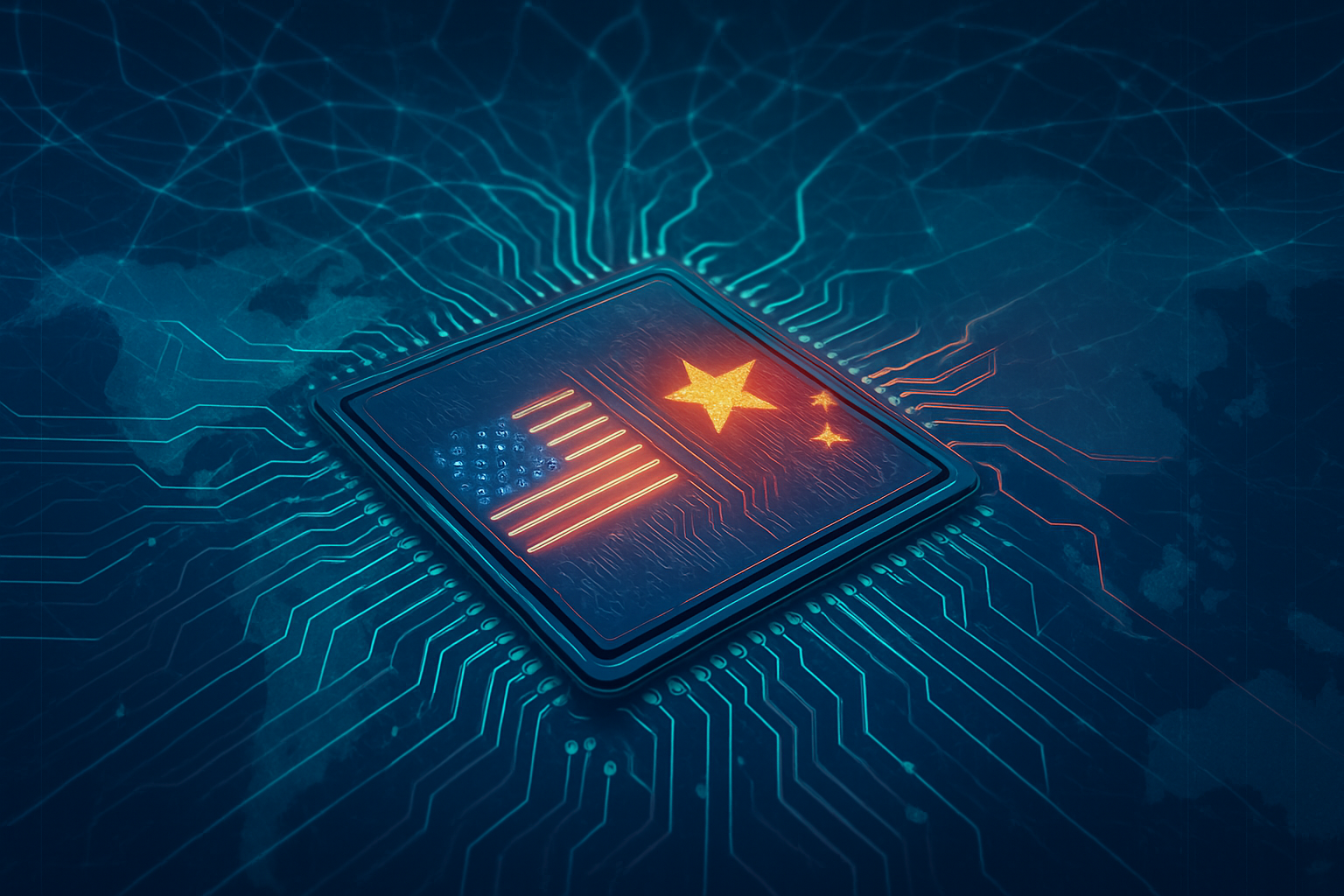
  • US Escalates Chip War: New Restrictions Threaten Global Tech Landscape and Accelerate China’s Self-Sufficiency Drive

    US Escalates Chip War: New Restrictions Threaten Global Tech Landscape and Accelerate China’s Self-Sufficiency Drive

    The ongoing technological rivalry between the United States and China has reached a fever pitch, with Washington implementing a series of increasingly stringent export restrictions aimed at curbing Beijing's access to advanced semiconductor technology. These measures, primarily driven by U.S. national security concerns, seek to impede China's military modernization and maintain American technological superiority in critical areas like advanced computing and artificial intelligence. The immediate fallout includes significant disruptions to global supply chains, financial pressures on leading U.S. chipmakers, and a forceful push for technological self-reliance within China's burgeoning tech sector.

    The latest wave of restrictions, culminating in actions through late September and October 2025, has dramatically reshaped the landscape for global chip manufacturing and trade. From adjusting performance density thresholds to blacklisting hundreds of Chinese entities and even introducing controversial revenue-sharing conditions for certain chip sales, the U.S. strategy signals a determined effort to create a "chokehold" on China's high-tech ambitions. While intended to slow China's progress, these aggressive policies are also inadvertently accelerating Beijing's resolve to develop its own indigenous semiconductor ecosystem, setting the stage for a more fragmented and competitive global technology arena.

    Unpacking the Technical Tightening: A Closer Look at the New Controls

    The U.S. Bureau of Industry and Security (BIS) has systematically tightened its grip on China's access to advanced semiconductors and manufacturing equipment, building upon the foundational controls introduced in October 2022. A significant update in October 2023 revised the original rules, introducing a "performance density" parameter for chips. This technical adjustment was crucial, as it aimed to capture a broader array of chips, including those specifically designed to circumvent earlier restrictions, such as Nvidia's (NASDAQ: NVDA) A800/H800 and Intel's (NASDAQ: INTC) Gaudi2 chips. Furthermore, these restrictions extended to companies headquartered in China, Macau, and other countries under U.S. arms embargoes, affecting an additional 43 nations.

    The escalation continued into December 2024, when the BIS further expanded its restricted list to include 24 types of semiconductor manufacturing equipment and three types of software tools, effectively targeting the very foundations of advanced chip production. A controversial "AI Diffusion Rule" was introduced in January 2025 by the outgoing Biden administration, mandating a worldwide license for the export of advanced integrated circuits. However, the incoming Trump administration quickly announced plans to rescind this rule, citing bureaucratic burdens. Despite this, the Trump administration intensified measures by March 2025, blacklisting over 40 Chinese entities and adding another 140 to the Entity List, severely curtailing trade in semiconductors and other strategic technologies.

    The most recent and impactful developments occurred in late September and October 2025. The U.S. widened its trade blacklists, broadening export rules to encompass not only direct dealings with listed entities but also with thousands of Chinese companies connected through ownership. This move, described by Goldman Sachs analysts as a "large expansion of sanctions," drastically increased the scope of affected businesses. Concurrently, in October 2025, the U.S. controversially permitted Nvidia (NASDAQ: NVDA) and AMD (NASDAQ: AMD) to sell certain AI chips, like Nvidia's H20, to China, but with a contentious condition: these companies would pay the U.S. government 15 percent of their revenues from these sales. This unprecedented revenue-sharing model marks a novel and highly debated approach to export control, drawing mixed reactions from the industry and policymakers alike.

    Corporate Crossroads: Winners, Losers, and Strategic Shifts

    The escalating chip war has sent ripples through the global technology sector, creating a complex landscape of challenges and opportunities for various companies. U.S. chip giants, while initially facing significant revenue losses from restricted access to the lucrative Chinese market, are now navigating a new reality. Companies like Nvidia (NASDAQ: NVDA) and AMD (NASDAQ: AMD) have been compelled to design "de-tuned" chips specifically for the Chinese market to comply with export controls. While the recent conditional approval for sales like Nvidia's H20 offers a partial lifeline, the 15% revenue-sharing requirement is a novel imposition that could set a precedent and impact future profitability. Analysts had previously projected annual losses of $83 billion in sales and 124,000 jobs for U.S. firms due to the restrictions, highlighting the substantial financial risks involved.

    On the Chinese front, the restrictions have created immense pressure but also spurred an unprecedented drive for domestic innovation. Companies like Huawei (SHE: 002502) have emerged as central players in China's self-sufficiency push. Despite being on the U.S. Entity List, Huawei, in partnership with SMIC (HKG: 0981), successfully developed an advanced 7nm chip, a capability the U.S. controls aimed to prohibit. This breakthrough underscored China's resilience and capacity for indigenous advancement. Beijing is now actively urging major Chinese tech giants such as ByteDance and Alibaba (NYSE: BABA) to prioritize domestic suppliers, particularly Huawei's Ascend chips, over foreign alternatives. Huawei's unveiling of new supercomputing systems powered by its Ascend chips further solidifies its position as a viable domestic alternative to Nvidia and Intel in the critical AI computing space.

    The competitive landscape is rapidly fragmenting. While U.S. companies face reduced market access, they also benefit from government support aimed at bolstering domestic manufacturing through initiatives like the CHIPS Act. However, the long-term risk for U.S. firms is the potential for Chinese companies to "design out" U.S. technology entirely, leading to a diminished market share and destabilizing the U.S. semiconductor ecosystem. For European and Japanese equipment manufacturers like ASML (AMS: ASML), the pressure from the U.S. to align with export controls has created a delicate balancing act between maintaining access to the Chinese market and adhering to allied policies. The recent Dutch government seizure of Nexperia, a Dutch chipmaker with Chinese ownership, exemplifies the intensifying geopolitical pressures affecting global supply chains and threatening production halts in industries like automotive across Europe and North America.

    Global Reverberations: The Broader Significance of the Chip War

    The escalating US-China chip war is far more than a trade dispute; it is a pivotal moment that is profoundly reshaping the global technological landscape and geopolitical order. These restrictions fit into a broader trend of technological decoupling, where nations are increasingly prioritizing national security and economic sovereignty over unfettered globalization. The U.S. aims to maintain its technological leadership, particularly in foundational areas like AI and advanced computing, viewing China's rapid advancements as a direct challenge to its strategic interests. This struggle is not merely about chips but about who controls the future of innovation and military capabilities.

    The impacts on global trade are significant and multifaceted. The restrictions have introduced considerable volatility into semiconductor supply chains, leading to shortages and price increases across various industries, from consumer electronics to automotive. Companies worldwide, reliant on complex global networks for components, are facing increased production costs and delays. This has prompted a strategic rethinking of supply chain resilience, with many firms looking to diversify their sourcing away from single points of failure. The pressure on U.S. allies, such as the Netherlands and Japan, to implement similar export controls further fragments the global supply chain, compelling companies to navigate a more balkanized technological world.

    Concerns extend beyond economic disruption to potential geopolitical instability. China's retaliatory measures, such as weaponizing its dominance in rare earth elements—critical for semiconductors and other high-tech products—signal Beijing's willingness to leverage its own strategic advantages. The expansion of China's rare earth export controls in early October 2025, requiring government approval for designated rare earths, prompted threats of 100% tariffs on all Chinese goods from U.S. President Donald Trump, illustrating the potential for rapid escalation. This tit-for-tat dynamic risks pushing the world towards a more protectionist and confrontational trade environment, reminiscent of Cold War-era technological competition. This current phase of the chip war dwarfs previous AI milestones, not in terms of a specific breakthrough, but in its systemic impact on global innovation, supply chain architecture, and international relations.

    The Road Ahead: Future Developments and Expert Predictions

    The trajectory of the US-China chip war suggests a future characterized by continued technological decoupling, intensified competition, and a relentless pursuit of self-sufficiency by both nations. In the near term, we can expect further refinements and expansions of export controls from the U.S. as it seeks to close any remaining loopholes and broaden the scope of restricted technologies and entities. Conversely, China will undoubtedly redouble its efforts to bolster its domestic semiconductor industry, channeling massive state investments into research and development, fostering local talent, and incentivizing the adoption of indigenous hardware and software solutions. The success of Huawei (SHE: 002502) and SMIC (HKG: 0981) in producing a 7nm chip demonstrates China's capacity for rapid advancement under pressure, suggesting that future breakthroughs in domestic chip manufacturing and design are highly probable.

    Long-term developments will likely see the emergence of parallel technology ecosystems. China aims to create a fully self-reliant tech stack, from foundational materials and manufacturing equipment to advanced chip design and AI applications. This could lead to a scenario where global technology standards and supply chains diverge significantly, forcing multinational corporations to operate distinct product lines and supply chains for different markets. Potential applications and use cases on the horizon include advancements in China's AI capabilities, albeit potentially at a slower pace initially, as domestic alternatives to high-end foreign chips become more robust. We might also see increased collaboration among U.S. allies to fortify their own semiconductor supply chains and reduce reliance on both Chinese and potentially over-concentrated U.S. production.

    However, significant challenges remain. For the U.S., maintaining its technological edge while managing the economic fallout on its own companies and preventing Chinese retaliation will be a delicate balancing act. For China, the challenge lies in overcoming the immense technical hurdles of advanced chip manufacturing without access to critical Western tools and intellectual property. Experts predict that while the restrictions will undoubtedly slow China's progress in the short to medium term, they will ultimately accelerate its long-term drive towards technological independence. This could inadvertently strengthen China's domestic industry and potentially lead to a "designing out" of U.S. technology from Chinese products, eventually destabilizing the U.S. semiconductor ecosystem. The coming years will be a test of strategic endurance and innovative capacity for both global superpowers.

    Concluding Thoughts: A New Era of Tech Geopolitics

    The escalating US-China chip war, marked by increasingly stringent export restrictions and retaliatory measures, represents a watershed moment in global technology and geopolitics. The key takeaway is the irreversible shift towards technological decoupling, driven by national security imperatives. While the U.S. aims to slow China's military and AI advancements by creating a "chokehold" on its access to advanced semiconductors and manufacturing equipment, these actions are simultaneously catalyzing China's fervent pursuit of technological self-sufficiency. This dynamic is leading to a more fragmented global tech landscape, where parallel ecosystems may ultimately emerge.

    This development holds immense significance in AI history, not for a specific algorithmic breakthrough, but for fundamentally altering the infrastructure upon which future AI advancements will be built. The ability of nations to access, design, and manufacture advanced chips directly correlates with their capacity for leading-edge AI research and deployment. The current conflict ensures that the future of AI will be shaped not just by scientific progress, but by geopolitical competition and strategic industrial policy. The long-term impact is likely a bifurcated global technology market, increased innovation in domestic industries on both sides, and potentially higher costs for consumers due to less efficient, duplicated supply chains.

    In the coming weeks and months, observers should closely watch several key indicators. These include any further expansions or modifications to U.S. export controls, particularly regarding the contentious revenue-sharing model for chip sales to China. On China's side, monitoring advancements from companies like Huawei (SHE: 002502) and SMIC (HKG: 0981) in domestic chip production and AI hardware will be crucial. The responses from U.S. allies, particularly in Europe and Asia, regarding their alignment with U.S. policies and their own strategies for supply chain resilience, will also provide insights into the future shape of global tech trade. Finally, any further retaliatory measures from China, especially concerning critical raw materials or market access, will be a significant barometer of the ongoing escalation.


    This content is intended for informational purposes only and represents analysis of current AI developments.

    TokenRing AI delivers enterprise-grade solutions for multi-agent AI workflow orchestration, AI-powered development tools, and seamless remote collaboration platforms.
    For more information, visit https://www.tokenring.ai/.