Tag: Google Cloud

  • Hitachi (TYO: 6501) Soars on Landmark AI Expansion and Strategic Partnerships

    Hitachi (TYO: 6501) Soars on Landmark AI Expansion and Strategic Partnerships

    Tokyo, Japan – October 29, 2025 – Hitachi (TYO: 6501) has witnessed a significant surge in its stock value, with shares jumping 10.3% in Tokyo following a series of ambitious announcements detailing a profound expansion into the artificial intelligence sector. This market enthusiasm reflects strong investor confidence in Hitachi's multi-faceted AI strategy, which includes pivotal partnerships with leading AI firms, substantial infrastructure investments, and a sharpened focus on "Physical AI" solutions. The conglomerate's proactive approach to embedding cutting-edge AI across its diverse business segments signals a strategic pivot designed to leverage AI for operational transformation and new growth avenues.

    The immediate significance of these developments is multifold. Hitachi is not merely adopting AI but positioning itself as a critical enabler of the global AI revolution. By committing to supply energy-efficient infrastructure for data centers, collaborating on advanced AI agents with tech giants, and acquiring specialized AI firms, Hitachi is building a robust ecosystem that spans from foundational power delivery to sophisticated AI application. This strategic foresight addresses key bottlenecks in AI growth—namely, energy and specialized talent—while simultaneously enhancing its core industrial and infrastructure offerings with intelligent capabilities.

    Technical Deep Dive: Hitachi's AI Architecture and Strategic Innovations

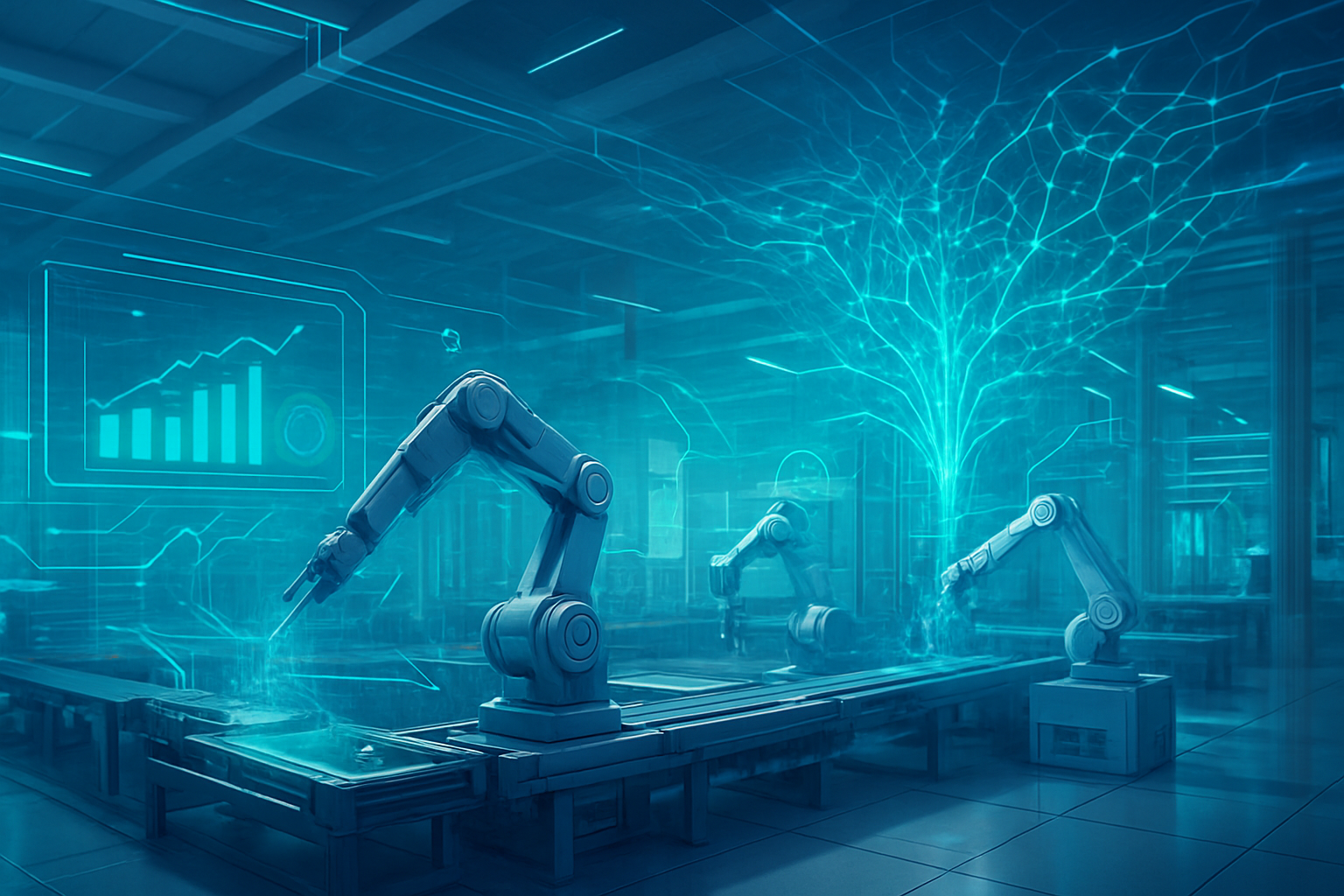
    Hitachi's (TYO: 6501) AI expansion is characterized by a sophisticated, layered approach that integrates generative AI, agentic AI, and "Physical AI" within its proprietary Lumada platform. A cornerstone of this strategy is the recently announced expanded strategic alliance with Google Cloud (NASDAQ: GOOGL), which will see Hitachi leverage Gemini Enterprise to develop advanced AI agents. These agents are specifically designed to enhance operational transformation for frontline workers across critical industrial and infrastructure sectors such as energy, railways, and manufacturing. This collaboration is a key step towards realizing Hitachi's Lumada 3.0 vision, which aims to combine Hitachi's deep domain knowledge with AI for practical, real-world applications.

    Further solidifying its technical foundation, Hitachi signed a significant Memorandum of Understanding (MoU) with OpenAI (Private) on October 2, 2025. Under this agreement, Hitachi will provide OpenAI's data centers with essential energy-efficient electric power transmission and distribution equipment, alongside advanced water cooling and air conditioning systems. In return, OpenAI will supply its large language model (LLM) technology, which Hitachi will integrate into its digital services portfolio. This symbiotic relationship ensures Hitachi plays a vital role in the physical infrastructure supporting AI, while also gaining direct access to state-of-the-art LLM capabilities for its Lumada solutions.

    The establishment of a global Hitachi AI Factory, built on NVIDIA's (NASDAQ: NVDA) AI Factory reference architecture, further underscores Hitachi's commitment to robust AI development. This centralized infrastructure, powered by NVIDIA's advanced GPUs—including Blackwell and RTX PRO 6000—is designed to accelerate the development and deployment of "Physical AI" solutions. "Physical AI" is a distinct approach that involves AI models acquiring and interpreting data from physical environments via sensors and cameras, determining actions, and then executing them, deeply integrating with Hitachi's extensive operational technology (OT) expertise. This differs from many existing AI approaches that primarily focus on digital data processing, by emphasizing real-world interaction and control. Initial reactions from the AI research community have highlighted the strategic brilliance of this IT/OT convergence, recognizing Hitachi's unique position to bridge the gap between digital intelligence and physical execution in industrial settings. The acquisition of synvert, a German data and AI services firm, on October 29, 2025, further bolsters Hitachi's capabilities in Agentic AI and Physical AI, accelerating the global expansion of its HMAX business.

    Competitive Landscape and Market Implications

    Hitachi's (TYO: 6501) aggressive AI expansion carries significant competitive implications for both established tech giants and emerging AI startups. Companies like Google Cloud (NASDAQ: GOOGL), OpenAI (Private), Microsoft (NASDAQ: MSFT), and NVIDIA (NASDAQ: NVDA) stand to benefit directly from their partnerships with Hitachi, as these collaborations expand their reach into critical industrial sectors and facilitate the deployment of their foundational AI technologies on a massive scale. For instance, Google Cloud's Gemini Enterprise will see broader adoption in operational settings, while OpenAI's LLMs will be integrated into a wide array of Hitachi's digital services. NVIDIA's GPU technology will power Hitachi's global AI factories, further cementing its dominance in AI hardware.

    Conversely, Hitachi's strategic moves could pose a challenge to competitors that lack a similar depth in both information technology (IT) and operational technology (OT). Companies focused solely on software AI solutions might find it difficult to replicate Hitachi's "Physical AI" capabilities, which leverage decades of expertise in industrial machinery, energy systems, and mobility infrastructure. This unique IT/OT synergy creates a strong competitive moat, potentially disrupting existing products or services that offer less integrated or less physically intelligent solutions for industrial automation and optimization. Hitachi's substantial investment of 300 billion yen (approximately $2.1 billion USD) in generative AI for fiscal year 2024, coupled with plans to train over 50,000 "GenAI Professionals," signals a serious intent to capture market share and establish a leading position in AI-driven industrial transformation.

    Furthermore, Hitachi's focus on providing critical energy infrastructure for AI data centers—highlighted by its MoU with the U.S. Department of Commerce to foster investment in sustainable AI growth and expand manufacturing activities for transformer production—positions it as an indispensable partner in the broader AI ecosystem. This strategic advantage addresses a fundamental bottleneck for the rapidly expanding AI industry: reliable and efficient power. By owning a piece of the foundational infrastructure that enables AI, Hitachi creates a symbiotic relationship where its growth is intertwined with the overall expansion of AI, potentially giving it leverage over competitors reliant on third-party infrastructure providers.

    Broader Significance in the AI Landscape

    Hitachi's (TYO: 6501) comprehensive AI strategy fits squarely within the broader AI landscape's accelerating trend towards practical, industry-specific applications and the convergence of IT and OT. While much of the recent AI hype has focused on large language models and generative AI in consumer and enterprise software, Hitachi's emphasis on "Physical AI" represents a crucial maturation of the field, moving AI from the digital realm into tangible, real-world operational control. This approach resonates with the growing demand for AI solutions that can optimize complex industrial processes, enhance infrastructure resilience, and drive sustainability across critical sectors like energy, mobility, and manufacturing.

    The impacts of this strategy are far-reaching. By integrating advanced AI into its operational technology, Hitachi is poised to unlock unprecedented efficiencies, predictive maintenance capabilities, and autonomous operations in industries that have traditionally been slower to adopt cutting-edge digital transformations. This could lead to significant reductions in energy consumption, improved safety, and enhanced productivity across global supply chains and public utilities. However, potential concerns include the ethical implications of autonomous physical systems, the need for robust cybersecurity to protect critical infrastructure from AI-driven attacks, and the societal impact on human labor in increasingly automated environments.

    Comparing this to previous AI milestones, Hitachi's approach echoes the foundational shifts seen with the advent of industrial robotics and advanced automation, but with a new layer of cognitive intelligence. While past breakthroughs focused on automating repetitive tasks, "Physical AI" aims to bring adaptive, learning intelligence to complex physical systems, allowing for more nuanced decision-making and real-time optimization. This represents a significant step beyond simply digitizing operations; it's about intelligent, adaptive control of the physical world. The substantial investment in generative AI and the training of a vast workforce in GenAI skills also positions Hitachi to leverage the creative and analytical power of LLMs to augment human decision-making and accelerate innovation within its industrial domains.

    Future Developments and Expert Predictions

    Looking ahead, the near-term developments for Hitachi's (TYO: 6501) AI expansion will likely focus on the rapid integration of OpenAI's (Private) LLM technology into its Lumada platform and the deployment of AI agents developed in collaboration with Google Cloud (NASDAQ: GOOGL) across pilot projects in energy, railway, and manufacturing sectors. We can expect to see initial case studies and performance metrics emerging from these deployments, showcasing the tangible benefits of "Physical AI" in optimizing operations, improving efficiency, and enhancing safety. The acquisition of synvert will also accelerate the development of more sophisticated agentic AI capabilities, leading to more autonomous and intelligent systems.

    In the long term, the potential applications and use cases are vast. Hitachi's "Physical AI" could lead to fully autonomous smart factories, self-optimizing energy grids that dynamically balance supply and demand, and predictive maintenance systems for critical infrastructure that anticipate failures with unprecedented accuracy. The integration of generative AI within these systems could enable adaptive design, rapid prototyping of industrial solutions, and even AI-driven co-creation with customers for bespoke industrial applications. Experts predict that Hitachi's unique IT/OT synergy will allow it to carve out a dominant niche in the industrial AI market, transforming how physical assets are managed and operated globally.

    However, several challenges need to be addressed. Scaling these complex AI solutions across diverse industrial environments will require significant customization and robust integration capabilities. Ensuring the reliability, safety, and ethical governance of autonomous "Physical AI" systems will be paramount, demanding rigorous testing and regulatory frameworks. Furthermore, the ongoing global competition for AI talent and the need for continuous innovation in hardware and software will remain critical hurdles. What experts predict will happen next is a continued push towards more sophisticated autonomous systems, with Hitachi leading the charge in demonstrating how AI can profoundly impact the physical world, moving beyond digital processing to tangible operational intelligence.

    Comprehensive Wrap-Up: A New Era for Industrial AI

    Hitachi's (TYO: 6501) recent stock surge and ambitious AI expansion mark a pivotal moment, not just for the Japanese conglomerate but for the broader artificial intelligence landscape. The key takeaways are clear: Hitachi is strategically positioning itself at the nexus of IT and OT, leveraging cutting-edge AI from partners like OpenAI (Private), Google Cloud (NASDAQ: GOOGL), and Microsoft (NASDAQ: MSFT) to transform industrial and infrastructure sectors. Its focus on "Physical AI" and substantial investments in both generative AI capabilities and the foundational energy infrastructure for data centers underscore a holistic and forward-thinking strategy.

    This development's significance in AI history lies in its powerful demonstration of AI's maturation beyond consumer applications and enterprise software into the complex, real-world domain of industrial operations. By bridging the gap between digital intelligence and physical execution, Hitachi is pioneering a new era of intelligent automation and optimization. The company is not just a consumer of AI; it is an architect of the AI-powered future, providing both the brains (AI models) and the brawn (energy infrastructure, operational technology) for the next wave of technological advancement.

    Looking forward, the long-term impact of Hitachi's strategy could reshape global industries, driving unprecedented efficiencies, sustainability, and resilience. What to watch for in the coming weeks and months are the initial results from their AI agent deployments, further details on the integration of OpenAI's LLMs into Lumada, and how Hitachi continues to expand its "Physical AI" offerings globally. The company's commitment to training a massive AI-skilled workforce also signals a long-term play in human capital development, which will be crucial for sustaining its AI leadership.


    This content is intended for informational purposes only and represents analysis of current AI developments.

    TokenRing AI delivers enterprise-grade solutions for multi-agent AI workflow orchestration, AI-powered development tools, and seamless remote collaboration platforms.
    For more information, visit https://www.tokenring.ai/.

  • IKS Health Unveils AI-Powered Care Enablement Platform on Google Cloud, Revolutionizing Healthcare Automation

    IKS Health Unveils AI-Powered Care Enablement Platform on Google Cloud, Revolutionizing Healthcare Automation

    San Jose, CA – October 22, 2025 – IKS Health, a leading provider of clinical and administrative solutions for healthcare organizations, officially announced the launch of its groundbreaking AI-Powered Care Enablement Platform on October 16, 2025. Built entirely on Google Cloud's robust infrastructure, including the cutting-edge Gemini family of models, this generative AI-based, multi-agent system is set to dramatically enhance clinical, administrative, and financial efficiencies across the entire patient journey. The announcement, made just ahead of the annual HLTH conference, signals a significant leap forward in healthcare automation, promising to alleviate the administrative burdens that plague clinicians and improve overall care delivery.

    The platform's immediate significance lies in its comprehensive approach to what IKS Health terms "chore-free care." By automating up to 80% of routine and repetitive tasks—such as ambient documentation, charting, coding, order capture, claim submissions, and crucial prior authorizations—the system aims to free healthcare professionals from mundane paperwork. This strategic integration of advanced AI with a "human-in-the-loop" model ensures accuracy, speed, scalability, and compliance, ultimately driving better outcomes and fostering financial sustainability for healthcare organizations.

    Technical Prowess: Unpacking the AI-Powered Engine

    IKS Health's Care Enablement Platform is a sophisticated, generative AI-based, multi-agent system engineered to streamline the intricate web of healthcare workflows. Its technical architecture is designed for adaptability, security, and high performance, leveraging the full power of Google Cloud.

    At its core, the platform operates as a multi-agent system, orchestrating various operational functions into a unified, efficient workflow. It features a robust data platform capable of ingesting, aggregating, normalizing, and analyzing data from disparate systems to provide critical clinical, financial, and operational insights. A cornerstone of its design is the "human-in-the-loop" (HITL) model, where IKS Health agents review and validate AI outputs. This mechanism is crucial for mitigating AI errors or "hallucinations" and ensuring clinical safety and compliance, especially when medically necessary. The platform boasts deep Electronic Health Record (EHR) integration, actively working with major EHRs like Epic's Connection Hub, facilitating seamless revenue cycle and clinical workflow integration. Hosted on a secure, cloud-based infrastructure, it is HITRUST certified and HIPAA compliant, guaranteeing data privacy and security.

    The platform's core AI features include advanced prior authorization management, capable of detecting requirements and managing the complex process, even interacting directly with payer systems. Its "Scribble AI Suite" offers advanced Natural Language Processing (NLP)-driven clinical documentation, with options like Scribble Now for fully automated notes, Scribble Swift for medical scribe review, and Scribble Pro for clinician review and medical coding integration. This suite aims to reduce daily documentation time by 20-60 minutes. Furthermore, AI-powered coding agents align billing codes with documentation, and automated claim submissions streamline interactions with insurers. The platform also enhances Revenue Cycle Management (RCM) through predictive analytics for denial prevention and offers a Care Team Assistant for tasks like inbox management and prescription renewals.

    This innovative solution is deeply integrated with Google Cloud's advanced AI infrastructure. It explicitly utilizes the powerful Gemini family of models, Google Cloud's Agent Development Kit (ADK), and Vertex AI for building, deploying, and scaling machine learning models. Google Cloud has endorsed IKS Health's platform as an exemplary use of "agentic AI in action," demonstrating how generative AI can deliver "real, multi-step solutions" to reduce administrative burdens. This strategic partnership and IKS Health's focus on a comprehensive, integrated approach—rather than fragmented "point solutions"—mark a significant differentiation from previous technologies, promising a unified and more effective healthcare automation solution.

    Reshaping the AI and Tech Landscape

    The launch of IKS Health's AI-Powered Care Enablement Platform on Google Cloud has significant implications for AI companies, tech giants, and startups, signaling a shift towards integrated, agentic AI solutions in healthcare.

    Healthcare providers, including hospitals, physician groups, and specialty practices, stand to be the primary beneficiaries. By automating up to 80% of routine administrative tasks, the platform directly addresses clinician burnout and improves efficiency, allowing more focus on patient care and driving financial sustainability. For Alphabet Inc. (NASDAQ: GOOGL) subsidiary Google Cloud, this partnership solidifies its position as a critical AI infrastructure provider in the highly regulated healthcare sector. It serves as a powerful showcase for the practical application of their Gemini models, ADK, and Vertex AI, attracting more healthcare clients and validating their agentic AI capabilities. IKS Health's integration of its Scribble platform into Epic's Connection Hub also creates new opportunities for AI solution developers and integrators specializing in complex EHR system integrations.

    Competitively, IKS Health's comprehensive "Care Enablement" platform poses a challenge to traditional healthcare IT vendors and those offering fragmented point solutions. Companies like 3M (NYSE: MMM) subsidiary Nuance, a long-standing player in clinical documentation, and even EHR giants like Epic Systems Corporation (private) with their internal AI scribe initiatives, face intensified competition. The integrated approach of IKS Health, combining AI with human expertise across clinical, administrative, and financial functions, differentiates it from vendors focused on narrower segments like medical transcription or isolated RCM tools. While AI startups in healthcare might face increased competition from such comprehensive platforms, it also validates the market, potentially leading to partnerships or acquisitions for niche solution providers. The industry is clearly shifting from fragmented tools to unified, AI-driven solutions that connect multiple workflows.

    This development could disrupt traditional medical transcription and coding services, as AI-driven ambient documentation and coding automate many tasks previously performed by humans. While IKS Health employs a human-in-the-loop model, the autonomous handling of routine tasks could reduce demand for purely human-based services. Similarly, existing fragmented administrative software solutions that address only specific tasks may see disruption as healthcare organizations opt for integrated platforms. IKS Health's strategic advantages include its "care enablement" positioning, its unique agentic AI + human-in-the-loop model, deep integration with Google Cloud for scalability and advanced AI, and critical EHR interoperability. By addressing core industry challenges like clinician burnout and patient access, IKS Health offers a compelling value proposition, further bolstered by industry recognition from Black Book, KLAS, and a Google Cloud 2025 DORA Award.

    Broader Significance in the AI Landscape

    IKS Health's AI-Powered Care Enablement Platform on Google Cloud marks a pivotal moment in the broader AI landscape, embodying several key trends and promising profound impacts, while also necessitating careful consideration of potential concerns.

    This platform aligns perfectly with the burgeoning adoption of generative AI and Large Language Models (LLMs) in healthcare. Its foundation on Google Cloud’s Gemini models places it at the forefront of this technological wave, demonstrating how generative AI can move beyond simple data analysis to actively create content, such as clinical notes, and orchestrate complex, multi-step workflows. The emphasis on "agentic AI" and multi-agent systems is particularly significant, as it represents a shift from single-task automation to intelligent systems that can autonomously plan and execute interconnected tasks across various operational functions. Furthermore, the "human-in-the-loop" (HITL) integration is crucial for building trust and ensuring reliability in sensitive sectors like healthcare, ensuring that human oversight maintains clinical safety and accuracy. The platform directly addresses the escalating issue of clinician burnout, a major driver for AI adoption in healthcare, by automating administrative burdens.

    The impacts of such a comprehensive platform are far-reaching. It promises enhanced operational efficiency by automating up to 80% of routine administrative tasks, from prior authorizations to claim submissions. This translates to improved financial performance for healthcare organizations through optimized revenue cycle management and reduced claim denials. Critically, by freeing up clinicians from "chore work," the platform enables more dedicated time for direct patient care, potentially leading to better patient outcomes and experiences. The system also provides valuable data-driven insights by aggregating and analyzing data from disparate systems, supporting better decision-making.

    However, the rapid integration of advanced AI platforms like IKS Health's also brings potential concerns. Ethical considerations around algorithmic bias, which could lead to disparate impacts on patient populations, remain paramount. Data privacy and security, especially with extensive patient data residing on cloud platforms, necessitate robust HIPAA compliance and cybersecurity measures. While AI is often framed as an augmentative tool, concerns about job displacement and the devaluation of human expertise persist among healthcare workers, particularly for tasks that AI can now perform autonomously. The potential for AI errors or "hallucinations," even with human oversight, remains a concern in tasks impacting clinical decisions. Moreover, the rapid pace of AI development often outstrips regulatory frameworks, creating challenges in ensuring safe and ethical deployment.

    Comparing this to previous AI milestones, IKS Health's platform represents a significant evolutionary leap. Early AI in healthcare, from the 1970s (e.g., INTERNIST-1, MYCIN), focused on rule-based expert systems for diagnosis and treatment suggestions. The past two decades saw advancements in predictive analytics, telemedicine, and AI-driven diagnostics in medical imaging. The IKS Health platform moves beyond these by integrating generative and agentic AI for holistic care enablement. It's not merely assisting with specific tasks but orchestrating numerous clinical, administrative, and financial functions across the entire patient journey. This integrated approach, combined with the scalability and robustness of Google Cloud's advanced AI capabilities, signifies a new frontier where AI fundamentally transforms healthcare operations, rather than just augmenting them.

    The Horizon: Future Developments and Expert Predictions

    IKS Health's AI-Powered Care Enablement Platform is poised for continuous evolution, driven by a clear vision to deepen its impact on healthcare workflows and expand the reach of agentic AI. Both near-term refinements and long-term strategic expansions are on the horizon, aiming to further alleviate administrative burdens and enhance patient care.

    In the near term, IKS Health is focused on enhancing the platform's core functionalities. This includes refining the automation of complex workflows like prior authorizations, aiming for even greater autonomy in document processing and insurance approvals. The company is also expanding its "Scribble AI" clinical documentation suite, with ongoing integration into major EHRs like Epic's Connection Hub, and developing more specialty-specific templates and language support, including Spanish. The "human-in-the-loop" model will remain a critical element, ensuring clinical safety and accuracy as AI capabilities advance. The appointment of Ajai Sehgal as the company's first Chief AI Officer in September 2025 underscores a strategic commitment to an enterprise-wide AI vision, focusing on accelerating innovation and enhancing outcomes across the care enablement platform.

    Looking further ahead, IKS Health CEO Sachin K. Gupta envisions an "agentic revolution" in healthcare, with a long-term goal of eliminating a significant portion of the human element in the 16 tasks currently handled by their platform. This strategy involves a transition from a human-led, tech-enabled model to a tech-led, human-enabled model, eventually aiming for full automation of routine "chore" tasks over the next decade. The platform's breadth is expected to expand significantly, tackling new administrative and clinical challenges. Potential future applications include comprehensive workflow automation across the entire "note to net revenue" ecosystem, advanced predictive analytics for patient outcomes and resource management, and enhanced AI-powered patient engagement solutions.

    However, several challenges must be addressed. Regulatory scrutiny of AI in healthcare continues to intensify, demanding continuous attention to HIPAA compliance, data security, and ethical AI deployment. Evolving interoperability standards across the fragmented healthcare IT landscape remain a hurdle, though IKS Health's EHR integrations are a positive step. Maintaining human oversight and trust in AI-generated outputs is crucial, especially as automation increases. The intensifying competition from other AI scribing and healthcare AI solution providers will require continuous innovation. Addressing potential resistance to change among clinicians and developing industry-wide objective quality measures for AI-generated clinical notes are also vital for widespread adoption and accountability.

    Experts predict a transformative future for AI in healthcare. Sachin Gupta views generative AI as a "massive tailwind" for IKS Health, projecting significant growth and profitability. Google Cloud's Global Director for Healthcare Strategy & Solutions, Aashima Gupta, highlights IKS Health's human-in-the-loop agentic approach as an ideal example of generative AI delivering tangible, multi-step solutions. The shift from human-led to tech-led operations is widely anticipated, with the creation of new AI-related roles (e.g., AI trainers, operators) to manage these advanced systems. The global AI in healthcare market is projected to grow at a 44% CAGR through 2032, underscoring the immense demand for productivity-enhancing and compliance-driven AI tools. The American Medical Association's (AMA) concept of "augmented intelligence" emphasizes that AI tools will support, rather than replace, human decision-making, ensuring that human expertise remains central to healthcare.

    A New Era of Healthcare Efficiency

    The launch of IKS Health's AI-Powered Care Enablement Platform on Google Cloud marks a significant milestone in the ongoing evolution of artificial intelligence in healthcare. It represents a strategic leap from fragmented point solutions to a comprehensive, integrated system designed to orchestrate the entire patient journey, from clinical documentation to revenue cycle management. By leveraging generative AI, multi-agent systems, and a crucial human-in-the-loop model, IKS Health is not just automating tasks; it is fundamentally reshaping how healthcare operations are managed, aiming to deliver "chore-free care" and empower clinicians.

    The platform's significance in AI history lies in its sophisticated application of agentic AI to address systemic inefficiencies within a highly complex and regulated industry. It demonstrates the tangible benefits of advanced AI in alleviating clinician burnout, improving operational and financial outcomes, and ultimately enhancing the quality of patient care. While concerns regarding ethics, data security, and job displacement warrant careful consideration, IKS Health's commitment to a human-supervised AI model aims to build trust and ensure responsible deployment.

    In the long term, this development heralds a future where AI becomes an indispensable foundation of efficient healthcare delivery. The trajectory towards increasingly autonomous, yet intelligently overseen, AI agents promises to unlock unprecedented levels of productivity and innovation. As IKS Health continues its "agentic revolution," the industry will be watching closely for further expansions of its platform, its impact on clinician well-being, and its ability to navigate the evolving regulatory landscape. This launch solidifies IKS Health's position as a key player in defining the future of AI-enabled healthcare.


    This content is intended for informational purposes only and represents analysis of current AI developments.

    TokenRing AI delivers enterprise-grade solutions for multi-agent AI workflow orchestration, AI-powered development tools, and seamless remote collaboration platforms.
    For more information, visit https://www.tokenring.ai/.

  • The AI Compute Gold Rush: Bitcoin Miners Pivot, Cloud Giants Scale, and Integrators Deliver as Infrastructure Demands Soar

    The AI Compute Gold Rush: Bitcoin Miners Pivot, Cloud Giants Scale, and Integrators Deliver as Infrastructure Demands Soar

    October 20, 2025 – The foundational pillars of the artificial intelligence revolution are undergoing an unprecedented expansion, as the insatiable demand for computational power drives massive investment and strategic shifts across the tech landscape. Today, the spotlight falls on a fascinating confluence of developments: Bitcoin mining giant CleanSpark (NASDAQ: CLSK) formally announced its pivot into AI computing infrastructure, Google Cloud (NASDAQ: GOOGL) continues to aggressively scale its NVIDIA (NASDAQ: NVDA) GPU portfolio, and Insight Enterprises (NASDAQ: NSIT) rolls out advanced solutions to integrate AI infrastructure for businesses. These movements underscore a critical phase in AI's evolution, where access to robust, high-performance computing resources is becoming the ultimate differentiator, shaping the future of AI development and deployment.

    This surge in infrastructure build-out is not merely about more servers; it represents a fundamental re-engineering of data centers to handle the unique demands of generative AI and large language models (LLMs). From specialized cooling systems to unprecedented power requirements, the infrastructure underlying AI is rapidly transforming, attracting new players and intensifying competition among established tech titans. The strategic decisions made today by companies like CleanSpark, Google Cloud, and Insight Enterprises will dictate the pace of AI innovation and its accessibility for years to come.

    The Technical Crucible: From Crypto Mining to AI Supercomputing

    The technical advancements driving this infrastructure boom are multifaceted and deeply specialized. Bitcoin miner CleanSpark (NASDAQ: CLSK), for instance, is making a bold and strategic leap into AI data centers and high-performance computing (HPC). Leveraging its existing "infrastructure-first" model, which includes substantial land and power assets, CleanSpark is repurposing its energy-intensive Bitcoin mining sites for AI workloads. While this transition requires significant overhauls—potentially replacing 90% or more of existing infrastructure—the ability to utilize established power grids and real estate drastically cuts deployment timelines compared to building entirely new HPC facilities. The company, which announced its intent in September 2025 and secured a $100 million Bitcoin-backed credit facility on September 22, 2025, to fund expansion, officially entered the AI computing infrastructure market today, October 20, 2025. This move allows CleanSpark to diversify revenue streams beyond the volatile cryptocurrency market, tapping into the higher valuation premiums for data center power capacity in the AI sector and indicating an intention to utilize advanced NVIDIA (NASDAQ: NVDA) GPUs.

    Concurrently, cloud hyperscalers are in an intense "AI accelerator arms race," with Google Cloud (NASDAQ: GOOGL) at the forefront of expanding its NVIDIA (NASDAQ: NVDA) GPU offerings. Google Cloud's strategy involves rapidly integrating NVIDIA's latest architectures into its Accelerator-Optimized (A) and General-Purpose (G) Virtual Machine (VM) families, as well as its managed AI services. Following the general availability of NVIDIA A100 Tensor Core GPUs in its A2 VM family in March 2021 and the H100 Tensor Core GPUs in its A3 VM instances in September 2023, Google Cloud was also the first to offer NVIDIA L4 Tensor Core GPUs in March 2023, with serverless support added to Cloud Run in August 2024. Most significantly, Google Cloud is slated to be among the first cloud providers to offer instances powered by NVIDIA's groundbreaking Grace Blackwell AI computing platform (GB200, HGX B200) in early 2025, with A4 virtual machines featuring eight Blackwell GPUs reportedly becoming generally available in February 2025. These instances promise unprecedented performance for trillion-parameter LLMs, forming the backbone of Google Cloud's AI Hypercomputer architecture. This continuous adoption of cutting-edge GPUs, alongside its proprietary Tensor Processing Units (TPUs), differentiates Google Cloud by offering a comprehensive, high-performance computing environment that integrates deeply with its AI ecosystem, including Google Kubernetes Engine (GKE) and Vertex AI.

    Meanwhile, Insight Enterprises (NASDAQ: NSIT) is carving out its niche as a critical solutions integrator, rolling out advanced AI infrastructure solutions designed to help enterprises navigate the complexities of AI adoption. Their offerings include "Insight Lens for GenAI," launched in June 2023, which provides expertise in scalable infrastructure and data platforms; "AI Infrastructure as a Service (AI-IaaS)," introduced in September 2024, offering a flexible, OpEx-based consumption model for AI deployments across hybrid and on-premises environments; and "RADIUS AI," launched in April 2025, focused on accelerating ROI from AI initiatives with 90-day deployment cycles. These solutions are built on strategic partnerships with technology leaders like Microsoft (NASDAQ: MSFT), NVIDIA (NASDAQ: NVDA), Dell (NYSE: DELL), NetApp (NASDAQ: NTAP), and Cisco (NASDAQ: CSCO). Insight's focus on hybrid and on-premises AI models addresses a critical market need, as 82% of IT decision-makers prefer these environments. The company's new Solutions Integration Center in Fort Worth, Texas, opened in November 2024, further showcases its commitment to advanced infrastructure, incorporating AI and process automation for efficient IT hardware fulfillment.

    Shifting Tides: Competitive Implications for the AI Ecosystem

    The rapid expansion of AI infrastructure is fundamentally reshaping the competitive landscape for AI companies, tech giants, and startups alike. Companies like CleanSpark (NASDAQ: CLSK) venturing into AI compute stand to gain significant new revenue streams, diversifying their business models away from the cyclical nature of cryptocurrency mining. Their existing power infrastructure provides a unique advantage, potentially offering more cost-effective and rapidly deployable AI data centers compared to greenfield projects. This pivot positions them as crucial enablers for AI development, particularly for smaller firms or those seeking alternatives to hyperscale cloud providers.

    For tech giants, the intensified "AI accelerator arms race" among hyperscale cloud providers—Amazon Web Services (AWS) (NASDAQ: AMZN), Microsoft Azure (NASDAQ: MSFT), and Google Cloud (NASDAQ: GOOGL)—is a defining characteristic of this era. Google Cloud's aggressive integration of NVIDIA's (NASDAQ: NVDA) latest GPUs, from A100s to H100s and the upcoming Blackwell platform, ensures its competitive edge in offering cutting-edge compute power. This benefits its own AI research (e.g., Gemini) and attracts external AI labs and enterprises. The availability of diverse, high-performance GPU options, coupled with Google's proprietary TPUs, creates a powerful draw for developers requiring specialized hardware for various AI workloads. The competition among these cloud providers drives innovation in hardware, networking, and cooling, ultimately benefiting AI developers with more choices and potentially better pricing.

    Insight Enterprises (NASDAQ: NSIT) plays a vital role in democratizing access to advanced AI infrastructure for enterprises that may lack the internal expertise or resources to build it themselves. By offering AI-IaaS, comprehensive consulting, and integration services, Insight empowers a broader range of businesses to adopt AI. This reduces friction for companies looking to move beyond proof-of-concept AI projects to full-scale deployment, particularly in hybrid or on-premises environments where data governance and security are paramount. Their partnerships with major hardware and software vendors ensure that clients receive robust, integrated solutions, potentially disrupting traditional IT service models by offering specialized AI-centric integration. This strategic positioning allows Insight to capture significant market share in the burgeoning AI implementation sector, as evidenced by its acquisition of Inspire11 in October 2025 to expand its AI capabilities.

    The Wider Significance: Powering the Next AI Revolution

    These infrastructure developments fit squarely into the broader AI landscape as a critical response to the escalating demands of modern AI. The sheer scale and complexity of generative AI models necessitate computational power that far outstrips previous generations. This expansion is not just about faster processing; it's about enabling entirely new paradigms of AI, such as trillion-parameter models that require unprecedented memory, bandwidth, and energy efficiency. The shift towards higher power densities (from 15 kW to 60-120 kW per rack) and the increasing adoption of liquid cooling highlight the fundamental engineering challenges being overcome to support these advanced workloads.

    The impacts are profound: accelerating AI research and development, enabling the creation of more sophisticated and capable AI models, and broadening the applicability of AI across industries. However, this growth also brings significant concerns, primarily around energy consumption. Global power demand from data centers is projected to rise dramatically, with Deloitte estimating a thirtyfold increase in US AI data center power by 2035. This necessitates a strong focus on renewable energy sources, efficient cooling technologies, and potentially new power generation solutions like small modular reactors (SMRs). The concentration of advanced compute power also raises questions about accessibility and potential centralization of AI development.

    Comparing this to previous AI milestones, the current infrastructure build-out is reminiscent of the early days of cloud computing, where scalable, on-demand compute transformed the software industry. However, the current AI infrastructure boom is far more specialized and demanding, driven by the unique requirements of GPU-accelerated parallel processing. It signals a maturation of the AI industry where the physical infrastructure is now as critical as the algorithms themselves, distinguishing this era from earlier breakthroughs that were primarily algorithmic or data-driven.

    Future Horizons: The Road Ahead for AI Infrastructure

    Looking ahead, the trajectory for AI infrastructure points towards continued rapid expansion and specialization. Near-term developments will likely see the widespread adoption of NVIDIA's (NASDAQ: NVDA) Blackwell platform, further pushing the boundaries of what's possible in LLM training and real-time inference. Expect to see more Bitcoin miners, like CleanSpark (NASDAQ: CLSK), diversifying into AI compute, leveraging their existing energy assets. Cloud providers will continue to innovate with custom AI chips (like Google's (NASDAQ: GOOGL) TPUs) and advanced networking solutions to minimize latency and maximize throughput for multi-GPU systems.

    Potential applications on the horizon are vast, ranging from hyper-personalized generative AI experiences to fully autonomous systems in robotics and transportation, all powered by this expanding compute backbone. Faster training times will enable more frequent model updates and rapid iteration, accelerating the pace of AI innovation across all sectors. The integration of AI into edge devices will also drive demand for distributed inference capabilities, creating a need for more localized, power-efficient AI infrastructure.

    However, significant challenges remain. The sheer energy demands require sustainable power solutions and grid infrastructure upgrades. Supply chain issues for advanced GPUs and cooling technologies could pose bottlenecks. Furthermore, the increasing cost of high-end AI compute could exacerbate the "compute divide," potentially limiting access for smaller startups or academic researchers. Experts predict a future where AI compute becomes a utility, but one that is highly optimized, geographically distributed, and inextricably linked to renewable energy sources. The focus will shift not just to raw power, but to efficiency, sustainability, and intelligent orchestration of workloads across diverse hardware.

    A New Foundation for Intelligence: The Long-Term Impact

    The current expansion of AI data centers and infrastructure, spearheaded by diverse players like CleanSpark (NASDAQ: CLSK), Google Cloud (NASDAQ: GOOGL), and Insight Enterprises (NASDAQ: NSIT), represents a pivotal moment in AI history. It underscores that the future of artificial intelligence is not solely about algorithms or data; it is fundamentally about the physical and digital infrastructure that enables these intelligent systems to learn, operate, and scale. The strategic pivots of companies, the relentless innovation of cloud providers, and the focused integration efforts of solution providers are collectively laying the groundwork for the next generation of AI capabilities.

    The significance of these developments cannot be overstated. They are accelerating the pace of AI innovation, making increasingly complex models feasible, and broadening the accessibility of AI to a wider range of enterprises. While challenges related to energy consumption and cost persist, the industry's proactive response, including the adoption of advanced cooling and a push towards sustainable power, indicates a commitment to responsible growth.

    In the coming weeks and months, watch for further announcements from cloud providers regarding their Blackwell-powered instances, additional Bitcoin miners pivoting to AI, and new enterprise solutions from integrators like Insight Enterprises (NASDAQ: NSIT). The "AI compute gold rush" is far from over; it is intensifying, promising to transform not just the tech industry, but the very fabric of our digitally driven world.


    This content is intended for informational purposes only and represents analysis of current AI developments.

    TokenRing AI delivers enterprise-grade solutions for multi-agent AI workflow orchestration, AI-powered development tools, and seamless remote collaboration platforms.
    For more information, visit https://www.tokenring.ai/.

  • Revolutionizing Healthcare: Adtalem and Google Cloud Pioneer AI Credential Program to Bridge Workforce Readiness Gap

    Revolutionizing Healthcare: Adtalem and Google Cloud Pioneer AI Credential Program to Bridge Workforce Readiness Gap

    Adtalem Global Education (NYSE: ATGE) and Google Cloud (NASDAQ: GOOGL) have announced a groundbreaking partnership to launch a comprehensive Artificial Intelligence (AI) credential program tailored specifically for healthcare professionals. This pivotal initiative, unveiled on October 15, 2025, directly confronts a critical 'AI readiness gap' prevalent across the healthcare sector, aiming to equip both aspiring and current practitioners with the essential skills to ethically and effectively integrate AI into clinical practice. The program is set to roll out across Adtalem’s extensive network of institutions, which collectively serve over 91,000 students, starting in 2026, and will also be accessible to practicing healthcare professionals seeking continuing education.

    Despite billions of dollars invested by healthcare organizations in AI technologies to tackle capacity constraints and workforce shortages, a significant portion of medical professionals feel unprepared to leverage AI effectively. Reports indicate that only 28% of physicians feel ready to utilize AI's benefits while ensuring patient safety, and 36% of nurses express concern due to a lack of knowledge regarding AI-based technology. This collaboration between a leading education provider and a tech giant is a proactive step to bridge this knowledge chasm, promising to unlock the full potential of AI investments and foster a practice-ready workforce.

    Detailed Technical Coverage: Powering Healthcare with Google Cloud AI

    The Adtalem and Google Cloud AI credential program is engineered to provide a robust, hands-on learning experience, leveraging Google Cloud's state-of-the-art AI technology stack. The curriculum is meticulously designed to immerse participants in the practical application of AI, moving beyond theoretical understanding to direct engagement with tools that are actively reshaping clinical practice.

    At the heart of the program's technical foundation are Google Cloud's advanced AI offerings. Participants will gain experience with Gemini AI models, Google's multimodal AI models capable of processing and reasoning across diverse data types, from medical images to extensive patient histories. This capability is crucial for extracting key insights from complex patient data. The program also integrates Vertex AI services, Google Cloud's platform for developing and deploying machine learning models, with Vertex AI Studio enabling hands-on prompt engineering and multimodal conversations within a healthcare context. Furthermore, Vertex AI Search for Healthcare, a medically-tuned search product powered by Gemini generative AI, will teach participants how to efficiently query and extract specific information from clinical records, aiming to reduce administrative burden.

    The program will also introduce participants to Google Cloud's Healthcare Data Engine (HDE), a generative AI-driven platform focused on achieving interoperability by creating near real-time healthcare data platforms. MedLM, a family of foundation models specifically designed for healthcare applications, will provide capabilities such as classifying chest X-rays and generating chronological patient summaries. All these technologies are underpinned by Google Cloud's secure, compliant, and scalable infrastructure, vital for handling sensitive healthcare data. This comprehensive approach differentiates the program by offering practical, job-ready skills, a focus on ethical considerations and patient safety, and scalability to reach a vast number of professionals.

    While the program was just announced (October 15, 2025) and is set to launch in 2026, initial reactions from the industry are highly positive, acknowledging its direct response to the critical 'AI readiness gap.' Industry experts view it as a crucial step towards ensuring clinicians can implement AI safely, responsibly, and effectively. This aligns with Google Cloud's broader vision for healthcare transformation through agentic AI and enterprise-grade generative AI solutions, emphasizing responsible AI development and improved patient outcomes.

    Competitive Implications: Reshaping the Healthcare AI Landscape

    The Adtalem Global Education (NYSE: ATGE) and Google Cloud (NASDAQ: GOOGL) partnership is set to reverberate throughout the AI industry, particularly within the competitive healthcare AI landscape. While Google Cloud clearly gains a significant strategic advantage, the ripple effects will be felt by a broad spectrum of companies, from established tech giants to nimble startups.

    Beyond Google Cloud, several entities stand to benefit. Healthcare providers and systems will be the most direct beneficiaries, as a growing pool of AI-literate professionals will enable them to fully realize the return on investment from their existing AI infrastructure and more readily adopt new AI-powered solutions. Companies developing healthcare AI applications built on or integrated with Google Cloud's platforms, such as Vertex AI, will likely see increased demand for their products. This includes companies with existing partnerships with Google Cloud in healthcare, such as Highmark Health and Hackensack Meridian Health Inc. Furthermore, consulting and implementation firms specializing in AI strategy and change management within healthcare will experience heightened demand as systems accelerate their AI adoption.

    Conversely, other major cloud providers face intensified competition. Amazon Web Services (AWS) (NASDAQ: AMZN), Microsoft Azure (NASDAQ: MSFT), and IBM Watson (NYSE: IBM) will need to respond strategically. Google Cloud's move to deeply embed its AI ecosystem into the training of a large segment of the healthcare workforce creates a strong 'ecosystem lock-in,' potentially leading to widespread adoption of Google Cloud-powered solutions. These competitors may need to significantly increase investment in their own healthcare-specific AI training programs or forge similar large-scale partnerships to maintain market share. Other EdTech companies offering generic AI certifications without direct ties to a major cloud provider's technology stack may also struggle to compete with the specialized, hands-on, and industry-aligned curriculum of this new program.

    This initiative will accelerate AI adoption and utilization across healthcare, potentially disrupting the low utilization rates of existing AI products and services. A more AI-literate workforce will likely demand more sophisticated and ethically robust AI tools, pushing companies offering less advanced solutions to innovate or risk obsolescence. The program's explicit focus on ethical AI and patient safety protocols will also elevate industry standards, granting a strategic advantage to companies prioritizing responsible AI development and deployment. This could lead to a shift in market positioning, favoring solutions that adhere to established ethical and safety guidelines and are seamlessly integrated into clinical workflows.

    Wider Significance: A New Era for AI in Specialized Domains

    The Adtalem Global Education (NYSE: ATGE) and Google Cloud (NASDAQ: GOOGL) AI credential program represents a profound development within the broader AI landscape, signaling a maturation in how specialized domains are approaching AI integration. This initiative is not merely about teaching technology; it's about fundamentally reshaping the capabilities of the healthcare workforce and embedding advanced AI tools responsibly into clinical practice.

    This program directly contributes to and reflects several major AI trends. Firstly, it aggressively tackles the upskilling of the workforce for AI adoption, moving beyond isolated experiments to a strategic transformation of skills across a vast network of healthcare professionals. Secondly, it exemplifies the trend of domain-specific AI application, tailoring AI solutions to the unique complexities and high-stakes nature of healthcare, with a strong emphasis on ethical considerations and patient safety. Thirdly, it aligns with the imperative to address healthcare staffing shortages and efficiency by equipping professionals to leverage AI for automating routine tasks and streamlining workflows, thereby freeing up clinicians for more complex patient care.

    The broader impacts on society, patient care, and the future of medical practice are substantial. A more AI-literate workforce promises improved patient outcomes through enhanced diagnostic accuracy, personalized care, and predictive analytics. It will lead to enhanced efficiency and productivity in healthcare, allowing providers to dedicate more time to direct patient care. Critically, it will contribute to the transformation of medical practice, positioning AI as an augmentative tool that enhances human judgment rather than replacing it, allowing clinicians to focus on the humanistic aspects of medicine.

    However, this widespread AI training also raises crucial potential concerns and ethical dilemmas. These include the persistent challenge of bias in algorithms if training data is unrepresentative, paramount concerns about patient privacy and data security when handling sensitive information, and complex questions of accountability and liability when AI systems contribute to errors. The 'black box' nature of some AI requires a strong emphasis on transparency and explainability. There is also the risk of over-reliance and deskilling among professionals, necessitating a balanced approach where AI augments human capabilities. The program's explicit inclusion of ethical considerations is a vital step in mitigating these risks.

    In terms of comparison to previous AI milestones, this partnership signifies a crucial shift from foundational AI research and general-purpose AI model development to large-scale workforce integration and practical application within a highly regulated domain. Unlike smaller pilot programs, Adtalem's expansive network allows for AI credentialing at an unprecedented scale. This strategic industry-education collaboration between Google Cloud and Adtalem is a proactive effort to close the skill gap, embedding AI literacy directly into professional development and setting a new benchmark for responsible AI implementation from the outset.

    Future Developments: The Road Ahead for AI in Healthcare Education

    The Adtalem Global Education (NYSE: ATGE) and Google Cloud (NASDAQ: GOOGL) AI credential program is set to be a catalyst for a wave of future developments, both in the near and long term, fundamentally reshaping the intersection of AI, healthcare, and education. As the program launches in 2026, its immediate impact will be the emergence of a more AI-literate and confident healthcare workforce, ready to implement Google Cloud's advanced AI tools responsibly.

    In the near term, graduates and clinicians completing the program will be better equipped to leverage AI for enhanced clinical decision-making, significantly reducing administrative burdens, and fostering greater patient connection. This initial wave of AI-savvy professionals will drive responsible AI innovation and adoption within their respective organizations, directly addressing the current 'AI readiness gap.' Over the long term, this program is anticipated to unlock the full potential of AI investments across the healthcare sector, fostering a fundamental shift in healthcare education towards innovation, entrepreneurship, and continuous, multidisciplinary learning. It will also accelerate the integration of precision medicine throughout the broader healthcare system.

    A more AI-literate workforce will catalyze numerous new applications and refined use cases for AI in healthcare. This includes enhanced diagnostics and imaging, with clinicians better equipped to interpret AI-generated insights for earlier disease detection. Streamlined administration and operations will see further automation of tasks like scheduling and documentation, reducing burnout. Personalized medicine will advance significantly, with AI analyzing diverse data for tailored treatment plans. Predictive and preventive healthcare will become more widespread, identifying at-risk populations for early intervention. AI will also continue to accelerate drug discovery and development, and enable more advanced clinical support such as AI-assisted surgeries and remote patient monitoring, ultimately leading to an improved patient experience.

    However, even with widespread AI training, several significant challenges still need to be addressed. These include ensuring data quality and accessibility across fragmented healthcare systems, navigating complex and evolving regulatory hurdles, overcoming a persistent trust deficit and acceptance among both clinicians and patients, and seamlessly integrating new AI tools into often legacy workflows. Crucially, ongoing ethical considerations regarding bias, privacy, and accountability will require continuous attention, as will building the organizational capacity and infrastructure to support AI at scale. Change management and fostering a continuous learning mindset will be essential to overcome human resistance and adapt to the rapid evolution of AI.

    Experts predict a transformative future where AI will fundamentally reshape healthcare and its educational paradigms. They foresee new education models providing hands-on AI assistant technology for medical students and enhancing personalized learning. While non-clinical AI applications (like documentation and education) are likely to lead initial adoption, mainstreaming AI literacy will eventually make basic AI skills a requirement for all healthcare practitioners. The ultimate vision is for efficient, patient-centric systems driven by AI, automation, and human collaboration, effectively addressing workforce shortages and leading to more functional, scalable, and productive healthcare delivery.

    Comprehensive Wrap-up: A Landmark in AI Workforce Development

    The partnership between Adtalem Global Education (NYSE: ATGE) and Google Cloud (NASDAQ: GOOGL) to launch a comprehensive AI credential program for healthcare professionals marks a pivotal moment in the convergence of artificial intelligence and medical practice. Unveiled on October 15, 2025, this initiative is a direct and strategic response to the pressing 'AI readiness gap' within the healthcare sector, aiming to cultivate a workforce capable of harnessing AI's transformative potential responsibly and effectively.

    The key takeaways are clear: this program provides a competitive edge for future and current healthcare professionals by equipping them with practical, hands-on experience with Google Cloud's cutting-edge AI tools, including Gemini models and Vertex AI services. It is designed to enhance clinical decision-making, alleviate administrative burdens, and ultimately foster deeper patient connections. More broadly, it is set to unlock the full potential of significant AI investments in healthcare, empowering clinicians to drive innovation while adhering to stringent ethical and patient safety protocols.

    In AI history, this development stands out as the first comprehensive AI credentialing program for healthcare professionals at scale. It signifies a crucial shift from theoretical AI research to widespread, practical application and workforce integration within a highly specialized and regulated domain. Its long-term impact on the healthcare industry is expected to be profound, driving improved patient outcomes through enhanced diagnostics and personalized care, greater operational efficiency, and a fundamental evolution of medical practice where AI augments human capabilities. On the AI landscape, it sets a precedent for how deep collaborations between education and technology can address critical skill gaps in vital sectors.

    Looking ahead, what to watch for in the coming weeks and months includes detailed announcements regarding the curriculum's specific modules and hands-on experiences, particularly any pilot programs before the full 2026 launch. Monitoring enrollment figures and the program's expansion across Adtalem's institutions will indicate its immediate reach. Long-term, assessing the program's impact on AI readiness, clinical efficiency, patient outcomes, and graduate job placements will be crucial. Furthermore, observe how Google Cloud's continuous advancements in healthcare AI, such as new MedLM capabilities, are integrated into the curriculum, and whether other educational providers and tech giants follow suit with similar large-scale, domain-specific AI training initiatives, signaling a broader trend in AI workforce development.


    This content is intended for informational purposes only and represents analysis of current AI developments.

    TokenRing AI delivers enterprise-grade solutions for multi-agent AI workflow orchestration, AI-powered development tools, and seamless remote collaboration platforms.
    For more information, visit https://www.tokenring.ai/.

  • Geotab Ace: Revolutionizing Australian Fleet Management with Generative AI on the Eve of its Full Launch

    Geotab Ace: Revolutionizing Australian Fleet Management with Generative AI on the Eve of its Full Launch

    Sydney, Australia – October 7, 2025 – The world of fleet management in Australia is on the cusp of a significant transformation with the full launch of Geotab Ace, the industry's first fully integrated generative AI assistant. Built within the MyGeotab platform and powered by Alphabet (NASDAQ: GOOGL) Google Cloud and Gemini models, Geotab Ace promises to redefine how fleet operators tackle persistent challenges like escalating fuel costs, complex compliance regulations, and ambitious sustainability targets. This innovative AI copilot, which has been in beta as "Project G" since September 2023, is set to officially roll out to all Australian customers on October 8, 2025 (or October 7, 2025, ET), marking a pivotal moment for data-driven decision-making in the logistics and transportation sectors.

    The immediate significance of Geotab Ace for Australian fleets cannot be overstated. Facing pressures from rising operational costs, a persistent driver shortage, and increasingly stringent environmental mandates, fleet managers are in dire need of tools that can distill vast amounts of data into actionable insights. Geotab Ace addresses this by offering intuitive, natural language interaction with telematics data, democratizing access to critical information and significantly boosting productivity and efficiency across fleet operations.

    The Technical Edge: How Geotab Ace Reimagines Telematics

    Geotab Ace is a testament to the power of integrating advanced generative AI into specialized enterprise applications. At its core, the assistant leverages a sophisticated architecture built on Alphabet (NASDAQ: GOOGL) Google Cloud, utilizing Google's powerful Gemini 1.5 Pro AI models for natural language understanding and generation. For semantic matching of user queries, it employs a fine-tuned version of OpenAI's text-embedding-002 as its embedding model. All fleet data, which amounts to over 100 billion data points daily from nearly 5 million connected vehicles globally, resides securely in Alphabet (NASDAQ: GOOGL) Google BigQuery, a robust, AI-ready data analytics platform.

    The system operates on a Retrieval-Augmented Generation (RAG) architecture. When a user poses a question in natural language, Geotab Ace processes it through its embedding model to create a vector representation. This vector is then used to search a Vector Database for semantically similar questions, their corresponding SQL queries, and relevant contextual information. This enriched context is then fed to the Gemini large language model, which generates precise SQL queries. These queries are executed against the extensive telematics data in Google BigQuery, and the results are presented back to the user as customized, actionable insights, often accompanied by "reasoning reports" that explain the AI's interpretation and deconstruct the query for transparency. This unique approach ensures that insights are not only accurate and relevant but also understandable, fostering user trust.

    This generative AI approach marks a stark departure from traditional telematics reporting. Historically, fleet managers would navigate complex dashboards, sift through static reports, or require specialized data analysts with SQL expertise to extract meaningful insights. This was often a time-consuming and cumbersome process. Geotab Ace, however, transforms this by allowing anyone to query data using everyday language, instantly receiving customized answers on everything from predictive safety analytics and maintenance needs to EV statistics and fuel consumption patterns. It moves beyond passive data consumption to active, conversational intelligence, drastically reducing the time from question to actionable insight from hours or days to mere seconds. Initial reactions from early adopters have been overwhelmingly positive, with beta participants reporting "practical, immediate gains in productivity and insight" and a significant improvement in their ability to quickly address critical operational questions related to driver safety and vehicle utilization.

    Competitive Ripples: Impact on the AI and Telematics Landscape

    The launch of Geotab Ace sends a clear signal across the AI and telematics industries, establishing a new benchmark for intelligent fleet management solutions. Alphabet (NASDAQ: GOOGL) Google Cloud emerges as a significant beneficiary, as Geotab's reliance on its infrastructure and Gemini models underscores the growing trend of specialized enterprise AI solutions leveraging foundational LLMs and robust cloud services. Companies specializing in AI observability and MLOps, such as Arize AI, which Geotab utilized for monitoring Ace's performance, also stand to benefit from the increasing demand for tools to manage and evaluate complex AI deployments.

    For other major AI labs, Geotab Ace validates the immense potential of applying LLMs to domain-specific enterprise challenges. It incentivizes further development of models that prioritize accuracy, data grounding, and strong privacy protocols—features critical for enterprise adoption. The RAG architecture and the ability to convert natural language into precise SQL queries will likely become areas of intense focus for AI research and development.

    Within the telematics sector, Geotab Ace significantly raises the competitive bar. Established competitors like Samsara (NYSE: IOT), Powerfleet (NASDAQ: PWFL) (which also offers its own Gen AI assistant, Aura), and Verizon Connect will face immense pressure to develop or acquire comparable generative AI capabilities. Geotab's extensive data advantage, processing billions of data points daily, provides a formidable moat, as such vast, proprietary datasets are crucial for training and refining highly accurate AI models. Telematics providers slow to integrate similar AI-driven solutions risk losing market share to more innovative players, as customers increasingly prioritize ease of data access and actionable intelligence.

    Geotab Ace fundamentally disrupts traditional fleet data analysis. It simplifies data access, reducing reliance on static reports and manual data manipulation, tasks that previously consumed considerable time and resources. This not only streamlines workflows but also empowers a broader range of users to make faster, more informed data-driven decisions. Geotab's enhanced market positioning is solidified by offering a cutting-edge, integrated generative AI copilot, reinforcing its leadership and attracting new clients. Its "privacy-by-design" approach, ensuring customer data remains secure within its environment and is never shared with external LLMs, further builds trust and provides a crucial differentiator in a competitive landscape increasingly concerned with data governance.

    Broader Horizons: AI's Evolving Role and Societal Implications

    Geotab Ace is more than just a fleet management tool; it's a prime example of how generative AI is democratizing complex data insights across enterprise applications. It aligns with the broader AI trend of developing "AI co-pilots" that augment human capabilities, enabling users to perform sophisticated analyses more quickly and efficiently without needing specialized technical skills. This shift towards natural language interfaces for data interaction is a significant step in making AI accessible and valuable to a wider audience, extending its impact beyond the realm of data scientists to everyday operational users.

    The underlying principles and technologies behind Geotab Ace have far-reaching implications for industries beyond fleet management. Its ability to query vast, complex datasets using natural language and provide tailored insights is a universal need. This could extend to logistics and supply chain management (optimizing routes, predicting delays), field services (improving dispatch, predicting equipment failures), manufacturing (machine health, production optimization), and even smart city initiatives (urban planning, traffic flow). Any sector grappling with large, siloed operational data stands to benefit from similar AI-driven solutions that simplify data access and enhance decision-making.

    However, with great power comes great responsibility, and Geotab has proactively addressed potential concerns associated with generative AI. Data privacy is paramount: customer telematics data remains securely within Geotab's environment and is never shared with LLMs or third parties. Geotab also employs robust anonymization strategies and advises users to avoid entering sensitive information into prompts. The risk of AI "hallucinations" (generating incorrect information) is mitigated through extensive testing, continuous refinement by data scientists, simplified database schemas, and the provision of "reasoning reports" to foster transparency. Furthermore, Geotab emphasizes that Ace is designed to augment, not replace, human roles, allowing fleet managers to focus on strategic decisions and coaching rather than manual data extraction. This responsible approach to AI deployment is crucial for building trust and ensuring ethical adoption across industries.

    Compared to previous AI milestones, Geotab Ace represents a significant leap towards democratized, domain-specific, conversational AI for complex enterprise data. While early AI systems were often rigid and rule-based, and early machine learning models required specialized expertise, Geotab Ace makes sophisticated insights accessible through natural language. It bridges the gap left by traditional big data analytics tools, which, while powerful, often required technical skills to extract value. This integration of generative AI into a specific industry vertical, coupled with a strong focus on "trusted data" and "privacy-by-design," marks a pivotal moment in the practical and responsible adoption of AI in daily operations.

    The Road Ahead: Future Developments and Challenges

    The future for Geotab Ace and generative AI in fleet management promises a trajectory of continuous innovation, leading to increasingly intelligent, automated, and predictive operations. In the near term, we can expect Geotab Ace to further refine its intuitive data interaction capabilities, offering even faster and more nuanced insights into vehicle performance, driver behavior, and operational efficiency. Enhancements in predictive safety analytics and proactive maintenance will continue to be a focus, moving fleets from reactive problem-solving to preventive strategies. The integration of AI-powered dash cams for real-time driver coaching and the expansion of AI into broader operational aspects like job site and warehouse management are also on the horizon.

    Looking further ahead, the long-term vision for generative AI in fleet management points towards a highly automated and adaptive ecosystem. This includes seamless integration with autonomous vehicles, enabling complex real-time decision-making with reduced human oversight. AI will play a critical role in optimizing electric vehicle (EV) fleets, including smart charging schedules and overall energy efficiency, aligning with global sustainability goals. Potential new applications range from direct, personalized AI communication and coaching for drivers, to intelligent road sign and hazard detection using computer vision, and advanced customer instruction processing through natural language understanding. AI will also automate back-office functions, streamline workflows, and enable more accurate demand forecasting and fleet sizing.

    However, the path to widespread adoption and enhanced capabilities is not without its challenges. Data security and privacy remain paramount, requiring continuous vigilance and robust "privacy-by-design" architectures like Geotab's, which ensure customer data never leaves its secure environment. The issue of data quality and the challenge of unifying fragmented, inconsistent data from various sources (telematics, maintenance, fuel cards) must be addressed for AI models to perform optimally. Integration complexity with existing fleet management systems also presents a hurdle. Furthermore, ensuring AI accuracy and mitigating "hallucinations" will require ongoing investment in model refinement, explainable AI (XAI) to provide transparency, and user education. The scarcity of powerful GPUs, essential for running advanced AI models, could also impact scalability.

    Industry experts are largely optimistic, predicting a "game-changer" impact from solutions like Geotab Ace. Neil Cawse, CEO of Geotab, envisions a future where AI simplifies data analysis and unlocks actionable fleet intelligence. Predictions point to rapid market growth, with the generative AI market potentially reaching $1.3 trillion by 2032. Experts largely agree that AI will act as a "co-pilot," augmenting human capabilities rather than replacing jobs, allowing managers to focus on strategic decision-making. 2025 is seen as a transformative year, with a focus on extreme accuracy, broader AI applications, and a definitive shift towards proactive and predictive fleet management models.

    A New Era for Fleet Management: The AI Co-pilot Takes the Wheel

    The full launch of Geotab Ace in Australia marks a significant milestone in the evolution of artificial intelligence, particularly in its practical application within specialized industries. By democratizing access to complex telematics data through intuitive, conversational AI, Geotab is empowering fleet managers to make faster, more informed decisions that directly impact their bottom line, regulatory compliance, and environmental footprint. This development underscores a broader trend in the AI landscape: the shift from general-purpose AI to highly integrated, domain-specific AI co-pilots that augment human intelligence and streamline operational complexities.

    The key takeaways from this development are clear: generative AI is no longer a futuristic concept but a tangible tool delivering immediate value in enterprise settings. Geotab Ace exemplifies how strategic partnerships (like with Alphabet (NASDAQ: GOOGL) Google Cloud) and a commitment to "privacy-by-design" can lead to powerful, trustworthy AI solutions. Its impact will resonate not only within the telematics industry, setting a new competitive standard, but also across other sectors grappling with large datasets and the need for simplified, actionable insights.

    As Geotab Ace officially takes the wheel for Australian fleets, the industry will be watching closely for its real-world impact on efficiency gains, cost reductions, and sustainability achievements. The coming weeks and months will undoubtedly showcase new use cases and further refinements, paving the way for a future where AI-driven intelligence is an indispensable part of fleet operations. This move by Geotab solidifies the notion that the future of enterprise AI lies in its ability to be seamlessly integrated, intelligently responsive, and unequivocally trustworthy.


    This content is intended for informational purposes only and represents analysis of current AI developments.
    TokenRing AI delivers enterprise-grade solutions for multi-agent AI workflow orchestration, AI-powered development tools, and seamless remote collaboration platforms. For more information, visit https://www.tokenring.ai/.

  • Google Cloud’s AI Gambit: Design Team Shake-Up Signals a New Era for Tech Workforce

    Google Cloud’s AI Gambit: Design Team Shake-Up Signals a New Era for Tech Workforce

    In a significant move reverberating across the technology landscape, Google (NASDAQ: GOOGL) has initiated a substantial shake-up within its Cloud division's design teams, resulting in over 100 layoffs in early October 2025. This restructuring is not merely a cost-cutting measure but a clear, strategic reorientation by the tech giant, explicitly driven by the accelerating impact of artificial intelligence on job roles, corporate efficiency, and the company's aggressive pursuit of leadership in the evolving AI ecosystem. The layoffs, primarily affecting user experience (UX) research and platform services, underscore a pivotal shift in how Google plans to develop products and allocate resources, prioritizing raw AI engineering capacity over traditional human-centric design functions.

    This development signals a profound transformation within one of the world's leading technology companies, reflecting a broader industry trend where AI is rapidly reshaping the workforce. Google's decision to streamline its design operations and reallocate significant budgets towards AI infrastructure and development highlights a strategic imperative to remain competitive against rivals like Microsoft (NASDAQ: MSFT) and OpenAI. The company's leadership has openly articulated that AI tools are expected to automate and enhance many tasks previously performed by human designers and researchers, pushing for a more agile, AI-integrated workforce.

    AI's Redefinition of Design: Technical Shifts and Strategic Reallocations

    The recent layoffs at Google Cloud, which commenced around October 1-5, 2025, primarily targeted teams involved in quantitative user experience research and platform and service experience. Reports indicate that some cloud design groups saw reductions of nearly half their staff, with the majority of affected roles based in the United States. This aggressive restructuring follows earlier signals from Google's leadership, including voluntary exit packages offered throughout 2025 and a reduction in managerial positions since late 2024, all pointing towards a leaner, more AI-focused operational model.

    The technical implications of this shift are profound. Google is actively redirecting funds and talent from what it now perceives as "people-focused roles" towards "raw engineering capacity required to support AI models and supercomputing." This means a substantial investment in data centers, advanced AI models, and computing infrastructure, rather than traditional UX research methodologies. The underlying assumption is that AI-powered tools can increasingly provide insights previously gleaned from human user research, and that AI-driven design tools can automate aspects of user experience optimization, thus enhancing efficiency and accelerating product development cycles. This approach differs from previous tech restructurings, which often focused on market shifts or product failures; here, the driver is a fundamental belief in AI's capacity to transform core product development functions. Initial reactions from the AI research community are mixed, with some applauding Google's bold commitment to AI, while others express concern over the potential for job displacement and the de-emphasis of human-centric design principles in favor of algorithmic efficiency.

    Competitive Implications and Market Repositioning in the AI Race

    This strategic pivot by Google holds significant competitive implications for major AI labs, tech giants, and nascent startups. Google stands to benefit by accelerating its AI development and deployment, potentially gaining a lead in areas requiring massive computational power and sophisticated AI models. By reallocating resources from traditional design to AI engineering, Google aims to solidify its position as a leader in foundational AI technologies, directly challenging Microsoft's aggressive integration of OpenAI's capabilities and other players in the generative AI space. The company's CFO, Anat Ashkenazi, had previously indicated in October 2024 that deeper budget cuts would be necessary in 2025 to finance Google's ambitious AI pursuits, underscoring the high stakes of this competitive landscape.

    The disruption to existing products and services within Google Cloud could be both immediate and long-term. While the goal is enhanced efficiency and AI integration, the reduction in human design oversight might lead to initial challenges in user experience, at least until AI-driven design tools mature sufficiently. For other tech giants, Google's move serves as a bellwether, signaling that similar workforce transformations may be inevitable as AI capabilities advance. Startups specializing in AI-powered design tools or AI-driven UX analytics could see increased demand, as companies look for solutions to fill the void left by human researchers or to augment their remaining design teams. Google's market positioning is clearly shifting towards an AI-first paradigm, where its strategic advantage is increasingly tied to its AI infrastructure and model capabilities rather than solely its traditional product design prowess.

    The Broader Significance: AI's Impact on Work and Society

    Google's design team shake-up is more than just an internal corporate event; it's a microcosm of the broader AI landscape and the ongoing trends shaping the future of work. It starkly highlights the impact of advanced AI, particularly large language models and machine learning, on job roles traditionally considered immune to automation. The notion that AI can now assist, if not outright replace, aspects of creative and research-intensive roles like UX design and research marks a significant milestone in AI's societal integration. This fits into a broader narrative where companies are increasingly leveraging AI to enhance productivity, streamline operations, and reduce reliance on human headcount for certain functions.

    However, this trend also brings potential concerns to the forefront, primarily regarding widespread job displacement and the need for workforce reskilling. While AI promises efficiency, the ethical implications of automating human-centric roles, and the potential loss of nuanced human insight in product development, are critical considerations. Comparisons to previous AI milestones, such as the automation of manufacturing or data entry, reveal a pattern: as AI capabilities expand, new categories of jobs emerge, but existing ones are inevitably transformed or rendered obsolete. The current situation suggests that even highly skilled, knowledge-based roles are now within AI's transformative reach, pushing societies to grapple with the economic and social consequences.

    The Horizon: Future Developments and Emerging Challenges

    Looking ahead, the implications of Google's strategic shift are likely to unfold in several key areas. In the near term, we can expect to see an accelerated push within Google (and likely other tech companies) to develop and integrate more sophisticated AI-powered design and research tools. These tools will aim to automate repetitive design tasks, generate user interface concepts, analyze user data for insights, and even conduct simulated user testing. The focus will be on creating AI-driven workflows that augment the capabilities of remaining human designers, allowing them to focus on higher-level strategic and creative challenges.

    Long-term developments could include the emergence of entirely new job roles focused on "AI-human collaboration," "AI system oversight," and "prompt engineering for design." The challenge will be to ensure that these AI tools are truly effective and do not inadvertently lead to a degradation of user experience or a loss of empathy in product design. Experts predict that the tech industry will continue to navigate a delicate balance between leveraging AI for efficiency and preserving the unique value of human creativity and intuition. The ongoing need for ethical AI development, robust AI governance, and comprehensive workforce retraining programs will be paramount as these trends mature.

    A Defining Moment in AI's Evolution

    Google Cloud's design team shake-up is a pivotal moment in the history of AI, underscoring the technology's profound and accelerating impact on corporate strategy and the global workforce. The key takeaway is clear: AI is no longer just a tool for automation in manufacturing or data processing; it is now fundamentally reshaping knowledge-based roles, even those requiring creativity and human insight. This development signifies a bold bet by Google on an AI-first future, where efficiency and innovation are driven by intelligent algorithms and vast computational power.

    The significance of this event in AI history lies in its clear demonstration of how a major tech player is actively restructuring its core operations to align with an AI-centric vision. It serves as a potent indicator of the long-term impact AI will have on job markets, demanding a proactive approach to skill development and adaptation from individuals and institutions alike. In the coming weeks and months, the tech world will be watching closely to see how Google's AI-driven strategy translates into product innovation, market performance, and, crucially, how it manages the human element of this technological revolution. The path Google is forging may well become a blueprint for other companies grappling with the transformative power of artificial intelligence.

    This content is intended for informational purposes only and represents analysis of current AI developments.

    TokenRing AI delivers enterprise-grade solutions for multi-agent AI workflow orchestration, AI-powered development tools, and seamless remote collaboration platforms.
    For more information, visit https://www.tokenring.ai/.