In a landmark shift for the global creative economy, Google has officially transitioned its flagship generative video model, Veo 3, from restricted testing to wide availability. As of late January 2026, the technology is now accessible to millions of creators through the Google ecosystem, including direct integration into YouTube and Google Cloud’s Vertex AI. This move represents the first time a high-fidelity, multimodal video engine—capable of generating synchronized audio and cinematic-quality visuals in one pass—has been deployed at this scale, effectively democratizing professional-grade production tools for anyone with a smartphone or a browser.
The rollout marks a strategic offensive by Alphabet Inc. (NASDAQ: GOOGL) to dominate the burgeoning AI video market. By embedding Veo 3.1 into YouTube Shorts and the specialized "Google Flow" filmmaking suite, the company is not just offering a standalone tool but is attempting to establish the fundamental infrastructure for the next generation of digital storytelling. The immediate significance is clear: the barrier to entry for high-production-value video has been lowered to a simple text or image prompt, fundamentally altering how content is conceived, produced, and distributed on a global stage.
Technical Foundations: Physics, Consistency, and Sound
Technically, Veo 3.1 and the newly previewed Veo 3.2 represent a massive leap forward in "temporal consistency" and "identity persistence." Unlike earlier models that struggled with morphing objects or shifting character faces, Veo 3 uses a proprietary "Ingredients to Video" architecture. This allows creators to upload reference images of characters or objects, which the AI then keeps visually identical across dozens of different shots and angles. Currently, the model supports native 1080p resolution with 4K upscaling available for enterprise users, delivering 24 frames per second—the global standard for cinematic motion.
One of the most disruptive technical advancements is Veo’s native, synchronized audio generation. While competitors often require users to stitch together video from one AI and sound from another, Veo 3.1 generates multimodal outputs where the dialogue, foley (like footsteps or wind), and background score are temporally aligned with the visual action. The model also understands "cinematic grammar," allowing users to prompt specific camera movements such as "dolly zooms," "tracking shots," or "low-angle pans" with a level of precision that mirrors professional cinematography.
Initial reactions from the AI research community have been overwhelmingly positive, particularly regarding the "physics-aware" capabilities of the upcoming Veo 3.2. Early benchmarks suggest that Google has made significant strides in simulating gravity, fluid dynamics, and light refraction, areas where previous models often failed. Industry experts note that while some competitors may offer slightly higher raw visual polish in isolated clips, Google’s integration of sound and character consistency makes it the first truly "production-ready" tool for narrative filmmaking.
Competitive Dynamics: The Battle for the Creator Desktop
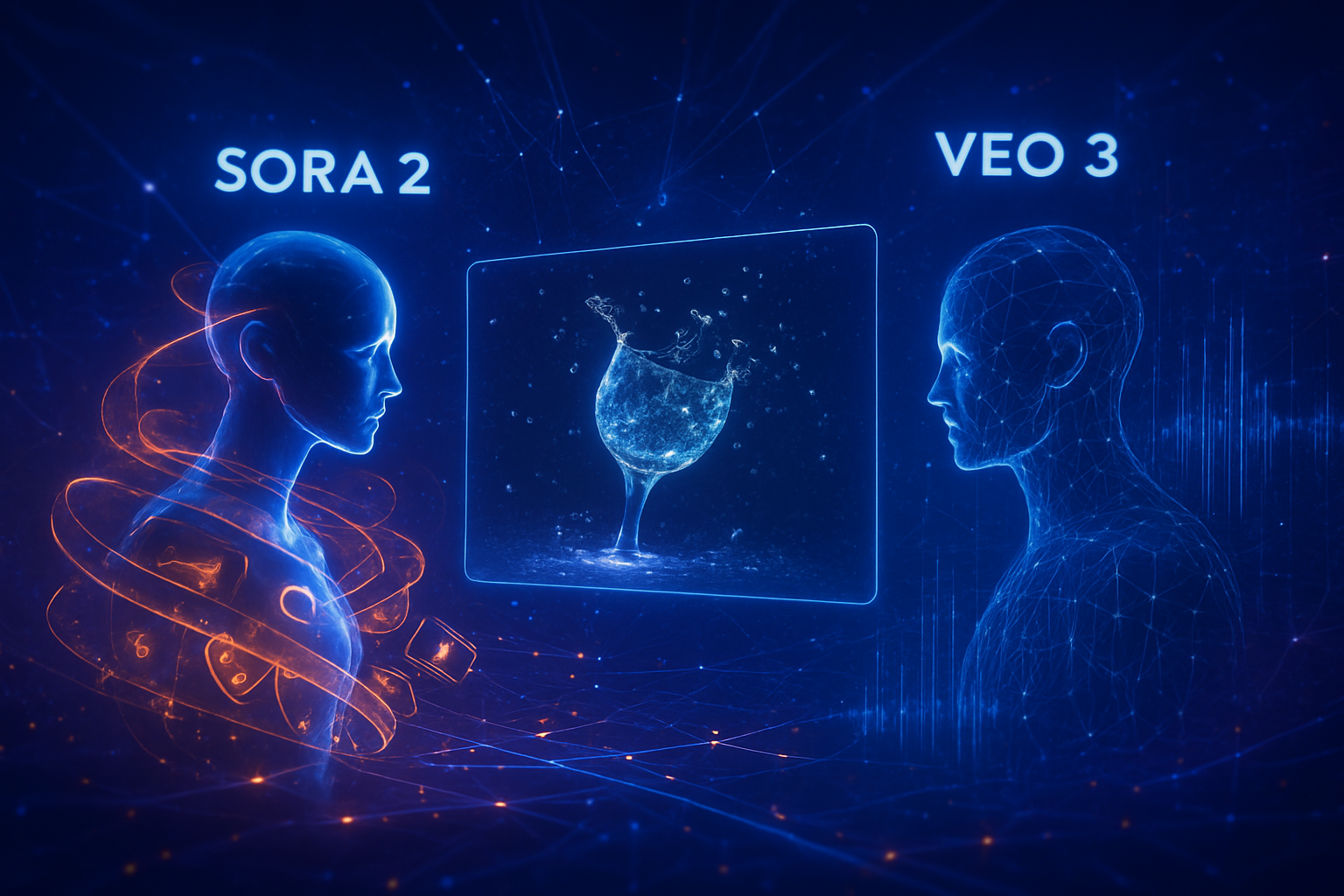
The wide release of Veo 3 has sent shockwaves through the competitive landscape, putting immediate pressure on rivals like OpenAI and Runway. While Runway’s Gen-4.5 currently leads some visual fidelity charts, it lacks the native audio integration and massive distribution channel that Google enjoys via YouTube. OpenAI (which remains a private entity but maintains a heavy partnership with Microsoft Corp. (NASDAQ: MSFT)) has responded by doubling down on its Sora 2 model, which focuses on longer 25-second durations and high-profile studio partnerships, but Google’s "all-in-one" workflow is seen as a major strategic advantage for the mass market.
For Alphabet Inc., the benefit is twofold: it secures the future of YouTube as the primary hub for AI-generated entertainment and provides a high-margin service for Google Cloud. By offering Veo 3 through Vertex AI, Google is positioning itself as the backbone for advertising agencies, gaming studios, and corporate marketing departments that need to generate high volumes of localized video content at a fraction of traditional costs. This move directly threatens the traditional stock video industry, which is already seeing a sharp decline in license renewals as brands shift toward custom AI-generated assets.
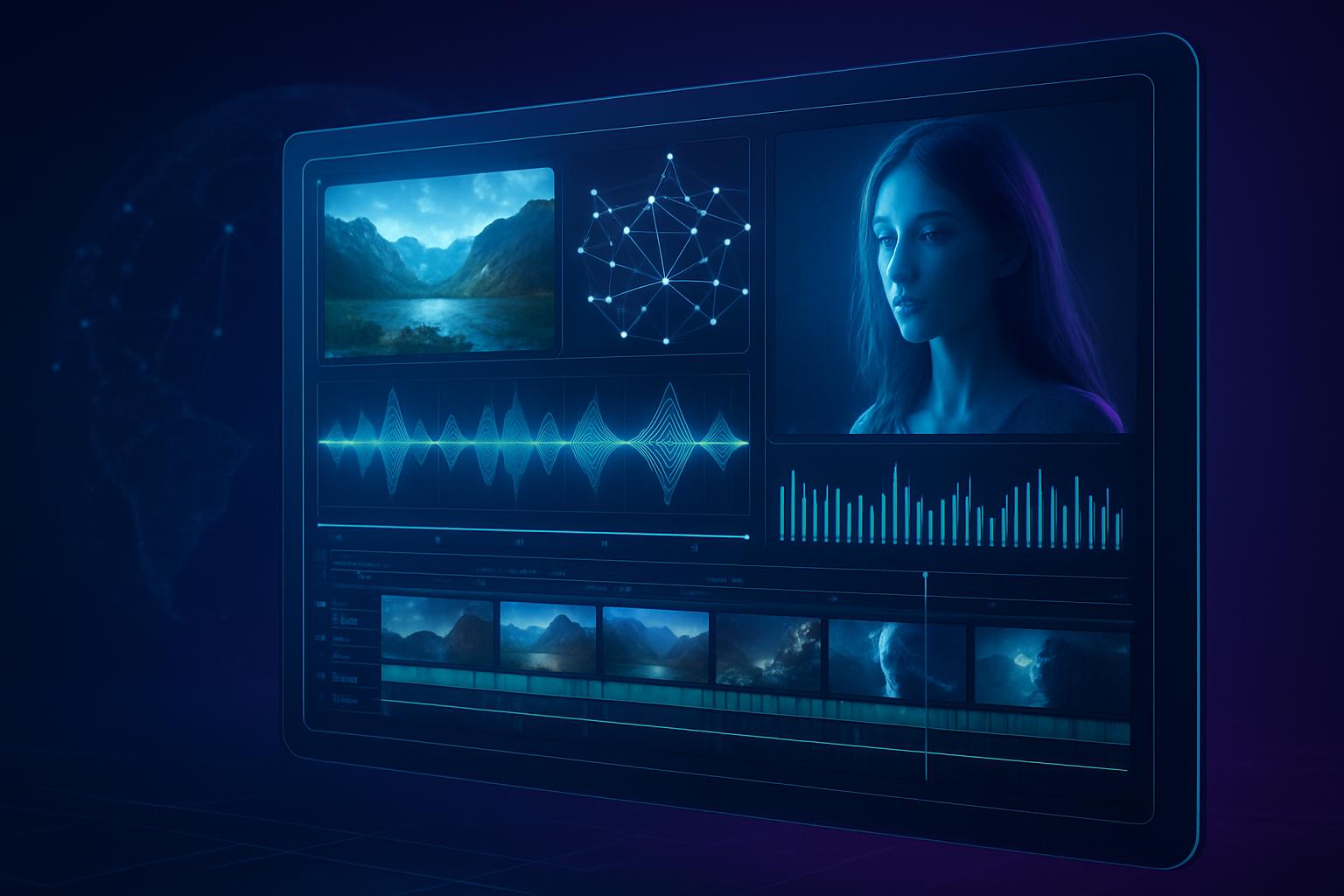
Startups in the video editing and production space are also feeling the disruption. As Google integrates "Flow"—a storyboard-style interface that allows users to drag and drop AI clips into a timeline—many standalone AI video wrappers may find their value propositions evaporating. The battle has moved beyond who can generate the best five-second clip to who can provide the most comprehensive, end-to-end creative ecosystem.
Broader Implications: Democratization and Ethical Frontiers
Beyond the corporate skirmishes, the wide availability of Veo 3 represents a pivotal moment in the broader AI landscape. We are moving from the era of "AI as a novelty" to "AI as a utility." The impact on the labor market for junior editors, stock footage cinematographers, and entry-level animators is a growing concern for industry guilds and labor advocates. However, proponents argue that this is the ultimate democratization of creativity, allowing a solo creator in a developing nation to produce a film with the same visual scale as a Hollywood studio.
The ethical implications, however, remain a central point of debate. Google has implemented "SynthID" watermarking—an invisible, tamper-resistant digital signature—across all Veo-generated content to combat deepfakes and misinformation. Despite these safeguards, the ease with which hyper-realistic video can now be created raises significant questions about digital provenance and the potential for large-scale deception during a high-stakes global election year.
Comparatively, the launch of Veo 3 is being hailed as the "GPT-4 moment" for video. Just as large language models transformed text-based communication, Veo is expected to do the same for the visual medium. It marks the transition where the "uncanny valley"—that unsettling feeling that something is almost human but not quite—is finally being bridged by sophisticated physics engines and consistent character rendering.
The Road Ahead: From Clips to Feature Films
Looking ahead, the next 12 to 18 months will likely see the full rollout of Veo 3.2, which promises to extend clip durations from seconds to minutes, potentially enabling the first fully AI-generated feature films. Researchers are currently focusing on "World Models," where the AI doesn't just predict pixels but actually understands the three-dimensional space it is rendering. This would allow for seamless transitions between AI-generated video and interactive VR environments, blurring the lines between filmmaking and game development.
Potential use cases on the horizon include personalized education—where textbooks are replaced by AI-generated videos tailored to a student's learning style—and "dynamic advertising," where commercials are generated in real-time based on a viewer's specific interests and surroundings. The primary challenge remaining is the high computational cost of these models; however, as specialized AI hardware continues to evolve, the cost per minute of video is expected to plummet, making AI video as ubiquitous as digital photography.
A New Chapter in Visual Storytelling
The wide availability of Google Veo 3 marks the beginning of a new era in digital media. By combining high-fidelity visuals, consistent characters, and synchronized audio into a single, accessible platform, Google has effectively handed a professional movie studio to anyone with a YouTube account. The key takeaways from this development are clear: the barrier to high-end video production has vanished, the competition among AI titans has reached a fever pitch, and the very nature of "truth" in video content is being permanently altered.
In the history of artificial intelligence, the release of Veo 3 will likely be remembered as the point where generative video became a standard tool for human expression. In the coming weeks, watch for a flood of high-quality AI content on social platforms and a potential response from OpenAI as the industry moves toward longer, more complex narrative capabilities. The cinematic revolution is no longer coming; it is already here, and it is being rendered in real-time.
This content is intended for informational purposes only and represents analysis of current AI developments.
TokenRing AI delivers enterprise-grade solutions for multi-agent AI workflow orchestration, AI-powered development tools, and seamless remote collaboration platforms.
For more information, visit https://www.tokenring.ai/.