Tag: GPT-5.2

  • OpenAI Disrupts Scientific Research with ‘Prism’: A Free AI-Powered Lab for the Masses

    OpenAI Disrupts Scientific Research with ‘Prism’: A Free AI-Powered Lab for the Masses

    In a landmark move that signals the verticalization of artificial intelligence into specialized professional domains, OpenAI officially launched Prism today, January 28, 2026. Described as an "AI-native scientific workspace," Prism is a free platform designed to centralize the entire research lifecycle—from hypothesis generation and data analysis to complex LaTeX manuscript drafting—within a single, collaborative environment.

    The launch marks the debut of GPT-5.2, OpenAI’s latest frontier model architecture, which has been specifically fine-tuned for high-level reasoning, mathematical precision, and technical synthesis. By integrating this powerful engine into a free, cloud-based workspace, OpenAI aims to remove the administrative and technical friction that has historically slowed scientific discovery, positioning Prism as the "operating system for science" in an era increasingly defined by rapid AI-driven breakthroughs.

    Prism represents a departure from the general-purpose chat interface of previous years, offering a structured environment built on the technology of Crixet, a LaTeX-centric startup OpenAI (MSFT:NASDAQ) quietly acquired in late 2025. The platform’s standout feature is its native LaTeX integration, which allows researchers to edit technical documents in real-time with full mathematical notation support, eliminating the need for local compilers or external drafting tools. Furthermore, a "Visual Synthesis" feature allows users to upload photos of whiteboard sketches, which GPT-5.2 instantly converts into publication-quality TikZ or LaTeX code.

    Under the hood, GPT-5.2 boasts staggering technical specifications tailored for the academic community. The model features a 400,000-token context window, roughly equivalent to 800 pages of text, enabling it to ingest and analyze entire bodies of research or massive datasets in a single session. On the GPQA Diamond benchmark—a gold standard for graduate-level science reasoning—GPT-5.2 scored an unprecedented 93.2%, surpassing previous records held by its predecessors. Perhaps most critically for the scientific community, OpenAI claims a 26% reduction in hallucination rates compared to earlier iterations, a feat achieved through a new "Thinking" mode that forces the model to verify its reasoning steps before generating an output.

    Early reactions from the AI research community have been largely positive, though tempered by caution. "The integration of multi-agent collaboration within the workspace is a game-changer," says Dr. Elena Vance, a theoretical physicist who participated in the beta. Prism allows users to deploy specialized AI agents to act as "peer reviewers," "statistical validators," or "citation managers" within a single project. However, some industry experts warn that the ease of generating technical prose might overwhelm already-strained peer-review systems with a "tsunami of AI-assisted submissions."

    The release of Prism creates immediate ripples across the tech landscape, particularly for giants like Alphabet Inc. (GOOGL:NASDAQ) and Meta Platforms, Inc. (META:NASDAQ). For years, Google has dominated the "AI for Science" niche through its DeepMind division and tools like AlphaFold. OpenAI’s move to provide a free, high-end workspace directly competes with Google’s recent integration of Gemini 3 into Google Workspace and the specialized AlphaGenome models. By offering Prism for free, OpenAI is effectively commoditizing the workflow of research, forcing competitors to pivot from simply providing models to providing comprehensive, integrated platforms.

    The strategic advantage for OpenAI lies in its partnership with Microsoft (MSFT:NASDAQ), whose Azure infrastructure powers the heavy compute requirements of GPT-5.2. This launch also solidifies the market position of Nvidia (NVDA:NASDAQ), whose Blackwell-series chips are the backbone of the "Reasoning Clusters" OpenAI uses to minimize hallucinations in Prism’s "Thinking" mode. Startups in the scientific software space, such as those focusing on AI-assisted literature review or LaTeX editing, now face a "platform risk" as OpenAI’s all-in-one solution threatens to render standalone tools obsolete.

    While the personal version of Prism is free, OpenAI is clearly targeting the lucrative institutional market with "Prism Education" and "Prism Enterprise" tiers. These paid versions offer data siloing and enhanced security—crucial features for research universities and pharmaceutical giants that are wary of leaking proprietary findings into a general model’s training set. This tiered approach allows OpenAI to dominate the grassroots research community while extracting high-margin revenue from large organizations.

    Prism’s launch fits into a broader 2026 trend where AI is moving from a "creative assistant" to a "reasoning partner." Historically, AI milestones like GPT-3 focused on linguistic fluency, while GPT-4 introduced multimodal capabilities. Prism and GPT-5.2 represent a shift toward epistemic utility—the ability of an AI to not just summarize information, but to assist in the creation of new knowledge. This follows the path set by AI-driven coding agents in 2025, which fundamentally changed software engineering; OpenAI is now betting that the same transformation can happen in the hard sciences.

    However, the "democratization of science" comes with significant concerns. Some scholars have raised the issue of "cognitive dulling," fearing that researchers might become overly dependent on AI for hypothesis testing and data interpretation. If the AI "thinks" for the researcher, there is a risk that human intuition and first-principles understanding could atrophy. Furthermore, the potential for AI-generated misinformation in technical fields remains a high-stakes problem, even with GPT-5.2's improved accuracy.

    Comparisons are already being drawn to the "Google Scholar effect" or the rise of the internet in academia. Just as those technologies made information more accessible while simultaneously creating new challenges for information literacy, Prism is expected to accelerate the volume of scientific output. The question remains whether this will lead to a proportional increase in the quality of discovery, or if it will simply contribute to the "noise" of modern academic publishing.

    Looking ahead, the next phase of development for Prism is expected to involve "Autonomous Labs." OpenAI has hinted at future integrations with robotic laboratory hardware, allowing Prism to not only design and document experiments but also to execute them in automated facilities. Experts predict that by 2027, we may see the first major scientific prize—perhaps even a Nobel—awarded for a discovery where an AI played a primary role in the experimental design and data synthesis.

    Near-term developments will likely focus on expanding Prism’s multi-agent capabilities. Researchers expect to see "swarm intelligence" features where hundreds of small, specialized agents can simulate complex biological or physical systems in real-time within the workspace. The primary challenge moving forward will be the "validation gap"—developing robust, automated ways to verify that an AI's scientific claims are grounded in physical reality, rather than just being specialists within its training data.

    The launch of OpenAI’s Prism and GPT-5.2 is more than just a software update; it is a declaration of intent for the future of human knowledge. By providing a high-precision, AI-integrated workspace for free, OpenAI has essentially democratized the tools of high-level research. This move positions the company at the center of the global scientific infrastructure, effectively making GPT-5.2 a primary collaborator for the next generation of scientists.

    In the coming weeks, the tech world will be watching for the industry’s response—specifically whether Google or Meta will release a competitive open-source workspace to counter OpenAI’s walled-garden approach. As researchers begin migrating their projects to Prism, the long-term impact on academic integrity, the speed of innovation, and the very nature of scientific inquiry will become the defining story of 2026. For now, the "scientific method" has a new, incredibly powerful assistant.


    This content is intended for informational purposes only and represents analysis of current AI developments.

    TokenRing AI delivers enterprise-grade solutions for multi-agent AI workflow orchestration, AI-powered development tools, and seamless remote collaboration platforms.
    For more information, visit https://www.tokenring.ai/.

  • Silicon Supremacy: Microsoft Debuts Maia 200 to Power the GPT-5.2 Era

    Silicon Supremacy: Microsoft Debuts Maia 200 to Power the GPT-5.2 Era

    In a move that signals a decisive shift in the global AI infrastructure race, Microsoft (NASDAQ: MSFT) officially launched its Maia 200 AI accelerator yesterday, January 26, 2026. This second-generation custom silicon represents the company’s most aggressive attempt yet to achieve vertical integration within its Azure cloud ecosystem. Designed from the ground up to handle the staggering computational demands of frontier models, the Maia 200 is not just a hardware update; it is the specialized foundation for the next generation of "agentic" intelligence.

    The launch comes at a critical juncture as the industry moves beyond simple chatbots toward autonomous AI agents that require sustained reasoning and massive context windows. By deploying its own silicon at scale, Microsoft aims to slash the operating costs of its Azure Copilot services while providing the specialized throughput necessary to run OpenAI’s newly minted GPT-5.2. As enterprises transition from AI experimentation to full-scale deployment, the Maia 200 stands as Microsoft’s primary weapon in maintaining its lead over cloud rivals and reducing its long-term reliance on third-party GPU providers.

    Technical Specifications and Capabilities

    The Maia 200 is a marvel of modern semiconductor engineering, fabricated on the cutting-edge 3nm (N3) process from TSMC (NYSE: TSM). Housing approximately 140 billion transistors, the chip is specifically optimized for "inference-first" workloads, though its training capabilities have also seen a massive boost. The most striking specification is its memory architecture: the Maia 200 features a massive 216GB of HBM3e (High Bandwidth Memory), delivering a peak memory bandwidth of 7 TB/s. This is complemented by 272MB of high-speed on-chip SRAM, a design choice specifically intended to eliminate the data-feeding bottlenecks that often plague Large Language Models (LLMs) during long-context generation.

    Technically, the Maia 200 separates itself from the pack through its native support for FP4 (4-bit precision) operations. Microsoft claims the chip delivers over 10 PetaFLOPS of peak FP4 performance—roughly triple the FP4 throughput of its closest current rivals. This focus on lower-precision arithmetic allows for significantly higher throughput and energy efficiency without sacrificing the accuracy required for models like GPT-5.2. To manage the heat generated by such density, Microsoft has introduced its second-generation "sidecar" liquid cooling system, allowing clusters of up to 6,144 accelerators to operate efficiently within standard Azure data center footprints.

    The networking stack has also been overhauled with the new Maia AI Transport (ATL) protocol. Operating over standard Ethernet, this custom protocol provides 2.8 TB/s of bidirectional bandwidth per chip. This allows Microsoft to scale-up its AI clusters with minimal latency, a requirement for the "thinking" phases of agentic AI where models must perform multiple internal reasoning steps before providing an output. Industry experts have noted that while the Maia 100 was a "proof of concept" for Microsoft's silicon ambitions, the Maia 200 is a mature, production-grade powerhouse that rivals any specialized AI hardware currently on the market.

    Strategic Implications for Tech Giants

    The arrival of the Maia 200 sets up a fierce three-way battle for silicon supremacy among the "Big Three" cloud providers. In terms of raw specifications, the Maia 200 appears to have a distinct edge over Amazon’s (NASDAQ: AMZN) Trainium 3 and Alphabet Inc.’s (NASDAQ: GOOGL) Google TPU v7. While Amazon has focused heavily on lowering the Total Cost of Ownership (TCO) for training, Microsoft’s chip offers significantly higher HBM capacity (216GB vs. Trainium 3's 144GB) and memory bandwidth. Google’s TPU v7, codenamed "Ironwood," remains a formidable competitor in internal Gemini-based tasks, but Microsoft’s aggressive push into FP4 performance gives it a clear advantage for the next wave of hyper-efficient inference.

    For Microsoft, the strategic advantage is two-fold: cost and control. By utilizing the Maia 200 for its internal Copilot services and OpenAI workloads, Microsoft can significantly improve its margins on AI services. Analysts estimate that the Maia 200 could offer a 30% improvement in performance-per-dollar compared to using general-purpose GPUs. This allows Microsoft to offer more competitive pricing for its Azure AI Foundry customers, potentially enticing startups away from rivals by offering more "intelligence per watt."

    Furthermore, this development reshapes the relationship between cloud providers and specialized chipmakers like NVIDIA (NASDAQ: NVDA). While Microsoft continues to be one of NVIDIA’s largest customers, the Maia 200 provides a "safety valve" against supply chain constraints and premium pricing. By having a highly performant internal alternative, Microsoft gains significant leverage in future negotiations and ensures that its roadmap for GPT-5.2 and beyond is not entirely dependent on the delivery schedules of external partners.

    Broader Significance in the AI Landscape

    The Maia 200 is more than just a faster chip; it is a signal that the era of "General Purpose AI" is giving way to "Optimized Agentic AI." The hardware is specifically tuned for the 400k-token context windows and multi-step reasoning cycles characteristic of GPT-5.2. This suggests that the broader AI trend for 2026 will be defined by models that can "think" for longer periods and handle larger amounts of data in real-time. As other companies see the performance gains Microsoft achieves with vertical integration, we may see a surge in custom silicon projects across the tech sector, further fragmenting the hardware market but accelerating specialized AI breakthroughs.

    However, the shift toward bespoke silicon also raises concerns about environmental impact and energy consumption. Even with advanced 3nm processes and liquid cooling, the 750W TDP of the Maia 200 highlights the massive power requirements of modern AI. Microsoft’s ability to scale this hardware will depend as much on its energy procurement and "green" data center initiatives as it does on its chip design. The launch reinforces the reality that AI leadership is now as much about "bricks, mortar, and power" as it is about code and algorithms.

    Comparatively, the Maia 200 represents a milestone similar to the introduction of the first Tensor Cores. It marks the point where AI hardware has moved beyond simply accelerating matrix multiplication to becoming a specialized "reasoning engine." This development will likely accelerate the transition of AI from a "search-and-summarize" tool to an "act-and-execute" platform, where AI agents can autonomously perform complex workflows across multiple software environments.

    Future Developments and Use Cases

    Looking ahead, the deployment of the Maia 200 is just the beginning of a broader rollout. Microsoft has already begun installing these units in its US Central (Iowa) region, with plans to expand to US West 3 (Arizona) by early Q2 2026. The near-term focus will be on transitioning the entire Azure Copilot fleet to Maia-based instances, which will provide the necessary headroom for the "Pro" and "Superintelligence" tiers of GPT-5.2.

    In the long term, experts predict that Microsoft will use the Maia architecture to venture even further into synthetic data generation and reinforcement learning (RL). The high throughput of the Maia 200 makes it an ideal platform for generating the massive amounts of domain-specific synthetic data required to train future iterations of LLMs. Challenges remain, particularly in the maturity of the Maia SDK and the ease with which outside developers can port their models to this new architecture. However, with native PyTorch and Triton compiler support, Microsoft is making it easier than ever for the research community to embrace its custom silicon.

    Summary and Final Thoughts

    The launch of the Maia 200 marks a historic moment in the evolution of artificial intelligence infrastructure. By combining TSMC’s most advanced fabrication with a memory-heavy architecture and a focus on high-efficiency FP4 performance, Microsoft has successfully created a hardware environment tailored specifically for the agentic reasoning of GPT-5.2. This move not only solidifies Microsoft’s position as a leader in AI hardware but also sets a new benchmark for what cloud providers must offer to remain competitive.

    As we move through 2026, the industry will be watching closely to see how the Maia 200 performs under the sustained load of global enterprise deployments. The ultimate significance of this launch lies in its potential to democratize high-end reasoning capabilities by making them more affordable and scalable. For now, Microsoft has clearly taken the lead in the silicon wars, providing the raw power necessary to turn the promise of autonomous AI into a daily reality for millions of users worldwide.


    This content is intended for informational purposes only and represents analysis of current AI developments.

    TokenRing AI delivers enterprise-grade solutions for multi-agent AI workflow orchestration, AI-powered development tools, and seamless remote collaboration platforms.
    For more information, visit https://www.tokenring.ai/.

  • OpenAI Breaches the Ad Wall: A Strategic Pivot Toward a $1 Trillion IPO

    OpenAI Breaches the Ad Wall: A Strategic Pivot Toward a $1 Trillion IPO

    In a move that signals the end of the "pure subscription" era for top-tier artificial intelligence, OpenAI has officially launched its first advertising product, "Sponsored Recommendations," across its Free and newly minted "Go" tiers. This landmark shift, announced this week, marks the first time the company has moved to monetize its massive user base through direct brand partnerships, breaking a long-standing internal taboo against ad-supported AI.

    The transition is more than a simple revenue play; it is a calculated effort to shore up the company’s balance sheet as it prepares for a historic Initial Public Offering (IPO) targeted for late 2026. By introducing a "Go" tier priced at $8 per month—which still includes ads but offers higher performance—OpenAI is attempting to bridge the gap between its 900 million casual users and its high-paying Pro subscribers, proving to potential investors that its massive reach can be converted into a sustainable, multi-stream profit machine.

    Technical Execution and the "Go" Tier

    At the heart of this announcement is the "Sponsored Recommendations" engine, a context-aware advertising system that differs fundamentally from the tracking-heavy models popularized by legacy social media. Unlike traditional ads that rely on persistent user profiles and cross-site cookies, OpenAI’s ads are triggered by "high commercial intent" within a specific conversation. For example, a user asking for a 10-day itinerary in Tuscany might see a tinted box at the bottom of the chat suggesting a specific boutique hotel or car rental service. This UI element is strictly separated from the AI’s primary response bubble to maintain clarity.

    OpenAI has introduced the "Go" tier as a subsidized bridge between the Free and Plus versions. For $8 a month, Go users gain access to the GPT-5.2 Instant model, which provides ten times the message and image limits of the Free tier and a significantly expanded context window. However, unlike the $20 Plus tier, the Go tier remains ad-supported. This "subsidized premium" model allows OpenAI to maintain high-quality service for price-sensitive users while offsetting the immense compute costs of GPT-5.2 with ad revenue.

    The technical guardrails are arguably the most innovative aspect of the pivot. OpenAI has implemented a "structural separation" policy: brands can pay for placement in the "Sponsored Recommendations" box, but they cannot pay to influence the organic text generated by the AI. If the model determines that a specific product is the best answer to a query, it will mention it as part of its reasoning; the sponsored box simply provides a direct link or a refined suggestion below. This prevents the "hallucination of endorsement" that many AI researchers feared would compromise the integrity of large language models (LLMs).

    Initial reactions from the industry have been a mix of pragmatism and caution. While financial analysts praise the move for its revenue potential, AI safety advocates express concern that even subtle nudges could eventually creep into the organic responses. However, OpenAI has countered these concerns by introducing "User Transparency Logs," allowing users to see exactly why a specific recommendation was triggered and providing the ability to dismiss irrelevant ads to train the system’s utility without compromising privacy.

    Shifting the Competitive Landscape

    This pivot places OpenAI in direct competition with Alphabet Inc. (NASDAQ: GOOGL), which has long dominated the high-intent search advertising market. For years, Google’s primary advantage was its ability to capture users at the moment they were ready to buy; OpenAI’s "Sponsored Recommendations" now offer a more conversational, personalized version of that same value proposition. By integrating ads into a "Super Assistant" that knows the user’s specific goals—rather than just their search terms—OpenAI is positioning itself to capture the most lucrative segments of the digital ad market.

    For Microsoft Corp. (NASDAQ: MSFT), OpenAI’s largest investor and partner, the move is a strategic validation. While Microsoft has already integrated ads into its Bing AI, OpenAI’s independent entry into the ad space suggests a maturing ecosystem where the two companies can coexist as both partners and friendly rivals in the enterprise and consumer spaces. Microsoft’s Azure cloud infrastructure will likely be the primary beneficiary of the increased compute demand required to run these more complex, ad-supported inference cycles.

    Meanwhile, Meta Platforms, Inc. (NASDAQ: META) finds itself at a crossroads. While Meta has focused on open-source Llama models to drive its own ad-supported social ecosystem, OpenAI’s move into "conversational intent" ads threatens to peel away the high-value research and planning sessions where Meta’s users might otherwise have engaged with ads. Startups in the AI space are also feeling the heat; the $8 "Go" tier effectively undercuts many niche AI assistants that had attempted to thrive in the $10-$15 price range, forcing a consolidation in the "prosumer" AI market.

    The strategic advantage for OpenAI lies in its sheer scale. With nearly a billion weekly active users, OpenAI doesn't need to be as aggressive with ad density as smaller competitors. By keeping ads sparse and strictly context-aware, they can maintain a "premium" feel even on their free and subsidized tiers, making it difficult for competitors to lure users away with ad-free but less capable models.

    The Cost of Intelligence and the Road to IPO

    The broader significance of this move is rooted in the staggering economics of the AI era. Reports indicate that OpenAI is committed to a capital expenditure plan of roughly $1.4 trillion over the next decade for data centers and custom silicon. Subscription revenue, while robust, is simply insufficient to fund the infrastructure required for the "General Intelligence" (AGI) milestone the company is chasing. Advertising represents the only revenue stream capable of scaling at the same rate as OpenAI’s compute costs.

    This development also mirrors a broader trend in the tech industry: the "normalization" of AI. As LLMs transition from novel research projects into ubiquitous utility tools, they must adopt the same monetization strategies that built the modern web. The introduction of ads is a sign that the "subsidized growth" phase of AI—where venture capital funded free access for hundreds of millions—is ending. In its place is a more sustainable, albeit more commercial, model that aligns with the expectations of public market investors.

    However, the move is not without its potential pitfalls. Critics argue that the introduction of ads may create a "digital divide" in information quality. If the most advanced reasoning models (like GPT-5.2 Thinking) are reserved for ad-free, high-paying tiers, while the general public interacts with ad-supported, faster-but-lower-reasoning models, the "information gap" could widen. OpenAI has pushed back on this, noting that even their Free tier remains more capable than most paid models from three years ago, but the ethical debate over "ad-free knowledge" is likely to persist.

    Historically, this pivot can be compared to the early days of Google’s AdWords or Facebook’s News Feed ads. Both were met with initial resistance but eventually became the foundations of the modern digital economy. OpenAI is betting that if they can maintain the "usefulness" of the AI while adding commerce, they can avoid the "ad-bloat" that has degraded the user experience of traditional search engines and social networks.

    The Late-2026 IPO and Beyond

    Looking ahead, the pivot to ads is the clearest signal yet that OpenAI is cleaning up its "S-1" filing for a late-2026 IPO. Analysts expect the company to target a valuation between $750 billion and $1 trillion, a figure that requires a diversified revenue model. By the time the company goes public, it aims to show at least four to six quarters of consistent ad revenue growth, proving that ChatGPT is not just a tool, but a platform on par with the largest tech giants in history.

    In the near term, we can expect "Sponsored Recommendations" to expand into multimodal formats. This could include sponsored visual suggestions in DALL-E or product placement within Sora-generated video clips. Furthermore, as OpenAI’s "Operator" agent technology matures, the ads may shift from recommendations to "Sponsored Actions"—where the AI doesn't just suggest a hotel but is paid a commission to book it for the user.

    The primary challenge remaining is the fine-tuning of the "intent engine." If ads become too frequent or feel "forced," the user trust that OpenAI has spent billions of dollars building could evaporate. Experts predict that OpenAI will use the next 12 months as a massive A/B testing period, carefully calibrating the frequency of Sponsored Recommendations to maximize revenue without triggering a user exodus to ad-free alternatives like Anthropic’s Claude.

    A New Chapter for OpenAI

    OpenAI’s entry into the advertising world is a defining moment in the history of artificial intelligence. It represents the maturation of a startup into a global titan, acknowledging that the path to AGI must be paved with sustainable profits. By separating ads from organic answers and introducing a middle-ground "Go" tier, the company is attempting to balance the needs of its massive user base with the demands of its upcoming IPO.

    The key takeaway for users and investors alike is that the "AI Revolution" is moving into its second phase: the phase of utility and monetization. The "magic" of the early ChatGPT days has been replaced by the pragmatic reality of a platform that needs to pay for trillions of dollars in hardware. Whether OpenAI can maintain its status as a "trusted assistant" while serving as a massive ad network will be the most important question for the company over the next two years.

    In the coming months, the industry will be watching the user retention rates of the "Go" tier and the click-through rates of Sponsored Recommendations. If successful, OpenAI will have created the first "generative ad model," forever changing how humans interact with both information and commerce. If it fails, it may find itself vulnerable to leaner, more focused competitors. For now, the "Ad-Era" of OpenAI has officially begun.


    This content is intended for informational purposes only and represents analysis of current AI developments.

    TokenRing AI delivers enterprise-grade solutions for multi-agent AI workflow orchestration, AI-powered development tools, and seamless remote collaboration platforms.
    For more information, visit https://www.tokenring.ai/.

  • OpenAI Enters the Exam Room: Launch of HIPAA-Compliant GPT-5.2 Set to Transform Clinical Decision Support

    OpenAI Enters the Exam Room: Launch of HIPAA-Compliant GPT-5.2 Set to Transform Clinical Decision Support

    In a landmark move that signals a new era for artificial intelligence in regulated industries, OpenAI has officially launched OpenAI for Healthcare, a comprehensive suite of HIPAA-compliant AI tools designed for clinical institutions, health systems, and individual providers. Announced in early January 2026, the suite marks OpenAI’s transition from a general-purpose AI provider to a specialized vertical powerhouse, offering the first large-scale deployment of its most advanced models—specifically the GPT-5.2 family—into the high-stakes environment of clinical decision support.

    The significance of this launch cannot be overstated. By providing a signed Business Associate Agreement (BAA) and a "zero-trust" architecture, OpenAI has finally cleared the regulatory hurdles that previously limited its use in hospitals. With founding partners including the Mayo Clinic and Cleveland Clinic, the platform is already being integrated into frontline workflows, aiming to alleviate clinician burnout and improve patient outcomes through "Augmented Clinical Reasoning" rather than autonomous diagnosis.

    The Technical Edge: GPT-5.2 and the Medical Knowledge Graph

    At the heart of this launch is GPT-5.2, a model family refined through a rigorous two-year "physician-led red teaming" process. Unlike its predecessors, GPT-5.2 was evaluated by over 260 licensed doctors across 30 medical specialties, testing the model against 600,000 unique clinical scenarios. The results, as reported by OpenAI, show the model outperforming human baselines in clinical reasoning and uncertainty handling—the critical ability to say "I don't know" when data is insufficient. This represents a massive shift from the confident hallucinations that plagued earlier iterations of generative AI.

    Technically, the models feature a staggering 400,000-token input window, allowing clinicians to feed entire longitudinal patient records, multi-year research papers, and complex imaging reports into a single prompt. Furthermore, GPT-5.2 is natively multimodal; it can interpret 3D CT and MRI scans alongside pathology slides when integrated into imaging workflows. This capability allows the AI to cross-reference visual data with a patient’s written history, flagging anomalies that might be missed by a single-specialty review.

    One of the most praised technical advancements is the system's "Grounding with Citations" feature. Every medical claim made by the AI is accompanied by transparent, clickable citations to peer-reviewed journals and clinical guidelines. This addresses the "black box" problem of AI, providing clinicians with a verifiable trail for the AI's logic. Initial reactions from the research community have been cautiously optimistic, with experts noting that while the technical benchmarks are impressive, the true test will be the model's performance in "noisy" real-world clinical environments.

    Shifting the Power Dynamics of Health Tech

    The launch of OpenAI for Healthcare has sent ripples through the tech sector, directly impacting giants and startups alike. Microsoft (NASDAQ: MSFT), OpenAI’s primary partner, stands to benefit significantly as it integrates these healthcare-specific models into its Azure Health Cloud. Meanwhile, Oracle (NYSE: ORCL) has already announced a deep integration, embedding OpenAI’s models into Oracle Clinical Assist to automate medical scribing and coding. This move puts immense pressure on Google (NASDAQ: GOOGL), which has been positioning its Med-PaLM and Gemini models as the leaders in medical AI for years.

    For startups like Abridge and Ambience Healthcare, the OpenAI API for Healthcare provides a robust, compliant foundation to build upon. However, it also creates a competitive "squeeze" for smaller companies that previously relied on their proprietary models as a moat. By offering a HIPAA-compliant API, OpenAI is commoditizing the underlying intelligence layer of health tech, forcing startups to pivot toward specialized UI/UX and unique data integrations.

    Strategic advantages are also emerging for major hospital chains like HCA Healthcare (NYSE: HCA). These organizations can now use OpenAI’s "Institutional Alignment" features to "teach" the AI their specific internal care pathways and policy manuals. This ensures that the AI’s suggestions are not just medically sound, but also compliant with the specific administrative and operational standards of the institution—a level of customization that was previously impossible.

    A Milestone in the AI Landscape and Ethical Oversight

    The launch of OpenAI for Healthcare is being compared to the "Netscape moment" for medical software. It marks the transition of LLMs from experimental toys to critical infrastructure. However, this transition brings significant concerns regarding liability and data privacy. While OpenAI insists that patient data is never used to train its foundation models and offers customer-managed encryption keys, the concentration of sensitive health data within a few tech giants remains a point of contention for privacy advocates.

    There is also the ongoing debate over "clinical liability." If an AI-assisted decision leads to a medical error, the legal framework remains murky. OpenAI’s positioning of the tool as "Augmented Clinical Reasoning" is a strategic effort to keep the human clinician as the final "decider," but as doctors become more reliant on these tools, the lines of accountability may blur. This milestone follows the 2024-2025 trend of "Vertical AI," where general models are distilled and hardened for specific high-risk industries like law and medicine.

    Compared to previous milestones, such as GPT-4’s success on the USMLE, the launch of GPT-5.2 for healthcare is far more consequential because it moves beyond academic testing into live clinical application. The integration of Torch Health, a startup OpenAI acquired on January 12, 2026, further bolsters this by providing a unified "medical memory" that can stitch together fragmented data from labs, medications, and visit recordings, creating a truly holistic view of patient health.

    The Future of the "AI-Native" Hospital

    In the near term, we expect to see the rollout of ChatGPT Health, a consumer-facing tool that allows patients to securely connect their medical records to the AI. This "digital front door" will likely revolutionize how patients navigate the healthcare system, providing plain-language interpretations of lab results and flagging symptoms for urgent care. Long-term, the industry is looking toward "AI-native" hospitals, where every aspect of the patient journey—from intake to post-op monitoring—is overseen by a specialized AI agent.

    Challenges remain, particularly regarding the integration of AI with aging Electronic Health Record (EHR) systems. While the partnership with b.well Connected Health aims to bridge this gap, the fragmentation of medical data remains a significant hurdle. Experts predict that the next major breakthrough will be the move from "decision support" to "closed-loop systems" in specialized fields like anesthesiology or insulin management, though these will require even more stringent FDA approvals.

    The prediction for the coming year is clear: health systems that fail to adopt these HIPAA-compliant AI frameworks will find themselves at a severe disadvantage in terms of both operational efficiency and clinician retention. As the workforce continues to face burnout, the ability for an AI to handle the "administrative burden" of medicine may become the deciding factor in the health of the industry itself.

    Conclusion: A New Standard for Regulated AI

    OpenAI’s launch of its HIPAA-compliant healthcare suite is a defining moment for the company and the AI industry at large. It proves that generative AI can be successfully "tamed" for the most sensitive and regulated environments in the world. By combining the raw power of GPT-5.2 with rigorous medical tuning and robust security protocols, OpenAI has set a new standard for what enterprise-grade AI should look like.

    Key takeaways include the transition to multimodal clinical support, the importance of verifiable citations in medical reasoning, and the aggressive consolidation of the health tech market around a few core models. As we look ahead to the coming months, the focus will shift from the AI’s capabilities to its implementation—how quickly can hospitals adapt their workflows to take advantage of this new intelligence?

    This development marks a significant chapter in AI history, moving us closer to a future where high-quality medical expertise is augmented and made more accessible through technology. For now, the tech world will be watching the pilot programs at the Mayo Clinic and other founding partners to see if the promise of GPT-5.2 translates into the real-world health outcomes that the industry so desperately needs.


    This content is intended for informational purposes only and represents analysis of current AI developments.

    TokenRing AI delivers enterprise-grade solutions for multi-agent AI workflow orchestration, AI-powered development tools, and seamless remote collaboration platforms.
    For more information, visit https://www.tokenring.ai/.
  • OpenAI Ascends to New Heights with GPT-5.2: The Dawn of the ‘Thinking’ Era

    OpenAI Ascends to New Heights with GPT-5.2: The Dawn of the ‘Thinking’ Era

    SAN FRANCISCO — January 16, 2026 — In a move that has sent shockwaves through both Silicon Valley and the global labor market, OpenAI has officially completed the global rollout of its most advanced model to date: GPT-5.2. Representing a fundamental departure from the "chatbot" paradigm of years past, GPT-5.2 introduces a revolutionary "Thinking" architecture that prioritizes reasoning over raw speed. The launch marks a decisive moment in the race for Artificial General Intelligence (AGI), as the model has reportedly achieved a staggering 70.9% win-or-tie rate against seasoned human professionals on the newly minted GDPval benchmark—a metric designed specifically to measure the economic utility of AI in professional environments.

    The immediate significance of this launch cannot be overstated. By shifting from a "System 1" intuitive response model to a "System 2" deliberate reasoning process, OpenAI has effectively transitioned the AI industry from simple conversational assistance to complex, delegative agency. For the first time, enterprises are beginning to treat large language models not merely as creative assistants, but as cognitive peers capable of handling professional-grade tasks with a level of accuracy and speed that was previously the sole domain of human experts.

    The 'Thinking' Architecture: A Deep Dive into System 2 Reasoning

    The core of GPT-5.2 is built upon what OpenAI engineers call the "Thinking" architecture, an evolution of the "inference-time compute" experiments first seen in the "o1" series. Unlike its predecessors, which generated text token-by-token in a linear fashion, GPT-5.2 utilizes a "hidden thought" mechanism. Before producing a single word of output, the model generates internal "thought tokens"—abstract vector states where the model plans its response, deconstructs complex tasks, and performs internal self-correction. This process allows the model to "pause" and deliberate on high-stakes queries, effectively mimicking the human cognitive process of slow, careful thought.

    OpenAI has structured this capability into three specialized tiers to optimize for different user needs:

    • Instant: Optimized for sub-second latency and routine tasks, utilizing a "fast-path" bypass of the reasoning layers.
    • Thinking: The flagship professional tier, designed for deep reasoning and complex problem-solving. This tier powered the 70.9% GDPval performance.
    • Pro: A high-end researcher tier priced at $200 per month, which utilizes parallel Monte Carlo tree searches to explore dozens of potential solution paths simultaneously, achieving near-perfect scores on advanced engineering and mathematics benchmarks.

    This architectural shift has drawn both praise and scrutiny from the research community. While many celebrate the leap in reliability—GPT-5.2 boasts a 98.7% success rate in tool-use benchmarks—others, including noted AI researcher François Chollet, have raised concerns over the "Opacity Crisis." Because the model’s internal reasoning occurs within hidden, non-textual vector states, users cannot verify how the AI reached its conclusions. This "black box" of deliberation makes auditing for bias or logic errors significantly more difficult than in previous "chain-of-thought" models where the reasoning was visible in plain text.

    Market Shakedown: Microsoft, Google, and the Battle for Agentic Supremacy

    The release of GPT-5.2 has immediately reshaped the competitive landscape for the world's most valuable technology companies. Microsoft Corp. (NASDAQ:MSFT), OpenAI’s primary partner, has already integrated GPT-5.2 into its 365 Copilot suite, rebranding Windows 11 as an "Agentic OS." This update allows the model to act as a proactive system administrator, managing files and workflows with minimal user intervention. However, tensions have emerged as OpenAI continues its transition toward a public benefit corporation, potentially complicating the long-standing financial ties between the two entities.

    Meanwhile, Alphabet Inc. (NASDAQ:GOOGL) remains a formidable challenger. Despite OpenAI's technical achievement, many analysts believe Google currently holds the edge in consumer reach due to its massive integration with Apple devices and the launch of its own "Gemini 3 Deep Think" model. Google's hardware advantage—utilizing its proprietary TPUs (Tensor Processing Units)—allows it to offer similar reasoning capabilities at a scale that OpenAI still struggles to match. Furthermore, the semiconductor giant NVIDIA (NASDAQ:NVDA) continues to benefit from this "compute arms race," with its market capitalization soaring past $5 trillion as demand for Blackwell-series chips spikes to support GPT-5.2's massive inference-time requirements.

    The disruption is not limited to the "Big Three." Startups and specialized AI labs are finding themselves at a crossroads. OpenAI’s strategic $10 billion deal with Cerebras to diversify its compute supply chain suggests a move toward vertical integration that could threaten smaller players. As GPT-5.2 begins to automate well-specified tasks across 44 different occupations, specialized AI services that don't offer deep reasoning may find themselves obsolete in an environment where "proactive agency" is the new baseline for software.

    The GDPval Benchmark and the Shift Toward Economic Utility

    Perhaps the most significant aspect of the GPT-5.2 launch is the introduction and performance on the GDPval benchmark. Moving away from academic benchmarks like the MMLU, GDPval consists of 1,320 tasks across 44 professional occupations, including software engineering, legal discovery, and financial analysis. The tasks are judged "blind" by industry experts against work produced by human professionals with an average of 14 years of experience. GPT-5.2's 70.9% win-or-tie rate suggests that AI is no longer just "simulating" intelligence but is delivering economic value that is indistinguishable from, or superior to, human output in specific domains.

    This breakthrough has reignited the global conversation regarding the "AI Landscape." We are witnessing a transition from the "Chatbot Era" to the "Agentic Era." However, this shift is not without controversy. OpenAI’s decision to introduce a "Verified User" tier—colloquially known as "Adult Mode"—marked a significant policy reversal intended to compete with xAI’s less-censored models. This move has sparked fierce debate among ethicists regarding the safety and moderation of high-reasoning models that can now generate increasingly realistic and potentially harmful content with minimal oversight.

    Furthermore, the rise of "Sovereign AI" has become a defining trend of early 2026. Nations like India and Saudi Arabia are investing billions into domestic AI stacks to ensure they are not solely dependent on U.S.-based labs like OpenAI. The GPT-5.2 release has accelerated this trend, as corporations and governments alike seek to run these powerful "Thinking" models on private, air-gapped infrastructure to avoid vendor lock-in and ensure data residency.

    Looking Ahead: The Rise of the AI 'Sentinel'

    As we look toward the remainder of 2026, the focus is shifting from what AI can say to what AI can do. Industry experts predict the rise of the "AI Sentinel"—proactive agents that don't just wait for prompts but actively monitor and repair software repositories, manage supply chains, and conduct scientific research in real-time. With the widespread adoption of the Model Context Protocol (MCP), these agents are becoming increasingly interoperable, allowing them to navigate across different enterprise data sources with ease.

    The next major challenge for OpenAI and its competitors will be "verification." As these models become more autonomous, developing robust frameworks to audit their "hidden thoughts" will be paramount. Experts predict that by the end of 2026, roughly 40% of enterprise applications will have some form of embedded autonomous agent. The question remains whether our legal and regulatory frameworks can keep pace with a model that can perform professional tasks 11 times faster and at less than 1% of the cost of a human expert.

    A Watershed Moment in the History of Intelligence

    The global launch of GPT-5.2 is more than just a software update; it is a milestone in the history of artificial intelligence that confirms the trajectory toward AGI. By successfully implementing a "Thinking" architecture and proving its worth on the GDPval benchmark, OpenAI has set a new standard for what "professional-grade" AI looks like. The transition from fast, intuitive chat to slow, deliberate reasoning marks the end of the AI's infancy and the beginning of its role as a primary driver of economic productivity.

    In the coming weeks, the world will be watching closely as the "Pro" tier begins to trickle out to high-stakes researchers and the first wave of "Agentic OS" updates hit consumer devices. Whether GPT-5.2 will maintain its lead or be eclipsed by Google's hardware-backed ecosystem remains to be seen. What is certain, however, is that the bar for human-AI collaboration has been permanently raised. The "Thinking" era has arrived, and the global economy will never be the same.


    This content is intended for informational purposes only and represents analysis of current AI developments.

    TokenRing AI delivers enterprise-grade solutions for multi-agent AI workflow orchestration, AI-powered development tools, and seamless remote collaboration platforms.
    For more information, visit https://www.tokenring.ai/.

  • The $1 Billion Solopreneur: How AI Agents Are Engineering the Era of the One-Person Unicorn

    The $1 Billion Solopreneur: How AI Agents Are Engineering the Era of the One-Person Unicorn

    The dream of the "one-person unicorn"—a company reaching a $1 billion valuation with a single employee—has transitioned from a Silicon Valley thought experiment to a tangible reality. As of January 14, 2026, the tech industry is witnessing a structural shift where the traditional requirement of massive human capital is being replaced by "agentic leverage." Powered by the reasoning capabilities of the recently refined GPT-5.2 and specialized coding agents, solo founders are now orchestrating sophisticated digital workforces that handle everything from full-stack development to complex legal compliance and global marketing.

    This evolution marks the end of the "lean startup" era and the beginning of the "invisible enterprise." Recent data from the Scalable.news Solo Founders Report, released on January 7, 2026, reveals that a staggering 36.3% of all new global startups are now solo-founded. These founders are leveraging a new generation of autonomous tools, such as Cursor and Devin, to achieve revenue-per-employee metrics that were once considered impossible. With the barrier to entry for building complex software nearly dissolved, the focus has shifted from managing people to managing agentic workflows.

    The Technical Backbone: From "Vibe Coding" to Autonomous Engineering

    The current surge in solo-founded success is underpinned by radical advancements in AI-native development environments. Cursor, developed by Anysphere, recently hit a milestone valuation of $29.3 billion following a Series D funding round in late 2025. On January 14, 2026, the company introduced "Dynamic Context Discovery," a breakthrough that allows its AI to navigate massive codebases with 50% less token usage, making it possible for a single person to manage enterprise-level systems that previously required dozens of engineers.

    Simultaneously, Cognition AI’s autonomous engineer, Devin, has reached a level of maturity where it is now producing 25% of its own company’s internal pull requests. Unlike the "co-pilots" of 2024, the 2026 version of Devin functions as a proactive agent capable of executing complex migrations, debugging legacy systems, and even collaborating with other AI agents via the Model Context Protocol (MCP). This shift is part of the "Vibe Coding" movement, where platforms like Lovable and Bolt.new allow non-technical founders to "prompt" entire SaaS platforms into existence, effectively democratizing the role of the CTO.

    Initial reactions from the AI research community suggest that we have moved past the era of "hallucination-prone" assistance. The introduction of "Agent Script" by Salesforce (NYSE: CRM) on January 7, 2026, has provided the deterministic guardrails necessary for these agents to operate in high-stakes environments. Experts note that the integration of reasoning-heavy backbones like GPT-5.2 has provided the "cognitive consistency" required for agents to handle multi-step business logic without human intervention, a feat that was the primary bottleneck just eighteen months ago.

    Market Disruption: Tech Giants Pivot to the Agentic Economy

    The rise of the one-person unicorn is forcing a massive strategic realignment among tech's biggest players. Microsoft (NASDAQ: MSFT) recently rebranded its development suite to "Microsoft Agent 365," a centralized control plane that allows solo operators to manage "digital labor" with the same level of oversight once reserved for HR departments. By integrating its "AI Shell" across Windows and Teams, Microsoft is positioning itself as the primary operating system for this new class of lean startups.

    NVIDIA (NASDAQ: NVDA) continues to be the foundational beneficiary of this trend, as the compute requirements for running millions of autonomous agents around the clock have skyrocketed. Meanwhile, Alphabet (NASDAQ: GOOGL) has introduced "Agent Mode" into its core search and workspace products, allowing solo founders to automate deep market research and competitive analysis. Even Oracle (NYSE: ORCL) has entered the fray, partnering in the $500 billion "Stargate Project" to build the massive compute clusters required to train the next generation of agentic models.

    Traditional SaaS companies and agencies are facing significant disruption. As solo founders use AI-native marketing tools like Icon.com (which functions as an autonomous CMO) and legal platforms like Arcline to handle fundraising and compliance, the need for third-party service providers is plummeting. VCs are following the money; firms like Sequoia and Andreessen Horowitz have adjusted their underwriting models to prioritize "agentic leverage" over team size, with 65% of all U.S. deal value in January 2026 flowing into AI-centric ventures.

    The Wider Significance: RPE as the New North Star

    The broader economic implications of the one-person unicorn era are profound. We are seeing a transition where Revenue-per-Employee (RPE) has replaced headcount as the primary status symbol in tech. This productivity boom allows for unprecedented capital efficiency, but it also raises pressing concerns regarding the future of work. If a single founder can build a billion-dollar company, the traditional ladder of junior-level roles in engineering, marketing, and legal may vanish, leading to a "skills gap" for the next generation of talent.

    Ethical concerns are also coming to the forefront. The "Invisible Enterprise" model makes it difficult for regulators to monitor corporate activity, as much of the company's internal operations are handled within private agentic loops. Comparison to previous milestones, like the mobile revolution of 2010, suggests that while the current AI boom is creating immense wealth, it is doing so with a significantly smaller "wealth-sharing" footprint, potentially exacerbating economic inequality within the tech sector.

    Despite these concerns, the benefits to innovation are undeniable. The "Great Acceleration" report by Antler, published on January 7, 2026, found that AI startups now reach unicorn status nearly two years faster than any other sector in history. By removing the friction of hiring and management, founders are free to focus entirely on product-market fit and creative problem-solving, leading to a surge in specialized, high-value services that were previously too expensive to build.

    The Horizon: Fully Autonomous Entities and GPT-6

    Looking forward, the next logical step is the emergence of "Fully Autonomous Entities"—companies that are not just run by one person, but are legally and operationally designed to function with near-zero human oversight. Industry insiders predict that by late 2026, we will see the first "DAO-Agent hybrid" unicorns, where an AI agent acts as the primary executive, governed by a board of human stakeholders via smart contracts.

    The "Stargate Project," which broke ground on a new Michigan site in early January 2026, is expected to produce the first "Stargate-trained" models (GPT-6 prototypes) by the end of the year. These models are rumored to possess "system 2" thinking capabilities—the ability to deliberate and self-correct over long time horizons—which would allow AI agents to handle even more complex tasks, such as long-term strategic planning and independent R&D.

    Challenges remain, particularly in the realm of energy and security. The integration of the Crane Clean Energy Center (formerly Three Mile Island) to provide nuclear power for AI clusters highlights the massive physical infrastructure required to sustain the "agentic cloud." Furthermore, the partnership between Cursor and 1Password to prevent agents from exposing raw credentials underscores the ongoing security risks of delegating autonomous power to digital entities.

    Closing Thoughts: A Landmark in Computational Capitalism

    The rise of the one-person unicorn is more than a trend; it is a fundamental rewriting of the rules of business. We are moving toward a world where the power of an organization is determined by the quality of its "agentic orchestration" rather than the size of its payroll. The milestone reached in early 2026 marks a turning point in history where human creativity, augmented by near-infinite digital labor, has reached its highest level of leverage.

    As we watch the first true solo unicorns emerge in the coming months, the industry will be forced to grapple with the societal shifts this efficiency creates. For now, the "invisible enterprise" is here to stay, and the tools being forged today by companies like Cursor, Cognition AI, and the "Stargate" partners are the blueprints for the next century of industry.


    This content is intended for informational purposes only and represents analysis of current AI developments.

    TokenRing AI delivers enterprise-grade solutions for multi-agent AI workflow orchestration, AI-powered development tools, and seamless remote collaboration platforms.
    For more information, visit https://www.tokenring.ai/.
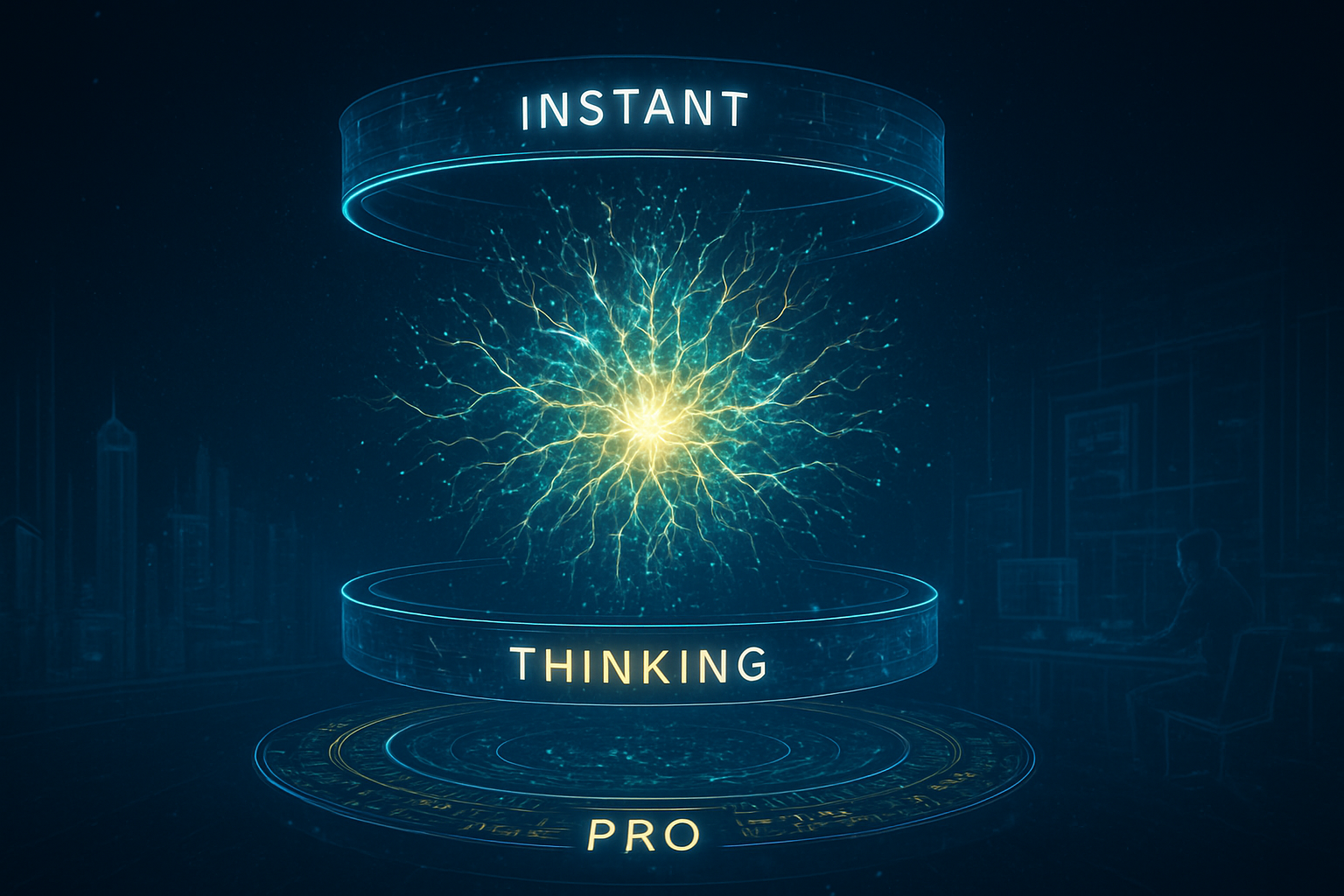
  • The Autonomous Inbox: Google Gemini 3 Transforms Gmail into an Intelligent Personal Assistant

    The Autonomous Inbox: Google Gemini 3 Transforms Gmail into an Intelligent Personal Assistant

    In a landmark update released this January 2026, Google (NASDAQ: GOOGL) has officially transitioned Gmail from a passive communication repository into a proactive, autonomous personal assistant powered by the new Gemini 3 architecture. The release marks a definitive shift in the "agentic" era of artificial intelligence, where software no longer just suggests text but actively executes complex workflows, manages schedules, and organizes the chaotic digital lives of its users without manual intervention.

    The immediate significance of this development cannot be overstated. By integrating Gemini 3 directly into the Google Workspace ecosystem, Alphabet Inc. (NASDAQ: GOOG) has effectively bypassed the "app-switching" friction that has hampered AI adoption. With the introduction of the "AI Inbox," millions of users now have access to a system that can "read" up to five years of email history, synthesize disparate threads into actionable items, and negotiate with other AI agents to manage professional and personal logistics.

    The Architecture of Autonomy: How Gemini 3 Rewrites the Inbox

    Technically, the heart of this transformation lies in Gemini 3’s unprecedented 2-million-token context window. This massive "memory" allows the model to process a user's entire historical communication archive as a single, cohesive dataset. Unlike previous iterations that relied on basic RAG (Retrieval-Augmented Generation) to pull specific keywords, Gemini 3 can understand the nuanced evolution of long-term projects and relationships. This enables features like "Contextual Extraction," where a user can ask, "Find the specific feedback the design team gave on the 2024 project and see if it was ever implemented," and receive a verified answer based on dozens of distinct email threads.

    The new "Gemini Agent" layer represents a move toward true agentic behavior. Rather than merely drafting a reply, the system can now perform multi-step tasks across Google Services. For instance, if an email arrives regarding a missed flight, the Gemini Agent can autonomously cross-reference the user’s Google Calendar, search for alternative flights, consult the user's travel preferences stored in Google Docs, and present a curated list of re-booking options—or even execute the booking if pre-authorized. This differs from the "Help me write" features of 2024 by shifting the burden of execution from the human to the machine.

    Initial reactions from the AI research community have been largely positive, though focused on the technical leap in reliability. By utilizing a "chain-of-verification" process, Gemini 3 has significantly reduced the hallucination rates that plagued earlier autonomous experiments. Experts note that Google’s decision to bake these features directly into the UI—creating a "Topics to Catch Up On" section that summarizes low-priority threads—shows a mature understanding of user cognitive load. The industry consensus is that Google has finally turned its vast data advantage into a tangible utility moat.

    The Battle of the Titans: Gemini 3 vs. GPT-5.2

    This release places Google in a direct collision course with OpenAI’s GPT-5.2, which was rolled out by Microsoft (NASDAQ: MSFT) partners just weeks ago. While GPT-5.2 is widely regarded as the superior model for "raw reasoning"—boasting perfect scores on the 2025 AIME math benchmarks—Google has chosen a path of "ambient utility." While OpenAI’s flagship is a destination for deep thinking and complex coding, Gemini 3 is designed to be an invisible layer that handles the "drudge work" of daily life.

    The competitive implications for the broader tech landscape are seismic. Traditional productivity apps like Notion or Asana, and even specialized CRM tools, now face an existential threat from a Gmail that can auto-generate to-do lists and manage workflows natively. If Gemini 3 can automatically extract a task from an email and track its progress through Google Tasks and Calendar, the need for third-party project management tools diminishes for the average professional. Google’s strategic advantage is its distribution; it does not need users to download a new app when it can simply upgrade the one they check 50 times a day.

    For startups and major AI labs, the "Gemini vs. GPT" rivalry has forced a specialization. OpenAI appears to be doubling down on the "AI Scientist" and "AI Developer" persona, providing granular controls for logic and debugging. In contrast, Google is positioning itself as the "AI Secretary." This divergence suggests a future where users may pay for both: one for the heavy lifting of intellectual production, and the other for the operational management of their time and communications.

    Privacy, Agency, and the New Social Contract

    The wider significance of an autonomous Gmail extends beyond simple productivity; it challenges our relationship with data privacy. For Gemini 3 to function as a truly autonomous assistant, it requires "total access" to a user's digital life. This has sparked renewed debate among privacy advocates regarding the "agent-to-agent" economy. When your Gemini agent talks to a vendor's agent to settle an invoice or schedule a meeting, the transparency of that transaction becomes a critical concern. There is a potential risk of "automated phishing," where malicious agents could trick a user's AI into disclosing sensitive information or authorizing payments.

    Furthermore, this shift mirrors the broader AI trend of moving away from chat interfaces toward "invisible" AI. We are witnessing a transition where the most successful AI is the one you don't talk to, but rather the one that works in the background. This fits into the long-term goal of Artificial General Intelligence (AGI) by demonstrating that specialized agents can already master the "soft skills" of human bureaucracy. The impact on the workforce is also profound, as administrative roles may see a shift from "doing the task" to "auditing the AI's output."

    Comparisons are already being made to the launch of the original iPhone or the advent of high-speed internet. Like those milestones, Gemini 3 doesn't just improve an existing process; it changes the expectations of the medium. We are moving from an era of "managing your inbox" to "overseeing your digital representative." However, the "hallucination of intent"—where an AI misinterprets a user's priority—remains a concern that will likely define the next two years of development.

    The Horizon: From Gmail to an OS-Level Assistant

    Looking ahead, the next logical step for Google is the full integration of Gemini 3 into the Android and Chrome OS kernels. Near-term developments are expected to include "cross-platform agency," where your Gmail assistant can interact with third-party apps on your phone, such as ordering groceries via Instacart or managing a budget in a banking app based on email receipts. Analysts predict that by late 2026, the "Gemini Agent" will be able to perform these tasks via voice command through the next generation of smart glasses and wearables.

    However, challenges remain in the realm of inter-operability. For the "agentic" vision to fully succeed, there must be a common protocol that allows a Google agent to talk to an OpenAI agent or an Apple (NASDAQ: AAPL) Intelligence agent seamlessly. Without these standards, the digital world risks becoming a series of "walled garden" bureaucracies where your AI cannot talk to your colleague’s AI because they are on different platforms. Experts predict that the next major breakthrough will not be in model size, but in the standardization of AI communication protocols.

    Final Reflections: The End of the "To-Do List"

    The integration of Gemini 3 into Gmail marks the beginning of the end for the manual to-do list. By automating the extraction of tasks and the management of workflows, Google has provided a glimpse into a future where human effort is reserved for creative and strategic decisions, while the logistical overhead is handled by silicon. This development is a significant chapter in AI history, moving us closer to the vision of a truly helpful, omnipresent digital companion.

    In the coming months, the tech world will be watching for two things: the rate of "agentic error" and the user adoption of these autonomous features. If Google can prove that its AI is reliable enough to handle the "small things" without supervision, it will set a new standard for the industry. For now, the "AI Inbox" stands as the most aggressive and integrated application of generative AI to date, signaling that the era of the passive computer is officially over.


    This content is intended for informational purposes only and represents analysis of current AI developments.

    TokenRing AI delivers enterprise-grade solutions for multi-agent AI workflow orchestration, AI-powered development tools, and seamless remote collaboration platforms.
    For more information, visit https://www.tokenring.ai/.

  • The Age of the Agent: OpenAI’s GPT-5.2 Shatters Benchmarks and Redefines Professional Productivity

    The Age of the Agent: OpenAI’s GPT-5.2 Shatters Benchmarks and Redefines Professional Productivity

    The artificial intelligence landscape underwent a seismic shift on December 11, 2025, with the release of OpenAI’s GPT-5.2. Positioned as a "professional agentic" tool rather than a mere conversationalist, GPT-5.2 represents the most significant leap in machine reasoning since the original debut of GPT-4. This latest iteration is designed to move beyond simple text generation, functioning instead as a high-fidelity reasoning engine capable of managing complex, multi-step workflows with a level of autonomy that was previously the stuff of science fiction.

    The immediate significance of this release cannot be overstated. By introducing a tiered architecture—Instant, Thinking, and Pro—OpenAI has effectively created a "gearbox" for intelligence, allowing users to modulate the model's cognitive load based on the task at hand. Early industry feedback suggests that GPT-5.2 is not just an incremental update; it is a foundational change in how businesses approach cognitive labor. With a 30% reduction in factual errors and a performance profile that frequently matches or exceeds human professionals, the model has set a new standard for reliability and expert-level output in the enterprise sector.

    Technically, GPT-5.2 is a marvel of efficiency and depth. At the heart of the release is the Thinking version, which utilizes a dynamic "Reasoning Effort" parameter. This allows the model to "deliberate" internally before providing an answer, providing a transparent summary of its internal logic via a Chain of Thought output. In the realm of software engineering, GPT-5.2 Thinking achieved a record-breaking score of 55.6% on the SWE-Bench Pro benchmark—a rigorous, multi-language evaluation designed to resist data contamination. A specialized variant, GPT-5.2-Codex, pushed this even further to 56.4%, demonstrating an uncanny ability to resolve complex GitHub issues and system-level bugs that previously required senior-level human intervention.

    Perhaps more vital for enterprise adoption is the dramatic 30% reduction in factual errors compared to its predecessor, GPT-5.1. This was achieved through a combination of enhanced retrieval-augmented generation (RAG) and a new "verification layer" that cross-references internal outputs against high-authority knowledge bases in real-time. The flagship Pro version takes this a step further, offering a massive 400,000-token context window and an exclusive "xhigh" reasoning level. This mode allows the model to spend several minutes on a single prompt, effectively "thinking through" high-stakes problems in fields like legal discovery, medical diagnostics, and system architecture.

    The Instant version rounds out the family, optimized for ultra-low latency. While it lacks the deep reasoning of its siblings, it boasts a 40% reduction in hallucinations for routine tasks, making it the ideal "reflexive" brain for real-time applications like live translation and scheduling. Initial reactions from the AI research community have been overwhelmingly positive, with many experts noting that the "Thinking" model's ability to show its work provides a much-needed layer of interpretability that has been missing from previous frontier models.

    The market implications of GPT-5.2 were felt immediately across the tech sector. Microsoft (NASDAQ: MSFT), OpenAI’s primary partner, integrated the model into its Microsoft 365 Copilot suite within hours of the announcement. By late December, Microsoft began rebranding Windows 11 as an "agentic OS," leveraging GPT-5.2 to allow users to control system settings and execute complex file management tasks via natural language. This move has placed immense pressure on Alphabet Inc. (NASDAQ: GOOGL), which responded by accelerating the rollout of Gemini 3’s "Deep Think Mode" across 800 million Samsung (KRX: 005930) Galaxy devices.

    The competitive landscape is also forcing defensive maneuvers from other tech giants. Meta Platforms, Inc. (NASDAQ: META), seeking to bridge the gap in autonomous agent capabilities, reportedly acquired the Singapore-based agentic startup Manus AI for $2 billion following the GPT-5.2 release. Meanwhile, Anthropic remains a fierce competitor; its Claude 4.5 model continues to hold a slight edge in certain coding leaderboards, maintaining its position as the preferred choice for safety-conscious enterprises. However, the sheer breadth of OpenAI’s "gearbox" approach—offering high-speed, high-reasoning, and deep-work tiers—gives them a strategic advantage in capturing diverse market segments from developers to C-suite executives.

    Beyond the technical and corporate rivalry, the wider significance of GPT-5.2 lies in its economic potential, as highlighted by the new GDPval benchmark. Designed by OpenAI to measure performance on economically valuable tasks, GPT-5.2 Thinking outperformed industry professionals in 70.9% of comparisons across 44 occupations, including accounting, law, and manufacturing. The model completed these tasks roughly 11 times faster than human experts at less than 1% of the cost. This represents a pivotal moment in the "AI for work" trend, suggesting that AI is no longer just assisting professionals but is now capable of performing core professional duties at an expert level.

    This breakthrough does not come without concerns. The ability of GPT-5.2 to outperform professionals across nearly four dozen occupations has reignited debates over labor displacement and the necessity of universal basic income (UBI) frameworks. On abstract reasoning tests like ARC-AGI-2, the model scored 54.2%, nearly triple the performance of previous generations, signaling that AI is rapidly closing the gap on general intelligence. This milestone compares to the historical significance of Deep Blue defeating Garry Kasparov, but with the added complexity that this "intelligence" is now being deployed across every sector of the global economy simultaneously.

    Looking ahead, the near-term focus will be on the "agentic" deployment of these models. Experts predict that the next 12 months will see a proliferation of autonomous AI workers capable of managing entire departments, from customer support to software QA, with minimal human oversight. The challenge for 2026 will be addressing the "alignment gap"—ensuring that as these models spend more time "thinking" and acting independently, they remain strictly within the bounds of human intent and safety protocols.

    We also expect to see a shift in hardware requirements. As GPT-5.2 Pro utilizes minutes of compute for a single query, the demand for specialized AI inference chips will likely skyrocket, further benefiting companies like NVIDIA (NASDAQ: NVDA). In the long term, the success of GPT-5.2 serves as a precursor to GPT-6, which is rumored to incorporate even more advanced "world models" that allow the AI to simulate outcomes in physical environments, potentially revolutionizing robotics and automated manufacturing.

    OpenAI’s GPT-5.2 release marks the definitive end of the "chatbot era" and the beginning of the "agentic era." By delivering a model that can think, reason, and act with professional-grade precision, OpenAI has fundamentally altered the trajectory of human-computer interaction. The key takeaways are clear: the reduction in factual errors and the massive jump in coding and reasoning benchmarks make AI a reliable partner for high-stakes professional work.

    As we move deeper into 2026, the industry will be watching how competitors like Google and Anthropic respond to this "gearbox" approach to intelligence. The significance of GPT-5.2 in AI history will likely be measured by how quickly society can adapt to its presence. For now, one thing is certain: the bar for what constitutes "artificial intelligence" has once again been raised, and the world is only beginning to understand the implications.


    This content is intended for informational purposes only and represents analysis of current AI developments.

    TokenRing AI delivers enterprise-grade solutions for multi-agent AI workflow orchestration, AI-powered development tools, and seamless remote collaboration platforms.
    For more information, visit https://www.tokenring.ai/.

  • OpenAI Reclaims the AI Throne with GPT-5.2: The Dawn of the ‘Thinking’ Era and the End of the Performance Paradox

    OpenAI Reclaims the AI Throne with GPT-5.2: The Dawn of the ‘Thinking’ Era and the End of the Performance Paradox

    OpenAI has officially completed the global rollout of its much-anticipated GPT-5.2 model family, marking a definitive shift in the artificial intelligence landscape. Coming just weeks after a frantic competitive period in late 2025, the January 2026 stabilization of GPT-5.2 signifies a "return to strength" for the San Francisco-based lab. The release introduces a specialized tiered architecture—Instant, Thinking, and Pro—designed to bridge the gap between simple chat interactions and high-stakes professional knowledge work.

    The centerpiece of this announcement is the model's unprecedented performance on the newly minted GDPval benchmark. Scoring a staggering 70.9% win-or-tie rate against human industry professionals with an average of 14 years of experience, GPT-5.2 is the first AI system to demonstrate true parity in economically valuable tasks. This development suggests that the era of AI as a mere assistant is ending, replaced by a new paradigm of AI as a legitimate peer in fields ranging from financial modeling to legal analysis.

    The 'Thinking' Architecture: Technical Specifications and the Three-Tier Strategy

    Technically, GPT-5.2 is built upon an evolved version of the "o1" reasoning-heavy architecture, which emphasizes internal processing before generating an output. This "internal thinking" process allows the model to self-correct and verify its logic in real-time. The most significant shift is the move away from a "one-size-fits-all" model toward three distinct tiers: GPT-5.2 Instant, GPT-5.2 Thinking, and GPT-5.2 Pro.

    • GPT-5.2 Instant: Optimized for sub-second latency, this tier handles routine information retrieval and casual conversation.
    • GPT-5.2 Thinking: The default professional tier, which utilizes "thinking tokens" to navigate complex reasoning, multi-step project planning, and intricate spreadsheet modeling.
    • GPT-5.2 Pro: A research-grade powerhouse that consumes massive compute resources to solve high-stakes scientific problems. Notably, the Pro tier achieved a perfect 100% on the AIME 2025 mathematics competition and a record-breaking 54.2% on ARC-AGI-2, a benchmark designed to resist pattern memorization and test pure abstract reasoning.

    This technical leap is supported by a context window of 400,000 tokens—roughly 300 pages of text—and a single-response output limit of 128,000 tokens. This allows GPT-5.2 to ingest entire technical manuals or legal discovery folders and output comprehensive, structured documents without losing coherence. Unlike its predecessor, GPT-5.1, which struggled with agentic reliability, GPT-5.2 boasts a 98% success rate in tool use, including the autonomous operation of web browsers, code interpreters, and complex enterprise software.

    The Competitive Fallout: Tech Giants Scramble for Ground

    The launch of GPT-5.2 has sent shockwaves through the industry, particularly for Alphabet Inc. (NASDAQ:GOOGL) and Meta (NASDAQ:META). While Google’s Gemini 3 briefly held the lead in late 2025, OpenAI’s 70.9% score on GDPval has forced a strategic pivot in Mountain View. Reports suggest Google is fast-tracking its "Gemini Deep Research" agents to compete with the GPT-5.2 Pro tier. Meanwhile, Microsoft (NASDAQ:MSFT), OpenAI's primary partner, has already integrated the "Thinking" tier into its 365 Copilot suite, offering enterprise customers a significant productivity advantage.

    Anthropic remains a formidable specialist competitor, with its Claude 4.5 model still holding a narrow edge in software engineering benchmarks (80.9% vs GPT-5.2's 80.0%). However, OpenAI’s aggressive move to diversify into media has created a new front in the AI wars. Coinciding with the GPT-5.2 launch, OpenAI announced a $1 billion partnership with The Walt Disney Company (NYSE:DIS). This deal grants OpenAI access to vast libraries of intellectual property to train and refine AI-native video and storytelling tools, positioning GPT-5.2 as the backbone for the next generation of digital entertainment.

    Solving the 'Performance Paradox' and Redefining Knowledge Work

    For the past year, AI researchers have debated the "performance paradox"—the phenomenon where AI models excel in laboratory benchmarks but fail to deliver consistent value in messy, real-world business environments. OpenAI claims GPT-5.2 finally solves this by aligning its "thinking" process with human professional standards. By matching the output quality of a human expert at 11 times the speed and less than 1% of the cost, GPT-5.2 shifts the focus from raw intelligence to economic utility.

    The wider significance of this milestone cannot be overstated. We are moving beyond the era of "hallucinating chatbots" into an era of "reliable agents." However, this leap brings significant concerns regarding white-collar job displacement. If a model can perform at the level of a mid-career professional in legal document analysis or financial forecasting, the entry-level "pipeline" for these professions may be permanently disrupted. This marks a major shift from previous AI milestones, like GPT-4, which were seen more as experimental tools than direct professional replacements.

    The Horizon: Adult Mode and the Path to AGI

    Looking ahead, the GPT-5.2 ecosystem is expected to evolve rapidly. OpenAI has confirmed that it will launch a "verified user" tier, colloquially known as "Adult Mode," in Q1 2026. Utilizing advanced AI-driven age-prediction software, this mode will loosen the strict safety filters that have historically frustrated creative writers and professionals working in mature industries. This move signals OpenAI's intent to treat its users as adults, moving away from the "nanny-bot" reputation of earlier models.

    Near-term developments will likely focus on "World Models," where GPT-5.2 can simulate physical environments for robotics and industrial design. The primary challenge remaining is the massive energy consumption required to run the "Pro" tier. As NVIDIA (NASDAQ:NVDA) continues to ship the next generation of Blackwell-Ultra chips to satisfy this demand, the industry’s focus will shift toward making these "thinking" capabilities more energy-efficient and accessible to smaller developers via the OpenAI API.

    A New Era for Artificial Intelligence

    The launch of GPT-5.2 represents a watershed moment in the history of technology. By achieving 70.9% on the GDPval benchmark, OpenAI has effectively declared that the "performance paradox" is over. The model's ability to reason, plan, and execute tasks at a professional level—split across the Instant, Thinking, and Pro tiers—provides a blueprint for how AI will be integrated into the global economy over the next decade.

    In the coming weeks, the industry will be watching closely as enterprise users begin to deploy GPT-5.2 agents at scale. The true test will not be in the benchmarks, but in the efficiency gains reported by the companies adopting this new "thinking" architecture. As we navigate the early weeks of 2026, one thing is clear: the bar for what constitutes "artificial intelligence" has been permanently raised.


    This content is intended for informational purposes only and represents analysis of current AI developments.

    TokenRing AI delivers enterprise-grade solutions for multi-agent AI workflow orchestration, AI-powered development tools, and seamless remote collaboration platforms.
    For more information, visit https://www.tokenring.ai/.
  • OpenAI Bridges the Gap Between AI and Medicine with the Launch of “ChatGPT Health”

    OpenAI Bridges the Gap Between AI and Medicine with the Launch of “ChatGPT Health”

    In a move that signals the end of the "Dr. Google" era and the beginning of the AI-driven wellness revolution, OpenAI has officially launched ChatGPT Health. Announced on January 7, 2026, the new platform is a specialized, privacy-hardened environment designed to transform ChatGPT from a general-purpose chatbot into a sophisticated personal health navigator. By integrating directly with electronic health records (EHRs) and wearable data, OpenAI aims to provide users with a longitudinal view of their wellness that was previously buried in fragmented medical portals.

    The immediate significance of this launch cannot be overstated. With over 230 million weekly users already turning to AI for health-related queries, OpenAI is formalizing a massive consumer habit. By providing a "sandboxed" space where users can ground AI responses in their actual medical history—ranging from blood work to sleep patterns—the company is attempting to solve the "hallucination" problem that has long plagued AI in clinical contexts. This launch marks OpenAI’s most aggressive push into a regulated industry to date, positioning the AI giant as a central hub for personal health data management.

    Technical Foundations: GPT-5.2 and the Medical Reasoning Layer

    At the core of ChatGPT Health is GPT-5.2, the latest iteration of OpenAI’s frontier model. Unlike its predecessors, GPT-5.2 includes a dedicated "medical reasoning" layer that has been refined through more than 600,000 evaluations by a global panel of over 260 licensed physicians. This specialized tuning allows the model to interpret complex clinical data—such as lipid panels or echocardiogram results—with a level of nuance that matches or exceeds human general practitioners in standardized testing. The model is evaluated using HealthBench, a new open-source framework designed to measure clinical accuracy, empathy, and "escalation safety," ensuring the AI knows exactly when to stop providing information and tell a user to visit an emergency room.

    To facilitate this, OpenAI has partnered with b.well Connected Health to allow users in the United States to sync their electronic health records from approximately 2.2 million providers. This integration is supported by a "separate-but-equal" data architecture. Health data is stored in a sandboxed silo, isolated from the user’s primary chat history. Crucially, OpenAI has stated that conversations and records within the Health tab are never used to train its foundation models. The system utilizes purpose-built encryption at rest and in transit, specifically designed to meet the rigorous standards for Protected Health Information (PHI).

    Beyond EHRs, the platform features a robust "Wellness Sync" capability. Users can connect data from Apple Inc. (NASDAQ: AAPL) Health, Peloton Interactive, Inc. (NASDAQ: PTON), WW International, Inc. (NASDAQ: WW), and Maplebear Inc. (NASDAQ: CART), better known as Instacart. This allows the AI to perform "Pattern Recognition," such as correlating a user’s fluctuating glucose levels with their recent grocery purchases or identifying how specific exercise routines impact their resting heart rate. This holistic approach differs from previous health apps by providing a unified, conversational interface that can synthesize disparate data points into actionable insights.

    Initial reactions from the AI research community have been cautiously optimistic. While researchers praise the "medical reasoning" layer for its reduced hallucination rate, many emphasize that the system is still a "probabilistic engine" rather than a diagnostic one. Industry experts have noted that the "Guided Visit Prep" feature—which synthesizes a user’s recent health data into a concise list of questions for their doctor—is perhaps the most practical application of the technology, potentially making patient-provider interactions more efficient and data-driven.

    Market Disruption and the Battle for the Health Stack

    The launch of ChatGPT Health sends a clear message to tech giants like Alphabet Inc. (NASDAQ: GOOGL) and Microsoft Corp. (NASDAQ: MSFT): the battle for the "Health Stack" has begun. While Microsoft remains OpenAI’s primary partner and infrastructure provider, the two are increasingly finding themselves in a complex "co-opetition" as Microsoft expands its own healthcare AI offerings through Nuance. Meanwhile, Google, which has long dominated the health search market, faces a direct threat to its core business as users migrate from keyword-based searches to personalized AI consultations.

    Consumer-facing health startups are also feeling the pressure. By offering a free-to-use tier that includes lab interpretation and insurance navigation, OpenAI is disrupting the business models of dozens of specialized wellness apps. Companies that previously charged subscriptions for "AI health coaching" now find themselves competing with a platform that has a significantly larger user base and deeper integration with the broader AI ecosystem. However, companies like NVIDIA Corporation (NASDAQ: NVDA) stand to benefit immensely, as the massive compute requirements for GPT-5.2’s medical reasoning layer drive further demand for high-end AI chips.

    Strategically, OpenAI is positioning itself as the "operating system" for personal health. By controlling the interface where users manage their medical records, insurance claims, and wellness data, OpenAI creates a high-moat ecosystem that is difficult for users to leave. The inclusion of insurance navigation—where the AI can analyze plan documents to help users compare coverage or draft appeal letters for denials—is a particularly savvy move that addresses a major pain point in the U.S. healthcare system, further entrenching the tool in the daily lives of consumers.

    Wider Significance: The Rise of the AI-Patient Relationship

    The broader significance of ChatGPT Health lies in its potential to democratize medical literacy. For decades, medical records have been "read-only" for many patients—opaque documents filled with jargon. By providing "plain-language" summaries of lab results and historical trends, OpenAI is shifting the power dynamic between patients and the healthcare system. This fits into the wider trend of "proactive health," where the focus shifts from treating illness to maintaining wellness through continuous monitoring and data analysis.

    However, the launch is not without significant concerns. The American Medical Association (AMA) has warned of "automation bias," where patients might over-trust the AI and bypass professional medical care. There are also deep-seated fears regarding privacy. Despite OpenAI’s assurances that data is not used for training, the centralization of millions of medical records into a single AI platform creates a high-value target for cyberattacks. Furthermore, the exclusion of the European Economic Area (EEA) and the UK from the initial launch highlights the growing regulatory "digital divide," as strict data protection laws make it difficult for advanced AI health tools to deploy in those regions.

    Comparisons are already being drawn to the launch of the original iPhone or the first web browser. Just as those technologies changed how we interact with information and each other, ChatGPT Health could fundamentally change how we interact with our own bodies. It represents a milestone where AI moves from being a creative or productivity tool to a high-stakes life-management assistant. The ethical implications of an AI "knowing" a user's genetic predispositions or chronic conditions are profound, raising questions about how this data might be used by third parties in the future, regardless of current privacy policies.

    Future Horizons: Real-Time Diagnostics and Global Expansion

    Looking ahead, the near-term roadmap for ChatGPT Health includes expanding its EHR integration beyond the United States. OpenAI is reportedly in talks with several national health services in Asia and the Middle East to navigate local regulatory frameworks. On the technical side, experts predict that the next major update will include "Multimodal Diagnostics," allowing users to share photos of skin rashes or recordings of a persistent cough for real-time analysis—a feature that is currently in limited beta for select medical researchers.

    The long-term vision for ChatGPT Health likely involves integration with "AI-first" medical devices. Imagine a future where a wearable sensor doesn't just ping your phone when your heart rate is high, but instead triggers a ChatGPT Health session that has already reviewed your recent caffeine intake, stress levels, and medication history to provide a contextualized recommendation. The challenge will be moving from "wellness information" to "regulated diagnostic software," a transition that will require even more rigorous clinical trials and closer cooperation with the FDA.

    Experts predict that the next two years will see a "clinical integration" phase, where doctors don't just receive questions from patients using ChatGPT, but actually use the tool themselves to summarize patient histories before they walk into the exam room. The ultimate goal is a "closed-loop" system where the AI acts as a 24/7 health concierge, bridging the gap between the 15-minute doctor's visit and the 525,600 minutes of life that happen in between.

    A New Chapter in AI History

    The launch of ChatGPT Health is a watershed moment for both the technology industry and the healthcare sector. By successfully navigating the technical, regulatory, and privacy hurdles required to handle personal medical data, OpenAI has set a new standard for what a consumer AI can be. The key takeaway is clear: AI is no longer just for writing emails or generating art; it is becoming a critical infrastructure for human health and longevity.

    As we look back at this development in the years to come, it will likely be seen as the point where AI became truly personal. The significance lies not just in the technology itself, but in the shift in human behavior it facilitates. While the risks of data privacy and medical misinformation remain, the potential benefits of a more informed and proactive patient population are immense.

    In the coming weeks, the industry will be watching closely for the first "real-world" reports of the system's accuracy. We will also see how competitors respond—whether through similar "health silos" or by doubling down on specialized clinical tools. For now, OpenAI has taken a commanding lead in the race to become the world’s most important health interface, forever changing the way we understand the data of our lives.


    This content is intended for informational purposes only and represents analysis of current AI developments.

    TokenRing AI delivers enterprise-grade solutions for multi-agent AI workflow orchestration, AI-powered development tools, and seamless remote collaboration platforms.
    For more information, visit https://www.tokenring.ai/.