
Tag: Healthcare Technology

  • The Digital Smile Revolution: How AI and Advanced Tech Are Reshaping Dentistry with Align Technology Leading the Charge

    The Digital Smile Revolution: How AI and Advanced Tech Are Reshaping Dentistry with Align Technology Leading the Charge

    The landscape of dental care is undergoing an unprecedented transformation, moving beyond traditional methods into an era defined by precision, efficiency, and enhanced patient experience. At the heart of this revolution is digital dentistry, a broad spectrum of technological advancements that are fundamentally reshaping how oral health is diagnosed, treated, and managed. Leading this charge is Align Technology (NASDAQ: ALGN), a global medical device powerhouse whose innovative solutions are not only driving its own significant market growth but also setting new benchmarks for the entire industry. As of late 2025, the integration of artificial intelligence, advanced imaging, and sophisticated manufacturing techniques is making dental care more accessible, effective, and personalized than ever before.

    This shift marks a pivotal moment, promising a future where discomfort and lengthy procedures become relics of the past. Companies like Align Technology are demonstrating how strategic investment in research and development, coupled with a keen understanding of both clinician and patient needs, can create a powerful synergy that propels an entire sector forward. The clear aligner market, once a niche, has become a mainstream alternative to traditional braces, largely thanks to Align Technology's pioneering efforts with its flagship Invisalign system.

    Unpacking the Technological Core: Precision, Personalization, and AI Integration

    The recent advancements in dental technology are not merely incremental improvements; they represent a paradigm shift towards highly integrated, digital workflows. Specific details of these advancements highlight a move towards greater automation, accuracy, and patient-centric care. Artificial intelligence (AI) is increasingly vital, enhancing diagnostic accuracy by identifying issues like cavities and gum disease with unprecedented precision and predicting treatment outcomes. Generative AI tools are now integral for diagnostics, treatment planning, and even patient communication, offering personalized treatment plans.

    Teledentistry has emerged as a critical component, enabling virtual consultations, initial assessments, and follow-up care, significantly expanding access to dental services, especially for underserved populations. This technology's adoption surged during the recent global health crises and continues to grow. Complementing this, 3D printing and Computer-Aided Design/Computer-Aided Manufacturing (CAD/CAM) technology are revolutionizing the production of dental prosthetics, crowns, bridges, aligners, and surgical guides. This reduces waiting times and drastically enhances precision and customization, often allowing for single-visit restorations. Intraoral scanners, such as Align Technology's iTero systems, capture highly accurate 3D digital impressions, replacing uncomfortable traditional molds and serving as a cornerstone for digital diagnosis and treatment planning. Other notable advancements include laser dentistry for minimally invasive procedures, Augmented Reality (AR) and Virtual Reality (VR) for immersive education and patient visualization, and smart dental devices that track oral hygiene habits.

    These technologies fundamentally differ from previous analog approaches by offering unparalleled precision, speed, and comfort. Traditional impressions were messy and often inaccurate, while digital scans are swift and exact. AI-driven diagnostics surpass the limitations of the human eye, and 3D printing allows for custom devices that were previously impossible or prohibitively expensive to produce. Initial reactions from the dental research community and industry experts have been overwhelmingly positive, with a strong consensus that these innovations are not just optional upgrades but essential tools for modern dental practice, improving both clinical outcomes and patient satisfaction. Align Technology's Invisalign system, approved by the FDA in 1998, now treats approximately 90% of malocclusion cases and has been used by over 18 million patients, demonstrating its broad applicability and acceptance. The company's iTero Lumina scanner is a testament to continuous innovation in this space, driving robust growth in its Systems and Services segment.

    Competitive Currents and Market Shaping: Align Technology's Strategic Edge

    These technological advancements are profoundly affecting AI companies, tech giants, and startups within the dental sector. Align Technology (NASDAQ: ALGN) stands to benefit immensely from its integrated approach, known as the Align Digital Platform. This ecosystem seamlessly connects its flagship Invisalign system, iTero intraoral scanners, and exocad CAD/CAM software, creating an end-to-end solution for orthodontists, general practitioners, and dental labs. This comprehensive platform enhances digital orthodontic and restorative workflows, improves patient outcomes, and significantly boosts practice efficiencies. The company's annual revenue for 2024 reached $4.00 billion, with the twelve months ending September 30, 2025, showing continued, albeit moderated, growth at $3.98 billion. Its market capitalization stands at approximately $10.31 billion, underscoring its significant market presence.

    The competitive implications are substantial. Align Technology's dominance in the clear aligner market, controlling over 90% of it, gives it a formidable strategic advantage. While competitors exist in segments like intraoral scanners and CAD/CAM software, Align's ability to offer an integrated solution makes it a preferred partner for many dental professionals. This integration potentially disrupts existing products and services that rely on fragmented, non-digital workflows. Traditional dental labs, for instance, must adapt to digital impression files and 3D printing capabilities or risk obsolescence. For tech giants, the focus is often on AI and imaging components that can be licensed or integrated into broader healthcare platforms, while startups frequently target niche areas or aim to innovate specific components of the digital workflow.

    Align Technology's market positioning is further strengthened by its continuous investment in R&D, focusing on innovations in 2D/3D imaging, AI, and new features for the Invisalign system, such as mandibular advancement, which expand its treatable case complexity. The company is also actively working to increase its global market share, particularly in emerging markets, and is strengthening ties with Dental Service Organizations (DSOs). This strategic focus on innovation, integration, and international expansion positions Align Technology for sustained leadership in the evolving digital dentistry landscape, potentially setting a higher barrier to entry for new competitors and reinforcing its competitive moat.

    A Broader Canvas: Impact on Healthcare and Societal Implications

    The widespread adoption of digital dentistry and the advancements spearheaded by companies like Align Technology fit perfectly into the broader AI landscape and the ongoing digitalization of healthcare. AI's role in dentistry mirrors its growing importance in other medical fields, where it aids in diagnostics, predictive analytics, and personalized treatment planning. This trend signifies a move towards more data-driven, precise, and preventative healthcare models across the board. The impacts are far-reaching: enhanced patient experience through less invasive procedures, reduced discomfort, and faster treatment times; improved precision and accuracy in diagnostics and treatment outcomes; and increased accessibility to dental care through teledentistry, particularly for those in remote areas or with mobility challenges.

    However, this rapid evolution also brings potential concerns. The high cost of adopting advanced digital equipment and software can be a barrier for smaller practices, potentially widening the gap between technologically advanced and traditional dental offices. Training dental professionals to effectively utilize these sophisticated tools is another significant challenge. Furthermore, the increased reliance on digital data raises concerns about data privacy and cybersecurity, necessitating robust protection measures. Despite these challenges, the current wave of dental innovation is comparable to previous AI milestones and breakthroughs in other medical disciplines, such as robotic surgery or advanced medical imaging. It represents a fundamental shift from analog to digital, promising a future where dental health is more predictable, efficient, and integrated into overall wellness.

    Align Technology's commitment to using AI for virtual care solutions, assisting doctors in diagnosis, treatment planning, and continuity of care, underscores how these innovations contribute to a more connected and efficient healthcare ecosystem. The company's Align Digital Platform is not just about straightening teeth; it's about establishing a comprehensive, intelligent framework for oral health management, reflecting a broader trend in healthcare towards integrated, patient-centric digital solutions.

    The Horizon of Innovation: What Comes Next in Digital Dentistry

    Looking ahead, the trajectory of digital dentistry promises even more transformative developments. In the near term, we can expect deeper integration of AI into every facet of dental practice, from highly sophisticated diagnostic algorithms that can detect pathologies at their earliest stages to AI-powered treatment planning that optimizes outcomes based on vast datasets of patient cases. Further advancements in 2D/3D imaging will lead to even more detailed and less invasive diagnostic tools, potentially reducing radiation exposure while increasing diagnostic accuracy. Personalized medicine, already a hallmark of digital dentistry, will become even more refined, with treatments tailored precisely to an individual's genetic makeup, lifestyle, and specific oral health needs.

    Long-term developments could include fully automated treatment planning systems, advanced biomaterials that promote faster healing and integration, and even regenerative dentistry solutions powered by AI and biotechnological breakthroughs. The potential applications are vast, ranging from entirely virtual orthodontic consultations and adjustments to AI-driven preventative care programs that monitor oral health risks in real-time. Challenges that need to be addressed include establishing universal interoperability standards for different digital dental systems, navigating complex regulatory landscapes for novel AI and medical devices, and ensuring equitable access to these advanced technologies across all socioeconomic strata.

    Experts predict a future where dental care is not just about treating problems but proactively maintaining optimal oral health through continuous digital monitoring and personalized interventions. The focus will shift even more towards prevention and minimally invasive treatments. The convergence of AI, biotechnology, and materials science is expected to unlock new possibilities, making dental visits more comfortable, outcomes more predictable, and oral health an even more integral part of overall well-being.

    The Dawn of a New Dental Era: A Concluding Assessment

    In summary, the advancements in dental technology, particularly those championed by Align Technology (NASDAQ: ALGN), signify a profound and irreversible shift towards digital dentistry. Key takeaways include the pivotal role of AI in enhancing diagnostics and treatment planning, the transformative power of 3D printing and intraoral scanners in creating precise and personalized solutions, and the increased accessibility offered by teledentistry. Align Technology, through its integrated Align Digital Platform comprising Invisalign, iTero scanners, and exocad software, has not only cemented its position as a market leader but also acted as a primary catalyst for this industry-wide evolution.

    This development's significance in AI history lies in its demonstration of how artificial intelligence can be effectively deployed in a highly specialized medical field to yield tangible improvements in patient care and operational efficiency. It underscores AI's capacity to move beyond theoretical applications into practical, impactful solutions that touch millions of lives. The long-term impact of these innovations will undoubtedly be a dental care system that is more effective, comfortable, and accessible for everyone, fundamentally improving global oral health.

    In the coming weeks and months, it will be crucial to watch for further iterations of AI-powered diagnostic tools, expanded capabilities of clear aligner systems, and the ongoing integration of digital platforms within dental practices. The pace of innovation shows no signs of slowing, promising a future where the digital smile revolution continues to unfold, bringing ever more sophisticated and patient-friendly solutions to the forefront of dental medicine.


    This content is intended for informational purposes only and represents analysis of current AI developments.

    TokenRing AI delivers enterprise-grade solutions for multi-agent AI workflow orchestration, AI-powered development tools, and seamless remote collaboration platforms.
    For more information, visit https://www.tokenring.ai/.
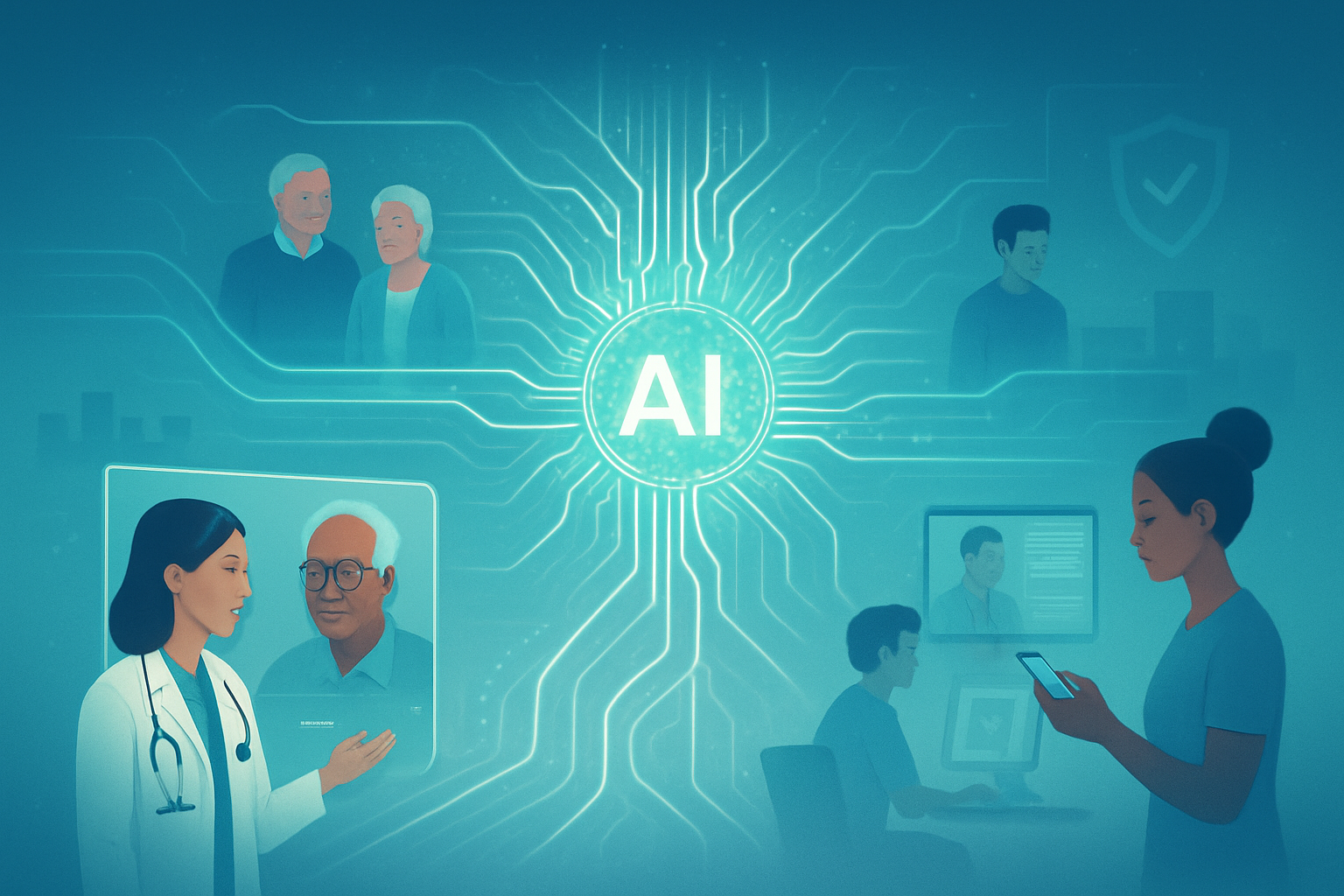
  • AI Revolutionizes Veteran Healthcare: VA Pioneers Advanced Tools for Enhanced Care and Efficiency

    AI Revolutionizes Veteran Healthcare: VA Pioneers Advanced Tools for Enhanced Care and Efficiency

    The Department of Veterans Affairs (VA) is at the forefront of a profound transformation in veteran healthcare, leveraging the power of Artificial Intelligence (AI) to deliver more precise diagnoses, personalized treatments, and significantly improved operational efficiencies. These advancements are not merely theoretical; they represent a tangible shift towards a future where AI-powered tools are actively enhancing the care experience for millions of veterans across the United States. From predictive analytics that anticipate health risks to AI scribes that streamline clinical documentation, the VA's strategic integration of AI is reshaping how healthcare is delivered, making it more responsive, efficient, and ultimately, more effective for those who have served the nation.

    The immediate significance of these developments, particularly as of late 2025, is immense. Veterans are already beginning to experience the benefits of faster, more accurate diagnoses and tailored treatment plans, especially in critical areas like mental health support and chronic disease management. For the VA healthcare system, AI is proving to be a powerful ally in reducing administrative burdens, optimizing resource allocation, and empowering healthcare professionals to focus more on direct patient care, thereby addressing long-standing challenges like clinician burnout and wait times. The VA's updated AI strategy, unveiled in October 2025, underscores its commitment to responsible and impactful AI deployment, positioning the department as a leader in harnessing technology for the betterment of veteran welfare.

    Technical Deep Dive: AI Scribes, Precision Medicine, and Predictive Power

    The VA's embrace of AI is characterized by a strategic implementation of tools designed to directly address the complex needs of veterans and the operational challenges within its vast healthcare system. Central to these efforts are AI scribes and ambient listening programs, which represent a significant leap from traditional documentation methods. These systems leverage advanced Artificial Speech Recognition (ASR), Natural Language Processing (NLP), and Machine Learning (ML) algorithms to capture, transcribe, and synthesize clinician-patient conversations into structured clinical notes. Unlike older voice dictation software that demanded specific phrasing and constant user interaction, ambient listening solutions operate seamlessly in the background, allowing clinicians to engage more naturally with patients. The technical prowess lies in their ability to accurately interpret medical terminology, identify speakers, and integrate directly with existing Electronic Health Record (EHR) systems like VistA and the modernizing Oracle Health (NYSE: ORCL) Millennium platform, ensuring that draft notes are automatically populated without manual data entry. Initial pilots, such as those planned for 10 VA facilities by the end of 2025 with vendors like Abridge AI, Inc. and Knowtex AI, are aimed at validating these cloud-based solutions in real-world environments.

    This shift dramatically differs from previous approaches, where human medical scribes, while offering contextual understanding, were costly and had limited availability. More importantly, it targets the pervasive issue of clinician burnout, with studies showing that providers spend 35-37% of their time on documentation. AI scribes promise to cut this "pajama time" significantly, allowing clinicians to refocus on direct patient care. Early reactions from clinicians involved in pilot programs have been largely positive, reporting reduced stress, improved job satisfaction, and substantial reductions in note-taking time—sometimes up to 76%. Patients, too, have noted that their doctors are spending less time on computers and more time engaging with them. However, concerns persist regarding potential AI "hallucinations" or errors in transcription, the need for clinician review, and paramount issues of patient privacy and data security, which the VA addresses through stringent compliance protocols like HIPAA and "authority to operate" frameworks.

    Beyond documentation, the VA is making profound strides in predictive analytics and personalized medicine. Tools like the Care Assessment Needs (CAN) Report, developed leveraging vast EHR data, utilize ML to calculate risk scores for hospitalization or mortality based on a multitude of factors, enabling proactive interventions. The REACH VET system stands as a critical example in suicide prevention, analyzing over 100 variables to identify veterans at high risk, with continuous algorithm updates ensuring its life-saving efficacy. Furthermore, the newly introduced IIA Predictive Modeling System (February 2025) employs explainable AI to manage chronic diseases. In personalized medicine, the VA is a national leader in Pharmacogenomics (PGx) through initiatives like PHASER, which analyzes a veteran's genes to predict medication responses, thereby reducing adverse drug reactions and trial-and-error prescribing. The FastTrack PGx innovation aims to cut result turnaround times from six weeks to two, integrating these genetic insights directly into EHRs via the VA-owned "Data Arch" platform. These initiatives, underpinned by the Million Veteran Program (MVP), harness one of the world's largest genomic-healthcare databases, providing an unparalleled foundation for AI-driven precision care and significantly advancing beyond generalized treatment protocols.

    Market Dynamics: AI Companies Vie for VA Partnerships

    The VA's aggressive adoption of AI is creating a dynamic and competitive landscape for AI companies, from agile startups to established tech giants. The department's updated AI strategy, released in October 2025, signals a long-term commitment to integrating AI across its operations, opening significant market opportunities. Companies that can demonstrate technical prowess, adherence to stringent security and privacy standards, and seamless integration capabilities with the VA's complex IT infrastructure stand to benefit immensely.

    In the realm of ambient listening, startups like Abridge AI, Inc. and Knowtex AI have emerged as key players. Knowtex, a women-founded, Y Combinator-backed startup, notably secured a $15 million contract to deploy its AI-powered documentation platform across the VA health system, winning out over more established names. This highlights the VA's willingness to partner with innovative startups that can deliver cutting-edge, secure solutions. This competition is intense, with these companies gaining crucial federal validation that could challenge other ambient AI providers in the broader healthcare market. The disruption to traditional medical transcription services is evident, as AI automates note-taking, fundamentally altering clinical workflows and potentially reducing clinician burnout.

    For predictive analytics and personalized medicine, the landscape involves a mix of specialized firms and major tech players. Companies with robust cloud infrastructure and AI services, such as International Business Machines (NYSE: IBM), Alphabet (NASDAQ: GOOGL), and Amazon (NASDAQ: AMZN) through AWS, are well-positioned to provide foundational AI platforms and data processing capabilities for the VA's vast datasets. Firms like Booz Allen Hamilton (NYSE: BAH) are also involved in providing IT service management, with opportunities for AI-powered solutions in administrative automation. In personalized medicine, Tempus, a leader in AI-enabled precision medicine, partnered with the VA's National Precision Oncology Program in 2022 to provide next-generation sequencing, leveraging its extensive data library. Earlier collaborations, such as with Flow Health and IBM Watson Health, also underscore the VA's sustained interest in leveraging AI for genomic analysis and tailored treatments. These partnerships emphasize the need for deep expertise in genomics, bioinformatics, and advanced AI/machine learning to securely analyze and integrate sensitive patient data.

    The VA's "dual-track approach," which encourages early experimentation while developing standards, provides an entry point for smaller innovators through initiatives like AI Tech Sprints. However, the emphasis on "trustworthy AI"—ethical, secure, and bias-mitigated—means that only companies prioritizing responsible AI development and transparent governance will thrive in this environment. The strategic advantages lie with those who can not only deliver cutting-edge technology but also demonstrate a profound understanding of the unique needs of the veteran population and adhere to the highest standards of data integrity and patient privacy.

    Wider Significance: A Blueprint for AI in Public Health

    The VA's ambitious AI initiatives resonate far beyond veteran healthcare, offering a powerful blueprint for how large public health systems can effectively integrate advanced technology. This push fits squarely into the broader AI landscape, which is increasingly focused on practical, impactful applications that address real-world challenges, moving beyond theoretical research to tangible solutions. The VA's efforts highlight a critical trend: the convergence of big data, advanced analytics, and machine learning to transform healthcare delivery, making it more proactive, personalized, and efficient.

    The impacts are multifaceted. For healthcare, the VA's success in deploying AI scribes and predictive tools could set new industry standards, accelerating adoption in civilian hospitals and clinics grappling with similar issues of clinician burnout and administrative overload. The focus on personalized medicine through pharmacogenomics, leveraging the Million Veteran Program's vast dataset, positions the VA as a global leader in tailoring treatments based on individual genetic profiles. This could pave the way for more widespread precision medicine, fundamentally altering how diseases like cancer and mental health conditions are managed. However, these advancements also bring potential concerns, primarily around data privacy, algorithmic bias, and the need for robust ethical frameworks. The VA's emphasis on "trustworthy AI" and human oversight in clinical decision-making is crucial in mitigating these risks, setting an example for responsible AI deployment in sensitive domains.

    Comparing these developments to previous AI milestones, the VA's work signifies a maturation of AI from specialized tasks to systemic integration. While early AI breakthroughs focused on game-playing or image recognition, the VA's initiatives demonstrate AI's capability to augment human intelligence in complex, high-stakes environments like healthcare. It mirrors the broader trend of AI shifting from a "nice-to-have" technology to a mission-critical enabler, particularly in public services. The scale of the VA, serving millions of veterans, means that successful AI implementation here can have a ripple effect across the entire U.S. healthcare system, demonstrating how AI can improve access, quality, and equity in care, provided it is deployed thoughtfully and ethically.

    Future Developments: The Horizon of AI-Enhanced Veteran Care

    Looking ahead, the VA's AI journey is poised for significant near-term and long-term developments. In the immediate future, the ambient listening pilots at 10 facilities by the end of 2025 will provide critical data on the efficacy and user acceptance of AI scribes. Success here will likely lead to wider deployment, further reducing documentation burdens and enhancing clinician-patient interaction. We can expect continuous refinement of these AI models, improving accuracy in transcription and clinical note generation, and broadening their capabilities to include more advanced features like automated generation of patient-facing summaries and clinical reminders.

    Beyond documentation, the horizon includes more sophisticated applications of predictive analytics, not just for risk assessment but also for optimizing resource allocation, managing supply chains, and even predicting outbreaks of infectious diseases within VA facilities. The integration of AI into the VA's new EHR system is a key long-term goal, aiming to transform it into an "adaptive, context-aware copilot" that proactively assists providers. This could involve AI flagging potential drug interactions, suggesting personalized treatment pathways based on real-time data, or even identifying subtle changes in a veteran's health trajectory that warrant immediate attention.

    Challenges that need to be addressed include ensuring the interoperability of diverse AI tools across the VA's vast IT ecosystem, continuously updating algorithms to prevent bias and maintain accuracy, and fostering a workforce that is skilled in leveraging AI technologies. Data governance, privacy, and cybersecurity will remain paramount, requiring ongoing investment and vigilance. Experts predict that the VA will continue to be a testbed for innovative AI applications, potentially leading to breakthroughs in areas like mental health diagnostics through AI analysis of speech and behavioral patterns, and highly personalized rehabilitation programs. The development of a robust "AI Corps" within the VA also signals a commitment to building internal expertise, which will be crucial for sustaining these advancements.

    Comprehensive Wrap-Up: A New Era for Veteran Health

    The VA's strategic integration of Artificial Intelligence marks a pivotal moment in the history of veteran healthcare and a significant milestone in the broader adoption of AI in public services. The key takeaways from these developments are clear: AI is not merely an incremental improvement but a transformative force capable of revolutionizing patient care, enhancing operational efficiency, and profoundly improving the veteran experience. From AI scribes that liberate clinicians from administrative drudgery to precision medicine initiatives that tailor treatments to individual genetic blueprints, the VA is leveraging cutting-edge technology to deliver more responsive, effective, and personalized care.

    This development's significance in AI history lies in its demonstration of AI's practical, large-scale application in a complex, high-stakes environment. It moves AI from the realm of academic research and consumer applications into critical public health infrastructure, setting a precedent for how other national healthcare systems might evolve. The VA's commitment to "trustworthy AI," emphasizing ethics, security, and human oversight, is equally important, providing a framework for responsible AI deployment that will be critical as these technologies become more pervasive.

    Looking ahead, the long-term impact will likely see a healthcare system that is more proactive, personalized, and accessible, where technology empowers both providers and patients. What to watch for in the coming weeks and months includes the initial outcomes of the ambient listening pilots, further announcements on AI integration into the new EHR system, and the continued expansion of the VA's AI inventory. The success of these initiatives will not only benefit millions of veterans but also provide invaluable lessons for the global healthcare community on how to harness the full potential of AI for societal good.


    This content is intended for informational purposes only and represents analysis of current AI developments.

    TokenRing AI delivers enterprise-grade solutions for multi-agent AI workflow orchestration, AI-powered development tools, and seamless remote collaboration platforms.
    For more information, visit https://www.tokenring.ai/.

  • Physicians at the Helm: AMA Demands Doctor-Led AI Integration for a Safer, Smarter Healthcare Future

    Physicians at the Helm: AMA Demands Doctor-Led AI Integration for a Safer, Smarter Healthcare Future

    Washington D.C. – The American Medical Association (AMA) has issued a resounding call for physicians to take the lead in integrating artificial intelligence (AI) into healthcare, advocating for robust oversight and governance to ensure its safe, ethical, and effective deployment. This decisive stance underscores the AMA's vision of AI as "augmented intelligence," a powerful tool designed to enhance, rather than replace, human clinical decision-making and the invaluable patient-physician relationship. With the rapid acceleration of AI adoption across medical fields, the AMA's position marks a critical juncture, emphasizing that clinical expertise must be the guiding force behind this technological revolution.

    The AMA's proactive engagement reflects a growing recognition within the medical community that while AI promises transformative advancements, its unchecked integration poses significant risks. By asserting physicians as central to every stage of the AI lifecycle – from design and development to clinical integration and post-market surveillance – the AMA aims to safeguard patient well-being, mitigate biases, and uphold the highest standards of medical care. This physician-centric framework is not merely a recommendation but a foundational principle for building trust and ensuring that AI truly serves the best interests of both patients and providers.

    A Blueprint for Physician-Led AI Governance: Transparency, Training, and Trust

    The AMA's comprehensive position on AI integration is anchored by a detailed set of recommendations designed to embed physicians as full partners and establish robust governance frameworks. Central to this is the demand for physicians to be integral partners throughout the entire AI lifecycle. This involvement is deemed essential due to physicians' unique clinical expertise, which is crucial for validating AI tools, ensuring alignment with the standard of care, and preserving the sanctity of the patient-physician relationship. The AMA stresses that AI should function as "augmented intelligence," consistently reinforcing its role in enhancing, not supplanting, human capabilities and clinical judgment.

    To operationalize this vision, the AMA advocates for comprehensive oversight and a coordinated governance approach, including a "whole-of-government" strategy to prevent fragmented regulations. They have even introduced an eight-step governance framework toolkit to assist healthcare systems in establishing accountability, oversight, and training protocols for AI implementation. A cornerstone of trust in AI is the responsible handling of data, with the AMA recommending that AI models be trained on secure, unbiased data, fortified with strong privacy and consent safeguards. Developers are expected to design systems with privacy as a fundamental consideration, proactively identifying and mitigating biases to ensure equitable health outcomes. Furthermore, the AMA calls for mandated transparency regarding AI design, development, and deployment, including disclosure of potential sources of inequity and documentation whenever AI influences patient care.

    This physician-led approach significantly differs from a purely technology-driven integration, which might prioritize efficiency or innovation without adequate clinical context or ethical considerations. By placing medical professionals at the forefront, the AMA ensures that AI tools are not just technically sound but also clinically relevant, ethically responsible, and aligned with patient needs. Initial reactions from the AI research community and industry experts have been largely positive, recognizing the necessity of clinical input for successful and trustworthy AI adoption in healthcare. The AMA's commitment to translating policy into action was further solidified with the launch of its Center for Digital Health and AI in October 2025, an initiative specifically designed to empower physicians in shaping and guiding digital healthcare technologies. This center focuses on policy leadership, clinical workflow integration, education, and cross-sector collaboration, demonstrating a concrete step towards realizing the AMA's vision.

    Shifting Sands: How AMA's Stance Reshapes the Healthcare AI Industry

    The American Medical Association's (AMA) assertive call for physician-led AI integration is poised to significantly reshape the competitive landscape for AI companies, tech giants, and startups operating within the healthcare sector. This position, emphasizing "augmented intelligence" over autonomous decision-making, sets clear expectations for ethical development, transparency, and patient safety, creating both formidable challenges and distinct opportunities.

    Tech giants like Google Health (NASDAQ: GOOGL) and Microsoft Healthcare (NASDAQ: MSFT) are uniquely positioned to leverage their vast data resources, advanced cloud infrastructure, and substantial R&D budgets. Their existing relationships with large healthcare systems can facilitate broader adoption of compliant AI solutions. However, these companies will need to demonstrate a genuine commitment to "physician-led" design, potentially necessitating a cultural shift to deeply integrate clinical leadership into their product development processes. Building trust and countering any perception of AI developed without sufficient physician input will be paramount for their continued success in this evolving market.

    For AI startups, the landscape presents a mixed bag. Niche opportunities abound for agile firms focusing on specific administrative tasks or clinical support tools that are built with strong ethical frameworks and deep physician input. However, the resource-intensive requirements for clinical validation, bias mitigation, and comprehensive security measures may pose significant barriers, especially for those with limited funding. Strategic partnerships with healthcare organizations, medical societies, or larger tech companies will become crucial for startups to access the necessary clinical expertise, data, and resources for validation and compliance.

    Companies that prioritize physician involvement in the design, development, and testing phases, along with those offering solutions that genuinely reduce administrative burdens (e.g., documentation, prior authorization), stand to benefit most. Developers of "augmented intelligence" that enhances, rather than replaces, physician capabilities—such as advanced diagnostic support or personalized treatment planning—will be favored. Conversely, AI solutions that lack sufficient physician input, transparency, or clear liability frameworks may face significant resistance, hindering their market entry and adoption rates. The competitive landscape will increasingly favor companies that deeply understand and integrate physician needs and workflows over those that merely push advanced technological capabilities, driving a shift towards "Physician-First AI" and increased demand for explainable AI (XAI) to foster trust and understanding among medical professionals.

    A Defining Moment: AMA's Stance in the Broader AI Landscape

    The American Medical Association's (AMA) assertive position on physician-led AI integration is not merely a policy statement but a defining moment in the broader AI landscape, signaling a critical shift towards human-centric, ethically robust, and clinically informed technological advancement in healthcare. This stance firmly anchors AI as "augmented intelligence," a powerful complement to human expertise rather than a replacement, aligning with a global trend towards responsible AI governance.

    This initiative fits squarely within several major AI trends: the rapid advancement of AI technologies, including sophisticated large language models (LLMs) and generative AI; a growing enthusiasm among physicians for AI's potential to alleviate administrative burdens; and an evolving global regulatory landscape grappling with the complexities of AI in sensitive sectors. The AMA's principles resonate with broader calls from organizations like the World Health Organization (WHO) for ethical guidelines that prioritize human oversight, transparency, and bias mitigation. By advocating for physician leadership, the AMA aims to proactively address the multifaceted impacts and potential concerns associated with AI, ensuring that its deployment prioritizes patient outcomes, safety, and equity.

    While AI promises enhanced diagnostics, personalized treatment plans, and significant operational efficiencies, the AMA's stance directly confronts critical concerns. Foremost among these are algorithmic bias, which can exacerbate health inequities if models are trained on unrepresentative data, and the "black box" nature of some AI systems that can erode trust. The AMA mandates transparency in AI design and calls for proactive bias mitigation. Patient safety and physician liability in the event of AI errors are also paramount concerns, with the AMA seeking clear accountability and opposing new physician liability without developer transparency. Furthermore, the extensive use of sensitive patient data by AI systems necessitates robust privacy and security safeguards, and the AMA warns against over-reliance on AI that could dehumanize care or allow payers to use AI to reduce access to care.

    Comparing this to previous AI milestones, the AMA's current position represents a significant evolution. While their initial policy on "augmented intelligence" in 2018 focused on user-centered design and bias, the explosion of generative AI post-2022, exemplified by tools capable of passing medical licensing exams, necessitated a more comprehensive and urgent framework. Earlier attempts, like IBM's Watson (NYSE: IBM) in healthcare, demonstrated potential but lacked the sophistication and widespread applicability of today's AI. The AMA's proactive approach today reflects a mature recognition that AI in healthcare is a present reality, demanding strong physician leadership and clear ethical guidelines to maximize its benefits while safeguarding against its inherent risks.

    The Road Ahead: Navigating AI's Future with Physician Guidance

    The American Medical Association's (AMA) robust framework for physician-led AI integration sets a clear trajectory for the future of artificial intelligence in healthcare. In the near term, we can expect a continued emphasis on establishing comprehensive governance and ethical frameworks, spearheaded by initiatives like the AMA's Center for Digital Health and AI, launched in October 2025. This center will be pivotal in translating policy into practical guidance for clinical workflow integration, education, and cross-sector collaboration. Furthermore, the AMA's recent policy, adopted in June 2025, advocating for "explainable" clinical AI tools and independent third-party validation, signals a strong push for transparency and verifiable safety in AI products entering the market.

    Looking further ahead, the AMA envisions a healthcare landscape where AI is seamlessly integrated, but always under the astute leadership of physicians and within a carefully constructed ethical and regulatory environment. This includes a commitment to continuous policy evolution as technology advances, ensuring guidelines remain responsive to emerging challenges. The AMA's advocacy for a coordinated "whole-of-government" approach to AI regulation across federal and state levels aims to create a balanced environment that fosters innovation while rigorously prioritizing patient safety, accountability, and public trust. Significant investment in medical education and ongoing training will also be crucial to equip physicians with the necessary knowledge and skills to understand, evaluate, and responsibly adopt AI tools.

    Potential applications on the horizon are vast, with a primary focus on reducing administrative burdens through AI-powered automation of documentation, prior authorizations, and real-time clinical transcription. AI also holds promise for enhancing diagnostic accuracy, predicting adverse clinical outcomes, and personalizing treatment plans, though with continued caution and rigorous validation. Challenges remain, including mitigating algorithmic bias, ensuring patient privacy and data security, addressing physician liability for AI errors, and integrating AI seamlessly with existing electronic health record (EHR) systems. Experts predict a continued surge in AI adoption, particularly for administrative tasks, but with physician input central to all regulatory and ethical frameworks. The AMA's stance suggests increased regulatory scrutiny, a cautious approach to AI in critical diagnostic decisions, and a strong focus on demonstrating clear return on investment (ROI) for AI-enabled medical devices.

    A New Era of Healthcare AI: Physician Leadership as the Cornerstone

    The American Medical Association's (AMA) definitive stance on physician-led AI integration marks a pivotal moment in the history of healthcare technology. It underscores a fundamental shift from a purely technology-driven approach to one firmly rooted in clinical expertise, ethical responsibility, and patient well-being. The key takeaway is clear: for AI to truly revolutionize healthcare, physicians must be at the helm, guiding its development, deployment, and governance.

    This development holds immense significance, ensuring that AI is viewed as "augmented intelligence," a powerful tool designed to enhance human capabilities and support clinical decision-making, rather than supersede it. By advocating for comprehensive oversight, transparency, bias mitigation, and clear liability frameworks, the AMA is actively building the trust necessary for responsible and widespread AI adoption. This proactive approach aims to safeguard against the potential pitfalls of unchecked technological advancement, from algorithmic bias and data privacy breaches to the erosion of the invaluable patient-physician relationship.

    In the coming weeks and months, all eyes will be on how rapidly healthcare systems and AI developers integrate these physician-led principles. We can anticipate increased collaboration between medical societies, tech companies, and regulatory bodies to operationalize the AMA's recommendations. The success of initiatives like the Center for Digital Health and AI will be crucial in demonstrating the tangible benefits of physician involvement. Furthermore, expect ongoing debates and policy developments around AI liability, data governance, and the evolution of medical education to prepare the next generation of physicians for an AI-integrated practice. This is not just about adopting new technology; it's about thoughtfully shaping the future of medicine with humanity at its core.


    This content is intended for informational purposes only and represents analysis of current AI developments.

    TokenRing AI delivers enterprise-grade solutions for multi-agent AI workflow orchestration, AI-powered development tools, and seamless remote collaboration platforms.
    For more information, visit https://www.tokenring.ai/.

  • Beyond Aesthetics: Medical AI Prioritizes Reliability and Accuracy for Clinical Trust

    Beyond Aesthetics: Medical AI Prioritizes Reliability and Accuracy for Clinical Trust

    In a pivotal shift for artificial intelligence in healthcare, researchers and developers are increasingly focusing on the reliability and diagnostic accuracy of AI methods for processing medical images, moving decisively beyond mere aesthetic quality. This re-prioritization underscores a maturing understanding of AI's critical role in clinical settings, where the stakes are inherently high, and trust in technology is paramount. The immediate significance of this focus is a drive towards AI solutions that deliver genuinely trustworthy and clinically meaningful insights, capable of augmenting human expertise and improving patient outcomes.

    Technical Nuances: The Pursuit of Precision

    The evolution of AI in medical imaging is marked by several sophisticated technical advancements designed to enhance diagnostic utility, interpretability, and robustness. Generative AI (GAI), utilizing models like Generative Adversarial Networks (GANs) and diffusion models, is now employed not just for image enhancement but critically for data augmentation, creating synthetic medical images to address data scarcity for rare diseases. This allows for the training of more robust AI models, even enabling multimodal translation, such as converting MRI data to CT formats for safer radiotherapy planning. These methods differ significantly from previous approaches that might have prioritized visually pleasing results, as the new focus is on extracting subtle pathological signals, even from low-quality images, to improve diagnosis and patient safety.

    Self-Supervised Learning (SSL) and Contrastive Learning (CL) are also gaining traction, reducing the heavy reliance on costly and time-consuming manually annotated datasets. SSL models are pre-trained on vast volumes of unlabeled medical images, learning powerful feature representations that significantly improve the accuracy and robustness of classifiers for tasks like lung nodule and breast cancer detection. This approach fosters better generalization across different imaging modalities, hinting at the emergence of "foundation models" for medical imaging. Furthermore, Federated Learning (FL) offers a privacy-preserving solution to overcome data silos, allowing multiple institutions to collaboratively train AI models without directly sharing sensitive patient data, addressing a major ethical and practical hurdle.

    Crucially, the integration of Explainable AI (XAI) and Uncertainty Quantification (UQ) is becoming non-negotiable. XAI techniques (e.g., saliency maps, Grad-CAM) provide insights into how AI models arrive at their decisions, moving away from opaque "black-box" models and building clinician trust. UQ methods quantify the AI's confidence in its predictions, vital for identifying cases where the model might be less reliable, prompting human expert review. Initial reactions from the AI research community and industry experts are largely enthusiastic about AI's potential to revolutionize diagnostics, with studies showing AI-assisted radiologists can be more accurate and reduce diagnostic errors. However, there is cautious optimism, with a strong emphasis on rigorous validation, addressing data bias, and the need for AI to serve as an assistant rather than a replacement for human experts.

    Corporate Implications: A New Competitive Edge

    The sharpened focus on reliability, accuracy, explainability, and privacy is fundamentally reshaping the competitive landscape for AI companies, tech giants, and startups in medical imaging. Major players like Microsoft (NASDAQ: MSFT), NVIDIA Corporation (NASDAQ: NVDA), and Google (NASDAQ: GOOGL) are heavily investing in R&D, leveraging their cloud infrastructures and AI capabilities to develop robust medical imaging suites. Companies such as Siemens Healthineers (ETR: SHL), GE Healthcare (NASDAQ: GEHC), and Philips (AMS: PHIA) are embedding AI directly into their imaging hardware and software, enhancing scanner capabilities and streamlining workflows.

    Specialized AI companies and startups like Aidoc, Enlitic, Lunit, and Qure.ai are carving out significant market positions by offering focused, high-accuracy solutions for specific diagnostic challenges, often demonstrating superior performance in areas like urgent case prioritization or specific disease detection. The evolving regulatory landscape, particularly with the upcoming EU AI Act classifying medical AI as "high-risk," means that companies able to demonstrably prove trustworthiness will gain a significant competitive advantage. This rigor, while potentially slowing market entry, is essential for patient and professional trust and serves as a powerful differentiator.

    The market is shifting its value proposition from simply "faster" or "more efficient" AI to "more reliable," "more accurate," and "ethically sound" AI. Companies that can provide real-world evidence of improved patient outcomes and health-economic benefits will be favored. This also implies a disruption to traditional workflows, as AI automates routine tasks, reduces report turnaround times, and enhances diagnostic capabilities. The role of radiologists is evolving, shifting their focus towards higher-level cognitive tasks and patient interactions, rather than being replaced. Companies that embrace a "human-in-the-loop" approach, where AI augments human capabilities, are better positioned for success and adoption within clinical environments.

    Wider Significance: A Paradigm Shift in Healthcare

    This profound shift towards reliability and diagnostic accuracy in AI medical imaging is not merely a technical refinement; it represents a paradigm shift within the broader AI landscape, signaling AI's maturation into a truly dependable clinical tool. This development aligns with the overarching trend of AI moving from experimental stages to real-world, high-stakes applications, where the consequences of error are severe. It marks a critical step towards AI becoming an indispensable component of precision medicine, capable of integrating diverse data points—from imaging to genomics and clinical history—to create comprehensive patient profiles and personalized treatment plans.

    The societal impacts are immense, promising improved patient outcomes through earlier and more precise diagnoses, enhanced healthcare access, particularly in underserved regions, and a potential reduction in healthcare burdens by streamlining workflows and mitigating professional burnout. However, this progress is not without significant concerns. Algorithmic bias, inherited from unrepresentative training datasets, poses a serious risk of perpetuating health disparities and leading to misdiagnoses in underrepresented populations. Ethical considerations surrounding the "black box" nature of many deep learning models, accountability for AI-driven errors, patient autonomy, and robust data privacy and security measures are paramount.

    Regulatory challenges are also significant, as the rapid pace of AI innovation often outstrips the development of adaptive frameworks needed to validate, certify, and continuously monitor dynamic AI systems. Compared to earlier AI milestones, such as rule-based expert systems or traditional machine learning, the current deep learning revolution offers unparalleled precision and speed in image analysis. A pivotal moment was the 2018 FDA clearance of IDx-DR, the first AI-powered medical imaging device capable of diagnosing diabetic retinopathy without direct physician input, showcasing AI's capacity for autonomous, accurate diagnosis in specific contexts. This current emphasis on reliability pushes that autonomy even further, demanding systems that are not just capable but consistently trustworthy.

    Future Developments: The Horizon of Intelligent Healthcare

    Looking ahead, the field of AI medical image processing is poised for transformative developments in both the near and long term, all underpinned by the relentless pursuit of reliability and accuracy. Near-term advancements will see continuous refinement and rigorous validation of AI algorithms, with an increasing reliance on larger and more diverse datasets to improve generalization across varied patient populations. The integration of multimodal AI, combining imaging with genomics, clinical notes, and lab results, will create a more holistic view of patients, enabling more accurate predictions and individualized medicine.

    On the horizon, potential applications include significantly enhanced diagnostic accuracy for early-stage diseases, automated workflow management from referrals to report drafting, and personalized, predictive medicine capable of assessing disease risks years before manifestation. Experts predict the emergence of "digital twins"—computational patient models for surgery planning and oncology—and real-time AI guidance during critical surgical procedures. Furthermore, AI is expected to play a crucial role in reducing radiation exposure during imaging by optimizing protocols while maintaining high image quality.

    However, significant challenges remain. Addressing data bias and ensuring generalizability across diverse demographics is paramount. The need for vast, diverse, and high-quality datasets for training, coupled with privacy concerns, continues to be a hurdle. Ethical considerations, including transparency, accountability, and patient trust, demand robust frameworks. Regulatory bodies face the complex task of developing adaptable frameworks for continuous monitoring of AI models post-deployment. Experts widely predict that AI will become an integral and transformative part of radiology, augmenting human radiologists by taking over mundane tasks and allowing them to focus on complex cases, patient interaction, and innovative problem-solving. The future envisions an "expert radiologist partnering with a transparent and explainable AI system," driving a shift towards "intelligence orchestration" in healthcare.

    Comprehensive Wrap-up: Trust as the Cornerstone of AI in Medicine

    The shift in AI medical image processing towards uncompromising reliability and diagnostic accuracy marks a critical juncture in the advancement of artificial intelligence in healthcare. The key takeaway is clear: for AI to truly revolutionize clinical practice, it must earn and maintain the trust of clinicians and patients through demonstrable precision, transparency, and ethical robustness. This development signifies AI's evolution from a promising technology to an essential, trustworthy tool capable of profoundly impacting patient care.

    The significance of this development in AI history cannot be overstated. It moves AI beyond a fascinating academic pursuit or a mere efficiency booster, positioning it as a fundamental component of the diagnostic and treatment process, directly influencing health outcomes. The long-term impact will be a healthcare system that is more precise, efficient, equitable, and patient-centered, driven by intelligent systems that augment human capabilities.

    In the coming weeks and months, watch for continued emphasis on rigorous clinical validation, the development of more sophisticated explainable AI (XAI) and uncertainty quantification (UQ) techniques, and the maturation of regulatory frameworks designed to govern AI in high-stakes medical applications. The successful navigation of these challenges will determine the pace and extent of AI's integration into routine clinical practice, ultimately shaping the future of medicine.


    This content is intended for informational purposes only and represents analysis of current AI developments.

    TokenRing AI delivers enterprise-grade solutions for multi-agent AI workflow orchestration, AI-powered development tools, and seamless remote collaboration platforms.
    For more information, visit https://www.tokenring.ai/.

  • AI Revolutionizes Drug Shelf-Life: Optimized Stability Models Promise Safer, More Effective Medicines

    AI Revolutionizes Drug Shelf-Life: Optimized Stability Models Promise Safer, More Effective Medicines

    The pharmaceutical industry is on the cusp of a profound transformation, driven by the integration of data science and Artificial Intelligence (AI) into drug formulation stability models. This burgeoning field is set to dramatically enhance the shelf-life and effectiveness of medications, addressing long-standing inefficiencies in traditional drug development. By moving beyond time-consuming, empirical trial-and-error methods, AI offers a faster, more accurate, and cost-effective approach to predicting drug stability, solubility, and overall performance. This shift holds immense immediate significance, promising to accelerate the availability of life-saving drugs, reduce development costs, and ultimately lead to improved patient outcomes by ensuring the consistent quality and potency of medicines throughout their lifecycle.

    Technical Deep Dive: AI's Precision in Predicting Drug Stability

    AI advancements are fundamentally reshaping how drug shelf-life and formulation stability are understood and managed. Traditionally, determining drug stability has been a laborious and prolonged process, often requiring months or even years of real-time and accelerated stability studies. These methods, while critical, are resource-intensive, provide limited environmental scope, and rely heavily on empirical data and extrapolations like the Arrhenius equation, which can miss complex, non-linear degradation patterns, especially prevalent in modern biologics.

    Enter AI, particularly machine learning (ML), deep learning (DL), and generative AI, which are revolutionizing this landscape. ML algorithms like Random Forest, Support Vector Regression (SVR), Gradient Boosting, and XGBoost are trained on vast historical stability datasets—encompassing chemical structures, excipient interactions, and storage conditions—to predict future stability outcomes. For instance, tree ensemble regression models have successfully predicted Beyond Use Dates (BUDs) with high accuracy (R² = 0.9761). These models excel at identifying optimal API-excipient combinations and predicting degradation rates under various environmental stressors.

    Deep learning, with its multi-layered neural networks, tackles even more complex, non-linear relationships. Artificial Neural Networks (ANNs) model physicochemical properties impacting solubility and stability, while Convolutional Neural Networks (CNNs) analyze image-based or spectroscopic data to monitor changes over time. Recurrent Neural Networks (RNNs) and Long Short-Term Memory (LSTMs) are particularly adept at processing time-series data, making them invaluable for modeling degradation profiles over extended periods. A multilayer perceptron (MLP) has demonstrated the ability to predict the stability profile of drugs like Esomeprazole, precisely determining pH limits for maintaining quality. These deep learning models capture intricate degradation patterns often overlooked by traditional methods, especially for complex biologics.

    The overarching capability of predictive modeling, powered by ML/DL, allows for enhanced Accelerated Stability Testing (AST). AI models analyze stress data to simulate real-time, long-term stability curves with superior accuracy, even for complex biologics that do not follow simple kinetics. Generative AI is pushing boundaries further, not just predicting but also designing. It can simulate unknown degradation pathways, generate novel drug molecules with desired stability properties, and optimize formulation profiles for enhanced bioavailability. This differs profoundly from traditional approaches by moving from reactive, empirical testing to proactive, in silico exploration and optimization of vast formulation spaces, ranking thousands of hypothetical formulations before any physical experiment is conducted. Initial reactions from the AI research community and industry experts are overwhelmingly positive, recognizing the transformative potential to accelerate development, enhance accuracy, and foster innovation, while also acknowledging challenges related to data quality, model interpretability, and regulatory acceptance.

    Corporate Impact: A New Frontier for Pharma and Tech

    The emergence of optimized formulation stability models powered by AI is creating a dynamic competitive landscape, significantly impacting AI companies, tech giants, and innovative startups. Companies that successfully leverage this technology stand to gain substantial strategic advantages.

    Specialized AI companies are at the forefront, developing proprietary platforms and offering services that streamline drug development. Firms like Exscientia, Insilico Medicine, Atomwise, Schrödinger, BenevolentAI, and XtalPi are pioneering AI-driven drug design and formulation, creating new revenue streams through platform licensing, consultation, and accelerated drug discovery partnerships. For example, Merck & Co., Inc. (NYSE: MRK) utilizes an AI-powered predictive formulation tool to tackle solubility and stability challenges, shortening its formulation process.

    Tech giants, with their vast AI research capabilities and cloud infrastructure, are also making significant inroads. Companies like IBM (NYSE: IBM) with its Watson Health initiative and Microsoft (NASDAQ: MSFT) with Azure AI for Life Sciences, offer scalable cloud-based AI solutions for complex stability modeling and large-scale data management. These giants are forming strategic partnerships with pharmaceutical companies, combining their AI expertise with the pharma sector's extensive datasets and domain knowledge. This allows them to expand into healthcare analytics, personalized medicine, and digital therapeutics, offering comprehensive solutions from discovery to patient care.

    Startups are playing a crucial role by bringing agile innovation to specific niches. Companies like Cyclica, DeepMatter, Healx, Unlearn.AI, and NetraMark are developing specialized AI platforms for drug repurposing, real-time stability monitoring, or integrating AI with advanced manufacturing. These agile players can compete with established giants by leveraging advanced computational tools without needing extensive traditional laboratory infrastructure, leveling the playing field.

    Major pharmaceutical companies are rapidly adopting AI. Novartis AG (SWX: NOVN) and AstraZeneca plc (LSE: AZN) are exploring AI-enabled digital twin models for process optimization. Roche Holding AG (SWX: ROG) focuses on AI-driven formulation for biologics, while GlaxoSmithKline plc (LSE: GSK) utilizes AI to enhance stability, solubility, and bioavailability. Pfizer (NYSE: PFE) and Sanofi (NYSE: SNY) have partnered with AI firms like Exscientia to integrate AI platforms into their discovery and formulation workflows. This shift disrupts traditional stability testing, significantly reducing development timelines and R&D costs, potentially cutting months or years off the drug development process. Companies that become early adopters and innovation leaders, emphasizing cost-effectiveness, enhanced drug quality, and regulatory compliance through AI, will secure strong market positioning and strategic advantages in this evolving landscape.

    Broader Significance: AI's Footprint Across Science and Society

    The application of AI in optimizing drug formulation stability models transcends a mere technical upgrade; it represents a significant milestone within the broader AI landscape and holds profound implications for healthcare and society. This development aligns perfectly with the overarching trend of AI becoming a transformative general-purpose technology across scientific research, enabling data-driven decision-making and accelerating discovery in myriad fields.

    It fits into the broader trend of machine learning in scientific discovery, where AI analyzes complex datasets to derive insights previously beyond human grasp. This mirrors the shift towards predictive analytics that is permeating drug discovery, clinical trials, and patient response prediction. Furthermore, AI-driven stability models are integral to Industry 4.0 and smart manufacturing initiatives, enabling real-time process monitoring, optimization, and predictive maintenance in pharmaceutical production and supply chains. The emergence of generative AI also hints at a future where AI not only predicts but actively designs optimal formulations and simulates unknown degradation pathways.

    The broader impacts are substantial. Economically, AI is projected to generate hundreds of billions of dollars annually for the pharmaceutical sector by reducing development costs, accelerating market entry, and minimizing costly product recalls. For healthcare, this translates to faster access to safer and more effective medications, improved patient outcomes, and enhanced therapeutic efficacy. Scientifically, AI elevates the accuracy and reliability of stability predictions, streamlining development and fostering continuous innovation in drug delivery systems.

    However, this transformative power comes with inherent concerns. The success of AI models hinges on the availability of high-quality, extensive datasets, which remains a significant challenge. The "black box" nature of some advanced AI algorithms poses issues for interpretability, complicating regulatory approval and stakeholder trust. Regulatory frameworks are still evolving to accommodate AI/ML tools, necessitating clear guidelines for validation and transparency. Algorithmic bias, if training data reflects historical health inequities, could inadvertently perpetuate disparities. Data privacy and security, given the reliance on sensitive patient information, also raise critical ethical questions.

    This breakthrough draws parallels to other celebrated AI milestones. Google DeepMind’s AlphaFold, which revolutionized protein structure prediction, demonstrates AI's capacity to solve complex molecular puzzles. Similarly, AI's application in materials science for designing new materials, in genomics for personalized medicine, and in astronomy for identifying trends in vast datasets, all highlight its unifying power across scientific disciplines. The "hockey-stick-like takeoff" in AI's influence across science, starting around 2015, underscores that AI in drug stability is not an isolated event but part of a larger, systemic shift towards augmenting human discovery and revealing non-obvious solutions across all scientific frontiers.

    The Road Ahead: Future Developments and Expert Outlook

    The journey of optimized formulation stability models powered by AI is just beginning, with a horizon filled with exciting near-term and long-term developments poised to reshape the pharmaceutical landscape.

    In the near term, we can anticipate a significant refinement of Accelerated Stability Testing (AST), where AI models will provide increasingly accurate long-term stability predictions based on minimal experimental data. This will drastically cut down the time and resources needed to determine drug shelf-life and Beyond Use Dates (BUDs). AI will also become more adept at optimizing excipient and API combinations, leading to more stable, soluble, and effective drug formulations from the outset. Early-stage "go/no-go" decisions in formulation and packaging will be made with greater confidence, thanks to AI's predictive power.

    Looking further ahead, long-term developments promise even more profound changes. Generative AI is expected to move beyond prediction to proactive design, simulating unknown degradation pathways and impurities before they physically manifest, offering unprecedented foresight. The advent of "digital twins" for drugs and packaging will enable comprehensive, dynamic modeling of storage conditions across diverse geographies and supply chains, ensuring product integrity globally. The integration of Internet of Things (IoT) sensors with Edge AI will facilitate continuous, real-time stability monitoring throughout the supply chain and even during patient use, transforming reactive quality control into a proactive, predictive system. Furthermore, AI's ability to analyze vast datasets, including individual genetic profiles, will be crucial for the advancement of personalized medicine, tailoring drug formulations and delivery systems to individual patient needs for optimal efficacy and safety.

    Potential applications on the horizon are vast, ranging from streamlined formulation design and robust risk mitigation to the revitalization of challenging drug candidates that were previously shelved due to stability issues. AI will be instrumental in designing advanced drug delivery systems, such as controlled-release formulations and nanoparticles, by accurately predicting their release profiles and interactions within the body. Crucially, AI-driven models will generate robust predictive data to support regulatory submissions, potentially accelerating drug approvals and aligning with modern Quality-by-Design (QbD) principles.

    Despite this immense promise, several challenges remain. The need for high-quality, comprehensive datasets is paramount, as is addressing the "black box" nature of some AI models to ensure interpretability for regulatory bodies. Evolving regulatory frameworks must adapt to accommodate AI/ML tools, requiring clear standards for model validation and transparency. Seamless integration with existing pharmaceutical workflows and addressing ethical considerations like algorithmic bias and data privacy are also critical.

    Experts widely predict that AI will transform stability testing from a slow, reactive process into a smart, proactive, and predictive discipline. This will lead to faster product launches, reduced costs, and smarter quality assurance operations. Regulatory bodies are already encouraging the use of AI, signaling a positive outlook for its acceptance. Ultimately, AI is expected to become an indispensable tool for optimizing drug composition and dosage forms, significantly enhancing drug product quality and patient safety.

    A New Era for Pharmaceuticals: The AI-Driven Future

    The convergence of optimized formulation stability models and Artificial Intelligence marks a pivotal moment in both AI history and pharmaceutical innovation. This is not merely an incremental technological upgrade but a fundamental re-engineering of how pharmaceuticals are developed, manufactured, and maintained, promising a future of safer, more efficient, and universally accessible medicines.

    Key takeaways from this transformative shift include AI's unparalleled ability to predict drug degradation, optimize complex formulations, and accelerate stability testing with unprecedented accuracy and speed. This capability, driven by advanced machine learning, deep learning, and generative AI, moves the industry from a laborious, empirical past to a data-driven, proactive future. It signifies AI's growing maturity in tackling highly complex, regulated scientific challenges, mirroring its impact across other scientific disciplines like protein folding and materials science.

    The long-term impact is profound: faster access to novel therapies, enhanced drug accessibility and affordability, improved patient outcomes through more stable and effective formulations, and the realization of personalized medicine. AI will fortify global supply chains, ensuring the integrity of drug products and fostering continuous innovation in drug delivery systems. The economic benefits are immense, with projections of hundreds of billions in value for the pharmaceutical sector by reducing costs and accelerating market entry.

    In the coming weeks and months, industry watchers should keep a close eye on several critical developments. Expect continued advancements in generative AI, particularly its ability to simulate unknown degradation pathways, offering even greater foresight. The wider implementation of "digital twins" for drugs and packaging, enabling virtual modeling of storage conditions, will become more prevalent. Increased deployment of edge AI combined with IoT sensors for real-time stability monitoring across manufacturing, warehousing, and cold chain logistics will further solidify AI's role in quality assurance. Crucially, watch for evolving guidance and clarification from regulatory bodies on the validation and acceptance of AI-driven stability models, as frameworks adapt to these groundbreaking technologies. Finally, anticipate a growing number of published case studies from pharmaceutical companies, showcasing tangible benefits in terms of reduced development cycles, significant cost savings, and enhanced product quality through strategic AI integration.

    The fusion of AI with drug formulation stability is more than just a technological advancement; it is a catalyst for a healthier, more innovative future.


    This content is intended for informational purposes only and represents analysis of current AI developments.

    TokenRing AI delivers enterprise-grade solutions for multi-agent AI workflow orchestration, AI-powered development tools, and seamless remote collaboration platforms.
    For more information, visit https://www.tokenring.ai/.

  • Valens Semiconductor Ignites Medical Imaging Revolution with VA7000-Powered Endoscopes

    Valens Semiconductor Ignites Medical Imaging Revolution with VA7000-Powered Endoscopes

    Valens Semiconductor (NYSE: VLN), a pioneer in high-speed connectivity solutions, has announced its groundbreaking entry into the medical imaging market, heralding a new era for endoscopic procedures. The company's innovative VA7000 chipset, originally designed for the rigorous demands of the automotive industry, is now powering next-generation endoscopes, promising to enhance patient safety, improve diagnostic accuracy, and streamline surgical workflows. This strategic expansion positions Valens at the forefront of a significant shift towards advanced, high-resolution, and increasingly disposable medical devices, addressing critical needs within the healthcare sector.

    The immediate significance of this development lies in its potential to revolutionize the landscape of medical endoscopy. By enabling the creation of advanced disposable endoscopes, the VA7000 chipset directly tackles the long-standing challenges associated with the sterilization and reprocessing of reusable endoscopes, which have historically posed infection risks and operational burdens. This move is not merely an incremental improvement but a foundational step towards safer, more efficient, and higher-quality patient care, with implications for hospitals, clinics, and ultimately, patients worldwide.

    A Technical Leap Forward in Endoscopic Imaging

    The Valens VA7000 series is a MIPI A-PHY-compliant Serializer/Deserializer (SerDes) chipset, a testament to robust engineering initially honed for automotive applications like Advanced Driver-Assistance Systems (ADAS). Its transition to medical imaging underscores the VA7000's exceptional capabilities, which are now being leveraged to meet the stringent demands of surgical environments. Key technical specifications and features that make the VA7000 a game-changer include its support for multi-gigabit connectivity, enabling high-resolution video up to 4K over ultra-thin coaxial and Unshielded Twisted Pair (UTP) cables. This capability is paramount for endoscopes, where maneuverability and crystal-clear visualization are non-negotiable.

    Crucially, the VA7000 distinguishes itself with built-in electrosurgical noise cancellation. This feature is vital in operating rooms where electromagnetic interference from electrosurgical units can severely degrade video quality. By ensuring stable, artifact-free images even during complex procedures, the VA7000 enhances a surgeon's ability to make precise decisions. Furthermore, its small form factor and low power consumption are optimized for miniaturization, allowing for more compact camera modules within endoscopes—a critical factor for single-use devices—and reducing heat generation at the tip. The chipset's exceptional Electromagnetic Compatibility (EMC) reliability, inherited from its automotive-grade design, guarantees consistent performance in electrically noisy medical environments.

    Unlike previous approaches that often required complex in-camera image signal processing (ISP) or compromised on image quality for smaller form factors, the VA7000 simplifies the system architecture. It can potentially remove the need for an ISP within the camera module itself, centralizing image processing at the receiver and allowing for a significantly more compact and cost-effective camera design. Initial reactions from the medical device industry have been overwhelmingly positive, with three Original Equipment Manufacturers (OEMs) already launching VA7000-powered products, including an innovative laparoscope, a 3D imaging solution for robotic surgeries, and the first single-use colonoscope with 4K video resolution. This rapid adoption signals strong validation from medical experts and a clear demand for the advanced capabilities offered by Valens.

    Reshaping the Competitive Landscape of Medical Technology

    Valens Semiconductor's (NYSE: VLN) foray into medical imaging with the VA7000 chipset is poised to significantly impact various players across the AI and semiconductor industries, as well as the broader medical technology sector. Valens itself stands to gain immensely from this strategic expansion, tapping into a lucrative new market with substantial growth potential. The annual Total Addressable Market (TAM) for single-use endoscopes alone is projected to reach hundreds of millions of dollars, with the broader disposable endoscope market expected to grow into billions by 2030. This provides a robust new revenue stream and diversifies Valens' market presence beyond its traditional automotive strongholds.

    For medical device OEMs, the VA7000 acts as a critical enabler. Companies developing endoscopes can now create products with superior image quality, enhanced safety features, and simplified designs, potentially accelerating their time to market and strengthening their competitive edge. This development could disrupt traditional manufacturers of reusable endoscopes, who face increasing pressure from regulatory bodies like the U.S. FDA to mitigate infection risks. The shift towards disposable solutions, facilitated by technologies like the VA7000, may force these incumbents to innovate rapidly or risk losing market share to agile competitors leveraging new connectivity standards.

    Furthermore, this advancement has implications for AI companies and startups specializing in medical image analysis and computer vision. With the VA7000 enabling higher resolution (4K) and more stable video feeds, the quality of data available for AI training and real-time diagnostic assistance dramatically improves. This could lead to more accurate AI-powered detection of anomalies, better surgical guidance systems, and new opportunities for AI-driven surgical robotics. Valens' market positioning is strengthened as a foundational technology provider, becoming an indispensable partner for companies aiming to integrate advanced imaging and AI into next-generation medical devices.

    Broader Significance and Societal Impact

    Valens Semiconductor's entry into the medical imaging market with the VA7000 chipset is more than just a product launch; it represents a significant milestone within the broader AI and medical technology landscape. This development aligns perfectly with several prevailing trends: the increasing demand for miniaturization in medical devices, the push for single-use instruments to enhance patient safety, and the relentless pursuit of higher-resolution imaging for improved diagnostic accuracy. By providing a robust, high-speed, and interference-resistant connectivity solution, the VA7000 removes a critical technical barrier that previously hindered the widespread adoption of advanced disposable endoscopy architectures.

    The impact on patient safety is perhaps the most profound. The U.S. FDA has actively advocated for single-use endoscopes to reduce the risk of healthcare-associated infections (HAIs) linked to inadequately reprocessed reusable devices. The VA7000 directly facilitates this transition by making high-performance disposable endoscopes economically and technically viable, potentially saving lives and reducing the significant costs associated with treating HAIs. Improved clinical outcomes are also a direct benefit; higher resolution, stable video feeds, and wider fields of view empower medical professionals with better visualization, leading to more precise diagnoses and more accurate surgical interventions.

    While the benefits are substantial, potential concerns might include the environmental impact of increased disposable medical waste, although this must be weighed against the severe risks of infection from reusable devices. Compared to previous AI milestones, such as the development of advanced diagnostic algorithms, the VA7000 represents a foundational hardware breakthrough that enables these AI applications to reach their full potential. It ensures that the AI models receive the highest quality, most reliable data stream from within the human body, bridging the gap between cutting-edge sensor technology and intelligent processing.

    The Horizon of Future Medical Innovations

    The introduction of Valens Semiconductor's (NYSE: VLN) VA7000 into medical imaging endoscopes sets the stage for a wave of exciting future developments in healthcare technology. In the near term, we can expect to see a rapid proliferation of new disposable endoscopic devices across various medical specialties, leveraging the VA7000's capabilities for 4K imaging, 3D visualization, and enhanced maneuverability. This will likely extend beyond colonoscopes and laparoscopes to bronchoscopes, ureteroscopes, and other minimally invasive instruments, making advanced procedures safer and more accessible.

    Longer term, the VA7000's robust connectivity will be crucial for integrating these advanced endoscopes with artificial intelligence and machine learning systems. Experts predict a future where AI-powered algorithms provide real-time diagnostic assistance during procedures, highlighting suspicious areas, measuring tissue characteristics, and even guiding robotic surgical tools with unprecedented precision. The high-quality, stable data stream provided by the VA7000 is fundamental for training and deploying these sophisticated AI models effectively. We could also see the emergence of "smart" endoscopes that incorporate additional sensors for chemical analysis, temperature mapping, or even localized drug delivery, all communicating via the VA7000's high-speed link.

    However, challenges remain. Widespread adoption will depend on balancing the cost-effectiveness of disposable solutions with the capital expenditures required for new processing units and the ongoing operational costs. Regulatory hurdles, although somewhat mitigated by the FDA's stance on disposables, will still need careful navigation for new device types. What experts predict next is a continued convergence of hardware innovation, like the VA7000, with advanced AI software, leading to a new generation of intelligent, highly capable, and safer medical instruments that will fundamentally transform diagnostic and surgical practices over the next decade.

    A New Era for Intelligent Medical Imaging

    Valens Semiconductor's (NYSE: VLN) strategic entry into the medical imaging market with its VA7000-powered endoscopes marks a pivotal moment in the evolution of healthcare technology. The key takeaway is the enablement of high-performance, disposable endoscopes that address critical issues of patient safety, diagnostic accuracy, and operational efficiency. By repurposing its robust automotive-grade MIPI A-PHY SerDes chipset, Valens has provided the foundational connectivity layer necessary for a new generation of medical devices, characterized by 4K resolution, electrosurgical noise cancellation, and a compact, low-power design.

    This development holds significant historical importance in AI and medical technology, as it directly facilitates the widespread adoption of advanced imaging critical for future AI-driven diagnostics and robotic surgery. It is a testament to how specialized hardware innovation can unlock the full potential of software-based intelligence. The long-term impact is profound, promising safer surgical environments, more precise medical interventions, and potentially lower healthcare costs by reducing infection rates and streamlining procedures.

    In the coming weeks and months, the industry will be closely watching the market penetration of the initial VA7000-powered endoscopes and the reactions from healthcare providers. We can anticipate further announcements from medical device OEMs adopting this technology, alongside increasing interest from AI companies looking to integrate their advanced analytics with these superior imaging capabilities. Valens Semiconductor has not just entered a new market; it has laid down a critical piece of infrastructure for the intelligent operating rooms of the future.


    This content is intended for informational purposes only and represents analysis of current AI developments.

    TokenRing AI delivers enterprise-grade solutions for multi-agent AI workflow orchestration, AI-powered development tools, and seamless remote collaboration platforms.
    For more information, visit https://www.tokenring.ai/.

  • The Algorithmic Imperative: Navigating AI’s Ethical Labyrinth in American Healthcare

    The Algorithmic Imperative: Navigating AI’s Ethical Labyrinth in American Healthcare

    As of November 2025, Artificial Intelligence (AI) has rapidly transitioned from a futuristic concept to an indispensable tool in American healthcare, profoundly reshaping diagnostics, treatment, and administrative workflows. This transformative leap, however, particularly the increasing reliance on "surrendering care to algorithms," presents a complex ethical landscape and significant societal consequences that demand careful scrutiny and proactive governance. The immediate significance of this development lies not only in AI's potential to revolutionize efficiency and patient outcomes but also in the urgent need to establish robust ethical guardrails, ensure human oversight, and address systemic biases to prevent unintended consequences that could undermine patient trust, exacerbate health disparities, and erode the humanistic core of healthcare.

    The Dawn of Algorithmic Care: Technical Advancements and Ethical Scrutiny

    AI technologies, especially machine learning (ML) and deep learning (DL), are being deeply embedded across various facets of U.S. healthcare, demonstrating capabilities that often surpass traditional approaches. In medical imaging and diagnostics, AI-powered tools, utilizing multi-layered neural networks, interpret vast volumes of X-rays, MRIs, and CT scans with high accuracy and speed, often spotting subtle details imperceptible to the human eye. These systems can rule out heart attacks twice as fast as humans with 99.6% accuracy and identify early signs of conditions like lung cancer or Alzheimer's disease by analyzing speech patterns. This differs from previous manual or semi-automated methods by processing massive datasets rapidly, significantly reducing diagnostic errors that affect millions annually.

    In drug discovery and development, AI is revolutionizing the traditionally lengthy and costly process. AI analyzes omics data to identify novel drug targets, enables high-fidelity in silico molecular simulations to predict drug properties, and can even generate novel drug molecules from scratch. This accelerates R&D, cuts costs, and boosts approval chances by replacing trial-and-error methods with more efficient "lab-in-a-loop" strategies. For instance, BenevolentAI identified Eli Lilly's (NYSE: LLY) Olumiant as a potential COVID-19 treatment, receiving FDA Emergency Use Authorization in just three days. Furthermore, AI is foundational to personalized medicine, integrating data from electronic health records (EHRs), genomics, and imaging to create unified patient views, enabling predictive modeling for disease risk, and optimizing tailored treatments. AI-based Clinical Decision Support Systems (CDSS) now provide real-time, data-driven insights at the point of care, often outperforming traditional tools in calculating risks for clinical deterioration. Operationally, AI streamlines administrative tasks through natural language processing (NLP) and large language models (LLMs), automating medical transcription, coding, and patient management, with AI nursing assistants projected to reduce 20% of nurses' maintenance tasks.

    Despite these advancements, the AI research community and industry experts express significant ethical concerns. Algorithmic bias, often stemming from unrepresentative training data, is a paramount issue, potentially perpetuating health inequities by misdiagnosing or recommending suboptimal treatments for marginalized populations. The "black box" nature of many AI algorithms also raises concerns about transparency and accountability, making it difficult to understand how decisions are made, particularly when errors occur. Experts are advocating for Explainable AI (XAI) systems and robust risk management protocols, with the ONC's HTI-1 Final Rule (2025) requiring certified EHR technology developers to implement disclosure protocols. Patient privacy and data security remain critical, as AI systems require massive amounts of sensitive data, increasing risks of breaches and misuse. Finally, the concept of "surrendering care to algorithms" sparks fears of diminished clinical judgment, erosion of human empathy, and an over-reliance on technology without adequate human oversight. While many advocate for "augmented intelligence" where AI enhances human capabilities, there is a clear imperative to ensure a "human in the loop" to review AI recommendations and maintain professional oversight, as reinforced by California's SB 1120 (effective January 2025), which prohibits healthcare service plans from denying care based solely on AI algorithms.

    Corporate Stakes: AI's Impact on Tech Giants, Innovators, and Market Dynamics

    The integration of AI into American healthcare profoundly impacts AI companies, tech giants, and startups, shaping competitive landscapes and redefining market positioning. Tech giants like Alphabet (NASDAQ: GOOGL) (Google), Microsoft (NASDAQ: MSFT), Amazon (NASDAQ: AMZN), International Business Machines (NYSE: IBM), NVIDIA (NASDAQ: NVDA), and Oracle (NYSE: ORCL) hold significant advantages due to their vast financial resources, extensive cloud infrastructure (e.g., AWS HealthLake, Microsoft Azure), massive datasets, and established ecosystems. These companies are not only developing AI solutions at scale but also serving as critical infrastructure providers for numerous healthcare AI applications. For instance, AWS HealthScribe uses generative AI for clinical notes, and NVIDIA is a major player in agentive AI, partnering to advance drug discovery. Their strategic partnerships with healthcare providers and pharmaceutical companies further integrate their technologies into the industry. However, these giants face intense scrutiny regarding data privacy and algorithmic bias, necessitating robust ethical frameworks and navigating complex, evolving regulatory environments.

    Specialized AI companies, such as Tempus (AI-driven precision medicine in cancer care), Cleerly (AI-driven cardiovascular imaging), Aidoc (AI solutions for medical imaging), and Qure.ai (AI for radiology scans), are deeply entrenched in specific clinical areas. For these firms, demonstrating regulatory compliance and robust ethical frameworks is a significant competitive differentiator, fostering trust among clinicians and patients. Their market positioning is often driven by proving clear return on investment (ROI) for healthcare providers, particularly through improved efficiency, lower operating costs, and enhanced patient outcomes.

    Startups, despite the dominance of tech giants, are thriving by focusing on niche applications, such as AI-driven mental health platforms or specific administrative automation. Their agility allows for quicker pivots and innovation, unburdened by legacy technical debt. AI-powered digital health startups are attracting substantial investment, with companies like Abridge (AI for patient-provider conversation transcription) and Innovaccer (AI healthcare cloud) securing mega-rounds. These startups are capturing a significant portion of new AI spending in healthcare, sometimes outperforming incumbents in specific areas. The disruption potential is evident in shifts in care delivery models, redefinition of professional roles, and the automation of administrative tasks like prior authorizations. However, regulations like California's "Physicians Make Decisions Act," which mandates human judgment in health insurance utilization review, can directly disrupt markets for AI solutions focused purely on automated denials. Companies that can successfully build and market AI solutions that address ethical concerns, emphasize human-in-the-loop approaches, and provide clear explanations for AI decisions will gain a strong market position, focusing on AI augmenting, not replacing, human expertise.

    A Broader Lens: Societal Implications and Historical Context

    The integration of AI into American healthcare as of late 2025 signifies a profound societal shift, extending beyond direct patient care and ethical dilemmas. This acceleration places healthcare as a leader in enterprise AI adoption, with 22% of organizations implementing domain-specific AI tools—a sevenfold increase from 2024. This rapid adoption is driven by the promise of enhanced diagnostics, personalized medicine, operational efficiency, and remote care, fundamentally reshaping how healthcare is delivered and experienced.

    However, the societal impacts also bring forth significant concerns. While AI is automating routine tasks and potentially freeing up clinicians' time, there are ongoing discussions about job augmentation versus displacement. The prevailing view is that AI will primarily augment human capabilities, allowing healthcare professionals to focus on more complex patient interactions. Yet, the "digital divide," where larger, more financially resourced hospitals are faster to adopt and evaluate AI, could exacerbate existing inequities if not proactively addressed. Algorithmic bias remains a critical concern, as biased algorithms can perpetuate and amplify health disparities, leading to unequal outcomes for marginalized groups. Public trust in AI-powered healthcare solutions remains notably low, with surveys indicating that over half of patients worry about losing the human element in their care. This trust deficit is influenced by concerns over safety, reliability, potential unintended consequences, and fears that AI might prioritize efficiency over personal care.

    In the broader AI landscape, healthcare's rapid adoption mirrors trends in other sectors but with heightened stakes due to sensitive data and direct impact on human well-being. This era is characterized by widespread adoption of advanced AI tools, including generative AI and large language models (LLMs), expanding possibilities for personalized care and automated workflows. This contrasts sharply with early AI systems like MYCIN in the 1970s, which were rule-based expert systems with limited application. The 2000s and 2010s saw the development of more sophisticated algorithms and increased computational power, leading to better analysis of EHRs and medical images. The current surge in AI adoption, marked by healthcare AI spending tripling in 2025 to $1.4 billion, represents a significant acceleration beyond previous AI milestones. The evolving regulatory landscape, with increased scrutiny and expectations for comprehensive privacy and AI-related bills at both federal and state levels, further highlights the broader societal implications and the imperative for responsible AI governance.

    The Horizon of Care: Future Developments and Persistent Challenges

    Looking ahead, the integration of AI into American healthcare is poised for unprecedented growth and evolution, with both near-term (2025-2030) and long-term (beyond 2030) developments promising to redefine healthcare delivery. In the near term, AI is expected to become even more pervasive, with a significant majority of major hospital systems having pilot or live AI deployments. The global AI in healthcare market is projected to reach $164.16 billion by 2030, with the U.S. dominating. Key applications will include further enhancements in diagnostics (e.g., AI improving precision by up to 20%), personalized medicine, and operational efficiencies, with generative AI seeing rapid implementation for tasks like automated notes. AI will increasingly enable predictive healthcare, utilizing continuous data from wearables and EHRs to forecast disease onset, and accelerate drug discovery, potentially saving the pharmaceutical industry billions annually.

    Beyond 2030, AI is predicted to fundamentally redefine healthcare, shifting it from a reactive model to a continuous, proactive, and hyper-personalized system. This includes the development of autonomous and anticipatory care ecosystems, digital twins (AI-generated replicas of patients to simulate treatment responses), and digital co-pilots and robotic companions that will offer real-time assistance and even emotional support. Hyper-personalized "health fingerprints," integrating diverse data streams, will guide not just treatments but also lifestyle and environmental management, moving beyond trial-and-error medicine.

    However, realizing this future hinges on addressing significant challenges. Algorithmic bias remains a paramount ethical concern, necessitating diverse data collection, explainable AI (XAI), and continuous monitoring. Data privacy and security, crucial for sensitive patient information, demand robust encryption and compliance with evolving regulations like HIPAA. Informed consent and transparency are vital, requiring clear communication with patients about AI's role and the ability to opt-out. The "black box" nature of some AI algorithms makes this particularly challenging, fueling the fear of "surrendering care to algorithms" and the erosion of human connection. The example of AI-generated notes missing emotional nuances highlights the risk of doctors becoming "scribes for the machine," potentially losing diagnostic skills and leading to depersonalized care. Practical challenges include data quality and accessibility, navigating complex regulatory hurdles for adaptive AI systems, integrating AI with legacy EHR systems, and the significant cost and resource allocation required. A persistent skills gap and potential resistance from healthcare professionals due to concerns about job security or workflow changes also need to be managed. Experts predict continued dramatic growth in the healthcare AI market, with AI potentially reducing healthcare costs by billions and becoming integral to 90% of hospitals for early diagnosis and remote monitoring by 2025. The future of medicine will be continuous, contextual, and centered on the individual, guided by algorithms but demanding proactive ethical frameworks and clear accountability.

    The Algorithmic Imperative: A Concluding Assessment

    As of November 2025, AI is not merely a tool but a transformative force rapidly reshaping American healthcare. The journey from nascent expert systems to sophisticated generative and agentic AI marks a pivotal moment in AI history, with healthcare, once a "digital laggard," now emerging as an "AI powerhouse." This shift is driven by urgent industry needs, promising unprecedented advancements in diagnostics, personalized treatment, and operational efficiency, from accelerating drug discovery to alleviating clinician burnout through automated documentation.

    However, the increasing reliance on "surrendering care to algorithms" presents a profound ethical imperative. While AI can augment human capabilities, a complete abdication of human judgment risks depersonalizing care, exacerbating health disparities through biased algorithms, and eroding patient trust if transparency and accountability are not rigorously maintained. The core challenge lies in ensuring AI acts as a supportive force, enhancing rather than replacing the human elements of empathy, nuanced understanding, and ethical reasoning that are central to patient care. Robust data governance, safeguarding privacy, security, and equitable representation in training datasets, is paramount to prevent discriminatory outcomes and avoid severe repercussions like "algorithmic disgorgement" for irresponsible AI deployment.

    In the coming weeks and months, critical areas to watch include the practical implementation and enforcement of evolving regulatory guidance, such as "The Responsible Use of AI in Healthcare" by the Joint Commission and CHAI. Further refinement of policies around data privacy, algorithmic transparency, and accountability will be crucial. Observers should also look for increased efforts in bias mitigation strategies, the development of effective human-AI collaboration models that genuinely augment clinical decision-making, and the establishment of clear accountability frameworks for AI errors. The potential for increased litigation related to the misuse of algorithms, particularly concerning insurance denials, will also be a key indicator of the evolving legal landscape. Ultimately, as the initial hype subsides, the industry will demand demonstrable ROI and scalable solutions that prioritize both efficiency and ethical integrity. The integration of AI into American healthcare is an unstoppable force, but its success hinges on a vigilant commitment to ethical guardrails, continuous human oversight, and a proactive approach to addressing its profound societal implications, ensuring this technological revolution truly serves the well-being of all.


    This content is intended for informational purposes only and represents analysis of current AI developments.

    TokenRing AI delivers enterprise-grade solutions for multi-agent AI workflow orchestration, AI-powered development tools, and seamless remote collaboration platforms.
    For more information, visit https://www.tokenring.ai/.

  • Mayo Clinic Unveils ‘Platform_Insights’: A Global Leap Towards Democratizing AI in Healthcare

    Mayo Clinic Unveils ‘Platform_Insights’: A Global Leap Towards Democratizing AI in Healthcare

    Rochester, MN – November 7, 2025 – In a landmark announcement poised to reshape the global healthcare landscape, the Mayo Clinic (NYSE: MAYO) has officially launched 'Mayo Clinic Platform_Insights.' This groundbreaking initiative extends the institution's unparalleled clinical and operational expertise to healthcare providers worldwide, offering a guided and affordable pathway to effectively manage and implement artificial intelligence (AI) solutions. The move aims to bridge the growing digital divide in healthcare, ensuring that cutting-edge AI innovations translate into improved patient experiences and outcomes by making technology an enhancing force, rather than a complicating one, in the practice of medicine.

    The launch of Platform_Insights signifies a strategic pivot by Mayo Clinic, moving beyond internal AI development to actively empower healthcare organizations globally. It’s a direct response to the increasing complexity of the AI landscape and the significant challenges many providers face in adopting and integrating advanced digital tools. By democratizing access to its proven methodologies and data-driven insights, Mayo Clinic is setting a new standard for responsible AI adoption and fostering a more equitable future for healthcare delivery worldwide.

    Unpacking the Architecture: Expertise, Data, and Differentiation

    At its core, Mayo Clinic Platform_Insights is designed to provide structured access to Mayo Clinic's rigorously tested and approved AI solutions, digital frameworks, and clinical decision-support models. This program delivers data-driven insights, powered by AI, alongside Mayo Clinic’s established best practices, guidance, and support, all cultivated over decades of medical care. The fundamental strength of Platform_Insights lies in its deep roots within the broader Mayo Clinic Platform_Connect network, a colossal global health data ecosystem. This network boasts an astounding 26 petabytes of clinical information, including over 3 billion laboratory tests, 1.6 billion clinical notes, and more than 6 billion medical images, meticulously curated from hundreds of complex diseases. This rich, de-identified repository serves as the bedrock for training and validating AI models across diverse clinical contexts, ensuring their accuracy, robustness, and applicability across varied patient populations.

    Technically, the platform offers a suite of capabilities including secure access to curated, de-identified patient data for AI model testing, advanced AI validation tools, and regulatory support frameworks. It provides integrated solutions along with the necessary technical infrastructure for seamless integration into existing workflows. Crucially, its algorithms and digital solutions are continuously updated using the latest clinical data, maintaining relevance in a dynamic healthcare field. This initiative distinguishes itself from previous fragmented approaches by directly addressing the digital divide, offering an affordable and guided path for mid-size and local providers who often lack the resources for AI adoption. Unlike unvetted AI tools, Platform_Insights ensures access to clinically tested and trustworthy solutions, emphasizing a human-centric approach to technology that prioritizes patient experience and safeguards the doctor-patient relationship.

    Initial reactions from the AI research community and industry experts have been overwhelmingly positive. The initiative is widely lauded for its potential to accelerate digital transformation and quality improvement across healthcare. Experts view it as a strategic shift towards intelligent healthcare delivery, enabling institutions to remain modern and responsible simultaneously. This collective endorsement underscores the platform’s crucial role in translating AI’s technological potential into tangible health benefits, ensuring that progress is inclusive, evidence-based, and centered on improving lives globally.

    Reshaping the AI Industry: A New Competitive Landscape

    The launch of Mayo Clinic Platform_Insights is set to significantly reshape the competitive landscape for AI companies, tech giants, and startups operating within the healthcare sector. Companies specializing in AI-driven diagnostics, predictive analytics, operational efficiency, and personalized medicine stand to gain immensely. The platform offers a critical avenue for these innovators to validate their AI models using Mayo Clinic's vast network of high-quality clinical data, lending immense credibility and accelerating market adoption.

    Major tech giants with strong cloud computing (Google (NASDAQ: GOOGL)), data analytics, and wearable device (Apple (NASDAQ: AAPL)) capabilities are particularly well-positioned. Their existing infrastructure and advanced AI tools can facilitate the processing and analysis of massive datasets, enhancing their healthcare offerings through collaboration with Mayo Clinic. For startups, the Platform_Insights, especially through its "Accelerate" program, offers an unparalleled launchpad. It provides access to de-identified datasets, validation frameworks, clinical workflow planning, mentorship from regulatory and clinical experts, and connections to investors, often with Mayo Clinic taking an equity position.

    The initiative also raises the bar for clinical validation and ethical AI development, putting increased pressure on all players to demonstrate the safety, effectiveness, fairness, and transparency of their algorithms. Access to diverse, high-quality patient data, like that offered by Mayo Clinic Platform_Connect, becomes a paramount strategic advantage, potentially driving more partnerships or acquisitions. This will likely disrupt non-validated or biased AI solutions, as the market increasingly demands evidence-based, equitable tools. Mayo Clinic (NYSE: MAYO) itself emerges as a leading authority and trusted validator, setting new standards for responsible AI and accelerating innovation across the ecosystem. Investments are expected to flow towards AI solutions demonstrating strong clinical relevance, robust validation (especially with diverse datasets), ethical development, and clear pathways to regulatory approval.

    Wider Significance: AI's Ethical and Accessible Future

    Mayo Clinic Platform_Insights holds immense wider significance, positioning itself as a crucial development within the broader AI landscape and current trends in healthcare AI. It directly confronts the prevailing challenge of the "digital divide" by providing an affordable and guided pathway for healthcare organizations globally to access advanced medical technology and AI-based knowledge. This initiative enables institutions to transcend traditional data silos, fostering interoperable, insight-driven systems that enhance predictive analytics and improve patient outcomes. It aligns perfectly with current trends emphasizing advanced, integrated, and explainable AI solutions, building upon Mayo Clinic’s broader AI strategy, which includes its "AI factory" hosted on Google Cloud (NASDAQ: GOOGL).

    The overall impacts on healthcare delivery and patient care are expected to be profound: improving diagnosis and treatment, enhancing patient outcomes and experience by bringing humanism back into medicine, boosting operational efficiency by automating administrative tasks, and accelerating innovation through a connected ecosystem. However, potential concerns remain, including barriers to adoption for institutions with limited resources, maintaining trust and ethical integrity in AI systems, navigating complex regulatory hurdles, addressing data biases to prevent exacerbating health disparities, and ensuring physician acceptance and seamless integration into clinical workflows.

    Compared to previous AI milestones, which often involved isolated tools for specific tasks like image analysis, Platform_Insights represents a strategic shift. It moves beyond individual AI applications to create a comprehensive ecosystem for enabling healthcare organizations worldwide to adopt, evaluate, and scale AI solutions safely and effectively. This marks a more mature and impactful phase of AI integration in medicine. Crucially, the platform plays a vital role in advancing responsible AI governance by embedding rigorous validation processes, ethical considerations, bias mitigation, and patient privacy safeguards into its core. This commitment ensures that AI development and deployment adhere to the highest standards of safety and efficacy, building trust among clinicians and patients alike.

    The Road Ahead: Evolution and Anticipated Developments

    The future of Mayo Clinic Platform_Insights promises significant evolution, driven by its mission to democratize AI-driven healthcare innovation globally. In the near term, the focus will be on the continuous updating of its algorithms and digital solutions, ensuring they remain relevant and effective with the latest clinical data. The Mayo Clinic Platform_Connect network is expected to expand its global footprint further, already including eight leading health systems across three continents, to provide even more diverse, de-identified multimodal clinical data for improved decision-making.

    Long-term developments envision a complete transformation of global healthcare, improving access, diagnostics, and treatments for patients everywhere. The broader Mayo Clinic Platform aims to evolve into a global ecosystem of clinicians, producers, and consumers, fostering continuous Mayo Clinic-level care worldwide. Potential applications and use cases are vast, ranging from improved clinical decision-making and tailored medicine to early disease detection (e.g., cardiovascular, cancer, mental health), remote patient monitoring, and drug discovery (supported by partnerships with companies like Nvidia (NASDAQ: NVDA)). AI is also expected to automate administrative tasks, alleviating physician burnout, and accelerate clinical development and trials through programs like Platform_Orchestrate.

    However, several challenges persist. The complexity of AI and the lingering digital divide necessitate ongoing support and knowledge transfer. Data fragmentation, cost, and varied formats remain hurdles, though the platform's "Data Behind Glass" approach helps ensure privacy while enabling computation. Addressing concerns about algorithmic bias, poor performance, and lack of transparency is paramount, with the Mayo Clinic Platform_Validate product specifically designed to assess AI models for accuracy and susceptibility to bias. Experts predict that initiatives like Platform_Insights will be crucial in translating technological potential into tangible health benefits, serving as a blueprint for responsible AI development and integration in healthcare. The platform's evolution will focus on expanding data integration, diversifying AI model offerings (including foundation models and "nutrition labels" for AI), and extending its global reach to break down language barriers and incorporate knowledge from diverse populations, ultimately creating stronger, more equitable treatment recommendations.

    A New Era for Healthcare AI: The Mayo Clinic's Vision

    Mayo Clinic Platform_Insights stands as a monumental step in the evolution of healthcare AI, fundamentally shifting the paradigm from isolated technological advancements to a globally accessible, ethically governed, and clinically validated ecosystem. Its core mission—to democratize access to sophisticated AI tools and Mayo Clinic’s century-plus of clinical knowledge—is a powerful statement against the digital divide, empowering healthcare organizations of all sizes, including those in underserved regions, to leverage cutting-edge solutions.

    The initiative's significance in AI history cannot be overstated. It moves beyond simply developing AI to actively fostering responsible governance, embedding rigorous validation, ethical considerations, bias mitigation, and patient privacy at its very foundation. This commitment ensures that AI development and deployment adhere to the highest standards of safety and efficacy, building trust among clinicians and patients alike. The long-term impact on global healthcare delivery and patient outcomes is poised to be transformative, leading to safer, smarter, and more equitable care for billions. By enabling a shift from fragmented data silos to an interoperable, insight-driven system, Platform_Insights will accelerate clinical development, personalize medicine, and ultimately enhance the human experience in healthcare.

    In the coming weeks and months, the healthcare and technology sectors will be keenly watching for several key developments. Early collaborations with life sciences and technology firms are expected to yield multimodal AI models for disease detection, precision patient identification, and diversified clinical trial recruitment. Continuous updates to the platform's algorithms and digital solutions, alongside expanding partnerships with international health agencies and regulators, will be crucial. With over 200 AI projects already underway within Mayo Clinic, the ongoing validation and real-world deployment of these innovations will serve as vital indicators of the platform's expanding influence and success. Mayo Clinic Platform_Insights is not merely a product; it is a strategic blueprint for a future where advanced AI serves humanity, making high-quality, data-driven healthcare a global reality.


    This content is intended for informational purposes only and represents analysis of current AI developments.

    TokenRing AI delivers enterprise-grade solutions for multi-agent AI workflow orchestration, AI-powered development tools, and seamless remote collaboration platforms.
    For more information, visit https://www.tokenring.ai/.

  • Healthcare’s AI Revolution: Generative Intelligence Delivers Real Returns as Agentic Systems Drive Measurable Outcomes

    Healthcare’s AI Revolution: Generative Intelligence Delivers Real Returns as Agentic Systems Drive Measurable Outcomes

    The healthcare industry is experiencing a profound transformation, propelled by the accelerating adoption of artificial intelligence. While AI's potential has long been discussed, recent advancements in generative AI are now yielding tangible benefits, delivering measurable returns across clinical and administrative domains. This shift is further amplified by the emerging paradigm of 'agentic AI,' which promises to move beyond mere insights to autonomous, goal-oriented actions, fundamentally reshaping patient care, drug discovery, and operational efficiency. As of October 17, 2025, the sector is witnessing a decisive pivot towards these advanced AI forms, signaling a new era of intelligent healthcare.

    This evolution is not merely incremental; it represents a strategic reorientation, with healthcare providers, pharmaceutical companies, and tech innovators recognizing the imperative to integrate sophisticated AI. From automating mundane tasks to powering hyper-personalized medicine, generative and agentic AI are proving to be indispensable tools, driving unprecedented levels of productivity and precision that were once confined to the realm of science fiction.

    The Technical Core: How Generative and Agentic AI Are Reshaping Medicine

    Generative AI, a class of machine learning models capable of producing novel data, operates fundamentally differently from traditional AI, which primarily focuses on discrimination and prediction from existing datasets. At its technical core, generative AI in healthcare leverages deep learning architectures like Generative Adversarial Networks (GANs), Variational Autoencoders (VAEs), Diffusion Models, and Transformer-based Large Language Models (LLMs). GANs, for instance, employ a generator-discriminator rivalry to create highly realistic synthetic medical images or molecular structures. VAEs learn compressed data representations to generate new samples, while Diffusion Models iteratively refine noisy data into high-quality outputs. LLMs, prominent in text analysis, learn contextual relationships to generate clinical notes, patient education materials, or assist in understanding complex biological data for drug discovery. These models enable tasks such as de novo molecule design, synthetic medical data generation for training, image enhancement, and personalized treatment plan creation by synthesizing vast, heterogeneous datasets.

    Agentic AI, by contrast, refers to autonomous systems designed to independently perceive, plan, decide, act, and adapt to achieve predefined goals with minimal human intervention. These systems move beyond generating content or insights to actively orchestrating and executing complex, multi-step tasks. Technically, agentic AI is characterized by a multi-layered architecture comprising a perception layer for real-time data ingestion (EHRs, imaging, wearables), a planning and reasoning engine that translates goals into actionable plans using "plan-evaluate-act" loops, a persistent memory module for continuous learning, and an action interface (APIs) to interact with external systems. This allows for autonomous clinical decision support, continuous patient monitoring, intelligent drug discovery, and automated resource management, demonstrating a leap from passive analysis to proactive, goal-driven execution.

    The distinction from previous AI approaches is crucial. Traditional AI excelled at specific, predefined tasks like classifying tumors or predicting patient outcomes, relying heavily on structured data. Generative AI, however, creates new content, augmenting limited datasets and exploring novel solutions. Agentic AI takes this further by acting autonomously, managing complex workflows and adapting to dynamic environments, transforming AI from a reactive tool to a proactive, intelligent partner. Initial reactions from the AI research community and industry experts are largely optimistic, hailing these advancements as "revolutionary" and "transformative," capable of unlocking "unprecedented efficiencies." However, there is also cautious apprehension regarding ethical implications, data privacy, the potential for "hallucinations" in generative models, and the critical need for robust validation and regulatory frameworks to ensure safe and responsible deployment.

    Shifting Sands: Impact on AI Companies, Tech Giants, and Startups

    The increasing adoption of generative and agentic AI in healthcare is reshaping the competitive landscape, creating immense opportunities for major AI companies, tech giants, and agile startups. Companies that can effectively integrate AI across multiple operational areas, focus on high-impact use cases, and forge strategic partnerships are poised for significant gains.

    Alphabet (NASDAQ: GOOGL), through its Google Health and DeepMind Health initiatives, is a key player, developing AI-based solutions for diagnostics (e.g., breast cancer detection outperforming human radiologists) and collaborating with pharmaceutical giants like Bayer AG (ETR: BAYN) to automate clinical trial communications. Their Vertex AI Search for healthcare leverages medically tuned generative AI to streamline information retrieval for clinicians. Microsoft (NASDAQ: MSFT) has made strategic moves by integrating generative AI (specifically GPT-4) into its Nuance Communications clinical transcription software, significantly reducing documentation time for clinicians. Their Cloud for Healthcare platform offers an AI Agent service, and partnerships with NVIDIA (NASDAQ: NVDA) are accelerating advancements in clinical research and drug discovery. Amazon Web Services (NASDAQ: AMZN) is exploring generative AI for social health determinant analysis and has launched HealthScribe for automatic clinical note creation. IBM (NYSE: IBM) with its Watson Health legacy, continues to focus on genomic sequencing and leveraging AI to analyze complex medical records. NVIDIA, as a foundational technology provider, benefits immensely by supplying the underlying computing power (DGX AI, GPUs) essential for training and deploying these advanced deep learning models.

    The competitive implications are profound. Tech giants are leveraging their cloud infrastructure and vast resources to offer broad AI platforms, often through partnerships with healthcare institutions and specialized startups. This leads to a "race to acquire or partner" with innovative startups. For instance, Mayo Clinic has partnered with Cerebras Systems and Google Cloud for genomic data analysis and generative AI search tools. Pharmaceutical companies like Merck & Co. (NYSE: MRK) and GlaxoSmithKline (NYSE: GSK) are actively embracing AI for novel small molecule discovery and accelerated drug development. Moderna (NASDAQ: MRNA) is leveraging AI for mRNA sequence design. Medical device leaders like Medtronic (NYSE: MDT) and Intuitive Surgical (NASDAQ: ISRG) are integrating AI into robotic-assisted surgery platforms and automated systems.

    Startups are flourishing by specializing in niche applications. Companies like Insilico Medicine, BenevolentAI (AMS: BAI), Exscientia (NASDAQ: EXAI), and Atomwise are pioneering AI for drug discovery, aiming to compress timelines and reduce costs. In medical imaging and diagnostics, Aidoc, Lunit (KOSDAQ: 328130), Qure.ai, Butterfly Network (NYSE: BFLY), and Arterys are developing algorithms for enhanced diagnostic accuracy and efficiency. For clinical workflow and patient engagement, startups such as Hippocratic AI, Nabla, and Ambience Healthcare are deploying generative AI "agents" to handle non-diagnostic tasks, streamline documentation, and improve patient communication. These startups, while agile, face challenges in navigating a highly regulated industry and ensuring their models are accurate, ethical, and bias-free, especially given the "black box" nature of some generative AI. The market is also seeing a shift towards "vertical AI solutions" purpose-built for specific workflows, rather than generic AI models, as companies seek demonstrable returns on investment.

    A New Horizon: Wider Significance and Ethical Imperatives

    The increasing adoption of generative and agentic AI in healthcare marks a pivotal moment, aligning with a broader global digital transformation towards more personalized, precise, predictive, and portable medicine. This represents a significant evolution from earlier AI systems, which primarily offered insights and predictions. Generative AI actively creates new content and data, while agentic AI acts autonomously, managing multi-step processes with minimal human intervention. This fundamental shift from passive analysis to active creation and execution is enabling a more cohesive and intelligent healthcare ecosystem, breaking down traditional silos.

    The societal impacts are overwhelmingly positive, promising improved health outcomes through earlier disease detection, more accurate diagnoses, and highly personalized treatment plans. AI can increase access to care, particularly in underserved regions, and significantly reduce healthcare costs by optimizing resource allocation and automating administrative burdens. Critically, by freeing healthcare professionals from routine tasks, AI empowers them to focus on complex patient needs, direct care, and empathetic interaction, potentially reducing the pervasive issue of clinician burnout.

    However, this transformative potential is accompanied by significant ethical and practical concerns. Bias and fairness remain paramount, as AI models trained on unrepresentative datasets can perpetuate and amplify existing health disparities, leading to inaccurate diagnoses for certain demographic groups. Data privacy and security are critical, given the vast amounts of sensitive personal health information processed by AI systems, necessitating robust cybersecurity and strict adherence to regulations like HIPAA and GDPR. The "black box" problem of many advanced AI algorithms poses challenges to transparency and explainability, hindering trust from clinicians and patients who need to understand the reasoning behind AI-generated recommendations. Furthermore, the risk of "hallucinations" in generative AI, where plausible but false information is produced, carries severe consequences in a medical setting. Questions of accountability and legal responsibility in cases of AI-induced medical errors remain complex and require urgent regulatory clarification. While AI is expected to augment human roles, concerns about job displacement for certain administrative and clinical roles necessitate proactive workforce management and retraining programs. This new frontier requires a delicate balance between innovation and responsible deployment, ensuring that human oversight and patient well-being remain at the core of AI integration.

    The Road Ahead: Future Developments and Expert Predictions

    The future of AI in healthcare, driven by generative and agentic capabilities, promises a landscape of hyper-personalized, proactive, and efficient medical care. In the near term (1-3 years), generative AI will see widespread adoption, moving beyond pilot programs. We can expect the proliferation of multimodal AI models capable of simultaneously analyzing text, images, genomics, and real-time patient vitals, leading to superior diagnostics and clinical decision support. Synthetic data generation will become a critical tool for research and training, addressing privacy concerns while accelerating drug development. Agentic AI systems will rapidly escalate in adoption, particularly in optimizing back-office operations, managing staffing, bed utilization, and inventory, and enhancing real-time care orchestration through continuous patient monitoring via AI-enabled wearables.

    Longer term (beyond 3 years), the integration will deepen, fundamentally shifting healthcare from reactive "sick care" to proactive "well care." Hyper-personalized medicine, driven by AI analysis of genetic, lifestyle, and environmental factors, will become the norm. "Smart hospitals" will emerge, integrating IoT devices with AI agents for predictive maintenance, optimized resource allocation, and seamless communication. Autonomous multi-agent systems will collaborate on complex workflows, coordinating care transitions across fragmented systems, acting as tireless virtual teammates. Experts predict that generative AI will move to full-scale adoption by 2025, with agentic AI included in 33% of enterprise software applications by 2028, a significant jump from less than 1% in 2024 (Gartner). The market value for agentic AI is projected to exceed $47 billion by 2030. These advancements are expected to generate an estimated $150 billion in annual savings for the U.S. healthcare economy by 2026, primarily through automation.

    Challenges remain, particularly in regulatory, ethical, and technical domains. Evolving regulatory frameworks are needed from bodies like the FDA to keep pace with rapid AI development, addressing accountability and liability for AI-driven decisions. Ethical concerns around bias, privacy, and the "black box" problem necessitate diverse training data, robust cybersecurity, and explainable AI (XAI) to build trust. Technically, integrating AI with often outdated legacy EHR systems, ensuring data quality, and managing AI "hallucinations" are ongoing hurdles. Experts predict stricter, AI-specific laws within the next 3-5 years, alongside global ethics guidelines from organizations like the WHO and OECD. Despite these challenges, the consensus is that AI will become an indispensable clinical partner, acting as a "second brain" that augments, rather than replaces, human judgment, allowing healthcare professionals to focus on higher-value tasks and human interaction.

    A New Era of Intelligent Healthcare: The Path Forward

    The increasing adoption of AI in healthcare, particularly the rise of generative and agentic intelligence, marks a transformative period in medical history. The key takeaway is clear: AI is no longer a theoretical concept but a practical, value-generating force. Generative AI is already delivering real returns by automating administrative tasks, enhancing diagnostics, accelerating drug discovery, and personalizing treatment plans. The advent of agentic AI represents the next frontier, promising autonomous, goal-oriented systems that can orchestrate complex workflows, optimize operations, and provide proactive, continuous patient care, leading to truly measurable outcomes.

    This development is comparable to previous milestones such as the widespread adoption of EHRs or the advent of targeted therapies, but with a far broader and more integrated impact. Its significance lies in shifting AI from a tool for analysis to a partner for creation and action. The long-term impact will be a healthcare system that is more efficient, precise, accessible, and fundamentally proactive, moving away from reactive "sick care" to preventative "well care." However, this future hinges on addressing critical challenges related to data privacy, algorithmic bias, regulatory clarity, and ensuring human oversight to maintain trust and ethical standards.

    In the coming weeks and months, we should watch for continued strategic partnerships between tech giants and healthcare providers, further integration of AI into existing EHR systems, and the emergence of more specialized, clinically validated AI solutions from innovative startups. Regulatory bodies will intensify efforts to establish clear guidelines for AI deployment, and the focus on explainable AI and robust validation will only grow. The journey towards fully intelligent healthcare is well underway, promising a future where AI empowers clinicians and patients alike, but careful stewardship will be paramount.


    This content is intended for informational purposes only and represents analysis of current AI developments.

    TokenRing AI delivers enterprise-grade solutions for multi-agent AI workflow orchestration, AI-powered development tools, and seamless remote collaboration platforms.
    For more information, visit https://www.tokenring.ai/.

  • AI Revolutionizes Healthcare: Smart Reporting Acquires Fluency for Imaging, Compliance Gets an AI Overhaul

    AI Revolutionizes Healthcare: Smart Reporting Acquires Fluency for Imaging, Compliance Gets an AI Overhaul

    In a landmark development set to redefine diagnostic reporting and regulatory adherence in the medical field, Smart Reporting announced yesterday, October 16, 2025, its definitive agreement to acquire Fluency for Imaging. This strategic merger will culminate in the formation of a new entity, JacobianTM, poised to become a dominant force in AI-powered radiology reporting and workflow solutions. Simultaneously, the broader healthcare sector is witnessing an accelerated adoption of AI-powered internal controls, fundamentally transforming how medical institutions manage complex compliance mandates, from patient data privacy to fraud detection. These advancements underscore a pivotal moment where artificial intelligence is not merely augmenting human capabilities but is becoming an indispensable backbone for operational excellence and ethical governance in healthcare.

    The dual thrust of these innovations signals a maturing AI landscape within healthcare. The Smart Reporting and Fluency for Imaging merger promises to streamline the often-cumbersome process of medical imaging interpretation, offering radiologists a more efficient, accurate, and less cognitively demanding workflow. Concurrently, the rise of AI in compliance is shifting regulatory oversight from a reactive, manual burden to a proactive, automated, and continuously monitored system. These parallel developments are set to enhance patient care, reduce operational costs, and build a more resilient and trustworthy healthcare ecosystem, marking a significant leap forward for AI applications beyond research labs and into critical, real-world medical practice.

    Technical Synergy and Automated Oversight: The AI Mechanics Reshaping Healthcare

    The formation of JacobianTM through the Smart Reporting and Fluency for Imaging acquisition represents a powerful convergence of specialized AI technologies. Fluency for Imaging, previously a key component of 3M Health Information Systems and later Solventum, brings a market-leading, AI-powered radiology reporting and workflow platform. Its core strengths lie in advanced speech recognition, Natural Language Understanding (NLU) for contextual dictation comprehension, structured reporting, and Computer-Assisted Physician Documentation (CAPD) which provides real-time feedback to avert documentation deficiencies. This robust system is highly interoperable, seamlessly integrating with Picture Archiving and Communication Systems (PACS), Radiology Information Systems (RIS), and Electronic Health Records (EHRs).

    Smart Reporting, a German innovator, complements this with its AI-driven diagnostic reporting platform. Its "SmartReports" software offers a voice-controlled, data-driven documentation solution that facilitates efficient synoptic reporting, allowing flexible transitions between structured templates and free-text entries. The platform leverages AI to adapt to case complexity and user preferences, providing contextual understanding through disease-specific expert models to automate tasks and ensure report quality. The combined entity, JacobianTM, aims to integrate Fluency for Imaging’s advanced speech recognition and documentation technology with Smart Reporting’s expertise in standardized reporting, automation, and AI-driven insights. This synergy is designed to create a single, deeply integrated product that significantly enhances radiology workflows, accelerates responsible AI adoption at scale, and reduces radiologists' cognitive load, ultimately processing an estimated 80 million exams annually. This integrated approach stands in stark contrast to previous fragmented solutions, offering a comprehensive AI ecosystem for radiology.

    Meanwhile, AI-powered internal controls for compliance are leveraging machine learning (ML), natural language processing (NLP), and robotic process automation (RPA) to automate the daunting task of regulatory adherence. These systems continuously analyze vast datasets—including clinical notes, billing submissions, EHRs, and access logs—to identify patterns, detect anomalies, and predict potential compliance breaches in real-time. For instance, AI can flag inconsistencies in documentation, identify suspicious login attempts indicating potential Protected Health Information (PHI) breaches, or pinpoint unusual billing patterns indicative of fraud. Companies like Censinet (private), Xsolis (private), and Sprinto (private) are at the forefront, offering automated risk assessments, continuous monitoring, and real-time PHI redaction. This proactive, always-on monitoring differs significantly from traditional, labor-intensive, and often reactive audit processes, providing a continuous layer of security and compliance assurance.

    Reshaping the Competitive Landscape: Winners and Disruptors in AI Healthcare

    The emergence of JacobianTM is set to significantly reshape the competitive landscape within medical imaging and diagnostic reporting. By combining two established players, the new entity is positioned to become a market leader, offering a comprehensive, integrated solution that could challenge existing radiology software providers and AI startups. Companies specializing in niche AI tools for radiology may find themselves needing to either integrate with larger platforms or differentiate more aggressively. The projected processing of 80 million exams annually by JacobianTM highlights its potential scale and impact, setting a new benchmark for efficiency and AI integration in diagnostic workflows. This strategic move could put pressure on competitors to accelerate their own AI integration efforts or risk losing market share to a more agile and technologically advanced entity.

    In the realm of AI-powered internal controls, the beneficiaries are diverse, ranging from large healthcare systems (e.g., HCA Healthcare NYSE: HCA, Universal Health Services NYSE: UHS) struggling with complex regulatory environments to specialized compliance technology companies. Traditional compliance consulting firms and manual audit services face potential disruption as AI automates many of their core functions, necessitating a shift towards higher-value strategic advisory roles. Companies like IBM (NYSE: IBM), with its Watsonx platform, are leveraging generative AI for complex compliance documentation, while startups such as Credo AI (private) are focusing on AI governance to help organizations comply with emerging AI regulations like the EU AI Act. The strategic advantage lies with those who can effectively deploy AI to ensure continuous, real-time compliance, thereby reducing legal risks, avoiding hefty fines, and enhancing patient trust. This trend favors agile AI companies capable of developing robust, auditable, and scalable compliance solutions, positioning them as essential partners for healthcare providers navigating an increasingly intricate regulatory maze.

    Wider Significance: A New Era of Trust and Efficiency in Healthcare AI

    These recent developments signify a profound shift in the broader AI landscape, particularly within healthcare. The integration of AI into core diagnostic workflows, exemplified by JacobianTM, and its application in stringent compliance processes, underscore a move towards operationalizing AI for critical, high-stakes environments. This isn't just about technological advancement; it's about building trust in AI systems that directly impact patient outcomes and sensitive data. The emphasis on structured reporting, real-time feedback, and continuous monitoring reflects an industry demand for explainable, reliable, and auditable AI solutions, fitting seamlessly into global trends towards responsible AI development and governance.

    The impacts are far-reaching: improved diagnostic accuracy leading to better patient care, significant reductions in administrative overhead and operational costs, and enhanced data security that protects patient privacy more effectively than ever before. For radiologists, the promise is a reduction in cognitive load and burnout, allowing them to focus on complex cases rather than repetitive reporting tasks. However, potential concerns include the ethical implications of algorithmic decision-making, the need for robust data governance frameworks to prevent bias, and ensuring the explainability of AI's recommendations. The rapid pace of AI adoption also raises questions about workforce adaptation and the need for continuous training. Compared to previous AI milestones, which often focused on foundational research or specific task automation, these developments represent a move towards comprehensive, integrated AI solutions that touch multiple facets of healthcare operations, pushing AI from novel tool to essential infrastructure.

    The Horizon: Predictive Power and Proactive Governance

    Looking ahead, the evolution of JacobianTM will likely involve deeper integration of its AI capabilities, expanding beyond radiology into other diagnostic areas such as pathology and cardiology. We can expect more advanced predictive analytics within imaging reports, potentially flagging at-risk patients or suggesting follow-up protocols based on historical data. Further advancements in multimodal AI, combining imaging data with clinical notes and genomic information, could unlock even more profound diagnostic insights. Challenges will include ensuring interoperability across diverse healthcare IT systems, standardizing data formats to maximize AI's effectiveness, and continuously adapting to the rapid evolution of medical knowledge and best practices.

    For AI-powered compliance, the future points towards even more sophisticated real-time monitoring and proactive risk management. Expect to see AI systems capable of predicting regulatory changes and automatically updating internal policies and controls. The integration of these compliance tools with broader AI governance frameworks, such as those being developed under the EU AI Act or the NIST AI Risk Management Framework, will become paramount. This will ensure that not only are healthcare operations compliant, but the AI systems themselves are developed and deployed ethically and responsibly. Experts predict a growing demand for specialized AI compliance officers and a surge in AI-as-a-service offerings tailored specifically for regulatory adherence, as healthcare organizations seek to offload the complexity of staying compliant in an ever-changing landscape. The continuous challenge will be to maintain a balance between innovation and regulation, ensuring that AI's transformative potential is harnessed safely and ethically.

    A New Chapter for AI in Healthcare: Efficiency, Compliance, and Trust

    The acquisition of Fluency for Imaging by Smart Reporting, leading to the creation of JacobianTM, alongside the burgeoning field of AI-powered internal controls for compliance, marks a definitive new chapter for artificial intelligence in healthcare. These developments are not isolated events but rather integral components of a larger paradigm shift towards a more efficient, secure, and data-driven medical ecosystem. The key takeaways are clear: AI is moving from a supplementary tool to a foundational technology, streamlining critical diagnostic processes and providing an unprecedented level of real-time regulatory oversight.

    The significance of these advancements in the annals of AI history cannot be overstated. They represent a crucial step in demonstrating AI's capacity to deliver tangible, high-impact value in highly regulated and complex industries. The long-term impact will likely include reduced healthcare costs, fewer medical errors, improved patient privacy, and a more sustainable workload for medical professionals. As AI continues to mature, it will undoubtedly foster greater trust in automated systems, paving the way for even more ambitious applications. In the coming weeks and months, the industry will be closely watching the integration progress of JacobianTM, the rollout of new AI compliance solutions, and how regulatory bodies adapt to these rapidly evolving technological capabilities. The journey towards fully intelligent healthcare has truly begun.


    This content is intended for informational purposes only and represents analysis of current AI developments.

    TokenRing AI delivers enterprise-grade solutions for multi-agent AI workflow orchestration, AI-powered development tools, and seamless remote collaboration platforms.
    For more information, visit https://www.tokenring.ai/.