Tag: Healthcare Technology

  • AI: The Medical Maverick – Navigating Hype and Hope in Healthcare’s Digital Revolution

    AI: The Medical Maverick – Navigating Hype and Hope in Healthcare’s Digital Revolution

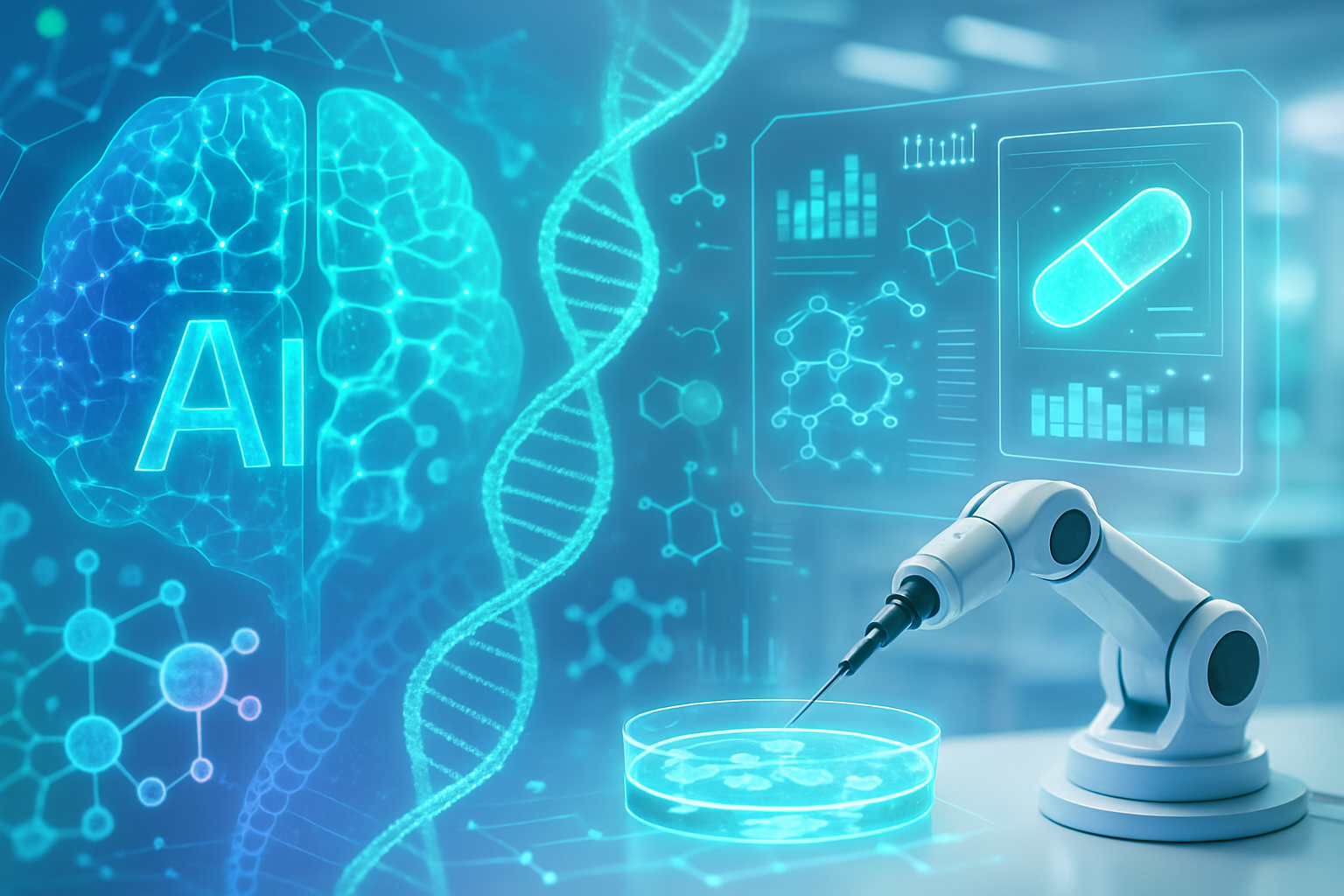
    Artificial intelligence (AI) stands at the precipice of a profound transformation in healthcare, promising a future where diagnostics are sharper, treatments are more personalized, and patient care is more accessible and efficient. This digital revolution, however, is unfolding amidst a complex landscape of groundbreaking scientific advancements and pervasive misinformation, making it crucial to discern genuine progress from speculative hype. From accelerating drug discovery to revolutionizing surgical precision, AI's immediate significance in the current medical landscape is undeniable, poised to redefine how we understand, prevent, and treat disease.

    The integration of AI into healthcare is not merely an incremental upgrade but a paradigm shift, offering solutions to some of the most enduring challenges in medicine. It promises to enhance diagnostic accuracy, personalize treatment pathways, streamline administrative burdens, and ultimately improve patient outcomes on a global scale. Yet, this promise comes with its own set of complexities, including ethical considerations, data privacy concerns, and the critical need for robust validation and transparent deployment to ensure equitable and effective care for all.

    Unpacking the AI Toolkit: Precision, Prediction, and Personalized Pathways

    The technical advancements driving AI's ascent in healthcare are multifaceted, leveraging sophisticated algorithms and vast datasets to achieve feats previously thought impossible. At its core, AI's power stems from its ability to analyze complex medical data – from genomic sequences and electronic health records to intricate medical images – at speeds and scales far beyond human capacity. This analytical prowess underpins its transformative impact across medical research, diagnostics, and patient care.

    In medical research and drug discovery, AI is dramatically accelerating the pace of innovation. Traditional drug development is a notoriously lengthy and expensive process, often taking over a decade and billions of dollars with a high failure rate. AI is changing this by identifying novel therapeutic targets, designing new molecular compounds, and predicting drug efficacy and toxicity with unprecedented accuracy. Machine learning models can sift through vast chemical libraries, simulate molecular interactions, and even predict how a drug might behave in the human body, significantly shortening preclinical phases. This contrasts sharply with traditional methods that rely heavily on laborious laboratory experiments and trial-and-error approaches. Furthermore, AI optimizes clinical trial design by identifying suitable patient cohorts and predicting potential outcomes, thereby reducing costs and accelerating time-to-market for new medications.

    Diagnostics is another area experiencing a profound AI-driven overhaul. AI algorithms, particularly deep learning models, are demonstrating superior capabilities in analyzing medical images such as X-rays, CT scans, MRIs, and pathology slides. For instance, AI can detect subtle anomalies indicative of cancers (breast, lung, prostate, brain tumors), diabetic retinopathy, and neurological disorders often earlier and more accurately than the human eye. These systems can flag urgent cases in real-time, prioritize radiologists' workloads, and even identify signs of disease years before clinical manifestation. Unlike conventional image analysis, which relies on human interpretation and subjective assessment, AI provides objective, data-driven insights, reducing diagnostic uncertainty and improving consistency across different healthcare providers. Initial reactions from the medical community have been largely positive, recognizing AI as a powerful augmentative tool that enhances, rather than replaces, human expertise, particularly in high-volume screening and complex case analysis.

    In patient care, AI is paving the way for truly personalized and predictive medicine. By integrating a patient's unique genomic data, medical history, lifestyle factors, and real-time physiological monitoring from wearables, AI can create tailored treatment plans, predict disease progression, and forecast individual responses to medications. This shift from a one-size-fits-all approach to highly individualized care aims to deliver more targeted and effective treatments while minimizing adverse effects. AI-powered clinical decision support systems (CDSS) are being integrated into electronic health records (EHRs) to provide physicians with real-time insights, evidence-based recommendations, and alerts for potential drug interactions or missed diagnoses. This proactive, data-driven approach marks a significant departure from reactive care models, promising a future where healthcare is not just about treating illness but actively preventing it.

    The Corporate Calculus: Winners, Losers, and Market Disruption

    The transformative potential of AI in healthcare has ignited a fierce competitive landscape, with established tech giants, pharmaceutical behemoths, and agile startups vying for dominance. This development stands to profoundly impact market positioning, strategic advantages, and the very fabric of existing healthcare products and services.

    Leading the charge are tech giants like Alphabet (NASDAQ: GOOGL), Microsoft (NASDAQ: MSFT), and Amazon (NASDAQ: AMZN), which possess the vast computational resources, cloud infrastructure, and AI research capabilities necessary to develop and deploy sophisticated healthcare AI solutions. Google's DeepMind, for example, has made significant strides in areas like protein folding with AlphaFold and medical imaging analysis. Microsoft is heavily investing in AI for clinical decision support and drug discovery through partnerships with pharmaceutical companies. Amazon, through AWS, provides the backbone for many healthcare AI applications and is exploring direct healthcare delivery with AI-enhanced services. These companies stand to benefit immensely by integrating AI into their existing cloud services, expanding their enterprise offerings to hospitals and research institutions, and potentially even disrupting traditional healthcare providers.

    Pharmaceutical companies such as Pfizer (NYSE: PFE), Novartis (NYSE: NVS), and Roche (OTCMKTS: RHHBY) are also major beneficiaries, leveraging AI to streamline their R&D pipelines. AI-driven drug discovery platforms are becoming indispensable for identifying new targets, synthesizing compounds, and accelerating preclinical testing, promising to reduce the astronomical costs and timelines associated with bringing new drugs to market. This technological leap provides a significant competitive advantage to companies that effectively integrate AI into their research strategies, potentially leading to a faster and more efficient development of blockbuster drugs.

    The landscape is also teeming with innovative startups specializing in niche AI healthcare applications. Companies like PathAI (AI-powered pathology), Tempus (precision medicine and oncology), Viz.ai (AI for stroke and vascular care), and Insitro (machine learning for drug discovery) are attracting substantial venture capital funding. These startups often focus on specific medical domains, developing highly specialized algorithms and datasets that can outperform general-purpose AI. Their agility and focus allow them to quickly innovate and carve out significant market shares, potentially disrupting established medical device manufacturers and diagnostic laboratories that are slower to adapt. The competitive implication is a race to acquire or partner with these innovative startups, as larger players seek to integrate their cutting-edge technologies.

    However, this disruption also poses challenges. Traditional healthcare providers and medical device companies that fail to adopt AI risk being left behind. Existing products and services, particularly in diagnostics and medical imaging, may face obsolescence if they cannot integrate AI-driven enhancements. The market is shifting towards AI-as-a-service models, where specialized algorithms and analytical tools are licensed to healthcare organizations. This creates a strategic advantage for companies that can build robust, regulatory-compliant, and clinically validated AI platforms. The long-term implications include a potential consolidation of the healthcare technology market around AI-centric solutions, forcing incumbents to innovate or acquire to remain competitive.

    Broader Horizons: Ethical Imperatives and Societal Shifts

    The integration of AI into healthcare extends far beyond technological advancements, ushering in a broader societal shift with profound implications for ethical considerations, data governance, and equitable access. This transformative wave fits squarely into the broader AI landscape, where the push for intelligent automation and data-driven decision-making is reshaping industries globally.

    One of the most significant impacts is the potential to democratize and standardize healthcare. AI can bring high-quality diagnostic and treatment support to underserved regions lacking specialized medical professionals. For instance, an AI system trained on millions of medical images can provide expert-level diagnostic assistance in remote clinics, bridging geographical gaps in care. However, this potential is tempered by critical concerns, particularly algorithmic bias and fairness. If AI models are trained on datasets predominantly representing certain demographics, they may perform poorly or even exacerbate health disparities for underrepresented groups. This raises urgent ethical questions about ensuring equitable outcomes and preventing the perpetuation of systemic biases within healthcare.

    Data privacy and security represent another paramount concern. AI systems thrive on vast amounts of sensitive patient data, from electronic health records to genomic information. Ensuring robust data protection, adherence to regulations like HIPAA and GDPR, and obtaining informed patient consent are non-negotiable. The "black box" problem, where the decision-making process of complex AI algorithms is opaque, also presents a challenge for accountability and trust, particularly in critical diagnostic or treatment recommendations. Healthcare professionals and patients need to understand why an AI system made a particular recommendation.

    Comparisons to previous AI milestones highlight the current moment's significance. While earlier AI applications in healthcare often focused on expert systems and rule-based logic, today's advancements, particularly in deep learning and large language models, offer unparalleled analytical power and adaptability. This evolution marks a shift from assistive tools to truly augmentative and even predictive capabilities. The societal impact is immense, ranging from improved public health outcomes through AI-driven disease surveillance and outbreak prediction to the potential for a more proactive and preventative healthcare system. However, these benefits must be carefully balanced with the need for robust ethical frameworks, regulatory oversight, and continuous vigilance against potential misuse or unintended consequences.

    The Road Ahead: Navigating the Future of AI in Medicine

    The trajectory of AI in healthcare points towards an exciting, albeit challenging, future, with numerous developments expected in both the near and long term. Experts predict that AI will become an increasingly indispensable part of the medical toolkit, evolving from a supportive role to a more integrated and autonomous function in certain areas.

    In the near term (1-5 years), we can expect to see wider adoption and refinement of existing AI applications. AI-powered diagnostic tools for medical imaging will become more commonplace, offering enhanced accuracy and efficiency in radiology and pathology departments. Personalized medicine will advance significantly, with AI integrating more complex multi-omic data (genomics, proteomics, metabolomics) to create highly individualized treatment plans for conditions like cancer and rare diseases. Clinical decision support systems will become more sophisticated, offering real-time, context-aware recommendations to clinicians directly within electronic health records. Furthermore, AI will play an increasingly critical role in ambient clinical intelligence, where AI listens to doctor-patient conversations and automatically generates clinical notes, freeing up physicians from administrative burdens.

    Longer-term developments (5-10+ years) envision AI playing a more proactive and predictive role. We could see the emergence of "digital twins" – AI models of individual patients that simulate disease progression and treatment responses, allowing for highly accurate personalized interventions. AI-driven drug discovery will move beyond target identification to de novo drug design, creating entirely new therapeutic molecules with optimized properties. Autonomous AI systems may assist in complex surgical procedures, enhancing precision and reducing invasiveness. Telemedicine and remote patient monitoring, already boosted by AI, will become even more sophisticated, enabling continuous, proactive health management and early intervention for chronic conditions, potentially reducing hospitalizations.

    However, several challenges need to be addressed for these developments to fully materialize. Data interoperability and standardization remain critical hurdles, as healthcare data is often fragmented across different systems and formats. Regulatory frameworks need to evolve rapidly to keep pace with technological advancements, ensuring the safety, efficacy, and ethical deployment of AI in clinical settings. Trust and acceptance from both healthcare professionals and patients are paramount, requiring transparent, explainable AI models and robust validation studies. Addressing algorithmic bias will require diverse training datasets and rigorous testing to ensure equitable outcomes across all patient populations.

    Experts predict a future where AI acts as a powerful co-pilot for clinicians, augmenting human intelligence and empathy rather than replacing it. The focus will shift towards human-in-the-loop AI, where critical decisions always involve human oversight. The next wave of innovation is likely to focus on federated learning to address data privacy concerns, allowing AI models to be trained on decentralized datasets without the need to centralize sensitive patient information. We also anticipate significant advancements in generative AI for synthetic data generation, which can help overcome data scarcity issues and improve model robustness without compromising patient privacy.

    The AI Imperative: A New Era in Healthcare

    The advent of AI in healthcare marks a pivotal moment in medical history, signifying a profound shift towards a more intelligent, precise, and patient-centric approach. The key takeaways from this revolution are clear: AI is not merely an incremental improvement but a fundamental re-imagining of medical research, diagnostics, and patient care. Its ability to process vast datasets, identify subtle patterns, and offer predictive insights promises to unlock new frontiers in understanding and combating disease.

    This development's significance in AI history cannot be overstated; it represents one of the most impactful real-world applications of advanced artificial intelligence to date. From accelerating drug discovery timelines and personalizing treatment protocols to enhancing diagnostic accuracy and streamlining administrative tasks, AI is poised to elevate the standard of care across the globe. While the journey is fraught with challenges, including ethical dilemmas, data privacy concerns, and the need for robust regulatory frameworks, the potential benefits far outweigh the complexities. The ongoing efforts to address algorithmic bias and ensure transparency are crucial steps towards building trust and ensuring equitable access to AI-powered healthcare solutions.

    Looking ahead, the long-term impact of AI in healthcare will likely be measured in improved patient outcomes, increased life expectancy, and a more efficient, accessible, and sustainable healthcare system. As we move into the coming weeks and months, it will be critical to watch for further advancements in AI integration into clinical workflows, new regulatory guidelines, and the continued emergence of innovative startups pushing the boundaries of what's possible. The synergy between human expertise and artificial intelligence promises to usher in an unprecedented era of medical progress, transforming healthcare for generations to come.


    This content is intended for informational purposes only and represents analysis of current AI developments.

    TokenRing AI delivers enterprise-grade solutions for multi-agent AI workflow orchestration, AI-powered development tools, and seamless remote collaboration platforms.
    For more information, visit https://www.tokenring.ai/.
  • JSS AHER and VIT Chennai Forge Alliance to Propel Cutting-Edge Tech Research

    JSS AHER and VIT Chennai Forge Alliance to Propel Cutting-Edge Tech Research

    In a significant move poised to accelerate India's technological advancement, JSS Academy of Higher Education and Research (JSS AHER), Mysuru, and Vellore Institute of Technology (VIT), Chennai, have formally joined forces by signing a Memorandum of Understanding (MoU). This landmark agreement, effective around October 15, 2025, establishes a robust framework for extensive collaboration in critical and rapidly evolving fields such as artificial intelligence, healthcare technologies, and biomedical innovation.

    The strategic partnership aims to synergize the strengths of both esteemed institutions, fostering a dynamic ecosystem for joint research, faculty and student exchange programs, and capacity building. By bridging the gap between academia, research, and industry, the collaboration is set to catalyze high-impact solutions, encourage joint publications, and develop crucial industry linkages, ultimately contributing to societal benefit and positioning India at the forefront of global technological innovation.

    Deep Dive into the Collaborative Research Frontier

    The MoU between JSS AHER and VIT Chennai specifically targets a consortium of cutting-edge technological domains: healthcare technologies, artificial intelligence, biomedical innovation, and interdisciplinary education. This focused approach underscores a recognition of the symbiotic relationship between these fields, particularly how AI is becoming an indispensable tool across healthcare and biomedical research. For instance, in healthcare technologies, the collaboration is expected to delve into areas like AI-powered diagnostics, personalized medicine, remote patient monitoring systems, and advanced medical imaging analysis. The integration of AI will likely focus on machine learning algorithms for predictive analytics, natural language processing for clinical data analysis, and computer vision for image-based medical applications.

    This collaborative model represents a significant departure from traditional, siloed academic research. By emphasizing interdisciplinary education, the partnership aims to cultivate a new generation of researchers and professionals who possess expertise across multiple domains, capable of tackling complex, real-world problems. This cross-pollination of ideas and methodologies from engineering, computer science, and medical sciences is crucial for breakthroughs in areas like drug discovery, prosthetics, and advanced surgical robotics. The pooling of resources, including specialized laboratories, computational infrastructure, and expert faculty from both institutions, provides a robust platform for ambitious research projects that might be challenging for a single entity to undertake.

    Initial reactions from the academic and research community have been overwhelmingly positive. Experts view this as a progressive step towards strengthening India's research output and fostering a culture of innovation. The emphasis on practical, industry-linked research is particularly lauded, as it promises to translate academic discoveries into tangible solutions. This collaborative framework is expected to accelerate the pace of innovation, allowing for quicker development and deployment of new technologies compared to more fragmented research efforts.

    Ripple Effects Across the AI and Tech Industry Landscape

    While this MoU is primarily an academic collaboration, its implications for AI companies, tech giants, and startups are substantial and far-reaching. Companies like Tata Consultancy Services (NSE: TCS), Infosys (NSE: INFY), and Wipro (NSE: WIPRO) often rely on a robust pipeline of skilled graduates and cutting-edge research emerging from top-tier academic institutions. This partnership, by fostering advanced research in AI, healthcare tech, and biomedical innovation, will directly contribute to a talent pool highly proficient in these critical areas, ready to be absorbed by the industry. Furthermore, joint research initiatives could lead to intellectual property (IP) and patents that could be licensed or spun off into new ventures, creating opportunities for startups.

    The competitive landscape for major AI labs and tech companies is constantly evolving, driven by breakthroughs in research. Academic collaborations like the one between JSS AHER and VIT Chennai act as crucial feeders for foundational and applied research. For instance, advancements in AI for medical diagnostics or drug discovery stemming from this partnership could provide a competitive edge to pharmaceutical companies, healthcare providers, or even AI solution providers looking to specialize in these verticals. Companies that strategically partner with or invest in the outcomes of such academic alliances stand to benefit significantly, gaining early access to talent, research findings, and potentially disruptive technologies.

    Potential disruption to existing products or services could arise from novel, high-impact solutions incubated through this collaboration. For example, if the partnership yields a significantly more accurate or cost-effective AI diagnostic tool, it could challenge existing diagnostic methods or hardware. From a market positioning perspective, institutions like JSS AHER and VIT Chennai, by engaging in such high-profile, interdisciplinary research, enhance their own standing, attracting more talent and funding, which in turn further fuels the innovation cycle that benefits the entire tech ecosystem.

    Broader Significance in the Evolving AI Landscape

    This strategic alliance between JSS AHER and VIT Chennai is a microcosm of a larger, global trend: the increasing recognition of interdisciplinary collaboration as essential for pushing the boundaries of AI and its applications. In the broader AI landscape, there's a growing understanding that truly transformative AI solutions often emerge at the intersection of various disciplines—computer science, medicine, ethics, social sciences, and more. This MoU perfectly encapsulates this trend, explicitly listing "interdisciplinary education" as a key focus, signifying a move beyond purely technical AI development towards holistic, application-driven innovation.

    The impacts of such collaborations are multifaceted. On one hand, they accelerate the development of AI technologies tailored to specific, high-impact sectors like healthcare, potentially leading to improved patient outcomes, more efficient healthcare systems, and novel therapeutic approaches. On the other hand, they also raise important considerations regarding data privacy, ethical AI deployment in sensitive domains like medicine, and the responsible development of autonomous systems. This partnership provides a platform to address these concerns proactively through integrated research and educational programs.

    Compared to previous AI milestones, which often focused on breakthroughs in core algorithms or computational power (e.g., deep learning's rise, AlphaGo's victory), this MoU highlights a shift towards the application and integration of AI into complex societal systems. It mirrors similar academic-industrial partnerships seen globally, emphasizing that the next wave of AI breakthroughs will likely come from solving real-world problems through concerted, cross-domain efforts, rather than isolated laboratory achievements. This development underscores India's commitment to leveraging AI for national development and global scientific contribution.

    Charting the Course: Future Developments and Horizon Applications

    Looking ahead, the MoU between JSS AHER and VIT Chennai is expected to yield a rich tapestry of near-term and long-term developments. In the immediate future, we can anticipate the launch of joint research projects, potentially leading to pilot programs in healthcare facilities, new academic courses or specializations, and an increase in collaborative publications. Student and faculty exchange programs will likely kick off, fostering a vibrant intellectual environment and cross-pollination of ideas. These initial phases will be crucial for establishing the operational frameworks and identifying high-potential research avenues.

    On the horizon, the potential applications and use cases are vast. In healthcare, we could see the development of AI-powered diagnostic tools for early disease detection, personalized treatment recommendations based on genetic profiles, and robotic assistance for complex surgeries. In biomedical innovation, the collaboration might lead to breakthroughs in novel drug discovery platforms, advanced biomaterials, and regenerative medicine, all accelerated by AI's analytical capabilities. Furthermore, the emphasis on interdisciplinary education could birth new fields of study and specialized training programs, preparing a workforce uniquely equipped for the future of technology and healthcare.

    However, challenges will undoubtedly need to be addressed. Securing consistent funding for ambitious, long-term research projects, navigating intellectual property rights across two institutions, and ensuring the ethical deployment of AI in sensitive fields like healthcare will be paramount. Experts predict that the success of this partnership will hinge on strong leadership, clear communication channels, and a shared vision for societal impact. The ability to attract and retain top talent, both faculty and students, will also be a critical factor in realizing the full potential of this collaboration.

    A New Blueprint for Academic Collaboration in the AI Era

    The signing of the MoU between JSS AHER and VIT Chennai marks a pivotal moment in India's academic and technological landscape. It signifies a robust commitment to fostering collaborative, interdisciplinary research, particularly in the high-impact fields of AI, healthcare technologies, and biomedical innovation. The key takeaways underscore the strategic importance of synergizing institutional strengths to accelerate scientific discovery, bridge the gap between theoretical research and practical application, and cultivate a future-ready workforce.

    This development holds significant historical weight in the context of AI's evolution. It represents a mature phase where AI is no longer just a theoretical concept or a specialized computer science domain, but a pervasive technology requiring deep integration with other sciences to solve complex societal challenges. The partnership serves as a blueprint for how academic institutions can proactively contribute to national and global technological leadership by fostering an ecosystem of shared knowledge, resources, and talent.

    In the coming weeks and months, observers will be keenly watching for the first concrete outcomes of this collaboration: the announcement of specific research projects, the initiation of faculty and student exchanges, and any preliminary findings or publications. The long-term impact promises to be profound, potentially establishing a new benchmark for academic excellence and innovation in India, while directly contributing to advancements that could benefit millions.


    This content is intended for informational purposes only and represents analysis of current AI developments.

    TokenRing AI delivers enterprise-grade solutions for multi-agent AI workflow orchestration, AI-powered development tools, and seamless remote collaboration platforms.
    For more information, visit https://www.tokenring.ai/.

  • AI Revolutionizes Canadian Healthcare: Intillum Health Launches Platform to Combat Physician Shortage

    October 15, 2025 – In a landmark development poised to reshape Canada's beleaguered healthcare landscape, Intillum Health today officially launched its groundbreaking AI-powered platform designed to tackle the nation's severe family physician shortage. This innovative system, the first of its kind in Canada, moves beyond traditional recruitment methods, leveraging advanced artificial intelligence to foster deep compatibility between medical professionals and communities, aiming for lasting placements and significantly improved healthcare access for millions of Canadians.

    The launch of Intillum Health's platform comes at a critical juncture, with over six million Canadians currently lacking a family doctor. By focusing on holistic matching—considering not just professional skills but also lifestyle, family needs, and cultural values—the platform seeks to reduce physician turnover, a primary driver of the ongoing crisis. This strategic application of AI highlights a growing trend of technology addressing pressing societal challenges, offering a beacon of hope for a more robust and accessible healthcare system.

    The Algorithmic Heartbeat of Healthcare Recruitment

    At its core, Intillum Health's platform is powered by a sophisticated AI-Powered Compatibility Engine, utilizing proprietary algorithms to analyze thousands of data points. This engine delves into comprehensive physician profiles, mapping career aspirations, practice preferences, and crucial lifestyle factors such such as personal interests, recreational preferences, family considerations (including spouse/partner career opportunities and educational needs), and cultural values alignment. Simultaneously, it constructs multifaceted community profiles, showcasing healthcare facilities, practice opportunities, local attributes, and authentic community perspectives.

    This intelligent matching technology differentiates itself significantly from previous approaches, which often relied on generic job boards and limited criteria, leading to high physician burnout and turnover. By integrating predictive analytics, the platform's machine learning models identify patterns that forecast successful long-term placements, ensuring more sustainable matches. The algorithms are also designed for continuous optimization, self-improving through outcome data and user feedback. Initial reactions from participating municipalities and the Ontario Physicians Recruitment Alliance (OPRA), which collaborated on a three-month pilot program prior to the national beta launch, suggest a strong endorsement of its potential to revolutionize physician recruitment by creating "life-changing connections" rather than mere job placements. The platform also boasts intuitive user interfaces and interactive compatibility visualizations, making the matching process transparent and engaging for all users.

    Reshaping the AI and Health Tech Landscape

    The introduction of Intillum Health's platform signals a significant shift in the health technology sector, particularly for companies operating in human resources, recruitment, and healthcare management. While Intillum Health is a privately held entity, its success could inspire a new wave of AI-driven solutions tailored for specialized recruitment, potentially benefiting startups focused on niche talent acquisition and retention. Companies specializing in AI ethics, data privacy, and secure data infrastructure will also find increased demand for their services as such platforms handle sensitive personal and professional information.

    For major AI labs and tech giants, this development underscores the growing market for applied AI solutions in critical public services. While not directly competitive with their core offerings, the platform's success could prompt greater investment in AI for social good and specialized vertical applications. It also highlights the potential for disruption in traditional healthcare recruitment agencies, which may need to integrate AI-powered tools or risk becoming obsolete. Market positioning will increasingly favor solutions that can demonstrate tangible, measurable improvements in areas like retention and access, pushing competitive boundaries beyond mere efficiency to genuine societal impact.

    A New Frontier in AI's Societal Impact

    Intillum Health's platform fits squarely within the broader AI landscape's trend towards practical, impact-driven applications. It exemplifies how artificial intelligence can move beyond theoretical advancements to directly address critical societal challenges, such as healthcare access. The platform's focus on physician retention through comprehensive compatibility is a direct response to the systemic issues that have plagued Canada's healthcare system for decades. This initiative stands as a testament to AI's capability to foster human well-being and strengthen public services.

    Potential concerns, as with any data-intensive AI system, include data privacy, algorithmic bias in matching, and the need for continuous oversight to ensure equitable access and opportunities. However, the explicit goal of serving underserved communities and fast-tracking International Medical Graduates (IMGs) suggests an inherent design consideration for equity. This milestone can be compared to earlier AI breakthroughs that automated complex tasks, but its direct impact on human health and community stability positions it as a significant step forward in AI's evolution from a purely technological marvel to a vital tool for social infrastructure.

    The Horizon: Scalability and Systemic Integration

    In the near term, Intillum Health expects to expand its reach, with 90 municipalities already participating in the national beta launch and more being added regularly. The platform's integration with "The Rounds," a network encompassing up to 12,000 Canadian physicians, demonstrates a clear pathway for widespread adoption and sustained growth. Future developments will likely include deeper integration with provincial healthcare systems, allowing for more granular insights into regional needs and physician availability.

    Potential applications on the horizon could include AI-driven professional development matching, mentorship programs, and even predictive modeling for future healthcare workforce needs. Challenges that need to be addressed include navigating the complex regulatory landscape of Canadian healthcare, ensuring seamless data exchange between various stakeholders, and continuously refining the AI to mitigate biases and adapt to evolving demographic and medical trends. Experts predict that such platforms will become indispensable tools, not just for recruitment but for the strategic planning and long-term sustainability of national healthcare systems globally.

    A Pivotal Moment for Canadian Healthcare and Applied AI

    The launch of Intillum Health's AI-powered platform marks a pivotal moment for both Canadian healthcare and the broader field of applied artificial intelligence. Its core takeaway is the demonstration that AI can deliver tangible, life-changing solutions to deeply entrenched societal problems. By prioritizing comprehensive compatibility and long-term retention, the platform offers a compelling model for how technology can strengthen human services.

    This development's significance in AI history lies in its successful translation of complex algorithms into a practical tool that directly impacts the well-being of millions. It serves as a powerful case study for the ethical and effective deployment of AI in sensitive sectors. In the coming weeks and months, the healthcare community and AI enthusiasts alike will be watching closely for data on physician retention rates, improvements in healthcare access in underserved areas, and the platform's continued scalability across Canada. Its success could truly redefine the future of medical recruitment and patient care.


    This content is intended for informational purposes only and represents analysis of current AI developments.

    TokenRing AI delivers enterprise-grade solutions for multi-agent AI workflow orchestration, AI-powered development tools, and seamless remote collaboration platforms.
    For more information, visit https://www.tokenring.ai/.

  • AI Achieves Near-Perfect Sepsis Diagnosis, Revolutionizing Emergency Medicine

    AI Achieves Near-Perfect Sepsis Diagnosis, Revolutionizing Emergency Medicine

    A groundbreaking international study has unveiled an artificial intelligence system capable of diagnosing sepsis with an astounding 99% accuracy, often before the condition becomes life-threatening. This monumental achievement, involving collaborators from the University of Rome Tor Vergata, Policlinico di Bari, and Northeastern University, promises to redefine emergency medical protocols and save thousands of lives annually. The system's ability to detect sepsis hours ahead of traditional methods marks a critical turning point in the battle against a condition that claims millions of lives worldwide each year.

    This unprecedented accuracy stems from a sophisticated integration of machine learning across the entire emergency medical pathway, from urgent care to ambulance transport and hospital emergency departments. By leveraging both interpretable "white-box" models and high-performance "black-box" neural networks, the AI provides both transparency for clinical decision-making and superior predictive power. This development is not isolated; companies like Mednition, with its KATE AI platform, have also demonstrated 99% Area Under the Curve (AUC) for sepsis diagnosis in emergency departments, and Prenosis Inc. has secured the first FDA-authorized AI/ML diagnostic tool for sepsis with its Sepsis ImmunoScore™. Johns Hopkins University's TREWS system has similarly shown a 20% reduction in sepsis mortality through earlier detection.

    The Algorithmic Lifeline: A Deep Dive into Sepsis-Detecting AI

    The core of this advanced AI system lies in its multi-stage data integration and continuous learning capabilities. Unlike conventional diagnostic tools that rely on static data snapshots and physician judgment, the AI analyzes a dynamic, comprehensive dataset. This includes basic symptoms from urgent care, real-time physiological measurements—such as blood pressure, heart rate, oxygen saturation, and crucially, capillary refill time—collected during ambulance transport, and advanced laboratory data from hospital emergency departments. The integration of real-time vital signs during patient transport proved particularly vital, elevating diagnostic accuracy significantly. When all clinical, physiological, and laboratory data were combined, the system achieved its peak performance of 99.3% accuracy and an AUC of 98.6%.

    This unparalleled accuracy is a direct result of several innovations. The system's continuous learning design allows it to adapt and improve as new patient data becomes available. It meticulously identifies and prioritizes key indicators, with temperature, capillary refill time, and blood pressure emerging as the strongest predictors of early-stage sepsis. Furthermore, models like Mednition's KATE AI are trained on massive retrospective cohorts, encompassing hundreds of thousands of patients, allowing them to robustly identify sepsis using established criteria like Sepsis-3. This contrasts sharply with traditional scoring systems such as SOFA, SIRS, MEWS, and qSOFA, which have consistently demonstrated lower accuracy and predictive power. Initial reactions from both the medical and AI communities have been overwhelmingly positive, hailing these systems as an "extraordinary leap" towards saving lives, while also emphasizing the need for continued collaboration and addressing ethical considerations.

    Reshaping the AI and Healthcare Landscape

    This breakthrough in sepsis diagnosis is poised to profoundly impact the competitive landscape for AI companies, tech giants, and healthcare startups. Companies specializing in AI-driven diagnostic tools and predictive analytics for healthcare, such as Mednition and Prenosis Inc., stand to benefit immensely. Their existing FDA designations and high-accuracy models position them at the forefront of this emerging market. Traditional medical device manufacturers and diagnostic companies, however, may face significant disruption as AI-powered software solutions offer superior performance and earlier detection capabilities.

    Major AI labs and tech giants, recognizing the immense potential in healthcare, are likely to intensify their investments in medical AI. This could lead to strategic acquisitions of promising startups or increased internal R&D to develop similar high-accuracy diagnostic platforms. The ability to integrate such systems into existing electronic health record (EHR) systems and hospital workflows will be a key competitive differentiator. Furthermore, cloud providers and data analytics firms will see increased demand for infrastructure and services to support the vast data processing and continuous learning required by these AI models. The market positioning will favor those who can demonstrate not only high accuracy but also interpretability, scalability, and seamless integration into critical clinical environments.

    A New Paradigm in Proactive Healthcare

    This development marks a significant milestone in the broader AI landscape, underscoring the technology's transformative potential beyond generalized applications. It represents a tangible step towards truly proactive and personalized medicine, where critical conditions can be identified and addressed before they escalate. The impact on patient outcomes is immeasurable, promising reduced mortality rates, shorter hospital stays, and decreased rehospitalization. By providing an "immediate second opinion" and continuously monitoring patients, AI can mitigate human error and oversight in high-pressure emergency settings.

    However, this advancement also brings to the forefront crucial ethical considerations. Data privacy, algorithmic bias in diverse patient populations, and the need for explainable AI remain paramount. Clinicians need to understand how the AI arrives at its conclusions to build trust and ensure responsible adoption. Comparisons to previous AI milestones, such as image recognition breakthroughs or the advent of large language models, highlight this sepsis AI as a critical application of AI's predictive power to a life-or-death scenario, moving beyond efficiency gains to direct human impact. It fits into a broader trend of AI augmenting human expertise in complex, high-stakes domains, setting a new standard for diagnostic accuracy and speed.

    The Horizon of Hyper-Personalized Emergency Care

    Looking ahead, the near-term will likely see further integration of these AI sepsis systems into hospital emergency departments and critical care units globally. Expect increased collaboration between AI developers and healthcare providers to refine these tools, address implementation challenges, and adapt them to diverse clinical environments. The focus will shift towards optimizing the "provider in the loop" approach, ensuring AI alerts seamlessly enhance, rather than overwhelm, clinical workflows.

    Long-term developments could include even more sophisticated predictive capabilities, not just for sepsis, but for a spectrum of acute conditions. AI systems may evolve to offer personalized treatment protocols tailored to individual patient genetic profiles and real-time physiological responses. The concept of continuous, AI-powered patient surveillance from home to hospital and back could become a reality, enabling proactive interventions at every stage of care. Challenges remain in scaling these solutions, ensuring equitable access, and navigating complex regulatory landscapes. Experts predict a future where AI becomes an indispensable partner in emergency medicine, transforming acute care from reactive to predictive, ultimately leading to a significant reduction in preventable deaths.

    A Defining Moment for AI in Medicine

    The emergence of AI systems capable of diagnosing sepsis with near-perfect accuracy represents a defining moment in the history of artificial intelligence and its application in medicine. This is not merely an incremental improvement; it is a fundamental shift in how one of the deadliest conditions is identified and managed. The ability to detect sepsis hours before it becomes life-threatening has the potential to save countless lives, alleviate immense suffering, and revolutionize emergency and critical care.

    The key takeaways are clear: AI is now demonstrating unparalleled diagnostic precision in critical healthcare scenarios, driven by advanced machine learning, multi-stage data integration, and continuous learning. Its significance lies in its direct impact on patient outcomes, setting a new benchmark for early detection and intervention. While challenges related to ethics, data privacy, and broad implementation persist, the trajectory is undeniable. In the coming weeks and months, watch for further clinical trials, regulatory approvals, and strategic partnerships that will accelerate the deployment of these life-saving AI technologies, cementing AI's role as a cornerstone of modern medicine.


    This content is intended for informational purposes only and represents analysis of current AI developments.

    TokenRing AI delivers enterprise-grade solutions for multi-agent AI workflow orchestration, AI-powered development tools, and seamless remote collaboration platforms.
    For more information, visit https://www.tokenring.ai/.
  • AI Redefines Healthcare’s ‘Front Door’: A New Era of Patient Empowerment and Critical Questions of Trust

    AI Redefines Healthcare’s ‘Front Door’: A New Era of Patient Empowerment and Critical Questions of Trust

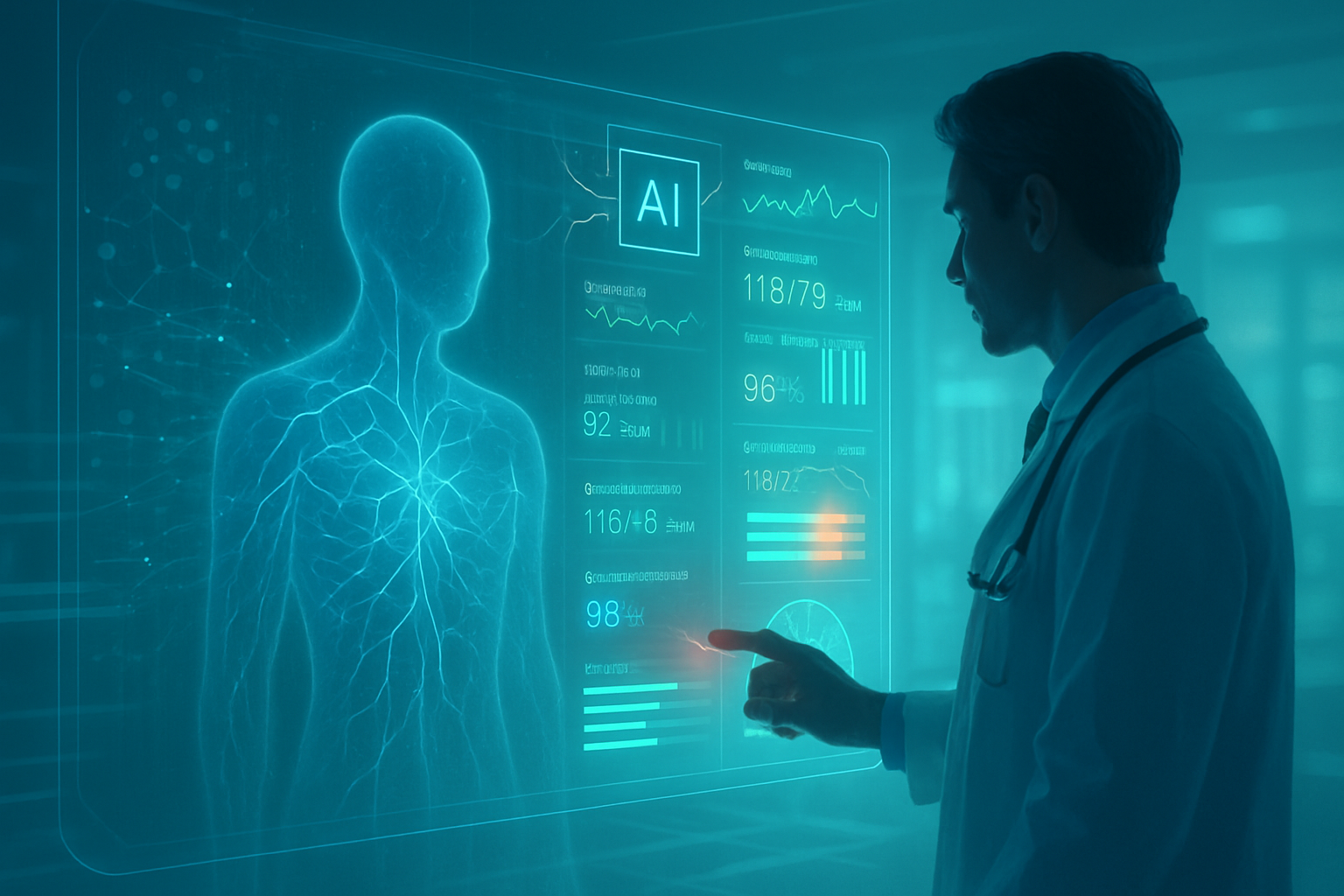
    Artificial intelligence is fundamentally reshaping how patients first interact with the healthcare system, moving beyond traditional physical and phone-based interactions to a sophisticated digital 'front door.' This transformative shift is democratizing access to medical knowledge, once largely the domain of physicians, and placing unprecedented information directly into the hands of patients. While promising a future of more accessible, personalized, and efficient care, this paradigm shift immediately raises profound questions about patient trust, the evolving power dynamics between patients and providers, and the very nature of empathetic care. This development marks a significant breakthrough in the application of AI in medicine, offering a glimpse into a future where healthcare is truly patient-centric.

    The immediate significance of this transformation lies in its potential to empower patients like never before. AI-powered virtual assistants, symptom checkers, and personalized health portals provide 24/7 access to information, guidance, and administrative support. Patients can now independently assess symptoms, understand medical terminology, schedule appointments, and manage their health records, fostering a more proactive and engaged approach to their well-being. However, this empowerment comes with a crucial caveat: the need to build unwavering trust in AI systems. The effectiveness and adoption of these tools hinge on their transparency, accuracy, and the confidence patients place in their recommendations. Furthermore, the shift in knowledge and control prompts a re-evaluation of the traditional patient-physician relationship, pushing healthcare providers to adapt to a more collaborative model where patients are active participants, not passive recipients, of care.

    The Technical Backbone: How AI Powers the Digital Front Door

    At the core of this redefinition are sophisticated AI advancements, primarily in Natural Language Processing (NLP), machine learning (ML), and robust data integration. These technologies enable healthcare systems to offer intelligent, interactive, and personalized patient experiences that far surpass previous approaches.

    Modern NLP, driven by transformer-based models like Google's BERT and OpenAI's GPT variants, is the engine behind conversational AI assistants and symptom checkers. Introduced in 2017, these models utilize attention mechanisms to understand context bidirectionally, leading to highly nuanced interpretations of patient inquiries. They excel at intent recognition (e.g., "schedule an appointment"), entity extraction (identifying symptoms, medications), sentiment analysis, and medical text summarization. This represents a significant leap from earlier NLP models like "bag-of-words" or simpler recurrent neural networks (RNNs), which struggled with complex semantic structures and long-range dependencies, often relying on static rule-based systems. Transformers enable human-like conversational flows, providing more flexible and accurate interpretations of patient needs.

    Machine learning models, particularly deep learning architectures, are crucial for personalized care and operational efficiency. These algorithms analyze vast datasets—including Electronic Health Records (EHRs), lab results, wearables data, and social determinants of health—to identify patterns, predict risks, and continuously improve. ML powers predictive analytics to anticipate patient no-shows, optimize appointment slots, and identify individuals at risk of specific conditions, enabling proactive interventions. AI symptom checkers, like those from Ada Health and Babylon, leverage ML to assess patient inputs and provide differential diagnoses and care recommendations with diagnostic accuracy comparable to physicians for common ailments. This differs from previous approaches that relied on manual data interpretation and static rule-based systems, as ML models automatically learn from data, uncovering subtle patterns impossible for humans to detect, and adapt dynamically.

    Effective AI at the front door also necessitates seamless data integration. Healthcare data is notoriously fragmented, residing in silos across disparate systems. AI-powered solutions address this through Knowledge Graphs (KGs), which are structured representations connecting entities like diseases, symptoms, and treatments using graph databases and semantic web technologies (e.g., RDF). KGs enable personalized treatment plans by linking patient records and providing evidence-based recommendations. Furthermore, AI systems are increasingly built to integrate with interoperability standards like HL7 FHIR (Fast Healthcare Interoperability Resources), facilitating secure data exchange. This contrasts with historical, laborious, and error-prone manual integration processes, offering a scalable and semantic approach to a holistic patient view.

    Finally, user interfaces (UIs) are being transformed by AI to be more intuitive and personalized. Conversational AI, delivered via chatbots and voice assistants, uses NLP, speech-to-text, and text-to-speech technologies to offer 24/7 assistance for scheduling, reminders, and health advice. Adaptive interfaces leverage AI to tailor content and interactions based on patient history and real-time data. Unlike static, form-heavy traditional UIs or limited rule-based chatbots, AI-powered interfaces provide a dynamic, interactive, and personalized experience, significantly improving patient engagement and reducing administrative friction.

    Initial reactions from the AI research community and industry experts are largely positive, acknowledging the immense potential for increased efficiency, accessibility, and improved patient experience. However, significant concerns persist regarding algorithmic bias (AI models perpetuating health disparities), data privacy and security (given the sensitive nature of health data), explainability (XAI) (the "black box" nature of complex AI models hindering trust), and the critical need for rigorous clinical validation to ensure accuracy and safety. Experts also caution against the potential for over-reliance on AI to de-humanize care, emphasizing the necessity of clear communication that users are interacting with a machine.

    Reshaping the Corporate Landscape: AI's Impact on Tech Giants and Startups

    The redefinition of healthcare's 'front door' by AI is creating a dynamic competitive landscape, offering unprecedented opportunities for specialized AI companies and startups while solidifying the strategic positions of tech giants. The global AI in healthcare market, projected to reach $208.2 billion by 2030, underscores the scale of this transformation.

    AI companies and startups are at the forefront of developing highly specialized solutions. Companies like Hippocratic AI are building AI clinical assistants for remote patient monitoring, while Commure offers AI Call Centers for real-time patient updates. Ada Health provides AI platforms for health insights and treatment recommendations. Others, such as Notable, focus on AI-powered digital front door solutions integrating with EHRs, and Abridge and Augmedix specialize in automating clinical documentation. These agile entities benefit by addressing specific pain points in patient access and administrative burden, often through deep domain expertise and rapid innovation. Their strategic advantage lies in niche specialization, seamless integration capabilities with existing healthcare IT, and a strong focus on user experience and patient trust.

    Tech giants like Google (NASDAQ: GOOGL) (Google Health, DeepMind), Microsoft (NASDAQ: MSFT) (Azure Health Bot), Amazon (NASDAQ: AMZN) (AWS), and Apple (NASDAQ: AAPL) are leveraging their immense resources to play a dominant role. They provide foundational cloud-based platforms and AI development tools that power many healthcare solutions. Their vast computing power, established ecosystems (e.g., Apple's health-focused wearables), and extensive user data enable them to develop and scale robust AI models. Microsoft's Azure Health Bot, for instance, is expanding to triage patients and schedule appointments, while Amazon's acquisitions of PillPack and One Medical signal direct involvement in healthcare service delivery. These companies benefit from leveraging their scale, vast data access, and ability to attract top-tier AI talent, creating high barriers to entry for smaller competitors. Their competitive strategy often involves strategic partnerships and acquisitions to integrate specialized AI capabilities into their broader platforms.

    This shift is poised to disrupt existing products and services. Manual administrative processes—traditional phone calls, faxes, and manual data entry for scheduling and inquiries—are being replaced by AI-powered conversational agents and automated workflows. Generic, non-AI symptom checkers will be outpaced by intelligent tools offering personalized recommendations. The necessity for some initial in-person consultations for basic triage is diminishing as AI-driven virtual care and remote monitoring offer more agile alternatives. AI scribes and NLP tools are automating medical documentation, streamlining clinician workflows. Furthermore, the "old digital marketing playbook" for patient acquisition is becoming obsolete as patients increasingly rely on AI-driven search and health apps to find providers.

    For companies to establish strong market positioning and strategic advantages, they must prioritize clinical validation, ensure seamless integration and interoperability with existing EHRs, and build intuitive, trustworthy user experiences. Tech giants will continue to leverage platform dominance and data-driven personalization, while startups will thrive through niche specialization and strategic partnerships. Healthcare providers themselves must adopt a "digital-first mindset," empowering staff with AI solutions to focus on higher-value patient care, and continuously iterate on their AI implementations.

    Wider Significance: Reshaping Healthcare's Landscape and Ethical Frontiers

    The redefinition of healthcare's 'front door' by AI is not merely a technological upgrade; it signifies a profound shift within the broader AI landscape and holds immense societal implications. This evolution aligns with several major AI trends, including the rise of sophisticated conversational AI, advanced machine learning for predictive analytics, and the increasing demand for seamless data integration. It also fits squarely within the larger digital transformation of industries, particularly the consumerization of healthcare, where patient expectations for convenient, 24/7 digital experiences are paramount.

    This AI-driven transformation is poised to have significant societal impacts. For many, it promises improved access and convenience, potentially reducing wait times and administrative hurdles, especially in underserved areas. It empowers patients with greater control over their health journey through self-service options and personalized information, fostering a more informed and engaged populace. Crucially, by automating routine tasks, AI can alleviate clinician burnout, allowing healthcare professionals to dedicate more time to complex patient care and empathetic interactions.

    However, this progress is not without potential concerns, particularly regarding ethical dilemmas, equity, and privacy. Ethical concerns include algorithmic bias, where AI systems trained on unrepresentative data can perpetuate or exacerbate existing health disparities, leading to unequal access or skewed recommendations for vulnerable populations. The "black box" nature of some AI algorithms raises issues of transparency and explainability, making it difficult to understand why a recommendation was made, hindering trust and accountability. Questions of liability for AI errors and ensuring truly informed consent for data usage are also critical. Furthermore, an over-reliance on AI could potentially dehumanize care, eroding the personal touch that is vital in healthcare.

    Privacy concerns are paramount, given the sensitive nature of patient data. AI systems require vast amounts of information, making them targets for cyberattacks and data breaches. Ensuring robust data security, strict compliance with regulations like HIPAA and GDPR, and transparent communication about data usage are non-negotiable.

    Comparing this to previous AI milestones in medicine, such as early diagnostic imaging AI or drug discovery platforms, highlights a distinct evolution. Earlier AI applications were often "back-office" or highly specialized clinical tools, assisting medical professionals in complex tasks. The current wave of AI at the "front door" is uniquely patient-facing, directly addressing patient navigation, engagement, and administrative burdens. It democratizes information, allowing patients to assert more control over their health, a trend that began with internet search and medical websites, but is now significantly accelerated by personalized, interactive AI. This brings AI into routine, everyday interactions, acting as a "connective tissue" that links smarter access with better experiences.

    A critical dimension of the wider significance is its impact on health equity and the digital divide. While AI theoretically offers the potential to improve access, particularly in rural and underserved areas, and for non-native speakers, its implementation must contend with the existing digital divide. Many vulnerable populations lack reliable internet access, smartphones, or the digital literacy required to fully utilize these tools. If not implemented thoughtfully, AI at the front door could exacerbate existing disparities, creating a "tech gap" that correlates with wealth and education. Patients without digital access may face longer waits, poorer communication, and incomplete health data. To mitigate this, strategies must include robust bias mitigation in AI development, co-designing solutions with affected communities, developing digital literacy programs, prioritizing accessible technology (e.g., voice-only options), and ensuring a human-in-the-loop option. Investing in broadband infrastructure is also essential to close fundamental connectivity gaps.

    In essence, AI redefining healthcare's front door marks a significant step towards a more accessible, efficient, and personalized healthcare system. However, its ultimate success and positive societal impact depend on meticulously addressing the inherent challenges related to ethics, privacy, and, most importantly, ensuring health equity for all.

    The Horizon: Future Developments in Healthcare's AI Front Door

    The trajectory of AI in redefining healthcare's 'front door' points towards an increasingly sophisticated, integrated, and proactive future. Experts envision both near-term enhancements and long-term transformations that will fundamentally alter how individuals manage their health.

    In the near term, we can expect a refinement of existing AI applications. This includes more intelligent AI-powered chatbots and virtual assistants capable of managing complex patient journeys, from initial symptom assessment and smart triage to comprehensive appointment scheduling and follow-up reminders. Digital check-ins and pre-visit forms will become more seamless and personalized, significantly reducing administrative overhead and patient wait times. The focus will be on creating highly integrated digital experiences that offer 24/7 access and instant support, moving beyond simple information retrieval to proactive task completion and personalized guidance.

    The long-term vision is far more ambitious, moving towards an era of "8 billion doctors," where every individual has a personalized AI health assistant embedded in their daily lives. This future entails AI systems that proactively predict health trends, offer preventative recommendations before conditions escalate, and provide continuous health monitoring through advanced remote patient monitoring (RPM) and sophisticated wearable technologies. The emphasis will shift from reactive treatment to proactive health management and prevention, with AI enabling early detection of conditions through real-time data analysis. Potential applications include highly personalized engagement for medication adherence and chronic care support, as well as AI-driven accessibility enhancements that cater to diverse patient needs, including those with disabilities or language barriers.

    A crucial development on the horizon is multimodal AI. This technology integrates diverse data sources—textual, visual, auditory, and sensor-based—to build a unified and intelligent understanding of a patient's condition in real-time. For instance, multimodal AI could enhance medical imaging interpretation by combining images with patient history and lab results, optimize emergency room triage by analyzing intake notes, vital signs, and historical records, and power more natural, empathetic virtual health assistants that can interpret tone of voice and facial expressions alongside verbal input. This comprehensive data synthesis will lead to more accurate diagnoses, personalized treatment plans, and a more holistic approach to patient care.

    However, several challenges need to be addressed for these future developments to materialize effectively. Building patient trust and comfort remains paramount, as many patients express concerns about losing the "human touch" and the reliability of AI in clinical decisions. Addressing data quality, integration, and silos is critical, as AI's effectiveness hinges on access to comprehensive, high-quality, and interoperable patient data. Overcoming healthcare literacy and adoption gaps will require significant efforts to "socialize" patients with digital tools and ensure ease of use. Furthermore, careful operational and workflow integration is necessary to ensure AI solutions genuinely support, rather than burden, healthcare staff. Persistent challenges around bias and equity, as well as liability and accountability for AI errors, demand robust ethical frameworks and regulatory clarity.

    Experts predict a continued exponential growth in AI adoption across healthcare, with generative AI, in particular, expected to expand faster than in any other industry. The market for AI in healthcare is projected to reach $491 billion by 2032, with generative AI alone reaching $22 billion by 2027. This growth will be fueled by the imperative for regulatory evolution, with a strong emphasis on clear guardrails, legal frameworks, and ethical guidelines that prioritize patient data privacy, algorithmic transparency, and bias mitigation. The consensus is that AI will augment, not replace, human care, by alleviating administrative burdens, improving diagnostic accuracy, and enabling healthcare professionals to focus more on patient relationships and complex cases. The goal is to drive efficiency, improve patient outcomes, and reduce costs across the entire care journey, ultimately leading to a healthcare system that is more responsive, personalized, and proactive.

    Comprehensive Wrap-Up: A New Dawn for Patient-Centric Healthcare

    The integration of Artificial Intelligence is not merely incrementally improving healthcare's 'front door'; it is fundamentally redesigning it. This profound transformation is shifting initial patient interactions from often inefficient traditional models to a highly accessible, personalized, and proactive digital experience. Driven by advancements in conversational AI, virtual assistants, and predictive analytics, this evolution promises a future of healthcare that is truly patient-centric and remarkably efficient.

    The key takeaways from this revolution are clear: patients are gaining unprecedented self-service capabilities and access to virtual assistance for everything from scheduling to personalized health guidance. AI is enhancing symptom checking and triage, leading to more appropriate care routing and potentially reducing unnecessary emergency visits. For providers, AI automates mundane administrative tasks, freeing up valuable human capital for direct patient care. Crucially, this shift empowers a move towards proactive and preventative healthcare, allowing for early detection and intervention.

    In the history of AI, this development marks a significant milestone. While AI has been present in healthcare since the 1960s with early diagnostic systems like MYCIN, the current wave brings AI directly to the patient's doorstep. This represents AI's transition from a backend tool to a ubiquitous, interactive, and public-facing solution. It showcases the maturation of natural language processing and multimodal generative AI, moving beyond rule-based systems to enable nuanced, contextual, and increasingly empathetic interactions that redefine entire user experiences.

    The long-term impact on healthcare and society will be transformative. Healthcare is evolving towards a more preventative, personalized, and data-driven model, where AI augments human care, leading to safer and more effective treatments. It promises enhanced accessibility, potentially bridging geographical barriers and addressing global healthcare worker shortages. Most significantly, this marks a profound shift of knowledge to patients, continuing a trend of democratizing medical information that empowers individuals with greater control over their health decisions. However, this empowerment comes hand-in-hand with critical questions of trust and care. Patients value empathy and express concerns about losing the human touch with increased AI integration. The success of this transformation hinges on building unwavering trust through transparency, robust data privacy safeguards, and clear communication about AI's capabilities and limitations. Societally, it necessitates a more informed public and robust ethical frameworks to address algorithmic bias, privacy, and accountability.

    In the coming weeks and months, several key areas warrant close observation. Expect continued evolution of regulatory frameworks (like HIPAA and GDPR), with new guidelines specifically addressing AI's ethical use, data privacy, and legal accountability in healthcare. Watch for significant advancements in generative AI and multimodal systems, leading to more sophisticated virtual assistants capable of managing entire patient journeys by integrating diverse data sources. A strong focus on trust-building measures—including "human-in-the-loop" systems, ongoing bias audits, and comprehensive education for both patients and providers—will be paramount for adoption. The imperative for interoperability and seamless integration with existing EHRs and CRM platforms will drive unified solutions. Furthermore, investment in workforce adaptation and training will be crucial to ensure healthcare professionals effectively utilize and trust these new AI tools. Ultimately, the industry will be closely monitoring quantifiable improvements in patient outcomes, satisfaction, cost reduction, and operational efficiency as the tangible benefits of AI investments.

    AI is poised to fundamentally redesign healthcare's first point of contact, promising a more efficient, accessible, and personalized experience. Yet, the true success of this revolution will be determined by how meticulously the industry addresses the critical issues of patient trust, the preservation of empathetic care, and the establishment of robust ethical and regulatory guardrails. The coming months will be pivotal in shaping how these powerful technologies are integrated responsibly into the very first steps of a patient's healthcare journey, forever changing the face of medicine.

    This content is intended for informational purposes only and represents analysis of current AI developments.
    TokenRing AI delivers enterprise-grade solutions for multi-agent AI workflow orchestration, AI-powered development tools, and seamless remote collaboration platforms.
    For more information, visit https://www.tokenring.ai/.

  • Pfizer’s AI Revolution: A New Era for Drug Discovery and Pharmaceutical Innovation

    Pfizer’s AI Revolution: A New Era for Drug Discovery and Pharmaceutical Innovation

    In a groundbreaking strategic pivot, pharmaceutical giant Pfizer (NYSE: PFE) is aggressively integrating artificial intelligence (AI), machine learning (ML), and advanced data science across its entire value chain. This comprehensive AI overhaul, solidified by numerous partnerships and internal initiatives throughout 2024 and 2025, signals a profound shift in how drugs are discovered, developed, manufactured, and brought to market. The company's commitment to AI is not merely an incremental improvement but a fundamental reimagining of its operational framework, promising to dramatically accelerate the pace of medical innovation and redefine industry benchmarks for efficiency and personalized medicine.

    Pfizer's concerted drive into AI represents a significant milestone for the pharmaceutical industry, positioning the company at the forefront of a technological revolution that stands to deliver life-saving therapies faster and more cost-effectively. With ambitious goals to expand profit margins, simplify operations, and achieve substantial cost savings by 2027, the company's AI strategy is poised to yield both scientific breakthroughs and considerable financial returns. This proactive embrace of cutting-edge AI technologies underscores a broader industry trend towards data-driven drug development, but Pfizer's scale and strategic depth set a new precedent for what's possible.

    Technical Deep Dive: Pfizer's AI-Powered R&D Engine

    Pfizer's AI strategy is characterized by a multi-pronged approach, combining strategic external collaborations with robust internal development. A pivotal partnership announced in October 2024 with the Ignition AI Accelerator, involving tech titan NVIDIA (NASDAQ: NVDA), Tribe, and Digital Industry Singapore (DISG), aims to leverage advanced AI to expedite drug discovery, enhance operational efficiency, and optimize manufacturing processes, leading to improved yields and reduced cycle times. This collaboration highlights a focus on leveraging high-performance computing and specialized AI infrastructure.

    Further bolstering its R&D capabilities, Pfizer expanded its collaboration with XtalPi in June 2025, a company renowned for integrating AI and robotics. This partnership is dedicated to developing an advanced AI-based drug discovery platform with next-generation molecular modeling capabilities. The goal is to significantly enhance predictive accuracy and throughput, particularly within Pfizer's proprietary small molecule chemical space. XtalPi's technology previously played a critical role in the rapid development of Pfizer's oral COVID-19 treatment, Paxlovid, showcasing the tangible impact of AI in accelerating drug timelines from years to as little as 30 days. This contrasts sharply with traditional, often serendipitous, and labor-intensive drug discovery methods, which typically involve extensive manual screening and experimentation.

    Beyond molecular modeling, Pfizer is also investing in AI for data integration and contextualization. A multi-year partnership with Data4Cure, announced in March 2025, focuses on advanced analytics, knowledge graphs, and Large Language Models (LLMs) to integrate and contextualize vast amounts of public and internal biomedical data. This initiative is particularly aimed at informing drug development in oncology, enabling consistent data analysis and continuous insight generation for researchers. Additionally, an April 2024 collaboration with the Research Center for Molecular Medicine (CeMM) resulted in a novel AI-driven drug discovery method, published in Science, which measures how hundreds of small molecules bind to thousands of human proteins, creating a publicly available catalog for new drug development and fostering open science. Internally, Pfizer's "Charlie" AI platform, launched in February 2024, exemplifies the application of generative AI beyond R&D, assisting with fact-checking, legal reviews, and content creation, streamlining internal communication and compliance processes.

    Competitive Implications and Market Dynamics

    Pfizer's aggressive embrace of AI has significant competitive implications, setting a new bar for pharmaceutical innovation and potentially disrupting existing market dynamics. Companies with robust AI capabilities, such as XtalPi and Data4Cure, stand to benefit immensely from these high-profile partnerships, validating their technologies and securing long-term growth opportunities. Tech giants like NVIDIA, whose hardware and software platforms are foundational to advanced AI, will see increased demand as pharmaceutical companies scale their AI infrastructure.

    For major AI labs and other tech companies, Pfizer's strategy underscores the growing imperative to specialize in life sciences applications. Those that can develop AI solutions tailored to complex biological data, drug design, clinical trial optimization, and manufacturing stand to gain significant market share. Conversely, pharmaceutical companies that lag in AI adoption risk falling behind in the race for novel therapies, facing longer development cycles, higher costs, and reduced competitiveness. Pfizer's success in leveraging AI for cost reduction, targeting an additional $1.2 billion in savings by the end of 2027 through enhanced digital enablement, including AI and automation, further pressures competitors to seek similar efficiencies.

    The potential disruption extends to contract research organizations (CROs) and traditional R&D service providers. As AI streamlines clinical trials (e.g., through Pfizer's expanded collaboration with Saama for AI-driven solutions across its R&D portfolio) and automates data review, the demand for conventional, labor-intensive services may shift towards AI-powered platforms and analytical tools. This necessitates an evolution in business models for service providers to integrate AI into their offerings. Pfizer's strong market positioning, reinforced by a May 2024 survey indicating physicians view it as a leader in applying AI/ML in drug discovery and a trusted entity for safely bringing drugs to market using these technologies, establishes a strategic advantage that will be challenging for competitors to quickly replicate.

    Wider Significance in the AI Landscape

    Pfizer's comprehensive AI integration fits squarely into the broader trend of AI's expansion into mission-critical, highly regulated industries. This move signifies a maturation of AI technologies, demonstrating their readiness to tackle complex scientific challenges beyond traditional tech sectors. The emphasis on accelerating drug discovery and development aligns with a global imperative to address unmet medical needs more rapidly and efficiently.

    The impacts are far-reaching. On the positive side, AI-driven drug discovery promises to unlock new therapeutic avenues, potentially leading to cures for currently intractable diseases. By enabling precision medicine, AI can tailor treatments to individual patient profiles, maximizing efficacy and minimizing adverse effects. This shift represents a significant leap from the "one-size-fits-all" approach to healthcare. However, potential concerns also arise, particularly regarding data privacy, algorithmic bias in drug development, and the ethical implications of AI-driven decision-making in healthcare. Ensuring the transparency, explainability, and fairness of AI models used in drug discovery and clinical trials will be paramount.

    Comparisons to previous AI milestones, such as AlphaFold's breakthrough in protein folding, highlight a continuing trajectory of AI revolutionizing fundamental scientific understanding. Pfizer's efforts move beyond foundational science to practical application, demonstrating how AI can translate theoretical knowledge into tangible medical products. This marks a transition from AI primarily being a research tool to becoming an integral part of industrial-scale R&D and manufacturing processes, setting a precedent for other heavily regulated industries like aerospace, finance, and energy to follow suit.

    Future Developments on the Horizon

    Looking ahead, the near-term will likely see Pfizer further scale its AI initiatives, integrating the "Charlie" AI platform more deeply across its content supply chain and expanding its partnerships for specific drug targets. The Flagship Pioneering "Innovation Supply Chain" partnership, established in July 2024 to co-develop 10 drug candidates, is expected to yield initial preclinical candidates, demonstrating the effectiveness of an AI-augmented venture model in pharma. The focus will be on demonstrating measurable success in shortening drug development timelines and achieving the projected cost savings from its "Realigning Our Cost Base Program."

    In the long term, experts predict that AI will become fully embedded in every stage of the pharmaceutical lifecycle, from initial target identification and compound synthesis to clinical trial design, patient recruitment, regulatory submissions, and even post-market surveillance (pharmacovigilance, where Pfizer has used AI since 2014). We can expect to see AI-powered "digital twins" of patients used to simulate drug responses, further refining personalized medicine. Challenges remain, particularly in integrating disparate datasets, ensuring data quality, and addressing the regulatory frameworks that need to evolve to accommodate AI-driven drug approvals. The ethical considerations around AI in healthcare will also require continuous dialogue and the development of robust governance structures. Experts anticipate a future where AI not only accelerates drug discovery but also enables the proactive identification of disease risks and the development of preventative interventions, fundamentally transforming healthcare from reactive to predictive.

    A New Chapter in Pharmaceutical Innovation

    Pfizer's aggressive embrace of AI marks a pivotal moment in the history of pharmaceutical innovation. By strategically deploying AI across drug discovery, development, manufacturing, and operational efficiency, the company is not just optimizing existing processes but fundamentally reshaping its future. Key takeaways include the dramatic acceleration of drug discovery timelines, significant cost reductions, the advancement of precision medicine, and the establishment of new industry benchmarks for AI adoption.

    This development signifies AI's undeniable role as a transformative force in healthcare. The long-term impact will be measured not only in financial gains but, more importantly, in the faster delivery of life-saving medicines to patients worldwide. As Pfizer continues to integrate AI, the industry will be watching closely for further breakthroughs, particularly in how these technologies translate into tangible patient outcomes and new therapeutic modalities. The coming weeks and months will offer crucial insights into the initial successes of these partnerships and internal programs, solidifying Pfizer's position at the vanguard of the AI-powered pharmaceutical revolution.

    This content is intended for informational purposes only and represents analysis of current AI developments.

    TokenRing AI delivers enterprise-grade solutions for multi-agent AI workflow orchestration, AI-powered development tools, and seamless remote collaboration platforms.
    For more information, visit https://www.tokenring.ai/.