Tag: Healthcare

  • AI Revolutionizes Healthcare Triage: A New Era of Efficiency and Patient Safety

    AI Revolutionizes Healthcare Triage: A New Era of Efficiency and Patient Safety

    In a monumental shift for the healthcare industry, machine learning (ML) applications are rapidly being integrated into triage systems, promising to redefine how patients are prioritized and managed. As of October 2025, these intelligent systems are moving beyond experimental phases, demonstrating significant immediate impact in alleviating emergency department (ED) overcrowding, enhancing patient safety, and optimizing the allocation of crucial medical resources. This transformative wave of AI is poised to usher in an era of more precise, efficient, and equitable patient care, addressing long-standing systemic challenges.

    The immediate significance of this integration is profound. ML models are proving instrumental in predicting patient outcomes, reducing mis-triage rates, and providing real-time clinical decision support. From AI-powered chatbots offering 24/7 virtual triage to sophisticated algorithms identifying at-risk populations from vast datasets, the technology is streamlining initial patient contact and ensuring that critical cases receive immediate attention. This not only improves the quality of care but also significantly reduces the burden on healthcare professionals, allowing them to focus on complex medical interventions rather than administrative tasks.

    The Technical Backbone: How AI Elevates Triage Beyond Human Limits

    The technical underpinnings of machine learning in healthcare triage represent a significant leap from traditional, human-centric assessment methods. As of October 2025, sophisticated ML models, primarily leveraging supervised learning, are processing vast, heterogeneous patient data in real-time to predict acuity, risk of deterioration, and resource requirements with unprecedented accuracy. These systems integrate diverse data points, from vital signs and medical history to unstructured clinician notes, utilizing Natural Language Processing (NLP) to extract critical insights from human language.

    Specific algorithms are at the forefront of this revolution. Decision tree-based models, such as Random Forest and Extreme Gradient Boosting (XGBoost), have demonstrated superior accuracy in distinguishing case severity and predicting triage levels, often surpassing traditional expert systems. Random Forest, for instance, has shown high precision and specificity in classification tasks. XGBoost has achieved high sensitivity and overall prediction accuracy, particularly in forecasting hospital admissions. Furthermore, advanced neural networks and deep learning architectures are proving superior in identifying critically ill patients by interpreting a multitude of different data points simultaneously, uncovering subtle risk patterns that might elude human observation. Tools like TabTransformer are also gaining traction for their exceptional accuracy, even with varying data completeness in digital triage interviews.

    This ML-powered approach fundamentally differs from traditional triage, which relies heavily on human judgment, standardized checklists like the Emergency Severity Index (ESI), and basic vital signs. While traditional methods are established, they are prone to subjectivity, variability due to clinician fatigue or bias, and limited data processing capacity. AI-driven triage offers a more objective, consistent, and comprehensive assessment by analyzing magnitudes more data points simultaneously. For example, ML models can achieve up to 75.7% accuracy in predicting ESI acuity assignments, significantly outperforming human triage nurses who often score around 59.8%. This enhanced predictive power not only improves accuracy but also accelerates the triage process, optimizing resource allocation and reducing unnecessary admissions to intensive care units.

    Initial reactions from the AI research community and industry experts, as of October 2025, are largely optimistic, recognizing the transformative potential for improved patient outcomes, enhanced efficiency, and reduced clinician workload. Experts highlight the ability of Large Language Models (LLMs) to automate clinical documentation and generate actionable insights, freeing up medical staff. However, significant concerns persist, primarily around algorithmic bias, the "black box" problem of explainability (with 67% of healthcare AI models lacking transparency), and accountability for AI-driven errors. Data privacy and security, along with the challenge of integrating new AI tools into existing Electronic Health Record (EHR) systems, also remain critical areas of focus. The prevailing consensus emphasizes a "human-in-the-loop" model, where AI augments human expertise rather than replacing it, ensuring ethical oversight and clinical validation.

    Shifting Tides: AI's Reshaping of the Healthcare Tech Landscape

    The burgeoning integration of machine learning into healthcare triage is profoundly reshaping the competitive dynamics for AI companies, tech giants, and startups alike. With healthcare AI spending projected to reach $1.4 billion in 2025—nearly tripling 2024's investment—the market is a hotbed of innovation and strategic maneuvering. While startups currently capture a dominant 85% of this spending, established Electronic Health Record (EHR) companies like Epic and tech behemoths such as Google (NASDAQ: GOOGL), Microsoft (NASDAQ: MSFT), NVIDIA (NASDAQ: NVDA), and IBM (NYSE: IBM) are leveraging their extensive infrastructure and market reach to either develop proprietary AI offerings or forge strategic partnerships.

    Several companies stand to benefit immensely from this development. In diagnostic and imaging AI, Aidoc and Qure.ai are providing real-time radiology triage and accelerated diagnostic assistance, with Qure.ai boasting 19 FDA clearances and impacting over 34 million lives annually across 4800+ sites. Viz.ai focuses on rapid stroke diagnosis, while Butterfly Network Inc. (NYSE: BFLY) offers AI-powered handheld ultrasound devices. In the realm of conversational AI and virtual assistants, companies like Mediktor, Teneo.ai (which leverages Google Gemini for advanced Voice AI), and Avaamo are streamlining patient initial assessments and appointment scheduling, significantly reducing wait times and improving patient flow. Hinge Health recently launched "Robin," an AI care assistant for pain flare-ups.

    Workflow automation and clinical documentation AI are also seeing significant disruption. Abridge, now valued at $5.3 billion, uses ambient AI to convert doctor-patient conversations into real-time clinical notes, achieving over 80% reduction in after-hours work for clinicians. Its deployment across Kaiser Permanente's 40 hospitals marks one of the fastest technology implementations in the healthcare giant's history. Augmedix (NASDAQ: AUGX) offers a similar AI platform for ambient documentation. Furthermore, health systems like Risant Health are directly benefiting, with their "Intelligent Triage" tool reducing unnecessary emergency room encounters at Geisinger by approximately 20%.

    The competitive implications are stark. The market favors solutions that are production-ready, scalable, and demonstrate clear Return on Investment (ROI). Companies offering quick wins, such as significant reductions in documentation time, are gaining substantial traction. Strategic partnerships, exemplified by Abridge's integration with Epic, are proving crucial for widespread adoption, as they mitigate the complexities of integrating into existing healthcare IT environments. Specialization and domain expertise are also paramount; generic AI solutions are less effective than those tuned for specific medical contexts like emergency care or particular diseases.

    This wave of AI is poised for significant market disruption. AI systems are consistently outperforming traditional triage methods, achieving higher accuracy rates (e.g., 75.7% for AI vs. 59.8% for nurses) and reducing critical patient mis-triage rates. This leads to redefined triage processes, improved efficiency (up to 30% reduction in patient wait times), and a substantial decrease in administrative burden, potentially reducing charting time by 43% by 2025. However, challenges persist, including data quality issues, algorithmic bias, lack of clinician trust, and the "black-box" nature of some AI models, all of which hinder widespread adoption. Companies that can effectively address these barriers, demonstrate regulatory acumen (like Qure.ai's numerous FDA clearances), and prioritize Explainable AI (XAI) and seamless workflow integration will secure a strategic advantage and lead the charge in this rapidly evolving healthcare landscape.

    Beyond the Clinic Walls: AI Triage's Broader Societal and Ethical Implications

    The integration of machine learning into healthcare triage systems signifies a profound shift with far-reaching implications for society and the broader healthcare landscape. This innovation is not merely an incremental improvement but a paradigm shift aimed at addressing the increasing demands on strained healthcare systems, which frequently grapple with overcrowding, limited resources, and inconsistencies in patient prioritization. As of October 2025, ML in triage stands as a pivotal development alongside other groundbreaking AI applications in medicine, each contributing to a more efficient, accurate, and potentially equitable healthcare future.

    The broader significance lies in ML's capacity to enhance triage precision and clinical decision-making. By rapidly analyzing vast, multimodal patient data—including vital signs, medical history, symptoms, lab results, and imaging—AI algorithms can identify subtle patterns often missed by human assessment. This leads to more accurate patient prioritization, reduced instances of under- or over-triaging, and improved predictive accuracy for critical outcomes like the need for ICU admission or hospitalization. Studies indicate that ML models consistently demonstrate superior discrimination abilities compared to conventional triage systems, contributing to streamlined workflows, reduced wait times (potentially by as much as 40%), and optimized resource allocation in emergency departments. This efficiency ultimately improves patient outcomes, reduces mortality and morbidity, and enhances the overall patient experience. Furthermore, by automating aspects of triage, ML can alleviate the workload and burnout among healthcare professionals, fostering a better work environment.

    However, the transformative potential of AI in triage is tempered by significant ethical and practical concerns, primarily algorithmic bias and data privacy. Algorithms, trained on historical data, can inadvertently perpetuate and amplify existing societal biases related to race, gender, or socioeconomic status. If past triage practices were discriminatory, the AI will likely inherit these biases, leading to unfair treatment and exacerbating health disparities. The "black box" nature of many advanced AI models further complicates this, making it difficult for clinicians to understand decision-making processes, identify biases, or correct errors, which eroding trust and critical oversight. Studies in 2025 suggest that human oversight might not be sufficient, as clinicians can over-trust algorithms once their efficiency is proven.

    Data privacy and security also present formidable challenges. ML systems require vast quantities of sensitive patient data, increasing the risk of misuse or breaches. Healthcare data, being highly valuable, is a prime target for cyberattacks, and interconnected AI platforms can expose vulnerabilities across storage, transmission, and processing. Adhering to varying international regulations like HIPAA and GDPR, ensuring informed consent, and establishing clear data ownership are critical ethical obligations. Beyond bias and privacy, concerns about accountability for AI-driven errors and potential job displacement for triage nurses also warrant careful consideration, though the current consensus favors AI as an augmentation tool rather than a replacement for human expertise.

    Compared to other AI breakthroughs in healthcare, ML in triage is part of a larger revolution. Generative AI is accelerating drug discovery, while AI for medical diagnosis and imaging—with tools cleared for clinical use in breast cancer screening and stroke detection—is enhancing diagnostic accuracy and speed. AI agents are evolving to manage entire patient journeys, from symptom assessment to follow-up care. Remote healthcare, virtual hospitals, and personalized medicine are also being revolutionized by AI, offering continuous monitoring, tailored treatments, and expanded access to care. While recent research (October 2025) indicates that human doctors and nurses generally outperform AI (e.g., ChatGPT 3.5) in overall triage accuracy in emergency departments (70.6% for doctors, 65.5% for nurses, vs. 50.4% for AI), AI demonstrates superior capability in recognizing the most critical, life-threatening cases. This underscores the current role of AI as a powerful decision-support tool, augmenting human capabilities, particularly in high-pressure scenarios and for less experienced staff, rather than an infallible replacement for clinical judgment.

    The Road Ahead: Charting the Future of AI in Healthcare Triage

    The trajectory of machine learning in healthcare triage points towards an increasingly integrated and sophisticated future, promising to fundamentally reshape patient care in both the near and long term. As of October 2025, experts anticipate a rapid evolution, driven by advancements in AI capabilities and the pressing need for more efficient healthcare delivery.

    In the near term (1-3 years), we can expect to see significantly enhanced Clinical Decision Support (CDS) systems, seamlessly integrated with Electronic Health Records (EHRs). These systems will provide real-time suggestions, interpret complex patient data faster, and assist clinicians in prioritizing serious cases, thereby reducing waiting times in emergency departments. Initiatives like Johns Hopkins' AI-enabled TriageGO, which objectively estimates patient risk for critical outcomes, exemplify this shift. Widespread adoption of advanced AI agents and medical chatbots will also become commonplace, offering 24/7 initial symptom assessment and guiding patients to appropriate care levels, thereby reducing unnecessary emergency room visits. Furthermore, automated administrative tasks, particularly through AI scribes that convert patient-provider conversations into structured clinical notes, are set to significantly reduce clinician burnout, a critical issue in healthcare. The NHS, for instance, has already designated AI-powered medical scribes as regulated medical devices.

    Looking further ahead (5-10+ years), the vision includes a profound shift towards precision medicine, with AI systems enabling preventative, personalized, and data-driven disease management. This will involve individualized care plans, proactive patient outreach, and even the use of "AI digital consults" on "digital twins" of patients—virtual models where clinicians can test interventions like cancer drugs before administering them to the actual patient. The long-term goal is a fully connected and augmented care ecosystem, linking clinics, hospitals, social care, patients, and caregivers through interoperable digital infrastructure, leveraging passive sensors and ambient intelligence for continuous remote monitoring and timely interventions. This future also envisions globally democratized data assets, leveraging vast amounts of human knowledge to deliver a common high standard of care and enhance health equity worldwide.

    However, realizing this ambitious future hinges on addressing several critical challenges. Ethical considerations remain paramount, particularly concerning algorithmic bias. If AI models are trained on historical data reflecting past discriminatory practices, they can perpetuate and amplify existing health disparities. Ensuring transparency in "black box" AI models, protecting patient privacy through robust data protection measures and enhanced consent mechanisms, and establishing clear accountability for AI-driven decisions are non-negotiable. The lack of human empathy in AI-involved care also remains a concern for stakeholders. Technically, issues like data quality and access, alongside the need for interoperable IT systems and robust infrastructure, must be resolved. Organizational capacity and workforce readiness are equally crucial, requiring effective training and a culture that embraces AI as an augmentation tool rather than a threat to clinician autonomy. Finally, agile yet robust regulatory frameworks are essential to ensure the continuous monitoring, certification, and safe deployment of AI systems.

    Experts, as of October 2025, are cautiously optimistic, viewing AI not as a luxury but a "demographic and economic necessity" given aging populations and complex medical needs. They predict continued significant investment growth in healthcare AI, with projections suggesting an increase from approximately $20 billion in 2024 to $150 billion over the next five years. The consensus is clear: AI will augment, not replace, clinicians, freeing them from administrative burdens and allowing them to focus on complex patient care. The next decade will focus on extracting profound insights and value from digitized health records to drive better clinical outcomes, rather than just efficiency. The emergence of "responsible-AI playbooks" and increased regulatory scrutiny are also anticipated, ensuring ethical deployment. While concerns about job automation exist, experts predict AI will create millions of new roles in healthcare, particularly for diagnostic AI analysts and healthcare AI system administrators, underscoring a future where humans and AI collaborate to deliver superior patient care.

    A New Horizon for Healthcare: AI's Enduring Legacy

    The application of machine learning in optimizing healthcare triage systems represents a pivotal moment in the evolution of artificial intelligence and its impact on human society. As of October 2025, this integration is not merely a technological upgrade but a fundamental re-imagining of how healthcare is accessed, delivered, and managed. The key takeaways underscore AI's ability to significantly enhance the accuracy and efficiency of patient prioritization, identify critical cases with greater precision, and support less experienced medical staff, ultimately leading to improved patient outcomes and a more streamlined healthcare experience.

    In the annals of AI history, the successful deployment of ML in healthcare triage will be remembered as a critical step in moving AI from theoretical potential to tangible, life-saving application in complex, high-stakes environments. It highlights AI's core strengths in processing vast, multimodal datasets and recognizing intricate patterns beyond human cognitive capacity, pushing the boundaries of what intelligent systems can achieve in real-world scenarios. This development also reinforces the growing paradigm of human-AI collaboration, emphasizing that while AI augments human capabilities, human judgment, empathy, and ethical oversight remain indispensable.

    The long-term impact of this trajectory is a healthcare system that is more proactive, personalized, and preventative. We are moving towards an era of precision medicine, where individualized care plans, continuous remote monitoring, and intelligent telehealth become the norm. AI promises to democratize access to high-quality care, especially in underserved regions, and standardize diagnostic and therapeutic approaches globally. While clinical roles will undoubtedly evolve, focusing more on complex cases and patient interaction, the overarching goal remains to reduce inefficiency, enhance patient safety, and improve the experience for both caregivers and patients throughout their healthcare journey.

    In the coming weeks and months, several key trends will be crucial to monitor. We should watch for the continued advancement of AI models, aiming for even higher accuracy and reliability across diverse clinical scenarios, alongside deeper integration with existing EHR systems. The focus on developing robust, diverse training data to mitigate algorithmic bias will intensify, as will the evolution of ethical AI frameworks and regulatory guidelines to ensure transparency, accountability, and patient privacy. The growth of AI agents and conversational interfaces for patient engagement, coupled with predictive analytics for population health and resource management, will further define this landscape. As healthcare organizations accelerate their adoption of AI, the "messy reality" of integrating these tools into existing workflows will demand phased implementations, comprehensive staff training, and continuous validation. The promise is immense, but the journey requires diligent attention to both technological innovation and the profound ethical and practical considerations that accompany it.


    This content is intended for informational purposes only and represents analysis of current AI developments.

    TokenRing AI delivers enterprise-grade solutions for multi-agent AI workflow orchestration, AI-powered development tools, and seamless remote collaboration platforms.
    For more information, visit https://www.tokenring.ai/.

  • AI Revolutionizes Parasite Detection: ARUP Laboratories Unveils Groundbreaking Diagnostic Tool

    AI Revolutionizes Parasite Detection: ARUP Laboratories Unveils Groundbreaking Diagnostic Tool

    Salt Lake City, UT – October 23, 2025 – In a significant leap forward for clinical diagnostics and global public health, ARUP Laboratories, a national clinical and anatomic pathology reference laboratory, has developed and fully implemented an advanced Artificial Intelligence (AI) tool that detects intestinal parasites in stool samples with unprecedented accuracy and speed. This pioneering system, developed in collaboration with Techcyte, marks a pivotal moment in the fight against parasitic infections, promising earlier detection, more effective treatment, and improved disease prevention strategies worldwide.

    The AI-powered solution, which completed its full rollout for comprehensive ova and parasite (O&P) testing in March 2025, represents a paradigm shift from laborious traditional microscopic examination. By leveraging deep learning, ARUP has not only augmented the capabilities of its highly skilled medical technologists but also established a new benchmark for efficiency and reliability in a critical area of infectious disease diagnostics.

    A Deep Dive into the AI's Diagnostic Prowess

    At the heart of ARUP's groundbreaking system is a sophisticated deep-learning model, specifically a convolutional neural network (CNN), trained to identify even the most subtle indicators of parasitic presence. The diagnostic process begins with the digital scanning of prepared stool samples, including both trichrome-stained and wet-mount slides, into a high-quality digital database. This digital transformation is crucial, as it allows the AI algorithm to meticulously screen these images for ova and parasites.

    The AI primarily functions as an intelligent screening tool, capable of rapidly and accurately filtering out negative specimens. For any samples flagged by the AI as potentially positive, highly trained medical technologists conduct a thorough manual evaluation to confirm the organism's presence and identity. This augmented workflow ensures that human expertise remains central to the diagnostic process, while the AI handles the bulk of the initial screening, significantly reducing the manual workload. ARUP first integrated AI for the trichrome portion of the O&P test in 2019 and, by March 2025, became the first laboratory globally to extend this AI capability to include wet-mount analysis, covering the entire O&P testing process.

    This innovative approach starkly contrasts with traditional microscopy, which relies heavily on the individual skill, experience, and endurance of laboratory personnel to manually scan slides. The AI tool demonstrates superior accuracy, boasting a positive agreement of 98.6% between AI and manual review in validation studies. Remarkably, the system identified an additional 169 organisms that were initially missed by human technologists, even in highly diluted samples, indicating an improved limit of detection. Since its initial launch, the positivity rate for parasite detection has nearly doubled, underscoring the AI's enhanced sensitivity. Furthermore, the AI's ability to perfectly scan every inch of a slide ensures unparalleled consistency, minimizing human error and detecting rare eggs that might otherwise be overlooked. This efficiency allows laboratorians to focus their expertise on complex cases, alleviating physical demands and eye fatigue associated with prolonged microscopic examination.

    Reshaping the Competitive Landscape in Clinical Diagnostics

    The introduction of ARUP Laboratories' AI-powered parasite detection system is poised to send ripples through the clinical diagnostics industry. As a leader in reference laboratory testing, ARUP Laboratories' (ARUP) pioneering adoption of this technology establishes it as a frontrunner in AI-driven diagnostics, setting a new standard that other laboratories will likely strive to emulate. Techcyte, the co-developer of this technology, stands to benefit immensely, solidifying its position as a key innovator in medical image analysis and AI solutions for clinical pathology.

    This development presents significant competitive implications for major diagnostic labs and health technology companies. Those that fail to invest in similar AI solutions risk falling behind in terms of accuracy, turnaround time, and overall efficiency. Traditional diagnostic methods, while still foundational, face potential disruption as AI-augmented workflows become the norm. Companies specializing in laboratory automation and digital pathology solutions are likely to see increased demand for their products and services as labs seek to integrate AI into their operations. Startups focused on AI in healthcare, particularly those specializing in computer vision and deep learning for microscopy, could find new opportunities for collaboration and innovation. The market positioning of labs that adopt such technologies will be significantly strengthened, offering strategic advantages in patient care, cost-effectiveness, and operational scalability.

    Broader Implications for AI and Public Health

    ARUP's AI tool represents more than just an incremental improvement; it's a testament to the transformative power of AI within the broader healthcare landscape. This advancement fits perfectly within the growing trend of applying sophisticated computer vision and deep learning techniques to medical imaging, from radiology to pathology. Its impacts are far-reaching: it improves patient care by enabling faster and more accurate diagnoses, which translates to earlier and more effective treatment. Crucially, it addresses the looming crisis of declining parasitology expertise, a highly specialized field requiring extensive training and labor. By augmenting existing staff capabilities, the AI tool helps preserve and enhance diagnostic capacity.

    From a public health perspective, the implications are profound. More sensitive and rapid detection methods are vital for global health, particularly in managing and preventing the spread of parasitic infections, especially in resource-limited regions. This innovation provides a robust foundation for enhanced disease surveillance and outbreak response. Experts are already comparing the potential impact of computer vision technology in clinical microbiology to that of PCR in the year 2000—a technology that fundamentally reshaped molecular diagnostics. While the benefits are clear, potential concerns include the initial investment required for digital pathology infrastructure, the need for robust validation protocols across diverse geographical regions, and ensuring that AI integration does not inadvertently lead to a deskilling of human expertise but rather a re-skilling towards oversight and complex case analysis.

    The Horizon of AI-Driven Diagnostics

    The successful implementation of this AI tool by ARUP Laboratories and Techcyte is merely the beginning. Near-term developments will likely see further refinement of the existing algorithms, expanding their capabilities to detect an even broader spectrum of pathogens and morphological variations. ARUP and Techcyte are already co-developing additional AI projects, signaling a clear path towards integrating high-quality AI algorithms across various laboratory needs.

    Looking further ahead, the potential applications and use cases are vast. AI-powered microscopy could extend to other areas of clinical microbiology, such as bacteriology and mycology, automating the identification of bacteria, fungi, and other microorganisms. This could lead to faster diagnosis of sepsis, tuberculosis, and other critical infections. Challenges that need to be addressed include the standardization of digital slide formats, regulatory approvals for AI as a diagnostic aid, and the continuous training and validation of AI models to adapt to evolving pathogen strains and diagnostic complexities. Experts predict a future where AI becomes an indispensable component of every diagnostic laboratory, not replacing human experts but empowering them with tools that enable unprecedented levels of accuracy, efficiency, and ultimately, better patient outcomes.

    A New Era for Clinical Pathology

    ARUP Laboratories' pioneering AI tool for intestinal parasite detection represents a monumental achievement in the field of clinical pathology and artificial intelligence. The key takeaways are clear: significantly enhanced accuracy, dramatically improved speed and efficiency in diagnostic workflows, and a powerful new ally in the battle against parasitic diseases. This development's significance in AI history cannot be overstated, positioning AI as a critical and reliable component in routine medical diagnostics.

    The long-term impact will be a transformation of laboratory operations, making them more resilient, scalable, and capable of addressing global health challenges. It also underscores the growing importance of interdisciplinary collaboration between medical experts and AI developers. In the coming weeks and months, the industry will be watching closely for further validation studies, broader adoption by other leading laboratories, and the inevitable expansion of AI into other areas of clinical diagnostics. This is not just an upgrade to a diagnostic test; it is a clear signal of a new era where AI plays a central role in safeguarding public health.


    This content is intended for informational purposes only and represents analysis of current AI developments.

    TokenRing AI delivers enterprise-grade solutions for multi-agent AI workflow orchestration, AI-powered development tools, and seamless remote collaboration platforms.
    For more information, visit https://www.tokenring.ai/.
  • AI Revolutionizes Drug Discovery and Personalized Medicine: A New Era of Healthcare

    AI Revolutionizes Drug Discovery and Personalized Medicine: A New Era of Healthcare

    The pharmaceutical and biotechnology industries are undergoing a profound transformation, driven by an urgent need for more efficient drug discovery and development processes and the paradigm shift towards personalized medicine. Artificial intelligence (AI) stands at the forefront of this revolution, offering unprecedented capabilities to overcome long-standing challenges and accelerate the delivery of tailored, effective treatments. This convergence of critical healthcare needs and advanced AI capabilities is not merely a trend; it's a fundamental reshaping of how we approach disease and treatment, promising a future of more precise, effective, and accessible healthcare.

    The traditional drug discovery pipeline has long been plagued by high costs, extended timelines, and notoriously low success rates. Bringing a new drug to market can take over a decade and cost billions of dollars, with approximately 90% of drug candidates failing in clinical trials, often due to a lack of efficacy in late stages. This inefficiency has created a critical demand for innovative solutions, and AI is emerging as the most powerful answer. Concurrently, the rise of personalized medicine, which tailors medical treatment to an individual's unique genetic profile, lifestyle, and environmental factors, necessitates the processing and interpretation of vast, complex datasets—a task uniquely suited for AI.

    Technical Leaps: AI's Precision Strike in Biotech

    AI's advancement in biotechnology is characterized by sophisticated machine learning (ML) algorithms, deep learning, and large language models (LLMs) that are fundamentally altering every stage of drug development and personalized treatment. These technologies are capable of analyzing vast quantities of multi-omics data (genomics, proteomics, metabolomics), electronic health records (EHRs), medical imaging, and real-world evidence to uncover patterns and insights far beyond human analytical capabilities.

    Specific advancements include the deployment of generative AI, which can design novel compounds with desired pharmacological and safety profiles, often cutting early design efforts by up to 70%. Pioneering efforts in applying generative AI to drug discovery emerged around 2017, with companies like Insilico Medicine and AstraZeneca (LSE: AZN) exploring its potential. AI-driven virtual screening can rapidly evaluate billions of potential drug candidates, predicting their efficacy and toxicity with high accuracy, thereby expediting the identification of promising compounds. This contrasts sharply with traditional high-throughput screening, which is slower, more expensive, and often less predictive. Furthermore, AI's ability to identify existing drugs for new indications (drug repurposing) has shown remarkable success, as exemplified by BenevolentAI, which used its platform to identify baricitinib as a potential COVID-19 treatment in just three days. The probability of success (PoS) in Phase 1 clinical trials for AI-native companies has reportedly increased from the traditional 40-65% to an impressive 80-90%. The recent Nobel Prize in Chemistry (2024) awarded for groundbreaking work in using AI to predict protein structures (AlphaFold) and design functional proteins further underscores the transformative power of AI in life sciences.

    In personalized medicine, AI is crucial for integrating and interpreting diverse patient data to create a unified view, enabling more informed clinical decisions. It identifies reliable biomarkers for disease diagnosis, prognosis, and predicting treatment response, which is essential for stratifying patient populations for targeted therapies. AI also powers predictive modeling for disease risk assessment and progression, and guides pharmacogenomics by analyzing an individual's genetic makeup to predict their response to different drugs. This level of precision was previously unattainable, as the sheer volume and complexity of data made manual analysis impossible.

    Corporate Impact: Reshaping the Biotech Landscape

    The burgeoning role of AI in drug discovery and personalized medicine is creating a dynamic competitive landscape, benefiting a diverse array of players from specialized AI-first biotech firms to established pharmaceutical giants and tech behemoths. Companies like Insilico Medicine, Exscientia (NASDAQ: EXAI), Recursion Pharmaceuticals (NASDAQ: RXRX), BenevolentAI (AMS: BAI), and Tempus are at the forefront, leveraging their AI platforms to accelerate drug discovery and develop precision diagnostics. These AI-native companies stand to gain significant market share by demonstrating superior efficiency and success rates compared to traditional R&D models. For example, Insilico Medicine's Rentosertib, an IPF drug where both target and compound were discovered using generative AI, has received its official USAN name, showcasing the tangible outputs of AI-driven research. Recursion Pharmaceuticals identified and advanced a potential first-in-class RBM39 degrader, REC-1245, from target identification to IND-enabling studies in under 18 months, highlighting the speed advantage.

    Major pharmaceutical companies, including Eli Lilly (NYSE: LLY), Novartis (NYSE: NVS), AstraZeneca (LSE: AZN), Pfizer (NYSE: PFE), and Merck (NYSE: MRK), are not merely observing but are actively integrating AI into their R&D pipelines through significant investments, strategic partnerships, and acquisitions. Eli Lilly and Novartis, for instance, have signed contracts with Isomorphic Labs, a Google DeepMind spin-off, while Recursion Pharmaceuticals has partnered with Tempus, a leader in AI-powered precision medicine. These collaborations are crucial for established players to access cutting-edge AI capabilities without building them from scratch, allowing them to remain competitive and potentially disrupt their own traditional drug development processes. The competitive implication is a race to adopt and master AI, where those who fail to integrate these technologies risk falling behind in innovation, cost-efficiency, and market responsiveness. This shift could lead to a re-ranking of pharmaceutical companies based on their AI prowess, with agile AI-first startups potentially challenging the long-standing dominance of industry incumbents.

    Wider Significance: A Paradigm Shift in Healthcare

    The integration of AI into drug discovery and personalized medicine represents one of the most significant milestones in the broader AI landscape, akin to previous breakthroughs in computer vision or natural language processing. It signifies AI's transition from an analytical tool to a generative and predictive engine capable of driving tangible, life-saving outcomes. This trend fits into the larger narrative of AI augmenting human intelligence, not just automating tasks, by enabling scientists to explore biological complexities at an unprecedented scale and speed.

    The impacts are far-reaching. Beyond accelerating drug development and reducing costs, AI promises to significantly improve patient outcomes by delivering more effective, tailored treatments with fewer side effects. It facilitates earlier and more accurate disease diagnosis and prediction, paving the way for proactive and preventive healthcare. However, this transformative power also brings potential concerns. Ethical considerations around data privacy, the potential for genetic discrimination, and the need for robust informed consent protocols are paramount. The quality and bias of training data are critical; if AI models are trained on unrepresentative datasets, they could perpetuate or even exacerbate health disparities. Furthermore, the complexity of AI models can sometimes lead to a lack of interpretability, creating a "black box" problem that regulators and clinicians must address to ensure trust and accountability. Comparisons to previous AI milestones, such as the development of deep learning for image recognition, highlight a similar pattern: initial skepticism followed by rapid adoption and profound societal impact. The difference here is the direct, immediate impact on human health, making the stakes even higher.

    Future Developments: The Horizon of AI-Driven Health

    The trajectory of AI in drug discovery and personalized medicine points towards even more sophisticated and integrated applications in the near and long term. Experts predict a continued acceleration in the use of generative AI for de novo drug design, leading to the creation of entirely new classes of therapeutics. We can expect to see more AI-designed drugs entering and progressing through clinical trials, with a potential for shorter trial durations and higher success rates due to AI-optimized trial design and patient stratification. The FDA's recent announcements in April 2025, reducing or replacing animal testing requirements with human-relevant alternatives, including AI-based computational models, further validates this shift and will catalyze more AI adoption.

    Potential applications on the horizon include AI-powered "digital twins" of patients, which would simulate an individual's biological responses to different treatments, allowing for hyper-personalized medicine without physical experimentation. AI will also play a crucial role in continuous monitoring and adaptive treatment strategies, leveraging real-time data from wearables and other sensors. Challenges that need to be addressed include the development of standardized, high-quality, and ethically sourced biomedical datasets, the creation of interoperable AI platforms across different healthcare systems, and the ongoing need for a skilled workforce capable of developing, deploying, and overseeing these advanced AI systems. Experts predict that the market for AI in pharmaceuticals will reach around $16.49 billion by 2034, growing at a CAGR of 27% from 2025, signaling a robust and expanding future.

    Comprehensive Wrap-up: A New Chapter in Healthcare

    In summary, the growing need for more effective drug discovery and development processes, coupled with the imperative of personalized medicine, has positioned AI as an indispensable force in biotechnology. Key takeaways include AI's unparalleled ability to process vast, complex biological data, accelerate R&D timelines, and enable the design of highly targeted therapies. This development's significance in AI history is profound, marking a critical juncture where AI moves beyond optimization into true innovation, creating novel solutions for some of humanity's most pressing health challenges.

    The long-term impact promises a future where diseases are diagnosed earlier, treatments are more effective and tailored to individual needs, and the overall cost and time burden of bringing life-saving drugs to market are significantly reduced. What to watch for in the coming weeks and months includes further clinical trial successes of AI-designed drugs, new strategic partnerships between pharma giants and AI startups, and the evolution of regulatory frameworks to accommodate AI's unique capabilities and ethical considerations. This is not just an incremental improvement but a fundamental re-imagining of healthcare, with AI as its central nervous system.


    This content is intended for informational purposes only and represents analysis of current AI developments.

    TokenRing AI delivers enterprise-grade solutions for multi-agent AI workflow orchestration, AI-powered development tools, and seamless remote collaboration platforms.
    For more information, visit https://www.tokenring.ai/.
  • AI Revolutionizes Heart Attack Care: New Study Unlocks Personalized Risk Assessment and Treatment Discoveries

    AI Revolutionizes Heart Attack Care: New Study Unlocks Personalized Risk Assessment and Treatment Discoveries

    A groundbreaking international study has unveiled the transformative potential of artificial intelligence (AI) in revolutionizing how medical professionals assess risk and guide treatment for heart attack patients. This pivotal research demonstrates AI's capacity to analyze vast and complex patient data, leading to significantly more accurate risk predictions, highly personalized treatment strategies, and even the revelation of previously unknown treatment possibilities. The findings mark a significant leap forward in medical AI applications, promising a future where cardiovascular care is not only more precise but also more proactive and tailored to individual needs.

    The study's implications extend beyond mere efficiency, pointing towards a paradigm shift in cardiology. By discerning intricate patterns in clinical data that elude traditional methods, AI is poised to enhance diagnostic accuracy, optimize therapeutic interventions, and ultimately improve patient outcomes on a global scale. This development underscores the growing synergy between advanced AI technologies and critical healthcare challenges, heralding a new era of data-driven medicine.

    A Deep Dive into AI's Technical Triumph in Cardiovascular Health

    The core of this breakthrough lies in sophisticated machine learning models, notably GRACE 3.0, a new AI model designed to predict risks and treatment outcomes for patients with acute coronary syndrome (ACS), including heart attacks. Developed from health data encompassing over 600,000 patients across ten European countries, GRACE 3.0 leverages advanced machine learning techniques like XGBoost and Rboost. These algorithms are adept at identifying complex, non-linear patterns in clinical data that traditional, linear models, such as its predecessor GRACE 2.0, often miss. The model has demonstrated remarkable accuracy, with an in-hospital mortality prediction achieving an AUC of 0.90 and one-year mortality predictions reaching a time-dependent AUC of 0.84, significantly surpassing older scoring systems.

    Beyond risk prediction, AI is also enhancing rapid diagnosis. AI-enabled electrocardiogram (EKG) testing has shown the ability to dramatically reduce the time to diagnose and transfer ST-elevation myocardial infarction (STEMI) patients to cardiac catheterization laboratories for critical treatment. A study in Taiwan observed a reduction in treatment waiting time for STEMI patients from approximately 52 minutes to 43 minutes, a crucial nine-minute gain given that heart damage can rapidly escalate due to oxygen deprivation. These AI-powered EKGs boast high diagnostic accuracy, with an 88% positive predictive value and a 99.9% negative predictive value for STEMI. Furthermore, an AI model named "Queen of Hearts" by Powerful Medical received the U.S. Food and Drug Administration's (FDA) breakthrough device designation in March 2025, specifically for detecting STEMI signs in electrocardiography results, aiming to streamline diagnosis and triage.

    This AI-driven approach fundamentally differs from previous methodologies by moving beyond fixed risk thresholds to emphasize individual treatment effects. While traditional risk assessment tools provide a general probability, AI can identify individual risk profiles and predict the personal benefit a patient will derive from specific interventions. This granular understanding challenges long-standing clinical assumptions about uniform treatment responses, revealing "profound heterogeneity" in how patients react to therapies. Initial reactions from the AI research community have been overwhelmingly positive, with experts highlighting the models' ability to uncover hidden insights within existing data, paving the way for truly personalized medicine.

    Competitive Implications and Market Disruption in the AI Landscape

    This groundbreaking development in AI-driven cardiovascular risk assessment and treatment guidance carries significant implications for a wide array of AI companies, tech giants, and startups. Companies specializing in medical AI, particularly those focused on diagnostic tools, predictive analytics, and personalized medicine platforms, stand to benefit immensely. Firms like Google (NASDAQ: GOOGL), through its DeepMind AI division, and Microsoft (NASDAQ: MSFT), with its extensive cloud infrastructure and AI services, are already heavily invested in healthcare AI and are well-positioned to integrate such advancements into their offerings. Their robust research capabilities and access to vast datasets provide a strong foundation for developing and deploying similar or even more sophisticated models.

    Startups focused on niche areas within healthcare AI, such as those developing AI for medical imaging analysis, electronic health record (EHR) integration, or clinical decision support systems, will also see substantial opportunities. Companies like Powerful Medical, which received FDA breakthrough designation for its "Queen of Hearts" AI model, exemplify the potential for specialized AI firms to carve out significant market shares by addressing specific, high-impact medical needs. The ability of AI to identify subtle inflammation and scarring in cardiac CT scans, predicting heart attack risk up to ten years in advance, opens new avenues for diagnostic imaging companies and AI-powered preventative health platforms.

    The competitive landscape will likely intensify as major AI labs and tech companies race to acquire or partner with these specialized medical AI startups. This development could disrupt existing products and services by rendering less accurate, traditional risk assessment tools obsolete. Healthcare providers and insurance companies will increasingly demand AI solutions that offer superior predictive accuracy and personalized treatment insights, creating a strong market pull for these advanced technologies. Companies that can effectively integrate these AI models into clinical workflows, ensuring seamless adoption and demonstrating clear improvements in patient outcomes and cost-efficiency, will gain a strategic advantage. This will also drive innovation in data privacy and security, as the handling of sensitive patient data becomes even more critical.

    Broader Significance and the Evolving AI Landscape

    This advancement in AI for heart attack risk assessment and treatment guidance represents a pivotal moment in the broader AI landscape, signaling a maturation of AI applications from theoretical promise to tangible, life-saving tools. It firmly places medical AI at the forefront of AI innovation, demonstrating its capacity to move beyond automation and into complex decision-making support. This breakthrough aligns with the overarching trend of AI becoming increasingly specialized and integrated into domain-specific applications, particularly in sectors like healthcare where the stakes are exceptionally high.

    The impact of this development is profound. It promises to democratize access to highly accurate diagnostic and prognostic tools, potentially reducing health disparities by providing consistent, high-quality risk assessment regardless of geographical location or clinician experience. The ability of AI to uncover "profound heterogeneity" in treatment responses challenges the long-standing one-size-fits-all approach in medicine, paving the way for truly personalized treatment plans. This could lead to a significant reduction in unnecessary interventions for some patients while ensuring that others receive aggressive, early treatment when it offers the most benefit. Potential concerns, however, include the ethical implications of algorithmic bias in medical datasets, ensuring data privacy and security, and the need for robust regulatory frameworks to govern the deployment of AI in critical healthcare decisions.

    Compared to previous AI milestones, such as the development of image recognition for radiology or natural language processing for medical transcription, this advancement represents a leap into prescriptive analytics—not just identifying a problem, but recommending a tailored solution. It parallels breakthroughs like AlphaFold in protein folding, demonstrating AI's power to accelerate scientific discovery and fundamentally alter research methodologies. This development underscores the growing confidence in AI's ability to handle complex, real-world data in high-stakes environments, pushing the boundaries of what was previously thought possible in medical diagnosis and treatment.

    The Horizon: Future Developments and Expert Predictions

    The immediate future will likely see the widespread adoption and integration of these AI models into clinical practice, particularly GRACE 3.0 and similar AI-enabled EKG systems. Near-term developments will focus on refining these models with even larger and more diverse datasets to enhance their generalizability across different populations and healthcare systems. We can expect to see further FDA approvals and similar regulatory designations for other AI-powered diagnostic and prognostic tools in cardiology. The emphasis will also be on developing user-friendly interfaces that seamlessly integrate AI insights into existing electronic health record (EHR) systems, making them actionable for clinicians at the point of care.

    In the long term, the potential applications and use cases are vast. Experts predict that AI will not only continue to refine risk assessment and treatment guidance but will also play a crucial role in drug discovery and development for cardiovascular diseases. By analyzing omics data (genomics, proteomics, metabolomics) alongside clinical data, AI could identify novel drug targets, predict patient responses to new therapies, and accelerate the development of personalized RNA therapies for heart conditions. AI's ability to re-evaluate existing clinical trial data could also unlock hidden insights, optimizing future trial designs and resource allocation in research. We may also see AI-powered virtual assistants providing real-time clinical decision support, guiding physicians through complex cases and ensuring adherence to the latest evidence-based guidelines.

    However, several challenges need to be addressed. Ensuring data quality and representativeness across diverse populations is paramount to mitigate algorithmic bias and ensure equitable outcomes. The development of robust ethical guidelines and regulatory frameworks will be crucial to build trust and ensure responsible AI deployment in healthcare. Furthermore, continuous education and training for healthcare professionals will be necessary to effectively leverage these AI tools and integrate them into their daily practice. Experts predict that the next wave of innovation will involve multi-modal AI, combining imaging, genetic, and clinical data to create even more comprehensive and predictive models, leading to a truly preventative and personalized approach to cardiovascular health.

    A New Epoch for Cardiovascular Care: Wrapping Up AI's Impact

    The international study demonstrating AI's capacity to transform risk assessment and treatment guidance for heart attack patients marks a profound and enduring milestone in the history of artificial intelligence and medicine. The key takeaway is clear: AI is no longer just an auxiliary tool but a central driver of precision medicine, capable of unlocking insights that were previously inaccessible to human analysis alone. From the enhanced accuracy of GRACE 3.0 in predicting individual patient outcomes to the accelerated diagnosis provided by AI-enabled EKGs, this development signifies a paradigm shift towards highly personalized, data-driven cardiovascular care.

    This breakthrough's significance in AI history cannot be overstated. It underscores AI's growing ability to tackle complex, real-world problems with direct implications for human health, moving beyond theoretical applications to deliver tangible, life-saving benefits. The capacity of AI to reveal new treatment possibilities by identifying hidden patterns in patient data suggests a future where AI not only supports existing medical practices but actively contributes to the discovery of novel therapeutic strategies. The long-term impact will likely include a significant reduction in cardiovascular mortality and morbidity, a more equitable distribution of advanced medical care, and a fundamental reshaping of medical research and clinical practice.

    In the coming weeks and months, the world will be watching for further validations of these AI models, their broader adoption in clinical settings, and the emergence of new startups and research initiatives building upon these foundational advancements. Regulatory bodies will continue to grapple with frameworks for AI in medicine, and ethical discussions around data privacy and algorithmic fairness will intensify. This is not just a technological upgrade; it is the dawn of a new epoch for cardiovascular health, powered by the intelligence of machines working in concert with human expertise.


    This content is intended for informational purposes only and represents analysis of current AI developments.

    TokenRing AI delivers enterprise-grade solutions for multi-agent AI workflow orchestration, AI-powered development tools, and seamless remote collaboration platforms.
    For more information, visit https://www.tokenring.ai/.
  • Laser Speckle Technology Unlocks New Era of Noninvasive Brain Blood Flow Monitoring

    Laser Speckle Technology Unlocks New Era of Noninvasive Brain Blood Flow Monitoring

    A groundbreaking new noninvasive device, leveraging advanced laser speckle technology, is poised to revolutionize the assessment and management of neurological conditions. This innovative wearable system, developed by researchers from institutions including the California Institute of Technology (Caltech) and the USC Neurorestoration Center, offers a cost-effective and accessible method for continuously monitoring cerebral hemodynamics. Its immediate significance lies in its potential to dramatically improve stroke risk assessment, early detection of traumatic brain injury (TBI), and management of other critical neurological problems, moving beyond the limitations of traditional, often expensive, and inaccessible imaging techniques.

    The device's ability to differentiate between superficial scalp blood flow and deeper cerebral blood flow marks a critical advancement, addressing a long-standing challenge in optical brain imaging. By providing real-time, physiological insights into brain health, this technology promises to transform neurological diagnostics, making proactive and continuous monitoring a tangible reality for millions.

    Technical Ingenuity: Peering into the Brain with Light

    At its core, this device operates on the principles of dynamic light scattering, specifically utilizing Speckle Contrast Optical Spectroscopy (SCOS). A coherent infrared laser (typically around 808 nm) illuminates the brain, and as the light interacts with moving red blood cells, it creates dynamic "speckle patterns" on a high-resolution CMOS camera. The rate at which these patterns fluctuate or "blur" directly correlates with the speed of blood flow. Faster blood flow results in more rapid fluctuations and a lower spatial contrast in the captured image.

    Key components include a laser diode, a high-resolution camera, optimized optics for light collection, and a processing unit for real-time analysis. The system generates speckle contrast maps, which are then converted into quantitative cerebral blood flow (CBF) and cerebral blood volume (CBV) data. A critical technical breakthrough involves optimizing the source-to-detector (S-D) distance (ideally 3.0-3.5 cm) and employing advanced multi-detector configurations to reliably distinguish between superficial scalp and deeper cerebral blood flow. This ensures accurate brain-specific measurements, a hurdle that has historically limited light-based neuroimaging.

    The device offers noninvasive, wearable capabilities, providing simultaneous measurements of CBF and CBV with high spatial and temporal resolution (tens of microns, milliseconds). It can assess stroke risk by monitoring cerebrovascular reactivity during breath-holding exercises, providing a direct physiological marker of vessel stiffness. Initial reactions from the scientific community are highly positive, with researchers hailing it as a "groundbreaking advancement" with "widespread clinical deployment" potential, particularly due to its non-ionizing nature and potential for continuous monitoring.

    This approach significantly differs from previous technologies. Unlike expensive and often inaccessible MRI or CT scans, it's portable, cost-effective, and non-invasive, suitable for point-of-care and community screening. It also offers quantitative, real-time, full-field imaging, contrasting with single-point measurements from traditional laser Doppler flowmetry or the binary (flow/no-flow) assessments of indocyanine green angiography, which requires a contrast agent. While the core is optical physics, Artificial Intelligence (AI) and Machine Learning (ML) are being integrated to refine data analysis, validate effectiveness, predict blood flow, and potentially allow for accurate measurements with less expensive cameras, further enhancing its accessibility.

    Industry Ripples: AI, Tech Giants, and Startups Eye New Frontiers

    The advent of this noninvasive laser speckle brain blood flow device is set to create significant ripples across the technology and healthcare sectors, presenting both opportunities and competitive shifts for AI companies, tech giants, and nimble startups.

    AI companies stand to benefit immensely from the rich, continuous physiological data stream this device generates. Machine learning algorithms will be crucial for processing, interpreting, and extracting actionable insights from complex speckle patterns. This includes noise reduction, signal enhancement, accurate quantification of blood flow parameters, and developing predictive analytics for stroke risk or disease progression. Companies specializing in medical imaging AI, such as Viz.ai and Aidoc (which use AI for real-time stroke detection from traditional scans), can expand their offerings to include laser speckle data analysis, developing sophisticated neural networks for automated diagnosis and personalized treatment recommendations.

    Tech giants with established healthcare ventures and robust AI capabilities, such as Alphabet (NASDAQ: GOOGL) (through Google Cloud AI and Verily) and Apple (NASDAQ: AAPL) (via HealthKit and Apple Watch), are well-positioned to integrate this technology into their broader health ecosystems. They can provide the necessary cloud infrastructure for data storage and processing, develop wearable versions, or strategically acquire promising startups in the field. Their resources for extensive R&D could further refine the technology and expand its applications.

    Startups are expected to be key innovators, rapidly developing specialized devices and AI/ML solutions. Companies like London-based CoMind, already working on non-invasive brain monitoring with AI analytics, exemplify this trend. These agile firms can target specific clinical needs, offering more accessible and affordable diagnostic tools. Successful startups will likely attract partnerships or acquisition offers from larger medical device companies or tech giants seeking to enter this burgeoning market. The competitive landscape will intensify, pushing companies to invest heavily in specialized AI models for neuroscience and biomedical engineering, while also navigating complex regulatory and ethical AI challenges. The ability to collect, process, and interpret large datasets from these devices will be a significant competitive advantage.

    Broader Significance: A Leap Towards Proactive Neurological Care

    This noninvasive laser speckle device represents a profound shift in the broader AI landscape, particularly within healthcare, by aligning with the trend towards accessible, continuous, and AI-driven health monitoring. Its wider significance extends beyond mere technological innovation, promising to democratize neurological care and advance our understanding of the brain.

    The device's ability to provide cost-effective, real-time cerebral blood flow data addresses critical limitations of traditional imaging, which are often expensive, inaccessible, and episodic. This enhanced accessibility means advanced brain monitoring can reach underserved populations and settings, fostering greater health equity. By enabling early detection and risk assessment for conditions like stroke, TBI, and vascular dementia, it facilitates timely interventions, potentially saving lives and significantly reducing long-term disability. The continuous monitoring capability is vital for critically ill patients, where rapid changes in CBF can have devastating consequences.

    While previous AI milestones in medical imaging have largely focused on optimizing the interpretation of existing, often static, images (e.g., AI for radiology improving detection in X-rays, CTs, MRIs), this laser speckle device contributes by generating novel, continuous, and accessible physiological data streams. This new data type provides a fertile ground for AI algorithms to monitor, predict, and intervene in real-time, pushing the boundaries of non-invasive brain health assessment. It complements existing AI-enhanced diagnostics by offering a continuous, proactive layer of monitoring that could detect issues before they become apparent on less frequent or more expensive scans.

    Potential concerns include the need for rigorous clinical validation across diverse populations, standardization of data interpretation, and addressing the inherent depth limitations of optical imaging compared to modalities like fMRI. If AI is extensively integrated, issues such as algorithmic bias, data privacy, and the need for explainable AI to build clinician trust will be paramount. Nevertheless, its non-ionizing nature allows for repeated measurements without additional risk, a significant advantage over many existing neuroimaging modalities.

    The Horizon: From Wearables to Personalized Brain Health

    The future of noninvasive brain blood flow measurement using laser speckle technology is bright, with a clear trajectory towards more portable, accurate, and intelligent systems. Both near-term and long-term developments promise to expand its utility and solidify its role in neurological care.

    In the near term (1-5 years), expect to see the proliferation of more compact, wearable devices integrated into headbands, enabling continuous, point-of-care monitoring. Significant advancements will continue in separating brain signals from scalp signals, a crucial step for clinical confidence. The integration of AI and machine learning will become more sophisticated, leading to automated analysis, enhanced pattern recognition, and predictive diagnostics. Techniques like Multi-Exposure Speckle Imaging (MESI) and dual-wavelength LSCI will improve quantitative accuracy, moving beyond relative changes to more precise absolute blood flow measurements. These developments will enable the device to become a standard tool for stroke risk assessment, potentially integrated into routine annual physical examinations.

    Looking further ahead (5+ years), the technology could achieve deeper brain imaging, potentially reaching subcortical regions through advancements like microendoscopy. This would unlock insights into a wider range of neurological conditions. Continuous intraoperative monitoring during neurovascular surgeries (e.g., tumor resection, aneurysm repair) is a major long-term application, providing surgeons with real-time, full-field blood flow maps without contrast agents. Experts predict a robust market expansion, with the global market for laser speckle blood flow imaging systems projected to reach $1.4 billion by 2033, driven by demand for non-invasive diagnostics and AI integration. Challenges remain in achieving consistent absolute quantification, further increasing penetration depth non-invasively, and navigating complex regulatory hurdles for widespread adoption.

    A New Chapter in Brain Health Monitoring

    The development of a new noninvasive device for measuring brain blood flow using laser speckle technology marks a pivotal moment in neurological diagnostics. Its key takeaways include its noninvasive nature, cost-effectiveness, portability, and remarkable ability to differentiate cerebral from superficial blood flow, enabling direct assessment of stroke risk and continuous monitoring of various neurological conditions.

    In the annals of AI history, this development is significant not as a standalone AI, but as a powerful AI enabler and beneficiary. It generates the rich, continuous physiological data streams that are perfect for training sophisticated machine learning models, leading to enhanced predictive diagnostics and personalized neurological care. This synergy between advanced optical sensing and AI is poised to redefine how brain health is monitored and managed, moving towards a future of proactive, personalized, and accessible neurological care globally.

    In the coming weeks and months, watch for announcements regarding advanced clinical trials and regulatory approvals, which will be critical for widespread adoption. Further integration of AI for automated data interpretation and predictive modeling will be a key area of development. Keep an eye on commercialization efforts and partnerships between research institutions and medical device manufacturers, as these will indicate the speed at which these devices transition from academic prototypes to commercially available solutions. Additionally, observe research exploring new clinical applications beyond stroke risk, such as detailed monitoring in neurosurgery or assessment in neonatal intensive care. The convergence of noninvasive optical technology and advanced AI promises to unlock unprecedented insights into brain health, ushering in a new era of neurological diagnostics and treatment.


    This content is intended for informational purposes only and represents analysis of current AI developments.

    TokenRing AI delivers enterprise-grade solutions for multi-agent AI workflow orchestration, AI-powered development tools, and seamless remote collaboration platforms.
    For more information, visit https://www.tokenring.ai/.
  • Elivion AI Unlocks the ‘Language of Life,’ Ushering in a New Era of Longevity AI

    Elivion AI Unlocks the ‘Language of Life,’ Ushering in a New Era of Longevity AI

    The convergence of Artificial Intelligence and longevity research is heralding a transformative era, often termed "Longevity AI." This interdisciplinary field leverages advanced computational power to unravel the complexities of human aging, with the ambitious goal of extending not just lifespan, but more crucially, "healthspan"—the period of life spent in good health. At the forefront of this revolution is Elivion AI, a pioneering system that is fundamentally reshaping our understanding of and intervention in the aging process by learning directly from the "science of life."

    Elivion AI, developed by Elite Labs SL, is establishing itself as a foundational "Longevity Intelligence Infrastructure" and a "neural network for life." Unlike traditional AI models primarily trained on text and images, Elivion AI is meticulously engineered to interpret a vast spectrum of biological and behavioral data. This includes genomics, medical imaging, physiological measurements, and environmental signals, integrating them into a cohesive and dynamic model of human aging. By doing so, it aims to achieve a data-driven comprehension of aging itself, moving beyond merely analyzing human language to interpreting the intricate "language of life" encoded within our biology.

    Deciphering the Code of Life: Elivion AI's Technical Prowess

    Elivion AI, spearheaded by Elite Labs SL, marks a profound technical divergence from conventional AI paradigms by establishing what it terms "biological intelligence"—a data-driven, mechanistic understanding of the aging process itself. Unlike general-purpose large language models (LLMs) trained on vast swaths of internet text and images, Elivion AI is purpose-built to interpret the intricate "language of life" embedded within biological and behavioral data, aiming to extend healthy human lifespan.

    At its core, Elivion AI operates on a sophisticated neural network architecture fueled by a unique data ecosystem. This infrastructure seamlessly integrates open scientific datasets, clinical research, and ethically sourced private data streams, forming a continuously evolving model of human aging. Its specialized LLM doesn't merely summarize existing research; it is trained to understand biological syntax—such as gene expressions, metabolic cycles, and epigenetic signals—to detect hidden relationships and causal pathways within complex biological data. This contrasts sharply with previous approaches that often relied on fragmented studies or general AI models less adept at discerning the nuanced patterns of human physiology.

    Key technical capabilities of Elivion AI are built upon six foundational systems. The "Health Graph" integrates genomic, behavioral, and physiological data to construct comprehensive health representations, serving as a "living map of human health." The "Lifespan Predictor" leverages deep learning and longitudinal datasets to provide real-time forecasts of healthspan and biological aging, facilitating early detection and proactive strategies. Perhaps most innovative is the "Elivion Twin" system, which creates adaptive digital twin models of biological systems, enabling continuous simulation of interventions—from nutrition and exercise to regenerative therapies—to mirror a user's biological trajectory in real time. The platform also excels in biomarker discovery and predictive modeling, capable of revealing subtle "aging signatures" across organ systems that traditional methods often miss, all while maintaining data integrity and security through a dedicated layer complying with HIPAA standards.

    Initial reactions from the AI research community and industry experts have been overwhelmingly positive, hailing Elivion AI as a "major leap toward what researchers call biological intelligence" and a "benchmark for Longevity AI." Sebastian Emilio Loyola, founder and CEO of Elite Labs SL, underscored the unique mission, stating their goal is to "train AI not to imitate human conversation, but to understand what keeps us alive." Experts praise its ability to fill a critical void by connecting disparate biological datasets, thereby accelerating drug discovery, identifying aging patterns, and enabling personalized interventions, significantly compressing timelines in medical research. While acknowledging the profound benefits, the industry also recognizes the importance of ethical considerations, particularly privacy and data integrity, which Elivion AI addresses through its robust Data Integrity Layer.

    A New Frontier for Tech: Competitive Shifts in the Longevity AI Landscape

    The emergence of Elivion AI and the broader field of Longevity AI is poised to trigger significant competitive shifts across the technology sector, impacting established AI companies, tech giants, and nimble startups alike. This specialized domain, focused on deciphering human aging to extend healthy lifespans, redefines the battlegrounds of innovation, moving healthcare from reactive treatment to proactive prevention.

    AI companies are now compelled to cultivate deep expertise in biological data interpretation, machine learning for genomics, proteomics, and other '-omics' data, alongside robust ethical AI frameworks for handling sensitive health information. Firms like Elivion Longevity Labs (developer of Elivion AI) exemplify this new breed of specialized AI firms, dedicating their efforts entirely to biological intelligence. The competitive advantage will increasingly lie in creating neural networks capable of learning directly from the intricate 'language of life' rather than solely from text and images. Tech giants, already recognizing longevity as a critical investment area, are channeling substantial resources. Alphabet (NASDAQ: GOOGL), through its subsidiary Calico, and Amazon (NASDAQ: AMZN), with Jeff Bezos's backing of Altos Labs, are notable examples. Their contributions will primarily revolve around providing immense cloud computing and storage infrastructure, developing robust ethical AI frameworks for sensitive health data, and acquiring or establishing specialized AI labs to integrate longevity capabilities into existing health tech offerings.

    For startups, the longevity sector presents a burgeoning ecosystem ripe with opportunity, albeit requiring substantial capital and navigation of regulatory hurdles. Niche innovations such as AI-driven biomarker discovery, the creation of digital twins for simulating aging and treatment effects, and personalized health solutions based on individual biological data are areas where new ventures can thrive. However, they must contend with intense competition for funding and talent, and the imperative to comply with complex regulatory landscapes. Companies poised to benefit most directly include longevity biotech firms like Elivion Longevity Labs, Insilico Medicine, Altos Labs, and BioAge Labs, which are leveraging AI for accelerated drug discovery and cellular rejuvenation. Traditional pharmaceutical companies also stand to gain significantly by drastically reducing drug discovery timelines and costs, while health tech providers like Teladoc Health (NYSE: TDOC) and LifeMD (NASDAQ: LFMD) will integrate AI to offer biomarker-driven preventative care.

    The competitive implications are profound. Longevity AI is becoming a new front in the AI race, attracting significant investment and top talent, extending the AI competition beyond general capabilities into highly specialized domains. Access to extensive, high-quality, ethically sourced biological and behavioral datasets will become a crucial competitive advantage, with companies like Elivion AI building their strength on comprehensive data ecosystems. Furthermore, ethical AI leadership, characterized by transparent and ethically governed data practices, will be paramount in building public trust and ensuring regulatory compliance. Strategic partnerships between major AI labs and biotech firms will become increasingly common, as will the necessity to skillfully navigate the complex and evolving regulatory landscape for healthcare and biotechnology, which could itself become a competitive differentiator. This landscape promises not just innovation, but a fundamental re-evaluation of how technology companies engage with human health and lifespan.

    A Paradigm Shift: Elivion AI's Broader Impact on the AI Landscape and Society

    Elivion AI and the burgeoning field of Longevity AI represent a specialized yet profoundly impactful frontier within the evolving artificial intelligence landscape. These technologies are not merely incremental advancements; they signify a paradigm shift in how AI is applied to one of humanity's most fundamental challenges: aging. By leveraging advanced AI to analyze complex biological data, Longevity AI aims to revolutionize healthcare, moving it from a reactive treatment model to one of proactive prevention and healthspan extension.

    Elivion AI, positioned as a pioneering "Longevity Intelligence Infrastructure," epitomizes this shift. It distinguishes itself by eschewing traditional internet-scale text and image training in favor of learning directly from biological and behavioral data—including genomics, medical imaging, physiology, and environmental signals—to construct a comprehensive, dynamic model of human aging. This pursuit of "biological intelligence" places Elivion AI at the forefront of several major AI trends: the escalating adoption of AI in healthcare and life sciences, the reliance on data-driven and predictive analytics from vast datasets, and the overarching movement towards proactive, personalized healthcare. While it utilizes sophisticated neural network architectures akin to generative AI, its focus is explicitly on decoding biological processes at a deep, mechanistic level, making it a crucial component of the emerging "intelligent biology" discipline.

    The potential positive impacts are transformative. The primary goal is nothing less than adding decades to healthy human life, revolutionizing healthcare by enabling precision medicine, accelerating drug discovery for age-related diseases, and facilitating early disease detection and risk prediction with unprecedented accuracy. A longer, healthier global population could also lead to increased human capital, fostering innovation and economic growth. However, this profound potential is accompanied by significant ethical and societal concerns. Data privacy and security, particularly with vast amounts of sensitive genomic and clinical data, present substantial risks of breaches and misuse, necessitating robust security measures and stricter regulations. There are also pressing questions regarding equitable access: could these life-extending technologies exacerbate existing health disparities, creating a "longevity divide" accessible only to the wealthy?

    Furthermore, the "black box" nature of complex AI models raises concerns about transparency and explainable AI (XAI), hindering trust and accountability in critical healthcare applications. Societal impacts could include demographic shifts straining healthcare systems and social security, a need to rethink workforce dynamics, and increased environmental strain. Philosophically, indefinite life extension challenges fundamental questions about the meaning of life and human existence. When compared to previous AI milestones, Elivion AI and Longevity AI represent a significant evolution. While early AI relied on explicit rules and symbolic logic, and breakthroughs like Deep Blue and AlphaGo demonstrated mastery in structured domains, Longevity AI tackles the far more ambiguous and dynamic environment of human biology. Unlike general LLMs that excel in human language, Elivion AI specializes in decoding the "language of life," building upon the computational power of past AI achievements but redirecting it towards the intricate, dynamic, and ethical complexities of extending healthy human living.

    The Horizon of Health: Future Developments in Longevity AI

    The trajectory of Elivion AI and the broader Longevity AI field points towards an increasingly sophisticated future, characterized by deeper biological insights and hyper-personalized health interventions. In the near term, Elivion AI is focused on solidifying its "Longevity Intelligence Infrastructure" by unifying diverse biological datasets—from open scientific data to clinical research and ethically sourced private streams—into a continuously evolving neural network. This network maps the intricate relationships between biology, lifestyle, and time. Its existing architecture, featuring a "Health Graph," "Lifespan Predictor," and "Elivion Twin" models, is already collaborating with European longevity research centers, with early findings revealing subtle "aging signatures" invisible to traditional analytics.

    Looking further ahead, Elivion AI is expected to evolve into a comprehensive neural framework for "longevity intelligence," offering predictive analytics and explainable insights across complex longevity datasets. The ultimate goal is not merely to extend life indefinitely, but to achieve precision in anticipating illness and providing detailed, personalized roadmaps of biological aging long before symptoms manifest. Across the wider Longevity AI landscape, the near term will see a continued convergence of longevity science with Large Language Model (LLM) technology, fostering "intelligent biology" systems capable of interpreting the "language of life" itself—including gene expressions, metabolic cycles, and epigenetic signals. This will enable advanced modeling of cause-and-effect within human physiology, projecting how various factors influence aging and forecasting biological consequences years in advance, driven by a predicted surge in AI investments from 2025 to 2028.

    Potential applications and use cases on the horizon are transformative. Elivion AI's capabilities will enable highly personalized longevity strategies, delivering tailored nutrition plans, optimized recovery cycles, and individualized interventions based on an individual's unique biological trajectory. Its "Lifespan Predictor" will empower proactive health management by providing real-time forecasts of healthspan and biological aging, allowing for early detection and preemptive strategies. Furthermore, its ability to map hidden biological relationships will accelerate biomarker discovery and the development of precision therapies in aging research. The "Elivion Twin" will continue to advance, creating adaptive digital models of biological systems that allow for continuous simulation of interventions, mirroring a user's biological trajectory in real time. Ultimately, Longevity AI will serve as a "neural lens" for researchers, providing a holistic view of aging and a deeper understanding of why interventions work.

    However, this ambitious future is not without its challenges. Data quality and quantity remain paramount, requiring vast amounts of high-quality, rigorously labeled biological and behavioral data. Robust data security and privacy solutions are critical for handling sensitive health information, a challenge Elivion AI addresses with its "Data Integrity Layer." Ethical concerns, particularly regarding algorithmic bias and ensuring equitable access to life-extending technologies, must be diligently addressed through comprehensive guidelines and transparent AI practices. The "black box" problem of many AI models necessitates ongoing research into explainable AI (XAI) to foster trust and accountability. Furthermore, integrating these novel AI solutions into existing, often outdated, healthcare infrastructure and establishing clear, adaptive regulatory frameworks for AI applications in aging remain significant hurdles. Experts predict that while AI will profoundly shape the future of humanity, responsible AI demands responsible humans, with regulations emphasizing human oversight, transparency, and accountability, ensuring that Longevity AI truly enhances human healthspan in a beneficial and equitable manner.

    The Dawn of a Healthier Future: A Comprehensive Wrap-up of Longevity AI

    The emergence of Elivion AI and the broader field of Longevity AI marks a pivotal moment in both artificial intelligence and human health, signifying a fundamental shift towards a data-driven, personalized, and proactive approach to understanding and extending healthy human life. Elivion AI, a specialized neural network from Elivion Longevity Labs, stands out as a pioneer in "biological intelligence," directly interpreting complex biological and behavioral data to decode the intricacies of human aging. Its comprehensive data ecosystem, coupled with features like the "Health Graph," "Lifespan Predictor," and "Elivion Twin," aims to provide real-time forecasts and simulate personalized interventions, moving beyond merely reacting to illness to anticipating and preventing it.

    This development holds immense significance in AI history. Unlike previous AI milestones that excelled in structured games or general language processing, Longevity AI represents AI's deep dive into the most complex system known: human biology. It marks a departure from AI trained on internet-scale text and images, instead focusing on the "language of life" itself—genomics, imaging, and physiological metrics. This specialization promises to revolutionize healthcare by transforming it into a preventive, personalized discipline and significantly accelerating scientific research, drug discovery, and biomarker identification through capabilities like "virtual clinical trials." Crucially, both Elivion AI and the broader Longevity AI movement are emphasizing ethical data governance, privacy, and responsible innovation, acknowledging the sensitive nature of the data involved.

    The long-term impact of these advancements could fundamentally reshape human existence. We are on the cusp of a future where living longer, healthier lives is not just an aspiration but a scientifically targeted outcome, potentially leading to a significant increase in human healthspan and a deeper understanding of age-related diseases. The concept of "biological age" is set to become a more precise and actionable metric than chronological age, driving a paradigm shift in how we perceive and manage health.

    In the coming weeks and months, several key areas warrant close observation. Look for announcements regarding successful clinical validations and significant partnerships with major healthcare institutions and pharmaceutical companies, as real-world efficacy will be crucial for broader adoption. The ability of these platforms to effectively integrate diverse data sources and achieve interoperability within fragmented healthcare systems will also be a critical indicator of their success. Expect increased regulatory scrutiny concerning data privacy, algorithmic bias, and the safety of AI-driven health interventions. Continued investment trends will signal market confidence, and efforts towards democratizing access to these advanced longevity technologies will be vital to ensure inclusive benefits. Finally, ongoing public and scientific discourse on the profound ethical implications of extending lifespan and addressing potential societal inequalities will continue to evolve. The convergence of AI and longevity science, spearheaded by innovators like Elivion AI, is poised to redefine aging and healthcare, making this a truly transformative period in AI history.


    This content is intended for informational purposes only and represents analysis of current AI developments.

    TokenRing AI delivers enterprise-grade solutions for multi-agent AI workflow orchestration, AI-powered development tools, and seamless remote collaboration platforms.
    For more information, visit https://www.tokenring.ai/.
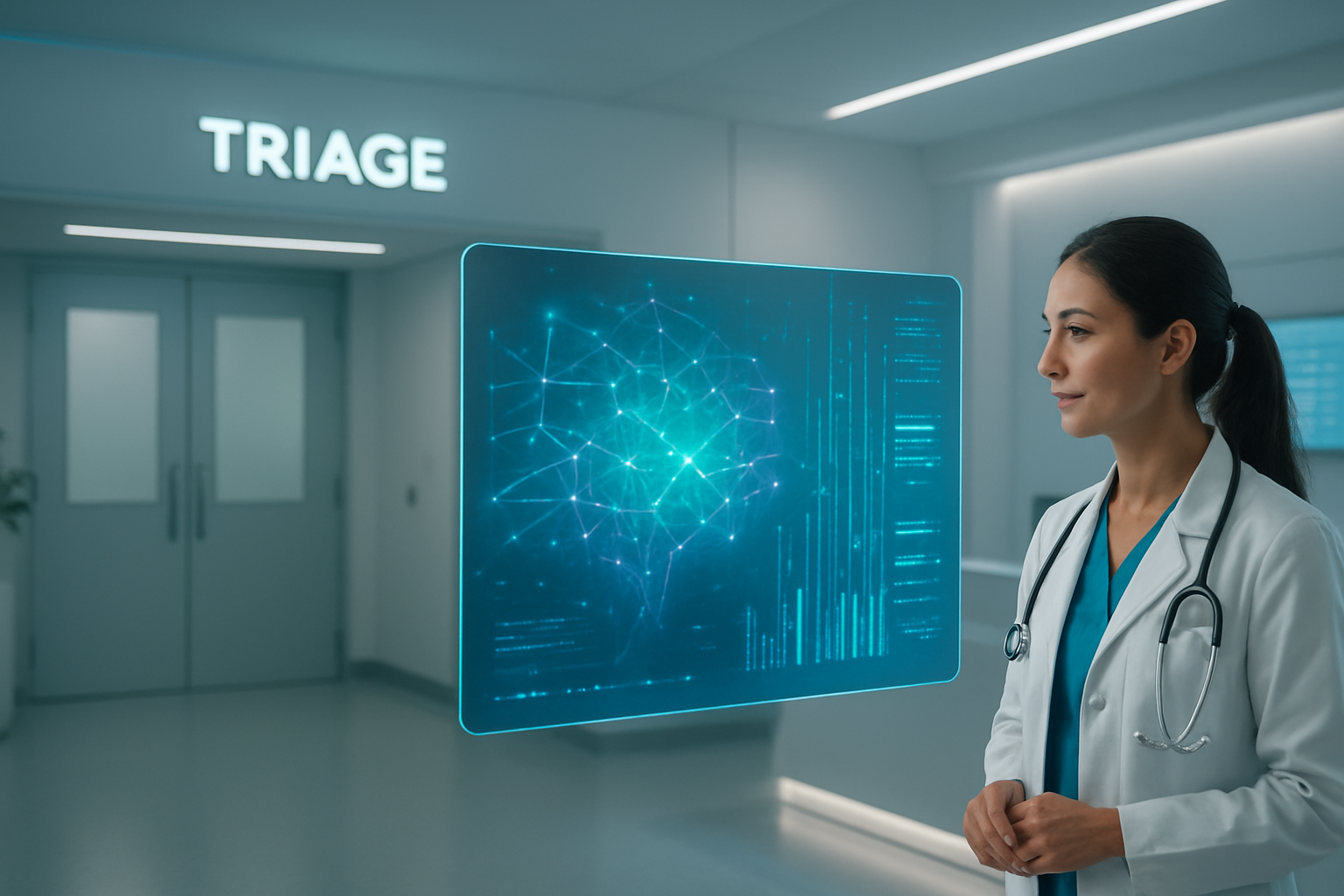
  • AI Unlocks Life-Saving Predictions for Spinal Cord Injuries from Routine Blood Tests

    AI Unlocks Life-Saving Predictions for Spinal Cord Injuries from Routine Blood Tests

    A groundbreaking development from the University of Waterloo is poised to revolutionize the early assessment and treatment of spinal cord injuries (SCI) through AI-driven analysis of routine blood tests. This innovative approach, spearheaded by Dr. Abel Torres Espín's team, leverages machine learning to uncover hidden patterns within common blood measurements, providing clinicians with unprecedented insights into injury severity and patient prognosis within days of admission.

    The immediate significance of this AI breakthrough for individuals with spinal cord injuries is profound. By analyzing millions of data points from over 2,600 SCI patients, the AI models can accurately predict injury severity and mortality risk as early as one to three days post-injury, often surpassing the limitations of traditional neurological exams that can be subjective or unreliable in unresponsive patients. This early, objective prognostication allows for faster, more informed clinical decisions regarding treatment plans, resource allocation, and prioritizing critical interventions, thereby optimizing therapeutic strategies and significantly boosting the chances of recovery. Furthermore, since these predictions are derived from readily available, inexpensive, and minimally invasive routine blood tests, this technology promises to make life-saving diagnostic and prognostic tools accessible and equitable in hospitals worldwide, transforming critical care for the nearly one million new SCI cases each year.

    The Technical Revolution: Unpacking AI's Diagnostic Power

    The University of Waterloo's significant strides in developing AI-driven blood tests for spinal cord injuries (SCIs) offer a novel approach to prognosis and patient management. This innovative method leverages readily available routine blood samples to predict injury severity and even mortality risk. The core technical aspect involves the application of machine learning algorithms to analyze millions of data points from common blood measurements, such as electrolytes and immune cells, collected within the first three weeks post-injury from a large cohort of over 2,600 U.S. patients. Instead of relying on single-point measurements, the AI models analyze the trajectories and patterns of these multiple biomarkers over time. This dynamic analysis allows the algorithms to uncover subtle physiological changes indicative of inflammatory responses, metabolic disturbances, or immune modulation that directly correlate with injury outcomes, providing a far more nuanced understanding of patient physiology than previously possible. The models have demonstrated accuracy in predicting injury severity (motor complete or incomplete) and survival chances as early as one to three days after hospital admission, with accuracy improving further as more blood test data becomes available.

    This AI-driven approach significantly diverges from traditional methods of assessing SCI severity and prognosis. Previously, doctors primarily relied on neurological examinations, which involve observing a patient's ability to move or sense touch. However, these traditional assessments are often subjective, can be unreliable, and are limited by a patient's responsiveness, particularly in the immediate aftermath of an injury or if the patient is sedated. Unlike other objective measures like MRI scans or specialized fluid-based biomarkers, which can be costly and not always accessible in all medical settings, routine blood tests are inexpensive, minimally invasive, and widely available in nearly every hospital. By automating the analysis of these ubiquitous tests, the University of Waterloo's research offers a cost-effective and scalable solution that can be broadly applied, providing doctors with faster, more objective, and better-informed insights into treatment plans and resource allocation in critical care.

    The initial reactions from the AI research community and industry experts have been largely positive, highlighting the transformative potential of this research. The study, led by Dr. Abel Torres Espín and published in NPJ Digital Medicine in September 2025, has been lauded for its groundbreaking nature, demonstrating how AI can extract actionable insights from routinely collected but often underutilized clinical data. Experts emphasize that this foundational work opens new possibilities in clinical practice, allowing for better-informed decisions for SCI patients and potentially other serious physical injuries. The ability of AI to find hidden patterns in blood tests, coupled with the low cost and accessibility of the data, positions this development as a significant step towards more predictive and personalized medicine. Further research is anticipated to refine these predictive models and integrate them with other clinical data streams, such as imaging and genomics, to create comprehensive, multimodal prognostic tools, further advancing the principles of precision medicine.

    Reshaping the AI and Healthcare Landscape: Corporate Implications

    AI-driven blood tests for spinal cord injuries (SCI) are poised to significantly impact AI companies, tech giants, and startups by revolutionizing diagnostics, treatment planning, and patient outcomes. This emerging field presents substantial commercial opportunities, competitive shifts, and integration challenges within the healthcare landscape.

    Several types of companies are positioned to benefit from this advancement. AI diagnostics developers, such as Prevencio, Inc., which already offers AI-driven blood tests for cardiac risk assessment, stand to gain by developing and licensing their algorithms for SCI. Medical device and imaging companies with strong AI divisions, like Siemens Healthineers (ETR: SHL), Brainlab, and GE HealthCare (NASDAQ: GEHC), are well-positioned to integrate these blood test analytics with their existing AI-powered imaging and surgical planning solutions. Biotechnology and pharmaceutical companies, including Healx, an AI drug discovery firm that has partnered with SCI Ventures, can leverage AI-driven blood tests for better patient stratification in clinical trials for SCI treatments, accelerating drug discovery and development. Specialized AI health startups, such as BrainScope (which has an FDA-cleared AI device for head injury assessment), Viz.ai (focused on AI-powered detection for brain conditions), BrainQ (an Israeli startup aiding stroke and SCI patients), Octave Bioscience (offering AI-based molecular diagnostics for neurodegenerative diseases), and Aidoc (using AI for postoperative monitoring), are also poised to innovate and capture market share in this burgeoning area.

    The integration of AI-driven blood tests for SCI will profoundly reshape the competitive landscape. This technology offers the potential for earlier, more accurate, and less invasive prognoses than current methods, which could disrupt traditional diagnostic pathways, reduce the need for expensive imaging tests, and allow for more timely and personalized treatment decisions. Companies that develop and control superior AI algorithms and access to comprehensive, high-quality datasets will gain a significant competitive advantage, potentially leading to consolidation as larger tech and healthcare companies acquire promising AI startups. The relative accessibility and lower cost of blood tests, combined with AI's analytical power, could also lower barriers to entry for new companies focusing solely on diagnostic software solutions. This aligns with the shift towards value-based healthcare, where companies demonstrating improved outcomes and reduced costs through early intervention and personalized care will gain traction with healthcare providers and payers.

    A Broader Lens: AI's Evolving Role in Medicine

    The wider significance of AI-driven blood tests for SCIs is substantial, promising to transform critical care management and patient outcomes. These tests leverage machine learning to analyze routine blood samples, identifying patterns in common measurements like electrolytes and immune cells that can predict injury severity, recovery potential, and even mortality within days of hospital admission. This offers a significant advantage over traditional neurological assessments, which can be unreliable due to patient responsiveness or co-existing injuries.

    These AI-driven blood tests fit seamlessly into the broader landscape of AI in healthcare, aligning with key trends such as AI-powered diagnostics and imaging, predictive analytics, and personalized medicine. They extend diagnostic capabilities beyond visual data to biochemical markers, offering a more accessible and less invasive approach. By providing crucial early prognostic information, they enable better-informed decisions on treatment and resource allocation, contributing directly to more personalized and effective critical care. Furthermore, the use of inexpensive and widely accessible routine blood tests makes this AI application a scalable solution globally, promoting health equity.

    Despite the promising benefits, several potential concerns need to be addressed. These include data privacy and security, the risk of algorithmic bias if training data is not representative, and the "black box" problem where the decision-making processes of complex AI algorithms can be opaque, hindering trust and accountability. There are also concerns about over-reliance on AI systems potentially leading to "deskilling" of medical professionals, and the significant regulatory challenges in governing adaptive AI in medical devices. Additionally, AI tools might analyze lab results in isolation, potentially lacking comprehensive medical context, which could lead to misinterpretations.

    Compared to previous AI milestones in medicine, such as early rule-based systems or machine learning for image analysis, AI-driven blood tests for SCIs represent an evolution towards more accessible, affordable, and objective predictive diagnostics in critical care. They build on the foundational principles of pattern recognition and predictive analytics but apply them to a readily available data source with significant potential for real-world impact. This advancement further solidifies AI's role as a transformative force in healthcare, moving beyond specialized applications to integrate into routine clinical workflows and synergizing with recent generative AI developments to enhance comprehensive patient management.

    The Horizon: Future Developments and Expert Outlook

    In the near term, the most prominent development involves the continued refinement and widespread adoption of AI to analyze routine blood tests already performed in hospitals. The University of Waterloo's groundbreaking study, published in September 2025, demonstrated that AI-powered analysis of common blood measurements can predict recovery and survival after SCI as early as one to three days post-admission. This rapid assessment is particularly valuable in emergency and intensive care settings, offering objective insights where traditional neurological exams may be limited. The accuracy of these predictions is expected to improve as more dynamic biomarker data becomes available.

    Looking further ahead, AI-driven blood tests are expected to evolve into more sophisticated, integrated diagnostic tools. Long-term developments include combining blood test analytics with other clinical data streams, such as advanced imaging (MRI), neurological assessments, and 'omics-based fluid biomarkers (e.g., proteomics, metabolomics, genomics). This multimodal approach aims to create comprehensive prognostic tools that embody the principles of precision medicine, allowing for interventions tailored to individual biomarker patterns and risk profiles. Beyond diagnostics, generative AI is also anticipated to contribute to designing new drugs that enhance stem cell survival and integration into the spinal cord, and optimizing the design and control algorithms for robotic exoskeletons.

    Potential applications and use cases on the horizon are vast, including early and accurate prognosis, informed clinical decision-making, cost-effective and accessible diagnostics, personalized treatment pathways, and continuous monitoring for recovery and complications. However, challenges remain, such as ensuring data quality and scale, rigorous validation and generalizability across diverse populations, seamless integration into existing clinical workflows, and addressing ethical considerations related to data privacy and algorithmic bias. Experts, including Dr. Abel Torres Espín, predict that this foundational work will open new possibilities in clinical practice, making advanced prognostics accessible worldwide and profoundly transforming medicine, similar to AI's impact on cancer care and diagnostic imaging.

    A New Era for Spinal Cord Injury Recovery

    The application of AI-driven blood tests for spinal cord injury (SCI) diagnostics marks a pivotal advancement in medical technology, promising to revolutionize how these complex and often devastating injuries are assessed and managed. This breakthrough, exemplified by research from the University of Waterloo, leverages machine learning to extract profoundly valuable, "non-perceived information" from widely available, standard biological data, surpassing the limitations of conventional statistical analysis.

    This development holds significant historical importance for AI in medicine. It underscores AI's growing capacity in precision medicine, where the focus is on personalized and data-driven treatment strategies. By democratizing access to crucial diagnostic information through affordable and common resources, this technology aligns with the broader goal of making advanced healthcare more equitable and decentralized. The long-term impact is poised to be transformative, fundamentally revolutionizing emergency care and resource allocation for SCI patients globally, leading to faster, more informed treatment decisions, improved patient outcomes, and potentially reduced healthcare costs.

    In the coming weeks and months, watch for further independent validation studies across diverse patient cohorts to confirm the robustness and generalizability of these AI models. Expect to see accelerated efforts towards developing standardized protocols for seamlessly integrating AI-powered blood test analysis into existing emergency department workflows and electronic health record systems. Initial discussions and efforts towards obtaining crucial regulatory approvals will also be key. Given the foundational nature of this research, there may be accelerated exploration into applying similar AI-driven blood test analyses to predict outcomes for other types of traumatic injuries, further expanding AI's footprint in critical care diagnostics.


    This content is intended for informational purposes only and represents analysis of current AI developments.

    TokenRing AI delivers enterprise-grade solutions for multi-agent AI workflow orchestration, AI-powered development tools, and seamless remote collaboration platforms. For more information, visit https://www.tokenring.ai/.

  • AI “Epilepsy Detective” Uncovers Hidden Brain Malformations, Revolutionizing Pediatric Diagnosis

    AI “Epilepsy Detective” Uncovers Hidden Brain Malformations, Revolutionizing Pediatric Diagnosis

    Australian researchers have unveiled a groundbreaking artificial intelligence (AI) tool, unofficially dubbed the "AI epilepsy detective," capable of identifying subtle, often-missed brain malformations in children suffering from epilepsy. This significant development, spearheaded by the Murdoch Children's Research Institute (MCRI) and The Royal Children's Hospital (RCH) in Melbourne, promises to dramatically enhance diagnostic accuracy and open doors to life-changing surgical interventions for pediatric patients with drug-resistant epilepsy. The immediate significance lies in its potential to transform how focal cortical dysplasias (FCDs)—tiny, elusive lesions that are a common cause of severe seizures—are detected, leading to earlier and more effective treatment pathways.

    The tool’s ability to reliably spot these previously hidden malformations marks a critical leap forward in medical diagnosis. For children whose seizures remain uncontrolled despite medication, identifying the underlying cause is paramount. This AI breakthrough offers a new hope, enabling faster, more precise diagnoses that can guide neurosurgeons toward curative interventions, ultimately improving long-term developmental outcomes and quality of life for countless young patients.

    A Technical Deep Dive into AI-Powered Precision

    The "AI epilepsy detective" represents a sophisticated application of deep learning, specifically designed to overcome the inherent challenges in identifying focal cortical dysplasias (FCDs). These malformations, which arise during fetal development, are often no larger than a blueberry and can be hidden deep within brain folds, making them exceptionally difficult to detect via conventional human examination of medical imaging. Previous diagnoses were missed in up to 80% of cases when relying solely on human interpretation of MRI scans.

    The AI tool was rigorously trained using a comprehensive dataset comprising both magnetic resonance imaging (MRI) and FDG-positron emission tomography (PET) scans of children's brains. This multimodal approach is a key differentiator. In trials, the AI demonstrated remarkable accuracy, detecting lesions in 94% of cases when analyzing both MRI and PET scans in one test group, and 91% in another. This high success rate significantly surpasses previous approaches, such such as similar AI research from King's College London (KCL) that identified 64% of missed lesions using only MRI data. By integrating multiple imaging modalities, the Australian tool achieves a superior level of precision, acting as a "detective" that quickly assembles diagnostic "puzzle pieces" for radiologists and epilepsy doctors. Initial reactions from the AI research community have been overwhelmingly positive, with experts describing the work as "really exciting" and the results as "really impressive" as a proof of concept, despite acknowledging the practical considerations of PET scan availability and cost.

    Reshaping the Landscape for AI Innovators and Healthcare Giants

    This breakthrough in pediatric epilepsy diagnosis is poised to send ripples across the AI industry, creating new opportunities and competitive shifts for companies ranging from agile startups to established tech giants. Specialized medical AI companies, particularly those focused on neurology and neuro-diagnostics, stand to benefit immensely. Firms like Neurolens, which specializes in AI-powered neuro-diagnostics, or Viz.ai (NASDAQ: VIZAI), known for its AI-powered care coordination platform, could adapt or expand their offerings to integrate similar lesion detection capabilities. Startups such as EPILOG, focused on diagnostic imaging for refractory epilepsy, or BrainWavesAI, developing AI systems for seizure prediction, could see increased investment and market traction as the demand for precise neurological AI tools grows.

    Tech giants with substantial AI research and development capabilities, such such as Alphabet (NASDAQ: GOOGL) (with its DeepMind division) and NVIDIA (NASDAQ: NVDA), a leader in AI computing hardware, are also well-positioned. Their extensive resources in computer vision, machine learning, and data analytics could be leveraged to further develop and scale such diagnostic tools, potentially leading to new product lines or strategic partnerships with healthcare providers. The competitive landscape will intensify, favoring companies that can rapidly translate research into clinically viable, scalable, and explainable AI solutions. This development could disrupt traditional diagnostic methods, shifting the paradigm from reactive to proactive care, and emphasizing multimodal data analysis expertise as a critical market differentiator. Companies capable of offering comprehensive, AI-driven platforms that integrate various medical devices and patient data will gain a significant strategic advantage in this evolving market.

    Broader Implications and Ethical Considerations in the AI Era

    This Australian AI breakthrough fits squarely into the broader AI landscape's trend towards deep learning dominance and personalized medicine, particularly within healthcare. It exemplifies the power of AI as "augmented intelligence," assisting human experts rather than replacing them, by detecting subtle patterns in complex neuroimaging data that are often missed by the human eye. This mirrors deep learning's success in other medical imaging fields, such as cancer detection from mammograms or X-rays. The impact on healthcare is profound, promising enhanced diagnostic accuracy (AI systems have shown over 93% accuracy in diagnosis), earlier intervention, improved treatment planning, and potentially reduced workload for highly specialized clinicians.

    However, like all AI applications in healthcare, this development also brings significant concerns. Ethical considerations around patient safety are paramount, especially for vulnerable pediatric populations. Data privacy and security, given the sensitive nature of medical imaging and patient records, are critical challenges. The "black box" problem, where the complex nature of deep learning makes it difficult to understand how the AI arrives at its conclusions, can hinder clinician trust and transparency. There are also concerns about algorithmic bias, where models trained on limited or unrepresentative data might perform poorly or inequitably across diverse patient groups. Regulatory frameworks are still evolving to keep pace with adaptive AI systems, and issues of accountability in the event of an AI-related diagnostic error remain complex. This milestone, while a triumph of deep learning, stands in contrast to earlier computer-aided diagnosis (CAD) systems of the 1960s-1990s, which were rule-based and prone to high false-positive rates, showcasing the exponential growth in AI's capabilities over decades.

    The Horizon: Future Developments and Expert Predictions

    The future of AI in pediatric epilepsy treatment is bright, with expected near-term and long-term developments promising even more refined diagnostics and personalized care. In the near term, we can anticipate continued improvements in AI's ability to interpret neuroimaging and automate EEG analysis, further reducing diagnostic time and improving accuracy. The integration of AI with wearable and sensor-based monitoring devices will become more prevalent, enabling real-time seizure detection and prediction, particularly for nocturnal events. Experts like Dr. Daniel Goldenholz, a neurologist and AI expert, predict that while AI has been "iffy" in the past, it's now in a "level two" phase of proving useful, with a future "level three" where AI will be "required" for certain aspects of care.

    Looking further ahead, AI is poised to revolutionize personalized medicine for epilepsy. By integrating diverse datasets—including EEG, MRI, electronic health records, and even genetic information—AI will be able to classify seizure types, predict individual responses to medications, and optimize patient care pathways with unprecedented precision. Advanced multimodal AI systems will combine various sensing modalities for a more comprehensive understanding of a child's condition. Challenges remain, particularly in ensuring high-quality, diverse training data, navigating data privacy and ethical concerns (like algorithmic bias and explainability), and seamlessly integrating these advanced tools into existing clinical workflows. However, experts predict that AI will primarily serve as a powerful "second opinion" for clinicians, accelerating diagnosis, custom-designing treatments, and deepening our understanding of epilepsy, all while demanding a strong focus on ethical AI development.

    A New Era of Hope for Children with Epilepsy

    The development of the "AI epilepsy detective" by Australian researchers marks a pivotal moment in the application of artificial intelligence to pediatric healthcare. Its ability to accurately identify previously hidden brain malformations is a testament to the transformative power of AI in medical diagnosis. This breakthrough not only promises earlier and more precise diagnoses but also opens the door to curative surgical options for children whose lives have been severely impacted by drug-resistant epilepsy. The immediate significance lies in improving patient outcomes, reducing the long-term developmental impact of uncontrolled seizures, and offering a new sense of hope to families.

    As we move forward, the integration of such advanced AI tools into clinical practice will undoubtedly reshape the landscape for medical AI companies, foster innovation, and intensify the drive towards personalized medicine. While concerns surrounding data privacy, algorithmic bias, and ethical deployment must be diligently addressed, this achievement underscores AI's potential to augment human expertise and revolutionize patient care. The coming weeks and months will likely see continued research, funding efforts for broader implementation, and ongoing discussions around the regulatory and ethical frameworks necessary to ensure responsible and equitable access to these life-changing technologies. This development stands as a significant milestone in AI history, pushing the boundaries of what's possible in medical diagnostics and offering a brighter future for children battling epilepsy.

    This content is intended for informational purposes only and represents analysis of current AI developments.

    TokenRing AI delivers enterprise-grade solutions for multi-agent AI workflow orchestration, AI-powered development tools, and seamless remote collaboration platforms.
    For more information, visit https://www.tokenring.ai/.
  • AI Breakthrough: Ohio State Study Uses Advanced AI to Predict Seizure Outcomes, Paving Way for Personalized Epilepsy Treatments

    AI Breakthrough: Ohio State Study Uses Advanced AI to Predict Seizure Outcomes, Paving Way for Personalized Epilepsy Treatments

    COLUMBUS, OH – October 2, 2025 – In a monumental leap forward for neuroscience and artificial intelligence, researchers at The Ohio State University have unveiled a groundbreaking study demonstrating the successful use of AI tools to predict seizure outcomes in mouse models. By meticulously analyzing subtle fine motor differences, this innovative approach promises to revolutionize the diagnosis, treatment, and understanding of epilepsy, offering new hope for millions worldwide.

    The study, announced today, highlights AI's unparalleled ability to discern complex behavioral patterns that are imperceptible to the human eye. This capability could lead to the development of highly personalized treatment strategies, significantly improving the quality of life for individuals living with epilepsy and accelerating the development of new anti-epileptic drugs. The immediate significance lies in establishing a robust, objective framework for epilepsy research, moving beyond subjective observational methods.

    Unpacking the AI's Precision: A Deeper Dive into Behavioral Analytics

    At the heart of this pioneering research, spearheaded by Dr. Bin Gu, an assistant professor with Ohio State's Department of Neuroscience and senior author of the study, lies the application of two sophisticated AI-aided tools. These tools were designed to decode and quantify minute behavioral and action domains associated with induced seizures in mouse models. While the specific proprietary names of these tools were not explicitly detailed in the announcement, the methodology aligns with advanced machine learning techniques, such as motion sequencing (MoSeq), which utilizes 3D video analysis to track and quantify the behavior of freely moving mice without human bias.

    This AI-driven methodology represents a significant departure from previous approaches, which largely relied on manual video inspection. Such traditional methods are inherently subjective, time-consuming, and prone to overlooking critical behavioral nuances and dynamic movement patterns during seizures. The AI's ability to process vast amounts of video data with unprecedented accuracy allows for the objective identification and classification of seizure types and, crucially, the prediction of their outcomes. The study examined 32 genetically diverse inbred mouse strains, mirroring the genetic variability seen in human populations, and also included a mouse model of Angelman syndrome, providing a rich dataset for the AI to learn from.

    The technical prowess of these AI tools lies in their capacity for granular analysis of movement. They can detect and differentiate between extremely subtle motor patterns—such as slight head tilts, changes in gait, or minute muscle twitches—that serve as biomarkers for seizure progression and severity. This level of detail was previously unattainable, offering researchers a new lens through which to understand the complex neurobiological underpinnings of epilepsy. The initial reaction from the AI research community and industry experts has been overwhelmingly positive, hailing it as a significant step towards truly data-driven neuroscience.

    Reshaping the Landscape: Implications for AI Companies and Tech Giants

    This breakthrough has profound implications for a wide array of AI companies, tech giants, and startups. Companies specializing in computer vision, machine learning, and advanced data analytics stand to benefit immensely. Firms developing AI platforms for medical diagnostics, behavioral analysis, and drug discovery could integrate or adapt similar methodologies, expanding their market reach within the lucrative healthcare sector. Companies like Alphabet (NASDAQ: GOOGL), with its DeepMind AI division, or NVIDIA (NASDAQ: NVDA), a leader in AI computing hardware, could leverage or further develop such analytical tools, potentially leading to new product lines or strategic partnerships in medical research.

    The competitive landscape for major AI labs is likely to intensify, with a renewed focus on applications in precision medicine and neurodegenerative diseases. This development could disrupt existing diagnostic products or services that rely on less objective or efficient methods. Startups focusing on AI-powered medical devices or software for neurological conditions might see an influx of investment and accelerate their product development, positioning themselves as leaders in this emerging niche. The strategic advantage will go to those who can rapidly translate this research into scalable, clinically viable solutions, fostering a new wave of innovation in health AI.

    Furthermore, this research underscores the growing importance of explainable AI (XAI) in medical contexts. As AI systems become more integral to critical diagnoses and predictions, the ability to understand why an AI makes a certain prediction will be paramount for regulatory approval and clinical adoption. Companies that can build transparent and interpretable AI models will gain a significant competitive edge, ensuring trust and facilitating integration into clinical workflows.

    Broader Significance: A New Era for AI in Healthcare

    The Ohio State study fits seamlessly into the broader AI landscape, signaling a significant trend towards AI's increasing sophistication in interpreting complex biological data. It highlights AI's potential to move beyond pattern recognition in static datasets to dynamic, real-time behavioral analysis, a capability that has vast implications across various medical fields. This milestone builds upon previous AI breakthroughs in image recognition for radiology and pathology, extending AI's diagnostic power into the realm of neurological and behavioral disorders.

    The impacts are far-reaching. Beyond epilepsy, similar AI methodologies could be applied to other neurological conditions characterized by subtle motor impairments, such as Parkinson's disease, Huntington's disease, or even early detection of autism spectrum disorders. The potential for early and accurate diagnosis could transform patient care, enabling interventions at stages where they are most effective. However, potential concerns include data privacy, the ethical implications of predictive diagnostics, and the need for rigorous validation in human clinical trials to ensure the AI's predictions are robust and generalizable.

    This development can be compared to previous AI milestones such as DeepMind's AlphaFold for protein folding prediction or Google's (NASDAQ: GOOGL) AI for diabetic retinopathy detection. Like these, the Ohio State study demonstrates AI's capacity to tackle problems previously deemed intractable, opening up entirely new avenues for scientific discovery and medical intervention. It reaffirms AI's role not just as a tool for automation but as an intelligent partner in scientific inquiry.

    The Horizon: Future Developments and Applications

    Looking ahead, the near-term developments will likely focus on refining these AI models, expanding their application to a wider range of seizure types and epilepsy syndromes, and validating their predictive power in more complex animal models. Researchers will also work towards identifying the specific neural correlates of the fine motor differences detected by the AI, bridging the gap between observable behavior and underlying brain activity. The ultimate goal is to transition this technology from mouse models to human clinical settings, which will involve significant challenges in data collection, ethical considerations, and regulatory approvals.

    Potential applications on the horizon are transformative. Imagine smart wearables that continuously monitor individuals at risk of epilepsy, using AI to detect subtle pre-seizure indicators and alert patients or caregivers, enabling timely intervention. This could significantly reduce injury and improve quality of life. Furthermore, this technology could accelerate drug discovery by providing a more objective and efficient means of screening potential anti-epileptic compounds, dramatically cutting down the time and cost associated with bringing new treatments to market.

    Experts predict that the next phase will involve integrating these behavioral AI models with other diagnostic modalities, such as EEG and neuroimaging, to create a multi-modal predictive system. Challenges will include developing robust algorithms that can handle the variability of human behavior, ensuring ethical deployment, and establishing clear guidelines for clinical implementation. The interdisciplinary nature of this research, combining neuroscience, computer science, and clinical medicine, will be crucial for overcoming these hurdles.

    A New Chapter in AI-Powered Healthcare

    The Ohio State University's pioneering study marks a significant chapter in the history of AI in healthcare. It underscores the profound impact that advanced computational techniques can have on understanding and combating complex neurological disorders. By demonstrating AI's ability to precisely predict seizure outcomes through the analysis of fine motor differences, this research provides a powerful new tool for clinicians and researchers alike.

    The key takeaway is the validation of AI as an indispensable partner in precision medicine, offering objectivity and predictive power beyond human capabilities. This development's significance in AI history lies in its push towards highly granular, dynamic behavioral analysis, setting a new precedent for how AI can be applied to subtle biological phenomena. As we move forward, watch for increased collaboration between AI researchers and medical professionals, the emergence of new AI-driven diagnostic tools, and accelerated progress in the development of targeted therapies for epilepsy and other neurological conditions. The future of AI in healthcare just got a whole lot more exciting.

    This content is intended for informational purposes only and represents analysis of current AI developments.

    TokenRing AI delivers enterprise-grade solutions for multi-agent AI workflow orchestration, AI-powered development tools, and seamless remote collaboration platforms.
    For more information, visit https://www.tokenring.ai/.
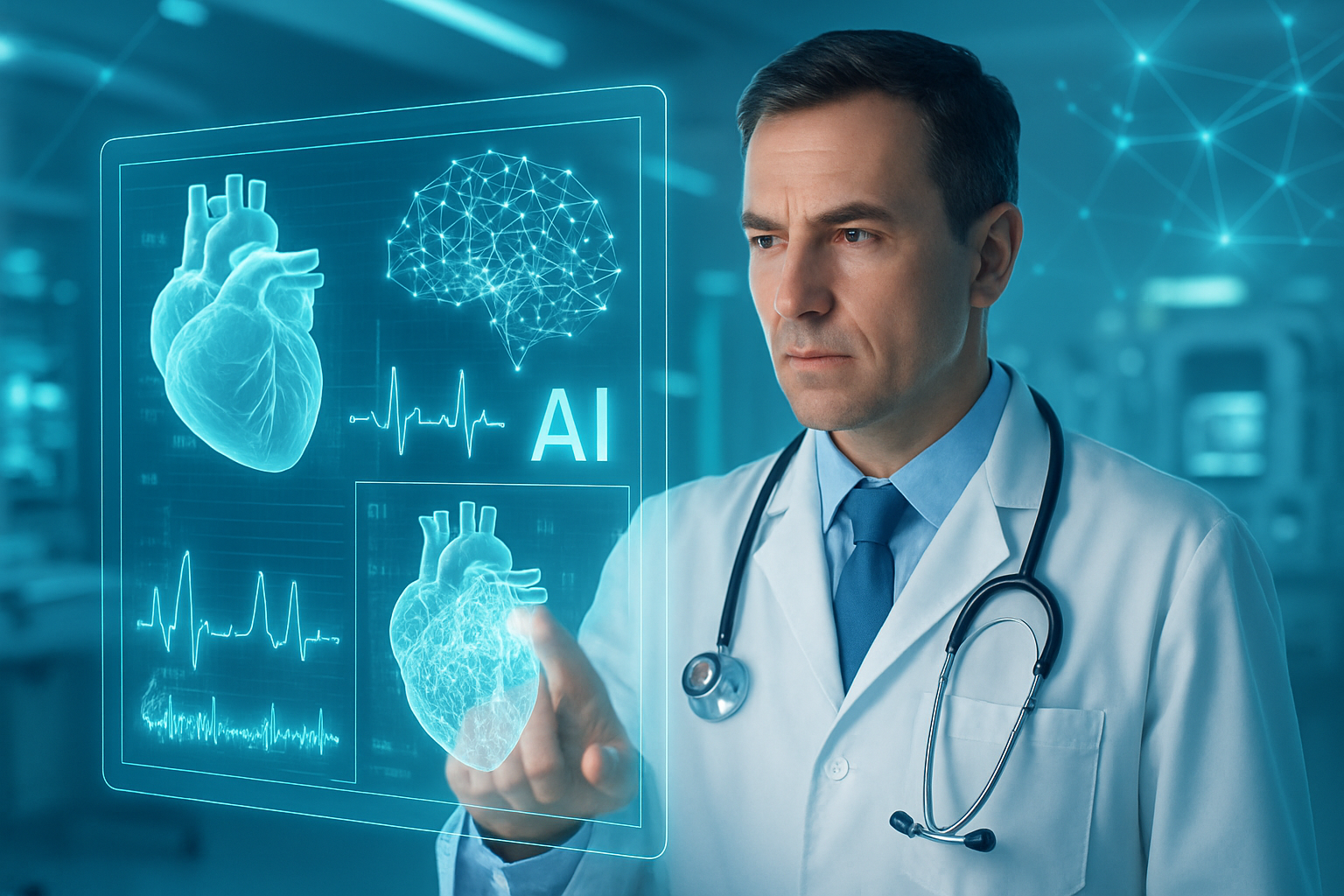
  • Silicon’s New Frontier: How Semiconductors Are Reshaping Automotive, Healthcare, IoT, and Quantum Computing

    Silicon’s New Frontier: How Semiconductors Are Reshaping Automotive, Healthcare, IoT, and Quantum Computing

    The humble semiconductor, long the silent workhorse of traditional computing, is experiencing a profound renaissance, extending its influence far beyond the circuit boards of PCs and smartphones. Today, these miniature marvels are at the vanguard of innovation, driving unprecedented advancements in sectors as diverse as automotive, the Internet of Things (IoT), healthcare, and the nascent field of quantum computing. This expansive evolution marks a pivotal moment, transforming how we interact with our world, manage our health, and even conceptualize computation itself, heralding an era where silicon intelligence is not just embedded, but foundational to our daily existence.

    This paradigm shift is fueled by a relentless pursuit of efficiency, miniaturization, and specialized functionality. From powering autonomous vehicles and smart city infrastructure to enabling precision diagnostics and the very fabric of quantum bits, semiconductors are no longer merely components; they are the strategic enablers of next-generation technologies. Their immediate significance lies in catalyzing innovation, enhancing performance, and creating entirely new markets, establishing themselves as critical strategic assets in the global technological landscape.

    Technical Prowess: Specialized Silicon Drives Sectoral Revolutions

    The technical advancements underpinning this semiconductor revolution are multifaceted, leveraging novel materials, architectural innovations, and sophisticated integration techniques. In the automotive sector, the transition to Electric Vehicles (EVs) and autonomous driving has dramatically increased semiconductor content. Wide bandgap materials like silicon carbide (SiC) and gallium nitride (GaN) are displacing traditional silicon in power electronics, offering superior efficiency and thermal management for inverters and onboard chargers. This directly translates to extended EV ranges and reduced battery size. Furthermore, Advanced Driver Assistance Systems (ADAS) and autonomous platforms rely on a dense network of high-performance processors, AI accelerators, and a myriad of sensors (Lidar, radar, cameras, ultrasonic). These chips are engineered to process vast amounts of multimodal data in real-time, enabling sophisticated decision-making and control, a significant departure from simpler electronic control units of the past. The industry is moving towards software-defined vehicles, where the semiconductor architecture forms the "Internal Computing Engine" that dictates vehicle capabilities and value. Industry experts express significant enthusiasm for these developments, particularly the role of AI-powered semiconductors in enabling AVs and EVs, and the push towards software-defined vehicles. However, concerns persist regarding ongoing supply chain volatility, the immense complexity and reliability requirements of autonomous systems, and the need for robust cybersecurity measures in increasingly connected vehicles. Thermal management of high-performance chips also remains a critical engineering challenge.

    For the Internet of Things (IoT), semiconductors are the bedrock of pervasive connectivity and intelligent edge processing. Low-power microcontrollers, specialized sensors (temperature, light, motion, pressure), and integrated communication modules (Wi-Fi, Bluetooth, cellular) are designed for energy efficiency and compact form factors. The shift towards edge computing demands highly efficient processors and embedded AI accelerators, allowing data to be processed locally on devices rather than solely in the cloud. This reduces latency, conserves bandwidth, and enhances real-time responsiveness for applications ranging from smart home automation to industrial predictive maintenance. This contrasts sharply with earlier IoT iterations that often relied on more centralized cloud processing, making current devices smarter and more autonomous. The AI research community anticipates exponential growth in IoT, driven by AI-driven chip designs tailored for edge computing. However, challenges include meeting the ultra-small form factor and ultra-low power consumption requirements, alongside persistent supply chain volatility for specific components. Experts also highlight critical concerns around data security and privacy for the vast network of IoT devices, as well as maintaining reliability and stability as chip sizes continue to shrink.

    In healthcare, semiconductors are enabling a revolution in diagnostics, monitoring, and therapeutics. Miniaturized, power-efficient biosensors are at the heart of wearable and implantable devices, facilitating continuous monitoring of vital signs, glucose levels, and neurological activity. These devices rely on specialized analog, digital, and mixed-signal ICs for precise signal acquisition and processing. Point-of-care diagnostic tools leverage semiconductor platforms for rapid, on-site genetic and protein analysis, accelerating personalized medicine. Medical imaging technologies like ultrasound and MRI benefit from advanced image sensors and processing units that improve resolution and enable 3D rendering. These advancements represent a significant leap from bulky, less precise medical equipment, offering greater accessibility and patient comfort. Experts are highly optimistic about the emergence of "smart" healthcare, driven by AI and advanced semiconductors, enabling real-time data analysis, telemedicine, and personalized treatments. Yet, significant hurdles include ensuring data privacy and security for sensitive health information, validating the accuracy and reliability of AI algorithms in clinical settings, and navigating the evolving regulatory landscape for AI-powered medical devices. Power constraints for implantable devices also present ongoing design challenges.

    Finally, quantum computing represents the ultimate frontier, where semiconductors are crucial for building the very foundation of quantum processors. While still in its nascent stages, many qubit architectures, particularly those based on superconducting circuits and silicon spin qubits, leverage advanced semiconductor fabrication techniques. Companies like Intel Corporation (NASDAQ: INTC) and IBM (NYSE: IBM) are utilizing their expertise in silicon manufacturing to create quantum chips. Semiconductor-based control systems are also vital for manipulating and reading out the delicate quantum states of qubits. This application differs fundamentally from traditional computing, as semiconductors here are not just processing classical bits but are actively involved in creating and managing quantum phenomena. The consensus among experts is that quantum computing, heavily reliant on semiconductor advancements for qubit realization and control, holds unparalleled opportunities to revolutionize various industries, including semiconductor manufacturing itself. However, formidable challenges remain, including the need for specialized infrastructure (e.g., cryogenic cooling), significant talent shortages in quantum expertise, and the monumental task of error correction and maintaining quantum coherence in scalable systems. The potential for quantum computing to render some traditional technologies obsolete is also a long-term consideration.

    Reshaping the Tech Landscape: Winners, Losers, and Disruptors

    The burgeoning landscape of non-traditional semiconductor applications is profoundly reshaping the competitive dynamics across the tech industry, creating clear beneficiaries among established giants and innovative startups, while simultaneously posing significant challenges to those slow to adapt. The increased specialization and integration required for these advanced applications are driving a new wave of strategic positioning and market disruption.

    In the automotive sector, traditional silicon powerhouses are cementing their dominance. Infineon Technologies AG (FSE: IFX) stands out as a global leader, with a substantial market share in automotive semiconductors, driven by its power semiconductors, microcontrollers, and sensor solutions for ADAS and EVs. NXP Semiconductors (NASDAQ: NXPI) is another key player, focusing on secure connectivity and processing for software-defined vehicles with its S32G processors. STMicroelectronics (NYSE: STM) is making significant strides with its Silicon Carbide (SiC) power devices, crucial for EV efficiency, and its widely adopted STM32 microcontroller family. Texas Instruments (NASDAQ: TXN) and Renesas Electronics (TYO: 6723) continue to be vital suppliers of analog chips, embedded processors, and microcontrollers. Beyond these core semiconductor providers, tech giants like NVIDIA Corporation (NASDAQ: NVDA) are leveraging their AI and GPU expertise to provide powerful platforms for autonomous driving, while Intel Corporation (NASDAQ: INTC), through its Mobileye subsidiary, is a leader in ADAS solutions. The competitive implication here is a shift in value from traditional mechanical components to sophisticated electronics and software, forcing automakers into deeper collaborations with semiconductor firms and creating a demand for more resilient supply chains.

    The Internet of Things (IoT) market sees a similar scramble for dominance. NXP Semiconductors (NASDAQ: NXPI) remains a strong contender with its secure connectivity solutions. Analog Devices Inc. (NASDAQ: ADI) and Texas Instruments (NASDAQ: TXN) are well-positioned with their precision analog and mixed-signal chips, essential for sensors and industrial IoT applications. Qualcomm Technologies (NASDAQ: QCOM) benefits from its pervasive connectivity solutions, while Marvell Technology, Inc. (NASDAQ: MRVL) is relevant through its networking and storage solutions that underpin IoT infrastructure. Even memory giants like Micron Technology, Inc. (NASDAQ: MU) play a crucial role, supplying the necessary DRAM and NAND flash for edge IoT devices. The sheer volume and diversity of IoT applications mean that companies capable of delivering ultra-low power, compact, and secure chips for edge AI processing will gain a significant competitive edge, potentially disrupting older, less optimized solutions. Taiwan Semiconductor Manufacturing Company (NYSE: TSM), as the world's largest foundry, benefits broadly from the increased demand for custom IoT chips from all these players.

    In healthcare, precision and reliability are paramount, making companies with strong analog and mixed-signal capabilities crucial. Analog Devices Inc. (NASDAQ: ADI) is particularly well-suited to profit from advanced semiconductor content in medical devices, thanks to its high-precision chips. STMicroelectronics (NYSE: STM) and Texas Instruments (NASDAQ: TXN) also provide essential sensors, microcontrollers, and analog components for medical wearables, diagnostics, and imaging equipment. The disruption in healthcare is less about immediate obsolescence and more about the enablement of entirely new care models—from continuous remote monitoring to rapid point-of-care diagnostics—which favors agile medical device manufacturers leveraging these advanced chips.

    Quantum computing, though still nascent, is a battleground for tech giants and specialized startups. Microsoft (NASDAQ: MSFT) has made headlines with its Majorana 1 quantum chip, aiming for more stable and scalable qubits, while IBM (NYSE: IBM) continues its aggressive roadmap towards fault-tolerant quantum systems. Google (NASDAQ: GOOGL) (Alphabet) is also heavily invested, focusing on error correction and scalable chip architectures. NVIDIA Corporation (NASDAQ: NVDA) is bridging the gap by coupling its AI supercomputing with quantum research. Among the startups, IonQ (NYSE: IONQ) with its trapped-ion approach, Rigetti Computing (NASDAQ: RGTI) with multi-chip systems, and D-Wave Quantum (NYSE: QBTS) with its quantum annealing solutions, are all vying for commercial traction. The competitive landscape here is defined by a race to achieve scalable and reliable qubits, with the potential to fundamentally disrupt classical computational approaches for specific, complex problems across numerous industries. Success in this field promises not just market share, but a foundational shift in computational power.

    Wider Significance: A New Era of Ubiquitous Intelligence

    The expansion of semiconductor technology into these non-traditional sectors represents a profound shift in the broader AI and technological landscape, moving beyond incremental improvements to foundational changes in how intelligence is deployed and utilized. This trend signifies the maturation of AI from a purely software-driven discipline to one deeply intertwined with specialized hardware, where the efficiency and capabilities of the underlying silicon directly dictate the performance and feasibility of AI applications.

    The impacts are far-reaching. In the automotive industry, the push for fully autonomous vehicles, enabled by advanced semiconductors, promises a future of safer roads, reduced traffic congestion, and new mobility services. However, this also brings significant ethical and regulatory challenges concerning liability and decision-making in autonomous systems. For IoT, the pervasive deployment of smart sensors and edge AI creates unprecedented opportunities for data collection and analysis, leading to optimized industrial processes, smarter cities, and more responsive environments. Yet, this also amplifies concerns about data privacy, cybersecurity vulnerabilities across a vast attack surface, and the potential for surveillance. In healthcare, the rise of continuous monitoring, personalized medicine, and AI-driven diagnostics, all powered by specialized chips, holds the promise of vastly improved patient outcomes and more efficient healthcare systems. This marks a significant milestone, comparable to the advent of MRI or penicillin, but also raises questions about algorithmic bias in diagnosis and the equitable access to these advanced technologies.

    The most profound, albeit long-term, impact comes from quantum computing. While classical AI breakthroughs like large language models have revolutionized information processing, quantum computing promises to tackle problems currently intractable for even the most powerful supercomputers, from discovering new materials and drugs to breaking existing cryptographic standards. This represents a potential leap comparable to the invention of the transistor itself, offering a completely new paradigm for computation. However, the concerns are equally monumental, including the existential threat to current encryption methods and the immense resources required to achieve practical quantum advantage, raising questions about a potential "quantum divide." The ongoing global competition for semiconductor leadership underscores the strategic national importance of these technologies, with governments actively investing to secure their supply chains and technological sovereignty.

    Future Developments: The Road Ahead for Silicon Innovation

    Looking ahead, the trajectory for semiconductor innovation in these emerging sectors is marked by continued specialization, integration, and the relentless pursuit of efficiency. In the near term, we can expect further advancements in automotive semiconductors, particularly in the integration of more sophisticated AI accelerators and high-resolution imaging radar and lidar sensors. The focus will be on achieving higher levels of autonomy (Level 4 and 5) with enhanced safety and reliability, alongside more efficient power electronics for EVs, potentially pushing SiC and GaN technologies to even greater performance limits. Experts predict a continued drive towards modular, software-defined vehicle architectures that can be updated over the air.

    For IoT, the trend towards ultra-low-power, highly integrated System-on-Chips (SoCs) with embedded AI capabilities will intensify. This will enable more intelligent edge devices that can perform complex tasks locally, reducing reliance on cloud connectivity and improving real-time responsiveness. We can anticipate breakthroughs in energy harvesting technologies to power these devices autonomously, extending their deployment into remote and inaccessible environments. The convergence of 5G and future 6G networks with specialized IoT chips will unlock new applications requiring ultra-low latency and massive connectivity.

    In healthcare, the next wave of innovation will likely see even smaller, more discreet wearable and implantable devices capable of multi-modal sensing and advanced AI-driven diagnostics at the point of care. Expect further integration of genomics and proteomics directly into portable semiconductor-based platforms, enabling highly personalized and preventative medicine. Challenges in this area will revolve around standardizing data formats, ensuring interoperability between devices, and establishing robust regulatory frameworks for AI in medical diagnostics.

    Quantum computing remains the most speculative but potentially transformative area. Near-term developments will focus on improving qubit coherence times, reducing error rates through advanced error correction techniques, and scaling up the number of stable qubits. Long-term, experts anticipate the development of fault-tolerant quantum computers that can solve currently intractable problems. The challenges are immense, including the need for novel materials, extreme cryogenic cooling for many qubit types, and the development of a completely new quantum software stack. What experts predict is a gradual but accelerating path towards quantum advantage in specific applications, with hybrid classical-quantum systems becoming more prevalent before truly universal quantum computers emerge.

    Wrap-Up: Silicon's Enduring Legacy and the Dawn of a New Era

    The expansion of semiconductor technology into automotive, IoT, healthcare, and quantum computing marks a pivotal moment in technological history, signifying a profound shift from silicon merely powering computers to becoming the ubiquitous enabler of intelligent, connected, and autonomous systems across virtually every facet of our lives. This development is not merely an evolution but a revolution, akin to the internet's widespread adoption or the advent of mobile computing, but with an even deeper integration into the physical world.

    The key takeaways are clear: semiconductors are no longer a niche component but a strategic asset, driving unprecedented innovation and creating vast new markets. The demand for specialized chips, new materials, and advanced integration techniques is pushing the boundaries of what's possible, while also highlighting critical challenges related to supply chain resilience, cybersecurity, data privacy, and the ethical implications of pervasive AI. This era is characterized by a symbiotic relationship between AI and hardware, where advancements in one directly fuel progress in the other.

    As we move forward, the long-term impact will be a world imbued with ubiquitous intelligence, where cars make their own decisions, medical devices proactively manage our health, and previously unsolvable problems yield to quantum computation. What to watch for in the coming weeks and months includes further announcements on new chip architectures, strategic partnerships between chipmakers and industry verticals, and breakthroughs in quantum qubit stability and error correction. The race for silicon's new frontier is on, promising a future shaped by ever more intelligent and integrated technologies.

    This content is intended for informational purposes only and represents analysis of current AI developments.

    TokenRing AI delivers enterprise-grade solutions for multi-agent AI workflow orchestration, AI-powered development tools, and seamless remote collaboration platforms.
    For more information, visit https://www.tokenring.ai/.