Tag: HealthTech

  • The New Diagnostic Sentinel: Samsung and Stanford’s AI Redefines Early Dementia Detection via Wearable Data

    The New Diagnostic Sentinel: Samsung and Stanford’s AI Redefines Early Dementia Detection via Wearable Data

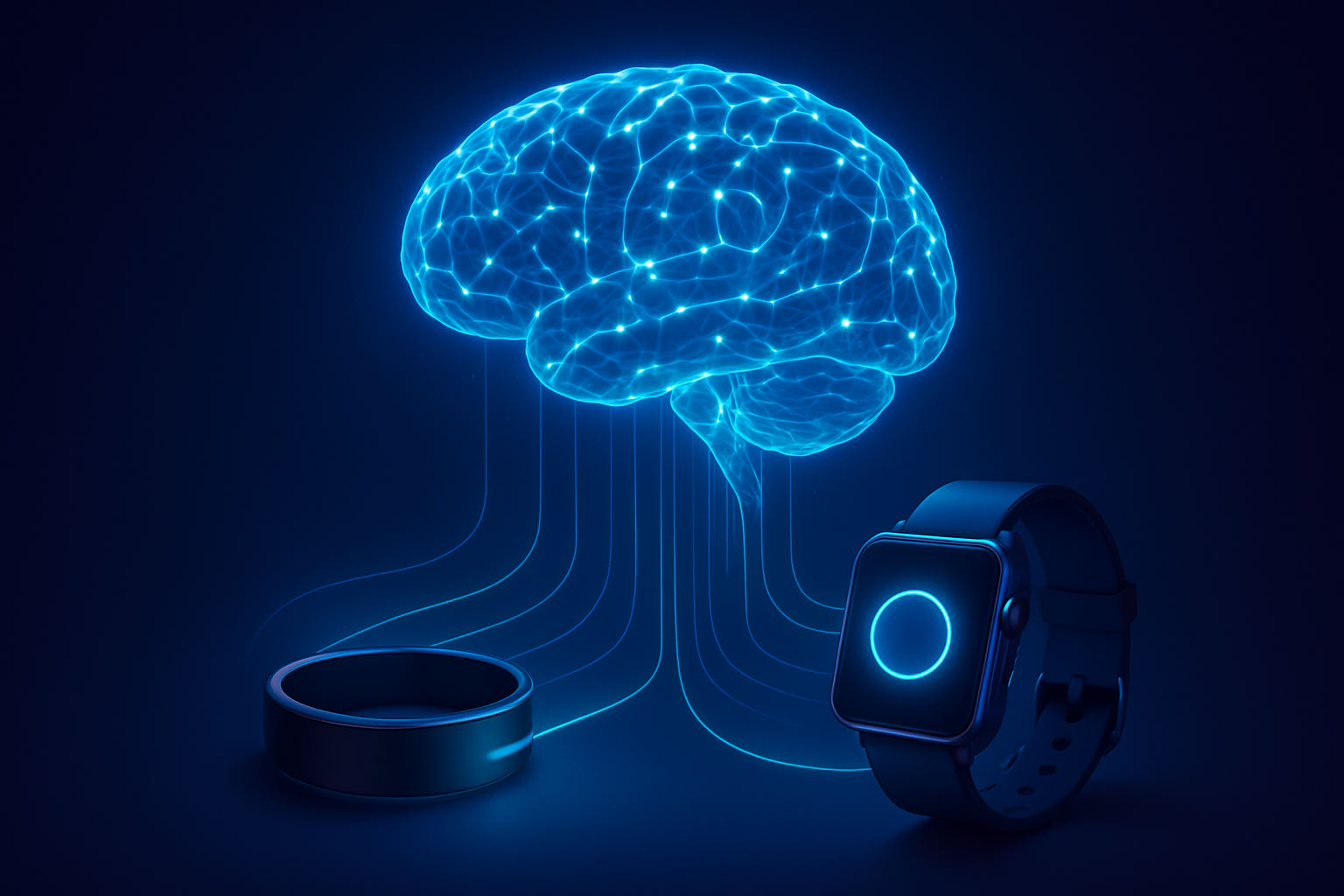
    In a landmark shift for the intersection of consumer technology and geriatric medicine, Samsung Electronics (KRX: 005930) and Stanford Medicine have unveiled a sophisticated AI-driven "Brain Health" suite designed to detect the earliest indicators of dementia and Alzheimer’s disease. Announced at CES 2026, the system leverages a continuous stream of physiological data from the Galaxy Watch and the recently popularized Galaxy Ring to identify "digital biomarkers"—subtle behavioral and biological shifts that occur years, or even decades, before a clinical diagnosis of cognitive decline is traditionally possible.

    This development marks a transition from reactive to proactive healthcare, turning ubiquitous consumer electronics into permanent medical monitors. By analyzing patterns in gait, sleep architecture, and even the micro-rhythms of smartphone typing, the Samsung-Stanford collaboration aims to bridge the "detection gap" in neurodegenerative diseases, allowing for lifestyle interventions and clinical treatments at a stage when the brain is most receptive to preservation.

    Deep Learning the Mind: The Science of Digital Biomarkers

    The technical backbone of this initiative is a multimodal AI system capable of synthesizing disparate data points into a cohesive "Cognitive Health Score." Unlike previous diagnostic tools that relied on episodic, in-person cognitive tests—often influenced by a patient's stress or fatigue on a specific day—the Samsung-Stanford AI operates passively in the background. According to research presented at the IEEE EMBS 2025 conference, one of the most predictive biomarkers identified is "gait variability." By utilizing the high-fidelity sensors in the Galaxy Ring and Watch, the AI monitors stride length, balance, and walking speed. A consistent 10% decline in these metrics, often invisible to the naked eye, has been correlated with the early onset of Mild Cognitive Impairment (MCI).

    Furthermore, the system introduces an innovative "Keyboard Dynamics" model. This AI analyzes the way a user interacts with their smartphone—monitoring typing speed, the frequency of backspacing, and the length of pauses between words. Crucially, the model is "content-agnostic," meaning it analyzes how someone types rather than what they are writing, preserving user privacy while capturing the fine motor and linguistic planning disruptions typical of early-stage Alzheimer's.

    Initial reactions from the AI research community have been overwhelmingly positive, particularly regarding the system's focus on "Sleep Architecture." Working with Stanford’s Dr. Robson Capasso and Dr. Clete Kushida, Samsung has integrated deep learning models that analyze REM cycle fragmentation and oxygen desaturation levels. These models were trained using federated learning—a decentralized AI training method that allows the system to learn from global datasets without ever accessing raw, identifiable patient data, addressing a major hurdle in medical AI: the balance between accuracy and privacy.

    The Wearable Arms Race: Samsung’s Strategic Advantage

    The introduction of the Brain Health suite significantly alters the competitive landscape for tech giants. While Apple Inc. (NASDAQ: AAPL) has long dominated the health-wearable space with its Apple Watch and ResearchKit, Samsung’s integration of the Galaxy Ring provides a distinct advantage in the quest for longitudinal dementia data. The "high compliance" nature of a ring—which users are more likely to wear 24/7 compared to a bulky smartwatch that requires daily charging—ensures an unbroken data stream. For a disease like dementia, where the most critical signals are found in long-term trends rather than isolated incidents, this data continuity is a strategic moat.

    Google (NASDAQ: GOOGL), through its Fitbit and Pixel Watch lines, has focused heavily on generative AI "Health Coaches" powered by its Gemini models. However, Samsung’s partnership with Stanford Medicine provides a level of clinical validation that pure-play software companies often lack. By acquiring the health-sharing platform Xealth in 2025, Samsung has also built the infrastructure for users to share these AI insights directly with healthcare providers, effectively positioning the Galaxy ecosystem as a legitimate extension of the hospital ward.

    Market analysts predict that this move will force a pivot among health-tech startups. Companies that previously focused on stand-alone cognitive assessment apps may find themselves marginalized as "Big Tech" integrates these features directly into the hardware layer. The strategic advantage for Samsung (KRX: 005930) lies in its "Knox Matrix" security, which processes the most sensitive cognitive data on-device, mitigating the "creep factor" associated with AI that monitors a user's every move and word.

    A Milestone in the AI-Human Symbiosis

    The wider significance of this breakthrough cannot be overstated. In the broader AI landscape, the focus is shifting from "Generative AI" (which creates content) to "Diagnostic AI" (which interprets reality). This Samsung-Stanford system represents a pinnacle of the latter. It fits into the burgeoning "longevity" trend, where the goal is not just to extend life, but to extend the "healthspan"—the years lived in good health. By identifying the biological "smoke" before the "fire" of full-blown dementia, this AI could fundamentally change the economics of aging, potentially saving billions in long-term care costs.

    However, the development brings valid concerns to the forefront. The prospect of an AI "predicting" a person's cognitive demise raises profound ethical questions. Should an insurance company have access to a "Cognitive Health Score"? Could a detected decline lead to workplace discrimination before any symptoms are present? Comparisons have been drawn to the "Black Mirror" scenarios of predictive policing, but in a medical context. Despite these fears, the medical community views this as a milestone equivalent to the first AI-powered radiology tools, which transformed cancer detection from a game of chance into a precision science.

    The Horizon: From Detection to Digital Therapeutics

    Looking ahead, the next 12 to 24 months will be a period of intensive validation. Samsung has announced that the Brain Health features will enter a public beta program in select markets—including the U.S. and South Korea—by mid-2026. Experts predict that the next logical step will be the integration of "Digital Therapeutics." If the AI detects a decline in cognitive biomarkers, it could automatically tailor "brain games," suggest specific physical exercises, or adjust the home environment (via SmartThings) to reduce cognitive load, such as simplifying lighting or automating medication reminders.

    The primary challenge remains regulatory. While Samsung’s sleep apnea detection already received FDA De Novo authorization in 2024, the bar for a "dementia early warning system" is significantly higher. The AI must prove that its "digital biomarkers" are not just correlated with dementia, but are reliable enough to trigger medical intervention without a high rate of false positives, which could cause unnecessary psychological distress for millions of aging users.

    Conclusion: A New Era of Preventative Neurology

    The collaboration between Samsung and Stanford represents one of the most ambitious applications of AI in the history of consumer technology. By turning the "noise" of our daily movements, sleep, and digital interactions into a coherent medical narrative, they have created a tool that could theoretically provide an extra decade of cognitive health for millions.

    The key takeaway is that the smartphone and the wearable are no longer just tools for communication and fitness; they are becoming the most sophisticated diagnostic instruments in the human arsenal. In the coming months, the tech industry will be watching closely as the first waves of beta data emerge. If Samsung and Stanford can successfully navigate the regulatory and ethical minefields, the "Brain Health" suite may well be remembered as the moment AI moved from being a digital assistant to a life-saving sentinel.


    This content is intended for informational purposes only and represents analysis of current AI developments.

    TokenRing AI delivers enterprise-grade solutions for multi-agent AI workflow orchestration, AI-powered development tools, and seamless remote collaboration platforms.
    For more information, visit https://www.tokenring.ai/.

  • Anthropic Unveils Specialized ‘Claude for Healthcare’ and ‘Lifesciences’ Suites with Native PubMed and CMS Integration

    Anthropic Unveils Specialized ‘Claude for Healthcare’ and ‘Lifesciences’ Suites with Native PubMed and CMS Integration

    SAN FRANCISCO — In a move that signals the "Great Verticalization" of the artificial intelligence sector, Anthropic has officially launched its highly anticipated Claude for Healthcare and Claude for Lifesciences suites. Announced during the opening keynote of the 2026 J.P. Morgan Healthcare Conference, the new specialized offerings represent Anthropic’s most aggressive move toward industry-specific AI to date. By combining a "safety-first" architecture with deep, native hooks into the most critical medical repositories in the world, Anthropic is positioning itself as the primary clinical co-pilot for a global healthcare system buckling under administrative weight.

    The announcement comes at a pivotal moment for the industry, as healthcare providers move beyond experimental pilots into large-scale deployments of generative AI. Unlike previous iterations of general-purpose models, Anthropic’s new suites are built on a bedrock of compliance and precision. By integrating directly with the Centers for Medicare & Medicaid Services (CMS) coverage database, PubMed, and consumer platforms like Apple Health (NASDAQ:AAPL) and Android Health Connect from Alphabet (NASDAQ:GOOGL), Anthropic is attempting to close the gap between disparate data silos that have historically hampered both clinical research and patient care.

    At the heart of the launch is the debut of Claude Opus 4.5, a model specifically refined for medical reasoning and high-stakes decision support. This new model introduces an "extended thinking" mode designed to reduce hallucinations—a critical requirement for any tool interacting with patient lives. Anthropic’s new infrastructure is fully HIPAA-ready, enabling the company to sign Business Associate Agreements (BAAs) with hospitals and pharmaceutical giants alike. Under these agreements, patient data is strictly siloed and, crucially, is never used to train Anthropic’s foundation models, a policy designed to alleviate the privacy concerns that have stalled AI adoption in clinical settings.

    The technical standout of the launch is the introduction of Native Medical Connectors. Rather than relying on static training data that may be months out of date, Claude can now execute real-time queries against the PubMed biomedical literature database and the CMS coverage database. This allows the AI to verify whether a specific procedure is covered by a patient’s insurance policy or to provide the latest evidence-based treatment protocols for rare diseases. Furthermore, the model has been trained on the ICD-10 and NPI Registry frameworks, allowing it to automate complex medical billing, coding, and provider verification tasks that currently consume billions of hours of human labor annually.

    Industry experts have been quick to note the technical superiority of Claude’s context window, which has been expanded to 64,000 tokens for the healthcare suite. This allows the model to "read" and synthesize entire patient histories, thousands of pages of clinical trial data, or complex regulatory filings in a single pass. Initial benchmarks released by Anthropic show that Claude Opus 4.5 achieved a 94% accuracy rate on MedQA (medical board-style questions) and outperformed competitors in MedCalc, a benchmark specifically focused on complex medical dosage and risk calculations.

    This strategic launch places Anthropic in direct competition with Microsoft (NASDAQ:MSFT), which has leveraged its acquisition of Nuance to dominate clinical documentation, and Google (NASDAQ:GOOGL), whose Med-PaLM and Med-Gemini models have long set the bar for medical AI research. However, Anthropic is positioning itself as the "Switzerland of AI"—a neutral, safety-oriented layer that does not own its own healthcare network or pharmacy, unlike Amazon (NASDAQ:AMZN), which operates One Medical. This neutrality is a strategic advantage for health systems that are increasingly wary of sharing data with companies that might eventually compete for their patients.

    For the life sciences sector, the new suite integrates with platforms like Medidata (a brand of Dassault Systèmes) to streamline clinical trial operations. By automating the recruitment process and drafting regulatory submissions for the FDA, Anthropic claims it can reduce the "time to trial" for new drugs by up to 20%. This poses a significant challenge to specialized AI startups that have focused solely on the pharmaceutical pipeline, as Anthropic’s general-reasoning capabilities, paired with these new native medical connectors, offer a more versatile and consolidated solution for enterprise customers.

    The inclusion of consumer health integrations with Apple and Google wearables further complicates the competitive landscape. By allowing users to securely port their heart rate, sleep cycles, and activity data into Claude, Anthropic is effectively building a "Personal Health Intelligence" layer. This moves the company into a territory currently contested by OpenAI, whose ChatGPT Health initiatives have focused largely on the consumer experience. While OpenAI leans toward the "health coach" model, Anthropic is leaning toward a "clinical bridge" that connects the patient’s watch to the doctor’s office.

    The broader significance of this launch lies in its potential to address the $1 trillion administrative burden currently weighing down the U.S. healthcare system. By automating prior authorizations, insurance coverage verification, and medical coding, Anthropic is targeting the "back office" inefficiencies that lead to physician burnout and delayed patient care. This shift from AI as a "chatbot" to AI as an "orchestrator" of complex medical workflows marks a new era in the deployment of large language models.

    However, the launch is not without its controversies. Ethical AI researchers have pointed out that while Anthropic’s "Constitutional AI" approach seeks to align the model with clinical ethics, the integration of consumer data from Apple Health and Android Health Connect raises significant long-term privacy questions. Even with HIPAA compliance, the aggregation of minute-by-minute biometric data with clinical records creates a "digital twin" of a patient that could, if mismanaged, lead to new forms of algorithmic discrimination in insurance or employment.

    Comparatively, this milestone is being viewed as the "GPT-4 moment" for healthcare—a transition from experimental technology to a production-ready utility. Just as the arrival of the browser changed how medical information was shared in the 1990s, the integration of native medical databases into a high-reasoning AI could fundamentally change the speed at which clinical knowledge is applied at the bedside.

    Looking ahead, the next phase of development for Claude for Healthcare is expected to involve multi-modal diagnostic capabilities. While the current version focuses on text and data, insiders suggest that Anthropic is working on native integrations for DICOM imaging standards, which would allow Claude to interpret X-rays, MRIs, and CT scans alongside patient records. This would bring the model into closer competition with Google’s specialized diagnostic tools and represent a leap toward a truly holistic medical AI.

    Furthermore, the industry is watching closely to see how regulatory bodies like the FDA will react to "agentic" AI in clinical settings. As Claude begins to draft trial recruitment plans and treatment recommendations, the line between an administrative tool and a medical device becomes increasingly blurred. Experts predict that the next 12 to 18 months will see a landmark shift in how the FDA classifies and regulates high-reasoning AI models that interact directly with the electronic health record (EHR) ecosystem.

    Anthropic’s launch of its Healthcare and Lifesciences suites represents a maturation of the AI industry. By focusing on HIPAA-ready infrastructure and native connections to the most trusted databases in medicine—PubMed and CMS—Anthropic has moved beyond the "hype" phase and into the "utility" phase of artificial intelligence. The integration of consumer wearables from Apple and Google signifies a bold attempt to create a unified health data ecosystem that serves both the patient and the provider.

    The key takeaway for the tech industry is clear: the era of general-purpose AI dominance is giving way to a new era of specialized, verticalized intelligence. As Anthropic, OpenAI, and Google battle for control of the clinical desktop, the ultimate winner may be the healthcare system itself, which finally has the tools to manage the overwhelming complexity of modern medicine. In the coming weeks, keep a close watch on the first wave of enterprise partnerships, as major hospital networks and pharmaceutical giants begin to announce their transition to Claude’s new medical backbone.


    This content is intended for informational purposes only and represents analysis of current AI developments.

    TokenRing AI delivers enterprise-grade solutions for multi-agent AI workflow orchestration, AI-powered development tools, and seamless remote collaboration platforms. For more information, visit https://www.tokenring.ai/.
  • Google’s AlphaGenome: Decoding the ‘Dark Genome’ to Revolutionize Disease Prediction and Drug Discovery

    Google’s AlphaGenome: Decoding the ‘Dark Genome’ to Revolutionize Disease Prediction and Drug Discovery

    In a monumental shift for the field of computational biology, Google DeepMind, a subsidiary of Alphabet Inc. (NASDAQ: GOOGL), officially launched AlphaGenome earlier this year, a breakthrough AI model designed to decode the "dark genome." For decades, the 98% of human DNA that does not code for proteins was largely dismissed as "junk DNA." AlphaGenome changes this narrative by providing a comprehensive map of how these non-coding regions regulate gene expression, effectively acting as a master key to the complex logic that governs human health and disease.

    The launch, which took place in June 2025, represents the culmination of years of research into sequence-to-function modeling. By predicting how specific mutations in non-coding regions can trigger or prevent diseases, AlphaGenome provides clinicians and researchers with a predictive power that was previously unimaginable. This development is not just an incremental improvement; it is a foundational shift that moves genomics from descriptive observation to predictive engineering, offering a new lens through which to view cancer, cardiovascular disease, and rare genetic disorders.

    AlphaGenome is built on a sophisticated hybrid architecture that combines the local pattern-recognition strengths of Convolutional Neural Networks (CNNs) with the long-range relational capabilities of Transformers. This dual-natured approach allows the model to process up to one million base pairs of DNA in a single input—a staggering 100-fold increase over previous state-of-the-art models. While earlier tools were limited to looking at local mutations, AlphaGenome can observe how a "switch" flipped at one end of a DNA strand affects a gene located hundreds of thousands of base pairs away.

    The model’s precision is equally impressive, offering base-pair resolution that allows scientists to see the impact of a single-letter change in the genetic code. Beyond just predicting whether a mutation is "bad," AlphaGenome predicts over 11 distinct molecular modalities, including transcription start sites, histone modifications, and 3D chromatin folding. This multi-modal output provides a holistic view of the cellular environment, showing exactly how a genetic variant alters the machinery of the cell.

    This release completes what researchers are calling the "Alpha Trinity" of genomics. While AlphaFold revolutionized our understanding of protein structures and AlphaMissense identified harmful mutations in coding regions, AlphaGenome addresses the remaining 98% of the genome. By bridging the gap between DNA sequence and biological function, it provides the "regulatory logic" that the previous models lacked. Initial reactions from the research community have been overwhelmingly positive, with experts at institutions like Memorial Sloan Kettering describing it as a "paradigm shift" that finally unifies long-range genomic context with microscopic precision.

    The business implications of AlphaGenome are profound, particularly for the pharmaceutical and biotechnology sectors. Alphabet Inc. (NASDAQ: GOOGL) has positioned the model as a central pillar of its "AI for Science" strategy, offering access via the AlphaGenome API for non-commercial research. This move creates a strategic advantage by making Google’s infrastructure the default platform for the next generation of genomic discovery. Biotech startups and established giants alike are now racing to integrate these predictive capabilities into their drug discovery pipelines, potentially shaving years off the time it takes to identify viable drug targets.

    The competitive landscape is also shifting. Major tech rivals such as Microsoft (NASDAQ: MSFT) and Meta Platforms Inc. (NASDAQ: META), which have their own biological modeling initiatives like ESM-3, now face a high bar set by AlphaGenome’s multi-modal integration. For hardware providers like NVIDIA (NASDAQ: NVDA), the rise of such massive genomic models drives further demand for specialized AI chips capable of handling the intense computational requirements of "digital wet labs." The ability to simulate thousands of genetic scenarios in seconds—a process that previously required weeks of physical lab work—is expected to disrupt the traditional contract research organization (CRO) market.

    Furthermore, the model’s ability to assist in synthetic biology allows companies to "write" DNA with specific functions. This opens up new markets in personalized medicine, where therapies can be designed to activate only in specific cell types, such as a treatment that triggers only when it detects a specific regulatory signature in a cancer cell. By controlling the "operating system" of the genome, Google is not just providing a tool; it is establishing a foundational platform for the bio-economy of the late 2020s.

    Beyond the corporate and technical spheres, AlphaGenome represents a milestone in the broader AI landscape. It marks a transition from "Generative AI" focused on text and images to "Scientific AI" focused on the fundamental laws of nature. Much like AlphaGo demonstrated AI’s mastery of complex games, AlphaGenome demonstrates its ability to master the most complex code known to humanity: the human genome. This transition suggests that the next frontier of AI value lies in its application to physical and biological realities rather than purely digital ones.

    However, the power to decode and potentially "write" genomic logic brings significant ethical and societal concerns. The ability to predict disease risk with high accuracy from birth raises questions about genetic privacy and the potential for "genetic profiling" by insurance companies or employers. There are also concerns regarding the "black box" nature of deep learning; while AlphaGenome is highly accurate, understanding why it makes a specific prediction remains a challenge for researchers, which is a critical hurdle for clinical adoption where explainability is paramount.

    Comparisons to previous milestones, such as the Human Genome Project, are frequent. While the original project gave us the "map," AlphaGenome is providing the "manual" for how to read it. This leap forward accelerates the trend of "precision medicine," where treatments are tailored to an individual’s unique regulatory landscape. The impact on public health could be transformative, shifting the focus from treating symptoms to preemptively managing genetic risks identified decades before they manifest as disease.

    In the near term, we can expect a surge in "AI-first" clinical trials, where AlphaGenome is used to stratify patient populations based on their regulatory genetic profiles. This could significantly increase the success rates of clinical trials by ensuring that therapies are tested on individuals most likely to respond. Long-term, the model is expected to evolve to include epigenetic data—information on how environmental factors like diet, stress, and aging modify gene expression—which is currently a limitation of the static DNA-based model.

    The next major challenge for the DeepMind team will be integrating temporal data—how the genome changes its behavior over a human lifetime. Experts predict that within the next three to five years, we will see the emergence of "Universal Biological Models" that combine AlphaGenome’s regulatory insights with real-time health data from wearables and electronic health records. This would create a "digital twin" of a patient’s biology, allowing for continuous, real-time health monitoring and intervention.

    AlphaGenome stands as one of the most significant achievements in the history of artificial intelligence. By successfully decoding the non-coding regions of the human genome, Google DeepMind has unlocked a treasure trove of biological information that remained obscured for decades. The model’s ability to predict disease risk and regulatory function with base-pair precision marks the beginning of a new era in medicine—one where the "dark genome" is no longer a mystery but a roadmap for health.

    As we move into 2026, the tech and biotech industries will be closely watching the first wave of drug targets identified through the AlphaGenome API. The long-term impact of this development will likely be measured in the lives saved through earlier disease detection and the creation of highly targeted, more effective therapies. For now, AlphaGenome has solidified AI’s role not just as a tool for automation, but as a fundamental partner in scientific discovery, forever changing our understanding of the code of life.


    This content is intended for informational purposes only and represents analysis of current AI developments.

    TokenRing AI delivers enterprise-grade solutions for multi-agent AI workflow orchestration, AI-powered development tools, and seamless remote collaboration platforms.
    For more information, visit https://www.tokenring.ai/.

  • The Rise of the Orchestral: McCrae Tech Launches ‘Orchestral’ to Revolutionize Clinical AI Governance

    The Rise of the Orchestral: McCrae Tech Launches ‘Orchestral’ to Revolutionize Clinical AI Governance

    In a move that signals a paradigm shift for the healthcare industry, McCrae Tech officially launched its "Orchestral" platform on December 16, 2025. Positioned as the world’s first "health-native AI orchestrator," the platform arrives at a critical juncture where hospitals are struggling to transition from isolated AI pilot programs to scalable, safe, and governed clinical deployments. Led by CEO Lucy Porter and visionary founder Ian McCrae, the launch represents a high-stakes effort to standardize how artificial intelligence interacts with the messy, fragmented reality of global medical data.

    The immediate significance of Orchestral lies in its "orchestrator-first" philosophy. Rather than introducing another siloed diagnostic tool, McCrae Tech has built an infrastructure layer that sits atop existing Electronic Medical Records (EMRs) and Laboratory Information Systems (LIS). By providing a unified fabric for data and a governed library for AI agents, Orchestral aims to solve the "unworkable chaos" that currently defines hospital IT environments, where dozens of disconnected AI models often compete for attention without centralized oversight or shared data context.

    A Tri-Pillar Architecture for Clinical Intelligence

    At its core, Orchestral is built on three technical pillars designed to handle the unique complexities of healthcare: the Health Information Platform (HIP), the Health Agent Library (HAL), and Health AI Tooling (HAT). The HIP layer acts as a "FHIR-first," standards-agnostic data fabric that ingests information from disparate sources—ranging from high-resolution imaging to real-time bedside monitors—and normalizes it into a "health-specific data supermodel." This allows the platform to provide a "trusted source of truth" that is cleaned and orchestrated in real-time, enabling the use of multimodal AI that can analyze a patient’s entire history simultaneously.

    The platform’s standout feature is the Health Agent Library (HAL), a governed central registry that manages the lifecycle of AI "building blocks." Unlike traditional static AI models, Orchestral supports agentic workflows—AI agents that can proactively execute tasks like automated triage or detecting subtle risk signals across thousands of patients. This architecture differs from previous approaches by emphasizing traceability and provenance; every recommendation or observation surfaced by an agent is traceable back to the specific data source and model version, ensuring that clinical decisions remain auditable and transparent.

    Initial reactions from the AI research community have been overwhelmingly positive, with experts noting that the platform effectively addresses the "black box" problem of clinical AI. By enforcing strict clinical guardrails and providing a workspace (HAT) for data scientists to build and monitor agents, McCrae Tech has created a sandbox that balances innovation with safety. Early implementations, such as the Algorithm Hub in New Zealand, are already processing over 30,000 requests monthly, demonstrating that the platform can handle the rigorous demands of national-scale healthcare infrastructure.

    Shifting the Competitive Landscape of Health Tech

    The launch of Orchestral poses a significant challenge to traditional health tech giants and EMR providers. While companies like Oracle Corporation (NYSE:ORCL) (which owns Cerner) and the privately-held Epic Systems have dominated the data storage layer of healthcare, McCrae Tech is positioning itself as the essential intelligence layer that makes that data actionable. By remaining vendor-agnostic, Orchestral allows hospitals to avoid "vendor lock-in," giving them the freedom to swap out individual AI models without overhauling their entire data infrastructure.

    This development is particularly beneficial for AI startups and specialized medical imaging companies. Previously, these smaller players struggled with the high cost of integrating their tools into legacy hospital systems. Orchestral acts as a "plug-and-play" gateway, allowing governed AI agents from various developers to be deployed through a single, secure interface. This democratization of clinical AI could lead to a surge in specialized "micro-agents" focused on niche diseases, as the barrier to entry for deployment is significantly lowered.

    Furthermore, tech giants like Microsoft Corporation (NASDAQ:MSFT) and Alphabet Inc. (NASDAQ:GOOGL), which have been investing heavily in healthcare-specific LLMs and cloud infrastructure, may find McCrae Tech to be a vital partner—or a formidable gatekeeper. Orchestral’s ability to manage model versions and performance monitoring at the point of care provides a level of granular governance that generic cloud platforms often lack. As hospitals move toward "orchestrator-first" strategies, the strategic advantage will shift toward those who control the workflow and the safety protocols rather than just the underlying compute.

    Tackling the 15% Error Rate: The Wider Significance

    The broader significance of Orchestral cannot be overstated, particularly given the global diagnostic error rate, which currently sits at an estimated 15%. By surfacing "human-understandable observations" rather than just raw data, the platform acts as a force multiplier for clinicians who are increasingly suffering from burnout. In many ways, analysts are comparing the launch of health-native orchestrators to historical milestones in public health, such as the introduction of modern hygiene standards or antibiotics, because of their potential to systematically eliminate preventable errors.

    However, the rise of agentic AI in healthcare also brings valid concerns regarding data privacy and the "automation of care." While McCrae Tech has emphasized its focus on governed agents and human-in-the-loop workflows, the prospect of AI agents proactively managing patient triage raises questions about liability and the changing role of the physician. Orchestral addresses this through its rigorous provenance tracking, but the ethical implications of AI-driven clinical decisions will remain a central debate as the platform expands globally.

    Compared to previous AI breakthroughs, such as the release of GPT-4, Orchestral is a specialized evolution. While LLMs showed what AI could say, Orchestral is designed to show what AI can do in a high-stakes, regulated environment. It represents a transition from "generative AI" to "agentic AI," where the focus is on reliability, safety, and integration into existing human workflows rather than just creative output.

    The Horizon: Expanding the Global Health Fabric

    Looking ahead, McCrae Tech has an ambitious roadmap for 2026. Following successful deployments at Franklin and Kaweka hospitals in New Zealand, the platform is currently being refined at a large-scale U.S. site. Expansion into Southeast Asia is already underway, with scheduled launches at Rutnin Eye Hospital in Thailand and Sun Group International Hospital in Vietnam. These deployments will test the platform’s ability to handle diverse regulatory environments and different standards of medical data.

    In the near term, we can expect to see the development of more complex, multimodal agents that can predict patient deterioration hours before clinical signs become apparent. The long-term goal is a global, interconnected health data fabric where predictive models can be deployed across borders in response to public health crises—a capability already proven during the platform's pilot phase in New Zealand. The primary challenge moving forward will be navigating the fragmented regulatory landscape of international healthcare, but Orchestral’s "governance-first" design gives it a significant head start.

    Experts predict that within the next three years, the "orchestrator" category will become a standard requirement for any modern hospital. As more institutions adopt this model, we may see a shift toward "autonomous clinical support," where AI agents handle the bulk of administrative and preliminary diagnostic work, allowing doctors to focus entirely on complex patient interaction and treatment.

    Final Thoughts: A New Era of Clinical Safety

    The launch of McCrae Tech’s Orchestral platform marks a definitive end to the era of "experimental" AI in healthcare. By providing the necessary infrastructure to unify data and govern AI agents, the platform offers a blueprint for how technology can be integrated into clinical workflows without sacrificing safety or transparency. It is a bold bet on the idea that the future of medicine lies not just in better data, but in better orchestration.

    As we look toward 2026, the key takeaways from this launch are clear: the focus of the industry is shifting from the models themselves to the governance and infrastructure that surround them. Orchestral’s success will likely be measured by its ability to reduce clinician burnout and, more importantly, its impact on the global diagnostic error rate. For the tech industry and the medical community alike, McCrae Tech has set a new standard for what it means to be "health-native" in the age of AI.

    In the coming weeks, watch for announcements regarding further U.S.-based partnerships and the first wave of third-party agents to be certified for the Health Agent Library. The "orchestrator-first" revolution has begun, and its impact on patient care could be the most significant technological development of the decade.


    This content is intended for informational purposes only and represents analysis of current AI developments.

    TokenRing AI delivers enterprise-grade solutions for multi-agent AI workflow orchestration, AI-powered development tools, and seamless remote collaboration platforms.
    For more information, visit https://www.tokenring.ai/.

  • AI Revolutionizes Healthcare Triage: A New Era of Efficiency and Patient Safety

    AI Revolutionizes Healthcare Triage: A New Era of Efficiency and Patient Safety

    In a monumental shift for the healthcare industry, machine learning (ML) applications are rapidly being integrated into triage systems, promising to redefine how patients are prioritized and managed. As of October 2025, these intelligent systems are moving beyond experimental phases, demonstrating significant immediate impact in alleviating emergency department (ED) overcrowding, enhancing patient safety, and optimizing the allocation of crucial medical resources. This transformative wave of AI is poised to usher in an era of more precise, efficient, and equitable patient care, addressing long-standing systemic challenges.

    The immediate significance of this integration is profound. ML models are proving instrumental in predicting patient outcomes, reducing mis-triage rates, and providing real-time clinical decision support. From AI-powered chatbots offering 24/7 virtual triage to sophisticated algorithms identifying at-risk populations from vast datasets, the technology is streamlining initial patient contact and ensuring that critical cases receive immediate attention. This not only improves the quality of care but also significantly reduces the burden on healthcare professionals, allowing them to focus on complex medical interventions rather than administrative tasks.

    The Technical Backbone: How AI Elevates Triage Beyond Human Limits

    The technical underpinnings of machine learning in healthcare triage represent a significant leap from traditional, human-centric assessment methods. As of October 2025, sophisticated ML models, primarily leveraging supervised learning, are processing vast, heterogeneous patient data in real-time to predict acuity, risk of deterioration, and resource requirements with unprecedented accuracy. These systems integrate diverse data points, from vital signs and medical history to unstructured clinician notes, utilizing Natural Language Processing (NLP) to extract critical insights from human language.

    Specific algorithms are at the forefront of this revolution. Decision tree-based models, such as Random Forest and Extreme Gradient Boosting (XGBoost), have demonstrated superior accuracy in distinguishing case severity and predicting triage levels, often surpassing traditional expert systems. Random Forest, for instance, has shown high precision and specificity in classification tasks. XGBoost has achieved high sensitivity and overall prediction accuracy, particularly in forecasting hospital admissions. Furthermore, advanced neural networks and deep learning architectures are proving superior in identifying critically ill patients by interpreting a multitude of different data points simultaneously, uncovering subtle risk patterns that might elude human observation. Tools like TabTransformer are also gaining traction for their exceptional accuracy, even with varying data completeness in digital triage interviews.

    This ML-powered approach fundamentally differs from traditional triage, which relies heavily on human judgment, standardized checklists like the Emergency Severity Index (ESI), and basic vital signs. While traditional methods are established, they are prone to subjectivity, variability due to clinician fatigue or bias, and limited data processing capacity. AI-driven triage offers a more objective, consistent, and comprehensive assessment by analyzing magnitudes more data points simultaneously. For example, ML models can achieve up to 75.7% accuracy in predicting ESI acuity assignments, significantly outperforming human triage nurses who often score around 59.8%. This enhanced predictive power not only improves accuracy but also accelerates the triage process, optimizing resource allocation and reducing unnecessary admissions to intensive care units.

    Initial reactions from the AI research community and industry experts, as of October 2025, are largely optimistic, recognizing the transformative potential for improved patient outcomes, enhanced efficiency, and reduced clinician workload. Experts highlight the ability of Large Language Models (LLMs) to automate clinical documentation and generate actionable insights, freeing up medical staff. However, significant concerns persist, primarily around algorithmic bias, the "black box" problem of explainability (with 67% of healthcare AI models lacking transparency), and accountability for AI-driven errors. Data privacy and security, along with the challenge of integrating new AI tools into existing Electronic Health Record (EHR) systems, also remain critical areas of focus. The prevailing consensus emphasizes a "human-in-the-loop" model, where AI augments human expertise rather than replacing it, ensuring ethical oversight and clinical validation.

    Shifting Tides: AI's Reshaping of the Healthcare Tech Landscape

    The burgeoning integration of machine learning into healthcare triage is profoundly reshaping the competitive dynamics for AI companies, tech giants, and startups alike. With healthcare AI spending projected to reach $1.4 billion in 2025—nearly tripling 2024's investment—the market is a hotbed of innovation and strategic maneuvering. While startups currently capture a dominant 85% of this spending, established Electronic Health Record (EHR) companies like Epic and tech behemoths such as Google (NASDAQ: GOOGL), Microsoft (NASDAQ: MSFT), NVIDIA (NASDAQ: NVDA), and IBM (NYSE: IBM) are leveraging their extensive infrastructure and market reach to either develop proprietary AI offerings or forge strategic partnerships.

    Several companies stand to benefit immensely from this development. In diagnostic and imaging AI, Aidoc and Qure.ai are providing real-time radiology triage and accelerated diagnostic assistance, with Qure.ai boasting 19 FDA clearances and impacting over 34 million lives annually across 4800+ sites. Viz.ai focuses on rapid stroke diagnosis, while Butterfly Network Inc. (NYSE: BFLY) offers AI-powered handheld ultrasound devices. In the realm of conversational AI and virtual assistants, companies like Mediktor, Teneo.ai (which leverages Google Gemini for advanced Voice AI), and Avaamo are streamlining patient initial assessments and appointment scheduling, significantly reducing wait times and improving patient flow. Hinge Health recently launched "Robin," an AI care assistant for pain flare-ups.

    Workflow automation and clinical documentation AI are also seeing significant disruption. Abridge, now valued at $5.3 billion, uses ambient AI to convert doctor-patient conversations into real-time clinical notes, achieving over 80% reduction in after-hours work for clinicians. Its deployment across Kaiser Permanente's 40 hospitals marks one of the fastest technology implementations in the healthcare giant's history. Augmedix (NASDAQ: AUGX) offers a similar AI platform for ambient documentation. Furthermore, health systems like Risant Health are directly benefiting, with their "Intelligent Triage" tool reducing unnecessary emergency room encounters at Geisinger by approximately 20%.

    The competitive implications are stark. The market favors solutions that are production-ready, scalable, and demonstrate clear Return on Investment (ROI). Companies offering quick wins, such as significant reductions in documentation time, are gaining substantial traction. Strategic partnerships, exemplified by Abridge's integration with Epic, are proving crucial for widespread adoption, as they mitigate the complexities of integrating into existing healthcare IT environments. Specialization and domain expertise are also paramount; generic AI solutions are less effective than those tuned for specific medical contexts like emergency care or particular diseases.

    This wave of AI is poised for significant market disruption. AI systems are consistently outperforming traditional triage methods, achieving higher accuracy rates (e.g., 75.7% for AI vs. 59.8% for nurses) and reducing critical patient mis-triage rates. This leads to redefined triage processes, improved efficiency (up to 30% reduction in patient wait times), and a substantial decrease in administrative burden, potentially reducing charting time by 43% by 2025. However, challenges persist, including data quality issues, algorithmic bias, lack of clinician trust, and the "black-box" nature of some AI models, all of which hinder widespread adoption. Companies that can effectively address these barriers, demonstrate regulatory acumen (like Qure.ai's numerous FDA clearances), and prioritize Explainable AI (XAI) and seamless workflow integration will secure a strategic advantage and lead the charge in this rapidly evolving healthcare landscape.

    Beyond the Clinic Walls: AI Triage's Broader Societal and Ethical Implications

    The integration of machine learning into healthcare triage systems signifies a profound shift with far-reaching implications for society and the broader healthcare landscape. This innovation is not merely an incremental improvement but a paradigm shift aimed at addressing the increasing demands on strained healthcare systems, which frequently grapple with overcrowding, limited resources, and inconsistencies in patient prioritization. As of October 2025, ML in triage stands as a pivotal development alongside other groundbreaking AI applications in medicine, each contributing to a more efficient, accurate, and potentially equitable healthcare future.

    The broader significance lies in ML's capacity to enhance triage precision and clinical decision-making. By rapidly analyzing vast, multimodal patient data—including vital signs, medical history, symptoms, lab results, and imaging—AI algorithms can identify subtle patterns often missed by human assessment. This leads to more accurate patient prioritization, reduced instances of under- or over-triaging, and improved predictive accuracy for critical outcomes like the need for ICU admission or hospitalization. Studies indicate that ML models consistently demonstrate superior discrimination abilities compared to conventional triage systems, contributing to streamlined workflows, reduced wait times (potentially by as much as 40%), and optimized resource allocation in emergency departments. This efficiency ultimately improves patient outcomes, reduces mortality and morbidity, and enhances the overall patient experience. Furthermore, by automating aspects of triage, ML can alleviate the workload and burnout among healthcare professionals, fostering a better work environment.

    However, the transformative potential of AI in triage is tempered by significant ethical and practical concerns, primarily algorithmic bias and data privacy. Algorithms, trained on historical data, can inadvertently perpetuate and amplify existing societal biases related to race, gender, or socioeconomic status. If past triage practices were discriminatory, the AI will likely inherit these biases, leading to unfair treatment and exacerbating health disparities. The "black box" nature of many advanced AI models further complicates this, making it difficult for clinicians to understand decision-making processes, identify biases, or correct errors, which eroding trust and critical oversight. Studies in 2025 suggest that human oversight might not be sufficient, as clinicians can over-trust algorithms once their efficiency is proven.

    Data privacy and security also present formidable challenges. ML systems require vast quantities of sensitive patient data, increasing the risk of misuse or breaches. Healthcare data, being highly valuable, is a prime target for cyberattacks, and interconnected AI platforms can expose vulnerabilities across storage, transmission, and processing. Adhering to varying international regulations like HIPAA and GDPR, ensuring informed consent, and establishing clear data ownership are critical ethical obligations. Beyond bias and privacy, concerns about accountability for AI-driven errors and potential job displacement for triage nurses also warrant careful consideration, though the current consensus favors AI as an augmentation tool rather than a replacement for human expertise.

    Compared to other AI breakthroughs in healthcare, ML in triage is part of a larger revolution. Generative AI is accelerating drug discovery, while AI for medical diagnosis and imaging—with tools cleared for clinical use in breast cancer screening and stroke detection—is enhancing diagnostic accuracy and speed. AI agents are evolving to manage entire patient journeys, from symptom assessment to follow-up care. Remote healthcare, virtual hospitals, and personalized medicine are also being revolutionized by AI, offering continuous monitoring, tailored treatments, and expanded access to care. While recent research (October 2025) indicates that human doctors and nurses generally outperform AI (e.g., ChatGPT 3.5) in overall triage accuracy in emergency departments (70.6% for doctors, 65.5% for nurses, vs. 50.4% for AI), AI demonstrates superior capability in recognizing the most critical, life-threatening cases. This underscores the current role of AI as a powerful decision-support tool, augmenting human capabilities, particularly in high-pressure scenarios and for less experienced staff, rather than an infallible replacement for clinical judgment.

    The Road Ahead: Charting the Future of AI in Healthcare Triage

    The trajectory of machine learning in healthcare triage points towards an increasingly integrated and sophisticated future, promising to fundamentally reshape patient care in both the near and long term. As of October 2025, experts anticipate a rapid evolution, driven by advancements in AI capabilities and the pressing need for more efficient healthcare delivery.

    In the near term (1-3 years), we can expect to see significantly enhanced Clinical Decision Support (CDS) systems, seamlessly integrated with Electronic Health Records (EHRs). These systems will provide real-time suggestions, interpret complex patient data faster, and assist clinicians in prioritizing serious cases, thereby reducing waiting times in emergency departments. Initiatives like Johns Hopkins' AI-enabled TriageGO, which objectively estimates patient risk for critical outcomes, exemplify this shift. Widespread adoption of advanced AI agents and medical chatbots will also become commonplace, offering 24/7 initial symptom assessment and guiding patients to appropriate care levels, thereby reducing unnecessary emergency room visits. Furthermore, automated administrative tasks, particularly through AI scribes that convert patient-provider conversations into structured clinical notes, are set to significantly reduce clinician burnout, a critical issue in healthcare. The NHS, for instance, has already designated AI-powered medical scribes as regulated medical devices.

    Looking further ahead (5-10+ years), the vision includes a profound shift towards precision medicine, with AI systems enabling preventative, personalized, and data-driven disease management. This will involve individualized care plans, proactive patient outreach, and even the use of "AI digital consults" on "digital twins" of patients—virtual models where clinicians can test interventions like cancer drugs before administering them to the actual patient. The long-term goal is a fully connected and augmented care ecosystem, linking clinics, hospitals, social care, patients, and caregivers through interoperable digital infrastructure, leveraging passive sensors and ambient intelligence for continuous remote monitoring and timely interventions. This future also envisions globally democratized data assets, leveraging vast amounts of human knowledge to deliver a common high standard of care and enhance health equity worldwide.

    However, realizing this ambitious future hinges on addressing several critical challenges. Ethical considerations remain paramount, particularly concerning algorithmic bias. If AI models are trained on historical data reflecting past discriminatory practices, they can perpetuate and amplify existing health disparities. Ensuring transparency in "black box" AI models, protecting patient privacy through robust data protection measures and enhanced consent mechanisms, and establishing clear accountability for AI-driven decisions are non-negotiable. The lack of human empathy in AI-involved care also remains a concern for stakeholders. Technically, issues like data quality and access, alongside the need for interoperable IT systems and robust infrastructure, must be resolved. Organizational capacity and workforce readiness are equally crucial, requiring effective training and a culture that embraces AI as an augmentation tool rather than a threat to clinician autonomy. Finally, agile yet robust regulatory frameworks are essential to ensure the continuous monitoring, certification, and safe deployment of AI systems.

    Experts, as of October 2025, are cautiously optimistic, viewing AI not as a luxury but a "demographic and economic necessity" given aging populations and complex medical needs. They predict continued significant investment growth in healthcare AI, with projections suggesting an increase from approximately $20 billion in 2024 to $150 billion over the next five years. The consensus is clear: AI will augment, not replace, clinicians, freeing them from administrative burdens and allowing them to focus on complex patient care. The next decade will focus on extracting profound insights and value from digitized health records to drive better clinical outcomes, rather than just efficiency. The emergence of "responsible-AI playbooks" and increased regulatory scrutiny are also anticipated, ensuring ethical deployment. While concerns about job automation exist, experts predict AI will create millions of new roles in healthcare, particularly for diagnostic AI analysts and healthcare AI system administrators, underscoring a future where humans and AI collaborate to deliver superior patient care.

    A New Horizon for Healthcare: AI's Enduring Legacy

    The application of machine learning in optimizing healthcare triage systems represents a pivotal moment in the evolution of artificial intelligence and its impact on human society. As of October 2025, this integration is not merely a technological upgrade but a fundamental re-imagining of how healthcare is accessed, delivered, and managed. The key takeaways underscore AI's ability to significantly enhance the accuracy and efficiency of patient prioritization, identify critical cases with greater precision, and support less experienced medical staff, ultimately leading to improved patient outcomes and a more streamlined healthcare experience.

    In the annals of AI history, the successful deployment of ML in healthcare triage will be remembered as a critical step in moving AI from theoretical potential to tangible, life-saving application in complex, high-stakes environments. It highlights AI's core strengths in processing vast, multimodal datasets and recognizing intricate patterns beyond human cognitive capacity, pushing the boundaries of what intelligent systems can achieve in real-world scenarios. This development also reinforces the growing paradigm of human-AI collaboration, emphasizing that while AI augments human capabilities, human judgment, empathy, and ethical oversight remain indispensable.

    The long-term impact of this trajectory is a healthcare system that is more proactive, personalized, and preventative. We are moving towards an era of precision medicine, where individualized care plans, continuous remote monitoring, and intelligent telehealth become the norm. AI promises to democratize access to high-quality care, especially in underserved regions, and standardize diagnostic and therapeutic approaches globally. While clinical roles will undoubtedly evolve, focusing more on complex cases and patient interaction, the overarching goal remains to reduce inefficiency, enhance patient safety, and improve the experience for both caregivers and patients throughout their healthcare journey.

    In the coming weeks and months, several key trends will be crucial to monitor. We should watch for the continued advancement of AI models, aiming for even higher accuracy and reliability across diverse clinical scenarios, alongside deeper integration with existing EHR systems. The focus on developing robust, diverse training data to mitigate algorithmic bias will intensify, as will the evolution of ethical AI frameworks and regulatory guidelines to ensure transparency, accountability, and patient privacy. The growth of AI agents and conversational interfaces for patient engagement, coupled with predictive analytics for population health and resource management, will further define this landscape. As healthcare organizations accelerate their adoption of AI, the "messy reality" of integrating these tools into existing workflows will demand phased implementations, comprehensive staff training, and continuous validation. The promise is immense, but the journey requires diligent attention to both technological innovation and the profound ethical and practical considerations that accompany it.


    This content is intended for informational purposes only and represents analysis of current AI developments.

    TokenRing AI delivers enterprise-grade solutions for multi-agent AI workflow orchestration, AI-powered development tools, and seamless remote collaboration platforms.
    For more information, visit https://www.tokenring.ai/.

  • Joplin Forges Future of Healthcare with Groundbreaking AI Partnerships

    Joplin Forges Future of Healthcare with Groundbreaking AI Partnerships

    Joplin, MO – In a significant stride towards revolutionizing healthcare delivery, Joplin, Missouri, is rapidly emerging as a focal point for artificial intelligence integration, aiming to enhance services and address critical industry challenges. A landmark partnership between Codefi, a leading technology-based economic development organization, and the Joplin Regional Alliance for Health Care and Health Science (JRAH), announced on September 26, 2025, is set to launch a pioneering HealthTech AI Software Startup Studio. This initiative promises to systematically identify healthcare market opportunities and cultivate AI-powered solutions, particularly targeting digital health, population health management, and health education technology.

    This proactive approach is complemented by existing, robust AI deployments within the region. Mercy, a prominent health system with a substantial presence in Missouri, including Joplin, has been at the forefront of AI adoption through strategic collaborations with tech giants like Microsoft (NASDAQ: MSFT) and specialized AI firms such as Aidoc. These efforts, spanning from generative AI-assisted patient communication to advanced diagnostic imaging, underscore a broader regional commitment to leveraging AI for improved patient outcomes and operational efficiency. The confluence of these new, forward-looking initiatives and established AI integrations positions Joplin as a burgeoning hub for healthcare innovation.

    Technical Foundations: From Startup Studios to System-Wide AI Deployments

    The newly announced Codefi and JRAH HealthTech AI Software Startup Studio represents a distinctive approach to AI development. Instead of merely adopting off-the-shelf solutions, this multi-year partnership will foster an ecosystem where new ventures are systematically built to tackle specific healthcare market gaps. The studio model emphasizes a problem-first methodology, encouraging startups to develop bespoke AI solutions for complex issues like enhancing access to care in rural areas, optimizing patient flow, or personalizing health education. This focused incubation environment is designed to accelerate the creation of innovative digital health platforms, advanced tools for population health analytics, and intelligent systems for health education, thereby closing critical opportunity gaps in the healthcare sector.

    In parallel, Mercy's extensive AI integration provides a glimpse into the immediate, tangible benefits of current AI capabilities. Their partnership with Microsoft, initiated in September 2023, harnesses the power of generative AI and the Microsoft Azure OpenAI Service. This collaboration is exploring over four dozen AI use cases, with early implementations including AI-assisted patient messaging for lab results, intelligent scheduling, and an internal chatbot for employees. Furthermore, Mercy utilizes Microsoft's DAX Copilot for ambient listening during medical visits, significantly reducing the administrative burden of note-taking for clinicians. Complementing this, Mercy's adoption of Aidoc's AI-powered platform across its system, noted in February 2025, exemplifies AI's role in enhancing diagnostic imaging. Aidoc's technology assists radiologists in rapidly detecting critical conditions such as brain hemorrhage, pulmonary embolism, cervical spine fractures, and lung nodules, thereby improving diagnostic accuracy and speed. These established deployments demonstrate a mature application of AI, differing from the studio model by integrating proven, specialized AI solutions rather than incubating new ones from the ground up.

    Competitive Implications and Market Positioning

    The emergence of Joplin as a focal point for AI in healthcare carries significant competitive implications for various players in the tech and healthcare industries. Codefi and JRAH's HealthTech AI Software Startup Studio creates a fertile ground for new AI startups, potentially fostering a wave of innovative companies that could challenge established healthcare technology providers. This model could inspire other regional economic development organizations to replicate similar initiatives, decentralizing AI innovation away from traditional tech hubs. For Codefi and JRAH, this partnership solidifies their reputation as catalysts for technological advancement and regional economic growth.

    Tech giants like Microsoft (NASDAQ: MSFT) stand to benefit from the increased adoption of their cloud and AI services, as healthcare systems like Mercy deepen their reliance on platforms like Azure OpenAI. Similarly, specialized AI companies like Aidoc gain market share and validation for their targeted solutions, demonstrating the efficacy of AI in critical medical applications. The competitive landscape for major AI labs and tech companies will increasingly involve providing foundational AI models and infrastructure that can be customized and deployed by regional partners. This development could disrupt existing products or services by introducing more agile, problem-specific AI solutions tailored to local healthcare needs, potentially putting pressure on larger, more generalized healthcare IT vendors to innovate faster. Joplin's strategic focus on health tech AI could position it as a magnet for talent and investment, offering a unique value proposition in the competitive healthcare innovation market.

    Wider Significance in the AI Landscape

    This concentrated effort in Joplin fits squarely within broader AI landscape trends, particularly the increasing decentralization of AI innovation and its application to address specific societal challenges. The focus on enhancing healthcare services, especially in a region that serves rural communities, highlights AI's potential to bridge healthcare access and quality gaps. This initiative underscores a growing understanding that AI is not just a tool for efficiency but a powerful lever for equitable access to advanced care. The impacts are multifaceted: improved patient outcomes through earlier diagnosis and personalized care, increased operational efficiency for healthcare providers, and significant economic development for the Joplin region through job creation and investment in tech.

    However, the rapid integration of AI also brings potential concerns. Data privacy and security remain paramount, especially with sensitive patient information. Ethical deployment of AI, ensuring fairness and avoiding bias in diagnostic or treatment recommendations, is another critical consideration. While the stated goal is to augment human capabilities, the long-term impact on healthcare employment structures will require careful monitoring and proactive workforce development. Comparing this to previous AI milestones, such as the early adoption of electronic health records (EHRs), this represents a qualitative leap. EHRs digitized information; today's AI not only processes that information but actively derives insights, predicts outcomes, and automates complex tasks, moving healthcare from data management to intelligent decision support and proactive intervention.

    Exploring Future Developments and Horizons

    Looking ahead, the near-term future for AI in Joplin's healthcare sector promises significant activity. The Codefi and JRAH HealthTech AI Software Startup Studio is expected to announce its first cohort of startups, with initial prototypes and pilot programs likely to emerge within the next 12-18 months. These early solutions will likely focus on high-impact, achievable problems in areas like patient engagement, remote monitoring, and administrative automation. Simultaneously, Mercy's ongoing AI journey will see an expansion of its generative AI use cases, potentially extending to areas like clinical decision support and predictive analytics for hospital resource management. The integration of AI into medical education and training programs will also likely accelerate, preparing the future healthcare workforce for an AI-augmented environment.

    In the long term, experts predict that such localized AI innovation hubs could become models for addressing healthcare disparities in other underserved regions. The solutions developed in Joplin could be scaled nationally or even globally, demonstrating the power of targeted, community-driven AI development. Potential applications on the horizon include highly personalized preventative care plans driven by AI, advanced robotic assistance in surgeries, and AI-powered drug discovery tailored to regional health challenges. However, significant challenges remain, including securing sustained funding for startups, attracting and retaining top AI talent to the region, navigating complex healthcare regulations, and ensuring seamless integration of new AI systems with existing legacy IT infrastructure. Experts anticipate a continued trend towards specialized AI applications, emphasizing interoperability and ethical governance as crucial next steps in the broader AI evolution within healthcare.

    A New Chapter in Healthcare AI Innovation

    The synergistic AI initiatives unfolding in Joplin, Missouri, represent a pivotal moment in the application of artificial intelligence to healthcare. The proactive creation of the HealthTech AI Software Startup Studio by Codefi and JRAH, coupled with Mercy's advanced and expanding AI deployments with Microsoft and Aidoc, paints a comprehensive picture of a region committed to leveraging technology for better health outcomes. This dual approach—incubating future solutions while integrating present-day advancements—underscores a strategic vision for localized, problem-driven AI development.

    The significance of this development in AI history lies in its potential to serve as a blueprint for how regional partnerships can foster innovation, address specific community needs, and contribute to the broader AI landscape. It highlights a shift from generalized AI research to targeted, impactful applications that directly benefit patients and healthcare providers. While challenges related to data privacy, ethical deployment, and integration complexities will undoubtedly arise, the foundational work being laid in Joplin offers a compelling vision for the future. In the coming weeks and months, the progress of the startup studio's first cohort, the measurable impact of Mercy's AI tools on patient care and efficiency, and any new partnerships emerging from this vibrant ecosystem will be crucial indicators to watch, as Joplin helps to write the next chapter in healthcare AI innovation.


    This content is intended for informational purposes only and represents analysis of current AI developments.

    TokenRing AI delivers enterprise-grade solutions for multi-agent AI workflow orchestration, AI-powered development tools, and seamless remote collaboration platforms.
    For more information, visit https://www.tokenring.ai/.