Tag: HR Tech

  • AI Revolutionizes Recruitment: The Dawn of Hyper-Efficient and Intelligent Hiring

    AI Revolutionizes Recruitment: The Dawn of Hyper-Efficient and Intelligent Hiring

    In an era defined by rapid technological advancement, artificial intelligence (AI) is fundamentally reshaping industries, and talent acquisition is no exception. AI-driven platforms are not merely optimizing; they are transforming hiring processes, ushering in a new paradigm of efficiency, precision candidate matching, and a dramatically improved experience for both recruiters and job seekers. These innovative solutions leverage machine learning, natural language processing, and advanced analytics to automate, streamline, and enhance every stage of the recruitment lifecycle, from initial sourcing to final onboarding. The immediate significance of this shift lies in its ability to address long-standing challenges in traditional recruitment, such as overwhelming application volumes, time-consuming manual screening, and the inherent subjectivity of human decision-making.

    The proliferation of AI in recruitment is driven by an urgent demand for greater speed, objectivity, and a more engaging candidate journey in today's fiercely competitive global job market. By automating repetitive administrative tasks, AI frees up human recruiters to focus on high-impact strategic activities, such as relationship building and fostering human connections with a refined pool of candidates. This technological leap promises not only to reduce the time and cost associated with hiring but also to significantly improve the quality of hires, foster greater diversity, and provide invaluable data-driven insights that empower more informed and strategic talent decisions. However, this transformative power also brings forth critical considerations regarding algorithmic bias, data privacy, and the delicate balance between automation and maintaining a crucial human touch in the hiring process.

    The Technical Engine Driving Smarter Talent Acquisition

    The technical underpinnings of AI-driven hiring platforms are sophisticated, leveraging a confluence of advanced artificial intelligence disciplines to automate and intelligently enhance recruitment workflows. At its core, Natural Language Processing (NLP) plays a pivotal role, enabling systems to meticulously analyze vast quantities of textual data. This manifests in AI-powered resume parsing tools that can swiftly extract and interpret information from thousands of applications, identifying keywords, skills, and experience to match candidates with job requirements in minutes rather than days. Beyond mere parsing, generative AI, a subset of NLP, is now being employed to craft compelling and inclusive job descriptions, and even to scrutinize existing ones for potentially exclusionary language, thereby promoting fairness from the outset.

    Machine learning (ML) algorithms and predictive analytics form the intelligence backbone of these platforms. ML models are trained on historical hiring data and successful employee profiles to identify subtle indicators of potential success, allowing platforms to rank applicants based on a nuanced fit for a role, encompassing both technical proficiencies and crucial soft skills. Predictive analytics takes this a step further, forecasting which candidates are most likely to thrive in specific company cultures, accept job offers, and demonstrate long-term retention. Complementing these are computer vision and video analytics, which, despite some ethical controversies leading to the removal of visual analysis components in some platforms, can still analyze linguistic content from video interviews to assess communication styles and critical thinking. AI-powered chatbots and virtual assistants, meanwhile, leverage NLP to provide 24/7 candidate engagement, answering FAQs, offering real-time application status updates, and streamlining interview scheduling.

    These AI advancements represent a profound departure from traditional recruitment methodologies, which have historically been characterized by manual, labor-intensive processes and subjective human judgment. While traditional methods rely on recruiters to painstakingly screen resumes, conduct phone calls, and manage candidate pipelines, AI platforms can process thousands of applications in a fraction of the time, often reducing time-to-hire by 40-62%. This automation also translates into significant cost reductions, with companies reporting 20-50% lower cost-per-hire. Critically, AI aims to mitigate unconscious human biases inherent in manual reviews by evaluating candidates based on objective, data-driven criteria, a stark contrast to the 48% of hiring managers who admit personal biases influence their decisions. However, experts caution that AI, if trained on historically biased data, can perpetuate and even amplify existing prejudices, as famously demonstrated by Amazon's (NASDAQ: AMZN) discontinued AI recruitment tool, which exhibited bias against female candidates.

    Initial reactions from the AI research community and industry experts are a blend of enthusiastic optimism and cautious apprehension. There's broad agreement that AI dramatically boosts efficiency and allows recruiters to pivot towards strategic, human-centric tasks. Many foresee improved candidate quality and greater diversity through objective, skill-based evaluations. Yet, the "black box" problem, where the decision-making process of some AI algorithms remains opaque, raises concerns about transparency and trust. Data privacy and security for sensitive candidate information are also paramount, particularly with stringent regulations like GDPR. The potential for an impersonal candidate experience and AI's limitations in accurately assessing complex soft skills and cultural fit underscore a prevailing expert consensus: the most effective path forward is a hybrid model, where AI augments human judgment rather than entirely replacing it, ensuring ethical guidelines, regular audits, and a human-centric approach remain at the forefront.

    Reshaping the Corporate Landscape: Benefits and Competitive Dynamics

    The integration of AI into hiring processes is having a profound and multifaceted impact across the corporate landscape, benefiting specialized AI companies, tech giants, and nimble startups alike. For AI companies focused on HR technology, this surge in adoption represents a booming market opportunity. These firms are at the forefront of innovation, developing sophisticated algorithms, platforms, and tools that differentiate themselves through features like ethical AI modules, robust integration capabilities, and niche applications. With the global AI recruitment market projected to grow from USD 612.1 million in 2023 to USD 1144.39 million by 2032, these specialized AI developers are driving significant market expansion by continually pushing the boundaries of what intelligent HR solutions can achieve.

    Tech giants, with their vast resources and immense hiring needs, are both major adopters and developers of AI in recruitment. Companies like Microsoft (NASDAQ: MSFT), Oracle (NYSE: ORCL), SAP (NYSE: SAP), and Google (NASDAQ: GOOGL) leverage AI internally to manage the high volume of applicants efficiently, ensuring a steady pipeline of talent for their ever-expanding operations. LinkedIn (NASDAQ: MSFT), for instance, employs AI to suggest candidates based on job descriptions and historical data, optimizing its powerful recruiting platform. These behemoths also invest heavily in integrating AI tools with their existing HR systems and applicant tracking systems (ATS), creating seamless, data-driven recruitment ecosystems. Their competitive advantage lies in their ability to scale AI solutions, process enormous datasets, and often acquire or partner with promising AI HR tech startups, further consolidating their market position.

    For startups, AI in hiring offers a critical competitive edge, particularly given their often-limited resources and the imperative to scale rapidly. By automating tasks like resume screening and candidate matching, AI frees up lean HR teams to concentrate on strategic growth initiatives rather than administrative burdens. This enables nascent companies to improve the quality of their hires, which is vital for early-stage success and higher retention rates. However, startups face the challenge of ensuring that AI tools do not inadvertently overlook candidates with crucial soft skills, such as communication and teamwork, which are often harder for algorithms to measure but increasingly prioritized by employers. The competitive landscape is vibrant, with established players like HireVue, Pymetrics, and Paradox vying with emerging firms to offer differentiated solutions, particularly in cloud-based deployment models favored by small and medium-sized enterprises (SMEs).

    The pervasive adoption of AI in recruitment is causing significant disruption to traditional recruitment agencies and methodologies. It is transforming conventional hiring processes by automating routine tasks, allowing human recruiters to pivot from administrative duties to more strategic activities like relationship building and cultural assessment. This shift is leading to the emergence of new business models, including intelligent talent platforms, AI co-pilots, and global talent marketplaces that integrate training, job opportunities, and career growth. While this disruption promises enhanced efficiency and more objective hiring, it also raises critical legal and ethical considerations, including potential algorithmic bias, privacy concerns, and the need for compliance with evolving regulations such as New York City's law requiring independent bias audits for AI tools in hiring. This necessitates that HR professionals upskill to understand the legal and ethical implications of AI and effectively interpret its insights, evolving their role from administrators to strategic partners in talent acquisition.

    Broader Implications: Ethics, Equity, and the Evolving AI Landscape

    The advent of AI in recruitment transcends mere operational efficiency; it carries profound wider significance for the broader AI landscape, societal equity, and the very nature of work. While AI promises increased speed, broader talent pools, and data-driven decision-making, it simultaneously introduces critical ethical concerns that demand careful consideration. One significant worry is the potential dehumanization of the hiring process. Over-reliance on algorithms can lead candidates to feel evaluated by machines rather than humans, potentially eroding trust and harming the employer brand. Transparency and explainability, often referred to as the "black box problem," remain paramount, as the opaque decision-making processes of some AI systems make it challenging to identify and rectify potential biases, raising questions about fairness and accountability.

    Data privacy stands as another monumental challenge. AI recruitment tools handle vast amounts of sensitive personal data, often collected from various sources, including social media. This raises concerns about improper data collection, usage, and the inference of sensitive personal attributes that could inadvertently or intentionally influence hiring decisions. Obtaining explicit consent, ensuring transparency about data usage, and adhering to stringent regulations like GDPR and CCPA are non-negotiable for maintaining trust and avoiding legal pitfalls. Robust security protocols, including encryption and regular audits, are essential to protect this invaluable and vulnerable data from breaches.

    Perhaps the most pressing ethical concern revolves around algorithmic bias. AI systems learn from historical data. If this data reflects past human biases—favoring specific genders, races, or ages—the AI will not only inherit but also amplify these discriminatory patterns at scale. The infamous example of Amazon's (NASDAQ: AMZN) recruitment tool exhibiting bias against female candidates serves as a stark reminder of this risk. A lack of diverse training data can further exacerbate this problem, leading to algorithms that underperform for underrepresented populations. To counteract this, organizations must commit to using diverse and unbiased training data, conducting regular, independent audits of AI systems, establishing clear ethical guidelines, and maintaining human oversight to ensure fair and inclusive hiring practices.

    Within the broader AI landscape, AI in recruitment represents a rapidly growing segment of HR technology, leveraging advanced capabilities like NLP and ML to process data, recognize patterns, and make predictions. This trend is not isolated; 93% of Fortune 500 Chief Human Resource Officers (CHROs) are already incorporating AI to enhance business practices more generally, underscoring its transformative potential beyond just HR. The prevailing view for the future is a hybrid human-AI collaboration model, where AI handles the speed, data analysis, and pattern recognition, while humans contribute empathy, judgment, and contextual understanding. This partnership is considered essential for balancing efficiency with ethical considerations, emphasizing that as AI automates routine tasks, uniquely human skills like creativity, adaptability, and emotional intelligence become even more critical in the workforce.

    The Horizon of Recruitment: Anticipated Developments and Lingering Challenges

    Looking ahead, the trajectory of AI-driven hiring platforms points towards even greater sophistication and integration, promising a recruitment landscape that is both hyper-efficient and deeply personalized. Near-term developments are expected to further automate sourcing and screening, with AI tools becoming even more adept at sifting through vast online profiles and employment histories to precisely identify and rank candidates based on an ever-expanding array of criteria, including nuanced skills, experience, and qualifications. This will significantly reduce the manual workload, allowing recruiters to focus on the human elements of hiring. Advanced algorithms will also continue to refine candidate-job matching, leading to demonstrably better retention rates and higher job satisfaction by accurately predicting a candidate's likelihood of success in a given role.

    On the horizon, potential applications extend far beyond initial screening. AI is poised to revolutionize candidate experience by offering increasingly personalized interactions through sophisticated chatbots that can conduct interviews in multiple languages, making the process more accessible and engaging. Predictive capabilities will enable a proactive recruitment paradigm, where platforms analyze workforce data and market trends to anticipate future hiring needs and proactively engage passive candidates before they even consider applying. Furthermore, advanced assessment tools, leveraging machine learning, will move beyond technical skills to evaluate soft skills, cultural fit, and emotional intelligence through sophisticated video and scenario analysis. Experts also foresee AI facilitating post-hire applications, such as new hire engagement assessments and virtual AI-generated mentors, to support internal mobility and effective onboarding. Some platforms are even exploring "recruiterless" models where AI agents manage the entire hiring process from start to finish, including offer generation and negotiation.

    However, this promising future is not without its challenges. Algorithmic bias remains a persistent concern, requiring continuous vigilance, diverse training data, and rigorous auditing to prevent the perpetuation of historical prejudices. Data security and governance are paramount, as the increasing volume of sensitive personal data processed by AI demands robust safeguards and compliance with evolving global regulations. The "black box" problem of AI's opaque decision-making processes necessitates greater transparency and explainability to build trust and ensure accountability. Moreover, the critical balance between automation and the invaluable "human touch" must be carefully managed to avoid an impersonal candidate experience. Experts widely predict a hybrid human-AI model will prevail, with AI augmenting, rather than replacing, human recruiters. This means HR professionals must upskill to effectively leverage AI as a strategic asset, focusing on the uniquely human skills of empathy, critical thinking, and judgment that AI cannot replicate. The shift to a skills-first hiring approach, driven by AI-powered assessments, is also expected to accelerate, fundamentally altering how talent is identified and evaluated.

    The Future is Now: A Comprehensive Wrap-up

    The transformation of hiring processes by AI-driven platforms marks a pivotal moment in the evolution of talent acquisition. The key takeaways from this revolution are clear: AI excels at automating repetitive tasks, dramatically streamlining and accelerating recruitment workflows, leading to faster time-to-hire and significant cost reductions. It enhances the candidate experience through personalized interactions and real-time updates, while also promising to improve screening accuracy and candidate matching. Crucially, when implemented ethically, AI has the potential to reduce unconscious human bias, fostering more diverse and inclusive talent pools. Furthermore, AI empowers recruiters with data-driven insights and predictive analytics, shifting talent acquisition from a reactive function to a proactive, strategic business imperative.

    This development signifies a profound shift in AI history, moving beyond mere computational assistance to intelligent augmentation in a highly human-centric field. The long-term impact will see the near-full automation of sourcing and initial screening, allowing recruiters to pivot towards higher-value activities such as relationship building, cultural fit assessment, and strategic workforce planning. The future of recruitment is undoubtedly a hybrid model, where AI handles the data-intensive, repetitive aspects, and human recruiters leverage their unique capacities for empathy, judgment, and complex problem-solving. This collaboration promises to redefine the recruiter's role, demanding new skill sets focused on understanding, implementing, and overseeing AI tools effectively.

    As we move forward, the emphasis will remain on developing ethical AI frameworks, ensuring continuous monitoring and refinement of algorithms to guarantee fairness, mitigate bias, and comply with evolving labor laws and data protection regulations. Transparency with candidates about AI usage and offering opt-out options will become standard practice. What to watch for in the coming weeks and months includes further advancements in AI's ability to assess soft skills, the proliferation of AI-powered internal mobility platforms, and the ongoing debate surrounding regulatory frameworks designed to govern AI in employment. Ultimately, AI is poised to architect highly automated, intelligent, and potentially fairer recruitment systems, but its success will hinge on a strategic, ethically conscious, and unequivocally human-centric approach to its implementation.


    This content is intended for informational purposes only and represents analysis of current AI developments.

    TokenRing AI delivers enterprise-grade solutions for multi-agent AI workflow orchestration, AI-powered development tools, and seamless remote collaboration platforms.
    For more information, visit https://www.tokenring.ai/.

  • The AI-Powered Talent Tsunami: Reshaping Tech Hiring in Late 2025

    The AI-Powered Talent Tsunami: Reshaping Tech Hiring in Late 2025

    As of November 10, 2025, the technology sector is in the throes of a profound transformation, with Artificial Intelligence (AI) emerging as the undeniable architect of its future workforce. The hiring landscape, marked by persistent economic uncertainties and a relentless demand for specialized skills, is compelling companies to fundamentally rethink how they attract, evaluate, and secure talent. This isn't merely an evolution; it's a revolution, driven by AI's increasing sophistication in automating, augmenting, and even autonomously managing the intricate processes of talent acquisition.

    The immediate significance of this shift is multifaceted: for individuals, it underscores an urgent imperative for continuous learning and skill adaptation, particularly in AI proficiency. For organizations, it presents both immense opportunities for unprecedented efficiency and strategic advantages, alongside critical challenges related to ethical AI deployment, bias mitigation, and the delicate balance of automation with human oversight. The tech industry is navigating a future where AI isn't just a tool, but a strategic partner in building the teams that will drive tomorrow's innovations.

    AI's Algorithmic Ascent: The Technical Heart of Modern Recruitment

    The most prominent advancement in tech hiring is the widespread adoption of AI throughout the entire recruitment lifecycle, moving far beyond simple automation to sophisticated, data-driven intelligence. This includes AI-assisted tools that automate repetitive tasks, AI-augmented models that prioritize candidates, and increasingly, AI-powered "agents" that can autonomously manage significant portions of the recruitment process with minimal human intervention.

    Generative AI (GenAI) is at the forefront, with "AI-driven copilots" now routinely crafting optimized job descriptions, interview questions, and personalized candidate outreach campaigns, drastically reducing manual effort and accelerating content generation. Conversational AI and chatbots, often powered by advanced Large Language Models (LLMs), provide instant, 24/7 responses to candidate FAQs, offer personalized updates, and automate interview scheduling, significantly enhancing the candidate experience. Proactive sourcing is being revolutionized by AI agents designed to autonomously scour vast talent pools (e.g., GitHub, LinkedIn), initiate initial outreach, and recommend top talent, including underrepresented profiles, before they even apply. Platforms like HireEZ and SeekOut exemplify this shift.

    This differs markedly from previous approaches, which were largely manual, time-consuming, and often susceptible to unconscious human bias. The new generation of AI tools, relying on advanced Natural Language Processing (NLP), Machine Learning (ML), and predictive analytics, offers unprecedented speed, efficiency, and scalability. AI can process thousands of resumes in seconds, reduce time-to-hire by up to 70%, and provide data-backed insights that traditional methods simply couldn't. While earlier AI applications in HR focused on basic keyword matching, modern AI leverages computer vision for behavioral analysis in video interviews (e.g., HireVue, Modern Hire) and sophisticated algorithms to assess soft skills and cultural fit. Initial reactions from the AI research community and industry experts are largely optimistic about the efficiency gains, with a 2025 survey indicating 99% of hiring managers use AI and 98% reporting significant improvements. However, concerns about algorithmic bias, the "black box" problem, and the potential for depersonalization remain paramount, necessitating robust ethical frameworks and human oversight.

    Competitive Battlegrounds: AI's Impact on Tech Titans and Startups

    The pervasive integration of AI into talent acquisition is fundamentally altering the competitive landscape for all players in the technology sector, from nascent startups to established tech giants and specialized AI companies. Each segment stands to benefit, or face disruption, in unique ways.

    AI companies, naturally, are at the vanguard, benefiting immensely as both the developers and primary users of these advanced tools. Companies that build AI recruitment platforms—such as HireVue, Eightfold AI, Pymetrics, Bolna AI, Cohort AI, iSmartRecruit, and Oleeo—are experiencing significant growth and market demand. Their ability to innovate and deploy cutting-edge AI in their own hiring processes serves as a powerful employer branding tool, attracting top AI/ML talent faster than competitors and cementing a dominant market position. However, they also face the internal challenge of ensuring their existing workforce is upskilled to collaborate with AI, and the external imperative to lead in ethical AI deployment to build trust.

    Tech giants, including Alphabet (NASDAQ: GOOGL), Microsoft (NASDAQ: MSFT), IBM (NYSE: IBM), Salesforce (NYSE: CRM), and Workday (NASDAQ: WDAY), leverage their substantial resources to invest in sophisticated, often proprietary, AI recruitment platforms. This enables them to efficiently process vast numbers of applications globally, potentially reducing time-to-hire by 25% and cutting costs by 30%. Their extensive data sets provide a strategic advantage for training highly accurate AI models for predictive hiring analytics and optimizing workforce planning. Yet, this efficiency can lead to job displacement in traditional operational roles, necessitating large-scale internal reskilling programs and careful integration with legacy infrastructure.

    Startups, despite lean teams and limited budgets, gain significant leverage from AI recruitment tools. These solutions provide speed, clarity, and smarter decision-making, allowing startups to compete with larger firms by efficiently managing application surges and accessing hidden talent pools. Affordable, scalable, and user-friendly AI tools (often starting at $99–$300 per month) enable them to optimize cost-per-hire and time-to-fill, crucial for rapid growth. However, startups must navigate challenges in data privacy and compliance (28% concern) and system integration (21% concern), while also guarding against over-reliance on AI that could erode the personal touch vital for their unique cultures. The competitive landscape increasingly favors organizations that intelligently blend AI capabilities with human oversight, prioritizing ethical deployment and a superior candidate experience.

    A New Era of Work: Wider Significance and Societal Implications

    The current trajectory of tech hiring and AI-driven talent acquisition signifies more than just an operational upgrade; it represents a pivotal moment in the broader AI landscape, reshaping societal norms and challenging established paradigms of work. AI is not merely a tool but a fundamental architect of the future, influencing job creation, displacement, and the critical skills required for economic participation.

    This era is marked by AI transitioning from a purely predictive technology to one that is increasingly generative and agentic. While earlier AI applications in HR focused on identifying trends or basic candidate matching, the advent of Generative AI for content creation and Agentic AI for autonomous task execution signals a move towards more sophisticated, self-sufficient recruitment systems. This leap enables AI to analyze nuanced aspects like tone and soft skills during interviews, representing a more human-like assessment capability than previously seen. The focus on bias mitigation, with frameworks designed for detection and transparency, also highlights a maturing phase of AI integration, where ethical implications are actively being addressed.

    However, this rapid advancement brings significant societal impacts and potential concerns. Job displacement remains a critical issue, particularly for routine and repetitive roles, though projections suggest AI will create more new jobs than it displaces, primarily in AI development, data analysis, and cybersecurity. The paramount concern is algorithmic bias; AI systems, trained on historical data, can inadvertently perpetuate discrimination based on gender, race, or age. A 2023 World Economic Forum study found that 40% of AI hiring tools exhibited detectable bias, necessitating continuous monitoring, diverse training data, and robust ethical oversight. The "black box" problem—the opaque nature of some AI decision-making—erodes trust, while vast data collection raises significant privacy and security concerns. The European Union's AI Act, slated for full enforcement by late 2025, classifies AI in employment decisions as "high-risk," demanding transparency and auditability, underscoring the global push for responsible AI.

    The Horizon of Talent: Future Developments and Expert Predictions

    The future of tech hiring and AI-driven talent acquisition promises a landscape where AI not only streamlines processes but fundamentally redefines how companies identify, attract, and retain talent. Experts predict a dynamic evolution, characterized by increasing autonomy, hyper-personalization, and an elevated role for human strategic input.

    In the near-term (2025-2027), AI and agent-powered recruiting will solidify, with AI agents autonomously managing significant portions of the recruitment process, from crafting job descriptions to engaging candidates. Talent intelligence will drive proactive sourcing, using AI and data analytics to identify passive candidates and build robust pipelines. The personalized candidate experience will deepen, offering individualized job recommendations and instant, AI-driven communication. Skills-based hiring will become the dominant paradigm, with AI tools crucial for unbiased assessment and opening doors for non-traditional candidates. Gartner (NYSE: IT) predicts that by 2027, 75% of hiring processes will include certifications and testing for workplace AI proficiency.

    Looking further ahead (2028-2030 and beyond), the vision includes fully autonomous recruitment systems, with some projections suggesting 95% efficiency in recruitment by 2030. AI will transition from merely automating tasks to actively augmenting recruiter capabilities, providing real-time insights during interviews, predictive guidance, and strategic market intelligence. End-to-end AI recruitment platforms will integrate sourcing, assessments, scheduling, and onboarding into single, unified experiences. AI will also play a critical role in workforce analytics, predicting future hiring needs, identifying skill gaps, and optimizing internal mobility. However, significant challenges persist, including algorithmic bias, data privacy, the "black box" problem, and maintaining the crucial human touch. Experts emphasize that AI proficiency will become a core skill, and the demand for uniquely human attributes like creativity, critical thinking, and emotional intelligence will skyrocket, necessitating continuous upskilling and reskilling of the workforce.

    The Human-AI Partnership: A Comprehensive Wrap-Up

    The integration of AI into talent acquisition stands as a defining characteristic of the tech hiring landscape in late 2025. It marks a pivotal shift, transforming HR from an administrative function into a strategic, data-driven powerhouse. Key takeaways underscore AI's immense potential for efficiency, with companies reporting up to 40% faster time-to-hire and 30% lower hiring costs, alongside a critical focus on enhancing the candidate experience through personalization. The industry's dual imperative of skills-based hiring and continuous upskilling/reskilling reflects the rapid pace of technological evolution, particularly in the realm of AI. Crucially, ethical considerations, bias mitigation, and transparency in AI usage are not afterthoughts but central tenets, emphasizing the indispensable role of human oversight in maintaining fairness and accountability.

    This development represents a significant milestone in AI history, illustrating its transition from an experimental concept to an essential operational component within HR. The widespread adoption of AI in over 70% of HR functions by 2025, coupled with advancements in generative and agentic AI, signifies a maturing phase where AI capabilities are accessible at an unprecedented scale. This positions AI as a transformative force, not just for automating tasks, but for fundamentally reshaping the strategic role of HR and the very nature of work. The proactive engagement with ethical AI frameworks and regulatory discussions, such as New York City's AI hiring audit law, further solidifies this maturity, highlighting a commitment to addressing societal implications alongside technological progress.

    The long-term impact on the technology sector's workforce will be profound and multifaceted. AI is a disruptive force that will fundamentally reshape the nature of work, potentially boosting labor productivity by around 15% in developed markets. The future workplace will be characterized by human-AI collaboration, with AI handling repetitive tasks and freeing human professionals to focus on higher-value, strategic, and human-centric activities. While some job displacement is anticipated, experts largely predict AI will create more jobs than it displaces. The evolving regulatory landscape will lead to more formalized AI laws, emphasizing data privacy, algorithmic bias, and transparency, which will be crucial for building trust and ensuring equitable application of AI in hiring. Continuous learning and adaptability will become non-negotiable for both individuals and organizations.

    In the coming weeks and months, several critical developments warrant close observation. Expect increased transparency from employers regarding AI use in applications and proactive disclosures of AI tools. Advanced bias detection and ethical audits will intensify, driven by tightening legal regulations. Candidate verification methods will evolve to counteract potential misuse of AI by applicants, possibly including more on-site interviews and practical assessments. The direct assessment of candidates' AI proficiency will become more common, alongside the maturation and broader adoption of integrated, end-to-end AI platforms. Discussions around AI's impact on entry-level opportunities will intensify, and companies will face immediate challenges in defining how to "onboard" and manage sophisticated AI agents as integral team members. The tech sector will continue to adapt and refine its AI-driven talent acquisition strategies, meticulously balancing the immense potential for efficiency and innovation with the critical need for ethical governance and human-centric approaches.


    This content is intended for informational purposes only and represents analysis of current AI developments.

    TokenRing AI delivers enterprise-grade solutions for multi-agent AI workflow orchestration, AI-powered development tools, and seamless remote collaboration platforms.
    For more information, visit https://www.tokenring.ai/.
  • AI Revolutionizes Hourly Hiring: UKG’s Acquisition of Chattr Unlocks Rapid Workforce Solutions

    AI Revolutionizes Hourly Hiring: UKG’s Acquisition of Chattr Unlocks Rapid Workforce Solutions

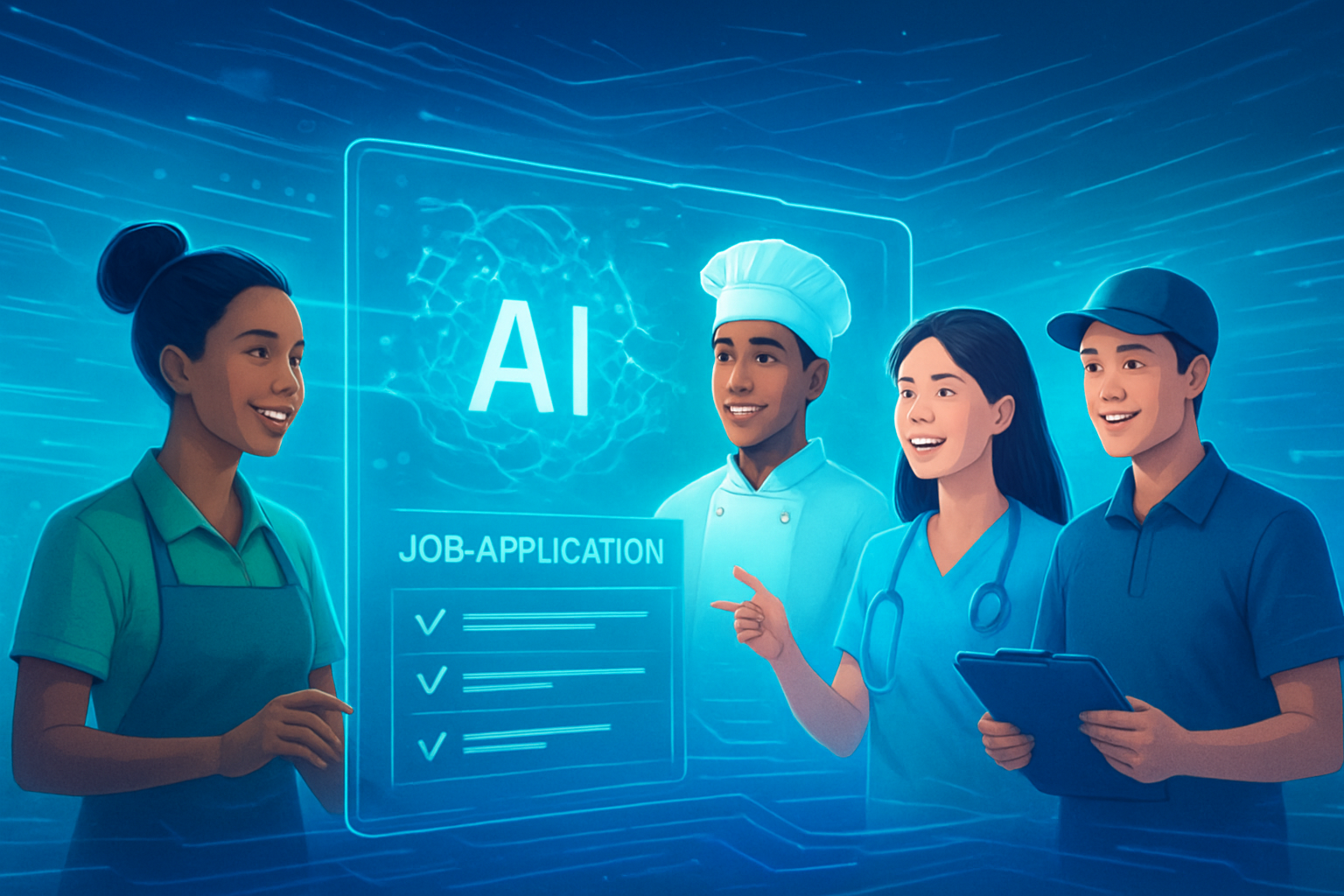
    The landscape of human resources technology is undergoing a profound transformation, spearheaded by the strategic integration of artificial intelligence. In a move poised to redefine how businesses attract and onboard their frontline workforce, UKG (NASDAQ: UKG), a global leader in HR and workforce management solutions, has acquired Chattr, a Tampa-based startup specializing in AI tools for hourly worker recruitment. This acquisition culminates in the launch of UKG Rapid Hire, an innovative AI- and mobile-first platform designed to dramatically accelerate the hiring process for high-volume roles, promising to cut time-to-hire from weeks to mere days.

    This development marks a significant inflection point for recruitment technology, particularly for sectors grappling with high turnover and urgent staffing needs such as retail, hospitality, and healthcare. By embedding Chattr's sophisticated conversational AI capabilities directly into its ecosystem, UKG aims to deliver a seamless "plan-to-hire-to-optimize" workforce cycle. The immediate significance lies in its potential to automate approximately 90% of repetitive hiring tasks, thereby freeing up frontline managers to focus on more strategic activities like interviewing and training, rather than administrative burdens. This not only streamlines operations but also enhances the candidate experience, a critical factor in today's competitive labor market.

    The Technical Edge: Conversational AI Drives Unprecedented Hiring Speed

    At the heart of UKG Rapid Hire lies Chattr's advanced end-to-end AI hiring automation software, meticulously engineered for the unique demands of the frontline workforce. Chattr’s core AI capabilities revolve around a conversational, chat-style interface that guides applicants through the entire recruiting process, from initial contact to final hire. This innovative approach moves beyond traditional, cumbersome application forms, allowing candidates to apply and schedule interviews at their convenience on any mobile device. This mobile-first, chat-driven experience is a stark departure from previous approaches, which often involved lengthy online forms, resume submissions, and slow, asynchronous communication.

    The AI intuitively screens applicants based on predefined criteria, analyzing skills and what UKG refers to as "success DNA" rather than relying solely on traditional resumes. This method aims to identify best-fit candidates more efficiently and objectively, potentially broadening the talent pool by focusing on capabilities over formatted experience. Furthermore, the system automates interview scheduling and sends proactive reminders and follow-ups to candidates and hiring managers, significantly reducing no-show rates and the time-consuming back-and-forth associated with coordination. This level of automation, capable of deploying quickly and integrating seamlessly with existing HR systems, positions UKG Rapid Hire as a leading-edge solution that promises to make high-volume frontline hiring "fast and frictionless," with claims of enabling hires in as little as 24-48 hours. The initial industry reaction suggests strong enthusiasm for a solution that directly tackles the chronic inefficiencies and high costs associated with hourly worker recruitment.

    Competitive Shake-Up: UKG's Strategic Play Reshapes the HR Tech Arena

    The acquisition of Chattr by UKG not only elevates its own offerings but also sends ripples across the competitive landscape of HR and recruitment technology. UKG (NASDAQ: UKG) stands as the primary beneficiary, gaining a significant competitive edge by integrating Chattr's proven AI-powered high-volume hiring capabilities directly into its "Workforce Operating Platform." This move fills a critical gap, particularly for industries with constant hiring needs, enabling UKG to offer a truly end-to-end AI-driven HR solution. This strategic enhancement puts direct competitive pressure on other major tech giants with substantial HR technology portfolios, including Workday (NASDAQ: WDAY), Oracle (NYSE: ORCL), SAP (NYSE: SAP), and Salesforce (NYSE: CRM). These established players will likely be compelled to accelerate their own development or acquisition strategies to match UKG's enhanced capabilities in conversational AI and automated recruitment, signaling a new arms race in the HR tech space.

    For AI companies and startups within the HR and recruitment technology sector, the implications are multifaceted. AI companies focusing on conversational AI or recruitment automation will face intensified competition, necessitating further specialization or strategic partnerships to contend with UKG's now more comprehensive solution. Conversely, providers of foundational AI technologies, such as advanced Natural Language Processing and machine learning models, could see increased demand as HR tech giants invest more heavily in developing sophisticated in-house AI platforms. Startups offering genuinely innovative, complementary AI solutions—perhaps in areas like advanced predictive analytics for retention, specialized onboarding experiences, or unique talent mobility tools—might find new opportunities for partnerships or become attractive acquisition targets for larger players looking to round out their AI ecosystems.

    This development also portends significant disruption to existing products and services. Traditional Applicant Tracking Systems (ATS) that primarily rely on manual screening, resume parsing, and interview scheduling will face considerable pressure. Chattr's conversational AI and automation can handle these tasks with far greater efficiency, accelerating the hiring process from weeks to days and challenging the efficacy of older, more labor-intensive systems. Similarly, generic recruitment chatbots lacking deep integration with recruitment workflows and specialized HR intelligence may become obsolete as sophisticated, purpose-built conversational AI solutions like Chattr's become the new standard within comprehensive HR suites. UKG's strategic advantage is solidified by offering a highly efficient, AI-driven solution that promises substantial time and cost savings for its customers, allowing HR teams and managers to focus on strategic decisions rather than administrative burdens.

    A Glimpse into the Future: AI's Broader Impact on Work and Ethics

    The integration of Chattr's AI into UKG's ecosystem, culminating in Rapid Hire, is more than just a product launch; it's a significant marker in the broader evolution of AI within the human resources landscape. This move underscores an accelerating trend where AI is no longer a peripheral tool but a strategic imperative, driving efficiency across the entire employee lifecycle. It exemplifies the growing adoption of AI-powered candidate screening, which leverages natural language processing (NLP) and machine learning (ML) to parse resumes, match qualifications, and rank candidates, often reducing time-to-hire by up to 60%. Furthermore, the platform's reliance on conversational AI aligns with the increasing use of intelligent chatbots for automated pre-screening and candidate engagement. This shift reflects a broader industry trend where HR leaders are rapidly adopting AI tools, reporting substantial productivity gains (15-25%) and reductions in operational costs (25-35%), effectively transforming HR roles from administrative to more strategic, data-driven functions.

    The profound impacts of such advanced AI in HR extend to the very fabric of the future of work and employment. By automating up to 90% of repetitive hiring tasks, AI tools like Rapid Hire free up HR professionals to focus on higher-value, human-centric activities such as talent management and employee development. The ability to move candidates from initial interest to hire in mere days, rather than weeks, fundamentally alters workforce planning, particularly for industries with high turnover or fluctuating staffing needs. However, this transformation also necessitates a shift in required skills for workers, who will increasingly need to adapt and develop competencies to effectively collaborate with AI tools. While AI enhances many roles, it also brings the potential for job transformation or even displacement for certain administrative or routine recruitment functions, pushing human recruiters towards more strategic, relationship-building roles.

    However, the accelerating adoption of AI in HR also amplifies critical concerns, particularly regarding data privacy and algorithmic bias. AI algorithms learn from historical data, and if this data contains ingrained biases or discriminatory patterns, the AI can inadvertently perpetuate and even amplify prejudices based on race, gender, or other protected characteristics. The infamous example of Amazon's (NASDAQ: AMZN) 2018 AI recruiting tool showing bias against women serves as a stark reminder of these risks. To mitigate such issues, organizations must commit to developing unbiased algorithms, utilizing diverse data sets, conducting regular audits, and ensuring robust human oversight in critical decision-making processes. Simultaneously, the collection and processing of vast amounts of sensitive personal information by AI recruitment tools necessitate stringent data privacy measures, including transparency, data minimization, robust encryption, and strict adherence to regulations like GDPR and CCPA.

    UKG's Rapid Hire, built on Chattr's technology, represents the latest wave in a continuous evolution of AI in HR tech. From early automation and basic chatbots in the pre-2000s to the rise of digital platforms and more sophisticated applicant tracking systems in the 2000s-2010s, the industry has steadily moved towards greater intelligence. The past decade saw breakthroughs in deep learning and NLP enabling advanced screening and video interview analysis from companies like HireVue and Pymetrics. Now, with the advent of generative AI and agentic applications, solutions like Rapid Hire are pushing the frontier further, enabling AI systems to autonomously perform entire workflows from identifying labor needs to orchestrating hiring actions, marking a significant leap towards truly intelligent and self-sufficient HR processes.

    The Road Ahead: AI's Evolving Role in Talent Acquisition and Management

    The strategic integration of Chattr's AI capabilities into UKG's ecosystem, manifesting as UKG Rapid Hire, signals a clear trajectory for the future of HR technology. In the near term, we can expect to see the full realization of Rapid Hire's promise: drastically reduced time-to-hire, potentially cutting the process to mere days or even 24-48 hours. This will be achieved through the significant automation of up to 90% of repetitive hiring tasks, from job posting and candidate follow-ups to interview scheduling and onboarding paperwork. The platform's focus on a frictionless, mobile-first conversational experience will continue to elevate candidate engagement, while embedded predictive insights during onboarding are poised to improve employee retention from the outset. Beyond recruitment, UKG's broader vision involves integrating Chattr's technology into its "Workforce Operating Platform," powered by UKG Bryte AI, to deliver an AI-guided user experience across its entire HR, payroll, and workforce management suite.

    Looking further ahead, the broader AI landscape in HR anticipates a future characterized by hyper-efficient recruitment and onboarding, personalized employee journeys, and proactive workforce planning. AI will increasingly tailor learning and development paths, career recommendations, and wellness programs based on individual needs, while predictive analytics will become indispensable for forecasting talent requirements and optimizing staffing in real time. Long-term developments envision human-machine collaboration becoming the norm, leading to the emergence of specialized HR roles like "HR Data Scientist" and "Employee Experience Architect." Semiautonomous AI agents are expected to perform more complex HR tasks, from monitoring performance to guiding new hires, fundamentally reshaping the nature of work and driving the creation of new human jobs globally as tasks and roles evolve.

    However, this transformative journey is not without its challenges. Addressing ethical AI concerns, particularly algorithmic bias, transparency, and data privacy, remains paramount. Organizations must proactively audit AI systems for inherent biases, ensure explainable decision-making processes, and rigorously protect sensitive employee data to maintain trust. Integration complexities, including ensuring high data quality across disparate HR systems and managing organizational change effectively, will also be critical hurdles. Despite these challenges, experts predict a future where AI and automation dominate recruitment, with a strong shift towards skills-based hiring, deeper data evaluation, and recruiters evolving into strategic talent marketers. The horizon also includes exciting possibilities like virtual and augmented reality transforming recruitment experiences and the emergence of dynamic "talent clouds" for on-demand staffing.

    The AI Imperative: A New Era for Talent Acquisition

    UKG's (NASDAQ: UKG) strategic acquisition of Chattr and the subsequent launch of UKG Rapid Hire represent a pivotal moment in the evolution of HR technology, signaling an undeniable shift towards AI-first solutions in talent acquisition. The core takeaway is the creation of an AI- and mobile-first conversational experience designed to revolutionize high-volume frontline hiring. By automating up to 90% of repetitive tasks, focusing on a candidate's "success DNA" rather than traditional resumes, and offering predictive insights for retention, Rapid Hire promises to drastically cut time-to-hire to mere days, delivering a frictionless and engaging experience. This move firmly establishes UKG's commitment to its "AI-first" corporate strategy, aiming to unify HR, payroll, and workforce management into a cohesive, intelligent platform.

    This development holds significant weight in both the history of AI and HR technology. It marks a substantial advancement of conversational and agentic AI within the enterprise, moving beyond simple automation to intelligent systems that can orchestrate entire workflows autonomously. UKG's aggressive pursuit of this strategy, including its expanded partnership with Google Cloud (NASDAQ: GOOGL) to accelerate agentic AI deployment, positions it at the forefront of embedded, interoperable AI ecosystems in Human Capital Management. The long-term impact on the industry and workforce will be profound: faster and more efficient hiring will become the new standard, forcing competitors to adapt. HR professionals will be liberated from administrative burdens to focus on strategic initiatives, and the enhanced candidate experience will likely improve talent attraction and retention across the board, driving significant productivity gains and necessitating a continuous adaptation of the workforce.

    As the industry moves forward, several key developments warrant close observation. The rollout of UKG's Dynamic Labor Management solution in Q1 2026, designed to complement Rapid Hire by anticipating and responding to real-time labor needs, will be crucial. The adoption rates and feedback regarding UKG's new AI-guided user experience across its flagship UKG Pro suite, which will become the default in 2026, will indicate the success of this conversational interface. Further AI integrations stemming from the Google Cloud partnership and their impact on workforce planning and retention metrics will also be vital indicators of success. Finally, the competitive responses from other major HR tech players will undoubtedly shape the next chapter of innovation in this rapidly evolving landscape, making the coming months a critical period for observing the full ripple effect of UKG's bold AI play.


    This content is intended for informational purposes only and represents analysis of current AI developments.

    TokenRing AI delivers enterprise-grade solutions for multi-agent AI workflow orchestration, AI-powered development tools, and seamless remote collaboration platforms.
    For more information, visit https://www.tokenring.ai/.