
Tag: Intel

  • The Silicon Architect: How AI is Rewriting the Rules of 2nm and 1nm Chip Design

    The Silicon Architect: How AI is Rewriting the Rules of 2nm and 1nm Chip Design

    As the semiconductor industry pushes beyond the physical limits of traditional silicon, a new designer has entered the cleanroom: Artificial Intelligence. In late 2025, the transition to 2nm and 1.4nm process nodes has proven so complex that human engineers can no longer manage the placement of billions of transistors alone. Tools like Google’s AlphaChip and Synopsys’s AI-driven EDA platforms have shifted from experimental assistants to mission-critical infrastructure, fundamentally altering how the world’s most advanced hardware is conceived and manufactured.

    This AI-led revolution in chip design is not just about speed; it is about survival in the "Angstrom era." With transistor features now measured in the width of a few dozen atoms, the design space—the possible ways to arrange components—has grown to a scale that exceeds the number of atoms in the observable universe. By utilizing reinforcement learning and generative design, companies are now able to compress years of architectural planning into weeks, ensuring that the next generation of AI accelerators and mobile processors can meet the voracious power and performance demands of the 2026 tech landscape.

    The Technical Frontier: AlphaChip and the Rise of Autonomous Floorplanning

    At the heart of this shift is AlphaChip, a reinforcement learning (RL) system developed by Google DeepMind, a subsidiary of Alphabet Inc. (NASDAQ: GOOGL). AlphaChip treats the "floorplanning" of a chip—the spatial arrangement of components like CPUs, GPUs, and memory—as a high-stakes game of Go. Using an Edge-based Graph Neural Network (Edge-GNN), the AI learns the intricate relationships between billions of interconnected macros. Unlike traditional automated tools that rely on predefined heuristics, AlphaChip develops an "intuition" for layout, pre-training on previous chip generations to optimize for power, performance, and area (PPA).

    The results have been transformative for Google’s own hardware. For the recently deployed TPU v6 (Trillium) accelerators, AlphaChip was responsible for placing 25 major blocks, achieving a 6.2% reduction in total wirelength compared to previous human-led designs. This technical feat is mirrored in the broader industry by Synopsys (NASDAQ: SNPS) and its DSO.ai (Design Space Optimization) platform. DSO.ai uses RL to search through trillions of potential design recipes, a task that would take a human team months of trial and error. As of December 2025, Synopsys has fully integrated these AI flows for TSMC’s (NYSE: TSM) N2 (2nm) process and Intel’s (NASDAQ: INTC) 18A node, allowing for the first "autonomous" pathfinding of 1.4nm architectures.

    This shift represents a departure from the "Standard Cell" era of the last decade. Previous approaches were iterative and siloed; engineers would optimize one section of a chip only to find it negatively impacted the heat or timing of another. AI-driven Electronic Design Automation (EDA) tools look at the chip holistically. Industry experts note that while a human designer might take six months to reach a "good enough" floorplan, AlphaChip and Cadence (NASDAQ: CDNS) Cerebrus can produce a superior layout in less than 24 hours. The AI research community has hailed this as a "closed-loop" milestone, where AI is effectively building the very silicon that will be used to train its future iterations.

    Market Dynamics: The Foundry Wars and the AI Advantage

    The strategic implications for the semiconductor market are profound. Taiwan Semiconductor Manufacturing Company (NYSE: TSM), the world's leading foundry, has maintained its dominance by integrating AI into its Open Innovation Platform (OIP). By late 2025, TSMC’s N2 node is in full volume production, largely thanks to AI-optimized yield management that identifies manufacturing defects at the atomic level before they ruin a wafer. However, the competitive gap is narrowing as Intel (NASDAQ: INTC) successfully scales its 18A process, becoming the first to implement PowerVia—a backside power delivery system that was largely perfected through AI-simulated thermal modeling.

    For tech giants like Microsoft (NASDAQ: MSFT) and Amazon (NASDAQ: AMZN), AI-driven design tools are the key to their custom silicon ambitions. By leveraging Synopsys and Cadence’s AI platforms, these companies can design bespoke AI chips that are precisely tuned for their specific cloud workloads without needing a massive internal team of legacy chip architects. This has led to a "democratization" of high-end chip design, where the barrier to entry is no longer just decades of experience, but rather access to the best AI design models and compute power.

    Samsung (KRX: 005930) is also leveraging AI to gain an edge in the mobile sector. By using AI to optimize its Gate-All-Around (GAA) transistor architecture at 2nm, Samsung has managed to close the efficiency gap with TSMC, securing major orders for the next generation of high-end smartphones. The competitive landscape is now defined by an "AI-First" foundry model, where the ability to provide AI-ready Process Design Kits (PDKs) is the primary factor in winning multi-billion dollar contracts from NVIDIA (NASDAQ: NVDA) and other chip designers.

    Beyond Moore’s Law: The Wider Significance of AI-Designed Silicon

    The role of AI in semiconductor design signals a fundamental shift in the trajectory of Moore’s Law. For decades, the industry relied on shrinking physical features to gain performance. As we approach the 1nm "Angstrom" limit, physical shrinking is yielding diminishing returns. AI provides a new lever: architectural efficiency. By finding non-obvious ways to route data and manage power, AI is effectively providing a "full node's worth" of performance gains (~15-20%) on existing hardware, extending the life of silicon technology even as we hit the boundaries of physics.

    However, this reliance on AI introduces new concerns. There is a growing "black box" problem in hardware; as AI designs more of the chip, it becomes increasingly difficult for human engineers to verify every path or understand why a specific layout was chosen. This raises questions about long-term reliability and the potential for "hallucinations" in hardware logic—errors that might not appear until a chip is in high-volume production. Furthermore, the concentration of these AI tools in the hands of a few US-based EDA giants like Synopsys and Cadence creates a new geopolitical chokepoint in the global supply chain.

    Comparatively, this milestone is being viewed as the "AlphaGo moment" for hardware. Just as AlphaGo proved that machines could find strategies humans had never considered in 2,500 years of play, AlphaChip and DSO.ai are finding layouts that defy traditional engineering logic but result in cooler, faster, and more efficient processors. We are moving from a world where humans design chips for AI, to a world where AI designs the chips for itself.

    The Road to 1nm: Future Developments and Challenges

    Looking toward 2026 and 2027, the industry is already eyeing the 1.4nm and 1nm horizons. The next major hurdle is the integration of High-NA (Numerical Aperture) EUV lithography. These machines, produced by ASML, are so complex that AI is required just to calibrate the light sources and masks. Experts predict that by 2027, the design process will be nearly 90% autonomous, with human engineers shifting their focus from "drawing" chips to "prompting" them—defining high-level goals and letting AI agents handle the trillion-transistor implementation.

    We are also seeing the emergence of "Generative Hardware." Similar to how Large Language Models generate text, new AI models are being trained to generate entire RTL (Register-Transfer Level) code from natural language descriptions. This could allow a software engineer to describe a specific encryption algorithm and have the AI generate a custom, hardened silicon block to execute it. The challenge remains in verification; as designs become more complex, the AI tools used to verify the chips must be even more advanced than the ones used to design them.

    Closing the Loop: A New Era of Computing

    The integration of AI into semiconductor design marks the beginning of a self-reinforcing cycle of technological growth. AI tools are designing 2nm chips that are more efficient at running the very AI models used to design them. This "silicon feedback loop" is accelerating the pace of innovation beyond anything seen in the previous 50 years of computing. As we look toward the end of 2025, the distinction between software and hardware design is blurring, replaced by a unified AI-driven development flow.

    The key takeaway for the industry is that AI is no longer an optional luxury in the semiconductor world; it is the fundamental engine of progress. In the coming months, watch for the first 1.4nm "risk production" announcements from TSMC and Intel, and pay close attention to how these firms use AI to manage the transition. The companies that master this digital-to-physical translation will lead the next decade of the global economy.


    This content is intended for informational purposes only and represents analysis of current AI developments.

    TokenRing AI delivers enterprise-grade solutions for multi-agent AI workflow orchestration, AI-powered development tools, and seamless remote collaboration platforms.
    For more information, visit https://www.tokenring.ai/.
  • The Glass Revolution: Why AI Giants Are Shattering Semiconductor Limits with Glass Substrates

    The Glass Revolution: Why AI Giants Are Shattering Semiconductor Limits with Glass Substrates

    As the artificial intelligence boom pushes the limits of silicon, the semiconductor industry is undergoing its most radical material shift in decades. In a collective move to overcome the "thermal wall" and physical constraints of traditional packaging, industry titans are transitioning from organic (resin-based) substrates to glass core substrates (GCS). This shift, accelerating rapidly as of late 2025, represents a fundamental re-engineering of how the world's most powerful AI processors are built, promising to unlock the trillion-transistor era required for next-generation generative models.

    The immediate significance of this transition cannot be overstated. With AI accelerators like NVIDIA’s upcoming architectures demanding power envelopes exceeding 1,000 watts, traditional organic materials—specifically Ajinomoto Build-up Film (ABF)—are reaching their breaking point. Glass offers the structural integrity, thermal stability, and interconnect density that organic materials simply cannot match. By adopting glass, chipmakers are not just improving performance; they are ensuring that the trajectory of AI hardware can keep pace with the exponential growth of AI software.

    Breaking the Silicon Ceiling: The Technical Shift to Glass

    The move toward glass is driven by the physical limitations of current organic substrates, which are prone to warping and heat-induced expansion. Intel (NASDAQ: INTC), a pioneer in this space, has spent over a decade researching glass core technology. In a significant strategic pivot in August 2025, Intel began licensing its GCS intellectual property to external partners, aiming to establish its technology as the industry standard. Glass substrates offer a 10x increase in interconnect density compared to organic materials, allowing for much tighter integration between compute tiles and High-Bandwidth Memory (HBM).

    Technically, glass provides several key advantages. Its extreme flatness—often measured at less than 1.0 micrometer—enables precise lithography for sub-2-micron line and space patterning. Furthermore, glass has a Coefficient of Thermal Expansion (CTE) that closely matches silicon. This is critical for AI chips that cycle through extreme temperatures; when the substrate and the silicon die expand and contract at the same rate, the risk of mechanical failure or signal degradation is drastically reduced. Through-Glass Via (TGV) technology, which creates vertical electrical connections through the glass, is the linchpin of this architecture, allowing for high-speed data paths that were previously impossible.

    Initial reactions from the research community have been overwhelmingly positive, though tempered by the complexity of the transition. Experts note that while glass is more brittle than organic resin, its ability to support larger "System-in-Package" (SiP) designs is a game-changer. TSMC (NYSE: TSM) has responded to this challenge by aggressively pursuing Fan-Out Panel-Level Packaging (FOPLP) on glass. By using 600mm x 600mm glass panels rather than circular silicon wafers, TSMC can manufacture massive AI accelerators more efficiently, satisfying the relentless demand from customers like NVIDIA (NASDAQ: NVDA).

    A New Battleground for AI Dominance

    The transition to glass substrates is reshaping the competitive landscape for tech giants and semiconductor foundries alike. Samsung Electronics (KRX: 005930) has mobilized its Samsung Electro-Mechanics division to fast-track a "Glass Core" initiative, launching a pilot line in early 2025. By late 2025, Samsung has reportedly begun supplying GCS samples to major U.S. hyperscalers and chip designers, including AMD (NASDAQ: AMD) and Amazon (NASDAQ: AMZN). This vertical integration strategy positions Samsung as a formidable rival to the Intel-licensed ecosystem and TSMC’s alliance-driven approach.

    For AI companies, the benefits are clear. The enhanced thermal management of glass allows for higher clock speeds and more cores without the risk of catastrophic warping. This directly benefits NVIDIA, whose "Rubin" architecture and beyond will rely on these advanced packaging techniques to maintain its lead in the AI training market. Meanwhile, startups focusing on specialized AI silicon may find themselves forced to partner with major foundries early in their design cycles to ensure their chips are compatible with the new glass-based manufacturing pipelines, potentially raising the barrier to entry for high-end hardware.

    The disruption extends to the supply chain as well. Companies like Absolics, a subsidiary of SKC (KRX: 011790), have emerged as critical players. Backed by over $100 million in U.S. CHIPS Act grants, Absolics is on track to reach high-volume manufacturing at its Georgia facility by the end of 2025. This localized manufacturing capability provides a strategic advantage for U.S.-based AI labs, reducing reliance on overseas logistics for the most sensitive and advanced components of the AI infrastructure.

    The Broader AI Landscape: Overcoming the Thermal Wall

    The shift to glass is more than a technical upgrade; it is a necessary evolution to sustain the current AI trajectory. As AI models grow in complexity, the "thermal wall"—the point at which heat dissipation limits performance—has become the primary bottleneck for innovation. Glass substrates represent a breakthrough comparable to the introduction of FinFET transistors or EUV lithography, providing a new foundation for Moore’s Law to continue in the era of heterogeneous integration and chiplets.

    Furthermore, glass is the ideal medium for the future of Co-packaged Optics (CPO). As the industry looks toward photonics—using light instead of electricity to move data—the transparency and thermal stability of glass make it the perfect substrate for integrating optical engines directly onto the chip package. This could potentially solve the interconnect bandwidth bottleneck that currently plagues massive AI clusters, allowing for near-instantaneous communication between thousands of GPUs.

    However, the transition is not without concerns. The cost of glass substrates remains significantly higher than organic alternatives, and the industry must overcome yield challenges associated with handling brittle glass panels in high-volume environments. Critics argue that the move to glass may further centralize power among the few companies capable of affording the massive R&D and capital expenditures required, potentially slowing innovation in the broader semiconductor ecosystem if standards become fragmented.

    The Road Ahead: 2026 and Beyond

    Looking toward 2026 and 2027, the semiconductor industry expects to move from the "pre-qualification" phase seen in 2025 to full-scale mass production. Experts predict that the first consumer-facing AI products featuring glass-packaged chips will hit the market by late 2026, likely in high-end data center servers and workstation-class processors. Near-term developments will focus on refining TGV manufacturing processes to drive down costs and improve the robustness of the glass panels during the assembly phase.

    In the long term, the applications for glass substrates extend beyond AI. High-performance computing (HPC), 6G telecommunications, and even advanced automotive sensors could benefit from the signal integrity and thermal properties of glass. The challenge will be establishing a unified set of industry standards to ensure interoperability between different vendors' glass cores and chiplets. Organizations like the E-core System Alliance in Taiwan are already working to address these hurdles, but a global consensus remains a work in progress.

    A Pivotal Moment in Computing History

    The industry-wide pivot to glass substrates marks a definitive end to the era of organic packaging for high-performance computing. By solving the critical issues of thermal expansion and interconnect density, glass provides the structural "scaffolding" necessary for the next decade of AI advancement. This development will likely be remembered as the moment when the physical limitations of materials were finally aligned with the limitless ambitions of artificial intelligence.

    In the coming weeks and months, the industry will be watching for the first yield reports from Absolics’ Georgia facility and the results of Samsung’s sample evaluations with U.S. tech giants. As 2025 draws to a close, the "Glass Revolution" is no longer a laboratory curiosity—it is the new standard for the silicon that will power the future of intelligence.


    This content is intended for informational purposes only and represents analysis of current AI developments.

    TokenRing AI delivers enterprise-grade solutions for multi-agent AI workflow orchestration, AI-powered development tools, and seamless remote collaboration platforms.
    For more information, visit https://www.tokenring.ai/.

  • The $5 Billion Insurance Policy: NVIDIA Bets on Intel’s Future While Shunning Its Present 18A Process

    The $5 Billion Insurance Policy: NVIDIA Bets on Intel’s Future While Shunning Its Present 18A Process

    In a move that underscores the high-stakes complexity of the global semiconductor landscape, NVIDIA (NASDAQ: NVDA) has finalized a landmark $5 billion equity investment in Intel Corporation (NASDAQ: INTC), effectively becoming one of the company’s largest shareholders. The deal, which received Federal Trade Commission (FTC) approval in December 2025, positions the two longtime rivals as reluctant but deeply intertwined partners. However, the financial alliance comes with a stark technical caveat: despite the massive capital injection, NVIDIA has officially halted plans for mass production on Intel’s flagship 18A (1.8nm) process node, choosing instead to remain tethered to its primary manufacturing partner in Taiwan.

    This "frenemy" dynamic highlights a strategic divergence between financial stability and technical readiness. While NVIDIA is willing to spend billions to ensure Intel remains a viable domestic alternative to the Taiwan Semiconductor Manufacturing Company (NYSE: TSM), it is not yet willing to gamble its market-leading AI hardware on Intel’s nascent manufacturing yields. For Intel, the investment provides a critical lifeline and a vote of confidence from the world’s most valuable chipmaker, even as it struggles to prove that its "five nodes in four years" roadmap can meet the exacting standards of the AI era.

    Technical Roadblocks and the 18A Reality Check

    Intel’s 18A process was designed to be the "Great Equalizer," the node that would finally allow the American giant to leapfrog TSMC in transistor density and power efficiency. By late 2025, Intel successfully moved 18A into High-Volume Manufacturing (HVM) for its internal products, including the "Panther Lake" client CPUs and "Clearwater Forest" server chips. However, the transition for external foundry customers has been far more turbulent. Reports from December 2025 indicate that NVIDIA’s internal testing of the 18A node yielded "disappointing" results, particularly regarding performance-per-watt metrics and wafer yields.

    Industry insiders suggest that while Intel has improved 18A yields from a dismal 10% in early 2025 to roughly 55–65% by the fourth quarter, these figures still fall short of the 70–80% "gold standard" required for high-margin AI GPUs. For a company like NVIDIA, which commands nearly 90% of the AI accelerator market, even a minor yield deficit translates into billions of dollars in lost revenue. Consequently, NVIDIA has opted to keep its next-generation Blackwell successor on TSMC’s N2 (2nm) node, viewing Intel’s 18A as a bridge too far for current-generation mass production. This sentiment is reportedly shared by other industry titans like Broadcom (NASDAQ: AVGO) and AMD (NASDAQ: AMD), both of whom have conducted 18A trials but declined to commit to large-scale orders for 2026.

    A Strategic Pivot: Co-Design and the AI PC Frontier

    While the manufacturing side of the relationship is on hold, the $5 billion investment has opened the door to a new era of product collaboration. The deal includes a comprehensive agreement to co-design custom x86 data center CPUs specifically optimized for NVIDIA’s AI infrastructure. This move allows NVIDIA to move beyond its ARM-based Grace CPUs and offer a more integrated solution for legacy data centers that remain heavily invested in the x86 ecosystem. Furthermore, the two companies are reportedly working on a revolutionary System-on-Chip (SoC) for "AI PCs" that combines Intel’s high-efficiency CPU cores with NVIDIA’s RTX graphics architecture—a direct challenge to Apple’s M-series dominance.

    This partnership serves a dual purpose: it bolsters Intel’s product relevance while giving NVIDIA a deeper foothold in the client computing space. For the broader tech industry, this signals a shift away from pure competition toward "co-opetition." By integrating their respective strengths, Intel and NVIDIA are creating a formidable front against the rise of ARM-based competitors and internal silicon efforts from cloud giants like Amazon and Google. However, the competitive implications for TSMC are mixed; while TSMC retains the high-volume manufacturing of NVIDIA’s most advanced chips, it now faces a competitor in Intel that is backed by the financial might of its own largest customers.

    Geopolitics and the "National Champion" Hedge

    The primary driver behind NVIDIA’s $5 billion investment is not immediate technical gain, but long-term geopolitical insurance. With over 90% of the world's most advanced logic chips currently produced in Taiwan, the semiconductor supply chain remains dangerously exposed to regional instability. NVIDIA CEO Jensen Huang has been vocal about the need for a "resilient, geographically diverse supply base." By taking a 4% stake in Intel, NVIDIA is essentially paying for a "Plan B." If production in the Taiwan Strait were ever disrupted, NVIDIA now has a vested interest—and a seat at the table—to ensure Intel’s Arizona and Ohio fabs are ready to pick up the slack.

    This alignment has effectively transformed Intel into a "National Strategic Asset," supported by both the U.S. government through the CHIPS Act and private industry through NVIDIA’s capital. This "too big to fail" status ensures that Intel will have the necessary resources to continue its pursuit of process parity, even if it misses the mark with 18A. The investment acts as a bridge to Intel’s future 14A (1.4nm) node, which will utilize the world’s first High-NA EUV lithography machines. For NVIDIA, the $5 billion is a small price to pay to ensure that a viable domestic foundry exists by 2027 or 2028, reducing its existential dependence on a single geographic point of failure.

    Looking Ahead: The Road to 14A and High-NA EUV

    The focus of the Intel-NVIDIA relationship is now shifting toward the 2026–2027 horizon. Experts predict that the real test of Intel’s foundry ambitions will be the 14A node. Unlike 18A, which was seen by many as a transitional technology, 14A is being built from the ground up for the era of High-NA (Numerical Aperture) EUV. This technology is expected to provide the precision necessary to compete directly with TSMC’s most advanced future nodes. Intel has already taken delivery of the first High-NA machines from ASML, giving it a potential head start in learning the complexities of the next generation of lithography.

    In the near term, the industry will be watching for the first samples of the co-designed Intel-NVIDIA AI PC chips, expected to debut in late 2026. These products will serve as a litmus test for how well the two companies can integrate their disparate engineering cultures. The challenge remains for Intel to prove it can function as a true service-oriented foundry, treating external customers with the same priority as its own internal product groups—a cultural shift that has proven difficult in the past. If Intel can successfully execute on 14A and provide the yields NVIDIA requires, the $5 billion investment may go down in history as one of the most prescient strategic moves in the history of the semiconductor industry.

    Summary: A Fragile but Necessary Alliance

    The current state of the Intel-NVIDIA relationship is a masterclass in strategic hedging. NVIDIA has successfully secured its future by investing in a domestic manufacturing alternative while simultaneously protecting its present by sticking with the proven reliability of TSMC. Intel, meanwhile, has gained a powerful ally and the capital necessary to weather its current yield struggles, though it remains under immense pressure to deliver on its technical promises.

    As we move into 2026, the key metrics to watch will be Intel’s 14A development milestones and the market reception of the first joint Intel-NVIDIA hardware. This development marks a significant chapter in AI history, where the physical constraints of geography and manufacturing have forced even the fiercest of rivals into a symbiotic embrace. For now, NVIDIA is betting on Intel’s survival, even if it isn't yet ready to bet on its 18A silicon.


    This content is intended for informational purposes only and represents analysis of current AI developments.

    TokenRing AI delivers enterprise-grade solutions for multi-agent AI workflow orchestration, AI-powered development tools, and seamless remote collaboration platforms.
    For more information, visit https://www.tokenring.ai/.
  • The Chiplet Revolution: How Advanced Packaging and UCIe are Redefining AI Hardware in 2025

    The Chiplet Revolution: How Advanced Packaging and UCIe are Redefining AI Hardware in 2025

    The semiconductor industry has reached a historic inflection point as the "Chiplet Revolution" transitions from a visionary concept into the bedrock of global compute. As of late 2025, the era of the massive, single-piece "monolithic" processor is effectively over for high-performance applications. In its place, a sophisticated ecosystem of modular silicon components—known as chiplets—is being "stitched" together using advanced packaging techniques that were once considered experimental. This shift is not merely a manufacturing preference; it is a survival strategy for a world where the demand for AI compute is doubling every few months, far outstripping the slow gains of traditional transistor scaling.

    The immediate significance of this revolution lies in the democratization of high-end silicon. With the recent ratification of the Universal Chiplet Interconnect Express (UCIe) 3.0 standard in August 2025, the industry has finally established a "lingua franca" that allows chips from different manufacturers to communicate as if they were on the same piece of silicon. This interoperability is breaking the proprietary stranglehold held by the largest chipmakers, enabling a new wave of "mix-and-match" processors where a company might combine an Intel Corporation (NASDAQ:INTC) compute tile with an NVIDIA (NASDAQ:NVDA) AI accelerator and Samsung Electronics (OTC:SSNLF) memory, all within a single, high-performance package.

    The Architecture of Interconnects: UCIe 3.0 and the 3D Frontier

    Technically, the "stitching" of these dies relies on the UCIe standard, which has seen rapid iteration over the last 18 months. The current benchmark, UCIe 3.0, offers staggering data rates of 64 GT/s per lane, doubling the bandwidth of the previous generation while maintaining ultra-low latency. This is achieved through "UCIe-3D" optimizations, which are specifically designed for hybrid bonding—a process that allows dies to be stacked vertically with copper-to-copper connections. These connections are now reaching bump pitches as small as 1 micron, effectively turning a stack of chips into a singular, three-dimensional block of logic and memory.

    This approach differs fundamentally from previous "System-on-Chip" (SoC) designs. In the past, if one part of a large chip was defective, the entire expensive component had to be discarded. Today, companies like Advanced Micro Devices (NASDAQ:AMD) and NVIDIA use "binning" at the chiplet level, significantly increasing yields and lowering costs. For instance, NVIDIA’s Blackwell architecture (B200) utilizes a dual-die "superchip" design connected via a 10 TB/s link, a feat of engineering that would have been physically impossible on a single monolithic die due to the "reticle limit"—the maximum size a chip can be printed by current lithography machines.

    However, the transition to 3D stacking has introduced a new set of manufacturing hurdles. Thermal management has become the industry’s "white whale," as stacking high-power logic dies creates concentrated hot spots that traditional air cooling cannot dissipate. In late 2025, liquid cooling and even "in-package" microfluidic channels have moved from research labs to data center floors to prevent these 3D stacks from melting. Furthermore, the industry is grappling with the yield rates of 16-layer HBM4 (High Bandwidth Memory), which currently hover around 60%, creating a significant cost barrier for mass-market adoption.

    Strategic Realignment: The Packaging Arms Race

    The shift toward chiplets has fundamentally altered the competitive landscape for tech giants and startups alike. Taiwan Semiconductor Manufacturing Company (NYSE:TSM), or TSMC, has seen its CoWoS (Chip-on-Wafer-on-Substrate) packaging technology become the most sought-after commodity in the world. With capacity reaching 80,000 wafers per month by December 2025, TSMC remains the gatekeeper of AI progress. This dominance has forced competitors and customers to seek alternatives, leading to the rise of secondary packaging providers like Powertech Technology Inc. (TWSE:6239) and the acceleration of Intel’s "IDM 2.0" strategy, which positions its Foveros packaging as a direct rival to TSMC.

    For AI labs and hyperscalers like Amazon (NASDAQ:AMZN) and Alphabet (NASDAQ:GOOGL), the chiplet revolution offers a path to sovereignty. By using the UCIe standard, these companies can design their own custom "accelerator" chiplets and pair them with industry-standard I/O and memory dies. This reduces their dependence on off-the-shelf parts and allows for hardware that is hyper-optimized for specific AI workloads, such as large language model (LLM) inference or protein folding simulations. The strategic advantage has shifted from who has the best lithography to who has the most efficient packaging and interconnect ecosystem.

    The disruption is also being felt in the consumer sector. Intel’s Arrow Lake and Lunar Lake processors represent the first mainstream desktop and mobile chips to fully embrace 3D "tiled" architectures. By outsourcing specific tiles to TSMC while performing the final assembly in-house, Intel has managed to stay competitive in power efficiency, a move that would have been unthinkable five years ago. This "fab-agnostic" approach is becoming the new standard, as even the most vertically integrated companies realize they cannot lead in every single sub-process of semiconductor manufacturing.

    Beyond Moore’s Law: The Wider Significance of Modular Silicon

    The chiplet revolution is the definitive answer to the slowing of Moore’s Law. As the physical limits of transistor shrinking are reached, the industry has pivoted to "More than Moore"—a philosophy that emphasizes system-level integration over raw transistor density. This trend fits into a broader AI landscape where the size of models is growing exponentially, requiring a corresponding leap in memory bandwidth and interconnect speed. Without the "stitching" capabilities of UCIe and advanced packaging, the hardware would have hit a performance ceiling in 2023, potentially stalling the current AI boom.

    However, this transition brings new concerns regarding supply chain security and geopolitical stability. Because a single advanced package might contain components from three different countries and four different companies, the "provenance" of silicon has become a major headache for defense and government sectors. The complexity of testing these multi-die systems also introduces potential vulnerabilities; a single compromised chiplet could theoretically act as a "Trojan horse" within a larger system. As a result, the UCIe 3.0 standard has introduced a standardized "UDA" (UCIe DFx Architecture) for better testability and security auditing.

    Compared to previous milestones, such as the introduction of FinFET transistors or EUV lithography, the chiplet revolution is more of a structural shift than a purely scientific one. It represents the "industrialization" of silicon, moving away from the artisan-like creation of single-block chips toward a modular, assembly-line approach. This maturity is necessary for the next phase of the AI era, where compute must become as ubiquitous and scalable as electricity.

    The Horizon: Glass Substrates and Optical Interconnects

    Looking ahead to 2026 and beyond, the next major breakthrough is already in pilot production: glass substrates. Led by Intel and partners like SKC Co., Ltd. (KRX:011790) through its subsidiary Absolics, glass is set to replace the organic (plastic) substrates that have been the industry standard for decades. Glass offers superior flatness and thermal stability, allowing for even denser interconnects and faster signal speeds. Experts predict that glass substrates will be the key to enabling the first "trillion-transistor" packages by 2027.

    Another area of intense development is the integration of silicon photonics directly into the chiplet stack. As copper wires struggle to carry data across 100mm distances without significant heat and signal loss, light-based interconnects are becoming a necessity. Companies are currently working on "optical I/O" chiplets that could allow different parts of a data center to communicate at the same speeds as components on the same board. This would effectively turn an entire server rack into a single, giant, distributed computer.

    A New Era of Computing

    The "Chiplet Revolution" of 2025 has fundamentally rewritten the rules of the semiconductor industry. By moving from a monolithic to a modular philosophy, the industry has found a way to sustain the breakneck pace of AI development despite the mounting physical challenges of silicon manufacturing. The UCIe standard has acted as the crucial glue, allowing a diverse ecosystem of manufacturers to collaborate on a single piece of hardware, while advanced packaging has become the new frontier of competitive advantage.

    As we look toward 2026, the focus will remain on scaling these technologies to meet the insatiable demands of the "Blackwell-class" and "Rubin-class" AI architectures. The transition to glass substrates and the maturation of 3D stacking yields will be the primary metrics of success. For now, the "Silicon Stitch" has successfully extended the life of Moore's Law, ensuring that the AI revolution has the hardware it needs to continue its transformative journey.


    This content is intended for informational purposes only and represents analysis of current AI developments.

    TokenRing AI delivers enterprise-grade solutions for multi-agent AI workflow orchestration, AI-powered development tools, and seamless remote collaboration platforms.
    For more information, visit https://www.tokenring.ai/.

  • The Silicon Backbone: How the AI Revolution Triggered a $52 Billion Semiconductor Talent War

    The Silicon Backbone: How the AI Revolution Triggered a $52 Billion Semiconductor Talent War

    As the global race for artificial intelligence supremacy accelerates, the industry has hit a formidable and unexpected bottleneck: a critical shortage of the human experts required to build the hardware that powers AI. As of late 2025, the United States semiconductor industry is grappling with a staggering "talent war," characterized by more than 25,000 immediate job openings across the "Silicon Desert" of Arizona and the "Silicon Heartland" of Ohio. This labor crisis threatens to derail the ambitious domestic manufacturing goals set by the CHIPS and Science Act, as the demand for 2nm and below processing nodes outstrips the supply of qualified engineers and technicians.

    The immediate significance of this development cannot be overstated. While the federal government has committed billions to build physical fabrication plants (fabs), the lack of a specialized workforce has turned into a primary risk factor for project timelines. From entry-level fab technicians to PhD-level Extreme Ultraviolet (EUV) lithography experts, the industry is pivoting away from traditional recruitment models toward aggressive "skills academies" and unprecedented university partnerships. This shift marks a fundamental restructuring of how the tech industry prepares its workforce for the era of hardware-defined AI.

    From Degrees to Certifications: The Rise of Semiconductor Skills Academies

    The current talent gap is not merely a numbers problem; it is a specialized skills mismatch. Of the 25,000+ current openings, a significant portion is for mid-level technicians who do not necessarily require a four-year engineering degree but do need highly specific training in cleanroom protocols and vacuum systems. To address this, industry leaders like Intel (NASDAQ:INTC) have pioneered "Quick Start" programs. In Arizona, Intel partnered with Maricopa Community Colleges to offer a two-week intensive program that transitions workers from adjacent industries—such as automotive or aerospace—into entry-level semiconductor roles.

    Technically, these programs are a departure from the "ivory tower" approach to engineering. They utilize "digital twin" training environments—virtual replicas of multi-billion dollar fabs—allowing students to practice complex maintenance on EUV machines without risking damage to actual equipment. This technical shift is supported by the National Semiconductor Technology Center (NSTC) Workforce Center of Excellence, which received a $250 million investment in early 2025 to standardize these digital training modules nationwide.

    Initial reactions from the AI research community have been cautiously optimistic. Experts note that while these "skills academies" can solve the technician shortage, the "brain drain" at the higher end of the spectrum—specifically in advanced packaging and circuit design—remains acute. The complexity of 2nm chip architectures requires a level of physics and materials science expertise that cannot be fast-tracked in a two-week boot camp, leading to a fierce bidding war for graduate-level talent.

    Corporate Giants and the Strategic Hunt for Human Capital

    The talent war has created a new competitive landscape where a company’s valuation is increasingly tied to its ability to secure a workforce. Intel (NASDAQ:INTC) has been the most aggressive, committing $100 million to its Semiconductor Education and Research Program (SERP). By embedding itself in the curriculum of eight leading Ohio universities, including Ohio State, Intel is effectively "pre-ordering" the next generation of graduates to staff its $20 billion manufacturing hub in Licking County.

    TSMC (NYSE:TSM) has followed a similar playbook in Arizona. By partnering with Arizona State University (ASU) through the CareerCatalyst platform, TSMC is leveraging non-degree, skills-based education to fill its Phoenix-based fabs. This move is a strategic necessity; TSMC’s expansion into the U.S. has been historically hampered by cultural and technical differences in workforce management. By funding local training centers, TSMC is attempting to build a "homegrown" workforce that can operate its most advanced 3nm and 2nm lines.

    Meanwhile, Micron (NASDAQ:MU) has looked toward international cooperation to solve the domestic shortage. Through the UPWARDS Network, a $60 million initiative involving Tokyo Electron (OTC:TOELY) and several U.S. and Japanese universities, Micron is cultivating a global talent pool. This cross-border strategy provides a competitive advantage by allowing Micron to tap into the specialized lithography expertise of Japanese engineers while training U.S. students at Purdue University and Virginia Tech.

    National Security and the Broader AI Landscape

    The semiconductor talent war is more than just a corporate HR challenge; it is a matter of national security and a critical pillar of the global AI landscape. The 2024-2025 surge in AI-specific chips has made it clear that the "software-first" mentality of the last decade is no longer sufficient. Without a robust workforce to operate domestic fabs, the U.S. remains vulnerable to supply chain disruptions that could freeze AI development overnight.

    This situation echoes previous milestones in tech history, such as the 1960s space race, where the government and private sector had to fundamentally realign the education system to meet a national objective. However, the current crisis is complicated by the fact that the semiconductor industry is competing for the same pool of STEM talent as the high-paying software and finance sectors. There are growing concerns that the "talent war" could lead to a cannibalization of other critical tech industries if not managed through a broad expansion of the total talent pool.

    Furthermore, the focus on "skills academies" and rapid certification raises questions about long-term innovation. While these programs fill the immediate 25,000-job gap, some industry veterans worry that a shift away from deep, fundamental research in favor of vocational training could slow the breakthrough discoveries needed for post-silicon computing or room-temperature superconductors.

    The Future of Silicon Engineering: Automation and Digital Twins

    Looking ahead to 2026 and beyond, the industry is expected to turn toward AI itself to solve the human talent shortage. "AI for EDA" (Electronic Design Automation) is a burgeoning field where machine learning models assist in the layout and verification of complex circuits, potentially reducing the number of human engineers required for a single project. We are also likely to see the expansion of "lights-out" manufacturing—fully automated fabs that require fewer human technicians on the floor, though this will only increase the demand for high-level software engineers to maintain the automation systems.

    In the near term, the success of the CHIPS Act will be measured by the graduation rates of programs like Purdue’s Semiconductor Degrees Program (SDP) and the STARS (Summer Training, Awareness, and Readiness for Semiconductors) initiative. Experts predict that if these university-corporate partnerships can bridge 50% of the projected 67,000-worker shortfall by 2030, the U.S. will have successfully secured its position as a global semiconductor powerhouse.

    A Decisive Moment for the Hardware Revolution

    The 25,000-job opening gap in the semiconductor industry is a stark reminder that the AI revolution is built on a foundation of physical hardware and human labor. The transition from traditional academic pathways to agile "skills academies" and deep corporate-university integration represents one of the most significant shifts in technical education in decades. As Intel, TSMC, and Micron race to staff their new facilities, the winners of the talent war will likely be the winners of the AI era.

    Key takeaways from this development include the critical role of federal funding in workforce infrastructure, the rising importance of "digital twin" training technologies, and the strategic necessity of regional talent hubs. In the coming months, industry watchers should keep a close eye on the first wave of graduates from the Intel-Ohio and TSMC-ASU partnerships. Their ability to seamlessly integrate into high-stakes fab environments will determine whether the U.S. can truly bring the silicon backbone of AI back to its own shores.


    This content is intended for informational purposes only and represents analysis of current AI developments.

    TokenRing AI delivers enterprise-grade solutions for multi-agent AI workflow orchestration, AI-powered development tools, and seamless remote collaboration platforms.
    For more information, visit https://www.tokenring.ai/.
  • The Silicon Sovereignty: How the ‘AI PC’ Revolution of 2025 Ended the Cloud’s Monopoly on Intelligence

    The Silicon Sovereignty: How the ‘AI PC’ Revolution of 2025 Ended the Cloud’s Monopoly on Intelligence

    As we close out 2025, the technology landscape has undergone its most significant architectural shift since the transition from mainframes to personal computers. The "AI PC"—once dismissed as a marketing buzzword in early 2024—has become the undisputed industry standard. By moving generative AI processing from massive, energy-hungry data centers directly onto the silicon of laptops and smartphones, the industry has fundamentally rewritten the rules of privacy, latency, and digital agency.

    This shift toward local AI processing is driven by the maturation of dedicated Neural Processing Units (NPUs) and high-performance integrated graphics. Today, nearly 40% of all global PC shipments are classified as "AI-capable," meaning they possess the specialized hardware required to run Large Language Models (LLMs) and diffusion models without an internet connection. This "Silicon Sovereignty" marks the end of the cloud-first era, as users reclaim control over their data and their compute power.

    The Rise of the NPU: From 10 to 80 TOPS in Two Years

    In late 2025, the primary metric for computing power is no longer just clock speed or core count, but TOPS (Tera Operations Per Second). The industry has standardized a baseline of 45 to 50 NPU TOPS for any device carrying the "Copilot+" certification from Microsoft (NASDAQ: MSFT). This represents a staggering leap from the 10-15 TOPS seen in the first generation of AI-enabled chips. Leading the charge is Qualcomm (NASDAQ: QCOM) with its Snapdragon X2 Elite, which boasts a dedicated NPU capable of 80 TOPS. This allows for real-time, multi-modal AI interactions—such as live translation and screen-aware assistance—with negligible impact on the device's 22-hour battery life.

    Intel (NASDAQ: INTC) has responded with its Panther Lake architecture, built on the cutting-edge Intel 18A process, which emphasizes "Total Platform TOPS." By orchestrating the CPU, NPU, and the new Xe3 GPU in tandem, Intel-based machines can reach a combined 180 TOPS, providing enough headroom to run sophisticated "Agentic AI" that can navigate complex software interfaces on behalf of the user. Meanwhile, AMD (NASDAQ: AMD) has targeted the high-end creator market with its Ryzen AI Max 300 series. These chips feature massive integrated GPUs that allow enthusiasts to run 70-billion parameter models, like Llama 3, entirely on a laptop—a feat that required a server rack just 24 months ago.

    This technical evolution differs from previous approaches by solving the "memory wall." Modern AI PCs now utilize on-package memory and high-bandwidth unified architectures to ensure that the massive data sets required for AI inference don't bottleneck the processor. The result is a user experience where AI isn't a separate app you visit, but a seamless layer of the operating system that anticipates needs, summarizes local documents instantly, and generates content with zero round-trip latency to a remote server.

    A New Power Dynamic: Winners and Losers in the Local AI Era

    The move to local processing has created a seismic shift in market positioning. Silicon giants like Intel, AMD, and Qualcomm have seen a resurgence in relevance as the "PC upgrade cycle" finally accelerated after years of stagnation. However, the most dominant player remains NVIDIA (NASDAQ: NVDA). While NPUs handle background tasks, NVIDIA’s RTX 50-series GPUs, featuring the Blackwell architecture, offer upwards of 3,000 TOPS. By branding these as "Premium AI PCs," NVIDIA has captured the developer and researcher market, ensuring that anyone building the next generation of AI does so on their proprietary CUDA and TensorRT software stacks.

    Software giants are also pivoting. Microsoft and Apple (NASDAQ: AAPL) are no longer just selling operating systems; they are selling "Personal Intelligence." With the launch of the M5 chip and "Apple Intelligence Pro," Apple has integrated AI accelerators directly into every GPU core, allowing for a multimodal Siri that can perform cross-app actions securely. This poses a significant threat to pure-play AI startups that rely on cloud-based subscription models. If a user can run a high-quality LLM locally for free on their MacBook or Surface, the value proposition of paying $20 a month for a cloud-based chatbot begins to evaporate.

    Furthermore, this development disrupts the traditional cloud service providers. As more inference moves to the edge, the demand for massive cloud-AI clusters may shift toward training rather than daily execution. Companies like Adobe (NASDAQ: ADBE) have already adapted by moving their Firefly generative tools to run locally on NPU-equipped hardware, reducing their own server costs while providing users with faster, more private creative workflows.

    Privacy, Sovereignty, and the Death of the 'Dumb' OS

    The wider significance of the AI PC revolution lies in the concept of "Sovereign AI." In 2024, the primary concern for enterprise and individual users was data leakage—the fear that sensitive information sent to a cloud AI would be used to train future models. In 2025, that concern has been largely mitigated. Local AI processing means that a user’s "semantic index"—the total history of their files, emails, and screen activity—never leaves the device. This has enabled features like the matured version of Windows Recall, which acts as a perfect photographic memory for your digital life without compromising security.

    This transition mirrors the broader trend of decentralization in technology. Much like the PC liberated users from the constraints of time-sharing on mainframes, the AI PC is liberating users from the "intelligence-sharing" of the cloud. It represents a move toward an "Agentic OS," where the operating system is no longer a passive file manager but an active participant in the user's workflow. This shift has also sparked a renaissance in open-source AI; platforms like LM Studio and Ollama have become mainstream, allowing non-technical users to download and run specialized models tailored for medicine, law, or coding with a single click.

    However, this milestone is not without concerns. The "TOPS War" has led to increased power consumption in high-end laptops, and the environmental impact of manufacturing millions of new, AI-specialized chips is a subject of intense debate. Additionally, as AI becomes more integrated into the local OS, the potential for "local-side" malware that targets an individual's private AI model is a new frontier for cybersecurity experts.

    The Horizon: From Assistants to Autonomous Agents

    Looking ahead to 2026 and beyond, we expect the NPU baseline to cross the 100 TOPS threshold for even entry-level devices. This will usher in the era of truly autonomous agents—AI entities that don't just suggest text, but actually execute multi-step projects across different software environments. We will likely see the emergence of "Personal Foundation Models," AI systems that are fine-tuned on a user's specific voice, style, and professional knowledge base, residing entirely on their local hardware.

    The next challenge for the industry will be the "Memory Bottleneck." While NPU speeds are skyrocketing, the ability to feed these processors data quickly enough remains a hurdle. We expect to see more aggressive moves toward 3D-stacked memory and new interconnect standards designed specifically for AI-heavy workloads. Experts also predict that the distinction between a "smartphone" and a "PC" will continue to blur, as both devices will share the same high-TOPS silicon architectures, allowing a seamless AI experience that follows the user across all screens.

    Summary: A New Chapter in Computing History

    The emergence of the AI PC in 2025 marks a definitive turning point in the history of artificial intelligence. By successfully decentralizing intelligence, the industry has addressed the three biggest hurdles to AI adoption: cost, latency, and privacy. The transition from cloud-dependent chatbots to local, NPU-driven agents has transformed the personal computer from a tool we use into a partner that understands us.

    Key takeaways from this development include the standardization of the 50 TOPS NPU, the strategic pivot of silicon giants like Intel and Qualcomm toward edge AI, and the rise of the "Agentic OS." In the coming months, watch for the first wave of "AI-native" software applications that abandon the cloud entirely, as well as the ongoing battle between NVIDIA's high-performance discrete GPUs and the increasingly capable integrated NPUs from its competitors. The era of Silicon Sovereignty has arrived, and the cloud will never be the same.


    This content is intended for informational purposes only and represents analysis of current AI developments.

    TokenRing AI delivers enterprise-grade solutions for multi-agent AI workflow orchestration, AI-powered development tools, and seamless remote collaboration platforms.
    For more information, visit https://www.tokenring.ai/.

  • The Angstrom Era Arrives: How ASML’s $400 Million High-NA Tools Are Forging the Future of AI

    The Angstrom Era Arrives: How ASML’s $400 Million High-NA Tools Are Forging the Future of AI

    As of late 2025, the semiconductor industry has officially crossed the threshold into the "Angstrom Era," a pivotal transition that marks the end of the nanometer-scale naming convention and the beginning of atomic-scale precision. This shift is being driven by the deployment of High-Numerical Aperture (High-NA) Extreme Ultraviolet (EUV) lithography, a technological feat centered around ASML (NASDAQ: ASML) and its massive TWINSCAN EXE:5200B scanners. These machines, which now command a staggering price tag of nearly $400 million each, are the essential "printing presses" for the next generation of 1.8nm and 1.4nm chips that will power the increasingly demanding AI models of the late 2020s.

    The immediate significance of this development cannot be overstated. While the previous generation of EUV tools allowed the industry to reach the 3nm threshold, the move to 1.8nm (Intel 18A) and beyond requires a level of resolution that standard EUV simply cannot provide without extreme complexity. By increasing the numerical aperture from 0.33 to 0.55, ASML has enabled chipmakers to print features as small as 8nm in a single pass. This breakthrough is the cornerstone of Intel’s (NASDAQ: INTC) aggressive strategy to reclaim the process leadership crown, signaling a massive shift in the competitive landscape between the United States, Taiwan, and South Korea.

    The Technical Leap: From 0.33 to 0.55 NA

    The transition to High-NA EUV represents the most significant change in lithography since the introduction of EUV itself. At the heart of the ASML TWINSCAN EXE:5200B is a completely redesigned optical system. Standard EUV tools use a 0.33 NA lens, which, while revolutionary, hit a physical limit when trying to print features for nodes below 2nm. To achieve the necessary density, manufacturers were forced to use "multi-patterning"—essentially printing a single layer multiple times to create finer lines—which increased production time, lowered yields, and spiked costs. High-NA EUV solves this by using a 0.55 NA system, allowing for a nearly threefold increase in transistor density and reducing the number of critical mask steps from over 40 to single digits.

    However, this leap comes with immense technical challenges. High-NA scanners utilize an "anamorphic" lens design, which means they magnify the image differently in the horizontal and vertical directions. This results in a "half-field" exposure, where the scanner only prints half the area of a standard mask at once. To overcome this, the industry has had to master "mask stitching," a process where two exposures are perfectly aligned to create a single large chip. This required a massive overhaul of Electronic Design Automation (EDA) tools from companies like Synopsys (NASDAQ: SNPS) and Cadence (NASDAQ: CDNS), which now use AI-driven algorithms to ensure layouts are "stitching-aware."

    The technical specifications of the EXE:5200B are equally daunting. The machine weighs over 150 tons and requires two Boeing 747s to transport. Despite its size, it maintains a throughput of 175 to 200 wafers per hour, a critical metric for high-volume manufacturing (HVM). Furthermore, because the 8nm resolution requires incredibly thin photoresists, the industry has shifted toward Metal Oxide Resists (MOR) and dry-resist technology, pioneered by companies like Applied Materials (NASDAQ: AMAT), to prevent the collapse of the tiny transistor structures during the etching process.

    A Divided Industry: Strategic Bets on the Angstrom Era

    The adoption of High-NA EUV has created a fascinating strategic divide among the world's top chipmakers. Intel has taken the most aggressive stance, positioning itself as the "first-mover" in the High-NA space. By late 2025, Intel has successfully integrated High-NA tools into its 18A (1.8nm) production line to optimize critical layers and is using the technology as the foundation for its upcoming 14A (1.4nm) node. This "all-in" bet is designed to leapfrog TSMC (NYSE: TSM) and prove that Intel's RibbonFET (Gate-All-Around) and PowerVia (backside power delivery) architectures are superior when paired with the world's most advanced lithography.

    In contrast, TSMC has adopted a more cautious, "prudent" path. The Taiwanese giant has opted to skip High-NA for its A16 (1.6nm) and A14 (1.4nm) nodes, instead relying on "hyper-multi-patterning" with standard 0.33 NA EUV tools. TSMC’s leadership argues that the cost and complexity of High-NA do not yet justify the benefits for their current customer base, which includes Apple and Nvidia. TSMC expects to wait until the A10 (1nm) node, likely around 2028, to fully embrace High-NA. This creates a high-stakes experiment: can Intel’s technological edge overcome TSMC’s massive scale and proven manufacturing efficiency?

    Samsung Electronics (KRX: 005930) has taken a middle-ground approach. While it took delivery of an R&D High-NA tool (the EXE:5000) in early 2025, it is focusing its commercial High-NA efforts on its SF1.4 (1.4nm) node, slated for 2027. This phased adoption allows Samsung to learn from the early challenges faced by Intel while ensuring it doesn't fall as far behind as TSMC might if Intel’s bet pays off. For AI startups and fabless giants, this split means choosing between the "bleeding edge" performance of Intel’s High-NA nodes or the "mature reliability" of TSMC’s standard EUV nodes.

    The Broader AI Landscape: Why Density Matters

    The transition to the Angstrom Era is fundamentally an AI story. As large language models (LLMs) and generative AI applications become more complex, the demand for compute power and energy efficiency is growing exponentially. High-NA EUV is the only path toward creating the ultra-dense GPUs and specialized AI accelerators (NPUs) required to train the next generation of models. By packing more transistors into a smaller area, chipmakers can reduce the physical distance data must travel, which significantly lowers power consumption—a critical factor for the massive data centers powering AI.

    Furthermore, the introduction of "Backside Power Delivery" (like Intel’s PowerVia), which is being refined alongside High-NA lithography, is a game-changer for AI chips. By moving the power delivery wires to the back of the wafer, engineers can dedicate the front side entirely to data signals, reducing "voltage droop" and allowing chips to run at higher frequencies without overheating. This synergy between lithography and architecture is what will enable the 10x performance gains expected in AI hardware over the next three years.

    However, the "Angstrom Era" also brings concerns regarding the concentration of power and wealth. With High-NA mask sets now costing upwards of $20 million per design, only the largest tech giants—the "Magnificent Seven"—will be able to afford custom silicon at these nodes. This could potentially stifle innovation among smaller AI startups who cannot afford the entry price of 1.8nm or 1.4nm manufacturing. Additionally, the geopolitical significance of these tools has never been higher; High-NA EUV is now treated as a national strategic asset, with strict export controls ensuring that the technology remains concentrated in the hands of a few allied nations.

    The Horizon: 1nm and Beyond

    Looking ahead, the road beyond 1.4nm is already being paved. ASML is already discussing the roadmap for "Hyper-NA" lithography, which would push the numerical aperture even higher than 0.55. In the near term, the focus will be on perfecting the 1.4nm process and beginning risk production for 1nm (A10) nodes by 2027-2028. Experts predict that the next major challenge will not be the lithography itself, but the materials science required to prevent "quantum tunneling" as transistor gates become only a few atoms wide.

    We also expect to see a surge in "chiplet" architectures that mix and match nodes. A company might use a High-NA 1.4nm chiplet for the core AI logic while using a more cost-effective 5nm or 3nm chiplet for I/O and memory controllers. This "heterogeneous integration" will be essential for managing the skyrocketing costs of Angstrom-era manufacturing. Challenges such as thermal management and the environmental impact of these massive fabrication plants will also take center stage as the industry scales up.

    Final Thoughts: A New Chapter in Silicon History

    The successful deployment of High-NA EUV in late 2025 marks a definitive new chapter in the history of computing. It represents the triumph of engineering over the physical limits of light and the start of a decade where "Angstrom" replaces "Nanometer" as the metric of progress. For Intel, this is a "do-or-die" moment that could restore its status as the world’s premier chipmaker. For the AI industry, it is the fuel that will allow the current AI boom to continue its trajectory toward artificial general intelligence.

    The key takeaways are clear: the cost of staying at the cutting edge has doubled, the technical complexity has tripled, and the geopolitical stakes have never been higher. In the coming months, the industry will be watching Intel’s 18A yield rates and TSMC’s response very closely. If Intel can maintain its lead and deliver stable yields on its High-NA lines, we may be witnessing the most significant reshuffling of the semiconductor hierarchy in thirty years.


    This content is intended for informational purposes only and represents analysis of current AI developments.

    TokenRing AI delivers enterprise-grade solutions for multi-agent AI workflow orchestration, AI-powered development tools, and seamless remote collaboration platforms.
    For more information, visit https://www.tokenring.ai/.
  • 3D Logic: Stacking the Future of Semiconductor Architecture

    3D Logic: Stacking the Future of Semiconductor Architecture

    The semiconductor industry has officially moved beyond the flatlands of traditional chip design. As of December 2024, the "2D barrier" that has governed Moore’s Law for decades is being dismantled by a new generation of vertical 3D logic chips. By stacking memory and compute layers like floors in a skyscraper, researchers and tech giants are unlocking performance levels previously deemed impossible. This architectural shift represents the most significant change in chip design since the invention of the integrated circuit, effectively eliminating the "memory wall"—the data transfer bottleneck that has long hampered AI development.

    This breakthrough is not merely a theoretical exercise; it is a direct response to the insatiable power and data demands of generative AI and large-scale neural networks. By moving data vertically over microns rather than horizontally over millimeters, these 3D stacks drastically reduce power consumption while increasing the speed of AI workloads by orders of magnitude. As the world approaches 2026, the transition to 3D logic is set to redefine the competitive landscape for hardware manufacturers and AI labs alike.

    The Technical Leap: From 2.5D to Monolithic 3D

    The transition to true 3D logic represents a departure from the "2.5D" packaging that has dominated the industry for the last few years. While 2.5D designs, such as NVIDIA’s (NASDAQ: NVDA) Blackwell architecture, place chiplets side-by-side on a silicon interposer, the new 3D paradigm involves direct vertical bonding. Leading this charge is TSMC (NYSE: TSM) with its System on Integrated Chips (SoIC) platform. In late 2025, TSMC achieved a 6μm bond pitch, allowing for logic-on-logic stacking that offers interconnect densities ten times higher than previous generations. This enables different chip components to communicate with nearly the same speed and efficiency as if they were on a single piece of silicon, but with the modularity of a multi-story building.

    Complementing this is the rise of Complementary FET (CFET) technology, which was a highlight of the December 2025 IEDM conference. Unlike traditional FinFETs or Gate-All-Around (GAA) transistors that sit side-by-side, CFETs stack n-type and p-type transistors on top of each other. This verticality effectively doubles the transistor density for the same footprint, providing a roadmap for the upcoming "A10" (1nm) nodes. Furthermore, Intel (NASDAQ: INTC) has successfully deployed its Foveros Direct 3D technology in the new Clearwater Forest Xeon processors. This uses hybrid bonding to create copper-to-copper connections between layers, reducing latency and allowing for a more compact, power-efficient design than any 2D predecessor.

    The most radical advancement comes from a collaboration between Stanford University, MIT, and SkyWater Technology (NASDAQ: SKYT). They have demonstrated a "monolithic 3D" AI chip that integrates Carbon Nanotube FETs (CNFETs) and Resistive RAM (RRAM) directly over traditional CMOS logic. This approach doesn't just stack finished chips; it builds the entire structure layer-by-layer in a single manufacturing process. Initial tests show a 4x improvement in throughput for large language models (LLMs), with simulations suggesting that taller stacks could yield a 100x to 1,000x gain in energy efficiency. This differs from existing technology by removing the physical separation between memory and compute, allowing AI models to "think" where they "remember."

    Market Disruption and the New Hardware Arms Race

    The shift to 3D logic is recalibrating the power dynamics among the world’s most valuable companies. NVIDIA (NASDAQ: NVDA) remains at the forefront with its newly announced "Rubin" R100 platform. By utilizing 8-Hi HBM4 memory stacks and 3D chiplet designs, NVIDIA is targeting a memory bandwidth of 13 TB/s—nearly double that of its predecessor. This allows the company to maintain its lead in the AI training market, where data movement is the primary cost. However, the complexity of 3D stacking has also opened a window for Intel (NASDAQ: INTC) to reclaim its "process leadership" title. Intel’s 18A node and PowerVia 2.0—a backside power delivery system that moves power routing to the bottom of the chip—have become the benchmark for high-performance AI silicon in 2025.

    For specialized AI startups and hyperscalers like Amazon (NASDAQ: AMZN) and Google (NASDAQ: GOOGL), 3D logic offers a path to custom silicon that is far more efficient than general-purpose GPUs. By stacking their own proprietary AI accelerators directly onto high-bandwidth memory (HBM) using Samsung’s (KRX: 005930) SAINT-D platform, these companies can reduce the energy cost of AI inference by up to 70%. This is a strategic advantage in a market where electricity costs and data center cooling are becoming the primary constraints on AI scaling. Samsung’s ability to stack DRAM directly on logic without an interposer is a direct challenge to the traditional supply chain, potentially disrupting the dominance of dedicated packaging firms.

    The competitive implications extend to the foundry model itself. As 3D stacking requires tighter integration between design and manufacturing, the "fabless" model is evolving into a "co-design" model. Companies that cannot master the thermal and electrical complexities of vertical stacking risk being left behind. We are seeing a shift where the value is moving from the individual chip to the "System-on-Package" (SoP). This favors integrated players and those with deep partnerships, like the alliance between Apple (NASDAQ: AAPL) and TSMC, which is rumored to be working on a 3D-stacked "M5" chip for 2026 that could bring server-grade AI capabilities to consumer devices.

    The Wider Significance: Breaking the Memory Wall

    The broader significance of 3D logic cannot be overstated; it is the key to solving the "Memory Wall" problem that has plagued computing for decades. In a traditional 2D architecture, the energy required to move data between the processor and memory is often orders of magnitude higher than the energy required to actually perform the computation. By stacking these components vertically, the distance data must travel is reduced from millimeters to microns. This isn't just an incremental improvement; it is a fundamental shift that enables "Agentic AI"—systems capable of long-term reasoning and multi-step tasks that require massive, high-speed access to persistent memory.

    However, this breakthrough brings new concerns, primarily regarding thermal management. Stacking high-performance logic layers is akin to stacking several space heaters on top of each other. In 2025, the industry has had to pioneer microfluidic cooling—circulating liquid through tiny channels etched directly into the silicon—to prevent these 3D skyscrapers from melting. There are also concerns about manufacturing yields; if one layer in a ten-layer stack is defective, the entire expensive unit may have to be discarded. This has led to a surge in AI-driven "Design for Test" (DfT) tools that can predict and mitigate failures before they occur.

    Comparatively, the move to 3D logic is being viewed by historians as a milestone on par with the transition from vacuum tubes to transistors. It marks the end of the "Planar Era" and the beginning of the "Volumetric Era." Just as the skyscraper allowed cities to grow when they ran out of land, 3D logic allows computing power to grow when we run out of horizontal space on a silicon wafer. This trend is essential for the sustainability of AI, as the world cannot afford the projected energy costs of 2D-based AI scaling.

    The Horizon: 1nm, Glass Substrates, and Beyond

    Looking ahead, the near-term focus will be on the refinement of hybrid bonding and the commercialization of glass substrates. Unlike organic substrates, glass offers superior flatness and thermal stability, which is critical for maintaining the alignment of vertically stacked layers. By 2026, we expect to see the first high-volume AI chips using glass substrates, enabling even larger and more complex 3D packages. The long-term roadmap points toward "True Monolithic 3D," where multiple layers of logic are grown sequentially on the same wafer, potentially leading to chips with hundreds of layers.

    Future applications for this technology extend far beyond data centers. 3D logic will likely enable "Edge AI" devices—such as AR glasses and autonomous drones—to perform complex real-time processing that currently requires a cloud connection. Experts predict that by 2028, the "AI-on-a-Cube" will be the standard form factor, with specialized layers for sensing, memory, logic, and even integrated photonics for light-speed communication between chips. The challenge remains the cost of manufacturing, but as yields improve, 3D architecture will trickle down from $40,000 AI GPUs to everyday consumer electronics.

    A New Dimension for Intelligence

    The emergence of 3D logic marks a definitive turning point in the history of technology. By breaking the 2D barrier, the semiconductor industry has found a way to continue the legacy of Moore’s Law through architectural innovation rather than just physical shrinking. The primary takeaways are clear: the "memory wall" is falling, energy efficiency is the new benchmark for performance, and the vertical stack is the new theater of competition.

    As we move into 2026, the significance of this development will be felt in every sector touched by AI. From more capable autonomous agents to more efficient data centers, the "skyscraper" approach to silicon is the foundation upon which the next decade of artificial intelligence will be built. Watch for the first performance benchmarks of NVIDIA’s Rubin and Intel’s Clearwater Forest in early 2026; they will be the first true tests of whether 3D logic can live up to its immense promise.


    This content is intended for informational purposes only and represents analysis of current AI developments.

    TokenRing AI delivers enterprise-grade solutions for multi-agent AI workflow orchestration, AI-powered development tools, and seamless remote collaboration platforms.
    For more information, visit https://www.tokenring.ai/.

  • The AI PC Revolution: NPUs and On-Device LLMs Take Center Stage

    The AI PC Revolution: NPUs and On-Device LLMs Take Center Stage

    The landscape of personal computing has undergone a seismic shift as CES 2025 draws to a close, marking the definitive arrival of the "AI PC." What was once a buzzword in 2024 has become the industry's new North Star, as the world’s leading silicon manufacturers have unified around a single goal: bringing massive Large Language Models (LLMs) off the cloud and directly onto the consumer’s desk. This transition represents the most significant architectural change to the personal computer since the introduction of the graphical user interface, signaling an era where privacy, speed, and intelligence are baked into the silicon itself.

    The significance of this development cannot be overstated. By moving the "brain" of AI from remote data centers to local Neural Processing Units (NPUs), the tech industry is addressing the three primary hurdles of the AI era: latency, cost, and data sovereignty. As Intel Corporation (NASDAQ:INTC), Advanced Micro Devices, Inc. (NASDAQ:AMD), and Qualcomm Incorporated (NASDAQ:QCOM) unveil their latest high-performance chips, the era of the "Cloud-First" AI assistant is being challenged by a "Local-First" reality that promises to make artificial intelligence as ubiquitous and private as the files on your hard drive.

    Silicon Powerhouse: The Rise of the NPU

    The technical heart of this revolution is the Neural Processing Unit (NPU), a specialized processor designed specifically to handle the mathematical heavy lifting of AI workloads. At CES 2025, the "TOPS War" (Trillions of Operations Per Second) reached a fever pitch. Intel Corporation (NASDAQ:INTC) expanded its Core Ultra 200V "Lunar Lake" series, featuring the NPU 4 architecture capable of 48 TOPS. Meanwhile, Advanced Micro Devices, Inc. (NASDAQ:AMD) stole headlines with its Ryzen AI Max "Strix Halo" chips, which boast a staggering 50 NPU TOPS and a massive 256GB/s memory bandwidth—specifications previously reserved for high-end workstations.

    This new hardware is not just about theoretical numbers; it is delivering tangible performance for open-source models like Meta’s Llama 3. For the first time, laptops are running Llama 3.2 (3B) at speeds exceeding 100 tokens per second—far faster than the average human can read. This is made possible by a shift in how memory is handled. Intel has moved RAM directly onto the processor package in its Lunar Lake chips to eliminate data bottlenecks, while AMD’s "Block FP16" support allows for 16-bit floating-point accuracy at 8-bit speeds, ensuring that local models remain highly intelligent without the "hallucinations" often caused by over-compression.

    This technical leap differs fundamentally from the AI PCs of 2024. Last year’s models featured NPUs that were largely treated as "accelerators" for background tasks like background blur in video calls. The 2025 generation, however, establishes a 40 TOPS baseline—the minimum requirement for Microsoft Corporation (NASDAQ:MSFT) and its "Copilot+" certification. This shift moves the NPU from a peripheral luxury to a core system component, as essential to the modern OS as the CPU or GPU.

    Initial reactions from the AI research community have been overwhelmingly positive, particularly regarding the democratization of AI development. Researchers note that the ability to run 8B and 30B parameter models locally on a consumer laptop allows for rapid prototyping and fine-tuning without the prohibitive costs of cloud API credits. Industry experts suggest that the "Strix Halo" architecture from AMD, in particular, may bridge the gap between consumer laptops and professional AI development rigs.

    Shifting the Competitive Landscape

    The move toward on-device AI is fundamentally altering the strategic positioning of the world’s largest tech entities. Microsoft Corporation (NASDAQ:MSFT) is perhaps the most visible driver of this trend, using its Copilot+ platform to force a massive hardware refresh cycle. By tethering its most advanced Windows 11 features to NPU performance, Microsoft is creating a compelling reason for enterprise customers to abandon aging Windows 10 machines ahead of their 2025 end-of-life date. This "Agentic OS" strategy positions Windows not just as a platform for apps, but as a proactive assistant that can navigate a user’s local files and workflows autonomously.

    Hardware manufacturers like HP Inc. (NYSE:HPQ), Dell Technologies Inc. (NYSE:DELL), and Lenovo Group Limited (HKG:0992) stand to benefit immensely from this "AI Supercycle." After years of stagnant PC sales, the AI PC offers a high-margin premium product that justifies a higher Average Selling Price (ASP). Conversely, cloud-centric companies may face a strategic pivot. As more inference moves to the edge, the reliance on cloud APIs for basic productivity tasks could diminish, potentially impacting the explosive growth of cloud infrastructure revenue for companies that don't adapt to "Hybrid AI" models.

    Apple Inc. (NASDAQ:AAPL) continues to play its own game with "Apple Intelligence," leveraging its M4 and upcoming M5 chips to maintain a lead in vertical integration. By controlling the silicon, the OS, and the apps, Apple can offer a level of cross-app intelligence that is difficult for the fragmented Windows ecosystem to match. However, the surge in high-performance NPUs from Qualcomm and AMD is narrowing the performance gap, forcing Apple to innovate faster on the silicon front to maintain its "Pro" market share.

    In the high-end segment, NVIDIA Corporation (NASDAQ:NVDA) remains the undisputed king of raw power. While NPUs are optimized for efficiency and battery life, NVIDIA’s RTX 50-series GPUs offer over 1,300 TOPS, targeting developers and "prosumers" who need to run massive models like DeepSeek or Llama 3 (70B). This creates a two-tier market: NPUs for everyday "always-on" AI agents and RTX GPUs for heavy-duty generative tasks.

    Privacy, Latency, and the End of Cloud Dependency

    The broader significance of the AI PC revolution lies in its solution to the "Sovereignty Gap." For years, enterprises and privacy-conscious individuals have been hesitant to feed sensitive data—financial records, legal documents, or proprietary code—into cloud-based LLMs. On-device AI eliminates this concern entirely. When a model like Llama 3 runs on a local NPU, the data never leaves the device's RAM. This "Data Sovereignty" is becoming a non-negotiable requirement for healthcare, finance, and government sectors, potentially unlocking billions in enterprise AI spending that was previously stalled by security concerns.

    Latency is the second major breakthrough. Cloud-based AI assistants often suffer from a "round-trip" delay of several seconds, making them feel like a separate tool rather than an integrated part of the user experience. Local LLMs reduce this latency to near-zero, enabling real-time features like instantaneous live translation, AI-driven UI navigation, and "vibe coding"—where a user describes a software change and sees it implemented in real-time. This "Zero-Internet" functionality ensures that the PC remains intelligent even in air-gapped environments or during travel.

    However, this shift is not without concerns. The "TOPS War" has led to a fragmented ecosystem where certain AI features only work on specific chips, potentially confusing consumers. There are also environmental questions: while local inference reduces the energy load on massive data centers, the cumulative power consumption of millions of AI PCs running local models could impact battery life and overall energy efficiency if not managed correctly.

    Comparatively, this milestone mirrors the "Mobile Revolution" of the late 2000s. Just as the smartphone moved the internet from the desk to the pocket, the AI PC is moving intelligence from the cloud to the silicon. It represents a move away from "Generative AI" as a destination (a website you visit) toward "Embedded AI" as an invisible utility that powers every click and keystroke.

    Beyond the Chatbot: The Future of On-Device Intelligence

    Looking ahead to 2026, the focus will shift from "AI as a tool" to "Agentic AI." Experts predict that the next generation of operating systems will feature autonomous agents that don't just answer questions but execute multi-step workflows. For instance, a local agent could be tasked with "reconciling last month’s expenses against these receipts and drafting a summary for the accounting team." Because the agent lives on the NPU, it can perform these tasks across different applications with total privacy and high speed.

    We are also seeing the rise of "Local-First" software architectures. Developers are increasingly building applications that store data locally and use client-side AI to process it, only syncing to the cloud when absolutely necessary. This architectural shift, powered by tools like the Model Context Protocol (MCP), will make applications feel faster, more reliable, and more secure. It also lowers the barrier for "Vibe Coding," where natural language becomes the primary interface for creating and customizing software.

    Challenges remain, particularly in the standardization of AI APIs. For the AI PC to truly thrive, software developers need a unified way to target NPUs from Intel, AMD, and Qualcomm without writing three different versions of their code. While Microsoft’s ONNX Runtime and Apple’s CoreML are making strides, a truly universal "AI Layer" for computing is still a work in progress.

    A New Era of Computing

    The announcements at CES 2025 have made one thing clear: the NPU is no longer an experimental co-processor; it is the heart of the modern PC. By enabling powerful LLMs like Llama 3 to run locally, Intel, AMD, and Qualcomm have fundamentally changed our relationship with technology. We are moving toward a future where our computers do not just store our data, but understand it, protect it, and act upon it.

    In the history of AI, the year 2025 will likely be remembered as the year the "Cloud Monopoly" on intelligence was broken. The long-term impact will be a more private, more efficient, and more personalized computing experience. As we move into 2026, the industry will watch closely to see which "killer apps" emerge to take full advantage of this new hardware, and how the battle for the "Agentic OS" reshapes the software world.

    The AI PC revolution has begun, and for the first time, the most powerful intelligence in the room is sitting right on your lap.


    This content is intended for informational purposes only and represents analysis of current AI developments.

    TokenRing AI delivers enterprise-grade solutions for multi-agent AI workflow orchestration, AI-powered development tools, and seamless remote collaboration platforms.
    For more information, visit https://www.tokenring.ai/.
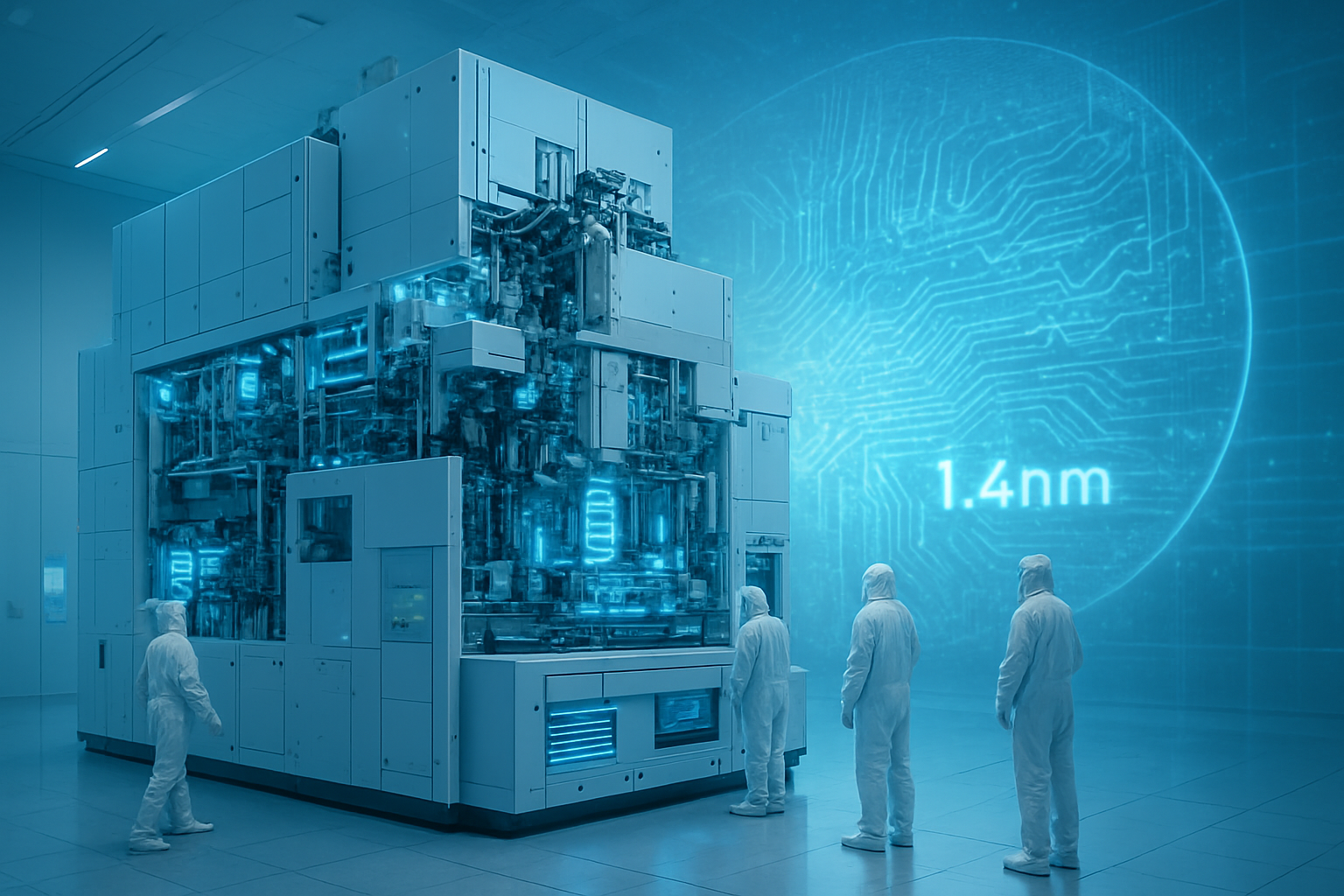
  • Beyond Silicon: The Industry’s Pivot to Glass Substrates for AI Packaging

    Beyond Silicon: The Industry’s Pivot to Glass Substrates for AI Packaging

    As the artificial intelligence revolution pushes semiconductor design to its physical limits, the industry is reaching a consensus: organic materials can no longer keep up. In a landmark shift for high-performance computing, the world’s leading chipmakers are pivoting toward glass substrates—a transition that promises to redefine the boundaries of chiplet architecture, thermal management, and interconnect density.

    This development marks the end of a decades-long reliance on organic resin-based substrates. As AI models demand trillion-transistor packages and power envelopes exceeding 1,000 watts, the structural and thermal limitations of traditional materials have become a bottleneck. By adopting glass, giants like Intel and Innolux are not just changing a material; they are enabling a new era of "super-chips" that can handle the massive data throughput required for the next generation of generative AI.

    The Technical Frontier: Through-Glass Vias and Thermal Superiority

    The core of this transition lies in the superior physical properties of glass compared to traditional organic resins like Ajinomoto Build-up Film (ABF). As of late 2025, the industry has mastered Through-Glass Via (TGV) technology, which allows for vertical electrical connections to be etched directly through the glass panel. Unlike organic substrates, which are prone to warping under the intense heat of AI workloads, glass boasts a Coefficient of Thermal Expansion (CTE) that closely matches silicon. This alignment ensures that as a chip heats up, the substrate and the silicon die expand at nearly the same rate, preventing the microscopic copper interconnects between them from cracking or deforming.

    Technically, the shift is staggering. Glass substrates offer a surface flatness of less than 1.0 micrometer, a five-to-tenfold improvement over organic alternatives. This extreme flatness allows for much finer lithography, enabling a 10x increase in interconnect density. Current pilot lines from Intel (NASDAQ: INTC) are demonstrating TGV pitches of less than 100 micrometers, supporting die-to-die bump pitches that were previously impossible. Furthermore, glass provides a 67% reduction in signal loss, a critical factor as AI chips transition to ultra-high-frequency data transfers and eventually, co-packaged optics.

    Initial reactions from the semiconductor research community have been overwhelmingly positive, though tempered by the reality of manufacturing yields. Experts note that while glass is more brittle and difficult to handle than organic materials, the "thermal wall" hit by current AI hardware makes the transition inevitable. The ability of glass to remain stable at temperatures up to 400°C—well beyond the 150°C limit where organic resins begin to fail—is being hailed as the "missing link" for the 2nm and 1.4nm process nodes.

    Strategic Maneuvers: A New Battlefield for Chip Giants

    The pivot to glass has ignited a high-stakes arms race among the world’s most powerful technology firms. Intel (NASDAQ: INTC) has taken an early lead, investing over $1 billion into its glass substrate R&D facility in Arizona. By late 2025, Intel has confirmed its roadmap is on track for mass production in 2026, positioning itself to be the primary provider for high-end AI accelerators that require massive, multi-die "System-in-Package" (SiP) designs. This move is a strategic play to regain its manufacturing edge over rivals by offering packaging capabilities that others cannot yet match at scale.

    However, the competition is fierce. Samsung (KRX: 005930) has accelerated its own glass substrate program through its subsidiary Samsung Electro-Mechanics, already providing prototype samples to major AI chip designers like AMD (NASDAQ: AMD) and Broadcom (NASDAQ: AVGO). Meanwhile, Innolux (TPE: 3481) has leveraged its expertise in display technology to pivot into Fan-Out Panel-Level Packaging (FOPLP), operating massive 700x700mm panels that offer significant economies of scale. Even the world’s largest foundry, TSMC (NYSE: TSM), has introduced its own glass-based variant, CoPoS (Chip-on-Panel-on-Substrate), to support the next generation of Nvidia architectures.

    The market implications are profound. Startups and established AI labs alike will soon have access to hardware that is 15–30% more power-efficient simply due to the packaging shift. This creates a strategic advantage for companies like Amazon (NASDAQ: AMZN), which is reportedly working with the SKC and Applied Materials (NASDAQ: AMAT) joint venture, Absolics, to secure glass substrate capacity for its custom AWS AI chips. Those who successfully integrate glass substrates early will likely lead the next wave of AI performance benchmarks.

    Scaling Laws and the Broader AI Landscape

    The shift to glass substrates is more than a manufacturing upgrade; it is a necessary evolution to maintain the trajectory of AI scaling laws. As researchers push for larger models with more parameters, the physical size of the AI processor must grow. Traditional organic substrates cannot support the structural rigidity required for the "monster" packages—some exceeding 120x120mm—that are becoming the standard for AI data centers. Glass provides the stiffness and stability to house dozens of chiplets and High Bandwidth Memory (HBM) stacks on a single substrate without the risk of structural failure.

    This transition also addresses the growing concern over energy consumption in AI. By reducing electrical impedance and improving signal integrity, glass substrates allow for lower voltage operation, which is vital for sustainable AI growth. However, the pivot is not without its risks. The fragility of glass during the manufacturing process remains a significant hurdle for yields, and the industry must develop entirely new supply chains for high-purity glass panels. Comparisons are already being made to the industry's transition from 200mm to 300mm wafers—a painful but necessary step that unlocked a new decade of growth.

    Furthermore, glass substrates are seen as the gateway to Co-Packaged Optics (CPO). Because glass is inherently compatible with optical signals, it allows for the integration of silicon photonics directly into the chip package. This will eventually enable AI chips to communicate via light (photons) rather than electricity (electrons), effectively shattering the current I/O bottlenecks that limit distributed AI training clusters.

    The Road Ahead: 2026 and Beyond

    Looking forward, the next 12 to 18 months will be defined by the "yield race." While pilot lines are operational in late 2025, the challenge remains in scaling these processes to millions of units. Experts predict that the first commercial AI products featuring glass substrates will hit the market in late 2026, likely appearing in high-end server GPUs and custom ASICs for hyperscalers. These initial applications will focus on the most demanding AI workloads where performance and thermal stability justify the higher cost of glass.

    In the long term, we expect glass substrates to trickle down from high-end AI servers to consumer-grade hardware. As the technology matures, it could enable thinner, more powerful laptops and mobile devices with integrated AI capabilities that were previously restricted by thermal constraints. The primary challenge will be the development of standardized TGV processes and the maturation of the glass-handling ecosystem to drive down costs.

    A Milestone in Semiconductor History

    The industry’s pivot to glass substrates represents one of the most significant packaging breakthroughs in the history of the semiconductor industry. It is a clear signal that the "More than Moore" era has arrived, where gains in performance are driven as much by how chips are packaged and connected as by the transistors themselves. By overcoming the thermal and physical limitations of organic materials, glass substrates provide a new foundation for the trillion-transistor era.

    As we move into 2026, the success of this transition will be a key indicator of which semiconductor giants will dominate the AI landscape for the next decade. For now, the focus remains on perfecting the delicate art of Through-Glass Via manufacturing and preparing the global supply chain for a world where glass, not resin, holds the future of intelligence.


    This content is intended for informational purposes only and represents analysis of current AI developments.

    TokenRing AI delivers enterprise-grade solutions for multi-agent AI workflow orchestration, AI-powered development tools, and seamless remote collaboration platforms.
    For more information, visit https://www.tokenring.ai/.