
Tag: International Collaboration

  • Korea and UAE Launch $20.5 Billion ‘Stargate Infra Push’: A New Era for Global AI and Energy Collaboration

    Korea and UAE Launch $20.5 Billion ‘Stargate Infra Push’: A New Era for Global AI and Energy Collaboration

    Abu Dhabi, UAE – December 2, 2025 – In a landmark agreement poised to reshape the landscape of global artificial intelligence and energy infrastructure, the Republic of Korea and the United Arab Emirates (UAE) formally cemented a comprehensive AI partnership on November 18, 2025. This strategic alliance, underpinned by an ambitious $20.5 billion 'Stargate Infra Push', extends far beyond the realm of AI, encompassing critical advancements in nuclear energy, aerospace, healthcare, and logistics. The collaboration signifies a powerful move towards integrated technological development, with both nations leveraging their respective strengths to build a formidable AI ecosystem rooted in robust, sustainable energy solutions.

    The immediate significance of this partnership lies in its scale and strategic depth. At its core is Korea's commitment to join the UAE's monumental Stargate AI project, a visionary initiative to establish a 5-gigawatt (GW) AI data campus in Abu Dhabi. This colossal undertaking, spearheaded by Khazna Data Centers (a subsidiary of G42), aims to create one of the world's largest AI computational hubs. The $20.5 billion investment underscores a shared vision for future-proofing national economies through advanced technology, setting a precedent for international cooperation in high-stakes technological frontiers.

    Unpacking the 'Stargate Infra Push': A Fusion of AI and Advanced Energy

    The Stargate AI project is not merely another data center; it represents a paradigm shift in how large-scale AI infrastructure is conceived and powered. The plan envisions a 5-gigawatt (GW) AI campus, with the first 200-megawatt (MW) site projected to become operational as early as 2026. This immense computing capacity is designed to support the burgeoning demands of AI research, development, and deployment, catering to both national strategic interests and potential global clientele.

    Korea's role is pivotal, contributing its world-class expertise in building both computing power and the essential energy infrastructure required to sustain such a monumental project. This involves developing a sophisticated power grid capable of integrating diverse energy sources, including nuclear power, natural gas, and renewable energy. The goal is to ensure the stable, efficient, and environmentally responsible operation of the large-scale AI data centers, a challenge that many existing AI hubs grapple with. This integrated approach, combining advanced AI with diversified, sustainable energy solutions, distinctly sets the 'Stargate Infra Push' apart from previous, often energy-intensive, data center developments.

    The project has already attracted global heavyweights, with prominent technology firms such as OpenAI, Oracle (NYSE: ORCL), NVIDIA (NASDAQ: NVDA), Cisco (NASDAQ: CSCO), and SoftBank (TYO: 9984) identified as global partners. Their involvement signals the project's strategic importance and potential to become a nexus for cutting-edge AI development. Initial reactions from the AI research community highlight the project's potential to accelerate advancements in large language models, complex simulations, and other compute-intensive AI applications, while industry experts laud the foresight in integrating energy solutions from the outset.

    Reshaping the Competitive Landscape for AI and Tech Giants

    The Korea-UAE 'Stargate Infra Push' is set to profoundly impact the competitive dynamics within the AI and technology sectors. Companies directly involved, such as G42 and Khazna Data Centers, stand to gain immense strategic advantages, positioning the UAE as a global leader in AI infrastructure. The participation of tech giants like OpenAI, Oracle, NVIDIA, Cisco, and SoftBank not only validates the project's ambition but also ensures their deep integration into a future-defining AI ecosystem, potentially giving them preferential access to unparalleled computing resources.

    Korean technology companies, particularly those in energy and IT infrastructure like Korea Electric Power Corporation (KEPCO: KRX), are poised for significant growth and international expansion. KEPCO, in particular, has signed a separate agreement with the UAE’s Emirates Nuclear Energy Company (ENEC) to collaborate on small modular reactors (SMRs) and the integration of AI into nuclear plant operations, aiming for joint entry into global markets. This showcases a strategic advantage for Korean firms, leveraging their nuclear technology for both the Stargate data centers and broader energy initiatives.

    The sheer scale of the Stargate project could disrupt existing data center markets and shift the balance of power in AI development. By offering a comprehensive, energy-integrated solution, it presents a compelling alternative to fragmented or energy-constrained AI infrastructure. This could compel other nations and tech hubs to reconsider their own strategies for AI development, potentially sparking a new wave of investment in sustainable, large-scale AI computing. The UAE’s aggressive push, backed by Korean technological prowess, positions both nations for strategic advantages in the rapidly evolving global AI race.

    Wider Significance: A New Blueprint for International AI Collaboration

    This $20.5 billion partnership between Korea and the UAE transcends a mere commercial agreement; it represents a significant milestone in the broader AI landscape and global technological trends. It underscores a growing trend towards international collaboration in developing sovereign AI capabilities, moving beyond traditional national boundaries to pool resources and expertise. The 'Stargate Infra Push' serves as a blueprint for how nations can collectively address the immense computational and energy demands of advanced AI.

    The initiative has far-reaching impacts, from geopolitical realignments to economic diversification. For the UAE, it solidifies its ambition to become a global hub for future technologies, reducing reliance on hydrocarbon revenues. For Korea, it provides a vast new market for its advanced technological exports, particularly in AI, nuclear energy, and smart infrastructure. The emphasis on integrating diverse energy sources, including nuclear and renewables, also sets a precedent for sustainable AI development, addressing growing concerns about the environmental footprint of large-scale computing.

    Potential concerns, however, include the immense energy consumption even with diversified sources, and questions of data sovereignty and governance within such a large, internationally-backed project. Nevertheless, this collaboration stands as a testament to a new era of AI development, comparable in ambition to previous milestones like the establishment of major internet backbones or the first national supercomputing centers, but with an unprecedented focus on integrated, sustainable infrastructure at a continental scale.

    Future Developments and Expert Outlook

    In the near term, the focus will be on the rapid deployment and operationalization of the first 200MW site of the Stargate AI campus in 2026. This initial phase will provide crucial insights into the project's operational efficiency, energy consumption patterns, and the performance of its integrated power grid. Simultaneously, the collaboration between KEPCO and ENEC on SMRs and AI integration into nuclear plants will likely accelerate, with potential pilot projects and joint ventures on the horizon.

    Looking further ahead, the vision is to scale the Stargate project to its full 5GW capacity, transforming Abu Dhabi into a global AI powerhouse. Experts predict that this massive infrastructure will attract further investment, talent, and R&D initiatives, fostering an innovation ecosystem that could rival established tech hubs. Potential applications and use cases are vast, ranging from advanced scientific research and drug discovery to smart city management, autonomous systems, and next-generation defense technologies.

    Challenges that need to be addressed include attracting and retaining top-tier AI talent globally, navigating complex international regulatory frameworks for data and technology transfer, and continuously optimizing the energy mix to ensure both sustainability and cost-effectiveness. Experts anticipate a strategic arms race in AI infrastructure, with other nations potentially attempting to replicate or even surpass the Stargate model. The success of this partnership will likely dictate the pace and direction of future large-scale international AI collaborations.

    A New Horizon for AI: Comprehensive Wrap-Up

    The Korea-UAE AI partnership and the 'Stargate Infra Push' represent a monumental leap forward in the global pursuit of artificial intelligence. The $20.5 billion investment signifies a profound commitment to building a future where AI is not just powerful, but also supported by robust, sustainable, and integrated energy infrastructure. Key takeaways include the unprecedented scale of the Stargate AI campus, the strategic integration of diverse energy sources, and the powerful synergy created by combining Korea's technological prowess with the UAE's visionary investment.

    This development holds immense significance in AI history, marking a shift towards truly international, large-scale infrastructural projects designed to power the next generation of AI. It challenges the traditional model of AI development, emphasizing collaboration and sustainability. The long-term impact could see the UAE emerge as a dominant force in AI computing, while Korea solidifies its position as a leading exporter of advanced technology and energy solutions.

    In the coming weeks and months, the world will be watching for progress on the Stargate campus construction, further details on the joint R&D initiatives, and the broader implications for global AI governance and competition. This partnership is not just about technology; it's about setting a new standard for how nations can collaborate to build the future.


    This content is intended for informational purposes only and represents analysis of current AI developments.

    TokenRing AI delivers enterprise-grade solutions for multi-agent AI workflow orchestration, AI-powered development tools, and seamless remote collaboration platforms.
    For more information, visit https://www.tokenring.ai/.

  • Tides of Collaboration: UK-Portugal Alliance Pioneers a New Era in Ocean Science and Climate Understanding

    Tides of Collaboration: UK-Portugal Alliance Pioneers a New Era in Ocean Science and Climate Understanding

    In a landmark move poised to significantly advance global efforts in ocean science and climate understanding, the United Kingdom and Portugal have deepened their robust research collaboration. This cross-border initiative, emblematic of a growing international trend, leverages cutting-edge technology and shared scientific expertise to unravel the complex mysteries of the world's oceans, which are crucial regulators of Earth's climate. As the planet faces unprecedented environmental challenges, such partnerships are proving indispensable in gathering critical data, refining climate models, and informing policy for a sustainable future.

    The immediate significance of this enhanced collaboration lies in its potential to accelerate our comprehension of vital oceanic processes, from deep-sea currents to marine biodiversity. By pooling resources and intellectual capital, both nations are better equipped to tackle global issues such as climate change, marine pollution, and the sustainable use of ocean resources. This alliance not only fortifies bilateral scientific ties but also sets a precedent for how international cooperation can drive impactful research and innovation in critical environmental domains.

    Unveiling Ocean Secrets: A Deep Dive into Collaborative Science and Technology

    The UK-Portugal ocean research collaboration is multifaceted, built upon a foundation of shared strategic goals and a commitment to leveraging advanced scientific and technological capabilities. A cornerstone of this partnership is the UK's full membership in the Atlantic International Research (AIR) Centre since 2019. This initiative fosters scientific cooperation across the Atlantic, encompassing critical areas like oceans, space, energy, and climate change science, involving researchers from 15 countries. Further solidifying this alliance, the 2022 UK-Portugal Joint Declaration on Bilateral Cooperation explicitly highlights "Climate and Ocean" as a key thematic area for reinforced collaboration.

    Technically, the collaboration employs a range of sophisticated tools and methodologies. The UK's National Oceanography Centre (NOC) plays a pivotal role, with its advanced research vessel, RRS Discovery, making strategic visits to Lisbon. These expeditions are vital for data collection, deploying state-of-the-art sensors, autonomous underwater vehicles (AUVs), and remotely operated vehicles (ROVs) to gather information on ocean currents, temperature, salinity, and marine ecosystems. Such data is crucial for understanding the Atlantic Meridional Overturning Circulation (AMOC), a major ocean current system that significantly influences global climate patterns. The Challenger 150 program, co-coordinated by researchers from Portugal (CESAM/DBio) and the UK (University of Plymouth) under the UN Decade of Ocean Science for Sustainable Development, exemplifies the deep scientific integration.

    This collaborative approach marks a significant departure from fragmented national efforts. Historically, ocean research, while often international, sometimes lacked the formalized, comprehensive strategic alignment seen in partnerships like the UK-Portugal model. By integrating efforts within frameworks like the AIR Centre and specific bilateral declarations, the partnership ensures a more coordinated, sustained, and impactful research agenda. Initial reactions from the broader AI research community and industry experts emphasize the critical importance of such integrated, cross-disciplinary approaches, recognizing that understanding complex systems like the global ocean requires a convergence of diverse expertise and technological resources, including advanced AI for data analysis and modeling.

    Ripples of Influence: Impact on AI Companies, Tech Giants, and Startups

    The advancements stemming from international ocean research partnerships, particularly those involving sophisticated data collection and analysis, create significant opportunities and competitive implications across the technology sector. Companies specializing in AI, big data analytics, and sensor technology stand to benefit immensely.

    For AI companies and tech giants like Alphabet (NASDAQ: GOOGL), Microsoft (NASDAQ: MSFT), and IBM (NYSE: IBM), which possess robust cloud computing infrastructure and AI development platforms, these partnerships offer new frontiers for application. The vast amounts of oceanographic data collected—from satellite imagery and buoy sensors to AUV readings—require advanced machine learning algorithms for processing, pattern recognition, and predictive modeling. Companies offering AI-powered solutions for data fusion, anomaly detection, and climate forecasting will find a burgeoning market. Startups focusing on niche areas such as marine robotics, real-time ocean monitoring systems, and AI-driven ecological modeling could see increased demand for their specialized services and products.

    The competitive landscape is subtly shifting as well. While traditional marine science institutions are at the forefront of data collection, the interpretation and actionable insights derived from this data increasingly depend on AI capabilities. This could lead to partnerships between research institutions and AI firms, where the latter provide the analytical horsepower. Companies that can develop more accurate and efficient AI models for ocean climate prediction, marine resource management, or even disaster preparedness (e.g., tsunami warnings) will gain a strategic advantage. This development could disrupt existing products or services in environmental consulting, maritime logistics, and even parts of the insurance industry by providing more precise risk assessments based on enhanced oceanographic understanding. Market positioning will favor those capable of integrating diverse data streams and applying advanced AI to generate actionable intelligence for governments, industries, and conservation efforts.

    A Broader Horizon: Wider Significance in the AI and Climate Landscape

    These landmark international ocean research partnerships, exemplified by the UK-Portugal collaboration, resonate deeply within the broader AI landscape and global climate trends. They underscore a critical shift in how humanity approaches grand scientific challenges – moving beyond isolated national endeavors towards integrated, globalized scientific enterprises powered by advanced technology.

    In the broader AI landscape, these partnerships highlight the increasing demand for AI that can operate on massive, heterogeneous datasets, often in real-time. The complexity of oceanographic data, which includes everything from physical measurements to biological observations and satellite imagery, pushes the boundaries of current AI capabilities, driving innovation in areas like multi-modal AI, spatio-temporal reasoning, and explainable AI. The insights gained from these collaborations contribute directly to the development of more robust and reliable AI models for environmental forecasting and resource management.

    The impacts on climate understanding are profound. By providing more accurate data on ocean warming, acidification, sea-level rise, and the dynamics of critical currents like AMOC, these partnerships enable scientists to refine climate models and improve predictions of future climate scenarios. This enhanced understanding is vital for informing global climate policies, adaptation strategies, and mitigation efforts. Potential concerns, however, include data privacy and security, given the sensitive nature of some environmental data, and the equitable distribution of technological benefits, ensuring that developing nations also have access to and can utilize these advanced tools and insights. Comparisons to previous AI milestones, such as the development of large language models or breakthroughs in medical imaging, reveal a similar pattern: once a critical mass of data and computational power is achieved, AI can unlock previously unattainable levels of understanding and predictive capability, now being applied to the vast and complex system of our oceans.

    Charting Future Courses: Expected Developments and Emerging Applications

    The future of international ocean research partnerships, particularly those leveraging advanced AI and technological integration, promises a wave of transformative developments and applications. In the near-term, we can expect a continued expansion of global ocean observing systems, with an increasing deployment of autonomous platforms like gliders, buoys, and underwater drones equipped with AI-powered sensors capable of real-time data analysis and adaptive sampling.

    Long-term developments will likely include the creation of sophisticated digital twins of ocean regions, allowing for high-fidelity simulations of oceanic processes and climate impacts, enabling more precise scenario planning. AI will play an even greater role in processing vast datasets from these systems, identifying subtle patterns indicative of climate shifts or ecosystem changes that human analysis might miss. Potential applications on the horizon are diverse, ranging from advanced warning systems for extreme weather events and tsunamis, to optimized shipping routes that minimize fuel consumption and environmental impact, and precision aquaculture that monitors ocean health to ensure sustainable food production. AI could also revolutionize marine conservation efforts by identifying illegal fishing activities or tracking endangered species with unprecedented accuracy.

    However, several challenges need to be addressed. Interoperability between different national data systems and technological platforms remains a hurdle, requiring common standards and protocols. The sheer computational power needed to process and model global ocean data will also demand further advancements in high-performance computing and energy-efficient AI. Experts predict that the next phase will involve a greater emphasis on integrating biological and ecological data with physical oceanography, driven by AI, to develop a holistic understanding of ocean health. This will lead to more effective, evidence-based solutions for managing marine resources and mitigating climate change impacts.

    The Deep Blue's New Dawn: A Concluding Assessment

    The emergence and strengthening of landmark international ocean research partnerships, exemplified by the UK-Portugal collaboration, mark a pivotal moment in both ocean science and the broader application of artificial intelligence. These alliances are not merely about sharing resources; they represent a fundamental shift towards a unified, global approach to understanding and protecting our planet's most vital resource—the ocean. The immediate takeaway is clear: complex, transboundary challenges like climate change and ocean degradation necessitate equally complex, transboundary solutions, with AI acting as a crucial enabler.

    This development's significance in AI history is profound. It showcases AI's transition from primarily data-centric applications in consumer technology and enterprise to grand scientific challenges with direct societal and environmental impacts. The demands of oceanographic research—handling massive, diverse, and often sparse datasets from harsh environments—are pushing AI's capabilities in areas like robust environmental modeling, sensor fusion, and autonomous decision-making in remote systems. This represents a critical milestone, demonstrating AI's potential as a powerful tool for scientific discovery and planetary stewardship.

    Looking ahead, the long-term impact will be a more informed global community, equipped with superior predictive capabilities regarding climate change and ocean health. This will empower policymakers, industries, and conservationists to make more effective decisions. What to watch for in the coming weeks and months includes further announcements of integrated data platforms, new AI models specifically trained on diverse oceanographic data, and the expansion of these collaborative models to include more nations, especially those most vulnerable to ocean climate impacts. The tides of collaboration are rising, and with them, a new dawn for ocean science, illuminated by the power of artificial intelligence.


    This content is intended for informational purposes only and represents analysis of current AI developments.

    TokenRing AI delivers enterprise-grade solutions for multi-agent AI workflow orchestration, AI-powered development tools, and seamless remote collaboration platforms.
    For more information, visit https://www.tokenring.ai/.
  • Global AI Powerhouse in the Making: IIT Kharagpur and Rhine-Main Universities Forge Strategic Alliance

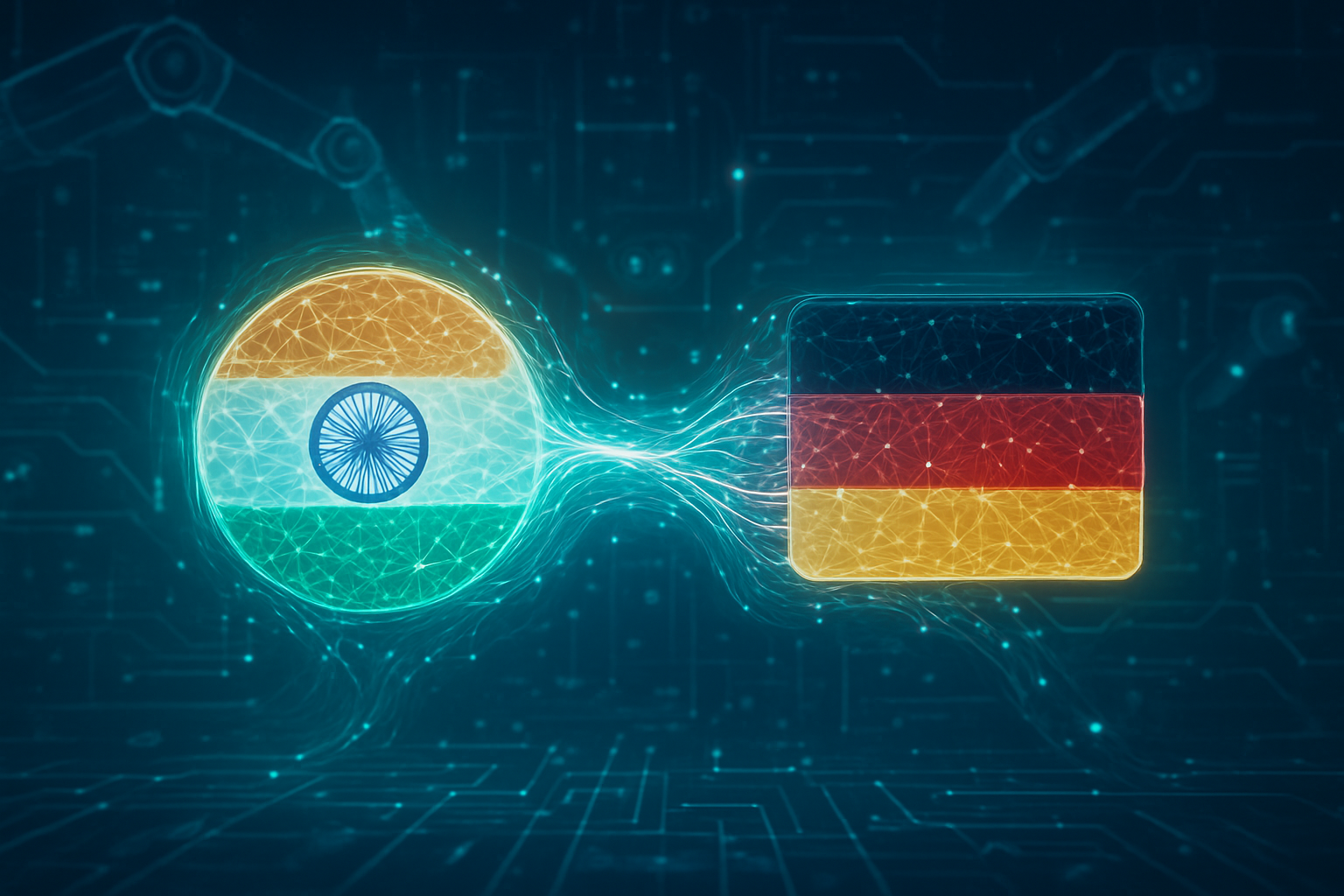
    Global AI Powerhouse in the Making: IIT Kharagpur and Rhine-Main Universities Forge Strategic Alliance

    In a landmark move poised to significantly reshape the landscape of international scientific and technological collaboration, the Indian Institute of Technology (IIT) Kharagpur and the Rhine-Main Universities (RMU) alliance in Germany have officially joined forces. This strategic partnership, formalized through a Memorandum of Understanding (MoU) signed recently—as of November 6, 2025—at TU Darmstadt, Germany, marks a pivotal moment for Indo-German cooperation in critical fields such as Artificial Intelligence (AI), robotics, and sustainable technologies. The five-year agreement is set to foster an unprecedented level of joint research, academic exchange, and innovation, aiming to cultivate a new generation of "future-ready researchers and innovators equipped to tackle the world's grand challenges."

    The alliance brings together IIT Kharagpur's renowned innovation-driven ecosystem with the deep academic and research strengths of RMU, which comprises Goethe University Frankfurt am Main, Johannes Gutenberg University Mainz, and Technische Universität (TU) Darmstadt. This comprehensive collaboration extends beyond traditional academic exchanges, envisioning a dynamic confluence of expertise that will drive cutting-edge advancements and address pressing global issues. The formal induction of IIT Kharagpur into RMU's international network, "RM Universe," further solidifies this commitment, opening avenues for broader participation in joint research proposals, fellowships, and student research stays.

    Deep Dive into Collaborative Research and Technical Advancements

    The IIT Kharagpur-RMU partnership is designed to establish a robust framework for extensive joint research and academic initiatives across a wide spectrum of scientific and engineering disciplines. This ambitious collaboration is expected to yield significant technological advancements, particularly in areas critical to the future of AI and related emerging technologies.

    Specific technical areas of focus, frequently highlighted in the discussions and related agreements (including a separate MoU with TU Darmstadt signed on May 24, 2025), include Artificial Intelligence (AI), Robotics, Mechanical Engineering, Aerospace Engineering, Computer Science and Engineering, Electrical and Electronics Engineering, Biological Sciences, Medical Sciences, Biotechnology, and Industrial Engineering. The explicit mention of AI and Robotics underscores their central role in the collaborative agenda, leveraging IIT Kharagpur's dedicated Centre of Excellence for AI and its specialized B.Tech program in AI. The partnership also extends to interdisciplinary applications, with potential for AI in precision agriculture, high-tech mobility, and sustainable technologies.

    The collaboration is structured to facilitate various joint initiatives, including joint academic and research programs, faculty and student exchanges, and specialized PhD training programs. Emphasis will be placed on early-career researcher mobility and collaborative research proposals and fellowships, all aimed at fostering interdisciplinary research to address complex global challenges. Expected technological advancements include the cultivation of innovators for grand challenges, impactful interdisciplinary research outcomes, and the creation of new technologies for global markets. For instance, the synergy of Indian AI and software expertise with German manufacturing leadership in high-tech mobility is anticipated to generate innovative solutions. This partnership will undoubtedly strengthen AI capabilities, leading to the development and deployment of advanced AI-driven tools and systems, and potentially contribute to cutting-edge advancements in semiconductor technologies and quantum devices.

    Competitive Implications for the AI Industry

    This strategic tie-up between IIT Kharagpur and Rhine-Main Universities is poised to have a significant impact on AI companies, tech giants, and startups in both India and Germany, reshaping competitive landscapes and opening new avenues for innovation.

    One of the most immediate benefits will be the enhancement of the talent pool and skill development. The robust exchange programs for students and faculty will facilitate the cross-pollination of knowledge and best practices in AI research and development. This will cultivate a highly skilled workforce proficient in cutting-edge AI technologies, providing a deeper and more diverse talent pool for both Indian and German companies. Furthermore, the collaborative research initiatives are expected to lead to breakthroughs in foundational and applied AI, resulting in novel algorithms, advanced AI models, and innovative solutions that can be commercialized by tech giants and startups. Past collaborations of IIT Kharagpur with companies like Wipro (NSE: WIPRO) and Tata Consultancy Services (BSE: 532540, NSE: TCS) for AI applications in healthcare, education, retail, climate change, and cybersecurity demonstrate the potential for industry-focused research outcomes and faster technology transfer.

    From a competitive standpoint, the partnership will undoubtedly stimulate innovation, leading to more sophisticated AI products and services. Companies that actively engage with or leverage the research outcomes from this collaboration will gain a significant competitive edge in developing next-generation AI solutions. This could lead to the disruption of existing products and services as new, more efficient, or capable AI technologies emerge. Breakthroughs in areas like digital health or advanced manufacturing, powered by joint research, could revolutionize these sectors. For market positioning, this alliance will strengthen the global reputation of IIT Kharagpur and the Rhine-Main Universities as leading centers for AI research and innovation, attracting further investment and partnerships. It will also bolster the global market positioning of both India and Germany as key players in the AI landscape, fostering a perception of these nations as sources of cutting-edge AI talent and innovation. Startups in both regions, particularly those in deep tech and specialized AI applications, stand to benefit immensely by leveraging the advanced research, infrastructure, and talent emerging from this collaboration, enabling them to compete more effectively and secure funding.

    Broader Significance in the Global AI Landscape

    The IIT Kharagpur-RMU partnership is a timely and strategic development that deeply integrates with and contributes to several overarching trends in the global AI landscape, signifying a mature phase of international collaboration in this critical domain.

    Firstly, it underscores the increasing global collaboration in AI research, acknowledging that the complexity and resource-intensive nature of modern AI development necessitate shared expertise across national borders. By combining IIT Kharagpur's innovation-driven ecosystem with RMU's deep academic and research strengths, the partnership exemplifies this trend. Secondly, while not explicitly detailed in initial announcements, the collaboration is likely to embed principles of ethical and responsible AI development, a major global imperative. Both India and Germany have expressed strong commitments to these principles, ensuring that joint research will implicitly consider issues of bias, fairness, transparency, and data protection. Furthermore, the partnership aligns with the growing focus on AI for societal challenges, aiming to leverage AI to address pressing global issues such as climate change, healthcare accessibility, and sustainable development, an area where India and Germany have a history of collaborative initiatives.

    The wider impacts of this collaboration are substantial. It promises to advance AI research and innovation significantly, leading to more comprehensive and innovative solutions in areas like AI-assisted manufacturing, robotics, and smart textiles. This will accelerate breakthroughs across machine learning, deep learning, natural language processing, and computer vision. The exchange programs will also enhance educational and talent pipelines, exposing students and faculty to diverse methodologies and enriching their skills with a global perspective, thereby helping to meet the global demand for AI talent. This partnership also strengthens bilateral ties between India and Germany, reinforcing their long-standing scientific and technological cooperation and their shared vision for AI and other advanced technologies. However, potential concerns include navigating data privacy and security across different regulatory environments, resolving intellectual property rights for jointly developed innovations, mitigating algorithmic bias, addressing potential brain drain, and ensuring the long-term sustainability and funding of such extensive international efforts.

    Compared to previous AI milestones, which were often driven by individual breakthroughs or national initiatives, this partnership reflects the modern trend towards complex, resource-intensive, and inherently international collaborations. It represents an evolution of Indo-German AI cooperation, moving beyond general agreements to a specific, multi-university framework with a broader scope and a clear focus on nurturing "future-ready" innovators to tackle grand global challenges.

    Charting the Course: Future Developments and Applications

    The IIT Kharagpur-Rhine-Main Universities partnership is poised to unfold a series of significant developments in both the near and long term, promising a rich landscape of applications and impactful research outcomes, while also navigating inherent challenges.

    In the near term (within the five-year MoU period), immediate developments will include the initiation of joint research projects across diverse disciplines, particularly in AI and robotics. Active student and faculty exchange programs will commence, facilitating research stays and academic networking. Specialized PhD training programs and workshops will be catalyzed, promoting early-career researcher mobility between the two regions. IIT Kharagpur's formal integration into RMU's "RM Universe" network will immediately enable participation in joint research proposals, fellowships, and lecture series, setting a dynamic pace for collaboration.

    Looking long term (beyond the initial five years), the partnership is envisioned as a "new chapter in the Indo-German scientific alliance," aiming for a sustained confluence of innovation and academic strength. The overarching goal is to nurture future-ready researchers and innovators equipped to tackle the world's grand challenges, generating far-reaching impacts in interdisciplinary research and global education exchange. Given IIT Kharagpur's existing strong focus on AI through other collaborations, the RMU partnership is expected to significantly deepen expertise and innovation in AI-driven solutions across various sectors. Potential applications in AI and related technologies are vast, spanning advancements in robotics and intelligent systems (autonomous systems, industrial automation), digital health (diagnostics, personalized medicine), smart manufacturing and materials engineering, 5G networks and cognitive information processing, and critical areas like cybersecurity and climate change. AI-driven solutions for education, retail, and cross-disciplinary innovations in bioinformatics and computational social science are also anticipated.

    However, the path forward is not without challenges. Securing sustained funding, navigating cultural and administrative differences, establishing clear intellectual property rights frameworks, effectively translating academic research into tangible applications, and ensuring equitable benefits for both partners will require careful management. Experts from both institutions express high aspirations, emphasizing the partnership as a "powerful framework for joint research" and a "confluence of innovation-driven ecosystem and deep academic and research strengths." They predict it will generate "far-reaching impacts in interdisciplinary research and global education exchange," reinforcing the commitment to international collaboration for academic excellence.

    A New Era of Indo-German AI Collaboration

    The strategic partnership between IIT Kharagpur and the Rhine-Main Universities marks a profound moment in the evolution of international academic and research collaboration, particularly in the rapidly advancing field of Artificial Intelligence. This comprehensive alliance, formalized through a five-year MoU, is a testament to the shared vision of both India and Germany to drive innovation, cultivate world-class talent, and collectively address some of humanity's most pressing challenges.

    The key takeaways underscore a commitment to broad disciplinary engagement, with AI and robotics at the forefront, alongside extensive joint research, academic and student exchanges, and integration into RMU's prestigious international network. This confluence of IIT Kharagpur's dynamic innovation ecosystem and RMU's deep academic prowess is poised to accelerate breakthroughs and foster a new generation of globally-minded innovators. In the context of AI history, this partnership signifies a crucial shift towards more integrated and large-scale international collaborations, moving beyond individual institutional agreements to a multi-university framework designed for comprehensive impact. It reinforces the understanding that advanced AI development, with its inherent complexities and resource demands, thrives on collective intelligence and shared resources across borders.

    The long-term impact is expected to be transformative, yielding accelerated research and innovation, developing a truly global talent pool, and significantly strengthening the scientific and technological ties between India and Germany. This alliance is not just about academic exchange; it's about building a sustainable pipeline for solutions to grand global challenges, driven by cutting-edge advancements in AI and related fields. The synergy created will undoubtedly elevate the academic ecosystems in both regions, fostering a more dynamic and internationally oriented environment.

    In the coming weeks and months, observers should keenly watch for the concrete manifestations of this partnership. This includes the announcement of initial joint research projects that will define the early focus areas, the launch of PhD training programs and workshops offering new opportunities for doctoral candidates and early-career researchers, and the commencement of faculty and student exchange programs. Any news regarding new fellowships and lecture series under the 'RM Universe' network, as well as collaborative funding initiatives from governmental bodies, funding agencies, and industry partners, will be critical indicators of the partnership's trajectory and ambition. This alliance represents a significant step forward in shaping the future of AI and promises to be a focal point for technological progress and international cooperation for years to come.


    This content is intended for informational purposes only and represents analysis of current AI developments.

    TokenRing AI delivers enterprise-grade solutions for multi-agent AI workflow orchestration, AI-powered development tools, and seamless remote collaboration platforms.
    For more information, visit https://www.tokenring.ai/.

  • Navigating the AI Frontier: The Urgent Call for Global Governance and Ethical Frameworks

    Navigating the AI Frontier: The Urgent Call for Global Governance and Ethical Frameworks

    As Artificial Intelligence rapidly reshapes industries and societies, the imperative for robust ethical and regulatory frameworks has never been more pressing. In late 2025, the global landscape of AI governance is undergoing a profound transformation, moving from nascent discussions to the implementation of concrete policies designed to manage AI's pervasive societal impact. This evolving environment signifies a critical juncture where the balance between fostering innovation and ensuring responsible development is paramount, with legal bodies like the American Bar Association (ABA) underscoring the broad need to understand AI's societal implications and the urgent demand for regulatory clarity.

    The immediate significance of this shift lies in establishing a foundational understanding and control over AI technologies that are increasingly integrated into daily life, from healthcare and finance to communication and autonomous systems. Without harmonized and comprehensive governance, the potential for algorithmic bias, privacy infringements, job displacement, and even the erosion of human decision-making remains a significant concern. The current trajectory indicates a global recognition that a fragmented approach to AI regulation is unsustainable, necessitating coordinated efforts to steer AI development towards beneficial outcomes for all.

    A Patchwork of Policies: The Technicalities of Global AI Governance

    The technical landscape of AI governance in late 2025 is characterized by a diverse array of approaches, each with its own specific details and capabilities. The European Union's AI Act stands out as the world's first comprehensive legal framework for AI, categorizing systems by risk level—from unacceptable to minimal—and imposing stringent requirements, particularly for high-risk applications in areas such as critical infrastructure, law enforcement, and employment. This landmark legislation, now fully taking effect, mandates human oversight, data governance, cybersecurity measures, and clear accountability for AI systems, setting a precedent that is influencing policy directions worldwide.

    In stark contrast, the United States has adopted a more decentralized and sector-specific approach. Lacking a single, overarching federal AI law, the U.S. relies on a combination of state-level legislation, federal executive orders—such as Executive Order 14179 issued in January 2025, aimed at removing barriers to innovation—and guidance from various agencies like the National Institute of Standards and Technology (NIST) with its AI Risk Management Framework. This strategy emphasizes innovation while attempting to address specific harms through existing regulatory bodies, differing significantly from the EU's proactive, comprehensive legislative stance. Meanwhile, China is pursuing a state-led oversight model, prioritizing algorithm transparency and aligning AI use with national goals, as demonstrated by its Action Plan for Global AI Governance announced in July 2025.

    These differing approaches highlight the complex challenge of global AI governance. The EU's "Brussels Effect" is prompting other nations like Brazil, South Korea, and Canada to consider similar risk-based frameworks, aiming for a degree of global standardization. However, the lack of a universally accepted blueprint means that AI developers and deployers must navigate a complex web of varying regulations, potentially leading to compliance challenges and market fragmentation. Initial reactions from the AI research community and industry experts are mixed; while many laud the intent to ensure ethical AI, concerns persist regarding potential stifling of innovation, particularly for smaller startups, and the practicalities of implementing and enforcing such diverse and demanding regulations across international borders.

    Shifting Sands: Implications for AI Companies and Tech Giants

    The evolving AI governance landscape presents both opportunities and significant challenges for AI companies, tech giants, and startups. Companies that are proactive in integrating ethical AI principles and robust compliance mechanisms into their development lifecycle stand to benefit significantly. Firms specializing in AI governance platforms and compliance software, offering automated solutions for monitoring, auditing, and ensuring adherence to diverse regulations, are experiencing a surge in demand. These tools help organizations navigate the increasing complexity of AI regulations, particularly in highly regulated industries like finance and healthcare.

    For major AI labs and tech companies, such as Alphabet (NASDAQ: GOOGL), Microsoft (NASDAQ: MSFT), Amazon (NASDAQ: AMZN), and Meta Platforms (NASDAQ: META), the competitive implications are substantial. These companies, with their vast resources, are better positioned to invest in the necessary legal, ethical, and technical infrastructure to comply with new regulations. They can leverage their scale to influence policy discussions and set industry standards, potentially creating higher barriers to entry for smaller competitors. However, they also face intense scrutiny and are often the primary targets for regulatory actions, requiring them to demonstrate leadership in responsible AI development.

    Startups, while potentially more agile, face a more precarious situation. The cost of compliance with complex regulations, especially those like the EU AI Act, can be prohibitive, diverting resources from innovation and product development. This could lead to a consolidation of power among larger players or force startups to specialize in less regulated, lower-risk AI applications. Market positioning will increasingly hinge not just on technological superiority but also on a company's demonstrable commitment to ethical AI and regulatory compliance, making "trustworthy AI" a significant strategic advantage and a key differentiator in a competitive market.

    The Broader Canvas: AI's Wider Societal Significance

    The push for AI governance fits into a broader societal trend of recognizing technology's dual nature: its immense potential for good and its capacity for harm. This development signifies a maturation of the AI landscape, moving beyond the initial excitement of technological breakthroughs to a more sober assessment of its real-world impacts. The discussions around ethical AI principles—fairness, accountability, transparency, privacy, and safety—are not merely academic; they are direct responses to tangible societal concerns that have emerged as AI systems become more sophisticated and ubiquitous.

    The impacts are profound and multifaceted. Workforce transformation is already evident, with AI automating repetitive tasks and creating new roles, necessitating a global focus on reskilling and lifelong learning. Concerns about economic inequality, fueled by potential job displacement and a widening skills gap, are driving policy discussions about universal basic income and robust social safety nets. Perhaps most critically, the rise of AI-powered misinformation (deepfakes), enhanced surveillance capabilities, and the potential for algorithmic bias to perpetuate or even amplify societal injustices are urgent concerns. These challenges underscore the need for human-centered AI design, ensuring that AI systems augment human capabilities and values rather than diminish them.

    Comparisons to previous technological milestones, such as the advent of the internet or nuclear power, are apt. Just as those innovations required significant regulatory and ethical frameworks to manage their risks and maximize their benefits, AI demands a similar, if not more complex, level of foresight and international cooperation. The current efforts in AI governance aim to prevent a "wild west" scenario, ensuring that the development of artificial general intelligence (AGI) and other advanced AI systems proceeds with a clear understanding of its ethical boundaries and societal responsibilities.

    Peering into the Horizon: Future Developments in AI Governance

    Looking ahead, the landscape of AI governance is expected to continue its rapid evolution, with several key developments on the horizon. In the near term, we anticipate further refinement and implementation of existing frameworks, particularly as the EU AI Act fully comes into force and other nations finalize their own legislative responses. This will likely lead to increased demand for specialized AI legal and ethical expertise, as well as the proliferation of AI auditing and certification services to ensure compliance. The focus will be on practical enforcement mechanisms and the development of standardized metrics for evaluating AI fairness, transparency, and robustness.

    Long-term developments will likely center on greater international harmonization of AI policies. The UN General Assembly's initiatives, including the United Nations Independent International Scientific Panel on AI and the Global Dialogue on AI Governance established in August 2025, signal a growing commitment to global collaboration. These bodies are expected to play a crucial role in fostering shared principles and potentially even international treaties for AI, especially concerning cross-border data flows, the use of AI in autonomous weapons, and the governance of advanced AI systems. The challenge will be to reconcile differing national interests and values to forge truly global consensus.

    Potential applications on the horizon include AI-powered tools specifically designed for regulatory compliance, ethical AI monitoring, and even automated bias detection and mitigation. However, significant challenges remain, particularly in adapting regulations to the accelerating pace of AI innovation. Experts predict a continuous cat-and-mouse game between AI capabilities and regulatory responses, emphasizing the need for "ethical agility" within legal and policy frameworks. What happens next will depend heavily on sustained dialogue between technologists, policymakers, ethicists, and civil society to build an AI future that is both innovative and equitable.

    Charting the Course: A Comprehensive Wrap-up

    In summary, the evolving landscape of AI governance in late 2025 represents a critical inflection point for humanity. Key takeaways include the global shift towards more structured AI regulation, exemplified by the EU AI Act and influencing policies worldwide, alongside a growing emphasis on human-centric AI design, ethical principles, and robust accountability mechanisms. The societal impacts of AI, ranging from workforce transformation to concerns about privacy and misinformation, underscore the urgent need for these frameworks, as highlighted by legal bodies like the ABA Journal.

    This development's significance in AI history cannot be overstated; it marks the transition from an era of purely technological advancement to one where societal impact and ethical responsibility are equally prioritized. The push for governance is not merely about control but about ensuring that AI serves humanity's best interests, preventing potential harms while unlocking its transformative potential.

    In the coming weeks and months, watchers should pay close attention to the practical implementation challenges of new regulations, the emergence of international standards, and the ongoing dialogue between governments and industry. The success of these efforts will determine whether AI becomes a force for widespread progress and equity or a source of new societal divisions and risks. The journey towards responsible AI is a collective one, demanding continuous engagement and adaptation from all stakeholders to shape a future where intelligence, artificial or otherwise, is wielded wisely.


    This content is intended for informational purposes only and represents analysis of current AI developments.

    TokenRing AI delivers enterprise-grade solutions for multi-agent AI workflow orchestration, AI-powered development tools, and seamless remote collaboration platforms.
    For more information, visit https://www.tokenring.ai/.

  • AI in Orbit: Charting the Future of Intelligent Systems in Space at the Upcoming 2025 Workshop

    AI in Orbit: Charting the Future of Intelligent Systems in Space at the Upcoming 2025 Workshop

    As humanity's gaze turns ever skyward, the integration of artificial intelligence into the fabric of space exploration and satellite technology is no longer a distant dream but an accelerating reality. The upcoming In-Space Physical AI Workshop, scheduled for November 6-7, 2025, at The Ion in Houston, Texas, stands as a pivotal moment in charting this intelligent frontier. Co-organized by Rice University's Nexus, in partnership with NASA, Purdue University, and Vanderbilt University, and with the significant new involvement of the U.S. Space Force, this workshop is poised to bring together a confluence of leading minds to define the next era of autonomous capabilities beyond Earth. Building on the foundational discussions of its 2023 predecessor, the 2025 event aims to propel the conversation forward, exploring how intelligent systems will revolutionize deep-space missions, establish a strategic economic presence in cislunar space, bolster national defense, and foster international collaboration in the cosmos.

    This highly anticipated gathering arrives at a critical juncture, with AI advancements rapidly reshaping industries worldwide. The workshop's focus on "physical AI" underscores a shift towards tangible, real-world applications of artificial intelligence in the harsh and unforgiving environment of space. From enhancing the autonomy of spacecraft and rovers to enabling sophisticated in-orbit servicing and manufacturing, the discussions will illuminate how AI is not merely an analytical tool but an active agent in extending human reach and capabilities across the solar system. The insights gleaned and collaborations forged at this event are expected to lay the groundwork for breakthroughs that will redefine our understanding and utilization of space for decades to come.

    Unpacking the Technical Blueprint: Deep Space Autonomy and Strategic Presence

    The 2025 In-Space Physical AI Workshop is structured around four strategic themes that highlight the cutting edge of AI integration in space: deep-space autonomy for long-duration missions, strategic economic presence in low-Earth orbit (LEO) and cislunar space, physical AI for national defense and planetary protection, and international collaboration in AI-enabled exploration. These themes represent a significant evolution from the discussions held at the November 2023 workshop, which focused more broadly on autonomous operations, robotic manipulation, human-robot collaboration, and the ethical implications of AI in space. The shift towards "deep-space autonomy" indicates a growing emphasis on AI systems capable of operating with minimal human intervention over vast distances and extended periods, crucial for missions to Mars and beyond.

    Technically, this involves advancements in on-board processing capabilities, robust machine learning algorithms for anomaly detection and self-correction, and sophisticated navigation and guidance systems that can adapt to unforeseen circumstances without real-time commands from Earth. Unlike previous approaches where missions relied heavily on pre-programmed sequences and constant ground control, AI-driven autonomy promises to enable spacecraft to make critical decisions, perform complex maneuvers, and even conduct scientific experiments independently. Initial reactions from the AI research community and industry experts suggest a strong enthusiasm for these developments, recognizing the potential to unlock missions previously deemed too complex or costly due to communication delays and operational limitations. The involvement of organizations like NASA (NASA) and the U.S. Space Force signals a clear intent to move beyond theoretical discussions to practical, deployable AI solutions for critical space applications.

    The concept of a "strategic economic presence in LEO and cislunar space" further underscores the technical ambition. This involves leveraging AI for optimizing satellite constellations, enabling in-orbit assembly and manufacturing, and managing complex logistics for lunar bases and resource extraction. AI's role here extends to predictive maintenance for satellites, optimizing communication networks, and even autonomous resource prospecting. These capabilities differ significantly from traditional satellite operations, which often involve manual adjustments and limited on-board intelligence. By embedding advanced AI, future space infrastructure can become more resilient, efficient, and capable of self-management, paving the way for a sustainable off-world economy. Experts are particularly keen on AI's potential to drive down operational costs and increase mission success rates, making space more accessible for commercial ventures.

    Corporate Orbit: How AI in Space Reshapes the Tech and Aerospace Landscape

    The burgeoning field of AI in space presents immense opportunities and competitive implications for a diverse array of companies, from established aerospace giants to nimble AI startups. Companies like NVIDIA (NASDAQ: NVDA), a confirmed participant in the 2025 workshop, stand to significantly benefit from the increased demand for high-performance computing hardware and specialized AI processors capable of operating in radiation-hardened environments. Their expertise in accelerated computing and AI platforms will be crucial for developing the on-board intelligence required for deep-space autonomy and advanced satellite operations. Similarly, companies specializing in AI software development, machine learning frameworks, and data analytics will find a fertile ground for innovation, providing the algorithms and intelligence layers that power these autonomous systems.

    The workshop's focus on a "strategic economic presence" in LEO and cislunar space directly benefits emerging commercial space companies like Axiom Space, an expected keynote speaker, and Intuitive Machines (NASDAQ: LUNR), whose representatives participated in the 2023 workshop. These companies are at the forefront of building commercial space stations, lunar landers, and in-space services, all of which will rely heavily on AI for efficient operations, resource management, and autonomous maintenance. AI will be a key differentiator, allowing these entities to offer more robust, cost-effective, and scalable solutions compared to traditional, more labor-intensive approaches. For established aerospace and defense contractors, the integration of AI into their product lines is not just an opportunity but a strategic imperative to remain competitive, pushing them to invest heavily in AI research and development, or acquire AI-focused startups.

    The potential for disruption is significant. Companies that fail to embrace AI in their space-related offerings risk being outmaneuvered by more agile competitors. AI's ability to optimize mission planning, reduce operational costs, and enable new capabilities could fundamentally alter market positioning. Startups specializing in specific AI applications for space, such as autonomous navigation, intelligent robotics for in-orbit servicing, or AI-powered data analysis for Earth observation, are particularly well-positioned to carve out lucrative niches. The involvement of the U.S. Space Force also signals a growing governmental demand for AI-enabled space capabilities, creating a substantial market for companies that can deliver secure and reliable intelligent systems for national defense and planetary protection.

    Beyond the Horizon: AI's Broader Significance in the Cosmic Tapestry

    The discussions at the In-Space Physical AI Workshop in 2025 represent more than just technical advancements; they signify a profound shift in humanity's approach to space, fitting into the broader AI landscape as a testament to the technology's pervasive and transformative power. This push for intelligent systems in orbit underscores a global trend towards greater autonomy and efficiency across all sectors, now extended to the final frontier. The impacts are multifaceted, ranging from accelerating scientific discovery by enabling more sophisticated and autonomous research platforms to enhancing global security through advanced space domain awareness and defense capabilities. On the civilian front, improved satellite technology, powered by AI, promises more accurate climate prediction, enhanced communication networks, and better resource management on Earth.

    However, the wider significance also brings potential concerns. The ethical implications of deploying highly autonomous AI systems in space, particularly in defense contexts, were highlighted in the 2023 workshop and remain a critical discussion point. Questions of accountability, control, and the potential for unintended consequences in complex, uncrewed missions necessitate careful consideration. Compared to previous AI milestones, such as the development of large language models or breakthroughs in computer vision, the integration of AI into physical space systems presents unique challenges related to extreme environmental conditions, limited repair options, and the critical nature of mission success. Nevertheless, the drive for AI in space mirrors historical milestones like the first satellite launch or lunar landing, representing a new frontier in human endeavor, albeit one powered by intelligent machines.

    The workshop's emphasis on international collaboration also speaks to the broader geopolitical landscape. As AI capabilities in space grow, so does the need for common standards, protocols, and ethical frameworks to ensure peaceful and sustainable use of this technology. The discussions aim to prevent a new "AI space race" from devolving into unchecked competition, instead fostering a collaborative environment where the benefits of AI in space can be shared for the betterment of all. This collaborative spirit, if successful, could set a precedent for how nations approach other global challenges, making the workshop a microcosm of a larger, more interconnected future.

    Gazing into the Cosmic Crystal Ball: Future Developments and Expert Predictions

    Looking ahead, the In-Space Physical AI Workshop in 2025 is expected to catalyze a wave of near-term and long-term developments in AI-driven space exploration. In the near term, experts predict a rapid increase in the deployment of AI-powered autonomous systems for satellite constellation management, in-orbit servicing, and enhanced Earth observation capabilities. This will likely involve more sophisticated AI for predictive maintenance, collision avoidance, and optimizing data downlink and processing. We can also anticipate advancements in AI for supporting human missions, such as intelligent assistants for astronauts and autonomous systems for habitat maintenance on lunar or Martian bases.

    On the horizon, potential applications are truly transformative. Long-term developments include fully autonomous deep-space probes capable of independent scientific discovery, AI-driven resource extraction and manufacturing in space, and advanced AI for planetary defense against asteroid threats. Experts predict that AI will be central to humanity's sustained presence on the Moon and Mars, enabling complex operations, scientific research, and even terraforming efforts that would be impossible with current technology. The challenges that need to be addressed include developing more robust, fault-tolerant AI systems for extreme environments, ensuring the ethical deployment of autonomous capabilities, and establishing international governance frameworks for AI in space.

    What experts predict will happen next is a continued convergence of AI, robotics, and advanced materials science to create truly intelligent and adaptable space systems. The focus will shift from simply automating tasks to enabling genuine intelligence and decision-making capabilities on board spacecraft. The involvement of academic institutions like Rice, Purdue, and Vanderbilt, alongside industry leaders and government agencies, suggests a concerted effort to push the boundaries of what's possible, ensuring that the next generation of space exploration is not just automated, but intelligently autonomous.

    Concluding Thoughts: A New Dawn for Intelligent Space Exploration

    The upcoming In-Space Physical AI Workshop in November 2025 represents a critical inflection point in the narrative of space exploration, marking a definitive shift towards an era dominated by intelligent systems. The key takeaways from the anticipated discussions will undoubtedly revolve around the imperative of deep-space autonomy, the strategic importance of an AI-enabled economic presence in cislunar space, the critical role of physical AI in national defense, and the undeniable need for international collaboration. This development is not merely an incremental step but a foundational re-imagining of how humanity will interact with and expand into the cosmos.

    Assessing this development's significance in AI history, it stands as a testament to the technology's evolution from theoretical constructs to practical, mission-critical applications in the most challenging environments imaginable. It underscores AI's capacity to extend human capabilities beyond biological limits, allowing for exploration and utilization of space on scales previously confined to science fiction. The long-term impact will be profound, fundamentally altering the economics of space, accelerating scientific discovery, and potentially safeguarding our planet through advanced orbital intelligence.

    In the coming weeks and months, what to watch for will be the concrete outcomes and collaborations stemming from this workshop. Keep an eye on announcements regarding new research initiatives, joint ventures between aerospace companies and AI firms, and policy discussions from space agencies and governments concerning the ethical and regulatory frameworks for AI in orbit. The journey towards a truly intelligent space future is just beginning, and the 2025 In-Space Physical AI Workshop is set to be a guiding light on that extraordinary path.


    This content is intended for informational purposes only and represents analysis of current AI developments.

    TokenRing AI delivers enterprise-grade solutions for multi-agent AI workflow orchestration, AI-powered development tools, and seamless remote collaboration platforms.
    For more information, visit https://www.tokenring.ai/.