
Tag: Legislation

  • Georgia’s AI Power Crisis: Lawmakers Introduce Landmark Statewide Data Center Ban to Save the Grid

    Georgia’s AI Power Crisis: Lawmakers Introduce Landmark Statewide Data Center Ban to Save the Grid

    The state of Georgia, once the fastest-growing hub for digital infrastructure in the Southeastern United States, has hit a dramatic legislative wall. In a move that has sent shockwaves through the technology and energy sectors, state lawmakers have introduced a landmark bill to implement the nation’s first comprehensive statewide moratorium on new data center construction. The legislation, House Bill 1012, introduced in early January 2026, marks a desperate attempt by state officials to decouple Georgia’s residential energy stability from the insatiable power demands of the generative artificial intelligence (AI) boom.

    This development signals a historic pivot in the relationship between state governments and the "hyperscale" tech giants that have flocked to the region. For years, Georgia lured companies with aggressive tax incentives and the promise of a robust grid. However, the sheer scale of the AI infrastructure required to power large language models has pushed the local utility, Southern Company (NYSE: SO), to its absolute limits. The immediate significance of this ban is a clear message to the industry: the era of "growth at any cost" has ended, and the physical constraints of the electrical grid now dictate the speed of digital innovation.

    The 10-Gigawatt Tipping Point: Technical and Legislative Drivers

    The move toward a moratorium was catalyzed by a series of technical and regulatory escalations throughout late 2025. In December, the Georgia Public Service Commission (PSC) approved an unprecedented request from Georgia Power, a subsidiary of Southern Company (NYSE: SO), to add an astronomical 10,000 megawatts (10 GW) of new energy capacity to the state’s grid. This expansion—enough to power over 8 million homes—was explicitly requested to meet the projected load from data centers, which now account for approximately 80% of all new electricity demand in the state.

    HB 1012 seeks to halt all new data center project approvals until March 1, 2027. This "cooling-off period" is designed to allow the newly formed Special Committee on Data Center Energy Planning to conduct a thorough audit of the state’s water and energy resources. Unlike previous attempts to limit the industry, such as the vetoed HB 1192 in 2024, the 2026 legislation focuses on "grid sovereignty." It mandates that any future data center over 100MW must undergo a rigorous "Conditional Certification" process, requiring up-front financial collateral to ensure that if the AI market cools, residential ratepayers aren't left paying for billions of dollars in stranded fossil-fuel infrastructure.

    Industry experts and the AI research community have expressed alarm at the technical bottleneck this creates. While the 2024-2025 period saw record deployments of the H100 and Blackwell chips from Nvidia Corporation (NASDAQ: NVDA), the actual physical deployment of these clusters is now being throttled not by chip shortages, but by the availability of high-voltage transformers and transmission lines. Researchers argue that without massive, centralized clusters in hubs like Atlanta, the training of "Frontier Models" expected in late 2026 could be delayed or fragmented, leading to higher latency and increased operational costs.

    Capital Flight and the Tech Giant Re-evaluation

    The legislative freeze poses an immediate strategic challenge for the world’s largest technology companies. Microsoft Corporation (NASDAQ: MSFT), Alphabet Inc. (NASDAQ: GOOGL), and Meta Platforms, Inc. (NASDAQ: META) have all invested billions into the "Silicon Peach" corridor, with massive campuses in Douglasville, Lithia Springs, and downtown Atlanta. The ban effectively halts several "Phase 2" expansions that were slated to break ground in mid-2026. For these companies, the uncertainty in Georgia may trigger a "capital flight" to states like Texas or Iowa, where energy markets are more deregulated, though even those regions are beginning to show signs of similar grid fatigue.

    The competitive implications are stark. Major AI labs like OpenAI and Anthropic rely on the massive infrastructure provided by Amazon.com, Inc. (NASDAQ: AMZN) and Microsoft to maintain their lead in the global AI race. If a primary hub like Georgia goes dark for new projects, it forces these giants into a more expensive, decentralized strategy. Market analysts suggest that companies with the most diversified geographic footprints will gain a strategic advantage, while those heavily concentrated in the Southeast may see their infrastructure costs spike as they are forced to compete for a dwindling supply of "pre-approved" power capacity.

    Furthermore, the ban threatens the burgeoning ecosystem of AI startups that rely on local low-latency "edge" computing. By halting construction, Georgia may inadvertently push its tech talent toward other regions, reversing years of progress in making Atlanta a premier technology destination. The disruption is not just to the data centers themselves, but to the entire supply chain, from construction firms specializing in advanced liquid cooling to local clean-energy developers who had planned projects around data center demand.

    A National Trend: The End of Data Center Exceptionalism

    Georgia is not an isolated case; it is the vanguard of a national trend toward "Data Center Accountability." In early 2026, similar moratoriums were proposed in Oklahoma and Maryland, while South Carolina is weighing a "Energy Independence" mandate that would require data centers to generate 100% of their power on-site. This fits into a broader global landscape where the environmental and social costs of AI are becoming impossible to ignore. For the first time, the "cloud" is being viewed not as a nebulous digital service, but as a heavy industrial neighbor that consumes vast amounts of water and requires the reopening of retired coal plants.

    The environmental impact has become a focal point of public concern. To meet the 10GW demand approved in December 2025, Georgia Power delayed the retirement of several coal units and proposed five new natural gas plants. This shift back toward fossil fuels to power "green" AI initiatives has sparked a backlash from environmental groups and residents who are seeing their utility bills rise to subsidize the expansion. The Georgia ban is a manifestation of this tension: a choice between meeting international AI milestones and maintaining local environmental standards.

    Comparatively, this moment mirrors the early 20th-century regulation of the railroad and telecommunications industries. Just as those technologies eventually faced "common carrier" laws and strict geographic oversight, AI infrastructure is losing its "exceptionalism." The transition from the "lure and subsidize" phase to the "regulate and restrict" phase is now in full swing, marking 2026 as the year the physical world finally pushed back against the digital expansion.

    Future Developments: SMRs and the Rise of the "Prosumer" Data Center

    Looking ahead, experts predict that the Georgia ban will force a radical evolution in how data centers are designed. With connection to the public grid becoming a legislative liability, the next generation of AI infrastructure will likely move toward "off-grid" or "behind-the-meter" solutions. This includes the accelerated deployment of Small Modular Reactors (SMRs) and on-site hydrogen fuel cells. Companies like Microsoft have already signaled interest in nuclear-powered data centers, and the Georgia moratorium could make these high-capital projects the only viable path forward for large-scale AI.

    In the near term, we can expect a fierce legal battle. Tech trade groups and industrial lobbyists are already preparing to challenge HB 1012, arguing that it violates interstate commerce and undermines national security by slowing domestic AI development. However, if the legislation holds, it will likely serve as a blueprint for other states facing similar grid instability. The long-term challenge will be the development of "grid-aware" AI, where training workloads are dynamically shifted to regions with excess renewable energy, rather than being anchored to a single, overloaded location.

    Predictions for the remainder of 2026 suggest that while construction may slow in Georgia, the demand for AI will not. This will lead to a surge in "infrastructure arbitrage," where companies pay a premium for existing, grandfathered capacity. We may also see the emergence of the "Prosumer" data center—facilities that not only consume power but also act as giant batteries for the grid, providing storage and stabilization services to justify their massive footprint to local regulators.

    A New Chapter in the AI Era

    The introduction of Georgia’s data center moratorium marks a definitive end to the first phase of the AI revolution. The key takeaways are clear: energy is the new silicon. The ability to secure gigawatts of power is now a more significant competitive advantage than the ability to design a new neural architecture. This development will likely be remembered as the moment the AI industry was forced to reconcile its digital ambitions with the physical realities of 20th-century infrastructure.

    As we move through the early months of 2026, the tech industry will be watching the Georgia General Assembly with intense scrutiny. The outcome of HB 1012 will determine whether the "Silicon Peach" remains a tech leader or becomes a cautionary tale of overextension. For now, the focus shifts from algorithms to transformers, and from software to sovereignty, as the state seeks to protect its citizens from the very technology it once sought to champion.


    This content is intended for informational purposes only and represents analysis of current AI developments.

    TokenRing AI delivers enterprise-grade solutions for multi-agent AI workflow orchestration, AI-powered development tools, and seamless remote collaboration platforms.
    For more information, visit https://www.tokenring.ai/.

  • Powering Down: Georgia’s Radical Legislative Pivot to Halt AI Datacenter Expansion

    Powering Down: Georgia’s Radical Legislative Pivot to Halt AI Datacenter Expansion

    As the artificial intelligence revolution continues to accelerate, the state of Georgia—long a crown jewel for corporate relocation—has reached a sudden and dramatic breaking point. In a move that has sent shockwaves through the technology and energy sectors, Georgia lawmakers in the 2026 legislative session have introduced a series of aggressive bills aimed at halting the construction of new AI-driven datacenters. This legislative push, characterized by a proposed statewide moratorium and the repeal of long-standing tax incentives, marks a fundamental shift in how the "Top State for Business" views the environmental and economic costs of hosting the brains of the modern internet.

    The urgency behind these measures stems from a burgeoning resource crisis that has pitted the world’s largest tech giants against local residents and environmental advocates. As of January 27, 2026, the strain on Georgia’s electrical grid and water supplies has reached historic levels, with utility providers forced to propose massive infrastructure expansions that critics say will lock the state into fossil fuel dependence for decades. This regional conflict is now being viewed as a national bellwether for the "resource-constrained" era of AI, where the digital frontier meets the physical limits of planetary capacity.

    The Legislative "Barrage": HB 1012 and the Technical Strain

    At the heart of the current legislative battle is House Bill 1012, introduced in January 2026 by Representative Ruwa Romman (D-Duluth). The bill proposes the first statewide moratorium on new datacenter construction in the United States, effectively freezing all new project approvals until March 1, 2027. This technical "pause" is designed to allow the state to overhaul its regulatory framework, which lawmakers argue was built for a pre-AI era. Unlike traditional data storage facilities, modern AI datacenters require exponentially more power and specialized cooling systems to support high-density GPU clusters, such as the Blackwell and Rubin chips from Nvidia (NASDAQ: NVDA).

    The technical specifications of these facilities are staggering. A single large-scale AI campus can now consume up to 5 million gallons of water per day for cooling—roughly equivalent to the daily usage of a mid-sized city. Furthermore, the Southern Company (NYSE: SO), through its subsidiary Georgia Power, recently approved a 10-gigawatt energy expansion to meet this demand. This plan involves the construction of five new methane gas-burning plants, a technical pivot that environmentalists argue contradicts the state's decarbonization goals. Initial reactions from the AI research community suggest that while these bans may protect local resources, they risk creating a "compute desert" in the Southeast, potentially slowing the deployment of low-latency AI services in the region.

    Corporate Fallout: Hyperscalers at the Crossroads

    The legislative pivot represents a significant threat to the strategic positioning of tech giants who have invested billions in the "Silicon Peach." Microsoft (NASDAQ: MSFT) has been particularly aggressive in its Georgia expansion, with its Fayetteville "AI Superfactory" opening earlier this month and a 160-acre campus in Douglasville slated for 2026 completion. A statewide moratorium would jeopardize the second and third phases of these projects, potentially forcing Microsoft to re-evaluate its $1 billion "Project Firecracker" in Rome, Georgia. Similarly, Google (NASDAQ: GOOGL), which recently acquired 948 acres in Monroe County, faces a future where its land-banking strategy may be rendered obsolete by regulatory hurdles.

    For these companies, the disruption extends beyond physical construction to their financial bottom lines. Senate Bill 410, sponsored by Senator Matt Brass (R-Newnan), seeks to repeal the lucrative sales and use tax exemptions that originally lured the industry to Georgia. If passed, the sudden loss of these incentives would fundamentally alter the ROI calculations for companies like Meta (NASDAQ: META), which operates a massive multi-building campus in Stanton Springs. Specialized AI cloud providers like CoreWeave, which relies on high-density deployments in Douglasville, may find themselves caught in a competitive disadvantage compared to rivals in states that maintain more lenient regulatory environments.

    The Resource Crisis: AI’s Wider Significance

    This legislative push in Georgia fits into a broader global trend of "resource nationalism" in the AI landscape. As generative AI models grow in complexity, the "invisible" infrastructure of the cloud is becoming increasingly visible to the public through rising utility bills and environmental degradation. Senator Chuck Hufstetler (R-Rome) introduced SB 34 specifically to address "ratepayer bag-holding," a phenomenon where residential customers are expected to pay an average of $20 more per month to subsidize the grid upgrades required by private tech firms. This has sparked a populist backlash that transcends traditional party lines, uniting environmentalists and fiscal conservatives.

    Comparatively, this moment mirrors the regulatory crackdown on cryptocurrency mining in 2021, but with significantly higher stakes. While crypto was often dismissed as speculative, AI is viewed as essential infrastructure for the future of the global economy. The conflict in Georgia highlights a critical paradox: the very technology designed to optimize efficiency is currently one of the greatest drivers of resource consumption. If Georgia succeeds in curbing this expansion, it could set a precedent for other "data center alleys" in Virginia, Texas, and Ohio, potentially leading to a fragmented domestic AI infrastructure.

    Future Developments: From Gas to Micro-Nukes?

    Looking ahead, the next 12 to 24 months will be a period of intense negotiation and technological pivoting. If HB 1012 passes, experts predict a surge in "edge computing" developments, where AI processing is distributed across smaller, less resource-intensive nodes rather than centralized mega-campuses. We may also see tech giants take their energy needs into their own hands. Microsoft and Google have already begun exploring Small Modular Reactors (SMRs) and other advanced nuclear technologies to bypass the traditional grid, though these solutions are likely a decade away from large-scale deployment.

    The immediate challenge remains the 2026 legislative session's outcome. Should the moratorium fail, industry experts predict a "land rush" of developers attempting to grandfather in projects before the 2027 sunset of existing tax breaks. However, the political appetite for unbridled growth has clearly soured. We expect to see a new breed of "Green Datacenter" certifications emerge, where companies must prove net-zero water usage and 24/7 carbon-free energy sourcing to gain zoning approval in a post-moratorium Georgia.

    A New Era for the Silicon Peach

    The legislative battle currently unfolding in Atlanta represents a seminal moment in AI history. For the first time, the rapid physical expansion of the AI frontier has collided with the legislative will of a major American state, signaling that the era of "growth at any cost" is coming to a close. The key takeaway for investors and tech leaders is clear: physical infrastructure, once an afterthought in the software-dominated tech world, has become the primary bottleneck and political flashpoint for the next decade of innovation.

    As we move through the early months of 2026, all eyes will be on the Georgia General Assembly. The outcome of HB 1012 and SB 410 will provide a blueprint for how modern society balances the promise of artificial intelligence with the preservation of essential natural resources. For now, the "Silicon Peach" is a house divided, caught between its desire to lead the AI revolution and its duty to protect the ratepayers and environment that make that revolution possible.


    This content is intended for informational purposes only and represents analysis of current AI developments.

    TokenRing AI delivers enterprise-grade solutions for multi-agent AI workflow orchestration, AI-powered development tools, and seamless remote collaboration platforms.
    For more information, visit https://www.tokenring.ai/.
  • Bipartisan Senate Bill Targets AI Fraud: New Interagency Committee to Combat Deepfakes and Scams

    Bipartisan Senate Bill Targets AI Fraud: New Interagency Committee to Combat Deepfakes and Scams

    In a decisive response to the escalating threat of synthetic media, U.S. Senators Amy Klobuchar (D-MN) and Shelley Moore Capito (R-WV) introduced the Artificial Intelligence (AI) Scam Prevention Act on December 17, 2025. This bipartisan legislation represents the most comprehensive federal attempt to date to modernize the nation’s fraud-fighting infrastructure for the generative AI era. By targeting the use of AI to replicate voices and images for deceptive purposes, the bill aims to close a rapidly widening "protection gap" that has left millions of Americans vulnerable to sophisticated "Hi Mum" voice-cloning scams and hyper-realistic financial deepfakes.

    The timing of the announcement is particularly critical, coming just days before the 2025 holiday season—a period that law enforcement agencies predict will see record-breaking levels of AI-facilitated fraud. The bill’s immediate significance lies in its mandate to establish a high-level interagency advisory committee, designed to unify the disparate efforts of the Federal Trade Commission (FTC), the Federal Communications Commission (FCC), and the Department of the Treasury. This structural shift signals a move away from reactive, siloed enforcement toward a proactive, "unified front" strategy that treats AI-powered fraud as a systemic national security concern rather than a series of isolated criminal acts.

    Modernizing the Legal Arsenal Against Synthetic Deception

    The AI Scam Prevention Act introduces several pivotal updates to the U.S. legal code, many of which have not seen significant revision since the mid-1990s. At its technical core, the bill explicitly prohibits the use of AI to replicate an individual’s voice or image with the intent to defraud. This is a crucial distinction from existing fraud laws, which often rely on "actual" impersonation or the use of physical documents. The legislation modernizes definitions to include AI-generated text messages, synthetic video conference participants, and high-fidelity voice clones, ensuring that the act of "creating" a digital lie is as punishable as the lie itself.

    One of the bill's most significant technical provisions is the codification of the FTC’s recently expanded rules on government and business impersonation. By giving these rules the weight of federal law, the Act empowers the FTC to seek civil penalties and return money to victims more effectively. Furthermore, the proposed Interagency Advisory Committee on AI Fraud will be tasked with developing a standardized framework for identifying and reporting deepfakes across different sectors. This committee will bridge the gap between technical detection—such as watermarking and cryptographic authentication—and legal enforcement, creating a feedback loop where the latest scamming techniques are reported to the Treasury and FBI in real-time.

    Initial reactions from the AI research community have been cautiously optimistic. Experts note that while the bill does not mandate specific technical "kill switches" or invasive monitoring of AI models, it creates a much-needed legal deterrent. Industry experts have highlighted that the bill’s focus on "intent to defraud" avoids the pitfalls of over-regulating creative or satirical uses of AI, a common concern in previous legislative attempts. However, some researchers warn that the "legal lag" remains a factor, as scammers often operate from jurisdictions beyond the reach of U.S. law, necessitating international cooperation that the bill only begins to touch upon.

    Strategic Shifts for Big Tech and the Financial Sector

    The introduction of this bill creates a complex landscape for major technology players. Microsoft (NASDAQ: MSFT) has emerged as an early and vocal supporter, with President Brad Smith previously advocating for a comprehensive deepfake fraud statute. For Microsoft, the bill aligns with its "fraud-resistant by design" corporate philosophy, potentially giving it a strategic advantage as an enterprise-grade provider of "safe" AI tools. Conversely, Meta Platforms (NASDAQ: META) has taken a more defensive stance, expressing concern that stringent regulations might inadvertently create platform liability for user-generated content, potentially slowing down the rapid deployment of its open-source Llama models.

    Alphabet Inc. (NASDAQ: GOOGL) has focused its strategy on technical mitigation, recently rolling out on-device scam detection for Android that uses the Gemini Nano model to analyze call patterns. The Senate bill may accelerate this trend, pushing tech giants to compete not just on the power of their LLMs, but on the robustness of their safety and authentication layers. Startups specializing in digital identity and deepfake detection are also poised to benefit, as the bill’s focus on interagency cooperation will likely lead to increased federal procurement of advanced verification technologies.

    In the financial sector, giants like JPMorgan Chase & Co. (NYSE: JPM) have welcomed the legislation. Banks have been on the front lines of the AI fraud epidemic, dealing with "synthetic identities" that bypass traditional biometric security. The creation of a national standard for AI fraud helps financial institutions avoid a "confusing patchwork" of state-level regulations. This federal baseline allows major banks to streamline their compliance and fraud-prevention budgets, shifting resources from legal interpretation to the development of AI-driven defensive systems that can detect fraudulent transactions at the speed of light.

    A New Frontier in the AI Policy Landscape

    The AI Scam Prevention Act is a milestone in the broader AI landscape, marking the transition from "AI ethics" discussions to "AI enforcement" reality. For years, the conversation around AI was dominated by hypothetical risks of superintelligence; this bill grounds the debate in the immediate, tangible harm being done to consumers today. It follows the trend of 2025, where regulators have shifted their focus toward "downstream" harms—the specific ways AI tools are weaponized by malicious actors—rather than trying to regulate the "upstream" development of the algorithms themselves.

    However, the bill also raises significant concerns regarding the balance between security and privacy. To effectively fight AI fraud, the proposed interagency committee may need to encourage more aggressive monitoring of digital communications, potentially clashing with end-to-end encryption standards. There is also the "cat-and-mouse" problem: as detection technology improves, scammers will likely turn to "adversarial AI" to bypass those very protections. This bill acknowledges that the battle against deepfakes is not a problem to be "solved," but a persistent threat to be managed through constant iteration and cross-sector collaboration.

    Comparatively, this legislation is being viewed as the "Digital Millennium Copyright Act (DMCA) moment" for AI fraud. Just as the DMCA defined the rules for the early internet's intellectual property, the AI Scam Prevention Act seeks to define the rules of trust in a world where "seeing is no longer believing." It sets a precedent that the federal government will not remain a bystander while synthetic media erodes the foundations of social and economic trust.

    The Road Ahead: 2026 and Beyond

    Looking forward, the passage of the AI Scam Prevention Act is expected to trigger a wave of secondary developments throughout 2026. The Interagency Advisory Committee will likely issue its first set of "Best Practices for Synthetic Media Disclosure" by mid-year, which could lead to mandatory watermarking requirements for all AI-generated content used in commercial or financial contexts. We may also see the emergence of "Verified Human" digital credentials, as the need to prove one's biological identity becomes a standard requirement for high-value transactions.

    The long-term challenge remains the international nature of AI fraud. While the Senate bill strengthens domestic enforcement, experts predict that the next phase of legislation will need to focus on global treaties and data-sharing agreements. Without a "Global AI Fraud Task Force," scammers in safe-haven jurisdictions will continue to exploit the borderless nature of the internet. Furthermore, as AI models become more efficient and capable of running locally on consumer hardware, the ability of central authorities to monitor and "tag" synthetic content will become increasingly difficult.

    Final Assessment of the Legislative Breakthrough

    The AI Scam Prevention Act of 2025 is a landmark piece of legislation that addresses one of the most pressing societal risks of the AI era. By modernizing fraud laws and creating a dedicated interagency framework, Senators Klobuchar and Capito have provided a blueprint for how democratic institutions can adapt to the speed of technological change. The bill’s emphasis on "intent" and "interagency coordination" suggests a sophisticated understanding of the problem—one that recognizes that technology alone cannot solve a human-centric issue like fraud.

    As we move into 2026, the success of this development will be measured not just by the number of arrests made, but by the restoration of public confidence in digital communications. The coming weeks will be a trial by fire for these proposed measures as the holiday scam season reaches its peak. For the tech industry, the message is clear: the era of the "Wild West" for synthetic media is coming to an end, and the responsibility for maintaining a truthful digital ecosystem is now a matter of federal law.


    This content is intended for informational purposes only and represents analysis of current AI developments.

    TokenRing AI delivers enterprise-grade solutions for multi-agent AI workflow orchestration, AI-powered development tools, and seamless remote collaboration platforms.
    For more information, visit https://www.tokenring.ai/.

  • Congress Fights Back: Bipartisan AI Scam Prevention Act Introduced to Combat Deepfake Fraud

    Congress Fights Back: Bipartisan AI Scam Prevention Act Introduced to Combat Deepfake Fraud

    In a critical move to safeguard consumers and fortify the digital landscape against emerging threats, the bipartisan Artificial Intelligence Scam Prevention Act has been introduced in the U.S. Senate. Spearheaded by Senators Shelley Moore Capito (R-W.Va.) and Amy Klobuchar (D-Minn.), this landmark legislation, introduced on December 17, 2025, directly targets the escalating menace of AI-powered scams, particularly those involving sophisticated impersonation. The Act's immediate significance lies in its proactive approach to address the rapidly evolving capabilities of generative AI, which has enabled fraudsters to create highly convincing deepfakes and voice clones, making scams more deceptive than ever before.

    The introduction of this bill comes at a time when AI-enabled fraud is causing unprecedented financial damage. Last year alone, Americans reportedly lost nearly $2 billion to scams originating via calls, texts, and emails, with phone scams alone averaging a staggering loss of $1,500 per person. By explicitly prohibiting the use of AI to impersonate individuals with fraudulent intent and updating outdated legal frameworks, the Act aims to provide federal agencies with enhanced tools to investigate and prosecute these crimes, thereby strengthening consumer protection against malicious actors exploiting AI.

    A Legislative Shield Against AI Impersonation

    The Artificial Intelligence Scam Prevention Act introduces several key provisions designed to directly confront the challenges posed by generative AI in fraudulent activities. At its core, the Act explicitly prohibits the use of artificial intelligence to replicate an individual's image or voice with the intent to defraud. This directly addresses the burgeoning threat of deepfakes and AI voice cloning, which have become potent tools for scammers.

    Crucially, the legislation also codifies the Federal Trade Commission's (FTC) existing ban on impersonating government or business officials, extending these protections to cover AI-facilitated impersonations. A significant aspect of the Act is its modernization of legal definitions. Many existing fraud laws have remained largely unchanged since 1996, rendering them inadequate for the digital age. This Act updates these laws to include modern communication methods such as text messages, video conference calls, and artificial or prerecorded voices, ensuring that current scam vectors are legally covered. Furthermore, it mandates the creation of an Advisory Committee, designed to foster inter-agency cooperation in enforcing scam prevention measures, signaling a more coordinated governmental approach.

    This Act distinguishes itself from previous approaches by being direct AI-specific legislation. Unlike general fraud laws that might be retrofitted to AI-enabled crimes, this Act specifically targets the use of AI for impersonation with fraudulent intent. This proactive legislative stance directly addresses the novel capabilities of AI, which can generate realistic deepfakes and cloned voices that traditional laws might not explicitly cover. While other legislative proposals, such as the "Preventing Deep Fake Scams Act" (H.R. 1734) and the "AI Fraud Deterrence Act," focus on studying risks or increasing penalties, the Artificial Intelligence Scam Prevention Act sets specific prohibitions directly related to AI impersonation.

    Initial reactions from the AI research community and industry experts have been cautiously supportive. There's a general consensus that legislation targeting harmful AI uses is necessary, provided it doesn't stifle innovation. The bipartisan nature of such efforts is seen as a positive sign, indicating that AI security challenges transcend political divisions. Experts generally favor legislation that focuses on enhanced criminal penalties for bad actors rather than overly prescriptive mandates on technology, allowing for continued innovation in AI development for fraud prevention while providing stronger legal deterrents against misuse. However, concerns remain about the delicate balance between preventing fraud and protecting creative expression, as well as the need for clear data and technical standards for effective AI implementation.

    Reshaping the AI Industry: Compliance, Competition, and New Opportunities

    The Artificial Intelligence Scam Prevention Act, along with related legislative proposals, is poised to significantly impact AI companies, tech giants, and startups, influencing their product development, market strategies, and competitive landscape. The core prohibition against AI impersonation with fraudulent intent will compel AI companies developing generative AI models to implement robust safeguards, watermarking, and detection mechanisms within their systems to prevent misuse. This will necessitate substantial investment in "inherent resistance to fraudulent use."

    Tech giants, often at the forefront of developing powerful general-purpose AI models, will likely bear a substantial compliance burden. Their extensive user bases mean any vulnerabilities could be exploited for widespread fraud. They will be expected to invest heavily in advanced content moderation, transparency features (like labeling AI-generated content), stricter API restrictions, and enhanced collaboration with law enforcement. Their vast resources may give them an advantage in building sophisticated fraud detection systems, potentially setting new industry standards.

    For AI startups, particularly those in generative AI or voice synthesis, the challenges could be significant. The technical requirements for preventing misuse and ensuring compliance could be resource-intensive, slowing innovation and adding to development costs. Investors may also become more cautious about funding high-risk areas without clear compliance strategies. However, startups specializing in AI-driven fraud detection, cybersecurity, and identity verification are poised to see increased demand and investment, benefiting from the heightened need for protective solutions.

    The primary beneficiaries of this Act are undoubtedly consumers and vulnerable populations, who will gain greater protection against financial losses and emotional distress. Ethical AI developers and companies committed to responsible AI will also gain a competitive advantage and public trust. Cybersecurity and fraud prevention companies, as well as financial institutions, are expected to experience a surge in demand for their AI-driven solutions to combat deepfake and voice cloning attacks.

    The legislation is likely to foster a two-tiered competitive landscape, favoring large tech companies with the resources to absorb compliance costs and invest in misuse prevention. Smaller entrants may struggle with the burden, potentially leading to industry consolidation or a shift towards less regulated AI applications. However, it will also accelerate the industry's focus on "trustworthy AI," where transparency and accountability are paramount, creating a new market for AI safety and security solutions. Products that allow for easy generation of human-like voices or images without clear safeguards will face scrutiny, requiring modifications like mandatory watermarking or explicit disclaimers. Automated communication platforms will need to clearly disclose when users are interacting with AI. Companies emphasizing ethical AI, specializing in fraud prevention, and engaging in strategic collaborations will gain significant market positioning and advantages.

    A Broader Shift in AI Governance

    The Artificial Intelligence Scam Prevention Act represents a critical inflection point in the broader AI landscape, signaling a maturing approach to AI governance. It moves beyond abstract discussions of AI ethics to establish concrete legal accountability for malicious AI applications. By directly criminalizing AI-powered impersonation with fraudulent intent and modernizing outdated laws, this bipartisan effort provides federal agencies with much-needed tools to combat a rapidly escalating threat that has already cost Americans billions.

    This legislative effort underscores a robust commitment to consumer protection in an era where AI can create highly convincing deceptions, eroding trust in digital content. The modernization of legal definitions to include contemporary communication methods is crucial for ensuring regulatory frameworks keep pace with technological evolution. While the European Union has adopted a comprehensive, risk-based approach with its AI Act, the U.S. has largely favored a more fragmented, harm-specific approach. The AI Scam Prevention Act fits this trend, addressing a clear and immediate threat posed by AI without enacting a single overarching federal AI framework. It also indirectly incentivizes responsible AI development by penalizing misuse, although its focus remains on criminal penalties rather than prescriptive technical mandates for developers.

    The impacts of the Act are expected to include enhanced deterrence against AI-enabled fraud, increased enforcement capabilities for federal agencies, and improved inter-agency cooperation through the proposed advisory committee. It will also raise public awareness about AI scams and spur further innovation in defensive AI technologies. However, potential concerns include the legal complexities of proving "intent to defraud" with AI, the delicate balance with protecting creative and expressive works that involve altering likeness, and the perennial challenge of keeping pace with rapidly evolving AI technology. The fragmented U.S. regulatory landscape, with its "patchwork" of state and federal initiatives, also poses a concern for businesses seeking clear and consistent compliance.

    Comparing this legislative response to previous technological milestones reveals a more proactive stance. Unlike early responses to the internet or social media, which were often reactive and fragmented, the AI Scam Prevention Act attempts to address a clear misuse of a rapidly developing technology before the problem becomes unmanageable, recognizing the speed at which AI can scale harmful activities. It also highlights a greater emphasis on trust, ethical principles, and harm mitigation, a more pronounced approach than seen with some earlier technological breakthroughs where innovation often outpaced regulation. The emergence of legislation specifically targeting deepfakes and AI impersonation is a direct response to a unique capability of modern generative AI that demands tailored legal frameworks.

    The Evolving Frontier: Future Developments in AI Scam Prevention

    Following the introduction of the Artificial Intelligence Scam Prevention Act, the landscape of AI scam prevention is expected to undergo continuous and dynamic evolution. In the near term, we can anticipate increased enforcement actions and penalties, with federal agencies empowered to take more aggressive stances against AI fraud. The formation of advisory bodies, like the one proposed by the Act, will likely lead to initial guidelines and best practices, providing much-needed clarity for both industry and consumers. Legal frameworks will be updated, particularly concerning modern communication methods, solidifying the grounds for prosecuting AI-enabled fraud. Consequently, industries, especially financial institutions, will need to rapidly adapt their compliance frameworks and fraud prevention strategies.

    Looking further ahead, the long-term trajectory points towards continuous policy evolution as AI capabilities advance. Lawmakers will face the ongoing challenge of ensuring legislation remains flexible enough to address emergent AI technologies and the ever-adapting methodologies of fraudsters. This will fuel an intensifying "technology arms race," driving the development of even more sophisticated AI tools for real-time deepfake and voice clone detection, behavioral analytics for anomaly detection, and proactive scam filtering. Enhanced cross-sector and international collaboration will become paramount, as fraud networks often exploit jurisdictional gaps. Efforts to standardize fraud taxonomies and intelligence sharing are also anticipated to improve collective defense.

    The Act and the evolving threat landscape will spur a myriad of potential applications and use cases for scam prevention. This includes real-time detection of synthetic media in calls and video conferences, advanced behavioral analytics to identify subtle scam indicators, and proactive AI-driven filtering for SMS and email. AI will also play a crucial role in strengthening identity verification and authentication processes, making it harder for fraudsters to open new accounts. New privacy-preserving intelligence-sharing frameworks will emerge, allowing institutions to share critical fraud intelligence without compromising sensitive customer data. AI-assisted law enforcement investigations will also become more sophisticated, leveraging AI to trace assets and identify criminal networks.

    However, significant challenges remain. The "AI arms race" means scammers will continuously adopt new tools, often outpacing countermeasures. The increasing sophistication of AI-generated content makes detection a complex technical hurdle. Legal complexities in proving "intent to defraud" and navigating international jurisdictions for prosecution will persist. Data privacy and ethical concerns, including algorithmic bias, will require careful consideration in implementing AI-driven fraud detection. The lack of standardized data and intelligence sharing across sectors continues to be a barrier, and regulatory frameworks will perpetually struggle to keep pace with rapid AI advancements.

    Experts widely predict that scams will become a defining challenge for the financial sector, with AI driving both the sophistication of attacks and the complexity of defenses. The Deloitte Center for Financial Services predicts generative AI could be responsible for $40 billion in losses by 2027. There's a consensus that AI-generated scam content will become highly sophisticated, leveraging deepfake technology for voice and video, and that social engineering attacks will increasingly exploit vulnerabilities across various industries. Multi-layered defenses, combining AI's pattern recognition with human expertise, will be essential. Experts also advocate for policy changes that hold all ecosystem players accountable for scam prevention and emphasize the critical need for privacy-preserving intelligence-sharing frameworks. The Artificial Intelligence Scam Prevention Act is seen as an important initial step, but ongoing adaptation will be crucial.

    A Defining Moment in AI Governance

    The introduction of the Artificial Intelligence Scam Prevention Act marks a pivotal moment in the history of artificial intelligence governance. It signals a decisive shift from theoretical discussions about AI's potential harms to concrete legislative action aimed at protecting citizens from its malicious applications. By directly criminalizing AI-powered impersonation with fraudulent intent and modernizing outdated laws, this bipartisan effort provides federal agencies with much-needed tools to combat a rapidly escalating threat that has already cost Americans billions.

    This development underscores a growing consensus among policymakers that the unique capabilities of generative AI necessitate tailored legal responses. It establishes a crucial precedent: AI should not be a shield for criminal activity, and accountability for AI-enabled fraud will be vigorously pursued. While the Act's focus on criminal penalties rather than prescriptive technical mandates aims to preserve innovation, it simultaneously incentivizes ethical AI development and robust built-in safeguards against misuse.

    In the long term, the Act is expected to foster greater public trust in digital interactions, drive significant innovation in AI-driven fraud detection, and encourage enhanced inter-agency and cross-sector collaboration. However, the relentless "AI arms race" between scammers and defenders, the legal complexities of proving intent, and the need for agile regulatory frameworks that can keep pace with technological advancements will remain ongoing challenges.

    In the coming weeks and months, all eyes will be on the legislative progress of this and related bills through Congress. We will also be watching for initial enforcement actions and guidance from federal agencies like the DOJ and Treasury, as well as the outcomes of task forces mandated by companion legislation. Crucially, the industry's response—how financial institutions and tech companies continue to innovate and adapt their AI-powered defenses—will be a key indicator of the long-term effectiveness of these efforts. As fraudsters inevitably evolve their tactics, continuous vigilance, policy adaptation, and international cooperation will be paramount in securing the digital future against AI-enabled deception.


    This content is intended for informational purposes only and represents analysis of current AI developments.

    TokenRing AI delivers enterprise-grade solutions for multi-agent AI workflow orchestration, AI-powered development tools, and seamless remote collaboration platforms.
    For more information, visit https://www.tokenring.ai/.
  • States Forge Ahead: A Fragmented Future for US AI Regulation Amidst Federal Centralization Push

    States Forge Ahead: A Fragmented Future for US AI Regulation Amidst Federal Centralization Push

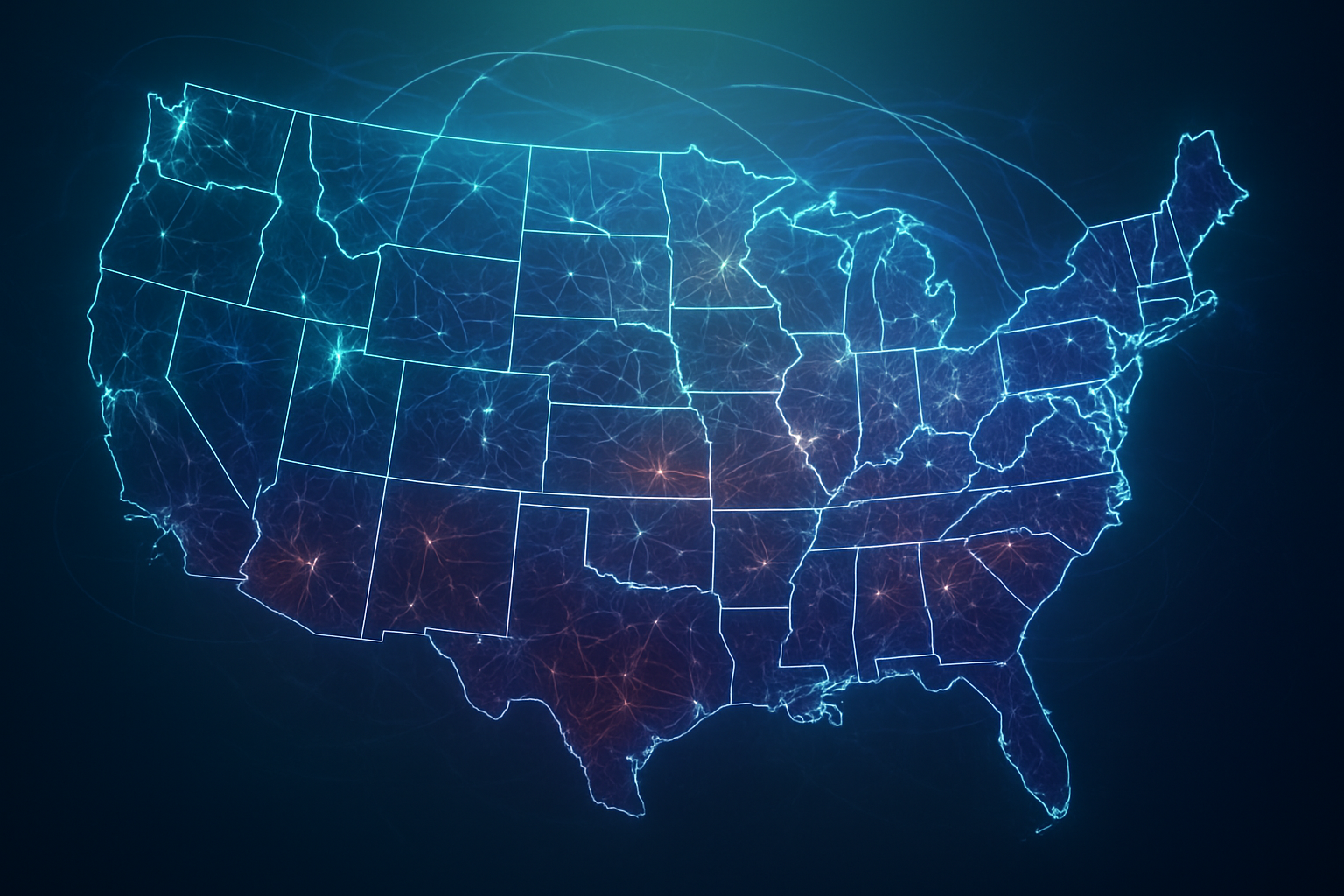
    The United States is currently witnessing a critical juncture in the governance of Artificial Intelligence, characterized by a stark divergence between proactive state-level regulatory initiatives and an assertive federal push to centralize control. As of December 15, 2025, a significant number of states have already enacted or are in the process of developing their own AI legislation, creating a complex and varied legal landscape. This ground-up regulatory movement stands in direct contrast to recent federal efforts, notably a new Executive Order, aimed at establishing a unified national standard and preempting state laws.

    This fragmented approach carries immediate and profound implications for the AI industry, consumers, and the very fabric of US federalism. Companies operating across state lines face an increasingly intricate web of compliance requirements, while the potential for legal battles between state and federal authorities looms large. The coming months are set to define whether innovation will thrive under a diverse set of rules or if a singular federal vision will ultimately prevail, reshaping the trajectory of AI development and deployment nationwide.

    The Patchwork Emerges: State-Specific AI Laws Take Shape

    In the absence of a comprehensive federal framework, US states have rapidly stepped into the regulatory void, crafting a diverse array of AI-related legislation. As of 2025, nearly all 50 states, along with territories, have introduced AI legislation, with 38 states having adopted or enacted approximately 100 measures this year alone. This flurry of activity reflects a widespread recognition of AI's transformative potential and its associated risks.

    State-level regulations often target specific areas of concern. For instance, many states are prioritizing consumer protection, mandating disclosures when individuals interact with generative AI and granting opt-out rights for certain profiling practices. California, a perennial leader in tech regulation, has proposed stringent rules on Cybersecurity Audits, Risk Assessments, and Automated Decision-Making Technology (ADMT). States like Colorado have adopted comprehensive, risk-based approaches, focusing on "high-risk" AI systems that could significantly impact individuals, necessitating measures for transparency, monitoring, and anti-discrimination. New York (NYSE: NYCB) was an early mover, requiring bias audits for AI tools used in employment decisions, while Texas (NYSE: TXN) and New York have established regulatory structures for transparent government AI use. Furthermore, legislation has emerged addressing particular concerns such as deepfakes in political advertising (e.g., California and Florida), the use of AI-powered robots for stalking or harassment (e.g., North Dakota), and regulations for AI-supported mental health chatbots (e.g., Utah). Montana's "Right to Compute" law sets requirements for critical infrastructure controlled by AI systems, emphasizing risk management policies.

    These state-specific approaches represent a significant departure from previous regulatory paradigms, where federal agencies often led the charge in establishing national standards for emerging technologies. The current landscape is characterized by a "patchwork" of rules that can overlap, diverge, or even conflict, creating a complex compliance environment. Initial reactions from the AI research community and industry experts have been mixed, with some acknowledging the necessity of addressing local concerns, while others express apprehension about the potential for stifling innovation due to regulatory fragmentation.

    Navigating the Labyrinth: Implications for AI Companies and Tech Giants

    The burgeoning landscape of state-level AI regulation presents a multifaceted challenge and opportunity for AI companies, from agile startups to established tech giants. The immediate consequence is a significant increase in compliance burden and operational complexity. Companies operating nationally must now navigate a "regulatory limbo," adapting their AI systems and deployment strategies to potentially dozens of differing legal requirements. This can be particularly onerous for smaller companies and startups, who may lack the legal and financial resources to manage duplicative compliance efforts across multiple jurisdictions, potentially hindering their ability to scale and innovate.

    Conversely, some companies that have proactively invested in ethical AI development, transparency frameworks, and robust risk management stand to benefit. Those with adaptable AI architectures and strong internal governance policies may find it easier to comply with varying state mandates. For instance, firms specializing in AI auditing or compliance solutions could see increased demand for their services. Major AI labs and tech companies, such as Alphabet (NASDAQ: GOOGL), Microsoft (NASDAQ: MSFT), and Amazon (NASDAQ: AMZN), with their vast legal departments and resources, are arguably better positioned to absorb these compliance costs, potentially widening the competitive gap with smaller players.

    The fragmented regulatory environment could also lead to strategic realignments. Companies might prioritize deploying certain AI applications in states with more favorable or clearer regulatory frameworks, or conversely, avoid states with particularly stringent or ambiguous rules. This could disrupt existing product roadmaps and service offerings, forcing companies to develop state-specific versions of their AI products. The lack of a uniform national standard also creates uncertainty for investors, potentially impacting funding for AI startups, as the regulatory risks become harder to quantify. Ultimately, the market positioning of AI companies will increasingly depend not just on technological superiority, but also on their agility in navigating a complex and evolving regulatory labyrinth.

    A Broader Canvas: AI Governance in a Fragmented Nation

    The trend of state-level AI regulation, juxtaposed with federal centralization attempts, casts a long shadow over the broader AI landscape and global governance trends. This domestic fragmentation mirrors, in some ways, the diverse approaches seen internationally, where regions like the European Union are pursuing comprehensive, top-down AI acts, while other nations adopt more sector-specific or voluntary guidelines. The US situation, however, introduces a unique layer of complexity due to its federal system.

    The most significant impact is the potential for a "regulatory patchwork" that could impede the seamless development and deployment of AI technologies across the nation. This lack of uniformity raises concerns about hindering innovation, increasing compliance costs, and creating legal uncertainty. For consumers, while state-level regulations aim to address genuine concerns about algorithmic bias, privacy, and discrimination, the varying levels of protection across states could lead to an uneven playing field for citizen rights. A resident of one state might have robust opt-out rights for AI-driven profiling, while a resident of an adjacent state might not, depending on local legislation.

    This scenario raises fundamental questions about federalism and the balance of power in technology regulation. The federal government's aggressive preemption strategy, as evidenced by President Trump's December 11, 2025 Executive Order, signals a clear intent to assert national authority. This order directs the Department of Justice (DOJ) to establish an "AI Litigation Task Force" to challenge state AI laws deemed inconsistent with federal policy, and instructs the Department of Commerce to evaluate existing state AI laws, identifying "onerous" provisions. It even suggests conditioning federal funding, such as under the Broadband Equity Access and Development (BEAD) Program, on states refraining from enacting conflicting AI laws. This move marks a significant comparison to previous technology milestones, where federal intervention often followed a period of state-led experimentation, but rarely with such an explicit and immediate preemption agenda.

    The Road Ahead: Navigating a Contested Regulatory Future

    The coming months and years are expected to be a period of intense legal and political contention as states and the federal government vie for supremacy in AI governance. Near-term developments will likely include challenges from states against federal preemption efforts, potentially leading to landmark court cases that could redefine the boundaries of federal and state authority in technology regulation. We can also anticipate further refinement of state-level laws as they react to both federal directives and the evolving capabilities of AI.

    Long-term, experts predict a continued push for some form of harmonization, whether through federal legislation that finds a compromise with state interests, or through interstate compacts that aim to standardize certain aspects of AI regulation. Potential applications and use cases on the horizon will continue to drive regulatory needs, particularly in sensitive areas like healthcare, autonomous vehicles, and critical infrastructure, where consistent standards are paramount. Challenges that need to be addressed include establishing clear definitions for AI systems, developing effective enforcement mechanisms, and ensuring that regulations are flexible enough to adapt to rapid technological advancements without stifling innovation.

    What experts predict will happen next is a period of "regulatory turbulence." While the federal government aims to prevent a "patchwork of 50 different regulatory regimes," many states are likely to resist what they perceive as an encroachment on their legislative authority to protect their citizens. This dynamic could result in a prolonged period of uncertainty, making it difficult for AI developers and deployers to plan for the future. The ultimate outcome will depend on the interplay of legislative action, judicial review, and the ongoing dialogue between various stakeholders.

    The AI Governance Showdown: A Defining Moment

    The current landscape of AI regulation in the US represents a defining moment in the history of artificial intelligence and American federalism. The rapid proliferation of state-level AI laws, driven by a desire to address local concerns ranging from consumer protection to algorithmic bias, has created a complex and fragmented regulatory environment. This bottom-up approach now directly confronts a top-down federal strategy, spearheaded by a recent Executive Order, aiming to establish a unified national policy and preempt state actions.

    The key takeaway is the emergence of a fierce regulatory showdown. While states are responding to the immediate needs and concerns of their constituents, the federal government is asserting its role in fostering innovation and maintaining US competitiveness on the global AI stage. The significance of this development in AI history cannot be overstated; it will shape not only how AI is developed and deployed in the US but also influence international discussions on AI governance. The fragmentation could lead to a significant compliance burden for businesses and varying levels of protection for citizens, while the federal preemption attempts raise fundamental questions about states' rights.

    In the coming weeks and months, all eyes will be on potential legal challenges to the federal Executive Order, further legislative actions at both state and federal levels, and the ongoing dialogue between industry, policymakers, and civil society. The outcome of this regulatory contest will have profound and lasting impacts on the future of AI in the United States, determining whether a unified vision or a mosaic of state-specific rules will ultimately govern this transformative technology.


    This content is intended for informational purposes only and represents analysis of current AI developments.

    TokenRing AI delivers enterprise-grade solutions for multi-agent AI workflow orchestration, AI-powered development tools, and seamless remote collaboration platforms.
    For more information, visit https://www.tokenring.ai/.

  • AI’s Looming Shadow: Bipartisan Push to Track Job Displacement Amidst Warnings of 20% Unemployment

    AI’s Looming Shadow: Bipartisan Push to Track Job Displacement Amidst Warnings of 20% Unemployment

    The rapid advancement of artificial intelligence is casting a long shadow over the American job market, prompting an urgent bipartisan response from Capitol Hill. Senators Josh Hawley (R-Mo.) and Mark Warner (D-Va.) have introduced the "AI-Related Jobs Impact Clarity Act," a landmark piece of legislation designed to meticulously track the real-world effects of AI on employment across the United States. This legislative effort comes amidst stark warnings from lawmakers, including Senator Hawley's projection of a potential 10-20% unemployment rate within the next five years due to AI-driven automation.

    This proposed bill marks a significant step towards understanding and potentially mitigating the societal impact of AI, moving beyond theoretical discussions to concrete data collection. The immediate significance lies in establishing a foundational mechanism for transparency, providing policymakers with critical insights into job displacement, creation, and retraining efforts. As AI technologies continue to integrate into various industries, the ability to accurately measure their workforce impact becomes paramount for shaping future economic and social policies.

    Unpacking the "AI-Related Jobs Impact Clarity Act" and Dire Forecasts

    The "AI-Related Jobs Impact Clarity Act" is a meticulously crafted legislative proposal aimed at shedding light on AI's complex relationship with the American workforce. At its core, the bill mandates quarterly reporting from major American companies and federal agencies to the Department of Labor (DOL). These reports are designed to capture a comprehensive picture of AI's influence, requiring data on the number of employees laid off or significantly displaced due to AI replacement or automation. Crucially, the legislation also seeks to track new hires directly attributable to AI integration, the number of employees undergoing retraining or reskilling initiatives, and job openings that ultimately went unfilled because of AI's capabilities.

    The collected data would then be compiled and made publicly available by the DOL, potentially through the Bureau of Labor Statistics website, ensuring transparency for Congress and the public. Initially, the bill targets publicly traded companies, with provisions for potentially expanding its scope to include privately held firms based on criteria like workforce size and annual revenue. Federal agencies are also explicitly included in the reporting requirements.

    Senator Warner emphasized that the legislation's primary goal is to provide a clear, data-driven understanding of AI's impact, enabling informed policy decisions that foster opportunities rather than leaving workers behind.

    These legislative efforts are underscored by alarming predictions from influential figures. Senator Hawley has explicitly warned that "Artificial intelligence is already replacing American workers, and experts project AI could drive unemployment up to 10-20% in the next five years." He cited warnings from Anthropic CEO Dario Amodei, who suggested that AI could eliminate up to half of all entry-level white-collar jobs and potentially raise unemployment to 10–20% within the same timeframe. Adding to these concerns, Senator Bernie Sanders (I-Vt.) has also voiced fears about AI displacing up to 100 million U.S. jobs in the next decade, calling for urgent regulatory action and robust worker protections. These stark forecasts highlight the urgency driving the bipartisan push for greater clarity and accountability in the face of rapid AI adoption.

    Competitive Implications for Tech Giants and Emerging AI Players

    The "AI-Related Jobs Impact Clarity Act" is poised to significantly influence how AI companies, tech giants, and startups operate and strategize. For major players like Alphabet (NASDAQ: GOOGL), Microsoft (NASDAQ: MSFT), Amazon (NASDAQ: AMZN), and Meta Platforms (NASDAQ: META), which are at the forefront of AI development and deployment, the mandatory reporting requirements will introduce a new layer of administrative burden and public scrutiny. These companies will need to establish robust internal systems to accurately track AI-related workforce changes, potentially requiring dedicated teams or software solutions.

    The competitive implications are multifaceted. Companies that are more transparent and proactive in retraining their workforce or demonstrating AI's role in job creation might gain a reputational advantage, appealing to employees, investors, and the public. Conversely, those perceived as contributing significantly to job displacement without adequate mitigation strategies could face increased public pressure, regulatory challenges, and potential talent acquisition issues. Startups focusing on AI solutions that augment human capabilities rather than simply replacing them might find themselves in a more favorable light, aligning with the legislative intent to understand AI's broader impact.

    Furthermore, the data collected could inform future regulatory frameworks, potentially leading to policies that incentivize responsible AI deployment or penalize companies for unchecked automation. This could disrupt existing product roadmaps, particularly for AI services designed for extensive automation. Market positioning will increasingly hinge not just on technological prowess but also on a company's demonstrated commitment to ethical AI deployment and workforce stability. Companies that can effectively communicate their positive contributions to the job market through AI, while transparently addressing displacement, will likely hold a strategic advantage in a rapidly evolving regulatory landscape.

    Wider Significance in the Evolving AI Landscape

    The proposed "AI-Related Jobs Impact Clarity Act" and the accompanying warnings about unemployment underscore a critical juncture in the broader AI landscape. This initiative reflects a growing recognition among policymakers that AI is not merely a technological advancement but a profound societal force with the potential to reshape economies and communities. It signifies a shift from a purely innovation-focused dialogue to one that increasingly prioritizes the human and economic impacts of AI.

    The concerns about job displacement echo historical anxieties surrounding major technological revolutions, from the Industrial Revolution to the advent of computers. However, the speed and pervasiveness of AI's integration across diverse sectors, coupled with its ability to perform cognitive tasks previously exclusive to humans, present unique challenges. The potential for a 10-20% unemployment rate, as warned by Senator Hawley and others, is a stark figure that demands serious consideration, potentially leading to widespread economic instability, increased inequality, and social unrest if not proactively addressed.

    Comparisons to previous AI milestones reveal that while earlier advancements often created new job categories to offset those lost, the current generation of generative AI and advanced automation could have a more disruptive effect on white-collar and entry-level jobs. This legislation, therefore, represents an attempt to gather the necessary data to understand this unique challenge. Beyond job displacement, concerns also extend to the quality of new jobs created, the need for widespread reskilling initiatives, and the ethical implications of algorithmic decision-making in hiring and firing processes. The bill’s focus on transparency is a crucial step in understanding these complex dynamics and ensuring that AI development proceeds with societal well-being in mind.

    Charting Future Developments and Policy Responses

    Looking ahead, the "AI-Related Jobs Impact Clarity Act" is just one piece of a larger, evolving regulatory puzzle aimed at managing AI's societal impact. The federal government has already unveiled "America's AI Action Plan," a comprehensive roadmap that includes establishing an "AI Workforce Research Hub" within the Department of Labor. This hub is tasked with evaluating AI's labor market impact and developing proactive solutions for job displacement, alongside funding for worker retraining, apprenticeships, and AI skill development.

    Various federal agencies are also actively engaged in setting guidelines. The Equal Employment Opportunity Commission (EEOC) continues to enforce federal anti-discrimination laws, extending them to the use of AI in employment decisions and issuing guidance on technology-based screening processes. Similarly, the National Labor Relations Board (NLRB) General Counsel has clarified how AI-powered surveillance and monitoring technologies may impact employee rights under the National Labor Relations Act.

    At the state level, several significant regulations are either in effect or on the horizon, reflecting a fragmented yet determined approach to AI governance. As of October 1, 2025, California's Civil Rights Council's "Employment Regulations Regarding Automated-Decision Systems" are in effect, requiring algorithmic accountability and human oversight when employers use AI in employment decisions. Effective January 1, 2026, Illinois's new AI law (HB 3773) will require companies to notify workers when AI is used in employment decisions across various stages. Colorado's AI Legislation (SB 24-205), effective February 1, 2026, establishes a duty of reasonable care for developers and deployers of high-risk AI tools to protect consumers from algorithmic discrimination. Utah's AI Policy Act (SB 149), which went into effect on May 1, 2024, already requires businesses in "regulated occupations" to disclose when users are interacting with a Generative AI tool. Experts predict a continued proliferation of state-level regulations, potentially leading to a patchwork of laws that companies must navigate, further emphasizing the need for federal clarity.

    A Crucial Juncture in AI History

    The proposed "AI-Related Jobs Impact Clarity Act" represents a crucial turning point in the ongoing narrative of artificial intelligence. It underscores a growing bipartisan consensus that the economic and societal implications of AI, particularly concerning employment, demand proactive legislative and regulatory attention. The warnings from senators about a potential 10-20% unemployment rate due to AI are not merely alarmist predictions but serve as a powerful catalyst for this legislative push, highlighting the urgent need for data-driven insights.

    This development signifies a maturity in the AI discourse, moving from unbridled optimism about technological potential to a more balanced and critical assessment of its real-world consequences. The act's emphasis on mandatory reporting and public transparency is a vital step towards ensuring accountability and providing policymakers with the necessary information to craft effective responses, whether through retraining programs, social safety nets, or new economic models.

    In the coming weeks and months, the progress of the "AI-Related Jobs Impact Clarity Act" through Congress will be a key indicator of the political will to address AI's impact on the job market. Beyond this bill, observers should closely watch the implementation of federal initiatives like "America's AI Action Plan" and the evolving landscape of state-level regulations. The success or failure of these efforts will profoundly shape how the United States navigates the AI revolution, determining whether it leads to widespread prosperity or exacerbates existing economic inequalities.


    This content is intended for informational purposes only and represents analysis of current AI developments.

    TokenRing AI delivers enterprise-grade solutions for multi-agent AI workflow orchestration, AI-powered development tools, and seamless remote collaboration platforms.
    For more information, visit https://www.tokenring.ai/.