
Tag: Machine Learning

  • AI Takes Flight and Dives Deep: Bezos Earth Fund Fuels $4 Million in Conservation Innovation

    AI Takes Flight and Dives Deep: Bezos Earth Fund Fuels $4 Million in Conservation Innovation

    Seattle, WA – October 23, 2025 – In a landmark move poised to revolutionize global conservation efforts, the Bezos Earth Fund has awarded substantial Phase II grants, totaling up to $4 million, to the Wildlife Conservation Society (WCS) and the Cornell Lab of Ornithology. Each organization stands to receive up to $2 million to dramatically scale their pioneering artificial intelligence (AI) solutions for monitoring and protecting wildlife and natural ecosystems. These grants, part of the Bezos Earth Fund's ambitious AI Grand Challenge for Climate and Nature, underscore a growing commitment to harnessing advanced technology to combat biodiversity loss and bolster climate resilience worldwide.

    The infusion of capital will empower WCS to expand its MERMAID platform, an AI-driven system for coral reef monitoring, while the Cornell Lab of Ornithology will advance its bioacoustics network, leveraging AI to listen in on biodiversity hotspots and detect threats in real-time. This strategic investment highlights a critical turning point in conservation, shifting from labor-intensive, often localized efforts to scalable, data-driven approaches capable of addressing environmental crises with unprecedented speed and precision.

    Unpacking the Tech: AI's New Frontier in Nature

    The grants propel two distinct yet equally impactful AI innovations to the forefront of conservation technology. Both projects leverage sophisticated machine learning to tackle challenges previously deemed insurmountable due to sheer scale and complexity.

    The Wildlife Conservation Society (WCS) is scaling its MERMAID (Marine Ecological Research Management AID) platform, which uses AI to analyze benthic photo quadrats—images of the seafloor—to assess coral reef health. Launched in June 2025, MERMAID AI integrates machine learning directly into its workflows. Its core technology is a shared AI model, initially trained on over 500,000 public images, capable of identifying 54 different attributes, from broad benthic groups to 37 specific coral genera, with a promising accuracy of 82%. Built on Amazon Web Services (AWS) (NASDAQ: AMZN) cloud-native infrastructure, MERMAID utilizes Amazon S3 for image hosting, Amazon ECS for processing, Amazon RDS PostgreSQL for its database, and AWS SageMaker for hosting continuously improving AI models. This open-source platform, already used by over 3,000 individuals in 52 countries, dramatically accelerates analysis, processing data at least 200 times faster and at approximately 1% of the cost of traditional manual methods. It standardizes data input and integrates imagery analysis with other ecological data, freeing scientists to focus on management. Initial reactions from WCS field teams in Mozambique confirm significant streamlining of workflows, transforming multi-day tasks into single steps and enabling more accurate, optimistic predictions for coral reef futures by capturing ecosystem complexity better than traditional models.

    Meanwhile, the Cornell Lab of Ornithology is revolutionizing biodiversity monitoring through its "Sound Sense: Global Wildlife Listening Network," leveraging advanced bioacoustics and AI. Their project, supported by a $1.8 million grant, focuses on developing sophisticated acoustic sensors combined with AI analytics to identify species and detect real-time threats like poaching in biodiversity hotspots, particularly in the Global South. The Lab's K. Lisa Yang Center for Conservation Bioacoustics employs tools like BirdNET, an artificial neural network trained to classify over 6,000 bird species from audio signals converted into spectrograms. They also utilize the Koogu toolkit, an open-source deep learning solution for bio-acousticians, and the Perch Model, developed with Google Research (NASDAQ: GOOGL), which uses vector search and active learning to rapidly build new classifiers from even a single sound example. This AI-powered approach allows continuous, large-scale monitoring over vast areas with minimal disturbance, processing thousands of hours of audio in minutes—a task previously impossible due to the sheer volume of data. Unlike traditional methods that could only analyze about 1% of collected audio, AI enables comprehensive analysis, providing deeper insights into animal activity, population changes, and ecosystem health. Experts hail this as a "paradigm shift," unlocking new avenues for studying and understanding wildlife populations and the causes of their decline.

    Tech Titans and Startups: A New Green Horizon

    The Bezos Earth Fund's grants act as a significant catalyst, shaping a rapidly expanding market for AI in wildlife conservation. Valued at $1.8 billion in 2023, this market is projected to skyrocket to $16.5 billion by 2032, presenting immense opportunities for various tech entities.

    Cloud computing providers stand to benefit immensely. WCS's reliance on AWS for its MERMAID platform, utilizing services like S3, ECS, RDS PostgreSQL, and SageMaker, exemplifies this. Given Jeff Bezos's ties to Amazon, AWS is likely to remain a preferred partner, but other giants like Google.org and Microsoft Research (NASDAQ: MSFT), who offered mentorship during Phase I, are also poised to contribute their cloud and AI services. This solidifies their strategic positioning in the "AI for Good" space, aligning with growing ESG commitments.

    AI hardware manufacturers will see increased demand for specialized equipment. Companies producing acoustic sensors, camera traps, drones, and edge AI devices will be crucial. The Cornell Lab's focus on advanced acoustic sensors for real-time threat detection directly fuels this segment. Similarly, AI software and platform developers specializing in machine learning, computer vision, bioacoustic analysis, and predictive modeling will find new avenues. Firms offering AI development platforms, data analytics tools, and image recognition software will be key partners, potentially disrupting traditional monitoring equipment markets that lack integrated AI.

    The grants also create a fertile ground for specialized AI startups. Agile firms with expertise in niche areas like marine computer vision or bioacoustics can partner with larger organizations or develop bespoke solutions, potentially leading to acquisitions or strategic collaborations. This accelerated development in conservation AI provides a real-world proving ground for AI and cloud platforms, allowing tech giants to showcase their capabilities in challenging environments and attract future clients. Furthermore, involvement in these projects grants access to unique environmental datasets, a significant competitive advantage for training and improving AI models.

    Wider Implications: AI for a Sustainable Future

    These advancements in conservation AI represent a pivotal moment in the broader AI landscape, signaling a maturation of the technology beyond commercial applications to address critical global challenges.

    The projects exemplify the evolution of AI from general-purpose intelligence to specialized "AI for Good" applications. Similar to how AI revolutionized fields like finance and healthcare by processing vast datasets, these conservation initiatives are transforming ecology and wildlife biology into "big data" sciences. This enables unprecedented scalability and efficiency in monitoring, providing real-time insights into ecosystem health, detecting illegal activities, and informing proactive interventions against poaching and deforestation. WCS's goal to monitor 100% of the world's coral reefs by 2030, and Cornell Lab's ability to analyze vast soundscapes for early threat detection, underscore AI's capacity to bridge the gap between data and actionable conservation strategies.

    However, the proliferation of AI in conservation also raises important ethical considerations. Concerns about privacy and surveillance arise from extensive data collection that might inadvertently capture human activities, particularly impacting local and indigenous communities. Algorithmic bias, if trained on incomplete datasets, could lead to misidentifications or inaccurate threat predictions. Issues of data sovereignty and consent are paramount, demanding careful consideration of data ownership and equitable benefit sharing. Furthermore, the environmental cost of AI itself, through the energy consumption of large models and data centers, necessitates a careful balance to ensure the benefits outweigh the carbon footprint. There is also a nascent concern around "AI colonialism," where data from the Global South could be extracted to train models in the Global North, potentially perpetuating existing inequities.

    Despite these challenges, the practical utility demonstrated by these projects positions them as significant milestones, comparable to AI's breakthroughs in areas like medical image analysis or cybersecurity threat detection. They underscore a societal shift towards leveraging AI as a vital tool for planetary stewardship, moving from academic research to direct, tangible impact on global environmental challenges.

    The Horizon: What's Next for Conservation AI

    The future of AI in wildlife conservation, supercharged by grants like those from the Bezos Earth Fund, promises a rapid acceleration of capabilities and applications, though not without its challenges.

    In the near term, we can expect enhanced species identification with improved computer vision models (e.g., Ultralytics YOLOv8), leading to more accurate classification from camera traps and drones. Real-time data processing, increasingly leveraging edge computing, will become standard, significantly reducing analysis time for conservationists. AI systems will also grow more sophisticated in anti-poaching and illegal wildlife trade detection, using surveillance and natural language processing to monitor illicit activities. The integration of AI with citizen science initiatives will expand, allowing global participation in data collection that AI can then analyze.

    Looking long-term, autonomous drones and robotics are expected to perform complex tasks like animal tracking and environmental monitoring with minimal human intervention. Multimodal AI systems, capable of analyzing images, audio, video, and environmental sensor data simultaneously, will provide comprehensive predictions of biodiversity loss and improve strategies for human-wildlife conflict mitigation. AI will play a greater role in conservation planning and policy, optimizing protected area locations and restoration efforts. Experts even predict the unveiling of "dark diversity"—previously unidentified species—through novel category discovery models. Ultimately, a global network of sensors, continuously feeding data to sophisticated AI, could provide a dynamic, real-time picture of planetary health.

    However, significant challenges remain. Data limitations—the scarcity of high-quality, labeled datasets in remote regions—is a primary hurdle. Financial barriers for implementing and maintaining expensive AI systems, coupled with a lack of technological infrastructure and expertise in many conservation areas, slow adoption. Addressing algorithmic bias and ensuring ethical deployment (privacy, consent, equitable access) will be crucial for public trust and effective long-term impact. The environmental footprint of AI itself must also be managed responsibly.

    Experts predict that AI will continue to be an indispensable tool, augmenting human efforts through advancements in computational power, machine learning algorithms, and sensor technologies. WCS's MERMAID aims to integrate global citizen science apps, build an open-source AI model for over 100 coral species, and generate real-time maps of climate-resilient reefs, striving to monitor 100% of global reefs within a decade. The Cornell Lab's bioacoustics project will develop cutting-edge technology to monitor wildlife and detect threats in the Global South, aiming to unlock scalable approaches to understand and reverse species declines.

    Wrapping Up: A New Era for Earth's Defenders

    The Bezos Earth Fund's multi-million dollar grants to the Wildlife Conservation Society and the Cornell Lab of Ornithology mark a profound shift in the battle for Earth's biodiversity. By empowering these leading institutions with significant funding for AI innovation, the initiative solidifies AI's role as a critical ally in conservation, transforming how we monitor, protect, and understand the natural world.

    The key takeaway is the unprecedented scalability and precision that AI brings to conservation. From autonomously identifying coral species at speed to listening for elusive wildlife and detecting threats in vast forests, AI is enabling conservationists to operate at a scale previously unimaginable. This represents a significant milestone in AI history, moving beyond computational feats to direct, tangible impact on global environmental challenges.

    The long-term impact promises a future where conservation decisions are driven by real-time, comprehensive data, leading to more effective interventions and a greater chance of preserving endangered species and ecosystems. However, the journey will require continuous innovation, robust ethical frameworks, and collaborative efforts to overcome challenges in data, infrastructure, and equitable access.

    In the coming weeks and months, watch for the initial deployments and expanded capabilities of MERMAID and the Cornell Lab's bioacoustics network. Their progress will serve as a bellwether for the broader adoption and effectiveness of AI in conservation, shaping a new era where technology actively defends the planet.


    This content is intended for informational purposes only and represents analysis of current AI developments.

    TokenRing AI delivers enterprise-grade solutions for multi-agent AI workflow orchestration, AI-powered development tools, and seamless remote collaboration platforms.
    For more information, visit https://www.tokenring.ai/.

  • The AI Paradox: How Automation is Fueling a Blue-Collar Boom and Drawing Gen Z to Skilled Trades

    The AI Paradox: How Automation is Fueling a Blue-Collar Boom and Drawing Gen Z to Skilled Trades

    The relentless march of Artificial Intelligence (AI) is dramatically reconfiguring the global employment landscape, ushering in an era where the perceived security of traditional white-collar professions is being challenged. Far from rendering human labor obsolete, AI's increasing sophistication in automating repetitive tasks is paradoxically sparking a renaissance in blue-collar industries and skilled trades. This seismic shift is profoundly influencing career aspirations, particularly among Generation Z, who are increasingly turning away from four-year degrees in favor of vocational training, recognizing the enduring value and AI-resilience of hands-on expertise.

    Recent developments indicate that while AI and advanced automation are streamlining operations in sectors like manufacturing, construction, and logistics, they are simultaneously creating a robust demand for human skills that AI cannot replicate. This includes complex problem-solving, manual dexterity, critical decision-making, and direct human interaction. As AI takes on the mundane, it elevates the human role, transforming existing jobs and creating entirely new ones that require a blend of technical acumen and practical application.

    AI's Precision Hand: Augmenting, Not Eradicating, the Trades

    The technical advancements driving this transformation are multifaceted, rooted in breakthroughs in machine learning, robotics, and large language models (LLMs) that allow for unprecedented levels of automation and augmentation. Specific details reveal a nuanced integration of AI into blue-collar workflows, enhancing efficiency, safety, and precision.

    One significant area is the deployment of AI-driven robotics and automated machinery in manufacturing and construction. For instance, AI-powered Computer Numerical Control (CNC) machines are achieving higher precision and efficiency in material processing, from cutting intricate designs in stone to shaping metals with microscopic accuracy. In construction, robotic bricklayers, autonomous surveying drones, and AI-optimized material handling systems are becoming more common. These systems leverage computer vision and machine learning algorithms to interpret blueprints, navigate complex environments, and execute tasks with a consistency and speed that human workers cannot match. This differs from previous approaches, which often relied on simpler, pre-programmed automation, by incorporating adaptive learning and real-time decision-making capabilities. AI systems can now learn from new data, adapt to changing conditions, and even predict maintenance needs, leading to fewer errors and less downtime. Initial reactions from the AI research community and industry experts highlight this shift from mere automation to intelligent augmentation, where AI acts as a sophisticated co-worker, handling the heavy lifting and repetitive tasks while humans oversee, troubleshoot, and innovate. Experts point out that the integration of AI also significantly improves workplace safety by removing humans from hazards and predicting potential accidents.

    Furthermore, the rise of predictive analytics, powered by machine learning, is revolutionizing maintenance and operational efficiency across blue-collar sectors. AI algorithms analyze vast datasets from sensors (Internet of Things or IoT devices) embedded in machinery and equipment, such as temperature, vibration, pressure, and fluid levels. These algorithms identify subtle patterns and anomalies that indicate potential failures before they occur. For example, in HVAC, marine construction, mining, and manufacturing, ML systems predict equipment breakdowns, optimize maintenance schedules, reduce unplanned downtime, and extend equipment lifespans. This proactive approach saves costs and enhances safety, moving beyond traditional reactive or time-based scheduled maintenance. In quality control, ML-powered apps can process images of weld spatter pixel by pixel to provide quantitative, unbiased feedback to welders, accelerating competency buildup. Large language models (LLMs) are also playing a crucial role, not in direct physical labor, but in streamlining project management, generating safety protocols, and providing on-demand technical documentation, making complex information more accessible to on-site teams. Technicians can use LLMs to navigate complex repair manuals, access remote expert assistance for troubleshooting, and receive guided instructions, reducing errors and improving efficiency in the field. This blend of physical automation and intelligent information processing underscores a profound evolution in how work gets done in traditionally manual professions, offering real-time feedback and adaptive learning capabilities that far surpass static manuals or purely theoretical instruction.

    Shifting Sands: Competitive Implications for Tech Giants and Skilled Labor Platforms

    The evolving landscape of AI-augmented blue-collar work presents a complex web of opportunities and competitive implications for AI companies, tech giants, and startups alike. Companies specializing in industrial automation, robotics, and predictive maintenance stand to benefit immensely from this development. Firms like Boston Dynamics (privately held), known for advanced robotics, and Siemens AG (ETR: SIE), with its industrial automation solutions, are well-positioned to capitalize on the increasing demand for intelligent machines in manufacturing and logistics. Similarly, companies developing AI-powered construction technology, such as Procore Technologies (NYSE: PCOR) with its project management software integrating AI analytics, are seeing increased adoption.

    The competitive implications for major AI labs and tech companies are significant. While some tech giants like Google (NASDAQ: GOOGL) and Microsoft (NASDAQ: MSFT) are primarily focused on LLMs and enterprise AI, their cloud platforms are crucial for hosting and processing the vast amounts of data generated by industrial AI applications. Their competitive advantage lies in providing the underlying infrastructure and AI development tools that power these specialized blue-collar solutions. Startups focusing on niche applications, such as AI for welding inspection or AR guidance for electricians, are also emerging rapidly, often partnering with larger industrial players to scale their innovations. This creates a potential disruption to existing products or services that rely on older, less intelligent automation systems, pushing them towards obsolescence unless they integrate advanced AI capabilities.

    Market positioning is also critical. Companies that can offer end-to-end solutions, combining hardware (robots, sensors) with intelligent software (AI algorithms, predictive models), will gain a strategic advantage. This includes not only the developers of the AI technology but also platforms that connect skilled tradespeople with these new tools and opportunities. For instance, online platforms that facilitate apprenticeships or offer specialized training in AI-assisted trades are becoming increasingly valuable. The demand for skilled workers who can operate, maintain, and troubleshoot these advanced AI systems also creates a new market for training and certification providers, potentially drawing investment from tech companies looking to build out the ecosystem for their products. The overall trend suggests a move towards integrated solutions where AI is not just a tool but an integral part of the workflow, demanding a symbiotic relationship between advanced technology and skilled human labor.

    The Broader Tapestry: AI, Labor, and Societal Transformation

    This shift towards AI-augmented blue-collar work fits into the broader AI landscape as a critical counter-narrative to the widespread fear of mass job displacement. Instead of a dystopian vision of AI replacing all human labor, we are witnessing a more nuanced reality where AI serves as a powerful enhancer, particularly in sectors previously considered less susceptible to technological disruption. This trend aligns with the concept of "AI augmentation," where AI's primary role is to improve human capabilities and efficiency, rather than to fully automate. It also highlights the growing recognition of the economic and societal value of skilled trades, which have often been overlooked in the pursuit of white-collar careers.

    The impacts are profound and far-reaching. Economically, it promises increased productivity, reduced operational costs, and potentially a more resilient workforce less vulnerable to economic downturns that disproportionately affect service-oriented or highly repetitive office jobs. Socially, it offers a pathway to stable, well-paying careers for Gen Z without the burden of crippling student debt, addressing concerns about educational accessibility and economic inequality. However, potential concerns include the need for massive reskilling and upskilling initiatives to ensure the existing workforce can adapt to these new technologies. There's also the risk of a widening gap between those who have access to such training and those who don't, potentially exacerbating existing social divides. This moment draws comparisons to previous industrial revolutions, where new technologies transformed labor markets, creating new categories of work while rendering others obsolete. The key difference now is the speed of change and the cognitive nature of AI's capabilities, demanding a more proactive and agile response from educational institutions and policymakers.

    Furthermore, the environmental impact is also noteworthy. AI-driven optimization in manufacturing and logistics can lead to more efficient resource use and reduced waste. Predictive maintenance, for example, extends the lifespan of machinery, reducing the need for new equipment production. In construction, AI can optimize material usage and reduce rework, contributing to more sustainable practices. However, the energy consumption of AI systems themselves, particularly large language models and complex neural networks, remains a concern that needs to be balanced against the efficiency gains in other sectors. This broader significance underscores that the impact of AI on blue-collar jobs is not merely an economic or labor issue, but a multifaceted phenomenon with wide-ranging societal, educational, and environmental implications, demanding a holistic approach to understanding and managing its trajectory.

    The Horizon of Augmentation: Future Developments and Challenges

    Looking ahead, the integration of AI into skilled trades is expected to accelerate, leading to even more sophisticated applications and use cases. In the near-term, we can anticipate more widespread adoption of AI-powered diagnostic tools, augmented reality (AR) for real-time guidance in complex repairs, and collaborative robots (cobots) working alongside human technicians in manufacturing and assembly. Imagine an electrician using AR glasses that overlay circuit diagrams onto a physical panel, or a plumber receiving real-time AI-driven diagnostics from a smart home system. These tools will not replace the skilled worker but empower them with superhuman precision and knowledge.

    Long-term developments include fully autonomous systems capable of handling a wider range of tasks, particularly in hazardous environments, reducing human exposure to risk. AI will also play a larger role in personalized training and skill development, using adaptive learning platforms to tailor educational content to individual needs, making it easier for new entrants to acquire complex trade skills. Experts predict a future where every skilled trade will have an AI counterpart or assistant, making professions more efficient, safer, and intellectually stimulating. However, challenges remain. The development of robust, reliable, and ethically sound AI systems for critical infrastructure and safety-sensitive trades is paramount. Ensuring data privacy and security in interconnected AI systems is another significant hurdle. Furthermore, the societal challenge of bridging the skills gap and ensuring equitable access to training and job opportunities will need continuous attention. What experts predict will happen next is a continued blurring of lines between "blue-collar" and "white-collar" skills, with a new category of "new-collar" jobs emerging that demand both technical proficiency and digital literacy, making lifelong learning an imperative for all.

    A New Era for Labor: Reshaping Perceptions and Pathways

    In summary, the impact of AI on blue-collar jobs is not one of wholesale replacement, but rather a profound transformation that is simultaneously enhancing productivity and redirecting a new generation towards skilled trades. Key takeaways include the rise of AI as an augmentation tool, the increasing job security and financial appeal of trades for Gen Z, and the imperative for continuous reskilling and upskilling across the workforce. This development signifies a critical juncture in AI history, challenging long-held assumptions about automation's effects on employment and highlighting the enduring value of human ingenuity, adaptability, and hands-on expertise.

    The significance of this development lies in its potential to rebalance the labor market, address critical skill shortages, and offer diverse, financially rewarding career paths that are resilient to future technological disruptions. It also underscores a shift in societal perception, elevating the status of skilled trades as vital, technologically advanced professions. In the coming weeks and months, we should watch for increased investment in vocational training programs, further integration of AI tools into trade-specific education, and continued public discourse on the evolving relationship between humans and intelligent machines. The blue-collar boom, powered by AI, is not just a trend; it's a fundamental reshaping of our economic and social fabric, demanding attention and proactive engagement from all stakeholders.


    This content is intended for informational purposes only and represents analysis of current AI developments.

    TokenRing AI delivers enterprise-grade solutions for multi-agent AI workflow orchestration, AI-powered development tools, and seamless remote collaboration platforms.
    For more information, visit https://www.tokenring.ai/.

  • Las Vegas Unveils Otonomus: The World’s First AI Hotel Redefines Global Hospitality with Multilingual Robot Concierge

    Las Vegas Unveils Otonomus: The World’s First AI Hotel Redefines Global Hospitality with Multilingual Robot Concierge

    Las Vegas, the global epicenter of entertainment and innovation, has once again shattered conventional boundaries with the grand unveiling of Otonomus, the world's first fully AI-powered hotel. Opening its doors on July 1, 2025, and recently showcasing its groundbreaking multilingual robot concierge, Oto, in September and October 2025, Otonomus is poised to revolutionize the hospitality industry. This ambitious venture promises an unprecedented level of personalized guest experience, operational efficiency, and technological integration, marking a significant milestone in the application of artificial intelligence in service sectors.

    At its core, Otonomus represents a radical reimagining of hotel operations, moving beyond mere automation to a holistic AI-driven ecosystem. The hotel’s commitment to hyper-personalization, powered by sophisticated machine learning algorithms and a seamless digital interface, aims to anticipate and cater to every guest's need, often before they even realize it. This development not only highlights the rapid advancements in AI but also sets a new benchmark for luxury and convenience in the global travel landscape.

    A Deep Dive into Otonomus's AI-Powered Hospitality

    Otonomus's technological prowess is built upon a dual-core AI system: FIRO, an advanced AI-based booking and occupancy management system, and Kee, the proprietary mobile application that serves as the guest's digital concierge. FIRO intelligently optimizes room allocations, even allowing for the dynamic merging of adjoining rooms into larger suites based on demand. Kee, on the other hand, is the primary interface for guests, managing everything from contactless check-in and room preferences to dining reservations and service requests.

    The hotel's most captivating feature is undoubtedly Oto, the multilingual humanoid robot concierge, developed by Silicon Valley startup InBot (NASDAQ: INBT). Dubbed the property's "Chief Vibes Officer," Oto is fluent in over fifty global languages, including Spanish, French, Mandarin, Tagalog, and Russian, effectively dissolving language barriers for international travelers. Beyond basic information, Oto leverages advanced natural language processing (NLP), contextual memory, and real-time learning algorithms to engage in light conversation, remember guest preferences like favorite cocktails or room temperatures, and offer personalized recommendations for dining, entertainment, and local attractions. This level of sophisticated interaction goes far beyond previous robotic applications in hospitality, which often focused on rudimentary tasks like luggage delivery or basic information dissemination. Oto's ability to adapt dynamically to diverse guest needs and provide a human-like touch, infused with warmth and humor, truly sets it apart.

    The hyper-personalization extends to every aspect of the stay. Upon arrival, or even before, guests create a unique digital avatar through a gamified onboarding questionnaire via the Kee app. This avatar continuously learns from their behavior and preferences – preferred lighting, temperature, coffee choices, spa visits – allowing the AI to tailor the room environment and service offerings. The entire operation is designed to be contactless, enhancing both convenience and hygiene. Initial reactions from early visitors and industry experts have been overwhelmingly positive, praising the seamless integration of technology and the unprecedented level of personalized service. Many have highlighted Oto's natural interaction capabilities as a significant leap forward for human-robot collaboration in service roles.

    Competitive Implications and Market Disruption

    The emergence of Otonomus and its comprehensive AI integration carries significant implications for AI companies, tech giants, and the broader hospitality sector. Companies like InBot (NASDAQ: INBT), the developer of the Oto robot, stand to benefit immensely from this high-profile deployment, showcasing their advanced robotics and AI capabilities to a global audience. Other AI solution providers specializing in predictive analytics, natural language processing, and personalized recommendation engines will also see increased demand as the industry attempts to emulate Otonomus's success.

    For traditional hotel chains, Otonomus presents a formidable competitive challenge. The level of personalization and efficiency offered by Otonomus could disrupt existing business models, forcing incumbents to rapidly accelerate their own AI adoption strategies. Tech giants with strong AI research divisions, such as Google (NASDAQ: GOOGL), Amazon (NASDAQ: AMZN), and Microsoft (NASDAQ: MSFT), could find new avenues for partnership or acquisition in developing similar comprehensive AI hospitality platforms. Startups focusing on niche AI applications for guest services, operational automation, or data analytics within hospitality are also likely to see a surge in interest and investment.

    The potential for disruption extends to the labor market within hospitality, particularly for roles traditionally focused on routine tasks or basic concierge services. While Otonomus aims to redeploy human staff to roles focused on enhancing emotional customer experience, the long-term impact on employment structures will be a critical area to monitor. Otonomus's pioneering market positioning establishes a new tier of luxury and technological sophistication, creating strategic advantages for early adopters and pressuring competitors to innovate or risk falling behind in an increasingly AI-driven world.

    Wider Significance in the AI Landscape

    Otonomus's debut fits squarely into the broader trend of AI moving from back-office automation to front-facing, direct-to-consumer service roles. This development signifies a critical step in the maturation of AI, demonstrating its capability to handle complex, nuanced human interactions and deliver highly personalized experiences at scale. It underscores the growing importance of conversational AI, embodied AI, and hyper-personalization in shaping future consumer services.

    The impacts are multi-faceted. On one hand, it promises an elevated and seamless guest experience, reducing friction points and enhancing satisfaction through predictive service. On the other, it raises important considerations regarding data privacy and security, given the extensive data collection required to build personalized guest profiles. Otonomus has stated that guests can opt-out of data usage, but the ethical implications of such pervasive data gathering will remain a topic of discussion. The potential for job displacement, particularly in entry-level service roles, is another concern that will require careful management and policy responses.

    Compared to previous AI milestones, Otonomus represents a significant leap from specialized AI applications (like recommendation engines in e-commerce or chatbots for customer support) to a fully integrated, intelligent environment that adapts to individual human needs in real-time. It moves beyond AI as a tool to AI as an omnipresent, proactive orchestrator of an entire service ecosystem, setting a precedent for how AI might permeate other service industries like retail, healthcare, and education.

    The Horizon: Future Developments and Challenges

    The unveiling of Otonomus is merely the beginning. In the near term, we can expect to see continuous enhancements to Oto's capabilities, including more sophisticated emotional intelligence, even more nuanced conversational abilities, and potentially expanded physical functionalities within the hotel environment. Further integration of AI with IoT devices throughout the property will likely lead to even more seamless and predictive service. Long-term, the Otonomus model could be replicated globally, spawning a new generation of AI-powered hotels and service establishments.

    Beyond hospitality, the technologies pioneered by Otonomus – particularly the comprehensive AI operating system, personalized digital avatars, and advanced robot concierges – hold immense potential for other sectors. Imagine AI-powered retail spaces that anticipate your shopping needs, smart homes that learn and adapt to your daily routines, or even AI-driven healthcare facilities that provide personalized care coordination. However, significant challenges remain. Ensuring the ethical deployment of AI, maintaining robust data security and privacy, and addressing the societal impact of automation on employment will be paramount. The seamless integration of AI with human staff, fostering collaboration rather than replacement, will also be crucial for widespread acceptance. Experts predict that the next phase will involve refining the human-AI interface, making interactions even more natural and intuitive, and addressing the "uncanny valley" effect often associated with humanoid robots.

    A New Era of Intelligent Service

    The opening of Otonomus in Las Vegas marks a pivotal moment in the history of artificial intelligence and its application in the real world. It stands as a testament to the power of machine learning, large language models, and advanced robotics to fundamentally transform traditional industries. The hotel's comprehensive AI integration, from its booking systems to its multilingual robot concierge, sets a new standard for personalized service and operational efficiency.

    The key takeaway is that AI is no longer just a background technology; it is increasingly becoming the face of customer interaction and service delivery. Otonomus's significance lies not just in its individual features but in its holistic approach to an AI-powered environment, pushing the boundaries of what is possible in human-AI collaboration. As we move forward, the success of Otonomus will be closely watched, offering invaluable insights into the opportunities and challenges of a world increasingly shaped by intelligent machines. The coming weeks and months will reveal how guests truly embrace this new paradigm of hospitality and how competitors respond to this bold step into the future.


    This content is intended for informational purposes only and represents analysis of current AI developments.

    TokenRing AI delivers enterprise-grade solutions for multi-agent AI workflow orchestration, AI-powered development tools, and seamless remote collaboration platforms.
    For more information, visit https://www.tokenring.ai/.

  • AI Revolutionizes Drug Discovery and Personalized Medicine: A New Era of Healthcare

    AI Revolutionizes Drug Discovery and Personalized Medicine: A New Era of Healthcare

    The pharmaceutical and biotechnology industries are undergoing a profound transformation, driven by an urgent need for more efficient drug discovery and development processes and the paradigm shift towards personalized medicine. Artificial intelligence (AI) stands at the forefront of this revolution, offering unprecedented capabilities to overcome long-standing challenges and accelerate the delivery of tailored, effective treatments. This convergence of critical healthcare needs and advanced AI capabilities is not merely a trend; it's a fundamental reshaping of how we approach disease and treatment, promising a future of more precise, effective, and accessible healthcare.

    The traditional drug discovery pipeline has long been plagued by high costs, extended timelines, and notoriously low success rates. Bringing a new drug to market can take over a decade and cost billions of dollars, with approximately 90% of drug candidates failing in clinical trials, often due to a lack of efficacy in late stages. This inefficiency has created a critical demand for innovative solutions, and AI is emerging as the most powerful answer. Concurrently, the rise of personalized medicine, which tailors medical treatment to an individual's unique genetic profile, lifestyle, and environmental factors, necessitates the processing and interpretation of vast, complex datasets—a task uniquely suited for AI.

    Technical Leaps: AI's Precision Strike in Biotech

    AI's advancement in biotechnology is characterized by sophisticated machine learning (ML) algorithms, deep learning, and large language models (LLMs) that are fundamentally altering every stage of drug development and personalized treatment. These technologies are capable of analyzing vast quantities of multi-omics data (genomics, proteomics, metabolomics), electronic health records (EHRs), medical imaging, and real-world evidence to uncover patterns and insights far beyond human analytical capabilities.

    Specific advancements include the deployment of generative AI, which can design novel compounds with desired pharmacological and safety profiles, often cutting early design efforts by up to 70%. Pioneering efforts in applying generative AI to drug discovery emerged around 2017, with companies like Insilico Medicine and AstraZeneca (LSE: AZN) exploring its potential. AI-driven virtual screening can rapidly evaluate billions of potential drug candidates, predicting their efficacy and toxicity with high accuracy, thereby expediting the identification of promising compounds. This contrasts sharply with traditional high-throughput screening, which is slower, more expensive, and often less predictive. Furthermore, AI's ability to identify existing drugs for new indications (drug repurposing) has shown remarkable success, as exemplified by BenevolentAI, which used its platform to identify baricitinib as a potential COVID-19 treatment in just three days. The probability of success (PoS) in Phase 1 clinical trials for AI-native companies has reportedly increased from the traditional 40-65% to an impressive 80-90%. The recent Nobel Prize in Chemistry (2024) awarded for groundbreaking work in using AI to predict protein structures (AlphaFold) and design functional proteins further underscores the transformative power of AI in life sciences.

    In personalized medicine, AI is crucial for integrating and interpreting diverse patient data to create a unified view, enabling more informed clinical decisions. It identifies reliable biomarkers for disease diagnosis, prognosis, and predicting treatment response, which is essential for stratifying patient populations for targeted therapies. AI also powers predictive modeling for disease risk assessment and progression, and guides pharmacogenomics by analyzing an individual's genetic makeup to predict their response to different drugs. This level of precision was previously unattainable, as the sheer volume and complexity of data made manual analysis impossible.

    Corporate Impact: Reshaping the Biotech Landscape

    The burgeoning role of AI in drug discovery and personalized medicine is creating a dynamic competitive landscape, benefiting a diverse array of players from specialized AI-first biotech firms to established pharmaceutical giants and tech behemoths. Companies like Insilico Medicine, Exscientia (NASDAQ: EXAI), Recursion Pharmaceuticals (NASDAQ: RXRX), BenevolentAI (AMS: BAI), and Tempus are at the forefront, leveraging their AI platforms to accelerate drug discovery and develop precision diagnostics. These AI-native companies stand to gain significant market share by demonstrating superior efficiency and success rates compared to traditional R&D models. For example, Insilico Medicine's Rentosertib, an IPF drug where both target and compound were discovered using generative AI, has received its official USAN name, showcasing the tangible outputs of AI-driven research. Recursion Pharmaceuticals identified and advanced a potential first-in-class RBM39 degrader, REC-1245, from target identification to IND-enabling studies in under 18 months, highlighting the speed advantage.

    Major pharmaceutical companies, including Eli Lilly (NYSE: LLY), Novartis (NYSE: NVS), AstraZeneca (LSE: AZN), Pfizer (NYSE: PFE), and Merck (NYSE: MRK), are not merely observing but are actively integrating AI into their R&D pipelines through significant investments, strategic partnerships, and acquisitions. Eli Lilly and Novartis, for instance, have signed contracts with Isomorphic Labs, a Google DeepMind spin-off, while Recursion Pharmaceuticals has partnered with Tempus, a leader in AI-powered precision medicine. These collaborations are crucial for established players to access cutting-edge AI capabilities without building them from scratch, allowing them to remain competitive and potentially disrupt their own traditional drug development processes. The competitive implication is a race to adopt and master AI, where those who fail to integrate these technologies risk falling behind in innovation, cost-efficiency, and market responsiveness. This shift could lead to a re-ranking of pharmaceutical companies based on their AI prowess, with agile AI-first startups potentially challenging the long-standing dominance of industry incumbents.

    Wider Significance: A Paradigm Shift in Healthcare

    The integration of AI into drug discovery and personalized medicine represents one of the most significant milestones in the broader AI landscape, akin to previous breakthroughs in computer vision or natural language processing. It signifies AI's transition from an analytical tool to a generative and predictive engine capable of driving tangible, life-saving outcomes. This trend fits into the larger narrative of AI augmenting human intelligence, not just automating tasks, by enabling scientists to explore biological complexities at an unprecedented scale and speed.

    The impacts are far-reaching. Beyond accelerating drug development and reducing costs, AI promises to significantly improve patient outcomes by delivering more effective, tailored treatments with fewer side effects. It facilitates earlier and more accurate disease diagnosis and prediction, paving the way for proactive and preventive healthcare. However, this transformative power also brings potential concerns. Ethical considerations around data privacy, the potential for genetic discrimination, and the need for robust informed consent protocols are paramount. The quality and bias of training data are critical; if AI models are trained on unrepresentative datasets, they could perpetuate or even exacerbate health disparities. Furthermore, the complexity of AI models can sometimes lead to a lack of interpretability, creating a "black box" problem that regulators and clinicians must address to ensure trust and accountability. Comparisons to previous AI milestones, such as the development of deep learning for image recognition, highlight a similar pattern: initial skepticism followed by rapid adoption and profound societal impact. The difference here is the direct, immediate impact on human health, making the stakes even higher.

    Future Developments: The Horizon of AI-Driven Health

    The trajectory of AI in drug discovery and personalized medicine points towards even more sophisticated and integrated applications in the near and long term. Experts predict a continued acceleration in the use of generative AI for de novo drug design, leading to the creation of entirely new classes of therapeutics. We can expect to see more AI-designed drugs entering and progressing through clinical trials, with a potential for shorter trial durations and higher success rates due to AI-optimized trial design and patient stratification. The FDA's recent announcements in April 2025, reducing or replacing animal testing requirements with human-relevant alternatives, including AI-based computational models, further validates this shift and will catalyze more AI adoption.

    Potential applications on the horizon include AI-powered "digital twins" of patients, which would simulate an individual's biological responses to different treatments, allowing for hyper-personalized medicine without physical experimentation. AI will also play a crucial role in continuous monitoring and adaptive treatment strategies, leveraging real-time data from wearables and other sensors. Challenges that need to be addressed include the development of standardized, high-quality, and ethically sourced biomedical datasets, the creation of interoperable AI platforms across different healthcare systems, and the ongoing need for a skilled workforce capable of developing, deploying, and overseeing these advanced AI systems. Experts predict that the market for AI in pharmaceuticals will reach around $16.49 billion by 2034, growing at a CAGR of 27% from 2025, signaling a robust and expanding future.

    Comprehensive Wrap-up: A New Chapter in Healthcare

    In summary, the growing need for more effective drug discovery and development processes, coupled with the imperative of personalized medicine, has positioned AI as an indispensable force in biotechnology. Key takeaways include AI's unparalleled ability to process vast, complex biological data, accelerate R&D timelines, and enable the design of highly targeted therapies. This development's significance in AI history is profound, marking a critical juncture where AI moves beyond optimization into true innovation, creating novel solutions for some of humanity's most pressing health challenges.

    The long-term impact promises a future where diseases are diagnosed earlier, treatments are more effective and tailored to individual needs, and the overall cost and time burden of bringing life-saving drugs to market are significantly reduced. What to watch for in the coming weeks and months includes further clinical trial successes of AI-designed drugs, new strategic partnerships between pharma giants and AI startups, and the evolution of regulatory frameworks to accommodate AI's unique capabilities and ethical considerations. This is not just an incremental improvement but a fundamental re-imagining of healthcare, with AI as its central nervous system.


    This content is intended for informational purposes only and represents analysis of current AI developments.

    TokenRing AI delivers enterprise-grade solutions for multi-agent AI workflow orchestration, AI-powered development tools, and seamless remote collaboration platforms.
    For more information, visit https://www.tokenring.ai/.

  • Apple AirPods Break Down Language Barriers with Real-Time AI Translation

    Apple AirPods Break Down Language Barriers with Real-Time AI Translation

    Apple (NASDAQ: AAPL) has officially ushered in a new era of global communication with the rollout of real-time AI translation capabilities for its AirPods, dubbed "Live Translation." Launched on September 15, 2025, as a cornerstone of the new Apple Intelligence features and the release of iOS 26, this groundbreaking functionality promises to dissolve linguistic divides, making seamless cross-cultural interactions a daily reality. Unveiled alongside the AirPods Pro 3, Live Translation integrates directly into the Apple ecosystem, offering an unprecedented level of convenience and privacy for users worldwide.

    The immediate significance of this innovation cannot be overstated. From spontaneous conversations with strangers in a foreign country to crucial business discussions across continents, AirPods' Live Translation aims to eliminate the friction traditionally associated with language differences. By delivering instantaneous, on-device translations directly into a user's ear, Apple is not just enhancing a product; it's redefining the very fabric of personal and professional communication, making the world feel a little smaller and more connected.

    The Mechanics of Multilingual Mastery: Apple's Live Translation Deep Dive

    The "Live Translation" feature in Apple's AirPods represents a significant leap in wearable AI, moving beyond simple phrase translation to facilitate genuine two-way conversational fluency. At its core, the system leverages advanced on-device machine learning models, part of the broader Apple Intelligence suite, to process spoken language in real-time. When activated—either by simultaneously pressing both AirPod stems, a Siri command, or a configured iPhone Action button—the AirPods intelligently capture the incoming speech, transmit it to the iPhone for processing, and then deliver the translated audio back to the user's ear with minimal latency.

    This approach differs markedly from previous translation apps or devices, which often required handing over a phone, relying on a speaker for output, or enduring noticeable delays. Apple's integration into the AirPods allows for a far more natural and discreet interaction, akin to having a personal, invisible interpreter. Furthermore, the system intelligently integrates with Active Noise Cancellation (ANC), dynamically lowering the volume of the original spoken language to help the user focus on the translated audio. Crucially, Apple emphasizes that the translation process occurs directly on the device, enhancing privacy by keeping conversations local and enabling functionality even without a constant internet connection. Initial language support includes English (UK and US), French, German, Portuguese (Brazil), and Spanish, with plans to expand to Italian, Japanese, Korean, and Chinese by the end of 2025. While revolutionary for casual use, initial reactions from the AI research community acknowledge its impressive capabilities but also temper expectations, noting that while highly effective for everyday interactions, the technology is not yet a complete substitute for professional human interpreters in nuanced, high-stakes, or culturally sensitive scenarios.

    Reshaping the AI and Tech Landscape: A Competitive Edge

    Apple's foray into real-time, on-device AI translation via AirPods is set to send ripples across the entire tech industry, particularly among AI companies and tech giants. Apple (NASDAQ: AAPL) itself stands to benefit immensely, solidifying its ecosystem's stickiness and providing a compelling new reason for users to invest further in its hardware. This development positions Apple as a frontrunner in practical, user-facing AI applications, directly challenging competitors in the smart accessory and personal AI assistant markets.

    The competitive implications for major AI labs and tech companies are significant. Companies like Google (NASDAQ: GOOGL), with its Pixel Buds and Google Translate, and Microsoft (NASDAQ: MSFT), with its Translator services, have long been players in this space. Apple's seamless integration and on-device processing for privacy could force these rivals to accelerate their own efforts in real-time, discreet, and privacy-centric translation hardware and software. Startups focusing on niche translation devices or language learning apps might face disruption, as a core feature of their offerings is now integrated into one of the world's most popular audio accessories. This move underscores a broader trend: the battle for AI dominance is increasingly being fought at the edge, with companies striving to deliver intelligent capabilities directly on user devices rather than solely relying on cloud processing. Market positioning will now heavily favor those who can combine sophisticated AI with elegant hardware design and a commitment to user privacy.

    The Broader Canvas: AI's Impact on Global Connectivity

    The introduction of real-time AI translation in AirPods transcends a mere product upgrade; it signifies a profound shift in the broader AI landscape and its societal implications. This development aligns perfectly with the growing trend of ubiquitous, embedded AI, where intelligent systems become invisible enablers of daily life. It marks a significant step towards a truly interconnected world, where language is less of a barrier and more of a permeable membrane. The impacts are far-reaching: it will undoubtedly boost international tourism, facilitate global business interactions, and foster greater cultural understanding by enabling direct, unmediated conversations.

    However, such powerful technology also brings potential concerns. While Apple emphasizes on-device processing for privacy, questions about data handling, potential biases in translation algorithms, and the ethical implications of AI-mediated communication will inevitably arise. There's also the risk of over-reliance, potentially diminishing the incentive to learn new languages. Comparing this to previous AI milestones, the AirPods' Live Translation can be seen as a practical realization of the long-held dream of a universal translator, a concept once confined to science fiction. It stands alongside breakthroughs in natural language processing (NLP) and speech recognition, moving these complex AI capabilities from academic labs into the pockets and ears of everyday users, making it one of the most impactful consumer-facing AI advancements of the decade.

    The Horizon of Hyper-Connected Communication: What Comes Next?

    Looking ahead, the real-time AI translation capabilities in AirPods are merely the first chapter in an evolving narrative of hyper-connected communication. In the near term, we can expect Apple (NASDAQ: AAPL) to rapidly expand the number of supported languages, aiming for comprehensive global coverage. Further refinements in accuracy, particularly in noisy environments or during multi-speaker conversations, will also be a priority. We might see deeper integration with augmented reality (AR) platforms, where translated text could appear visually alongside the audio, offering a richer, multi-modal translation experience.

    Potential applications and use cases on the horizon are vast. Imagine real-time translation for educational purposes, enabling students to access lectures and materials in any language, or for humanitarian efforts, facilitating communication in disaster zones. The technology could evolve to understand and translate nuances like tone, emotion, and even cultural context, moving beyond literal translation to truly empathetic communication. Challenges that need to be addressed include perfecting accuracy in complex linguistic situations, ensuring robust privacy safeguards across all potential future integrations, and navigating regulatory landscapes that vary widely across different regions, particularly concerning data and AI ethics. Experts predict that this technology will drive further innovation in personalized AI, leading to more adaptive and context-aware translation systems that learn from individual user interactions. The next phase could involve proactive translation, where the AI anticipates communication needs and offers translations even before a direct request.

    A New Dawn for Global Interaction: Wrapping Up Apple's Translation Breakthrough

    Apple's introduction of real-time AI translation in AirPods marks a pivotal moment in the history of artificial intelligence and human communication. The key takeaway is the successful deployment of sophisticated, on-device AI that directly addresses a fundamental human challenge: language barriers. By integrating "Live Translation" seamlessly into its widely adopted AirPods, Apple has transformed a futuristic concept into a practical, everyday tool, enabling more natural and private cross-cultural interactions than ever before.

    This development's significance in AI history lies in its practical application of advanced natural language processing and machine learning, making AI not just powerful but profoundly accessible and useful to the average consumer. It underscores the ongoing trend of AI moving from theoretical research into tangible products that enhance daily life. The long-term impact will likely include a more globally connected society, with reduced friction in international travel, business, and personal relationships. What to watch for in the coming weeks and months includes the expansion of language support, further refinements in translation accuracy, and how competitors respond to Apple's bold move. This is not just about translating words; it's about translating worlds, bringing people closer together in an increasingly interconnected age.


    This content is intended for informational purposes only and represents analysis of current AI developments.

    TokenRing AI delivers enterprise-grade solutions for multi-agent AI workflow orchestration, AI-powered development tools, and seamless remote collaboration platforms.
    For more information, visit https://www.tokenring.ai/.

  • India Ignites Global Semiconductor and AI Ambitions: A New Era of Innovation Dawns

    India Ignites Global Semiconductor and AI Ambitions: A New Era of Innovation Dawns

    New Delhi, India – October 22, 2025 – India is rapidly solidifying its position as a formidable force in the global semiconductor and artificial intelligence (AI) landscapes, ushering in a transformative era that promises to reshape technology supply chains, foster unprecedented innovation, and diversify the global talent pool. Propelled by an aggressive confluence of government incentives, multi-billion dollar investments from both domestic and international giants, and a strategic vision for technological self-reliance, the nation is witnessing a manufacturing and R&D renaissance. The period spanning late 2024 and 2025 has been particularly pivotal, marked by the groundbreaking of new fabrication plants, the operationalization of advanced packaging facilities, and massive commitments to AI infrastructure, signalling India's intent to move beyond being a software services hub to a hardware and AI powerhouse. This strategic pivot is not merely about economic growth; it's about establishing India as a critical node in the global tech ecosystem, offering resilience and innovation amidst evolving geopolitical dynamics.

    The immediate significance of India's accelerated ascent cannot be overstated. By aiming to produce its first "Made in India" semiconductor chip by late 2025 and attracting over $20 billion in AI investments this year alone, India is poised to fundamentally alter the global technology map. This ambitious trajectory promises to diversify the concentrated East Asian semiconductor supply chains, enhance global resilience, and provide a vast, cost-effective talent pool for both chip design and AI development. The nation's strategic initiatives are not just attracting foreign investment but are also cultivating a robust indigenous ecosystem, fostering a new generation of technological breakthroughs and securing a vital role in shaping the future of AI.

    Engineering India's Digital Destiny: A Deep Dive into Semiconductor and AI Advancements

    India's journey towards technological self-sufficiency is underpinned by a series of concrete advancements and strategic investments across the semiconductor and AI sectors. In the realm of semiconductors, the nation is witnessing the emergence of multiple fabrication and advanced packaging facilities. Micron Technology (NASDAQ: MU) is on track to make its Assembly, Testing, Marking, and Packaging (ATMP) facility in Sanand, Gujarat, operational by December 2025, with initial products expected in the first half of the year. This $2.75 billion investment is a cornerstone of India's packaging ambitions.

    Even more significantly, Tata Electronics, in collaboration with Taiwan's Powerchip Semiconductor Manufacturing Corp (PSMC), is establishing a semiconductor fabrication unit in Dholera, Gujarat, with a staggering investment of approximately $11 billion. This plant is designed to produce up to 50,000 wafers per month, focusing on 28nm technology crucial for automotive, mobile, and AI applications, with commercial production anticipated by late 2026, though some reports suggest chips could roll out by September-October 2025. Complementing this, Tata Semiconductor Assembly and Test (TSAT) is investing $3.25 billion in an ATMP unit in Morigaon, Assam, set to be operational by mid-2025, aiming to produce 48 million chips daily using advanced packaging like flip chip and integrated system in package (ISIP). Furthermore, a tripartite venture between India's CG Power (NSE: CGPOWER), Japan's Renesas, and Thailand's Stars Microelectronics launched India's first full-service Outsourced Semiconductor Assembly and Test (OSAT) pilot line facility in Sanand, Gujarat, in August 2025, with plans to produce 15 million chips daily. These facilities represent a significant leap from India's previous limited role in chip design, marking its entry into high-volume manufacturing and advanced packaging.

    In the AI domain, the infrastructure build-out is equally impressive. Google (NASDAQ: GOOGL) has committed $15 billion over five years to construct its largest AI data hub outside the US, located in Visakhapatnam, Andhra Pradesh, featuring gigawatt-scale compute capacity. Nvidia (NASDAQ: NVDA) has forged strategic partnerships with Reliance Industries to build AI computing infrastructure, deploying its latest Blackwell AI chips and collaborating with major Indian IT firms like Tata Consultancy Services (TCS) (NSE: TCS) and Infosys (NSE: INFY) to develop diverse AI solutions. Microsoft (NASDAQ: MSFT) is investing $3 billion in cloud and AI infrastructure, while Amazon Web Services (AWS) (NASDAQ: AMZN) has pledged over $127 billion in India by 2030 for cloud and AI computing expansion. These commitments, alongside the IndiaAI Mission's provision of over 38,000 GPUs, signify a robust push to create a sovereign AI compute infrastructure, enabling the nation to "manufacture its own AI" rather than relying solely on imported intelligence, a significant departure from previous approaches.

    A Shifting Landscape: Competitive Implications for Tech Giants and Startups

    India's emergence as a semiconductor and AI hub carries profound competitive implications for both established tech giants and burgeoning startups. Companies like Micron (NASDAQ: MU), Tata Electronics, and the CG Power (NSE: CGPOWER) consortium stand to directly benefit from the government's generous incentives and the rapidly expanding domestic market. Micron's ATMP facility, for instance, is a critical step in localizing its supply chain and tapping into India's talent pool. Similarly, Tata's ambitious semiconductor ventures position the conglomerate as a major player in a sector it previously had limited direct involvement in, potentially disrupting existing supply chains and offering a new, diversified source for global chip procurement.

    For AI powerhouses like Nvidia (NASDAQ: NVDA), Google (NASDAQ: GOOGL), Microsoft (NASDAQ: MSFT), and Amazon (NASDAQ: AMZN), India presents not just a massive market for their AI services and hardware but also a strategic location for R&D and infrastructure expansion. Nvidia's partnerships with Indian IT majors will accelerate AI adoption and development across various industries, while Google's data hub underscores India's growing importance as a data and compute center. This influx of investment and manufacturing capacity could lead to a more competitive landscape for AI chip design and production, potentially reducing reliance on a few dominant players and fostering innovation from new entrants. Indian AI startups, which attracted over $5.2 billion in funding as of October 2025, particularly in generative AI, are poised to leverage this indigenous infrastructure, potentially leading to disruptive products and services tailored for the Indian and global markets. The "IndiaAI Startups Global Program" further supports their expansion into international territories, fostering a new wave of competition and innovation.

    Broader Significance: Reshaping Global AI and Semiconductor Trends

    India's aggressive push into semiconductors and AI is more than an economic endeavor; it's a strategic move that profoundly impacts the broader global technology landscape. This initiative is a critical step towards diversifying global semiconductor supply chains, which have historically been concentrated in East Asia. The COVID-19 pandemic and ongoing geopolitical tensions highlighted the fragility of this concentration, and India's rise offers a much-needed alternative, enhancing global resilience and mitigating risks. This strategic de-risking effort is seen as a welcome development by many international players seeking more robust and distributed supply networks.

    Furthermore, India is leveraging its vast talent pool, which includes 20% of the world's semiconductor design workforce and over 1.5 million engineers graduating annually, many with expertise in VLSI and chip design. This human capital, combined with a focus on indigenous innovation, positions India to become a major AI hardware powerhouse. The "IndiaAI Mission," with its focus on compute capacity, foundational models, and application development, aims to establish India as a global leader in AI, comparable to established players like Canada. The emphasis on "sovereign AI" infrastructure—building and retaining AI capabilities domestically—is a significant trend, allowing India to tailor AI solutions to its unique needs and cultural contexts, while also contributing to global AI safety and governance discussions through initiatives like the IndiaAI Safety Institute. This move signifies a shift from merely consuming technology to actively shaping its future, fostering economic growth, creating millions of jobs, and potentially influencing the ethical and responsible development of AI on a global scale.

    The Road Ahead: Future Developments and Expert Predictions

    Looking ahead, the trajectory of India's semiconductor and AI ambitions points towards continued rapid expansion and increasing sophistication. In the near term, experts predict the operationalization of more ATMP facilities and the initial rollout of chips from the Dholera fab, solidifying India's manufacturing capabilities. The focus will likely shift towards scaling production, optimizing processes, and attracting more advanced fabrication technologies beyond the current 28nm node. The government's India Semiconductor Mission, with its approved projects across various states, indicates a distributed manufacturing ecosystem taking shape, further enhancing resilience.

    Longer-term developments include the potential for India to move into more advanced node manufacturing, possibly through collaborations or indigenous R&D, as evidenced by the inauguration of state-of-the-art 3-nanometer chip design facilities in Noida and Bengaluru. The "IndiaAI Mission" is expected to foster the development of indigenous large language models and AI applications tailored for India's diverse linguistic and cultural landscape. Potential applications on the horizon span across smart cities, advanced healthcare diagnostics, precision agriculture, and the burgeoning electric vehicle sector, all powered by locally designed and manufactured chips and AI. Challenges remain, including sustaining the momentum of investment, developing a deeper talent pool for cutting-edge research, and ensuring robust intellectual property protection. However, experts like those at Semicon India 2025 predict that India will be among the top five global destinations for semiconductor manufacturing by 2030, securing 10% of the global market. The establishment of the Deep Tech Alliance with $1 billion in funding, specifically targeting semiconductors, underscores the commitment to overcoming these challenges and driving future breakthroughs.

    A New Dawn for Global Tech: India's Enduring Impact

    India's current trajectory in semiconductors and AI represents a pivotal moment in global technology history. The confluence of ambitious government policies, substantial domestic and foreign investments, and a vast, skilled workforce is rapidly transforming the nation into a critical global hub for both hardware manufacturing and advanced AI development. The operationalization of fabrication and advanced packaging units, coupled with massive investments in AI compute infrastructure, marks a significant shift from India's traditional role, positioning it as a key contributor to global technological resilience and innovation.

    The key takeaways from this development are clear: India is not just an emerging market but a rapidly maturing technological powerhouse. Its strategic focus on "sovereign AI" and diversified semiconductor supply chains will have long-term implications for global trade, geopolitical stability, and the pace of technological advancement. The economic impact, with projections of millions of jobs and a semiconductor market reaching $55 billion by 2026, underscores its significance. In the coming weeks and months, the world will be watching for further announcements regarding production milestones from the new fabs, the rollout of indigenous AI models, and the continued expansion of partnerships. India's rise is not merely a regional story; it is a global phenomenon poised to redefine the future of AI and semiconductors for decades to come.


    This content is intended for informational purposes only and represents analysis of current AI developments.

    TokenRing AI delivers enterprise-grade solutions for multi-agent AI workflow orchestration, AI-powered development tools, and seamless remote collaboration platforms.
    For more information, visit https://www.tokenring.ai/.

  • The Unseen Architects: How Semiconductor Equipment Makers Are Powering the AI Revolution

    The Unseen Architects: How Semiconductor Equipment Makers Are Powering the AI Revolution

    The global artificial intelligence (AI) landscape is undergoing an unprecedented transformation, driven by an insatiable demand for more powerful, efficient, and sophisticated chips. At the heart of this revolution, often unseen by the broader public, are the semiconductor equipment makers – the foundational innovators providing the advanced tools and processes necessary to forge these cutting-edge AI silicon. As of late 2025, these companies are not merely suppliers; they are active partners in innovation, deeply embedding AI, machine learning (ML), and advanced automation into their own products and manufacturing processes to meet the escalating complexities of AI chip production.

    The industry is currently experiencing a significant rebound, with global semiconductor manufacturing equipment sales projected to reach record highs in 2025 and continue growing into 2026. This surge is predominantly fueled by AI-driven investments in data centers, high-performance computing, and next-generation consumer devices. Equipment manufacturers are at the forefront, enabling the production of leading-edge logic, memory, and advanced packaging solutions that are indispensable for the continuous advancement of AI capabilities, from large language models (LLMs) to autonomous systems.

    Precision Engineering Meets Artificial Intelligence: The Technical Core

    The advancements spearheaded by semiconductor equipment manufacturers are deeply technical, leveraging AI and ML to redefine every stage of chip production. One of the most significant shifts is the integration of predictive maintenance and equipment monitoring. AI algorithms now meticulously analyze real-time operational data from complex machinery in fabrication plants (fabs), anticipating potential failures before they occur. This proactive approach dramatically reduces costly downtime and optimizes maintenance schedules, a stark contrast to previous reactive or time-based maintenance models.

    Furthermore, AI-powered automated defect detection and quality control systems are revolutionizing inspection processes. Computer vision and deep learning algorithms can now rapidly and accurately identify microscopic defects on wafers and chips, far surpassing the speed and precision of traditional manual or less sophisticated automated methods. This not only improves overall yield rates but also accelerates production cycles by minimizing human error. Process optimization and adaptive calibration also benefit immensely from ML models, which analyze vast datasets to identify inefficiencies, optimize workflows, and dynamically adjust equipment parameters in real-time to maintain optimal operating conditions. Companies like ASML (AMS: ASML), a dominant player in lithography, are at the vanguard of this integration. In a significant development in September 2025, ASML made a strategic investment of €1.3 billion in Mistral AI, with the explicit goal of embedding advanced AI capabilities directly into its lithography equipment. This move aims to reduce defects, enhance yield rates through real-time process optimization, and significantly improve computational lithography. ASML's deep reinforcement learning systems are also demonstrating superior decision-making in complex manufacturing scenarios compared to human planners, while AI-powered digital twins are being utilized to simulate and optimize lithography processes with unprecedented accuracy. This paradigm shift transforms equipment from passive tools into intelligent, self-optimizing systems.

    Reshaping the Competitive Landscape for AI Innovators

    The technological leadership of semiconductor equipment makers has profound implications for AI companies, tech giants, and startups across the globe. Companies like Applied Materials (NASDAQ: AMAT) and Tokyo Electron (TSE: 8035) stand to benefit immensely from the escalating demand for advanced manufacturing capabilities. Applied Materials, for instance, launched its "EPIC Advanced Packaging" initiative in late 2024 to accelerate the development and commercialization of next-generation chip packaging solutions, directly addressing the critical needs of AI and high-performance computing (HPC). Tokyo Electron is similarly investing heavily in new factories for circuit etching equipment, anticipating sustained growth from AI-related spending, particularly for advanced logic ICs for data centers and memory chips for AI smartphones and PCs.

    The competitive implications are substantial. Major AI labs and tech companies, including those designing their own AI accelerators, are increasingly reliant on these equipment makers to bring their innovative chip designs to fruition. The ability to access and leverage the most advanced manufacturing processes becomes a critical differentiator. Companies that can quickly adopt and integrate chips produced with these cutting-edge tools will gain a strategic advantage in developing more powerful and energy-efficient AI products and services. This dynamic also fosters a more integrated ecosystem, where collaboration between chip designers, foundries, and equipment manufacturers becomes paramount for accelerating AI innovation. The increased complexity and cost of leading-edge manufacturing could also create barriers to entry for smaller startups, though specialized niche players in design or software could still thrive by leveraging advanced foundry services.

    The Broader Canvas: AI's Foundational Enablers

    The role of equipment makers fits squarely into the broader AI landscape as foundational enablers. The explosive growth in AI demand, particularly from generative AI and large language models (LLMs), is the primary catalyst. Projections indicate that global AI in semiconductor devices market size will grow by over $112 billion by 2029, at a CAGR of 26.9%, underscoring the critical need for advanced manufacturing capabilities. This sustained demand is driving innovations in several key areas.

    Advanced packaging, for instance, has emerged as a "breakout star" in 2024-2025. It's crucial for overcoming the physical limitations of traditional chip design, enabling the heterogeneous integration of separately manufactured chiplets into a single, high-performance package. This is vital for AI accelerators and data center CPUs, allowing for unprecedented levels of performance and energy efficiency. Similarly, the rapid evolution of High-Bandwidth Memory (HBM) is directly driven by AI, with significant investments in manufacturing capacity to meet the needs of LLM developers. The relentless pursuit of leading-edge nodes, such as 2nm and soon 1.4nm, is also a direct response to AI's computational demands, with investments in sub-2nm wafer equipment projected to more than double from 2024 to 2028. Beyond performance, energy efficiency is a growing concern for AI data centers, and equipment makers are developing technologies and forging alliances to create more power-efficient AI solutions, with AI integration in semiconductor devices expected to reduce data center energy consumption by up to 45% by 2025. These developments mark a significant milestone, comparable to previous breakthroughs in transistor scaling and lithography, as they directly enable the next generation of AI capabilities.

    The Horizon: Autonomous Fabs and Unprecedented AI Integration

    Looking ahead, the semiconductor equipment industry is poised for even more transformative developments. Near-term expectations include further advancements in AI-driven process control, leading to even higher yields and greater efficiency in chip fabrication. The long-term vision encompasses the realization of fully autonomous fabs, where AI, IoT, and machine learning orchestrate every aspect of manufacturing with minimal human intervention. These "smart manufacturing" environments will feature predictive issue identification, optimized resource allocation, and enhanced flexibility in production lines, fundamentally altering how chips are made.

    Potential applications and use cases on the horizon include highly specialized AI accelerators designed with unprecedented levels of customization for specific AI workloads, enabled by advanced packaging and novel materials. We can also expect further integration of AI directly into the design process itself, with AI assisting in the creation of new chip architectures and optimizing layouts for performance and power. Challenges that need to be addressed include the escalating costs of developing and deploying leading-edge equipment, the need for a highly skilled workforce capable of managing these AI-driven systems, and the ongoing geopolitical complexities that impact global supply chains. Experts predict a continued acceleration in the pace of innovation, with a focus on collaborative efforts across the semiconductor value chain to rapidly bring cutting-edge technologies from research to commercial reality.

    A New Era of Intelligence, Forged in Silicon

    In summary, the semiconductor equipment makers are not just beneficiaries of the AI revolution; they are its fundamental architects. Their relentless innovation in integrating AI, machine learning, and advanced automation into their manufacturing tools is directly enabling the creation of the powerful, efficient, and sophisticated chips that underpin every facet of modern AI. From predictive maintenance and automated defect detection to advanced packaging and next-generation lithography, their contributions are indispensable.

    This development marks a pivotal moment in AI history, underscoring that the progress of artificial intelligence is inextricably linked to the physical world of silicon manufacturing. The strategic investments by companies like ASML and Applied Materials highlight a clear commitment to leveraging AI to build better AI. The long-term impact will be a continuous cycle of innovation, where AI helps build the infrastructure for more advanced AI, leading to breakthroughs in every sector imaginable. In the coming weeks and months, watch for further announcements regarding collaborative initiatives, advancements in 2nm and sub-2nm process technologies, and the continued integration of AI into manufacturing workflows, all of which will shape the future of artificial intelligence.


    This content is intended for informational purposes only and represents analysis of current AI developments.

    TokenRing AI delivers enterprise-grade solutions for multi-agent AI workflow orchestration, AI-powered development tools, and seamless remote collaboration platforms.
    For more information, visit https://www.tokenring.ai/.
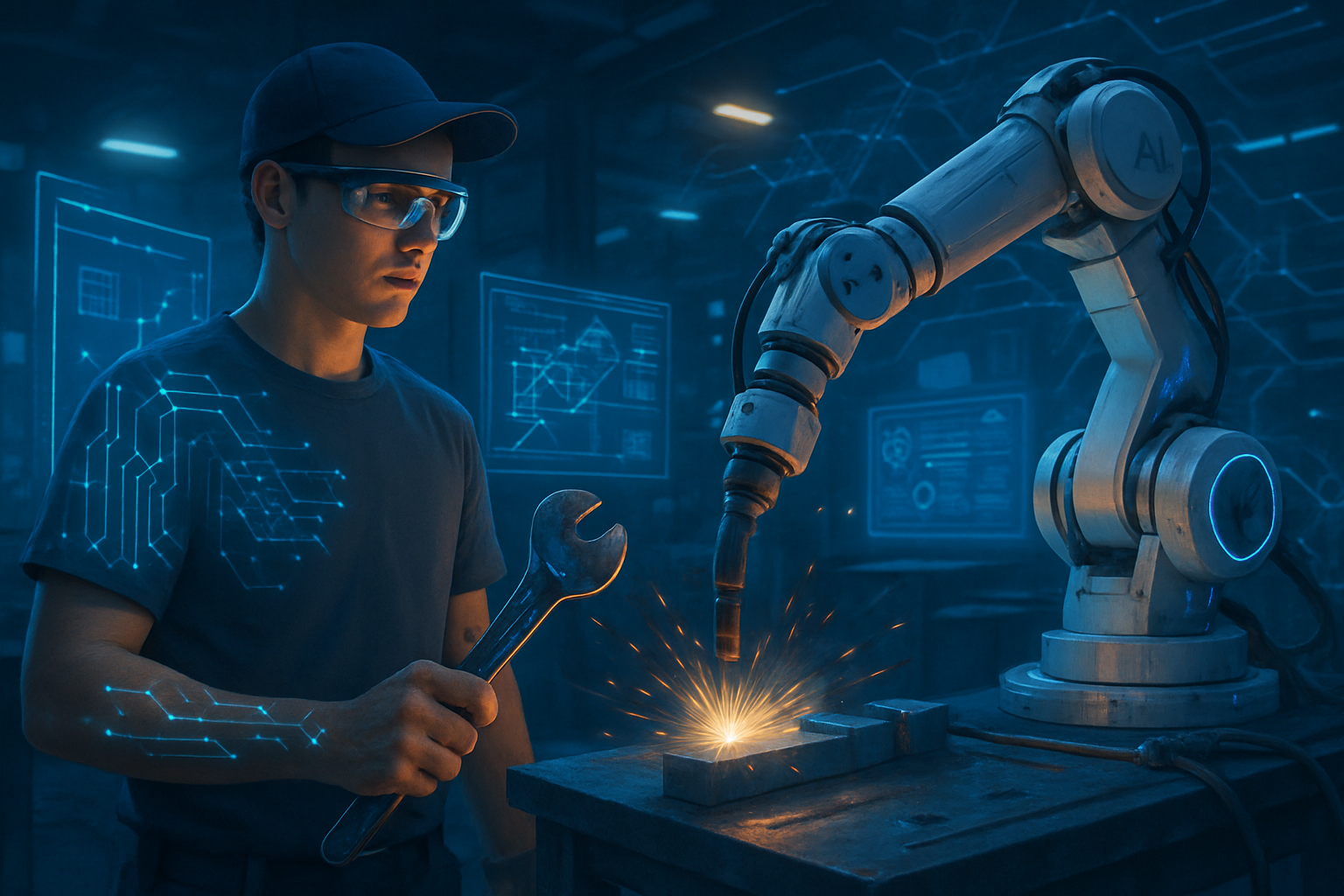
  • Beyond the Silicon Horizon: Advanced Processors Fuel an Unprecedented AI Revolution

    Beyond the Silicon Horizon: Advanced Processors Fuel an Unprecedented AI Revolution

    The relentless march of semiconductor technology has pushed far beyond the 7-nanometer (nm) threshold, ushering in an era of unprecedented computational power and efficiency that is fundamentally reshaping the landscape of Artificial Intelligence (AI). As of late 2025, the industry is witnessing a critical inflection point, with 5nm and 3nm nodes in widespread production, 2nm on the cusp of mass deployment, and roadmaps extending to 1.4nm. These advancements are not merely incremental; they represent a paradigm shift in how AI models, particularly large language models (LLMs), are developed, trained, and deployed, promising to unlock capabilities previously thought to be years away. The immediate significance lies in the ability to process vast datasets with greater speed and significantly reduced energy consumption, addressing the growing demands and environmental footprint of the AI supercycle.

    The Nanoscale Frontier: Technical Leaps Redefining AI Hardware

    The current wave of semiconductor innovation is characterized by a dramatic increase in transistor density and the adoption of novel transistor architectures. The 5nm node, in high-volume production since 2020, delivered a substantial boost in transistor count and performance over 7nm, becoming the bedrock for many current-generation AI accelerators. Building on this, the 3nm node, which entered high-volume production in 2022, offers a further 1.6x logic transistor density increase and 25-30% lower power consumption compared to 5nm. Notably, Samsung (KRX: 005930) introduced its 3nm Gate-All-Around (GAA) technology early, showcasing significant power efficiency gains.

    The most profound technical leap comes with the 2nm process node, where the industry is largely transitioning from the traditional FinFET architecture to Gate-All-Around (GAA) nanosheet transistors. GAAFETs provide superior electrostatic control over the transistor channel, dramatically reducing current leakage and improving drive current, which translates directly into enhanced performance and critical energy efficiency for AI workloads. TSMC (NYSE: TSM) is poised for mass production of its 2nm chips (N2) in the second half of 2025, while Intel (NASDAQ: INTC) is aggressively pursuing its Intel 18A (equivalent to 1.8nm) with its RibbonFET GAA architecture, aiming for leadership in 2025. These advancements also include the emergence of Backside Power Delivery Networks (BSPDN), further optimizing power efficiency. Initial reactions from the AI research community and industry experts highlight excitement over the potential for training even larger and more sophisticated LLMs, enabling more complex multi-modal AI, and pushing AI capabilities further into edge devices. The ability to pack more specialized AI accelerators and integrate next-generation High-Bandwidth Memory (HBM) like HBM4, offering roughly twice the bandwidth of HBM3, is seen as crucial for overcoming the "memory wall" that has bottlenecked AI hardware performance.

    Reshaping the AI Competitive Landscape

    These advanced semiconductor technologies are profoundly impacting the competitive dynamics among AI companies, tech giants, and startups. Foundries like TSMC (NYSE: TSM), which holds a commanding 92% market share in advanced AI chip manufacturing, and Samsung Foundry (KRX: 005930), are pivotal, providing the fundamental hardware for virtually all major AI players. Chip designers like NVIDIA (NASDAQ: NVDA) and AMD (NASDAQ: AMD) are direct beneficiaries, leveraging these smaller nodes and advanced packaging to create increasingly powerful GPUs and AI accelerators that dominate the market for AI training and inference. Intel, through its Intel Foundry Services (IFS), aims to regain process leadership with its 20A and 18A nodes, attracting significant interest from companies like Microsoft (NASDAQ: MSFT) for its custom AI chips.

    The competitive implications are immense. Companies that can secure access to these bleeding-edge fabrication processes will gain a significant strategic advantage, enabling them to offer superior performance-per-watt for AI workloads. This could disrupt existing product lines by making older hardware less competitive for demanding AI tasks. Tech giants such as Google (NASDAQ: GOOGL), Microsoft, and Meta Platforms (NASDAQ: META), which are heavily investing in custom AI silicon (like Google's TPUs), stand to benefit immensely, allowing them to optimize their AI infrastructure and reduce operational costs. Startups focused on specialized AI hardware or novel AI architectures will also find new avenues for innovation, provided they can navigate the high costs and complexities of advanced chip design. The "AI supercycle" is fueling unprecedented investment, intensifying competition among the leading foundries and memory manufacturers like SK Hynix (KRX: 000660) and Micron (NASDAQ: MU), particularly in the HBM space, as they vie to supply the critical components for the next generation of AI.

    Wider Implications for the AI Ecosystem

    The move beyond 7nm fits squarely into the broader AI landscape as a foundational enabler of the current and future AI boom. It addresses one of the most pressing challenges in AI: the insatiable demand for computational resources and energy. By providing more powerful and energy-efficient chips, these advancements allow for the training of larger, more complex AI models, including LLMs with trillions of parameters, which are at the heart of many recent AI breakthroughs. This directly impacts areas like natural language processing, computer vision, drug discovery, and autonomous systems.

    The impacts extend beyond raw performance. Enhanced power efficiency is crucial for mitigating the "energy crisis" faced by AI data centers, reducing operational costs, and making AI more sustainable. It also significantly boosts the capabilities of edge AI, enabling sophisticated AI processing on devices with limited power budgets, such as smartphones, IoT devices, and autonomous vehicles. This reduces reliance on cloud computing, improves latency, and enhances privacy. However, potential concerns exist. The astronomical cost of developing and manufacturing these advanced nodes, coupled with the immense capital expenditure required for foundries, could lead to a centralization of AI power among a few well-resourced tech giants and nations. The complexity of these processes also introduces challenges in yield and supply chain stability, as seen with ongoing geopolitical considerations driving efforts to strengthen domestic semiconductor manufacturing. These advancements are comparable to past AI milestones where hardware breakthroughs (like the advent of powerful GPUs for parallel processing) unlocked new eras of AI development, suggesting a similar transformative period ahead.

    The Road Ahead: Anticipating Future AI Horizons

    Looking ahead, the semiconductor roadmap extends even further into the nanoscale, promising continued advancements. TSMC (NYSE: TSM) has A16 (1.6nm-class) and A14 (1.4nm) on its roadmap, with A16 expected for production in late 2026 and A14 around 2028, leveraging next-generation High-NA EUV lithography. Samsung (KRX: 005930) plans mass production of its 1.4nm (SF1.4) chips by 2027, and Intel (NASDAQ: INTC) has Intel 14A slated for risk production in late 2026. These future nodes will further push the boundaries of transistor density and efficiency, enabling even more sophisticated AI models.

    Expected near-term developments include the widespread adoption of 2nm chips in flagship consumer electronics and enterprise AI accelerators, alongside the full commercialization of HBM4 memory, dramatically increasing memory bandwidth for AI. Long-term, we can anticipate the proliferation of heterogeneous integration and chiplet architectures, where specialized processing units and memory are seamlessly integrated within a single package, optimizing for specific AI workloads. Potential applications are vast, ranging from truly intelligent personal assistants and advanced robotics to hyper-personalized medicine and real-time climate modeling. Challenges that need to be addressed include the escalating costs of R&D and manufacturing, the increasing complexity of chip design (where AI itself is becoming a critical design tool), and the need for new materials and packaging innovations to continue scaling. Experts predict a future where AI hardware is not just faster, but also far more specialized and integrated, leading to an explosion of AI applications across every industry.

    A New Era of AI Defined by Silicon Prowess

    In summary, the rapid progression of semiconductor technology beyond 7nm, characterized by the widespread adoption of GAA transistors, advanced packaging techniques like 2.5D and 3D integration, and next-generation High-Bandwidth Memory (HBM4), marks a pivotal moment in the history of Artificial Intelligence. These innovations are creating the fundamental hardware bedrock for an unprecedented ascent of AI capabilities, enabling faster, more powerful, and significantly more energy-efficient AI systems. The ability to pack more transistors, reduce power consumption, and enhance data transfer speeds directly influences the capabilities and widespread deployment of machine learning and large language models.

    This development's significance in AI history cannot be overstated; it is as transformative as the advent of GPUs for deep learning. It's not just about making existing AI faster, but about enabling entirely new forms of AI that require immense computational resources. The long-term impact will be a pervasive integration of advanced AI into every facet of technology and society, from cloud data centers to edge devices. In the coming weeks and months, watch for announcements from major chip designers regarding new product lines leveraging 2nm technology, further details on HBM4 adoption, and strategic partnerships between foundries and AI companies. The race to the nanoscale continues, and with it, the acceleration of the AI revolution.


    This content is intended for informational purposes only and represents analysis of current AI developments.

    TokenRing AI delivers enterprise-grade solutions for multi-agent AI workflow orchestration, AI-powered development tools, and seamless remote collaboration platforms.
    For more information, visit https://www.tokenring.ai/.
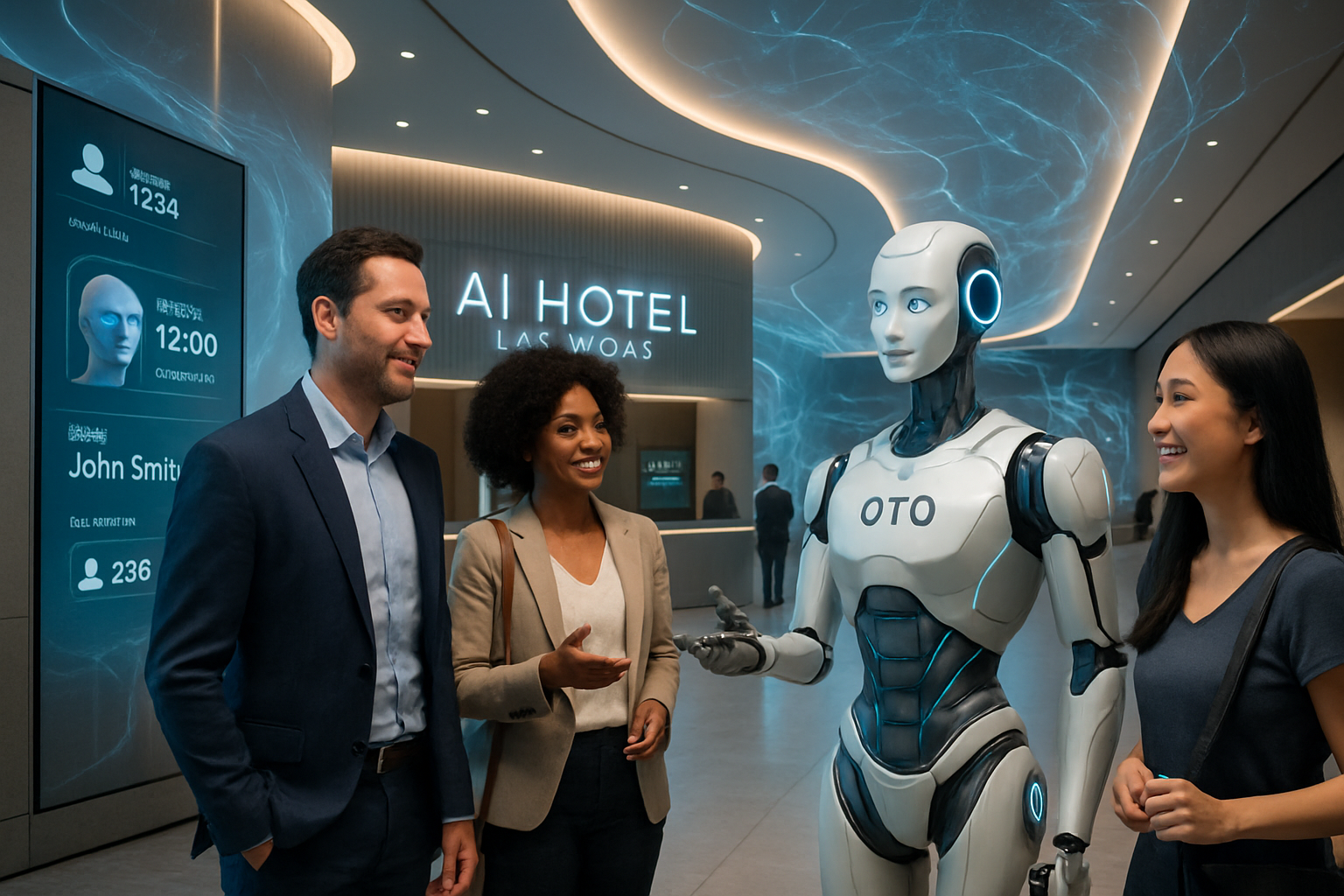
  • “Silicon Curtain” Descends: Geopolitical Tensions Choke AI Ambitions as Global Chip Supply Fractures

    “Silicon Curtain” Descends: Geopolitical Tensions Choke AI Ambitions as Global Chip Supply Fractures

    As of October 2025, the global semiconductor industry, the foundational bedrock of artificial intelligence, is experiencing a profound and immediate transformation, driven by escalating geopolitical tensions that are rapidly fragmenting the once-interconnected supply chain. The era of globally optimized, efficiency-first semiconductor production is giving way to localized, regional manufacturing ecosystems, a seismic shift with direct and critical implications for the future of AI development and deployment worldwide. This "great decoupling," often termed the "Silicon Curtain," is forcing nations and corporations to prioritize technological sovereignty over market efficiency, creating a volatile and uncertain landscape for innovation in advanced AI systems.

    The immediate significance for AI development is stark: while an "AI Supercycle" fuels unprecedented demand for advanced chips, geopolitical machinations, primarily between the U.S. and China, are creating significant bottlenecks and driving up costs. Export controls on high-end AI chips and manufacturing equipment are fostering a "bifurcated AI development environment," where access to superior hardware is becoming increasingly restricted for some regions, potentially leading to a technological divide. Companies are already developing "China-compliant" versions of AI accelerators, fragmenting the market, and the heavy reliance on a few concentrated manufacturing hubs like Taiwan (which holds over 90% of the advanced AI chip market) presents critical vulnerabilities to geopolitical disruptions. The weaponization of supply chains, exemplified by China's expanded rare earth export controls in October 2025 and rising tariffs on AI infrastructure components, directly impacts the affordability and accessibility of the cutting-edge hardware essential for training and deploying advanced AI models.

    The Technical Choke Points: How Geopolitics Redefines Silicon Production

    Geopolitical tensions are fundamentally reshaping the global semiconductor landscape, transitioning it from a model primarily driven by economic efficiency and global integration to one heavily influenced by national security and technological sovereignty. This shift has profound technical impacts on manufacturing, supply chains, and the advancement of AI-relevant technologies. Key choke points in the semiconductor ecosystem, such as advanced lithography machines from ASML Holding N.V. (NASDAQ: ASML) in the Netherlands, are directly affected by export controls, limiting the sale of critical Extreme Ultraviolet (EUV) and Deep Ultraviolet (DUV) systems to certain regions like China. These machines are indispensable for producing chips at 7nm process nodes and below, which are essential for cutting-edge AI accelerators. Furthermore, Taiwan Semiconductor Manufacturing Company (TSMC) (NYSE: TSM), which accounts for over 50% of global chip production and 90% of advanced chips, including those vital for NVIDIA Corporation's (NASDAQ: NVDA) AI GPUs, represents a single point of failure in the global supply chain, exacerbating concerns about geopolitical stability in the Taiwan Strait. Beyond equipment, access to critical materials is also a growing vulnerability, with China having imposed bans on the export of rare minerals like gallium and germanium, which are crucial for semiconductor manufacturing.

    These geopolitical pressures are forcing a radical restructuring of semiconductor manufacturing processes and supply chain strategies. Nations are prioritizing strategic resilience through "friend-shoring" and onshoring, moving away from a purely cost-optimized, globally distributed model. Initiatives like the US CHIPS Act ($52.7 billion) and the European Chips Act (€43 billion) are driving substantial investments into domestic fabrication facilities (fabs) across the United States, Japan, and Europe, with major players like Intel Corporation (NASDAQ: INTC), TSMC, and Samsung Electronics Co., Ltd. (KRX: 005930) expanding their presence in these regions. This decentralized approach, while aiming for security, inflates production costs and creates redundant infrastructure, which differs significantly from the previous highly specialized and interconnected global manufacturing network. For AI, this directly impacts technological advancements as companies like NVIDIA and Advanced Micro Devices, Inc. (NASDAQ: AMD) are compelled to develop "China-compliant" versions of their advanced AI GPUs, such as the A800 and H20, with intentionally reduced interconnect bandwidths to adhere to export restrictions. This technical segmentation could lead to a bifurcated global AI development path, where hardware capabilities and, consequently, AI model performance, diverge based on geopolitical alignments.

    This current geopolitical landscape contrasts sharply with the pre-2020 era, which was characterized by an open, collaborative, and economically efficient global semiconductor supply chain. Previous disruptions, like the COVID-19 pandemic, were primarily driven by demand surges and logistical challenges. However, the present situation involves the explicit "weaponization of technology" for national security and economic dominance, leading to a "Silicon Curtain" and the potential for a fragmented AI world. As of October 2025, the AI research community and industry experts have expressed a mixed reaction. While there is optimism for continued innovation fueled by AI's immense demand for chips, there are significant concerns regarding the sustainability of growth due to the intense capital expenditure required for advanced fabrication, as well as talent shortages in specialized areas like AI and quantum computing. Geopolitical territorialism, including tariffs and trade restrictions, is identified as a primary challenge, compelling increased efforts in supply chain diversification and resilience. Additionally, escalating patent disputes within the AI chip sector are causing apprehension within the research community about potential stifling of innovation and a greater emphasis on cross-licensing agreements to mitigate legal risks.

    AI Companies Navigate a Fractured Global Market

    Geopolitical tensions and persistent semiconductor supply chain issues are profoundly reshaping the landscape for AI companies, tech giants, and startups as of October 2025. The escalating US-China tech war, characterized by export controls on advanced AI chips and a push for technological sovereignty, is creating a bifurcated global technology ecosystem. This "digital Cold War" sees critical technologies like AI chips weaponized as instruments of national power, fundamentally altering supply chains and accelerating the race for AI supremacy. The demand for AI-specific processors, such as high-performance GPUs and specialized chips, continues to surge, far outpacing the recovery in traditional semiconductor markets. This intense demand, combined with an already fragile supply chain dependent on a few key manufacturers (primarily TSMC in Taiwan), leaves the AI industry vulnerable to disruptions from geopolitical conflicts, raw material shortages, and delays in advanced packaging technologies like CoWoS and High-Bandwidth Memory (HBM). The recent situation with Volkswagen AG (FWB: VOW) facing potential production halts due to China's export restrictions on Nexperia chips illustrates how deeply intertwined and vulnerable global manufacturing, including AI-reliant sectors, has become to these tensions.

    In this environment, several companies and regions are strategically positioning themselves to benefit. Companies that control significant portions of the semiconductor value chain, from design and intellectual property to manufacturing and packaging, gain a strategic advantage. TSMC, as the dominant foundry for advanced chips, continues to see soaring demand for AI chips and is actively diversifying its production capacity by building new fabs in the US and potentially Europe to mitigate geopolitical risks. Similarly, Intel is making aggressive moves to re-establish its foundry business and secure long-term contracts. Tech giants like Alphabet (Google) (NASDAQ: GOOGL), Amazon.com, Inc. (NASDAQ: AMZN), Microsoft Corporation (NASDAQ: MSFT), and Meta Platforms, Inc. (NASDAQ: META) are leveraging their substantial resources to design their own custom AI chips (e.g., Google's TPUs, Amazon's Trainium/Inferentia), reducing their reliance on external suppliers like NVIDIA and TSMC. This vertical integration provides them with greater control over their AI hardware supply and reduces exposure to external supply chain volatility. Additionally, countries like India are emerging as potential semiconductor manufacturing hubs, attracting investments and offering a diversified supply chain option for companies seeking to implement a 'China +1' strategy.

    The competitive landscape for major AI labs and tech companies is shifting dramatically. US export controls on advanced AI chips have compelled China to accelerate its drive for self-reliance, leading to significant investments in domestic chip production and the rise of companies like Huawei Technologies Co., Ltd. and Semiconductor Manufacturing International Corporation (SMIC) (HKEX: 0981), which are pushing forward with their own AI chip designs despite technical restrictions. This fosters a "sovereign AI" movement, where nations invest heavily in controlling their own AI models, infrastructure, and data, thereby fragmenting the global AI ecosystem. For Western companies like NVIDIA and AMD, export restrictions to China have led to challenges, forcing them to navigate complex licensing frameworks and potentially accept thinner margins on specially designed, lower-tier chips for the Chinese market. Startups, particularly those without the deep pockets of tech giants, face increased costs and delays in securing advanced AI chips, potentially hindering their ability to innovate and scale, as the focus shifts to securing long-term contracts with foundries and exploring local chip fabrication units.

    The disruptions extend to existing AI products and services. Companies unable to secure sufficient supplies of the latest chip technologies risk their AI models and services falling behind competitors, creating a powerful incentive for continuous innovation but also a risk of obsolescence. The increased costs of related components due to tariffs and supply chain pressures could impact the overall affordability and accessibility of AI technologies, prompting companies to reassess supply chain strategies and seek alternative suppliers or domestic manufacturing options. Market positioning is increasingly defined by control over the semiconductor value chain and the ability to build resilient, diversified supply chains. Strategic advantages are gained by companies that invest in domestic production, nearshoring, friendshoring, and flexible logistics to mitigate geopolitical risks and ensure continuity of supply. The ability to leverage AI itself for supply chain intelligence, optimizing inventory, predicting disruptions, and identifying alternative suppliers is also becoming a crucial strategic advantage. The long-term trajectory points towards a more regionalized and fragmented semiconductor supply chain, with companies needing unprecedented strategic flexibility to navigate distinct regulatory and technological environments.

    The Wider Significance: AI as a Geopolitical Battleground

    The geopolitical landscape, as of October 2025, has profoundly reshaped the global semiconductor supply chain, with significant implications for the burgeoning Artificial Intelligence (AI) landscape. A "Silicon Curtain" is rapidly descending, transitioning the industry from efficiency-first models to regionalized, resilience-focused ecosystems driven by strategic trade policies and escalating rivalries, particularly between the United States and China. The US has intensified export controls on advanced semiconductor manufacturing equipment and high-end AI chips to China, aiming to curb its technological ambitions. In retaliation, Beijing has weaponized its dominance in critical raw materials, expanding export controls on rare earth elements in October 2025, which are vital for semiconductor production and foreign-made products containing Chinese-origin rare earths. This strategic maneuvering has also seen unprecedented actions, such as the Dutch government's seizure of the Chinese-owned chip manufacturer Nexperia in October 2025, citing national and economic security, which prompted China to block exports of critical Nexperia-made components. This environment forces major players like TSMC, a dominant manufacturer of advanced AI chips, to diversify its global footprint with new fabs in the US, Europe, and Japan to mitigate geopolitical risks. The result is a bifurcated global technology ecosystem, often termed a "digital Cold War," where a "Western ecosystem" and a "Chinese ecosystem" are developing in parallel, leading to inherent inefficiencies and reduced collective resilience.

    The broader AI landscape is inextricably linked to these semiconductor supply chain dynamics, as an "AI Supercycle" fuels explosive, unprecedented demand for advanced chips essential for generative AI, machine learning, and large language models. AI chips alone are projected to exceed $150 billion in sales in 2025, underscoring the foundational role of semiconductors in driving the next wave of innovation. Disruptions to this highly concentrated supply chain, particularly given the reliance on a few key manufacturers like TSMC for chips from companies such as NVIDIA and AMD, could paralyze global AI infrastructure and defense systems. From a national security perspective, nations increasingly view semiconductors as strategic assets, recognizing that access to advanced chips dictates future economic prowess and military dominance. China's restrictions on rare earth exports, for instance, are seen as a direct threat to the US AI boom and could trigger significant economic instability or even recession, deepening vulnerabilities for the defense industrial base and widening military capability gaps. Conversely, these geopolitical tensions are also spurring innovation, with AI itself playing a role in accelerating chip design and advanced packaging technologies, as countries strive for self-sufficiency and technological sovereignty.

    The wider significance of these tensions extends to substantial potential concerns for global progress and stability. The weaponization of the semiconductor supply chain creates systemic vulnerabilities akin to cyber or geopolitical threats, raising fears of technological stagnation if an uneasy "race" prevents either side from maintaining conditions for sustained innovation. The astronomical costs associated with developing and manufacturing advanced AI chips could centralize AI power among a few tech giants, exacerbating a growing divide between "AI haves" and "AI have-nots." Unlike previous supply shortages, such as those caused by the COVID-19 pandemic, current disruptions are often deliberate political acts, signaling a new era where national security overrides traditional commercial interests. This dynamic risks fracturing global collaboration, potentially hindering the safe and equitable integration of AI into the world and preventing collective efforts to solve global challenges. The situation bears similarities to historical technological races but is distinguished by the unprecedented "weaponization" of essential components, necessitating a careful balance between strategic competition and finding common ground to establish guardrails for AI development and deployment.

    Future Horizons: Decentralization and Strategic Autonomy

    The intersection of geopolitical tensions and the semiconductor supply chain is experiencing a profound transformation, driven by an escalating "tech war" between major global powers, primarily the United States and China, as of October 2025. This has led to a fundamental restructuring from a globally optimized, efficiency-first model to one characterized by fragmented, regional manufacturing ecosystems. In the near term, expect continued tightening of export controls, particularly from the U.S. on advanced semiconductors and manufacturing equipment to China, and retaliatory measures, such as China's export restrictions on critical chip metals like germanium and gallium. The recent Dutch government's seizure of Nexperia, a Dutch chipmaker with Chinese ownership, and China's subsequent export restrictions on Nexperia's China-manufactured components, exemplify the unpredictable and disruptive nature of this environment, leading to immediate operational challenges and increased costs for industries like automotive. Long-term developments will see an intensified push for technological sovereignty, with nations aggressively investing in domestic chip manufacturing through initiatives like the U.S. CHIPS Act and the European Chips Act, aiming for increased domestic production capacity by 2030-2032. This will result in a more distributed, yet potentially more expensive and less efficient, global production network where geopolitical considerations heavily influence technological advancements.

    The burgeoning demand for Artificial Intelligence (AI) is a primary driver and victim of these geopolitical shifts. AI's future hinges on a complex and often fragile chip supply chain, making control over it a national power instrument. Near-term applications and use cases on the horizon are heavily focused on AI-specific processors, advanced memory technologies (like HBM and GDDR7), and advanced packaging to meet the insatiable demand from generative AI and machine learning workloads. Tech giants like Google, Amazon, and Microsoft are heavily investing in custom AI chip development and vertical integration to reduce reliance on external suppliers and optimize hardware for their specific AI workloads, thereby potentially centralizing AI power. Longer-term, AI is predicted to become embedded into the entire fabric of human systems, with the rise of "agentic AI" and multimodal AI systems, requiring pervasive AI in edge devices, autonomous systems, and advanced scientific computing. However, this future faces significant challenges: immense capital costs for building advanced fabrication facilities, scarcity of skilled labor, and the environmental impact of energy-intensive chip manufacturing. Natural resource limitations, especially water and critical minerals, also pose concerns.

    Experts predict continued robust growth for the semiconductor industry, with sales potentially reaching US$697 billion in 2025 and surpassing US$1 trillion by 2030, largely fueled by AI. However, this optimism is tempered by concerns over geopolitical territorialism, tariffs, and trade restrictions, which are expected to lead to increased costs for critical AI accelerators and a more fragmented, costly global semiconductor supply chain. The global market is bifurcating, with companies potentially needing to design and manufacture chips differently depending on the selling region. While the U.S. aims for 30% of leading-edge chip production by 2032, and the EU targets 20% global production by 2030, both face challenges such as labor shortages and fragmented funding. China continues its drive for self-sufficiency, albeit hampered by U.S. export bans on sophisticated chip-making equipment. The "militarization of chip policy" will intensify, making semiconductors integral to national security and economic competitiveness, fundamentally reshaping the global technology landscape for decades to come.

    A New Era of AI: The Geopolitical Imperative

    The geopolitical landscape, as of October 2025, has profoundly reshaped the global semiconductor supply chain, transitioning it from an efficiency-driven, globally optimized model to fragmented, regional ecosystems characterized by "techno-nationalism." Key takeaways reveal an escalating US-China tech rivalry, which has weaponized advanced semiconductors and critical raw materials like rare earth elements as instruments of national power. The United States has progressively tightened export controls on advanced AI chips and manufacturing equipment to China, with significant expansions in March and October 2025, aiming to curtail China's access to cutting-edge AI capabilities. In response, China has implemented its own export restrictions on rare earths and placed some foreign companies on "unreliable entities" lists, creating a "Silicon Curtain" that divides global technological spheres. This period has also been marked by unprecedented demand for AI-specific chips, driving immense market opportunities but also contributing to extreme stock volatility across the semiconductor sector. Governments worldwide, exemplified by the US CHIPS and Science Act and the European Chips Act, are heavily investing in domestic production and diversification strategies to build more resilient supply chains and reduce reliance on concentrated manufacturing capacity, particularly in East Asia.

    This development marks a pivotal moment in AI history, fundamentally altering its trajectory. The explicit weaponization of AI chips and critical components has escalated the competition for AI supremacy into what is now termed an "AI Cold War," driven by state-level national security imperatives rather than purely commercial interests. This environment, while ensuring sustained investment in AI, is likely to result in a slower pace of global innovation due to restrictions, increased costs for advanced technologies, and a more uneven distribution of technological progress globally. Control over the entire semiconductor value chain, from intellectual property and design to manufacturing and packaging, is increasingly becoming the defining factor for strategic advantage in AI development and deployment. The fragmentation driven by geopolitical tensions creates a bifurcated future where innovation continues at a rapid pace, but trade policies and supply chain structures are dictated by national security concerns, pushing for technological self-reliance in leading nations.

    Looking ahead, the long-term impact points towards a continued push for technological decoupling and the emergence of increasingly localized manufacturing hubs in the US and Europe. While these efforts enhance resilience and national security, they are also likely to lead to higher production costs, potential inefficiencies, and ongoing challenges related to skilled labor shortages. In the coming weeks and months, through October 2025, several critical developments bear watching. These include further refinements and potential expansions of US export controls on AI-related software and services, as well as China's intensified efforts to develop fully indigenous semiconductor manufacturing capabilities, potentially leveraging novel materials and architectures to bypass current restrictions. The recently announced 100% tariffs by the Trump administration on all Chinese goods, effective November 1, 2025, and China's expanded export controls on rare earth elements in October 2025, will significantly reshape trade flows and potentially induce further supply chain disruptions. The automotive industry, as evidenced by Volkswagen's recent warning of potential production stoppages due to semiconductor supply issues, is particularly vulnerable, with prolonged disruptions possible as sourcing replacement components could take months. The industry will also observe advancements in AI chip architecture, advanced packaging technologies, and heterogeneous computing, which are crucial for driving the next generation of AI applications.


    This content is intended for informational purposes only and represents analysis of current AI developments.

    TokenRing AI delivers enterprise-grade solutions for multi-agent AI workflow orchestration, AI-powered development tools, and seamless remote collaboration platforms.
    For more information, visit https://www.tokenring.ai/.

  • AI Supercharges Semiconductor Manufacturing: A New Era of Efficiency and Innovation Dawns

    AI Supercharges Semiconductor Manufacturing: A New Era of Efficiency and Innovation Dawns

    The semiconductor industry, the bedrock of the modern digital economy, is undergoing a profound transformation driven by the integration of artificial intelligence (AI) and machine learning (ML). As of October 2025, these advanced technologies are no longer just supplementary tools but have become foundational pillars, enabling unprecedented levels of efficiency, precision, and speed across the entire chip lifecycle. This paradigm shift is critical for addressing the escalating complexity of chip design and manufacturing, as well as the insatiable global demand for increasingly powerful and specialized semiconductors that fuel everything from cloud computing to edge AI devices.

    AI's immediate significance in semiconductor manufacturing lies in its ability to optimize intricate processes, predict potential failures, and accelerate innovation at a scale previously unimaginable. From enhancing yield rates in high-volume fabrication plants to dramatically compressing chip design cycles, AI is proving indispensable. This technological leap promises not only substantial cost reductions and faster time-to-market for new products but also ensures the production of higher quality, more reliable chips, cementing AI's role as the primary catalyst for the industry's evolution.

    The Algorithmic Forge: Technical Deep Dive into AI's Manufacturing Revolution

    The technical advancements brought by AI into semiconductor manufacturing are multifaceted and deeply impactful. At the forefront are sophisticated AI-powered solutions for yield optimization and process control. Companies like Lam Research (NASDAQ: LRCX) have introduced tools, such as their Fabtex™ Yield Optimizer, which leverage virtual silicon digital twins. These digital replicas, combined with real-time factory data, allow AI algorithms to analyze billions of data points, identify subtle process variations, and recommend real-time adjustments to parameters like temperature, pressure, and chemical composition. This proactive approach can reduce yield detraction by up to 30%, systematically targeting and mitigating yield-limiting mechanisms that previously required extensive manual analysis and trial-and-error.

    Beyond process control, advanced defect detection and quality control have seen revolutionary improvements. Traditional human inspection, often prone to error and limited by speed, is being replaced by AI-driven automated optical inspection (AOI) systems. These systems, utilizing deep learning and computer vision, can detect microscopic defects, cracks, and irregularities on wafers and chips with unparalleled speed and accuracy. Crucially, these AI models can identify novel or unknown defects, adapting to new challenges as manufacturing processes evolve or new materials are introduced, ensuring only the highest quality products proceed to market.

    Predictive maintenance (PdM) for semiconductor equipment is another area where AI shines. By continuously analyzing vast streams of sensor data and equipment logs, ML algorithms can anticipate equipment failures long before they occur. This allows for scheduled, proactive maintenance, significantly minimizing costly unplanned downtime, reducing overall maintenance expenses by preventing catastrophic breakdowns, and extending the operational lifespan of incredibly expensive and critical manufacturing tools. The benefits include a reported 10-20% increase in equipment uptime and up to a 50% reduction in maintenance planning time. Furthermore, AI-driven Electronic Design Automation (EDA) tools, exemplified by Synopsys (NASDAQ: SNPS) DSO.ai and Cadence (NASDAQ: CDNS) Cerebrus, are transforming chip design. These tools automate complex design tasks like layout generation and optimization, allowing engineers to explore billions of possible transistor arrangements and routing topologies in a fraction of the time. This dramatically compresses design cycles, with some advanced 5nm chip designs seeing optimization times reduced from six months to six weeks, a 75% improvement. Generative AI is also emerging, assisting in the creation of entirely new design architectures and simulations. These advancements represent a significant departure from previous, more manual and iterative design and manufacturing approaches, offering a level of precision, speed, and adaptability that human-centric methods could not achieve.

    Shifting Tides: AI's Impact on Tech Giants and Startups

    The integration of AI into semiconductor manufacturing is reshaping the competitive landscape, creating new opportunities for some while posing significant challenges for others. Major semiconductor manufacturers and foundries stand to benefit immensely. Companies like Taiwan Semiconductor Manufacturing Company (TSMC) (NYSE: TSM), Intel (NASDAQ: INTC), and Samsung (KRX: 005930) are heavily investing in AI-driven process optimization, defect detection, and predictive maintenance to maintain their lead in producing the most advanced chips. Their ability to leverage AI for higher yields and faster ramp-up times for new process nodes (e.g., 3nm, 2nm) directly translates into a competitive advantage in securing contracts from major fabless design firms.

    Equipment manufacturers such as ASML (NASDAQ: ASML), a critical supplier of lithography systems, and Lam Research (NASDAQ: LRCX), specializing in deposition and etch, are integrating AI into their tools to offer more intelligent, self-optimizing machinery. This creates a virtuous cycle where AI-enhanced equipment produces better chips, further driving demand for AI-integrated solutions. EDA software providers like Synopsys (NASDAQ: SNPS) and Cadence (NASDAQ: CDNS) are experiencing a boom, as their AI-powered design tools become indispensable for navigating the complexities of advanced chip architectures, positioning them as critical enablers of next-generation silicon.

    The competitive implications for major AI labs and tech giants are also profound. Companies like NVIDIA (NASDAQ: NVDA), which not only designs its own AI-optimized GPUs but also relies heavily on advanced manufacturing, benefit from the overall improvement in semiconductor production efficiency. Their ability to get more powerful, higher-quality chips faster impacts their AI hardware roadmaps and their competitive edge in AI development. Furthermore, startups specializing in AI for industrial automation, computer vision for quality control, and predictive analytics for factory operations are finding fertile ground, offering niche solutions that complement the broader industry shift. This disruption means that companies that fail to adopt AI will increasingly lag in cost-efficiency, quality, and time-to-market, potentially losing market share to more agile, AI-driven competitors.

    A New Horizon: Wider Significance in the AI Landscape

    The pervasive integration of AI into semiconductor manufacturing is a pivotal development that profoundly impacts the broader AI landscape and global technological trends. Firstly, it directly addresses the escalating demand for compute power, which is the lifeblood of modern AI. By making chip production more efficient and cost-effective, AI in manufacturing enables the creation of more powerful GPUs, TPUs, and specialized AI accelerators at scale. This, in turn, fuels advancements in large language models, complex neural networks, and edge AI applications, creating a self-reinforcing cycle where AI drives better chip production, which in turn drives better AI.

    This development also has significant implications for data centers and edge AI deployments. More efficient semiconductor manufacturing means cheaper, more powerful, and more energy-efficient chips for cloud infrastructure, supporting the exponential growth of AI workloads. Simultaneously, it accelerates the proliferation of AI at the edge, enabling real-time decision-making in autonomous vehicles, IoT devices, and smart infrastructure without constant reliance on cloud connectivity. However, this increased reliance on advanced manufacturing also brings potential concerns, particularly regarding supply chain resilience and geopolitical stability. The concentration of advanced chip manufacturing in a few regions means that disruptions, whether from natural disasters or geopolitical tensions, could have cascading effects across the entire global tech industry, impacting everything from smartphone production to national security.

    Comparing this to previous AI milestones, the current trend is less about a single breakthrough algorithm and more about the systemic application of AI to optimize a foundational industry. It mirrors the industrial revolution's impact on manufacturing, but with intelligence rather than mechanization as the primary driver. This shift is critical because it underpins all other AI advancements; without the ability to produce ever more sophisticated hardware efficiently, the progress of AI itself would inevitably slow. The ability of AI to enhance its own hardware manufacturing is a meta-development, accelerating the entire field and setting the stage for future, even more transformative, AI applications.

    The Road Ahead: Exploring Future Developments and Challenges

    Looking ahead, the future of semiconductor manufacturing, heavily influenced by AI, promises even more transformative developments. In the near term, we can expect continued refinement of AI models for hyper-personalized manufacturing processes, where each wafer run or even individual die can have its fabrication parameters dynamically adjusted by AI for optimal performance and yield. The integration of quantum computing (QC) simulations with AI for materials science and device physics is also on the horizon, potentially unlocking new materials and architectures that are currently beyond our computational reach. AI will also play a crucial role in the development and scaling of advanced lithography techniques beyond extreme ultraviolet (EUV), such as high-NA EUV and eventually even more exotic methods, by optimizing the incredibly complex optical and chemical processes involved.

    Long-term, the vision includes fully autonomous "lights-out" fabrication plants, where AI agents manage the entire manufacturing process from design optimization to final testing with minimal human intervention. This could lead to a significant reduction in human error and a massive increase in throughput. The rise of 3D stacking and heterogeneous integration will also be heavily reliant on AI for complex design, assembly, and thermal management challenges. Experts predict that AI will be central to the development of neuromorphic computing architectures and other brain-inspired chips, as AI itself will be used to design and optimize these novel computing paradigms.

    However, significant challenges remain. The cost of implementing and maintaining advanced AI systems in fabs is substantial, requiring significant investment in data infrastructure, specialized hardware, and skilled personnel. Data privacy and security within highly sensitive manufacturing environments are paramount, especially as more data is collected and shared across AI systems. Furthermore, the "explainability" of AI models—understanding why an AI makes a particular decision or adjustment—is crucial for regulatory compliance and for engineers to trust and troubleshoot these increasingly autonomous systems. What experts predict will happen next is a continued convergence of AI with advanced robotics and automation, leading to a new era of highly flexible, adaptable, and self-optimizing manufacturing ecosystems, pushing the boundaries of Moore's Law and beyond.

    A Foundation Reimagined: The Enduring Impact of AI in Silicon

    In summary, the integration of AI and machine learning into semiconductor manufacturing represents one of the most significant technological shifts of our time. The key takeaways are clear: AI is driving unprecedented gains in manufacturing efficiency, quality, and speed, fundamentally altering how chips are designed, fabricated, and optimized. From sophisticated yield prediction and defect detection to accelerated design cycles and predictive maintenance, AI is now an indispensable component of the semiconductor ecosystem. This transformation is not merely incremental but marks a foundational reimagining of an industry that underpins virtually all modern technology.

    This development's significance in AI history cannot be overstated. It highlights AI's maturity beyond mere software applications, demonstrating its critical role in enhancing the very hardware that powers AI itself. It's a testament to AI's ability to optimize complex physical processes, pushing the boundaries of what's possible in advanced engineering and high-volume production. The long-term impact will be a continuous acceleration of technological progress, enabling more powerful, efficient, and specialized computing devices that will further fuel innovation across every sector, from healthcare to space exploration.

    In the coming weeks and months, we should watch for continued announcements from major semiconductor players regarding their AI adoption strategies, new partnerships between AI software firms and manufacturing equipment providers, and further advancements in AI-driven EDA tools. The ongoing race for smaller, more powerful, and more energy-efficient chips will be largely won by those who most effectively harness the power of AI in their manufacturing processes. The future of silicon is intelligent, and AI is forging its path.


    This content is intended for informational purposes only and represents analysis of current AI developments.

    TokenRing AI delivers enterprise-grade solutions for multi-agent AI workflow orchestration, AI-powered development tools, and seamless remote collaboration platforms.
    For more information, visit https://www.tokenring.ai/.