Tag: Manufacturing

  • Semiconductor Surge Ignites Global Industrial Production and Investment Boom

    Semiconductor Surge Ignites Global Industrial Production and Investment Boom

    October 31, 2025 – September 2025 marked a significant turning point for the global economy, as a robust and rapidly improving semiconductor sector unleashed a powerful wave of growth in industrial production and facility investment worldwide. This resurgence, fueled by insatiable demand for advanced chips across burgeoning technology frontiers, underscores the semiconductor industry's critical role as the foundational engine of modern economic expansion and technological advancement.

    The dramatic uptick signals a strong rebound and a new phase of expansion, particularly after periods of supply chain volatility. Industries from automotive to consumer electronics, and crucially, the burgeoning Artificial Intelligence (AI) and machine learning (ML) domains, are experiencing a revitalized supply of essential components. This newfound stability and growth in semiconductor availability are not merely facilitating existing production but are actively driving new capital expenditures and a strategic re-evaluation of global manufacturing capabilities.

    The Silicon Catalyst: Unpacking September's Technical Drivers

    The impressive performance of the semiconductor economy in September 2025 was not a singular event but the culmination of several powerful, interconnected technological accelerants. At its core, the relentless advance of Artificial Intelligence and Machine Learning remains the paramount driver, demanding ever more powerful and specialized chips—from high-performance GPUs and NPUs to custom AI accelerators—to power everything from massive cloud-based models to edge AI devices. This demand is further amplified by the ongoing global rollout of 5G infrastructure and the nascent stages of 6G research, requiring sophisticated components for telecommunications equipment and next-generation mobile devices.

    Beyond connectivity, the proliferation of the Internet of Things (IoT) across consumer, industrial, and automotive sectors continues to generate vast demand for low-power, specialized microcontrollers and sensors. Concurrently, the automotive industry's accelerating shift towards electric vehicles (EVs) and autonomous driving technologies necessitates a dramatic increase in power management ICs, advanced microcontrollers, and complex sensor processing units. Data centers and cloud computing, the backbone of the digital economy, also sustain robust demand for server processors, memory (DRAM and NAND), and networking chips. This intricate web of demand has spurred a new era of industrial automation, often termed Industry 4.0, where smart factories and interconnected systems rely heavily on advanced semiconductors for control, sensing, and communication.

    This period of growth distinguishes itself from previous cycles through its specific focus on advanced process nodes and specialized chip architectures, rather than just broad commodity chip demand. The immediate industry reaction has been overwhelmingly positive, with major semiconductor companies reportedly announcing increased capital expenditure (CapEx) projections for 2026, signaling confidence in sustained demand and plans for new fabrication plants (fabs). These multi-billion dollar investments are not just about capacity but also about advancing process technology, pushing the boundaries of what chips can do, and strategically diversifying manufacturing footprints to enhance supply chain resilience.

    Corporate Beneficiaries and Competitive Realignment

    The revitalized semiconductor economy has created a clear hierarchy of beneficiaries, profoundly impacting AI companies, tech giants, and startups alike. Leading semiconductor manufacturers are at the forefront, with companies like NVIDIA (NASDAQ: NVDA), TSMC (NYSE: TSM), Intel (NASDAQ: INTC), and Samsung Electronics (KRX: 005930) reporting strong performance and increased order backlogs. Equipment suppliers such as ASML Holding (AMS: ASML) are also seeing heightened demand for their advanced lithography tools, indispensable for next-generation chip production.

    For tech giants like Microsoft (NASDAQ: MSFT), Amazon (NASDAQ: AMZN), and Alphabet (NASDAQ: GOOGL), who are heavily invested in cloud computing and AI development, a stable and growing supply of high-performance chips is crucial for expanding their data center capabilities and accelerating AI innovation. Industrial automation leaders such as Siemens AG (ETR: SIE) and Rockwell Automation (NYSE: ROK) are also poised to capitalize, as the availability of advanced chips enables the deployment of more sophisticated smart factory solutions and robotics.

    The competitive landscape is intensifying, with companies vying for strategic advantages through vertical integration, R&D leadership, and robust supply chain partnerships. Those with diversified manufacturing locations and strong intellectual property in cutting-edge chip design stand to gain significant market share. This development also has the potential to disrupt industries that have lagged in adopting automation, pushing them towards greater technological integration to remain competitive. Market positioning is increasingly defined by access to advanced chip technology and the ability to rapidly innovate in AI-driven applications, making resilience in the semiconductor supply chain a paramount strategic asset.

    A Wider Economic and Geopolitical Ripple Effect

    The September semiconductor boom transcends mere industry statistics; it represents a significant milestone within the broader AI landscape and global economic trends. This surge is intrinsically linked to the accelerating AI revolution, as semiconductors are the fundamental building blocks for every AI application, from large language models to autonomous systems. Without a robust and innovative chip sector, the ambitious goals of AI development would remain largely unattainable.

    The impacts are far-reaching: economically, it promises sustained growth, job creation across the manufacturing and technology sectors, and a boost in global trade. Technologically, it accelerates the deployment of advanced solutions in healthcare, transportation, energy, and defense. However, potential concerns loom, including the risk of oversupply in certain chip segments if investment outpaces actual demand, and the enduring geopolitical tensions surrounding semiconductor manufacturing dominance. Nations are increasingly viewing domestic chip production as a matter of national security, leading to significant government subsidies and strategic investments in regions like the United States and Europe, exemplified by initiatives such as the European Chips Act. This period echoes past tech booms, but the AI-driven nature of this cycle suggests a more profound and transformative impact on industrial and societal structures.

    The Horizon: Anticipated Developments and Challenges

    Looking ahead, the momentum from September 2025 is expected to drive both near-term and long-term developments. In the near term, experts predict continued strong demand for AI accelerators, specialized automotive chips, and advanced packaging technologies that integrate multiple chiplets into powerful systems. We can anticipate further announcements of new fabrication plants coming online, particularly in regions keen to bolster their domestic semiconductor capabilities. The long-term outlook points towards pervasive AI, where intelligence is embedded in virtually every device and system, from smart cities to personalized healthcare, requiring an even more diverse and powerful array of semiconductors. Fully autonomous systems, hyper-connected IoT ecosystems, and new frontiers in quantum computing will also rely heavily on continued semiconductor innovation.

    However, significant challenges remain. The industry faces persistent talent shortages, particularly for highly skilled engineers and researchers. The massive energy consumption associated with advanced chip manufacturing and the burgeoning AI data centers poses environmental concerns that demand sustainable solutions. Sourcing of critical raw materials and maintaining stable global supply chains amid geopolitical uncertainties will also be crucial. Experts predict a sustained period of growth, albeit with the inherent cyclical nature of the semiconductor industry suggesting potential for future adjustments. The race for technological supremacy, particularly in AI and advanced manufacturing, will continue to shape global investment and innovation strategies.

    Concluding Thoughts on a Pivotal Period

    September 2025 will likely be remembered as a pivotal moment in the ongoing narrative of the global economy and technological advancement. The significant improvement in the semiconductor economy, acting as a powerful catalyst for increased industrial production and facility investment, underscores the undeniable truth that semiconductors are the bedrock of our modern, digitally driven world. The primary driver for this surge is unequivocally the relentless march of Artificial Intelligence, transforming demand patterns and pushing the boundaries of chip design and manufacturing.

    This development signifies more than just an economic upswing; it represents a strategic realignment of global manufacturing capabilities and a renewed commitment to innovation. The long-term impact will be profound, reshaping industrial landscapes, fostering new technological ecosystems, and driving national economic policies. As we move forward, the coming weeks and months will be crucial for observing quarterly earnings reports from major tech and semiconductor companies, tracking further capital expenditure announcements, and monitoring governmental policy shifts related to semiconductor independence and technological leadership. The silicon heart of the global economy continues to beat stronger, powering an increasingly intelligent and interconnected future.


    This content is intended for informational purposes only and represents analysis of current AI developments.

    TokenRing AI delivers enterprise-grade solutions for multi-agent AI workflow orchestration, AI-powered development tools, and seamless remote collaboration platforms.
    For more information, visit https://www.tokenring.ai/.

  • The Materials Race: Next-Gen Semiconductors Reshape AI, HPC, and Global Manufacturing

    The Materials Race: Next-Gen Semiconductors Reshape AI, HPC, and Global Manufacturing

    As the digital world hurries towards an era dominated by artificial intelligence, high-performance computing (HPC), and pervasive connectivity, the foundational material of modern electronics—silicon—is rapidly approaching its physical limits. A quiet but profound revolution is underway in material science and semiconductor manufacturing, with recent innovations in novel materials and advanced fabrication techniques promising to unlock unprecedented levels of chip performance, energy efficiency, and manufacturing agility. This shift, particularly prominent from late 2024 through 2025, is not merely an incremental upgrade but a fundamental re-imagining of how microchips are built, with far-reaching implications for every sector of technology.

    The immediate significance of these advancements cannot be overstated. From powering more intelligent AI models and enabling faster 5G/6G communication to extending the range of electric vehicles and enhancing industrial automation, these next-generation semiconductors are the bedrock upon which future technological breakthroughs will be built. The industry is witnessing a concerted global effort to invest in research, development, and new manufacturing plants, signaling a collective understanding that the future of computing lies "beyond silicon."

    The Science of Speed and Efficiency: A Deep Dive into Next-Gen Materials

    The core of this revolution lies in the adoption of materials with superior intrinsic properties compared to silicon. Wide-bandgap semiconductors, two-dimensional (2D) materials, and a host of other exotic compounds are now moving from laboratories to production lines, fundamentally altering chip design and capabilities.

    Wide-Bandgap Semiconductors: GaN and SiC Lead the Charge
    Gallium Nitride (GaN) and Silicon Carbide (SiC) are at the forefront of this material paradigm shift, particularly for high-power, high-frequency, and high-voltage applications. GaN, with its superior electron mobility, enables significantly faster switching speeds and higher power density. This makes GaN ideal for RF communication, 5G infrastructure, high-speed processors, and compact, efficient power solutions like fast chargers and electric vehicle (EV) components. GaN chips can operate up to 10 times faster than traditional silicon and contribute to a 10 times smaller CO2 footprint in manufacturing. In data center applications, GaN-based chips achieve 97-99% energy efficiency, a substantial leap from the approximately 90% for traditional silicon. Companies like Infineon Technologies AG (ETR: IFX), Taiwan Semiconductor Manufacturing Company (TSMC) (NYSE: TSM), and Navitas Semiconductor Corporation (NASDAQ: NVTS) are aggressively scaling up GaN production.

    SiC, on the other hand, is transforming power semiconductor design for high-voltage applications. It can operate at higher voltages and temperatures (above 200°C and over 1.2 kV) than silicon, with lower switching losses. This makes SiC indispensable for EVs, industrial automation, and renewable energy systems, leading to higher efficiency, reduced heat waste, and extended battery life. Wolfspeed, Inc. (NYSE: WOLF), a leader in SiC technology, is actively expanding its global production capacity to meet burgeoning demand.

    Two-Dimensional Materials: Graphene and TMDs for Miniaturization
    For pushing the boundaries of miniaturization and introducing novel functionalities, two-dimensional (2D) materials are gaining traction. Graphene, a single layer of carbon atoms, boasts exceptional electrical and thermal conductivity. Electrons move more quickly in graphene than in silicon, making it an excellent conductor for high-speed applications. A significant breakthrough in 2024 involved researchers successfully growing epitaxial semiconductor graphene monolayers on silicon carbide wafers, opening the energy bandgap of graphene—a long-standing challenge for its use as a semiconductor. Graphene photonics, for instance, can enable 1,000 times faster data transmission. Transition Metal Dichalcogenides (TMDs), such as Molybdenum Disulfide (MoS₂), naturally possess a bandgap, making them directly suitable for ultra-thin transistors, sensors, and flexible electronics, offering excellent energy efficiency in low-power devices.

    Emerging Materials and Manufacturing Innovations
    Beyond these, materials like Carbon Nanotubes (CNTs) promise smaller, faster, and more energy-efficient transistors. Researchers at MIT have identified cubic boron arsenide as a material that may outperform silicon in both heat and electricity conduction, potentially addressing two major limitations, though its commercial viability is still nascent. New indium-based materials are being developed for extreme ultraviolet (EUV) patterning in lithography, enabling smaller, more precise features and potentially 3D circuits. Even the accidental discovery of a superatomic material (Re₆Se₈Cl₂) by Columbia University researchers, which exhibits electron movement potentially up to a million times faster than in silicon, hints at the vast untapped potential in material science.

    Crucially, glass substrates are revolutionizing chip packaging by allowing for higher interconnect density and the integration of more chiplets into a single package, facilitating larger, more complex assemblies for data-intensive applications. Manufacturing processes themselves are evolving with advanced lithography (EUV with new photoresists), advanced packaging (chiplets, 2.5D, and 3D stacking), and the increasing integration of AI and machine learning for automation, optimization, and defect detection, accelerating the design and production of complex chips.

    Competitive Implications and Market Shifts in the AI Era

    These material science breakthroughs and manufacturing innovations are creating significant competitive advantages and reshaping the landscape for AI companies, tech giants, and startups alike.

    Companies deeply invested in high-power and high-frequency applications, such as those in the automotive (EVs), renewable energy, and 5G/6G infrastructure sectors, stand to benefit immensely from GaN and SiC. Automakers adopting SiC in their power electronics will see improved EV range and charging times, while telecommunications companies deploying GaN can build more efficient and powerful base stations. Power semiconductor manufacturers like Wolfspeed and Infineon, with their established expertise and expanding production, are poised to capture significant market share in these growing segments.

    For AI and HPC, the push for faster, more energy-efficient processors makes materials like graphene, TMDs, and advanced packaging solutions critical. Tech giants like NVIDIA Corporation (NASDAQ: NVDA), Intel Corporation (NASDAQ: INTC), and Advanced Micro Devices, Inc. (NASDAQ: AMD), who are at the forefront of AI accelerator development, will leverage these innovations to deliver more powerful and sustainable computing platforms. The ability to integrate diverse chiplets (CPUs, GPUs, AI accelerators) using advanced packaging techniques, spearheaded by TSMC (NYSE: TSM) with its CoWoS (Chip-on-Wafer-on-Substrate) technology, allows for custom, high-performance solutions tailored for specific AI workloads. This heterogeneous integration reduces reliance on monolithic chip designs, offering flexibility and performance gains previously unattainable.

    Startups focused on novel material synthesis, advanced packaging design, or specialized AI-driven manufacturing tools are also finding fertile ground. These smaller players can innovate rapidly, potentially offering niche solutions that complement the larger industry players or even disrupt established supply chains. The "materials race" is now seen as the new Moore's Law, shifting the focus from purely lithographic scaling to breakthroughs in materials science, which could elevate companies with strong R&D in this area. Furthermore, the emphasis on energy efficiency driven by these new materials directly addresses the growing power consumption concerns of large-scale AI models and data centers, offering a strategic advantage to companies that can deliver sustainable computing solutions.

    A Broader Perspective: Impact and Future Trajectories

    These semiconductor material innovations fit seamlessly into the broader AI landscape, acting as a crucial enabler for the next generation of intelligent systems. The insatiable demand for computational power to train and run ever-larger AI models, coupled with the need for efficient edge AI devices, makes these material advancements not just desirable but essential. They are the physical foundation for achieving greater AI capabilities, from real-time data processing in autonomous vehicles to more sophisticated natural language understanding and generative AI.

    The impacts are profound: faster inference speeds, reduced latency, and significantly lower energy consumption for AI workloads. This translates to more responsive AI applications, lower operational costs for data centers, and the proliferation of AI into power-constrained environments like wearables and IoT devices. Potential concerns, however, include the complexity and cost of manufacturing these new materials, the scalability of some emerging compounds, and the environmental footprint of new chemical processes. Supply chain resilience also remains a critical geopolitical consideration, especially with the global push for localized fab development.

    These advancements draw comparisons to previous AI milestones where hardware breakthroughs significantly accelerated progress. Just as specialized GPUs revolutionized deep learning, these new materials are poised to provide the next quantum leap in processing power and efficiency, moving beyond the traditional silicon-centric bottlenecks. They are not merely incremental improvements but fundamental shifts that redefine what's possible in chip design and, consequently, in AI.

    The Horizon: Anticipated Developments and Expert Predictions

    Looking ahead, the trajectory of semiconductor material innovation is set for rapid acceleration. In the near-term, expect to see wider adoption of GaN and SiC across various industries, with increased production capacities coming online through late 2025 and into 2026. TSMC (NYSE: TSM), for instance, plans to begin volume production of its 2nm process in late 2025, heavily relying on advanced materials and lithography. We will also witness a significant expansion in advanced packaging solutions, with chiplet architectures becoming standard for high-performance processors, further blurring the lines between different chip types and enabling unprecedented integration.

    Long-term developments will likely involve the commercialization of more exotic materials like graphene, TMDs, and potentially even cubic boron arsenide, as manufacturing challenges are overcome. The development of AI-designed materials for HPC is also an emerging market, promising improvements in thermal management, interconnect density, and mechanical reliability in advanced packaging solutions. Potential applications include truly flexible electronics, self-powering sensors, and quantum computing materials that can improve qubit coherence and error correction.

    Challenges that need to be addressed include the cost-effective scaling of these novel materials, the development of robust and reliable manufacturing processes, and the establishment of resilient supply chains. Experts predict a continued "materials race," where breakthroughs in material science will be as critical as advancements in lithography for future progress. The convergence of material science, advanced packaging, and AI-driven design will define the next decade of semiconductor innovation, enabling capabilities that are currently only theoretical.

    A New Era of Computing: The Unfolding Story

    In summary, the ongoing revolution in semiconductor materials represents a pivotal moment in the history of computing. The move beyond silicon to wide-bandgap semiconductors like GaN and SiC, coupled with the exploration of 2D materials and other exotic compounds, is fundamentally enhancing chip performance, energy efficiency, and manufacturing flexibility. These advancements are not just technical feats; they are the essential enablers for the next wave of artificial intelligence, high-performance computing, and ubiquitous connectivity, promising a future where computing power is faster, more efficient, and seamlessly integrated into every aspect of life.

    The significance of this development in AI history cannot be overstated; it provides the physical muscle for the intelligent algorithms that are transforming our world. As global investments pour into new fabs, particularly in the U.S., Japan, Europe, and India, and material science R&D intensifies, the coming months and years will reveal the full extent of this transformation. Watch for continued announcements regarding new material commercialization, further advancements in advanced packaging technologies, and the increasing integration of AI into the very process of chip design and manufacturing. The materials race is on, and its outcome will shape the digital future.


    This content is intended for informational purposes only and represents analysis of current AI developments.

    TokenRing AI delivers enterprise-grade solutions for multi-agent AI workflow orchestration, AI-powered development tools, and seamless remote collaboration platforms.
    For more information, visit https://www.tokenring.ai/.

  • India’s Semiconductor Surge: A $100 Billion Horizon Reshaping Global AI and Tech

    India’s Semiconductor Surge: A $100 Billion Horizon Reshaping Global AI and Tech

    India's semiconductor market is on a trajectory of unprecedented growth, poised to become a pivotal force in the global technology landscape. Fueled by an ambitious government vision, strategic investments, and a burgeoning domestic demand for electronics, the market is projected to skyrocket from approximately $27 billion in 2023 to an estimated $100-$110 billion by 2030. This monumental expansion signifies a strategic pivot for India, moving beyond its traditional prowess in software services to establish an end-to-end semiconductor ecosystem that promises to redefine technological self-reliance and accelerate innovation, particularly in the realm of artificial intelligence.

    This rapid ascent is not merely an economic phenomenon but a strategic imperative. The immediate significance lies in India's quest to reduce its heavy reliance on semiconductor imports, enhance national security, and integrate more deeply into global supply chains, especially amidst increasing geopolitical complexities. The nation is actively transitioning from being a primary consumer of advanced technologies to a credible producer, laying the foundational hardware for its digital future and a sovereign AI infrastructure.

    Engineering a New Era: India's Technical Leap in Semiconductor Manufacturing

    India's journey into advanced semiconductor manufacturing marks a significant departure from its historically fragmented, design-centric approach. The current push, spearheaded by the India Semiconductor Mission (ISM), aims to build a comprehensive, end-to-end ecosystem encompassing design, fabrication, and advanced packaging and testing.

    A cornerstone of this advancement is the indigenous 7-nanometer (nm) processor roadmap, with the 'Shakti' processor from the Indian Institute of Technology Madras (IIT Madras) leading the charge. This RISC-V based processor is designed for high-performance server applications in critical sectors like finance, telecommunications, defense, and AI workloads, with future potential in edge AI for smart cities and autonomous vehicles. India has also inaugurated its first centers for advanced 3-nanometer chip design in Noida and Bengaluru in 2025, placing it at the forefront of advanced chip innovation.

    Key projects underway include the Tata-PSMC Semiconductor Fab in Dholera, Gujarat, a joint venture with Taiwan's Powerchip Semiconductor Manufacturing Corporation (PSMC), aiming for a monthly capacity of up to 50,000 wafers using 28nm to 110nm technologies for automotive, AI, and IoT applications, with production slated for 2026. Tata Electronics' Assembly and Test Plant in Jagiroad, Assam, India's first indigenous greenfield semiconductor ATMP facility, is set to produce 48 million chips daily by late 2025 or early 2026. Furthermore, Micron Technology's (NASDAQ: MU) $2.75 billion assembly and test plant in Sanand, Gujarat, is expected to be operational by the end of 2024, focusing on DRAM and NAND products, marking a crucial step towards "Made in India" memory chips. Other approved projects include an HCL-Foxconn joint venture for display driver chips, a CG Power and Industrial Solutions partnership with Renesas for an OSAT facility, and four new specialized chip plants approved in August 2025, covering Silicon Carbide (SiC) in Odisha, 3D Glass Packaging, and MOSFET manufacturing.

    This strategic pivot is characterized by unprecedented government commitment, with the ISM providing substantial financial incentives (over $10 billion), unlike past "false starts." The focus is on strategic self-reliance (AtmaNirbhar Bharat), global partnerships for technological acceleration, a demand generation strategy through domestic sourcing requirements, and large-scale talent development, with programs to train 85,000 professionals by 2027.

    Initial reactions from the AI research community and industry experts have been largely positive, viewing India's semiconductor push as laying the "crucial physical infrastructure" for the next wave of AI breakthroughs. Domestic AI experts emphasize the potential for optimized hardware-software co-design tailored for Indian AI workloads, while international experts acknowledge the strategic importance for global supply chain diversification. However, cautious optimism prevails, with concerns raised about immense capital expenditure, global competition, supply chain gaps for raw materials, and the need for specialized manufacturing talent.

    Reshaping the Tech Landscape: Implications for AI Companies, Tech Giants, and Startups

    India's burgeoning semiconductor market is poised to profoundly impact AI companies, global tech giants, and startups, creating a dynamic environment for innovation and strategic realignment.

    AI companies stand to benefit immensely from a robust domestic semiconductor ecosystem. Stable and potentially lower-cost access to crucial hardware, including specialized AI chips, custom silicon, and high-bandwidth memory, will be a game-changer. With 96% of Indian downstream organizations anticipating increased demand for AI-specific chips, local production will reduce hardware costs, improve supply chain predictability, and enable greater customization for AI applications tailored to the Indian market. This fosters an environment conducive to innovation, especially for Indian AI startups developing solutions for natural language processing in Indian languages, computer vision for local environments, and AI-driven services for vast populations. The "IndiaAI Mission" aims to create a "sovereign AI compute infrastructure" to domestically "manufacture its own AI."

    Global tech giants such as Alphabet (NASDAQ: GOOGL), Microsoft (NASDAQ: MSFT), and Amazon (NASDAQ: AMZN), heavily invested in AI infrastructure and cloud computing, will gain from more reliable and localized chip supplies, reducing their dependence on a concentrated few global foundries. This offers critical supply chain diversification, mitigating geopolitical risks. These companies are already making significant commitments, with Google planning its largest AI data hub outside the US in Visakhapatnam, and Microsoft investing $3 billion in cloud and AI infrastructure in India. NVIDIA (NASDAQ: NVDA) is also partnering with Indian firms like Reliance Industries (NSE: RELIANCE), Tata Consultancy Services (NSE: TCS), and Infosys (NSE: INFY) to build AI computing infrastructure and deploy its advanced Blackwell AI chips.

    Startups, particularly those focused on hardware design and embedded AI solutions, will find unprecedented opportunities. The domestic availability of advanced chips and packaging services will accelerate innovation across AI, IoT, automotive electronics, and telecommunications. Indian startups will find it easier to prototype, manufacture, and scale their products within the country, fostering a new wave of deep tech innovation. Government initiatives like the Design Linked Incentive (DLI) scheme offer financial and infrastructure support, further bolstering local startups in developing indigenous chips.

    Companies like Micron Technology (NASDAQ: MU), Tata Electronics, Kaynes Semicon, and SiCSem Private Limited are direct beneficiaries. Indian conglomerates like the Tata Group are strategically positioning themselves across the semiconductor value chain. IT services and design companies such as HCL Technologies (NSE: HCLTECH) and Tata Elxsi (NSE: TATAELXSI) are poised to capitalize on the growing demand for semiconductor design, engineering, and R&D services. The automotive, consumer electronics, telecommunications, and defense sectors will also benefit from local chip availability. Over 50 Indian semiconductor startups, including Mindgrove, Signalchip, and Saankhya Labs, are driving innovation in AI-driven and automotive chips.

    India's growing ambition in advanced silicon could potentially disrupt the long-term dominance of established global players in certain market segments, especially within India. The emergence of a localized ecosystem could lead to supply chain realignment, localized product development for "Made in India" AI products, and new product categories in EVs, 5G, IoT, and defense. India is positioning itself as a global semiconductor manufacturing and design hub, leveraging its talent pool, robust government support, and strategic role in diversifying global supply chains.

    A New Global Player: India's Broader Impact on Technology and AI

    India's burgeoning semiconductor market represents a profound shift with far-reaching implications for its own economy, technological sovereignty, and the global technology and AI landscape. Its growth is intrinsically linked to the broader AI revolution, promising to reshape global technology supply chains and foster unprecedented innovation.

    The significance extends to economic prowess and job creation, with projections of generating 1 million jobs by 2026. This push is central to Technological Self-Reliance (Atmanirbhar Bharat), aiming to reduce India's historical dependence on semiconductor imports and bolster national security. India is striving to become a global hub for innovation, transitioning from primarily a software services hub to a hardware and AI powerhouse, leveraging its existing 20% share of global semiconductor design talent. This will accelerate India's digital transformation, enhancing its global competitiveness.

    The integration with the broader AI landscape is critical, as semiconductors form the foundation for AI hardware. The AI revolution, projected to reach a $1.81 trillion market by 2030, critically depends on robust computing, memory, and networking infrastructure, all powered by semiconductors. Advanced technologies like GPUs and NPUs are driving AI breakthroughs, and India's efforts are aimed at building an indigenous AI infrastructure, including potentially its own GPUs within 3-5 years. AI itself is also being leveraged for chip design and optimization, with Indian startups developing AI copilots for designers.

    Globally, India's semiconductor growth will lead to supply chain diversification and resilience, mitigating geopolitical risks and reducing reliance on concentrated production hubs. This also enhances India's global talent contribution and fosters international collaborations with technology leaders from the US, Japan, and Europe.

    However, significant concerns remain. The industry demands high capital investment and has long gestation periods. India faces infrastructure and supply chain gaps for raw materials and equipment, still relying heavily on imports for these components. Global competition from established players like Taiwan and South Korea is intense, and a skill gap in specialized manufacturing talent persists despite strong design capabilities. Consistent policy execution and a stable regulatory environment are crucial to sustain investor confidence.

    India's current semiconductor and AI push can be viewed as a "transformative era," akin to its highly successful software and IT revolution. Just as that period established India as a global leader in software services, the current focus on indigenous manufacturing and AI hardware aims to leverage its human capital to become a global player in foundational technology. This is a strategic imperative for self-reliance in an era where "chips are the new oil," laying the groundwork for subsequent waves of innovation and ensuring national security in critical technological domains.

    The Road Ahead: Future Developments and Expert Outlook

    India's semiconductor market is on a robust growth trajectory, driven by strong domestic demand and a concerted government effort to build a self-reliant ecosystem. The coming years promise significant developments across the value chain.

    In the near-term (2025-2026), India expects to roll out its first indigenous semiconductor chip. The Tata Electronics-PSMC fabrication plant in Dholera, Gujarat, and Micron Technology's ATMP facility in Sanand, Gujarat, are anticipated to commence commercial production. Initial manufacturing efforts will likely focus on mature technology nodes (28nm and higher), crucial for automotive, appliance, and industrial electronics sectors. The market is projected to reach $64 billion by 2026.

    Long-term (beyond 2026), the market is projected to reach $100-$110 billion by 2030. The vision includes expanding the ecosystem to encompass upstream (materials, equipment) and downstream (design, software integration) segments, advancing to more cutting-edge nodes (e.g., 5nm and beyond, following the 7nm roadmap), and establishing India as one of the top five chipmakers globally by 2032.

    These advancements will fuel a wide array of applications: smarter automotive systems, electric vehicles (EVs) leveraging SiC chips, advanced 5G/6G telecommunications infrastructure, sophisticated AI hardware accelerators for smart cities and hyperscale data centers, a new generation of IoT devices, and robust defense electronics.

    However, significant challenges must be addressed. An underdeveloped supply chain for raw materials and equipment, a critical skill gap in specialized manufacturing talent (India needs 250,000-300,000 semiconductor specialists by 2027), and the high capital investment required for fabrication facilities remain major hurdles. India also needs to bridge technological gaps in sub-10nm chip fabrication and navigate intense global competition. Building a comprehensive ecosystem, not just isolated manufacturing projects, is paramount.

    Experts are largely optimistic, predicting India will emerge as an important and trusted partner in the global realignment of semiconductor supply chains. India's existing design leadership and strong government support through ISM and incentive schemes are expected to continue attracting investments, gradually reducing import dependency, and creating substantial job opportunities, particularly in R&D. Increased collaborations between domestic and international companies, along with public-private partnerships, are vital for sustained growth.

    A Transformative Chapter: India's Enduring Impact on AI's Future

    India's rapid growth in the semiconductor market marks a transformative chapter, not just for its national economy and technological sovereignty, but for the global trajectory of Artificial Intelligence. This strategic endeavor, underpinned by ambitious government initiatives and significant investments, is creating a self-reliant and robust high-tech ecosystem.

    Key takeaways highlight the success of the India Semiconductor Mission (ISM) in attracting over $18 billion in investment commitments for fabrication and ATMP facilities, driven by a substantial $10 billion outlay and supportive policies like PLI and DLI. India's strong engineering talent, contributing 20% of global chip design workforce, provides a solid foundation, while booming domestic demand for electronics, 5G, EVs, and AI fuels the market's expansion. The initial focus on mature nodes and ATMP, alongside efforts in compound semiconductors, demonstrates a pragmatic yet ambitious strategy.

    In the history of AI, this development holds profound significance. By building foundational hardware capabilities, India is directly addressing its dependency on foreign suppliers for critical AI chips, thereby enhancing its strategic autonomy in AI development. The ability to design and potentially fabricate chips tailored for specific AI applications will foster indigenous AI innovation, enabling the creation of unique models and solutions for India's diverse needs. Furthermore, in an era where "chips are the new oil," India's emergence as a significant semiconductor producer is a strategic realignment in global AI geopolitics, contributing to a more diversified and resilient global supply chain for AI hardware.

    The long-term impact is expected to be transformative. It will drive immense economic empowerment and create over 1 million direct and indirect jobs, fostering high-skilled employment. India will move closer to true technological self-reliance, drastically reducing its import dependency. By diversifying manufacturing beyond traditional hubs, India will contribute to a more robust and secure global semiconductor supply chain. Ultimately, India aims to become a global hub for semiconductor design, manufacturing, and innovation, elevating its position in the global electronics and manufacturing landscape and advancing to cutting-edge fabrication technologies.

    In the coming weeks and months, several critical indicators will shape India's semiconductor journey. Watch for the successful rollout and market adoption of the first "Made in India" chips by late 2025. The operational launch and progress of approved fabrication and ATMP units from companies like Tata Electronics, Micron Technology (NASDAQ: MU), CG Power & Industrial Solutions (NSE: CGPOWER), and HCL-Foxconn will be crucial. Details regarding the next phase of the India Semiconductor Mission ("Semicon India Mission 2.0"), potentially expanding focus to the entire supply chain, are eagerly anticipated. Progress in skill development programs, particularly in advanced manufacturing, and the impact of domestic sourcing mandates on local chip uptake will also be key. Major industry events, such as Semicon India 2025 (September 2-4, 2025), are likely to feature new announcements and investment commitments. Finally, any concrete progress on indigenous GPU and AI model development will underscore India's long-term AI strategy.

    India's journey to becoming a global semiconductor powerhouse is not without its challenges, including high capital requirements, technological gaps, and the need for a robust supply chain. However, the nation's consistent efforts, strategic partnerships, and clear vision are positioning it for a pivotal role in shaping the future of technology and AI for decades to come.


    This content is intended for informational purposes only and represents analysis of current AI developments.

    TokenRing AI delivers enterprise-grade solutions for multi-agent AI workflow orchestration, AI-powered development tools, and seamless remote collaboration platforms.
    For more information, visit https://www.tokenring.ai/.

  • Europe’s Chip Renaissance: Forging AI Sovereignty and Supply Chain Resilience

    Europe’s Chip Renaissance: Forging AI Sovereignty and Supply Chain Resilience

    Europe is embarking on an ambitious journey to reclaim its position in the global semiconductor landscape, driven by a strategic imperative to enhance technological sovereignty and fortify supply chain resilience. This renaissance is marked by significant investments in cutting-edge manufacturing facilities and critical upstream components, with Germany's "Silicon Saxony" and BASF's (ETR: BAS) Ludwigshafen plant emerging as pivotal hubs. The immediate significance of this expansion is profound, aiming to future-proof Europe's industrial base, secure local access to vital technologies, and underpin the continent's burgeoning ambitions in artificial intelligence.

    The vulnerabilities exposed by recent global chip shortages, coupled with escalating geopolitical tensions, have underscored the urgent need for Europe to reduce its reliance on external manufacturing. By fostering a robust domestic semiconductor ecosystem, the region seeks to ensure a stable and secure supply of components essential for its thriving automotive, IoT, defense, and AI sectors.

    The Technical Backbone of Europe's Chip Ambition

    The heart of Europe's semiconductor expansion lies in a series of meticulously planned investments, each contributing a vital piece to the overall puzzle.

    BASF's (ETR: BAS) Ludwigshafen Investment in Ultra-Pure Chemicals: BASF, a global leader in chemical production, is making substantial investments at its Ludwigshafen site in Germany. By 2027, the company plans to commence operations at a new state-of-the-art Electronic Grade Ammonium Hydroxide (NH₄OH EG) plant and expand its production capacity for semiconductor-grade sulfuric acid (H₂SO₄). These ultra-pure chemicals are indispensable for advanced chip manufacturing processes, specifically for wafer cleaning and etching, where even minute impurities can lead to defects in increasingly smaller and more powerful semiconductor devices. This localized production of high-purity materials is a direct response to the increasing demand from new and expanding chip manufacturing plants across Europe, ensuring a reliable and continuous local supply that enhances supply chain reliability and reduces historical reliance on external sources.

    Dresden's Advanced Fabrication Facilities: Dresden, known as "Silicon Saxony," is rapidly transforming into a cornerstone of European chip production.

    • TSMC's (NYSE: TSM) European Semiconductor Manufacturing Company (ESMC): In a landmark joint venture with Robert Bosch GmbH (ETR: BOS), Infineon Technologies AG (ETR: IFX), and NXP Semiconductors N.V. (NASDAQ: NXPI), TSMC broke ground in August 2024 on its first European facility, the ESMC fab. This €10 billion investment, supported by a €5 billion German government subsidy, is designed to produce 40,000 300mm wafers per month using TSMC's 28/22 nanometer planar CMOS and 16/12 nanometer FinFET process technologies. Slated for operation by late 2027 and full capacity by 2029, ESMC will primarily cater to the European automotive and industrial sectors, marking Europe's first FinFET-capable pure-play foundry and acting as an "Open EU Foundry" to serve a broad customer base, including SMEs.
    • GlobalFoundries' (NASDAQ: GF) Dresden Expansion: GlobalFoundries is undertaking a significant €1.1 billion expansion of its Dresden facility, dubbed "Project SPRINT." This ambitious project aims to increase the plant's production capacity to over one million 300mm wafers annually by the end of 2028, positioning it as Europe's largest semiconductor manufacturing site. The expanded capacity will focus on GlobalFoundries' highly differentiated technologies, including low power consumption, embedded secure memory, and wireless connectivity, crucial for automotive, IoT, defense, and emerging "physical AI" applications. The emphasis on end-to-end European processes and data flows for semiconductor security represents a strategic shift from fragmented global supply chains.
    • Infineon's (ETR: IFX) Smart Power Fab: Infineon Technologies secured approximately €1 billion in public funding to support its €5 billion investment in a new semiconductor manufacturing facility in Dresden, with production expected to commence in 2026. This "Smart Power Fab" will produce chips for critical sectors such as renewable energy, electromobility, and data centers.

    These initiatives represent a departure from previous approaches, which often saw Europe as primarily a consumer or design hub rather than a major manufacturer of advanced chips. The coordinated effort, backed by the European Chips Act, aims to create an integrated and secure manufacturing ecosystem within Europe, directly addressing vulnerabilities in global chip supply chains. Initial reactions from the AI research community and industry experts have been largely positive, viewing these projects as "game-changers" for regional competitiveness and security, crucial for fostering innovation in AI hardware and supporting the rise of physical AI technologies. However, concerns about long lead times, talent shortages, high energy costs, and the ambitious nature of the EU's 2030 market share target persist.

    Reshaping the AI and Tech Landscape

    The expansion of semiconductor manufacturing in Europe is set to significantly reshape the competitive landscape for AI companies, tech giants, and startups.

    Beneficiaries Across the Spectrum: European AI companies and startups, particularly those focused on embedded AI, neuromorphic computing, and physical AI, stand to gain immensely. Localized production of specialized chips with features like low power consumption and secure memory will provide more secure and potentially faster access to critical components, reducing reliance on volatile external supply chains. Deep-tech startups, such as SpiNNcloud in Dresden, which specializes in neuromorphic computing, anticipate that increased local manufacturing capacity will accelerate the commercialization of their brain-inspired AI solutions. For tech giants with substantial European operations, especially in the automotive sector (e.g., Infineon (ETR: IFX), NXP (NASDAQ: NXPI), Volkswagen (ETR: VOW), BMW (ETR: BMW), Mercedes-Benz (ETR: MBG)), enhanced supply chain resilience and reduced exposure to geopolitical shocks are major advantages. Even international players like Nvidia (NASDAQ: NVDA) and AMD (NASDAQ: AMD), whose advanced AI chips are largely produced by TSMC, will benefit from a diversified production base in Europe through the ESMC joint venture. Semiconductor material and equipment suppliers, notably BASF (ETR: BAS) and ASML (NASDAQ: ASML), are also direct beneficiaries, reinforcing Europe's strength across the entire value chain.

    Competitive Implications and Potential Disruption: The increased domestic production will foster heightened competition, especially in specialized AI chips. European companies, leveraging locally produced chips, will be better positioned to develop energy-efficient edge computing chips and specialized automotive AI processors. This could lead to the development of more sophisticated, secure, and energy-efficient edge AI products and IoT devices, potentially challenging existing offerings. The "Made in Europe" label could become a significant market advantage in highly regulated sectors like automotive and defense, where trust, security, and supply reliability are paramount. However, the escalating talent shortage in the semiconductor industry remains a critical challenge, potentially consolidating power among a few companies capable of attracting and retaining top-tier talent, and possibly stifling innovation at the grassroots level if promising AI hardware concepts cannot move from design to production due to a lack of skilled personnel.

    Market Positioning and Strategic Advantages: Europe's strategic aim is to achieve technological sovereignty and reduce its dependence on non-EU supply chains, particularly those in Asia. By targeting 20% of global microchip production by 2030, Europe reinforces its existing strengths in differentiated technologies essential for the automotive, IoT, defense, and emerging physical AI sectors. The region's strong R&D capabilities in low-power, embedded edge AI solutions, neuromorphic computing, and in-memory computing can be further leveraged with local manufacturing. This move towards digital sovereignty for AI reduces vulnerability to external geopolitical pressures and provides geopolitical leverage as other countries depend on access to European technology and specialized components. However, addressing the persistent talent gap through sustained investment in education and improved mobility for skilled workers is crucial to fully realize these ambitions.

    A New Era for AI: Wider Significance

    Europe's robust expansion in semiconductor manufacturing marks a pivotal moment, deeply intertwined with the broader AI landscape and global geopolitical shifts.

    Fitting into the Broader AI Landscape: This expansion is not merely about producing more chips; it's about laying the foundational hardware for the "AI Supercycle." The surging demand for specialized AI chips, particularly for generative AI, edge computing, and "physical AI" (AI embedded in physical systems), makes domestic chip production a critical enabler for the next generation of AI. Europe's strategy aims for technological leadership in niche areas like 6G, AI, quantum, and self-driving cars by 2030, recognizing that digital sovereignty in AI is impossible without a secure, local supply of advanced semiconductors. The continent is also investing in "AI factories" and "AI Gigafactories," large clusters of AI chips, further highlighting the critical need for a robust semiconductor supply.

    Impacts and Potential Concerns: The impacts are multifaceted: significant economic growth and job creation are anticipated, with the ESMC fab alone expected to create 2,000 direct jobs. Technologically, the introduction of advanced FinFET capabilities enhances Europe's manufacturing prowess and promotes innovation in next-generation computing. Crucially, it strengthens supply chain resilience, reducing the vulnerability that cost Europe 1-1.5% of its GDP in 2021 due to chip shortages. However, concerns persist: high energy costs, Europe's heavy reliance on imported critical minerals (often from China), and a severe global talent shortage in the semiconductor industry pose significant hurdles. The EU Chips Act's decentralized funding approach and less stringent conditions compared to the US CHIPS Act also raise questions about its ultimate effectiveness. Geopolitical weaponization of dependencies, where access to advanced AI chips or raw materials could be restricted by major powers, remains a tangible threat.

    Comparisons to Previous AI Milestones: This phase of semiconductor expansion differs significantly from previous AI milestones. While earlier breakthroughs in AI, such as deep learning, were primarily software-driven, the current era demands an "unprecedented synergy between software and highly specialized hardware." The investment in advanced fabs and materials directly addresses this hardware dependency, making it a pivotal moment in AI history. It's about building the physical infrastructure that will underpin the next wave of AI innovation, moving beyond theoretical models to tangible, embedded intelligence.

    Geopolitical Implications and the European Chips Act: The expansion is a direct response to escalating geopolitical tensions and the strategic importance of semiconductors in global power dynamics. The goal is to reduce Europe's vulnerability to external pressures and "chip wars," fostering digital and strategic autonomy. The European Chips Act, effective September 2023, is the cornerstone of this strategy, mobilizing €43 billion in public and private funding to double Europe's market share in chip production to 20% by 2030. It aims to strengthen supply chain security, boost technological sovereignty, drive innovation, and facilitate investment, thereby catalyzing projects from international players like TSMC (NYSE: TSM) and European companies alike.

    The Horizon: Future Developments

    The journey towards a more self-reliant and technologically advanced Europe is just beginning, with a clear roadmap of expected developments and challenges.

    Near-Term (by 2027-2028): In the immediate future, several key facilities are slated for operation. BASF's (ETR: BAS) Electronic Grade Ammonium Hydroxide plant in Ludwigshafen is expected to be fully operational by 2027, securing a vital supply of ultra-pure chemicals. TSMC's (NYSE: TSM) ESMC fab in Dresden is also targeted to begin production by the end of 2027, bringing advanced FinFET manufacturing capabilities to Europe. GlobalFoundries' (NASDAQ: GF) Dresden expansion, "Project SPRINT," will significantly increase wafer output by the end of 2028. The EU Chips Act will continue to guide the establishment of "Open EU Foundries" and "Integrated Production Facilities," with more projects receiving official status and funding.

    Long-Term (by 2030 and Beyond): By 2030, Europe aims for technological leadership in strategic niche areas such as 6G, AI, quantum computing, and self-driving cars. The ambitious target of doubling Europe's share of global semiconductor production capacity to 20% is a central long-term goal. This period will see a strong emphasis on building a more resilient and autonomous semiconductor ecosystem, characterized by enhanced internal integration among EU member states and a focus on sustainable manufacturing practices. Advanced packaging and heterogeneous integration, crucial for cutting-edge AI chips, are expected to see significant market growth, potentially reaching $79 billion by 2030.

    Potential Applications and Use Cases: The expanded capacity will unlock new possibilities across various sectors. The automotive industry, a primary driver, will benefit from a secure chip supply for electric vehicles and advanced driver-assistance systems. The Industrial Internet of Things (IIoT) will leverage low-power, embedded secure memory, and wireless connectivity. In AI, advanced node chips, supported by materials from BASF (ETR: BAS), will be vital for "physical AI technologies," AI inference chips, and the massive compute demands of generative AI. Defense and critical infrastructure will benefit from enhanced semiconductor security, while 6G communication and quantum technologies represent future frontiers.

    Challenges to Address: Despite the optimism, formidable challenges persist. A severe global talent shortage, including chip designers and technicians, could lead to delays and inefficiencies. Europe's heavy reliance on imported critical minerals, particularly from China, remains a strategic vulnerability. High energy costs could deter energy-intensive data centers from hosting advanced AI applications. Doubts remain about Europe's ability to meet its 20% global market share target, given its current 8% share and limited advanced logic capacity. Furthermore, Europe currently lacks capacity for high-bandwidth memory (HBM) and advanced packaging, critical for cutting-edge AI chips. Geopolitical vulnerabilities and regulatory hurdles also demand continuous strategic attention.

    Expert Predictions: Experts predict that the semiconductor industry will remain central to geopolitical competition, profoundly influencing AI development. Europe is expected to become an important, though not dominant, player, leveraging its strengths in niche areas like energy-efficient edge computing and specialized automotive AI processors. Strengthening chip design capabilities and R&D is a top priority, with a focus on robust academic-industry collaboration and talent pipeline development. AI is expected to continue driving massive increases in compute and wafer demand, making localized and resilient supply chains increasingly essential.

    A Transformative Moment for Europe and AI

    Europe's comprehensive push to expand its semiconductor manufacturing capacity, exemplified by critical investments from BASF (ETR: BAS) in Ludwigshafen and the establishment of advanced fabs by TSMC (NYSE: TSM) and GlobalFoundries (NASDAQ: GF) in Dresden, marks a transformative moment for the continent and the future of artificial intelligence.

    Key Takeaways: The overarching goal is strategic autonomy and resilience in the face of global supply chain disruptions and geopolitical complexities. The European Chips Act serves as a powerful catalyst, mobilizing substantial public and private investment. This expansion is characterized by strategic public-private partnerships, a focus on specific technology nodes crucial for Europe's industrial strengths, and a holistic approach that extends to critical upstream materials like ultra-pure chemicals. The creation of thousands of high-tech jobs underscores the economic impact of these endeavors.

    Significance in AI History: This development holds profound significance for AI history. Semiconductors are the foundational hardware for the "AI Everywhere" vision, powering the next generation of intelligent systems, from automotive automation to edge computing. By securing its own chip supply, Europe is not just building factories; it's building the physical infrastructure for its AI future, enabling the development of specialized AI chips and ensuring a secure supply chain for critical AI applications. This represents a shift from purely software-driven AI advancements to a critical synergy with robust, localized hardware manufacturing.

    Long-Term Impact: The long-term impact is poised to be transformative, leading to a more diversified, resilient, and potentially geopolitically fragmented semiconductor industry. This will significantly reduce Europe's vulnerability to global supply disruptions and enhance its strategic autonomy in critical technological areas. The establishment of regional manufacturing hubs and the strengthening of the entire value chain will foster innovation and competitiveness, positioning Europe as a leader in R&D for cutting-edge semiconductor technologies. However, persistent challenges related to talent, raw material dependency, high energy costs, and geopolitical dynamics will require continuous strategic attention.

    What to Watch For: In the coming weeks and months, several key indicators will signal the trajectory of Europe's chip renaissance. Regulatory approvals for major projects, such as GlobalFoundries' (NASDAQ: GF) "Project SPRINT," are crucial. Close attention should be paid to the construction progress and operational deadlines of new facilities, including BASF's (ETR: BAS) Ludwigshafen plants (2027), ESMC's Dresden fab (full operation by 2029), and GlobalFoundries' Dresden expansion (increased capacity by early 2027 and full capacity by end of 2028). The development of AI Gigafactories across Europe will indicate the pace of AI infrastructure build-out. Furthermore, global geopolitical developments, particularly concerning trade relations and access to critical raw materials, will profoundly impact Europe's semiconductor and AI ambitions. Finally, expect ongoing policy evolution, with industry leaders advocating for more ambitious follow-up initiatives to the EU Chips Act to secure new R&D funds and attract further investment.


    This content is intended for informational purposes only and represents analysis of current AI developments.

    TokenRing AI delivers enterprise-grade solutions for multi-agent AI workflow orchestration, AI-powered development tools, and seamless remote collaboration platforms.
    For more information, visit https://www.tokenring.ai/.

  • AI Unleashes a New Era: Revolutionizing Chip Design and Manufacturing

    AI Unleashes a New Era: Revolutionizing Chip Design and Manufacturing

    The semiconductor industry, the bedrock of modern technology, is experiencing a profound transformation, spearheaded by the pervasive integration of Artificial Intelligence (AI). This paradigm shift is not merely an incremental improvement but a fundamental re-engineering of how microchips are conceived, designed, and manufactured. With the escalating complexity of chip architectures and an insatiable global demand for ever more powerful and specialized semiconductors, AI has emerged as an indispensable catalyst, promising to accelerate innovation, drastically enhance efficiency, and unlock unprecedented capabilities in the digital realm.

    The immediate significance of AI's burgeoning role is multifold. It is dramatically shortening design cycles, allowing for the rapid iteration and optimization of complex chip layouts that previously consumed months or even years. Concurrently, AI is supercharging manufacturing processes, leading to higher yields, predictive maintenance, and unparalleled precision in defect detection. This symbiotic relationship, where AI not only drives the demand for more advanced chips but also actively participates in their creation, is ushering in what many industry experts are calling an "AI Supercycle." The implications are vast, promising to deliver the next generation of computing power required to fuel the continued explosion of generative AI, large language models, and countless other AI-driven applications.

    Technical Deep Dive: The AI-Powered Semiconductor Revolution

    The technical advancements underpinning AI's impact on chip design and manufacturing are both sophisticated and transformative. At the core of this revolution are advanced AI algorithms, particularly machine learning (ML) and generative AI, integrated into Electronic Design Automation (EDA) tools and factory operational systems.

    In chip design, generative AI is a game-changer. Companies like Synopsys (NASDAQ: SNPS) with its DSO.ai and Cadence (NASDAQ: CDNS) with Cerebrus AI Studio are leading the charge. These platforms leverage AI to automate highly complex and iterative design tasks, such as floor planning, power optimization, and routing. Unlike traditional, rule-based EDA tools that require extensive human intervention and adhere to predefined parameters, AI-driven tools can explore billions of possible transistor arrangements and routing topologies at speeds unattainable by human engineers. This allows for the rapid identification of optimal designs that balance performance, power consumption, and area (PPA) – the holy trinity of chip design. Furthermore, AI can generate unconventional yet highly efficient designs that often surpass human-engineered solutions, sometimes even creating architectures that human engineers might not intuitively conceive. This capability significantly reduces the time from concept to silicon, a critical factor in a rapidly evolving market. Verification and testing, traditionally consuming up to 70% of chip design time, are also being streamlined by multi-agent AI frameworks, which can reduce human effort by 50% to 80% with higher accuracy by detecting design flaws and enhancing design for testability (DFT). Recent research, such as that from Princeton Engineering and the Indian Institute of Technology, has demonstrated AI slashing wireless chip design times from weeks to mere hours, yielding superior, counter-intuitive designs. Even nations like China are investing heavily, with platforms like QiMeng aiming for autonomous processor generation to reduce reliance on foreign software.

    On the manufacturing front, AI is equally impactful. AI-powered solutions, often leveraging digital twins – virtual replicas of physical systems – analyze billions of data points from real-time factory operations. This enables precise process control and yield optimization. For instance, AI can identify subtle process variations in high-volume fabrication plants and recommend real-time adjustments to parameters like temperature, pressure, and chemical composition, thereby significantly enhancing yield rates. Predictive maintenance (PdM) is another critical application, where AI models analyze sensor data from manufacturing equipment to predict potential failures before they occur. This shifts maintenance from a reactive or scheduled approach to a proactive one, drastically reducing costly downtime by 10-20% and cutting maintenance planning time by up to 50%. Moreover, AI-driven automated optical inspection (AOI) systems, utilizing deep learning and computer vision, can detect microscopic defects on wafers and chips with unparalleled speed and accuracy, even identifying novel or unknown defects that might escape human inspection. These capabilities ensure only the highest quality products proceed to market, while also reducing waste and energy consumption, leading to substantial cost efficiencies.

    Initial reactions from the AI research community and industry experts have been overwhelmingly positive, albeit with a keen awareness of the ongoing challenges. Researchers are excited by the potential for AI to unlock entirely new design spaces and material properties that were previously intractable. Industry leaders recognize AI as essential for maintaining competitive advantage and addressing the increasing complexity and cost of advanced semiconductor development. While the promise of fully autonomous chip design is still some years away, the current advancements represent a significant leap forward, moving beyond mere automation to intelligent optimization and generation.

    Corporate Chessboard: Beneficiaries and Competitive Dynamics

    The integration of AI into chip design and manufacturing is reshaping the competitive landscape of the semiconductor industry, creating clear beneficiaries and posing strategic challenges for all players, from established tech giants to agile startups.

    Companies at the forefront of Electronic Design Automation (EDA), such as Synopsys (NASDAQ: SNPS) and Cadence Design Systems (NASDAQ: CDNS), stand to benefit immensely. Their deep investments in AI-driven EDA tools like DSO.ai and Cerebrus AI Studio are cementing their positions as indispensable partners for chip designers. By offering solutions that drastically cut design time and improve chip performance, these companies are becoming critical enablers of the AI era, effectively selling the shovels in the AI gold rush. Their market positioning is strengthened as chipmakers increasingly rely on these intelligent platforms to manage the escalating complexity of advanced node designs.

    Major semiconductor manufacturers and integrated device manufacturers (IDMs) like Intel (NASDAQ: INTC), Samsung (KRX: 005930), and TSMC (NYSE: TSM) are also significant beneficiaries. By adopting AI in their design workflows and integrating it into their fabrication plants, these giants can achieve higher yields, reduce manufacturing costs, and accelerate their time-to-market for next-generation chips. This translates into stronger competitive advantages, particularly in the race to produce the most powerful and efficient AI accelerators and general-purpose CPUs/GPUs. The ability to optimize production through AI-powered predictive maintenance and real-time process control directly impacts their bottom line and their capacity to meet surging demand for AI-specific hardware. Furthermore, companies like NVIDIA (NASDAQ: NVDA), which are both a major designer of AI chips and a proponent of AI-driven design, are in a unique position to leverage these advancements internally and through their ecosystem.

    For AI labs and tech giants like Google (NASDAQ: GOOGL), Amazon (NASDAQ: AMZN), and Microsoft (NASDAQ: MSFT), who are heavily investing in custom AI silicon for their cloud infrastructure and AI services, these developments are crucial. AI-optimized chip design allows them to create more efficient and powerful custom accelerators (e.g., Google's TPUs) tailored precisely to their workload needs, reducing their reliance on off-the-shelf solutions and providing a significant competitive edge in the cloud AI services market. This could potentially disrupt the traditional chip vendor-customer relationship, as more tech giants develop in-house chip design capabilities, albeit still relying on advanced foundries for manufacturing.

    Startups focused on specialized AI algorithms for specific design or manufacturing tasks, or those developing novel AI-driven EDA tools, also have a fertile ground for innovation. These smaller players can carve out niche markets by offering highly specialized solutions that address particular pain points in the semiconductor value chain. However, they face the challenge of scaling and competing with the established giants. The potential disruption to existing products or services lies in the obsolescence of less intelligent, manual, or rule-based design and manufacturing approaches. Companies that fail to integrate AI into their operations risk falling behind in efficiency, innovation, and cost-effectiveness. The strategic advantage ultimately lies with those who can most effectively harness AI to innovate faster, produce more efficiently, and deliver higher-performing chips.

    Wider Significance: AI's Broad Strokes on the Semiconductor Canvas

    The pervasive integration of AI into chip design and manufacturing transcends mere technical improvements; it represents a fundamental shift that reverberates across the broader AI landscape, impacting technological progress, economic structures, and even geopolitical dynamics.

    This development fits squarely into the overarching trend of AI becoming an indispensable tool for scientific discovery and engineering. Just as AI is revolutionizing drug discovery, materials science, and climate modeling, it is now proving its mettle in the intricate world of semiconductor engineering. It underscores the accelerating feedback loop in the AI ecosystem: advanced AI requires more powerful chips, and AI itself is becoming essential to design and produce those very chips. This virtuous cycle is driving an unprecedented pace of innovation, pushing the boundaries of what's possible in computing. The ability of AI to automate complex, iterative, and data-intensive tasks is not just about speed; it's about enabling human engineers to focus on higher-level conceptual challenges and explore design spaces that were previously too vast or complex to consider.

    The impacts are far-reaching. Economically, the integration of AI could lead to an increase in earnings before interest of $85-$95 billion annually for the semiconductor industry by 2025, with the global semiconductor market projected to reach $697.1 billion in the same year. This significant growth is driven by both the efficiency gains and the surging demand for AI-specific hardware. Societally, more efficient and powerful chips will accelerate advancements in every sector reliant on computing, from healthcare and autonomous vehicles to sustainable energy and scientific research. The development of neuromorphic computing chips, which mimic the human brain's architecture, driven by AI design, holds the promise of entirely new computing paradigms with unprecedented energy efficiency for AI workloads.

    However, potential concerns also accompany this rapid advancement. The increasing reliance on AI for critical design and manufacturing decisions raises questions about explainability and bias in AI algorithms. If an AI generates an optimal but unconventional chip design, understanding why it works and ensuring its reliability becomes paramount. There's also the risk of a widening technological gap between companies and nations that can heavily invest in AI-driven semiconductor technologies and those that cannot, potentially exacerbating existing digital divides. Furthermore, cybersecurity implications are significant; an AI-designed chip or an AI-managed fabrication plant could present new attack vectors if not secured rigorously.

    Comparing this to previous AI milestones, such as AlphaGo's victory over human champions or the rise of large language models, AI in chip design and manufacturing represents a shift from AI excelling in specific cognitive tasks to AI becoming a foundational tool for industrial innovation. It’s not just about AI doing things, but AI creating the very infrastructure upon which future AI (and all computing) will run. This self-improving aspect makes it a uniquely powerful and transformative development, akin to the invention of automated tooling in earlier industrial revolutions, but with an added layer of intelligence.

    Future Developments: The Horizon of AI-Driven Silicon

    The trajectory of AI's involvement in the semiconductor industry points towards an even more integrated and autonomous future, promising breakthroughs that will redefine computing capabilities.

    In the near term, we can expect continued refinement and expansion of AI's role in existing EDA tools and manufacturing processes. This includes more sophisticated generative AI models capable of handling even greater design complexity, leading to further reductions in design cycles and enhanced PPA optimization. The proliferation of digital twins, combined with advanced AI analytics, will create increasingly self-optimizing fabrication plants, where real-time adjustments are made autonomously to maximize yield and minimize waste. We will also see AI playing a larger role in the entire supply chain, from predicting demand fluctuations and optimizing inventory to identifying alternate suppliers and reconfiguring logistics in response to disruptions, thereby building greater resilience.

    Looking further ahead, the long-term developments are even more ambitious. Experts predict the emergence of truly autonomous chip design, where AI systems can conceptualize, design, verify, and even optimize chips with minimal human intervention. This could lead to the rapid development of highly specialized chips for niche applications, accelerating innovation across various industries. AI is also expected to accelerate material discovery, predicting how novel materials will behave at the atomic level, paving the way for revolutionary semiconductors using advanced substances like graphene or molybdenum disulfide, leading to even faster, smaller, and more energy-efficient chips. The development of neuromorphic and quantum computing architectures will heavily rely on AI for their complex design and optimization.

    However, several challenges need to be addressed. The computational demands of training and running advanced AI models for chip design are immense, requiring significant investment in computing infrastructure. The issue of AI explainability and trustworthiness in critical design decisions will need robust solutions to ensure reliability and safety. Furthermore, the industry faces a persistent talent shortage, and while AI tools can augment human capabilities, there is a crucial need to upskill the workforce to effectively collaborate with and manage these advanced AI systems. Ethical considerations, data privacy, and intellectual property rights related to AI-generated designs will also require careful navigation.

    Experts predict that the next decade will see a blurring of lines between chip designers and AI developers, with a new breed of "AI-native" engineers emerging. The focus will shift from simply automating existing tasks to using AI to discover entirely new ways of designing and manufacturing, potentially leading to a "lights-out" factory environment for certain aspects of chip production. The convergence of AI, advanced materials, and novel computing architectures is poised to unlock unprecedented computational power, fueling the next wave of technological innovation.

    Comprehensive Wrap-up: The Intelligent Core of Tomorrow's Tech

    The integration of Artificial Intelligence into chip design and manufacturing marks a pivotal moment in the history of technology, signaling a profound and irreversible shift in how the foundational components of our digital world are created. The key takeaways from this revolution are clear: AI is drastically accelerating design cycles, enhancing manufacturing precision and efficiency, and unlocking new frontiers in chip performance and specialization. It’s creating a virtuous cycle where AI powers chip development, and more advanced chips, in turn, power more sophisticated AI.

    This development's significance in AI history cannot be overstated. It represents AI moving beyond applications and into the very infrastructure of computing. It's not just about AI performing tasks but about AI enabling the creation of the hardware that will drive all future AI advancements. This deep integration makes the semiconductor industry a critical battleground for technological leadership and innovation. The immediate impact is already visible in faster product development, higher quality chips, and more resilient supply chains, translating into substantial economic gains for the industry.

    Looking at the long-term impact, AI-driven chip design and manufacturing will be instrumental in addressing the ever-increasing demands for computational power driven by emerging technologies like the metaverse, advanced autonomous systems, and pervasive smart environments. It promises to democratize access to advanced chip design by abstracting away some of the extreme complexities, potentially fostering innovation from a broader range of players. However, it also necessitates a continuous focus on responsible AI development, ensuring explainability, fairness, and security in these critical systems.

    In the coming weeks and months, watch for further announcements from leading EDA companies and semiconductor manufacturers regarding new AI-powered tools and successful implementations in their design and fabrication processes. Pay close attention to the performance benchmarks of newly released chips, particularly those designed with significant AI assistance, as these will be tangible indicators of this revolution's progress. The evolution of AI in silicon is not just a trend; it is the intelligent core shaping tomorrow's technological landscape.


    This content is intended for informational purposes only and represents analysis of current AI developments.

    TokenRing AI delivers enterprise-grade solutions for multi-agent AI workflow orchestration, AI-powered development tools, and seamless remote collaboration platforms.
    For more information, visit https://www.tokenring.ai/.

  • GlobalFoundries Unveils €1.1 Billion Expansion in Germany, Bolstering European Semiconductor Sovereignty

    GlobalFoundries Unveils €1.1 Billion Expansion in Germany, Bolstering European Semiconductor Sovereignty

    Dresden, Germany – October 28, 2025 – GlobalFoundries (NASDAQ: GFS) today announced a monumental 1.1 billion euro investment to significantly expand its manufacturing capabilities at its Dresden, Germany site. Branded as "Project SPRINT," this strategic move is poised to dramatically increase the facility's production capacity, aiming to establish it as Europe's largest semiconductor manufacturing hub and a cornerstone for regional technological independence. The investment comes at a critical juncture for the global semiconductor industry, which has grappled with supply chain vulnerabilities, underscored Europe's urgent need for enhanced domestic production and resilience.

    This substantial financial commitment by GlobalFoundries is a direct response to the escalating demand for advanced semiconductor technologies across key European industries. It signifies a pivotal step towards fortifying the continent's semiconductor supply chain, reducing reliance on external manufacturing, and ensuring a more secure and robust future for vital sectors such as automotive, IoT, and defense. The expansion is expected to have immediate and far-reaching implications, not only for the German economy but for the broader European ambition of achieving greater technological sovereignty.

    Project SPRINT: A Deep Dive into Europe's Semiconductor Future

    The "Project SPRINT" initiative is designed to propel GlobalFoundries' Dresden facility to an unprecedented scale, with a projected production capacity exceeding one million wafers per year by the end of 2028. This ambitious target will solidify the Dresden plant's status as the preeminent semiconductor manufacturing site in Europe. The expansion focuses on producing critical technologies essential for high-growth markets, including low-power applications, embedded secure memory, wireless connectivity, and components crucial for the automotive, Internet of Things (IoT), defense, and critical infrastructure sectors.

    Technically, the investment will involve upgrades to existing cleanroom facilities, the integration of advanced manufacturing equipment, and the implementation of sophisticated process technologies. A key differentiator of this expansion is its emphasis on establishing end-to-end European processes and data flows, a vital component for meeting stringent semiconductor security requirements, particularly for defense and critical infrastructure applications. This approach contrasts with previous strategies that often relied on fragmented global supply chains, offering a more integrated and secure manufacturing ecosystem within Europe. Initial reactions from the European semiconductor community and industry experts have been overwhelmingly positive, hailing the investment as a game-changer for regional competitiveness and security. German Chancellor Friedrich Merz welcomed the announcement, emphasizing its contribution to Germany and Europe's industrial and innovation sovereignty.

    Competitive Implications and Market Positioning

    This significant investment by GlobalFoundries (NASDAQ: GFS) carries profound implications for various stakeholders within the AI and broader tech landscape. Companies heavily reliant on specialized semiconductors, particularly those in the European automotive industry, industrial automation, and secure communications, stand to benefit immensely from increased localized production. This includes major European automakers, industrial giants like Siemens (ETR: SIE), and numerous IoT startups seeking reliable and secure component sourcing within the continent.

    The competitive landscape for major AI labs and tech companies will also be subtly but significantly reshaped. While GlobalFoundries primarily operates as a foundry, its enhanced capabilities in Europe will provide a more robust and secure manufacturing option for European chip designers and fabless companies. This could foster a new wave of innovation by reducing lead times and logistical complexities associated with overseas production. For tech giants with significant European operations, such as Infineon Technologies (ETR: IFX) or NXP Semiconductors (NASDAQ: NXPI), the expansion offers a strengthened regional supply chain, potentially mitigating risks associated with geopolitical tensions or global disruptions. The investment also positions GlobalFoundries as a critical enabler of the European Chips Act, allowing it to attract further partnerships and potentially government incentives, thereby bolstering its market positioning against global competitors. This strategic move could disrupt existing supply chain dynamics, encouraging more "made in Europe" initiatives and potentially shifting market share towards companies that can leverage this localized production advantage.

    Broader Significance for European AI and Tech Landscape

    GlobalFoundries' "Project SPRINT" fits squarely into the broader European ambition for strategic autonomy in critical technologies, particularly semiconductors, which are the bedrock of modern AI. The initiative aligns perfectly with the objectives of the European Chips Act, a legislative framework designed to boost the continent's semiconductor production capacity and reduce its reliance on external sources. This investment is not just about manufacturing; it's about establishing a resilient foundation for Europe's digital future, directly impacting the development and deployment of AI technologies by ensuring a stable and secure supply of the underlying hardware.

    The impacts are wide-ranging. Enhanced domestic semiconductor production will foster innovation in AI hardware, potentially leading to specialized chips optimized for European AI research and applications. It mitigates the risks associated with global supply chain disruptions, which have severely hampered industries like automotive in recent years, impacting AI-driven features in vehicles. Potential concerns, however, include the long lead times required for such massive expansions and the ongoing challenge of attracting and retaining highly skilled talent in the semiconductor sector. Nevertheless, this investment stands as a critical milestone, comparable to previous European initiatives aimed at bolstering digital infrastructure and R&D, signifying a concerted effort to move beyond dependence and towards leadership in key technological domains.

    The Road Ahead: Future Developments and Challenges

    The near-term developments following GlobalFoundries' €1.1 billion investment will likely involve a rapid acceleration of construction and equipment installation at the Dresden facility. We can expect to see increased hiring drives for engineers, technicians, and skilled labor to support the expanded operations. In the long term, by 2028, the facility is projected to reach its full production capacity of over one million wafers per year, significantly altering the European semiconductor landscape. Potential applications and use cases on the horizon include a surge in advanced automotive electronics, more robust IoT devices with enhanced security features, and specialized chips for European defense and critical infrastructure projects, all underpinned by AI capabilities.

    However, several challenges need to be addressed. Securing a consistent supply of raw materials, navigating complex regulatory environments, and fostering a robust talent pipeline will be crucial for the project's sustained success. Experts predict that this investment will catalyze further investments in the European semiconductor ecosystem, encouraging other players to establish or expand their presence. It is also expected to strengthen collaborations between research institutions, chip designers, and manufacturers within Europe, fostering a more integrated and innovative environment for AI hardware development.

    A New Era for European Semiconductor Independence

    GlobalFoundries' 1.1 billion euro investment in its Dresden facility marks a pivotal moment for European semiconductor production and, by extension, for the continent's burgeoning AI industry. The "Project SPRINT" initiative is set to dramatically increase domestic manufacturing capacity, ensuring a more resilient and secure supply chain for critical components across automotive, IoT, defense, and other high-growth sectors. This strategic move not only addresses past vulnerabilities but also lays a robust foundation for future innovation and technological sovereignty within Europe.

    The significance of this development cannot be overstated; it represents a tangible commitment to the goals of the European Chips Act and a powerful statement about Europe's determination to control its technological destiny. By focusing on end-to-end European processes and data flows, GlobalFoundries is not just expanding a factory; it's helping to build a more secure and independent digital future for the continent. In the coming weeks and months, industry observers will be watching closely for further announcements regarding government support, hiring initiatives, and the initial phases of construction, all of which will underscore the profound and lasting impact of this historic investment on the global AI and technology landscape.


    This content is intended for informational purposes only and represents analysis of current AI developments.

    TokenRing AI delivers enterprise-grade solutions for multi-agent AI workflow orchestration, AI-powered development tools, and seamless remote collaboration platforms.
    For more information, visit https://www.tokenring.ai/.
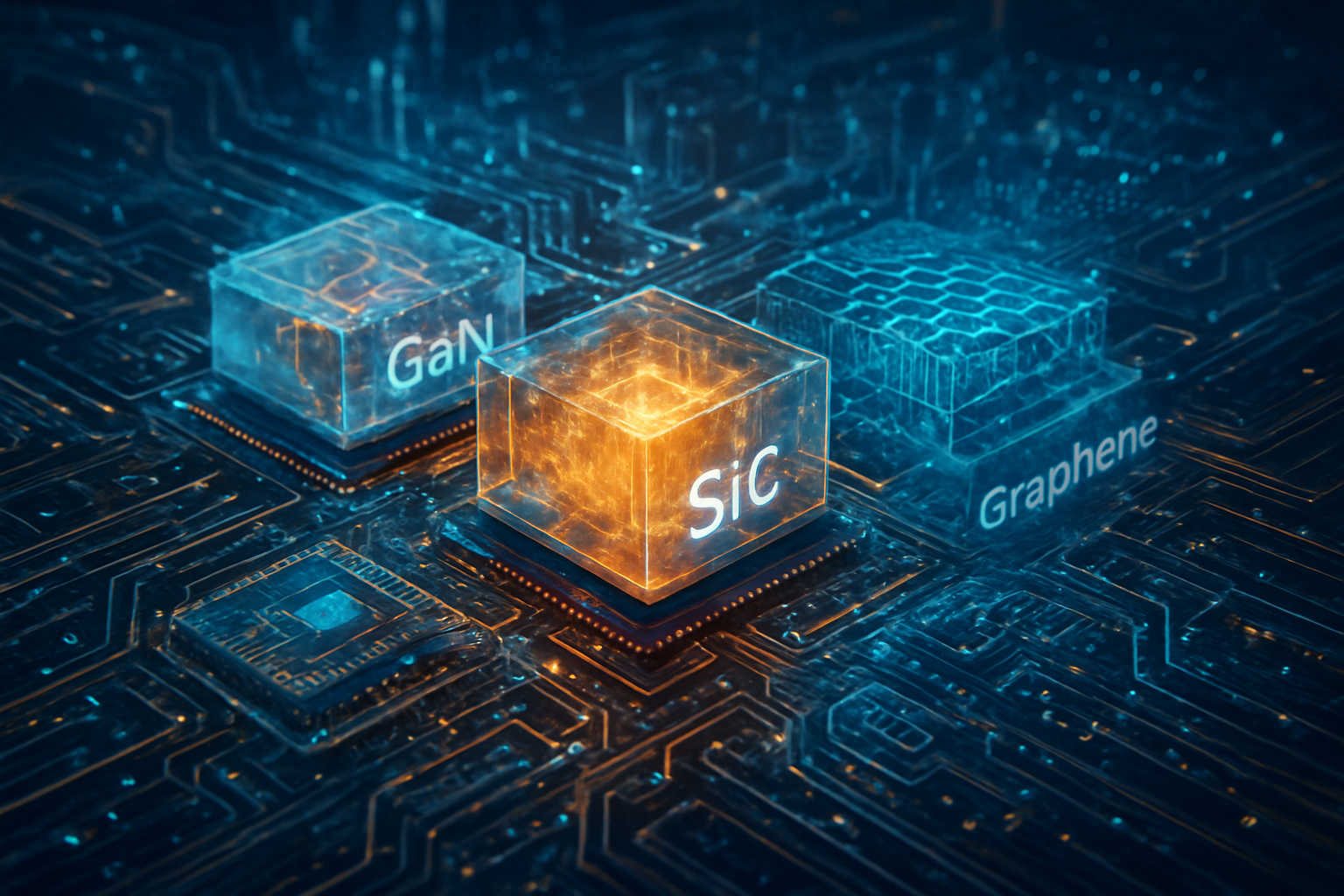
  • Arizona’s Silicon Desert Blooms: Powering the AI Revolution Amidst Challenges and Opportunities

    Arizona’s Silicon Desert Blooms: Powering the AI Revolution Amidst Challenges and Opportunities

    Arizona is rapidly transforming into a global epicenter for semiconductor manufacturing, driven by unprecedented investments from industry titans like Taiwan Semiconductor Manufacturing Company (TSMC) (NYSE: TSM) and Intel (NASDAQ: INTC). This strategic pivot, significantly bolstered by the U.S. CHIPS and Science Act, aims to secure a resilient domestic supply chain for the advanced chips that are the very bedrock of the burgeoning artificial intelligence era. The Grand Canyon State's aggressive pursuit of this tech-centric future marks a profound shift, promising economic revitalization and enhanced national security, even as it navigates complex challenges.

    The immediate significance of this development cannot be overstated. With over $200 billion in private investment in semiconductors since 2020, Arizona is not just attracting factories; it's cultivating an entire ecosystem. TSMC's commitment alone has ballooned to an astounding $165 billion for up to six fabs and two advanced packaging facilities, marking the largest foreign direct investment in U.S. history. Intel, a long-standing presence, is pouring an additional $20 billion into its Chandler campus. This influx of capital and expertise is swiftly positioning Arizona as a critical node in the global semiconductor network, crucial for everything from cutting-edge AI processors to defense systems.

    The Technical Core: Arizona's Leap into Nanometer Manufacturing

    Arizona's semiconductor fabs are not merely producing chips; they are fabricating the most advanced logic components on the planet. This technical prowess is characterized by the deployment of sub-5-nanometer process technologies, a significant leap from previous manufacturing paradigms.

    Intel's (NASDAQ: INTC) Fab 52 in Arizona is now actively mass-producing 2-nanometer-class semiconductors using its cutting-edge 18A process. This technology, with circuit widths of 1.8 nanometers, allows for unprecedented transistor density, leading to faster signal transmission and superior power efficiency essential for demanding AI workloads. Fab 52, alongside the upcoming Fab 62, is designed for high-volume production, positioning Intel to reclaim leadership in advanced node manufacturing.

    Similarly, TSMC's (NYSE: TSM) Arizona facilities are equally ambitious. Its first fab, Fab 21, began pilot production of 4-nanometer chips in late 2024, with volume production for advanced NVIDIA (NASDAQ: NVDA) Blackwell AI chips commencing in 2025. This facility utilizes the N4P process, a key enabler for current AI and supercomputing demands. Looking ahead, TSMC plans a second fab focusing on advanced 2-nanometer technology, incorporating next-generation nanosheet transistors, expected by 2028. A third fab, breaking ground in 2025, is slated for 2-nanometer or even more advanced A16 process technology. AMD (NASDAQ: AMD) has already announced plans to produce its next-generation EPYC processors using 2-nanometer technology at TSMC's Arizona campus.

    These advancements represent a significant departure from older manufacturing methods. The transition to 4nm, 3nm, and 2nm-class processes enables a higher density of transistors, directly translating to significantly faster processing speeds and improved power efficiency crucial for AI. The adoption of nanosheet transistors, moving beyond FinFET architecture, offers superior gate control at these ultra-small nodes. Furthermore, AI is not just the product but also integrated into the manufacturing process itself. AI-powered Electronic Design Automation (EDA) tools automate complex tasks, while AI-driven predictive maintenance and real-time process optimization lead to higher yield rates and reduced waste.

    Initial reactions from the AI research community and industry experts are overwhelmingly positive. The successful establishment of these advanced fabs is seen as critical for sustaining the rapid pace of innovation in chip technology, which forms the backbone of the AI revolution. Intel's mass production of 18A chips is viewed as a significant step in challenging TSMC's dominance, while TSMC itself is hailed as the "indispensable architect of the AI supercycle." However, experts also acknowledge the immense challenges, including the higher costs of U.S. manufacturing and the need for a robust, skilled workforce.

    Corporate Ripples: Beneficiaries, Competitors, and Market Shifts

    Arizona's burgeoning semiconductor hub is sending ripples across the global tech industry, profoundly affecting AI companies, tech giants, and startups alike.

    Major tech giants such as Apple (NASDAQ: AAPL), NVIDIA (NASDAQ: NVDA), AMD (NASDAQ: AMD), Broadcom (NASDAQ: AVGO), and Qualcomm (NASDAQ: QCOM) stand to benefit immensely. These companies, heavily reliant on TSMC's (NYSE: TSM) advanced chips for their products and AI innovations. By having manufacturing facilities in the U.S., these companies can ensure a stable supply, benefit from advanced technology, and strengthen the domestic ecosystem. NVIDIA, for instance, has already begun production of its Blackwell AI chips at TSMC's Arizona facility, a crucial step in building domestic AI infrastructure.

    Intel (NASDAQ: INTC), with its long-standing Arizona presence and substantial CHIPS Act funding (up to $8.5 billion in direct funding), is re-emerging as a formidable foundry player. Its Fab 52, now operational for 18A production, positions Intel to compete in the advanced chip manufacturing space and serve external customers, offering a vital alternative for companies seeking to diversify their manufacturing partners. This intensifies competition within the foundry market, potentially challenging TSMC's historical dominance while also fostering strategic alliances.

    For startups, the Arizona hub presents both opportunities and challenges. The growing ecosystem is expected to attract a network of specialized smaller companies, including material suppliers, equipment providers, and advanced packaging and testing services. This concentrated environment can foster innovation and collaboration, creating new business opportunities in chip design, specialized materials, and AI-related software. However, startups may also face intense competition for talent and resources, alongside the high capital expenditure inherent in semiconductor manufacturing. The development of advanced packaging facilities by Amkor Technology (NASDAQ: AMKR) in Peoria and TSMC's own plans for two advanced packaging factories (AP1 and AP2) are critical, as they will complete the domestic AI chip supply chain, which currently often requires shipping wafers back to Asia for packaging.

    The competitive landscape is being reshaped from a global, efficiency-first model to a more regionalized, security-conscious approach. While the CHIPS Act provides significant subsidies, the higher cost of manufacturing in the U.S. could lead to increased chip prices or affect profitability, although government incentives aim to mitigate this. Closer proximity between designers and manufacturers in Arizona could also accelerate innovation cycles, leading to faster deployment of new AI-powered products and services. Arizona is actively cultivating its identity as a "Silicon Desert," aiming to attract not just manufacturers but an entire ecosystem of research, development, and supply chain partners, offering significant strategic advantages in supply chain resilience and technological leadership.

    Broadening Horizons: AI's Foundational Shift and Global Implications

    Arizona's ascendance as a semiconductor hub extends far beyond regional economics, weaving into the broader tapestry of the global AI landscape and geopolitical trends. This development marks a fundamental shift in how nations approach technological sovereignty and supply chain resilience.

    At its core, this initiative is about providing the foundational compute power for the AI revolution. Advanced semiconductors are the "new oil" driving AI, enabling increasingly complex models, faster processing, and the deployment of AI across virtually every sector. The chips produced in Arizona—ranging from 4nm to 2nm and even A16 process technologies—are explicitly designed to power the next generation of artificial intelligence, high-performance computing, and advanced telecommunications. The strategic decision to onshore such critical manufacturing is a direct response to the unprecedented demand for specialized AI chips and a recognition that national AI leadership is inextricably linked to domestic hardware production. Beyond merely powering AI applications, AI is also being integrated into the manufacturing process itself, with AI-powered tools optimizing design, detecting defects, and enhancing overall fab efficiency.

    The broader impacts are significant. Economically, the multiplier effect of the semiconductor industry is immense, with every direct job potentially creating five more in supporting sectors, from construction to local services. This necessitates substantial infrastructure development, with Arizona investing heavily in roads, water, and power grids. Crucially, there's a concerted effort to build a skilled workforce through partnerships between industry giants, Arizona State University, and community colleges, addressing a critical national need for semiconductor talent. Geopolitically, this move signifies a re-evaluation of semiconductors as critical strategic assets, ushering in an era of "techno-nationalism" and intensified strategic competition, moving away from hyper-efficient global supply chains to more resilient, regionalized ones.

    However, potential concerns temper the enthusiasm. Water scarcity in an arid state like Arizona poses a long-term sustainability challenge for water-intensive chip manufacturing, despite commitments to conservation. Persistent labor shortages, particularly for specialized trades and engineers, coupled with higher U.S. production costs (estimated 30-100% higher than in Taiwan), present ongoing hurdles. The challenge of rebuilding a complete local supply chain for specialized materials and services also adds complexity and potential fragility. Furthermore, the push for technological sovereignty could lead to increased geopolitical fragmentation and trade conflicts, as seen with TSMC's warnings about potential U.S. tariffs impacting its Arizona expansion.

    Comparing this to previous AI milestones, the current era is profoundly hardware-driven. While past breakthroughs were often algorithmic, today's AI progress is fundamentally dependent on advanced silicon. This marks a shift from a largely globalized, efficiency-driven supply chain to one prioritizing resilience and national security, underscored by unprecedented government intervention like the CHIPS Act. Arizona's integrated ecosystem approach, involving not just fabs but also suppliers, R&D, and workforce development, represents a more holistic strategy than many past technological advancements.

    The Road Ahead: Future Developments and Expert Outlook

    Arizona's journey to becoming a semiconductor powerhouse is far from complete, with numerous developments expected in the near and long term, promising further technological advancements and economic growth, albeit with persistent challenges to overcome.

    In the near term, Intel's (NASDAQ: INTC) Fab 52 is expected to ramp up high-volume production of its 18A process chips this year, followed by Fab 62 next year. TSMC's (NYSE: TSM) first Arizona fab is now producing 4nm chips, and its second fab is slated for production by 2028 or earlier, focusing on advanced 2nm technology. Construction on a third TSMC fab began in 2025, targeting 2nm or A16 process technology by the end of the decade. Crucially, TSMC also plans two advanced packaging facilities (AP1 and AP2) and a new R&D center in Arizona to complete its domestic AI supply chain, with Amkor Technology (NASDAQ: AMKR) also building a significant advanced packaging and test facility by mid-2027. These developments will establish a comprehensive "fabs-to-packaging" ecosystem in the U.S.

    Potential applications and use cases are vast and varied. The advanced chips from Arizona will primarily power the insatiable demand for Artificial Intelligence (AI) and High-Performance Computing (HPC), including large language models and autonomous systems. NVIDIA's (NASDAQ: NVDA) Blackwell AI chips are already being produced, and AMD's (NASDAQ: AMD) next-gen EPYC processors will follow. The automotive sector, particularly EVs and autonomous driving, will be a major consumer, as will next-generation smartphones, medical devices, aerospace, 5G infrastructure, and the Internet of Things (IoT).

    However, significant challenges persist. Labor shortages, particularly in specialized construction and technical roles, continue to drive up costs and impact timelines. The higher overall cost of manufacturing in the U.S. compared to Asia remains a concern, with TSMC noting that its Arizona project has taken twice as long due to regulatory hurdles and expenses. Rebuilding a complete local supply chain for specialized materials and services is an ongoing effort. Water usage in an arid region is a long-term environmental concern, despite commitments to conservation. Furthermore, potential U.S. tariffs on foreign-made chips could complicate domestic production's competitiveness, as warned by TSMC.

    Despite these hurdles, experts remain largely optimistic. They predict a phased ecosystem development: major fabs first, followed by their primary suppliers, then downstream testing and packaging, and finally, tangential companies. The Greater Phoenix Economic Council (GPEC) anticipates hundreds of new semiconductor-adjacent companies over the next decade. Arizona is already recognized as "America's semiconductor HQ," and its strategic investments are expected to position it as a global leader in technology. The U.S. aims to hold over 20% of global advanced semiconductor capacity by 2030, with Arizona playing a pivotal role. Industry leaders believe that semiconductors will be at the center of virtually every technology channel, making Arizona's role increasingly critical for innovation and R&D.

    Concluding Thoughts: Arizona's Enduring Legacy in the AI Era

    Arizona's rapid ascent as a semiconductor manufacturing hub represents a monumental strategic shift in the global technology landscape. This is not merely an economic boom for the state but a critical national endeavor to secure the foundational hardware necessary for the AI revolution and bolster U.S. supply chain resilience. The unprecedented investments by TSMC (NYSE: TSM) and Intel (NASDAQ: INTC), coupled with robust federal and state support, underscore a determined commitment to re-establish American leadership in advanced microelectronics.

    The key takeaway is that Arizona is fast becoming the "Silicon Desert," producing the most advanced chips crucial for powering the next generation of AI, high-performance computing, and critical national infrastructure. This development marks a profound moment in AI history, signifying a shift where hardware manufacturing prowess directly dictates national AI capabilities. The ability to domestically produce cutting-edge AI chips, exemplified by the NVIDIA (NASDAQ: NVDA) Blackwell wafers now rolling off TSMC's Arizona lines, is vital for both national security and technological sovereignty.

    Looking long-term, Arizona's transformation promises sustained economic growth, thousands of high-paying jobs, and a diversified state economy. While challenges like high production costs, labor shortages, and water management are significant, the strategic imperative for domestic chip production, backed by substantial government incentives and a concerted effort in workforce development, is expected to overcome these obstacles. The state is not just building factories; it's cultivating a comprehensive ecosystem that will attract further R&D, suppliers, and related tech industries.

    In the coming weeks and months, all eyes will be on the continued ramp-up of production at TSMC's and Intel's advanced fabs, particularly the progress on 2nm and A16 process technologies. The operationalization of advanced packaging facilities by TSMC and Amkor Technology (NASDAQ: AMKR) will be crucial for completing the domestic AI chip supply chain. Further investment announcements and the effective deployment of CHIPS Act funding will signal the sustained momentum of this initiative. A major highlight will be Phoenix hosting SEMICON West in October 2025, a significant event that will undoubtedly offer fresh insights into Arizona's evolving role and the broader semiconductor industry. Arizona's journey is a dynamic narrative, and its trajectory will have lasting implications for global technology and the future of AI.


    This content is intended for informational purposes only and represents analysis of current AI developments.

    TokenRing AI delivers enterprise-grade solutions for multi-agent AI workflow orchestration, AI-powered development tools, and seamless remote collaboration platforms.
    For more information, visit https://www.tokenring.ai/.

  • Michigan’s Multi-Billion Dollar Battery Dream Crumbles: Gotion Plant Abandoned Amidst Controversy

    Michigan’s Multi-Billion Dollar Battery Dream Crumbles: Gotion Plant Abandoned Amidst Controversy

    Big Rapids, MI – October 23, 2025 – What was once heralded as the largest economic development project in Northern Michigan’s history has officially collapsed. The State of Michigan today announced the abandonment of Gotion Inc.'s proposed $2.4 billion electric vehicle (EV) battery plant in Green Charter Township, Mecosta County. This decision marks the termination of a highly controversial endeavor, intended to create 2,350 jobs, and underscores the complex interplay of economic ambition, local opposition, and geopolitical tensions.

    The Michigan Strategic Fund (MSF) declared Gotion Inc., a subsidiary of China-based Gotion High-Tech Co. Ltd., in default of its 2022 grant agreement obligations. This move renders the project ineligible for substantial state incentives, including a $125 million Critical Industry Program grant that was never disbursed. Furthermore, Michigan is now seeking to recover nearly $23.7 million already provided to Gotion for land acquisition. The abrupt end to the project sends ripples through the burgeoning U.S. EV battery manufacturing sector and leaves a significant void in Michigan's economic development landscape.

    The Unraveling of a Gigafactory: A Deep Dive into the Abandonment

    The abandonment stems from a confluence of factors, with the State of Michigan citing Gotion's cessation of "eligible activities" at the property for over 120 consecutive days, coupled with the detrimental impact of at least two related lawsuits. Gotion, however, through its attorney Mark Heusel, has vehemently disputed the state's claims, expressing shock at the declaration and asserting that it was the community, not the company, that abandoned the project. Heusel pointed to "immense challenges," "racist and ethnically charged stereotypes," and "politically motivated attacks" as the true architects of the project's downfall.

    The project's timeline reveals a tumultuous journey. Announced in October 2022, the Gotion plant quickly became a flashpoint. While the Michigan Legislature and Senate Appropriations Committee approved $175 million in state funding by April 2023, local sentiment in Green Charter Township soured. By November 2023, a successful recall election ousted five pro-plant board members, replacing them with officials openly against the development. The newly elected board subsequently rescinded its support and, crucially, voted to withdraw access to water lines essential for the plant's operations. This led Gotion to file a breach of contract lawsuit against the township in March 2024. Despite a federal judge's injunction in May 2024 requiring the township to abide by the original agreement, the township appealed, and Gotion paused its state permitting applications and environmental studies. By late 2024 and early 2025, Mecosta County also revoked its support, culminating in the MSF's default notice in September 2025 and today's public announcement of abandonment.

    Beyond local politics, national security concerns played a significant role. Republican lawmakers and various political figures, including U.S. Rep. John Moolenaar and former Ambassadors Joseph Cella and Peter Hoekstra, voiced strong opposition due to Gotion's (SHE:002074) ties to the Chinese government and the Chinese Communist Party. These concerns amplified the local backlash, creating a politically charged environment that ultimately proved insurmountable for the project. Gotion, for its part, maintained that professional fees, property taxes, maintenance, and utility costs constituted "capital expenditures" and thus qualified as "eligible activities," directly refuting the state's claim of inactivity.

    Fallout and Repercussions: A Blow to EV Battery Manufacturing and Local Hopes

    The abandonment of the Gotion project delivers a significant blow to the burgeoning EV battery manufacturing landscape in the United States. The Biden administration has championed domestic battery production as a cornerstone of its clean energy agenda and a critical component of national economic security. This project, with its promised 2,350 jobs and substantial investment, was intended to be a key piece of that puzzle. Its failure highlights the formidable challenges of establishing large-scale manufacturing facilities, particularly those involving foreign investment, in an era of heightened geopolitical scrutiny and localized opposition.

    For Michigan, a state that has aggressively pursued EV manufacturing investments, the Gotion withdrawal represents a lost opportunity and a substantial setback. The project was expected to inject billions into the local economy of Mecosta County and provide high-paying jobs, diversifying a region historically reliant on other industries. The recovery of the $23.7 million already disbursed to Gotion will be a complex process, and the lingering legal disputes between Gotion and Green Charter Township will continue to drain resources and attention. The incident could also make future foreign investors wary of similar large-scale projects in regions with strong local opposition or political sensitivities, potentially diverting investment to other states or countries perceived as more stable or welcoming.

    The broader EV battery market, while still experiencing rapid growth, is also navigating a period of recalibration. Reports of "waning EV enthusiasm" in some segments of the U.S. market, alongside supply chain complexities and intense competition, add another layer of uncertainty to such massive undertakings. While major players like General Motors (NYSE:GM), Ford (NYSE:F), and Stellantis (NYSE:STLA) continue to invest heavily in domestic battery production, the Gotion case serves as a stark reminder that even well-funded projects with significant state backing are not immune to failure, especially when entangled in political and community controversies.

    Wider Implications: Geopolitics, Local Autonomy, and the Green Transition

    The Gotion saga transcends a mere failed business deal; it is a microcosm of broader trends shaping the global economy and the green transition. The project’s demise is deeply intertwined with escalating U.S.-China tensions, particularly concerning critical technologies and supply chains. While the U.S. seeks to de-risk its supply chains from China, the Gotion case illustrates the difficulty of disentangling economic ties when Chinese companies are key players in essential industries like EV batteries. The national security concerns raised by lawmakers reflect a growing apprehension about foreign influence in strategic sectors, setting a precedent for increased scrutiny on similar future investments.

    Furthermore, the events in Green Charter Township highlight the potent force of local autonomy and community activism. The successful recall of township board members and the subsequent withdrawal of critical local support demonstrate that even projects with significant state-level endorsement can be derailed by grassroots opposition. This underscores a critical challenge for large-scale industrial developments: the need for genuine community buy-in and effective communication, beyond just economic incentives. It also raises questions about the balance between state-driven economic development goals and the rights of local communities to determine their own future.

    Comparisons to previous industrial milestones reveal a stark contrast. Historically, large manufacturing plants often faced environmental concerns but rarely the level of geopolitical and local political opposition that Gotion encountered. This incident marks a significant shift, indicating that the landscape for foreign direct investment in critical industries has become far more complex and fraught with non-economic risks. The failure of the Gotion plant will undoubtedly be studied as a cautionary tale, influencing how future large-scale projects, particularly those with international ties, are planned, presented, and executed in the United States.

    The Road Ahead: Navigating Legal Battles and Investment Uncertainty

    The immediate future for the Gotion project site in Michigan will be dominated by legal proceedings. Gotion's lawsuit against Green Charter Township for breach of contract is expected to continue, with the company likely seeking damages. Concurrently, the State of Michigan will pursue the recovery of the $23.7 million already provided to Gotion, potentially leading to further legal skirmishes. These battles will not only be costly but will also cast a long shadow over any immediate prospects for the site's redevelopment or alternative use.

    Looking further ahead, experts predict increased caution from both foreign investors and U.S. states when considering large-scale manufacturing projects, especially those with perceived national security implications. There will likely be a heightened emphasis on due diligence regarding community engagement and a more robust vetting process for international partnerships. While the push for domestic EV battery production remains strong, future projects may favor companies with less controversial ownership structures or those that can demonstrate an exceptionally strong local benefit and minimal geopolitical risk. Challenges include finding alternative developers for the Mecosta County site and restoring confidence in Michigan as a reliable partner for such significant investments.

    What to watch for in the coming months includes the outcomes of the ongoing legal disputes, which could set important precedents for future development projects. Additionally, observe how Michigan’s economic development agencies adapt their strategies to attract and retain large-scale manufacturing, particularly in the EV sector, in light of this high-profile failure. The Gotion abandonment serves as a powerful lesson in the intricate dance between global economics, national policy, and local community sentiment, a dance that will undoubtedly continue to shape the landscape of American industry.

    Comprehensive Wrap-Up: A Cautionary Tale in the AI Era

    The abandonment of Gotion's $2.4 billion battery plant in Michigan represents a multi-faceted failure, born from a complex interplay of local opposition, national security concerns, and legal disputes. Key takeaways include the significant power of grassroots movements to influence large-scale development, the increasing scrutiny of foreign investment in critical U.S. industries, and the inherent challenges in navigating a rapidly evolving geopolitical landscape. This event underscores that even with substantial state incentives and a clear economic need, projects can falter when community trust and political alignment are absent.

    In the annals of AI history, this development might seem tangential, but its significance lies in the broader context of advanced manufacturing and strategic technologies. The ability to produce critical components like EV batteries domestically is vital for the U.S. to maintain technological leadership and national security, areas increasingly intertwined with AI's role in optimizing production, logistics, and innovation. The Gotion case serves as a cautionary tale for any large-scale technology investment – even those seemingly unrelated to AI – highlighting the need for robust stakeholder engagement and a clear understanding of the political and social environment.

    The long-term impact will likely include a more conservative approach to foreign direct investment in sensitive sectors and a renewed focus on securing local community buy-in for major industrial projects. For Michigan, it's a moment to reassess its economic development strategies and perhaps prioritize projects with fewer geopolitical entanglements. In the coming weeks and months, all eyes will be on the legal battle between Gotion and Green Charter Township, as well as on how the state moves to recover its funds and re- envision the future of the Mecosta County site. This saga is a powerful reminder that even in an era of rapid technological advancement, fundamental human and political dynamics remain paramount.


    This content is intended for informational purposes only and represents analysis of current AI developments.

    TokenRing AI delivers enterprise-grade solutions for multi-agent AI workflow orchestration, AI-powered development tools, and seamless remote collaboration platforms.
    For more information, visit https://www.tokenring.ai/.

  • GE Vernova Electrifies the Market: Soaring Orders, Strategic Acquisition Fueling Energy and Manufacturing Boom

    GE Vernova Electrifies the Market: Soaring Orders, Strategic Acquisition Fueling Energy and Manufacturing Boom

    Boston, MA – October 23, 2025 – GE Vernova (NYSE: GEV), the global energy powerhouse, is making significant waves in the market, demonstrating robust stock performance, an unprecedented surge in organic orders, and a strategic move to fully acquire Prolec GE. These developments signal a major growth trajectory not only for the company itself but also for the broader energy and manufacturing sectors, positioning GE Vernova as a pivotal player in the ongoing global energy transition and grid modernization efforts.

    Since its spin-off from General Electric in April 2024, GE Vernova has rapidly established its independence and market leadership. The company's strategic focus on power generation, grid infrastructure, and wind energy has resonated with investors and customers alike, driving impressive financial results and a clear path for future expansion. The full acquisition of Prolec GE, a critical player in transformer manufacturing, underscores Vernova's commitment to strengthening its core electrification business and capitalizing on the surging demand for robust and resilient energy infrastructure.

    Powering Ahead: Detailed Performance and Strategic Maneuvers

    GE Vernova's journey as an independent entity began with its debut on the New York Stock Exchange (NYSE: GEV) on April 2, 2024, opening at $142.85. The stock has since delivered a stellar performance, rallying from the low $100s to the low $600s, boasting an 87% year-to-date rally as of September 2, 2025, and a remarkable 116.42% increase over the past year. While experiencing minor fluctuations recently, with a closing price of $576.00 on October 22, 2025, analysts maintain a strong positive outlook, with estimates reaching up to $760.00 USD.

    The company's financial results for 2025 have been particularly strong. In the third quarter of 2025, GE Vernova reported total orders of $14.6 billion, a substantial 55% organic increase year-over-year. Revenue hit $10.0 billion, up 12% (10% organically), exceeding analyst expectations. The Power segment saw orders surge 50% organically to $7.8 billion, driven by robust gas power equipment demand. The Electrification segment emerged as the fastest-growing, with orders soaring 102% organically to $5.1 billion and revenue increasing 35%, primarily fueled by hyperscale data center demand, which contributed $400 million in orders in Q3 alone. This performance built on a strong second quarter, where total orders grew 4% organically to $12.4 billion, and revenue reached $9.1 billion, up 11% (12% organically). The total backlog now stands at an impressive $135 billion, indicating sustained future revenue.

    A cornerstone of GE Vernova's strategic growth is its planned acquisition of the remaining 50% stake in Prolec GE, its unconsolidated joint venture with Xignux, for $5.275 billion. Announced on October 21, 2025, and expected to close by mid-2026, this move is set to significantly accelerate the growth of the Electrification segment. Prolec GE, a leading transformer manufacturer, is projected to achieve $3 billion in revenue in 2025 with an adjusted EBITDA margin of approximately 25%, and is expected to contribute an incremental $0.6 billion in EBITDA to GE Vernova in 2026. This acquisition directly addresses the rapidly expanding demand for grid equipment, especially in North America, propelled by new energy policies and the insatiable power needs of data centers.

    Reshaping the Energy Landscape: Industry Impact and Competitive Dynamics

    GE Vernova's aggressive expansion and strategic acquisitions are poised to reshape the competitive landscape within the energy and manufacturing sectors. By fully integrating Prolec GE, the company significantly strengthens its position in the critical grid infrastructure market, directly challenging competitors in power transmission and distribution. The intensified focus on electrification, driven by the burgeoning demand from hyperscale data centers and the broader energy transition, positions GE Vernova to capture a larger share of a rapidly expanding market. This move could put pressure on other industrial giants and specialized grid component manufacturers to accelerate their own investment and innovation in these areas.

    The company's advancements in Small Modular Reactors (SMRs), with projects like the BWRX-300 seeing construction and regulatory approvals, also highlight its commitment to diverse, clean energy solutions. This positions GE Vernova as a key player in the future of nuclear power, a sector seeing renewed interest for its reliability and low-carbon footprint. While the Wind segment faces ongoing challenges due to permitting delays and tariffs, the strategic portfolio optimization, including the sale of its Proficy® manufacturing software business to TPG for $0.6 billion, demonstrates a disciplined approach to focusing on core, high-growth areas. The emphasis on digital solutions and predictive maintenance, often powered by AI, across its power and electrification assets, will further enhance operational efficiency and differentiate its offerings in a competitive market.

    Broader Significance: Fueling the Future of Energy

    GE Vernova's trajectory is deeply intertwined with the broader global push for energy transition and grid modernization. Its robust order book, particularly in electrification, underscores the massive investments being made worldwide to upgrade aging infrastructure, integrate renewable energy sources, and meet the escalating power demands of digitalization. The company's focus on grid equipment is crucial for building resilient, smart grids capable of handling distributed energy resources and ensuring energy security. This aligns perfectly with global trends aiming for decarbonization and sustainable development.

    The strategic emphasis on supporting hyperscale data centers is particularly significant. As AI, cloud computing, and digital services continue their exponential growth, the energy footprint of these facilities is becoming a critical concern. GE Vernova's ability to provide the necessary power generation and grid solutions directly addresses this challenge, enabling the expansion of the digital economy while striving for more efficient and cleaner energy delivery. The company's commitment to manufacturing expansion and job creation, such as the 250 new jobs at its Charleroi, Pennsylvania factory, also has positive societal impacts, reinforcing domestic supply chains and contributing to economic growth in key industrial regions.

    The Road Ahead: Innovation and Integration

    Looking forward, GE Vernova is poised for continued growth, particularly as the Prolec GE acquisition is finalized by mid-2026. The integration of Prolec GE's manufacturing capabilities will likely lead to enhanced operational synergies and a stronger competitive edge in the transformer market. Experts anticipate sustained high organic revenue growth in the Electrification segment, potentially driven by further innovations in smart grid technologies, energy storage solutions, and advanced power electronics. The company's reaffirmed 2025 financial guidance, with revenue trending towards the higher end of its $36-$37 billion range and a significantly boosted free cash flow outlook of $3.0-$3.5 billion, reflects confidence in its strategic direction.

    Challenges remain, particularly within the Wind segment, which continues to grapple with permitting delays, supply chain issues, and tariff impacts. Addressing these headwinds will be critical for achieving balanced growth across its portfolio. However, the ongoing advancements in Small Modular Reactors (SMRs) and strategic alliances, such as with GE Vernova Hitachi Nuclear Energy and Samsung C&T, suggest a long-term vision for providing diverse, reliable, and clean power solutions. The company's continued investment in research and development, particularly in areas like advanced materials for turbines and intelligent grid controls, will be crucial for maintaining its leadership in a rapidly evolving energy landscape.

    A New Era for Industrial Power

    GE Vernova's recent performance, marked by impressive stock gains, an organic order surge, and the strategic acquisition of Prolec GE, undeniably signals a new era for industrial power and energy infrastructure. The company is not merely participating in the energy transition; it is actively shaping it, providing essential technologies for power generation, grid modernization, and electrification. Its focused approach on high-growth segments, coupled with disciplined portfolio management, positions it as a resilient and dynamic force in the global economy.

    The next few months will be crucial for observing the seamless integration of Prolec GE and the continued execution of GE Vernova's electrification strategy. Investors and industry watchers will also be keenly observing how the company navigates the persistent challenges in its Wind segment and capitalizes on emerging opportunities in advanced nuclear and digital grid solutions. As the world accelerates its shift towards cleaner, more reliable, and decentralized energy systems, GE Vernova stands as a testament to the transformative power of strategic vision and operational excellence in the industrial sector.


    This content is intended for informational purposes only and represents analysis of current AI developments.

    TokenRing AI delivers enterprise-grade solutions for multi-agent AI workflow orchestration, AI-powered development tools, and seamless remote collaboration platforms.
    For more information, visit https://www.tokenring.ai/.

  • India Ignites Global Semiconductor and AI Ambitions: A New Era of Innovation Dawns

    India Ignites Global Semiconductor and AI Ambitions: A New Era of Innovation Dawns

    New Delhi, India – October 22, 2025 – India is rapidly solidifying its position as a formidable force in the global semiconductor and artificial intelligence (AI) landscapes, ushering in a transformative era that promises to reshape technology supply chains, foster unprecedented innovation, and diversify the global talent pool. Propelled by an aggressive confluence of government incentives, multi-billion dollar investments from both domestic and international giants, and a strategic vision for technological self-reliance, the nation is witnessing a manufacturing and R&D renaissance. The period spanning late 2024 and 2025 has been particularly pivotal, marked by the groundbreaking of new fabrication plants, the operationalization of advanced packaging facilities, and massive commitments to AI infrastructure, signalling India's intent to move beyond being a software services hub to a hardware and AI powerhouse. This strategic pivot is not merely about economic growth; it's about establishing India as a critical node in the global tech ecosystem, offering resilience and innovation amidst evolving geopolitical dynamics.

    The immediate significance of India's accelerated ascent cannot be overstated. By aiming to produce its first "Made in India" semiconductor chip by late 2025 and attracting over $20 billion in AI investments this year alone, India is poised to fundamentally alter the global technology map. This ambitious trajectory promises to diversify the concentrated East Asian semiconductor supply chains, enhance global resilience, and provide a vast, cost-effective talent pool for both chip design and AI development. The nation's strategic initiatives are not just attracting foreign investment but are also cultivating a robust indigenous ecosystem, fostering a new generation of technological breakthroughs and securing a vital role in shaping the future of AI.

    Engineering India's Digital Destiny: A Deep Dive into Semiconductor and AI Advancements

    India's journey towards technological self-sufficiency is underpinned by a series of concrete advancements and strategic investments across the semiconductor and AI sectors. In the realm of semiconductors, the nation is witnessing the emergence of multiple fabrication and advanced packaging facilities. Micron Technology (NASDAQ: MU) is on track to make its Assembly, Testing, Marking, and Packaging (ATMP) facility in Sanand, Gujarat, operational by December 2025, with initial products expected in the first half of the year. This $2.75 billion investment is a cornerstone of India's packaging ambitions.

    Even more significantly, Tata Electronics, in collaboration with Taiwan's Powerchip Semiconductor Manufacturing Corp (PSMC), is establishing a semiconductor fabrication unit in Dholera, Gujarat, with a staggering investment of approximately $11 billion. This plant is designed to produce up to 50,000 wafers per month, focusing on 28nm technology crucial for automotive, mobile, and AI applications, with commercial production anticipated by late 2026, though some reports suggest chips could roll out by September-October 2025. Complementing this, Tata Semiconductor Assembly and Test (TSAT) is investing $3.25 billion in an ATMP unit in Morigaon, Assam, set to be operational by mid-2025, aiming to produce 48 million chips daily using advanced packaging like flip chip and integrated system in package (ISIP). Furthermore, a tripartite venture between India's CG Power (NSE: CGPOWER), Japan's Renesas, and Thailand's Stars Microelectronics launched India's first full-service Outsourced Semiconductor Assembly and Test (OSAT) pilot line facility in Sanand, Gujarat, in August 2025, with plans to produce 15 million chips daily. These facilities represent a significant leap from India's previous limited role in chip design, marking its entry into high-volume manufacturing and advanced packaging.

    In the AI domain, the infrastructure build-out is equally impressive. Google (NASDAQ: GOOGL) has committed $15 billion over five years to construct its largest AI data hub outside the US, located in Visakhapatnam, Andhra Pradesh, featuring gigawatt-scale compute capacity. Nvidia (NASDAQ: NVDA) has forged strategic partnerships with Reliance Industries to build AI computing infrastructure, deploying its latest Blackwell AI chips and collaborating with major Indian IT firms like Tata Consultancy Services (TCS) (NSE: TCS) and Infosys (NSE: INFY) to develop diverse AI solutions. Microsoft (NASDAQ: MSFT) is investing $3 billion in cloud and AI infrastructure, while Amazon Web Services (AWS) (NASDAQ: AMZN) has pledged over $127 billion in India by 2030 for cloud and AI computing expansion. These commitments, alongside the IndiaAI Mission's provision of over 38,000 GPUs, signify a robust push to create a sovereign AI compute infrastructure, enabling the nation to "manufacture its own AI" rather than relying solely on imported intelligence, a significant departure from previous approaches.

    A Shifting Landscape: Competitive Implications for Tech Giants and Startups

    India's emergence as a semiconductor and AI hub carries profound competitive implications for both established tech giants and burgeoning startups. Companies like Micron (NASDAQ: MU), Tata Electronics, and the CG Power (NSE: CGPOWER) consortium stand to directly benefit from the government's generous incentives and the rapidly expanding domestic market. Micron's ATMP facility, for instance, is a critical step in localizing its supply chain and tapping into India's talent pool. Similarly, Tata's ambitious semiconductor ventures position the conglomerate as a major player in a sector it previously had limited direct involvement in, potentially disrupting existing supply chains and offering a new, diversified source for global chip procurement.

    For AI powerhouses like Nvidia (NASDAQ: NVDA), Google (NASDAQ: GOOGL), Microsoft (NASDAQ: MSFT), and Amazon (NASDAQ: AMZN), India presents not just a massive market for their AI services and hardware but also a strategic location for R&D and infrastructure expansion. Nvidia's partnerships with Indian IT majors will accelerate AI adoption and development across various industries, while Google's data hub underscores India's growing importance as a data and compute center. This influx of investment and manufacturing capacity could lead to a more competitive landscape for AI chip design and production, potentially reducing reliance on a few dominant players and fostering innovation from new entrants. Indian AI startups, which attracted over $5.2 billion in funding as of October 2025, particularly in generative AI, are poised to leverage this indigenous infrastructure, potentially leading to disruptive products and services tailored for the Indian and global markets. The "IndiaAI Startups Global Program" further supports their expansion into international territories, fostering a new wave of competition and innovation.

    Broader Significance: Reshaping Global AI and Semiconductor Trends

    India's aggressive push into semiconductors and AI is more than an economic endeavor; it's a strategic move that profoundly impacts the broader global technology landscape. This initiative is a critical step towards diversifying global semiconductor supply chains, which have historically been concentrated in East Asia. The COVID-19 pandemic and ongoing geopolitical tensions highlighted the fragility of this concentration, and India's rise offers a much-needed alternative, enhancing global resilience and mitigating risks. This strategic de-risking effort is seen as a welcome development by many international players seeking more robust and distributed supply networks.

    Furthermore, India is leveraging its vast talent pool, which includes 20% of the world's semiconductor design workforce and over 1.5 million engineers graduating annually, many with expertise in VLSI and chip design. This human capital, combined with a focus on indigenous innovation, positions India to become a major AI hardware powerhouse. The "IndiaAI Mission," with its focus on compute capacity, foundational models, and application development, aims to establish India as a global leader in AI, comparable to established players like Canada. The emphasis on "sovereign AI" infrastructure—building and retaining AI capabilities domestically—is a significant trend, allowing India to tailor AI solutions to its unique needs and cultural contexts, while also contributing to global AI safety and governance discussions through initiatives like the IndiaAI Safety Institute. This move signifies a shift from merely consuming technology to actively shaping its future, fostering economic growth, creating millions of jobs, and potentially influencing the ethical and responsible development of AI on a global scale.

    The Road Ahead: Future Developments and Expert Predictions

    Looking ahead, the trajectory of India's semiconductor and AI ambitions points towards continued rapid expansion and increasing sophistication. In the near term, experts predict the operationalization of more ATMP facilities and the initial rollout of chips from the Dholera fab, solidifying India's manufacturing capabilities. The focus will likely shift towards scaling production, optimizing processes, and attracting more advanced fabrication technologies beyond the current 28nm node. The government's India Semiconductor Mission, with its approved projects across various states, indicates a distributed manufacturing ecosystem taking shape, further enhancing resilience.

    Longer-term developments include the potential for India to move into more advanced node manufacturing, possibly through collaborations or indigenous R&D, as evidenced by the inauguration of state-of-the-art 3-nanometer chip design facilities in Noida and Bengaluru. The "IndiaAI Mission" is expected to foster the development of indigenous large language models and AI applications tailored for India's diverse linguistic and cultural landscape. Potential applications on the horizon span across smart cities, advanced healthcare diagnostics, precision agriculture, and the burgeoning electric vehicle sector, all powered by locally designed and manufactured chips and AI. Challenges remain, including sustaining the momentum of investment, developing a deeper talent pool for cutting-edge research, and ensuring robust intellectual property protection. However, experts like those at Semicon India 2025 predict that India will be among the top five global destinations for semiconductor manufacturing by 2030, securing 10% of the global market. The establishment of the Deep Tech Alliance with $1 billion in funding, specifically targeting semiconductors, underscores the commitment to overcoming these challenges and driving future breakthroughs.

    A New Dawn for Global Tech: India's Enduring Impact

    India's current trajectory in semiconductors and AI represents a pivotal moment in global technology history. The confluence of ambitious government policies, substantial domestic and foreign investments, and a vast, skilled workforce is rapidly transforming the nation into a critical global hub for both hardware manufacturing and advanced AI development. The operationalization of fabrication and advanced packaging units, coupled with massive investments in AI compute infrastructure, marks a significant shift from India's traditional role, positioning it as a key contributor to global technological resilience and innovation.

    The key takeaways from this development are clear: India is not just an emerging market but a rapidly maturing technological powerhouse. Its strategic focus on "sovereign AI" and diversified semiconductor supply chains will have long-term implications for global trade, geopolitical stability, and the pace of technological advancement. The economic impact, with projections of millions of jobs and a semiconductor market reaching $55 billion by 2026, underscores its significance. In the coming weeks and months, the world will be watching for further announcements regarding production milestones from the new fabs, the rollout of indigenous AI models, and the continued expansion of partnerships. India's rise is not merely a regional story; it is a global phenomenon poised to redefine the future of AI and semiconductors for decades to come.


    This content is intended for informational purposes only and represents analysis of current AI developments.

    TokenRing AI delivers enterprise-grade solutions for multi-agent AI workflow orchestration, AI-powered development tools, and seamless remote collaboration platforms.
    For more information, visit https://www.tokenring.ai/.