Tag: Marine Technology

  • AI and Autonomous Systems Revolutionize Offshore Aquaculture: MIT Sea Grant Students Lead the Charge in Norway

    AI and Autonomous Systems Revolutionize Offshore Aquaculture: MIT Sea Grant Students Lead the Charge in Norway

    Trondheim, Norway – December 1, 2025 – The confluence of cutting-edge artificial intelligence and advanced autonomous systems is poised to redefine global food production, with a significant demonstration unfolding in the frigid waters of Norway. Students from MIT Sea Grant, embedded within Norway's thriving offshore aquaculture industry, are at the forefront of this transformation, meticulously exploring and implementing AI-driven solutions for feeding optimization and sophisticated underwater vehicles for comprehensive monitoring in Atlantic salmon farming. This collaborative initiative, particularly through the "AquaCulture Shock" program, underscores a pivotal moment in integrating high-tech innovation with sustainable marine practices, promising enhanced efficiency, reduced environmental impact, and a new era for aquaculture worldwide.

    The immediate significance of this endeavor lies in its potential to accelerate knowledge transfer and technological adoption for the nascent open-ocean farming sector in the United States, drawing invaluable lessons from Norway, the world's leading producer of farmed Atlantic salmon. By exposing future leaders to the most advanced practices in marine technology, the program aims to bridge technological gaps, promote sustainable methodologies, and cultivate a new generation of experts equipped to navigate the complexities of global food security through innovative aquaculture.

    Technical Deep Dive: Precision AI Feeding and Autonomous Underwater Sentinels

    The core of this technological revolution in aquaculture revolves around two primary pillars: AI-powered feeding optimization and the deployment of autonomous underwater vehicles (AUVs) for monitoring. In the realm of feeding, traditional methods often lead to significant feed waste and suboptimal fish growth, impacting both economic viability and environmental sustainability. AI-driven systems, however, are transforming this by offering unparalleled precision. Companies like Piscada, for instance, leverage IoT and AI to enable remote, real-time feeding control. Operators utilize submerged cameras to observe fish behavior and appetite, allowing for dynamic adjustments to feed delivery for individual pens, drastically reducing waste and its ecological footprint. Furthermore, the University of Bergen's "FishMet" project is developing a digital twin model that integrates AI with biological insights to simulate fish appetite, digestion, and growth, paving the way for hyper-optimized feeding strategies that enhance fish welfare and growth rates while minimizing resource consumption. Other innovators such as CageEye employ hydroacoustics and machine learning to achieve truly autonomous feeding, adapting feed delivery based on real-time behavioral patterns. This marks a stark departure from previous, often manual or timer-based feeding approaches, offering a level of responsiveness and efficiency previously unattainable. Initial reactions from the aquaculture research community and industry experts are overwhelmingly positive, highlighting the potential for significant cost savings and environmental benefits.

    Concurrently, the integration of AUVs is revolutionizing the monitoring of vast offshore aquaculture sites. Unlike traditional methods that might rely on fixed sensors or human-operated remotely operated vehicles (ROVs) prone to entanglement, AUVs offer the ability to execute pre-programmed, repetitive missions across expansive areas without direct human intervention. Research by SINTEF Ocean, a key partner in the MIT Sea Grant collaboration, focuses on developing control frameworks for autonomous operations in complex fish farm environments, accounting for fish behavior, cage dynamics, and environmental disturbances. These AUVs can be equipped with a suite of sensors to monitor critical water quality parameters such as conductivity and dissolved oxygen levels, providing a comprehensive and continuous health assessment of the marine environment. Projects funded by MIT Sea Grant itself, such as those focusing on low-cost, autonomous 3D imaging for health monitoring and stock assessment, underscore the commitment to making these sophisticated tools accessible and effective. The ability of AUVs to collect vast datasets autonomously and repeatedly represents a significant leap from intermittent manual inspections, providing richer, more consistent data for informed decision-making and proactive farm management.

    This technological shift is not merely an incremental improvement but a fundamental re-imagining of aquaculture operations. The blend of AI's analytical power with the operational autonomy of underwater robotics creates a synergistic effect, moving the industry towards a more predictive, precise, and sustainable future. The initial reception among industry stakeholders points to a clear understanding that these technologies are not just desirable but essential for scaling offshore aquaculture responsibly and efficiently.

    Competitive Currents: Impact on AI Companies, Tech Giants, and Startups

    The rapid integration of AI and autonomous systems into offshore aquaculture is creating significant ripples across the technology landscape, particularly for AI companies, tech giants, and specialized startups. Companies that stand to benefit immensely are those developing sophisticated AI algorithms for data analysis, machine learning platforms, and robotic control systems. Firms specializing in computer vision, sensor technology, and predictive analytics, such as Nvidia (NASDAQ: NVDA) with its AI processing capabilities or Microsoft (NASDAQ: MSFT) with its Azure AI platform, are well-positioned to provide the foundational infrastructure and tools required for these advancements. Their cloud services and AI development suites are becoming indispensable for processing the immense datasets generated by AUVs and AI feeding systems.

    For specialized aquaculture technology startups, this development presents both immense opportunity and competitive pressure. Companies like Piscada and CageEye, which have already developed niche AI solutions for feeding and monitoring, are poised for significant growth as the industry adopts these technologies. However, they also face the challenge of scaling their solutions and potentially competing with larger tech entities entering the space. The competitive implications for major AI labs and tech companies are substantial; the aquaculture sector represents a vast, relatively untapped market for AI applications. Developing robust, marine-hardened AI and robotic solutions could become a new frontier for innovation, potentially disrupting existing products or services in related fields such as maritime logistics, environmental monitoring, and even defense. Strategic advantages will go to companies that can offer integrated, end-to-end solutions, combining hardware (AUVs, sensors) with sophisticated software (AI for analytics, control, and decision-making). Partnerships between tech giants and aquaculture specialists, like the collaboration between ABB, Norway Royal Salmon, and Microsoft for AI-driven camera systems, are likely to become more common, fostering an ecosystem of innovation and specialization.

    The market positioning is shifting towards providers that can demonstrate tangible benefits in terms of efficiency, sustainability, and fish welfare. This means AI companies must not only deliver powerful algorithms but also integrate them into practical, resilient systems capable of operating in harsh marine environments. The potential for market disruption is high for traditional aquaculture equipment providers who do not adapt, while those embracing AI and robotics will likely see their market share expand. This trend underscores a broader movement within the tech industry where AI is increasingly moving beyond general-purpose applications to highly specialized, vertical-specific solutions, with aquaculture emerging as a prime example of this strategic pivot.

    Wider Significance: A New Horizon for AI and Sustainability

    The application of AI and autonomous systems in offshore aquaculture, as demonstrated by the MIT Sea Grant initiative, fits squarely into the broader AI landscape as a powerful example of applied AI for sustainability and resource management. It highlights a critical trend where AI is moving beyond consumer applications and enterprise optimization to tackle grand societal challenges, particularly those related to food security and environmental stewardship. This development underscores the versatility of AI, showcasing its ability to process complex environmental data, predict biological behaviors, and optimize resource allocation in real-world, dynamic systems.

    The impacts are far-reaching. Environmentally, precision feeding significantly reduces nutrient runoff and waste accumulation, mitigating eutrophication and improving marine ecosystem health. Economically, optimized feeding and continuous monitoring lead to increased yields, reduced operational costs, and healthier fish stocks, making aquaculture more profitable and stable. Socially, it contributes to a more sustainable and reliable food supply, addressing global protein demands with less ecological strain. Potential concerns, however, include the initial capital investment required for these advanced technologies, the need for skilled labor to manage and maintain complex AI and robotic systems, and ethical considerations surrounding the increasing automation of animal farming. Data privacy and cybersecurity for sensitive farm data also present challenges that need robust solutions.

    Comparing this to previous AI milestones, the advancements in aquaculture echo the impact of AI in precision agriculture on land, where intelligent systems optimize crop yields and resource use. It represents a similar leap forward in the marine domain, moving beyond basic automation to intelligent, adaptive systems. It also parallels breakthroughs in autonomous navigation seen in self-driving cars, now adapted for underwater environments. This development solidifies AI's role as a transformative technology capable of revolutionizing industries traditionally reliant on manual labor and empirical methods, marking it as a significant step in the ongoing evolution of AI's practical applications. It reinforces the idea that AI's true power lies in its ability to augment human capabilities and solve complex, multi-faceted problems in ways that were previously unimaginable.

    Future Developments: The Ocean's Smart Farms of Tomorrow

    Looking ahead, the trajectory of AI and autonomous systems in offshore aquaculture promises even more sophisticated and integrated solutions. In the near-term, we can expect further refinement of AI feeding algorithms, incorporating even more granular data points such as real-time metabolic rates, stress indicators, and even genetic predispositions of fish, leading to hyper-personalized feeding regimes. AUVs will likely gain enhanced AI-driven navigation capabilities, enabling them to operate more autonomously in unpredictable ocean currents and to perform more complex diagnostic tasks, such as early disease detection through advanced imaging and environmental DNA (eDNA) analysis. The development of self-charging AUVs using wave energy or underwater docking stations for wireless charging will also extend their operational endurance significantly.

    Long-term developments include the vision of fully autonomous offshore farms, where AI orchestrates all aspects of operation, from environmental monitoring and feeding to predator deterrence and harvesting, with minimal human intervention. We could see the emergence of "digital twin" farms, highly accurate virtual models that simulate every aspect of the physical farm, allowing for predictive maintenance, scenario planning, and continuous optimization. Potential applications extend beyond salmon to other high-value marine species, and even to integrated multi-trophic aquaculture (IMTA) systems where different species are farmed together to create a balanced ecosystem. Challenges that need to be addressed include the standardization of data formats across different technologies, the development of robust and resilient AI systems capable of operating reliably in harsh marine environments for extended periods, and addressing regulatory frameworks that can keep pace with rapid technological advancements. Experts predict a future where offshore aquaculture becomes a cornerstone of global food production, driven by intelligent, sustainable, and highly efficient AI-powered systems, transforming the ocean into a network of smart, productive farms.

    Comprehensive Wrap-up: Charting a Sustainable Future

    The pioneering work of MIT Sea Grant students in Norway, exploring the intersection of AI and offshore aquaculture, represents a critical juncture in the history of both artificial intelligence and sustainable food production. The key takeaways are clear: AI-driven feeding optimization and autonomous underwater vehicles are not just incremental improvements but fundamental shifts that promise unprecedented efficiency, environmental stewardship, and economic viability for the aquaculture industry. These technologies are poised to significantly reduce waste, improve fish welfare, and provide invaluable data for informed decision-decision-making in the challenging open-ocean environment.

    This development's significance in AI history lies in its powerful demonstration of AI's capacity to address complex, real-world problems in critical sectors. It underscores AI's evolution from theoretical concepts to practical, impactful solutions that contribute directly to global sustainability goals. The long-term impact is a paradigm shift towards a more intelligent, resilient, and environmentally conscious approach to marine farming, potentially securing a vital food source for a growing global population while minimizing ecological footprints.

    In the coming weeks and months, watch for further announcements from research institutions and aquaculture technology companies regarding pilot programs, commercial deployments, and new technological advancements in AI-powered monitoring and feeding systems. Keep an eye on policy discussions surrounding the regulation and support for offshore aquaculture, particularly in regions like the United States looking to expand their marine farming capabilities. The collaboration between academia and industry in global hubs like Norway will continue to be a crucial catalyst for these transformative innovations, charting a sustainable and technologically advanced future for the world's oceans.


    This content is intended for informational purposes only and represents analysis of current AI developments.

    TokenRing AI delivers enterprise-grade solutions for multi-agent AI workflow orchestration, AI-powered development tools, and seamless remote collaboration platforms.
    For more information, visit https://www.tokenring.ai/.
  • The Ocean’s Digital Awakening: IoT and AI Charting a New Future for Marine Environments

    The Ocean’s Digital Awakening: IoT and AI Charting a New Future for Marine Environments

    The world's oceans, vast and enigmatic, are on the cusp of a profound digital transformation. Driven by increasing investment in ocean innovation, advanced connectivity and the Internet of Things (IoT) are rapidly becoming indispensable tools for understanding, managing, and protecting our planet's most vital ecosystem. This technological tide promises to revolutionize marine research, enhance resource management, and provide unprecedented capabilities for environmental monitoring, ushering in an era of real-time insights and data-driven decision-making for the blue economy.

    As of December 1, 2025, the vision of a connected ocean is rapidly moving from concept to reality. From smart buoys tracking elusive marine life to autonomous underwater vehicles (AUVs) mapping the deepest trenches, these innovations are equipping scientists, policymakers, and industries with the critical intelligence needed to address pressing global challenges, including climate change, overfishing, and pollution. The implications for sustainable development and our stewardship of marine resources are immense, promising a future where humanity's interaction with the ocean is guided by precise, actionable data.

    Unveiling the Subsea Internet: Technical Leaps and Innovations

    The deployment of IoT in marine environments, often termed the Subsea Internet of Things (SIoT) or Internet of Underwater Things (IoUT), represents a significant leap from traditional, sporadic data collection methods. This advancement is characterized by a confluence of specialized hardware, robust communication protocols, and sophisticated data analytics designed to overcome the ocean's inherent challenges: limited bandwidth, high latency, energy constraints, and harsh conditions.

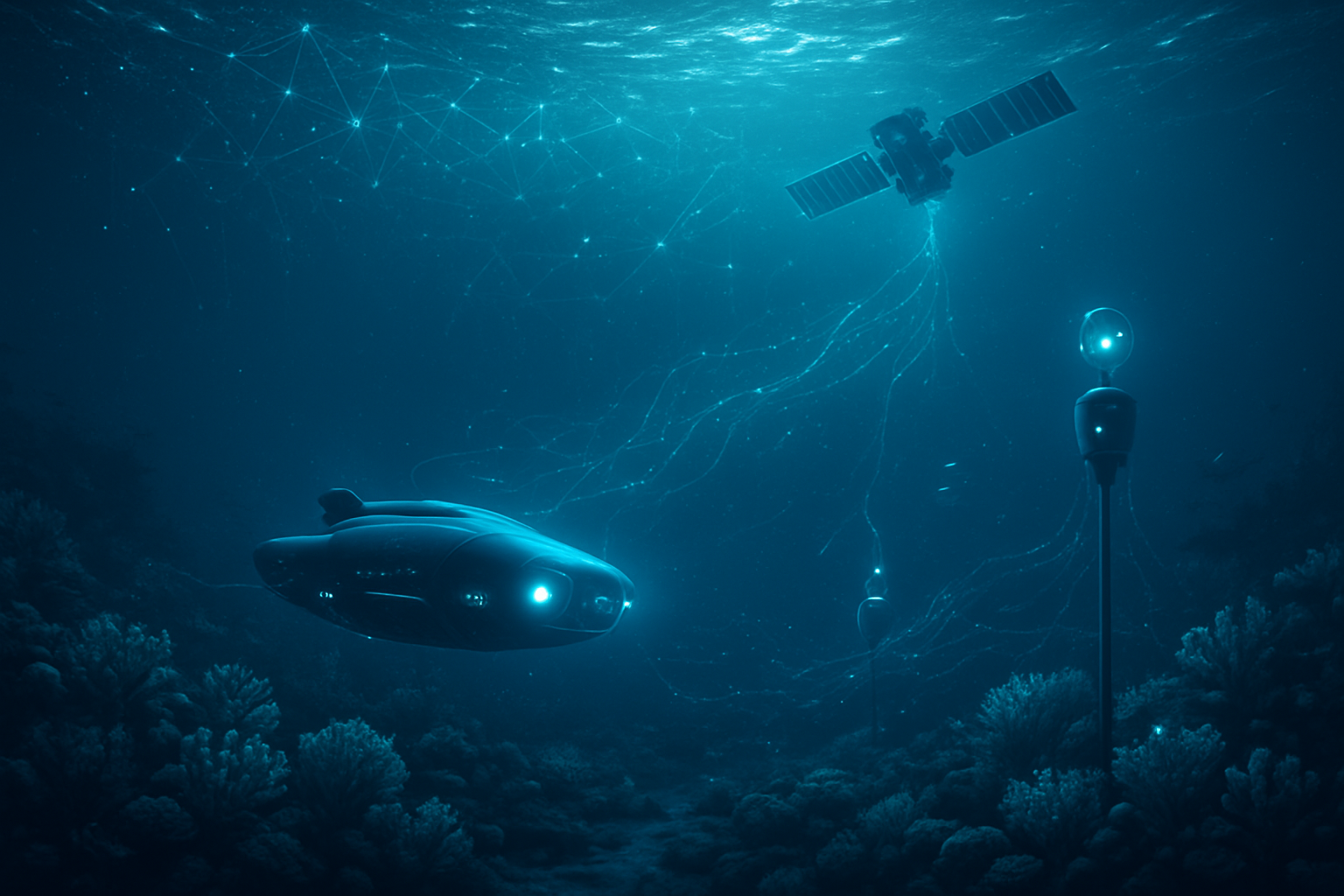
    Key technical advancements include the miniaturization and increased sensitivity of underwater sensors, capable of measuring a wide array of parameters such as temperature, pressure, salinity, pH, dissolved oxygen, and even marine particles. Emerging eDNA sensors are also poised to revolutionize marine biological research by detecting genetic material from organisms in water samples. Communication, a major hurdle underwater, is being tackled through hybrid approaches. While acoustic communication remains the most widely used for long ranges, offering data transmission via sound waves, it is complemented by short-range, high-bandwidth optical communication and specialized electromagnetic technologies like Seatooth radio for challenging water-air interfaces. Crucially, innovations like Translational Acoustic-RF (TARF) communication enable seamless data transfer between underwater acoustic signals and airborne radio signals by sensing surface vibrations. This differs significantly from previous approaches that relied heavily on infrequent human-operated data retrieval or tethered systems, offering continuous, real-time monitoring capabilities. Initial reactions from the AI research community and industry experts highlight the potential for unprecedented data density and temporal resolution, opening new avenues for scientific discovery and operational efficiency.

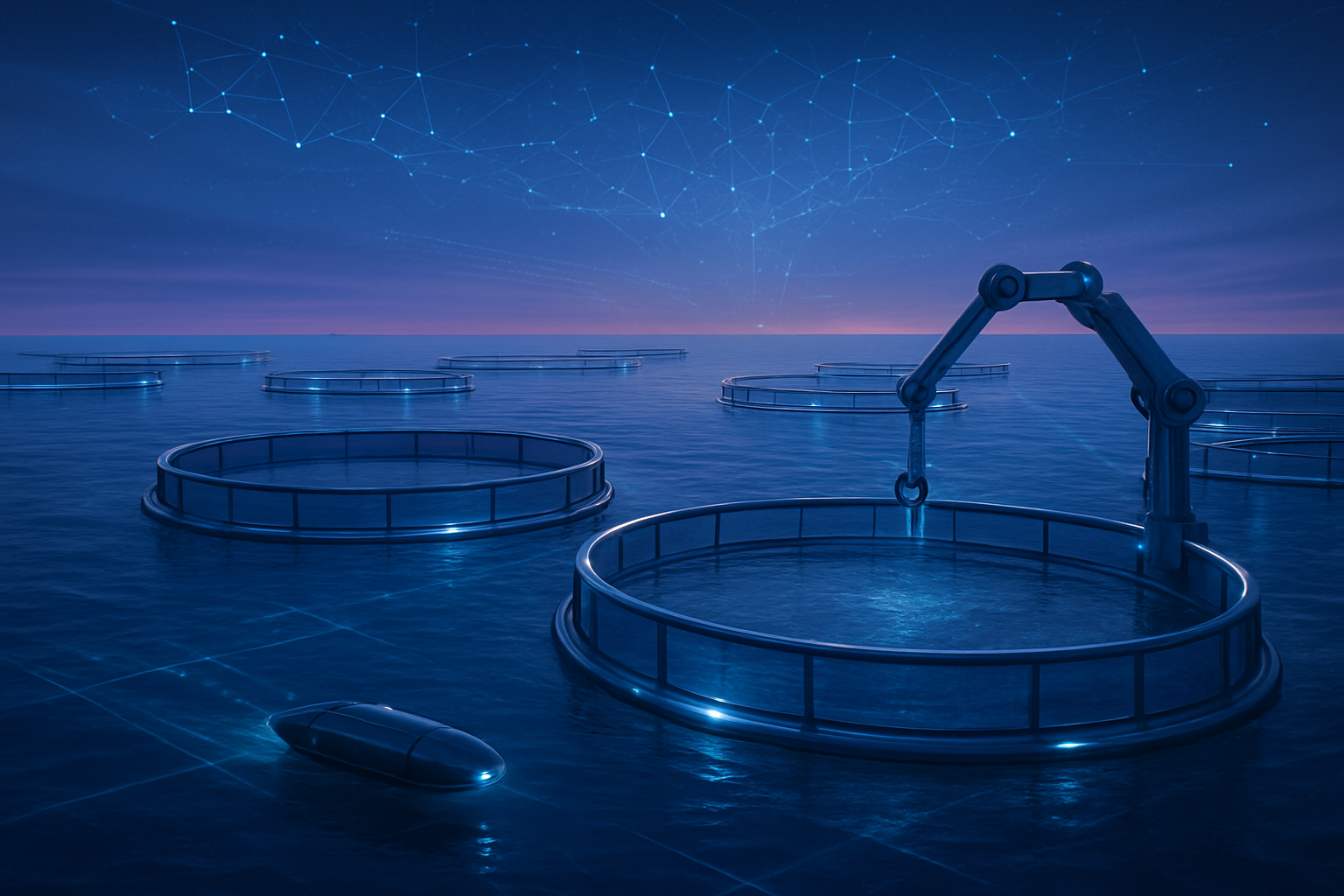
    Further bolstering the SIoT are advancements in marine robotics. Autonomous Underwater Vehicles (AUVs) and Remotely Operated Vehicles (ROVs) are no longer just exploration tools; they are becoming mobile data mules and intelligent sensor platforms, performing tasks from seafloor mapping to environmental sampling. Unmanned Surface Vessels (USVs) act as vital surface gateways, receiving data from underwater sensors via acoustic links and relaying it to shore via satellite or cellular networks. The integration of edge computing allows for on-site data processing, reducing the need for constant, high-bandwidth transmission, while cloud platforms provide scalable storage and analysis capabilities. These integrated systems represent a paradigm shift, moving from isolated data points to a comprehensive, interconnected network that continuously monitors and reports on the state of our oceans.

    Corporate Tides: Beneficiaries and Competitive Shifts

    The burgeoning field of ocean IoT and connectivity is attracting significant attention and investment, poised to reshape the competitive landscape for tech giants, specialized startups, and established marine technology firms. Companies positioned to benefit immensely include those specializing in satellite communication, underwater robotics, sensor manufacturing, and AI/data analytics platforms.

    Major satellite communication providers like Iridium Communications Inc. (NASDAQ: IRDM) and Globalstar, Inc. (NYSE: GSAT) stand to gain from the increasing demand for reliable, global data transmission from remote ocean environments, particularly with the rise of Low Earth Orbit (LEO) satellite constellations. Companies developing advanced AUVs and ROVs, such as Kongsberg Gruppen ASA (OSL: KOG) and Teledyne Technologies Incorporated (NYSE: TDY), are seeing expanded markets for their autonomous systems as key components of the SIoT infrastructure. Sensor manufacturers, both large and specialized, will experience heightened demand for robust, accurate, and energy-efficient underwater sensors. AI labs and tech giants like Google (NASDAQ: GOOGL), Microsoft (NASDAQ: MSFT), and Amazon (NASDAQ: AMZN) are strategically positioning themselves to offer the cloud infrastructure, AI/ML processing power, and data analytics tools necessary to manage and interpret the vast datasets generated by these ocean networks. Their existing cloud services and AI expertise give them a significant competitive advantage in processing and deriving insights from marine data.

    This development could disrupt traditional marine surveying and monitoring services, shifting towards more automated, continuous, and less labor-intensive operations. Startups focused on niche solutions, such as battery-free underwater communication (e.g., Piezo-Acoustic Backscatter technology) or specialized marine AI applications, could carve out significant market shares by addressing specific technical challenges. The competitive implications are clear: companies that can integrate hardware, software, and communication solutions into cohesive, scalable platforms will lead the charge. Strategic partnerships between hardware manufacturers, communication providers, and AI specialists are becoming crucial for market positioning, fostering an ecosystem where collaborative innovation drives progress and market share.

    A Deeper Dive: Wider Significance and Global Implications

    The rise of advanced connectivity and IoT in ocean environments represents a pivotal moment in the broader AI and technology landscape, extending the reach of smart systems into one of Earth's last great frontiers. This development aligns perfectly with global trends towards pervasive sensing, real-time data analysis, and autonomous operations, pushing the boundaries of what is possible in extreme environments.

    The impacts are far-reaching. In environmental monitoring, continuous data streams from smart buoys and sensors will provide unprecedented insights into ocean health, enabling earlier detection of harmful algal blooms, hypoxic dead zones, and pollution. This real-time intelligence is critical for understanding and mitigating the effects of climate change, tracking phenomena like coral bleaching and ocean acidification with granular detail. For resource management, particularly in sustainable fishing and aquaculture, IoT devices offer the promise of precision monitoring, ensuring compliance with quotas, optimizing fish farm operations, and combating illegal, unreported, and unregulated (IUU) fishing through smart surveillance systems in Marine Protected Areas (MPAs). The ability to monitor offshore energy infrastructure, such as wind turbines and oil & gas platforms, for performance and predictive maintenance also significantly enhances operational efficiency and safety, while minimizing environmental risks. However, potential concerns include the energy consumption of these vast networks, the risk of acoustic pollution from underwater communication systems impacting marine life, data security, and the ethical implications of pervasive surveillance in marine ecosystems. This milestone can be compared to the advent of satellite imaging for terrestrial monitoring, but with the added complexity and challenge of the underwater domain, promising a similar revolution in our understanding and management of a critical global resource.

    Charting Uncharted Waters: Future Developments and Predictions

    The trajectory for connectivity and IoT in ocean environments points towards even more sophisticated and integrated systems in the coming years. Near-term developments are expected to focus on enhancing energy efficiency, improving the robustness of underwater communication, and further integrating AI for autonomous decision-making.

    Experts predict a significant expansion of cooperative multi-robot systems, where AUVs, ROVs, and USVs work in concert to conduct large-scale surveys and coordinated sampling missions, with machine learning algorithms enabling adaptive mission planning and real-time data interpretation. The drive towards batteryless and highly scalable ocean IoT deployments, leveraging technologies like Piezo-Acoustic Backscatter (PAB), is expected to reduce maintenance costs and environmental impact, making widespread, continuous monitoring more feasible. Long-term, the vision includes a truly global Subsea Cloud Computing architecture, where edge computing plays a critical role in processing massive marine datasets efficiently, enabling instantaneous insights. Potential applications on the horizon include highly automated deep-sea mining operations, advanced tsunami and hurricane forecasting systems that provide earlier and more accurate warnings, and sophisticated networks for tracking and predicting the movement of marine plastics. Challenges that need to be addressed include standardizing communication protocols across diverse platforms, developing truly robust and long-lasting power sources for deep-sea applications, and establishing international frameworks for data sharing and governance. Experts foresee a future where our oceans are no longer black boxes but transparent, digitally monitored environments, providing the foundational data for a sustainable blue economy.

    The Ocean's Digital Horizon: A Concluding Assessment

    The emergence of advanced connectivity and IoT in ocean environments marks a pivotal moment in our technological and environmental history. This development is not merely an incremental improvement but a fundamental shift in how humanity interacts with and understands its marine ecosystems. The key takeaway is the transition from sporadic, often manual, data collection to continuous, real-time, and autonomous monitoring, driven by a convergence of sensor technology, sophisticated communication networks, marine robotics, and powerful AI/ML analytics.

    This technological wave holds immense significance, offering unprecedented tools to tackle some of the most pressing global challenges of our time: climate change, biodiversity loss, and unsustainable resource exploitation. It promises to empower marine researchers with richer datasets, enable resource managers to implement more effective conservation and exploitation strategies, and provide environmental agencies with the intelligence needed to protect vulnerable ecosystems. As we move forward, the long-term impact will be measured not just in technological prowess but in the health and sustainability of our oceans. What to watch for in the coming weeks and months are further pilot projects scaling up to regional deployments, increasing standardization efforts across different technologies, and a growing number of public-private partnerships aimed at building out this crucial marine infrastructure. The digital awakening of the ocean is here, and its waves will undoubtedly shape our future.


    This content is intended for informational purposes only and represents analysis of current AI developments.

    TokenRing AI delivers enterprise-grade solutions for multi-agent AI workflow orchestration, AI-powered development tools, and seamless remote collaboration platforms.
    For more information, visit https://www.tokenring.ai/.
  • Canada Charts a Course for a Smarter Ocean: $15.8 Million Investment Fuels AI-Driven Marine Innovation

    Canada Charts a Course for a Smarter Ocean: $15.8 Million Investment Fuels AI-Driven Marine Innovation

    Vancouver, BC – December 1, 2025 – In a significant stride towards a more sustainable and technologically advanced marine sector, Canada's Ocean Supercluster (OSC) has announced a substantial investment of $15.8 million (CAD$22.1 million) across three groundbreaking ocean innovation projects. This strategic funding, part of the OSC's broader commitment to fostering a "blue economy," is poised to revolutionize offshore operations, accelerate maritime electrification, and scale up vital environmental initiatives like seaweed cultivation, with a strong undercurrent of AI and advanced data analytics driving these advancements.

    The immediate significance of these projects extends beyond mere financial injection. They represent a concerted effort to position Canada as a global leader in ocean technology, generating significant economic output, creating thousands of jobs, and bolstering the nation's capacity to address critical global challenges from climate change to food security. By leveraging cutting-edge technologies, these initiatives aim to enhance operational efficiency, improve safety, and ensure the long-term health and productivity of the world's oceans.

    Detailed Technical Dive: Robotics, Electrification, and Cultivation Innovations

    The three newly funded projects showcase a diverse array of technological advancements, each pushing the boundaries of what's possible in the marine environment.

    The Marsupial Flying Robots Project, spearheaded by Burnaby, BC-based Avestec in collaboration with Reach Systems Inc. and Anarampower Ltd., is developing an integrated dual-robot system for complex inspection and maintenance tasks in hazardous offshore and marine environments. This innovative approach moves beyond traditional human-centric methods like rope access or diver-based inspections, which are costly and high-risk. The "Marsupial" design implies a collaborative robotic mechanism where one robot likely deploys or assists the other, enabling unprecedented reach and maneuverability. While specific AI details are not yet fully disclosed, the nature of advanced robotic inspection strongly suggests high-resolution data capture and potentially AI-driven analysis for anomaly detection, autonomous navigation, and task execution, significantly improving safety and efficiency.

    Meanwhile, the Lilypad: Electric Charge Barge Project, led by Victoria, BC-based Mostar Labs, introduces a mobile floating charging station. This groundbreaking solution aims to overcome the limitations of fixed, land-based charging infrastructure for electric vessels. By offering flexible, on-demand charging in coastal waters, the Lilypad barge accelerates maritime electrification, a crucial step towards decarbonizing marine transportation. This project is expected to integrate smart grid technologies for efficient power distribution and potentially leverage data analytics for optimized barge positioning and automated service delivery, making electric vessel adoption more practical and accessible.

    Finally, the Enabling Scalable Seaweed Restoration & Cultivation Project, a substantial $11.08 million (CAD$15.5 million) initiative led by Canadian Pacifico Seaweeds (Richmond, BC) with a consortium of 13 partners including Indigenous communities like Wayi Waum First Nation and Inbata Holdings, as well as Canadian Kelp Resources and Bioform Technologies, focuses on industrial-scale seaweed restoration and cultivation. This project aims to significantly enhance existing, often labor-intensive, cultivation methods through automation and advanced monitoring. Achieving scalability will necessitate sophisticated data collection from automated environmental sensors (temperature, salinity, nutrients), imaging technologies (underwater cameras, drones) for biomass estimation, and AI-powered analytics platforms to optimize farming conditions and restoration success, thereby enabling large-scale "blue carbon" initiatives.

    Corporate Tides: Who Benefits and What's the Competitive Shift?

    The Ocean Supercluster's strategic investments are designed to create a "market-pull" for innovation, directly benefiting the involved companies and reshaping competitive landscapes within the marine technology sector.

    Avestec, Reach Systems Inc., and Anarampower Ltd., as the driving forces behind the Marsupial Flying Robots, stand to gain an early-mover advantage in the burgeoning field of autonomous offshore inspection. Their advanced robotic solutions could disrupt traditional inspection and maintenance service providers, pushing them to adopt similar high-tech approaches or risk losing market share. Similarly, Mostar Labs with its Lilypad Electric Charge Barge is positioned to become a key enabler of maritime electrification, potentially challenging the fossil fuel bunkering industry and accelerating the transition to cleaner marine transport.

    The Enabling Scalable Seaweed Restoration & Cultivation Project directly benefits Canadian Pacifico Seaweeds and its 13 partners, including Canadian Kelp Resources and Bioform Technologies. This initiative has the potential to create entirely new value chains in sustainable seafood and bio-resources, potentially disrupting traditional aquaculture practices and agricultural models by offering environmentally friendly and scalable alternatives. While many direct beneficiaries of this $15.8 million investment are currently private companies, their success contributes to a broader ecosystem that influences larger entities. For instance, Grieg Seafood ASA (OSE: GSF), a Norwegian aquaculture company, through its subsidiary Grieg Seafood Newfoundland, is involved in other OSC-funded projects focused on fish health and monitoring, underscoring how these innovations can impact established players. Similarly, Clearwater Seafoods, though now acquired by Premium Brands Holdings Corporation (TSX: PBH), has been a partner in OSC projects, indicating the ripple effect of these advancements across the industry.

    These companies gain strategic advantages through early market positioning, access to crucial funding and resources, and the development of valuable intellectual property. The OSC's focus on AI and data-driven solutions means that companies embracing these technologies will gain significant competitive edges, potentially forcing others to rapidly invest in AI integration to remain relevant.

    The Blue Economy's AI Wave: Broader Implications and Global Standing

    Canada's significant investment in ocean innovation, heavily underpinned by a drive towards digitalization and AI, is a pivotal component of its "Ambition 2035" strategy, aiming for a fivefold growth in its ocean economy. This initiative aligns seamlessly with the United Nations' "Decade of Ocean Science for Sustainable Development," positioning Canada as a leader in balancing economic prosperity with environmental stewardship.

    The wider impacts are profound. On ocean health, these projects contribute to climate change mitigation through carbon sequestration via seaweed farms and the decarbonization of marine transport. Advanced monitoring technologies, often AI-enhanced, provide crucial data for better resource management, from sustainable aquaculture to tracking marine biodiversity. Economically, the OSC has already generated over $1 billion in GDP contribution and 10,000 jobs, with a target of 20,000 by 2030, fostering a robust innovation ecosystem and skilled workforce.

    This current wave of investment marks a significant evolution from previous milestones in ocean technology. While past efforts often focused on specific hardware (e.g., sonar, underwater vehicles), the contemporary strategy is more integrated and digitally driven. The explicit and integral focus on global sustainability and AI-powered solutions, a paradigm shift from even five years ago, sets this era apart. The "AI Ocean Program" within the OSC, which encourages investment and adoption of AI solutions, highlights this new direction. However, challenges persist, including the high costs of commercial viability in harsh marine environments, global competition in emerging areas like marine carbon dioxide removal (mCDR), and regulatory bottlenecks that need streamlining.

    Charting the Future: AI, Autonomy, and Sustainability on the Horizon

    The Canadian Ocean Supercluster's investment signals a future where marine operations are increasingly smart, autonomous, and sustainable. Near-term, we can expect to see accelerated commercialization of the 300 new Canadian ocean products, processes, and services the OSC has approved, with significant economic impact and job creation continuing to grow. The $20 million dedicated to nine new AI-powered ocean projects, creating over 40 AI use cases, will rapidly advance AI adoption in aquaculture and coastal cleantech.

    Long-term, Canada aims for a "smart ocean advantage," characterized by widespread digitalization of ocean ecosystem data, advanced autonomous systems for operational performance, and seamless integration of ocean data for enhanced prediction and risk characterization. Potential applications are vast: fully autonomous Maritime Autonomous Surface Ships (MASS) for research and surveillance, AI-powered predictive maintenance for vessels, smart ports leveraging digital twins for optimized logistics, and hyper-localized coastal intelligence for improved safety and reduced emissions. Environmental genomics, driven by AI, promises cheaper and faster biological data for marine biodiversity monitoring and fish stock evaluation.

    However, significant challenges remain. Regulatory frameworks for emerging technologies like MASS are still evolving, and the inherent cost and complexity of operating in harsh ocean environments require continuous innovation. Addressing talent gaps, securing adequate equity investment for scaling startups, and overcoming industrial inertia will be crucial for successful implementation and widespread adoption. Experts predict that AI will play a "huge role" in revolutionizing marine protection, economic productivity, and unlocking powerful insights from ocean data, driving continued growth and positioning Canada as a global leader in the blue economy.

    Navigating the Deep: A Comprehensive Outlook on Canada's Ocean AI Leadership

    Canada's $15.8 million investment through the Ocean Supercluster is a powerful testament to its commitment to pioneering sustainable and technologically advanced solutions for the marine sector. The key takeaways underscore a deliberate strategy to integrate cutting-edge robotics, accelerate maritime electrification, and scale up nature-based solutions like seaweed cultivation, all while leveraging the transformative power of AI and advanced data analytics.

    This development holds immense significance for the future of marine technology, propelling Canada towards a "smart ocean advantage" where autonomous systems, real-time data, and predictive intelligence enhance safety, efficiency, and environmental stewardship. It firmly places Canada at the forefront of the global "blue economy," demonstrating how economic growth can be harmonized with critical sustainability goals.

    In the coming weeks and months, the focus will shift to the successful commercialization and scalable deployment of these projects. Watch for measurable environmental impacts from the seaweed cultivation, the expansion of mobile charging networks, and the broader adoption of autonomous inspection robots in offshore industries. Critically, observing how these projects further integrate and advance AI capabilities—from autonomous navigation to environmental data analysis—will be a key indicator of Canada's evolving leadership in ocean innovation. The ongoing collaboration between industry, academia, and Indigenous communities will also be vital in shaping the long-term success and global influence of Canada's AI-driven ocean initiatives.


    This content is intended for informational purposes only and represents analysis of current AI developments.

    TokenRing AI delivers enterprise-grade solutions for multi-agent AI workflow orchestration, AI-powered development tools, and seamless remote collaboration platforms.
    For more information, visit https://www.tokenring.ai/.
  • Raymarine and Seabed 2030 Chart a New Course for Ocean Mapping with AI-Driven Data

    Raymarine and Seabed 2030 Chart a New Course for Ocean Mapping with AI-Driven Data

    In a landmark collaboration poised to revolutionize oceanography, Raymarine, a global leader in marine electronics, has joined forces with The Nippon Foundation-GEBCO Seabed 2030 Project. This ambitious partnership aims to accelerate the comprehensive mapping of the world's entire ocean floor by the year 2030, leveraging Raymarine's advanced sonar technology and a unique crowdsourcing model. The initiative represents a critical step forward in understanding our planet's most unexplored frontier, providing foundational data crucial for climate modeling, marine conservation, and sustainable resource management.

    The immediate significance of this alliance, announced around November 2025, lies in its potential to dramatically increase the volume and resolution of bathymetric data available to the global scientific community. By integrating data from thousands of vessels equipped with Raymarine's state-of-the-art sonar systems, the project is rapidly filling critical data gaps, particularly in coastal and offshore regions that have historically been under-surveyed. This collaborative approach underscores a growing trend where private industry innovation is directly contributing to large-scale global scientific endeavors.

    Unveiling the Ocean's Depths: A Technical Deep Dive

    Raymarine's contribution to the Seabed 2030 Project is primarily driven by its cutting-edge sonar systems, most notably the Element™ CHIRP Sonar / GPS series. These systems provide an unparalleled view of the underwater world through a suite of advanced technologies. Key technical capabilities include HyperVision™ Sonar, utilizing super high frequencies (1.2 megahertz) and CHIRP technology for extremely high-resolution DownVision, SideVision, and RealVision 3D imaging up to 100 feet. For deeper insights, Standard CHIRP Sonar operates at 350 kHz, reaching depths of 600 feet, while High CHIRP Sonar (200 kHz) extends to 900 feet, excelling in fish targeting and high-speed bottom tracking. Features like RealBathy™ allow users to create custom maps, further enhancing data density.

    This crowdsourced bathymetry (CSB) approach marks a significant departure from traditional ocean mapping. Historically, bathymetric data was gathered through costly, time-consuming dedicated hydrographic surveys by specialized research vessels. While only 6% of the ocean floor was mapped to modern standards in 2017, this figure rose to 26.1% by World Hydrography Day 2024. Crowdsourcing, by contrast, mobilizes a vast network of existing vessels—from recreational boats to merchant ships—effectively turning them into data collection platforms. This distributed model efficiently gathers data from under-surveyed areas, significantly reduces costs, and rapidly increases coverage and resolution globally.

    While Raymarine's immediate announcement doesn't detail a specific AI advancement for data processing within this collaboration, the Seabed 2030 Project heavily relies on AI. AI plays a crucial role in processing and analyzing the vast amounts of crowdsourced data. This includes real-time data acquisition and quality control, automated filtering and processing to remove noise and optimize parameters, and enhanced analysis for instant report generation. AI platforms can identify patterns, anomalies, and features that might be missed by human observers, leading to a more comprehensive understanding of seafloor topography and marine habitats. Experts emphasize that AI will streamline workflows, reduce human error, and accelerate the creation of accurate, high-resolution maps.

    Reshaping the AI and Marine Tech Landscape

    The influx of freely available, high-resolution bathymetric data, facilitated by Raymarine and the Seabed 2030 Project, is poised to create significant ripples across the AI industry. AI companies specializing in marine data analytics and visualization, such as Terradepth, stand to benefit immensely from an expanded dataset to refine their platforms and train more robust machine learning models. Developers of Autonomous Marine Vehicles (AMVs), including Autonomous Underwater Vehicles (AUVs) and Uncrewed Surface Vessels (USVs), will leverage this comprehensive data for enhanced autonomous navigation, route optimization, and operational efficiency.

    Competitive implications are substantial. With lowered barriers to data access, competition will intensify for developing superior AI solutions for marine contexts, pushing companies to differentiate through advanced algorithmic capabilities and specialized applications. This could lead to a shift towards open-source and collaborative AI development, challenging companies relying solely on proprietary data. Tech giants with interests in marine technology, data analytics, or environmental monitoring—like Google (NASDAQ: GOOGL) or Garmin (NYSE: GRMN)—will find new avenues for their AI applications, from enhancing mapping services to supporting maritime surveillance.

    This development could disrupt traditional marine surveying, as crowdsourced bathymetry, when processed with AI, offers a more continuous and cost-effective mapping method, especially in shallower waters. This might reduce reliance on dedicated hydrographic vessels for routine tasks, freeing them for higher-precision or deeper-water missions. For companies like Raymarine, a brand of FLIR Systems (NASDAQ: FLIR), this collaboration offers a strategic advantage. It provides continuous access to massive real-world data streams for training and refining their proprietary AI models for sonar systems and navigation. This enhances product offerings, strengthens brand reputation as an innovative leader, and establishes a crucial feedback loop for AI development.

    A New Era for Ocean Science and Environmental AI

    Raymarine's collaboration with the Seabed 2030 Project fits perfectly into the broader AI landscape's trend towards advanced data collection, crowdsourcing, and environmental AI. It exemplifies how sophisticated sensor technologies, often AI-enhanced, are being leveraged for large-scale data acquisition, and how AI is becoming indispensable for processing, quality control, and analysis of vast datasets. This directly contributes to environmental AI, providing foundational data critical for understanding and addressing climate change, marine conservation, and predicting environmental shifts.

    The societal, environmental, and economic impacts of a complete seabed map are profound. Societally, it promises improved tsunami forecasting, safer navigation, and richer scientific research. Environmentally, it will aid in understanding ocean circulation and climate models, identifying vulnerable marine habitats, and managing ocean debris. Economically, it will support sustainable fisheries, offshore energy development, and infrastructure planning, fostering growth in the "blue economy." The project, a flagship program of the UN Decade of Ocean Science for Sustainable Development, has already seen the mapped ocean floor increase from 6% in 2017 to 26.1% by World Hydrography Day 2024, with Raymarine's contribution expected to accelerate this progress.

    However, challenges remain. Ensuring consistent data quality and standardization across diverse crowdsourced contributions is crucial. Technical complexities in mapping deep waters and polar regions persist, as do the immense computational demands for processing vast datasets, raising concerns about energy consumption. Ethical considerations around data ownership and the responsible use of autonomous technologies also require careful attention. Compared to previous AI milestones in marine science, this initiative represents a significant leap from manual to automated analysis, enabling real-time insights, predictive modeling, and large-scale data initiatives through autonomous exploration, fostering an interdisciplinary convergence of marine science, AI, and robotics.

    Charting the Future: Autonomy, AI, and Uncharted Depths

    Looking ahead, the collaboration between Raymarine and Seabed 2030 foreshadows transformative developments in seabed mapping and marine AI. In the near term, we can expect a significant increase in the use of autonomous surface vessels (ASVs) and AUVs for surveying, particularly in coastal areas, complemented by continued crowdsourcing from a wide array of vessels. AI integration will focus on optimizing data acquisition and processing, with algorithms improving underwater mapping by making sense of incomplete data and determining optimal measurement strategies.

    Long-term developments envision autonomous survey vessels handling all seabed mapping tasks, including complex offshore operations, potentially employing "swarm approaches" where multiple small autonomous robots cooperatively map vast areas. AI will evolve to include increasingly sophisticated algorithms for complex analysis and predictive modeling, such as AI-powered image recognition for marine species identification and tracking, and analysis of satellite images for subtle habitat changes. Potential applications include enhanced marine conservation and environmental management, more efficient resource management for industries, improved safety and disaster preparedness, and accelerated scientific discovery.

    Despite the promising outlook, several challenges must be addressed. Technical complexities in mapping extreme environments, managing the immense data and computational demands, and ensuring equitable access to advanced AI tools for all nations remain critical hurdles. Environmental and ethical concerns related to autonomous technologies and data ownership also require careful consideration. Experts widely predict that autonomous vehicles will have the most significant impact on future ocean mapping, acting as "force multipliers" for higher-resolution data acquisition and monitoring. Within a decade, fully autonomous vessels are expected to handle most seabed mapping tasks offshore, with AI becoming increasingly integrated into marine robotics, environmental monitoring, and policy-making.

    A Collaborative Voyage Towards a Fully Mapped Ocean

    Raymarine's collaboration with The Nippon Foundation-GEBCO Seabed 2030 Project is more than just a partnership; it's a monumental endeavor merging advanced marine electronics with a global scientific mission. The key takeaway is the power of crowdsourcing combined with cutting-edge technology to tackle one of humanity's grandest scientific challenges: mapping the entirety of the ocean floor. This development marks a significant milestone in AI history, showcasing how AI-compatible data initiatives can accelerate scientific understanding and drive environmental stewardship.

    The long-term impact will be profound, providing an indispensable foundational dataset for global policy, sustainable resource use, and continued scientific exploration for generations. It will enhance our understanding of critical planetary processes, from climate regulation to geological phenomena, fostering marine conservation and showcasing the immense potential of collaborative, technology-driven initiatives.

    In the coming weeks and months, watch for updates on the percentage of the ocean floor mapped, which is steadily increasing. Pay attention to how Raymarine's crowdsourced data is integrated into the GEBCO grid and its impact on map resolution and coverage. Expect announcements of new geological discoveries and insights into oceanographic processes as more detailed bathymetric data becomes available. Finally, keep an eye on further technological advancements, especially explicit applications of AI and autonomous underwater vehicles, which will continue to accelerate mapping efforts and inform critical policy and conservation outcomes.


    This content is intended for informational purposes only and represents analysis of current AI developments.

    TokenRing AI delivers enterprise-grade solutions for multi-agent AI workflow orchestration, AI-powered development tools, and seamless remote collaboration platforms.
    For more information, visit https://www.tokenring.ai/.

  • WhaleSpotter Unleashes AI-Powered Thermal Vision, Revolutionizing Whale Protection

    WhaleSpotter Unleashes AI-Powered Thermal Vision, Revolutionizing Whale Protection

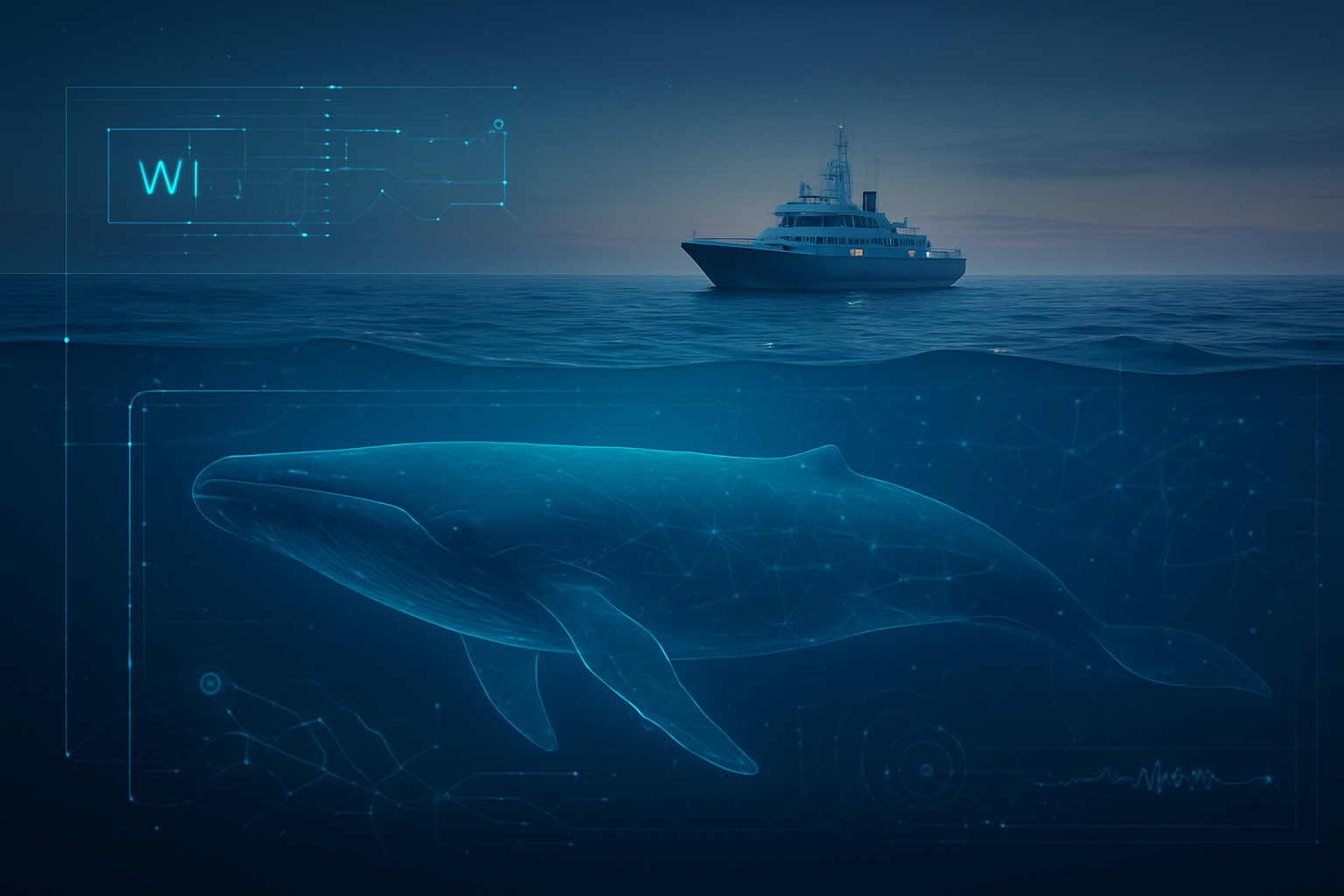
    WhaleSpotter is spearheading a monumental shift in marine conservation with its breakthrough AI-driven thermal detection technology, offering an unprecedented line of defense against deadly ship collisions. This cutting-edge system utilizes highly stabilized heat-sensing cameras mounted on vessels to scan the ocean's surface day and night. When a warm whale spout or body heat is detected against the cooler ocean, an advanced neural network, meticulously trained on millions of data snippets, analyzes the footage to confirm the presence of a whale. This AI is then augmented by a crucial human verification step, where remote experts double-check detections within seconds, ensuring zero false alarms and building critical trust with ship captains to prevent "alert fatigue." This "human-in-the-loop" approach is a significant differentiator, allowing WhaleSpotter to reliably detect marine mammals up to seven kilometers away, even outperforming traditional human observers.

    The immediate significance of this technological leap for environmental conservation is profound. Ship strikes are a leading cause of injury and death for whales globally, particularly for critically endangered species such as the North Atlantic right whale, with fewer than 370 individuals remaining. By providing real-time, verified alerts to ship captains, WhaleSpotter empowers them to alter course and avoid what would otherwise be fatal encounters, directly contributing to the survival of these vulnerable populations. The system's ability to operate around the clock, independent of ambient light, dramatically increases detection opportunities, especially at night when many whales are more active near the surface. With a remarkable increase from 78 detections in its first year (2019) to over 51,000 in 2024, WhaleSpotter is not only proving its efficacy but also laying the groundwork for a vast, interconnected global network that promises to safeguard marine life on an unprecedented scale.

    The Technical Marvel: AI, Thermal Imaging, and Human Oversight

    WhaleSpotter's core AI advancement lies in its sophisticated neural network, meticulously trained on millions of data snippets to analyze footage from highly stabilized heat-sensing cameras. These cameras, mounted on vessels, detect the warm breath (spouts) of whales against the cooler ocean mist. What truly sets WhaleSpotter apart is its "human-in-the-loop" verification system. Once the AI identifies a potential whale, an alert is sent to a remote human expert who verifies the detection within 15 seconds, with the confirmed alert reaching the ship's captain within one minute. This crucial step ensures a 99.9% detection rate with a guarantee of zero false positives, a critical factor in preventing "alert fatigue" among ship crews and fostering trust in the system. The AI algorithms are specifically designed to filter out environmental noise like waves, birds, and other vessels, focusing solely on the thermal signatures characteristic of whales.

    Technically, the WhaleSpotter system is a compact, shoebox-sized solution easily mounted on a ship's deck. Its capabilities are impressive: it can reliably detect whales up to 6 kilometers, with some reports indicating up to 7 kilometers, providing ample time for large commercial vessels to alter course. A key advantage is its reliance on thermal imaging (infrared radiation), enabling effective operation both day and night, regardless of ambient light or visibility conditions—a significant improvement over visual observation methods. This 24/7 monitoring capability and real-time alerts empower ship crews to proactively avoid collisions.

    This approach marks a significant departure from previous whale detection strategies. While other AI-powered thermal detection systems exist, WhaleSpotter's "purpose-built for marine conservation" design and its human verification step are crucial differentiators. Traditional methods, often relying on human observers, are limited by light, weather, and human factors, leading to inconsistent results. WhaleSpotter's continuous, high-accuracy detection provides a real-time, proactive solution, addressing a gap in previous strategies that primarily focused on route shifting or speed reduction.

    Initial reactions from both the AI research community and industry experts have been overwhelmingly positive. Matson Navigation Company (NYSE: MATX), a prominent container shipping firm, announced a partnership with WhaleSpotter in November 2025, becoming the first container shipping company to deploy this advanced technology. Matson's Chairman and CEO, Matt Cox, praised the technology as "remarkable" and refined to meet "zero-false-alert requirements," highlighting the enthusiasm of their crews for its use. This partnership followed a $1 million research grant from Matson to Woods Hole Oceanographic Institution (WHOI), where the technology was developed. Marine biologists, like John Calambokidis of the Cascadia Research Collective, emphasize the system's importance as a crucial, multi-pronged approach to prevent ship-whale collisions, particularly for endangered species like the North Atlantic right whale. The global WhaleSpotter network recorded over 51,000 marine mammal detections in 2024, showcasing its rapidly expanding impact. Daniel Zitterbart, WhaleSpotter's lead scientist, envisions a future where widespread adoption creates a vast, interconnected network for real-time data, further enhancing marine mammal protection. The company, spun off from WHOI in 2024 by Shawn Henry, CEO, and Sebastian Richter, co-developer of the AI algorithm, stands on over 15 years of robust scientific research.

    Competitive Implications and Market Dynamics in AI Conservation

    WhaleSpotter's breakthrough, leveraging AI-powered thermal imaging and human verification, is poised to significantly impact the maritime industry and the broader technology landscape, particularly in the 2024-2025 timeframe. Having spun off as a for-profit company in 2024 from the Woods Hole Oceanographic Institution (WHOI), WhaleSpotter's focus on preventing ship-whale collisions through real-time alerts creates new competitive dynamics.

    AI companies stand to benefit significantly from the advancements pioneered by WhaleSpotter. This technology exemplifies the growing "AI for Good" movement, opening new application domains in environmental monitoring and conservation. Companies with expertise in real-time object detection, thermal image analysis, and robust machine learning models for challenging environmental conditions will be in high demand. The need for AI systems that can reliably filter out noise (waves, birds, other vessels) while accurately identifying marine mammals presents complex R&D opportunities. Furthermore, the envisioned network of hundreds of vessels sharing real-time detection data will require substantial cloud computing resources for data storage, advanced analytics, and continuous AI model refinement, creating opportunities for major cloud providers such as Google Cloud, Amazon Web Services (AWS) (NASDAQ: AMZN), and Microsoft Azure (NASDAQ: MSFT).

    Tech giants are likely to engage with WhaleSpotter's technology in several ways. Beyond providing scalable cloud infrastructure, companies involved in advanced sensor technology could collaborate on developing next-generation thermal cameras and ruggedized edge computing devices optimized for maritime use. As the technology matures, strategic partnerships or acquisitions of companies like WhaleSpotter could integrate whale detection into broader maritime logistics platforms or environmental intelligence services, enhancing corporate social responsibility (CSR) profiles and expanding into new vertical markets. Companies strong in geospatial data and mapping could also integrate WhaleSpotter's real-time whale detection data into maritime navigation systems.

    For startups, WhaleSpotter's success highlights opportunities for new ventures focusing on niche maritime technologies, such as improved sensor stabilization, long-range communication for remote ocean areas, or advanced data compression for real-time transmission. While WhaleSpotter emphasizes its "purpose-built for marine conservation" and human verification, other companies like Awarion and SEA.AI already offer similar AI-powered thermal detection systems, creating a competitive environment where differentiation through accuracy, cost-effectiveness, and unique features is key. The "AI for Ocean" movement could also inspire startups to leverage similar technologies for broader ocean health monitoring, illegal fishing detection, or climate change impact assessment. WhaleSpotter's vision of a vast, interconnected network where hundreds of vessels share real-time data could create a significant competitive barrier, offering unparalleled situational awareness that would be difficult for individual, non-networked systems to match.

    The technology also places pressure on less reliable or reactive whale avoidance strategies, pushing for more proactive and real-time solutions. Existing vessel navigation and safety systems may need to integrate real-time whale detection capabilities to remain competitive, potentially disrupting providers offering less sophisticated collision avoidance tools. WhaleSpotter's strategic advantage lies in its "human-verified for zero false-positive alerts" guarantee, which builds trust with ship captains. Its origin from WHOI provides strong scientific credibility and a clear conservation mission. The partnership with Matson Navigation Company (NYSE: MATX) in November 2025, involving a $1 million grant and deployment of units, positions Matson as a leader in adopting advanced marine protection technology and gives WhaleSpotter a critical foothold in the large commercial vessel market. For shipping companies, adopting WhaleSpotter provides significant ESG (Environmental, Social, and Governance) benefits, enhances corporate reputation, and proactively addresses growing regulatory pressures to protect marine life.

    Wider Significance: AI's Role in a Healthier Ocean

    WhaleSpotter's breakthrough, prominently emerging in 2024-2025, represents a significant advancement in applied artificial intelligence with wide-ranging implications for marine conservation, the shipping industry, and the broader AI landscape. Its primary impact is the direct reduction of whale mortality due to vessel strikes, which account for thousands of deaths annually. This is particularly vital for critically endangered species, such as the North Atlantic right whale, where every individual saved contributes significantly to species survival, offering a proactive solution that complements existing conservation strategies.

    This technology fits squarely within several key AI trends observed in 2024-2025. It is a prime example of the "AI for Environmental Sustainability" market, which is experiencing rapid growth, projected to reach USD 100.3 billion by 2034 from USD 17.2 billion in 2024. WhaleSpotter aligns with broader efforts to use AI for habitat monitoring, wildlife protection, and climate change mitigation. The system relies on sophisticated computer vision and deep learning algorithms to process thermal imagery, reflecting the continued maturity and real-world applicability of these AI subfields. Furthermore, the deployment of AI on ships for immediate analysis and alerts demonstrates the increasing capability of real-time AI processing and advancements in edge computing.

    The critical inclusion of human experts for verifying AI detections highlights a growing trend in responsible AI deployment, known as "human-in-the-loop AI." This hybrid approach ensures high accuracy ("zero false-positive alerts") and builds trust, especially in high-stakes applications where errors can have significant consequences. This approach contrasts with some earlier AI developments that perhaps over-prioritized full automation without sufficient consideration for fail-safes and human integration. WhaleSpotter also contributes to data-driven conservation, as its expanding network generates an immense volume of real-time whale detection data, which can improve understanding of whale migration patterns, distribution, and behavior, informing broader scientific research.

    While offering immense positive impacts on marine conservation and maritime safety, the wider deployment of such AI systems also implicitly brings to light ongoing discussions around ethical AI development. Potential concerns, generally applicable to AI in environmental monitoring, include algorithmic bias if training data is not diverse, leading to skewed outcomes. The energy consumption and electronic waste associated with developing and deploying AI infrastructure are also considerations, although efforts are underway by companies like Google (NASDAQ: GOOGL) and Microsoft (NASDAQ: MSFT) to reduce AI's carbon footprint. Over-reliance on AI outputs without understanding contextual factors and questions of data privacy and ownership are also important considerations as these systems become more widespread.

    Compared to previous AI milestones, WhaleSpotter builds upon foundational breakthroughs in computer vision by adapting these techniques to a complex and dynamic natural environment. Unlike general AI breakthroughs such as AlphaGo or large language models like GPT, WhaleSpotter represents a highly specialized, applied AI solution whose significance lies in its direct and measurable positive impact on a specific environmental problem. It reflects a maturation in AI deployment strategies, where practical application and human oversight are prioritized for reliability and trust in high-stakes environmental and safety applications. WhaleSpotter is part of a larger trend where AI is being increasingly leveraged for wildlife conservation, offering critical time for conservation action.

    Future Developments and the Horizon of Marine AI

    WhaleSpotter's technology, built on years of research, is poised for significant advancements beyond 2025, aiming to revolutionize marine mammal protection through enhanced automation, broader applications, and integrated data networks. In the near term, WhaleSpotter is focusing on expanding its commercial production units across a diverse range of vessels globally, including container ships, cruise ships, and research vessels. The significant partnership with Matson (NYSE: MATX) will see the technology deployed across their domestic fleet, following successful trials, with continuous refinement to meet the specific demands of large commercial vessels, ensuring consistent real-time alerts and achieving stringent "zero-false-alert requirements." The goal is to enable widespread real-time alerts for all vessels utilizing the technology, eventually sharing this collective detection information with ships not directly equipped with the system, forming an interconnected network for broader awareness.

    Looking further ahead, experts envision a future where hundreds of vessels equipped with WhaleSpotter technology contribute to a vast, interconnected network of whale detection data, offering unprecedented coverage and real-time insights into whale presence and movement across vast ocean areas. Continued breakthroughs in artificial intelligence and deep learning will further enhance detection accuracy, minimize false positives and negatives, and improve the ability to distinguish specific whale calls from ambient ocean noise. The integration of AI with diverse data streams, including acoustic data, satellite information, and oceanographic conditions, is expected to enable predictive capabilities. This would allow for the creation of "probability maps" that forecast whale movements and patterns, shifting from reactive detection to proactive avoidance strategies. The broader field is also moving towards multi-sensor fusion, integrating visual cameras, sonar, lidar, and radar to provide more comprehensive and robust detection capabilities.

    The evolving WhaleSpotter technology will have a wide array of applications. Beyond enhanced vessel strike mitigation, it can play a critical role in mitigating risks to whales during offshore wind farm construction and operation, informing dynamic management strategies. For natural resource exploration and subsea infrastructure projects, real-time detection can help minimize harm to marine mammals. The vast amounts of data collected will also be invaluable for scientific research, aiding in population monitoring, understanding migration routes, and assessing habitat use. Furthermore, the technology can be integrated with autonomous surface vehicles (ASVs) and drones to enhance passive acoustic monitoring and improve tracking efficiency.

    Despite this promising future, several challenges must be tackled. Acquiring sufficient high-quality, annotated imagery for AI training across diverse whale species and ocean conditions remains a significant hurdle. Maintaining near-zero false positives and negatives in dynamic, acoustically noisy environments is an ongoing challenge. Broadening the adoption of the technology across a cost-sensitive maritime industry also presents a challenge, despite the clear conservation benefits. For autonomous systems, performing complex AI-driven analysis with limited onboard processing power while maintaining high accuracy is a critical hurdle.

    Experts anticipate a rapid evolution in whale detection, with AI as its cornerstone, offering automated, real-time, and round-the-clock monitoring. Passive Acoustic Monitoring (PAM) will become an increasingly vital complementary tool. The shift towards predictive modeling will allow for proactive measures, with "probability maps" becoming crucial for various maritime industries. Greater collaboration and data sharing among research institutions, technology providers like WhaleSpotter, and maritime industries will be key to accelerating advancements. Autonomous drones and surface vehicles will also be increasingly utilized for data collection and collision avoidance. WhaleSpotter, by combining thermal imaging, AI, and human validation, is positioned to be a significant player in this future, contributing to a world where marine mammals and human maritime activities can coexist more safely.

    A New Era for Marine Conservation

    WhaleSpotter's groundbreaking whale detection technology represents a significant leap forward in marine conservation, leveraging advanced artificial intelligence to mitigate one of the most pressing threats to large marine mammals: ship collisions. The system, prominently advancing in 2024, is a revolutionary AI-powered solution designed to alert ship captains in real time to the presence of whales, enabling vessels to adjust course and prevent fatal accidents. Its core innovation lies in a neural network trained on millions of data snippets, analyzing footage from thermal cameras, augmented by a crucial human-in-the-loop verification process, where a remote expert confirms AI detections within seconds to ensure accuracy and prevent "alert fatigue." This hybrid approach is critical in applications where missing an animal is unacceptable. The technology has demonstrated impressive progress, recording over 51,000 marine mammal detections in 2024 alone, a substantial increase from its initial trials, and operates 24/7, addressing critical limitations of human observation.

    This development marks a pivotal moment in the history of AI, particularly within environmental monitoring and conservation. In 2024-2025, AI's role in conservation is rapidly expanding, and WhaleSpotter exemplifies the transition from theoretical AI applications to practical, real-world solutions with tangible conservation outcomes. Its significance stems from providing real-time, actionable intelligence that directly impacts operational decisions to prevent harm, a crucial advancement over retrospective analysis. The fusion of AI and human expertise highlights a mature understanding of AI's current limitations and the necessity of human judgment in high-stakes scenarios, setting a benchmark for responsible AI deployment. As the world faces complex ecological challenges, WhaleSpotter demonstrates AI's ability to help safeguard ecosystems and mitigate human-wildlife conflicts, contributing to the broader "AI in Environmental Sustainability" movement.

    The long-term impact of technologies like WhaleSpotter is poised to be transformative for ocean conservation. Widespread adoption could fundamentally reshape human interactions with marine ecosystems, leading to a drastic reduction in whale mortality due to vessel collisions and contributing directly to the recovery of endangered species like the North Atlantic right whale. The vast amounts of data collected by such a network will provide invaluable insights into whale migration patterns, behaviors, population dynamics, and responses to environmental changes, crucial for refining conservation strategies. WhaleSpotter's success could also catalyze the integration of AI with other marine monitoring technologies, creating a comprehensive "ocean intelligence" network. By making marine traffic safer for whales, the technology supports more sustainable maritime activities and can inform policy decisions, with a vision to expand information sharing to vessels not directly using the technology, creating a global network of whale detection data. However, the long-term impact also necessitates careful consideration of AI's environmental footprint and ethical standards in data collection and deployment.

    In the coming weeks and months, several key areas will be crucial to monitor. Watch for initiatives to scale up WhaleSpotter's deployment across more commercial and recreational vessels, potentially through partnerships with maritime industries and regulatory bodies, as its true power will be realized when hundreds of vessels utilize this technology. Expect to see further integration of AI detection capabilities with autonomous underwater vehicles (AUVs) and drones for persistent and less invasive marine monitoring. Advances in AI will likely lead to more sophisticated predictive models that forecast whale presence based on environmental conditions, oceanographic data, and historical patterns, moving beyond simply reacting to their presence. Keep an eye on new policy and regulatory frameworks, such as those highlighted in reports by the UK government, which will guide how such technologies are implemented and regulated. Finally, anticipate the expansion of these AI models to detect diverse marine species and address other threats like illegal fishing or pollution, while simultaneously focusing on making AI itself more sustainable. WhaleSpotter, as a representative of this new wave of AI in conservation, is not merely a technological advancement but a potential catalyst for empowering conservation stakeholders and strengthening their capacity to protect the planet's biodiversity.


    This content is intended for informational purposes only and represents analysis of current AI developments.

    TokenRing AI delivers enterprise-grade solutions for multi-agent AI workflow orchestration, AI-powered development tools, and seamless remote collaboration platforms.
    For more information, visit https://www.tokenring.ai/.