Tag: Medical Breakthroughs

  • Harvard’s CHIEF AI: The ‘Swiss Army Knife’ of Pathology Achieving 98% Accuracy in Cancer Diagnosis

    Harvard’s CHIEF AI: The ‘Swiss Army Knife’ of Pathology Achieving 98% Accuracy in Cancer Diagnosis

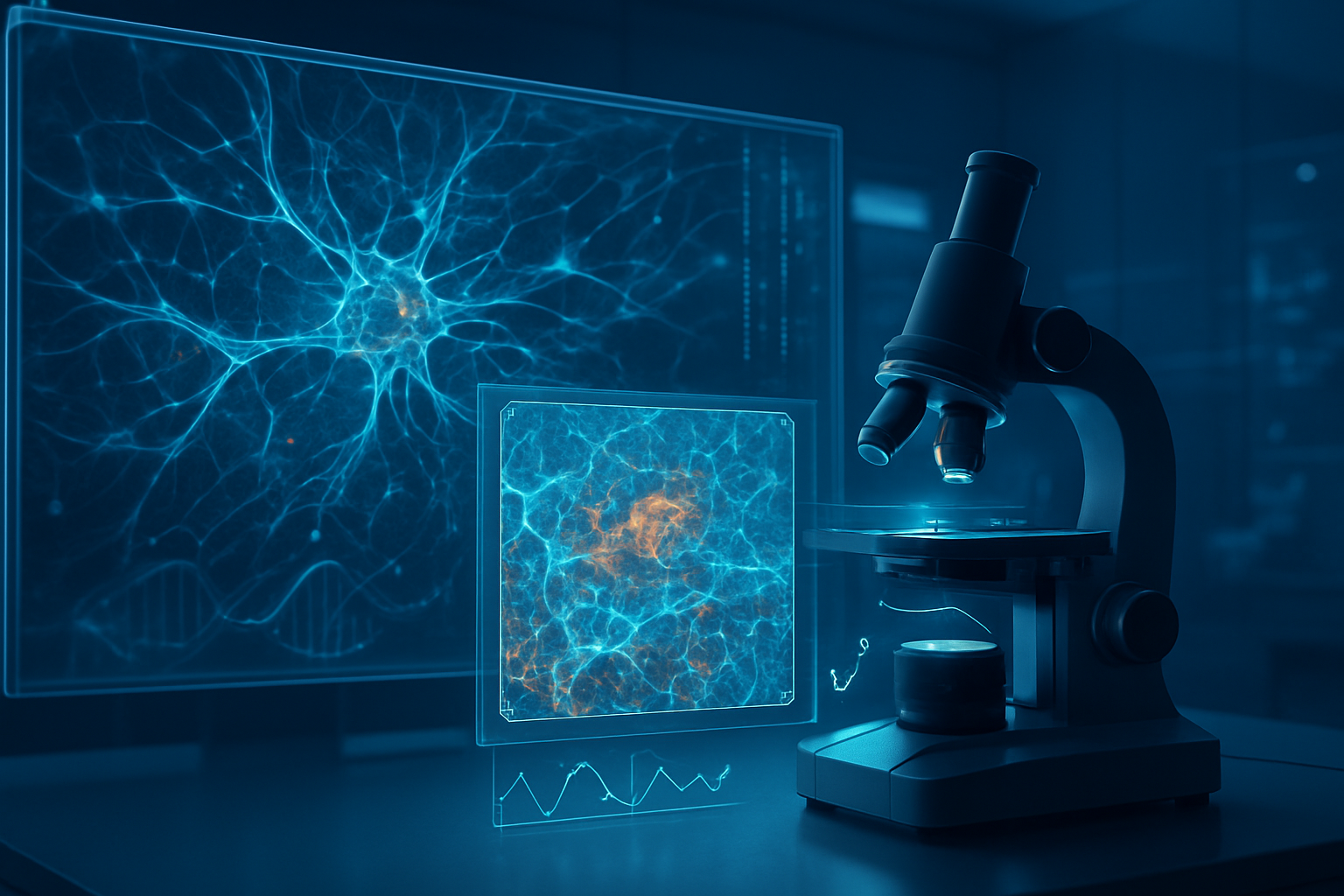
    In a landmark achievement for computational medicine, researchers at Harvard Medical School have developed a "generalist" artificial intelligence model that is fundamentally reshaping the landscape of oncology. Known as the Clinical Histopathology Imaging Evaluation Foundation (CHIEF), this AI system has demonstrated a staggering 98% accuracy in diagnosing rare and metastatic cancers, while simultaneously predicting patient survival rates across 19 different anatomical sites. Unlike the "narrow" AI tools of the past, CHIEF operates as a foundation model, often referred to by the research community as the "ChatGPT of cancer diagnosis."

    The immediate significance of CHIEF lies in its versatility and its ability to see what the human eye cannot. By analyzing standard pathology slides, the model can identify tumor cells, predict molecular mutations, and forecast long-term clinical outcomes with a level of precision that was previously unattainable. As of early 2026, CHIEF has moved from a theoretical breakthrough published in Nature to a cornerstone of digital pathology, offering a standardized, high-performance diagnostic layer that can be deployed across diverse clinical settings globally.

    The Technical Core: Beyond Narrow AI

    Technically, CHIEF represents a departure from traditional supervised learning models that require thousands of manually labeled images. Instead, the Harvard team utilized a self-supervised learning approach, pre-training the model on a massive dataset of 15 million unlabeled image patches. This was followed by a refinement process using 60,530 whole-slide images (WSIs) spanning 19 different organ systems, including the lung, breast, prostate, and brain. By ingesting approximately 44 terabytes of high-resolution data, CHIEF learned the "geometry and grammar" of human tissue, allowing it to generalize its knowledge across different types of cancer without needing specific re-training for each organ.

    The performance metrics of CHIEF are unparalleled. In validation tests involving over 19,400 slides from 24 hospitals worldwide, the model achieved nearly 94% accuracy in general cancer detection. However, its most impressive feat is its 98% accuracy rate in identifying rare and metastatic cancers—areas where even experienced pathologists often face significant challenges. Furthermore, CHIEF can predict genetic mutations directly from a standard microscope slide, such as the EZH2 mutation in lymphoma (96% accuracy) and BRAF in thyroid cancer (89% accuracy), effectively bypassing the need for expensive and time-consuming genomic sequencing in many cases.

    Beyond simple detection, CHIEF excels at prognosis. By analyzing the "tumor microenvironment"—the complex interplay between immune cells, blood vessels, and connective tissue—the model can distinguish between patients with long-term and short-term survival prospects with an accuracy 8% to 10% higher than previous state-of-the-art AI systems. It generates heat maps that visualize "hot spots" of tumor aggressiveness, providing clinicians with a visual roadmap of a patient's specific cancer profile.

    The AI research community has hailed CHIEF as a "Swiss Army Knife" for pathology. Experts note that while previous models were "narrow"—meaning a model trained for lung cancer could not be used for breast cancer—CHIEF’s foundation model architecture allows it to be "plug-and-play." This robustness ensures that the model maintains its accuracy even when analyzing slides prepared with different staining techniques or digitized by different scanners, a hurdle that has historically limited the clinical adoption of medical AI.

    Market Disruption and Corporate Strategic Shifts

    The rise of foundation models like CHIEF is creating a seismic shift for major technology and healthcare companies. NVIDIA (NASDAQ:NVDA) stands as a primary beneficiary, as the massive computational power required to train and run CHIEF-scale models has cemented the company’s H100 and B200 GPU architectures as the essential infrastructure for the next generation of medical AI. NVIDIA has increasingly positioned healthcare as its most lucrative "generative AI" vertical, using breakthroughs like CHIEF to forge deeper ties with hospital networks and diagnostic manufacturers.

    For traditional diagnostic giants like Roche (OTC:RHHBY), CHIEF presents a complex "threat and opportunity" dynamic. Roche’s core business includes the sale of molecular sequencing kits and diagnostic assays. CHIEF’s ability to predict genetic mutations directly from a $20 pathology slide could potentially disrupt the market for $3,000 genomic tests. To counter this, Roche has actively collaborated with academic institutions to integrate foundation models into their own digital pathology workflows, aiming to remain the "operating system" for the modern lab.

    Similarly, GE Healthcare (NASDAQ:GEHC) and Johnson & Johnson (NYSE:JNJ) are racing to integrate CHIEF-like capabilities into their imaging and surgical platforms. GE Healthcare has been particularly aggressive in its vision of a "digital pathology app store," where CHIEF could serve as a foundational layer upon which other specialized diagnostic tools are built. This consolidation of AI tools into a single, generalist model reduces the "vendor fatigue" felt by hospitals, which previously had to manage dozens of siloed AI applications for different diseases.

    The competitive landscape is also shifting for AI startups. While the "narrow AI" startups of the early 2020s are struggling to compete with the breadth of CHIEF, new ventures are emerging that focus on "fine-tuning" Harvard’s open-source architecture for specific clinical trials or ultra-rare diseases. This democratization of high-end AI allows smaller institutions to leverage expert-level diagnostic power without the billion-dollar R&D budgets of Big Tech.

    Wider Significance: The Dawn of Generalist Medical AI

    In the broader AI landscape, CHIEF marks the arrival of Generalist Medical AI (GMAI). This trend mirrors the evolution of Large Language Models (LLMs) like GPT-4, which moved away from task-specific programming toward broad, multi-purpose intelligence. CHIEF’s success proves that the "foundation model" approach is not just for text and images but is deeply applicable to the biological complexities of human disease. This shift is expected to accelerate the move toward "precision medicine," where treatment is tailored to the specific biological signature of an individual’s tumor.

    However, the widespread adoption of such a powerful tool brings significant concerns. The "black box" nature of AI remains a point of contention; while CHIEF provides heat maps to explain its reasoning, the underlying neural pathways that lead to a 98% accuracy rating are not always fully transparent to human clinicians. There are also valid concerns regarding health equity. If CHIEF is trained primarily on datasets from Western hospitals, its performance on diverse global populations must be rigorously validated to ensure that its "98% accuracy" holds true for all patients, regardless of ethnicity or geographic location.

    Comparatively, CHIEF is being viewed as the "AlphaFold moment" for pathology. Just as Google DeepMind’s AlphaFold solved the protein-folding problem, CHIEF is seen as solving the "generalization problem" in digital pathology. It has moved the conversation from "Can AI help a pathologist?" to "How can we safely integrate this AI as the primary diagnostic screening layer?" This transition marks a fundamental change in the role of the pathologist, who is evolving from a manual observer to a high-level data interpreter.

    Future Horizons: Clinical Trials and Drug Discovery

    Looking ahead, the near-term focus for CHIEF and its successors will be regulatory approval and clinical integration. While the model has been validated on retrospective data, prospective clinical trials are currently underway to determine how its use affects patient outcomes in real-time. Experts predict that within the next 24 months, we will see the first FDA-cleared "generalist" pathology models that can be used for primary diagnosis across multiple cancer types simultaneously.

    The potential applications for CHIEF extend beyond the hospital walls. In the pharmaceutical industry, companies like Illumina (NASDAQ:ILMN) and others are exploring how CHIEF can be used to identify patients who are most likely to respond to specific immunotherapies. By identifying subtle morphological patterns in tumor slides, CHIEF could act as a powerful "biomarker discovery engine," significantly reducing the cost and failure rate of clinical trials for new cancer drugs.

    Challenges remain, particularly in the realm of data privacy and the "edge" deployment of these models. Running a 44-terabyte-trained model requires significant local compute or secure cloud access, which may be a barrier for rural or under-resourced clinics. Addressing these infrastructure gaps will be the next major hurdle for the tech industry as it seeks to scale Harvard’s breakthrough to the global population.

    Final Assessment: A Pillar of Modern Oncology

    Harvard’s CHIEF AI stands as a definitive milestone in the history of medical technology. By achieving 98% accuracy in rare cancer diagnosis and providing superior survival predictions across 19 cancer types, it has proven that foundation models are the future of clinical diagnostics. The transition from narrow, organ-specific AI to generalist systems like CHIEF marks the beginning of a new era in oncology—one where "invisible" biological signals are transformed into actionable clinical insights.

    As we move through 2026, the tech industry and the medical community will be watching closely to see how these models are governed and integrated into the standard of care. The key takeaways are clear: AI is no longer just a supportive tool; it is becoming the primary engine of diagnostic precision. For patients, this means faster diagnoses, more accurate prognoses, and treatments that are more closely aligned with their unique biological reality.


    This content is intended for informational purposes only and represents analysis of current AI developments.

    TokenRing AI delivers enterprise-grade solutions for multi-agent AI workflow orchestration, AI-powered development tools, and seamless remote collaboration platforms.
    For more information, visit https://www.tokenring.ai/.
  • Beyond the Human Eye: AI Breakthroughs in 2025 Redefine Early Dementia and Cancer Diagnosis

    Beyond the Human Eye: AI Breakthroughs in 2025 Redefine Early Dementia and Cancer Diagnosis

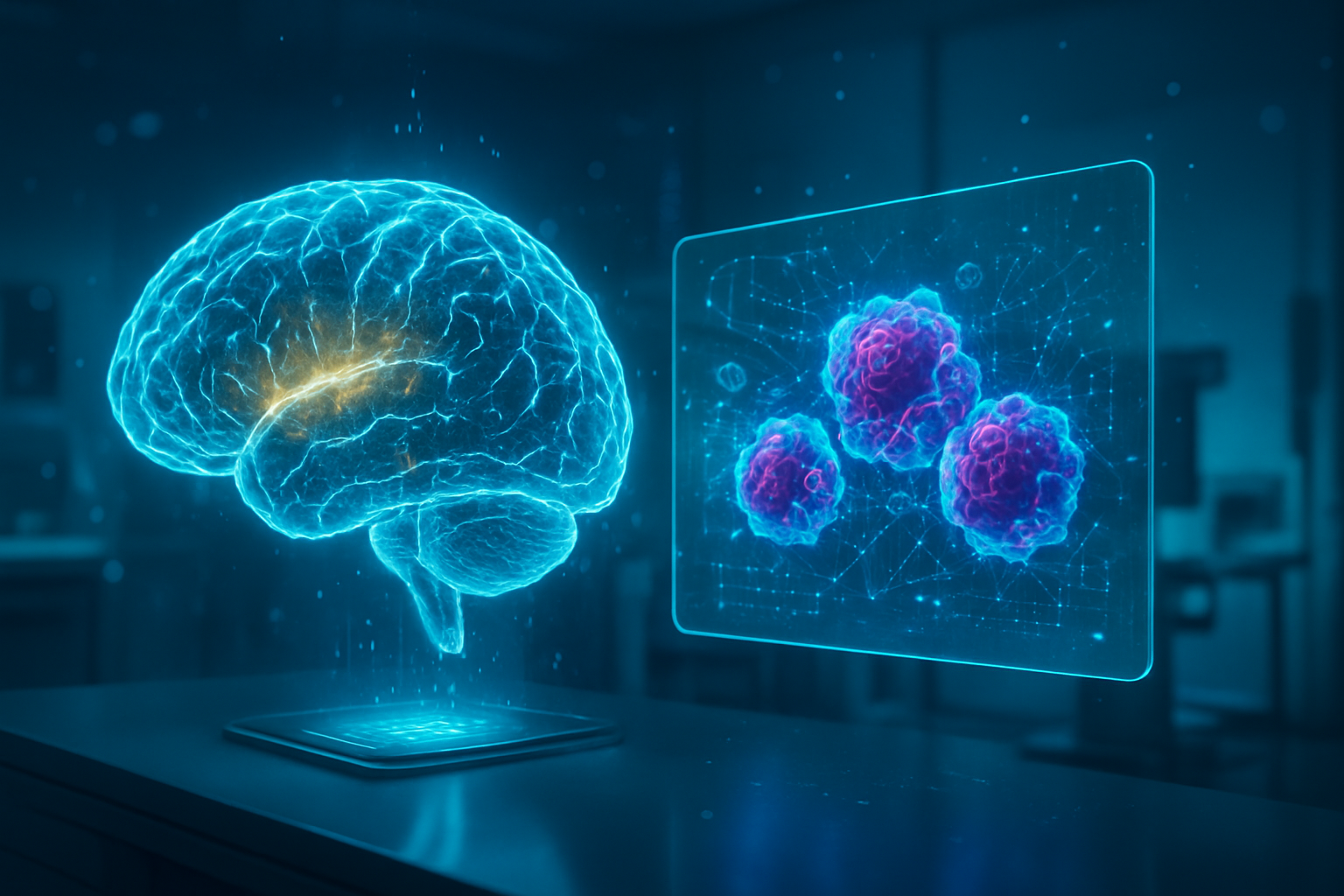
    In a landmark year for medical technology, 2025 has witnessed a seismic shift in how clinicians diagnose two of humanity’s most daunting health challenges: neurodegenerative disease and cancer. Through the deployment of massive "foundation models" and novel deep learning architectures, artificial intelligence has officially moved beyond experimental pilots into a realm of clinical utility where it consistently outperforms human specialists in specific diagnostic tasks. These breakthroughs—specifically in the analysis of electroencephalogram (EEG) signals for dementia and gigapixel pathology slides for oncology—mark the arrival of "Generalist Medical AI," a new era where machines detect the whispers of disease years before they become a roar.

    The immediate significance of these developments cannot be overstated. By achieving higher-than-human accuracy in identifying cancerous "micrometastases" and distinguishing between complex dementia subtypes like Alzheimer’s and Frontotemporal Dementia (FTD), AI is effectively solving the "diagnostic bottleneck." These tools are not merely assisting doctors; they are providing a level of granular analysis that was previously physically impossible for the human eye and brain to achieve within the time constraints of modern clinical practice. For patients, this means earlier intervention, more personalized treatment plans, and a significantly higher chance of survival and quality of life.

    The Technical Frontier: Foundation Models and Temporal Transformers

    The technical backbone of these breakthroughs lies in a transition from narrow, task-specific algorithms to broad "foundation models" (FMs). In the realm of pathology, the collaboration between Paige.ai and Microsoft (NASDAQ: MSFT) led to the release of Virchow2G, a 1.8-billion parameter model trained on over 3 million whole-slide images. Unlike previous iterations that relied on supervised learning—where humans had to label every cell—Virchow2G utilizes Self-Supervised Learning (SSL) via the DINOv2 architecture. This allows the AI to learn the "geometry" and "grammar" of human tissue autonomously, enabling it to identify over 40 different tissue types and rare cancer variants with unprecedented precision. Similarly, Harvard Medical School’s CHIEF (Clinical Histopathology Imaging Evaluation Foundation) model has achieved a staggering 96% accuracy across 19 different cancer types by treating pathology slides like a massive language, "reading" the cellular patterns to predict molecular profiles that previously required expensive genetic sequencing.

    In the field of neurology, the breakthrough comes from the ability to decode the "noisy" data of EEG signals. Researchers at Örebro University and Florida Atlantic University (FAU) have pioneered models that combine Temporal Convolutional Networks (TCNs) with Attention-based Long Short-Term Memory (LSTM) units. These models are designed to capture the subtle temporal dependencies in brain waves that indicate neurodegeneration. By breaking EEG signals into frequency bands—alpha, beta, and gamma—the AI has identified that "slow" delta waves in the frontal cortex are a universal biomarker for early-stage dementia. Most notably, a new federated learning model released in late 2025 allows hospitals to train these systems on global datasets without ever sharing sensitive patient data, achieving a diagnostic accuracy of over 97% for Alzheimer’s detection.

    These advancements differ from previous approaches by solving the "scale" and "explainability" problems. Earlier AI models often failed when applied to data from different hospitals or scanners. The 2025 generation of models, however, are "hardware agnostic" and utilize tools like Grad-CAM (Gradient-weighted Class Activation Mapping) to provide clinicians with visual heatmaps. When the AI flags a pathology slide or an EEG reading, it shows the doctor exactly which cellular cluster or frequency shift triggered the alert, bridging the gap between "black box" algorithms and actionable clinical insights.

    The Industrial Ripple Effect: Tech Giants and the Diagnostic Disruption

    The commercial landscape for healthcare AI has been radically reshaped by these breakthroughs. Microsoft (NASDAQ: MSFT) has emerged as a dominant infrastructure provider, not only through its partnership with Paige but also via its Prov-GigaPath model, which uses a "LongNet" architecture to analyze entire gigapixel images in one pass. By providing the supercomputing power necessary to train these multi-billion parameter models, Microsoft is positioning itself as the "operating system" for the modern digital pathology lab. Meanwhile, Alphabet Inc. (NASDAQ: GOOGL), through its Google DeepMind and Google Health divisions, has focused on "Generalist Medical AI" with its C2S-Scale model, which is now being used to generate novel hypotheses about cancer cell behavior, moving the company from a diagnostic aid to a drug discovery powerhouse.

    The hardware layer of this revolution is firmly anchored by NVIDIA (NASDAQ: NVDA). The company’s Blackwell GPU architecture has become the gold standard for training medical foundation models, with institutions like the Mayo Clinic utilizing NVIDIA’s "BioNeMo" platform to scale their diagnostic reach. This has created a high barrier to entry for smaller startups, though firms like Bioptimus have found success by releasing high-performing open-source models like H-optimus-1, challenging the proprietary dominance of the tech giants.

    For existing diagnostic service providers, this is a moment of profound disruption. Traditional pathology labs and neurology clinics that rely solely on manual review are facing immense pressure to integrate AI-driven workflows. The strategic advantage has shifted to those who possess the largest proprietary datasets—leading to a "data gold rush" where hospitals are increasingly partnering with AI labs to monetize their historical archives of slides and EEG recordings. This shift is expected to consolidate the market, as smaller labs may struggle to afford the licensing fees for top-tier AI diagnostic tools, potentially leading to a new era of "diagnostic-as-a-service" models.

    Wider Significance: Democratization and the Ethics of the "Black Box"

    Beyond the balance sheets, these breakthroughs represent a fundamental shift in the broader AI landscape. We are moving away from "AI as a toy" (LLMs for writing emails) to "AI as a critical infrastructure" for human survival. The success in pathology and EEG analysis serves as a proof of concept for multimodal AI—systems that can eventually combine a patient’s genetic data, imaging, and real-time sensor data into a single, unified health forecast. This is the realization of "Precision Medicine 2.0," where treatment is tailored not to a general disease category, but to the specific cellular and electrical signature of an individual patient.

    However, this progress brings significant concerns. The "higher-than-human accuracy" of these models—such as the 99.26% accuracy in detecting endometrial cancer versus the ~80% human average—raises difficult questions about liability and the role of the physician. If an AI and a pathologist disagree, who has the final word? There is also the risk of "diagnostic inflation," where AI detects tiny abnormalities that might never have progressed to clinical disease, leading to over-treatment and increased patient anxiety. Furthermore, the reliance on massive datasets from Western populations raises concerns about diagnostic equity, as models trained on specific demographics may not perform with the same accuracy for patients in the Global South.

    Comparatively, the 2025 breakthroughs in medical AI are being viewed by historians as the "AlphaFold moment" for clinical diagnostics. Just as DeepMind’s AlphaFold solved the protein-folding problem, these new models are solving the "feature extraction" problem in human biology. They are identifying patterns in the chaos of biological data that were simply invisible to the human species for the last century of medical practice.

    The Horizon: Wearables, Real-Time Surgery, and the Road Ahead

    Looking toward 2026 and beyond, the next frontier is the "miniaturization" and "real-time integration" of these models. In neurology, the goal is to move the high-accuracy EEG models from the clinic into consumer wearables. Experts predict that within the next 24 months, high-end smart headbands will be able to monitor for the "pre-symptomatic" signatures of Alzheimer’s in real-time, alerting users to seek medical intervention years before memory loss begins. This shift from reactive to proactive monitoring could fundamentally alter the trajectory of the aging population.

    In oncology, the focus is shifting to "intraoperative AI." Research is currently underway to integrate pathology foundation models into surgical microscopes. This would allow surgeons to receive real-time, AI-powered feedback during a tumor resection, identifying "positive margins" (cancer cells left at the edge of a surgical site) while the patient is still on the table. This would drastically reduce the need for follow-up surgeries and improve long-term outcomes.

    The primary challenge remaining is regulatory. While the technology has outpaced human performance, the legal and insurance frameworks required to support AI-first diagnostics are still in their infancy. Organizations like the FDA and EMA are currently grappling with how to "validate" an AI model that continues to learn and evolve after it has been deployed. Experts predict that the coming year will be defined by a "regulatory reckoning," as governments attempt to catch up with the blistering pace of medical AI innovation.

    Conclusion: A Milestone in the History of Intelligence

    The breakthroughs of 2025 in EEG-based dementia detection and AI-powered pathology represent a definitive milestone in the history of artificial intelligence. We have moved past the era of machines mimicking human intelligence to an era where machines provide a "super-human" perspective on our own biology. By identifying the earliest flickers of neurodegeneration and the most minute clusters of malignancy, AI has effectively extended the "diagnostic window," giving humanity a crucial head start in the fight against its most persistent biological foes.

    As we look toward the final days of 2025, the significance of this development is clear: the integration of AI into healthcare is no longer a future prospect—it is the current standard of excellence. The long-term impact will be measured in millions of lives saved and a fundamental restructuring of the global healthcare system. In the coming weeks and months, watch for the first wave of "AI-native" diagnostic clinics to open, and for the results of the first large-scale clinical trials where AI, not a human, was the primary diagnostic lead. The era of the "AI-augmented physician" has arrived, and medicine will never be the same.


    This content is intended for informational purposes only and represents analysis of current AI developments.

    TokenRing AI delivers enterprise-grade solutions for multi-agent AI workflow orchestration, AI-powered development tools, and seamless remote collaboration platforms.
    For more information, visit https://www.tokenring.ai/.
  • AI Breakthrough: Ohio State Study Uses Advanced AI to Predict Seizure Outcomes, Paving Way for Personalized Epilepsy Treatments

    AI Breakthrough: Ohio State Study Uses Advanced AI to Predict Seizure Outcomes, Paving Way for Personalized Epilepsy Treatments

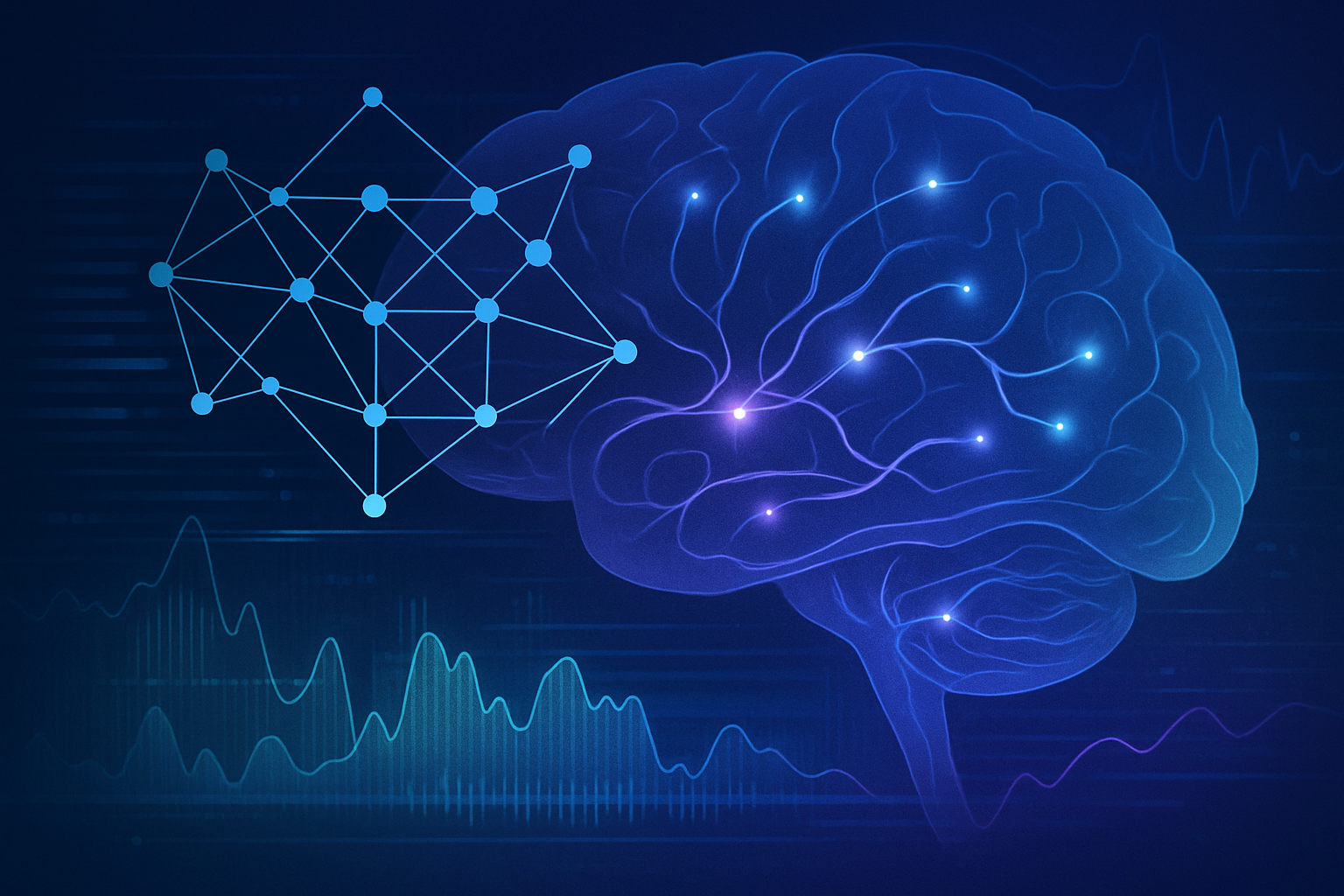
    COLUMBUS, OH – October 2, 2025 – In a monumental leap forward for neuroscience and artificial intelligence, researchers at The Ohio State University have unveiled a groundbreaking study demonstrating the successful use of AI tools to predict seizure outcomes in mouse models. By meticulously analyzing subtle fine motor differences, this innovative approach promises to revolutionize the diagnosis, treatment, and understanding of epilepsy, offering new hope for millions worldwide.

    The study, announced today, highlights AI's unparalleled ability to discern complex behavioral patterns that are imperceptible to the human eye. This capability could lead to the development of highly personalized treatment strategies, significantly improving the quality of life for individuals living with epilepsy and accelerating the development of new anti-epileptic drugs. The immediate significance lies in establishing a robust, objective framework for epilepsy research, moving beyond subjective observational methods.

    Unpacking the AI's Precision: A Deeper Dive into Behavioral Analytics

    At the heart of this pioneering research, spearheaded by Dr. Bin Gu, an assistant professor with Ohio State's Department of Neuroscience and senior author of the study, lies the application of two sophisticated AI-aided tools. These tools were designed to decode and quantify minute behavioral and action domains associated with induced seizures in mouse models. While the specific proprietary names of these tools were not explicitly detailed in the announcement, the methodology aligns with advanced machine learning techniques, such as motion sequencing (MoSeq), which utilizes 3D video analysis to track and quantify the behavior of freely moving mice without human bias.

    This AI-driven methodology represents a significant departure from previous approaches, which largely relied on manual video inspection. Such traditional methods are inherently subjective, time-consuming, and prone to overlooking critical behavioral nuances and dynamic movement patterns during seizures. The AI's ability to process vast amounts of video data with unprecedented accuracy allows for the objective identification and classification of seizure types and, crucially, the prediction of their outcomes. The study examined 32 genetically diverse inbred mouse strains, mirroring the genetic variability seen in human populations, and also included a mouse model of Angelman syndrome, providing a rich dataset for the AI to learn from.

    The technical prowess of these AI tools lies in their capacity for granular analysis of movement. They can detect and differentiate between extremely subtle motor patterns—such as slight head tilts, changes in gait, or minute muscle twitches—that serve as biomarkers for seizure progression and severity. This level of detail was previously unattainable, offering researchers a new lens through which to understand the complex neurobiological underpinnings of epilepsy. The initial reaction from the AI research community and industry experts has been overwhelmingly positive, hailing it as a significant step towards truly data-driven neuroscience.

    Reshaping the Landscape: Implications for AI Companies and Tech Giants

    This breakthrough has profound implications for a wide array of AI companies, tech giants, and startups. Companies specializing in computer vision, machine learning, and advanced data analytics stand to benefit immensely. Firms developing AI platforms for medical diagnostics, behavioral analysis, and drug discovery could integrate or adapt similar methodologies, expanding their market reach within the lucrative healthcare sector. Companies like Alphabet (NASDAQ: GOOGL), with its DeepMind AI division, or NVIDIA (NASDAQ: NVDA), a leader in AI computing hardware, could leverage or further develop such analytical tools, potentially leading to new product lines or strategic partnerships in medical research.

    The competitive landscape for major AI labs is likely to intensify, with a renewed focus on applications in precision medicine and neurodegenerative diseases. This development could disrupt existing diagnostic products or services that rely on less objective or efficient methods. Startups focusing on AI-powered medical devices or software for neurological conditions might see an influx of investment and accelerate their product development, positioning themselves as leaders in this emerging niche. The strategic advantage will go to those who can rapidly translate this research into scalable, clinically viable solutions, fostering a new wave of innovation in health AI.

    Furthermore, this research underscores the growing importance of explainable AI (XAI) in medical contexts. As AI systems become more integral to critical diagnoses and predictions, the ability to understand why an AI makes a certain prediction will be paramount for regulatory approval and clinical adoption. Companies that can build transparent and interpretable AI models will gain a significant competitive edge, ensuring trust and facilitating integration into clinical workflows.

    Broader Significance: A New Era for AI in Healthcare

    The Ohio State study fits seamlessly into the broader AI landscape, signaling a significant trend towards AI's increasing sophistication in interpreting complex biological data. It highlights AI's potential to move beyond pattern recognition in static datasets to dynamic, real-time behavioral analysis, a capability that has vast implications across various medical fields. This milestone builds upon previous AI breakthroughs in image recognition for radiology and pathology, extending AI's diagnostic power into the realm of neurological and behavioral disorders.

    The impacts are far-reaching. Beyond epilepsy, similar AI methodologies could be applied to other neurological conditions characterized by subtle motor impairments, such as Parkinson's disease, Huntington's disease, or even early detection of autism spectrum disorders. The potential for early and accurate diagnosis could transform patient care, enabling interventions at stages where they are most effective. However, potential concerns include data privacy, the ethical implications of predictive diagnostics, and the need for rigorous validation in human clinical trials to ensure the AI's predictions are robust and generalizable.

    This development can be compared to previous AI milestones such as DeepMind's AlphaFold for protein folding prediction or Google's (NASDAQ: GOOGL) AI for diabetic retinopathy detection. Like these, the Ohio State study demonstrates AI's capacity to tackle problems previously deemed intractable, opening up entirely new avenues for scientific discovery and medical intervention. It reaffirms AI's role not just as a tool for automation but as an intelligent partner in scientific inquiry.

    The Horizon: Future Developments and Applications

    Looking ahead, the near-term developments will likely focus on refining these AI models, expanding their application to a wider range of seizure types and epilepsy syndromes, and validating their predictive power in more complex animal models. Researchers will also work towards identifying the specific neural correlates of the fine motor differences detected by the AI, bridging the gap between observable behavior and underlying brain activity. The ultimate goal is to transition this technology from mouse models to human clinical settings, which will involve significant challenges in data collection, ethical considerations, and regulatory approvals.

    Potential applications on the horizon are transformative. Imagine smart wearables that continuously monitor individuals at risk of epilepsy, using AI to detect subtle pre-seizure indicators and alert patients or caregivers, enabling timely intervention. This could significantly reduce injury and improve quality of life. Furthermore, this technology could accelerate drug discovery by providing a more objective and efficient means of screening potential anti-epileptic compounds, dramatically cutting down the time and cost associated with bringing new treatments to market.

    Experts predict that the next phase will involve integrating these behavioral AI models with other diagnostic modalities, such as EEG and neuroimaging, to create a multi-modal predictive system. Challenges will include developing robust algorithms that can handle the variability of human behavior, ensuring ethical deployment, and establishing clear guidelines for clinical implementation. The interdisciplinary nature of this research, combining neuroscience, computer science, and clinical medicine, will be crucial for overcoming these hurdles.

    A New Chapter in AI-Powered Healthcare

    The Ohio State University's pioneering study marks a significant chapter in the history of AI in healthcare. It underscores the profound impact that advanced computational techniques can have on understanding and combating complex neurological disorders. By demonstrating AI's ability to precisely predict seizure outcomes through the analysis of fine motor differences, this research provides a powerful new tool for clinicians and researchers alike.

    The key takeaway is the validation of AI as an indispensable partner in precision medicine, offering objectivity and predictive power beyond human capabilities. This development's significance in AI history lies in its push towards highly granular, dynamic behavioral analysis, setting a new precedent for how AI can be applied to subtle biological phenomena. As we move forward, watch for increased collaboration between AI researchers and medical professionals, the emergence of new AI-driven diagnostic tools, and accelerated progress in the development of targeted therapies for epilepsy and other neurological conditions. The future of AI in healthcare just got a whole lot more exciting.

    This content is intended for informational purposes only and represents analysis of current AI developments.

    TokenRing AI delivers enterprise-grade solutions for multi-agent AI workflow orchestration, AI-powered development tools, and seamless remote collaboration platforms.
    For more information, visit https://www.tokenring.ai/.