
Tag: Medical Imaging

  • AI-Assisted Ultrasounds Mark a New Era in Detecting Congenital Heart Defects

    AI-Assisted Ultrasounds Mark a New Era in Detecting Congenital Heart Defects

    A groundbreaking convergence of artificial intelligence and medical imaging is poised to revolutionize prenatal care, dramatically improving the detection of congenital heart defects (CHDs). This significant breakthrough promises earlier diagnoses, more timely interventions, and ultimately, enhanced outcomes for countless newborns affected by these common birth abnormalities. The integration of AI into routine prenatal ultrasounds is not merely an incremental improvement but a transformative leap, offering a crucial "second opinion" that augments clinician expertise and addresses the critical shortage of specialized fetal cardiologists.

    Recent advancements, particularly the FDA clearance of AI-enabled software from companies like BrightHeart in November 2024, signal the readiness of these technologies for widespread clinical adoption. Studies have already demonstrated remarkable efficacy, with AI-powered systems boosting the detection rates of suspicious findings for major CHDs to over 97%. Beyond accuracy, AI assistance has been shown to reduce reading times by 18% and increase clinician confidence by 19%, streamlining the diagnostic process and allowing medical professionals to reach conclusions with greater assurance. This is especially impactful in settings where ultrasounds are performed by general obstetricians, who may lack extensive training in fetal heart abnormalities, thereby leveling the playing field for prenatal diagnosis globally.

    The Technical Edge: Deep Learning Deciphers Tiny Hearts

    The core of AI-assisted ultrasound for CHD detection lies in sophisticated deep learning models, primarily various architectures of Convolutional Neural Networks (CNNs). These networks are meticulously trained on vast datasets of ultrasound images and videos—sometimes comprising over 90,000 exams—to analyze complex patterns in fetal cardiac anatomy. Techniques like ensemble methods, YOLO (You Only Look Once) variants, and DenseNet, have achieved impressive sensitivity and specificity, often surpassing traditional human-only diagnostic methods. For instance, some AI algorithms detect CHDs with 95-96% accuracy, compared to 88-90% for traditional approaches.

    These AI systems differ fundamentally from previous approaches by significantly reducing operator dependence. Traditional fetal echocardiography is highly reliant on the sonographer's skill and experience, making it susceptible to variability. AI addresses this by automating image acquisition, segmenting complex anatomy, performing precise measurements, and flagging potential abnormalities. Tools can automatically measure heart chamber sizes, calculate ejection fractions, and provide automated assessments for 2D, Doppler, and M-mode images, performing these tasks accurately and in seconds. Furthermore, explainable AI (XAI) is being integrated to improve the interpretability of AI decisions, fostering greater trust among clinicians. Companies like UltraSight (TLV: ULTR) utilize geometrical deep learning to guide cardiac ultrasound image acquisition in real-time, ensuring diagnostic-quality images even for less experienced operators.

    Initial reactions from both the AI research community and medical experts have been overwhelmingly positive. There's a strong consensus that AI acts as an "augmented intelligence" tool, enhancing human expertise rather than replacing it. While recognizing the transformative potential for improved outcomes and increased access to care, experts also emphasize the need for continued validation, ethical considerations, and a collaborative approach where AI assists, and humans confirm. The FDA 510(k) clearances for BrightHeart and Sonio (EPA: ALSON) software signify a crucial regulatory endorsement, paving the way for broader clinical adoption.

    Reshaping the Medical AI Landscape: Winners and Disruptors

    The advent of AI-assisted ultrasounds for CHD detection is having a profound impact across the AI industry, creating both opportunities and competitive pressures for startups, tech giants, and established medical imaging companies. This technology is not just an enhancement; it's a catalyst for market repositioning and strategic advantages.

    Specialized startups are at the forefront of this innovation. BrightHeart (Paris, France), with its FDA-cleared B-Right platform, stands to significantly benefit by integrating its AI into standard ultrasound equipment, showing improvements in detection rates and reduced reading times. Sonio (Paris, France), another FDA-cleared femtech company, offers manufacturer-agnostic AI software for automated ultrasound reporting and abnormality detection. UltraSight (TLV: ULTR) is gaining traction with its AI-driven real-time guidance for cardiac ultrasound, enabling a wider range of healthcare professionals to perform high-quality cardiac exams, including through collaborations with institutions like Mayo Clinic. DeepEcho (Morocco) is also making strides with FDA 510(k) clearance for its fetal ultrasound analysis platform, aiming to democratize quality ultrasound even for minimally trained clinicians. Other notable players include Ultromics, Caption Health, and iCardio.ai, all contributing to the broader cardiac ultrasound AI space.

    Established tech giants and medical imaging companies are also strategically positioning themselves. Philips (AMS: PHIA), a global health technology leader, is integrating next-generation AI into its EPIQ CVx and Affiniti CVx ultrasound systems, leveraging AI from its acquisition of DiA Imaging Analysis and collaborations with NVIDIA (NASDAQ: NVDA). NVIDIA itself benefits immensely as the provider of foundational hardware (GPUs) and software toolkits that power many of these AI models. United Imaging (SHA: 688636) is expanding its imaging portfolio with native AI in its uSONIQUE ultrasound family. While not directly mentioned for CHD ultrasound, Google (NASDAQ: GOOGL) Research's involvement in machine learning for cardiotocography and Microsoft's (NASDAQ: MSFT) broader AI initiatives in healthcare suggest their interest in leveraging AI for clinical decision-making at scale.

    The competitive landscape is characterized by both specialization and integration. Startups focused purely on AI algorithms will compete with established companies integrating AI directly into their hardware. Partnerships are becoming crucial, with many medical IT vendors collaborating with third-party AI companies. A significant competitive advantage lies in access to large, high-quality datasets for training and regulatory clearance, which acts as a key barrier to entry. This disruption will shift the reliance from purely manual interpretation to augmented intelligence, expand point-of-care ultrasound (POCUS) capabilities, standardize screening, and drive demand for interoperable solutions that seamlessly integrate with existing medical ecosystems.

    A Wider Lens: AI's Impact on Healthcare and Society

    The widespread adoption of AI-assisted ultrasounds for CHD detection represents a significant milestone within the broader AI landscape, signaling a shift towards more precise, efficient, and accessible healthcare. This advancement aligns perfectly with the growing trends of deep learning and machine learning in medical imaging, automation for workflow efficiency, and the move towards personalized and predictive medicine. AI's ability to analyze vast amounts of medical images and patient data is enabling patient-specific insights, tailored treatment plans, and even the prediction of disease progression.

    The broader impacts are overwhelmingly positive. Earlier and more accurate diagnoses of CHDs will lead to significantly improved patient outcomes, potentially saving lives and enhancing the long-term health of affected infants. AI can also bridge critical gaps in specialist shortages, democratizing access to expert-level prenatal diagnostics in underserved and remote areas. For clinicians, AI tools will enhance workflow efficiency by automating routine tasks, reducing diagnostic errors, and alleviating burnout. Furthermore, by optimizing imaging resources and minimizing unnecessary tests, AI can contribute to substantial cost savings within healthcare systems.

    However, this transformative technology also brings important concerns. Ethical considerations include the potential for bias in AI algorithms if trained on unrepresentative datasets, leading to health disparities. Questions of accountability arise when AI-driven diagnoses are incorrect, and the "black box" nature of some AI systems challenges transparency and clinician trust. Data privacy concerns are paramount, with risks of re-identification, questions of consent for data sharing, and the ever-present threat of cybersecurity breaches. Ensuring compliance with regulations like HIPAA and GDPR is a continuous challenge. While fears of job displacement exist, the prevailing view is that AI will augment, rather than replace, roles like sonographers and radiologists, allowing them to focus on more complex cases, interdisciplinary collaboration, and patient communication. This necessitates adapting roles and continuous learning for healthcare professionals.

    Comparing this to previous AI milestones, the current development builds upon early computer-aided detection (CAD) systems of the 1980s but leverages far more sophisticated deep learning. It mirrors breakthroughs like Google's AI detecting lung cancers with higher accuracy than humans, or FDA-approved AI for diabetic retinopathy. The shift is towards AI's predictive power, forecasting diseases years in advance, and its ability to act as a collaborative, integrated tool rather than just a reactive one.

    The Horizon: What's Next for AI in Fetal Cardiology

    The future of AI-assisted ultrasounds for CHD detection is dynamic, promising continued advancements that will deepen its integration into clinical practice and expand its reach. In the near term (1-5 years), we can expect further refinement in automated image acquisition and standardization, with AI systems providing real-time guidance to ensure high-quality, consistent images regardless of operator experience. AI will increasingly act as an enhanced screening tool, identifying suspicious findings in routine scans and streamlining workflows through faster analysis and automated reporting. AI-assisted auscultation is also emerging as a complementary tool.

    Longer-term developments (5+ years) envision AI moving beyond initial detection to more sophisticated diagnostic capabilities, classifying specific CHDs with greater precision, assessing severity, and predicting outcomes. The integration of ultrasound data with other clinical parameters, such as fetal MRI and genetic information, will enable personalized prognoses and treatment planning. Research into autonomous ultrasound scanning systems for CHD identification is also underway, potentially performing screenings with minimal human intervention. The fusion of multi-modal data, combining previous medical reports with current scans, is predicted to significantly enhance diagnostic precision.

    Potential applications and use cases are vast, ranging from elevating routine prenatal screening in non-specialized settings to bridging diagnostic gaps in resource-limited areas. AI will serve as an invaluable training and education tool for sonographers and residents, accelerating their learning curve. Its integration into point-of-care ultrasound (POCUS) devices will make high-quality diagnostics more accessible at the bedside and in remote clinics.

    However, challenges remain. Continuous access to large, diverse, and high-quality datasets is crucial for developing robust and unbiased AI algorithms. Seamless clinical integration requires addressing clinician acceptance, guarding against "algorithm aversion" or "automation bias." Ensuring algorithm generalization across diverse populations and equipment, alongside robust ethical frameworks for data privacy and accountability, will be paramount. Regulatory bodies like the FDA and the EU are actively developing frameworks for AI in medical devices, focusing on transparency, explainability, and managing continuously learning algorithms.

    Experts predict that AI will fundamentally transform cardiac care, not by replacing human experts, but by empowering a wider range of medical professionals to capture and analyze high-quality cardiac images more effectively. This "accelerator for access" will provide more data from more patients, faster than ever before. Clinicians foresee AI-based software significantly improving detection rates even among non-specialists, driving earlier diagnoses and positively impacting neonatal outcomes. A thorough understanding of AI's uses and pitfalls is expected to become a mandatory skill for healthcare professionals in fetal cardiology.

    A New Chapter in Medical Diagnostics

    The rapid evolution of AI-assisted ultrasounds for congenital heart defect detection marks a pivotal moment in medical history. This development signifies a profound shift in prenatal diagnostics, offering unprecedented opportunities to improve lives by catching critical conditions earlier and more accurately. The key takeaways are clear: AI is enhancing diagnostic precision, democratizing access to expert-level care, and streamlining clinical workflows, all while presenting a new frontier for ethical and practical considerations.

    This breakthrough is not just an incremental improvement; it's a testament to AI's growing maturity and its capacity to address complex, life-critical challenges in healthcare. It underscores AI's role as a collaborative partner, augmenting human intelligence and extending the reach of specialized medical expertise. The long-term impact will undoubtedly reshape prenatal care, leading to healthier starts for countless infants and more efficient healthcare systems globally.

    In the coming weeks and months, the focus will be on the broader adoption and implementation of FDA-approved AI software tools in more hospitals and imaging centers. Further clinical trials and real-world data will be crucial for validating the long-term efficacy and impact on patient outcomes. We must also watch for the continued evolution of regulatory guidelines, particularly concerning data privacy, algorithmic transparency, and accountability. The integration of multi-modal data, combining imaging with patient history, will be a key area of development. Finally, the ongoing dialogue around physician training, addressing data bias, and navigating ethical concerns will shape the responsible and equitable deployment of these powerful AI tools. This new chapter in medical diagnostics promises to be one of profound positive change, demanding careful stewardship and continuous innovation.


    This content is intended for informational purposes only and represents analysis of current AI developments.

    TokenRing AI delivers enterprise-grade solutions for multi-agent AI workflow orchestration, AI-powered development tools, and seamless remote collaboration platforms.
    For more information, visit https://www.tokenring.ai/.

  • Beyond Aesthetics: Medical AI Prioritizes Reliability and Accuracy for Clinical Trust

    Beyond Aesthetics: Medical AI Prioritizes Reliability and Accuracy for Clinical Trust

    In a pivotal shift for artificial intelligence in healthcare, researchers and developers are increasingly focusing on the reliability and diagnostic accuracy of AI methods for processing medical images, moving decisively beyond mere aesthetic quality. This re-prioritization underscores a maturing understanding of AI's critical role in clinical settings, where the stakes are inherently high, and trust in technology is paramount. The immediate significance of this focus is a drive towards AI solutions that deliver genuinely trustworthy and clinically meaningful insights, capable of augmenting human expertise and improving patient outcomes.

    Technical Nuances: The Pursuit of Precision

    The evolution of AI in medical imaging is marked by several sophisticated technical advancements designed to enhance diagnostic utility, interpretability, and robustness. Generative AI (GAI), utilizing models like Generative Adversarial Networks (GANs) and diffusion models, is now employed not just for image enhancement but critically for data augmentation, creating synthetic medical images to address data scarcity for rare diseases. This allows for the training of more robust AI models, even enabling multimodal translation, such as converting MRI data to CT formats for safer radiotherapy planning. These methods differ significantly from previous approaches that might have prioritized visually pleasing results, as the new focus is on extracting subtle pathological signals, even from low-quality images, to improve diagnosis and patient safety.

    Self-Supervised Learning (SSL) and Contrastive Learning (CL) are also gaining traction, reducing the heavy reliance on costly and time-consuming manually annotated datasets. SSL models are pre-trained on vast volumes of unlabeled medical images, learning powerful feature representations that significantly improve the accuracy and robustness of classifiers for tasks like lung nodule and breast cancer detection. This approach fosters better generalization across different imaging modalities, hinting at the emergence of "foundation models" for medical imaging. Furthermore, Federated Learning (FL) offers a privacy-preserving solution to overcome data silos, allowing multiple institutions to collaboratively train AI models without directly sharing sensitive patient data, addressing a major ethical and practical hurdle.

    Crucially, the integration of Explainable AI (XAI) and Uncertainty Quantification (UQ) is becoming non-negotiable. XAI techniques (e.g., saliency maps, Grad-CAM) provide insights into how AI models arrive at their decisions, moving away from opaque "black-box" models and building clinician trust. UQ methods quantify the AI's confidence in its predictions, vital for identifying cases where the model might be less reliable, prompting human expert review. Initial reactions from the AI research community and industry experts are largely enthusiastic about AI's potential to revolutionize diagnostics, with studies showing AI-assisted radiologists can be more accurate and reduce diagnostic errors. However, there is cautious optimism, with a strong emphasis on rigorous validation, addressing data bias, and the need for AI to serve as an assistant rather than a replacement for human experts.

    Corporate Implications: A New Competitive Edge

    The sharpened focus on reliability, accuracy, explainability, and privacy is fundamentally reshaping the competitive landscape for AI companies, tech giants, and startups in medical imaging. Major players like Microsoft (NASDAQ: MSFT), NVIDIA Corporation (NASDAQ: NVDA), and Google (NASDAQ: GOOGL) are heavily investing in R&D, leveraging their cloud infrastructures and AI capabilities to develop robust medical imaging suites. Companies such as Siemens Healthineers (ETR: SHL), GE Healthcare (NASDAQ: GEHC), and Philips (AMS: PHIA) are embedding AI directly into their imaging hardware and software, enhancing scanner capabilities and streamlining workflows.

    Specialized AI companies and startups like Aidoc, Enlitic, Lunit, and Qure.ai are carving out significant market positions by offering focused, high-accuracy solutions for specific diagnostic challenges, often demonstrating superior performance in areas like urgent case prioritization or specific disease detection. The evolving regulatory landscape, particularly with the upcoming EU AI Act classifying medical AI as "high-risk," means that companies able to demonstrably prove trustworthiness will gain a significant competitive advantage. This rigor, while potentially slowing market entry, is essential for patient and professional trust and serves as a powerful differentiator.

    The market is shifting its value proposition from simply "faster" or "more efficient" AI to "more reliable," "more accurate," and "ethically sound" AI. Companies that can provide real-world evidence of improved patient outcomes and health-economic benefits will be favored. This also implies a disruption to traditional workflows, as AI automates routine tasks, reduces report turnaround times, and enhances diagnostic capabilities. The role of radiologists is evolving, shifting their focus towards higher-level cognitive tasks and patient interactions, rather than being replaced. Companies that embrace a "human-in-the-loop" approach, where AI augments human capabilities, are better positioned for success and adoption within clinical environments.

    Wider Significance: A Paradigm Shift in Healthcare

    This profound shift towards reliability and diagnostic accuracy in AI medical imaging is not merely a technical refinement; it represents a paradigm shift within the broader AI landscape, signaling AI's maturation into a truly dependable clinical tool. This development aligns with the overarching trend of AI moving from experimental stages to real-world, high-stakes applications, where the consequences of error are severe. It marks a critical step towards AI becoming an indispensable component of precision medicine, capable of integrating diverse data points—from imaging to genomics and clinical history—to create comprehensive patient profiles and personalized treatment plans.

    The societal impacts are immense, promising improved patient outcomes through earlier and more precise diagnoses, enhanced healthcare access, particularly in underserved regions, and a potential reduction in healthcare burdens by streamlining workflows and mitigating professional burnout. However, this progress is not without significant concerns. Algorithmic bias, inherited from unrepresentative training datasets, poses a serious risk of perpetuating health disparities and leading to misdiagnoses in underrepresented populations. Ethical considerations surrounding the "black box" nature of many deep learning models, accountability for AI-driven errors, patient autonomy, and robust data privacy and security measures are paramount.

    Regulatory challenges are also significant, as the rapid pace of AI innovation often outstrips the development of adaptive frameworks needed to validate, certify, and continuously monitor dynamic AI systems. Compared to earlier AI milestones, such as rule-based expert systems or traditional machine learning, the current deep learning revolution offers unparalleled precision and speed in image analysis. A pivotal moment was the 2018 FDA clearance of IDx-DR, the first AI-powered medical imaging device capable of diagnosing diabetic retinopathy without direct physician input, showcasing AI's capacity for autonomous, accurate diagnosis in specific contexts. This current emphasis on reliability pushes that autonomy even further, demanding systems that are not just capable but consistently trustworthy.

    Future Developments: The Horizon of Intelligent Healthcare

    Looking ahead, the field of AI medical image processing is poised for transformative developments in both the near and long term, all underpinned by the relentless pursuit of reliability and accuracy. Near-term advancements will see continuous refinement and rigorous validation of AI algorithms, with an increasing reliance on larger and more diverse datasets to improve generalization across varied patient populations. The integration of multimodal AI, combining imaging with genomics, clinical notes, and lab results, will create a more holistic view of patients, enabling more accurate predictions and individualized medicine.

    On the horizon, potential applications include significantly enhanced diagnostic accuracy for early-stage diseases, automated workflow management from referrals to report drafting, and personalized, predictive medicine capable of assessing disease risks years before manifestation. Experts predict the emergence of "digital twins"—computational patient models for surgery planning and oncology—and real-time AI guidance during critical surgical procedures. Furthermore, AI is expected to play a crucial role in reducing radiation exposure during imaging by optimizing protocols while maintaining high image quality.

    However, significant challenges remain. Addressing data bias and ensuring generalizability across diverse demographics is paramount. The need for vast, diverse, and high-quality datasets for training, coupled with privacy concerns, continues to be a hurdle. Ethical considerations, including transparency, accountability, and patient trust, demand robust frameworks. Regulatory bodies face the complex task of developing adaptable frameworks for continuous monitoring of AI models post-deployment. Experts widely predict that AI will become an integral and transformative part of radiology, augmenting human radiologists by taking over mundane tasks and allowing them to focus on complex cases, patient interaction, and innovative problem-solving. The future envisions an "expert radiologist partnering with a transparent and explainable AI system," driving a shift towards "intelligence orchestration" in healthcare.

    Comprehensive Wrap-up: Trust as the Cornerstone of AI in Medicine

    The shift in AI medical image processing towards uncompromising reliability and diagnostic accuracy marks a critical juncture in the advancement of artificial intelligence in healthcare. The key takeaway is clear: for AI to truly revolutionize clinical practice, it must earn and maintain the trust of clinicians and patients through demonstrable precision, transparency, and ethical robustness. This development signifies AI's evolution from a promising technology to an essential, trustworthy tool capable of profoundly impacting patient care.

    The significance of this development in AI history cannot be overstated. It moves AI beyond a fascinating academic pursuit or a mere efficiency booster, positioning it as a fundamental component of the diagnostic and treatment process, directly influencing health outcomes. The long-term impact will be a healthcare system that is more precise, efficient, equitable, and patient-centered, driven by intelligent systems that augment human capabilities.

    In the coming weeks and months, watch for continued emphasis on rigorous clinical validation, the development of more sophisticated explainable AI (XAI) and uncertainty quantification (UQ) techniques, and the maturation of regulatory frameworks designed to govern AI in high-stakes medical applications. The successful navigation of these challenges will determine the pace and extent of AI's integration into routine clinical practice, ultimately shaping the future of medicine.


    This content is intended for informational purposes only and represents analysis of current AI developments.

    TokenRing AI delivers enterprise-grade solutions for multi-agent AI workflow orchestration, AI-powered development tools, and seamless remote collaboration platforms.
    For more information, visit https://www.tokenring.ai/.
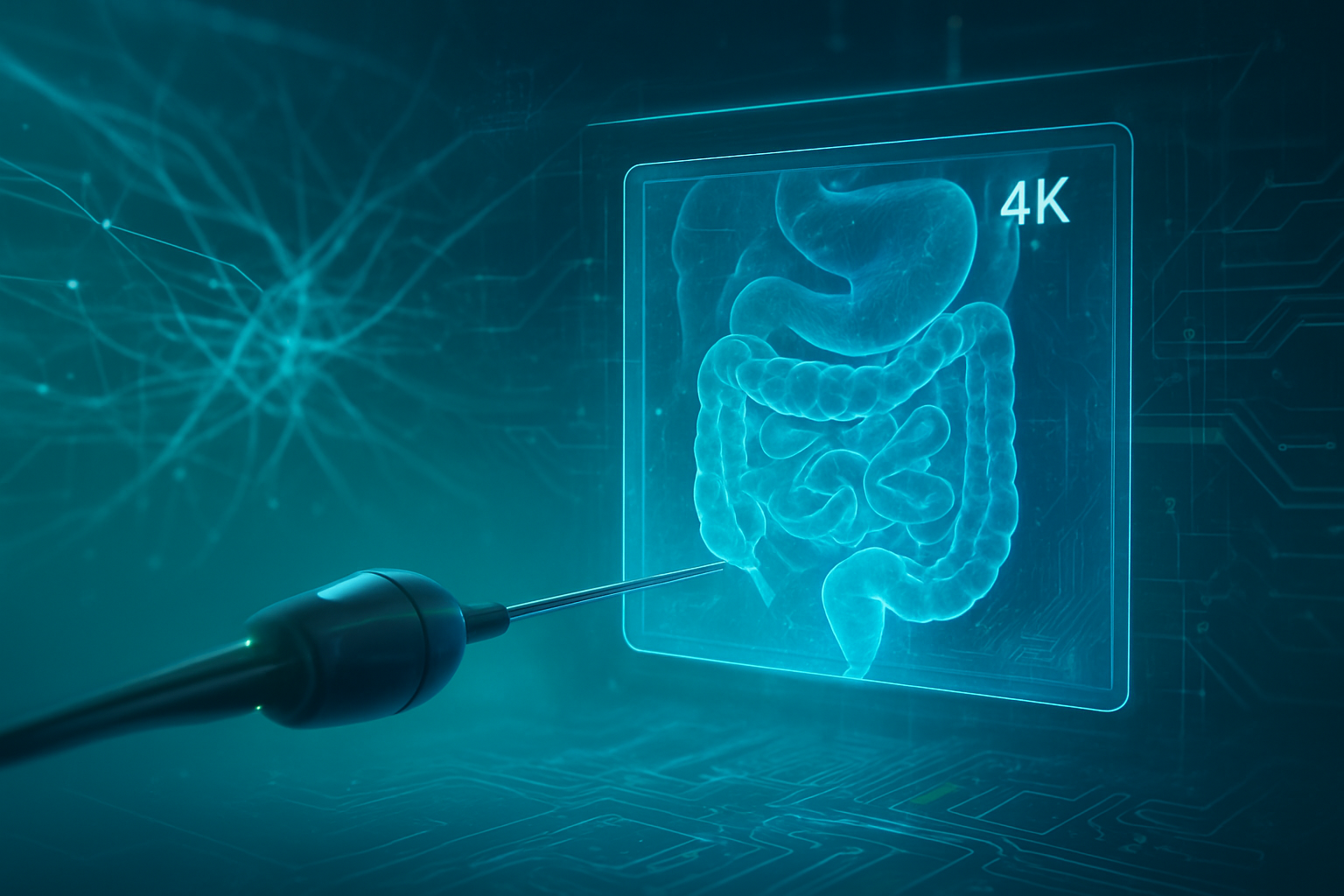
  • Valens Semiconductor Ignites Medical Imaging Revolution with VA7000-Powered Endoscopes

    Valens Semiconductor Ignites Medical Imaging Revolution with VA7000-Powered Endoscopes

    Valens Semiconductor (NYSE: VLN), a pioneer in high-speed connectivity solutions, has announced its groundbreaking entry into the medical imaging market, heralding a new era for endoscopic procedures. The company's innovative VA7000 chipset, originally designed for the rigorous demands of the automotive industry, is now powering next-generation endoscopes, promising to enhance patient safety, improve diagnostic accuracy, and streamline surgical workflows. This strategic expansion positions Valens at the forefront of a significant shift towards advanced, high-resolution, and increasingly disposable medical devices, addressing critical needs within the healthcare sector.

    The immediate significance of this development lies in its potential to revolutionize the landscape of medical endoscopy. By enabling the creation of advanced disposable endoscopes, the VA7000 chipset directly tackles the long-standing challenges associated with the sterilization and reprocessing of reusable endoscopes, which have historically posed infection risks and operational burdens. This move is not merely an incremental improvement but a foundational step towards safer, more efficient, and higher-quality patient care, with implications for hospitals, clinics, and ultimately, patients worldwide.

    A Technical Leap Forward in Endoscopic Imaging

    The Valens VA7000 series is a MIPI A-PHY-compliant Serializer/Deserializer (SerDes) chipset, a testament to robust engineering initially honed for automotive applications like Advanced Driver-Assistance Systems (ADAS). Its transition to medical imaging underscores the VA7000's exceptional capabilities, which are now being leveraged to meet the stringent demands of surgical environments. Key technical specifications and features that make the VA7000 a game-changer include its support for multi-gigabit connectivity, enabling high-resolution video up to 4K over ultra-thin coaxial and Unshielded Twisted Pair (UTP) cables. This capability is paramount for endoscopes, where maneuverability and crystal-clear visualization are non-negotiable.

    Crucially, the VA7000 distinguishes itself with built-in electrosurgical noise cancellation. This feature is vital in operating rooms where electromagnetic interference from electrosurgical units can severely degrade video quality. By ensuring stable, artifact-free images even during complex procedures, the VA7000 enhances a surgeon's ability to make precise decisions. Furthermore, its small form factor and low power consumption are optimized for miniaturization, allowing for more compact camera modules within endoscopes—a critical factor for single-use devices—and reducing heat generation at the tip. The chipset's exceptional Electromagnetic Compatibility (EMC) reliability, inherited from its automotive-grade design, guarantees consistent performance in electrically noisy medical environments.

    Unlike previous approaches that often required complex in-camera image signal processing (ISP) or compromised on image quality for smaller form factors, the VA7000 simplifies the system architecture. It can potentially remove the need for an ISP within the camera module itself, centralizing image processing at the receiver and allowing for a significantly more compact and cost-effective camera design. Initial reactions from the medical device industry have been overwhelmingly positive, with three Original Equipment Manufacturers (OEMs) already launching VA7000-powered products, including an innovative laparoscope, a 3D imaging solution for robotic surgeries, and the first single-use colonoscope with 4K video resolution. This rapid adoption signals strong validation from medical experts and a clear demand for the advanced capabilities offered by Valens.

    Reshaping the Competitive Landscape of Medical Technology

    Valens Semiconductor's (NYSE: VLN) foray into medical imaging with the VA7000 chipset is poised to significantly impact various players across the AI and semiconductor industries, as well as the broader medical technology sector. Valens itself stands to gain immensely from this strategic expansion, tapping into a lucrative new market with substantial growth potential. The annual Total Addressable Market (TAM) for single-use endoscopes alone is projected to reach hundreds of millions of dollars, with the broader disposable endoscope market expected to grow into billions by 2030. This provides a robust new revenue stream and diversifies Valens' market presence beyond its traditional automotive strongholds.

    For medical device OEMs, the VA7000 acts as a critical enabler. Companies developing endoscopes can now create products with superior image quality, enhanced safety features, and simplified designs, potentially accelerating their time to market and strengthening their competitive edge. This development could disrupt traditional manufacturers of reusable endoscopes, who face increasing pressure from regulatory bodies like the U.S. FDA to mitigate infection risks. The shift towards disposable solutions, facilitated by technologies like the VA7000, may force these incumbents to innovate rapidly or risk losing market share to agile competitors leveraging new connectivity standards.

    Furthermore, this advancement has implications for AI companies and startups specializing in medical image analysis and computer vision. With the VA7000 enabling higher resolution (4K) and more stable video feeds, the quality of data available for AI training and real-time diagnostic assistance dramatically improves. This could lead to more accurate AI-powered detection of anomalies, better surgical guidance systems, and new opportunities for AI-driven surgical robotics. Valens' market positioning is strengthened as a foundational technology provider, becoming an indispensable partner for companies aiming to integrate advanced imaging and AI into next-generation medical devices.

    Broader Significance and Societal Impact

    Valens Semiconductor's entry into the medical imaging market with the VA7000 chipset is more than just a product launch; it represents a significant milestone within the broader AI and medical technology landscape. This development aligns perfectly with several prevailing trends: the increasing demand for miniaturization in medical devices, the push for single-use instruments to enhance patient safety, and the relentless pursuit of higher-resolution imaging for improved diagnostic accuracy. By providing a robust, high-speed, and interference-resistant connectivity solution, the VA7000 removes a critical technical barrier that previously hindered the widespread adoption of advanced disposable endoscopy architectures.

    The impact on patient safety is perhaps the most profound. The U.S. FDA has actively advocated for single-use endoscopes to reduce the risk of healthcare-associated infections (HAIs) linked to inadequately reprocessed reusable devices. The VA7000 directly facilitates this transition by making high-performance disposable endoscopes economically and technically viable, potentially saving lives and reducing the significant costs associated with treating HAIs. Improved clinical outcomes are also a direct benefit; higher resolution, stable video feeds, and wider fields of view empower medical professionals with better visualization, leading to more precise diagnoses and more accurate surgical interventions.

    While the benefits are substantial, potential concerns might include the environmental impact of increased disposable medical waste, although this must be weighed against the severe risks of infection from reusable devices. Compared to previous AI milestones, such as the development of advanced diagnostic algorithms, the VA7000 represents a foundational hardware breakthrough that enables these AI applications to reach their full potential. It ensures that the AI models receive the highest quality, most reliable data stream from within the human body, bridging the gap between cutting-edge sensor technology and intelligent processing.

    The Horizon of Future Medical Innovations

    The introduction of Valens Semiconductor's (NYSE: VLN) VA7000 into medical imaging endoscopes sets the stage for a wave of exciting future developments in healthcare technology. In the near term, we can expect to see a rapid proliferation of new disposable endoscopic devices across various medical specialties, leveraging the VA7000's capabilities for 4K imaging, 3D visualization, and enhanced maneuverability. This will likely extend beyond colonoscopes and laparoscopes to bronchoscopes, ureteroscopes, and other minimally invasive instruments, making advanced procedures safer and more accessible.

    Longer term, the VA7000's robust connectivity will be crucial for integrating these advanced endoscopes with artificial intelligence and machine learning systems. Experts predict a future where AI-powered algorithms provide real-time diagnostic assistance during procedures, highlighting suspicious areas, measuring tissue characteristics, and even guiding robotic surgical tools with unprecedented precision. The high-quality, stable data stream provided by the VA7000 is fundamental for training and deploying these sophisticated AI models effectively. We could also see the emergence of "smart" endoscopes that incorporate additional sensors for chemical analysis, temperature mapping, or even localized drug delivery, all communicating via the VA7000's high-speed link.

    However, challenges remain. Widespread adoption will depend on balancing the cost-effectiveness of disposable solutions with the capital expenditures required for new processing units and the ongoing operational costs. Regulatory hurdles, although somewhat mitigated by the FDA's stance on disposables, will still need careful navigation for new device types. What experts predict next is a continued convergence of hardware innovation, like the VA7000, with advanced AI software, leading to a new generation of intelligent, highly capable, and safer medical instruments that will fundamentally transform diagnostic and surgical practices over the next decade.

    A New Era for Intelligent Medical Imaging

    Valens Semiconductor's (NYSE: VLN) strategic entry into the medical imaging market with its VA7000-powered endoscopes marks a pivotal moment in the evolution of healthcare technology. The key takeaway is the enablement of high-performance, disposable endoscopes that address critical issues of patient safety, diagnostic accuracy, and operational efficiency. By repurposing its robust automotive-grade MIPI A-PHY SerDes chipset, Valens has provided the foundational connectivity layer necessary for a new generation of medical devices, characterized by 4K resolution, electrosurgical noise cancellation, and a compact, low-power design.

    This development holds significant historical importance in AI and medical technology, as it directly facilitates the widespread adoption of advanced imaging critical for future AI-driven diagnostics and robotic surgery. It is a testament to how specialized hardware innovation can unlock the full potential of software-based intelligence. The long-term impact is profound, promising safer surgical environments, more precise medical interventions, and potentially lower healthcare costs by reducing infection rates and streamlining procedures.

    In the coming weeks and months, the industry will be closely watching the market penetration of the initial VA7000-powered endoscopes and the reactions from healthcare providers. We can anticipate further announcements from medical device OEMs adopting this technology, alongside increasing interest from AI companies looking to integrate their advanced analytics with these superior imaging capabilities. Valens Semiconductor has not just entered a new market; it has laid down a critical piece of infrastructure for the intelligent operating rooms of the future.


    This content is intended for informational purposes only and represents analysis of current AI developments.

    TokenRing AI delivers enterprise-grade solutions for multi-agent AI workflow orchestration, AI-powered development tools, and seamless remote collaboration platforms.
    For more information, visit https://www.tokenring.ai/.