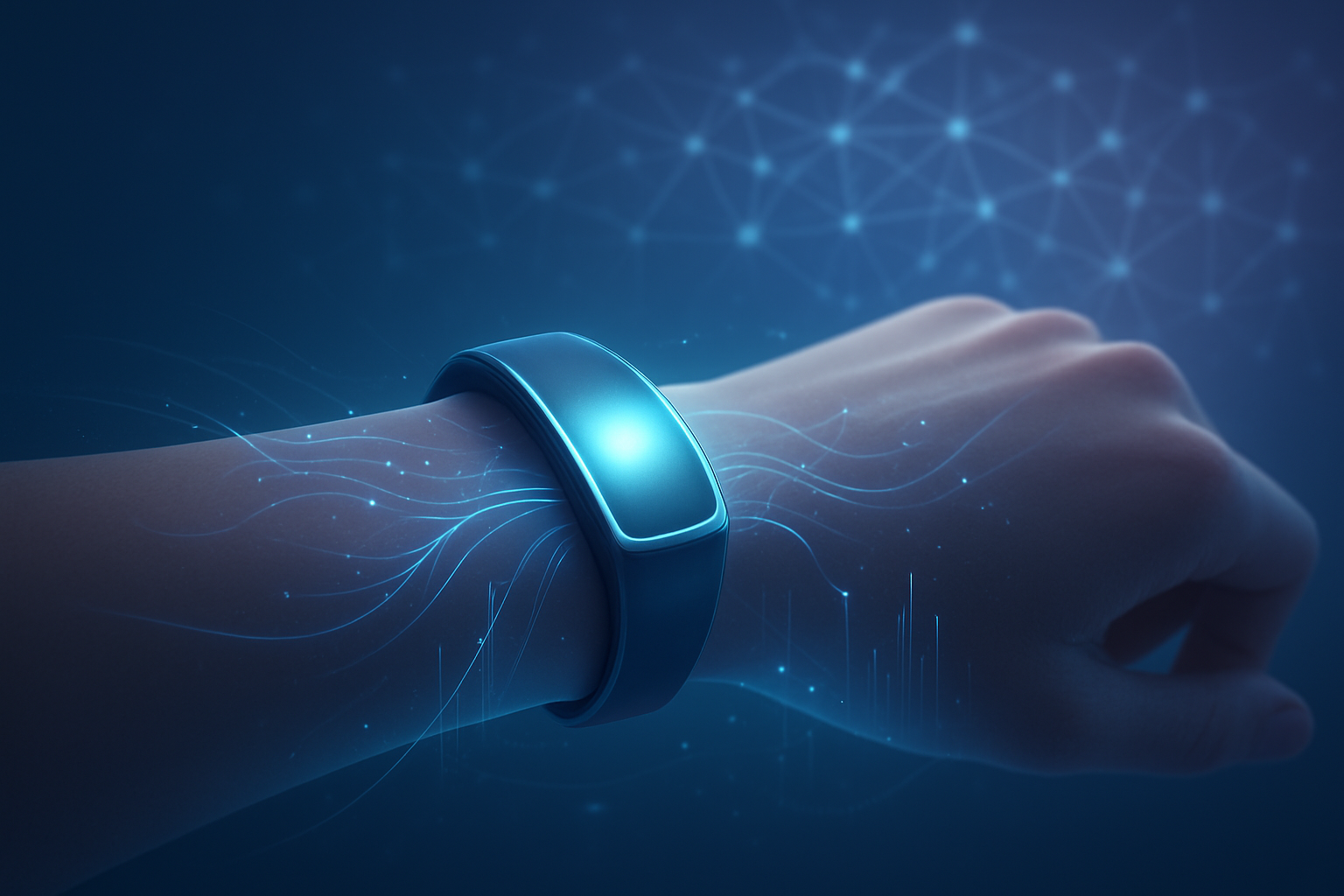
The landscape of healthcare is undergoing a profound transformation with the advent of AI-powered wearable devices designed for continuous blood pressure monitoring. These innovative gadgets represent a monumental leap forward, moving beyond the limitations of traditional, intermittent cuff-based measurements to offer real-time, uninterrupted insights into an individual's cardiovascular health. This shift from reactive to proactive health management promises to redefine how hypertension and other related conditions are detected, monitored, and ultimately, prevented.
The immediate significance of these AI-driven wearables lies in their ability to provide continuous, accurate, and personalized blood pressure data, addressing critical gaps in conventional monitoring methods. By capturing dynamic fluctuations throughout the day and night, these devices can detect subtle trends and anomalies often missed by sporadic readings, such as "white coat hypertension" or "masked hypertension." This capability empowers both patients and clinicians with unprecedented data, paving the way for earlier detection of potential health risks, more precise diagnoses, and highly personalized intervention strategies, ultimately leading to improved patient outcomes and a reduction in serious cardiovascular events.
The Technical Marvel: AI's Role in Unlocking Continuous BP Monitoring
The core of these revolutionary devices lies in the sophisticated integration of advanced sensing mechanisms with powerful Artificial Intelligence and Machine Learning (AI/ML) algorithms. Unlike rudimentary wearables, these new devices employ a multi-sensor approach, typically combining Photoplethysmography (PPG) sensors, which use light to detect changes in blood volume, with Electrocardiogram (ECG) sensors that measure the heart's electrical signals. Some even incorporate Pulse Transit Time (PTT) measurements or Diffuse Correlation Spectroscopy (DCS) for enhanced accuracy. This multi-modal data input is crucial for capturing the complex physiological signals required for reliable blood pressure estimation.
What truly differentiates these devices is the AI/ML engine. These algorithms are trained on vast datasets to process complex physiological signals, filtering out "noise" caused by motion artifacts, variations in skin tone, and body habitus. They recognize intricate patterns in PPG and ECG waveforms that correlate with blood pressure, continuously learning and adapting to individual user profiles. This advanced processing allows for continuous, beat-to-beat, non-invasive blood pressure measurements 24/7, providing a comprehensive profile of a patient's BP variability throughout their daily activities, stress, rest, and sleep, something traditional methods could never achieve. Clinical trials have shown promising accuracy, with some cuffless devices demonstrating mean differences in systolic and diastolic measurements of less than 5.0 mmHg compared to standard cuff-based monitors, and high correlation with invasive arterial line measurements in advanced prototypes.
This approach marks a significant departure from previous blood pressure monitoring technologies. Traditional cuff-based sphygmomanometers offer only intermittent "snapshot" readings, often missing critical fluctuations or patterns like nocturnal hypertension. Early wearable attempts at cuffless monitoring often struggled with accuracy and reliability due to the dynamic nature of blood pressure and the influence of various factors like motion and temperature. AI-powered wearables overcome these limitations by providing continuous, passive data collection and applying intelligent algorithms to contextualize and refine readings. This not only enhances accuracy but also promotes greater user comfort and compliance, as the cumbersome, inflatable cuff is often eliminated or miniaturized for occasional calibration.
Initial reactions from the AI research community and industry experts are largely optimistic, yet tempered with a healthy dose of caution. While recognizing the immense potential to revolutionize hypertension management and preventive care, experts emphasize the need for rigorous, standardized validation protocols for cuffless BP devices. Concerns persist regarding consistent accuracy across diverse populations, the need for regular calibration in many current models, and the ethical implications of continuous data collection regarding privacy and security. Building clinician trust through explainable AI models and ensuring equitable access and generalizability across various demographics remain critical challenges for widespread adoption.
Shifting Tides: Corporate Winners and Market Disruptions
The emergence of AI-powered continuous blood pressure monitoring wearables is poised to trigger a significant reordering of the healthcare technology landscape, creating both immense opportunities and formidable challenges for established players and nimble startups alike. The global AI in blood pressure monitoring market is projected to reach an estimated USD 7,587.48 million by 2032, a substantial increase from USD 928.55 million in 2024, signaling a lucrative, yet highly competitive, future.
Leading wearable device manufacturers stand to benefit most immediately. Tech giants like Apple Inc. (NASDAQ: AAPL), Samsung Electronics (KRX: 005930), and Alphabet Inc. (NASDAQ: GOOGL) through its Fitbit acquisition, are already integrating advanced health monitoring into their ecosystems, leveraging their vast user bases and R&D capabilities. Specialized health tech companies such as Omron Healthcare, Withings, Aktiia SA, and Biofourmis are also key players, focusing specifically on medical-grade accuracy and regulatory approvals. These companies are investing heavily in sophisticated AI and machine learning algorithms, which are the backbone of accurate, personalized, and predictive health insights, offering a distinct advantage in a market where algorithmic superiority is paramount.
The competitive implications for major AI labs and tech companies revolve around ecosystem integration, algorithmic prowess, and regulatory navigation. Companies capable of seamlessly embedding continuous BP monitoring into comprehensive health platforms, while also demonstrating robust clinical validation and adherence to stringent data privacy regulations (like GDPR and HIPAA), will gain a significant edge. This creates a challenging environment for smaller players who may struggle with the resources required for extensive R&D, clinical trials, and regulatory clearances. The shift also disrupts traditional cuff-based blood pressure monitor manufacturers, whose intermittent devices may become secondary to the continuous, passive monitoring offered by AI wearables.
This technological wave threatens to disrupt episodic healthcare models, moving away from reactive care to proactive, preventive health management. This could reduce the reliance on frequent in-person doctor visits for routine checks, potentially freeing up healthcare resources but also requiring existing healthcare providers and systems to adapt rapidly to remote patient monitoring (RPM) platforms. Companies that offer integrated solutions for telehealth and RPM, enabling seamless data flow between patients and clinicians, will find strategic advantages. Furthermore, the ability of AI to identify subtle physiological changes earlier than traditional methods could redefine diagnostic pathways and risk assessment services, pushing the industry towards more personalized and predictive medicine.
A New Frontier in Health: Broader Implications and Ethical Crossroads
The advent of AI-powered continuous blood pressure monitoring wearables is more than just a product innovation; it signifies a profound shift in the broader AI landscape and its application in healthcare. This technology perfectly embodies the trend towards proactive, personalized medicine, moving beyond reactive interventions to predictive and preventive care. By continuously tracking not only blood pressure but often other vital signs like heart rate, oxygen levels, and sleep patterns, AI algorithms on these devices perform real-time processing and predictive analytics, identifying subtle health shifts before they escalate into serious conditions. This aligns with the increasing emphasis on edge AI, where data processing occurs closer to the source, enabling immediate feedback and alerts crucial for timely health interventions.
The impact of these devices is multifaceted and largely positive. They promise early detection and prevention of cardiovascular diseases, significantly improving chronic disease management for existing patients by offering continuous tracking and personalized medication adherence reminders. Patients are empowered with actionable, real-time insights, fostering greater engagement in their health. Furthermore, these wearables enhance accessibility and convenience, democratizing sophisticated health monitoring beyond clinical settings and potentially reducing healthcare costs by minimizing the need for frequent in-person visits and preventing costly complications. The ability to detect conditions like hypertension and diabetes from non-contact video imaging, as explored in some research, further highlights the potential for widespread, effortless screening.
However, this transformative potential is accompanied by significant concerns. Foremost among these are data privacy and security, as continuous collection of highly sensitive personal health data necessitates robust safeguards against breaches and misuse. The accuracy and reliability of cuffless devices, especially across diverse populations with varying skin tones or body types, remain areas of intense scrutiny, requiring rigorous validation and standardization. Algorithmic bias is another critical consideration; if trained on unrepresentative datasets, AI models could perpetuate health disparities, leading to inaccurate diagnoses for underserved groups. Concerns about the "black box" nature of some AI algorithms, transparency, over-reliance, and the challenges of integrating this data seamlessly into existing healthcare systems also need to be addressed.
Comparing this to previous AI milestones, these wearables represent a significant leap from basic fitness trackers to intelligent, predictive health tools. While earlier AI applications in medicine often focused on assisting diagnosis after symptoms appeared, these devices embody a shift towards proactive AI, aiming to predict and prevent. They move beyond processing static datasets to interpreting continuous, real-time physiological data streams, offering personalized micro-interventions that directly influence health outcomes. This democratization of sophisticated health monitoring, bringing advanced capabilities from the hospital to the home, stands as a testament to AI's evolving role in making healthcare more accessible and personalized than ever before.
The Horizon of Health: What's Next for AI-Powered BP Monitoring
The trajectory of AI-powered continuous blood pressure monitoring wearables points towards a future where health management is seamlessly integrated into daily life, offering unprecedented levels of personalization and proactive care. In the near term (1-3 years), we can expect to see widespread adoption of truly cuffless monitoring solutions in smartwatches, rings, and adhesive patches, with AI algorithms achieving even greater accuracy by meticulously analyzing complex physiological signals and adapting to individual variations. These devices will offer real-time monitoring and alerts, immediately notifying users of abnormal fluctuations, and providing increasingly personalized insights and recommendations based on a holistic view of lifestyle, stress, and sleep patterns. Enhanced interoperability with smartphone apps, telehealth platforms, and Electronic Health Record (EHR) systems will also become standard, facilitating seamless data sharing with healthcare providers.
Looking further ahead (beyond 3 years), the long-term vision includes AI blood pressure wearables evolving into sophisticated diagnostic companions. This will involve continuous cuffless BP monitoring driven by highly advanced AI-modeled waveform interpretation, offering uninterrupted data streams. Experts predict highly personalized hypertension risk prediction, with AI analyzing long-term trends to identify individuals at risk well before symptoms manifest. Automated lifestyle recommendations, dynamically adapting to an individual's evolving health profile, will become commonplace. The "Dr. PAI" system from CUHK, focusing on lightweight AI architectures for low-computation devices, exemplifies the drive towards democratizing access to advanced blood pressure management, making it available to a wider population, including those in rural and remote areas.
The potential applications and use cases on the horizon are vast. Beyond early detection and personalized health management for hypertension, these wearables will be invaluable for individuals managing other chronic conditions like diabetes and heart problems, providing a more comprehensive view of patient health than periodic clinic visits. They will play a crucial role in stroke prevention and recovery by identifying irregular heartbeats and blood pressure fluctuations. Remote Patient Monitoring (RPM) will be streamlined, benefiting individuals with limited mobility or access to care, and fostering improved patient-provider communication through real-time data and AI-generated summary reports.
Despite the immense promise, several challenges remain. Achieving consistent medical-grade accuracy and reliability across diverse populations, especially for cuffless devices, requires continued breakthroughs in high-sensitivity sensors and sophisticated AI-driven signal processing. Data security and patient privacy will remain paramount, demanding robust measures to prevent misuse. Battery life, cost, and accessibility are also critical considerations to ensure equitable adoption. Furthermore, rigorous clinical validation and regulatory oversight, coupled with seamless interoperability and data standardization across various devices and healthcare systems, are essential for these technologies to be fully integrated into mainstream medical practice. Experts like Professor Keon Jae Lee of KAIST anticipate that ongoing advancements will soon lead to the commercialization of these trusted medical devices, transforming them from lifestyle accessories into clinically relevant diagnostic and monitoring tools.
The Pulse of the Future: A Concluding Outlook
The journey of AI-powered continuous blood pressure monitoring wearables from concept to clinical relevance marks a significant inflection point in healthcare technology. The key takeaway is the profound shift from episodic, reactive health monitoring to a continuous, proactive, and personalized approach. These devices, leveraging sophisticated sensors and advanced AI/ML algorithms, are not merely collecting data; they are interpreting complex physiological signals, identifying subtle patterns, and delivering actionable insights that were previously unattainable. This capability promises earlier detection of hypertension and other cardiovascular risks, personalized health management, and enhanced remote patient monitoring, ultimately empowering individuals and improving the efficiency of healthcare delivery.
In the grand tapestry of AI history, this development stands as a testament to the technology's evolving role beyond automation to mimic and augment human analytical thought processes in diagnostics and personalized interventions. It signifies AI's maturation from basic data processing to intelligent systems that learn, predict, and offer tailored recommendations, fundamentally transforming wearables from passive trackers into active health companions. This move towards proactive AI in medicine, bringing sophisticated monitoring directly to the consumer, is a major breakthrough, democratizing access to critical health insights.
The long-term impact of these AI wearables is poised to be transformative. They will drive a paradigm shift in cardiovascular risk management, leading to earlier detection of critical conditions, reduced hospitalizations, and improved quality of life for millions. The increasing accessibility, potentially even through contactless methods like smartphone camera analysis, could extend sophisticated blood pressure monitoring to underserved communities globally. For healthcare providers, continuous, real-time patient data will enable more informed clinical decisions, truly personalized treatment plans, and a more efficient, preventive healthcare system. This technology is creating a more connected health ecosystem, where personal devices seamlessly interact with telehealth services and electronic health records, fostering a healthier, more engaged populace.
As we look to the coming weeks and months, several key areas warrant close attention. Expect continued breakthroughs in high-sensitivity sensor technology and even more sophisticated AI-driven signal processing algorithms, pushing towards consistent medical-grade accuracy and reliability in everyday settings. The evolving regulatory landscape, particularly with bodies like the EU AI Act and the US FDA, will be crucial in shaping the commercialization and clinical integration of these devices. Watch for further development and widespread adoption of truly cuffless and potentially contactless monitoring technologies. Furthermore, the expansion of these wearables to integrate a broader range of health metrics, coupled with advancements in personalized predictive analytics and enhanced interoperability across health ecosystems, will continue to redefine the boundaries of personal health management. Addressing persistent challenges around data privacy, cybersecurity, and algorithmic bias will be paramount to building trust and ensuring equitable healthcare outcomes for all.
This content is intended for informational purposes only and represents analysis of current AI developments.
TokenRing AI delivers enterprise-grade solutions for multi-agent AI workflow orchestration, AI-powered development tools, and seamless remote collaboration platforms.
For more information, visit https://www.tokenring.ai/.