Tag: National Security

  • Governments Double Down: High-Stakes Investments Fuel Tech and Defense Boom

    Governments Double Down: High-Stakes Investments Fuel Tech and Defense Boom

    In an increasingly complex geopolitical landscape, governments worldwide are intensifying their engagement with business delegates to secure critical investments in the technology and defense sectors. This proactive and often interventionist approach, sometimes dubbed "geopolitical capitalism," signifies a profound shift in national economic and security strategies. The immediate significance of this trend, observed particularly acutely as of November 2025, lies in its potential to dramatically accelerate innovation, fortify national security, bolster domestic industrial capabilities, and stimulate significant economic growth.

    This robust collaboration is not merely about traditional procurement; it represents a strategic imperative to maintain a technological and military edge. Nations are channeling substantial resources and political will towards fostering public-private partnerships, offering direct financial incentives, and providing clear demand signals to steer private capital into areas deemed vital for long-term national interests. The goal is clear: to bridge the gap between groundbreaking research and rapid deployment, ensuring that cutting-edge advancements in fields like AI, quantum computing, and cybersecurity translate swiftly into tangible strategic advantages.

    A New Era of Strategic Investment: From AI to Critical Minerals

    The current wave of high-level government engagement is characterized by an unprecedented focus on strategic investments, moving beyond traditional defense procurement to encompass a broader spectrum of dual-use technologies vital for both national security and economic prosperity. As of November 2025, this shift is evident in numerous initiatives across major global players.

    In the United States, the Department of Defense's Office of Strategic Capital (OSC) released its Fiscal Year 2025 Investment Strategy, earmarking nearly $1 billion to attract and scale private capital for critical technologies. This includes credit-based financial products and clear demand signals to private investors. Furthermore, the U.S. has aggressively pursued critical mineral deals, securing over $10 billion with five nations by October 2025, including Japan, Malaysia, and Australia, to diversify supply chains and reduce reliance on adversaries for essential raw materials like rare earth elements and lithium. The Department of Energy (DOE) also pledged nearly $1 billion in August 2025 to bolster domestic critical mineral processing and manufacturing.

    Across the Atlantic, the United Kingdom has forged a strategic partnership with Palantir (NYSE: PLTR) in September 2025, targeting up to £1.5 billion in defense technology investments and establishing London as Palantir's European defense headquarters for AI-powered military systems. The UK also committed over £14 million in November 2025 to advance quantum technology applications and unveiled a substantial £5 billion investment in June 2025 for autonomous systems, including drones, and Directed Energy Weapons (DEW) like the DragonFire laser, with initial Royal Navy deployments expected by 2027.

    The European Union is equally proactive, with the European Commission announcing a €910 million investment under the 2024 European Defence Fund (EDF) in May 2025, strengthening defense innovation and integrating Ukrainian defense industries. A provisional agreement in November 2025 further streamlines and coordinates European defense investments, amending existing EU funding programs like Horizon Europe and Digital Europe to better support defense-related and dual-use projects.

    Japan, under Prime Minister Sanae Takaichi, has prioritized dual-use technology investments and international defense industry cooperation since October 2025, aligning with its 2022 National Defense Strategy. The nation is significantly increasing funding for defense startups, particularly in AI and robotics, backed by a USD 26 billion increase in R&D funding over five years across nine critical fields.

    NATO is also accelerating its efforts, introducing a Rapid Adoption Action plan at The Hague summit in June 2025 to integrate new defense technologies within 24 months. Member states committed to increasing defense spending to 3.5% of GDP by 2035. The NATO Innovation Fund (NIF), a deep tech venture capital fund, continues to invest in dual-use technologies enhancing defense, security, and resilience.

    These initiatives demonstrate a clear prioritization of technologies such as Artificial Intelligence (AI) and Machine Learning (ML) for military planning and decision-making, autonomous systems (drones, UAVs, UUVs), securing critical mineral supply chains, quantum computing and sensing, advanced cybersecurity, Directed Energy Weapons, hypersonics, and next-generation space technology.

    This approach significantly differs from previous national economic and security strategies. The shift towards dual-use technologies acknowledges that much cutting-edge innovation now originates in the private sector. There is an unprecedented emphasis on speed and agility, aiming to integrate technologies within months rather than decades, a stark contrast to traditional lengthy defense acquisition cycles. Furthermore, national security is now viewed holistically, integrating economic and security goals, with initiatives like securing critical mineral supply chains explicitly linked to both. Governments are deepening their engagement with the private sector, actively attracting venture funding and startups, and fostering international collaboration beyond transactional arms sales to strategic partnerships, reflecting a renewed focus on great power competition.

    Shifting Sands: Tech Giants, Defense Primes, and Agile Startups Vie for Dominance

    The unprecedented influx of government-secured investments is fundamentally reshaping the competitive landscape across the technology and defense sectors, creating both immense opportunities and significant disruptions for established players and nascent innovators alike. The global defense market, projected to reach $3.6 trillion by 2032, underscores the scale of this transformation, with the U.S. FY2025 defense budget alone requesting $849.8 billion, a substantial portion earmarked for research and development.

    Tech Giants are emerging as formidable players, leveraging their commercial innovations for defense applications. Companies like Google (NASDAQ: GOOGL), Microsoft (NASDAQ: MSFT), Oracle (NYSE: ORCL), and Palantir Technologies (NYSE: PLTR) are securing lucrative contracts. Google's cloud platform, Google Distributed Cloud, has achieved Impact Level 6 security accreditation, enabling it to handle the most sensitive national security workloads, while Microsoft's OpenAI-enabled Azure offerings have been approved for top-tier classification. Oracle has strategically launched a "defense ecosystem" to support companies navigating Pentagon contracts. Palantir, alongside Anduril Industries, SpaceX, OpenAI, and Scale AI, is co-leading a consortium aiming to become a "new generation of defense contractors," collectively bidding for U.S. government projects. These tech behemoths benefit from their vast R&D capabilities, massive computing resources, and ability to attract top STEM talent, positioning them uniquely with "dual-use" technologies that scale innovation rapidly across commercial and military domains.

    Traditional Defense Contractors are adapting by integrating emerging technologies, often through strategic partnerships. Lockheed Martin (NYSE: LMT), RTX (NYSE: RTX, formerly Raytheon Technologies), and Northrop Grumman (NYSE: NOC) remain foundational, investing billions annually in R&D for hypersonic weapons, advanced aerospace products, and next-generation stealth bombers like the B-21 Raider. Their strategic advantage lies in deep, long-standing government relationships, extensive experience with complex procurement, and the infrastructure to manage multi-billion-dollar programs. Many are actively forming alliances with tech firms and startups to access cutting-edge innovation and maintain their competitive edge.

    A new breed of Startups is also flourishing, focusing on disruptive, niche technologies with agile development cycles. Companies such as Anduril Industries, specializing in AI-enabled autonomous systems; Shield AI, developing AI-powered autonomous drones; Skydio, a leader in autonomous AI-powered drones; and Saronic Technologies, building autonomous surface vessels, are gaining significant traction. Governments, particularly the U.S. Department of Defense, are actively supporting these ventures through initiatives like the Defense Innovation Unit (DIU), Office of Strategic Capital (OSC), National Security Innovation Capital (NSIC), and AFWERX. Programs like Small Business Innovation Research (SBIR) and Small Business Technology Transfer (STTR), along with "Other Transaction Agreements" (OTAs), help these startups bridge the "Valley of Death" in defense contracting, providing crucial funding for research, prototyping, and accelerated adoption. Their agility, specialized expertise, and often more cost-effective solutions offer a compelling alternative to traditional defense procurement.

    The competitive landscape is witnessing the emergence of "neo-primes", where tech giants and agile startups challenge the long-held dominance of traditional defense contractors with software-centric and AI-driven solutions. This is fostering a "commercial-first" approach from the Pentagon, prioritizing the rapid adoption of industry-driven commercial solutions. Competition for specialized talent in AI, software engineering, and advanced manufacturing is intensifying, making robust R&D pipelines and a strong talent acquisition strategy critical. Furthermore, stringent cybersecurity requirements, such as the Cybersecurity Maturity Model Certification (CMMC) standards, are becoming mandatory, making robust security infrastructure a key differentiator.

    This investment trend is also disrupting existing products and services. There's a clear shift towards software-defined defense, moving away from purely hardware-centric systems to modular architectures that allow for rapid upgrades and adaptation. The proliferation of autonomous warfare, from AI-powered drones to uncrewed vehicles, is redefining military operations, reducing human risk and enabling new tactics. These new technologies are often advocated as more cost-effective alternatives to expensive legacy platforms, potentially reshaping market demand. The emphasis on rapid prototyping and iterative development is accelerating innovation cycles, forcing all players to innovate faster. Finally, investments are also focused on supply chain resilience, boosting domestic production of key components to reduce dependence on foreign suppliers and ensuring national security in an era where the lines between physical and cognitive warfare are increasingly blurring.

    A Geopolitical Chessboard: National Security, Economic Futures, and Ethical Crossroads

    The intensified government engagement in securing technology and defense investments carries profound and far-reaching implications for national security, economic growth, and the delicate balance of global power dynamics. This trend, while echoing historical collaborations, is unfolding in a uniquely complex and technologically advanced era, raising both immense promise and significant ethical dilemmas.

    From a National Security perspective, these investments are paramount for safeguarding nations against a spectrum of threats, both conventional and asymmetric. Strategic funding in areas like Artificial Intelligence (AI), unmanned systems, and advanced cybersecurity is critical for maintaining a competitive military advantage, enhancing intelligence capabilities, and protecting vital digital infrastructure. The emphasis on domestic production of critical components—from encryption algorithms to microchips—is a direct effort to reduce reliance on foreign suppliers, thereby fortifying national sovereignty and insulating economies from geopolitical shocks. A robust defense posture, underpinned by technological superiority, is increasingly viewed as a prerequisite for societal stability and freedom.

    In terms of Economic Growth, government tech and defense investments serve as a powerful engine for innovation and industrial development. Historically, military R&D has been the genesis of transformative civilian technologies such as the internet, GPS, and radar. Today, this trend continues, with high-tech defense spending stimulating job creation, bolstering the industrial base, and creating a "crowding-in" effect that encourages further private sector investment. By ensuring a broad and reliable demand for new solutions, public commitment in defense innovation can spur private sector creativity and efficiency, contributing significantly to GDP growth and the expansion of the digital economy. However, this comes with the inherent "guns and butter" dilemma, where resources allocated to defense could otherwise be invested in education or healthcare, potentially yielding different long-term economic returns.

    Globally, this surge in investment is undeniably redefining Global Power Dynamics. The race for AI leadership, for instance, is no longer merely an economic competition but a new geopolitical asset, potentially eclipsing traditional resources in influence. Nations that lead in AI adoption across various sectors gain significant international leverage, translating into stronger economies and superior security capabilities. This intense focus on technological supremacy, particularly in emerging technologies, is fueling a new technological arms race, evident in rising global military spending and the strategic alliances forming around military AI. The competition between major powers, notably the United States and China, is increasingly centered on technological dominance, with profound implications for military, political, and economic influence worldwide.

    However, this accelerated collaboration also brings a host of Potential Concerns and Ethical Considerations. Within the tech community, there's a growing debate regarding the ethics of working on military and defense contracts, with employees often pushing companies to prioritize ethical considerations over profit. The misuse of advanced AI in military applications, particularly in targeting, raises serious questions about accuracy, inherent biases from deficient training data, unreliability, and the potential for exacerbating civilian suffering. Concerns also extend to privacy and surveillance, as sophisticated technologies developed for government contracts could be repurposed. The "guns and butter" trade-off remains pertinent, questioning whether increased military spending diversifies resources from other crucial sectors. Furthermore, large government contracts can lead to market distortion and concentration of innovation, potentially crowding out smaller players. The rapid and often opaque development of AI in military systems also presents challenges for transparency and accountability, heightening risks of unintended consequences. There's even an ongoing debate within Environmental, Social, and Governance (ESG) investing circles about whether defense companies, despite their role in peace and deterrence, should be considered ethical investments.

    Comparing this to Historical Government-Industry Collaborations, the current trend represents a significant evolution. During the World Wars, industry primarily responded to direct government requests for mass production. The Cold War era saw the government largely in the "driver's seat," directing R&D that led to breakthroughs like the internet. However, the post-Cold War period witnessed a reversal, with the civilian sector becoming the primary driver of technological advancements. Today, while governments still invest heavily, the defense sector increasingly leverages rapid advancements originating from the agile civilian tech world. The modern approach, exemplified by initiatives like the Defense Innovation Unit (DIU), seeks to bridge this gap, recognizing that American technological leadership now relies significantly on private industry's innovation and the ability to quickly integrate these commercial breakthroughs into national security frameworks.

    The Horizon of Innovation: AI, Quantum, and Autonomous Futures

    The trajectory of high-level government engagement with technology and defense sectors points towards an accelerated integration of cutting-edge innovations, promising transformative capabilities in both public service and national security. Both near-term and long-term developments are poised to reshape how nations operate and defend themselves, though significant challenges remain.

    In the near term (1-5 years), Government Technology (GovTech) will see a concentrated effort on digital transformation. This includes the implementation of "Trust-First" AI governance frameworks to manage risks and ensure ethical use, alongside a focus on leveraging actionable data and AI insights for improved decision-making and service delivery. Autonomous AI agents are expected to become integral to government teams, performing tasks from data analysis to predicting service needs. Cloud computing will continue its rapid adoption, with over 75% of governments projected to manage more than half their workloads on hyperscale cloud providers by 2025. Cybersecurity remains paramount, with federal agencies embracing zero-trust models and blockchain for secure transactions. The use of synthetic data generation and decentralized digital identity solutions will also gain traction.

    Concurrently, Defense Investments will be heavily concentrated on autonomous systems and AI, driving a revolution in battlefield tactics, decision-making, and logistics, with military AI projected to grow from $13.24 billion in 2024 to $61.09 billion by 2034. Cybersecurity is a top priority for national defense, alongside substantial investments in aerospace and space technologies, including satellite-based defense systems. Advanced manufacturing, particularly 3D printing, will reshape the defense industry by enabling rapid, on-demand production, reducing supply chain vulnerabilities.

    Looking further into the long term (beyond 5 years), GovTech anticipates the maturation of quantum computing platforms, which will necessitate proactive investment in post-quantum encryption to secure future communications. Advanced spatial computing and Zero Trust Edge security frameworks will also become more prevalent. For Defense, the horizon includes the widespread integration of hypersonic and Directed Energy Weapons (DEW) within the next 5-10 years, offering unparalleled speed and precision. Quantum computing will move beyond encryption to revolutionize defense logistics and simulations. Research into eco-friendly propulsion systems and self-healing armor is underway, alongside the development of advanced air mobility systems and the adoption of Industry 5.0 principles for human-machine collaboration in defense manufacturing.

    The potential applications and use cases on the horizon are vast. In GovTech, we can expect enhanced citizen services through AI-powered chatbots and virtual assistants, streamlined workflows, and proactive public safety measures leveraging IoT sensors and real-time data. "Agentic AI" could anticipate issues and optimize public sector operations in real time. For defense, AI will revolutionize intelligence gathering and threat analysis, automate autonomous operations (from UAVs to swarm operations), and optimize mission planning and simulation. Generative AI is set to create complex battlefield simulations and personalized military training modules using extended reality (XR). Logistics will be optimized, and advanced communications will streamline data sharing across multinational forces.

    However, realizing this future is not without significant challenges. For GovTech, these include overcoming reliance on outdated legacy IT systems, ensuring data quality, mitigating algorithmic bias, protecting citizen privacy, and establishing robust AI governance and regulatory frameworks. Complex and lengthy procurement processes, talent shortages in digital skills, and the need to maintain public trust and transparency in AI-driven decisions also pose substantial hurdles. The market concentration of a few large technology suppliers could also stifle competition.

    In Defense, ethical and regulatory challenges surrounding the use of AI in autonomous weaponry are paramount, requiring global norms and accountability. Defense tech startups face long sales cycles and heavy dependence on government customers, which can deter private investment. Regulatory complexity, export controls, and the ever-increasing sophistication of cyber threats demand continuous advancements in data security. The cost-effectiveness of detecting and intercepting advanced systems like hypersonic missiles remains a major hurdle, as does ensuring secure and resilient supply chains for critical defense technologies.

    Despite these challenges, experts predict a future where AI is a core enabler across both government and defense, revolutionizing decision-making, operational strategies, and service delivery. Geopolitical tensions are expected to drive a sustained increase in global defense spending, seen as an economic boon for R&D. The shift towards public-private partnerships and dual-use technologies will continue, attracting more venture capital. Defense organizations will adopt modular and agile procurement strategies, while the workforce will evolve, creating new specialized roles in AI ethics and data architecture, necessitating extensive reskilling. Cybersecurity will remain a top priority, with continuous advancements and the urgent need for post-quantum encryption standards. The coming years will witness an accelerated integration of AI, cloud computing, and autonomous systems, promising unprecedented capabilities, provided that challenges related to data, ethics, talent, and procurement are strategically addressed.

    The Strategic Imperative: A New Chapter in National Resilience

    The intensified high-level government engagement with business delegates to secure investments in the technology and defense sectors marks a pivotal moment in national economic and security strategies. This proactive approach, fueled by an understanding of technology's central role in global power dynamics, is rapidly transforming the innovation landscape. The key takeaways from this trend are multifaceted: a clear prioritization of dual-use technologies like AI, quantum computing, and critical minerals; a significant shift towards leveraging private sector agility and speed; and the emergence of a new competitive arena where tech giants, traditional defense contractors, and innovative startups are all vying for strategic positioning.

    This development is not merely an incremental change but a fundamental re-evaluation of how nations secure their future. It signifies a move towards integrated national security, where economic resilience, technological supremacy, and military strength are inextricably linked. The historical model of government-led innovation has evolved into a more interdependent ecosystem, where the rapid pace of commercial technology development is being harnessed directly for national interests. The implications for global power dynamics are profound, initiating a new technological arms race and redefining strategic alliances.

    In the long term, the success of these initiatives will hinge on addressing critical challenges. Ethical considerations surrounding AI and autonomous systems, the complexities of data privacy and bias, the need for robust regulatory frameworks, and the perennial issues of talent acquisition and efficient procurement will be paramount. The ability of governments to foster genuine public-private partnerships that balance national imperatives with market dynamics will determine the ultimate impact.

    As we move through the coming weeks and months, observers will be watching for further announcements of strategic investments, the forging of new industry partnerships, and the progress of legislative efforts to streamline technology adoption in government and defense. The ongoing dialogue around AI ethics and governance will also be crucial. This era of high-stakes investment is setting the stage for a new chapter in national resilience, where technological prowess is synonymous with global influence and security.


    This content is intended for informational purposes only and represents analysis of current AI developments.

    TokenRing AI delivers enterprise-grade solutions for multi-agent AI workflow orchestration, AI-powered development tools, and seamless remote collaboration platforms.
    For more information, visit https://www.tokenring.ai/.

  • Global Tech Race Intensifies: Governments Pour Billions into Semiconductors and AI for National Sovereignty

    Global Tech Race Intensifies: Governments Pour Billions into Semiconductors and AI for National Sovereignty

    In an unprecedented global push, governments across the United States, Europe, Asia, and beyond are channeling hundreds of billions of dollars into securing their technological futures, with a laser focus on semiconductor manufacturing and artificial intelligence (AI). This massive strategic investment, unfolding rapidly over the past two years and continuing through 2025, signifies a fundamental shift in national industrial policy, driven by geopolitical tensions, critical supply chain vulnerabilities, and the undeniable recognition that leadership in these foundational technologies is paramount for national development, economic prosperity, and defense capabilities. The immediate significance of these initiatives is the reshaping of global tech supply chains, fostering domestic innovation ecosystems, and a concerted effort to achieve technological sovereignty, ensuring nations control their destiny in an increasingly digital and AI-driven world.

    A New Era of Strategic Investment: The Technical Blueprint for Sovereignty

    The core of these governmental efforts lies in a multifaceted approach to bolster domestic capabilities across the entire technology stack, from advanced chip fabrication to cutting-edge AI research. The U.S. Creating Helpful Incentives to Produce Semiconductors (CHIPS) and Science Act, signed in August 2022, stands as a monumental commitment, allocating approximately $280 billion to the tech sector, with over $70 billion directly targeting the semiconductor industry through subsidies and tax incentives. This includes $39 billion for chip manufacturing, $11 billion for R&D via agencies like NIST, and a 25% investment tax credit. Crucially, it earmarks an additional $200 billion for AI, quantum computing, and robotics research, aiming to increase the U.S. share of global leading-edge chip manufacturing to nearly 30% by 2032. The "guardrails" within the Act explicitly prohibit recipients of CHIPS funding from expanding advanced semiconductor manufacturing in "countries of concern," directly addressing national security interests and supply chain resilience for defense systems and critical infrastructure.

    Similarly, the European Chips Act, which formally entered into force in September 2023, is mobilizing over €43 billion in public investments and more than €100 billion of policy-driven investment by 2030. Its "Chips for Europe Initiative," with a budget of €3.3 billion, focuses on enhancing design tools, establishing pilot lines for prototyping advanced and quantum chips, and supporting innovative startups. Recent calls for proposals in late 2023 and 2024 have seen hundreds of millions of Euros directed towards research and innovation in microelectronics, photonics, heterogeneous integration, and neuromorphic computing, including a €65 million funding call in September 2024 for quantum chip technology. These initiatives represent a stark departure from previous hands-off industrial policies, actively steering investment to build a resilient, self-sufficient semiconductor ecosystem, reducing reliance on external markets, and strengthening Europe's technological leadership.

    Across the Pacific, Japan, under Prime Minister Shigeru Ishiba, announced a transformative $65 billion investment plan in November 2024, targeting its semiconductor and AI sectors by fiscal year 2030. This plan provides significant funding for ventures like Rapidus, a collaboration with IBM and Belgium's Imec, which aims to commence mass production of advanced chips in Hokkaido by 2027. Japan is also providing substantial subsidies to Taiwan Semiconductor Manufacturing Company (NYSE: TSM) for its fabrication plants in Kumamoto, including $4.6 billion for a second plant. China, meanwhile, continues its aggressive, state-backed push through the third installment of its National Integrated Circuit Industry Investment Fund (the "Big Fund") in 2024, an approximately $48 billion vehicle to boost its semiconductor industry. Chinese venture capital investments in chips totaled $22.2 billion in 2023, more than double 2022, largely driven by the "Big Fund" and municipal authorities, focusing on advanced packaging and R&D for advanced node manufacturing to counter U.S. export restrictions. The UK Ministry of Defence's "Defence Artificial Intelligence Strategy" further underscores this global trend, committing significant investment to AI research, development, and deployment for defense applications, recognizing AI as a "force multiplier" to maintain a competitive advantage against adversaries.

    Reshaping the Landscape: Implications for Tech Giants and Startups

    These unprecedented government investments are fundamentally reshaping the competitive landscape for AI companies, tech giants, and nascent startups. Major semiconductor manufacturers like Intel Corporation (NASDAQ: INTC), Taiwan Semiconductor Manufacturing Company (NYSE: TSM), Samsung Electronics Co., Ltd. (KRX: 005930), and STMicroelectronics N.V. (NYSE: STM) are direct beneficiaries, receiving billions in subsidies and tax credits to build new fabrication plants and expand R&D. Intel, for example, is a key recipient of CHIPS Act funding for its ambitious manufacturing expansion plans in the U.S. Similarly, STMicroelectronics received a €2 billion Italian state aid measure in May 2024 to set up a new manufacturing facility. These incentives drive significant capital expenditure, creating a more geographically diverse and resilient global supply chain, but also intensifying competition for talent and resources.

    For AI companies and tech giants such as Google (NASDAQ: GOOGL), Microsoft Corporation (NASDAQ: MSFT), Amazon.com, Inc. (NASDAQ: AMZN), and NVIDIA Corporation (NASDAQ: NVDA), these initiatives present both opportunities and challenges. Government R&D funding and partnerships, like DARPA's "AI Forward" initiative in the U.S., provide avenues for collaboration and accelerate the development of advanced AI capabilities crucial for national security. However, "guardrails" and restrictions on technology transfer to "countries of concern" impose new constraints on global operations and supply chain strategies. Startups in critical areas like AI hardware, specialized AI software for defense, and quantum computing are experiencing a boom in venture capital and direct government support, especially in China where the "Big Fund" and companies like Alibaba Group Holding Limited (NYSE: BABA) are pouring hundreds of millions into AI startups like Moonshot AI. This surge in funding could foster a new generation of indigenous tech leaders, but also raises concerns about market fragmentation and the potential for technological balkanization.

    The competitive implications are profound. While established players gain significant capital injections, the emphasis on domestic production and R&D could lead to a more regionalized tech industry. Companies that can align with national strategic priorities, demonstrate robust domestic manufacturing capabilities, and secure their supply chains will gain a significant market advantage. This environment could also disrupt existing product cycles, as new, domestically sourced components and AI solutions emerge, potentially challenging the dominance of incumbent technologies. For instance, the push for indigenous advanced packaging and node manufacturing in China, as seen with companies like SMIC and its 7nm node in the Huawei Mate Pro 60, directly challenges the technological leadership of Western chipmakers.

    Wider Significance: A New Geopolitical and Economic Paradigm

    These government-led investments signify a profound shift in the broader AI landscape, moving beyond purely commercial competition to a state-backed race for technological supremacy. The strategic importance of semiconductors and AI is now viewed through the lens of national security and economic resilience, akin to previous eras' focus on steel, oil, or aerospace. This fits into a broader trend of "techno-nationalism," where nations prioritize domestic technological capabilities to reduce dependencies and project power. The U.S. Executive Order on AI (October 2023) and the UK's Defence AI Strategy highlight the ethical and safety implications of AI, recognizing that responsible development is as crucial as technological advancement, especially in defense applications.

    The impacts are far-reaching. On the one hand, these initiatives promise to diversify global supply chains, making them more resilient to future shocks and geopolitical disruptions. They also stimulate massive economic growth, create high-skill jobs, and foster innovation ecosystems in regions that might not have otherwise attracted such investment. The emphasis on workforce development, such as the U.S. CHIPS Act's focus on training 67,000 engineers and technicians, is critical for sustaining this growth. On the other hand, potential concerns include market distortion due to heavy subsidies, the risk of inefficient allocation of resources, and the potential for an escalating "tech cold war" that could stifle global collaboration and innovation. The "guardrails" in the CHIPS Act, while aimed at national security, also underscore a growing decoupling in critical technology sectors.

    Comparisons to previous AI milestones reveal a shift from purely scientific breakthroughs to a more integrated, industrial policy approach. Unlike the early days of AI research driven largely by academic institutions and private companies, the current phase sees governments as primary architects and funders of the next generation of AI and semiconductor capabilities. This state-driven investment is reminiscent of the space race or the development of the internet, where national interests spurred massive public funding and coordination. The scale of investment and the explicit link to national security and sovereignty mark this as a new, more intense phase in the global technology race.

    The Horizon: Future Developments and Emerging Challenges

    Looking ahead, the near-term will see the continued rollout of funding and the establishment of new manufacturing facilities and R&D centers globally. We can expect to see the first tangible outputs from these massive investments, such as new chip foundries coming online in the U.S., Europe, and Japan, and advanced AI systems emerging from government-backed research initiatives. The EU's quantum chip technology funding, for instance, signals a future where quantum computing moves closer to practical applications, potentially revolutionizing areas from cryptography to materials science. Experts predict a heightened focus on specialized AI for defense, cybersecurity, and critical infrastructure protection, as governments leverage AI to enhance national resilience.

    Potential applications and use cases on the horizon are vast, ranging from AI-powered autonomous defense systems and advanced cyber warfare capabilities to AI-driven drug discovery and climate modeling, all underpinned by a secure and resilient semiconductor supply. The U.S. Department of Defense's 2023 National Defense Science & Technology Strategy emphasizes new investment pathways for critical defense capabilities, indicating a strong pipeline of AI-driven military applications. However, significant challenges remain. Workforce development is a critical hurdle; attracting and training enough skilled engineers, scientists, and technicians to staff these new fabs and AI labs will be crucial. Furthermore, ensuring ethical AI development and deployment, particularly in defense contexts, will require robust regulatory frameworks and international cooperation to prevent unintended consequences and maintain global stability.

    Experts predict that the current trajectory will lead to a more distributed global semiconductor manufacturing base, reducing the concentration of production in any single region. This diversification, while costly, is seen as essential for long-term stability. The integration of AI into every facet of defense and critical infrastructure will accelerate, demanding continuous investment in R&D and talent. What happens next will largely depend on the ability of governments to sustain these long-term investments, adapt to rapidly evolving technological landscapes, and navigate the complex geopolitical implications of a global tech race.

    A Defining Moment in AI and Semiconductor History

    The current surge in government investment into semiconductors and AI represents a defining moment in technological history, signaling a paradigm shift where national security and economic sovereignty are inextricably linked to technological leadership. The key takeaways are clear: governments are no longer spectators in the tech arena but active participants, shaping the future of critical industries through strategic funding and policy. The scale of capital deployed, from the U.S. CHIPS Act to the European Chips Act and Japan's ambitious investment plans, underscores the urgency and perceived existential importance of these sectors.

    This development's significance in AI history cannot be overstated. It marks a transition from a largely private-sector-driven innovation cycle to a hybrid model where state intervention plays a crucial role in accelerating research, de-risking investments, and directing technological trajectories towards national strategic goals. It's a recognition that AI, like nuclear power or space exploration, is a dual-use technology with profound implications for both prosperity and power. The long-term impact will likely include a more resilient, though potentially fragmented, global tech ecosystem, with enhanced domestic capabilities in key regions.

    In the coming weeks and months, watch for further announcements regarding funding allocations, groundbreaking ceremonies for new manufacturing facilities, and the emergence of new public-private partnerships. The success of these initiatives will hinge on effective execution, sustained political will, and the ability to foster genuine innovation while navigating the complex ethical and geopolitical challenges inherent in this new era of techno-nationalism. The global race for technological sovereignty is fully underway, and its outcomes will shape the geopolitical and economic landscape for decades to come.


    This content is intended for informational purposes only and represents analysis of current AI developments.

    TokenRing AI delivers enterprise-grade solutions for multi-agent AI workflow orchestration, AI-powered development tools, and seamless remote collaboration platforms.
    For more information, visit https://www.tokenring.ai/.
  • Israel Breaks Ground on Ashkelon Chip Plant: A New Era for Deep-Tech and National Security

    Israel Breaks Ground on Ashkelon Chip Plant: A New Era for Deep-Tech and National Security

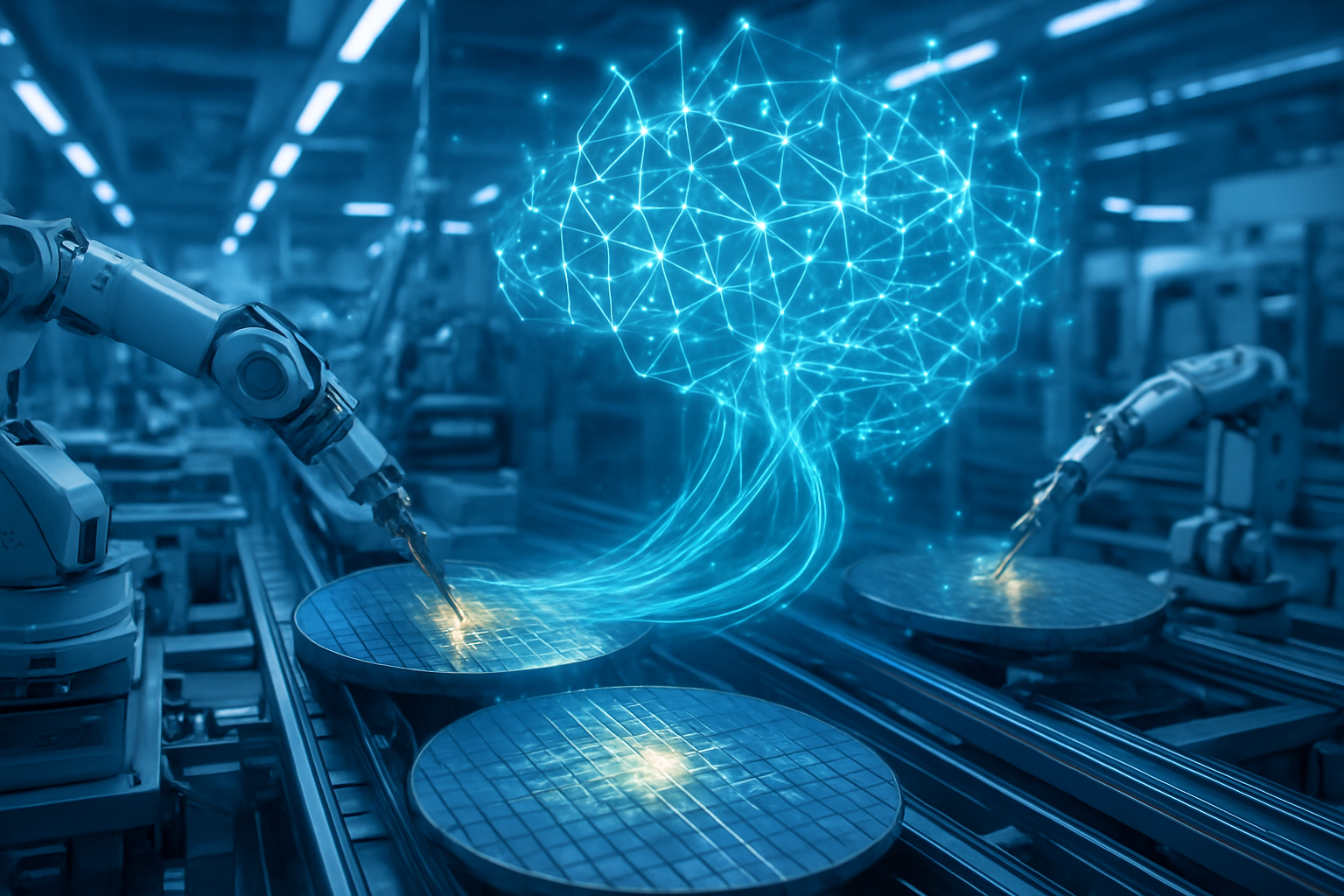
    In a landmark move poised to reshape the global deep-tech landscape, an Israeli-Canadian investment group, Awz (Awz Ventures Inc.), today announced and broke ground on a new, state-of-the-art specialized chip manufacturing plant in Ashkelon, Israel. This ambitious project, part of Awz's new national deep-tech center dubbed "The RISE," represents a significant stride towards technological independence and a bolstering of strategic capabilities for both defense and civilian applications. With an initial investment of NIS 5 billion (approximately $1.3-$1.6 billion USD), this facility is set to become a cornerstone of advanced semiconductor production, focusing on next-generation III-V compound semiconductors.

    The announcement, made on Thursday, November 13, 2025, signals a pivotal moment for Israel's burgeoning technology sector and its national security interests. The Ashkelon plant is not merely another fabrication facility; it is a strategic national project designed to cultivate cutting-edge innovation in areas critical to the future of artificial intelligence, quantum computing, and advanced communications. Its establishment underscores a global trend towards securing domestic supply chains for essential technological components, particularly in an increasingly complex geopolitical environment.

    Pioneering Next-Generation Semiconductors for Critical Applications

    The Ashkelon facility will distinguish itself by specializing in the production of III-V compound semiconductors on silicon and other substrates, a significant departure from the more common silicon-based chip manufacturing. These specialized semiconductors are lauded for their superior properties, including higher electron mobility, enhanced power efficiency, and exceptional light emission capabilities, which far surpass those of traditional silicon. This technological edge makes them indispensable for the most demanding and forward-looking applications.

    The chips produced here will power the backbone of future AI infrastructure, enabling faster and more efficient processing for complex algorithms and machine learning models. Beyond AI, these advanced semiconductors are crucial for the development of quantum computing, offering the foundational components for building stable and scalable quantum systems. Furthermore, their superior performance characteristics are vital for the next generation of wireless communications, specifically 5G and 6G networks, promising unprecedented speeds and reliability. This focus on III-V compounds positions the Ashkelon plant at the forefront of innovation, addressing the limitations of existing silicon technology in these highly specialized and critical domains. The initial reactions from the AI research community and industry experts are overwhelmingly positive, highlighting the strategic foresight in investing in such advanced materials and manufacturing capabilities, which are essential for unlocking the full potential of future technologies.

    Reshaping the AI and Tech Ecosystem

    The establishment of The RISE and its specialized chip plant in Ashkelon will undoubtedly send ripples across the AI and tech industry, creating both beneficiaries and competitive shifts. Companies heavily invested in advanced AI research, quantum computing, and next-generation telecommunications stand to gain immensely from a reliable, high-performance domestic source of III-V compound semiconductors. Israeli AI startups and research institutions, in particular, will benefit from direct access to cutting-edge fabrication capabilities, fostering rapid prototyping and innovation cycles that were previously constrained by reliance on foreign foundries.

    For major AI labs and tech giants globally, this development offers a diversified supply chain option for critical components, potentially reducing geopolitical risks and lead times. The "open fab" model, allowing access for startups, research institutes, and global corporations, will foster an ecosystem of collaboration, potentially accelerating breakthroughs across various sectors. While it may not directly disrupt existing mass-market silicon chip production, it will certainly challenge the dominance of current specialized chip manufacturers and could lead to new partnerships and competitive pressures in niche, high-value markets. Companies focused on specialized hardware for AI accelerators, quantum processors, and advanced RF components will find a new strategic advantage in leveraging the capabilities offered by this facility, potentially shifting market positioning and enabling the development of entirely new product lines.

    A Strategic Pillar in the Broader AI Landscape

    This investment in Ashkelon fits perfectly into the broader global trend of nations prioritizing technological sovereignty and robust domestic supply chains, especially for critical AI components. In an era where geopolitical tensions can disrupt essential trade routes and access to advanced manufacturing, establishing local production capabilities for specialized chips is not just an economic decision but a national security imperative. The plant's dual-use potential, serving both Israel's defense sector and civilian industries, highlights its profound strategic importance. It aims to reduce reliance on foreign supply chains, thereby enhancing Israel's security and technological independence.

    Comparisons can be drawn to similar national initiatives seen in the US, Europe, and Asia, where governments are pouring billions into semiconductor manufacturing to ensure future competitiveness and resilience. However, Israel's focus on III-V compound semiconductors differentiates this effort, positioning it as a leader in a crucial, high-growth niche rather than directly competing with mass-market silicon foundries. The potential concerns revolve around the significant initial investment and the long ramp-up time for such complex facilities, as well as the need to attract and retain highly specialized talent. Nevertheless, this milestone is seen as a crucial step in cementing Israel's reputation as a global deep-tech powerhouse, capable of not only innovating but also manufacturing the foundational technologies of tomorrow.

    The Horizon: Applications and Anticipated Challenges

    Looking ahead, the Ashkelon plant is expected to catalyze a wave of innovation across multiple sectors. In the near term, we can anticipate accelerated development in secure communication systems for defense, more powerful and energy-efficient AI processors for data centers, and advanced sensor technologies. Long-term developments could see these III-V chips becoming integral to practical quantum computers, revolutionizing drug discovery, material science, and cryptography. The "open fab" model is particularly promising, as it could foster a vibrant ecosystem where startups and academic institutions can rapidly experiment with novel chip designs and applications, significantly shortening the innovation cycle.

    However, challenges remain. The intricate manufacturing processes for III-V compound semiconductors require highly specialized expertise and equipment, necessitating significant investment in talent development and infrastructure. Scaling production while maintaining stringent quality control will be paramount. Experts predict that this facility will attract further foreign investment into Israel's deep-tech sector and solidify its position as a hub for advanced R&D and manufacturing. The success of this venture could inspire similar specialized manufacturing initiatives globally, as nations seek to gain an edge in critical emerging technologies.

    A New Chapter for Israel's Tech Ambition

    The groundbreaking of the specialized chip manufacturing plant in Ashkelon marks a momentous occasion, representing a strategic pivot towards greater technological self-reliance and leadership in advanced semiconductor production. Key takeaways include the significant investment by Awz Ventures Inc., the focus on high-performance III-V compound semiconductors for AI, quantum computing, and 5G/6G, and the profound strategic importance for both defense and civilian applications. This development is not just about building a factory; it's about constructing a future where Israel plays a more central role in manufacturing the foundational technologies that will define the 21st century.

    This investment is a testament to Israel's enduring commitment to innovation and its proactive approach to securing its technological future. Its significance in AI history will be measured by its ability to accelerate breakthroughs in critical AI hardware, foster a new generation of deep-tech companies, and enhance national security through domestic manufacturing. In the coming weeks and months, industry watchers will be keenly observing the progress of the plant's construction, the partnerships it forms, and the initial research and development projects it enables. This is a bold step forward, promising to unlock new frontiers in artificial intelligence and beyond.


    This content is intended for informational purposes only and represents analysis of current AI developments.

    TokenRing AI delivers enterprise-grade solutions for multi-agent AI workflow orchestration, AI-powered development tools, and seamless remote collaboration platforms.
    For more information, visit https://www.tokenring.ai/.

  • BigBear.ai’s Strategic Move: Acquiring Ask Sage to Dominate Secure Generative AI

    BigBear.ai’s Strategic Move: Acquiring Ask Sage to Dominate Secure Generative AI

    In a landmark move that underscores the escalating strategic importance of acquisitions in the artificial intelligence sector, BigBear.ai (NYSE: BBAI) has announced its definitive agreement to acquire Ask Sage, a rapidly growing Generative AI platform. Announced on November 10, 2025, this acquisition, valued at $250 million, is poised to significantly bolster BigBear.ai's market position, particularly within the critical domains of defense, national security, and other highly regulated industries. This transaction highlights a broader trend of consolidation and strategic growth as companies vie for dominance in the rapidly evolving AI landscape, leveraging targeted acquisitions to gain technological edges and expand market reach.

    BigBear.ai Forges Ahead with Secure Generative AI Powerhouse

    The acquisition of Ask Sage represents a pivotal advancement in BigBear.ai's capabilities, integrating a cutting-edge Generative AI platform renowned for its secure distribution of AI models and sophisticated agentic AI functionalities. Ask Sage's technology is specifically engineered to meet the stringent security and operational requirements of defense and national security agencies, as well as other highly regulated sectors. The platform currently serves over 100,000 users across 16,000 government teams and hundreds of commercial entities, demonstrating its robust adoption and proven utility. This specialized focus on secure, explainable, and reliable AI differentiates Ask Sage from many general-purpose Generative AI solutions.

    Technically, Ask Sage's platform excels in providing a secure conduit for deploying and managing AI models, a critical feature for sensitive applications where data privacy and integrity are paramount. Its agentic AI capabilities allow for more autonomous and sophisticated AI operations, enabling the system to understand, reason, and act on complex tasks with minimal human intervention, while adhering to strict compliance protocols. This contrasts sharply with earlier AI approaches that often lacked the inherent security features or the advanced agentic intelligence necessary for high-stakes governmental and defense applications. The initial reaction from industry experts suggests this acquisition provides BigBear.ai with a significant competitive advantage, positioning it as a leader in delivering trusted AI solutions for the public sector.

    Competitive Edge and Market Realignments in the AI Sector

    This strategic acquisition is set to profoundly impact the competitive dynamics within the AI industry, particularly for companies vying for contracts in government and defense. BigBear.ai (NYSE: BBAI) stands to benefit immensely, leveraging Ask Sage's established platform and customer base to solidify its position as a go-to provider for secure Generative AI solutions. The integration of Ask Sage's technology with BigBear.ai's existing AI-powered analytics and decision intelligence platforms will create a formidable offering, capable of addressing an even wider array of complex challenges for its clients.

    The competitive implications for major AI labs and tech giants are significant. While many large players focus on broad consumer or enterprise AI, BigBear.ai's move carves out a specialized niche in the high-security, regulated AI market. This could disrupt existing products or services offered by generalist AI providers who may struggle to meet the stringent security and compliance requirements that Ask Sage inherently provides. Furthermore, the acquisition signals a clear strategy for market positioning, emphasizing vertical integration and specialization rather than horizontal expansion. The financial community's initial reaction to the announcement will be closely watched, as Ask Sage is projected to generate approximately $25 million in annual recurring revenue (ARR) in 2025, a six-fold increase from its 2024 ARR, indicating strong growth potential that could positively influence BigBear.ai's stock performance.

    The Broader AI Landscape: Specialization and Consolidation

    BigBear.ai's acquisition of Ask Sage fits squarely into the broader AI landscape trend of consolidation and strategic specialization. As AI technology matures, companies are increasingly looking to acquire specific capabilities, talent, and customer bases to accelerate their growth and secure competitive advantages rather than developing everything in-house. This particular acquisition highlights the growing demand for AI solutions that are not only powerful but also inherently secure, explainable, and compliant with strict regulatory frameworks, especially for sensitive applications in government and critical infrastructure.

    The impact extends beyond just the defense sector; it signals a maturation of the AI market where niche expertise becomes a premium. Potential concerns might arise regarding market concentration and the implications for smaller AI startups, but the overall trend suggests a healthy drive towards more robust, specialized, and reliable AI systems. This move by BigBear.ai can be compared to previous AI milestones where targeted acquisitions led to significant advancements in specific domains, such as natural language processing or computer vision. It underscores the industry's shift from general-purpose AI experimentation to deploying highly effective, purpose-built AI solutions.

    Future Trajectories: Enhanced Security and Agentic Autonomy

    Looking ahead, the integration of Ask Sage's Generative AI platform into BigBear.ai's ecosystem promises a wave of innovative developments. Near-term expectations include the rapid deployment of enhanced secure AI capabilities to existing government and defense clients, enabling more sophisticated data analysis, threat detection, and decision support. In the long term, the combined entity is likely to explore advanced applications of agentic AI for autonomous operations, predictive intelligence, and complex simulations within highly sensitive environments. This could lead to breakthroughs in areas like cyber warfare, intelligence analysis, and logistics optimization.

    However, challenges remain. The successful integration of two distinct technological platforms and organizational cultures will be crucial. Ensuring seamless interoperability and maintaining the high-security standards of Ask Sage while scaling its capabilities within BigBear.ai's broader offerings will require meticulous planning and execution. Experts predict that this acquisition will serve as a blueprint for future M&A activities in the AI sector, particularly for companies aiming to capture the lucrative and high-stakes government and enterprise markets by offering specialized, secure, and highly reliable AI solutions. The focus will increasingly shift towards "trustworthy AI," making acquisitions like this strategically invaluable.

    A New Era for Secure AI and Strategic Growth

    BigBear.ai's acquisition of Ask Sage marks a significant moment in the ongoing evolution of the AI industry, underscoring the critical importance of strategic acquisitions for strengthening market position and driving specialized growth. The key takeaway is the increasing premium placed on secure, explainable, and agentic Generative AI, especially for mission-critical applications. This development solidifies BigBear.ai's role as a frontrunner in providing advanced AI solutions to government and highly regulated sectors, setting a new benchmark for what secure AI can achieve.

    This acquisition's significance in AI history lies in its clear demonstration of how targeted M&A can accelerate technological advancement and market penetration in niche, high-value segments. The long-term impact will likely be seen in the enhanced capabilities of national security and defense agencies, empowered by more robust and trustworthy AI systems. In the coming weeks and months, industry observers will be watching closely for details regarding the integration process, the unveiling of new combined product offerings, and the subsequent impact on BigBear.ai's financial performance and market valuation. This move by BigBear.ai is not just an acquisition; it's a strategic declaration in the race for AI supremacy.


    This content is intended for informational purposes only and represents analysis of current AI developments.

    TokenRing AI delivers enterprise-grade solutions for multi-agent AI workflow orchestration, AI-powered development tools, and seamless remote collaboration platforms.
    For more information, visit https://www.tokenring.ai/.

  • Revitalizing American Ingenuity: Government Incentives Fueling a Semiconductor Renaissance in Arizona

    Revitalizing American Ingenuity: Government Incentives Fueling a Semiconductor Renaissance in Arizona

    The United States is witnessing a pivotal moment in its industrial policy, as robust government incentives, spearheaded by the landmark CHIPS and Science Act, are catalyzing a dramatic resurgence in domestic semiconductor manufacturing. This strategic pivot, enacted in August 2022, is designed to reverse decades of decline in U.S. chip production, bolster national security, and fortify economic resilience by bringing critical manufacturing capabilities back to American soil. Nowhere is this transformation more evident than in Arizona, which has rapidly emerged as a burgeoning hub for advanced chip fabrication, attracting unprecedented levels of private investment and setting the stage for a new era of technological independence.

    The immediate significance of these incentives cannot be overstated. The COVID-19 pandemic laid bare the perilous vulnerabilities of a globally concentrated semiconductor supply chain, causing widespread disruptions across virtually every industry. By offering substantial financial backing, including grants, loans, and significant tax credits, the U.S. government is directly addressing the economic disparities that previously made domestic manufacturing less competitive. This initiative is not merely about constructing new factories; it's a comprehensive effort to cultivate an entire ecosystem, from cutting-edge research and development to a highly skilled workforce, ensuring the U.S. maintains its technological leadership in an increasingly competitive global landscape.

    The CHIPS Act: A Blueprint for High-Tech Manufacturing Revival

    The CHIPS and Science Act stands as the cornerstone of America's renewed commitment to semiconductor sovereignty. This bipartisan legislation authorizes approximately $280 billion in new funding, with a substantial $52.7 billion specifically appropriated to supercharge domestic chip research, development, and manufacturing. Key allocations include $39 billion in subsidies for chip manufacturing on U.S. soil, complemented by a crucial 25% investment tax credit for manufacturing equipment costs. Furthermore, $13 billion is earmarked for semiconductor research and workforce training, with an additional $11 billion dedicated to advanced semiconductor R&D, including the establishment of the National Semiconductor Technology Center (NSTC) – a public-private consortium aimed at fostering innovation.

    This robust financial framework is meticulously designed to offset the higher operational costs associated with building and running fabs in the U.S., which can be 30-50% more expensive than in Asian counterparts. The Act also includes "guardrails" that prohibit recipients of CHIPS funding from expanding certain advanced semiconductor manufacturing operations in "countries of concern" for at least a decade, thereby safeguarding national security interests. This represents a significant departure from previous laissez-faire approaches, marking a proactive industrial policy aimed at strategic technological self-sufficiency. Initial reactions from the AI research community and industry experts have been largely positive, recognizing the long-term benefits of a diversified and secure chip supply for advancements in AI, high-performance computing, and other critical technologies. They emphasize that a stable domestic supply chain is crucial for accelerating innovation and mitigating future risks.

    The technical specifications of the fabs being built or expanded under these incentives are at the leading edge of semiconductor technology. Companies like Taiwan Semiconductor Manufacturing Company (TSMC) (NYSE: TSM) and Intel Corporation (NASDAQ: INTC) are constructing facilities capable of producing advanced nodes, including 4-nanometer and eventually 3-nanometer chips. These nodes are vital for the next generation of AI processors, high-performance computing, and advanced mobile devices, requiring highly complex lithography techniques, extensive cleanroom environments, and sophisticated automation. The shift from older, larger nodes to these smaller, more efficient transistors allows for greater computational power and energy efficiency, which are critical for demanding AI workloads. This level of advanced manufacturing was virtually non-existent in the U.S. just a few years ago, highlighting the transformative impact of the CHIPS Act.

    Arizona's Ascent: A New Silicon Desert

    The ripple effects of the CHIPS Act are profoundly reshaping the landscape for AI companies, tech giants, and startups. Major players like Intel and TSMC stand to benefit immensely, leveraging the substantial government support to expand their manufacturing footprints. Intel, a long-standing fixture in Arizona, has received $8.5 billion from the CHIPS Act, fueling significant expansions at its Chandler campus, bringing its total investment in the state to over $50 billion. This enables Intel to strengthen its IDM 2.0 strategy, which aims to become a major foundry player while continuing its own product innovation.

    TSMC's commitment to Arizona is even more staggering, with up to $6.6 billion in grants and approximately $5 billion in loans under the CHIPS Act supporting its ambitious plans for three fabrication plants in Phoenix. This represents a total investment exceeding $65 billion, making it the largest foreign direct investment in Arizona's history. These facilities are projected to create around 6,000 high-paying manufacturing jobs and 20,000 construction jobs, creating a robust local economy. The presence of these titans creates a magnet effect, attracting an ecosystem of ancillary suppliers, equipment manufacturers, and logistics providers, all of whom stand to gain from the burgeoning chip industry.

    For smaller AI labs and startups, a secure and diverse domestic chip supply chain means greater reliability and potentially faster access to advanced components, reducing reliance on potentially volatile international markets. This could foster greater innovation by lowering barriers to entry for hardware-intensive AI applications. While the competitive landscape will intensify, with increased domestic production, it also creates opportunities for specialized companies in areas like chip design, packaging, and testing. The strategic advantages include reduced lead times, enhanced intellectual property protection, and a more resilient supply chain, all of which are critical for companies operating at the cutting edge of AI development.

    Broader Implications: National Security, Economic Resilience, and Global Leadership

    The revitalization of domestic chip production through government incentives extends far beyond economic benefits, fitting squarely into a broader strategic push for national security and technological self-reliance. Semiconductors are the bedrock of modern society, underpinning everything from advanced military systems and critical infrastructure to the burgeoning field of artificial intelligence. The concentration of advanced chip manufacturing in East Asia, particularly Taiwan, has long been identified as a significant geopolitical vulnerability. By reshoring this critical capability, the U.S. is proactively mitigating supply chain risks and strengthening its defense posture against potential disruptions or conflicts.

    Economically, the investments are projected to create hundreds of thousands of high-paying jobs, not just in direct semiconductor manufacturing but also across the wider economy in supporting industries, research, and development. This surge in economic activity contributes to a more robust and resilient national economy, less susceptible to global shocks. The focus on advanced R&D, including the NSTC, ensures that the U.S. remains at the forefront of semiconductor innovation, which is crucial for maintaining global leadership in emerging technologies like AI, quantum computing, and advanced communications. This mirrors historical government investments in foundational technologies that have driven past industrial revolutions, positioning the current efforts as a critical milestone for future economic and technological dominance.

    While the benefits are substantial, potential concerns include the immense capital expenditure required, the challenge of cultivating a sufficiently skilled workforce, and the risk of over-subsidization distorting market dynamics. However, the prevailing sentiment is that the strategic imperative outweighs these concerns. The comparisons to previous AI milestones underscore the foundational nature of this effort: just as breakthroughs in algorithms and computing power have propelled AI forward, securing the hardware supply chain is a fundamental requirement for the next wave of AI innovation. The long-term impact on the broader AI landscape is a more stable, secure, and innovative environment for developing and deploying advanced AI systems.

    The Road Ahead: Sustaining Momentum and Addressing Challenges

    Looking ahead, the near-term developments will focus on the accelerated construction and operationalization of these new and expanded fabrication facilities, particularly in Arizona. We can expect further announcements regarding specific production timelines and technology nodes. In the long term, the goal is to establish a robust, self-sufficient semiconductor ecosystem capable of meeting both commercial and defense needs. This includes not only manufacturing but also advanced packaging, materials science, and equipment production. Potential applications and use cases on the horizon include more powerful and energy-efficient AI accelerators, specialized chips for edge AI, and secure semiconductors for critical infrastructure.

    However, significant challenges remain. The most pressing is the development of a highly skilled workforce. While initiatives like the Arizona CHIPS consortium are expanding apprenticeship and training programs, the demand for engineers, technicians, and researchers will be immense. Sustaining the momentum of private investment beyond the initial CHIPS Act funding will also be crucial, requiring continued policy stability and a competitive business environment. Experts predict that while the initial phase is about building capacity, the next phase will focus on integrating these new capabilities into the broader tech ecosystem, fostering innovation, and ensuring the U.S. remains competitive on a global scale. Continued collaboration between government, industry, and academia will be paramount.

    A New Chapter for American Innovation

    In summary, the U.S. government's strategic investment in domestic chip production, particularly through the CHIPS and Science Act, marks a critical turning point for American innovation and national security. The rapid transformation seen in Arizona, with massive investments from industry giants like TSMC and Intel, underscores the immediate and tangible impact of these incentives. This initiative is not merely about economic stimulus; it's a profound commitment to rebuilding a vital industrial base, securing critical supply chains, and ensuring the nation's technological leadership in an era increasingly defined by artificial intelligence.

    The significance of this development in AI history is profound, as a stable and advanced domestic semiconductor supply chain is foundational for future AI breakthroughs. Without reliable access to cutting-edge chips, the pace of AI innovation would be severely hampered. As these new fabs come online and the semiconductor ecosystem matures, the long-term impact will be a more resilient, secure, and innovative environment for developing and deploying advanced AI systems across all sectors. In the coming weeks and months, all eyes will be on the progress of construction, the success of workforce development initiatives, and further announcements from major chip manufacturers as they solidify America's position as a global leader in semiconductor technology.


    This content is intended for informational purposes only and represents analysis of current AI developments.

    TokenRing AI delivers enterprise-grade solutions for multi-agent AI workflow orchestration, AI-powered development tools, and seamless remote collaboration platforms.
    For more information, visit https://www.tokenring.ai/.

  • Silent Sentinels: IIIT-A and NSTL Pioneer AI for Advanced Underwater Object Identification

    Silent Sentinels: IIIT-A and NSTL Pioneer AI for Advanced Underwater Object Identification

    In a significant leap for maritime technology and national security, the Indian Institute of Information Technology, Allahabad (IIIT-A), has joined forces with the Naval Science and Technological Laboratory (NSTL) in Visakhapatnam to develop groundbreaking technology for identifying underwater objects. This strategic collaboration, backed by the Naval Research Board (NRB) and the Defence Research and Development Organisation (DRDO), leverages cutting-edge artificial intelligence and deep learning to overcome the formidable challenges of underwater reconnaissance. The initiative promises to revolutionize how we perceive and interact with the hidden depths of our oceans, with immediate and profound implications for defense and marine science.

    The core problem addressed by this innovation lies in the notoriously difficult nature of the underwater environment. Traditional optical imaging methods are severely hampered by light attenuation, water turbidity, low visibility, poor contrast, and color distortion, making accurate object identification a near-impossible task. This new technology, however, marks a significant paradigm shift by focusing on the analysis of sound waves (acoustic images) emitted from beneath the ocean, providing a robust solution where light-based systems fail. This "Development of Deep Learning Methods for Object Recognition in Underwater Acoustic Images" project is set to enhance the operational efficiency of the Indian Navy and position India as a leader in deep-sea exploration and marine intelligence.

    Unveiling the Depths: A Technical Deep Dive into Acoustic AI

    The IIIT-A and NSTL collaboration is fundamentally centered on the application of advanced Deep Learning and Artificial Intelligence (AI) techniques to interpret complex underwater data. Unlike conventional methods that primarily rely on visual light, which is quickly absorbed and scattered in water, this novel approach harnesses the power of acoustics. By analyzing sound waves, the system can effectively circumvent the severe limitations imposed by light in the marine environment, providing clearer and more reliable data for object recognition.

    The deep learning model at the heart of this technology is engineered for continuous learning and improvement. It is designed to process and learn from new acoustic data streams, iteratively enhancing its accuracy in classifying underwater images and signals over time. This adaptive capability is crucial for operating in dynamic and unpredictable ocean conditions, where the acoustic signatures of objects can vary based on depth, water temperature, salinity, and other environmental factors. The technical specifications point towards a system capable of high-fidelity signal processing and sophisticated pattern recognition, enabling it to distinguish between various underwater entities, from marine life to man-made structures, with unprecedented precision.

    This approach represents a significant departure from previous methodologies, which often struggled with the inherent distortions and noise present in underwater optical imagery. By prioritizing acoustic data, the IIIT-A and NSTL system offers a more robust and reliable solution for underwater object identification, particularly in deep-sea or highly turbid conditions where optical visibility is negligible. Initial reactions from the AI research community and defense experts have been overwhelmingly positive, recognizing the strategic importance of such a system for national security and its potential to open new avenues in marine research. The ability to accurately detect and classify objects in real-time, regardless of lighting conditions, is seen as a game-changer for naval operations and scientific exploration alike.

    Ripples Across the Industry: Impact on AI Companies and Tech Giants

    The breakthrough in advanced underwater object identification technology, spearheaded by IIIT-A and NSTL, is poised to send significant ripples across the AI industry, impacting established tech giants, specialized AI labs, and emerging startups. Companies with strong portfolios in AI, deep learning, sensor technology, and defense contracting stand to benefit immensely from this development. Firms like Lockheed Martin (NYSE: LMT), Raytheon Technologies (NYSE: RTX), and Northrop Grumman (NYSE: NOC), already deeply entrenched in defense and aerospace, could integrate this technology into their existing naval systems, enhancing their offerings in submarine detection, mine countermeasures, and maritime surveillance.

    The competitive implications for major AI labs and tech companies are substantial. While the immediate focus is on defense, the underlying AI and acoustic processing technologies have broader applications. Companies investing heavily in autonomous underwater vehicles (AUVs) and marine robotics, such as Boston Dynamics (a subsidiary of Hyundai Motor Company (KRX: 005380)) or smaller specialized firms like Hydroid (a part of Huntington Ingalls Industries (NYSE: HII)), could find this object identification capability indispensable for improving the autonomy and effectiveness of their platforms. This development could disrupt existing products or services that rely on less accurate or environmentally limited identification methods, pushing them towards adopting similar acoustic-AI integration.

    Furthermore, startups specializing in environmental monitoring, oceanographic data analysis, or even underwater archaeology could find new market opportunities by licensing or developing applications based on this advanced recognition technology. The strategic advantage lies in the ability to offer highly reliable and accurate underwater intelligence, a capability currently lacking in many commercial solutions. Companies that can quickly adapt and integrate this acoustic-AI paradigm into their offerings will gain a significant market positioning advantage, potentially leading to new partnerships, acquisitions, and a reorientation of research and development efforts towards robust underwater sensing solutions.

    The Broader Canvas: Wider Significance and AI Landscape Trends

    This advancement in underwater object identification technology by IIIT-A and NSTL fits squarely into the broader trend of AI pushing the boundaries of perception in challenging environments. Just as AI has revolutionized image recognition in terrestrial settings and natural language processing in human communication, its application to the complex, data-sparse, and often hostile underwater world represents a critical milestone. It underscores the growing maturity of deep learning algorithms to extract meaningful patterns from unconventional data sources, in this case, acoustic signals, where traditional methods have consistently failed.

    The impacts of this technology extend far beyond military applications. Environmentally, it promises to revolutionize marine ecosystem studies, allowing scientists to more accurately monitor fish populations, track marine mammals, and identify invasive species without intrusive visual methods. In conservation, it could significantly aid in detecting and classifying marine debris, supporting cleanup efforts and providing crucial data for pollution control. Potential concerns, however, might include the dual-use nature of such powerful surveillance technology, raising questions about privacy in international waters and the potential for misuse in geopolitical contexts. Discussions around ethical AI development and deployment in sensitive areas will undoubtedly intensify.

    Comparing this to previous AI milestones, this breakthrough is akin to the development of robust AI for satellite imagery analysis or medical diagnostics, where complex, noisy data is transformed into actionable intelligence. It highlights the versatility of AI and its capacity to solve "unsolvable" problems by learning from vast datasets and identifying subtle patterns imperceptible to human observation or simpler algorithms. This development reinforces the trend of AI democratizing access to previously inaccessible or unintelligible information, opening new frontiers in scientific understanding and strategic capabilities.

    Charting Uncharted Waters: Exploring Future Developments

    Looking ahead, the collaboration between IIIT-A and NSTL is expected to yield both near-term refinements and long-term transformative developments. In the near term, experts predict a continuous improvement in the accuracy and real-time processing capabilities of the deep learning models, potentially incorporating multi-modal sensing where acoustic data is fused with other available sensor inputs, such as sonar or even limited optical data in clearer shallow waters, to create an even more comprehensive understanding of the underwater environment. The focus will likely be on optimizing the algorithms for deployment on smaller, more energy-efficient hardware, suitable for integration into a wider range of autonomous underwater vehicles (AUVs) and unmanned surface vessels (USVs).

    Potential applications and use cases on the horizon are vast and exciting. Beyond defense and environmental monitoring, this technology could be critical for the burgeoning offshore energy sector, enabling more precise inspection of underwater infrastructure like pipelines and wind turbine foundations. In marine archaeology, it could facilitate the discovery and mapping of submerged historical sites with unprecedented detail. The development of AI-powered underwater navigation systems, capable of identifying and avoiding obstacles in real-time based on acoustic signatures, is also a highly anticipated application.

    However, several challenges need to be addressed. The primary hurdles include the sheer volume and variability of underwater acoustic data, the need for robust generalization across diverse marine environments, and the computational demands of advanced deep learning models in resource-constrained underwater platforms. Data labeling and annotation for training these models also remain a significant challenge due to the difficulty of ground-truthing underwater observations. Experts predict that the next steps will involve further miniaturization of processing units, the development of more sophisticated synthetic data generation techniques to augment real-world datasets, and increased international collaboration to standardize data formats and share best practices.

    Echoes of Innovation: A Comprehensive Wrap-Up

    The collaborative effort between IIIT-A and NSTL to develop advanced underwater object identification technology represents a monumental step forward in artificial intelligence and its application to one of Earth's most challenging frontiers. The key takeaway is the successful pivot from light-dependent imaging to sophisticated acoustic-AI analysis, effectively circumventing the inherent limitations of the underwater environment. This innovation significantly enhances capabilities for maritime surveillance, national security, and opens vast new avenues for scientific exploration and environmental stewardship.

    This development's significance in AI history cannot be overstated; it marks a critical expansion of AI's perceptual abilities into a domain previously considered intractable for precise automated identification. It stands as a testament to the power of deep learning to extract meaningful patterns from complex, noisy, and unconventional data sources. The long-term impact is likely to reshape naval strategies, accelerate deep-sea research, and foster new industries focused on underwater robotics and data intelligence.

    In the coming weeks and months, observers should watch for further announcements regarding the deployment and testing of this technology, particularly within the Indian Navy. Additionally, attention should be paid to any partnerships formed with commercial entities seeking to leverage this breakthrough for civilian applications. The evolution of ethical guidelines for underwater AI surveillance and the continued miniaturization of the technology will also be crucial indicators of its widespread adoption and influence. This silent sentinel of the deep is poised to profoundly change our understanding and interaction with the ocean's hidden world.


    This content is intended for informational purposes only and represents analysis of current AI developments.

    TokenRing AI delivers enterprise-grade solutions for multi-agent AI workflow orchestration, AI-powered development tools, and seamless remote collaboration platforms.
    For more information, visit https://www.tokenring.ai/.
  • Prescient Edge: From Startup to ‘Program of the Year’ — How AI Innovation is Reshaping National Security

    Prescient Edge: From Startup to ‘Program of the Year’ — How AI Innovation is Reshaping National Security

    Washington D.C., October 29, 2025 – Prescient Edge Corporation (PEC), a veteran-owned technology business, has emerged as a beacon of innovation in the defense sector, culminating in its prestigious "Program of the Year" win at the Greater Washington GovCon Awards in December 2024. This significant accolade recognizes Prescient Edge's groundbreaking work as the prime integrator for U.S. Naval Forces Central Command (NAVCENT) Task Force 59, showcasing how agile startups can leverage cutting-edge AI to deliver transformative impact on national security. Their journey underscores a pivotal shift in how the U.S. military is embracing rapid technological integration to maintain a strategic edge in global maritime operations.

    The award highlights Prescient Edge's instrumental role in advancing the U.S. Navy's capabilities to rapidly integrate unmanned air, sea, and underwater systems using artificial intelligence into critical maritime operations. This collaboration has not only enhanced maritime surveillance and operational agility but has also positioned Task Force 59 as a global leader in maritime innovation. The recognition validates Prescient Edge's leadership in AI, its contribution to enhanced maritime security, and its influence in spurring wider adoption of AI-driven strategies across other Navy Fleets and task forces.

    The AI Engine Behind Maritime Dominance: Technical Deep Dive into Task Force 59

    Prescient Edge's AI advancement with NAVCENT Task Force 59 is rooted in the development and operation of an interconnected framework of over 23 autonomous surface, subsurface, and air systems. The core AI functionalities integrated by Prescient Edge are designed to elevate maritime domain awareness and deterrence in critical regions, leveraging AI-enabled sensors, radars, and cameras for comprehensive monitoring and data collection across vast maritime environments.

    Key technical capabilities include advanced data analysis and anomaly detection, where integrated AI and machine learning (ML) models process massive datasets to identify suspicious behaviors and patterns that might elude human operators. This encompasses predictive maintenance, image recognition, and sophisticated anomaly detection. A significant innovation is the "single pane of glass" interface, which uses AI to synthesize complex information from multiple unmanned systems onto a unified display for watchstanders in Task Force 59's Robotics Operations Center. This reduces cognitive load and accelerates decision-making. Furthermore, the AI systems are engineered for robust human-machine teaming, fostering trust and enabling more effective and efficient operations alongside manned platforms. Prescient Edge's expertise in "Edge AI and Analytics" allows them to deploy AI and ML models directly at the edge, ensuring real-time data processing and decision-making for IoT devices, even in communications-denied environments.

    This approach marks a significant departure from previous defense acquisition and deployment strategies. Task Force 59, with integrators like Prescient Edge, champions the rapid adoption of mature, commercial off-the-shelf (COTS) unmanned systems and AI tools, contrasting sharply with the traditionally lengthy and complex defense acquisition cycles. The emphasis is on aggressive experimentation and quick iteration, allowing for rapid application of operational lessons. Instead of relying on a few large, manned platforms, the strategy involves deploying a vast, integrated network of numerous smaller, AI-enabled unmanned systems, creating a "digital ocean" for persistent monitoring. This not only enhances capabilities but also offers a cost-effective force multiplier, allowing manned ships to be used more efficiently.

    Initial reactions from within the defense industry and naval leadership have been overwhelmingly positive. Vice Adm. Brad Cooper, commander of U.S. Naval Forces Central Command, has praised Task Force 59's achievements, noting that AI "unleashes our ability to assess terabytes of data rapidly, compare it against existing data, analyze patterns, and identify abnormalities, enabling us to accelerate our decision-making processes with increased accuracy." Alexander Granados, CEO of Prescient Edge, has underscored the transformative potential of unmanned systems and AI as the future of national defense and warfare. While specific algorithmic details remain proprietary due to the nature of defense contracts, the widespread industry recognition, including the GovCon award, signifies strong confidence in Prescient Edge's integrated AI solutions.

    Reshaping the AI Competitive Landscape: Implications for Tech Giants and Startups

    Prescient Edge's success with NAVCENT Task Force 59 sends clear signals across the AI industry, impacting tech giants, traditional defense contractors, and emerging startups alike. Their "Program of the Year" win validates the efficacy of agile, specialized AI startups in delivering cutting-edge solutions to defense agencies, broadening opportunities for other defense-focused AI startups in autonomous systems, data analytics, and real-time intelligence. These companies stand to benefit from increased access to government funding, research grants (like SBIR Phase III contracts), and invaluable opportunities to scale their technologies in real-world military scenarios.

    For tech giants, the rise of specialized defense AI firms like Prescient Edge, alongside companies such as Palantir Technologies (NYSE: PLTR) and Anduril Industries, serves as a significant challenge to traditional dominance. This compels larger tech companies to either intensify their defense AI initiatives or pursue strategic partnerships. Companies like Alphabet (NASDAQ: GOOGL), which previously expressed reservations about military AI, have since reversed course, engaging in formal partnerships with defense contractors like Lockheed Martin (NYSE: LMT). Similarly, OpenAI has secured Pentagon contracts, and International Business Machines (NYSE: IBM) is developing large language models for defense applications. Tech giants are increasingly focusing on providing foundational AI capabilities—cloud infrastructure, advanced chips, and sophisticated LLMs—that can be customized by specialized integrators.

    Traditional defense contractors such as Lockheed Martin (NYSE: LMT), Raytheon Technologies (NYSE: RTX), and Northrop Grumman (NYSE: NOC) face growing competition from these agile AI-focused startups. To maintain their competitive edge, they must significantly increase AI research and development, acquire promising AI startups, or forge strategic alliances. The success of Prescient Edge also highlights a potential disruption to existing products and services. There's a strategic shift from expensive, slow-to-develop traditional military hardware towards more agile, software-defined, AI-driven platforms. AI-enabled sensors and unmanned systems offer more comprehensive and persistent monitoring, potentially rendering older, less efficient surveillance methods obsolete.

    The market positioning and strategic advantages underscored by Prescient Edge's achievement include the paramount importance of agility and rapid prototyping in defense AI. Their role as a "prime integrator" coordinating diverse autonomous systems highlights the critical need for companies capable of seamlessly integrating various AI and unmanned technologies. Building human-machine trust, leveraging Commercial-Off-The-Shelf (COTS) technology for faster deployment and cost-effectiveness, and developing robust interoperability and networked intelligence capabilities are also emerging as crucial strategic advantages. Companies that can effectively address the ethical and governance concerns associated with AI integration will also gain a significant edge.

    A New Era of AI in Defense: Wider Significance and Emerging Concerns

    Prescient Edge's "Program of the Year" win is not merely an isolated success; it signifies a maturing of AI in the defense sector and aligns with several broader AI landscape trends. The focus on Edge AI and real-time processing, crucial for defense applications where connectivity may be limited, underscores a global shift towards decentralized AI. The increasing reliance on autonomous drones and maritime systems as core components of modern defense strategies reflects a move towards enhancing military reach while reducing human exposure to high-risk scenarios. AI's role in data-driven decision-making, rapidly analyzing vast sensor data to improve situational awareness and accelerate response times, is redefining military intelligence.

    This achievement is also a testament to the "rapid innovation" or "factory to fleet" model championed by Task Force 59, which prioritizes quickly testing and integrating commercial AI and unmanned technology in real-world environments. This agile approach, allowing for software fixes within hours and hardware updates within days, marks a significant paradigm shift from traditional lengthy defense development cycles. It's a key step towards developing "Hybrid Fleets" where manned and unmanned assets work synergistically, optimizing resource allocation and expanding operational capabilities.

    The wider societal impacts of such AI integration are profound. Primarily, it enhances national security by improving surveillance, threat detection, and response, potentially leading to more stable maritime regions and better deterrence against illicit activities. By deploying unmanned systems for dangerous missions, AI can significantly reduce risks to human life. The success also fosters international collaboration, encouraging multinational exercises and strengthening alliances in adopting advanced AI systems. Moreover, the rapid development of defense AI can spill over into the commercial sector, driving innovation in autonomous navigation, advanced sensors, and real-time data analytics.

    However, the widespread adoption of AI in defense also raises significant concerns. Ethical considerations surrounding autonomous weapons systems (AWS) and the delegation of life-and-death decisions to algorithms are intensely debated. Questions of accountability for potential errors and compliance with international humanitarian law remain unresolved. The potential for AI models to inherit societal biases from training data could lead to biased outcomes or unintended conflict escalation. Job displacement, particularly in routine military tasks, is another concern, requiring significant retraining and upskilling for service members. Furthermore, AI's ability to compress decision-making timelines could reduce the space for diplomacy, increasing the risk of unintended conflict, while AI-powered surveillance tools raise civil liberty concerns.

    Compared to previous AI milestones, Prescient Edge's work represents an operational breakthrough in military application. While early AI milestones focused on symbolic reasoning and game-playing (e.g., Deep Blue), and later milestones demonstrated advancements in natural language processing and complex strategic reasoning (e.g., AlphaGo), Prescient Edge's innovation applies these capabilities in a highly distributed, real-time, and mission-critical context. Building on initiatives like Project Maven, which used computer vision for drone imagery analysis, Prescient Edge integrates AI across multiple autonomous systems (air, sea, underwater) within an interconnected framework, moving beyond mere image analysis to broader operational agility and decision support. It signifies a critical juncture where AI is not just augmenting human capabilities but fundamentally reshaping the nature of warfare and defense operations.

    The Horizon of Autonomy: Future Developments in Defense AI

    The trajectory set by Prescient Edge's AI innovation and the success of NAVCENT Task Force 59 points towards a future where AI and autonomous systems are increasingly central to defense strategies. In the near term (1-5 years), we can expect significant advancements in autonomous edge capabilities, allowing platforms to make complex, context-aware decisions in challenging environments without constant network connectivity. This will involve reducing the size of AI models and enabling them to natively understand raw sensor data for proactive decision-making. AI will also accelerate mission planning and decision support, delivering real-time, defense-specific intelligence and predictive analytics for threat forecasting. Increased collaboration between defense agencies, private tech firms, and international partners, along with the development of AI-driven cybersecurity solutions, will be paramount. AI will also optimize military logistics through predictive maintenance and smart inventory systems.

    Looking further ahead (beyond 5 years), the long-term future points towards increasingly autonomous defense systems that can identify and neutralize threats with minimal human oversight, fundamentally redefining the role of security professionals. AI is expected to transform the character of warfare across all domains—logistics, battlefield, undersea, cyberspace, and outer space—enabling capabilities like drone swarms and AI-powered logistics. Experts predict the rise of multi-agent AI systems where groups of autonomous AI agents collaborate on complex defensive tasks. Strategic dominance will increasingly depend on real-time data processing, rapid adaptation, and autonomous execution, with nations mastering AI integration setting future rules of engagement.

    Potential applications and use cases are vast, spanning Intelligence, Surveillance, Target Acquisition, and Reconnaissance (ISTAR) where AI rapidly interprets satellite photos, decodes communications, and fuses data for comprehensive threat assessments. Autonomous systems, from unmanned submarines to combat drones, will perform dangerous missions. AI will bolster cybersecurity by predicting and responding to threats faster than traditional methods. Predictive analytics will forecast threats and optimize resource allocation, while AI will enhance Command and Control (C2) by synthesizing vast datasets for faster decision-making. Training and simulation will become more realistic with AI-powered virtual environments, and AI will improve electronic warfare and border security.

    However, several challenges must be addressed for these developments to be realized responsibly. Ethical considerations surrounding autonomous weapons systems, accountability for AI decisions, and the potential for bias in AI systems remain critical hurdles. Data challenges, including the need for large, applicable, and unbiased military datasets, along with data security and privacy, are paramount. Building trust and ensuring explainability in AI's decision-making processes are crucial for military operators. Preventing "enfeeblement"—a decrease in human skills due to overreliance on AI—and managing institutional resistance to change within the DoD are also significant. Furthermore, the vulnerability of military AI systems to attack, tampering, or adversarial manipulation, as well as the potential for AI to accelerate conflict escalation, demand careful attention.

    Experts predict a transformative future, emphasizing that AI will fundamentally change warfare within the next two decades. There's a clear shift towards lower-cost, highly effective autonomous systems, driven by the asymmetric threats they pose. While advancements in AI at the edge are expected to be substantial in the next five years, with companies like Qualcomm (NASDAQ: QCOM) predicting that 80% of AI spending will be on inference at the edge by 2034, there's also a strong emphasis on maintaining human oversight in critical AI applications. Military leaders stress the need to "demystify AI" for personnel, promoting a better understanding of its capabilities as a force multiplier.

    A Defining Moment for Defense AI: The Road Ahead

    Prescient Edge's "Program of the Year" win for its AI innovation with NAVCENT Task Force 59 marks a defining moment in the integration of artificial intelligence into national security. The key takeaways are clear: agile startups are proving instrumental in driving cutting-edge defense innovation, rapid integration of commercial AI and unmanned systems is becoming the new standard, and AI is fundamentally reshaping maritime surveillance, operational agility, and decision-making processes. This achievement underscores a critical shift from traditional, lengthy defense acquisition cycles to a more dynamic, iterative "factory to fleet" model.

    This development's significance in AI history lies in its demonstration of operationalizing complex AI and autonomous systems in real-world, mission-critical defense environments. It moves beyond theoretical capabilities to tangible, impactful solutions that are already being adopted by other naval forces. The long-term impact will be a fundamentally transformed defense landscape, characterized by hybrid fleets, AI-enhanced intelligence, and a heightened reliance on human-machine teaming.

    In the coming weeks and months, watch for continued advancements in edge AI capabilities for defense, further integration of multi-agent autonomous systems, and increased strategic partnerships between defense agencies and specialized AI companies. The ongoing dialogue around ethical AI in warfare, the development of robust cybersecurity measures for AI systems, and efforts to foster trust and explainability in military AI will also be crucial areas to monitor. Prescient Edge's journey serves as a powerful testament to the transformative potential of AI innovation, particularly when embraced with agility and a clear strategic vision.


    This content is intended for informational purposes only and represents analysis of current AI developments.

    TokenRing AI delivers enterprise-grade solutions for multi-agent AI workflow orchestration, AI-powered development tools, and seamless remote collaboration platforms.
    For more information, visit https://www.tokenring.ai/.

  • Revolutionizing Defense: AI and Data Fabrics Forge a New Era of Real-Time Intelligence

    Revolutionizing Defense: AI and Data Fabrics Forge a New Era of Real-Time Intelligence

    Breaking Down Silos: How AI and Data Fabrics Deliver Unprecedented Real-Time Analytics and Decision Advantage for the Defense Sector

    The defense sector faces an ever-growing challenge in transforming vast quantities of disparate data into actionable intelligence at the speed of relevance. Traditional data management approaches often lead to fragmented information and significant interoperability gaps, hindering timely decision-making in dynamic operational environments. This critical vulnerability is now being addressed by the synergistic power of Artificial Intelligence (AI) and data fabrics, which together are bridging longstanding information gaps and accelerating real-time analytics. Data fabrics create a unified, interoperable architecture that seamlessly connects and integrates data from diverse sources—whether on-premises, in the cloud, or at the tactical edge—without requiring physical data movement or duplication. This unified data layer is then supercharged by AI, which automates data management, optimizes usage, and performs rapid, sophisticated analysis, turning raw data into critical insights faster than humanly possible.

    The immediate significance of this integration for defense analytics is profound, enabling military forces to achieve a crucial "decision advantage" on the battlefield and in cyberspace. By eliminating data silos and providing a cohesive, real-time view of operational information, AI-powered data fabrics enhance situational awareness, allow for instant processing of incoming data, and facilitate rapid responses to emerging threats, such as identifying and intercepting hostile unmanned systems. This capability is vital for modern warfare, where conflicts demand immediate decision-making and the ability to analyze multiple data streams swiftly. Initiatives like the Department of Defense's Joint All-Domain Command and Control (JADC2) strategy explicitly leverage common data fabrics and AI to synchronize data across otherwise incompatible systems, underscoring their essential role in creating the digital infrastructure for future defense operations. Ultimately, AI and data fabrics are not just improving data collection; they are fundamentally transforming how defense organizations derive and disseminate intelligence, ensuring that information flows efficiently from sensor to decision-maker with unprecedented speed and precision.

    Technical Deep Dive: Unpacking the AI and Data Fabric Revolution in Defense

    The integration of Artificial Intelligence (AI) and data fabrics is profoundly transforming defense analytics, moving beyond traditional, siloed approaches to enable faster, more accurate, and comprehensive intelligence gathering and decision-making. This shift is characterized by significant technical advancements, specific architectural designs, and evolving reactions from the AI research community and industry.

    AI in Defense Analytics: Advancements and Technical Specifications

    AI in defense analytics encompasses a broad range of applications, from enhancing battlefield awareness to optimizing logistical operations. Key advancements and technical specifications include:

    • Autonomous Systems: AI powers Unmanned Aerial Vehicles (UAVs) and other autonomous systems for reconnaissance, logistics support, and combat operations, enabling navigation, object recognition, and decision-making in hazardous environments. These systems utilize technologies such as reinforcement learning for path planning and obstacle avoidance, sensor fusion to combine data from various sensors (radar, LiDAR, infrared cameras, acoustic sensors) for a unified situational map, and Simultaneous Localization and Mapping (SLAM) for real-time mapping and localization in GPS-denied environments. Convolutional Neural Networks (CNNs) are employed for terrain classification and object detection.
    • Predictive Analytics: Advanced AI/Machine Learning (ML) models are used to forecast potential threats, predict maintenance needs, and optimize resource allocation. This involves analyzing vast datasets to identify patterns and trends, leading to proactive defense strategies. Specific algorithms include predictive analytics for supply and personnel demand forecasting, constraint satisfaction algorithms for route planning, and swarm intelligence models for optimizing vehicle coordination. The latest platform releases in cybersecurity, for example, introduce sophisticated Monte Carlo scenario modeling for predictive AI, allowing simulation of thousands of attack vectors and probable outcomes.
    • Cybersecurity: AI and ML are crucial for identifying and responding to cyber threats faster than traditional methods, often in real-time. AI-powered systems detect patterns and anomalies, learn from attacks, and continuously improve defensive capabilities. Generative AI combined with deterministic statistical methods is enhancing proactive, predictive cybersecurity by learning, remembering, and predicting with accuracy, significantly reducing alert fatigue and false positives.
    • Intelligence Analysis and Decision Support: AI technologies, including Natural Language Processing (NLP) and ML, process and analyze massive amounts of data to extract actionable insights for commanders and planners. This includes using knowledge graphs, bio networks, multi-agent systems, and large language models (LLMs) to continuously extract intelligence from complex data. AI helps in creating realistic combat simulations for training purposes.
    • AI at the Edge: There's a push to deploy AI on low-resource or non-specialized hardware, like drones, satellites, or sensors, to process diverse raw data streams (sensors, network traffic) directly on-site, enabling timely and potentially autonomous actions. This innovative approach addresses the challenge of keeping pace with rapidly changing data by automating data normalization processes.
    • Digital Twins: AI is leveraged to create digital twins of physical systems in virtual environments, allowing for the testing of logistical changes without actual risk.

    Data Fabrics in Defense: Architecture and Technical Specifications

    A data fabric in the defense context is a unified, interoperable data architecture designed to break down data silos and provide rapid, accurate access to information for decision-making.

    • Architecture and Components: Gartner defines data fabric as a design concept that acts as an integrated layer of data and connecting processes, leveraging continuous analytics over metadata assets to support integrated and reusable data across all environments. Key components include:
      • Data Integration and Virtualization: Connecting and integrating data from disparate sources (on-premises, cloud, multi-cloud, hybrid) into a unified, organized, and accessible system. Data fabric creates a logical access layer that brings the query to the data, rather than physically moving or duplicating it. This means AI models can access training datasets from various sources in real-time without the latency of traditional ETL processes.
      • Metadata Management: Active metadata is crucial, providing continuous analytics to discover, organize, access, and clean data, making it AI-ready. AI itself plays a significant role in automating metadata management and integration workflows.
      • Data Security and Governance: Built-in governance frameworks automate data lineage, ensuring compliance and trust. Data fabric enhances security through integrated policies, access controls, and encryption, protecting sensitive data across diverse environments. It enables local data management with global policy enforcement.
      • Data Connectors: These serve as bridges, connecting diverse systems like databases, applications, and sensors to a centralized hub, allowing for unified analysis of disparate datasets.
      • High-Velocity Dataflow: Modern data fabrics leverage high-throughput, low-latency distributed streaming platforms such as Apache Kafka and Apache Pulsar to ingest, store, and process massive amounts of fast-moving data from thousands of sources simultaneously. Dataflow management systems like Apache NiFi automate data flow between systems that were not initially designed to work together, facilitating data fusion from different formats and policies while reducing latency.
    • AI Data Fabric: This term refers to a data architecture that combines a data fabric and an AI factory to create an adaptive AI backbone. It connects siloed data into a universal data model, enables organization-wide automation, and provides rich, relationship-driven context for generative AI models. It also incorporates mechanisms to control AI from acting inefficiently, inaccurately, or undesirably. AI supercharges the data fabric by automating and enhancing functions like data mapping, transformation, augmented analytics, and NLP interfaces.

    How They Differ from Previous Approaches

    AI and data fabrics represent a fundamental shift from traditional defense analytics, which were often characterized by:

    • Data Silos and Fragmentation: Legacy systems resulted in isolated data repositories, making it difficult to access, integrate, and share information across different military branches or agencies. Data fabrics explicitly address this by creating a unified and interoperable architecture that breaks down these silos.
    • Manual and Time-Consuming Processes: Traditional methods involved significant manual effort for data collection, integration, and analysis, leading to slow processing and delayed insights. AI and data fabrics automate these tasks, accelerating data access, analysis, and the deployment of AI initiatives.
    • Hardware-Centric Focus: Previous approaches often prioritized hardware solutions. The current trend emphasizes commercially available software and services, leveraging advancements from the private sector to achieve data superiority.
    • Reactive vs. Proactive: Traditional analytics were often reactive, analyzing past events. AI-driven analytics, especially predictive and generative AI, enable proactive defense strategies by identifying potential threats and needs in real-time or near real-time.
    • Limited Interoperability and Scalability: Proprietary architectures and inconsistent standards hindered seamless data exchange and scaling across large organizations. Data fabrics, relying on open data standards (e.g., Open Geospatial Consortium, Open Sensor Hub, Open API), promote interoperability and scalability.
    • Data Movement vs. Data Access: Instead of physically moving data to a central repository (ETL processes), data fabric allows queries to access data at its source, maintaining data lineage and reducing latency.

    Initial Reactions from the AI Research Community and Industry Experts

    The convergence of AI and data fabrics in defense analytics has elicited a mixed, but largely optimistic and cautious, reaction:

    Benefits and Opportunities Highlighted:

    • Decision Superiority: Experts emphasize that a unified, interoperable data architecture, combined with AI, is essential for achieving "decision advantage" on the battlefield by enabling faster and better decision-making from headquarters to the edge.
    • Enhanced Efficiency and Accuracy: AI and data fabrics streamline operations, improve accuracy in processes like quality control and missile guidance, and enhance the effectiveness of military missions.
    • Cost Savings and Resource Optimization: Data fabric designs reduce the time and effort required for data management, leading to significant cost savings and optimized resource allocation.
    • Resilience and Adaptability: A data fabric improves network resiliency in disconnected, intermittent, and limited (DIL) environments, crucial for modern warfare. It also allows for rapid adaptation to changing demands and unexpected events.
    • New Capabilities: AI enables "microtargeting at scale" and advanced modeling and simulation for training and strategic planning.

    Concerns and Challenges Identified:

    • Ethical Dilemmas and Accountability: A major concern revolves around the "loss of human judgment in life-and-death scenarios," the "opacity of algorithmic decision paths," and the "delegation of lethal authority to machines". Researchers highlight the "moral responsibility gap" when AI systems are involved in lethal actions.
    • Bias and Trustworthiness: AI systems can inadvertently propagate biases if trained on flawed or unrepresentative data, leading to skewed results in threat detection or target identification. The trustworthiness of AI is directly linked to the quality and governance of its training data.
    • Data Security and Privacy: Defense organizations cite data security and privacy as the top challenges to AI adoption, especially concerning classified and sensitive proprietary data. The dual-use nature of AI means it can be exploited by adversaries for sophisticated cyberattacks.
    • Over-reliance and "Enfeeblement": An over-reliance on AI could lead to a decrease in essential human skills and capabilities, potentially impacting operational readiness. Experts advocate for a balanced approach where AI augments human capabilities rather than replacing them.
    • "Eroded Epistemics": The uncritical acceptance of AI outputs without understanding their generation could degrade knowledge systems and lead to poor strategic decisions.
    • Technical and Cultural Obstacles: Technical challenges include system compatibility, software bugs, and the inherent complexity of integrating diverse data. Cultural resistance to change within military establishments is also a significant hurdle to AI implementation.
    • Escalation Risks: The speed of AI-driven attacks could create an "escalating dynamic," reducing human control over conflicts.

    Recommendations and Future Outlook:

    • Treat Data as a Strategic Asset: There's a strong call to treat data with the same seriousness as weapons systems, emphasizing its governance, reliability, and interoperability.
    • Standards and Collaboration: Convening military-civilian working groups to develop open standards of interoperability is crucial for accelerating data sharing, leveraging commercial technologies while maintaining security.
    • Ethical AI Guardrails: Implementing "human-first principles," continuous monitoring, transparency in AI decision processes (Explainable AI), and feedback mechanisms are essential to ensure responsible AI development and deployment. This includes data diversification strategies to mitigate bias and privacy-enhancing technologies like differential privacy.
    • Education and Training: Boosting AI education and training for defense personnel is vital, not just for using AI systems but also for understanding their underlying decision-making processes.
    • Resilient Data Strategy: Building a resilient data strategy in an AI-driven world requires balancing innovation with discipline, ensuring data remains trustworthy, secure, and actionable, with a focus on flexibility for multi-cloud/hybrid deployment and vendor agility.

    Industry Impact: A Shifting Landscape for Tech and Defense

    The integration of Artificial Intelligence (AI) and data fabrics into defense analytics is profoundly reshaping the landscape for AI companies, tech giants, and startups, creating new opportunities, intensifying competition, and driving significant market disruption. This technological convergence is critical for enhancing operational efficiency, improving decision-making, and maintaining a competitive edge in modern warfare. The global AI and analytics in military and defense market is experiencing substantial growth, projected to reach USD 35.78 billion by 2034, up from USD 10.42 billion in 2024.

    Impact on AI Companies

    Dedicated AI companies are emerging as pivotal players, demonstrating their value by providing advanced AI capabilities directly to defense organizations. These companies are positioning themselves as essential partners in modern warfare, focusing on specialized solutions that leverage their core expertise.

    • Benefit from Direct Engagement: AI-focused companies are securing direct contracts with defense departments, such as the U.S. Department of Defense (DoD), to accelerate the adoption of advanced AI for national security challenges. For example, Anthropic, Google (NASDAQ: GOOGL), OpenAI, and xAI have signed contracts worth up to $200 million to develop AI workflows across various mission areas.
    • Specialized Solutions: Companies like Palantir Technologies (NYSE: PLTR), founded on AI-focused principles, have seen significant growth and are outperforming traditional defense contractors by proving their worth in military applications. Other examples include Charles River Analytics, SparkCognition, Anduril Industries, and Shield AI. VAST Data Federal, in collaboration with NVIDIA AI (NASDAQ: NVDA), is focusing on agentic cybersecurity solutions.
    • Talent and Technology Transfer: These companies bring cutting-edge AI technologies and top-tier talent to the defense sector, helping to identify and implement frontier AI applications. They also enhance their capabilities to meet critical national security demands.

    Impact on Tech Giants

    Traditional tech giants and established defense contractors are adapting to this new paradigm, often by integrating AI and data fabric capabilities into their existing offerings or through strategic partnerships.

    • Evolution of Traditional Defense Contractors: Large defense primes like Lockheed Martin Corporation (NYSE: LMT), Raytheon Technologies (RTX) (NYSE: RTX), Northrop Grumman Corporation (NYSE: NOC), BAE Systems plc (LON: BA), Thales Group (EPA: HO), General Dynamics (NYSE: GD), L3Harris Technologies (NYSE: LHX), and Boeing (NYSE: BA) are prominent in the AI and analytics defense market. However, some traditional giants have faced challenges and have seen their combined market value surpassed by newer, AI-focused entities like Palantir.
    • Cloud and Data Platform Providers: Tech giants that are also major cloud service providers, such as Microsoft (NASDAQ: MSFT) and Amazon Web Services (NASDAQ: AMZN), are strategically offering integrated platforms to enable defense enterprises to leverage data for AI-powered applications. Microsoft Fabric, for instance, aims to simplify data management for AI by unifying data and services, providing AI-powered analytics, and eliminating data silos.
    • Strategic Partnerships and Innovation: IBM (NYSE: IBM), through its research with Oxford Economics, highlights the necessity of data fabrics for military supremacy and emphasizes collaboration with cloud computing providers to develop interoperability standards. Cisco (NASDAQ: CSCO) is also delivering AI innovations, including AI Defense for robust cybersecurity and partnerships with NVIDIA for AI infrastructure. Google, once hesitant, has reversed its stance on military contracts, signaling a broader engagement of Silicon Valley with the defense sector.

    Impact on Startups

    Startups are playing a crucial role in disrupting the traditional defense industry by introducing innovative AI and data fabric solutions, often backed by significant venture capital funding.

    • Agility and Specialization: Startups specializing in defense AI are increasing their influence by providing agile and specialized security technologies. They often focus on niche areas, such as autonomous AI-driven security data fabrics for real-time defense of hybrid environments, as demonstrated by Tuskira.
    • Disrupting Procurement: These new players, including companies like Anduril Industries, are gaining ground and sending "tremors" through the defense sector by challenging traditional military procurement processes, prioritizing software, drones, and robots over conventional hardware.
    • Venture Capital Investment: The defense tech sector is witnessing unprecedented growth in venture capital funding, with European defense technology alone hitting a record $5.2 billion in 2024, a fivefold increase from six years prior. This investment fuels the rapid development and deployment of startup innovations.
    • Advocacy for Change: Startups, driven by their financial logic, often advocate for changes in defense acquisition and portray AI technologies as essential solutions to the complexities of modern warfare and as a deterrent against competitors.
    • Challenges: Despite opportunities, startups in areas like smart textile R&D can face high burn rates and short funding cycles, impacting commercial progress.

    Competitive Implications, Potential Disruption, and Market Positioning

    The convergence of AI and data fabrics is causing a dramatic reshuffling of the defense sector's hierarchy and competitive landscape.

    • Competitive Reshuffling: There is a clear shift where AI-focused companies are challenging the dominance of traditional defense contractors. Companies that can rapidly integrate AI into mission systems and prove measurable reductions in time-to-detect threats, false positives, or fuel consumption will have a significant advantage.
    • Disruption of Traditional Operations: AI is set to dramatically transform nearly every aspect of the defense industry, including logistical supply chain management, predictive analytics, cybersecurity risk assessment, process automation, and agility initiatives. The shift towards prioritizing software and AI-driven systems over traditional hardware also disrupts existing supply chains and expertise.
    • Market Positioning: Companies are positioning themselves across various segments:
      • Integrated Platform Providers: Tech giants are offering comprehensive, integrated platforms for data management and AI development, aiming to be the foundational infrastructure for defense analytics.
      • Specialized AI Solution Providers: AI companies and many startups are focusing on delivering cutting-edge AI capabilities for specific defense applications, becoming crucial partners in modernizing military capabilities.
      • Data Fabric Enablers: Companies providing data fabric solutions are critical for unifying disparate data sources, making data accessible, and enabling AI-driven insights across complex defense environments.
    • New Alliances and Ecosystems: The strategic importance of AI and data fabrics is fostering new alliances among defense ministries, technology companies, and secure cloud providers, accelerating the co-development of dual-use cloud-AI systems.
    • Challenges for Traditional Contractors: Federal contractors face the challenge of adapting to new technologies. The DoD is increasingly partnering with big robotics and AI companies, rather than solely traditional contractors, which necessitates that existing contractors become more innovative, adaptable, and invest in learning new technologies.

    Wider Significance: AI and Data Fabrics in the Broader AI Landscape

    Artificial intelligence (AI) and data fabrics are profoundly reshaping defense analytics, offering unprecedented capabilities for processing vast amounts of information, enhancing decision-making, and optimizing military operations. This integration represents a significant evolution within the broader AI landscape, bringing with it substantial impacts, potential concerns, and marking a new milestone in military technological advancement.

    Wider Significance of AI and Data Fabrics in Defense Analytics

    Data fabrics provide a unified, interoperable data architecture that allows military services to fully utilize the immense volumes of data they collect. This approach breaks down data silos, simplifies data access, facilitates self-service data consumption, and delivers critical information to commanders from headquarters to the tactical edge for improved decision-making. AI is the engine that powers this framework, enabling rapid and accurate analysis of this consolidated data.

    The wider significance in defense analytics includes:

    • Enhanced Combat Readiness and Strategic Advantage: Defense officials are increasingly viewing superiority in data processing, analysis, governance, and deployment as key measures of combat readiness, alongside traditional military hardware and trained troops. This data-driven approach transforms military engagements, improving precision and effectiveness across various threat scenarios.
    • Faster and More Accurate Decision-Making: AI and data fabrics address the challenge of processing information at the "speed of light," overcoming the limitations of older command and control systems that were too slow to gather and communicate pertinent data. They provide tailored insights and analyses, leading to better-informed decisions.
    • Proactive Defense and Threat Neutralization: By quickly processing large volumes of data, AI algorithms can identify subtle patterns and anomalies indicative of potential threats that human analysts might miss, enabling proactive rather than reactive responses. This capability is crucial for identifying and neutralizing emerging threats, including hostile unmanned weapon systems.
    • Operational Efficiency and Optimization: Data analytics and AI empower defense forces to predict equipment failures, optimize logistics chains in real-time, and even anticipate enemy movements. This leads to streamlined processes, reduced human workload, and efficient resource allocation.

    Fit into the Broader AI Landscape and Trends

    The deployment of AI and data fabrics in defense analytics aligns closely with several major trends in the broader AI landscape:

    • Big Data and Advanced Analytics: The defense sector generates staggering volumes of data from satellites, sensors, reconnaissance telemetry, and logistics. AI, powered by big data analytics, is essential for processing and analyzing this information, identifying trends, anomalies, and actionable insights.
    • Machine Learning (ML) and Deep Learning (DL): These technologies form the core of defense AI, leading the market share in military AI and analytics. They are critical for tasks such as target recognition, logistics optimization, maintenance scheduling, pattern recognition, anomaly detection, and predictive analytics.
    • Computer Vision and Natural Language Processing (NLP): Computer vision plays a significant role in imagery exploitation, maritime surveillance, and adversary detection. NLP helps in interpreting vast amounts of data, converting raw information into actionable insights, and processing intelligence reports.
    • Edge AI and Decentralized Processing: There's a growing trend towards deploying AI capabilities directly onto tactical edge devices, unmanned ground vehicles, and sensors. This enables real-time data processing and inference at the source, reducing latency, enhancing data security, and supporting autonomous operations in disconnected environments crucial for battlefield management systems.
    • Integration with IoT and 5G: The convergence of AI, IoT, and 5G networks is enhancing situational awareness by enabling real-time data collection and processing on the battlefield, thereby improving the effectiveness of AI-driven surveillance and command systems.
    • Cloud Computing: Cloud platforms provide the scalability, flexibility, and real-time access necessary for deploying AI solutions across defense operations, supporting distributed data processing and collaborative decision-making.
    • Joint All-Domain Command and Control (JADC2): AI and a common data fabric are foundational to initiatives like the U.S. Department of Defense's JADC2 strategy, which aims to enable data sharing across different military services and achieve decision superiority across land, sea, air, space, and cyber missions.

    Impacts

    The impacts of AI and data fabrics on defense are transformative and wide-ranging:

    • Decision Superiority: By providing commanders with actionable intelligence derived from vast datasets, these technologies enable more informed and quicker decisions, which is critical in fast-paced conflicts.
    • Enhanced Cybersecurity and Cyber Warfare: AI analyzes network data in real-time, identifying vulnerabilities, suspicious activities, and launching countermeasures faster than humans. This allows for proactive defense against sophisticated cyberattacks, safeguarding critical infrastructure and sensitive data.
    • Autonomous Systems: AI powers autonomous drones, ground vehicles, and other unmanned systems that can perform complex missions with minimal human intervention, reducing personnel exposure in contested environments and extending persistence.
    • Intelligence, Surveillance, and Reconnaissance (ISR): AI significantly enhances ISR capabilities by processing and analyzing data from various sensors (satellites, drones), providing timely and precise threat assessments, and enabling effective monitoring of potential threats.
    • Predictive Maintenance and Logistics Optimization: AI-powered systems analyze sensor data to predict equipment failures, preventing costly downtime and ensuring mission readiness. Logistics chains can be optimized based on real-time data, ensuring efficient supply delivery.
    • Human-AI Teaming: While AI augments capabilities, human judgment remains vital. The focus is on human-AI teaming for decision support, ensuring commanders can make informed decisions swiftly.

    Potential Concerns

    Despite the immense potential, the adoption of AI and data fabrics in defense also raises significant concerns:

    • Ethical Implications and Human Oversight: The potential for AI to make critical decisions, particularly in autonomous weapons systems, without adequate human oversight raises profound ethical, legal, and societal questions. Balancing technological progress with core values is crucial.
    • Data Quality and Scarcity: The effectiveness of AI is significantly constrained by the challenge of data scarcity and quality. A lack of vast, high-quality, and properly labeled datasets can lead to erroneous predictions and severe consequences in military operations.
    • Security Vulnerabilities and Data Leakage: AI systems, especially generative AI, introduce new attack surfaces related to training data, prompting, and responses. There's an increased risk of data leakage, prompt injection attacks, and the need to protect data from attackers who recognize its increased value.
    • Bias and Explainability: AI algorithms can inherit biases from their training data, leading to unfair or incorrect decisions. The lack of explainability in complex AI models can hinder trust and accountability, especially in critical defense scenarios.
    • Interoperability and Data Governance: While data fabrics aim to improve interoperability, challenges remain in achieving true data interoperability across diverse and often incompatible systems, different classification levels, and varying standards. Robust data governance is essential to ensure authenticity and reliability of data sources.
    • Market Fragmentation and IP Battles: The intense competition in AI, particularly regarding hardware infrastructure, has led to significant patent disputes. These intellectual property battles could result in market fragmentation, hindering global AI collaboration and development.
    • Cost and Implementation Complexity: Implementing robust AI and data fabric solutions requires significant investment in infrastructure, talent, and ongoing maintenance, posing a challenge for large military establishments.

    Comparisons to Previous AI Milestones and Breakthroughs

    The current era of AI and data fabrics represents a qualitative leap compared to earlier AI milestones in defense:

    • Beyond Algorithmic Breakthroughs to Hardware Infrastructure: While previous AI advancements often focused on algorithmic breakthroughs (e.g., expert systems, symbolic AI in the 1980s, or early machine learning techniques), the current era is largely defined by the hardware infrastructure capable of scaling these algorithms to handle massive datasets and complex computations. This is evident in the "AI chip wars" and patent battles over specialized processing units like DPUs and supercomputing architectures.
    • From Isolated Systems to Integrated Ecosystems: Earlier defense AI applications were often siloed, addressing specific problems with limited data integration. Data fabrics, in contrast, aim to create a cohesive, unified data layer that integrates diverse data sources across multiple domains, fostering a holistic view of the battlespace. This shift from fragmented data to strategic insights is a core differentiator.
    • Real-time, Predictive, and Proactive Capabilities: Older AI systems were often reactive or required significant human intervention. The current generation of AI and data fabrics excels at real-time processing, predictive analytics, and proactive threat detection, allowing for much faster and more autonomous responses than previously possible.
    • Scale and Complexity: The sheer volume, velocity, and variety of data now being leveraged by AI in defense far exceed what was manageable in earlier AI eras. Modern AI, combined with data fabrics, can correlate attacks in real-time and condense hours of research into a single click, a capability unmatched by previous generations of AI.
    • Parallel to Foundational Military Innovations: The impact of AI on warfare is being paralleled to past military innovations as significant as gunpowder or aircraft, fundamentally changing how militaries conduct combat missions and reshape battlefield strategy. This suggests a transformative rather than incremental change.

    Future Developments: The Horizon of AI and Data Fabrics in Defense

    The convergence of Artificial Intelligence (AI) and data fabrics is poised to revolutionize defense analytics, offering unprecedented capabilities for processing vast amounts of information, enhancing decision-making, and streamlining operations. This evolution encompasses significant future developments, a wide array of potential applications, and critical challenges that necessitate proactive solutions.

    Near-Term Developments

    In the near future, the defense sector will see a greater integration of AI and machine learning (ML) directly into data fabrics and mission platforms, moving beyond isolated pilot programs. This integration aims to bridge critical gaps in information sharing and accelerate the delivery of near real-time, actionable intelligence. A significant focus will be on Edge AI, deploying AI capabilities directly on devices and sensors at the tactical edge, such as drones, unmanned ground vehicles (UGVs), and naval assets. This allows for real-time data processing and autonomous task execution without relying on cloud connectivity, crucial for dynamic battlefield environments.

    Generative AI is also expected to have a profound impact, particularly in predictive analytics for identifying future cyber threats and in automating response mechanisms. It will also enhance situational awareness by integrating data from diverse sensor systems to provide real-time insights for commanders. Data fabrics themselves will become more robust, unifying foundational data and compute services with agentic execution, enabling agencies to deploy intelligent systems and automate complex workflows from the data center to the tactical edge. There will be a continued push to establish secure, accessible data fabrics that unify siloed datasets and make them "AI-ready" across federal agencies, often through the adoption of "AI factories" – a holistic methodology for building and deploying AI products at scale.

    Long-Term Developments

    Looking further ahead, AI and data fabrics will redefine military strategies through the establishment of collaborative human-AI teams and advanced AI-powered systems. The network infrastructure itself will undergo a profound shift, evolving to support massive volumes of AI training data, computationally intensive tasks moving between data centers, and real-time inference requiring low-latency transmission. This includes the adoption of next-generation Ethernet (e.g., 1.6T Ethernet).

    Data fabrics will evolve into "conversational data fabrics," integrating Generative AI and Large Language Models (LLMs) at the data interaction layer, allowing users to query enterprise data in plain language. There is also an anticipation of agentic AI, where AI agents autonomously create plans, oversee quality checks, and order parts. The development of autonomous technology for unmanned weapons could lead to "swarms" of numerous unmanned systems, operating at speeds human operators cannot match.

    Potential Applications

    The applications of AI and data fabrics in defense analytics are extensive and span various domains:

    • Real-time Threat Detection and Target Recognition: Machine learning models will autonomously recognize and classify threats from vehicles to aircraft and personnel, allowing operators to make quick, informed decisions. AI can improve target recognition accuracy in combat environments and identify the position of targets.
    • Autonomous Reconnaissance and Surveillance: Edge AI enables real-time data processing on drones, UGVs, and naval assets for detecting and tracking enemy movements without relying on cloud connectivity. AI algorithms can analyze vast amounts of data from surveillance cameras, satellite imagery, and drone footage.
    • Strategic Decision Making: AI algorithms can collect and process data from numerous sources to aid in strategic decision-making, especially in high-stress situations, often analyzing situations and proposing optimal decisions faster than humans. AI will support human decision-making by creating operational plans for commanders.
    • Cybersecurity: AI is integral to detecting and responding to cyber threats by analyzing large volumes of data in real time to identify patterns, detect anomalies, and predict potential attacks. Generative AI, in particular, can enhance cybersecurity by analyzing data, generating scenarios, and improving communication. Cisco's (NASDAQ: CSCO) AI Defense now integrates with NVIDIA NeMo Guardrails to secure AI applications, protecting models and limiting sensitive data leakage.
    • Military Training and Simulations: Generative AI can transform military training by creating immersive and dynamic scenarios that replicate real-world conditions, enhancing cognitive readiness and adaptability.
    • Logistics and Supply Chain Management: AI can optimize these complex operations, identifying where automation can free employees from repetitive tasks.
    • Intelligence Analysis: AI systems can rapidly process and analyze vast amounts of intelligence data (signals, imagery, human intelligence) to identify patterns, predict threats, and support decision-making, providing more accurate, actionable intelligence in real time.
    • Swarm Robotics and Autonomous Systems: AI drives the development of unmanned aerial and ground vehicles capable of executing missions autonomously, augmenting operational capabilities and reducing risk to human personnel.

    Challenges That Need to Be Addressed

    Several significant challenges must be overcome for the successful implementation and widespread adoption of AI and data fabrics in defense analytics:

    • Data Fragmentation and Silos: The military generates staggering volumes of data across various functional silos and classification levels, with inconsistent standards. This fragmentation creates interoperability gaps, preventing timely movement of information from sensor to decision-maker. Traditional data lakes have often become "data swamps," hindering real-time analytics.
    • Data Quality, Trustworthiness, and Explainability: Ensuring data quality is a core tenant, as degraded environments and disparate systems can lead to poor data. There's a critical need to understand if AI output can be trusted, if it's explainable, and how effectively the tools perform in contested environments. Concerns exist regarding data accuracy and algorithmic biases, which could lead to misleading analysis if AI systems are not properly trained or data quality is poor.
    • Data Security and Privacy: Data security is identified as the biggest blocker for AI initiatives in defense, with a staggering 67% of defense organizations citing security and privacy concerns as their top challenge to AI adoption. Proprietary, classified, and sensitive data must be protected from disclosure, which could give adversaries an advantage. There are also concerns about AI-powered malware and sophisticated, automated cyber attacks leveraging AI.
    • Diverse Infrastructure and Visibility: AI data fabrics often span on-premises, edge, and cloud infrastructures, each with unique characteristics, making uniform management and monitoring challenging. Achieving comprehensive visibility into data flow and performance metrics is difficult due to disparate data sources, formats, and protocols.
    • Ethical and Control Concerns: The use of autonomous weapons raises ethical debates and concerns about potential unintended consequences or AI systems falling into the wrong hands. The prevailing view in Western countries is that AI should primarily support human decision-making, with humans retaining the final decision.
    • Lack of Expertise and Resources: The defense industry faces challenges in attracting and retaining highly skilled roboticists and engineers, as funding often pales in comparison to commercial sectors. This can lead to a lack of expertise and potentially compromised or unsafe autonomous systems.
    • Compliance and Auditability: These aspects cannot be an afterthought and must be central to AI implementation in defense. New regulations for generative AI and data compliance are expected to impact adoption.

    Expert Predictions

    Experts predict a dynamic future for AI and data fabrics in defense:

    • Increased Sophistication of AI-driven Cyber Threats: Hackers are expected to use AI to analyze vast amounts of data and launch more sophisticated, automated, and targeted attacks, including AI-driven phishing and adaptive malware.
    • AI Democratizing Cyber Defense: Conversely, AI is also predicted to democratize cyber defense by summarizing vast data, normalizing query languages across tools, and reducing the need for security practitioners to be coding experts, making incident response more efficient.
    • Shift to Data-Centric AI: As AI models mature, the focus will shift from tuning models to bringing models closer to the data. Data-centric AI will enable more accurate generative and predictive experiences grounded in the freshest data, reducing "hallucinations." Organizations will double down on data management and integrity to properly use AI.
    • Evolution of Network Infrastructure: The network will be a vital element in the evolution of cloud and data centers, needing to support unprecedented scale, performance, and flexibility for AI workloads. This includes "deep security" features and quantum security.
    • Emergence of "Industrial-Grade" Data Fabrics: New categories of data fabrics will emerge to meet the unique needs of industrial and defense settings, going beyond traditional enterprise data fabrics to handle complex, unstructured, and time-sensitive edge data.
    • Rapid Adoption of AI Factories: Federal agencies are urged to adopt "AI factories" as a strategic, holistic methodology for consistently building and deploying AI products at scale, aligning cloud infrastructure, data platforms, and mission-critical processes.

    Comprehensive Wrap-up: Forging the Future of Defense with AI and Data Fabrics

    AI and data fabrics are rapidly transforming defense analytics, offering unprecedented capabilities for processing vast amounts of information, enhancing decision-making, and bolstering national security. This comprehensive wrap-up explores their integration, significance, and future trajectory.

    Overview of AI and Data Fabrics in Defense Analytics

    Artificial Intelligence (AI) in defense analytics involves the use of intelligent algorithms and systems to process and interpret massive datasets, identify patterns, predict threats, and support human decision-making. Key applications include intelligence analysis, surveillance and reconnaissance, cyber defense, autonomous systems, logistics, and strategic decision support. AI algorithms can analyze data from various sources like surveillance cameras, satellite imagery, and drone footage to detect threats and track movements, thereby providing real-time situational awareness. In cyber defense, AI uses anomaly detection models, natural language processing (NLP), recurrent neural networks (RNNs), and reinforcement learning to identify novel threats and proactively defend against attacks.

    A data fabric is an architectural concept designed to integrate and manage disparate data sources across various environments, including on-premises, edge, and cloud infrastructures. It acts as a cohesive layer that makes data easier and quicker to find and use, regardless of its original location or format. For defense, a data fabric breaks down data silos, transforms information into a common structure, and facilitates real-time data sharing and analysis. It is crucial for creating a unified, interoperable data architecture that allows military services to fully leverage the data they collect. Examples include the U.S. Army's Project Rainmaker, which focuses on mediating data between existing programs and enabling AI/machine learning tools to better access and process data in tactical environments.

    The synergy between AI and data fabrics is profound. Data fabrics provide the necessary infrastructure to aggregate, manage, and deliver high-quality, "AI-ready" data from diverse sources to AI applications. This seamless access to integrated and reliable data is critical for AI to function effectively, enabling faster, more accurate insights and decision-making on the battlefield and in cyberspace. For instance, AI applications like FIRESTORM, integrated within a data fabric, aim to drastically shorten the "sensor-to-shooter" timeline from minutes to seconds by quickly assessing threats and recommending appropriate responses.

    Key Takeaways

    • Interoperability and Data Unification: Data fabrics are essential for breaking down data silos, which have historically hindered the military's ability to turn massive amounts of data into actionable intelligence. They create a common operating environment where multiple domains can access a shared cache of relevant information.
    • Accelerated Decision-Making: By providing real-time access to integrated data and leveraging AI for rapid analysis, defense organizations can achieve decision advantage on the battlefield and in cybersecurity.
    • Enhanced Situational Awareness: AI, powered by data fabrics, significantly improves the ability to detect and identify threats, track movements, and understand complex operational environments.
    • Cybersecurity Fortification: Data fabrics enable real-time correlation of cyberattacks using machine learning, while AI provides proactive and adaptive defense strategies against emerging threats.
    • Operational Efficiency: AI optimizes logistics, supply chain management, and predictive maintenance, leading to higher efficiency, better accuracy, and reduced human error.
    • Challenges Remain: Significant hurdles include data fragmentation across classification levels, inconsistent data standards, latency, the sheer volume of data, and persistent concerns about data security and privacy in AI adoption. Proving the readiness of AI tools for mission-critical use and ensuring human oversight and accountability are also crucial.

    Assessment of its Significance in AI History

    The integration of AI and data fabrics in defense represents a significant evolutionary step in the history of AI. Historically, AI development was often constrained by fragmented data sources and the inability to efficiently access and process diverse datasets at scale. The rise of data fabric architectures provides the foundational layer that unlocks the full potential of advanced AI and machine learning algorithms in complex, real-world environments like defense.

    This trend is a direct response to the "data sprawl" and "data swamps" that have plagued large organizations, including defense, where traditional data lakes became repositories of unused data, hindering real-time analytics. Data fabric addresses this by providing a flexible and integrated approach to data management, allowing AI systems to move beyond isolated proof-of-concept projects to deliver enterprise-wide value. This shift from siloed data to an interconnected, AI-ready data ecosystem is a critical enabler for the next generation of AI applications, particularly those requiring real-time, comprehensive intelligence for mission-critical operations. The Department of Defense's move towards a data-centric agency, implementing data fabric strategies to apply AI to tactical and operational activities, underscores this historical shift.

    Final Thoughts on Long-Term Impact

    The long-term impact of AI and data fabrics in defense will be transformative, fundamentally reshaping military operations, national security, and potentially geopolitics.

    • Decision Superiority: The ability to rapidly collect, process, and analyze vast amounts of data using AI, underpinned by a data fabric, will grant military forces unparalleled decision superiority. This could lead to a significant advantage in future conflicts, where the speed and accuracy of decision-making become paramount.
    • Autonomous Capabilities: The combination will accelerate the development and deployment of increasingly sophisticated autonomous systems, from drones for surveillance to advanced weapon systems, reducing risk to human personnel and enhancing precision. This will necessitate continued ethical debates and robust regulatory frameworks.
    • Proactive Defense: In cybersecurity, AI and data fabrics will shift defense strategies from reactive to proactive, enabling the prediction and neutralization of threats before they materialize.
    • Global Power Dynamics: Nations that successfully implement these technologies will likely gain a strategic advantage, potentially altering global power dynamics and influencing international relations. The "AI dominance" sought by federal governments like the U.S. is a clear indicator of this impact.
    • Ethical and Societal Considerations: The increased reliance on AI for critical defense functions raises profound ethical questions regarding accountability, bias in algorithms, and the potential for unintended consequences. Ensuring trusted AI, data governance, and reliability will be paramount.

    What to Watch For in the Coming Weeks and Months

    Several key areas warrant close attention in the near future regarding AI and data fabrics in defense:

    • Continued Experimentation and Pilot Programs: Look for updates on initiatives like Project Convergence, which focuses on connecting the Army and its allies and leveraging tactical data fabrics to achieve Joint All-Domain Command and Control (JADC2). The results and lessons learned from these experiments will dictate future deployments.
    • Policy and Regulatory Developments: As AI capabilities advance, expect ongoing discussions and potential new policies from defense departments and international bodies concerning the ethical use of AI in warfare, data governance, and cross-border data sharing. The emphasis on responsible AI and data protection will continue to grow.
    • Advancements in Edge AI and Hybrid Architectures: The deployment of AI and data fabrics at the tactical edge, where connectivity may be disconnected, intermittent, and low-bandwidth (DDIL), is a critical focus. Watch for breakthroughs in lightweight AI models and robust data fabric solutions designed for these challenging environments.
    • Generative AI in Defense: Generative AI is emerging as a force multiplier, enhancing situational awareness, decision-making, military training, and cyber defense. Its applications in creating dynamic training scenarios and optimizing operational intelligence will be a key area of development.
    • Industry-Defense Collaboration: Continued collaboration between defense organizations and commercial technology providers (e.g., IBM (NYSE: IBM), Oracle (NYSE: ORCL), Booz Allen Hamilton (NYSE: BAH)) will be vital for accelerating the development and implementation of advanced AI and data fabric solutions.
    • Focus on Data Quality and Security: Given that data security is a major blocker for AI initiatives in defense, there will be an intensified focus on deploying AI architectures on-premise, air-gapped, and within secure enclaves to ensure data control and prevent leakage. Efforts to ensure data authenticity and reliability will also be prioritized.

    This content is intended for informational purposes only and represents analysis of current AI developments.

    TokenRing AI delivers enterprise-grade solutions for multi-agent AI workflow orchestration, AI-powered development tools, and seamless remote collaboration platforms.
    For more information, visit https://www.tokenring.ai/.

  • Nvidia Fuels America’s AI Ascent: DOE Taps for Next-Gen Supercomputers, Bookings Soar to $500 Billion

    Nvidia Fuels America’s AI Ascent: DOE Taps for Next-Gen Supercomputers, Bookings Soar to $500 Billion

    Washington D.C., October 28, 2025 – In a monumental stride towards securing America's dominance in the artificial intelligence era, Nvidia (NASDAQ: NVDA) has announced a landmark partnership with the U.S. Department of Energy (DOE) to construct seven cutting-edge AI supercomputers. This initiative, unveiled by CEO Jensen Huang during his keynote at GTC Washington, D.C., represents a strategic national investment to accelerate scientific discovery, bolster national security, and drive unprecedented economic growth. The announcement, which Huang dubbed "our generation's Apollo moment," underscores the critical role of advanced computing infrastructure in the global AI race.

    The collaboration will see Nvidia’s most advanced hardware and software deployed across key national laboratories, including Argonne and Los Alamos, establishing a formidable "AI factory" ecosystem. This move not only solidifies Nvidia's position as the indispensable architect of the AI industrial revolution but also comes amidst a backdrop of staggering financial success, with the company revealing a colossal $500 billion in total bookings for its AI chips over the next six quarters, signaling an insatiable global demand for its technology.

    Unprecedented Power: Blackwell and Vera Rubin Architectures Lead the Charge

    The core of Nvidia's collaboration with the DOE lies in the deployment of its next-generation GPU architectures and high-speed networking, designed to handle the most complex AI and scientific workloads. At Argonne National Laboratory, two flagship systems are taking shape: Solstice, poised to be the DOE's largest AI supercomputer for scientific discovery, will feature an astounding 100,000 Nvidia Blackwell GPUs. Alongside it, Equinox will incorporate 10,000 Blackwell GPUs, with both systems, interconnected by Nvidia networking, projected to deliver a combined 2,200 exaflops of AI performance. This level of computational power, measured in quintillions of calculations per second, dwarfs previous supercomputing capabilities, with the world's fastest systems just five years ago barely cracking one exaflop. Argonne will also host three additional Nvidia-based systems: Tara, Minerva, and Janus.

    Meanwhile, Los Alamos National Laboratory (LANL) will deploy the Mission and Vision supercomputers, built by Hewlett Packard Enterprise (NYSE: HPE), leveraging Nvidia's upcoming Vera Rubin platform and the ultra-fast NVIDIA Quantum-X800 InfiniBand networking fabric. The Mission system, operational in late 2027, is earmarked for classified national security applications, including the maintenance of the U.S. nuclear stockpile, and is expected to be four times faster than LANL's previous Crossroads system. Vision will support unclassified AI and open science research. The Vera Rubin architecture, the successor to Blackwell, is slated for a 2026 launch and promises even greater performance, with Rubin GPUs projected to achieve 50 petaflops in FP4 performance, and a "Rubin Ultra" variant doubling that to 100 petaflops by 2027.

    These systems represent a profound leap over previous approaches. The Blackwell architecture, purpose-built for generative AI, boasts 208 billion transistors—more than 2.5 times that of its predecessor, Hopper—and introduces a second-generation Transformer Engine for accelerated LLM training and inference. The Quantum-X800 InfiniBand, the world's first end-to-end 800Gb/s networking platform, provides an intelligent interconnect layer crucial for scaling trillion-parameter AI models by minimizing data bottlenecks. Furthermore, Nvidia's introduction of NVQLink, an open architecture for tightly coupling GPU supercomputing with quantum processors, signals a groundbreaking move towards hybrid quantum-classical computing, a capability largely absent in prior supercomputing paradigms. Initial reactions from the AI research community and industry experts have been overwhelmingly positive, echoing Huang's "Apollo moment" sentiment and recognizing these systems as a pivotal step in advancing the nation's AI and computing infrastructure.

    Reshaping the AI Landscape: Winners, Challengers, and Strategic Shifts

    Nvidia's deep integration into the DOE's supercomputing initiatives unequivocally solidifies its market dominance as the leading provider of AI infrastructure. The deployment of 100,000 Blackwell GPUs in Solstice alone underscores the pervasive reach of Nvidia's hardware and software ecosystem (CUDA, Megatron-Core, TensorRT) into critical national projects. This ensures sustained, massive demand for its full stack of AI hardware, software, and networking solutions, reinforcing its role as the linchpin of the global AI rollout.

    However, the competitive landscape is also seeing significant shifts. Advanced Micro Devices (NASDAQ: AMD) stands to gain substantial prestige and market share through its own strategic partnership with the DOE. AMD, Hewlett Packard Enterprise (NYSE: HPE), and Oracle (NYSE: ORCL) are collaborating on the "Lux" and "Discovery" AI supercomputers at Oak Ridge National Laboratory (ORNL). Lux, deploying in early 2026, will utilize AMD's Instinct™ MI355X GPUs and EPYC™ CPUs, showcasing AMD's growing competitiveness in AI accelerators. This $1 billion partnership demonstrates AMD's capability to deliver leadership compute systems, intensifying competition in the high-performance computing (HPC) and AI supercomputer space. HPE, as the primary system builder for these projects, also strengthens its position as a leading integrator of complex AI infrastructure. Oracle, through its Oracle Cloud Infrastructure (OCI), expands its footprint in the public sector AI market, positioning OCI as a robust platform for sovereign, high-performance AI.

    Intel (NASDAQ: INTC), traditionally dominant in CPUs, faces a significant challenge in the GPU-centric AI supercomputing arena. While Intel has its own exascale system, Aurora, at Argonne National Laboratory in partnership with HPE, its absence from the core AI acceleration contracts for these new DOE systems highlights the uphill battle against Nvidia's and AMD's GPU dominance. The immense demand for advanced AI chips has also strained global supply chains, leading to reports of potential delays in Nvidia's Blackwell chips, which could disrupt the rollout of AI products for major customers and data centers. This "AI gold rush" for foundational infrastructure providers is setting new standards for AI deployment and management, potentially disrupting traditional data center designs and fostering a shift towards highly optimized, vertically integrated AI infrastructure.

    A New "Apollo Moment": Broader Implications and Looming Concerns

    Nvidia CEO Jensen Huang's comparison of this initiative to "our generation's Apollo moment" is not hyperbole; it underscores the profound, multifaceted significance of these AI supercomputers for the U.S. and the broader AI landscape. This collaboration fits squarely into a global trend of integrating AI deeply into HPC infrastructure, recognizing AI as the critical driver for future technological and economic leadership. The computational performance of leading AI supercomputers is doubling approximately every nine months, a pace far exceeding traditional supercomputers, driven by massive investments in AI-specific hardware and the creation of comprehensive "AI factory" ecosystems.

    The impacts are far-reaching. These systems will dramatically accelerate scientific discovery across diverse fields, from fusion energy and climate modeling to drug discovery and materials science. They are expected to drive economic growth by powering innovation across every industry, fostering new opportunities, and potentially leading to the development of "agentic scientists" that could revolutionize research and development productivity. Crucially, they will enhance national security by supporting classified applications and ensuring the safety and reliability of the American nuclear stockpile. This initiative is a strategic imperative for the U.S. to maintain technological leadership amidst intense global competition, particularly from China's aggressive AI investments.

    However, such monumental undertakings come with significant concerns. The sheer cost and exorbitant power consumption of building and operating these exascale AI supercomputers raise questions about long-term sustainability and environmental impact. For instance, some private AI supercomputers have hardware costs in the billions and consume power comparable to small cities. The "global AI arms race" itself can lead to escalating costs and potential security risks. Furthermore, Nvidia's dominant position in GPU technology for AI could create a single-vendor dependency for critical national infrastructure, a concern some nations are addressing by investing in their own sovereign AI capabilities. Despite these challenges, the initiative aligns with broader U.S. efforts to maintain AI leadership, including other significant supercomputer projects involving AMD and Intel, making it a cornerstone of America's strategic investment in the AI era.

    The Horizon of Innovation: Hybrid Computing and Agentic AI

    Looking ahead, the deployment of Nvidia's AI supercomputers for the DOE portends a future shaped by hybrid computing paradigms and increasingly autonomous AI models. In the near term, the operational status of the Equinox system in 2026 and the Mission system at Los Alamos in late 2027 will mark significant milestones. The AI Factory Research Center in Virginia, powered by the Vera Rubin platform, will serve as a crucial testing ground for Nvidia's Omniverse DSX blueprint—a vision for multi-generation, gigawatt-scale AI infrastructure deployments that will standardize and scale intelligent infrastructure across the country. Nvidia's BlueField-4 Data Processing Units (DPUs), expected in 2026, will be vital for managing the immense data movement and security needs of these AI factories.

    Longer term, the "Discovery" system at Oak Ridge National Laboratory, anticipated for delivery in 2028, will further push the boundaries of combined traditional supercomputing, AI, and quantum computing research. Experts, including Jensen Huang, predict that "in the near future, every NVIDIA GPU scientific supercomputer will be hybrid, tightly coupled with quantum processors." This vision, facilitated by NVQLink, aims to overcome the inherent error-proneness of qubits by offloading complex error correction to powerful GPUs, accelerating the path to viable quantum applications. The development of "agentic scientists" – AI models capable of significantly boosting R&D productivity – is a key objective, promising to revolutionize scientific discovery within the next decade. Nvidia is also actively developing an AI-based wireless stack for 6G internet connectivity, partnering with telecommunications giants to ensure the deployment of U.S.-built 6G networks. Challenges remain, particularly in scaling infrastructure for trillion-token workloads, effective quantum error correction, and managing the immense power consumption, but the trajectory points towards an integrated, intelligent, and autonomous computational future.

    A Defining Moment for AI: Charting the Path Forward

    Nvidia's partnership with the U.S. Department of Energy to build a fleet of advanced AI supercomputers marks a defining moment in the history of artificial intelligence. The key takeaways are clear: America is making an unprecedented national investment in AI infrastructure, leveraging Nvidia's cutting-edge Blackwell and Vera Rubin architectures, high-speed InfiniBand networking, and innovative hybrid quantum-classical computing initiatives. This strategic move, underscored by Nvidia's staggering $500 billion in total bookings, solidifies the company's position at the epicenter of the global AI revolution.

    This development's significance in AI history is comparable to major scientific endeavors like the Apollo program or the Manhattan Project, signaling a national commitment to harness AI for scientific advancement, economic prosperity, and national security. The long-term impact will be transformative, accelerating discovery across every scientific domain, fostering the rise of "agentic scientists," and cementing the U.S.'s technological leadership for decades to come. The emphasis on "sovereign AI" and the development of "AI factories" indicates a fundamental shift towards building robust, domestically controlled AI infrastructure.

    In the coming weeks and months, the tech world will keenly watch the rollout of the Equinox system, the progress at the AI Factory Research Center in Virginia, and the broader expansion of AI supercomputer manufacturing in the U.S. The evolving competitive dynamics, particularly the interplay between Nvidia's partnerships with Intel and the continued advancements from AMD and its collaborations, will also be a critical area of observation. This comprehensive national strategy, combining governmental impetus with private sector innovation, is poised to reshape the global technological landscape and usher in a new era of AI-driven progress.


    This content is intended for informational purposes only and represents analysis of current AI developments.

    TokenRing AI delivers enterprise-grade solutions for multi-agent AI workflow orchestration, AI-powered development tools, and seamless remote collaboration platforms.
    For more information, visit https://www.tokenring.ai/.

  • The New Silicon Curtain: Geopolitics, AI, and the Battle for Semiconductor Dominance

    The New Silicon Curtain: Geopolitics, AI, and the Battle for Semiconductor Dominance

    In the 21st century, semiconductors, often hailed as the "brains of modern electronics," have transcended their role as mere components to become the foundational pillars of national security, economic prosperity, and technological supremacy. Powering everything from the latest AI algorithms and 5G networks to advanced military systems and electric vehicles, these microchips are now the "new oil," driving an intense global competition for production dominance that is reshaping geopolitical alliances and economic landscapes. As of late 2025, this high-stakes struggle has ignited a series of "semiconductor rows" and spurred massive national investment strategies, signaling a pivotal era where control over silicon dictates the future of innovation and power.

    The strategic importance of semiconductors cannot be overstated. Their pervasive influence makes them indispensable to virtually every facet of modern life. The global market, valued at approximately $600 billion in 2021, is projected to surge to $1 trillion by 2030, underscoring their central role in the global economy. This exponential growth, however, is met with a highly concentrated and increasingly fragile global supply chain. East Asia, particularly Taiwan and South Korea, accounts for three-quarters of the world's chip production capacity. Taiwan Semiconductor Manufacturing Company (TSMC) (NYSE: TSM), in particular, stands as the undisputed titan, manufacturing over 90% of the world's most advanced chips, a concentration that presents both a "silicon shield" and a significant geopolitical vulnerability.

    The Microscopic Battlefield: Advanced Manufacturing and the Global Supply Chain

    The manufacturing of semiconductors is an intricate dance of precision engineering, materials science, and cutting-edge technology, a process that takes raw silicon through hundreds of steps to become a functional integrated circuit. This journey is where the strategic battle for technological leadership is truly fought, particularly at the most advanced "node" sizes, such as 7nm, 5nm, and the emerging 3nm.

    At the heart of advanced chip manufacturing lies Extreme Ultraviolet (EUV) lithography, a technology so complex and proprietary that ASML (NASDAQ: ASML), a Dutch multinational, holds a near-monopoly on its production. EUV machines use an extremely short wavelength of 13.5 nm light to etch incredibly fine circuit patterns, enabling the creation of smaller, faster, and more power-efficient transistors. The shift from traditional planar transistors to three-dimensional Fin Field-Effect Transistors (FinFETs) for nodes down to 7nm and 5nm, and now to Gate-All-Around (GAA) transistors for 3nm and beyond (pioneered by Samsung (KRX: 005930)), represents a continuous push against the physical limits of miniaturization. GAAFETs, for example, offer superior electrostatic control, further minimizing leakage currents essential for ultra-small scales.

    The semiconductor supply chain is a global labyrinth, involving specialized companies across continents. It begins upstream with raw material providers (e.g., Shin-Etsu, Sumco) and equipment manufacturers (ASML, Applied Materials (NASDAQ: AMAT), Lam Research (NASDAQ: LRCX), KLA (NASDAQ: KLAC)). Midstream, fabless design companies (NVIDIA (NASDAQ: NVDA), AMD (NASDAQ: AMD), Qualcomm (NASDAQ: QCOM), Apple (NASDAQ: AAPL)) design the chips, which are then manufactured by foundries like TSMC, Samsung, and increasingly, Intel Foundry Services (IFS), a division of Intel (NASDAQ: INTC). Downstream, Outsourced Semiconductor Assembly and Test (OSAT) companies handle packaging and testing. This highly segmented and interconnected chain, with inputs crossing over 70 international borders, has proven fragile, as evidenced by the COVID-19 pandemic's disruptions that cost industries over $500 billion. The complexity and capital intensity mean that building a leading-edge fab can cost $15-20 billion, a barrier to entry that few can overcome.

    Corporate Crossroads: Tech Giants Navigate a Fragmenting Landscape

    The geopolitical tensions and national investment strategies are creating a bifurcated global technology ecosystem, profoundly impacting AI companies, tech giants, and startups. While some stand to benefit from government incentives and regionalization, others face significant market access challenges and supply chain disruptions.

    Companies like TSMC (NYSE: TSM) and Intel (NASDAQ: INTC) are at the forefront of this shift. TSMC, despite its vulnerability due to its geographic concentration in Taiwan, is strategically diversifying its manufacturing footprint, investing billions in new fabs in the U.S. (Arizona) and Europe, leveraging incentives from the US CHIPS and Science Act and the European Chips Act. This diversification, while costly, solidifies its position as the leading foundry. Intel, with its "IDM 2.0" strategy, is re-emerging as a significant foundry player, receiving substantial CHIPS Act funding to onshore advanced manufacturing and expand its services to external customers, positioning itself as a key beneficiary of the push for domestic production.

    Conversely, U.S. chip designers heavily reliant on the Chinese market, such as NVIDIA (NASDAQ: NVDA), AMD (NASDAQ: AMD), and Qualcomm (NASDAQ: QCOM), have faced significant revenue losses due to stringent U.S. export controls on advanced AI chips to China. While some mid-range AI chips are now permitted under revenue-sharing conditions, this regulatory environment forces these companies to develop "China-specific" variants or accept reduced market access, impacting their overall revenue and R&D capabilities. Qualcomm, with 46% of its fiscal 2024 revenue tied to China, is particularly vulnerable.

    Chinese tech giants like Huawei and SMIC, along with a myriad of Chinese AI startups, are severely disadvantaged by these restrictions, struggling to access cutting-edge chips and manufacturing equipment. This has forced Beijing to accelerate its "Made in China 2025" initiative, pouring billions into state-backed funds to achieve technological self-reliance, albeit at a slower pace due to equipment access limitations. Meanwhile, major AI labs and tech giants like Google (NASDAQ: GOOGL) and Microsoft (NASDAQ: MSFT) are heavily reliant on advanced AI chips, often from NVIDIA, to train their complex AI models. To mitigate reliance and optimize for their specific AI workloads, both companies are heavily investing in developing their own custom AI accelerators (Google's TPUs, Microsoft's custom chips), gaining strategic control over their AI infrastructure. Startups, while facing increased vulnerability to supply shortages and rising costs, can find opportunities in specialized niches, benefiting from government R&D funding aimed at strengthening domestic semiconductor ecosystems.

    The Dawn of Techno-Nationalism: Broader Implications and Concerns

    The current geopolitical landscape of semiconductor manufacturing is not merely a commercial rivalry; it represents a profound reordering of global power dynamics, ushering in an era of "techno-nationalism." This struggle is intrinsically linked to the broader AI landscape, where access to leading-edge chips is the ultimate determinant of AI compute power and national AI strategies.

    Nations worldwide are aggressively pursuing technological sovereignty, aiming to control the entire semiconductor value chain from intellectual property and design to manufacturing and packaging. The US CHIPS and Science Act, the European Chips Act, and similar initiatives in India, Japan, and South Korea, are all manifestations of this drive. The goal is to reduce reliance on foreign suppliers for critical technologies, ensuring economic security and maintaining a strategic advantage in AI development. The US-China tech war, with its export controls on advanced semiconductors, exemplifies how economic security concerns are driving policies to curb a rival's technological ambitions.

    However, this push for self-sufficiency comes with significant concerns. The global semiconductor supply chain, once optimized for efficiency, is undergoing fragmentation. Countries are prioritizing "friend-shoring" – securing supplies from politically aligned nations – even if it leads to less efficiency and higher costs. Building new fabs in regions like the U.S. can be 20-50% more expensive than in Asia, translating to higher production costs and potentially higher consumer prices for electronic goods. The escalating R&D costs for advanced nodes, with the jump from 7nm to 5nm incurring an additional $550 million in R&D alone, further exacerbate this trend.

    This "Silicon Curtain" is leading to a bifurcated tech world, where distinct technology blocs emerge with their own supply chains and standards. Companies may be forced to maintain separate R&D and manufacturing facilities for different geopolitical blocs, increasing operational costs and slowing global product rollouts. This geopolitical struggle over semiconductors is often compared to the strategic importance of oil in previous eras, defining 21st-century power dynamics just as oil defined the 20th. It also echoes the Cold War era's tech bifurcation, where Western export controls denied the Soviet bloc access to cutting-edge technology, but on a far larger and more economically intertwined scale.

    The Horizon: Innovation, Resilience, and a Fragmented Future

    Looking ahead, the semiconductor industry is poised for continuous technological breakthroughs, driven by the relentless demand for more powerful and efficient chips, particularly for AI. Simultaneously, the geopolitical landscape will continue to shape how these innovations are developed and deployed.

    In the near-term, advancements will focus on new materials and architectures. Beyond silicon, researchers are exploring 2D materials like TMDs and graphene for ultra-thin, efficient devices, and wide-bandgap semiconductors like SiC and GaN for high-power applications in EVs and 5G/6G. Architecturally, the industry is moving towards Complementary FETs (CFETs) for increased density and, more importantly, "chiplets" and heterogeneous integration. This modular approach, combining multiple specialized dies (compute, memory, accelerators) into a single package, improves scalability, power efficiency, and performance, especially for AI and High-Performance Computing (HPC). Advanced packaging, including 2.5D and 3D stacking with technologies like hybrid bonding and glass interposers, is set to double its market share by 2030, becoming critical for integrating these chiplets and overcoming traditional scaling limits.

    Artificial intelligence itself is increasingly transforming chip design and manufacturing. AI-powered Electronic Design Automation (EDA) tools are automating complex tasks, optimizing power, performance, and area (PPA), and significantly reducing design timelines. In manufacturing, AI and machine learning are enhancing yield rates, defect detection, and predictive maintenance. These innovations will fuel transformative applications across all sectors, from generative AI and edge AI to autonomous driving, quantum computing, and advanced defense systems. The demand for AI chips alone is expected to exceed $150 billion by 2025.

    However, significant challenges remain. The escalating costs of R&D and manufacturing, the persistent global talent shortage (requiring over one million additional skilled workers by 2030), and the immense energy consumption of semiconductor production are critical hurdles. Experts predict intensified geopolitical fragmentation, leading to a "Silicon Curtain" that prioritizes resilience over efficiency. Governments and companies are investing over $2.3 trillion in wafer fabrication between 2024–2032 to diversify supply chains and localize production, with the US CHIPS Act alone projected to increase US fab capacity by 203% between 2022 and 2032. While China continues its push for self-sufficiency, it remains constrained by US export bans. The future will likely see more "like-minded" countries collaborating to secure supply chains, as seen with the US, Japan, Taiwan, and South Korea.

    A New Era of Strategic Competition

    In summary, the geopolitical landscape and economic implications of semiconductor manufacturing mark a profound shift in global power dynamics. Semiconductors are no longer just commodities; they are strategic assets that dictate national security, economic vitality, and leadership in the AI era. The intense competition for production dominance, characterized by "semiconductor rows" and massive national investment strategies, is leading to a more fragmented, costly, yet potentially more resilient global supply chain.

    This development's significance in AI history is immense, as access to advanced chips directly correlates with AI compute power and national AI capabilities. The ongoing US-China tech war is accelerating a bifurcation of the global tech ecosystem, forcing companies to navigate complex regulatory environments and adapt their supply chains. What to watch for in the coming weeks and months includes further announcements of major foundry investments in new regions, the effectiveness of national incentive programs, and any new export controls or retaliatory measures in the ongoing tech rivalry. The future of AI and global technological leadership will largely be determined by who controls the silicon.


    This content is intended for informational purposes only and represents analysis of current AI developments.

    TokenRing AI delivers enterprise-grade solutions for multi-agent AI workflow orchestration, AI-powered development tools, and seamless remote collaboration platforms.
    For more information, visit https://www.tokenring.ai/.