Tag: Navitas

  • Navitas Semiconductor Surges as GaN and SiC Power Nvidia’s AI Revolution

    Navitas Semiconductor Surges as GaN and SiC Power Nvidia’s AI Revolution

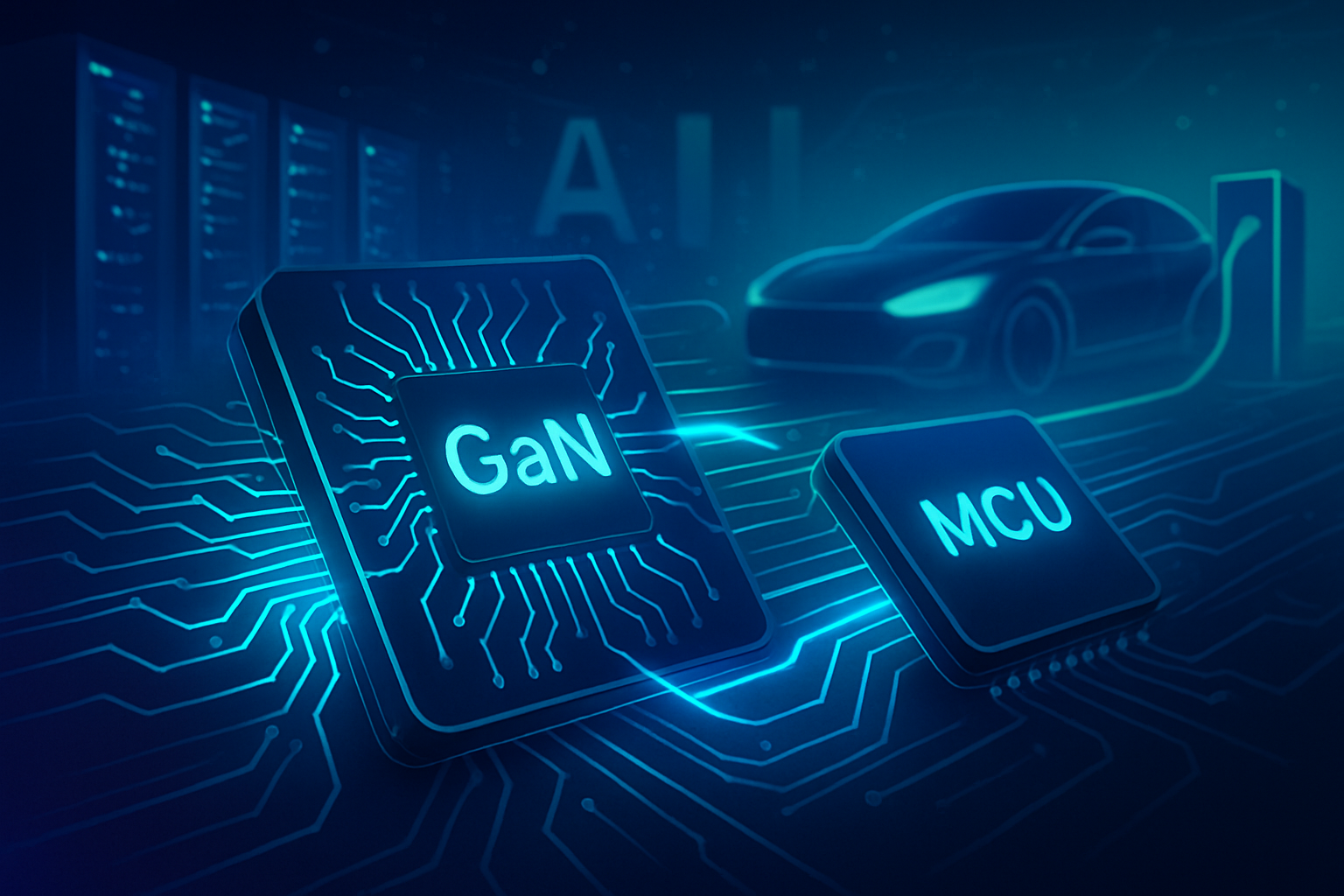
    Navitas Semiconductor (NASDAQ: NVTS) has experienced an extraordinary market surge in late 2024 and throughout 2025, driven by its pivotal role in powering the next generation of artificial intelligence. The company's innovative Gallium Nitride (GaN) and Silicon Carbide (SiC) power semiconductors are now at the heart of Nvidia's (NASDAQ: NVDA) ambitious "AI factory" computing platforms, promising to redefine efficiency and performance in the rapidly expanding AI data center landscape. This strategic partnership and technological breakthrough signify a critical inflection point, enabling the unprecedented power demands of advanced AI workloads.

    The market has reacted with enthusiasm, with Navitas shares skyrocketing over 180% year-to-date by mid-October 2025, largely fueled by the May 2025 announcement of its deep collaboration with Nvidia. This alliance is not merely a commercial agreement but a technical imperative, addressing the fundamental challenge of delivering immense, clean power to AI accelerators. As AI models grow in complexity and computational hunger, traditional power delivery systems are proving inadequate. Navitas's wide bandgap (WBG) solutions offer a path forward, making the deployment of multi-megawatt AI racks not just feasible, but also significantly more efficient and sustainable.

    The Technical Backbone of AI: GaN and SiC Unleashed

    At the core of Navitas's ascendancy is its leadership in GaNFast™ and GeneSiC™ technologies, which represent a paradigm shift from conventional silicon-based power semiconductors. The collaboration with Nvidia centers on developing and supporting an innovative 800 VDC power architecture for AI data centers, a crucial departure from the inefficient 54V systems that can no longer meet the multi-megawatt rack densities demanded by modern AI. This higher voltage system drastically reduces power losses and copper usage, streamlining power conversion from the utility grid to the IT racks.

    Navitas's technical contributions are multifaceted. The company has unveiled new 100V GaN FETs specifically optimized for the lower-voltage DC-DC stages on GPU power boards. These compact, high-speed transistors are vital for managing the ultra-high power density and thermal challenges posed by individual AI chips, which can consume over 1000W. Furthermore, Navitas's 650V GaN portfolio, including advanced GaNSafe™ power ICs, integrates robust control, drive, sensing, and protection features, ensuring reliability with ultra-fast short-circuit protection and enhanced ESD resilience. Complementing these are Navitas's SiC MOSFETs, ranging from 650V to 6,500V, which support various power conversion stages across the broader data center infrastructure. These WBG semiconductors outperform silicon by enabling faster switching speeds, higher power density, and significantly reduced energy losses—up to 30% reduction in energy loss and a tripling of power density, leading to 98% efficiency in AI data center power supplies. This translates into the potential for 100 times more server rack power capacity by 2030 for hyperscalers.

    This approach differs profoundly from previous generations, where silicon's inherent limitations in switching speed and thermal management constrained power delivery. The monolithic integration design of Navitas's GaN chips further reduces component count, board space, and system design complexity, resulting in smaller, lighter, and more energy-efficient power supplies. The initial reaction from the AI research community and industry experts has been overwhelmingly positive, recognizing this partnership as a critical enabler for the continued exponential growth of AI computing, solving a fundamental power bottleneck that threatened to slow progress.

    Reshaping the AI Industry Landscape

    Navitas's partnership with Nvidia carries profound implications for AI companies, tech giants, and startups alike. Nvidia, as a leading provider of AI GPUs, stands to benefit immensely from more efficient and denser power solutions, allowing it to push the boundaries of AI chip performance and data center scale. Hyperscalers and data center operators, the backbone of AI infrastructure, will also be major beneficiaries, as Navitas's technology promises lower operational costs, reduced cooling requirements, and a significantly lower total cost of ownership (TCO) for their vast AI deployments.

    The competitive landscape is poised for disruption. Navitas is strategically positioning itself as a foundational enabler of the AI revolution, moving beyond its initial mobile and consumer markets into high-growth segments like data centers, electric vehicles (EVs), solar, and energy storage. This "pure-play" wide bandgap strategy gives it a distinct advantage over diversified semiconductor companies that may be slower to innovate in this specialized area. By solving critical power problems, Navitas helps accelerate AI model training times by allowing more GPUs to be integrated into a smaller footprint, thereby enabling the development of even larger and more capable AI models.

    While Navitas's surge signifies strong market confidence, the company remains a high-beta stock, subject to volatility. Despite its rapid growth and numerous design wins (over 430 in 2024 with potential associated revenue of $450 million), Navitas was still unprofitable in Q2 2025. This highlights the inherent challenges of scaling innovative technology, including the need for potential future capital raises to sustain its aggressive expansion and commercialization timeline. Nevertheless, the strategic advantage gained through its Nvidia partnership and its unique technological offerings firmly establish Navitas as a key player in the AI hardware ecosystem.

    Broader Significance and the AI Energy Equation

    The collaboration between Navitas and Nvidia extends beyond mere technical specifications; it addresses a critical challenge in the broader AI landscape: energy consumption. The immense computational power required by AI models translates directly into staggering energy demands, making efficiency paramount for both economic viability and environmental sustainability. Navitas's GaN and SiC solutions, by cutting energy losses by 30% and tripling power density, significantly mitigate the carbon footprint of AI data centers, contributing to a greener technological future.

    This development fits perfectly into the overarching trend of "more compute per watt." As AI capabilities expand, the industry is increasingly focused on maximizing performance while minimizing energy draw. Navitas's technology is a key piece of this puzzle, enabling the next wave of AI innovation without escalating energy costs and environmental impact to unsustainable levels. Comparisons to previous AI milestones, such as the initial breakthroughs in GPU acceleration or the development of specialized AI chips, highlight that advancements in power delivery are just as crucial as improvements in processing power. Without efficient power, even the most powerful chips remain bottlenecked.

    Potential concerns, beyond the company's financial profitability and stock volatility, include geopolitical risks, particularly given Navitas's production facilities in China. While perceived easing of U.S.-China trade relations in October 2025 offered some relief to chip firms, the global supply chain remains a sensitive area. However, the fundamental drive for more efficient and powerful AI infrastructure, regardless of geopolitical currents, ensures a strong demand for Navitas's core technology. The company's strategic focus on a pure-play wide bandgap strategy allows it to scale and innovate with speed and specialization, making it a critical player in the ongoing AI revolution.

    The Road Ahead: Powering the AI Future

    Looking ahead, the partnership between Navitas and Nvidia is expected to deepen, with continuous innovation in power architectures and wide bandgap device integration. Near-term developments will likely focus on the widespread deployment of the 800 VDC architecture in new AI data centers and the further optimization of GaN and SiC devices for even higher power densities and efficiencies. The expansion of Navitas's manufacturing capabilities, particularly its partnership with Powerchip Semiconductor Manufacturing Corp (PSMC) for 200mm GaN-on-Si transistors, signals a commitment to scalable, high-volume production to meet anticipated demand.

    Potential applications and use cases on the horizon extend beyond AI data centers to other power-intensive sectors. Navitas's technology is equally transformative for electric vehicles (EVs), solar inverters, and energy storage systems, all of which benefit immensely from improved power conversion efficiency and reduced size/weight. As these markets continue their rapid growth, Navitas's diversified portfolio positions it for sustained long-term success. Experts predict that wide bandgap semiconductors, particularly GaN and SiC, will become the standard for high-power, high-efficiency applications, with the market projected to reach $26 billion by 2030.

    Challenges that need to be addressed include the continued need for capital to fund growth and the ongoing education of the market regarding the benefits of GaN and SiC over traditional silicon. While the Nvidia partnership provides strong validation, widespread adoption across all potential industries requires sustained effort. However, the inherent advantages of Navitas's technology in an increasingly power-hungry world suggest a bright future. Experts anticipate that the innovations in power delivery will enable entirely new classes of AI hardware, from more powerful edge AI devices to even more massive cloud-based AI supercomputers, pushing the boundaries of what AI can achieve.

    A New Era of Efficient AI

    Navitas Semiconductor's recent surge and its strategic partnership with Nvidia mark a pivotal moment in the history of artificial intelligence. The key takeaway is clear: the future of AI is inextricably linked to advancements in power efficiency and density. By championing Gallium Nitride and Silicon Carbide technologies, Navitas is not just supplying components; it is providing the fundamental power infrastructure that will enable the next generation of AI breakthroughs. This collaboration validates the critical role of WBG semiconductors in overcoming the power bottlenecks that could otherwise impede AI's exponential growth.

    The significance of this development in AI history cannot be overstated. Just as advancements in GPU architecture revolutionized parallel processing for AI, Navitas's innovations in power delivery are now setting new standards for how that immense computational power is efficiently harnessed. This partnership underscores a broader industry trend towards holistic system design, where every component, from the core processor to the power supply, is optimized for maximum performance and sustainability.

    In the coming weeks and months, industry observers should watch for further announcements regarding the deployment of Nvidia's 800 VDC AI factory architecture, additional design wins for Navitas in the data center and EV markets, and the continued financial performance of Navitas as it scales its operations. The energy efficiency gains offered by GaN and SiC are not just technical improvements; they are foundational elements for a more sustainable and capable AI-powered future.


    This content is intended for informational purposes only and represents analysis of current AI developments.

    TokenRing AI delivers enterprise-grade solutions for multi-agent AI workflow orchestration, AI-powered development tools, and seamless remote collaboration platforms.
    For more information, visit https://www.tokenring.ai/.
  • Powering the Future of AI: GigaDevice and Navitas Forge a New Era in High-Efficiency Power Management

    Powering the Future of AI: GigaDevice and Navitas Forge a New Era in High-Efficiency Power Management

    Shanghai, China – October 15, 2025 – In a landmark collaboration poised to redefine the energy landscape for artificial intelligence, the GigaDevice and Navitas Digital Power Joint Lab, officially launched on April 9, 2025, is rapidly advancing high-efficiency power management solutions. This strategic partnership is critical for addressing the insatiable power demands of AI and other advanced computing, signaling a pivotal shift towards sustainable and more powerful computational infrastructure. By integrating cutting-edge Gallium Nitride (GaN) and Silicon Carbide (SiC) technologies with advanced microcontrollers, the joint lab is setting new benchmarks for efficiency and power density, directly enabling the next generation of AI hardware.

    The immediate significance of this joint venture lies in its direct attack on the mounting energy consumption of AI. As AI models grow in complexity and scale, the need for efficient power delivery becomes paramount. The GigaDevice and Navitas collaboration offers a pathway to mitigate the environmental impact and operational costs associated with AI's immense energy footprint, ensuring that the rapid progress in AI is matched by equally innovative strides in power sustainability.

    Technical Prowess: Unpacking the Innovations Driving AI Efficiency

    The GigaDevice and Navitas Digital Power Joint Lab is a convergence of specialized expertise. Navitas Semiconductor (NASDAQ: NVTS), a leader in GaN and SiC power integrated circuits, brings its high-frequency, high-speed, and highly integrated GaNFast™ and GeneSiC™ technologies. These wide-bandgap (WBG) materials dramatically outperform traditional silicon, allowing power devices to switch up to 100 times faster, boost energy efficiency by up to 40%, and operate at higher temperatures while remaining significantly smaller. Complementing this, GigaDevice Semiconductor Inc. (SSE: 603986) contributes its robust GD32 series microcontrollers (MCUs), providing the intelligent control backbone necessary to harness the full potential of these advanced power semiconductors.

    The lab's primary goals are to accelerate innovation in next-generation digital power systems, deliver comprehensive system-level reference designs, and provide application-specific solutions for rapidly expanding markets. This integrated approach tackles inherent design complexities like electromagnetic interference (EMI) reduction, thermal management, and robust protection algorithms, moving away from siloed development processes. This differs significantly from previous approaches that often treated power management as a secondary consideration, relying on less efficient silicon-based components.

    Initial reactions from the AI research community and industry experts highlight the critical timing of this collaboration. Before its official launch, the lab already achieved important technological milestones, including 4.5kW and 12kW server power supply solutions specifically targeting AI servers and hyperscale data centers. The 12kW model, for instance, developed with GigaDevice's GD32G553 MCU and Navitas GaNSafe™ ICs and Gen-3 Fast SiC MOSFETs, surpasses the 80 PLUS® "Ruby" efficiency benchmark, achieving up to an impressive 97.8% peak efficiency. These achievements demonstrate a tangible leap in delivering high-density, high-efficiency power designs essential for the future of AI.

    Reshaping the AI Industry: Competitive Implications and Market Dynamics

    The innovations from the GigaDevice and Navitas Digital Power Joint Lab carry profound implications for AI companies, tech giants, and startups alike. Companies like Nvidia Corporation (NASDAQ: NVDA), Google (NASDAQ: GOOGL), Amazon.com, Inc. (NASDAQ: AMZN), and Microsoft Corporation (NASDAQ: MSFT), particularly those operating vast AI server farms and cloud infrastructure, stand to benefit immensely. Navitas is already collaborating with Nvidia on 800V DC power architecture for next-generation AI factories, underscoring the direct impact on managing multi-megawatt power requirements and reducing operational costs, especially cooling. Cloud service providers can achieve significant energy savings, making large-scale AI deployments more economically viable.

    The competitive landscape will undoubtedly shift. Early adopters of these high-efficiency power management solutions will gain a significant strategic advantage, translating to lower operational costs, increased computational density within existing footprints, and the ability to deploy more compact and powerful AI-enabled devices. Conversely, tech companies and AI labs that continue to rely on less efficient silicon-based power management architectures will face increasing pressure, risking higher operational costs and competitive disadvantages.

    This development also poses potential disruption to existing products and services. Traditional silicon-based power supplies for AI servers and data centers are at risk of obsolescence, as the efficiency and power density gains offered by GaN and SiC become industry standards. Furthermore, the ability to achieve higher power density and reduce cooling requirements could lead to a fundamental rethinking of data center layouts and thermal management strategies, potentially disrupting established vendors in these areas. For GigaDevice and Navitas, the joint lab strengthens their market positioning, establishing them as key enablers for the future of AI infrastructure. Their focus on system-level reference designs will significantly reduce time-to-market for manufacturers, making it easier to integrate advanced GaN and SiC technologies.

    Broader Significance: AI's Sustainable Future

    The establishment of the GigaDevice-Navitas Digital Power Joint Lab and its innovations are deeply embedded within the broader AI landscape and current trends. It directly addresses what many consider AI's looming "energy crisis." The computational demands of modern AI, particularly large language models and generative AI, require astronomical amounts of energy. Data centers, the backbone of AI, are projected to see their electricity consumption surge, potentially tripling by 2028. This collaboration is a critical response, providing hardware-level solutions for high-efficiency power management, a cornerstone of the burgeoning "Green AI" movement.

    The broader impacts are far-reaching. Environmentally, these solutions contribute significantly to reducing the carbon footprint, greenhouse gas emissions, and even water consumption associated with cooling power-intensive AI data centers. Economically, enhanced efficiency translates directly into lower operational costs, making AI deployment more accessible and affordable. Technologically, this partnership accelerates the commercialization and widespread adoption of GaN and SiC, fostering further innovation in system design and integration. Beyond AI, the developed technologies are crucial for electric vehicles (EVs), solar energy platforms, and energy storage systems (ESS), underscoring the pervasive need for high-efficiency power management in a world increasingly driven by electrification.

    However, potential concerns exist. Despite efficiency gains, the sheer growth and increasing complexity of AI models mean that the absolute energy demand of AI is still soaring, potentially outpacing efficiency improvements. There are also concerns regarding resource depletion, e-waste from advanced chip manufacturing, and the high development costs associated with specialized hardware. Nevertheless, this development marks a significant departure from previous AI milestones. While earlier breakthroughs focused on algorithmic advancements and raw computational power (from CPUs to GPUs), the GigaDevice-Navitas collaboration signifies a critical shift towards sustainable and energy-efficient computation as a primary driver for scaling AI, mitigating the risk of an "energy winter" for the technology.

    The Road Ahead: Future Developments and Expert Predictions

    Looking ahead, the GigaDevice and Navitas Digital Power Joint Lab is expected to deliver a continuous stream of innovations. In the near-term, expect a rapid rollout of comprehensive reference designs and application-specific solutions, including optimized power modules and control boards specifically tailored for AI server power supplies and EV charging infrastructure. These blueprints will significantly shorten development cycles for manufacturers, accelerating the commercialization of GaN and SiC technologies in higher-power markets.

    Long-term developments envision a new level of integration, performance, and high-power-density digital power solutions. This collaboration is set to accelerate the broader adoption of GaN and SiC, driving further innovation in related fields such as advanced sensing, protection, and communication within power systems. Potential applications extend across AI data centers, electric vehicles, solar power, energy storage, industrial automation, edge AI devices, and advanced robotics. Navitas's GaN ICs are already powering AI notebooks from companies like Dell Technologies Inc. (NYSE: DELL), indicating the breadth of potential use cases.

    Challenges remain, primarily in simplifying the inherent complexities of GaN and SiC design, optimizing control systems to fully leverage their fast-switching characteristics, and further reducing integration complexity and cost for end customers. Experts predict that deep collaborations between power semiconductor specialists and microcontroller providers, like GigaDevice and Navitas, will become increasingly common. The synergy between high-speed power switching and intelligent digital control is deemed essential for unlocking the full potential of wide-bandgap technologies. Navitas is strategically positioned to capitalize on the growing AI data center power semiconductor market, which is projected to reach $2.6 billion annually by 2030, with experts asserting that only silicon carbide and gallium nitride technologies can break through the "power wall" threatening large-scale AI deployment.

    A Sustainable Horizon for AI: Wrap-Up and What to Watch

    The GigaDevice and Navitas Digital Power Joint Lab represents a monumental step forward in addressing one of AI's most pressing challenges: sustainable power. The key takeaways from this collaboration are the delivery of integrated, high-efficiency AI server power supplies (like the 12kW unit with 97.8% peak efficiency), significant advancements in power density and form factor reduction, the provision of critical reference designs to accelerate development, and the integration of advanced control techniques like Navitas's IntelliWeave. Strategic partnerships, notably with Nvidia, further solidify the impact on next-generation AI infrastructure.

    This development's significance in AI history cannot be overstated. It marks a crucial pivot towards enabling next-generation AI hardware through a focus on energy efficiency and sustainability, setting new benchmarks for power management. The long-term impact promises sustainable AI growth, acting as an innovation catalyst across the AI hardware ecosystem, and providing a significant competitive edge for companies that embrace these advanced solutions.

    As of October 15, 2025, several key developments are on the horizon. Watch for a rapid rollout of comprehensive reference designs and application-specific solutions from the joint lab, particularly for AI server power supplies. Investors and industry watchers will also be keenly observing Navitas Semiconductor (NASDAQ: NVTS)'s Q3 2025 financial results, scheduled for November 3, 2025, for further insights into their AI initiatives. Furthermore, Navitas anticipates initial device qualification for its 200mm GaN-on-silicon production at Powerchip Semiconductor Manufacturing Corporation (PSMC) in Q4 2025, a move expected to enhance performance, efficiency, and cost for AI data centers. Continued announcements regarding the collaboration between Navitas and Nvidia on 800V HVDC architectures, especially for platforms like NVIDIA Rubin Ultra, will also be critical indicators of progress. The GigaDevice-Navitas Joint Lab is not just innovating; it's building the sustainable power backbone for the AI-driven future.


    This content is intended for informational purposes only and represents analysis of current AI developments.

    TokenRing AI delivers enterprise-grade solutions for multi-agent AI workflow orchestration, AI-powered development tools, and seamless remote collaboration platforms.
    For more information, visit https://www.tokenring.ai/.

  • GigaDevice and Navitas Forge Joint Lab to Electrify the Future of High-Efficiency AI and EV Power Management

    GigaDevice and Navitas Forge Joint Lab to Electrify the Future of High-Efficiency AI and EV Power Management

    Shanghai, China – October 15, 2025 – In a significant move poised to redefine power management across critical sectors, GigaDevice (SSE: 603986), a global leader in microcontrollers and flash memory, and Navitas Semiconductor (NASDAQ: NVTS), a pioneer in Gallium Nitride (GaN) power integrated circuits, officially launched their joint lab initiative on April 9, 2025. This strategic collaboration, formally announced following a signing ceremony in Shanghai on April 8, 2025, is dedicated to accelerating the deployment of high-efficiency power management solutions, with a keen focus on integrating GaNFast™ ICs and advanced microcontrollers (MCUs) for applications ranging from AI data centers to electric vehicles (EVs) and renewable energy systems. The partnership marks a pivotal step towards a greener, more intelligent era of digital power.

    The primary objective of this joint venture is to overcome the inherent complexities of designing with next-generation power semiconductors like GaN and Silicon Carbide (SiC). By combining Navitas’ cutting-edge wide-bandgap (WBG) power devices with GigaDevice’s sophisticated control capabilities, the lab aims to deliver optimized, system-level solutions that maximize energy efficiency, reduce form factors, and enhance overall performance. This initiative is particularly timely, given the escalating power demands of artificial intelligence infrastructure and the global push for sustainable energy solutions, positioning both companies at the forefront of the high-efficiency power revolution.

    Technical Synergy: Unlocking the Full Potential of GaN and Advanced MCUs

    The technical foundation of the GigaDevice-Navitas joint lab rests on the symbiotic integration of two distinct yet complementary semiconductor technologies. Navitas brings its renowned GaNFast™ power ICs, which boast superior switching speeds and efficiency compared to traditional silicon. These GaN solutions integrate GaN FETs, gate drivers, logic, and protection circuits onto a single chip, drastically reducing parasitic effects and enabling power conversion at much higher frequencies. This translates into power supplies that are up to three times smaller and lighter, with faster charging capabilities, a critical advantage for compact, high-power-density applications. The partnership also extends to SiC technology, another wide-bandgap material offering similar performance enhancements.

    Complementing Navitas' power prowess are GigaDevice's advanced GD32 series microcontrollers, built on the high-performance ARM Cortex-M7 core. These MCUs are vital for providing the precise, high-speed control algorithms necessary to fully leverage the rapid switching characteristics of GaN and SiC devices. Traditional silicon-based power systems operate at lower frequencies, making control relatively simpler. However, the high-frequency operation of GaN demands a sophisticated, real-time control system that can respond instantaneously to optimize performance, manage thermals, and ensure stability. The joint lab will co-develop hardware and firmware, addressing critical design challenges such as EMI reduction, thermal management, and robust protection algorithms, which are often complex hurdles in wide-bandgap power design.

    This integrated approach represents a significant departure from previous methodologies, where power device and control system development often occurred in silos, leading to suboptimal performance and prolonged design cycles. By fostering direct collaboration, the joint lab ensures a seamless handshake between the power stage and the control intelligence, paving the way for unprecedented levels of system integration, energy efficiency, and power density. While specific initial reactions from the broader AI research community were not immediately detailed, the industry's consistent demand for more efficient power solutions for AI workloads suggests a highly positive reception for this strategic convergence of expertise.

    Market Implications: A Competitive Edge in High-Growth Sectors

    The establishment of the GigaDevice-Navitas joint lab carries substantial implications for companies across the technology landscape, particularly those operating in power-intensive domains. Companies poised to benefit immediately include manufacturers of AI servers and data center infrastructure, electric vehicle OEMs, and developers of solar inverters and energy storage systems. The enhanced efficiency and power density offered by the co-developed solutions will allow these industries to reduce operational costs, improve product performance, and accelerate their transition to sustainable technologies.

    For Navitas Semiconductor (NASDAQ: NVTS), this partnership strengthens its foothold in the rapidly expanding Chinese industrial and automotive markets, leveraging GigaDevice's established presence and customer base. It solidifies Navitas' position as a leading innovator in GaN and SiC power solutions by providing a direct pathway for its technology to be integrated into complete, optimized systems. Similarly, GigaDevice (SSE: 603986) gains a significant strategic advantage by enhancing its GD32 MCU offerings with advanced digital power capabilities, a core strategic market for the company. This allows GigaDevice to offer more comprehensive, intelligent system solutions in high-growth areas like EVs and AI, potentially disrupting existing product lines that rely on less integrated or less efficient power management architectures.

    The competitive landscape for major AI labs and tech giants is also subtly influenced. As AI models grow in complexity and size, their energy consumption becomes a critical bottleneck. Solutions that can deliver more power with less waste and in smaller footprints will be highly sought after. This partnership positions both GigaDevice and Navitas to become key enablers for the next generation of AI infrastructure, offering a competitive edge to companies that adopt their integrated solutions. Market positioning is further bolstered by the focus on system-level reference designs, which will significantly reduce time-to-market for new products, making it easier for manufacturers to adopt advanced GaN and SiC technologies.

    Wider Significance: Powering the "Smart + Green" Future

    This joint lab initiative fits perfectly within the broader AI landscape and the accelerating trend towards more sustainable and efficient computing. As AI models become more sophisticated and ubiquitous, their energy footprint grows exponentially. The development of high-efficiency power management is not just an incremental improvement; it is a fundamental necessity for the continued advancement and environmental viability of AI. The "Smart + Green" strategic vision underpinning this collaboration directly addresses these concerns, aiming to make AI infrastructure and other power-hungry applications more intelligent and environmentally friendly.

    The impacts are far-reaching. By enabling smaller, lighter, and more efficient power electronics, the partnership contributes to the reduction of global carbon emissions, particularly in data centers and electric vehicles. It facilitates the creation of more compact devices, freeing up valuable space in crowded server racks and enabling longer ranges or faster charging times for EVs. This development continues the trajectory of wide-bandgap semiconductors, like GaN and SiC, gradually displacing traditional silicon in high-power, high-frequency applications, a trend that has been gaining momentum over the past decade.

    While the research did not highlight specific concerns, the primary challenge for any new technology adoption often lies in cost-effectiveness and mass-market scalability. However, the focus on providing comprehensive system-level designs and reducing time-to-market aims to mitigate these concerns by simplifying the integration process and accelerating volume production. This collaboration represents a significant milestone, comparable to previous breakthroughs in semiconductor integration that have driven successive waves of technological innovation, by directly addressing the power efficiency bottleneck that is becoming increasingly critical for modern AI and other advanced technologies.

    Future Developments and Expert Predictions

    Looking ahead, the GigaDevice-Navitas joint lab is expected to rapidly roll out a suite of comprehensive reference designs and application-specific solutions. In the near term, we can anticipate seeing optimized power modules and control boards specifically tailored for AI server power supplies, EV charging infrastructure, and high-density industrial power systems. These reference designs will serve as blueprints, significantly shortening development cycles for manufacturers and accelerating the commercialization of GaN and SiC in these higher-power markets.

    Longer-term developments could include even tighter integration, potentially leading to highly sophisticated, single-chip solutions that combine power delivery and intelligent control. Potential applications on the horizon include advanced robotics, next-generation renewable energy microgrids, and highly integrated power solutions for edge AI devices. The primary challenges that will need to be addressed include further cost optimization to enable broader market penetration, continuous improvement in thermal management for ultra-high power density, and the development of robust supply chains to support increased demand for GaN and SiC devices.

    Experts predict that this type of deep collaboration between power semiconductor specialists and microcontroller providers will become increasingly common as the industry pushes the boundaries of efficiency and integration. The synergy between high-speed power switching and intelligent digital control is seen as essential for unlocking the full potential of wide-bandbandgap technologies. It is anticipated that the joint lab will not only accelerate the adoption of GaN and SiC but also drive further innovation in related fields such as advanced sensing, protection, and communication within power systems.

    A Crucial Step Towards Sustainable High-Performance Electronics

    In summary, the joint lab initiative by GigaDevice and Navitas Semiconductor represents a strategic and timely convergence of expertise, poised to significantly advance the field of high-efficiency power management. The synergy between Navitas’ cutting-edge GaNFast™ power ICs and GigaDevice’s advanced GD32 series microcontrollers promises to deliver unprecedented levels of energy efficiency, power density, and system integration. This collaboration is a critical enabler for the burgeoning demands of AI data centers, the rapid expansion of electric vehicles, and the global transition to renewable energy sources.

    This development holds profound significance in the history of AI and broader electronics, as it directly addresses one of the most pressing challenges facing modern technology: the escalating need for efficient power. By simplifying the design process and accelerating the deployment of advanced wide-bandgap solutions, the joint lab is not just optimizing power; it's empowering the next generation of intelligent, sustainable technologies.

    As we move forward, the industry will be closely watching for the tangible outputs of this collaboration – the release of new reference designs, the adoption of their integrated solutions by leading manufacturers, and the measurable impact on energy efficiency across various sectors. The GigaDevice-Navitas partnership is a powerful testament to the collaborative spirit driving innovation, and a clear signal that the future of high-performance electronics will be both smart and green.


    This content is intended for informational purposes only and represents analysis of current AI developments.

    TokenRing AI delivers enterprise-grade solutions for multi-agent AI workflow orchestration, AI-powered development tools, and seamless remote collaboration platforms.
    For more information, visit https://www.tokenring.ai/.
  • Navitas Semiconductor (NVTS) Soars on Landmark Deal to Power Nvidia’s 800 VDC AI Factories

    Navitas Semiconductor (NVTS) Soars on Landmark Deal to Power Nvidia’s 800 VDC AI Factories

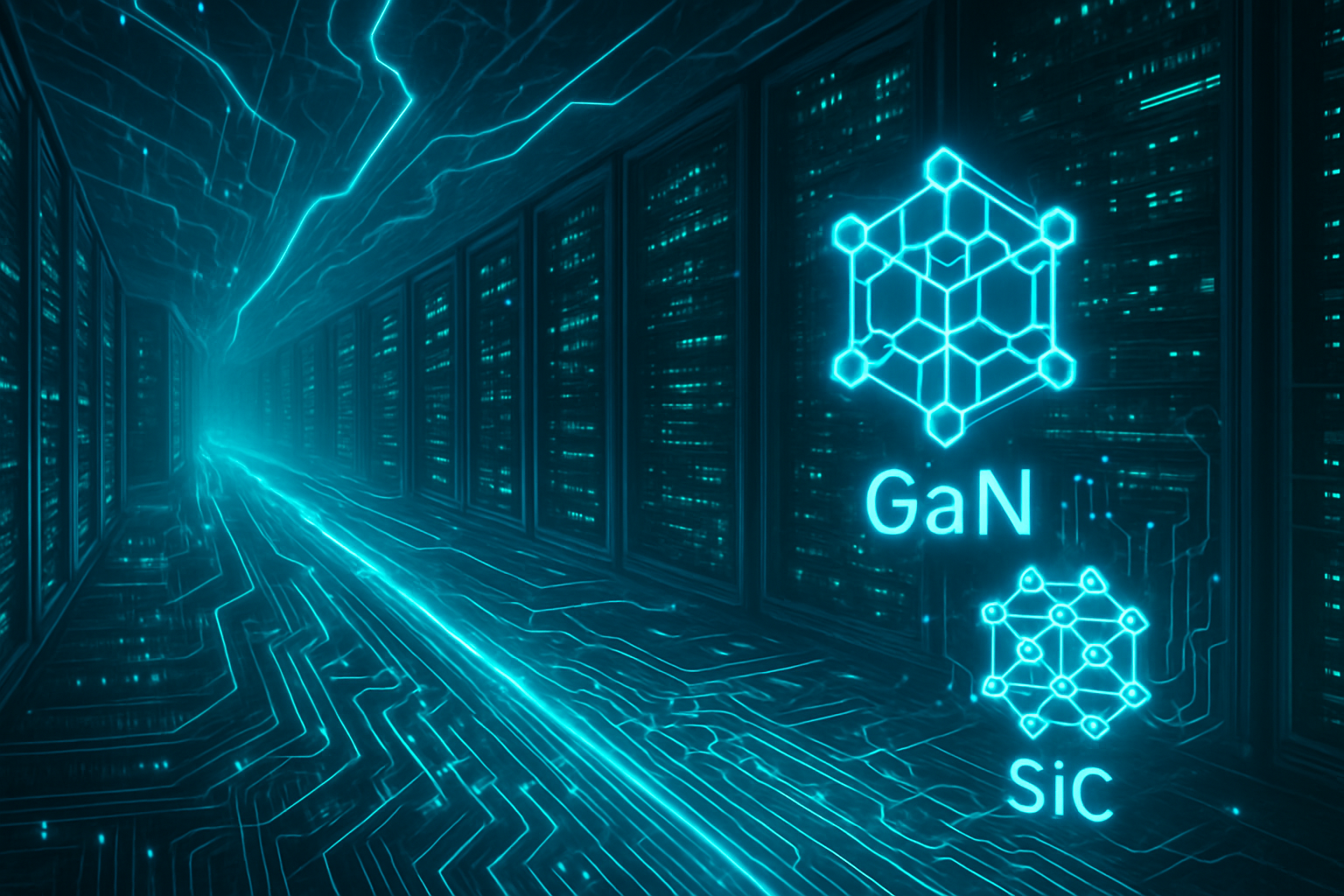
    SAN JOSE, CA – October 14, 2025 – Navitas Semiconductor (NASDAQ: NVTS) witnessed an unprecedented surge in its stock value yesterday, climbing over 27% in a single day, following the announcement of significant progress in its partnership with AI giant Nvidia (NASDAQ: NVDA). The deal positions Navitas as a critical enabler for Nvidia's next-generation 800 VDC AI architecture systems, a development set to revolutionize power delivery in the rapidly expanding "AI factory" era. This collaboration not only validates Navitas's advanced Gallium Nitride (GaN) and Silicon Carbide (SiC) power semiconductor technologies but also signals a fundamental shift in how the industry will power the insatiable demands of future AI workloads.

    The strategic alliance underscores a pivotal moment for both companies. For Navitas, it signifies a major expansion beyond its traditional consumer fast charger market, cementing its role in high-growth, high-performance computing. For Nvidia, it secures a crucial component in its quest to build the most efficient and powerful AI infrastructure, ensuring its cutting-edge GPUs can operate at peak performance within demanding multi-megawatt data centers. The market's enthusiastic reaction reflects the profound implications this partnership holds for the efficiency, scalability, and sustainability of the global AI chip ecosystem.

    Engineering the Future of AI Power: Navitas's Role in Nvidia's 800 VDC Architecture

    The technical cornerstone of this partnership lies in Navitas Semiconductor's (NASDAQ: NVTS) advanced wide-bandgap (WBG) power semiconductors, specifically tailored to meet the rigorous demands of Nvidia's (NASDAQ: NVDA) groundbreaking 800 VDC AI architecture. Announced on October 13, 2025, this development builds upon Navitas's earlier disclosure on May 21, 2025, regarding its commitment to supporting Nvidia's Kyber rack-scale systems. The transition to 800 VDC is not merely an incremental upgrade but a transformative leap designed to overcome the limitations of legacy 54V architectures, which are increasingly inadequate for the multi-megawatt rack densities of modern AI factories.

    Navitas is leveraging its expertise in both GaNFast™ gallium nitride and GeneSiC™ silicon carbide technologies. For the critical lower-voltage DC-DC stages on GPU power boards, Navitas has introduced a new portfolio of 100 V GaN FETs. These components are engineered for ultra-high density and precise thermal management, crucial for the compact and power-intensive environments of next-generation AI compute platforms. These GaN FETs are fabricated using a 200mm GaN-on-Si process, a testament to Navitas's manufacturing prowess. Complementing these, Navitas is also providing 650V GaN and high-voltage SiC devices, which manage various power conversion stages throughout the data center, from the utility grid all the way to the GPU. The company's GeneSiC technology, boasting over two decades of innovation, offers robust voltage ranges from 650V to an impressive 6,500V.

    What sets Navitas's approach apart is its integration of advanced features like GaNSafe™ power ICs, which incorporate control, drive, sensing, and critical protection mechanisms to ensure unparalleled reliability and robustness. Furthermore, the innovative "IntelliWeave™" digital control technique, when combined with high-power GaNSafe and Gen 3-Fast SiC MOSFETs, enables power factor correction (PFC) peak efficiencies of up to 99.3%, slashing power losses by 30% compared to existing solutions. This level of efficiency is paramount for AI data centers, where every percentage point of power saved translates into significant operational cost reductions and environmental benefits. The 800 VDC architecture itself allows for direct conversion from 13.8 kVAC utility power, streamlining the power train, reducing resistive losses, and potentially improving end-to-end efficiency by up to 5% over current 54V systems, while also significantly reducing copper usage by up to 45% for a 1MW rack.

    Reshaping the AI Chip Market: Competitive Implications and Strategic Advantages

    This landmark partnership between Navitas Semiconductor (NASDAQ: NVTS) and Nvidia (NASDAQ: NVDA) is poised to send ripples across the AI chip market, redefining competitive landscapes and solidifying strategic advantages for both companies. For Navitas, the deal represents a profound validation of its wide-bandgap (GaN and SiC) technologies, catapulting it into the lucrative and rapidly expanding AI data center infrastructure market. The immediate stock surge, with NVTS shares climbing over 21% on October 13 and extending gains by an additional 30% in after-hours trading, underscores the market's recognition of this strategic pivot. Navitas is now repositioning its business strategy to focus heavily on AI data centers, targeting a substantial $2.6 billion market by 2030, a significant departure from its historical focus on consumer electronics.

    For Nvidia, the collaboration is equally critical. As the undisputed leader in AI GPUs, Nvidia's ability to maintain its edge hinges on continuous innovation in performance and, crucially, power efficiency. Navitas's advanced GaN and SiC solutions are indispensable for Nvidia to achieve the unprecedented power demands and optimal efficiency required for its next-generation AI computing platforms, such such as the NVIDIA Rubin Ultra and Kyber rack architecture. By partnering with Navitas, Nvidia ensures it has access to the most advanced power delivery solutions, enabling its GPUs to operate at peak performance within its demanding "AI factories." This strategic move helps Nvidia drive the transformation in AI infrastructure, maintaining its competitive lead against rivals like AMD (NASDAQ: AMD) and Intel (NASDAQ: INTC) in the high-stakes AI accelerator market.

    The implications extend beyond the immediate partners. This architectural shift to 800 VDC, spearheaded by Nvidia and enabled by Navitas, will likely compel other power semiconductor providers to accelerate their own wide-bandgap technology development. Companies reliant on traditional silicon-based power solutions may find themselves at a competitive disadvantage as the industry moves towards higher efficiency and density. This development also highlights the increasing interdependency between AI chip designers and specialized power component manufacturers, suggesting that similar strategic partnerships may become more common as AI systems continue to push the boundaries of power consumption and thermal management. Furthermore, the reduced copper usage and improved efficiency offered by 800 VDC could lead to significant cost savings for hyperscale data center operators and cloud providers, potentially influencing their choice of AI infrastructure.

    A New Dawn for Data Centers: Wider Significance in the AI Landscape

    The collaboration between Navitas Semiconductor (NASDAQ: NVTS) and Nvidia (NASDAQ: NVDA) to drive the 800 VDC AI architecture is more than just a business deal; it signifies a fundamental paradigm shift within the broader AI landscape and data center infrastructure. This move directly addresses one of the most pressing challenges facing the "AI factory" era: the escalating power demands of AI workloads. As AI compute platforms push rack densities beyond 300 kilowatts, with projections of exceeding 1 megawatt per rack in the near future, traditional 54V power distribution systems are simply unsustainable. The 800 VDC architecture represents a "transformational rather than evolutionary" step, as articulated by Navitas's CEO, marking a critical milestone in the pursuit of scalable and sustainable AI.

    This development fits squarely into the overarching trend of optimizing every layer of the AI stack for efficiency and performance. While much attention is often paid to the AI chips themselves, the power delivery infrastructure is an equally critical, yet often overlooked, component. Inefficient power conversion not only wastes energy but also generates significant heat, adding to cooling costs and limiting overall system density. By adopting 800 VDC, the industry is moving towards a streamlined power train that reduces resistive losses and maximizes energy efficiency by up to 5% compared to current 54V systems. This has profound impacts on the total cost of ownership for AI data centers, making large-scale AI deployments more economically viable and environmentally responsible.

    Potential concerns, however, include the significant investment required for data centers to transition to this new architecture. While the long-term benefits are clear, the initial overhaul of existing infrastructure could be a hurdle for some operators. Nevertheless, the benefits of improved reliability, reduced copper usage (up to 45% for a 1MW rack), and maximized white space for revenue-generating compute are compelling. This architectural shift can be compared to previous AI milestones such as the widespread adoption of GPUs for general-purpose computing, or the development of specialized AI accelerators. Just as those advancements enabled new levels of computational power, the 800 VDC architecture will enable unprecedented levels of power density and efficiency, unlocking the next generation of AI capabilities. It underscores that innovation in AI is not solely about algorithms or chip design, but also about the foundational infrastructure that powers them.

    The Road Ahead: Future Developments and AI's Power Frontier

    The groundbreaking partnership between Navitas Semiconductor (NASDAQ: NVTS) and Nvidia (NASDAQ: NVDA) heralds a new era for AI infrastructure, with significant developments expected on the horizon. The transition to the 800 VDC architecture, which Nvidia (NASDAQ: NVDA) is leading and anticipates commencing in 2027, will be a gradual but impactful shift across the data center electrical ecosystem. Near-term developments will likely focus on the widespread adoption and integration of Navitas's GaN and SiC power devices into Nvidia's AI factory computing platforms, including the NVIDIA Rubin Ultra. This will involve rigorous testing and optimization to ensure seamless operation and maximal efficiency in real-world, high-density AI environments.

    Looking further ahead, the potential applications and use cases are vast. The ability to efficiently power multi-megawatt IT racks will unlock new possibilities for hyperscale AI model training, complex scientific simulations, and the deployment of increasingly sophisticated AI services. We can expect to see data centers designed from the ground up to leverage 800 VDC, enabling unprecedented computational density and reducing the physical footprint required for massive AI operations. This could lead to more localized AI factories, closer to data sources, or more compact, powerful edge AI deployments. Experts predict that this fundamental architectural change will become the industry standard for high-performance AI computing, pushing traditional 54V systems into obsolescence for demanding AI workloads.

    However, challenges remain. The industry will need to address standardization across various components of the 800 VDC ecosystem, ensuring interoperability and ease of deployment. Supply chain robustness for wide-bandgap semiconductors will also be crucial, as demand for GaN and SiC devices is expected to skyrocket. Furthermore, the thermal management of these ultra-dense racks, even with improved power efficiency, will continue to be a significant engineering challenge, requiring innovative cooling solutions. What experts predict will happen next is a rapid acceleration in the development and deployment of 800 VDC compatible power supplies, server racks, and related infrastructure, with a strong focus on maximizing every watt of power to fuel the next wave of AI innovation.

    Powering the Future: A Comprehensive Wrap-Up of AI's New Energy Backbone

    The stock surge experienced by Navitas Semiconductor (NASDAQ: NVTS) following its deal to supply power semiconductors for Nvidia's (NASDAQ: NVDA) 800 VDC AI architecture system marks a pivotal moment in the evolution of artificial intelligence infrastructure. The key takeaway is the undeniable shift towards higher voltage, more efficient power delivery systems, driven by the insatiable power demands of modern AI. Navitas's advanced GaN and SiC technologies are not just components; they are the essential backbone enabling Nvidia's vision of ultra-efficient, multi-megawatt AI factories. This partnership validates Navitas's strategic pivot into the high-growth AI data center market and secures Nvidia's leadership in providing the most powerful and efficient AI computing platforms.

    This development's significance in AI history cannot be overstated. It represents a fundamental architectural change in how AI data centers will be designed and operated, moving beyond the limitations of legacy power systems. By significantly improving power efficiency, reducing resistive losses, and enabling unprecedented power densities, the 800 VDC architecture will directly facilitate the training of larger, more complex AI models and the deployment of more sophisticated AI services. It highlights that innovation in AI is not confined to algorithms or processors but extends to every layer of the technology stack, particularly the often-underestimated power delivery system. This move will have lasting impacts on operational costs, environmental sustainability, and the sheer computational scale achievable for AI.

    In the coming weeks and months, industry observers should watch for further announcements regarding the adoption of 800 VDC by other major players in the data center and AI ecosystem. Pay close attention to Navitas's continued expansion into the AI market and its financial performance as it solidifies its position as a critical power semiconductor provider. Similarly, monitor Nvidia's progress in deploying its 800 VDC-enabled AI factories and how this translates into enhanced performance and efficiency for its AI customers. This partnership is a clear indicator that the race for AI dominance is now as much about efficient power as it is about raw processing power.


    This content is intended for informational purposes only and represents analysis of current AI developments.

    TokenRing AI delivers enterprise-grade solutions for multi-agent AI workflow orchestration, AI-powered development tools, and seamless remote collaboration platforms.
    For more information, visit https://www.tokenring.ai/.