Tag: Nuclear Energy

  • The Nuclear Renaissance: How Big Tech is Resurrecting Atomic Energy to Fuel the AI Boom

    The Nuclear Renaissance: How Big Tech is Resurrecting Atomic Energy to Fuel the AI Boom

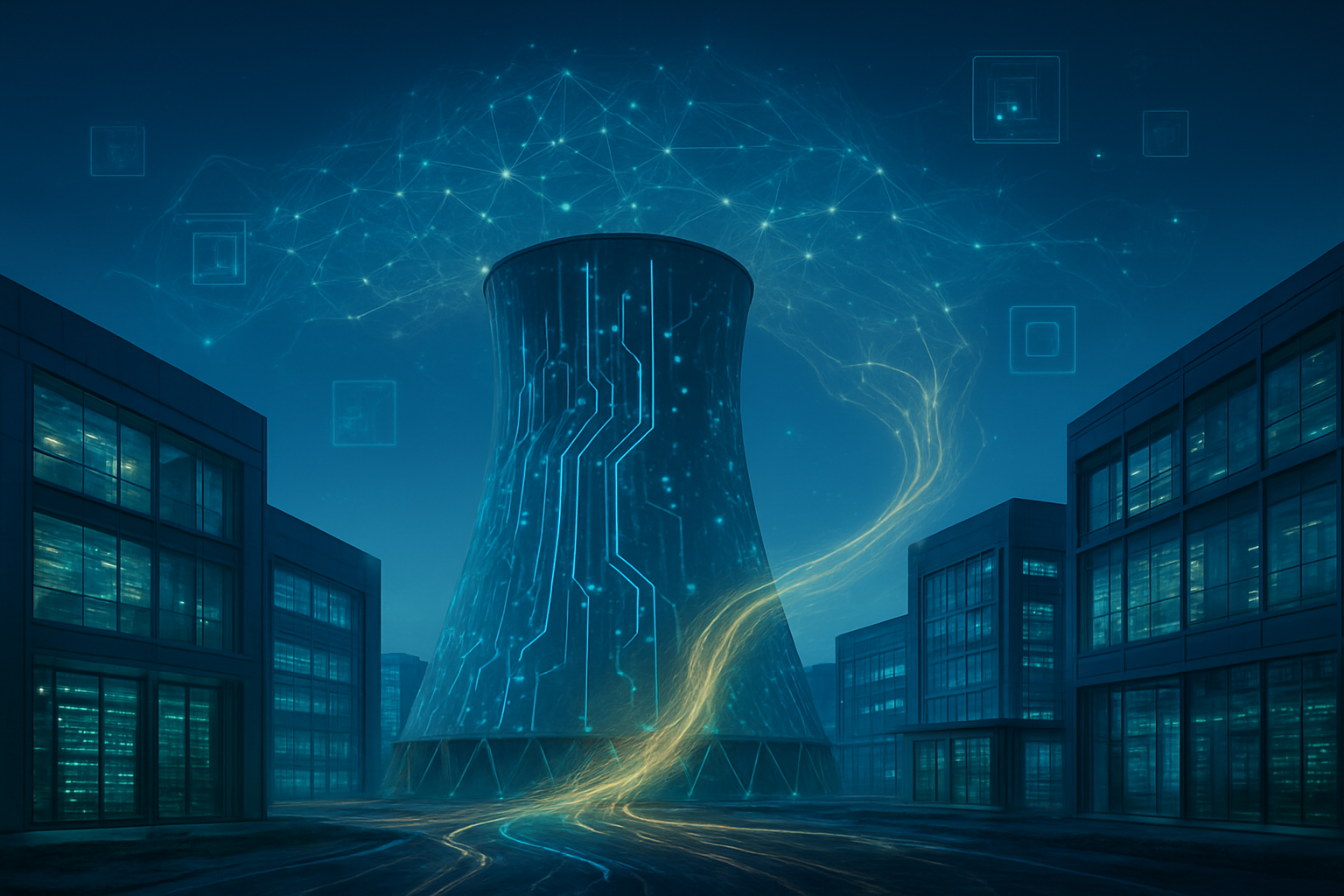
    The rapid ascent of generative artificial intelligence has triggered an unprecedented surge in electricity demand, forcing the world’s largest technology companies to abandon traditional energy procurement strategies in favor of a "Nuclear Renaissance." As of early 2026, the tech industry has pivoted from being mere consumers of renewable energy to becoming the primary financiers of a new atomic age. This shift is driven by the insatiable power requirements of massive AI model training clusters, which demand gigawatt-scale, carbon-free, 24/7 "firm" power that wind and solar alone cannot reliably provide.

    This movement represents a fundamental decoupling of Big Tech from the public utility grid. Faced with aging infrastructure and five-to-seven-year wait times for new grid connections, companies like Microsoft (NASDAQ: MSFT), Amazon (NASDAQ: AMZN), and Google (NASDAQ: GOOGL) have adopted a "Bring Your Own Generation" (BYOG) strategy. By co-locating data centers directly at nuclear power sites or financing the restart of decommissioned reactors, these giants are bypassing traditional bottlenecks to ensure their AI dominance isn't throttled by a lack of electrons.

    The Resurrection of Three Mile Island and the Rise of Nuclear-Powered Data Centers

    The most symbolic milestone in this transition is the rebirth of the Crane Clean Energy Center, formerly known as Three Mile Island Unit 1. In a historic deal with Constellation Energy (NASDAQ: CEG), Microsoft has secured 100% of the plant’s 835-megawatt output for the next 20 years. As of January 2026, the facility is roughly 80% staffed, with technical refurbishments of the steam generators and turbines nearing completion. Initially slated for a 2028 restart, expedited regulatory pathways have put the plant on track to begin delivering power to Microsoft’s Mid-Atlantic data centers by early 2027. This marks the first time a retired American nuclear plant has been brought back to life specifically to serve a single corporate customer.

    While Microsoft focuses on restarts, Amazon has pursued a "behind-the-meter" strategy at the Susquehanna Steam Electric Station in Pennsylvania. Through a deal with Talen Energy (NASDAQ: TLN), Amazon acquired the Cumulus data center campus, which is physically connected to the nuclear plant. This allows Amazon to draw up to 960 megawatts of power without relying on the public transmission grid. Although the project faced significant legal challenges at the Federal Energy Regulatory Commission (FERC) throughout 2024 and 2025—with critics arguing that "co-located" data centers "free-ride" on the grid—a pivotal 5th U.S. Circuit Court ruling and new FERC rulemaking (RM26-4-000) in late 2025 have cleared a legal path for these "behind-the-fence" configurations to proceed.

    Google has taken a more diversified approach by betting on the future of Small Modular Reactors (SMRs). In a landmark partnership with Kairos Power, Google is financing the deployment of a fleet of fluoride salt-cooled high-temperature reactors totaling 500 megawatts. Unlike traditional large-scale reactors, these SMRs are designed to be factory-built and deployed closer to load centers. To bridge the gap until these reactors come online in 2030, Google also finalized a $4.75 billion acquisition of Intersect Power in late 2025. This allows Google to build "Energy Parks"—massive co-located sites featuring solar, wind, and battery storage that provide immediate, albeit variable, power while the nuclear baseload is under construction.

    Strategic Dominance and the BYOG Advantage

    The shift toward nuclear energy is not merely an environmental choice; it is a strategic necessity for market positioning. In the high-stakes arms race between OpenAI, Google, and Meta, the ability to scale compute capacity is the primary bottleneck. Companies that can secure their own dedicated power sources—the "Bring Your Own Generation" model—gain a massive competitive advantage. By bypassing the 2-terawatt backlog in the U.S. interconnection queue, these firms can bring new AI clusters online years faster than competitors who remain tethered to the public utility process.

    For energy providers like Constellation Energy and Talen Energy, the AI boom has transformed nuclear plants from aging liabilities into the most valuable assets in the energy sector. The premium prices paid by Big Tech for "firm" carbon-free energy have sent valuations for nuclear-heavy utilities to record highs. This has also triggered a consolidation wave, as tech giants seek to lock up the remaining available nuclear capacity in the United States. Analysts suggest that we are entering an era of "vertical energy integration," where the line between a technology company and a power utility becomes increasingly blurred.

    A New Paradigm for the Global Energy Landscape

    The "Nuclear Renaissance" fueled by AI has broader implications for society and the global energy landscape. The move toward "Nuclear-AI Special Economic Zones"—a concept formalized by a 2025 Executive Order—allows for the creation of high-density compute hubs on federal land, such as those near the Idaho National Lab. These zones benefit from streamlined permitting and dedicated nuclear power, creating a blueprint for how future industrial sectors might solve the energy trilemma of reliability, affordability, and sustainability.

    However, this trend has sparked concerns regarding energy equity. As Big Tech "hoards" clean energy capacity, there are growing fears that everyday ratepayers will be left with a grid that is more reliant on older, fossil-fuel-based plants, or that they will bear the costs of grid upgrades that primarily benefit data centers. The late 2025 FERC "Large Load" rulemaking was a direct response to these concerns, attempting to standardize how data centers pay for their share of the transmission system while still encouraging the "BYOG" innovation that the AI economy requires.

    The Road to 2030: SMRs and Regulatory Evolution

    Looking ahead, the next phase of the nuclear-AI alliance will be defined by the commercialization of SMRs and the implementation of the ADVANCE Act. The Nuclear Regulatory Commission (NRC) is currently under a strict 18-month mandate to review new reactor applications, a move intended to accelerate the deployment of the Kairos Power reactors and other advanced designs. Experts predict that by 2030, the first wave of SMRs will begin powering data centers in regions where the traditional grid has reached its physical limits.

    We also expect to see the "BYOG" strategy expand beyond nuclear to include advanced geothermal and fusion energy research. Microsoft and Google have already made "off-take" agreements with fusion startups, signaling that their appetite for power will only grow as AI models evolve from text-based assistants to autonomous agents capable of complex scientific reasoning. The challenge will remain the physical construction of these assets; while software scales at the speed of light, pouring concrete and forging reactor vessels still operates on the timeline of heavy industry.

    Conclusion: Atomic Intelligence

    The convergence of artificial intelligence and nuclear energy marks a definitive chapter in industrial history. We have moved past the era of "greenwashing" and into an era of "hard infrastructure" where the success of the world's most advanced software depends on the most reliable form of 20th-century hardware. The deals struck by Microsoft, Amazon, and Google in the past 18 months have effectively underwritten the future of the American nuclear industry, providing the capital and demand needed to modernize a sector that had been stagnant for decades.

    As we move through 2026, the industry will be watching the April 30th FERC deadline for final "Large Load" rules and the progress of the Crane Clean Energy Center's restart. These milestones will determine whether the "Nuclear Renaissance" can keep pace with the "AI Revolution." For now, the message from Big Tech is clear: the future of intelligence is atomic, and those who do not bring their own power may find themselves left in the dark.


    This content is intended for informational purposes only and represents analysis of current AI developments.

    TokenRing AI delivers enterprise-grade solutions for multi-agent AI workflow orchestration, AI-powered development tools, and seamless remote collaboration platforms.
    For more information, visit https://www.tokenring.ai/.
  • The Nuclear Option: Microsoft and Constellation Energy’s Resurrection of Three Mile Island Signals a New Era for AI Infrastructure

    The Nuclear Option: Microsoft and Constellation Energy’s Resurrection of Three Mile Island Signals a New Era for AI Infrastructure

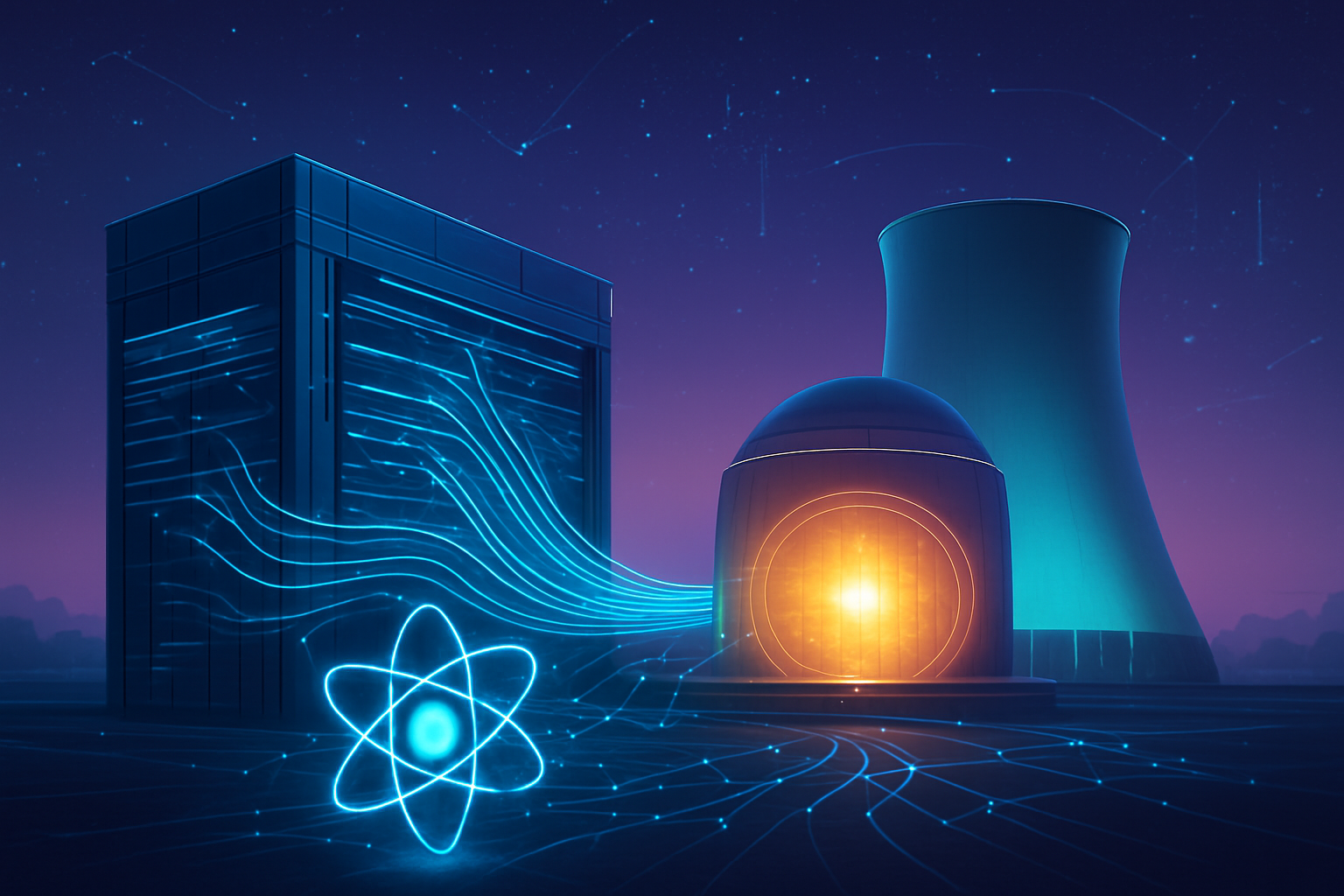
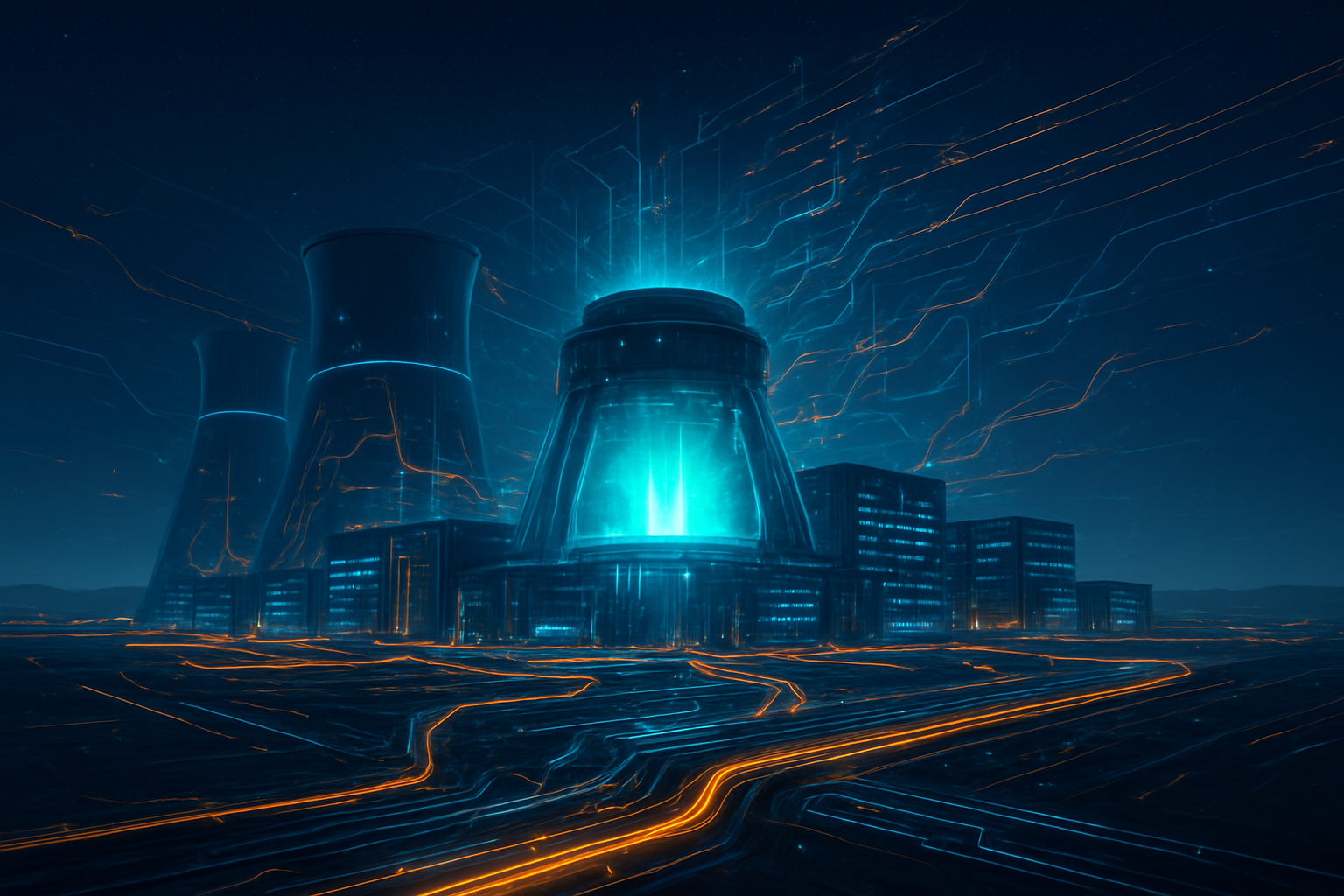
    In a move that has fundamentally reshaped the intersection of big tech and heavy industry, Microsoft (NASDAQ: MSFT) and Constellation Energy (NASDAQ: CEG) have embarked on an unprecedented 20-year power purchase agreement (PPA) to restart the dormant Unit 1 reactor at the Three Mile Island Nuclear Generating Station. Rebranded as the Crane Clean Energy Center (CCEC), the facility is slated to provide 835 megawatts (MW) of carbon-free electricity—enough to power approximately 800,000 homes—dedicated entirely to Microsoft’s rapidly expanding AI data center operations. This historic deal, first announced in late 2024 and now well into its technical refurbishment phase as of January 2026, represents the first time a retired American nuclear plant is being brought back to life for a single commercial customer.

    The partnership serves as a critical pillar in Microsoft’s ambitious quest to become carbon negative by 2030. As the generative AI boom continues to strain global energy grids, the tech giant has recognized that traditional renewables like wind and solar are insufficient to meet the "five-nines" (99.999%) uptime requirements of modern neural network training and inference. By securing a massive, 24/7 baseload of clean energy, Microsoft is not only insulating itself from the volatility of the energy market but also setting a new standard for how the "Intelligence Age" will be powered.

    Engineering a Resurrection: The Technical Challenge of Unit 1

    The technical undertaking of restarting Unit 1 is a multi-billion dollar engineering feat that distinguishes itself from any previous energy project in the United States. Constellation Energy is investing approximately $1.6 billion to refurbish the pressurized water reactor, which had been safely decommissioned in 2019 for economic reasons. Unlike Unit 2—the site of the infamous 1979 partial meltdown—Unit 1 had a stellar safety record and operated for decades as one of the most reliable plants in the country. The refurbishment scope includes the replacement of the main power transformer, the restoration of cooling tower internal components, and a comprehensive overhaul of the turbine and generator systems.

    Interestingly, technical specifications reveal that Constellation has opted to retain and refurbish the plant’s 1970s-era analog control systems rather than fully digitizing the cockpit. While this might seem counterintuitive for an AI-focused project, industry experts note that analog systems provide a unique "air-gapped" security advantage, making the reactor virtually immune to the types of sophisticated cyberattacks that threaten networked digital infrastructure. Furthermore, the 835MW output is uniquely suited for AI workloads because it provides "constant-on" power, avoiding the intermittency issues of solar and wind that require massive battery storage to maintain data center stability.

    Initial reactions from the AI research community have been largely positive, viewing the move as a necessary pragmatism. "We are seeing a shift from 'AI at any cost' to 'AI at any wattage,'" noted one senior researcher from the Pacific Northwest National Laboratory. While some environmental groups expressed caution regarding the restart of a mothballed facility, the Nuclear Regulatory Commission (NRC) has established a specialized "Restart Panel" to oversee the process, ensuring that the facility meets modern safety standards before its projected 2027 reactivation.

    The AI Energy Arms Race: Competitive Implications

    This development has ignited a "nuclear arms race" among tech giants, with Microsoft’s competitors scrambling to secure their own stable power sources. Amazon (NASDAQ: AMZN) recently made headlines with its own $650 million acquisition of a data center campus adjacent to the Susquehanna Steam Electric Station from Talen Energy (NASDAQ: TLN), while Google (NASDAQ: GOOGL) has pivoted toward the future by signing a deal with Kairos Power to deploy a fleet of Small Modular Reactors (SMRs). However, Microsoft’s strategy of "resurrecting" an existing large-scale asset gives it a significant time-to-market advantage, as it bypasses the decade-long lead times and "first-of-a-kind" technical risks associated with building new SMR technology.

    For Constellation Energy, the deal is a transformative market signal. By securing a 20-year commitment at a premium price—estimated by analysts to be nearly double the standard wholesale rate—Constellation has demonstrated that existing nuclear assets are no longer just "old plants," but are now high-value infrastructure for the digital economy. This shift in market positioning has led to a significant revaluation of the nuclear sector, with other utilities looking to see if their own retired or underperforming assets can be marketed directly to hyperscalers.

    The competitive implications are stark: companies that cannot secure reliable, carbon-free baseload power will likely face higher operational costs and slower expansion capabilities. As AI models grow in complexity, the "energy moat" becomes just as important as the "data moat." Microsoft’s ability to "plug in" to 835MW of dedicated power provides a strategic buffer against grid congestion and rising electricity prices, ensuring that their Azure AI services remain competitive even as global energy demands soar.

    Beyond the Grid: Wider Significance and Environmental Impact

    The significance of the Crane Clean Energy Center extends far beyond a single corporate contract; it marks a fundamental shift in the broader AI landscape and its relationship with the physical world. For years, the tech industry focused on software efficiency, but the scale of modern Large Language Models (LLMs) has forced a return to heavy infrastructure. This "Energy-AI Nexus" is now a primary driver of national policy, as the U.S. government looks to balance the massive power needs of technological leadership with the urgent requirements of the climate crisis.

    However, the deal is not without its controversies. A growing "behind-the-meter" debate has emerged, with some grid advocates and consumer groups concerned that tech giants are "poaching" clean energy directly from the source. They argue that by diverting 100% of a plant's output to a private data center, the public grid is left to rely on older, dirtier fossil fuel plants to meet residential and small-business needs. This tension highlights a potential concern: while Microsoft achieves its carbon-negative goals on paper, the net impact on the regional grid's carbon intensity could be more complex.

    In the context of AI milestones, the restart of Three Mile Island Unit 1 may eventually be viewed as significant as the release of GPT-4. It represents the moment the industry acknowledged that the "cloud" is a physical entity with a massive environmental footprint. Comparing this to previous breakthroughs, where the focus was on parameters and FLOPS, the Crane deal shifts the focus to megawatts and cooling cycles, signaling a more mature, infrastructure-heavy phase of the AI revolution.

    The Road to 2027: Future Developments and Challenges

    Looking ahead, the next 24 months will be critical for the Crane Clean Energy Center. As of early 2026, the project is roughly 80% staffed, with over 500 employees working on-site to prepare for the 2027 restart. The industry is closely watching for the first fuel loading and the final NRC safety sign-offs. If successful, this project could serve as a blueprint for other "zombie" nuclear plants across the United States and Europe, potentially bringing gigawatts of clean power back online to support the next generation of AI breakthroughs.

    Future developments are likely to include the integration of data centers directly onto the reactor sites—a concept known as "colocation"—to minimize transmission losses and bypass grid bottlenecks. We may also see the rise of "nuclear-integrated" AI chips and hardware designed to sync specifically with the power cycles of nuclear facilities. However, challenges remain, particularly regarding the long-term storage of spent nuclear fuel and the public's perception of nuclear energy in the wake of its complex history.

    Experts predict that by 2030, the success of the Crane project will determine whether the tech industry continues to pursue large-scale reactor restarts or pivots entirely toward SMRs. "The Crane Center is a test case for the viability of the existing nuclear fleet in the 21st century," says an energy analyst at the Electric Power Research Institute. "If Microsoft can make this work, it changes the math for every other tech company on the planet."

    Conclusion: A New Power Paradigm

    The Microsoft-Constellation agreement to create the Crane Clean Energy Center stands as a watershed moment in the history of artificial intelligence and energy production. It is a rare instance where the cutting edge of software meets the bedrock of 20th-century industrial engineering to solve a 21st-century crisis. By resurrecting Three Mile Island Unit 1, Microsoft has secured a massive, reliable source of carbon-free energy, while Constellation Energy has pioneered a new business model for the nuclear industry.

    The key takeaways are clear: AI's future is inextricably linked to the power grid, and the "green" transition for big tech will increasingly rely on the steady, reliable output of nuclear energy. As we move through 2026, the industry will be watching for the successful completion of technical upgrades and the final regulatory hurdles. The long-term impact of this deal will be measured not just in the trillions of AI inferences it enables, but in its ability to prove that technological progress and environmental responsibility can coexist through innovative infrastructure partnerships.


    This content is intended for informational purposes only and represents analysis of current AI developments.

    TokenRing AI delivers enterprise-grade solutions for multi-agent AI workflow orchestration, AI-powered development tools, and seamless remote collaboration platforms.
    For more information, visit https://www.tokenring.ai/.
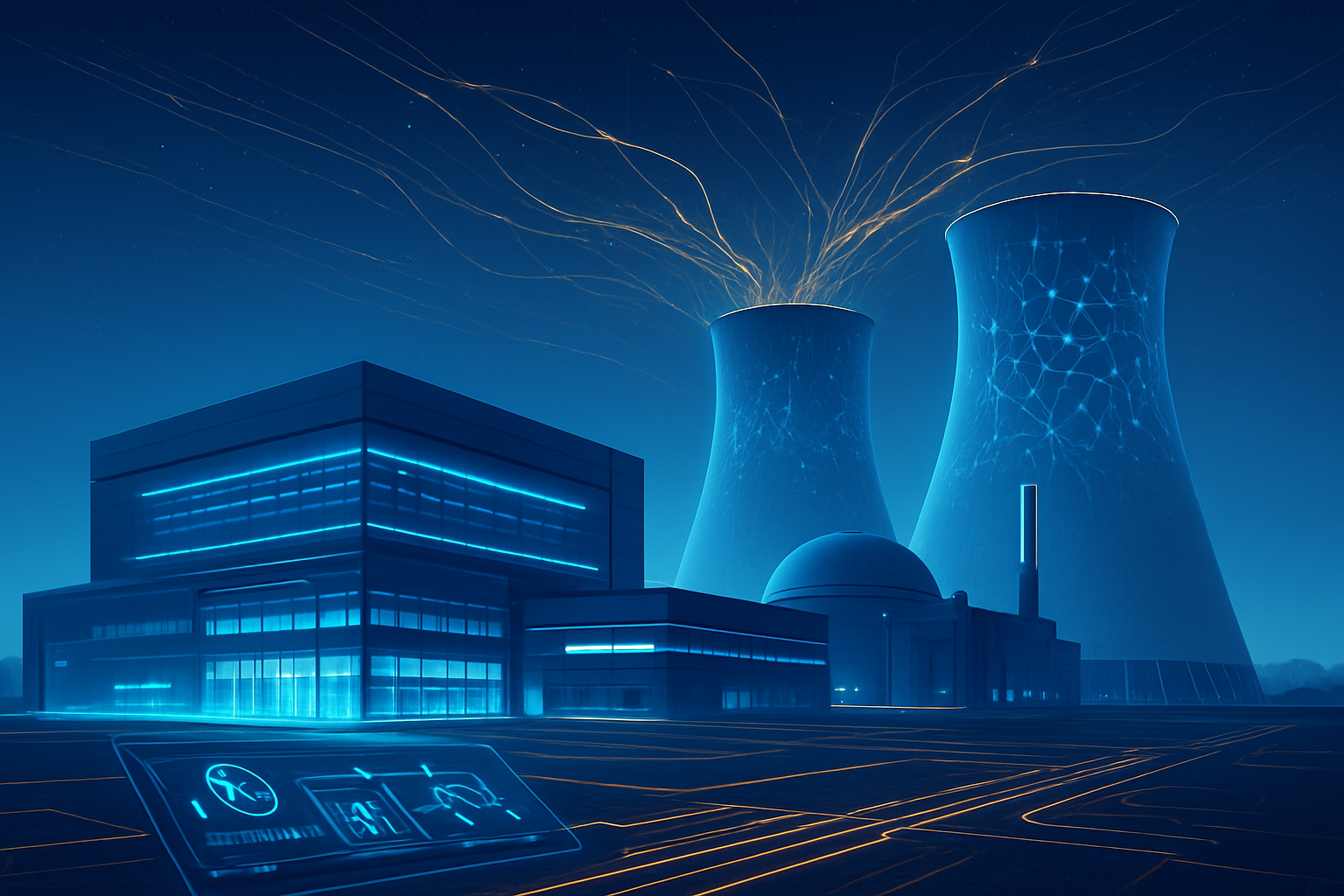
  • Oklo’s Nuclear Phoenix: Advanced Reactors Emerge as AI’s Power Solution Amidst Stock Volatility

    Oklo’s Nuclear Phoenix: Advanced Reactors Emerge as AI’s Power Solution Amidst Stock Volatility

    October 23, 2025 – In a dramatic display of market confidence and speculative fervor, Oklo Inc. (NYSE: OKLO), a pioneering advanced nuclear technology company, has witnessed an extraordinary resurgence in its stock value. Following a midweek sell-off that saw its shares tumble, Oklo has bounced back, capturing the attention of investors and industry analysts alike. This volatile yet upward trajectory is largely attributed to the company's strategic positioning at the nexus of the escalating demand for clean, reliable energy and the "insatiable" power needs of the burgeoning artificial intelligence (AI) sector.

    Oklo's comeback signifies more than just a stock market anomaly; it underscores a growing belief in the transformative potential of advanced nuclear technology, particularly Small Modular Reactors (SMRs) and microreactors, to address global energy challenges. As AI data centers strain existing grids and demand unprecedented levels of continuous power, Oklo's innovative approach to nuclear fission is being hailed as a critical solution, promising a future where high-performance computing is powered by carbon-free, resilient energy.

    The Aurora Powerhouse: Technical Foundations for AI's Future

    Oklo's flagship offering, the Aurora Powerhouse, represents a significant leap from traditional nuclear power. This advanced fission reactor utilizes a fast neutron spectrum and metallic fuel design, distinguishing it with several key technical specifications and capabilities. Unlike conventional light-water reactors, the Aurora can operate on High-Assay Low-Enriched Uranium (HALEU) or even recycled nuclear fuel, including used nuclear waste, significantly enhancing resource efficiency and reducing long-lived radioactive components.

    Initially conceived at 0.5 MWe, the Aurora's design has rapidly scaled, with newer iterations ranging from 15 MWe to 75 MWE, and even 100 MWe under development, often integrating solar panels for hybrid energy solutions. These reactors are engineered for extended operation—typically 10 to 20 years—without refueling, drastically simplifying operations and reducing costs. The Aurora employs heat pipes for thermal transport to a supercritical carbon dioxide power conversion system and incorporates passive cooling systems, ensuring inherent safety without external power or human intervention. The core is also designed to be buried underground for enhanced security and safety.

    The differentiation from traditional nuclear power is stark. Oklo's reactors are significantly smaller and modular, enabling factory fabrication and easier deployment, a contrast to the massive, on-site construction of conventional plants. Their fast reactor design, building on the legacy of the Experimental Breeder Reactor-II (EBR-II), emphasizes inherent safety and the ability to stabilize and shut down safely even under severe conditions. Crucially, Oklo's technology can utilize recycled nuclear fuel, transforming waste into a resource, a major departure from the waste disposal challenges of traditional reactors. This compact, reliable, and waste-reducing profile makes it uniquely suited for the energy-intensive demands of AI data centers.

    Reshaping the AI and Energy Landscape: Impact on Industry Players

    Oklo's advancements and stock performance are sending ripples through both the AI and energy sectors, promising significant shifts for companies operating in these domains. The "insatiable" energy demands of AI are driving a power crunch, making Oklo's reliable, carbon-free baseload power a strategic asset.

    AI labs and data center operators stand to benefit immensely. OpenAI CEO Sam Altman, a former chairman of Oklo's board, is a vocal proponent of SMRs for data centers, with Oklo reportedly in talks to supply energy to the AI giant. Switch Data Centers has a non-binding framework agreement with Oklo to deploy up to 12 GW of power by 2044, while Equinix has a pre-agreement for up to 500 MW. These partnerships underscore a commercial validation of SMRs for hyperscale data centers. Digital infrastructure leader Vertiv Holdings (NYSE: VRT) is collaborating with Oklo to develop integrated power and advanced thermal management solutions, leveraging reactor heat for cooling. Even Liberty Energy (NYSE: LBRT) has partnered with Oklo to create energy roadmaps for large-scale customers, initially with natural gas and later integrating nuclear.

    Tech behemoths like Google, Amazon, and Meta, while not directly partnered with Oklo, have publicly supported tripling nuclear capacity, signaling a broader industry shift towards advanced nuclear solutions for their data centers.

    For other nuclear startups, Oklo's resurgence, with some reports of its stock skyrocketing nearly 900% over the past year, injects renewed investor confidence into the advanced nuclear sector, potentially attracting more capital. However, the field is competitive, with players like NuScale Power, which has the first U.S. Nuclear Regulatory Commission (NRC) certified SMR design, and TerraPower, backed by Bill Gates, also making strides. Oklo's distinct advantage lies in its focus on fuel recycling and using spent nuclear fuel, an area where competitors may need to innovate. The potential for disruption extends to traditional grid power for data centers, as Oklo's co-located microreactors offer an alternative to strained existing grids. Oklo's "power-as-a-service" model also challenges conventional energy procurement, simplifying advanced nuclear adoption for end-users. Oklo's strategic advantages include a first-mover position in microreactors for data centers, a vertically integrated "build, own, operate" model, fuel flexibility, high-profile endorsements, and significant government and strategic partnerships, including a $2 billion collaboration with UK-based newcleo and Sweden's Blykalla for uranium fuel facilities.

    A New Energy Paradigm: Wider Significance and Future Outlook

    Oklo's stock resurgence and its advanced nuclear technology represent a pivotal moment in the broader AI and energy landscapes. It signals a paradigm shift where energy supply is no longer a secondary concern but a foundational constraint for AI's exponential growth. The ability of Oklo's SMRs to provide constant, high-capacity, carbon-free baseload power from a compact footprint directly addresses the exploding energy consumption of AI, which is projected to account for 3-4% of global electricity consumption by 2030.

    The societal and environmental impacts are substantial. Oklo's technology promises zero direct carbon emissions, contributing significantly to climate change mitigation. By utilizing recycled nuclear waste, it transforms a long-standing liability into a valuable resource, enhancing energy independence and security while reducing waste. The planned $1.68 billion fuel recycling facility in Tennessee is expected to create hundreds of high-quality jobs, fostering economic growth. Moreover, its compact design enables power for remote communities and military bases, currently reliant on fossil fuels.

    However, potential concerns remain. Nuclear technology inherently carries risks, and the novelty of Oklo's sodium-cooled fast reactor design necessitates rigorous safety analysis and regulatory oversight. Oklo has faced regulatory hurdles, with its initial combined license application denied by the NRC in 2022 due to insufficient information. The licensing process for advanced reactors is complex and slow, posing a significant risk to commercialization timelines. Financing for a pre-revenue company with high capital expenditure needs also presents a challenge, with profitability not expected until 2030 at the earliest. Proliferation concerns, though mitigated by Oklo's "proliferation resistant" recycling techniques, are also a perennial topic in advanced nuclear discussions.

    Compared to previous energy milestones, Oklo's approach offers a targeted solution to AI's specific energy demands, differing from the grid-scale focus of early nuclear power or the intermittency of renewables. In the context of AI, it moves beyond the computational breakthroughs of deep learning to directly tackle the energy bottleneck that could otherwise limit future AI scaling. If successful, Oklo could enable a more sustainable and reliable trajectory for AI growth.

    The Road Ahead: Challenges and Predictions

    The future for Oklo and advanced nuclear technology in powering AI data centers is characterized by ambitious development plans, immense market demand, and formidable challenges. Near-term, Oklo plans to break ground on a demonstration unit at Idaho National Laboratory (INL) in September 2025, with commercial operations targeted for late 2027 or early 2028. The company is also heavily investing in its fuel cycle, with a $1.68 billion nuclear fuel recycling and fabrication facility in Tennessee aiming for production in the early 2030s, vital for securing its HALEU supply.

    Long-term, while mass deployment of SMRs faces a realistic timeline of 15-20 years, Oklo is positioned as a frontrunner in Generation IV reactor development, with commercial viability at scale potentially between 2032 and 2035. The primary application will be dedicated, reliable, carbon-free power for AI data centers, with SMRs allowing on-site co-location, reducing transmission losses, and enhancing grid stability.

    However, significant challenges persist. Regulatory hurdles, particularly with the NRC's complex licensing process and limited experience with non-light-water reactor technologies, remain a major bottleneck. Technical challenges include securing a robust domestic HALEU fuel supply chain and addressing reactor-specific issues. Commercially, high initial capital costs, potentially higher electricity pricing, and intense market competition from other SMR developers will need to be navigated. Public acceptance and cybersecurity for AI integration in nuclear plants are also critical considerations.

    Experts predict a challenging but transformative period. While prototypes are expected within 7-10 years, mass deployment is further out. The surging electricity demand from AI is seen as a significant catalyst, attracting necessary capital and potentially accelerating development. Oklo's "power-as-a-service" model is viewed as key for recurring revenue and meeting AI companies' needs. A more favorable regulatory environment, potentially spurred by acts like the ADVANCE Act (passed July 2024), could hasten deployment. However, economic viability will be tested, and initial electricity prices for advanced reactors may be higher.

    Comprehensive Wrap-Up: A Glimpse into AI's Power Future

    Oklo's dramatic stock resurgence, despite its pre-revenue status and inherent volatility, powerfully illustrates the urgent market demand for clean, reliable energy solutions for the AI era. Its advanced microreactor technology, particularly the Aurora Powerhouse, offers a compelling vision for how high-performance computing can be powered sustainably and resiliently. The company's strategic partnerships with data center giants and government agencies, coupled with its innovative fuel recycling plans, position it as a significant player in the unfolding "nuclear renaissance."

    This development is more than just an energy story; it's a critical chapter in AI history. As AI models grow in complexity and computational appetite, the availability of energy becomes a fundamental constraint. Oklo's potential to provide decentralized, carbon-free, baseload power could unlock the next phase of AI innovation, mitigating the environmental impact and ensuring the continuous operation of critical digital infrastructure.

    In the coming weeks and months, all eyes will be on Oklo's regulatory progress, particularly its planned submission of the first phase of its combined construction and operating license application to the NRC by the end of 2025. Updates on the timeline for the first Aurora powerhouse at Idaho National Laboratory, currently slated for late 2027 or early 2028, will be crucial. Investors should also closely monitor Oklo's financial health, as a pre-revenue company with significant capital needs, it is expected to face further equity dilution. The conversion of non-binding agreements into firm Power Purchase Agreements (PPAs) and the progress of its fuel recycling facility will be key indicators of commercial traction. Finally, the broader competitive landscape and advancements in AI energy efficiency will continue to shape the long-term market for advanced nuclear solutions in this rapidly evolving space.


    This content is intended for informational purposes only and represents analysis of current AI developments.

    TokenRing AI delivers enterprise-grade solutions for multi-agent AI workflow orchestration, AI-powered development tools, and seamless remote collaboration platforms.
    For more information, visit https://www.tokenring.ai/.