Tag: Nvidia

  • NVIDIA’s $20 Billion Christmas Eve Gambit: The Groq “Reverse Acqui-hire” and the Future of AI Inference

    NVIDIA’s $20 Billion Christmas Eve Gambit: The Groq “Reverse Acqui-hire” and the Future of AI Inference

    In a move that sent shockwaves through Silicon Valley on Christmas Eve 2025, NVIDIA (NASDAQ: NVDA) announced a transformative $20 billion strategic partnership with Groq, the pioneer of Language Processing Unit (LPU) technology. Structured as a "reverse acqui-hire," the deal involves NVIDIA paying a massive licensing fee for Groq’s intellectual property while simultaneously bringing on Groq’s founder and CEO, Jonathan Ross—the legendary inventor of Google’s (NASDAQ: GOOGL) Tensor Processing Unit (TPU)—to lead a new high-performance inference division. This tactical masterstroke effectively neutralizes one of NVIDIA’s most potent architectural rivals while positioning the company to dominate the burgeoning AI inference market.

    The timing and structure of the deal are as significant as the technology itself. By opting for a licensing and talent-acquisition model rather than a traditional merger, NVIDIA CEO Jensen Huang has executed a sophisticated "regulatory arbitrage" play. This maneuver is designed to bypass the intense antitrust scrutiny from the Department of Justice and global regulators that has previously dogged the company’s expansion efforts. As the AI industry shifts its focus from the massive compute required to train models to the efficiency required to run them at scale, NVIDIA’s move signals a definitive pivot toward an inference-first future.

    Breaking the Memory Wall: LPU Technology and the Vera Rubin Integration

    At the heart of this $20 billion deal is Groq’s proprietary LPU technology, which represents a fundamental departure from the GPU-centric world NVIDIA helped create. Unlike traditional GPUs that rely on High Bandwidth Memory (HBM)—a component currently plagued by global supply chain shortages—Groq’s architecture utilizes on-chip SRAM (Static Random Access Memory). This "software-defined" hardware approach eliminates the "memory bottleneck" by keeping data on the chip, allowing for inference speeds up to 10 times faster than current state-of-the-art GPUs while reducing energy consumption by a factor of 20.

    The technical implications are profound. Groq’s architecture is entirely deterministic, meaning the system knows exactly where every bit of data is at any given microsecond. This eliminates the "jitter" and latency spikes common in traditional parallel processing, making it the gold standard for real-time applications like autonomous agents and high-speed LLM (Large Language Model) interactions. NVIDIA plans to integrate these LPU cores directly into its upcoming 2026 "Vera Rubin" architecture. The Vera Rubin chips, which are already expected to feature HBM4 and the new Vera CPU (NASDAQ: ARM), will now become hybrid powerhouses capable of utilizing GPUs for massive training workloads and LPU cores for lightning-fast, deterministic inference.

    Industry experts have reacted with a mix of awe and trepidation. "NVIDIA just bought the only architecture that threatened their inference moat," noted one senior researcher at OpenAI. By bringing Jonathan Ross into the fold, NVIDIA isn't just buying technology; it's acquiring the architectural philosophy that allowed Google to stay competitive with its TPUs for a decade. Ross’s move to NVIDIA marks a full-circle moment for the industry, as the man who built Google’s AI hardware foundation now takes the reins of the world’s most valuable semiconductor company.

    Neutralizing the TPU Threat and Hedging Against HBM Shortages

    This strategic move is a direct strike against Google’s (NASDAQ: GOOGL) internal hardware advantage. For years, Google’s TPUs have provided a cost and performance edge for its own AI services, such as Gemini and Search. By incorporating LPU technology, NVIDIA is effectively commoditizing the specialized advantages that TPUs once held, offering a superior, commercially available alternative to the rest of the industry. This puts immense pressure on other cloud competitors like Amazon (NASDAQ: AMZN) and Microsoft (NASDAQ: MSFT), who have been racing to develop their own in-house silicon to reduce their reliance on NVIDIA.

    Furthermore, the deal serves as a critical hedge against the fragile HBM supply chain. As manufacturers like SK Hynix and Samsung struggle to keep up with the insatiable demand for HBM3e and HBM4, NVIDIA’s move into SRAM-based LPU technology provides a "Plan B" that doesn't rely on external memory vendors. This vertical integration of inference technology ensures that NVIDIA can continue to deliver high-performance AI factories even if the global memory market remains constrained. It also creates a massive barrier to entry for competitors like AMD (NASDAQ: AMD) and Intel (NASDAQ: INTC), who are still heavily reliant on traditional GPU and HBM architectures to compete in the high-end AI space.

    Regulatory Arbitrage and the New Antitrust Landscape

    The "reverse acqui-hire" structure of the Groq deal is a direct response to the aggressive antitrust environment of 2024 and 2025. With the US Department of Justice and European regulators closely monitoring NVIDIA’s market dominance, a standard $20 billion acquisition of Groq would have likely faced years of litigation and a potential block. By licensing the IP and hiring the talent while leaving Groq as a semi-independent cloud entity, NVIDIA has followed the playbook established by Microsoft’s earlier deal with Inflection AI. This allows NVIDIA to absorb the "brains" and "blueprints" of its competitor without the legal headache of a formal merger.

    This move highlights a broader trend in the AI landscape: the consolidation of power through non-traditional means. As the barrier between software and hardware continues to blur, the most valuable assets are no longer just physical factories, but the specific architectural designs and the engineers who create them. However, this "stealth consolidation" is already drawing the attention of critics who argue that it allows tech giants to maintain monopolies while evading the spirit of antitrust laws. The Groq deal will likely become a landmark case study for regulators looking to update competition frameworks for the AI era.

    The Road to 2026: The Vera Rubin Era and Beyond

    Looking ahead, the integration of Groq’s LPU technology into the Vera Rubin platform sets the stage for a new era of "Artificial Superintelligence" (ASI) infrastructure. In the near term, we can expect NVIDIA to release specialized "Inference-Only" cards based on Groq’s designs, targeting the edge computing and enterprise sectors that prioritize latency over raw training power. Long-term, the 2026 launch of the Vera Rubin chips will likely represent the most significant architectural shift in NVIDIA’s history, moving away from a pure GPU focus toward a heterogeneous computing model that combines the best of GPUs, CPUs, and LPUs.

    The challenges remain significant. Integrating two fundamentally different architectures—the parallel-processing GPU and the deterministic LPU—into a single, cohesive software stack like CUDA will require a monumental engineering effort. Jonathan Ross will be tasked with ensuring that this transition is seamless for developers. If successful, the result will be a computing platform that is virtually untouchable in its versatility, capable of handling everything from the world’s largest training clusters to the most responsive real-time AI agents.

    A New Chapter in AI History

    NVIDIA’s Christmas Eve announcement is more than just a business deal; it is a declaration of intent. By securing the LPU technology and the leadership of Jonathan Ross, NVIDIA has addressed its two biggest vulnerabilities: the memory bottleneck and the rising threat of specialized inference chips. This $20 billion move ensures that as the AI industry matures from experimental training to mass-market deployment, NVIDIA remains the indispensable foundation upon which the future is built.

    As we look toward 2026, the significance of this moment will only grow. The "reverse acqui-hire" of Groq may well be remembered as the move that cemented NVIDIA’s dominance for the next decade, effectively ending the "inference wars" before they could truly begin. For competitors and regulators alike, the message is clear: NVIDIA is not just participating in the AI revolution; it is architecting the very ground it stands on.


    This content is intended for informational purposes only and represents analysis of current AI developments.

    TokenRing AI delivers enterprise-grade solutions for multi-agent AI workflow orchestration, AI-powered development tools, and seamless remote collaboration platforms.
    For more information, visit https://www.tokenring.ai/.

  • The Architects of AI: Time Names the Builders of the Intelligence Era as 2025 Person of the Year

    The Architects of AI: Time Names the Builders of the Intelligence Era as 2025 Person of the Year

    In a year defined by the transition from digital assistants to autonomous reasoning agents, Time Magazine has officially named "The Architects of AI" as its 2025 Person of the Year. The announcement, released on December 11, 2025, marks a pivotal moment in cultural history, recognizing a collective of engineers, CEOs, and researchers who have moved artificial intelligence from a speculative Silicon Valley trend into the foundational infrastructure of global society. Time Editor-in-Chief Sam Jacobs noted that the choice reflects a year in which AI's "full potential roared into view," making it clear that for the modern world, there is "no turning back or opting out."

    The 2025 honor is not bestowed upon the software itself, but rather the individuals and organizations that "imagined, designed, and built the intelligence era." Featured on the cover are titans of the industry including Jensen Huang of NVIDIA (NASDAQ: NVDA), Sam Altman of OpenAI, and Dr. Fei-Fei Li of World Labs. This recognition comes as the world grapples with the sheer scale of AI’s integration, from the $500 billion "Stargate" data center projects to the deployment of models capable of solving complex mathematical proofs and autonomously managing corporate workflows.

    The Dawn of 'System 2' Reasoning: Technical Breakthroughs of 2025

    The technical landscape of 2025 was defined by the arrival of "System 2" thinking—a shift from the rapid, pattern-matching responses of early LLMs to deliberative, multi-step reasoning. Leading the charge was the release of OpenAI’s GPT-5.2 and Alphabet Inc.’s (NASDAQ: GOOGL) Gemini 3. These models introduced "Thinking Modes" that allow the AI to pause, verify intermediate steps, and self-correct before providing an answer. In benchmark testing, GPT-5.2 achieved a perfect 100% on the AIME 2025 (American Invitational Mathematics Examination), while Gemini 3 Pro demonstrated "Long-Horizon Reasoning," enabling it to manage multi-hour coding sessions without context drift.

    Beyond pure reasoning, 2025 saw the rise of "Native Multimodality." Unlike previous versions that "stitched" together text and image encoders, Gemini 3 and OpenAI’s latest architectures process audio, video, and code within a single unified transformer stack. This has enabled "Native Video Understanding," where AI agents can watch a live video feed and interact with the physical world in real-time. This capability was further bolstered by the release of Meta Platforms, Inc.’s (NASDAQ: META) Llama 4, which brought high-performance, open-source reasoning to the developer community, challenging the dominance of closed-source labs.

    The AI research community has reacted with a mix of awe and caution. While the leap in "vibe coding"—the ability to generate entire software applications from abstract sketches—has revolutionized development, experts point to the "DeepSeek R1" event in early 2025 as a wake-up call. This high-performance, low-cost model from China proved that massive compute isn't the only path to intelligence, forcing Western labs to pivot toward algorithmic efficiency. The resulting "efficiency wars" have driven down inference costs by 90% over the last twelve months, making high-level reasoning accessible to nearly every smartphone user.

    Market Dominance and the $5 Trillion Milestone

    The business implications of these advancements have been nothing short of historic. In mid-2025, NVIDIA (NASDAQ: NVDA) became the world’s first $5 trillion company, fueled by insatiable demand for its Blackwell and subsequent "Rubin" GPU architectures. The company’s dominance is no longer just in hardware; its CUDA software stack has become the "operating system" for the AI era. Meanwhile, Advanced Micro Devices, Inc. (NASDAQ: AMD) has successfully carved out a significant share of the inference market, with its MI350 series becoming the preferred choice for cost-conscious enterprise deployments.

    The competitive landscape shifted significantly with the formalization of the Stargate Project, a $500 billion joint venture between OpenAI, SoftBank Group Corp. (TYO: 9984), and Oracle Corporation (NYSE: ORCL). This initiative has decentralized the AI power structure, moving OpenAI away from its exclusive reliance on Microsoft Corporation (NASDAQ: MSFT). While Microsoft remains a critical partner, the Stargate Project’s massive 10-gigawatt data centers in Texas and Ohio have allowed OpenAI to pursue "Sovereign AI" infrastructure, designing custom silicon in partnership with Broadcom Inc. (NASDAQ: AVGO) to optimize its most compute-heavy models.

    Startups have also found new life in the "Agentic Economy." Companies like World Labs and Anthropic have moved beyond general-purpose chatbots to "Specialist Agents" that handle everything from autonomous drug discovery to legal discovery. The disruption to existing SaaS products has been profound; legacy software providers that failed to integrate native reasoning into their core products have seen their valuations plummet as "AI-native" competitors automate entire departments that previously required dozens of human operators.

    A Global Inflection Point: Geopolitics and Societal Risks

    The recognition of AI as the "Person of the Year" also underscores its role as a primary instrument of geopolitical power. In 2025, AI became the center of a new "Cold War" between the U.S. and China, with both nations racing to secure the energy and silicon required for AGI. The "Stargate" initiative is viewed by many as a national security project as much as a commercial one. However, this race for dominance has raised significant environmental concerns, as the energy requirements for these "megaclusters" have forced a massive re-evaluation of global power grids and a renewed push for modular nuclear reactors.

    Societally, the impact has been a "double-edged sword," as Time’s editorial noted. While AI-driven generative chemistry has reduced the timeline for validating new drug molecules from years to weeks, the labor market is feeling the strain. Reports in late 2025 suggest that up to 20% of roles in sectors like data entry, customer support, and basic legal research have faced significant disruption. Furthermore, the "worrying" side of AI was highlighted by high-profile lawsuits regarding "chatbot psychosis" and the proliferation of hyper-realistic deepfakes that have challenged the integrity of democratic processes worldwide.

    Comparisons to previous milestones, such as the 1982 "Machine of the Year" (The Computer), are frequent. However, the 2025 recognition is distinct because it focuses on the Architects—emphasizing that while the technology is transformative, the ethical and strategic choices made by human leaders will determine its ultimate legacy. The "Godmother of AI," Fei-Fei Li, has used her platform to advocate for "Human-Centered AI," ensuring that the drive for intelligence does not outpace the development of safety frameworks and economic safety nets.

    The Horizon: From Reasoning to Autonomy

    Looking ahead to 2026, experts predict the focus will shift from "Reasoning" to "Autonomy." We are entering the era of the "Agentic Web," where AI models will not just answer questions but will possess the agency to execute complex, multi-step tasks across the internet and physical world without human intervention. This includes everything from autonomous supply chain management to AI-driven scientific research labs that run 24/7.

    The next major hurdle is the "Energy Wall." As the Stargate Project scales toward its 10-gigawatt goal, the industry must solve the cooling and power distribution challenges that come with such unprecedented density. Additionally, the development of "On-Device Reasoning"—bringing GPT-5 level intelligence to local hardware without relying on the cloud—is expected to be the next major battleground for companies like Apple Inc. (NASDAQ: AAPL) and Qualcomm Incorporated (NASDAQ: QCOM).

    A Permanent Shift in the Human Story

    The naming of "The Architects of AI" as the 2025 Person of the Year serves as a definitive marker for the end of the "Information Age" and the beginning of the "Intelligence Age." The key takeaway from 2025 is that AI is no longer a tool we use, but an environment we inhabit. It has become the invisible hand guiding global markets, scientific discovery, and personal productivity.

    As we move into 2026, the world will be watching how these "Architects" handle the immense responsibility they have been granted. The significance of this development in AI history cannot be overstated; it is the year the technology became undeniable. Whether this leads to a "golden age" of productivity or a period of unprecedented social upheaval remains to be seen, but one thing is certain: the world of 2025 is fundamentally different from the one that preceded it.


    This content is intended for informational purposes only and represents analysis of current AI developments.

    TokenRing AI delivers enterprise-grade solutions for multi-agent AI workflow orchestration, AI-powered development tools, and seamless remote collaboration platforms.
    For more information, visit https://www.tokenring.ai/.

  • Nvidia Consolidates AI Dominance with $20 Billion Acquisition of Groq’s Assets and Talent

    Nvidia Consolidates AI Dominance with $20 Billion Acquisition of Groq’s Assets and Talent

    In a move that has fundamentally reshaped the semiconductor landscape on the eve of 2026, Nvidia (NASDAQ: NVDA) announced a landmark $20 billion deal to acquire the core intellectual property and top engineering talent of Groq, the high-performance AI inference startup. The transaction, finalized on December 24, 2025, represents Nvidia's most aggressive effort to date to secure its lead in the burgeoning "inference economy." By absorbing Groq’s revolutionary Language Processing Unit (LPU) technology, Nvidia is pivoting its focus from the massive compute clusters used to train models to the real-time, low-latency infrastructure required to run them at scale.

    The deal is structured as a strategic asset acquisition and "acqui-hire," bringing approximately 80% of Groq’s engineering workforce—including founder and former Google TPU architect Jonathan Ross—directly into Nvidia’s fold. While the Groq corporate entity will technically remain independent to operate its existing GroqCloud services, the heart of its innovation engine has been transplanted into Nvidia. This maneuver is widely seen as a preemptive strike against specialized hardware competitors that were beginning to challenge the efficiency of general-purpose GPUs in high-speed AI agent applications.

    Technical Superiority: The Shift to Deterministic Inference

    The centerpiece of this acquisition is Groq’s proprietary LPU architecture, which represents a radical departure from the traditional GPU designs that have powered the AI boom thus far. Unlike Nvidia’s current H100 and Blackwell chips, which rely on High Bandwidth Memory (HBM) and probabilistic scheduling, the LPU is a deterministic system. By using on-chip SRAM (Static Random-Access Memory), Groq’s hardware eliminates the "memory wall" that slows down data retrieval. This allows for internal bandwidth of a staggering 80 TB/s, enabling the processing of large language models (LLMs) with near-zero latency.

    In recent benchmarks, Groq’s hardware demonstrated the ability to run Meta’s Llama 3 70B model at speeds of 280 to 300 tokens per second—nearly triple the throughput of a standard Nvidia H100 deployment. More importantly, Groq’s "Time-to-First-Token" (TTFT) metrics sit at a mere 0.2 seconds, providing the "human-speed" responsiveness essential for the next generation of autonomous AI agents. The AI research community has largely hailed the move as a technical masterstroke, noting that merging Groq’s software-defined hardware with Nvidia’s mature CUDA ecosystem could create an unbeatable platform for real-time AI.

    Industry experts point out that this acquisition addresses the "Inference Flip," a market transition occurring throughout 2025 where the revenue generated from running AI models surpassed the revenue from training them. By integrating Groq’s kernel-less execution model, Nvidia can now offer a hybrid solution: GPUs for massive parallel training and LPUs for lightning-fast, energy-efficient inference. This dual-threat capability is expected to significantly reduce the "cost-per-token" for enterprise customers, making sophisticated AI more accessible and cheaper to operate.

    Reshaping the Competitive Landscape

    The $20 billion deal has sent shockwaves through the executive suites of Advanced Micro Devices (NASDAQ: AMD) and Intel (NASDAQ: INTC). AMD, which had been gaining ground with its MI300 and MI325 series accelerators, now faces a competitor that has effectively neutralized the one area where specialized startups were winning: latency. Analysts suggest that AMD may now be forced to accelerate its own specialized ASIC development or seek its own high-profile acquisition to remain competitive in the real-time inference market.

    Intel’s position is even more complex. In a surprising development late in 2025, Nvidia took a $5 billion equity stake in Intel to secure priority access to U.S.-based foundry services. While this partnership provides Intel with much-needed capital, the Groq acquisition ensures that Nvidia remains the primary architect of the AI hardware stack, potentially relegating Intel to a junior partner or contract manufacturer role. For other AI chip startups like Cerebras and Tenstorrent, the deal signals a "consolidation era" where independent hardware ventures may find it increasingly difficult to compete against Nvidia’s massive R&D budget and newly acquired IP.

    Furthermore, the acquisition has significant implications for "Sovereign AI" initiatives. Nations like Saudi Arabia and the United Arab Emirates had recently made multi-billion dollar commitments to build massive compute clusters using Groq hardware to reduce their reliance on Nvidia. With Groq’s future development now under Nvidia’s control, these nations face a recalibrated geopolitical reality where the path to AI independence once again leads through Santa Clara.

    Wider Significance and Regulatory Scrutiny

    This acquisition fits into a broader trend of "informal consolidation" within the tech industry. By structuring the deal as an asset purchase and talent transfer rather than a traditional merger, Nvidia likely hopes to avoid the regulatory hurdles that famously scuttled its attempt to buy Arm Holdings (NASDAQ: ARM) in 2022. However, the Federal Trade Commission (FTC) and the Department of Justice (DOJ) have already signaled they are closely monitoring "acqui-hires" that effectively remove competitors from the market. The $20 billion price tag—nearly three times Groq’s last private valuation—underscores the strategic necessity Nvidia felt to absorb its most credible rival.

    The deal also highlights a pivot in the AI narrative from "bigger models" to "faster agents." In 2024 and early 2025, the industry was obsessed with the sheer parameter count of models like GPT-5 or Claude 4. By late 2025, the focus shifted to how these models can interact with the world in real-time. Groq’s technology is the "engine" for that interaction. By owning this engine, Nvidia isn't just selling chips; it is controlling the speed at which AI can think and act, a milestone comparable to the introduction of the first consumer GPUs in the late 1990s.

    Potential concerns remain regarding the "Nvidia Tax" and the lack of diversity in the AI supply chain. Critics argue that by absorbing the most promising alternative architectures, Nvidia is creating a monoculture that could stifle innovation in the long run. If every major AI service is eventually running on a variation of Nvidia-owned IP, the industry’s resilience to supply chain shocks or pricing shifts could be severely compromised.

    The Horizon: From Blackwell to 'Vera Rubin'

    Looking ahead, the integration of Groq’s LPU technology is expected to be a cornerstone of Nvidia’s future "Vera Rubin" architecture, slated for release in late 2026 or early 2027. Experts predict a "chiplet" approach where a single AI server could contain both traditional GPU dies for context-heavy processing and Groq-derived LPU dies for instantaneous token generation. This hybrid design would allow for "agentic AI" that can reason deeply while communicating with users without any perceptible delay.

    In the near term, developers can expect a fusion of Groq’s software-defined scheduling with Nvidia’s CUDA. Jonathan Ross is reportedly leading a dedicated "Real-Time Inference" division within Nvidia to ensure that the transition is seamless for the millions of developers already using Groq’s API. The goal is a "write once, deploy anywhere" environment where the software automatically chooses the most efficient hardware—GPU or LPU—for the task at hand.

    The primary challenge will be the cultural and technical integration of two very different hardware philosophies. Groq’s "software-first" approach, where the compiler dictates every movement of data, is a departure from Nvidia’s more flexible but complex hardware scheduling. If Nvidia can successfully marry these two worlds, the resulting infrastructure could power everything from real-time holographic assistants to autonomous robotic fleets with unprecedented efficiency.

    A New Chapter in the AI Era

    Nvidia’s $20 billion acquisition of Groq’s assets is more than just a corporate transaction; it is a declaration of intent for the next phase of the AI revolution. By securing the fastest inference technology on the planet, Nvidia has effectively built a moat around the "real-time" future of artificial intelligence. The key takeaways are clear: the era of training-dominance is evolving into the era of inference-dominance, and Nvidia is unwilling to cede even a fraction of that territory to challengers.

    This development will likely be remembered as a pivotal moment in AI history—the point where the "intelligence" of the models became inseparable from the "speed" of the hardware. As we move into 2026, the industry will be watching closely to see how the FTC responds to this unconventional deal structure and whether competitors like AMD can mount a credible response to Nvidia's new hybrid architecture.

    For now, the message to the market is unmistakable. Nvidia is no longer just a GPU company; it is the fundamental infrastructure provider for the real-time AI world. The coming months will reveal the first fruits of this acquisition as Groq’s technology begins to permeate the Nvidia AI Enterprise stack, potentially bringing "human-speed" AI to every corner of the global economy.


    This content is intended for informational purposes only and represents analysis of current AI developments.

    TokenRing AI delivers enterprise-grade solutions for multi-agent AI workflow orchestration, AI-powered development tools, and seamless remote collaboration platforms.
    For more information, visit https://www.tokenring.ai/.

  • Amazon Eyes $10 Billion Stake in OpenAI as AI Giant Pivots to Custom Trainium Silicon

    Amazon Eyes $10 Billion Stake in OpenAI as AI Giant Pivots to Custom Trainium Silicon

    In a move that signals a seismic shift in the artificial intelligence landscape, Amazon (NASDAQ: AMZN) is reportedly in advanced negotiations to invest over $10 billion in OpenAI. This massive capital injection, which would value the AI powerhouse at over $500 billion, is fundamentally tied to a strategic pivot: OpenAI’s commitment to integrate Amazon’s proprietary Trainium AI chips into its core training and inference infrastructure.

    The deal marks a departure from OpenAI’s historical reliance on Microsoft (NASDAQ: MSFT) and Nvidia (NASDAQ: NVDA). By diversifying its hardware and cloud providers, OpenAI aims to slash the astronomical costs of developing next-generation foundation models while securing a more resilient supply chain. For Amazon, the partnership serves as the ultimate validation of its custom silicon strategy, positioning its AWS cloud division as a formidable alternative to the Nvidia-dominated status quo.

    Technical Breakthroughs and the Rise of Trainium3

    The technical centerpiece of this agreement is OpenAI’s adoption of the newly unveiled Trainium3 architecture. Launched during the AWS re:Invent 2025 conference earlier this month, the Trainium3 chip is built on a cutting-edge 3nm process. According to AWS technical specifications, the new silicon delivers 4.4x the compute performance and 4x the energy efficiency of its predecessor, Trainium2. OpenAI is reportedly deploying these chips within EC2 Trn3 UltraServers, which can scale to 144 chips per system, providing a staggering 362 petaflops of compute power.

    A critical hurdle for custom silicon has traditionally been software compatibility, but Amazon has addressed this through significant updates to the AWS Neuron SDK. A major breakthrough in late 2025 was the introduction of native PyTorch support, allowing OpenAI’s researchers to run standard code on Trainium without the labor-intensive rewrites that plagued earlier custom hardware. Furthermore, the new Neuron Kernel Interface (NKI) allows performance engineers to write custom kernels directly for the Trainium architecture, enabling the fine-tuned optimization of attention mechanisms required for OpenAI’s "Project Strawberry" and other next-gen reasoning models.

    Initial reactions from the AI research community have been cautiously optimistic. While Nvidia’s Blackwell (GB200) systems remain the gold standard for raw performance, industry experts note that Amazon’s Trainium3 offers a 40% better price-performance ratio. This economic advantage is crucial for OpenAI, which is facing an estimated $1.4 trillion compute bill over the next decade. By utilizing the vLLM-Neuron plugin for high-efficiency inference, OpenAI can serve ChatGPT to hundreds of millions of users at a fraction of the current operational cost.

    A Multi-Cloud Strategy and the End of Exclusivity

    This $10 billion investment follows a fundamental restructuring of the partnership between OpenAI and Microsoft. In October 2025, Microsoft officially waived its "right of first refusal" as OpenAI’s exclusive compute provider, effectively ending the era of OpenAI as a "Microsoft subsidiary in all but name." While Microsoft (NASDAQ: MSFT) remains a significant shareholder with a 27% stake and retains rights to resell models through Azure, OpenAI has moved toward a neutral, multi-cloud strategy to leverage competition between the "Big Three" cloud providers.

    Amazon stands to benefit the most from this shift. Beyond the direct equity stake, the deal is structured as a "chips-for-equity" arrangement, where a substantial portion of the $10 billion will be cycled back into AWS infrastructure. This mirrors the $38 billion, seven-year cloud services agreement OpenAI signed with AWS in November 2025. By securing OpenAI as a flagship customer for Trainium, Amazon effectively bypasses the bottleneck of Nvidia’s supply chain, which has frequently delayed the scaling of rival AI labs.

    The competitive implications for the rest of the industry are profound. Other major AI labs, such as Anthropic—which already has a multi-billion dollar relationship with Amazon—may find themselves competing for the same Trainium capacity. Meanwhile, Google, a subsidiary of Alphabet (NASDAQ: GOOGL), is feeling the pressure to further open its TPU (Tensor Processing Unit) ecosystem to external developers to prevent a mass exodus of startups toward the increasingly flexible AWS silicon stack.

    The Broader AI Landscape: Cost, Energy, and Sovereignty

    The Amazon-OpenAI deal fits into a broader 2025 trend of "hardware sovereignty." As AI models grow in complexity, the winners of the AI race are increasingly defined not just by their algorithms, but by their ability to control the underlying physical infrastructure. This move is a direct response to the "Nvidia Tax"—the high margins commanded by the chip giant that have squeezed the profitability of AI service providers. By moving to Trainium, OpenAI is taking a significant step toward vertical integration.

    However, the scale of this partnership raises significant concerns regarding energy consumption and market concentration. The sheer amount of electricity required to power the Trn3 UltraServer clusters has prompted Amazon to accelerate its investments in small modular reactors (SMRs) and other next-generation energy sources. Critics argue that the consolidation of AI power within a handful of trillion-dollar tech giants—Amazon, Microsoft, and Alphabet—creates a "compute cartel" that could stifle smaller startups that cannot afford custom silicon or massive cloud contracts.

    Comparatively, this milestone is being viewed as the "Post-Nvidia Era" equivalent of the original $1 billion Microsoft-OpenAI deal in 2019. While the 2019 deal proved that massive scale was necessary for LLMs, the 2025 Amazon deal proves that specialized, custom-built hardware is necessary for the long-term economic viability of those same models.

    Future Horizons: The Path to a $1 Trillion IPO

    Looking ahead, the integration of Trainium3 is expected to accelerate the release of OpenAI’s "GPT-6" and its specialized agents for autonomous scientific research. Near-term developments will likely focus on migrating OpenAI’s entire inference workload to AWS, which could result in a significant price drop for the ChatGPT Plus subscription or the introduction of a more powerful "Pro" tier powered by dedicated Trainium clusters.

    Experts predict that this investment is the final major private funding round before OpenAI pursues a rumored $1 trillion IPO in late 2026 or 2027. The primary challenge remains the software transition; while the Neuron SDK has improved, the sheer scale of OpenAI’s codebase means that unforeseen bugs in the custom kernels could cause temporary service disruptions. Furthermore, the regulatory environment remains a wild card, as antitrust regulators in the US and EU are already closely scrutinizing the "circular financing" models where cloud providers invest in their own customers.

    A New Era for Artificial Intelligence

    The potential $10 billion investment by Amazon in OpenAI represents more than just a financial transaction; it is a strategic realignment of the entire AI industry. By embracing Trainium3, OpenAI is prioritizing economic sustainability and hardware diversity, ensuring that its path to Artificial General Intelligence (AGI) is not beholden to a single hardware vendor or cloud provider.

    In the history of AI, 2025 will likely be remembered as the year the "Compute Wars" moved from software labs to the silicon foundries. The long-term impact of this deal will be measured by how effectively OpenAI can translate Amazon's hardware efficiencies into smarter, faster, and more accessible AI tools. In the coming weeks, the industry will be watching for a formal announcement of the investment terms and the first benchmarks of OpenAI's models running natively on the Trainium3 architecture.


    This content is intended for informational purposes only and represents analysis of current AI developments.

    TokenRing AI delivers enterprise-grade solutions for multi-agent AI workflow orchestration, AI-powered development tools, and seamless remote collaboration platforms.
    For more information, visit https://www.tokenring.ai/.

  • The Great Silicon Decoupling: How RISC-V Became the Geopolitical Pivot of Global Computing in 2025

    The Great Silicon Decoupling: How RISC-V Became the Geopolitical Pivot of Global Computing in 2025

    As of December 29, 2025, the global semiconductor landscape has reached a definitive turning point, marked by the meteoric rise of the open-source RISC-V architecture. Long viewed as a niche academic project or a low-power alternative for simple microcontrollers, RISC-V has officially matured into the "third pillar" of the industry, challenging the long-standing duopoly held by x86 and ARM Holdings (NASDAQ: ARM). Driven by a volatile cocktail of geopolitical trade restrictions, a global push for chip self-sufficiency, and the insatiable demand for custom AI accelerators, RISC-V now commands an unprecedented 25% of the global System-on-Chip (SoC) market.

    The significance of this shift cannot be overstated. For decades, the foundational blueprints of computing were locked behind proprietary licenses, leaving nations and corporations vulnerable to shifting trade policies and escalating royalty fees. However, in 2025, the "royalty-free" nature of RISC-V has transformed it from a technical choice into a strategic imperative. From the data centers of Silicon Valley to the state-backed foundries of Shenzhen, the architecture is being utilized to bypass traditional export controls, enabling a new era of "sovereign silicon" that is fundamentally reshaping the balance of power in the digital age.

    The Technical Ascent: From Embedded Roots to Data Center Dominance

    The technical narrative of 2025 is dominated by the arrival of high-performance RISC-V cores that rival the best of proprietary designs. A major milestone was reached this month with the full-scale deployment of the third-generation XiangShan CPU, developed by the Chinese Academy of Sciences. Utilizing the "Kunminghu" architecture, benchmarks released in late 2025 indicate that this open-source processor has achieved performance parity with the ARM Neoverse N2, proving that the collaborative, open-source model can produce world-class server-grade silicon. This breakthrough has silenced critics who once argued that RISC-V could never compete in high-performance computing (HPC) environments.

    Further accelerating this trend is the maturation of the RISC-V Vector (RVV) 1.0 extensions, which have become the gold standard for specialized AI workloads. Unlike the rigid instruction sets of Intel (NASDAQ: INTC) or ARM, RISC-V allows engineers to add custom "secret sauce" instructions to their chips without breaking compatibility with the broader software ecosystem. This extensibility was a key factor in NVIDIA (NASDAQ: NVDA) announcing its historic decision in July 2025 to port its proprietary CUDA platform to RISC-V. By allowing its industry-leading AI software stack to run on RISC-V host processors, NVIDIA has effectively decoupled its future from the x86 and ARM architectures that have dominated the data center for 40 years.

    The reaction from the AI research community has been overwhelmingly positive, as the open nature of the ISA allows for unprecedented transparency in hardware-software co-design. Experts at the recent RISC-V Industry Development Conference noted that the ability to "peek under the hood" of the processor architecture is leading to more efficient AI inference models. By tailoring the hardware directly to the mathematical requirements of Large Language Models (LLMs), companies are reporting up to a 40% improvement in energy efficiency compared to general-purpose legacy architectures.

    The Corporate Land Grab: Consolidation and Competition

    The corporate world has responded to the RISC-V surge with a wave of massive investments and strategic acquisitions. On December 10, 2025, Qualcomm (NASDAQ: QCOM) sent shockwaves through the industry with its $2.4 billion acquisition of Ventana Micro Systems. This move is widely seen as Qualcomm’s "declaration of independence" from ARM. By integrating Ventana’s high-performance RISC-V cores into its custom Oryon CPU roadmap, Qualcomm can now develop "ARM-free" chipsets for its Snapdragon platforms, avoiding the escalating licensing disputes and royalty costs that have plagued its relationship with ARM in recent years.

    Tech giants are also moving to secure their own "sovereign silicon" pipelines. Meta Platforms (NASDAQ: META) disclosed this month that its next-generation Meta Training and Inference Accelerator (MTIA) chips are being re-architected around RISC-V to optimize AI inference for its Llama-4 models. Similarly, Alphabet (NASDAQ: GOOGL) has expanded its use of RISC-V in its Tensor Processing Units (TPUs), citing the need for a more flexible architecture that can keep pace with the rapid evolution of generative AI. These moves suggest that the era of buying "off-the-shelf" processors is coming to an end for the world’s largest hyperscalers, replaced by a trend toward bespoke, in-house designs.

    The competitive implications for incumbents are stark. While ARM remains a dominant force in mobile, its market share in the data center and IoT sectors is under siege. The "royalty-free" model of RISC-V has created a price-to-performance ratio that is increasingly difficult for proprietary vendors to match. Startups like Tenstorrent, led by industry legend Jim Keller, have capitalized on this by launching the Ascalon core in late 2025, specifically targeting the high-end AI accelerator market. This has forced legacy players to rethink their business models, with some analysts predicting that even Intel may eventually be forced to offer RISC-V foundry services to remain relevant in a post-x86 world.

    Geopolitics and the Push for Chip Self-Sufficiency

    Nowhere is the impact of RISC-V more visible than in the escalating technological rivalry between the United States and China. In 2025, RISC-V became the cornerstone of China’s national strategy to achieve semiconductor self-sufficiency. Just today, on December 29, 2025, reports surfaced of a new policy framework finalized by eight Chinese government agencies, including the Ministry of Industry and Information Technology (MIIT). This policy effectively mandates the adoption of RISC-V for government procurement and critical infrastructure, positioning the architecture as the national standard for "sovereign silicon."

    This move is a direct response to the U.S. "AI Diffusion Rule" finalized in January 2025, which tightened export controls on advanced AI hardware and software. Because the RISC-V International organization is headquartered in neutral Switzerland, it has remained largely immune to direct U.S. export bans, providing Chinese firms like Alibaba Group (NYSE: BABA) a legal pathway to develop world-class chips. Alibaba’s T-Head division has already capitalized on this, launching the XuanTie C930 server-grade CPU and securing a $390 million contract to power China Unicom’s latest AI data centers.

    The result is what analysts are calling "The Great Silicon Decoupling." China now accounts for nearly 50% of global RISC-V shipments, creating a bifurcated supply chain where the East relies on open-source standards while the West balances between legacy proprietary systems and a cautious embrace of RISC-V. This shift has also spurred Europe to action; the DARE (Digital Autonomy with RISC-V in Europe) project achieved a major milestone in October 2025 with the production of the "Titania" AI Processing Unit, designed to ensure that the EU is not left behind in the race for hardware sovereignty.

    The Horizon: Automotive and the Future of Software-Defined Vehicles

    Looking ahead, the next major frontier for RISC-V is the automotive industry. The shift toward Software-Defined Vehicles (SDVs) has created a demand for standardized, high-performance computing platforms that can handle everything from infotainment to autonomous driving. In mid-2025, the Quintauris joint venture—comprising industry heavyweights Bosch, Infineon (OTC: IFNNY), and NXP Semiconductors (NASDAQ: NXPI)—launched the first standardized RISC-V profiles for real-time automotive safety. This standardization is expected to drastically reduce development costs and accelerate the deployment of Level 4 autonomous features by 2027.

    Beyond automotive, the future of RISC-V lies in the "Linux moment" for hardware. Just as Linux became the foundational layer for global software, RISC-V is poised to become the foundational layer for all future silicon. We are already seeing the first signs of this with the release of the RuyiBOOK in late 2025, the first high-end consumer laptop powered entirely by a RISC-V processor. While software compatibility remains a challenge, the rapid adaptation of major operating systems like Android and various Linux distributions suggests that a fully functional RISC-V consumer ecosystem is only a few years away.

    However, challenges remain. The U.S. Trade Representative (USTR) recently concluded a Section 301 investigation into China’s non-market policies regarding RISC-V, suggesting that the architecture may yet become a target for future trade actions. Furthermore, while the hardware is maturing, the software ecosystem—particularly for high-end gaming and professional creative suites—still lags behind x86. Addressing these "last mile" software hurdles will be the primary focus for the RISC-V community as we head into 2026.

    A New Era for the Semiconductor Industry

    The events of 2025 have proven that RISC-V is no longer just an alternative; it is an inevitability. The combination of technical parity, corporate backing from the likes of NVIDIA and Qualcomm, and its role as a geopolitical "safe haven" has propelled the architecture to heights few thought possible a decade ago. It has become the primary vehicle through which nations are asserting their digital sovereignty and companies are escaping the "tax" of proprietary licensing.

    As we look toward 2026, the industry should watch for the first wave of RISC-V powered smartphones and the continued expansion of the architecture into the most advanced 2nm and 1.8nm manufacturing nodes. The "Great Silicon Decoupling" is well underway, and the open-source movement has finally claimed its place at the heart of the global hardware stack. In the long view of AI history, the rise of RISC-V may be remembered as the moment when the "black box" of the CPU was finally opened, democratizing the power to innovate at the level of the transistor.


    This content is intended for informational purposes only and represents analysis of current AI developments.

    TokenRing AI delivers enterprise-grade solutions for multi-agent AI workflow orchestration, AI-powered development tools, and seamless remote collaboration platforms.
    For more information, visit https://www.tokenring.ai/.
  • The Rubin Revolution: NVIDIA Unveils 2026 Roadmap to Cement AI Dominance Beyond Blackwell

    The Rubin Revolution: NVIDIA Unveils 2026 Roadmap to Cement AI Dominance Beyond Blackwell

    As the artificial intelligence industry continues its relentless expansion, NVIDIA (NASDAQ: NVDA) has officially pulled back the curtain on its next-generation architecture, codenamed "Rubin." Slated for a late 2026 release, the Rubin (R100) platform represents a pivotal shift in the company’s strategy, moving from a biennial release cycle to a blistering yearly cadence. This aggressive roadmap is designed to preemptively stifle competition and address the insatiable demand for the massive compute power required by next-generation frontier models.

    The announcement of Rubin comes at a time when the AI sector is transitioning from experimental pilot programs to industrial-scale "AI factories." By leapfrogging the current Blackwell architecture with a suite of radical technical innovations—including 3nm process technology and the first mass-market adoption of HBM4 memory—NVIDIA is signaling that it intends to remain the primary architect of the global AI infrastructure for the remainder of the decade.

    Technical Deep Dive: 3nm Precision and the HBM4 Breakthrough

    The Rubin R100 GPU is a masterclass in semiconductor engineering, pushing the physical limits of what is possible in silicon fabrication. At its core, the architecture leverages TSMC (NYSE: TSM) N3P (3nm) process technology, a significant jump from the 4nm node used in the Blackwell generation. This transition allows for a massive increase in transistor density and, more importantly, a substantial improvement in energy efficiency—a critical factor as data center power constraints become the primary bottleneck for AI scaling.

    Perhaps the most significant technical advancement in the Rubin architecture is the implementation of a "4x reticle" design. While the previous Blackwell chips pushed the limits of lithography with a 3.3x reticle size, Rubin utilizes TSMC’s CoWoS-L packaging to integrate two massive, reticle-sized compute dies alongside two dedicated I/O tiles. This modular, chiplet-based approach allows NVIDIA to bypass the physical size limits of a single silicon wafer, effectively creating a "super-chip" that offers up to 50 petaflops of FP4 dense compute per socket—nearly triple the performance of the Blackwell B200.

    Complementing this raw compute power is the integration of HBM4 (High Bandwidth Memory 4). The R100 is expected to feature eight HBM4 stacks, providing a staggering 288GB of capacity and a memory bandwidth of 13 TB/s. This move is specifically designed to shatter the "memory wall" that has plagued large language model (LLM) training. By using a customized logic base die for the HBM4 stacks, NVIDIA has achieved lower latency and tighter integration than ever before, ensuring that the GPU's processing cores are never "starved" for data during the training of multi-trillion parameter models.

    The Competitive Moat: Yearly Cadence and Market Share

    NVIDIA’s shift to a yearly release cadence—moving from Blackwell in 2024 to Blackwell Ultra in 2025 and Rubin in 2026—is a strategic masterstroke aimed at maintaining its 80-90% market share. By accelerating its roadmap, NVIDIA forces competitors like AMD (NASDAQ: AMD) and Intel (NASDAQ: INTC) into a "generational lag." Just as rivals begin to ship hardware that competes with NVIDIA’s current flagship, the Santa Clara giant is already moving to the next iteration, effectively rendering the competition's "latest and greatest" obsolete upon arrival.

    This rapid refresh cycle also presents a significant challenge to the custom silicon efforts of hyperscalers. While Google (NASDAQ: GOOGL) with its TPU v7 and Amazon (NASDAQ: AMZN) with Trainium 3 have made significant strides in internalizing their AI workloads, NVIDIA’s sheer pace of innovation makes it difficult for internal teams to keep up. For many enterprises and "neoclouds," the certainty of NVIDIA’s performance lead outweighs the potential cost savings of custom silicon, especially when time-to-market for new AI capabilities is the primary competitive advantage.

    Furthermore, the Rubin architecture is not just a chip; it is a full-system refresh. The introduction of the "Vera" CPU—NVIDIA's successor to the Grace CPU—features custom "Olympus" cores that move away from off-the-shelf Arm designs. When paired with the R100 GPU in a "Vera Rubin Superchip," the system delivers unprecedented levels of performance-per-watt. This vertical integration of CPU, GPU, and networking (via the new 1.6 Tb/s X1600 switches) creates a proprietary ecosystem that is incredibly difficult for competitors to replicate, further entrenching NVIDIA’s dominance across the entire AI stack.

    Broader Significance: Power, Scaling, and the Future of AI Factories

    The Rubin roadmap arrives amidst a global debate over the sustainability of AI scaling. As models grow larger, the energy required to train and run them has become a matter of national security and environmental concern. The efficiency gains provided by the 3nm Rubin architecture are not just a technical "nice-to-have"; they are an existential necessity for the industry. By delivering more compute per watt, NVIDIA is enabling the continued scaling of AI without necessitating a proportional increase in global energy consumption.

    This development also highlights the shift from "chips" to "racks" as the unit of compute. NVIDIA’s NVL144 and NVL576 systems, which will house the Rubin architecture, are essentially liquid-cooled supercomputers in a box. This transition signifies that the future of AI will be won not by those who make the best individual processors, but by those who can orchestrate thousands of interconnected dies into a single, cohesive "AI factory." This "system-on-a-rack" approach is what allows NVIDIA to maintain its premium pricing and high margins, even as the price of individual transistors continues to fall.

    However, the rapid pace of development also raises concerns about electronic waste and the capital expenditure (CapEx) burden on cloud providers. With hardware becoming "legacy" in just 12 to 18 months, the pressure on companies like Microsoft (NASDAQ: MSFT) and Meta to constantly refresh their infrastructure is immense. This "NVIDIA tax" is a double-edged sword: it drives the industry forward at breakneck speed, but it also creates a high barrier to entry that could centralize AI power in the hands of a few trillion-dollar entities.

    Future Horizons: Beyond Rubin to the Feynman Era

    Looking past 2026, NVIDIA has already teased its 2028 architecture, codenamed "Feynman." While details remain scarce, the industry expects Feynman to lean even more heavily into co-packaged optics (CPO) and photonics, replacing traditional copper interconnects with light-based data transfer to overcome the physical limits of electricity. The "Rubin Ultra" variant, expected in 2027, will serve as a bridge, introducing 12-Hi HBM4e memory and further refining the 3nm process.

    The challenges ahead are primarily physical and geopolitical. As NVIDIA approaches the 2nm and 1.4nm nodes with future architectures, the complexity of manufacturing will skyrocket, potentially leading to supply chain vulnerabilities. Additionally, as AI becomes a "sovereign" technology, export controls and trade tensions could impact NVIDIA’s ability to distribute its most advanced Rubin systems globally. Nevertheless, the roadmap suggests that NVIDIA is betting on a future where AI compute is as fundamental to the global economy as electricity or oil.

    Conclusion: A New Standard for the AI Era

    The Rubin architecture is more than just a hardware update; it is a declaration of intent. By committing to a yearly release cadence and pushing the boundaries of 3nm technology and HBM4 memory, NVIDIA is attempting to close the door on its competitors for the foreseeable future. The R100 GPU and Vera CPU represent the most sophisticated AI hardware ever conceived, designed specifically for the exascale requirements of the late 2020s.

    As we move toward 2026, the key metrics to watch will be the yield rates of TSMC’s 3nm process and the adoption of liquid-cooled rack systems by major data centers. If NVIDIA can successfully execute this transition, it will not only maintain its market dominance but also accelerate the arrival of "Artificial General Intelligence" (AGI) by providing the necessary compute substrate years ahead of schedule. For the tech industry, the message is clear: the Rubin era has begun, and the pace of innovation is only going to get faster.


    This content is intended for informational purposes only and represents analysis of current AI developments.

    TokenRing AI delivers enterprise-grade solutions for multi-agent AI workflow orchestration, AI-powered development tools, and seamless remote collaboration platforms.
    For more information, visit https://www.tokenring.ai/.
  • Breaking the Silicon Ceiling: TSMC Targets 33% CoWoS Growth to Fuel Nvidia’s Rubin Era

    Breaking the Silicon Ceiling: TSMC Targets 33% CoWoS Growth to Fuel Nvidia’s Rubin Era

    As 2025 draws to a close, the primary bottleneck in the global artificial intelligence race has shifted from the raw fabrication of silicon wafers to the intricate art of advanced packaging. Taiwan Semiconductor Manufacturing Company (TSMC) (NYSE: TSM) has officially set its sights on a massive expansion for 2026, aiming to increase its CoWoS (Chip-on-Wafer-on-Substrate) capacity by at least 33%. This aggressive roadmap is a direct response to the insatiable demand for next-generation AI accelerators, particularly as Nvidia (NASDAQ: NVDA) prepares to transition from its Blackwell Ultra series to the revolutionary Rubin architecture.

    This capacity surge represents a pivotal moment in the semiconductor industry. For the past two years, the "packaging gap" has been the single greatest constraint on the deployment of large-scale AI clusters. By targeting a monthly output of 120,000 to 130,000 wafers by the end of 2026—up from approximately 90,000 at the close of 2025—TSMC is signaling that the era of "System-on-Package" is no longer a niche specialty, but the new standard for high-performance computing.

    The Technical Evolution: From CoWoS-L to SoIC Integration

    The technical complexity of AI chips has scaled faster than traditional manufacturing methods can keep pace with. TSMC’s expansion is not merely about building more of the same; it involves a sophisticated transition to CoWoS-L (Local Silicon Interconnect) and SoIC (System on Integrated Chips) technologies. While earlier iterations of CoWoS used a silicon interposer (CoWoS-S), the new CoWoS-L utilizes local silicon bridges to connect logic and memory dies. This shift is essential for Nvidia’s Blackwell Ultra, which features a 3.3x reticle size interposer and 288GB of HBM3e memory. The "L" variant allows for larger package sizes and better thermal management, addressing the warping and CTE (Coefficient of Thermal Expansion) mismatch issues that plagued early high-power designs.

    Looking toward 2026, the focus shifts to the Rubin (R100) architecture, which will be the first major GPU to heavily leverage SoIC technology. SoIC enables true 3D vertical stacking, allowing logic-on-logic or logic-on-memory bonding with significantly reduced bump pitches of 9 to 10 microns. This transition is critical for the integration of HBM4, which requires the extreme precision of SoIC due to its 2,048-bit interface. Industry experts note that the move to a 4.0x reticle size for Rubin pushes the physical limits of organic substrates, necessitating the massive investments TSMC is making in its AP7 and AP8 facilities in Chiayi and Tainan.

    A High-Stakes Land Grab: Nvidia, AMD, and the Capacity Squeeze

    The market implications of TSMC’s expansion are profound. Nvidia (NASDAQ: NVDA) has reportedly pre-booked over 50% of TSMC’s total 2026 advanced packaging output, securing a dominant position that leaves its rivals scrambling. This "capacity lock" provides Nvidia with a significant strategic advantage, ensuring that it can meet the volume requirements for Blackwell Ultra in early 2026 and the Rubin ramp-up later that year. For competitors like Advanced Micro Devices (NASDAQ: AMD) and major Cloud Service Providers (CSPs) developing their own silicon, the remaining capacity is a precious and dwindling resource.

    AMD (NASDAQ: AMD) is increasingly turning to SoIC for its MI350 series to stay competitive in interconnect density, while companies like Broadcom (NASDAQ: AVGO) and Marvell (NASDAQ: MRVL) are fighting for CoWoS slots to support custom AI ASICs for Google and Amazon. This squeeze has forced many firms to diversify their supply chains, looking toward Outsourced Semiconductor Assembly and Test (OSAT) providers like Amkor Technology (NASDAQ: AMKR) and ASE Technology (NYSE: ASX). However, for the most advanced 3D-stacked designs, TSMC remains the only "one-stop shop" capable of delivering the required yields at scale, further solidifying its role as the gatekeeper of the AI era.

    Redefining Moore’s Law through Heterogeneous Integration

    The wider significance of this expansion lies in the fundamental transformation of semiconductor manufacturing. As traditional 2D scaling (shrinking transistors) reaches its physical and economic limits, the industry has pivoted toward "More than Moore" strategies. Advanced packaging is the vehicle for this change, allowing different chiplets—optimized for memory, logic, or I/O—to be fused into a single, high-performance unit. This shift effectively moves the frontier of innovation from the foundry to the packaging facility.

    However, this transition is not without its risks. The extreme concentration of advanced packaging capacity in Taiwan remains a point of geopolitical concern. While TSMC has announced plans for advanced packaging in Arizona, meaningful volume is not expected until 2027 or 2028. Furthermore, the reliance on specialized equipment from vendors like Advantest (OTC: ADTTF) and Besi (AMS: BESI) creates a secondary layer of bottlenecks. If equipment lead times—currently sitting at 6 to 9 months—do not improve, even TSMC’s aggressive facility expansion may face delays, potentially slowing the global pace of AI development.

    The Horizon: Glass Substrates and the Path to 2027

    Looking beyond 2026, the industry is already preparing for the next major leap: the transition to glass substrates. As package sizes exceed 100x100mm, organic substrates begin to lose structural integrity and electrical performance. Glass offers superior flatness and thermal stability, which will be necessary for the post-Rubin era of AI chips. Intel (NASDAQ: INTC) has been a vocal proponent of glass substrates, and TSMC is expected to integrate this technology into its 3DFabric roadmap by 2027 to support even larger multi-die configurations.

    Furthermore, the industry is closely watching the development of Panel-Level Packaging (PLP), which could offer a more cost-effective way to scale capacity by using large rectangular panels instead of circular wafers. While still in its infancy for high-end AI applications, PLP represents the next logical step in driving down the cost of advanced packaging, potentially democratizing access to high-performance compute for smaller AI labs and startups that are currently priced out of the market.

    Conclusion: A New Era of Compute

    TSMC’s commitment to a 33% capacity increase by 2026 marks the end of the "experimental" phase of advanced packaging and the beginning of its industrialization at scale. The transition to CoWoS-L and SoIC is not just a technical upgrade; it is a total reconfiguration of how AI hardware is built, moving from monolithic chips to complex, three-dimensional systems. This expansion is the foundation upon which the next generation of LLMs and autonomous agents will be built.

    As we move into 2026, the industry will be watching two key metrics: the yield rates of the massive 4.0x reticle Rubin chips and the speed at which TSMC can bring its new AP7 and AP8 facilities online. If TSMC succeeds in breaking the packaging bottleneck, it will pave the way for a decade of unprecedented growth in AI capabilities. However, if supply continues to lag behind the exponential demand of the AI giants, the industry may find that the limits of artificial intelligence are defined not by code, but by the physical constraints of silicon and solder.


    This content is intended for informational purposes only and represents analysis of current AI developments.

    TokenRing AI delivers enterprise-grade solutions for multi-agent AI workflow orchestration, AI-powered development tools, and seamless remote collaboration platforms.
    For more information, visit https://www.tokenring.ai/.

  • The Great Decoupling: Microsoft and Amazon Challenge the Nvidia Hegemony with Intel 18A Custom Silicon

    The Great Decoupling: Microsoft and Amazon Challenge the Nvidia Hegemony with Intel 18A Custom Silicon

    As 2025 draws to a close, the artificial intelligence industry is witnessing a tectonic shift in its underlying infrastructure. For years, the "Nvidia tax"—the massive premiums paid for high-end H100 and Blackwell GPUs—was an unavoidable cost of doing business in the AI era. However, a new alliance between hyperscale giants and a resurgent Intel (NASDAQ: INTC) is fundamentally rewriting the rules of the game. With the arrival of Microsoft (NASDAQ: MSFT) Maia 2 and Amazon (NASDAQ: AMZN) Trainium3, the era of "one-size-fits-all" hardware is ending, replaced by a sophisticated landscape of custom-tailored silicon designed for maximum efficiency and architectural sovereignty.

    The significance of this development cannot be overstated. By late 2025, Microsoft and Amazon have moved beyond experimental internal hardware to high-volume manufacturing of custom accelerators that rival the performance of the world’s most advanced GPUs. Central to this transition is Intel’s 18A (1.8nm-class) process node, which has officially entered high-volume manufacturing at facilities in Arizona and Ohio. This partnership marks the first time in a decade that a domestic foundry has challenged the dominance of TSMC (NYSE: TSM), providing hyperscalers with a "geographic escape valve" and a direct path to vertical integration.

    Technical Frontiers: The Power of 18A, Maia 2, and Trainium3

    The technical foundation of this shift lies in Intel’s 18A process node, which has introduced two breakthrough technologies: RibbonFET and PowerVia. RibbonFET, a Gate-All-Around (GAA) transistor architecture, allows for more precise control over electrical current, significantly reducing power leakage. Even more critical is PowerVia, the industry’s first backside power delivery system. By moving power routing to the back of the wafer and away from signal lines, Intel has successfully reduced voltage drop and increased transistor density. For Microsoft’s Maia 2, which is built on the enhanced 18A-P variant, these innovations translate to a staggering 20–30% increase in performance-per-watt over its predecessor, the Maia 100.

    Microsoft's Maia 2 is designed with a "systems-first" philosophy. Rather than being a standalone component, it is integrated into a custom liquid-cooled rack system and works in tandem with the Azure Boost DPU to optimize the entire data path. This vertical co-design is specifically optimized for large language models (LLMs) like GPT-5 and Microsoft’s internal "MAI" model family. While the chip maintains a massive, reticle-limited die size, it utilizes Intel’s EMIB (Embedded Multi-die Interconnect Bridge) and Foveros packaging to manage yields and interconnectivity, allowing Azure to scale its AI clusters more efficiently than ever before.

    Amazon Web Services (AWS) has taken a parallel but distinct path with its Trainium3 and AI Fabric chips. While Trainium2, built on a 5nm process, became generally available in late 2024 to power massive workloads for partners like Anthropic, the move to Intel 18A for Trainium3 represents a quantum leap. Trainium3 is projected to deliver 4.4x the compute performance of its predecessor, specifically targeting the exascale training requirements of trillion-parameter models. Furthermore, AWS is co-developing a next-generation "AI Fabric" chip with Intel on the 18A node, designed to provide high-speed, low-latency interconnects for "UltraClusters" containing upwards of 100,000 chips.

    Industry Disruption: The End of the GPU Monopoly

    This surge in custom silicon is creating a "Great Decoupling" in the semiconductor market. While Nvidia (NASDAQ: NVDA) remains the "training king," holding an estimated 80–86% share of the high-end GPU market with its Blackwell architecture, its dominance is being eroded in the high-volume inference sector. By late 2025, custom ASICs like Google (NASDAQ: GOOGL) TPU v7, Meta (NASDAQ: META) MTIA, and the new Microsoft and Amazon chips are capturing nearly 40% of all AI inference workloads. This shift is driven by the relentless pursuit of lower "cost-per-token," where specialized chips can offer a 50–70% lower total cost of ownership (TCO) compared to general-purpose GPUs.

    The competitive implications for major AI labs are profound. Companies that own their own silicon can offer proprietary performance boosts and pricing tiers that are unavailable on competing clouds. This creates a "vertical lock-in" effect, where an AI startup might find that its model runs significantly faster or cheaper on Azure's Maia 2 than on any other platform. Furthermore, the partnership with Intel Foundry has allowed Microsoft and Amazon to bypass the supply chain bottlenecks that have plagued the industry for years, giving them a strategic advantage in capacity planning and deployment speed.

    Intel itself is a primary beneficiary of this trend. By successfully executing its "five nodes in four years" roadmap and securing Microsoft and Amazon as anchor customers for 18A, Intel has re-established itself as a viable alternative to TSMC. This diversification is not just a business win for Intel; it is a stabilization of the global AI supply chain. With Marvell (NASDAQ: MRVL) providing design assistance for these custom chips, a new ecosystem is forming around domestic manufacturing that reduces the industry's reliance on the geopolitically sensitive Taiwan Strait.

    Wider Significance: Infrastructure Sovereignty and the Economic Shift

    The broader impact of the custom silicon wars is the emergence of "Infrastructure Sovereignty." In the early 2020s, AI development was limited by who could buy the most GPUs. In late 2025, the constraint is shifting to who can design the most efficient architecture. This move toward vertical integration—controlling everything from the transistor to the transformer model—allows hyperscalers to optimize their entire stack for energy efficiency, a critical factor as AI data centers consume an ever-increasing share of the global power grid.

    This trend also signals a move toward "Sovereign AI" for nations and large enterprises. By utilizing custom ASICs and domestic foundries, organizations can ensure their AI infrastructure is resilient to trade disputes and export controls. The success of the Intel 18A node has effectively ended the TSMC monopoly, creating a more competitive and resilient supply chain. Experts compare this milestone to the transition from general-purpose CPUs to specialized graphics hardware in the late 1990s, suggesting we are entering a phase where the hardware is finally catching up to the specific mathematical requirements of neural networks.

    However, this transition is not without its concerns. The concentration of custom hardware within a few "Big Tech" hands could stifle competition among smaller cloud providers who cannot afford the multi-billion-dollar R&D costs of developing their own silicon. There is also the risk of architectural fragmentation, where models optimized for AWS Trainium might perform poorly on Azure Maia, forcing developers to choose an ecosystem early in their lifecycle and potentially limiting the portability of AI advancements.

    Future Outlook: Scaling to the Exascale and Beyond

    Looking toward 2026 and 2027, the roadmap for custom silicon suggests even more aggressive scaling. Microsoft is already working on the successor to Maia 2, codenamed "Braga," which is expected to further refine the chiplet architecture and integrate even more advanced HBM4 memory. Meanwhile, AWS is expected to push the boundaries of networking with its 18A fabric chips, aiming to create "logical supercomputers" that span entire data center regions, allowing for the training of models with tens of trillions of parameters.

    The next major challenge for these hyperscalers will be software compatibility. While Nvidia's CUDA remains the gold standard for developer ease-of-use, the success of custom silicon depends on the maturation of open-source compilers like Triton and PyTorch. If Microsoft and Amazon can make the transition from Nvidia to custom silicon seamless for developers, the "Nvidia tax" may eventually become a relic of the past. Experts predict that by 2027, more than half of all AI compute in the cloud will run on non-Nvidia hardware.

    Conclusion: A New Era of AI Infrastructure

    The 2025 rollout of Microsoft’s Maia 2 and Amazon’s Trainium3 on Intel’s 18A node represents a watershed moment in the history of computing. It marks the successful execution of a multi-year strategy by hyperscalers to reclaim control over their hardware destiny. By partnering with Intel to build a domestic, high-performance manufacturing pipeline, these companies have not only reduced their dependence on third-party vendors but have also pioneered new technologies like backside power delivery and specialized AI fabrics.

    The key takeaway is that the AI revolution is no longer just about software and algorithms; it is a battle of atoms and energy. The significance of this development will be felt for decades as the industry moves toward a more fragmented, specialized, and efficient hardware landscape. In the coming months, the industry will be watching closely as these chips move into full-scale production, looking for the first real-world benchmarks that will determine which hyperscaler holds the ultimate advantage in the "Custom Silicon Wars."


    This content is intended for informational purposes only and represents analysis of current AI developments.

    TokenRing AI delivers enterprise-grade solutions for multi-agent AI workflow orchestration, AI-powered development tools, and seamless remote collaboration platforms.
    For more information, visit https://www.tokenring.ai/.
  • Micron’s AI Supercycle: Record $13.6B Revenue Fueled by HBM4 Dominance

    Micron’s AI Supercycle: Record $13.6B Revenue Fueled by HBM4 Dominance

    The artificial intelligence revolution has officially entered its next phase, moving beyond the processors themselves to the high-performance memory that feeds them. On December 17, 2025, Micron Technology, Inc. (NASDAQ: MU) stunned Wall Street with a record-breaking Q1 2026 earnings report that solidified its position as a linchpin of the global AI infrastructure. Reporting a staggering $13.64 billion in revenue—a 57% increase year-over-year—Micron has proven that the "AI memory super-cycle" is not just a trend, but a fundamental shift in the semiconductor landscape.

    This financial milestone is driven by the insatiable demand for High Bandwidth Memory (HBM), specifically the upcoming HBM4 standard, which is now being treated as a strategic national asset. As data centers scramble to support increasingly massive large language models (LLMs) and generative AI applications, Micron’s announcement that its HBM supply for the entirety of 2026 is already fully sold out has sent a clear signal to the industry: the bottleneck for AI progress is no longer just compute power, but the ability to move data fast enough to keep that power utilized.

    The HBM4 Paradigm Shift: More Than Just an Upgrade

    The technical specifications revealed during the Q1 earnings call highlight why HBM4 is being hailed as a "paradigm shift" rather than a simple generational improvement. Unlike HBM3E, which utilized a 1,024-bit interface, HBM4 doubles the interface width to 2,048 bits. This change allows for a massive leap in bandwidth, reaching up to 2.8 TB/s per stack. Furthermore, Micron is moving toward the normalization of 16-Hi stacks, a feat of precision engineering that allows for higher density and capacity in a smaller footprint.

    Perhaps the most significant technical evolution is the transition of the base die from a standard memory process to a logic process (utilizing 12nm or even 5nm nodes). This convergence of memory and logic allows for superior IOPS per watt, enabling the memory to run a wider bus at a lower frequency to maintain thermal efficiency—a critical factor for the next generation of AI accelerators. Industry experts have noted that this architecture is specifically designed to feed the upcoming "Rubin" GPU architecture from NVIDIA Corporation (NASDAQ: NVDA), which requires the extreme throughput that only HBM4 can provide.

    Reshaping the Competitive Landscape of Silicon Valley

    Micron’s performance has forced a reevaluation of the competitive dynamics between the "Big Three" memory makers: Micron, SK Hynix, and Samsung Electronics (KRX: 005930). By securing a definitive "second source" status for NVIDIA’s most advanced chips, Micron is well on its way to capturing its targeted 20%–25% share of the HBM market. This shift is particularly disruptive to existing products, as the high margins of HBM (expected to keep gross margins in the 60%–70% range) allow Micron to pivot away from the more volatile and sluggish consumer PC and smartphone markets.

    Tech giants like Meta Platforms, Inc. (NASDAQ: META), Microsoft Corp (NASDAQ: MSFT), and Alphabet Inc. (NASDAQ: GOOGL) stand to benefit—and suffer—from this development. While the availability of HBM4 will enable more powerful AI services, the "fully sold out" status through 2026 creates a high-stakes environment where access to memory becomes a primary strategic advantage. Companies that did not secure long-term supply agreements early may find themselves unable to scale their AI hardware at the same pace as their competitors.

    The $100 Billion Horizon and National Security

    The wider significance of Micron’s report lies in its revised market forecast. CEO Sanjay Mehrotra announced that the HBM Total Addressable Market (TAM) is now projected to hit $100 billion by 2028—a milestone reached two years earlier than previous estimates. This explosive growth underscores how central memory has become to the broader AI landscape. It is no longer a commodity; it is a specialized, high-tech component that dictates the ceiling of AI performance.

    This shift has also taken on a geopolitical dimension. The U.S. government recently reallocated $1.2 billion in support to fast-track Micron’s domestic manufacturing sites, classifying HBM4 as a strategic national asset. This move reflects a broader trend of "onshoring" critical technology to ensure supply chain resilience. As memory becomes as vital as oil was in the 20th century, the expansion of domestic capacity in Idaho and New York is seen as a necessary step for national economic security, mirroring the strategic importance of the original CHIPS Act.

    Mapping the $20 Billion Expansion and Future Challenges

    To meet this unprecedented demand, Micron has hiked its fiscal 2026 capital expenditure (CapEx) to $20 billion. A primary focus of this investment is the "Idaho Acceleration" project, with the first new fab expected to produce wafers by mid-2027 and a second site by late 2028. Beyond the U.S., Micron is expanding its global footprint with a $9.6 billion fab in Hiroshima, Japan, and advanced packaging operations in Singapore and India. This massive investment aims to solve the capacity crunch, but it comes with significant engineering hurdles.

    The primary challenge moving forward will be yield rates. As HBM4 moves to 16-Hi stacks, the manufacturing complexity increases exponentially. A single defect in just one of the 16 layers can render the entire stack useless, leading to potentially high waste and lower-than-expected output in the early stages of mass production. Experts predict that the "yield war" of 2026 will be the next major story in the semiconductor industry, as Micron and its rivals race to perfect the bonding processes required for these vertical skyscrapers of silicon.

    A New Era for the Memory Industry

    Micron’s Q1 2026 earnings report marks a definitive turning point in semiconductor history. The transition from $13.64 billion in quarterly revenue to a projected $100 billion annual market for HBM by 2028 signals that the AI era is still in its early innings. Micron has successfully transformed itself from a provider of commodity storage into a high-margin, indispensable partner for the world’s most advanced AI labs.

    As we move into 2026, the industry will be watching two key metrics: the progress of the Idaho fab construction and the initial yield rates of the HBM4 mass production scheduled for the second quarter. If Micron can execute on its $20 billion expansion plan while maintaining its technical lead, it will not only secure its own future but also provide the essential foundation upon which the next generation of artificial intelligence will be built.


    This content is intended for informational purposes only and represents analysis of current AI developments.

    TokenRing AI delivers enterprise-grade solutions for multi-agent AI workflow orchestration, AI-powered development tools, and seamless remote collaboration platforms.
    For more information, visit https://www.tokenring.ai/.
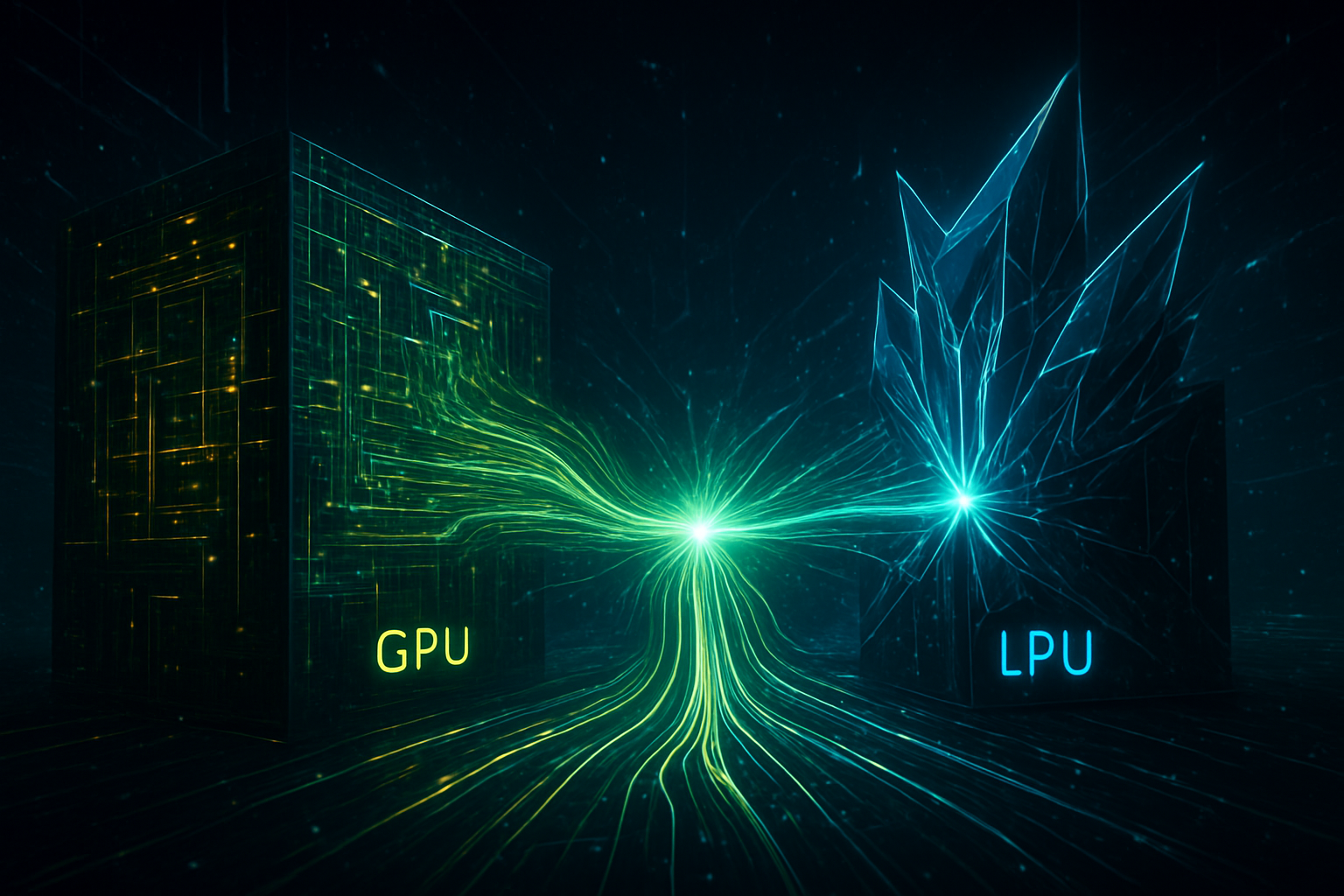
  • TSMC Commences 2nm Volume Production: The Next Frontier of AI Silicon

    TSMC Commences 2nm Volume Production: The Next Frontier of AI Silicon

    HSINCHU, Taiwan — In a move that solidifies its absolute dominance over the global semiconductor landscape, Taiwan Semiconductor Manufacturing Company (NYSE: TSM) has officially commenced high-volume manufacturing (HVM) of its 2-nanometer (N2) process node as of the fourth quarter of 2025. This milestone marks the industry's first successful transition to Gate-all-around Field-Effect Transistor (GAAFET) architecture at scale, providing the foundational hardware necessary to power the next generation of generative AI models and hyper-efficient mobile devices.

    The commencement of N2 production is not merely a generational shrink; it represents a fundamental re-engineering of the transistor itself. By moving away from the FinFET structure that has defined the industry for over a decade, TSMC is addressing the physical limitations of silicon at the atomic scale. As of late December 2025, the company’s facilities in Baoshan and Kaohsiung are operating at full tilt, signaling a new era of "AI Silicon" that promises to break the energy-efficiency bottlenecks currently stifling data center expansion and edge computing.

    Technical Mastery: GAAFET and the 70% Yield Milestone

    The technical leap from 3nm (N3P) to 2nm (N2) is defined by the implementation of "nanosheet" GAAFET technology. Unlike traditional FinFETs, where the gate covers three sides of the channel, the N2 architecture features a gate that completely surrounds the channel on all four sides. This provides superior electrostatic control, drastically reducing sub-threshold leakage—a critical issue as transistors approach the size of individual molecules. TSMC reports that this transition has yielded a 10–15% performance gain at the same power envelope, or a staggering 25–30% reduction in power consumption at the same clock speeds compared to its refined 3nm process.

    Perhaps the most significant technical achievement is the reported 70% yield rate for logic chips at the Baoshan (Hsinchu) and Kaohsiung facilities. For a brand-new node using a novel transistor architecture, a 70% yield is considered exceptionally high, far outstripping the early-stage yields of competitors. This success is attributed to TSMC's "NanoFlex" technology, which allows chip designers to mix and match different nanosheet widths within a single design, optimizing for either high performance or extreme power efficiency depending on the specific block’s requirements.

    Initial reactions from the AI research community and hardware engineers have been overwhelmingly positive. Experts note that the 25-30% power reduction is the "holy grail" for the next phase of AI development. As large language models (LLMs) move toward "on-device" execution, the thermal constraints of smartphones and laptops have become the primary limiting factor. The N2 node effectively provides the thermal headroom required to run sophisticated neural engines without compromising battery life or device longevity.

    Market Dominance: Apple and Nvidia Lead the Charge

    The immediate beneficiaries of this production ramp are the industry’s "Big Tech" titans, most notably Apple (NASDAQ: AAPL) and Nvidia (NASDAQ: NVDA). While Apple’s latest A19 Pro chips utilized a refined 3nm process, the company has reportedly secured the lion's share of TSMC’s initial 2nm capacity for its 2026 product cycle. This strategic "pre-booking" ensures that Apple maintains a hardware lead in consumer AI, potentially allowing for the integration of more complex "Apple Intelligence" features that run natively on the A20 chip.

    For Nvidia, the shift to 2nm is vital for the roadmap beyond its current Blackwell and Rubin architectures. While the standard Rubin GPUs are built on 3nm, the upcoming "Rubin Ultra" and the successor "Feynman" architecture are expected to leverage the N2 and subsequent A16 nodes. The power efficiency of 2nm is a strategic advantage for Nvidia, as data center operators are increasingly limited by power grid capacity rather than floor space. By delivering more TFLOPS per watt, Nvidia can maintain its market lead against rivals like Advanced Micro Devices (NASDAQ: AMD) and Intel (NASDAQ: INTC).

    The competitive implications for Intel and Samsung (KRX: 005930) are stark. While Intel’s 18A node aims to compete with TSMC’s 2nm by introducing "PowerVia" (backside power delivery) earlier, TSMC’s superior yield rates and massive manufacturing scale remain a formidable moat. Samsung, despite being the first to move to GAAFET at 3nm, has reportedly struggled with yield consistency, leading major clients like Qualcomm (NASDAQ: QCOM) to remain largely within the TSMC ecosystem for their flagship Snapdragon processors.

    The Wider Significance: Breaking the AI Energy Wall

    Looking at the broader AI landscape, the commencement of 2nm production arrives at a critical juncture. The industry has been grappling with the "energy wall"—the point at which the power requirements for training and deploying AI models become economically and environmentally unsustainable. TSMC’s N2 node provides a much-needed reprieve, potentially extending the viability of the current scaling laws that have driven AI progress over the last three years.

    This milestone also highlights the increasing "silicon-centric" nature of geopolitics. The successful ramp-up at the Kaohsiung facility, which was accelerated by six months, underscores Taiwan’s continued role as the indispensable hub of the global technology supply chain. However, it also raises concerns regarding the concentration of advanced manufacturing. As AI becomes a foundational utility for modern economies, the reliance on a single company for the most advanced 2nm chips creates a single point of failure that global policymakers are still struggling to address through initiatives like the U.S. CHIPS Act.

    Comparisons to previous milestones, such as the move to FinFET at 16nm or the introduction of EUV (Extreme Ultraviolet) lithography at 7nm, suggest that the 2nm transition will have a decade-long tail. Just as those breakthroughs enabled the smartphone revolution and the first wave of cloud computing, the N2 node is the literal "bedrock" upon which the agentic AI era will be built. It transforms AI from a cloud-based service into a ubiquitous, energy-efficient local presence.

    Future Horizons: N2P, A16, and the Road to 1.6nm

    TSMC’s roadmap does not stop at the base N2 node. The company has already detailed the "N2P" process, an enhanced version of 2nm scheduled for 2026, which will introduce Backside Power Delivery (BSPDN). This technology moves the power rails to the rear of the wafer, further reducing voltage drop and freeing up space for signal routing. Following N2P, the "A16" node (1.6nm) is expected to debut in late 2026 or early 2027, promising another 10% performance jump and even more sophisticated power delivery systems.

    The potential applications for this silicon are vast. Beyond smartphones and AI accelerators, the 2nm node is expected to revolutionize autonomous driving systems, where real-time processing of sensor data must be balanced with the limited battery capacity of electric vehicles. Furthermore, the efficiency gains of N2 could enable a new generation of sophisticated AR/VR glasses that are light enough for all-day wear while possessing the compute power to render complex digital overlays in real-time.

    Challenges remain, particularly regarding the astronomical cost of these chips. With 2nm wafers estimated to cost nearly $30,000 each, the "cost-per-transistor" trend is no longer declining as rapidly as it once did. Experts predict that this will lead to a surge in "chiplet" designs, where only the most critical compute elements are built on 2nm, while less sensitive components are relegated to older, cheaper nodes.

    A New Standard for the Silicon Age

    The official commencement of 2nm volume production at TSMC is a defining moment for the late 2025 tech landscape. By successfully navigating the transition to GAAFET architecture and achieving a 70% yield at its Baoshan and Kaohsiung sites, TSMC has once again moved the goalposts for the entire semiconductor industry. The 10-15% performance gain and 25-30% power reduction are the essential ingredients for the next evolution of artificial intelligence.

    In the coming months, the industry will be watching for the first "tape-outs" of consumer silicon from Apple and the first high-performance computing (HPC) samples from Nvidia. As these 2nm chips begin to filter into the market throughout 2026, the gap between those who have access to TSMC’s leading-edge capacity and those who do not will likely widen, further concentrating power among the elite tier of AI developers.

    Ultimately, the N2 node represents the triumph of precision engineering over the daunting physics of the sub-atomic world. As we look toward the 1.6nm A16 era, it is clear that while Moore's Law may be slowing, the ingenuity of the semiconductor industry continues to provide the horsepower necessary for the AI revolution to reach its full potential.


    This content is intended for informational purposes only and represents analysis of current AI developments.

    TokenRing AI delivers enterprise-grade solutions for multi-agent AI workflow orchestration, AI-powered development tools, and seamless remote collaboration platforms.
    For more information, visit https://www.tokenring.ai/.