Tag: On-Device AI

  • Edge of Innovation: How AI is Reshaping Semiconductor Design and Fueling a New Era of On-Device Intelligence

    Edge of Innovation: How AI is Reshaping Semiconductor Design and Fueling a New Era of On-Device Intelligence

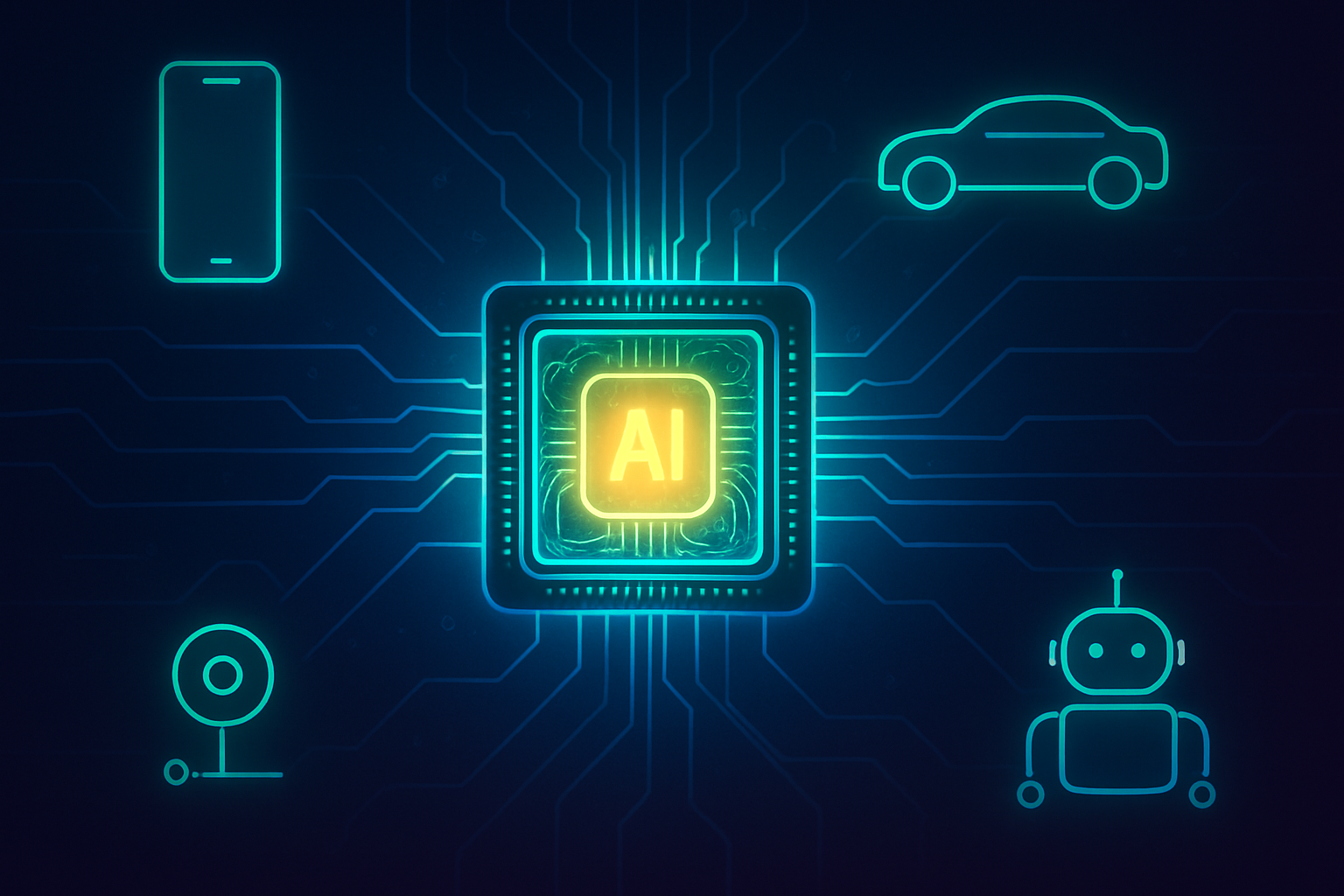
    The landscape of artificial intelligence is undergoing a profound transformation, shifting from predominantly centralized cloud-based processing to a decentralized model where AI algorithms and models operate directly on local "edge" devices. This paradigm, known as Edge AI, is not merely an incremental advancement but a fundamental re-architecture of how intelligence is delivered and consumed. Its burgeoning impact is creating an unprecedented ripple effect across the semiconductor industry, dictating new design imperatives and skyrocketing demand for specialized chips optimized for real-time, on-device AI processing. This strategic pivot promises to unlock a new era of intelligent, efficient, and secure devices, fundamentally altering the fabric of technology and society.

    The immediate significance of Edge AI lies in its ability to address critical limitations of cloud-centric AI: latency, bandwidth, and privacy. By bringing computation closer to the data source, Edge AI enables instantaneous decision-making, crucial for applications where even milliseconds of delay can have severe consequences. It reduces the reliance on constant internet connectivity, conserves bandwidth, and inherently enhances data privacy and security by minimizing the transmission of sensitive information to remote servers. This decentralization of intelligence is driving a massive surge in demand for purpose-built silicon, compelling semiconductor manufacturers to innovate at an accelerated pace to meet the unique requirements of on-device AI.

    The Technical Crucible: Forging Smarter Silicon for the Edge

    The optimization of chips for on-device AI processing represents a significant departure from traditional computing paradigms, necessitating specialized architectures and meticulous engineering. Unlike general-purpose CPUs or even traditional GPUs, which were initially designed for graphics rendering, Edge AI chips are purpose-built to execute already trained AI models (inference) efficiently within stringent power and resource constraints.

    A cornerstone of this technical evolution is the proliferation of Neural Processing Units (NPUs) and other dedicated AI accelerators. These specialized processors are designed from the ground up to accelerate machine learning tasks, particularly deep learning and neural networks, by efficiently handling operations like matrix multiplication and convolution with significantly fewer instructions than a CPU. For instance, the Hailo-8 AI Accelerator delivers up to 26 Tera-Operations Per Second (TOPS) of AI performance at a mere 2.5W, achieving an impressive efficiency of approximately 10 TOPS/W. Similarly, the Hailo-10H AI Processor pushes this further to 40 TOPS. Other notable examples include Google's (NASDAQ: GOOGL) Coral Dev Board (Edge TPU), offering 4 TOPS of INT8 performance at about 2 Watts, and NVIDIA's (NASDAQ: NVDA) Jetson AGX Orin, a high-end module for robotics, delivering up to 275 TOPS of AI performance within a configurable power envelope of 15W to 60W. Qualcomm's (NASDAQ: QCOM) 5th-generation AI Engine in its Robotics RB5 Platform delivers 15 TOPS of on-device AI performance.

    These dedicated accelerators contrast sharply with previous approaches. While CPUs are versatile, they are inefficient for highly parallel AI workloads. GPUs, repurposed for AI due to their parallel processing, are suitable for intensive training but for edge inference, dedicated AI accelerators (NPUs, DPUs, ASICs) offer superior performance-per-watt, lower power consumption, and reduced latency, making them better suited for power-constrained environments. The move from cloud-centric AI, which relies on massive data centers, to Edge AI significantly reduces latency, improves data privacy, and lowers power consumption by eliminating constant data transfer. Experts from the AI research community have largely welcomed this shift, emphasizing its transformative potential for enhanced privacy, reduced latency, and the ability to run sophisticated AI models, including Large Language Models (LLMs) and diffusion models, directly on devices. The industry is strategically investing in specialized architectures, recognizing the growing importance of tailored hardware for specific AI workloads.

    Beyond NPUs, other critical technical advancements include In-Memory Computing (IMC), which integrates compute functions directly into memory to overcome the "memory wall" bottleneck, drastically reducing energy consumption and latency. Low-bit quantization and model compression techniques are also essential, reducing the precision of model parameters (e.g., from 32-bit floating-point to 8-bit or 4-bit integers) to significantly cut down memory usage and computational demands while maintaining accuracy on resource-constrained edge devices. Furthermore, heterogeneous computing architectures that combine NPUs with CPUs and GPUs are becoming standard, leveraging the strengths of each processor for different tasks.

    Corporate Chessboard: Navigating the Edge AI Revolution

    The ascendance of Edge AI is profoundly reshaping the competitive landscape for AI companies, tech giants, and startups, creating both immense opportunities and strategic imperatives. Companies that effectively adapt their semiconductor design strategies and embrace specialized hardware stand to gain significant market positioning and strategic advantages.

    Established semiconductor giants are at the forefront of this transformation. NVIDIA (NASDAQ: NVDA), a dominant force in AI GPUs, is extending its reach to the edge with platforms like Jetson. Qualcomm (NASDAQ: QCOM) is a strong player in the Edge AI semiconductor market, providing AI acceleration across mobile, IoT, automotive, and enterprise devices. Intel (NASDAQ: INTC) is making significant inroads with Core Ultra processors designed for Edge AI and its Habana Labs AI processors. AMD (NASDAQ: AMD) is also adopting a multi-pronged approach with GPUs and NPUs. Arm Holdings (NASDAQ: ARM), with its energy-efficient architecture, is increasingly powering AI workloads on edge devices, making it ideal for power-constrained applications. TSMC (Taiwan Semiconductor Manufacturing Company) (NYSE: TSM), as the leading pure-play foundry, is an indispensable player, fabricating cutting-edge AI chips for major clients.

    Tech giants like Google (NASDAQ: GOOGL), Amazon (NASDAQ: AMZN) (with its Trainium and Inferentia chips), and Microsoft (NASDAQ: MSFT) (with Azure Maia) are heavily investing in developing their own custom AI chips. This strategy provides strategic independence from third-party suppliers, optimizes their massive cloud and edge AI workloads, reduces operational costs, and allows them to offer differentiated AI services. Edge AI has become a new battleground, reflecting a shift in industry focus from cloud to edge.

    Startups are also finding fertile ground by providing highly specialized, performance-optimized solutions. Companies like Hailo, Mythic, and Graphcore are investing heavily in custom chips for on-device AI. Ambarella (NASDAQ: AMBA) focuses on all-in-one computer vision platforms. Lattice Semiconductor (NASDAQ: LSCC) provides ultra-low-power FPGAs for near-sensor AI. These agile innovators are carving out niches by offering superior performance per watt and cost-efficiency for specific AI models at the edge.

    The competitive landscape is intensifying, compelling major AI labs and tech companies to diversify their hardware supply chains. The ability to run more complex AI models on resource-constrained edge devices creates new competitive dynamics. Potential disruptions loom for existing products and services heavily reliant on cloud-based AI, as demand for real-time, local processing grows. However, a hybrid edge-cloud inferencing model is likely to emerge, where cloud platforms remain essential for large-scale model training and complex computations, while edge AI handles real-time inference. Strategic advantages include reduced latency, enhanced data privacy, conserved bandwidth, and operational efficiency, all critical for the next generation of intelligent systems.

    A Broader Canvas: Edge AI in the Grand Tapestry of AI

    Edge AI is not just a technological advancement; it's a pivotal evolutionary step in the broader AI landscape, profoundly influencing societal and economic structures. It fits into a larger trend of pervasive computing and the Internet of Things (IoT), acting as a critical enabler for truly smart environments.

    This decentralization of intelligence aligns perfectly with the growing trend of Micro AI and TinyML, which focuses on developing lightweight, hyper-efficient AI models specifically designed for resource-constrained edge devices. These miniature AI brains enable real-time data processing in smartwatches, IoT sensors, and drones without heavy cloud reliance. The convergence of Edge AI with 5G technology is also critical, enabling applications like smart cities, real-time industrial inspection, and remote health monitoring, where low-latency communication combined with on-device intelligence ensures systems react in milliseconds. Gartner predicts that by 2025, 75% of enterprise-generated data will be created and processed outside traditional data centers or the cloud, with Edge AI being a significant driver of this shift.

    The broader impacts are transformative. Edge AI is poised to create a truly intelligent and responsive physical environment, altering how humans interact with their surroundings. From healthcare (wearables for early illness detection) and smart cities (optimized traffic flow, public safety) to autonomous systems (self-driving cars, factory robots), it promises smarter, safer, and more responsive systems. Economically, the global Edge AI market is experiencing robust growth, fostering innovation and creating new business models.

    However, this widespread adoption also brings potential concerns. While enhancing privacy by local processing, Edge AI introduces new security risks due to its decentralized nature. Edge devices, often in physically accessible locations, are more susceptible to physical tampering, theft, and unauthorized access. They typically lack the advanced security features of data centers, creating a broader attack surface. Privacy concerns persist regarding the collection, storage, and potential misuse of sensitive data on edge devices. Resource constraints on edge devices limit the size and complexity of AI models, and managing and updating numerous, geographically dispersed edge devices can be complex. Ethical implications, such as algorithmic bias and accountability for autonomous decision-making, also require careful consideration.

    Comparing Edge AI to previous AI milestones reveals its significance. Unlike early AI (expert systems, symbolic AI) that relied on explicit programming, Edge AI is driven by machine learning and deep learning models. While breakthroughs in machine learning and deep learning (cloud-centric) democratized AI training, Edge AI is now democratizing AI inference, making intelligence pervasive and embedded in everyday devices, operating at the data source. It represents a maturation of AI, moving beyond solely cloud-dependent models to a hybrid ecosystem that leverages the strengths of both centralized and distributed computing.

    The Horizon Beckons: Future Trajectories of Edge AI and Semiconductors

    The journey of Edge AI and its symbiotic relationship with semiconductor design is only just beginning, with a trajectory pointing towards increasingly sophisticated and pervasive intelligence.

    In the near-term (1-3 years), we can expect wider commercial deployment of chiplet architectures and heterogeneous integration in AI accelerators, improving yields and integrating diverse functions. The rapid transition to smaller process nodes, with 3nm and 2nm technologies, will become prevalent, enabling higher transistor density crucial for complex AI models; TSMC (NYSE: TSM), for instance, anticipates high-volume production of its 2nm (N2) process node in late 2025. NPUs are set to become ubiquitous in consumer devices, including smartphones and "AI PCs," with projections indicating that AI PCs will constitute 43% of all PC shipments by the end of 2025. Qualcomm (NASDAQ: QCOM) has already launched platforms with dedicated NPUs for high-performance AI inference on PCs.

    Looking further into the long-term (3-10+ years), we anticipate the continued innovation of intelligent sensors enabling nearly every physical object to have a "digital twin" for optimized monitoring. Edge AI will deepen its integration across various sectors, enabling real-time patient monitoring in healthcare, sophisticated control in industrial automation, and highly responsive autonomous systems. Novel computing architectures, such as hybrid AI-quantum systems and specialized silicon hardware tailored for BitNet models, are on the horizon, promising to accelerate AI training and reduce operational costs. Neuromorphic computing, inspired by the human brain, will mature, offering unprecedented energy efficiency for AI tasks at the edge. A profound prediction is the continuous, symbiotic evolution where AI tools will increasingly design their own chips, accelerating development and even discovering new materials, creating a "virtuous cycle of innovation."

    Potential applications and use cases on the horizon are vast. From enhanced on-device AI in consumer electronics for personalization and real-time translation to fully autonomous vehicles relying on Edge AI for instantaneous decision-making, the possibilities are immense. Industrial automation will see predictive maintenance, real-time quality control, and optimized logistics. Healthcare will benefit from wearable devices for real-time health monitoring and faster diagnostics. Smart cities will leverage Edge AI for optimizing traffic flow and public safety. Even office tools like Microsoft (NASDAQ: MSFT) Word and Excel will integrate on-device LLMs for document summarization and anomaly detection.

    However, significant challenges remain. Resource limitations, power consumption, and thermal management for compact edge devices pose substantial hurdles. Balancing model complexity with performance on constrained hardware, efficient data management, and robust security and privacy frameworks are critical. High manufacturing costs of advanced edge AI chips and complex integration requirements can be barriers to widespread adoption, compounded by persistent supply chain vulnerabilities and a severe global talent shortage in both AI algorithms and semiconductor technology.

    Despite these challenges, experts are largely optimistic. They predict explosive market growth for AI chips, potentially reaching $1.3 trillion by 2030 and $2 trillion by 2040. There will be an intense diversification and customization of AI chips, moving away from "one size fits all" solutions towards purpose-built silicon. AI itself will become the "backbone of innovation" within the semiconductor industry, optimizing chip design, manufacturing processes, and supply chain management. The shift towards Edge AI signifies a fundamental decentralization of intelligence, creating a hybrid AI ecosystem that dynamically leverages both centralized and distributed computing strengths, with a strong focus on sustainability.

    The Intelligent Frontier: A Concluding Assessment

    The growing impact of Edge AI on semiconductor design and demand represents one of the most significant technological shifts of our time. It's a testament to the relentless pursuit of more efficient, responsive, and secure artificial intelligence.

    Key takeaways include the imperative for localized processing, driven by the need for real-time responses, reduced bandwidth, and enhanced privacy. This has catalyzed a boom in specialized AI accelerators, forcing innovation in chip design and manufacturing, with a keen focus on power, performance, and area (PPA) optimization. The immediate significance is the decentralization of intelligence, enabling new applications and experiences while driving substantial market growth.

    In AI history, Edge AI marks a pivotal moment, transitioning AI from a powerful but often remote tool to an embedded, ubiquitous intelligence that directly interacts with the physical world. It's the "hardware bedrock" upon which the next generation of AI capabilities will be built, fostering a symbiotic relationship between hardware and software advancements.

    The long-term impact will see continued specialization in AI chips, breakthroughs in advanced manufacturing (e.g., sub-2nm nodes, heterogeneous integration), and the emergence of novel computing architectures like neuromorphic and hybrid AI-quantum systems. Edge AI will foster truly pervasive intelligence, creating environments that learn and adapt, transforming industries from healthcare to transportation.

    In the coming weeks and months, watch for the wider commercial deployment of chiplet architectures, increased focus on NPUs for efficient inference, and the deepening convergence of 5G and Edge AI. The "AI chip race" will intensify, with major tech companies investing heavily in custom silicon. Furthermore, advancements in AI-driven Electronic Design Automation (EDA) tools will accelerate chip design cycles, and semiconductor manufacturers will continue to expand capacity to meet surging demand. The intelligent frontier is upon us, and its hardware foundation is being laid today.


    This content is intended for informational purposes only and represents analysis of current AI developments.

    TokenRing AI delivers enterprise-grade solutions for multi-agent AI workflow orchestration, AI-powered development tools, and seamless remote collaboration platforms.
    For more information, visit https://www.tokenring.ai/.

  • Honor’s Magic8 Series Unleashes On-Device AI: Instant Discounts and a New Era for Smartphones

    Honor’s Magic8 Series Unleashes On-Device AI: Instant Discounts and a New Era for Smartphones

    Honor has officially launched its Magic8 series, heralded as the company's "first Self-Evolving AI Smartphone," marking a pivotal moment in the competitive smartphone landscape. Unveiled on October 15, 2025, with pre-orders commencing immediately, the new flagship line introduces a groundbreaking AI-powered instant discount capability that automatically scours e-commerce platforms for the best deals, fundamentally shifting the utility of artificial intelligence from background processing to tangible, everyday savings. This aggressive move by Honor (SHE: 002502) is poised to redefine consumer expectations for smartphone AI and intensify competition, particularly challenging established giants like Apple (NASDAQ: AAPL) to innovate further in practical, on-device AI applications.

    The immediate significance of the Magic8 series lies in its bold attempt to democratize advanced AI functionalities, making them directly accessible and beneficial to the end-user. By embedding a "SOTA-level MagicGUI large language model" and emphasizing on-device processing for privacy, Honor is not just adding AI features but designing an "AI-native device" that learns and adapts. This strategic thrust is a cornerstone of Honor's ambitious "Alpha Plan," a multi-year, multi-billion-dollar investment aimed at establishing leadership in the AI smartphone sector, signaling a future where intelligent assistants do more than just answer questions – they actively enhance financial well-being and daily efficiency.

    The Technical Core: On-Device AI and Practical Innovation

    At the heart of the Honor Magic8 series' AI prowess is the formidable Qualcomm Snapdragon 8 Elite Gen 5 SoC, providing the computational backbone necessary for its complex AI operations. Running on MagicOS 10, which is built upon Android 16, the devices boast a deeply integrated AI framework designed for cross-platform compatibility across Android, HarmonyOS, iOS, and Windows environments. This foundational architecture supports a suite of AI features that extend far beyond conventional smartphone capabilities.

    The central AI assistant, YOYO Agent, is a sophisticated entity capable of automating over 3,000 real-world scenarios. From managing mundane tasks like deleting blurry screenshots to executing complex professional assignments such as summarizing expenses and emailing them, YOYO aims to be an indispensable digital companion. A standout innovation is the dedicated AI Button, present on both Magic8 and Magic8 Pro models. A long-press activates "YOYO Video Call" for contextual information about objects seen through the camera, while a double-click instantly launches the camera, with customization options for other one-touch functions.

    The most talked-about feature, the AI-powered Instant Discount Capability, exemplifies Honor's practical approach to AI. This system autonomously scans major Chinese e-commerce platforms like JD.com (NASDAQ: JD) and Taobao (NYSE: BABA) to identify optimal deals and apply available coupons. Users simply engage the AI with voice or text prompts, and the system compares prices in real-time, displaying the maximum possible savings. Honor reports that early adopters have already achieved savings of up to 20% on selected purchases. Crucially, this system operates entirely on the device using a "Model Context Protocol," developed in collaboration with leading AI firm Anthropic. This on-device processing ensures user data privacy, a significant differentiator from cloud-dependent AI solutions.

    Beyond personal finance, AI significantly enhances the AiMAGE Camera System with "AI anti-shake technology," dramatically improving the clarity of zoomed images and boasting CIPA 5.5-level stabilization. The "Magic Color" engine, also AI-powered, delivers cinematic color accuracy in real time. YOYO Memories leverages deep semantic understanding of personal data to create a personalized knowledge base, aiding recall while upholding privacy. Furthermore, GPU-NPU Heterogeneous AI boosts gaming performance, upscaling low-resolution, low-frame-rate content to 120fps at 1080p. AI also optimizes power consumption, manages heat, and extends battery health through three Honor E2 power management chips. This holistic integration of AI, particularly its on-device, privacy-centric approach, sets the Magic8 series apart from previous generations of smartphones that often relied on cloud AI or offered more superficial AI integrations.

    Competitive Implications: Shaking the Smartphone Hierarchy

    The Honor Magic8 series' aggressive foray into practical, on-device AI has significant competitive implications across the tech industry, particularly for established smartphone giants and burgeoning AI labs. Honor (SHE: 002502), with its "Alpha Plan" and substantial AI investment, stands to benefit immensely if the Magic8 series resonates with consumers seeking tangible AI advantages. Its focus on privacy-centric, on-device processing, exemplified by the instant discount feature and collaboration with Anthropic, positions it as a potential leader in a crucial aspect of AI adoption.

    This development places considerable pressure on major players like Apple (NASDAQ: AAPL), Samsung (KRX: 005930), and Google (NASDAQ: GOOGL). While these companies have robust AI capabilities, they have largely focused on enhancing existing features like photography, voice assistants, and system optimization. Honor's instant discount feature, however, offers a clear, measurable financial benefit that directly impacts the user's wallet. This tangible utility could disrupt the market by creating a new benchmark for what "smart" truly means in a smartphone. Apple, known for its walled-garden ecosystem and strong privacy stance, may find itself compelled to accelerate its own on-device AI initiatives to match or surpass Honor's offerings, especially as consumer awareness of privacy in AI grows.

    The "Model Context Protocol" developed with Anthropic for local processing is also a strategic advantage, appealing to privacy-conscious users and potentially setting a new industry standard for secure AI implementation. This could also benefit AI firms specializing in efficient, on-device large language models and privacy-preserving AI. Startups focusing on edge AI and personalized intelligent agents might find inspiration or new partnership opportunities. Conversely, companies relying solely on cloud-based AI solutions for similar functionalities might face challenges as Honor demonstrates the viability and appeal of local processing. The Magic8 series could therefore catalyze a broader industry shift towards more powerful, private, and practical AI integrated directly into hardware.

    Wider Significance: A Leap Towards Personalized, Private AI

    The Honor Magic8 series represents more than just a new phone; it signifies a significant leap in the broader AI landscape and a potent trend towards personalized, privacy-centric artificial intelligence. By emphasizing on-device processing for features like instant discounts and YOYO Memories, Honor is addressing growing consumer concerns about data privacy and security, positioning itself as a leader in responsible AI deployment. This approach aligns with a wider industry movement towards edge AI, where computational power is moved closer to the data source, reducing latency and enhancing privacy.

    The practical, financial benefits offered by the instant discount feature set a new precedent for AI utility. Previous AI milestones often focused on breakthroughs in natural language processing, computer vision, or generative AI, with their immediate consumer applications sometimes being less direct. The Magic8, however, offers a clear, quantifiable advantage that resonates with everyday users. This could accelerate the mainstream adoption of AI, demonstrating that advanced intelligence can directly improve quality of life and financial well-being, not just provide convenience or entertainment.

    Potential concerns, however, revolve around the transparency and auditability of such powerful on-device AI. While Honor emphasizes privacy, the complexity of a "self-evolving" system raises questions about how biases are managed, how decision-making processes are explained to users, and the potential for unintended consequences. Comparisons to previous AI breakthroughs, such as the introduction of voice assistants like Siri or the advanced computational photography in modern smartphones, highlight a progression. While those innovations made AI accessible, Honor's Magic8 pushes AI into proactive, personal financial management, a domain with significant implications for consumer trust and ethical AI development. This move could inspire a new wave of AI applications that directly impact economic decisions, prompting further scrutiny and regulation of AI systems that influence purchasing behavior.

    Future Developments: The Road Ahead for AI Smartphones

    The launch of the Honor Magic8 series is likely just the beginning of a new wave of AI-powered smartphone innovations. In the near term, we can expect other manufacturers to quickly respond with their own versions of practical, on-device AI features, particularly those that offer clear financial or efficiency benefits. The competition for "AI-native" devices will intensify, pushing hardware and software developers to further optimize chipsets for AI workloads and refine large language models for efficient local execution. We may see an acceleration in collaborations between smartphone brands and leading AI research firms, similar to Honor's partnership with Anthropic, to develop proprietary, privacy-focused AI protocols.

    Long-term developments could see these "self-evolving" AI smartphones become truly autonomous personal agents, capable of anticipating user needs, managing complex schedules, and even negotiating on behalf of the user in various digital interactions. Beyond instant discounts, potential applications are vast: AI could proactively manage subscriptions, optimize energy consumption in smart homes, provide real-time health coaching based on biometric data, or even assist with learning and skill development through personalized educational modules. The challenges that need to be addressed include ensuring robust security against AI-specific threats, developing ethical guidelines for AI agents that influence financial decisions, and managing the increasing complexity of these intelligent systems to prevent unintended consequences or "black box" problems.

    Experts predict that the future of smartphones will be defined less by hardware specifications and more by the intelligence embedded within them. Devices will move from being tools we operate to partners that anticipate, learn, and adapt to our individual lives. The Magic8 series' instant discount feature is a powerful demonstration of this shift, suggesting that the next frontier for smartphones is not just connectivity or camera quality, but rather deeply integrated, beneficial, and privacy-respecting artificial intelligence that actively works for the user.

    Wrap-Up: A Defining Moment in AI's Evolution

    The Honor Magic8 series represents a defining moment in the evolution of artificial intelligence, particularly its integration into everyday consumer technology. Its key takeaways include a bold shift towards practical, on-device AI, exemplified by the instant discount feature, a strong emphasis on user privacy through local processing, and a strategic challenge to established smartphone market leaders. Honor's "Self-Evolving AI Smartphone" narrative and its "Alpha Plan" investment underscore a long-term commitment to leading the AI frontier, moving AI from a theoretical concept to a tangible, value-adding component of daily life.

    This development's significance in AI history cannot be overstated. It marks a clear progression from AI as a background enhancer to AI as a proactive, intelligent agent directly impacting user finances and efficiency. It sets a new benchmark for what consumers can expect from their smart devices, pushing the entire industry towards more meaningful and privacy-conscious AI implementations. The long-term impact will likely reshape how we interact with technology, making our devices more intuitive, personalized, and genuinely helpful.

    In the coming weeks and months, the tech world will be watching closely. We anticipate reactions from competitors, particularly Apple, and how they choose to respond to Honor's innovative approach. We'll also be observing user adoption rates and the real-world impact of features like the instant discount on consumer behavior. This is not just about a new phone; it's about the dawn of a new era for AI in our pockets, promising a future where our devices are not just smart, but truly intelligent partners in our daily lives.


    This content is intended for informational purposes only and represents analysis of current AI developments.

    TokenRing AI delivers enterprise-grade solutions for multi-agent AI workflow orchestration, AI-powered development tools, and seamless remote collaboration platforms.
    For more information, visit https://www.tokenring.ai/.
  • Apple’s M5 Chip Ushers in a New Era for On-Device AI on MacBooks and iPad Pros

    Apple’s M5 Chip Ushers in a New Era for On-Device AI on MacBooks and iPad Pros

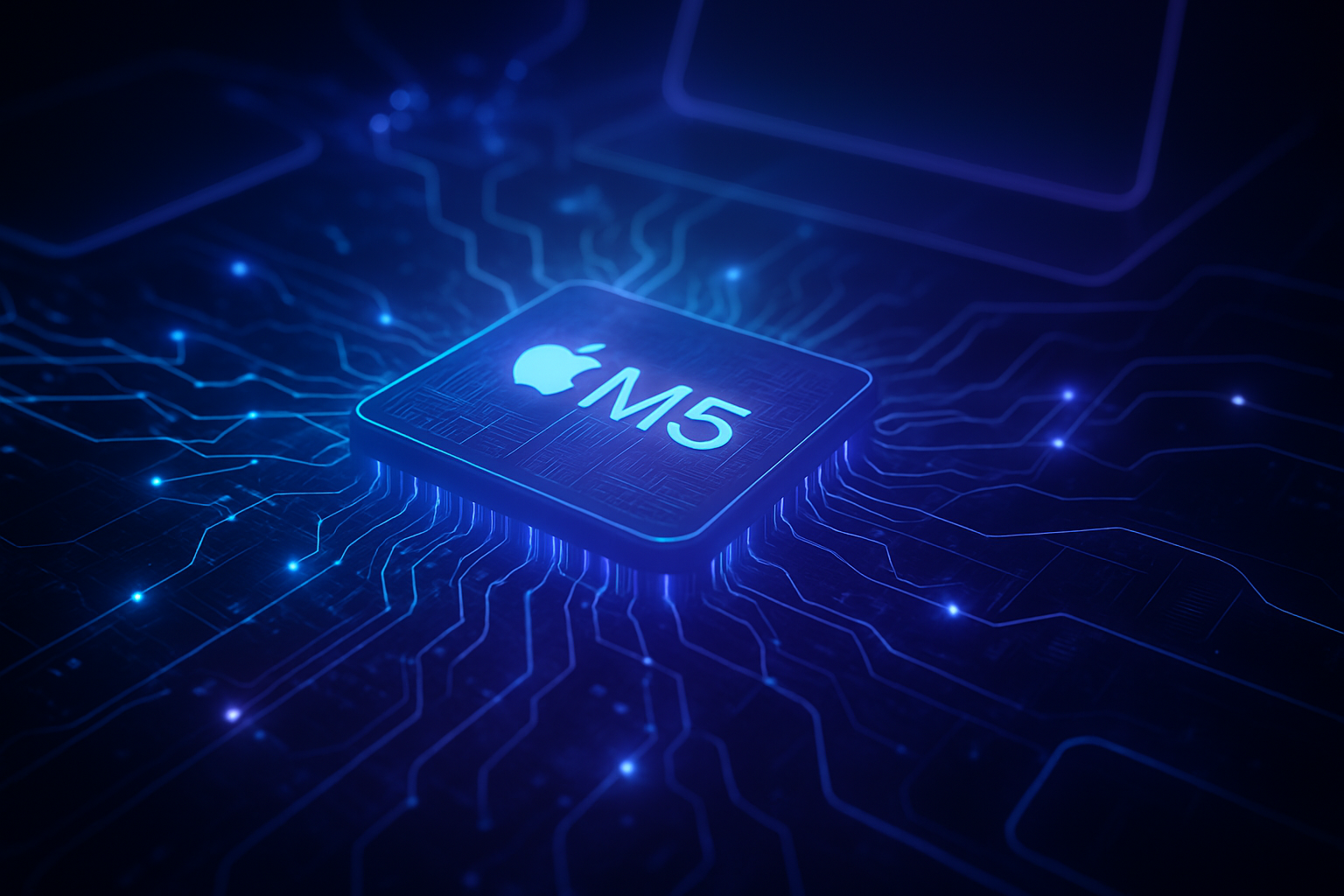
    Cupertino, CA – October 15, 2025 – In a landmark announcement poised to redefine the landscape of personal computing and artificial intelligence, Apple (NASDAQ: AAPL) today unveiled its latest generation of MacBook Pro and iPad Pro models, powered by the groundbreaking M5 chip. This new silicon, featuring unprecedented advancements in AI processing, marks a significant leap forward for on-device AI capabilities, promising users faster, more private, and more powerful intelligent experiences directly from their devices. The immediate significance of the M5 lies in its ability to supercharge Apple Intelligence features and enable complex AI workflows locally, moving the frontier of AI from the cloud firmly onto consumer hardware.

    The M5 Chip: A Technical Deep Dive into Apple's AI Powerhouse

    The M5 chip, meticulously engineered on a third-generation 3-nanometer process, represents a monumental stride in processor design, particularly concerning artificial intelligence. At its core, the M5 boasts a redesigned 10-core GPU architecture, now uniquely integrating a dedicated Neural Accelerator within each core. This innovative integration dramatically accelerates GPU-based AI workloads, achieving over four times the peak GPU compute performance for AI compared to its predecessor, the M4 chip, and an astonishing six-fold increase over the M1 chip. Complementing this is an enhanced 16-core Neural Engine, Apple's specialized hardware for AI acceleration, which significantly boosts performance across a spectrum of AI tasks. While the M4's Neural Engine delivered 38 trillion operations per second (TOPS), the M5's improved engine pushes these capabilities even further, enabling more complex and demanding AI models to run with unprecedented fluidity.

    Further enhancing its AI prowess, the M5 chip features a substantial increase in unified memory bandwidth, now reaching 153GB/s—a nearly 30 percent increase over the M4 chip's 120GB/s. This elevated bandwidth is critical for efficiently handling larger and more intricate AI models directly on the device, with the base M5 chip supporting up to 32GB of unified memory. Beyond these AI-specific enhancements, the M5 integrates an updated 10-core CPU, delivering up to 15% faster multithreaded performance than the M4, and a 10-core GPU that provides up to a 45% increase in graphics performance. These general performance improvements synergistically contribute to more efficient and responsive AI processing, making the M5 a true all-rounder for demanding computational tasks.

    The technical specifications of the M5 chip diverge significantly from previous generations by embedding AI acceleration more deeply and broadly across the silicon. Unlike earlier approaches that might have relied more heavily on general-purpose cores or a singular Neural Engine, the M5's integration of Neural Accelerators within each GPU core signifies a paradigm shift towards ubiquitous AI processing. This architectural choice not only boosts raw AI performance but also allows for greater parallelization of AI tasks, making applications like diffusion models in Draw Things or large language models in webAI run with remarkable speed. Initial reactions from the AI research community highlight the M5 as a pivotal moment, demonstrating Apple's commitment to pushing the boundaries of what's possible with on-device AI, particularly concerning privacy-preserving local execution of advanced models.

    Reshaping the AI Industry: Implications for Companies and Competitive Dynamics

    The introduction of Apple's M5 chip is set to send ripples across the AI industry, fundamentally altering the competitive landscape for tech giants, AI labs, and startups alike. Companies heavily invested in on-device AI, particularly those developing applications for image generation, natural language processing, and advanced video analytics, stand to benefit immensely. Developers utilizing Apple's Foundation Models framework will find a significantly more powerful platform for their innovations, enabling them to deploy more sophisticated and responsive AI features directly to users. This development empowers a new generation of AI-driven applications that prioritize privacy and real-time performance, potentially fostering a boom in creative and productivity tools.

    The competitive implications for major AI labs and tech companies are profound. While cloud-based AI will continue to thrive for massive training workloads, the M5's capabilities challenge the necessity of constant cloud reliance for inference and fine-tuning on consumer devices. Companies like Google (NASDAQ: GOOGL), Microsoft (NASDAQ: MSFT), and Amazon (NASDAQ: AMZN), which have heavily invested in cloud AI infrastructure, may need to recalibrate their strategies to address the growing demand for powerful local AI processing. Apple's emphasis on on-device AI, coupled with its robust ecosystem, could attract developers who prioritize data privacy and low-latency performance, potentially siphoning talent and innovation away from purely cloud-centric platforms.

    Furthermore, the M5 could disrupt existing products and services that currently rely on cloud processing for relatively simple AI tasks. For instance, enhanced on-device capabilities for photo editing, video enhancement, and real-time transcription could reduce subscription costs for cloud-based services or push them to offer more advanced, computationally intensive features. Apple's strategic advantage lies in its vertical integration, allowing it to optimize hardware and software in unison to achieve unparalleled AI performance and efficiency. This market positioning strengthens Apple's hold in the premium device segment and establishes it as a formidable player in the burgeoning AI hardware market, potentially spurring other chip manufacturers to accelerate their own on-device AI initiatives.

    The Broader AI Landscape: A Shift Towards Decentralized Intelligence

    The M5 chip's debut marks a significant moment in the broader AI landscape, signaling a discernible trend towards decentralized intelligence. For years, the narrative around advanced AI has been dominated by massive cloud data centers and their immense computational power. While these will remain crucial for training foundation models, the M5 demonstrates a powerful shift in where AI inference and application can occur. This move aligns with a growing societal demand for enhanced data privacy and security, as processing tasks are kept local to the user's device, mitigating risks associated with transmitting sensitive information to external servers.

    The impacts of this shift are multifaceted. On one hand, it democratizes access to powerful AI, making sophisticated tools available to a wider audience without the need for constant internet connectivity or concerns about data sovereignty. On the other hand, it raises new considerations regarding power consumption, thermal management, and the overall carbon footprint of increasingly powerful consumer devices, even with Apple's efficiency claims. Compared to previous AI milestones, such as the initial breakthroughs in deep learning or the widespread adoption of cloud AI services, the M5 represents a milestone in accessibility and privacy for advanced AI. It's not just about what AI can do, but where and how it can do it, prioritizing the user's direct control and data security.

    This development fits perfectly into the ongoing evolution of AI, where the focus is broadening from pure computational power to intelligent integration into daily life. The M5 chip allows for seamless, real-time AI experiences that feel less like interacting with a remote server and more like an inherent capability of the device itself. This could accelerate the development of personalized AI agents, more intuitive user interfaces, and entirely new categories of applications that leverage the full potential of local intelligence. While concerns about the ethical implications of powerful AI persist, Apple's on-device approach offers a partial answer by giving users greater control over their data and AI interactions.

    The Horizon of AI: Future Developments and Expert Predictions

    The launch of the M5 chip is not merely an end in itself but a significant waypoint on Apple's long-term AI roadmap. In the near term, we can expect to see a rapid proliferation of AI-powered applications optimized specifically for the M5's architecture. Developers will likely leverage the enhanced Neural Engine and GPU accelerators to bring more sophisticated features to existing apps and create entirely new categories of software that were previously constrained by hardware limitations. This includes more advanced real-time video processing, hyper-realistic augmented reality experiences, and highly personalized on-device language models that can adapt to individual user preferences with unprecedented accuracy.

    Longer term, the M5's foundation sets the stage for even more ambitious AI integrations. Experts predict that future iterations of Apple silicon will continue to push the boundaries of on-device AI, potentially leading to truly autonomous device-level intelligence that can anticipate user needs, manage complex workflows proactively, and interact with the physical world through advanced computer vision and robotics. Potential applications span from intelligent personal assistants that operate entirely offline to sophisticated health monitoring systems capable of real-time diagnostics and personalized interventions.

    However, challenges remain. Continued advancements will demand even greater power efficiency to maintain battery life, especially as AI models grow in complexity. The balance between raw computational power and thermal management will be a constant engineering hurdle. Furthermore, ensuring the robustness and ethical alignment of increasingly autonomous on-device AI will be paramount. Experts predict that the next wave of innovation will not only be in raw performance but also in the development of more efficient AI algorithms and specialized hardware-software co-design that can unlock new levels of intelligence while adhering to strict privacy and security standards. The M5 is a clear signal that the future of AI is personal, powerful, and profoundly integrated into our devices.

    A Defining Moment for On-Device Intelligence

    Apple's M5 chip represents a defining moment in the evolution of artificial intelligence, particularly for its integration into consumer devices. The key takeaways from this launch are clear: Apple is doubling down on on-device AI, prioritizing privacy, speed, and efficiency through a meticulously engineered silicon architecture. The M5's next-generation GPU with integrated Neural Accelerators, enhanced 16-core Neural Engine, and significantly increased unified memory bandwidth collectively deliver a powerful platform for a new era of intelligent applications. This development not only supercharges Apple Intelligence features but also empowers developers to deploy larger, more complex AI models directly on user devices.

    The significance of the M5 in AI history cannot be overstated. It marks a pivotal shift from a predominantly cloud-centric AI paradigm to one where powerful, privacy-preserving intelligence resides at the edge. This move has profound implications for the entire tech industry, fostering innovation in on-device AI applications, challenging existing competitive dynamics, and aligning with a broader societal demand for data security. The long-term impact will likely see a proliferation of highly personalized, responsive, and secure AI experiences that seamlessly integrate into our daily lives, transforming how we interact with technology.

    In the coming weeks and months, the tech world will be watching closely to see how developers leverage the M5's capabilities. Expect a surge in new AI-powered applications across the MacBook and iPad Pro ecosystems, pushing the boundaries of creativity, productivity, and personal assistance. This launch is not just about a new chip; it's about Apple's vision for the future of AI, a future where intelligence is not just powerful, but also personal and private.


    This content is intended for informational purposes only and represents analysis of current AI developments.

    TokenRing AI delivers enterprise-grade solutions for multi-agent AI workflow orchestration, AI-powered development tools, and seamless remote collaboration platforms.
    For more information, visit https://www.tokenring.ai/.
  • Intel’s Panther Lake and 18A Process: A New Dawn for AI Hardware and the Semiconductor Industry

    Intel’s Panther Lake and 18A Process: A New Dawn for AI Hardware and the Semiconductor Industry

    Intel's (NASDAQ: INTC) upcoming "Panther Lake" processors, officially known as the Intel Core Ultra Series 3, are poised to usher in a new era of AI-powered computing. Set to begin shipping in late Q4 2025, with broad market availability in January 2026, these chips represent a pivotal moment for the semiconductor giant and the broader technology landscape. Built on Intel's cutting-edge 18A manufacturing process, Panther Lake integrates revolutionary transistor and power delivery technologies, promising unprecedented performance and efficiency for on-device AI workloads, gaming, and edge applications. This strategic move is a cornerstone of Intel's "IDM 2.0" strategy, aiming to reclaim process technology leadership and redefine what's possible in personal computing and beyond.

    The immediate significance of Panther Lake lies in its dual impact: validating Intel's aggressive manufacturing roadmap and accelerating the shift towards ubiquitous on-device AI. By delivering a robust "XPU" (CPU, GPU, NPU) design with up to 180 Platform TOPS (Trillions of Operations Per Second) for AI acceleration, Intel is positioning these processors as the foundation for a new generation of "AI PCs." This capability will enable sophisticated AI tasks—such as real-time translation, advanced image recognition, and intelligent meeting summaries—to run directly on the device, enhancing privacy, responsiveness, and reducing reliance on cloud infrastructure.

    Unpacking the Technical Revolution: 18A, RibbonFET, and PowerVia

    Panther Lake's technical prowess stems from its foundation on the Intel 18A process node, a 2-nanometer-class technology that introduces two groundbreaking innovations: RibbonFET and PowerVia. RibbonFET, Intel's first new transistor architecture in over a decade, is its implementation of a Gate-All-Around (GAA) transistor design. By completely wrapping the gate around the channel, RibbonFET significantly enhances gate control, leading to greater scaling, more efficient switching, and improved performance per watt compared to traditional FinFET designs. Complementing this is PowerVia, an industry-first backside power delivery network that routes power lines beneath the transistor layer. This innovation drastically reduces voltage drops, simplifies signal wiring, improves standard cell utilization by 5-10%, and boosts ISO power performance by up to 4%, resulting in superior power integrity and reduced power loss. Together, RibbonFET and PowerVia are projected to deliver up to 15% better performance per watt and 30% improved chip density over the previous Intel 3 node.

    The processor itself features a sophisticated multi-chiplet design, utilizing Intel's Foveros advanced packaging technology. The compute tile is fabricated on Intel 18A, while other tiles (such as the GPU and platform controller) may leverage complementary nodes. The CPU boasts new "Cougar Cove" Performance-cores (P-cores) and "Darkmont" Efficiency-cores (E-cores), alongside Low-Power Efficient (LPE-cores), with configurations up to 16 cores. Intel claims a 10% uplift in single-threaded and over 50% faster multi-threaded CPU performance compared to Lunar Lake, with up to 30% lower power consumption for similar multi-threaded performance compared to Arrow Lake-H.

    For graphics, Panther Lake integrates the new Intel Arc Xe3 GPU architecture (part of the Battlemage family), offering up to 12 Xe cores and promising over 50% faster graphics performance than the previous generation. Crucially for AI, the NPU5 neural processing engine delivers 50 TOPS on its own, a slight increase from Lunar Lake's 48 TOPS but with a 35% reduction in power consumption per TOPS and native FP8 precision support, significantly boosting its capabilities for advanced AI workloads, particularly large language models (LLMs). The total platform AI compute, leveraging CPU, GPU, and NPU, can reach up to 180 TOPS, meeting Microsoft's (NASDAQ: MSFT) Copilot+ PC certification.

    Initial technical reactions from the AI research community and industry experts are "cautiously optimistic." The consensus views Panther Lake as Intel's most technically unified client platform to date, integrating the latest process technology, architectural enhancements, and multi-die packaging. Major clients like Microsoft, Amazon (NASDAQ: AMZN), and the U.S. Department of Defense have reportedly committed to utilizing the 18A process, signaling strong validation. However, a "wait and see" sentiment persists, as experts await real-world performance benchmarks and the successful ramp-up of high-volume manufacturing for 18A.

    Reshaping the Competitive Landscape: Implications for Tech Giants and Startups

    The introduction of Intel Panther Lake and its foundational 18A process will send ripples across the tech industry, intensifying competition and creating new opportunities. For Microsoft, Panther Lake's Copilot+ PC certification aligns perfectly with its vision for AI-native operating systems, driving demand for new hardware that can fully leverage Windows AI features. Amazon and Google (NASDAQ: GOOGL), as major cloud providers, will also benefit from Intel's 18A-based server processors like Clearwater Forest (Xeon 6+), expected in H1 2026. These chips, also built on 18A, promise significant efficiency and scalability gains for cloud-native and AI-driven workloads, potentially leading to data center consolidation and reduced operational costs.

    In the client market, Panther Lake directly challenges Apple's (NASDAQ: AAPL) M-series chips and Qualcomm's (NASDAQ: QCOM) Snapdragon X processors in the premium laptop and AI PC segments. Intel's enhanced Xe3 graphics and NPU are designed to spur new waves of innovation, redefining performance standards for the x86 architecture in AI-enabled devices. While NVIDIA (NASDAQ: NVDA) remains dominant in data center AI accelerators, Intel's robust NPU capabilities could intensify competition in on-device AI, offering a more power-efficient solution for edge inference. AMD (NASDAQ: AMD) will face heightened competition in both client (Ryzen) and server (EPYC) CPU markets, especially in the burgeoning AI PC segment, as Intel leverages its manufacturing lead.

    This development is set to disrupt the traditional PC market by establishing new benchmarks for on-device AI, reducing reliance on cloud inference for many tasks, and enhancing privacy and responsiveness. For software developers and AI startups, this localized AI processing creates fertile ground for building advanced productivity tools, creative applications, and specialized enterprise AI solutions that run efficiently on client devices. Intel's re-emergence as a leading-edge foundry with 18A also offers a credible third-party option in a market largely dominated by TSMC (NYSE: TSM) and Samsung, potentially diversifying the global semiconductor supply chain and benefiting smaller fabless companies seeking access to cutting-edge manufacturing.

    Wider Significance: On-Device AI, Foundational Shifts, and Emerging Concerns

    Intel Panther Lake and the 18A process node represent more than just incremental upgrades; they signify a foundational shift in the broader AI landscape. This development accelerates the trend of on-device AI, moving complex AI model processing from distant cloud data centers to the local device. This paradigm shift addresses critical demands for faster responses, enhanced privacy and security (as data remains local), and offline functionality. By integrating a powerful NPU and a balanced XPU design, Panther Lake makes AI processing a standard capability across mainstream devices, democratizing access to advanced AI for a wider range of users and applications.

    The societal and technological impacts are profound. Democratized AI will foster new applications in healthcare, finance, manufacturing, and autonomous transportation, enabling real-time responsiveness for applications like autonomous vehicles, personalized health tracking, and improved computer vision. The success of Intel's 18A process, being the first 2-nanometer-class node developed and manufactured in the U.S., could trigger a significant shift in the global foundry industry, intensifying competition and strengthening U.S. technology leadership and domestic supply chains. The economic impact is also substantial, as the growing demand for AI-enabled PCs and edge devices is expected to drive a significant upgrade cycle across the tech ecosystem.

    However, these advancements are not without concerns. The extreme complexity and escalating costs of manufacturing at nanometer scales (up to $20 billion for a single fab) pose significant challenges, with even a single misplaced atom potentially leading to device failure. While advanced nodes offer benefits, the slowdown of Moore's Law means that the cost per transistor for advanced nodes can actually increase, pushing semiconductor design towards new directions like 3D stacking and chiplets. Furthermore, the immense energy consumption and heat dissipation of high-end AI hardware raise environmental concerns, as AI has become a significant energy consumer. Supply chain vulnerabilities and geopolitical risks also remain pressing issues in the highly interconnected global semiconductor industry.

    Compared to previous AI milestones, Panther Lake marks a critical transition from cloud-centric to ubiquitous on-device AI. While specialized AI chips like Google's (NASDAQ: GOOGL) TPUs drove cloud AI breakthroughs, Panther Lake brings similar sophistication to client devices. It underscores a return where hardware is a critical differentiator for AI capabilities, akin to how GPUs became foundational for deep learning, but now with a more heterogeneous, integrated architecture within a single SoC. This represents a profound shift in the physical hardware itself, enabling unprecedented miniaturization and power efficiency at a foundational level, directly unlocking the ability to train and deploy previously unimaginable AI models.

    The Road Ahead: Future Developments and Expert Predictions

    Looking ahead, the introduction of Intel Panther Lake and the 18A process sets the stage for a dynamic evolution in AI hardware. In the near term (late 2025 – early 2026), the focus will be on the successful market launch of Panther Lake and Clearwater Forest, ensuring stable and profitable high-volume production of the 18A process. Intel plans for 18A and its derivatives (e.g., 18A-P for performance, 18A-PT for Foveros Direct 3D stacking) to underpin at least three future generations of its client and data center CPU products, signaling a long-term commitment to this advanced node.

    Beyond 2026, Intel is already developing its 14A successor node, aiming for risk production in 2027, which is expected to be the industry's first to employ High-NA EUV lithography. This indicates a continued push towards even smaller process nodes and further advancements in Gate-All-Around (GAA) transistors. Experts predict the emergence of increasingly hybrid architectures, combining conventional CPU/GPU cores with specialized processors like neuromorphic chips, leveraging the unique strengths of each for optimal AI performance and efficiency.

    Potential applications on the horizon for these advanced semiconductor technologies are vast. Beyond AI PCs and enterprise AI, Panther Lake will extend to edge applications, including robotics, enabling sophisticated AI capabilities for both controls and AI perception. Intel is actively supporting this with a new Robotics AI software suite and reference board. The advancements will also bolster High-Performance Computing (HPC) and data centers, with Clearwater Forest optimized for cloud-native and AI-driven workloads. The future will see more powerful and energy-efficient edge AI hardware for local processing in autonomous vehicles, IoT devices, and smart cameras, alongside enhanced media and vision AI capabilities for multi-camera input, HDR capture, and advanced image processing.

    However, challenges remain. Achieving consistent manufacturing yields for the 18A process, which has reportedly faced early quality hurdles, is paramount for profitable mass production. The escalating complexity and cost of R&D and manufacturing for advanced fabs will continue to be a significant barrier. Intel also faces intense competition from TSMC and Samsung, necessitating strong execution and the ability to secure external foundry clients. Power consumption and heat dissipation for high-end AI hardware will continue to drive the need for more energy-efficient designs, while the "memory wall" bottleneck will require ongoing innovation in packaging technologies like HBM and CXL. The need for a robust and flexible software ecosystem to fully leverage on-device AI acceleration is also critical, with hardware potentially needing to become as "codable" as software to adapt to rapidly evolving AI algorithms.

    Experts predict a global AI chip market surpassing $150 billion in 2025 and potentially reaching $1.3 trillion by 2030, driven by intensified competition and a focus on energy efficiency. AI is expected to become the "backbone of innovation" within the semiconductor industry itself, automating design and manufacturing processes. The near term will see a continued proliferation of specialized AI accelerators, with neuromorphic computing also expected to proliferate in Edge AI and IoT devices. Ultimately, the industry will push beyond current technological boundaries, exploring novel materials and 3D architectures, with hardware-software co-design becoming increasingly crucial. Leading figures like OpenAI's Sam Altman and Google's Sundar Pichai warn that current hardware is a significant bottleneck for achieving Artificial General Intelligence (AGI), underscoring the need for radical innovation that advanced nodes like 18A aim to provide.

    A New Era of AI Computing Takes Shape

    Intel's Panther Lake and the 18A process represent a monumental leap in semiconductor technology, marking a crucial inflection point for the company and the entire AI landscape. By integrating groundbreaking transistor and power delivery innovations with a powerful, balanced XPU design, Intel is not merely launching new processors; it is laying the foundation for a new era of on-device AI. This development promises to democratize advanced AI capabilities, enhance user experiences, and reshape competitive dynamics across client, edge, and data center markets.

    The significance of Panther Lake in AI history cannot be overstated. It signifies a renewed commitment to process leadership and a strategic push to make powerful, efficient AI ubiquitous, moving beyond cloud-centric models to empower devices directly. While challenges in manufacturing complexity, cost, and competition persist, Intel's aggressive roadmap and technological breakthroughs position it as a key player in shaping the future of AI hardware. The coming weeks and months, leading up to the late 2025 launch and early 2026 broad availability, will be critical to watch, as the industry eagerly anticipates how these advancements translate into real-world performance and impact, ultimately accelerating the AI revolution.


    This content is intended for informational purposes only and represents analysis of current AI developments.

    TokenRing AI delivers enterprise-grade solutions for multi-agent AI workflow orchestration, AI-powered development tools, and seamless remote collaboration platforms.
    For more information, visit https://www.tokenring.ai/.
  • Qualcomm Unleashes Next-Gen Snapdragon Processors, Redefining Mobile AI and Connectivity

    Qualcomm Unleashes Next-Gen Snapdragon Processors, Redefining Mobile AI and Connectivity

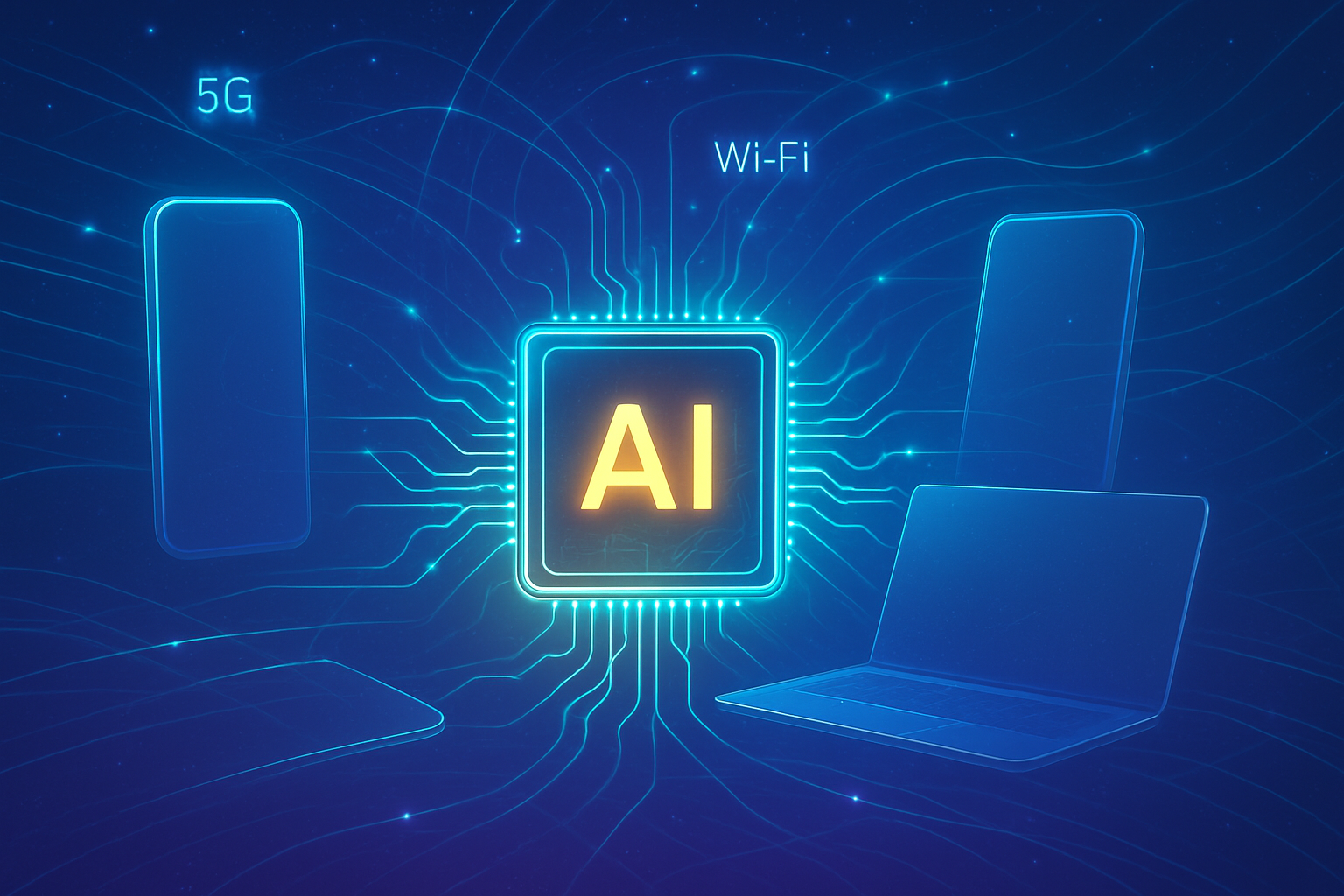
    San Diego, CA – October 2, 2025 – Qualcomm Technologies (NASDAQ: QCOM) has once again asserted its dominance in the mobile and PC chipset arena with the unveiling of its groundbreaking next-generation Snapdragon processors. Announced at the highly anticipated annual Snapdragon Summit from September 23-25, 2025, these new platforms – the Snapdragon 8 Elite Gen 5 Mobile Platform and the Snapdragon X2 Elite/Extreme for Windows PCs – promise to usher in an unprecedented era of on-device artificial intelligence and hyper-efficient connectivity. This launch marks a pivotal moment, signaling a profound shift towards more personalized, powerful, and private AI experiences directly on our devices, moving beyond the traditional cloud-centric paradigm.

    The immediate significance of these announcements lies in their comprehensive approach to enhancing user experience across the board. By integrating significantly more powerful Neural Processing Units (NPUs), third-generation Oryon CPUs, and advanced Adreno GPUs, Qualcomm is setting new benchmarks for performance, power efficiency, and intelligent processing. Furthermore, with cutting-edge connectivity solutions like the X85 modem and FastConnect 7900 system, these processors are poised to deliver a seamless, low-latency, and always-connected future, profoundly impacting how we interact with our smartphones, laptops, and the digital world.

    Technical Prowess: A Deep Dive into Agentic AI and Performance Benchmarks

    Qualcomm's latest Snapdragon lineup is a testament to its relentless pursuit of innovation, with a strong emphasis on "Agentic AI" – a concept poised to revolutionize how users interact with their devices. At the heart of this advancement is the significantly upgraded Hexagon Neural Processing Unit (NPU). In the Snapdragon 8 Elite Gen 5 for mobile, the NPU boasts a remarkable 37% increase in speed and 16% greater power efficiency compared to its predecessor. For the PC-focused Snapdragon X2 Elite Extreme, the NPU delivers an astounding 80 TOPS (trillions of operations per second) of AI processing, nearly doubling the AI throughput of the previous generation and substantially outperforming rival chipsets. This allows for complex on-device AI tasks, such as real-time language translation, sophisticated generative image creation, and advanced video processing, all executed locally without relying on cloud infrastructure. Demonstrations at the Summit showcased on-device AI inference exceeding 200 tokens per second, supporting an impressive context length of up to 128K, equivalent to approximately 200,000 words or 300 pages of text processed entirely on the device.

    Beyond AI, the new platforms feature Qualcomm's third-generation Oryon CPU, delivering substantial performance and efficiency gains. The Snapdragon 8 Elite Gen 5's CPU includes two Prime cores running up to 4.6GHz and six Performance cores up to 3.62GHz, translating to a 20% performance improvement and up to 35% better power efficiency over its predecessor, with an overall System-on-Chip (SoC) improvement of 16%. The Snapdragon X2 Elite Extreme pushes boundaries further, offering up to 18 cores (12 Prime cores at 4.4 GHz, with two boosting to an unprecedented 5 GHz), making it the first Arm CPU to achieve this clock speed. It delivers a 31% CPU performance increase over the Snapdragon X Elite at equal power or a 43% power reduction at equivalent performance. The Adreno GPU in the Snapdragon 8 Elite Gen 5 also sees significant enhancements, offering up to 23% better gaming performance and 20% less power consumption, with similar gains across the PC variants. These processors continue to leverage a 3nm manufacturing process, ensuring optimal transistor density and efficiency.

    Connectivity has also received a major overhaul. The Snapdragon 8 Elite Gen 5 integrates the X85 modem, promising significant reductions in gaming latency through AI-enhanced Wi-Fi. The FastConnect 7900 Mobile Connectivity System, supporting Wi-Fi 7, is claimed to offer up to 40% power savings and reduce gaming latency by up to 50% through its AI features. This holistic approach to hardware design, integrating powerful AI engines, high-performance CPUs and GPUs, and advanced connectivity, significantly differentiates these new Snapdragon processors from previous generations and existing competitor offerings, which often rely more heavily on cloud processing for advanced AI tasks. The initial reactions from industry experts have been overwhelmingly positive, highlighting Qualcomm's strategic foresight in prioritizing on-device AI and its implications for privacy, responsiveness, and offline capabilities.

    Industry Implications: Shifting Tides for Tech Giants and Startups

    Qualcomm's introduction of the Snapdragon 8 Elite Gen 5 and Snapdragon X2 Elite/Extreme processors is set to send ripples across the tech industry, particularly benefiting smartphone manufacturers, PC OEMs, and AI application developers. Companies like Xiaomi (HKEX: 1810), OnePlus, Honor, Oppo, Vivo, and Samsung (KRX: 005930), which are expected to be among the first to integrate the Snapdragon 8 Elite Gen 5 into their flagship smartphones starting late 2025 and into 2026, stand to gain a significant competitive edge. These devices will offer unparalleled on-device AI capabilities, potentially driving a new upgrade cycle as consumers seek out more intelligent and responsive mobile experiences. Similarly, PC manufacturers embracing the Snapdragon X2 Elite/Extreme will be able to offer Windows PCs with exceptional AI performance, battery life, and connectivity, challenging the long-standing dominance of x86 architecture in the premium laptop segment.

    The competitive implications for major AI labs and tech giants are substantial. While many have focused on large language models (LLMs) and generative AI in the cloud, Qualcomm's push for on-device "Agentic AI" creates a new frontier. This development could accelerate the shift towards hybrid AI architectures, where foundational models are trained in the cloud but personalized inference and real-time interactions occur locally. This might compel companies like Apple (NASDAQ: AAPL), Google (NASDAQ: GOOGL), and NVIDIA (NASDAQ: NVDA) to intensify their focus on edge AI hardware and software optimization to remain competitive in the mobile and personal computing space. For instance, Google's Pixel line, known for its on-device AI, will face even stiffer competition, potentially pushing them to further innovate their Tensor chips.

    Potential disruption to existing products and services is also on the horizon. Cloud-based AI services that handle tasks now capable of being processed on-device, such as real-time translation or advanced image editing, might see reduced usage or need to pivot their offerings. Furthermore, the enhanced power efficiency and performance of the Snapdragon X2 Elite/Extreme could disrupt the laptop market, making Arm-based Windows PCs a more compelling alternative to traditional Intel (NASDAQ: INTC) and AMD (NASDAQ: AMD) powered machines, especially for users prioritizing battery life and silent operation alongside AI capabilities. Qualcomm's strategic advantage lies in its comprehensive platform approach, integrating CPU, GPU, NPU, and modem into a single, highly optimized SoC, providing a tightly integrated solution that is difficult for competitors to replicate in its entirety.

    Wider Significance: Reshaping the AI Landscape

    Qualcomm's latest Snapdragon processors are not merely incremental upgrades; they represent a significant milestone in the broader AI landscape, aligning perfectly with the growing trend towards ubiquitous, pervasive AI. By democratizing advanced AI capabilities and bringing them directly to the edge, these chips are poised to accelerate the deployment of "ambient intelligence," where devices anticipate user needs and seamlessly integrate into daily life. This development fits into the larger narrative of decentralizing AI, reducing reliance on constant cloud connectivity, and enhancing data privacy by keeping sensitive information on the device. It moves us closer to a world where AI is not just a tool, but an intelligent, proactive companion.

    The impacts of this shift are far-reaching. For users, it means faster, more responsive AI applications, enhanced privacy, and the ability to utilize advanced AI features even in areas with limited or no internet access. For developers, it opens up new avenues for creating innovative on-device AI applications that leverage the full power of the NPU, leading to a new generation of intelligent mobile and PC software. However, potential concerns include the increased complexity for developers to optimize applications for on-device AI, and the ongoing challenge of ensuring ethical AI development and deployment on powerful edge devices. As AI becomes more autonomous on our devices, questions around control, transparency, and potential biases will become even more critical.

    Comparing this to previous AI milestones, Qualcomm's move echoes the early days of mobile computing, where processing power migrated from large mainframes to personal computers, and then to smartphones. This transition of advanced AI from data centers to personal devices is equally transformative. It builds upon foundational breakthroughs in neural networks and machine learning, but critically, it solves the deployment challenge by making these powerful models practical and efficient for everyday use. While previous milestones focused on proving AI's capabilities (e.g., AlphaGo defeating human champions, the rise of large language models), Qualcomm's announcement is about making AI universally accessible and deeply integrated into our personal digital fabric, much like the introduction of mobile internet or touchscreens revolutionized device interaction.

    Future Developments: The Horizon of Agentic Intelligence

    The introduction of Qualcomm's next-gen Snapdragon processors sets the stage for exciting near-term and long-term developments in mobile and PC AI. In the near term, we can expect a flurry of new flagship smartphones and ultra-thin laptops in late 2025 and throughout 2026, showcasing the enhanced AI and connectivity features. Developers will likely race to create innovative applications that fully leverage the "Agentic AI" capabilities, moving beyond simple voice assistants to more sophisticated, proactive personal agents that can manage schedules, filter information, and even perform complex multi-step tasks across various apps without explicit user commands for each step. The Advanced Professional Video (APV) codec and enhanced camera AI features will also likely lead to a new generation of mobile content creation tools that offer professional-grade flexibility and intelligent automation.

    Looking further ahead, the robust on-device AI processing power could enable entirely new use cases. We might see highly personalized generative AI experiences, where devices can create unique content (images, music, text) tailored to individual user preferences and contexts, all processed locally. Augmented reality (AR) applications could become significantly more immersive and intelligent, with the NPU handling complex real-time environmental understanding and object recognition. The integration of Snapdragon Audio Sense, with features like wind noise reduction and audio zoom, suggests a future where our devices are not just seeing, but also hearing and interpreting the world around us with unprecedented clarity and intelligence.

    However, several challenges need to be addressed. Optimizing AI models for efficient on-device execution while maintaining high performance will be crucial for developers. Ensuring robust security and privacy for the vast amounts of personal data processed by these "Agentic AI" systems will also be paramount. Furthermore, defining the ethical boundaries and user control mechanisms for increasingly autonomous on-device AI will require careful consideration and industry-wide collaboration. Experts predict that the next wave of innovation will not just be about larger models, but about smarter, more efficient deployment of AI at the edge, making devices truly intelligent and context-aware. The ability to run sophisticated AI models locally will also push the boundaries of what's possible in offline environments, making AI more resilient and available to a wider global audience.

    Comprehensive Wrap-Up: A Defining Moment for On-Device AI

    Qualcomm's recent Snapdragon Summit has undoubtedly marked a defining moment in the evolution of artificial intelligence, particularly for its integration into personal devices. The key takeaways from the announcement of the Snapdragon 8 Elite Gen 5 and Snapdragon X2 Elite/Extreme processors revolve around the significant leap in on-device AI capabilities, powered by a dramatically improved NPU, coupled with substantial gains in CPU and GPU performance, and cutting-edge connectivity. This move firmly establishes the viability and necessity of "Agentic AI" at the edge, promising a future of more private, responsive, and personalized digital interactions.

    This development's significance in AI history cannot be overstated. It represents a crucial step in the decentralization of AI, bringing powerful computational intelligence from the cloud directly into the hands of users. This not only enhances performance and privacy but also democratizes access to advanced AI functionalities, making them less reliant on internet infrastructure. It's a testament to the industry's progression from theoretical AI breakthroughs to practical, widespread deployment that will touch billions of lives daily.

    Looking ahead, the long-term impact will be profound, fundamentally altering how we interact with technology. Our devices will evolve from mere tools into intelligent, proactive companions capable of understanding context, anticipating needs, and performing complex tasks autonomously. This shift will fuel a new wave of innovation across software development, user interface design, and even hardware form factors. In the coming weeks and months, we should watch for initial reviews of devices featuring these new Snapdragon processors, paying close attention to real-world performance benchmarks for on-device AI applications, battery life, and overall user experience. The adoption rates by major manufacturers and the creative applications developed by the broader tech community will be critical indicators of how quickly this vision of pervasive, on-device Agentic AI becomes our reality.


    This content is intended for informational purposes only and represents analysis of current AI developments.

    TokenRing AI delivers enterprise-grade solutions for multi-agent AI workflow orchestration, AI-powered development tools, and seamless remote collaboration platforms. For more information, visit https://www.tokenring.ai/.