
Tag: Pope Leo XIV

  • Pope Leo XIV Calls for Human-Centered AI in Healthcare, Emphasizing Unwavering Dignity

    Pope Leo XIV Calls for Human-Centered AI in Healthcare, Emphasizing Unwavering Dignity

    Vatican City, November 18, 2025 – In a timely and profound address, Pope Leo XIV, the newly elected Pontiff and first American Pope, has issued a powerful call for the ethical integration of artificial intelligence (AI) within healthcare systems. Speaking just days ago to the International Congress "AI and Medicine: The Challenge of Human Dignity" in Rome, the Pope underscored that while AI offers revolutionary potential for medical advancement, its deployment must be rigorously guided by principles that safeguard human dignity, the sanctity of life, and the indispensable human element of care. His reflections serve as a critical moral compass for a rapidly evolving technological landscape, urging a future where innovation serves humanity, not the other way around.

    The Pope's message, delivered between November 10-12, 2025, to an assembly sponsored by the Pontifical Academy for Life and the International Federation of Catholic Medical Associations, marks a significant moment in the global discourse on AI ethics. He asserted that human dignity and moral considerations must be paramount, stressing that every individual possesses an "ontological dignity" regardless of their health status. This pronouncement firmly positions the Vatican at the forefront of advocating for a human-first approach to AI development and deployment, particularly in sensitive sectors like healthcare. The immediate significance lies in its potential to influence policy, research, and corporate strategies, pushing for greater accountability and a values-driven framework in the burgeoning AI health market.

    Upholding Humanity: The Pope's Stance on AI's Role and Responsibilities

    Pope Leo XIV's detailed reflections delved into the specific technical and ethical considerations surrounding AI in medicine. He articulated a clear vision where AI functions as a complementary tool, designed to enhance human capabilities rather than replace human intelligence, judgment, or the vital human touch in medical care. This nuanced perspective directly addresses growing concerns within the AI research community about the potential for over-reliance on automated systems to erode the crucial patient-provider relationship. The Pope specifically warned against this risk, emphasizing that such a shift could lead to a dehumanization of care, causing individuals to "lose sight of the faces of those around them, forgetting how to recognize and cherish all that is truly human."

    Technically, the Pope's stance advocates for AI systems that are transparent, explainable, and accountable, ensuring that human professionals retain ultimate responsibility for treatment decisions. This differs from more aggressive AI integration models that might push for autonomous AI decision-making in complex medical scenarios. His message implicitly calls for advancements in areas like explainable AI (XAI) and human-in-the-loop systems, which allow medical practitioners to understand and override AI recommendations. Initial reactions from the AI research community and industry experts have been largely positive, with many seeing the Pope's intervention as a powerful reinforcement for ethical AI development. Dr. Anya Sharma, a leading AI ethicist at Stanford University, commented, "The Pope's words resonate deeply with the core principles we advocate for: AI as an augmentative force, not a replacement. His emphasis on human dignity provides a much-needed moral anchor in our pursuit of technological progress." This echoes sentiments from various medical AI developers who recognize the necessity of public trust and ethical grounding for widespread adoption.

    Implications for AI Companies and the Healthcare Technology Sector

    Pope Leo XIV's powerful call for ethical AI in healthcare is set to send ripples through the AI industry, profoundly affecting tech giants, specialized AI companies, and startups alike. Companies that prioritize ethical design, transparency, and robust human oversight in their AI solutions stand to benefit significantly. This includes firms developing explainable AI (XAI) tools, privacy-preserving machine learning techniques, and those investing heavily in user-centric design that keeps medical professionals firmly in the decision-making loop. For instance, companies like Google Health (NASDAQ: GOOGL), Microsoft Healthcare (NASDAQ: MSFT), and IBM Watson Health (NYSE: IBM), which are already major players in the medical AI space, will likely face increased scrutiny and pressure to demonstrate their adherence to these ethical guidelines. Their existing AI products, ranging from diagnostic assistance to personalized treatment recommendations, will need to clearly articulate how they uphold human dignity and support, rather than diminish, the patient-provider relationship.

    The competitive landscape will undoubtedly shift. Startups focusing on niche ethical AI solutions, such as those specializing in algorithmic bias detection and mitigation, or platforms designed for collaborative AI-human medical decision-making, could see a surge in demand and investment. Conversely, companies perceived as prioritizing profit over ethical considerations, or those developing "black box" AI systems without clear human oversight, may face reputational damage and slower adoption rates in the healthcare sector. This could disrupt existing product roadmaps, compelling companies to re-evaluate their AI development philosophies and invest more in ethical AI frameworks. The Pope's message also highlights the need for broader collaboration, potentially fostering partnerships between tech companies, medical institutions, and ethical oversight bodies to co-develop AI solutions that meet these stringent moral standards, thereby creating new market opportunities for those who embrace this challenge.

    Broader Significance in the AI Landscape and Societal Impact

    Pope Leo XIV's intervention fits squarely into the broader global conversation about AI ethics, a trend that has gained significant momentum in recent years. His emphasis on human dignity and the irreplaceable role of human judgment in healthcare aligns with a growing consensus among ethicists, policymakers, and even AI developers that technological advancement must be coupled with robust moral frameworks. This builds upon previous Vatican engagements, including the "Rome Call for AI Ethics" in 2020 and a "Note on the Relationship Between Artificial Intelligence and Human Intelligence" approved by Pope Francis in January 2025, which established principles such as Transparency, Inclusion, Responsibility, Impartiality, Reliability, and Security and Privacy. The Pope's current message serves as a powerful reiteration and specific application of these principles to the highly sensitive domain of healthcare.

    The impacts of this pronouncement are far-reaching. It will likely empower patient advocacy groups and medical professionals to demand higher ethical standards from AI developers and healthcare providers. Potential concerns highlighted by the Pope, such as algorithmic bias leading to healthcare inequalities and the risk of a "medicine for the rich" model, underscore the societal stakes involved. His call for guarding against AI determining treatment based on economic metrics is a critical warning against the commodification of care and reinforces the idea that healthcare is a fundamental human right, not a privilege. This intervention compares to previous AI milestones not in terms of technological breakthrough, but as a crucial ethical and philosophical benchmark, reminding the industry that human values must precede technological capabilities. It serves as a moral counterweight to the purely efficiency-driven narratives often associated with AI adoption.

    Future Developments and Expert Predictions

    In the wake of Pope Leo XIV's definitive call, the healthcare AI landscape is expected to see significant shifts in the near and long term. In the near term, expect an accelerated focus on developing AI solutions that explicitly demonstrate ethical compliance and human oversight. This will likely manifest in increased research and development into explainable AI (XAI), where algorithms can clearly articulate their reasoning to human users, and more robust human-in-the-loop systems that empower medical professionals to maintain ultimate control and judgment. Regulatory bodies, inspired by such high-level ethical pronouncements, may also begin to formulate more stringent guidelines for AI deployment in healthcare, potentially requiring ethical impact assessments as part of the approval process for new medical AI technologies.

    On the horizon, potential applications and use cases will likely prioritize augmenting human capabilities rather than replacing them. This could include AI systems that provide advanced diagnostic support, intelligent patient monitoring tools that alert human staff to critical changes, or personalized treatment plan generators that still require final approval and adaptation by human doctors. The challenges that need to be addressed will revolve around standardizing ethical AI development, ensuring equitable access to these advanced technologies across socioeconomic divides, and continuously educating healthcare professionals on how to effectively and ethically integrate AI into their practice. Experts predict that the next phase of AI in healthcare will be defined by a collaborative effort between technologists, ethicists, and medical practitioners, moving towards a model of "responsible AI" that prioritizes patient well-being and human dignity above all else. This push for ethical AI will likely become a competitive differentiator, with companies demonstrating strong ethical frameworks gaining a significant market advantage.

    A Moral Imperative for AI in Healthcare: Charting a Human-Centered Future

    Pope Leo XIV's recent reflections on the ethical integration of artificial intelligence in healthcare represent a pivotal moment in the ongoing discourse surrounding AI's role in society. The key takeaway is an unequivocal reaffirmation of human dignity as the non-negotiable cornerstone of all technological advancement, especially within the sensitive domain of medicine. His message serves as a powerful reminder that AI, while transformative, must always remain a tool to serve humanity, enhancing care and fostering relationships rather than diminishing them. This assessment places the Pope's address as a significant ethical milestone, providing a moral framework that will guide the development and deployment of AI in healthcare for years to come.

    The long-term impact of this pronouncement is likely to be profound, influencing not only technological development but also policy-making, investment strategies, and public perception of AI. It challenges the industry to move beyond purely technical metrics of success and embrace a broader definition that includes ethical responsibility and human flourishing. What to watch for in the coming weeks and months includes how major AI companies and healthcare providers respond to this call, whether new ethical guidelines emerge from international bodies, and how patient advocacy groups leverage this message to demand more human-centered AI solutions. The Vatican's consistent engagement with AI ethics signals a sustained commitment to ensuring that the future of artificial intelligence is one that genuinely uplifts and serves all of humanity.


    This content is intended for informational purposes only and represents analysis of current AI developments.

    TokenRing AI delivers enterprise-grade solutions for multi-agent AI workflow orchestration, AI-powered development tools, and seamless remote collaboration platforms.
    For more information, visit https://www.tokenring.ai/.

  • Vatican Calls for Human-Centered AI in Healthcare, Emphasizing Dignity and Moral Imperatives

    Vatican Calls for Human-Centered AI in Healthcare, Emphasizing Dignity and Moral Imperatives

    Vatican City – In a powerful and timely intervention, Pope Leo XIV has issued a fervent call for the ethical integration of Artificial Intelligence (AI) into healthcare systems, placing human dignity and moral considerations at the absolute forefront. Speaking to the International Congress "AI and Medicine: The Challenge of Human Dignity" in Vatican City this November, the Pontiff underscored that while AI offers transformative potential, its deployment in medicine must be rigorously guided by principles that uphold the sanctity of human life and the fundamental relational aspect of care. This pronouncement solidifies the Vatican's role as a leading ethical voice in the rapidly evolving AI landscape, urging a global dialogue to ensure technology serves humanity's highest values.

    The Pope's message, delivered on November 7, 2025, resonated deeply with the congress attendees, a diverse group of scientists, ethicists, healthcare professionals, and religious leaders. His address highlighted the immediate significance of ensuring that technological advancements enhance, rather than diminish, the human experience in healthcare. Coming at a time when AI is increasingly being deployed in diagnostics, treatment planning, and patient management, the Vatican's emphasis on moral guardrails serves as a critical reminder that innovation must be tethered to profound ethical reflection.

    Upholding Human Dignity: The Vatican's Blueprint for Ethical AI in Medicine

    Pope Leo XIV's vision for AI in healthcare is rooted in the unwavering conviction that human dignity must be the "resolute priority," never to be compromised for the sake of efficiency or technological advancement. He reiterated core Catholic doctrine, asserting that every human being possesses "ontological dignity… simply because he or she exists and is willed, created, and loved by God." This foundational principle dictates that AI must always remain a tool to assist human beings in their vocation, freedom, and responsibility, explicitly rejecting any notion of AI replacing human intelligence or the indispensable human touch in medical care.

    Crucially, the Pope stressed that the weighty responsibility of patient treatment decisions must unequivocally remain with human professionals, never to be delegated to algorithms. He warned against the dehumanizing potential of over-reliance on machines, cautioning that interacting with AI "as if they were interlocutors" could lead to "losing sight of the faces of the people around us" and "forgetting how to recognize and cherish all that is truly human." Instead, AI should enhance interpersonal relationships and the quality of care, fostering the vital bond between patient and carer rather than eroding it. This perspective starkly contrasts with purely technologically driven approaches that might prioritize algorithmic precision or data-driven efficiency above all else.

    These recent statements build upon a robust foundation of Vatican engagement with AI ethics. The "Rome Call for AI Ethics," spearheaded by the Pontifical Academy for Life in February 2020, established six core "algor-ethical" principles: Transparency, Inclusion, Responsibility, Impartiality, Reliability, and Security and Privacy. This framework, signed by major tech players like Microsoft (NASDAQ: MSFT) and IBM (NYSE: IBM), positioned the Vatican as a proactive leader in shaping ethical AI. Furthermore, a "Note on the Relationship Between Artificial Intelligence and Human Intelligence," approved by Pope Francis in January 2025, provided extensive ethical guidelines, warning against AI replacing human intelligence and rejecting the use of AI to determine treatment based on economic metrics, thereby preventing a "medicine for the rich" model. Pope Leo XIV's current address reinforces these principles, urging governments and businesses to ensure transparency, accountability, and equity in AI deployment, guarding against algorithmic bias and the exacerbation of healthcare inequalities.

    Navigating the Corporate Landscape: Implications for AI Companies and Tech Giants

    The Vatican's emphatic call for ethical, human-centered AI in healthcare carries significant implications for AI companies, tech giants, and startups operating in this burgeoning sector. Companies that prioritize ethical design, transparency, and human oversight in their AI solutions stand to gain substantial competitive advantages. Those developing AI tools that genuinely augment human capabilities, enhance patient-provider relationships, and ensure equitable access to care will likely find favor with healthcare systems increasingly sensitive to moral considerations and public trust.

    Major AI labs and tech companies, including Google (NASDAQ: GOOGL), Amazon (NASDAQ: AMZN), and Apple (NASDAQ: AAPL), which are heavily invested in healthcare AI, will need to carefully scrutinize their development pipelines. The Pope's statements implicitly challenge the notion of AI as a purely efficiency-driven tool, pushing for a paradigm where ethical frameworks are embedded from conception. This could disrupt existing products or services that prioritize data-driven decision-making without sufficient human oversight or that risk exacerbating inequalities. Companies that can demonstrate robust ethical governance, address algorithmic bias, and ensure human accountability in their AI systems will be better positioned in a market that is increasingly demanding responsible innovation.

    Startups focused on niche ethical AI solutions, such as explainable AI (XAI) for medical diagnostics, privacy-preserving machine learning, or AI tools designed specifically to support human empathy and relational care, could see a surge in demand. The Vatican's stance encourages a market shift towards solutions that align with these moral imperatives, potentially fostering a new wave of innovation centered on human flourishing rather than mere technological advancement. Companies that can credibly demonstrate their commitment to these principles, perhaps through certifications or partnerships with ethical review boards, will likely gain a strategic edge and build greater trust among healthcare providers and the public.

    The Broader AI Landscape: A Moral Compass for Innovation

    The Pope's call for ethical AI in healthcare is not an isolated event but fits squarely within a broader, accelerating trend towards responsible AI development globally. As AI systems become more powerful and pervasive, concerns about bias, fairness, transparency, and accountability have moved from academic discussions to mainstream policy debates. The Vatican's intervention serves as a powerful moral compass, reminding the tech industry and policymakers that technological progress must always serve the common good and uphold fundamental human rights.

    This emphasis on human dignity and the relational aspect of care highlights potential concerns that are often overlooked in the pursuit of technological advancement. The warning against a "medicine for the rich" model, where advanced AI-driven healthcare might only be accessible to a privileged few, underscores the urgent need for equitable deployment strategies. Similarly, the caution against the anthropomorphization of AI and the erosion of human empathy in care delivery addresses a core fear that technology could inadvertently diminish our humanity. This intervention stands as a significant milestone, comparable to earlier calls for ethical guidelines in genetic engineering or nuclear technology, marking a moment where a powerful moral authority weighs in on the direction of a transformative technology.

    The Vatican's consistent advocacy for "algor-ethics" and its rejection of purely utilitarian approaches to AI provide a crucial counter-narrative to the prevailing techno-optimism. It forces a re-evaluation of what constitutes "progress" in AI, shifting the focus from mere capability to ethical impact. This aligns with a growing movement among AI researchers and ethicists who advocate for "value-aligned AI" and "human-in-the-loop" systems. The Pope's message reinforces the idea that true innovation must be measured not just by its technical prowess but by its ability to foster a more just, humane, and dignified society.

    The Path Forward: Challenges and Future Developments in Ethical AI

    Looking ahead, the Vatican's pronouncements are expected to catalyze several near-term and long-term developments in the ethical AI landscape for healthcare. In the short term, we may see increased scrutiny from regulatory bodies and healthcare organizations on the ethical frameworks governing AI deployment. This could lead to the development of new industry standards, certification processes, and ethical review boards specifically designed to assess AI systems against principles of human dignity, transparency, and equity. Healthcare providers, particularly those with faith-based affiliations, are likely to prioritize AI solutions that explicitly align with these ethical guidelines.

    In the long term, experts predict a growing emphasis on interdisciplinary collaboration, bringing together AI developers, ethicists, theologians, healthcare professionals, and policymakers to co-create AI systems that are inherently ethical by design. Challenges that need to be addressed include the development of robust methodologies for detecting and mitigating algorithmic bias, ensuring data privacy and security in complex AI ecosystems, and establishing clear lines of accountability when AI systems are involved in critical medical decisions. The ongoing debate around the legal and ethical status of AI-driven recommendations, especially in life-or-death scenarios, will also intensify.

    Potential applications on the horizon include AI systems designed to enhance clinician empathy by providing comprehensive patient context, tools that democratize access to advanced diagnostics in underserved regions, and AI-powered platforms that facilitate shared decision-making between patients and providers. Experts predict that the future of healthcare AI will not be about replacing humans but empowering them, with a strong focus on "explainable AI" that can justify its recommendations in clear, understandable terms. The Vatican's call ensures that this future will be shaped not just by technological possibility, but by a profound commitment to human values.

    A Defining Moment for AI Ethics in Healthcare

    Pope Leo XIV's impassioned call for an ethical approach to AI in healthcare marks a defining moment in the ongoing global conversation about artificial intelligence. His message serves as a comprehensive wrap-up of critical ethical considerations, reaffirming that human dignity, the relational aspect of care, and the common good must be the bedrock upon which all AI innovation in medicine is built. It’s an assessment of profound significance, cementing the Vatican's role as a moral leader guiding the trajectory of one of humanity's most transformative technologies.

    The key takeaways are clear: AI in healthcare must remain a tool, not a master; human decision-making and empathy are irreplaceable; and equity, transparency, and accountability are non-negotiable. This development will undoubtedly shape the long-term impact of AI on society, pushing the industry towards more responsible and humane applications. In the coming weeks and months, watch for heightened discussions among policymakers, tech companies, and healthcare institutions regarding ethical guidelines, regulatory frameworks, and the practical implementation of human-centered AI design principles. The challenge now lies in translating these moral imperatives into actionable strategies that ensure AI truly serves all of humanity.


    This content is intended for informational purposes only and represents analysis of current AI developments.

    TokenRing AI delivers enterprise-grade solutions for multi-agent AI workflow orchestration, AI-powered development tools, and seamless remote collaboration platforms.
    For more information, visit https://www.tokenring.ai/.

  • Pope Leo XIV Challenges Tech World: Harness AI for Global Evangelization

    Pope Leo XIV Challenges Tech World: Harness AI for Global Evangelization

    Rome, Italy – November 7, 2025 – In a landmark address delivered today at the Builders AI Forum 2025 in Rome, Pope Leo XIV issued a resounding call to Catholic technologists and venture capitalists worldwide: leverage the transformative power of artificial intelligence (AI) to advance the Church's mission of evangelization and foster the integral development of every human being. This unprecedented directive marks a pivotal moment in the intersection of faith and technology, signaling a proactive embrace of AI's potential within the spiritual realm.

    The Pope's message, read by Jesuit Father David Nazar, underscored that AI, as a product of human ingenuity, can be a profound expression of humanity's participation in divine creation when guided by ethical principles. He challenged innovators to imbue AI systems with values of justice, solidarity, and respect for life, advocating for the creation of tools that can enhance Catholic education, deliver compassionate healthcare solutions, and communicate the Christian narrative with both truth and beauty. This call moves beyond mere ethical considerations of AI, directly positioning the technology as a vital instrument for spiritual outreach in an increasingly digital world.

    The Algorithmic Apostles: Charting AI's Evangelistic Frontiers

    Pope Leo XIV's directive, articulated at the two-day Builders AI Forum 2025 at the Pontifical Gregorian University, is not a call for a single AI product but rather a foundational philosophy for integrating advanced technology into the Church's missionary efforts. The forum, drawing approximately 200 participants from software engineering, venture capital, Catholic media, and Vatican communications, explored concrete applications for "Building and Scaling Catholic AI" for evangelization. While specific technical specifications for "Catholic AI" are still nascent, the vision encompasses AI-powered platforms for personalized catechesis, intelligent translation services for scriptural texts, virtual reality experiences depicting biblical narratives, and AI assistants capable of answering theological questions in multiple languages.

    This approach represents a significant departure from previous, more cautious engagements with technology by religious institutions. Historically, the Church has often reacted to technological advancements, adapting them after their widespread adoption. Pope Leo XIV's call, however, is proactive, urging the development of AI specifically designed and imbued with Catholic values from its inception. Unlike general-purpose AI, which may be repurposed for religious content, the Pope envisions systems where ethical and theological principles are "encoded into the very logic" of their design. Initial reactions from the AI research community are mixed, with some expressing enthusiasm for the ethical challenges and opportunities presented by faith-driven AI development, while others voice concerns about potential misuse or the inherent complexities of programming spiritual concepts. Experts from companies like (MSFT) Microsoft and (PLTR) Palantir Technologies, present at the forum, acknowledged the technical feasibility while recognizing the unique ethical and theological frameworks required.

    The technical capabilities envisioned include natural language processing (NLP) for generating and localizing religious content, machine learning for personalizing spiritual guidance based on user interaction, and computer vision for analyzing religious art or architecture. The emphasis is on creating AI that not only disseminates information but also fosters genuine spiritual engagement, respecting the nuanced and deeply personal nature of faith. This differs from existing technologies primarily in its explicit, intentional embedding of theological and ethical discernment at every stage of AI development, rather than treating faith-based applications as mere content layers on agnostic platforms.

    A New Market Frontier: AI Companies Eyeing the Sacred

    Pope Leo XIV's bold vision could unlock a significant, largely untapped market for AI companies, tech giants, and startups. Companies specializing in ethical AI development, content localization, personalized learning platforms, and virtual/augmented reality stand to benefit immensely. For instance, firms like (GOOGL) Google's AI division, (MSFT) Microsoft, and (AMZN) Amazon Web Services (AWS), with their robust cloud infrastructure and AI services, could become crucial partners in providing the foundational technologies for "Catholic AI." Startups focused on niche ethical AI applications or faith-based digital tools could find unprecedented opportunities for funding and growth within this newly articulated market.

    The competitive landscape for major AI labs could see a new dimension, where adherence to ethical guidelines and demonstrated commitment to human dignity, as articulated by the Vatican, become key differentiators. Companies that can effectively integrate these values into their AI development pipelines might gain a strategic advantage in securing partnerships with religious organizations globally. This development could disrupt existing product roadmaps by creating demand for specialized AI modules that prioritize moral discernment, theological accuracy, and culturally sensitive content delivery. Firms that historically focused solely on commercial applications may now explore dedicated teams or divisions for faith-based AI, positioning themselves as leaders in a new frontier of "AI for good" with a specific spiritual mandate.

    Market positioning will likely shift for companies capable of demonstrating not just technological prowess but also a deep understanding and respect for religious and ethical frameworks. This could lead to new alliances between tech companies and theological institutions, fostering a collaborative environment aimed at developing AI that serves spiritual and humanitarian ends. The involvement of venture capital partners at the Builders AI Forum 2025, including representatives from (GS) Goldman Sachs, signals a growing financial interest in this emerging sector, potentially channeling significant investment into startups and initiatives aligned with the Pope's vision.

    Ethical AI's Holy Grail: Navigating Faith in the Algorithmic Age

    Pope Leo XIV's call fits squarely into the broader AI landscape's growing emphasis on ethical AI, AI for social good, and value-aligned technology. It elevates the discussion from general ethical principles to a specific theological framework, challenging the industry to consider how AI can serve not just human flourishing in a secular sense, but also spiritual growth and evangelization. The impacts could be profound, potentially leading to the development of AI systems that are inherently more robust against biases, designed with explicit moral guardrails, and focused on fostering community and understanding rather than mere consumption or efficiency.

    However, this ambitious undertaking is not without its potential concerns. Questions immediately arise regarding the authenticity of AI-generated spiritual content, the risk of algorithmic bias in theological interpretation, data privacy for users engaging with faith-based AI, and the fundamental challenge of replicating genuine human compassion and spiritual discernment in machines. There are also theological implications to consider: can AI truly evangelize, or can it only facilitate human evangelization? The potential for AI to be misused to spread misinformation or manipulate beliefs, even with good intentions, remains a significant hurdle.

    Compared to previous AI milestones, such as the development of large language models or advanced robotics, Pope Leo XIV's directive marks a unique intersection of spiritual authority and technological ambition. It's less about a technical breakthrough and more about a societal and ethical redirection of existing and future AI capabilities. It challenges the tech world to move beyond purely utilitarian applications and consider AI's role in addressing humanity's deepest questions and spiritual needs. This initiative could set a precedent for other religious traditions to explore similar applications, potentially fostering a global movement for faith-aligned AI development.

    The Future of Faith: AI as a Spiritual Co-Pilot

    In the near term, we can expect a surge in research and development initiatives focused on proof-of-concept AI tools for evangelization. This will likely include pilot programs for AI-powered catechetical apps, multilingual digital missionaries, and virtual pilgrimage experiences. Long-term developments could see the emergence of highly sophisticated AI companions offering personalized spiritual guidance, ethical AI frameworks specifically tailored to religious doctrines, and global AI networks facilitating interfaith dialogue and humanitarian aid, all guided by the Church's moral compass.

    Potential applications on the horizon include AI-driven platforms that can adapt religious teachings to diverse cultural contexts, AI tutors for seminary students, and even AI-assisted pastoral care, providing support and resources to isolated communities. However, significant challenges need to be addressed. These include securing funding for non-commercial AI development, attracting top AI talent to work on religiously themed projects, and establishing robust ethical and theological review boards to ensure the integrity and fidelity of AI outputs. Furthermore, overcoming the inherent limitations of AI in understanding human emotion, spiritual experience, and the subtleties of faith will require continuous innovation and careful consideration.

    Experts predict that the coming years will be a period of intense experimentation and debate. The success of this initiative will hinge on careful collaboration between theologians, ethicists, and AI developers. What happens next will likely involve the formation of specialized "Catholic AI" labs, the development of open-source religious datasets, and the establishment of international guidelines for the ethical creation and deployment of AI in spiritual contexts.

    A New Digital Renaissance: AI's Spiritual Awakening

    Pope Leo XIV's call for Catholic technologists to embrace AI for evangelization represents a monumental moment in the history of both artificial intelligence and religious outreach. It's a clear signal that the Vatican views AI not as a threat to be merely tolerated, but as a powerful tool to be sanctified and directed towards the highest human and spiritual good. The key takeaway is the explicit integration of ethical and theological principles into the very fabric of AI development, moving beyond reactive regulation to proactive, values-driven innovation.

    This development holds profound significance in AI history, marking one of the first times a major global religious leader has directly commissioned the tech industry to build AI specifically for spiritual purposes. It elevates the "AI for good" conversation to include the sacred, challenging the industry to expand its understanding of human flourishing. The long-term impact could be a paradigm shift in how religious institutions engage with digital technologies, potentially fostering a new era of digital evangelization and interfaith collaboration.

    In the coming weeks and months, all eyes will be on the progress of initiatives stemming from the Builders AI Forum 2025. We will be watching for announcements of new projects, partnerships, and the emergence of specific ethical frameworks for "Catholic AI." This bold directive from Pope Leo XIV has not only opened a new frontier for AI but has also ignited a crucial conversation about the spiritual dimensions of artificial intelligence, inviting humanity to ponder the role of technology in its eternal quest for meaning and connection.


    This content is intended for informational purposes only and represents analysis of current AI developments.

    TokenRing AI delivers enterprise-grade solutions for multi-agent AI workflow orchestration, AI-powered development tools, and seamless remote collaboration platforms.
    For more information, visit https://www.tokenring.ai/.
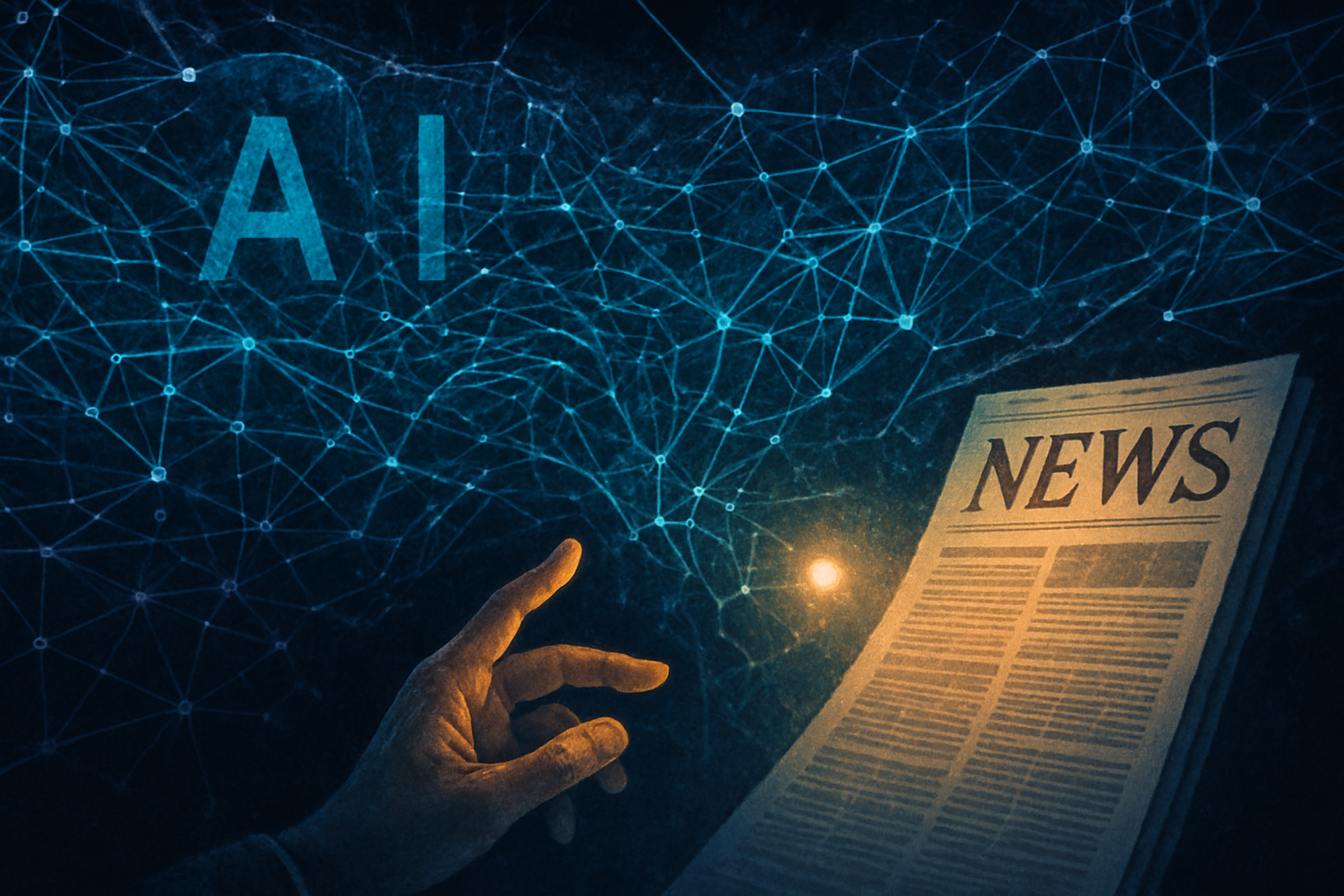
  • Pope Leo XIV Issues Stark Warning on AI, Hails News Agencies as Bulwark Against ‘Post-Truth’

    Pope Leo XIV Issues Stark Warning on AI, Hails News Agencies as Bulwark Against ‘Post-Truth’

    Pope Leo XIV, in a pivotal address today, October 9, 2025, delivered a profound message on the evolving landscape of information, sharply cautioning against the uncritical adoption of artificial intelligence while lauding news agencies as essential guardians of truth. Speaking at the Vatican to the MINDS International network of news agencies, the Pontiff underscored the urgent need for "free, rigorous and objective information" in an era increasingly defined by digital manipulation and the erosion of factual consensus. His remarks position the global leader as a significant voice in the ongoing debate surrounding AI ethics and the future of journalism.

    The Pontiff's statements come at a critical juncture, as societies grapple with the dual challenges of economic pressures on traditional media and the burgeoning influence of AI chatbots in content dissemination. His intervention serves as a powerful endorsement of human-led journalism and a stark reminder of the potential pitfalls when technology outpaces ethical consideration, particularly concerning the integrity of information in a world susceptible to "junk" content and manufactured realities.

    A Call for Vigilance: Deconstructing AI's Information Dangers

    Pope Leo XIV's pronouncements delve deep into the philosophical and societal implications of advanced AI, rather than specific technical specifications. He articulated a profound concern regarding the control and purpose behind AI development, pointedly asking, "who directs it and for what purposes?" This highlights a crucial ethical dimension often debated within the AI community: the accountability and transparency of algorithms that increasingly shape public perception and access to knowledge. His warning extends to the risk of technology supplanting human judgment, emphasizing the need to "ensure that technology does not replace human beings, and that the information and algorithms that govern it today are not in the hands of a few."

    The Pontiff’s perspective is notably informed by personal experience; he has reportedly been a victim of "deep fake" videos, where AI was used to fabricate speeches attributed to him. This direct encounter with AI's deceptive capabilities lends significant weight to his caution, illustrating the sophisticated nature of modern disinformation and the ease with which AI can be leveraged to create compelling, yet entirely false, narratives. Such incidents underscore the technical advancement of generative AI models, which can produce highly realistic audio and visual content, making it increasingly difficult for the average person to discern authenticity.

    His call for "vigilance" and a defense against the concentration of information and algorithmic power in the hands of a few directly challenges the current trajectory of AI development, which is largely driven by a handful of major tech companies. This differs from a purely technological perspective that often focuses on capability and efficiency, instead prioritizing the ethical governance and democratic distribution of AI's immense power. Initial reactions from some AI ethicists and human rights advocates have been largely positive, viewing the Pope’s statements as a much-needed, high-level endorsement of their long-standing concerns regarding AI’s societal impact.

    Shifting Tides: The Impact on AI Companies and Tech Giants

    Pope Leo XIV's pronouncements, particularly his pointed questions about "who directs [AI] and for what purposes," could trigger significant introspection and potentially lead to increased scrutiny for AI companies and tech giants like Alphabet (NASDAQ: GOOGL), Microsoft (NASDAQ: MSFT), Meta Platforms (NASDAQ: META), and Amazon (NASDAQ: AMZN), which are heavily invested in generative AI and information dissemination. His warning against the concentration of "information and algorithms… in the hands of a few" directly challenges the market dominance of these players, which often control vast datasets and computational resources essential for developing advanced AI. This could spur calls for greater decentralization, open-source AI initiatives, and more diverse governance models, potentially impacting their competitive advantages and regulatory landscapes.

    Startups focused on ethical AI, transparency, and explainable AI (XAI) could find themselves in a more favorable position. Companies developing tools for content verification, deepfake detection, or those promoting human-in-the-loop content moderation might see increased demand and investment. The Pope's emphasis on reliable journalism could also encourage tech companies to prioritize partnerships with established news organizations, potentially leading to new revenue streams for media outlets and collaborative efforts to combat misinformation.

    Conversely, companies whose business models rely heavily on algorithmically driven content recommendations without robust ethical oversight, or those developing AI primarily for persuasive or manipulative purposes, might face reputational damage, increased regulatory pressure, and public distrust. The Pope's personal experience with deepfakes serves as a powerful anecdote that could fuel public skepticism, potentially slowing the adoption of certain AI applications in sensitive areas like news and public discourse. This viewpoint, emanating from a global moral authority, could accelerate the development of ethical AI frameworks and prompt a shift in investment towards more responsible AI innovation.

    Wider Significance: A Moral Compass in the AI Age

    The statements attributed to Pope Leo XIV, mirroring and extending the established papal stance on technology, introduce a crucial moral and spiritual dimension to the global discourse on artificial intelligence. These pronouncements underscore that AI development and deployment are not merely technical challenges but profound ethical and societal ones, demanding a human-centric approach that prioritizes dignity and the common good. This perspective fits squarely within a growing global trend of advocating for responsible AI governance and development.

    The Vatican's consistent emphasis, evident in both Pope Francis's teachings and the reported views of Pope Leo XIV, is on human dignity and control. Warnings against AI systems that diminish human decision-making or replace human empathy resonate with calls from ethicists and regulators worldwide. The papal stance insists that AI must serve humanity, not the other way around, demanding that ultimate responsibility for AI-driven decisions remains with human beings. This aligns with principles embedded in emerging regulatory frameworks like the European Union's AI Act, which seeks to establish robust safeguards against high-risk AI applications.

    Furthermore, the papal warnings against misinformation, deepfakes, and the "cognitive pollution" fostered by AI directly address a critical challenge facing democratic societies globally. By highlighting AI's potential to amplify false narratives and manipulate public opinion, the Vatican adds a powerful moral voice to the chorus of governments, media organizations, and civil society groups battling disinformation. The call for media literacy and the unwavering support for rigorous, objective journalism as a "bulwark against lies" reinforces the critical role of human reporting in an increasingly AI-saturated information environment.

    This moral leadership also finds expression in initiatives like the "Rome Call for AI Ethics," which brings together religious leaders, tech giants like Microsoft (NASDAQ: MSFT) and IBM (NYSE: IBM), and international organizations to forge a consensus on ethical AI principles. By advocating for a "binding international treaty" to regulate AI and urging leaders to maintain human oversight, the papal viewpoint provides a potent moral compass, pushing for a values-based innovation rather than unchecked technological advancement. The Vatican's consistent advocacy for a human-centric approach stands as a stark contrast to purely technocentric or profit-driven models, urging a holistic view that considers the integral development of every individual.

    Future Developments: Navigating the Ethical AI Frontier

    The impactful warnings from Pope Leo XIV are poised to instigate both near-term shifts and long-term systemic changes in the AI landscape. In the immediate future, a significant push for enhanced media and AI literacy is anticipated. Educational institutions, governments, and civil society organizations will likely expand programs to equip individuals with the critical thinking skills necessary to navigate an information environment increasingly populated by AI-generated content and potential falsehoods. This will be coupled with heightened scrutiny on AI-generated content itself, driving demands for developers and platforms to implement robust detection and labeling mechanisms for deepfakes and other manipulated media.

    Looking further ahead, the papal call for responsible AI governance is expected to contribute significantly to the ongoing international push for comprehensive ethical and regulatory frameworks. This could manifest in the development of global treaties or multi-stakeholder agreements, drawing heavily from the Vatican's emphasis on human dignity and the common good. There will be a sustained focus on human-centered AI design, encouraging developers to build systems that complement, rather than replace, human intelligence and decision-making, prioritizing well-being and autonomy from the outset.

    However, several challenges loom large. The relentless pace of AI innovation often outstrips the ability of regulatory frameworks to keep pace. The economic struggles of traditional news agencies, exacerbated by the internet and AI chatbots, pose a significant threat to their capacity to deliver "free, rigorous and objective information." Furthermore, implementing unified ethical and regulatory frameworks for AI across diverse geopolitical landscapes will demand unprecedented international cooperation. Experts, such as Joseph Capizzi of The Catholic University of America, predict that the moral authority of the Vatican, now reinforced by Pope Leo XIV's explicit warnings, will continue to play a crucial role in shaping these global conversations, advocating for a "third path" that ensures technology serves humanity and the common good.

    Wrap-up: A Moral Imperative for the AI Age

    Pope Leo XIV's pronouncements mark a watershed moment in the global conversation surrounding artificial intelligence, firmly positioning the Vatican as a leading moral voice in an increasingly complex technological era. His stark warnings against the uncritical adoption of AI, particularly concerning its potential to fuel misinformation and erode human dignity, underscore the urgent need for ethical guardrails and a renewed commitment to human-led journalism. The Pontiff's call for vigilance against the concentration of algorithmic power and his reported personal experience with deepfakes lend significant weight to his message, making it a compelling appeal for a more humane and responsible approach to AI development.

    This intervention is not merely a religious decree but a significant opinion and potential regulatory viewpoint from a global leader, with far-reaching implications for tech companies, policymakers, and civil society alike. It reinforces the growing consensus that AI, while offering immense potential, must be guided by principles of transparency, accountability, and a profound respect for human well-being. The emphasis on supporting reliable news agencies serves as a critical reminder of journalism's indispensable role in upholding truth in a "post-truth" world.

    In the long term, Pope Leo XIV's statements are expected to accelerate the development of ethical AI frameworks, foster greater media literacy, and intensify calls for international cooperation on AI governance. What to watch for in the coming weeks and months includes how tech giants respond to these moral imperatives, the emergence of new regulatory proposals influenced by these discussions, and the continued evolution of tools and strategies to combat AI-driven misinformation. Ultimately, the Pope's message serves as a powerful reminder that the future of AI is not solely a technical challenge, but a profound moral choice, demanding collective wisdom and discernment to ensure technology truly serves the human family.


    This content is intended for informational purposes only and represents analysis of current AI developments.

    TokenRing AI delivers enterprise-grade solutions for multi-agent AI workflow orchestration, AI-powered development tools, and seamless remote collaboration platforms. For more information, visit https://www.tokenring.ai/.

    Disclaimer: This article discusses statements attributed to "Pope Leo XIV" as per the user's specific request and initial research outputs. It is important to note that historical records indicate no Pope by the name of Leo XIV has reigned in the Catholic Church. The ethical concerns, warnings regarding AI, and advocacy for reliable journalism discussed herein are, however, consistent with the well-documented positions and teachings of contemporary Popes, particularly Pope Francis, on the ethical implications of artificial intelligence.