Tag: PowerVia

  • The Great Flip: How Backside Power Delivery is Shattering the AI Performance Wall

    The Great Flip: How Backside Power Delivery is Shattering the AI Performance Wall

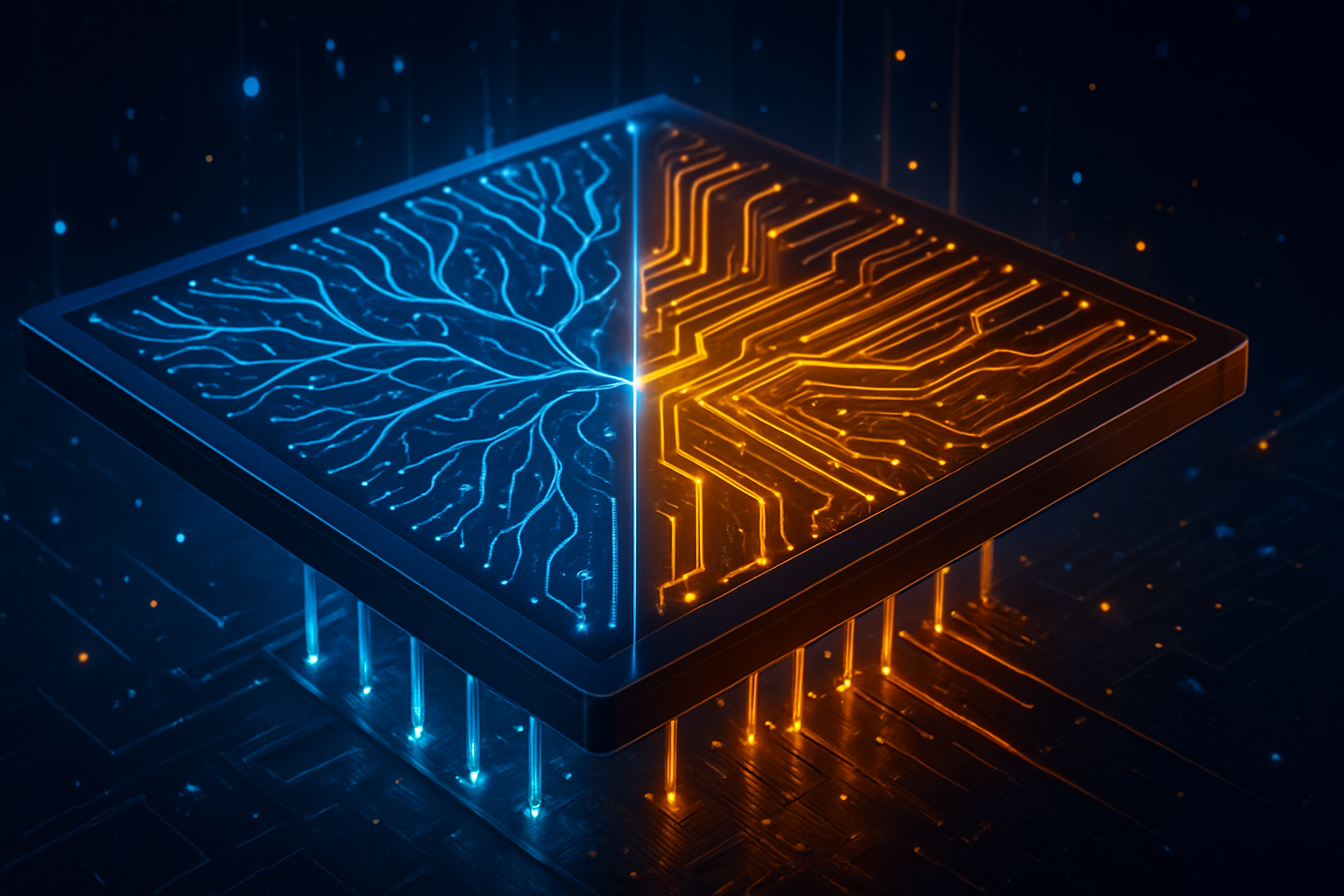
    The semiconductor industry has reached a historic inflection point as the world’s leading chipmakers—Intel, TSMC, and Samsung—officially move power routing to the "backside" of the silicon wafer. This architectural shift, known as Backside Power Delivery Network (BSPDN), represents the most significant change to transistor design in over a decade. By relocating the complex web of power-delivery wires from the top of the chip to the bottom, manufacturers are finally decoupling power from signal, effectively "flipping" the traditional chip architecture to unlock unprecedented levels of efficiency and performance.

    As of early 2026, this technology has transitioned from an experimental laboratory concept to the foundational engine of the AI revolution. With AI accelerators now pushing toward 1,000-watt power envelopes and consumer devices demanding more on-device intelligence than ever before, BSPDN has become the "lifeline" for the industry. Intel (NASDAQ: INTC) has taken an early lead with its PowerVia technology, while TSMC (NYSE: TSM) is preparing to counter with its more complex A16 process, setting the stage for a high-stakes battle over the future of high-performance computing.

    For the past fifty years, chips have been built like a house where the plumbing and the electrical wiring are all crammed into the ceiling, competing for space with the occupants. In traditional "front-side" power delivery, both signal-carrying wires and power-delivery wires are layered on top of the transistors. As transistors have shrunk to the 2nm and 1.6nm scales, this "spaghetti" of wiring has become a massive bottleneck, causing signal interference and significant voltage drops (IR drop) that waste energy and generate heat.

    Intel’s implementation, branded as PowerVia, solves this by using Nano-Through Silicon Vias (nTSVs) to route power directly from the back of the wafer to the transistors. This approach, debuted in the Intel 18A process, has already demonstrated a 30% reduction in voltage droop and a 15% improvement in performance-per-watt. By removing the power wires from the front side, Intel has also been able to pack transistors 30% more densely, as the signal wires no longer have to navigate around bulky power lines.

    TSMC’s approach, known as Super PowerRail (SPR), which is slated for mass production in the second half of 2026 on its A16 node, takes the concept even further. While Intel uses nTSVs to reach the transistor layer, TSMC’s SPR connects the power network directly to the source and drain of the transistors. This "direct-contact" method is significantly more difficult to manufacture but promises even better electrical characteristics, including an 8–10% speed gain at the same voltage and up to a 20% reduction in power consumption compared to its standard 2nm process.

    Initial reactions from the AI research community have been overwhelmingly positive. Experts at the 2026 International Solid-State Circuits Conference (ISSCC) noted that BSPDN effectively "resets the clock" on Moore’s Law. By thinning the silicon wafer to just a few micrometers to allow for backside routing, chipmakers have also inadvertently improved thermal management, as the heat-generating transistors are now physically closer to the cooling solutions on the back of the chip.

    The shift to backside power delivery is creating a new hierarchy among tech giants. NVIDIA (NASDAQ: NVDA), the undisputed leader in AI hardware, is reportedly the anchor customer for TSMC’s A16 process. While their current "Rubin" architecture pushed the limits of front-side delivery, the upcoming "Feynman" architecture is expected to leverage Super PowerRail to maintain its lead in AI training. The ability to deliver more power with less heat is critical for NVIDIA as it seeks to scale its Blackwell successors into massive, multi-die "superchips."

    Intel stands to benefit immensely from its first-mover advantage. By being the first to bring BSPDN to high-volume manufacturing with its 18A node, Intel has successfully attracted major foundry customers like Microsoft (NASDAQ: MSFT) and Amazon (NASDAQ: AMZN), both of which are designing custom AI silicon for their data centers. This "PowerVia-first" strategy has allowed Intel to position itself as a viable alternative to TSMC for the first time in years, potentially disrupting the existing foundry monopoly and shifting the balance of power in the semiconductor market.

    Apple (NASDAQ: AAPL) and AMD (NASDAQ: AMD) are also navigating this transition with high stakes. Apple is currently utilizing TSMC’s 2nm (N2) node for the iPhone 18 Pro, but reports suggest they are eyeing A16 for their 2027 "M5" and "A20" chips to support more advanced generative AI features on-device. Meanwhile, AMD is leveraging its chiplet expertise to integrate backside power into its "Instinct" MI400 series, aiming to close the performance gap with NVIDIA by utilizing the superior density and clock speeds offered by the new architecture.

    For startups and smaller AI labs, the arrival of BSPDN-enabled chips means more compute for every dollar spent on electricity. As power costs become the primary constraint for AI scaling, the 15-20% efficiency gains provided by backside power could be the difference between a viable business model and a failed venture. The competitive advantage will likely shift toward those who can most quickly adapt their software to take advantage of the higher clock speeds and increased core counts these new chips provide.

    Beyond the technical specifications, backside power delivery represents a fundamental shift in the broader AI landscape. We are moving away from an era where "more transistors" was the only metric that mattered, into an era of "system-level optimization." BSPDN is not just about making transistors smaller; it is about making the entire system—from the power supply to the cooling unit—more efficient. This mirrors previous milestones like the introduction of FinFET transistors or Extreme Ultraviolet (EUV) lithography, both of which were necessary to keep the industry moving forward when physical limits were reached.

    The environmental impact of this technology cannot be overstated. With data centers currently consuming an estimated 3-4% of global electricity—a figure projected to rise sharply due to AI demand—the efficiency gains from BSPDN are a critical component of the tech industry’s sustainability goals. A 20% reduction in power at the chip level translates to billions of kilowatt-hours saved across global AI clusters. However, this also raises concerns about "Jevons' Paradox," where increased efficiency leads to even greater demand, potentially offsetting the environmental benefits as companies simply build larger, more power-hungry models.

    There are also significant geopolitical implications. The race to master backside power delivery has become a centerpiece of national industrial policies. The U.S. government’s support for Intel’s 18A progress and the Taiwanese government’s backing of TSMC’s A16 development highlight how critical this technology is for national security and economic competitiveness. Being the first to achieve high yields on BSPDN nodes is now seen as a marker of a nation’s technological sovereignty in the age of artificial intelligence.

    Comparatively, the transition to backside power is being viewed as more disruptive than the move to 3D stacking (HBM). While HBM solved the "memory wall," BSPDN is solving the "power wall." Without it, the industry would have hit a hard ceiling where chips could no longer be cooled or powered effectively, regardless of how many transistors could be etched onto the silicon.

    Looking ahead, the next two years will see the integration of backside power delivery with other emerging technologies. The most anticipated development is the combination of BSPDN with Complementary Field-Effect Transistors (CFETs). By stacking n-type and p-type transistors on top of each other and powering them from the back, experts predict another 50% jump in density by 2028. This would allow for smartphone-sized devices with the processing power of today’s high-end workstations.

    In the near term, we can expect to see "backside signaling" experiments. Once the power is moved to the back, the front side of the chip is left entirely for signal routing. Researchers are already looking into moving some high-speed signal lines to the backside as well, which could further reduce latency and increase bandwidth for AI-to-AI communication. However, the primary challenge remains manufacturing yield. Thinning a wafer to the point where backside power is possible without destroying the delicate transistor structures is an incredibly precise process that will take years to perfect for mass production.

    Experts predict that by 2030, front-side power delivery will be viewed as an antique relic of the "early silicon age." The future of AI silicon lies in "true 3D" integration, where power, signal, and cooling are interleaved throughout the chip structure. As we move toward the 1nm and sub-1nm eras, the innovations pioneered by Intel and TSMC today will become the standard blueprint for every chip on the planet, enabling the next generation of autonomous systems, real-time translation, and personalized AI assistants.

    The shift to Backside Power Delivery marks the end of the "flat" era of semiconductor design. By moving the power grid to the back of the wafer, Intel and TSMC have broken through a physical barrier that threatened to stall the progress of artificial intelligence. The immediate results—higher clock speeds, better thermal management, and improved energy efficiency—are exactly what the industry needs to sustain the current pace of AI innovation.

    As we move through 2026, the key metrics to watch will be the production yields of Intel’s 18A and the first samples of TSMC’s A16. While Intel currently holds the "first-to-market" crown, the long-term winner will be the company that can manufacture these complex architectures at the highest volume with the fewest defects. This transition is not just a technical upgrade; it is a total reimagining of the silicon chip that will define the capabilities of AI for the next decade.

    In the coming weeks, keep an eye on the first independent benchmarks of Intel’s Panther Lake processors and any further announcements from NVIDIA regarding their Feynman architecture. The "Great Flip" has begun, and the world of computing will never look the same.


    This content is intended for informational purposes only and represents analysis of current AI developments.

    TokenRing AI delivers enterprise-grade solutions for multi-agent AI workflow orchestration, AI-powered development tools, and seamless remote collaboration platforms.
    For more information, visit https://www.tokenring.ai/.

  • Intel Reclaims the Silicon Crown: Core Ultra Series 3 “Panther Lake” Debuts at CES 2026

    Intel Reclaims the Silicon Crown: Core Ultra Series 3 “Panther Lake” Debuts at CES 2026

    LAS VEGAS — In a landmark moment for the American semiconductor industry, Intel (NASDAQ: INTC) officially launched its Core Ultra Series 3 processors, codenamed "Panther Lake," at CES 2026. This release marks the first consumer platform built on the highly anticipated Intel 18A process, representing the culmination of CEO Pat Gelsinger’s "five nodes in four years" strategy and a bold bid to regain undisputed process leadership from global rivals.

    The announcement is being hailed as a watershed event for both the AI PC market and domestic manufacturing. By bringing the world’s most advanced semiconductor process to high-volume production on U.S. soil, Intel is not just launching a new chip; it is attempting to shift the center of gravity for the global tech supply chain back to North America.

    The Engineering Marvel of 18A: RibbonFET and PowerVia

    Panther Lake is defined by its underlying manufacturing technology, Intel 18A, which introduces two foundational innovations to the market for the first time. The first is RibbonFET, Intel’s implementation of Gate-All-Around (GAA) transistor architecture. Unlike the FinFET designs that have dominated the industry for a decade, RibbonFET wraps the gate entirely around the channel, providing superior electrostatic control and significantly reducing power leakage. This allows for faster switching speeds in a smaller footprint, which Intel claims delivers a 15% performance-per-watt improvement over its predecessor.

    The second, and perhaps more revolutionary, innovation is PowerVia. This is the industry’s first implementation of backside power delivery, a technique that moves the power routing from the top of the silicon wafer to the bottom. By separating power and signal wires, Intel has eliminated the "wiring congestion" that has plagued chip designers for years. Initial benchmarks suggest this architectural shift improves cell utilization by nearly 10%, allowing the Core Ultra Series 3 to sustain higher clock speeds without the thermal throttling seen in previous generations.

    On the AI front, Panther Lake introduces the NPU 5 architecture, a dedicated neural processing unit capable of 50 Trillion Operations Per Second (TOPS). When combined with the new Xe3 "Celestial" graphics tiles and the high-performance CPU cores, the total platform throughput reaches a staggering 180 TOPS. This level of local compute power enables real-time execution of complex Vision-Language-Action (VLA) models and large language models (LLMs) like Llama 3 directly on the device, reducing the need for cloud-based AI processing and enhancing user privacy.

    A New Competitive Front in the Silicon Wars

    The launch of Panther Lake sets the stage for a brutal confrontation with Taiwan Semiconductor Manufacturing Company (NYSE: TSM). While TSMC is also ramping up its 2nm (N2) process, Intel's 18A is the first to market with backside power delivery—a feature TSMC isn't expected to implement in high volume until its N2P node later in 2026 or 2027. This technical head-start gives Intel a strategic window to court major fabless customers who are looking for the most efficient AI silicon.

    For competitors like Advanced Micro Devices (NASDAQ: AMD) and Qualcomm (NASDAQ: QCOM), the pressure is mounting. AMD’s upcoming Zen 6 architecture and Qualcomm’s next-generation Snapdragon X Elite chips will now be measured against the efficiency gains of Intel’s PowerVia. Furthermore, the massive 77% leap in gaming performance provided by Intel's Xe3 graphics architecture threatens to disrupt the low-to-midrange discrete GPU market, potentially impacting NVIDIA (NASDAQ: NVDA) as integrated graphics become "good enough" for the majority of mainstream gamers and creators.

    Market analysts suggest that Intel’s aggressive move into the 1.8nm-class era is as much about its foundry business as it is about its own chips. By proving that 18A can yield high-performance consumer silicon at scale, Intel is sending a clear signal to potential foundry customers like Microsoft (NASDAQ: MSFT) and Amazon (NASDAQ: AMZN) that it is a viable, cutting-edge alternative to TSMC for their custom AI accelerators.

    The Geopolitical and Economic Significance of U.S. Manufacturing

    Beyond the specs, the "Made in USA" badge on Panther Lake carries immense weight. The compute tiles for the Core Ultra Series 3 are being manufactured at Fab 52 in Chandler, Arizona, with advanced packaging taking place in Rio Rancho, New Mexico. This makes Panther Lake the most advanced semiconductor product ever mass-produced in the United States, a feat supported by significant investment and incentives from the CHIPS and Science Act.

    This domestic manufacturing capability addresses growing concerns over supply chain resilience and the concentration of advanced chipmaking in East Asia. For the U.S. government and domestic tech giants, Intel 18A represents a critical step toward "technological sovereignty." However, the transition has not been without its critics. Some industry observers point out that while the compute tiles are domestic, Intel still relies on TSMC for certain GPU and I/O tiles in the Panther Lake "disaggregated" design, highlighting the persistent interconnectedness of the global semiconductor industry.

    The broader AI landscape is also shifting. As "AI PCs" become the standard rather than the exception, the focus is moving away from raw TOPS and toward "TOPS-per-watt." Intel’s claim of 27-hour battery life in premium ultrabooks suggests that the 18A process has finally solved the efficiency puzzle that allowed Apple (NASDAQ: AAPL) and its ARM-based silicon to dominate the laptop market for the past several years.

    Looking Ahead: The Road to 14A and Beyond

    While Panther Lake is the star of CES 2026, Intel is already looking toward the horizon. The company has confirmed that its next-generation server chip, Clearwater Forest, is already in the sampling phase on 18A, and the successor to Panther Lake—codenamed Nova Lake—is expected to push the boundaries of AI integration even further in 2027.

    The next major milestone will be the transition to Intel 14A, which will introduce High-Numerical Aperture (High-NA) EUV lithography. This will be the next great battlefield in the quest for "Angstrom-era" silicon. The primary challenge for Intel moving forward will be maintaining high yields on these increasingly complex nodes. If the 18A ramp stays on track, experts predict Intel could regain the crown for the highest-performing transistors in the industry by the end of the year, a position it hasn't held since the mid-2010s.

    A Turning Point for the Silicon Giant

    The launch of the Core Ultra Series 3 "Panther Lake" is more than just a product refresh; it is a declaration of intent. By successfully deploying RibbonFET and PowerVia on the 18A node, Intel has demonstrated that it can still innovate at the bleeding edge of physics. The 180 TOPS of AI performance and the promise of "all-day-plus" battery life position the AI PC as the central tool for the next decade of productivity.

    As the first units begin shipping to consumers on January 27, the industry will be watching closely to see if Intel can translate this technical lead into market share gains. For now, the message from Las Vegas is clear: the silicon crown is back in play, and for the first time in a generation, the most advanced chips in the world are being forged in the American desert.


    This content is intended for informational purposes only and represents analysis of current AI developments.

    TokenRing AI delivers enterprise-grade solutions for multi-agent AI workflow orchestration, AI-powered development tools, and seamless remote collaboration platforms.
    For more information, visit https://www.tokenring.ai/.
  • The Angstrom Era Arrives: How Intel’s PowerVia and 18A Are Rewriting the Rules of AI Silicon

    The Angstrom Era Arrives: How Intel’s PowerVia and 18A Are Rewriting the Rules of AI Silicon

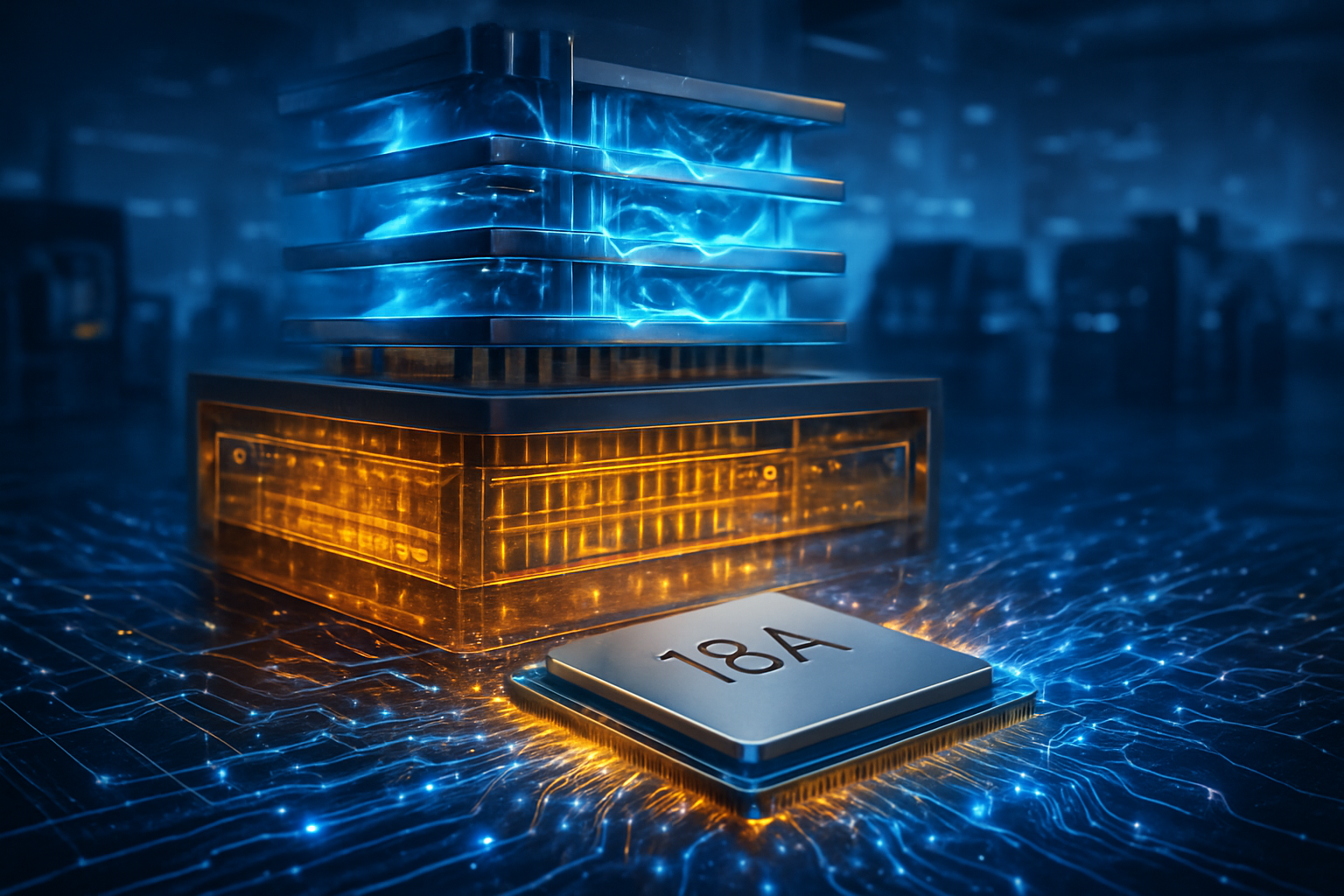
    The semiconductor industry has officially entered a new epoch. As of January 1, 2026, the transition from traditional transistor layouts to the "Angstrom Era" is no longer a roadmap projection but a physical reality. At the heart of this shift is Intel Corporation (Nasdaq: INTC) and its 18A process node, which has successfully integrated Backside Power Delivery (branded as PowerVia) into high-volume manufacturing. This architectural pivot represents the most significant change to chip design since the introduction of FinFET transistors over a decade ago, fundamentally altering how electricity reaches the billions of switches that power modern artificial intelligence.

    The immediate significance of this breakthrough cannot be overstated. By decoupling the power delivery network from the signal routing layers, Intel has effectively solved the "routing congestion" crisis that has plagued chip designers for years. As AI models grow exponentially in complexity, the hardware required to run them—GPUs, NPUs, and specialized accelerators—demands unprecedented current densities and signal speeds. The successful deployment of 18A provides a critical performance-per-watt advantage that is already reshaping the competitive landscape for data center infrastructure and edge AI devices.

    The Technical Architecture of PowerVia: Flipping the Script on Silicon

    For decades, microchips were built like a house where the plumbing and electrical wiring were all crammed into the same narrow crawlspace as the data cables. In traditional "front-side" power delivery, both power and signal wires are layered on top of the transistors. As transistors shrunk, these wires became so densely packed that they interfered with one another, leading to electrical resistance and "IR drop"—a phenomenon where voltage decreases as it travels through the chip. Intel’s PowerVia solves this by moving the entire power distribution network to the back of the silicon wafer. Using "Nano-TSVs" (Through-Silicon Vias), power is delivered vertically from the bottom, while the front-side metal layers are dedicated exclusively to signal routing.

    This separation provides a dual benefit: it eliminates the "spaghetti" of wires that causes signal interference and allows for significantly thicker, less resistive power rails on the backside. Technical specifications from the 18A node indicate a 30% reduction in IR drop, ensuring that transistors receive a stable, consistent voltage even under the massive computational loads required for Large Language Model (LLM) training. Furthermore, because the front side is no longer cluttered with power lines, Intel has achieved a cell utilization rate of over 90%, allowing for a logic density improvement of approximately 30% compared to previous generation nodes like Intel 3.

    Initial reactions from the semiconductor research community have been overwhelmingly positive, with experts noting that Intel has successfully executed a "once-in-a-generation" manufacturing feat. While rivals like Taiwan Semiconductor Manufacturing Co. (NYSE: TSM) and Samsung Electronics (OTC: SSNLF) are working on their own versions of backside power—TSMC’s "Super PowerRail" on its A16 node—Intel’s early lead in high-volume manufacturing gives it a rare technical "sovereignty" in the sub-2nm space. The 18A node’s ability to deliver a 6% frequency gain at iso-power, or up to a 40% reduction in power consumption at lower voltages, sets a new benchmark for the industry.

    Strategic Shifts: Intel’s Foundry Resurgence and the AI Arms Race

    The successful ramp of 18A at Fab 52 in Arizona has profound implications for the global foundry market. For years, Intel struggled to catch up to TSMC’s manufacturing lead, but PowerVia has provided the company with a unique selling proposition for its Intel Foundry services. Major tech giants are already voting with their capital; Microsoft (Nasdaq: MSFT) has confirmed that its next-generation Maia 3 (Griffin) AI accelerators are being built on the 18A node to take advantage of its efficiency gains. Similarly, Amazon (Nasdaq: AMZN) and NVIDIA (Nasdaq: NVDA) are reportedly sampling 18A-P (Performance) silicon for future data center products.

    This development disrupts the existing hierarchy of the AI chip market. By being the first to market with backside power, Intel is positioning itself as the primary alternative to TSMC for high-end AI silicon. For startups and smaller AI labs, the increased efficiency of 18A-based chips means lower operational costs for inference and training. The strategic advantage here is clear: companies that can migrate their designs to 18A early will benefit from higher clock speeds and lower thermal envelopes, potentially allowing for more compact and powerful AI hardware in both the data center and consumer "AI PCs."

    Scaling Moore’s Law in the Era of Generative AI

    Beyond the immediate corporate rivalries, the arrival of PowerVia and the 18A node represents a critical milestone in the broader AI landscape. We are currently in a period where the demand for compute is outstripping the historical gains of Moore’s Law. Backside power delivery is one of the "miracle" technologies required to keep the industry on its scaling trajectory. By solving the power delivery bottleneck, 18A allows for the creation of chips that can handle the massive "burst" currents required by generative AI models without overheating or suffering from signal degradation.

    However, this advancement does not come without concerns. The complexity of manufacturing backside power networks is immense, requiring precision wafer bonding and thinning processes that are prone to yield issues. While Intel has reported yields in the 60-70% range for early 18A production, maintaining these levels as they scale to millions of units will be a significant challenge. Comparisons are already being made to the industry's transition from planar to FinFET transistors in 2011; just as FinFET enabled the mobile revolution, PowerVia is expected to be the foundational technology for the "AI Everywhere" era.

    The Road to 14A and the Future of 3D Integration

    Looking ahead, the 18A node is just the beginning of a broader roadmap toward 3D silicon integration. Intel has already teased its 14A node, which is expected to further refine PowerVia technology and introduce High-NA EUV (Extreme Ultraviolet) lithography at scale. Near-term developments will likely focus on "complementary FETs" (CFETs), where n-type and p-type transistors are stacked on top of each other, further increasing density. When combined with backside power, CFETs could lead to a 50% reduction in chip area, allowing for even more powerful AI cores in the same physical footprint.

    The long-term potential for these technologies extends into the realm of "system-on-wafer" designs, where entire wafers are treated as a single, interconnected compute fabric. The primary challenge moving forward will be thermal management; as chips become denser and power is delivered from the back, traditional cooling methods may reach their limits. Experts predict that the next five years will see a surge in liquid-to-chip cooling solutions and new thermal interface materials designed specifically for backside-powered architectures.

    A Decisive Moment for Silicon Sovereignty

    In summary, the launch of Intel 18A with PowerVia marks a decisive victory for Intel’s turnaround strategy and a pivotal moment for the technology industry. By being the first to successfully implement backside power delivery in high-volume manufacturing, Intel has reclaimed a seat at the leading edge of semiconductor physics. The key takeaways are clear: 18A offers a substantial leap in efficiency and performance, it has already secured major AI customers like Microsoft, and it sets the stage for the next decade of silicon scaling.

    This development is significant not just for its technical metrics, but for its role in sustaining the AI revolution. As we move further into 2026, the industry will be watching closely to see how TSMC responds with its A16 node and how quickly Intel can scale its Arizona and Ohio fabs to meet the insatiable demand for AI compute. For now, the "Angstrom Era" is here, and it is being powered from the back.


    This content is intended for informational purposes only and represents analysis of current AI developments.

    TokenRing AI delivers enterprise-grade solutions for multi-agent AI workflow orchestration, AI-powered development tools, and seamless remote collaboration platforms.
    For more information, visit https://www.tokenring.ai/.
  • Silicon Sovereignty: Apple Taps Intel’s 18A for Future Mac and iPad Chips in Landmark “Made in America” Shift

    Silicon Sovereignty: Apple Taps Intel’s 18A for Future Mac and iPad Chips in Landmark “Made in America” Shift

    In a move that signals a seismic shift in the global semiconductor landscape, Apple (NASDAQ: AAPL) has officially qualified Intel’s (NASDAQ: INTC) 1.8nm-class process node, known as 18A, for its next generation of entry-level M-series chips. This breakthrough, confirmed by late-2025 industry surveys and supply chain analysis, marks the first time in over half a decade that Apple has looked beyond TSMC (NYSE: TSM) for its leading-edge silicon needs. Starting in 2027, the processors powering the MacBook Air and iPad Pro are expected to be manufactured domestically, bringing "Apple Silicon: Made in America" from a political aspiration to a commercial reality.

    The immediate significance of this partnership cannot be overstated. For Intel, securing Apple as a foundry customer is the ultimate validation of its "IDM 2.0" strategy and its ambitious goal to reclaim process leadership. For Apple, the move provides a critical geopolitical hedge against the concentration of advanced manufacturing in Taiwan while diversifying its supply chain. As Intel’s Fab 52 in Arizona begins to ramp up for high-volume production, the tech industry is witnessing the birth of a genuine duopoly in advanced chip manufacturing, ending years of undisputed dominance by TSMC.

    Technical Breakthrough: The 18A Node, RibbonFET, and PowerVia

    The technical foundation of this partnership rests on Intel’s 18A node, specifically the performance-optimized 18AP variant. According to renowned supply chain analyst Ming-Chi Kuo, Apple has been working with Intel’s Process Design Kit (PDK) version 0.9.1GA, with simulations showing that the 18A architecture meets Apple’s stringent requirements for power efficiency and thermal management. The 18A process is Intel’s first to fully integrate two revolutionary technologies: RibbonFET and PowerVia. These represent the most significant architectural change in transistor design since the introduction of FinFET over a decade ago.

    RibbonFET is Intel’s implementation of Gate-All-Around (GAA) transistor architecture. Unlike the previous FinFET design, where the gate sits on three sides of the channel, RibbonFET wraps the gate entirely around the silicon "ribbons." This provides superior electrostatic control, drastically reducing current leakage—a vital factor for the thin, fanless designs of the MacBook Air and iPad Pro. By minimizing leakage, Apple can drive higher performance at lower voltages, extending battery life while maintaining the "cool and quiet" user experience that has defined the M-series era.

    Complementing RibbonFET is PowerVia, Intel’s industry-leading backside power delivery solution. In traditional chip design, power and signal lines are bundled together on the front of the wafer, leading to "routing congestion" and voltage drops. PowerVia moves the power delivery network to the back of the silicon wafer, separating it from the signal wires. This decoupling eliminates the "IR drop" (voltage loss), allowing the chip to operate more efficiently. Technical specifications suggest that PowerVia alone contributes to a 30% increase in transistor density, as it frees up significant space on the front side of the chip for more logic.

    Initial reactions from the semiconductor research community have been overwhelmingly positive, though cautious regarding yields. While TSMC’s 2nm (N2) node remains a formidable competitor, Intel’s early lead in implementing backside power delivery has given it a temporary technical edge. Industry experts note that by qualifying the 18AP variant, Apple is targeting a 15-20% improvement in performance-per-watt over current 3nm designs, specifically optimized for the mobile System-on-Chip (SoC) workloads that define the iPad and entry-level Mac experience.

    Strategic Realignment: Diversifying Beyond TSMC

    The industry implications of Apple’s shift to Intel Foundry are profound, particularly for the competitive balance between the United States and East Asia. For years, TSMC has enjoyed a near-monopoly on Apple’s high-end business, a relationship that has funded TSMC’s rapid advancement. By moving the high-volume MacBook Air and iPad Pro lines to Intel, Apple is effectively "dual-sourcing" its most critical components. This provides Apple with immense negotiating leverage and ensures that a single geopolitical or natural disaster in the Taiwan Strait cannot paralyze its entire product roadmap.

    Intel stands to benefit the most from this development, as Apple joins other "anchor" customers like Microsoft (NASDAQ: MSFT) and Amazon (NASDAQ: AMZN). Microsoft has already committed to using 18A for its Maia AI accelerators, and Amazon is co-developing an AI fabric chip on the same node. However, Apple’s qualification is the "gold standard" of validation. It signals to the rest of the industry that Intel’s foundry services are capable of meeting the world’s highest standards for volume, quality, and precision. This could trigger a wave of other fabless companies, such as NVIDIA (NASDAQ: NVDA) or Qualcomm (NASDAQ: QCOM), to reconsider Intel for their 2027 and 2028 product cycles.

    For TSMC, the loss of a portion of Apple’s business is a strategic blow, even if it remains the primary manufacturer for the iPhone’s A-series and the high-end M-series "Pro" and "Max" chips. TSMC currently holds over 70% of the foundry market share, but Intel’s aggressive roadmap and domestic manufacturing footprint are beginning to eat into that dominance. The market is shifting from a TSMC-centric world to one where "geographic diversity" is as important as "nanometer count."

    Startups and smaller AI labs may also see a trickle-down benefit. As Intel ramps up its 18A capacity at Fab 52 to meet Apple’s demand, the overall availability of advanced-node manufacturing in the U.S. will increase. This could lower the barrier to entry for domestic hardware startups that previously struggled to secure capacity at TSMC’s overbooked facilities. The presence of a world-class foundry on American soil simplifies logistics, reduces IP theft concerns, and aligns with the growing "Buy American" sentiment in the enterprise tech sector.

    Geopolitical Significance: The Arizona Fab and U.S. Sovereignty

    Beyond the corporate balance sheets, this breakthrough carries immense geopolitical weight. The "Apple Silicon: Made in America" initiative is a direct result of the CHIPS and Science Act, which provided the financial framework for Intel to build its $32 billion Fab 52 at the Ocotillo campus in Arizona. As of late 2025, Fab 52 is fully operational, representing the first facility in the United States capable of mass-producing 2nm-class silicon. This transition addresses a long-standing vulnerability in the U.S. tech ecosystem: the total reliance on overseas manufacturing for the "brains" of modern computing.

    This development fits into a broader trend of "technological sovereignism," where major powers are racing to secure their own semiconductor supply chains. The Apple-Intel partnership is a high-profile win for U.S. industrial policy. It demonstrates that with the right combination of government incentives and private-sector execution, the "center of gravity" for advanced manufacturing can be pulled back toward the West. This move is likely to be viewed by policymakers as a major milestone in national security, ensuring that the chips powering the next generation of personal and professional computing are shielded from international trade disputes.

    However, the shift is not without its concerns. Critics point out that Intel’s 18A yields, currently estimated in the 55% to 65% range, still trail TSMC’s mature processes. There is a risk that if Intel cannot stabilize these yields by the 2027 launch window, Apple could face supply shortages or higher costs. Furthermore, the bifurcation of Apple's supply chain—with some chips made in Arizona and others in Hsinchu—adds a new layer of complexity to its legendary logistics machine. Apple will have to manage two different sets of design rules and manufacturing tolerances for the same M-series family.

    Comparatively, this milestone is being likened to the 2005 "Apple-Intel" transition, when Steve Jobs announced that Macs would move from PowerPC to Intel processors. While that was a change in architecture, this is a change in the very fabric of how those architectures are realized. It represents the maturation of the "IDM 2.0" vision, proving that Intel can compete as a service provider to its former rivals, and that Apple is willing to prioritize supply chain resilience over a decade-long partnership with TSMC.

    The Road to 2027 and Beyond: 14A and High-NA EUV

    Looking ahead, the 18A breakthrough is just the beginning of a multi-year roadmap. Intel is already looking toward its 14A (1.4nm) node, which is slated for risk production in 2027 and mass production in 2028. The 14A node will be the first to utilize "High-NA" EUV (Extreme Ultraviolet) lithography at scale, a technology that promises even greater precision and density. If Intel successfully executes the 18A ramp for Apple, it is highly likely that more of Apple’s portfolio—including the flagship iPhone chips—could migrate to Intel’s 14A or future "PowerDirect" enabled nodes.

    Experts predict that the next major challenge will be the integration of advanced packaging. As chips become more complex, the way they are stacked and connected (using technologies like Intel’s Foveros) will become as important as the transistors themselves. We expect to see Apple and Intel collaborate on custom packaging solutions in Arizona, potentially creating "chiplet" designs for future M-series Ultra processors that combine Intel-made logic with memory and I/O from other domestic suppliers.

    The near-term focus will remain on the release of PDK 1.0 and 1.1 in early 2026. These finalized design rules will allow Apple to "tape out" the final designs for the 2027 MacBook Air. If these milestones are met without delay, it will confirm that Intel has truly returned to the "Tick-Tock" cadence of execution that once made it the undisputed king of the silicon world. The tech industry will be watching the yield reports from Fab 52 closely over the next 18 months as the true test of this partnership begins.

    Conclusion: A New Era for Global Silicon

    The qualification of Intel’s 18A node by Apple marks a turning point in the history of computing. It represents the successful convergence of advanced materials science, aggressive industrial policy, and strategic corporate pivoting. For Intel, it is a hard-won victory that justifies years of massive investment and structural reorganization. For Apple, it is a masterful move that secures its future against global instability while continuing to push the boundaries of what is possible in portable silicon.

    The key takeaways are clear: the era of TSMC’s total dominance is ending, and the era of domestic, advanced-node manufacturing has begun. The technical advantages of RibbonFET and PowerVia will soon be in the hands of millions of consumers, powering the next generation of AI-capable Macs and iPads. As we move toward 2027, the success of this partnership will be measured not just in gigahertz or battery life, but in the stability and sovereignty of the global tech supply chain.

    In the coming months, keep a close eye on Intel’s quarterly yield updates and any further customer announcements for the 18A and 14A nodes. The "silicon race" has entered a new, more competitive chapter, and for the first time in a long time, the most advanced chips in the world will once again bear the mark: "Made in the USA."


    This content is intended for informational purposes only and represents analysis of current AI and semiconductor developments.

    TokenRing AI delivers enterprise-grade solutions for multi-agent AI workflow orchestration, AI-powered development tools, and seamless remote collaboration platforms.
    For more information, visit https://www.tokenring.ai/.
  • The Backside Revolution: How PowerVia Propels Intel into the Lead of the AI Silicon Race

    The Backside Revolution: How PowerVia Propels Intel into the Lead of the AI Silicon Race

    As the calendar turns to late 2025, the semiconductor industry is witnessing its most profound architectural shift in over a decade. The arrival of Backside Power Delivery (BSPD), spearheaded by Intel Corporation (NASDAQ: INTC) and its proprietary PowerVia technology, has fundamentally altered the physics of chip design. By physically separating power delivery from signal routing, Intel has solved a decade-long "traffic jam" on the silicon wafer, providing a critical performance boost just as the demand for generative AI reaches its zenith.

    This breakthrough is not merely an incremental improvement; it is a total reimagining of how electricity reaches the billions of transistors that power modern AI models. While traditional chips struggle with electrical interference and "voltage drop" as they shrink, PowerVia allows for more efficient power distribution, higher clock speeds, and significantly denser logic. For Intel, this represents a pivotal moment in its "five nodes in four years" strategy, potentially reclaiming the manufacturing crown from long-time rival Taiwan Semiconductor Manufacturing Company (NYSE: TSM).

    Unclogging the Silicon Arteries: The PowerVia Advantage

    For nearly fifty years, chips have been built like a layer cake, with transistors at the bottom and all the wiring—both for data signals and power—layered on top. As transistors shrank to the "Angstrom" scale, these wires became so crowded that they began to interfere with one another. Power lines, which are relatively bulky, would block the path of delicate signal wires, leading to a phenomenon known as "crosstalk" and causing significant voltage drops (IR drop) as electricity struggled to navigate the maze. Intel’s PowerVia solves this by moving the entire power delivery network to the "backside" of the silicon wafer, leaving the "front side" exclusively for data signals.

    Technically, PowerVia achieves this through the use of nano-Through Silicon Vias (nTSVs). These are microscopic vertical tunnels that pass directly through the silicon substrate to connect the backside power layers to the transistors. This approach eliminates the need for power to travel through 10 to 20 layers of metal on the front side. By shortening the path to the transistor, Intel has successfully reduced IR drop by nearly 30%, allowing transistors to switch faster and more reliably. Initial data from Intel’s 18A node, currently in high-volume manufacturing, shows frequency gains of up to 6% at the same power level compared to traditional front-side designs.

    Beyond speed, the removal of power lines from the front side has unlocked a massive amount of "real estate" for logic. Chip designers can now pack transistors much closer together, achieving density improvements of up to 30%. This is a game-changer for AI accelerators, which require massive amounts of logic and memory to process large language models. The industry response has been one of cautious optimism followed by rapid adoption, as experts recognize that BSPD is no longer a luxury, but a necessity for the next generation of high-performance computing.

    A Two-Year Head Start: Intel 18A vs. TSMC A16

    The competitive landscape of late 2025 is defined by a rare "first-mover" advantage for Intel. While Intel’s 18A node is already powering the latest "Panther Lake" consumer chips and "Clearwater Forest" server processors, TSMC is still in the preparation phase for its own BSPD implementation. TSMC has opted to skip a basic backside delivery on its 2nm node, choosing instead to debut an even more advanced version, called Super PowerRail, on its A16 (1.6nm) process. However, A16 is not expected to reach high-volume production until the second half of 2026, giving Intel a roughly 1.5 to 2-year lead in the commercial application of this technology.

    This lead has already begun to shift the strategic positioning of major AI chip designers. Companies that have traditionally relied solely on TSMC, such as NVIDIA Corporation (NASDAQ: NVDA) and Apple Inc. (NASDAQ: AAPL), are now closely monitoring Intel's foundry yields. Intel’s 18A yields are currently reported to be stabilizing between 60% and 70%, a healthy figure for a node of this complexity. The pressure is now on TSMC to prove that its Super PowerRail—which connects power directly to the transistor’s source and drain rather than using Intel's nTSV method—will offer superior efficiency that justifies the wait.

    For the market, this creates a fascinating dynamic. Intel is using its manufacturing lead to lure high-profile foundry customers who are desperate for the power efficiency gains that BSPD provides. Microsoft Corporation (NASDAQ: MSFT) and Amazon.com, Inc. (NASDAQ: AMZN) have already signed on to use Intel’s advanced nodes for their custom AI silicon, such as the Maia 2 and Trainium 2 chips. This disruption to the existing foundry hierarchy could lead to a more diversified supply chain, reducing the industry's heavy reliance on a single geographic region for the world's most advanced chips.

    Powering the AI Infrastructure: Efficiency at Scale

    The wider significance of Backside Power Delivery cannot be overstated in the context of the global AI energy crisis. As data centers consume an ever-increasing share of the world’s electricity, the 15-20% performance-per-watt improvement offered by PowerVia is a critical sustainability tool. For hyperscale cloud providers, a 20% reduction in power consumption translates to hundreds of millions of dollars saved in cooling costs and electricity bills. BSPD is effectively "free performance" that helps mitigate the thermal throttling issues that have plagued high-wattage AI chips like NVIDIA's Blackwell series.

    Furthermore, BSPD enables a new era of "computational density." By clearing the front-side metal layers, engineers can more easily integrate High Bandwidth Memory (HBM) and implement complex chiplet architectures. This allows for larger logic dies on the same interposer, as the power delivery no longer clutters the high-speed interconnects required for chip-to-chip communication. This fits into the broader trend of "system-level" scaling, where the entire package, rather than just the individual transistor, is optimized for AI workloads.

    However, the transition to BSPD is not without its concerns. The manufacturing process is significantly more complex, requiring advanced wafer bonding and thinning techniques that increase the risk of defects. There are also long-term reliability questions regarding the thermal management of the backside power layers, which are now physically closer to the silicon substrate. Despite these challenges, the consensus among AI researchers is that the benefits far outweigh the risks, marking this as a milestone comparable to the introduction of FinFET transistors in the early 2010s.

    The Road to Sub-1nm: What Lies Ahead

    Looking toward 2026 and beyond, the industry is already eyeing the next evolution of power delivery. While Intel’s PowerVia and TSMC’s Super PowerRail are the current gold standard, research is already underway for "direct-to-gate" power delivery, which could further reduce resistance. We expect to see Intel refine its 18A process into "14A" by 2027, potentially introducing even more aggressive backside routing. Meanwhile, TSMC’s A16 will likely be the foundation for the first sub-1nm chips, where BSPD will be an absolute requirement for the transistors to function at all.

    The potential applications for this technology extend beyond the data center. As AI becomes more prevalent in "edge" devices, the power savings of BSPD will enable more sophisticated on-device AI for smartphones and wearable tech without sacrificing battery life. Experts predict that by 2028, every flagship processor in the world—from laptops to autonomous vehicles—will utilize some form of backside power delivery. The challenge for the next three years will be scaling these complex manufacturing processes to meet the insatiable global demand for silicon.

    A New Era of Silicon Sovereignty

    In summary, Backside Power Delivery represents a total architectural pivot that has arrived just in time to sustain the AI revolution. Intel’s PowerVia has provided the company with a much-needed technical edge, proving that its aggressive manufacturing roadmap was more than just marketing rhetoric. By being the first to market with 18A, Intel has forced the rest of the industry to accelerate their timelines, ultimately benefiting the entire ecosystem with more efficient and powerful hardware.

    As we look ahead to the coming months, the focus will shift from technical "proofs of concept" to high-volume execution. Watch for Intel's quarterly earnings reports and foundry updates to see if they can maintain their yield targets, and keep a close eye on TSMC’s A16 risk production milestones in early 2026. This is a marathon, not a sprint, but for the first time in a decade, the lead runner has changed, and the stakes for the future of AI have never been higher.


    This content is intended for informational purposes only and represents analysis of current AI developments.

    TokenRing AI delivers enterprise-grade solutions for multi-agent AI workflow orchestration, AI-powered development tools, and seamless remote collaboration platforms.
    For more information, visit https://www.tokenring.ai/.
  • Intel Reclaims the Silicon Throne: 18A Process Enters High-Volume Manufacturing

    Intel Reclaims the Silicon Throne: 18A Process Enters High-Volume Manufacturing

    In a definitive moment for the global semiconductor industry, Intel Corporation (NASDAQ: INTC) officially announced on December 19, 2025, that its cutting-edge 18A (1.8nm-class) process node has entered High-Volume Manufacturing (HVM). This milestone, achieved at the company’s flagship Fab 52 facility in Chandler, Arizona, represents the successful culmination of the "Five Nodes in Four Years" (5N4Y) roadmap—a daring strategy once viewed with skepticism by industry analysts. The transition to HVM signals that Intel has finally stabilized yields and is ready to challenge the dominance of Asian foundry giants.

    The launch is headlined by the first retail shipments of "Panther Lake" processors, branded as the Core Ultra 300 series. These chips, which power a new generation of AI-native laptops from partners like Dell and HP, serve as the primary vehicle for Intel’s most advanced transistor technologies to date. By hitting this production target before the close of 2025, Intel has not only met its internal deadlines but has also leapfrogged competitors in key architectural innovations, most notably in power delivery and transistor structure.

    The Architecture of Dominance: RibbonFET and PowerVia

    The technical backbone of the 18A node rests on two revolutionary technologies: RibbonFET and PowerVia. RibbonFET is Intel’s implementation of Gate-All-Around (GAA) transistor architecture, which replaces the long-standing FinFET design. By surrounding the conducting channel on all four sides with the gate, RibbonFET provides superior electrostatic control, drastically reducing power leakage while increasing switching speeds. This allows for higher performance at lower voltages, a critical requirement for the thermally constrained environments of modern laptops and high-density data centers.

    However, the true "secret sauce" of 18A is PowerVia, Intel’s proprietary backside power delivery system. Traditionally, power and signal lines are bundled together on the front of a silicon wafer, leading to "routing congestion" and voltage drops. PowerVia moves the power delivery network to the back of the wafer, separating it entirely from the signal lines. Technical data released during the HVM launch indicates that PowerVia reduces IR (voltage) droop by approximately 10% and enables a 6% to 10% frequency gain. Furthermore, by freeing up space on the front side, Intel has achieved a 30% increase in transistor density over its previous Intel 3 node, reaching an estimated 238 million transistors per square millimeter (MTr/mm²).

    Initial reactions from the semiconductor research community have been overwhelmingly positive. Analysts note that while Taiwan Semiconductor Manufacturing Company (NYSE: TSM) still maintains a slight lead in raw transistor density with its N2 node, TSMC’s implementation of backside power is not expected until the N2P or A16 nodes in late 2026. This gives Intel a temporary but significant technical advantage in power efficiency—a metric that has become the primary battleground in the AI era.

    Reshaping the Foundry Landscape

    The move to HVM for 18A is more than a technical victory; it is a strategic earthquake for the foundry market. Under the leadership of CEO Lip-Bu Tan, who took the helm in early 2025, Intel Foundry has been spun off into an independent subsidiary, a move that has successfully courted major tech giants. Microsoft (NASDAQ: MSFT) and Amazon (NASDAQ: AMZN) have already emerged as anchor customers, with Microsoft reportedly utilizing 18A for its "Maia 2" AI accelerators. Perhaps most surprisingly, NVIDIA (NASDAQ: NVDA) finalized a $5 billion strategic investment in Intel late this year, signaling a collaborative shift where the two companies are co-developing custom x86 CPUs for data center applications.

    For years, the industry was a duopoly between TSMC and Samsung Electronics (KRX: 005930). However, Intel’s 18A yields—now stabilized between 60% and 65%—have allowed it to overtake Samsung, whose 2nm-class SF2 process has reportedly struggled with yield bottlenecks near the 40% mark. This positioning makes Intel the clear secondary alternative to TSMC for high-performance silicon. Even Apple (NASDAQ: AAPL), which has historically been exclusive to TSMC for its flagship chips, is reportedly evaluating Intel 18A for its lower-tier Mac and iPad silicon starting in 2027 to diversify its supply chain and mitigate geopolitical risks.

    AI Integration and the Broader Silicon Landscape

    The broader significance of the 18A launch lies in its optimization for Artificial Intelligence. The lead product, Panther Lake, features a next-generation Neural Processing Unit (NPU) capable of over 100 TOPS (Trillions of Operations Per Second). This is specifically architected to handle local generative AI workloads, such as real-time language translation and on-device image generation, without relying on cloud resources. The inclusion of the Xe3 "Celestial" graphics architecture further bolsters this, delivering a 50% improvement in integrated GPU performance over previous generations.

    In the context of the global AI race, 18A provides the hardware foundation necessary for the next leap in "Agentic AI"—autonomous systems that require massive local compute power. This milestone echoes the historical significance of the move to 45nm and High-K Metal Gate technology in 2007, which cemented Intel's dominance for a decade. By successfully navigating the transition to GAA and backside power simultaneously, Intel has proven that the "IDM 2.0" strategy was not just a survival plan, but a roadmap to regaining industry leadership.

    The Road to 14A and Beyond

    Looking ahead, the HVM status of 18A is just the beginning. Intel has already begun installing "High-NA" (High Numerical Aperture) EUV lithography machines from ASML Holding (NASDAQ: ASML) for its upcoming 14A node. Near-term developments include the broad global launch of Panther Lake at CES 2026 and the ramp-up of "Clearwater Forest," a high-core-count server chip designed for the world’s largest data centers.

    Experts predict that the next challenge will be scaling these innovations to the "Angstrom Era" (10A and beyond). While the 18A node has solved the immediate yield crisis, maintaining this momentum will require constant refinement of the High-NA EUV process and further advancements in 3D chip stacking (Foveros Direct). The industry will be watching closely to see if Intel can maintain its yield improvements as it moves toward 14A in 2027.

    Conclusion: A New Chapter for Intel

    The official launch of Intel 18A into high-volume manufacturing marks the most significant turnaround in the company's 57-year history. By successfully delivering RibbonFET and PowerVia, Intel has reclaimed its position at the leading edge of semiconductor manufacturing. The key takeaways are clear: Intel is no longer just a chipmaker, but a world-class foundry capable of serving the most demanding AI and hyperscale customers.

    In the coming months, the focus will shift from manufacturing capability to market adoption. As Panther Lake laptops hit the shelves and Microsoft’s 18A-based AI chips enter the data center, the real-world performance of this silicon will be the ultimate test. For now, the "Silicon Throne" is once again a contested seat, and the competition between Intel and TSMC promises to drive an unprecedented era of innovation in AI hardware.


    This content is intended for informational purposes only and represents analysis of current AI developments.

    TokenRing AI delivers enterprise-grade solutions for multi-agent AI workflow orchestration, AI-powered development tools, and seamless remote collaboration platforms.
    For more information, visit https://www.tokenring.ai/.

  • Intel’s Audacious Comeback: Pat Gelsinger’s “Five Nodes in Four Years” Reshapes the Semiconductor and AI Landscape

    Intel’s Audacious Comeback: Pat Gelsinger’s “Five Nodes in Four Years” Reshapes the Semiconductor and AI Landscape

    In a bold move to reclaim its lost glory and reassert leadership in semiconductor manufacturing, Intel (NASDAQ: INTC) CEO Pat Gelsinger, who led the charge until late 2024 before being succeeded by Lip-Bu Tan in early 2025, initiated an unprecedented "five nodes in four years" strategy in July 2021. This aggressive roadmap aimed to deliver five distinct process technologies—Intel 7, Intel 4, Intel 3, Intel 20A, and Intel 18A—between 2021 and 2025. This ambitious undertaking is not merely about manufacturing prowess; it's a high-stakes gamble with profound implications for Intel's competitiveness, the global semiconductor supply chain, and the accelerating development of artificial intelligence hardware. As of late 2025, the strategy appears largely on track, positioning Intel to potentially disrupt the foundry landscape and significantly influence the future of AI.

    The Gauntlet Thrown: A Deep Dive into Intel's Technological Leap

    Intel's "five nodes in four years" strategy represents a monumental acceleration in process technology development, a stark contrast to its previous struggles with the 10nm node. The roadmap began with Intel 7 (formerly 10nm Enhanced SuperFin), which is now in high-volume manufacturing, powering products like Alder Lake and Sapphire Rapids. This was followed by Intel 4 (formerly 7nm), marking Intel's crucial transition to Extreme Ultraviolet (EUV) lithography in high-volume production, now seen in Meteor Lake processors. Intel 3, a further refinement of EUV offering an 18% performance-per-watt improvement over Intel 4, became production-ready by the end of 2023, supporting products such as the Xeon 6 (Sierra Forest and Granite Rapids) processors.

    The true inflection points of this strategy are the "Angstrom era" nodes: Intel 20A and Intel 18A. Intel 20A, expected to be production-ready in the first half of 2024, introduces two groundbreaking technologies: RibbonFET, Intel's gate-all-around (GAA) transistor architecture, and PowerVia, a revolutionary backside power delivery network. RibbonFET aims to provide superior electrostatic control, reducing leakage and boosting performance, while PowerVia reroutes power to the backside of the wafer, optimizing signal integrity and reducing routing congestion on the frontside. Intel 18A, the culmination of the roadmap, anticipated to be production-ready in the second half of 2024 with volume shipments in late 2025 or early 2026, further refines these innovations. The simultaneous introduction of RibbonFET and PowerVia, a high-risk strategy, underscores Intel's determination to leapfrog competitors.

    This aggressive timeline and technological shift presented immense challenges. Intel's delayed adoption of EUV lithography put it behind rivals TSMC (NYSE: TSM) and Samsung (KRX: 005930), forcing it to catch up rapidly. Developing RibbonFETs involves intricate fabrication and precise material deposition, while PowerVia necessitates complex new wafer processing steps, including precise thinning and thermal management solutions. Manufacturing complexities and yield ramp-up are perennial concerns, with early reports (though disputed by Intel) suggesting low initial yields for 18A. However, Intel's commitment to these innovations, including being the first to implement backside power delivery in silicon, demonstrates its resolve. For its future Intel 14A node, Intel is also an early adopter of High-NA EUV lithography, further pushing the boundaries of chip manufacturing.

    Reshaping the Competitive Landscape: Implications for AI and Tech Giants

    The success of Intel's "five nodes in four years" strategy is pivotal for its own market competitiveness and has significant implications for AI companies, tech giants, and startups. For Intel, regaining process leadership means its internal product divisions—from client CPUs to data center Xeon processors and AI accelerators—can leverage cutting-edge manufacturing, potentially restoring its performance edge against rivals like AMD (NASDAQ: AMD). This strategy is a cornerstone of Intel Foundry (formerly Intel Foundry Services or IFS), which aims to become the world's second-largest foundry by 2030, offering a viable alternative to the current duopoly of TSMC and Samsung.

    Intel's early adoption of PowerVia in 20A and 18A, potentially a year ahead of TSMC's N2P node, could provide a critical performance and power efficiency advantage, particularly for AI workloads that demand intense power delivery. This has already attracted significant attention, with Microsoft (NASDAQ: MSFT) publicly announcing its commitment to building chips on Intel's 18A process, a major design win. Intel has also secured commitments from other large customers for 18A and is partnering with Arm Holdings (NASDAQ: ARM) to optimize its 18A process for Arm-based chip designs, opening doors to a vast market including smartphones and servers. The company's advanced packaging technologies, such as Foveros Direct 3D and EMIB, are also a significant draw, especially for complex AI designs that integrate various chiplets.

    For the broader tech industry, a successful Intel Foundry introduces a much-needed third leading-edge foundry option. This increased competition could enhance supply chain resilience, offer more favorable pricing, and provide greater flexibility for fabless chip designers, who are currently heavily reliant on TSMC. This diversification is particularly appealing in the current geopolitical climate, reducing reliance on concentrated manufacturing hubs. Companies developing AI hardware, from specialized accelerators to general-purpose CPUs for AI inference and training, stand to benefit from more diverse and potentially optimized manufacturing options, fostering innovation and potentially driving down hardware costs.

    Wider Significance: Intel's Strategy in the Broader AI Ecosystem

    Intel's ambitious manufacturing strategy extends far beyond silicon fabrication; it is deeply intertwined with the broader AI landscape and current technological trends. The ability to produce more transistors per square millimeter, coupled with innovations like RibbonFET and PowerVia, directly translates into more powerful and energy-efficient AI hardware. This is crucial for advancing AI accelerators, which are the backbone of modern AI training and inference. While NVIDIA (NASDAQ: NVDA) currently dominates this space, Intel's improved manufacturing could significantly enhance the competitiveness of its Gaudi line of AI chips and upcoming GPUs like Crescent Island, offering a viable alternative.

    For data center infrastructure, advanced process nodes enable higher-performance CPUs like Intel's Xeon 6, which are critical for AI head nodes and overall data center efficiency. By integrating AI capabilities directly into its processors and enhancing power delivery, Intel aims to enable AI without requiring entirely new infrastructure. In the realm of edge AI, the strategy underpins Intel's "AI Everywhere" vision. More advanced and efficient nodes will facilitate the creation of low-power, high-efficiency AI-enabled processors for devices ranging from autonomous vehicles to industrial IoT, enabling faster, localized AI processing and enhanced data privacy.

    However, the strategy also navigates significant concerns. The escalating costs of advanced chipmaking, with leading-edge fabs costing upwards of $15-20 billion, pose a barrier to entry and can lead to higher prices for advanced AI hardware. Geopolitical factors, particularly U.S.-China tensions, underscore the strategic importance of domestic manufacturing. Intel's investments in new fabs in Ireland, Germany, and Poland, alongside U.S. CHIPS Act funding, aim to build a more geographically balanced and resilient global semiconductor supply chain. While this can mitigate supply chain concentration risks, the reliance on a few key equipment suppliers like ASML (AMS: ASML) for EUV lithography remains.

    This strategic pivot by Intel can be compared to historical milestones that shaped AI. The invention of the transistor and the relentless pursuit of Moore's Law have been foundational for AI's growth. The rise of GPUs for parallel processing, championed by NVIDIA, fundamentally shifted AI development. Intel's current move is akin to challenging these established paradigms, aiming to reassert its role in extending Moore's Law and diversifying the foundry market, much like TSMC revolutionized the industry by specializing in manufacturing.

    Future Developments: What Lies Ahead for Intel and AI

    The near-term future will see Intel focused on the full ramp-up of Intel 18A, with products like the Clearwater Forest Xeon processor and Panther Lake client CPU expected to leverage this node. The successful execution of 18A is a critical proof point for Intel's renewed manufacturing prowess and its ability to attract and retain foundry customers. Beyond 18A, Intel has already outlined plans for Intel 14A, expected for risk production in late 2026, and Intel 10A in 2027, which will be the first to use High-NA EUV lithography. These subsequent nodes will continue to push the boundaries of transistor density and performance, crucial for the ever-increasing demands of AI.

    The potential applications and use cases on the horizon are vast. With more powerful and efficient chips, AI will become even more ubiquitous, powering advancements in generative AI, large language models, autonomous systems, and scientific computing. Improved AI accelerators will enable faster training of larger, more complex models, while enhanced edge AI capabilities will bring real-time intelligence to countless devices. Challenges remain, particularly in managing the immense costs of R&D and manufacturing, ensuring competitive yields, and navigating a complex geopolitical landscape. Experts predict that if Intel maintains its execution momentum, it could significantly alter the competitive dynamics of the semiconductor industry, fostering innovation and offering a much-needed alternative in advanced chip manufacturing.

    Comprehensive Wrap-Up: A New Chapter for Intel and AI

    Intel's "five nodes in four years" strategy, spearheaded by Pat Gelsinger and now continued under Lip-Bu Tan, marks a pivotal moment in the company's history and the broader technology sector. The key takeaway is Intel's aggressive and largely on-track execution of an unprecedented manufacturing roadmap, featuring critical innovations like EUV, RibbonFET, and PowerVia. This push is not just about regaining technical leadership but also about establishing Intel Foundry as a major player, offering a diversified and resilient supply chain alternative to the current foundry leaders.

    The significance of this development in AI history cannot be overstated. By potentially providing more competitive and diverse sources of cutting-edge silicon, Intel's strategy could accelerate AI innovation, reduce hardware costs, and mitigate risks associated with supply chain concentration. It represents a renewed commitment to Moore's Law, a foundational principle that has driven computing and AI for decades. The long-term impact could see a more balanced semiconductor industry, where Intel reclaims its position as a technological powerhouse and a significant enabler of the AI revolution.

    In the coming weeks and months, industry watchers will be closely monitoring the yield rates and volume production ramp of Intel 18A, the crucial node that will demonstrate Intel's ability to deliver on its ambitious promises. Design wins for Intel Foundry, particularly for high-profile AI chip customers, will also be a key indicator of success. Intel's journey is a testament to the relentless pursuit of innovation in the semiconductor world, a pursuit that will undoubtedly shape the future of artificial intelligence.


    This content is intended for informational purposes only and represents analysis of current AI developments.

    TokenRing AI delivers enterprise-grade solutions for multi-agent AI workflow orchestration, AI-powered development tools, and seamless remote collaboration platforms.
    For more information, visit https://www.tokenring.ai/.