
Tag: Precision Agriculture

  • Beyond the Hype: AI’s Quiet Revolution in Niche Sectors Reshapes Industries from Medicine to Agriculture

    Beyond the Hype: AI’s Quiet Revolution in Niche Sectors Reshapes Industries from Medicine to Agriculture

    Artificial intelligence, often spotlighted for its advancements in mainstream applications like conversational agents and autonomous vehicles, is quietly orchestrating a profound transformation across an array of specialized and niche domains. Far from the public eye, AI is demonstrating unparalleled versatility, solving complex, previously intractable problems and delivering significant impact in areas ranging from accelerated drug discovery to hyper-efficient precision agriculture. This burgeoning landscape of specialized AI applications is not merely incremental; it represents a fundamental shift in how industries operate, optimize resources, and innovate.

    The true power of AI is being unveiled in these less-publicized arenas, where its advanced analytical, predictive, and generative capabilities are tailored to specific, intricate challenges. From identifying novel molecular structures for life-saving drugs to optimizing global supply chains with unprecedented accuracy, these emerging applications underscore AI's potential for widespread societal and industrial transformation. They are redefining efficiency, sustainability, and discovery, proving that the most impactful AI breakthroughs often occur where human expertise meets algorithmic precision in highly focused fields.

    Unpacking the Technical Marvels: AI's Specialized Engines of Innovation

    The technical underpinnings of these niche AI applications reveal sophisticated models and methodologies tailored to specific domain challenges. In drug discovery and personalized medicine, AI algorithms, particularly those leveraging deep learning and generative AI, are revolutionizing the initial phases of pharmaceutical development. These systems can process vast chemical and biological datasets, identifying potential drug candidates and predicting their efficacy and toxicity with remarkable speed. Unlike traditional high-throughput screening, which relies on brute-force testing, AI can generate novel molecular structures and simulate their interactions with biological targets, drastically reducing the time from target identification to lead optimization from years to months. For instance, AI-driven pharmacogenomics analyzes individual genomic data to predict drug responses, moving beyond one-size-fits-all treatments to highly personalized therapeutic regimens, minimizing adverse effects and improving patient outcomes.

    Similarly, precision agriculture employs a fusion of AI, IoT, and remote sensing technologies to optimize every aspect of farming. AI models analyze real-time data from drones, satellite imagery, and ground sensors—including soil moisture, nutrient levels, and crop health—to create hyper-localized recommendations. This contrasts sharply with conventional farming practices that often apply uniform treatments across large fields. AI algorithms predict weather patterns and crop yields, enabling dynamic adjustments to irrigation, fertilization, and pest control. Automated and autonomous farming vehicles, guided by AI, execute tasks with centimeter-level precision, reducing resource consumption (e.g., 20-40% less fertilizer) and increasing yields (15-25% improvement) while minimizing environmental impact. This shift is from generalized agricultural practices to highly individualized, data-driven interventions for each plant or soil patch.

    In materials science and discovery, AI is accelerating the development of next-generation materials by navigating vast chemical design spaces more efficiently than human researchers ever could. Machine learning algorithms predict material properties based on their atomic structure and composition, simulating complex behaviors under various conditions without the need for extensive physical experimentation. This capability allows researchers to screen millions of potential compounds for desired characteristics—such as improved conductivity for solar cells or enhanced energy density for batteries—in days rather than years. Generative AI further pushes this boundary by proposing entirely new material compositions and synthesis pathways, fundamentally transforming how new materials are conceived and created, moving beyond iterative improvements to truly novel discoveries.

    Initial reactions from the scientific and industrial communities have been overwhelmingly positive, acknowledging the profound potential of these specialized AI applications to break through long-standing bottlenecks. Experts highlight the efficiency gains, cost reductions, and the ability to tackle problems of immense complexity that were previously deemed insurmountable. The move towards domain-specific AI is seen as a maturation of the field, demonstrating that AI's true value often lies not in generalized intelligence, but in its ability to master and optimize highly specialized tasks.

    A Shifting Landscape: Competitive Dynamics in Niche AI

    The emergence of AI in highly specialized domains is reshaping the competitive landscape for AI companies, established tech giants, and agile startups alike. This specialized application of AI is creating new avenues for growth and disruption, fostering a dynamic environment where deep domain expertise combined with cutting-edge AI capabilities dictates market leadership.

    In drug discovery and personalized medicine, a vibrant ecosystem of companies is leveraging AI to accelerate the notoriously slow and expensive process of bringing new therapies to market. Publicly traded firms like Schrödinger (NASDAQ: SDGR) stand out with their computational platform that merges physics-based modeling and machine learning for drug discovery. Recursion Pharmaceuticals (NASDAQ: RXRX), a clinical-stage TechBio company, employs sophisticated robotics and machine learning to industrialize drug discovery, notably backed by Nvidia (NASDAQ: NVDA) for its AI infrastructure. Other significant players include Exscientia (NASDAQ: EXAI), Relay Therapeutics (NASDAQ: RLAY), and Absci Corp. (NASDAQ: ABSI), all harnessing AI for various stages of drug and protein design. Pharmaceutical behemoths such as Pfizer (NYSE: PFE) and Novo Nordisk (NYSE: NVO) are also heavily investing in AI to streamline their R&D pipelines, often through strategic collaborations with AI specialists. Tech giants like Google (Alphabet – NASDAQ: GOOGL, GOOG), through DeepMind and Isomorphic Labs, are also making significant strides in this area, providing both AI expertise and computational power.

    Precision agriculture sees established equipment manufacturers integrating advanced AI solutions. John Deere (NYSE: DE), for instance, through its subsidiary Blue River Technology, offers "See & Spray" AI technology for targeted plant treatment, aiming for fully autonomous production systems. CNH Industrial (NYSE: CNHI) has acquired Raven Industries to bolster its autonomous farming platforms. Tech giants are also entering this space, with Google's "Mineral" project utilizing AI, sensors, and robotics for sustainable food production. These developments pose a direct challenge to traditional agricultural practices, promising significant reductions in input costs and environmental impact.

    In materials science, companies like Schrödinger (NASDAQ: SDGR) again play a crucial role, providing software that combines AI, molecular modeling, and simulation. Foundational AI infrastructure providers like NVIDIA (NASDAQ: NVDA), Microsoft (NASDAQ: MSFT), and IBM (NYSE: IBM) are indispensable, offering the high-performance computing and specialized AI tools necessary for advanced materials research. Startups like Citrine Informatics and Kebotix are also making waves by specializing in AI-driven materials discovery platforms.

    Environmental conservation sees major tech players integrating AI into their sustainability initiatives. Google (Alphabet – NASDAQ: GOOGL, GOOG) uses AI for urban forest management and biodiversity monitoring, while Microsoft (NASDAQ: MSFT) applies AI to protect ecosystems and monitor climate risks. IBM (NYSE: IBM) offers its Environmental Intelligence Suite, an AI-powered platform for forecasting and addressing climate impacts. Companies like Planet Labs (NYSE: PL) utilize satellite imagery and machine learning to monitor deforestation, providing critical data for conservation efforts. C3.ai (NYSE: AI) offers enterprise AI platforms for sustainability and emissions management.

    Finally, supply chain optimization is being revolutionized by AI-driven platforms from companies like Blue Yonder (now part of Microsoft), Kinaxis, and o9 Solutions. These firms provide integrated AI solutions for demand forecasting, inventory management, and logistics. Tech giants like Google Cloud (Alphabet – NASDAQ: GOOGL, GOOG), Oracle (NYSE: ORCL), and IBM (NYSE: IBM) are embedding AI into their SCM offerings, providing advanced analytics and automation across complex global networks.

    The competitive implications are profound: highly specialized AI startups can carve out lucrative niches by solving specific, complex problems, while tech giants often aim for comprehensive, integrated AI platforms. Data ownership and access to high-quality, proprietary datasets act as significant competitive moats. This dynamic environment is leading to accelerated innovation cycles, significant efficiency gains, and the emergence of new business models, such as "AI-as-a-service" and platform-based drug design. Companies that successfully integrate and leverage AI in these specialized domains are poised for substantial growth and market leadership, driving a significant disruption to traditional operational models across various industries.

    The Broader Tapestry: Niche AI's Societal Resonance and Looming Challenges

    The burgeoning landscape of niche AI applications represents a critical evolutionary phase in the broader artificial intelligence journey, moving beyond generalized aspirations to highly effective, specialized components that drive tangible innovation. This trend towards "vertical AI" or industry-specific models, fine-tuned for particular domains and their unique data, workflows, and compliance needs, stands in contrast to the "horizontal" AI of broad, general-purpose solutions. While large language models (LLMs) have captured headlines, the true impact of AI is increasingly realized in these focused applications, where specialized modules often outperform massive generalist LLMs due to their precise training on domain-specific data, yielding higher accuracy, resilience, and interpretability. This modular approach allows for the combination of specialists, each with narrow but deep expertise, to collectively achieve unprecedented outcomes.

    The societal and economic impacts are profound. Niche AI excels at automating routine tasks, significantly boosting operational efficiency and streamlining workflows across diverse industries. This frees human capital to focus on more strategic initiatives, fostering a shift towards AI-augmented workforces. The precision offered by these systems enables unparalleled personalization, from tailored medical treatments to highly specific agricultural interventions, enhancing outcomes and resource optimization. Economically, AI provides a substantial competitive advantage for businesses targeting specialized niches, allowing them to develop highly targeted solutions, build stronger customer relationships, and uncover untapped micro-markets, leading to increased profitability and market penetration in less competitive segments.

    However, the widespread adoption of niche AI also brings forth significant concerns. Data privacy remains paramount, as these systems often necessitate access to vast volumes of sensitive data, raising risks of exploitation, misuse, and breaches. Robust safeguards and stringent regulations are becoming increasingly critical. Ethical implications are another major area of scrutiny. AI systems trained on historical data can inadvertently embed and amplify societal biases, leading to discriminatory outcomes in critical areas such as hiring, lending, and healthcare. The "black box" nature of many deep learning algorithms also raises questions about algorithmic transparency and accountability, making it difficult to understand or rectify erroneous decisions, which erodes trust, particularly in high-stakes applications. Furthermore, the potential for job displacement due to automation is a persistent concern, though experts predict a transition rather than mass unemployment, with AI creating new job opportunities even as it reshapes existing roles. The misuse of AI for social manipulation, deepfakes, or cyberattacks also poses a growing threat.

    Comparing these developments to previous AI milestones reveals a significant leap. While early AI (1950s-1970s) focused on symbolic reasoning, and expert systems (1970s-1980s) relied on fixed rule bases, today's niche AI, powered by machine learning and deep learning, possesses the critical advantage of learning from data and continuously improving. Unlike the "programmed intelligence" of expert systems, modern niche AI demonstrates "learned intelligence," offering greater flexibility and adaptability within its specialized domain. This practical application in specific verticals is driving real-world value, demonstrating a maturation of the field from aspirational general intelligence to pragmatic, highly effective specialized intelligence.

    The Horizon Unfolds: Anticipating AI's Next Evolution in Specialized Domains

    The trajectory of emerging and niche AI applications points towards a future where specialized intelligence becomes an indispensable, pervasive force across all sectors. Experts predict a definitive shift from the pursuit of generalized AI to the widespread adoption of highly targeted solutions, leveraging AI's strengths in pattern recognition and optimization for specific industry challenges.

    In the near term (1-5 years), AI is expected to transition from a competitive advantage to mandatory business infrastructure. By 2030, global AI adoption is projected to be universal, with AI-native entrants disrupting most industries by 2026. This period will see an explosion of specialized generative AI, with the market projected to reach nearly $38 billion by 2025, driven by targeted applications rather than broad consumer-facing tools. We can anticipate enhanced edge AI capabilities, with advancements in FPGA platforms improving performance and reducing power consumption for on-device applications. The concept of "cognitive automation" will gain traction, offering "units of cognition" as a service, allowing businesses to "rent" AI for specific tasks in legal, customer service, and software engineering, thereby democratizing access to advanced AI capabilities.

    Looking into the long term (5+ years), AI is poised to become the "invisible operating system of the global economy" by 2030, with early adopters of niche AI systems dominating their respective industries. McKinsey research estimates AI's potential to add an astounding $4.4 trillion in productivity growth from corporate use cases. AI will serve as a foundational amplifier for other technological trends, accelerating progress in robotics, bioengineering, and sustainable energy systems. It will also make previously unprofitable niche markets viable for vertical SaaS solutions by significantly increasing customer value and reducing operational costs. While debates continue regarding the timeline for superintelligence, the focus for practical application will remain on these specialized, impactful AI systems.

    However, several significant challenges must be addressed for this future to fully materialize. Data quality and bias remain paramount concerns, as inaccurate or biased training data can lead to unreliable outputs and erode trust. The expertise gap in generative AI and skilled talent is a major hurdle, making hiring and retention challenging. Organizations also struggle with developing a clear financial justification for AI initiatives and integrating AI solutions with often outdated legacy IT systems, which can be a technical nightmare. Furthermore, robust privacy and security frameworks, along with comprehensive ethical and regulatory guidelines, are essential to manage the risks associated with processing sensitive data and the potential for AI-generated disinformation. Managing realistic expectations about AI's capabilities will also be crucial for successful adoption.

    Experts predict that the next phase of AI will be characterized by a continued emphasis on specialization over generalization. The economic restructuring driven by AI will continue to automate rote tasks, freeing humans for more complex, creative problem-solving. The debate on AI safety is expected to shift towards addressing the challenges of disinformation generated by "millions of 100 IQ bots" rather than hypothetical superintelligent machines. While some experts suggest a potential plateau in large language model progress, the overall pace of AI adoption is skyrocketing, necessitating continuous investment in research and development to maintain competitive advantage and drive innovations, particularly in areas like energy efficiency and product capabilities. The future will likely see a profound human-AI symbiosis, where human "non-doriness" – the unique elements of human intuition and nuanced data – remains critical for guiding and enhancing AI's specialized intelligence.

    A New Era of Specialized Intelligence: The Enduring Impact of Niche AI

    The emergence and rapid proliferation of niche AI applications mark a pivotal moment in the history of artificial intelligence. These specialized systems, operating beyond the well-trodden paths of mainstream AI, are not just incremental improvements; they represent a fundamental paradigm shift towards highly focused, domain-specific intelligence that delivers unprecedented efficiency, precision, and innovative capacity across a multitude of industries. From revolutionizing drug discovery and personalized medicine to optimizing global supply chains and enabling sustainable agriculture, AI's versatility is proving to be its most potent characteristic.

    The significance of this development cannot be overstated. It underscores a maturation of the AI field, moving from the broad, often abstract aspirations of general intelligence to the pragmatic, impactful deployment of learned intelligence in specific verticals. While concerns around data privacy, algorithmic bias, and job displacement necessitate careful ethical and regulatory oversight, the transformative potential for economic growth, scientific advancement, and societal well-being is immense. The competitive landscape is being reshaped by agile startups and established tech giants alike, all vying to harness the power of specialized AI.

    As we look to the coming weeks and months, the key takeaways are clear: expect continued rapid investment and innovation in vertical AI solutions. Watch for further breakthroughs in areas like AI-driven materials design and environmental monitoring, which promise to address some of humanity's most pressing challenges. The ongoing development of robust ethical frameworks and the cultivation of a skilled AI workforce will be crucial to navigate this evolving landscape successfully. The quiet revolution of niche AI is not just changing industries; it's redefining the very fabric of innovation, proving that sometimes, the most profound impacts come from the most precisely targeted intelligence.


    This content is intended for informational purposes only and represents analysis of current AI developments.

    TokenRing AI delivers enterprise-grade solutions for multi-agent AI workflow orchestration, AI-powered development tools, and seamless remote collaboration platforms.
    For more information, visit https://www.tokenring.ai/.
  • AI-Powered Agriculture: Revolutionizing the Future of Farming from the Field Up

    AI-Powered Agriculture: Revolutionizing the Future of Farming from the Field Up

    The agricultural sector is on the cusp of a profound transformation, driven by an influx of cutting-edge technological solutions emerging from industry leaders. Recent Organic Grower Summits have served as a critical showcase for these advancements, highlighting how artificial intelligence (AI), robotics, and precision agriculture are poised to revolutionize farming practices, enhance sustainability, and address long-standing challenges in food production. These innovations promise not only to optimize yields and reduce costs but also to significantly lessen the environmental footprint of agriculture, marking a new era for growers worldwide.

    The immediate significance of these developments lies in their potential to fundamentally alter how food is grown, particularly in the organic sector where sustainable and precise methods are paramount. By integrating sophisticated AI and robotic systems, farmers can achieve unprecedented levels of efficiency and accuracy, moving away from broad-spectrum interventions towards highly targeted, plant-level care. This shift is not merely an incremental improvement but a paradigm change, offering tangible benefits from increased profitability for growers to a healthier planet for all.

    Technical Deep Dive: Precision at the Plant Level

    At the forefront of this agricultural revolution are remarkable technical advancements that leverage AI and machine learning to perform tasks with unparalleled precision. Two standout examples from recent summits are Carbon Robotics' LaserWeeder and Niqo Robotics' Niqo Sense AI camera.

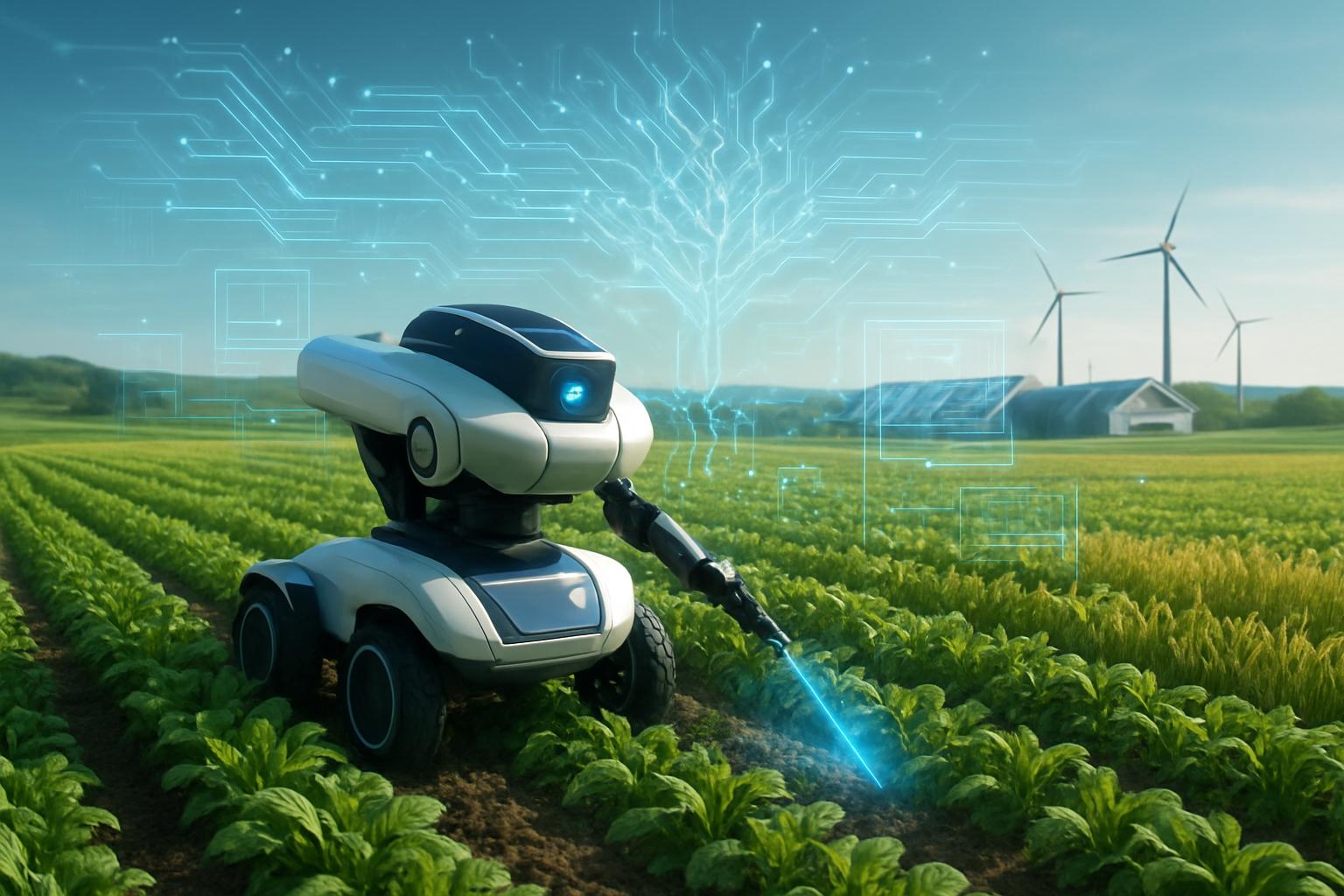
    Carbon Robotics has introduced its LaserWeeder technology, an AI-powered robotic system designed to autonomously identify and eliminate weeds using high-power lasers. The second-generation LaserWeeder G2, for instance, is equipped with 24 diode lasers and 36 high-resolution cameras, all managed by an onboard supercomputer. This sophisticated setup allows it to process up to 10,000 weeds per minute with sub-millimeter accuracy. The system employs advanced computer vision and deep learning algorithms to distinguish between crops and weeds, ensuring only unwanted plants are targeted. This approach drastically reduces the need for manual weeding, which is labor-intensive and costly, and minimizes the use of chemical herbicides, a significant benefit for organic farming and environmental health. Unlike traditional mechanical weeding, which can disturb soil and damage crops, or chemical spraying, which has ecological consequences, laser weeding offers a non-contact, highly selective, and environmentally benign solution. Initial reactions from the agricultural community have been overwhelmingly positive, with growers reporting substantial reductions in weed control costs and improved crop quality.

    Similarly, Niqo Robotics is making strides in precision spraying with its proprietary Niqo Sense AI camera. This technology enables spot spraying of agrochemicals—including pesticides, herbicides, fungicides, and liquid fertilizers—directly at the plant level. By precisely identifying individual plants and their needs, the Niqo Sense system ensures that chemicals are applied only where and when necessary, rather than broadcast across entire fields. This targeted application significantly reduces the overall volume of agrochemicals used, leading to substantial cost savings for farmers and a dramatic reduction in environmental pollution. This differs from previous approaches that relied on uniform application, often leading to chemical waste and runoff. Industry experts view this as a crucial step towards truly sustainable agriculture, allowing for effective pest and disease management with minimal ecological impact.

    Corporate Landscape: Beneficiaries and Competitive Edge

    These AI-driven agricultural solutions are poised to significantly impact a range of companies, from innovative startups to established agribusiness giants. Companies like Carbon Robotics and Niqo Robotics stand to benefit immensely, solidifying their positions as leaders in agricultural robotics and AI. Their proprietary technologies offer a significant competitive advantage, potentially disrupting traditional methods of weed control and crop protection.

    The competitive landscape for major AI labs and tech companies is also shifting. While these specific solutions are currently offered by specialized ag-tech firms, the underlying AI and machine learning capabilities represent a lucrative area for broader tech giants to invest in or acquire. Companies like Wilbur-Ellis Agribusiness, a prominent player in agricultural solutions, are already partnering with growers to deliver tailored solutions in water management, resistance management, and soil health, demonstrating their strategic focus on integrating advanced technologies and sustainable practices. Other notable companies exhibiting at summits, such as Monarch Tractor (focusing on electric, autonomous tractors) and IntelliCulture (providing sustainable innovations), are also well-positioned to capitalize on the growing demand for smart farming tools.

    These developments could potentially disrupt existing product lines for companies heavily invested in conventional agricultural machinery and chemical inputs, pushing them to innovate or risk losing market share. The strategic advantage lies with companies that can seamlessly integrate AI, robotics, and data analytics to offer comprehensive, sustainable, and efficient farming solutions. Market positioning will increasingly favor those who can provide verifiable environmental benefits alongside economic returns for growers.

    Wider Significance: A Shift Towards Intelligent Agriculture

    The emergence of these cutting-edge solutions fits perfectly into the broader AI landscape and the accelerating trend towards intelligent automation across industries. In agriculture, this translates to a profound shift towards precision agriculture and regenerative farming, where data-driven insights and automated systems guide decision-making and execution. These advancements are not isolated; they are part of a larger movement to optimize resource utilization, enhance biodiversity, and build more resilient food systems.

    The impacts are multi-faceted: economically, they offer growers a path to higher profitability through reduced input costs and improved yields; environmentally, they promise a significant reduction in chemical pollution, water consumption, and soil degradation. By enabling more efficient and sustainable practices, these technologies address critical global challenges such as food security and climate change. Potential concerns, however, include the initial capital investment required for these advanced systems, the need for robust connectivity in rural areas, and the potential for a widening digital divide among farmers. Comparisons to previous agricultural milestones, such as the Green Revolution, highlight the transformative potential of AI. While the Green Revolution focused on high-yield crop varieties and synthetic inputs, the AI revolution emphasizes intelligence, precision, and sustainability, aiming for a more harmonious relationship between agriculture and the environment.

    Future Developments: The Horizon of Autonomous Farms

    Looking ahead, the trajectory of agricultural AI suggests an exciting future. Near-term developments are likely to include further refinement of existing technologies, with robots becoming even more adept at complex tasks, and AI systems offering more granular and predictive insights. We can expect to see enhanced integration of various smart farming tools, creating holistic, interconnected farm management systems.

    On the horizon, potential applications and use cases are vast. Fully autonomous farms, where AI-powered robots handle everything from planting and monitoring to harvesting and pest control, are no longer science fiction. AI will play an increasingly critical role in climate-resilient agriculture, predicting weather patterns, optimizing irrigation schedules in response to drought, and identifying disease outbreaks before they become widespread. Challenges that need to be addressed include developing robust and affordable solutions for small and medium-sized farms, ensuring data privacy and security, and fostering a skilled workforce capable of operating and maintaining these advanced systems. Experts predict a future where agriculture is not just more efficient, but also more sustainable, adaptable, and responsive to global demands, with AI as the central nervous system of modern farming.

    Comprehensive Wrap-Up: A New Era for Food Production

    In summary, the cutting-edge AI and robotic solutions showcased by industry leaders at events like the Organic Grower Summit represent a pivotal moment in agricultural history. Key takeaways include the dramatic improvements in precision, efficiency, and sustainability offered by technologies such as AI-powered laser weeding and spot spraying. These developments are not just incremental improvements; they are foundational shifts that will redefine farming practices for decades to come.

    The significance of this development in AI history cannot be overstated. It demonstrates AI's practical application in a critical sector, moving beyond theoretical models to deliver tangible, real-world benefits. The long-term impact will likely include a more resilient food supply, reduced environmental harm, and increased economic viability for farmers, especially those committed to organic and sustainable methods. As we move forward, it will be crucial to watch for further integration of these technologies, the emergence of new AI-driven solutions, and how policymakers and industry stakeholders collaborate to ensure equitable access and training for all growers. The future of food production is becoming intelligently automated, precise, and profoundly sustainable.


    This content is intended for informational purposes only and represents analysis of current AI developments.

    TokenRing AI delivers enterprise-grade solutions for multi-agent AI workflow orchestration, AI-powered development tools, and seamless remote collaboration platforms.
    For more information, visit https://www.tokenring.ai/.
  • The Organic Revolution: AI and Robotics Forge a Sustainable Future for Organic Farming

    The Organic Revolution: AI and Robotics Forge a Sustainable Future for Organic Farming

    The agricultural landscape is on the cusp of a profound transformation, driven by the accelerating integration of Artificial Intelligence (AI) and robotics. This technological surge is particularly vital for organic farming, where the absence of synthetic chemicals necessitates innovative solutions for age-old challenges like weed control and labor intensity. The upcoming Organic Grower Summit (OGS) 2025, scheduled for December 3-4, 2025, in Monterey, California, is set to be a pivotal showcase for these cutting-edge advancements, demonstrating how intelligent machines are not only enhancing efficiency and sustainability but also redefining the very essence of organic cultivation.

    This summit will highlight a new era where precision, automation, and data-driven insights empower organic growers to achieve unprecedented levels of productivity and environmental stewardship. The immediate significance lies in the promise of overcoming persistent hurdles such as labor shortages and the meticulous demands of organic certification, making sustainable farming practices more scalable and economically viable than ever before.

    Technical Deep Dive: Precision Agriculture Takes Center Stage

    The heart of this agricultural revolution lies in the sophisticated technical capabilities of AI and robotics. Among the most prominent solutions expected at OGS 2025 are AI-powered weeding robots and precision spraying systems, which represent a radical departure from traditional farming methods.

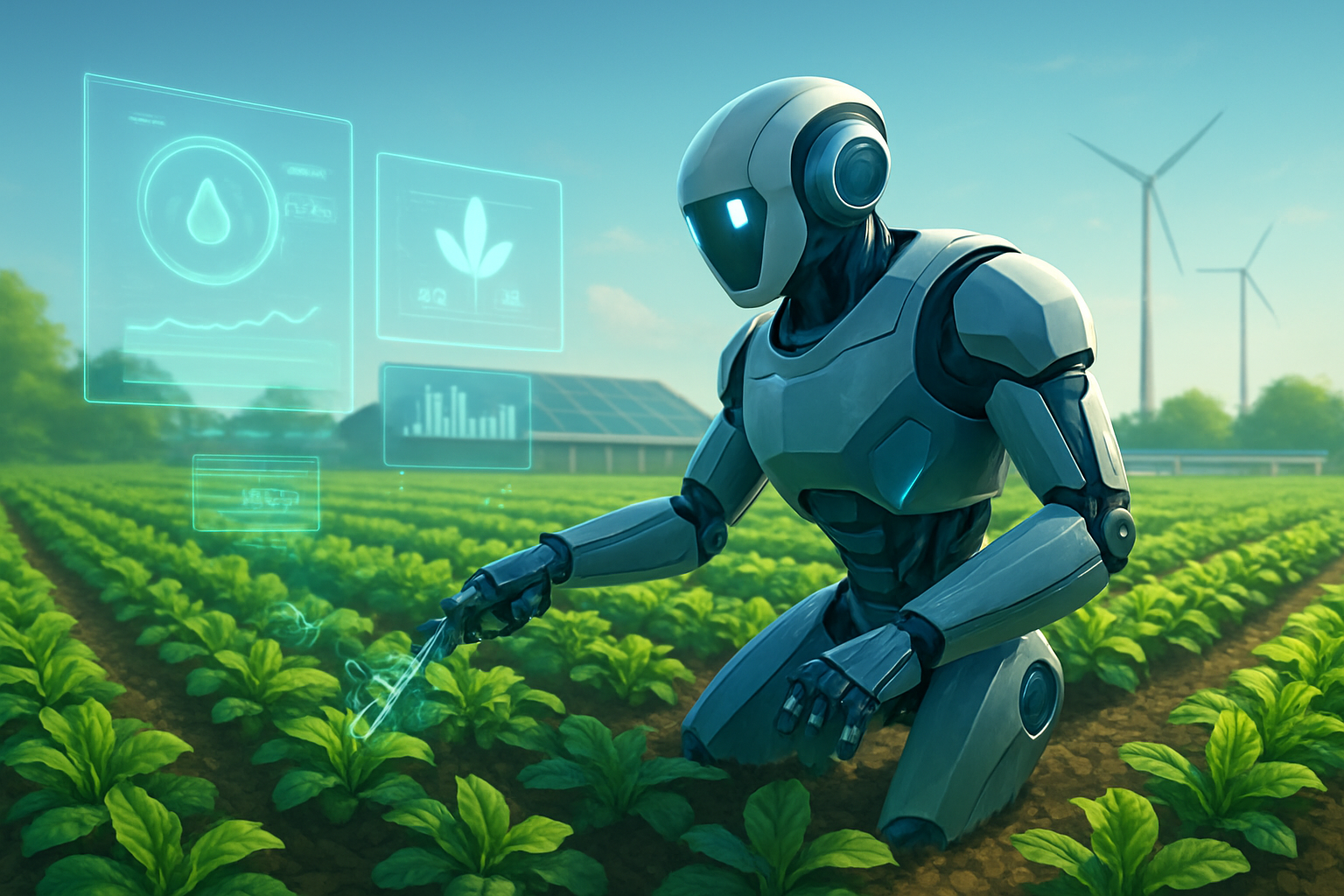
    Carbon Robotics' LaserWeeder, for instance, exemplifies the fusion of AI, computer vision, and laser technology. The second-generation LaserWeeder G2, available in modular configurations up to 40 feet, features 24 x 240W diode lasers and 36 high-resolution cameras, all powered by an onboard supercomputer with advanced deep-learning AI models. This system can identify and eliminate up to 10,000 weeds per minute with sub-millimeter accuracy, targeting the meristem using thermal energy. This is a stark contrast to manual weeding, which is labor-intensive and costly, or mechanical cultivation, which can disturb soil health. Crucially, the LaserWeeder offers a chemical-free, no-till solution, perfectly aligning with organic principles and significantly reducing herbicide use and soil disruption. Initial reactions from the agricultural community highlight enthusiasm for its efficiency and sustainability, with promises of up to 80% savings in weed management costs and a rapid return on investment.

    Similarly, Niqo Robotics' Niqo Sense AI camera system is transforming precision spraying. This technology retrofits onto conventional sprayers, using real-time AI with computer vision and deep learning algorithms to identify specific plants and apply agrochemicals (organic-approved ones, in this context) with millimeter-level precision. Equipped with wide-angle, low-distortion, and weather-resistant optics, and powered by a high-performance GPU, Niqo Sense can identify new growth as small as one inch. This differs dramatically from traditional broadcast spraying, which applies chemicals indiscriminately across entire fields, leading to significant waste, environmental pollution, and potential harm to non-target plants. Niqo Sense promises chemical savings of up to 60-90%, minimizing runoff and promoting a healthier ecosystem. Farmers are keen on the cost reduction and environmental benefits, though initial investment costs for such advanced systems remain a consideration for widespread adoption.

    The shift to electric, driver-optional tractors, such as those from Monarch Tractor, further underscores this technical evolution. These machines aim to reduce emissions while maintaining productivity, offering sustainable alternatives to traditional diesel-powered equipment. Together, these technologies represent a leap from descriptive data collection to predictive, prescriptive, and autonomous capabilities, enabling real-time decision-making and execution with unprecedented accuracy.

    Corporate Implications: A New Era of Competition and Collaboration

    The advancements in AI and robotics for organic farming are poised to significantly reshape the competitive landscape for agricultural technology (ag-tech) companies, tech giants, and innovative startups. This burgeoning sector presents both immense opportunities and strategic challenges.

    Established ag-tech players like John Deere (NYSE: DE), AGCO Corporation (NYSE: AGCO), and Trimble Inc. (NASDAQ: TRMB) stand to benefit by integrating AI and automation into their offerings. John Deere, for instance, has been actively acquiring companies like Smart Apply, Inc. and SparkAI Inc. to bolster its intelligent spraying and real-time decision support capabilities. These companies must now diversify their product lines to cater specifically to the unique needs of organic farming, focusing on non-chemical solutions and data-driven platforms. Mahindra Ag North America (MAgNA), a subsidiary of Mahindra & Mahindra Ltd. (NSE: M&M), also offers a range of farming equipment and will need to adapt its portfolio to include more AI and robotics integration. Companies like Wilbur-Ellis Agribusiness are strategically positioned to integrate AI-driven insights into their tailored solutions for water management, soil health, and sustainability.

    Tech giants, including Google (NASDAQ: GOOGL), Microsoft (NASDAQ: MSFT), and Amazon (NASDAQ: AMZN), are increasingly leveraging their extensive AI, machine learning, and cloud computing infrastructures to develop sophisticated agricultural platforms. They are investing heavily in R&D and acquiring promising startups to accelerate their entry into this market, offering comprehensive solutions that combine hardware, software, and cloud services.

    However, it is the agile startups that are often at the forefront of innovation. Companies like Carbon Robotics and Niqo Robotics are creating highly specialized, disruptive solutions. Other notable startups include Orbiba Robotics, which focuses on affordable AI-powered robots for weed management; ecoRobotix, specializing in AI-driven precision spraying and solar-powered weeding robots; and Aigen, developing chemical-free weed removal systems. These startups are often characterized by rapid innovation, niche specialization, and the ability to attract significant funding, including from impact investors, by addressing critical needs in sustainable agriculture. The competitive implications include increased R&D investment across the board, potential consolidation through mergers and acquisitions, and a strong drive for differentiation through specialized, effective, and affordable AI/robotics solutions. The market disruption will see a shift in labor demands, increased profitability for early adopters, and the democratization of precision farming, potentially enabling smaller organic farms to achieve efficiencies previously reserved for large-scale operations.

    Wider Significance: Reshaping Agriculture's Future

    The integration of AI and robotics into organic farming extends far beyond individual farm operations; it represents a profound shift within the broader agricultural and AI landscapes. These developments align with major global trends in precision agriculture, automation, predictive analytics, and climate-smart farming, positioning organic practices at the forefront of sustainable food production.

    Environmentally, the impacts are transformative. AI-powered systems optimize resource use with unprecedented accuracy: smart irrigation can reduce water waste by up to 57%, while AI-driven nutrient management can decrease organic fertilizer use by 25%. Early detection of pests and diseases via image recognition and predictive analytics allows for targeted, natural interventions, potentially reducing the need for organic pesticides by 40-60%. Furthermore, AI tools guide practices that enhance soil health, carbon sequestration, and biodiversity, even identifying areas for wildlife habitats. Economically, these technologies promise increased efficiency, higher yields (up to 30% in some trials), and reduced labor costs, making organic farming more profitable and scalable. Operationally, the automation of tasks, real-time monitoring, and predictive capabilities empower farmers with strategic, data-driven decision-making.

    However, this revolution is not without its concerns. Ethical questions surrounding data privacy and ownership are paramount, as vast amounts of farm data are collected. The potential for a "digital divide" exists, where the high initial investment in AI infrastructure could widen the gap between large agribusinesses and smaller, marginalized farmers. Socially, there are concerns about labor displacement and the erosion of traditional farming knowledge and skills if over-reliance on automation occurs. The "black box" nature of some AI systems also raises issues of transparency and accountability.

    Compared to previous agricultural milestones, such as early mechanization or the first wave of precision agriculture (GPS and GIS), the current AI and robotics era represents a leap from descriptive and diagnostic tools to predictive, prescriptive, and autonomous systems. While past innovations focused on increasing scale and efficiency, today's AI not only collects data but learns from it, makes real-time decisions, and executes tasks with minimal human intervention, fundamentally reshaping farming into a dynamic, sustainable, and highly productive system. This shift is critical for achieving global food security in the face of climate change and a growing population.

    The Horizon: Future Developments and Expert Outlook

    The trajectory of AI and robotics in organic farming points towards a future of increasing autonomy, integration, and intelligence, with both near-term refinements and long-term transformative changes on the horizon.

    In the near term (present to ~2027-2028), we can expect continued refinement of precision farming techniques, with AI systems providing even more granular insights for optimal planting, disease detection, and irrigation. Robotic weeding and pest control will become more prevalent, leveraging advanced computer vision and AI to further reduce chemical reliance and labor. Automated crop monitoring via drones and sensors will provide real-time health analysis, enabling proactive interventions. A significant focus will also be on making affordable robotics accessible to small-scale farmers, as exemplified by companies like Orbiba Robotics, ensuring that the benefits of this technology are widespread.

    Looking further ahead (beyond ~2028), the vision is one of fully autonomous farm operations, where self-operating machinery handles nearly all tasks with minimal human oversight. The development of multimodal AI and "digital twins" – virtual models of farms that simulate behavior and predict outcomes – will revolutionize decision-making and farm resilience. AI will play a crucial role in developing climate-adaptive farming systems, enabling flexible adjustments to unpredictable weather patterns and resource constraints. Furthermore, AI will assist in advanced crop genetics, identifying traits for drought tolerance and increased yields, and promoting biodiversity protection by identifying areas for wildlife habitats. Supply chain optimization and traceability will also be enhanced, with AI forecasting demand and blockchain ensuring transparency from farm to consumer.

    Despite this exciting potential, challenges remain. The high initial investment for AI and robotic systems is a significant barrier, particularly for smaller farms. A substantial technical knowledge gap exists, requiring robust education and training programs for farmers. Integration issues with existing farm infrastructure and diverse data sources also need to be addressed. Experts predict that AI will significantly boost crop yields (potentially 70% by 2030) and dramatically reduce chemical usage, leading to a shift in the farmer's role from manual laborer to strategic manager of smart farms. The future will necessitate a collaborative ecosystem involving governments, research institutions, and technology providers to ensure these advancements are equitable and accessible.

    A New Dawn for Organic Agriculture

    The advancements in AI and robotics, prominently showcased at events like the Organic Grower Summit 2025, signify a new dawn for organic agriculture. The key takeaways are clear: these technologies are crucial for enhancing efficiency, drastically reducing reliance on manual labor, optimizing resource utilization, and fundamentally bolstering the environmental sustainability of organic farming. This represents a monumental shift, positioning organic practices at the forefront of global efforts to achieve food security and combat climate change.

    Historically, organic farming has championed ecological integrity but often grappled with scalability and labor intensity. AI and robotics are now providing the tools to overcome these limitations, enabling organic operations to achieve precision and productivity previously unimaginable. This development is not just another milestone in agricultural technology; it is a transformative inflection point that will redefine how we grow our food, making organic methods more viable, resilient, and economically attractive.

    In the long term, the impact will be profound, fostering a more sustainable and resilient agricultural industry capable of feeding a growing world population with minimal environmental footprint. The emergence of "robot-as-a-service" models and continued innovation will democratize access to these advanced tools, ensuring that small and medium-sized organic farms can also reap the benefits without prohibitive upfront costs.

    As we approach the Organic Grower Summit 2025, the industry will be watching closely for further breakthroughs in robotic weeding, precision spot spraying, electric and autonomous tractors, and integrated IoT and predictive analytics platforms. The discussions on improving the return on investment (ROI) for organic growers through smarter, cheaper robots will be particularly insightful. These coming weeks and months will be critical in observing how these innovations translate into practical, widespread adoption, shaping a future where technology and nature work in harmonious synergy to deliver a truly sustainable food system.


    This content is intended for informational purposes only and represents analysis of current AI developments.

    TokenRing AI delivers enterprise-grade solutions for multi-agent AI workflow orchestration, AI-powered development tools, and seamless remote collaboration platforms.
    For more information, visit https://www.tokenring.ai/.
  • The Green Revolution Goes Digital: How AI and Renewable Energy Are Cultivating a Sustainable Future for Food

    The Green Revolution Goes Digital: How AI and Renewable Energy Are Cultivating a Sustainable Future for Food

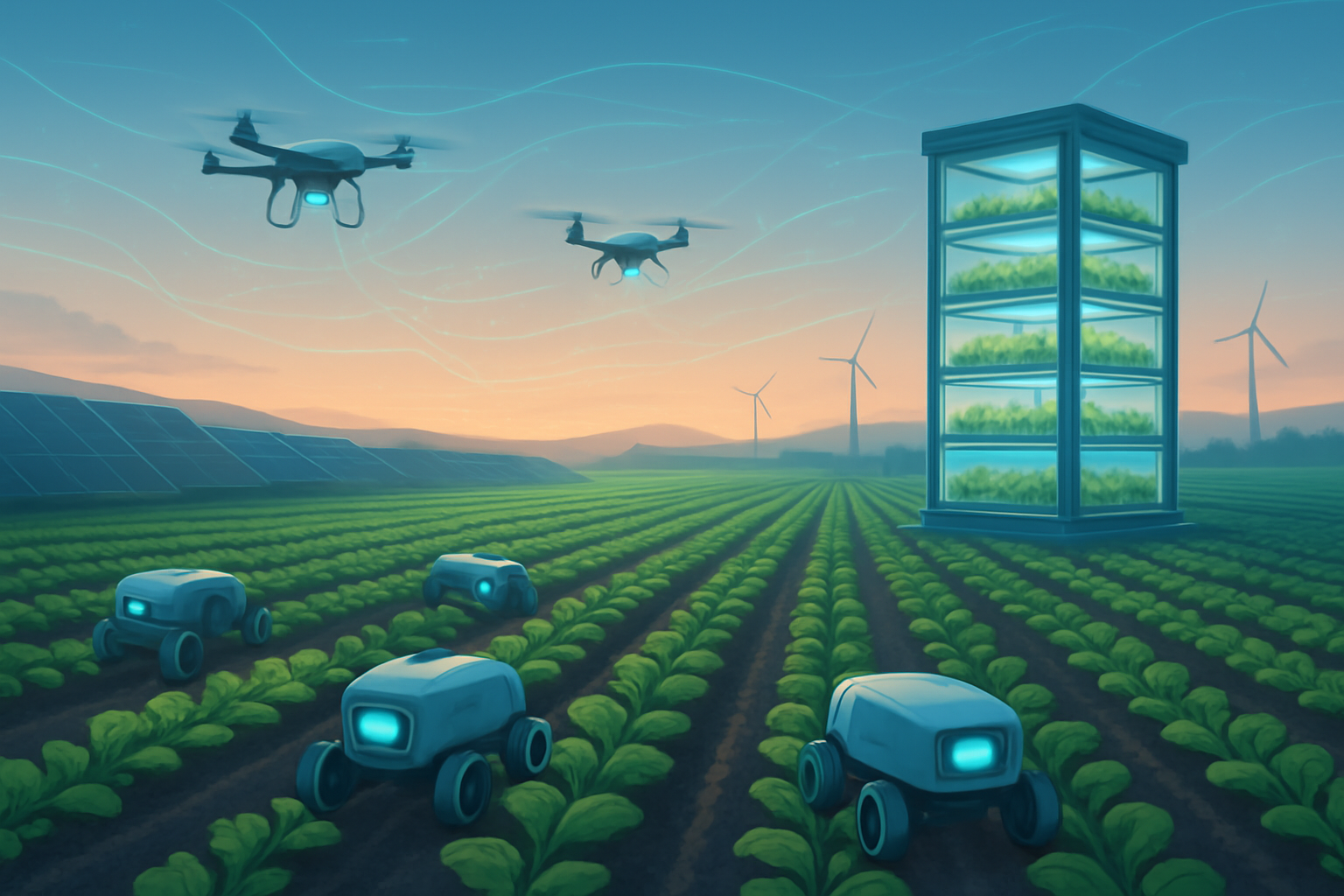
    The global food system is undergoing a profound transformation, driven by the synergistic convergence of advanced digital technologies and renewable energy solutions. This new era of "smart agriculture," or agritech, is fundamentally reshaping how food is produced, processed, and distributed, promising unprecedented efficiency, sustainability, and resilience. From AI-powered precision farming and autonomous robotics to solar-powered vertical farms and blockchain-enabled traceability, these innovations are addressing critical challenges such as food security, resource scarcity, and climate change, all while striving to meet the demands of a rapidly growing global population. This revolution signifies a pivotal shift towards more productive, environmentally friendly, and economically viable food production systems worldwide, marking a new chapter in humanity's quest for sustainable sustenance.

    At its core, this evolution leverages real-time data, intelligent automation, and clean energy to optimize every facet of the agricultural value chain. The immediate significance lies in the tangible improvements seen across the sector: substantial reductions in water, fertilizer, and pesticide use; lower carbon footprints; enhanced crop yields; and greater transparency for consumers. As the world grapples with escalating environmental concerns and the imperative to feed billions, these technological and energy breakthroughs are not just incremental improvements but foundational changes, laying the groundwork for a truly sustainable and secure food future.

    Agritech's Digital Harvest: Precision, Automation, and Data-Driven Farming

    The technical backbone of this agricultural revolution is an intricate web of digital advancements that empower farmers with unprecedented control and insight. Precision agriculture, a cornerstone of modern agritech, harnesses the power of the Internet of Things (IoT), Artificial Intelligence (AI), and data analytics to tailor crop and soil management to specific needs. IoT sensors embedded in fields continuously monitor critical parameters like soil moisture, temperature, and nutrient levels, transmitting data in real-time. This granular data, when fed into AI algorithms, enables predictive analytics for crop yields, early detection of pests and diseases, and optimized resource allocation. For instance, AI-powered systems can reduce water usage by up to 20% in large-scale operations by precisely determining irrigation needs. Drones and satellite imagery further augment this capability, providing high-resolution aerial views for assessing crop health and targeting interventions with pinpoint accuracy, minimizing waste and environmental impact.

    Automation and robotics are simultaneously addressing labor shortages and enhancing efficiency across the agricultural spectrum. Autonomous equipment, from self-driving tractors to specialized weeding robots, can perform tasks like planting, spraying, and harvesting with extreme precision and tireless dedication. A notable example is Carbon Robotics, whose LaserWeeder utilizes AI deep learning and computer vision to differentiate crops from weeds and eliminate them with high-powered lasers, drastically reducing reliance on chemical herbicides and cutting weed control costs by up to 80%. Robotic harvesters are also proving invaluable for delicate crops, improving quality and reducing post-harvest losses. These robotic systems not only boost productivity but also contribute to more sustainable, regenerative practices by reducing soil compaction and minimizing the use of agricultural inputs.

    Beyond the field, digital technologies are fortifying the food supply chain. Blockchain technology provides a decentralized, immutable ledger that records every step of a food product's journey, from farm to fork. This enhanced transparency and traceability are crucial for combating fraud, building consumer trust, and ensuring compliance with stringent food safety and sustainability standards. In the event of contamination or recalls, blockchain allows for instant tracing of products to their origin, drastically reducing response times and mitigating widespread health risks. Furthermore, Controlled Environment Agriculture (CEA), including vertical farming, leverages IoT and AI to meticulously manage indoor climates, nutrient delivery, and LED lighting, enabling year-round, pesticide-free crop production in urban centers with significantly reduced land and water usage. Initial reactions from the agricultural research community and industry experts are overwhelmingly positive, highlighting the transformative potential of these integrated technologies to create more resilient, efficient, and sustainable food systems globally.

    Corporate Cultivation: Shifting Landscapes for Tech and Agri-Giants

    The burgeoning field of agritech, powered by digital innovation and renewable energy, is creating significant shifts in the competitive landscape for both established tech giants and specialized agricultural companies, while also fostering a vibrant ecosystem for startups. Companies like John Deere (NYSE: DE), a traditional agricultural equipment manufacturer, stand to benefit immensely by integrating advanced AI, IoT, and automation into their machinery, transitioning from hardware providers to comprehensive agritech solution platforms. Their investments in precision agriculture technologies, autonomous tractors, and data analytics services position them to capture a larger share of the smart farming market. Similarly, major cloud providers such as Amazon (NASDAQ: AMZN) Web Services and Microsoft (NASDAQ: MSFT) Azure are becoming critical infrastructure providers, offering the computational power, data storage, and AI/ML platforms necessary for agritech applications to thrive.

    The competitive implications are profound, as traditional agricultural input companies are now competing with technology firms entering the space. Companies specializing in agricultural chemicals and fertilizers may face disruption as precision agriculture and robotic weeding reduce the need for blanket applications. Instead, companies offering biological solutions, data-driven insights, and integrated hardware-software platforms are gaining strategic advantages. Startups like Aerofarms and Plenty, focused on vertical farming, are challenging conventional agricultural models by demonstrating the viability of hyper-efficient, localized food production, attracting significant venture capital investment. Companies developing AI-powered crop monitoring, robotic harvesting, and sustainable energy solutions for farms are carving out lucrative niches.

    This development also fosters strategic partnerships and acquisitions. Tech giants are increasingly looking to acquire agritech startups to integrate their innovative solutions, while traditional agri-businesses are partnering with technology firms to accelerate their digital transformation. The market positioning is shifting towards companies that can offer holistic, integrated solutions that combine hardware, software, data analytics, and sustainable energy components. Those that can effectively leverage AI to optimize resource use, reduce environmental impact, and enhance productivity will gain a significant competitive edge, potentially disrupting existing products and services across the entire food supply chain. The ability to provide traceable, sustainably produced food will also become a key differentiator in a consumer market increasingly valuing transparency and environmental stewardship.

    A New Horizon for Humanity: Broader Implications and Societal Shifts

    The integration of digital technology and renewable energy into food production marks a pivotal moment in the broader AI landscape and global sustainability trends. This convergence positions AI not just as an analytical tool but as a foundational element for tackling some of humanity's most pressing challenges: food security, climate change, and resource depletion. It aligns perfectly with the growing global emphasis on sustainable development goals, demonstrating AI's capacity to drive tangible environmental benefits, such as significant reductions in water consumption (up to 40% in some smart irrigation systems), decreased reliance on chemical inputs, and a lower carbon footprint for agricultural operations. This transformation fits into the broader trend of "AI for Good," showcasing how intelligent systems can optimize complex biological and environmental processes for planetary benefit.

    However, this rapid advancement also brings potential concerns. The increasing reliance on complex digital systems raises questions about data privacy, cybersecurity in critical infrastructure, and the potential for a "digital divide" where smaller farms or developing nations might struggle to access or implement these expensive technologies. There are also concerns about job displacement in traditional agricultural labor sectors due to automation, necessitating retraining and new economic opportunities. Comparisons to previous agricultural milestones, such as the Green Revolution of the 20th century, highlight both the promise and the pitfalls. While the Green Revolution dramatically increased yields, it also led to heavy reliance on chemical fertilizers and pesticides. Today's agritech revolution, by contrast, aims for both increased productivity and enhanced sustainability, seeking to correct some of the environmental imbalances of past agricultural transformations.

    The impacts extend beyond the farm gate, influencing global supply chains, food prices, and even consumer health. With improved traceability via blockchain, food safety can be significantly enhanced, reducing instances of foodborne illnesses. Localized food production through vertical farms, powered by renewables, can reduce transportation costs and emissions, while providing fresh, nutritious food to urban populations. The ability to grow more food with fewer resources, in diverse environments, also builds greater resilience against climate-induced disruptions and geopolitical instabilities affecting food supplies. This technological shift is not merely about growing crops; it's about fundamentally redefining humanity's relationship with food, land, and energy, moving towards a more harmonious and sustainable coexistence.

    Cultivating Tomorrow: The Future Landscape of Agritech

    Looking ahead, the trajectory of digital technology and renewable energy in food production promises even more groundbreaking developments. In the near term, we can expect to see further integration of AI with advanced robotics, leading to highly autonomous farm operations where swarms of specialized robots perform tasks like individualized plant care, selective harvesting, and even disease treatment with minimal human intervention. The proliferation of hyper-spectral imaging and advanced sensor fusion will provide even more detailed and actionable insights into crop health and soil conditions, moving towards truly predictive and preventative agricultural management. Furthermore, the expansion of agrovoltaics, where solar panels and crops co-exist on the same land, will become increasingly common, maximizing land use efficiency and providing dual income streams for farmers.

    On the long-term horizon, experts predict the widespread adoption of fully closed-loop agricultural systems, especially in Controlled Environment Agriculture. These systems will optimize every input—water, nutrients, and energy—to an unprecedented degree, potentially achieving near-zero waste. AI will play a crucial role in managing these complex ecosystems, learning and adapting in real-time to environmental fluctuations and plant needs. The development of AI-driven gene-editing tools, like those based on CRISPR technology, will also accelerate, creating crops with enhanced resilience to pests, diseases, and extreme weather, further boosting food security. Bioreactors and cellular agriculture, while not directly plant-based, will also benefit from AI optimization for efficient production of proteins and other food components, reducing the environmental impact of traditional livestock farming.

    However, several challenges need to be addressed for these future developments to fully materialize. The high initial capital investment for advanced agritech solutions remains a barrier for many farmers, necessitating innovative financing models and government subsidies. The development of robust, secure, and interoperable data platforms is crucial to unlock the full potential of data-driven farming. Furthermore, addressing the digital literacy gap among agricultural workers and ensuring equitable access to these technologies globally will be paramount to prevent exacerbating existing inequalities. Experts predict that the next decade will see a significant democratization of these technologies, driven by decreasing costs and open-source initiatives, making smart, sustainable farming accessible to a broader range of producers. The continuous evolution of AI ethics and regulatory frameworks will also be vital to ensure these powerful technologies are deployed responsibly and equitably for the benefit of all.

    A Sustainable Harvest: AI's Enduring Legacy in Food Production

    The integration of digital technology and renewable energy into food production represents a monumental shift, poised to leave an indelible mark on agricultural history. The key takeaways from this revolution are clear: unprecedented gains in efficiency and productivity, a dramatic reduction in agriculture's environmental footprint, enhanced resilience against global challenges, and a new era of transparency and trust in the food supply chain. From the precision of AI-powered analytics to the sustainability of solar-powered farms and the accountability of blockchain, these advancements are not merely incremental improvements but a fundamental re-imagining of how humanity feeds itself.

    This development's significance in AI history cannot be overstated. It showcases AI moving beyond theoretical models and into tangible, real-world applications that directly impact human well-being and planetary health. It demonstrates AI's capacity to orchestrate complex biological and mechanical systems, optimize resource allocation on a massive scale, and drive us towards a more sustainable future. This is a testament to AI's potential as a transformative force, capable of solving some of the most intricate problems facing society.

    Looking ahead, the long-term impact will likely include more localized and resilient food systems, a significant reduction in food waste, and a healthier planet. The convergence of these technologies promises a future where nutritious food is abundant, sustainably produced, and accessible to all. What to watch for in the coming weeks and months includes further announcements from leading agritech companies regarding new AI models for crop management, breakthroughs in robotic harvesting capabilities, and increased government initiatives supporting the adoption of renewable energy solutions in agriculture. The ongoing evolution of this green and digital revolution in food production will undoubtedly be one of the most compelling stories of our time.


    This content is intended for informational purposes only and represents analysis of current AI developments.

    TokenRing AI delivers enterprise-grade solutions for multi-agent AI workflow orchestration, AI-powered development tools, and seamless remote collaboration platforms.
    For more information, visit https://www.tokenring.ai/.
  • Agtonomy Propels Global Agriculture into a New Era with Vision-Powered Autonomous Fleets

    Agtonomy Propels Global Agriculture into a New Era with Vision-Powered Autonomous Fleets

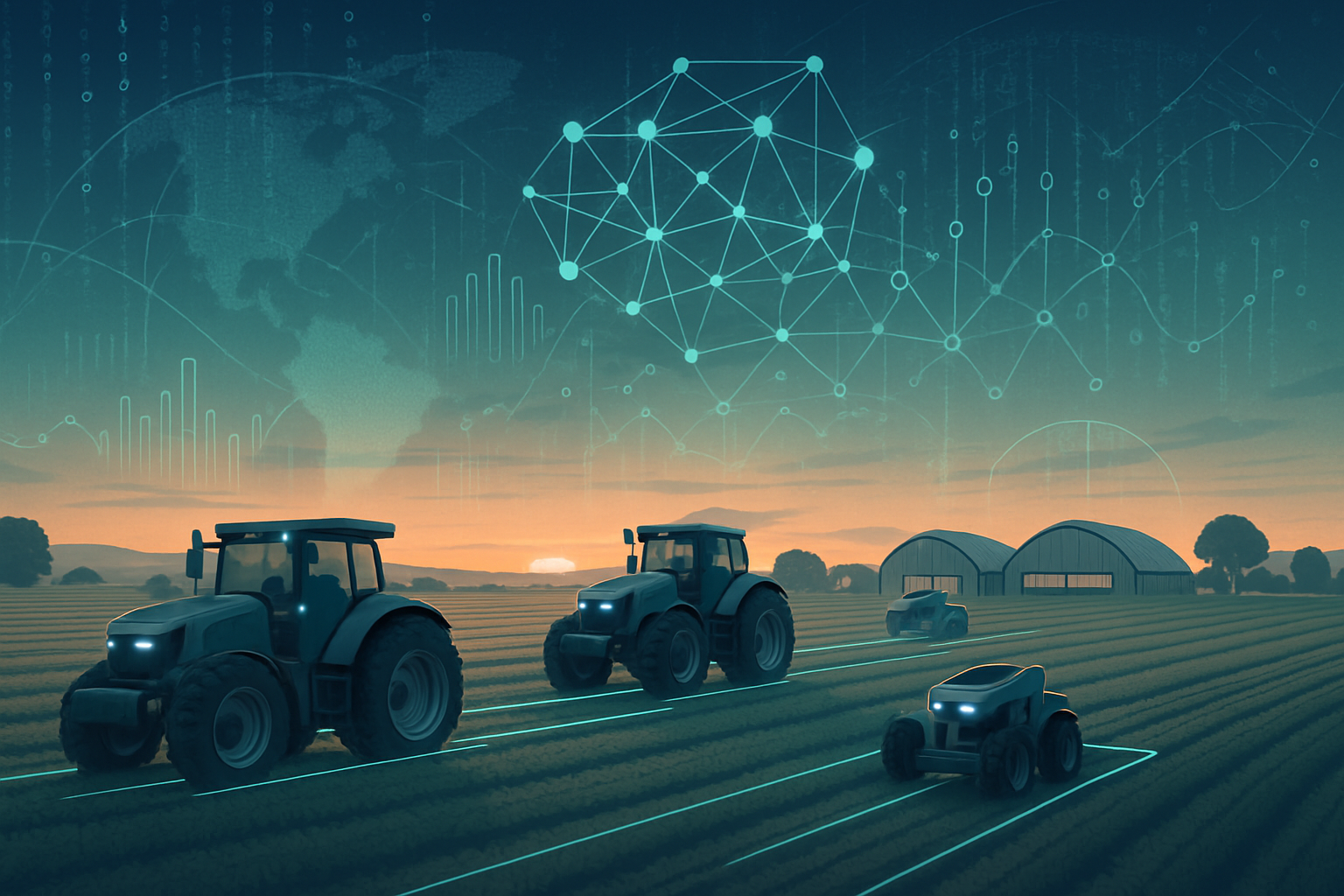
    October 20, 2025 – Agtonomy, a pioneer in agricultural automation, has announced a significant global expansion of its AI-powered autonomous fleets, marking a pivotal moment for the future of farming. This strategic move, which includes new deployments across the southeastern United States and its first international commercial operation in Australia, underscores a growing industry reliance on intelligent automation to combat persistent challenges such as labor shortages, escalating operational costs, and the urgent demand for sustainable practices. By transforming traditional agricultural machinery into smart, self-driving units, Agtonomy is not just expanding its footprint; it's redefining the operational paradigm for specialty crop producers and land managers worldwide.

    The immediate significance of Agtonomy's expansion lies in its potential to democratize advanced agricultural technology. Through strategic partnerships with leading original equipment manufacturers (OEMs) like Bobcat (NYSE: LBRD) and Kubota (TYO: 6326), Agtonomy is embedding its cutting-edge software and services platform into familiar machinery, making sophisticated automation accessible to a broader base of farmers through established dealer networks. This approach addresses the critical need for increased efficiency, reduced labor dependency, and enhanced precision in high-value crop cultivation, promising a future where a single operator can manage multiple tasks with unprecedented accuracy and impact.

    The Physical AI Revolutionizing Farm Operations

    Agtonomy's technological prowess centers around its third-generation platform, released in April 2025, which introduces a concept dubbed "Physical AI." This advanced system enables infrastructure-free autonomy, a significant departure from previous approaches that often required extensive pre-mapping or reliance on local base stations. The platform integrates embedded cellular and Starlink connectivity with sophisticated vision-based navigation, allowing for immediate deployment in diverse and challenging agricultural environments. This means tractors can navigate precisely through narrow rows of high-value crops like fruit trees and vineyards without the need for pre-existing digital maps, adapting to real-time conditions with remarkable agility.

    At the core of Agtonomy's innovation is its "TrunkVision" technology, which leverages computer vision to ensure safe and accurate operation, even in areas with limited GPS visibility—a common hurdle for traditional autonomous systems. This vision-first approach allows for centimeter-level precision, minimizing crop damage and maximizing efficiency in tasks such as mowing, spraying, and weeding. Furthermore, the multi-fleet management capability allows a single operator to remotely oversee more than ten autonomous tractors simultaneously, with the system continuously learning and improving its performance from real-world data. This intelligent feedback loop fundamentally differs from rigid, rule-based automation, offering a dynamic and evolving solution that adapts to the unique demands of each farm. Initial reactions from the agricultural research community and early adopters have highlighted the platform's robustness and ease of integration, praising its practical application in solving long-standing operational bottlenecks.

    The Agtonomy platform also includes a comprehensive "Smart Farm Task Ecosystem." This ecosystem digitally connects self-driving tractors with various implements through innovations like the Smart Take-Off (STO) for efficient power and data transfer, and the Smart Toolbar, which intelligently adjusts tools based on plant spacing and terrain. Smart Implement Sensors (SIS) and Smart Sprayers further enhance precision, allowing for optimized application rates of inputs based on real-time data such as canopy density or weed pressure. This integrated approach not only boosts efficiency but also significantly contributes to sustainable farming by reducing chemical usage and resource consumption.

    Reshaping the Agricultural Automation Landscape

    Agtonomy's global expansion and technological advancements are poised to significantly impact the competitive landscape for AI companies, tech giants, and startups in the agricultural sector. Companies like Kubota and Bobcat, by partnering with Agtonomy, stand to benefit immensely by integrating cutting-edge AI into their product lines, offering their customers advanced solutions without the need for extensive in-house AI development. This strategy positions them as leaders in the rapidly evolving smart agriculture market, potentially disrupting the dominance of traditional agricultural machinery manufacturers who have been slower to adopt comprehensive autonomous solutions.

    The competitive implications extend to other major AI labs and tech companies eyeing the agricultural space. Agtonomy's focus on "Physical AI" and infrastructure-free autonomy sets a high bar, challenging competitors to develop equally robust and adaptable systems. Startups focusing on niche agricultural AI solutions might find opportunities for integration with Agtonomy's platform, while larger tech giants like John Deere (NYSE: DE) and CNH Industrial (NYSE: CNHI), who have their own autonomous initiatives, will face increased pressure to accelerate their innovation cycles. Agtonomy's mobile-first control and versatile application across compact and mid-size tractors give it a strategic advantage in market positioning, making advanced automation accessible and user-friendly for a broad segment of farmers. This development could catalyze a wave of consolidation or strategic alliances as companies vie for market share in the burgeoning autonomous agriculture sector.

    The potential disruption to existing products and services is substantial. Manual labor-intensive tasks will increasingly be automated, leading to a shift in workforce roles and a demand for new skill sets related to operating and managing autonomous fleets. Traditional agricultural software providers might need to adapt their offerings to integrate with or compete against Agtonomy's comprehensive platform. Furthermore, the precision agriculture market, already experiencing rapid growth, will see an acceleration in demand for AI-driven solutions that offer tangible benefits in terms of yield optimization and resource efficiency. Agtonomy's strategy of partnering with established OEMs ensures a faster route to market and wider adoption, giving it a significant edge in establishing a dominant market position.

    Broader Significance and Ethical Considerations

    Agtonomy's global expansion fits squarely into the broader AI landscape trend of moving AI from theoretical models to practical, real-world applications, especially in sectors traditionally lagging in technological adoption. This development signifies a major step towards intelligent automation becoming an indispensable part of critical global industries. It underscores the increasing sophistication of "edge AI"—processing data directly on devices rather than relying solely on cloud infrastructure—which is crucial for real-time decision-making in dynamic environments like farms. The impact on food security, rural economies, and environmental sustainability cannot be overstated, as autonomous fleets promise to enhance productivity, reduce waste, and mitigate the ecological footprint of agriculture.

    However, with great power comes potential concerns. The increased reliance on automation raises questions about data privacy and security, particularly concerning sensitive farm data. The digital divide could also widen if smaller farms or those in less developed regions struggle to access or afford such advanced technologies, potentially leading to further consolidation in the agricultural industry. Furthermore, the ethical implications of AI in labor markets, specifically the displacement of human workers, will require careful consideration and policy frameworks to ensure a just transition. Comparisons to previous AI milestones, such as the advent of precision GPS farming or early robotic milking systems, reveal a clear trajectory towards increasingly autonomous and intelligent agricultural systems. Agtonomy's vision-based, infrastructure-free approach represents a significant leap forward, making high-level autonomy more adaptable and scalable than ever before.

    This development aligns with global efforts to achieve sustainable development goals, particularly those related to food production and responsible consumption. By optimizing resource use and minimizing environmental impact, Agtonomy's technology contributes to a more resilient and eco-friendly agricultural system. The ability to manage multiple machines with a single operator also addresses the demographic challenge of an aging farming population and the decreasing availability of agricultural labor in many parts of the world.

    The Horizon: Future Developments and Challenges

    Looking ahead, Agtonomy's expansion is just the beginning. Expected near-term developments include the refinement of its "Physical AI" to handle an even wider array of crops and environmental conditions, potentially incorporating more advanced sensor fusion techniques beyond just vision. Long-term, we can anticipate the integration of Agtonomy's platform with other smart farm technologies, such as drone-based analytics, advanced weather forecasting AI, and sophisticated yield prediction models, creating a truly holistic and interconnected autonomous farm ecosystem. Potential applications on the horizon extend beyond traditional agriculture to include forestry, landscaping, and even municipal grounds management, wherever precision and efficiency are paramount for industrial equipment.

    However, significant challenges remain. Regulatory frameworks for autonomous agricultural vehicles are still evolving and will need to catch up with the pace of technological advancement, especially across different international jurisdictions. The cost of adoption, while mitigated by OEM partnerships, could still be a barrier for some farmers, necessitating innovative financing models or government subsidies. Furthermore, ensuring the cybersecurity of these interconnected autonomous fleets will be critical to prevent malicious attacks or data breaches that could cripple farm operations. Experts predict that the next phase will involve a greater emphasis on human-AI collaboration, where farmers utilize AI as an intelligent assistant rather than a complete replacement, focusing on optimizing workflows and leveraging human expertise for complex decision-making. Continuous training and support for farmers transitioning to these new technologies will also be crucial for successful adoption and maximizing benefits.

    A New Chapter for Agricultural AI

    In summary, Agtonomy's global expansion with its AI-powered autonomous fleets marks a profound moment in the history of agricultural technology. The company's innovative "Physical AI" and vision-based navigation offer a practical, scalable solution to some of farming's most pressing challenges, promising increased efficiency, reduced costs, and enhanced sustainability. By democratizing access to advanced automation through strategic OEM partnerships, Agtonomy is not just selling technology; it's fostering a new paradigm for how food is grown and managed.

    The significance of this development in AI history lies in its successful translation of complex AI research into tangible, field-ready applications that deliver immediate economic and environmental benefits. It serves as a testament to the power of specialized AI to transform traditional industries. In the coming weeks and months, the agricultural world will be watching closely for the initial performance metrics from the new deployments, further partnerships, and how Agtonomy continues to evolve its platform to meet the dynamic needs of a global farming community. The journey towards fully autonomous, intelligent agriculture has truly gained momentum, with Agtonomy leading the charge into a more productive and sustainable future.


    This content is intended for informational purposes only and represents analysis of current AI developments.

    TokenRing AI delivers enterprise-grade solutions for multi-agent AI workflow orchestration, AI-powered development tools, and seamless remote collaboration platforms.
    For more information, visit https://www.tokenring.ai/.