Tag: Productivity

  • Elon Musk Declares AI and Robotics as the ‘Only’ Solution to the Looming US Debt Crisis

    Elon Musk Declares AI and Robotics as the ‘Only’ Solution to the Looming US Debt Crisis

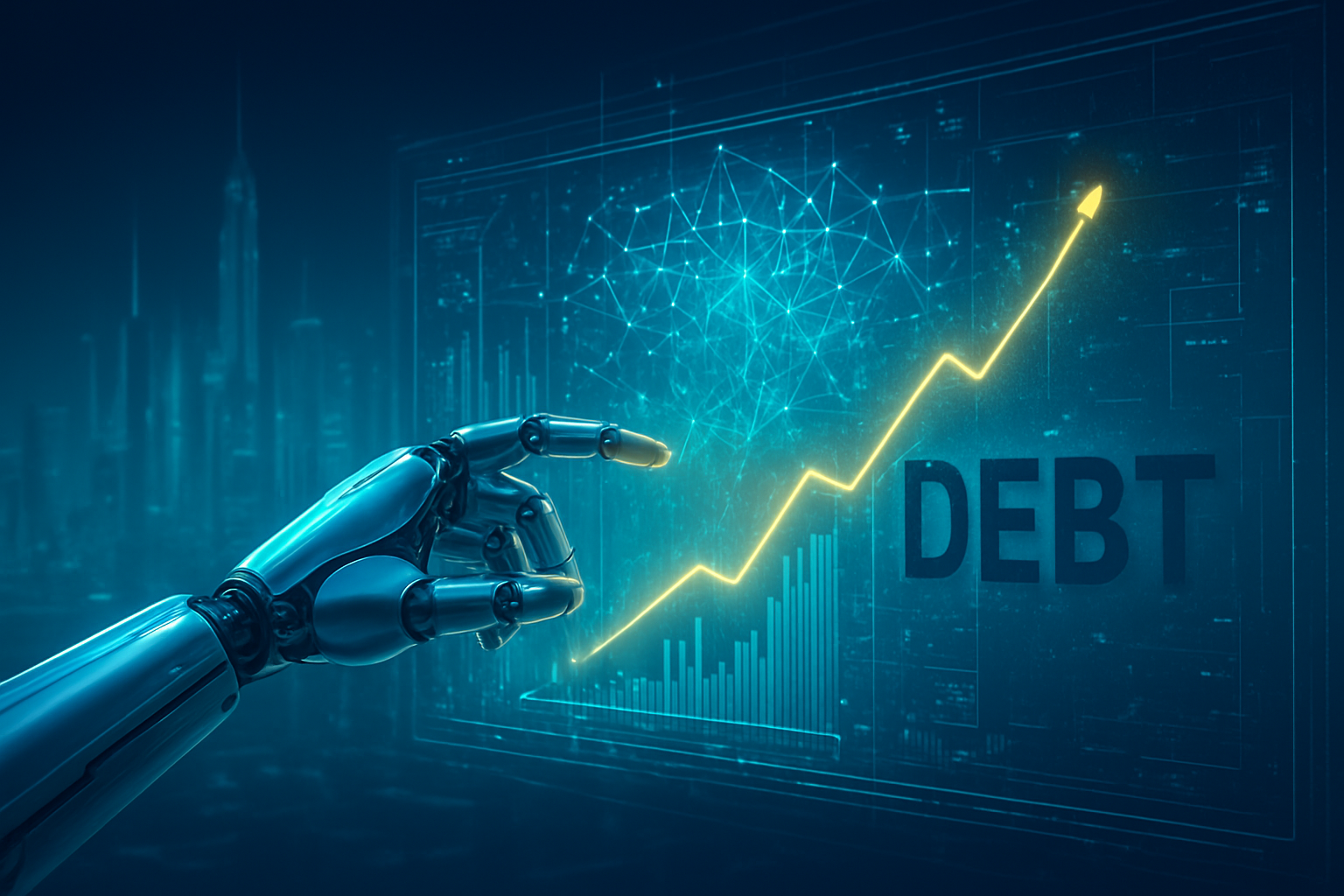
    In a bold and characteristically provocative assertion, visionary entrepreneur Elon Musk has declared Artificial Intelligence (AI) and advanced robotics as the singular viable path to resolving the United States' escalating national debt crisis. With the national debt now surpassing an alarming $38 trillion, Musk's pronouncement, made during a recent interview with podcaster Nikhil Kamath and reiterated across platforms like X (formerly Twitter (NYSE: X)) and the Joe Rogan Experience, has ignited fervent debate among economists, technologists, and policymakers alike. His argument pivots on an unprecedented surge in economic output and productivity, a feat he believes only AI and automation can achieve, effectively outmaneuvering inflation and creating a future of abundance.

    Musk's contention arrives at a critical juncture for the US economy, where the interest payments on the national debt have eclipsed the nation's entire military budget – a stark reality he describes as a personal "wake-up call." This alarming metric underpins his belief that traditional political and economic levers are insufficient to tackle a problem of such monumental scale. Instead, he champions a radical, technology-driven solution: leveraging AI and robotics to dramatically increase the production of goods and services. This exponential growth in output, he argues, would not only counteract inflationary pressures but also expand the economy to a degree necessary to render the massive debt manageable, if not ultimately negligible, potentially making work "optional" in a future of extreme productivity and abundance.

    The Technocratic Solution: Productivity as the Panacea

    Musk's rationale for AI and robotics as the "only" solution to the US debt crisis is rooted in a fundamental economic principle: productivity growth. He posits that if the output of real business services increases slower than the money supply, inflation inevitably ensues. Conversely, a massive and sustained surge in the production of goods and services, driven by highly efficient AI and robotic systems, would likely lead to deflationary pressures by overwhelming demand with supply. He optimistically predicts that within three years or less, the output of goods and services could outpace inflation, creating an economic environment where the debt's relative burden diminishes significantly.

    This perspective starkly contrasts with conventional economic strategies, which typically involve fiscal austerity, tax adjustments, or monetary policy shifts by institutions like the Federal Reserve. Musk's approach bypasses these traditional mechanisms, proposing a technological paradigm shift as the ultimate economic lever. Unlike incremental policy changes, which often face political gridlock and limited scope, Musk envisions a transformative leap in productive capacity, where automated systems handle the vast majority of labor-intensive tasks, from manufacturing to service delivery. This differs from previous industrial revolutions by not merely augmenting human labor but potentially replacing it on a mass scale, leading to an unprecedented era of material abundance. Initial reactions from the AI research community are mixed; while the potential for AI to boost productivity is widely acknowledged, the idea of it singularly solving a complex macroeconomic problem like national debt is viewed with both intrigue and skepticism. Many experts agree on AI's potential to drive growth but question the feasibility of such a direct and absolute solution without significant social and political upheaval.

    Reshaping the AI and Tech Landscape

    Elon Musk's bold assertion has significant implications for AI companies, tech giants, and startups, potentially galvanizing investment and innovation in specific sectors. Companies deeply entrenched in industrial automation, advanced robotics, and AI-driven efficiency stand to benefit immensely. Tesla (NASDAQ: TSLA), through its advancements in AI for autonomous vehicles and humanoid robots like Optimus, is a prime example of a company directly aligned with Musk's vision. Similarly, xAI, Musk's dedicated AI venture, could see its mission broaden beyond large language models to encompass AI solutions for industrial optimization and resource management.

    The competitive landscape for major AI labs and tech companies could shift dramatically. There will likely be an increased focus on developing AI systems capable of managing complex supply chains, optimizing resource allocation, and automating manufacturing processes at scale. This could spur a new wave of startups specializing in niche AI applications for productivity enhancement across various industries, from agriculture to logistics and healthcare. Existing tech giants like Alphabet (NASDAQ: GOOGL), Amazon (NASDAQ: AMZN), and Microsoft (NASDAQ: MSFT), with their extensive cloud infrastructure and AI research divisions, are well-positioned to capitalize on this trend by offering AI-as-a-service solutions that enable businesses to integrate advanced automation. The potential disruption to existing products and services could be profound, particularly in sectors reliant on human labor, pushing companies to rapidly adopt AI to remain competitive. Market positioning will increasingly favor those who can demonstrate tangible productivity gains through AI and robotics, potentially creating new strategic advantages for early adopters and innovators.

    The Broader Significance: A Leap Towards Abundance or a Leap of Faith?

    Musk's proposal fits into the broader AI landscape by pushing the boundaries of what society expects from artificial intelligence. It aligns with long-term trends towards greater automation, the pursuit of Artificial General Intelligence (AGI), and discussions around a post-scarcity economy. If AI and robotics could truly generate an economic surplus sufficient to offset national debt, it would represent an unprecedented milestone in human history, fundamentally altering our relationship with work, resources, and economic systems. The impacts could be revolutionary, potentially leading to a world where basic needs are met without the necessity of labor, freeing humanity to pursue higher-order endeavors.

    However, this vision is not without significant concerns. The most immediate is the potential for massive job displacement across virtually all sectors, raising critical questions about social safety nets, retraining programs, and the equitable distribution of AI-generated wealth. Critics also point to the immense capital investment required to achieve such a level of automation and the potential for increased economic inequality if the benefits are not widely shared. Ethical considerations surrounding autonomous decision-making in economic systems, the concentration of power in the hands of those who control the AI, and the very definition of human purpose in a work-optional world become paramount. While the potential for AI to drive unprecedented economic growth is undeniable, the idea of it as the sole solution to a problem as multifaceted as national debt, without addressing the underlying socio-political and ethical challenges, is viewed by many as an oversimplification, albeit a thought-provoking one.

    Charting the Course: Future Developments and Challenges

    The near-term future will likely see continued advancements in specialized AI for industrial automation, logistics, and data-driven optimization. Expect to see more sophisticated robotic systems capable of complex manipulation and decision-making in manufacturing, agriculture, and service industries. Long-term developments could include the maturation of humanoid robots like Optimus, capable of performing a wide range of tasks in unstructured environments, and the deployment of advanced AI systems for macro-economic forecasting and resource allocation. Potential applications on the horizon include fully automated factories, AI-managed smart cities, and highly efficient supply chains that minimize waste and maximize output.

    However, significant challenges need to be addressed before Musk's vision could become a reality. Scaling AI and robotics to the extent required to impact a $38 trillion debt crisis demands massive investment in infrastructure, research, and development. Regulatory frameworks will need to evolve rapidly to address issues of AI governance, labor displacement, and economic stability. Furthermore, public acceptance and trust in highly autonomous systems will be crucial. Experts predict a gradual increase in AI-driven productivity, but many remain skeptical about the timeline and the absolute nature of Musk's claim. The consensus leans towards AI being a powerful tool for economic growth, rather than a magic bullet for systemic debt without parallel societal and political reforms. The debate will undoubtedly continue, spurring further research into the techno-economic frontier.

    A Visionary's Gambit: The AI Solution to Debt

    Elon Musk's declaration that AI and robotics are the "only" solutions to the US debt crisis represents a significant moment in the ongoing discourse about artificial intelligence's transformative power. It underscores the belief that technological innovation can offer radical solutions to seemingly intractable economic problems. The key takeaway is Musk's emphasis on unparalleled productivity growth as the ultimate economic lever, moving beyond traditional fiscal and monetary policies. While the feasibility and societal implications of such a singular solution remain subjects of intense debate, his assertion undeniably pushes the boundaries of our imagination regarding AI's potential.

    This development holds immense significance in AI history, not just for the technological advancements it champions, but for framing AI as a potential savior for national economies. It challenges us to consider a future where abundance, driven by intelligent machines, could fundamentally reshape our economic paradigms. In the coming weeks and months, it will be crucial to watch how governments, economists, and AI developers respond to this audacious vision. Will there be increased investment in automation technologies aimed at national economic challenges? How will the debate evolve regarding the societal safeguards needed for such a profound shift? Elon Musk has thrown down a gauntlet, inviting the world to ponder whether the future of economic stability lies not in policy rooms, but in the silicon brains and robotic arms of advanced AI.


    This content is intended for informational purposes only and represents analysis of current AI developments.

    TokenRing AI delivers enterprise-grade solutions for multi-agent AI workflow orchestration, AI-powered development tools, and seamless remote collaboration platforms.
    For more information, visit https://www.tokenring.ai/.

  • Hedy AI Unveils ‘Topic Insights’: Revolutionizing Business Communication with Cross-Session Intelligence

    Hedy AI Unveils ‘Topic Insights’: Revolutionizing Business Communication with Cross-Session Intelligence

    SAN FRANCISCO, CA – November 24, 2025 – Hedy AI has today announced a monumental leap forward in artificial intelligence for business communications with the official launch of 'Topic Insights.' This groundbreaking technology marks the industry's first true cross-session meeting intelligence capability, designed to fundamentally transform how businesses manage and derive value from their ongoing conversations. By analyzing intricate conversation patterns across multiple related meetings, 'Topic Insights' promises to usher in an unprecedented era of productivity, continuity, and informed decision-making.

    The introduction of 'Topic Insights' directly addresses a pervasive challenge in modern business: the fragmentation of information across countless meetings, calls, and discussions. Instead of treating each interaction as an isolated event, Hedy AI's innovative approach intelligently connects these disparate conversations, creating a living, evolving tapestry of insights. This breakthrough moves beyond simple transcription and individual meeting summaries, offering a cohesive narrative that tracks the progression of ideas, decisions, and action items over time, ultimately fostering a more connected and efficient work environment.

    Beyond the Transcript: A Deep Dive into Cross-Session Intelligence

    Hedy AI's 'Topic Insights' is not merely an incremental upgrade; it represents a paradigm shift in how AI assists in business communication. At its core, the technology allows users to group related sessions into "Topics"—such as "Q4 Marketing Strategy" or "Client Onboarding Project X." Once grouped, Hedy AI's advanced algorithms go to work, analyzing all conversations within that Topic to provide a dynamic, evolving summary that reflects the current state of discussions, decisions, and action items. This stands in stark contrast to previous approaches, which typically offered isolated summaries for each meeting, leaving users to manually stitch together context.

    The technical prowess of 'Topic Insights' lies in its sophisticated pattern recognition capabilities. It can identify recurring themes, track the progression of discussions, and even note subtle shifts in stakeholder positions across a series of related conversations. Key features include comprehensive summaries that highlight how discussions, decisions, and action items evolve; specialized insights that adapt analysis based on conversation type (e.g., surfacing action items for business meetings vs. symptom progression for medical appointments); and "Topic Chat," a revolutionary feature allowing users to query Hedy about patterns or decisions across all relevant conversations within a Topic, rather than sifting through individual transcripts. Furthermore, the "Automatic Preparation Intelligence" (Prep Notes) feature automatically generates reminders of commitments, unanswered questions, and follow-up topics before a new session begins, ensuring users are always fully contextualized.

    Initial reactions from the AI research community and industry experts have been overwhelmingly positive. Dr. Anya Sharma, a leading AI ethicist, commented, "Hedy AI's commitment to a privacy-first architecture, with on-device speech recognition, sets an important precedent. The combination of powerful cross-session analysis with robust data privacy is a significant step forward." Industry analysts also highlight the system's ability to maintain conversational continuity as a critical differentiator, predicting it will set a new standard for meeting intelligence platforms. The feature became available to Hedy Pro users on November 11, 2025, building upon the foundational 'Hedy Topics' feature introduced on May 17, 2025.

    Reshaping the Competitive Landscape for AI and Tech Giants

    The unveiling of 'Topic Insights' by Hedy AI is poised to significantly impact the competitive landscape for AI companies, tech giants, and startups alike. Companies heavily reliant on distributed teams and complex project management, such as large enterprises in consulting, software development, and healthcare, stand to benefit immensely from enhanced continuity and productivity. Hedy AI's innovation creates a new benchmark for meeting intelligence, potentially disrupting existing products and services offered by established players that currently provide more siloed, single-session analysis.

    For major AI labs and tech companies like Microsoft (NASDAQ: MSFT) with Teams, Google (NASDAQ: GOOGL) with Meet, and Zoom (NASDAQ: ZM), 'Topic Insights' presents both a challenge and an opportunity. While these giants have integrated AI features into their communication platforms, Hedy AI's cross-session intelligence pushes the envelope further, creating a strategic advantage in holistic knowledge management. Competitors will likely be compelled to accelerate their own research and development into similar multi-session analytical capabilities to avoid falling behind. Startups in the meeting AI space will either need to innovate rapidly to match Hedy AI's offering or find niche applications that complement this advanced functionality.

    The competitive implications extend to market positioning. Hedy AI is now positioned as a leader in comprehensive conversational intelligence, moving beyond basic transcription and summary services. This could lead to a re-evaluation of how businesses select their communication and collaboration tools, prioritizing platforms that offer deep, interconnected insights across all interactions. The potential disruption to existing services that offer fragmented meeting notes is considerable, as businesses seek more integrated and intelligent solutions to combat information overload and improve decision-making.

    A Broader Stroke: Integrating into the AI Landscape and Addressing Concerns

    Hedy AI's 'Topic Insights' fits squarely into the broader AI landscape's trend towards more contextual, proactive, and integrated intelligence. It represents a significant step towards achieving truly intelligent assistants that don't just process individual tasks but understand the overarching narrative of ongoing work. This development aligns with the growing demand for AI systems that enhance human capabilities by managing complexity and providing clarity, rather than simply automating rote tasks. It pushes the boundaries of natural language understanding and temporal reasoning in conversational AI.

    The impact on productivity and strategic decision-making is profound. By providing a holistic view of evolving discussions, 'Topic Insights' empowers professionals to make more informed choices, reduce redundant conversations, and ensure alignment across teams. This can lead to faster project completion, improved client relationships, and a more agile organizational structure. Potential concerns, however, will naturally revolve around data privacy and security, despite Hedy AI's stated commitment to on-device processing and data protection. As AI systems become more deeply integrated into sensitive business communications, the transparency of data handling, compliance with regulations like GDPR, and the potential for algorithmic bias in summaries or insights will remain critical areas of scrutiny.

    This breakthrough can be compared to previous AI milestones that shifted how we interact with technology, such as the advent of intelligent search engines or early natural language processing applications. Just as those technologies redefined information access, 'Topic Insights' has the potential to redefine conversational knowledge management, moving from fragmented data points to interconnected intelligence. It underscores the industry's progression from isolated AI tools to integrated, context-aware systems that learn and adapt across continuous interactions.

    The Road Ahead: Anticipating Future Developments and Applications

    Looking ahead, 'Topic Insights' is expected to catalyze a wave of near-term and long-term developments in conversational AI. In the immediate future, we can anticipate further refinements in the AI's ability to discern subtle nuances in cross-session discussions, perhaps integrating sentiment analysis across meetings to track emotional shifts in project dynamics. The "Topic Chat" feature is ripe for expansion, potentially allowing for more complex queries and predictive analytics based on historical conversation patterns—for instance, forecasting potential roadblocks in a project based on recurring discussion points.

    Potential applications and use cases on the horizon are vast. Beyond traditional business meetings, 'Topic Insights' could be invaluable in legal proceedings for tracking case developments across multiple hearings, in academic research for synthesizing findings from various collaborative sessions, or even in healthcare for monitoring patient progress across a series of consultations. Imagine an AI that not only summarizes individual patient visits but provides a longitudinal view of symptom progression, treatment efficacy, and patient concerns over months or years.

    However, challenges remain. Scaling this technology to handle an even greater volume and diversity of data while maintaining accuracy and privacy will be crucial. Ensuring interpretability of the AI's insights, so users understand why certain patterns or recommendations are surfaced, will also be vital for trust and adoption. Experts predict that the next phase will involve tighter integration with other enterprise tools, allowing 'Topic Insights' to pull context from CRM systems, project management platforms, and knowledge bases, creating an even richer tapestry of interconnected intelligence. The goal will be to move towards a truly proactive AI that not only summarizes but anticipates needs and offers strategic recommendations based on the entirety of an organization's conversational data.

    A New Chapter in AI-Powered Communication

    Hedy AI's 'Topic Insights' represents a pivotal moment in the evolution of AI-powered business communication. The key takeaway is the shift from isolated meeting analysis to integrated, cross-session intelligence, providing true conversational continuity. This development significantly enhances productivity, improves decision-making, and transforms how businesses manage their collective knowledge, effectively turning scattered conversations into a cohesive and actionable resource.

    The significance of this development in AI history cannot be overstated. It marks a clear progression towards more sophisticated, context-aware AI systems that can understand and synthesize complex information across time and multiple interactions. It sets a new standard for intelligent assistants, demonstrating how AI can move beyond simple task automation to become a strategic partner in knowledge management and strategic planning.

    In the coming weeks and months, the industry will be closely watching the adoption rates and real-world impact of 'Topic Insights.' We can expect to see how competitors respond, how businesses leverage this new capability to gain a competitive edge, and how Hedy AI continues to iterate on this foundational technology. This is not just an update; it's a redefinition of what's possible in intelligent meeting management, promising a future where no valuable insight from a conversation is ever lost again.


    This content is intended for informational purposes only and represents analysis of current AI developments.

    TokenRing AI delivers enterprise-grade solutions for multi-agent AI workflow orchestration, AI-powered development tools, and seamless remote collaboration platforms.
    For more information, visit https://www.tokenring.ai/.
  • AI Revolutionizes Retail: Convenience Stores Lead the Charge in Productivity and Operational Excellence

    AI Revolutionizes Retail: Convenience Stores Lead the Charge in Productivity and Operational Excellence

    Artificial intelligence is rapidly reshaping the retail landscape, with convenience stores emerging as a surprising vanguard in adopting these transformative technologies. The immediate significance of AI in this sector lies in its profound ability to automate routine tasks, unlock data-driven insights, and optimize a myriad of operational processes. This technological infusion is not merely an incremental improvement; it represents a fundamental shift towards cost reduction, heightened customer satisfaction, and significantly increased profitability for c-store operators. From predictive inventory management to personalized customer experiences and enhanced security, AI is proving to be an indispensable tool for an industry traditionally characterized by high transaction volumes and tight margins.

    The Technical Underpinnings of Smarter Stores

    The current wave of AI advancements in retail is characterized by sophisticated machine learning algorithms and computer vision systems that are far more capable than previous generations of retail technology. At the heart of these innovations are advanced data analytics and predictive modeling. For instance, inventory management and demand forecasting are being revolutionized by AI models that analyze not only historical sales data and customer behavior but also external factors like local events, weather patterns, and even social media trends. This allows for hyper-accurate demand prediction, enabling systems to automate replenishment orders, minimize overstocking, and drastically reduce waste—a significant departure from traditional, often manual, inventory systems based on simpler moving averages. Companies like Trax (ASX: TRM) are deploying AI-powered image recognition to provide real-time shelf monitoring, ensuring optimal product placement and availability, a level of granular insight previously unattainable.

    Customer experience enhancements are another technical frontier. AI-powered computer vision and sensor fusion technologies are enabling "just walk out" shopping experiences, where customers can simply pick items and leave, with payments automatically processed. This frictionless checkout, pioneered by Amazon (NASDAQ: AMZN) Go, utilizes complex neural networks to identify products taken from shelves and associate them with individual customers, drastically reducing transaction times from minutes to seconds. These systems also employ AI to detect missed scans at self-checkouts and flag potential theft, improving accuracy and reducing shrinkage. Furthermore, conversational AI, in the form of chatbots and virtual assistants, leverages natural language processing (NLP) to provide 24/7 customer support, answer queries, and guide product selection, moving beyond simple FAQ bots to more context-aware interactions. The integration of generative AI is also beginning to automate tasks like dynamic pricing and employee scheduling, demonstrating a significant leap from rule-based automation to intelligent, adaptive systems. Initial reactions from the retail tech community and industry experts highlight the scalability and adaptability of these AI solutions, noting their potential to democratize advanced operational efficiencies previously exclusive to larger enterprises.

    Competitive Edge: Who Benefits in the AI-Powered Retail Arena

    The surge in AI applications within retail and convenience stores is creating clear winners and posing significant competitive implications across the tech industry. AI startups specializing in niche retail solutions are poised for substantial growth. Companies offering AI-driven inventory optimization, computer vision for loss prevention, or personalized marketing platforms are attracting significant investment and partnerships. For example, startups developing "just walk out" technology or sophisticated demand forecasting algorithms are rapidly gaining market share by providing tailored solutions that address specific pain points for retailers.

    Tech giants like Amazon (NASDAQ: AMZN), Google (NASDAQ: GOOGL), and Microsoft (NASDAQ: MSFT) are also major beneficiaries. Their cloud AI platforms (AWS, Google Cloud AI, Azure AI) provide the underlying infrastructure, machine learning tools, and computational power necessary for these retail AI applications. These companies are not only selling services but also developing their own retail-specific AI solutions, such as Amazon Go's frictionless checkout technology, which they are now licensing to other retailers. This creates a powerful ecosystem where their infrastructure and AI services become indispensable.

    The competitive landscape is being reshaped as traditional retail software providers are forced to integrate AI capabilities or risk obsolescence. Companies that fail to adopt AI for tasks like dynamic pricing, optimized staffing, or enhanced security will find themselves at a severe disadvantage, struggling with higher operational costs and less efficient customer experiences. The market positioning for companies that can offer comprehensive, integrated AI solutions—from supply chain to customer front-end—will be significantly strengthened, creating strategic advantages through superior efficiency, reduced waste, and a more engaging customer journey. This development is driving a wave of mergers and acquisitions as larger tech players seek to acquire specialized AI capabilities and expand their retail footprint.

    The Broader AI Landscape: A Paradigm Shift in Retail

    The integration of AI into retail and convenience store operations represents a significant milestone in the broader AI landscape, signaling a maturation of AI from theoretical research to practical, pervasive business applications. This trend fits squarely within the overarching movement towards AI-driven automation and hyper-personalization. It underscores AI's growing capability to handle complex, real-world scenarios with high accuracy and speed, moving beyond controlled environments to dynamic retail settings. The impact is multi-faceted: it promises to elevate operational efficiency, reduce human error, and free up human capital for more strategic tasks.

    However, this widespread adoption also brings potential concerns. Data privacy is paramount, as AI systems in retail collect vast amounts of customer behavior data. Ensuring ethical data handling, transparency in AI decision-making, and robust cybersecurity measures are critical to maintaining consumer trust. There are also concerns about job displacement, particularly for roles involving repetitive tasks, though proponents argue AI creates new, higher-skilled positions in AI management and data analysis. Compared to previous AI milestones, such as deep learning breakthroughs in image recognition or natural language processing, the current retail AI applications demonstrate the power of combining these individual advancements into integrated solutions that deliver tangible business value, moving beyond proof-of-concept to widespread commercial deployment. This marks a shift from AI as a specialized tool to AI as an embedded operational layer.

    The Future of Retail: Smarter, Seamless, and Sustainable

    Looking ahead, the future of AI in retail and convenience stores promises even more sophisticated and integrated applications. In the near term, we can expect to see wider adoption of generative AI for personalized marketing campaigns and predictive maintenance for store equipment, minimizing downtime. AI will also play an increasingly critical role in supply chain resilience, using advanced analytics to anticipate disruptions and reroute logistics in real-time, a capability made even more crucial by recent global events. Long-term developments include the proliferation of fully autonomous stores, perhaps even mobile convenience units, and the integration of AI with augmented reality (AR) to provide interactive shopping experiences.

    Challenges that need to be addressed include the high initial investment costs for advanced AI infrastructure, the need for specialized AI talent, and the ongoing development of robust ethical AI frameworks to govern data usage and algorithmic bias. Experts predict a future where AI acts as an omnipresent, invisible assistant in retail, optimizing every facet of the business from backend logistics to front-end customer interaction. The focus will shift towards creating truly seamless, hyper-personalized, and sustainable retail environments that can adapt instantly to changing consumer demands and market conditions. The convergence of AI with IoT (Internet of Things) devices will create intelligent stores that can self-monitor, self-optimize, and even self-repair.

    A New Era for Retail Operations

    The integration of AI into retail and convenience store operations marks a pivotal moment in the industry's evolution. The key takeaways are clear: AI is driving unprecedented gains in productivity, enabling highly personalized customer experiences, and significantly enhancing operational efficiencies. This development is not merely an incremental technological upgrade; it represents a fundamental re-imagining of how retail businesses function, moving towards more intelligent, data-driven, and autonomous models. Its significance in AI history lies in demonstrating the practical, widespread applicability of advanced AI techniques to a traditional, high-volume industry, showcasing AI's capacity to deliver tangible economic value.

    In the coming weeks and months, industry observers should watch for accelerated adoption rates, particularly among smaller chains and independent operators as AI solutions become more accessible and cost-effective. We can also anticipate further consolidation in the retail tech sector as companies vie for market leadership in AI-powered solutions. The long-term impact will be a retail landscape characterized by hyper-efficiency, unparalleled customer understanding, and a dynamic ability to respond to market shifts, fundamentally altering consumer expectations and operational benchmarks.


    This content is intended for informational purposes only and represents analysis of current AI developments.

    TokenRing AI delivers enterprise-grade solutions for multi-agent AI workflow orchestration, AI-powered development tools, and seamless remote collaboration platforms.
    For more information, visit https://www.tokenring.ai/.

  • AI-Powered Productivity Paradox: Workers Skipping Meetings for Higher Salaries and Promotions

    AI-Powered Productivity Paradox: Workers Skipping Meetings for Higher Salaries and Promotions

    The modern workplace is undergoing a seismic shift, driven by the rapid integration of artificial intelligence. A recent study has unveiled a fascinating, and perhaps controversial, trend: nearly a third of workers are leveraging AI note-taking tools to skip meetings, and these AI-savvy individuals are subsequently enjoying more promotions and higher salaries. This development signals a profound redefinition of productivity, work culture, and the pathways to career advancement, forcing organizations to re-evaluate traditional engagement models and embrace a future where AI fluency is a cornerstone of success.

    The Rise of the AI-Enhanced Employee: A Deep Dive into the Data

    A pivotal study by Software Finder, titled "AI Note Taking at Work: Benefits and Drawbacks," has cast a spotlight on the transformative power of AI in daily corporate operations. While the precise methodology details were not fully disclosed, the study involved surveying employees on their experiences with AI note-taking platforms, providing a timely snapshot of current workplace dynamics. The findings, referenced in articles as recent as October 28, 2025, indicate a rapid acceleration in AI adoption.

    The core revelation is stark: 29% of employees admitted to bypassing meetings entirely, instead relying on AI-generated summaries to stay informed. This isn't merely about convenience; the study further demonstrated a clear correlation between AI tool usage and career progression. Users of AI note-taking platforms are reportedly promoted more frequently and command higher salaries. This aligns with broader industry observations, such as a Clutch report indicating that 89% of workers who completed AI training received a raise or promotion in the past year, significantly outperforming the 53% of those who did not. Employees proficient in AI tools felt a 66% competitive edge, being 1.5 times more likely to advance their careers.

    The appeal of these tools lies in their ability to automate mundane tasks. Employees cited saving time (69%), reducing manual note-taking (41%), and improving record accuracy (27%) as the biggest advantages. Popular tools in this space include Otter.ai, Fathom, Fireflies.ai, ClickUp, Fellow.ai, Goodmeetings, Flownotes, HyNote, and Microsoft Copilot. Even established communication platforms like Zoom (NASDAQ: ZM), Microsoft Teams (NASDAQ: MSFT), and Google Meet (NASDAQ: GOOGL) are integrating advanced AI features, alongside general-purpose AI like OpenAI’s ChatGPT, to transcribe, summarize, identify action items, and create searchable meeting records using sophisticated natural language processing (NLP) and generative AI. However, the study also highlighted drawbacks: inaccuracy or loss of nuance (48%), privacy concerns (46%), and data security risks (42%) remain significant challenges.

    Reshaping the Corporate Landscape: Implications for Tech Giants and Startups

    This burgeoning trend has significant implications for a wide array of companies, from established tech giants to agile AI startups. Companies developing AI note-taking solutions, such as Otter.ai, Fathom, and Fireflies.ai, stand to benefit immensely from increased adoption. Their market positioning is strengthened as more employees recognize the tangible benefits of their platforms for productivity and career growth. The competitive landscape for these specialized AI tools will intensify, pushing innovation in accuracy, security, and integration capabilities.

    For tech giants like Microsoft (NASDAQ: MSFT), Google (NASDAQ: GOOGL), and Zoom (NASDAQ: ZM), the integration of AI note-taking and summarization into their existing communication and collaboration suites is crucial. Microsoft's Copilot and similar features within Google Workspace and Zoom's platform are not just add-ons; they are becoming expected functionalities that enhance user experience and drive platform stickiness. These companies are strategically leveraging their vast user bases and infrastructure to embed AI deeply into everyday workflows, potentially disrupting smaller, standalone AI note-taking services if they cannot differentiate effectively. The challenge for these giants is to balance comprehensive feature sets with user-friendliness and robust data privacy.

    The competitive implications extend beyond direct product offerings. Companies that can effectively train their workforce in AI literacy and provide access to these tools will likely see a boost in overall organizational productivity and employee retention. Conversely, organizations slow to adapt risk falling behind, as their employees may seek opportunities in more technologically progressive environments. This development underscores the strategic advantage of investing in AI research and development, not just for external products but for internal operational efficiency and competitive differentiation in the talent market.

    A Broader Perspective: AI's Evolving Role in Work and Society

    The phenomenon of AI-assisted meeting skipping and its correlation with career advancement is a microcosm of AI's broader impact on the workforce. It highlights a fundamental shift in what constitutes "valuable" work. As AI takes over administrative and repetitive tasks, the premium on critical thinking, strategic planning, interpersonal skills, and emotional intelligence increases. This aligns with broader AI trends where automation augments human capabilities rather than simply replacing them, freeing up human capital for more complex, creative, and high-value endeavors.

    The impacts are multifaceted. On the positive side, AI note-takers can foster greater inclusivity, particularly in hybrid and remote work environments, by ensuring all team members have access to comprehensive meeting information regardless of their attendance or ability to take notes. This can democratize access to information and level the playing field. However, potential concerns loom large. The erosion of human interaction is a significant worry; as some experts, like content agency runner Clifton Sellers, note, the "modern thirst for AI-powered optimization was starting to impede human interaction." There's a risk that too much reliance on AI could diminish the serendipitous insights and nuanced discussions that arise from direct human engagement. Privacy and data security also remain paramount, especially when sensitive corporate information is processed by third-party AI tools, necessitating stringent policies and legal oversight.

    This development can be compared to previous AI milestones that automated other forms of administrative work, like data entry or basic customer service. However, its direct link to career advancement and compensation suggests a more immediate and personal impact on individual workers. It signifies that AI proficiency is no longer a niche skill but a fundamental requirement for upward mobility in many professional fields.

    The Horizon of Work: What Comes Next?

    Looking ahead, the trajectory of AI in the workplace promises even more sophisticated integrations. Near-term developments will likely focus on enhancing the accuracy and contextual understanding of AI note-takers, minimizing the "AI slop" or inaccuracies that currently concern nearly half of users. Expect to see deeper integration with project management tools, CRM systems, and enterprise resource planning (ERP) software, allowing AI-generated insights to directly populate relevant databases and workflows. This will move beyond mere summarization to proactive task assignment, follow-up generation, and even predictive analytics based on meeting content.

    Long-term, AI note-taking could evolve into intelligent meeting agents that not only transcribe and summarize but also actively participate in discussions, offering real-time information retrieval, suggesting solutions, or flagging potential issues. The challenges that need to be addressed include robust ethical guidelines for AI use in sensitive discussions, mitigating bias in AI-generated content, and developing user interfaces that seamlessly blend human and AI collaboration without overwhelming the user. Data privacy and security frameworks will also need to mature significantly to keep pace with these advancements.

    Experts predict a future where AI fluency becomes as essential as digital literacy. The focus will shift from simply using AI tools to understanding how to effectively prompt, manage, and verify AI outputs. Zoom's Chief Transformation Officer Xuedong (XD) Huang emphasizes AI's potential to remove low-level tasks, boosting productivity and collaboration. However, the human element—critical thinking, empathy, and creative problem-solving—will remain irreplaceable, commanding even higher value as AI handles the more routine aspects of work.

    Concluding Thoughts: Navigating the AI-Driven Workplace Revolution

    The study on AI note-taking tools and their impact on career advancement represents a significant inflection point in the story of AI's integration into our professional lives. The key takeaway is clear: AI is not just a tool for efficiency; it is a catalyst for career progression. Employees who embrace and master these technologies are being rewarded with promotions and higher salaries, underscoring the growing importance of AI literacy in the modern economy.

    This development's significance in AI history lies in its demonstration of AI's direct and measurable impact on individual career trajectories, beyond just organizational productivity metrics. It serves as a powerful testament to AI's capacity to reshape work culture, challenging traditional notions of presence and participation. While concerns about human interaction, accuracy, and data privacy are valid and require careful consideration, the benefits of increased efficiency and access to information are undeniable.

    In the coming weeks and months, organizations will need to closely watch how these trends evolve. Companies must develop clear policies around AI tool usage, invest in AI training for their workforce, and foster a culture that leverages AI responsibly to augment human capabilities. For individuals, embracing AI and continuously upskilling will be paramount for navigating this rapidly changing professional landscape. The future of work is undeniably intertwined with AI, and those who adapt will be at the forefront of this revolution.


    This content is intended for informational purposes only and represents analysis of current AI developments.

    TokenRing AI delivers enterprise-grade solutions for multi-agent AI workflow orchestration, AI-powered development tools, and seamless remote collaboration platforms.
    For more information, visit https://www.tokenring.ai/.

  • AI Unlocks the Three-Day Work Week Dream: A New Era of Leisure and Productivity Dawns

    AI Unlocks the Three-Day Work Week Dream: A New Era of Leisure and Productivity Dawns

    The long-held dream of a three-day work week is rapidly transitioning from a utopian fantasy to a tangible near-future, thanks to the accelerating advancements in Artificial Intelligence. Echoing the foresight of tech luminaries like Bill Gates, a prominent sports billionaire recently predicted that AI is poised to fundamentally redefine our relationship with labor, ushering in an era where enhanced work-life balance is not a luxury, but a standard. This optimistic outlook suggests that AI will not displace humanity into idleness, but rather liberate us to pursue richer, more fulfilling lives alongside unprecedented productivity.

    This vision, once confined to the realm of science fiction, is gaining significant traction among industry leaders and economists. The core premise is that AI's ability to automate, optimize, and innovate across virtually every sector will dramatically compress the time required to complete tasks, allowing for the same or even greater output in a significantly shorter work week. This isn't merely about incremental efficiency gains; it's about a paradigm shift in how value is created and how human capital is deployed, promising a future where leisure and personal development are elevated without sacrificing economic prosperity.

    The Technical Backbone: How AI Powers a Shorter Work Week

    The technical underpinnings of an AI-driven three-day work week are rooted in the rapid evolution of generative AI, advanced automation, and intelligent workflow orchestration. These technologies are enabling machines to perform tasks that were once exclusively human domains, ranging from routine administrative duties to complex analytical and creative processes.

    Specific advancements include sophisticated large language models (LLMs) that can draft reports, generate code, summarize vast datasets, and even manage communications with remarkable accuracy and speed. Computer vision systems are automating quality control, inventory management, and even intricate manufacturing processes. Robotic process automation (RPA) combined with AI is streamlining back-office operations, handling data entry, invoice processing, and customer service inquiries with minimal human intervention. Furthermore, AI-powered predictive analytics can optimize resource allocation, forecast demand, and preemptively identify operational bottlenecks, leading to unprecedented levels of efficiency across organizations. This differs significantly from previous automation efforts, which often focused on repetitive, rule-based tasks. Modern AI, particularly generative AI, can handle nuanced, context-dependent, and even creative tasks, making it capable of augmenting or even replacing a much broader spectrum of human labor. Initial reactions from the AI research community and industry experts are largely positive, with many acknowledging the transformative potential while also emphasizing the need for ethical development and thoughtful societal adaptation. Researchers are particularly excited about AI's role in creating "super-employees" who can leverage AI tools to achieve output levels previously thought impossible for an individual.

    Competitive Implications and Market Shifts in the AI Landscape

    The advent of AI-enabled shorter work weeks carries profound competitive implications for AI companies, tech giants, and startups alike. Companies that successfully integrate AI to boost productivity and offer enhanced work-life balance will gain significant strategic advantages in attracting and retaining top talent.

    Tech giants like Microsoft (NASDAQ: MSFT), Google (NASDAQ: GOOGL), and Amazon (NASDAQ: AMZN) stand to benefit immensely, as they are at the forefront of developing the foundational AI models and platforms that enable these shifts. Their cloud services (Azure, Google Cloud, AWS) will become even more critical infrastructure for businesses adopting AI at scale. Companies specializing in AI-powered workflow automation, such as UiPath (NYSE: PATH) or ServiceNow (NYSE: NOW), and those developing advanced generative AI tools, will see a surge in demand for their products. Startups focusing on niche AI applications for specific industries or developing innovative AI agents for task management are also poised for rapid growth. The competitive landscape will intensify, pushing companies to not only develop powerful AI but also to integrate it seamlessly into existing workflows, ensuring ease of use and measurable productivity gains. Traditional software companies that fail to embed AI deeply into their offerings risk disruption, as AI-native solutions will offer superior efficiency and capabilities, potentially rendering older products obsolete. Market positioning will increasingly hinge on a company's ability to demonstrate how their AI solutions directly contribute to a more productive, yet less demanding, work environment.

    The Wider Significance: A Societal and Economic Transformation

    The potential for AI to usher in a three-day work week extends far beyond mere corporate efficiency; it represents a profound societal and economic transformation. This development fits squarely within the broader trend of AI moving from a specialized tool to a ubiquitous, transformative force across all aspects of life.

    The impacts could be revolutionary: a significant improvement in public health and well-being due to reduced stress and increased leisure time, a revitalization of local communities as people have more time for civic engagement, and a boom in leisure and entertainment industries. However, potential concerns also loom large. The transition could exacerbate income inequality if the benefits of AI-driven productivity are not broadly distributed, leading to a widening gap between those whose jobs are augmented and those whose jobs are automated away without adequate reskilling or social safety nets. Ethical considerations around AI's decision-making, bias, and surveillance in the workplace will also become more pressing. Comparisons to previous industrial revolutions are apt; just as mechanization shifted labor from agriculture to manufacturing, and computing shifted it to information services, AI promises another fundamental reordering of work. Unlike previous shifts, however, AI's speed and pervasive nature suggest a more rapid and potentially more disruptive transition, demanding proactive policy-making and societal adaptation to ensure an equitable and beneficial outcome for all.

    Future Developments: The Road Ahead for AI and Labor

    Looking ahead, the trajectory of AI's integration into the workforce suggests several near-term and long-term developments. In the near term, we can expect a continued proliferation of specialized AI co-pilots and assistants across various professional domains, from coding and design to legal research and medical diagnostics. These tools will become increasingly sophisticated, capable of handling more complex tasks autonomously or with minimal human oversight.

    Potential applications on the horizon include highly personalized AI tutors and mentors that can rapidly upskill workers for new roles, AI-driven personal assistants that manage individual schedules and tasks across work and personal life, and advanced simulation environments where AI can test and optimize business strategies before real-world implementation. The primary challenges that need to be addressed include developing robust and ethical AI governance frameworks, investing heavily in reskilling and education programs to prepare the workforce for AI-augmented roles, and designing new economic models that can accommodate a future with potentially less traditional full-time employment. Experts predict that the next decade will be characterized by a significant redefinition of "work" itself, with a greater emphasis on creative problem-solving, critical thinking, and human-centric skills that AI cannot easily replicate. The focus will shift from hours worked to value generated.

    Wrap-Up: A New Chapter in Human-AI Collaboration

    In summary, the prediction of an AI-driven three-day work week marks a significant milestone in the ongoing narrative of artificial intelligence. It underscores AI's transformative potential not just for corporate bottom lines, but for the fundamental human experience of work and life. The key takeaways are clear: AI is poised to drastically enhance productivity, enabling unprecedented levels of efficiency and freeing up human time for leisure, personal growth, and societal contribution. This development represents a pivotal moment in AI history, signaling a shift from AI as a mere tool to AI as a catalyst for a restructured society.

    The long-term impact could be a re-evaluation of societal values, placing a greater emphasis on well-being and creative pursuits over relentless labor. However, achieving this positive future will require careful navigation of challenges related to job displacement, economic equity, and ethical AI deployment. In the coming weeks and months, watch for continued announcements from major tech companies regarding new AI products and services designed to boost enterprise productivity. Also, pay close attention to policy discussions around universal basic income, workforce retraining initiatives, and regulations designed to ensure the equitable distribution of AI's benefits. The journey to a three-day work week is not just a technological one; it's a societal one that demands collective foresight and collaborative action.


    This content is intended for informational purposes only and represents analysis of current AI developments.

    TokenRing AI delivers enterprise-grade solutions for multi-agent AI workflow orchestration, AI-powered development tools, and seamless remote collaboration platforms.
    For more information, visit https://www.tokenring.ai/.
  • Microsoft Unleashes AI Power for the Masses with New 365 Premium Bundle

    Microsoft Unleashes AI Power for the Masses with New 365 Premium Bundle

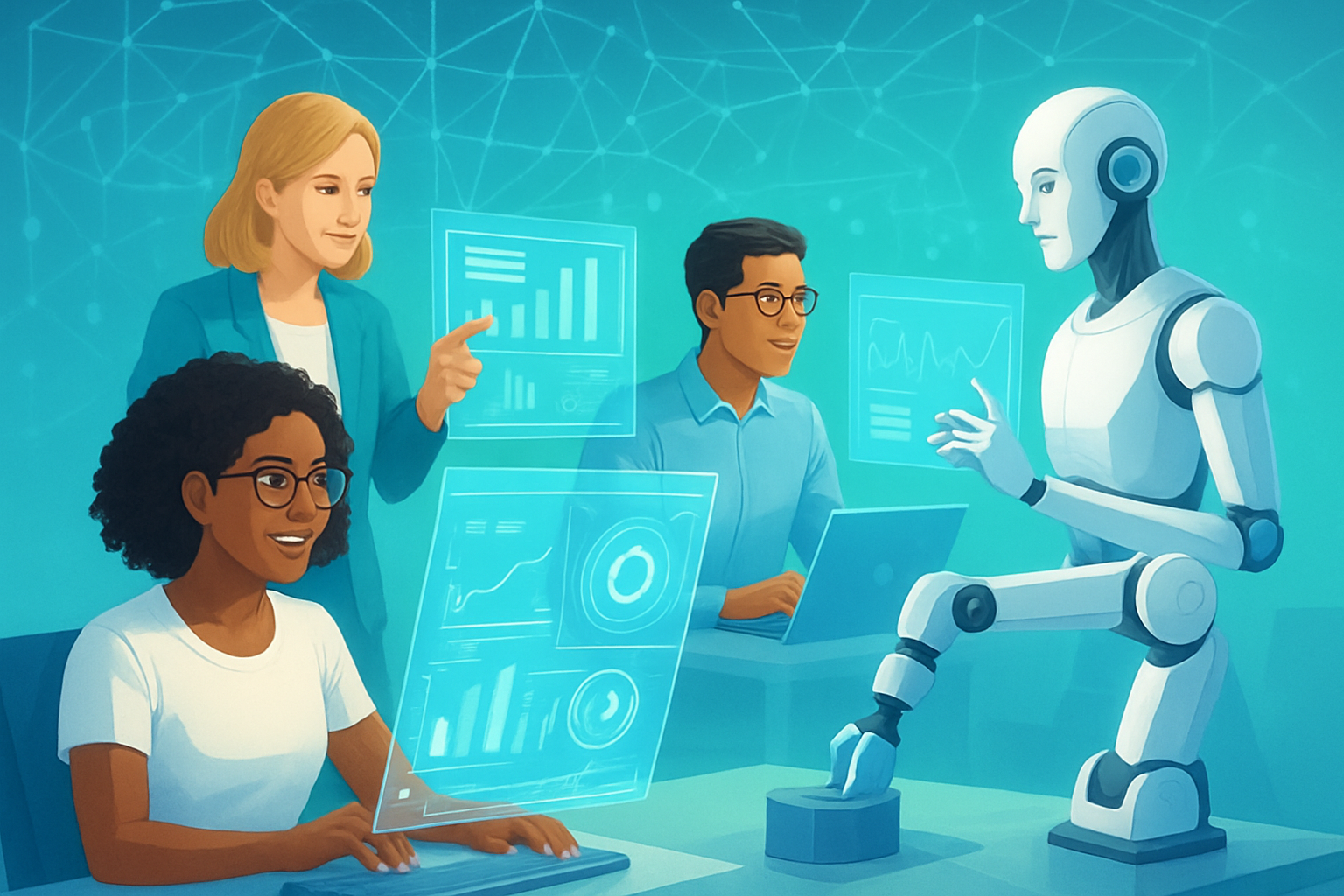
    In a significant move poised to redefine consumer productivity, Microsoft (NASDAQ: MSFT) has officially launched its new AI productivity bundle for consumers, Microsoft 365 Premium. This groundbreaking offering, available starting this month, October 2025, seamlessly integrates advanced artificial intelligence capabilities, primarily through the enhanced Copilot assistant, directly into the familiar Microsoft 365 suite. The announcement marks a pivotal moment in the democratization of AI, making sophisticated tools accessible to individual and family users who are eager to harness the power of AI for everyday tasks.

    The introduction of Microsoft 365 Premium signals a strategic acceleration in Microsoft's commitment to embedding AI at the core of its product ecosystem. By consolidating previously standalone AI offerings, such as Copilot Pro, into a comprehensive subscription, Microsoft is not merely adding features; it is fundamentally transforming how users interact with their productivity applications. This bundle promises to elevate personal and family productivity to unprecedented levels, offering intelligent assistance that can draft documents, analyze data, create presentations, and manage communications with remarkable efficiency.

    Unpacking the AI Engine: Features and Technical Prowess

    Microsoft 365 Premium is a robust package that extends the capabilities of Microsoft 365 Family with a deep infusion of AI. At its heart is the integrated Copilot, which now operates directly within desktop versions of Word, Excel, PowerPoint, OneNote, and Outlook. This means users can leverage AI for tasks like generating initial drafts in Word, summarizing lengthy email threads in Outlook, suggesting complex formulas and analyzing data in Excel (with files saved to OneDrive), and even designing slide outlines in PowerPoint. The integration is designed to be contextual, utilizing Microsoft Graph to process user data (emails, meetings, chats, documents) alongside advanced large language models like GPT-4, GPT-4 Turbo, and the newly integrated GPT-5, as well as Anthropic models, to provide highly relevant and personalized assistance.

    Subscribers to Microsoft 365 Premium gain preferred and priority access to Microsoft's most advanced AI models, ensuring they are always at the forefront of AI capabilities, even during peak usage times. The bundle also boasts higher usage limits for select AI features, including 4o image generation, voice, podcasts, deep research, Copilot Vision, and Actions within the Copilot app. Furthermore, it introduces advanced AI agents like "Researcher" and "Analyst" (available in the Microsoft 365 Copilot desktop app and slated for integration into Word, PowerPoint, and Excel), alongside a new "Photos Agent," promising more specialized and powerful AI assistance. The package also includes access to Microsoft Designer, an AI-powered image creator and editor, with Copilot Pro features like faster image generation and the ability to design unique Copilot GPTs. Each user also benefits from 1 TB of secure cloud storage and advanced security via Microsoft Defender, reinforcing the comprehensive nature of the offering.

    This approach significantly differs from previous fragmented AI offerings, where users might have subscribed to multiple services or encountered limited AI functionalities. By centralizing these capabilities within a single, premium subscription, Microsoft simplifies access and ensures a more cohesive AI experience. While earlier iterations of Copilot, particularly Copilot Pro, received some feedback regarding "janky" app implementation and US-centric plugins, Microsoft's current strategy focuses on deeper, more seamless integration. The move also contrasts with the January 2025 integration of some Copilot features into basic Microsoft 365 Personal and Family plans, which came with a price increase and the option for "Classic" plans without AI. Microsoft 365 Premium, however, represents the full, uncompromised AI experience. Initial market reactions have been overwhelmingly positive, with analysts expressing strong confidence in Microsoft's long-term AI and cloud dominance, reflected in a bullish stock market outlook.

    Reshaping the AI Competitive Landscape

    The launch of Microsoft 365 Premium has immediate and profound implications for the competitive landscape of the AI industry. Microsoft (NASDAQ: MSFT), already a dominant force in enterprise software and cloud computing, solidifies its position as a leader in consumer-facing AI. By integrating cutting-edge AI directly into its ubiquitous productivity suite, the company creates a powerful ecosystem that is difficult for competitors to replicate quickly. This move is expected to drive significant subscription growth and enhance user loyalty, further cementing Microsoft's market share.

    This aggressive play puts immense pressure on other tech giants and AI companies. Google (NASDAQ: GOOGL), with its own suite of productivity tools (Google Workspace) and AI offerings (Gemini), will undoubtedly feel the heat to accelerate and deepen its AI integrations to remain competitive. Similarly, companies like Adobe (NASDAQ: ADBE), which has been integrating AI into its creative suite, and Salesforce (NYSE: CRM), a leader in enterprise CRM with AI initiatives, will need to closely watch Microsoft's strategy and potentially adjust their own consumer-focused AI roadmaps. The bundle is also positioned as offering more AI value than OpenAI's (private company) ChatGPT Plus, which costs the same but lacks the deep integration with office applications and cloud storage, potentially drawing users away from standalone AI chatbot subscriptions.

    For startups in the AI productivity space, Microsoft 365 Premium presents both a challenge and an opportunity. While it may disrupt niche AI tools that offer single functionalities, it also validates the market for AI-powered productivity. Startups may need to pivot towards more specialized, industry-specific AI solutions or focus on building complementary services that enhance or extend the Microsoft 365 Premium experience. The sheer scale of Microsoft's user base and its comprehensive AI offering means that any company aiming to compete in the general AI productivity market will face a formidable incumbent.

    The Broader Significance: AI's March Towards Ubiquity

    Microsoft 365 Premium represents a significant milestone in the broader AI landscape, signaling a clear trend towards the ubiquitous integration of AI into everyday software. This development fits perfectly into the ongoing narrative of AI democratization, moving advanced capabilities from research labs and enterprise-only solutions into the hands of millions of consumers. It underscores the industry's shift from AI as a specialized tool to AI as an intrinsic layer of personal computing, much like the internet or cloud storage became essential utilities.

    The impacts are far-reaching. For individual users, it promises a substantial boost in personal efficiency, allowing them to accomplish more complex tasks with less effort and in less time. This could free up cognitive load, enabling greater creativity and focus on higher-level problem-solving. However, this widespread adoption also raises potential concerns, including data privacy, the ethical implications of AI-generated content, and the potential for AI hallucinations or biases to influence critical work. Microsoft's reliance on Microsoft Graph for contextual data highlights the importance of robust security and privacy measures.

    Comparing this to previous AI milestones, Microsoft 365 Premium can be seen as a consumer-grade equivalent to the initial widespread adoption of personal computers or the internet. Just as those technologies fundamentally changed how people worked and lived, deeply integrated AI has the potential to usher in a new era of human-computer interaction. It moves beyond simple voice assistants or search functionalities to truly intelligent co-pilots that actively assist in complex cognitive tasks, setting a new benchmark for what consumers can expect from their software.

    The Horizon: Future Developments and Challenges

    Looking ahead, the launch of Microsoft 365 Premium is merely the beginning of a rapid evolution in AI-powered productivity. In the near term, we can expect to see deeper and more seamless integration of Copilot across the entire Microsoft ecosystem, including potentially more sophisticated cross-application agents that can handle multi-step workflows autonomously. The "Researcher" and "Analyst" agents are likely to evolve, becoming even more capable of synthesizing information and providing actionable insights. We might also see more personalized AI models that learn individual user preferences and work styles over time.

    Long-term developments could include AI agents capable of handling increasingly complex and even proactive tasks, anticipating user needs before they are explicitly stated. The potential applications are vast, from highly personalized educational tools to advanced home management systems that integrate with productivity. However, significant challenges remain. Refining AI accuracy and reducing the incidence of hallucinations will be crucial for user trust and widespread adoption. Addressing ethical considerations, such as data governance, algorithmic bias, and the impact on human employment, will also be paramount. Experts predict an intensified AI arms race among tech giants, leading to a continuous stream of innovative features and capabilities, but also a growing need for robust regulatory frameworks and user education.

    A New Era of Personal Productivity Dawns

    The introduction of Microsoft 365 Premium marks a watershed moment in the journey of artificial intelligence from niche technology to mainstream utility. By bundling advanced AI capabilities with its universally adopted productivity suite, Microsoft has effectively lowered the barrier to entry for sophisticated AI, making it a tangible asset for individuals and families. This strategic move is not just about adding features; it's about fundamentally rethinking the human-computer interface and empowering users with intelligent assistance that was once the domain of science fiction.

    The significance of this development in AI history cannot be overstated. It represents a critical step in the democratization of AI, setting a new standard for personal productivity tools. The long-term impact is likely to be transformative, altering how we work, learn, and create. It will undoubtedly accelerate the adoption of AI across various sectors and spur further innovation from competitors and startups alike. In the coming weeks and months, the tech world will be closely watching user adoption rates, the emergence of new AI use cases, and how rival companies respond to Microsoft's bold stride into the AI-powered consumer market. This is more than just a product launch; it's the dawn of a new era for personal productivity, powered by AI.

    This content is intended for informational purposes only and represents analysis of current AI developments.

    TokenRing AI delivers enterprise-grade solutions for multi-agent AI workflow orchestration, AI-powered development tools, and seamless remote collaboration platforms.
    For more information, visit https://www.tokenring.ai/.