
Tag: Public Safety

  • Spokane Regional Emergency Communications Embraces AI to Revolutionize Non-Emergency Call Handling, Aims for Spring 2026 Rollout

    Spokane Regional Emergency Communications Embraces AI to Revolutionize Non-Emergency Call Handling, Aims for Spring 2026 Rollout

    Spokane, WA – November 18, 2025 – In a significant stride towards modernizing public safety, Spokane Regional Emergency Communications (SREC) is in the advanced stages of implementing a sophisticated artificial intelligence (AI) enhanced system designed to streamline the handling of non-emergency calls and bolster overall emergency response capabilities. The initiative, centered around Hexagon’s HxGN OnCall solutions, aims to address increasing call volumes, optimize dispatcher efficiency, and foster greater collaboration across 21 first responder agencies in Spokane County. While the full system is slated to go live by Spring 2026, its anticipated impact is already generating considerable discussion within the public safety and technology sectors.

    This strategic technological upgrade is poised to transform how SREC manages its substantial annual volume of non-emergency inquiries, often referred to as "Crime Check" calls. By leveraging AI for initial triage, data analysis, and intelligent routing, SREC expects to free up human telecommunicators to focus on critical, life-threatening emergencies, ultimately leading to faster and more accurate responses for the county's 550,000 residents. However, a parallel development sees the City of Spokane moving forward with its own independent dispatch system, raising questions about regional interoperability and coordination as both systems prepare for their respective launches.

    Hexagon's HxGN OnCall Solutions: A Deep Dive into AI-Powered Dispatch

    SREC's new system is built upon Hexagon’s (NASDAQ: HEXA B) HxGN OnCall solutions, a comprehensive public safety platform that integrates cutting-edge AI and machine learning capabilities into its core Computer-Aided Dispatch (CAD) functionalities. Central to this advancement is HxGN OnCall Dispatch | Smart Advisor, an assistive AI tool that significantly enhances real-time incident recognition and decision support.

    The Smart Advisor component continuously scans incident reports and call data logged by 911 call-takers. Utilizing advanced statistics, machine learning, and AI, it actively looks for keywords, similarities, recurring locations, statistical anomalies, and even weather patterns that human operators might overlook, especially during peak call volumes. When patterns or links are identified, the system proactively generates informational alerts and often suggests recommended actions directly on the call-taker's screen. This capability helps dispatchers connect seemingly unrelated events, enabling more informed decisions and strategic deployment of personnel and resources. The system also supports next-generation 911 (NG911/112) communications, offering flexible deployment options.

    This approach marks a significant departure from traditional, predominantly manual dispatch systems. Older systems often rely on human operators to sift through information, assess situations, and deploy resources reactively. HxGN OnCall's AI-driven platform shifts this paradigm by providing real-time operational intelligence, augmenting human decision-making rather than replacing it. It streamlines workflows, improves situational awareness, and aims to reduce errors by automating routine data analysis and highlighting critical insights. While SREC's previous system included an "automatic aid" feature for dispatching, the Hexagon platform offers a far more integrated and intelligent layer of assistance. Initial reactions from industry experts generally praise such AI-enhanced dispatch systems for their potential to improve efficiency, accuracy, and resource management, especially in addressing dispatcher staffing shortages and burnout. However, concerns about algorithmic bias, cybersecurity risks, and the critical need for human oversight are consistently highlighted as paramount considerations.

    AI in Emergency Dispatch: Reshaping the Tech Industry Landscape

    The widespread adoption of AI in emergency dispatch, as seen with SREC's Hexagon implementation, is creating a dynamic shift across the tech industry, benefiting specialized AI companies, influencing tech giants, and fostering innovation among startups.

    Companies like Hexagon (NASDAQ: HEXA B), a long-standing player in public safety software, are clear beneficiaries, leveraging their domain expertise to integrate advanced AI into their comprehensive platforms. This allows them to maintain and expand their market leadership by offering robust, AI-enhanced solutions that address critical public sector needs. Beyond established players, a vibrant ecosystem of startups is emerging. Companies like Hyper and Aurelian are deploying AI-powered voice agents to automate non-emergency calls, while Prepared offers an AI and cloud-based platform for 911 centers, providing real-time translation and advanced speech processing. RapidDeploy, recently acquired by Motorola Solutions (NYSE: MSI), exemplifies how larger tech firms are strategically integrating cutting-edge AI capabilities to secure their market position and expand their public safety portfolios.

    Tech giants, while not always directly building dispatch systems, play a crucial foundational role. Cloud providers such as Microsoft Azure (NASDAQ: MSFT) and Amazon Web Services (NASDAQ: AMZN) are essential, offering the secure, scalable infrastructure required for these advanced systems. Their general-purpose AI research in natural language processing (NLP) and machine learning also forms the bedrock for many specialized public safety AI applications. The competitive landscape for major AI labs centers on the demand for their general-purpose AI models to be specialized for high-stakes public safety contexts, creating opportunities for partnerships and licensing. This also places a heightened emphasis on ethical AI development to mitigate biases and ensure accountability. The disruption to existing products is significant; legacy CAD systems lacking AI integration risk becoming obsolete, and manual processes are being replaced by automated triage and real-time data analysis. Companies are positioning themselves through specialization, offering full-stack platforms, adopting cloud-native SaaS models, and emphasizing seamless integration with existing infrastructure, all while addressing ethical concerns and demonstrating tangible results.

    Wider Significance: AI's Role in a Safer Society

    The integration of AI into emergency dispatch, as demonstrated by SREC's move, represents a pivotal moment in the broader AI landscape, signaling a deeper penetration of advanced intelligence into critical public services. This trend aligns with the wider movement towards "assistive AI," where technology enhances human capabilities rather than replacing them, acting as a force multiplier in often understaffed and high-pressure environments.

    Operationally, the impacts are profound: faster response times due to quicker call processing and resource allocation, reduced dispatcher workload alleviating burnout, and improved language translation enhancing accessibility for diverse communities. AI provides real-time situational awareness by fusing data from various sources, allowing for more informed decision-making and better inter-agency coordination. For example, AI can identify life-threatening conditions like cardiac arrest within the first minute of a call more accurately than humans, potentially saving lives. Societally, this promises a more efficient and responsive public safety infrastructure. However, these advancements come with significant concerns. Ethical dilemmas surrounding algorithmic bias, particularly in predictive policing or caller sentiment analysis, are paramount. If AI models are trained on biased data, they could inadvertently lead to discriminatory outcomes. Privacy and data protection are also critical, as these systems handle highly sensitive personal information, necessitating robust cybersecurity and transparent data practices. While AI is primarily seen as an assistive tool to address staffing shortages, concerns about job displacement for human dispatchers persist, underscoring the need for clear communication and workforce adaptation strategies.

    Comparing this to previous AI milestones, the current wave in emergency dispatch moves beyond earlier rule-based systems to sophisticated machine learning that can learn, adapt, and provide real-time cognitive assistance. It represents a shift from static data analysis to dynamic, multimodal data fusion, integrating voice, text, location, and sensor data for a comprehensive operational picture. Unlike some AI applications that aim for full automation, the emphasis here is on human-AI collaboration, recognizing the irreplaceable human elements of empathy, judgment, and adaptability in crisis situations. The direct impact on public safety and human lives elevates the importance of ethical considerations and robust governance frameworks, as reflected in regulations like the EU's AI Act, which classifies AI in emergency calls as "high-risk."

    The Horizon: Future Developments in Emergency AI

    The future of AI in emergency dispatch, building on foundational implementations like SREC's Hexagon system, is poised for continuous and transformative advancements, moving towards more integrated, proactive, and intelligently assisted public safety ecosystems.

    In the near term (1-3 years), we can expect significant enhancements in AI-powered call insights and transcription, with systems automatically flagging critical details and reducing dispatcher workload. Automated call triage and routing will become more sophisticated, efficiently distinguishing between emergency and non-emergency calls and directing them appropriately. Real-time language translation will become standard, breaking down communication barriers. Furthermore, AI will enhance predictive analytics, leveraging diverse data streams to anticipate potential emergencies and proactively allocate resources. Experts also foresee AI playing a greater role in dispatcher training through realistic simulations and in quality assurance by reviewing a significantly higher percentage of calls for compliance and improvement.

    Looking further ahead (3-10+ years), emergency dispatch systems will evolve into highly integrated platforms that fuse vast amounts of data from smart city sensors, drones, body cameras, and IoT devices, creating a holistic "common operating picture." This will enable proactive threat detection and prevention, moving beyond reactive responses to anticipating and potentially preventing incidents. Advanced AI algorithms will dynamically optimize resource allocation across multiple agencies, leading to near-autonomous recommendations for deploying the most appropriate units. New applications could include AI for mental health triage, automated first aid instructions based on caller descriptions, and video analysis for rapid damage assessment and survivor location during mass incidents. The challenges to address include ensuring AI accuracy and reliability in high-stakes situations, safeguarding data privacy and security, mitigating algorithmic bias through diverse training data and audits, integrating with legacy systems, securing adequate funding, and building public trust through transparency and education. Experts universally predict that AI will remain an assistive technology, augmenting human capabilities to manage complex, emotionally charged incidents, while continuously improving its ability to handle routine tasks and provide critical insights.

    A New Era for Emergency Communications

    Spokane Regional Emergency Communications' adoption of Hexagon’s AI-enhanced system marks a significant inflection point in the evolution of public safety. This move, while still in its implementation phase with a Spring 2026 go-live date, underscores a broader trend towards leveraging intelligent automation to address the escalating demands on emergency services. The key takeaways are clear: AI promises enhanced efficiency, faster response times, and improved resource allocation, ultimately contributing to a safer community. However, the path forward necessitates careful navigation of ethical considerations, robust data security protocols, and strategic workforce adaptation.

    The parallel development of the City of Spokane's independent dispatch system, "Spokane United 911," introduces a critical element of complexity, potentially impacting regional interoperability and coordination. This dynamic will be crucial to watch in the coming months as both entities work towards their respective operational dates in early 2026. The success of SREC's AI integration will not only serve as a benchmark for other emergency communication centers nationwide but also highlight the delicate balance between technological advancement and seamless inter-agency collaboration. The coming weeks and months will be vital in observing the final preparations, initial rollout, and the real-world impact of these transformative systems on public service efficiency and community safety.


    This content is intended for informational purposes only and represents analysis of current AI developments.

    TokenRing AI delivers enterprise-grade solutions for multi-agent AI workflow orchestration, AI-powered development tools, and seamless remote collaboration platforms.
    For more information, visit https://www.tokenring.ai/.

  • Los Angeles Orchestrates an AI-Powered Future for Global Sporting Spectacles

    Los Angeles Orchestrates an AI-Powered Future for Global Sporting Spectacles

    As the world's gaze turns towards Los Angeles in anticipation of a series of monumental sporting events—including the 2026 FIFA World Cup, the 2027 Super Bowl, and the 2028 Olympic and Paralympic Games—the city is not merely preparing to host; it is undergoing a profound technological metamorphosis. At the heart of this transformation is an ambitious integration of artificial intelligence (AI) across its urban fabric, aimed at revolutionizing everything from traffic flow and public safety to the overall visitor experience. This strategic deployment of AI, encapsulated in the "Smart City LA 2028" initiative, signifies a pivotal moment in urban development, positioning Los Angeles as a vanguard in leveraging intelligent systems for large-scale event management and sustainable metropolitan growth.

    The immediate significance of this AI-driven overhaul extends beyond mere logistical improvements. It represents a commitment to reimagining the urban environment itself, moving from a traditional "car city" to a multimodal transit hub powered by data and predictive analytics. By embedding AI into critical infrastructure and public services, Los Angeles seeks to not only ensure the seamless execution of these global events but also to establish a lasting legacy of efficiency, connectivity, and enhanced quality of life for its residents and future visitors. This proactive embrace of AI signals a new era for smart cities, where technology serves as the backbone for unprecedented levels of urban intelligence and responsiveness.

    The Digital Backbone: AI's Technical Blueprint for a Smarter LA

    Los Angeles's AI strategy is underpinned by a sophisticated array of technical advancements designed to address the complex challenges of hosting millions of attendees. A cornerstone of this approach is the evolution of traffic management. The city is upgrading its Automated Traffic Surveillance and Control (ATSAC) system, which already boasts 45,000 loop detectors and over 4,850 connected intersections. AI-powered algorithms analyze real-time data from these sensors and cameras to dynamically adjust traffic signals, predict congestion hotspots, and optimize flow. This differs significantly from previous static or reactive systems by offering predictive capabilities and adaptive responses, aiming to drastically reduce commute times and manage event-day surges more effectively.

    In the realm of public safety, AI is being deployed for predictive policing and crowd management. Computer vision systems are being integrated to monitor large gatherings, detecting unusual behaviors, unattended objects, or potential bottlenecks in real-time. AI models can simulate various crowd scenarios, factoring in variables like weather and expected attendance, to help planners design optimal entry/exit points and space utilization. This proactive approach to security and crowd control represents a significant leap from traditional human-centric surveillance, offering instant alerts and data-driven insights for emergency responders. Furthermore, the Los Angeles Police Department (LAPD) is utilizing virtual reality (VR) for officer training, allowing for immersive practice in de-escalation techniques and appropriate use-of-force scenarios, mitigating risks associated with real-life drills.

    Infrastructure upgrades are also heavily reliant on AI and related technologies. The Los Angeles International Airport (LAX) is undergoing a multi-billion dollar transformation, including an automated "people mover" system capable of handling 85 million passengers annually with two-minute peak-hour intervals, leveraging full automation and electric technology. The "Smart City LA 2028" plan also includes incentives for widespread fiber-optic buildout and a target of 10,000 public electric vehicle charging stations by 2024. These initiatives, while not solely AI-driven, create the essential data infrastructure and sustainable environment for AI systems to thrive, enabling everything from smart parking solutions to optimized energy grids. The initial reactions from urban planning and tech communities highlight the ambitious scale and integrated nature of LA's strategy, often pointing to it as a potential blueprint for other global cities facing similar challenges.

    Corporate Beneficiaries and Competitive Edge in the AI Arena

    The extensive AI integration in Los Angeles creates significant opportunities and competitive dynamics for a range of technology companies, from established giants to innovative startups. Google (NASDAQ: GOOGL) stands out as a primary beneficiary and key partner. The City of Los Angeles is collaborating with Google Public Sector to deploy Google Workspace with Gemini across its 27,500 employees, enhancing internal communication, automating administrative tasks, and streamlining project management. This partnership also leverages NotebookLM for reviewing large documents and identifying funding opportunities. As a founding partner for the LA28 Olympic and Paralympic Games, Google's Gemini and Google Cloud are poised to play a crucial role in data management, service personalization, and real-time communication for the event, significantly boosting its market position in government and large-scale event solutions.

    Beyond Google, companies specializing in smart city infrastructure, IoT devices, and cybersecurity are set to gain. Firms developing advanced sensor technologies, computer vision analytics platforms, and predictive modeling software will find a robust market in LA's ongoing development. The city's collaboration with the University of Southern California (USC) and various tech companies to form I3, a consortium focused on developing a city-wide Internet of Things (IoT) environment, signals a fertile ground for startups and established players in this domain. This initiative aims to connect everything from traffic lights and parking meters to smartphones, creating a truly responsive urban ecosystem.

    The competitive implications for major AI labs and tech companies are substantial. Success in Los Angeles could serve as a powerful case study, influencing other global cities preparing for major events or simply seeking to modernize their infrastructure. Companies that can demonstrate robust, scalable, and ethically sound AI solutions in a high-stakes environment like the Olympics will gain a significant strategic advantage. This development could also disrupt existing service models, pushing traditional urban planning and public safety contractors to adopt more AI-centric approaches or risk being outpaced by more technologically agile competitors. The focus on cybersecurity, given the increased digitization, also creates a burgeoning market for AI-powered threat detection and prevention solutions, positioning specialized cybersecurity firms for growth.

    The Broader AI Landscape: Vision, Concerns, and Milestones

    Los Angeles's ambitious AI strategy for its upcoming mega-events is more than just a local initiative; it's a significant marker in the broader AI landscape, illustrating the accelerating trend of "smart city" development globally. This integration of AI into urban planning, public safety, and citizen services highlights a shift from theoretical discussions about AI's potential to concrete, large-scale deployments that directly impact daily life. It fits into a wider movement where cities are increasingly viewing AI as a critical tool for improving efficiency, sustainability, and resilience in the face of growing populations and complex urban challenges. The sheer scale of data collection and analysis required for such an endeavor pushes the boundaries of current AI capabilities, particularly in areas like real-time predictive analytics and multimodal data fusion.

    However, this widespread deployment of AI also brings forth significant ethical concerns, primarily regarding privacy and potential bias. The use of AI-driven surveillance systems, while enhancing public safety, raises questions about the collection and use of biometric data, the potential for false positives, and algorithmic discrimination. California, with its strong constitutional right to privacy and the California Consumer Privacy Act (CCPA), is actively grappling with these issues, with legislators considering bills to ban discrimination by AI tools. These concerns underscore the critical need for transparent AI governance, robust data protection measures, and ongoing public discourse to ensure that technological advancements serve the public good without infringing on civil liberties.

    Comparing this to previous AI milestones, LA's project represents a move beyond isolated AI applications (like self-driving cars or voice assistants) towards a holistic, interconnected urban intelligence system. While not a singular "breakthrough" in the mold of AlphaGo's victory over Go champions, it signifies a crucial breakthrough in the practical, large-scale integration of diverse AI technologies into complex real-world environments. It demonstrates the maturation of AI from specialized tasks to an enabling technology for comprehensive urban transformation, potentially setting a new standard for how cities worldwide approach modernization and event management.

    The Horizon: Future Developments and Emerging Challenges

    Looking ahead, the AI initiatives in Los Angeles are poised for continuous evolution, with both near-term and long-term developments on the horizon. In the immediate future, we can expect further expansion of 5G connectivity across the city, providing the necessary high-speed infrastructure for more advanced AI applications, particularly those involving real-time data processing and edge computing. The rollout of personalized AI-powered travel itineraries and mobile applications will likely intensify, offering more sophisticated recommendations and seamless navigation for visitors. Interactive chatbots are also expected to become more prevalent, providing instant, multilingual assistance for event attendees and residents alike.

    Longer term, experts predict that Los Angeles will continue to refine its AI models, moving towards even more predictive and autonomous urban management systems. This could include highly adaptive infrastructure that anticipates needs before they arise, such as self-optimizing energy grids or waste management systems that respond dynamically to urban activity. The modernization of the city's 311 system with AI tools is designed to be a lasting piece of infrastructure, ensuring that improved service delivery extends far beyond the major events. Potential applications on the horizon include advanced environmental monitoring using AI to combat pollution, and AI-driven solutions for affordable housing and resource allocation, making the city more equitable.

    However, several challenges need to be addressed. The ongoing ethical debate surrounding AI surveillance and data privacy will require continuous legislative and technological safeguards. Ensuring the cybersecurity of interconnected urban systems will be paramount, as the increased reliance on digital infrastructure presents new vulnerabilities to cyberattacks. Furthermore, the challenge of integrating disparate AI systems from various vendors into a cohesive, interoperable framework will test the city's technical prowess and its ability to foster collaborative ecosystems. Experts predict a future where AI becomes an invisible layer of urban intelligence, seamlessly enhancing city functions, but only if these complex technical, ethical, and integration hurdles can be successfully navigated.

    A New Blueprint for Urban Intelligence: Wrapping Up LA's AI Journey

    Los Angeles's strategic embrace of artificial intelligence for its upcoming global sporting events marks a pivotal moment in the evolution of smart cities. The key takeaways from this ambitious undertaking are clear: AI is no longer a futuristic concept but a practical, indispensable tool for urban planning, public safety, and enhancing the citizen and visitor experience. By leveraging AI-powered traffic management, predictive security systems, and personalized digital services, Los Angeles is striving to become a connected, efficient, and intelligently responsive urban center. This development signifies a profound shift in how cities prepare for and manage large-scale events, setting a new global benchmark.

    The significance of this development in AI history lies in its demonstration of large-scale, integrated AI application in a complex, high-stakes environment. It moves beyond isolated AI successes to showcase the technology's capability to orchestrate an entire urban ecosystem. While the benefits of enhanced efficiency and safety are evident, the ongoing discussions around data privacy, algorithmic bias, and cybersecurity underscore the critical importance of responsible AI development and deployment. The city's efforts will serve as a living laboratory, providing invaluable lessons for other metropolitan areas around the world.

    In the coming weeks and months, the world will be watching Los Angeles closely. We should look for concrete results from the initial deployments, particularly in traffic flow improvements and public safety metrics. The ongoing dialogue between policymakers, technologists, and privacy advocates regarding AI governance will also be crucial. Ultimately, LA's journey is not just about hosting a few events; it's about forging a lasting legacy of urban intelligence, providing a compelling vision for how AI can fundamentally reshape our cities for the better, making them more resilient, responsive, and ready for the future.


    This content is intended for informational purposes only and represents analysis of current AI developments.

    TokenRing AI delivers enterprise-grade solutions for multi-agent AI workflow orchestration, AI-powered development tools, and seamless remote collaboration platforms.
    For more information, visit https://www.tokenring.ai/.

  • AI-Powered Flood Prediction: A New Era of Public Safety and Environmental Resilience Dawns for Local Governments

    AI-Powered Flood Prediction: A New Era of Public Safety and Environmental Resilience Dawns for Local Governments

    The escalating frequency and intensity of flood events globally are driving a transformative shift in how local governments approach disaster management. Moving beyond reactive measures, municipalities are increasingly embracing Artificial Intelligence (AI) flood prediction technology to foster proactive resilience, marking a significant leap forward for public safety and environmental stewardship. This strategic pivot, underscored by recent advancements and broader integration efforts as of October 2025, promises to revolutionize early warning systems, resource deployment, and long-term urban planning, fundamentally altering how communities coexist with water.

    Unpacking the Technological Wave: Precision Forecasting and Proactive Measures

    The core of this revolution lies in sophisticated AI models that leverage vast datasets—ranging from meteorological and hydrological information to topographical data, land use patterns, and urban development metrics—to generate highly accurate, real-time flood forecasts. Unlike traditional hydrological models that often rely on historical data and simpler statistical analyses, AI-driven systems employ machine learning algorithms to identify complex, non-linear patterns, offering predictions with unprecedented lead times and spatial resolution.

    A prime example is Google's (NASDAQ: GOOGL) Flood Hub, which provides AI-powered flood forecasts with up to a seven-day lead time across over 100 countries, reaching hundreds of millions of people. This platform's global model is also accessible via an API, allowing governments and partners to integrate these critical insights into their own disaster relief frameworks. Similarly, companies like SAS have partnered with cities such as Jakarta, Indonesia, to deploy AI-powered analytics platforms that forecast flood risks hours in advance, enabling authorities to implement preventive actions like closing floodgates and issuing timely alerts.

    Recent breakthroughs, such as a new AI-powered hydrological model announced by a Penn State research team in October 2025, combine AI with physics-based modeling. This "game-changer" offers finer resolution and higher quality forecasts, making it invaluable for local-scale water management, particularly in underdeveloped regions where data might be scarce. Furthermore, H2O.ai unveiled a reference design that integrates NVIDIA (NASDAQ: NVDA) Nemotron and NVIDIA NIM microservices, aiming to provide real-time flood risk forecasting, assessment, and mitigation by combining authoritative weather and hydrology data with multi-agent AI systems. These advancements represent a departure from previous, often less precise, and more resource-intensive methods, offering a dynamic and adaptive approach to flood management. Initial reactions from the AI research community and industry experts are overwhelmingly positive, highlighting the potential for these technologies to save lives, protect infrastructure, and mitigate economic losses on a grand scale.

    Reshaping the AI Landscape: Opportunities and Competitive Shifts

    The burgeoning field of AI-powered flood prediction is creating significant opportunities and competitive shifts within the tech industry. Companies specializing in AI, data analytics, and geospatial intelligence stand to benefit immensely. Google (NASDAQ: GOOGL), with its expansive Flood Hub, is a major player, solidifying its "AI for Good" initiatives and extending its influence into critical infrastructure solutions. Its open API strategy further entrenches its technology as a foundational component for governmental disaster response.

    Microsoft (NASDAQ: MSFT) is also actively positioning itself in this space, emphasizing "trusted AI" for building resilient infrastructure. The company's collaborations, such as with Smart Cities World, highlight AI's role in anticipating, adapting, and acting, with cities like Seattle citing their 2025–2026 AI Plan as a benchmark for responsible AI deployment. This indicates a strategic move by tech giants to offer comprehensive smart city solutions that include environmental resilience as a key component.

    Startups and specialized AI firms like H2O.ai and those developing platforms such as Sentient Hubs are also carving out significant niches. Their focus on integrating multi-agent AI systems, real-time data processing, and tailored solutions for specific governmental and utility needs allows them to compete effectively by offering specialized, high-performance tools. The collaboration between H2O.ai and NVIDIA (NASDAQ: NVDA) underscores the growing importance of powerful hardware and specialized AI frameworks in delivering these high-fidelity predictions. This competitive landscape is characterized by both collaboration and innovation, with companies striving to offer the most accurate, scalable, and integrable solutions. The potential disruption to existing products or services is significant; traditional weather forecasting and hydrological modeling firms may need to rapidly integrate advanced AI capabilities or risk being outmaneuvered by more agile, AI-first competitors.

    Broader Implications: A Paradigm Shift for Society and Environment

    The widespread adoption of AI flood prediction technology represents a profound shift in the broader AI landscape, aligning with trends towards "AI for Good" and the application of complex AI models to real-world, high-impact societal challenges. Its impact extends far beyond immediate disaster response, touching upon urban planning, insurance, agriculture, and climate change adaptation.

    For public safety, the significance is undeniable. Timely and accurate warnings enable efficient evacuations, optimized resource deployment, and proactive emergency protocols, leading to a demonstrable reduction in casualties and property damage. For instance, in Bihar, India, communities receiving early flood warnings reportedly experienced a 30% reduction in post-disaster medical costs. Environmentally, AI aids in optimizing water resource management, reducing flood risks, and protecting vital ecosystems. By enabling adaptive irrigation advice and enhancing drought preparedness, AI facilitates dynamic adjustments in the operation of dams, reservoirs, and drainage systems, as seen with Sonoma Water's implementation of a Forecast-Informed Decision-Making Tool (FIRO) at Coyote Valley Dam in October 2025, which optimizes reservoir operations for both flood risk management and water supply security.

    However, this transformative potential is not without concerns. Challenges include data scarcity and quality issues in certain regions, particularly developing countries, which could lead to biased or inaccurate predictions. The "black-box" nature of some AI models can hinder interpretability, making it difficult for human operators to understand the reasoning behind a forecast. Ethical and privacy concerns related to extensive data collection, as well as the potential for "data poisoning" attacks on critical infrastructure systems, are also significant vulnerabilities that require robust regulatory and security frameworks. Despite these challenges, the strides made in AI flood prediction stand as a major AI milestone, comparable to breakthroughs in medical diagnostics or autonomous driving, demonstrating AI's capacity to address urgent global crises.

    The Horizon: Smarter Cities and Climate Resilience

    Looking ahead, the trajectory of AI flood prediction technology points towards even more integrated and intelligent systems. Expected near-term developments include the continued refinement of hybrid AI models that combine physics-based understanding with machine learning's predictive power, leading to even greater accuracy and reliability across diverse geographical and climatic conditions. The expansion of platforms like Google's Flood Hub and the proliferation of accessible APIs will likely foster a more collaborative ecosystem, allowing smaller governments and organizations to leverage advanced AI without prohibitive development costs.

    Long-term, we can anticipate the seamless integration of flood prediction AI into broader smart city initiatives. This would involve real-time data feeds from ubiquitous sensor networks, dynamic infrastructure management (e.g., automated floodgate operation, smart drainage systems), and personalized risk communication to citizens. Potential applications extend to predictive maintenance for water infrastructure, optimized agricultural irrigation based on anticipated rainfall, and more accurate actuarial models for insurance companies.

    Challenges that need to be addressed include the ongoing need for robust, high-quality data collection, particularly in remote or underserved areas. The interoperability of different AI systems and their integration with existing legacy infrastructure remains a significant hurdle. Furthermore, ensuring equitable access to these technologies globally and developing transparent, explainable AI models that build public trust are critical for widespread adoption. Experts predict a future where AI-powered environmental monitoring becomes a standard component of urban and regional planning, enabling communities to not only withstand but also thrive in the face of escalating climate challenges.

    A Watershed Moment in AI for Public Good

    The accelerating adoption of AI flood prediction technology by local governments marks a watershed moment in the application of AI for public good. This development signifies a fundamental shift from reactive crisis management to proactive, data-driven resilience, promising to save lives, protect property, and safeguard environmental resources. The integration of advanced machine learning models, real-time data analytics, and sophisticated forecasting capabilities is transforming how communities prepare for and respond to the escalating threat of floods.

    Key takeaways include the critical role of major tech players like Google (NASDAQ: GOOGL) and Microsoft (NASDAQ: MSFT) in democratizing access to powerful AI tools, the emergence of specialized AI firms like H2O.ai driving innovation, and the profound societal and environmental benefits derived from accurate early warnings. While challenges related to data quality, ethical considerations, and integration complexities persist, the overarching trend is clear: AI is becoming an indispensable tool in the global fight against climate change impacts.

    This development's significance in AI history lies in its tangible, life-saving impact and its demonstration of AI's capacity to solve complex, real-world problems at scale. It underscores the potential for AI to foster greater equity and enhance early warning capabilities globally, particularly for vulnerable populations. In the coming weeks and months, observers should watch for further expansions of AI flood prediction platforms, new public-private partnerships, and continued advancements in hybrid AI models that blend scientific understanding with machine learning prowess, all contributing to a more resilient and prepared world.


    This content is intended for informational purposes only and represents analysis of current AI developments.

    TokenRing AI delivers enterprise-grade solutions for multi-agent AI workflow orchestration, AI-powered development tools, and seamless remote collaboration platforms.
    For more information, visit https://www.tokenring.ai/.
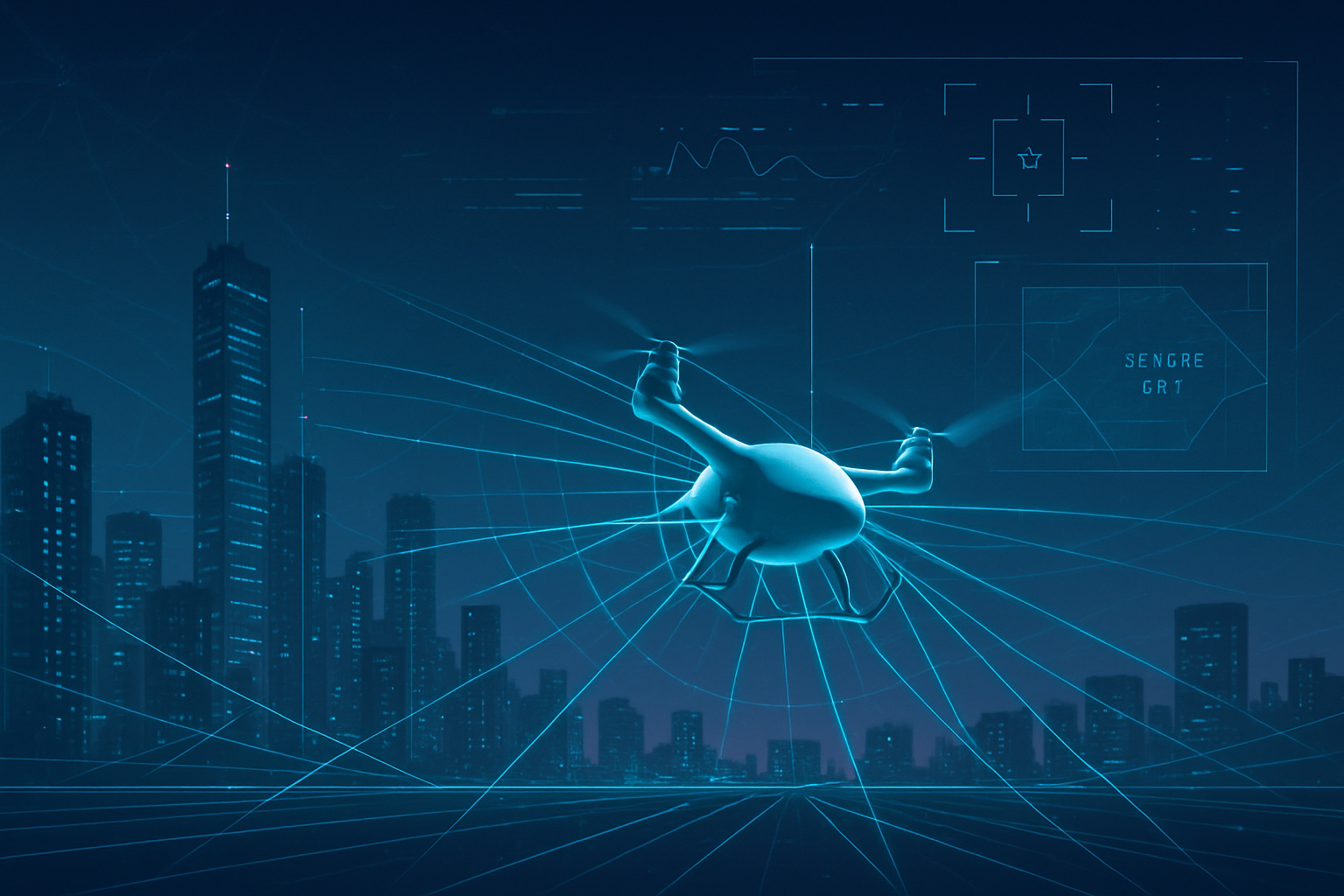
  • SaferWatch and Sentrycs Forge Alliance to Elevate Law Enforcement’s Counter-Drone Capabilities

    SaferWatch and Sentrycs Forge Alliance to Elevate Law Enforcement’s Counter-Drone Capabilities

    FOR IMMEDIATE RELEASE

    In a significant move poised to redefine public safety and law enforcement response, SaferWatch, a leading real-time emergency alerting and communication technology platform, has officially announced a strategic partnership with Sentrycs, a global pioneer in integrated counter-drone (C-UAS) solutions. This collaboration, unveiled on October 16, 2025, is set to dramatically strengthen the capabilities of law enforcement and public safety agencies by seamlessly integrating Sentrycs' advanced counter-drone technology into SaferWatch's comprehensive Command Center Platform and Real-Time Response Center. The alliance promises a unified and formidable approach to managing both ground-level and aerial threats, marking a pivotal moment in the modernization of emergency response.

    The immediate significance of this partnership lies in its capacity to equip first responders with critical tools to navigate the increasingly complex threat landscape posed by unauthorized drones. From illicit surveillance to smuggling operations and potential weaponization, drones present multifaceted risks to public safety, critical infrastructure, and large-scale events. By embedding Sentrycs' state-of-the-art drone detection, tracking, identification, and safe mitigation capabilities directly into the familiar SaferWatch ecosystem, agencies will gain an unparalleled advantage, enabling swift, precise, and non-disruptive countermeasures against rogue airborne devices. This integration represents a crucial leap forward in providing actionable intelligence and robust defensive measures against a rapidly evolving aerial menace.

    Unpacking the Technical Synergy: A New Era in Counter-Drone Operations

    The core of this transformative partnership resides in the deep integration of Sentrycs' sophisticated counter-drone technology, particularly its "Cyber over RF" (CoRF) protocol manipulation capabilities, into SaferWatch's established Command Center. This synergy empowers law enforcement and public safety customers to not only detect, track, and identify unauthorized drone activity in real-time but also to safely mitigate these threats directly from their unified platform. Unlike traditional jamming methods that can disrupt legitimate communications, Sentrycs' protocol-based approach allows for the precise, surgical neutralization of rogue drones by taking control of their flight, redirecting, or safely landing them without collateral interference. This means that agencies can now monitor airspace threats, trace flight paths, pinpoint operator locations with GPS accuracy, and neutralize drones, all while maintaining operational integrity.

    SaferWatch's platform, already robust with features like anonymous tip submissions, live video streaming, virtual panic buttons, and comprehensive incident management, now extends its protective umbrella into the skies. The integration ensures that airborne threat data from Sentrycs is presented within the same intuitive interface where ground-level incidents are managed, providing a truly holistic view of any unfolding situation. This unified operational picture is a significant departure from fragmented systems that require separate monitoring and response protocols for air and ground threats. The ability to identify the drone's unique identifier and, crucially, the operator's location, provides unprecedented intelligence for law enforcement, enabling targeted and effective responses.

    This integrated approach offers a distinct advantage over previous counter-drone technologies, which often relied on broad-spectrum jamming or kinetic solutions that carried risks of collateral damage, interference with authorized drones, or legal complexities. Sentrycs' CoRF technology, by manipulating the drone's communication protocols, offers a non-kinetic, precise, and safe mitigation method that adheres to regulatory guidelines and minimizes disruption. The real-time data extraction capabilities, including the drone's make, model, and even flight plan details, provide forensic-level intelligence invaluable for post-incident analysis and proactive threat assessment, setting a new benchmark for intelligent counter-UAS operations.

    Initial reactions from the AI research community and industry experts highlight the innovative nature of combining advanced AI-driven threat intelligence and communication platforms with sophisticated cyber-physical counter-drone measures. Analysts commend the partnership for addressing a critical gap in public safety infrastructure, emphasizing the importance of integrated solutions that can adapt to the dynamic nature of drone technology. The focus on safe, non-disruptive mitigation is particularly lauded, marking a mature evolution in the counter-drone space that prioritizes public safety and operational efficacy.

    Reshaping the Landscape: Implications for AI Companies and Tech Giants

    The partnership between SaferWatch and Sentrycs carries significant competitive implications for both established tech giants and emerging AI startups in the security and defense sectors. Companies specializing in urban security, emergency response software, and drone technology will undoubtedly be watching closely. This integrated solution sets a new standard for comprehensive threat management, potentially disrupting existing product offerings that only address parts of the security puzzle. Companies like Axon Enterprise (NASDAQ: AXON), which provides connected public safety technologies, or even larger defense contractors like Lockheed Martin (NYSE: LMT) and Raytheon Technologies (NYSE: RTX) that are involved in broader C-UAS development, may find themselves re-evaluating their strategies to offer similarly integrated and non-kinetic solutions.

    The strategic advantage gained by SaferWatch and Sentrycs lies in their ability to offer a truly unified command and control system that encompasses both ground and aerial threats. This holistic approach could compel competitors to accelerate their own integration efforts or seek similar partnerships to remain competitive. For AI labs and tech companies focused on developing drone detection algorithms, predictive analytics for threat assessment, or autonomous response systems, this partnership highlights the growing demand for actionable intelligence and integrated mitigation capabilities. The market is clearly moving towards solutions that not only identify threats but also provide immediate, safe, and effective countermeasures.

    Furthermore, this development could catalyze a wave of innovation in AI-powered threat prediction and anomaly detection within airspace management. Startups developing advanced computer vision for drone identification, machine learning models for predicting nefarious drone activity, or AI-driven decision support systems for emergency responders could find new opportunities for integration and partnership with platforms like SaferWatch. The emphasis on "Cyber over RF" technology also underscores the increasing importance of cyber warfare capabilities in the physical security domain, suggesting a future where cyber and physical security solutions are inextricably linked. This could lead to a re-prioritization of R&D investments within major tech companies towards integrated cyber-physical security platforms.

    The potential disruption extends to companies that currently offer standalone counter-drone systems or ground-based emergency management software. The combined SaferWatch-Sentrycs offering presents a compelling value proposition: a single platform for comprehensive threat awareness and response. This could pressure existing players to either expand their own offerings to include both air and ground domains or face losing market share to more integrated solutions. Market positioning will increasingly favor those who can demonstrate a seamless, end-to-end security solution that addresses the full spectrum of modern threats, from individual emergencies to sophisticated drone incursions.

    Broader Implications: A Paradigm Shift in Public Safety and AI Security

    This partnership between SaferWatch and Sentrycs signifies a profound shift in the broader AI landscape, particularly within the domain of public safety and national security. It underscores a growing recognition that effective security in the 21st century demands a multi-domain approach, integrating ground-level intelligence with comprehensive airspace awareness. This move aligns with broader trends in AI-driven security, which are increasingly moving towards proactive, predictive, and integrated systems rather than reactive, siloed responses. The ability to identify, track, and mitigate drone threats with precision, without collateral damage, represents a significant step forward in safeguarding critical infrastructure, public gatherings, and sensitive areas.

    The impacts are far-reaching. For law enforcement, it means enhanced situational awareness and a greater capacity to prevent incidents before they escalate. For public safety, it translates to safer communities and more secure environments. However, with advanced capabilities come potential concerns. The ethical implications of drone mitigation technologies, particularly regarding privacy and the potential for misuse, will require ongoing scrutiny and clear regulatory frameworks. Ensuring that such powerful tools are used responsibly and within legal boundaries is paramount. This development also highlights the escalating arms race between drone technology and counter-drone measures, pushing the boundaries of AI research in areas like autonomous threat detection, swarm defense, and secure communication protocols.

    Comparing this to previous AI milestones, this partnership reflects the maturation of AI from purely analytical tools to active, real-world intervention systems. Earlier milestones focused on data processing and pattern recognition; this represents AI's application in real-time, critical decision-making and physical intervention. It echoes the impact of AI in surveillance and predictive policing but extends it to the physical neutralization of threats. This evolution signifies that AI is not just about understanding the world but actively shaping its security posture, moving from "smart" systems to "active defense" systems, and setting a new precedent for how AI can be deployed to counter complex, dynamic threats in the physical world.

    The Horizon: Future Developments and Emerging Applications

    Looking ahead, the partnership between SaferWatch and Sentrycs is likely just the beginning of a rapid evolution in integrated security solutions. Near-term developments will likely focus on enhancing the autonomy and intelligence of the counter-drone systems, potentially incorporating more sophisticated AI for threat assessment and predictive analytics. Imagine systems that can not only detect and mitigate but also learn from past incidents to anticipate future drone attack vectors or identify emerging patterns of nefarious activity. There will also be a strong emphasis on further streamlining the user interface within the SaferWatch Command Center, making the complex task of airspace management as intuitive as possible for operators.

    In the long term, we can anticipate the expansion of these integrated capabilities to a broader range of security challenges. Potential applications and use cases on the horizon include advanced perimeter security for large-scale events, enhanced protection for critical national infrastructure such as power plants and data centers, and even integrated air traffic management solutions for urban air mobility. The underlying "Cyber over RF" technology could also be adapted for other forms of wireless threat mitigation beyond drones, opening up new avenues for securing networked environments. Experts predict a future where AI-powered, multi-domain security platforms become the standard, offering unparalleled levels of protection against both cyber and physical threats.

    However, several challenges need to be addressed. The rapid pace of drone technology innovation means that counter-drone systems must constantly evolve to stay ahead. Regulatory frameworks will need to keep pace with technological advancements, ensuring that these powerful tools are used ethically and legally. Furthermore, ensuring interoperability with other public safety systems and establishing robust training protocols for law enforcement personnel will be crucial for widespread adoption and effective implementation. The ongoing development of secure, resilient, and adaptive AI algorithms will be key to overcoming these challenges and realizing the full potential of these integrated security solutions.

    A New Benchmark for Integrated Security in the AI Age

    The strategic partnership between SaferWatch and Sentrycs marks a watershed moment in the convergence of AI, public safety, and national security. The key takeaway is the establishment of a new benchmark for integrated threat response, offering law enforcement agencies a unified, intelligent, and non-disruptive solution for managing both ground and aerial threats. This development underscores the critical importance of leveraging advanced AI and cyber-physical systems to address the complex and evolving challenges of modern security. It signifies a move towards proactive, comprehensive defense mechanisms that empower first responders with unprecedented situational awareness and control.

    Assessing this development's significance in AI history, it represents a tangible step forward in applying AI beyond data analysis to real-time, critical intervention in the physical world. It showcases AI's potential to not only detect and identify but also to safely neutralize threats, pushing the boundaries of autonomous and intelligent security systems. This partnership is not merely an incremental improvement; it's a foundational shift in how we conceive and implement public safety measures in an increasingly interconnected and drone-populated world.

    In the coming weeks and months, the tech industry and public safety sector will be closely watching the initial deployments and operational successes of this integrated platform. Key indicators to watch for include feedback from law enforcement agencies on the system's effectiveness, any further technological enhancements or expanded capabilities, and the emergence of new regulatory discussions surrounding advanced counter-drone technologies. This collaboration between SaferWatch and Sentrycs is poised to set a precedent for future security innovations, emphasizing the indispensable role of integrated, AI-driven solutions in safeguarding our communities.


    This content is intended for informational purposes only and represents analysis of current AI developments.

    TokenRing AI delivers enterprise-grade solutions for multi-agent AI workflow orchestration, AI-powered development tools, and seamless remote collaboration platforms.
    For more information, visit https://www.tokenring.ai/.

  • UMass Dartmouth Police Secure Grant for Campus Safety, Paving Way for Advanced Technological Integration

    UMass Dartmouth Police Secure Grant for Campus Safety, Paving Way for Advanced Technological Integration

    DARTMOUTH, MA – October 15, 2025 – The University of Massachusetts Dartmouth Police Department today announced it has been awarded a state grant totaling $38,832.32, a significant boost aimed at enhancing campus safety technology. This timely funding, secured through the Edward J. Byrne Memorial Justice Assistance Grant (JAG) Program, will specifically enable the acquisition of new communication tools, laying a foundational layer for more technologically advanced campus security measures. While the immediate deployment focuses on critical operational upgrades, the broader implications for leveraging data and potentially integrating artificial intelligence into future campus safety initiatives are becoming increasingly apparent across the security landscape.

    This grant underscores a growing trend within educational institutions to modernize their police and security operations, moving towards more interconnected and data-rich environments. The strategic investment by UMass Dartmouth reflects a proactive approach to student and faculty safety, recognizing that robust technological infrastructure is paramount in today's complex security climate. As campuses nationwide grapple with evolving safety challenges, the adoption of advanced tools, even those not explicitly AI-driven in their initial phase, creates fertile ground for subsequent AI integration that could revolutionize incident response and preventative measures.

    Foundational Enhancements and the Future of Intelligent Policing

    The core of UMass Dartmouth Police Department's grant utilization centers on the procurement and deployment of four Mobile Data Terminals (MDTs) within its police cruiser fleet. These MDTs represent a significant leap in operational capability, moving beyond traditional radio communications and manual reporting. Designed to enhance officer safety, improve patrol visibility, and provide real-time situational awareness, these terminals will streamline field-based reporting and offer immediate access to critical data, aligning the department with national best practices in modern law enforcement technology. The grant, administered by the Executive Office of Public Safety and Security's Office of Grants and Research (OGR), focuses on these tangible, immediate improvements.

    Crucially, while this specific $38,832.32 grant does not allocate funds for artificial intelligence or advanced analytics, the introduction of MDTs is a pivotal step towards a data-centric approach to campus policing. Traditional police operations often rely on retrospective analysis of incidents. In contrast, MDTs facilitate the collection of real-time data on patrols, incidents, and dispatches. This rich data stream, while initially used for operational efficiency, forms the bedrock upon which future AI-powered solutions can be built. For instance, this data could eventually feed into predictive policing algorithms that identify high-risk areas or times, or into AI systems designed to analyze incident patterns for proactive intervention strategies, a significant departure from purely reactive security measures. The absence of AI in this initial phase is a common starting point for many organizations, as they first establish the necessary digital infrastructure before layering on more sophisticated analytical capabilities.

    Market Implications for AI in Public Safety

    While the UMass Dartmouth grant itself doesn't directly fund AI solutions, its investment in foundational digital tools like MDTs carries significant implications for AI companies, tech giants, and startups operating in the public safety and security sectors. Companies specializing in robust hardware for challenging environments, secure data transmission, and mobile computing solutions, such as Panasonic (TYO: 6752), Motorola Solutions (NYSE: MSI), or Getac, are immediate beneficiaries of such grants. These firms provide the essential infrastructure that makes future AI integration possible.

    More broadly, the increasing deployment of MDTs and similar data-generating tools across law enforcement agencies creates a burgeoning market for AI firms. Companies developing AI for predictive analytics, automated report generation, facial recognition (with appropriate ethical safeguards), and real-time threat assessment will find an expanding pool of data and a growing demand for intelligent solutions. Startups focused on specialized AI applications for public safety, such as those offering AI-driven video analytics for surveillance systems or natural language processing for incident reports, stand to gain as agencies mature their technological ecosystems. This trend suggests a competitive landscape where established tech giants like IBM (NYSE: IBM) or Microsoft (NASDAQ: MSFT), with their extensive cloud and AI platforms, could offer integrated solutions, while nimble startups could carve out niches with highly specialized AI tools designed for specific law enforcement challenges. The market positioning for these companies hinges on their ability to integrate seamlessly with existing hardware and provide demonstrable value through enhanced safety and efficiency.

    Broader Significance in the AI Landscape

    The UMass Dartmouth grant, while a local initiative, reflects a broader, accelerating trend in the integration of technology into public safety, a trend increasingly intertwined with artificial intelligence. As institutions like UMass Dartmouth establish digital foundations with MDTs, they are implicitly preparing for a future where AI plays a pivotal role in maintaining order and ensuring safety. This fits into the wider AI landscape by contributing to the ever-growing datasets necessary for training sophisticated AI models. The data collected by these MDTs – from patrol routes to incident locations and times – can, over time, be anonymized and aggregated to inform broader AI research in urban planning, emergency response optimization, and even social dynamics.

    However, the expansion of surveillance and data collection, even through non-AI tools, invariably raises significant ethical concerns, which AI integration would only amplify. Issues of privacy, potential for bias in data analysis, and the scope of data retention are paramount. The deployment of MDTs, while beneficial for officers, can also be seen as an expansion of surveillance capabilities. If future iterations incorporate AI for predictive policing, concerns about algorithmic bias leading to disproportionate targeting of certain communities, or the erosion of civil liberties, become critical. This development, therefore, serves as a timely reminder for policymakers and technologists to establish robust ethical frameworks and transparency guidelines before widespread AI deployment in public safety, learning from previous AI milestones where ethical considerations were sometimes an afterthought.

    Charting Future Developments in Campus Safety AI

    Looking ahead, the deployment of MDTs at UMass Dartmouth could serve as a springboard for a host of AI-powered advancements in campus safety. In the near term, we can expect the data collected by these MDTs to be used for more sophisticated statistical analysis, identifying patterns and trends that inform resource allocation and patrol strategies. Long-term, the integration of AI could manifest in several transformative ways.

    Potential applications include AI-driven dispatch systems that optimize response times based on real-time traffic and incident data, or AI-enhanced video analytics that can automatically detect unusual behavior or unattended packages from existing surveillance camera feeds. Experts predict that AI will increasingly be used for predictive maintenance of security equipment, automated threat assessment based on aggregated data from multiple sources, and even AI assistants for officers to quickly access relevant information or translate languages in the field. However, significant challenges remain, particularly in ensuring data privacy, combating algorithmic bias, and developing AI systems that are transparent and explainable. The legal and ethical frameworks surrounding AI in law enforcement are still evolving, and robust public discourse will be essential to guide these developments responsibly.

    A Stepping Stone Towards Intelligent Campus Security

    The UMass Dartmouth Police Department's grant for enhanced campus safety technology marks a crucial step in the ongoing digital transformation of public safety. While the immediate focus is on deploying Mobile Data Terminals for operational efficiency and officer safety, this investment is more than just an upgrade; it is a foundational move towards a future where data-driven insights and artificial intelligence will play an increasingly pivotal role in securing educational environments. The current deployment of MDTs, though not AI-centric, establishes the essential infrastructure for data collection and communication that advanced AI systems will eventually leverage.

    This development highlights the continuous evolution of security technology and its intersection with AI. As the volume and velocity of data generated by these new tools grow, the opportunity for AI to transform reactive policing into proactive safety measures becomes increasingly viable. The coming months and years will likely see further discussions and investments into how this foundational technology can be augmented with intelligent algorithms, prompting ongoing debates about privacy, ethics, and the role of AI in our daily lives. This grant, therefore, is not merely about new equipment; it's about setting the stage for the next generation of intelligent campus security.


    This content is intended for informational purposes only and represents analysis of current AI developments.

    TokenRing AI delivers enterprise-grade solutions for multi-agent AI workflow orchestration, AI-powered development tools, and seamless remote collaboration platforms.
    For more information, visit https://www.tokenring.ai/.