Tag: Resilience

  • Baker University’s Digital Phoenix: Rebuilding Trust and Tech with AI at the Forefront After 2024 Cyber Trauma

    Baker University’s Digital Phoenix: Rebuilding Trust and Tech with AI at the Forefront After 2024 Cyber Trauma

    In late 2024, Baker University faced a digital catastrophe, experiencing a significant systems outage that crippled its operations for months. Triggered by "suspicious activity" detected on December 24, 2024, the incident led to an immediate and comprehensive shutdown of the university's network, impacting everything from student portals and email to campus Wi-Fi and the learning management system. This prolonged disruption, which students reported still caused frustrations well into March 2025, served as a stark, real-world lesson in the critical importance of robust cybersecurity and system resilience in the modern age, particularly for institutions grappling with vast amounts of sensitive data and interconnected digital services.

    The aftermath of the outage has seen Baker University (BAKER) embark on an intensive journey to not only restore its digital infrastructure but also to fundamentally rebuild trust within its community. This monumental task involves a deep dive into advanced technological solutions, with a significant emphasis on cutting-edge cybersecurity measures and resilience strategies, increasingly powered by artificial intelligence, to prevent future incidents and ensure rapid recovery. The university's experience has become a cautionary tale and a blueprint for how educational institutions and other organizations must adapt their defenses against an ever-evolving threat landscape.

    The Technical Reckoning: AI-Driven Defense in a Post-Outage World

    The "suspicious activity" that precipitated Baker University's 2024 outage, while not officially detailed as a specific type of cyberattack, strongly points towards a sophisticated cyber incident, possibly a ransomware attack or a data breach. The widespread impact—affecting nearly every digital service—underscores the depth of the compromise and the fragility of interconnected legacy systems. In response, Baker University is undoubtedly implementing modern cybersecurity and system resilience strategies that represent a significant departure from traditional, often reactive, approaches.

    At the heart of these new strategies is a shift towards proactive, AI-driven defense. Unlike traditional signature-based antivirus and firewall rules, which primarily detect known threats, AI-powered systems excel at anomaly detection. By continuously learning "normal" network behavior, AI can instantly flag unusual activities that may indicate a zero-day exploit or sophisticated polymorphic malware that traditional systems would miss. For Baker, this means deploying AI-driven threat detection platforms that offer real-time monitoring, predictive analytics to forecast potential threats, and automated data classification to protect sensitive student and faculty information. These systems can reduce false positives, allowing security teams to focus on genuine threats and significantly accelerate the identification of new attack vectors.

    Furthermore, AI is revolutionizing incident response and automated recovery. In the past, responding to a major breach was a manual, time-consuming process. Today, AI can automate incident triage, categorize and prioritize security events based on severity, and even initiate immediate containment steps like blocking malicious IP addresses or isolating compromised systems. For Baker University, this translates into a drastically reduced response time, minimizing the window of opportunity for attackers and curtailing the overall impact of a breach. AI also aids in post-breach forensics, analyzing vast logs and summarizing findings to speed up investigations and inform future hardening of systems. The move towards immutable backups, zero-trust architectures, and comprehensive incident response plans, all augmented by AI, is crucial for Baker University to prevent a recurrence and build true digital resilience.

    Market Implications: A Boon for AI-Powered Security Innovators

    The profound and prolonged disruption at Baker University serves as a powerful case study, significantly influencing the market for AI-driven cybersecurity and resilience solutions. Such incidents underscore the inadequacy of outdated security postures and fuel an urgent demand for advanced protection, benefiting a range of AI companies, tech giants, and innovative startups.

    Tech giants like Palo Alto Networks (NASDAQ: PANW), with its Cortex platform, and CrowdStrike (NASDAQ: CRWD), known for its Falcon platform, stand to gain significantly. Their AI-driven solutions offer real-time threat detection, automated response, and proactive threat hunting capabilities that are precisely what organizations like Baker University now desperately need. IBM Security (NYSE: IBM), with its QRadar SIEM and X-Force team, and Microsoft (NASDAQ: MSFT), integrating AI into Defender and Security Copilot, are also well-positioned to assist institutions in building more robust defenses and recovery mechanisms. These companies provide comprehensive, integrated platforms that can handle the complexity of large organizational networks, offering both advanced technology and deep threat intelligence.

    Beyond the giants, innovative AI-focused cybersecurity startups are seeing increased validation and market traction. Companies like Darktrace, which uses self-learning AI to detect anomalies, Cybereason, specializing in AI-driven endpoint protection, and Vectra AI, focusing on hybrid attack surface visibility, are crucial players. The incident at Baker University highlights the need for solutions that go beyond traditional perimeter defenses, emphasizing internal network monitoring and behavioral analytics, areas where these specialized AI firms excel. The demand for solutions addressing third-party risk, as exemplified by a separate data breach involving a third-party tool at Baker College, also boosts companies like Cyera and Axonius, which provide AI-powered data security and asset management. The market is shifting towards cloud-native, AI-augmented security operations, creating fertile ground for companies offering Managed Detection and Response (MDR) or Security Operations Center-as-a-Service (SOCaaS) models, such as Arctic Wolf, which can provide expert support to resource-constrained institutions.

    Wider Significance: AI as the Linchpin of Digital Trust

    The Baker University outage is not an isolated event but a stark illustration of a broader trend: the increasing vulnerability of critical infrastructure, including educational institutions, to sophisticated cyber threats. This incident fits into the broader AI landscape by unequivocally demonstrating that AI is no longer a luxury in cybersecurity but a fundamental necessity for maintaining digital trust and operational continuity.

    The impacts of such an outage extend far beyond immediate technical disruption. They erode trust among students, faculty, and stakeholders, damage institutional reputation, and incur substantial financial costs for recovery, legal fees, and potential regulatory fines. The prolonged nature of Baker's recovery highlights the need for a paradigm shift from reactive incident response to proactive cyber resilience, where systems are designed to withstand attacks and recover swiftly. This aligns perfectly with the overarching trend in AI towards predictive capabilities and autonomous systems.

    Potential concerns, however, also arise. As organizations increasingly rely on AI for defense, adversaries are simultaneously leveraging AI to create more sophisticated attacks, such as hyper-realistic phishing emails and adaptive malware. This creates an AI arms race, necessitating continuous innovation in defensive AI. Comparisons to previous AI milestones, such as the development of advanced natural language processing or image recognition, show that AI's application in cybersecurity is equally transformative, moving from mere automation to intelligent, adaptive defense. The Baker incident underscores that without robust AI-driven defenses, institutions risk falling behind in this escalating digital conflict, jeopardizing not only their data but their very mission.

    Future Developments: The Horizon of Autonomous Cyber Defense

    Looking ahead, the lessons learned from incidents like Baker University's will drive significant advancements in AI-driven cybersecurity and resilience. We can expect both near-term and long-term developments focused on creating increasingly autonomous and self-healing digital environments.

    In the near term, institutions will likely accelerate the adoption of AI-powered Security Orchestration, Automation, and Response (SOAR) platforms, enabling faster, more consistent incident response. The integration of AI into identity and access management (IAM) solutions, such as those from Okta (NASDAQ: OKTA), will become more sophisticated, using behavioral analytics to detect compromised accounts in real-time. Expect to see greater investment in AI-driven vulnerability management and continuous penetration testing tools, like those offered by Harmony Intelligence, which can proactively identify and prioritize weaknesses before attackers exploit them. Cloud security, especially for hybrid environments, will also see significant AI enhancements, with platforms like Wiz becoming indispensable for comprehensive visibility and protection.

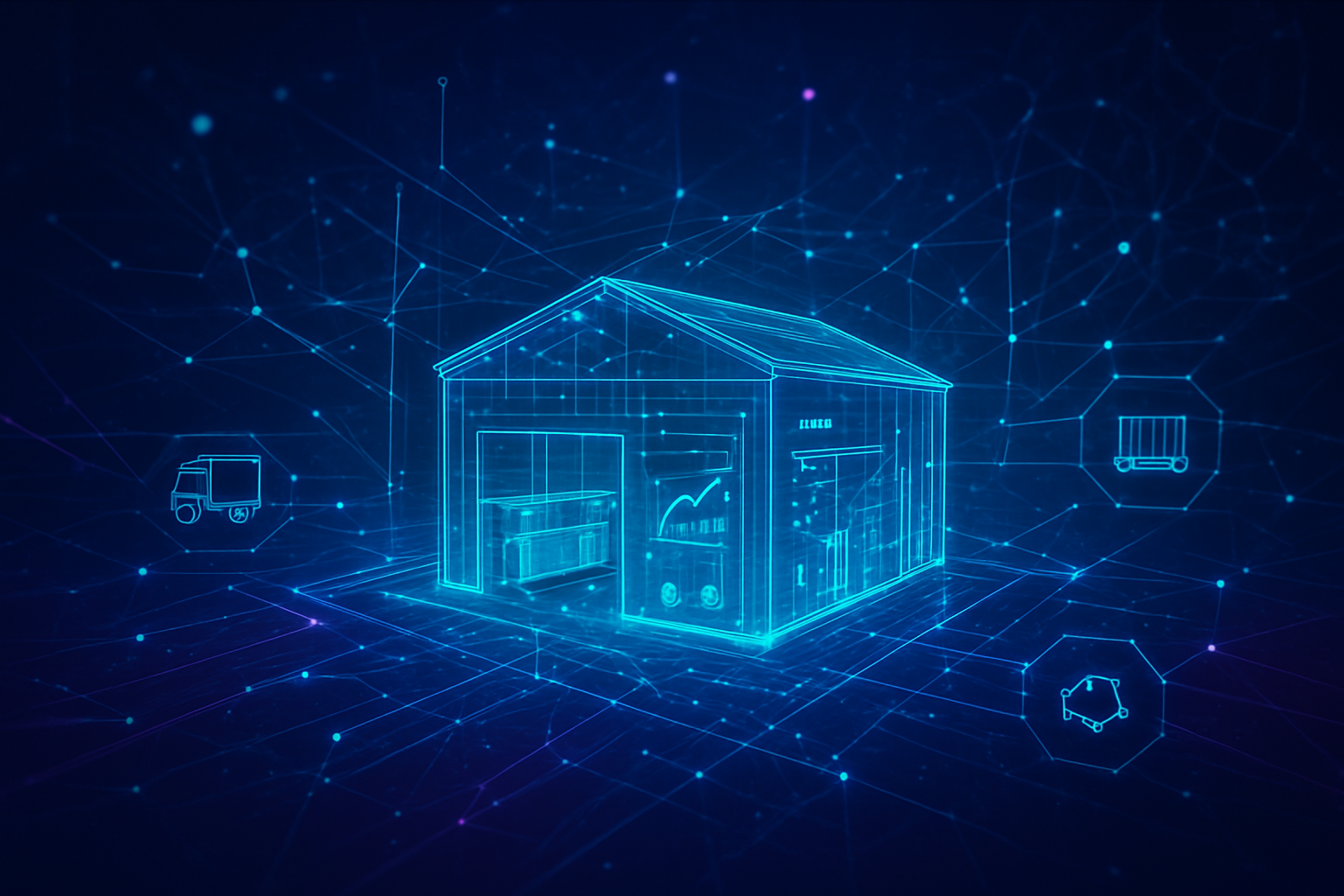
    Longer term, experts predict the emergence of truly autonomous cyber defense systems. These systems, powered by advanced AI, will not only detect and respond to threats but will also anticipate attacks, dynamically reconfigure networks, and even self-heal compromised components with minimal human intervention. This vision includes AI-driven "digital twins" of organizational networks that can simulate attacks and test defenses in a safe environment. However, significant challenges remain, including the need for explainable AI in security to ensure transparency and accountability, addressing the potential for AI bias, and mitigating the risk of AI systems being co-opted by attackers. The ongoing development of ethical AI frameworks will be crucial. Experts predict that the future of cybersecurity will be a collaborative ecosystem of human intelligence augmented by increasingly intelligent AI, constantly adapting to counter the evolving threat landscape.

    Comprehensive Wrap-Up: A Call to AI-Powered Resilience

    The Baker University systems outage of late 2024 stands as a critical inflection point, highlighting the profound vulnerabilities inherent in modern digital infrastructures and underscoring the indispensable role of advanced technology, particularly artificial intelligence, in forging a path to resilience. The key takeaway from this incident is clear: proactive, AI-driven cybersecurity is no longer an optional upgrade but a fundamental requirement for any organization operating in today's interconnected world.

    Baker's arduous journey to rebuild its technological foundation and regain community trust serves as a powerful testament to the severity and long-term impact of cyber incidents. It underscores the shift from mere breach prevention to comprehensive cyber resilience, emphasizing rapid detection, automated response, and swift, intelligent recovery. This development's significance in AI history is profound, pushing the boundaries of AI applications from theoretical research to mission-critical operational deployment in the defense of digital assets.

    In the coming weeks and months, the tech industry and educational sector will be watching closely as Baker University continues its recovery, observing the specific AI-powered solutions it implements and the effectiveness of its renewed cybersecurity posture. This incident will undoubtedly catalyze further investment and innovation in AI-driven security platforms, managed detection and response services, and advanced resilience strategies across all sectors. The long-term impact will be a more secure, albeit continuously challenged, digital landscape, where AI acts as the crucial guardian of our increasingly digital lives.


    This content is intended for informational purposes only and represents analysis of current AI developments.

    TokenRing AI delivers enterprise-grade solutions for multi-agent AI workflow orchestration, AI-powered development tools, and seamless remote collaboration platforms.
    For more information, visit https://www.tokenring.ai/.

  • Global Chip Supply Chain Resilience: Lessons from Semiconductor Manufacturing

    Global Chip Supply Chain Resilience: Lessons from Semiconductor Manufacturing

    The global semiconductor industry, a foundational pillar of modern technology and the economy, has been profoundly tested in recent years. From the widespread factory shutdowns and logistical nightmares of the COVID-19 pandemic to escalating geopolitical tensions and natural disasters, the fragility of the traditionally lean and globally integrated chip supply chain has been starkly exposed. These events have not only caused significant economic losses, impacting industries from automotive to consumer electronics, but have also underscored the immediate and critical need for a robust and adaptable supply chain to ensure stability, foster innovation, and safeguard national security.

    The immediate significance lies in semiconductors being the essential building blocks for virtually all electronic devices and advanced systems, including the sophisticated artificial intelligence (AI) systems that are increasingly driving technological progress. Disruptions in their supply can cripple numerous industries, highlighting that a stable and predictable supply is vital for global economic health and national competitiveness. Geopolitical competition has transformed critical technologies like semiconductors into instruments of national power, making a secure supply a strategic imperative.

    The Intricacies of Chip Production and Evolving Resilience Strategies

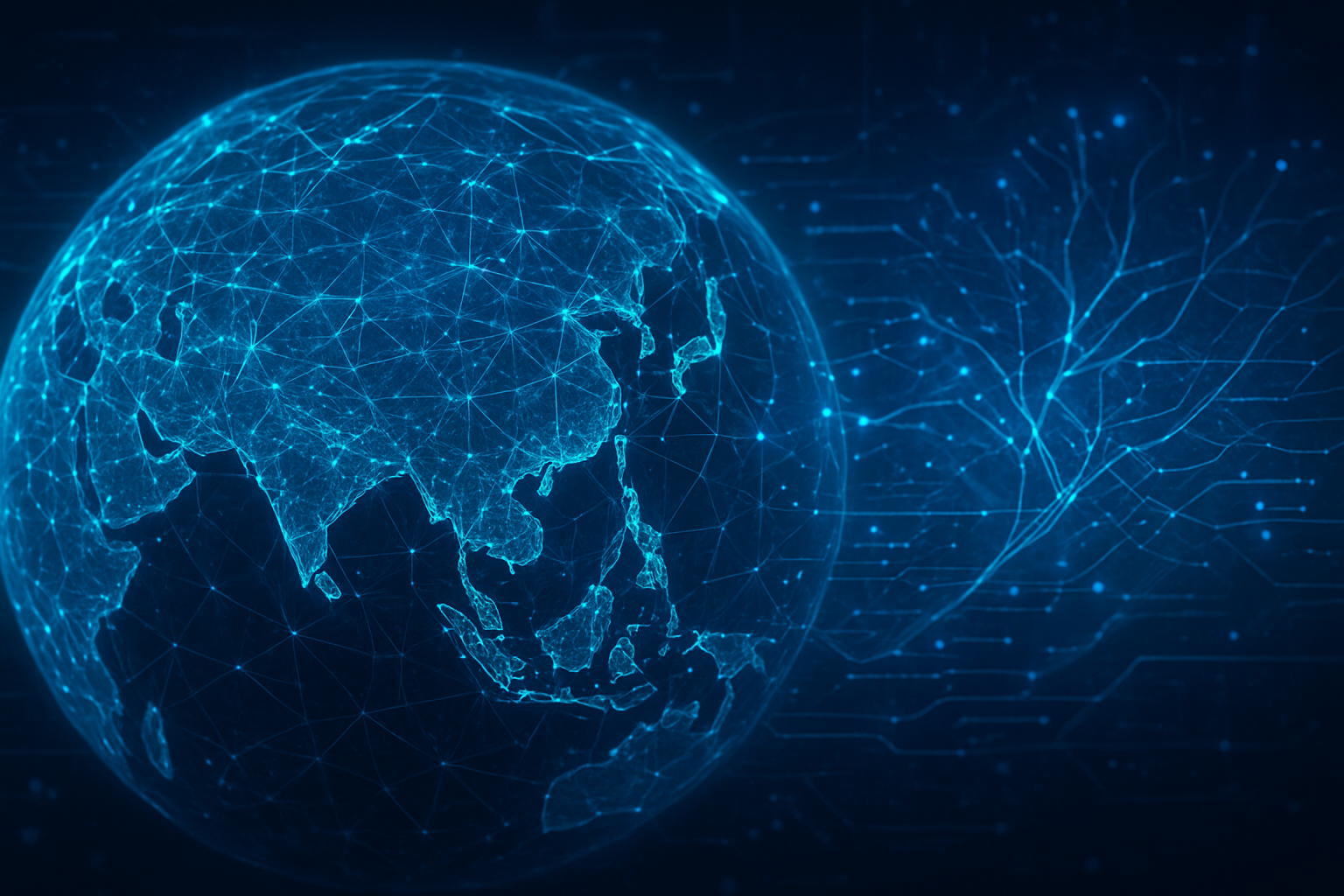
    The semiconductor supply chain's inherent susceptibility to disruption stems from several key factors, primarily its extreme geographic concentration. A staggering 92% of the world's most advanced logic chips are produced in Taiwan, primarily by Taiwan Semiconductor Manufacturing Company (TSMC) (NYSE: TSM). This centralization makes the global supply highly vulnerable to geopolitical instability, trade disputes, and natural disasters. The complexity of manufacturing further exacerbates this fragility; producing a single semiconductor can involve over a thousand intricate process steps, taking several months from wafer fabrication to assembly, testing, and packaging (ATP). This lengthy and precise timeline means the supply chain cannot rapidly adjust to sudden changes in demand, leading to significant delays and bottlenecks.

    Adding to the complexity is the reliance on a limited number of key suppliers for critical components, manufacturing equipment (like ASML Holding N.V. (NASDAQ: ASML) for EUV lithography), and specialized raw materials. This creates bottlenecks and increases vulnerability if any sole-source provider faces issues. Historically, the industry optimized for "just-in-time" delivery and cost efficiency, leading to a highly globalized but interdependent system. However, current approaches mark a significant departure, shifting from pure efficiency to resilience, acknowledging that the cost of fragility outweighs the investment in robustness.

    This new paradigm emphasizes diversification and regionalization, with governments globally, including the U.S. (through the CHIPS and Science Act) and the European Union (with the European Chips Act), offering substantial incentives to encourage domestic and regional production. This aims to create a network of regional hubs rather than a single global assembly line. Furthermore, there's a strong push to enhance end-to-end visibility through AI-powered demand forecasting, digital twins, and real-time inventory tracking. Strategic buffer management is replacing strict "just-in-time" models, and continuous investment in R&D, workforce development, and collaborative ecosystems are becoming central tenets of resilience strategies.

    Initial reactions from the AI research community and industry experts are characterized by a mix of urgency and opportunity. There's widespread recognition of the critical need for resilience, especially given the escalating demand for chips driven by the "AI Supercycle." Experts note the significant impact of geopolitics, trade policy, and AI-driven investment in reshaping supply chain resilience. While challenges like industry cyclicality, potential supply-demand imbalances, and workforce gaps persist, the consensus is that strengthening the semiconductor supply chain is imperative for future technological progress.

    AI Companies, Tech Giants, and Startups: Navigating the New Chip Landscape

    A robust and adaptable semiconductor supply chain profoundly impacts AI companies, tech giants, and startups, shaping their operational capabilities, competitive landscapes, and long-term strategic advantages. For AI companies and major AI labs, a stable and diverse supply chain ensures consistent access to high-performance GPUs and AI-specific processors—essential for training and running large-scale AI models. This stability alleviates chronic chip shortages that have historically slowed development cycles and can potentially reduce the exorbitant costs of acquiring advanced hardware. Improved access directly accelerates the development and deployment of sophisticated AI systems, allowing for faster innovation and market penetration.

    Tech giants, particularly hyperscalers like Apple Inc. (NASDAQ: AAPL), Samsung Electronics Co., Ltd. (KRX: 005930), Alphabet Inc. (NASDAQ: GOOGL), Meta Platforms, Inc. (NASDAQ: META), and Microsoft Corporation (NASDAQ: MSFT), are heavily invested in custom silicon for their AI workloads and cloud services. A resilient supply chain enables them to gain greater control over their AI infrastructure, reducing dependency on external suppliers and optimizing performance and power efficiency for their specific needs. This trend toward vertical integration allows them to differentiate their offerings and secure a competitive edge. Companies like Intel Corporation (NASDAQ: INTC), with its IDM 2.0 strategy, and leading foundries like TSMC (NYSE: TSM) and Samsung are at the forefront, expanding into new regions with government support.

    For startups, especially those in AI hardware or Edge AI, an expanded and resilient manufacturing capacity democratizes access to advanced chips. Historically, these components were expensive and difficult to source for smaller entities. A more accessible supply chain lowers entry barriers, fostering innovation in specialized inference hardware and energy-efficient chips. Startups can also find niches in developing AI tools for chip design and optimization, contributing to the broader semiconductor ecosystem. However, they often face higher capital expenditure challenges compared to established players. The competitive implications include an intensified "silicon arms race," vertical integration by tech giants, and the emergence of regional dominance and strategic alliances as nations vie for technological sovereignty.

    Potential disruptions, even with resilience efforts, remain a concern, including ongoing geopolitical tensions, the lingering geographic concentration of advanced manufacturing, and raw material constraints. However, the strategic advantages are compelling: enhanced stability, reduced risk exposure, accelerated innovation, greater supply chain visibility, and technological sovereignty. By diversifying suppliers, investing in regional manufacturing, and leveraging AI for optimization, companies can build a more predictable and agile supply chain, fostering long-term growth and competitiveness in the AI era.

    Broader Implications: AI's Hardware Bedrock and Geopolitical Chessboard

    The resilience of the global semiconductor supply chain has transcended a mere industry concern, emerging as a critical strategic imperative that influences national security, economic stability, and the very trajectory of artificial intelligence development. Semiconductors are foundational to modern defense systems, critical infrastructure, and advanced computing. Control over advanced chip manufacturing is increasingly seen as a strategic asset, impacting a nation's economic security and its capacity for technological leadership. The staggering $210 billion loss experienced by the automotive industry in 2021 due to chip shortages vividly illustrates the immense economic cost of supply chain fragility.

    This issue fits into the broader AI landscape as its foundational hardware bedrock. The current "AI supercycle" is characterized by an insatiable demand for advanced AI-specific processors, such as GPUs and High-Bandwidth Memory (HBM), crucial for training large language models (LLMs) and other complex AI systems. AI's explosive growth is projected to increase demand for AI chips tenfold between 2023 and 2033, reshaping the semiconductor market. Specialized hardware, often designed with AI itself, is driving breakthroughs, and there's a symbiotic relationship where AI demands advanced chips while simultaneously being leveraged to optimize chip design, manufacturing, and supply chain management.

    The impacts of supply chain vulnerabilities are severe, including crippled AI innovation, delayed development, and increased costs that disproportionately affect startups. The drive for regional self-sufficiency, while enhancing resilience, could also lead to a more fragmented global technological ecosystem and potential trade wars. Key concerns include the continued geographic concentration (75% of global manufacturing, especially for advanced chips, in East Asia), monopolies in specialized equipment (e.g., ASML (NASDAQ: ASML) for EUV lithography), and raw material constraints. The lengthy and capital-intensive production cycles, coupled with workforce shortages, further complicate efforts.

    Compared to previous AI milestones, the current relationship between AI and semiconductor supply chain resilience represents a more profound and pervasive shift. Earlier AI eras were often software-focused or adapted to general-purpose processors. Today, specialized hardware innovation is actively driving the next wave of AI breakthroughs, pushing beyond traditional limits. The scale of demand for AI chips is unprecedented, exerting immense global supply chain pressure and triggering multi-billion dollar government initiatives (like the CHIPS Acts) specifically aimed at securing foundational hardware. This elevates semiconductors from an industrial component to a critical strategic asset, making resilience a cornerstone of future technological progress and global stability.

    The Horizon: Anticipated Developments and Persistent Challenges

    The semiconductor supply chain is poised for a significant transformation, driven by ongoing investments and strategic shifts. In the near term, we can expect continued unprecedented investments in new fabrication plants (fabs) across the U.S. and Europe, fueled by initiatives like the U.S. CHIPS for America Act, which has already spurred over $600 billion in private investments. This will lead to further diversification of suppliers and manufacturing footprints, with enhanced end-to-end visibility achieved through AI and data analytics for real-time tracking and predictive maintenance. Strategic inventory management will also become more prevalent, moving away from purely "just-in-time" models.

    Long-term, the supply chain is anticipated to evolve into a more distributed and adaptable ecosystem, characterized by a network of regional hubs rather than a single global assembly line. The global semiconductor market is forecast to exceed US$1 trillion by 2030, with average annual demand growth of 6-8% driven by the pervasive integration of technology. The U.S. is projected to significantly increase its share of global fab capacity, including leading-edge fabrication, DRAM memory, and advanced packaging. Additionally, Assembly, Test, and Packaging (ATP) capacity is expected to diversify from its current concentration in East Asia to Southeast Asia, Latin America, and Eastern Europe. A growing focus on sustainability, including energy-efficient fabs and reduced water usage, will also shape future developments.

    A more resilient supply chain will enable and accelerate advancements in Artificial Intelligence and Machine Learning (AI/ML), powering faster, more efficient chips for data centers and high-end cloud computing. Autonomous driving, electric vehicles, industrial automation, IoT, 5G/6G communication systems, medical equipment, and clean technologies will all benefit from stable chip supplies. However, challenges persist, including ongoing geopolitical tensions, the lingering geographic concentration of crucial components, and the inherent lack of transparency in the complex supply chain. Workforce shortages and the immense capital costs of new fabs also remain significant hurdles.

    Experts predict continued strong growth, with the semiconductor market reaching a trillion-dollar valuation. They anticipate meaningful shifts in the global distribution of chip-making capacity, with the U.S., Europe, and Japan increasing their share. While market normalization and inventory rebalancing are expected in early 2025, experts warn that this "new normal" will involve rolling periods of constraint for specific node sizes. Government policies will continue to be key drivers, fostering domestic manufacturing and R&D. Increased international collaboration and continuous innovation in manufacturing and materials are also expected to shape the future, with emerging markets like India playing a growing role in strengthening the global supply chain.

    Concluding Thoughts: A New Era for AI and Global Stability

    The journey toward a robust and adaptable semiconductor supply chain has been one of the most defining narratives in technology over the past few years. The lessons learned from pandemic-induced disruptions, geopolitical tensions, and natural disasters underscore the critical imperative for diversification, regionalization, and the astute integration of AI into supply chain management. These efforts are not merely operational improvements but foundational shifts aimed at safeguarding national security, ensuring economic stability, and most importantly, fueling the relentless advancement of artificial intelligence.

    In the annals of AI history, the current drive for semiconductor resilience marks a pivotal moment. Unlike past AI winters where software often outpaced hardware, today's "AI supercycle" is fundamentally hardware-driven, with specialized chips like GPUs and custom AI accelerators being the indispensable engines of progress. The concentration of advanced manufacturing capabilities has become a strategic bottleneck, intensifying geopolitical competition and transforming semiconductors into a critical strategic asset. This era is characterized by an unprecedented scale of demand for AI chips and multi-billion dollar government initiatives, fundamentally reshaping the industry and its symbiotic relationship with AI.

    Looking long-term, the industry is moving towards a more regionalized ecosystem, albeit potentially with higher costs due to dispersed production. Government policies will continue to be central drivers of investment and R&D, fostering domestic capabilities and shaping international collaborations. The next few weeks and months will be crucial to watch for continued massive investments in new fabs, the evolving landscape of trade policies and export controls, and how major tech companies like Intel (NASDAQ: INTC), NVIDIA Corporation (NASDAQ: NVDA), and TSMC (NYSE: TSM) adapt their global strategies. The explosive, AI-driven demand will continue to stress the supply chain, particularly for next-generation chips, necessitating ongoing vigilance against workforce shortages, infrastructure costs, and the inherent cyclicality of the semiconductor market. The pursuit of resilience is a continuous journey, vital for the future of AI and the global digital economy.


    This content is intended for informational purposes only and represents analysis of current AI developments.

    TokenRing AI delivers enterprise-grade solutions for multi-agent AI workflow orchestration, AI-powered development tools, and seamless remote collaboration platforms.
    For more information, visit https://www.tokenring.ai/.
  • Beyond Resilience: How AI and Digital Twins are Forging a New Era of Supply Chain Management

    Beyond Resilience: How AI and Digital Twins are Forging a New Era of Supply Chain Management

    As of November 2025, the global supply chain landscape is undergoing a radical transformation, driven by the synergistic power of Artificial Intelligence (AI) and digital twin technology. No longer merely buzzwords, these advanced tools are actively rewriting the rules of supply chain management, moving beyond traditional reactive strategies to establish unprecedented levels of resilience, predictive capability for disruptions, and accelerated recovery. This paradigm shift, recently highlighted in a prominent Supply Chain Management Review article titled 'Beyond resilience: How AI and digital twins are rewriting the rules of supply chain recovery,' underscores a critical evolution: from merely responding to crises to proactively anticipating and mitigating them with behavioral foresight.

    The increasing frequency and complexity of global disruptions—ranging from geopolitical tensions and trade wars to climate volatility and technological shocks—have rendered traditional resilience models insufficient. Manufacturers now face nearly 90% more supply interruptions than in 2020, coupled with significantly longer recovery times. In this challenging environment, AI and digital twin systems are proving to be indispensable, providing a new operational logic that enables organizations to understand how their networks behave under stress and intervene before minor issues escalate into major crises.

    The Technical Core: Unpacking AI and Digital Twin Advancements

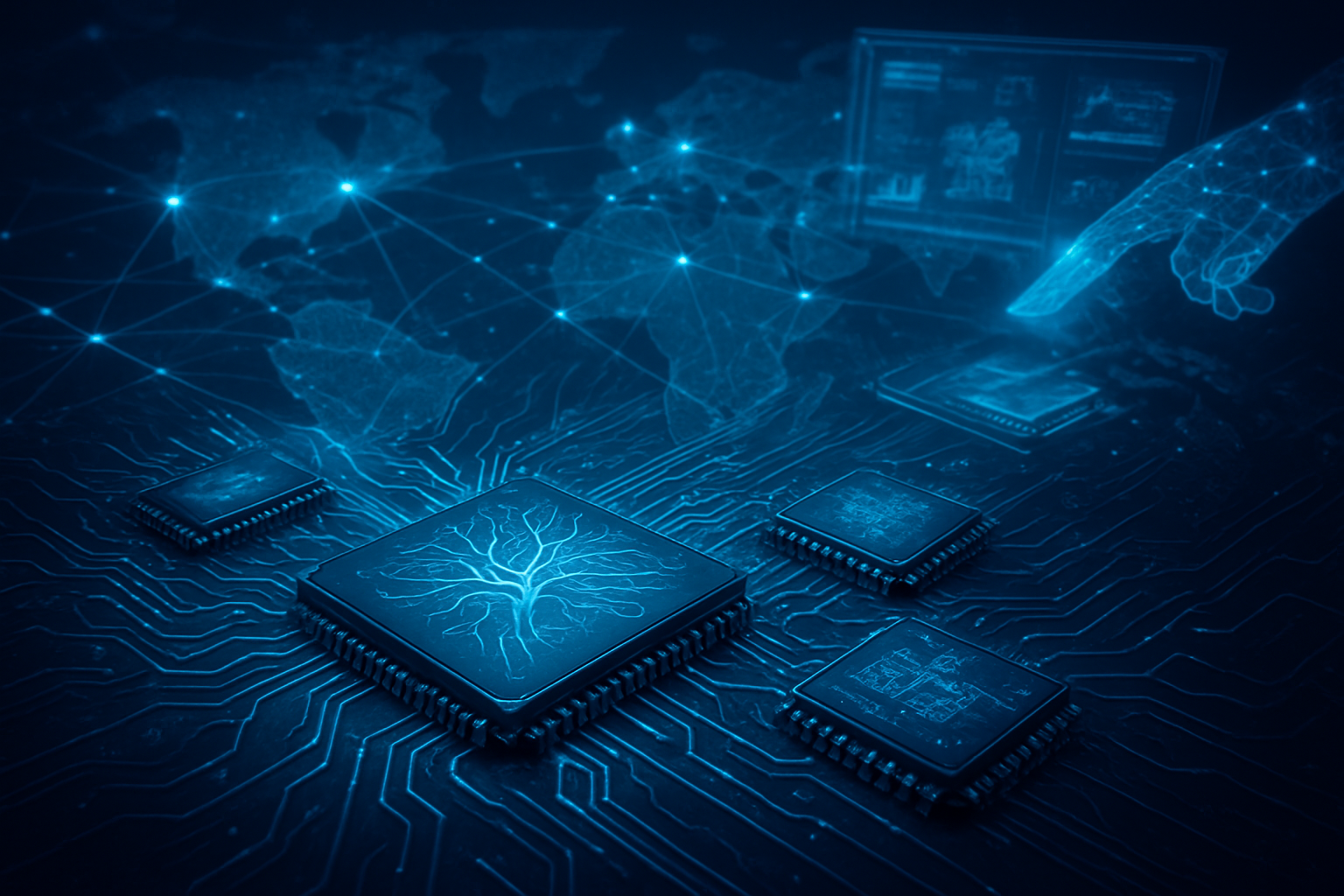
    The technical prowess of AI and digital twins lies in their ability to create dynamic, living replicas of complex supply chain networks. Digital twins are virtual models that integrate real-time data from a multitude of sources—IoT sensors, RFID tags, GPS trackers, and enterprise resource planning (ERP) systems—to continuously mirror the physical world. This real-time synchronization is the cornerstone of their transformative power, allowing organizations to visualize, analyze, and predict the behavior of their entire supply chain infrastructure.

    What sets these current advancements apart from previous approaches is the integration of sophisticated AI and machine learning algorithms within these digital replicas. Unlike older simulation tools that relied on static models and predefined scenarios, AI-powered digital twins can process vast amounts of dynamic variables—shipping delays, weather patterns, commodity prices, equipment downtime—to generate adaptive forecasts and perform advanced prescriptive analytics. They can simulate thousands of disruption scenarios in parallel, such as the impact of port closures or supplier failures, and test alternative strategies virtually before any physical action is taken. This capability transforms resilience from a reactive management function to a predictive control mechanism, enabling up to a 30% reduction in supply chain disruptions through early warning systems and automated response strategies. Initial reactions from the AI research community and industry experts confirm this as a pivotal moment, recognizing the shift from descriptive analytics to truly predictive and prescriptive operational intelligence.

    Industry Impact: Beneficiaries and Competitive Dynamics

    The integration of AI and digital twins is creating significant competitive advantages, positioning several companies at the forefront of this new era. Major industrial players such as Siemens (ETR: SIE), Toyota (NYSE: TM), Schneider Electric (EPA: SU), and Caterpillar (NYSE: CAT) are among the leading beneficiaries, actively deploying these technologies to optimize their global supply chains. These companies are leveraging digital twins to achieve operational efficiencies of up to 30% and reduce total logistics costs by approximately 20% through optimized inventory management, transit routes, and resource allocation. For instance, companies like Vita Coco have reported unlocking millions in cost savings and improving planning reliability by optimizing sourcing and distribution with digital twins.

    The competitive implications for major AI labs and tech companies are profound. Firms specializing in enterprise AI solutions, data analytics platforms, and IoT infrastructure are seeing increased demand for their services. This development is disrupting existing products and services that offer only partial visibility or static planning tools. Companies that can provide comprehensive, integrated AI and digital twin platforms for supply chain orchestration are gaining significant market share. Startups focusing on niche AI applications for predictive maintenance, demand forecasting, or autonomous logistics are also thriving, often partnering with larger corporations to integrate their specialized solutions. The strategic advantage lies with those who can offer end-to-end visibility, real-time simulation capabilities, and AI-driven decision support, effectively setting a new benchmark for supply chain performance and resilience.

    Wider Significance: AI's Role in a Volatile World

    The rise of AI and digital twins in supply chain management fits squarely into the broader AI landscape's trend towards real-world, actionable intelligence. It represents a significant leap from theoretical AI applications to practical, mission-critical deployments that directly impact global commerce and economic stability. The impacts are far-reaching, enhancing not only operational efficiency but also contributing to greater sustainability by optimizing resource use and reducing waste through more accurate forecasting and route planning.

    While the benefits are substantial, potential concerns include data privacy and security, given the vast amounts of real-time operational data being collected and processed. The complexity of integrating these systems across diverse legacy infrastructures also presents a challenge. Nevertheless, this development stands as a major AI milestone, comparable to the advent of enterprise resource planning (ERP) systems in its potential to fundamentally redefine how businesses operate. It signifies a move towards "living logistics," where supply chains are not just reflected by digital tools but actively "think" alongside human operators, moving from reactive to autonomous, decision-driven operations. This shift is crucial in an era where global events can trigger cascading disruptions, making robust, intelligent supply chains an economic imperative.

    Future Developments: The Horizon of Autonomous Supply Chains

    Looking ahead, the near-term and long-term developments in AI and digital twin technology for supply chains promise even greater sophistication. Experts predict a continued evolution towards increasingly autonomous supply chain operations, where AI systems will not only predict and recommend but also execute decisions with minimal human intervention. This includes automated response mechanisms that can re-route shipments, adjust inventory, or even re-negotiate with suppliers in milliseconds, significantly reducing recovery times. Organizations with mature risk management capabilities underpinned by these technologies already experience 45% fewer disruptions and recover 80% faster.

    Future applications will likely include more advanced ecosystem orchestration, fostering deeper, real-time collaboration with external partners and synchronizing decision-making across entire value chains. Generative AI is also expected to play a larger role, enabling even more sophisticated scenario planning and the creation of novel, resilient supply chain designs. Challenges that need to be addressed include further standardization of data protocols, enhancing the explainability of AI decisions, and developing robust cybersecurity measures to protect these highly interconnected systems. What experts predict next is a continuous drive towards predictive control towers that offer end-to-end visibility and prescriptive guidance, transforming supply chains into self-optimizing, adaptive networks capable of navigating any disruption.

    Comprehensive Wrap-Up: A New Chapter in Supply Chain History

    In summary, the confluence of Artificial Intelligence and digital twin technology marks a pivotal moment in the history of supply chain management. The key takeaways are clear: these technologies are enabling a fundamental shift from reactive crisis management to proactive, predictive control, significantly enhancing resilience, forecasting accuracy, and recovery speed. Companies are leveraging these tools to gain competitive advantages, optimize costs, and navigate an increasingly unpredictable global landscape.

    This development's significance in AI history cannot be overstated; it demonstrates AI's capacity to deliver tangible, high-impact solutions to complex real-world problems. It underscores a future where intelligent systems are not just aids but integral components of operational strategy, ensuring continuity and efficiency. In the coming weeks and months, watch for continued advancements in AI-driven predictive analytics, expanded adoption of digital twin platforms across various industries, and the emergence of more sophisticated, autonomous supply chain solutions. The era of the truly intelligent, self-healing supply chain is not just on the horizon; it is already here, reshaping global commerce one digital twin at a time.


    This content is intended for informational purposes only and represents analysis of current AI developments.

    TokenRing AI delivers enterprise-grade solutions for multi-agent AI workflow orchestration, AI-powered development tools, and seamless remote collaboration platforms.
    For more information, visit https://www.tokenring.ai/.