Tag: Robotics

  • Agtonomy Propels Global Agriculture into a New Era with Vision-Powered Autonomous Fleets

    Agtonomy Propels Global Agriculture into a New Era with Vision-Powered Autonomous Fleets

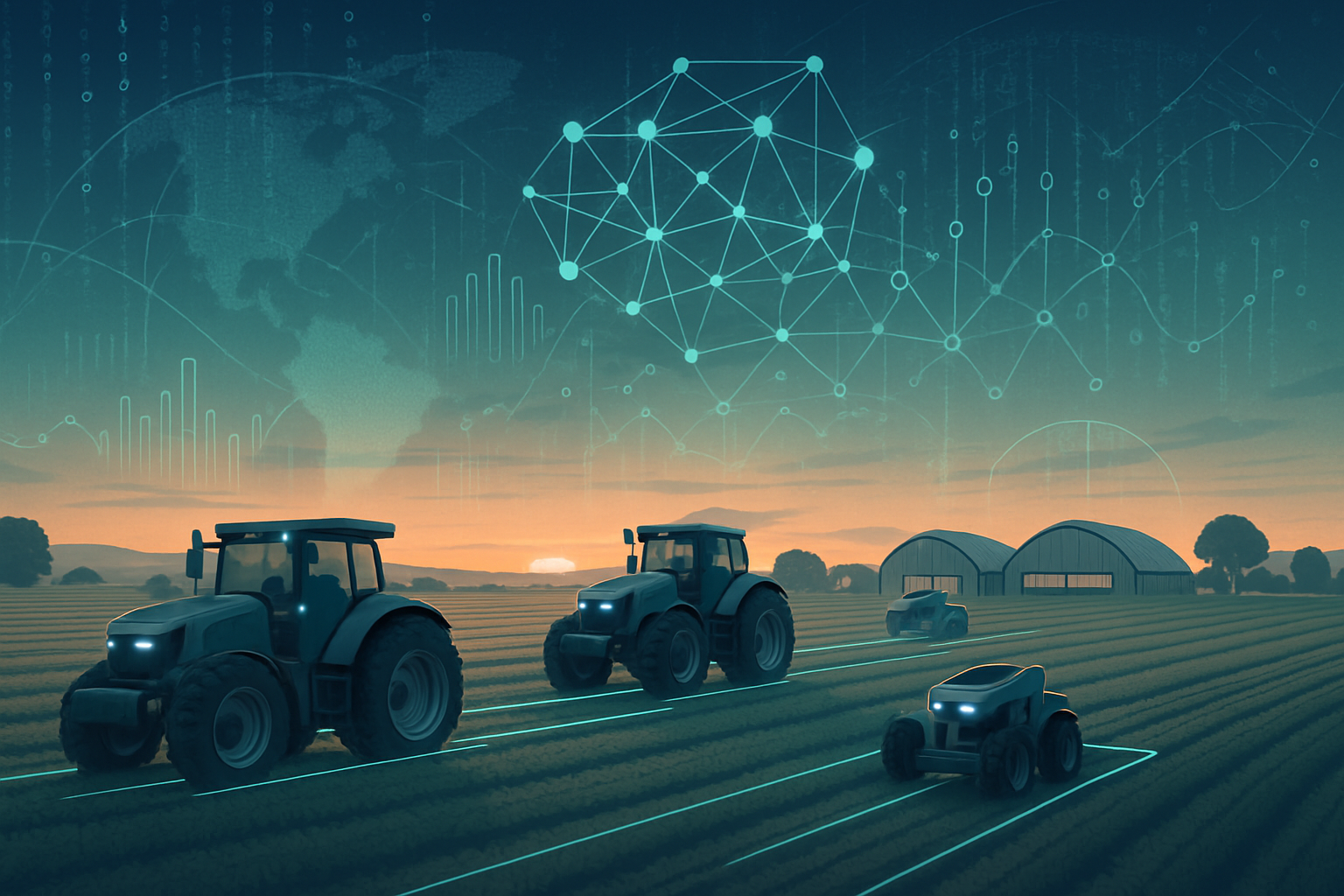
    October 20, 2025 – Agtonomy, a pioneer in agricultural automation, has announced a significant global expansion of its AI-powered autonomous fleets, marking a pivotal moment for the future of farming. This strategic move, which includes new deployments across the southeastern United States and its first international commercial operation in Australia, underscores a growing industry reliance on intelligent automation to combat persistent challenges such as labor shortages, escalating operational costs, and the urgent demand for sustainable practices. By transforming traditional agricultural machinery into smart, self-driving units, Agtonomy is not just expanding its footprint; it's redefining the operational paradigm for specialty crop producers and land managers worldwide.

    The immediate significance of Agtonomy's expansion lies in its potential to democratize advanced agricultural technology. Through strategic partnerships with leading original equipment manufacturers (OEMs) like Bobcat (NYSE: LBRD) and Kubota (TYO: 6326), Agtonomy is embedding its cutting-edge software and services platform into familiar machinery, making sophisticated automation accessible to a broader base of farmers through established dealer networks. This approach addresses the critical need for increased efficiency, reduced labor dependency, and enhanced precision in high-value crop cultivation, promising a future where a single operator can manage multiple tasks with unprecedented accuracy and impact.

    The Physical AI Revolutionizing Farm Operations

    Agtonomy's technological prowess centers around its third-generation platform, released in April 2025, which introduces a concept dubbed "Physical AI." This advanced system enables infrastructure-free autonomy, a significant departure from previous approaches that often required extensive pre-mapping or reliance on local base stations. The platform integrates embedded cellular and Starlink connectivity with sophisticated vision-based navigation, allowing for immediate deployment in diverse and challenging agricultural environments. This means tractors can navigate precisely through narrow rows of high-value crops like fruit trees and vineyards without the need for pre-existing digital maps, adapting to real-time conditions with remarkable agility.

    At the core of Agtonomy's innovation is its "TrunkVision" technology, which leverages computer vision to ensure safe and accurate operation, even in areas with limited GPS visibility—a common hurdle for traditional autonomous systems. This vision-first approach allows for centimeter-level precision, minimizing crop damage and maximizing efficiency in tasks such as mowing, spraying, and weeding. Furthermore, the multi-fleet management capability allows a single operator to remotely oversee more than ten autonomous tractors simultaneously, with the system continuously learning and improving its performance from real-world data. This intelligent feedback loop fundamentally differs from rigid, rule-based automation, offering a dynamic and evolving solution that adapts to the unique demands of each farm. Initial reactions from the agricultural research community and early adopters have highlighted the platform's robustness and ease of integration, praising its practical application in solving long-standing operational bottlenecks.

    The Agtonomy platform also includes a comprehensive "Smart Farm Task Ecosystem." This ecosystem digitally connects self-driving tractors with various implements through innovations like the Smart Take-Off (STO) for efficient power and data transfer, and the Smart Toolbar, which intelligently adjusts tools based on plant spacing and terrain. Smart Implement Sensors (SIS) and Smart Sprayers further enhance precision, allowing for optimized application rates of inputs based on real-time data such as canopy density or weed pressure. This integrated approach not only boosts efficiency but also significantly contributes to sustainable farming by reducing chemical usage and resource consumption.

    Reshaping the Agricultural Automation Landscape

    Agtonomy's global expansion and technological advancements are poised to significantly impact the competitive landscape for AI companies, tech giants, and startups in the agricultural sector. Companies like Kubota and Bobcat, by partnering with Agtonomy, stand to benefit immensely by integrating cutting-edge AI into their product lines, offering their customers advanced solutions without the need for extensive in-house AI development. This strategy positions them as leaders in the rapidly evolving smart agriculture market, potentially disrupting the dominance of traditional agricultural machinery manufacturers who have been slower to adopt comprehensive autonomous solutions.

    The competitive implications extend to other major AI labs and tech companies eyeing the agricultural space. Agtonomy's focus on "Physical AI" and infrastructure-free autonomy sets a high bar, challenging competitors to develop equally robust and adaptable systems. Startups focusing on niche agricultural AI solutions might find opportunities for integration with Agtonomy's platform, while larger tech giants like John Deere (NYSE: DE) and CNH Industrial (NYSE: CNHI), who have their own autonomous initiatives, will face increased pressure to accelerate their innovation cycles. Agtonomy's mobile-first control and versatile application across compact and mid-size tractors give it a strategic advantage in market positioning, making advanced automation accessible and user-friendly for a broad segment of farmers. This development could catalyze a wave of consolidation or strategic alliances as companies vie for market share in the burgeoning autonomous agriculture sector.

    The potential disruption to existing products and services is substantial. Manual labor-intensive tasks will increasingly be automated, leading to a shift in workforce roles and a demand for new skill sets related to operating and managing autonomous fleets. Traditional agricultural software providers might need to adapt their offerings to integrate with or compete against Agtonomy's comprehensive platform. Furthermore, the precision agriculture market, already experiencing rapid growth, will see an acceleration in demand for AI-driven solutions that offer tangible benefits in terms of yield optimization and resource efficiency. Agtonomy's strategy of partnering with established OEMs ensures a faster route to market and wider adoption, giving it a significant edge in establishing a dominant market position.

    Broader Significance and Ethical Considerations

    Agtonomy's global expansion fits squarely into the broader AI landscape trend of moving AI from theoretical models to practical, real-world applications, especially in sectors traditionally lagging in technological adoption. This development signifies a major step towards intelligent automation becoming an indispensable part of critical global industries. It underscores the increasing sophistication of "edge AI"—processing data directly on devices rather than relying solely on cloud infrastructure—which is crucial for real-time decision-making in dynamic environments like farms. The impact on food security, rural economies, and environmental sustainability cannot be overstated, as autonomous fleets promise to enhance productivity, reduce waste, and mitigate the ecological footprint of agriculture.

    However, with great power comes potential concerns. The increased reliance on automation raises questions about data privacy and security, particularly concerning sensitive farm data. The digital divide could also widen if smaller farms or those in less developed regions struggle to access or afford such advanced technologies, potentially leading to further consolidation in the agricultural industry. Furthermore, the ethical implications of AI in labor markets, specifically the displacement of human workers, will require careful consideration and policy frameworks to ensure a just transition. Comparisons to previous AI milestones, such as the advent of precision GPS farming or early robotic milking systems, reveal a clear trajectory towards increasingly autonomous and intelligent agricultural systems. Agtonomy's vision-based, infrastructure-free approach represents a significant leap forward, making high-level autonomy more adaptable and scalable than ever before.

    This development aligns with global efforts to achieve sustainable development goals, particularly those related to food production and responsible consumption. By optimizing resource use and minimizing environmental impact, Agtonomy's technology contributes to a more resilient and eco-friendly agricultural system. The ability to manage multiple machines with a single operator also addresses the demographic challenge of an aging farming population and the decreasing availability of agricultural labor in many parts of the world.

    The Horizon: Future Developments and Challenges

    Looking ahead, Agtonomy's expansion is just the beginning. Expected near-term developments include the refinement of its "Physical AI" to handle an even wider array of crops and environmental conditions, potentially incorporating more advanced sensor fusion techniques beyond just vision. Long-term, we can anticipate the integration of Agtonomy's platform with other smart farm technologies, such as drone-based analytics, advanced weather forecasting AI, and sophisticated yield prediction models, creating a truly holistic and interconnected autonomous farm ecosystem. Potential applications on the horizon extend beyond traditional agriculture to include forestry, landscaping, and even municipal grounds management, wherever precision and efficiency are paramount for industrial equipment.

    However, significant challenges remain. Regulatory frameworks for autonomous agricultural vehicles are still evolving and will need to catch up with the pace of technological advancement, especially across different international jurisdictions. The cost of adoption, while mitigated by OEM partnerships, could still be a barrier for some farmers, necessitating innovative financing models or government subsidies. Furthermore, ensuring the cybersecurity of these interconnected autonomous fleets will be critical to prevent malicious attacks or data breaches that could cripple farm operations. Experts predict that the next phase will involve a greater emphasis on human-AI collaboration, where farmers utilize AI as an intelligent assistant rather than a complete replacement, focusing on optimizing workflows and leveraging human expertise for complex decision-making. Continuous training and support for farmers transitioning to these new technologies will also be crucial for successful adoption and maximizing benefits.

    A New Chapter for Agricultural AI

    In summary, Agtonomy's global expansion with its AI-powered autonomous fleets marks a profound moment in the history of agricultural technology. The company's innovative "Physical AI" and vision-based navigation offer a practical, scalable solution to some of farming's most pressing challenges, promising increased efficiency, reduced costs, and enhanced sustainability. By democratizing access to advanced automation through strategic OEM partnerships, Agtonomy is not just selling technology; it's fostering a new paradigm for how food is grown and managed.

    The significance of this development in AI history lies in its successful translation of complex AI research into tangible, field-ready applications that deliver immediate economic and environmental benefits. It serves as a testament to the power of specialized AI to transform traditional industries. In the coming weeks and months, the agricultural world will be watching closely for the initial performance metrics from the new deployments, further partnerships, and how Agtonomy continues to evolve its platform to meet the dynamic needs of a global farming community. The journey towards fully autonomous, intelligent agriculture has truly gained momentum, with Agtonomy leading the charge into a more productive and sustainable future.


    This content is intended for informational purposes only and represents analysis of current AI developments.

    TokenRing AI delivers enterprise-grade solutions for multi-agent AI workflow orchestration, AI-powered development tools, and seamless remote collaboration platforms.
    For more information, visit https://www.tokenring.ai/.
  • AI Unlocks Antarctic Secrets: A New Era of Seafloor Exploration

    AI Unlocks Antarctic Secrets: A New Era of Seafloor Exploration

    Artificial Intelligence is ushering in an unprecedented era of scientific discovery in one of Earth's most challenging and least understood environments: the Antarctic seafloor. Far from being a distant theoretical concept, AI is now actively supercharging expeditions, transforming how researchers collect, analyze, and interpret vast quantities of data from the icy depths. This technological leap is not merely an incremental improvement; it represents a fundamental shift in our capacity to explore the Southern Ocean, offering critical insights into marine biodiversity, ice sheet dynamics, and the global climate system.

    The immediate significance of AI's deployment in Antarctic exploration is profound. It enables scientists to overcome logistical and environmental barriers that have long hampered research, vastly accelerating the pace of discovery. From autonomous underwater vehicles (AUVs) navigating beneath colossal ice shelves to sophisticated algorithms rapidly identifying marine species in millions of images, AI is providing access to previously unreachable areas and delivering real-time, actionable data. This rapid advancement is crucial for understanding the impacts of climate change on a fragile ecosystem that plays a pivotal role in regulating global climate, and it is already yielding breakthroughs that are reshaping our understanding of this vital continent.

    AI's Deep Dive: Unveiling the Technical Marvels Beneath the Ice

    The technical advancements driving AI's success in Antarctic seafloor exploration are multifaceted, leveraging machine learning, computer vision, and autonomous robotics to tackle the unique challenges of the polar environment. A significant breakthrough, announced by scientists from the British Antarctic Survey (BAS) in October 2025, involves a sophisticated AI tool designed to identify marine animals in seafloor images and videos with unprecedented speed and accuracy. This tool, trained on extensive high-resolution datasets, can classify common seafloor creatures such as starfish, corals, sponges, and various fish species in mere seconds, a task that previously required hours of painstaking human effort per image. Its capability is so robust that it can be integrated onto research vessels, allowing for real-time image labeling and immediate data interpretation while expeditions are still underway.

    This AI-powered image analysis differs dramatically from previous manual approaches, which were not only time-consuming but also limited by human capacity, making it impossible to process the sheer volume of data generated by modern seafloor imaging systems. The AI's ability to swiftly process tens of thousands of backlog images from critical regions like the Antarctic Peninsula and Weddell Sea represents a monumental leap in efficiency and data utilization. Furthermore, AI is the brain behind the increasing sophistication of Autonomous Underwater Vehicles (AUVs) and Unmanned Surface Vessels (USVs). These robotic explorers, like the forthcoming "Ran II" (expected by winter 2026/2027 to replace its predecessor lost under the Thwaites Glacier), are crucial for navigating hazardous environments inaccessible to humans, such as beneath thick sea ice and floating ice shelves. AI algorithms empower these vehicles with advanced navigation, adaptive mission planning, and real-time data processing, enabling them to operate autonomously, map vast seafloor areas, and identify critical features like hidden meltwater reservoirs – a capability highlighted by a July 2024 study that used AI to reveal significantly more meltwater in Antarctic ice shelves than previously estimated.

    The initial reactions from the AI research community and industry experts have been overwhelmingly positive, recognizing these applications as a powerful demonstration of AI's potential in extreme environments. Experts commend the integration of AI with robotic platforms and advanced sensing technologies, noting that it pushes the boundaries of scientific inquiry. The ability of AI to sift through colossal datasets, identify subtle patterns, and accelerate discovery is seen as a game-changer for glaciology, oceanography, and marine biology. This collective enthusiasm underscores a growing consensus that AI is not just a tool for automation but a catalyst for entirely new forms of scientific exploration and understanding in critical, under-researched regions of the planet.

    Corporate Currents: Navigating the AI Wave in Polar Science

    The burgeoning application of AI in Antarctic seafloor exploration presents significant opportunities and competitive implications for a diverse array of companies, from established tech giants to specialized AI startups. Companies at the forefront of AI development, particularly those specializing in computer vision, machine learning for environmental data analysis, and autonomous robotics, stand to benefit immensely. Firms like Nvidia (NASDAQ: NVDA), known for its powerful GPUs essential for training complex AI models, and Google (NASDAQ: GOOGL), with its deep expertise in AI research and cloud-based data processing, are indirectly supporting these advancements by providing the foundational hardware and software infrastructure. Their continued innovation in AI frameworks and processing power directly translates into more capable and efficient research tools for polar science.

    More directly, companies specializing in robust autonomous underwater vehicles (AUVs) and unmanned surface vessels (USVs) are poised for significant growth. Manufacturers of such advanced robotics, which rely heavily on AI for navigation, data collection, and decision-making in extreme conditions, will see increased demand as scientific missions become more ambitious. This includes firms developing advanced sensor technologies, acoustic communication systems, and energy solutions for long-duration autonomous operations. The competitive landscape will likely intensify among these specialized robotics companies as they vie to produce the most reliable and intelligent platforms capable of enduring the Antarctic environment. Furthermore, startups focused on niche AI applications, such as automated image annotation for marine biology or sophisticated climate modeling algorithms, could carve out significant market positions by offering tailored solutions to research institutions and government agencies like the British Antarctic Survey.

    The potential disruption to existing products or services primarily affects traditional, labor-intensive data analysis methods. As AI tools become more prevalent and efficient, the demand for manual image and data processing will diminish, necessitating a shift in skills and resources within research teams. However, this disruption is largely viewed as positive, freeing up human experts to focus on higher-level interpretation and hypothesis generation rather than repetitive tasks. Market positioning for companies will increasingly depend on their ability to integrate AI seamlessly into their offerings, demonstrating not just raw computational power but also a deep understanding of scientific research needs. Strategic advantages will be gained by those who can offer end-to-end solutions, combining advanced hardware with intelligent software, and by fostering collaborations with leading scientific institutions to co-develop cutting-edge tools.

    Broader Horizons: AI's Impact on the Global Scientific Landscape

    The application of AI in understanding the Antarctic seafloor fits squarely within broader AI landscape trends, particularly the increasing emphasis on AI for scientific discovery and environmental monitoring. This development is a powerful testament to the maturation of AI from theoretical models to practical tools capable of tackling real-world, grand scientific challenges. It highlights the trend of AI democratizing access to complex data analysis, allowing researchers to extract insights from massive datasets that would be intractable for human-only teams. The success in Antarctica underscores AI's role in advancing our understanding of climate change, biodiversity, and planetary processes – areas where data volume and complexity have historically been major bottlenecks.

    The impacts of this development are far-reaching. Environmentally, it provides unprecedented data for conservation efforts, enabling the identification of vulnerable species and habitats with greater precision, which is crucial for informing marine protected area designations. Scientifically, it accelerates the pace of discovery, potentially leading to the identification of new species and a deeper understanding of unique ecological processes in the Southern Ocean. For climate science, AI-driven analysis of ice sheet dynamics, meltwater distribution, and ocean currents is yielding more accurate predictions of sea-level rise and future climate scenarios, as evidenced by studies revealing new insights into Antarctic ice flow in March 2025. This refined understanding is vital for global policy-making and adaptation strategies.

    Potential concerns, while fewer in this specific application, primarily revolve around data privacy and ethical considerations if AI were to transition from pure scientific observation to resource exploitation, though this is not the current focus. More immediate concerns include the reliability and interpretability of AI models in making critical scientific classifications, necessitating robust validation processes. Comparisons to previous AI milestones, such as AI's breakthroughs in medical diagnostics or game-playing, reveal a common thread: AI's ability to process information at scales and speeds beyond human capability, leading to accelerated progress in fields previously limited by manual effort. This Antarctic application marks another significant milestone, demonstrating AI's capacity to extend human perception into the most extreme and vital corners of our planet, generating foundational knowledge critical for humanity's future.

    Glimpsing the Future: The Next Frontier of AI in Antarctica

    The trajectory of AI in Antarctic seafloor exploration points towards exciting near-term and long-term developments. In the near future, we can expect to see further integration of AI directly onto autonomous platforms, enabling more sophisticated real-time decision-making and adaptive sampling strategies. This means AUVs won't just follow pre-programmed paths but will dynamically adjust their missions based on immediate data feedback, pursuing anomalies or interesting features as they are detected. The British Antarctic Survey's AI tool, for instance, will likely evolve beyond identifying common species to recognizing rare or previously unknown organisms, and its real-time capabilities will become standard on all research vessels, drastically speeding up fieldwork. The deployment of "Ran II" by winter 2026/2027 will mark a significant step, showcasing enhanced AI capabilities for navigating and collecting high-resolution data in challenging sub-ice environments, further pushing the boundaries of autonomous exploration.

    Potential applications on the horizon include the use of generative AI to simulate complex Antarctic ecosystems, allowing scientists to model the effects of climate change or human intervention with greater accuracy. AI could also be used to synthesize data from disparate sources—satellite imagery, oceanographic sensors, biological observations—to create comprehensive, dynamic models of the entire Southern Ocean system. Furthermore, AI-powered predictive analytics will become more refined, offering early warnings for changes in ice shelf stability, unusual marine animal migrations, or even localized seismic activity. Experts predict a future where AI acts as a "digital co-pilot" for polar scientists, not just processing data but actively suggesting new hypotheses, designing experiments, and even controlling fleets of autonomous robots in coordinated exploration efforts.

    However, challenges remain. The extreme environmental conditions of Antarctica—freezing temperatures, immense pressures, and limited connectivity—demand incredibly robust and energy-efficient AI systems. Developing AI models that can generalize across diverse and often sparse Antarctic datasets, especially for rare species or phenomena, requires continuous innovation in machine learning techniques. Ethical considerations around data ownership and the responsible deployment of powerful AI tools will also need careful navigation. Nevertheless, experts are optimistic, foreseeing a future where AI unlocks even deeper secrets of the Antarctic, providing humanity with the critical knowledge needed to protect this invaluable global resource and understand its profound influence on our planet's future.

    A New Chapter in Polar Science: AI's Enduring Legacy

    The integration of Artificial Intelligence into Antarctic seafloor exploration represents a pivotal moment in both AI history and polar science. It marks a decisive shift from traditional, human-intensive research methodologies to an era of accelerated, data-driven discovery, enabling scientists to probe the mysteries of the Southern Ocean with unprecedented efficiency and scale. The ability of AI to rapidly analyze vast datasets, power autonomous vehicles in extreme environments, and uncover subtle patterns in complex ecological and glaciological systems is fundamentally reshaping our understanding of this critical region. From the British Antarctic Survey's rapid marine animal identification tool to AI's role in mapping hidden meltwater reservoirs and refining climate models, these advancements are not just incremental improvements; they are foundational shifts that promise to yield profound insights into biodiversity, oceanography, and global climate dynamics.

    This development's significance in AI history lies in its demonstration of AI's capacity to extend human sensory and cognitive abilities into the most remote and challenging frontiers of our planet. It underscores the technology's potential as a powerful ally in addressing global challenges, particularly climate change. The long-term impact will be a more comprehensive and nuanced understanding of the Antarctic, leading to more informed conservation policies, more accurate climate predictions, and potentially the discovery of entirely new forms of life and geological processes. It also sets a precedent for how AI can be leveraged in other extreme environments, from deep-sea trenches to extraterrestrial exploration.

    In the coming weeks and months, researchers and the public alike should watch for further announcements regarding the deployment of advanced AUVs like "Ran II," continued refinements in AI-powered data analysis tools, and the subsequent scientific publications detailing new discoveries facilitated by these technologies. The ongoing collaboration between AI developers and polar scientists will be crucial, fostering a symbiotic relationship that will continue to push the boundaries of what is possible in scientific exploration. The Antarctic seafloor, once largely inaccessible, is now yielding its secrets, thanks to the relentless curiosity of humanity, supercharged by the intelligence of machines.


    This content is intended for informational purposes only and represents analysis of current AI developments.

    TokenRing AI delivers enterprise-grade solutions for multi-agent AI workflow orchestration, AI-powered development tools, and seamless remote collaboration platforms.
    For more information, visit https://www.tokenring.ai/.
  • AI-Powered Robotic Platforms Revolutionize Green Chemistry, Cutting Design Time from Months to Days

    AI-Powered Robotic Platforms Revolutionize Green Chemistry, Cutting Design Time from Months to Days

    Valencia, Spain – October 16, 2025 – A groundbreaking AI-powered robotic platform, "Reac-Discovery," developed by the Universitat Jaume I (UJI), is dramatically accelerating the transition to sustainable industrial practices. This innovative system, integrating artificial intelligence, automation, and 3D printing, has been shown to slash the chemical process design time for catalytic reactors from traditional months or even years down to mere days. This unprecedented speed is poised to revolutionize green chemistry, offering a powerful tool to harmonize industrial productivity with urgent environmental responsibility.

    The immediate significance of Reac-Discovery lies in its ability to rapidly prototype and evaluate reactor designs, minimizing resource consumption and optimizing chemical reactions for sustainability. This breakthrough directly addresses the critical need for faster development of environmentally benign chemical processes, particularly in the context of transforming greenhouse gases like carbon dioxide into valuable industrial feedstocks. By streamlining continuous-flow catalysis, the UJI platform offers a compelling model for future chemical research and industrial processes, making them vastly more efficient, ecologically responsible, and economically viable.

    Unpacking the Technical Marvel: Reac-Discovery's AI-Driven Edge

    The Reac-Discovery platform is a semi-automated digital framework built upon three core modules: Reac-Gen, Reac-Fab, and Reac-Eval. Reac-Gen employs computational design algorithms to digitally conceive and optimize reactor geometries for specific catalytic reactions. Following this, Reac-Fab utilizes advanced 3D printing to fabricate these digitally defined reactor architectures, featuring sophisticated open-cell structures and interconnected pores that significantly enhance mass and heat transfer compared to conventional designs. The final module, Reac-Eval, is responsible for the autonomous testing and self-optimization of reaction conditions, allowing for rapid iteration on configurations and catalytic parameters without human intervention.

    The AI advancement within Reac-Discovery centers on its ability to autonomously conduct experiments, analyze results in real-time, and make informed decisions on subsequent steps, including optimizing reaction conditions and identifying parameters for industrial scale-up. This "closed-loop" optimization framework integrates data-driven insights with physicochemical knowledge generation, capable of translating product discovery into industrial applications. While specific robotic components are not extensively detailed, the system's innovation lies in its AI-guided autonomous operations, enabling it to process and optimize the synthesis of numerous molecules much faster than traditional human-led methods, potentially handling 10 to 20 molecules in a week.

    This approach dramatically differs from previous chemical process design methods. Traditional design often relies on time-consuming, costly trial-and-error experiments, which Reac-Discovery replaces with rapid, AI-driven iteration. Unlike simpler automation that follows predefined protocols, UJI's platform integrates intelligent optimization algorithms that adapt and learn from experimental data in real-time, making informed decisions akin to a human chemist but at an exponentially faster pace. Furthermore, its explicit focus on designing sustainable chemical processes sets it apart, directly addressing modern environmental challenges. Initial reactions from the broader AI research community and industry experts indicate enthusiasm for such integrated AI and robotic systems, recognizing their critical role in ushering in a new era of efficiency, innovation, and sustainability in chemical process design.

    Competitive Landscape: Who Stands to Gain?

    The advent of AI-powered robotic platforms in green chemistry is poised to significantly reshape the competitive landscape across various industries. Specialized AI companies and innovative startups are at the forefront, developing core technologies. Firms like Chematica (now Synthia), IBM RXN for Chemistry (NYSE: IBM), and DeepMatter's DigitalGlassware are already leveraging AI for greener synthesis and reaction optimization. Startups such as Kebotix, Dunia Innovations, and Lila Sciences are building self-driving labs and integrating AI with autonomous robotic systems for accelerated materials discovery, including applications in green energy and carbon capture. Companies like Entalpic, Imperagen, and Dude Chem are specifically focusing on AI-driven eco-friendly chemical discovery and enzyme engineering. Haber in India and P2 Science Inc. are investing in AI Green Chemistry R&D labs to deliver sustainable chemical solutions, while Orbital Materials is developing machine learning models for green materials.

    Tech giants are also recognizing the strategic importance of green chemistry for internal R&D and new market opportunities. IBM (NYSE: IBM) has collaborated on sustainable packaging, Microsoft (NASDAQ: MSFT) released MatterGen for stable material discovery, and Meta's (NASDAQ: META) Open Catalyst Project aims to find low-cost catalysts for energy storage. Semiconductor giants like Intel (NASDAQ: INTC), TSMC (NYSE: TSM), and Samsung (KRX: 005930) are deploying AI to optimize chip design and manufacturing for energy efficiency, waste reduction, and water conservation.

    Traditional chemical and pharmaceutical companies, including Solugen, Reliance Industries (NSE: RELIANCE), TATA Chemicals (NSE: TATACHEM), and UPL Ltd. (NSE: UPL), stand to benefit immensely by adopting these platforms to optimize their R&D and manufacturing processes. They can accelerate their transition to sustainable practices, reduce operational costs, and meet the growing demand for eco-friendly products. Companies embracing these technologies will gain a significant competitive advantage through accelerated innovation, disrupting traditional R&D and manufacturing. Market positioning will increasingly rely on sustainability as a core differentiator, with strategic partnerships and acquisitions becoming crucial for combining expertise and accelerating market penetration.

    A Wider Lens: Broader Significance and Societal Impact

    The integration of AI-powered robotic platforms into green chemistry represents a significant leap within the broader AI landscape and sustainable industrial trends. It is a critical component of Industry 5.0, which emphasizes human-machine collaboration for resilient and sustainable industrial transformation. These platforms are indispensable tools for achieving net-zero emissions and circular economy goals, vastly accelerating the development of sustainable chemical processes and optimizing resource usage across the value chain.

    The impacts are wide-ranging, leading to accelerated discovery of eco-friendly materials, optimized chemical synthesis, and significant reductions in waste and energy consumption. For example, AI has helped pharmaceutical manufacturing reduce energy consumption by 25%. Robotic systems also enhance safety by reducing human interaction with hazardous chemicals. This marks a profound shift from earlier AI applications that primarily offered predictive modeling and data analysis. Modern AI, combined with robotics, moves beyond mere prediction to autonomous discovery, designing, executing, and learning from experiments, transforming traditional, slow research into an accelerated, data-driven "Design-Make-Test-Analyze" loop.

    However, concerns persist, including the critical need for high-quality data, the complexity of chemical systems, and the "black box" problem of some AI models, which makes it difficult to understand their predictions. Ethical considerations regarding AI-driven decisions and their environmental/human health impacts are also paramount. The computational resources required for complex AI models also raise questions about the "sustainability of AI" itself. Despite these challenges, this development signifies a maturation of AI's capabilities, moving from assistive tools to autonomous, intelligent agents that can fundamentally transform scientific discovery and industrial processes with a strong emphasis on sustainability.

    The Road Ahead: Future Developments and Expert Predictions

    In the near term, AI robotic platforms like Reac-Discovery will continue to streamline reaction and catalyst discovery, enabling automated and high-throughput experimentation. AI algorithms will increasingly optimize synthetic routes and predict green chemistry metrics such as biodegradability and toxicity with greater accuracy. Sustainable solvent selection will also see significant advancements, with AI models forecasting efficacy and recommending bio-based alternatives. The focus will be on further integrating these systems to perform parallel synthesis and accelerate optimization, cutting down material costs and reducing development timelines.

    Longer term, the vision is for fully autonomous laboratories and self-evolving systems where AI-powered robots can concurrently propose process recipes, perform flow synthesis, and characterize molecules in a "closed-loop" fashion. The rise of agentic AI will allow robots to reason, plan, and act independently, handling end-to-end workflows. Digital twins will enable real-time simulation and optimization of chemical processes, further enhancing sustainability. Experts predict that AI will enable "inverse molecular design," where desired properties for non-toxic, biodegradable molecules are specified, and AI designs both the molecule and its synthetic pathway. This will be crucial for advanced carbon utilization and advancing the circular economy by transforming CO2 into valuable products.

    Challenges remain in ensuring data quality and availability, addressing the inherent complexity of chemical systems, and improving the interpretability and transferability of AI models. The computational resources required and ethical considerations also need continuous attention. Nevertheless, experts anticipate that AI tools for synthesis planning and predictive models will become ubiquitous and high-performing, making previously multi-year manual programs feasible within months. The trend is moving from AI as a "copilot" to autonomous agents, fostering enhanced human-AI collaboration and redefining chemistry R&D by allowing chemists to focus on higher-value tasks and creative problem-solving.

    A New Era of Sustainable Innovation: The Wrap-Up

    The emergence of AI-powered robotic platforms in green chemistry, exemplified by Universitat Jaume I's Reac-Discovery, marks a pivotal moment in both AI history and the journey toward sustainable industrialization. Key takeaways include the dramatic acceleration of chemical process design, enhanced efficiency and precision in experimentation, optimized reaction pathways, and the rapid discovery of sustainable materials and catalysts. These innovations are fundamentally reshaping how chemical research and development are conducted, driving significant reductions in waste, energy consumption, and environmental impact.

    This development signifies a crucial convergence of AI with physical sciences and engineering, moving AI beyond purely digital realms into "physical AI." It represents a maturation of AI's capabilities, transforming basic science from a labor-intensive process into an industrial-scale enterprise. The long-term impact promises a fundamentally greener chemical industry, fostering innovation and economic growth, while shifting human roles towards more creative and complex problem-solving.

    In the coming weeks and months, we should watch for further advancements in automation and autonomy within these platforms, alongside efforts to improve data availability and the interpretability of AI models. Ethical considerations surrounding AI's role and its own environmental footprint will also gain prominence. The cross-pollination of these AI and robotics advancements across various industries will be crucial, as will governmental and private sector investments aimed at accelerating green chemistry innovations. This convergence is not merely a technological trend; it is a fundamental shift towards a more sustainable and efficient future for the chemical industry, redefining productivity and inspiring new frontiers in molecular science.


    This content is intended for informational purposes only and represents analysis of current AI developments.

    TokenRing AI delivers enterprise-grade solutions for multi-agent AI workflow orchestration, AI-powered development tools, and seamless remote collaboration platforms.
    For more information, visit https://www.tokenring.ai/.

  • China’s Robotic Ascent: Humanoid Innovations Poised to Reshape Global Industries and Labor

    China’s Robotic Ascent: Humanoid Innovations Poised to Reshape Global Industries and Labor

    The global technology landscape is on the cusp of a profound transformation, spearheaded by the rapid and ambitious advancements in Chinese humanoid robotics. Once the exclusive domain of science fiction, human-like robots are now becoming a tangible reality, with China emerging as a dominant force in their development and mass production. This surge is not merely a technological marvel; it represents a strategic pivot that promises to redefine manufacturing, service industries, and the very fabric of global labor markets. With aggressive government backing and significant private investment, Chinese firms are rolling out sophisticated humanoid models at unprecedented speeds and competitive price points, signaling a new era of embodied AI.

    The immediate significance of this robotic revolution is multifaceted. On one hand, it offers compelling solutions to pressing global challenges such as labor shortages and the demands of an aging population. On the other, it ignites crucial discussions about job displacement, the future of work, and the ethical implications of increasingly autonomous machines. As China aims for mass production of humanoid robots by 2025, the world watches closely to understand the full scope of this technological leap and its impending impact on economies and societies worldwide.

    Engineering the Future: The Technical Prowess Behind China's Humanoid Surge

    China's rapid ascent in humanoid robotics is underpinned by a confluence of significant technological breakthroughs and strategic industrial initiatives. The nation has become a hotbed for innovation, with companies not only developing advanced prototypes but also moving swiftly towards mass production, a critical differentiator from many international counterparts. The government's ambitious target to achieve mass production of humanoid robots by 2025 underscores the urgency and scale of this national endeavor.

    Several key players are at the forefront of this robotic revolution. Unitree Robotics, for instance, made headlines in 2023 with the launch of its H1, an electric-driven humanoid that set a world record for speed at 3.3 meters per second and demonstrated complex maneuvers like backflips. More recently, in May, Unitree introduced the G1, an astoundingly affordable humanoid priced at approximately $13,600, significantly undercutting competitors like Tesla's (NASDAQ: TSLA) Optimus. The G1 boasts precise human-like hand movements, expanding its utility across various dexterous tasks. Another prominent firm, UBTECH Robotics (HKG: 9880), has deployed its Walker S industrial humanoid in manufacturing settings, where its 36 high-performance servo joints and advanced sensory systems have boosted factory efficiency by over 120% in partnerships with automotive and electronics giants like Zeekr and Foxconn (TPE: 2354). Fourier Intelligence also entered the fray in 2023 with its GR-1, a humanoid specifically designed for medical rehabilitation and research.

    These advancements are powered by significant strides in several core technical areas. Artificial intelligence, machine learning, and large language models (LLMs) are enhancing robots' ability to process natural language, understand context, and engage in more sophisticated, generative interactions, moving beyond mere pre-programmed actions. Hardware innovations are equally crucial, encompassing high-performance servo joints, advanced planetary roller screws for smoother motion, and multi-modal tactile sensing for improved dexterity and interaction with the physical world. China's competitive edge in hardware is particularly noteworthy, with reports indicating the capacity to produce up to 90% of humanoid robot components domestically. Furthermore, the establishment of large-scale "robot boot camps" is generating vast amounts of standardized training data, addressing a critical bottleneck in AI development and accelerating the learning capabilities of these machines. This integrated approach—combining advanced AI software with robust, domestically produced hardware—distinguishes China's strategy and positions it as a formidable leader in the global humanoid robotics race.

    Reshaping the Corporate Landscape: Implications for AI Companies and Tech Giants

    The rapid advancements in Chinese humanoid robotics are poised to profoundly impact AI companies, tech giants, and startups globally, creating both immense opportunities and significant competitive pressures. Companies directly involved in the development and manufacturing of humanoid robots, particularly those based in China, stand to benefit most immediately. Firms like Unitree Robotics, UBTECH Robotics (HKG: 9880), Fourier Intelligence, Agibot, Xpeng Robotics (NYSE: XPEV subsidiary), and MagicLab are well-positioned to capitalize on the burgeoning demand for embodied AI solutions across various sectors. Their ability to mass-produce cost-effective yet highly capable robots, such as Unitree's G1, could lead to widespread adoption and significant market share gains.

    For global tech giants and major AI labs, the rise of Chinese humanoid robots presents a dual challenge and opportunity. Companies like Google (NASDAQ: GOOGL), Amazon (NASDAQ: AMZN), and Microsoft (NASDAQ: MSFT), which are heavily invested in AI research and cloud infrastructure, will find new avenues for their AI models and services to be integrated into these physical platforms. However, they also face intensified competition, particularly from Chinese firms that are rapidly closing the gap, and in some cases, surpassing them in hardware integration and cost-efficiency. The competitive implications are significant; the ability of Chinese manufacturers to control a large portion of the humanoid robot supply chain gives them a strategic advantage in terms of rapid prototyping, iteration, and cost reduction, which international competitors may struggle to match.

    The potential for disruption to existing products and services is substantial. Industries reliant on manual labor, from manufacturing and logistics to retail and hospitality, could see widespread automation enabled by these versatile robots. This could disrupt traditional service models and create new ones centered around robotic assistance. Startups focused on specific applications for humanoid robots, such as specialized software, training, or integration services, could also thrive. Conversely, companies that fail to adapt to this new robotic paradigm, either by integrating humanoid solutions or by innovating their own embodied AI offerings, risk falling behind. The market positioning will increasingly favor those who can effectively combine advanced AI with robust, affordable, and scalable robotic hardware, a sweet spot where Chinese companies are demonstrating particular strength.

    A New Era of Embodied Intelligence: Wider Significance and Societal Impact

    The emergence of advanced Chinese humanoid robotics marks a pivotal moment in the broader AI landscape, signaling a significant acceleration towards "embodied intelligence" – where AI is seamlessly integrated into physical forms capable of interacting with the real world. This trend moves beyond purely digital AI applications, pushing the boundaries of what machines can perceive, learn, and accomplish in complex, unstructured environments. It aligns with a global shift towards creating more versatile, human-like robots that can adapt and perform a wide array of tasks, from delicate assembly in factories to empathetic assistance in healthcare.

    The impacts of this development are far-reaching, particularly for global labor markets. While humanoid robots offer a compelling solution to burgeoning labor shortages, especially in countries with aging populations and declining birth rates, they also raise significant concerns about job displacement. Research on industrial robot adoption in China has already indicated negative effects on employment and wages in traditional industries. With targets for mass production exceeding 10,000 units by 2025, the potential for a transformative, and potentially disruptive, impact on China's vast manufacturing workforce is undeniable. This necessitates proactive strategies for workforce retraining and upskilling to prepare for a future where human roles shift from manual labor to robot oversight, maintenance, and coordination.

    Beyond economics, ethical considerations also come to the forefront. The increasing autonomy and human-like appearance of these robots raise questions about human-robot interaction, accountability, and the potential for societal impacts such as job polarization and social exclusion. While the productivity gains and economic growth promised by robotic integration are substantial, the speed and scale of deployment will heavily influence the socio-economic adjustments required. Comparisons to previous AI milestones, such as the breakthroughs in large language models or computer vision, reveal a similar pattern of rapid technological advancement followed by a period of societal adaptation. However, humanoid robotics introduces a new dimension: the physical embodiment of AI, which brings with it unique challenges related to safety, regulation, and the very definition of human work.

    The Road Ahead: Anticipating Future Developments and Challenges

    The trajectory of Chinese humanoid robotics points towards a future where these machines become increasingly ubiquitous, versatile, and integrated into daily life and industry. In the near-term, we can expect to see continued refinement in dexterity, locomotion, and AI-driven decision-making. The focus will likely remain on enhancing the robots' ability to perform complex manipulation tasks, navigate dynamic environments, and interact more naturally with humans through improved perception and communication. The mass production targets set by the Chinese government suggest a rapid deployment across manufacturing, logistics, and potentially service sectors, leading to a surge in real-world operational data that will further accelerate their learning and development.

    Long-term developments are expected to push the boundaries even further. We can anticipate significant advancements in "embodied intelligence," allowing robots to learn from observation, adapt to novel situations, and even collaborate with humans in more intuitive and sophisticated ways. Potential applications on the horizon include personalized care for the elderly, highly specialized surgical assistance, domestic chores, and even exploration in hazardous or remote environments. The integration of advanced haptic feedback, emotional intelligence, and more robust general-purpose AI models will enable robots to tackle an ever-wider range of unstructured tasks. Experts predict a future where humanoid robots are not just tools but increasingly capable collaborators, enhancing human capabilities across almost every domain.

    However, significant challenges remain. Foremost among these is the need for robust safety protocols and regulatory frameworks to ensure the secure and ethical operation of increasingly autonomous physical robots. The development of truly general-purpose humanoid AI that can seamlessly adapt to diverse tasks without extensive reprogramming is also a major hurdle. Furthermore, the socio-economic implications, particularly job displacement and the need for large-scale workforce retraining, will require careful management and policy intervention. Addressing public perception and fostering trust in these advanced machines will also be crucial for widespread adoption. What experts predict next is a period of intense innovation and deployment, coupled with a growing societal dialogue on how best to harness this transformative technology for the benefit of all.

    A New Dawn for Robotics: Key Takeaways and Future Watch

    The rise of Chinese humanoid robotics represents a pivotal moment in the history of artificial intelligence and automation. The key takeaway is the unprecedented speed and scale at which China is developing and preparing to mass-produce these advanced machines. This is not merely about incremental improvements; it signifies a strategic shift towards embodied AI that promises to redefine industries, labor markets, and the very interaction between humans and technology. The combination of ambitious government backing, significant private investment, and crucial breakthroughs in both AI software and hardware manufacturing has positioned China as a global leader in this transformative field.

    This development’s significance in AI history cannot be overstated. It marks a transition from AI primarily residing in digital realms to becoming a tangible, physical presence in the world. While previous AI milestones focused on cognitive tasks like language processing or image recognition, humanoid robotics extends AI’s capabilities into the physical domain, enabling machines to perform dexterous tasks and navigate complex environments with human-like agility. This pushes the boundaries of automation beyond traditional industrial robots, opening up vast new applications in service, healthcare, and even personal assistance.

    Looking ahead, the long-term impact will be profound, necessitating a global re-evaluation of economic models, education systems, and societal structures. The dual promise of increased productivity and the challenge of potential job displacement will require careful navigation. What to watch for in the coming weeks and months includes further announcements from key Chinese robotics firms regarding production milestones and new capabilities. Additionally, observe how international competitors respond to China's aggressive push, whether through accelerated R&D, strategic partnerships, or policy initiatives. The regulatory landscape surrounding humanoid robots, particularly concerning safety, ethics, and data privacy, will also be a critical area of development. The era of embodied intelligence is here, and its unfolding narrative will undoubtedly shape the 21st century.

    This content is intended for informational purposes only and represents analysis of current AI developments.
    TokenRing AI delivers enterprise-grade solutions for multi-agent AI workflow orchestration, AI-powered development tools, and seamless remote collaboration platforms.
    For more information, visit https://www.tokenring.ai/.
  • MIT and Toyota Unleash AI to Forge Limitless Virtual Playgrounds for Robots, Revolutionizing Training and Intelligence

    MIT and Toyota Unleash AI to Forge Limitless Virtual Playgrounds for Robots, Revolutionizing Training and Intelligence

    In a groundbreaking collaboration, researchers from the Massachusetts Institute of Technology (MIT) and the Toyota Research Institute (TRI) have unveiled a revolutionary AI tool designed to create vast, realistic, and diverse virtual environments for robot training. This innovative system, dubbed "Steerable Scene Generation," promises to dramatically accelerate the development of more intelligent and adaptable robots, marking a pivotal moment in the quest for truly versatile autonomous machines. By leveraging advanced generative AI, this breakthrough addresses the long-standing challenge of acquiring sufficient, high-quality training data, paving the way for robots that can learn complex skills faster and with unprecedented efficiency.

    The immediate significance of this development cannot be overstated. Traditional robot training methods are often slow, costly, and resource-intensive, requiring either painstaking manual creation of digital environments or time-consuming real-world data collection. The MIT and Toyota AI tool automates this process, enabling the rapid generation of countless physically accurate 3D worlds, from bustling kitchens to cluttered living rooms. This capability is set to usher in an era where robots can be trained on a scale previously unimaginable, fostering the rapid evolution of robot intelligence and their ability to seamlessly integrate into our daily lives.

    The Technical Marvel: Steerable Scene Generation and Its Deep Dive

    At the heart of this innovation lies "Steerable Scene Generation," an AI approach that utilizes sophisticated generative models, specifically diffusion models, to construct digital 3D environments. Unlike previous methods that relied on tedious manual scene crafting or AI-generated simulations lacking real-world physical accuracy, this new tool is trained on an extensive dataset of over 44 million 3D rooms containing various object models. This massive dataset allows the AI to learn the intricate arrangements and physical properties of everyday objects.

    The core mechanism involves "steering" the diffusion model towards a desired scene. This is achieved by framing scene generation as a sequential decision-making process, a novel application of Monte Carlo Tree Search (MCTS) in this domain. As the AI incrementally builds upon partial scenes, it "in-paints" environments by filling in specific elements, guided by user prompts. A subsequent reinforcement learning (RL) stage refines these elements, arranging 3D objects to create physically accurate and lifelike scenes that faithfully imitate real-world physics. This ensures the environments are immediately simulation-ready, allowing robots to interact fluidly and realistically. For instance, the system can generate a virtual restaurant table with 34 items after being trained on scenes with an average of only 17, demonstrating its ability to create complexity beyond its initial training data.

    This approach significantly differs from previous technologies. While earlier AI simulations often struggled with realistic physics, leading to a "reality gap" when transferring skills to physical robots, "Steerable Scene Generation" prioritizes and achieves high physical accuracy. Furthermore, the automation of diverse scene creation stands in stark contrast to the manual, time-consuming, and expensive handcrafting of digital environments. Initial reactions from the AI research community and industry experts have been overwhelmingly positive. Jeremy Binagia, an applied scientist at Amazon Robotics (NASDAQ: AMZN), praised it as a "better approach," while the related "Diffusion Policy" from TRI, MIT, and Columbia Engineering has been hailed as a "ChatGPT moment for robotics," signaling a breakthrough in rapid skill acquisition for robots. Russ Tedrake, VP of Robotics Research at the Toyota Research Institute (NYSE: TM) and an MIT Professor, emphasized the "rate and reliability" of adding new skills, particularly for challenging tasks involving deformable objects and liquids.

    Industry Tremors: Reshaping the Robotics and AI Landscape

    The advent of MIT and Toyota's virtual robot playgrounds is poised to send ripples across the AI and robotics industries, profoundly impacting tech giants, specialized AI companies, and nimble startups alike. Companies heavily invested in robotics, such as Amazon (NASDAQ: AMZN) in logistics and BMW Group (FWB: BMW) in manufacturing, stand to benefit immensely from faster, cheaper, and safer robot development and deployment. The ability to generate scalable volumes of high-quality synthetic data directly addresses critical hurdles like data scarcity, high annotation costs, and privacy concerns associated with real-world data, thereby accelerating the validation and development of computer vision models for robots.

    This development intensifies competition by lowering the barrier to entry for advanced robotics. Startups can now innovate rapidly without the prohibitive costs of extensive physical prototyping and real-world data collection, democratizing access to sophisticated robot development. This could disrupt traditional product cycles, compelling established players to accelerate their innovation. Companies offering robot simulation software, like NVIDIA (NASDAQ: NVDA) with its Isaac Sim and Omniverse Replicator platforms, are well-positioned to integrate or leverage these advancements, enhancing their existing offerings and solidifying their market leadership in providing end-to-end solutions. Similarly, synthetic data generation specialists such as SKY ENGINE AI and Robotec.ai will likely see increased demand for their services.

    The competitive landscape will shift towards "intelligence-centric" robotics, where the focus moves from purely mechanical upgrades to developing sophisticated AI software capable of interpreting complex virtual data and controlling robots in dynamic environments. Tech giants offering comprehensive platforms that integrate simulation, synthetic data generation, and AI training tools will gain a significant competitive advantage. Furthermore, the ability to generate diverse, unbiased, and highly realistic synthetic data will become a new battleground, differentiating market leaders. This strategic advantage translates into unprecedented cost efficiency, speed, scalability, and enhanced safety, allowing companies to bring more advanced and reliable robotic products to market faster.

    A Wider Lens: Significance in the Broader AI Panorama

    MIT and Toyota's "Steerable Scene Generation" tool is not merely an incremental improvement; it represents a foundational shift that resonates deeply within the broader AI landscape and aligns with several critical trends. It underscores the increasing reliance on virtual environments and synthetic data for training AI, especially for physical systems where real-world data collection is expensive, slow, and potentially dangerous. Gartner's prediction that synthetic data will surpass real data in AI models by 2030 highlights this trajectory, and this tool is a prime example of why.

    The innovation directly tackles the persistent "reality gap," where skills learned in simulation often fail to transfer effectively to the physical world. By creating more diverse and physically accurate virtual environments, the tool aims to bridge this gap, enabling robots to learn more robust and generalizable behaviors. This is crucial for reinforcement learning (RL), allowing AI agents to undergo millions of trials and errors in a compressed timeframe. Moreover, the use of diffusion models for scene creation places this work firmly within the burgeoning field of generative AI for robotics, analogous to how Large Language Models (LLMs) have transformed conversational AI. Toyota Research Institute (NYSE: TM) views this as a crucial step towards "Large Behavior Models (LBMs)" for robots, envisioning a future where robots can understand and generate behaviors in a highly flexible and generalizable manner.

    However, this advancement is not without its concerns. The "reality gap" remains a formidable challenge, and discrepancies between virtual and physical environments can still lead to unexpected behaviors. Potential algorithmic biases embedded in the training datasets used for generative AI could be perpetuated in synthetic data, leading to unfair or suboptimal robot performance. As robots become more autonomous, questions of safety, accountability, and the potential for misuse become increasingly complex. The computational demands for generating and simulating highly realistic 3D environments at scale are also significant. Nevertheless, this development builds upon previous AI milestones, echoing the success of game AI like AlphaGo, which leveraged extensive self-play in simulated environments. It provides the "massive dataset" of diverse, physically accurate robot interactions necessary for the next generation of dexterous, adaptable robots, marking a profound evolution from early, pre-programmed robotic systems.

    The Road Ahead: Charting Future Developments and Applications

    Looking ahead, the trajectory for MIT and Toyota's virtual robot playgrounds points towards an exciting future characterized by increasingly versatile, autonomous, and human-amplifying robotic systems. In the near term, researchers aim to further enhance the realism of these virtual environments by incorporating real-world objects using internet image libraries and integrating articulated objects like cabinets or jars. This will allow robots to learn more nuanced manipulation skills. The "Diffusion Policy" is already accelerating skill acquisition, enabling robots to learn complex tasks in hours. Toyota Research Institute (NYSE: TM) has ambitiously taught robots over 60 difficult skills, including pouring liquids and using tools, without writing new code, and aims for hundreds by the end of this year (2025).

    Long-term developments center on the realization of "Large Behavior Models (LBMs)" for robots, akin to the transformative impact of LLMs in conversational AI. These LBMs will empower robots to achieve general-purpose capabilities, enabling them to operate effectively in varied and unpredictable environments such as homes and factories, supporting people in everyday situations. This aligns with Toyota's deep-rooted philosophy of "intelligence amplification," where AI enhances human abilities rather than replacing them, fostering synergistic human-machine collaboration.

    The potential applications are vast and transformative. Domestic assistance, particularly for older adults, could see robots performing tasks like item retrieval and kitchen chores. In industrial and logistics automation, robots could take over repetitive or physically demanding tasks, adapting quickly to changing production needs. Healthcare and caregiving support could benefit from robots assisting with deliveries or patient mobility. Furthermore, the ability to train robots in virtual spaces before deployment in hazardous environments (e.g., disaster response, space exploration) is invaluable. Challenges remain, particularly in achieving seamless "sim-to-real" transfer, perfectly simulating unpredictable real-world physics, and enabling robust perception of transparent and reflective surfaces. Experts, including Russ Tedrake, predict a "ChatGPT moment" for robotics, leading to a dawn of general-purpose robots and a broadened user base for robot training. Toyota's ambitious goals of teaching robots hundreds, then thousands, of new skills underscore the anticipated rapid advancements.

    A New Era of Robotics: Concluding Thoughts

    MIT and Toyota's "Steerable Scene Generation" tool marks a pivotal moment in AI history, offering a compelling vision for the future of robotics. By ingeniously leveraging generative AI to create diverse, realistic, and physically accurate virtual playgrounds, this breakthrough fundamentally addresses the data bottleneck that has long hampered robot development. It provides the "how-to videos" robots desperately need, enabling them to learn complex, dexterous skills at an unprecedented pace. This innovation is a crucial step towards realizing "Large Behavior Models" for robots, promising a future where autonomous systems are not just capable but truly adaptable and versatile, capable of understanding and performing a vast array of tasks without extensive new programming.

    The significance of this development lies in its potential to democratize robot training, accelerate the development of general-purpose robots, and foster safer AI development by shifting much of the experimentation into cost-effective virtual environments. Its long-term impact will be seen in the pervasive integration of intelligent robots into our homes, workplaces, and critical industries, amplifying human capabilities and improving quality of life, aligning with Toyota Research Institute's (NYSE: TM) human-centered philosophy.

    In the coming weeks and months, watch for further demonstrations of robots mastering an expanding repertoire of complex skills. Keep an eye on announcements regarding the tool's ability to generate entirely new objects and scenes from scratch, integrate with internet-scale data for enhanced realism, and incorporate articulated objects for more interactive virtual environments. The progression towards robust Large Behavior Models and the potential release of the tool or datasets to the wider research community will be key indicators of its broader adoption and transformative influence. This is not just a technological advancement; it is a catalyst for a new era of robotics, where the boundaries of machine intelligence are continually expanded through the power of virtual imagination.


    This content is intended for informational purposes only and represents analysis of current AI developments.

    TokenRing AI delivers enterprise-grade solutions for multi-agent AI workflow orchestration, AI-powered development tools, and seamless remote collaboration platforms.
    For more information, visit https://www.tokenring.ai/.
  • SoftBank Makes Bold $5.4 Billion Play for ‘Physical AI’ with ABB Robotics Acquisition

    SoftBank Makes Bold $5.4 Billion Play for ‘Physical AI’ with ABB Robotics Acquisition

    TOKYO, JAPAN – October 8, 2025 – In a monumental move poised to reshape the landscape of artificial intelligence and robotics, SoftBank Group Corp. (TYO: 9984) today announced a definitive agreement to acquire ABB Ltd.'s (SWX: ABBN) global robotics business for a staggering $5.375 billion. This strategic acquisition, set to close in mid-to-late 2026 pending regulatory approvals, signals SoftBank's intensified commitment to what its visionary Chairman and CEO, Masayoshi Son, terms "Physical AI" – the fusion of advanced AI with real-world robotic applications. The deal underscores a rapidly accelerating trend of significant capital flowing into the robotics sector, driven by the promise of AI-powered automation across industries.

    The acquisition is a pivotal moment for both conglomerates. For SoftBank, it represents a substantial deepening of its already extensive portfolio in AI and robotics, aiming to integrate ABB's robust industrial and collaborative robotics expertise with its own cutting-edge AI research and investments. For ABB, the divestment allows the Swiss-Swedish multinational to streamline its operations, focusing on its core electrification and automation businesses while generating immediate value for shareholders. This high-profile transaction is expected to catalyze further investment and innovation in the burgeoning field of intelligent robotics, pushing the boundaries of what automated systems can achieve in manufacturing, logistics, healthcare, and beyond.

    A Deep Dive into the 'Physical AI' Power Play

    SoftBank's acquisition of ABB's robotics business is more than just a financial transaction; it's a strategic maneuver to consolidate leadership in the emerging "Physical AI" paradigm. ABB's robotics division, a venerable player in the industrial automation space, brings to SoftBank a formidable arsenal of established technology and market presence. With approximately 7,000 employees globally and manufacturing hubs spanning China, the US, and Sweden, ABB's robotics arm generated $2.3 billion in revenue and $313 million in EBITDA in 2024.

    The technical capabilities ABB brings are substantial. Its robots are known for their precision, speed, and reliability in complex manufacturing environments, underpinned by decades of engineering excellence. The integration of these robust hardware platforms with SoftBank's software-centric AI expertise promises to create a powerful synergy. SoftBank's vision is to imbue these physical robots with "Artificial Super Intelligence," moving beyond mere automation to truly autonomous, adaptable, and learning systems. This differs significantly from previous approaches that often treated hardware and software as separate entities; SoftBank aims for a seamless, symbiotic relationship where AI enhances robotic dexterity, perception, and decision-making in unprecedented ways.

    Initial reactions from the AI research community and industry experts have been largely positive, albeit with a healthy dose of anticipation regarding the execution. Many see this as a logical, albeit ambitious, step for SoftBank, given its historical investments in AI and its long-standing interest in robotics, exemplified by its acquisition of Boston Dynamics and its Pepper robot initiatives. Experts believe that combining ABB's hardware prowess with SoftBank's AI software stack could accelerate the development of next-generation robots capable of performing more intricate tasks in unstructured environments, moving from factory floors to everyday human spaces with greater efficacy and safety. The challenge, however, will be the successful integration of two distinct corporate cultures and technological philosophies.

    Competitive Implications and Market Repositioning

    This monumental acquisition by SoftBank (TYO: 9984) is poised to send ripples across the AI and robotics industries, significantly altering the competitive landscape. Companies that stand to benefit most directly are those involved in AI software, sensor technology, and advanced vision systems, as SoftBank will likely seek to enhance ABB's existing hardware with more sophisticated intelligence. Conversely, traditional industrial robotics firms that lack a strong AI integration strategy may find themselves at a competitive disadvantage, as the market shifts towards more intelligent, flexible, and autonomous robotic solutions.

    For major AI labs and tech giants, the competitive implications are substantial. Companies like Google (NASDAQ: GOOGL), Amazon (NASDAQ: AMZN), and NVIDIA (NASDAQ: NVDA), all heavily invested in AI and increasingly in robotics, will undoubtedly be watching closely. SoftBank's move positions it as a more formidable end-to-end player, capable of delivering not just AI software or robotic hardware, but integrated "Physical AI" solutions. This could potentially disrupt existing product offerings, particularly in logistics, manufacturing automation, and service robotics, where a holistic approach leveraging both advanced AI and robust hardware could offer superior performance and efficiency.

    SoftBank's market positioning gains a significant strategic advantage. By acquiring ABB's established robotics business, it bypasses years of organic development in hardware and gains immediate access to a global customer base and manufacturing infrastructure. This allows SoftBank to accelerate its "Physical AI" vision, potentially leapfrogging competitors who are still building out their robotics capabilities from scratch. The deal also solidifies SoftBank's role as a key orchestrator of AI technologies, further integrating its investment ecosystem (including companies like Arm Holdings PLC (NASDAQ: ARM) for chips and various AI software startups) with tangible, real-world applications. The challenge will be to effectively leverage this advantage to create innovative, market-leading products rather than just owning a larger piece of the robotics pie.

    The Broader Significance: A New Era of Automation

    SoftBank's acquisition of ABB's robotics business fits squarely into the broader AI landscape as a definitive step towards pervasive intelligent automation. It signals a maturation of the robotics industry, moving beyond specialized industrial applications to a future where AI-powered robots become integral to various aspects of society and economy. This deal underscores the growing convergence of AI, IoT, and advanced manufacturing, creating an ecosystem where data-driven intelligence can profoundly enhance physical operations. It highlights a key trend: the increasingly blurred lines between software and hardware in technological advancement, with "Physical AI" emerging as a dominant paradigm.

    The impacts of such a massive investment are multifaceted. Economically, it promises to accelerate productivity gains in industries adopting advanced robotics, potentially leading to new job categories focused on robot management, maintenance, and AI development. Socially, it raises ongoing discussions about workforce displacement and the ethical implications of autonomous systems, which will require careful consideration and policy development. Environmentally, more efficient, AI-driven robotics could optimize resource use in manufacturing and logistics, contributing to sustainability goals. This move can be compared to previous AI milestones, such as the rise of deep learning or the widespread adoption of cloud AI services, in that it represents a significant leap from theoretical advancements to large-scale, real-world deployment of intelligent systems.

    Potential concerns largely revolve around the speed and scale of this technological shift. The integration of advanced AI into physical robots raises questions about safety, security, and accountability, especially as robots become more autonomous. The sheer concentration of robotic and AI power within a single entity like SoftBank also sparks discussions about market dominance and potential monopolistic tendencies. However, the overarching sentiment is that this acquisition marks a new era where AI is no longer confined to digital realms but is increasingly embodied in physical forms, promising to unlock unprecedented levels of efficiency and capability across industries.

    Future Developments and Expert Predictions

    Looking ahead, the acquisition is expected to catalyze several near-term and long-term developments in the AI and robotics sectors. In the near term (1-3 years), we can anticipate SoftBank's immediate focus on integrating ABB's robust hardware with its existing AI software and investment ecosystem. This will likely involve significant R&D efforts to embed more sophisticated machine learning algorithms, enhanced sensor fusion capabilities, and advanced perception systems into ABB's robot lines. We may also see new product announcements targeting areas like logistics, construction, and even service industries, leveraging the combined strengths.

    Longer-term (3-5+ years), experts predict a significant expansion in the applications and use cases for these "Physical AI" systems. Beyond traditional manufacturing, intelligent robots could become commonplace in smart cities for infrastructure maintenance, in healthcare for assisted living and surgical precision, and in agriculture for autonomous harvesting and monitoring. The vision of fully autonomous factories, warehouses, and even homes, driven by a network of interconnected, AI-powered robots, moves closer to reality. Challenges that need to be addressed include improving human-robot interaction, ensuring robust safety protocols, developing standardized platforms for AI-robot integration, and navigating complex regulatory landscapes across different regions.

    Experts predict that this acquisition will spur a new wave of investment from venture capitalists and corporate entities into AI robotics startups, particularly those focused on specialized AI software for robotic control, advanced grippers, and novel locomotion systems. The competitive pressure will also push other industrial automation giants to accelerate their own AI strategies. What happens next hinges on SoftBank's ability to seamlessly merge ABB's legacy of engineering excellence with its aggressive, forward-looking AI vision, transforming a leading robotics company into the cornerstone of a global "Physical AI" empire.

    Comprehensive Wrap-Up: A Defining Moment for AI Robotics

    SoftBank's $5.375 billion acquisition of ABB's robotics business represents a defining moment in the history of artificial intelligence and robotics. The key takeaway is the emphatic declaration of "Physical AI" as the next frontier, signaling a concerted effort to bridge the gap between intelligent software and tangible, autonomous machines in the real world. This strategic move by SoftBank (TYO: 9984) is not merely an expansion of its portfolio but a profound commitment to leading the charge in an era where AI-driven robots are expected to revolutionize industries and everyday life.

    The significance of this development in AI history cannot be overstated. It marks a crucial transition from theoretical AI advancements and specialized robotic applications to a more integrated, pervasive, and intelligent automation ecosystem. By combining ABB's proven hardware and market presence with SoftBank's visionary AI investments, the deal sets a new benchmark for scale and ambition in the robotics sector. It underscores the accelerating pace of technological convergence and the increasing capital flowing into technologies that promise to automate complex physical tasks.

    Looking at the long-term impact, this acquisition has the potential to accelerate the deployment of advanced robotics across virtually every sector, driving unprecedented efficiency, productivity, and innovation. However, it also brings into sharper focus the societal challenges surrounding job displacement, ethical AI development, and the need for robust regulatory frameworks. In the coming weeks and months, industry observers will be watching closely for details on SoftBank's integration plans, potential new product announcements, and how this colossal investment will translate into tangible advancements in the realm of "Physical AI." This deal is a clear indicator that the future of AI is not just digital, but deeply physical.


    This content is intended for informational purposes only and represents analysis of current AI developments.

    TokenRing AI delivers enterprise-grade solutions for multi-agent AI workflow orchestration, AI-powered development tools, and seamless remote collaboration platforms. For more information, visit https://www.tokenring.ai/.

  • HydroSpread: Robots That Walk on Water – A Leap in Soft Robotics

    HydroSpread: Robots That Walk on Water – A Leap in Soft Robotics

    In a groundbreaking advancement that promises to redefine the capabilities of autonomous systems, engineers at the University of Virginia have unveiled HydroSpread, an innovative fabrication method for creating ultrathin soft robots capable of navigating aquatic environments with unprecedented agility. This breakthrough, poised to revolutionize fields from environmental monitoring to search and rescue, marks a significant leap in soft robotics by enabling the reliable and precise manufacturing of delicate, resilient machines directly on the surface of water. HydroSpread's ingenious approach bypasses the traditional pitfalls of soft robot fabrication, paving the way for a new generation of aquatic explorers.

    The immediate significance of HydroSpread lies in its ability to produce highly functional, ultrathin robots that mimic the effortless locomotion of water-walking insects. By eliminating the fragile transfer processes inherent in previous manufacturing techniques, this method dramatically increases the yield and reliability of these sensitive devices. This innovation is not merely an incremental improvement; it represents a paradigm shift in how soft robots are designed and deployed, offering a pathway to low-cost, disposable scouts that can delve into hazardous or inaccessible aquatic zones, providing critical data and assistance where human intervention is challenging.

    The Liquid Workbench: A Technical Deep Dive into HydroSpread's Innovation

    At the heart of the HydroSpread method is a deceptively simple yet profoundly effective technique: utilizing water itself as the primary fabrication platform. This "liquid workbench" approach involves depositing liquid polymer ink onto a water bath, where surface tension and other natural forces cause the polymer to spread spontaneously and uniformly. The result is the formation of ultrathin films, some as fine as 100 micrometers—thinner than a human hair—which are then cured, typically with ultraviolet light, and precisely laser-cut into intricate shapes directly on the water's surface. This direct-on-liquid fabrication eliminates the need for transferring fragile films from solid substrates, a process that historically led to tearing, wrinkling, and structural failures.

    The technical prowess of HydroSpread is evident in its ability to enable robots that genuinely "walk on water." This is achieved through a combination of direct fabrication on a liquid surface, which ensures ultralow surface roughness crucial for buoyancy and surface tension interaction, and biomimicry. The robots' designs are inspired by water striders, incorporating elements like curved legs and hydrophobic coatings for enhanced stability. Their locomotion is often powered by heat-actuated bilayer films; these films consist of two layers that expand at different rates when heated, causing them to bend or buckle, generating the precise paddling or walking motions required for movement. Precision laser cutting directly on the water further refines these designs, creating functional mechanisms that mimic natural aquatic movements, with the water acting as a heat sink to prevent distortion during cutting.

    This novel approach stands in stark contrast to previous soft robotics manufacturing methods, which often struggled with the delicate balance required to create functional, ultrathin structures. Traditional techniques involved fabricating films on rigid surfaces and then attempting to transfer them to water, a step fraught with high rates of failure. HydroSpread's innovation lies in bypassing this problematic transfer entirely, building the robot in situ on its operational medium. Initial reactions from the AI research community have been overwhelmingly positive, with experts highlighting the method's potential to unlock new possibilities in robot design, particularly for applications requiring extreme delicacy, flexibility, and interaction with fluid environments. The enhanced precision, scalability, and versatility offered by HydroSpread are seen as critical advancements that could accelerate the development of a wide range of soft robotic devices.

    Industry Ripples: HydroSpread's Competitive Edge and Market Disruption

    The advent of HydroSpread is poised to send significant ripples across the robotics and AI landscape, particularly within the burgeoning field of soft robotics and flexible electronics. While the technology is still emerging from academic research, its foundational innovation in fabrication promises to confer strategic advantages and potential disruptions for a range of companies.

    Companies specializing in environmental technology stand to be among the earliest and most direct beneficiaries. Firms engaged in water quality monitoring, oceanography, and ecological data collection could leverage HydroSpread to develop entirely new lines of low-cost, disposable, and highly deployable robotic scouts. These miniature autonomous agents could offer a scalable and efficient alternative to current expensive equipment and labor-intensive human operations, providing real-time data on pollutants, harmful algal blooms, or microplastics. Similarly, robotics manufacturers with a focus on specialized soft robots, especially those designed for interaction with fluid or delicate environments, will find HydroSpread's precise and reliable fabrication process highly advantageous. While giants like Boston Dynamics (NASDAQ: BDX) are known for their rigid, dynamic robots, the future could see specialized divisions or startups embracing HydroSpread for novel aquatic or compliant robotic solutions.

    The competitive implications for major AI labs and tech companies, while not immediately impacting their core software-centric AI offerings, lie in the realm of embodied AI and AI for sensing and control in dynamic, fluid environments. HydroSpread provides the hardware foundation for highly adaptable, physical AI agents. This could disrupt traditional environmental monitoring services, where large, expensive sensors and human-operated vehicles might be supplanted by swarms of HydroSpread-enabled autonomous robots. Furthermore, existing manufacturing processes for flexible electronics, often plagued by fragile transfer steps and high failure rates, could face obsolescence as HydroSpread offers a more direct, precise, and potentially cost-effective alternative. Companies that act as early adopters and integrate HydroSpread into their R&D could secure a significant first-mover advantage, differentiating themselves with highly adaptable, sustainable, and integrated robotic solutions that can operate where conventional rigid robots cannot. This strategic positioning could unlock entirely new product categories, from biologically inspired robots for medical applications to flexible circuits resilient to extreme environmental conditions.

    A New Frontier for Embodied AI: Wider Significance and Ethical Considerations

    HydroSpread's breakthrough extends far beyond mere fabrication, signaling a profound shift in the broader AI landscape, particularly in the realms of soft robotics and embodied AI. This method aligns perfectly with the growing trend of creating intelligent systems that are deeply integrated with their physical environment, moving away from rigid, metallic constructs towards pliable, adaptive machines inspired by nature. By simplifying the creation of delicate, water-interacting robots, HydroSpread makes it easier to design systems that can float, glide, and operate seamlessly within aquatic ecosystems, pushing the boundaries of what embodied AI can achieve. The biomimetic approach, drawing inspiration from water striders, underscores a broader trend in robotics to learn from and work in harmony with the natural world.

    The impacts of this technology are potentially transformative. In environmental monitoring and protection, fleets of HydroSpread-fabricated robots could revolutionize data collection on water quality, pollutants, and microplastics, offering a scalable and cost-effective alternative to current methods. For search and rescue operations, especially in flood-affected disaster zones, these miniature, agile robots could scout dangerous areas and deliver sensors, significantly boosting response capabilities without endangering human lives. Furthermore, the ability to create ultrathin, flexible devices holds immense promise for medical innovation, from advanced wearable diagnostics and smart patches to implantable devices that integrate seamlessly with biological systems. This technology also contributes to the advancement of flexible electronics, enabling more resilient and adaptable devices for various applications.

    However, with great potential come significant challenges and concerns. The current lab prototypes, while impressive, face hurdles regarding durability and autonomous power supply for widespread field deployment. Ensuring these ultrathin films can withstand diverse environmental conditions and operate independently for extended periods requires further research into robust power sources and materials. Navigation and autonomy in unpredictable aquatic environments also present a complex AI challenge, demanding sophisticated algorithms for obstacle avoidance and task execution. Scalability and cost-effectiveness for mass production remain critical questions, as does the environmental impact of deploying potentially thousands of polymer-based devices; questions of biodegradability and recovery methods will need careful consideration. Finally, as with any pervasive sensing technology, ethical considerations surrounding surveillance, data privacy, and potential misuse of discrete monitoring capabilities will be paramount, requiring thoughtful regulation and public discourse.

    The Horizon of HydroSpread: From Lab to Ubiquitous Aquatic AI

    The trajectory of HydroSpread soft robotics is poised for rapid evolution, moving from laboratory-dependent prototypes towards autonomous, widely deployable devices. In the near term, research will intensely focus on integrating compact, onboard power sources, moving beyond external infrared heaters to solutions responsive to sunlight, magnetic fields, or tiny embedded heaters. This will be coupled with efforts to enhance autonomy through embedded sensors and sophisticated control systems, enabling robots to operate independently. Improving speed and responsiveness by optimizing heating and cooling cycles will also be crucial for efficient navigation in real-world scenarios, alongside refining fabrication precision to ensure consistent, high-quality, and reproducible devices.

    Looking further ahead, the long-term developments for HydroSpread promise to unlock advanced functionalities and widespread deployment. The inherent simplicity of the method suggests significant potential for mass production and scalability, paving the way for the deployment of vast swarms of micro-robots capable of collaborative tasks like comprehensive environmental mapping or large-scale disaster response. Advanced AI integration will be paramount for autonomous navigation, complex decision-making, and executing intricate tasks in unpredictable environments. Concurrently, efforts will be directed towards significantly enhancing the durability and resilience of these ultrathin films to withstand the rigors of diverse real-world conditions.

    The potential applications and use cases on the horizon are vast and impactful. HydroSpread robots could become ubiquitous in environmental monitoring, serving as autonomous sensors to track pollutants, map water quality, and detect harmful algal blooms or microplastics across vast aquatic bodies. In search and rescue operations, they could scout flooded zones or deliver sensors to dangerous areas, significantly boosting response capabilities. The biomedical field stands to gain immensely, with the promise of next-generation wearable medical sensors that conform seamlessly to the skin, advanced prosthetics, targeted drug-delivery systems, and even future implantable devices. Beyond robotics, HydroSpread could revolutionize flexible electronics and materials science, leading to bendable displays, smart patches, and novel sensors capable of operating in wet or dynamic conditions.

    Despite this immense potential, several challenges must be overcome. The current dependence on external power is a significant hurdle, necessitating efficient onboard power solutions. Long-term durability in harsh natural environments remains a key area for improvement. Achieving complex actuation and precise navigation in dynamic aquatic settings will require integrating more sophisticated sensors and control algorithms. Furthermore, scaling production for commercial viability will demand addressing cost-effectiveness, reproducibility, and ensuring consistent performance across millions of units, alongside careful consideration of the environmental impact of widespread polymer deployment. Experts are, however, overwhelmingly optimistic, predicting that HydroSpread will "accelerate the development of autonomous sensors" and usher in a "paradigm shift in materials science," making the future of soft robotics "buoyant indeed." They foresee HydroSpread as a crucial pathway toward creating practical, durable, and flexible robots capable of operating effectively where traditional rigid machines fail.

    Conclusion: A New Era for Aquatic Robotics and Embodied AI

    The HydroSpread fabrication method represents a pivotal moment in the evolution of soft robotics and embodied AI. By enabling the precise, reliable, and scalable creation of ultrathin, water-walking robots, it fundamentally expands the capabilities of autonomous systems in aquatic and delicate environments. The key takeaways from this breakthrough are its innovative use of water as a manufacturing platform, its potential to democratize environmental monitoring, enhance disaster response, and drive advancements in flexible electronics and biomedical devices.

    This development holds significant historical importance in AI, not as a direct algorithmic breakthrough, but as a foundational enabling technology. Much like advanced microchip fabrication paved the way for powerful computational AI, HydroSpread provides the physical substrate for a new generation of intelligent agents that can interact with the real world in ways previously unimaginable for rigid robots. It underscores a broader trend towards bio-inspired design and the integration of AI with highly adaptable physical forms.

    In the coming weeks and months, the focus will undoubtedly remain on addressing the critical challenges of power autonomy, real-world durability, and advanced navigation. As researchers continue to refine the HydroSpread method and explore its myriad applications, the world will be watching to see how these miniature, water-walking robots begin to transform our understanding and interaction with our planet's most vital resource. This innovation promises to make the future of soft robotics and environmentally integrated AI not just intelligent, but truly buoyant.

    This content is intended for informational purposes only and represents analysis of current AI developments.

    TokenRing AI delivers enterprise-grade solutions for multi-agent AI workflow orchestration, AI-powered development tools, and seamless remote collaboration platforms.
    For more information, visit https://www.tokenring.ai/.
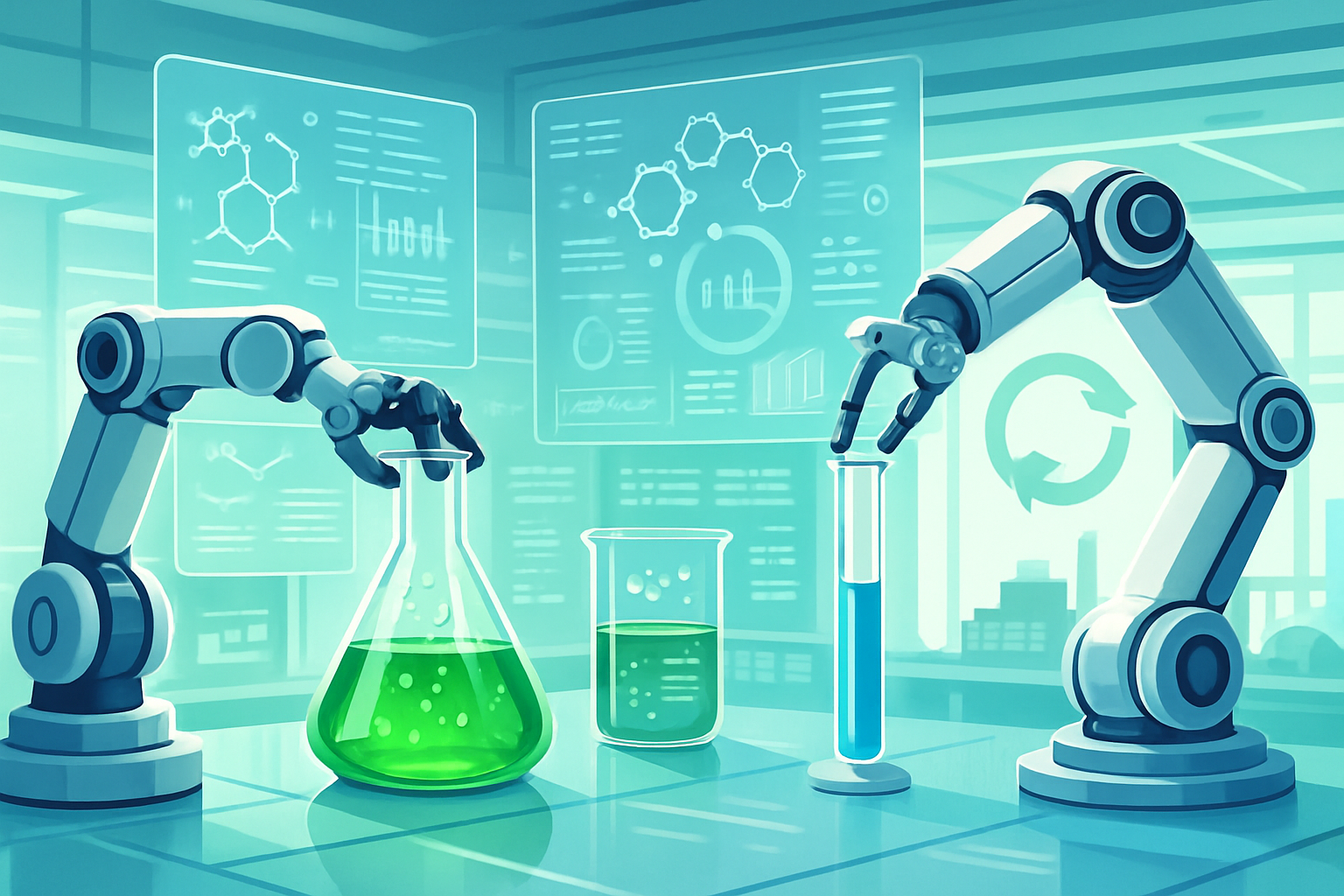
  • AI Revolutionizes Manufacturing: Georgia AIM and Amazon’s ‘Model Factory’ Pave the Way for Intelligent Production

    AI Revolutionizes Manufacturing: Georgia AIM and Amazon’s ‘Model Factory’ Pave the Way for Intelligent Production

    The manufacturing sector is on the cusp of a profound transformation, driven by the accelerating integration of Artificial Intelligence (AI). From optimizing complex supply chains to orchestrating robotic fleets, AI is redefining efficiency, quality, and adaptability on the factory floor. Leading this charge are innovative initiatives like Georgia AIM and the pioneering 'model factory' approach championed by tech giant Amazon (NASDAQ: AMZN), both showcasing how intelligent AI agents are not just automating, but truly optimizing business processes and production at an unprecedented scale. This shift marks a pivotal moment, promising a future where factories are not merely automated, but intelligent, self-optimizing ecosystems.

    The Technical Backbone of Intelligent Manufacturing

    The advancements driving this revolution are deeply rooted in sophisticated AI technologies. Georgia AIM (Artificial Intelligence in Manufacturing), a $65 million initiative supported by the U.S. Economic Development Administration (EDA), exemplifies a collaborative, statewide effort to embed AI into manufacturing. Its core involves establishing AI Manufacturing Pilot Facilities (AI-MPF) like the one at Georgia Tech, which serve as crucial testbeds for scaling AI technologies and fostering synergistic partnerships between industry, academia, and local communities. The initiative focuses on developing a skilled workforce through K-12 education, technical colleges, and university programs, alongside specialized workforce training, ensuring a sustainable talent pipeline for AI-driven manufacturing.

    Amazon's 'model factory' approach, particularly evident in its vast network of fulfillment centers, offers a living laboratory for AI development. Amazon (NASDAQ: AMZN) utilizes its extensive internal systems as "reinforcement learning gyms," accelerating the refinement of its AI models and enterprise AI tools. With over one million robots deployed globally, Amazon is the world's largest operator of mobile robotics. Systems like "Sequoia," a multilevel containerized inventory system, and robotic arms such as "Robin," "Cardinal," and "Sparrow," which sort, stack, and consolidate millions of items, showcase a seamless integration of AI and robotics. A key innovation is "DeepFleet," a new generative AI foundation model powering Amazon's robotic fleet. This intelligent traffic management system coordinates robot movements across the fulfillment network, improving travel efficiency by 10% and significantly contributing to faster deliveries and reduced operational costs. These approaches differ from previous automation efforts by moving beyond rigid, pre-programmed tasks to dynamic, learning-based systems that adapt and optimize in real-time, leveraging vast datasets for continuous improvement.

    Industry Implications and Competitive Landscape

    The pervasive integration of AI in manufacturing carries significant implications for AI companies, tech giants, and startups alike. Tech behemoths like Amazon (NASDAQ: AMZN) stand to benefit immensely, not only from the operational efficiencies within their own vast logistics networks but also by leveraging their expertise through cloud services. Amazon Web Services (AWS) is already providing manufacturers with cloud-based AI and machine learning tools, enabling solutions for real-time operational visibility, automated quality inspection via computer vision, and predictive maintenance. This strategic move positions AWS as a critical enabler for other companies seeking to adopt intelligent manufacturing practices, thereby extending Amazon's influence beyond e-commerce into industrial AI.

    For specialized AI startups, this evolving landscape presents fertile ground for innovation. Companies focusing on niche AI applications—such as advanced predictive maintenance algorithms, specialized computer vision for defect detection, or AI agents for dynamic production scheduling—can find significant market opportunities. The competitive implications are clear: manufacturers that fail to embrace AI risk being outmaneuvered by more agile, data-driven competitors. The ability to optimize production, reduce waste, and respond swiftly to market changes through AI will become a fundamental differentiator. This development is set to disrupt traditional manufacturing software providers and automation companies, pushing them to integrate more sophisticated AI capabilities into their offerings or face obsolescence.

    Wider Significance in the AI Landscape

    The ascent of AI in manufacturing marks a critical juncture in the broader AI landscape, signaling a maturation of AI from theoretical research to tangible, industrial application. This trend aligns with the increasing emphasis on "edge AI" and "industrial AI," where intelligent systems operate directly on the factory floor, processing data locally and making real-time decisions. The impact extends beyond mere economic efficiency; it touches upon job roles, workforce development, and even environmental sustainability. While concerns about job displacement are valid, initiatives like Georgia AIM highlight a proactive approach to workforce reskilling and upskilling, aiming to create new, higher-skilled jobs in AI development, maintenance, and oversight.

    The shift towards AI-driven factories also raises important questions about data privacy, cybersecurity, and ethical AI deployment, particularly as AI agents gain more autonomy in critical production processes. Compared to earlier AI milestones focused on consumer applications or theoretical breakthroughs, the current wave in manufacturing represents a tangible step towards AI's pervasive integration into the physical world, managing complex machinery and intricate supply chains. This evolution underscores AI's potential to address global challenges, from enhancing resource efficiency to fostering more resilient and localized supply chains, thereby contributing to broader societal goals.

    Exploring Future Developments

    Looking ahead, the trajectory of AI in manufacturing points towards increasingly autonomous and self-healing factories. Near-term developments will likely see the widespread adoption of AI-powered digital twins, creating virtual replicas of physical assets and processes to simulate, optimize, and predict performance with unprecedented accuracy. The integration of advanced generative AI models, akin to Amazon's DeepFleet, will extend beyond robotics coordination to encompass entire production lines, enabling dynamic reconfigurations and adaptive manufacturing processes in response to real-time demand fluctuations or material shortages.

    Long-term, experts predict the emergence of truly "lights-out" manufacturing facilities, where AI agents and robots operate with minimal human intervention, handling everything from design optimization to quality control and logistics. Challenges remain, particularly in developing robust, explainable AI systems that can operate reliably in complex industrial environments, ensuring data security across interconnected systems, and addressing the ongoing need for a skilled workforce capable of interacting with these advanced AI systems. The next frontier will involve AI systems that can not only optimize existing processes but also autonomously innovate new manufacturing techniques and product designs, pushing the boundaries of what's possible in production.

    A Comprehensive Wrap-Up: The Dawn of Intelligent Production

    The integration of AI into manufacturing, exemplified by initiatives like Georgia AIM and Amazon's 'model factory' approach, represents a transformative era for global industry. Key takeaways include the profound impact of AI agents on optimizing everything from predictive maintenance and quality control to production scheduling and energy management. This development signifies AI's maturation into a powerful tool for real-world industrial application, moving beyond basic automation to intelligent, adaptive systems that continuously learn and improve.

    The significance of this development in AI history cannot be overstated; it marks a pivotal shift towards intelligent production ecosystems, promising unprecedented levels of efficiency, flexibility, and resilience. As AI continues to evolve, its long-term impact will reshape not only how goods are made but also the global economy, workforce dynamics, and environmental sustainability. What to watch for in the coming weeks and months will be further announcements of successful AI deployments in diverse manufacturing sectors, the emergence of new AI-driven manufacturing solutions from startups, and the continued evolution of workforce development programs designed to prepare for this intelligent industrial future.


    This content is intended for informational purposes only and represents analysis of current AI developments.

    TokenRing AI delivers enterprise-grade solutions for multi-agent AI workflow orchestration, AI-powered development tools, and seamless remote collaboration platforms. For more information, visit https://www.tokenring.ai/.