
Tag: Saudi Arabia

  • Saudi Arabia’s $900 Million Bet on Luma AI Ignites Generative Revolution in Hollywood

    Saudi Arabia’s $900 Million Bet on Luma AI Ignites Generative Revolution in Hollywood

    Riyadh, Saudi Arabia – November 19, 2025 – In a move set to profoundly reshape the landscape of generative artificial intelligence and Hollywood's creative industries, Saudi Arabia, through its Public Investment Fund (PIF) company HUMAIN, has led a colossal $900 million Series C funding round for Luma AI. This landmark investment, which values the U.S.-based frontier AI startup at an estimated $4 billion, is poised to accelerate the development of advanced multimodal AI systems and foundational "World Models" that promise to transcend the capabilities of current large language models. The influx of capital, coupled with unprecedented access to a forthcoming 2-gigawatt (2GW) AI supercluster in Saudi Arabia, signals a new era for AI-driven content creation, particularly within the entertainment sector.

    The investment underscores a burgeoning global commitment to AI development, with international players increasingly recognizing the transformative potential of generative AI. For Hollywood, Luma AI's enhanced capabilities could usher in an age of unparalleled creative efficiency, enabling filmmakers, designers, and marketers to craft professional-grade content with unprecedented ease and speed. This strategic alliance not only propels Luma AI to the forefront of the generative AI race but also positions Saudi Arabia as a significant player in the global AI infrastructure landscape, with implications stretching far beyond the silver screen.

    The Dawn of "World Models": Luma AI's Technical Leap Forward

    Luma AI, under the leadership of CEO Amit Jain, formerly of Apple (NASDAQ: AAPL), is spearheading the development of multimodal Artificial General Intelligence (AGI) focused on understanding and operating within the physical world. The $900 million Series C funding, with participation from existing investors like Andreessen Horowitz, Amplify Partners, and Matrix Partners, alongside a significant contribution from AMD Ventures (NASDAQ: AMD), is earmarked to fuel Luma AI's ambitious research and infrastructure development. The core of this ambition lies in training "World Models"—foundational AI models designed to learn from a vast array of digital data, including video, audio, and language, to simulate reality with a depth that surpasses existing Large Language Models (LLMs).

    A cornerstone of Luma AI's technical prowess is its flagship platform, Dream Machine, which empowers users to generate professional-grade videos and images from diverse inputs such as text prompts, images, or existing video. This platform offers creators director-level control over critical elements like camera motion, stylistic choices, and scene composition, democratizing access to high-fidelity content creation tools. Further pushing the boundaries, Luma AI released Ray3 in 2025, touted as the world's first "reasoning" video model. Ray3 distinguishes itself by generating physically accurate videos, animations, and visuals, reportedly outperforming OpenAI's Sora on several benchmarks and achieving performance akin to Google's Veo 3. Its unique ability to self-analyze and optimize details during scene generation marks a significant departure from previous approaches, offering a level of realism and control previously unattainable.

    The distinguishing factor for Luma AI's next-generation models lies in their access to HUMAIN's "Project Halo," a planned 2GW AI supercluster in Saudi Arabia. This immense compute infrastructure is critical for training the complex multimodal models that Luma AI envisions. While previous generative AI models have focused predominantly on single modalities (e.g., text-to-image or text-to-video), Luma AI's "World Models" aim for a holistic understanding of reality by integrating diverse data types, promising more coherent, physically accurate, and contextually rich outputs. Initial reactions from the AI research community highlight the strategic importance of this compute power, recognizing it as a crucial enabler for achieving true multimodal AGI and moving beyond the limitations of current generative paradigms.

    Reshaping the Competitive Landscape for AI and Entertainment Giants

    The substantial investment in Luma AI carries profound competitive implications for both established AI labs and tech giants, as well as a myriad of startups vying for dominance in the generative AI space. Luma AI (Private) itself stands to benefit immensely, leveraging the $900 million capital injection and, more critically, the unparalleled access to HUMAIN's 2GW AI supercluster. This compute advantage could position Luma AI to leapfrog competitors in the race to develop next-generation multimodal AI, potentially establishing it as a foundational technology provider for the creative industries.

    For major AI labs like OpenAI (Private), Google (NASDAQ: GOOGL), and Meta Platforms (NASDAQ: META), Luma AI's rapid ascent and its sophisticated video generation capabilities, particularly with Ray3, pose a direct challenge. While these tech giants have their own advanced models (e.g., Sora, Veo 3), Luma AI's specific focus on physically accurate "reasoning" video models, combined with its direct inroads into Hollywood through its Dream Lab LA, could disrupt their market positioning in the entertainment sector. The partnership with HUMAIN also signifies a strategic advantage, as it provides Luma AI with a dedicated, massive infrastructure for training, potentially reducing reliance on public cloud services that competitors might utilize.

    The entertainment industry, particularly Hollywood, is ripe for disruption. Companies like Adobe (NASDAQ: ADBE), which provides creative software, and production studios stand to both benefit from and be challenged by Luma AI's advancements. Luma AI's tools promise to streamline design processes, accelerate content creation, and democratize access to high-fidelity visuals, potentially displacing traditional, labor-intensive methods. Startups in visual effects, animation, and game development could find Luma AI's platforms indispensable for rapid prototyping and production, but also face increased competition from a more empowered, AI-driven creative landscape. The prediction that the first film "significantly aided by AI" could emerge as early as 2026 underscores the imminent disruption to existing products and services across the creative value chain.

    Broader Implications and the Shifting AI Landscape

    This significant investment in Luma AI is more than just a financial transaction; it's a pivotal moment that underscores several broader trends within the AI landscape. It highlights the escalating "compute race," where access to massive computational resources is becoming the primary bottleneck and differentiator for developing advanced AI. The creation of HUMAIN's 2GW AI supercluster, with Luma AI as its primary beneficiary, exemplifies a strategic shift towards building sovereign AI capabilities and establishing regional hubs for next-generation AI infrastructure. This move positions Saudi Arabia as a key player, not just as an investor, but as a foundational enabler of future AI breakthroughs.

    The impacts on creative industries are profound and multifaceted. On one hand, generative AI promises unprecedented efficiency, accessibility, and new creative possibilities. Filmmakers can rapidly prototype scenes, animators can generate complex sequences with ease, and marketers can produce diverse visual content at scale. Luma AI's technology, by democratizing high-quality content creation, could empower independent creators and lower barriers to entry in traditionally resource-intensive fields. On the other hand, there are significant concerns regarding job displacement for artists, visual effects specialists, and other creative professionals. Ethical considerations around authorship, copyright, and the potential for AI-generated content to dilute artistic integrity are also at the forefront of industry discussions.

    Comparing this milestone to previous AI breakthroughs, the Luma AI investment signals a maturation of generative AI beyond text and simple image generation. The focus on "World Models" and physically accurate video generation represents a leap towards AI that understands and simulates reality with greater fidelity, a goal long pursued in the AI community. While previous milestones like the development of transformer models or the rise of large language models laid the groundwork, Luma AI's current trajectory, fueled by this massive investment and compute power, suggests a potential inflection point for multimodal AI and its real-world applications. The HUMAIN-LUMA AI CREATE initiative, focusing on culturally aligned AI for the MENA region, further broadens the significance, indicating a global push for localized and diverse AI applications.

    The Horizon: Future Developments and Expert Predictions

    The future developments stemming from Luma AI's substantial investment and technological advancements are expected to unfold rapidly, particularly within the entertainment and creative sectors. In the near term, we can anticipate a surge in AI-generated or AI-assisted content across film, television, advertising, and even gaming. Luma AI's Dream Machine and Ray3 are likely to become indispensable tools for studios looking to accelerate production timelines, reduce costs, and explore novel visual styles. The "Dream Lab LA" initiative, Luma AI's direct engagement with Hollywood, is poised to foster collaborations that will push the boundaries of AI's role in storytelling and visual effects.

    Longer-term, experts predict a blurring of lines between real and AI-generated content, with generative AI achieving photorealism and narrative coherence that could make it indistinguishable from human-created work. Beyond entertainment, the multimodal capabilities of Luma AI's "World Models" are expected to find applications in diverse fields such as simulation, industrial design, and robotics, where accurate physical world understanding is paramount. For instance, AI could generate highly realistic training environments for autonomous vehicles or design complex architectural structures with optimized material properties.

    However, significant challenges remain. Scalability of these advanced models, ensuring artistic control and creative intent, and addressing the ethical implications of AI-generated content (e.g., deepfakes, copyright infringement) are critical hurdles that need to be addressed. Experts predict that the next phase of generative AI will involve more sophisticated human-AI collaboration frameworks, where AI acts as an intelligent co-creator rather than a replacement. The industry will also need to grapple with the economic impact on creative professionals and develop new business models that integrate AI seamlessly and ethically. What's next, according to many, is a period of intense innovation and adaptation, with Luma AI at the forefront of shaping how we create and consume visual content.

    A New Chapter in AI's Creative Revolution

    The $900 million investment led by Saudi Arabia's HUMAIN into Luma AI marks a monumental chapter in the ongoing revolution of artificial intelligence, particularly its transformative potential for the creative industries. The key takeaways from this development are clear: the escalating importance of massive computational infrastructure for advanced AI development, the rapid maturation of multimodal generative AI, and the undeniable impact these technologies will have on how content is created, consumed, and experienced, especially in Hollywood.

    This development holds significant historical weight in the timeline of AI. It signifies a decisive shift from theoretical advancements to practical, industry-shaping applications, with a clear focus on simulating and understanding the physical world through "World Models." The scale of the investment, coupled with strategic access to one of the world's largest AI superclusters, positions Luma AI not just as a startup but as a potential architect of the next generation of creative tools and experiences. The implications extend beyond technological innovation, touching upon economic shifts, ethical debates, and the very definition of creativity in an AI-powered era.

    In the coming weeks and months, the industry will be watching closely for Luma AI's advancements in video generation, its collaborations with Hollywood studios, and how its technology begins to manifest in mainstream productions. The broader conversation around AI's role in job markets, intellectual property, and artistic expression will also intensify. As generative AI continues its relentless march forward, Luma AI, backed by substantial international investment, stands as a powerful testament to the technology's boundless potential and the profound changes it promises to bring to our creative landscape.


    This content is intended for informational purposes only and represents analysis of current AI developments.

    TokenRing AI delivers enterprise-grade solutions for multi-agent AI workflow orchestration, AI-powered development tools, and seamless remote collaboration platforms.
    For more information, visit https://www.tokenring.ai/.

  • US Greenlights Advanced AI Chip Exports to Saudi Arabia and UAE in Major Geopolitical and Tech Shift

    US Greenlights Advanced AI Chip Exports to Saudi Arabia and UAE in Major Geopolitical and Tech Shift

    In a landmark decision announced on Wednesday, November 19, 2025, the United States Commerce Department has authorized the export of advanced American artificial intelligence (AI) semiconductors to companies in Saudi Arabia and the United Arab Emirates. This move represents a significant policy reversal, effectively lifting prior restrictions and opening the door for Gulf nations to acquire cutting-edge AI chips from leading U.S. manufacturers like NVIDIA (NASDAQ: NVDA) and Advanced Micro Devices (NASDAQ: AMD). The authorization is poised to reshape the global semiconductor market, deepen technological partnerships, and introduce new dynamics into the complex geopolitical landscape of the Middle East.

    The immediate significance of this authorization cannot be overstated. It signals a strategic pivot by the current U.S. administration, aiming to cement American technology as the global standard while simultaneously supporting the ambitious economic diversification and AI development goals of its key Middle Eastern allies. The decision has been met with a mix of anticipation from the tech industry, strategic calculations from international observers, and a degree of skepticism from critics, all of whom are keenly watching the ripple effects of this bold new policy.

    Unpacking the Technical and Policy Shift

    The newly authorized exports specifically include high-performance artificial intelligence chips designed for intensive computing and complex AI model training. Prominently featured in these agreements are NVIDIA's next-generation Blackwell chips. Reports indicate that the authorization for both Saudi Arabia and the UAE is equivalent to up to 35,000 NVIDIA Blackwell chips, with Saudi Arabia reportedly making an initial purchase of 18,000 of these advanced units. For the UAE, the agreement is even more substantial, allowing for the annual import of up to 500,000 of Nvidia's advanced AI chips starting in 2025, while Saudi Arabia's AI company, Humain, aims to deploy up to 400,000 AI chips by 2030. These are not just any semiconductors; they are the bedrock of modern AI, essential for everything from large language models to sophisticated data analytics.

    This policy marks a distinct departure from the stricter export controls implemented by the previous administration, which had an "AI Diffusion Rule" that limited chip sales to a broader range of countries, including allies. The current administration has effectively "scrapped" this approach, framing the new authorizations as a "win-win" that strengthens U.S. economic ties and technological leadership. The primary distinction lies in this renewed emphasis on expanding technology partnerships with key allies, directly contrasting with the more restrictive stance that aimed to slow down global AI proliferation, particularly concerning China.

    Initial reactions from the AI research community and industry experts have been varied. U.S. chip manufacturers, who had previously faced lost sales due to stricter controls, view these authorizations as a positive development, providing crucial access to the rapidly growing Middle East AI market. NVIDIA's stock, already a bellwether for the AI revolution, has seen positive market sentiment reflecting this expanded access. However, some U.S. politicians have expressed bipartisan unease, fearing that such deals could potentially divert highly sought-after chips needed for domestic AI development or, more critically, that they might create new avenues for China to circumvent existing export controls through Middle Eastern partners.

    Competitive Implications and Market Positioning

    The authorization directly impacts major AI labs, tech giants, and startups globally, but none more so than the U.S. semiconductor industry. Companies like NVIDIA (NASDAQ: NVDA) and Advanced Micro Devices (NASDAQ: AMD) stand to benefit immensely, gaining significant new revenue streams and solidifying their market dominance in the high-end AI chip sector. These firms can now tap into the burgeoning demand from Gulf states that are aggressively investing in AI infrastructure as part of their broader economic diversification strategies away from oil. This expanded market access provides a crucial competitive advantage, especially given the global race for AI supremacy.

    For AI companies and tech giants within Saudi Arabia and the UAE, this decision is transformative. It provides them with direct access to the most advanced AI hardware, which is essential for developing sophisticated AI models, building massive data centers, and fostering a local AI ecosystem. Companies like Saudi Arabia's Humain are now empowered to accelerate their ambitious deployment targets, potentially positioning them as regional leaders in AI innovation. This influx of advanced technology could disrupt existing regional tech landscapes, enabling local startups and established firms to leapfrog competitors who lack similar access.

    The competitive implications extend beyond just chip sales. By ensuring that key Middle Eastern partners utilize U.S. technology, the decision aims to prevent China from gaining a foothold in the region's critical AI infrastructure. This strategic positioning could lead to deeper collaborations between American tech companies and Gulf entities in areas like cloud computing, data security, and AI development platforms, further embedding U.S. technological standards. Conversely, it could intensify the competition for talent and resources in the global AI arena, as more nations gain access to the tools needed to develop advanced AI capabilities.

    Wider Significance and Geopolitical Shifts

    This authorization fits squarely into the broader global AI landscape, characterized by an intense technological arms race and a realignment of international alliances. It underscores a shift in U.S. foreign policy, moving towards leveraging technological exports as a tool for strengthening strategic partnerships and countering the influence of rival nations, particularly China. The decision is a clear signal that the U.S. intends to remain the primary technological partner for its allies, ensuring that American standards and systems underpin the next wave of global AI development.

    The impacts on geopolitical dynamics in the Middle East are profound. By providing advanced AI capabilities to Saudi Arabia and the UAE, the U.S. is not only bolstering their economic diversification efforts but also enhancing their strategic autonomy and technological prowess. This could lead to increased regional stability through stronger bilateral ties with the U.S., but also potentially heighten tensions with nations that view this as an imbalance of technological power. The move also implicitly challenges China's growing influence in the region, as the U.S. actively seeks to ensure that critical AI infrastructure is built on American rather than Chinese technology.

    Potential concerns, however, remain. Chinese analysts have criticized the U.S. decision as short-sighted, arguing that it misjudges China's resilience and defies trends of global collaboration. There are also ongoing concerns from some U.S. policymakers regarding the potential for sensitive technology to be rerouted, intentionally or unintentionally, to adversaries. While Saudi and UAE leaders have pledged not to use Chinese AI hardware and have strengthened partnerships with American firms, the dual-use nature of advanced AI technology necessitates robust oversight and trust. This development can be compared to previous milestones like the initial opening of high-tech exports to other strategic allies, but with the added complexity of AI's transformative and potentially disruptive power.

    Future Developments and Expert Predictions

    In the near term, we can expect a rapid acceleration of AI infrastructure development in Saudi Arabia and the UAE. The influx of NVIDIA Blackwell chips and other advanced semiconductors will enable these nations to significantly expand their data centers, establish formidable supercomputing capabilities, and launch ambitious AI research initiatives. This will likely translate into a surge of demand for AI talent, software platforms, and related services, creating new opportunities for global tech companies and professionals. We may also see more joint ventures and strategic alliances between U.S. tech firms and Middle Eastern entities focused on AI development and deployment.

    Longer term, the implications are even more far-reaching. The Gulf states' aggressive investment in AI, now bolstered by direct access to top-tier U.S. hardware, could position them as significant players in the global AI landscape, potentially fostering innovation hubs that attract talent and investment from around the world. Potential applications and use cases on the horizon include advanced smart city initiatives, sophisticated oil and gas exploration and optimization, healthcare AI, and defense applications. These nations aim to not just consume AI but to contribute to its advancement.

    However, several challenges need to be addressed. Ensuring the secure deployment and responsible use of these powerful AI technologies will be paramount, requiring robust regulatory frameworks and strong cybersecurity measures. The ethical implications of advanced AI, particularly in sensitive geopolitical regions, will also demand careful consideration. Experts predict that while the immediate future will see a focus on infrastructure build-out, the coming years will shift towards developing sovereign AI capabilities and applications tailored to regional needs. The ongoing geopolitical competition between the U.S. and China will also continue to shape these technological partnerships, with both superpowers vying for influence in the critical domain of AI.

    A New Chapter in Global AI Dynamics

    The U.S. authorization of advanced American semiconductor exports to Saudi Arabia and the UAE marks a pivotal moment in the global AI narrative. The key takeaway is a clear strategic realignment by the U.S. to leverage its technological leadership as a tool for diplomacy and economic influence, particularly in a region critical for global energy and increasingly, for technological innovation. This decision not only provides a significant boost to U.S. chip manufacturers but also empowers Gulf nations to accelerate their ambitious AI development agendas, fundamentally altering their technological trajectory.

    This development's significance in AI history lies in its potential to democratize access to the most advanced AI hardware beyond the traditional tech powerhouses, albeit under specific geopolitical conditions. It highlights the increasingly intertwined nature of technology, economics, and international relations. The long-term impact could see the emergence of new AI innovation centers in the Middle East, fostering a more diverse and globally distributed AI ecosystem. However, it also underscores the enduring challenges of managing dual-use technologies and navigating complex geopolitical rivalries in the age of artificial intelligence.

    In the coming weeks and months, observers will be watching for several key indicators: the pace of chip deployment in Saudi Arabia and the UAE, any new partnerships between U.S. tech firms and Gulf entities, and the reactions from other international players, particularly China. The implementation of security provisions and the development of local AI talent and regulatory frameworks will also be critical to the success and sustainability of this new technological frontier. The world of AI is not just about algorithms and data; it's about power, influence, and the strategic choices nations make to shape their future.


    This content is intended for informational purposes only and represents analysis of current AI developments.

    TokenRing AI delivers enterprise-grade solutions for multi-agent AI workflow orchestration, AI-powered development tools, and seamless remote collaboration platforms.
    For more information, visit https://www.tokenring.ai/.

  • Geopolitical Chessboard: US Unlocks Advanced Chip Exports to Middle East, Reshaping Semiconductor Landscape

    Geopolitical Chessboard: US Unlocks Advanced Chip Exports to Middle East, Reshaping Semiconductor Landscape

    The global semiconductor industry, a linchpin of modern technology and national power, is increasingly at the epicenter of a complex geopolitical struggle. Recent policy shifts by the United States, particularly the authorization of advanced American semiconductor exports to companies in Saudi Arabia and the United Arab Emirates (UAE), signal a significant recalibration of Washington's strategy in the high-stakes race for technological supremacy. This move, coming amidst an era of stringent export controls primarily aimed at curbing China's technological ambitions, carries profound implications for the global semiconductor supply chain, international relations, and the future trajectory of AI development.

    This strategic pivot reflects a multifaceted approach by the U.S. to balance national security interests with commercial opportunities and diplomatic alliances. By greenlighting the sale of cutting-edge chips to key Middle Eastern partners, the U.S. aims to cement its technological leadership in emerging markets, diversify demand for American semiconductor firms, and foster stronger bilateral ties, even as it navigates concerns about potential technology leakage to rival nations. The immediate significance of these developments lies in their potential to reshape market dynamics, create new regional AI powerhouses, and further entrench the semiconductor industry as a critical battleground for global influence.

    Navigating the Labyrinth of Advanced Chip Controls: From Tiered Rules to Tailored Deals

    The technical architecture of U.S. semiconductor export controls is a meticulously crafted, yet constantly evolving, framework designed to safeguard critical technologies. At its core, these regulations target advanced computing semiconductors, AI-capable chips, and high-bandwidth memory (HBM) that exceed specific performance thresholds and density parameters. The aim is to prevent the acquisition of chips that could fuel military modernization and sophisticated surveillance by nations deemed adversaries. This includes not only direct high-performance chips but also measures to prevent the aggregation of smaller, non-controlled integrated circuits (ICs) to achieve restricted processing power, alongside controls on crucial software keys.

    Beyond the chips themselves, the controls extend to the highly specialized Semiconductor Manufacturing Equipment (SME) essential for producing advanced-node ICs, particularly logic chips under a 16-nanometer threshold. This encompasses a broad spectrum of tools, from physical vapor deposition equipment to Electronic Computer Aided Design (ECAD) and Technology Computer-Aided Design (TCAD) software. A pivotal element of these controls is the extraterritorial reach of the Foreign Direct Product Rule (FDPR), which subjects foreign-produced items to U.S. export controls if they are the direct product of certain U.S. technology, software, or equipment, effectively curbing circumvention efforts by limiting foreign manufacturers' ability to use U.S. inputs for restricted items.

    A significant policy shift has recently redefined the approach to AI chip exports, particularly affecting countries like Saudi Arabia and the UAE. The Biden administration's proposed "Export Control Framework for Artificial Intelligence (AI) Diffusion," introduced in January 2025, envisioned a global tiered licensing regime. This framework categorized countries into three tiers: Tier 1 for close allies with broad exemptions, Tier 2 for over 100 countries (including Saudi Arabia and the UAE) subject to quotas and license requirements with a presumption of approval up to an allocation, and Tier 3 for nations facing complete restrictions. The objective was to ensure responsible AI diffusion while connecting it to U.S. national security.

    However, this tiered framework was rescinded on May 13, 2025, by the Trump administration, just two days before its scheduled effective date. The rationale for the rescission cited concerns that the rule would stifle American innovation, impose burdensome regulations, and potentially undermine diplomatic relations by relegating many countries to a "second-tier status." In its place, the Trump administration has adopted a more flexible, deal-by-deal strategy, negotiating individual agreements for AI chip exports. This new approach has directly led to significant authorizations for Saudi Arabia and the UAE, with Saudi Arabia's Humain slated to receive hundreds of thousands of advanced Nvidia AI chips over five years, including GB300 Grace Blackwell products, and the UAE potentially receiving 500,000 advanced Nvidia chips annually from 2025 to 2027.

    Initial reactions from the AI research community and industry experts have been mixed. The Biden-era "AI Diffusion Rule" faced "swift pushback from industry," including "stiff opposition from chip majors including Oracle and Nvidia," who argued it was "overdesigned, yet underinformed" and could have "potentially catastrophic consequences for U.S. digital industry leadership." Concerns were raised that restricting AI chip exports to much of the world would limit market opportunities and inadvertently empower foreign competitors. The rescission of this rule, therefore, brought a sense of relief and opportunity to many in the industry, with Nvidia hailing it as an "opportunity for the U.S. to lead the 'next industrial revolution.'" However, the shift to a deal-by-deal strategy, especially regarding increased access for Saudi Arabia and the UAE, has sparked controversy among some U.S. officials and experts, who question the reliability of these countries as allies and voice concerns about potential technology leakage to adversaries, underscoring the ongoing challenge of balancing security with open innovation.

    Corporate Fortunes in the Geopolitical Crosshairs: Winners, Losers, and Strategic Shifts

    The intricate web of geopolitical influences and export controls is fundamentally reshaping the competitive landscape for semiconductor companies, tech giants, and nascent startups alike. The recent U.S. authorizations for advanced American semiconductor exports to Saudi Arabia and the UAE have created distinct winners and losers, while forcing strategic recalculations across the industry.

    Direct beneficiaries of these policy shifts are unequivocally U.S.-based advanced AI chip manufacturers such as NVIDIA (NASDAQ: NVDA) and Advanced Micro Devices (NASDAQ: AMD). With the U.S. Commerce Department greenlighting the export of the equivalent of up to 35,000 NVIDIA Blackwell chips (GB300s) to entities like G42 in the UAE and Humain in Saudi Arabia, these companies gain access to lucrative, large-scale markets in the Middle East. This influx of demand can help offset potential revenue losses from stringent restrictions in other regions, particularly China, providing significant revenue streams and opportunities to expand their global footprint in high-performance computing and AI infrastructure. For instance, Saudi Arabia's Humain is poised to acquire a substantial number of NVIDIA AI chips and collaborate with Elon Musk's xAI, while AMD has also secured a multi-billion dollar agreement with the Saudi venture.

    Conversely, the broader landscape of export controls, especially those targeting China, continues to pose significant challenges. While new markets emerge, the overall restrictions can lead to substantial revenue reductions for American chipmakers and potentially curtail their investments in research and development (R&D). Moreover, these controls inadvertently incentivize China to accelerate its pursuit of semiconductor self-sufficiency, which could, in the long term, erode the market position of U.S. firms. Tech giants with extensive global operations, such as Microsoft (NASDAQ: MSFT), Google (NASDAQ: GOOGL), and Amazon (NASDAQ: AMZN), also stand to benefit from the expansion of AI infrastructure in the Gulf, as they are key players in cloud services and AI development. However, they simultaneously face increased regulatory scrutiny, compliance costs, and the complexity of navigating conflicting regulations across diverse jurisdictions, which can impact their global strategies.

    For startups, especially those operating in advanced or dual-use technologies, the geopolitical climate presents a more precarious situation. Export controls can severely limit funding and acquisition opportunities, as national security reviews of foreign investments become more prevalent. Compliance with these regulations, including identifying restricted parties and sanctioned locations, adds a significant operational and financial burden, and unintentional violations can lead to costly penalties. Furthermore, the complexities extend to talent acquisition, as hiring foreign employees who may access sensitive technology can trigger export control regulations, potentially requiring specific licenses and complicating international team building. Sudden policy shifts, like the recent rescission of the "AI Diffusion Rules," can also catch startups off guard, disrupting carefully laid business strategies and supply chains.

    In this dynamic environment, Valens Semiconductor Ltd. (NYSE: VLN), an Israeli fabless company specializing in high-performance connectivity chipsets for the automotive and audio-video (Pro-AV) industries, presents an interesting case study. Valens' core technologies, including HDBaseT for uncompressed multimedia distribution and MIPI A-PHY for high-speed in-vehicle connectivity in ADAS and autonomous driving, are foundational to reliable data transmission. Given its primary focus, the direct impact of the recent U.S. authorizations for advanced AI processing chips on Valens is likely minimal, as the company does not produce the high-end GPUs or AI accelerators that are the subject of these specific controls.

    However, indirect implications and future opportunities for Valens Semiconductor cannot be overlooked. As Saudi Arabia and the UAE pour investments into building "sovereign AI" infrastructure, including vast data centers, there will be an increased demand for robust, high-performance connectivity solutions that extend beyond just the AI processors. If these regions expand their technological ambitions into smart cities, advanced automotive infrastructure, or sophisticated Pro-AV installations, Valens' expertise in high-bandwidth, long-reach, and EMI-resilient connectivity could become highly relevant. Their MIPI A-PHY standard, for instance, could be crucial if Gulf states develop advanced domestic automotive industries requiring sophisticated in-vehicle sensor connectivity. While not directly competing with AI chip manufacturers, the broader influx of U.S. technology into the Middle East could create an ecosystem that indirectly encourages other connectivity solution providers to target these regions, potentially increasing competition. Valens' established leadership in industry standards provides a strategic advantage, and if these standards gain traction in newly developing tech hubs, the company could capitalize on its foundational technology, further building long-term wealth for its investors.

    A New Global Order: Semiconductors as the Currency of Power

    The geopolitical influences and export controls currently gripping the semiconductor industry transcend mere economic concerns; they represent a fundamental reordering of global power dynamics, with advanced chips serving as the new currency of technological sovereignty. The recent U.S. authorizations for advanced American semiconductor exports to Saudi Arabia and the UAE are not isolated incidents but rather strategic maneuvers within this larger geopolitical chess game, carrying profound implications for the broader AI landscape, global supply chains, national security, and the delicate balance of international power.

    This era marks a defining moment in technological history, where governments are increasingly wielding export controls as a potent tool to restrict the flow of critical technologies. The United States, for instance, has implemented stringent controls on semiconductor technology primarily to limit China's access, driven by concerns over its potential use for both economic and military growth under Beijing's "Military-Civil Fusion" strategy. This "small yard, high fence" approach aims to protect critical technologies while minimizing broader economic spillovers. The U.S. authorizations for Saudi Arabia and the UAE, specifically the export of NVIDIA's Blackwell chips, signify a strategic pivot to strengthen ties with key regional partners, drawing them into the U.S.-aligned technology ecosystem and countering Chinese technological influence in the Middle East. These deals, often accompanied by "security conditions" to exclude Chinese technology, aim to solidify American technological leadership in emerging AI hubs.

    This strategic competition is profoundly impacting global supply chains. The highly concentrated nature of semiconductor manufacturing, with Taiwan, South Korea, and the Netherlands as major hubs, renders the supply chain exceptionally vulnerable to geopolitical tensions. Export controls restrict the availability of critical components and equipment, leading to supply shortages, increased costs, and compelling companies to diversify their sourcing and production locations. The COVID-19 pandemic already exposed inherent weaknesses, and geopolitical conflicts have exacerbated these issues. Beyond U.S. controls, China's own export restrictions on rare earth metals like gallium and germanium, crucial for semiconductor manufacturing, further highlight the industry's interconnected vulnerabilities and the need for localized production initiatives like the U.S. CHIPS Act.

    However, this strategic competition is not without its concerns. National security remains the primary driver for export controls, aiming to prevent adversaries from leveraging advanced AI and semiconductor technologies for military applications or authoritarian surveillance. Yet, these controls can also create economic instability by limiting market opportunities for U.S. companies, potentially leading to market share loss and strained international trade relations. A critical concern, especially with the increased exports to the Middle East, is the potential for technology leakage. Despite "security conditions" in deals with Saudi Arabia and the UAE, the risk of advanced chips or AI know-how being re-exported or diverted to unintended recipients, particularly those deemed national security risks, remains a persistent challenge, fueled by potential loopholes, black markets, and circumvention efforts.

    The current era of intense government investment and strategic competition in semiconductors and AI is often compared to the 21st century's "space race," signifying its profound impact on global power dynamics. Unlike earlier AI milestones that might have been primarily commercial or scientific, the present breakthroughs are explicitly viewed through a geopolitical lens. Nations that control these foundational technologies are increasingly able to shape international norms and global governance structures. The U.S. aims to maintain "unquestioned and unchallenged global technological dominance" in AI and semiconductors, while countries like China strive for complete technological self-reliance. The authorizations for Saudi Arabia and the UAE, therefore, are not just about commerce; they are about shaping the geopolitical influence in the Middle East and creating new AI hubs backed by U.S. technology, further solidifying the notion that semiconductors are indeed the new oil, fueling the engines of global power.

    The Horizon of Innovation and Confrontation: Charting the Future of Semiconductors

    The trajectory of the semiconductor industry in the coming years will be defined by an intricate dance between relentless technological innovation and the escalating pressures of geopolitical confrontation. Expected near-term and long-term developments point to a future marked by intensified export controls, strategic re-alignments, and the emergence of new technological powerhouses, all set against the backdrop of the defining U.S.-China tech rivalry.

    In the near term (1-5 years), a further tightening of export controls on advanced chip technologies is anticipated, likely accompanied by retaliatory measures, such as China's ongoing restrictions on critical mineral exports. The U.S. will continue to target advanced computing capabilities, high-bandwidth memory (HBM), and sophisticated semiconductor manufacturing equipment (SME) capable of producing cutting-edge chips. While there may be temporary pauses in some U.S.-China export control expansions, the overarching trend is toward strategic decoupling in critical technological domains. The effectiveness of these controls will be a subject of ongoing debate, particularly concerning the timeline for truly transformative AI capabilities.

    Looking further ahead (long-term), experts predict an era of "techno-nationalism" and intensified fragmentation within the semiconductor industry. By 2035, a bifurcation into two distinct technological ecosystems—one dominated by the U.S. and its allies, and another by China—is a strong possibility. This will compel companies and countries to align with one side, increasing trade complexity and unpredictability. China's aggressive pursuit of self-sufficiency, aiming to produce mature-node chips (like 28nm) at scale without reliance on U.S. technology by 2025, could give it a competitive edge in widely used, lower-cost semiconductors, further solidifying this fragmentation.

    The demand for semiconductors will continue to be driven by the rapid advancements in Artificial Intelligence (AI), Internet of Things (IoT), and 5G technology. Advanced AI chips will be crucial for truly autonomous vehicles, highly personalized AI companions, advanced medical diagnostics, and the continuous evolution of large language models and high-performance computing in data centers. The automotive industry, particularly electric vehicles (EVs), will remain a major growth driver, with semiconductors projected to account for 20% of the material value in modern vehicles by the end of the decade. Emerging materials like graphene and 2D materials, alongside new architectures such as chiplets and heterogeneous integration, will enable custom-tailored AI accelerators and the mass production of sub-2nm chips for next-generation data centers and high-performance edge AI devices. The open-source RISC-V architecture is also gaining traction, with predictions that it could become the "mainstream chip architecture" for AI in the next three to five years due to its power efficiency.

    However, significant challenges must be addressed to navigate this complex future. Supply chain resilience remains paramount, given the industry's concentration in specific regions. Diversifying suppliers, expanding manufacturing capabilities to multiple locations (supported by initiatives like the U.S. CHIPS Act and EU Chips Act), and investing in regional manufacturing hubs are crucial. Raw material constraints, exemplified by China's export restrictions on gallium and germanium, will continue to pose challenges, potentially increasing production costs. Technology leakage is another growing threat, with sophisticated methods used by malicious actors, including nation-state-backed groups, to exploit vulnerabilities in hardware and firmware. International cooperation, while challenging amidst rising techno-nationalism, will be essential for risk mitigation, market access, and navigating complex regulatory systems, as unilateral actions often have limited effectiveness without aligned global policies.

    Experts largely predict that the U.S.-China tech war will intensify and define the next decade, with AI supremacy and semiconductor control at its core. The U.S. will continue its efforts to limit China's ability to advance in AI and military applications, while China will push aggressively for self-sufficiency. Amidst this rivalry, emerging AI hubs like Saudi Arabia and the UAE are poised to become significant players. Saudi Arabia, with its Vision 2030, has committed approximately $100 billion to AI and semiconductor development, aiming to establish a National Semiconductor Hub and foster partnerships with international tech companies. The UAE, with a dedicated $25 billion investment from its MGX fund, is actively pursuing the establishment of mega-factories with major chipmakers like TSMC and Samsung Electronics, positioning itself for the fastest AI growth in the Middle East. These nations, with their substantial investments and strategic partnerships, are set to play a crucial role in shaping the future global technological landscape, offering new avenues for market expansion but also raising further questions about the long-term implications of technology transfer and geopolitical alignment.

    A New Era of Techno-Nationalism: The Enduring Impact of Semiconductor Geopolitics

    The global semiconductor industry stands at a pivotal juncture, profoundly reshaped by the intricate dance of geopolitical competition and stringent export controls. What was once a largely commercially driven sector is now unequivocally a strategic battleground, with semiconductors recognized as foundational national security assets rather than mere commodities. The "AI Cold War," primarily waged between the United States and China, underscores this paradigm shift, dictating the future trajectory of technological advancement and global power dynamics.

    Key Takeaways from this evolving landscape are clear: Semiconductors have ascended to the status of geopolitical assets, central to national security, economic competitiveness, and military capabilities. The industry is rapidly transitioning from a purely globalized, efficiency-optimized model to one driven by strategic resilience and national security, fostering regionalized supply chains. The U.S.-China rivalry remains the most significant force, compelling widespread diversification of supplier bases and the reconfiguration of manufacturing facilities across the globe.

    This geopolitical struggle over semiconductors holds profound significance in the history of AI. The future trajectory of AI—its computational power, development pace, and global accessibility—is now "inextricably linked" to the control and resilience of its underlying hardware. Export controls on advanced AI chips are not just trade restrictions; they are actively dictating the direction and capabilities of AI development worldwide. Access to cutting-edge chips is a fundamental precondition for developing and deploying AI systems at scale, transforming semiconductors into a new frontier in global power dynamics and compelling "innovation under pressure" in restricted nations.

    The long-term impact of these trends is expected to be far-reaching. A deeply fragmented and regionalized global semiconductor market, characterized by distinct technological ecosystems, is highly probable. This will lead to a less efficient, more expensive industry, with countries and companies being forced to align with either U.S.-led or China-led technological blocs. While driving localized innovation in restricted countries, the overall pace of global AI innovation could slow down due to duplicated efforts, reduced international collaboration, and increased costs. Critically, these controls are accelerating China's drive for technological independence, potentially enabling them to achieve breakthroughs that could challenge the existing U.S.-led semiconductor ecosystem in the long run, particularly in mature-node chips. Supply chain resilience will continue to be prioritized, even at higher costs, and the demand for skilled talent in semiconductor engineering, design, and manufacturing will increase globally as nations aim for domestic production. Ultimately, the geopolitical imperative of national security will continue to override purely economic efficiency in strategic technology sectors.

    As we look to the coming weeks and months, several critical areas warrant close attention. U.S. policy shifts will be crucial to observe, particularly how the U.S. continues to balance national security objectives with the commercial viability of its domestic semiconductor industry. Recent developments in November 2025, indicating a loosening of some restrictions on advanced semiconductors and chip-making equipment alongside China lifting its rare earth export ban as part of a trade deal, suggest a dynamic and potentially more flexible approach. Monitoring the specifics of these changes and their impact on market access will be essential. The U.S.-China tech rivalry dynamics will remain a central focus; China's progress in achieving domestic chip self-sufficiency, potential retaliatory measures beyond mineral exports, and the extent of technological decoupling will be key indicators of the evolving global landscape. Finally, the role of Middle Eastern AI hubs—Saudi Arabia, the UAE, and Qatar—is a critical development to watch. These nations are making substantial investments to acquire advanced AI chips and talent, with the UAE specifically aiming to become an AI chip manufacturing hub and a potential exporter of AI hardware. Their success in forging partnerships, such as NVIDIA's large-scale AI deployment with Ooredoo in Qatar, and their potential to influence global AI development and semiconductor supply chains, could significantly alter the traditional centers of technological power. The unfolding narrative of semiconductor geopolitics is not just about chips; it is about the future of global power and technological leadership.


    This content is intended for informational purposes only and represents analysis of current AI developments.

    TokenRing AI delivers enterprise-grade solutions for multi-agent AI workflow orchestration, AI-powered development tools, and seamless remote collaboration platforms.
    For more information, visit https://www.tokenring.ai/.

  • Saudi AI & Edge Computing Hackathon 2025: Fueling a New Era of Innovation and Real-World Solutions

    Saudi AI & Edge Computing Hackathon 2025: Fueling a New Era of Innovation and Real-World Solutions

    RIYADH, Saudi Arabia – The Kingdom of Saudi Arabia is once again poised to be a crucible of technological innovation with the upcoming Saudi AI & Edge Computing Hackathon 2025. This landmark event, spearheaded by Prince Sultan University's Artificial Intelligence & Data Analytics (AIDA) Lab in collaboration with key industry players like MemryX and NEOM, is set to ignite the minds of student innovators, challenging them to forge groundbreaking AI and Edge Computing solutions. Far from a mere academic exercise, the hackathon is a strategic pillar in Saudi Arabia's ambitious Vision 2030, aiming to cultivate a vibrant, digitally transformed economy by empowering the next generation of tech leaders to tackle real-world challenges.

    Scheduled to bring together bright minds from across the Kingdom, the hackathon's core mission extends beyond competition; it's about fostering an ecosystem where theoretical knowledge translates into tangible impact. Participants will delve into critical sectors such as construction, security, retail, traffic management, healthcare, and industrial automation, developing computer vision solutions powered by advanced Edge AI hardware and software. This initiative underscores Saudi Arabia's commitment to not only adopting but also pioneering advancements in artificial intelligence and edge computing, positioning itself as a regional hub for technological excellence and practical innovation.

    Forging the Future: Technical Depth and Innovative Approaches

    The Saudi AI & Edge Computing Hackathon 2025 distinguishes itself by emphasizing the practical application of cutting-edge technologies, particularly in computer vision and Edge AI. Unlike traditional hackathons that might focus solely on software development, this event places a significant premium on solutions that leverage specialized Edge AI hardware. This focus enables participants to develop systems capable of processing data closer to its source, leading to lower latency, enhanced privacy, and reduced bandwidth consumption – critical advantages for real-time applications in diverse environments.

    Participants are tasked with creating effective and applicable solutions that can optimize processes, save time, and reduce costs across a spectrum of industries. The challenges are designed to push the boundaries of current AI capabilities, encouraging teams to integrate advanced algorithms with efficient edge deployment strategies. For instance, in traffic management, solutions might involve real-time pedestrian detection and flow analysis on smart cameras, while in healthcare, the focus could be on immediate anomaly detection in medical imaging at the point of care. This approach significantly differs from cloud-centric AI models by prioritizing on-device intelligence, which is crucial for scenarios where continuous internet connectivity is unreliable or data sensitivity demands local processing. Initial reactions from the AI research community highlight the hackathon's forward-thinking curriculum, recognizing its potential to bridge the gap between academic research and industrial application, especially within the burgeoning field of AIoT (Artificial Intelligence of Things).

    Market Implications: A Catalyst for Saudi AI Companies and Global Tech Giants

    The Saudi AI & Edge Computing Hackathon 2025 is poised to have a significant ripple effect across the AI industry, both regionally and globally. Companies specializing in Edge AI hardware, software platforms, and AI development tools stand to benefit immensely. Partners like MemryX, a provider of high-performance AI accelerators, will gain invaluable exposure and real-world testing for their technologies, as student teams push the limits of their hardware in diverse applications. Similarly, companies offering AI development frameworks and deployment solutions will find a fertile ground for user adoption and feedback.

    The competitive landscape for major AI labs and tech companies will also be subtly influenced. While the hackathon primarily targets students, the innovative solutions and talent it unearths could become future acquisition targets or inspire new product lines for larger entities. Tech giants with a strategic interest in the Middle East, such as (MSFT) Microsoft, (GOOGL) Google, and (AMZN) Amazon, which are heavily investing in cloud and AI infrastructure in the region, will closely monitor the talent pool and emerging technologies. The hackathon could disrupt existing service models by demonstrating the viability of more decentralized, edge-based AI solutions, potentially shifting some computational load away from centralized cloud platforms. For Saudi Arabian startups, the event serves as an unparalleled launchpad, offering visibility, mentorship, and potential investment, thereby strengthening the Kingdom's position as a burgeoning hub for AI innovation and entrepreneurship.

    Broader Significance: Saudi Arabia's Vision for an AI-Powered Future

    The Saudi AI & Edge Computing Hackathon 2025 is more than just a competition; it's a critical component of Saudi Arabia's overarching strategy to become a global leader in technology and innovation, deeply embedded within the fabric of Vision 2030. By focusing on practical, real-world applications of AI and edge computing, the Kingdom is actively shaping its digital future, diversifying its economy away from oil, and creating a knowledge-based society. This initiative fits seamlessly into the broader AI landscape by addressing the growing demand for efficient, localized AI processing, which is crucial for the proliferation of smart cities, industrial automation, and advanced public services.

    The impacts are far-reaching: from enhancing public safety through intelligent surveillance systems to optimizing resource management in critical sectors like construction and healthcare. While the potential benefits are immense, concerns often revolve around data privacy and the ethical deployment of AI. However, by fostering a culture of responsible innovation from the student level, Saudi Arabia aims to build a framework that addresses these challenges proactively. This hackathon draws parallels to early national initiatives in other technologically advanced nations that similarly prioritized STEM education and practical application, underscoring Saudi Arabia's commitment to not just consuming, but producing cutting-edge AI technology. It marks a significant milestone in the Kingdom's journey towards digital transformation and economic empowerment through technological self-reliance.

    Future Horizons: What Lies Ahead for Edge AI in the Kingdom

    Looking ahead, the Saudi AI & Edge Computing Hackathon 2025 is expected to catalyze several near-term and long-term developments in the Kingdom's AI ecosystem. In the immediate future, successful projects from the hackathon could receive further incubation and funding, transitioning from prototypes to viable startups. This would accelerate the development of localized AI solutions tailored to Saudi Arabia's unique challenges and opportunities. We can anticipate a surge in demand for specialized skills in Edge AI development, prompting educational institutions to adapt their curricula to meet industry needs.

    Potential applications on the horizon are vast, ranging from autonomous drone systems for infrastructure inspection in NEOM to intelligent retail analytics that personalize customer experiences in real-time. The integration of AI into smart city infrastructure, particularly in areas like traffic flow optimization and waste management, will likely see significant advancements. However, challenges remain, primarily in scaling these innovative solutions, attracting and retaining top-tier AI talent, and establishing robust regulatory frameworks for AI ethics and data governance. Experts predict that the hackathon will serve as a crucial pipeline for talent and ideas, positioning Saudi Arabia to not only adopt but also export advanced Edge AI technologies, further cementing its role as a key player in the global AI arena.

    A New Dawn for Saudi AI: Concluding Thoughts

    The Saudi AI & Edge Computing Hackathon 2025 represents a pivotal moment in Saudi Arabia's technological evolution, underscoring its unwavering commitment to fostering student innovation and developing real-world AI solutions. The event's emphasis on practical application, cutting-edge Edge AI hardware, and critical national sectors positions it as a significant catalyst for the Kingdom's digital transformation. It's a testament to the vision of creating a knowledge-based economy, driven by the ingenuity of its youth and strategic partnerships between academia and industry.

    The long-term impact of this hackathon will likely be seen in the emergence of new AI startups, the development of bespoke solutions for national challenges, and a substantial boost to the regional AI talent pool. As the Kingdom continues its journey towards Vision 2030, events like these are not just competitions but incubators for the future. We will be closely watching the outcomes of the hackathon, the innovative solutions it produces, and the next generation of AI leaders it inspires in the coming weeks and months, as Saudi Arabia solidifies its position on the global AI stage.


    This content is intended for informational purposes only and represents analysis of current AI developments.

    TokenRing AI delivers enterprise-grade solutions for multi-agent AI workflow orchestration, AI-powered development tools, and seamless remote collaboration platforms.
    For more information, visit https://www.tokenring.ai/.
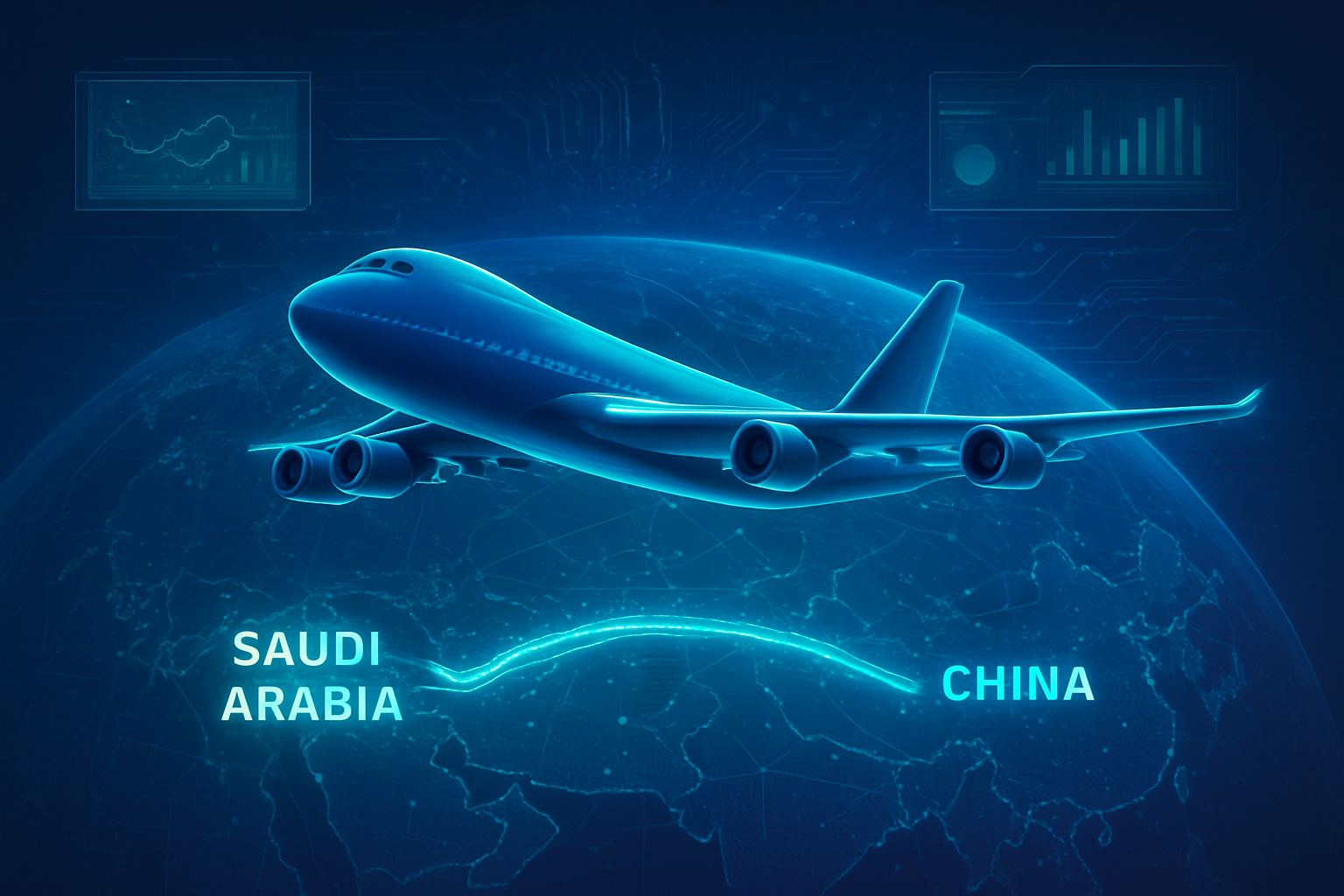
  • Saudi Arabia and China Forge Air Cargo Future: SAL and TAM Group Unveil Tech-Driven Logistics Partnership

    Saudi Arabia and China Forge Air Cargo Future: SAL and TAM Group Unveil Tech-Driven Logistics Partnership

    Riyadh, Saudi Arabia – October 31, 2025 – In a landmark move poised to redefine global air cargo dynamics, SAL Logistics Services (SAL) and TAM Group today announced a strategic partnership aimed at significantly enhancing air cargo operations between Saudi Arabia and China. Unveiled at the Transport Logistic Southeast Asia Exhibition in Singapore, this collaboration marks SAL's inaugural international expansion, signaling a robust entry into the lucrative Chinese market and a pivotal step towards solidifying Saudi Arabia's position as a premier global logistics hub.

    The alliance is set to leverage advanced logistical strategies and burgeoning technological capabilities to streamline the flow of goods, particularly catering to the escalating demands of the e-commerce sector. This partnership is not merely an operational agreement but a strategic alignment designed to foster innovative freight solutions, boost operational efficiencies, and unlock new horizons for international trade growth, directly contributing to the ambitious goals of Saudi Vision 2030 and the National Transport and Logistics Strategy.

    Engineering the Future of Air Cargo: A Deep Dive into Operational and Technological Synergy

    The newly minted partnership between SAL Logistics Services and TAM Group is a meticulously designed initiative to address the complexities and demands of modern global trade. Announced on October 31, 2025, the collaboration will see TAM Group, a global specialist in general sales and service agent (GSSA) solutions for air cargo and passenger services, combine its extensive international expertise with SAL's advanced operational capabilities. The immediate focus is on developing robust air cargo networks and expanding connectivity between China and Saudi Arabia, two of the world's most dynamic economies.

    While the specific, proprietary technologies underpinning this immediate partnership were not explicitly detailed in the announcement, the overarching strategic vision of SAL Logistics Services provides a clear indication of the technological backbone. SAL has consistently emphasized an investment in "advanced technologies," "smart logistics solutions," "automation and data-driven supply chain management," and "digital capabilities" to enhance its broader logistics ecosystem. This suggests that the SAL-TAM Group corridor will be optimized through such cutting-edge approaches, including sophisticated route optimization algorithms, real-time tracking and visibility platforms, and potentially AI-driven predictive analytics for demand forecasting and capacity planning. This strategic focus differentiates it from traditional logistics partnerships by embedding a commitment to digital transformation and efficiency from its inception, aiming to reduce operational bottlenecks and significantly improve cargo flow. Initial reactions from industry experts anticipate a substantial leap in efficiency and reliability for the Saudi-China trade route, setting a new benchmark for cross-continental air freight.

    Reshaping the Competitive Landscape: Beneficiaries and Market Implications

    This strategic alliance is set to have profound implications across the logistics and technology sectors, influencing a range of companies from established giants to nimble startups. SAL Logistics Services stands to gain immensely from this venture, marking its first major international expansion and providing direct access to the vast Chinese market. This move significantly bolsters SAL's market positioning, transforming it from a regional player into an emerging international force, perfectly aligning with Saudi Arabia's aspiration to become a global distribution powerhouse. Similarly, TAM Group will benefit from an expanded network and the opportunity to leverage its GSSA expertise on a strategically vital new corridor, enhancing its global footprint.

    Beyond the direct partners, Chinese manufacturers and e-commerce companies are poised to be major beneficiaries, gaining more efficient and reliable access to the Saudi Arabian market and, by extension, the broader Middle East and African regions. This enhanced connectivity could lead to reduced lead times, lower shipping costs, and improved supply chain resilience, giving Chinese businesses a competitive edge. The partnership also poses a potential disruption to existing air cargo routes and service providers that might not offer the same level of integrated, technologically advanced solutions. For major AI labs and tech companies, this partnership underscores the growing demand for AI-powered logistics solutions, from predictive maintenance for aircraft to intelligent warehouse automation and blockchain for supply chain transparency, potentially spurring further innovation and investment in these areas.

    A Wider Lens: The Broader Significance in the AI and Logistics Landscape

    The SAL-TAM Group partnership is more than just a commercial agreement; it is a microcosm of broader trends sweeping across the global logistics and AI landscapes. It highlights the accelerating digital transformation within the supply chain industry, where strategic alliances are increasingly underpinned by technological integration and data-driven decision-making. This initiative aligns perfectly with the global push towards smart logistics, where AI and automation are not just buzzwords but essential tools for achieving unparalleled efficiency and sustainability. The partnership's emphasis on e-commerce demand also reflects the profound impact of digital retail on logistics infrastructure, necessitating agile, high-capacity air cargo solutions.

    The impacts are multi-faceted: economically, it promises to stimulate trade volumes and foster economic growth for both Saudi Arabia and China. Operationally, it aims to set new standards for speed, reliability, and transparency in air freight. Potential concerns, while not explicitly detailed in the announcement, could include the complexities of integrating disparate technological systems, ensuring data security across borders, and managing the environmental footprint of increased air cargo, even with SAL's stated commitment to green logistics. Compared to previous AI milestones in logistics, such as the adoption of automated guided vehicles (AGVs) in warehouses or early route optimization software, this partnership represents a more holistic, internationally integrated application of advanced logistics thinking, driven by national strategic visions like Saudi Vision 2030.

    Charting the Course Ahead: Future Developments and Expert Predictions

    Looking ahead, the SAL-TAM Group partnership is expected to unfold in several phases, beginning with the immediate implementation of enhanced air cargo routes and the seamless integration of operational systems. In the near term, we can anticipate a focus on optimizing existing processes, leveraging data analytics to identify bottlenecks, and refining freight solutions to meet specific market demands. Longer-term developments are likely to include deeper technological integration, potentially incorporating advanced AI for dynamic pricing, predictive analytics for proactive problem-solving, and perhaps even blockchain technology for immutable supply chain transparency and enhanced security.

    Potential applications on the horizon could range from fully autonomous cargo handling systems at air freight hubs to sophisticated AI-driven customs clearance processes that drastically reduce transit times. Challenges that need to be addressed include navigating complex international regulatory frameworks, investing in robust digital infrastructure, and developing a skilled workforce capable of managing these advanced logistics systems. Experts predict that this partnership will serve as a blueprint for future international logistics collaborations, driving increased efficiency and fostering new trade opportunities globally. The success of this corridor could inspire similar initiatives, further solidifying Saudi Arabia's role as a critical node in global supply chains.

    A New Era for Global Logistics: Concluding Thoughts

    The strategic partnership between SAL Logistics Services and TAM Group marks a significant milestone in the evolution of global logistics. Announced on October 31, 2025, it encapsulates the key takeaways of modern supply chain management: the imperative for international collaboration, the indispensable role of advanced technology, and the strategic alignment with national economic visions. This development's significance in AI history lies in its demonstration of how intelligent systems and data-driven approaches are moving beyond isolated applications to become foundational elements of complex, cross-border operational frameworks.

    The long-term impact of this alliance is poised to reshape trade flows between the East and West, setting new standards for efficiency, reliability, and sustainability in air cargo. As Saudi Arabia continues its ambitious journey under Vision 2030, partnerships like this are crucial in transforming the Kingdom into a pivotal global logistics hub. In the coming weeks and months, industry watchers will be keenly observing the operational rollout, the metrics of efficiency gains, and any further announcements regarding the specific technological innovations deployed to power this vital new trade corridor. This collaboration is a testament to the fact that the future of global trade is inextricably linked to smart logistics and strategic technological integration.


    This content is intended for informational purposes only and represents analysis of current AI developments.

    TokenRing AI delivers enterprise-grade solutions for multi-agent AI workflow orchestration, AI-powered development tools, and seamless remote collaboration platforms.
    For more information, visit https://www.tokenring.ai/.

  • Saudi Arabia Propels Vision 2030 with Groundbreaking AI-Driven Smart Mobility Initiatives

    Saudi Arabia Propels Vision 2030 with Groundbreaking AI-Driven Smart Mobility Initiatives

    Saudi Arabia is rapidly emerging as a global testbed for advanced artificial intelligence (AI) and smart mobility solutions, aggressively pursuing its ambitious Vision 2030 goals. The Kingdom has recently launched operational trials of self-driving vehicles and robotaxis, marking a significant leap towards a future where AI orchestrates urban and inter-city transportation. These initiatives, coupled with massive investments in futuristic mega-projects like NEOM, underscore a profound commitment to economic diversification and establishing Saudi Arabia as a leader in sustainable and intelligent transportation.

    The immediate significance of these developments is multifold. By integrating AI into the very fabric of its burgeoning urban centers and vast infrastructure projects, Saudi Arabia is not only addressing pressing challenges like traffic congestion and environmental impact but also creating a vibrant ecosystem for technological innovation. The ongoing trials and strategic partnerships are set to redefine urban living, logistics, and the very concept of personal mobility, positioning the Kingdom at the forefront of the next generation of smart cities.

    The Dawn of AI-Powered Transportation: Specifics and Innovations

    Saudi Arabia's push for AI-driven transportation is characterized by a series of concrete projects and technological deployments. In a landmark move, July 2025 saw the official launch of operational trials for self-driving vehicles across seven strategic locations in Riyadh, including King Khalid International Airport and Princess Nourah University. This 12-month pilot program leverages vehicles equipped with sophisticated navigation systems, real-time traffic sensors, and AI-driven decision-making algorithms to navigate complex urban environments. Concurrently, Riyadh initiated its first Robotaxi trial in collaboration with WeRide, Uber (NYSE: UBER), and local partner AiDriver, operating routes between the airport and central Riyadh.

    Further bolstering its autonomous ambitions, the NEOM Investment Fund (NIF) committed a substantial USD 100 million to Pony.ai, a global autonomous driving company, in October 2023. This strategic partnership aims to accelerate the development of critical AV technologies, including smart traffic signals, advanced road sensors, and high-speed 5G networks, and establish a joint venture for autonomous technology solutions across the Middle East. The Kingdom's targets are ambitious: 15% of public transport vehicles and 25% of all goods transport vehicles are slated to be fully autonomous by 2030.

    At the heart of Saudi Arabia's futuristic vision is NEOM, particularly "The Line," a 170-kilometer linear city designed to be car-free and zero-emissions. The Line's mobility backbone will be an AI-operated high-speed rail network, utilizing AI for operational efficiency, safety, scheduling optimization, and predictive maintenance. Intra-city travel will rely on autonomous vehicles providing on-demand, door-to-door services, precisely navigating and communicating with the city's infrastructure. AI will also manage vertical transportation via smart elevators and drones, and an overarching AI-driven city management platform will integrate predictive analytics for resource management, urban planning, and environmental control. This holistic approach significantly differs from traditional urban planning, which often retrofits technology into existing infrastructure, instead designing AI and autonomy from the ground up.

    Beyond NEOM, The Red Sea Project, a luxury tourism destination, emphasizes sustainable mobility through shared transport using electric and hydrogen-fueled vehicles, with Navya autonomous shuttles selected for implementation. The Riyadh Metro, fully operational since January 2025, spans 176 kilometers and incorporates energy-efficient designs, contactless ticketing, and regenerative braking. Other initiatives include the WASL platform for real-time logistics monitoring, widespread EV adoption incentives, AI-driven smart parking solutions, and advanced AI for traffic management utilizing video analytics, edge computing, and Automatic Number Plate Recognition (ANPR) to optimize flow and reduce accidents. Initial reactions from experts acknowledge the immense potential but also highlight a "readiness gap" among the public, with 77.8% willing to adopt smart mobility but only 9% regularly using it, largely due to infrastructure limitations. While optimism for growth is high, some international urban planners express skepticism regarding the practicalities and livability of mega-projects like The Line.

    Reshaping the AI and Tech Landscape: Corporate Implications

    The aggressive push by Saudi Arabia into AI-driven smart mobility presents significant opportunities and competitive implications for a wide array of AI companies, tech giants, and startups. Companies directly involved in the operational trials and partnerships, such as WeRide, AiDriver, and Pony.ai, stand to gain invaluable experience, data, and market share in a rapidly expanding and well-funded ecosystem. The USD 100 million investment by NIF into Pony.ai underscores a direct strategic advantage for the autonomous driving firm. Similarly, Navya benefits from its role in The Red Sea Project.

    For tech giants, the Kingdom's initiatives offer a massive market for their AI platforms, cloud computing services, and data analytics tools. Companies like Alphabet Inc. (NASDAQ: GOOGL), through its Waymo subsidiary, and OpenAI are already engaging at high levels, with the Saudi Minister of Communications meeting their CEOs in October 2025 to explore deeper collaborations in autonomous driving and smart mobility. This signals a potential influx of major tech players eager to contribute to and benefit from Saudi Arabia's digital transformation.

    This development could significantly disrupt existing transportation and urban planning services. Traditional taxi and ride-sharing companies face direct competition from robotaxi services, pushing them towards integrating autonomous fleets or developing new service models. Urban planning consultancies and infrastructure developers will need to pivot towards AI-centric and sustainable solutions. For AI labs, the demand for sophisticated algorithms in areas like traffic prediction, route optimization, predictive maintenance, and complex city management systems will drive further research and development. Saudi Arabia's market positioning as a leading innovator in smart cities and AI-driven mobility offers strategic advantages to companies that can align with its Vision 2030, potentially setting global standards and fostering a new wave of innovation in the Middle East.

    Broader Significance: A Global AI Blueprint

    Saudi Arabia's advancements in transportation technology are not merely regional developments; they represent a significant stride in the broader global AI landscape and align with major trends towards smart cities, sustainable development, and economic diversification. By embedding AI into the core of its infrastructure, the Kingdom is creating a real-world, large-scale blueprint for how AI can orchestrate complex urban systems, offering invaluable insights for cities worldwide grappling with similar challenges.

    The impacts are far-reaching. Economically, these initiatives are central to Saudi Arabia's goal of reducing its reliance on oil, aiming to increase the tech sector's contribution to GDP from 1% to 5% by 2030. This fosters a knowledge-based economy and is projected to create 15,000 new jobs in data and AI alone. Socially, smart mobility solutions promise enhanced urban living through reduced traffic congestion, lower emissions, improved road safety (targeting 8 fatalities per 100,000 people), and greater accessibility. The integration of AI, IoT, and blockchain in supply chains through platforms like WASL aims to revolutionize logistics, cementing the Kingdom's role as a global logistics hub.

    However, this ambitious transformation also raises potential concerns. The complexity of implementing interoperable intelligent mobility systems across vast terrains, coupled with the challenge of shifting deep-rooted cultural behaviors around private car ownership, presents significant hurdles. Data privacy and cybersecurity in AI-driven smart cities, where residents might even be compensated for submitting data to improve daily life, will require robust frameworks. While compared to previous AI milestones like early smart city initiatives, Saudi Arabia's scale and integrated approach, particularly with projects like NEOM, represent a more holistic and ambitious undertaking, potentially setting new benchmarks for AI's role in urban development.

    The Road Ahead: Future Developments and Challenges

    The coming years are expected to see a rapid acceleration of these AI-driven transportation initiatives. In the near-term, we anticipate the expansion of autonomous vehicle and robotaxi trials beyond Riyadh, with a focus on refining the technology, enhancing safety protocols, and integrating these services more seamlessly into public transport networks. The development of NEOM, particularly The Line, will continue to be a focal point, with progress on its AI-powered high-speed rail and autonomous intra-city mobility systems. The planned $7 billion "Land Bridge" project, a nearly 1,500-kilometer high-speed rail line connecting the Red Sea to the Arabian Gulf with hydrogen-powered trains, signifies a long-term commitment to sustainable and intelligent inter-city transport.

    Potential applications and use cases on the horizon include highly personalized mobility services, predictive maintenance for infrastructure and vehicles, and advanced AI systems for dynamic urban planning that can adapt to real-time environmental and demographic changes. The integration of drones for logistics and passenger transport, especially in unique urban designs like The Line, is also a strong possibility.

    However, significant challenges remain. Beyond the infrastructure gap and cultural shifts, regulatory frameworks for autonomous vehicles and AI governance need to evolve rapidly to keep pace with technological advancements. Data privacy, ethical AI considerations, and ensuring equitable access to these advanced mobility solutions will be critical. Cybersecurity threats to interconnected smart city infrastructure also pose a substantial risk. Experts predict that while the technological progress will continue, the true test lies in the successful integration of these disparate systems into a cohesive, user-friendly, and resilient urban fabric, alongside winning public trust and acceptance.

    A New Horizon for AI: Comprehensive Wrap-up

    Saudi Arabia's aggressive pursuit of AI-driven smart mobility under Vision 2030 represents a pivotal moment in the history of artificial intelligence and urban development. The Kingdom is not merely adopting technology but actively shaping its future, transforming itself into a global innovation hub. Key takeaways include the unprecedented scale of investment in projects like NEOM, the rapid deployment of autonomous vehicle trials, and the strategic partnerships with leading AI and mobility companies.

    This development's significance in AI history is profound. Saudi Arabia is demonstrating a top-down, holistic approach to AI integration in urban planning and transportation, moving beyond incremental improvements to envisioning entirely new paradigms of living and moving. This ambitious strategy serves as a powerful case study for how nations can leverage AI to diversify economies, enhance quality of life, and address sustainability challenges on a grand scale.

    In the coming weeks and months, the world will be watching for further updates on the operational performance of Riyadh's autonomous vehicle trials, the continued progress of NEOM's construction, and any new partnerships or policy announcements that further solidify Saudi Arabia's position. The success or challenges encountered in these pioneering efforts will undoubtedly offer invaluable lessons for the global AI community and shape the trajectory of smart cities for decades to come.


    This content is intended for informational purposes only and represents analysis of current AI developments.

    TokenRing AI delivers enterprise-grade solutions for multi-agent AI workflow orchestration, AI-powered development tools, and seamless remote collaboration platforms.
    For more information, visit https://www.tokenring.ai/.

  • Saudi Arabia’s AI Ambition Forges Geopolitical Tech Alliances: Intel Partnership at the Forefront

    Saudi Arabia’s AI Ambition Forges Geopolitical Tech Alliances: Intel Partnership at the Forefront

    In a bold move reshaping the global technology landscape, Saudi Arabia is rapidly emerging as a formidable player in the artificial intelligence (AI) and semiconductor industries. Driven by its ambitious Vision 2030 economic diversification plan, the Kingdom is actively cultivating strategic partnerships with global tech giants, most notably with Intel (NASDAQ: INTC). These collaborations are not merely commercial agreements; they represent a significant geopolitical realignment, bolstering US-Saudi technological ties and positioning Saudi Arabia as a critical hub in the future of AI and advanced computing.

    The immediate significance of these alliances, particularly the burgeoning relationship with Intel, lies in their potential to accelerate Saudi Arabia's digital transformation. With discussions nearing finalization for a US-Saudi chip export agreement, allowing American chipmakers to supply high-end semiconductors for AI data centers, the Kingdom is poised to become a major consumer and, increasingly, a developer of cutting-edge AI infrastructure. This strategic pivot underscores a broader global trend where nations are leveraging technology partnerships to secure economic futures and enhance geopolitical influence.

    Unpacking the Technical Blueprint of a New Tech Frontier

    The collaboration between Saudi Arabia and Intel is multifaceted, extending beyond mere hardware procurement to encompass joint development and capacity building. A cornerstone of this technical partnership is the establishment of Saudi Arabia's first Open RAN (Radio Access Network) Development Center, a joint initiative between Aramco Digital and Intel announced in January 2024. This center is designed to foster innovation in telecommunications infrastructure, aligning with Vision 2030's goals for digital transformation and setting the stage for advanced 5G and future network technologies.

    Intel's expanding presence in the Kingdom, highlighted by Taha Khalifa, General Manager for the Middle East and Africa, in April 2025, signifies a deeper commitment. The company is growing its local team and engaging in diverse projects across critical sectors such as oil and gas, healthcare, financial services, and smart cities. This differs significantly from previous approaches where Saudi Arabia primarily acted as an end-user of technology. Now, through partnerships like those discussed between Saudi Minister of Communications and Information Technology Abdullah Al-Swaha and Intel CEO Patrick Gelsinger in January 2024 and October 2025, the focus is on co-creation, localizing intellectual property, and building indigenous capabilities in semiconductor development and advanced computing. This strategic shift aims to move Saudi Arabia up the value chain, from technology consumption to innovation and production, ultimately enabling the training of sophisticated AI models within the Kingdom's borders.

    Initial reactions from the AI research community and industry experts have been largely positive, viewing Saudi Arabia's aggressive investment as a catalyst for new research opportunities and talent development. The emphasis on advanced computing and AI infrastructure development suggests a commitment to foundational technologies necessary for large language models (LLMs) and complex machine learning applications, which could attract further global collaboration and talent.

    Reshaping the Competitive Landscape for AI and Tech Giants

    The implications of these alliances are profound for AI companies, tech giants, and startups alike. Intel stands to significantly benefit, solidifying its market position in a rapidly expanding and strategically important region. By partnering with Saudi entities like Aramco Digital and contributing to the Kingdom's digital infrastructure, Intel (NASDAQ: INTC) secures long-term contracts and expands its ecosystem influence beyond traditional markets. The potential US-Saudi chip export agreement, which also involves other major US chipmakers like NVIDIA (NASDAQ: NVDA) and AMD (NASDAQ: AMD), signals a substantial new market for high-performance AI semiconductors.

    For Saudi Arabia, the Public Investment Fund (PIF) and its technology unit, "Alat," are poised to become major players, directing billions into AI and semiconductor development. This substantial investment, reportedly $100 billion, creates a fertile ground for both established tech giants and nascent startups. Local Saudi startups will gain access to cutting-edge infrastructure and expertise, fostering a vibrant domestic tech ecosystem. The competitive implications extend to other major AI labs and tech companies, as Saudi Arabia's emergence as an AI hub could draw talent and resources, potentially shifting the center of gravity for certain types of AI research and development.

    This strategic positioning could disrupt existing products and services by fostering new localized AI solutions tailored to regional needs, particularly in smart cities and industrial applications. Furthermore, the Kingdom's ambition to cultivate 50 semiconductor design firms and 20,000 AI specialists by 2030 presents a unique market opportunity for companies involved in education, training, and specialized AI services, offering significant strategic advantages to early movers.

    A Wider Geopolitical and Technological Significance

    These international alliances, particularly the Saudi-Intel partnership, fit squarely into the broader AI landscape as a critical facet of global technological competition and supply chain resilience. As nations increasingly recognize AI and semiconductors as strategic assets, securing access to and capabilities in these domains has become a top geopolitical priority. Saudi Arabia's aggressive pursuit of these technologies, backed by immense capital, positions it as a significant new player in this global race.

    The impacts are far-reaching. Economically, it accelerates Saudi Arabia's diversification away from oil, creating new industries and high-tech jobs. Geopolitically, it strengthens US-Saudi technological ties, aligning the Kingdom more closely with Western-aligned technology ecosystems. This is a strategic move for the US, aimed at enhancing its semiconductor supply chain security and countering the influence of geopolitical rivals in critical technology sectors. However, potential concerns include the ethical implications of AI development, the challenges of talent acquisition and retention in a competitive global market, and the long-term sustainability of such ambitious technological transformation.

    This development can be compared to previous AI milestones where significant national investments, such as those seen in China or the EU, aimed to create domestic champions and secure technological sovereignty. Saudi Arabia's approach, however, emphasizes deep international partnerships, leveraging global expertise to build local capabilities, rather than solely focusing on isolated domestic development. The Kingdom's commitment reflects a growing understanding that AI is not just a technological advancement but a fundamental shift in global power dynamics.

    The Road Ahead: Expected Developments and Future Applications

    Looking ahead, the near-term will see the finalization and implementation of the US-Saudi chip export agreement, which is expected to significantly boost Saudi Arabia's capacity for AI model training and data center development. The Open RAN Development Center, operational since 2024, will continue to drive innovation in telecommunications, laying the groundwork for advanced connectivity crucial for AI applications. Intel's continued expansion and deeper engagement across various sectors are also anticipated, with more localized projects and talent development initiatives.

    In the long term, Saudi Arabia's Vision 2030 targets—including the establishment of 50 semiconductor design firms and the cultivation of 20,000 AI specialists—will guide its trajectory. Potential applications and use cases on the horizon are vast, ranging from highly efficient smart cities powered by AI, advanced healthcare diagnostics, optimized energy management in the oil and gas sector, and sophisticated financial services. The Kingdom's significant data resources and unique environmental conditions also present opportunities for specialized AI applications in areas like water management and sustainable agriculture.

    However, challenges remain. Attracting and retaining top-tier AI talent globally, building robust educational and research institutions, and ensuring a sustainable innovation ecosystem will be crucial. Experts predict that Saudi Arabia will continue to solidify its position as a regional AI powerhouse, increasingly integrated into global tech supply chains, but the success will hinge on its ability to execute its ambitious plans consistently and adapt to the rapidly evolving AI landscape.

    A New Dawn for AI in the Middle East

    The burgeoning international alliances, exemplified by the strategic partnership between Saudi Arabia and Intel, mark a pivotal moment in the global AI narrative. This concerted effort by Saudi Arabia, underpinned by its Vision 2030, represents a monumental shift from an oil-dependent economy to a knowledge-based, technology-driven future. The sheer scale of investment, coupled with deep collaborations with leading technology firms, underscores a determination to not just adopt AI but to innovate and lead in its development and application.

    The significance of this development in AI history cannot be overstated. It highlights the increasingly intertwined nature of technology, economics, and geopolitics, demonstrating how nations are leveraging AI and semiconductor capabilities to secure national interests and reshape global power dynamics. For Intel (NASDAQ: INTC), it signifies a strategic expansion into a high-growth market, while for Saudi Arabia, it’s a foundational step towards becoming a significant player in the global technology arena.

    In the coming weeks and months, all eyes will be on the concrete outcomes of the US-Saudi chip export agreement and further announcements regarding joint ventures and investment in AI infrastructure. The progress of the Open RAN Development Center and the Kingdom's success in attracting and developing a skilled AI workforce will be key indicators of the long-term impact of these alliances. Saudi Arabia's journey is a compelling case study of how strategic international partnerships in AI and semiconductors are not just about technological advancement, but about forging a new economic and geopolitical identity in the 21st century.


    This content is intended for informational purposes only and represents analysis of current AI developments.

    TokenRing AI delivers enterprise-grade solutions for multi-agent AI workflow orchestration, AI-powered development tools, and seamless remote collaboration platforms.
    For more information, visit https://www.tokenring.ai/.