Tag: Scientific Discovery

  • Trump Unveils ‘Genesis Mission’ Executive Order: A Bold AI Play for Scientific Supremacy and National Power

    Trump Unveils ‘Genesis Mission’ Executive Order: A Bold AI Play for Scientific Supremacy and National Power

    Washington D.C. – December 1, 2025 – In a landmark move poised to reshape the landscape of American science and technology, President Donald Trump, on November 24, 2025, issued the "Genesis Mission" executive order. This ambitious directive establishes a comprehensive national effort to harness the transformative power of artificial intelligence (AI) to accelerate scientific discovery, bolster national security, and solidify the nation's energy dominance. Framed with an urgency "comparable to the Manhattan Project," the Genesis Mission aims to position the United States as the undisputed global leader in AI-driven science and research, addressing the most challenging problems of the 21st century.

    The executive order, led by the Department of Energy (DOE), is a direct challenge to the nation's competitors, seeking to double the productivity and impact of American science and engineering within a decade. It envisions a future where AI acts as the central engine for breakthroughs, from advanced manufacturing to fusion energy, ensuring America's long-term strategic advantage in a rapidly evolving technological "cold war" for global AI capability.

    The AI Engine Behind a New Era of Discovery and Dominance

    The Genesis Mission's technical core revolves around the creation of an "integrated AI platform" to be known as the "American Science and Security Platform." This monumental undertaking will unify national laboratory supercomputers, secure cloud-based AI computing environments, and vast federally curated scientific datasets. This platform is not merely an aggregation of resources but a dynamic ecosystem designed to train cutting-edge scientific foundation models and develop sophisticated AI agents. These agents are envisioned to test new hypotheses, automate complex research workflows, and facilitate rapid, iterative scientific breakthroughs, fundamentally altering the pace and scope of discovery.

    Central to this vision is the establishment of a closed-loop AI experimentation platform. This innovative system, mandated for development by the DOE, will combine world-class supercomputing capabilities with unique data assets to power robotic laboratories. This integration will enable AI to not only analyze data but also design and execute experiments autonomously, learning and adapting in real-time. This differs significantly from traditional scientific research, which often relies on human-driven hypothesis testing and manual experimentation, promising an exponential acceleration of the scientific method. Initial reactions from the AI research community have been cautiously optimistic, with many experts acknowledging the immense potential of such an integrated platform while also highlighting the significant technical and ethical challenges inherent in its implementation.

    Reshaping the AI Industry Landscape

    The Genesis Mission stands to profoundly impact AI companies, tech giants, and startups across the spectrum. Companies specializing in AI infrastructure, particularly those offering secure cloud computing solutions, high-performance computing (HPC) technologies, and large-scale data integration services, are poised to benefit immensely from the substantial federal investment. Major tech giants like Alphabet (NASDAQ: GOOGL), Microsoft (NASDAQ: MSFT), and Amazon (NASDAQ: AMZN) with their extensive cloud platforms and AI research divisions, could become key partners in developing and hosting components of the American Science and Security Platform. Their existing expertise in large language models and foundation model training will be invaluable.

    For startups focused on specialized AI agents, scientific AI, and robotic automation for laboratories, the Genesis Mission presents an unprecedented opportunity for collaboration, funding, and market entry. The demand for AI solutions tailored to specific scientific domains, from materials science to biotechnology, will surge. This initiative could disrupt existing research methodologies and create new market segments for AI-powered scientific tools and services. Competitive implications are significant; companies that can align their offerings with the mission's objectives – particularly in areas like quantum computing, secure AI, and energy-related AI applications – will gain a strategic advantage, potentially leading to new alliances and accelerated innovation cycles.

    Broader Implications and Societal Impact

    The Genesis Mission fits squarely into the broader global AI landscape, where nations are increasingly viewing AI as a critical component of national power and economic competitiveness. It signals a decisive shift towards a government-led, strategic approach to AI development, moving beyond purely commercial or academic initiatives. The impacts could be far-reaching, accelerating breakthroughs in medicine, sustainable energy, and defense capabilities. However, potential concerns include the concentration of AI power, ethical implications of AI-driven scientific discovery, and the risk of exacerbating the digital divide if access to these advanced tools is not equitably managed.

    Comparisons to previous AI milestones, such as the development of deep learning or the rise of large language models, highlight the scale of ambition. Unlike those, which were largely driven by private industry and academic research, the Genesis Mission represents a concerted national effort to direct AI's trajectory towards specific strategic goals. This top-down approach, reminiscent of Cold War-era scientific initiatives, underscores the perceived urgency of maintaining technological superiority in the age of AI.

    The Road Ahead: Challenges and Predictions

    In the near term, expected developments include the rapid formation of inter-agency task forces, the issuance of detailed solicitations for research proposals, and significant budgetary allocations towards the Genesis Mission's objectives. Long-term, we can anticipate the emergence of entirely new scientific fields enabled by AI, a dramatic reduction in the time required for drug discovery and material development, and potentially revolutionary advancements in clean energy technologies.

    Potential applications on the horizon include AI-designed materials with unprecedented properties, autonomous scientific laboratories capable of continuous discovery, and AI systems that can predict and mitigate national security threats with greater precision. However, significant challenges need to be addressed, including attracting and retaining top AI talent, ensuring data security and privacy within the integrated platform, and developing robust ethical guidelines for AI-driven research. Experts predict that the success of the Genesis Mission will hinge on its ability to foster genuine collaboration between government, academia, and the private sector, while navigating the complexities of large-scale, multidisciplinary AI deployment.

    A New Chapter in AI-Driven National Strategy

    The Genesis Mission executive order marks a pivotal moment in the history of artificial intelligence and its integration into national strategy. By framing AI as the central engine for scientific discovery, national security, and energy dominance, the Trump administration has launched an initiative with potentially transformative implications. The order's emphasis on an "integrated AI platform" and the development of advanced AI agents represents a bold vision for accelerating innovation at an unprecedented scale.

    The significance of this development cannot be overstated. It underscores a growing global recognition of AI as a foundational technology for future power and prosperity. While the ambitious goals and potential challenges are substantial, the Genesis Mission sets a new benchmark for national investment and strategic direction in AI. In the coming weeks and months, all eyes will be on the Department of Energy and its partners as they begin to lay the groundwork for what could be one of the most impactful scientific endeavors of our time. The success of this mission will not only define America's technological leadership but also shape the future trajectory of AI's role in society.


    This content is intended for informational purposes only and represents analysis of current AI developments.

    TokenRing AI delivers enterprise-grade solutions for multi-agent AI workflow orchestration, AI-powered development tools, and seamless remote collaboration platforms.
    For more information, visit https://www.tokenring.ai/.
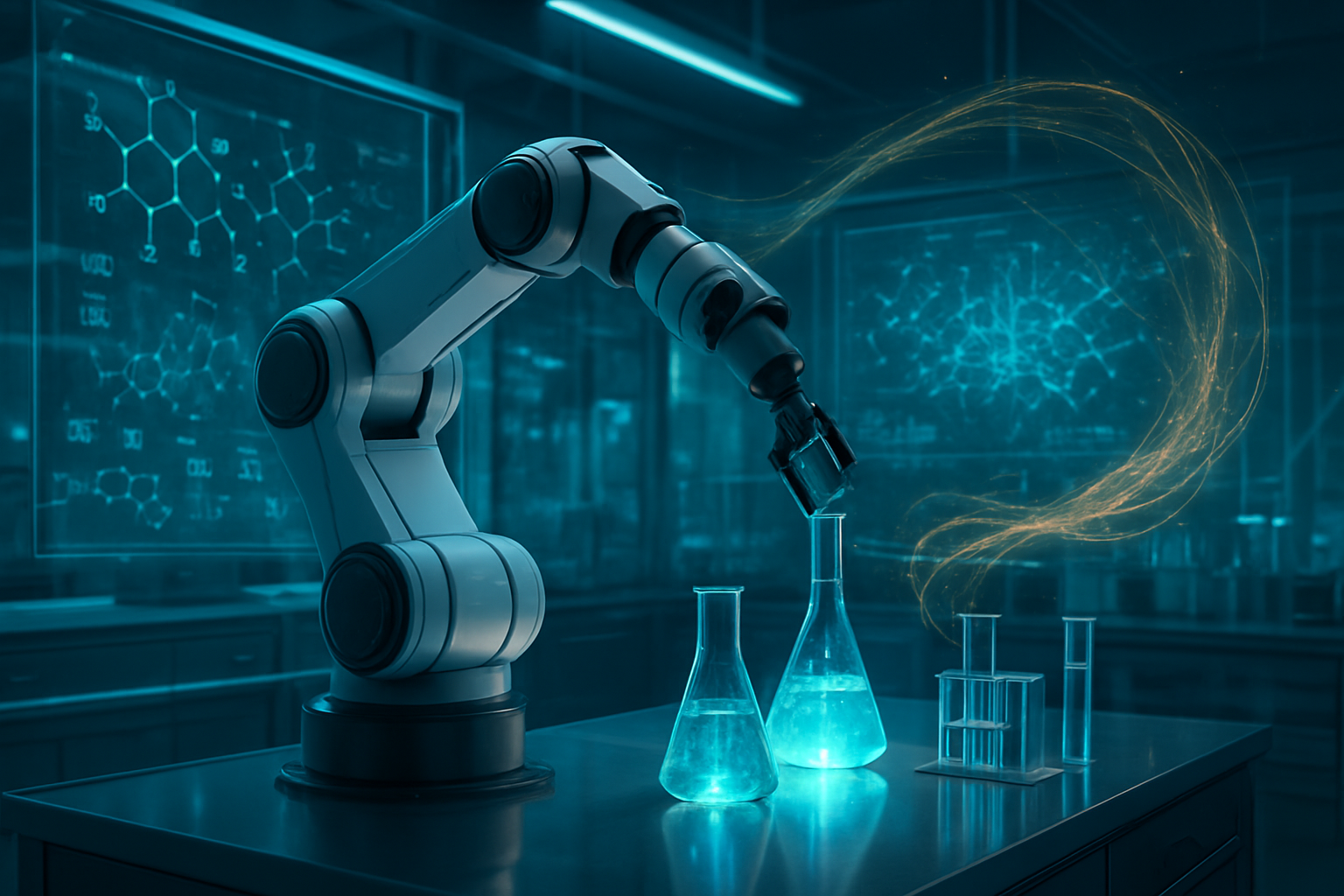
  • Caltech’s AI+Science Conference Kicks Off: Unveiling the Future of Interdisciplinary Discovery

    Caltech’s AI+Science Conference Kicks Off: Unveiling the Future of Interdisciplinary Discovery

    Pasadena, CA – November 10, 2025 – The highly anticipated AI+Science Conference, a collaborative endeavor between the California Institute of Technology (Caltech) and the University of Chicago, commences today, November 10th, at Caltech's Pasadena campus. This pivotal event, generously sponsored by the Margot and Tom Pritzker Foundation, is poised to be a landmark gathering for researchers, industry leaders, and policymakers exploring the profound and transformative role of artificial intelligence and machine learning in scientific discovery across a spectrum of disciplines. The conference aims to highlight the cutting-edge integration of AI into scientific methodologies, fostering unprecedented advancements in fields ranging from biology and physics to climate modeling and neuroscience.

    The conference's immediate significance lies in its capacity to accelerate scientific progress by showcasing how AI is fundamentally reshaping research paradigms. By bringing together an elite and diverse group of experts from core AI and domain sciences, the event serves as a crucial incubator for networking, discussions, and partnerships that are expected to influence future research directions, industry investments, and entrepreneurial ventures. A core objective is also to train a new generation of scientists equipped with the interdisciplinary expertise necessary to seamlessly integrate AI into their scientific endeavors, thereby tackling complex global challenges that were once considered intractable.

    AI's Deep Dive into Scientific Frontiers: Technical Innovations and Community Reactions

    The AI+Science Conference is delving deep into the technical intricacies of AI's application across scientific domains, illustrating how advanced machine learning models are not merely tools but integral partners in the scientific method. Discussions are highlighting specific advancements such as AI-driven enzyme design, which leverages neural networks to predict and optimize protein structures for novel industrial and biomedical applications. In climate modeling, AI is being employed to accelerate complex simulations, offering more rapid and accurate predictions of environmental changes than traditional computational fluid dynamics models alone. Furthermore, breakthroughs in brain-machine interfaces are showcasing AI's ability to decode neural signals with unprecedented precision, offering new hope for individuals with paralysis by improving the control and responsiveness of prosthetic limbs and communication devices.

    These AI applications represent a significant departure from previous approaches, where computational methods were often limited to statistical analysis or brute-force simulations. Today's AI, particularly deep learning and reinforcement learning, can identify subtle patterns in massive datasets, generate novel hypotheses, and even design experiments, often exceeding human cognitive capabilities in speed and scale. For instance, in materials science, AI can predict the properties of new compounds before they are synthesized, drastically reducing the time and cost associated with experimental trial and error. This shift is not just about efficiency; it's about fundamentally changing the nature of scientific inquiry itself, moving towards an era of AI-augmented discovery.

    Initial reactions from the AI research community and industry experts gathered at Caltech are overwhelmingly positive, tinged with a healthy dose of excitement and a recognition of the ethical responsibilities that accompany such powerful tools. Many researchers are emphasizing the need for robust, interpretable AI models that can provide transparent insights into their decision-making processes, particularly in high-stakes scientific applications. There's a strong consensus that the interdisciplinary collaboration fostered by this conference is essential for developing AI systems that are not only powerful but also reliable, fair, and aligned with human values. The announcement of the inaugural Margot and Tom Pritzker Prize for AI in Science Research Excellence, with each awardee receiving a $50,000 prize, further underscores the community's commitment to recognizing and incentivizing groundbreaking work at this critical intersection.

    Reshaping the Landscape: Corporate Implications and Competitive Dynamics

    The profound advancements showcased at the AI+Science Conference carry significant implications for AI companies, tech giants, and startups alike, promising to reshape competitive landscapes and unlock new market opportunities. Companies specializing in AI infrastructure, such as NVIDIA (NASDAQ: NVDA) with its GPU technologies and Google (NASDAQ: GOOGL) with its Tensor Processing Units (TPUs), stand to benefit immensely as scientific research increasingly demands high-performance computing for training and deploying sophisticated AI models. Similarly, cloud service providers like Amazon Web Services (NASDAQ: AMZN) and Microsoft Azure (NASDAQ: MSFT) will see heightened demand for their scalable AI platforms and data storage solutions, as scientific datasets continue to grow exponentially.

    The competitive implications for major AI labs and tech companies are substantial. Those actively investing in fundamental AI research with a strong focus on scientific applications, such as DeepMind (Alphabet Inc. subsidiary) and Meta AI (NASDAQ: META), will gain strategic advantages. Their ability to translate cutting-edge AI breakthroughs into tools that accelerate scientific discovery can attract top talent, secure valuable partnerships with academic institutions and national laboratories, and potentially lead to the development of proprietary AI models specifically tailored for scientific problem-solving. This focus on "AI for science" could become a new battleground for innovation and talent acquisition.

    Potential disruption to existing products or services is also on the horizon. Traditional scientific software vendors may need to rapidly integrate advanced AI capabilities into their offerings or risk being outmaneuvered by newer, AI-first solutions. Startups specializing in niche scientific domains, armed with deep expertise in both AI and a specific scientific field (e.g., AI for drug discovery, AI for materials design), are particularly well-positioned to disrupt established players. Their agility and specialized focus allow them to quickly develop and deploy highly effective AI tools that address specific scientific challenges, potentially leading to significant market positioning and strategic advantages in emerging scientific AI sectors.

    The Broader Tapestry: AI's Place in Scientific Evolution

    The AI+Science Conference underscores a critical juncture in the broader AI landscape, signaling a maturation of AI beyond consumer applications and into the foundational realms of scientific inquiry. This development fits squarely within the trend of AI becoming an indispensable "general-purpose technology," akin to electricity or the internet, capable of augmenting human capabilities across nearly every sector. It highlights a shift from AI primarily optimizing existing processes to AI actively driving discovery and generating new knowledge, pushing the boundaries of what is scientifically possible.

    The impacts are far-reaching. By accelerating research in areas like personalized medicine, renewable energy, and climate resilience, AI in science holds the potential to address some of humanity's most pressing grand challenges. Faster drug discovery cycles, more efficient material design, and improved predictive models for natural disasters are just a few examples of the tangible benefits. However, potential concerns also emerge, including the need for robust validation of AI-generated scientific insights, the risk of algorithmic bias impacting research outcomes, and the equitable access to powerful AI tools to avoid exacerbating existing scientific disparities.

    Comparisons to previous AI milestones reveal the magnitude of this shift. While early AI breakthroughs focused on symbolic reasoning or expert systems, and more recent ones on perception (computer vision, natural language processing), the current wave emphasizes AI as an engine for hypothesis generation and complex systems modeling. This mirrors, in a way, the advent of powerful microscopes or telescopes, which opened entirely new vistas for human observation and understanding. AI is now providing a "computational microscope" into the hidden patterns and mechanisms of the universe, promising a new era of scientific enlightenment.

    The Horizon of Discovery: Future Trajectories of AI in Science

    Looking ahead, the interdisciplinary application of AI in scientific research is poised for exponential growth, with expected near-term and long-term developments that promise to revolutionize virtually every scientific discipline. In the near term, we can anticipate the widespread adoption of AI-powered tools for automated data analysis, experimental design, and literature review, freeing up scientists to focus on higher-level conceptualization and interpretation. The development of more sophisticated "AI copilots" for researchers, capable of suggesting novel experimental pathways or identifying overlooked correlations in complex datasets, will become increasingly commonplace.

    On the long-term horizon, the potential applications and use cases are even more profound. We could see AI systems capable of autonomously conducting entire research cycles, from hypothesis generation and experimental execution in robotic labs to data analysis and even drafting scientific papers. AI could unlock breakthroughs in fundamental physics by discovering new laws from observational data, or revolutionize material science by designing materials with bespoke properties at the atomic level. Personalized medicine will advance dramatically with AI models capable of simulating individual patient responses to various treatments, leading to highly tailored therapeutic interventions.

    However, significant challenges need to be addressed to realize this future. The development of AI models that are truly interpretable and trustworthy for scientific rigor remains paramount. Ensuring data privacy and security, especially in sensitive areas like health and genetics, will require robust ethical frameworks and technical safeguards. Furthermore, fostering a new generation of scientists with dual expertise in both AI and a specific scientific domain is crucial, necessitating significant investment in interdisciplinary education and training programs. Experts predict that the next decade will witness a symbiotic evolution, where AI not only assists scientists but actively participates in the creative process of discovery, leading to unforeseen scientific revolutions and a deeper understanding of the natural world.

    A New Era of Scientific Enlightenment: The AI+Science Conference's Enduring Legacy

    The AI+Science Conference at Caltech marks a pivotal moment in the history of science and artificial intelligence, solidifying the critical role of AI as an indispensable engine for scientific discovery. The key takeaway from this gathering is clear: AI is no longer a peripheral tool but a central, transformative force that is fundamentally reshaping how scientific research is conducted, accelerating the pace of breakthroughs, and enabling the exploration of previously inaccessible frontiers. From designing novel enzymes to simulating complex climate systems and enhancing human-machine interfaces, the conference has vividly demonstrated AI's capacity to unlock unprecedented scientific potential.

    This development's significance in AI history cannot be overstated. It represents a maturation of AI beyond its commercial applications, positioning it as a foundational technology for generating new knowledge and addressing humanity's most pressing challenges. The emphasis on interdisciplinary collaboration and the responsible development of AI for scientific purposes will likely set a precedent for future research and ethical guidelines. The convergence of AI with traditional scientific disciplines is creating a new paradigm of "AI-augmented science," where human ingenuity is amplified by the computational power and pattern recognition capabilities of advanced AI systems.

    As the conference concludes, the long-term impact promises a future where scientific discovery is faster, more efficient, and capable of tackling problems of immense complexity. What to watch for in the coming weeks and months includes the dissemination of research findings presented at the conference, the formation of new collaborative research initiatives between academic institutions and industry, and further announcements regarding the inaugural Margot and Tom Pritzker Prize winners. The seeds planted at Caltech today are expected to blossom into a new era of scientific enlightenment, driven by the symbiotic relationship between artificial intelligence and human curiosity.


    This content is intended for informational purposes only and represents analysis of current AI developments.

    TokenRing AI delivers enterprise-grade solutions for multi-agent AI workflow orchestration, AI-powered development tools, and seamless remote collaboration platforms.
    For more information, visit https://www.tokenring.ai/.
  • AI Unlocks Cosmic Secrets: Revolutionizing Discovery in Physics and Cosmology

    AI Unlocks Cosmic Secrets: Revolutionizing Discovery in Physics and Cosmology

    Artificial Intelligence (AI) is ushering in an unprecedented era of scientific discovery, fundamentally transforming how researchers in fields like cosmology and physics unravel the universe's most profound mysteries. By leveraging sophisticated algorithms and machine learning techniques, AI is proving instrumental in sifting through colossal datasets, identifying intricate patterns, and formulating hypotheses that would otherwise remain hidden to human observation. This technological leap is not merely an incremental improvement; it represents a paradigm shift, significantly accelerating the pace of discovery and pushing the boundaries of human knowledge about the cosmos.

    The immediate significance of AI's integration into scientific research is multifaceted. It dramatically speeds up data processing, allowing scientists to analyze information from telescopes, particle accelerators, and simulations in a fraction of the time previously required. This efficiency not only uncovers novel insights but also minimizes human error, optimizes experimental designs, and ultimately reduces the cost and resources associated with groundbreaking research. From mapping dark matter to detecting elusive gravitational waves and classifying distant galaxies with remarkable accuracy, AI is becoming an indispensable collaborator in humanity's quest to understand the fundamental fabric of reality.

    Technical Deep Dive: AI's Precision in Unveiling the Universe

    AI's role in scientific discovery is marked by its ability to process, interpret, and derive insights from datasets of unprecedented scale and complexity, far surpassing traditional methods. This is particularly evident in fields like exoplanet detection, dark matter mapping, gravitational wave analysis, and particle physics at CERN's Large Hadron Collider (LHC).

    In exoplanet detection, AI, leveraging deep learning models such as Convolutional Neural Networks (CNNs) and Random Forest Classifiers (RFCs), analyzes stellar light curves to identify subtle dips indicative of planetary transits. These models are trained on vast datasets encompassing various celestial phenomena, enabling them to distinguish true planetary signals from astrophysical noise and false positives with over 95% accuracy. Unlike traditional methods that often rely on manual inspection, specific statistical thresholds, or labor-intensive filtering, AI learns to recognize intrinsic planetary features, even for planets with irregular orbits that might be missed by conventional algorithms like the Box-Least-Squares (BLS) method. NASA's ExoMiner, for example, not only accelerates discovery but also provides explainable AI insights into its decisions. The AI research community views this as a critical advancement, essential for managing the deluge of data from missions like Kepler, TESS, and the James Webb Space Telescope.

    For dark matter mapping, AI is revolutionizing our ability to infer the distribution and quantity of this elusive cosmic component. Researchers at ETH Zurich developed a deep learning model that, when trained on cosmological simulations, can estimate the amount of dark matter in the universe with 30% greater accuracy than traditional statistical analyses. Another algorithm, "Inception," from EPFL, can differentiate between the effects of self-interacting dark matter and active galactic nuclei with up to 80% accuracy, even amidst observational noise. These AI models do not rely on pre-assigned shapes or functional forms for dark matter distribution, allowing for non-parametric inference across various galaxy types. This marks a significant departure from previous methods that were often limited by predefined physical models and struggled to extract maximum information from cosmological maps. Experts laud AI's potential to accelerate dark matter research and reduce uncertainties in cosmological parameters, though challenges remain in validating algorithms with real data and ensuring model interpretability.

    In gravitational wave analysis, AI, particularly deep learning models, is being integrated for signal detection, classification, and rapid parameter estimation. Algorithms like DINGO-BNS (Deep INference for Gravitational-wave Observations from Binary Neutron Stars) can characterize merging neutron star systems in approximately one second, a stark contrast to the hours required by the fastest traditional methods. While traditional detection relies on computationally intensive matched filtering against vast template banks, AI offers superior efficiency and the ability to extract features without explicit likelihood evaluations. Simulation-based inference (SBI) using deep neural architectures learns directly from simulated events, implicitly handling complex noise structures. This allows AI to achieve similar sensitivity to matched filtering but at orders of magnitude faster speeds, making it indispensable for next-generation observatories like the Einstein Telescope and Cosmic Explorer. The gravitational-wave community views AI as a powerful "intelligent augmentation," crucial for real-time localization of sources and multi-messenger astronomy.

    Finally, at the Large Hadron Collider (LHC), AI, especially machine learning and deep learning, is critical for managing the staggering data rates—40 million collisions per second. AI algorithms are deployed in real-time trigger systems to filter interesting events, perform physics object reconstruction, and ensure detector alignment and calibration within strict latency requirements. Unlike historical methods that relied on manually programmed selection criteria and subsequent human review, modern AI bypasses conventional reconstruction steps, directly processing raw detector data for end-to-end particle reconstruction. This enables anomaly detection to search for unpredicted new particles without complete labeling information, significantly enhancing sensitivity to exotic physics signatures. Particle physicists, early adopters of ML, have formed collaborations like the Inter-experimental Machine Learning (IML) Working Group, recognizing AI's transformative role in handling "big data" challenges and potentially uncovering new fundamental physics.

    Corporate Orbit: AI's Reshaping of the Tech Landscape

    The integration of AI into scientific discovery, particularly in cosmology and physics, is creating a new frontier for innovation and competition, significantly impacting both established tech giants and agile startups. Companies across the AI hardware, software, and cloud computing spectrum stand to benefit immensely, while specialized scientific AI platforms are emerging as key players.

    AI Hardware Companies are at the foundational layer, providing the immense computational power required for AI's complex models. NVIDIA (NASDAQ: NVDA) remains a dominant force with its GPUs and CUDA platform, essential for accelerating scientific AI training and inference. Its collaborations, such as with Synopsys, underscore its strategic positioning in physics simulations and materials exploration. Competitors like AMD (NASDAQ: AMD) are also making significant strides, partnering with national laboratories to deliver AI supercomputers tailored for scientific computing. Intel (NASDAQ: INTC) continues to offer advanced CPUs, GPUs, and specialized AI chips, while private companies like Graphcore and Cerebras are pushing the boundaries with purpose-built AI processors for complex workloads. Google (NASDAQ: GOOGL), through its custom Tensor Processing Units (TPUs), also plays a crucial role in its internal AI initiatives.

    In the realm of AI Software and Cloud Computing, the major players are providing the platforms and tools that democratize access to advanced AI capabilities. Google (NASDAQ: GOOGL) offers a comprehensive suite via Google Cloud Platform (GCP) and Google DeepMind, with services like TensorFlow and Vertex AI, and research aimed at solving tough scientific problems. Microsoft (NASDAQ: MSFT) with Azure, and Amazon (NASDAQ: AMZN) with Amazon Web Services (AWS), provide extensive cloud resources and machine learning platforms like Azure Machine Learning and Amazon SageMaker, critical for scaling scientific AI research. IBM (NYSE: IBM) also contributes with its AI chips and a strong focus on quantum computing, a specialized area of physics. Furthermore, specialized cloud AI platforms from companies like Saturn Cloud and Nebius Cloud are emerging to offer cost-effective, on-demand access to high-performance GPUs for AI/ML teams.

    A new wave of Specialized Scientific AI Platforms and Startups is directly addressing the unique challenges of scientific research. Companies like PhysicsX (private) are leveraging AI to engineer physical systems across industries, embedding intelligence from design to operations. PhysicsAI (private) focuses on deep learning in spacetime for simulations and synthetic data generation. Schrödinger Inc (NASDAQ: SDGR) utilizes physics-based computational platforms for drug discovery and materials science, demonstrating AI's direct application in physics principles. Startups like Lila Sciences are developing "scientific superintelligence platforms" and "fully autonomous labs," aiming to accelerate hypothesis generation and experimental design. These companies are poised to disrupt traditional research paradigms by offering highly specialized, AI-driven solutions that augment human creativity and streamline the scientific workflow.

    The competitive landscape is evolving into a race for "scientific superintelligence," with major AI labs like OpenAI and Google DeepMind increasingly focusing on developing AI systems capable of generating novel scientific ideas. Success will hinge on deep domain integration, where AI expertise is effectively combined with profound scientific knowledge. Companies with vast scientific datasets and robust AI infrastructure will establish significant competitive moats. This shift also portends a disruption of traditional R&D processes, accelerating discovery timelines and potentially rendering slower, more costly methods obsolete. The rise of "Science as a Service" through cloud-connected autonomous laboratories, powered by AI and robotics, could democratize access to cutting-edge experimental capabilities globally. Strategically, companies that develop end-to-end AI platforms, specialize in specific scientific domains, prioritize explainable AI (XAI) for trust, and foster collaborative ecosystems will gain a significant market advantage, ultimately shaping the future of scientific exploration.

    Wider Significance: AI's Transformative Role in the Scientific Epoch

    The integration of AI into scientific discovery is not merely a technical advancement; it represents a profound shift within the broader AI landscape, leveraging cutting-edge developments in machine learning, deep learning, natural language processing (NLP), and generative AI. This convergence is driving a data-centric approach to science, where AI efficiently processes vast datasets to identify patterns, generate hypotheses, and simulate complex scenarios. The trend is towards cross-disciplinary applications, with AI acting as a generalist tool that bridges specialized fields, democratizing access to advanced research capabilities, and fostering human-AI collaboration.

    The impacts of this integration are profound. AI is significantly accelerating research timelines, enabling breakthroughs in fields ranging from drug discovery to climate modeling. It can generate novel hypotheses, design experiments, even automate aspects of laboratory work, leading to entirely new avenues of inquiry. For instance, AI algorithms have found solutions for quantum entanglement experiments that previously stumped human scientists for weeks. AI excels at predictive modeling, forecasting everything from disease outbreaks to cosmic phenomena, and is increasingly seen as a partner capable of autonomous research, from data analysis to scientific paper drafting.

    However, this transformative power comes with significant concerns. Data bias is a critical issue; AI models, trained on existing data, can inadvertently reproduce and amplify societal biases, potentially leading to discriminatory outcomes in applications like healthcare. The interpretability of many advanced AI models, often referred to as "black boxes," poses a challenge to scientific transparency and reproducibility. Understanding how an AI arrives at a conclusion is crucial for validating its findings, especially in high-stakes scientific endeavors.

    Concerns also arise regarding job displacement for scientists. As AI automates tasks from literature reviews to experimental design, the evolving role of human scientists and the long-term impact on the scientific workforce remain open questions. Furthermore, academic misconduct and research integrity face new challenges with AI's ability to generate content and manipulate data, necessitating new guidelines for attribution and validation. Over-reliance on AI could also diminish human understanding of underlying mechanisms, and unequal access to advanced AI resources could exacerbate existing inequalities within the scientific community.

    Comparing this era to previous AI milestones reveals a significant leap. Earlier AI systems were predominantly rule-driven and narrowly focused. Today's AI, powered by sophisticated machine learning, learns from massive datasets, enabling unprecedented accuracy in pattern recognition, prediction, and generation. While early AI struggled with tasks like handwriting recognition, modern AI has rapidly surpassed human capabilities in complex perception and, crucially, in generating original content. The invention of Generative Adversarial Networks (GANs) in 2014, for example, paved the way for current generative AI. This shift moves AI from being a mere assistive tool to a collaborative, and at times autonomous, partner in scientific discovery, capable of contributing to original research and even authoring papers.

    Ethical considerations are paramount. Clear guidance is needed on accountability and responsibility when AI systems make errors or contribute significantly to scientific findings. The "black-box" nature of some AI models clashes with scientific principles of transparency and reproducibility, demanding new ethical norms. Maintaining trust in science requires addressing biases, ensuring interpretability, and preventing misconduct. Privacy protection in handling vast datasets, often containing sensitive information, is also critical. Ultimately, the development and deployment of AI in science must consider broader societal impacts, including equity and access, to ensure that AI serves as a responsible and transformative force in the pursuit of knowledge.

    Future Developments: The Horizon of AI-Driven Science

    The trajectory of AI in scientific discovery points towards an increasingly autonomous and collaborative future, promising to redefine the pace and scope of human understanding in cosmology and physics. Both near-term and long-term developments envision AI as a transformative force, from augmenting human research to potentially leading independent scientific endeavors.

    In the near term, AI will solidify its role as a powerful force multiplier. We can expect a proliferation of hybrid models where human scientists and AI collaborate intimately, with AI handling the labor-intensive aspects of research. Enhanced data analysis will continue to be a cornerstone, with AI algorithms rapidly identifying patterns, classifying celestial bodies with high accuracy (e.g., 98% for galaxies, 96% for exoplanets), and sifting through the colossal data streams from telescopes and experiments like the LHC. Faster simulations will become commonplace, as AI models learn from prior simulations to make accurate predictions with significantly reduced computational cost, crucial for complex physical systems in astrophysics and materials science. A key development is the rise of autonomous labs, which combine AI with robotic platforms to design, execute, and analyze experiments independently. These "self-driving labs" are expected to dramatically cut the time and cost for discovering new materials and automate entire research cycles. Furthermore, AI will play a critical role in quantum computing, identifying errors, predicting noise patterns, and optimizing quantum error correction codes, essential for advancing beyond the current "noisy intermediate-scale quantum" (NISQ) era.

    Looking further ahead, long-term developments envision increasingly autonomous AI systems capable of creative and critical contributions to the scientific process. Fully autonomous scientific agents could continuously learn from vast scientific databases, identify novel research questions, design and execute experiments, analyze results, and publish findings with minimal human intervention. In cosmology and physics, AI is expected to enable more precise cosmological measurements, potentially halving uncertainties in estimating parameters like dark matter and dark energy. Future upgrades to the LHC in the 2030s, coupled with advanced AI, are poised to enable unprecedented measurements, such as observing Higgs boson self-coupling, which could unlock fundamental insights into the universe. AI will also facilitate the creation of high-resolution simulations of the universe more cheaply and quickly, allowing scientists to test theories and compare them to observational data at unprecedented levels of detail. The long-term synergy between AI and quantum computing is also profound, with quantum computing potentially supercharging AI algorithms to tackle problems far beyond classical capabilities, potentially leading to a "singularity" in computational power.

    Despite this immense potential, several challenges need to be addressed. Data quality and bias remain critical, as AI models are only as good as the data they are trained on, and biased datasets can lead to misleading conclusions. Transparency and explainability are paramount, as the "black-box" nature of many deep learning models can hinder trust and critical evaluation of AI-generated insights. Ethical considerations and human oversight become even more crucial as AI systems gain autonomy, particularly concerning accountability for errors and the potential for unintended consequences, such as the accidental creation of hazardous materials in autonomous labs. Social and institutional barriers, including data fragmentation and infrastructure inequities, must also be overcome to ensure equitable access to powerful AI tools.

    Experts predict an accelerated evolution of AI in scientific research. Near-term, increased collaboration and hybrid intelligence will define the scientific landscape, with humans focusing on strategic direction and ethical oversight. Long-term, AI is predicted to evolve into an independent agent, capable of generating hypotheses and potentially co-authoring Nobel-worthy research. Some experts are bullish about the timeline for Artificial General Intelligence (AGI), predicting its arrival around 2040, or even earlier by some entrepreneurs, driven by continuous advancements in computing power and quantum computing. This could lead to superhuman predictive capabilities, where AI models can forecast research outcomes with greater accuracy than human experts, guiding experimental design. The vision of globally connected autonomous labs working in concert to generate and test new hypotheses in real-time promises to dramatically accelerate scientific progress.

    Comprehensive Wrap-Up: Charting the New Era of Discovery

    The integration of AI into scientific discovery represents a truly revolutionary period, fundamentally reshaping the landscape of innovation and accelerating the pace of knowledge acquisition. Key takeaways highlight AI's unparalleled ability to process vast datasets, identify intricate patterns, and automate complex tasks, significantly streamlining research in fields like cosmology and physics. This transformation moves AI beyond a mere computational aid to a "co-scientist," capable of generating hypotheses, designing experiments, and even drafting research papers, marking a crucial step towards Artificial General Intelligence (AGI). Landmark achievements, such as AlphaFold's protein structure predictions, underscore AI's historical significance and its capacity for solving previously intractable problems.

    In the long term, AI is poised to become an indispensable and standard component of the scientific research process. The rise of "AI co-scientists" will amplify human ingenuity, allowing researchers to pursue more ambitious questions and accelerate their agendas. The role of human scientists will evolve towards defining meaningful research questions, providing critical evaluation, and contextualizing AI-generated insights. This symbiotic relationship is expected to lead to an unprecedented acceleration of discoveries across all scientific domains. However, continuous development of robust ethical guidelines, regulatory frameworks, and comprehensive training will be essential to ensure responsible use, prevent misuse, and maximize the societal benefits of AI in science. The concept of "human-aware AI" that can identify and overcome human cognitive biases holds the potential to unlock discoveries far beyond our current conceptual grasp.

    In the coming weeks and months, watch for continued advancements in AI's ability to analyze cosmological datasets for more precise constraints on dark matter and dark energy, with frameworks like SimBIG already halving uncertainties. Expect further improvements in AI for classifying cosmic events, such as exploding stars and black holes, with increased transparency in their explanations. In physics, AI will continue to be a creative partner in experimental design, potentially proposing unconventional instrument designs for gravitational wave detectors. AI will remain crucial for particle physics discoveries at the LHC and will drive breakthroughs in materials science and quantum systems, leading to the autonomous discovery of new phases of matter. A significant focus will also be on developing AI systems that are not only accurate but also interpretable, robust, and ethically aligned with scientific goals, ensuring that AI remains a trustworthy and transformative partner in our quest to understand the universe.


    This content is intended for informational purposes only and represents analysis of current AI developments.

    TokenRing AI delivers enterprise-grade solutions for multi-agent AI workflow orchestration, AI-powered development tools, and seamless remote collaboration platforms.
    For more information, visit https://www.tokenring.ai/.
  • Nvidia Fuels America’s AI Ascent: DOE Taps for Next-Gen Supercomputers, Bookings Soar to $500 Billion

    Nvidia Fuels America’s AI Ascent: DOE Taps for Next-Gen Supercomputers, Bookings Soar to $500 Billion

    Washington D.C., October 28, 2025 – In a monumental stride towards securing America's dominance in the artificial intelligence era, Nvidia (NASDAQ: NVDA) has announced a landmark partnership with the U.S. Department of Energy (DOE) to construct seven cutting-edge AI supercomputers. This initiative, unveiled by CEO Jensen Huang during his keynote at GTC Washington, D.C., represents a strategic national investment to accelerate scientific discovery, bolster national security, and drive unprecedented economic growth. The announcement, which Huang dubbed "our generation's Apollo moment," underscores the critical role of advanced computing infrastructure in the global AI race.

    The collaboration will see Nvidia’s most advanced hardware and software deployed across key national laboratories, including Argonne and Los Alamos, establishing a formidable "AI factory" ecosystem. This move not only solidifies Nvidia's position as the indispensable architect of the AI industrial revolution but also comes amidst a backdrop of staggering financial success, with the company revealing a colossal $500 billion in total bookings for its AI chips over the next six quarters, signaling an insatiable global demand for its technology.

    Unprecedented Power: Blackwell and Vera Rubin Architectures Lead the Charge

    The core of Nvidia's collaboration with the DOE lies in the deployment of its next-generation GPU architectures and high-speed networking, designed to handle the most complex AI and scientific workloads. At Argonne National Laboratory, two flagship systems are taking shape: Solstice, poised to be the DOE's largest AI supercomputer for scientific discovery, will feature an astounding 100,000 Nvidia Blackwell GPUs. Alongside it, Equinox will incorporate 10,000 Blackwell GPUs, with both systems, interconnected by Nvidia networking, projected to deliver a combined 2,200 exaflops of AI performance. This level of computational power, measured in quintillions of calculations per second, dwarfs previous supercomputing capabilities, with the world's fastest systems just five years ago barely cracking one exaflop. Argonne will also host three additional Nvidia-based systems: Tara, Minerva, and Janus.

    Meanwhile, Los Alamos National Laboratory (LANL) will deploy the Mission and Vision supercomputers, built by Hewlett Packard Enterprise (NYSE: HPE), leveraging Nvidia's upcoming Vera Rubin platform and the ultra-fast NVIDIA Quantum-X800 InfiniBand networking fabric. The Mission system, operational in late 2027, is earmarked for classified national security applications, including the maintenance of the U.S. nuclear stockpile, and is expected to be four times faster than LANL's previous Crossroads system. Vision will support unclassified AI and open science research. The Vera Rubin architecture, the successor to Blackwell, is slated for a 2026 launch and promises even greater performance, with Rubin GPUs projected to achieve 50 petaflops in FP4 performance, and a "Rubin Ultra" variant doubling that to 100 petaflops by 2027.

    These systems represent a profound leap over previous approaches. The Blackwell architecture, purpose-built for generative AI, boasts 208 billion transistors—more than 2.5 times that of its predecessor, Hopper—and introduces a second-generation Transformer Engine for accelerated LLM training and inference. The Quantum-X800 InfiniBand, the world's first end-to-end 800Gb/s networking platform, provides an intelligent interconnect layer crucial for scaling trillion-parameter AI models by minimizing data bottlenecks. Furthermore, Nvidia's introduction of NVQLink, an open architecture for tightly coupling GPU supercomputing with quantum processors, signals a groundbreaking move towards hybrid quantum-classical computing, a capability largely absent in prior supercomputing paradigms. Initial reactions from the AI research community and industry experts have been overwhelmingly positive, echoing Huang's "Apollo moment" sentiment and recognizing these systems as a pivotal step in advancing the nation's AI and computing infrastructure.

    Reshaping the AI Landscape: Winners, Challengers, and Strategic Shifts

    Nvidia's deep integration into the DOE's supercomputing initiatives unequivocally solidifies its market dominance as the leading provider of AI infrastructure. The deployment of 100,000 Blackwell GPUs in Solstice alone underscores the pervasive reach of Nvidia's hardware and software ecosystem (CUDA, Megatron-Core, TensorRT) into critical national projects. This ensures sustained, massive demand for its full stack of AI hardware, software, and networking solutions, reinforcing its role as the linchpin of the global AI rollout.

    However, the competitive landscape is also seeing significant shifts. Advanced Micro Devices (NASDAQ: AMD) stands to gain substantial prestige and market share through its own strategic partnership with the DOE. AMD, Hewlett Packard Enterprise (NYSE: HPE), and Oracle (NYSE: ORCL) are collaborating on the "Lux" and "Discovery" AI supercomputers at Oak Ridge National Laboratory (ORNL). Lux, deploying in early 2026, will utilize AMD's Instinct™ MI355X GPUs and EPYC™ CPUs, showcasing AMD's growing competitiveness in AI accelerators. This $1 billion partnership demonstrates AMD's capability to deliver leadership compute systems, intensifying competition in the high-performance computing (HPC) and AI supercomputer space. HPE, as the primary system builder for these projects, also strengthens its position as a leading integrator of complex AI infrastructure. Oracle, through its Oracle Cloud Infrastructure (OCI), expands its footprint in the public sector AI market, positioning OCI as a robust platform for sovereign, high-performance AI.

    Intel (NASDAQ: INTC), traditionally dominant in CPUs, faces a significant challenge in the GPU-centric AI supercomputing arena. While Intel has its own exascale system, Aurora, at Argonne National Laboratory in partnership with HPE, its absence from the core AI acceleration contracts for these new DOE systems highlights the uphill battle against Nvidia's and AMD's GPU dominance. The immense demand for advanced AI chips has also strained global supply chains, leading to reports of potential delays in Nvidia's Blackwell chips, which could disrupt the rollout of AI products for major customers and data centers. This "AI gold rush" for foundational infrastructure providers is setting new standards for AI deployment and management, potentially disrupting traditional data center designs and fostering a shift towards highly optimized, vertically integrated AI infrastructure.

    A New "Apollo Moment": Broader Implications and Looming Concerns

    Nvidia CEO Jensen Huang's comparison of this initiative to "our generation's Apollo moment" is not hyperbole; it underscores the profound, multifaceted significance of these AI supercomputers for the U.S. and the broader AI landscape. This collaboration fits squarely into a global trend of integrating AI deeply into HPC infrastructure, recognizing AI as the critical driver for future technological and economic leadership. The computational performance of leading AI supercomputers is doubling approximately every nine months, a pace far exceeding traditional supercomputers, driven by massive investments in AI-specific hardware and the creation of comprehensive "AI factory" ecosystems.

    The impacts are far-reaching. These systems will dramatically accelerate scientific discovery across diverse fields, from fusion energy and climate modeling to drug discovery and materials science. They are expected to drive economic growth by powering innovation across every industry, fostering new opportunities, and potentially leading to the development of "agentic scientists" that could revolutionize research and development productivity. Crucially, they will enhance national security by supporting classified applications and ensuring the safety and reliability of the American nuclear stockpile. This initiative is a strategic imperative for the U.S. to maintain technological leadership amidst intense global competition, particularly from China's aggressive AI investments.

    However, such monumental undertakings come with significant concerns. The sheer cost and exorbitant power consumption of building and operating these exascale AI supercomputers raise questions about long-term sustainability and environmental impact. For instance, some private AI supercomputers have hardware costs in the billions and consume power comparable to small cities. The "global AI arms race" itself can lead to escalating costs and potential security risks. Furthermore, Nvidia's dominant position in GPU technology for AI could create a single-vendor dependency for critical national infrastructure, a concern some nations are addressing by investing in their own sovereign AI capabilities. Despite these challenges, the initiative aligns with broader U.S. efforts to maintain AI leadership, including other significant supercomputer projects involving AMD and Intel, making it a cornerstone of America's strategic investment in the AI era.

    The Horizon of Innovation: Hybrid Computing and Agentic AI

    Looking ahead, the deployment of Nvidia's AI supercomputers for the DOE portends a future shaped by hybrid computing paradigms and increasingly autonomous AI models. In the near term, the operational status of the Equinox system in 2026 and the Mission system at Los Alamos in late 2027 will mark significant milestones. The AI Factory Research Center in Virginia, powered by the Vera Rubin platform, will serve as a crucial testing ground for Nvidia's Omniverse DSX blueprint—a vision for multi-generation, gigawatt-scale AI infrastructure deployments that will standardize and scale intelligent infrastructure across the country. Nvidia's BlueField-4 Data Processing Units (DPUs), expected in 2026, will be vital for managing the immense data movement and security needs of these AI factories.

    Longer term, the "Discovery" system at Oak Ridge National Laboratory, anticipated for delivery in 2028, will further push the boundaries of combined traditional supercomputing, AI, and quantum computing research. Experts, including Jensen Huang, predict that "in the near future, every NVIDIA GPU scientific supercomputer will be hybrid, tightly coupled with quantum processors." This vision, facilitated by NVQLink, aims to overcome the inherent error-proneness of qubits by offloading complex error correction to powerful GPUs, accelerating the path to viable quantum applications. The development of "agentic scientists" – AI models capable of significantly boosting R&D productivity – is a key objective, promising to revolutionize scientific discovery within the next decade. Nvidia is also actively developing an AI-based wireless stack for 6G internet connectivity, partnering with telecommunications giants to ensure the deployment of U.S.-built 6G networks. Challenges remain, particularly in scaling infrastructure for trillion-token workloads, effective quantum error correction, and managing the immense power consumption, but the trajectory points towards an integrated, intelligent, and autonomous computational future.

    A Defining Moment for AI: Charting the Path Forward

    Nvidia's partnership with the U.S. Department of Energy to build a fleet of advanced AI supercomputers marks a defining moment in the history of artificial intelligence. The key takeaways are clear: America is making an unprecedented national investment in AI infrastructure, leveraging Nvidia's cutting-edge Blackwell and Vera Rubin architectures, high-speed InfiniBand networking, and innovative hybrid quantum-classical computing initiatives. This strategic move, underscored by Nvidia's staggering $500 billion in total bookings, solidifies the company's position at the epicenter of the global AI revolution.

    This development's significance in AI history is comparable to major scientific endeavors like the Apollo program or the Manhattan Project, signaling a national commitment to harness AI for scientific advancement, economic prosperity, and national security. The long-term impact will be transformative, accelerating discovery across every scientific domain, fostering the rise of "agentic scientists," and cementing the U.S.'s technological leadership for decades to come. The emphasis on "sovereign AI" and the development of "AI factories" indicates a fundamental shift towards building robust, domestically controlled AI infrastructure.

    In the coming weeks and months, the tech world will keenly watch the rollout of the Equinox system, the progress at the AI Factory Research Center in Virginia, and the broader expansion of AI supercomputer manufacturing in the U.S. The evolving competitive dynamics, particularly the interplay between Nvidia's partnerships with Intel and the continued advancements from AMD and its collaborations, will also be a critical area of observation. This comprehensive national strategy, combining governmental impetus with private sector innovation, is poised to reshape the global technological landscape and usher in a new era of AI-driven progress.


    This content is intended for informational purposes only and represents analysis of current AI developments.

    TokenRing AI delivers enterprise-grade solutions for multi-agent AI workflow orchestration, AI-powered development tools, and seamless remote collaboration platforms.
    For more information, visit https://www.tokenring.ai/.

  • Multimodal Magic: How AI is Revolutionizing Chemistry and Materials Science

    Multimodal Magic: How AI is Revolutionizing Chemistry and Materials Science

    Multimodal Language Models (MMLMs) are rapidly ushering in a new era for chemistry and materials science, fundamentally transforming how scientific discovery is conducted. These sophisticated AI systems, capable of seamlessly integrating and processing diverse data types—from text and images to numerical data and complex chemical structures—are accelerating breakthroughs and automating tasks that were once labor-intensive and time-consuming. Their immediate significance lies in their ability to streamline the entire scientific discovery pipeline, from hypothesis generation to material design and property prediction, promising a future of unprecedented efficiency and innovation in the lab.

    The advent of MMLMs marks a pivotal moment, enabling researchers to overcome traditional data silos and derive holistic insights from disparate information sources. By synthesizing knowledge from scientific literature, microscopy images, spectroscopic charts, experimental logs, and chemical representations, these models are not merely assisting but actively driving the discovery process. This integrated approach is paving the way for faster development of novel materials, more efficient drug discovery, and a deeper understanding of complex chemical systems, setting the stage for a revolution in how we approach scientific research and development.

    The Technical Crucible: Unpacking AI's New Frontier in Scientific Discovery

    At the heart of this revolution are the technical advancements that empower MMLMs to operate across multiple data modalities. Unlike previous AI models that often specialized in a single data type (e.g., text-based LLMs or image recognition models), MMLMs are engineered to process and interrelate information from text, visual data (like reaction diagrams and microscopy images), structured numerical data from experiments, and intricate chemical representations such as SMILES strings or 3D atomic coordinates. This comprehensive data integration is a game-changer, allowing for a more complete and nuanced understanding of chemical and material systems.

    Specific technical capabilities include automated knowledge extraction from vast scientific literature, enabling MMLMs to synthesize comprehensive experimental data and recognize subtle trends in graphical representations. They can even interpret hand-drawn chemical structures, significantly automating the laborious process of literature review and data consolidation. Breakthroughs extend to molecular and material property prediction and design, with MMLMs often outperforming conventional machine learning methods, especially in scenarios with limited data. For instance, models developed by IBM Research have demonstrated the ability to predict properties of complex systems like battery electrolytes and design CO2 capture materials. Furthermore, the emergence of agentic AI frameworks, such as ChemCrow and LLMatDesign, signifies a major advancement. These systems combine MMLMs with chemistry-specific tools to autonomously perform complex tasks, from generating molecules to simulating material properties, thereby reducing the need for extensive laboratory experiments. This contrasts sharply with earlier approaches that required manual data curation and separate models for each data type, making the discovery process fragmented and less efficient. Initial reactions from the AI research community and industry experts highlight excitement over the potential for these models to accelerate research, democratize access to advanced computational tools, and enable discoveries previously thought impossible.

    Corporate Chemistry: Reshaping the AI and Materials Science Landscape

    The rise of multimodal language models in chemistry and materials science is poised to significantly impact a diverse array of companies, from established tech giants to specialized AI startups and chemical industry players. IBM (NYSE: IBM), with its foundational models demonstrated in areas like battery electrolyte prediction, stands to benefit immensely, leveraging its deep research capabilities to offer cutting-edge solutions to the materials and chemical industries. Other major tech companies like Google (NASDAQ: GOOGL) and Microsoft (NASDAQ: MSFT), already heavily invested in large language models and AI infrastructure, are well-positioned to integrate these multimodal capabilities into their cloud services and research platforms, providing tools and APIs for scientific discovery.

    Specialized AI startups focusing on drug discovery, materials design, and scientific automation are also experiencing a surge in opportunity. Companies developing agentic AI frameworks, like those behind ChemCrow and LLMatDesign, are at the forefront of creating autonomous scientific research systems. These startups can carve out significant market niches by offering highly specialized, AI-driven solutions that accelerate R&D for pharmaceutical, chemical, and advanced materials companies. The competitive landscape for major AI labs is intensifying, as the ability to develop and deploy robust MMLMs for scientific applications becomes a key differentiator. Companies that can effectively integrate diverse scientific data and provide accurate predictive and generative capabilities will gain a strategic advantage. This development could disrupt existing product lines that rely on traditional, single-modality AI or purely experimental approaches, pushing them towards more integrated, AI-driven methodologies. Market positioning will increasingly depend on the ability to offer comprehensive, end-to-end AI solutions for scientific research, from data integration and analysis to hypothesis generation and experimental design.

    The Broader Canvas: MMLMs in the Grand AI Tapestry

    The integration of multimodal language models into chemistry and materials science is not an isolated event but a significant thread woven into the broader tapestry of AI's evolution. It underscores a growing trend towards more generalized and capable AI systems that can tackle complex, real-world problems by understanding and processing information in a human-like, multifaceted manner. This development aligns with the broader AI landscape's shift from narrow, task-specific AI to more versatile, intelligent agents. The ability of MMLMs to synthesize information from diverse modalities—text, images, and structured data—represents a leap towards achieving artificial general intelligence (AGI), showcasing AI's increasing capacity for reasoning and problem-solving across different domains.

    The impacts are far-reaching. Beyond accelerating scientific discovery, these models could democratize access to advanced research tools, allowing smaller labs and even individual researchers to leverage sophisticated AI for complex tasks. However, potential concerns include the need for robust validation mechanisms to ensure the accuracy and reliability of AI-generated hypotheses and designs, as well as ethical considerations regarding intellectual property and the potential for AI to introduce biases present in the training data. This milestone can be compared to previous AI breakthroughs like AlphaFold's success in protein folding, which revolutionized structural biology. MMLMs in chemistry and materials science promise a similar paradigm shift, moving beyond prediction to active design and autonomous experimentation. They represent a significant step towards the vision of "self-driving laboratories" and "AI digital researchers," transforming scientific inquiry from a manual, iterative process to an agile, AI-guided exploration.

    The Horizon of Discovery: Future Trajectories of Multimodal AI

    Looking ahead, the trajectory for multimodal language models in chemistry and materials science is brimming with potential. In the near term, we can expect to see further refinement of MMLMs, leading to more accurate predictions, more nuanced understanding of complex chemical reactions, and enhanced capabilities in generating novel molecules and materials with desired properties. The development of more sophisticated agentic AI frameworks will continue, allowing these models to autonomously design, execute, and analyze experiments in a closed-loop fashion, significantly accelerating the discovery cycle. This could manifest in "AI-driven materials foundries" where new compounds are conceived, synthesized, and tested with minimal human intervention.

    Long-term developments include the creation of MMLMs that can learn from sparse, real-world experimental data more effectively, bridging the gap between theoretical predictions and practical lab results. We might also see these models developing a deeper, causal understanding of chemical phenomena, moving beyond correlation to true scientific insight. Potential applications on the horizon are vast, ranging from the rapid discovery of new drugs and sustainable energy materials to the development of advanced catalysts and smart polymers. These models could also play a crucial role in optimizing manufacturing processes and ensuring quality control through real-time data analysis. Challenges that need to be addressed include improving the interpretability of MMLM decisions, ensuring data privacy and security, and developing standardized benchmarks for evaluating their performance across diverse scientific tasks. Experts predict a future where AI becomes an indispensable partner in every stage of scientific research, enabling discoveries that are currently beyond our reach and fundamentally reshaping the scientific method itself.

    The Dawn of a New Scientific Era: A Comprehensive Wrap-up

    The emergence of multimodal language models in chemistry and materials science represents a profound leap forward in artificial intelligence, marking a new era of accelerated scientific discovery. The key takeaways from this development are manifold: the unprecedented ability of MMLMs to integrate and process diverse data types, their capacity to automate complex tasks from hypothesis generation to material design, and their potential to significantly reduce the time and resources required for scientific breakthroughs. This advancement is not merely an incremental improvement but a fundamental shift in how we approach research, moving towards more integrated, efficient, and intelligent methodologies.

    The significance of this development in AI history cannot be overstated. It underscores AI's growing capability to move beyond data analysis to active participation in complex problem-solving and creation, particularly in domains traditionally reliant on human intuition and extensive experimentation. This positions MMLMs as a critical enabler for the "self-driving laboratory" and "AI digital researcher" paradigms, fundamentally reshaping the scientific method. As we look towards the long-term impact, these models promise to unlock entirely new avenues of research, leading to innovations in medicine, energy, and countless other fields that will benefit society at large. In the coming weeks and months, we should watch for continued advancements in MMLM capabilities, the emergence of more specialized AI agents for scientific tasks, and the increasing adoption of these technologies by research institutions and industries. The convergence of AI and scientific discovery is set to redefine the boundaries of what is possible, ushering in a golden age of innovation.

    This content is intended for informational purposes only and represents analysis of current AI developments.

    TokenRing AI delivers enterprise-grade solutions for multi-agent AI workflow orchestration, AI-powered development tools, and seamless remote collaboration platforms.
    For more information, visit https://www.tokenring.ai/.