Tag: Security

  • Dynatrace Elevates Cloud Operations with Agentic AI and Key AWS Public Sector Recognition

    Dynatrace Elevates Cloud Operations with Agentic AI and Key AWS Public Sector Recognition

    BOSTON, MA – December 3, 2025 – Dynatrace (NYSE: DT), a leader in unified observability and security, today announced a significant expansion of its strategic collaboration with Amazon Web Services (AWS) (NASDAQ: AMZN), marked by two pivotal achievements: receiving the AWS LATAM Public Sector Technology Partner of the Year award and achieving the new AWS Agentic AI Specialization. These milestones, unveiled at AWS re:Invent 2025, signal a profound advancement in how organizations can achieve autonomous operations and robust security within the AWS ecosystem, particularly as the adoption of sophisticated AI workflows accelerates. The dual recognition underscores Dynatrace's commitment to delivering cutting-edge, AI-driven solutions that simplify cloud complexity, enhance security, and drive operational efficiency for enterprises globally.

    The immediate significance of these announcements cannot be overstated. For the public sector in Latin America, the award solidifies Dynatrace's credibility and proven track record in delivering critical solutions for government, education, and non-profit organizations, building on its previous EMEA recognition. Simultaneously, achieving the AWS Agentic AI Specialization positions Dynatrace at the forefront of a new era of autonomous AI, enabling enterprises to confidently deploy and manage complex AI systems that can predict, prevent, and optimize operations without constant human intervention. This combined momentum empowers AWS customers to significantly reduce mean time to resolution, prevent outages through automated remediation, and strengthen their security posture across dynamic cloud environments, fundamentally redefining digital transformation and operational efficiency.

    Agentic AI and Expanded AWS Integrations Redefine Observability and Security

    Dynatrace's achievement of the AWS Agentic AI Specialization is a landmark development, placing it among the first to earn this new category within the AWS AI Competency program. This specialization is a testament to Dynatrace's proven technical expertise and customer success in monitoring and governing "agentic AI" systems in production environments. Agentic AI refers to autonomous AI agents capable of predicting and preventing disruptions, protecting systems and data, and optimizing operations without constant human intervention. This differs significantly from previous AI approaches that often required more direct human oversight or were limited to specific, pre-defined tasks. The core innovation lies in the ability of these agents to learn, adapt, and make decisions autonomously, introducing a new layer of complexity and a critical need for specialized observability.

    A key technical advancement highlighted by Dynatrace is its enhanced observability for agentic workflows, particularly with the new integration with Amazon Bedrock AgentCore. This integration provides real-time visibility into autonomous agents and their interactions across AWS services. This means development and operations teams can now monitor agent reliability, set intelligent alerts, visualize interactions through live topology maps, and debug distributed agent workflows, converting raw telemetry into actionable insights. This capability is crucial because while agentic AI promises unprecedented efficiency, it also introduces a "visibility gap" in understanding how these autonomous agents behave and perform. Dynatrace's solution directly addresses this, allowing organizations to confidently deploy and scale mission-critical AI applications while ensuring reliability, security, and compliance.

    Furthermore, Dynatrace has rolled out several other expanded AWS integrations across observability, security, and DevOps. The new Cloud Operations Solution offers automatic discovery of AWS services and unified dashboards, delivering AI-driven insights to streamline cloud management. Integration with the AWS DevOps Agent (part of AWS's new "frontier agents") is designed to accelerate root cause isolation by providing domain-specific AWS context, shifting from reactive firefighting to proactive operational improvement. For developers, Dynatrace introduced its Kiro autonomous agent, a virtual developer aimed at accelerating productivity by automating tasks from bug triage to feature implementation, extending observability to these development agents themselves. On the security front, integration with AWS Security Hub delivers real-time observability and AI-driven insights for continuous cloud security posture monitoring, helping detect vulnerabilities and provide proactive solutions. Initial reactions from the AI research community and industry experts have been largely positive, recognizing Dynatrace's proactive stance in addressing the complex observability and governance challenges inherent in the burgeoning field of autonomous AI.

    Reshaping the AI and Cloud Ecosystem: A Competitive Edge

    This strategic advancement by Dynatrace (NYSE: DT) is poised to significantly impact the competitive landscape for AI companies, tech giants, and startups alike. Companies heavily invested in the AWS (NASDAQ: AMZN) ecosystem, particularly those in the public sector or those adopting advanced AI and machine learning, stand to benefit immensely. Dynatrace's Agentic AI Specialization and expanded integrations directly address the burgeoning need for robust observability and security solutions for autonomous AI systems. This development strengthens Dynatrace's market positioning as an indispensable partner for organizations navigating the complexities of modern cloud-native and AI-driven architectures.

    From a competitive standpoint, this move provides Dynatrace with a distinct advantage over other observability and security providers. By being among the first to achieve the AWS Agentic AI Specialization and offering deep integrations with cutting-edge AWS services like Amazon Bedrock AgentCore and AWS DevOps Agent, Dynatrace is setting a new standard for monitoring autonomous AI. This could potentially disrupt existing products or services from competitors that have not yet developed comparable capabilities for agentic AI governance and observability. Major AI labs and tech companies that rely on AWS for their infrastructure will find Dynatrace's offerings increasingly attractive, as they provide the necessary visibility and control to confidently deploy and scale their AI initiatives.

    The ability to offer precise monitoring, auditing, and optimization for complex AI workflows, coupled with automated cloud operations and enhanced security, positions Dynatrace as a strategic enabler for enterprises striving for true autonomous operations. This creates a significant barrier to entry for new players and solidifies Dynatrace's role as a leader in the AI-driven observability space. Startups building AI applications on AWS will also find value in Dynatrace's solutions, as they offer the tools needed to ensure the reliability and security of their innovative products from the outset, potentially accelerating their time to market and reducing operational risks. The overall effect is a deepening of Dynatrace's integration into the AWS ecosystem, making it a more integral part of the cloud journey for a vast array of customers.

    Broader Significance: Advancing the Autonomous Enterprise

    Dynatrace's recent achievements, particularly its Agentic AI Specialization and expanded AWS (NASDAQ: AMZN) integrations, represent a significant stride in the broader AI landscape, aligning perfectly with the accelerating trend towards autonomous enterprises. This development fits into a larger narrative where AI is moving beyond mere automation of tasks to intelligent self-management and self-healing systems. By providing the tools to observe, secure, and optimize agentic AI, Dynatrace (NYSE: DT) is enabling organizations to confidently embrace a future where AI agents take on increasingly complex operational responsibilities, from predicting system failures to automating code generation and deployment.

    The impacts of this advancement are multifaceted. For businesses, it promises a leap in operational efficiency, reduced human error, and faster innovation cycles. The ability to trust autonomous AI systems with critical operations, underpinned by Dynatrace's robust observability, means organizations can reallocate human resources to higher-value strategic initiatives. Societally, the responsible deployment of agentic AI, facilitated by comprehensive monitoring and governance, can lead to more resilient and efficient digital infrastructures, impacting everything from public services to critical national infrastructure. Potential concerns, however, revolve around the complexity of these systems and the need for continued vigilance regarding ethical AI use, data privacy, and the potential for unforeseen interactions between autonomous agents. Dynatrace's focus on providing visibility and control is a crucial step in mitigating these concerns.

    Comparing this to previous AI milestones, such as the rise of machine learning for predictive analytics or the advent of large language models for generative AI, Dynatrace's move into agentic AI observability marks a pivot towards operationalizing intelligent autonomy. While earlier breakthroughs focused on the creation of AI capabilities, this development emphasizes the management and governance of these capabilities in live, production environments. It signifies a maturation of the AI industry, where the focus is shifting from simply building powerful AI to ensuring its reliable, secure, and efficient operation at scale. This is a critical step towards realizing the full potential of AI, moving beyond experimental phases into widespread, dependable enterprise adoption.

    The Horizon of Autonomous Operations: What Comes Next

    The achievement of Agentic AI status and the expanded AWS (NASDAQ: AMZN) integrations by Dynatrace (NYSE: DT) herald a new era for autonomous operations, with significant developments expected in both the near and long term. In the near term, we can anticipate a rapid increase in the adoption of agentic AI systems across various industries, particularly those with complex, dynamic IT environments like financial services, telecommunications, and, as highlighted by the LATAM Public Sector award, government and educational institutions. Dynatrace's comprehensive observability and security for these autonomous agents will become a critical enabler, allowing organizations to accelerate their digital transformation initiatives with greater confidence. Expect to see further refinement and expansion of integrations with other AWS frontier agents and services, providing even deeper insights and control over AI-driven workflows.

    Looking further ahead, the potential applications and use cases on the horizon are vast and transformative. We could see agentic AI evolving to autonomously manage entire cloud environments, from resource provisioning and scaling to security patching and incident response, all orchestrated and optimized by AI agents monitored by Dynatrace. Beyond IT operations, agentic AI, with robust observability, could revolutionize areas like personalized healthcare, smart city management, and advanced manufacturing, where autonomous systems can adapt to real-time conditions and make intelligent decisions. The introduction of Dynatrace's Kiro autonomous agent for developers also points to a future where AI plays an increasingly active role in software development itself, automating tasks and accelerating the entire DevOps lifecycle.

    However, several challenges need to be addressed for this future to fully materialize. These include ensuring the explainability and interpretability of agentic AI decisions, managing the ethical implications of increasingly autonomous systems, and developing robust security frameworks to protect against sophisticated AI-driven threats. Scalability and performance optimization for massive fleets of interacting agents will also remain a key technical hurdle. Experts predict that the next phase will involve a greater emphasis on "human-in-the-loop" governance for agentic AI, where human oversight and intervention capabilities are seamlessly integrated with autonomous operations. The focus will shift towards creating hybrid intelligence systems where humans and AI agents collaborate effectively, with observability platforms like Dynatrace acting as the crucial bridge for understanding and managing these complex interactions.

    A New Benchmark in AI-Driven Observability and Cloud Excellence

    Dynatrace's (NYSE: DT) recent accolades – the AWS (NASDAQ: AMZN) LATAM Public Sector Technology Partner of the Year award and the pioneering AWS Agentic AI Specialization – coupled with its expanded AWS integrations, mark a pivotal moment in the evolution of AI-driven observability and cloud management. The key takeaway is clear: Dynatrace is not merely adapting to the rise of autonomous AI; it is actively shaping how enterprises can effectively and securely leverage it. By providing unparalleled visibility, security, and operational intelligence for agentic AI systems and complex AWS environments, Dynatrace is empowering organizations to transition from reactive IT management to proactive, self-healing, and self-optimizing operations.

    This development holds significant historical importance in the AI landscape. It signifies a critical step beyond the theoretical and into the practical application and governance of advanced AI. While previous AI milestones focused on creating intelligent models, Dynatrace's achievements underscore the necessity of robust frameworks to manage these models when they operate autonomously in production. It sets a new benchmark for what is possible in cloud observability and security, particularly for the public sector and enterprises adopting sophisticated AI. The long-term impact will be a fundamental shift in how businesses approach digital transformation, enabling them to unlock unprecedented levels of efficiency, innovation, and resilience.

    In the coming weeks and months, the industry will be closely watching several key areas. First, the real-world adoption and success stories of Dynatrace's Agentic AI capabilities in diverse enterprise and public sector environments will provide crucial insights into its practical impact. Second, further integrations and advancements in Dynatrace's platform, particularly around explainable AI and ethical AI governance for autonomous agents, will be anticipated. Finally, the competitive response from other major observability and cloud management vendors will indicate how quickly the industry as a whole adapts to the demands of agentic AI. Dynatrace has clearly positioned itself as a frontrunner in this exciting and transformative chapter of artificial intelligence.


    This content is intended for informational purposes only and represents analysis of current AI developments.

    TokenRing AI delivers enterprise-grade solutions for multi-agent AI workflow orchestration, AI-powered development tools, and seamless remote collaboration platforms.
    For more information, visit https://www.tokenring.ai/.
  • AITX’s Autonomous Security Surge: A Wave of New Orders Reshapes AI Landscape

    AITX’s Autonomous Security Surge: A Wave of New Orders Reshapes AI Landscape

    Artificial Intelligence Technology Solutions Inc. (AITX) (OTC: AITX), a prominent innovator in AI-driven security and facility management solutions, has announced a significant wave of new orders across multiple sectors. This recent influx of business, reported on November 24, 2025, signals a robust market demand for autonomous security technologies and underscores a pivotal shift in how industries are approaching surveillance and operational efficiency. The announcement positions AITX for what is expected to be its strongest order intake quarter of the fiscal year, reinforcing its trajectory towards becoming a dominant force in the rapidly evolving AI security domain.

    The immediate significance of these orders extends beyond AITX's balance sheet, indicating a growing industry-wide confidence in AI-powered solutions to augment or replace traditional manned security services. With products like the Speaking Autonomous Responsive Agent (SARA), Robotic Observation Security Agent (ROSA), and Autonomous Verified Access (AVA) gaining traction, AITX is actively demonstrating the tangible benefits of AI in real-world applications, from enhanced threat detection to substantial cost savings for clients in logistics, manufacturing, and commercial property operations.

    Unpacking the Intelligence: A Deep Dive into AITX's AI-Powered Arsenal

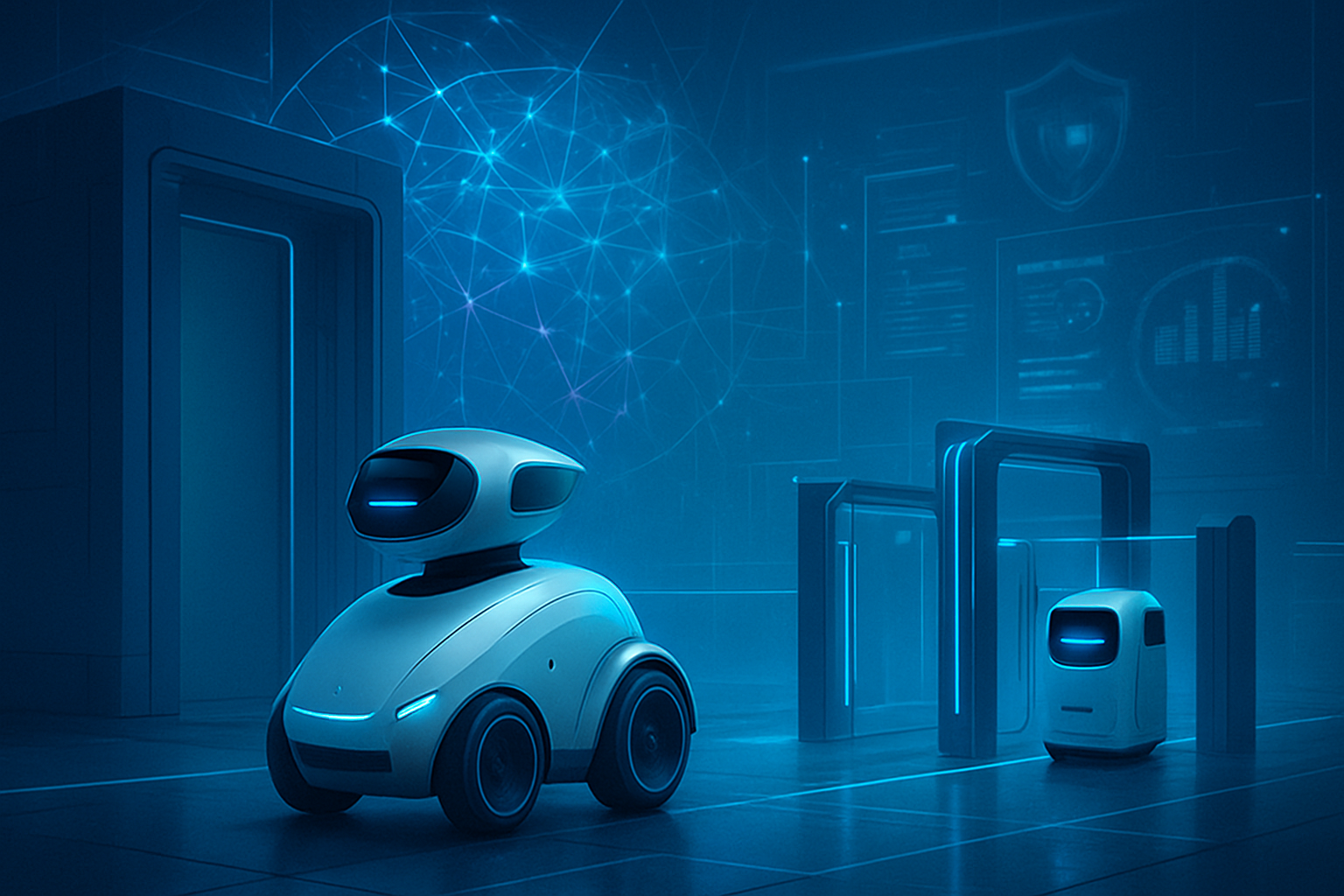
    AITX's recent wave of orders highlights the growing adoption of its sophisticated AI-driven robotic solutions, which are designed to revolutionize security monitoring and facility management. The company's unique approach involves controlling the entire technology stack—hardware, software, and AI—enabling real-time autonomous engagement and offering substantial cost savings compared to traditional human-dependent models. The ordered products, including twenty-four RADCam™ Enterprise systems, three RIO™ Mini units, three TOM™ units, two AVA™ units, six SARA™ licenses, and one ROSA™ unit, showcase a comprehensive suite of AI capabilities.

    At the core of AITX's innovation is SARA (Speaking Autonomous Responsive Agent), an AI-driven software platform powered by proprietary AIR™ (Autonomous Intelligent Response) technology. SARA autonomously assesses situations, engages intelligently, and executes actions that were traditionally human-performed. Developed in collaboration with AWS, SARA utilizes a custom-built data set engine, AutoVQA, to generate and validate video clips, enabling it to accurately understand real threats. Its advanced visual foundation, Iris, interprets context, while Mind, a multi-agent network, provides reasoning, decision-making, and memory, ensuring high accuracy by validating agents against each other. SARA's ability to operate on less than 2 GB of GPU memory makes it highly efficient for on-device processing and allows it to scale instantly, reducing monitoring expenses by over 90% compared to human-reliant remote video monitoring. This contrasts sharply with generic AI models that may "guess" or "hallucinate," making SARA a purpose-built, reliable solution for critical security tasks.

    The RADCam™ Enterprise system, touted as the "first talking camera," integrates AI-driven video surveillance with interactive communication. It offers proactive deterrence through an "operator in the box" capability, combining a speaker, microphone, and high-intensity lighting to deliver immediate live or automated talk-down messages. This moves beyond passive recording, enabling proactive engagement and deterrence before human intervention is required. Similarly, the RIO™ Mini provides portable, solar-powered security with integrated SARA AI, offering comprehensive analytics like human, firearm, and vehicle detection, and license plate recognition. It differentiates itself by providing flexible, relocatable security that surpasses many affordable mobile solutions in performance and value, particularly in remote or temporary environments.

    Other key solutions include TOM™ (Theft Observation Management / Visitor Observation Management), which automates visitor management and front desk operations using AI to streamline check-in and access control. AVA™ (Autonomous Verified Access) is an intelligent gate security solution with AI-powered License Plate Recognition (LPR), two-way voice interaction, and cloud-based authorization. Its Gen 4 enhancements feature industry-first anti-tailgating technology and AI-enhanced audio, significantly reducing reliance on traditional guard booths and manual checks. Finally, ROSA™ (Responsive Observation Security Agent) is a compact, self-contained, and portable security solution offering rapid deployment and comprehensive AI analytics for autonomous deterrence, detection, and response. ROSA's ability to detect and deter trespassing and loitering without manned guarding assistance offers a cost-effective and easily deployable alternative to human patrols. While specific independent technical reviews from the broader AI research community are not widely detailed, the numerous industry awards, pilot programs, and significant orders from major clients underscore the practical validation and positive reception of AITX's technologies within the security industry.

    A Shifting Tides: Impact on the AI Competitive Landscape

    AITX's growing success, evidenced by its recent wave of orders, is sending ripples across the AI security landscape, creating both opportunities and significant competitive pressures. The company's vertically integrated approach, controlling hardware, software, and AI, provides a distinct advantage, allowing for seamless deployment and tailored solutions that offer substantial cost savings (35-80%) over traditional manned security. This model poses a direct challenge to a wide array of players, from established security firms to emerging AI startups.

    Traditional manned security guarding services face the most direct disruption. AITX's autonomous solutions, capable of continuous monitoring, proactive deterrence, and real-time response, reduce the necessity for human guards in routine tasks, potentially leading to a re-evaluation of security budgets and staffing models across industries. Direct AI security competitors, such as SMP Robotics, Knightscope (NASDAQ: KSCP), and Cobalt Robotics, will likely feel increased pressure. AITX's expanding client base, including over 35 Fortune 500 companies in its sales pipeline, and its focus on recurring monthly revenue (RMR) through its subscription-based model, could limit market share for smaller, less integrated AI security startups. Furthermore, legacy security technology providers offering older, less intelligent hardware or software solutions may find their offerings increasingly obsolete as the market gravitates towards comprehensive, AI-driven autonomous systems.

    Conversely, some companies stand to benefit from this shift. Suppliers of specialized hardware components like advanced cameras, sensors, processors, and communication modules (especially for 5G or satellite connectivity like Starlink) could see increased demand as AITX and similar companies scale their robotic deployments. Systems integrators and deployment services, crucial for installing and maintaining these complex AI and robotic systems, will also find new opportunities. Tech giants like Amazon (NASDAQ: AMZN), Google (NASDAQ: GOOGL), and Microsoft (NASDAQ: MSFT), with their extensive AI capabilities and cloud infrastructure, could face indirect pressure to either acquire specialized AI security firms, partner with them, or accelerate their own development of competing solutions to maintain relevance in this expanding market segment. AITX's success also signals a broader trend that may encourage major AI labs to shift more research and development towards practical, applied AI for physical environments, emphasizing real-time interaction and autonomous decision-making.

    Beyond the Bottom Line: Wider Significance in the AI Era

    The significant wave of new orders for Artificial Intelligence Technology Solutions Inc. (AITX) transcends mere commercial success; it represents a tangible manifestation of broader shifts in the AI landscape and its profound implications for industries and society. AITX's advancements, particularly with its Autonomous Intelligent Response (AIR) technology and platforms like SARA, are not just incrementally improving security; they are fundamentally redefining it, aligning with several critical trends in the broader AI ecosystem.

    Firstly, AITX's growth underscores the accelerating automation of security workflows. AI's capacity to rapidly analyze vast datasets, detect threats, and adapt autonomously is automating routine tasks, allowing human security professionals to pivot to more complex and strategic challenges. This aligns with the industry-wide move towards predictive and proactive security, where deep learning and machine learning enable the forecasting of incidents before they occur, a significant leap from traditional reactive measures. Secondly, AITX's subscription-based "Solutions-as-a-Service" model, offering substantial cost savings, mirrors a wider industry trend towards AI-powered solutions delivered via flexible service models, ensuring continuous updates and improvements. This also contributes to the ongoing convergence of physical and cybersecurity, as AITX's devices, performing physical surveillance and access control, are integrated into cloud-based platforms for a unified security posture.

    However, this increased automation is not without its concerns. The potential for job displacement, particularly in repetitive monitoring and patrolling roles, is a significant societal consideration. While AITX argues for the redefinition of job roles, allowing humans to focus on higher-value tasks, the transition will require substantial upskilling and reskilling initiatives. Ethical and legal considerations surrounding data collection, privacy, and algorithmic bias in AI-driven security systems are also paramount. The "black box" nature of some AI models raises questions of accountability when errors occur, necessitating robust ethical guidelines and regulatory frameworks to ensure transparency and fairness. AITX's advancements represent a natural evolution from earlier AI milestones. Unlike rule-based expert systems, modern AI like SARA embodies intelligent agents capable of detecting, verifying, deterring, and resolving incidents autonomously. This moves beyond basic automation, augmenting cognitive tasks and automating complex decision-making in real-time, marking a significant step in the "intelligence amplified" era.

    The Horizon of Autonomy: Future Developments in AI Security

    The momentum generated by Artificial Intelligence Technology Solutions Inc. (AITX)'s recent orders is indicative of a dynamic future for both the company and the broader AI security market. In the near term, AITX is poised for accelerated innovation and product rollouts, including the RADDOG™ LE2 for law enforcement and the ROAMEO™ Gen 4, alongside the expansion of its SARA™ AI solutions. The company is strategically investing in initial production runs and inventory to meet anticipated demand, aiming for exponential increases in total and recurring monthly revenue, with a target of a $10 million annual recurring revenue run rate by the fiscal year's end. Furthermore, AITX's efforts to broaden its customer base, including residential users and government contracts, and its integration of solutions with technologies like Starlink for remote deployments, signal a strategic push for market dominance.

    Looking further ahead, AITX is positioned to capitalize on the global security industry's inevitable shift towards mass automation, with its AI-driven robotics becoming central to IoT-based smart cities. The long-term vision includes deeper integration with 5G networks, successful federal and state contracts, and continuous AI technology advancements that enhance the efficiency and ROI of its autonomous robots. For the broader AI security market, the near term (2025-2026) will see the significant emergence of Generative AI (Gen AI), transforming cybersecurity by enabling faster adaptation to novel threats and more efficient security tasks. This period will also witness a crucial shift towards predictive security, moving beyond reactive measures to anticipate and neutralize threats proactively. However, experts like Forrester predict the first public data breach caused by agentic AI by 2026, highlighting the inherent risks of autonomous decision-making.

    In the long term, beyond 2026, the AI security landscape will be shaped by AI-driven cyber insurance, increased spending on quantum security to counter emerging threats, and the growing targeting of cyber-physical systems by AI-powered attacks. There will be an escalating need for AI governance and explainability, with robust frameworks to ensure transparency, ethics, and regulatory compliance. Potential applications on the horizon include enhanced threat detection and anomaly monitoring, advanced malware detection and prevention, AI-driven vulnerability management, and automated incident response, all designed to make security more efficient and effective. However, significant challenges remain, including concerns about trust, privacy, and security, the need for high-quality data, a shortage of AI skills, integration difficulties with legacy systems, and the high implementation costs. Experts predict that Gen AI will dominate cybersecurity trends, while also warning of potential skill erosion in human SOC teams due to over-reliance on AI tools. The coming years will also likely see a market correction for AI, forcing a greater focus on measurable ROI for AI investments, alongside a surge in AI-powered attacks and a strategic shift towards data minimization as a privacy defense.

    The Dawn of Autonomous Security: A Comprehensive Wrap-Up

    Artificial Intelligence Technology Solutions Inc. (AITX)'s recent wave of new orders marks a significant inflection point, not just for the company, but for the entire security industry. The announcement on November 24, 2025, underscores a robust and accelerating demand for AI-driven security solutions, signaling a decisive shift from traditional human-centric models to intelligent, autonomous systems. Key takeaways include AITX's strong order intake, its focus on recurring monthly revenue (RMR) to achieve positive operational cash flow by mid-2026, and the growing market acceptance of its diverse portfolio of AI-powered robots and software platforms like SARA, ROSA, and AVA.

    This development holds considerable significance in the history of AI, representing a maturation of artificial intelligence from theoretical concepts to practical, scalable, and economically viable real-world applications. AITX's "Solutions-as-a-Service" model, offering substantial cost savings, is poised to disrupt the multi-billion-dollar security and guarding services industry. The company's vertically integrated structure and its transition to a 4th generation technology platform utilizing NVIDIA hardware further solidify its commitment to delivering reliable and advanced autonomous security. This marks a pivotal moment where AI-powered security is transitioning from a niche solution to an industry standard, heralding an era of predictive and proactive security that fundamentally alters how organizations manage risk and ensure safety.

    The long-term impact of AITX's trajectory and the broader embrace of autonomous security will be transformative. We can expect a foundational change in how industries approach safety and surveillance, driven by the compelling benefits of enhanced efficiency and reduced costs. The anticipated merger of physical and cybersecurity, facilitated by integrated AI systems, will provide a more holistic view of risk, leading to more comprehensive and effective security postures. However, the path forward is not without its challenges. AITX, while demonstrating strong market traction, will need to consistently deliver on its financial projections, including achieving positive operational cash flow and addressing liquidity concerns, to solidify its long-term position and investor confidence. The broader industry will grapple with ethical considerations, data privacy, potential job displacement, and the need for robust regulatory frameworks to ensure responsible AI deployment.

    In the coming weeks and months, several key indicators will be crucial to watch. Continued order momentum and the consistent growth of recurring monthly revenue will be vital for AITX. Progress towards achieving positive operational cash flow by April or May 2026 will be a critical financial milestone. Further updates on the expansion of AITX's sales team, particularly its success in securing government contracts, will indicate broader market penetration. Details surrounding the deployment and impact of the recently announced $2.5 million SARA project will also be highly anticipated. Finally, market watchers will be keen to observe how AITX converts its extensive sales pipeline, including numerous Fortune 500 companies, into active deployments, further cementing its leadership in the evolving landscape of autonomous AI security.


    This content is intended for informational purposes only and represents analysis of current AI developments.

    TokenRing AI delivers enterprise-grade solutions for multi-agent AI workflow orchestration, AI-powered development tools, and seamless remote collaboration platforms.
    For more information, visit https://www.tokenring.ai/.

  • David S. Hall Unveils Cam-Lidar: A New Era for AI-Powered Drone Defense and Aerospace Security

    David S. Hall Unveils Cam-Lidar: A New Era for AI-Powered Drone Defense and Aerospace Security

    November 10, 2025 – In a landmark announcement poised to redefine national security and aerospace technology, David S. Hall, the visionary inventor behind automotive lidar and founder of Velodyne Lidar Inc. (NASDAQ: VLDR), today unveiled Cam-Lidar technology. This groundbreaking system, the inaugural product from his new venture Hall Lidar Inc. (HLi), promises fail-safe detection and predictive tracking of high-speed aerial objects, leveraging an unprecedented integration of lidar, camera, and artificial intelligence. Hall himself declared Cam-Lidar to be "more important than the lidar invention for autonomous driving," signaling a pivotal moment in the rapidly evolving drone defense sector.

    The debut of Cam-Lidar arrives amidst escalating global concerns over drone proliferation and the urgent need for sophisticated counter-drone measures. HLi's solution offers a robust, real-time defense against aerial threats, from small, elusive drones to objects traveling at near-supersonic speeds. This innovation is set to significantly enhance the capabilities of federal agencies and security forces, providing a critical advantage in protecting national interests and critical infrastructure against increasingly sophisticated aerial intrusions.

    Unpacking the Technical Brilliance of Cam-Lidar

    At its core, Cam-Lidar represents a paradigm shift in sensor fusion, meticulously integrating advanced lidar systems with high-performance camera optics and state-of-the-art artificial intelligence. This synergy enables the system to synchronize lidar and camera feeds at an impressive 60 frames per second, creating a real-time 3D spatial visualization and object targeting capability that is both rapid and remarkably accurate. The AI component is crucial, providing predictive capabilities that allow for robust detection, tracking, and navigation even in the most challenging environmental conditions, significantly reducing false positives often associated with less integrated systems.

    The technical specifications of Cam-Lidar are equally impressive, setting new benchmarks for drone defense. The system is capable of detecting and tracking high-speed drones at distances up to two kilometers, identifying objects as small as a laptop. Crucially, it can track objects traveling at speeds approaching Mach 1, the speed of sound, in real time. Hall Lidar Inc. asserts that Cam-Lidar offers repeatable accuracy, a capability previously unseen in either commercial or defense-grade systems. The physical unit itself is described as a "binocular-like unit," suggesting a compact and potentially deployable form factor suitable for various security applications.

    This integrated approach starkly contrasts with previous drone detection methods, which often rely on disparate radar, optical, or acoustic systems that are slower, less reliable, and prone to environmental interference or blind spots. Traditional radar systems, while effective for larger objects, often struggle with small, low-flying drones, while standalone optical systems can be hampered by adverse weather or low light. Cam-Lidar's fusion of active (lidar) and passive (camera) sensing, augmented by AI, provides a comprehensive, resilient solution that overcomes these limitations, offering consistent, real-time monitoring and supporting automation for perimeter security and beyond. The initial reaction from the AI research community and industry experts, while not yet fully articulated publicly beyond Hall's own strong statements, is anticipated to be one of profound interest and validation, given the urgent demand for such advanced capabilities.

    Strategic Implications for the AI and Aerospace Industries

    The introduction of Cam-Lidar by Hall Lidar Inc. (HLi) is poised to create significant ripples across the AI, aerospace, and defense sectors. Primarily, HLi stands to benefit immensely, establishing itself as a frontrunner in a critical and rapidly expanding market. The company's strategic advantage lies in its founder's pedigree and the demonstrable technological leap Cam-Lidar represents. Beyond HLi, traditional defense contractors and aerospace giants, particularly those involved in surveillance, reconnaissance, and counter-UAS (Unmanned Aerial Systems) solutions, will likely seek partnerships or develop competing technologies. Companies specializing in AI for computer vision, sensor fusion, and real-time data processing could see increased demand for their expertise and components.

    The competitive implications for major AI labs and tech companies are substantial. Those already investing in advanced robotics, autonomous systems, and security applications will need to evaluate how Cam-Lidar redefines the performance benchmarks. Existing products and services in perimeter security, air traffic control, and intelligence gathering could face significant disruption if they cannot match Cam-Lidar's precision and speed. The ability to accurately track objects at Mach 1 and identify small drones at 2 km represents a formidable challenge to current offerings.

    Market positioning will be key, and HLi, with David S. Hall at its helm, enjoys a strong initial advantage due to its pioneering technology. This development could spur a new wave of innovation and investment in integrated sensor platforms, forcing competitors to accelerate their R&D efforts in AI-enhanced lidar and camera systems. Startups focused on advanced analytics for sensor data or specialized AI models for object classification and prediction in complex aerial environments could also find new avenues for growth and collaboration within this evolving landscape.

    Wider Significance in the Broader AI Landscape

    Cam-Lidar's emergence fits perfectly within the broader AI landscape's trend towards increasingly sophisticated sensor fusion and real-time intelligent systems. It highlights the growing importance of AI in transforming raw sensor data into actionable intelligence, particularly in high-stakes security applications. This development underscores the shift from mere data collection to intelligent data interpretation and prediction, a hallmark of advanced AI. It also emphasizes the critical role of robust, real-time processing capabilities for AI models operating in dynamic environments.

    The impacts of this technology are far-reaching. On a national security level, it offers an unprecedented layer of defense against state-sponsored and rogue drone threats, safeguarding critical infrastructure such as airports, military installations, government buildings, and power grids. For civilian airspace, it could pave the way for safer integration of drones by providing superior air traffic monitoring and collision avoidance capabilities. However, with such powerful surveillance technology come potential concerns regarding privacy and the ethical deployment of advanced tracing systems. The ability to track individuals or vehicles with such precision from a distance raises questions about data collection, storage, and potential misuse, necessitating robust regulatory frameworks.

    Comparisons to previous AI milestones are apt; just as AI in autonomous driving revolutionized perception for vehicles, Cam-Lidar aims to do the same for aerial domain awareness. It stands alongside other breakthroughs in computer vision and machine learning that have enabled real-time object recognition and tracking, but its integration with lidar at such high speeds and accuracy sets a new standard for mission-critical applications where milliseconds matter. This represents a significant step forward in the ongoing effort to imbue machines with human-like, and even superhuman, perceptual abilities.

    The Horizon: Future Developments and Applications

    Looking ahead, the near-term developments for Cam-Lidar will likely involve extensive testing and integration with existing defense and security protocols. Military and government agencies are expected to be early adopters, deploying the technology for perimeter defense, border security, and counter-terrorism operations. As the technology matures and potentially scales, we can anticipate its application in broader commercial sectors. Long-term, Cam-Lidar could become an indispensable component of smart city infrastructure, providing advanced monitoring for public safety, or even aiding in complex air traffic management systems for urban air mobility (UAM) initiatives.

    Potential applications extend beyond direct drone defense. Imagine Cam-Lidar systems providing enhanced situational awareness for search and rescue operations, precision guidance for autonomous aerial vehicles, or detailed environmental monitoring that detects minute changes indicative of security breaches. Experts predict that this technology will catalyze a new generation of integrated security platforms, where AI-powered sensor arrays work in concert to create an impenetrable digital shield over critical areas. Challenges, however, remain. The cost of such advanced systems, while justified for high-security applications, may need to decrease for widespread commercial adoption. Scalability of manufacturing and deployment, as well as developing robust counter-measures against potential jamming or spoofing attempts, will be ongoing concerns. Regulatory bodies will also need to address how to govern the use of such powerful surveillance tools to balance security needs with civil liberties.

    A New Guardian in the Skies

    David S. Hall's announcement of Cam-Lidar marks a pivotal moment in the convergence of AI, lidar, and aerospace innovation. The technology’s ability to provide fail-safe, predictive tracking of high-speed aerial objects, from small drones to near-Mach 1 threats, represents a significant leap forward in defense and security capabilities. By seamlessly integrating lidar, camera, and AI, HLi has introduced a solution that promises to enhance national security, protect critical infrastructure, and redefine the standards for aerial domain awareness.

    This development solidifies AI's role not just as an analytical tool, but as an active, real-time participant in safeguarding our skies. Its significance in AI history will be measured by its ability to reliably address the growing complexities of aerial threats and its potential to spawn a new generation of intelligent security systems. In the coming weeks and months, the industry will be closely watching HLi's market entry, the initial deployments of Cam-Lidar, and the responses from competitors as they scramble to match this new benchmark. The era of truly intelligent, proactive drone defense has arrived, and with it, a new guardian in the skies.


    This content is intended for informational purposes only and represents analysis of current AI developments.

    TokenRing AI delivers enterprise-grade solutions for multi-agent AI workflow orchestration, AI-powered development tools, and seamless remote collaboration platforms.
    For more information, visit https://www.tokenring.ai/.
  • Salesforce and AWS Forge Ahead: Securing the Agentic Enterprise with Advanced AI

    Salesforce and AWS Forge Ahead: Securing the Agentic Enterprise with Advanced AI

    In a landmark collaboration poised to redefine enterprise operations, technology giants Salesforce, Inc. (NYSE: CRM) and Amazon.com, Inc. (NASDAQ: AMZN) have significantly deepened their strategic partnership to accelerate the development and deployment of secure AI agents. This alliance is not merely an incremental update but a foundational shift aimed at embedding intelligent, autonomous AI capabilities directly into the fabric of business workflows, promising unprecedented levels of efficiency, personalized customer experiences, and robust data security across the enterprise. The initiative, building on nearly a decade of collaboration, reached a critical milestone with the general availability of key platforms like Salesforce Agentforce 360 and Amazon Quick Suite in October 2025, signaling a new era for AI in business.

    The immediate significance of this expanded partnership lies in its direct address to the growing demand for AI solutions that are not only powerful but also inherently secure and integrated. Businesses are increasingly looking to leverage AI for automating complex tasks, generating insights, and enhancing decision-making, but concerns around data privacy, governance, and the secure handling of sensitive information have been significant hurdles. Salesforce and AWS are tackling these challenges head-on by creating an ecosystem where AI agents can operate seamlessly across platforms, backed by enterprise-grade security and compliance frameworks. This collaboration is set to unlock the full potential of AI for a wide array of industries, from finance and healthcare to retail and manufacturing, by ensuring that AI agents are trustworthy, interoperable, and scalable.

    Unpacking the Technical Core: A New Paradigm for Enterprise AI

    The technical backbone of this collaboration is built upon four strategic pillars: the unification of data, the creation and deployment of secure AI agents, the modernization of contact center capabilities, and streamlined AI solution procurement. At its heart, the partnership aims to dismantle data silos, enabling a fluid and secure exchange of information between Salesforce Data Cloud and various AWS data services. This seamless data flow is critical for feeding AI agents with the comprehensive, real-time context they need to perform effectively.

    A standout technical innovation is the integration of Salesforce's Einstein Trust Layer, a built-in framework that weaves security, data, and privacy controls throughout the Salesforce platform. This layer is crucial for instilling confidence in generative AI models by preventing sensitive data from leaving Salesforce's trust boundary and offering robust data masking and anonymization capabilities. Furthermore, Salesforce Data 360 Clean Rooms natively integrate with AWS Clean Rooms, establishing privacy-enhanced environments where companies can securely collaborate on collective insights without exposing raw, sensitive data. This "Zero Copy" connectivity is a game-changer, eliminating data duplication and significantly mitigating security and compliance risks. For model hosting, Amazon Bedrock provides secure environments where Large Language Model (LLM) traffic remains within the Amazon Virtual Private Cloud (VPC), ensuring adherence to stringent security and compliance standards. This approach markedly differs from previous methods that often involved more fragmented data handling and less integrated security protocols, making this collaboration a significant leap forward in enterprise AI security. Initial reactions from the AI research community and industry experts highlight the importance of this integrated security model, recognizing it as a critical enabler for wider AI adoption in regulated industries.

    Competitive Landscape and Market Implications

    This strategic alliance is poised to have profound implications for the competitive landscape of the AI industry, benefiting both Salesforce (NYSE: CRM) and Amazon (NASDAQ: AMZN) while setting new benchmarks for other tech giants and startups. Salesforce, with its dominant position in CRM and enterprise applications, gains a powerful ally in AWS's extensive cloud infrastructure and AI services. This deep integration allows Salesforce to offer its customers a more robust, scalable, and secure AI platform, solidifying its market leadership in AI-powered customer relationship management and business automation. The availability of Salesforce offerings directly through the AWS Marketplace further streamlines procurement, giving Salesforce a competitive edge by making its solutions more accessible to AWS's vast customer base.

    Conversely, AWS benefits from Salesforce's deep enterprise relationships and its comprehensive suite of business applications, driving increased adoption of its foundational AI services like Amazon Bedrock and AWS Clean Rooms. This deepens AWS's position as a leading cloud provider for enterprise AI, attracting more businesses seeking integrated, end-to-end AI solutions. The partnership could disrupt existing products or services from companies offering standalone AI solutions or less integrated cloud platforms, as the combined offering presents a compelling value proposition of security, scalability, and seamless integration. Startups focusing on niche AI solutions might find opportunities to build on this integrated platform, but those offering less secure or less interoperable solutions could face increased competitive pressure. The strategic advantage lies in the holistic approach to enterprise AI, offering a comprehensive ecosystem rather than disparate tools.

    Broader Significance and the Agentic Enterprise Vision

    This collaboration fits squarely into the broader AI landscape's trend towards more autonomous, context-aware, and secure AI systems. It represents a significant step towards the "Agentic Enterprise" envisioned by Salesforce and AWS, where AI agents are not just tools but active, collaborative participants in business processes, working alongside human employees to elevate potential. The partnership addresses critical concerns around AI adoption, particularly data privacy, ethical AI use, and the management of "agent sprawl"—the potential proliferation of disconnected AI agents within an organization. By focusing on interoperability and centralized governance through platforms like MuleSoft Agent Fabric, the initiative aims to prevent fragmented workflows and compliance blind spots, which have been growing concerns as AI deployments scale.

    The impacts are far-reaching, promising to enhance productivity, improve customer experiences, and enable smarter decision-making across industries. By unifying data and providing secure, contextualized insights, AI agents can automate high-volume tasks, personalize interactions, and offer proactive support, leading to significant cost savings and improved service quality. This development can be compared to previous AI milestones like the advent of large language models, but with a crucial distinction: it focuses on the practical, secure, and integrated application of these models within enterprise environments. The emphasis on trust and responsible AI, through frameworks like Einstein Trust Layer and secure data collaboration, sets a new standard for how AI should be deployed in sensitive business contexts, marking a maturation of enterprise AI solutions.

    The Horizon: Future Developments and Expert Predictions

    Looking ahead, the collaboration between Salesforce and AWS is expected to usher in a new wave of highly sophisticated, autonomous, and interoperable AI agents. Salesforce's Agentforce platform, generally available as of October 2025, is a key enabler for building, deploying, and monitoring these agents, which are designed to communicate and coordinate using open standards like Model Context Protocol (MCP) and Agent2Agent (A2A). This focus on open standards hints at a future where AI agents from different vendors can seamlessly interact, fostering a more dynamic and collaborative AI ecosystem within enterprises.

    Near-term developments will likely see further enhancements in the capabilities of these AI agents, with a focus on more nuanced understanding of context, advanced reasoning, and proactive problem-solving. Potential applications on the horizon include highly personalized marketing campaigns driven by real-time customer data, predictive maintenance systems that anticipate equipment failures, and dynamic supply chain optimization that responds to unforeseen disruptions. However, challenges remain, particularly in the continuous refinement of AI ethics, ensuring fairness and transparency in agent decision-making, and managing the increasing complexity of multi-agent systems. Experts predict that the next phase will involve a greater emphasis on human-in-the-loop AI, where human oversight and intervention remain crucial for complex decisions, and the development of more intuitive interfaces for managing and monitoring AI agent performance. The reimagining of Heroku as an AI-first PaaS layer, leveraging AWS infrastructure, also suggests a future where developing and deploying AI-powered applications becomes even more accessible for developers.

    A New Chapter for Enterprise AI: The Agentic Future is Now

    The collaboration between Salesforce (NYSE: CRM) and AWS (NASDAQ: AMZN) marks a pivotal moment in the evolution of enterprise AI, signaling a definitive shift towards secure, integrated, and highly autonomous AI agents. The key takeaways from this partnership are the unwavering commitment to data security and privacy through innovations like the Einstein Trust Layer and AWS Clean Rooms, the emphasis on seamless data unification for comprehensive AI context, and the vision of an "Agentic Enterprise" where AI empowers human potential. This development's significance in AI history cannot be overstated; it represents a mature approach to deploying AI at scale within businesses, addressing the critical challenges that have previously hindered widespread adoption.

    As we move forward, the long-term impact will be seen in dramatically increased operational efficiencies, deeply personalized customer and employee experiences, and a new paradigm of data-driven decision-making. Businesses that embrace this agentic future will be better positioned to innovate, adapt, and thrive in an increasingly competitive landscape. What to watch for in the coming weeks and months includes the continued rollout of new functionalities within Agentforce 360 and Amazon Quick Suite, further integrations with third-party AI models and services, and the emergence of compelling new use cases that demonstrate the transformative power of secure, interoperable AI agents in action. This partnership is not just about technology; it's about building trust and unlocking the full, responsible potential of artificial intelligence for every enterprise.


    This content is intended for informational purposes only and represents analysis of current AI developments.

    TokenRing AI delivers enterprise-grade solutions for multi-agent AI workflow orchestration, AI-powered development tools, and seamless remote collaboration platforms.
    For more information, visit https://www.tokenring.ai/.
  • AI-Powered CT Scanners Revolutionize US Air Travel: A New Era of Security and Convenience Dawns

    AI-Powered CT Scanners Revolutionize US Air Travel: A New Era of Security and Convenience Dawns

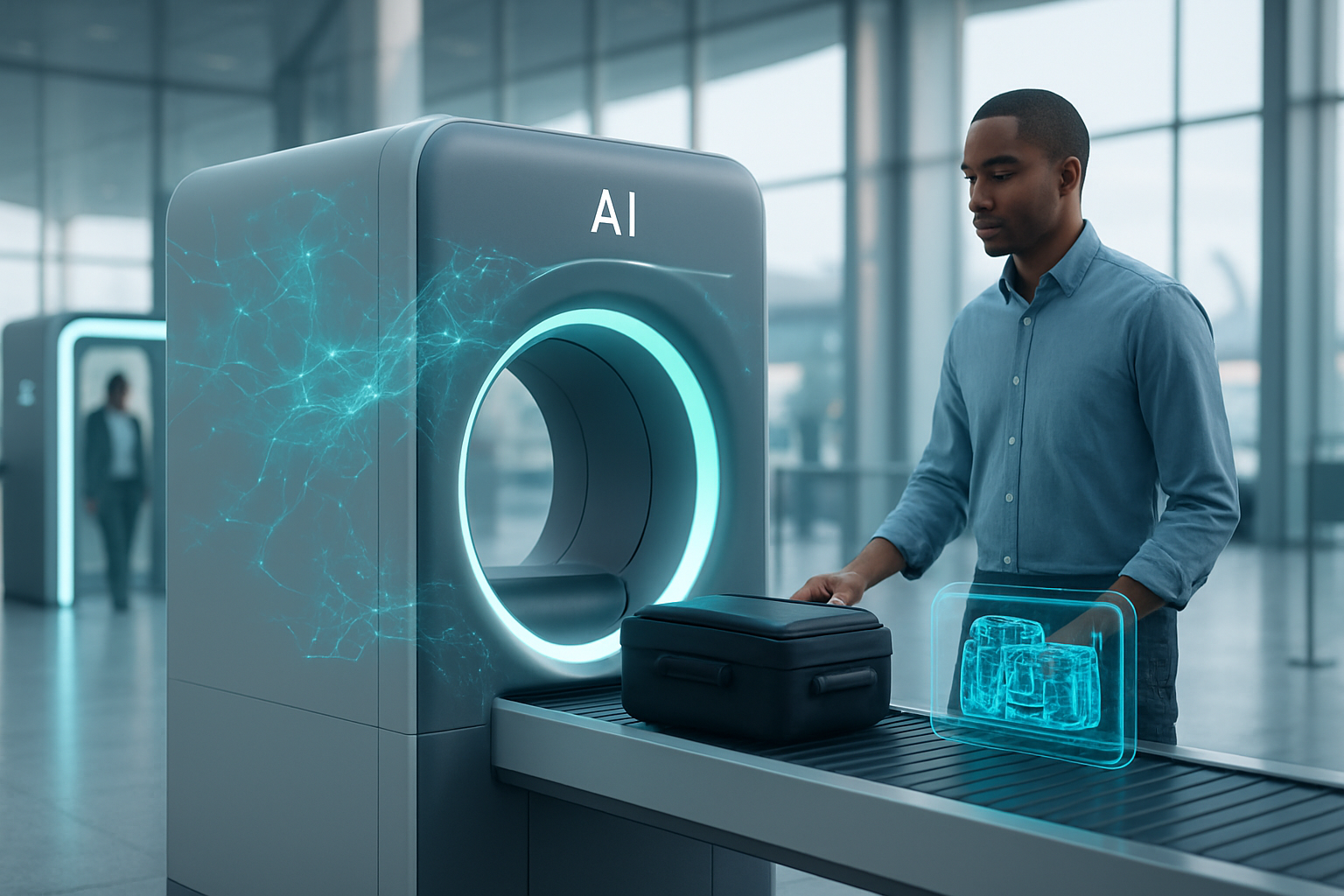
    October 4, 2025 – The skies above the United States are undergoing a profound transformation, ushering in an era where airport security is not only more robust but also remarkably more efficient and passenger-friendly. At the heart of this revolution are advanced AI-powered Computed Tomography (CT) scanners, sophisticated machines that are fundamentally reshaping the experience of air travel. These cutting-edge technologies are moving beyond the limitations of traditional 2D X-ray systems, providing detailed 3D insights into carry-on luggage, enhancing threat detection capabilities, drastically improving operational efficiency, and significantly elevating the overall passenger journey.

    The immediate significance of these AI CT scanners cannot be overstated. By leveraging artificial intelligence to interpret volumetric X-ray images, airports are now equipped with an intelligent defense mechanism that can identify prohibited items with unprecedented precision, including explosives and weapons. This technological leap has begun to untangle the long-standing bottlenecks at security checkpoints, allowing travelers the convenience of keeping laptops, other electronic devices, and even liquids within their bags. The rollout, which began with pilot programs in 2017 and saw significant acceleration from 2018 onwards, continues to gain momentum, promising a future where airport security is a seamless part of the travel experience, rather than a source of stress and delay.

    A Technical Deep Dive into Intelligent Screening

    The core of advanced AI CT scanners lies in the sophisticated integration of computed tomography with powerful artificial intelligence and machine learning (ML) algorithms. Unlike conventional 2D X-ray machines that produce flat, static images often cluttered by overlapping items, CT scanners generate high-resolution, volumetric 3D representations from hundreds of different views as baggage passes through a rotating gantry. This allows security operators to "digitally unpack" bags, zooming in, out, and rotating images to inspect contents from any angle, without physical intervention.

    The AI advancements are critical. Deep neural networks, trained on vast datasets of X-ray images, enable these systems to recognize threat characteristics based on shape, texture, color, and density. This leads to Automated Prohibited Item Detection Systems (APIDS), which leverage machine learning to automatically identify a wide range of prohibited items, from weapons and explosives to narcotics. Companies like SeeTrue and ScanTech AI (with its Sentinel platform) are at the forefront of developing such AI, continuously updating their databases with new threat profiles. Technical specifications include automatic explosives detection (EDS) capabilities that meet stringent regulatory standards (e.g., ECAC EDS CB C3 and TSA APSS v6.2 Level 1), and object recognition software (like Smiths Detection's iCMORE or Rapiscan's ScanAI) that highlights specific prohibited items. These systems significantly increase checkpoint throughput, potentially doubling it, by eliminating the need to remove items and by reducing false alarms, with some conveyors operating at speeds up to 0.5 m/s.

    Initial reactions from the AI research community and industry experts have been largely optimistic, hailing these advancements as a transformative leap. Experts agree that AI-powered CT scanners will drastically improve threat detection accuracy, reduce human errors, and lower false alarm rates. This paradigm shift also redefines the role of security screeners, transitioning them from primary image interpreters to overseers who reinforce AI decisions and focus on complex cases. However, concerns have been raised regarding potential limitations of early AI algorithms, the risk of consistent flaws if AI is not trained properly, and the extensive training required for screeners to adapt to interpreting dynamic 3D images. Privacy and cybersecurity also remain critical considerations, especially as these systems integrate with broader airport datasets.

    Industry Shifts: Beneficiaries, Disruptions, and Market Positioning

    The widespread adoption of AI CT scanners is profoundly reshaping the competitive landscape for AI companies, tech giants, and startups. The most immediate beneficiaries are the manufacturers of these advanced security systems and the developers of the underlying AI algorithms.

    Leading the charge are established security equipment manufacturers such as Smiths Detection (LSE: SMIN), Rapiscan Systems, and Leidos (NYSE: LDOS), who collectively dominate the global market. These companies are heavily investing in and integrating advanced AI into their CT scanners. Analogic Corporation (NASDAQ: ALOG) has also secured substantial contracts with the TSA for its ConneCT systems. Beyond hardware, specialized AI software and algorithm developers like SeeTrue and ScanTech AI are experiencing significant growth, focusing on improving accuracy and reducing false alarms. Companies providing integrated security solutions, such as Thales (EPA: HO) with its biometric and cybersecurity offerings, and training and simulation companies like Renful Premier Technologies, are also poised for expansion.

    For major AI labs and tech giants, this presents opportunities for market leadership and consolidation. These larger entities could develop or license their advanced AI/ML algorithms to scanner manufacturers or offer platforms that integrate CT scanners with broader airport operational systems. The ability to continuously update and improve AI algorithms to recognize evolving threats is a critical competitive factor. Strategic partnerships between airport consortiums and tech companies are also becoming more common to achieve autonomous airport operations.

    The disruption to existing products and services is substantial. Traditional 2D X-ray machines are increasingly becoming obsolete, replaced by superior 3D CT technology. This fundamentally alters long-standing screening procedures, such as the requirement to remove laptops and liquids, minimizing manual inspections. Consequently, the roles of security staff are evolving, necessitating significant retraining and upskilling. Airports must also adapt their infrastructure and operational planning to accommodate the larger CT scanners and new workflows, which can cause short-term disruptions. Companies will compete on technological superiority, continuous AI innovation, enhanced passenger experience, seamless integration capabilities, and global scalability, all while demonstrating strong return on investment.

    Wider Significance: AI's Footprint in Critical Infrastructure

    The deployment of advanced AI CT scanners in airport security is more than just a technological upgrade; it's a significant marker in the broader AI landscape, signaling a deeper integration of intelligent systems into critical infrastructure. This trend aligns with the wider adoption of AI across the aviation industry, from air traffic management and cybersecurity to predictive maintenance and customer service. The US Department of Homeland Security's framework for AI in critical infrastructure underscores this shift towards leveraging AI for enhanced security, resilience, and efficiency.

    In terms of security, the move from 2D to 3D imaging, coupled with AI's analytical power, is a monumental leap. It significantly improves the ability to detect concealed threats and identify suspicious patterns, moving aviation security from a reactive to a more proactive stance. This continuous learning capability, where AI algorithms adapt to new threat data, is a hallmark of modern AI breakthroughs. However, this transformative journey also brings forth critical concerns. Privacy implications arise from the detailed images and the potential integration with biometric data; while the TSA states data is not retained for long, public trust hinges on transparency and robust privacy protection.

    Ethical considerations, particularly algorithmic bias, are paramount. Reports of existing full-body scanners causing discomfort for people of color and individuals with religious head coverings highlight the need for a human-centered design approach to avoid unintentional discrimination. The ethical limits of AI in assessing human intent also remain a complex area. Furthermore, the automation offered by AI CT scanners raises concerns about job displacement for human screeners. While AI can automate repetitive tasks and create new roles focused on oversight and complex decision-making, the societal impact of workforce transformation must be carefully managed. The high cost of implementation and the logistical challenges of widespread deployment also remain significant hurdles.

    Future Horizons: A Glimpse into Seamless Travel

    Looking ahead, the evolution of AI CT scanners in airport security promises a future where air travel is characterized by unparalleled efficiency and convenience. In the near term, we can expect continued refinement of AI algorithms, leading to even greater accuracy in threat detection and a further reduction in false alarms. The European Union's mandate for CT scanners by 2026 and the TSA's ongoing deployment efforts underscore the rapid adoption. Passengers will increasingly experience the benefit of keeping all items in their bags, with some airports already trialing "walk-through" security scanners where bags are scanned alongside passengers.

    Long-term developments envision fully automated and self-service checkpoints where AI handles automatic object recognition, enabling "alarm-only" viewing of X-ray images. This could lead to security experiences as simple as walking along a travelator, with only flagged bags diverted. AI systems will also advance to predictive analytics and behavioral analysis, moving beyond object identification to anticipating risks by analyzing passenger data and behavior patterns. The integration with biometrics and digital identities, creating a comprehensive, frictionless travel experience from check-in to boarding, is also on the horizon. The TSA is exploring remote screening capabilities to further optimize operations.

    Potential applications include advanced Automated Prohibited Item Detection Systems (APIDS) that significantly reduce operator scanning time, and AI-powered body scanning that pinpoints threats without physical pat-downs. Challenges remain, including the substantial cost of deployment, the need for vast quantities of high-quality data to train AI, and the ongoing battle against algorithmic bias and cybersecurity threats. Experts predict that AI, biometric security, and CT scanners will become standard features globally, with the market for aviation security body scanners projected to reach USD 4.44 billion by 2033. The role of security personnel will fundamentally shift to overseeing AI, and a proactive, multi-layered security approach will become the norm, crucial for detecting evolving threats like 3D-printed weapons.

    A New Chapter in Aviation Security

    The advent of advanced AI CT scanners marks a pivotal moment in the history of aviation security and the broader application of artificial intelligence. These intelligent systems are not merely incremental improvements; they represent a fundamental paradigm shift, delivering enhanced threat detection accuracy, significantly improved passenger convenience, and unprecedented operational efficiency. The ability of AI to analyze complex 3D imagery and detect threats faster and more reliably than human counterparts highlights its growing capacity to augment and, in specific data-intensive tasks, even surpass human performance. This firmly positions AI as a critical enabler for a more proactive and intelligent security posture in critical infrastructure.

    The long-term impact promises a future where security checkpoints are no longer the dreaded bottlenecks of air travel but rather seamless, integrated components of a streamlined journey. This will likely lead to the standardization of advanced screening technologies globally, potentially lifting long-standing restrictions on liquids and electronics. However, this transformative journey also necessitates continuous vigilance regarding cybersecurity, data privacy, and the ethical implications of AI, particularly concerning potential biases and the evolving roles for human security personnel.

    In the coming weeks and months, travelers and industry observers alike should watch for the accelerated deployment of these CT scanners in major international airports, particularly as deadlines like the UK's June 2024 target for major airports and the EU's 2026 mandate approach. Keep an eye on regulatory adjustments, as governments begin to formally update carry-on rules in response to these advanced capabilities. Monitoring performance metrics, such as reported reductions in wait times and improvements in passenger satisfaction, will be crucial indicators of success. Finally, continued advancements in AI algorithms and their integration with other cutting-edge security technologies will signal the ongoing evolution towards a truly seamless and intelligent air travel experience.


    This content is intended for informational purposes only and represents analysis of current AI developments.

    TokenRing AI delivers enterprise-grade solutions for multi-agent AI workflow orchestration, AI-powered development tools, and seamless remote collaboration platforms. For more information, visit https://www.tokenring.ai/.