Tag: Silicon Carbide

  • Beyond Silicon: A New Era of Advanced Materials Ignites Semiconductor Revolution

    Beyond Silicon: A New Era of Advanced Materials Ignites Semiconductor Revolution

    The foundational material of the digital age, silicon, is encountering its inherent physical limits, prompting a pivotal shift in semiconductor manufacturing. While Silicon Carbide (SiC) has rapidly emerged as a dominant force in high-power applications, a new wave of advanced materials is now poised to redefine the very essence of microchip performance and unlock unprecedented capabilities across various industries. This evolution signifies more than an incremental upgrade; it represents a fundamental re-imagining of how electronic devices are built, promising to power the next generation of artificial intelligence, electric vehicles, and beyond.

    This paradigm shift is driven by an escalating demand for chips that can operate at higher frequencies, withstand extreme temperatures, consume less power, and deliver greater efficiency than what traditional silicon can offer. The exploration of materials like Gallium Nitride (GaN), Diamond, Gallium Oxide (Ga₂O₃), and a diverse array of 2D materials promises to overcome current performance bottlenecks, extend the boundaries of Moore's Law, and catalyze a new era of innovation in computing and electronics.

    Unpacking the Technical Revolution: A Deeper Dive into Next-Gen Substrates

    The limitations of silicon, particularly its bandgap and thermal conductivity, have spurred intensive research into alternative materials with superior electronic and thermal properties. Among the most prominent emerging contenders are wide bandgap (WBG) and ultra-wide bandgap (UWBG) semiconductors, alongside novel 2D materials, each offering distinct advantages that silicon struggles to match.

    Gallium Nitride (GaN), already achieving commercial prominence, is a wide bandgap semiconductor (3.4 eV) excelling in high-frequency and high-power applications. Its superior electron mobility and saturation drift velocity allow for faster switching speeds and reduced power loss, making it ideal for power converters, 5G base stations, and radar systems. This directly contrasts with silicon's lower bandgap (1.12 eV), which limits its high-frequency performance and necessitates larger components to manage heat.

    Diamond, an ultra-wide bandgap material (>5.5 eV), is emerging as a "game-changing contender" for extreme environments. Its unparalleled thermal conductivity (approximately 2200 W/m·K compared to silicon's 150 W/m·K) and exceptionally high breakdown electric field (30 times higher than silicon, 3 times higher than SiC) position it for ultra-high-power and high-temperature applications where even SiC might fall short. Researchers are also keenly investigating Gallium Oxide (Ga₂O₃), specifically beta-gallium oxide (β-Ga₂O₃), another UWBG material with significant potential for high-power devices due to its excellent breakdown strength.

    Beyond these, 2D materials like graphene, molybdenum disulfide (MoS₂), and hexagonal boron nitride (h-BN) are being explored for their atomically thin structures and tunable properties. These materials offer avenues for novel transistor designs, flexible electronics, and even quantum computing, allowing for devices with unprecedented miniaturization and functionality. Unlike bulk semiconductors, 2D materials present unique quantum mechanical properties that can be exploited for highly efficient and compact devices. Initial reactions from the AI research community and industry experts highlight the excitement around these materials' potential to enable more efficient AI accelerators, denser memory solutions, and more robust computing platforms, pushing past the thermal and power density constraints currently faced by silicon-based systems. The ability of these materials to operate at higher temperatures and voltages with lower energy losses fundamentally changes the design landscape for future electronics.

    Corporate Crossroads: Reshaping the Semiconductor Industry

    The transition to advanced semiconductor materials beyond silicon and SiC carries profound implications for major tech companies, established chip manufacturers, and agile startups alike. This shift is not merely about adopting new materials but about investing in new fabrication processes, design methodologies, and supply chains, creating both immense opportunities and competitive pressures.

    Companies like Infineon Technologies AG (XTRA: IFX), STMicroelectronics N.V. (NYSE: STM), and ON Semiconductor Corporation (NASDAQ: ON) are already significant players in the SiC and GaN markets, and stand to benefit immensely from the continued expansion and diversification into other WBG and UWBG materials. Their early investments in R&D and manufacturing capacity for these materials give them a strategic advantage in capturing market share in high-growth sectors like electric vehicles, renewable energy, and data centers, all of which demand the superior performance these materials offer.

    The competitive landscape is intensifying as traditional silicon foundries, such as Taiwan Semiconductor Manufacturing Company (TSMC) (NYSE: TSM) and Samsung Electronics Co., Ltd. (KRX: 005930), are also dedicating resources to developing processes for GaN and SiC, and are closely monitoring other emerging materials. Their ability to scale production will be crucial. Startups specializing in novel material synthesis, epitaxy, and device fabrication for diamond or Ga₂O₃, though currently smaller, could become acquisition targets or key partners for larger players seeking to integrate these cutting-edge technologies. For instance, companies like Akhan Semiconductor are pioneering diamond-based devices, demonstrating the disruptive potential of focused innovation.

    This development could disrupt existing product lines for companies heavily reliant on silicon, forcing them to adapt or risk obsolescence in certain high-performance niches. The market positioning will increasingly favor companies that can master the complex manufacturing challenges of these new materials while simultaneously innovating in device design to leverage their unique properties. Strategic alliances, joint ventures, and significant R&D investments will be critical for maintaining competitive edge and navigating the evolving semiconductor landscape.

    Broader Horizons: Impact on AI, IoT, and Beyond

    The shift to advanced semiconductor materials represents a monumental milestone in the broader AI landscape, enabling breakthroughs that were previously unattainable with silicon. The enhanced performance, efficiency, and resilience offered by these materials are perfectly aligned with the escalating demands of modern AI, particularly in areas like high-performance computing (HPC), edge AI, and specialized AI accelerators.

    The ability of GaN and SiC to handle higher power densities and switch faster directly translates to more efficient power delivery systems for AI data centers, reducing energy consumption and operational costs. For AI inferencing at the edge, where power budgets are tight and real-time processing is critical, these materials allow for smaller, more powerful, and more energy-efficient AI chips. Beyond these, materials like diamond and Ga₂O₃, with their extreme thermal stability and breakdown strength, could enable AI systems to operate in harsh industrial environments or even space, expanding the reach of AI applications into new frontiers. The development of 2D materials also holds promise for novel neuromorphic computing architectures, potentially mimicking the brain's efficiency more closely than current digital designs.

    Potential concerns include the higher manufacturing costs and the nascent supply chains for some of these exotic materials, which could initially limit their widespread adoption compared to the mature silicon ecosystem. Scalability remains a challenge for materials like diamond and Ga₂O₃, requiring significant investment in research and infrastructure. However, the benefits in performance, energy efficiency, and operational longevity often outweigh the initial cost, especially in critical applications. This transition can be compared to the move from vacuum tubes to transistors or from germanium to silicon; each step unlocked new capabilities and defined subsequent eras of technological advancement. The current move beyond silicon is poised to have a similar, if not greater, transformative impact.

    The Road Ahead: Anticipating Future Developments and Applications

    The trajectory for advanced semiconductor materials points towards a future characterized by unprecedented performance and diverse applications. In the near term, we can expect continued refinement and cost reduction in GaN and SiC manufacturing, leading to their broader adoption across more consumer electronics, industrial power supplies, and electric vehicle models. The focus will be on improving yield, increasing wafer sizes, and developing more sophisticated device architectures to fully harness their properties.

    Looking further ahead, research and development efforts will intensify on ultra-wide bandgap materials like diamond and Ga₂O₃. Experts predict that as manufacturing techniques mature, these materials will find niches in extremely high-power applications such as next-generation grid infrastructure, high-frequency radar, and potentially even in fusion energy systems. The inherent radiation hardness of diamond, for instance, makes it a prime candidate for electronics operating in hostile environments, including space missions and nuclear facilities.

    For 2D materials, the horizon includes breakthroughs in flexible and transparent electronics, opening doors for wearable AI devices, smart surfaces, and entirely new human-computer interfaces. The integration of these materials into quantum computing architectures also remains a significant area of exploration, potentially enabling more stable and scalable qubits. Challenges that need to be addressed include developing cost-effective and scalable synthesis methods for high-quality single-crystal substrates, improving interface engineering between different materials, and establishing robust testing and reliability standards. Experts predict a future where hybrid semiconductor devices, leveraging the best properties of multiple materials, become commonplace, optimizing performance for specific application requirements.

    Conclusion: A New Dawn for Semiconductors

    The emergence of advanced materials beyond traditional silicon and the rapidly growing Silicon Carbide marks a pivotal moment in semiconductor history. This shift is not merely an evolutionary step but a revolutionary leap, promising to dismantle the performance ceilings imposed by silicon and unlock a new era of innovation. The superior bandgap, thermal conductivity, breakdown strength, and electron mobility of materials like Gallium Nitride, Diamond, Gallium Oxide, and 2D materials are set to redefine chip performance, enabling more powerful, efficient, and resilient electronic devices.

    The key takeaways are clear: the semiconductor industry is diversifying its material foundation to meet the insatiable demands of AI, electric vehicles, 5G/6G, and other cutting-edge technologies. Companies that strategically invest in the research, development, and manufacturing of these advanced materials will gain significant competitive advantages. While challenges in cost, scalability, and manufacturing complexity remain, the potential benefits in performance and energy efficiency are too significant to ignore.

    This development's significance in AI history cannot be overstated. It paves the way for AI systems that are faster, more energy-efficient, capable of operating in extreme conditions, and potentially more intelligent through novel computing architectures. In the coming weeks and months, watch for announcements regarding new material synthesis techniques, expanded manufacturing capacities, and the first wave of commercial products leveraging these truly next-generation semiconductors. The future of computing is no longer solely silicon-based; it is multi-material, high-performance, and incredibly exciting.


    This content is intended for informational purposes only and represents analysis of current AI developments.

    TokenRing AI delivers enterprise-grade solutions for multi-agent AI workflow orchestration, AI-powered development tools, and seamless remote collaboration platforms.
    For more information, visit https://www.tokenring.ai/.
  • Silicon Carbide Surges: Powering a Greener Future with a 12.5% CAGR to Reach $1.8 Billion by 2027

    Silicon Carbide Surges: Powering a Greener Future with a 12.5% CAGR to Reach $1.8 Billion by 2027

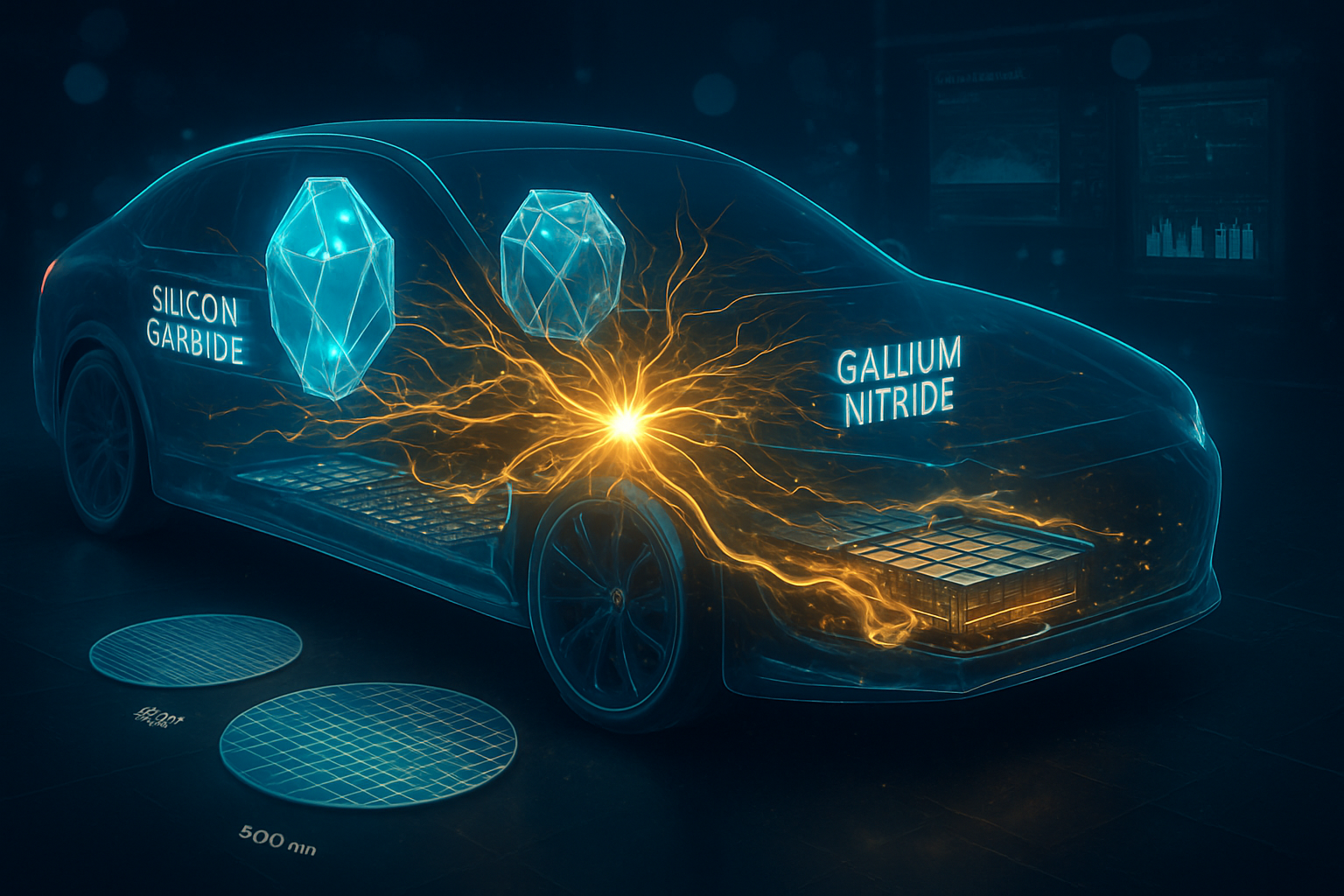
    The global Silicon Carbide (SiC) market is experiencing an unprecedented surge, poised to reach a staggering US$1,810.56 million by 2027, growing at a robust Compound Annual Growth Rate (CAGR) of 12.5%. This rapid expansion is not merely a market trend but a fundamental shift in power electronics, driven primarily by the insatiable demands of the electric vehicle (EV) revolution and the accelerating transition to renewable energy sources. SiC, with its superior material properties, is proving to be the indispensable backbone for next-generation energy-efficient technologies, fundamentally reshaping how power is managed and delivered across industries.

    This significant growth reflects a pivotal moment where traditional silicon-based power electronics are reaching their inherent limitations. SiC, a wide-bandgap semiconductor, offers vastly improved efficiency, power density, and thermal performance, making it the material of choice for applications requiring high power, high voltage, and high-temperature operation. Its immediate significance lies in its ability to extend EV driving ranges, enable faster charging, and maximize the energy yield from solar and wind power, directly contributing to global decarbonization efforts and the broader adoption of sustainable technologies.

    The Technical Edge: Why SiC is the New Gold Standard

    The technical superiority of Silicon Carbide over conventional silicon is the bedrock of its market dominance. SiC boasts a bandgap of approximately 3.2 eV, nearly three times that of silicon (1.12 eV), allowing it to withstand significantly higher electric fields before breakdown. This translates to devices capable of operating at much higher voltages (up to 3.3 kV in commercial MOSFETs) with lower leakage currents and reduced on-resistance. Furthermore, SiC's exceptional thermal conductivity (100–400 W/m·K, more than three times silicon's) enables efficient heat dissipation, allowing devices to operate reliably at elevated temperatures (up to 250°C commercially) and at higher power densities, often negating the need for bulky cooling systems.

    These intrinsic properties yield profound differences in power electronics. SiC devices offer vastly faster switching speeds and lower switching and conduction losses, leading to significantly higher power conversion efficiencies—up to 80% reduction in power loss compared to silicon IGBTs. This efficiency directly translates to tangible benefits in critical applications. In Electric Vehicle (EV) traction inverters, SiC MOSFETs enhance power density and reduce energy loss, potentially increasing an EV's driving range by 5-10%. For instance, a SiC-based inverter can achieve 220 kW output power with a peak efficiency of 99.1%, while reducing weight by approximately 6 kg and volume by 30% compared to a Si IGBT-based solution. SiC is also crucial for the emerging 800V EV architectures, where it can reduce losses by up to 70% compared to silicon.

    For on-board chargers (OBCs), SiC's high switching frequency and low losses enable faster charging times and increased power density, allowing for smaller, lighter, and more compact charger designs with peak system efficiencies of up to 98%. In renewable energy systems, particularly solar inverters, SiC minimizes losses, leading to higher energy conversion efficiencies (often exceeding 98-99%) and enabling more compact, reliable designs. Its ability to handle higher voltages also allows solar farms to increase string voltage, reducing cable size and inverter count, thereby lowering overall project costs. Initial reactions from the research community and industry experts universally hail SiC as a "game-changer" and a "disruptive technology," noting its rapid adoption and continuous R&D efforts focused on improving wafer quality, reducing defects, and enhancing packaging technologies. Despite challenges like initial costs and manufacturing complexities, the long-term outlook remains overwhelmingly positive.

    Corporate Power Plays: Who Benefits from the SiC Boom

    The rapid expansion of the SiC market is creating a new hierarchy of beneficiaries, from material manufacturers to automotive giants and renewable energy innovators. Major SiC manufacturers are strategically positioning themselves for dominance. STMicroelectronics (NYSE: STM), for instance, holds the largest market share in SiC power devices and is investing heavily in a full-process SiC factory in Italy, expected by 2026, alongside an 8-inch SiC joint venture in China. Infineon Technologies AG (FWB: IFX) is expanding its SiC capabilities through product innovation and factory expansions, such as in Kulim, Malaysia. Wolfspeed, Inc. (NYSE: WOLF) stands out as a pioneer and the world's largest supplier of SiC materials, particularly for automotive-grade MOSFET substrates, leveraging a vertically integrated model and a first-mover advantage in 8-inch wafer technology. Onsemi (NASDAQ: ON) has rapidly ascended in market share, largely due to its EliteSiC series and a significant contract with Volkswagen for EV traction inverters. Other key players like ROHM Co., Ltd. (TYO: 6767), Fuji Electric Co., Ltd. (TYO: 6504), Toshiba Electronic Devices & Storage Corporation (TYO: 6502), and Microchip Technology Inc. (NASDAQ: MCHP) are also making substantial investments.

    In the automotive sector, Electric Vehicle (EV) manufacturers are the primary drivers of SiC demand, expected to account for 70% of SiC power device consumption by 2030. Early adopters like Tesla (NASDAQ: TSLA), which integrated SiC into its Model 3 in 2017, have paved the way. Now, major players such as Hyundai (KRX: 005380), Kia (KRX: 000270), BYD (HKG: 1211), Nio (NYSE: NIO), Xpeng (NYSE: XPEV), and Li Auto (NASDAQ: LI) are heavily utilizing SiC to enhance vehicle efficiency, range, and charging speeds. The Volkswagen Group (FWB: VOW) has secured a multi-year contract with Onsemi for EV traction inverters, signaling a broader industry shift. These OEMs are increasingly forming partnerships with SiC manufacturers to secure supply and co-develop optimized solutions.

    In the renewable energy sector, companies like Wolfspeed, Inc. are leading the charge in providing SiC power devices for solar inverters, wind turbines, and battery-based energy storage systems. SiC's ability to handle high power densities reduces energy losses in power conversion, critical for scaling green technologies and integrating smart grids. The competitive landscape is characterized by intense R&D, significant capital investments in manufacturing capacity, and a strategic push towards vertical integration to ensure supply chain control and cost efficiency. The transition to larger 8-inch SiC wafers is a crucial strategy to reduce device costs, with many players investing heavily in this shift. While challenges such as higher initial costs, material defects, and recent market adjustments due to a slowdown in EV demand persist, companies adopting SiC gain significant strategic advantages in efficiency, performance, and system miniaturization, ensuring their competitive edge in an increasingly electrified world.

    A Cornerstone of the Green Revolution: Wider Implications

    The expansion of the Silicon Carbide market is far more than an industrial success story; it represents a fundamental cornerstone of the global electrification and decarbonization trends, deeply embedded in the push for sustainable technology. Valued at approximately $2 billion today, the global SiC device market is projected to surge to between $11 billion and $14 billion by 2030, underscoring its pivotal role in transforming energy systems worldwide.

    SiC is a critical enabler for electrification, particularly in the automotive industry, where EVs are poised to account for 70% or more of future SiC power device demand. Its ability to increase EV range by over 20% with the same battery pack, reduce charging times to under 40 minutes for fast chargers, and enable high-efficiency 800V powertrains is indispensable for widespread EV adoption. Beyond vehicles, SiC is increasingly adopted in industrial automation, telecommunications (including 5G infrastructure), and data centers, where its high-frequency handling reduces energy consumption.

    In decarbonization efforts, SiC is a powerhouse. It is essential in renewable energy sources like solar panel cells and wind turbines, where it efficiently converts and manages large amounts of energy. SiC semiconductors offer potential energy savings of up to 30% compared to traditional silicon chips, significantly contributing to CO2 emission reduction. For data centers, which consume vast amounts of electricity, SiC devices generate less heat, improving energy efficiency and reducing the need for extensive cooling systems. If all global data centers replaced silicon components with SiC, the energy savings could power Manhattan for a year. This aligns perfectly with the broader trend towards sustainable technology, as SiC's superior material properties—including a bandgap nearly three times that of silicon, a 10-fold higher breakdown field strength, and three times better thermal conductivity—enable smaller, more robust, and more reliable electronic systems with a reduced environmental footprint.

    However, the rapid growth also brings potential concerns. High manufacturing costs, complex production processes, and the higher initial environmental impact of SiC wafer production compared to silicon are challenges that need addressing. Supply chain volatility, including a recent "capacity glut" and price erosion for SiC wafers, along with increased competition, demand continuous innovation. Material defects and technical integration issues also require ongoing R&D. Despite these hurdles, the transition from silicon to SiC is widely described as a "once-in-a-generation technological shift," echoing the transformative impact of the Insulated Gate Bipolar Transistor (IGBT) in the 1980s. SiC transistors are now poised to achieve similar, if not greater, impact by further eliminating losses and enabling unprecedented efficiency and miniaturization, where silicon has reached its physical limits. The interplay between SiC and other wide bandgap semiconductors like Gallium Nitride (GaN) further highlights this dynamic evolution in power electronics.

    The Road Ahead: SiC's Future Trajectory

    The future of Silicon Carbide technology is brimming with potential, promising continued advancements and an expanding sphere of influence far beyond its current strongholds in EVs and renewable energy. In the near term (1-3 years), the industry is intensely focused on the widespread transition to 200 mm (8-inch) SiC wafers. This shift, already being spearheaded by companies like Wolfspeed, Inc. (NYSE: WOLF), Infineon Technologies AG (FWB: IFX), and Robert Bosch GmbH (ETR: BOSCH), is critical for enhancing manufacturing efficiency, boosting yields, and significantly reducing costs. Broader deployment and mass production scaling of 200mm wafers are anticipated by 2026. Concurrently, efforts are concentrated on improving wafer quality to eliminate microstructural defects and advancing packaging technologies to fully exploit SiC's capabilities in harsh operating environments. New generations of SiC MOSFETs, promising even greater power density and switching efficiency, are expected to be introduced every 2 to 2.5 years.

    Looking further ahead (beyond 3 years), "radical innovations" in SiC technology are on the horizon, with companies like STMicroelectronics (NYSE: STM) hinting at breakthroughs by 2027. This could include integrated sensing functions within SiC devices, further diversifying their utility. Research into alternative SiC polytypes and the synergy of SiC manufacturing with AI and digital twin technologies are also expected to optimize production processes.

    Beyond its current applications, SiC is poised to revolutionize numerous other high-growth sectors. Its high-frequency and power-handling capabilities make it ideal for 5G and 6G infrastructure, enabling faster data transmission and robust connectivity. In data centers, SiC devices can drastically improve energy efficiency by reducing heat generation in power supplies, crucial for the demands of AI and high-performance computing. Industrial automation and motor drives will benefit from SiC's enhanced durability and efficiency, leading to reduced energy consumption in heavy machinery. Its extreme temperature resilience and radiation resistance position SiC as a key material for aerospace and defense components, including satellites and aircraft. Other emerging applications include railway systems, consumer electronics (for faster charging), medical devices (due to biocompatibility), MEMS, photonics devices, and smart grid infrastructure.

    Despite this promising outlook, challenges remain. The high cost of SiC wafers due to complex and lengthy production processes, along with difficulties arising from SiC's extreme hardness and brittleness during manufacturing, continue to be significant hurdles. Material defects and ensuring a robust, reliable supply chain at scale also require continuous attention. Experts, however, remain optimistic, predicting continued substantial market growth with CAGRs ranging from 10.7% to 25.7% through 2032. SiC is widely expected to soon surpass silicon as the dominant semiconductor for power devices with voltage ratings above 600V. While the automotive sector will remain a key driver, diversification into non-EV applications is essential. The industry will prioritize vertical integration and a relentless focus on cost reduction, particularly through the acceleration of 200mm wafer production, to solidify SiC's role as a critical enabler for a more electrified and sustainable future.

    A Transformative Era: The Lasting Impact of SiC

    The rapid expansion of the Silicon Carbide market marks a transformative era in power electronics, fundamentally reshaping industries and accelerating the global shift towards a sustainable future. The projected growth to US$1,810.56 million by 2027, driven by a 12.5% CAGR, is not just a statistical projection but a testament to SiC's undeniable technological superiority and its critical role in enabling the next generation of energy-efficient solutions.

    Key takeaways underscore SiC's indispensable contribution: its superior wide bandgap properties, high thermal conductivity, and faster switching speeds translate directly into higher efficiency, increased power density, and enhanced reliability across a spectrum of applications. This makes it the cornerstone for extending the range and accelerating the charging of Electric Vehicles, maximizing the energy yield from renewable sources like solar and wind, and revolutionizing power management in data centers, 5G infrastructure, and industrial automation. SiC is effectively breaking the performance barriers that traditional silicon has encountered, propelling industries into a new era of energy optimization.

    This development holds immense significance in AI history and the broader tech industry. While not an AI development itself, SiC's role in powering AI-driven data centers and advanced robotics highlights its foundational importance to the entire technological ecosystem. It represents a "once-in-a-generation technological shift," akin to previous semiconductor breakthroughs that laid the groundwork for entirely new capabilities. Its long-term impact will be profound, enabling a more electrified, efficient, and decarbonized world. By facilitating the development of smaller, lighter, and more powerful electronic systems, SiC is a crucial enabler for achieving global climate goals and fostering a truly sustainable technological landscape.

    In the coming weeks and months, market watchers should pay close attention to several key indicators. Continued investments in SiC production facilities, particularly the acceleration towards 200mm wafer manufacturing by major players like STMicroelectronics (NYSE: STM), Wolfspeed, Inc. (NYSE: WOLF), and Infineon Technologies AG (FWB: IFX), will be crucial for scaling supply and driving down costs. Strategic partnerships between SiC manufacturers and automotive OEMs will also define the competitive landscape. Furthermore, any new breakthroughs in material quality, defect reduction, or advanced packaging technologies will further unlock SiC's full potential. Despite short-term market fluctuations and competitive pressures, the Silicon Carbide market is poised for sustained, impactful growth, solidifying its legacy as a pivotal force in the global energy transition and the advancement of modern technology.


    This content is intended for informational purposes only and represents analysis of current AI developments.

    TokenRing AI delivers enterprise-grade solutions for multi-agent AI workflow orchestration, AI-powered development tools, and seamless remote collaboration platforms.
    For more information, visit https://www.tokenring.ai/.

  • ON Semiconductor Navigates Shifting Sands: Q4 2025 Forecast Signals Strategic Rebalancing Amidst Market Dynamics

    ON Semiconductor Navigates Shifting Sands: Q4 2025 Forecast Signals Strategic Rebalancing Amidst Market Dynamics

    ON Semiconductor (NASDAQ: ON) has unveiled its financial outlook for the fourth quarter of 2025, projecting revenues between $1.48 billion and $1.58 billion. This guidance, released on November 3, 2025, alongside its third-quarter results, offers a crucial glimpse into the company's anticipated performance and strategic direction in a rapidly evolving semiconductor landscape. The forecast, which largely aligns with market consensus, suggests a period of strategic re-calibration for the power and sensing solutions provider as it focuses on high-growth segments like automotive, industrial, and AI.

    The Q4 2025 projections come at a pivotal time for the semiconductor industry, which has seen fluctuating demand and supply chain adjustments. ON Semiconductor's ability to provide guidance that encompasses analyst expectations, with an anticipated adjusted earnings per share (EPS) between $0.57 and $0.67 and an adjusted gross margin of 37% to 39%, indicates a measured approach to navigating current market conditions. This forecast is a key indicator for investors and industry observers, offering insights into how the company plans to sustain its market position and drive future growth amidst both opportunities and challenges.

    Detailed Financial Projections and Market Context

    ON Semiconductor's Q4 2025 revenue forecast of $1.48 billion to $1.58 billion is a central piece of its financial narrative. This range brackets the market's consensus estimate of $1.53 billion, suggesting a degree of confidence in the company's internal models and market understanding. Accompanying this revenue outlook, the company has guided for an adjusted EPS of $0.57 to $0.67, comfortably encompassing the analyst estimate of $0.62. Furthermore, an adjusted gross margin projection of 37% to 39% aligns closely with the market's expectation of 37.8%, underscoring a consistent operational strategy.

    To put these projections into perspective, the company's third-quarter (Q3) 2025 performance saw revenues of $1.55 billion, slightly surpassing analyst estimates of $1.52 billion. The Q3 adjusted EPS of $0.63 also exceeded the anticipated $0.59. While Q3 2025 revenue marked a 12% decrease year-over-year, it represented a 6% sequential increase compared to Q2 2025 revenue of $1.47 billion. This sequential growth indicates some recovery or stabilization in demand following earlier dips.

    However, a closer look at the year-over-year comparison reveals a more challenging picture. The Q4 2025 revenue forecast of $1.48 billion to $1.58 billion reflects a notable decline when compared to the Q4 2024 revenue of $1.72 billion. This year-over-year contraction suggests ongoing market headwinds or a strategic re-prioritization away from certain less profitable segments. The company's focus on high-value applications within automotive, industrial, and AI is a deliberate move to counteract broader market softness and improve margin profiles.

    Initial reactions from the financial community have been cautious but largely in line with expectations. Analysts are closely watching the company's ability to execute on its strategy to shift its product mix towards higher-margin, more specialized solutions, particularly in the silicon carbide (SiC) market. The current forecast indicates that while the overall revenue might see some contraction, the underlying profitability and strategic direction remain key areas of focus for ON Semiconductor.

    Market Positioning and Competitive Dynamics in a Shifting Landscape

    ON Semiconductor's Q4 2025 revenue forecast, coupled with its aggressive strategic focus on intelligent power and sensing solutions for the automotive, industrial, and AI data center markets, significantly shapes its competitive standing. The company's substantial investments in silicon carbide (SiC) and gallium nitride (GaN) technologies, alongside its emphasis on energy efficiency, are critical differentiators in a market contested by formidable rivals such as Infineon Technologies, STMicroelectronics (STM), and Wolfspeed.

    The company's commitment to SiC technology is exemplified by its $2 billion investment in a vertically integrated SiC manufacturing facility in the Czech Republic. This move aims to secure its supply chain for power semiconductors, particularly vital for electric vehicle (EV) electrification, where SiC demand is projected to grow at a robust 25% Compound Annual Growth Rate (CAGR) through 2030. This vertical integration strategy, part of its "Fab Right" initiative, not only aims to boost margins but also to reduce reliance on external suppliers, directly challenging competitors like Wolfspeed, which historically held an advantage in SiC materials.

    Against Infineon Technologies, a long-standing leader in automotive semiconductors and SiC, ON Semiconductor's robust growth in SiC and its direct focus on automotive and AI power management position it as a strong contender. Infineon's partnerships with entities like NVIDIA for AI data centers and its leading market share in SiC demonstrate the intensity of this competition. Similarly, STMicroelectronics, which commands the largest share of the SiC market at approximately 35%, finds itself in direct competition with ON Semiconductor's 25% SiC market share and its strong ADAS sensor portfolio, where ON Semiconductor holds a 60% market share. As both companies heavily invest in SiC fabrication, the battle for market dominance in this high-growth area is set to intensify.

    The broader tech industry stands to benefit from ON Semiconductor's innovations, particularly in enhanced energy efficiency. The company's vGaN and SiC technologies are crucial for the energy efficiency revolution in EVs and edge AI systems, leading to smaller, lighter, and more efficient components. This translates into optimized AI infrastructure, lower costs per rack in AI data centers, and advancements in edge AI and IoT applications. However, this strategic shift also brings potential disruptions, including increased market concentration benefiting top suppliers, potential resource allocation imbalances at foundries prioritizing AI chips, and the growing pricing power of dominant players like NVIDIA. The shift towards in-house chip design by automotive OEMs also presents a long-term challenge to traditional semiconductor supplier relationships, requiring ON Semiconductor to continuously innovate and adapt its offerings.

    Wider Significance: Powering the AI Revolution Sustainably

    ON Semiconductor's strategic pivot towards energy-efficient power and sensing solutions, particularly through its advancements in Silicon Carbide (SiC) and Gallium Nitride (GaN) technologies, is not merely a corporate strategy but a fundamental response to the most pressing challenges and opportunities in the broader AI landscape. The explosive growth of AI, from large language models to complex autonomous systems, is creating unprecedented demands on power infrastructure, making energy efficiency a paramount concern for the industry's sustainability and scalability.

    This strategic alignment addresses the critical trend of AI's escalating energy consumption. With data center electricity usage projected to more than double by 2030, ON Semiconductor's focus on reducing power losses in conversion processes using SiC and GaN is vital. These wide-bandgap semiconductors offer superior performance, enabling higher operating voltages, faster switching frequencies, and improved thermal management, which directly translates into significantly greater energy efficiency and power density. This is crucial for the "sustainable AI" movement, aiming to mitigate the environmental impact of AI's rapid expansion.

    The impacts of this strategy are far-reaching. Environmentally, by significantly reducing energy consumption in data centers and electric vehicles, these technologies contribute to mitigating climate change, easing the burden on national power grids, and accelerating the transition to renewable energy sources. Economically, lower energy consumption translates to reduced operational costs for AI data centers and industrial applications, supporting the scalable deployment of AI technologies. Technologically, SiC and GaN enable higher power density, smaller footprints, and lighter systems, allowing for more compact and powerful AI infrastructure, extended EV range, and more efficient industrial machinery. This is essential for achieving "all-day AI" on portable devices and in edge computing scenarios, where AI processing occurs closer to the data source.

    However, this rapid advancement is not without its concerns. Even with efficiency improvements, the exponential growth of AI's computational demand could still strain existing electrical grids and infrastructure. The manufacturing complexity and higher costs of SiC and GaN semiconductors compared to traditional silicon chips could hinder widespread adoption and increase lead times. Furthermore, for critical infrastructure like data centers, operators prioritize reliability, demanding continuous demonstration of the long-term robustness of these advanced solutions. The immense cooling requirements of large AI data centers also lead to significant water consumption, a growing environmental concern.

    Comparing this era to previous AI milestones reveals a distinct shift. While early AI was hardware-limited and later advancements focused on specialized processors like GPUs for deep learning, the current phase is defined by a materials-level revolution in power electronics. The focus has moved beyond just computational power to holistic system optimization, with energy efficiency becoming a primary driver. This makes the adoption of advanced materials like SiC and GaN, and the power management solutions they enable, as transformative for sustaining AI's growth as the advent of GPUs was for enabling deep learning. It underscores that the future of AI is not just about faster chips, but about smarter, more sustainable power delivery.

    Future Developments and Horizon Applications

    ON Semiconductor's strategic blueprint, underpinned by its Q4 2025 forecast and sustained investments in SiC, GaN, and intelligent sensing, positions the company for significant long-term growth despite near-term cyclical headwinds. The company's "Fab Right" approach and vertical integration strategy are designed to optimize manufacturing and secure supply chains, targeting an impressive 10% to 12% Compound Annual Growth Rate (CAGR) from 2022 through 2027, significantly outpacing the overall semiconductor market.

    In the near term, the company anticipates a recovery in demand during the second half of 2025, particularly in its core automotive and industrial markets, following a period of inventory reduction and moderation in EV sales. However, the long-term outlook is far more robust, driven by the relentless expansion of electric vehicles, renewable energy, and artificial intelligence. ON Semiconductor is actively developing new 4th generation trench-based SiC MOSFETs, aiming to transition to 8-inch SiC wafer platforms by 2025, and expanding its SiC capacity five-fold by 2026. This aggressive stance is intended to capture 35-40% of the SiC market, which is projected to reach $10 billion by 2030.

    The re-entry and significant investment in the GaN market, highlighted by the acquisition of NexGen Power Systems' fabrication facility, signal a strong commitment to this next-generation power technology. The company's groundbreaking vertical GaN (vGaN) power semiconductors promise to reduce energy losses by nearly 50% and enable significantly smaller, lighter systems, poised for high-demand applications in AI data centers (800V DC-DC converters), electric vehicles (more efficient inverters for increased range), and faster charging infrastructure. Experts predict the GaN market will expand at a CAGR exceeding 25% through the late 2020s.

    On the intelligent sensing front, ON Semiconductor plans to launch a new family of image sensors in 2025 and has bolstered its portfolio with the acquisition of SWIR Vision Systems. These advancements are crucial for enhancing Advanced Driver Assistance Systems (ADAS) and machine vision, extending visibility beyond standard CMOS sensors, and supporting applications in industrial automation, medical imaging, and aerospace/defense. The company's strong market share in automotive ADAS image sensors (68% in 2023) underscores its leadership and potential for continued growth in these high-value segments.

    However, challenges persist. The semiconductor industry's inherent cyclicality, intense competition in the SiC and GaN markets, and ongoing geopolitical tensions affecting global supply chains remain significant hurdles. The high cost and complexity of manufacturing advanced SiC and GaN chips, along with the need to consistently demonstrate their long-term reliability, are critical for broader market adoption. Despite these challenges, expert predictions generally maintain an optimistic long-term view. Analysts forecast a sharp rebound in earnings and revenue for ON Semiconductor in 2026, with earnings per share expected to increase by 36.8% year-over-year. The "AI supercycle" is widely expected to drive above-average growth for the semiconductor industry, pushing the global market beyond $1 trillion by 2030, with ON Semiconductor well-positioned to capitalize on this expansion through its strategic focus on the foundational technologies powering this revolution.

    Comprehensive Wrap-Up: Steering Towards an Electrified, AI-Powered Future

    ON Semiconductor's Q4 2025 revenue forecast and its overarching strategic direction paint a clear picture of a company meticulously navigating a complex, yet opportunity-rich, semiconductor landscape. While the projected revenue range of $1.48 billion to $1.58 billion reflects some near-term market adjustments and a year-over-year decline from Q4 2024, it also underscores a deliberate pivot towards high-growth, high-margin segments: electric vehicles (EVs), industrial automation, and artificial intelligence (AI). This strategic refinement, coupled with a robust "Fab Right" manufacturing approach and significant investments in Silicon Carbide (SiC) and Gallium Nitride (GaN) technologies, positions ON Semiconductor as a foundational enabler of future technological advancements.

    In the context of AI history, ON Semiconductor's current trajectory marks a crucial phase where hardware efficiency and power management have become as critical as computational power itself. Unlike earlier AI milestones that primarily focused on raw processing capabilities, the current "AI supercycle" demands sophisticated power solutions to address the unprecedented energy consumption of AI data centers and the low-power requirements of edge AI devices. By pioneering energy-efficient SiC and GaN solutions and advanced intelligent sensing, ON Semiconductor is not just participating in the AI revolution; it is providing the essential infrastructure to make it sustainable and scalable. This focus on "from the grid to the core" power delivery for AI systems makes the company an indispensable player in ensuring AI's continued expansion.

    The long-term impact on the semiconductor industry and the broader AI landscape will be substantial. ON Semiconductor's commitment to vertical integration in SiC, its re-entry into the GaN market with groundbreaking vGaN technology, and its enhanced intelligent sensing portfolio will drive resilience and market share gains. This strategic emphasis is expected to fuel significant margin expansion, with an ambitious target of 53% by 2027. Furthermore, its diversified manufacturing footprint offers a geopolitical advantage, mitigating risks associated with trade tensions. As AI models become more complex and pervasive, and as the world accelerates its transition to electrification, ON Semiconductor's role in providing efficient, robust, and intelligent power and sensing solutions will only grow in importance, solidifying its technological leadership.

    In the coming weeks and months, several critical indicators will be vital to watch. The pace of recovery in the automotive market, particularly EV adoption rates in key regions like China and Europe, will offer insights into near-term demand. Progress towards ON Semiconductor's ambitious 30-40% SiC market share target and the successful ramp-up of its new 4th generation SiC MOSFETs will be key performance metrics. Continued acceleration of revenue from AI data center solutions and the tangible benefits derived from recent acquisitions and partnerships will signal the success of its strategic pivot. Finally, the execution of its "Fab Right" strategy, including the impact of exiting legacy products on gross margins, will be closely scrutinized in future earnings reports. These factors will collectively determine ON Semiconductor's ability to capitalize on the profound shifts reshaping the global semiconductor and AI landscapes.


    This content is intended for informational purposes only and represents analysis of current AI developments.

    TokenRing AI delivers enterprise-grade solutions for multi-agent AI workflow orchestration, AI-powered development tools, and seamless remote collaboration platforms.
    For more information, visit https://www.tokenring.ai/.
  • India Breaks Ground on First Integrated Device Manufacturing Facility, Paving Way for Semiconductor Self-Reliance

    India Breaks Ground on First Integrated Device Manufacturing Facility, Paving Way for Semiconductor Self-Reliance

    Bhubaneswar, Odisha – November 1, 2025 – In a landmark moment for India's burgeoning technology sector, SiCSem Pvt. Ltd. today officially broke ground on the nation's first integrated device manufacturing (IDM) facility in Bhubaneswar, Odisha. This pivotal event, which saw the physical laying of the foundation stone following a virtual ceremony earlier in the year, signifies a monumental leap towards achieving self-reliance in the critical domain of electronics and semiconductor production. The facility is poised to revolutionize India's power electronics landscape, significantly reducing the country's dependence on foreign imports and bolstering its strategic autonomy in advanced technological manufacturing.

    The establishment of this cutting-edge plant by SiCSem Pvt. Ltd., a subsidiary of Archean Chemical Industries Ltd. (NSE: ARCHEAN, BSE: 543428), represents a tangible realization of India's "Make in India" and "Atmanirbhar Bharat" (Self-Reliant India) initiatives. With an estimated investment of ₹2,067 crore (and some reports suggesting up to ₹2,500 crore), the facility will be dedicated to the end-to-end production of silicon carbide (SiC) semiconductors, crucial components for a wide array of high-growth industries. This development is not merely an industrial expansion; it is a strategic national asset that will underpin India's ambitions in electric vehicles, renewable energy, and advanced communication systems, creating an estimated 1,000 direct jobs and numerous indirect opportunities.

    Technical Prowess and Strategic Differentiation

    The SiCSem IDM facility, situated on 14.32 acres (some reports suggest 23 acres) in Infovalley-II, Bhubaneswar, is designed to integrate the entire silicon carbide semiconductor manufacturing process under one roof. This comprehensive approach, from raw material processing to final device fabrication, sets it apart as India's first true IDM for SiC. Specifically, the plant will handle silicon carbide crystal ingot growth, wafer slicing and polishing, and ultimately, the fabrication of SiC diodes, MOSFETs, and power modules. This end-to-end capability is a significant departure from previous approaches in India, which largely focused on assembly, testing, marking, and packaging (ATMP) or relied on imported wafers and components for further processing.

    The technical specifications and capabilities of the facility are geared towards producing high-performance electronic power devices essential for modern technological advancements. Silicon carbide, known for its superior thermal conductivity, high-voltage breakdown strength, and faster switching speeds compared to traditional silicon, is critical for next-generation power electronics. Devices produced here will cater to the demanding requirements of electric vehicles (EVs) – including inverters and charging infrastructure – energy storage systems, fast chargers, green energy solutions (solar inverters, wind power converters), industrial tools, data centers, consumer appliances, and even advanced sectors like 5G & 6G communication, aerospace, and satellite industries. The integration of the entire value chain ensures stringent quality control, accelerates research and development cycles, and fosters indigenous innovation.

    Initial reactions from the AI research community and industry experts have been overwhelmingly positive, highlighting the strategic importance of this venture. Experts laud SiCSem's forward-thinking approach to establish an IDM, which is a more complex and capital-intensive undertaking than simpler fabrication units but offers greater control over the supply chain and intellectual property. The establishment of a dedicated Silicon Carbide Research and Innovation Center (SICRIC) at IIT-Bhubaneswar, backed by SiCSem's ₹64 crore investment, further underscores the commitment to indigenous R&D. This collaboration is seen as a vital step to bridge the gap between academic research and industrial application, ensuring a continuous pipeline of talent and technological advancements in SiC technology within India.

    Reshaping the AI and Tech Landscape

    The groundbreaking of SiCSem's IDM facility carries profound implications for AI companies, tech giants, and startups operating within India and globally. The most immediate beneficiaries will be Indian companies engaged in manufacturing electric vehicles, renewable energy solutions, and advanced industrial electronics. Companies like Tata Motors (NSE: TATAMOTORS, BSE: 500570), Mahindra & Mahindra (NSE: M&M, BSE: 500520), and various EV charging infrastructure providers will gain a reliable, domestic source of critical power semiconductor components, reducing their exposure to global supply chain vulnerabilities and potentially lowering costs. This domestic supply will also foster greater innovation in product design, allowing for more tailored solutions optimized for the Indian market.

    For global tech giants with a presence in India, such as those involved in data center operations or consumer electronics manufacturing, the availability of domestically produced SiC semiconductors could streamline their supply chains and enhance their "Make in India" commitments. While SiCSem's initial focus is on power electronics, the establishment of a sophisticated IDM ecosystem could attract further investments in related semiconductor technologies, creating a more robust and diverse manufacturing base. This development could spur other domestic and international players to invest in India's semiconductor sector, intensifying competition but also fostering a more vibrant and innovative environment.

    The potential disruption to existing products or services, particularly those heavily reliant on imported power semiconductors, is significant. While not an immediate overhaul, the long-term trend will favor products incorporating indigenously manufactured components, potentially leading to cost efficiencies and improved performance. From a market positioning perspective, SiCSem is strategically placing India as a key player in the global SiC semiconductor market, which is projected for substantial growth driven by EV adoption and green energy transitions. This strategic advantage will not only benefit SiCSem but also elevate India's standing in the high-tech manufacturing landscape, attracting further foreign direct investment and fostering a skilled workforce.

    Wider Significance for India's Technological Sovereignty

    SiCSem's IDM facility is a cornerstone of India's broader strategic push for technological sovereignty and self-reliance. It fits squarely within the "Atmanirbhar Bharat" vision, aiming to reduce India's heavy reliance on semiconductor imports, which currently makes the nation vulnerable to global supply chain disruptions and geopolitical tensions. By establishing an end-to-end manufacturing capability for critical SiC components, India is securing its supply for essential sectors like defense, telecommunications, and energy, thereby enhancing national security and economic resilience. This move is comparable to previous AI milestones where nations or regions invested heavily in foundational technologies, recognizing their strategic importance.

    The impacts extend beyond mere manufacturing capacity. This facility will serve as a catalyst for developing a comprehensive electronics system design and manufacturing (ESDM) ecosystem in Odisha and across India. It will foster a local talent pool specializing in advanced semiconductor technologies, from materials science to device physics and fabrication processes. The collaboration with IIT-Bhubaneswar through SICRIC is a crucial element in this, ensuring that the facility is not just a production unit but also a hub for cutting-edge research and innovation, fostering indigenous intellectual property.

    Potential concerns, while overshadowed by the positive implications, include the significant capital expenditure and the highly competitive global semiconductor market. Maintaining technological parity with established global players and ensuring a continuous pipeline of skilled labor will be ongoing challenges. However, the government's strong policy support through schemes like the India Semiconductor Mission and production-linked incentive (PLI) schemes significantly mitigates these risks, making such ventures viable. This development marks a critical step, reminiscent of the early days of software services or IT outsourcing in India, where foundational investments led to exponential growth and global leadership in specific domains.

    Future Developments and Expert Outlook

    The groundbreaking of SiCSem's facility heralds a new era for India's semiconductor ambitions, with significant near-term and long-term developments expected. In the near term, the focus will be on the rapid construction and operationalization of the facility, which is anticipated to begin initial production within the next few years. As the plant scales up, it will progressively reduce India's import dependency for SiC power devices, leading to more stable supply chains for domestic manufacturers. The SICRIC at IIT-Bhubaneswar is expected to churn out crucial research and development, potentially leading to proprietary SiC technologies and improved manufacturing processes.

    Long-term, experts predict that SiCSem's success could act as a magnet, attracting further investments in different types of semiconductor manufacturing, including more advanced logic or memory fabs, or other specialty materials. This could lead to a diversified semiconductor ecosystem in India, making the country a significant player on the global stage. Potential applications and use cases on the horizon include highly efficient power management units for next-generation AI data centers, advanced power modules for high-speed rail, and even specialized components for space exploration.

    However, challenges remain. India will need to continuously invest in R&D, talent development, and robust infrastructure to sustain this growth. Ensuring competitive costs and maintaining global quality standards will be paramount. Experts predict that while the initial focus will be on domestic demand, SiCSem could eventually eye export markets, positioning India as a global supplier of SiC power semiconductors. The next steps will involve rigorous project execution, talent acquisition, and continued policy support to ensure the successful realization of this ambitious vision.

    A New Dawn for India's Tech Sovereignty

    The groundbreaking of SiCSem Pvt. Ltd.'s integrated device manufacturing facility in Bhubaneswar on November 1, 2025, is more than just a corporate announcement; it is a declaration of India's unwavering commitment to technological sovereignty and economic self-reliance. The key takeaway is the establishment of India's first end-to-end SiC semiconductor manufacturing plant, a critical step towards building an indigenous semiconductor ecosystem. This development's significance in India's technology history cannot be overstated, marking a pivotal shift from an import-dependent nation to a self-sufficient, high-tech manufacturing hub in a crucial sector.

    This venture is poised to have a profound long-term impact, not only by providing essential components for India's burgeoning EV and green energy sectors but also by fostering a culture of advanced manufacturing, research, and innovation. It lays the groundwork for future technological advancements and positions India as a strategic player in the global semiconductor supply chain. What to watch for in the coming weeks and months includes progress on the facility's construction, further announcements regarding strategic partnerships, and the continued development of the talent pipeline through collaborations with academic institutions. This is a journey that promises to reshape India's technological landscape for decades to come.


    This content is intended for informational purposes only and represents analysis of current AI developments.

    TokenRing AI delivers enterprise-grade solutions for multi-agent AI workflow orchestration, AI-powered development tools, and seamless remote collaboration platforms.
    For more information, visit https://www.tokenring.ai/.

  • India Unveils Its First Commercial Compound Semiconductor Fab: A New Era for Domestic Tech Manufacturing

    India Unveils Its First Commercial Compound Semiconductor Fab: A New Era for Domestic Tech Manufacturing

    Bhubaneswar, Odisha – November 1, 2025 – Today marks a pivotal moment in India’s technological journey as the groundbreaking ceremony for SiCSem Private Limited’s compound semiconductor unit takes place in Infovalley, Jatni, Bhubaneswar. Hailed as India's first commercial compound semiconductor fabrication facility and an end-to-end silicon carbide (SiC) semiconductor production plant, this development is set to significantly bolster the nation's capabilities in advanced electronics manufacturing and reduce its reliance on foreign imports. This facility, a subsidiary of Archean Chemical Industries Ltd. (NSE: ACI, BSE: 543665) in collaboration with Clas-SiC Wafer Fab Ltd., UK, positions India at the forefront of the burgeoning global SiC market, critical for the next generation of electric vehicles, renewable energy systems, and high-efficiency power electronics.

    The establishment of this cutting-edge unit signifies a monumental leap for India’s "Make in India" and "Atmanirbhar Bharat" (self-reliant India) initiatives. With an initial investment of approximately ₹2,067 crore, the plant is designed to process 60,000 SiC wafers annually and achieve a packaging capacity of around 96 million units of MOSFETs and diodes. This strategic move is not just about manufacturing; it's about building a foundational technology that underpins numerous high-growth sectors, ensuring India's technological sovereignty and fostering a robust domestic supply chain.

    Technical Prowess and Strategic Differentiation

    The SiCSem facility will specialize in producing Silicon Carbide (SiC) devices, including advanced MOSFETs (Metal-Oxide-Semiconductor Field-Effect Transistors) and diodes. These components are paramount for high-power, high-frequency, and high-temperature applications where traditional silicon-based semiconductors fall short. The technical specifications of SiC devices offer superior efficiency, lower energy losses, and enhanced thermal performance compared to their silicon counterparts, making them indispensable for modern technological demands.

    Specifically, these SiC MOSFETs and diodes will be crucial for the rapidly expanding electric vehicle (EV) sector, enabling more efficient power conversion in inverters and charging systems. Beyond EVs, their applications extend to renewable energy systems (solar inverters, wind turbine converters), smart grid infrastructure, defense equipment, railway systems, fast chargers for consumer electronics, data center racks requiring efficient power management, and a wide array of consumer appliances. The "end-to-end" nature of this plant, covering the entire production process from wafer fabrication to packaging, distinguishes it significantly from previous Indian ventures that often focused on assembly or design. This integrated approach ensures greater control over quality, intellectual property, and supply chain resilience.

    Initial reactions from the Indian tech community and industry experts have been overwhelmingly positive, hailing it as a game-changer. The ability to domestically produce such critical components will not only reduce import costs but also accelerate innovation within Indian industries that rely on these advanced semiconductors. The collaboration with Clas-SiC Wafer Fab Ltd., UK, brings invaluable expertise and technology transfer, further solidifying the technical foundation of the project. It is also important to note that this is part of a broader push in Odisha, with RIR Power Electronics Ltd. also having broken ground on a silicon carbide semiconductor manufacturing facility in September 2024, focusing on high-voltage SiC wafers and devices with an investment of ₹618 crore, further cementing the region's emerging role in advanced semiconductor manufacturing.

    Reshaping the Competitive Landscape

    The establishment of SiCSem’s unit carries profound implications for various companies, from established tech giants to burgeoning startups, both within India and globally. Archean Chemical Industries Ltd. (NSE: ACI, BSE: 543665), through its subsidiary SiCSem, stands to benefit immensely, diversifying its portfolio into a high-growth, high-tech sector. Clas-SiC Wafer Fab Ltd., UK, strengthens its global footprint and partnership strategy.

    Domestically, Indian EV manufacturers, renewable energy solution providers, defense contractors, and electronics companies will find a reliable, local source for critical SiC components, potentially leading to cost reductions, faster product development cycles, and enhanced supply chain security. This development could significantly reduce India's reliance on semiconductor imports from countries like Taiwan, South Korea, and China, fostering greater economic self-sufficiency.

    Competitively, this move positions India as an emerging player in the global compound semiconductor market, which has historically been dominated by a few international giants. While it may not immediately disrupt the market share of established players like Infineon, Wolfspeed, or STMicroelectronics, it signals India's intent to become a significant producer rather than solely a consumer. For major AI labs and tech companies, particularly those developing advanced hardware for data centers and edge computing, the availability of domestically produced, efficient power management components could accelerate the development and deployment of energy-intensive AI solutions within India. This strategic advantage could lead to new partnerships and collaborations, further solidifying India's market positioning in the global tech ecosystem.

    Wider Significance and Global Aspirations

    This groundbreaking ceremony transcends mere industrial expansion; it represents a strategic pivot for India in the global technology arena. Silicon Carbide semiconductors are foundational to the ongoing energy transition and the burgeoning AI revolution. As AI models grow more complex and data centers expand, the demand for highly efficient power electronics to manage energy consumption becomes paramount. SiCSem’s unit directly addresses this need, fitting seamlessly into the broader trends of electrification, digitalization, and sustainable technology.

    The impacts are multi-faceted: economically, it promises to create approximately 5,000 direct and indirect employment opportunities for SiCSem alone, fostering a skilled workforce and boosting regional development in Odisha. Technologically, it enhances India’s self-reliance, a critical aspect of national security in an era of geopolitical uncertainties and supply chain vulnerabilities. Environmentally, the high efficiency of SiC devices contributes to reduced energy consumption and a lower carbon footprint in numerous applications.

    While the immediate focus is on SiC, this development can be seen as a stepping stone, comparable to India's early efforts in establishing silicon wafer fabrication plants. It signals the nation's commitment to mastering advanced semiconductor manufacturing, potentially paving the way for future investments in other compound semiconductors like Gallium Nitride (GaN), which are vital for 5G, radar, and satellite communications. Potential concerns, however, include the significant capital expenditure required, the challenge of attracting and retaining highly specialized talent, and navigating intense global competition from well-established players. Nevertheless, this milestone marks a significant stride towards India's ambition of becoming a global manufacturing and innovation hub.

    The Road Ahead: Future Developments and Predictions

    The near-term future will focus on the rapid construction and operationalization of SiCSem’s facility, with a keen eye on the ramp-up of production of SiC MOSFETs and diodes. We can expect to see initial products entering the market within the next few years, catering to domestic demand and potentially exploring export opportunities. Concurrently, RIR Power Electronics’ facility will progress, with Phase 2 targeting completion by December 2027 to establish a full SiC wafer fabrication plant.

    Longer-term developments could include the expansion of SiCSem's capacity, the diversification into other compound semiconductor materials, and the attraction of more ancillary industries and research institutions to the Odisha region, creating a vibrant semiconductor ecosystem. Potential applications on the horizon include advanced power modules for high-speed rail, further integration into aerospace and defense systems, and highly specialized power management solutions for quantum computing and advanced AI hardware.

    Challenges that need to be addressed include continuous investment in research and development to stay competitive, fostering a robust talent pipeline through specialized educational programs, and navigating the complexities of global trade and intellectual property. Experts predict that this initiative will cement India's position as a significant regional hub for compound semiconductor manufacturing, attracting further foreign direct investment and fostering indigenous innovation. The success of these initial ventures will be crucial in demonstrating India's capability to execute complex, high-tech manufacturing projects on a global scale.

    A New Dawn for Indian Electronics

    The groundbreaking ceremony for SiCSem Private Limited’s compound semiconductor unit in Odisha today is more than just a ceremonial event; it represents a strategic inflection point in India's technological narrative. It signifies India's determined entry into the high-stakes world of advanced semiconductor manufacturing, moving beyond mere assembly to foundational production. The key takeaways are clear: India is committed to self-reliance in critical technologies, fostering economic growth, and securing its position in the global digital economy.

    This development holds immense significance in the broader history of technology in India. While not directly an AI chip fabrication plant, the efficient power electronics enabled by SiC are indispensable for the sustainable and scalable deployment of advanced AI infrastructure, from energy-hungry data centers to edge AI devices. It lays a crucial foundation for India's ambitions in AI, EVs, renewable energy, and defense.

    The long-term impact of this venture will be felt across generations, transforming India from a technology consumer to a technology producer and innovator. It will inspire further investments, cultivate a highly skilled workforce, and bolster national security. In the coming weeks and months, all eyes will be on the progress of construction, the initiation of production, and further policy announcements supporting India's burgeoning semiconductor ambitions. This is a journey that promises to reshape India's technological destiny.


    This content is intended for informational purposes only and represents analysis of current AI developments.

    TokenRing AI delivers enterprise-grade solutions for multi-agent AI workflow orchestration, AI-powered development tools, and seamless remote collaboration platforms.
    For more information, visit https://www.tokenring.ai/.

  • Navitas Semiconductor Soars on AI Hopes: A Deep Dive into its Market Ascent and Future Prospects

    Navitas Semiconductor Soars on AI Hopes: A Deep Dive into its Market Ascent and Future Prospects

    San Jose, CA – October 21, 2025 – Navitas Semiconductor (NASDAQ: NVTS), a pure-play, next-generation power semiconductor company, has captured significant market attention throughout 2025, experiencing an extraordinary rally in its stock price. This surge is primarily fueled by burgeoning optimism surrounding its pivotal role in the artificial intelligence (AI) revolution and the broader shift towards highly efficient power solutions. While the company's all-time high was recorded in late 2021, its recent performance, particularly in the latter half of 2024 and through 2025, underscores a renewed investor confidence in its wide-bandgap (WBG) Gallium Nitride (GaN) and Silicon Carbide (SiC) technologies.

    The company's stock, which had already shown robust growth, saw an accelerated climb, soaring over 520% year-to-date by mid-October 2025 and nearly 700% from its year-to-date low in early April. As of October 19, 2025, NVTS shares were up approximately 311% year-to-date, closing around $17.10 on October 20, 2025. This remarkable performance reflects a strong belief in Navitas's ability to address critical power bottlenecks in high-growth sectors, particularly electric vehicles (EVs) and, most significantly, the rapidly expanding AI data center infrastructure. The market's enthusiasm is a testament to the perceived necessity of Navitas's innovative power solutions for the next generation of energy-intensive computing.

    The Technological Edge: Powering the Future with GaN and SiC

    Navitas Semiconductor's market position is fundamentally anchored in its pioneering work with Gallium Nitride (GaN) and Silicon Carbide (SiC) power semiconductors. These advanced materials represent a significant leap beyond traditional silicon-based power electronics, offering unparalleled advantages in efficiency, speed, and power density. Navitas's GaNFast™ and GeneSiC™ technologies integrate power, drive, control, sensing, and protection onto a single chip, effectively creating highly optimized power ICs.

    The technical superiority of GaN and SiC allows devices to operate at higher voltages and temperatures, switch up to 100 times faster, and achieve superior energy conversion efficiency. This directly translates into smaller, lighter, and more energy-efficient power systems. For instance, in fast-charging applications, Navitas's GaN solutions enable compact, high-power chargers that can rapidly replenish device batteries. In more demanding environments like data centers and electric vehicles, these characteristics are critical. The ability to handle high voltages (e.g., 800V architectures) with minimal energy loss and thermal dissipation is a game-changer for systems that consume massive amounts of power. This contrasts sharply with previous silicon-based approaches, which often required larger form factors, more complex cooling systems, and inherently suffered from greater energy losses, making them less suitable for the extreme demands of modern AI computing and high-performance EVs. Initial reactions from the AI research community and industry experts highlight GaN and SiC as indispensable for the next wave of technological innovation, particularly as power consumption becomes a primary limiting factor for AI scale.

    Reshaping the AI and EV Landscape: Who Benefits?

    Navitas Semiconductor's advancements are poised to significantly impact a wide array of AI companies, tech giants, and startups. Companies heavily invested in building and operating AI data centers stand to benefit immensely. Tech giants like NVIDIA (NASDAQ: NVDA), a recent strategic partner, will find Navitas's GaN and SiC solutions crucial for their next-generation 800V DC AI factory computing platforms. This partnership not only validates Navitas's technology but also positions it as a key enabler for the leading edge of AI infrastructure.

    The competitive implications for major AI labs and tech companies are substantial. Those who adopt advanced WBG power solutions will gain strategic advantages in terms of energy efficiency, operational costs, and the ability to scale their computing power more effectively. This could disrupt existing products or services that rely on less efficient power delivery, pushing them towards obsolescence. For instance, traditional power supply manufacturers might need to rapidly integrate GaN and SiC into their offerings to remain competitive. Navitas's market positioning as a pure-play specialist in these next-generation materials gives it a significant strategic advantage, as it is solely focused on optimizing these technologies for emerging high-growth markets. Its ability to enable a 100x increase in server rack power capacity by 2030 speaks volumes about its potential to redefine data center design and operation.

    Beyond AI, the electric vehicle (EV) sector is another major beneficiary. Navitas's GaN and SiC solutions facilitate faster EV charging, greater design flexibility, and are essential for advanced 800V architectures that support bidirectional charging and help meet stringent emissions targets. Design wins, such as the GaN-based EV onboard charger with China's leading EV manufacturer Changan Auto, underscore its growing influence in this critical market.

    Wider Significance: Powering the Exascale Future

    Navitas Semiconductor's rise fits perfectly into the broader AI landscape and the overarching trend towards sustainable and highly efficient technology. As AI models grow exponentially in complexity and size, the energy required to train and run them becomes a monumental challenge. Traditional silicon power conversion is reaching its limits, making wide-bandgap semiconductors like GaN and SiC not just an improvement, but a necessity. This development highlights a critical shift in the AI industry: while focus often remains on chips and algorithms, the underlying power infrastructure is equally vital for scaling AI.

    The impacts extend beyond energy savings. Higher power density means smaller, lighter systems, reducing the physical footprint of data centers and EVs. This is crucial for environmental sustainability and resource optimization. Potential concerns, however, include the rapid pace of adoption and the ability of the supply chain to keep up with demand for these specialized materials. Comparisons to previous AI milestones, such as the development of powerful GPUs, show that enabling technologies for underlying infrastructure are just as transformative as the computational engines themselves. Navitas’s role is akin to providing the high-octane fuel and efficient engine management system for the AI supercars of tomorrow.

    The Road Ahead: What to Expect

    Looking ahead, Navitas Semiconductor is poised for significant near-term and long-term developments. The partnership with Powerchip Semiconductor Manufacturing Corp (PSMC) for 200mm GaN-on-Si wafer production, with initial output expected in the first half of 2026, aims to expand manufacturing capacity, lower costs, and support its ambitious roadmap for AI data centers. The company also reported over 430 design wins in 2024, representing a potential associated revenue of $450 million, indicating a strong pipeline for future growth, though the conversion of these wins into revenue can take 2-4 years for complex projects.

    Potential applications and use cases on the horizon include further penetration into industrial power, solar energy, and home appliances, leveraging the efficiency benefits of GaN and SiC. Experts predict that Navitas will continue to introduce advanced power platforms, with 4.5kW GaN/SiC platforms pushing power densities and 8-10kW platforms planned by late 2024 to meet 2025 AI power requirements. Challenges that need to be addressed include Navitas's current unprofitability, as evidenced by revenue declines in Q1 and Q2 2025, and periods of anticipated market softness in sectors like solar and EV in the first half of 2025. Furthermore, its high valuation (around 61 times expected sales) places significant pressure on future growth to justify current prices.

    A Crucial Enabler in the AI Era

    In summary, Navitas Semiconductor's recent stock performance and the surrounding market optimism are fundamentally driven by its strategic positioning at the forefront of wide-bandband semiconductor technology. Its GaN and SiC solutions are critical enablers for the next generation of high-efficiency power conversion, particularly for the burgeoning demands of AI data centers and the rapidly expanding electric vehicle market. The strategic partnership with NVIDIA is a key takeaway, solidifying Navitas's role in the most advanced AI computing platforms.

    This development marks a significant point in AI history, underscoring that infrastructure and power efficiency are as vital as raw computational power for scaling artificial intelligence. The long-term impact of Navitas's technology could be profound, influencing everything from the environmental footprint of data centers to the range and charging speed of electric vehicles. What to watch for in the coming weeks and months includes the successful ramp-up of its PSMC manufacturing partnership, the conversion of its extensive design wins into tangible revenue, and the company's progress towards sustained profitability. The market will closely scrutinize how Navitas navigates its high valuation amidst continued investment in scaling its innovative power solutions.


    This content is intended for informational purposes only and represents analysis of current AI developments.

    TokenRing AI delivers enterprise-grade solutions for multi-agent AI workflow orchestration, AI-powered development tools, and seamless remote collaboration platforms.
    For more information, visit https://www.tokenring.ai/.

  • CVD Equipment Soars as Strategic Order Ignites Silicon Carbide Market, Fueling AI’s Power Demands

    CVD Equipment Soars as Strategic Order Ignites Silicon Carbide Market, Fueling AI’s Power Demands

    Central Islip, NY – October 15, 2025 – CVD Equipment Corporation (NASDAQ: CVV) witnessed a significant surge in its stock price today, jumping 7.6% in premarket trading, following yesterday's announcement of a crucial order for its advanced semiconductor systems. The company secured a deal to supply two PVT150 Physical Vapor Transport Systems to Stony Brook University (SBU) for its newly established "onsemi Silicon Carbide Crystal Growth Center." This strategic move underscores the escalating global demand for high-performance, energy-efficient power semiconductors, particularly silicon carbide (SiC) and other wide band gap (WBG) materials, which are becoming indispensable for the foundational infrastructure of artificial intelligence and the accelerating electrification trend.

    The order, placed by SBU with support from onsemi (NASDAQ: ON), signals a critical investment in research and development that directly impacts the future of AI hardware. As AI models grow in complexity and data centers consume ever-increasing amounts of power, the efficiency of underlying semiconductor components becomes paramount. Silicon carbide offers superior thermal management and power handling capabilities compared to traditional silicon, making it a cornerstone technology for advanced power electronics required by AI accelerators, electric vehicles, and renewable energy systems. This latest development from CVD Equipment not only boosts the company's market standing but also highlights the intense innovation driving the semiconductor manufacturing equipment sector to meet the insatiable appetite for AI-ready chips.

    Unpacking the Technological Leap: Silicon Carbide's Rise in AI Infrastructure

    The core of CVD Equipment's recent success lies in its PVT150 Physical Vapor Transport Systems, specialized machines designed for the intricate process of growing silicon carbide crystals. These systems are critical for creating the high-quality SiC boules that are then sliced into wafers, forming the basis of SiC power semiconductors. The collaboration with Stony Brook University's onsemi Silicon Carbide Crystal Growth Center emphasizes a forward-looking approach, aiming to advance the science of SiC crystal growth and explore other wide band gap materials. Initially, these PVT systems will be installed at CVD Equipment’s headquarters, allowing SBU students hands-on experience and accelerating research while the university’s dedicated facility is completed.

    Silicon carbide distinguishes itself from conventional silicon by offering higher breakdown voltage, faster switching speeds, and superior thermal conductivity. These properties are not merely incremental improvements; they represent a step-change in efficiency and performance crucial for applications where power loss and heat generation are significant concerns. For AI, this translates into more efficient power delivery to GPUs and specialized AI accelerators, reducing operational costs and enabling denser computing environments. Unlike previous generations of power semiconductors, SiC can operate at higher temperatures and frequencies, making it ideal for the demanding environments of AI data centers, 5G infrastructure, and electric vehicle powertrains. The industry's positive reaction to CVD Equipment's order reflects a clear recognition of SiC's pivotal role, despite the company's current financial metrics showing operating challenges, analysts remain optimistic about the long-term growth trajectory in this specialized market. CVD Equipment is also actively developing 200 mm SiC crystal growth processes with its PVT200 systems, anticipating even greater demand from the high-power electronics industry.

    Reshaping the AI Hardware Ecosystem: Beneficiaries and Competitive Dynamics

    This significant order for CVD Equipment reverberates across the entire AI hardware ecosystem. Companies heavily invested in AI development and deployment stand to benefit immensely from the enhanced availability and performance of silicon carbide semiconductors. Chip designers like NVIDIA (NASDAQ: NVDA) and AMD (NASDAQ: AMD), whose GPUs and AI accelerators power the vast majority of AI workloads, will find more robust and efficient power delivery solutions for their next-generation products. This directly impacts the ability of tech giants such as Amazon (NASDAQ: AMZN), Microsoft (NASDAQ: MSFT), and Google (NASDAQ: GOOGL) to scale their cloud AI services with greater energy efficiency and reduced operational costs in their massive data centers.

    The competitive landscape among semiconductor equipment manufacturers is also heating up. While CVD Equipment secures a niche in SiC crystal growth, larger players like Applied Materials (NASDAQ: AMAT) and Lam Research (NASDAQ: LRCX) are also investing heavily in advanced materials and deposition technologies. This order helps CVD Equipment solidify its position as a key enabler for SiC technology. For startups developing AI hardware or specialized power management solutions, the advancements in SiC manufacturing mean access to more powerful and compact components, potentially disrupting existing product lines that rely on less efficient silicon-based power electronics. The strategic advantage lies with companies that can leverage these advanced materials to deliver superior performance and energy efficiency, a critical differentiator in the increasingly competitive AI market.

    Wider Significance: A Bellwether for AI's Foundational Shift

    CVD Equipment's order is more than just a win for a single company; it serves as a powerful indicator of the broader trends shaping the semiconductor industry and, by extension, the future of AI. The escalating demand for advanced semiconductor devices in 5G infrastructure, the Internet of Things (IoT), and particularly artificial intelligence, is driving unprecedented growth in the manufacturing equipment sector. Silicon carbide and other wide band gap materials are at the forefront of this revolution, addressing the fundamental power and efficiency challenges that traditional silicon is increasingly unable to meet.

    This development fits perfectly into the narrative of AI's relentless pursuit of computational power and energy efficiency. As AI models become larger and more complex, requiring immense computational resources, the underlying hardware must evolve in lockstep. SiC power semiconductors are a crucial part of this evolution, enabling the efficient power conversion and management necessary for high-performance computing clusters. The semiconductor CVD equipment market is projected to reach USD 24.07 billion by 2030, growing at a Compound Annual Growth Rate (CAGR) of 5.95% from 2025, underscoring the long-term significance of this sector. While potential concerns regarding future oversupply or geopolitical impacts on supply chains always loom, the current trajectory suggests a robust and sustained demand, reminiscent of previous semiconductor booms driven by personal computing and mobile revolutions, but now fueled by AI.

    The Road Ahead: Scaling Innovation for AI's Future

    Looking ahead, the momentum generated by orders like CVD Equipment's is expected to drive further innovation and expansion in the silicon carbide and wider semiconductor manufacturing equipment markets. Near-term developments will likely focus on scaling production capabilities for SiC wafers, improving crystal growth yields, and reducing manufacturing costs to make these advanced materials more accessible. The collaboration between industry and academia, as exemplified by the Stony Brook-onsemi partnership, will be vital for accelerating fundamental research and training the next generation of engineers.

    Long-term, the applications of SiC and WBG materials are poised to expand beyond power electronics into areas like high-frequency communications and even quantum computing components, where their unique properties can offer significant advantages. However, challenges remain, including the high capital expenditure required for R&D and manufacturing facilities, and the need for a skilled workforce capable of operating and maintaining these sophisticated systems. Experts predict a sustained period of growth for the semiconductor equipment sector, with AI acting as a primary catalyst, continually pushing the boundaries of what's possible in chip design and material science. The focus will increasingly shift towards integrated solutions that optimize power, performance, and thermal management for AI-specific workloads.

    A New Era for AI's Foundational Hardware

    CVD Equipment's stock jump, triggered by a strategic order for its silicon carbide systems, marks a significant moment in the ongoing evolution of AI's foundational hardware. The key takeaway is clear: the demand for highly efficient, high-performance power semiconductors, particularly those made from silicon carbide and other wide band gap materials, is not merely a trend but a fundamental requirement for the continued advancement and scalability of artificial intelligence. This development underscores the critical role that specialized equipment manufacturers play in enabling the next generation of AI-powered technologies.

    This event solidifies the importance of material science innovation in the AI era, highlighting how breakthroughs in seemingly niche areas can have profound impacts across the entire technology landscape. As AI continues its rapid expansion, the focus will increasingly be on the efficiency and sustainability of its underlying infrastructure. We should watch for further investments in SiC and WBG technologies, new partnerships between equipment manufacturers, chipmakers, and research institutions, and the overall financial performance of companies like CVD Equipment as they navigate this exciting, yet challenging, growth phase. The future of AI is not just in algorithms and software; it is deeply intertwined with the physical limits and capabilities of the chips that power it.


    This content is intended for informational purposes only and represents analysis of current AI developments.

    TokenRing AI delivers enterprise-grade solutions for multi-agent AI workflow orchestration, AI-powered development tools, and seamless remote collaboration platforms.
    For more information, visit https://www.tokenring.ai/.

  • Teradyne Unveils ETS-800 D20: A New Era for Advanced Power Semiconductor Testing in the Age of AI and EVs

    Phoenix, AZ – October 6, 2025 – Teradyne (NASDAQ: TER) today announced the immediate launch of its groundbreaking ETS-800 D20 system, a sophisticated test solution poised to redefine advanced power semiconductor testing. Coinciding with its debut at SEMICON West, this new system arrives at a critical juncture, addressing the escalating demand for robust and efficient power management components that are the bedrock of rapidly expanding technologies such as artificial intelligence, cloud infrastructure, and the burgeoning electric vehicle market. The ETS-800 D20 is designed to offer comprehensive, cost-effective, and highly precise testing capabilities, promising to accelerate the development and deployment of next-generation power semiconductors vital for the future of technology.

    The introduction of the ETS-800 D20 signifies a strategic move by Teradyne to solidify its leadership in the power semiconductor testing landscape. With sectors like AI and electric vehicles pushing the boundaries of power efficiency and reliability, the need for advanced testing methodologies has never been more urgent. This system aims to empower manufacturers to meet these stringent requirements, ensuring the integrity and performance of devices that power everything from autonomous vehicles to hyperscale data centers. Its timely arrival on the market underscores Teradyne's commitment to innovation and its responsiveness to the evolving demands of a technology-driven world.

    Technical Prowess: Unpacking the ETS-800 D20's Advanced Capabilities

    The ETS-800 D20 is not merely an incremental upgrade; it represents a significant leap forward in power semiconductor testing technology. At its core, the system is engineered for exceptional flexibility and scalability, capable of adapting to a diverse range of testing needs. It can be configured at low density with up to two instruments for specialized, low-volume device testing, or scaled up to high density, supporting up to eight sites that can be tested in parallel for high-volume production environments. This adaptability ensures that manufacturers, regardless of their production scale, can leverage the system's advanced features.

    A key differentiator for the ETS-800 D20 lies in its ability to deliver unparalleled precision testing, particularly for measuring ultra-low resistance in power semiconductor devices. This capability is paramount for modern power systems, where even marginal resistance can lead to significant energy losses and heat generation. By ensuring such precise measurements, the system helps guarantee that devices operate with maximum efficiency, a critical factor for applications ranging from electric vehicle battery management systems to the power delivery networks in AI accelerators. Furthermore, the system is designed to effectively test emerging technologies like silicon carbide (SiC) and gallium nitride (GaN) power devices, which are rapidly gaining traction due to their superior performance characteristics compared to traditional silicon.

    The ETS-800 D20 also emphasizes cost-effectiveness and efficiency. By offering higher channel density, it facilitates increased test coverage and enables greater parallelism, leading to faster test times. This translates directly into improved time-to-revenue for customers, a crucial competitive advantage in fast-paced markets. Crucially, the system maintains compatibility with existing instruments and software within the broader ETS-800 platform. This backward compatibility allows current users to seamlessly integrate the D20 into their existing infrastructure, leveraging prior investments in tests and docking systems, thereby minimizing transition costs and learning curves. Initial reactions from the industry, particularly with its immediate showcase at SEMICON West, suggest a strong positive reception, with experts recognizing its potential to address long-standing challenges in power semiconductor validation.

    Market Implications: Reshaping the Competitive Landscape

    The launch of the ETS-800 D20 carries substantial implications for various players within the technology ecosystem, from established tech giants to agile startups. Primarily, Teradyne's (NASDAQ: TER) direct customers—semiconductor manufacturers producing power devices for automotive, industrial, consumer electronics, and computing markets—stand to benefit immensely. The system's enhanced capabilities in testing SiC and GaN devices will enable these manufacturers to accelerate their product development cycles and ensure the quality of components critical for next-generation applications. This strategic advantage will allow them to bring more reliable and efficient power solutions to market faster.

    From a competitive standpoint, this release significantly reinforces Teradyne's market positioning as a dominant force in automated test equipment (ATE). By offering a specialized, high-performance solution tailored to the evolving demands of power semiconductors, Teradyne further distinguishes itself from competitors. The company's earlier strategic move in 2025, partnering with Infineon Technologies (FWB: IFX) and acquiring part of its automated test equipment team, clearly laid the groundwork for innovations like the ETS-800 D20. This collaboration has evidently accelerated Teradyne's roadmap in the power semiconductor segment, giving it a strategic advantage in developing solutions that are highly attuned to customer needs and industry trends.

    The potential disruption to existing products or services within the testing domain is also noteworthy. While the ETS-800 D20 is compatible with the broader ETS-800 platform, its advanced features for SiC/GaN and ultra-low resistance measurements set a new benchmark. This could pressure other ATE providers to innovate rapidly or risk falling behind in critical, high-growth segments. For tech giants heavily invested in AI and electric vehicles, the availability of more robust and efficient power semiconductors, validated by systems like the ETS-800 D20, means greater reliability and performance for their end products, potentially accelerating their own innovation cycles and market penetration. The strategic advantages gained by companies adopting this system will likely translate into improved product quality, reduced failure rates, and ultimately, a stronger competitive edge in their respective markets.

    Wider Significance: Powering the Future of AI and Beyond

    The ETS-800 D20's introduction is more than just a product launch; it's a significant indicator of the broader trends shaping the AI and technology landscape. As AI models grow in complexity and data centers expand, the demand for stable, efficient, and high-density power delivery becomes paramount. The ability to precisely test and validate power semiconductors, especially those leveraging advanced materials like SiC and GaN, directly impacts the performance, energy consumption, and environmental footprint of AI infrastructure. This system directly addresses the growing need for power efficiency, which is a key driver for sustainability in technology and a critical factor in the economic viability of large-scale AI deployments.

    The rise of electric vehicles (EVs) and autonomous driving further underscores the significance of this development. Power semiconductors are the "muscle" of EVs, controlling everything from battery charging and discharge to motor control and regenerative braking. The reliability and efficiency of these components are directly linked to vehicle range, safety, and overall performance. By enabling more rigorous and efficient testing, the ETS-800 D20 contributes to the acceleration of EV adoption and the development of more advanced, high-performance electric vehicles. This fits into the broader trend of electrification across various industries, where efficient power management is a cornerstone of innovation.

    While the immediate impacts are overwhelmingly positive, potential concerns could revolve around the initial investment required for manufacturers to adopt such advanced testing systems. However, the long-term benefits in terms of yield improvement, reduced failures, and accelerated time-to-market are expected to outweigh these costs. This milestone can be compared to previous breakthroughs in semiconductor testing that enabled the miniaturization and increased performance of microprocessors, effectively fueling the digital revolution. The ETS-800 D20, by focusing on power, is poised to fuel the next wave of innovation in energy-intensive AI and mobility applications.

    Future Developments: The Road Ahead for Power Semiconductor Testing

    Looking ahead, the launch of the ETS-800 D20 is likely to catalyze several near-term and long-term developments in the power semiconductor industry. In the near term, we can expect increased adoption of the system by leading power semiconductor manufacturers, especially those heavily invested in SiC and GaN technologies for automotive, industrial, and data center applications. This will likely lead to a rapid improvement in the quality and reliability of these advanced power devices entering the market. Furthermore, the insights gained from widespread use of the ETS-800 D20 could inform future iterations and enhancements, potentially leading to even greater levels of test coverage, speed, and diagnostic capabilities.

    Potential applications and use cases on the horizon are vast. As AI hardware continues to evolve with specialized accelerators and neuromorphic computing, the demand for highly optimized power delivery will only intensify. The ETS-800 D20’s capabilities in precision testing will be crucial for validating these complex power management units. In the automotive sector, as vehicles become more electrified and autonomous, the system will play a vital role in ensuring the safety and performance of power electronics in advanced driver-assistance systems (ADAS) and fully autonomous vehicles. Beyond these, industrial power supplies, renewable energy inverters, and high-performance computing all stand to benefit from the enhanced reliability enabled by such advanced testing.

    However, challenges remain. The rapid pace of innovation in power semiconductor materials and device architectures will require continuous adaptation and evolution of testing methodologies. Ensuring cost-effectiveness while maintaining cutting-edge capabilities will be an ongoing balancing act. Experts predict that the focus will increasingly shift towards "smart testing" – integrating AI and machine learning into the test process itself to predict failures, optimize test flows, and reduce overall test time. Teradyne's move with the ETS-800 D20 positions it well for these future trends, but continuous R&D will be essential to stay ahead of the curve.

    Comprehensive Wrap-up: A Defining Moment for Power Electronics

    In summary, Teradyne's launch of the ETS-800 D20 system marks a significant milestone in the advanced power semiconductor testing landscape. Key takeaways include its immediate availability, its targeted focus on the critical needs of AI, cloud infrastructure, and electric vehicles, and its advanced technical specifications that enable precision testing of next-generation SiC and GaN devices. The system's flexibility, scalability, and compatibility with existing platforms underscore its strategic value for manufacturers seeking to enhance efficiency and accelerate time-to-market.

    This development holds profound significance in the broader history of AI and technology. By enabling the rigorous validation of power semiconductors, the ETS-800 D20 is effectively laying a stronger foundation for the continued growth and reliability of energy-intensive AI systems and the widespread adoption of electric mobility. It's a testament to how specialized, foundational technologies often underpin the most transformative advancements in computing and beyond. The ability to efficiently manage and deliver power is as crucial as the processing power itself, and this system elevates that capability.

    As we move forward, the long-term impact of the ETS-800 D20 will be seen in the enhanced performance, efficiency, and reliability of countless AI-powered devices and electric vehicles that permeate our daily lives. What to watch for in the coming weeks and months includes initial customer adoption rates, detailed performance benchmarks from early users, and further announcements from Teradyne regarding expanded capabilities or partnerships. This launch is not just about a new piece of equipment; it's about powering the next wave of technological innovation with greater confidence and efficiency.


    This content is intended for informational purposes only and represents analysis of current AI developments.

    TokenRing AI delivers enterprise-grade solutions for multi-agent AI workflow orchestration, AI-powered development tools, and seamless remote collaboration platforms. For more information, visit https://www.tokenring.ai/.