Tag: Siri

  • Apple’s iOS 26.2 Unveils Advanced Podcast AI, Siri Set for Gemini-Powered Revolution

    Apple’s iOS 26.2 Unveils Advanced Podcast AI, Siri Set for Gemini-Powered Revolution

    Cupertino, CA – November 6, 2025 – Apple (NASDAQ: AAPL) is once again pushing the boundaries of intelligent user experiences with the imminent release of iOS 26.2, slated for mid-December 2025. This latest update brings a suite of enhancements, most notably a significant leap forward in AI-driven podcast features. However, the most profound announcement reverberating through the tech world is the confirmed strategic partnership between Apple and Google (NASDAQ: GOOGL), wherein Google's advanced Gemini AI model will power a major overhaul of Siri, promising a dramatically more capable and intuitive voice assistant. These developments signal a pivotal moment for Apple's AI strategy, aiming to redefine content consumption and personal digital interaction.

    The immediate impact of iOS 26.2 will be felt by podcast listeners and creators, with new AI capabilities designed to enhance discoverability and engagement. The longer-term implications of the Gemini-Siri collaboration, while expected to fully materialize with iOS 26.4 in Spring 2026, represent a bold move by Apple to rapidly elevate Siri's intelligence and address the growing demand for sophisticated conversational AI. This pragmatic yet privacy-conscious approach underscores Apple's determination to remain at the forefront of the AI arms race, leveraging external innovation while meticulously safeguarding user data.

    Under the Hood: The Technical Architecture of Apple's AI Evolution

    iOS 26.2 introduces several key AI advancements within Apple Podcasts. Foremost among these is the automatic generation of chapters for episodes that lack them, leveraging sophisticated natural language processing (NLP) to identify segment boundaries and topics. This feature significantly improves navigation and accessibility, allowing listeners to jump directly to points of interest. Furthermore, the updated Podcasts app will intelligently detect mentions of other podcasts within an episode, enabling listeners to view and follow those recommended shows directly from the transcript or player interface. This builds upon Apple's existing AI-powered transcript function, which, as of November 2025, supports 13 languages and has processed over 125 million back-catalog episodes, making content searchable and interactively navigable.

    The more groundbreaking technical development, however, lies in the Gemini-Siri partnership. Apple is reportedly finalizing a deal to license a custom 1.2 trillion-parameter version of Google's Gemini AI model. This massive model is specifically designed to handle complex tasks such as summarization, multi-step task planning, and more nuanced conversational understanding – areas where Siri has historically faced challenges. Crucially, to maintain Apple's stringent privacy standards, the Gemini model will operate within Apple's proprietary Private Cloud Compute infrastructure. This innovative architecture ensures that Google does not gain direct access to Apple user data, processing requests securely within Apple's ecosystem. This hybrid approach allows Apple to rapidly integrate cutting-edge AI capabilities without compromising its commitment to user privacy, a significant differentiator from previous cloud-based AI integrations. Initial reactions from the AI research community have praised Apple's pragmatic strategy, recognizing it as a swift and effective method to bridge the gap in Siri's capabilities while Apple continues to mature its own in-house AI models.

    Competitive Ripples: Reshaping the AI and Tech Landscape

    The ramifications of these announcements extend across the entire technology industry, impacting tech giants, AI labs, and startups alike. Apple (NASDAQ: AAPL) stands to be a primary beneficiary, as the enhanced Podcast AI features are expected to drive increased engagement and discoverability within its ecosystem, potentially boosting its advertising revenue streams. The revitalized Siri, powered by Gemini, could significantly improve the iPhone and Apple device user experience, strengthening customer loyalty and providing a powerful competitive edge against rival platforms. Google (NASDAQ: GOOGL), in turn, benefits from a substantial annual licensing fee – reportedly around $1 billion – and the validation of Gemini's enterprise-grade capabilities, expanding its reach into Apple's vast user base.

    The competitive implications are particularly acute for other voice assistant providers such as Amazon (NASDAQ: AMZN) with Alexa and Microsoft (NASDAQ: MSFT) with Cortana. Siri's substantial upgrade will intensify the race for AI assistant dominance, forcing competitors to accelerate their own development roadmaps or seek similar strategic partnerships. For podcast platforms and content creators, the new AI features in Apple Podcasts could disrupt existing content management and analytics tools, favoring those that can integrate seamlessly with Apple's new capabilities. Startups specializing in AI-driven content analysis, transcription, or personalized recommendations may find new opportunities for collaboration or face heightened competition from Apple's native offerings. Apple's strategic move positions it to reclaim its innovative edge in the AI assistant space, while its privacy-centric approach to integrating external AI sets a new standard for responsible AI deployment among tech giants.

    A Broader Canvas: AI's Evolving Role in Daily Life

    These developments fit squarely within the broader trends of ambient computing, multimodal AI, and hyper-personalized content delivery. The enhanced Podcast AI makes audio content more accessible and intelligent, moving towards a future where media intuitively adapts to user needs. The Gemini-Siri integration signifies a significant step towards truly proactive and contextually aware personal assistants, capable of handling complex requests that span multiple applications and data sources. This evolution moves beyond simple command-and-response systems to a more natural, conversational interaction model.

    The impacts are predominantly positive for the end-user, promising a more seamless, efficient, and enjoyable digital experience. Content consumption becomes less passive and more interactive, while device interaction becomes more intuitive and less reliant on precise commands. However, as with any major AI advancement, potential concerns around data privacy and algorithmic bias remain pertinent. While Apple's Private Cloud Compute addresses the immediate privacy concerns related to Google's access, the sheer volume of data processed by these AI models necessitates ongoing vigilance. The potential for AI to introduce or amplify biases in content summarization or recommendations is a challenge that both Apple and Google will need to continually address through robust ethical AI frameworks and transparent development practices. This milestone can be compared to the initial launch of Siri itself, or the introduction of deep learning into search engines, marking a fundamental shift in how we interact with information and technology.

    The Road Ahead: Anticipating Future AI Horizons

    The immediate future will see the public release of iOS 26.2 in mid-December 2025, bringing its new Podcast AI features to millions. The more transformative shift, the Gemini-powered Siri, is targeted for the iOS 26.4 update in Spring 2026. This will be a critical release, showcasing the initial capabilities of the revamped Siri, including enhanced summarization and multi-step task planning. Beyond this, experts predict Apple will continue to refine its hybrid AI strategy, with the ultimate goal of transitioning to its own in-house 1 trillion-parameter cloud-based AI model, which is reportedly on track for deployment by 2026. This would allow Apple to achieve full vertical integration of its AI stack.

    Potential future applications are vast, ranging from real-time, context-aware translation across all forms of communication, to deeply personalized proactive assistance that anticipates user needs before they are explicitly stated. Imagine Siri not just answering questions, but intelligently managing your schedule, optimizing your smart home, and even assisting with creative tasks by understanding complex natural language prompts. Challenges remain, including the ethical development of increasingly powerful AI, ensuring scalability to meet global demand, and seamlessly integrating these advanced models across Apple's diverse hardware ecosystem. Experts predict an intensified focus on multimodal AI, where Siri can process and respond to queries involving text, voice, images, and video, truly becoming an omnipresent and indispensable digital companion.

    A New Chapter for Apple Intelligence

    The iOS 26.2 update and the groundbreaking Gemini-Siri partnership represent a significant new chapter in Apple's AI journey. The immediate enhancements to Apple Podcasts demonstrate Apple's commitment to refining existing experiences with smart AI, making content more accessible and engaging. The strategic collaboration with Google's Gemini, however, is a clear signal of Apple's ambitious long-term vision for Siri – one that aims to overcome previous limitations and establish a new benchmark for intelligent personal assistants. By leveraging external cutting-edge AI while prioritizing user privacy through Private Cloud Compute, Apple is setting a new precedent for how tech giants can innovate responsibly.

    The coming weeks and months will be crucial. We will be watching closely for the public reception of iOS 26.2's podcast features and, more significantly, the initial demonstrations and user experiences of the Gemini-powered Siri in Spring 2026. The success of this partnership, and Apple's subsequent transition to its own in-house AI models, will not only reshape the competitive landscape of AI assistants but also fundamentally alter how users interact with their devices and the digital world. This moment marks a decisive step in Apple's quest to embed sophisticated intelligence seamlessly into every aspect of the user experience.


    This content is intended for informational purposes only and represents analysis of current AI developments.

    TokenRing AI delivers enterprise-grade solutions for multi-agent AI workflow orchestration, AI-powered development tools, and seamless remote collaboration platforms.
    For more information, visit https://www.tokenring.ai/.
  • Apple Eyes Gemini Integration for a Revitalized Siri: A New Era for On-Device AI

    Apple Eyes Gemini Integration for a Revitalized Siri: A New Era for On-Device AI

    Apple (NASDAQ: AAPL) is reportedly on the verge of a groundbreaking strategic shift, planning to integrate a customized version of Google's (NASDAQ: GOOGL) powerful Gemini artificial intelligence model into its venerable Siri voice assistant. This highly anticipated move, rumored to coincide with the iOS 26.4 update around March 2026, signals a pivotal moment for AI in consumer devices, promising to transform Siri from a functional assistant into a truly intelligent and conversational entity. The collaboration underscores a growing trend of strategic partnerships in the AI landscape, as even tech giants recognize the immense resources required to compete at the forefront of generative AI.

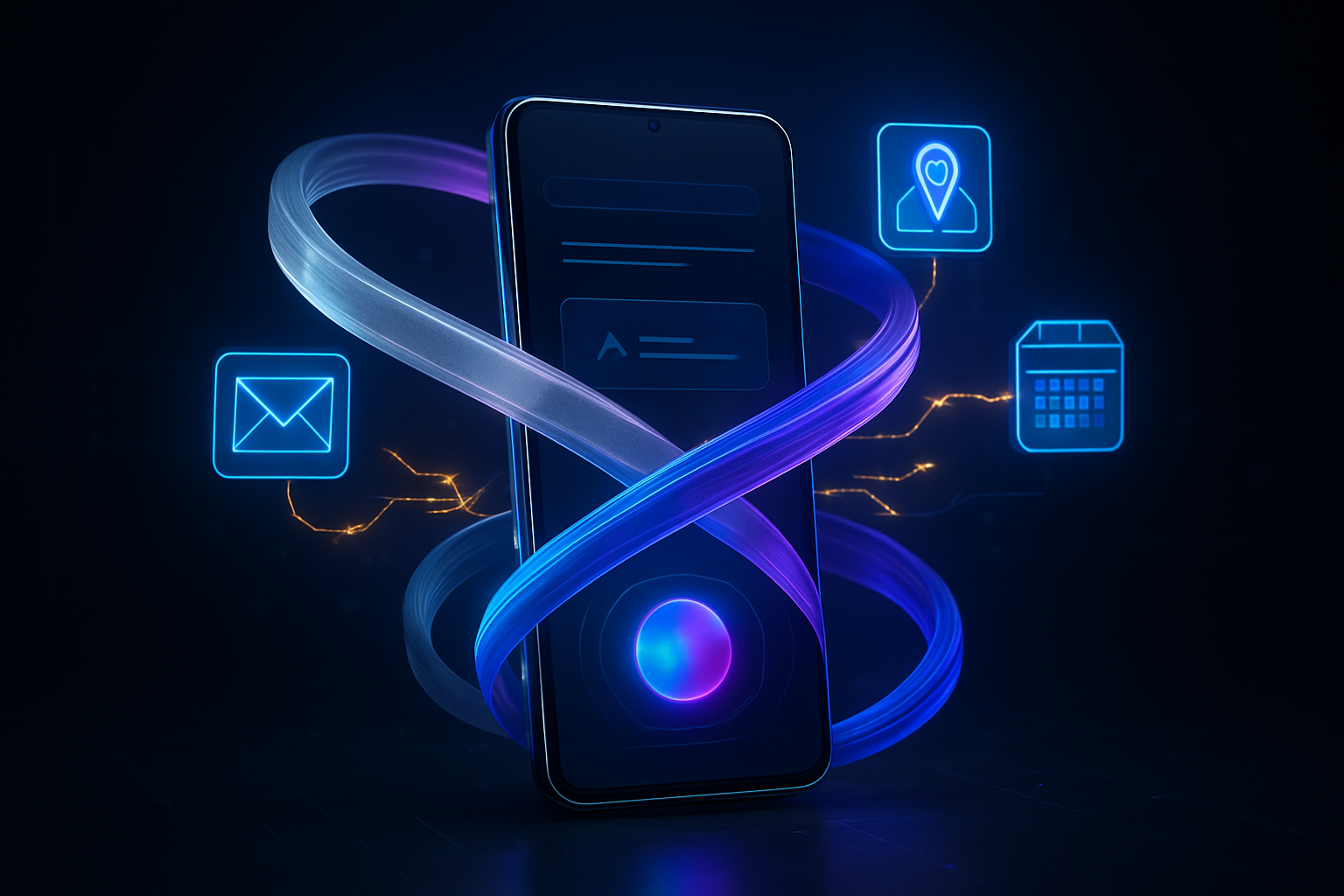
    This potential integration is set to dramatically enhance Siri's capabilities, moving beyond its current limitations to offer a more sophisticated and context-aware user experience. By leveraging Gemini's advanced natural language processing and reasoning abilities, Apple aims to position Siri as a formidable competitor to other leading generative AI platforms, fundamentally reshaping how users interact with their devices. Crucially, Apple's commitment to user privacy remains paramount, with plans to run these advanced AI computations on its secure Private Cloud Compute (PCC) servers, ensuring that cutting-edge AI can be delivered without compromising personal data.

    The Technical Core: Gemini's Brainpower Meets Apple's Ecosystem

    The reported integration involves a bespoke version of Google's Gemini, tailored to operate within Apple's stringent ecosystem. While Google's flagship Gemini models boast trillions of parameters, reports suggest Apple will utilize an optimized variant, potentially a lightweight version (around 1.2 billion parameters) distilled for low-latency inference on Apple's neural engines, while still benefiting from Gemini's vast training data (exceeding 10 trillion tokens). This hybrid approach aims to balance the raw power of a large language model with the efficiency and privacy demands of on-device and private cloud processing.

    The revamped Siri architecture is expected to feature a sophisticated three-component system: a query planner, a knowledge search system, and a summarizer. Gemini is slated to handle the core computations for query planning and summarization, and potentially bolster the knowledge search capabilities. This contrasts sharply with Siri's previous approach, which often relied on predefined scripts, simpler natural language understanding, and direct web searches, leading to a less fluid and often frustrating user experience. The infusion of Gemini's generative AI prowess means Siri will be able to understand complex, multi-step queries, generate coherent and contextually relevant responses, and provide spoken summaries rather than merely directing users to external links. Initial reactions from the AI research community, though unofficial, suggest excitement about the potential for such a large-scale integration to push the boundaries of practical, privacy-preserving AI in consumer electronics.

    Reshaping the AI Battleground: Implications for Tech Giants and Startups

    This strategic alliance between Apple (NASDAQ: AAPL) and Google (NASDAQ: GOOGL) carries profound implications for the competitive landscape of the AI industry. Google stands to benefit immensely, as the integration would significantly expand Gemini's market reach to hundreds of millions of Apple users, validating its technological prowess and establishing a lucrative new revenue stream. This move also reinforces Google's position as a leading AI infrastructure provider, capable of powering even its fiercest competitors.

    For Apple, the partnership represents a pragmatic acceleration in the AI race. Instead of solely relying on its own developing Foundation Models, which require immense investment and time, Apple can rapidly equip Siri with state-of-the-art generative AI capabilities. This helps Apple regain competitive ground against rivals like Samsung, which has integrated Google's Gemini Nano into its devices, and other companies pushing advanced AI assistants. The existing multi-billion dollar search deal, where Google remains the default search engine in Safari, likely paved the way for this deeper AI collaboration, creating a "win-win" scenario that could positively influence both companies' stock valuations. This move could also disrupt existing AI startups and services that aim to provide similar conversational AI, as Apple's native integration will offer a seamless and deeply integrated experience that third-party apps might struggle to match.

    Wider Significance: A New Paradigm for AI Adoption

    The integration of Google's Gemini into Apple's Siri represents a significant milestone in the broader AI landscape, signaling a maturation of the industry towards strategic collaboration and a hybrid approach to AI deployment. It underscores the immense computational and data requirements of cutting-edge large language models, making "build-everything-yourself" an increasingly challenging strategy even for the wealthiest tech companies. This partnership sets a new precedent for delivering advanced AI capabilities while meticulously safeguarding user privacy, a critical concern for mass adoption. By running Gemini on Apple's Private Cloud Compute, the collaboration demonstrates a viable path for integrating powerful, externally developed AI models into privacy-focused ecosystems.

    This development fits into a broader trend of AI moving from niche applications to pervasive integration in everyday consumer devices. It has the potential to accelerate the adoption of generative AI features, making sophisticated conversational AI accessible to a mainstream audience. However, potential concerns include the continued consolidation of AI power among a few major players and the ongoing debate around data governance and algorithmic transparency, even within a private cloud environment. Comparisons to previous AI milestones, such as the introduction of the original Siri or the advent of personal computing, highlight this as a moment that could fundamentally change human-computer interaction, bringing truly intelligent agents into the hands of millions.

    The Road Ahead: Anticipated Developments and Challenges

    Looking ahead, the integration of Gemini into Siri is expected to usher in a wave of near-term and long-term developments. In the immediate future, users can anticipate a dramatically more intuitive and capable Siri, able to handle complex queries, manage schedules with greater intelligence, and even assist with creative tasks. Long-term, this foundation could enable Siri to become a proactive assistant, anticipating user needs, offering personalized recommendations, and seamlessly integrating across Apple's ecosystem, from smart homes to health monitoring. Potential applications include advanced on-device content creation, highly personalized educational tools, and sophisticated accessibility features.

    However, challenges remain. Ensuring seamless integration across Apple's diverse product line, maintaining consistent performance, and continuously updating the underlying AI models will be crucial. Addressing potential biases in the AI, refining its contextual understanding, and managing user expectations will also be ongoing tasks. Experts predict that this move will force other device manufacturers and AI developers to accelerate their own efforts, leading to an intensified AI arms race focused on both capability and privacy. What to watch for in the coming weeks and months includes official announcements from Apple, further technical details about the custom Gemini implementation, and the initial user reception to the revamped Siri experience.

    A New Chapter for Apple and AI

    The rumored integration of Google's Gemini into Apple's Siri marks a pivotal moment in the history of consumer AI. It signals a pragmatic evolution in Apple's strategy, embracing strategic partnerships to rapidly advance its AI capabilities while steadfastly upholding its commitment to user privacy through its Private Cloud Compute infrastructure. This collaboration is a testament to the immense complexity and cost of developing cutting-edge large language models, even for industry titans, and heralds a new era where advanced AI can be delivered at scale without necessarily compromising user data.

    The significance of this development cannot be overstated. It sets the stage for a truly intelligent and conversational Siri, potentially transforming human-device interaction across the Apple ecosystem. As the tech world watches, the success of this integration will undoubtedly influence future AI collaborations and shape the trajectory of on-device AI for years to come. The coming months will be critical, offering insights into how Apple and Google navigate this ambitious partnership and redefine the boundaries of what a personal AI assistant can achieve.


    This content is intended for informational purposes only and represents analysis of current AI developments.

    TokenRing AI delivers enterprise-grade solutions for multi-agent AI workflow orchestration, AI-powered development tools, and seamless remote collaboration platforms.
    For more information, visit https://www.tokenring.ai/.
  • Apple Intelligence: A Privacy-First Paradigm Shift Reshaping the Future of Personal AI

    Apple Intelligence: A Privacy-First Paradigm Shift Reshaping the Future of Personal AI

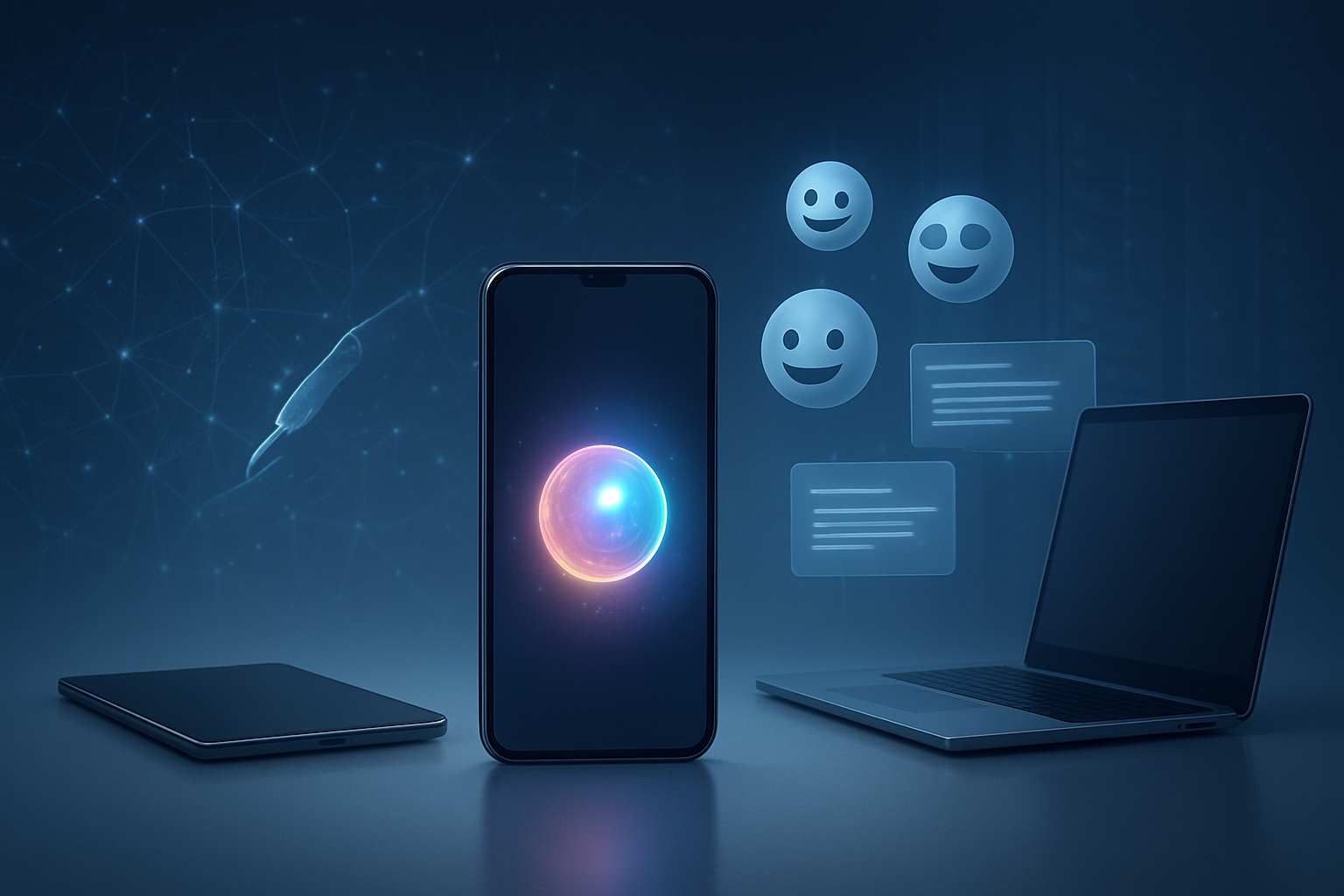
    Apple is embarking on a profound transformation of its entire ecosystem with the ambitious rollout of "Apple Intelligence." Far beyond a mere feature update, this initiative represents a strategic pivot, deeply integrating generative artificial intelligence across its iPhones, iPads, and Macs. Unveiled with significant fanfare at WWDC 2024 and 2025, and progressively rolling out through late 2024 and early 2025, Apple Intelligence is designed to imbue every facet of the user experience with personalized, context-aware, and privacy-centric AI capabilities. Its immediate significance lies in enhancing daily interactions, from intelligent writing tools and custom image generation to a significantly smarter Siri, all while setting a new industry standard for on-device and private cloud processing.

    This comprehensive AI push is not just about catching up to competitors but about redefining the user's relationship with technology, making devices more proactive, intuitive, and deeply personal. With major updates like iOS 18.1/26, iPadOS 18.1/26, and macOS Sequoia 15.1/Tahoe, Apple is laying the groundwork for an AI-infused future that prioritizes user privacy and seamless integration across its vast hardware and software portfolio.

    The Technical Core: On-Device Power Meets Private Cloud Compute

    Apple Intelligence is built upon a sophisticated hybrid architecture, seamlessly blending on-device processing with a groundbreaking cloud infrastructure dubbed Private Cloud Compute (PCC). This dual approach is central to its privacy-first philosophy, allowing most AI tasks to be handled directly on the user's device while securely offloading more complex computations to Apple Silicon-powered cloud servers.

    At its core, Apple Intelligence utilizes a compact, approximately 3-billion-parameter on-device model, meticulously optimized for Apple Silicon with innovations like KV-cache sharing and 2-bit quantization-aware training. This model efficiently powers system-wide writing tools, enabling users to rewrite, proofread, summarize, and adjust the tone of text in applications like Mail and Notes. It also fuels creative features such as "Genmoji" for personalized emojis and "Image Playground" for generating images from text descriptions, often incorporating context from conversations.

    For tasks demanding greater computational power, the server-based PCC model employs a novel Parallel-Track Mixture-of-Experts (PT-MoE) transformer architecture. These custom-built servers, running a hardened operating system based on iOS and macOS, extend the hardware-level security of iPhones (including the Secure Enclave) to the cloud. Critically, PCC is designed for stateless computation, meaning user data is never stored or accessible by Apple staff after a request is fulfilled, a claim Apple invites independent security researchers to audit.

    This hybrid model distinguishes Apple Intelligence significantly from previous Apple AI approaches, which primarily focused on a less integrated, command-and-response Siri. The current iteration marks a fundamental shift towards generative AI, making Siri more context-aware, conversational, and capable of performing complex, cross-app actions. Compared to competitors like Google (NASDAQ: GOOGL) and OpenAI, Apple's emphasis on privacy-first, on-device processing via custom Apple Silicon (such as the M5 chip, announced October 15, 2025, with a next-generation Neural Accelerator) and the auditable PCC stands out. While competitors often rely heavily on massive cloud-based processing of user data, Apple's approach is characterized by a "trust play," contrasting with the "velocity play" of rivals who prioritize rapid, cloud-scale model development.

    Initial reactions from the AI research community have largely praised the Private Cloud Compute architecture as a groundbreaking step for AI privacy, setting a new industry standard. Experts commend Apple's ability to seamlessly integrate AI features into its ecosystem, making them feel natural and "invisible" to the user. However, some critics note Apple's perceived late entry into the generative AI race, with concerns about whether its on-device focus can truly keep pace with the scale and complexity of cloud-based systems from competitors. The strict hardware requirements (iPhone 15 Pro, M1 or later for iPads and Macs) also mean many older devices are incompatible, leading to questions about upgrade cycles.

    Reshaping the AI Industry: Beneficiaries, Rivals, and Disruptions

    Apple Intelligence is poised to reshape the competitive dynamics among AI companies, tech giants, and startups, creating both beneficiaries and significant competitive pressures.

    Apple (NASDAQ: AAPL) itself stands to gain immensely. The company anticipates Apple Intelligence will drive its "largest device upgrade cycle ever," boosting sales across its hardware portfolio and significantly enhancing its high-margin services revenue. Its strategy hinges on "differentiation" through privacy and user-centric design, fostering deeper brand loyalty. Beyond Apple, Google (NASDAQ: GOOGL) is a notable beneficiary through its strategic partnership. Reports indicate that Google's Gemini AI model is being integrated into a revamped Siri, expected around March 2026. This collaboration grants Google deeper access to Apple's vast user base and provides a prominent distribution channel for Gemini. Other AI model providers like OpenAI, Anthropic, and Perplexity AI also stand to benefit from Apple's multi-AI partner strategy, as Apple evaluates integrating additional external models into its ecosystem. Hardware suppliers, such as Broadcom (NASDAQ: AVGO), are also poised for gains as Apple invests heavily in its AI infrastructure and custom silicon development.

    Competitively, Apple is attempting to position itself as the "Switzerland of AI," willing to collaborate while maintaining control over the user experience and interface. Its privacy-first approach and custom silicon remain key strategic advantages. However, Apple is widely perceived by analysts as "behind" competitors like Microsoft (NASDAQ: MSFT), Google, and OpenAI in the broader generative AI race. Delays in delivering key AI features, particularly a truly modernized Siri (now anticipated for iOS 26.4 in early 2026, or even iOS 27 in September 2026), have led to skepticism and impacted its stock performance in early 2025. Meanwhile, Google, Microsoft, Meta (NASDAQ: META), and Amazon (NASDAQ: AMZN) continue their "velocity play," prioritizing rapid, cloud-scale model development and frequent feature drops. OpenAI's strategic acquisition of io, an AI hardware startup, even hints at a potential direct competition with Apple's device ecosystem by late 2026.

    Potential disruptions to existing products and services are significant. A truly AI-powered Siri, especially with Gemini integration, could challenge the dominance of other digital assistants like Amazon's Alexa. An AI-powered Safari, reportedly in development, could reduce user reliance on traditional search engines, impacting Google's search revenue. Furthermore, Apple's native generative AI tools for writing and image creation could disrupt standalone third-party applications by offering similar functionalities directly within the Apple ecosystem. The company's strong emphasis on privacy could also raise user expectations across the industry, pressuring other tech companies to adopt more robust data protection measures.

    Wider Significance: Privacy, Progression, and Persistent Concerns

    Apple Intelligence marks a pivotal moment in the broader AI landscape, signaling a clear direction for personalized, privacy-centric AI, yet not without its challenges and comparisons to past milestones.

    Its fit within current AI trends is distinct due to its unwavering commitment to privacy. While the broader industry grapples with the implications of large language models and their data demands, Apple's on-device processing and Private Cloud Compute offer a compelling alternative, aiming to deliver advanced AI without compromising user data. This approach could influence how other tech companies develop and deploy AI, potentially setting a new standard for data protection. The strategic alliance with Google for Gemini integration, expected around March 2026, underscores a pragmatic trend in the industry: even tech giants recognize the immense resources and specialized expertise required for cutting-edge AI, leading to "unlikely alliances."

    Societal impacts are projected to be profound. Enhanced personalization and convenience, from intelligent notification summaries to proactive suggestions, could lead to a more intuitive digital life. The emphasis on privacy could foster greater trust in AI systems. Features like live translation in FaceTime and Messages are set to break down language barriers, fostering greater global connectivity. In health, AI-powered features in the Apple Watch, such as continuous heart health monitoring, could provide early warnings and promote healthier lifestyles. However, concerns persist. While Apple prioritizes privacy, the complexity of integrating AI systems, including third-party models, introduces new cybersecurity vulnerabilities. Reports of "Sploitlight" in macOS in early 2025 highlighted how system-wide search tools could be exploited. Furthermore, Apple has faced criticism and even class-action lawsuits in 2025 for allegedly misleading investors about the readiness of key Apple Intelligence features, leading to user disillusionment and skepticism about execution. The "data Catch-22" – the need for vast datasets for training versus strict privacy principles – remains a fundamental challenge. Broader societal concerns about job displacement and the ethical implications of pervasive AI also loom large.

    Compared to previous AI milestones, Apple Intelligence represents a significant evolution for Siri, which, since its 2011 launch, has often been criticized for lagging. The planned revamp with Google Gemini integration marks one of Siri's "biggest overhauls in history," aiming to transform it into a truly intelligent, context-aware system. This move also highlights a shift from purely proprietary development to a hybrid strategy, a new milestone for Apple. While many previous AI breakthroughs were heavily cloud-dependent, Apple Intelligence's strong emphasis on on-device processing, supported by powerful custom silicon like the M5 chip, represents a distinct paradigm, prioritizing local execution and data minimization.

    The Horizon: Future Developments and Expert Predictions

    The trajectory of Apple Intelligence points towards a continuous evolution, with significant near-term and long-term developments poised to further integrate AI across Apple's ecosystem.

    In the near term, the primary focus remains the substantial overhaul of Siri. A major AI-powered revamp is anticipated to debut with iOS 26.4 in March 2026, promising enhanced on-device intelligence, greater contextual awareness, and seamless cross-application functionality. Further significant upgrades are projected with iOS 27, expected alongside the iPhone 18 lineup in September 2026, expanding real-time contextual understanding and smarter task automation. Apple is also moving towards a diversified AI partnership strategy by 2026, aiming to integrate multiple third-party AI models beyond OpenAI, including Google Gemini, Anthropic, and Perplexity, to reduce dependence and accelerate innovation. Integration into the Apple Vision Pro (NASDAQ: AAPL) is already underway, with features like Writing Tools and Image Playground having arrived with visionOS 2.4 in April 2025, and further multimodal AI capabilities expected with a more refined Vision Pro model in late 2025. Hardware releases in early 2026 will include new MacBook Air and Pro models featuring M5 chips, with M6-based configurations later in the year, alongside a rumored foldable iPhone and new smart home devices.

    Long-term, Apple's vision for Intelligence emphasizes a "personal intelligence infrastructure," where devices interact with multiple intelligence layers, combining on-device processing with cloud-tier model orchestration. The Vision Pro is expected to evolve into a critical "spatial AI testbed," becoming a cognitive interface capable of interpreting user gaze and intentions in immersive environments. In the health sector, Apple is predicted to incorporate AI-based mental health tracking, emotion detection through voice analysis, and adaptive coaching, all processed locally, by 2026. Apple is also opening up access to its on-device foundation model for developers, fostering a broad ecosystem of intelligent third-party apps.

    Potential applications on the horizon are vast, ranging from an even more capable Siri that can coordinate complex tasks across apps, to advanced writing and content creation tools. Productivity will see boosts through AI-generated summaries, prioritized notifications, and automated professional tasks. Personalized health insights, smart home automation, and enhanced accessibility features are also expected. Challenges, however, persist. Apple needs to effectively catch up with competitors in generative AI, address Siri's perceived performance issues and delays, and overcome initial bugs and feature gaps. Balancing privacy with increasingly complex AI tasks and navigating regulatory approvals in key markets like China will also be crucial.

    Experts predict that the revamped Siri will be a pivotal feature for Apple in 2026, solidifying its role as a core component of the iPhone experience. CEO Tim Cook's statements confirm the strategic diversification of AI partners, viewed as a play for platform independence. Many analysts believe Apple is "playing the long game," prioritizing privacy, seamless integration, and a robust developer ecosystem over being a first-mover. WWDC 2026 is expected to be a crucial event to showcase significant advancements, and iOS 27 is predicted to mark a "transformative leap" for Apple Intelligence.

    A Comprehensive Wrap-up: Apple's AI Defining Moment

    Apple Intelligence represents a defining moment for Apple (NASDAQ: AAPL), marking its most comprehensive and strategic foray into the realm of generative artificial intelligence. The key takeaways from this initiative are its unwavering commitment to a privacy-first approach, achieved through a sophisticated hybrid architecture of on-device processing and the innovative Private Cloud Compute. This strategy aims to deliver advanced AI capabilities directly to users while maintaining stringent data protection standards, a significant differentiator in a competitive landscape. The rollout has brought immediate enhancements to user experience, from intelligent writing and image generation to a significantly smarter, context-aware Siri.

    The significance of this development in AI history lies in Apple's attempt to redefine how mainstream technology companies approach AI. By prioritizing trust, on-device capabilities, and an auditable cloud infrastructure, Apple is setting a new benchmark for privacy in the age of pervasive AI. Its strategic alliances, particularly the integration of Google's (NASDAQ: GOOGL) Gemini into Siri, also signal a new era of pragmatic collaboration even among fierce rivals, acknowledging the immense resources required for cutting-edge AI development.

    Looking ahead, the long-term impact of Apple Intelligence will largely depend on Apple's ability to consistently deliver on its ambitious promises, address user concerns about performance and delays, and effectively integrate its AI across an ever-expanding ecosystem. The evolution of Siri, the continued advancement of Apple Silicon, and the expansion of its multi-AI partner strategy will be critical indicators of success.

    What to watch for in the coming weeks and months includes the highly anticipated launch of the revamped Siri with iOS 26.4 in March 2026, the progress of Apple Intelligence integration into the Vision Pro, and further announcements regarding new hardware releases featuring advanced AI capabilities. The industry will also be closely observing how Apple navigates the delicate balance between innovation, user privacy, and competitive pressures from other tech giants who are aggressively pursuing cloud-centric AI strategies. The success of Apple Intelligence will not only shape Apple's future but also influence the broader trajectory of personal AI for years to come.


    This content is intended for informational purposes only and represents analysis of current AI developments.

    TokenRing AI delivers enterprise-grade solutions for multi-agent AI workflow orchestration, AI-powered development tools, and seamless remote collaboration platforms.
    For more information, visit https://www.tokenring.ai/.
  • Siri’s Grand Revival: Apple Embraces Google Gemini for a Trillion-Parameter Leap

    Siri’s Grand Revival: Apple Embraces Google Gemini for a Trillion-Parameter Leap

    Apple (NASDAQ: AAPL) is reportedly embarking on a monumental overhaul of its long-standing virtual assistant, Siri, by integrating a custom version of Google's (NASDAQ: GOOGL) formidable Gemini artificial intelligence (AI) model. This strategic partnership, first reported around November 3, 2025, with an anticipated launch in Spring 2026 alongside iOS 26.4, signals a significant departure from Apple's traditional in-house development philosophy and marks a pivotal moment in the competitive landscape of AI assistants. The move aims to transform Siri from a often-criticized, rudimentary helper into a sophisticated, contextually aware, and truly conversational "genuine answer engine," capable of rivaling the most advanced generative AI platforms available today.

    The immediate significance of this collaboration is multifold. For users, it promises a dramatically smarter Siri, finally capable of delivering on the promise of a truly intelligent personal assistant. For Apple, it represents a pragmatic acceleration of its AI roadmap, allowing it to rapidly catch up in the generative AI race without the years of R&D investment. For Google, it secures a lucrative licensing deal and expands Gemini's reach to Apple's vast ecosystem, solidifying its position as a leading foundational AI model. This unexpected alliance between two tech behemoths underscores a broader industry trend towards strategic partnerships in the face of rapidly advancing and resource-intensive AI development.

    A Technical Deep Dive into Siri's Trillion-Parameter Transformation

    The core of Siri's anticipated transformation lies in its reported integration with a custom-built version of Google's Gemini AI model. While specific public parameter counts for all Gemini versions are not officially disclosed by Google, reports have speculated on models with vastly high parameter counts, far exceeding previous industry benchmarks. This partnership will leverage Gemini's advanced capabilities to power key aspects of Siri's new architecture, which is rumored to comprise three distinct components: a Query Planner for intent understanding, a Knowledge Search System for information retrieval, and a Summarizer for synthesizing responses. Gemini models are expected to drive the planner and summarizer, while Apple's own Foundation Models will continue to handle on-device personal data processing, reinforcing Apple's commitment to user privacy.

    This new Siri, internally codenamed "Glenwood," represents a fundamental shift from its previous iterations. Historically, Siri relied on natural language processing (NLP) and speech recognition, often acting as a rule-based system that struggled with complex queries, contextual understanding, and multi-step commands. Its responses were frequently generic, leading to the infamous "I found this on the web" replies. The Gemini-powered Siri, however, will move beyond simple commands to embrace generative AI, enabling more natural, conversational, and contextually aware interactions. Gemini's native multimodal architecture will allow Siri to process and understand text, code, images, audio, and video simultaneously, significantly boosting its ability to interpret nuanced speech, comprehend context across conversations, and even understand diverse accents. The new Siri will provide "World Knowledge Answers" by blending web information with personal data, offering multimedia-rich responses that include text, images, videos, and location data, and will be able to interpret real-time screen content and execute complex, multi-step tasks within applications.

    Initial reactions from the AI research community and industry experts have been a mix of strategic acknowledgment and cautious optimism. Many view this partnership as a "pivotal step in Apple's AI evolution," a pragmatic decision that signals a more collaborative trend in the tech industry. It's seen as a "win-win" for both companies: Apple gains world-class AI capabilities without massive R&D costs, while Google deepens its integration with iPhone users. However, the collaboration has also raised privacy concerns among some Apple employees and users, given Google's historical reputation regarding data handling. Apple's emphasis on running the custom Gemini model on its Private Cloud Compute servers and keeping personal data on its own Foundation Models is a direct response to these concerns, aiming to balance innovation with its strong privacy stance.

    Reshaping the AI Landscape: Competitive Implications and Market Shifts

    Apple's strategic embrace of Google's Gemini is set to profoundly reshape the competitive dynamics within the AI industry, impacting tech giants, specialized AI labs, and startups alike. This collaboration, driven by Apple's urgent need to accelerate its generative AI capabilities and Google's ambition to broaden Gemini's influence, carries significant implications for market positioning and strategic advantages.

    Google (NASDAQ: GOOGL) stands to be a primary beneficiary, securing a substantial licensing deal—reportedly around $1 billion annually—and extending Gemini's reach to Apple's massive user base of over a billion iPhones. This partnership could significantly diversify Google's AI revenue streams and further solidify Gemini's validation as a leading foundational AI platform. For Apple (NASDAQ: AAPL), the benefits are equally transformative. It rapidly closes the AI gap with competitors, gaining access to cutting-edge generative AI without the extensive time and R&D costs of building everything in-house. This allows Siri to become competitive with rivals like Google Assistant and Amazon's Alexa, enhancing the overall iPhone user experience and potentially improving user retention.

    The competitive implications for other major AI labs and tech companies are substantial. OpenAI and Anthropic, which were reportedly also in talks with Apple for integrating their models (Claude was reportedly considered technically superior but financially less attractive at over $1.5 billion annually), now face intensified competition. Apple's decision to partner with Google could limit their access to a vast user base, pushing them to seek other major hardware partners or focus on different market segments. Meanwhile, the improved Siri could put increased pressure on Amazon's (NASDAQ: AMZN) Alexa and Microsoft's (NASDAQ: MSFT) AI assistants, potentially forcing them to rethink their own AI strategies or pursue similar partnerships to maintain competitiveness.

    This partnership also signals potential disruption to existing products and AI development strategies. The overhaul aims to transform Siri from a basic query handler into a proactive, intelligent assistant, fundamentally disrupting its current limited functionality. The new Siri's AI-powered web search capabilities could also alter how users discover information, potentially impacting traditional web search paradigms if more answers are provided directly within the assistant. Furthermore, Apple's pivot away from a purely in-house AI strategy, at least for foundational models, signals a potential disruption to the traditional vertical integration model favored by some tech giants, emphasizing speed-to-market through strategic outsourcing. Despite the mutual benefits, this deepening collaboration between two tech giants is expected to face significant regulatory scrutiny, particularly in the U.S. and the European Union, regarding potential monopolization and competitive impacts.

    The Broader Canvas: AI Trends, Societal Impacts, and Historical Context

    Apple's Siri overhaul with Google Gemini fits squarely into the broader AI landscape as a testament to the "AI partnerships era" and the increasing dominance of powerful, large-scale AI models. This collaboration between two long-standing rivals underscores that even vertically integrated tech giants are recognizing the immense investment and rapid advancements required in frontier AI development. It signifies a pragmatic shift, prioritizing agility and advanced capabilities through external expertise, setting a precedent for future collaborations across the industry.

    The technological impacts are poised to be profound. Siri is expected to evolve into a truly sophisticated "genuine answer engine," offering smarter context awareness, an expanded knowledge base through Gemini's vast training data, enhanced personalization by intelligently leveraging on-device data, and advanced multimodal capabilities that can process and synthesize information from text, images, and voice. These advancements will fundamentally redefine human-technology interaction, making AI assistants more integral to daily routines and blurring the lines between static tools and dynamic, proactive companions. Societally, a more intelligent Siri could significantly boost productivity and creativity by assisting with tasks like drafting content, summarizing information, and automating routine activities. Its seamless integration into a widely used platform like iOS will accelerate the omnipresence of AI across devices and environments, from smart homes to vehicles.

    However, this ambitious integration also brings potential concerns, particularly regarding privacy and monopolization. Apple's commitment to running a custom Gemini model on its Private Cloud Compute (PCC) infrastructure aims to mitigate privacy risks, ensuring user data remains within Apple's secure environment. Yet, the very act of partnering with Google, a company often scrutinized for its data practices, has raised questions among some users and employees. On the monopolization front, the partnership between Apple and Google, both already under antitrust scrutiny for various market practices, could further consolidate their power in the burgeoning AI assistant market. Regulators will undoubtedly examine whether this collaboration hinders competition by potentially creating barriers for smaller AI companies to integrate with Apple's platform.

    In the historical context of AI, Siri was a pioneering breakthrough upon its launch in 2011, making an AI-powered personal assistant accessible to a wide audience. However, over the past decade, Siri has struggled to keep pace with rivals, particularly in generative intelligence and contextual understanding, often falling short compared to newer generative AI models like OpenAI's GPT-3/GPT-4 and Google's own Gemini. This overhaul marks a "make-or-break moment" for Siri, positioning it to potentially rival or surpass competitors and redefine its role in the Apple ecosystem. It signifies that the current era of AI, characterized by powerful LLMs, demands a new strategic approach, even from industry leaders.

    The Road Ahead: Future Developments and Expert Predictions

    The integration of Google's Gemini into Apple's Siri is not a one-time event but the beginning of a multi-phased evolution that promises significant near-term and long-term developments for the AI assistant and the broader Apple ecosystem.

    In the near-term, expected around Spring 2026 with iOS 26.4, users can anticipate fundamental enhancements to Siri's core functionalities. This includes dramatically enhanced conversational intelligence, allowing Siri to understand follow-up questions and maintain context more effectively. The introduction of AI-powered web search will enable Siri to deliver more accurate and comprehensive answers, while its new Query Planner and Summarizer components will provide quick breakdowns of news, articles, and web pages. Apple's commitment to running the custom Gemini model on its Private Cloud Compute (PCC) servers will be a crucial technical aspect to ensure privacy. The launch is also expected to coincide with new smart home hardware, including a voice-controlled display and refreshed Apple TV and HomePod mini models, designed to showcase Siri's enhanced capabilities. A first official look at Apple's broader AI plans, including "Apple Intelligence," is anticipated at WWDC 2026.

    Long-term developments could see Siri evolve into a comprehensive, proactive, and truly intelligent assistant, deeply integrated across various Apple services. This includes personalized recommendations in Apple Health, AI-generated playlists in Apple Music, and deeper AI integration into iOS apps. Leveraging Gemini's multimodal strengths, Siri could process and synthesize information from text, images, and voice with greater nuance, leading to richer and more interactive experiences. Potential applications and use cases on the horizon include the ability to handle complex, multi-step commands and workflows (e.g., "Book me a table after I finish this podcast, then remind me to pick up groceries tomorrow"), generative content creation, highly personalized assistance based on user habits, and seamless smart home control.

    However, several challenges need to be addressed. Maintaining Apple's brand identity while relying on a competitor's AI, even a custom version, will require careful marketing. The technical complexity of securely and efficiently merging two sophisticated AI architectures, along with the inevitable regulatory scrutiny from antitrust bodies, will be significant hurdles. Furthermore, Siri's long history of criticism means that user adoption and perception will be crucial; there's "no guarantee users will embrace it," as one analyst noted.

    Experts predict this collaboration marks the entry into an "AI partnerships era," where even major tech companies recognize the value of collaboration in the rapidly accelerating AI arms race. This deal is seen as a "win-win" scenario, allowing Apple to rapidly enhance Siri's capabilities while maintaining privacy, and expanding Gemini's market share for Google. While cautious optimism surrounds Siri's future, analysts expect a phased rollout, with initial features arriving in Spring 2026, followed by more significant AI breakthroughs in subsequent iOS updates.

    Comprehensive Wrap-up: A New Dawn for Siri

    The reported overhaul of Apple's Siri, powered by Google's Gemini, represents one of the most significant shifts in Apple's AI strategy to date. It's a pragmatic, albeit surprising, move that acknowledges the rapid advancements in generative AI and Apple's need to deliver a competitive, state-of-the-art assistant to its vast user base. The key takeaways are clear: Siri is poised for a dramatic intelligence upgrade, fueled by a powerful external AI model, while Apple strives to maintain its privacy-centric brand through custom integration on its private cloud.

    This development holds immense significance in AI history, marking a potential turning point where even the most vertically integrated tech giants embrace strategic partnerships for core AI capabilities. It validates the power and versatility of general-purpose AI models like Gemini and is set to intensify competition across the AI assistant landscape, ultimately benefiting users with more capable and intuitive experiences. The long-term impact could be transformative for the Apple ecosystem, reinvigorating user interaction and setting new standards for AI partnerships in the tech industry.

    In the coming weeks and months, all eyes will be on official confirmations from Apple and Google – or the continued absence thereof. Developers will eagerly await insights into how they can leverage Siri's new capabilities, while early user adoption and reception following the Spring 2026 launch will be critical indicators of success. Competitive responses from rivals like Amazon and Microsoft will also be closely watched, potentially sparking a new wave of AI assistant innovation. Finally, the real-world implementation of Apple's privacy safeguards and the inevitable scrutiny from regulatory bodies will be crucial areas to monitor as this groundbreaking partnership unfolds. The future of AI, even for industry leaders, appears increasingly collaborative.


    This content is intended for informational purposes only and represents analysis of current AI developments.

    TokenRing AI delivers enterprise-grade solutions for multi-agent AI workflow orchestration, AI-powered development tools, and seamless remote collaboration platforms.
    For more information, visit https://www.tokenring.ai/.
  • Apple Intelligence Takes Center Stage: A Deep Dive into Cupertino’s AI Revolution

    Apple Intelligence Takes Center Stage: A Deep Dive into Cupertino’s AI Revolution

    Cupertino, CA – October 4, 2025 – In a strategic and expansive push, Apple Inc. (NASDAQ: AAPL) has profoundly accelerated its artificial intelligence (AI) initiatives over the past year, cementing "Apple Intelligence" as a cornerstone of its ecosystem. From late 2024 through early October 2025, the tech giant has unveiled a suite of sophisticated AI capabilities, deeper product integrations, and notable strategic shifts that underscore its commitment to embedding advanced AI across its vast device landscape. These developments, marked by a meticulous focus on privacy, personalization, and user experience, signal a pivotal moment not just for Apple, but for the broader AI industry.

    The company's approach, characterized by a blend of on-device processing and strategic cloud partnerships, aims to democratize powerful generative AI tools for millions of users while upholding its stringent privacy standards. This aggressive rollout, encompassing everything from enhanced writing tools and real-time translation to AI-driven battery optimization and a significant pivot towards AI-powered smart glasses, illustrates Apple's ambition to redefine interaction with technology in an increasingly intelligent world. The immediate significance lies in the tangible enhancements to everyday user workflows and the competitive pressure it exerts on rivals in the rapidly evolving AI landscape.

    The Intelligent Core: Unpacking Apple's Technical AI Innovations

    Apple Intelligence, the umbrella term for these advancements, has seen a staggered but impactful rollout, beginning with core features in iOS 18.1, iPadOS 18.1, and macOS Sequoia 15.1 in October 2024. This initial phase introduced a suite of AI-powered writing tools, enabling users to rewrite, proofread, and summarize text seamlessly across applications. Complementary features like Genmoji, for custom emoji generation, and Image Playground, for on-device image creation, demonstrated Apple's intent to infuse creativity into its AI offerings. Throughout 2025, these capabilities expanded dramatically, with iOS 19/26 introducing enhanced summarization in group chats, keyword-triggered customized notifications, and an AI-driven battery optimization feature that learns user behavior to conserve power, especially on newer, thinner devices like the iPhone 17 Air.

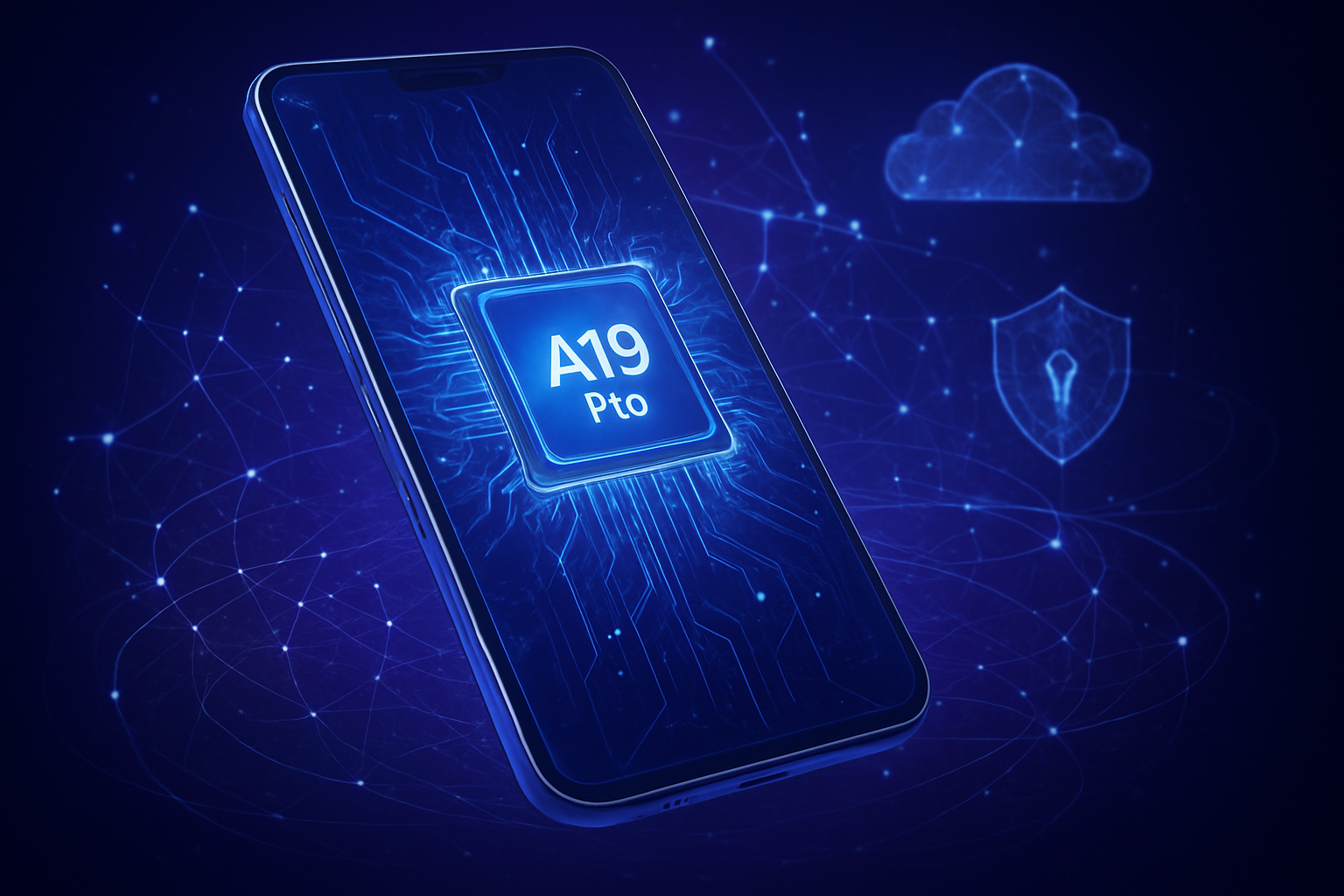
    Technically, these advancements are underpinned by Apple's robust hardware. The M4 chip, first seen in the May 2024 iPad Pro, was lauded for its "outrageously powerful" Neural Engine, capable of handling demanding AI tasks. The latest iPhone 17 series, released in September 2025, features the A19 chip (A19 Pro for Pro models), boasting an upgraded 16-core Neural Engine and Neural Accelerators within its GPU cores, significantly boosting on-device generative AI and system-intensive tasks. This emphasis on local processing is central to Apple's "privacy-first" approach, minimizing sensitive user data transmission to cloud servers. For tasks requiring server-side inference, Apple utilizes "Private Cloud Compute" with advanced privacy protocols, a significant differentiator in the AI space.

    Beyond consumer-facing features, Apple has also made strides in foundational AI research and developer enablement. At WWDC 2025, the company unveiled its Foundation Models Framework, providing third-party developers API access to Apple's on-device large language models (LLMs). This framework empowers developers to integrate AI features directly within their applications, often processed locally, fostering a new wave of intelligent app development. Further demonstrating its research prowess, Apple researchers quietly published "MM1: Methods, Analysis & Insights from Multimodal LLM Pre-training" in early October 2025, detailing new methods for training multimodal LLMs with state-of-the-art performance, showcasing a commitment to advancing the core science of AI.

    Initial reactions from the AI research community have been a mix of commendation for Apple's privacy-centric integration and critical assessment of the broader generative AI landscape. While the seamless integration of AI features has been widely praised, Apple researchers themselves contributed to a critical discourse with their June 2025 paper, "The Illusion of Thinking," which examined large reasoning models (LRMs) from leading AI labs. The paper suggested that, despite significant hype, these models often perform poorly on complex tasks and exhibit "fundamental limitations," contributing to Apple's cautious, quality-focused approach to certain generative AI deployments, notably the delayed full overhaul of Siri.

    Reshaping the AI Competitive Landscape

    Apple's aggressive foray into pervasive AI has significant ramifications for the entire tech industry, creating both opportunities and competitive pressures. Companies like OpenAI, a key partner through the integration of its ChatGPT (upgraded to GPT-5 by August 2025), stand to benefit from massive user exposure and validation within Apple's ecosystem. Similarly, if Apple proceeds with rumored evaluations of models from Anthropic, Perplexity AI, DeepSeek, or Google (NASDAQ: GOOGL), these partnerships could broaden the reach of their respective AI technologies. Developers leveraging Apple's Foundation Models Framework will also find new avenues for creating AI-enhanced applications, potentially fostering a vibrant new segment of the app economy.

    The competitive implications for major AI labs and tech giants are substantial. Apple's "privacy-first" on-device AI, combined with its vast user base and integrated hardware-software ecosystem, puts immense pressure on rivals like Samsung (KRX: 005930), Google, and Microsoft (NASDAQ: MSFT) to enhance their own on-device AI capabilities and integrate them more seamlessly. The pivot towards AI-powered smart glasses, following the reported cessation of lighter Vision Pro development by October 2025, directly positions Apple to challenge Meta Platforms (NASDAQ: META) in the burgeoning AR/wearable AI space. This strategic reallocation of resources signals Apple's belief that advanced AI interaction, particularly through voice and visual search, will be the next major computing paradigm.

    Potential disruption to existing products and services is also a key consideration. As Apple's native AI writing and image generation tools become more sophisticated and deeply integrated, they could potentially disrupt standalone AI applications offering similar functionalities. The ongoing evolution of Siri, despite its delays, promises a more conversational and context-aware assistant that could challenge other voice assistant platforms. Apple's market positioning is uniquely strong due to its control over both hardware and software, allowing for optimized performance and a consistent user experience that few competitors can match. This vertical integration provides a strategic advantage, enabling Apple to embed AI not as an add-on, but as an intrinsic part of the user experience.

    Wider Significance: AI's Evolving Role in Society

    Apple's comprehensive AI strategy fits squarely into the broader trend of pervasive AI, signaling a future where intelligent capabilities are not confined to specialized applications but are seamlessly integrated into the tools we use daily. This move validates the industry's shift towards embedding AI into operating systems and core applications, making advanced functionalities accessible to a mainstream audience. The company's unwavering emphasis on privacy, with much of its Apple Intelligence computation performed locally on Apple Silicon chips and sensitive tasks handled by "Private Cloud Compute," sets a crucial standard for responsible AI development, potentially influencing industry-wide practices.

    The impacts of these developments are far-reaching. Users can expect increased productivity through intelligent summarization and writing aids, more personalized experiences across their devices, and new forms of creative expression through tools like Genmoji and Image Playground. Live Translation, particularly its integration into AirPods Pro 3, promises to break down communication barriers in real-time. However, alongside these benefits, potential concerns arise. While Apple champions privacy, the complexities of server-side processing for certain AI tasks still necessitate vigilance. The proliferation of AI-generated content, even for seemingly innocuous purposes like Genmoji, raises questions about authenticity and the potential for misuse or misinformation, a challenge the entire AI industry grapples with.

    Comparisons to previous AI milestones reveal a distinct approach. Unlike some generative AI breakthroughs that focus on a single, powerful "killer app," Apple's strategy is about enhancing the entire ecosystem. It's less about a standalone AI product and more about intelligent augmentation woven into the fabric of its operating systems and devices. This integrated approach, combined with its critical perspective on AI reasoning models as highlighted in "The Illusion of Thinking," positions Apple as a thoughtful, yet ambitious, player in the AI race, balancing innovation with a healthy skepticism about the technology's current limitations.

    The Horizon: Anticipating Future AI Developments

    Looking ahead, the trajectory of Apple's AI journey promises continued innovation and expansion. Near-term developments will undoubtedly focus on the full realization of a truly "LLM Siri," a more conversational, context-aware assistant with on-screen awareness and cross-app functionality, initially anticipated for later in iOS 19/26. While quality concerns have caused delays, internal testing of a "ChatGPT-like app" suggests Apple is preparing for a significant overhaul, potentially arriving in full force with iOS 20 in 2026. This evolution will be critical for Apple to compete effectively in the voice assistant space.

    Longer-term, the accelerated development of AI-powered smart glasses represents a significant shift. These glasses are expected to heavily rely on voice and advanced AI interaction, including visual search, instant translations, and scene recognition, with an initial introduction as early as 2026. This move suggests a future where AI facilitates seamless interaction with the digital and physical worlds through an entirely new form factor, potentially unlocking unprecedented applications in augmented reality, real-time information access, and personalized assistance.

    However, significant challenges remain. Overcoming the engineering hurdles for a truly conversational and reliable Siri is paramount. Balancing user privacy with the increasing demands of advanced, often cloud-dependent, AI models will continue to be a tightrope walk for Apple. Furthermore, ensuring the responsible development and deployment of increasingly powerful AI, addressing ethical considerations, and mitigating potential biases will be an ongoing imperative. Experts predict a continued focus on multimodal AI, integrating various data types (text, image, audio) for more comprehensive understanding, and a decisive push into AR/smart glasses as the next major AI interface, with Apple positioned to lead this transition.

    A New Era of Intelligent Computing

    In summary, Apple's aggressive and multifaceted AI strategy, encapsulated by "Apple Intelligence," marks a significant turning point for the company and the broader tech industry. By integrating advanced AI capabilities deeply into its hardware and software ecosystem, focusing on on-device processing for privacy, and strategically partnering for cloud-based intelligence, Apple is democratizing sophisticated AI for its massive user base. The strategic pivot towards AI-powered smart glasses underscores a long-term vision for how users will interact with technology in the coming decade.

    This development holds profound significance in AI history, solidifying Apple's position as a major player in the generative AI era, not just as a consumer of the technology, but as an innovator shaping its responsible deployment. The company's commitment to a privacy-first approach, even while integrating powerful LLMs, sets a crucial benchmark for the industry. In the coming weeks and months, the tech world will be watching closely for the next evolution of Siri, further progress on the AI-powered smart glasses, and any new strategic partnerships or privacy frameworks Apple might unveil. The era of truly intelligent, personalized computing has arrived, and Apple is at its forefront.

    This content is intended for informational purposes only and represents analysis of current AI developments.

    TokenRing AI delivers enterprise-grade solutions for multi-agent AI workflow orchestration, AI-powered development tools, and seamless remote collaboration platforms.
    For more information, visit https://www.tokenring.ai/.