Tag: Smart Cities

  • Governments Unleash AI and Data Analytics: A New Era of Smarter, More Responsive Public Service

    Governments Unleash AI and Data Analytics: A New Era of Smarter, More Responsive Public Service

    Government bodies worldwide are rapidly embracing Artificial Intelligence (AI) and data analytics, ushering in a transformative era aimed at enhancing public services, streamlining operations, and improving governance. This accelerating trend signals a significant shift towards data-driven decision-making, promising increased efficiency, cost savings, and more personalized citizen engagement. The adoption is driven by escalating demands from citizens for more efficient and responsive services, along with the need to manage vast amounts of public data that are too complex for manual analysis.

    This paradigm shift is characterized by leveraging machine learning, predictive analytics, and automation to process vast amounts of data, extract meaningful insights, and anticipate future challenges with unprecedented speed and accuracy. Governments are strategically integrating AI into broader e-government and digital transformation initiatives, building on modernized IT systems and digitized processes. This involves fostering a data-driven mindset within organizations, establishing robust data governance practices, and developing frameworks to address ethical concerns, ensure accountability, and promote transparency in AI-driven decisions.

    The Technical Core: AI Advancements Powering Public Sector Transformation

    The current wave of government AI adoption is underpinned by sophisticated technical capabilities that significantly diverge from previous, often static, rule-based approaches. These advancements are enabling real-time analysis, predictive power, and adaptive learning, revolutionizing how public services are delivered.

    Specific technical advancements and their applications include:

    • Fraud Detection and Prevention: AI systems utilize advanced machine learning (ML) models and neural networks to analyze vast datasets of financial transactions and public records in real-time. These systems identify anomalous patterns and suspicious behaviors, adapting to evolving fraud schemes. For instance, the U.S. Treasury Department has employed ML since 2022, preventing or recovering over $4 billion in fiscal year 2024 by analyzing transaction data. This differs from older rule-based systems by continuously learning and improving accuracy, often by over 50%.
    • Urban Planning and Smart Cities: AI in urban planning leverages geospatial analytics and predictive modeling from sensors and urban infrastructure. Capabilities include predicting traffic patterns, optimizing traffic flow, and managing critical infrastructure like power grids. Singapore, for example, uses AI for granular citizen services, such as collecting available badminton courts based on user preferences. Unlike slow, manual data collection, AI provides data-driven insights at unprecedented scale and speed for proactive development.
    • Healthcare and Public Health: Federal health agencies are implementing AI for diagnostics, administrative efficiency, and predictive health analytics. AI models process medical imaging and electronic health records (EHRs) for faster disease detection (e.g., cancer), streamline clinical workflows (e.g., speech-to-text), and forecast disease outbreaks. The U.S. Department of Health and Human Services (HHS) has numerous AI use cases. This moves beyond static data analysis, offering real-time insights and personalized treatment plans.
    • Enhanced Citizen Engagement and Services: Governments are deploying Natural Language Processing (NLP)-powered chatbots and virtual assistants that provide 24/7 access to information. These tools handle routine inquiries, assist with forms, and offer real-time information. Some government chatbots have handled over 3 million conversations, resolving 88% of queries on first contact. This offers instant, personalized interactions, a significant leap from traditional call centers.
    • Defense and National Security: AI and ML are crucial for modern defense, enabling autonomous systems (drones, unmanned vehicles), predictive analytics for threat forecasting and equipment maintenance, and enhanced cybersecurity. The Defense Intelligence Agency (DIA) is actively seeking AI/ML prototype projects. AI significantly enhances the speed and accuracy of threat detection and response, reducing risks to human personnel in dangerous missions.

    Initial reactions from the AI research community and industry experts are a mix of optimism and caution. While acknowledging AI's potential for enhanced efficiency, improved service delivery, and data-driven decision-making, paramount concerns revolve around data privacy, algorithmic bias, and the need for robust ethical and regulatory frameworks. Experts emphasize the importance of explainable AI (XAI) for transparency and accountability, especially given AI's direct impact on citizens. Skill gaps within government workforces and the quality of data used to train AI models are also highlighted as critical challenges.

    Market Dynamics: AI Companies Vie for Government Contracts

    The growing adoption of AI and data analytics by governments is creating a dynamic and lucrative market, projected to reach USD 135.7 billion by 2035. This shift significantly benefits a diverse range of companies, from established tech giants to agile startups and traditional government contractors.

    Tech Giants like Amazon Web Services (AWS) (NASDAQ: AMZN), Google (NASDAQ: GOOGL), and Microsoft (NASDAQ: MSFT) are at the forefront, leveraging their extensive cloud infrastructure, advanced AI/ML capabilities, and robust security frameworks. Their strategic advantage lies in providing integrated "full-stack" solutions tailored for government needs, including compliance certifications and specialized government cloud regions. AWS, for example, recently announced an investment of up to $50 billion to expand its AI and supercomputing infrastructure for federal agencies, aiming to add nearly 1.3 gigawatts of computing capacity across its secure Top Secret, Secret, and GovCloud (US) regions. Google, along with OpenAI and Anthropic, recently received contracts worth up to $200 million from the U.S. Department of Defense (DoD) for advanced AI capabilities.

    Specialized AI/Data Analytics Companies like Palantir Technologies (NYSE: PLTR) are titans in this space. Palantir's Gotham platform is critical for defense and intelligence agencies, while its Foundry platform serves commercial and civil government sectors. It has secured significant contracts, including a $795 million to $1.3 billion DoD deal for data fusion and AI programs, and a potential $10 billion Enterprise Service Agreement with the U.S. Army. NVIDIA (NASDAQ: NVDA), while not a direct government contractor for AI services, is foundational, as its GPU technology powers virtually all government AI initiatives.

    AI Startups are gaining traction by focusing on niche innovations. Generative AI leaders like OpenAI, Anthropic, and xAI have received direct contracts from the Pentagon. OpenAI's ChatGPT Enterprise and Anthropic's Claude have been approved for government-wide use by the General Services Administration. Other specialized startups like CITYDATA.ai (local data insights for smart cities), CrowdAI (military intelligence processing), and Shield AI (software/hardware for autonomous military aircraft) are securing crucial early revenue.

    Traditional Government Contractors and Integrators such as Booz Allen Hamilton (NYSE: BAH), ManTech (NASDAQ: MANT), and SAIC (NYSE: SAIC) are integrating AI into their existing service portfolios, enhancing offerings in defense, cybersecurity, and public services. Booz Allen Hamilton, a leader in scaling AI solutions for federal missions, has approximately $600 million in annual revenue from AI projects and aims to surpass $1 billion.

    The competitive landscape is characterized by cloud dominance, where tech giants offer secure, government-accredited environments. Specialized firms like Palantir thrive on deep integration for complex government challenges, while startups drive innovation. Strategic partnerships and acquisitions are common, allowing faster integration of cutting-edge AI into government-ready solutions. Companies prioritizing "Responsible AI" and ethical frameworks are also gaining a competitive edge. This shift disrupts legacy software and manual processes through automation, enhances cybersecurity, and transforms government procurement by automating bid management and contract lifecycle.

    Broader Significance: Reshaping Society and Governance

    The adoption of AI and data analytics by governments marks a profound evolution in public administration, promising to redefine governance, enhance public services, and influence the broader technological landscape. This transformation brings both substantial opportunities and considerable challenges, echoing past technological revolutions in their profound impact on society and citizens.

    In the broader AI landscape, government adoption is part of a global trend where AI is seen as a key driver of economic and social development across both private and public sectors. Many countries, including the UK, India, and the US, have developed national AI strategies to guide research and development, build human capacity, and establish regulatory frameworks. This indicates a move from isolated pilot projects to a more systematic and integrated deployment of AI across various government operations. The public sector is projected to be among the largest investors in AI by 2025, with a significant compound annual growth rate in investment.

    For citizens, the positive impacts include enhanced service delivery and efficiency, with 24/7 accessibility through AI-powered assistants. AI enables data-driven decision-making, leading to more effective and impactful policies in areas like public safety, fraud detection, and personalized interactions. However, significant concerns loom large, particularly around privacy, as AI systems often rely on vast amounts of personal and sensitive data, raising fears of unchecked surveillance and data breaches. Ethical implications and algorithmic bias are critical, as AI systems can perpetuate existing societal biases if trained on unrepresentative data, leading to discrimination in areas like healthcare and law enforcement. Job displacement is another concern, though experts often highlight AI's role in augmenting human capabilities, necessitating significant investment in workforce reskilling. Transparency, accountability, and security risks associated with AI-driven technologies also demand robust governance.

    Comparing this to previous technological milestones in governance, such as the introduction of computers and the internet, reveals parallels. Just as computers automated record-keeping and e-governance streamlined processes, AI now automates complex data analysis and personalizes service delivery. The internet facilitated data sharing; AI goes further by actively processing data to derive insights and predict outcomes in real-time. Each wave brought similar challenges related to infrastructure, workforce skills, and the need for new legal and ethical frameworks. AI introduces new complexities, particularly concerning algorithmic bias and the scale of data collection, demanding proactive and thoughtful strategic implementation.

    The Horizon: Future Developments and Emerging Challenges

    The integration of AI and data analytics is poised to profoundly transform government operations in the near and long term, leading to enhanced efficiency, improved service delivery, and more informed decision-making.

    In the near term (1-5 years), governments are expected to significantly advance their use of AI through:

    • Multimodal AI: Agencies will increasingly utilize AI that can understand and analyze information from various sources simultaneously (text, images, video, audio) for comprehensive data analysis in areas like climate risk assessment.
    • AI Agents and Virtual Assistants: Sophisticated AI agents capable of reasoning and planning will emerge, handling complex tasks, managing applications, identifying security threats, and providing 24/7 citizen support.
    • Assistive Search: Generative AI will transform how government employees access and understand information, improving the accuracy and efficiency of searching vast knowledge bases.
    • Increased Automation: AI will automate mundane and process-heavy routines across government functions, freeing human employees for mission-critical tasks.
    • Enhanced Predictive Analytics: Governments will increasingly leverage predictive analytics to forecast trends, optimize resource allocation, and anticipate public needs in areas like disaster preparedness and healthcare demand.

    Long-term developments will see AI fundamentally reshaping the public sector, with a focus on augmentation over automation, where AI "copilots" enhance human capabilities. This will lead to a reimagining of public services and potentially a new industrial renaissance driven by AI and robotics. The maturity of AI governance and ethical standards, potentially grounded in legislation, will be crucial for responsible deployment.

    Future applications include 24/7 virtual assistants for citizen services, AI-powered document automation for administrative tasks, enhanced cybersecurity and fraud detection, and predictive policy planning for climate change risks and urban development. In healthcare, AI will enable real-time disease monitoring, prediction, and hospital resource optimization.

    However, several challenges must be addressed. Persistent issues with data quality, inconsistent formats, and data silos hinder effective AI implementation. A significant talent and skills gap exists within government agencies, requiring substantial investment in training. Many agencies rely on legacy infrastructure not designed for modern AI/ML. Ethical and governance concerns are paramount, including algorithmic bias, privacy infringements, lack of transparency, and accountability. Organizational and cultural resistance also slows adoption.

    Experts predict AI will become a cornerstone of public sector operations by 2025, leading to an increased pace of life and efficiency. The trend is towards AI augmenting human intelligence, though it will have a significant, uneven effect on the workforce. The regulatory environment will become much more intricate, with a "thicket of AI law" emerging. Governments need to invest in AI leadership, workforce training, and continue to focus on ethical and responsible AI deployment.

    A New Chapter in Governance: The AI-Powered Future

    The rapid acceleration of AI and data analytics adoption by governments worldwide marks a pivotal moment in public administration and AI history. This is not merely an incremental technological upgrade but a fundamental shift in how public services are conceived, delivered, and governed. The key takeaway is a move towards a more data-driven, efficient, and responsive public sector, but one that is acutely aware of the complexities and ethical responsibilities involved.

    This development signifies AI's maturation beyond research labs into critical societal infrastructure. Unlike previous "AI winters," the current era is characterized by widespread practical application, substantial investment, and a concerted effort to integrate AI across diverse public sector functions. Its long-term impact on society and governance is profound: reshaping public services to be more personalized and accessible, evolving decision-making processes towards data-driven policies, and transforming the labor market within the public sector. However, the success of this transformation hinges on navigating critical ethical and societal risks, including algorithmic bias, privacy infringements, and the potential for mass surveillance.

    What to watch for in the coming weeks and months includes the rollout of more comprehensive AI governance frameworks, executive orders, and agency-specific policies outlining ethical guidelines, data privacy, and security standards. The increasing focus on multimodal AI and sophisticated AI agents will enable governments to handle more complex tasks. Continued investment in workforce training and skill development, along with efforts to modernize data infrastructure and break down silos, will be crucial. Expect ongoing international cooperation on AI safety and ethics, and a sustained focus on building public trust through transparency and accountability in AI applications. The journey of government AI adoption is a societal transformation that demands continuous evaluation, adaptation, and a human-centered approach to ensure AI serves the public good.


    This content is intended for informational purposes only and represents analysis of current AI developments.

    TokenRing AI delivers enterprise-grade solutions for multi-agent AI workflow orchestration, AI-powered development tools, and seamless remote collaboration platforms.
    For more information, visit https://www.tokenring.ai/.

  • AI Paves the Way: Cities and States Unleash Intelligent Solutions for Safer Roads

    AI Paves the Way: Cities and States Unleash Intelligent Solutions for Safer Roads

    Cities and states across the United States are rapidly deploying artificial intelligence (AI) to revolutionize road safety, moving beyond reactive repairs to proactive hazard identification and strategic infrastructure enhancement. Faced with aging infrastructure and alarmingly high traffic fatalities, governments are embracing AI to act as "new eyes" on America's roadways, optimizing traffic flow, mitigating environmental impacts, and ultimately safeguarding public lives. Recent developments highlight a significant shift towards data-driven, intelligent transportation systems with immediate and tangible impacts, laying the groundwork for a future where roads are not just managed, but truly intelligent.

    The immediate significance of these AI adoptions is evident in their rapid deployment and collaborative efforts. Programs like Hawaii's AI-equipped dashcam initiative, San Jose's expanding pothole detection, and Texas's vast roadway scanning project are all recent initiatives demonstrating governments' urgent response to road safety challenges. Furthermore, the launch of the GovAI Coalition in March 2024, established by San Jose officials, is a crucial collaborative platform for governments to share best practices and data, aiming to create a shared national road safety library. This initiative enables AI systems to learn from problems encountered across different localities, accelerating the impact of AI-driven solutions and preparing infrastructure for the eventual widespread adoption of autonomous vehicles.

    The Technical Core: AI's Multi-faceted Approach to Road Safety

    The integration of Artificial Intelligence (AI) is transforming road safety by offering innovative solutions that move beyond traditional reactive approaches to proactive and predictive strategies. These advancements leverage AI's ability to process vast amounts of data in real-time, leading to significant improvements in accident prevention, traffic management, and infrastructure maintenance. AI in road safety primarily aims to minimize human error, which accounts for over 90% of traffic accidents, and to optimize the overall transportation ecosystem.

    A cornerstone of AI in road safety is Computer Vision. This subfield of AI enables machines to "see" and interpret their surroundings using sensors and cameras. Advanced Driver-Assistance Systems (ADAS) utilize deep learning models, particularly Convolutional Neural Networks (CNNs), to perform real-time object detection and classification, identifying pedestrians, cyclists, other vehicles, and road signs with high accuracy. Features like Lane Departure Warning (LDW), Automatic Emergency Braking (AEB), and Adaptive Cruise Control (ACC) are now common. Unlike older, rule-based ADAS, AI-driven systems handle complex scenarios and adapt to varying conditions like adverse weather. Similarly, Driver Monitoring Systems (DMS) use in-cabin cameras and deep neural networks to track driver attentiveness, detecting drowsiness or distraction more accurately than previous timer-based systems. For road hazard detection, AI-powered computer vision systems deployed in vehicles and infrastructure utilize architectures like YOLOv8 and Faster R-CNN on image and video streams to identify potholes, cracks, and debris in real-time, automating and improving upon labor-intensive manual inspections.

    Machine Learning for Predictive Maintenance is revolutionizing road infrastructure management. AI algorithms, including regression, classification, and time series analysis, analyze data from embedded sensors, traffic patterns, weather reports, and historical maintenance records to predict when and where repairs will be necessary. This allows for proactive interventions, reducing costs, minimizing road downtime, and preventing accidents caused by deteriorating conditions. This approach offers significant advantages over traditional scheduled inspections or reactive repairs, optimizing resource allocation and extending infrastructure lifespan.

    Intelligent Traffic Systems (ITS) powered by AI optimize traffic flow and enhance safety across entire networks. Adaptive Traffic Signal Control uses AI, often leveraging Reinforcement Learning (RL), to dynamically adjust traffic light timings based on real-time data from cameras, sensors, and GPS. This contrasts sharply with older, fixed-schedule traffic lights, leading to significantly smoother traffic flow, reduced travel times, and minimized congestion. Pittsburgh's SURTRAC network, for example, has demonstrated a 25% reduction in travel times and a 20% reduction in vehicle emissions. AI also enables Dynamic Routing, Congestion Management, and rapid Incident Detection, sending real-time alerts to drivers about hazards and optimizing routes for emergency vehicles. The integration of Vehicle-to-Everything (V2X) communication, supported by Edge AI, further enhances safety by allowing vehicles to communicate with infrastructure and each other, providing early warnings for hazards.

    Initial reactions from the AI research community and industry experts are largely optimistic, recognizing AI's potential to drastically reduce human error and transform road safety from reactive to proactive. However, challenges such as ensuring data quality and privacy, maintaining system reliability and robustness across diverse real-world conditions, addressing ethical implications (e.g., algorithmic bias, accountability), and the complexities of deploying AI into existing infrastructure remain key areas of ongoing research and discussion.

    Reshaping the Tech Landscape: Opportunities and Disruptions

    The increasing adoption of AI in road safety is fundamentally reshaping the tech industry, creating new opportunities, intensifying competition, and driving significant innovation across various sectors. The global road safety market is experiencing rapid growth, projected to reach USD 8.84 billion by 2030, with AI and machine learning being key drivers.

    A diverse range of companies stands to benefit. AI companies specializing in perception and computer vision are seeing increased demand, including firms like StradVision and Recogni, which provide AI-based camera perception software for ADAS and autonomous vehicles, and Phantom AI, offering comprehensive autonomous driving platforms. ADAS and Autonomous Driving developers, such as Tesla (NASDAQ: TSLA) with its Autopilot system and Google's (NASDAQ: GOOGL) Waymo, are at the forefront, leveraging AI for improved sensor accuracy and real-time decision-making. NVIDIA (NASDAQ: NVDA), through its DRIVE platform, is also a key beneficiary, providing the underlying AI infrastructure.

    Intelligent Traffic Management Solution Providers are also gaining traction. Yunex Traffic (a Siemens business) is known for smart mobility solutions, while startups like Microtraffic (microscopic traffic data analysis), Greenroads (AI-driven traffic analytics), Valerann (real-time road condition insights), and ITC (AI-powered traffic management systems) are expanding their reach. Fleet Safety and Management Companies like Geotab, Azuga, Netradyne, GreenRoad, Samsara (NYSE: IOT), and Motive are revolutionizing fleet operations by monitoring driver behavior, optimizing routes, and predicting maintenance needs using AI. The Insurtech sector is also being transformed, with companies like NVIDIA (NASDAQ: NVDA) and Palantir (NYSE: PLTR) building AI systems that impact insurers such as Progressive (NYSE: PGR) and Allstate (NYSE: ALL), pioneers in usage-based insurance (UBI). Third-party risk analytics firms like LexisNexis Risk Solutions and Cambridge Mobile Telematics are poised for growth.

    AI's impact is poised to disrupt traditional industries. Traditional traffic management systems are being replaced or significantly enhanced by AI-powered intelligent traffic management systems (ITMS) that dynamically adjust signal timings and detect incidents more effectively. Vehicle inspection processes are being disrupted by AI-powered automated inspection systems. The insurance industry is shifting from reactive accident claims to proactive prevention, transforming underwriting models. Road infrastructure maintenance is moving from reactive repairs to predictive analytics. Even emergency response systems are being revolutionized by AI, enabling faster dispatch and optimized routes for first responders.

    Companies are adopting various strategies to gain a strategic advantage. Specialization in niche problems, offering integrated hardware and software platforms, and developing advanced predictive analytics capabilities are key. Accuracy, reliability, and explainable AI are paramount for safety-critical applications. Strategic partnerships between tech firms, automakers, and governments are crucial, as are transparent ethical frameworks and data privacy measures. Companies with global scalability, like Acusensus with its nationwide contract in New Zealand for detecting distracted driving and seatbelt non-compliance, also hold a significant market advantage.

    A Broader Lens: AI's Societal Canvas and Ethical Crossroads

    AI's role in road safety extends far beyond mere technological upgrades; it represents a profound integration into the fabric of society, aligning with broader AI trends and promising significant societal and economic impacts. This application is a prime example of AI's capability to address complex, real-world challenges, particularly the reduction of human error, which accounts for the vast majority of road accidents globally.

    This development fits seamlessly into the broader AI landscape as a testament to digital integration in transportation, facilitating V2V, V2I, and V2P communication through V2X technology. It exemplifies the power of leveraging Big Data and IoT, where AI algorithms detect patterns in vast datasets from sensors, cameras, and GPS to improve decision-making. Crucially, it signifies a major shift from reactive to proactive safety, moving from merely analyzing accidents to predicting and preventing them. The burgeoning market for ADAS and autonomous driving, projected to reach $300-400 billion in revenue by 2035, underscores the substantial economic impact and sustained investment in this area. Furthermore, AI in road safety is a significant component of human-centric AI initiatives aimed at addressing global societal challenges, such as the UN's "AI for Road Safety" goal to halve road deaths by 2030.

    The societal and economic impacts are profound. The most significant societal benefit is the potential to drastically reduce fatalities and injuries, saving millions of lives and alleviating immense suffering. This leads to improved quality of life, less stress for commuters, and potentially greater accessibility in public transportation. Environmental benefits accrue from reduced congestion and emissions, while enhanced emergency response through faster incident identification and optimized routing can save lives. Economically, AI-driven road safety promises cost savings from proactive maintenance, reduced traffic disruptions, and lower fuel consumption. It boosts economic productivity by reducing travel delays and fosters market growth and new industries, creating job opportunities in related fields.

    However, this progress is not without its concerns. Ethical considerations are paramount, particularly in programming autonomous vehicles to make decisions in unavoidable accident scenarios (e.g., trolley problem dilemmas). Algorithmic bias is a risk if training data is unrepresentative, potentially leading to unfair outcomes. The "black box" nature of some AI systems raises questions about transparency and accountability when errors occur. Privacy concerns stem from the extensive data collection via cameras and sensors, necessitating robust data protection policies and cybersecurity measures to prevent misuse or breaches. Finally, job displacement is a significant worry, with roles like taxi drivers and road inspectors potentially impacted by automation. The World Economic Forum estimates AI could lead to 75 million job displacements globally by 2025, emphasizing the need for workforce retraining and human-centric AI project design.

    Compared to previous AI milestones, this application moves beyond mere pattern recognition (like in games or speech) to complex system modeling involving dynamic environments, multiple agents, and human behavior. It represents a shift from reactive to proactive control and intervention in real-time, directly impacting human lives. The seamless integration with physical systems (infrastructure and vehicles) signifies a deeper interaction with the physical world than many prior software-based AI breakthroughs. This high-stakes, real-world application of AI underscores its maturity and its potential to solve some of humanity's most persistent challenges.

    The Road Ahead: Future Developments in AI for Safer Journeys

    The trajectory of AI in road safety points towards a future where intelligent systems play an increasingly central role in preventing accidents, optimizing traffic flow, and enhancing overall transportation efficiency. Both near-term refinements and long-term transformative developments are on the horizon.

    In the near term, we can expect further evolution of AI-powered Advanced Driver Assistance Systems (ADAS), making features like collision avoidance and adaptive cruise control more ubiquitous, refined, and reliable. Real-time traffic management will become more sophisticated, with AI algorithms dynamically adjusting traffic signals and predicting congestion with greater accuracy, leading to smoother urban mobility. Infrastructure monitoring and maintenance will see wider deployment of AI-powered systems, using cameras on various vehicles to detect hazards like potholes and damaged guardrails, enabling proactive repairs. Driver behavior monitoring systems within vehicles will become more common, leveraging AI to detect distraction and fatigue and issuing real-time alerts. Crucially, predictive crash analysis tools, some using large language models (LLMs), will analyze vast datasets to identify risk factors and forecast incident probabilities, allowing for targeted, proactive interventions.

    Looking further into the long term, the vision of autonomous vehicles (AVs) as the norm is paramount, aiming to drastically reduce human error-related accidents. This will be underpinned by pervasive Vehicle-to-Everything (V2X) communication, where AI-enabled systems allow seamless data exchange between vehicles, infrastructure, and pedestrians, enabling advanced safety warnings and coordinated traffic flow. The creation of AI-enabled "digital twins" of traffic and infrastructure will integrate diverse data sources for comprehensive monitoring and preventive optimization. Ultimately, AI will underpin the development of smart cities with intelligent road designs, smart parking, and advanced systems to protect vulnerable road users, potentially even leading to "self-healing roads" with embedded sensors that automatically schedule repairs.

    Potential applications on the horizon include highly proactive crash prevention models that move beyond reacting to accidents to forecasting and mitigating them by identifying specific risk factor combinations. AI will revolutionize optimized emergency response by enabling faster dispatch and providing crucial real-time accident information to first responders. Enhanced vulnerable road user protection will emerge through AI-driven insights informing infrastructure redesigns and real-time alerts for pedestrians and cyclists. Furthermore, adaptive road infrastructure will dynamically change speed limits and traffic management in response to real-time conditions.

    However, several challenges need to be addressed for these developments to materialize. Data quality, acquisition, and integration remain critical hurdles due to fragmented sources and inconsistent formats. Technical reliability and complexity are ongoing concerns, especially for autonomous vehicles operating in diverse environmental conditions. Cybersecurity and system vulnerabilities pose risks, as adversarial attacks could manipulate AI systems. Robust ethical and legal frameworks are needed to address accountability in AI-driven accidents and prevent algorithmic biases. Data privacy and public trust are paramount, requiring strong protection policies. The cost-benefit and scalability of AI solutions need careful evaluation, and a high demand for expertise and interdisciplinary collaboration is essential.

    Experts predict a significant transformation. Mark Pittman, CEO of Blyncsy, forecasts that almost every new vehicle will come equipped with a camera within eight years, enhancing data collection for safety. The International Transport Forum at the OECD emphasizes a shift towards proactive and preventive safety strategies, with AI learning from every road user. Researchers envision AI tools acting as a "copilot" for human decision-makers, providing interpretable insights. The UN's Vision Zero goal, aiming to halve road deaths by 2030, is expected to be heavily supported by AI. Ultimately, experts widely agree that autonomous vehicles are the "next step" in AI-based road safety, promising to be a major force multiplier in reducing incidents caused by human error.

    Comprehensive Wrap-up: A New Era for Road Safety

    The rapid integration of AI into road safety solutions marks a transformative era, promising a future with significantly fewer accidents and fatalities. This technological shift is a pivotal moment in both transportation and the broader history of artificial intelligence, showcasing AI's capability to tackle complex, real-world problems with high stakes.

    The key takeaways highlight AI's multi-faceted impact: a fundamental shift towards proactive accident prevention through predictive analytics, the continuous enhancement of Advanced Driver Assistance Systems (ADAS) in vehicles, intelligent traffic management optimizing flow and reducing congestion, and the long-term promise of autonomous vehicles to virtually eliminate human error. Furthermore, AI is revolutionizing road infrastructure maintenance and improving post-crash response. Despite these advancements, significant challenges persist, including data privacy and cybersecurity, the need for robust ethical and legal frameworks, substantial infrastructure investment, and the critical task of fostering public trust.

    In the history of AI, this development represents more than just incremental progress. It signifies AI's advanced capabilities in perception and cognition, enabling systems to interpret complex road environments with unprecedented detail and speed. The shift towards predictive analytics and automated decision-making in real-time, directly impacting human lives, pushes the boundaries of AI's integration into critical societal infrastructure. This application underscores AI's evolution from pattern recognition to complex system modeling and proactive control, making it a high-stakes, real-world application that contrasts with earlier, more experimental AI milestones. The UN's "AI for Road Safety" initiative further solidifies its global significance.

    The long-term impact of AI on road safety is poised to be transformative, leading to a profound redefinition of our transportation systems. The ultimate vision is "Vision Zero"—the complete elimination of road fatalities and serious injuries. We can anticipate a radical reduction in accidents, transformed urban mobility with less congestion and a more pleasant commuting experience, and evolving "smarter" infrastructure. Societal shifts, including changes in urban planning and vehicle ownership, are also likely. However, continuous effort will be required to establish robust regulatory frameworks, address ethical dilemmas, and ensure data privacy and security to maintain public trust. While fully driverless autonomy seems increasingly probable, driver training is expected to become even more crucial in the short to medium term, as AI highlights the inherent risks of human driving.

    In the coming weeks and months, it will be crucial to watch for new pilot programs and real-world deployments by state transportation departments and cities, particularly those focusing on infrastructure monitoring and predictive maintenance. Advancements in sensor technology and data fusion, alongside further refinements of ADAS features, will enhance real-time capabilities. Regulatory developments and policy frameworks from governmental bodies will be key in shaping the integration of AI into transportation. We should also observe the increased deployment of AI in traffic surveillance and enforcement, as well as the expansion of semi-autonomous and autonomous fleets in specific sectors, which will provide invaluable real-world data and insights. These continuous, incremental steps will collectively move us closer to a safer and more efficient road network, driven by the relentless innovation in artificial intelligence.


    This content is intended for informational purposes only and represents analysis of current AI developments.

    TokenRing AI delivers enterprise-grade solutions for multi-agent AI workflow orchestration, AI-powered development tools, and seamless remote collaboration platforms.
    For more information, visit https://www.tokenring.ai/.

  • The Future is Free-Flow: How Multi-Lane Tolling is Reshaping Smart Cities

    The Future is Free-Flow: How Multi-Lane Tolling is Reshaping Smart Cities

    The urban landscape is undergoing a profound transformation, driven by the relentless march of technological innovation. At the forefront of this evolution is the integration of advanced transportation systems, with Multi-Lane Free-Flow (MLFF) toll systems emerging as a pivotal technology. These barrier-free electronic toll collection methods are not merely about streamlining payments; they are fundamentally reshaping urban mobility, drastically reducing congestion, and paving the way for more efficient, sustainable, and intelligent cities. As a cornerstone of smart city infrastructure, MLFF systems are proving to be an ongoing and rapidly accelerating global trend, promising to redefine our daily commutes and the very fabric of urban life.

    This paradigm shift in tolling technology eliminates the need for vehicles to stop or even slow down, allowing for seamless travel at highway speeds. By leveraging sophisticated sensor arrays, automatic vehicle identification, and digital payment ecosystems, MLFF systems address one of the most persistent challenges in urban planning: traffic congestion. Their immediate significance lies in their ability to enhance throughput, reduce travel times, and mitigate the environmental impact of stop-and-go traffic, thereby unlocking a new era of urban efficiency and setting a precedent for future innovations in public services.

    Technical Deep Dive: The Mechanics of Seamless Mobility

    The technical prowess behind Multi-Lane Free-Flow toll systems is a testament to the advancements in sensor technology, data processing, and artificial intelligence. Unlike traditional toll plazas that rely on physical barriers and manual or semi-automatic collection booths, MLFF systems employ an array of sophisticated technologies to identify vehicles and process tolls without any interruption to traffic flow. This fundamental difference is what allows for the drastic reduction in congestion and improved urban mobility.

    At the heart of MLFF operations are several integrated technologies: Radio-Frequency Identification (RFID) readers, often utilizing transponders like FASTags, are mounted on overhead gantries to scan vehicles equipped with these passive tags as they pass underneath. Complementing this, Automatic Number Plate Recognition (ANPR) cameras capture license plates, which are then processed using optical character recognition (OCR) to identify vehicles, especially those without tags, and facilitate video-tolling or enforcement. Dedicated Short Range Communication (DSRC) further enhances secure and high-speed communication between roadside units and in-vehicle devices. Some advanced systems even incorporate Global Navigation Satellite System (GNSS) technology for distance-based charging, often integrated with smartphone applications. Vehicle classification systems, employing lasers, radar, and AI-powered cameras, accurately categorize vehicles by type and size to ensure correct toll charges. These systems collectively enable instantaneous identification and electronic deduction of tolls from linked digital accounts, ensuring a truly barrier-free experience.

    The departure from previous approaches is stark. Traditional tolling methods are inherently inefficient, creating bottlenecks, increasing fuel consumption due to idling, and contributing significantly to air pollution. MLFF systems, by contrast, offer a continuous flow model, which not much only improves travel times but also enhances road safety by eliminating sudden braking and acceleration points associated with toll booths. The initial reactions from the AI research community and industry experts have been overwhelmingly positive, highlighting the MLFF's role as a critical component of intelligent transportation systems (ITS) and a vital data source for urban planning and traffic management. The real-time data generated by these systems provides invaluable insights into traffic patterns, enabling proactive traffic control, congestion prediction, and optimized signal timing, which were previously unattainable with older infrastructure.

    Corporate Impact: Navigating the New Digital Highways

    The widespread adoption of Multi-Lane Free-Flow (MLFF) toll systems creates a dynamic landscape for technology companies, impacting established players, specialized smart city solution providers, and agile startups alike. This technological shift represents a significant market opportunity for companies involved in intelligent transportation systems (ITS), data analytics, and digital payment infrastructure.

    Companies that stand to benefit immensely from this development are those specializing in sensor technology, AI-driven image processing, and secure transaction platforms. Firms like Kapsch TrafficCom (VIE: KTCG), a global leader in ITS, are well-positioned, offering end-to-end solutions for electronic toll collection, traffic management, and smart urban mobility. Their expertise in gantry systems, ANPR, DSRC, and back-office software makes them a key player in the deployment of MLFF. Similarly, companies like TransCore, a subsidiary of Roper Technologies (NYSE: ROP), with their focus on RFID technology and tolling solutions, are seeing increased demand for their products and services. Digital payment providers and fintech companies also stand to gain, as MLFF relies heavily on seamless integration with digital wallets and prepaid accounts, fostering partnerships and innovation in the cashless transaction space. Tech giants like IBM (NYSE: IBM) and Siemens (ETR: SIE), with their extensive smart city portfolios, can leverage their cloud computing, AI, and IoT capabilities to integrate MLFF data into broader urban management platforms, offering holistic solutions to municipalities.

    The competitive implications for major AI labs and tech companies are significant. The demand for advanced analytics and machine learning algorithms to process the vast amounts of data generated by MLFF systems—from vehicle classification to predictive traffic modeling—is growing. This drives innovation in areas like computer vision for ANPR accuracy and AI-driven optimization of traffic flow. Startups focusing on niche areas, such as predictive maintenance for MLFF infrastructure or AI-powered fraud detection in toll collection, can carve out significant market shares. This development disrupts existing products and services by rendering traditional tolling hardware and associated maintenance obsolete, pushing legacy providers to adapt or risk falling behind. Companies that can offer integrated, scalable, and future-proof MLFF solutions, alongside robust data security and privacy measures, will gain a strategic advantage in this evolving market.

    Wider Significance: Paving the Way for Truly Smart Cities

    The integration of Multi-Lane Free-Flow (MLFF) toll systems extends far beyond mere traffic management; it represents a crucial stride in the broader Artificial Intelligence landscape and smart city trends. This development signifies a deeper commitment to leveraging AI, IoT, and big data to create urban environments that are not only more efficient but also more sustainable and responsive to citizen needs.

    The impacts are multifaceted. Environmentally, MLFF systems contribute significantly to reducing carbon emissions and improving air quality by eliminating stop-and-go traffic and vehicle idling at toll booths. This aligns perfectly with global efforts to combat climate change and create healthier urban living spaces. Economically, the reduction in travel times translates to increased productivity and lower logistics costs for businesses. Socially, it enhances the quality of life for commuters by reducing stress and wasted time in traffic. However, potential concerns, particularly around data privacy and surveillance, must be meticulously addressed. The continuous collection of vehicle identification and movement data raises questions about how this information is stored, used, and protected, necessitating robust regulatory frameworks and transparent data governance policies. Comparisons to previous AI milestones reveal that MLFF, while seemingly infrastructural, is a practical application of AI in computer vision, real-time data processing, and predictive analytics, similar in spirit to how AI has revolutionized facial recognition or autonomous navigation. It demonstrates AI's capacity to transform everyday public services into intelligent, automated systems.

    This technology fits into the broader AI landscape as a prime example of edge AI and real-time analytics being deployed at scale. The ability to process data instantaneously at the point of collection (the gantry) and feed it into centralized traffic management systems highlights the maturity of AI in handling complex, high-volume data streams. It underscores a trend where AI is moving from abstract research to tangible, impactful applications that directly improve urban infrastructure. The seamless integration of MLFF with digital payment ecosystems and other smart city platforms—such as environmental monitoring and public safety systems—exemplifies the interconnected future of urban living. It's a testament to how intelligent infrastructure can serve as a backbone for a multitude of public services, driving policy decisions and fostering a more responsive urban environment.

    Future Horizons: The Evolving Landscape of Urban Mobility

    The trajectory of Multi-Lane Free-Flow (MLFF) toll systems within smart city infrastructure points towards an exciting future, with continuous advancements and expanded applications on the horizon. Experts predict a future where MLFF is not just about toll collection, but a foundational component of a fully integrated, intelligent urban mobility network.

    In the near-term, we can expect to see further refinement in the accuracy and robustness of ANPR and RFID technologies, potentially incorporating more advanced AI for predictive maintenance of the systems themselves. There will likely be a greater emphasis on interoperability, allowing for seamless travel across different tolling jurisdictions and even international borders, driven by standardized communication protocols. The integration with electric vehicle (EV) charging networks and autonomous vehicle (AV) infrastructure is also a critical near-term development. MLFF systems could provide valuable real-time data for optimizing AV routes and managing EV charging demand within urban centers. Long-term developments include the potential for highly dynamic, personalized pricing models based on real-time congestion, individual travel patterns, and even environmental impact, moving beyond fixed or time-of-day tariffs to truly responsive demand management.

    Potential applications and use cases on the horizon are vast. Beyond tolling, the underlying technologies of MLFF could be adapted for urban access control, enforcing low-emission zones (LEZ) or congestion pricing in city centers without physical barriers. It could also play a role in smart parking systems, guiding drivers to available spots and automating payment. The data generated could be anonymized and utilized for advanced urban planning simulations, predicting the impact of new developments on traffic flow, or optimizing public transport routes. However, several challenges need to be addressed. Ensuring robust cybersecurity for these critical infrastructure systems, maintaining public trust regarding data privacy, and achieving equitable access and affordability for all citizens are paramount. Additionally, the capital investment required for widespread deployment and the complexities of integrating with existing, often disparate, urban systems will be significant hurdles. Experts predict that the next phase will shallow involve a deeper convergence of MLFF with other smart city verticals, leading to a truly holistic "mobility-as-a-service" ecosystem where travel is not just free-flowing, but also personalized, predictive, and perfectly integrated.

    Comprehensive Wrap-up: A New Era for Urban Infrastructure

    The integration of Multi-Lane Free-Flow (MLFF) toll systems into smart city infrastructure marks a pivotal moment in the evolution of urban planning and transportation. The key takeaway is clear: this technology is fundamentally transforming how cities manage traffic, reduce environmental impact, and enhance the quality of life for their residents. By eliminating physical barriers and embracing digital, AI-driven solutions, MLFF systems are not just an improvement; they are a complete re-imagining of urban mobility.

    This development's significance in AI history lies in its powerful demonstration of how artificial intelligence and advanced sensor technologies can be applied to solve real-world, large-scale infrastructural challenges. It underscores AI's transition from theoretical research to practical, impactful deployments that directly benefit millions. The seamless operation, environmental advantages, and efficiency gains provided by MLFF position it as a benchmark for future smart city initiatives worldwide. The long-term impact will be seen in more sustainable urban environments, reduced commute times, and a foundation for even more sophisticated intelligent transportation systems.

    In the coming weeks and months, it will be crucial to watch for further announcements regarding new MLFF deployments globally, particularly in densely populated urban centers. Attention should also be paid to how municipalities address the evolving challenges of data privacy and cybersecurity as these systems become more ubiquitous. The ongoing innovation in AI algorithms for vehicle identification, data analytics, and predictive traffic management will also be a key area to monitor, as these advancements will further refine the capabilities and applications of free-flow technology. The journey towards truly smart, interconnected cities is accelerating, and multi-lane free-flow tolling is undoubtedly leading the charge.


    This content is intended for informational purposes only and represents analysis of current AI developments.

    TokenRing AI delivers enterprise-grade solutions for multi-agent AI workflow orchestration, AI-powered development tools, and seamless remote collaboration platforms.
    For more information, visit https://www.tokenring.ai/.

  • The Green Revolution Accelerates: Sustainable Technology Redefines Environmental Conservation and Economic Growth

    The Green Revolution Accelerates: Sustainable Technology Redefines Environmental Conservation and Economic Growth

    In an era increasingly defined by climate urgency, sustainable technology is no longer a niche concern but a driving force reshaping global industries and economies. Far beyond incremental improvements, a new wave of innovations is emerging, promising not only to mitigate environmental degradation but also to unlock unprecedented opportunities for economic development. From intelligent agriculture to advanced energy storage and the burgeoning circular economy, these technological breakthroughs are fundamentally altering how humanity interacts with the planet, offering scalable solutions to some of the most pressing challenges of our time. The immediate significance lies in their dual capacity to foster ecological resilience and spur robust, future-proof economic models.

    Unpacking the Innovations: A Deep Dive into Green Tech's New Frontier

    The landscape of sustainable technology is undergoing a profound transformation, moving beyond traditional approaches to embrace highly sophisticated, data-driven, and biologically inspired solutions. Precision agriculture, for instance, leverages GPS, drones, IoT devices, and AI to meticulously monitor and manage crop conditions. Unlike conventional farming that often relies on blanket applications of resources, this data-driven approach optimizes the use of water, fertilizers, and pesticides, tailoring inputs to specific field needs. Drones provide aerial imagery for health assessment and targeted application, significantly reducing chemical runoff and greenhouse gas emissions, a stark contrast to the broader environmental footprint of historical agricultural practices. Initial reactions from the agricultural community and environmental experts highlight the potential for vastly improved resource efficiency and reduced ecological impact, while simultaneously boosting yields.

    Another pivotal shift is observed in the circular economy, which fundamentally rethinks resource management. Moving away from the linear "take-make-dispose" model, innovations here focus on keeping resources in use for as long as possible. AI and blockchain technology are proving instrumental; AI optimizes waste reduction and material recovery, while blockchain enhances supply chain transparency, verifying recycled content and ethical sourcing from raw materials to end-of-life. Advanced recycling technologies, including robotics and AI-based sorting, are improving material recovery from complex waste streams, while chemical recycling breaks down plastics into their basic components for reuse. This represents a significant departure from mechanical recycling limitations, enabling a broader range of materials to be reintegrated into the production cycle and drastically reducing reliance on virgin resources and landfill waste.

    In the realm of renewable energy, the focus is expanding beyond established solar and wind technologies. Enhanced Geothermal Systems (EGS) are gaining traction, creating artificial reservoirs deep underground to tap into previously inaccessible geothermal resources, offering a reliable, 24/7 carbon-free power source with a minimal land footprint. Similarly, advancements in wave and tidal power are harnessing the consistent energy of the oceans, providing diverse and stable energy inputs. Perhaps most transformative is the rise of green hydrogen, produced through electrolysis powered by renewable electricity, emerging as a versatile clean fuel for transportation, industry, and heating, offering a zero-emission alternative to fossil fuels. These technologies provide critical baseload power and energy diversification, addressing the intermittency challenges often associated with traditional renewables and paving the way for a more resilient and fully decarbonized energy grid.

    Corporate Crossroads: How Green Tech Reshapes Industry Giants and Startups

    The rapid evolution of sustainable technology presents both immense opportunities and significant competitive pressures across the corporate landscape. Tech giants like Alphabet Inc. (NASDAQ: GOOGL) and Microsoft Corp. (NASDAQ: MSFT) stand to benefit immensely, with their AI and cloud computing capabilities being crucial enablers for precision agriculture, smart cities, and circular economy initiatives. Their platforms provide the computational backbone for data analytics, IoT management, and predictive modeling essential for optimizing resource use and supply chain transparency. These companies are actively investing in sustainable solutions, recognizing the growing market demand and the strategic advantage of integrating green tech into their core offerings.

    For established industrial players, particularly in manufacturing and energy sectors, these developments necessitate a profound strategic re-evaluation. Companies that embrace green materials, sustainable manufacturing processes, and carbon capture technologies will gain a competitive edge, while those slow to adapt risk obsolescence. For instance, chemical companies exploring green chemistry or manufacturers adopting additive manufacturing (3D printing) for waste reduction are positioning themselves for future growth. Startups, often unburdened by legacy infrastructure, are particularly agile in innovating within these spaces, developing specialized sensors for smart farms, advanced recycling robotics, or novel green hydrogen production methods. These smaller entities can disrupt existing products and services by offering more efficient, environmentally friendly, and often more cost-effective alternatives. The market positioning for all companies will increasingly hinge on their sustainability credentials, driving investment in R&D and fostering new partnerships across the value chain.

    Wider Significance: A Paradigm Shift for Society and the Environment

    The widespread adoption of sustainable technology signifies a profound paradigm shift in how humanity addresses environmental challenges and pursues economic prosperity. These innovations are central to achieving global climate goals, particularly the Paris Agreement targets, by offering concrete pathways to decarbonization across multiple sectors. Beyond direct emissions reduction, they lead to significant environmental benefits such as reduced pollution from agriculture and manufacturing, enhanced biodiversity through regenerative practices, and improved resource conservation across the board. The circular economy, for example, promises to drastically cut waste generation and reliance on finite virgin materials, fundamentally altering consumption patterns.

    However, the widespread implementation of these technologies also raises potential concerns. Scalability remains a key challenge; while many solutions show promise at pilot stages, scaling them to meet global demand requires substantial investment, infrastructure development, and policy support. The initial capital costs for advanced recycling facilities, green hydrogen production, or large-scale carbon capture projects can be significant. There are also questions regarding the energy intensity of some processes, such as direct air capture, and the need to ensure that the energy used is itself from truly renewable sources. Compared to previous environmental milestones, such as the initial push for renewable energy or basic recycling programs, the current wave of sustainable technology is characterized by its integrated, systemic approach, leveraging advanced computing and materials science to tackle complex, interconnected problems rather than isolated issues. This holistic approach marks a new era of environmental stewardship.

    The Horizon Ahead: Future Developments and Expert Predictions

    Looking ahead, the trajectory of sustainable technology points towards increasingly integrated and intelligent systems. In the near term, we can expect to see further advancements in AI and IoT-driven optimization across all sectors, making sustainable practices more efficient and accessible. The development of more cost-effective and energy-efficient carbon capture technologies, particularly direct air capture (DAC), is anticipated to accelerate, potentially transforming hard-to-abate industrial emissions and even enabling negative emissions. Green hydrogen infrastructure is also expected to expand rapidly, with breakthroughs in electrolysis efficiency and storage solutions making it a more viable fuel alternative.

    Long-term developments include the widespread deployment of long-duration energy storage solutions, such as iron-air batteries, which promise to fully enable a renewable grid by providing reliable backup for intermittent solar and wind power. Experts predict a future where smart cities are not just efficient but truly regenerative, with integrated green infrastructure, closed-loop resource management, and widespread adoption of autonomous, electric transportation. Challenges that need to be addressed include developing global standards for sustainable products and processes, fostering greater international collaboration on technology transfer, and ensuring equitable access to these advancements, particularly for developing nations. Experts foresee a future where sustainability is not an add-on but an intrinsic part of all economic activity, driven by continued technological innovation and evolving consumer and regulatory pressures.

    A Greener Tomorrow: Wrapping Up the Sustainable Tech Revolution

    The emerging trends in sustainable technology represent a pivotal moment in humanity's quest for a harmonious coexistence with the environment. The detailed technical advancements in precision agriculture, the circular economy, diversified renewable energy, smart urban planning, green materials, and carbon capture are not merely incremental improvements; they are foundational shifts that promise to redefine environmental conservation and economic development for generations. The key takeaways are clear: technology is providing powerful tools to mitigate climate change and resource depletion, while simultaneously creating new avenues for economic growth and industrial transformation.

    This development's significance in the broader history of technology and environmentalism cannot be overstated. It marks a departure from reactive environmental policies towards proactive, innovation-driven solutions that integrate ecological health with economic viability. The long-term impact will be a more resilient, resource-efficient, and equitable global society. In the coming weeks and months, it will be crucial to watch for further breakthroughs in energy storage, the scaling of green hydrogen production, and the policy frameworks that will support the widespread adoption of circular economy principles. The green revolution, powered by relentless technological innovation, is not just a vision; it is rapidly becoming our reality.


    This content is intended for informational purposes only and represents analysis of current AI developments.

    TokenRing AI delivers enterprise-grade solutions for multi-agent AI workflow orchestration, AI-powered development tools, and seamless remote collaboration platforms.
    For more information, visit https://www.tokenring.ai/.

  • Los Angeles Orchestrates an AI-Powered Future for Global Sporting Spectacles

    Los Angeles Orchestrates an AI-Powered Future for Global Sporting Spectacles

    As the world's gaze turns towards Los Angeles in anticipation of a series of monumental sporting events—including the 2026 FIFA World Cup, the 2027 Super Bowl, and the 2028 Olympic and Paralympic Games—the city is not merely preparing to host; it is undergoing a profound technological metamorphosis. At the heart of this transformation is an ambitious integration of artificial intelligence (AI) across its urban fabric, aimed at revolutionizing everything from traffic flow and public safety to the overall visitor experience. This strategic deployment of AI, encapsulated in the "Smart City LA 2028" initiative, signifies a pivotal moment in urban development, positioning Los Angeles as a vanguard in leveraging intelligent systems for large-scale event management and sustainable metropolitan growth.

    The immediate significance of this AI-driven overhaul extends beyond mere logistical improvements. It represents a commitment to reimagining the urban environment itself, moving from a traditional "car city" to a multimodal transit hub powered by data and predictive analytics. By embedding AI into critical infrastructure and public services, Los Angeles seeks to not only ensure the seamless execution of these global events but also to establish a lasting legacy of efficiency, connectivity, and enhanced quality of life for its residents and future visitors. This proactive embrace of AI signals a new era for smart cities, where technology serves as the backbone for unprecedented levels of urban intelligence and responsiveness.

    The Digital Backbone: AI's Technical Blueprint for a Smarter LA

    Los Angeles's AI strategy is underpinned by a sophisticated array of technical advancements designed to address the complex challenges of hosting millions of attendees. A cornerstone of this approach is the evolution of traffic management. The city is upgrading its Automated Traffic Surveillance and Control (ATSAC) system, which already boasts 45,000 loop detectors and over 4,850 connected intersections. AI-powered algorithms analyze real-time data from these sensors and cameras to dynamically adjust traffic signals, predict congestion hotspots, and optimize flow. This differs significantly from previous static or reactive systems by offering predictive capabilities and adaptive responses, aiming to drastically reduce commute times and manage event-day surges more effectively.

    In the realm of public safety, AI is being deployed for predictive policing and crowd management. Computer vision systems are being integrated to monitor large gatherings, detecting unusual behaviors, unattended objects, or potential bottlenecks in real-time. AI models can simulate various crowd scenarios, factoring in variables like weather and expected attendance, to help planners design optimal entry/exit points and space utilization. This proactive approach to security and crowd control represents a significant leap from traditional human-centric surveillance, offering instant alerts and data-driven insights for emergency responders. Furthermore, the Los Angeles Police Department (LAPD) is utilizing virtual reality (VR) for officer training, allowing for immersive practice in de-escalation techniques and appropriate use-of-force scenarios, mitigating risks associated with real-life drills.

    Infrastructure upgrades are also heavily reliant on AI and related technologies. The Los Angeles International Airport (LAX) is undergoing a multi-billion dollar transformation, including an automated "people mover" system capable of handling 85 million passengers annually with two-minute peak-hour intervals, leveraging full automation and electric technology. The "Smart City LA 2028" plan also includes incentives for widespread fiber-optic buildout and a target of 10,000 public electric vehicle charging stations by 2024. These initiatives, while not solely AI-driven, create the essential data infrastructure and sustainable environment for AI systems to thrive, enabling everything from smart parking solutions to optimized energy grids. The initial reactions from urban planning and tech communities highlight the ambitious scale and integrated nature of LA's strategy, often pointing to it as a potential blueprint for other global cities facing similar challenges.

    Corporate Beneficiaries and Competitive Edge in the AI Arena

    The extensive AI integration in Los Angeles creates significant opportunities and competitive dynamics for a range of technology companies, from established giants to innovative startups. Google (NASDAQ: GOOGL) stands out as a primary beneficiary and key partner. The City of Los Angeles is collaborating with Google Public Sector to deploy Google Workspace with Gemini across its 27,500 employees, enhancing internal communication, automating administrative tasks, and streamlining project management. This partnership also leverages NotebookLM for reviewing large documents and identifying funding opportunities. As a founding partner for the LA28 Olympic and Paralympic Games, Google's Gemini and Google Cloud are poised to play a crucial role in data management, service personalization, and real-time communication for the event, significantly boosting its market position in government and large-scale event solutions.

    Beyond Google, companies specializing in smart city infrastructure, IoT devices, and cybersecurity are set to gain. Firms developing advanced sensor technologies, computer vision analytics platforms, and predictive modeling software will find a robust market in LA's ongoing development. The city's collaboration with the University of Southern California (USC) and various tech companies to form I3, a consortium focused on developing a city-wide Internet of Things (IoT) environment, signals a fertile ground for startups and established players in this domain. This initiative aims to connect everything from traffic lights and parking meters to smartphones, creating a truly responsive urban ecosystem.

    The competitive implications for major AI labs and tech companies are substantial. Success in Los Angeles could serve as a powerful case study, influencing other global cities preparing for major events or simply seeking to modernize their infrastructure. Companies that can demonstrate robust, scalable, and ethically sound AI solutions in a high-stakes environment like the Olympics will gain a significant strategic advantage. This development could also disrupt existing service models, pushing traditional urban planning and public safety contractors to adopt more AI-centric approaches or risk being outpaced by more technologically agile competitors. The focus on cybersecurity, given the increased digitization, also creates a burgeoning market for AI-powered threat detection and prevention solutions, positioning specialized cybersecurity firms for growth.

    The Broader AI Landscape: Vision, Concerns, and Milestones

    Los Angeles's ambitious AI strategy for its upcoming mega-events is more than just a local initiative; it's a significant marker in the broader AI landscape, illustrating the accelerating trend of "smart city" development globally. This integration of AI into urban planning, public safety, and citizen services highlights a shift from theoretical discussions about AI's potential to concrete, large-scale deployments that directly impact daily life. It fits into a wider movement where cities are increasingly viewing AI as a critical tool for improving efficiency, sustainability, and resilience in the face of growing populations and complex urban challenges. The sheer scale of data collection and analysis required for such an endeavor pushes the boundaries of current AI capabilities, particularly in areas like real-time predictive analytics and multimodal data fusion.

    However, this widespread deployment of AI also brings forth significant ethical concerns, primarily regarding privacy and potential bias. The use of AI-driven surveillance systems, while enhancing public safety, raises questions about the collection and use of biometric data, the potential for false positives, and algorithmic discrimination. California, with its strong constitutional right to privacy and the California Consumer Privacy Act (CCPA), is actively grappling with these issues, with legislators considering bills to ban discrimination by AI tools. These concerns underscore the critical need for transparent AI governance, robust data protection measures, and ongoing public discourse to ensure that technological advancements serve the public good without infringing on civil liberties.

    Comparing this to previous AI milestones, LA's project represents a move beyond isolated AI applications (like self-driving cars or voice assistants) towards a holistic, interconnected urban intelligence system. While not a singular "breakthrough" in the mold of AlphaGo's victory over Go champions, it signifies a crucial breakthrough in the practical, large-scale integration of diverse AI technologies into complex real-world environments. It demonstrates the maturation of AI from specialized tasks to an enabling technology for comprehensive urban transformation, potentially setting a new standard for how cities worldwide approach modernization and event management.

    The Horizon: Future Developments and Emerging Challenges

    Looking ahead, the AI initiatives in Los Angeles are poised for continuous evolution, with both near-term and long-term developments on the horizon. In the immediate future, we can expect further expansion of 5G connectivity across the city, providing the necessary high-speed infrastructure for more advanced AI applications, particularly those involving real-time data processing and edge computing. The rollout of personalized AI-powered travel itineraries and mobile applications will likely intensify, offering more sophisticated recommendations and seamless navigation for visitors. Interactive chatbots are also expected to become more prevalent, providing instant, multilingual assistance for event attendees and residents alike.

    Longer term, experts predict that Los Angeles will continue to refine its AI models, moving towards even more predictive and autonomous urban management systems. This could include highly adaptive infrastructure that anticipates needs before they arise, such as self-optimizing energy grids or waste management systems that respond dynamically to urban activity. The modernization of the city's 311 system with AI tools is designed to be a lasting piece of infrastructure, ensuring that improved service delivery extends far beyond the major events. Potential applications on the horizon include advanced environmental monitoring using AI to combat pollution, and AI-driven solutions for affordable housing and resource allocation, making the city more equitable.

    However, several challenges need to be addressed. The ongoing ethical debate surrounding AI surveillance and data privacy will require continuous legislative and technological safeguards. Ensuring the cybersecurity of interconnected urban systems will be paramount, as the increased reliance on digital infrastructure presents new vulnerabilities to cyberattacks. Furthermore, the challenge of integrating disparate AI systems from various vendors into a cohesive, interoperable framework will test the city's technical prowess and its ability to foster collaborative ecosystems. Experts predict a future where AI becomes an invisible layer of urban intelligence, seamlessly enhancing city functions, but only if these complex technical, ethical, and integration hurdles can be successfully navigated.

    A New Blueprint for Urban Intelligence: Wrapping Up LA's AI Journey

    Los Angeles's strategic embrace of artificial intelligence for its upcoming global sporting events marks a pivotal moment in the evolution of smart cities. The key takeaways from this ambitious undertaking are clear: AI is no longer a futuristic concept but a practical, indispensable tool for urban planning, public safety, and enhancing the citizen and visitor experience. By leveraging AI-powered traffic management, predictive security systems, and personalized digital services, Los Angeles is striving to become a connected, efficient, and intelligently responsive urban center. This development signifies a profound shift in how cities prepare for and manage large-scale events, setting a new global benchmark.

    The significance of this development in AI history lies in its demonstration of large-scale, integrated AI application in a complex, high-stakes environment. It moves beyond isolated AI successes to showcase the technology's capability to orchestrate an entire urban ecosystem. While the benefits of enhanced efficiency and safety are evident, the ongoing discussions around data privacy, algorithmic bias, and cybersecurity underscore the critical importance of responsible AI development and deployment. The city's efforts will serve as a living laboratory, providing invaluable lessons for other metropolitan areas around the world.

    In the coming weeks and months, the world will be watching Los Angeles closely. We should look for concrete results from the initial deployments, particularly in traffic flow improvements and public safety metrics. The ongoing dialogue between policymakers, technologists, and privacy advocates regarding AI governance will also be crucial. Ultimately, LA's journey is not just about hosting a few events; it's about forging a lasting legacy of urban intelligence, providing a compelling vision for how AI can fundamentally reshape our cities for the better, making them more resilient, responsive, and ready for the future.


    This content is intended for informational purposes only and represents analysis of current AI developments.

    TokenRing AI delivers enterprise-grade solutions for multi-agent AI workflow orchestration, AI-powered development tools, and seamless remote collaboration platforms.
    For more information, visit https://www.tokenring.ai/.

  • AI-Powered Flood Prediction: A New Era of Public Safety and Environmental Resilience Dawns for Local Governments

    AI-Powered Flood Prediction: A New Era of Public Safety and Environmental Resilience Dawns for Local Governments

    The escalating frequency and intensity of flood events globally are driving a transformative shift in how local governments approach disaster management. Moving beyond reactive measures, municipalities are increasingly embracing Artificial Intelligence (AI) flood prediction technology to foster proactive resilience, marking a significant leap forward for public safety and environmental stewardship. This strategic pivot, underscored by recent advancements and broader integration efforts as of October 2025, promises to revolutionize early warning systems, resource deployment, and long-term urban planning, fundamentally altering how communities coexist with water.

    Unpacking the Technological Wave: Precision Forecasting and Proactive Measures

    The core of this revolution lies in sophisticated AI models that leverage vast datasets—ranging from meteorological and hydrological information to topographical data, land use patterns, and urban development metrics—to generate highly accurate, real-time flood forecasts. Unlike traditional hydrological models that often rely on historical data and simpler statistical analyses, AI-driven systems employ machine learning algorithms to identify complex, non-linear patterns, offering predictions with unprecedented lead times and spatial resolution.

    A prime example is Google's (NASDAQ: GOOGL) Flood Hub, which provides AI-powered flood forecasts with up to a seven-day lead time across over 100 countries, reaching hundreds of millions of people. This platform's global model is also accessible via an API, allowing governments and partners to integrate these critical insights into their own disaster relief frameworks. Similarly, companies like SAS have partnered with cities such as Jakarta, Indonesia, to deploy AI-powered analytics platforms that forecast flood risks hours in advance, enabling authorities to implement preventive actions like closing floodgates and issuing timely alerts.

    Recent breakthroughs, such as a new AI-powered hydrological model announced by a Penn State research team in October 2025, combine AI with physics-based modeling. This "game-changer" offers finer resolution and higher quality forecasts, making it invaluable for local-scale water management, particularly in underdeveloped regions where data might be scarce. Furthermore, H2O.ai unveiled a reference design that integrates NVIDIA (NASDAQ: NVDA) Nemotron and NVIDIA NIM microservices, aiming to provide real-time flood risk forecasting, assessment, and mitigation by combining authoritative weather and hydrology data with multi-agent AI systems. These advancements represent a departure from previous, often less precise, and more resource-intensive methods, offering a dynamic and adaptive approach to flood management. Initial reactions from the AI research community and industry experts are overwhelmingly positive, highlighting the potential for these technologies to save lives, protect infrastructure, and mitigate economic losses on a grand scale.

    Reshaping the AI Landscape: Opportunities and Competitive Shifts

    The burgeoning field of AI-powered flood prediction is creating significant opportunities and competitive shifts within the tech industry. Companies specializing in AI, data analytics, and geospatial intelligence stand to benefit immensely. Google (NASDAQ: GOOGL), with its expansive Flood Hub, is a major player, solidifying its "AI for Good" initiatives and extending its influence into critical infrastructure solutions. Its open API strategy further entrenches its technology as a foundational component for governmental disaster response.

    Microsoft (NASDAQ: MSFT) is also actively positioning itself in this space, emphasizing "trusted AI" for building resilient infrastructure. The company's collaborations, such as with Smart Cities World, highlight AI's role in anticipating, adapting, and acting, with cities like Seattle citing their 2025–2026 AI Plan as a benchmark for responsible AI deployment. This indicates a strategic move by tech giants to offer comprehensive smart city solutions that include environmental resilience as a key component.

    Startups and specialized AI firms like H2O.ai and those developing platforms such as Sentient Hubs are also carving out significant niches. Their focus on integrating multi-agent AI systems, real-time data processing, and tailored solutions for specific governmental and utility needs allows them to compete effectively by offering specialized, high-performance tools. The collaboration between H2O.ai and NVIDIA (NASDAQ: NVDA) underscores the growing importance of powerful hardware and specialized AI frameworks in delivering these high-fidelity predictions. This competitive landscape is characterized by both collaboration and innovation, with companies striving to offer the most accurate, scalable, and integrable solutions. The potential disruption to existing products or services is significant; traditional weather forecasting and hydrological modeling firms may need to rapidly integrate advanced AI capabilities or risk being outmaneuvered by more agile, AI-first competitors.

    Broader Implications: A Paradigm Shift for Society and Environment

    The widespread adoption of AI flood prediction technology represents a profound shift in the broader AI landscape, aligning with trends towards "AI for Good" and the application of complex AI models to real-world, high-impact societal challenges. Its impact extends far beyond immediate disaster response, touching upon urban planning, insurance, agriculture, and climate change adaptation.

    For public safety, the significance is undeniable. Timely and accurate warnings enable efficient evacuations, optimized resource deployment, and proactive emergency protocols, leading to a demonstrable reduction in casualties and property damage. For instance, in Bihar, India, communities receiving early flood warnings reportedly experienced a 30% reduction in post-disaster medical costs. Environmentally, AI aids in optimizing water resource management, reducing flood risks, and protecting vital ecosystems. By enabling adaptive irrigation advice and enhancing drought preparedness, AI facilitates dynamic adjustments in the operation of dams, reservoirs, and drainage systems, as seen with Sonoma Water's implementation of a Forecast-Informed Decision-Making Tool (FIRO) at Coyote Valley Dam in October 2025, which optimizes reservoir operations for both flood risk management and water supply security.

    However, this transformative potential is not without concerns. Challenges include data scarcity and quality issues in certain regions, particularly developing countries, which could lead to biased or inaccurate predictions. The "black-box" nature of some AI models can hinder interpretability, making it difficult for human operators to understand the reasoning behind a forecast. Ethical and privacy concerns related to extensive data collection, as well as the potential for "data poisoning" attacks on critical infrastructure systems, are also significant vulnerabilities that require robust regulatory and security frameworks. Despite these challenges, the strides made in AI flood prediction stand as a major AI milestone, comparable to breakthroughs in medical diagnostics or autonomous driving, demonstrating AI's capacity to address urgent global crises.

    The Horizon: Smarter Cities and Climate Resilience

    Looking ahead, the trajectory of AI flood prediction technology points towards even more integrated and intelligent systems. Expected near-term developments include the continued refinement of hybrid AI models that combine physics-based understanding with machine learning's predictive power, leading to even greater accuracy and reliability across diverse geographical and climatic conditions. The expansion of platforms like Google's Flood Hub and the proliferation of accessible APIs will likely foster a more collaborative ecosystem, allowing smaller governments and organizations to leverage advanced AI without prohibitive development costs.

    Long-term, we can anticipate the seamless integration of flood prediction AI into broader smart city initiatives. This would involve real-time data feeds from ubiquitous sensor networks, dynamic infrastructure management (e.g., automated floodgate operation, smart drainage systems), and personalized risk communication to citizens. Potential applications extend to predictive maintenance for water infrastructure, optimized agricultural irrigation based on anticipated rainfall, and more accurate actuarial models for insurance companies.

    Challenges that need to be addressed include the ongoing need for robust, high-quality data collection, particularly in remote or underserved areas. The interoperability of different AI systems and their integration with existing legacy infrastructure remains a significant hurdle. Furthermore, ensuring equitable access to these technologies globally and developing transparent, explainable AI models that build public trust are critical for widespread adoption. Experts predict a future where AI-powered environmental monitoring becomes a standard component of urban and regional planning, enabling communities to not only withstand but also thrive in the face of escalating climate challenges.

    A Watershed Moment in AI for Public Good

    The accelerating adoption of AI flood prediction technology by local governments marks a watershed moment in the application of AI for public good. This development signifies a fundamental shift from reactive crisis management to proactive, data-driven resilience, promising to save lives, protect property, and safeguard environmental resources. The integration of advanced machine learning models, real-time data analytics, and sophisticated forecasting capabilities is transforming how communities prepare for and respond to the escalating threat of floods.

    Key takeaways include the critical role of major tech players like Google (NASDAQ: GOOGL) and Microsoft (NASDAQ: MSFT) in democratizing access to powerful AI tools, the emergence of specialized AI firms like H2O.ai driving innovation, and the profound societal and environmental benefits derived from accurate early warnings. While challenges related to data quality, ethical considerations, and integration complexities persist, the overarching trend is clear: AI is becoming an indispensable tool in the global fight against climate change impacts.

    This development's significance in AI history lies in its tangible, life-saving impact and its demonstration of AI's capacity to solve complex, real-world problems at scale. It underscores the potential for AI to foster greater equity and enhance early warning capabilities globally, particularly for vulnerable populations. In the coming weeks and months, observers should watch for further expansions of AI flood prediction platforms, new public-private partnerships, and continued advancements in hybrid AI models that blend scientific understanding with machine learning prowess, all contributing to a more resilient and prepared world.


    This content is intended for informational purposes only and represents analysis of current AI developments.

    TokenRing AI delivers enterprise-grade solutions for multi-agent AI workflow orchestration, AI-powered development tools, and seamless remote collaboration platforms.
    For more information, visit https://www.tokenring.ai/.
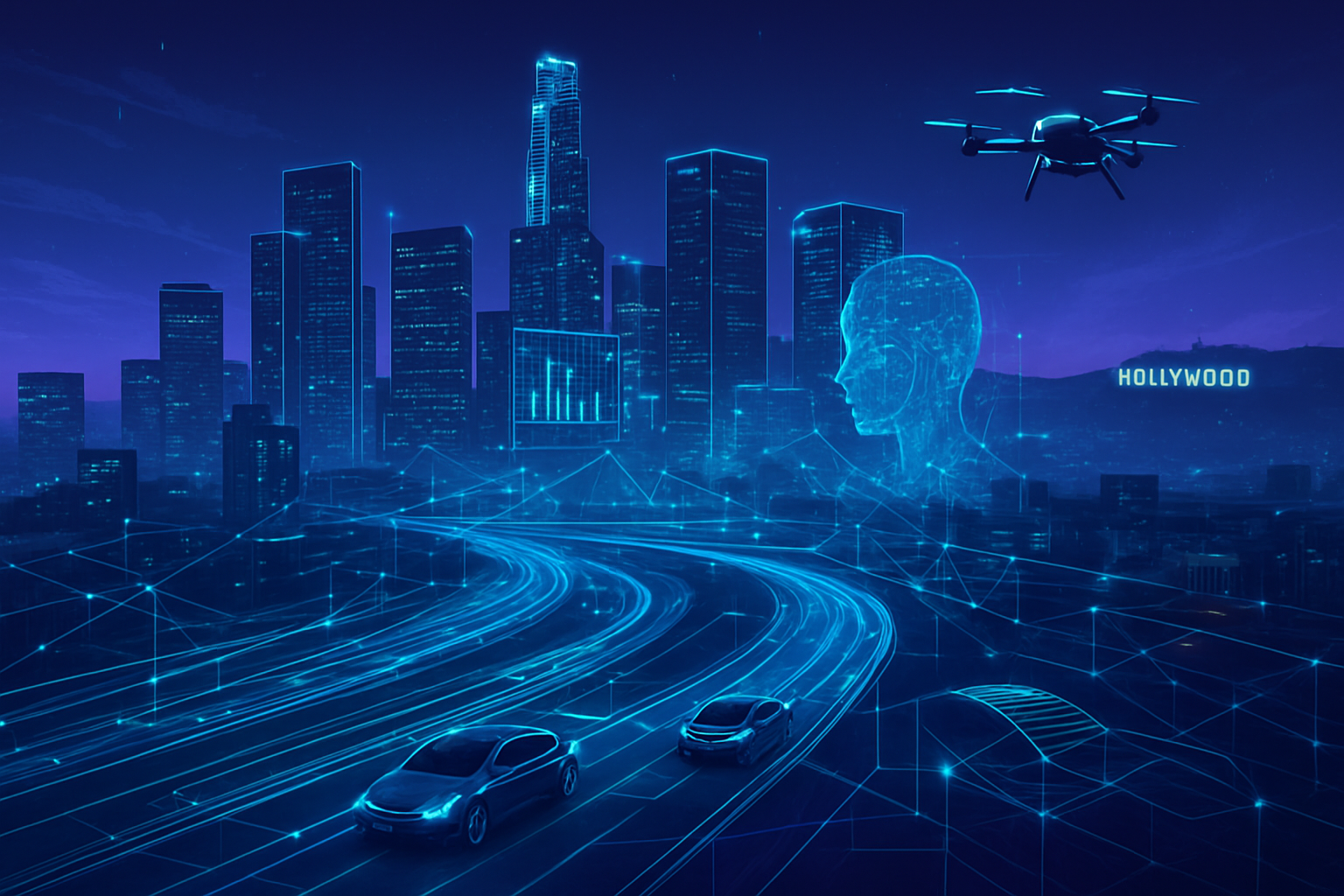
  • Scientists Forge Moral Compass for Smart Cities: Ethical AI Frameworks Prioritize Fairness, Safety, and Transparency

    Scientists Forge Moral Compass for Smart Cities: Ethical AI Frameworks Prioritize Fairness, Safety, and Transparency

    As Artificial Intelligence increasingly integrates into the foundational infrastructure of smart cities, a critical movement is gaining momentum among scientists and researchers: the urgent proposal of comprehensive moral frameworks to guide AI's development and deployment. These groundbreaking initiatives consistently emphasize the critical tenets of fairness, safety, and transparency, aiming to ensure that AI-driven urban solutions genuinely benefit all citizens without exacerbating existing inequalities or introducing new risks. The immediate significance of these developments lies in their potential to proactively shape a human-centered future for smart cities, moving beyond purely technological efficiency to prioritize societal well-being, trust, and democratic values in an era of rapid digital transformation.

    Technical Foundations of a Conscientious City

    The proposed ethical AI frameworks are not merely philosophical constructs but incorporate specific technical approaches designed to embed moral reasoning directly into AI systems. A notable example is the Agent-Deed-Consequence (ADC) Model, a technical framework engineered to operationalize human moral intuitions. This model assesses moral judgments by considering the 'Agent' (intent), the 'Deed' (action), and the 'Consequence' (outcome). Its significance lies in its ability to be programmed using deontic logic, a type of imperative logic that allows AI to distinguish between what is permissible, obligatory, or forbidden. For instance, an AI managing traffic lights could use ADC to prioritize an emergency vehicle's request while denying a non-emergency vehicle attempting to bypass congestion. This approach integrates principles from virtue ethics, deontology, and utilitarianism simultaneously, offering a comprehensive method for ethical decision-making that aligns with human moral intuitions without bias towards a single ethical school of thought.

    Beyond the ADC model, frameworks emphasize robust data governance mechanisms, including requirements for encryption, anonymization, and secure storage, crucial for managing the vast volumes of data collected by IoT devices in smart cities. Bias detection and correction algorithms are integral, with frameworks advocating for rigorous processes and regular audits to mitigate representational biases in datasets and ensure equitable outcomes. The integration of Explainable AI (XAI) is also paramount, pushing AI systems to provide clear, understandable explanations for their decisions, fostering transparency and accountability. Furthermore, the push for interoperable AI architectures allows seamless communication across disparate city departments while maintaining ethical protocols.

    These modern frameworks represent a significant departure from earlier "solutionist" approaches to smart cities, which often prioritized technological fixes over complex ethical and political realities. Previous smart city concepts were primarily technology- and data-driven, focusing on automation. In contrast, current frameworks adopt a "people-centered" approach, explicitly building moral judgment into AI's programming through deontic logic, moving beyond merely setting ethical guidelines to making AI "conscientious." They address systemic challenges like the digital divide and uneven access to AI resources, aiming for a holistic approach that weaves together privacy, security, fairness, transparency, accountability, and citizen participation. Initial reactions from the AI research community are largely positive, recognizing the "significant merit" of models like ADC for algorithmic ethical decision-making, though acknowledging that "much hard work is yet to be done" in extensive testing and addressing challenges like data quality, lack of standardized regulations, and the inherent complexity of mapping moral principles onto machine logic.

    Corporate Shifts in the Ethical AI Landscape

    The emergence of ethical AI frameworks for smart cities is profoundly reshaping the competitive landscape for AI companies, tech giants, and startups alike. The global AI in smart cities market is projected to reach an astounding $138.8 billion by 2031, up from $36.9 billion in 2023, underscoring the critical importance of ethical considerations for market success.

    Tech giants such as Alphabet (NASDAQ: GOOGL), Microsoft (NASDAQ: MSFT), and International Business Machines (NYSE: IBM) are at the forefront, leveraging their vast resources to establish internal AI ethics frameworks and governance models. Companies like IBM, for instance, have open-sourced models with no usage restrictions, signaling a commitment to responsible enterprise AI. These companies stand to benefit by solidifying market leadership through trust, investing heavily in "responsible AI" research (e.g., bias detection, XAI, privacy-preserving technologies), and shaping the broader discourse on AI governance. However, they also face challenges in re-engineering existing products to meet new ethical standards and navigating potential conflicts of interest, especially when involved in both developing solutions and contributing to city ranking methods.

    For AI startups, ethical frameworks present both barriers and opportunities. While the need for rigorous data auditing and compliance can be a significant hurdle for early-stage companies with limited funding, it also creates new niche markets. Startups specializing in AI ethics consulting, auditing tools, bias detection software, or privacy-enhancing technologies (PETs) are poised for growth. Those that prioritize ethical AI from inception can gain a competitive advantage by building trust early and aligning with future regulatory requirements, potentially disrupting established players who struggle to adapt. The competitive landscape is shifting from a "technology-first" to an "ethics-first" approach, where demonstrating credible ethical AI practices becomes a key differentiator and "responsible AI" a crucial brand value. This could lead to consolidation or partnerships as smaller companies seek resources for compliance, or new entrants emerge with ethics embedded in their core offerings. Existing AI products in smart cities, particularly those involved in surveillance or predictive policing, may face significant redesigns or even withdrawal if found to be biased, non-transparent, or privacy-infringing.

    A Broader Ethical Horizon for AI

    The drive for ethical AI frameworks in smart cities is not an isolated phenomenon but rather a crucial component of a broader global movement towards responsible AI development and governance. It reflects a growing recognition that as AI becomes more pervasive, ethical considerations must be embedded from design to deployment across all industries. This aligns with the overarching goal of creating "trustworthy AI" and establishing robust governance frameworks, exemplified by initiatives from organizations like IEEE and UNESCO, which seek to standardize ethical AI practices globally. The shift towards human-centered AI, emphasizing public participation and AI literacy, directly contrasts with earlier "solutionist" approaches that often overlooked the socio-political context of urban problems.

    The impacts of these frameworks are multifaceted. They are expected to enhance public trust, improve the quality of life through more equitable public services, and mitigate risks such as discrimination and data misuse, thereby safeguarding human rights. By embedding ethical principles, cities can foster sustainable and resilient urban development, making decisions that consider both immediate needs and long-term values. However, concerns persist. The extensive data collection inherent in smart cities raises fundamental questions about the erosion of privacy and the potential for mass surveillance. Algorithmic bias, lack of transparency, data misuse, and the exacerbation of digital divides remain significant challenges. Smart cities are sometimes criticized as "testbeds" for unproven technologies, raising ethical questions about informed consent.

    Compared to previous AI milestones, this era marks a significant evolution. Earlier AI discussions often focused on technical capabilities or theoretical risks. Now, in the context of smart cities, the conversation has shifted to practical ethical implications, demanding robust guidelines for managing privacy, fairness, and accountability in systems directly impacting daily life. This moves beyond the "can we" to "should we" and "how should we" deploy these technologies responsibly within complex urban ecosystems. The societal and ethical implications are profound, redefining urban citizenship and participation, directly addressing fundamental human rights, and reshaping the social fabric. The drive for ethical AI frameworks signifies a recognition that smart cities need a "conscience" guided by moral judgment to ensure fairness, inclusion, and sustainability.

    The Trajectory of Conscientious Urban Intelligence

    The future of ethical AI frameworks in smart cities promises significant evolution, driven by a growing understanding of AI's profound societal impact. In the near term (1-5 years), expect a concerted effort to develop standardized regulations and comprehensive ethical guidelines specifically tailored for urban AI implementation, focusing on bias mitigation, accountability, fairness, transparency, inclusivity, and privacy. The EU's forthcoming AI Act is anticipated to set a global benchmark. This period will also see a strong emphasis on human-centered design, prioritizing public participation and fostering AI literacy among citizens and policymakers to ensure solutions align with local values. Trust-building initiatives, through transparent communication and education, will be crucial, alongside investments in addressing skills gaps in AI expertise.

    Looking further ahead (5+ years), advanced moral decision-making models, such as the Agent-Deed-Consequence (ADC) model, are expected to move from theoretical concepts to real-world deployment, enabling AI systems to make moral choices reflecting complex human values. The convergence of AI, the Internet of Things (IoT), and urban digital twins will create dynamic urban environments capable of real-time learning, adaptation, and prediction. Ethical frameworks will increasingly emphasize sustainability and resilience, leveraging AI to predict and mitigate environmental impacts and help cities meet climate targets. Applications on the horizon include AI-driven chatbots for enhanced citizen engagement, predictive policy and planning for proactive resource allocation, optimized smart mobility systems, and AI for smart waste management and pollution forecasting. In public safety, AI-powered surveillance and predictive analytics will enhance security and emergency response, while in smart living, personalized services and AI tutors could reduce inequalities in healthcare and education.

    However, significant challenges remain. Ethical concerns around data privacy, algorithmic bias, transparency, and the potential erosion of autonomy due to pervasive surveillance and "control creep" must be continuously addressed. Regulatory and governance gaps, technical hurdles like data interoperability and cybersecurity threats, and socio-economic challenges such as the digital divide and implementation costs all demand attention. Experts predict a continuous focus on people-centric development, ubiquitous AI integration, and sustainability as a foundational principle. They advocate for comprehensive, globally relevant yet locally adaptable ethical governance frameworks, increased investment in Explainable AI (XAI), and citizen empowerment through data literacy. The future of AI in urban development must move beyond solely focusing on efficiency metrics to address broader questions of justice, trust, and collective agency, necessitating interdisciplinary collaboration.

    A New Era of Urban Stewardship

    The ongoing development and integration of ethical AI frameworks for smart cities represent a pivotal moment in the history of artificial intelligence. It signifies a profound shift from a purely technological ambition to a human-centered approach, recognizing that the true value of AI in urban environments lies not just in its efficiency but in its capacity to foster fairness, safety, and transparency for all citizens. The key takeaway is the absolute necessity of building public trust, which can only be achieved by proactively addressing core ethical challenges such as algorithmic bias, privacy concerns, and the potential for surveillance, and by embracing comprehensive, adaptive governance models.

    This evolution marks a maturation of the AI field, moving the discourse from theoretical possibilities to practical, applied ethics within complex urban ecosystems. The long-term impact promises cities that are not only technologically advanced but also inclusive, equitable, and sustainable, where AI enhances human well-being, safety, and access to essential services. Conversely, neglecting these frameworks risks exacerbating social inequalities, eroding privacy, and creating digital divides that leave vulnerable populations behind.

    In the coming weeks and months, watch for the continued emergence of standardized regulations and legally binding governance frameworks for AI, potentially building on initiatives like the EU's AI Act. Expect to see more cities establishing diverse AI ethics boards and implementing regular AI audits to ensure ethical compliance and assess societal impacts. Increased investment in AI literacy programs for both government officials and citizens will be crucial, alongside a growing emphasis on public-private partnerships that include strong ethical safeguards and transparency measures. Ultimately, the success of ethical AI in smart cities hinges on robust human oversight and meaningful citizen participation. Human judgment remains the "moral safety net," interpreting nuanced cases and correcting biases, while citizen engagement ensures that technological progress aligns with the diverse needs and values of the population, fostering inclusivity, trust, and democratic decision-making at the local level.


    This content is intended for informational purposes only and represents analysis of current AI developments.

    TokenRing AI delivers enterprise-grade solutions for multi-agent AI workflow orchestration, AI-powered development tools, and seamless remote collaboration platforms.
    For more information, visit https://www.tokenring.ai/.

  • GITEX GLOBAL 2025 Wraps Up: A New Era of AI-Native Societies and Unprecedented Global Collaboration

    GITEX GLOBAL 2025 Wraps Up: A New Era of AI-Native Societies and Unprecedented Global Collaboration

    Dubai, UAE – October 17, 2025 – GITEX GLOBAL 2025, the world's largest and most influential technology event, concluded today in Dubai, marking its 45th edition with record international participation and a resounding focus on the acceleration towards "AI-native societies." Over five days, the event, co-located with the startup showcase Expand North Star, transformed the Dubai World Trade Centre (DWTC) and Dubai Harbour into a nexus for global technological discourse, cementing Dubai's strategic position as a leading hub for innovation. The overwhelming sentiment was clear: artificial intelligence is no longer a futuristic concept but the foundational backbone of global digital economies and societal transformation.

    The event's conclusion signifies a pivotal moment for the tech industry, reaffirming the UAE's leadership in digital transformation and AI innovation. With unprecedented scale and diversity, GITEX GLOBAL 2025 brought together over 6,800 technology companies, 2,000 startups, and delegations from more than 180 countries. This convergence fostered cross-border collaboration, intense deal-making, and critical partnerships, setting the agenda for what is widely being termed the "decade of AI." Discussions centered on ethical AI use, regulatory frameworks, and the urgent need for secure, sovereign AI infrastructure, signaling a proactive global effort to co-architect innovation rather than merely react to technological advancements.

    Breakthrough Innovations Chart the Course for an AI-Driven Future

    GITEX GLOBAL 2025 served as the launchpad for a plethora of groundbreaking AI innovations, showcasing advancements that promise to redefine human interaction with technology and revolutionize critical sectors from healthcare to governance. These breakthroughs underscored a significant shift from theoretical AI discussions to tangible, real-world applications.

    Among the most captivating showcases were the advancements in smart contact lenses for glucose monitoring by XPANCEO. This deep-tech company unveiled prototypes integrating miniature electrochemical sensors into contact lenses, capable of detecting glucose levels in tear fluid. This non-invasive, continuous monitoring approach represents a significant departure from traditional blood tests or subcutaneous CGMs, offering a more convenient and less intrusive method for diabetes management. The lenses also demonstrated efficient wireless power links and microdisplays for augmented reality, hinting at a future where health monitoring and digital interaction merge seamlessly within wearable optics. Initial reactions hailed these lenses as a "glimpse into the next frontier of wearable computing," with the potential to be life-changing for millions.

    Another monumental revelation came from Paradromics, led by CEO Matt Angle, which announced a "major milestone in medical science" with the world's first successful brain-computer implant (BCI). Implanted in the motor cortex, this high-data BCI aims to enable individuals who cannot speak to communicate by directly translating their intended speech from neural activity. This represents a leap beyond earlier, more rudimentary BCI systems, offering higher bandwidth and sophisticated decoding algorithms for direct and impactful clinical applications. Experts at GITEX GLOBAL 2025 lauded this as a significant step towards "life-changing innovations at the intersection of science and technology."

    In the realm of biotechnology, Mammoth Biosciences, co-founded by CEO Trevor Martin, presented how their Nobel-winning CRISPR gene-editing technology is being dramatically advanced through AI integration. By leveraging AI, Mammoth Biosciences aims to enhance the precision, efficiency, and safety of gene editing, accelerating drug discovery and therapeutic development. Their focus on curing genetic diseases across the liver, muscle, and brain by "rewriting the code of life" using AI-driven diagnostics generated immense excitement. Martin's session on "Synthetic Biology: A World Without Disease and Superhuman Possibilities" captured the imagination of audiences, with the AI research community viewing this as a powerful convergence driving breakthroughs towards a "world without disease."

    Furthermore, Abu Dhabi's Department of Government Enablement (DGE) unveiled TAMM AutoGov, heralded as the "world's first AI Public Servant." This platform, part of the broader TAMM 4.0 upgrade, autonomously manages over 1,100 recurring administrative tasks such as license renewals and bill payments. Leveraging Microsoft Azure OpenAI Service (NASDAQ: MSFT) and G42 Compass 2.0, which includes the high-performing Arabic Large Language Model JAIS, TAMM AutoGov moves beyond traditional e-government services to anticipatory governance. It proactively predicts citizen needs and triggers services, aiming to free individuals from administrative burdens. This transformative platform was praised as a "transformative moment in AI history," showcasing Abu Dhabi's ambition to become the world's first "AI-native government" by 2027.

    Shifting Tides: Corporate Impact and Competitive Realignments

    The AI breakthroughs and the sheer scale of participation at GITEX GLOBAL 2025 are poised to profoundly reshape the competitive landscape for AI companies, tech giants, and startups alike. The event underscored a global "capital arms race" in AI infrastructure and an intensifying competition for AI supremacy.

    Tech giants like Microsoft (NASDAQ: MSFT), Amazon (AWS) (NASDAQ: AMZN), Google Cloud (NASDAQ: GOOGL), and Alibaba Cloud (NYSE: BABA) stand to benefit immensely as the foundational infrastructure providers for AI development and deployment. Their extensive cloud offerings, AI-optimized data analytics, and hybrid cloud orchestration are in high demand for building "sovereign AI" infrastructures that meet national demands for data residency and control. These companies leveraged GITEX to showcase their comprehensive AI ecosystems, from Microsoft's Copilot and Agentic AI push to Google AI's Gemini models, solidifying their roles in shaping large-scale AI applications.

    Specialized AI companies and startups also found a crucial platform. Mammoth Biosciences, Paradromics, and XPANCEO are gaining significant strategic advantages by innovating in nascent but high-potential AI domains, attracting early investment and talent. The co-located Expand North Star event, celebrating its tenth anniversary, connected over 2,000 startups with 1,200 investors, providing vital opportunities for funding, exposure, and partnerships. Startups focusing on niche, domain-specific AI applications across Web3, AR, cybersecurity, fintech, digital health, and sustainability are particularly well-positioned to thrive. However, a "market correction" is anticipated, where undifferentiated AI companies may struggle against larger, more integrated players.

    The competitive implications are stark. The event highlighted an ongoing global race for AI technological innovation, intensifying competition among industry giants. Gartner anticipates a market correction in the agentic AI space, leading to larger tech companies acquiring smaller, specialized AI firms to bolster their portfolios. The sheer scale of data and computational power required for advanced AI continues to give cloud providers a significant edge. Furthermore, companies that prioritize and demonstrably implement responsible and ethical AI practices, such as Anthropic, will likely gain a competitive advantage in a world increasingly concerned with AI's societal impact. The rise of open-source AI models also democratizes development, posing a challenge to proprietary models while fostering a collaborative ecosystem.

    The potential for disruption to existing products and services is immense. The proliferation of agentic AI, capable of autonomous decision-making and task execution, threatens to entirely replace existing products focused on manual tasks. Generative AI is reshaping creative industries, while AI-powered diagnostics could significantly alter traditional medical services. Advancements in autonomous vehicles and flying cars, showcased by XPeng AeroHT (NYSE: XPEV) and GOVY, could disrupt established transportation models. The increasing sophistication of AI-driven cyberattacks necessitates equally advanced AI-led security platforms, rendering older solutions less effective. Companies that fail to integrate AI to augment human capabilities rather than simply replace them risk falling behind.

    A New Global AI Paradigm: Broader Significance and Societal Shifts

    GITEX GLOBAL 2025 underscored a profound shift in the broader AI landscape, moving from fragmented adoption to a concerted global effort towards building "AI-native societies" and "nation-scale intelligence strategies." This signifies a deep, systemic integration of AI into governance, economic infrastructure, and daily life, marking a crucial trend in AI's evolution from research to large-scale industrial transformation.

    The event highlighted a global "capital arms race" in AI infrastructure, with massive investments in compute clusters, data centers, and advanced chips to support large models. This emphasis on foundational infrastructure is a key differentiator from previous AI milestones, where algorithmic advancements often took precedence. Discussions between leaders from OpenAI (private), G42 (private), Microsoft (NASDAQ: MSFT), and others explored moving beyond experimentation into full AI integration, with the UAE itself aiming to become the world's first fully AI-native government by 2027.

    The impacts are far-reaching. The unveiling of platforms like TAMM AutoGov exemplifies the potential for enhanced government efficiency and proactive service delivery. Breakthroughs in healthcare, such as AI-driven gene-editing and brain-computer interfaces, promise significant advancements in curing genetic diseases and enabling new medical solutions. AI is also recognized as a driver of economic growth and innovation, projected to create thousands of new jobs and contribute significantly to GDP in regions like Abu Dhabi. Furthermore, AI is increasingly deployed to enhance cybersecurity, with discussions on AI threat detection and adaptive protection for critical infrastructure.

    However, these advancements are not without their concerns. Ethical AI and governance were central themes, with panel discussions focusing on developing frameworks to ensure safe, equitable, and human-centered AI. The UAE Minister of State for AI called for "agile policymaking" and "well-informed regulation" to mitigate evolving AI risks. Job displacement due to AI automation was a significant concern, with a UNCTAD report suggesting up to 40% of global jobs may be impacted. Experts like Sam Altman and Peng Xiao emphasized the need for adaptability, experimentation, and proactive upskilling to navigate these changes. Data sovereignty emerged as a major discussion point, with nations and enterprises seeking to build autonomous compute infrastructure through open-source and locally governed AI, addressing concerns about data privacy and model ownership. The digital divide, over-reliance on technology, and the rise of AI-enabled cybercrime were also highlighted as critical challenges requiring international cooperation.

    Compared to previous AI milestones, GITEX GLOBAL 2025 marked a clear transition from individual breakthroughs to full AI integration, where AI is becoming foundational to societal design, deployment, operation, and maintenance. The focus moved beyond rule-based systems in government to self-learning, autonomous platforms. The event also demonstrated an accelerated focus on practical implementation of regulatory and ethical frameworks, moving beyond principles to measurable practices.

    The AI Horizon: Future Developments and Expert Predictions

    Looking ahead, the innovations and discussions at GITEX GLOBAL 2025 paint a vivid picture of an accelerating and transformative AI future, characterized by deep integration, national strategic importance, and continuous innovation across all sectors.

    In the near-term (1-3 years), we can expect widespread deployment and refinement of specialized AI systems. Generative AI and LLMs will be integrated more deeply into enterprise tools, customer service, and content creation, moving from pilot projects to production at scale. The concept of "Agentic AI," where autonomous AI systems plan, reason, and act independently, will lead to AI assistants synthesizing complex data for real-time decision support, particularly in government services. Enhanced smart city and government AI, exemplified by Abu Dhabi's TAMM AutoGov, will set global benchmarks for AI governance, automating routine interactions and providing anticipatory services. AI-powered cybersecurity will also see rapid advancements to counter increasingly sophisticated AI-driven threats. The proliferation of on-device AI and specialized hardware, such as Acer's (TWSE: 2353) AI laptops and AMD's (NASDAQ: AMD) Instinct™ GPUs, will enable real-time processing without constant cloud dependency.

    The long-term (5+ years) vision sees the realization of "AI-native societies" and sovereign AI solutions, where AI is integral to a nation's design, deployment, and maintenance, reducing dependence on foreign infrastructure. Transformative digital health and biosciences will continue to advance, with AI-driven gene-editing, brain-computer interfaces, and new drug discoveries becoming more prevalent. Integrated physical AI and robotics will play a larger role in smart infrastructure and automation, with platforms like NVIDIA's (NASDAQ: NVDA) Cosmos revolutionizing robotics training through synthetic data. A critical long-term focus will also be on sustainable AI infrastructure, developing energy-efficient data centers and smart energy policies to support AI's immense compute demands.

    Potential applications on the horizon are vast, ranging from predictive urban management and automated governance to enhanced public safety through AI-powered policing and emergency response systems. AI will also drive intelligent financial services, resource optimization in water and energy management, and highly personalized experiences in daily routines. Advanced healthcare diagnostics, medical imaging, and patient monitoring will become standard, with AI aiding in groundbreaking gene-editing research.

    However, significant challenges remain. The immense energy and infrastructure demands of AI, especially LLMs, necessitate sustainable energy sources and robust infrastructure. Experts like Peng Xiao and Sam Altman stressed that the "cost of intelligence eventually will equal the cost of energy." Ethical deployment and data governance remain crucial, with ongoing debates about algorithmic bias and intellectual property. The tension between AI's productivity gains and potential job displacement requires proactive strategies for workforce adaptation. Cybersecurity for AI systems is a frontline issue, as hackers increasingly leverage generative AI for advanced attacks. Finally, addressing the digital divide and ensuring equitable access to AI benefits globally are paramount.

    Experts at GITEX GLOBAL 2025 painted a picture of an accelerating and transformative AI future. Thomas Pramotedham, CEO of Presight (ADX: PRESIGHT), declared that "AI is now a strategic resource. Countries that master it are securing their digital sovereignty and strengthening their economies." Sam Altman and Peng Xiao asserted that the world is in the early stages of becoming "AI native," requiring strong political leadership. The global AI market is projected to reach nearly $4.8 trillion by 2033, according to UNCTAD, driving an unprecedented race in computing power and data ecosystems. Jim Keller, CEO of Tenstorrent (private), urged nations to build autonomous compute infrastructure through open source, emphasizing it as a path for innovation and ownership of AI intellectual property. The consensus is clear: AI is not merely a technological advancement but a fundamental shift in how societies will operate and evolve.

    A Landmark Event for the AI Era: Comprehensive Wrap-Up

    GITEX GLOBAL 2025 concluded as a landmark event, solidifying its place in AI history as a catalyst for unprecedented global collaboration and a definitive platform for showcasing the trajectory of artificial intelligence. The key takeaways underscore a global paradigm shift: AI is transitioning from an experimental phase to deep, systemic integration across all critical sectors, driving the formation of "AI-native societies" and requiring robust, sovereign AI infrastructures. The event highlighted a collective commitment to not only advance AI capabilities but also to strategically manage its profound societal and economic implications on a national and global scale.

    The significance of this development cannot be overstated. From non-invasive health monitoring via smart contact lenses and groundbreaking brain-computer interfaces to AI-driven gene-editing and the world's first AI public servant, GITEX GLOBAL 2025 demonstrated that AI is rapidly moving from augmenting human capabilities to autonomously managing complex tasks and reshaping fundamental aspects of life. This acceleration demands agile policymaking, robust ethical frameworks, and continuous investment in sustainable infrastructure and talent development.

    In the coming weeks and months, the tech world will be watching closely for the continued deployment of agentic AI systems, further advancements in specialized AI hardware, and the practical implementation of sovereign AI strategies by nations and enterprises. The ongoing dialogue around ethical AI, data governance, and workforce transformation will remain critical. GITEX GLOBAL 2025 has set a clear agenda for the "decade of AI," challenging governments, industries, and individuals to embrace adaptability, foster innovation, and proactively shape a future where intelligence is deeply embedded, responsibly managed, and globally accessible.


    This content is intended for informational purposes only and represents analysis of current AI developments.

    TokenRing AI delivers enterprise-grade solutions for multi-agent AI workflow orchestration, AI-powered development tools, and seamless remote collaboration platforms.
    For more information, visit https://www.tokenring.ai/.