Tag: Smart Home

  • The Dawn of the Ambient Era: Beyond Smartphones, AI Forges a New Frontier in Consumer Electronics

    The Dawn of the Ambient Era: Beyond Smartphones, AI Forges a New Frontier in Consumer Electronics

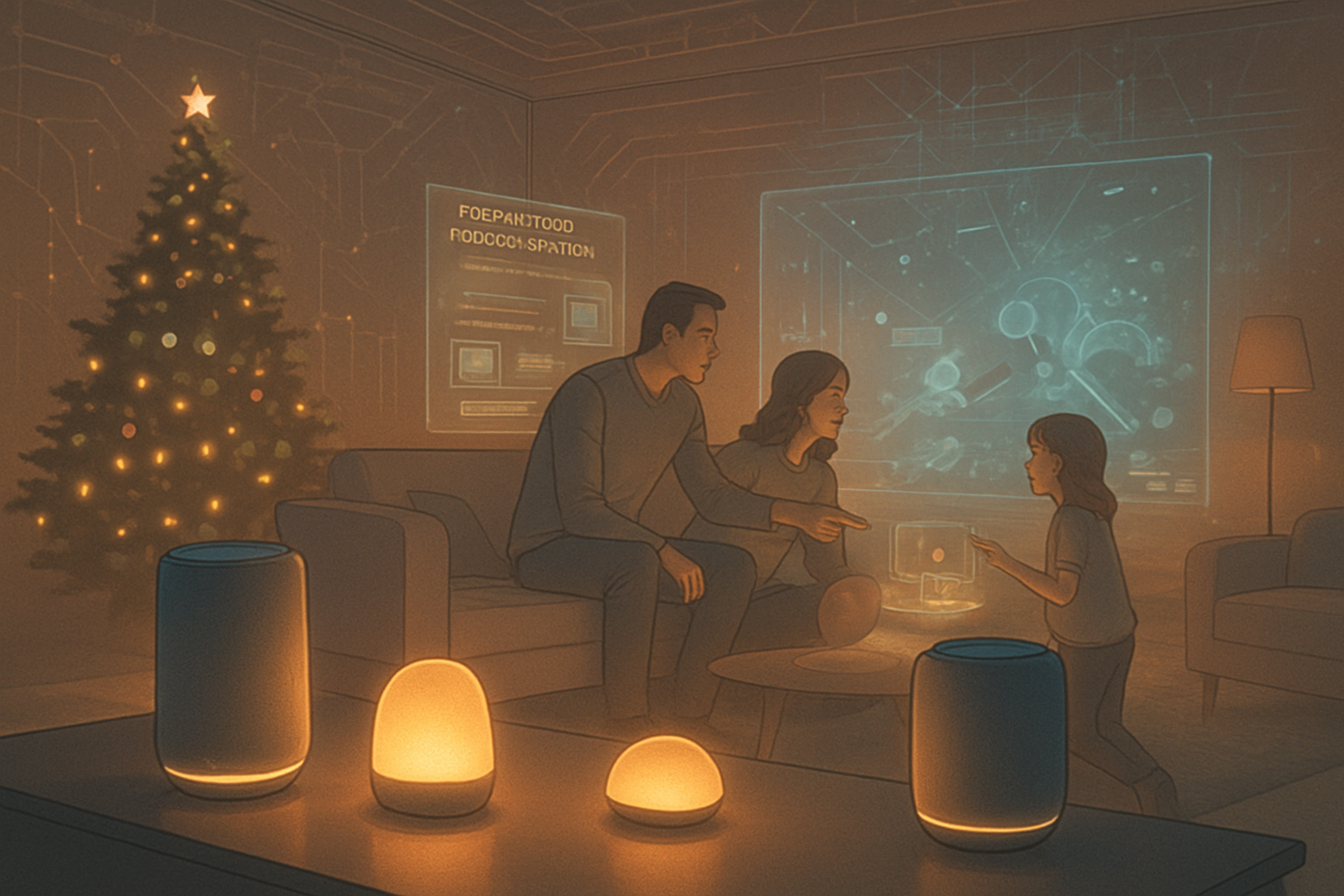
    As 2025 draws to a close, the consumer electronics landscape is undergoing a profound metamorphosis, transcending the smartphone-centric paradigm that has dominated for over a decade. The immediate significance of this shift lies in the accelerating integration of Artificial Intelligence (AI) into every facet of our digital lives, giving rise to a new generation of devices that are not merely smart, but truly intelligent, anticipatory, and seamlessly woven into the fabric of our existence. From immersive AR/VR experiences to intuitively responsive smart homes and a burgeoning ecosystem of "beyond smartphone" innovations, these advancements are fundamentally reshaping consumer expectations towards personalized, intuitive, and sustainable technological interactions. The global consumer electronics market is projected to reach a staggering $1.2 trillion in 2025, with AI acting as the undeniable catalyst, pushing us into an era of ambient computing where technology proactively serves our needs.

    Technical Marvels Defining the Next Generation

    The technical underpinnings of this new wave of consumer electronics are characterized by a potent fusion of advanced hardware, sophisticated AI algorithms, and unified software protocols. This combination is enabling experiences that were once confined to science fiction, marking a significant departure from previous technological approaches.

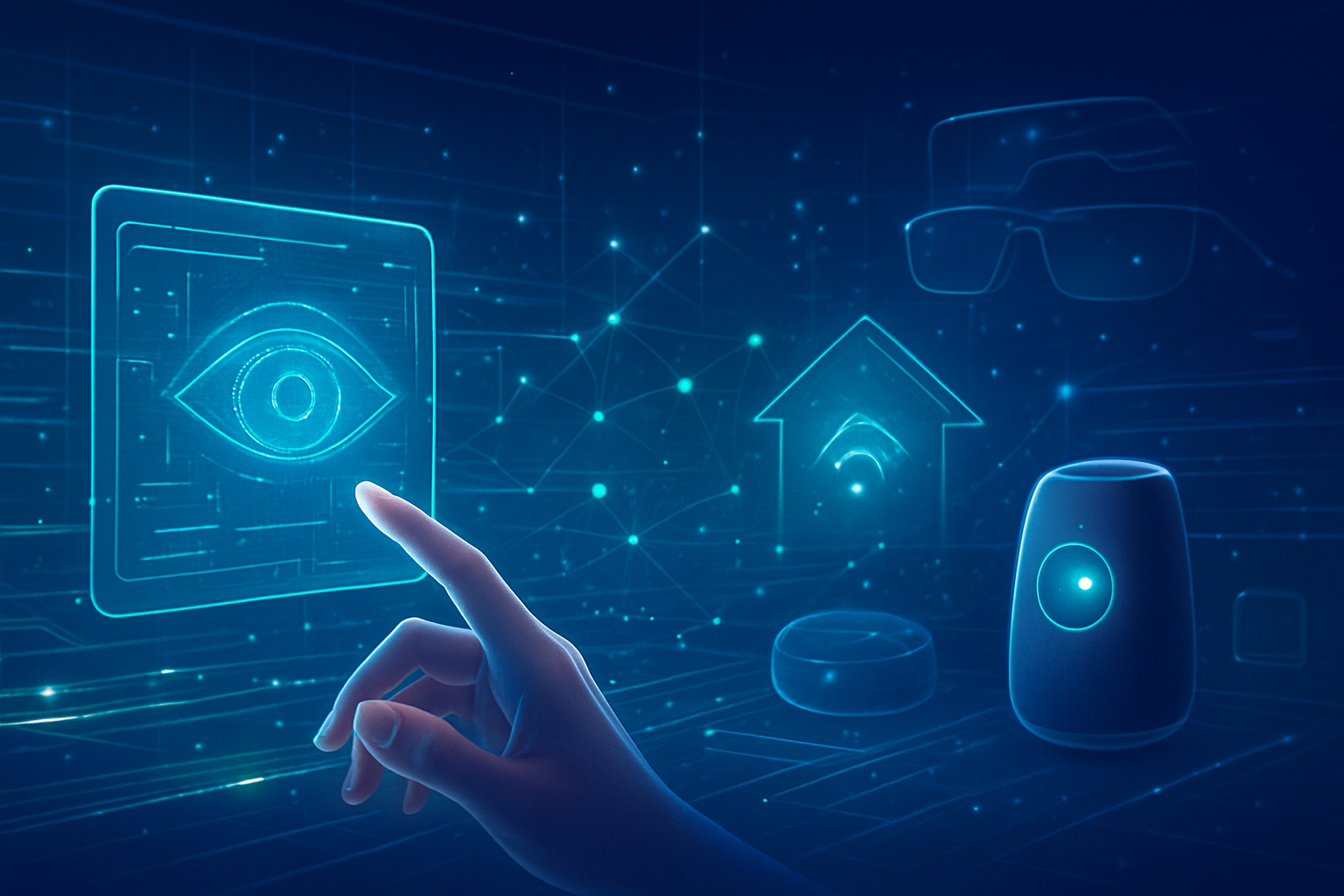
    In the realm of Augmented Reality (AR) and Virtual Reality (VR), late 2025 sees a rapid evolution from bulky prototypes to more refined, powerful, and comfortable devices. AI is the driving force behind hyper-realistic 3D characters and environments, enhancing rendering, tracking, and processing to create dynamic and responsive virtual worlds. Next-generation VR headsets boast ultra-high-resolution displays, often utilizing OLED and MicroLED technology for sharper visuals, with some devices like the (NASDAQ: AAPL) Apple Vision Pro reaching up to 3660 x 3142 pixels per eye. The trend in AR is towards lighter, glasses-like form factors, integrating powerful processors like (NASDAQ: QCOM) Qualcomm's Snapdragon XR2+ Gen 2 (found in the upcoming Samsung XR headset) and Apple's M2+R1 chipsets, which supercharge on-device AI and spatial awareness. These processors offer significant performance boosts, such as the Snapdragon XR2+ Gen 2's 20% higher CPU and 15% higher GPU clocks compared to its predecessor. Mixed Reality capabilities, exemplified by the (NASDAQ: META) Meta Quest 3 and the forthcoming Meta Quest 4, are becoming standard, offering full-color passthrough and advanced spatial mapping. Interaction methods are increasingly natural, relying on gaze, hand tracking, and advanced voice commands, with Google's new Android XR operating system set to power many future devices.

    Smart Home devices in late 2025 are no longer just connected; they are truly intelligent. AI is transforming them from reactive tools into predictive assistants that learn daily patterns and proactively automate routines. Advanced voice assistants, powered by generative AI, offer improved language understanding and contextual awareness, allowing for complex automations with simple spoken instructions. On-device AI is becoming crucial for enhanced privacy and faster response times. Smart appliances, such as (KRX: 005930) Samsung's Family Hub refrigerators with AI Vision Inside, can track food inventory and suggest recipes, while (KRX: 066570) LG's Home AI refrigerator follows a similar trend. The Matter 1.4 protocol, a universal standard backed by industry giants like Apple, Google (NASDAQ: GOOGL), Amazon (NASDAQ: AMZN), and Samsung, is a game-changer for interoperability, expanding support to new categories like solar panels, EV chargers, and kitchen appliances, and enabling real-time energy management. This focus on local processing via Matter enhances security and reliability, even without an internet connection.

    Beyond these two major categories, innovations beyond smartphones are flourishing. Wearables have evolved into sophisticated health and wellness instruments. Devices like smartwatches and smart rings (e.g., Oura Ring) offer clinical-grade insights into heart and sleep health, moving beyond basic fitness tracking to provide continuous monitoring, early disease detection, and personalized health recommendations, sometimes even integrating with Electronic Health Records (EHRs). Lightweight smart glasses, like (NASDAQ: META) Meta's Ray-Ban smart glasses, now feature built-in displays for alerts and directions, reducing smartphone reliance. In computing, AI-powered laptops and handheld gaming devices leverage technologies like (NASDAQ: NVDA) Nvidia's DLSS 4 for enhanced graphics and performance. Robotics, such as Unitree Robotics' G1 humanoid, are becoming smarter and more agile, assisted by AI for tasks from security to companionship. Advanced display technologies like MicroLED and QD-OLED are dominating super-large TVs, offering superior visual fidelity and energy efficiency, while foldable display technology continues to advance, promising flexible screens in compact form factors. The backbone for this entire interconnected ecosystem is 5G connectivity, which provides the low latency and high throughput necessary for real-time AR/VR, remote patient monitoring, and seamless smart home operation.

    Reshaping the Tech Industry: Giants, Startups, and the Competitive Edge

    The advent of next-generation consumer electronics is fundamentally reshaping the competitive landscape for AI companies, tech giants, and startups, creating both immense opportunities and formidable challenges. AI is the binding agent for these new ecosystems, fueling increased demand for specialized AI models, edge AI implementations, and sophisticated AI agents capable of performing complex workflows across devices.

    Tech giants are strategically leveraging their vast resources, established ecosystems, and brand loyalty to lead this transition. (NASDAQ: AAPL) Apple, with its Vision Pro, is defining "spatial computing" as a premium productivity and lifestyle platform, targeting enterprise and developers, with an updated M5-chip-powered version released in October 2025 focusing on comfort and graphics. Its deeply integrated ecosystem and "Apple Intelligence" provide a distinct competitive advantage. (NASDAQ: META) Meta Platforms is doubling down on AR with AI-powered glasses like the Ray-Ban AI glasses, aiming for mainstream consumer adoption with contextual AI and social features, while continuing to evolve its VR headsets. Meta holds a significant market share in the AR/VR and smart glasses market, exceeding 60% in Q2 2025. (NASDAQ: GOOGL) Google envisions a future of ambient intelligence, integrating AI and XR devices, with its Android XR framework and Gemini-powered Maps and Live View features pushing towards a broader network of interconnected services. (NASDAQ: AMZN) Amazon is focusing on integrating AI into smart home devices (Alexa ecosystem) and developing enterprise AR solutions, as seen with its "Amelia" smart glasses unveiled in October 2025 for practical, work-focused applications. (KRX: 005930) Samsung is pushing innovations in foldable and transparent displays, alongside advancements in wearables and smart home appliances, leveraging its expertise in display technology and broad product portfolio.

    For startups, this era presents both fertile ground and significant hurdles. Opportunities abound in niche hardware, such as Rabbit's AI-powered pocket assistant or Humane's screenless AI wearable, and specialized AR/VR solutions like those from Xreal (formerly Nreal) for consumer AR glasses or STRIVR for VR training. Smart home innovation also offers avenues for startups focusing on advanced sensors, energy management, or privacy-focused platforms like Open Home Foundation. Companies specializing in specific AI algorithms, smaller efficient AI models for edge devices, or innovative AI-driven services that integrate across new hardware categories will find fertile ground. However, challenges include high R&D costs, the "ecosystem lock-in" created by tech giants, slow consumer adoption for entirely new paradigms, and complex data privacy and security concerns.

    Key beneficiaries across the industry include chip manufacturers like (NASDAQ: NVDA) Nvidia for AI processing and specialized silicon developers for NPUs and efficient GPUs. AI software and service providers developing foundational AI models and agents are also seeing increased demand. Hardware component suppliers for Micro-OLED displays, advanced sensors, and next-gen batteries are crucial. Platform developers like Unity, which provide tools for building AR/VR features, are vital for content creation. The competitive landscape is shifting beyond smartphone dominance, with the race to define the "next computing platform" intensifying, and AI quality and integration becoming the primary differentiators. This era is ripe for disruption by new entrants offering novel approaches, but also for consolidation as major players acquire promising smaller companies.

    A Wider Lens: Societal Shifts, Ethical Dilemmas, and Milestones

    The wider significance of next-generation consumer electronics, deeply infused with AI, extends far beyond technological advancement, touching upon profound societal and economic shifts, while simultaneously raising critical ethical considerations. This era represents a leap comparable to, yet distinct from, previous tech milestones like the internet and smartphones.

    In the broader AI landscape, late 2025 marks AI's evolution from a reactive tool to a predictive and proactive force, seamlessly anticipating user needs. AR/VR and AI integration is creating hyper-personalized, interactive virtual environments for gaming, education, and retail. Smart homes are becoming truly intelligent, with AI enabling predictive maintenance, energy optimization, and personalized user experiences. Beyond smartphones, ambient computing and advanced wearables are pushing technology into the background, with AI companions and dedicated AI assistants taking over tasks traditionally handled by phones. Brain-Computer Interfaces (BCIs) are emerging as a significant long-term development, promising direct device control through thought, with potential mass adoption by 2030-2035.

    The societal and economic impacts are substantial. The AR/VR market alone is projected to exceed $100 billion in 2025, reaching $200.87 billion by 2030, while the global smart home market is expected to reach $135 billion by 2025. This fuels significant economic growth and market expansion across various sectors. Human-computer interaction is becoming more intuitive, personalized, and inclusive, shifting towards augmentation rather than replacement. Transformative applications are emerging in healthcare (AR/VR for surgery, smart home health monitoring, AI-powered wearables for predictive health insights), education, retail (AR virtual try-ons), and energy efficiency (AI-driven smart home optimization). While AI automation raises concerns about job displacement, it is also expected to create new job categories and allow humans to focus on more strategic tasks.

    However, this progress is accompanied by significant potential concerns. Privacy and data security are paramount, as pervasive devices continuously collect vast amounts of personal data, from daily conversations by AI recording wearables to health metrics. The challenge lies in balancing personalization with user privacy, demanding transparent data policies and user control. The ethical implications of AI autonomy are growing with "Agentic AI" systems that can act with independence, raising questions about control, accountability, and alignment with human values. Bias in AI remains a critical issue, as systems can reflect and amplify human biases present in training data, necessitating robust auditing. The potential for surveillance and misuse of AI-powered glasses and facial recognition technology also raises alarms regarding personal freedoms. High initial costs for these advanced technologies also pose a risk of exacerbating the digital divide.

    Comparing these developments to previous tech milestones, the current shift is about moving beyond the screen into an ambient, immersive, and seamlessly integrated experience, where technology is less about active interaction and more about continuous, context-aware assistance. While the Internet of Things (IoT) connected devices, AI provides the intelligence to interpret data and enable proactive actions, leading to ubiquitous intelligence. New interaction paradigms emphasize natural interactions through multimodal inputs, emotional intelligence, and even BCIs, pushing the boundaries of human-computer interaction. The pace of AI integration is accelerating, and the ethical complexity at scale, particularly regarding privacy, algorithmic bias, and accountability, is unprecedented, demanding responsible innovation and robust regulatory frameworks.

    The Horizon: Future Developments and Expert Predictions

    Looking ahead from late 2025, the trajectory of next-generation consumer electronics points towards a future where technology is not just integrated, but truly interwoven with our lives, anticipating our needs and enhancing our capabilities in unprecedented ways.

    In the near-term (late 2025 – 2030), AR/VR hardware will continue to shrink, becoming lighter and more comfortable with higher-resolution displays and more natural eye-tracking. AI will deepen its role, creating more interactive and personalized virtual environments, with 5G connectivity enabling seamless cloud-based experiences. Applications will expand significantly in gaming, education, healthcare (e.g., surgery planning), retail (virtual try-ons), and remote work. For smart homes, the focus will intensify on AI-powered predictive automation, where homes anticipate and adjust to user needs, along with accelerating energy independence through advanced solar integration and smart energy management. Security will see enhancements with AI-powered surveillance and biometric access. The Matter standard will mature, ensuring robust interoperability. Beyond smartphones, wearables will become even more sophisticated health and wellness companions, offering predictive health insights. Dedicated AI companions and assistant devices will emerge, aiming to proactively manage daily tasks. Foldable and transparent displays will offer new form factors, and AI PCs with dedicated AI chips will become prevalent. Challenges will include improving affordability, battery life, addressing motion sickness in AR/VR, ensuring robust data privacy, and fostering cohesive product ecosystems.

    The long-term (beyond 2030) vision is even more transformative. Brain-Computer Interfaces (BCIs) could see mass adoption, enabling direct control of devices through thought and potentially rendering traditional screens obsolete. Ambient computing will come to fruition, with the environment itself becoming the interface, and devices "dissolving" into the background to intelligently anticipate user needs without explicit commands. The "invisible device" era could see hardware ownership shift to renting access to digital ecosystems that follow individuals across environments. Hyper-realistic AR/VR could be integrated into contact lenses or even implants, creating a seamless blend of physical and digital worlds. Autonomous home robots, integrated with AI, could perform complex household tasks, while health-centric smart homes become comprehensive health coaches, monitoring vital signs and providing personalized wellness insights.

    Expert predictions coalesce around several overarching themes. AI is expected to be the central interface, moving beyond applications to intuitively anticipate user requirements. Dedicated AI chips will become standard across consumer devices, enhancing performance and privacy through edge AI. Sustainability and the circular economy will be paramount, with increasing demand for eco-friendly electronics, durable designs, and repairability. The evolution to 6G connectivity is on the horizon, promising speeds up to 100 times faster than 5G, enabling lightning-fast downloads, 8K streaming, and high-quality holographic communication crucial for advanced AR/VR and autonomous systems. Privacy and security will remain critical challenges, especially with BCIs and ambient computing, necessitating advanced solutions like quantum encryption. The future of consumer tech will prioritize hyper-personalized user experiences, and companies will fiercely compete to establish dominant ecosystems across applications, services, and data.

    A New Era Unfolding: The Path Ahead

    The closing months of 2025 mark a pivotal moment in the history of consumer electronics, signaling a definitive shift away from the smartphone's singular dominance towards a more diverse, interconnected, and intelligent ecosystem. The relentless integration of AI into AR/VR, smart home devices, and a myriad of "beyond smartphone" innovations is not just creating new gadgets; it is fundamentally redefining how humanity interacts with technology and, by extension, with the world itself.

    The key takeaways from this unfolding era are clear: AI is the indispensable core, driving personalization, automation, and unprecedented capabilities. Hardware is becoming more powerful, discreet, and seamlessly integrated, while unifying software protocols like Matter are finally addressing long-standing interoperability challenges. User interaction methods are evolving towards more intuitive, hands-free, and proactive experiences, hinting at a future where technology anticipates our needs rather than merely reacting to our commands.

    The significance of this development in AI history cannot be overstated. It represents a paradigm shift from devices as mere tools to intelligent companions and environments that augment our lives. While the opportunities for economic growth, enhanced convenience, and transformative applications in areas like healthcare and education are immense, so too are the responsibilities. Addressing critical concerns around privacy, data security, algorithmic bias, and ethical AI development will be paramount to ensuring this new era benefits all of humanity.

    In the coming weeks and months, watch for continued advancements in AI chip efficiency, further refinement of AR/VR hardware into more comfortable and aesthetically pleasing forms, and the expansion of the Matter protocol's reach within smart homes. The race among tech giants to establish dominant, seamless ecosystems will intensify, while innovative startups will continue to push the boundaries of what's possible. The ambient era of computing is not just on the horizon; it is actively unfolding around us, promising a future where technology is truly intelligent, invisible, and integral to every aspect of our daily lives.


    This content is intended for informational purposes only and represents analysis of current AI developments.

    TokenRing AI delivers enterprise-grade solutions for multi-agent AI workflow orchestration, AI-powered development tools, and seamless remote collaboration platforms.
    For more information, visit https://www.tokenring.ai/.
  • AI-Driven Electrification Takes Center Stage: ConnectM’s $1.7 Million Heat Pump Deal with Greentech Renewables Set to Transform Green Tech Market

    AI-Driven Electrification Takes Center Stage: ConnectM’s $1.7 Million Heat Pump Deal with Greentech Renewables Set to Transform Green Tech Market

    BOSTON, MA – November 10, 2025 – In a significant move poised to accelerate the adoption of all-electric heating and cooling across the United States, ConnectM Technology Solutions, Inc. (NASDAQ: CNCT) has finalized a $1.7 million heat pump distribution agreement with Greentech Renewables. This strategic partnership will see ConnectM's advanced AI-powered Keen Heat Pumps and smart controls disseminated through Greentech Renewables' extensive network of solar, electrical, and energy contractors, marking a pivotal moment for the smart home and renewable energy sectors.

    The deal underscores a growing trend of integrating sophisticated artificial intelligence with green technology to drive efficiency, reduce carbon footprints, and make sustainable living more accessible. By combining ConnectM's innovative AI platform with Greentech Renewables' robust distribution capabilities, the collaboration aims to streamline the transition to fully electrified homes and and buildings, directly impacting energy consumption and environmental goals nationwide.

    The Technical Edge: AI-Powered Heat Pumps for a Greener Future

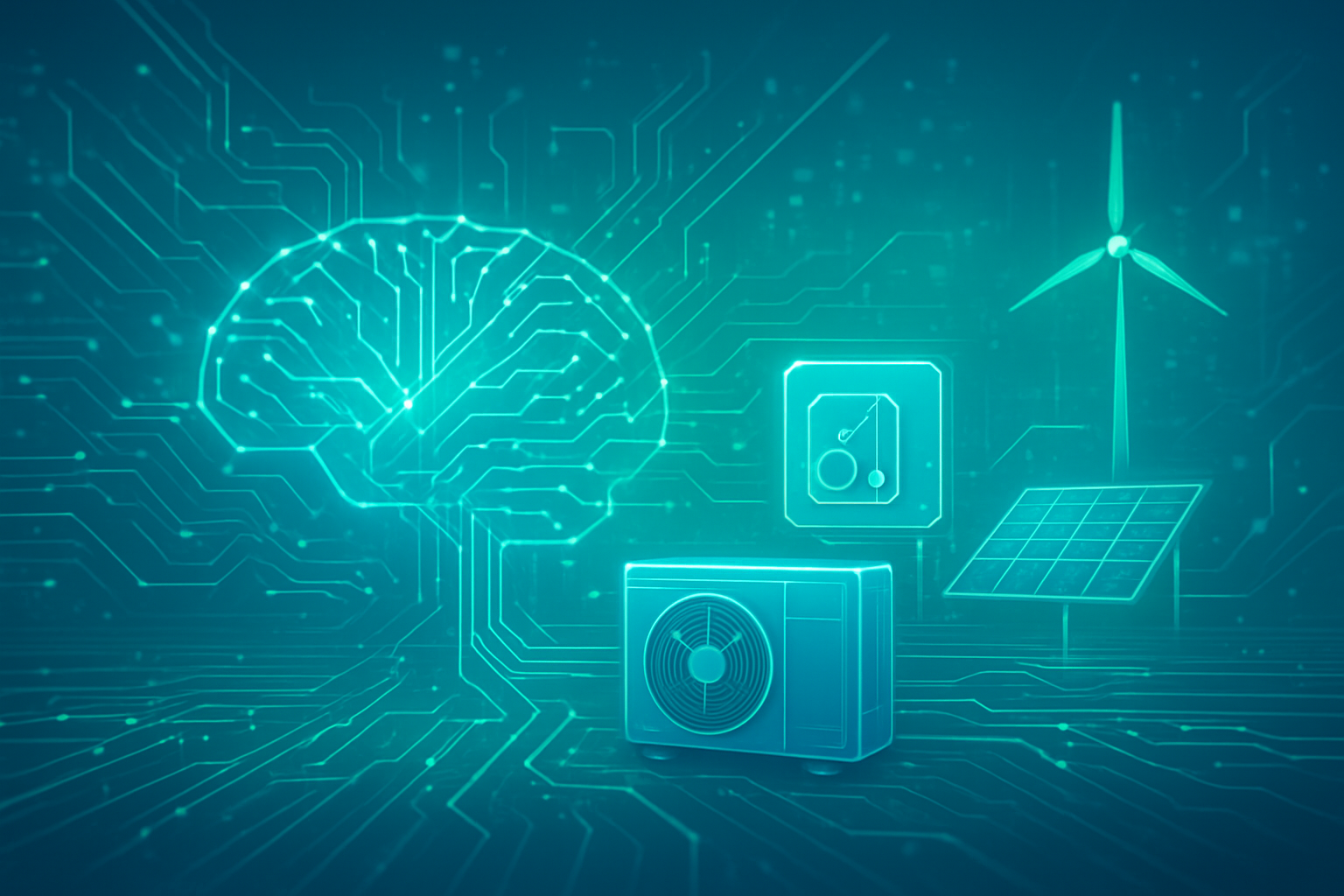
    ConnectM's Keen Heat Pump system stands out due to its deep integration of advanced AI, designed to deliver optimized home heating and cooling with reduced energy consumption and a significantly lower carbon footprint. The core of this innovation lies in its IoT-enabled AI engine, reportedly powered by a large language model (LLM), which continuously monitors and analyzes real-time environmental data and system performance. This AI allows for predictive maintenance, ensuring optimal operation and consistent efficiency, even in challenging weather conditions, with the heat pumps certified to perform down to -15°F.

    Unlike conventional heating and cooling systems, which often rely on fossil fuels and less efficient energy conversion, Keen Heat Pumps operate by transferring heat, making them significantly more efficient—often two to four times more so than traditional furnaces. This high-efficiency design is intended to drastically cut heating and cooling costs, especially when paired with solar panels for a fully integrated renewable energy solution. The systems are also engineered for quiet operation and come with a comprehensive 10-year parts and labor warranty, emphasizing reliability and user comfort. Keen offers both ductless and central heat pump options, including a multi-zone system that can connect multiple units to a single outdoor unit, providing versatile solutions for various building types and renovation projects. While the heat pumps themselves are the focus of this deal, ConnectM's broader Energy Intelligence Network (EIN) monitors and manages electrified assets, collecting vast amounts of performance data daily to refine its AI models, ensuring continuous improvement and adaptability.

    The $1.7 million distribution agreement with Greentech Renewables (formerly CED Greentech) is specifically structured to make these Keen Labs-branded products widely available. Greentech Renewables brings to the table an extensive logistics and warehousing infrastructure, a privately-owned shipping fleet, and a network of over 100 locations across major U.S. solar markets. This collaboration is set to provide contractors with a streamlined pathway to offering comprehensive all-electric home energy solutions, filling a crucial gap in the integrated home electrification ecosystem. Initial reactions from the industry highlight the increasing market growth for heat pumps, driven by policy-backed electrification targets and technological breakthroughs in cold-climate performance. This deal is seen as a strategic move to capitalize on these trends and scale the deployment of AI-powered green technology.

    Reshaping the Landscape: Impact on AI Companies, Tech Giants, and Startups

    The ConnectM-Greentech Renewables deal is set to send ripples across the AI, tech, and startup ecosystems, fundamentally altering competitive dynamics and market positioning within the burgeoning energy and smart home sectors.

    For ConnectM (NASDAQ: CNCT) and its Keen Labs subsidiary, the benefits are immediate and substantial. The partnership significantly expands the market reach for its AI-powered heat pumps, enabling wider deployment and, critically, the collection of more extensive operational data. This data is invaluable for continuously refining ConnectM's AI models, further enhancing system efficiency, predictive maintenance capabilities, and overall performance, solidifying its position as a leader in AI-driven clean energy solutions. Greentech Renewables also stands to gain immensely, strengthening its market leadership by offering a more comprehensive and integrated suite of renewable energy products. By moving beyond its traditional solar, storage, and EV charging offerings to include high-efficiency, AI-powered heating and cooling, Greentech Renewables caters to contractors seeking complete home energy packages, thereby expanding its revenue streams and market influence.

    More broadly, the increased adoption of smart, AI-driven heat pumps creates a fertile ground for various AI-focused companies. Firms specializing in energy management and optimization algorithms, predictive maintenance solutions for HVAC systems, and smart home integration platforms will find new avenues for growth. The demand for AI solutions that can analyze vast amounts of sensor data for demand response optimization, personalized comfort control, and fault detection will surge. Tech giants with a strong presence in smart home ecosystems, such as Google (NASDAQ: GOOGL), Amazon (NASDAQ: AMZN), and Apple (NASDAQ: AAPL), will likely see an expanding market for seamless integration with their platforms, potentially leading to increased partnerships or even strategic acquisitions as they look to bolster their energy technology portfolios. For startups, this deal validates the market for AI in electrification, attracting further venture capital and fostering innovation in specialized AI algorithms, IoT sensors, user interface platforms, and critical data privacy and security solutions.

    This partnership will intensify competition within the smart HVAC and home electrification markets, pressuring traditional HVAC manufacturers to accelerate their adoption of AI and IoT technologies. It also promotes a significant shift towards an "all-electric home and building ecosystem," potentially disrupting business models focused solely on single-category energy services. The emphasis on AI and data collection will push the entire industry towards more data-driven energy management, favoring companies that embrace this holistic and technologically advanced approach in the renewable energy landscape.

    Wider Significance: AI's Role in a Sustainable Future

    The ConnectM-Greentech Renewables deal is more than just a distribution agreement; it represents a significant stride in the practical application of AI to address one of the most pressing global challenges: climate change and energy efficiency. It firmly positions AI as a crucial enabler of the renewable energy transition.

    This partnership fits seamlessly into the broader AI landscape by showcasing the maturation of AI from theoretical breakthroughs to widespread industrial and consumer deployment. ConnectM's use of an IoT-enabled AI engine, reportedly powered by a large language model, for optimizing heat pump performance and conducting predictive maintenance exemplifies the trend of embedding AI into physical infrastructure. This data-driven approach, where ConnectM's Energy Intelligence Network collects and analyzes vast amounts of operational data to refine its AI models, is central to AI's role in creating more intelligent and efficient energy systems. This aligns with the "electrification economy" trend, where AI is vital for managing complex energy demands as the world transitions away from fossil fuels.

    The impacts on the renewable energy market are profound. By significantly expanding the reach of AI-powered heat pumps, the deal directly accelerates the adoption of a cornerstone technology for decarbonization. Heat pumps are exceptionally efficient, capable of reducing energy consumption and carbon emissions in buildings, which account for a substantial portion of global energy use. The AI optimization further amplifies these benefits, making clean energy more reliable and cost-effective. This market transformation encourages the broader HVAC industry to pivot towards electric solutions, strengthening the range of electrification options available to contractors and helping them navigate regulatory mandates.

    However, the widespread integration of AI in green technology also brings potential concerns. The substantial computational resources and energy required for training and operating sophisticated AI models, especially large language models, raise questions about AI's own energy footprint. While AI optimizes energy consumption in end-use applications, its underlying energy demands could potentially offset some environmental gains. Furthermore, the collection of vast amounts of real-time data from homes and businesses raises critical data privacy and cybersecurity concerns, necessitating robust protection measures. The digital infrastructure and skills gap within the energy industry also present challenges to full AI integration, alongside the potential for job displacement due to increased automation.

    Compared to previous AI milestones, such as AlphaGo's mastery of Go or the development of large generative AI models, this deal marks a significant milestone in the commercial application and practical scaling of AI for tangible environmental and economic impact. It signifies a shift to applied AI, where the focus is on optimizing real-world physical systems for efficiency and sustainability. This integration of AI with IoT in a physical product like a heat pump, connected to a broader energy intelligence network, demonstrates the creation of "smart entities" that operate with minimal human intervention. It showcases AI as a powerful tool for addressing grand challenges like climate change, similar to its applications in smart grids and precision agriculture, moving beyond niche applications to bring its benefits to a wider consumer base.

    The Road Ahead: Future Developments and Expert Outlook

    The ConnectM-Greentech Renewables deal is not merely a transaction but a foundational step towards a future where AI and renewable energy are inextricably linked, promising significant near-term and long-term developments.

    In the near term (1-3 years), we can expect an accelerated adoption of AI-powered heat pumps, leading to immediate energy savings and enhanced user comfort through dynamic operational adjustments based on real-time data and occupant behavior. This partnership will likely drive a more comprehensive approach to home electrification, with AI-driven heat pumps seamlessly integrating with rooftop solar, battery storage, and EV charging infrastructure to create a cohesive "fully electrified home and building ecosystem." We will also see enhanced predictive maintenance capabilities, allowing systems to anticipate and prevent failures, thereby reducing downtime and extending equipment lifespan. Initial smart grid integration will enable heat pumps to participate in demand response programs, optimizing energy consumption during peak periods to alleviate grid strain.

    Looking long-term (3+ years), AI will become crucial in managing sophisticated Distributed Energy Resource (DER) networks, where heat pumps, solar installations, and energy storage systems operate as coordinated "virtual power plants." This will involve advanced optimization of energy flow based on predictive analytics of supply, demand, and pricing. Experts predict AI will contribute to more autonomous grid management, optimizing power distribution and demand response across vast geographical areas to maintain stability with high penetrations of intermittent renewable energy. The development of decentralized microgrids, managed efficiently by AI, will further improve local energy reliability. AI algorithms will continually learn and adapt, pushing the boundaries of energy efficiency and personalized climate control.

    Potential applications for AI in renewable energy, highlighted by this deal, include optimizing heat pump performance, advanced demand-side management, enhanced resource assessment and integration of renewables into the broader energy system, and robust fault detection and proactive maintenance for all renewable assets.

    Despite the promising outlook, challenges remain. Data quality and availability, cybersecurity risks, and the substantial computational energy demand of AI itself are critical concerns. The need for Explainable AI (XAI) to build trust, significant initial investment in infrastructure, and a talent gap in AI and machine learning within the energy sector must also be addressed. However, experts are highly optimistic, projecting the global AI in energy market to reach USD 14.0 billion by 2029 and the AI in renewable energy market to hit approximately USD 158.76 billion by 2034. They predict a phased evolution, with smart grid integration dominating the 2024-2026 period, followed by optimized energy storage and real-time forecasting.

    A New Era of Energy Intelligence

    The $1.7 million distribution deal between ConnectM (NASDAQ: CNCT) and Greentech Renewables represents a significant milestone in the convergence of artificial intelligence and renewable energy. It underscores a clear trajectory towards an energy-intelligent future, where AI-powered technologies are not just theoretical concepts but practical, scalable solutions actively shaping our energy landscape.

    The key takeaways are clear: AI is moving from niche applications to mainstream infrastructure, fundamentally transforming how we heat and cool our homes and buildings. This partnership will accelerate heat pump adoption, enhance energy efficiency, and provide a comprehensive pathway to home electrification. In the long term, it promises a future of more resilient, interconnected, and autonomously optimized energy systems.

    As we move forward, several factors warrant close observation. The actual scaling and expansion of ConnectM's Keen Heat Pumps through Greentech's network will be a crucial indicator of market reception. ConnectM's financial performance will also be key, as the company aims for improved profitability and revenue growth following this significant agreement. Furthermore, changes in federal, state, and utility incentive programs for heat pumps could influence adoption rates, and continued advancements in ConnectM's AI platform and new product developments from Keen Labs will define the cutting edge of this evolving market. This deal is a powerful testament to AI's growing role in building a sustainable and energy-efficient world, and its unfolding impact will be a defining narrative in the coming weeks and months.


    This content is intended for informational purposes only and represents analysis of current AI developments.

    TokenRing AI delivers enterprise-grade solutions for multi-agent AI workflow orchestration, AI-powered development tools, and seamless remote collaboration platforms.
    For more information, visit https://www.tokenring.ai/.

  • AI Revolutionizes Senior Safety: Cutting-Edge Tech Prevents Falls, Enhances Independence

    AI Revolutionizes Senior Safety: Cutting-Edge Tech Prevents Falls, Enhances Independence

    The global demographic shift towards an aging population has brought with it a critical challenge: ensuring the safety and independence of seniors, particularly concerning falls. Falls are a leading cause of injury and death among older adults, often leading to severe health complications, reduced quality of life, and substantial healthcare costs. In a groundbreaking response, a new wave of artificial intelligence (AI)-powered technologies is emerging, poised to transform senior care by moving beyond reactive fall detection to proactive prediction and prevention. These innovations, encompassing advanced fall detection devices, smart locks, and a suite of assistive technologies, are not merely incremental improvements but represent a fundamental paradigm shift in how we safeguard our elders, promising to enhance their autonomy and provide invaluable peace of mind for families and caregivers.

    These cutting-edge solutions integrate sophisticated sensors, machine learning algorithms, and seamless connectivity to create intelligent environments that continuously monitor, assess, and mitigate fall risks. From discreet wearables that track gait and balance to non-intrusive ambient sensors that map movement patterns, and smart home systems that automate safety features, the immediate significance of these developments lies in their ability to offer real-time vigilance and rapid intervention. By reducing the incidence of falls and the severity of their consequences, these technologies are empowering seniors to "age in place" with greater confidence and dignity, fostering a future where independence is sustained through intelligent support.

    The Technical Core: AI's Precision in Fall Prevention

    The technical sophistication of modern fall prevention systems for seniors is a testament to the rapid advancements in AI and sensor technology. At their heart are diverse sensor modalities coupled with advanced machine learning (ML) and deep learning algorithms, enabling unprecedented accuracy and predictive capabilities.

    Fall Detection Devices: These systems integrate a combination of accelerometers, gyroscopes, and sometimes barometric pressure sensors in wearables like smartwatches (e.g., Samsung (KRX: 005930) Galaxy Watch 6, Medical Guardian MGMove) or specialized pendants. These sensors continuously monitor movement, orientation, and changes in altitude. Non-wearable solutions are also gaining prominence, utilizing AI-powered video systems (e.g., Kami Home's Fall Detect, boasting 99.5% accuracy), radar, infrared, and thermal occupancy sensors. These ambient technologies monitor movement through anonymized data (heat signatures or radar signals), prioritizing privacy by analyzing patterns rather than capturing personally identifiable images. Fusion systems, combining both wearable and non-wearable data, further enhance reliability. The AI/ML algorithms analyze this multimodal data to create personalized movement profiles, distinguish between normal activities and actual falls, and even predict potential falls by identifying subtle changes in gait or balance. This marks a significant departure from older, reactive "panic button" systems or basic threshold-based accelerometers, which often suffered from high false alarm rates and only reacted after a fall occurred.

    Smart Locks: While not directly detecting falls, smart locks play a crucial indirect role in fall prevention by enhancing home security and convenience. Technically, they offer various keyless entry methods, including keypads, biometrics (fingerprint, facial recognition), smartphone apps, and voice control via assistants like Amazon (NASDAQ: AMZN) Alexa or Google (NASDAQ: GOOGL) Assistant. They feature robust security through encryption, tamper alerts, and auto-locking functions. Crucially, they enable remote access management for caregivers and can provide inactivity monitoring, alerting if a door hasn't been opened for an unusual period. This differs from traditional locks by eliminating the need for physical keys, which can be difficult for seniors with dexterity issues, and offering remote management and enhanced security features that traditional mechanical locks simply cannot provide.

    Assistive Technologies: A broader array of assistive technologies further leverages AI, IoT, and robotics. Smart lighting systems, often motion-activated or voice-controlled, automatically illuminate pathways, directly addressing poor lighting—a significant fall risk. Voice-activated assistants enable hands-free control of home environments, reducing the need for physical movement. More advanced solutions include robotics for physical support, like MIT's E-BAR (Elderly Bodily Assistance Robot), which can provide stability and even actively catch a falling person. Smart flooring systems, such as SensFloor, embed sensors that detect falls and alert caregivers. Virtual Reality (VR) programs (e.g., GaitBetter) are emerging for rehabilitation, using AI to improve gait and balance. These differ from earlier, simpler assistive devices by offering integrated, intelligent, and often proactive support, learning from user behavior and adapting to individual needs.

    Initial reactions from the AI research community and industry experts are overwhelmingly positive. They emphasize AI's potential to transition from mere detection to sophisticated prediction and prevention, significantly reducing fall incidents and their associated injuries. Experts highlight the profound psychological impact, restoring confidence in older adults and alleviating the pervasive fear of falling. However, concerns around privacy, data use, algorithmic bias, and the need for user-friendly interfaces remain active areas of discussion and research.

    Corporate Landscape: Beneficiaries, Disruption, and Strategic Advantages

    The advent of cutting-edge AI fall prevention technology is profoundly reshaping the competitive dynamics across AI companies, tech giants, and nimble startups, creating a burgeoning market driven by both humanitarian need and significant economic opportunity.

    Specialized AI Fall Prevention Companies are the primary beneficiaries. Companies like SafelyYou, which uses AI-enhanced cameras in senior living communities to reduce falls by 40%, and VirtuSense Technologies, whose VSTAlert uses machine vision to predict bed exits, are leaders in this space. Connect America and Dozee are also making strides with AI-driven fall prevention programs. These companies benefit by carving out specialized niches, attracting significant investment, and partnering directly with healthcare providers and senior living facilities. Startups such as Nobi (smart lamp for fall detection), CarePredict (AI-powered predictive analytics), GaitQ, Buddi, MintT, Kinesis Health Technologies, and Kaspard are rapidly innovating with diverse solutions, benefiting from investor interest and strategic partnerships.

    Tech Giants, with their vast resources in AI, IoT, and cloud infrastructure, are positioned to integrate fall prevention features into their broader smart home and wearable ecosystems. Companies like Amazon (NASDAQ: AMZN) and Google (NASDAQ: GOOGL) can embed fall detection into their smart speakers and security cameras, leveraging their cloud services for data processing and AI model training. Apple (NASDAQ: AAPL) and Samsung (KRX: 005930) are already incorporating fall detection into their smartwatches, benefiting from their massive user bases and established hardware platforms. Their strategic advantage lies in their ability to offer holistic, integrated solutions and to acquire promising startups to quickly expand their elder tech footprint.

    This technological wave is causing significant disruption to traditional, reactive fall prevention methods. Simple bed alarms and inconsistent manual risk assessments are being rendered less effective by AI's precise, adaptable, and real-time data-driven approaches. The shift from merely reacting to falls to proactively predicting and preventing them fundamentally alters care delivery, reducing the burden of constant physical staff monitoring and addressing staff shortages and burnout. High false alarm rates, a common issue with older sensor-based systems, are being drastically reduced by AI, improving efficiency and credibility.

    Companies are establishing strategic advantages by focusing on predictive analytics and early warning systems, moving beyond simple detection to identify subtle changes indicative of increased fall risk. Real-time intervention capabilities, personalized care plans based on AI-driven insights, and demonstrable cost-effectiveness for healthcare facilities are crucial for market positioning. Furthermore, developing privacy-by-design solutions (e.g., using radar over cameras) and adhering to ethical AI principles are becoming competitive differentiators, building trust among seniors and their families. The fall management market is projected to reach USD 302.49 million by 2033, underscoring the immense growth potential for companies that can effectively leverage AI to offer accurate, proactive, and ethically sound fall prevention solutions.

    Wider Significance: AI's Role in a Greying World

    The widespread adoption of AI-driven fall prevention technology transcends mere technological advancement; it represents a profound shift in how society approaches elder care, aligning with broader AI trends and impacting healthcare systems globally. This development fits squarely into the burgeoning "AgeTech" revolution, where AI is increasingly applied to address the complex needs of an aging population.

    Broader AI Landscape and Trends: This technology exemplifies AI's maturation into specialized, predictive applications. It leverages sophisticated machine learning algorithms, computer vision, and predictive analytics to move from reactive data analysis to proactive forecasting of individual health events. This mirrors trends seen in other sectors, such as personalized medicine and predictive maintenance in industry. The integration of AI with IoT and smart home ecosystems for continuous, unobtrusive monitoring aligns with the vision of intelligent environments that adapt to human needs. The global market for AI in elderly care is experiencing rapid growth, signaling a fundamental transformation from traditional, often fragmented, care models to integrated, preemptive strategies.

    Impacts on Society and Healthcare: The societal impacts are immense. By significantly reducing falls, AI technology prevents not only physical injuries and hospitalizations but also the subsequent decline in independence, allowing seniors to maintain active, dignified lives. Falls are a leading cause of accidental deaths and injuries for older adults, and AI's ability to mitigate this has significant humanitarian value. Economically, preventing falls translates into substantial cost savings for healthcare systems, reducing emergency room visits, hospital admissions, and long-term care needs. For instance, fall injuries in the U.S. alone cost $50 billion in 2015. AI also enhances care precision and efficiency, optimizing caregiver schedules and freeing staff to focus on direct patient interaction, potentially alleviating burnout in care facilities. Emotionally, the reduced fear of falling and rapid response times contribute to improved peace of mind for both seniors and their families.

    Potential Concerns: Despite the undeniable benefits, the widespread adoption of AI fall prevention technology raises critical ethical and privacy concerns. The collection and analysis of personal health data, particularly through camera-based systems, necessitate robust data security and clear protocols to prevent misuse. The ethical dilemma of balancing continuous monitoring for safety with an individual's autonomy and right to privacy remains a central debate. Technical limitations, such as the reliance on high-quality data for accurate algorithms and the potential for AI to struggle with rare or complex situations, also need addressing. Furthermore, concerns about over-reliance on technology leading to decreased human interaction and the potential for technological failures to compromise safety are valid. The cost of implementation and potential accessibility barriers for certain socioeconomic groups also highlight the need for equitable solutions.

    Comparisons to Previous AI Milestones: This development builds upon earlier AI breakthroughs in machine learning and computer vision. It represents an evolution from traditional, threshold-based fall detection systems that often produced false alarms, to highly accurate, adaptive, and predictive models. The shift from merely detecting falls after they happen to predicting and preventing them is analogous to AI's progression in other fields, moving from simple classification to complex pattern analysis and forecasting. This predictive capability, leveraging algorithms to analyze historical data and real-time factors, signifies a maturation of AI applications in health, echoing the transformative impact of AI in fields like medical diagnostics.

    Future Developments: The Horizon of Intelligent Senior Care

    The trajectory of AI in senior fall prevention points towards an increasingly integrated, proactive, and personalized future, fundamentally transforming how older adults experience safety and independence.

    Near-term developments will focus on refining predictive analytics, with AI systems becoming even more adept at analyzing vast datasets from EHRs, wearables, and ambient sensors to identify subtle fall risks. Expect enhanced real-time monitoring through advanced, privacy-preserving sensors like radar, which can detect movement through walls without cameras. Automated alerts will become faster and more efficient, significantly reducing caregiver response times. Crucially, AI will increasingly contribute to personalized care plans, suggesting customized exercise programs or environmental modifications based on individual risk factors. Stronger integration with existing healthcare infrastructure, such as EHRs and care management platforms, will ensure seamless data exchange and interoperability.

    Long-term developments envision AI moving beyond simple alerts to active intervention. Future systems may incorporate real-time auditory, visual, and tactile cues to correct postural deviations before a fall occurs, potentially integrating with mobility aids. Holistic health data integration will become standard, with AI considering comorbidities, medications, and chronic diseases for a more intricate understanding of fall risk. AI-powered Virtual Reality (VR) will be utilized for balance and mobility training, offering adaptive programs in safe, simulated environments. Robotics may play a more direct role in assisted mobility. Crucially, Explainable AI (XAI) will become vital, providing transparent insights into fall risk assessments and recommendations, coupled with intuitive natural language interfaces to foster trust and improve human-AI interaction. Advanced privacy-preserving techniques like federated learning and homomorphic encryption will also become standard to safeguard sensitive data.

    Potential applications and use cases on the horizon are extensive. In nursing homes and long-term care facilities, AI will provide continuous real-time monitoring, personalized risk assessments, and AI-driven physical therapy. Hospitals will utilize AI to monitor high-risk elderly patients, optimizing resource allocation. In home-based elderly care, remote monitoring via smart sensors and cameras will offer family members and caregivers real-time oversight. AI will also power personalized rehabilitation programs and assist in the early detection of cognitive decline by analyzing behavioral patterns.

    Challenges that need to be addressed include ensuring the absolute accuracy and reliability of AI systems to prevent false positives or negatives, which can have serious consequences. Data privacy and security remain paramount, demanding robust protocols and privacy-preserving techniques. User acceptance and adoption will depend on intuitive interfaces and comprehensive training for both seniors and caregivers. Seamless integration with existing, often complex, healthcare systems is another hurdle. Ethical considerations, such as algorithmic bias and the potential for AI to dehumanize care, must be continually addressed. Finally, the cost of these advanced systems and ensuring equitable accessibility remain significant challenges.

    Experts predict a continued, decisive shift towards proactive and personalized fall prevention, fundamentally driven by AI. The next frontier is not just detecting falls, but predicting them before they happen, enabling timely interventions. AI will act as an "always vigilant assistant" for caregivers, automating routine monitoring and freeing staff for higher-quality human interaction. The focus will be on hyper-personalization, hybrid monitoring systems combining various sensor types, and leveraging AI for early detection of subtle signs of frailty. The overarching theme is that AI will transform fall prevention from a reactive measure into a dynamic, continuously adaptive system, significantly improving the safety and well-being of seniors globally.

    Comprehensive Wrap-Up: A New Era of Elder Care

    The emergence of cutting-edge AI-driven fall prevention technology marks a pivotal moment in elder care, fundamentally redefining how we approach the safety and independence of our senior population. This transformative development is not merely an incremental improvement but a profound paradigm shift from reactive intervention to proactive prediction and prevention.

    Key Takeaways highlight the diversity and sophistication of these solutions. AI-powered wearables, non-wearable ambient sensors (including privacy-preserving radar systems), and multi-sensor devices are creating a robust safety net. The core advancement lies in AI's ability to move beyond simple detection to accurately predict fall risks by analyzing complex data, leading to personalized risk assessments and real-time alerts. The tangible benefits are clear: reduced falls and injuries, enhanced response times, greater independence for seniors, and significant cost savings for healthcare systems.

    In the history of AI, this application stands out as a powerful demonstration of AI's maturation into a domain that directly addresses pressing societal challenges. It showcases AI's capability to integrate multiple modalities—computer vision, sensor data analysis, predictive modeling—into comprehensive, life-enhancing solutions. Furthermore, the strong emphasis on non-invasive, privacy-respecting technologies underscores the growing importance of ethical AI deployment, particularly in sensitive areas of personal care and health.

    The long-term impact of AI in senior fall prevention is poised to be truly transformative. It promises to create safer, smarter, and more compassionate living environments, significantly improving the quality of life for older adults by reducing their fear of falling and fostering greater autonomy. This will contribute to more sustainable healthcare systems by alleviating the burden of fall-related injuries and hospitalizations. AI will continue to personalize care, adapting to individual needs and evolving health conditions, augmenting caregivers' capabilities by automating routine tasks and enabling them to focus on higher-quality human interaction.

    What to watch for in the coming weeks and months includes the continued advancement of highly sophisticated predictive analytics, integrating an even wider array of health data for more precise risk assessments. Expect seamless integration of these systems with electronic health records (EHRs) and broader smart home ecosystems, creating truly holistic care environments. Further developments in highly accurate, privacy-preserving non-invasive sensing technologies will likely minimize the need for wearables or cameras. Also, keep an eye on the emergence of clearer regulatory frameworks and industry standards, which will be crucial for ensuring effectiveness, safety, and data privacy as these technologies become more widespread. Finally, continuous real-world impact data and cost-benefit analyses will further solidify the value proposition of AI in senior fall prevention. This is an exciting and rapidly evolving field, promising a future where aging is met with enhanced safety and sustained independence.


    This content is intended for informational purposes only and represents analysis of current AI developments.

    TokenRing AI delivers enterprise-grade solutions for multi-agent AI workflow orchestration, AI-powered development tools, and seamless remote collaboration platforms.
    For more information, visit https://www.tokenring.ai/.