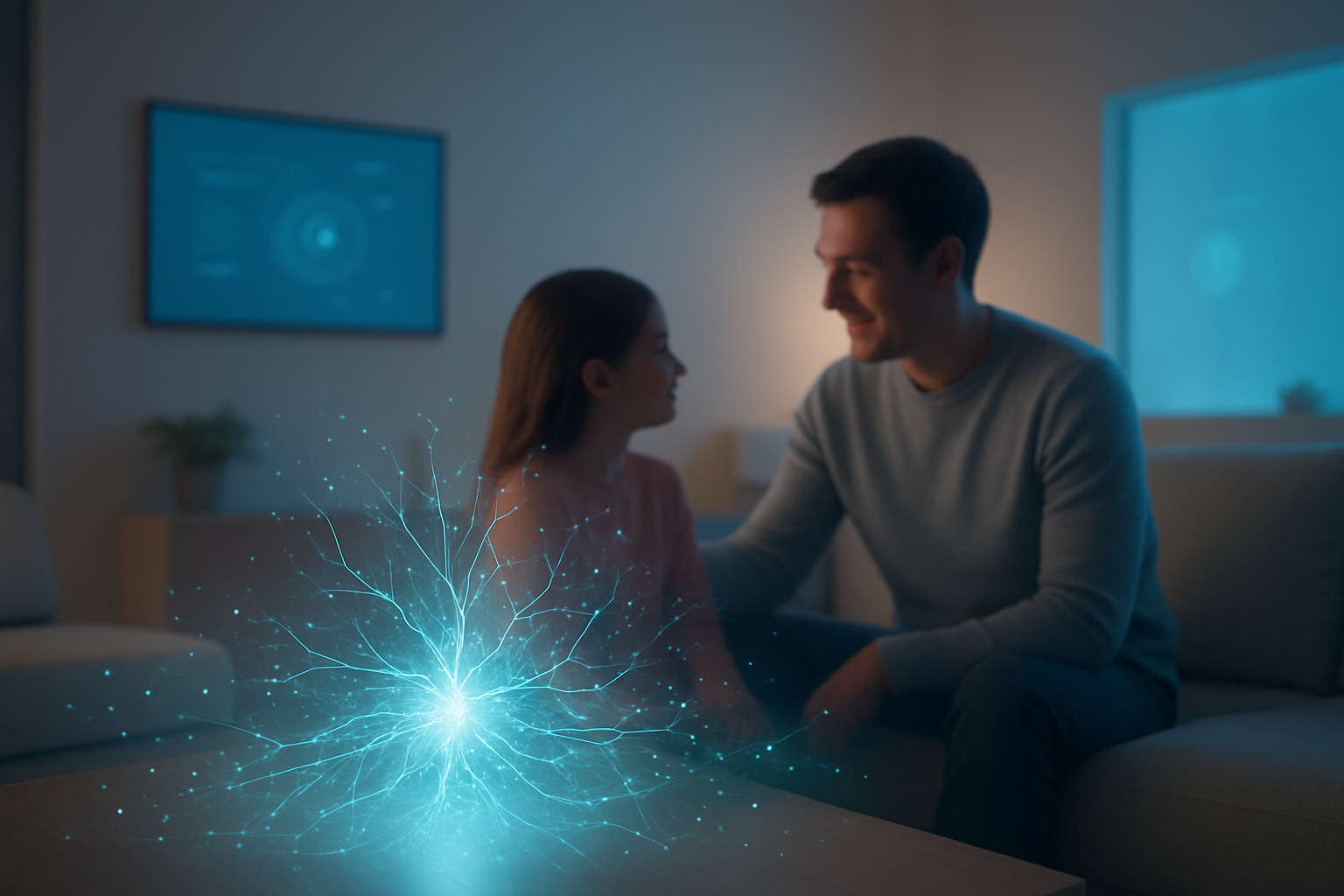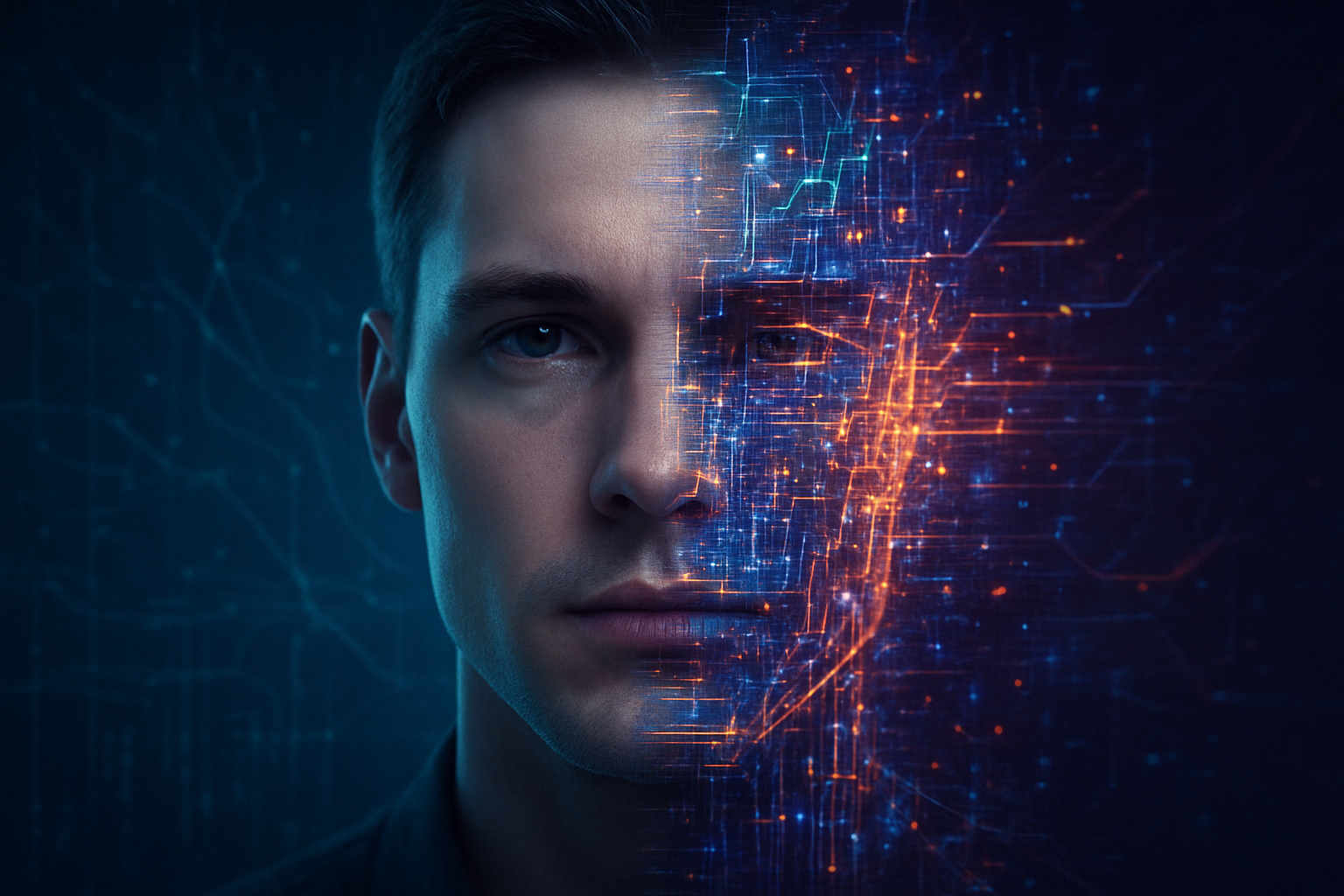
As of December 11, 2025, the immediate significance of realistic AI-generated videos and deepfakes lies in their profound capacity to blur the lines between reality and fabrication, posing unprecedented challenges to detection and eroding societal trust. The rapid advancement and accessibility of these technologies have transformed them from novel curiosities into potent tools for misinformation, fraud, and manipulation on a global scale. The sophistication of contemporary AI-generated videos and deepfakes has reached a point where they are "scarily realistic" and "uncomfortably clever" at mimicking genuine media, making them virtually "indistinguishable from the real thing" for most people.
This technological leap has pushed deepfakes beyond the "uncanny valley," where subtle imperfections once hinted at their artificial nature, into an era of near-perfect synthetic media where visual glitches and unnatural movements are largely undetectable. This advanced realism directly threatens public perception, allowing for the creation of entirely false narratives that depict individuals saying or doing things they never did. The fundamental principle of "seeing is believing" is collapsing, leading to a pervasive atmosphere of doubt and a "liar's dividend," where even genuine evidence can be dismissed as fabricated, further undermining public trust in institutions, media, and even personal interactions.
The Technical Underpinnings of Hyperreal Deception
Realistic AI-generated videos and deepfakes represent a significant leap in synthetic media technology, fundamentally transforming content creation and raising complex societal challenges. This advancement is primarily driven by sophisticated AI models, particularly Diffusion Models, which have largely surpassed earlier approaches like Generative Adversarial Networks (GANs) in quality and stability. While GANs, with their adversarial generator-discriminator architecture, were foundational, they often struggled with training stability and mode collapse. Diffusion models, conversely, iteratively denoise random input, gradually transforming it into coherent, high-quality images or videos, proving exceptionally effective in text-to-image and text-to-video tasks.
These generative models contrast sharply with traditional AI methods in video, which primarily employed discriminative models for tasks like object detection or enhancing existing footage, rather than creating new content from scratch. Early AI video generation was limited to basic frame interpolation or simple animations. The current ability to synthesize entirely new, coherent, and realistic video content from text or image prompts marks a paradigm shift in AI capabilities.
As of late 2025, leading AI video generation models like OpenAI's (NYSE: OPEN) Sora and Google's (NASDAQ: GOOGL) Veo 3 demonstrate remarkable capabilities. Sora, a diffusion model built upon a transformer architecture, treats videos and images as "visual patches," enabling a unified approach to data representation. It can generate entire videos in one process, up to 60 seconds long with 1080p resolution, maintaining temporal coherence and character identity across shots, even when subjects temporarily disappear from the frame. It also exhibits an unprecedented capability in understanding and generating complex visual narratives, simulating physics and three-dimensional space.
Google's Veo 3, built on a sophisticated latent diffusion transformer architecture, offers even higher fidelity, generating videos up to 4K resolution at 24-60 frames per second, with optimal lengths ranging from 15 to 120 seconds and a maximum of 5 minutes. A key differentiator for Veo 3 is its integrated synchronized audio generation, including dialogue, ambient sounds, and music that matches the visual content. Both models provide fine-grained control over cinematic elements like camera movements, lighting, and artistic styles, and demonstrate an "emergent understanding" of real-world physics, object interactions, and prompt adherence, moving beyond literal interpretations to understand creative intent. Initial reactions from the AI research community are a mix of awe at the creative power and profound concern over the potential for misuse, especially as "deepfake-as-a-service" platforms have become widely available, making the technology accessible to cybercriminals.
Industry Shifts: Beneficiaries, Battles, and Business Disruption
The rapid advancement and widespread availability of realistic AI-generated videos and deepfakes are profoundly reshaping the landscape for AI companies, tech giants, and startups as of late 2025. This evolving technology presents both significant opportunities and formidable challenges, influencing competitive dynamics, disrupting existing services, and redefining strategic advantages across various sectors.
Companies specializing in deepfake detection and prevention are experiencing a boom, with the market projected to exceed $3.5 billion by the end of 2025. Cybersecurity firms like IdentifAI, Innerworks, Keyless, Trustfull, Truepic, Reality Defender, Certifi AI, and GetReal Labs are securing significant funding to develop advanced AI-powered detection platforms that integrate machine learning, neural networks, biometric verification, and AI fingerprinting. Generative AI tool developers, especially those establishing content licensing agreements and ethical guidelines, also stand to benefit. Disney's (NYSE: DIS) $1 billion investment in OpenAI and the licensing of over 200 characters for Sora exemplify a path for AI companies to collaborate with major content owners, extending storytelling and creating user-generated content.
The competitive landscape is intensely dynamic. Major AI labs like OpenAI (NYSE: OPEN) and Google (NASDAQ: GOOGL) are in an R&D race to improve realism, duration, and control over generated content. The proliferation of deepfakes has introduced a "trust tax," compelling companies to invest more in verifying the authenticity of their communications and content. This creates a new competitive arena for tech giants to develop and integrate robust verification tools, digital watermarks, and official confirmations into their platforms. Furthermore, the cybersecurity arms race is escalating, with AI-powered deepfake attacks leading to financial fraud losses estimated at $12.5 billion in the U.S. in 2025, forcing tech giants to continuously innovate their cybersecurity offerings.
Realistic AI-generated videos and deepfakes are causing widespread disruption across industries. The ability to easily create indistinguishable fake content undermines trust in what people see and hear online, affecting news media, social platforms, and all forms of digital communication. Existing security solutions, especially those relying on facial recognition or traditional identity verification, are becoming unreliable against advanced deepfakes. The high cost and time of traditional video production are being challenged by AI generators that can create "studio quality" videos rapidly and cheaply, disrupting established workflows in filmmaking, advertising, and even local business marketing. Companies are positioning themselves by investing heavily in detection and verification, developing ethical generative AI, offering AI-as-a-service for content creation, and forming strategic partnerships to navigate intellectual property concerns.
A Crisis of Trust: Wider Societal and Democratic Implications
The societal and democratic impacts of realistic AI-generated videos and deepfakes are profound and multifaceted. Deepfakes serve as powerful tools for disinformation campaigns, capable of manipulating public opinion and spreading false narratives about political figures with minimal cost or effort. While some reports from the 2024 election cycles suggested deepfakes did not significantly alter outcomes, they demonstrably increased voter uncertainty. However, experts warn that 2025-2026 could mark the first true "AI-manipulated election cycle," with generative AI significantly lowering the barrier for influence operations.
Perhaps the most insidious impact is the erosion of public trust in all digital media. The sheer realism of deepfakes makes it increasingly difficult for individuals to discern genuine content from fabricated material, fostering a "liar's dividend" where even authentic footage can be dismissed as fake. This fundamental challenge to epistemic trust can have widespread societal consequences, undermining informed decision-making and public discourse. Beyond misinformation, deepfakes are extensively used in sophisticated social engineering attacks and phishing campaigns, often exploiting human psychology, trust, and emotional triggers at scale. The financial sector has been particularly vulnerable, with incidents like a Hong Kong firm losing $25 million after a deepfaked video call with imposters.
The implications extend far beyond misinformation, posing significant challenges to individual identity, legal systems, and psychological well-being. Deepfakes are instrumental in enabling sophisticated fraud schemes, including impersonation for financial scams and bypassing biometric security systems. The rise of "fake identities," combining real personal information with AI-generated content, is a major driver of this type of fraud. Governments worldwide are rapidly enacting and refining laws to curb deepfake misuse, reflecting a global effort to address these threats. In the United States, the "TAKE IT DOWN Act," signed in May 2025, criminalizes the knowing publication of non-consensual intimate imagery, including AI-generated deepfakes. The EU Artificial Intelligence Act (AI Act), in force in 2024, bans the most harmful uses of AI-based identity manipulation and imposes strict transparency requirements.
Deepfakes also inflict severe psychological harm and reputational damage on targeted individuals. Fabricated videos or audio can falsely portray individuals in compromising situations, leading to online harassment, personal and professional ruin. Research suggests that exposure to deepfakes causes increased uncertainty and can ultimately weaken overall faith in digital information. Moreover, deepfakes pose risks to national security by enabling the creation of counterfeit communications between military leaders or government officials, and they challenge judicial integrity as sophisticated fakes can be presented as evidence, undermining the legitimacy of genuine media. This level of realism and widespread accessibility sets deepfakes apart from previous AI milestones, marking a unique and particularly impactful moment in AI history.
The Horizon of Synthetic Media: Challenges and Predictions
The landscape of realistic AI-generated videos and deepfakes is undergoing rapid evolution, presenting a complex duality of transformative opportunities and severe risks. In the near term (late 2025 – 2026), voice cloning technology has become remarkably sophisticated, replicating not just tone and pitch but also emotional nuances and regional accents from minimal audio. Text-to-video models are showing improved capabilities in following creative instructions and maintaining visual consistency, with companies like OpenAI's (NYSE: OPEN) Sora 2 demonstrating hyperrealistic video generation with synchronized dialogue and physics-accurate movements, even enabling the insertion of real people into AI-generated scenes through its "Cameos" feature.
Longer term (beyond 2026), synthetic media is expected to become more deeply integrated into online content, becoming increasingly difficult to distinguish from authentic content. Experts predict that deepfakes will "cross the uncanny valley completely" within a few years, making human detection nearly impossible and necessitating reliance on technological verification. Real-time generative models will enable instant creation of synthetic content, revolutionizing live streaming and gaming, while immersive Augmented Reality (AR) and Virtual Reality (VR) experiences will be enhanced by hyper-realistic synthetic environments.
Despite the negative connotations, deepfakes and AI-generated videos offer numerous beneficial applications. They can enhance accessibility by generating sign language interpretations or natural-sounding voices for individuals with speech disabilities. In education and training, they can create custom content, simulate conversations with virtual native speakers, and animate historical figures. The entertainment and media industries can leverage them for special effects, streamlining film dubbing, and even "resurrecting" deceased actors. Marketing and customer service can benefit from customized deepfake avatars for personalized interactions and dynamic product demonstrations.
However, the malicious potential remains significant. Deepfakes will continue to be used for misinformation, fraud, reputation damage, and national security risks. The key challenges that need to be addressed include the persistent detection lag, where detection technologies consistently fall behind generation capabilities. The increasing realism and sophistication of deepfakes, coupled with the accessibility of creation tools, exacerbate this problem. Ethical and legal frameworks struggle to keep pace, necessitating robust regulations around intellectual property, privacy, and accountability. Experts predict an escalation of AI-powered attacks, with deepfake-powered phishing campaigns expected to account for a significant portion of cyber incidents. The response will require "fighting AI with more AI," focusing on adaptive detection systems, robust verification protocols, and a cultural shift to "never trust, always verify."
The Enduring Impact and What Lies Ahead
As 2025 concludes, the societal implications of realistic AI-generated videos and deepfakes have become profound, fundamentally reshaping trust in digital media and challenging democratic processes. The key takeaway is that deepfakes have moved beyond novelty to a sophisticated infrastructure, driven by advanced generative AI models, making high-quality fakes accessible to a wider public. This has led to a pervasive erosion of trust, widespread fraud and cybercrime (with U.S. financial fraud losses attributed to AI-assisted attacks projected to reach $12.5 billion in 2025), and significant risks to political stability and individual well-being through non-consensual content and harassment.
This development marks a pivotal moment in AI history, a "point of no return" where the democratization and enhanced realism of synthetic media have created an urgent global race for reliable detection and robust regulatory frameworks. The long-term impact will be a fundamental shift in how society perceives and verifies digital information, necessitating a permanent "crisis of media credibility." This will require widespread adoption of digital watermarks, blockchain-based content provenance, and integrated on-device detection tools, alongside a critical cultivation of media literacy and critical thinking skills across the populace.
In the coming weeks and months, watch for continued breakthroughs in self-learning AI models for deepfake detection, which adapt to new generation techniques, and wider implementation of blockchain for content authentication. Monitor the progression of federal legislation in the US, such as the NO FAKES Act and the DEFIANCE Act, and observe the enforcement and impact of the EU AI Act. Anticipate further actions from major social media and tech platforms in implementing robust notice-and-takedown procedures, real-time alert systems, and content labeling for AI-generated media. The continued growth of the "Deepfake-as-a-Service" (DaaS) economy will also demand close attention, as it lowers the barrier for malicious actors. The coming period will be crucial in this ongoing "arms race" between generative AI and detection technologies, as society continues to grapple with the multifaceted implications of a world where seeing is no longer necessarily believing.
This content is intended for informational purposes only and represents analysis of current AI developments.
TokenRing AI delivers enterprise-grade solutions for multi-agent AI workflow orchestration, AI-powered development tools, and seamless remote collaboration platforms.
For more information, visit https://www.tokenring.ai/.