Tag: Space Exploration

  • Moss, Microbes, and the Martian Dream: How Tiny Organisms Are Paving the Way for Off-World Colonies

    Moss, Microbes, and the Martian Dream: How Tiny Organisms Are Paving the Way for Off-World Colonies

    The ambitious dream of humanity establishing permanent settlements beyond Earth is taking a significant leap forward, not through advanced robotics or colossal spacecraft, but with the humble power of space-hardy organisms, particularly moss and various extremophiles. These resilient life forms are emerging as foundational components for creating sustainable extraterrestrial ecosystems, offering a biologically integrated pathway to overcome the harsh realities of celestial bodies like the Moon and Mars. Their remarkable ability to survive and even thrive in extreme conditions is sparking a paradigm shift in how we envision long-duration space missions and ultimately, human expansion into the cosmos.

    The immediate significance of these "pioneer species" lies in their potential to radically reduce our dependence on Earth-based resupply. By converting carbon dioxide into breathable oxygen, initiating soil formation from barren regolith, recycling waste, and providing the bedrock for future food production, these organisms are not merely biological curiosities but crucial bioengineers. This approach promises to make long-term human presence in space economically and practically viable, fostering self-sufficiency that is critical for the next era of space exploration.

    The Unsung Heroes: Technical Prowess of Extraterrestrial Biota

    Recent groundbreaking research underscores the extraordinary resilience and biological capabilities of space-hardy organisms. A notable study, for instance, involved the moss species Ceratodon purpureus (also known as spreading earthmoss or Physcomitrium patens). Researchers from Hokkaido University in Japan sent hundreds of moss sporophytes to the International Space Station (ISS), exposing them to the vacuum and radiation outside the station for a staggering nine months. Upon their return, over 80% of these spores not only survived but successfully germinated and reproduced on Earth, demonstrating an astonishing capacity for enduring the rigors of space.

    This resilience is attributed to several key biological capabilities. Moss spores, for example, exhibit extraordinary resistance to ultraviolet (UV) radiation, which was identified as a primary challenge for survival in space. Their protective casing acts as a natural shield, absorbing UV radiation and chemically safeguarding the inner spore. Experiments have shown some moss sporophytes to be approximately 1,000 times more resistant to UV radiation than other moss structures. Additionally, these organisms demonstrate remarkable tolerance to extreme temperatures, from -196°C to 55°C, and are highly desiccation-tolerant, meaning they can survive extreme drying and recover upon rehydration—a crucial trait for arid extraterrestrial environments. Beyond moss, other extremophiles like cyanobacteria (Chroococcidiopsis) are being investigated for their ability to withstand radiation, desiccation, and even process Martian regolith to produce oxygen.

    These biological systems represent a significant departure from traditional physicochemical life support systems (PCLSS), which primarily rely on mechanical and chemical processes for air and water recycling. While PCLSS are efficient for shorter missions, they demand continuous resupply. Bioregenerative Life Support Systems (BLSS), leveraging space-hardy organisms, offer self-sustainability by regenerating resources like oxygen, water, and food from waste, mimicking Earth's natural ecosystems. This closed-loop approach drastically reduces the logistical burden and cost of resupply, provides psychological benefits to astronauts, and offers inherent adaptability and self-repair capabilities that mechanical systems lack. The astrobiology and space research community has reacted with both astonishment and cautious optimism, viewing these organisms as promising "pioneer species" that could establish basic ecosystems beyond Earth, though acknowledging challenges in long-term growth and planetary protection.

    A New Frontier for Space Industry and Biotech Innovation

    The burgeoning field of space-hardy organisms is set to create a new economic frontier, significantly benefiting space exploration companies, biotech firms, and research institutions while disrupting traditional approaches to space life support. Companies deeply invested in establishing human presence beyond Earth stand to gain immensely.

    Sierra Space is developing modular space habitats and advanced agricultural solutions for lunar missions, while SpaceX and Blue Origin are poised to integrate these self-sustaining technologies into their ambitious plans for Martian and lunar colonization, dramatically reducing the prohibitive costs of Earth-based resupply. Axiom Space (NASDAQ: AXSP), constructing commercial space stations, could host biomanufacturing hubs to experiment with these organisms. Lunar logistics providers like Astrobotic Technology will find new business in transporting astrobotany payloads. Even aerospace giants like Boeing (NYSE: BA) and Lockheed Martin (NYSE: LMT) are collaborating on lunar agriculture, signifying a broader industry shift.

    Biotech firms are also at the forefront of this revolution. Companies like Solar Foods are exploring novel methods of off-Earth food production, directly benefiting from advancements in extremophile research. Space Tango specializes in microgravity research for organisms, while Varda Space Industries, SpacePharma, and Space Forge are pioneering in-space pharmaceutical manufacturing, potentially leveraging bioengineered space-hardy organisms for novel drug and biomaterial production. Synthetic biology companies such as Ginkgo Bioworks (NYSE: DNA) could engineer moss variants with enhanced radiation resistance. Moonganic and Solsys Mining are dedicated to lunar agriculture and regolith processing for plant growth, respectively. This influx of biological innovation will disrupt existing space life support systems, shifting from purely physicochemical solutions to integrated hybrid systems that combine the best of both worlds. The venture capital interest in space agriculture is projected to reach $10 billion by 2030, highlighting the massive market potential and the emergence of new "astrobiology engineering" firms.

    Beyond Earth: Wider Implications and Ethical Horizons

    The integration of space-hardy organisms into colonization strategies carries profound wider significance for the trajectory of space exploration and humanity's long-term presence beyond Earth. These organisms are not just tools for survival; they are catalysts for "microterraforming," capable of gradually altering planetary environments to make them more hospitable. Cyanobacteria, for instance, can live on Martian soil, produce oxygen, and even mitigate the toxicity of perchlorates. This biological approach to environmental modification represents a fundamental shift from solely relying on complex, energy-intensive mechanical systems.

    This move towards bioregenerative life support systems (BLSS) signifies a crucial evolution from the largely open or semi-closed systems of the past, such as those on the International Space Station (ISS), which remain heavily reliant on Earth-based resupply. BLSS aim for complete material recycling, mirroring Earth's natural ecosystems, offering increased autonomy, resilience, and scalability for permanent settlements. However, this transformative potential also raises significant ethical considerations, particularly concerning planetary protection. The deliberate introduction of Earth-based organisms, even beneficial ones, carries the risk of "forward contamination," potentially altering or extinguishing indigenous life if it exists, and irrevocably impacting scientific integrity. The debate between strict planetary protection and "proactive inoculation protocols" — where microbes are strategically introduced as "terraforming pioneers" — is intensifying, forcing humanity to confront its ethical responsibilities towards potential extraterrestrial biospheres.

    The Road Ahead: Cultivating Our Cosmic Future

    The future of utilizing space-hardy organisms for off-world colonization is marked by both ambitious long-term visions and critical near-term developments. In the immediate future, research will focus on refining controlled environment agriculture (CEA) systems—advanced hydroponics, aeroponics, and vertical farms—to optimize plant growth in space habitats. Experiments on the ISS continue to demonstrate the viability of growing crops like lettuce and radishes, while ground-based simulations explore cultivating staple foods in lunar and Martian regolith simulants. The focus will also be on understanding and mitigating microgravity's effects on plant biology and managing microbial communities within confined habitats to ensure crop health.

    Long-term developments envision fully closed-loop bioregenerative systems that sustain large human populations. These systems will integrate higher plants, micro-algae, and even insects like silkworms for waste conversion, aiming for near-complete material recycling. Experts predict a shift towards highly integrated multi-trophic systems and sophisticated, autonomous environmental control. While full-scale terraforming remains a distant goal, the concept of "Proactive Inoculation Protocols" (PIP) is gaining traction, suggesting the strategic introduction of beneficial microbes as primary colonists to gradually create more hospitable conditions. Challenges remain, including mitigating radiation, understanding microgravity's biological impacts, overcoming regolith toxicity, and ensuring the long-term stability of complex biological systems. However, experts from NASA, ESA, and other agencies agree that space farming is rapidly moving from science fiction to a critical necessity for sustained human presence beyond Earth, with the in-orbit economy potentially surpassing Earth's within the next century.

    A New Era of Biologically-Driven Space Exploration

    The journey towards off-world colonization is undergoing a fundamental transformation, with space-hardy organisms emerging as indispensable architects of our extraterrestrial future. From the astounding resilience of moss spores surviving the vacuum of space to the potential of extremophiles to process alien regolith and generate vital resources, these tiny bioengineers are redefining the boundaries of what's possible. Their significance in the history of space exploration is profound, shifting our focus from merely surviving in space to actively thriving by creating sustainable, self-sufficient ecosystems.

    The long-term impact is nothing short of revolutionary: enabling permanent human habitats, potentially pioneering terraforming efforts, and driving in-situ resource utilization to unprecedented levels. This paradigm shift will necessitate robust policy debates on planetary protection, balancing the imperative to prevent contamination with the strategic utilization of microbes for colonization. In the coming weeks and months, watch for continued ISS experiments, new discoveries of space-adapted microbes, advancements in genomic engineering to enhance microbial capabilities, and the further integration of bioregenerative systems into mission architectures by agencies like NASA (through programs like Artemis) and private ventures such as SpaceX and Blue Origin. The silent, resilient work of these organisms is quietly laying the biological groundwork for humanity's multi-planetary destiny.


    This content is intended for informational purposes only and represents analysis of current AI developments.

    TokenRing AI delivers enterprise-grade solutions for multi-agent AI workflow orchestration, AI-powered development tools, and seamless remote collaboration platforms.
    For more information, visit https://www.tokenring.ai/.
  • Moss Spores Defy the Void: A Tiny Plant’s Giant Leap for Astrobiology and Off-World Ecosystems

    Moss Spores Defy the Void: A Tiny Plant’s Giant Leap for Astrobiology and Off-World Ecosystems

    Recent groundbreaking research has revealed the astonishing resilience of moss spores, with over 80% surviving a nine-month exposure to the brutal conditions on the exterior of the International Space Station (ISS) and retaining their ability to germinate upon return to Earth. This extraordinary discovery, made public in late 2022 and further analyzed in subsequent months, has sent ripples of excitement through the scientific community. It profoundly expands our understanding of life's tenacity, offering significant implications for the theory of panspermia, the ongoing search for extraterrestrial life, and the practical feasibility of establishing sustainable off-world habitats for future human endeavors.

    Unpacking the Microscopic Marvel: Technical Insights into Space-Hardy Moss

    The study, primarily focusing on the moss species Physcomitrium patens (spreading earthmoss) and Ceratodon purpureus, involved exposing their sporophytes—the protective structures containing the spores—to the combined stresses of outer space. For 283 days, from March to December 2022, samples were affixed to the exterior of Japan's Kibo module on the ISS. Here, they faced the vacuum of space, intense cosmic and ultraviolet (UV) radiation, and extreme temperature fluctuations ranging from approximately -196°C to 55°C. Ground simulations prior to flight had already indicated the superior resilience of encapsulated spores compared to juvenile moss or brood cells, with spores exhibiting approximately 1,000 times greater tolerance to UV radiation.

    Upon their return, scientists were astonished to find that 86% of spores exposed to UV rays in space still germinated, compared to 97% in ground controls. While a slight degradation (around 20%) in chlorophyll a was noted, it did not hinder the spores' ability to revive and reproduce. Genetic analysis post-exposure revealed minimal mutations, suggesting the activation of efficient repair mechanisms upon rehydration. The key to this remarkable survival was identified as the sporangium, the natural protective barrier encasing the spores. This structure effectively shielded the inner spores from damaging UV radiation, vacuum conditions, and thermal extremes, an adaptation honed over 500 million years of evolution as bryophytes transitioned to land and survived multiple mass extinction events. Based on these findings, mathematical models predict that these encased moss spores could potentially survive in space for as long as 15 years.

    This survival mechanism, while sharing commonalities with other extremophiles like bacteria, lichens, and tardigrades (which also employ dormancy and desiccation tolerance), distinguishes itself with the specialized, multicellular protective architecture of the sporangium. This unique shielding provides a robust defense, absorbing harmful UV radiation and physically safeguarding the inner spore. Initial reactions from the scientific community, including lead author Dr. Tomomichi Fujita of Hokkaido University, were characterized by "astonishment" at the "extraordinary durability." While some astrobiologists, like Dr. Agata Zupanska of the SETI Institute, acknowledged that dormant forms are known to be resilient, the scale of survival for a relatively complex plant spore after direct space exposure was deemed "striking evidence" with "new frontiers" for space ecology.

    Commercial Currents: How Space Moss Shapes Biotech and Space Tech

    The extraordinary hardiness of moss spores in space carries significant commercial implications, particularly for companies operating in astrobiology research, space technology development, and biotechnology. This discovery challenges existing paradigms and fosters innovation in developing sustainable solutions for extraterrestrial environments.

    In the realm of space technology, companies focused on bioregenerative life support systems stand to benefit immensely. Firms like SpaceX (NASDAQ: TSLA) and Blue Origin (private) could integrate moss into their long-duration mission designs for lunar and Martian habitats, leveraging moss for oxygen generation, humidity regulation, and potentially basic atmospheric conditioning. Axiom Space (private), planning a commercial space station, might find moss-based experiments crucial for validating space agriculture business models. The ability of moss to act as a "pioneer plant" for terraforming efforts, converting barren regolith into rudimentary soil, also creates opportunities for companies involved in space settlement and resource utilization, though this remains a long-term vision.

    Biotechnology companies are poised to explore the genetic secrets behind moss's resilience. Platforms from companies like Schrödinger (NASDAQ: SDGR) and Insilico Medicine (private), which use AI for drug discovery and materials science, could be adapted to analyze moss genomes to identify and engineer genes responsible for radiation resistance or extreme temperature tolerance. These insights could lead to more resilient crops for both space agriculture and climate-challenged terrestrial environments. Furthermore, moss species like Physcomitrium patens are already used in biomanufacturing to produce proteins for medical applications or bioactive compounds for cosmetics, hinting at potential in-space bioproduction capabilities, possibly supported by companies like Varda Space Industries (private) or Merck Life Science (ETR: MRK).

    Artificial intelligence (AI) will play a pivotal role in translating these biological discoveries into practical applications. AI-powered systems for environmental monitoring in space can track the health and growth of moss in habitats or during terraforming initiatives, analyzing sensor data for early anomaly detection. Companies developing AI for geospatial intelligence, like those leveraging Google's (NASDAQ: GOOGL) Earth Engine, could adapt their technologies for extraterrestrial biological monitoring. Moreover, AI, particularly machine learning, is indispensable for rapidly analyzing the complex genomes of extremophiles, accelerating the identification of genes for engineering. NASA's "Artificial Intelligence for Life in Space" (AI4LS) initiative is already building computational frameworks for modeling spaceflight risks and analyzing biological data, underscoring AI's critical role in this evolving frontier.

    A New Chapter in Astrobiology: Wider Implications and Ethical Quandaries

    The survival of moss spores in space is more than just a scientific curiosity; it fundamentally reshapes our understanding of life's adaptability and its potential distribution across the cosmos. This finding significantly strengthens the hypothesis of panspermia, suggesting that life, or at least its hardy reproductive units, could potentially traverse vast interplanetary distances. While not definitive proof, it provides compelling evidence that Earth-originated life, at a cellular level, possesses intrinsic mechanisms to endure the vacuum, radiation, and thermal extremes necessary for such journeys. This broadens the scope of the search for extraterrestrial life, encouraging astrobiologists to consider environments previously deemed too hostile and to look for dormant or spore-like life forms that could reactivate under suitable conditions.

    For the feasibility of long-duration human missions and the establishment of off-world habitats, the implications are particularly profound. Moss could become a vital, low-maintenance component of bioregenerative life support systems for lunar bases and Martian colonies, contributing to oxygen generation, humidity control, and the recycling of air, water, and waste in closed ecological systems. Its role as a "pioneer species" on Earth suggests it could aid in terraforming efforts, transforming barren extraterrestrial regolith into arable land, a critical first step for growing more complex plants for food. This provides a "blueprint for bioengineering resilient systems," potentially leading to engineered moss variants with enhanced radiation resistance.

    However, these exciting prospects are not without significant concerns and ethical considerations. The primary worry is forward contamination, where Earth-based organisms could accidentally be introduced to other planets or moons, potentially altering or destroying native microbial ecosystems, if they exist. This directly conflicts with stringent planetary protection protocols. Introducing foreign species could lead to unpredictable and potentially harmful ecological shifts. Furthermore, while moss spores show remarkable resilience in space, their ability to germinate and grow under various extraterrestrial conditions—different gravity levels, atmospheric compositions, and long-term radiation exposure—remains largely untested. Experts emphasize that spore survival is merely an initial step; the true value lies in active growth and thriving away from Earth. These ethical dilemmas underscore the immense responsibility accompanying humanity's expansion into the cosmos.

    The Horizon: Future Developments and Expert Predictions

    The discovery of moss spore survival in space ignites a new wave of research and development, promising both near-term refinements and long-term transformative applications. In the immediate future, scientists are focused on refining mathematical models to predict spore viability more precisely, with current estimates suggesting survival for up to 15 years in space. Further in-depth investigation into the specific protective mechanisms within the sporangium, particularly its role in UV radiation absorption and physical shielding, is paramount. Researchers will also meticulously assess DNA damage incurred during space exposure and track the efficacy of repair mechanisms upon rehydration, offering crucial insights into biological recovery beyond Earth's protective atmosphere. Experiments will also begin to explore how extraterrestrial soils might support plant growth, using moss as a foundational organism.

    Looking further ahead, the long-term implications are poised to revolutionize how humanity approaches life beyond Earth. Moss could be instrumental in establishing foundational ecosystems on the Moon and Mars, contributing to oxygen generation, humidity control, and initial soil formation. While not a primary food source, its ability to pave the way for more complex plant life is invaluable. The findings also compel a rethinking of the panspermia theory, suggesting that primitive life forms might indeed travel between celestial bodies. Potential applications include advanced bioregenerative life support systems for extended space missions, leveraging moss for closed-loop air, water, and waste recycling. The concept of terraforming, particularly for Mars, could see moss playing a crucial role in kickstarting ecological processes, transforming regolith into fertile ground.

    Despite the immense promise, significant challenges remain. Replicating the full spectrum of deep space hazards, including higher levels of ionizing radiation and prolonged microgravity during interplanetary travel, is difficult. A critical next step is determining if metabolically active (hydrated) mosses, not just dormant spores, can survive and grow in space, as active organisms are far more susceptible to damage. Furthermore, the ability of moss to germinate and thrive under diverse extraterrestrial conditions—varying gravity, atmospheric compositions, and radiation levels—needs rigorous testing. Experts predict continued, longer-duration exposure experiments, potentially on lunar landers, to validate moss's role in regolith transformation. They also foresee increased research into integrating moss with other organisms like algae or bacteria to form more effective symbiotic systems for life support and terraforming. The consensus is clear: this tiny plant provides extraordinary evidence of life's hardiness, opening a new frontier toward constructing ecosystems in extraterrestrial environments.

    Cosmic Resilience: A Wrap-Up on Moss's Enduring Legacy

    The survival of moss spores in the unforgiving vacuum of space marks a pivotal moment in astrobiology and the ongoing quest for interstellar exploration. The key takeaways are clear: moss spores exhibit an extraordinary resilience, with over 80% viability after nine months on the ISS, attributed to their dormant state and the protective sporangium. This tenacity against extreme radiation, vacuum, and temperature fluctuations significantly expands our understanding of life's survival limits.

    This development holds immense significance, bolstering the panspermia hypothesis and broadening the search for extraterrestrial life. For space technology, it offers a tangible pathway toward sustainable human presence beyond Earth, positioning moss as a foundational component for bioregenerative life support systems and a pioneer species for nascent terraforming efforts on the Moon and Mars. While challenges remain, particularly concerning the growth of active organisms in alien environments and critical planetary protection concerns, the implications are transformative.

    In the long term, this discovery will profoundly influence mission planning for lunar bases and Martian colonies, pushing for more self-sufficient and biologically integrated approaches to space exploration. We can expect to see immediate research follow-ups, including detailed genetic analysis and longer-duration exposure experiments, potentially on lunar landers. Watch for advancements in AI-driven monitoring systems to optimize moss growth in controlled extraterrestrial environments and increased focus on bioengineered plants specifically designed for space. The humble moss has proven itself a silent, yet powerful, harbinger of a future where life may indeed flourish beyond Earth.


    This content is intended for informational purposes only and represents analysis of current AI developments.

    TokenRing AI delivers enterprise-grade solutions for multi-agent AI workflow orchestration, AI-powered development tools, and seamless remote collaboration platforms.
    For more information, visit https://www.tokenring.ai/.
  • AI Unlocks Cosmic Secrets: Revolutionizing Discovery in Physics and Cosmology

    AI Unlocks Cosmic Secrets: Revolutionizing Discovery in Physics and Cosmology

    Artificial Intelligence (AI) is ushering in an unprecedented era of scientific discovery, fundamentally transforming how researchers in fields like cosmology and physics unravel the universe's most profound mysteries. By leveraging sophisticated algorithms and machine learning techniques, AI is proving instrumental in sifting through colossal datasets, identifying intricate patterns, and formulating hypotheses that would otherwise remain hidden to human observation. This technological leap is not merely an incremental improvement; it represents a paradigm shift, significantly accelerating the pace of discovery and pushing the boundaries of human knowledge about the cosmos.

    The immediate significance of AI's integration into scientific research is multifaceted. It dramatically speeds up data processing, allowing scientists to analyze information from telescopes, particle accelerators, and simulations in a fraction of the time previously required. This efficiency not only uncovers novel insights but also minimizes human error, optimizes experimental designs, and ultimately reduces the cost and resources associated with groundbreaking research. From mapping dark matter to detecting elusive gravitational waves and classifying distant galaxies with remarkable accuracy, AI is becoming an indispensable collaborator in humanity's quest to understand the fundamental fabric of reality.

    Technical Deep Dive: AI's Precision in Unveiling the Universe

    AI's role in scientific discovery is marked by its ability to process, interpret, and derive insights from datasets of unprecedented scale and complexity, far surpassing traditional methods. This is particularly evident in fields like exoplanet detection, dark matter mapping, gravitational wave analysis, and particle physics at CERN's Large Hadron Collider (LHC).

    In exoplanet detection, AI, leveraging deep learning models such as Convolutional Neural Networks (CNNs) and Random Forest Classifiers (RFCs), analyzes stellar light curves to identify subtle dips indicative of planetary transits. These models are trained on vast datasets encompassing various celestial phenomena, enabling them to distinguish true planetary signals from astrophysical noise and false positives with over 95% accuracy. Unlike traditional methods that often rely on manual inspection, specific statistical thresholds, or labor-intensive filtering, AI learns to recognize intrinsic planetary features, even for planets with irregular orbits that might be missed by conventional algorithms like the Box-Least-Squares (BLS) method. NASA's ExoMiner, for example, not only accelerates discovery but also provides explainable AI insights into its decisions. The AI research community views this as a critical advancement, essential for managing the deluge of data from missions like Kepler, TESS, and the James Webb Space Telescope.

    For dark matter mapping, AI is revolutionizing our ability to infer the distribution and quantity of this elusive cosmic component. Researchers at ETH Zurich developed a deep learning model that, when trained on cosmological simulations, can estimate the amount of dark matter in the universe with 30% greater accuracy than traditional statistical analyses. Another algorithm, "Inception," from EPFL, can differentiate between the effects of self-interacting dark matter and active galactic nuclei with up to 80% accuracy, even amidst observational noise. These AI models do not rely on pre-assigned shapes or functional forms for dark matter distribution, allowing for non-parametric inference across various galaxy types. This marks a significant departure from previous methods that were often limited by predefined physical models and struggled to extract maximum information from cosmological maps. Experts laud AI's potential to accelerate dark matter research and reduce uncertainties in cosmological parameters, though challenges remain in validating algorithms with real data and ensuring model interpretability.

    In gravitational wave analysis, AI, particularly deep learning models, is being integrated for signal detection, classification, and rapid parameter estimation. Algorithms like DINGO-BNS (Deep INference for Gravitational-wave Observations from Binary Neutron Stars) can characterize merging neutron star systems in approximately one second, a stark contrast to the hours required by the fastest traditional methods. While traditional detection relies on computationally intensive matched filtering against vast template banks, AI offers superior efficiency and the ability to extract features without explicit likelihood evaluations. Simulation-based inference (SBI) using deep neural architectures learns directly from simulated events, implicitly handling complex noise structures. This allows AI to achieve similar sensitivity to matched filtering but at orders of magnitude faster speeds, making it indispensable for next-generation observatories like the Einstein Telescope and Cosmic Explorer. The gravitational-wave community views AI as a powerful "intelligent augmentation," crucial for real-time localization of sources and multi-messenger astronomy.

    Finally, at the Large Hadron Collider (LHC), AI, especially machine learning and deep learning, is critical for managing the staggering data rates—40 million collisions per second. AI algorithms are deployed in real-time trigger systems to filter interesting events, perform physics object reconstruction, and ensure detector alignment and calibration within strict latency requirements. Unlike historical methods that relied on manually programmed selection criteria and subsequent human review, modern AI bypasses conventional reconstruction steps, directly processing raw detector data for end-to-end particle reconstruction. This enables anomaly detection to search for unpredicted new particles without complete labeling information, significantly enhancing sensitivity to exotic physics signatures. Particle physicists, early adopters of ML, have formed collaborations like the Inter-experimental Machine Learning (IML) Working Group, recognizing AI's transformative role in handling "big data" challenges and potentially uncovering new fundamental physics.

    Corporate Orbit: AI's Reshaping of the Tech Landscape

    The integration of AI into scientific discovery, particularly in cosmology and physics, is creating a new frontier for innovation and competition, significantly impacting both established tech giants and agile startups. Companies across the AI hardware, software, and cloud computing spectrum stand to benefit immensely, while specialized scientific AI platforms are emerging as key players.

    AI Hardware Companies are at the foundational layer, providing the immense computational power required for AI's complex models. NVIDIA (NASDAQ: NVDA) remains a dominant force with its GPUs and CUDA platform, essential for accelerating scientific AI training and inference. Its collaborations, such as with Synopsys, underscore its strategic positioning in physics simulations and materials exploration. Competitors like AMD (NASDAQ: AMD) are also making significant strides, partnering with national laboratories to deliver AI supercomputers tailored for scientific computing. Intel (NASDAQ: INTC) continues to offer advanced CPUs, GPUs, and specialized AI chips, while private companies like Graphcore and Cerebras are pushing the boundaries with purpose-built AI processors for complex workloads. Google (NASDAQ: GOOGL), through its custom Tensor Processing Units (TPUs), also plays a crucial role in its internal AI initiatives.

    In the realm of AI Software and Cloud Computing, the major players are providing the platforms and tools that democratize access to advanced AI capabilities. Google (NASDAQ: GOOGL) offers a comprehensive suite via Google Cloud Platform (GCP) and Google DeepMind, with services like TensorFlow and Vertex AI, and research aimed at solving tough scientific problems. Microsoft (NASDAQ: MSFT) with Azure, and Amazon (NASDAQ: AMZN) with Amazon Web Services (AWS), provide extensive cloud resources and machine learning platforms like Azure Machine Learning and Amazon SageMaker, critical for scaling scientific AI research. IBM (NYSE: IBM) also contributes with its AI chips and a strong focus on quantum computing, a specialized area of physics. Furthermore, specialized cloud AI platforms from companies like Saturn Cloud and Nebius Cloud are emerging to offer cost-effective, on-demand access to high-performance GPUs for AI/ML teams.

    A new wave of Specialized Scientific AI Platforms and Startups is directly addressing the unique challenges of scientific research. Companies like PhysicsX (private) are leveraging AI to engineer physical systems across industries, embedding intelligence from design to operations. PhysicsAI (private) focuses on deep learning in spacetime for simulations and synthetic data generation. Schrödinger Inc (NASDAQ: SDGR) utilizes physics-based computational platforms for drug discovery and materials science, demonstrating AI's direct application in physics principles. Startups like Lila Sciences are developing "scientific superintelligence platforms" and "fully autonomous labs," aiming to accelerate hypothesis generation and experimental design. These companies are poised to disrupt traditional research paradigms by offering highly specialized, AI-driven solutions that augment human creativity and streamline the scientific workflow.

    The competitive landscape is evolving into a race for "scientific superintelligence," with major AI labs like OpenAI and Google DeepMind increasingly focusing on developing AI systems capable of generating novel scientific ideas. Success will hinge on deep domain integration, where AI expertise is effectively combined with profound scientific knowledge. Companies with vast scientific datasets and robust AI infrastructure will establish significant competitive moats. This shift also portends a disruption of traditional R&D processes, accelerating discovery timelines and potentially rendering slower, more costly methods obsolete. The rise of "Science as a Service" through cloud-connected autonomous laboratories, powered by AI and robotics, could democratize access to cutting-edge experimental capabilities globally. Strategically, companies that develop end-to-end AI platforms, specialize in specific scientific domains, prioritize explainable AI (XAI) for trust, and foster collaborative ecosystems will gain a significant market advantage, ultimately shaping the future of scientific exploration.

    Wider Significance: AI's Transformative Role in the Scientific Epoch

    The integration of AI into scientific discovery is not merely a technical advancement; it represents a profound shift within the broader AI landscape, leveraging cutting-edge developments in machine learning, deep learning, natural language processing (NLP), and generative AI. This convergence is driving a data-centric approach to science, where AI efficiently processes vast datasets to identify patterns, generate hypotheses, and simulate complex scenarios. The trend is towards cross-disciplinary applications, with AI acting as a generalist tool that bridges specialized fields, democratizing access to advanced research capabilities, and fostering human-AI collaboration.

    The impacts of this integration are profound. AI is significantly accelerating research timelines, enabling breakthroughs in fields ranging from drug discovery to climate modeling. It can generate novel hypotheses, design experiments, even automate aspects of laboratory work, leading to entirely new avenues of inquiry. For instance, AI algorithms have found solutions for quantum entanglement experiments that previously stumped human scientists for weeks. AI excels at predictive modeling, forecasting everything from disease outbreaks to cosmic phenomena, and is increasingly seen as a partner capable of autonomous research, from data analysis to scientific paper drafting.

    However, this transformative power comes with significant concerns. Data bias is a critical issue; AI models, trained on existing data, can inadvertently reproduce and amplify societal biases, potentially leading to discriminatory outcomes in applications like healthcare. The interpretability of many advanced AI models, often referred to as "black boxes," poses a challenge to scientific transparency and reproducibility. Understanding how an AI arrives at a conclusion is crucial for validating its findings, especially in high-stakes scientific endeavors.

    Concerns also arise regarding job displacement for scientists. As AI automates tasks from literature reviews to experimental design, the evolving role of human scientists and the long-term impact on the scientific workforce remain open questions. Furthermore, academic misconduct and research integrity face new challenges with AI's ability to generate content and manipulate data, necessitating new guidelines for attribution and validation. Over-reliance on AI could also diminish human understanding of underlying mechanisms, and unequal access to advanced AI resources could exacerbate existing inequalities within the scientific community.

    Comparing this era to previous AI milestones reveals a significant leap. Earlier AI systems were predominantly rule-driven and narrowly focused. Today's AI, powered by sophisticated machine learning, learns from massive datasets, enabling unprecedented accuracy in pattern recognition, prediction, and generation. While early AI struggled with tasks like handwriting recognition, modern AI has rapidly surpassed human capabilities in complex perception and, crucially, in generating original content. The invention of Generative Adversarial Networks (GANs) in 2014, for example, paved the way for current generative AI. This shift moves AI from being a mere assistive tool to a collaborative, and at times autonomous, partner in scientific discovery, capable of contributing to original research and even authoring papers.

    Ethical considerations are paramount. Clear guidance is needed on accountability and responsibility when AI systems make errors or contribute significantly to scientific findings. The "black-box" nature of some AI models clashes with scientific principles of transparency and reproducibility, demanding new ethical norms. Maintaining trust in science requires addressing biases, ensuring interpretability, and preventing misconduct. Privacy protection in handling vast datasets, often containing sensitive information, is also critical. Ultimately, the development and deployment of AI in science must consider broader societal impacts, including equity and access, to ensure that AI serves as a responsible and transformative force in the pursuit of knowledge.

    Future Developments: The Horizon of AI-Driven Science

    The trajectory of AI in scientific discovery points towards an increasingly autonomous and collaborative future, promising to redefine the pace and scope of human understanding in cosmology and physics. Both near-term and long-term developments envision AI as a transformative force, from augmenting human research to potentially leading independent scientific endeavors.

    In the near term, AI will solidify its role as a powerful force multiplier. We can expect a proliferation of hybrid models where human scientists and AI collaborate intimately, with AI handling the labor-intensive aspects of research. Enhanced data analysis will continue to be a cornerstone, with AI algorithms rapidly identifying patterns, classifying celestial bodies with high accuracy (e.g., 98% for galaxies, 96% for exoplanets), and sifting through the colossal data streams from telescopes and experiments like the LHC. Faster simulations will become commonplace, as AI models learn from prior simulations to make accurate predictions with significantly reduced computational cost, crucial for complex physical systems in astrophysics and materials science. A key development is the rise of autonomous labs, which combine AI with robotic platforms to design, execute, and analyze experiments independently. These "self-driving labs" are expected to dramatically cut the time and cost for discovering new materials and automate entire research cycles. Furthermore, AI will play a critical role in quantum computing, identifying errors, predicting noise patterns, and optimizing quantum error correction codes, essential for advancing beyond the current "noisy intermediate-scale quantum" (NISQ) era.

    Looking further ahead, long-term developments envision increasingly autonomous AI systems capable of creative and critical contributions to the scientific process. Fully autonomous scientific agents could continuously learn from vast scientific databases, identify novel research questions, design and execute experiments, analyze results, and publish findings with minimal human intervention. In cosmology and physics, AI is expected to enable more precise cosmological measurements, potentially halving uncertainties in estimating parameters like dark matter and dark energy. Future upgrades to the LHC in the 2030s, coupled with advanced AI, are poised to enable unprecedented measurements, such as observing Higgs boson self-coupling, which could unlock fundamental insights into the universe. AI will also facilitate the creation of high-resolution simulations of the universe more cheaply and quickly, allowing scientists to test theories and compare them to observational data at unprecedented levels of detail. The long-term synergy between AI and quantum computing is also profound, with quantum computing potentially supercharging AI algorithms to tackle problems far beyond classical capabilities, potentially leading to a "singularity" in computational power.

    Despite this immense potential, several challenges need to be addressed. Data quality and bias remain critical, as AI models are only as good as the data they are trained on, and biased datasets can lead to misleading conclusions. Transparency and explainability are paramount, as the "black-box" nature of many deep learning models can hinder trust and critical evaluation of AI-generated insights. Ethical considerations and human oversight become even more crucial as AI systems gain autonomy, particularly concerning accountability for errors and the potential for unintended consequences, such as the accidental creation of hazardous materials in autonomous labs. Social and institutional barriers, including data fragmentation and infrastructure inequities, must also be overcome to ensure equitable access to powerful AI tools.

    Experts predict an accelerated evolution of AI in scientific research. Near-term, increased collaboration and hybrid intelligence will define the scientific landscape, with humans focusing on strategic direction and ethical oversight. Long-term, AI is predicted to evolve into an independent agent, capable of generating hypotheses and potentially co-authoring Nobel-worthy research. Some experts are bullish about the timeline for Artificial General Intelligence (AGI), predicting its arrival around 2040, or even earlier by some entrepreneurs, driven by continuous advancements in computing power and quantum computing. This could lead to superhuman predictive capabilities, where AI models can forecast research outcomes with greater accuracy than human experts, guiding experimental design. The vision of globally connected autonomous labs working in concert to generate and test new hypotheses in real-time promises to dramatically accelerate scientific progress.

    Comprehensive Wrap-Up: Charting the New Era of Discovery

    The integration of AI into scientific discovery represents a truly revolutionary period, fundamentally reshaping the landscape of innovation and accelerating the pace of knowledge acquisition. Key takeaways highlight AI's unparalleled ability to process vast datasets, identify intricate patterns, and automate complex tasks, significantly streamlining research in fields like cosmology and physics. This transformation moves AI beyond a mere computational aid to a "co-scientist," capable of generating hypotheses, designing experiments, and even drafting research papers, marking a crucial step towards Artificial General Intelligence (AGI). Landmark achievements, such as AlphaFold's protein structure predictions, underscore AI's historical significance and its capacity for solving previously intractable problems.

    In the long term, AI is poised to become an indispensable and standard component of the scientific research process. The rise of "AI co-scientists" will amplify human ingenuity, allowing researchers to pursue more ambitious questions and accelerate their agendas. The role of human scientists will evolve towards defining meaningful research questions, providing critical evaluation, and contextualizing AI-generated insights. This symbiotic relationship is expected to lead to an unprecedented acceleration of discoveries across all scientific domains. However, continuous development of robust ethical guidelines, regulatory frameworks, and comprehensive training will be essential to ensure responsible use, prevent misuse, and maximize the societal benefits of AI in science. The concept of "human-aware AI" that can identify and overcome human cognitive biases holds the potential to unlock discoveries far beyond our current conceptual grasp.

    In the coming weeks and months, watch for continued advancements in AI's ability to analyze cosmological datasets for more precise constraints on dark matter and dark energy, with frameworks like SimBIG already halving uncertainties. Expect further improvements in AI for classifying cosmic events, such as exploding stars and black holes, with increased transparency in their explanations. In physics, AI will continue to be a creative partner in experimental design, potentially proposing unconventional instrument designs for gravitational wave detectors. AI will remain crucial for particle physics discoveries at the LHC and will drive breakthroughs in materials science and quantum systems, leading to the autonomous discovery of new phases of matter. A significant focus will also be on developing AI systems that are not only accurate but also interpretable, robust, and ethically aligned with scientific goals, ensuring that AI remains a trustworthy and transformative partner in our quest to understand the universe.


    This content is intended for informational purposes only and represents analysis of current AI developments.

    TokenRing AI delivers enterprise-grade solutions for multi-agent AI workflow orchestration, AI-powered development tools, and seamless remote collaboration platforms.
    For more information, visit https://www.tokenring.ai/.
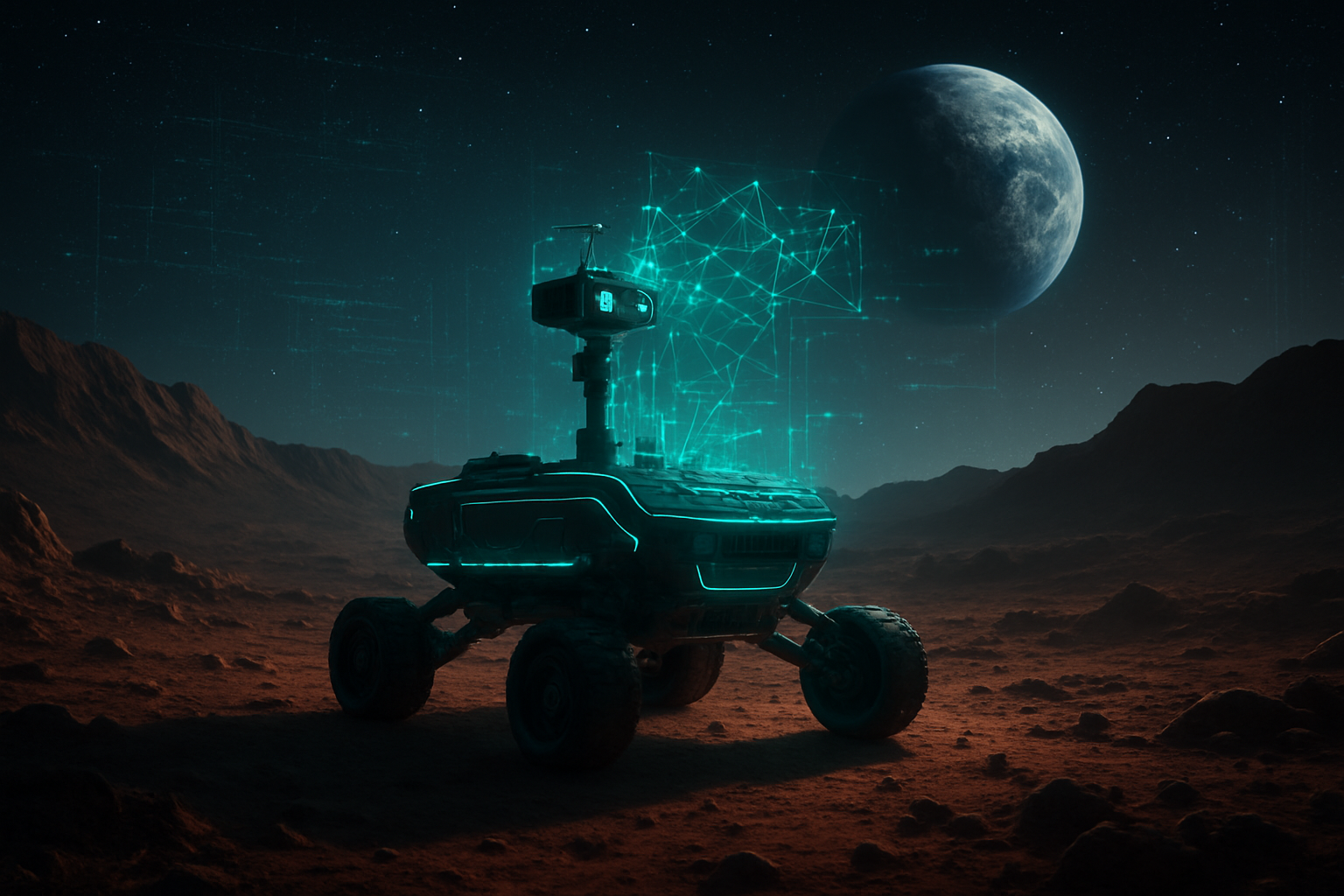
  • AI Unlocks a ‘Living Martian World’: Stony Brook Researchers Revolutionize Space Exploration with Physically Accurate 3D Video

    AI Unlocks a ‘Living Martian World’: Stony Brook Researchers Revolutionize Space Exploration with Physically Accurate 3D Video

    Stony Brook University's groundbreaking AI system, 'Martian World Models,' is poised to transform how humanity prepares for and understands the Red Planet. By generating hyper-realistic, three-dimensional videos of the Martian surface with unprecedented physical accuracy, this technological leap promises to reshape mission simulation, scientific discovery, and public engagement with space exploration.

    Announced around October 28, 2025, this innovative AI development directly addresses a long-standing challenge in planetary science: the scarcity and 'messiness' of high-quality Martian data. Unlike most AI models trained on Earth-based imagery, the Stony Brook system is meticulously designed to interpret Mars' distinct lighting, textures, and geometry. This breakthrough provides space agencies with an unparalleled tool for simulating exploration scenarios and preparing astronauts and robotic missions for the challenging Martian environment, potentially leading to more effective mission planning and reduced risks.

    Unpacking the Martian World Models: A Deep Dive into AI's New Frontier

    The 'Martian World Models' system, spearheaded by Assistant Professor Chenyu You from Stony Brook University's Department of Applied Mathematics & Statistics and Department of Computer Science, is a sophisticated two-component architecture designed for meticulous Martian environment generation.

    At its core is M3arsSynth (Multimodal Mars Synthesis), a specialized data engine and curation pipeline. This engine meticulously reconstructs physically accurate 3D models of Martian terrain by processing pairs of stereo navigation images from NASA's Planetary Data System (PDS). By calculating precise depth and scale from these authentic rover photographs, M3arsSynth constructs detailed digital landscapes that faithfully mirror the Red Planet's actual structure. A crucial aspect of M3arsSynth's development involved extensive human oversight, with the team manually cleaning and verifying each dataset, removing blurred or redundant frames, and cross-checking geometry with planetary scientists. This human-in-the-loop validation was essential due to the inherent challenges of Mars data, including harsh lighting, repeating textures, and noisy rover images.

    Building upon M3arsSynth's high-fidelity reconstructions is MarsGen, an advanced AI model specifically trained on this curated Martian data. MarsGen is capable of synthesizing new, controllable videos of Mars from various inputs, including single image frames, text prompts, or predefined camera paths. The output consists of smooth, consistent video sequences that capture not only the visual appearance but also the crucial depth and physical realism of Martian landscapes. Chenyu You emphasized that the goal extends beyond mere visual representation, aiming to "recreate a living Martian world on Earth — an environment that thinks, breathes, and behaves like the real thing."

    This approach fundamentally differs from previous AI-driven planetary modeling methods. By specifically addressing the "domain gap" that arises when AI models trained on Earth imagery attempt to interpret Mars, Stony Brook's system achieves a level of physical accuracy and geometric consistency previously unattainable. Experimental results indicate that this tailored approach significantly outperforms video synthesis models trained on terrestrial datasets in terms of both visual fidelity and 3D structural consistency. The ability to generate controllable videos also offers greater flexibility for mission planning and scientific analysis in novel environments, marking a significant departure from static models or less accurate visual simulations. Initial reactions from the AI research community, as evidenced by the research's publication on arXiv in July 2025, suggest considerable interest and positive reception for this specialized, physically informed generative AI.

    Reshaping the AI Industry: A New Horizon for Tech Giants and Startups

    Stony Brook University's breakthrough in generating physically accurate Martian surface videos is set to create ripples across the AI and technology industries, influencing tech giants, specialized AI companies, and burgeoning startups alike. This development establishes a new benchmark for environmental simulation, particularly for non-terrestrial environments, pushing the boundaries of what is possible in digital twin technology.

    Tech giants with significant investments in AI, cloud computing, and digital twin initiatives stand to benefit immensely. Companies like Google (NASDAQ: GOOGL), with its extensive cloud infrastructure and AI research arms, could see increased demand for high-performance computing necessary for rendering such complex simulations. Similarly, Microsoft (NASDAQ: MSFT), a major player in cloud services and mixed reality, could integrate these advancements into its simulation platforms and digital twin projects, extending their applicability to extraterrestrial environments. NVIDIA (NASDAQ: NVDA), a leader in GPU technology and AI-driven simulation, is particularly well-positioned, as its Omniverse platform and AI physics engines are already accelerating engineering design with digital twin technologies. The 'Martian World Models' align perfectly with the broader trend of creating highly accurate digital twins of physical environments, offering critical advancements for extending these capabilities to space.

    For specialized AI companies, particularly those focused on 3D reconstruction, generative AI, and scientific visualization, Stony Brook's methodology provides a robust framework and a new high standard for physically accurate synthetic data generation. Companies developing AI for robotic navigation, autonomous systems, and advanced simulation in extreme environments could directly leverage or license these techniques to improve the robustness of AI agents designed for space exploration. The ability to create "a living Martian world on Earth" means that AI training environments can become far more realistic and reliable.

    Emerging startups also have significant opportunities. Those specializing in niche simulation tools could build upon or license aspects of Stony Brook's technology to create highly specialized applications for planetary science research, resource prospecting, or astrobiology. Furthermore, startups developing immersive virtual reality (VR) or augmented reality (AR) experiences for space tourism, educational programs, or advanced astronaut training simulators could find hyper-realistic Martian videos to be a game-changer. The burgeoning market for synthetic data generation, especially for challenging real-world scenarios, could also see new players offering physically accurate extraterrestrial datasets. This development will foster a shift in R&D focus within companies, emphasizing the need for specialized datasets and physically informed AI models rather than solely relying on general-purpose AI or terrestrial data, thereby accelerating the space economy.

    A Wider Lens: AI's Evolving Role in Scientific Discovery and Ethical Frontiers

    The development of physically accurate AI models for Mars by Stony Brook University is not an isolated event but a significant stride within the broader AI landscape, reflecting and influencing several key trends while also highlighting potential concerns.

    This breakthrough firmly places generative AI at the forefront of scientific modeling. While generative AI has traditionally focused on visual fidelity, Stony Brook's work emphasizes physical accuracy, aligning with a growing trend where AI is used for simulating molecular interactions, hypothesizing climate models, and optimizing materials. This aligns with the push for 'digital twins' that integrate physics-based modeling with AI, mirroring approaches seen in industrial applications. The project also underscores the increasing importance of synthetic data generation, especially in data-scarce fields like planetary science, where high-fidelity synthetic environments can augment limited real-world data for AI training. Furthermore, it contributes to the rapid acceleration of multimodal AI, which is now seamlessly processing and generating information from various data types—text, images, audio, video, and sensor data—crucial for interpreting diverse rover data and generating comprehensive Martian environments.

    The impacts of this technology are profound. It promises to enhance space exploration and mission planning by providing unprecedented simulation capabilities, allowing for extensive testing of navigation systems and terrain analysis before physical missions. It will also improve rover operations and scientific discovery, with AI assisting in identifying Martian weather patterns, analyzing terrain features, and even analyzing soil and rock samples. These models serve as virtual laboratories for training and validating AI systems for future robotic missions and significantly enhance public engagement and scientific communication by transforming raw data into compelling visual narratives.

    However, with such powerful AI comes significant responsibilities and potential concerns. The risk of misinformation and "hallucinations" in generative AI remains, where models can produce false or misleading content that sounds authoritative, a critical concern in scientific research. Bias in AI outputs, stemming from training data, could also lead to inaccurate representations of geological features. The fundamental challenge of data quality and scarcity for Mars data, despite Stony Brook's extensive cleaning efforts, persists. Moreover, the lack of explainability and transparency in complex AI models raises questions about trust and accountability, particularly for mission-critical systems. Ethical considerations surrounding AI's autonomy in mission planning, potential misuse of AI-generated content, and ensuring safe and transparent systems are paramount.

    This development builds upon and contributes to several recent AI milestones. It leverages advancements in generative visual AI, exemplified by models like OpenAI's Sora 2 (private) and Google's Veo 3, which now produce high-quality, physically coherent video. It further solidifies AI's role as a scientific discovery engine, moving beyond basic tasks to drive breakthroughs in drug discovery, materials science, and physics simulations, akin to DeepMind's (owned by Google (NASDAQ: GOOGL)) AlphaFold. While NASA has safely used AI for decades, from Apollo orbiter software to autonomous Mars rovers like Perseverance, Stony Brook's work represents a significant leap by creating truly physically accurate and dynamic visual models, pushing beyond static reconstructions or basic autonomous functions.

    The Martian Horizon: Future Developments and Expert Predictions

    The 'Martian World Models' project at Stony Brook University is not merely a static achievement but a dynamic foundation for future advancements in AI-driven planetary exploration. Researchers are already charting a course for near-term and long-term developments that promise to make virtual Mars even more interactive and intelligent.

    In the near-term, Stony Brook's team is focused on enhancing the system's ability to model environmental dynamics. This includes simulating the intricate movement of dust, variations in light, and improving the AI's comprehension of diverse terrain features. The aspiration is to develop systems that can "sense and evolve with the environment, not just render it," moving towards more interactive and dynamic simulations. The university's strategic investments in AI research, through initiatives like the AI Innovation Institute (AI3) and the Empire AI Consortium, aim to provide the necessary computational power and foster collaborative AI projects to accelerate these developments.

    Long-term, this research points towards a transformative future where planetary exploration can commence virtually long before physical missions launch. Expert predictions for AI in space exploration envision a future with autonomous mission management, where AI orchestrates complex satellite networks and multi-orbit constellations in real-time. The advent of "agentic AI," capable of autonomous decision-making and actions, is considered a long-term game-changer, although its adoption will likely be incremental and cautious. There's a strong belief that AI-powered humanoid robots, potentially termed "artificial super astronauts," could be deployed to Mars on uncrewed Starship missions by SpaceX (private), possibly as early as 2026, to explore before human arrival. NASA is broadly leveraging generative AI and "super agents" to achieve a Mars presence by 2040, including the development of a comprehensive "Martian digital twin" for rapid testing and simulation.

    The potential applications and use cases for these physically accurate Martian videos are vast. Space agencies can conduct extensive mission planning and rehearsal, testing navigation systems and analyzing terrain in virtual environments, leading to more robust mission designs and enhanced crew safety. The models provide realistic environments for training and testing autonomous robots destined for Mars, refining their navigation and operational protocols. Scientists can use these highly detailed models for advanced research and data visualization, gaining a deeper understanding of Martian geology and potential habitability. Beyond scientific applications, the immersive and realistic videos can revolutionize educational content and public outreach, making complex scientific data accessible and captivating, and even fuel immersive entertainment and storytelling for movies, documentaries, and virtual reality experiences set on Mars.

    Despite these promising prospects, several challenges persist. The fundamental hurdle remains the scarcity and 'messiness' of high-quality Martian data, necessitating extensive and often manual cleaning and alignment. Bridging the "domain gap" between Earth-trained AI and Mars' unique characteristics is crucial. The immense computational resources required for generating complex 3D models and videos also pose a challenge, though initiatives like Empire AI aim to address this. Accurately modeling dynamic Martian environmental elements like dust storms and wind patterns, and ensuring consistency in elements across extended AI-generated video sequences, are ongoing technical hurdles. Furthermore, ethical considerations surrounding AI autonomy in mission planning and decision-making will become increasingly prominent.

    Experts predict that AI will fundamentally transform how humanity approaches Mars. Chenyu You envisions AI systems for Mars modeling that "sense and evolve with the environment," offering dynamic and adaptive simulations. Former NASA Science Director Dr. Thomas Zurbuchen stated that "we're entering an era where AI can assist in ways we never imagined," noting that AI tools are already revolutionizing Mars data analysis. The rapid improvement and democratization of AI video generation tools mean that high-quality visual content about Mars can be created with significantly reduced costs and time, broadening the impact of Martian research beyond scientific communities to public education and engagement.

    A New Era of Martian Exploration: The Road Ahead

    The development of the 'Martian World Models' by Stony Brook University researchers marks a pivotal moment in the convergence of artificial intelligence and space exploration. This system, capable of generating physically accurate, three-dimensional videos of the Martian surface, represents a monumental leap in our ability to simulate, study, and prepare for humanity's journey to the Red Planet.

    The key takeaways are clear: Stony Brook has pioneered a domain-specific generative AI approach that prioritizes scientific accuracy and physical consistency over mere visual fidelity. By tackling the challenge of 'messy' Martian data through meticulous human oversight and specialized data engines, they've demonstrated how AI can thrive even in data-constrained scientific fields. This work signifies a powerful synergy between advanced AI techniques and planetary science, establishing AI not just as an analytical tool but as a creative engine for scientific exploration.

    This development's significance in AI history lies in its precedent for developing AI that can generate scientifically valid and physically consistent simulations across various domains. It pushes the boundaries of AI's role in scientific modeling, establishing it as a tool for generating complex, physically constrained realities. This achievement stands alongside other transformative AI milestones like AlphaFold in protein folding, demonstrating AI's profound impact on accelerating scientific discovery.

    The long-term impact is nothing short of revolutionary. This technology could fundamentally change how space agencies plan and rehearse missions, creating incredibly realistic training environments for astronauts and robotic systems. It promises to accelerate scientific research, leading to a deeper understanding of Martian geology, climate, and potential habitability. Furthermore, it holds immense potential for enhancing public engagement with space exploration, making the Red Planet more accessible and understandable than ever before. This methodology could also serve as a template for creating physically accurate models of other celestial bodies, expanding our virtual exploration capabilities across the solar system.

    In the coming weeks and months, watch for further detailed scientific publications from Stony Brook University outlining the technical specifics of M3arsSynth and MarsGen. Keep an eye out for announcements of collaborations with major space agencies like NASA or ESA, or with aerospace companies, as integration into existing simulation platforms would be a strong indicator of practical adoption. Demonstrations at prominent AI or planetary science conferences will showcase the system's capabilities, potentially attracting further interest and investment. Researchers are expected to expand capabilities, incorporating more dynamic elements such as Martian weather patterns and simulating geological processes over longer timescales. The reception from the broader scientific community and the public, along with early use cases, will be crucial in shaping the immediate trajectory of this groundbreaking project. The 'Martian World Models' project is not just building a virtual Mars; it's laying the groundwork for a new era of physically intelligent AI that will redefine our understanding and exploration of the cosmos.


    This content is intended for informational purposes only and represents analysis of current AI developments.

    TokenRing AI delivers enterprise-grade solutions for multi-agent AI workflow orchestration, AI-powered development tools, and seamless remote collaboration platforms.
    For more information, visit https://www.tokenring.ai/.
  • Martian Ice: NASA’s New Frontier in the Search for Ancient Extraterrestrial Life

    Martian Ice: NASA’s New Frontier in the Search for Ancient Extraterrestrial Life

    Pasadena, CA – October 20, 2025 – In a groundbreaking revelation that could reshape the future of astrobiology, a recent NASA experiment has unequivocally demonstrated that Martian ice possesses the remarkable ability to preserve signs of ancient life for tens of millions of years. Published on September 12, 2025, in the prestigious journal Astrobiology, and widely reported this week, this discovery significantly extends the timeline for potential biosignature preservation on the Red Planet, offering renewed hope and critical guidance for the ongoing quest for extraterrestrial life.

    The findings challenge long-held assumptions about the rapid degradation of organic materials on Mars's harsh surface, spotlighting pure ice deposits as prime targets for future exploration. This pivotal research not only refines the search strategy for upcoming Mars missions but also carries profound implications for understanding the potential habitability of icy worlds throughout our solar system, from Jupiter's (NYSE: JUP) Europa to Saturn's (NYSE: SAT) Enceladus.

    Unveiling Mars's Icy Time Capsules: A Technical Deep Dive

    The innovative study, spearheaded by researchers from NASA Goddard Space Flight Center and Penn State University, meticulously simulated Martian conditions within a controlled laboratory environment. The core of the experiment involved freezing E. coli bacteria in two distinct matrices: pure water ice and a mixture mimicking Martian soil, enriched with silicate-based rocks and clay. These samples were then subjected to extreme cold, approximately -60°F (-51°C), mirroring the frigid temperatures characteristic of Mars's icy regions.

    Crucially, the samples endured gamma radiation levels equivalent to what they would encounter over 20 million years on Mars, with sophisticated modeling extending these projections to 50 million years of exposure. The results were stark and revelatory: over 10% of the amino acids – the fundamental building blocks of proteins – in the pure ice samples survived this prolonged simulated radiation. In stark contrast, organic molecules within the soil-bearing samples degraded almost entirely, exhibiting a decay rate ten times faster than their ice-encased counterparts. This dramatic difference highlights pure ice as a potent protective medium. Scientists posit that ice traps and immobilizes destructive radiation byproducts, such as free radicals, thereby significantly retarding the chemical breakdown of delicate biological molecules. Conversely, the minerals present in Martian soil appear to facilitate the formation of thin liquid films, enabling these destructive particles to move more freely and inflict greater damage.

    This research marks a significant departure from previous approaches, which often assumed a pervasive and rapid destruction of organic matter across the Martian surface due to radiation and oxidation. The new understanding reorients the scientific community towards specific, ice-dominated geological features as potential "time capsules" for ancient biomolecules. Initial reactions from the AI research community and industry experts, while primarily focused on the astrobiological implications, are already considering how advanced AI could be deployed to analyze these newly prioritized icy regions, identify optimal drilling sites, and interpret the complex biosignatures that might be unearthed.

    AI's Role in the Red Planet's Icy Future

    While the NASA experiment directly addresses astrobiological preservation, its broader implications ripple through the AI industry, particularly for companies engaged in space exploration, data analytics, and autonomous systems. This development underscores the escalating need for sophisticated AI technologies that can enhance mission planning, data interpretation, and in-situ analysis on Mars. Companies like Alphabet's (NASDAQ: GOOGL) DeepMind, IBM (NYSE: IBM), and Microsoft (NASDAQ: MSFT), with their extensive AI research capabilities, stand to benefit by developing advanced algorithms for processing the immense datasets generated by Mars orbiters and rovers.

    The competitive landscape for major AI labs will intensify around the development of AI-powered tools capable of guiding autonomous drilling operations into subsurface ice, interpreting complex spectroscopic data to identify biosignatures, and even designing self-correcting scientific experiments on distant planets. Startups specializing in AI for extreme environments, robotics, and advanced sensor fusion could find significant opportunities in contributing to the next generation of Mars exploration hardware and software. This development could disrupt existing approaches to planetary science data analysis, pushing for more intelligent, adaptive systems that can discern subtle signs of life amidst cosmic noise. Strategic advantages will accrue to those AI companies that can offer robust solutions for intelligent exploration, predictive modeling of Martian environments, and the efficient extraction and analysis of precious ice core samples.

    Wider Significance: Reshaping the Search for Life Beyond Earth

    This pioneering research fits seamlessly into the broader AI landscape and ongoing trends in astrobiology, particularly the increasing reliance on intelligent systems for scientific discovery. The finding that pure ice can preserve organic molecules for such extended periods fundamentally alters our understanding of Martian habitability and the potential for life to leave lasting traces. It provides a crucial piece of the puzzle in the long-standing debate about whether Mars ever harbored life, suggesting that if it did, evidence might still be waiting, locked away in its vast ice deposits.

    The impacts are far-reaching: it will undoubtedly influence the design and objectives of upcoming missions, including the Mars Sample Return campaign, by emphasizing the importance of targeting ice-rich regions for sample collection. It also bolsters the scientific rationale for missions to icy moons like Europa and Enceladus, where even colder temperatures could offer even greater preservation potential. Potential concerns, however, include the technological challenges of deep drilling into Martian ice and the stringent planetary protection protocols required to prevent terrestrial contamination of pristine extraterrestrial environments. This milestone stands alongside previous breakthroughs, such as the discovery of ancient riverbeds and methane plumes on Mars, as a critical advancement in the incremental, yet relentless, pursuit of life beyond Earth.

    The Icy Horizon: Future Developments and Expert Predictions

    The implications of this research are expected to drive significant near-term and long-term developments in planetary science and AI. In the immediate future, we can anticipate a recalibration of mission target selections for robotic explorers, with a heightened focus on identifying and characterizing accessible subsurface ice deposits. This will necessitate the rapid development of more advanced drilling technologies capable of penetrating several meters into Martian ice while maintaining sample integrity. AI will play a crucial role in analyzing orbital data to map these ice reserves with unprecedented precision and in guiding autonomous drilling robots.

    Looking further ahead, experts predict that this discovery will accelerate the design and deployment of specialized life-detection instruments optimized for analyzing ice core samples. Potential applications include advanced mass spectrometers and molecular sequencers that can operate in extreme conditions, with AI algorithms trained to identify complex biosignatures from minute organic traces. Challenges that need to be addressed include miniaturizing these sophisticated instruments, ensuring their resilience to the Martian environment, and developing robust planetary protection protocols. Experts predict that the next decade will see a concerted effort to access and analyze Martian ice, potentially culminating in the first definitive evidence of ancient Martian life, or at least a much clearer understanding of its past biological potential.

    Conclusion: A New Era for Martian Exploration

    NASA's groundbreaking experiment on the preservation capabilities of Martian ice marks a pivotal moment in the ongoing search for extraterrestrial life. The revelation that pure ice can act as a long-term sanctuary for organic molecules redefines the most promising avenues for future exploration, shifting focus towards the Red Planet's vast, frozen reserves. This discovery not only enhances the scientific rationale for targeting ice-rich regions but also underscores the critical and expanding role of artificial intelligence in every facet of space exploration – from mission planning and data analysis to autonomous operations and biosignature detection.

    The significance of this development in AI history lies in its demonstration of how fundamental scientific breakthroughs in one field can profoundly influence the technological demands and strategic direction of another. It signals a new era for Mars exploration, one where intelligent systems will be indispensable in unlocking the secrets held within Martian ice. As we look to the coming weeks and months, all eyes will be on how space agencies and AI companies collaborate to translate this scientific triumph into actionable mission strategies and technological innovations, bringing us closer than ever to answering the profound question: Are we alone?


    This content is intended for informational purposes only and represents analysis of current AI developments.

    TokenRing AI delivers enterprise-grade solutions for multi-agent AI workflow orchestration, AI-powered development tools, and seamless remote collaboration platforms.
    For more information, visit https://www.tokenring.ai/.
  • Cosmic Hand-Me-Downs: Astronomers Detect Ancient Water in a Planet-Forming Disk, Reshaping Our Understanding of Life’s Origins

    Cosmic Hand-Me-Downs: Astronomers Detect Ancient Water in a Planet-Forming Disk, Reshaping Our Understanding of Life’s Origins

    In a monumental discovery that could fundamentally alter our understanding of how water, and thus life, arrives on nascent planets, astronomers have announced the first-ever detection of doubly deuterated water (D₂O), or "heavy water," in a planet-forming disk. Published in Nature Astronomy on October 15, 2025, this breakthrough provides compelling evidence that the water essential for life might be far older than the stars and planets themselves, a cosmic inheritance passed down through billions of years. This revelation, made possible by cutting-edge observational technology and sophisticated data analysis, has immediate and profound implications for astrobiology and the ongoing quest to understand life's prevalence in the universe.

    The finding suggests a "missing link" in water's journey, tracing its origin back to ancient interstellar molecular clouds, demonstrating its resilience through the violent processes of star and planet formation. For a field increasingly reliant on advanced computational methods and artificial intelligence to sift through vast astronomical datasets, this discovery underscores the critical role AI plays in accelerating scientific understanding and pushing the boundaries of human knowledge about our place in the cosmos.

    Unraveling Water's Ancient Pedigree: A Technical Deep Dive into the V883 Orionis Discovery

    The groundbreaking detection was achieved using the Atacama Large Millimeter/submillimeter Array (ALMA), a sprawling network of 66 high-precision radio telescopes nestled in the Atacama Desert of Chile. ALMA's unparalleled sensitivity and resolution at millimeter and submillimeter wavelengths allowed astronomers to peer into the protoplanetary disk surrounding V883 Orionis, a young star located approximately 1,300 to 1,350 light-years away in the constellation Orion. V883 Orionis is a mere half-million years old, making its surrounding disk a prime target for studying the very early stages of planet formation.

    The specific identification of doubly deuterated water (D₂O) is crucial. Deuterium is a heavier isotope of hydrogen, and the ratio of deuterium to regular hydrogen in water molecules acts as a chemical fingerprint, indicating the conditions under which the water formed. The D₂O detected in V883 Orionis' disk exhibits a ratio similar to that found in ancient molecular gas clouds—the stellar nurseries from which stars like V883 Orionis are born—and also remarkably similar to comets within our own solar system. This chemical signature strongly indicates that the water molecules were not destroyed and reformed within the turbulent environment of the protoplanetary disk, but rather survived the star formation process, remaining intact from their interstellar origins.

    This finding sharply contrasts with theories suggesting that most water forms in situ within the protoplanetary disk itself, after the star has ignited. Instead, it provides direct observational evidence for the "inheritance" theory, where water molecules are preserved as ice grains within molecular clouds, then incorporated into the collapsing gas and dust that forms a new star system. This mechanism means that the building blocks of water, and potentially life, are effectively "cosmic hand-me-downs," billions of years older than the celestial bodies they eventually populate. The technical precision of ALMA, coupled with sophisticated spectral analysis techniques, was instrumental in distinguishing the faint D₂O signature amidst the complex chemical environment of the disk, pushing the limits of astronomical observation.

    AI's Guiding Hand in Cosmic Revelations: Impact on Tech Giants and Startups

    While the detection of heavy water in a planet-forming disk is an astronomical triumph, its implications ripple through the AI industry, particularly for companies engaged in scientific discovery, data analytics, and high-performance computing. Tech giants like Google (NASDAQ: GOOGL), Amazon (NASDAQ: AMZN), and Microsoft (NASDAQ: MSFT), with their extensive cloud computing infrastructure and AI research divisions, stand to benefit indirectly. Their platforms provide the computational power necessary to process the colossal datasets generated by observatories like ALMA, which can produce terabytes of data daily. Advanced AI algorithms for noise reduction, pattern recognition, and spectral analysis are indispensable for extracting meaningful signals from such complex astronomical observations.

    Specialized AI startups focusing on scientific machine learning and computational astrophysics are also poised for growth. Companies developing AI models for astrophysical simulations, exoplanet characterization, and astrobiological data interpretation will find new avenues for application. For instance, AI-driven simulations can model the chemical evolution of protoplanetary disks, helping to predict where and in what forms water might accumulate, and how it might be delivered to forming planets. The ability of AI to identify subtle chemical signatures in noisy data, as was likely in the case with the D₂O detection, showcases its competitive advantage over traditional analytical methods.

    This development reinforces the strategic importance of investing in AI tools that can accelerate scientific discovery. Major AI labs and tech companies are increasingly positioning themselves as enablers of groundbreaking research, offering AI-as-a-service for scientific communities. While not directly disrupting existing consumer products, this advancement highlights the growing market for AI solutions in high-stakes scientific fields, potentially influencing future R&D investments towards more specialized scientific AI applications and fostering collaborations between astronomical institutions and AI development firms.

    A Broader Cosmic Canvas: AI's Role in Astrobiology and Exoplanet Research

    The detection of ancient heavy water in V883 Orionis' disk represents a significant stride in astrobiology, reinforcing the idea that water, a fundamental ingredient for life, is robustly distributed throughout the universe and can survive the tumultuous birth of star systems. This finding fits into the broader AI landscape by underscoring the indispensable role of artificial intelligence in pushing the frontiers of scientific understanding. AI algorithms are not merely tools for data processing; they are increasingly becoming integral partners in hypothesis generation, anomaly detection, and the interpretation of complex astrophysical phenomena.

    The impacts of this discovery are far-reaching. It strengthens the astrobiological argument that many exoplanets could be born with a substantial water endowment, increasing the statistical probability of habitable worlds. This knowledge directly informs the design and observational strategies of future space telescopes, guiding them to target systems most likely to harbor water-rich planets. Potential concerns, if any, lie in the risk of oversimplifying the complex interplay of factors required for habitability, as water is just one piece of the puzzle. However, the rigor of AI-assisted analysis helps to mitigate such risks by allowing for multidimensional data correlation and robust statistical validation.

    Comparing this to previous AI milestones, this event highlights AI's transition from general-purpose problem-solving to highly specialized scientific applications. Just as AI has accelerated drug discovery and climate modeling, it is now profoundly impacting our ability to understand cosmic origins. This discovery, aided by AI's analytical prowess, echoes past breakthroughs like the first exoplanet detections or the imaging of black holes, where advanced computational techniques were crucial for transforming raw data into profound scientific insights, solidifying AI's role as a catalyst for human progress in understanding the universe.

    Charting the Future: AI-Driven Exploration of Water's Cosmic Journey

    Looking ahead, the detection of heavy water in V883 Orionis is just the beginning. Expected near-term developments include further high-resolution observations of other young protoplanetary disks using ALMA and potentially the James Webb Space Telescope (JWST), which can probe different chemical species and thermal environments. AI will be critical in analyzing the even more complex datasets these next-generation observatories produce, enabling astronomers to map the distribution of various water isotopes and other prebiotic molecules across disks with unprecedented detail. Long-term, these findings will inform missions designed to characterize exoplanet atmospheres and and surfaces for signs of water and habitability.

    Potential applications and use cases on the horizon are vast. AI-powered simulations will become even more sophisticated, modeling the entire lifecycle of water from interstellar cloud collapse to planetary accretion, integrating observational data to refine physical and chemical models. This could lead to predictive AI models that forecast the water content of exoplanets based on the characteristics of their host stars and protoplanetary disks. Furthermore, AI could be deployed in autonomous observatories or future space missions, enabling on-the-fly data analysis and decision-making to optimize scientific returns.

    Challenges that need to be addressed include improving the fidelity of astrophysical models, handling increasing data volumes, and developing AI algorithms that can distinguish between subtle chemical variations indicative of different formation pathways. Experts predict that the next decade will see a convergence of astrochemical modeling, advanced observational techniques, and sophisticated AI, leading to a much clearer picture of how common water-rich planets are and, by extension, how prevalent the conditions for life might be throughout the galaxy. The continuous refinement of AI for scientific discovery will be paramount in overcoming these challenges.

    A Watershed Moment: AI and the Ancient Origins of Life's Elixir

    The detection of ancient heavy water in a planet-forming disk marks a watershed moment in both astronomy and artificial intelligence. The key takeaway is clear: water, the very elixir of life, appears to be a resilient, ancient cosmic traveler, capable of surviving the tumultuous birth of star systems and potentially seeding countless new worlds. This discovery not only provides direct evidence for the interstellar inheritance of water but also profoundly strengthens the astrobiological case for widespread habitability beyond Earth.

    This development's significance in AI history lies in its powerful demonstration of how advanced computational intelligence, particularly in data processing and pattern recognition, is no longer just an adjunct but an essential engine for scientific progress. It showcases AI's capacity to unlock secrets hidden within vast, complex datasets, transforming faint signals into fundamental insights about the universe. The ability of AI to analyze ALMA's intricate spectral data was undoubtedly crucial in pinpointing the D₂O signature, highlighting the symbiotic relationship between cutting-edge instrumentation and intelligent algorithms.

    As we look to the coming weeks and months, watch for follow-up observations, new theoretical models incorporating these findings, and an increased focus on AI applications in astrochemical research. This discovery underscores that the search for life's origins is deeply intertwined with understanding the cosmic journey of water, a journey increasingly illuminated by the power of artificial intelligence.


    This content is intended for informational purposes only and represents analysis of current AI developments.

    TokenRing AI delivers enterprise-grade solutions for multi-agent AI workflow orchestration, AI-powered development tools, and seamless remote collaboration platforms.
    For more information, visit https://www.tokenring.ai/.

  • Elon Musk’s ‘Bakery’ Forges the Future of Space Travel with Mass-Produced Starship Heat Shields

    Elon Musk’s ‘Bakery’ Forges the Future of Space Travel with Mass-Produced Starship Heat Shields

    BOCA CHICA, TX – October 17, 2025 – In a development poised to revolutionize space exploration, Elon Musk’s aptly named 'Bakery' in Florida is in full swing, mass-producing advanced ceramic heat shield tiles that are critical to the rapid reusability of SpaceX (NASDAQ:SPCX) Starship. This highly automated facility represents a pivotal shift in aerospace manufacturing, moving from bespoke, handcrafted components to industrial-scale production, a key enabler for Starship’s ambitious mission to make humanity a multiplanetary species.

    The immediate significance of this innovation cannot be overstated. The 'Bakery' is not just producing tiles; it's baking the foundation for Starship's rapid reusability, aiming for an aircraft-like operational tempo with minimal turnaround time between flights. This industrial-scale efficiency is designed to drastically drive down the cost of space missions, transforming the economic equation of space exploration and making frequent journeys to the Moon, Mars, and beyond a tangible reality.

    Engineering Resilience: The Starship Heat Shield's Technical Edge

    Starship's thermal protection system (TPS) is a marvel of modern engineering, comprising approximately 18,000 hexagonal ceramic heat shield tiles that cover over 50% of its surface. These tiles, made from advanced silica-based ceramics and often coated with black borosilicate glass, are designed to endure extreme atmospheric reentry temperatures exceeding 1,400°C (2,500°F). Their hexagonal shape, precise pin-mounted attachments, and small expansion gaps allow them to flex and absorb immense thermal and aerodynamic stresses without cracking, a significant improvement over previous designs. Recent innovations like "Crunchwrap Tiles" and "Vulcan felt" further enhance their protective capabilities against plasma leaks.

    The 'Bakery' manufacturing process stands in stark contrast to historical approaches, most notably NASA’s Space Shuttle program. While the Space Shuttle relied on thousands of uniquely shaped, handcrafted tiles that required extensive, months-long refurbishment, SpaceX's facility is a high-tech, automated production center capable of churning out thousands of uniform tiles daily – some reports indicate up to 7,000 tiles per day, with one tile every 13 seconds. This rapid, consistent production, with each tile taking approximately 40 hours from raw material to finished product, is crucial for achieving Starship's goal of near-immediate reflight. Initial reactions from the aerospace community, while acknowledging the immense innovation and scale, have also highlighted the persistent technical challenges of ensuring the long-term durability and rapid refurbishment of these tiles, a hurdle even Elon Musk identifies as "the biggest technology challenge remaining for Starship."

    Reshaping the Aerospace Industry: Competitive Shifts and Market Advantages

    SpaceX's advancements in heat shield manufacturing are sending ripples across the aerospace industry, creating both opportunities and competitive pressures. SpaceX (NASDAQ:SPCX) itself stands as the primary beneficiary, as enhanced heat shield technology directly underpins Starship's rapid reusability and significantly reduced launch costs, solidifying its strategic advantage in the burgeoning commercial space sector. Suppliers of advanced ceramic materials and specialized stainless steel alloys, as well as providers of automation and manufacturing technology, could also see increased demand as the industry strives to match SpaceX's production cadence.

    For established aerospace giants like Boeing (NYSE:BA) and Lockheed Martin (NYSE:LMT), and even national space agencies, Starship's projected low-cost, high-frequency launch capabilities necessitate a re-evaluation of current product offerings and business models. The traditional paradigm of expensive, expendable rockets is facing significant disruption. This forces a shift in R&D focus towards more durable, rapidly reusable, and cost-effective thermal protection systems. Smaller aerospace startups and "New Space" companies, however, stand to benefit immensely from the drastically reduced cost of access to space, which could unlock new markets in space manufacturing, tourism, and resource utilization. SpaceX's vertically integrated "Bakery" model also grants it greater control over quality, intellectual property, and production schedules, reducing reliance on external suppliers for a critical component and further cementing its market leadership.

    A New Era of Space Exploration: Broader Implications and Concerns

    The Starship reusable heat shield technology is not merely an engineering feat; it's a foundational element for a new era of space exploration, fitting squarely into the broader trend towards greater reusability and accessibility. By dramatically lowering launch costs—potentially to under $100 per kilogram to orbit—and enabling unprecedented launch frequency, Starship aims to make ambitious missions to the Moon, Mars, and beyond economically viable within existing budgets. This capability is critical for establishing large satellite constellations, space stations, and permanent lunar or Martian bases, including its role as the Human Landing System for NASA's (NASDAQ:NASA) Artemis program.

    However, significant concerns and challenges persist. The technical hurdles of ensuring the heat shield's long-term durability against extreme temperatures (up to 2,600°F) and the violent shaking of reentry remain paramount. Early test flights have seen tiles fall off or sections of the heat shield burn through, underscoring the ongoing need for refinement. The complexity of rapid refurbishment for thousands of tiles, coupled with the intricate process of in-orbit refueling for deep-space missions, adds further operational challenges. Environmentally, concerns regarding sonic booms and ecological disruption from frequent launches continue to draw scrutiny. Compared to the Space Shuttle's notoriously fragile and labor-intensive tiles, Starship's standardized, mass-produced design represents a major leap, aiming to overcome the Shuttle's limitations in turnaround time and maintenance, thereby pushing the boundaries of what is possible in reusable spaceflight.

    The Road Ahead: Future Developments and Expert Predictions

    In the near term, SpaceX is relentlessly focused on iterative improvements and rigorous testing of its heat shield. This includes continuous refinements to tile materials and designs, the strategic integration of ablative sublayers for secondary protection, and enhanced gap sealing techniques like the "crunch wrap." The "Bakery" itself will continue to evolve, integrating new material and design changes into its automated production lines. Long-term developments could see more radical innovations, though the immediate focus remains on perfecting the existing tiled system. While concepts like transpiration cooling for metallic heat shields have been explored, their complexity has deferred their implementation, but the ongoing experimentation with metallic tiles signifies a commitment to pushing material science boundaries.

    Experts predict an aggressive development and testing timeline for Starship. SpaceX aims for a significantly accelerated flight cadence, with internal plans suggesting up to 25 launches in a single year by 2026, and eventually even hourly launches for the Super Heavy booster during optimal Mars transfer windows. Elon Musk himself has stated that, barring major setbacks, SpaceX aims to demonstrate full reusability of Starship within the next year, delivering over 100 tons to a functional orbit. The heat shield remains a primary focus, with ongoing innovation in material science and design crucial for achieving rapid reusability without extensive refurbishment. Key milestones to watch include perfecting the booster catch with the launch tower arms and demonstrating reliable in-orbit refueling, both essential for Starship's full operational capability and deep-space missions. Furthermore, the transition to Starship Version 3 (V3) prototypes, expected to fly next year, will incorporate further design improvements, including revised flap positions to enhance heat shield performance.

    A Transformative Trajectory: The Enduring Impact of Starship's Heat Shield

    The advancements in Starship's heat shield technology, forged in the automated ovens of Elon Musk's 'Bakery,' represent a transformative moment in aerospace history. The key takeaway is clear: this is not just about protecting a spacecraft; it's about unlocking a new era of space travel. By enabling rapid and full reusability, SpaceX is poised to democratize access to space, drastically reduce costs, and accelerate human exploration beyond Earth.

    The long-term impact will be profound, facilitating the establishment of permanent lunar bases, Martian settlements, and extensive orbital infrastructure, bringing humanity closer to becoming a multi-planetary species. The iterative development philosophy applied to the heat shield will likely inspire entirely new thermal protection system designs across the industry. In the coming weeks and months, the aerospace community will be closely watching the data from recent flight tests, the effectiveness of new gap-sealing technologies, and the continued progress of the "Starfactory" in Florida. The success of Starship's heat shield is not merely a technical achievement; it is the linchpin for a future where frequent, affordable, and sustainable access to space is a reality, fundamentally reshaping our relationship with the cosmos.


    This content is intended for informational purposes only and represents analysis of current AI developments.

    TokenRing AI delivers enterprise-grade solutions for multi-agent AI workflow orchestration, AI-powered development tools, and seamless remote collaboration platforms.
    For more information, visit https://www.tokenring.ai/.
  • AI in Orbit: Charting the Future of Intelligent Systems in Space at the Upcoming 2025 Workshop

    AI in Orbit: Charting the Future of Intelligent Systems in Space at the Upcoming 2025 Workshop

    As humanity's gaze turns ever skyward, the integration of artificial intelligence into the fabric of space exploration and satellite technology is no longer a distant dream but an accelerating reality. The upcoming In-Space Physical AI Workshop, scheduled for November 6-7, 2025, at The Ion in Houston, Texas, stands as a pivotal moment in charting this intelligent frontier. Co-organized by Rice University's Nexus, in partnership with NASA, Purdue University, and Vanderbilt University, and with the significant new involvement of the U.S. Space Force, this workshop is poised to bring together a confluence of leading minds to define the next era of autonomous capabilities beyond Earth. Building on the foundational discussions of its 2023 predecessor, the 2025 event aims to propel the conversation forward, exploring how intelligent systems will revolutionize deep-space missions, establish a strategic economic presence in cislunar space, bolster national defense, and foster international collaboration in the cosmos.

    This highly anticipated gathering arrives at a critical juncture, with AI advancements rapidly reshaping industries worldwide. The workshop's focus on "physical AI" underscores a shift towards tangible, real-world applications of artificial intelligence in the harsh and unforgiving environment of space. From enhancing the autonomy of spacecraft and rovers to enabling sophisticated in-orbit servicing and manufacturing, the discussions will illuminate how AI is not merely an analytical tool but an active agent in extending human reach and capabilities across the solar system. The insights gleaned and collaborations forged at this event are expected to lay the groundwork for breakthroughs that will redefine our understanding and utilization of space for decades to come.

    Unpacking the Technical Blueprint: Deep Space Autonomy and Strategic Presence

    The 2025 In-Space Physical AI Workshop is structured around four strategic themes that highlight the cutting edge of AI integration in space: deep-space autonomy for long-duration missions, strategic economic presence in low-Earth orbit (LEO) and cislunar space, physical AI for national defense and planetary protection, and international collaboration in AI-enabled exploration. These themes represent a significant evolution from the discussions held at the November 2023 workshop, which focused more broadly on autonomous operations, robotic manipulation, human-robot collaboration, and the ethical implications of AI in space. The shift towards "deep-space autonomy" indicates a growing emphasis on AI systems capable of operating with minimal human intervention over vast distances and extended periods, crucial for missions to Mars and beyond.

    Technically, this involves advancements in on-board processing capabilities, robust machine learning algorithms for anomaly detection and self-correction, and sophisticated navigation and guidance systems that can adapt to unforeseen circumstances without real-time commands from Earth. Unlike previous approaches where missions relied heavily on pre-programmed sequences and constant ground control, AI-driven autonomy promises to enable spacecraft to make critical decisions, perform complex maneuvers, and even conduct scientific experiments independently. Initial reactions from the AI research community and industry experts suggest a strong enthusiasm for these developments, recognizing the potential to unlock missions previously deemed too complex or costly due to communication delays and operational limitations. The involvement of organizations like NASA (NASA) and the U.S. Space Force signals a clear intent to move beyond theoretical discussions to practical, deployable AI solutions for critical space applications.

    The concept of a "strategic economic presence in LEO and cislunar space" further underscores the technical ambition. This involves leveraging AI for optimizing satellite constellations, enabling in-orbit assembly and manufacturing, and managing complex logistics for lunar bases and resource extraction. AI's role here extends to predictive maintenance for satellites, optimizing communication networks, and even autonomous resource prospecting. These capabilities differ significantly from traditional satellite operations, which often involve manual adjustments and limited on-board intelligence. By embedding advanced AI, future space infrastructure can become more resilient, efficient, and capable of self-management, paving the way for a sustainable off-world economy. Experts are particularly keen on AI's potential to drive down operational costs and increase mission success rates, making space more accessible for commercial ventures.

    Corporate Orbit: How AI in Space Reshapes the Tech and Aerospace Landscape

    The burgeoning field of AI in space presents immense opportunities and competitive implications for a diverse array of companies, from established aerospace giants to nimble AI startups. Companies like NVIDIA (NASDAQ: NVDA), a confirmed participant in the 2025 workshop, stand to significantly benefit from the increased demand for high-performance computing hardware and specialized AI processors capable of operating in radiation-hardened environments. Their expertise in accelerated computing and AI platforms will be crucial for developing the on-board intelligence required for deep-space autonomy and advanced satellite operations. Similarly, companies specializing in AI software development, machine learning frameworks, and data analytics will find a fertile ground for innovation, providing the algorithms and intelligence layers that power these autonomous systems.

    The workshop's focus on a "strategic economic presence" in LEO and cislunar space directly benefits emerging commercial space companies like Axiom Space, an expected keynote speaker, and Intuitive Machines (NASDAQ: LUNR), whose representatives participated in the 2023 workshop. These companies are at the forefront of building commercial space stations, lunar landers, and in-space services, all of which will rely heavily on AI for efficient operations, resource management, and autonomous maintenance. AI will be a key differentiator, allowing these entities to offer more robust, cost-effective, and scalable solutions compared to traditional, more labor-intensive approaches. For established aerospace and defense contractors, the integration of AI into their product lines is not just an opportunity but a strategic imperative to remain competitive, pushing them to invest heavily in AI research and development, or acquire AI-focused startups.

    The potential for disruption is significant. Companies that fail to embrace AI in their space-related offerings risk being outmaneuvered by more agile competitors. AI's ability to optimize mission planning, reduce operational costs, and enable new capabilities could fundamentally alter market positioning. Startups specializing in specific AI applications for space, such as autonomous navigation, intelligent robotics for in-orbit servicing, or AI-powered data analysis for Earth observation, are particularly well-positioned to carve out lucrative niches. The involvement of the U.S. Space Force also signals a growing governmental demand for AI-enabled space capabilities, creating a substantial market for companies that can deliver secure and reliable intelligent systems for national defense and planetary protection.

    Beyond the Horizon: AI's Broader Significance in the Cosmic Tapestry

    The discussions at the In-Space Physical AI Workshop in 2025 represent more than just technical advancements; they signify a profound shift in humanity's approach to space, fitting into the broader AI landscape as a testament to the technology's pervasive and transformative power. This push for intelligent systems in orbit underscores a global trend towards greater autonomy and efficiency across all sectors, now extended to the final frontier. The impacts are multifaceted, ranging from accelerating scientific discovery by enabling more sophisticated and autonomous research platforms to enhancing global security through advanced space domain awareness and defense capabilities. On the civilian front, improved satellite technology, powered by AI, promises more accurate climate prediction, enhanced communication networks, and better resource management on Earth.

    However, the wider significance also brings potential concerns. The ethical implications of deploying highly autonomous AI systems in space, particularly in defense contexts, were highlighted in the 2023 workshop and remain a critical discussion point. Questions of accountability, control, and the potential for unintended consequences in complex, uncrewed missions necessitate careful consideration. Compared to previous AI milestones, such as the development of large language models or breakthroughs in computer vision, the integration of AI into physical space systems presents unique challenges related to extreme environmental conditions, limited repair options, and the critical nature of mission success. Nevertheless, the drive for AI in space mirrors historical milestones like the first satellite launch or lunar landing, representing a new frontier in human endeavor, albeit one powered by intelligent machines.

    The workshop's emphasis on international collaboration also speaks to the broader geopolitical landscape. As AI capabilities in space grow, so does the need for common standards, protocols, and ethical frameworks to ensure peaceful and sustainable use of this technology. The discussions aim to prevent a new "AI space race" from devolving into unchecked competition, instead fostering a collaborative environment where the benefits of AI in space can be shared for the betterment of all. This collaborative spirit, if successful, could set a precedent for how nations approach other global challenges, making the workshop a microcosm of a larger, more interconnected future.

    Gazing into the Cosmic Crystal Ball: Future Developments and Expert Predictions

    Looking ahead, the In-Space Physical AI Workshop in 2025 is expected to catalyze a wave of near-term and long-term developments in AI-driven space exploration. In the near term, experts predict a rapid increase in the deployment of AI-powered autonomous systems for satellite constellation management, in-orbit servicing, and enhanced Earth observation capabilities. This will likely involve more sophisticated AI for predictive maintenance, collision avoidance, and optimizing data downlink and processing. We can also anticipate advancements in AI for supporting human missions, such as intelligent assistants for astronauts and autonomous systems for habitat maintenance on lunar or Martian bases.

    On the horizon, potential applications are truly transformative. Long-term developments include fully autonomous deep-space probes capable of independent scientific discovery, AI-driven resource extraction and manufacturing in space, and advanced AI for planetary defense against asteroid threats. Experts predict that AI will be central to humanity's sustained presence on the Moon and Mars, enabling complex operations, scientific research, and even terraforming efforts that would be impossible with current technology. The challenges that need to be addressed include developing more robust, fault-tolerant AI systems for extreme environments, ensuring the ethical deployment of autonomous capabilities, and establishing international governance frameworks for AI in space.

    What experts predict will happen next is a continued convergence of AI, robotics, and advanced materials science to create truly intelligent and adaptable space systems. The focus will shift from simply automating tasks to enabling genuine intelligence and decision-making capabilities on board spacecraft. The involvement of academic institutions like Rice, Purdue, and Vanderbilt, alongside industry leaders and government agencies, suggests a concerted effort to push the boundaries of what's possible, ensuring that the next generation of space exploration is not just automated, but intelligently autonomous.

    Concluding Thoughts: A New Dawn for Intelligent Space Exploration

    The upcoming In-Space Physical AI Workshop in November 2025 represents a critical inflection point in the narrative of space exploration, marking a definitive shift towards an era dominated by intelligent systems. The key takeaways from the anticipated discussions will undoubtedly revolve around the imperative of deep-space autonomy, the strategic importance of an AI-enabled economic presence in cislunar space, the critical role of physical AI in national defense, and the undeniable need for international collaboration. This development is not merely an incremental step but a foundational re-imagining of how humanity will interact with and expand into the cosmos.

    Assessing this development's significance in AI history, it stands as a testament to the technology's evolution from theoretical constructs to practical, mission-critical applications in the most challenging environments imaginable. It underscores AI's capacity to extend human capabilities beyond biological limits, allowing for exploration and utilization of space on scales previously confined to science fiction. The long-term impact will be profound, fundamentally altering the economics of space, accelerating scientific discovery, and potentially safeguarding our planet through advanced orbital intelligence.

    In the coming weeks and months, what to watch for will be the concrete outcomes and collaborations stemming from this workshop. Keep an eye on announcements regarding new research initiatives, joint ventures between aerospace companies and AI firms, and policy discussions from space agencies and governments concerning the ethical and regulatory frameworks for AI in orbit. The journey towards a truly intelligent space future is just beginning, and the 2025 In-Space Physical AI Workshop is set to be a guiding light on that extraordinary path.


    This content is intended for informational purposes only and represents analysis of current AI developments.

    TokenRing AI delivers enterprise-grade solutions for multi-agent AI workflow orchestration, AI-powered development tools, and seamless remote collaboration platforms.
    For more information, visit https://www.tokenring.ai/.