Tag: SpaceX

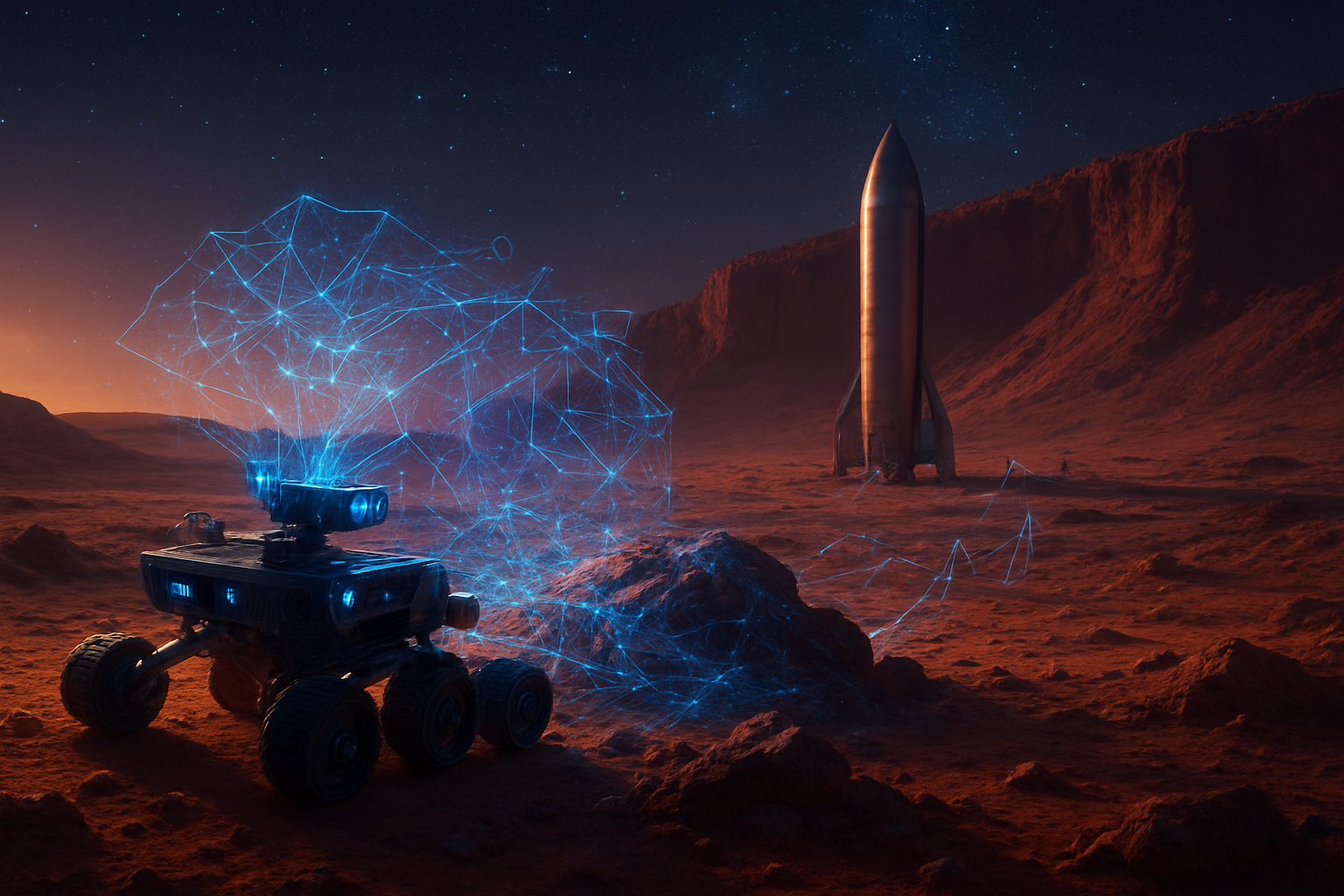
  • The Martian Brain: NASA and SpaceX Race to Deploy Foundation Models in Deep Space

    The Martian Brain: NASA and SpaceX Race to Deploy Foundation Models in Deep Space

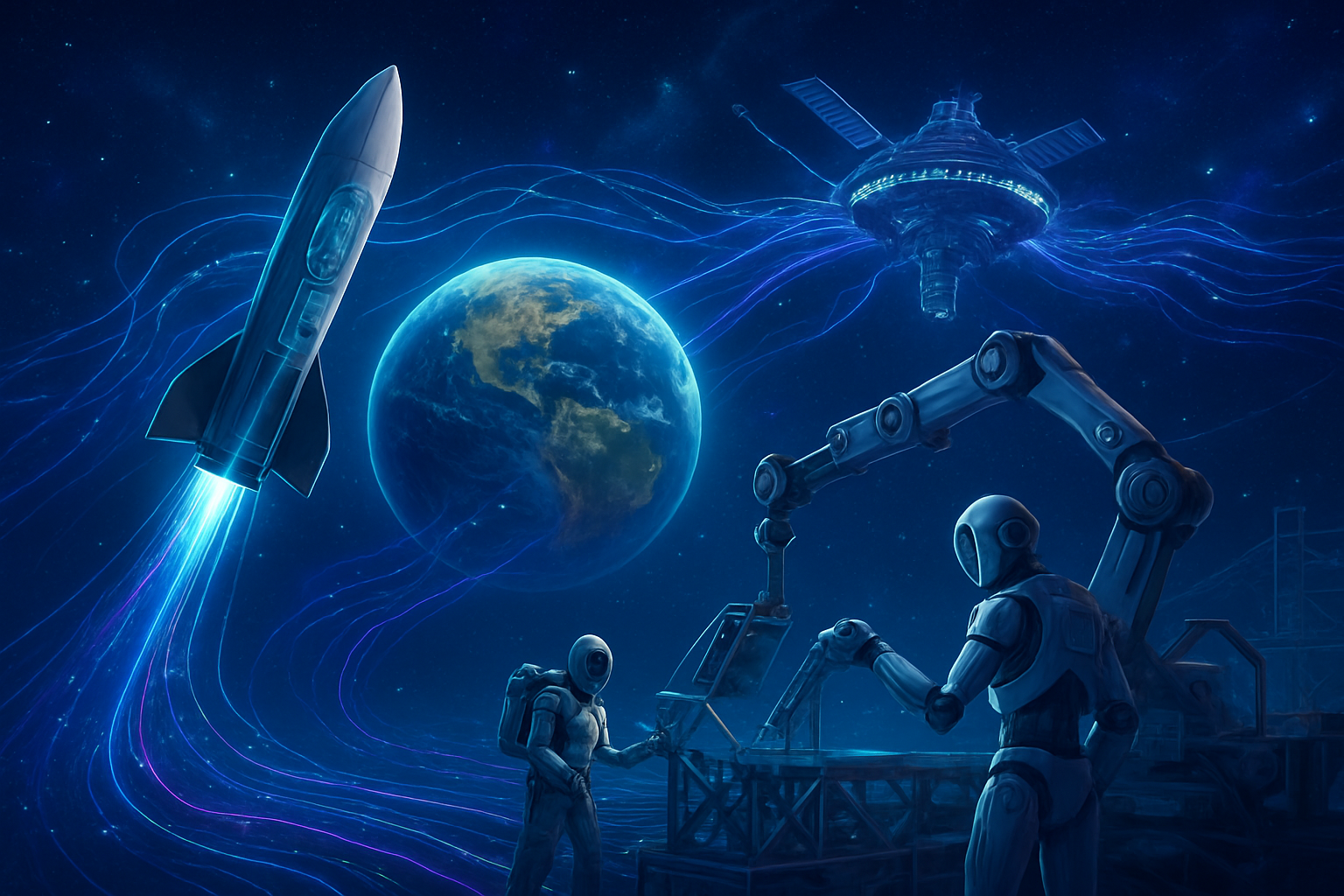
    As of January 19, 2026, the final frontier is no longer just a challenge of propulsion and life support—it has become a high-stakes arena for generative artificial intelligence. NASA’s Foundational Artificial Intelligence for the Moon and Mars (FAIMM) initiative has officially entered its most critical phase, transitioning from a series of experimental pilots to a centralized framework designed to give Martian rovers and orbiters the ability to "think" for themselves. This shift marks the end of the era of "task-specific" AI, where robots required human-labeled datasets for every single rock or crater they encountered, and the beginning of a new epoch where multi-modal foundation models enable autonomous scientific discovery.

    The immediate significance of the FAIMM initiative cannot be overstated. By utilizing the same transformer-based architectures that revolutionized terrestrial AI, NASA is attempting to solve the "communication latency" problem that has plagued Mars exploration for decades. With light-speed delays ranging from 4 to 24 minutes, real-time human control is impossible. FAIMM aims to deploy "Open-Weight" models that allow a rover to not only navigate treacherous terrain autonomously but also identify "opportunistic science"—such as transient dust devils or rare mineral deposits—without waiting for a command from Earth. This development is effectively a "brain transplant" for the next generation of planetary explorers, moving them from scripted machines to agentic explorers.

    Technical Specifications and the "5+1" Strategy

    The technical architecture of FAIMM is built on a "5+1" strategy: five specialized divisional models for different scientific domains, unified by one cross-domain large language model (LLM). Unlike previous mission software, which relied on rigid, hand-coded algorithms or basic convolutional neural networks, FAIMM leverages Vision Transformers (ViT-Large) and Self-Supervised Learning (SSL). These models have been pre-trained on petabytes of archival data from the Mars Reconnaissance Orbiter (MRO) and the Mars Global Surveyor (MGS), allowing them to understand the "context" of the Martian landscape. For instance, instead of just recognizing a rock, the AI can infer geological history by analyzing the surrounding terrain patterns, much like a human geologist would.

    This approach differs fundamentally from the "Autonav" system currently used by the Perseverance rover. While Autonav is roughly 88% autonomous in its pathfinding, it remains reactive. FAIMM-driven systems are predictive, utilizing "physics-aware" generative models to simulate environmental hazards—like a sudden dust storm—before they occur. Initial reactions from the AI research community have been largely positive, though some have voiced concerns over the "Gray-Box" requirement. NASA has mandated that these models must not be "black boxes"; they must incorporate explainable, physics-based constraints to prevent the AI from making hallucinatory decisions that could lead to a billion-dollar mission failure.

    Industry Implications and the Tech Giant Surge

    The race to colonize the Martian digital landscape has sparked a surge in activity among major tech players. NVIDIA (NASDAQ: NVDA) has emerged as a linchpin in this ecosystem, having recently signed a $77 million agreement to lead the Open Multimodal AI Infrastructure (OMAI). NVIDIA’s Blackwell architecture is currently being used at Oak Ridge National Laboratory to train the massive foundation models that FAIMM requires. Meanwhile, Microsoft (NASDAQ: MSFT) via its Azure Space division, is providing the "NASA Science Cloud" infrastructure, including the deployment of the Spaceborne Computer-3, which allows these heavy models to run at the "edge" on orbiting spacecraft.

    Alphabet Inc. (NASDAQ: GOOGL) is also a major contender, with its Google Cloud and Frontier Development Lab focusing on "Agentic AI." Their Gemini-based models are being adapted to help NASA engineers design optimized, 3D-printable spacecraft components for Martian environments. However, the most disruptive force remains Tesla (NASDAQ: TSLA) and its sister company xAI. While NASA follows a collaborative, academic path, SpaceX is preparing its uncrewed Starship mission for late 2026 using a vertically integrated AI stack. This includes xAI’s Grok 4 for high-level reasoning and Tesla’s AI5 custom silicon to power a fleet of autonomous Optimus robots. This creates a fascinating competitive dynamic: NASA’s "Open-Weight" science-focused models versus SpaceX’s proprietary, mission-critical autonomous stack.

    Wider Significance and the Search for Life

    The broader significance of FAIMM lies in the democratization of space-grade AI. By releasing these models as "Open-Weight," NASA is allowing startups and international researchers to fine-tune planetary-scale AI for their own missions, effectively lowering the barrier to entry for deep-space exploration. This mirrors the impact of the early internet or GPS—technologies born of government research that eventually fueled entire commercial industries. Experts predict the "AI in Space" market will reach nearly $8 billion by the end of 2026, driven by a 32% compound annual growth rate in autonomous robotics.

    However, the initiative is not without its critics. Some in the scientific community, notably at platforms like NASAWatch, have pointed out an "Astrobiology Gap," arguing that the FAIMM announcement prioritizes the technology of AI over the fundamental scientific goal of finding life. There is also the persistent concern of "silent bit flips"—errors caused by cosmic radiation that could cause an AI to malfunction in ways a human cannot easily diagnose. These risks place FAIMM in a different category than terrestrial AI milestones like GPT-4; in space, an AI "hallucination" isn't just a wrong answer—it's a mission-ending catastrophe.

    Future Developments and the 2027 Horizon

    Looking ahead, the next 24 months will be a gauntlet for the FAIMM initiative. The deadline for the first round of official proposals is set for April 28, 2026, with the first hardware testbeds expected to launch on the Artemis III mission and the ESCAPADE Mars orbiter in late 2027. In the near term, we can expect to see "foundation model" benchmarks specifically for planetary science, allowing researchers to compete for the highest accuracy in crater detection and mineral mapping.

    In the long term, these models will likely evolve into "Autonomous Mission Managers." Instead of a team of hundreds of scientists at JPL managing every move of a rover, a single scientist might oversee a fleet of a dozen AI-driven explorers, providing high-level goals while the AI handles the tactical execution. The ultimate challenge will be the integration of these models into human-crewed missions. When humans finally land on Mars—a goal China’s CNSA is aggressively pursuing for 2033—the AI won't just be a tool; it will be a mission partner, managing life support, navigation, and emergency response in real-time.

    Summary of Key Takeaways

    The NASA FAIMM initiative represents a pivotal moment in the history of artificial intelligence. It marks the point where AI moves from being a guest on spacecraft to being the pilot. By leveraging the power of foundation models, NASA is attempting to bridge the gap between the rigid automation of the past and the fluid, general-purpose intelligence required to survive on another planet. The project’s success will depend on its ability to balance the raw power of transformer architectures with the transparency and reliability required for the vacuum of space.

    As we move toward the April 2026 proposal deadline and the anticipated SpaceX Starship launch in late 2026, the tech industry should watch for the "convergence" of these two approaches. Whether the future of Mars is built on NASA’s open-science framework or SpaceX’s integrated robotic ecosystem, one thing is certain: the first footprints on Mars will be guided by an artificial mind.


    This content is intended for informational purposes only and represents analysis of current AI developments.

    TokenRing AI delivers enterprise-grade solutions for multi-agent AI workflow orchestration, AI-powered development tools, and seamless remote collaboration platforms.
    For more information, visit https://www.tokenring.ai/.
  • India’s Space Odyssey: AI and Private Sector Fueling a Trillion-Dollar Ambition

    India’s Space Odyssey: AI and Private Sector Fueling a Trillion-Dollar Ambition

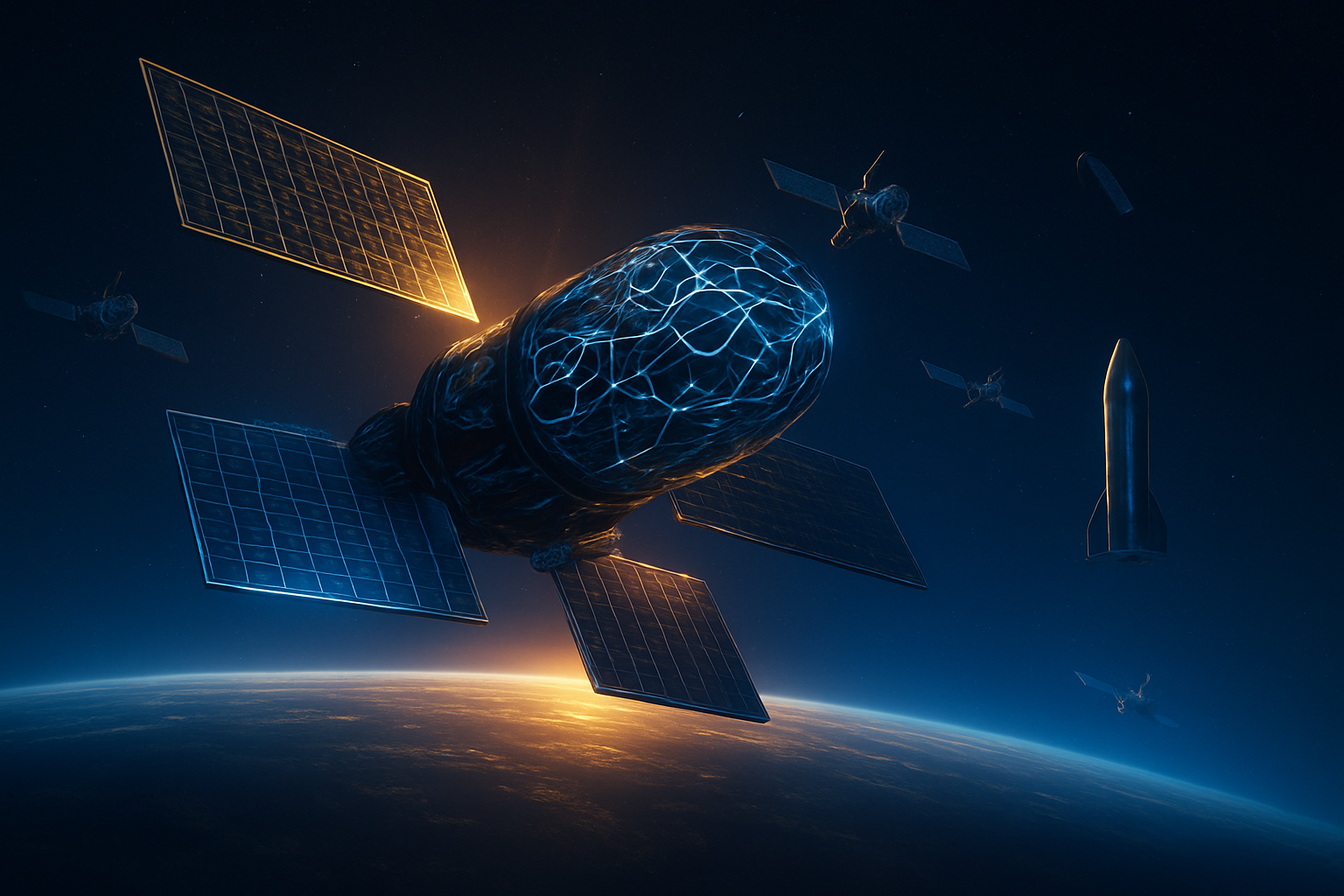
    Bengaluru, India – December 9, 2025 – India's space sector is on the cusp of a monumental transformation, driven by an ambitious push towards private sector innovation and the pervasive integration of deep technologies, particularly Artificial Intelligence (AI). Recent insights from Dr. S. Somanath, former Chairman of the Indian Space Research Organisation (ISRO) and a distinguished figure in India's space endeavors, illuminate a strategic redirection aimed at dramatically expanding India's share of the global space economy. His vision, articulated at various forums including a deep tech summit in Chennai on November 3, 2025, signals a pivotal moment for the nation's cosmic aspirations.

    Dr. Somanath’s pronouncements underscore India’s strategic goal to elevate its footprint in the global space economy from a mere 2% to a commanding 10%, with targets of reaching $500 billion by 2030 and an astounding $1.5 trillion by 2047. This monumental growth is envisioned through a concerted focus on cutting-edge deep tech domains such as AI, biotechnology, quantum computing, advanced manufacturing, and semiconductor production. This paradigm shift reflects ISRO’s evolution from a primarily government-centric organization to a powerful catalyst for private enterprise, a transformation spurred by recent landmark space sector reforms and the Indian Space Policy 2023. The immediate significance lies in the resounding call for increased private sector participation and investment, recognizing that the future of India's space sector is inextricably linked to fostering a robust ecosystem of startups and innovators.

    Engineering the Future: Technical Leaps and AI Integration

    ISRO’s future trajectory, heavily influenced by Dr. Somanath’s leadership, is characterized by a strong push for advanced, indigenous, and cost-effective space technologies. This includes a significant emphasis on reusable launch vehicles, efficient propulsion systems, sophisticated satellite capabilities, and the pervasive integration of AI across all mission phases.

    At the forefront of these advancements is the Next Generation Launch Vehicle (NGLV), also known as Project Soorya. Designed as a successor to the Polar Satellite Launch Vehicle (PSLV) and Geosynchronous Satellite Launch Vehicle (GSLV), the NGLV is envisioned as a three-stage, partially reusable medium to super heavy-lift launch vehicle. Its planned first and second stages will utilize Liquid Oxygen (LOX) and Methane (CH4) propellants, with the first stage, LM470 Core, powered by nine LME-110 engines. A key differentiator is its partial reusability, particularly for its first stage and boosters, incorporating Vertical Take-off, Vertical Landing (VTVL) capabilities – a significant departure from ISRO's traditionally expendable rockets. This move towards reusability, akin to global trends, aims to drastically reduce launch costs and increase launch frequency.

    Complementing the NGLV is the Reusable Launch Vehicle (RLV) program, with Pushpak as its technology demonstrator (RLV-TD). Configured like an aircraft, Pushpak is designed for Vertical Take-off, Horizontal Landing (VTHL), aiming to prove technologies for a fully reusable two-stage orbital launch vehicle. This promises to slash the cost per kilogram of payload to orbit. In propulsion, ISRO is developing an indigenous electric propulsion system (EPS) with a 300 millinewton (mN) thruster, significantly reducing propellant requirements for satellites, making them five to six times more efficient than chemical propulsion. The Semi-Cryogenic Engine (SE-2000), using LOX and Kerosene, is also under development to enhance payload capacity of the LVM3, while the CE20 cryogenic engine has been upgraded to 20 tonnes of thrust and demonstrated restart capabilities, crucial for manned missions like Gaganyaan.

    Advanced satellite technologies are also a key focus, with ISRO working on High-Throughput Satellites (HTS) for increased data throughputs (up to 20 Gbps initially), optical and inter-satellite communication, and miniaturization of electronics. Crucially, Dr. Somanath emphasizes that India's space future will be powered by software excellence and the integration of AI. AI is being applied to analyze vast datasets from space missions for object identification, pattern matching, and interpretation. A significant technical leap is the embedding of AI directly into space machines to enable autonomous, data-driven decisions during missions, moving beyond reliance on ground control. Initial reactions from the space research community and industry experts have been largely enthusiastic, seeing these developments as crucial for cost reduction, sustainability, and fostering a "Next SpaceX in India" aspiration.

    Market Dynamics: AI, Tech Giants, and the Startup Surge

    Dr. Somanath’s vision for a stakeholder-based space ecosystem is set to dramatically reshape the competitive landscape, creating unprecedented opportunities for AI companies, tech giants, and a burgeoning ecosystem of startups. ISRO is transitioning from a direct operator to a facilitator, transferring technologies and operational tasks to the private sector, allowing it to focus on advanced R&D and interplanetary missions.

    AI companies and startups are poised for significant growth, particularly in areas like satellite data analytics, autonomous space systems, predictive maintenance, space traffic management, and advanced communication systems. Companies specializing in AI models for Earth observation data (e.g., crop monitoring, disaster management, urban planning) will find vast markets. The development of AI for autonomous navigation and real-time hazard detection for lunar/planetary landings, as well as AI-powered space robotics, presents immense opportunities. Tech giants with strong capabilities in cloud computing, big data analytics, and AI infrastructure stand to benefit by providing scalable cloud solutions for processing immense satellite data, developing AI/ML platforms for space data analysis, and forming strategic partnerships with space-tech startups.

    The Indian space sector has witnessed an explosion of space startups, surging from just one in 2014 to over 250 by 2024, attracting substantial investments. These companies, such as Skyroot Aerospace, Agnikul Cosmos, Pixxel, and Dhruva Space, are innovating across the entire value chain, from indigenous launch vehicles and satellite manufacturing to downstream applications like earth imaging and geospatial solutions. The competitive implications are profound: ISRO's evolving role reduces its direct involvement in commercial production, allowing domestic private players to grow indigenous capabilities and reduce reliance on foreign suppliers. This could position India as a formidable player in the global space market, attracting international customers from African and South American countries seeking affordable launch and satellite services, intensifying competition with established global players like SpaceX (NASDAQ: TSLA) and Arianespace.

    Potential disruptions include Indian private players offering satellite internet services, similar to Starlink, and AI-powered analysis of satellite imagery disrupting traditional, less efficient geospatial data providers. India's acceleration of AI-powered satellite constellations for defense and intelligence, such as the I-STAR constellation with Synthetic Aperture Radar (SAR) technology, aims to move away from reliance on foreign commercial imagery for military intelligence, posing a potential disruption to external providers in this strategic sector. The market positioning is driven by a "Made in India" space economy, leveraging India's reputation for cost-effective engineering. The robust AI/IT ecosystem and government as an anchor customer further de-risk investments for startups, fostering a diversified application landscape and promoting strategic autonomy in space access.

    Broader Horizons: AI in the Cosmic Tapestry

    The integration of AI into India's space technology, as championed by Dr. Somanath, signifies a profound shift that resonates deeply with the broader global AI landscape and its evolving trends. This is not merely about using AI as a tool, but embedding it as an intrinsic component of future space endeavors, moving towards increasingly autonomous and intelligent systems.

    ISRO's data-centric approach, applying machine learning and deep learning to vast datasets from space missions, aligns perfectly with the global trend of leveraging big data for insights and predictions across industries. The emphasis on onboard AI for autonomous decision-making in satellites and rockets is a critical step towards greater autonomy in space exploration, minimizing reliance on real-time human intervention. This is particularly vital for deep-space missions where communication delays are substantial, mirroring advancements seen in NASA's Mars rovers for autonomous navigation. The development of AI tools capable of understanding natural language, even in Indian languages, further demonstrates a commitment to advanced human-computer interaction in complex operational environments.

    The impacts of this integration are multifaceted. Positively, AI promises enhanced efficiency, speed, and reliability in spacecraft design, manufacturing, flight operations, and data analysis, leading to faster scientific discoveries and reduced operational costs. Autonomous operations, improved safety through predictive maintenance, and advanced data analysis for scientific discovery are already being realized, as seen with AI's role in Chandrayaan-3's safe landing. AI also aids in optimizing flight paths, discovering new materials, and revolutionizing manufacturing through generative design and AI-driven 3D printing. However, concerns loom, including new cybersecurity threats to critical space infrastructure, supply chain vulnerabilities for complex AI components, and the significant challenge of developing AI systems that reliably function in harsh space environments with limited computational resources and data scarcity for novel missions. Ethical considerations also arise regarding autonomous AI decisions, responsible resource exploitation, and potential impacts on any extraterrestrial life.

    Comparing this to previous AI milestones, the current integration represents a significant evolution. While early AI in the 1970s focused on basic automation and image analysis, and the 1990s saw breakthroughs in autonomous navigation (like NASA’s Sojourner rover), modern AI, powered by machine learning and deep learning, enables truly autonomous and adaptive decision-making. This is a qualitative leap from pre-programmed responses to cognitive systems that can learn and adapt to unpredictable space environments, process unprecedented scales of data, and identify complex patterns far beyond human capabilities. ISRO's vision places India at the forefront of this new wave, moving beyond human-in-the-loop control towards increasing human-on-the-loop and, for many operational aspects, human-out-of-the-loop autonomy.

    The Next Frontier: Future Trajectories and AI's Guiding Hand

    Looking ahead, India's space sector, under the strategic guidance of ISRO and Dr. Somanath, is set for an era of exponential growth and transformative change, with AI serving as a core enabler for ambitious near-term and long-term developments.

    In the near term, AI will continue to revolutionize automated data analysis for Earth observation, providing near real-time insights for agriculture, disaster management, and geo-intelligence. Predictive maintenance and mission optimization will become standard, with AI algorithms detecting anomalies and optimizing mission parameters. Autonomous navigation and operations, as demonstrated in Chandrayaan-3, will be deepened in future missions like Chandrayaan-4 and Mangalyaan-2, featuring AI-driven instrument control and onboard data compression. Critically, AI is central to India's defense strategy, with the National Space-Based Surveillance (SBS) programme launching 52 dedicated AI-powered I-STAR (intelligence, surveillance, target acquisition, and reconnaissance) satellites over the next five years. The Gaganyaan human space mission, tentatively scheduled for late 2026, will feature the AI-enabled half-humanoid robot, Vyommitra, to test systems and monitor the crew module.

    The long-term vision is even more audacious. India aims to establish a space station by 2035 and achieve an Indian presence on the moon by 2040, with a broader goal of a permanent human presence in space by 2047. AI will be indispensable for supporting human spaceflight programs by automating tasks, improving decision-making, countering cybersecurity threats, and enhancing biomonitoring and Earth-independent healthcare for long-duration missions. The Bharatiya Antariksh Station will conduct experiments with advanced robotics, including humanoid robots and chatbots for smart manufacturing in space. AI will also power deep space exploration, including astroinformatics for new celestial body discovery and AI-driven robots for space resource exploration like asteroid or lunar mining. Furthermore, AI and Machine Learning (ML) models are expected to refine optical communication systems and potentially integrate with quantum computing for enhanced security and computational capabilities for intricate space missions.

    However, significant challenges must be addressed. Data security and privacy, coupled with the ethical and legal implications of AI decisions, are paramount. Ensuring the accuracy and reliability of AI predictions in critical mission scenarios, especially in harsh space environments with limited computational power and specific training data, remains a hurdle. Integrating advanced AI systems with existing legacy hardware and software, along with addressing supply chain vulnerabilities for AI components, requires careful planning. Moreover, talent retention, new training pathways, and robust academic-industry collaboration are crucial for fostering the deep tech ecosystem. The "mindset change" within the government space sector to openly share facilities and collaborate with private entities is also vital.

    Experts predict an era of exponential growth, with the private sector driving innovation and cost reduction. Dr. Somanath himself believes AI will "start ruling many things" in the future, encompassing not only space missions but also everyday life. India is poised to become a global deep tech powerhouse, leveraging its strong IT and software industry to integrate AI, biotechnology, and quantum computing. Space will be increasingly prioritized as critical national infrastructure, forming the basis for future 6G communication technologies and significantly increasing India's satellite fleet.

    Cosmic Conclusion: India's AI-Powered Leap

    India's space sector stands at a pivotal juncture, poised for an unprecedented era of growth and innovation, largely propelled by the strategic integration of Artificial Intelligence and a robust embrace of private sector participation. Dr. S. Somanath's vision for ISRO underscores a profound shift, transforming the nation's space endeavors from a primarily government-led initiative to a dynamic, collaborative ecosystem designed to capture a significant share of the global space economy.

    The key takeaways from this transformation are clear: a relentless pursuit of advanced, indigenous technologies like reusable launch vehicles and efficient propulsion systems; a deep embedding of AI for autonomous operations, data analysis, and mission optimization; and a vibrant private sector, including a burgeoning startup scene, driving innovation across the entire space value chain. This strategy positions India not just as a participant, but as a formidable leader in the global space race, aiming for strategic autonomy and cost-effective solutions. The move towards AI-powered defense capabilities, human spaceflight, and deep space exploration highlights the comprehensive nature of this ambition.

    The significance of this development in AI history cannot be overstated. It represents a mature application of AI, moving beyond theoretical models to practical, mission-critical deployment in one of humanity's most challenging frontiers. This shift from human-in-the-loop to human-on-the-loop, and eventually human-out-of-the-loop autonomy, marks a new chapter in how we explore and utilize space. While challenges related to cybersecurity, computational limits, and ethical considerations persist, the concerted efforts of government, industry, and academia are geared towards overcoming these hurdles.

    In the coming weeks and months, watch for further announcements regarding private sector partnerships, the progress of ISRO's next-generation launch vehicles, and the initial deployments of AI-powered satellite constellations. The trajectory set by Dr. Somanath and ISRO indicates that India is not just reaching for the stars, but building an intelligent pathway to them, fundamentally reshaping the future of space exploration and the role of AI within it.


    This content is intended for informational purposes only and represents analysis of current AI developments.

    TokenRing AI delivers enterprise-grade solutions for multi-agent AI workflow orchestration, AI-powered development tools, and seamless remote collaboration platforms.
    For more information, visit https://www.tokenring.ai/.
  • Elon Musk’s ‘Bakery’ Forges the Future of Space Travel with Mass-Produced Starship Heat Shields

    Elon Musk’s ‘Bakery’ Forges the Future of Space Travel with Mass-Produced Starship Heat Shields

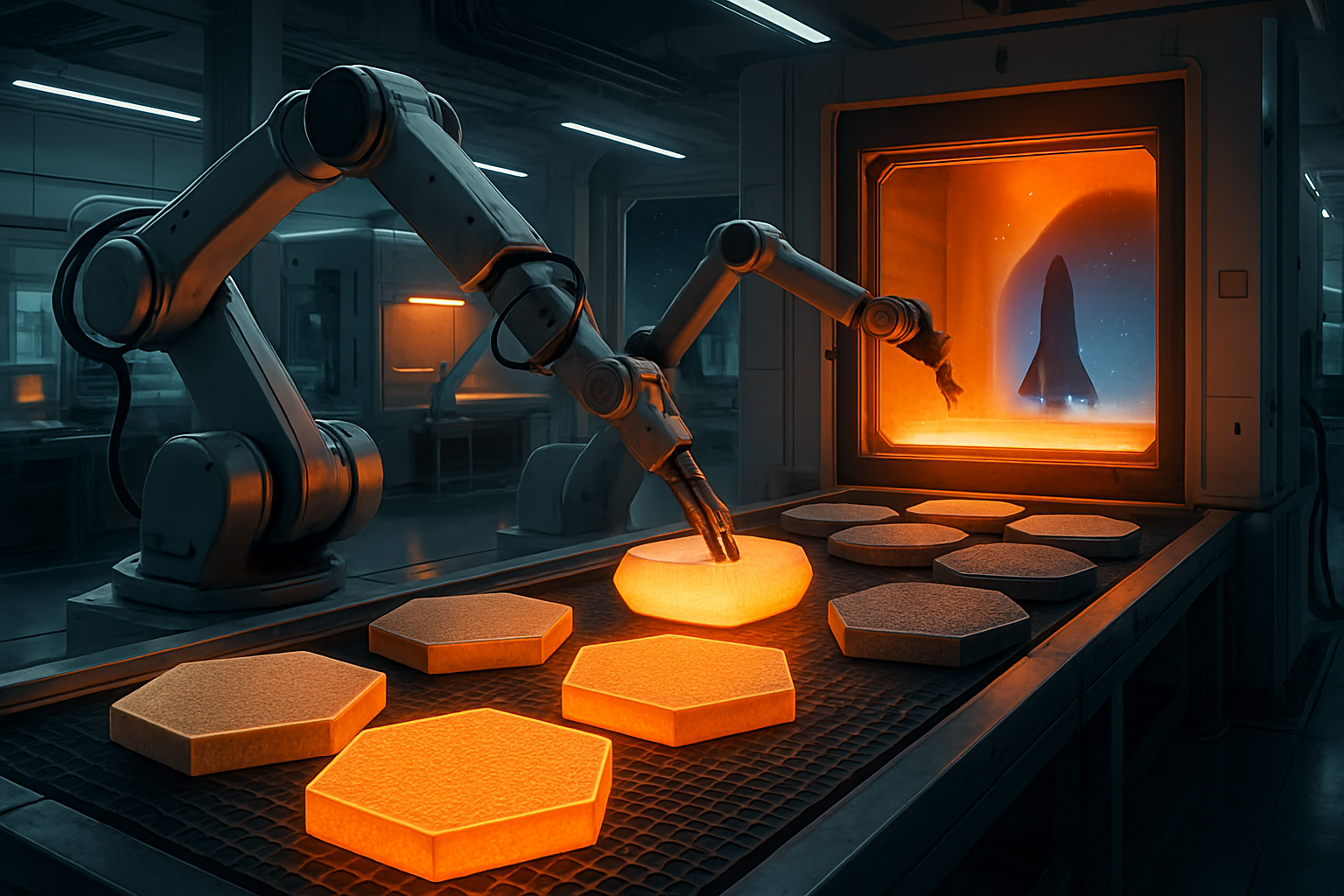
    BOCA CHICA, TX – October 17, 2025 – In a development poised to revolutionize space exploration, Elon Musk’s aptly named 'Bakery' in Florida is in full swing, mass-producing advanced ceramic heat shield tiles that are critical to the rapid reusability of SpaceX (NASDAQ:SPCX) Starship. This highly automated facility represents a pivotal shift in aerospace manufacturing, moving from bespoke, handcrafted components to industrial-scale production, a key enabler for Starship’s ambitious mission to make humanity a multiplanetary species.

    The immediate significance of this innovation cannot be overstated. The 'Bakery' is not just producing tiles; it's baking the foundation for Starship's rapid reusability, aiming for an aircraft-like operational tempo with minimal turnaround time between flights. This industrial-scale efficiency is designed to drastically drive down the cost of space missions, transforming the economic equation of space exploration and making frequent journeys to the Moon, Mars, and beyond a tangible reality.

    Engineering Resilience: The Starship Heat Shield's Technical Edge

    Starship's thermal protection system (TPS) is a marvel of modern engineering, comprising approximately 18,000 hexagonal ceramic heat shield tiles that cover over 50% of its surface. These tiles, made from advanced silica-based ceramics and often coated with black borosilicate glass, are designed to endure extreme atmospheric reentry temperatures exceeding 1,400°C (2,500°F). Their hexagonal shape, precise pin-mounted attachments, and small expansion gaps allow them to flex and absorb immense thermal and aerodynamic stresses without cracking, a significant improvement over previous designs. Recent innovations like "Crunchwrap Tiles" and "Vulcan felt" further enhance their protective capabilities against plasma leaks.

    The 'Bakery' manufacturing process stands in stark contrast to historical approaches, most notably NASA’s Space Shuttle program. While the Space Shuttle relied on thousands of uniquely shaped, handcrafted tiles that required extensive, months-long refurbishment, SpaceX's facility is a high-tech, automated production center capable of churning out thousands of uniform tiles daily – some reports indicate up to 7,000 tiles per day, with one tile every 13 seconds. This rapid, consistent production, with each tile taking approximately 40 hours from raw material to finished product, is crucial for achieving Starship's goal of near-immediate reflight. Initial reactions from the aerospace community, while acknowledging the immense innovation and scale, have also highlighted the persistent technical challenges of ensuring the long-term durability and rapid refurbishment of these tiles, a hurdle even Elon Musk identifies as "the biggest technology challenge remaining for Starship."

    Reshaping the Aerospace Industry: Competitive Shifts and Market Advantages

    SpaceX's advancements in heat shield manufacturing are sending ripples across the aerospace industry, creating both opportunities and competitive pressures. SpaceX (NASDAQ:SPCX) itself stands as the primary beneficiary, as enhanced heat shield technology directly underpins Starship's rapid reusability and significantly reduced launch costs, solidifying its strategic advantage in the burgeoning commercial space sector. Suppliers of advanced ceramic materials and specialized stainless steel alloys, as well as providers of automation and manufacturing technology, could also see increased demand as the industry strives to match SpaceX's production cadence.

    For established aerospace giants like Boeing (NYSE:BA) and Lockheed Martin (NYSE:LMT), and even national space agencies, Starship's projected low-cost, high-frequency launch capabilities necessitate a re-evaluation of current product offerings and business models. The traditional paradigm of expensive, expendable rockets is facing significant disruption. This forces a shift in R&D focus towards more durable, rapidly reusable, and cost-effective thermal protection systems. Smaller aerospace startups and "New Space" companies, however, stand to benefit immensely from the drastically reduced cost of access to space, which could unlock new markets in space manufacturing, tourism, and resource utilization. SpaceX's vertically integrated "Bakery" model also grants it greater control over quality, intellectual property, and production schedules, reducing reliance on external suppliers for a critical component and further cementing its market leadership.

    A New Era of Space Exploration: Broader Implications and Concerns

    The Starship reusable heat shield technology is not merely an engineering feat; it's a foundational element for a new era of space exploration, fitting squarely into the broader trend towards greater reusability and accessibility. By dramatically lowering launch costs—potentially to under $100 per kilogram to orbit—and enabling unprecedented launch frequency, Starship aims to make ambitious missions to the Moon, Mars, and beyond economically viable within existing budgets. This capability is critical for establishing large satellite constellations, space stations, and permanent lunar or Martian bases, including its role as the Human Landing System for NASA's (NASDAQ:NASA) Artemis program.

    However, significant concerns and challenges persist. The technical hurdles of ensuring the heat shield's long-term durability against extreme temperatures (up to 2,600°F) and the violent shaking of reentry remain paramount. Early test flights have seen tiles fall off or sections of the heat shield burn through, underscoring the ongoing need for refinement. The complexity of rapid refurbishment for thousands of tiles, coupled with the intricate process of in-orbit refueling for deep-space missions, adds further operational challenges. Environmentally, concerns regarding sonic booms and ecological disruption from frequent launches continue to draw scrutiny. Compared to the Space Shuttle's notoriously fragile and labor-intensive tiles, Starship's standardized, mass-produced design represents a major leap, aiming to overcome the Shuttle's limitations in turnaround time and maintenance, thereby pushing the boundaries of what is possible in reusable spaceflight.

    The Road Ahead: Future Developments and Expert Predictions

    In the near term, SpaceX is relentlessly focused on iterative improvements and rigorous testing of its heat shield. This includes continuous refinements to tile materials and designs, the strategic integration of ablative sublayers for secondary protection, and enhanced gap sealing techniques like the "crunch wrap." The "Bakery" itself will continue to evolve, integrating new material and design changes into its automated production lines. Long-term developments could see more radical innovations, though the immediate focus remains on perfecting the existing tiled system. While concepts like transpiration cooling for metallic heat shields have been explored, their complexity has deferred their implementation, but the ongoing experimentation with metallic tiles signifies a commitment to pushing material science boundaries.

    Experts predict an aggressive development and testing timeline for Starship. SpaceX aims for a significantly accelerated flight cadence, with internal plans suggesting up to 25 launches in a single year by 2026, and eventually even hourly launches for the Super Heavy booster during optimal Mars transfer windows. Elon Musk himself has stated that, barring major setbacks, SpaceX aims to demonstrate full reusability of Starship within the next year, delivering over 100 tons to a functional orbit. The heat shield remains a primary focus, with ongoing innovation in material science and design crucial for achieving rapid reusability without extensive refurbishment. Key milestones to watch include perfecting the booster catch with the launch tower arms and demonstrating reliable in-orbit refueling, both essential for Starship's full operational capability and deep-space missions. Furthermore, the transition to Starship Version 3 (V3) prototypes, expected to fly next year, will incorporate further design improvements, including revised flap positions to enhance heat shield performance.

    A Transformative Trajectory: The Enduring Impact of Starship's Heat Shield

    The advancements in Starship's heat shield technology, forged in the automated ovens of Elon Musk's 'Bakery,' represent a transformative moment in aerospace history. The key takeaway is clear: this is not just about protecting a spacecraft; it's about unlocking a new era of space travel. By enabling rapid and full reusability, SpaceX is poised to democratize access to space, drastically reduce costs, and accelerate human exploration beyond Earth.

    The long-term impact will be profound, facilitating the establishment of permanent lunar bases, Martian settlements, and extensive orbital infrastructure, bringing humanity closer to becoming a multi-planetary species. The iterative development philosophy applied to the heat shield will likely inspire entirely new thermal protection system designs across the industry. In the coming weeks and months, the aerospace community will be closely watching the data from recent flight tests, the effectiveness of new gap-sealing technologies, and the continued progress of the "Starfactory" in Florida. The success of Starship's heat shield is not merely a technical achievement; it is the linchpin for a future where frequent, affordable, and sustainable access to space is a reality, fundamentally reshaping our relationship with the cosmos.


    This content is intended for informational purposes only and represents analysis of current AI developments.

    TokenRing AI delivers enterprise-grade solutions for multi-agent AI workflow orchestration, AI-powered development tools, and seamless remote collaboration platforms.
    For more information, visit https://www.tokenring.ai/.
  • NVIDIA Fuels Starship Dreams: Jensen Huang Delivers Petaflop AI Supercomputer to SpaceX

    NVIDIA Fuels Starship Dreams: Jensen Huang Delivers Petaflop AI Supercomputer to SpaceX

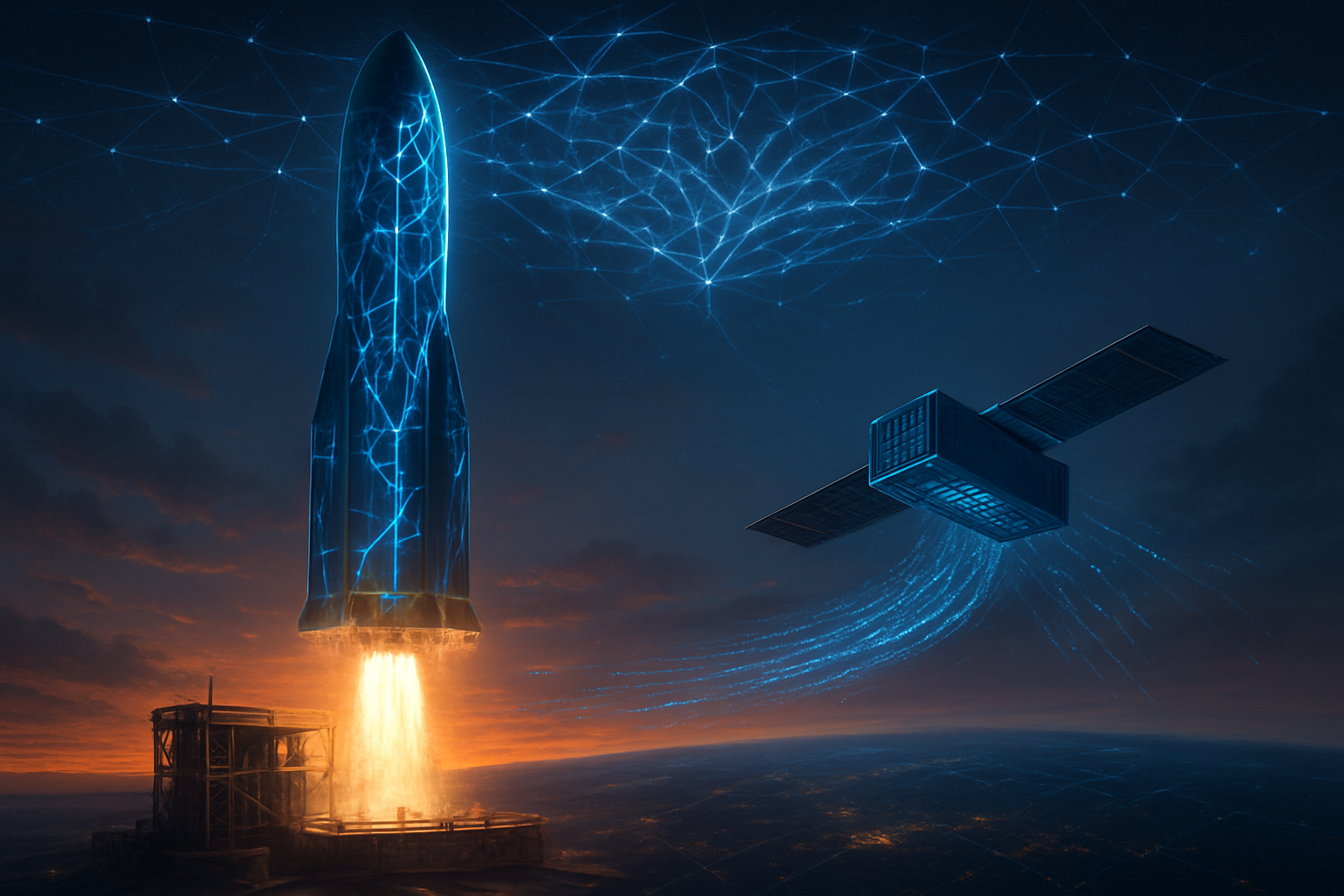
    October 15, 2025 – In a move poised to redefine the intersection of artificial intelligence and space exploration, NVIDIA (NASDAQ: NVDA) CEO Jensen Huang personally delivered a cutting-edge 128GB AI supercomputer, the DGX Spark, to Elon Musk at SpaceX's Starbase facility. This pivotal moment, occurring amidst the advanced preparations for Starship's rigorous testing, signifies a strategic leap towards embedding powerful, localized AI capabilities directly into the heart of space technology development. The partnership between the AI hardware giant and the ambitious aerospace innovator is set to accelerate breakthroughs in autonomous spaceflight, real-time data analysis, and the overall efficiency of next-generation rockets, pushing the boundaries of what's possible for humanity's multi-planetary future.

    The immediate significance of this delivery lies in providing SpaceX with unprecedented on-site AI computing power. The DGX Spark, touted as the world's smallest AI supercomputer, packs a staggering petaflop of AI performance and 128GB of unified memory into a compact, desktop-sized form factor. This allows SpaceX engineers to prototype, fine-tune, and run inference for complex AI models with up to 200 billion parameters locally, bypassing the latency and costs associated with constant cloud interaction. For Starship's rapid development and testing cycles, this translates into accelerated analysis of vast flight data, enhanced autonomous system refinement for flight control and landing, and a truly portable supercomputing capability essential for a dynamic testing environment.

    Unpacking the Petaflop Powerhouse: The DGX Spark's Technical Edge

    The NVIDIA DGX Spark is an engineering marvel, designed to democratize access to petaflop-scale AI performance. At its core lies the NVIDIA GB10 Grace Blackwell Superchip, which seamlessly integrates a powerful Blackwell GPU with a 20-core Arm-based Grace CPU. This unified architecture delivers an astounding one petaflop of AI performance at FP4 precision, coupled with 128GB of LPDDR5X unified CPU-GPU memory. This shared memory space is crucial, as it eliminates data transfer bottlenecks common in systems with separate memory pools, allowing for the efficient processing of incredibly large and complex AI models.

    Capable of running inference on AI models up to 200 billion parameters and fine-tuning models up to 70 billion parameters locally, the DGX Spark also features NVIDIA ConnectX networking for clustering and NVLink-C2C, offering five times the bandwidth of PCIe. With up to 4TB of NVMe storage, it ensures rapid data access for demanding workloads. Its most striking feature, however, is its form factor: roughly the size of a hardcover book and weighing only 1.2 kg, it brings supercomputer-class performance to a "grab-and-go" desktop unit. This contrasts sharply with previous AI hardware in aerospace, which often relied on significantly less powerful, more constrained computational capabilities, or required extensive cloud-based processing. While earlier systems, like those on Mars rovers or Earth-observing satellites, focused on simpler algorithms due to hardware limitations, the DGX Spark provides a generational leap in local processing power and memory capacity, enabling far more sophisticated AI applications directly at the edge.

    Initial reactions from the AI research community and industry experts have been a mix of excitement and strategic recognition. Many hail the DGX Spark as a significant step towards "democratizing AI," making petaflop-scale computing accessible beyond traditional data centers. Experts anticipate it will accelerate agentic AI and physical AI development, fostering rapid prototyping and experimentation. However, some voices have expressed skepticism regarding the timing and marketing, with claims of chip delays, though the physical delivery to SpaceX confirms its operational status and strategic importance.

    Reshaping the AI Landscape: Corporate Impacts and Competitive Dynamics

    NVIDIA's delivery of the DGX Spark to SpaceX carries profound implications for AI companies, tech giants, and startups, reshaping competitive landscapes and market positioning. Directly, SpaceX gains an unparalleled advantage in accelerating the development and testing of AI for Starship, autonomous rocket operations, and satellite constellation management for Starlink. This on-site, high-performance computing capability will significantly enhance real-time decision-making and autonomy in space. Elon Musk's AI venture, xAI, which is reportedly seeking substantial NVIDIA GPU funding, could also leverage this technology for its large language models (LLMs) and broader AI research, especially for localized, high-performance needs.

    NVIDIA's (NASDAQ: NVDA) hardware partners, including Acer (TWSE: 2353), ASUS (TWSE: 2357), Dell Technologies (NYSE: DELL), GIGABYTE, HP (NYSE: HPQ), Lenovo (HKEX: 0992), and MSI (TWSE: 2377), stand to benefit significantly. As they roll out their own DGX Spark systems, the market for NVIDIA's powerful, compact AI ecosystem expands, allowing these partners to offer cutting-edge AI solutions to a broader customer base. AI development tool and software providers, such as Google (NASDAQ: GOOGL), Microsoft (NASDAQ: MSFT), and Meta (NASDAQ: META), are already optimizing their platforms for the DGX Spark, further solidifying NVIDIA's comprehensive AI stack. This democratization of petaflop-scale AI also empowers edge AI and robotics startups, enabling smaller teams to innovate faster and prototype locally for agentic and physical AI applications.

    The competitive implications are substantial. While cloud AI service providers remain crucial for massive-scale training, the DGX Spark's ability to perform data center-level AI workloads locally could reduce reliance on cloud infrastructure for certain on-site aerospace or edge applications, potentially pushing cloud providers to further differentiate. Companies offering less powerful edge AI hardware for aerospace might face pressure to upgrade their offerings. NVIDIA further solidifies its dominance in AI hardware and software, extending its ecosystem from large data centers to desktop supercomputers. Competitors like Intel (NASDAQ: INTC) and AMD (NASDAQ: AMD) will need to continue rapid innovation to keep pace with NVIDIA's advancements and the escalating demand for specialized AI hardware, as seen with Broadcom's (NASDAQ: AVGO) recent partnership with OpenAI for AI accelerators.

    A New Frontier: Wider Significance and Ethical Considerations

    The delivery of the NVIDIA DGX Spark to SpaceX represents more than a hardware transaction; it's a profound statement on the trajectory of AI, aligning with several broader trends in the AI landscape. It underscores the accelerating democratization of high-performance AI, making powerful computing accessible beyond the confines of massive data centers. This move echoes NVIDIA CEO Jensen Huang's 2016 delivery of the first DGX-1 to OpenAI, which is widely credited with "kickstarting the AI revolution" that led to generative AI breakthroughs like ChatGPT. The DGX Spark aims to "ignite the next wave of breakthroughs" by empowering a broader array of developers and researchers. This aligns with the rapid growth of AI supercomputing, where computational performance doubles approximately every nine months, and the notable shift of AI supercomputing power from public sectors to private industry, with the U.S. currently holding the majority of global AI supercomputing capacity.

    The potential impacts on space exploration are revolutionary. Advanced AI algorithms, powered by systems like the DGX Spark, are crucial for enhancing autonomy in space, from optimizing rocket landings and trajectories to enabling autonomous course corrections and fault predictions for Starship. For deep-space missions to Mars, where communication delays are extreme, on-board AI becomes indispensable for real-time decision-making. AI is also vital for managing vast satellite constellations like Starlink, coordinating collision avoidance, and optimizing network performance. Beyond operations, AI will be critical for mission planning, rapid data analysis from spacecraft, and assisting astronauts in crewed missions.

    In autonomous systems, the DGX Spark will accelerate the training and validation of sophisticated algorithms for self-driving vehicles, drones, and industrial robots. Elon Musk's integrated AI strategy, aiming to centralize AI across ventures like SpaceX, Tesla (NASDAQ: TSLA), and xAI, exemplifies how breakthroughs in one domain can rapidly accelerate innovation in others, from autonomous rockets to humanoid robots like Optimus. However, this rapid advancement also brings potential concerns. The immense energy consumption of AI supercomputing is a growing environmental concern, with projections for future systems requiring gigawatts of power. Ethical considerations around AI safety, including bias and fairness in LLMs, misinformation, privacy, and the opaque nature of complex AI decision-making (the "black box" problem), demand robust research into explainable AI (XAI) and human-in-the-loop systems. The potential for malicious use of powerful AI tools, from cybercrime to deepfakes, also necessitates proactive cybersecurity measures and content filtering.

    Charting the Cosmos: Future Developments and Expert Predictions

    The delivery of the NVIDIA DGX Spark to SpaceX is not merely an endpoint but a catalyst for significant near-term and long-term developments in AI and space technology. In the near term, the DGX Spark will be instrumental in refining Starship's autonomous flight adjustments, controlled descents, and intricate maneuvers. Its on-site, real-time data processing capabilities will accelerate the analysis of vast amounts of telemetry, optimizing rocket performance and improving fault detection and recovery. For Starlink, the enhanced supercomputing power will further optimize network efficiency and satellite collision avoidance.

    Looking further ahead, the long-term implications are foundational for SpaceX's ambitious goals of deep-space missions and planetary colonization. AI is expected to become the "neural operating system" for off-world industry, orchestrating autonomous robotics, intelligent planning, and logistics for in-situ resource utilization (ISRU) on the Moon and Mars. This will involve identifying, extracting, and processing local resources for fuel, water, and building materials. AI will also be vital for automating in-space manufacturing, servicing, and repair of spacecraft. Experts predict a future with highly autonomous deep-space missions, self-sufficient off-world outposts, and even space-based data centers, where powerful AI hardware, potentially space-qualified versions of NVIDIA's chips, process data in orbit to reduce bandwidth strain and latency.

    However, challenges abound. The harsh space environment, characterized by radiation, extreme temperatures, and launch vibrations, poses significant risks to complex AI processors. Developing radiation-hardened yet high-performing chips remains a critical hurdle. Power consumption and thermal management in the vacuum of space are also formidable engineering challenges. Furthermore, acquiring sufficient and representative training data for novel space instruments or unexplored environments is difficult. Experts widely predict increased spacecraft autonomy and a significant expansion of edge computing in space. The demand for AI in space is also driving the development of commercial-off-the-shelf (COTS) chips that are "radiation-hardened at the system level" or specialized radiation-tolerant designs, such as an NVIDIA Jetson Orin NX chip slated for a SpaceX rideshare mission.

    A New Era of AI-Driven Exploration: The Wrap-Up

    NVIDIA's (NASDAQ: NVDA) delivery of the 128GB DGX Spark AI supercomputer to SpaceX marks a transformative moment in both artificial intelligence and space technology. The key takeaway is the unprecedented convergence of desktop-scale supercomputing power with the cutting-edge demands of aerospace innovation. This compact, petaflop-performance system, equipped with 128GB of unified memory and NVIDIA's comprehensive AI software stack, signifies a strategic push to democratize advanced AI capabilities, making them accessible directly at the point of development.

    This development holds immense significance in the history of AI, echoing the foundational impact of the first DGX-1 delivery to OpenAI. It represents a generational leap in bringing data center-level AI capabilities to the "edge," empowering rapid prototyping and localized inference for complex AI models. For space technology, it promises to accelerate Starship's autonomous testing, enable real-time data analysis, and pave the way for highly autonomous deep-space missions, in-space resource utilization, and advanced robotics essential for multi-planetary endeavors. The long-term impact is expected to be a fundamental shift in how AI is developed and deployed, fostering innovation across diverse industries by making powerful tools more accessible.

    In the coming weeks and months, the industry should closely watch how SpaceX leverages the DGX Spark in its Starship testing, looking for advancements in autonomous flight and data processing. The innovations from other early adopters, including major tech giants like Google (NASDAQ: GOOGL), Microsoft (NASDAQ: MSFT), and Meta (NASDAQ: META), and various research institutions, will provide crucial insights into the system's diverse applications, particularly in agentic and physical AI development. Furthermore, observe the product rollouts from NVIDIA's OEM partners and the competitive responses from other chip manufacturers like AMD (NASDAQ: AMD). The distinct roles of desktop AI supercomputers like the DGX Spark versus massive cloud-based AI training systems will also continue to evolve, defining the future trajectories of AI infrastructure at different scales.


    This content is intended for informational purposes only and represents analysis of current AI developments.

    TokenRing AI delivers enterprise-grade solutions for multi-agent AI workflow orchestration, AI-powered development tools, and seamless remote collaboration platforms.
    For more information, visit https://www.tokenring.ai/.