Tag: Submarines

  • India’s Underwater Game Changer: DRDO’s ‘High Energy’ Systems Propel Submarine Stealth and Safety into a New Era

    India’s Underwater Game Changer: DRDO’s ‘High Energy’ Systems Propel Submarine Stealth and Safety into a New Era

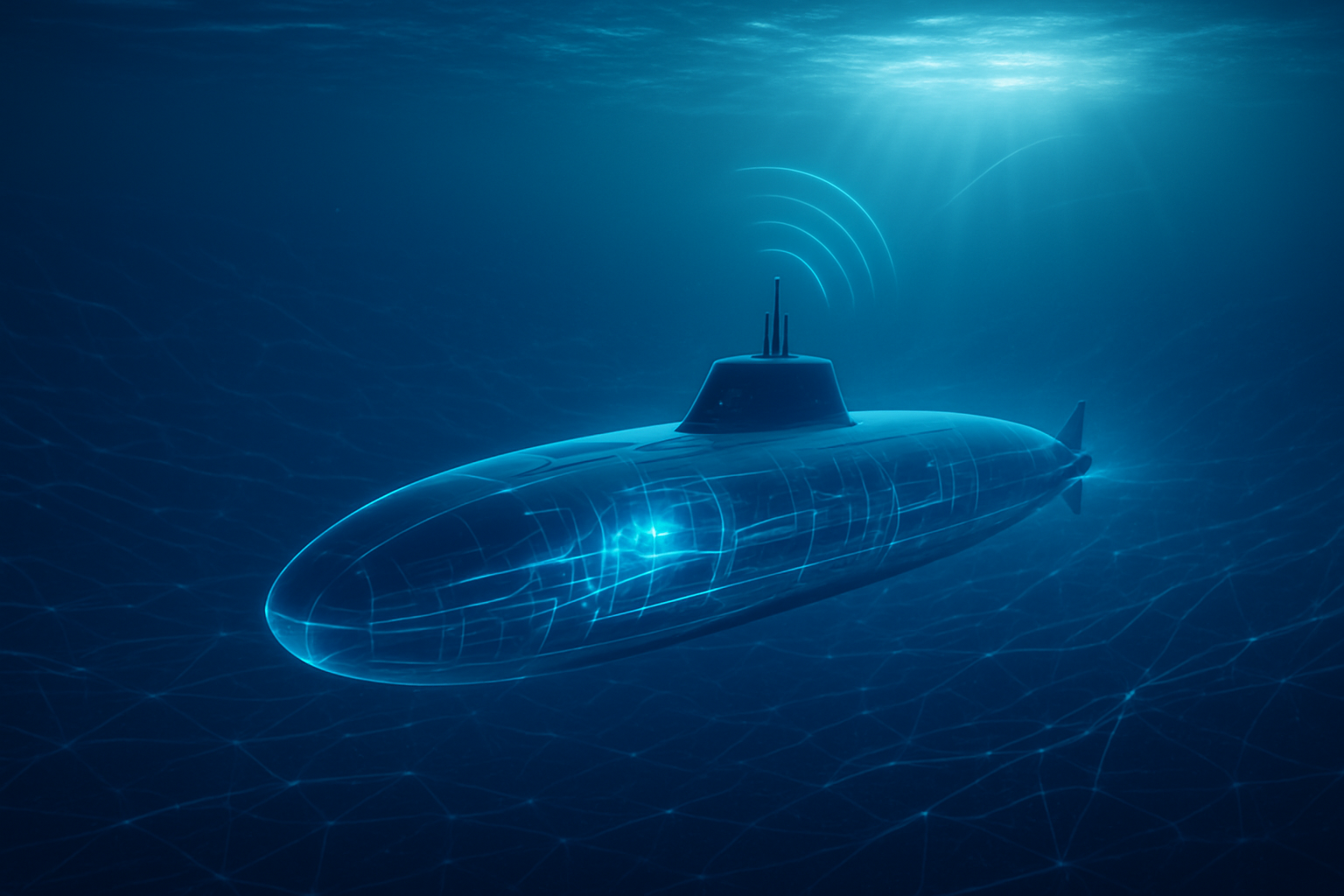
    The Defence Research and Development Organisation (DRDO) of India has unveiled a series of groundbreaking indigenous 'High Energy' systems poised to revolutionize submarine operations for the Indian Navy. These advancements, primarily the indigenously developed Air Independent Propulsion (AIP) system and the 'signal star naval flare' system, promise to significantly enhance submarine stealth, endurance, communication, and overall safety at sea. With the AIP system set for integration into the Kalvari-class submarines starting in 2025, these developments mark a pivotal moment in India's pursuit of self-reliance in critical defense technologies, positioning the nation among an elite group capable of deploying such advanced underwater capabilities.

    These 'High Energy' innovations are not merely incremental upgrades; they represent a fundamental shift in how conventional submarines will operate, offering unprecedented submerged endurance and discreet communication capabilities. The immediate significance lies in the heightened operational effectiveness and strategic advantage they confer upon the Indian Navy, drastically reducing vulnerabilities while expanding mission profiles.

    Technical Prowess: Unpacking India's Submarine Stealth and Communication Breakthroughs

    At the heart of DRDO's 'High Energy' thrust are two distinct yet complementary systems: the Air Independent Propulsion (AIP) system and the 'signal star naval flare' system. The AIP system, developed by DRDO's Naval Materials Research Laboratory (NMRL), is a 270-kilowatt fuel cell-based technology. Unlike many international AIP systems, DRDO's design uniquely generates hydrogen on-board from sodium borohydride, reacting it with liquid oxygen to produce electricity. This eliminates the hazardous requirement of carrying hydrogen onboard, a significant safety advantage for submarines, and produces only water as a byproduct. This sophisticated design allows conventional submarines to remain submerged for up to 14 days, a dramatic increase from the typical 15-20 hours of non-AIP diesel-electric submarines. This extended underwater stealth drastically reduces the submarine's vulnerability by minimizing its need to surface, which is when it is most susceptible to detection. Furthermore, the fuel cell's lack of moving parts ensures a low acoustic signature, making the submarine significantly quieter and harder to detect, thus enhancing its survivability.

    Complementing the AIP system is the 'signal star naval flare' system, a product of DRDO's High Energy Materials Research Laboratory (HEMRL) in Pune. This system is engineered for discreet communication and emergency signaling, ejected from a submarine's signal ejector. It ascends through the water column and, upon reaching the surface, ignites to emit an intense, star-like light visible over long distances, even in challenging conditions. Its robust, pressure-resistant casing ensures reliable operation in deep underwater environments. This technology provides a crucial means for submarines to communicate with surface units without breaking radio silence, thereby maintaining stealth. In distress situations, a red flare can guide rescue units, while a green flare aids in identification and coordination during complex fleet maneuvers, significantly bolstering safety and operational coordination.

    Initial reactions from the Indian Navy and defense experts have been overwhelmingly positive, highlighting the strategic depth these indigenous technologies add to India's maritime capabilities. The on-board hydrogen generation feature of the AIP system, in particular, has been lauded as a significant safety and operational differentiator compared to existing international AIP technologies. The integration of the signal star naval flare system into Kalvari-class submarines, which commenced with a handover to the Indian Navy on September 1st, 2025, immediately boosts their operational effectiveness. The AIP system's retrofit into the Kalvari-class, commencing in 2025, solidifies India's position as a leader in advanced conventional submarine technology.

    Strategic Ripples: Impact on Defense Contractors and Global Naval Powers

    While DRDO's 'High Energy' systems are primarily government-led indigenous developments for the Indian Navy, their successful deployment has significant implications for defense contractors and global naval powers. Domestically, companies like Mazagon Dock Shipbuilders Limited (MDL), already involved in submarine construction and retrofitting, stand to benefit immensely from the integration and maintenance contracts associated with these advanced systems. Collaborations with international partners, such as Naval Group (Euronext: NAVAL) for AIP integration, also highlight the strategic importance and global recognition of DRDO's technological prowess. This fosters a robust domestic defense ecosystem, promoting further innovation and self-reliance under the 'Aatmanirbhar Bharat' initiative.

    Competitively, these developments elevate India's standing in the global defense landscape. Possessing indigenous fuel cell-based AIP technology places India among an elite group of nations, offering a strategic advantage in conventional submarine warfare. This could potentially disrupt the market for foreign AIP systems and enhance India's export potential for defense technologies in the long run. For major AI labs and tech companies, particularly those involved in advanced materials, energy systems, and underwater acoustics, these projects demonstrate the cutting edge of applying scientific research to critical defense applications. The emphasis on stealth, extended endurance, and secure communication will likely spur further research and development in these areas across the defense tech sector globally.

    The success of DRDO's AIP system, in particular, serves as a testament to the potential for indigenous innovation to challenge and even surpass existing foreign technologies. This development strengthens India's market positioning as a formidable player in defense technology, capable of developing and deploying advanced military hardware tailored to its unique strategic requirements. It also sends a clear message about the nation's commitment to reducing dependency on foreign imports for critical defense capabilities, potentially shifting procurement strategies for other nations looking for similar advanced, reliable, and cost-effective solutions.

    Broader Horizons: AI's Role in Modern Naval Warfare and Future Trends

    DRDO's 'High Energy' systems fit seamlessly into the broader AI landscape and the evolving trends in naval warfare, particularly the drive towards enhanced autonomy, stealth, and networked capabilities. While the AIP and flare systems are not directly AI-driven, they enable platforms that will increasingly integrate AI for mission planning, data analysis, threat detection, and even autonomous operation of auxiliary systems. The extended submerged endurance provided by AIP creates a more persistent platform for AI-powered intelligence gathering, surveillance, and reconnaissance (ISR) missions. Submarines equipped with these systems can serve as crucial nodes in an AI-enhanced naval network, providing real-time data for decision-making across a fleet.

    The impact on naval strategy is profound. Submarines, already formidable stealth assets, become even more potent force multipliers. Their prolonged underwater presence, combined with discreet communication, makes them ideal for patrolling vast oceanic territories, conducting special operations, and deploying future AI-enabled underwater drones and sensor networks. Potential concerns, as with any advanced military technology, revolve around proliferation and the implications for regional stability. However, for India, these systems primarily serve a defensive posture, bolstering its maritime security and strategic deterrence.

    Comparisons to previous AI milestones in defense, such as the development of advanced targeting systems or autonomous drones, highlight a consistent trend: the relentless pursuit of capabilities that reduce human risk, extend operational reach, and enhance decision-making speed. DRDO's 'High Energy' systems represent a similar leap for underwater platforms, ensuring that conventional submarines remain highly relevant and effective in an era increasingly dominated by advanced sensors and networked warfare. This development underscores the critical importance of energy independence and secure communication in modern military operations, areas where AI is also making significant inroads for optimization and resilience.

    The Future Beneath the Waves: Next-Gen Submarine Operations

    Looking ahead, the integration of DRDO's 'High Energy' systems paves the way for several exciting near-term and long-term developments in submarine technology. In the near term, we can expect the successful retrofit of the AIP system across the entire Kalvari-class submarine fleet, significantly enhancing their operational profile. This will likely be followed by the development of next-generation AIP systems with even greater power density and endurance, potentially exploring alternative fuel cell chemistries or even modular designs for easier integration. The 'signal star naval flare' system could also see enhancements, perhaps incorporating encrypted data transmission capabilities or more sophisticated multi-spectral signaling for different operational scenarios.

    Potential applications and use cases on the horizon are vast. Extended endurance submarines could serve as launch platforms for advanced underwater drones and drone swarms, which DRDO is reportedly also developing. These AI-powered drones, launched from torpedo tubes, could significantly expand a submarine's intelligence gathering, surveillance, and even strike capabilities, pushing the boundaries of autonomous underwater warfare. Such systems would also enhance anti-submarine warfare (ASW) capabilities by acting as forward-deployed sensors. Challenges that need to be addressed include the continuous miniaturization of these energy systems, ensuring their resilience in extreme underwater environments, and developing robust AI systems for managing the complex energy profiles and communication protocols of future submarines.

    Experts predict a future where conventional submarines, far from being obsolete, will become even more versatile and lethal due to technologies like AIP and AI integration. They foresee a naval landscape where submarines act as highly autonomous, networked, and stealthy platforms, capable of operating independently for extended periods while contributing to a larger, AI-orchestrated naval strategy. The focus will be on seamless data fusion, predictive maintenance, and adaptive mission planning, all powered by advanced AI algorithms, making the submarine a true underwater supercomputer.

    Charting the Depths: A New Era for Indian Naval Power

    In summary, DRDO's indigenous 'High Energy' systems, particularly the Air Independent Propulsion (AIP) system and the 'signal star naval flare' system, represent a monumental leap forward for India's naval capabilities. These technologies are set to redefine submarine operations by dramatically extending submerged endurance, enhancing stealth, and providing crucial discreet communication and safety mechanisms. The immediate integration of the flare system and the upcoming retrofit of AIP into the Kalvari-class submarines underscore India's commitment to self-reliance and its emergence as a leader in advanced defense technology.

    This development's significance in AI history, while not directly AI-driven, lies in its foundational role in enabling the next generation of AI-powered naval platforms. By providing the essential elements of extended stealth and secure communication, these systems create the perfect environment for future AI integration, from autonomous mission planning to intelligent sensor networks. The long-term impact will be a more potent, resilient, and strategically flexible Indian Navy, capable of projecting power and safeguarding national interests across vast maritime domains.

    What to watch for in the coming weeks and months includes further announcements regarding the progress of AIP integration, details on the performance benchmarks of these systems in operational environments, and any new developments in DRDO's concurrent projects, such as submarine-launched drones. These advancements collectively signal a new era for underwater warfare, where India is not just a participant but a significant innovator.


    This content is intended for informational purposes only and represents analysis of current AI developments.

    TokenRing AI delivers enterprise-grade solutions for multi-agent AI workflow orchestration, AI-powered development tools, and seamless remote collaboration platforms.
    For more information, visit https://www.tokenring.ai/.
  • Western Tech Covertly Boosts Russian Submarines: A Geopolitical Undercurrent

    Western Tech Covertly Boosts Russian Submarines: A Geopolitical Undercurrent

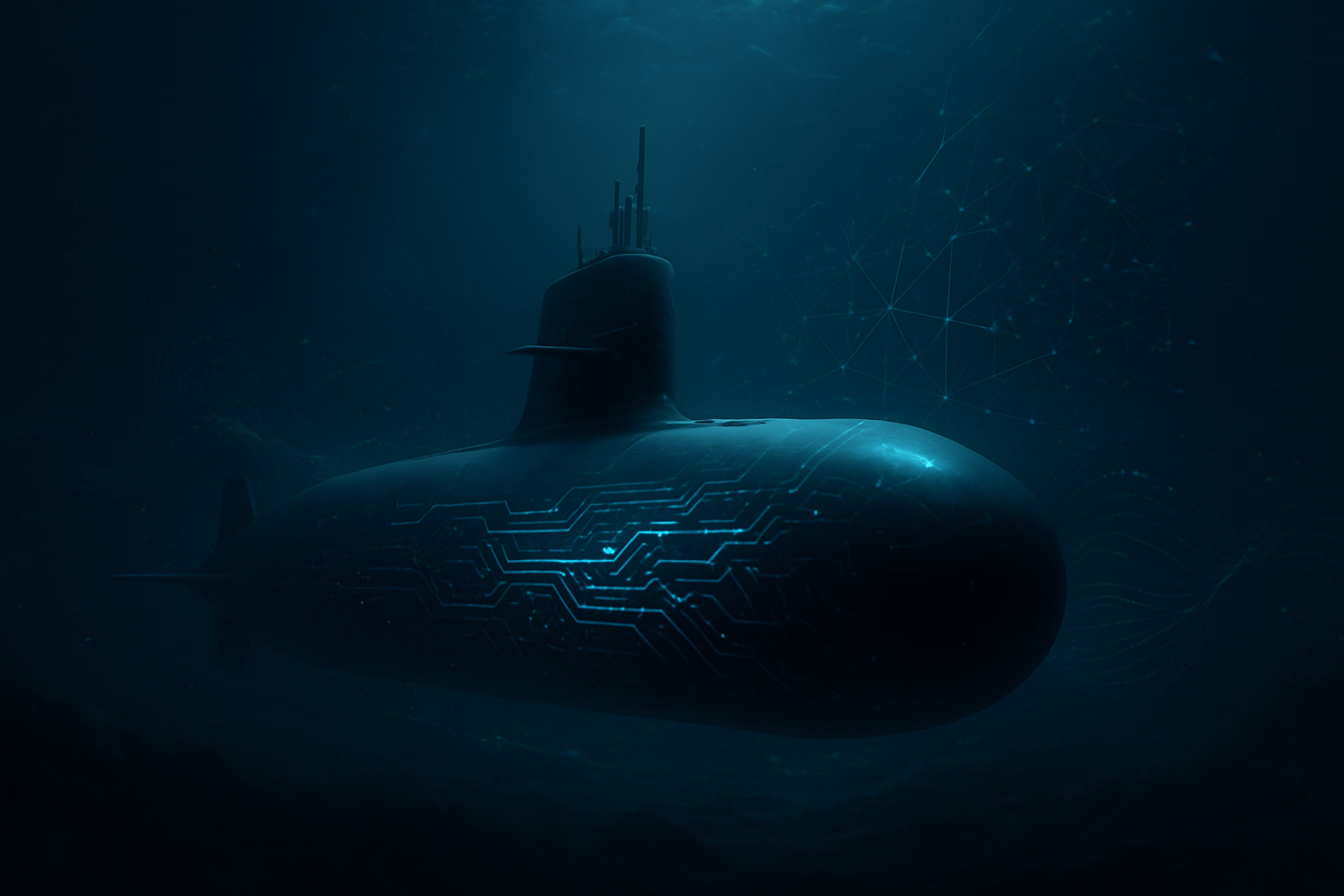
    Recent revelations have sent ripples through international security circles, exposing a sophisticated, years-long operation by Russia to secretly acquire advanced Western technology for its critical submarine fleet and undersea surveillance infrastructure. This clandestine procurement, primarily for a vast Arctic underwater monitoring system dubbed "Harmony," has significantly bolstered Russia's strategic capabilities, complicating NATO's anti-submarine warfare efforts and raising profound questions about the efficacy of global export controls. The integration of sensitive Western components into Moscow's naval assets represents not merely a technological upgrade but a strategic coup, potentially narrowing the technological advantage long held by Western powers and underscoring the persistent challenges in curbing military proliferation through sanctions.

    The immediate significance of these findings is multifaceted. At its core, the illicit transfer of technology has directly enhanced Russia's ability to protect its nuclear-armed submarines, a cornerstone of its nuclear deterrence strategy, ensuring their undetected ingress and egress from vital naval bastions. For NATO and its allies, this development introduces new complexities into maritime domain awareness and anti-submarine warfare (ASW) operations, particularly in the strategically crucial Arctic region. The disclosures, many surfacing between 2024 and 2025, indicate a meticulously planned and executed network of front companies and intermediaries that successfully circumvented Western safeguards for over a decade, highlighting a critical vulnerability in the international security architecture.

    The Harmony Project: A Symphony of Western Tech in Russian Depths

    The "Harmony" system, also known as Project Harmony, stands as the most prominent example of this technological infiltration. Deployed across the Barents Sea and other Arctic waters, its primary objective is to safeguard Russia's nuclear submarine fleet by detecting enemy submarines, particularly those from the United States and NATO. The system's construction, spanning from 2013 to 2024, relied heavily on a clandestine procurement network that funneled sophisticated Western technologies into Russia's military-industrial complex.

    Key Western components identified within the "Harmony" system include highly sensitive sonars capable of detailed seabed mapping and submarine detection, deep-diving underwater robots and drones (some operating at depths up to 3,000 meters), hundreds of miles of Western-made fiber-optic cables for transmitting sensor data, and advanced subsurface antennas. These components, often dual-use in nature—designed for civilian applications but repurposed for military ends—were crucial for establishing a robust, real-time undersea surveillance network. This approach differs significantly from traditional military procurement, which typically involves direct, overt purchases, by leveraging a complex web of intermediaries in countries like Cyprus, the Seychelles, Belize, and the British Virgin Islands to obscure the ultimate end-user. The scale and sophistication of this evasion network have surprised many intelligence analysts, demonstrating Russia's persistent efforts to overcome sanctions. As of early 2024, Russia's Ministry of Industry and Trade has initiated tenders for the domestic production of parts for auxiliary electric propulsion systems (AEPS) and remote control devices for circuit breakers for its 885M-class (Yasen-M) nuclear submarines, signaling a concerted effort to replace foreign-made components with Russian analogs by 2026-2028, a direct consequence of tightening Western sanctions.

    Initial reactions from the AI research community and industry experts, while not directly tied to AI per se, have focused on the broader implications for technological security and supply chain integrity. Intelligence agencies have expressed concerns over the depth of penetration and the difficulty in tracking dual-use technologies. The case of Alexander Shnyakin, a Russian-Kyrgyz businessman and head of the Cypriot front firm Mostrello Commercial Ltd., who was convicted in Germany in late 2024 or early 2025 for illegally exporting sensitive military technology, "opened a Pandora's box of information" on the illicit network, according to German authorities. This conviction highlights the ongoing struggle to enforce export controls against determined state-sponsored evasion.

    Reputational Fallout and Strategic Realignments for Tech and Defense Firms

    The revelations have had a significant impact on Western defense technology companies and other firms whose products were unwittingly or knowingly diverted. While not directly affecting AI companies in their core business, the incident underscores the critical need for robust compliance and due diligence in global supply chains, particularly for technologies with dual-use potential.

    Several Western and Asian companies have been implicated, albeit often unknowingly, in supplying components that ended up in Russia's military apparatus. Kongsberg Gruppen (OSL: KOG), a Norwegian defense giant, was noted for supplying seabed systems and nearly selling a "high-speed acoustic positioning system" before the transaction was blocked. The company has a history with similar controversies, recalling the Toshiba-Kongsberg scandal during the Cold War. NEC (TYO: 6701), a Japanese tech conglomerate, traded with Mostrello Commercial Ltd. EdgeTech, a U.S. sonar manufacturer, sold sonar systems to Mostrello, with a 2015 contract showing terms in Russian, although EdgeTech stated they performed due diligence at the time and Mostrello was not on denied parties lists. Over 50 suppliers, predominantly European, contributed to the "Harmony" system, with British companies sometimes unwittingly providing sensors and remotely operated devices. Siemens (ETR: SIE), a German industrial giant, while not directly linked to the submarine system, had its Simatic systems found in a sanctioned Russian explosives manufacturer, leading to the company's full exit from the Russian market in May 2022. Similarly, Wärtsilä (HEL: WRT1V), a Finnish marine equipment manufacturer, paused all deliveries and sales to Russia in March 2022 and completed its exit in July 2022.

    These events have led to significant reputational damage for some companies and forced others to re-evaluate their export control mechanisms. For companies operating in sensitive technology sectors, the competitive implications are clear: a failure to adequately vet clients and supply chains can lead to legal repercussions, financial penalties, and a loss of trust from international partners. The incident also highlights the strategic advantage gained by Russia through these illicit means, temporarily disrupting the technological superiority of Western navies. It compels Western defense contractors and tech giants to innovate further and secure their supply chains more rigorously, potentially shifting market positioning towards companies with proven, secure, and compliant operational frameworks.

    Undermining Western Security and Challenging Export Controls

    The wider significance of Western technology reinforcing Russian submarines extends far beyond the immediate military implications, touching upon the very fabric of international security and the effectiveness of global governance. This episode fits into a broader landscape of state-sponsored technological acquisition and highlights the persistent vulnerability of open economies to sophisticated evasion tactics.

    The primary impact is the undeniable undermining of Western security. Russia's enhanced ability to protect its nuclear-armed submarines directly challenges NATO's anti-submarine warfare capabilities and complicates efforts to monitor Russia's strategic assets. This significantly reduces America's and its allies' ability to surveil critical areas around Russian naval bases and trail their submarines, potentially narrowing the technological advantage that the U.S. fleet has historically maintained. The concerns are magnified by the dual-use nature of many components, making it incredibly difficult to differentiate between legitimate commercial transactions and those intended for military applications. The ongoing evasion demonstrates the inherent challenges in fully halting the flow of sanctioned technology, given the sheer scale and complexity of global trade networks. This situation draws parallels to historical instances of technology transfer, such as the Toshiba-Kongsberg scandal during the Cold War, where advanced propeller milling technology was illegally sold to the Soviet Union, allowing their submarines to run much quieter. This recurrence underscores a perennial challenge for Western intelligence and export control regimes.

    Future Horizons: A Persistent Game of Cat and Mouse

    Looking ahead, the geopolitical landscape surrounding military technology and export controls is poised for continued evolution. In the near term, Russia will likely intensify its efforts to indigenize the production of critical components for its military, as evidenced by the tenders announced for its Yasen-M class submarines, with completion targets stretching to 2026-2028. This push for self-sufficiency is a direct response to tightening Western sanctions and aims to reduce reliance on foreign technology.

    Concurrently, Western nations are expected to significantly enhance their intelligence-gathering capabilities and refine export control regimes. The U.S. Treasury Department's sanctioning of Mostrello Commercial Ltd. in October 2024, along with its owner Alexey Strelchenko, for "supplying Russia with advanced technology and equipment that it desperately needs to support its war machine," signals a more aggressive stance against such evasion networks. Similarly, the European Union's Sanctions Envoy has acknowledged Russia's cleverness in circumventing sanctions but asserts that the regime is becoming "increasingly more effective" with expanded export bans. Potential applications and use cases on the horizon include the development of more robust counter-measures against advanced undersea surveillance systems, alongside intensified international cooperation to track and disrupt illicit supply chains. However, significant challenges remain, particularly in distinguishing between legitimate dual-use technologies and those destined for military applications. Experts predict a continuous "cat-and-mouse" game, where sanction evaders will adapt their methods as quickly as enforcement mechanisms are strengthened, necessitating constant vigilance and innovation from Western governments and industries.

    A Stark Reminder of Global Security Vulnerabilities

    The covert integration of Western technology into Russian submarines represents a sobering chapter in the ongoing narrative of international security and technological competition. The "Harmony" system and other reported instances of component acquisition underscore a critical vulnerability in global export control regimes and the persistent ingenuity of state actors in circumventing international sanctions. The sophisticated procurement networks, often leveraging dual-use technologies and front companies, allowed Russia to significantly bolster its strategic undersea capabilities, directly impacting the balance of power in critical regions like the Arctic.

    This development serves as a stark reminder of the long-term impacts of technological proliferation and the challenges inherent in maintaining a technological edge in an interconnected world. The reputational damage and strategic realignments faced by implicated Western companies, alongside the strengthened resolve of international bodies to enforce sanctions, highlight a global reckoning with supply chain integrity and national security. In the coming weeks and months, observers should watch for further details on Russia's progress in domesticating critical military technologies, the expansion and enforcement of Western sanctions against evasion networks, and any new intelligence revelations concerning ongoing attempts to acquire sensitive technology. The saga of Western tech in Russian submarines is a testament to the complex interplay of technology, geopolitics, and the continuous struggle for strategic advantage on the global stage.


    This content is intended for informational purposes only and represents analysis of current AI developments.

    TokenRing AI delivers enterprise-grade solutions for multi-agent AI workflow orchestration, AI-powered development tools, and seamless remote collaboration platforms.
    For more information, visit https://www.tokenring.ai/.