
Tag: Supply Chain

  • India’s Chip Ambition: From Design Hub to Global Semiconductor Powerhouse, Backed by Industry Giants

    India’s Chip Ambition: From Design Hub to Global Semiconductor Powerhouse, Backed by Industry Giants

    India is rapidly ascending as a formidable player in the global semiconductor landscape, transitioning from a prominent design hub to an aspiring manufacturing and packaging powerhouse. This strategic pivot, fueled by an ambitious government agenda and significant international investments, is reshaping the global chip supply chain and drawing the attention of industry behemoths like ASML (AMS: ASML), the Dutch lithography equipment giant. With developments accelerating through October 2025, India's concerted efforts are setting the stage for it to become a crucial pillar in the world's semiconductor ecosystem, aiming to capture a substantial share of the trillion-dollar market by 2030.

    The nation's aggressive push, encapsulated by the India Semiconductor Mission (ISM), is a direct response to global supply chain vulnerabilities exposed in recent years and a strategic move to bolster its technological sovereignty. By offering robust financial incentives and fostering a conducive environment for manufacturing, India is attracting investments that promise to bring advanced fabrication (fab), assembly, testing, marking, and packaging (ATMP) capabilities to its shores. This comprehensive approach, combining policy support with skill development and international collaboration, marks a significant departure from previous, more fragmented attempts, signaling a serious and sustained commitment to building an end-to-end semiconductor value chain.

    Unpacking India's Semiconductor Ascent: Policy, Investment, and Innovation

    India's journey towards semiconductor self-reliance is underpinned by a multi-pronged strategy that leverages government incentives, attracts massive private investment, and focuses heavily on indigenous skill development and R&D. The India Semiconductor Mission (ISM), launched in December 2021 with an initial outlay of approximately $9.2 billion, serves as the central orchestrator, vetting projects and disbursing incentives. A key differentiator of this current push compared to previous efforts is the scale and commitment of financial support, with the Production Linked Incentive (PLI) Scheme offering up to 50% of project costs for fabs and ATMP facilities, potentially reaching 75% with state-level subsidies. As of October 2025, this initial allocation is nearly fully committed, prompting discussions for a second phase, indicating the overwhelming response and rapid progress.

    Beyond manufacturing, the Design Linked Incentive (DLI) Scheme is fostering indigenous intellectual property, supporting 23 chip design projects by September 2025. Complementing these, the Electronics Components Manufacturing Scheme (ECMS), approved in March 2025, has already attracted investment proposals exceeding $13 billion by October 2025, nearly doubling its initial target. This comprehensive policy framework differs significantly from previous, less integrated approaches by addressing the entire semiconductor value chain, from design to advanced packaging, and by actively engaging international partners through agreements with the US (TRUST), UK (TSI), EU, and Japan.

    The tangible results of these policies are evident in the significant investments pouring into the sector. Tata Electronics, in partnership with Taiwan's Powerchip Semiconductor Manufacturing Corp (PSMC), is establishing India's first wafer fabrication facility in Dholera, Gujarat, with an investment of approximately $11 billion. This facility, targeting 28 nm and above nodes, expects trial production by early 2027. Simultaneously, Tata Electronics is building a state-of-the-art ATMP facility in Jagiroad, Assam, with a $27 billion investment, anticipated to be operational by mid-2025. US-based memory chipmaker Micron Technology (NASDAQ: MU) is investing $2.75 billion in an ATMP facility in Sanand, Gujarat, with Phase 1 expected to be operational by late 2024 or early 2025. Other notable projects include a tripartite collaboration between CG Power (NSE: CGPOWER), Renesas, and Stars Microelectronics for a semiconductor plant in Sanand, and Kaynes SemiCon (a subsidiary of Kaynes Technology India Limited (NSE: KAYNES)) on track to deliver India's first packaged semiconductor chips by October 2025 from its OSAT unit. Furthermore, India inaugurated its first centers for advanced 3-nanometer chip design in May 2025, pushing the boundaries of innovation.

    Competitive Implications and Corporate Beneficiaries

    India's emergence as a semiconductor hub carries profound implications for global tech giants, established AI companies, and burgeoning startups. Companies directly investing in India, such as Micron Technology (NASDAQ: MU), Tata Electronics, and CG Power (NSE: CGPOWER), stand to benefit significantly from the substantial government subsidies, a rapidly growing domestic market, and a vast, increasingly skilled talent pool. For Micron, its ATMP facility in Sanand not only diversifies its manufacturing footprint but also positions it strategically within a burgeoning electronics market. Tata's dual investment in a fab and an ATMP unit marks a monumental step for an Indian conglomerate, establishing it as a key domestic player in a highly capital-intensive industry.

    The competitive landscape is shifting as major global players eye India for diversification and growth. ASML (AMS: ASML), a critical enabler of advanced chip manufacturing, views India as attractive due to its immense talent pool for engineering and software development, a rapidly expanding market for electronics, and its role in strengthening global supply chain resilience. While ASML currently focuses on establishing a customer support office and showcasing its lithography portfolio, its engagement signals future potential for deeper collaboration, especially as India's manufacturing capabilities mature. For other companies like Intel (NASDAQ: INTC), AMD (NASDAQ: AMD), and NVIDIA (NASDAQ: NVDA), which already have significant design and R&D operations in India, the development of local manufacturing and packaging capabilities could streamline their supply chains, reduce lead times, and potentially lower costs for products targeted at the Indian market.

    This strategic shift could disrupt existing supply chain dependencies, particularly on East Asian manufacturing hubs, by offering an alternative. For startups and smaller AI labs, India's growing ecosystem, supported by schemes like the DLI, provides opportunities for indigenous chip design and development, fostering local innovation. However, the success of these ventures will depend on continued government support, access to cutting-edge technology, and the ability to compete on a global scale. The market positioning of Indian domestic firms like Tata and Kaynes Technology is being significantly enhanced, transforming them from service providers or component assemblers to integrated semiconductor players, creating new strategic advantages in the global tech race.

    Wider Significance: Reshaping the Global AI and Tech Landscape

    India's ambitious foray into semiconductor manufacturing is not merely an economic endeavor; it represents a significant geopolitical and strategic move that will profoundly impact the broader AI and tech landscape. The most immediate and critical impact is on global supply chain diversification and resilience. The COVID-19 pandemic and geopolitical tensions have starkly highlighted the fragility of a highly concentrated semiconductor supply chain. India's emergence offers a crucial alternative, reducing the world's reliance on a few key regions and mitigating risks associated with natural disasters, trade disputes, or regional conflicts. This diversification is vital for all tech sectors, including AI, which heavily depend on a steady supply of advanced chips for training models, running inference, and developing new hardware.

    This development also fits into the broader trend of "friend-shoring" and de-risking in global trade, particularly in critical technologies. India's strong democratic institutions and strategic partnerships with Western nations make it an attractive location for semiconductor investments, aligning with efforts to build more secure and politically stable supply chains. The economic implications for India are transformative, promising to create hundreds of thousands of high-skilled jobs, attract foreign direct investment, and significantly boost its manufacturing sector, contributing to its goal of becoming a developed economy. The growth of a domestic semiconductor industry will also catalyze innovation in allied sectors like AI, IoT, automotive electronics, and telecommunications, as local access to advanced chips can accelerate product development and deployment.

    Potential concerns, however, include the immense capital intensity of semiconductor manufacturing, the need for consistent policy support over decades, and challenges related to infrastructure (reliable power, water, and logistics) and environmental regulations. While India boasts a vast talent pool, scaling up the highly specialized workforce required for advanced fab operations remains a significant hurdle. Technology transfer and intellectual property protection will also be crucial for securing partnerships with leading global players. Comparisons to previous AI milestones reveal that access to powerful, custom-designed chips has been a consistent driver of AI breakthroughs. India's ability to produce these chips domestically could accelerate its own AI research and application development, similar to how local chip ecosystems have historically fueled technological advancement in other nations. This strategic move is not just about manufacturing chips; it's about building the foundational infrastructure for India's digital future and its role in the global technological order.

    Future Trajectories and Expert Predictions

    Looking ahead, the next few years are critical for India's semiconductor ambitions, with several key developments expected to materialize. The operationalization of Micron Technology's (NASDAQ: MU) ATMP facility by early 2025 and Tata Electronics' (in partnership with PSMC) wafer fab by early 2027 will be significant milestones, demonstrating India's capability to move beyond design into advanced manufacturing and packaging. Experts predict a phased approach, with India initially focusing on mature nodes (28nm and above) and advanced packaging, gradually moving towards more cutting-edge technologies as its ecosystem matures and expertise deepens. The ongoing discussions for a second phase of the PLI scheme underscore the government's commitment to continuous investment and expansion.

    The potential applications and use cases on the horizon are vast, spanning across critical sectors. Domestically produced chips will fuel the growth of India's burgeoning smartphone market, automotive sector (especially electric vehicles), 5G infrastructure, and the rapidly expanding Internet of Things (IoT) ecosystem. Crucially, these chips will be vital for India's burgeoning AI sector, enabling more localized and secure development of AI models and applications, from smart city solutions to advanced robotics and healthcare diagnostics. The development of advanced 3nm chip design centers also hints at future capabilities in high-performance computing, essential for cutting-edge AI research.

    However, significant challenges remain. Ensuring a sustainable supply of ultra-pure water and uninterrupted power for fabs is paramount. Attracting and retaining top-tier global talent, alongside upskilling the domestic workforce to meet the highly specialized demands of semiconductor manufacturing, will be an ongoing effort. Technology transfer and intellectual property protection will also be crucial for securing partnerships with leading global players. Experts predict that while India may not immediately compete with leading-edge foundries like TSMC (TPE: 2330) or Samsung (KRX: 005930) in terms of process nodes, its strategic focus on mature nodes, ATMP, and design will establish it as a vital hub for diversified supply chains and specialized applications. The next decade will likely see India solidify its position as a reliable and significant contributor to the global semiconductor supply, potentially becoming the "pharmacy of the world" for chips.

    A New Era for India's Tech Destiny: A Comprehensive Wrap-up

    India's determined push into the semiconductor sector represents a pivotal moment in its technological and economic history. The confluence of robust government policies like the India Semiconductor Mission, substantial domestic and international investments from entities like Tata Electronics and Micron Technology, and a concerted effort towards skill development is rapidly transforming the nation into a potential global chip powerhouse. The engagement of industry leaders such as ASML (AMS: ASML) further validates India's strategic importance and long-term potential, signaling a significant shift in the global semiconductor landscape.

    This development holds immense significance for the AI industry and the broader tech world. By establishing an indigenous semiconductor ecosystem, India is not only enhancing its economic resilience but also securing the foundational hardware necessary for its burgeoning AI research and application development. The move towards diversified supply chains is a critical de-risking strategy for the global economy, offering a stable and reliable alternative amidst geopolitical uncertainties. While challenges related to infrastructure, talent, and technology transfer persist, the momentum generated by current initiatives and the strong political will suggest that India is well-positioned to overcome these hurdles.

    In the coming weeks and months, industry observers will be closely watching the progress of key projects, particularly the operationalization of Micron's ATMP facility and the groundbreaking developments at Tata's fab and ATMP units. Further announcements regarding the second phase of the PLI scheme and new international collaborations will also be crucial indicators of India's continued trajectory. This strategic pivot is more than just about manufacturing chips; it is about India asserting its role as a key player in shaping the future of global technology and innovation, cementing its position as a critical hub in the digital age.

    This content is intended for informational purposes only and represents analysis of current AI developments.

    TokenRing AI delivers enterprise-grade solutions for multi-agent AI workflow orchestration, AI-powered development tools, and seamless remote collaboration platforms.
    For more information, visit https://www.tokenring.ai/.

  • A Rivalry Reimagined: Intel and AMD Consider Unprecedented Manufacturing Alliance Amidst AI Boom

    A Rivalry Reimagined: Intel and AMD Consider Unprecedented Manufacturing Alliance Amidst AI Boom

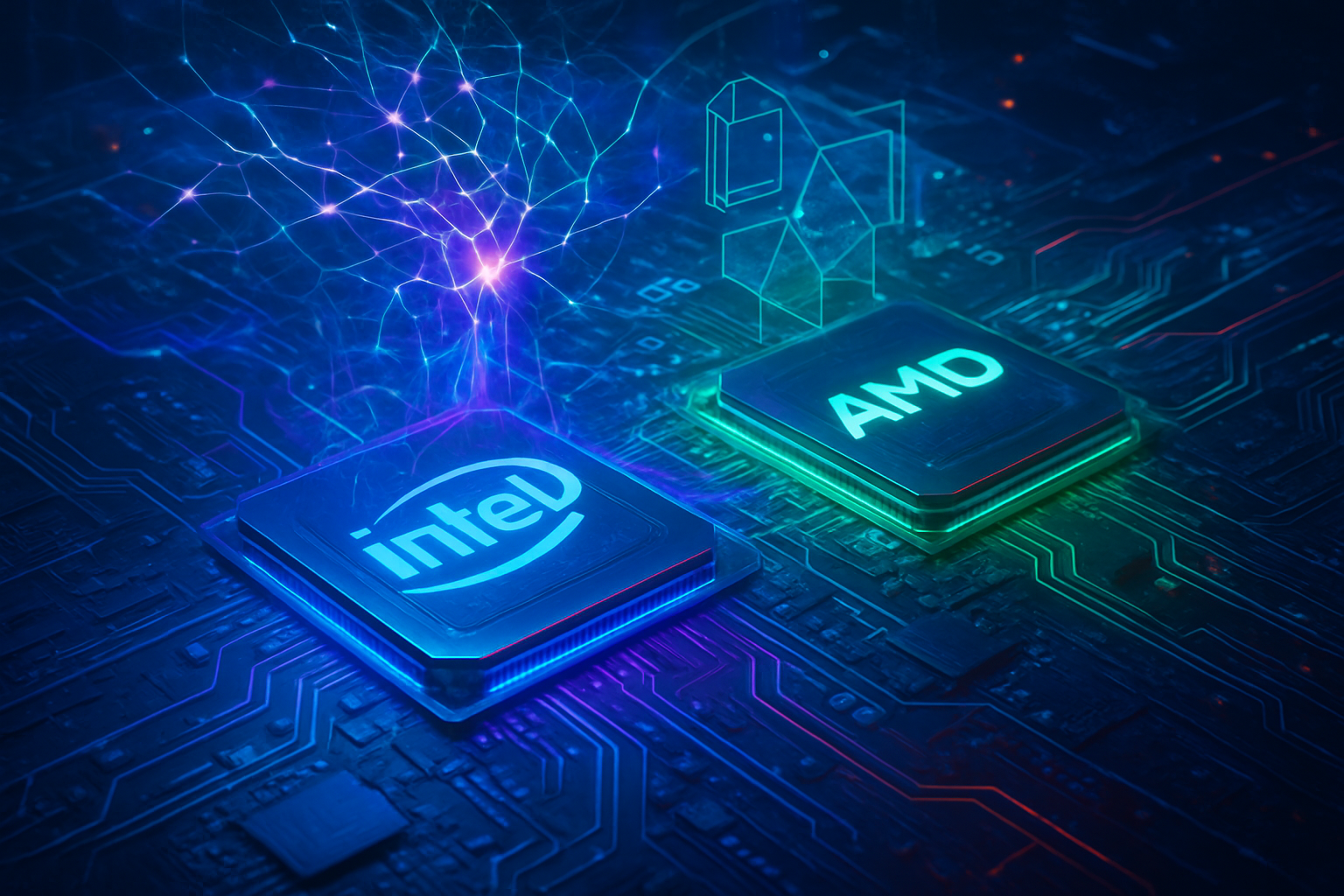
    The semiconductor industry, long defined by the fierce rivalry between Intel (NASDAQ: INTC) and Advanced Micro Devices (NASDAQ: AMD), is currently witnessing a potentially historic shift. Rumors are swirling, and industry insiders suggest, that these two titans are in early-stage discussions for Intel to manufacture some of AMD's chips through its Intel Foundry Services (IFS) division. This unprecedented "co-opetition," if it materializes, would represent a seismic realignment in the competitive landscape, driven by the insatiable demand for AI compute, geopolitical pressures, and the strategic imperative for supply chain resilience. The mere possibility of such a deal, first reported in late September and early October 2025, underscores a new era where traditional competition may yield to strategic collaboration in the face of immense industry challenges and opportunities.

    This potential alliance carries immediate and profound significance. For Intel, securing AMD as a foundry customer would be a monumental validation of its ambitious IDM 2.0 strategy, which seeks to transform Intel into a major contract chip manufacturer capable of competing with established leaders like Taiwan Semiconductor Manufacturing Company (TSMC) (NYSE: TSM) and Samsung (KRX: 005930). Such a deal would lend crucial credibility to IFS, bolster its order book, and help Intel better utilize its advanced fabrication facilities. For AMD, the motivation is clear: diversifying its manufacturing supply chain. Heavily reliant on TSMC for its cutting-edge CPUs and GPUs, a partnership with Intel would mitigate geopolitical risks associated with manufacturing concentration in Taiwan and ensure a more robust supply of chips essential for its burgeoning AI and data center businesses. The strategic implications extend far beyond the two companies, signaling a potential reshaping of the global semiconductor ecosystem as the world grapples with escalating AI demands and a push for more resilient, regionalized supply chains.

    Technical Crossroads: Intel's Foundry Ambitions Meet AMD's Chiplet Strategy

    The technical implications of Intel potentially manufacturing AMD chips are complex and fascinating, largely revolving around process nodes, chiplet architectures, and the unique differentiators each company brings. While the exact scope remains under wraps, initial speculation suggests Intel might begin by producing AMD's "less advanced semiconductors" or specific chiplets rather than entire monolithic designs. Given AMD's pioneering use of chiplet-based System-on-Chip (SoC) solutions in its Ryzen and EPYC CPUs, and Instinct MI300 series accelerators, it's highly feasible for Intel to produce components like I/O dies or less performance-critical CPU core complex dies.

    The manufacturing process nodes likely to be involved are Intel's most advanced offerings, specifically Intel 18A and potentially Intel 14A. Intel 18A, currently in risk production and targeting high-volume manufacturing in the second half of 2025, is a cornerstone of Intel's strategy to regain process leadership. It features revolutionary RibbonFET transistors (Gate-All-Around – GAA) and PowerVia (Backside Power Delivery Network – BSPDN), which Intel claims offers superior performance per watt and greater transistor density compared to its predecessors. This node is positioned to compete directly with TSMC's 2nm (N2) process. Technically, Intel 18A's PowerVia is a key differentiator, delivering power from the backside of the wafer, optimizing signal routing on the front side, a feature TSMC's initial N2 process lacks.

    This arrangement would technically differ significantly from AMD's current strategy with TSMC. AMD's designs are optimized for TSMC's Process Design Kits (PDKs) and IP ecosystem. Porting designs to Intel's foundry would require substantial engineering effort, re-tooling, and adaptation to Intel's specific process rules, libraries, and design tools. However, it would grant AMD crucial supply chain diversification, reducing reliance on a single foundry and mitigating geopolitical risks. For Intel, the technical challenge lies in achieving competitive yields and consistent performance with its new nodes, while adapting its historically internal-focused fabs to the diverse needs of external fabless customers. Conversely, Intel's advanced packaging technologies like EMIB and Foveros could offer AMD new avenues for integrating its chiplets, enhancing performance and efficiency.

    Reshaping the AI Hardware Landscape: Winners, Losers, and Strategic Shifts

    A manufacturing deal between Intel and AMD would send ripples throughout the AI and broader tech industry, impacting hyperscalers, other chipmakers, and even startups. Beyond Intel and AMD, the most significant beneficiary would be the U.S. government and the domestic semiconductor industry, aligning directly with the CHIPS Act's goals to bolster American technological independence and reduce reliance on foreign supply chains. Other fabless semiconductor companies could also benefit from a validated Intel Foundry Services, gaining an additional credible option beyond TSMC and Samsung, potentially leading to better pricing and more innovative process technologies. AI startups, while indirectly, could see lower barriers to hardware innovation if manufacturing capacity becomes more accessible and competitive.

    The competitive implications for major AI labs and tech giants are substantial. NVIDIA (NASDAQ: NVDA), currently dominant in the AI accelerator market, could face intensified competition. If AMD gains more reliable access to advanced manufacturing capacity via Intel, it could accelerate its ability to produce high-performance Instinct GPUs, directly challenging NVIDIA in the crucial AI data center market. Interestingly, Intel has also partnered with NVIDIA to develop custom x86 CPUs for AI infrastructure, suggesting a complex web of "co-opetition" across the industry.

    Hyperscalers like Google (NASDAQ: GOOGL), Microsoft (NASDAQ: MSFT), and Amazon (NASDAQ: AMZN), which are increasingly designing their own custom AI chips (TPUs, Azure Maia, Inferentia/Trainium), would gain more diversified sourcing options for both off-the-shelf and custom processors. Microsoft, for instance, has already chosen to produce a chip design on Intel's 18A process, and Amazon Web Services (AWS) is exploring further designs with Intel. This increased competition and choice in the foundry market could improve their negotiation power and supply chain resilience, potentially leading to more diverse and cost-effective AI instance offerings in the cloud. The most immediate disruption would be enhanced supply chain resilience, ensuring more stable availability of critical components for various products, from consumer electronics to data centers.

    A New Era of Co-opetition: Broader Significance in the AI Age

    The wider significance of a potential Intel-AMD manufacturing deal extends beyond immediate corporate strategies, touching upon global economic trends, national security, and the very future of AI. This collaboration fits squarely into the broader AI landscape and trends, primarily driven by the "AI supercycle" and the escalating demand for high-performance compute. Generative AI alone is projected to require millions of additional advanced wafers by 2030, underscoring the critical need for diversified and robust manufacturing capabilities. This push for supply chain diversification is a direct response to geopolitical tensions and past disruptions, aiming to reduce reliance on concentrated manufacturing hubs in East Asia.

    The broader impacts on the semiconductor industry and global tech supply chain would be transformative. For Intel, securing AMD as a customer would be a monumental validation for IFS, boosting its credibility and accelerating its journey to becoming a leading foundry. This, in turn, could intensify competition in the contract chip manufacturing market, currently dominated by TSMC, potentially leading to more competitive pricing and innovation across the industry. For AMD, it offers critical diversification, mitigating geopolitical risks and enhancing resilience. This "co-opetition" between long-standing rivals signals a fundamental shift in industry dynamics, where strategic necessity can transcend traditional competitive boundaries.

    However, potential concerns and downsides exist. Intel's current foundry technology still lags behind TSMC's at the bleeding edge, raising questions about the scope of advanced chips it could initially produce for AMD. A fundamental conflict of interest also persists, as Intel designs and sells chips that directly compete with AMD's. This necessitates robust intellectual property protection and non-preferential treatment assurances. Furthermore, Intel's foundry business still faces execution risks, needing to achieve competitive yields and costs while cultivating a customer-centric culture. Despite these challenges, the deal represents a significant step towards the regionalization of semiconductor manufacturing, a trend driven by national security and economic policies. This aligns with historical shifts like the rise of the fabless-foundry model pioneered by TSMC, and more recent strategic alliances, such as NVIDIA (NASDAQ: NVDA)'s investment in Intel and Microsoft (NASDAQ: MSFT) and Amazon (NASDAQ: AMZN)'s plans to utilize Intel's 18A process node.

    The Road Ahead: Navigating Challenges and Embracing Opportunity

    Looking ahead, the potential Intel-AMD manufacturing deal presents a complex but potentially transformative path for the semiconductor industry and the future of AI. In the near term, the industry awaits official confirmation and details regarding the scope of any agreement. Initial collaborations might focus on less cutting-edge components, allowing Intel to prove its capabilities. However, in the long term, a successful partnership could see AMD leveraging Intel's advanced 18A node for a portion of its high-performance CPUs, including its EPYC server chips, significantly diversifying its production. This would be particularly beneficial for AMD's rapidly growing AI processor and edge computing segments, ensuring a more resilient supply chain for these critical growth areas.

    Potential applications and use cases are numerous. AMD could integrate chiplets manufactured by both TSMC and Intel into future products, adopting a hybrid approach that maximizes supply chain flexibility and leverages the strengths of different manufacturing processes. Manufacturing chips in the U.S. through Intel would also help AMD mitigate regulatory risks and align with government initiatives to boost domestic chip production. However, significant challenges remain. Intel's ability to consistently deliver competitive yields, power efficiency, and performance with its upcoming nodes like 18A is paramount. Overcoming decades of intense rivalry to build trust and ensure IP security will also be a formidable task. Experts predict that this potential collaboration signals a new era for the semiconductor industry, driven by geopolitical pressures, supply chain fragilities, and the surging demand for AI technologies. It would be a "massive breakthrough" for Intel's foundry ambitions, while offering AMD crucial diversification and potentially challenging TSMC's dominance.

    A Paradigm Shift in Silicon: The Future of AI Hardware

    The potential manufacturing collaboration between Intel (NASDAQ: INTC) and Advanced Micro Devices (NASDAQ: AMD) is more than just a business transaction; it represents a paradigm shift in the semiconductor industry, driven by technological necessity, economic strategy, and geopolitical considerations. The key takeaway is the unprecedented nature of this "co-opetition" between long-standing rivals, underscoring a new era where strategic alliances are paramount for navigating the complexities of modern chip manufacturing and the escalating demands of the AI supercycle.

    This development holds immense significance in semiconductor history, marking a strategic pivot away from unbridled competition towards a model of collaboration. It could fundamentally reshape the foundry landscape, validating Intel's ambitious IFS strategy and fostering greater competition against TSMC and Samsung. Furthermore, it serves as a cornerstone in the U.S. government's efforts to revive domestic semiconductor manufacturing, enhancing national security and supply chain resilience. The long-term impact on the industry promises a more robust and diversified global supply chain, leading to increased innovation and competition in advanced process technologies. For AI, this means a more stable and predictable supply of foundational hardware, accelerating the development and deployment of cutting-edge AI technologies globally.

    In the coming weeks and months, the industry will be keenly watching for official announcements from Intel or AMD confirming these discussions. Key details to scrutinize will include the specific types of chips Intel will manufacture, the volume of production, and whether it involves Intel's most advanced nodes like 18A. Intel's ability to successfully execute and ramp up its next-generation process nodes will be critical for attracting and retaining high-value foundry customers. The financial and strategic implications for both companies, alongside the potential for other major "tier-one" customers to commit to IFS, will also be closely monitored. This potential alliance is a testament to the evolving geopolitical landscape and the profound impact of AI on compute demand, and its outcome will undoubtedly help shape the future of computing and artificial intelligence for years to come.

    This content is intended for informational purposes only and represents analysis of current AI developments.

    TokenRing AI delivers enterprise-grade solutions for multi-agent AI workflow orchestration, AI-powered development tools, and seamless remote collaboration platforms.
    For more information, visit https://www.tokenring.ai/.
  • Malaysia Emerges as a Key Sanctuary for Chinese Tech Amidst Geopolitical Crosswinds

    Malaysia Emerges as a Key Sanctuary for Chinese Tech Amidst Geopolitical Crosswinds

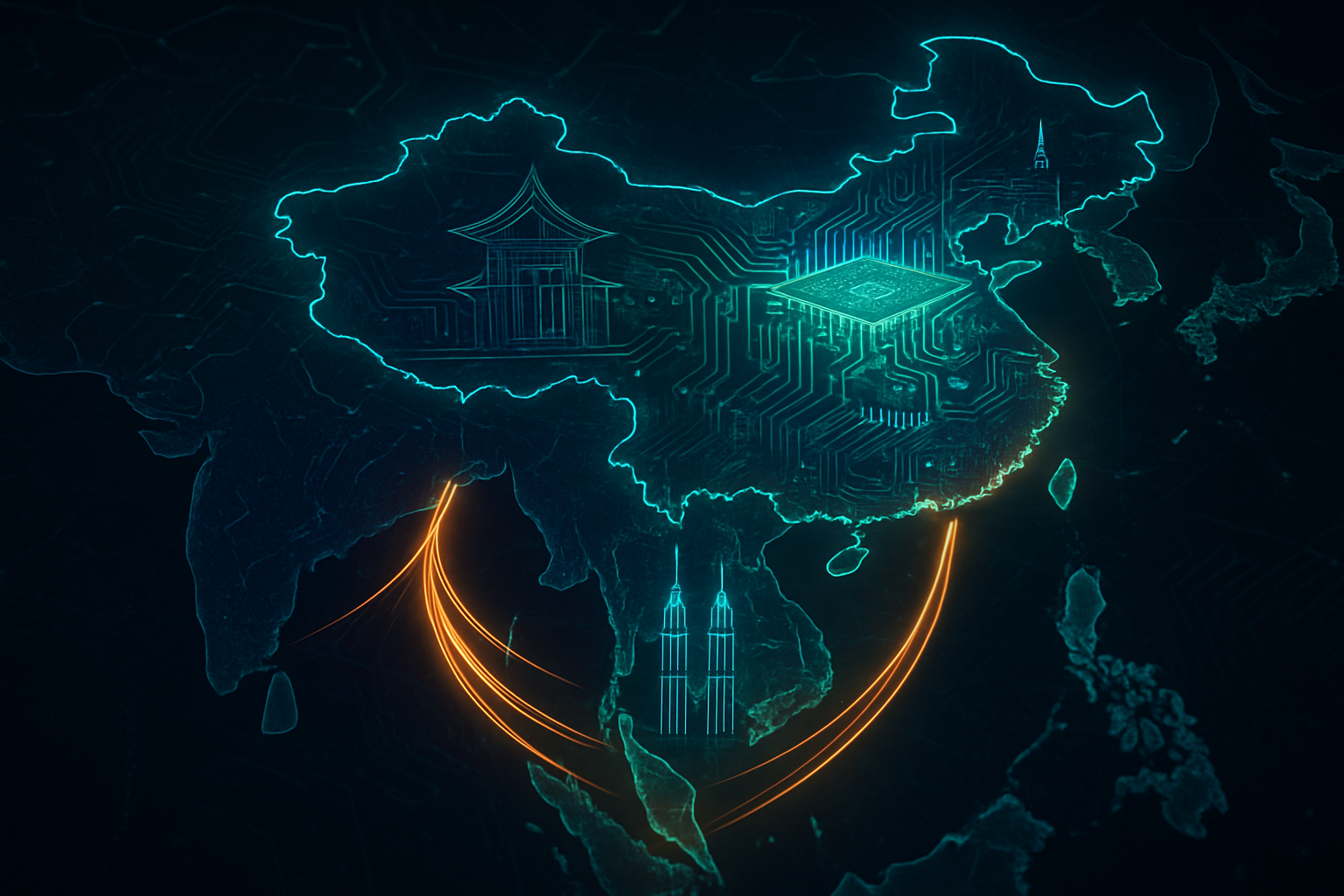
    KUALA LUMPUR, MALAYSIA – In a significant recalibration of global supply chains and technological hubs, Malaysia is rapidly becoming a preferred destination for Chinese tech companies seeking to navigate an increasingly complex international trade landscape. This strategic exodus, which has seen a notable acceleration through 2024 and is projected to intensify into late 2025, is primarily propelled by the persistent shadow of US tariffs and the newfound ease of bilateral travel, among other compelling factors. The immediate implications are profound, promising an economic uplift and technological infusion for Malaysia, while offering Chinese firms a vital pathway to de-risk operations and sustain global market access.

    The trend underscores a broader "China-plus-one" strategy, where Chinese enterprises are actively diversifying their manufacturing and operational footprints beyond their home borders. This is not merely a tactical retreat but a strategic repositioning, aimed at fostering resilience against geopolitical pressures and tapping into new growth markets. As global economies brace for continued trade realignments, Malaysia's emergence as a key player in high-tech manufacturing and digital infrastructure is reshaping the competitive dynamics of the Asian technology sector.

    A New Nexus: Unpacking the Drivers and Dynamics of Chinese Tech Migration

    The migration of Chinese tech companies to Malaysia is not a spontaneous occurrence but a meticulously planned strategic maneuver, underpinned by a convergence of economic pressures and facilitating policies. At the forefront of these drivers are the escalating US-China trade tensions and the practical advantage of recent visa-free travel agreements.

    The specter of US tariffs, potentially reaching as high as 60% on certain Chinese imports, particularly in critical sectors like semiconductors, electric vehicles (EVs), and batteries, has been a primary catalyst. These punitive measures, coupled with US administration restrictions on advanced chip sales to China, have compelled Chinese firms to re-evaluate and restructure their global supply chains. By establishing operations in Malaysia, companies aim to circumvent these tariffs, ensuring their products remain competitive in international markets. Malaysia's long-standing and robust semiconductor ecosystem, which accounts for 13% of the global market for chip packaging, assembly, and testing, presents a highly attractive alternative to traditional manufacturing hubs. However, Malaysian authorities have been clear, advising against mere "rebadging" of products and emphasizing the need for genuine investment and integration into the local economy.

    Adding to the strategic allure is the implementation of visa-free travel between China and Malaysia, effective July 17, 2025, allowing mutual visa exemptions for stays up to 30 days. This policy significantly streamlines business travel, facilitating easier exploration of investment opportunities, due diligence, and on-the-ground management for Chinese executives and technical teams. This practical ease of movement reduces operational friction and encourages more direct engagement and investment.

    Beyond these immediate drivers, Malaysia offers a compelling intrinsic value proposition. Its strategic location at the heart of ASEAN provides unparalleled access to a burgeoning Southeast Asian consumer market and critical global trade routes. The country boasts an established high-tech manufacturing infrastructure, particularly in semiconductors, with a 50-year history. The Malaysian government actively courts foreign direct investment (FDI) through a suite of incentives, including "Pioneer Status" (offering significant income tax exemptions) and "Investment Tax Allowance" (ITA). Additionally, the "Malaysia Digital" (MD) status provides tax benefits for technology and digital services. Malaysia's advanced logistics, expanding 5G networks, and burgeoning data center industry, particularly in Johor, further solidify its appeal. This comprehensive package of policy support, infrastructure, and skilled workforce differentiates Malaysia from previous relocation trends, which might have been driven solely by lower labor costs, emphasizing instead a move towards a more sophisticated, resilient, and strategically positioned supply chain.

    Reshaping the Corporate Landscape: Beneficiaries and Competitive Shifts

    The influx of Chinese tech companies into Malaysia is poised to create a dynamic shift in the competitive landscape, benefiting a range of players while posing new challenges for others. Both Chinese and Malaysian entities stand to gain, but the ripple effects will be felt across the broader tech industry.

    Chinese companies like Huawei, BYD (HKG: 1211), Alibaba (NYSE: BABA) (through Lazada), JD.com (HKG: 9618), and TikTok Shop (owned by ByteDance) have already established a significant presence, and many more are expected to follow. These firms benefit by diversifying their manufacturing and supply chains, thereby mitigating the risks associated with US tariffs and export controls. This "China-plus-one" strategy allows them to maintain access to crucial international markets, ensuring continued growth and technological advancement despite geopolitical headwinds. For example, semiconductor manufacturers can leverage Malaysia's established packaging and testing capabilities to bypass restrictions on advanced chip sales, effectively extending their global reach.

    For Malaysia, the economic benefits are substantial. The influx of Chinese FDI, which contributed significantly to the RM89.8 billion in approved foreign investments in Q1 2025, is expected to create thousands of skilled jobs and foster technological transfer. Local Malaysian companies, particularly those in the semiconductor, logistics, and digital infrastructure sectors, are likely to see increased demand for their services and potential for partnerships. This competition is also likely to spur innovation among traditionally dominant US and European companies operating in Malaysia, pushing them to enhance their offerings and efficiency. However, there's a critical need for Malaysia to ensure that local small and medium-sized enterprises (SMEs) are genuinely integrated into these new supply chains, rather than merely observing the growth from afar.

    The competitive implications for major AI labs and tech companies are also noteworthy. As Chinese firms establish more robust international footprints, they become more formidable global competitors, potentially challenging the market dominance of Western tech giants in emerging markets. This strategic decentralization could lead to a more fragmented global tech ecosystem, where regional hubs gain prominence. While this offers resilience, it also necessitates greater agility and adaptability from all players in navigating diverse regulatory and market environments. The shift also presents a challenge for Malaysia to manage its energy and water resources, as the rapid expansion of data centers, a key area of Chinese investment, has already led to concerns and a potential slowdown in approvals.

    Broader Implications: A Shifting Global Tech Tapestry

    This migration of Chinese tech companies to Malaysia is more than just a corporate relocation; it signifies a profound recalibration within the broader AI landscape and global supply chains, with wide-ranging implications. It underscores a growing trend towards regionalization and diversification, driven by geopolitical tensions rather than purely economic efficiencies.

    The move fits squarely into the narrative of de-risking and supply chain resilience, a dominant theme in global economics since the COVID-19 pandemic and exacerbated by the US-China tech rivalry. By establishing production and R&D hubs in Malaysia, Chinese companies are not just seeking to bypass tariffs but are also building redundancy into their operations, making them less vulnerable to single-point failures or political pressures. This creates a more distributed global manufacturing network, potentially reducing the concentration of high-tech production in any single country.

    The impact on global supply chains is significant. Malaysia's role as the world's sixth-largest exporter of semiconductors is set to be further cemented, transforming it into an even more critical node for high-tech components. This could lead to a re-evaluation of logistics routes, investment in port infrastructure, and a greater emphasis on regional trade agreements within ASEAN. However, potential concerns include the risk of Malaysia becoming a "re-export" hub rather than a genuine manufacturing base, a scenario Malaysian authorities are actively trying to prevent by encouraging substantive investment. There are also environmental considerations, as increased industrial activity and data center expansion will place greater demands on energy grids and natural resources.

    Comparisons to previous AI milestones and breakthroughs highlight a shift from purely technological advancements to geopolitical-driven strategic maneuvers. While past milestones focused on computational power or algorithmic breakthroughs, this trend reflects how geopolitical forces are shaping the physical location and operational strategies of AI and tech companies. It's a testament to the increasing intertwining of technology, economics, and international relations. The move also highlights Malaysia's growing importance as a neutral ground where companies from different geopolitical spheres can operate, potentially fostering a unique blend of technological influences and innovations.

    The Road Ahead: Anticipating Future Developments and Challenges

    The strategic relocation of Chinese tech companies to Malaysia is not a fleeting trend but a foundational shift that promises to unfold with several near-term and long-term developments. Experts predict a continued surge in investment, alongside new challenges that will shape the region's technological trajectory.

    In the near term, we can expect to see further announcements of Chinese tech companies establishing or expanding operations in Malaysia, particularly in sectors targeted by US tariffs such as advanced manufacturing, electric vehicles, and renewable energy components. The focus will likely be on building out robust supply chain ecosystems that can truly integrate local Malaysian businesses, moving beyond mere assembly to higher-value activities like R&D and design. The new tax incentives under Malaysia's Investment Incentive Framework, set for implementation in Q3 2025, are designed to attract precisely these high-value investments.

    Longer term, Malaysia could solidify its position as a regional AI and digital hub, attracting not just manufacturing but also significant R&D capabilities. The burgeoning data center industry in Johor, despite recent slowdowns due to resource concerns, indicates a strong foundation for digital infrastructure growth. Potential applications and use cases on the horizon include enhanced collaboration between Malaysian and Chinese firms on AI-powered solutions, smart manufacturing, and the development of new digital services catering to the ASEAN market. Malaysia's emphasis on a skilled, multilingual workforce is crucial for this evolution.

    However, several challenges need to be addressed. Integrating foreign companies with local supply chains effectively, ensuring equitable benefits for Malaysian SMEs, and managing competition from neighboring countries like Indonesia and Vietnam will be paramount. Critical infrastructure limitations, particularly concerning power grid capacity and water resources, have already led to a cautious approach towards data center expansion and will require strategic planning and investment. Furthermore, as US trade blacklists broaden, effective immediately in late 2025, overseas subsidiaries of Chinese firms might face increased scrutiny, potentially disrupting their global strategies and requiring careful navigation by both companies and the Malaysian government.

    Experts predict that the success of this strategic pivot will hinge on Malaysia's ability to maintain a stable and attractive investment environment, continue to develop its skilled workforce, and sustainably manage its resources. For Chinese companies, success will depend on their ability to localize, understand regional market needs, and foster genuine partnerships, moving beyond a purely cost-driven approach.

    A New Era: Summarizing a Strategic Realignment

    The ongoing relocation of Chinese tech companies to Malaysia marks a pivotal moment in the global technology landscape, signaling a strategic realignment driven by geopolitical realities and economic imperatives. This movement is a clear manifestation of the "China-plus-one" strategy, offering Chinese firms a vital avenue to mitigate risks associated with US tariffs and maintain access to international markets. For Malaysia, it represents an unprecedented opportunity for economic growth, technological advancement, and an elevated position within global high-tech supply chains.

    The significance of this development in AI history, and indeed in tech history, lies in its demonstration of how geopolitical forces can fundamentally reshape global manufacturing and innovation hubs. It moves beyond purely technological breakthroughs to highlight the strategic importance of geographical diversification and resilience in an interconnected yet fragmented world. This shift underscores the increasing complexity faced by multinational corporations, where operational decisions are as much about political navigation as they are about market economics.

    In the coming weeks and months, observers should closely watch for new investment announcements, particularly in high-value sectors, and how effectively Malaysia integrates these foreign operations into its domestic economy. The evolution of policy frameworks in both the US and China, along with Malaysia's ability to address infrastructure challenges, will be crucial determinants of this trend's long-term impact. The unfolding narrative in Malaysia will serve as a critical case study for how nations and corporations adapt to a new era of strategic competition and supply chain resilience.

    This content is intended for informational purposes only and represents analysis of current AI developments.

    TokenRing AI delivers enterprise-grade solutions for multi-agent AI workflow orchestration, AI-powered development tools, and seamless remote collaboration platforms.
    For more information, visit https://www.tokenring.ai/.
  • The New Silicon Frontiers: Regional Hubs Emerge as Powerhouses of Chip Innovation

    The New Silicon Frontiers: Regional Hubs Emerge as Powerhouses of Chip Innovation

    The global semiconductor landscape is undergoing a profound transformation, shifting from a highly centralized model to a more diversified, regionalized ecosystem of innovation hubs. Driven by geopolitical imperatives, national security concerns, economic development goals, and the insatiable demand for advanced computing, nations worldwide are strategically cultivating specialized clusters of expertise, resources, and infrastructure. This distributed approach aims to fortify supply chain resilience, accelerate technological breakthroughs, and secure national competitiveness in the crucial race for next-generation chip technology.

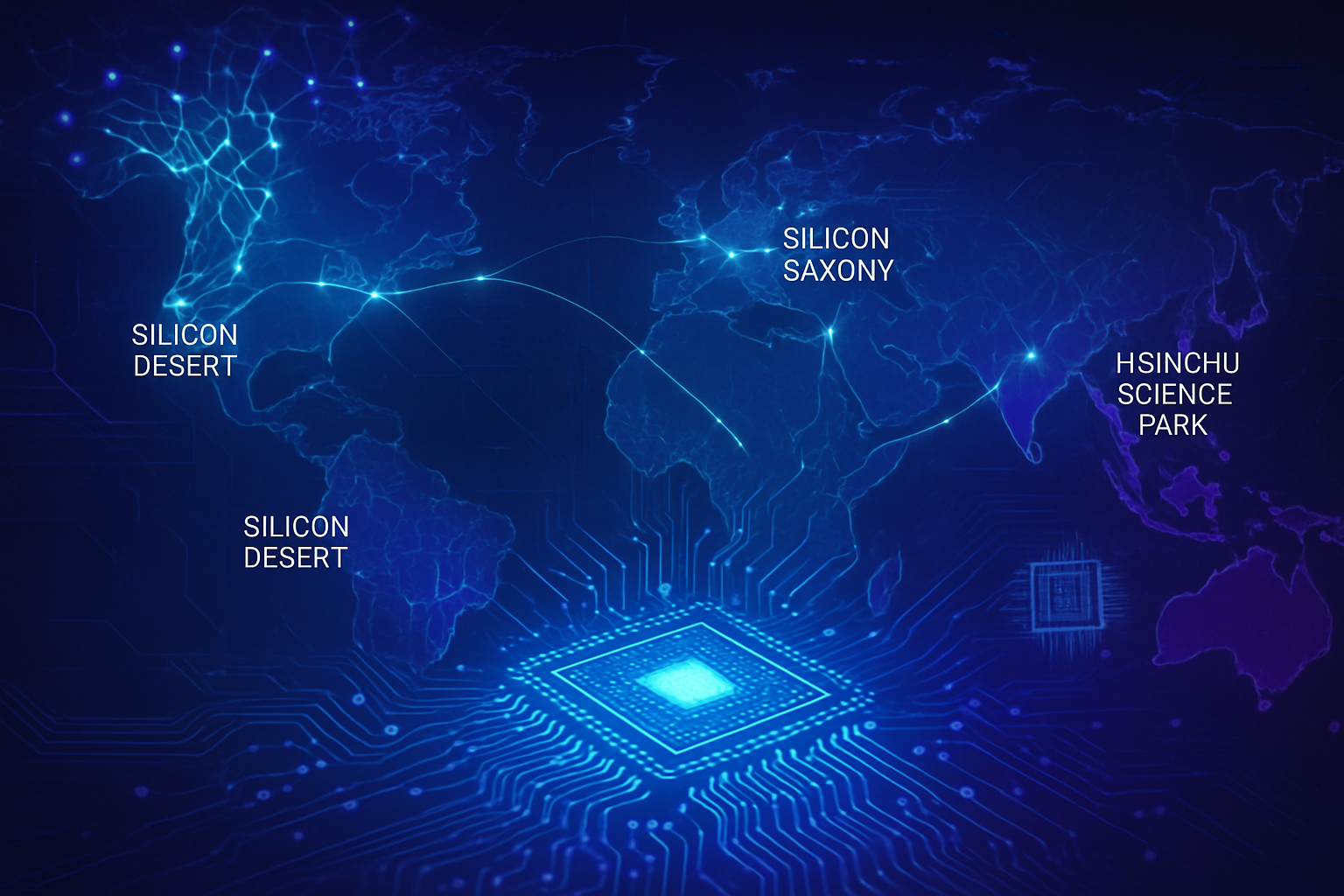
    From the burgeoning "Silicon Desert" in Arizona to Europe's "Silicon Saxony" and Asia's established powerhouses, these regional hubs are becoming critical nodes in the global technology fabric, reshaping how semiconductors are designed, manufactured, and integrated into the fabric of modern life, especially as AI continues its exponential growth. This strategic decentralization is not merely a response to past supply chain vulnerabilities but a proactive investment in future innovation, poised to dictate the pace of technological advancement for decades to come.

    A Mosaic of Innovation: Technical Prowess Across New Chip Hubs

    The technical advancements within these emerging semiconductor hubs are multifaceted, each region often specializing in unique aspects of the chip value chain. In the United States, the CHIPS and Science Act has ignited a flurry of activity, fostering several distinct innovation centers. Arizona, for instance, has cemented its status as the "Silicon Desert," attracting massive investments from industry giants like Intel (NASDAQ: INTC) and Taiwan Semiconductor Manufacturing Co. (TSMC) (NYSE: TSM). TSMC's multi-billion-dollar fabs in Phoenix are set to produce advanced nodes, initially focusing on 4nm technology, a significant leap in domestic manufacturing capability that contrasts sharply with previous decades of offshore reliance. This move aims to bring leading-edge fabrication closer to U.S. design houses, reducing latency and bolstering supply chain control.

    Across the Atlantic, Germany's "Silicon Saxony" in Dresden stands as Europe's largest semiconductor cluster, a testament to long-term strategic investment. This hub boasts a robust ecosystem of over 400 industry entities, including Bosch, GlobalFoundries, and Infineon, alongside universities and research institutes like Fraunhofer. Their focus extends from power semiconductors and automotive chips to advanced materials research, crucial for specialized industrial applications and the burgeoning electric vehicle market. This differs from the traditional fabless model prevalent in some regions, emphasizing integrated design and manufacturing capabilities. Meanwhile, in Asia, while Taiwan (Hsinchu Science Park) and South Korea (with Samsung (KRX: 005930) at the forefront) continue to lead in sub-7nm process technologies, new players like India and Vietnam are rapidly building capabilities in design, assembly, and testing, supported by significant government incentives and a growing pool of engineering talent.

    Initial reactions from the AI research community and industry experts highlight the critical importance of these diversified hubs. Dr. Lisa Su, CEO of Advanced Micro Devices (NASDAQ: AMD), has emphasized the need for a resilient and geographically diverse supply chain to support the escalating demands of AI and high-performance computing. Experts note that the proliferation of these hubs facilitates specialized R&D, allowing for deeper focus on areas like wide bandgap semiconductors in North Carolina (CLAWS hub) or advanced packaging solutions in other regions, rather than a monolithic, one-size-fits-all approach. This distributed innovation model is seen as a necessary evolution to keep pace with the increasingly complex and capital-intensive nature of chip development.

    Reshaping the Competitive Landscape: Implications for Tech Giants and Startups

    The emergence of regional semiconductor hubs is fundamentally reshaping the competitive landscape for AI companies, tech giants, and startups alike. Companies like NVIDIA (NASDAQ: NVDA), a leader in AI accelerators, stand to benefit immensely from more localized and resilient supply chains. With TSMC and Intel expanding advanced manufacturing in the U.S. and Europe, NVIDIA could see reduced lead times, improved security for its proprietary designs, and greater flexibility in bringing its cutting-edge GPUs and AI chips to market. This could mitigate risks associated with geopolitical tensions and improve overall product availability, a critical factor in the rapidly expanding AI hardware market.

    The competitive implications for major AI labs and tech companies are significant. A diversified manufacturing base reduces reliance on a single geographic region, a lesson painfully learned during recent global disruptions. For companies like Apple (NASDAQ: AAPL), Qualcomm (NASDAQ: QCOM), and Google (NASDAQ: GOOGL), which design their own custom silicon, the ability to source from multiple, secure, and geographically diverse fabs enhances their strategic autonomy and reduces supply chain vulnerabilities. This could lead to a more stable and predictable environment for product development and deployment, fostering greater innovation in AI-powered devices and services.

    Potential disruption to existing products or services is also on the horizon. As regional hubs mature, they could foster specialized foundries catering to niche AI hardware requirements, such as neuromorphic chips or analog AI accelerators, potentially challenging the dominance of general-purpose GPUs. Startups focused on these specialized areas might find it easier to access fabrication services tailored to their needs within these localized ecosystems, accelerating their time to market. Furthermore, the increased domestic production in regions like the U.S. and Europe could lead to a re-evaluation of pricing strategies and potentially foster a more competitive environment for chip procurement, ultimately benefiting consumers and developers of AI applications. Market positioning will increasingly hinge on not just design prowess, but also on strategic partnerships with these geographically diverse manufacturing hubs, ensuring access to the most advanced and secure fabrication capabilities.

    A New Era of Geopolitical Chip Strategy: Wider Significance

    The rise of regional semiconductor innovation hubs signifies a profound shift in the broader AI landscape and global technology trends, marking a strategic pivot away from hyper-globalization towards a more balanced, regionalized supply chain. This development is intrinsically linked to national security and economic sovereignty, as governments recognize semiconductors as the foundational technology for everything from defense systems and critical infrastructure to advanced AI and quantum computing. The COVID-19 pandemic and escalating geopolitical tensions, particularly between the U.S. and China, exposed the inherent fragility of a highly concentrated chip manufacturing base, predominantly in East Asia. This has spurred nations to invest billions in domestic production, viewing chip independence as a modern-day strategic imperative.

    The impacts extend far beyond mere economics. Enhanced supply chain resilience is a primary driver, aiming to prevent future disruptions that could cripple industries reliant on chips. This regionalization also fosters localized innovation ecosystems, allowing for specialized research and development tailored to regional needs and strengths, such as Europe's focus on automotive and industrial AI chips, or the U.S. push for advanced logic and packaging. However, potential concerns include the risk of increased costs due to redundant infrastructure and less efficient global specialization, which could ultimately impact the affordability of AI hardware. There's also the challenge of preventing protectionist policies from stifling global collaboration, which remains essential for the complex and capital-intensive semiconductor industry.

    Comparing this to previous AI milestones, this shift mirrors historical industrial revolutions where strategic resources and manufacturing capabilities became focal points of national power. Just as access to steel or oil defined industrial might in past centuries, control over semiconductor technology is now a defining characteristic of technological leadership in the AI era. This decentralization also represents a more mature understanding of technological development, acknowledging that innovation thrives not just in a single "Silicon Valley" but in a network of specialized, interconnected hubs. The wider significance lies in the establishment of a more robust, albeit potentially more complex, global technology infrastructure that can better withstand future shocks and accelerate the development of AI across diverse applications.

    The Road Ahead: Future Developments and Challenges

    Looking ahead, the trajectory of regional semiconductor innovation hubs points towards continued expansion and specialization. In the near term, we can expect to see further massive investments in infrastructure, particularly in advanced packaging and testing facilities, which are critical for integrating complex AI chips. The U.S. CHIPS Act and similar initiatives in Europe and Asia will continue to incentivize the construction of new fabs and R&D centers. Long-term developments are likely to include the emergence of "digital twins" of fabs for optimizing production, increased automation driven by AI itself, and a stronger focus on sustainable manufacturing practices to reduce the environmental footprint of chip production.

    Potential applications and use cases on the horizon are vast. These hubs will be instrumental in accelerating the development of specialized AI hardware, including dedicated AI accelerators for edge computing, quantum computing components, and novel neuromorphic architectures that mimic the human brain. This will enable more powerful and efficient AI systems in autonomous vehicles, advanced robotics, personalized healthcare, and smart cities. We can also anticipate new materials science breakthroughs emerging from these localized R&D efforts, pushing the boundaries of what's possible in chip performance and energy efficiency.

    However, significant challenges need to be addressed. A critical hurdle is the global talent shortage in the semiconductor industry. These hubs require highly skilled engineers, researchers, and technicians, and robust educational pipelines are essential to meet this demand. Geopolitical tensions could also pose ongoing challenges, potentially leading to further fragmentation or restrictions on technology transfer. The immense capital expenditure required for advanced fabs means sustained government support and private investment are crucial. Experts predict a future where these hubs operate as interconnected nodes in a global network, collaborating on fundamental research while competing fiercely on advanced manufacturing and specialized applications. The next phase will likely involve a delicate balance between national self-sufficiency and international cooperation to ensure the continued progress of AI.

    Forging a Resilient Future: A New Era in Chip Innovation

    The emergence and growth of regional semiconductor innovation hubs represent a pivotal moment in AI history, fundamentally reshaping the global technology landscape. The key takeaway is a strategic reorientation towards resilience and distributed innovation, moving away from a single-point-of-failure model to a geographically diversified ecosystem. This shift, driven by a confluence of economic, geopolitical, and technological imperatives, promises to accelerate breakthroughs in AI, enhance supply chain security, and foster new economic opportunities across the globe.

    This development's significance in AI history cannot be overstated. It underpins the very foundation of future AI advancements, ensuring a robust and secure supply of the computational power necessary for the next generation of intelligent systems. By fostering specialized expertise and localized R&D, these hubs are not just building chips; they are building the intellectual and industrial infrastructure for AI's evolution. The long-term impact will be a more robust, secure, and innovative global technology ecosystem, albeit one that navigates complex geopolitical dynamics.

    In the coming weeks and months, watch for further announcements regarding new fab constructions, particularly in the U.S. and Europe, and the rollout of new government incentives aimed at workforce development. Pay close attention to how established players like Intel, TSMC, and Samsung adapt their global strategies, and how new startups leverage these regional ecosystems to bring novel AI hardware to market. The "New Silicon Frontiers" are here, and they are poised to define the future of artificial intelligence.

    This content is intended for informational purposes only and represents analysis of current AI developments.
    TokenRing AI delivers enterprise-grade solutions for multi-agent AI workflow orchestration, AI-powered development tools, and seamless remote collaboration platforms.
    For more information, visit https://www.tokenring.ai/.
  • The Global Chip War: Governments Pour Billions into Domestic Semiconductor Industries in a Race for AI Dominance

    The Global Chip War: Governments Pour Billions into Domestic Semiconductor Industries in a Race for AI Dominance

    In an unprecedented global push, governments worldwide are unleashing a torrent of subsidies and incentives, channeling billions into their domestic semiconductor industries. This strategic pivot, driven by national security imperatives, economic resilience, and the relentless demand from the artificial intelligence (AI) sector, marks a profound reshaping of the global tech landscape. Nations are no longer content to rely on a globally interdependent supply chain, instead opting for localized production and technological self-sufficiency, igniting a fierce international competition for semiconductor supremacy.

    This dramatic shift reflects a collective awakening to the strategic importance of semiconductors, often dubbed the "new oil" of the digital age. From advanced AI processors and high-performance computing to critical defense systems and everyday consumer electronics, chips are the foundational bedrock of modern society. The COVID-19 pandemic-induced chip shortages exposed the fragility of a highly concentrated supply chain, prompting a rapid and decisive response from leading economies determined to fortify their technological sovereignty and secure their future in an AI-driven world.

    Billions on the Table: A Deep Dive into National Semiconductor Strategies

    The global semiconductor subsidy race is characterized by ambitious legislative acts and staggering financial commitments, each tailored to a nation's specific economic and technological goals. These initiatives aim to not only attract manufacturing but also to foster innovation, research and development (R&D), and workforce training, fundamentally altering the competitive dynamics of the semiconductor industry.

    The United States, through its landmark CHIPS and Science Act (August 2022), has authorized approximately $280 billion in new funding, with $52.7 billion directly targeting domestic semiconductor research and manufacturing. This includes $39 billion in manufacturing subsidies, a 25% investment tax credit for equipment, and $13 billion for R&D and workforce development. The Act's primary technical goal is to reverse the decline in U.S. manufacturing capacity, which plummeted from 37% in 1990 to 12% by 2022, and to ensure a robust domestic supply of advanced logic and memory chips essential for AI infrastructure. This approach differs significantly from previous hands-off policies, representing a direct governmental intervention to rebuild a strategic industrial base.

    Across the Atlantic, the European Chips Act, effective September 2023, mobilizes over €43 billion (approximately $47 billion) in public and private investments. Europe's objective is audacious: to double its global market share in semiconductor production to 20% by 2030. The Act focuses on strengthening manufacturing capabilities for leading-edge and mature nodes, stimulating the European design ecosystem, and supporting innovation across the entire value value chain, including pilot lines for advanced processes. This initiative is a coordinated effort to reduce reliance on Asian manufacturers and build a resilient, competitive European chip ecosystem.

    China, a long-standing player in state-backed industrial policy, continues to escalate its investments. The third phase of its National Integrated Circuits Industry Investment Fund, or the "Big Fund," announced approximately $47.5 billion (340 billion yuan) in May 2024. This latest tranche specifically targets advanced AI chips, high-bandwidth memory, and critical lithography equipment, emphasizing technological self-sufficiency in the face of escalating U.S. export controls. China's comprehensive support package includes up to 10 years of corporate income tax exemptions for advanced nodes, reduced utility rates, favorable loans, and significant tax breaks—a holistic approach designed to nurture a complete domestic semiconductor ecosystem from design to manufacturing.

    South Korea, a global leader in memory and foundry services, is also doubling down. Its government announced a $19 billion funding package in May 2024, later expanded to 33 trillion won (about $23 billion) in April 2025. The "K-Chips Act," passed in February 2025, increased tax credits for facility investments for large semiconductor firms from 15% to 20%, and for SMEs from 25% to 30%. Technically, South Korea aims to establish a massive semiconductor "supercluster" in Gyeonggi Province with a $471 billion private investment, targeting 7.7 million wafers produced monthly by 2030. This strategy focuses on maintaining its leadership in advanced manufacturing and memory, critical for AI and high-performance computing.

    Even Japan, a historical powerhouse in semiconductors, is making a comeback. The government approved up to $3.9 billion in subsidies for Rapidus Corporation, a domestic firm dedicated to developing and manufacturing cutting-edge 2-nanometer chips. Japan is also attracting foreign investment, notably offering an additional $4.86 billion in subsidies to Taiwan Semiconductor Manufacturing Company (TSMC) (NYSE: TSM) for its second fabrication plant in the country. A November 2024 budget amendment proposed allocating an additional $9.8 billion to $10.5 billion for advanced semiconductor development and AI initiatives, with a significant portion directed towards Rapidus, highlighting a renewed focus on leading-edge technology. India, too, approved a $10 billion incentive program in December 2021 to attract semiconductor manufacturing and design investments, signaling its entry into this global competition.

    The core technical difference from previous eras is the explicit focus on advanced manufacturing nodes (e.g., 2nm, 3nm) and strategic components like high-bandwidth memory, directly addressing the demands of next-generation AI and quantum computing. Initial reactions from the AI research community and industry experts are largely positive, viewing these investments as crucial for accelerating innovation and ensuring a stable supply of the specialized chips that underpin AI's rapid advancements. However, some express concerns about potential market distortion and the efficiency of such large-scale government interventions.

    Corporate Beneficiaries and Competitive Realignment

    The influx of government subsidies is profoundly reshaping the competitive landscape for AI companies, tech giants, and startups alike. The primary beneficiaries are the established semiconductor manufacturing behemoths and those strategically positioned to leverage the new incentives.

    Intel Corporation (NASDAQ: INTC) stands to gain significantly from the U.S. CHIPS Act, as it plans massive investments in new fabs in Arizona, Ohio, and other states. These subsidies are crucial for Intel's "IDM 2.0" strategy, aiming to regain process leadership and become a major foundry player. The financial support helps offset the higher costs of building and operating fabs in the U.S., enhancing Intel's competitive edge against Asian foundries. For AI companies, a stronger domestic Intel could mean more diversified sourcing options for specialized AI accelerators.

    Taiwan Semiconductor Manufacturing Company (TSMC) (NYSE: TSM), the world's largest contract chipmaker, is also a major beneficiary. It has committed to building multiple fabs in Arizona, receiving substantial U.S. government support. Similarly, TSMC is expanding its footprint in Japan with significant subsidies. These moves allow TSMC to diversify its manufacturing base beyond Taiwan, mitigating geopolitical risks and serving key customers in the U.S. and Japan more directly. This benefits AI giants like NVIDIA Corporation (NASDAQ: NVDA) and Advanced Micro Devices, Inc. (NASDAQ: AMD), who rely heavily on TSMC for their cutting-edge AI GPUs and CPUs, by potentially offering more secure and geographically diversified supply lines.

    Samsung Electronics Co., Ltd. (KRX: 005930), another foundry giant, is also investing heavily in U.S. manufacturing, particularly in Texas, and stands to receive significant CHIPS Act funding. Like TSMC, Samsung's expansion into the U.S. is driven by both market demand and government incentives, bolstering its competitive position in the advanced foundry space. This directly impacts AI companies by providing another high-volume, cutting-edge manufacturing option for their specialized hardware.

    New entrants and smaller players like Rapidus Corporation in Japan are also being heavily supported. Rapidus, a consortium of Japanese tech companies, aims to develop and mass-produce 2nm logic chips by the late 2020s with substantial government backing. This initiative could create a new, high-end foundry option, fostering competition and potentially disrupting the duopoly of TSMC and Samsung in leading-edge process technology.

    The competitive implications are profound. Major AI labs and tech companies, particularly those designing their own custom AI chips (e.g., Google (NASDAQ: GOOGL), Amazon.com, Inc. (NASDAQ: AMZN), Microsoft Corporation (NASDAQ: MSFT)), stand to benefit from a more diversified and geographically resilient supply chain. The subsidies aim to reduce the concentration risk associated with relying on a single region for advanced chip manufacturing. However, for smaller AI startups, the increased competition for fab capacity, even with new investments, could still pose challenges if demand outstrips supply or if pricing remains high.

    Market positioning is shifting towards regional self-sufficiency. Nations are strategically leveraging these subsidies to attract specific types of investments—be it leading-edge logic, memory, or specialized packaging. This could lead to a more fragmented but resilient global semiconductor ecosystem. The potential disruption to existing products or services might be less about outright replacement and more about a strategic re-evaluation of supply chain dependencies, favoring domestic or allied production where possible, even if it comes at a higher cost.

    Geopolitical Chessboard: Wider Significance and Global Implications

    The global race for semiconductor self-sufficiency extends far beyond economic considerations, embedding itself deeply within the broader geopolitical landscape and defining the future of AI. These massive investments signify a fundamental reorientation of global supply chains, driven by national security, technological sovereignty, and intense competition, particularly between the U.S. and China.

    The initiatives fit squarely into the broader trend of "tech decoupling" and the weaponization of technology in international relations. Semiconductors are not merely components; they are critical enablers of advanced AI, quantum computing, 5G/6G, and modern defense systems. The pandemic-era chip shortages served as a stark reminder of the vulnerabilities inherent in a highly concentrated supply chain, with Taiwan and South Korea producing over 80% of the world's most advanced chips. This concentration risk, coupled with escalating geopolitical tensions, has made supply chain resilience a paramount concern for every major power.

    The impacts are multi-faceted. On one hand, these subsidies are fostering unprecedented private investment. The U.S. CHIPS Act alone has catalyzed nearly $400 billion in private commitments. This invigorates local economies, creates high-paying jobs, and establishes new technological clusters. For instance, the U.S. is projected to create tens of thousands of jobs, addressing a critical workforce shortage estimated to reach 67,000 by 2030 in the semiconductor sector. Furthermore, the focus on R&D and advanced manufacturing helps push the boundaries of chip technology, directly benefiting AI development by enabling more powerful and efficient processors.

    However, potential concerns abound. The most significant is the risk of market distortion and over-subsidization. The current "subsidy race" could lead to an eventual oversupply in certain segments, creating an uneven playing field and potentially triggering trade disputes. Building and operating a state-of-the-art fab in the U.S. can be 30% to 50% more expensive than in Asia, with government incentives often bridging this gap. This raises questions about the long-term economic viability of these domestic operations without sustained government support. There are also concerns about the potential for fragmentation of standards and technologies if nations pursue entirely independent paths.

    Comparisons to previous AI milestones reveal a shift in focus. While earlier breakthroughs like AlphaGo's victory or the advent of large language models focused on algorithmic and software advancements, the current emphasis is on the underlying hardware infrastructure. This signifies a maturation of the AI field, recognizing that sustained progress requires not just brilliant algorithms but also robust, secure, and abundant access to the specialized silicon that powers them. This era is about solidifying the physical foundations of the AI revolution, making it a critical, if less immediately visible, milestone in AI history.

    The Road Ahead: Anticipating Future Developments

    The landscape of government-backed semiconductor development is dynamic, with numerous near-term and long-term developments anticipated, alongside inherent challenges and expert predictions. The current wave of investments is just the beginning of a sustained effort to reshape the global chip industry.

    In the near term, we can expect to see the groundbreaking ceremonies and initial construction phases of many new fabrication plants accelerate across the U.S., Europe, Japan, and India. This will lead to a surge in demand for construction, engineering, and highly skilled technical talent. Governments will likely refine their incentive programs, potentially focusing more on specific critical technologies like advanced packaging, specialized AI accelerators, and materials science, as the initial manufacturing build-out progresses. The first wave of advanced chips produced in these new domestic fabs is expected to hit the market by the late 2020s, offering diversified sourcing options for AI companies.

    Long-term developments will likely involve the establishment of fully integrated regional semiconductor ecosystems. This includes not just manufacturing, but also a robust local supply chain for equipment, materials, design services, and R&D. We might see the emergence of new regional champions in specific niches, fostered by targeted national strategies. The drive for "lights-out" manufacturing, leveraging AI and automation to reduce labor costs and increase efficiency in fabs, will also intensify, potentially mitigating some of the cost differentials between regions. Furthermore, significant investments in quantum computing hardware and neuromorphic chips are on the horizon, as nations look beyond current silicon technologies.

    Potential applications and use cases are vast. A more resilient global chip supply will accelerate advancements in autonomous systems, advanced robotics, personalized medicine, and edge AI, where low-latency, secure processing is paramount. Domestic production could also foster innovation in secure hardware for critical infrastructure and defense applications, reducing reliance on potentially vulnerable foreign supply chains. The emphasis on advanced nodes will directly benefit the training and inference capabilities of next-generation large language models and multimodal AI systems.

    However, significant challenges need to be addressed. Workforce development remains a critical hurdle; attracting and training tens of thousands of engineers, technicians, and researchers is a monumental task. The sheer capital intensity of semiconductor manufacturing means that sustained government support will likely be necessary, raising questions about long-term fiscal sustainability. Furthermore, managing the geopolitical implications of tech decoupling without fragmenting global trade and technological standards will require delicate diplomacy. The risk of creating "zombie fabs" that are economically unviable without perpetual subsidies is also a concern.

    Experts predict that the "subsidy race" will continue for at least the next five to ten years, fundamentally altering the global distribution of semiconductor manufacturing capacity. While a complete reversal of globalization is unlikely, a significant shift towards regionalized and de-risked supply chains is almost certain. The consensus is that while expensive, these investments are deemed necessary for national security and economic resilience in an increasingly tech-centric world. What happens next will depend on how effectively governments manage the implementation, foster innovation, and navigate the complex geopolitical landscape.

    Securing the Silicon Future: A New Era in AI Hardware

    The unprecedented global investment in domestic semiconductor industries represents a pivotal moment in technological history, particularly for the future of artificial intelligence. It underscores a fundamental re-evaluation of global supply chains, moving away from a purely efficiency-driven model towards one prioritizing resilience, national security, and technological sovereignty. The "chip war" is not merely about economic competition; it is a strategic maneuver to secure the foundational hardware necessary for sustained innovation and leadership in AI.

    The key takeaways from this global phenomenon are clear: semiconductors are now unequivocally recognized as strategic national assets, vital for economic prosperity, defense, and future technological leadership. Governments are willing to commit colossal sums to ensure domestic capabilities, catalyzing private investment and spurring a new era of industrial policy. While this creates a more diversified and potentially more resilient global supply chain for AI hardware, it also introduces complexities related to market distortion, trade dynamics, and the long-term sustainability of heavily subsidized industries.

    This development's significance in AI history cannot be overstated. It marks a transition where the focus expands beyond purely algorithmic breakthroughs to encompass the critical hardware infrastructure. The availability of secure, cutting-edge chips, produced within national borders or allied nations, will be a defining factor in which countries and companies lead the next wave of AI innovation. It is an acknowledgment that software prowess alone is insufficient without control over the underlying silicon.

    In the coming weeks and months, watch for announcements regarding the allocation of specific grants under acts like the CHIPS Act and the European Chips Act, the breaking ground of new mega-fabs, and further details on workforce development initiatives. Pay close attention to how international cooperation or competition evolves, particularly regarding export controls and technology sharing. The long-term impact will be a more geographically diversified, albeit potentially more expensive, semiconductor ecosystem that aims to insulate the world's most critical technology from geopolitical shocks.

    This content is intended for informational purposes only and represents analysis of current AI developments.

    TokenRing AI delivers enterprise-grade solutions for multi-agent AI workflow orchestration, AI-powered development tools, and seamless remote collaboration platforms.
    For more information, visit https://www.tokenring.ai/.

  • The Silicon Curtain Descends: Geopolitics Reshapes the Global Semiconductor Landscape

    The Silicon Curtain Descends: Geopolitics Reshapes the Global Semiconductor Landscape

    The global semiconductor industry, the undisputed engine of modern technology and the very bedrock of artificial intelligence, finds itself at the epicenter of an unprecedented geopolitical storm. As of October 2025, a rapid and costly restructuring is underway, driven by an accelerating shift towards "techno-nationalism" and intensified strategic competition, primarily between the United States and China. This environment has transformed semiconductors from mere commercial goods into critical strategic assets, leading to significant supply chain fragmentation, increased production costs, and a profound re-evaluation of global technological dependencies. The immediate significance is a world grappling with the delicate balance between economic efficiency and national security, with the future of AI innovation hanging in the balance.

    The Intricate Dance of Silicon and Statecraft: Technical Chokepoints Under Pressure

    Semiconductor manufacturing is a marvel of human ingenuity, an incredibly complex, multi-stage process that transforms raw silicon into the sophisticated integrated circuits powering everything from smartphones to advanced AI systems. This intricate dance, typically spanning several months, is now facing unprecedented geopolitical pressures, fundamentally altering its technical underpinnings.

    The process begins with the meticulous purification of silicon into polysilicon, grown into ingots, and then sliced into ultra-pure wafers. These wafers undergo a series of precise steps: oxidation, photolithography (patterning using highly advanced Deep Ultraviolet (DUV) or Extreme Ultraviolet (EUV) light), etching, deposition of various materials, ion implantation (doping), and metallization for interconnections. Each stage demands specialized equipment, materials, and expertise.

    Critical chokepoints in this globally interdependent supply chain are now targets of strategic competition. Electronic Design Automation (EDA) software, essential for chip design, is dominated by the United States, holding a near-monopoly. Similarly, advanced manufacturing equipment is highly concentrated: ASML (AMS: ASML), a Dutch company, holds a near-monopoly on EUV lithography machines, indispensable for cutting-edge chips (below 7nm). Japanese firms like Screen and Tokyo Electron control 96% of resist processing tools. Furthermore, Taiwan Semiconductor Manufacturing Company (TSMC) (NYSE: TSM) accounts for over 90% of the world's most advanced chip manufacturing capacity, making Taiwan an indispensable "silicon shield."

    Geopolitical factors are technically impacting these stages through stringent export controls. The U.S. has continuously tightened restrictions on advanced semiconductors and manufacturing equipment to China, aiming to curb its military modernization and AI advancements. These controls directly hinder China's ability to acquire EUV and advanced DUV lithography machines, deposition tools, and etching equipment necessary for next-generation processes. The Netherlands, aligning with U.S. policy, has expanded export restrictions on DUV immersion lithography systems, further reinforcing this technical blockade. China has retaliated by weaponizing its control over critical raw materials like gallium and germanium, essential for semiconductor manufacturing, highlighting the vulnerability of material supplies. This deliberate, state-led effort to strategically decouple and control technology flows fundamentally differs from historical supply chain disruptions, which were largely unintended shocks from natural disasters or economic downturns. The current landscape is a proactive strategy centered on national security and technological dominance, rather than reactive problem-solving.

    The AI Industry's New Reality: Navigating a Fragmented Silicon Future

    The geopolitical reshaping of the semiconductor supply chain casts a long shadow over the AI industry, creating both significant vulnerabilities and strategic opportunities for tech giants, AI labs, and nimble startups alike. As of late 2025, the "AI supercycle" continues to drive unprecedented demand for cutting-edge AI chips—Graphics Processing Units (GPUs), Application-Specific Integrated Circuits (ASICs), and High Bandwidth Memory (HBM)—making access to these components a paramount concern.

    Tech giants like NVIDIA (NASDAQ: NVDA), AMD (NASDAQ: AMD), Intel (NASDAQ: INTC), Google (NASDAQ: GOOGL), Microsoft (NASDAQ: MSFT), and Amazon (NASDAQ: AMZN) are locked in an intense battle for a limited pool of AI and semiconductor engineering talent, driving up wages and compensation packages. Many are investing heavily in AI-optimized chips and advanced packaging, with some, like Apple (NASDAQ: AAPL), Google, Microsoft, and Amazon Web Services, increasingly designing their own custom silicon to mitigate supply chain risks and optimize for specific AI workloads. This strategic shift reduces reliance on external foundries and offers a significant competitive differentiator.

    However, companies heavily reliant on globalized supply chains, especially those with significant operations or sales in both the U.S. and China, face immense pressure. Chinese tech giants such as Baidu (NASDAQ: BIDU), Tencent (HKG: 0700), and Alibaba (NYSE: BABA) are particularly vulnerable to stringent U.S. export controls on advanced AI chips and manufacturing equipment. This limits their access to crucial technologies, slows their AI roadmaps, increases costs, and risks falling behind U.S. rivals. Conversely, companies like NVIDIA, with its indispensable GPUs and CUDA platform, continue to solidify their position as AI hardware kingpins, with its Blackwell AI chips reportedly sold out for 2025. TSMC, as the leading advanced foundry, also benefits immensely from sustained demand but is simultaneously diversifying its footprint to manage geopolitical risks.

    The competitive implications are profound. The global semiconductor ecosystem is fracturing into regionally anchored supply networks, where national security dictates location strategy. This could lead to a bifurcation of AI development, with distinct technological ecosystems emerging, potentially making certain advanced AI hardware available only in specific regions. This also drives the development of divergent AI architectures, with Chinese models optimized for domestic chips (e.g., Cambricon, Horizon Robotics) and Western companies refining platforms from NVIDIA, AMD, and Intel. The result is potential delays in product development, increased costs due to tariffs and duplicated infrastructure, and operational bottlenecks from supply chain immaturity. Ultimately, the ability to secure domestic manufacturing capabilities and invest in in-house chip design will provide significant strategic advantages in this new, fragmented silicon future.

    Beyond the Boardroom: Broader Implications for Innovation, Security, and Stability

    The geopolitical tensions surrounding semiconductor supply chains extend far beyond corporate balance sheets, casting a long shadow over global innovation, national security, and economic stability. This pivotal shift from an economically optimized global supply chain to one driven by national security marks a profound departure from past norms.

    This era of "techno-nationalism" sees nations prioritizing domestic technological self-sufficiency over global efficiency, recognizing that control over advanced chips is foundational for future economic growth and national security. Semiconductors are now seen as strategic assets, akin to oil in the 20th century, becoming a new frontier in the global power struggle. This is particularly evident in the AI landscape, where access to cutting-edge chips directly impacts a nation's AI capabilities, making it a critical component of military and economic power. The AI chip market, projected to exceed $150 billion in 2025, underscores this strategic imperative.

    Concerns for innovation are significant. Reduced international collaboration, market fragmentation, and potentially incompatible AI hardware and software ecosystems could hinder the universal deployment and scaling of AI solutions, potentially slowing overall technological progress. Increased R&D costs from regionalized production, coupled with a severe global shortage of skilled workers (projected to need over one million additional professionals by 2030), further threaten to impede innovation. For national security, reliance on foreign supply chains for critical components poses significant risks, potentially compromising military capabilities and intelligence. The concentration of advanced manufacturing in Taiwan, given regional geopolitical tensions, creates a critical vulnerability; any disruption to TSMC's operations would trigger catastrophic global ripple effects.

    Economically, reshoring efforts and duplicated supply chains lead to significantly higher production costs (e.g., U.S.-made chips could be 50% more expensive than those from Taiwan), translating to higher prices for consumers and businesses. This contributes to widespread supply chain disruptions, impacting industries from automotive to consumer electronics, leading to production delays and market volatility. This "chip war" is explicitly likened to historical arms races, such as the Cold War space race or the nuclear arms race, but with technology as the central battleground. Just as oil defined 20th-century geopolitics, silicon defines the 21st, making advanced chip fabs the "new nuclear weapons." The escalating U.S.-China rivalry is leading to the emergence of distinct, parallel technological ecosystems, reminiscent of the ideological and technological divisions during the Cold War, risking a "splinter-chip" world with incompatible technical standards.

    The Horizon of Silicon: Future Developments and Enduring Challenges

    The geopolitical restructuring of the semiconductor supply chain is not a fleeting phenomenon but a trajectory that will define the industry for decades to come. In the near-term (2025-2027), expect continued massive investments in regional manufacturing, particularly in the U.S. (via the CHIPS and Science Act, spurring over $540 billion in private investments by 2032) and Europe (through the EU Chips Act, mobilizing €43 billion). These initiatives aim to reduce reliance on East Asia, while Taiwan, despite diversifying, will continue to produce the vast majority of advanced chips. The U.S.-China tech war will intensify, with further export restrictions and China's accelerated drive for self-sufficiency.

    Long-term (beyond 2027), experts predict a permanently regionalized and fragmented supply chain, leading to distinct technological ecosystems and potentially higher production costs due to duplicated efforts. "Techno-nationalism" will remain a guiding principle, with nations prioritizing strategic autonomy. AI's insatiable demand for specialized chips will continue to be the primary market driver, making access to these components a critical aspect of national power.

    New semiconductor strategies like reshoring and diversification are designed to bolster national security, ensuring a secure supply of components for defense systems and advanced AI for military applications. They also promise significant economic development and job creation in host countries, fostering innovation leadership in next-generation technologies like 5G/6G, quantum computing, and advanced packaging. "Friend-shoring," where allied nations collaborate to leverage specialization, will become more prevalent, enhancing overall supply chain resilience.

    However, significant challenges persist. The immense capital expenditure required for new fabrication plants (e.g., Intel's (NASDAQ: INTC) proposed €33 billion factory in Magdeburg, Germany) is a major hurdle. The severe and persistent global shortage of skilled labor—engineers, designers, and technicians—threatens to impede these ambitious plans, with the U.S. alone facing a deficit of 59,000 to 146,000 workers by 2029. Economic inefficiencies from moving away from a globally optimized model will likely lead to higher costs. Furthermore, the technological hurdles of advanced manufacturing (3nm and below processes) remain formidable, currently dominated by a few players like TSMC and Samsung (KRX: 005930). Experts predict a continued "de-risking" rather than complete decoupling, with market growth driven by AI and emerging technologies. The industry will increasingly adopt AI-driven analytics and automation for supply chain management and production optimization.

    The Dawn of a New Silicon Era: A Comprehensive Wrap-Up

    The geopolitical impact on global semiconductor supply chains marks a watershed moment in technological history. As of October 2025, the industry has irrevocably shifted from a purely economically optimized model to one dominated by national security imperatives and techno-nationalism. The intensifying U.S.-China rivalry has acted as the primary catalyst, leading to aggressive export controls, retaliatory measures, and a global scramble for domestic and allied manufacturing capabilities through initiatives like the U.S. CHIPS Act and the EU Chips Act. Taiwan, home to TSMC, remains a critical yet vulnerable linchpin, prompting its own strategic diversification efforts.

    The significance of these developments for the tech industry and global economy cannot be overstated. For the tech industry, it means higher production costs, increased operational complexity, and a fundamental reshaping of R&D and manufacturing decisions. While AI continues to drive unprecedented demand for advanced chips, the underlying geopolitical fragility poses a substantial risk to its future development. For the global economy, this shift signals a move towards a more fragmented and regionalized trade environment, potentially leading to higher consumer prices and a slowdown in global innovation. The ability to develop advanced AI for defense and other strategic applications is now inextricably linked to secure semiconductor supply, making it a paramount national security concern.

    Looking ahead, the long-term impact points toward a fundamentally transformed, more regionalized, and likely costlier semiconductor industry. Experts predict the emergence of two parallel AI ecosystems—a U.S.-led system and a China-led system—intensifying what many are calling the "AI Cold War." While this introduces inefficiencies, the aim is to build greater resilience against single points of failure and achieve enhanced national security and technological sovereignty.

    In the coming weeks and months, critical developments to watch include further tightening of U.S. export controls and China's accelerated domestic production efforts. The evolution of U.S.-China relations, including any diplomatic efforts or retaliatory measures, will be closely scrutinized. The operational efficiencies and ramp-up timelines of new fabrication plants in the U.S., Europe, and Japan will offer crucial insights into the success of reshoring efforts. Finally, market dynamics related to AI chip demand and the impact of rising production costs on chip prices and innovation cycles will provide a barometer for the tech industry's navigation of this new, geopolitically charged silicon era.

    This content is intended for informational purposes only and represents analysis of current AI developments.
    TokenRing AI delivers enterprise-grade solutions for multi-agent AI workflow orchestration, AI-powered development tools, and seamless remote collaboration platforms. For more information, visit https://www.tokenring.ai/.

  • Geopolitical Fault Lines Threaten Global Semiconductor Stability: A Looming Crisis for Tech and Beyond

    Geopolitical Fault Lines Threaten Global Semiconductor Stability: A Looming Crisis for Tech and Beyond

    The intricate global semiconductor supply chain, the very backbone of modern technology, finds itself increasingly fractured by escalating geopolitical tensions. What was once a largely interconnected and optimized ecosystem is now being reshaped by a complex interplay of political rivalries, national security concerns, and a fierce race for technological supremacy. This shift carries immediate and profound implications, threatening not only the stability of the tech industry but also national economies and strategic capabilities worldwide.

    The immediate significance of these tensions is palpable: widespread supply chain disruptions, soaring production costs, and an undeniable fragility in the system. Semiconductors, once viewed primarily as commercial goods, are now unequivocally strategic assets, prompting a global scramble for self-sufficiency and control. This paradigm shift, driven primarily by the intensifying rivalry between the United States and China, coupled with the pivotal role of Taiwan (TWSE: 2330) (NYSE: TSM) as the world's leading chip manufacturer, is forcing a costly re-evaluation of global manufacturing strategies and challenging the very foundations of technological globalization.

    The New Battleground: Technical Implications of a Fragmented Supply Chain

    The current geopolitical climate has ushered in an era where technical specifications and supply chain logistics are inextricably linked to national security agendas. The most prominent example is the United States' aggressive export controls on advanced semiconductor technology and manufacturing equipment to China. These measures are specifically designed to hinder China's progress in developing cutting-edge chips, impacting everything from high-performance computing and AI to advanced military applications. Technically, this translates to restrictions on the sale of extreme ultraviolet (EUV) lithography machines – essential for producing chips below 7nm – and certain types of AI accelerators.

    This differs significantly from previous supply chain challenges, which were often driven by natural disasters, economic downturns, or localized labor disputes. The current crisis is a deliberate, state-led effort to strategically decouple and control technology flows, introducing an unprecedented layer of complexity. For instance, companies like NVIDIA (NASDAQ: NVDA) and Advanced Micro Devices (NASDAQ: AMD) have had to design specific, less powerful versions of their AI chips for the Chinese market to comply with U.S. regulations, directly impacting their technical offerings and market strategies.

    The initial reactions from the AI research community and industry experts are mixed. While some acknowledge the national security imperatives, many express concerns about the potential for a "splinternet" or "splinter-chip" world, where incompatible technical standards and fragmented supply chains could stifle global innovation. There's a fear that the duplication of efforts in different regions, driven by techno-nationalism, could lead to inefficiencies and slow down the overall pace of technological advancement, especially in areas like generative AI and quantum computing, which rely heavily on global collaboration and access to the most advanced semiconductor technologies.

    Corporate Crossroads: Navigating the Geopolitical Minefield

    The geopolitical chess match over semiconductors is profoundly reshaping the competitive landscape for AI companies, tech giants, and startups alike. Companies that possess or can secure diversified supply chains and domestic manufacturing capabilities stand to benefit, albeit at a significant cost. Intel (NASDAQ: INTC), for example, is leveraging substantial government subsidies from the U.S. CHIPS Act and similar initiatives in Europe to re-establish its foundry business and expand domestic production, aiming to reduce reliance on East Asian manufacturing. This strategic pivot could give Intel a long-term competitive advantage in securing government contracts and serving markets prioritized for national security.

    Conversely, companies heavily reliant on globalized supply chains, particularly those with significant operations or sales in both the U.S. and China, face immense pressure. Taiwanese giant Taiwan Semiconductor Manufacturing Company (TSMC) (TWSE: 2330) (NYSE: TSM), while indispensable, is caught in the crossfire. To mitigate risks, TSMC is investing billions in new fabrication facilities in the U.S. (Arizona) and Japan, a move that diversifies its geographical footprint but also increases its operational costs and complexity. This decentralization could potentially disrupt existing product roadmaps and increase lead times for certain specialized chips.

    The competitive implications are stark. Major AI labs and tech companies are now factoring geopolitical risk into their R&D and manufacturing decisions. Startups, often with limited resources, face higher barriers to entry due to increased supply chain costs and the need to navigate complex export controls. The market is increasingly segmenting, with different technological ecosystems emerging. This could lead to a bifurcation of AI development, where certain advanced AI hardware might only be available in specific regions, impacting global collaboration and the universal accessibility of cutting-edge AI. Companies that can adapt quickly, invest in resilient supply chains, and navigate regulatory complexities will gain significant market positioning and strategic advantages in this new, fragmented reality.

    A Wider Lens: Impacts on the Global AI Landscape

    The semiconductor supply chain crisis, fueled by geopolitical tensions, casts a long shadow over the broader AI landscape and global technological trends. This situation accelerates a trend towards "techno-nationalism," where nations prioritize domestic technological self-sufficiency over global efficiency. It fits into the broader AI landscape by emphasizing the foundational role of hardware in AI advancement; without access to cutting-edge chips, a nation's AI capabilities can be severely hampered, making semiconductors a new frontier in the global power struggle.

    The impacts are multifaceted. Economically, it leads to higher costs for consumers and businesses as reshoring efforts and duplicated supply chains increase production expenses. Strategically, it raises concerns about national security, as governments fear reliance on potential adversaries for critical components. For instance, the ability to develop advanced AI for defense applications is directly tied to a secure and resilient semiconductor supply. Environmentally, the construction of new fabrication plants in multiple regions, often with significant energy and water demands, could increase the carbon footprint of the industry.

    Potential concerns include a slowdown in global innovation due to reduced collaboration and market fragmentation. If different regions develop distinct, potentially incompatible, AI hardware and software ecosystems, it could hinder the universal deployment and scaling of AI solutions. Comparisons to previous AI milestones, such as the rise of deep learning, show a stark contrast. While past breakthroughs were largely driven by open research and global collaboration, the current environment threatens to privatize and nationalize AI development, potentially slowing the collective progress of humanity in this transformative field. The risk of a "chip war" escalating into broader trade conflicts or even military tensions remains a significant worry.

    The Road Ahead: Navigating a Fragmented Future

    The coming years will likely see a continued acceleration of efforts to diversify and localize semiconductor manufacturing. Near-term developments include further investments in "fab" construction in the U.S., Europe, and Japan, driven by government incentives like the U.S. CHIPS and Science Act and the EU Chips Act. These initiatives aim to reduce reliance on East Asia, particularly Taiwan. Long-term, experts predict a more regionalized supply chain, where major economic blocs strive for greater self-sufficiency in critical chip production. This could lead to distinct technological ecosystems emerging, potentially with different standards and capabilities.

    Potential applications and use cases on the horizon include the development of more resilient and secure AI hardware for critical infrastructure, defense, and sensitive data processing. We might see a push for "trustworthy AI" hardware, where the entire supply chain, from design to manufacturing, is auditable and controlled within national borders. Challenges that need to be addressed include the immense capital expenditure required for new fabs, the severe global shortage of skilled labor in semiconductor manufacturing, and the economic inefficiencies of moving away from a globally optimized model. Ensuring that innovation isn't stifled by protectionist policies will also be crucial.

    Experts predict that while a complete decoupling is unlikely given the complexity and interdependence of the industry, a significant "de-risking" will occur. This involves diversifying suppliers, building strategic reserves, and fostering domestic capabilities in key areas. The focus will shift from "just-in-time" to "just-in-case" supply chain management. What happens next will largely depend on the evolving geopolitical dynamics, particularly the trajectory of U.S.-China relations and the stability of the Taiwan Strait.

    Concluding Thoughts: A New Era for Semiconductors and AI

    The geopolitical tensions impacting the global semiconductor supply chain represent a monumental shift, marking a definitive end to the era of purely economically optimized globalization in this critical sector. The key takeaway is clear: semiconductors are now firmly entrenched as strategic geopolitical assets, and their supply chain stability is a matter of national security, not just corporate profitability. This development's significance in AI history cannot be overstated, as the future of AI—from its computational power to its accessibility—is inextricably linked to the resilience and political control of its underlying hardware.

    The long-term impact will likely manifest in a more fragmented, regionalized, and ultimately more expensive semiconductor industry. While this may offer greater resilience against single points of failure, it also risks slowing global innovation and potentially creating technological divides. The coming weeks and months will be crucial for observing how major players like the U.S., China, the EU, and Japan continue to implement their respective chip strategies, how semiconductor giants like TSMC, Samsung (KRX: 005930), and Intel adapt their global footprints, and whether these strategic shifts lead to increased collaboration or further escalation of techno-nationalism. The world is watching as the foundational technology of the 21st century navigates its most challenging geopolitical landscape yet.

    This content is intended for informational purposes only and represents analysis of current AI developments.

    TokenRing AI delivers enterprise-grade solutions for multi-agent AI workflow orchestration, AI-powered development tools, and seamless remote collaboration platforms.
    For more information, visit https://www.tokenring.ai/.

  • TSMC Eyes Japan for Advanced Packaging: A Strategic Leap for Global Supply Chain Resilience and AI Dominance

    TSMC Eyes Japan for Advanced Packaging: A Strategic Leap for Global Supply Chain Resilience and AI Dominance

    In a move set to significantly reshape the global semiconductor landscape, Taiwan Semiconductor Manufacturing Company (TSMC) (NYSE: TSM), the world's largest contract chipmaker, has been reportedly exploring the establishment of an advanced packaging production facility in Japan. While specific details regarding scale and timeline remain under wraps as of reports circulating in March 2024, this strategic initiative underscores a critical push towards diversifying the semiconductor supply chain and bolstering advanced manufacturing capabilities outside of Taiwan. This potential expansion, distinct from TSMC's existing advanced packaging R&D center in Ibaraki, represents a pivotal moment for high-performance computing and artificial intelligence, promising to enhance the resilience and efficiency of chip production for the most cutting-edge technologies.

    The reported plans signal a proactive response to escalating geopolitical tensions and the lessons learned from recent supply chain disruptions, aiming to de-risk the concentration of advanced chip manufacturing. By bringing its sophisticated Chip on Wafer on Substrate (CoWoS) technology to Japan, TSMC is not only securing its own future but also empowering Japan's ambitions to revitalize its domestic semiconductor industry. This development is poised to have immediate and far-reaching implications for AI innovation, enabling more robust and distributed production of the specialized processors that power the next generation of intelligent systems.

    The Dawn of Distributed Advanced Packaging: CoWoS Comes to Japan

    The proposed advanced packaging facility in Japan is anticipated to be a hub for TSMC's proprietary Chip on Wafer on Substrate (CoWoS) technology. CoWoS is a revolutionary 2.5D/3D wafer-level packaging technique that allows for the stacking of multiple chips, such as logic processors and high-bandwidth memory (HBM), onto an interposer. This intricate process facilitates significantly higher data transfer rates and greater integration density compared to traditional 2D packaging, making it indispensable for advanced AI accelerators, high-performance computing (HPC) processors, and graphics processing units (GPUs). Currently, the bulk of TSMC's CoWoS capacity resides in Taiwan, a concentration that has raised concerns given the surging global demand for AI chips.

    This move to Japan represents a significant geographical diversification for CoWoS production. Unlike previous approaches that largely centralized such advanced processes, TSMC's potential Japanese facility would distribute this critical capability, mitigating risks associated with natural disasters, geopolitical instability, or other unforeseen disruptions in a single region. The technical implications are profound: it means a more robust pipeline for delivering the foundational hardware for AI development. Initial reactions from the AI research community and industry experts have been overwhelmingly positive, emphasizing the enhanced supply security this could bring to the development of next-generation AI models and applications, which are increasingly reliant on these highly integrated, powerful chips.

    The differentiation from existing technology lies primarily in the strategic decentralization of a highly specialized and bottlenecked manufacturing step. While TSMC has established front-end fabs in Japan (JASM 1 and JASM 2 in Kyushu), bringing advanced packaging, particularly CoWoS, closer to these fabrication sites or to a strong materials and equipment ecosystem in Japan creates a more vertically integrated and resilient regional supply chain. This is a crucial step beyond simply producing wafers, addressing the equally complex and critical final stages of chip manufacturing that often dictate overall system performance and availability.

    Reshaping the AI Hardware Landscape: Winners and Competitive Shifts

    The establishment of an advanced packaging facility in Japan by TSMC stands to significantly benefit a wide array of AI companies, tech giants, and startups. Foremost among them are companies heavily invested in high-performance AI, such as NVIDIA (NASDAQ: NVDA), Advanced Micro Devices (NASDAQ: AMD) (NASDAQ: AMD), and other developers of AI accelerators that rely on TSMC's CoWoS technology for their cutting-edge products. A diversified and more resilient CoWoS supply chain means these companies can potentially face fewer bottlenecks and enjoy greater stability in securing the packaged chips essential for their AI platforms, from data center GPUs to specialized AI inference engines.

    The competitive implications for major AI labs and tech companies are substantial. Enhanced access to advanced packaging capacity could accelerate the development and deployment of new AI hardware. Companies like Google (NASDAQ: GOOGL), Amazon (NASDAQ: AMZN), and Microsoft (NASDAQ: MSFT), all of whom are developing their own custom AI chips or heavily utilizing third-party accelerators, stand to benefit from a more secure and efficient supply of these components. This could lead to faster innovation cycles and a more competitive landscape in AI hardware, potentially disrupting existing products or services that have been hampered by packaging limitations.

    Market positioning and strategic advantages will shift as well. Japan's robust ecosystem of semiconductor materials and equipment suppliers, coupled with government incentives, makes it an attractive location for such an investment. This move could solidify TSMC's position as the indispensable partner for advanced AI chip production, while simultaneously bolstering Japan's role in the global semiconductor value chain. For startups in AI hardware, a more reliable supply of advanced packaged chips could lower barriers to entry and accelerate their ability to bring innovative solutions to market, fostering a more dynamic and diverse AI ecosystem.

    Broader Implications: A New Era of Supply Chain Resilience

    This strategic move by TSMC fits squarely into the broader AI landscape and ongoing trends towards greater supply chain resilience and geographical diversification in advanced technology manufacturing. The COVID-19 pandemic and recent geopolitical tensions have starkly highlighted the vulnerabilities of highly concentrated supply chains, particularly in critical sectors like semiconductors. By establishing advanced packaging capabilities in Japan, TSMC is not just expanding its capacity but actively de-risking the entire ecosystem that underpins modern AI. This initiative aligns with global efforts by various governments, including the US and EU, to foster domestic or allied-nation semiconductor production.

    The impacts extend beyond mere supply security. This facility will further integrate Japan into the cutting edge of semiconductor manufacturing, leveraging its strengths in materials science and precision engineering. It signals a renewed commitment to collaborative innovation between leading technology nations. Potential concerns, while fewer than the benefits, might include the initial costs and complexities of setting up such an advanced facility, as well as the need for a skilled workforce. However, Japan's government is proactively addressing these through substantial subsidies and educational initiatives.

    Comparing this to previous AI milestones, this development may not be a breakthrough in AI algorithms or models, but it is a critical enabler for their continued advancement. Just as the invention of the transistor or the development of powerful GPUs revolutionized computing, the ability to reliably and securely produce the highly integrated chips required for advanced AI is a foundational milestone. It represents a maturation of the infrastructure necessary to support the exponential growth of AI, moving beyond theoretical advancements to practical, large-scale deployment. This is about building the robust arteries through which AI innovation can flow unimpeded.

    The Road Ahead: Anticipating Future AI Hardware Innovations

    Looking ahead, the establishment of TSMC's advanced packaging facility in Japan is expected to catalyze a cascade of near-term and long-term developments in the AI hardware landscape. In the near term, we can anticipate a gradual easing of supply constraints for high-performance AI chips, particularly those utilizing CoWoS technology. This improved availability will likely accelerate the development and deployment of more sophisticated AI models, as developers gain more reliable access to the necessary computational power. We may also see increased investment from other semiconductor players in diversifying their own advanced packaging operations, inspired by TSMC's strategic move.

    Potential applications and use cases on the horizon are vast. With a more robust supply chain for advanced packaging, industries such as autonomous vehicles, advanced robotics, quantum computing, and personalized medicine, all of which heavily rely on cutting-edge AI, could see faster innovation cycles. The ability to integrate more powerful and efficient AI accelerators into smaller form factors will also benefit edge AI applications, enabling more intelligent devices closer to the data source. Experts predict a continued push towards heterogeneous integration, where different types of chips (e.g., CPU, GPU, specialized AI accelerators, memory) are seamlessly integrated into a single package, and Japan's advanced packaging capabilities will be central to this trend.

    However, challenges remain. The semiconductor industry is capital-intensive and requires a highly skilled workforce. Japan will need to continue investing in talent development and maintaining a supportive regulatory environment to sustain this growth. Furthermore, as AI models become even more complex, the demands on packaging technology will continue to escalate, requiring continuous innovation in materials, thermal management, and interconnect density. What experts predict will happen next is a stronger emphasis on regional semiconductor ecosystems, with countries like Japan playing a more prominent role in the advanced stages of chip manufacturing, fostering a more distributed and resilient global technology infrastructure.

    A New Pillar for AI's Foundation

    TSMC's reported move to establish an advanced packaging facility in Japan marks a significant inflection point in the global semiconductor industry and, by extension, the future of artificial intelligence. The key takeaway is the strategic imperative of supply chain diversification, moving critical advanced manufacturing capabilities beyond a single geographical concentration. This initiative not only enhances the resilience of the global tech supply chain but also significantly bolsters Japan's re-emergence as a pivotal player in high-tech manufacturing, particularly in the advanced packaging domain crucial for AI.

    This development's significance in AI history cannot be overstated. While not a direct AI algorithm breakthrough, it is a fundamental infrastructure enhancement that underpins and enables all future AI advancements requiring high-performance, integrated hardware. It addresses a critical bottleneck that, if left unaddressed, could have stifled the exponential growth of AI. The long-term impact will be a more robust, distributed, and secure foundation for AI development and deployment worldwide, reducing vulnerability to geopolitical risks and localized disruptions.

    In the coming weeks and months, industry watchers will be keenly observing for official announcements regarding the scale, timeline, and specific location of this facility. The execution of this plan will be a testament to the collaborative efforts between TSMC and the Japanese government. This initiative is a powerful signal that the future of advanced AI will be built not just on groundbreaking algorithms, but also on a globally diversified and resilient manufacturing ecosystem capable of delivering the most sophisticated hardware.

    This content is intended for informational purposes only and represents analysis of current AI developments.

    TokenRing AI delivers enterprise-grade solutions for multi-agent AI workflow orchestration, AI-powered development tools, and seamless remote collaboration platforms.
    For more information, visit https://www.tokenring.ai/.

  • Silicon Shield Stands Firm: Taiwan Rejects U.S. Chip Sourcing Demand Amid Escalating Geopolitical Stakes

    Silicon Shield Stands Firm: Taiwan Rejects U.S. Chip Sourcing Demand Amid Escalating Geopolitical Stakes

    In a move that reverberated through global technology and diplomatic circles, Taiwan has unequivocally rejected the United States' proposed "50:50 chip sourcing plan," a strategy aimed at significantly rebalancing global semiconductor manufacturing. This decisive refusal, announced by Vice Premier Cheng Li-chiun following U.S. trade talks, underscores the deepening geopolitical fault lines impacting the vital semiconductor industry and highlights the diverging strategic interests between Washington and Taipei. The rejection immediately signals increased friction in U.S.-Taiwan relations and reinforces the continued concentration of advanced chip production in a region fraught with escalating tensions.

    The immediate significance of Taiwan's stance is profound. It underscores Taipei's unwavering commitment to its "silicon shield" defense strategy, where its indispensable role in the global technology supply chain, particularly through Taiwan Semiconductor Manufacturing Company (TSMC) (NYSE: TSM), serves as a critical economic leverage and a deterrent against potential aggression. For the U.S., the rejection represents a significant hurdle in its ambitious drive to onshore chip manufacturing and reduce its estimated 95% reliance on Taiwanese semiconductor supply, a dependence Washington increasingly views as an unacceptable national security risk.

    The Clash of Strategic Visions: U.S. Onshoring vs. Taiwan's Silicon Shield

    The U.S. 50:50 chip sourcing plan, championed by figures such as U.S. Commerce Secretary Howard Lutnick, envisioned a scenario where the United States and Taiwan would each produce half of the semiconductors required by the American economy. This initiative was part of a broader, multi-billion dollar U.S. strategy to bolster domestic chip production, potentially reaching 40% of global supply by 2028, necessitating investments exceeding $500 billion. Currently, the U.S. accounts for less than 10% of global chip manufacturing, while Taiwan, primarily through TSMC, commands over half of the world's chips and virtually all of the most advanced-node semiconductors crucial for cutting-edge technologies like artificial intelligence.

    Taiwan's rejection was swift and firm, with Vice Premier Cheng Li-chiun clarifying that the proposal was an "American idea" never formally discussed or agreed upon in negotiations. Taipei's rationale is multifaceted and deeply rooted in its economic sovereignty and national security imperatives. Central to this is the "silicon shield" concept: Taiwan views its semiconductor prowess as its most potent strategic asset, believing that its critical role in global tech supply chains discourages military action, particularly from mainland China, due to the catastrophic global economic consequences any conflict would unleash.

    Furthermore, Taiwanese politicians and scholars have lambasted the U.S. proposal as an "act of exploitation and plunder," arguing it would severely undermine Taiwan's economic sovereignty and national interests. Relinquishing a significant portion of its most valuable industry would, in their view, weaken this crucial "silicon shield" and diminish Taiwan's diplomatic and security bargaining power. Concerns also extend to the potential loss of up to 200,000 high-tech jobs and the erosion of Taiwan's hard-won technological leadership and sensitive know-how. Taipei is resolute in maintaining tight control over its advanced semiconductor technologies, refusing to fully transfer them abroad. This stance starkly contrasts with the U.S.'s push for supply chain diversification for risk management, highlighting a fundamental clash of strategic visions where Taiwan prioritizes national self-preservation through technological preeminence.

    Corporate Giants and AI Labs Grapple with Reinforced Status Quo

    Taiwan's firm rejection of the U.S. 50:50 chip sourcing plan carries substantial implications for the world's leading semiconductor companies, tech giants, and the burgeoning artificial intelligence sector. While the U.S. sought to diversify its supply chain, Taiwan's decision effectively reinforces the current global semiconductor landscape, maintaining the island nation's unparalleled dominance in advanced chip manufacturing.

    At the epicenter of this decision is Taiwan Semiconductor Manufacturing Company (TSMC) (NYSE: TSM). As the world's largest contract chipmaker, responsible for over 90% of the most advanced semiconductors and a significant portion of AI chips, TSMC's market leadership is solidified. The company will largely maintain its leading position in advanced chip manufacturing within Taiwan, preserving its technological superiority and the efficiency of its established domestic ecosystem. While TSMC continues its substantial $165 billion investment in new fabs in Arizona, the vast majority of its cutting-edge production capacity and most advanced technologies are slated to remain in Taiwan, underscoring the island's determination to protect its technological "crown jewels."

    For U.S. chipmakers like Intel (NASDAQ: INTC), the rejection presents a complex challenge. While it underscores the urgent need for the U.S. to boost domestic manufacturing, potentially reinforcing the strategic importance of initiatives like the CHIPS Act, it simultaneously makes it harder for Intel Foundry Services (IFS) to rapidly gain significant market share in leading-edge nodes. TSMC retains its primary technological and production advantage, meaning Intel faces an uphill battle to attract major foundry customers for the absolute cutting edge. Similarly, Samsung Electronics Co., Ltd. (KRX: 005930), TSMC's closest rival in advanced foundry services, will continue to navigate a landscape where the core of advanced manufacturing remains concentrated in Taiwan, even as global diversification efforts persist.

    Fabless tech giants, heavily reliant on TSMC's advanced manufacturing capabilities, are particularly affected. Companies like NVIDIA (NASDAQ: NVDA), Apple (NASDAQ: AAPL), Advanced Micro Devices (NASDAQ: AMD), and Qualcomm (NASDAQ: QCOM) rely almost exclusively on TSMC for their cutting-edge AI accelerators, GPUs, CPUs, and mobile chips. This deep interdependence means that while they benefit from TSMC's leading-edge technology, high yield rates, and established ecosystem, their reliance amplifies supply chain risks should any disruption occur in Taiwan. The continued concentration of advanced manufacturing capabilities in Taiwan means that AI development, in particular, remains highly dependent on the island's stability and TSMC's production, as Taiwan holds 92% of advanced logic chips using sub-10nm technology, essential for training and running large AI models. This reinforces the strategic advantages of those companies with established relationships with TSMC, while posing challenges for those seeking rapid diversification.

    A New Geopolitical Chessboard: AI, Supply Chains, and Sovereignty

    Taiwan's decisive rejection of the U.S. 50:50 chip sourcing plan extends far beyond bilateral trade, reshaping the broader artificial intelligence landscape, intensifying debates over global supply chain control, and profoundly influencing international relations and technological sovereignty. This move underscores a fundamental recalibration of strategic priorities in an era where semiconductors are increasingly seen as the new oil.

    For the AI industry, Taiwan's continued dominance, particularly through TSMC, means that global AI development remains inextricably linked to a concentrated and geopolitically sensitive supply base. The AI sector is voraciously dependent on cutting-edge semiconductors for training massive models, powering edge devices, and developing specialized AI chips. Taiwan, through TSMC, controls a dominant share of the global foundry market for advanced nodes (7nm and below), which are the backbone of AI accelerators from companies like NVIDIA (NASDAQ: NVDA) and Google (NASDAQ: GOOGL). Projections indicate Taiwan could control up to 90% of AI server manufacturing capacity by 2025, solidifying its indispensable role in the AI revolution, encompassing not just chips but the entire AI hardware ecosystem. This continued reliance amplifies geopolitical risks for nations aspiring to AI leadership, as the stability of the Taiwan Strait directly impacts the pace and direction of global AI innovation.

    In terms of global supply chain control, Taiwan's decision reinforces the existing concentration of advanced semiconductor manufacturing. This complicates efforts by the U.S. and other nations to diversify and secure their supply chains, highlighting the immense challenges in rapidly re-localizing such complex and capital-intensive production. While initiatives like the U.S. CHIPS Act aim to boost domestic capacity, the economic realities of a highly specialized and concentrated industry mean that efforts towards "de-globalization" or "friend-shoring" will face continued headwinds. The situation starkly illustrates the tension between national security imperatives—seeking supply chain resilience—and the economic efficiencies derived from specialized global supply chains. A more fragmented and regionalized supply chain, while potentially enhancing resilience, could also lead to less efficient global production and higher manufacturing costs.

    The geopolitical ramifications are significant. The rejection reveals a fundamental divergence in strategic priorities between the U.S. and Taiwan. While the U.S. pushes for domestic production for national security, Taiwan prioritizes maintaining its technological dominance as a geopolitical asset, its "silicon shield." This could lead to increased tensions, even as both nations maintain a crucial security alliance. For U.S.-China relations, Taiwan's continued role as the linchpin of advanced technology solidifies its "silicon shield" amidst escalating tensions, fostering a prolonged era of "geoeconomics" where control over critical technologies translates directly into geopolitical power. This situation resonates with historical semiconductor milestones, such as the U.S.-Japan semiconductor trade friction in the 1980s, where the U.S. similarly sought to mitigate reliance on a foreign power for critical technology. It also underscores the increasing "weaponization of technology," where semiconductors are a strategic tool in geopolitical competition, akin to past arms races.

    Taiwan's refusal is a powerful assertion of its technological sovereignty, demonstrating its determination to control its own technological future and leverage its indispensable position in the global tech ecosystem. The island nation is committed to safeguarding its most advanced technological prowess on home soil, ensuring it remains the core hub for chipmaking. However, this concentration also brings potential concerns: amplified risk of global supply disruptions from geopolitical instability in the Taiwan Strait, intensified technological competition as nations redouble efforts for self-sufficiency, and potential bottlenecks to innovation if geopolitical factors constrain collaboration. Ultimately, Taiwan's rejection marks a critical juncture where a technologically dominant nation explicitly prioritizes its strategic economic leverage and national security over an allied nation's diversification efforts, underscoring that the future of AI and global technology is not just about technological prowess but also about the intricate dance of global power, economic interests, and national sovereignty.

    The Road Ahead: Fragmented Futures and Enduring Challenges

    Taiwan's rejection of the U.S. 50:50 chip sourcing plan sets the stage for a complex and evolving future in the semiconductor industry and global geopolitics. While the immediate impact reinforces the existing structure, both near-term and long-term developments point towards a recalibration rather than a complete overhaul, marked by intensified national efforts and persistent strategic challenges.

    In the near term, the U.S. is expected to redouble its efforts to bolster domestic semiconductor manufacturing capabilities, leveraging initiatives like the CHIPS Act. Despite TSMC's substantial investments in Arizona, these facilities represent only a fraction of the capacity needed for a true 50:50 split, especially for the most advanced nodes. This could lead to continued U.S. pressure on Taiwan, potentially through tariffs, to incentivize more chip-related firms to establish operations on American soil. For major AI labs and tech companies like NVIDIA (NASDAQ: NVDA), Advanced Micro Devices (NASDAQ: AMD), and Qualcomm (NASDAQ: QCOM), their deep reliance on TSMC for cutting-edge AI accelerators and GPUs will persist, reinforcing existing strategic advantages while also highlighting the inherent vulnerabilities of such concentration. This situation is likely to accelerate investments by companies like Intel (NASDAQ: INTC) in their foundry services as they seek to offer viable alternatives and mitigate geopolitical risks.

    Looking further ahead, experts predict a future characterized by a more geographically diversified, yet potentially more expensive and less efficient, global semiconductor supply chain. The "global subsidy race" to onshore critical chip production, with initiatives in the U.S., Europe, Japan, China, and India, will continue, leading to increased regional self-sufficiency for critical components. However, this decentralization will come at a cost; manufacturing in the U.S., for instance, is estimated to be 30-50% higher than in Asia. This could foster technological bipolarity between major powers, potentially slowing global innovation as companies navigate fragmented ecosystems and are forced to align with regional interests. Taiwan, meanwhile, is expected to continue leveraging its "silicon shield," retaining its most advanced research and development (R&D) and manufacturing capabilities (e.g., 2nm and 1.6nm processes) within its borders, with TSMC projected to break ground on 1.4nm facilities soon, ensuring its technological leadership remains robust.

    The relentless growth of Artificial Intelligence (AI) and High-Performance Computing (HPC) will continue to drive demand for advanced semiconductors, with AI chips forecasted to experience over 30% growth in 2025. This concentrated production of critical AI components in Taiwan means global AI development remains highly dependent on the stability of the Taiwan Strait. Beyond AI, diversified supply chains will underpin growth in 5G/6G communications, Electric Vehicles (EVs), the Internet of Things (IoT), and defense. However, several challenges loom large: the immense capital costs of building new fabs, persistent global talent shortages in the semiconductor industry, infrastructure gaps in emerging manufacturing hubs, and ongoing geopolitical volatility that can lead to trade conflicts and fragmented supply chains. Economically, while Taiwan's "silicon shield" provides leverage, some within Taiwan fear that significant capacity shifts could diminish their strategic importance and potentially reduce U.S. incentives to defend the island. Experts predict a "recalibration rather than a complete separation," with Taiwan maintaining its core technological and research capabilities. The global semiconductor market is projected to reach $1 trillion by 2030, driven by innovation and strategic investment, but navigated by a more fragmented and complex landscape.

    Conclusion: A Resilient Silicon Shield in a Fragmented World

    Taiwan's unequivocal rejection of the U.S. 50:50 chip sourcing plan marks a pivotal moment in the ongoing saga of global semiconductor geopolitics, firmly reasserting the island nation's strategic autonomy and the enduring power of its "silicon shield." This decision, driven by a deep-seated commitment to national security and economic sovereignty, has significant and lasting implications for the semiconductor industry, international relations, and the future trajectory of artificial intelligence.

    The key takeaway is that Taiwan remains resolute in leveraging its unparalleled dominance in advanced chip manufacturing as its primary strategic asset. This ensures that Taiwan Semiconductor Manufacturing Company (TSMC) (NYSE: TSM), the world's largest contract chipmaker, will continue to house the vast majority of its cutting-edge production, research, and development within Taiwan. While the U.S. will undoubtedly redouble efforts to onshore semiconductor manufacturing through initiatives like the CHIPS Act, Taiwan's stance signals that achieving rapid parity for advanced nodes remains an extended and challenging endeavor. This maintains the critical concentration of advanced chip manufacturing capabilities in a single, geopolitically sensitive region, a reality that both benefits and burdens the global technology ecosystem.

    In the annals of AI history, this development is profoundly significant. Artificial intelligence's relentless advancement is intrinsically tied to the availability of cutting-edge semiconductors. With Taiwan producing an estimated 90% of the world's most advanced chips, including virtually all of NVIDIA's (NASDAQ: NVDA) AI accelerators, the island is rightly considered the "beating heart of the wider AI ecosystem." Taiwan's refusal to dilute its manufacturing core underscores that the future of AI is not solely about algorithms and data, but fundamentally shaped by the physical infrastructure that enables it and the political will to control that infrastructure. The "silicon shield" has proven to be a tangible source of leverage for Taiwan, influencing the strategic calculus of global powers in an era where control over advanced semiconductor technology is a key determinant of future economic and military power.

    Looking long-term, Taiwan's rejection will likely lead to a prolonged period of strategic competition over semiconductor manufacturing globally. Nations will continue to pursue varying degrees of self-sufficiency, often at higher costs, while still relying on the efficiencies of the global system. This could result in a more diversified, yet potentially more expensive, global semiconductor ecosystem where national interests increasingly override pure market forces. Taiwan is expected to maintain its core technological and research capabilities, including its highly skilled engineering talent and intellectual property for future chip nodes. The U.S., while continuing to build significant advanced manufacturing capacity, will still need to rely on global partnerships and a complex international division of labor. This situation could also accelerate China's efforts towards semiconductor self-sufficiency, further fragmenting the global tech landscape.

    In the coming weeks and months, observers should closely monitor how the U.S. government recalibrates its semiconductor strategy, potentially focusing on more targeted incentives or diplomatic approaches rather than broad relocation demands. Any shifts in investment patterns by major AI companies, as they strive to de-risk their supply chains, will be critical. Furthermore, the evolving geopolitical dynamics in the Indo-Pacific region will remain a key area of focus, as the strategic importance of Taiwan's semiconductor industry continues to be a central theme in international relations. Specific indicators include further announcements regarding CHIPS Act funding allocations, the progress of new fab constructions and staffing in the U.S., and ongoing diplomatic negotiations between the U.S. and Taiwan concerning trade and technology transfer, particularly regarding the contentious reciprocal tariffs. Continued market volatility in the semiconductor sector should also be anticipated due to the ongoing geopolitical uncertainties.

    This content is intended for informational purposes only and represents analysis of current AI developments.

    TokenRing AI delivers enterprise-grade solutions for multi-agent AI workflow orchestration, AI-powered development tools, and seamless remote collaboration platforms. For more information, visit https://www.tokenring.ai/.

  • The Great Chip Divide: How Geopolitics and Economics are Forging a New Semiconductor Future

    The Great Chip Divide: How Geopolitics and Economics are Forging a New Semiconductor Future

    The global semiconductor industry, the bedrock of modern technology and the engine of the AI revolution, is undergoing a profound transformation. At the heart of this shift is the intricate interplay of geopolitics, technological imperatives, and economic ambitions, most vividly exemplified by the strategic rebalancing of advanced chip production between Taiwan and the United States. This realignment, driven by national security concerns, the pursuit of supply chain resilience, and the intense US-China tech rivalry, signals a departure from decades of hyper-globalized manufacturing towards a more regionalized and secure future for silicon.

    As of October 1, 2025, the immediate significance of this production split is palpable. The United States is aggressively pursuing domestic manufacturing capabilities for leading-edge semiconductors, while Taiwan, the undisputed leader in advanced chip fabrication, is striving to maintain its critical "silicon shield" – its indispensable role in the global tech ecosystem. This dynamic tension is reshaping investment flows, technological roadmaps, and international trade relations, with far-reaching implications for every sector reliant on high-performance computing, especially the burgeoning field of artificial intelligence.

    Reshaping the Silicon Frontier: Technical Shifts and Strategic Investments

    The drive to diversify semiconductor production is rooted in concrete technical advancements and massive strategic investments. Taiwan Semiconductor Manufacturing Company (TSMC) (NYSE: TSM), the world's largest contract chipmaker, has committed an astonishing $165 billion to establish advanced manufacturing facilities in Phoenix, Arizona. This includes plans for three new fabrication plants and two advanced packaging facilities, with the first fab already commencing volume production of cutting-edge 4nm and 2nm chips in late 2024. This move directly addresses the US imperative to onshore critical chip production, particularly for the high-performance chips vital for AI, data centers, and advanced computing.

    Complementing TSMC's investment, the US CHIPS and Science Act, enacted in 2022, is a cornerstone of American strategy. This legislation allocates $39 billion for manufacturing incentives, $11 billion for research and workforce training, and a 25% investment tax credit, creating a powerful lure for companies to build or expand US facilities. Intel Corporation (NASDAQ: INTC) is also a key player in this resurgence, aggressively pursuing its 18A manufacturing process (a sub-2nm node) to regain process leadership and establish advanced manufacturing in North America, aligning with government objectives. This marks a significant departure from the previous reliance on a highly concentrated supply chain, largely centered in Taiwan and South Korea, aiming instead for a more geographically distributed and resilient network.

    Initial reactions from the AI research community and industry experts have been mixed. While the desire for supply chain resilience is universally acknowledged, concerns have been raised about the substantial cost increases associated with US-based manufacturing, estimated to be 30-50% higher than in Asia. Furthermore, Taiwan's unequivocal rejection in October 2025 of a US proposal for a "50-50 split" in semiconductor production underscores the island's determination to maintain its core R&D and most advanced manufacturing capabilities domestically. Taiwan's Vice Premier Cheng Li-chiun emphasized that such terms were not agreed upon and would not be accepted, highlighting a delicate balance between cooperation and the preservation of national strategic assets.

    Competitive Implications for AI Innovators and Tech Giants

    This evolving semiconductor landscape holds profound competitive implications for AI companies, tech giants, and startups alike. Companies like NVIDIA Corporation (NASDAQ: NVDA), Advanced Micro Devices (NASDAQ: AMD), and other leading AI hardware developers, who rely heavily on TSMC's advanced nodes for their powerful AI accelerators, stand to benefit from a more diversified and secure supply chain. Reduced geopolitical risk and localized production could lead to more stable access to critical components, albeit potentially at a higher cost. For US-based tech giants, having a domestic source for leading-edge chips could enhance national security posture and reduce dependency on overseas geopolitical stability.

    The competitive landscape is set for a shake-up. The US's push for domestic production, backed by the CHIPS Act, aims to re-establish its leadership in semiconductor manufacturing, challenging the long-standing dominance of Asian foundries. While TSMC and Samsung Electronics Co., Ltd. (KRX: 005930) will continue to be global powerhouses, Intel's aggressive pursuit of its 18A process signifies a renewed intent to compete at the very leading edge. This could lead to increased competition in advanced process technology, potentially accelerating innovation. However, the higher costs associated with US production could also put pressure on profit margins for chip designers and ultimately lead to higher prices for end consumers, impacting the cost-effectiveness of AI infrastructure.

    Potential disruptions to existing products and services could arise from the transition period, as supply chains adjust and new fabs ramp up production. Companies that have historically optimized for cost-efficiency through globalized supply chains may face challenges adapting to higher domestic manufacturing expenses. Market positioning will become increasingly strategic, with companies balancing cost, security, and access to the latest technology. Those that can secure reliable access to advanced nodes, whether domestically or through diversified international partnerships, will gain a significant strategic advantage in the race for AI supremacy.

    Broader Significance: A New Era for Global Technology

    The Taiwan/US semiconductor production split fits squarely into the broader AI landscape as a foundational shift, directly impacting the availability and cost of the very chips that power artificial intelligence. AI's insatiable demand for computational power, driving the need for ever more advanced and efficient semiconductors, makes the stability and security of the chip supply chain a paramount concern. This geopolitical recalibration is a direct response to the escalating US-China tech rivalry, where control over advanced semiconductor technology is seen as a key determinant of future economic and military power. The impacts are wide-ranging, from national security to economic resilience and the pace of technological innovation.

    One of the most significant impacts is the push for enhanced supply chain resilience. The vulnerabilities exposed during the 2021 chip shortage and ongoing geopolitical tensions have underscored the dangers of over-reliance on a single region. Diversifying production aims to mitigate risks from natural disasters, pandemics, or geopolitical conflicts. However, potential concerns also loom large. The weakening of Taiwan's "silicon shield" is a real fear for some within Taiwan, who worry that significant capacity shifts to the US could diminish their strategic importance and reduce the US's incentive to defend the island. This delicate balance risks straining US-Taiwan relations, despite shared democratic values.

    This development marks a significant departure from previous AI milestones, which largely focused on algorithmic breakthroughs and software advancements. While not an AI breakthrough itself, the semiconductor production split is a critical enabler, or potential bottleneck, for future AI progress. It represents a geopolitical milestone in the tech world, akin to the Space Race in its strategic implications, where nations are vying for technological sovereignty. The long-term implications involve a potential balkanization of the global tech supply chain, with distinct ecosystems emerging, driven by national interests and security concerns rather than purely economic efficiency.

    The Road Ahead: Challenges and Future Prospects

    Looking ahead, the semiconductor industry is poised for continued dynamic shifts. In the near term, we can expect the ongoing ramp-up of new US fabs, particularly TSMC's Arizona facilities and Intel's renewed efforts, to gradually increase domestic advanced chip production. However, challenges remain significant, including the high cost of manufacturing in the US, the need to develop a robust local ecosystem of suppliers and skilled labor, and the complexities of transferring highly specialized R&D from Taiwan. Long-term developments will likely see a more geographically diversified but potentially more expensive global semiconductor supply chain, with increased regional self-sufficiency for critical components.

    Potential applications and use cases on the horizon are vast, especially for AI. With more secure access to leading-edge chips, advancements in AI research, autonomous systems, high-performance computing, and next-generation communication technologies could accelerate. The automotive industry, which was severely impacted by chip shortages, stands to benefit from a more resilient supply. However, the challenges of workforce development, particularly in highly specialized fields like lithography and advanced packaging, will need continuous investment and strategic planning. Establishing a complete local ecosystem for materials, equipment, and services that rivals Asia's integrated supply chain will be a monumental task.

    Experts predict a future of recalibration rather than a complete separation. Taiwan will likely maintain its core technological and research capabilities, including the majority of its top engineering talent and intellectual property for future nodes. The US, while building significant advanced manufacturing capacity, will still rely on global partnerships and a complex international division of labor. The coming years will reveal the true extent of this strategic rebalancing, as governments and corporations navigate the intricate balance between national security, economic competitiveness, and technological leadership in an increasingly fragmented world.

    A New Chapter in Silicon Geopolitics

    In summary, the Taiwan/US semiconductor production split represents a pivotal moment in the history of technology and international relations. The key takeaways underscore a global shift towards supply chain resilience and national security in critical technology, driven by geopolitical tensions and economic competition. TSMC's massive investments in the US, supported by the CHIPS Act, signify a tangible move towards onshoring advanced manufacturing, while Taiwan firmly asserts its intent to retain its core technological leadership and "silicon shield."

    This development's significance in AI history is indirect but profound. Without a stable and secure supply of cutting-edge semiconductors, the rapid advancements in AI we've witnessed would be impossible. This strategic realignment ensures, or at least aims to ensure, the continued availability of these foundational components, albeit with new cost structures and geopolitical considerations. The long-term impact will likely be a more diversified, albeit potentially more expensive, global semiconductor ecosystem, where national interests play an increasingly dominant role alongside market forces.

    What to watch for in the coming weeks and months includes further announcements regarding CHIPS Act funding allocations, progress in constructing and staffing new fabs in the US, and continued diplomatic negotiations between the US and Taiwan regarding trade and technology transfer. The delicate balance between collaboration and competition, as both nations seek to secure their technological futures, will define the trajectory of the semiconductor industry and, by extension, the future of AI innovation.


    This content is intended for informational purposes only and represents analysis of current AI developments.

    TokenRing AI delivers enterprise-grade solutions for multi-agent AI workflow orchestration, AI-powered development tools, and seamless remote collaboration platforms.
    For more information, visit https://www.tokenring.ai/.