Tag: Tech Education

  • OSUIT Unveils Cutting-Edge IT Innovations Lab, Championing Hands-On Tech Education

    OSUIT Unveils Cutting-Edge IT Innovations Lab, Championing Hands-On Tech Education

    Okmulgee, OK – November 12, 2025 – The Oklahoma State University Institute of Technology (OSUIT) has officially opened the doors to its new IT Innovations Lab, a state-of-the-art facility designed to revolutionize technical education by placing hands-on experience at its core. The grand opening, held on November 5th, marked a significant milestone for OSUIT, reinforcing its commitment to preparing students with practical, industry-relevant skills crucial for the rapidly evolving technology landscape.

    This pioneering lab is more than just a classroom; it's an immersive "playground for tech," where students can dive deep into emerging technologies, collaborate on real-world projects, and develop tangible expertise. In an era where theoretical knowledge alone is insufficient, OSUIT's IT Innovations Lab stands as a beacon for applied learning, promising to cultivate a new generation of tech professionals ready to meet the demands of the modern workforce.

    A Deep Dive into the Future of Tech Training

    The IT Innovations Lab is meticulously designed to provide an unparalleled learning environment, boasting a suite of advanced features and technologies. Central to its offerings is a full-sized Faraday Room, a specialized enclosure that completely blocks wireless signals. This secure space is indispensable for advanced training in digital forensics and cybersecurity, allowing students and law enforcement partners to conduct sensitive analyses of wireless communications and digital evidence without external interference or risk of data tampering. Its generous size significantly enhances collaborative forensic activities, distinguishing it from smaller, individual Faraday boxes.

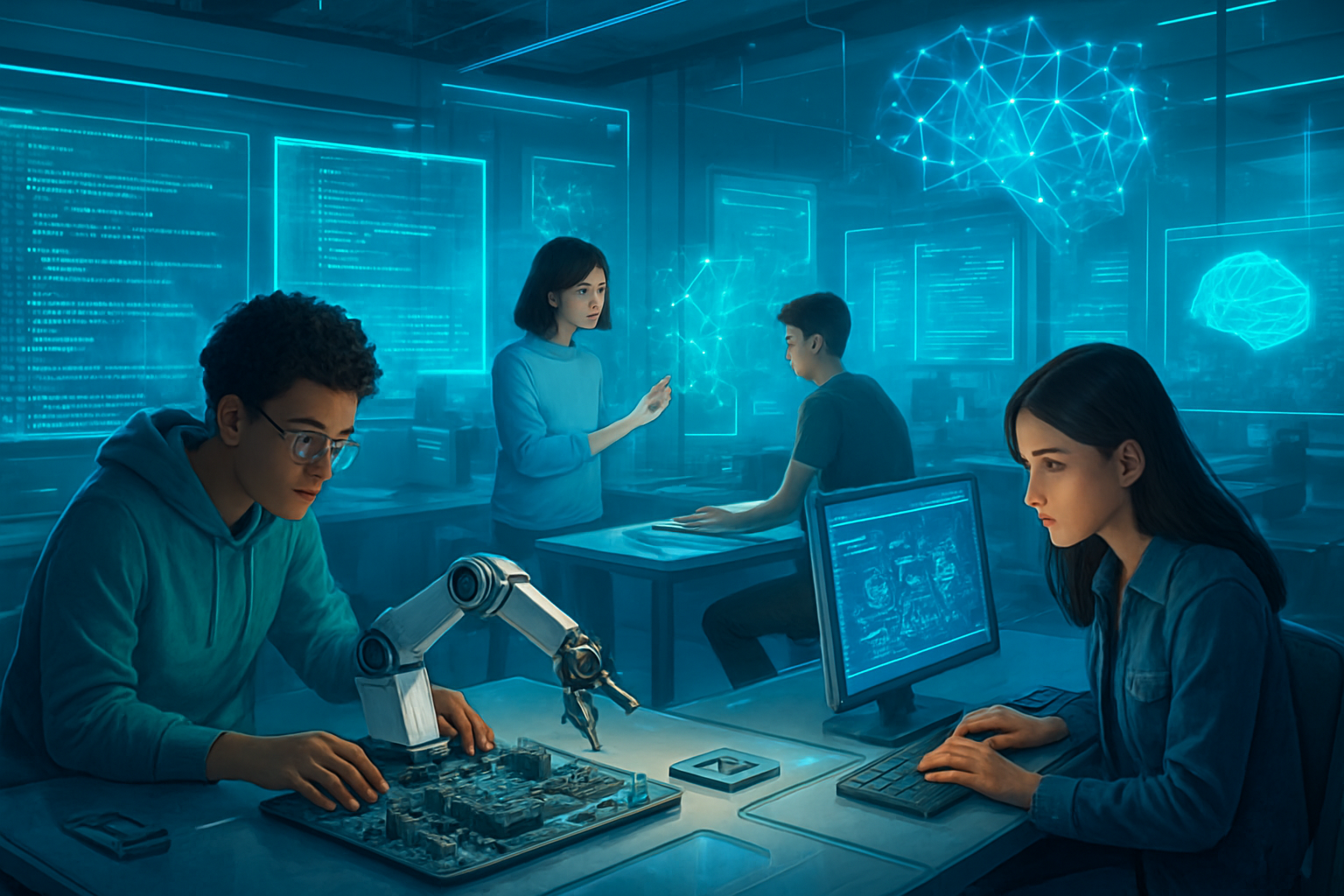
    Beyond its unique Faraday Room, the lab is equipped with modern workstations and flexible collaborative spaces that foster teamwork and innovation. Students engage directly with micro-computing platforms, robotics, and artificial intelligence (AI) projects, building everything from custom gaming systems using applications like RetroPi to intricate setups involving LEDs and sensors. This project-based approach starkly contrasts with traditional lecture-heavy instruction, providing a dynamic learning experience that mirrors real-world industry challenges and promotes critical thinking and problem-solving skills. The integration of diverse technologies ensures that graduates possess a versatile skill set, making them highly adaptable to various roles within the tech sector.

    Shaping the Future Workforce for Tech Giants and Startups

    The launch of OSUIT's IT Innovations Lab carries significant implications for AI companies, tech giants, and burgeoning startups alike. By prioritizing hands-on, practical experience, OSUIT is directly addressing the skills gap often cited by employers in the technology sector. Graduates emerging from this lab will not merely possess theoretical knowledge but will have demonstrable experience in cybersecurity, AI development, robotics, and other critical areas, making them immediately valuable assets.

    Companies like Google (NASDAQ: GOOGL), Microsoft (NASDAQ: MSFT), and a myriad of cybersecurity firms stand to benefit immensely from a pipeline of graduates who are job-ready from day one. This initiative can mitigate the need for extensive on-the-job training, reducing costs and accelerating productivity for employers. For startups, which often operate with lean teams and require versatile talent, graduates with multi-faceted practical skills will be particularly attractive. The competitive landscape for major AI labs and tech companies is increasingly driven by access to top-tier talent; thus, institutions like OSUIT, through facilities like the IT Innovations Lab, become crucial partners in talent acquisition and innovation. This development also has the potential to disrupt traditional recruiting models by creating a more direct and efficient pathway from education to employment.

    Broader Significance in the AI and Tech Landscape

    The establishment of the IT Innovations Lab at OSUIT is a powerful reflection of broader trends in the AI and technology education landscape. It underscores a growing recognition that effective technical education must move beyond abstract concepts to embrace immersive, experiential learning. This model aligns perfectly with the rapid pace of technological change, where new tools and methodologies emerge constantly, demanding continuous adaptation and practical application.

    The lab's focus on areas like AI, robotics, and cybersecurity positions OSUIT at the forefront of preparing students for the most in-demand roles of today and tomorrow. This initiative directly addresses concerns about the employability of graduates in a highly competitive market and stands as a testament to the value of polytechnic education. Compared to previous educational milestones, which often emphasized theoretical mastery, this lab represents a shift towards a more integrated approach, combining foundational knowledge with extensive practical application. Potential concerns, such as keeping the lab's technology current, are mitigated by OSUIT's strong industry partnerships, which ensure curriculum relevance and access to cutting-edge equipment.

    Anticipating Future Developments and Applications

    Looking ahead, the IT Innovations Lab is expected to catalyze several near-term and long-term developments. In the short term, OSUIT anticipates a significant increase in student engagement and the production of innovative projects that could lead to patents or startup ventures. The lab will likely become a hub for collaborative research with industry partners and local law enforcement, leveraging the Faraday Room for advanced digital forensics training and real-world case studies.

    Experts predict that this model of hands-on, industry-aligned education will become increasingly prevalent, pushing other institutions to adopt similar approaches. The lab’s success could also lead to an expansion of specialized programs, potentially including advanced certifications in niche AI applications or ethical hacking. Challenges will include continuously updating the lab's infrastructure to keep pace with technological advancements and securing ongoing funding for cutting-edge equipment. However, the foundational emphasis on practical problem-solving ensures that students will be well-equipped to tackle future technological challenges, making them invaluable contributors to the evolving tech landscape.

    A New Benchmark for Technical Education

    The OSUIT IT Innovations Lab represents a pivotal development in technical education, setting a new benchmark for how future tech professionals are trained. Its core philosophy — that true mastery comes from doing — is a critical takeaway. By providing an environment where students can build, experiment, and innovate with real-world tools, OSUIT is not just teaching technology; it's cultivating technologists.

    This development’s significance in AI history and broader tech education cannot be overstated. It underscores a crucial shift from passive learning to active creation, ensuring that graduates are not only knowledgeable but also highly skilled and adaptable. In the coming weeks and months, the tech community will be watching closely to see the innovative projects and talented individuals that emerge from this lab, further solidifying OSUIT's role as a leader in hands-on technical education. The lab promises to be a continuous source of innovation and a critical pipeline for the talent that will drive the next wave of technological advancement.


    This content is intended for informational purposes only and represents analysis of current AI developments.

    TokenRing AI delivers enterprise-grade solutions for multi-agent AI workflow orchestration, AI-powered development tools, and seamless remote collaboration platforms.
    For more information, visit https://www.tokenring.ai/.
  • High School Seniors Eye Tech Futures: ATU’s ‘Time Out for Tech’ Signals a Growing Trend

    High School Seniors Eye Tech Futures: ATU’s ‘Time Out for Tech’ Signals a Growing Trend

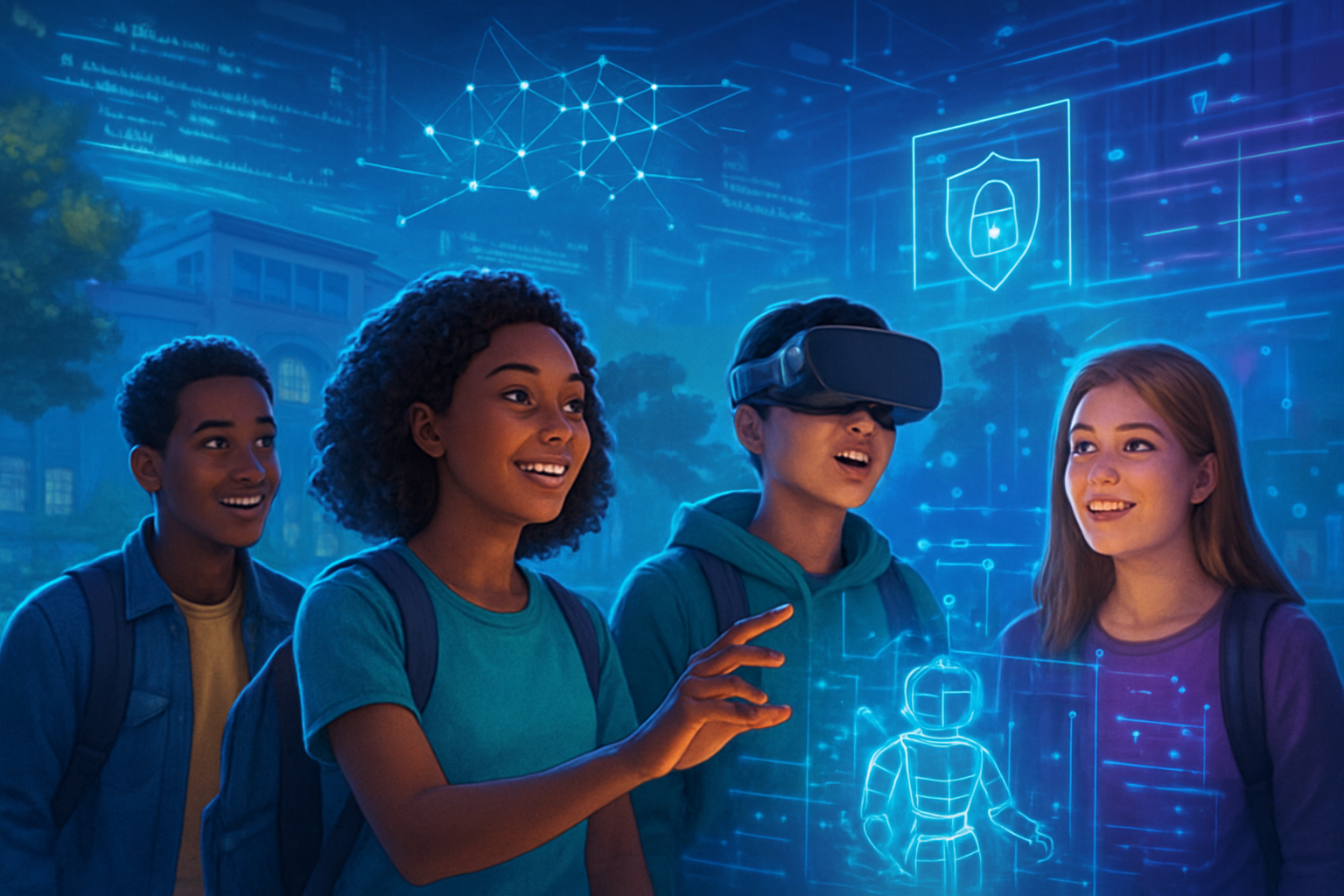
    RUSSELLVILLE, AR – October 29, 2025 – High school seniors across the nation are increasingly setting their sights on careers in technology, a trend vividly exemplified by events such as Arkansas Tech University's (ATU) annual 'Time Out for Tech.' This pivotal preview day, designed to immerse prospective students in the world of collegiate tech education, underscores a significant shift in educational priorities and workforce development. As the digital economy continues its rapid expansion, the burgeoning interest among the graduating class of 2026 in fields like computer science, cybersecurity, and information technology is not just a passing fad but a critical indicator of future talent pipelines for the global tech industry.

    The immediate significance of events like 'Time Out for Tech' lies in their direct contribution to nurturing the next generation of innovators and problem-solvers. By offering a comprehensive glimpse into university life and specialized academic programs, ATU and similar institutions are actively addressing the escalating demand for skilled tech professionals. This proactive engagement at the high school level is essential for bridging the widening skills gap and ensuring a robust, adaptable workforce capable of navigating the complexities of an AI-driven world.

    Unpacking ATU's 'Time Out for Tech' and the Tech Education Boom

    ATU's 'Time Out for Tech' is more than just an open house; it's a strategically designed experience for high school seniors and their guardians. The event, typically held annually, aims to provide an overall look at university life, foster connections with faculty and potential classmates, and offer crucial information on admissions, financial aid, and student services. Attendees participate in academic fairs, campus tours, and dedicated sessions, allowing them to envision their future at ATU and explore potential degree paths within the College of Science, Technology, Engineering, and Mathematics (STEM).

    A key highlight for many aspiring tech professionals is the Division of Computing Sciences, which showcases a diverse array of programs tailored to current industry demands. These include the Bachelor of Science in Computer Science, which prepares students for roles as software developers and systems analysts; the Bachelor of Science in Cybersecurity, a response to the critical need for specialists in an era of escalating cyber threats; and the Bachelor of Science in Information Technology (IT), covering programming, database management, website design, and data science. Additionally, the Associate of Applied Science (AAS) in Cybersecurity offers a focused pathway into data protection and system compromise techniques. These programs distinguish themselves through an emphasis on real-world projects and hands-on experiences, often culminating in internships or large-scale capstone projects, ensuring graduates are job-ready upon completion.

    The increasing engagement of high school students in technology education is backed by compelling statistics. Since 2020, EdTech usage in K-12 education has surged by 99%, with 89% of instructors now integrating educational technology. A remarkable 92% of students believe technology education equips them with valuable future workforce skills, and 76% find technology makes learning more engaging. The pervasive influence of Artificial Intelligence (AI) is particularly notable, with 92% of students adopting AI tools and 89% using platforms like ChatGPT for academic tasks, demonstrating a widespread reliance on AI in their learning journeys. This deep integration of technology from an early age naturally cultivates an interest in pursuing tech as a career, differentiating today's students from previous generations who had less exposure to advanced digital tools.

    Corporate Implications: Fueling the Tech Talent Pipeline

    The growing interest in tech education among high school seniors, as evidenced by events like ATU's 'Time Out for Tech,' has profound implications for AI companies, tech giants, and startups alike. Companies such as Alphabet (NASDAQ: GOOGL), Microsoft (NASDAQ: MSFT), and Amazon (NASDAQ: AMZN) stand to significantly benefit from a robust and expanding talent pipeline. Universities like ATU, by actively engaging and educating future tech professionals, become crucial feeders for these corporations, ensuring a steady supply of graduates equipped with the latest skills in AI, cybersecurity, software development, and data science.

    This trend directly addresses the competitive pressures within the tech industry. Major AI labs and tech companies are constantly vying for top talent, and a larger pool of well-prepared graduates can alleviate talent shortages and drive innovation. Universities that proactively adapt their curricula to meet industry needs, as ATU does with its specialized programs, gain a strategic advantage in attracting both students and corporate partnerships. This also minimizes potential disruption to existing products and services that might arise from a lack of skilled personnel.

    For startups, this influx of talent is equally vital. Access to a larger pool of graduates with foundational and specialized tech skills means a greater chance of finding individuals who can contribute to rapid growth and development without extensive retraining. This can significantly impact their ability to innovate and compete with larger, more established players. Furthermore, companies that engage with educational institutions through internships, mentorships, and curriculum feedback can position themselves as preferred employers, securing early access to promising talent.

    Wider Significance: Shaping the AI Landscape and Future Workforce

    This groundswell of interest in tech education among high school seniors fits perfectly into the broader AI landscape and ongoing technological trends. It signifies a societal recognition that digital literacy and specialized tech skills are no longer niche but foundational for economic growth and individual success in the 21st century. The widespread adoption of AI in education, with 92% of students already using AI tools, highlights a generation that is not just consuming technology but is ready to create and innovate with it.

    The impacts are far-reaching. By encouraging more students to pursue STEM fields, events like 'Time Out for Tech' are crucial in addressing the existing and projected skill gaps in the tech industry. This proactive approach helps future-proof the workforce, preparing individuals for roles that may not even exist yet but will undoubtedly rely on a strong technological foundation. Moreover, initiatives that embed AI education across communities and universities are vital for developing the next generation of American developers, researchers, and engineers, thereby closing opportunity and workforce readiness gaps.

    However, potential concerns also exist. The high cost of higher education remains a barrier for many, and while tech careers offer lucrative opportunities, the perception that AI might automate some "white-collar" tech jobs could influence educational choices. Nevertheless, experts widely agree that AI will more likely evolve roles rather than eliminate them, requiring continuous learning and adaptation. This trend is comparable to previous industrial revolutions, where new technologies necessitated new skill sets, making today's focus on tech education a critical milestone in humanity's technological evolution.

    The Road Ahead: Expected Developments and Emerging Applications

    Looking ahead, the momentum generated by events like 'Time Out for Tech' is expected to drive significant developments in both near-term and long-term tech education. We can anticipate a continued expansion of specialized tech programs in universities, with an even greater emphasis on interdisciplinary studies that blend AI, data science, and cybersecurity with other fields. The integration of AI tools and methodologies into every aspect of the curriculum, from coding to project management, will become standard, preparing students for an AI-centric professional world.

    Potential applications and use cases on the horizon are vast. Graduates from these programs will be at the forefront of developing advanced AI systems for healthcare, autonomous vehicles, sustainable energy solutions, and personalized education platforms. They will also be instrumental in securing digital infrastructures against increasingly sophisticated cyber threats and in leveraging big data for groundbreaking insights. The demand for ethical AI developers, AI auditors, and data privacy specialists will surge, creating entirely new career pathways.

    Challenges remain, particularly in ensuring that curricula stay current with the blistering pace of technological change and that equitable access to quality tech education is available to all students, regardless of socioeconomic background. Experts predict that educational institutions will increasingly adopt flexible training models, including online courses and virtual classrooms, to make education more accessible and adaptable. The continued collaboration between universities and industry will be paramount, ensuring that academic offerings align precisely with the evolving needs of the tech sector.

    A New Era of Tech-Savvy Graduates

    In summary, events like Arkansas Tech University's 'Time Out for Tech' are far more than just recruitment drives; they are vital conduits for channeling burgeoning high school interest into the critical tech talent pipeline. The overwhelming enthusiasm among high school seniors for technology education marks a significant turning point, underscoring a collective recognition of the digital age's demands. This development is a foundational step in AI history, laying the groundwork for future breakthroughs and ensuring a workforce equipped to innovate and lead.

    The long-term impact of this trend cannot be overstated. A well-prepared, adaptable tech workforce is the bedrock upon which future economic prosperity and technological advancement will be built. As we move forward, it will be crucial to watch for continued university-industry collaboration, the evolution of tech curricula to incorporate emerging technologies, and policies that support equitable access to STEM education. The enthusiasm of today's high school seniors promises a future brimming with technological potential, driven by a generation eager to shape the digital world.


    This content is intended for informational purposes only and represents analysis of current AI developments.

    TokenRing AI delivers enterprise-grade solutions for multi-agent AI workflow orchestration, AI-powered development tools, and seamless remote collaboration platforms.
    For more information, visit https://www.tokenring.ai/.
  • Nigeria’s New Dawn in Tech Education: University of Innovation, Science and Technology Opens its Doors

    Nigeria’s New Dawn in Tech Education: University of Innovation, Science and Technology Opens its Doors

    Omumma, Imo State, Nigeria – October 21, 2025 – Today marks a pivotal moment for education and technological advancement in Nigeria, as the University of Innovation, Science and Technology (UIST) in Omumma, Imo State, officially received its Certificate of Recognition from the National Universities Commission (NUC). This landmark establishment, championed by Governor Hope Uzodimma, is poised to revolutionize access to quality science and technology education, addressing a critical need for skilled professionals in a rapidly digitizing world.

    The UIST is not merely another academic institution; it represents a strategic investment in human capital, designed to nurture a new generation of innovators, entrepreneurs, and job creators. Its immediate significance lies in its explicit mission to broaden educational access for Nigerian youth, particularly in vital fields of science, technology, engineering, and mathematics (STEM), thereby laying a robust foundation for economic diversification and sustainable development within the region and the nation.

    A New Paradigm for STEM Education in Nigeria

    The establishment of the University of Innovation, Science and Technology in Omumma introduces a fresh and forward-thinking approach to tertiary education in Nigeria. Spearheaded by Governor Hope Uzodimma, who received the official recognition from NUC Executive Secretary Professor Abdullahi Ribadu, UIST is meticulously designed to foster digital skills, innovation, science, and technology. Its curriculum is envisioned to be intensely practical, moving beyond theoretical frameworks to equip students with hands-on expertise directly applicable to industry needs.

    A distinctive feature of UIST is its planned partnership with the prestigious University of Berkeley, California. This collaboration is set to provide invaluable mentorship and assistance in crafting a world-class, practical curriculum that meets international standards while remaining relevant to local contexts. This differs significantly from traditional university models in Nigeria, which often face criticism for a perceived disconnect between academic offerings and the demands of the modern job market. By integrating global best practices and a strong emphasis on real-world application, UIST aims to produce graduates who are not just knowledgeable but also highly competent and immediately employable.

    The university's core technical capabilities will revolve around cutting-edge fields such as artificial intelligence, data science, software development, advanced engineering, and digital entrepreneurship. Initial reactions from the Nigerian academic and tech communities have been overwhelmingly positive, with many experts hailing it as a timely and necessary intervention. They anticipate that UIST's focus on practical, innovation-driven learning will serve as a benchmark for other institutions, potentially sparking a broader reform in STEM education across the country.

    Catalyzing Growth for Tech Companies and Startups

    The advent of the University of Innovation, Science and Technology holds profound implications for AI companies, tech giants, and burgeoning startups, both within Nigeria and internationally. By significantly expanding the pool of digitally skilled and innovation-ready graduates, UIST stands to become a vital pipeline for talent acquisition. Companies like Google (NASDAQ: GOOGL), Microsoft (NASDAQ: MSFT), and local tech powerhouses that are increasingly investing in African markets could find a robust source of qualified personnel, reducing recruitment costs and accelerating their regional expansion strategies.

    The competitive landscape within Nigeria's tech ecosystem is also set to be reshaped. Startups and local tech companies, which often struggle to find adequately trained staff, will benefit immensely from a steady supply of UIST graduates who are not only technically proficient but also imbued with an entrepreneurial spirit. This could foster a more vibrant startup culture, leading to the creation of innovative products and services tailored for the African market. Furthermore, the university's focus on creating job creators rather than just job seekers could significantly disrupt existing employment models, encouraging more self-sustaining economic activities.

    The strategic advantage for companies will lie in their ability to tap into this new talent pool early. Partnerships with UIST for internships, research collaborations, and specialized training programs could offer companies a unique market positioning. For instance, the planned integration with the Imo Digital City suggests a broader ecosystem where UIST graduates can immediately contribute to or even launch ventures, potentially attracting further foreign direct investment into Nigeria's tech sector and challenging the dominance of established players by fostering local innovation.

    Broader Significance in the AI and Tech Landscape

    The establishment of UIST fits squarely into the broader global trend of nations investing heavily in science and technology education to drive economic growth and competitiveness. In the context of the African continent, which is experiencing a digital transformation, UIST's focus on digital skills, innovation, and entrepreneurship is particularly significant. It addresses the critical need to bridge the digital divide and empower a large youth population with the tools necessary to thrive in the 21st-century economy. This initiative mirrors similar efforts seen in other emerging economies striving to become technological hubs.

    The impacts extend beyond mere job creation; UIST has the potential to elevate Nigeria's standing in the global AI and tech landscape. By producing graduates capable of contributing to advanced fields, it could foster indigenous research and development, reducing reliance on imported technological solutions. Potential concerns, however, might include ensuring sustained funding, attracting and retaining top-tier faculty, and maintaining the relevance of its curriculum in a rapidly evolving technological environment. Comparisons to previous AI milestones, such as the establishment of specialized AI research centers in developed nations, highlight UIST's role in democratizing access to foundational tech education that underpins advanced AI development.

    This move by the Imo State government signifies a proactive step towards building a knowledge-based economy. It's a recognition that future prosperity is intrinsically linked to a populace proficient in science and technology. The university's commitment to creating wider access for youth directly tackles issues of educational inequality, ensuring that a broader segment of society can participate in and benefit from technological progress.

    Anticipating Future Developments and Applications

    In the near-term, experts predict that the University of Innovation, Science and Technology will focus on rapidly developing its physical infrastructure, recruiting its initial cohort of students, and formalizing its partnership with the University of Berkeley. The initial curriculum is expected to emphasize foundational digital literacy, coding, and problem-solving skills, quickly progressing into specialized tracks such as artificial intelligence, cybersecurity, and advanced robotics. We can anticipate the university becoming a hub for local tech hackathons, innovation challenges, and startup incubators, fostering an ecosystem of practical application and entrepreneurial drive.

    Long-term developments include UIST becoming a regional center of excellence for research and development in specific technological domains relevant to Nigeria's economic needs, such as agricultural technology, health tech, and renewable energy solutions. Potential applications and use cases on the horizon for its graduates range from developing AI-powered solutions for local challenges in healthcare and education to building robust digital infrastructure and creating innovative financial technologies. Challenges that need to be addressed include ensuring the curriculum remains agile and responsive to technological shifts, securing adequate resources for state-of-the-art laboratories, and establishing strong industry linkages to ensure graduate relevance.

    Experts predict that UIST's success could inspire other Nigerian states to invest similarly in specialized tech universities, potentially creating a network of innovation hubs across the country. The ultimate goal is to transform Nigeria from a consumer of technology into a significant producer and exporter of technological solutions and talent.

    A Transformative Leap for Nigerian Education

    The official recognition of the University of Innovation, Science and Technology in Omumma, Imo State, on October 21, 2025, represents a truly transformative leap for Nigerian education and its technological future. The key takeaway is the explicit commitment to broadening access to quality science and technology education, focusing on digital skills, innovation, and entrepreneurship. This initiative stands as a powerful testament to the vision of Governor Hope Uzodimma and the National Universities Commission in addressing the urgent need for a skilled workforce capable of driving economic growth and societal development.

    In the annals of Nigerian educational history, this development will likely be assessed as a critical turning point—a decisive move away from conventional academic models towards a more practical, industry-aligned, and innovation-centric approach. Its significance in the broader AI and tech landscape cannot be overstated, as it promises to cultivate the foundational talent necessary for Nigeria to participate meaningfully in the global digital economy. The long-term impact is expected to be profound, fostering a generation of job creators, enhancing national competitiveness, and ultimately improving the quality of life for its citizens.

    In the coming weeks and months, all eyes will be on UIST as it embarks on its journey. Watch for announcements regarding faculty recruitment, curriculum details, and strategic partnerships, particularly with the University of Berkeley. These early steps will be crucial indicators of the university's trajectory and its potential to truly fulfill its ambitious mandate of redefining innovation, science, and technology education in Nigeria.


    This content is intended for informational purposes only and represents analysis of current AI developments.

    TokenRing AI delivers enterprise-grade solutions for multi-agent AI workflow orchestration, AI-powered development tools, and seamless remote collaboration platforms.
    For more information, visit https://www.tokenring.ai/.
  • India’s Creative Tech Future Takes Flight: IICT Kicks Off Inaugural Batches for Next-Gen Talent

    India’s Creative Tech Future Takes Flight: IICT Kicks Off Inaugural Batches for Next-Gen Talent

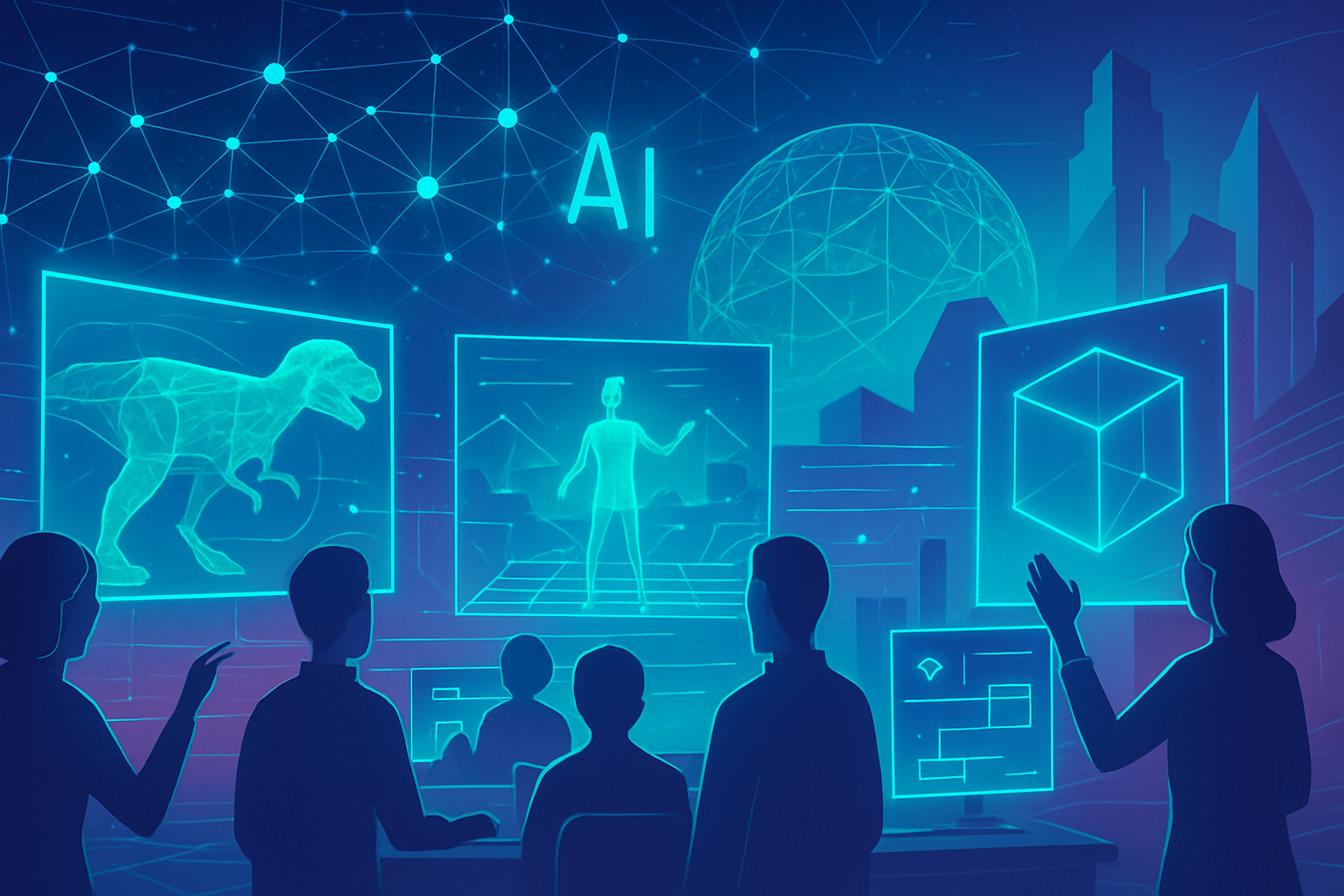
    The Indian Institute of Creative Technologies (IICT) officially commenced its inaugural batches in August 2025, marking a pivotal moment in India's ambition to become a global leader in the cutting-edge AVGC-XR (Animation, Visual Effects, Gaming, Comics, and Extended Reality) sector. This initiative, announced by Union Minister for Information & Broadcasting, Shri Ashwini Vaishnaw, in May 2025, aims to cultivate a new generation of tech talent equipped with industry-aligned skills, positioning India at the forefront of the rapidly expanding creative economy. With a comprehensive portfolio of 18 specialized courses and strategic global partnerships, IICT is poised to replicate the nation's IT success within the dynamic media and entertainment landscape.

    The establishment of IICT, modeled after the prestigious Indian Institutes of Technology (IITs) and Indian Institutes of Management (IIMs), represents a significant governmental commitment, backed by a budget allocation of ₹400 crore. Its immediate goal is to nurture world-class talent, addressing the burgeoning demand for skilled professionals in creative technologies and cementing India's place as a global powerhouse in AVGC-XR. The institute’s strategic vision encompasses not just education but also holistic support for students through scholarships, internships, startup incubation, and robust placement opportunities, ensuring graduates are well-prepared for successful careers in an evolving digital landscape.

    Paving the Way for a New Creative Workforce: IICT's Cutting-Edge Curriculum

    The Indian Institute of Creative Technologies (IICT) has launched with an impressive academic offering, featuring 18 industry-driven courses meticulously designed to meet global standards in the AVGC-XR sector. These specialized programs are distributed across key domains, including six courses in Gaming, four in Post Production, and eight covering Animation, Comics, and Extended Reality. This targeted curriculum directly addresses the growing demand for highly specialized skills that are crucial for modern media production and interactive experiences.

    What sets IICT's approach apart from traditional educational models is its deep integration with industry leaders and global academic institutions. The institute has forged significant partnerships with technology giants such as Google (NASDAQ: GOOGL), YouTube, Adobe (NASDAQ: ADBE), Meta (NASDAQ: META), Microsoft (NASDAQ: MSFT), NVIDIA (NASDAQ: NVDA), and JioStar. These collaborations ensure that the curriculum remains current, incorporates the latest tools and techniques, and provides students with exposure to real-world production pipelines and industry best practices. Furthermore, a Memorandum of Understanding (MoU) with the University of York, UK, facilitates collaborative research, faculty exchange programs, and pathways to global certification, offering students an internationally recognized educational experience.

    This proactive and industry-aligned curriculum represents a significant departure from conventional education, which often struggles to keep pace with the rapid advancements in technology. By focusing on practical, hands-on training using cutting-edge software and hardware, IICT aims to produce graduates who are immediately employable and capable of contributing to complex projects. The initial reactions from the AI research community and industry experts have been overwhelmingly positive, viewing IICT as a crucial step towards bridging the skill gap in India's creative technology sector and fostering innovation from the ground up. The emphasis on XR technologies, in particular, is seen as forward-thinking, preparing students for an immersive digital future.

    Competitive Edge and Market Disruption: How IICT Impacts the Tech Landscape

    The commencement of IICT's specialized batches holds significant implications for AI companies, tech giants, and startups alike, particularly within the burgeoning AVGC-XR sector. Companies heavily invested in animation, visual effects, gaming, and extended reality stand to benefit immensely from a new pipeline of highly skilled talent. Studios like Technicolor Creative Studios (Euronext Paris: TCHCS), DNEG, and even in-house creative teams at tech giants like Amazon (NASDAQ: AMZN) and Apple (NASDAQ: AAPL) will find a richer talent pool in India, potentially reducing recruitment costs and accelerating project timelines.

    For major AI labs and tech companies, IICT's focus on cutting-edge skills in areas like 3D modeling, real-time rendering, virtual production, and AI-driven content creation could lead to new avenues for collaboration and innovation. Companies developing AI tools for content generation, digital twins, or immersive experiences will find graduates equipped to leverage these technologies effectively. This initiative could foster a more competitive environment, pushing existing training programs and universities to upgrade their offerings to match IICT's industry-aligned curriculum.

    The potential for disruption is also noteworthy. Startups, often limited by talent acquisition challenges, could thrive with easier access to specialized graduates, leading to a surge in innovative AVGC-XR ventures from India. This influx of talent could challenge the dominance of established players in certain creative technology niches, fostering a more dynamic and competitive market. From a market positioning perspective, India, already a global IT services hub, is strategically enhancing its capabilities in creative and immersive technologies, offering a more comprehensive and attractive proposition for global businesses seeking talent and innovation.

    Shaping the Broader AI Landscape: A New Era for Creative Intelligence

    IICT's initiative to cultivate expertise in AVGC-XR is not merely an educational development; it is a strategic move that profoundly impacts the broader AI landscape and trends, particularly concerning creative intelligence. As AI systems become increasingly capable of generating content, from images and videos to entire virtual worlds, the demand for human professionals who can guide, refine, and innovate using these tools will escalate. IICT's graduates, trained in the intricacies of creative technology, will be uniquely positioned to harness AI for artistic and commercial endeavors, acting as crucial intermediaries between AI capabilities and human creative vision.

    This development fits perfectly into the trend of AI democratizing creative processes while simultaneously elevating the need for specialized human oversight and innovation. The impact extends to fostering ethical AI development in creative fields, as these new professionals will be trained to understand the nuances of digital content creation, copyright, and responsible use of AI. Potential concerns, however, might include the pace at which AI-driven tools evolve, requiring IICT's curriculum to remain agile and continuously updated to prevent graduates from being trained on outdated methodologies.

    Compared to previous AI milestones, such as the breakthroughs in natural language processing or computer vision, IICT's focus represents a significant step towards integrating AI more deeply into the creative economy. It acknowledges that while AI can generate, human creativity remains paramount in conceptualization, storytelling, and ethical application. This move could catalyze a new wave of AI applications specifically tailored for creative industries, moving beyond mere automation to intelligent co-creation. It signals a maturation of the AI landscape where specialized human-AI collaboration is becoming the norm, rather than a distant future.

    The Horizon of Innovation: Future Developments from IICT's Impact

    The commencement of IICT's cutting-edge tech courses is expected to usher in a wave of near-term and long-term developments across India's technology and creative sectors. In the near term, we can anticipate a significant boost in the quality and quantity of AVGC-XR projects originating from India. Graduates will fill critical roles in animation studios, gaming companies, VFX houses, and emerging XR ventures, enhancing production capabilities and driving innovation. This will likely lead to an increase in India's contribution to global media and entertainment content, potentially attracting more international collaborations and investments.

    Looking further ahead, the long-term impact could see India establishing itself as a global hub for immersive content creation and AI-powered creative solutions. The pool of talent nurtured by IICT is expected to drive the development of novel applications and use cases in areas such as virtual tourism, interactive education, medical visualization, and industrial design, leveraging augmented and virtual reality technologies. We might also see a rise in Indian-developed intellectual properties in gaming and animation that resonate globally, much like its IT services have.

    However, challenges remain. The rapid evolution of AI and creative technologies necessitates a continuous update mechanism for IICT's curriculum and infrastructure. Ensuring that faculty remain at the forefront of these advancements and that students have access to the latest software and hardware will be crucial. Experts predict that the success of IICT will not only be measured by graduate placements but also by the number of successful startups it incubates and the quality of groundbreaking creative projects its alumni contribute to. The institute's ability to foster a vibrant ecosystem of innovation will be key to its enduring legacy.

    A New Chapter for India's Tech Ambitions: The IICT's Enduring Legacy

    The launch of the Indian Institute of Creative Technologies (IICT) and its inaugural batches represents a monumental stride in India's journey towards becoming a global leader in the cutting-edge AVGC-XR domain. The key takeaways from this development underscore a strategic national investment in human capital, an unwavering commitment to industry-aligned education, and a forward-looking vision for the integration of creative and artificial intelligence technologies. This initiative is not merely about producing graduates; it's about cultivating a new generation of innovators, storytellers, and technical experts who will shape the future of digital content and immersive experiences.

    The significance of IICT in AI history cannot be overstated. It marks a deliberate effort to bridge the gap between burgeoning AI capabilities and the nuanced demands of creative industries, ensuring that India's talent pool is not just technologically proficient but also creatively astute. By focusing on specialized skills in animation, visual effects, gaming, and extended reality, IICT is setting a precedent for how nations can proactively prepare their workforce for the demands of the AI-driven creative economy. This move is poised to have a long-term impact, transforming India's creative landscape and positioning it as a formidable force in global media and entertainment.

    As we look to the coming weeks and months, it will be crucial to watch the initial outcomes of IICT's programs, including student projects, industry collaborations, and early placement successes. The evolution of its curriculum in response to rapid technological advancements, particularly in generative AI for content creation, will also be a key indicator of its adaptability and continued relevance. IICT's journey will serve as a powerful case study for how targeted educational initiatives can catalyze national growth and innovation in the age of artificial intelligence, cementing India's reputation not just as an IT powerhouse, but as a creative technology trailblazer.


    This content is intended for informational purposes only and represents analysis of current AI developments.

    TokenRing AI delivers enterprise-grade solutions for multi-agent AI workflow orchestration, AI-powered development tools, and seamless remote collaboration platforms.
    For more information, visit https://www.tokenring.ai/.