Tag: Tech Sovereignty

  • The Silicon Divide: Geopolitical Tensions Reshape the Global Semiconductor Landscape

    The Silicon Divide: Geopolitical Tensions Reshape the Global Semiconductor Landscape

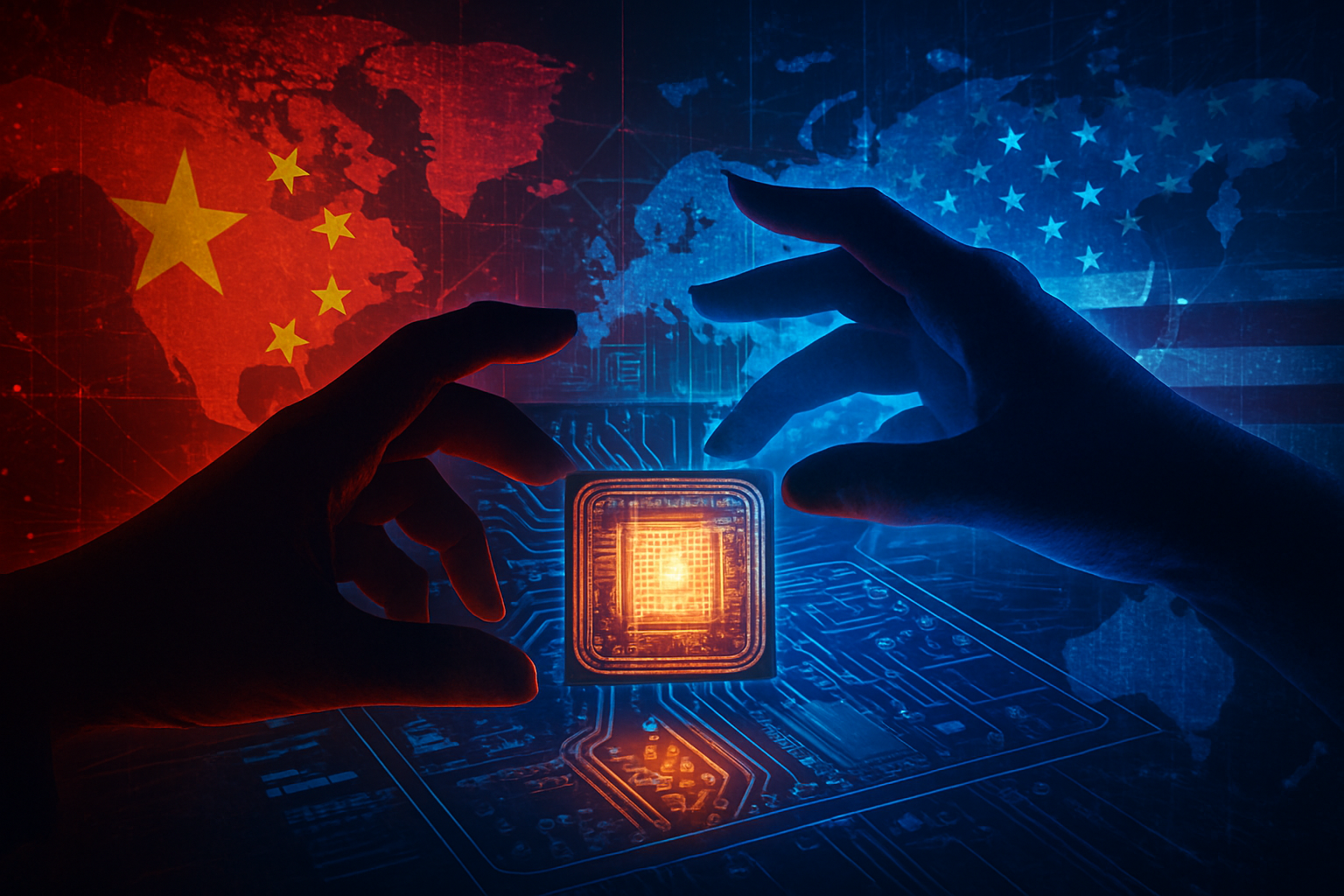
    The intricate web of the global semiconductor industry, long a bastion of international collaboration and efficiency, is increasingly being torn apart by escalating geopolitical tensions, primarily between the United States and China. This struggle, often termed a "tech cold war" or "silicon schism," centers on the pursuit of "tech sovereignty"—each nation's ambition to control the design, manufacturing, and supply of the advanced chips that power everything from artificial intelligence (AI) to military systems. The immediate significance of this rivalry is profound, forcing a radical restructuring of global supply chains, redefining investment strategies, and potentially altering the pace and direction of technological innovation worldwide.

    At its core, this competition is a battle for technological dominance, with both Washington and Beijing viewing control over advanced semiconductors as a critical national security imperative. The ramifications extend far beyond the tech sector, touching upon global economic stability, national defense capabilities, and the very future of AI development.

    The Crucible of Control: US Export Curbs and China's Quest for Self-Reliance

    The current geopolitical climate has been shaped by a series of aggressive policy maneuvers from both the United States and China, each designed to assert technological control and secure strategic advantages.

    The United States has implemented increasingly stringent export controls aimed at curbing China's technological advancement, particularly in advanced computing and AI. These measures, spearheaded by the US Department of Commerce's Bureau of Industry and Security (BIS), target specific technical thresholds. Restrictions apply to logic chips below 16/14 nanometers (nm), DRAM memory chips below 18nm half-pitch, and NAND flash memory chips with 128 layers or more. Crucially, these controls also encompass advanced semiconductor manufacturing equipment (SME) necessary for producing chips smaller than 16nm, including critical Deep Ultraviolet (DUV) lithography machines and Electronic Design Automation (EDA) tools. The "US Persons" rule further restricts American citizens and green card holders from working at Chinese semiconductor facilities, while the "50 Percent Rule" expands the reach of these controls to subsidiaries of blacklisted foreign firms. Major Chinese entities like Huawei Technologies Co., Ltd. and Semiconductor Manufacturing International Corporation (SMIC), China's largest chipmaker, have been placed on the Entity List, severely limiting their access to US technology.

    In direct response, China has launched an ambitious, state-backed drive for semiconductor self-sufficiency. Central to this effort is the "Big Fund" (National Integrated Circuit Industry Investment Fund), which has seen three phases of massive capital injection. The latest, Phase III, launched in May 2024, is the largest to date, amassing 344 billion yuan (approximately US$47.5 billion to US$65.4 billion) to bolster high-end innovation and foster existing capabilities. This fund supports domestic champions like SMIC, Yangtze Memory Technologies Corporation (YMTC), and ChangXin Memory Technologies (CXMT). Despite US restrictions, SMIC reportedly achieved a "quasi-7-nanometer" (7nm) process using DUV lithography by October 2020, enabling the production of Huawei's Kirin 9000S processor for the Mate 60 Pro smartphone in late 2023. While this 7nm production is more costly and has lower yield rates than using Extreme Ultraviolet (EUV) lithography, it demonstrates China's resilience. Huawei, through its HiSilicon division, is also emerging as a significant player in AI accelerators, with its Ascend 910C chip rivaling some of NVIDIA Corp. (NASDAQ: NVDA)'s offerings. China has also retaliated by restricting the export of critical minerals like gallium and germanium, essential for semiconductor production.

    The US has also enacted the CHIPS and Science Act in 2022, allocating approximately US$280 billion to boost domestic research and manufacturing of semiconductors. This includes US$39 billion in subsidies for chip manufacturing on US soil and a 25% investment tax credit. Companies receiving these subsidies are prohibited from producing chips more advanced than 28nm in China for 10 years. Furthermore, the US has actively sought multilateral cooperation, aligning allies like the Netherlands (home to ASML Holding N.V. (NASDAQ: ASML)), Japan, South Korea, and Taiwan in implementing similar export controls, notably through the "Chip 4 Alliance." While a temporary one-year tariff truce was reportedly agreed upon in October 2025 between the US and China, which included a suspension of new Chinese measures on rare earth metals, the underlying tensions and strategic competition remain.

    Corporate Crossroads: Tech Giants Navigate a Fragmented Future

    The escalating US-China semiconductor tensions have sent shockwaves through the global tech industry, forcing major companies and startups alike to re-evaluate strategies, reconfigure supply chains, and brace for a bifurcated future.

    NVIDIA Corp. (NASDAQ: NVDA), a leader in AI chips, has been significantly impacted by US export controls that restrict the sale of its most powerful GPUs, such as the H100, to China. Although NVIDIA developed downgraded versions like the H20 to comply, these too have faced fluctuating restrictions. China historically represented a substantial portion of NVIDIA's revenue, and these bans have resulted in billions of dollars in lost sales and a decline in its share of China's AI chip market. CEO Jensen Huang has voiced concerns that these restrictions inadvertently strengthen Chinese competitors and weaken America's long-term technological edge.

    Intel Corp. (NASDAQ: INTC) has also faced considerable disadvantages, particularly due to China's retaliatory ban on its processors in government systems, citing national security concerns. With China accounting for approximately 27% of Intel's annual revenue, this ban is a major financial blow, compelling a shift towards domestic Chinese suppliers. Despite these setbacks, Intel is actively pursuing a resurgence, investing heavily in its foundry business and advanced manufacturing processes to narrow the gap with competitors and bolster national supply chains under the CHIPS Act.

    Conversely, Chinese tech giants like Huawei Technologies Co., Ltd. have shown remarkable resilience. Despite being a primary target of US sanctions, Huawei, in collaboration with SMIC, has achieved breakthroughs in producing advanced chips, such as the 7nm processor for its Mate 60 Pro smartphone. These pressures have galvanized Huawei's indigenous innovation efforts, positioning it to become China's top AI chipmaker by 2026, opening new plants and challenging US dominance in certain AI chip segments. SMIC, despite being on the US Entity List, has also made notable progress in producing 5nm-class and 7nm chips, benefiting from China's massive state-led investments aimed at self-sufficiency.

    Taiwan Semiconductor Manufacturing Company (TSMC) (NYSE: TSM), a critical global player producing over 60% of the world's semiconductors and a staggering 92% of advanced chips (7nm and below), finds itself at the epicenter of this geopolitical struggle. Taiwan's dominance in advanced manufacturing has earned it the moniker of a "silicon shield," deterring aggression due to the catastrophic global economic impact a disruption would cause. TSMC is navigating pressures from both the US and China, halting advanced AI chip shipments to some Chinese clients under US directives. To de-risk operations and benefit from incentives like the US CHIPS Act, TSMC is expanding globally, building new fabs in the US (e.g., Arizona) and Japan, while retaining its cutting-edge R&D in Taiwan. Its revenue surged in Q2 2025, benefiting from US manufacturing investments and protected domestic demand.

    ASML Holding N.V. (NASDAQ: ASML), the Dutch company that is the sole producer of Extreme Ultraviolet (EUV) lithography machines and a leading provider of Deep Ultraviolet (DUV) machines, is another pivotal player caught in the crossfire. Under significant US pressure, the Dutch government has restricted ASML's exports of both EUV and advanced DUV machines to China, impacting ASML's revenue from a significant market. However, ASML may also benefit from increased demand from non-Chinese manufacturers seeking to build out their own advanced chip capabilities. The overall market is seeing a push for "friend-shoring," where companies establish manufacturing in US-allied countries to maintain market access, further fragmenting global supply chains and increasing production costs.

    A New Cold War: The Broader Implications of the Silicon Divide

    The US-China semiconductor rivalry transcends mere trade disputes; it signifies a fundamental restructuring of the global technological order, embedding itself deeply within the broader AI landscape and global technology trends. This "AI Cold War" has profound implications for global supply chains, the pace of innovation, and long-term economic stability.

    At its heart, this struggle is a battle for AI supremacy. Advanced semiconductors, particularly high-performance GPUs, are the lifeblood of modern AI, essential for training and deploying complex models. By restricting China's access to these cutting-edge chips and manufacturing equipment, the US aims to impede its rival's ability to develop advanced AI systems with potential military applications. This has accelerated a trend towards technological decoupling, pushing both nations towards greater self-sufficiency and potentially creating two distinct, incompatible technological ecosystems. This fragmentation could reverse decades of globalization, leading to inefficiencies, increased costs, and a slower overall pace of technological progress due to reduced collaboration.

    The impacts on global supply chains are already evident. The traditional model of seamless cross-border collaboration in the semiconductor industry has been severely disrupted by export controls and retaliatory tariffs. Companies are now diversifying their manufacturing bases, adopting "China +1" strategies, and exploring reshoring initiatives in countries like Vietnam, India, and Mexico. While the US CHIPS Act aims to boost domestic production, reshoring faces challenges such as skilled labor shortages and significant infrastructure investments. Countries like Taiwan, South Korea, and Japan, critical hubs in the semiconductor value chain, are caught in the middle, balancing economic ties with both superpowers.

    The potential concerns arising from this rivalry are significant. The risk of a full-blown "tech cold war" is palpable, characterized by the weaponization of supply chains and intense pressure on allied nations to align with one tech bloc. National security implications are paramount, as semiconductors underpin advanced military systems, digital infrastructure, and AI capabilities. Taiwan's crucial role in advanced chip manufacturing makes it a strategic focal point and a potential flashpoint. A disruption to Taiwan's semiconductor sector, whether by conflict or economic coercion, could trigger the "mother of all supply chain shocks," with catastrophic global economic consequences.

    This situation draws parallels to historical technological rivalries, particularly the original Cold War. Like the US and Soviet Union, both nations are employing tactics to restrict each other's technological advancement for military and economic dominance. However, the current tech rivalry is deeply integrated into a globalized economy, making complete decoupling far more complex and costly than during the original Cold War. China's "Made in China 2025" initiative, aimed at technological supremacy, mirrors past national drives for industrial leadership, but in a far more interconnected world.

    The Road Ahead: Future Developments and Enduring Challenges

    The US-China semiconductor rivalry is set to intensify further, with both nations continuing to refine their strategies and push the boundaries of technological innovation amidst a backdrop of strategic competition.

    In the near term, the US is expected to further tighten and expand its export controls, closing loopholes and broadening the scope of restricted technologies and entities, potentially including new categories of chips or manufacturing equipment. The Biden administration's 2022 controls, further expanded in October 2023, December 2024, and March 2025, underscore this proactive stance. China, conversely, will double down on its domestic semiconductor industry through massive state investments, talent development, and incentivizing the adoption of indigenous hardware and software. Its "Big Fund" Phase III, launched in May 2024, is a testament to this unwavering commitment.

    Longer term, the trajectory points towards a sustained period of technological decoupling, leading to a bifurcated global technology market. Experts predict a "Silicon Curtain" descending, creating two separate technology ecosystems with distinct standards for telecommunications and AI development. While China aims for 50% semiconductor self-sufficiency by 2025 and 100% import substitution by 2030, complete technological autonomy remains a significant challenge due to the complexity and capital intensity of the industry. China has already launched its first commercial e-beam lithography machine and an AI-driven chip design platform named QiMeng, which autonomously generates complete processors, aiming to reduce reliance on imported chip design software.

    Advancements in chip technology will continue to be a key battleground. While global leaders like TSMC and Samsung are already in mass production of 3nm chips and planning for 2nm Gate-All-Around (GAAFET) nodes, China's SMIC has commenced producing chips at the 7nm node. However, it still lags global leaders by several years. The focus will increasingly shift to advanced packaging technologies, such as 2.5D and 3D stacking with hybrid bonding and glass interposers, which are critical for integrating chiplets and overcoming traditional scaling limits. Intel is a leader in advanced packaging with technologies like E-IB and Foveros, while TSMC is aggressively expanding its CoWoS (Chip-on-Wafer-on-Substrate) capacity, essential for high-performance AI accelerators. AI and machine learning are also transforming chip design itself, with AI-powered Electronic Design Automation (EDA) tools automating complex tasks and optimizing chip performance.

    However, significant challenges remain. The feasibility of complete decoupling is questionable; estimates suggest fully self-sufficient local supply chains would require over $1 trillion in upfront investment and incur substantial annual operational costs, leading to significantly higher chip prices. The sustainability of domestic manufacturing initiatives, even with massive subsidies like the CHIPS Act, faces hurdles such as worker shortages and higher operational costs compared to Asian locations. Geopolitical risks, particularly concerning Taiwan, continue to be a major concern, as any disruption could trigger a global economic crisis.

    A Defining Era: The Future of AI and Geopolitics

    The US-China semiconductor tensions mark a defining era in the history of technology and geopolitics. This "chip war" is fundamentally restructuring global industries, challenging established economic models, and forcing a re-evaluation of national security in an increasingly interconnected yet fragmented world.

    The key takeaway is a paradigm shift from a globally integrated, efficiency-driven semiconductor industry to one increasingly fragmented by national security imperatives. The US, through stringent export controls and domestic investment via the CHIPS Act, seeks to maintain its technological lead and prevent China from leveraging advanced chips for military and AI dominance. China, in turn, is pouring vast resources into achieving self-sufficiency across the entire semiconductor value chain, from design tools to manufacturing equipment and materials, exemplified by its "Big Fund" and indigenous innovation efforts. This strategic competition has transformed the semiconductor supply chain into a tool of economic statecraft.

    The long-term impact points towards a deeply bifurcated global technology ecosystem. While US controls have temporarily slowed China's access to bleeding-edge technology, they have also inadvertently accelerated Beijing's relentless pursuit of technological self-reliance. This will likely result in higher costs, duplicated R&D efforts, and potentially slower overall global technological progress due to reduced collaboration. However, it also acts as a powerful catalyst for indigenous innovation within China, pushing its domestic industry to develop its own solutions. The implications for global stability are significant, with the competition for AI sovereignty intensifying rivalries and reshaping alliances, particularly with Taiwan remaining a critical flashpoint.

    In the coming weeks and months, several critical indicators will bear watching:

    • New US Policy Directives: Any further refinements or expansions of US export controls, especially concerning advanced AI chips and new tariffs, will be closely scrutinized.
    • China's Domestic Progress: Observe China's advancements in scaling its domestic AI accelerator production and achieving breakthroughs in advanced chip manufacturing, particularly SMIC's progress beyond 7nm.
    • Rare Earth and Critical Mineral Controls: Monitor any new actions from China regarding its export restrictions on critical minerals, which could impact global supply chains.
    • NVIDIA's China Strategy: The evolving situation around NVIDIA's ability to sell certain AI chips to China, including potentially "nerfed" versions or a new Blackwell-based chip specifically for the Chinese market, will be a key development.
    • Diplomatic Engagements: The outcome of ongoing diplomatic dialogues between US and Chinese officials, including potential meetings between leaders, could signal shifts in the trajectory of these tensions, though a complete thaw is unlikely.
    • Allied Alignment: The extent to which US allies continue to align with US export controls will be crucial, as concerns persist about potential disadvantages for US firms if competitors in allied countries fill market voids.

    The US-China semiconductor tensions are not merely a transient trade spat but a fundamental reordering of the global technological landscape. Its unfolding narrative will continue to shape the future of AI, global economic models, and geopolitical stability for decades to come.


    This content is intended for informational purposes only and represents analysis of current AI developments.

    TokenRing AI delivers enterprise-grade solutions for multi-agent AI workflow orchestration, AI-powered development tools, and seamless remote collaboration platforms.
    For more information, visit https://www.tokenring.ai/.
  • The New Silicon Curtain: Geopolitics Reshapes Global Semiconductor Landscape

    The New Silicon Curtain: Geopolitics Reshapes Global Semiconductor Landscape

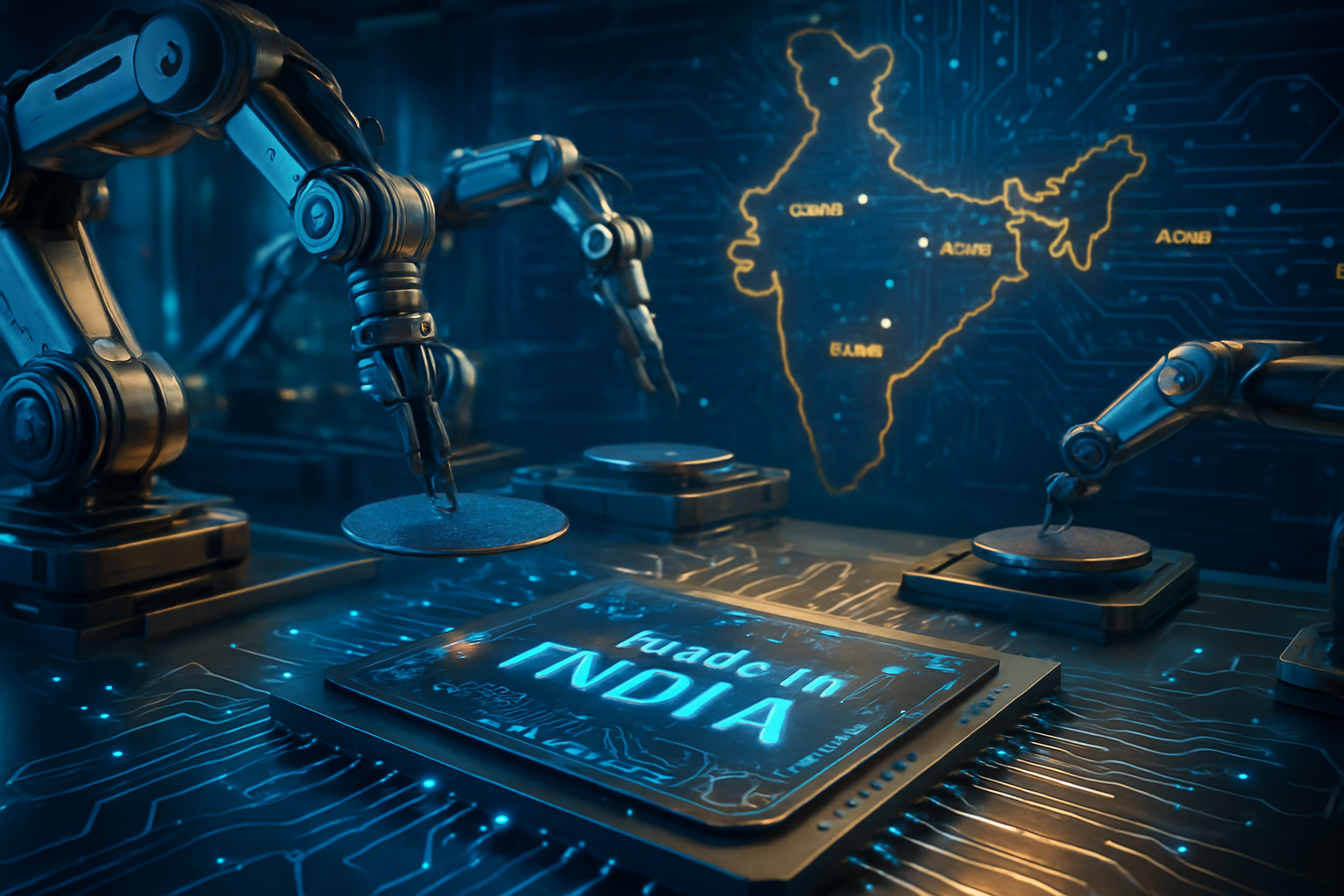
    The global semiconductor industry, once a paragon of hyper-efficient, specialized global supply chains, is now undeniably at the epicenter of escalating geopolitical tensions and strategic national interests. This profound shift signifies a fundamental re-evaluation of semiconductors, elevating them from mere components to critical strategic assets vital for national security, economic power, and technological supremacy. The immediate consequence is a rapid and often disruptive restructuring of manufacturing and trade policies worldwide, ushering in an era where resilience and national interest frequently supersede traditional economic efficiencies.

    Nations are increasingly viewing advanced chips as "the new oil," essential for everything from cutting-edge AI and electric vehicles to sophisticated military systems and critical infrastructure. This perception has ignited a global race for technological autonomy and supply chain security, most notably driven by the intense rivalry between the United States and China. The ramifications are sweeping, leading to fragmented supply chains, massive government investments, and the potential emergence of distinct technological ecosystems across the globe.

    Policy Battlegrounds: Tariffs, Export Controls, and the Race for Reshoring

    The current geopolitical climate has birthed a complex web of policies, trade disputes, and international agreements that are fundamentally altering how semiconductors are produced, supplied, and distributed. At the forefront is the US-China technological rivalry, characterized by the United States' aggressive implementation of export controls aimed at curbing China's access to advanced semiconductor manufacturing equipment, Electronic Design Automation (EDA) software, and high-end AI chips. These measures, often citing national security concerns, have forced global semiconductor companies to navigate a bifurcated market, impacting their design, production, and sales strategies. For instance, the October 2022 US export controls and subsequent updates have significantly restricted the ability of US companies and companies using US technology from supplying certain advanced chips and chip-making tools to China, compelling Chinese firms to accelerate their indigenous research and development efforts.

    In response, China is vigorously pursuing self-sufficiency through massive state-backed investments and initiatives like the National Integrated Circuit Industry Investment Fund (Big Fund), aiming to create an "all-Chinese supply chain" and reduce its reliance on foreign technology. Meanwhile, other nations are also enacting their own strategic policies. The European Chips Act, for example, mobilizes over €43 billion in public and private investment to double the EU's global market share in semiconductors from 10% to 20% by 2030. Similarly, India has introduced a $10 billion incentive scheme to attract semiconductor manufacturing and design, positioning itself as a new hub in the global supply chain.

    These policies mark a significant departure from the previous globalized model, which prioritized cost-effectiveness and specialized regional expertise. The new paradigm emphasizes "techno-nationalism" and reshoring, where governments are willing to subsidize domestic production heavily, even if it means higher manufacturing costs. For example, producing advanced 4nm chips in the US can be approximately 30% more expensive than in Taiwan. This willingness to absorb higher costs underscores the strategic imperative placed on supply chain resilience and national control over critical technologies, fundamentally reshaping investment decisions and global manufacturing footprints across the semiconductor industry.

    Shifting Sands: How Geopolitics Reshapes the Semiconductor Corporate Landscape

    The geopolitical realignment of the semiconductor industry is creating both immense opportunities and significant challenges for established tech giants, specialized chipmakers, and emerging startups alike. Companies like Taiwan Semiconductor Manufacturing Company (TSMC) (TWSE: 2330), the world's leading contract chip manufacturer, are strategically diversifying their manufacturing footprint, investing billions in new fabrication plants in the United States (Arizona) and Europe (Germany and Japan). While these moves are partly driven by customer demand, they are largely a response to governmental incentives like the US CHIPS and Science Act and the European Chips Act, aimed at de-risking supply chains and fostering domestic production. These investments, though costly, position TSMC to benefit from government subsidies and secure access to critical markets, albeit at potentially higher operational expenses.

    Similarly, Samsung Electronics (KRX: 005930) and Intel Corporation (NASDAQ: INTC) are making substantial domestic investments, leveraging national incentives to bolster their foundry services and advanced manufacturing capabilities. Intel, in particular, is positioning itself as a Western alternative for cutting-edge chip production, with ambitious plans for new fabs in the US and Europe. These companies stand to benefit from direct financial aid, tax breaks, and a more secure operating environment in geopolitically aligned regions. However, they also face the complex challenge of navigating export controls and trade restrictions, which can limit their access to certain markets or necessitate the development of region-specific product lines.

    Conversely, companies heavily reliant on the Chinese market or those involved in supplying advanced equipment to China face significant headwinds. US-based equipment manufacturers like Applied Materials (NASDAQ: AMAT), Lam Research (NASDAQ: LRCX), and KLA Corporation (NASDAQ: KLAC) have had to adjust their sales strategies and product offerings to comply with export restrictions, impacting their revenue streams from China. Chinese semiconductor companies, while facing restrictions on advanced foreign technology, are simultaneously experiencing a surge in domestic investment and demand, fostering the growth of local champions in areas like mature node production, packaging, and design. This dynamic is leading to a bifurcation of the market, where companies must increasingly choose sides or develop complex strategies to operate within multiple, often conflicting, regulatory frameworks.

    The Broader Implications: A New Era of Tech Sovereignty and Strategic Competition

    The increasing influence of geopolitics on semiconductor manufacturing transcends mere trade policy; it represents a fundamental shift in the global technological landscape, ushering in an era of tech sovereignty and intensified strategic competition. This trend fits squarely within broader global movements towards industrial policy and national security-driven economic strategies. The reliance on a single geographic region, particularly Taiwan, for over 90% of the world's most advanced logic chips has been identified as a critical vulnerability, amplifying geopolitical concerns and driving a global scramble for diversification.

    The impacts are profound. Beyond the immediate economic effects of increased costs and fragmented supply chains, there are significant concerns about the future of global innovation. A "Silicon Curtain" is emerging, potentially leading to bifurcated technological ecosystems where different regions develop distinct standards, architectures, and supply chains. This could hinder the free flow of ideas and talent, slowing down the pace of global AI and technological advancement. For instance, the development of cutting-edge AI chips, which rely heavily on advanced manufacturing processes, could see parallel and potentially incompatible development paths in the West and in China.

    Comparisons to historical industrial shifts are apt. Just as nations once competed for control over oil fields and steel production, the current geopolitical contest centers on the "digital oil" of semiconductors. This competition is arguably more complex, given the intricate global nature of chip design, manufacturing, and supply. While past milestones like the space race spurred innovation through competition, the current semiconductor rivalry carries the added risk of fragmenting the very foundation of global technological progress. The long-term implications include potential de-globalization of critical technology sectors, increased geopolitical instability, and a world where technological leadership is fiercely guarded as a matter of national survival.

    The Road Ahead: Regionalization, Innovation, and Enduring Challenges

    Looking ahead, the semiconductor industry is poised for continued transformation, driven by an interplay of geopolitical forces and technological imperatives. In the near term, we can expect further regionalization of supply chains. More fabrication plants will be built in the US, Europe, Japan, and India, fueled by ongoing government incentives. This will lead to a more geographically diverse, albeit potentially less cost-efficient, manufacturing base. Companies will continue to invest heavily in advanced packaging technologies and materials science, seeking ways to circumvent or mitigate the impact of export controls on leading-edge lithography equipment. We may also see increased collaboration among geopolitically aligned nations to share research, development, and manufacturing capabilities, solidifying regional tech blocs.

    Longer-term developments will likely involve a push towards greater vertical integration within specific regions, as nations strive for end-to-end control over their semiconductor ecosystems, from design and IP to manufacturing and packaging. The development of new materials and novel chip architectures, potentially less reliant on current advanced lithography techniques, could also emerge as a strategic imperative. Experts predict a continued focus on "chiplets" and heterogeneous integration as a way to achieve high performance while potentially sidestepping some of the most advanced (and geopolitically sensitive) manufacturing steps. This modular approach could offer greater flexibility and resilience in a fragmented world.

    However, significant challenges remain. The global talent shortage in semiconductor engineering and manufacturing is acute and will only worsen with the push for reshoring. Attracting and training a sufficient workforce will be critical for the success of national semiconductor ambitions. Furthermore, the economic viability of operating multiple, geographically dispersed, high-cost fabs will be a constant pressure point for companies. The risk of oversupply in certain mature nodes, as countries rush to build capacity, could also emerge. What experts predict is a sustained period of strategic competition, where geopolitical considerations will continue to heavily influence investment, innovation, and trade policies, compelling the industry to balance national security with global economic realities.

    A New Global Order for Silicon: Resilience Over Efficiency

    The profound influence of geopolitics on global semiconductor manufacturing and trade policies marks a pivotal moment in technological history. The era of a seamlessly integrated, efficiency-driven global supply chain is rapidly giving way to a more fragmented, security-conscious landscape. Key takeaways include the reclassification of semiconductors as strategic national assets, the vigorous implementation of export controls and tariffs, and massive government-backed initiatives like the US CHIPS Act and European Chips Act aimed at reshoring and diversifying production. This shift is compelling major players like TSMC, Samsung, and Intel to undertake multi-billion dollar investments in new regions, transforming the competitive dynamics of the industry.

    This development's significance in AI history cannot be overstated, as the availability and control of advanced AI chips are intrinsically linked to national technological leadership. The emergence of a "Silicon Curtain" risks bifurcating innovation pathways, potentially slowing global AI progress while simultaneously fostering localized breakthroughs in distinct technological ecosystems. The long-term impact points towards a more resilient but potentially less efficient and more costly global semiconductor industry, where national interests dictate supply chain architecture.

    In the coming weeks and months, observers should watch for further announcements regarding new fab constructions, particularly in nascent semiconductor regions like India and Southeast Asia. The ongoing effectiveness and adaptation of export controls, as well as the progress of indigenous chip development in China, will be critical indicators. Finally, the ability of governments to sustain massive subsidies and attract sufficient talent will determine the ultimate success of these ambitious national semiconductor strategies. The geopolitical chessboard of silicon is still being laid, and its final configuration will define the future of technology for decades to come.


    This content is intended for informational purposes only and represents analysis of current AI developments.

    TokenRing AI delivers enterprise-grade solutions for multi-agent AI workflow orchestration, AI-powered development tools, and seamless remote collaboration platforms.
    For more information, visit https://www.tokenring.ai/.
  • Escalating Chip Wars: China Condemns Dutch Takeover of Nexperia Amidst Geopolitical Tensions

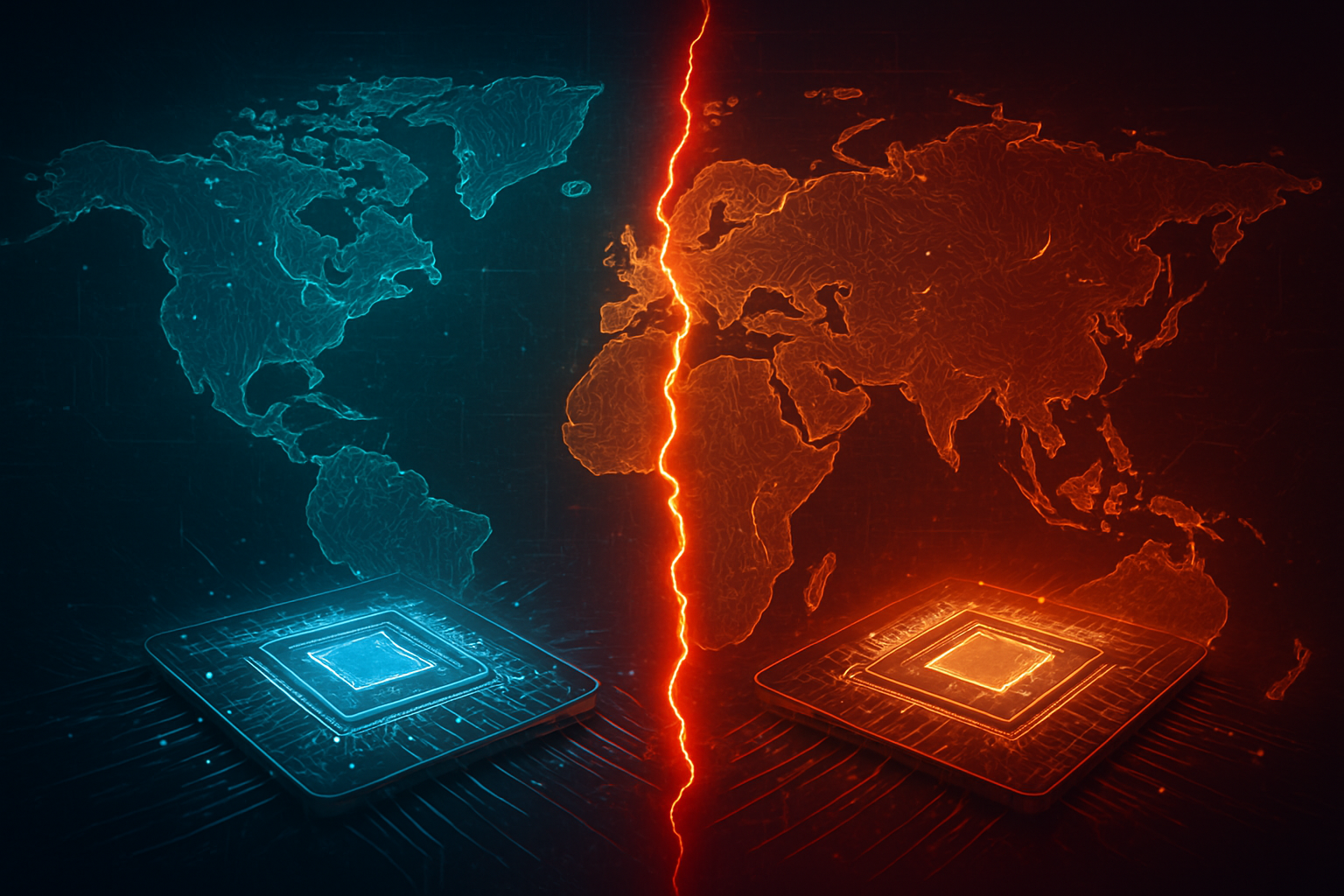
    THE HAGUE/BEIJING – October 16, 2025 – The global semiconductor industry, already a flashpoint in escalating geopolitical tensions, witnessed a dramatic new development today as China's Ministry of Commerce (MOFCOM) issued a scathing rebuke against the Netherlands for its unprecedented intervention in the operations of Nexperia, a key Dutch-headquartered chip manufacturer. This direct government takeover of a prominent semiconductor company, citing national security concerns, marks a significant escalation in the ongoing tech rivalry between Western nations and China, sending ripples of uncertainty through international supply chains and investment climates.

    The Dutch government’s move, announced on October 12, 2025, and solidified by invoking the Goods Availability Act on September 30, 2025, places Nexperia under external administration for a year. This allows the Netherlands to effectively control the company's assets, intellectual property, business activities, and personnel, including the controversial suspension of its Chinese CEO, Zhang Xuezheng. Beijing views this as an overt act of protectionism and an abuse of national security justifications, further fueling the narrative of a fragmented global technology landscape.

    Unprecedented Intervention: The Nexperia Takeover and China's Outcry

    The Dutch government's decision to intervene directly in Nexperia's management is a landmark event, signaling a more aggressive stance by European nations in safeguarding critical technology. The intervention, justified by "acute signals of serious governance shortcomings and actions" within Nexperia, stems from concerns that crucial technological knowledge and capabilities could be compromised. Specifically, reports indicate issues such as the alleged firing of senior European executives, the transfer of treasury powers to individuals with unclear roles, and over $100 million in suspect financial transactions with Chinese-linked entities. These actions, according to the Dutch authorities, posed a direct threat to national and European technological security.

    Nexperia, a former division of NXP Semiconductors (NASDAQ: NXPI), specializes in essential discrete components, logic, and MOSFET devices, which are foundational to countless electronic systems. It was acquired in 2018 by Wingtech Technology (SSE: 600745), a Chinese company with significant backing from Chinese state-related investors, holding approximately 30% of its shares. This Chinese ownership has been a growing point of contention, particularly given the broader context of Western concerns about intellectual property transfer and potential espionage. Wingtech Technology itself was placed on the U.S. Commerce Department's sanctions list in 2023 and the Entity List in December 2024, highlighting the company's precarious position in the global tech ecosystem.

    China's response has been swift and unequivocal. Beyond MOFCOM's strong condemnation today, Wingtech Technology issued its own statement on October 12, 2025, denouncing the Dutch actions as an "excessive interference driven by geopolitical bias." The Chinese Ministry of Foreign Affairs also weighed in, criticizing the misuse of national security pretexts. This direct government intervention, particularly the removal of a Chinese CEO and the imposition of external administration, represents a stark departure from previous regulatory reviews of foreign acquisitions. While nations have blocked deals on security grounds before, taking operational control of an existing, foreign-owned company within their borders is an unprecedented step in the semiconductor sector, underscoring the severity of the perceived threat and the deepening mistrust between economic blocs.

    Shifting Sands: Corporate Implications and Market Realignments

    The Dutch intervention in Nexperia carries profound implications for semiconductor companies, tech giants, and startups globally, particularly those with cross-border ownership or operations in sensitive technology sectors. For Nexperia itself, the immediate future is one of uncertainty under external administration, with strategic decisions now subject to government oversight. While this might stabilize the company in the eyes of European partners concerned about IP leakage, it creates significant operational friction with its parent company, Wingtech Technology (SSE: 600745). Wingtech faces a substantial loss of control over a key asset and potential financial repercussions, exacerbating the challenges it already faces from U.S. sanctions.

    The competitive landscape is set to become even more complex. European semiconductor firms and those aligned with Western supply chains might see this as a positive development, reinforcing efforts to secure domestic technological capabilities and intellectual property. Companies like STMicroelectronics (EPA: STM) or Infineon Technologies (ETR: IFX) could potentially benefit from a clearer, more secure European supply chain, though direct benefits are speculative. Conversely, Chinese semiconductor companies and their global partners will likely view this as another barrier to international expansion and a signal to redouble efforts towards domestic self-sufficiency. This could accelerate China's drive to develop indigenous alternatives, potentially leading to a more bifurcated global chip market.

    This development could disrupt existing product roadmaps and supply agreements, especially for companies reliant on Nexperia's discrete components. While Nexperia's products are not at the cutting edge of advanced logic, they are ubiquitous and essential. Any instability or change in strategic direction could force tech giants and smaller hardware manufacturers to re-evaluate their component sourcing, prioritizing supply chain resilience and geopolitical alignment over purely cost-driven decisions. The market positioning for companies operating in foundational semiconductor technologies will increasingly be influenced by their perceived national allegiance and adherence to geopolitical norms, potentially penalizing those with ambiguous ownership structures or operations spanning contentious borders. The move also serves as a stark warning to other companies with foreign ownership in critical sectors, suggesting that national governments are prepared to take drastic measures to protect what they deem strategic assets.

    The Broader Canvas: Tech Sovereignty and Geopolitical Fault Lines

    This dramatic intervention in Nexperia is not an isolated incident but a powerful manifestation of a broader, accelerating trend in the global AI and technology landscape: the race for technological sovereignty. It underscores the deepening fault lines in international relations, where access to and control over advanced semiconductor technology has become a central battleground. This move by the Netherlands aligns with the European Union's wider strategy to enhance its strategic autonomy in critical technologies, mirroring similar efforts by the United States and Japan to de-risk supply chains and prevent technology transfer to rival powers.

    The impacts of such actions reverberate across the global supply chain, creating uncertainty for investors and businesses alike. It signals a new era where national security concerns can override traditional free-market principles, potentially leading to further fragmentation of the global tech ecosystem. This could result in higher costs for consumers, slower innovation due to duplicated efforts in different blocs, and a less efficient global allocation of resources. The potential concerns are significant: an escalation of tit-for-tat trade disputes, retaliatory measures from China against European companies, and a chilling effect on foreign direct investment in sensitive sectors.

    This development draws parallels to previous AI and tech milestones and disputes, such as the U.S. export controls on advanced chip manufacturing equipment to China, which directly impacted Dutch company ASML (AMS: ASML). While ASML's situation involved restrictions on sales, the Nexperia case represents a direct seizure of operational control over a company within Dutch borders, owned by a Chinese entity. This marks a new level of assertiveness and a more direct form of industrial policy driven by geopolitical imperatives. It highlights how foundational technologies, once seen as purely commercial, are now firmly entrenched in national security doctrines, fundamentally reshaping the dynamics of global commerce and technological advancement.

    The Road Ahead: Future Developments and Expert Predictions

    Looking ahead, the Nexperia intervention is likely to set a precedent, influencing future developments in semiconductor geopolitics. In the near term, one can expect intense diplomatic maneuvering between Beijing and The Hague, with China likely exploring various avenues for retaliation, potentially targeting Dutch companies operating in China or imposing trade restrictions. The European Union will face pressure to either support or distance itself from the Dutch government's assertive stance, potentially leading to a more unified or fractured European approach to tech sovereignty. We may see other European nations re-evaluating foreign ownership in their critical technology sectors, leading to stricter investment screening and potentially similar interventions if governance or national security concerns arise.

    Potential applications and use cases on the horizon include an acceleration of "friend-shoring" initiatives, where countries seek to build supply chains exclusively with geopolitical allies. This could lead to increased investments in domestic semiconductor manufacturing capabilities across Europe and North America, further fragmenting the global chip industry. Expect to see heightened scrutiny of mergers and acquisitions involving foreign entities in critical technology sectors, with a strong bias towards protecting domestic intellectual property and manufacturing capabilities.

    The challenges that need to be addressed are substantial. Balancing national security imperatives with the principles of free trade and international cooperation will be a delicate act. Avoiding a full-blown tech cold war that stifles innovation and economic growth will require careful diplomacy and a willingness to establish clear, mutually agreeable frameworks for technology governance—a prospect that currently appears distant. Experts predict that this move by the Netherlands signifies a deepening of the global tech divide. Analysts suggest that while such interventions aim to protect national interests, they also risk alienating foreign investors and accelerating China's drive for technological independence, potentially creating a less interconnected and more volatile global tech landscape. The implications for the AI industry, which relies heavily on advanced semiconductor capabilities, are particularly acute, as secure and diversified chip supply chains become paramount.

    A Watershed Moment in the Global Tech Divide

    The Dutch government's unprecedented intervention in Nexperia, met with immediate condemnation from China, represents a watershed moment in the escalating global tech rivalry. It underscores the profound shift where semiconductors are no longer merely commercial products but strategic assets, inextricably linked to national security and geopolitical power. This event highlights the growing willingness of Western nations to take aggressive measures to safeguard critical technological capabilities and prevent perceived intellectual property leakage to rivals, even if it means directly seizing control of foreign-owned companies within their borders.

    The significance of this development in AI and tech history cannot be overstated. It marks a new chapter in the "chip wars," moving beyond export controls and sanctions to direct operational interventions. The long-term impact will likely include a further acceleration of technological decoupling, a greater emphasis on domestic production and "friend-shoring" in critical supply chains, and an increasingly bifurcated global technology ecosystem. Companies operating internationally, particularly in sensitive sectors like AI and semiconductors, must now contend with a heightened level of geopolitical risk and the potential for direct government interference.

    What to watch for in the coming weeks and months includes China's retaliatory response, the reactions from other European Union member states, and whether this intervention inspires similar actions from other nations. The Nexperia saga serves as a potent reminder that in the current geopolitical climate, the lines between economic competition, national security, and technological leadership have blurred irrevocably, shaping the future of global innovation and international relations.


    This content is intended for informational purposes only and represents analysis of current AI developments.

    TokenRing AI delivers enterprise-grade solutions for multi-agent AI workflow orchestration, AI-powered development tools, and seamless remote collaboration platforms.
    For more information, visit https://www.tokenring.ai/.

  • China Blacklists Canadian Consultancy TechInsights: A New Front in the Global Chip War

    China Blacklists Canadian Consultancy TechInsights: A New Front in the Global Chip War

    October 9, 2025 – In a significant escalation of geopolitical tensions within the semiconductor industry, China has officially added the Canadian semiconductor consultancy, TechInsights, to its "Unreliable Entity List." This move, announced today, effectively bans the firm from conducting business with organizations or individuals within China, sending a clear message to foreign entities scrutinizing Beijing's technological advancements. The immediate fallout marks a critical juncture in the ongoing tech war, underscoring China's resolve to protect its technological ambitions and control the narrative around its domestic chip capabilities.

    TechInsights, a prominent global authority in semiconductor and electronics analysis, has gained notoriety for its meticulous chip teardowns, particularly those that have exposed the intricate details of Huawei Technologies Co. Ltd. (SHE: 002502)'s advanced chip designs and supply chain dependencies. This retaliatory action by Beijing is a direct consequence of TechInsights' recent reports, which, in collaboration with Bloomberg and other outlets, revealed the presence of non-Chinese components—specifically from Taiwan Semiconductor Manufacturing Company (TSMC) (NYSE: TSM), Samsung Electronics Co. Ltd. (KRX: 005930), and SK Hynix Inc. (KRX: 000660)—in Huawei's cutting-edge AI semiconductors, such as the Ascend 910C and 910B. These findings challenged China's narrative of complete domestic technological independence for Huawei's most advanced products amidst stringent U.S. export controls.

    The Indispensable Role of Chip Teardowns in a Geopolitical Minefield

    Semiconductor consultancies like TechInsights are not merely dismantling gadgets; they are dissecting the very sinews of modern technology, providing indispensable insights that drive competitive intelligence, safeguard intellectual property, and enable crucial supply chain scrutiny. Their work involves a painstaking process of reverse engineering, where engineers meticulously delayer chips to the transistor level, reconstructing schematics and identifying internal structures, materials, and fabrication processes. This granular analysis reveals a chip's architecture, process node (e.g., 7nm, 5nm), packaging techniques, and the origins of its components.

    For competitive intelligence, these teardowns offer an unparalleled window into rivals' design strategies, manufacturing costs, and technological innovations, allowing companies to benchmark performance and anticipate market shifts. In the realm of intellectual property (IP) analysis, teardowns are critical for detecting potential patent infringements and developing "evidence-of-use" charts vital for licensing and litigation. However, it is in supply chain scrutiny where their importance has soared amidst escalating geopolitical tensions. By identifying specific components and their manufacturers, consultancies expose the intricate web of global dependencies, helping governments and corporations assess compliance with sanctions, manage risks, and understand vulnerabilities to geopolitical disruptions. TechInsights' revelations about Huawei's AI chips, for instance, provided concrete evidence of how Chinese firms navigate complex global supply chains despite stringent sanctions, offering critical data for policymakers and industry observers alike.

    Navigating the Tech War: Implications for Global Semiconductor Players and National Strategies

    China's targeting of TechInsights is a clear manifestation of its broader strategy to achieve technological self-sufficiency and assert tech sovereignty in the face of aggressive U.S. export controls. Beijing's motivations are multi-faceted: to deter further foreign scrutiny into its domestic technological progress, to control information that might undermine its narrative of self-reliance, and to acquire critical knowledge for reverse engineering and accelerating indigenous innovation. The incident underscores China's persistent reliance on foreign hardware for advanced chips, despite massive investments and its "Made in China 2025" initiative.

    The implications for major semiconductor companies are profound. Huawei (SHE: 002502), already under severe U.S. export curbs since 2019, continues its aggressive push for indigenous solutions, with its HiSilicon subsidiary ramping up production of AI chips like the Ascend 910B and the forthcoming 910D to rival offerings from Nvidia Corporation (NASDAQ: NVDA). However, the TechInsights reports highlight the enduring challenge of achieving complete self-sufficiency. TSMC (NYSE: TSM), as the world's leading contract chipmaker, finds itself precariously positioned between U.S. restrictions and its significant business with Chinese customers. Following the recent revelations, TSMC has reportedly halted advanced chip orders from mainland China for certain clients to ensure compliance with U.S. regulations, a move that could impact its revenue. Similarly, South Korean memory giants Samsung Electronics Co. Ltd. (KRX: 005930) and SK Hynix Inc. (KRX: 000660) are navigating U.S. export controls on equipment for their Chinese plants, adopting a "dual-track strategy" to balance Western market expansion with continued supply to China, even as China's AI chip self-sufficiency drive threatens to narrow the technology gap. For nations, the overarching goal is tech sovereignty, with the U.S. strengthening export controls and fostering domestic manufacturing through the CHIPS and Science Act, while the EU pursues its own European Chips Act. This global scramble is leading to a strategic shift towards diversifying supply chains and localizing capabilities to mitigate geopolitical risks.

    A Widening "Silicon Curtain" and the Future of AI

    This latest development fits squarely into a broader AI landscape characterized by a fierce global race for AI dominance and heightened concerns over technological control. The ability to design and manufacture advanced semiconductors is unequivocally seen as fundamental to AI development and national security, making control over this domain synonymous with economic power and geopolitical influence. China's pursuit of "independent and controllable" AI directly challenges the U.S.'s efforts to restrict its access to advanced AI chips, creating a "Silicon Curtain" that threatens to bifurcate the global technology ecosystem.

    The US-China tech war has starkly exposed the extreme vulnerabilities of the global semiconductor supply chain, which is highly concentrated and specialized, with Taiwan alone producing over 50% of the world's chips. This incident further underscores the urgent need for nations to secure their access to critical components, driving a strategic shift from "just-in-time" to "just-in-case" supply chain strategies. Massive investments in regional fabrication, vertical integration by tech giants, and diversification of suppliers are now the norm. The fragmentation of the supply chain creates both challenges and strategic opportunities, emphasizing the need for robust technological infrastructure and vendor diversification. This ongoing "chip war" is a defining feature of current international relations, fueling geopolitical tensions and competition, and risks stifling global scientific collaboration and the pace of global AI development.

    The Road Ahead: Bifurcation, Resilience, and Unwavering Ambition

    In the near term, the geopolitical semiconductor landscape will be marked by intensified government-backed investments aimed at boosting domestic manufacturing capabilities across the U.S., Europe, and China. Expect continued supply chain disruptions and rising costs as export controls and trade restrictions persist. Companies will accelerate "friend-shoring" strategies, diversifying their manufacturing bases to allied countries to mitigate risks. China, for its part, will double down on its "Made in China 2025" initiative, channeling billions into indigenous R&D to achieve self-sufficiency in advanced semiconductors, reportedly aiming for 5nm chips for smartphones and instructing major tech companies to prioritize local AI chips.

    Longer term, experts predict the solidification of a bifurcated global semiconductor market, characterized by distinct technological ecosystems and standards catering to different geopolitical blocs. This "Silicon Curtain" risks leading to divergent technological standards and potentially incompatible hardware, which could slow global AI progress as innovation becomes increasingly siloed. The emphasis in supply chain management will fundamentally shift from economic efficiency to strategic resilience and national security, resulting in a more regionalized, and likely more expensive, semiconductor industry. Despite current efforts by the U.S. to slow its progress, China's long-term goal of becoming a global leader in chip production remains undeterred, though it is currently estimated to be 5-10 years behind in the most advanced semiconductor technologies. Challenges remain formidable, including the fragility of the global supply chain, concentration of manufacturing in Taiwan, reliance on critical minerals, talent shortages, and the immense costs of domestic manufacturing. Experts foresee continued escalation of the US-China tech war, with the U.S. imposing further controls on chips and future technologies, and China continuing its retaliatory measures, expanding the battleground to AI and 6G wireless technology.

    A Defining Moment in the Tech Geopolitics

    The blacklisting of TechInsights by China is more than just an isolated incident; it is a profound indicator of the intensifying geopolitical struggle for technological supremacy. This development highlights the critical role of independent analysis in exposing the realities of global supply chains and the lengths to which nations will go to protect their technological ambitions. It underscores the ongoing "chip war" as a defining battle for global technological leadership, national security, and economic dominance.

    As the "Silicon Curtain" descends, the world watches to see how nations and companies will adapt to this increasingly fragmented and politicized landscape. The coming weeks and months will likely bring further retaliatory measures, accelerated domestic investment, and continued efforts by all parties to secure their technological future. The drive for tech sovereignty and supply chain resilience will continue to reshape the global semiconductor industry, with profound implications for the pace and direction of AI innovation worldwide.


    This content is intended for informational purposes only and represents analysis of current AI developments.

    TokenRing AI delivers enterprise-grade solutions for multi-agent AI workflow orchestration, AI-powered development tools, and seamless remote collaboration platforms. For more information, visit https://www.tokenring.ai/.