Tag: TSMC

  • Semiconductor Titans Ride AI Wave: A Financial Deep Dive into a Trillion-Dollar Horizon

    Semiconductor Titans Ride AI Wave: A Financial Deep Dive into a Trillion-Dollar Horizon

    The global semiconductor industry is experiencing an unprecedented boom in late 2025, largely propelled by the insatiable demand for Artificial Intelligence (AI) and High-Performance Computing (HPC). This surge is not merely a fleeting trend but a fundamental shift, positioning the sector on a trajectory to achieve an ambitious $1 trillion in annual chip sales by 2030. Companies at the forefront of this revolution are reporting record revenues and outlining aggressive expansion strategies, signaling a pivotal era for technological advancement and economic growth.

    This period marks a significant inflection point, as the foundational components of the digital age become increasingly sophisticated and indispensable. The immediate significance lies in the acceleration of AI development across all sectors, from data centers and cloud computing to advanced consumer electronics and autonomous vehicles. The financial performance of leading semiconductor firms reflects this robust demand, with projections indicating sustained double-digit growth for the foreseeable future.

    Unpacking the Engine of Innovation: Technical Prowess and Market Dynamics

    The semiconductor market is projected to expand significantly in 2025, with forecasts ranging from an 11% to 15% year-over-year increase, pushing the market size to approximately $697 billion to $700.9 billion. This momentum is set to continue into 2026, with an estimated 8.5% growth to $760.7 billion. Generative AI and data centers are the primary catalysts, with AI-related chips (GPUs, CPUs, HBM, DRAM, and advanced packaging) expected to generate a staggering $150 billion in sales in 2025. The Logic and Memory segments are leading this expansion, both projected for robust double-digit increases, while High-Bandwidth Memory (HBM) demand is particularly strong, with revenue expected to reach $21 billion in 2025, a 70% year-over-year increase.

    Technological advancements are at the heart of this growth. NVIDIA (NASDAQ: NVDA) continues to innovate with its Blackwell architecture and the upcoming Rubin platform, critical for driving future AI revenue streams. TSMC (NYSE: TSM) remains the undisputed leader in advanced process technology, mastering 3nm and 5nm production and rapidly expanding its CoWoS (chip-on-wafer-on-substrate) advanced packaging capacity, which is crucial for high-performance AI chips. Intel (NASDAQ: INTC), through its IDM 2.0 strategy, is aggressively pursuing process leadership with its Intel 18A and 14A processes, featuring innovations like RibbonFET (gate-all-around transistors) and PowerVia (backside power delivery), aiming to compete directly with leading foundries. AMD (NASDAQ: AMD) has launched an ambitious AI roadmap through 2027, introducing the MI350 GPU series with a 4x generational increase in AI compute and the forthcoming Helios rack-scale AI solution, promising up to 10x more AI performance.

    These advancements represent a significant departure from previous industry cycles, which were often driven by incremental improvements in general-purpose computing. Today's focus is on specialized AI accelerators, advanced packaging techniques, and a strategic diversification of foundry capabilities. The initial reaction from the AI research community and industry experts has been overwhelmingly positive, with reports of "Blackwell sales off the charts" and "cloud GPUs sold out," underscoring the intense demand for these cutting-edge solutions.

    The AI Arms Race: Competitive Implications and Market Positioning

    NVIDIA (NASDAQ: NVDA) stands as the undeniable titan in the AI hardware market. As of late 2025, it maintains a formidable lead, commanding over 80% of the AI accelerator market and powering more than 75% of the world's top supercomputers. Its dominance is fueled by relentless innovation in GPU architecture, such as the Blackwell series, and its comprehensive CUDA software ecosystem, which has become the de facto standard for AI development. NVIDIA's market capitalization hit $5 trillion in October 2025, at times making it the world's most valuable company, a testament to its strategic advantages and market positioning.

    TSMC (NYSE: TSM) plays an equally critical, albeit different, role. As the world's largest pure-play wafer foundry, TSMC captured 71% of the pure-foundry market in Q2 2025, driven by strong demand for AI and new smartphones. It is responsible for an estimated 90% of 3nm/5nm AI chip production, making it an indispensable partner for virtually all leading AI chip designers, including NVIDIA. TSMC's commitment to advanced packaging and geopolitical diversification, with new fabs being built in the U.S., further solidifies its strategic importance.

    Intel (NASDAQ: INTC), while playing catch-up in the discrete GPU market, is making a significant strategic pivot with its Intel Foundry Services (IFS) under the IDM 2.0 strategy. By aiming for process performance leadership by 2025 with its 18A process, Intel seeks to become a major foundry player, competing directly with TSMC and Samsung. This move could disrupt the existing foundry landscape and provide alternative supply chain options for AI companies. AMD (NASDAQ: AMD), with its aggressive AI roadmap, is directly challenging NVIDIA in the AI GPU space with its Instinct MI350 series and upcoming Helios rack solutions. While still holding a smaller share of the discrete GPU market (6% in Q2 2025), AMD's focus on high-performance AI compute positions it as a strong contender, potentially eroding some of NVIDIA's market dominance over time.

    A New Era: Wider Significance and Societal Impacts

    The current semiconductor boom, driven by AI, is more than just a financial success story; it represents a fundamental shift in the broader AI landscape and technological trends. The proliferation of AI-powered PCs, the expansion of data centers, and the rapid advancements in autonomous driving all hinge on the availability of increasingly powerful and efficient chips. This era is characterized by an unprecedented level of integration between hardware and software, where specialized silicon is designed specifically to accelerate AI workloads.

    The impacts are far-reaching, encompassing economic growth, job creation, and the acceleration of scientific discovery. However, this rapid expansion also brings potential concerns. Geopolitical tensions, particularly between the U.S. and China, and Taiwan's pivotal role in advanced chip production, introduce significant supply chain vulnerabilities. Export controls and tariffs are already impacting market dynamics, revenue, and production costs. In response, governments and industry stakeholders are investing heavily in domestic production capabilities and regional partnerships, such as the U.S. CHIPS and Science Act, to bolster resilience and diversify supply chains.

    Comparisons to previous AI milestones, such as the early days of deep learning or the rise of large language models, highlight the current period as a critical inflection point. The ability to efficiently train and deploy increasingly complex AI models is directly tied to the advancements in semiconductor technology. This symbiotic relationship ensures that progress in one area directly fuels the other, setting the stage for transformative changes across industries and society.

    The Road Ahead: Future Developments and Expert Predictions

    Looking ahead, the semiconductor industry is poised for continued innovation and expansion. Near-term developments will likely focus on further advancements in process nodes, with companies like Intel pushing the boundaries of 14A and beyond, and TSMC refining its next-generation technologies. The expansion of advanced packaging techniques, such as TSMC's CoWoS, will be crucial for integrating more powerful and efficient AI accelerators. The rise of AI PCs, expected to constitute 50% of PC shipments in 2025, signals a broad integration of AI capabilities into everyday computing, opening up new market segments.

    Long-term developments will likely include the proliferation of edge AI, where AI processing moves closer to the data source, reducing latency and enhancing privacy. This will necessitate the development of even more power-efficient and specialized chips. Potential applications on the horizon are vast, ranging from highly personalized AI assistants and fully autonomous systems to groundbreaking discoveries in medicine and materials science.

    However, significant challenges remain. Scaling production to meet ever-increasing demand, especially for advanced nodes and packaging, will require massive capital expenditures and skilled labor. Geopolitical stability will continue to be a critical factor, influencing supply chain strategies and international collaborations. Experts predict a continued period of intense competition and innovation, with a strong emphasis on full-stack solutions that combine cutting-edge hardware with robust software ecosystems. The industry will also need to address the environmental impact of chip manufacturing and the energy consumption of large-scale AI operations.

    A Pivotal Moment: Comprehensive Wrap-up and Future Watch

    The semiconductor industry in late 2025 is undergoing a profound transformation, driven by the relentless march of Artificial Intelligence. The key takeaways are clear: AI is the dominant force shaping market growth, leading companies like NVIDIA, TSMC, Intel, and AMD are making strategic investments and technological breakthroughs, and the global supply chain is adapting to new geopolitical realities.

    This period represents a pivotal moment in AI history, where the theoretical promises of artificial intelligence are being rapidly translated into tangible hardware capabilities. The current wave of innovation, marked by specialized AI accelerators and advanced manufacturing techniques, is setting the stage for the next generation of intelligent systems. The long-term impact will be nothing short of revolutionary, fundamentally altering how we interact with technology and how industries operate.

    In the coming weeks and months, market watchers should pay close attention to several key indicators. These include the financial reports of leading semiconductor companies, particularly their guidance on AI-related revenue; any new announcements regarding process technology advancements or advanced packaging solutions; and, crucially, developments in geopolitical relations that could impact supply chain stability. The race to power the AI future is in full swing, and the semiconductor titans are leading the charge.


    This content is intended for informational purposes only and represents analysis of current AI developments.

    TokenRing AI delivers enterprise-grade solutions for multi-agent AI workflow orchestration, AI-powered development tools, and seamless remote collaboration platforms.
    For more information, visit https://www.tokenring.ai/.

  • TSMC Rocked by Alleged 2nm and A16 Secret Leak: Former Executive Under Scrutiny

    Hsinchu, Taiwan – November 20, 2025 – Taiwan Semiconductor Manufacturing Company (TSMC) (NYSE: TSM), the world's leading contract chipmaker, finds itself embroiled in a high-stakes investigation following the suspected leak of its most advanced manufacturing secrets. The alleged breach centers on highly coveted 2-nanometer (2nm), A16, and A14 process technologies, critical for the next generation of high-performance computing and artificial intelligence. This incident has sent ripples through the global semiconductor industry, raising urgent questions about intellectual property protection and the intense competition for technological supremacy.

    The allegations primarily target Lo Wei-jen, a former Senior Vice President for Corporate Strategy Development at TSMC, who retired in July 2025 after a distinguished 21-year career with the company. Prosecutors officially launched an investigation on November 19, 2025, into claims that Lo Wei-jen may have taken confidential documents related to these cutting-edge processes, potentially transferring them to Intel (NASDAQ: INTC), a company he reportedly joined in late October 2025. This development comes on the heels of earlier internal suspicions at TSMC and a broader crackdown on industrial espionage in Taiwan's critical semiconductor sector.

    Unpacking the Alleged Breach: The Crown Jewels of Chipmaking at Risk

    The core of the alleged leak involves TSMC's 2nm, A16, and A14 process technologies, representing the pinnacle of semiconductor manufacturing. The 2nm process, in particular, is a game-changer, promising unprecedented transistor density, power efficiency, and performance gains crucial for powering advanced AI accelerators, high-end mobile processors, and data center infrastructure. These technologies are not merely incremental improvements; they are foundational advancements that dictate the future trajectory of computing power and innovation across industries.

    While specific technical specifications of the allegedly leaked information remain under wraps due to the ongoing investigation, the sheer significance of 2nm technology lies in its ability to pack more transistors into a smaller area, enabling more complex and powerful chips with reduced energy consumption. This leap in miniaturization is achieved through novel transistor architectures and advanced lithography techniques, differentiating it significantly from existing 3nm or 4nm processes currently in mass production. The A16 and A14 processes further extend this technological lead, indicating TSMC's roadmap for continued dominance. Initial reactions from the AI research community and industry experts, though cautious due to the lack of confirmed details, underscore the potential competitive advantage such information could confer. The consensus is that any insight into these proprietary processes could shave years off development cycles for competitors, particularly in the race to develop more powerful and efficient AI hardware.

    This incident differs markedly from typical employee departures, where knowledge transfer is often limited to general strategic insights. The allegations suggest a systematic attempt to extract detailed technical documentation, reportedly involving requests for comprehensive briefings on advanced technologies prior to retirement and the physical removal of a significant volume of data. This level of alleged misconduct points to a calculated effort to compromise TSMC's technological lead, rather than an incidental transfer of general expertise.

    Competitive Whirlwind: Reshaping the Semiconductor Landscape

    The potential leak of TSMC's 2nm, A16, and A14 process technologies carries profound implications for AI companies, tech giants, and startups alike. If the allegations prove true, Intel (NASDAQ: INTC), the company Lo Wei-jen allegedly joined, stands to potentially benefit from this development. Access to TSMC's advanced process know-how could significantly accelerate Intel's efforts to catch up in the foundry space and bolster its own manufacturing capabilities, particularly as it aims to reclaim its leadership in chip technology and become a major contract chipmaker. This could directly impact its ability to produce competitive AI chips and high-performance CPUs.

    The competitive implications for major AI labs and tech companies are immense. Companies like NVIDIA (NASDAQ: NVDA), Apple (NASDAQ: AAPL), and Qualcomm (QCOM), which rely heavily on TSMC's cutting-edge manufacturing for their AI accelerators and mobile processors, could face a more diversified and potentially more competitive foundry landscape in the long run. While TSMC's immediate market position as the dominant advanced foundry remains strong, any erosion of its unique technological advantage could lead to increased pressure on pricing and lead times. For startups in the AI hardware space, a more competitive foundry market could offer more options, but also introduces uncertainty regarding the future availability and pricing of the most advanced nodes.

    Potential disruption to existing products or services could manifest if competitors leverage the leaked information to rapidly close the technology gap, forcing TSMC's customers to reassess their supply chain strategies. This scenario could lead to a reshuffling of orders and a more fragmented market for advanced chip manufacturing. TSMC's strategic advantage has long been its unparalleled process technology leadership. A successful breach of these core secrets could undermine that advantage, impacting its market positioning and potentially altering the competitive dynamics between pure-play foundries and integrated device manufacturers (IDMs).

    Broader Ramifications: A Wake-Up Call for IP Protection

    This alleged leak fits into a broader, escalating trend of industrial espionage and intellectual property theft within the global technology sector, particularly concerning critical national technologies like semiconductors. Taiwan, a global leader in chip manufacturing, has been increasingly vigilant against such threats, especially given the geopolitical significance of its semiconductor industry. The incident underscores the immense value placed on advanced chipmaking know-how and the lengths to which competitors or state-backed actors might go to acquire it.

    The impacts extend beyond mere corporate competition. Such leaks raise significant concerns about supply chain security and national economic resilience. If core technologies of a critical industry leader like TSMC can be compromised, it could have cascading effects on global technology supply chains, impacting everything from consumer electronics to defense systems. This incident also draws comparisons to previous AI milestones and breakthroughs where proprietary algorithms or architectural designs were fiercely protected, highlighting that the battle for technological supremacy is fought not just in research labs but also in the realm of corporate espionage.

    Potential concerns include the long-term erosion of trust within the industry, increased costs for security measures, and a more protectionist stance from technology-leading nations. The incident serves as a stark reminder that as AI and other advanced technologies become more central to economic and national security, the safeguarding of the underlying intellectual property becomes paramount.

    The Road Ahead: Navigating Uncertainty and Bolstering Defenses

    In the near-term, the focus will be on the ongoing investigation by Taiwanese prosecutors. The outcome of this probe, including any indictments and potential legal ramifications for Lo Wei-jen and others involved, will be closely watched. TSMC is expected to double down on its internal security protocols and intellectual property protection measures, potentially implementing even stricter access controls, monitoring systems, and employee agreements. The company's "zero-tolerance policy" for IP violations will likely be reinforced with more robust enforcement mechanisms.

    Long-term developments could see a re-evaluation of industry practices regarding employee mobility, particularly for senior executives with access to highly sensitive information. There might be increased calls for stricter non-compete clauses and extended cooling-off periods for individuals transitioning between rival companies, especially across national borders. Potential applications and use cases on the horizon for TSMC include further advancements in 2nm and beyond, catering to the ever-increasing demands of AI and high-performance computing. However, challenges that need to be addressed include maintaining talent while preventing knowledge transfer, balancing innovation with security, and navigating a complex geopolitical landscape where technological leadership is a strategic asset.

    Experts predict that this incident will serve as a significant catalyst for the entire semiconductor industry to review and strengthen its IP protection strategies. It's also likely to intensify the global competition for top engineering talent, as companies seek to innovate internally while simultaneously safeguarding their existing technological advantages.

    A Critical Juncture for Semiconductor Security

    The suspected leak of TSMC's core technical secrets marks a critical juncture in the ongoing battle for technological supremacy in the semiconductor industry. The allegations against former executive Lo Wei-jen, involving the company's most advanced 2nm, A16, and A14 process technologies, underscore the immense value of intellectual property in today's high-tech landscape. The incident highlights not only the internal vulnerabilities faced by even the most secure companies but also the broader implications for national security and global supply chains.

    The significance of this development in AI history cannot be overstated. As AI applications become more sophisticated, they demand increasingly powerful and efficient underlying hardware. Any compromise of the foundational manufacturing processes that enable such hardware could have far-reaching consequences, potentially altering competitive dynamics, delaying technological progress, and impacting the availability of cutting-edge AI solutions.

    What to watch for in the coming weeks and months includes the progress of the judicial investigation, any official statements from TSMC or Intel, and the industry's response in terms of tightening security measures. This event serves as a potent reminder that in the race for AI dominance, the protection of intellectual property is as crucial as the innovation itself.


    This content is intended for informational purposes only and represents analysis of current AI developments.

    TokenRing AI delivers enterprise-grade solutions for multi-agent AI workflow orchestration, AI-powered development tools, and seamless remote collaboration platforms.
    For more information, visit https://www.tokenring.ai/.

  • TSMC’s Global Gambit: A $165 Billion Bet Reshaping the Semiconductor Landscape in the US and Japan

    TSMC’s Global Gambit: A $165 Billion Bet Reshaping the Semiconductor Landscape in the US and Japan

    Taiwan Semiconductor Manufacturing Company (TSMC) (NYSE: TSM), the world's leading contract chipmaker, is in the midst of an unprecedented global expansion, committing staggering investments totaling $165 billion in the United States and significantly bolstering its presence in Japan. This aggressive diversification strategy is a direct response to escalating geopolitical tensions, particularly between the U.S. and China, the insatiable global demand for advanced semiconductors fueled by the artificial intelligence (AI) boom, and a critical imperative to de-risk and fortify global supply chains. TSMC's strategic moves are not merely about growth; they represent a fundamental reshaping of the semiconductor industry, moving towards a more geographically dispersed and resilient manufacturing ecosystem.

    This monumental undertaking aims to solidify TSMC's position as a "long-term and trustworthy provider of technology and capacity" worldwide. While maintaining its technological vanguard in Taiwan, the company is establishing new production strongholds abroad to mitigate supply chain vulnerabilities, diversify its manufacturing base, and bring production closer to its key global clientele. The scale of this expansion, heavily incentivized by host governments, marks a pivotal moment, shifting the industry away from its concentrated reliance on a single geographic region and heralding a new era of regionalized chip production.

    Unpacking the Gigafab Clusters: A Deep Dive into TSMC's Overseas Manufacturing Prowess

    TSMC's expansion strategy is characterized by massive capital outlays and the deployment of cutting-edge process technologies across its new international hubs. The most significant overseas venture is unfolding in Phoenix, Arizona, where TSMC's commitment has ballooned to an astonishing $165 billion. This includes plans for three advanced fabrication plants (fabs), two advanced packaging facilities, and a major research and development center, making it the largest single foreign direct investment in U.S. history.

    The first Arizona fab (Fab 21) commenced high-volume production of 4-nanometer (N4) process technology in Q4 2024, notably producing wafers for NVIDIA's (NASDAQ: NVDA) Blackwell architecture, crucial for powering the latest AI innovations. Construction of the second fab structure concluded in 2025, with volume production of 3-nanometer (N3) process technology targeted for 2028. Breaking ground in April 2025, the third fab is slated for N2 (2-nanometer) and A16 process technologies, aiming for volume production by the end of the decade. This accelerated timeline, driven by robust AI-related demand from U.S. customers, indicates TSMC's intent to develop an "independent Gigafab cluster" in Arizona, complete with on-site advanced packaging and testing capabilities. This strategic depth aims to create a more complete and resilient semiconductor supply chain ecosystem within the U.S., aligning with the objectives of the CHIPS and Science Act.

    Concurrently, TSMC is bolstering its presence in Japan through Japan Advanced Semiconductor Manufacturing (JASM), a joint venture with Sony (NYSE: SONY) and Denso (TYO: 6902) in Kumamoto. The first Kumamoto facility initiated mass production in late 2024, focusing on more mature process nodes (12 nm, 16 nm, 22 nm, 28 nm), primarily catering to the automotive industry. While plans for a second Kumamoto fab were initially set for Q1 2025, construction has been adjusted to begin in the second half of 2025, with volume production for higher-performance 6nm and 7nm chips, as well as 40nm technology, now expected in the first half of 2029. This slight delay is attributed to local site congestion and a strategic reallocation of resources towards the U.S. fabs. Beyond manufacturing, TSMC is deepening its R&D footprint in Japan, establishing a 3D IC R&D center and a design hub in Osaka, alongside a planned joint research laboratory with the University of Tokyo. This dual approach in both advanced and mature nodes demonstrates a nuanced strategy to diversify capabilities and reduce overall supply chain risks, leveraging strong governmental support and Japan's robust chipmaking infrastructure.

    Reshaping the Tech Ecosystem: Who Benefits and Who Faces New Challenges

    TSMC's global expansion carries profound implications for major AI companies, tech giants, and emerging startups alike, primarily by enhancing supply chain resilience and intensifying competitive dynamics. Companies like NVIDIA, Apple (NASDAQ: AAPL), AMD (NASDAQ: AMD), Broadcom (NASDAQ: AVGO), and Qualcomm (NASDAQ: QCOM), all heavily reliant on TSMC for their cutting-edge chips, stand to gain significant supply chain stability. Localized production in the U.S. means reduced exposure to geopolitical risks and disruptions previously associated with manufacturing concentration in Taiwan. For instance, Apple has committed to sourcing "tens of millions of chips" from the Arizona plant, and NVIDIA's CEO Jensen Huang has publicly acknowledged TSMC's indispensable role, with Blackwell wafers now being produced in the U.S. This proximity allows for closer collaboration and faster iteration on designs, a critical advantage in the rapidly evolving AI landscape.

    The "friendshoring" advantages driven by the U.S. CHIPS Act align TSMC's expansion with national security goals, potentially leading to preferential access and stability for U.S.-based tech companies. Similarly, TSMC's venture in Japan, focusing on mature nodes with partners like Sony and Denso, ensures a stable domestic supply for Japan's vital automotive and electronics sectors. While direct benefits for emerging startups might be less immediate for advanced nodes, the development of robust semiconductor ecosystems around these new facilities—including a skilled workforce, supporting industries, and R&D hubs—can indirectly foster innovation and provide easier access to foundry services.

    However, this expansion also introduces competitive implications and potential disruptions. While solidifying TSMC's dominance, it also fuels regional competition, with other major players like Intel (NASDAQ: INTC) and Samsung (KRX: 005930) also investing heavily in U.S. manufacturing. A significant challenge is the higher production cost; chips produced in the U.S. are estimated to be 30-50% more expensive than those from Taiwan due to labor costs, logistics, and regulatory environments. This could impact the profit margins of some tech companies, though the strategic value of supply chain security often outweighs the cost for critical components. The primary "disruption" is a positive shift towards more robust supply chains, reducing the likelihood of production delays that companies like Apple have experienced. Yet, initial operational delays in Arizona mean that for the absolute bleeding-edge chips, reliance on Taiwan will persist for some time. Ultimately, this expansion leads to a more geographically diversified and resilient semiconductor industry, reshaping market positioning and strategic advantages for all players involved.

    A New Era of Technonationalism: The Wider Significance of TSMC's Global Footprint

    TSMC's global expansion signifies a monumental shift in the broader semiconductor landscape, driven by economic imperatives and escalating geopolitical tensions. This strategic diversification aims to bolster global supply chain resilience while navigating significant challenges related to costs, talent, and maintaining technological parity. This current trajectory marks a notable departure from previous industry milestones, which were primarily characterized by increasing specialization and geographic concentration.

    The concentration of advanced chip production in Taiwan, a potential geopolitical flashpoint, presents an existential risk to the global technology ecosystem. By establishing manufacturing facilities in diverse regions, TSMC aims to mitigate these geopolitical risks, enhance supply chain security, and bring production closer to its major customers. This strategy ensures Taiwan's economic and technological leverage remains intact even amidst shifting geopolitical alliances, while simultaneously addressing national security concerns in the U.S. and Europe, which seek to reduce reliance on foreign chip manufacturing. The U.S. CHIPS Act and similar initiatives in Europe underscore a worldwide effort to onshore semiconductor manufacturing, fostering "chip alliances" where nations provide infrastructure and funding, while TSMC supplies its cutting-edge technology and expertise.

    However, this fragmentation of supply chains is not without concerns. Manufacturing semiconductors outside Taiwan is considerably more expensive, with the cost per wafer in Arizona estimated to be 30-50% higher. While governments are providing substantial subsidies to offset these costs, the long-term profitability and how these extra costs will be transferred to customers remain critical issues. Furthermore, talent acquisition and retention present significant hurdles, with TSMC facing labor shortages and cultural integration challenges in the U.S. While critical production capacity is being diversified, TSMC's most advanced research and development and leading-edge manufacturing (e.g., 2nm and below) are largely expected to remain concentrated in Taiwan, ensuring its "technological supremacy." This expansion represents a reversal of decades of geographic concentration in the semiconductor industry, driven by geopolitics and national security, marking a new era of "technonationalism" and a potential fragmentation of global technology leadership.

    The Road Ahead: Future Developments and Expert Predictions

    Looking ahead, TSMC's global expansion is poised for significant near-term and long-term developments, with the U.S. and Japan operations playing pivotal roles in the company's strategic roadmap. In the United States, TSMC is accelerating its plans to establish a "gigafab" cluster in Arizona, aiming to eventually handle around 30% of its most advanced chip production, encompassing 2nm and more cutting-edge A16 process technologies. The total investment is projected to reach $165 billion, with a strategic goal of completing a domestic AI supply chain through the addition of advanced packaging facilities. This long-term strategy aims to create a self-contained pathway for U.S. customers, reducing the need to send work back to Taiwan for final assembly.

    In Japan, beyond the second Kumamoto fab, there is potential for TSMC to consider a third plant, signaling Japan's ambition to become a significant semiconductor production hub. TSMC is also exploring the possibility of shifting parts of its advanced packaging capabilities, 3DFabric, closer to Japan as demand grows. This move would further bolster Japan's efforts to revive its semiconductor manufacturing capabilities and establish the country as a center for semiconductor research and development. The expanded production capacity in both regions is set to serve a broad range of high-demand applications, with artificial intelligence (AI) being a primary driver, alongside high-performance computing (HPC), the automotive industry, 5G, and next-generation communication systems.

    However, several key challenges persist. Higher operating costs in the U.S. are expected to lead to a temporary decline in TSMC's gross margins. Labor shortages and talent acquisition remain significant hurdles in both the U.S. and Japan, compounded by infrastructure issues and slower permitting processes in some regions. Geopolitical risks and trade policies continue to influence investment calculations, alongside concerns about potential overcapacity and the long-term sustainability of government subsidies. Industry experts predict that the Arizona fabs will become a cornerstone of TSMC's global roadmap, with significant production of 2nm and beyond chips by the end of the decade, aligning with the U.S.'s goal of increased semiconductor self-sufficiency. In Japan, TSMC's presence is expected to foster closer cooperation with local integrated device manufacturers and system integrators, significantly supporting market expansion in the automotive chip sector. While overseas expansion is crucial for strategic diversification, TSMC's CFO Wendell Huang has projected short-term financial impacts, though the long-term strategic benefits and robust AI demand are expected to offset these near-term costs.

    A Defining Moment in Semiconductor History: The Long-Term Impact

    TSMC's audacious global expansion, particularly its monumental investments in the United States and Japan, represents a defining moment in the history of the semiconductor industry. The key takeaway is a fundamental shift from a hyper-concentrated, efficiency-driven global supply chain to a more diversified, resilience-focused, and geopolitically influenced manufacturing landscape. This strategy is not merely about corporate growth; it is an assessment of the development's significance in safeguarding the foundational technology of the modern world against an increasingly volatile global environment.

    The long-term impact will see a more robust and secure global semiconductor supply chain, albeit potentially at a higher cost. The establishment of advanced manufacturing hubs outside Taiwan will reduce the industry's vulnerability to regional disruptions, natural disasters, or geopolitical conflicts. This decentralization will foster stronger regional ecosystems, creating thousands of high-tech jobs and stimulating significant indirect economic growth in host countries. What to watch for in the coming weeks and months includes further updates on construction timelines, particularly for the second and third Arizona fabs and the second Kumamoto fab, and how TSMC navigates the challenges of talent acquisition and cost management in these new regions. The ongoing dialogue between governments and industry leaders regarding subsidies, trade policies, and technological collaboration will also be crucial in shaping the future trajectory of this global semiconductor rebalancing act. This strategic pivot by TSMC is a testament to the critical role semiconductors play in national security and economic prosperity, setting a new precedent for global technological leadership.


    This content is intended for informational purposes only and represents analysis of current AI developments.

    TokenRing AI delivers enterprise-grade solutions for multi-agent AI workflow orchestration, AI-powered development tools, and seamless remote collaboration platforms.
    For more information, visit https://www.tokenring.ai/.
  • TSMC’s Global Gambit: A Trillion-Dollar Bet on the Future of AI and Geopolitical Resilience

    TSMC’s Global Gambit: A Trillion-Dollar Bet on the Future of AI and Geopolitical Resilience

    Taiwan Semiconductor Manufacturing Company (NYSE: TSM), the undisputed titan of the semiconductor foundry industry, is embarking on an unprecedented global expansion and capital expenditure spree. With an eye towards securing its dominance in the burgeoning artificial intelligence (AI) and high-performance computing (HPC) sectors, and driven by profound geopolitical shifts, TSMC's investment strategy into 2025 and beyond signals a transformative era for the global technology supply chain. The company's audacious plans, involving tens of billions in annual capital expenditure and a record number of new facilities across three continents, underscore the critical importance of advanced chip manufacturing in the modern world.

    This monumental investment push is not merely about meeting demand; it is a strategic maneuver to navigate a complex geopolitical landscape, bolster supply chain resilience for nations, and solidify its technological lead. As the world races to build the infrastructure for the AI revolution, TSMC's decisions will reverberate through every corner of the tech industry, from the largest tech giants to agile startups.

    Unpacking TSMC's Unprecedented Investment Wave

    TSMC's capital expenditure (CapEx) projections for 2025 are nothing short of staggering, with forecasts ranging from US$34 billion to US$42 billion, potentially surpassing its previous peak of US$36.29 billion in 2022. This financial firepower is being directed towards an ambitious global construction program, comprising ten ongoing or newly launched projects by 2025 – a record for the company and the industry. Approximately 70% of this CapEx is earmarked for advanced technology production, while 10-20% will fuel specialty processes, and another 10-20% will enhance advanced packaging, testing, and mask manufacturing capabilities.

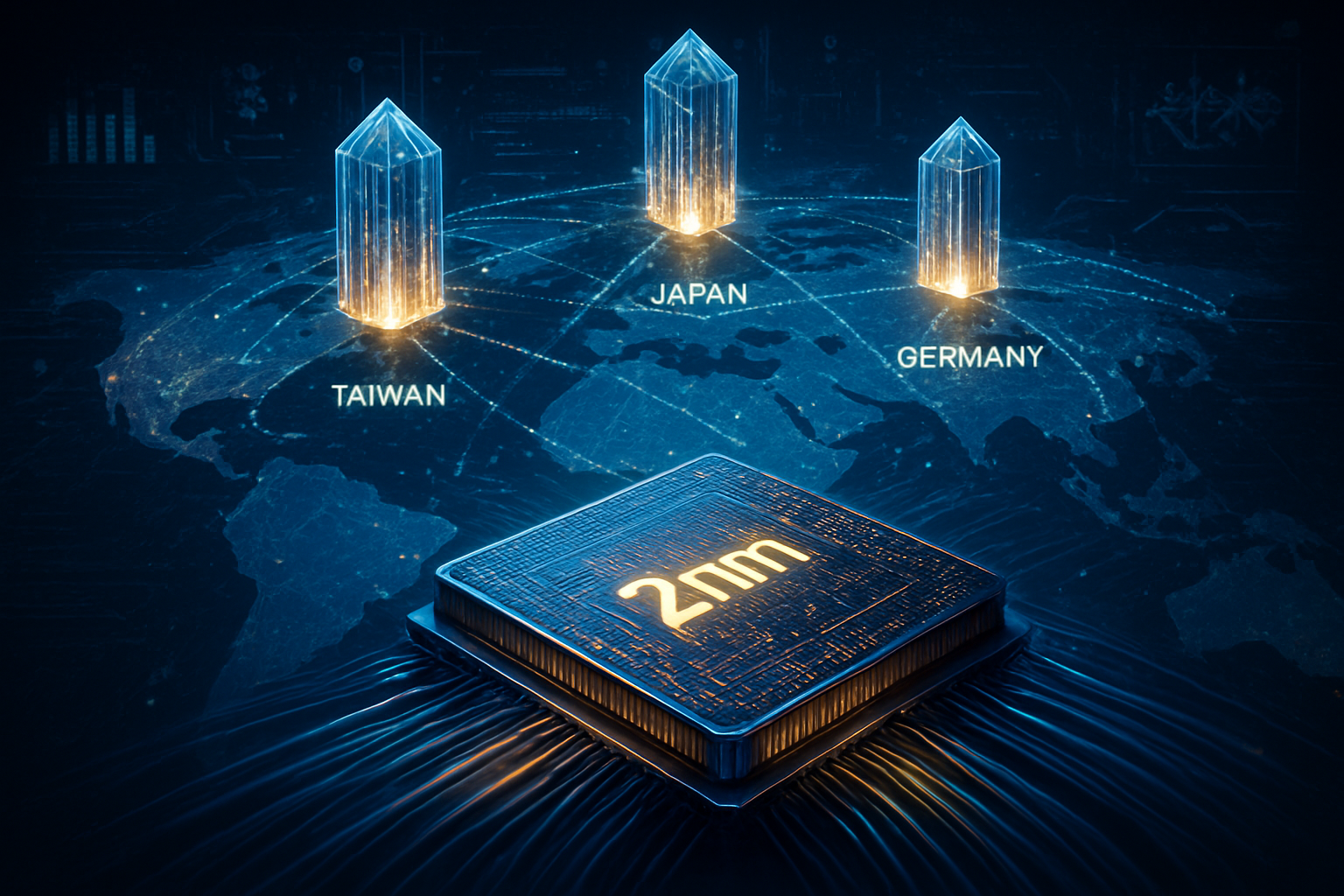
    Within Taiwan, the company is developing seven new facilities, including two 2nm production bases (with two fabs each in Hsinchu and Kaohsiung) and three advanced packaging facilities (AP8 in Tainan, CoWoS expansion in Taichung, and new CoWoS/SoIC investments in Chiayi). Mass production of 2nm chips is slated for the second half of 2025. Globally, TSMC is significantly expanding its footprint. In Arizona, USA, the total planned investment could reach an astounding US$165 billion, encompassing a first fab that began 4nm volume production in Q4 2024, a second 3nm fab with construction completed, and a third 2nm (or more advanced) fab that broke ground in April 2025. This U.S. expansion also includes plans for two advanced packaging facilities and a major R&D center. In Japan, the first fab in Kumamoto, a joint venture with Sony Semiconductor Solutions (TYO: 6758), DENSO (TYO: 6902), and Toyota (TYO: 7203), commenced mass production in late 2024. A second Kumamoto fab, focusing on 6nm, 7nm, and 40nm chips, is scheduled to begin construction in Q1 2025, targeting 2027 for mass production, with the total investment in JASM exceeding US$20 billion. Europe also enters the fray, with construction of TSMC's first European chip plant in Dresden, Germany, a joint venture with Infineon (ETR: IFX), NXP (NASDAQ: NXPI), and Robert Bosch, having begun in Q4 2024. This US$11 billion facility, supported by the European Chips Act, expects to start production in 2027. This multi-pronged, multi-continental strategy is a clear departure from previous approaches, which primarily concentrated advanced manufacturing in Taiwan, reflecting a profound shift in global semiconductor production paradigms.

    Reshaping the AI and Tech Industry Landscape

    TSMC's aggressive investment strategy has profound implications for AI companies, tech giants, and startups alike. Companies heavily reliant on cutting-edge chips for AI development and deployment, such as NVIDIA (NASDAQ: NVDA), Advanced Micro Devices (NASDAQ: AMD), Apple (NASDAQ: AAPL), and Qualcomm (NASDAQ: QCOM), stand to benefit immensely from TSMC's expanded capacity and advanced node development. The projected mass production of 2nm chips by late 2025 will provide these companies with the foundational hardware necessary to push the boundaries of AI, enabling more powerful processors for training large language models, accelerating inference, and developing next-generation AI applications.

    However, this expansion also carries competitive implications. While TSMC maintains over 90% market share in advanced chip manufacturing, rivals like Samsung Electronics (KRX: 005930) and Intel (NASDAQ: INTC) are also investing heavily to catch up. Intel, in particular, with its 'IDM 2.0' strategy, aims to reclaim its foundry leadership. TSMC's global diversification, while beneficial for customers seeking geographical supply chain resilience, may also lead to higher production costs. Chips produced in TSMC's Arizona fabs, for instance, are estimated to be 5-20% more expensive than those made in Taiwan. This cost differential could potentially impact the pricing strategies of AI hardware, though the benefits of a diversified, secure supply chain may outweigh the increased expense for many customers. The market positioning of TSMC as the premier pure-play foundry is only strengthened by these investments, solidifying its strategic advantage and making it an indispensable partner for any company at the forefront of AI innovation.

    Wider Significance: The Geopolitical and Economic Chessboard

    TSMC's investment offensive is deeply intertwined with the broader AI landscape and global geopolitical trends. The "chip war" between the U.S. and China, and the resulting push for supply chain resilience, is a primary catalyst. Governments worldwide, recognizing semiconductors as critical national security assets, are actively incentivizing domestic or allied-nation chip production through legislation like the U.S. CHIPS Act and the European Chips Act. These subsidies are crucial enablers of TSMC's overseas ventures, transforming what might otherwise be economically unfeasible projects into strategic necessities.

    The booming demand for AI and high-performance computing is the major economic driver. TSMC projects AI accelerator revenue growth to achieve a mid-40% compound annual growth rate (CAGR) for the five-year period starting 2024. This insatiable appetite for advanced processing power is fueling the need for TSMC's 3nm, 5nm, and upcoming 2nm chips. However, concerns persist regarding the "Silicon Shield" – the idea that Taiwan's central role in advanced chip manufacturing deters aggression. Diversifying production abroad, while addressing customer and governmental concerns, might subtly diminish this strategic leverage. Furthermore, the rising production costs, driven by the immense complexity and capital intensity of advanced manufacturing technologies like Extreme Ultraviolet (EUV) lithography, are expected to lead to price increases. TSMC anticipates hikes of up to 10% in 2025 for some advanced nodes, and potentially an average of 5-10% annually starting in 2026 for AI-related chips. This signifies a fundamental shift, potentially ending the era of predictably declining costs per transistor and ushering in a new reality where cutting-edge AI hardware becomes inherently more expensive.

    The Road Ahead: Challenges and Innovations

    Looking ahead, TSMC's trajectory suggests continued expansion and technological leadership, but not without challenges. Near-term developments will focus on bringing the numerous new fabs online, particularly the 2nm production in Taiwan and the 3nm/2nm facilities in Arizona. Long-term, the company will continue to push the boundaries of Moore's Law, exploring even more advanced nodes and packaging technologies like CoWoS and SoIC, which are critical for AI accelerators. Potential applications on the horizon include pervasive AI integration into every device, from autonomous vehicles to edge computing, all powered by TSMC's advanced silicon.

    However, significant challenges loom. Talent acquisition and retention, particularly for highly specialized engineers, will be critical for staffing the global network of fabs. Infrastructure constraints, such as ensuring sufficient electricity and water supply for massive fabrication plants, especially in water-stressed regions, remain a concern. Geopolitical stability is another ever-present variable; any escalation in tensions could disrupt supply chains or impact investment flows. Experts predict a sustained period of high capital expenditure and intense competition in the semiconductor industry, with TSMC likely to maintain its leadership position due to its technological prowess and robust ecosystem. The era of cheap, abundant chips may be drawing to a close, replaced by a landscape where strategic partnerships, government support, and technological innovation dictate success.

    A New Chapter for the Semiconductor King

    TSMC's current investment surge represents a pivotal moment in AI history and the global semiconductor industry. It's a comprehensive strategy to fortify its technological lead, diversify its manufacturing base, and solidify its indispensable role in powering the AI revolution. Key takeaways include the unprecedented scale of capital expenditure, the global distribution of new advanced fabs, and the dual drivers of booming AI demand and geopolitical necessity.

    This development's significance in AI history cannot be overstated. By ensuring a robust supply of cutting-edge chips, TSMC is directly enabling the next generation of AI breakthroughs. The long-term impact will be a more geographically diversified, albeit potentially more expensive, semiconductor supply chain, with Taiwan remaining the core of advanced R&D and critical mass production. What to watch for in the coming weeks and months includes further updates on construction timelines, any shifts in government subsidy policies, and the market's reaction to potential chip price increases. TSMC's journey is a microcosm of the broader technological and geopolitical shifts defining our era, where silicon truly is the new gold.


    This content is intended for informational purposes only and represents analysis of current AI developments.

    TokenRing AI delivers enterprise-grade solutions for multi-agent AI workflow orchestration, AI-powered development tools, and seamless remote collaboration platforms.
    For more information, visit https://www.tokenring.ai/.

  • The AI Gold Rush: How Surging Demand for Intelligence is Propelling Semiconductor Giants Like TSMC to Unprecedented Heights

    The AI Gold Rush: How Surging Demand for Intelligence is Propelling Semiconductor Giants Like TSMC to Unprecedented Heights

    The burgeoning demand for Artificial Intelligence (AI) technologies is forging an undeniable and profound link with the market valuation and performance of the world's leading semiconductor manufacturers. At the forefront of this revolution stands Taiwan Semiconductor Manufacturing Company (TSMC) (NYSE: TSM), the undisputed titan of chip fabrication. As AI permeates every facet of technology, from hyperscale data centers to advanced edge devices, the imperative for sophisticated processing power has cast a spotlight on the foundries capable of producing these intricate silicon brains, making companies like TSMC indispensable to the future of AI.

    This direct correlation highlights AI as not merely a growth driver but the primary catalyst reshaping the semiconductor landscape in 2025. The industry is witnessing a surge in revenue, market capitalization, and strategic importance, with TSMC's financial performance serving as a potent barometer of this AI-driven expansion. With AI chips alone constituting a significant portion of TSMC's revenue and its stock soaring to unprecedented levels, the narrative is clear: the quest for artificial intelligence is fueling an unprecedented gold rush in the silicon valleys of the world.

    The Silicon Crucible: TSMC's Technical Prowess and the AI Revolution

    The AI revolution is fundamentally transforming the semiconductor industry, creating an insatiable demand for advanced chips that can handle the immense computational loads required by modern AI models. This demand is not merely for more chips, but for increasingly specialized and powerful silicon, a niche where TSMC's technical capabilities shine. The company's leadership in advanced process technologies, particularly its 3-nanometer (nm) and 5nm nodes, is critical for manufacturing the cutting-edge AI accelerators and high-performance computing (HPC) chips that power the latest innovations from industry giants like NVIDIA (NASDAQ: NVDA), Apple (NASDAQ: AAPL), and AMD (NASDAQ: AMD).

    These advanced nodes enable the creation of chips with higher transistor density, improved power efficiency, and superior performance—all essential attributes for AI workloads ranging from complex neural network training to real-time inference at the edge. The technical specifications of these chips are staggering; they often integrate specialized neural processing units (NPUs), high-bandwidth memory (HBM), and intricate interconnect architectures designed to accelerate parallel processing. This differs significantly from previous approaches that relied more heavily on general-purpose CPUs; modern AI demands highly optimized hardware tailored for matrix multiplications and tensor operations. Initial reactions from the AI research community and industry experts have underscored TSMC's strategic importance, recognizing its foundries as the "manufacturing foundation of the AI era." They acknowledge that without TSMC's unparalleled fabrication capabilities, the pace of AI innovation would be severely hampered, making its technological advancements a critical bottleneck—or enabler—for the entire AI ecosystem.

    TSMC's continuous investment in research and development, pushing the boundaries of Moore's Law, allows it to consistently deliver process technologies that are a generation ahead of many competitors. This technological lead translates into a significant competitive advantage, as AI companies seek to maximize performance per watt and minimize latency in their AI deployments. The company's ability to reliably produce high yields of these complex chips further solidifies its position, as the cost and time-to-market for AI hardware are paramount. This technical superiority is not just about smaller transistors; it encompasses innovative packaging solutions like CoWoS (Chip-on-Wafer-on-Substrate) that enable the integration of multiple dies and HBM stacks into a single, high-performance package, further boosting the capabilities of AI accelerators.

    The impact of these technical specifications is evident in TSMC's financial performance. AI-led HPC demand, particularly for chips based on its 3nm and 5nm technologies, is a primary driver of the company's projected 30% annual revenue growth for 2025. In the second quarter of 2025, AI chips alone constituted approximately one-third, or $10 billion, of TSMC's $31.7 billion revenue, with HPC applications accounting for 60% of its total revenue. This demonstrates the direct and substantial contribution of advanced AI chip manufacturing to TSMC's bottom line, validating its technical investments and strategic focus.

    AI's Indispensable Partner: How TSMC Shapes the Competitive Landscape

    The profound influence of TSMC's manufacturing prowess extends directly to the competitive dynamics of the entire AI industry, profoundly affecting tech giants, specialized AI companies, and nascent startups alike. Companies that stand to benefit most from TSMC's advanced capabilities are those at the bleeding edge of AI hardware design, primarily major AI labs and tech behemoths like NVIDIA (NASDAQ: NVDA), Google (NASDAQ: GOOGL), and Apple (NASDAQ: AAPL). These firms rely on TSMC to bring their sophisticated chip designs, such as NVIDIA's H100 and upcoming B200 GPUs, Google's Tensor Processing Units (TPUs), and Apple's Neural Engine-equipped A-series chips, to life with the highest performance and efficiency.

    The competitive implications for major AI labs and tech companies are immense. Access to TSMC's leading-edge process nodes (3nm, 5nm) is not just an advantage; it's often a prerequisite for maintaining a competitive edge in AI development. Companies with guaranteed access to TSMC's limited advanced capacity can rapidly iterate on their AI hardware designs, integrate more complex features, and deliver higher-performing products to market faster. This creates a significant barrier to entry for smaller players or those reliant on less advanced foundries, exacerbating the concentration of power among a few dominant AI hardware providers. The strategic advantage lies not just in design, but in the ability to manufacture those designs at scale and with impeccable quality, a domain where TSMC is virtually unrivaled.

    This reliance on TSMC can also lead to potential disruptions. Any supply chain constraints, geopolitical tensions affecting Taiwan, or production issues at TSMC could have cascading effects throughout the AI industry, impacting the availability and cost of critical AI hardware. However, for now, TSMC's robust operations and continuous expansion plans mitigate some of these risks. Its market positioning is one of unparalleled indispensability; analysts frequently refer to TSMC as "the single most indispensable company in the AI supply chain" and "the manufacturing foundation of the AI era." Its strategic advantages include not only its technological lead but also its strong relationships with key customers, its proprietary intellectual property, and its consistent investment in next-generation manufacturing techniques.

    The impact on existing products and services is profound. AI-powered services across cloud computing, autonomous vehicles, natural language processing, and advanced robotics are all directly enabled and enhanced by the performance gains offered by TSMC-fabricated chips. For instance, the ability to train larger, more complex AI models in cloud data centers is directly tied to the availability of high-performance GPUs and accelerators. Startups aiming to develop innovative AI hardware solutions often face the challenge of securing foundry capacity that can match the performance demands of their designs, often leading them to partner with larger players who have established relationships with TSMC or to focus on niche applications that can utilize less cutting-edge, and thus more accessible, fabrication technologies. Ultimately, TSMC's role is not just as a manufacturer but as a key enabler and shaper of the competitive landscape in the rapidly evolving world of artificial intelligence.

    AI's Broader Canvas: Significance, Impacts, and Future Outlook

    The symbiotic relationship between surging AI demand and TSMC's (NYSE: TSM) semiconductor dominance fits seamlessly into the broader AI landscape and current technological trends, serving as a powerful indicator of the industry's trajectory. This phenomenon underscores a fundamental shift: AI is no longer a niche application but a core driver of technological advancement, demanding specialized hardware at an unprecedented scale. It highlights the critical importance of foundational infrastructure—the silicon—in realizing the ambitious visions of artificial intelligence. This trend aligns with the industry's move towards increasingly complex models, such as large language models (LLMs) and multi-modal AI, which necessitate immense computational power and efficient processing.

    The impacts of this dynamic are far-reaching. Economically, it fuels massive capital expenditure in the semiconductor sector, creating jobs, driving innovation in materials science and manufacturing processes, and bolstering the economies of regions where these advanced foundries are located. Geopolitically, TSMC's strategic indispensability, particularly given its location in Taiwan, has elevated semiconductors to a critical geopolitical asset. The fact that the U.S. alone sources 92% of its advanced chip supply from TSMC underscores the global strategic importance and potential vulnerabilities associated with this concentrated supply chain. Potential concerns include the risk of an "AI bubble" if investment outpaces tangible returns, and the environmental impact of increased energy consumption by both chip manufacturing and the AI data centers they power.

    Comparing this to previous AI milestones, the current surge in demand for AI-specific silicon is reminiscent of the internet boom's impact on network infrastructure or the mobile revolution's demand for smartphone components. However, the current scale and the specialized nature of AI hardware represent a new frontier. While previous breakthroughs like deep learning in the 2010s demonstrated AI's potential, the current era is defined by widespread deployment and commercialization, moving AI from research labs to everyday applications. This transition necessitates an entirely new level of hardware support.

    Looking ahead, the interplay between AI demand and semiconductor performance is expected to intensify. Near-term developments will likely see continued investment in advanced packaging technologies and further miniaturization of process nodes, pushing towards 2nm and beyond. Long-term, we can anticipate the emergence of entirely new chip architectures specifically designed for quantum computing or neuromorphic computing, which could fundamentally alter the demand landscape. Potential applications on the horizon include highly personalized AI assistants, fully autonomous systems, and breakthroughs in scientific discovery powered by AI.

    However, significant challenges remain. The escalating cost of developing and manufacturing at the leading edge requires massive capital investments and highly specialized talent. Energy efficiency will become an increasingly critical factor, as will the development of robust and secure AI supply chains that are resilient to geopolitical pressures. Experts predict that while the pace of growth might moderate slightly, the underlying demand for AI-enabling hardware will not wane. Major technology companies like Meta Platforms (NASDAQ: META), Alphabet (NASDAQ: GOOGL), Amazon.com (NASDAQ: AMZN), and Microsoft (NASDAQ: MSFT) are projected to significantly increase their AI infrastructure spending by 21% in 2026, collectively investing over $400 billion. This sustained investment ensures that companies like TSMC will remain at the epicenter of technological progress for the foreseeable future.

    The Indispensable Nexus: A Comprehensive Wrap-Up

    The journey into 2025 has unequivocally established an indispensable nexus between the escalating global demand for Artificial Intelligence and the surging performance and market valuation of leading semiconductor manufacturers, with Taiwan Semiconductor Manufacturing Company (TSMC) (NYSE: TSM) serving as the quintessential case study. The key takeaway is clear: TSMC is not merely a beneficiary of the AI boom; it is a fundamental enabler, its advanced fabrication capabilities acting as the crucial engine driving the innovation and deployment of AI technologies worldwide. Its consistent revenue growth, soaring market capitalization, and strategic positioning underscore its role as the backbone of the AI era.

    This development's significance in AI history cannot be overstated. It marks a period where the theoretical potential of AI is being rapidly translated into tangible products and services, a transformation heavily reliant on the underlying hardware infrastructure. The specialized and ever-increasing demand for advanced chips, particularly those leveraging TSMC's 3nm and 5nm process nodes, signifies a maturation of the AI industry where hardware capabilities are directly dictating the pace and scope of AI advancements. This moment will be remembered as the point where silicon became unequivocally synonymous with intelligence at scale.

    Looking ahead, the long-term impact of this dynamic is expected to be profound and enduring. TSMC's continued leadership in process technology and packaging solutions ensures its pivotal role in shaping the future of AI. The ongoing arms race in AI development will continue to fuel demand for ever more powerful and efficient chips, solidifying TSMC's position at the core of the global technology ecosystem.

    In the coming weeks and months, industry watchers should keenly observe several key indicators: TSMC's quarterly earnings reports for any shifts in AI-driven revenue proportions, announcements regarding new process node advancements and capacity expansions, and any statements from major AI hardware designers regarding their production roadmaps. Furthermore, the broader geopolitical landscape surrounding semiconductor supply chains will remain a critical factor to watch, as the world grapples with the strategic importance of advanced chip manufacturing. The AI revolution is in full swing, and TSMC stands firmly at its helm, charting the course for the next generation of intelligent machines.


    This content is intended for informational purposes only and represents analysis of current AI developments.

    TokenRing AI delivers enterprise-grade solutions for multi-agent AI workflow orchestration, AI-powered development tools, and seamless remote collaboration platforms.
    For more information, visit https://www.tokenring.ai/.
  • Navigating the AI Gold Rush: Fund Managers Grapple with TSMC Concentration Amidst Semiconductor Boom

    Navigating the AI Gold Rush: Fund Managers Grapple with TSMC Concentration Amidst Semiconductor Boom

    The artificial intelligence revolution is fueling an unprecedented surge in demand for advanced semiconductors, propelling the global chip market towards a projected trillion-dollar valuation by 2030. At the heart of this "silicon supercycle" lies Taiwan Semiconductor Manufacturing Company (TSMC) (NYSE: TSM), the undisputed leader in foundry services, whose cutting-edge fabrication capabilities are indispensable for the AI chips powering everything from data centers to generative AI models. However, for institutional fund managers, this concentrated reliance on TSMC presents a complex dilemma: how to capitalize on the explosive growth of AI semiconductors while navigating inherent investment limitations and significant geopolitical risks.

    This high-stakes environment forces fund managers to walk a tightrope, balancing the immense opportunities presented by AI's insatiable hunger for processing power with the very real challenges of portfolio overexposure and supply chain vulnerabilities. As the market cap of AI chip giants like Nvidia (NASDAQ: NVDA) dwarfs competitors, the pressure to invest in these critical enablers intensifies, even as strategic considerations around concentration and geopolitical stability necessitate careful, often self-imposed, investment caps on cornerstone companies like TSMC. The immediate significance for institutional investors is a heightened need for sophisticated risk management, strategic capital allocation, and a relentless search for diversification beyond the immediate AI darlings.

    The Indispensable Foundry and the AI Silicon Supercycle

    The insatiable demand for artificial intelligence is driving a profound transformation in the semiconductor industry, marked by a "silicon supercycle" that differs significantly from previous tech booms. This current surge is underpinned by the complex computational requirements of modern AI applications, particularly large language models (LLMs), generative AI, and advanced data center infrastructure. AI accelerators, including Graphics Processing Units (GPUs), Tensor Processing Units (TPUs), and Neural Processing Units (NPUs), are at the forefront of this demand. These specialized chips excel at parallel processing, a critical capability for machine learning algorithms, and often feature unique memory architectures like High-Bandwidth Memory (HBM) for ultra-fast data transfer. Their design prioritizes reduced precision arithmetic and energy efficiency, crucial for scaling AI operations.

    At the epicenter of this technological revolution is Taiwan Semiconductor Manufacturing Company (TSMC) (NYSE: TSM), an indispensable foundry whose technological leadership is unmatched. TSMC commands an estimated 70% of the global pure-play wafer foundry market, with its dominance in advanced process nodes (e.g., 3nm, 2nm) exceeding 90%. This means that roughly 90% of the world's most advanced semiconductors for high-performance computing (HPC) and AI are fabricated by TSMC. Major AI innovators like Nvidia (NASDAQ: NVDA), Apple (NASDAQ: AAPL), AMD (NASDAQ: AMD), Amazon (NASDAQ: AMZN), and Google (NASDAQ: GOOGL) are heavily reliant on TSMC for their cutting-edge AI chip designs. Beyond traditional manufacturing, TSMC's advanced packaging technologies, notably CoWoS (Chip-on-Wafer-on-Substrate), are pivotal. CoWoS integrates logic dies with HBM stacks, providing the ultra-fast data transmission and enhanced integration density required for AI supercomputing, with TSMC planning to triple its CoWoS production capacity by 2025.

    For fund managers, navigating this landscape is complicated by various investment limitations, often termed "stock caps." These are not always formal regulatory mandates but can be self-imposed or driven by broader diversification requirements. Regulatory frameworks like UCITS rules in Europe typically limit single-stock exposure to 10% of a fund's assets, while general portfolio diversification principles suggest limiting any individual holding to 10-20%. Sector-specific limits are also common. These caps are designed to manage portfolio risk, prevent over-reliance on a single asset, and ensure compliance. Consequently, even if a stock like TSMC or Nvidia demonstrates exceptional performance and strong fundamentals, fund managers might be compelled to underweight it relative to its market capitalization due to these concentration rules. This can restrict their ability to fully capitalize on growth but also mitigates potential downside risk.

    The current AI semiconductor boom stands in stark contrast to the dot-com bubble of the late 1990s. While that era was characterized by speculative hype, overpromising headlines, and valuations disconnected from revenue, today's AI surge is rooted in tangible real-world impact and established business models. Companies like Microsoft (NASDAQ: MSFT), Google, and Amazon are leading the charge, integrating AI into their core offerings and generating substantial revenue from APIs, subscriptions, and enterprise solutions. The demand for AI chips is driven by fundamental technological shifts and underlying earnings growth, rather than purely speculative future potential. While optimism is high, the financial community also exhibits a healthy degree of caution, with ongoing debates about a potential "AI bubble" and advice for selective investment. The tech community, meanwhile, emphasizes the continuous need for innovation in chip architecture and memory to keep pace with the exponentially growing computational demands of AI.

    Corporate Chessboard: Navigating Scarcity and Strategic Advantage

    The AI-driven semiconductor market, characterized by unprecedented demand and the bottleneck of advanced manufacturing capabilities, is profoundly reshaping the competitive landscape for AI companies, tech giants, and startups. This environment creates a corporate chessboard where strategic moves in chip design, supply chain management, and capital allocation determine who thrives.

    Tech giants, including Alphabet (NASDAQ: GOOGL), Amazon (NASDAQ: AMZN), Microsoft (NASDAQ: MSFT), and Meta (NASDAQ: META), are generally better positioned to navigate this high-stakes game. Their robust balance sheets and diversified portfolios enable them to absorb higher hardware costs and invest heavily in internal chip design capabilities. These companies are often priority customers for foundries like TSMC, securing crucial allocations of advanced chips. Many are actively developing custom AI silicon—such as Google's TPUs, Amazon's Trainium/Inferentia chips, and Apple's (NASDAQ: AAPL) neural engines—to reduce reliance on third-party vendors, optimize performance for specific AI workloads, and gain significant cost advantages. This trend towards vertical integration is a major competitive differentiator, with custom chips projected to capture over 40% of the AI chip market by 2030.

    Conversely, AI companies and startups, while brimming with innovation, face a more challenging environment. The soaring costs and potential supply chain constraints for advanced chips can create significant barriers to entry and scalability. Without the negotiating power or capital of tech giants, startups often encounter higher prices, longer lead times, and limited access to the most advanced silicon, which can slow their development cycles and create substantial financial hurdles. Some are adapting by optimizing their AI models for less powerful or older-generation chips, or by focusing on software-only solutions that can run on a wider range of hardware, though this can impact performance and market differentiation.

    The "TSMC stock caps," referring to the foundry's production capacity limitations, particularly for advanced packaging technologies like CoWoS, are a critical bottleneck. Despite TSMC's aggressive expansion plans to quadruple CoWoS output by late 2025, demand continues to outstrip supply, leading to higher prices and a relationship-driven market where long-term, high-margin customers receive priority. This scarcity intensifies the scramble for supply among tech giants and encourages them to diversify their foundry partners, potentially creating opportunities for competitors like Intel Foundry Services (NASDAQ: INTC) and Samsung Foundry (KRX: 005930). Companies like Nvidia (NASDAQ: NVDA), with its dominant GPU market share and proprietary CUDA software platform, continue to be primary beneficiaries, creating high switching costs for customers and reinforcing its market leadership. AMD (NASDAQ: AMD) is making significant inroads with its MI300X chip, positioning itself as a full-stack rival, while memory suppliers like SK Hynix (KRX: 000660), Samsung Electronics, and Micron Technology (NASDAQ: MU) are seeing surging demand for High-Bandwidth Memory (HBM). The overarching competitive implication is a rapid acceleration towards vertical integration, diversified sourcing, and relentless innovation in chip architecture and packaging to secure a strategic advantage in the AI era. This intense competition and supply chain strain also risk disrupting existing products and services across various industries, leading to increased costs, delayed AI project deployments, and potentially slower innovation across the board if not addressed strategically.

    A Geopolitical Chessboard and the New Industrial Revolution

    The AI-driven semiconductor market is far more than a mere component supplier; it is the indispensable architect shaping the trajectory of artificial intelligence itself, with profound wider significance for the global economy, geopolitics, and technological advancement. This market is experiencing explosive growth, with AI chips alone projected to reach US$400 billion in sales by 2027, driven by the insatiable demand for processing power across all AI applications.

    This boom fits squarely into the broader AI landscape as the fundamental enabler of advanced AI. From the training of massive generative AI models like Google's Gemini and OpenAI's Sora to the deployment of sophisticated edge AI in autonomous vehicles and IoT devices, specialized semiconductors provide the speed, energy efficiency, and computational muscle required. This symbiotic relationship creates a "virtuous cycle of innovation": AI fuels advancements in chip design and manufacturing, and better chips, in turn, unlock more sophisticated AI capabilities. This era stands apart from previous AI milestones, such as the early AI of the 1950s-80s or even the deep learning era of the 2010s, by the sheer scale and complexity of the models and the absolute reliance on high-performance, specialized hardware.

    TSMC's (NYSE: TSM) indispensable role as the "unseen architect" of this ecosystem, manufacturing over 90% of the world's most advanced chips, places it at the nexus of intense geopolitical competition. The concentration of its cutting-edge fabrication facilities in Taiwan, merely 110 miles from mainland China, creates a critical "chokepoint" in the global supply chain. This geographic vulnerability means that geopolitical tensions in the Taiwan Strait could have catastrophic global economic and technological consequences, impacting everything from smartphones to national defense systems. The "chip war" between the U.S. and China, characterized by export controls and retaliatory measures, further underscores the strategic importance of these chips, compelling nations to seek greater technological sovereignty and diversify supply chains.

    Beyond geopolitics, significant concerns arise from the economic concentration within the AI semiconductor industry. While the boom generates substantial profits, these gains are largely concentrated among a handful of dominant players, reinforcing the market power of companies like Nvidia (NASDAQ: NVDA) and TSMC. This creates barriers to entry for smaller firms and can lead to economic disparities. Furthermore, the immense energy consumption of AI training and large data centers, coupled with the resource-intensive nature of semiconductor manufacturing, raises serious environmental sustainability concerns. The rapid advancement of AI, enabled by these chips, also brings societal implications related to data privacy, algorithmic bias, and potential job displacement, demanding careful ethical consideration and proactive policy development. The long-term trend points towards pushing beyond Moore's Law with advanced packaging, exploring neuromorphic and quantum computing, and a relentless focus on energy efficiency, with AI itself becoming a co-creator in designing the next generation of semiconductors.

    The Road Ahead: Innovation, Specialization, and Strategic Adaptation

    The AI-driven semiconductor market is poised for continued explosive growth and transformative evolution, promising a future defined by ever-more sophisticated AI capabilities. In the near term, the focus remains on specialized chip architectures: advancements in Neural Processing Units (NPUs) for consumer devices, custom Application-Specific Integrated Circuits (ASICs) for dedicated AI tasks, and relentless innovation in Graphics Processing Units (GPUs) and Tensor Processing Units (TPUs) for high-performance computing. Critically, the demand for High-Bandwidth Memory (HBM) and advanced packaging technologies will intensify, as they are crucial for overcoming performance bottlenecks and enhancing energy efficiency. The push for AI at the edge, bringing processing closer to data sources, will also drive demand for low-power, high-performance chips in everything from smartphones to industrial sensors.

    Looking further ahead, long-term developments will venture into more revolutionary territory. Breakthroughs in on-chip optical communication using silicon photonics, novel power delivery methods, and advanced liquid cooling systems for massive GPU server clusters are on the horizon. Experts predict the semiconductor industry could reach a staggering $1.3 trillion by 2030, with generative AI alone contributing an additional $300 billion. The industry is also actively exploring neuromorphic designs, chips that mimic the human brain's structure and function, promising unprecedented efficiency for AI workloads. Continuous miniaturization to 3nm and beyond, coupled with AI-driven automation of chip design and manufacturing, will be pivotal in sustaining this growth trajectory.

    These advancements will unlock a vast array of new applications and use cases. In consumer electronics, AI-powered chips will enable real-time language translation, personalized health monitoring, and more intuitive device interactions. The automotive sector will see further leaps in Advanced Driver-Assistance Systems (ADAS) and fully autonomous vehicles, driven by AI semiconductors' ability for real-time decision-making. Data centers and cloud computing will continue to be foundational, processing the immense data volumes required by machine learning and generative AI. Edge computing will proliferate, enabling critical real-time decisions in industrial automation, smart infrastructure, and IoT devices. Healthcare will benefit from AI in diagnostics, personalized medicine, and advanced robotics, while telecommunications will leverage AI for enhanced 5G network management and predictive maintenance.

    However, this future is not without its challenges. The escalating costs of innovation, particularly for designing and manufacturing chips at smaller process nodes, create significant financial barriers. The increasing complexity of chip designs demands continuous advancements in automation and error detection. Power consumption and energy efficiency remain critical concerns, as large AI models require immense computational power, leading to high energy consumption and heat generation. Geopolitical tensions and supply chain constraints, as highlighted by the TSMC situation, will continue to drive efforts towards diversifying manufacturing footprints globally. Furthermore, talent shortages in this highly specialized field could hinder market expansion, and the environmental impact of resource-intensive chip production and AI operations will require sustainable solutions.

    For fund managers, navigating this dynamic landscape requires a nuanced and adaptive strategy. Experts advise focusing on key enablers and differentiated players within the AI infrastructure, such as leading GPU manufacturers (e.g., Nvidia (NASDAQ: NVDA)), advanced foundry services (e.g., TSMC (NYSE: TSM)), and suppliers of critical components like HBM. A long-term vision is paramount, as the market, despite its strong growth trends, is prone to cyclical fluctuations and potential "bumpy rides." Diversification beyond pure-play AI chips to include companies benefiting from the broader AI ecosystem (e.g., cooling solutions, power delivery, manufacturing equipment) can mitigate concentration risk. Fund managers must also monitor geopolitical and policy shifts, such as the U.S. CHIPS Act, which directly impact capital allocation and supply chain resilience. Finally, a cautious approach to valuations, focusing on companies with clear monetization pathways and sustainable business models, will be crucial to distinguish genuine growth from speculative hype in this rapidly evolving market.

    The Silicon Bedrock: A Future Forged in AI Chips

    The AI-driven semiconductor market stands as a pivotal force, reshaping the global technological and economic landscape with both unparalleled opportunities and significant challenges. At its core, this transformation is fueled by the insatiable demand for advanced computing power required by artificial intelligence, particularly generative AI and large language models. Taiwan Semiconductor Manufacturing Company (TSMC) (NYSE: TSM) remains an indispensable titan, underpinning the entire ecosystem with its cutting-edge manufacturing capabilities.

    Key Takeaways: The current era is defined by an "AI Supercycle," a symbiotic relationship where AI drives demand for increasingly sophisticated chips, and semiconductor advancements, in turn, unlock more powerful AI capabilities. Foundries like TSMC are not merely suppliers but fundamental global infrastructure pillars, with their manufacturing prowess dictating the pace of AI innovation. This necessitates massive capital investments across the industry to expand manufacturing capacity, driven by the relentless demand from hyperscale data centers and other AI applications. Consequently, semiconductors have ascended to a central role in global economics and national security, making geopolitical stability and supply chain resilience paramount.

    Significance in AI History: The developments in AI semiconductors represent a monumental milestone in AI history, akin to the invention of the transistor or the integrated circuit. They have enabled the exponential growth in data processing capabilities, extending the spirit of Moore's Law, and laying the foundation for transformative AI innovations. The unique aspect of this era is that AI itself is now actively shaping the very hardware foundation upon which its future capabilities will be built, creating a self-reinforcing loop of innovation that promises to redefine computing.

    Long-Term Impact: The long-term impact of AI on the semiconductor market is projected to be profoundly transformative. The industry is poised for sustained growth, fostering greater efficiency, innovation, and strategic planning. AI's contribution to global economic output is forecasted to be substantial, leading to a world where computing is more powerful, efficient, and inherently intelligent. AI will be embedded at every level of the hardware stack, permeating every facet of human life. The trend towards custom AI chips could also decentralize market power, fostering a more diverse and specialized ecosystem.

    What to Watch For in the Coming Weeks and Months: Investors and industry observers should closely monitor TSMC's progress in expanding its production capacity, particularly for advanced nodes and CoWoS packaging, as major clients like Nvidia (NASDAQ: NVDA) continue to request increased chip supplies. Announcements regarding new AI chip architectures and innovations from major players and emerging startups will signal the next wave of technological advancement. Global trade policies, especially those impacting U.S.-China semiconductor relations, will remain a critical factor, as they can reshape supply chains and market dynamics. Continued strategic investments by tech giants and semiconductor leaders in R&D and manufacturing will indicate confidence in long-term AI growth. Finally, market sentiment regarding AI stock valuations and any further indications of market corrections, particularly in light of TSMC's recent slowdown in monthly revenue growth, will be crucial. The pursuit of energy-efficient chip designs and sustainable manufacturing practices will also gain increasing prominence, driven by growing environmental concerns.

    The future of AI and, indeed, much of the digital world, will continue to be forged in silicon. The dynamic interplay between AI demand and semiconductor innovation will undoubtedly remain a dominant theme for the foreseeable future, demanding vigilance and strategic foresight from all participants.


    This content is intended for informational purposes only and represents analysis of current AI developments.

    TokenRing AI delivers enterprise-grade solutions for multi-agent AI workflow orchestration, AI-powered development tools, and seamless remote collaboration platforms.
    For more information, visit https://www.tokenring.ai/.
  • The Silicon Supercycle: How Semiconductors Fuel the AI Data Center Revolution

    The Silicon Supercycle: How Semiconductors Fuel the AI Data Center Revolution

    The burgeoning field of Artificial Intelligence, particularly the explosive growth of generative AI and large language models (LLMs), has ignited an unprecedented demand for computational power, placing the semiconductor industry at the absolute epicenter of the global AI economy. Far from being mere component suppliers, semiconductor manufacturers have become the strategic enablers, designing the very infrastructure that allows AI to learn, evolve, and integrate into nearly every facet of modern life. As of November 10, 2025, the synergy between AI and semiconductors is driving a "silicon supercycle," transforming data centers into specialized powerhouses and reshaping the technological landscape at an astonishing pace.

    This profound interdependence means that advancements in chip design, manufacturing processes, and architectural solutions are directly dictating the pace and capabilities of AI development. Global semiconductor revenue, significantly propelled by this insatiable demand for AI data center chips, is projected to reach $800 billion in 2025, an almost 18% increase from 2024. By 2030, AI is expected to account for nearly half of the semiconductor industry's capital expenditure, underscoring the critical and expanding role of silicon in supporting the infrastructure and growth of data centers.

    Engineering the AI Brain: Technical Innovations Driving Data Center Performance

    The core of AI’s computational prowess lies in highly specialized semiconductor technologies that vastly outperform traditional general-purpose CPUs for parallel processing tasks. This has led to a rapid evolution in chip architectures, memory solutions, and networking interconnects, each pushing the boundaries of what AI can achieve.

    NVIDIA (NASDAQ: NVDA), a dominant force, continues to lead with its cutting-edge GPU architectures. The Hopper generation, exemplified by the H100 GPU (launched in 2022), significantly advanced AI processing with its fourth-generation Tensor Cores and Transformer Engine, dynamically adjusting precision for up to 6x faster training of models like GPT-3 compared to its Ampere predecessor. Hopper also introduced NVLink 4.0 for faster multi-GPU communication and utilized HBM3 memory, delivering 3 TB/s bandwidth. Looking ahead, the NVIDIA Blackwell architecture (e.g., B200, GB200), announced in 2024 and expected to ship in late 2024/early 2025, represents a revolutionary leap. Blackwell employs a dual-GPU chiplet design, connecting two massive 104-billion-transistor chips with a 10 TB/s NVLink bridge, effectively acting as a single logical processor. It introduces 4-bit and 6-bit FP math, slashing data movement by 75% while maintaining accuracy, and boasts NVLink 5.0 for 1.8 TB/s GPU-to-GPU bandwidth. The industry reaction to Blackwell has been overwhelmingly positive, with demand described as "insane" and orders reportedly sold out for the next 12 months, cementing its status as a game-changer for generative AI.

    Beyond general-purpose GPUs, hyperscale cloud providers are heavily investing in custom Application-Specific Integrated Circuits (ASICs) to optimize performance and reduce costs for their specific AI workloads. Google's (NASDAQ: GOOGL) Tensor Processing Units (TPUs) are custom-designed for neural network machine learning, particularly with TensorFlow. With the latest TPU v7 Ironwood (announced in 2025), Google claims a more than fourfold speed increase over its predecessor, designed for large-scale inference and capable of scaling up to 9,216 chips for training massive AI models, offering 192 GB of HBM and 7.37 TB/s HBM bandwidth per chip. Similarly, Amazon Web Services (AWS) (NASDAQ: AMZN) offers purpose-built machine learning chips: Inferentia for inference and Trainium for training. Inferentia2 (2022) provides 4x the throughput of its predecessor for LLMs and diffusion models, while Trainium2 delivers up to 4x the performance of Trainium1 and 30-40% better price performance than comparable GPU instances. These custom ASICs are crucial for optimizing efficiency, giving cloud providers greater control over their AI infrastructure, and reducing reliance on external suppliers.

    High Bandwidth Memory (HBM) is another critical technology, addressing the "memory wall" bottleneck. HBM3, standardized in 2022, offers up to 3 TB/s of memory bandwidth, nearly doubling HBM2e. Even more advanced, HBM3E, utilized in chips like Blackwell, pushes pin speeds beyond 9.2 Gbps, achieving over 1.2 TB/s bandwidth per placement and offering increased capacity. HBM's exceptional bandwidth and low power consumption are vital for feeding massive datasets to AI accelerators, dramatically accelerating training and reducing inference latency. However, its high cost (50-60% of a high-end AI GPU) and severe supply chain crunch make it a strategic bottleneck. Networking solutions like NVIDIA's InfiniBand, with speeds up to 800 Gbps, and the open industry standard Compute Express Link (CXL) are also paramount. CXL 3.0, leveraging PCIe 6.0, enables memory pooling and sharing across multiple hosts and accelerators, crucial for efficient memory allocation to large AI models. Furthermore, silicon photonics is revolutionizing data center networking by integrating optical components onto silicon chips, offering ultra-fast, energy-efficient, and compact optical interconnects. Companies like NVIDIA are actively integrating silicon photonics directly with their switch ICs, signaling a paradigm shift in data communication essential for overcoming electrical limitations.

    The AI Arms Race: Reshaping Industries and Corporate Strategies

    The advancements in AI semiconductors are not just technical marvels; they are profoundly reshaping the competitive landscape, creating immense opportunities for some while posing significant challenges for others. This dynamic has ignited an "AI arms race" that is redefining industry leadership and strategic priorities.

    NVIDIA (NASDAQ: NVDA) remains the undisputed leader, commanding over 80% of the market for AI training and deployment GPUs. Its comprehensive ecosystem of hardware and software, including CUDA, solidifies its market position, making its GPUs indispensable for virtually all major AI labs and tech giants. Competitors like AMD (NASDAQ: AMD) are making significant inroads with their MI300 series of AI accelerators, securing deals with major AI labs like OpenAI, and offering competitive CPUs and GPUs. Intel (NASDAQ: INTC) is also striving to regain ground with its Gaudi 3 chip, emphasizing competitive pricing and chiplet-based architectures. These direct competitors are locked in a fierce battle for market share, with continuous innovation being the only path to sustained relevance.

    The hyperscale cloud providers—Google (NASDAQ: GOOGL), Amazon (NASDAQ: AMZN), and Microsoft (NASDAQ: MSFT)—are investing hundreds of billions of dollars in AI and the data centers to support it. Crucially, they are increasingly designing their own proprietary AI chips, such as Google’s TPUs, Amazon’s Trainium/Inferentia, and Microsoft’s Maia 100 and Cobalt CPUs. This strategic move aims to reduce reliance on external suppliers like NVIDIA, optimize performance for their specific cloud ecosystems, and achieve significant cost savings. This in-house chip development intensifies competition for traditional chipmakers and gives these tech giants a substantial competitive edge in offering cutting-edge AI services and platforms.

    Foundries like TSMC (NYSE: TSM) and Samsung (KRX: 005930) are critical enablers, offering superior process nodes (e.g., 3nm, 2nm) and advanced packaging technologies. Memory manufacturers such as Micron (NASDAQ: MU) and SK Hynix (KRX: 000660) are vital for High-Bandwidth Memory (HBM), which is in severe shortage and commands higher margins, highlighting its strategic importance. The demand for continuous innovation, coupled with the high R&D and manufacturing costs, creates significant barriers to entry for many AI startups. While innovative, these smaller players often face higher prices, longer lead times, and limited access to advanced chips compared to tech giants, though cloud-based design tools are helping to lower some of these hurdles. The entire industry is undergoing a fundamental reordering, with market positioning and strategic advantages tied to continuous innovation, advanced manufacturing, ecosystem development, and massive infrastructure investments.

    Broader Implications: An AI-Driven World with Mounting Challenges

    The critical and expanding role of semiconductors in AI data centers extends far beyond corporate balance sheets, profoundly impacting the broader AI landscape, global trends, and presenting a complex array of societal and geopolitical concerns. This era marks a significant departure from previous AI milestones, where hardware is now actively driving the next wave of breakthroughs.

    Semiconductors are foundational to current and future AI trends, enabling the training and deployment of increasingly complex models like LLMs and generative AI. Without these advancements, the sheer scale of modern AI would be economically unfeasible and environmentally unsustainable. The shift from general-purpose to specialized processing, from early CPU-centric AI to today's GPU, ASIC, and NPU dominance, has been instrumental in making deep learning, natural language processing, and computer vision practical realities. This symbiotic relationship fosters a virtuous cycle where hardware innovation accelerates AI capabilities, which in turn demands even more advanced silicon, driving economic growth and investment across various sectors.

    However, this rapid advancement comes with significant challenges: Energy consumption stands out as a paramount concern. AI data centers are remarkably energy-intensive, with global power demand projected to nearly double to 945 TWh by 2030, largely driven by AI servers that consume 7 to 8 times more power than general CPU-based servers. This surge outstrips the rate at which new electricity is added to grids, leading to increased carbon emissions and straining existing infrastructure. Addressing this requires developing more energy-efficient processors, advanced cooling solutions like direct-to-chip liquid cooling, and AI-optimized software for energy management.

    The global supply chain for semiconductors is another critical vulnerability. Over 90% of the world's most advanced chips are manufactured in Taiwan and South Korea, while the US leads in design and manufacturing equipment, and the Netherlands (ASML Holding NV (NASDAQ: ASML)) holds a near monopoly on advanced lithography machines. This geographic concentration creates significant risks from natural disasters, geopolitical crises, or raw material shortages. Experts advocate for diversifying suppliers, investing in local fabrication units, and securing long-term contracts. Furthermore, geopolitical issues have intensified, with control over advanced semiconductors becoming a central point of strategic rivalry. Export controls and trade restrictions, particularly from the US targeting China, reflect national security concerns and aim to hinder access to advanced chips and manufacturing equipment. This "tech decoupling" is leading to a restructuring of global semiconductor networks, with nations striving for domestic manufacturing capabilities, highlighting the dual-use nature of AI chips for both commercial and military applications.

    The Horizon: AI-Native Data Centers and Neuromorphic Dreams

    The future of AI semiconductors and data centers points towards an increasingly specialized, integrated, and energy-conscious ecosystem, with significant developments expected in both the near and long term. Experts predict a future where AI and semiconductors are inextricably linked, driving monumental growth and innovation, with the overall semiconductor market on track to reach $1 trillion before the end of the decade.

    In the near term (1-5 years), the dominance of advanced packaging technologies like 2.5D/3D stacking and heterogeneous integration will continue to grow, pushing beyond traditional Moore's Law scaling. The transition to smaller process nodes (2nm and beyond) using High-NA EUV lithography will become mainstream, yielding more powerful and energy-efficient AI chips. Enhanced cooling solutions, such as direct-to-chip liquid cooling and immersion cooling, will become standard as heat dissipation from high-density AI hardware intensifies. Crucially, the shift to optical interconnects, including co-packaged optics (CPO) and silicon photonics, will accelerate, enabling ultra-fast, low-latency data transmission with significantly reduced power consumption within and between data center racks. AI algorithms will also increasingly manage and optimize data center operations themselves, from workload management to predictive maintenance and energy efficiency.

    Looking further ahead (beyond 5 years), long-term developments include the maturation of neuromorphic computing, inspired by the human brain. Chips like Intel's (NASDAQ: INTC) Loihi and IBM's (NYSE: IBM) NorthPole aim to revolutionize AI hardware by mimicking neural networks for significant energy efficiency and on-device learning. While still largely in research, these systems could process and store data in the same location, potentially reducing data center workloads by up to 90%. Breakthroughs in novel materials like 2D materials and carbon nanotubes could also lead to entirely new chip architectures, surpassing silicon's limitations. The concept of "AI-native data centers" will become a reality, with infrastructure designed from the ground up for AI workloads, optimizing hardware layout, power density, and cooling systems for massive GPU clusters. These advancements will unlock a new wave of applications, from more sophisticated generative AI and LLMs to pervasive edge AI in autonomous vehicles and robotics, real-time healthcare diagnostics, and AI-powered solutions for climate change. However, challenges persist, including managing the escalating power consumption, the immense cost and complexity of advanced manufacturing, persistent memory bottlenecks, and the critical need for a skilled labor force in advanced packaging and AI system development.

    The Indispensable Engine of AI Progress

    The semiconductor industry stands as the indispensable engine driving the AI revolution, a role that has become increasingly critical and complex as of November 10, 2025. The relentless pursuit of higher computational density, energy efficiency, and faster data movement through innovations in GPU architectures, custom ASICs, HBM, and advanced networking is not just enabling current AI capabilities but actively charting the course for future breakthroughs. The "silicon supercycle" is characterized by monumental growth and transformation, with AI driving nearly half of the semiconductor industry's capital expenditure by 2030, and global data center capital expenditure projected to reach approximately $1 trillion by 2028.

    This profound interdependence means that the pace and scope of AI's development are directly tied to semiconductor advancements. While companies like NVIDIA, AMD, and Intel are direct beneficiaries, tech giants are increasingly asserting their independence through custom chip development, reshaping the competitive landscape. However, this progress is not without its challenges: the soaring energy consumption of AI data centers, the inherent vulnerabilities of a highly concentrated global supply chain, and the escalating geopolitical tensions surrounding access to advanced chip technology demand urgent attention and collaborative solutions.

    As we move forward, the focus will intensify on "performance per watt" rather than just performance per dollar, necessitating continuous innovation in chip design, cooling, and memory to manage escalating power demands. The rise of "AI-native" data centers, managed and optimized by AI itself, will become the standard. What to watch for in the coming weeks and months are further announcements on next-generation chip architectures, breakthroughs in sustainable cooling technologies, strategic partnerships between chipmakers and cloud providers, and how global policy frameworks adapt to the geopolitical realities of semiconductor control. The future of AI is undeniably silicon-powered, and the industry's ability to innovate and overcome these multifaceted challenges will ultimately determine the trajectory of artificial intelligence for decades to come.


    This content is intended for informational purposes only and represents analysis of current AI developments.

    TokenRing AI delivers enterprise-grade solutions for multi-agent AI workflow orchestration, AI-powered development tools, and seamless remote collaboration platforms.
    For more information, visit https://www.tokenring.ai/.
  • The Silicon Supercycle: How AI Chip Demand is Reshaping the Semiconductor Industry

    The Silicon Supercycle: How AI Chip Demand is Reshaping the Semiconductor Industry

    The year 2025 marks a pivotal moment in the technology landscape, as the insatiable demand for Artificial Intelligence (AI) chips ignites an unprecedented "AI Supercycle" within the semiconductor industry. This isn't merely a period of incremental growth but a fundamental transformation, driving innovation, investment, and strategic realignments across the global tech sector. With the global AI chip market projected to exceed $150 billion in 2025 and potentially reaching $459 billion by 2032, the foundational hardware enabling the AI revolution has become the most critical battleground for technological supremacy.

    This escalating demand, primarily fueled by the exponential growth of generative AI, large language models (LLMs), and high-performance computing (HPC) in data centers, is pushing the boundaries of chip design and manufacturing. Companies across the spectrum—from established tech giants to agile startups—are scrambling to secure access to the most advanced silicon, recognizing that hardware innovation is now paramount to their AI ambitions. This has immediate and profound implications for the entire semiconductor ecosystem, from leading foundries like TSMC to specialized players like Tower Semiconductor, as they navigate the complexities of unprecedented growth and strategic shifts.

    The Technical Crucible: Architecting the AI Future

    The advanced AI chips driving this supercycle are a testament to specialized engineering, representing a significant departure from previous generations of general-purpose processors. Unlike traditional CPUs designed for sequential task execution, modern AI accelerators are built for massive parallel computation, performing millions of operations simultaneously—a necessity for training and inference in complex AI models.

    Key technical advancements include highly specialized architectures such as Graphics Processing Units (GPUs) with dedicated hardware like Tensor Cores and Transformer Engines (e.g., NVIDIA's Blackwell architecture), Tensor Processing Units (TPUs) optimized for tensor operations (e.g., Google's Ironwood TPU), and Application-Specific Integrated Circuits (ASICs) custom-built for particular AI workloads, offering superior efficiency. Neural Processing Units (NPUs) are also crucial for enabling AI at the edge, combining parallelism with low power consumption. These architectures allow cutting-edge AI chips to be orders of magnitude faster and more energy-efficient for AI algorithms compared to general-purpose CPUs.

    Manufacturing these marvels involves cutting-edge process nodes like 3nm and 2nm, enabling billions of transistors to be packed into a single chip, leading to increased speed and energy efficiency. Taiwan Semiconductor Manufacturing Company (TSMC) (NYSE: TSM), the undisputed leader in advanced foundry technology, is at the forefront, actively expanding its 3nm production, with NVIDIA (NASDAQ: NVDA) alone requesting a 50% increase in 3nm wafer production for its Blackwell and Rubin AI GPUs. All three major wafer makers (TSMC, Samsung, and Intel (NASDAQ: INTC)) are expected to enter 2nm mass production in 2025. Complementing these smaller transistors is High-Bandwidth Memory (HBM), which provides significantly higher memory bandwidth than traditional DRAM, crucial for feeding vast datasets to AI models. Advanced packaging techniques like TSMC's CoWoS (Chip-on-Wafer-on-Substrate) and SoIC (System-on-Integrated-Chips) are also vital, arranging multiple chiplets and HBM stacks on an intermediary chip to facilitate high-bandwidth communication and overcome data transfer bottlenecks.

    Initial reactions from the AI research community and industry experts are overwhelmingly optimistic, viewing AI as the "backbone of innovation" for the semiconductor sector. However, this optimism is tempered by concerns about market volatility and a persistent supply-demand imbalance, particularly for high-end components and HBM, predicted to continue well into 2025.

    Corporate Chessboard: Shifting Power Dynamics

    The escalating demand for AI chips is profoundly reshaping the competitive landscape, creating immense opportunities for some while posing strategic challenges for others. This silicon gold rush has made securing production capacity and controlling the supply chain as critical as technical innovation itself.

    NVIDIA (NASDAQ: NVDA) remains the dominant force, having achieved a historic $5 trillion valuation in November 2025, largely due to its leading position in AI accelerators. Its H100 Tensor Core GPU and next-generation Blackwell architecture continue to be in "very strong demand," cementing its role as a primary beneficiary. However, its market dominance (estimated 70-90% share) is being increasingly challenged.

    Other Tech Giants like Google (NASDAQ: GOOGL), Amazon (NASDAQ: AMZN), Microsoft (NASDAQ: MSFT), and Meta Platforms (NASDAQ: META) are making massive investments in proprietary silicon to reduce their reliance on NVIDIA and optimize for their expansive cloud ecosystems. These hyperscalers are collectively projected to spend over $400 billion on AI infrastructure in 2026. Google, for instance, unveiled its seventh-generation Tensor Processing Unit (TPU), Ironwood, in November 2025, promising more than four times the performance of its predecessor for large-scale AI inference. This strategic shift highlights a move towards vertical integration, aiming for greater control over costs, performance, and customization.

    Startups face both opportunities and hurdles. While the high cost of advanced AI infrastructure can be a barrier, the rise of "AI factories" offering GPU-as-a-service allows them to access necessary compute without massive upfront investments. Startups focused on AI optimization and specialized workloads are attracting increased investor interest, though some face challenges with unclear monetization pathways despite significant operating costs.

    Foundries and Specialized Manufacturers are experiencing unprecedented growth. TSMC (NYSE: TSM) is indispensable, producing approximately 90% of the world's most advanced semiconductors. Its advanced wafer capacity is in extremely high demand, with over 28% of its total capacity allocated to AI chips in 2025. TSMC has reportedly implemented price increases of 5-10% for its 3nm/5nm processes and 15-20% for CoWoS advanced packaging in 2025, reflecting its critical position. The company is reportedly planning up to 12 new advanced wafer and packaging plants in Taiwan next year to meet overwhelming demand.

    Tower Semiconductor (NASDAQ: TSEM) is another significant beneficiary, with its valuation surging to an estimated $10 billion around November 2025. The company specializes in cutting-edge Silicon Photonics (SiPho) and Silicon Germanium (SiGe) technologies, which are crucial for high-speed data centers and AI applications. Tower's SiPho revenue tripled in 2024 to over $100 million and is expected to double again in 2025, reaching an annualized run rate exceeding $320 million by Q4 2025. The company is investing an additional $300 million to boost capacity and advance its SiGe and SiPho capabilities, giving it a competitive advantage in enabling the AI supercycle, particularly in the transition towards co-packaged optics (CPO).

    Other beneficiaries include AMD (NASDAQ: AMD), gaining significant traction with its MI300 series, and memory makers like SK Hynix (KRX: 000660), Samsung Electronics (KRX: 005930), and Micron Technology (NASDAQ: MU), which are rapidly scaling up High-Bandwidth Memory (HBM) production, essential for AI accelerators.

    Wider Significance: The AI Supercycle's Broad Impact

    The AI chip demand trend of 2025 is more than a market phenomenon; it is a profound transformation reshaping the broader AI landscape, triggering unprecedented innovation while simultaneously raising critical concerns.

    This "AI Supercycle" is driving aggressive advancements in hardware design. The industry is moving towards highly specialized silicon, such as NPUs, TPUs, and custom ASICs, which offer superior efficiency for specific AI workloads. This has spurred a race for advanced manufacturing and packaging techniques, with 2nm and 1.6nm process nodes becoming more prevalent and 3D stacking technologies like TSMC's CoWoS becoming indispensable for integrating multiple chiplets and HBM. Intriguingly, AI itself is becoming an indispensable tool in designing and manufacturing these advanced chips, accelerating development cycles and improving efficiency. The rise of edge AI, enabling processing on devices, also promises new applications and addresses privacy concerns.

    However, this rapid growth comes with significant challenges. Supply chain bottlenecks remain a critical concern. The semiconductor supply chain is highly concentrated, with a heavy reliance on a few key manufacturers and specialized equipment providers in geopolitically sensitive regions. The US-China tech rivalry, marked by export restrictions on advanced AI chips, is accelerating a global race for technological self-sufficiency, leading to massive investments in domestic chip manufacturing but also creating vulnerabilities.

    A major concern is energy consumption. AI's immense computational power requirements are leading to a significant increase in data center electricity usage. High-performance AI chips consume between 700 and 1,200 watts per chip. U.S. data centers are projected to consume between 6.7% and 12% of total electricity by 2028, with AI being a primary driver. This necessitates urgent innovation in power-efficient chip design, advanced cooling systems, and the integration of renewable energy sources. The environmental footprint extends to colossal amounts of ultra-pure water needed for production and a growing problem of specialized electronic waste due to the rapid obsolescence of AI-specific hardware.

    Compared to past tech shifts, this AI supercycle is distinct. While some voice concerns about an "AI bubble," many analysts argue it's driven by fundamental technological requirements and tangible infrastructure investments by profitable tech giants, suggesting a longer growth runway than, for example, the dot-com bubble. The pace of generative AI adoption has far outpaced previous technologies, fueling urgent demand. Crucially, hardware has re-emerged as a critical differentiator for AI capabilities, signifying a shift where AI actively co-creates its foundational infrastructure. Furthermore, the AI chip industry is at the nexus of intense geopolitical rivalry, elevating semiconductors from mere commercial goods to strategic national assets, a level of government intervention more pronounced than in earlier tech revolutions.

    The Horizon: What's Next for AI Chips

    The trajectory of AI chip technology promises continued rapid evolution, with both near-term innovations and long-term breakthroughs on the horizon.

    In the near term (2025-2030), we can expect further proliferation of specialized architectures beyond general-purpose GPUs, with ASICs, TPUs, and NPUs becoming even more tailored to specific AI workloads for enhanced efficiency and cost control. The relentless pursuit of miniaturization will continue, with 2nm and 1.6nm process nodes becoming more widely available, enabled by advanced Extreme Ultraviolet (EUV) lithography. Advanced packaging solutions like chiplets and 3D stacking will become even more prevalent, integrating diverse processing units and High-Bandwidth Memory (HBM) within a single package to overcome memory bottlenecks. Intriguingly, AI itself will become increasingly instrumental in chip design and manufacturing, automating complex tasks and optimizing production processes. There will also be a significant shift in focus from primarily optimizing chips for AI model training to enhancing their capabilities for AI inference, particularly at the edge.

    Looking further ahead (beyond 2030), research into neuromorphic and brain-inspired computing is expected to yield chips that mimic the brain's neural structure, offering ultra-low power consumption for pattern recognition. Exploration of novel materials and architectures beyond traditional silicon, such as spintronic devices, promises significant power reduction and faster switching speeds. While still nascent, quantum computing integration could also offer revolutionary capabilities for certain AI tasks.

    These advancements will unlock a vast array of applications, from powering increasingly complex LLMs and generative AI in cloud data centers to enabling robust AI capabilities directly on edge devices like smartphones (over 400 million GenAI smartphones expected in 2025), autonomous vehicles, and IoT devices. Industry-specific applications will proliferate in healthcare, finance, telecommunications, and energy.

    However, significant challenges persist. The extreme complexity and cost of manufacturing at atomic levels, reliant on highly specialized EUV machines, remain formidable. The ever-growing power consumption and heat dissipation of AI workloads demand urgent innovation in energy-efficient chip design and cooling. Memory bottlenecks and the inherent supply chain and geopolitical risks associated with concentrated manufacturing are ongoing concerns. Furthermore, the environmental footprint, including colossal water usage and specialized electronic waste, necessitates sustainable solutions. Experts predict a continued market boom, with the global AI chip market reaching approximately $453 billion by 2030. Strategic investments by governments and tech giants will continue, solidifying hardware as a critical differentiator and driving the ascendancy of edge AI and diversification beyond GPUs, with an imperative focus on energy efficiency.

    The Dawn of a New Silicon Era

    The escalating demand for AI chips marks a watershed moment in technological history, fundamentally reshaping the semiconductor industry and the broader AI landscape. The "AI Supercycle" is not merely a transient boom but a sustained period of intense innovation, strategic investment, and profound transformation.

    Key takeaways include the critical shift towards specialized AI architectures, the indispensable role of advanced manufacturing nodes and packaging technologies spearheaded by foundries like TSMC, and the emergence of specialized players like Tower Semiconductor as vital enablers of high-speed AI infrastructure. The competitive arena is witnessing a vigorous dance between dominant players like NVIDIA and hyperscalers developing their own custom silicon, all vying for supremacy in the foundational layer of AI.

    The wider significance of this trend extends to driving unprecedented innovation, accelerating the pace of technological adoption, and re-establishing hardware as a primary differentiator. Yet, it also brings forth urgent concerns regarding supply chain resilience, massive energy and water consumption, and the complexities of geopolitical rivalry.

    In the coming weeks and months, the world will be watching for continued advancements in 2nm and 1.6nm process technologies, further innovations in advanced packaging, and the ongoing strategic maneuvers of tech giants and semiconductor manufacturers. The imperative for energy efficiency will drive new designs and cooling solutions, while geopolitical dynamics will continue to influence supply chain diversification. This era of silicon will define the capabilities and trajectory of artificial intelligence for decades to come, making the hardware beneath the AI revolution as compelling a story as the AI itself.


    This content is intended for informational purposes only and represents analysis of current AI developments.

    TokenRing AI delivers enterprise-grade solutions for multi-agent AI workflow orchestration, AI-powered development tools, and seamless remote collaboration platforms.
    For more information, visit https://www.tokenring.ai/.

  • GlobalFoundries and TSMC Forge Landmark GaN Alliance, Reshaping US Power Chip Manufacturing

    GlobalFoundries and TSMC Forge Landmark GaN Alliance, Reshaping US Power Chip Manufacturing

    In a pivotal development set to redefine the landscape of power semiconductor manufacturing, GlobalFoundries (NASDAQ: GFS) announced on November 10, 2025, a significant technology licensing agreement with Taiwan Semiconductor Manufacturing Company (NYSE: TSM). This strategic partnership focuses on advanced Gallium Nitride (GaN) technology, specifically 650V and 80V platforms, and is poised to dramatically accelerate GlobalFoundries' development and U.S.-based production of next-generation GaN power chips. The immediate significance lies in fortifying the domestic supply chain for critical power components, addressing burgeoning demand across high-growth sectors.

    This collaboration emerges at a crucial juncture, as TSMC, a global foundry leader, prepares to strategically exit its broader GaN foundry services by July 2027 to intensify its focus on advanced-node silicon for AI applications and advanced packaging. GlobalFoundries' acquisition of this proven GaN expertise not only ensures the continued availability and advancement of the technology but also strategically positions its Burlington, Vermont, facility as a vital hub for U.S.-manufactured GaN semiconductors, bolstering national efforts towards semiconductor independence and resilience.

    Technical Prowess: Unpacking the Advanced GaN Technology

    The licensed technology from TSMC encompasses both 650V and 80V GaN-on-Silicon (GaN-on-Si) capabilities. GlobalFoundries will leverage its existing high-voltage GaN-on-Silicon expertise at its Burlington facility to integrate and scale this technology, with a strong focus on 200mm (8-inch) wafer manufacturing for high-volume production. This move is particularly impactful as TSMC had previously developed robust second-generation GaN-on-Si processes, and GlobalFoundries is now gaining access to this established and validated technology.

    GaN technology offers substantial performance advantages over traditional silicon-based semiconductors in power applications due to its wider bandgap. Key differentiators include significantly higher energy efficiency and power density, enabling smaller, more compact designs. GaN devices boast faster switching speeds—up to 10 times faster than silicon MOSFETs and 100 times faster than IGBTs—which allows for higher operating frequencies and smaller passive components. Furthermore, GaN exhibits superior thermal performance, efficiently dissipating heat and reducing the need for complex cooling systems.

    Unlike previous approaches that relied heavily on silicon, which is reaching its performance limits in terms of efficiency and power density, GaN provides a critical leap forward. While Silicon Carbide (SiC) is another wide bandgap material, GaN-on-Silicon offers a cost-effective solution for operating voltages below 1000V by utilizing existing silicon manufacturing infrastructure. Initial reactions from the semiconductor research community and industry experts have been largely positive, viewing this as a strategic win for GlobalFoundries and a significant step towards strengthening the U.S. domestic semiconductor ecosystem, especially given TSMC's strategic pivot.

    The technology is targeted for high-performance, energy-efficient applications across various sectors, including power management solutions for data centers, industrial power applications, and critical components for electric vehicles (EVs) such as onboard chargers and DC-DC converters. It also holds promise for renewable energy systems, fast-charging electronics, IoT devices, and even aerospace and defense applications requiring robust RF and high-power control. GlobalFoundries emphasizes a holistic approach to GaN reliability, designing for harsh environments to ensure robustness and longevity.

    Market Ripple Effects: Impact on the Semiconductor Industry

    This strategic partnership carries profound implications for semiconductor companies, tech giants, and startups alike. GlobalFoundries (NASDAQ: GFS) stands as the primary beneficiary, gaining rapid access to proven GaN technology that will significantly accelerate its GaN roadmap and bolster its position as a leading contract manufacturer. This move allows GF to address the growing demand for higher efficiency and power density in power systems, offering a crucial U.S.-based manufacturing option for GaN-on-silicon semiconductors.

    For other semiconductor companies, the landscape is shifting. Companies that previously relied on TSMC (NYSE: TSM) for GaN foundry services, such as Navitas Semiconductor (NASDAQ: NVTS) and ROHM (TSE: 6963), have already begun seeking alternative manufacturing partners due to TSMC's impending exit. GlobalFoundries, with its newly acquired technology and planned U.S. production, is now poised to become a key alternative foundry, potentially capturing a significant portion of this reallocated business. This intensifies competition for established players like Infineon Technologies (OTC: IFNNY) and Innoscience, which are also major forces in the power semiconductor and GaN markets.

    Tech giants involved in cloud computing, electric vehicles, and advanced industrial equipment stand to benefit from a more diversified and robust GaN supply chain. The increased manufacturing capacity and technological expertise at GlobalFoundries will lead to a wider availability of GaN power devices, enabling these companies to integrate more energy-efficient and compact designs into their products. For startups focused on innovative GaN-based power management solutions, GlobalFoundries' entry provides a reliable manufacturing partner, potentially lowering barriers to entry and accelerating time-to-market.

    The primary disruption stems from TSMC's withdrawal from GaN foundry services, which necessitates a transition for its current GaN customers. However, GlobalFoundries' timely entry with licensed TSMC technology can mitigate some of this disruption by offering a familiar and proven process. This development significantly bolsters U.S.-based manufacturing capabilities for advanced semiconductors, enhancing market positioning and strategic advantages for GlobalFoundries by offering U.S.-based GaN capacity to a global customer base, aligning with national initiatives to strengthen domestic chip production.

    Broader Significance: A New Era for Power Electronics

    The GlobalFoundries and TSMC GaN technology licensing agreement signifies a critical juncture in the broader semiconductor manufacturing landscape, underscoring a decisive shift towards advanced materials and enhanced supply chain resilience. This partnership accelerates the adoption of GaN, a "third-generation" semiconductor material, which offers superior performance characteristics over traditional silicon, particularly in high-power and high-frequency applications. Its ability to deliver higher efficiency, faster switching speeds, and better thermal management is crucial as silicon-based CMOS technologies approach their fundamental limits.

    This move fits perfectly into current trends driven by the surging demand from next-generation technologies such as 5G telecommunications, electric vehicles, data centers, and renewable energy systems. The market for GaN semiconductor devices is projected for substantial growth, with some estimates predicting the power GaN market to reach approximately $3 billion by 2030. The agreement's emphasis on establishing U.S.-based GaN capacity directly addresses pressing concerns about supply chain resilience, especially given the geopolitical sensitivity surrounding raw materials like gallium. Diversifying manufacturing locations for critical components is a top priority for national security and economic stability.

    The impacts on global chip production are multifaceted. It promises increased availability and competition in the GaN market, offering customers an additional U.S.-based manufacturing option that could reduce lead times and geopolitical risks. This expanded capacity will enable more widespread integration of GaN into new product designs across various industries, leading to more efficient and compact electronic systems. While intellectual property (IP) is always a concern in such agreements, the history of cross-licensing and cooperation between TSMC and GlobalFoundries suggests a framework for managing such issues, allowing both companies freedom to operate and innovate.

    Comparisons to previous semiconductor industry milestones are apt. This shift from silicon to GaN for specific applications mirrors the earlier transition from germanium to silicon in the early days of transistors, driven by superior material properties. It represents a "vertical" advancement in material capability, distinct from the "horizontal" scaling achieved through lithography advancements, promising to enable new generations of power-efficient devices. This strategic collaboration also highlights the industry's evolving approach to IP, where licensing agreements facilitate technological progress rather than being bogged down by disputes.

    The Road Ahead: Future Developments and Challenges

    The GlobalFoundries and TSMC GaN partnership heralds significant near-term and long-term developments for advanced GaN power chips. In the near term, development of the licensed technology is slated to commence in early 2026 at GlobalFoundries' Burlington, Vermont facility, with initial production expected to ramp up later that year. This rapid integration aims to quickly bring high-performance GaN solutions to market, leveraging GlobalFoundries' existing expertise and significant federal funding (over $80 million since 2020) dedicated to advancing GaN-on-silicon manufacturing in the U.S.

    Long-term, the partnership is set to deliver GaN chips that will address critical power gaps across mission-critical applications in data centers, automotive, and industrial sectors. The comprehensive GaN portfolio GlobalFoundries is developing, designed for harsh environments and emphasizing reliability, will solidify GaN's role as a next-generation solution for achieving higher efficiency, power density, and compactness where traditional silicon CMOS technologies approach their limits.

    Potential applications and use cases for these advanced GaN power chips are vast and transformative. In Artificial Intelligence (AI), GaN is crucial for meeting the exponential energy demands of AI data centers, enabling power supplies to evolve for higher computational power within reduced footprints. For Electric Vehicles (EVs), GaN promises extended range and faster charging capabilities through smaller, lighter, and more efficient power conversion systems in onboard chargers and DC-DC converters, with future potential in traction inverters. In Renewable Energy, GaN will enhance energy conversion efficiency in solar inverters, wind turbine systems, and overall grid infrastructure, contributing to grid stability and decarbonization efforts.

    Despite its promising future, GaN technology faces challenges, particularly concerning U.S.-based manufacturing capabilities. These include the higher initial cost of GaN components, the complexities of manufacturing scalability and yield (such as lattice mismatch defects when growing GaN on silicon), and ensuring long-term reliability in harsh operating environments. A critical challenge for the U.S. is the current lack of sufficient domestic epitaxy capacity, a crucial step in GaN production, necessitating increased investment to secure the supply chain.

    Experts predict a rapid expansion of the GaN market, with significant growth projected through 2030 and beyond, driven by AI and electrification. GaN is expected to displace legacy silicon in many high-power applications, becoming ubiquitous in power conversion stages from consumer devices to grid-scale energy storage. Future innovations will focus on increased integration, with GaN power FETs combined with control, drive, sensing, and protection circuitry into single, high-performance GaN ICs. The transition to larger wafer sizes (300mm) and advancements in vertical GaN technology are also anticipated to further enhance efficiency and cost-effectiveness.

    A New Chapter in US Chip Independence

    The GlobalFoundries and TSMC GaN technology licensing agreement marks a monumental step, not just for the companies involved, but for the entire semiconductor industry and the broader global economy. The key takeaway is the strategic acceleration of U.S.-based GaN manufacturing, driven by a world-class technology transfer. This development is profoundly significant in the context of semiconductor manufacturing history, representing a critical shift towards advanced materials and a proactive approach to supply chain resilience.

    Its long-term impact on U.S. chip independence and technological advancement is substantial. By establishing a robust domestic hub for advanced GaN production at GlobalFoundries' Vermont facility, the U.S. gains greater control over the manufacturing of essential components for strategic sectors like defense, electric vehicles, and renewable energy. This not only enhances national security but also fosters innovation within the U.S. semiconductor ecosystem, driving economic growth and creating high-tech jobs.

    In the coming weeks and months, industry observers and consumers should closely watch for GlobalFoundries' qualification and production milestones at its Vermont facility in early 2026, followed by the availability of initial products later that year. Monitor customer adoption and design wins, particularly in the data center, industrial, and automotive sectors, as these will be crucial indicators of market acceptance. Keep an eye on the evolving GaN market pricing and competition, especially with TSMC's exit and the continued pressure from other global players. Finally, continued U.S. government support and broader technological advancements in GaN, such as larger wafer sizes and new integration techniques, will be vital to watch for as this partnership unfolds and shapes the future of power electronics.


    This content is intended for informational purposes only and represents analysis of current AI developments.

    TokenRing AI delivers enterprise-grade solutions for multi-agent AI workflow orchestration, AI-powered development tools, and seamless remote collaboration platforms.
    For more information, visit https://www.tokenring.ai/.

  • TSMC’s Unstoppable Ascent: Fueling the AI Revolution with Record Growth and Cutting-Edge Innovation

    TSMC’s Unstoppable Ascent: Fueling the AI Revolution with Record Growth and Cutting-Edge Innovation

    Taiwan Semiconductor Manufacturing Company (NYSE: TSM), the undisputed titan of the global semiconductor industry, has demonstrated unparalleled market performance and solidified its critical role in the burgeoning artificial intelligence (AI) revolution. As of November 2025, TSMC continues its remarkable ascent, driven by insatiable demand for advanced AI chips, showcasing robust financial health, and pushing the boundaries of technological innovation. The company's recent sales figures and strategic announcements paint a clear picture of a powerhouse that is not only riding the AI wave but actively shaping its trajectory, with profound implications for tech giants, startups, and the global economy alike.

    TSMC's stock performance has been nothing short of stellar, surging over 45-55% year-to-date, consistently outperforming broader semiconductor indices. With shares trading around $298 and briefly touching a 52-week high of $311.37 in late October, the market's confidence in TSMC's leadership is evident. The company's financial reports underscore this optimism, with record consolidated revenues and substantial year-over-year increases in net income and diluted earnings per share. This financial prowess is a direct reflection of its technological dominance, particularly in advanced process nodes, making TSMC an indispensable partner for virtually every major player in the high-performance computing and AI sectors.

    Unpacking TSMC's Technological Edge and Financial Fortitude

    TSMC's remarkable sales growth and robust financial health are inextricably linked to its sustained technical leadership and strategic focus on advanced process technologies. The company's relentless investment in research and development has cemented its position at the forefront of semiconductor manufacturing, with its 3nm, 5nm, and upcoming 2nm processes serving as the primary engines of its success.

    The 5nm technology (N5, N4 family) remains a cornerstone of TSMC's revenue, consistently contributing a significant portion of its total wafer revenue, reaching 37% in Q3 2025. This sustained demand is fueled by major clients like Apple (NASDAQ: AAPL) for its A-series and M-series processors, NVIDIA (NASDAQ: NVDA), Qualcomm (NASDAQ: QCOM), and Advanced Micro Devices (NASDAQ: AMD) for their high-performance computing (HPC) and AI applications. Meanwhile, the 3nm technology (N3, N3E) has rapidly gained traction, contributing 23% of total wafer revenue in Q3 2025. The rapid ramp-up of 3nm production has been a key factor in driving higher average selling prices and improving gross margins, with Apple's latest devices and NVIDIA's upcoming Rubin GPU family leveraging this cutting-edge node. Demand for both 3nm and 5nm capacity is exceptionally high, with production lines reportedly booked through 2026, signaling potential price increases of 5-10% for these nodes.

    Looking ahead, TSMC is actively preparing for its next generation of manufacturing processes, with 2nm technology (N2) slated for volume production in the second half of 2025. This node will introduce Gate-All-Around (GAA) nanosheet transistors, promising enhanced power efficiency and performance. Beyond 2nm, the A16 (1.6nm) process is targeted for late 2026, combining GAAFETs with an innovative Super Power Rail backside power delivery solution for even greater logic density and performance. Collectively, advanced technologies (7nm and more advanced nodes) represented a commanding 74% of TSMC's total wafer revenue in Q3 2025, underscoring the company's strong focus and success in leading-edge manufacturing.

    TSMC's financial health is exceptionally robust, marked by impressive revenue growth, strong profitability, and solid liquidity. For Q3 2025, the company reported record consolidated revenue of NT$989.92 billion (approximately $33.10 billion USD), a 30.3% year-over-year increase. Net income and diluted EPS also jumped significantly by 39.1% and 39.0%, respectively. The gross margin for the quarter stood at a healthy 59.5%, demonstrating efficient cost management and strong pricing power. Full-year 2024 revenue reached $90.013 billion, a 27.5% increase from 2023, with net income soaring to $36.489 billion. These figures consistently exceed market expectations and maintain a competitive edge, with gross, operating, and net margins (59%, 49%, 44% respectively in Q4 2024) that are among the best in the industry. The primary driver of this phenomenal sales growth is the artificial intelligence boom, with AI-related revenues expected to double in 2025 and grow at a 40% annual rate over the next five years, supplemented by a gradual recovery in smartphone demand and robust growth in high-performance computing.

    Reshaping the Competitive Landscape: Winners, Losers, and Strategic Shifts

    TSMC's dominant position, characterized by its advanced technological capabilities, recent market performance, and anticipated price increases, significantly impacts a wide array of companies, from burgeoning AI startups to established tech giants. As the primary manufacturer of over 90% of the world's most cutting-edge chips, TSMC is an indispensable pillar of the global technology landscape, particularly for the burgeoning artificial intelligence sector.

    Major tech giants and AI companies like NVIDIA (NASDAQ: NVDA), Apple (NASDAQ: AAPL), Advanced Micro Devices (NASDAQ: AMD), Qualcomm (NASDAQ: QCOM), Alphabet (NASDAQ: GOOGL), Amazon (NASDAQ: AMZN), and Broadcom (NASDAQ: AVGO) are heavily reliant on TSMC for the manufacturing of their cutting-edge AI GPUs and custom silicon. NVIDIA, for instance, relies solely on TSMC for its market-leading AI GPUs, including the Hopper, Blackwell, and upcoming Rubin series, leveraging TSMC's advanced nodes and CoWoS packaging. Even OpenAI has reportedly partnered with TSMC to produce its first custom AI chips using the advanced A16 node. These companies will face increased manufacturing costs, with projected price increases of 5-10% for advanced processes starting in 2026, and some AI-related chips seeing hikes up to 10%. This could translate to hundreds of millions in additional expenses, potentially squeezing profit margins or leading to higher prices for end-users, signaling the "end of cheap transistors" for top-tier consumer devices. However, companies with strong, established relationships and secured manufacturing capacity at TSMC gain significant strategic advantages, including superior performance, power efficiency, and faster time-to-market for their AI solutions, thereby widening the gap with competitors.

    AI startups, on the other hand, face a tougher landscape. The premium cost and stringent access to TSMC's cutting-edge nodes could raise significant barriers to entry and slow innovation for smaller entities with limited capital. Moreover, as TSMC reallocates resources to meet the booming demand for advanced nodes (2nm-4nm), smaller fabless companies reliant on mature nodes (6nm-7nm) for automotive, IoT devices, and networking components might face capacity constraints or higher pricing. Despite these challenges, TSMC does collaborate with innovative startups, such as Tesla (NASDAQ: TSLA) and Cerebras, allowing them to gain valuable experience in manufacturing cutting-edge AI chips.

    TSMC's technological lead creates a substantial competitive advantage, making it difficult for rivals to catch up. Competitors like Samsung Foundry (KRX: 005930) and Intel Foundry Services (NASDAQ: INTC) continue to trail TSMC significantly in advanced node technology and yield rates. While Samsung is aggressively developing its 2nm node and aiming to challenge TSMC, and Intel aims to surpass TSMC with its 20A and 18A processes, TSMC's comprehensive manufacturing capabilities and deep understanding of customer needs provide an integrated strategic advantage. The "AI supercycle" has led to unprecedented demand for advanced semiconductors, making TSMC's manufacturing capacity and consistent high yield rates critical. Any supply constraints or delays at TSMC could ripple through the industry, potentially disrupting product launches and slowing the pace of AI development for companies that rely on its services.

    Broader Implications and Geopolitical Crossroads

    TSMC's current market performance and technological dominance extend far beyond corporate balance sheets, casting a wide shadow over the broader AI landscape, impacting global technological trends, and navigating complex geopolitical currents. The company is universally acknowledged as an "undisputed titan" and "key enabler" of the AI supercycle, with its foundational manufacturing capabilities making the rapid evolution and deployment of current AI technologies possible.

    Its advancements in chip design and manufacturing are rewriting the rules of what's possible, enabling breakthroughs in AI, machine learning, and 5G connectivity that are shaping entire industries. The computational requirements of AI applications are skyrocketing, and TSMC's ongoing technical advancements are crucial for meeting these demands. The company's innovations in logic, memory, and packaging technologies are positioned to supply the most advanced AI hardware for decades to come, with research areas including near- and in-memory computing, 3D integration, and error-resilient computing. TSMC's growth acts as a powerful catalyst, driving innovation and investment across the entire tech ecosystem. Its chips are essential components for a wide array of modern technologies, from consumer electronics and smartphones to autonomous vehicles, the Internet of Things (IoT), and military systems, making the company a linchpin in the global economy and an essential pillar of the global technology ecosystem.

    However, this indispensable role comes with significant geopolitical risks. The concentration of global semiconductor production, particularly advanced chips, in Taiwan exposes the supply chain to vulnerabilities, notably heightened tensions between China and the United States over the Taiwan Strait. Experts suggest that a potential conflict could disrupt 92% of advanced chip production (nodes below 7nm), leading to a severe economic shock and an estimated 5.8% contraction in global GDP growth in the event of a six-month supply halt. This dependence has spurred nations to prioritize technological sovereignty. The U.S. CHIPS and Science Act, for example, incentivizes TSMC to build advanced fabrication plants in the U.S., such as those in Arizona, to enhance domestic supply chain resilience and secure a steady supply of high-end chips. TSMC is also expanding its manufacturing footprint to other countries like Japan to mitigate these risks. The "silicon shield" concept suggests that Taiwan's vital importance to both the US and China acts as a significant deterrent to armed conflict on the island.

    TSMC's current role in the AI revolution draws comparisons to previous technological turning points. Just as specialized GPUs were instrumental in powering the deep learning revolution a decade ago, TSMC's advanced process technologies and manufacturing capabilities are now enabling the next generation of AI, including generative AI and large language models. Its position in the AI era is akin to its indispensable role during the smartphone boom of the 2010s, underscoring that hardware innovation often precedes and enables software leaps. Without TSMC's manufacturing capabilities, the current AI boom would not be possible at its present scale and sophistication.

    The Road Ahead: Innovations, Challenges, and Predictions

    TSMC is not resting on its laurels; its future roadmap is packed with ambitious plans for technological advancements, expanding applications, and navigating significant challenges, all driven by the surging demand for AI and high-performance computing (HPC).

    In the near term, the 2nm (N2) process node, featuring Gate-All-Around (GAA) nanosheet transistors, is on track for volume production in the second half of 2025, promising enhanced power efficiency and logic density. Following this, the A16 (1.6nm) process, slated for late 2026, will combine GAAFETs with an innovative Super Power Rail backside power delivery solution for even greater performance and density. Looking further ahead, TSMC targets mass production of its A14 node by 2028 and is actively exploring 1nm technology for around 2029. Alongside process nodes, TSMC's "3D Fabric" suite of advanced packaging technologies, including CoWoS, SoIC, and InFO, is crucial for heterogeneous integration and meeting the demands of modern computing, with significant capacity expansions planned and new variants like CoWoS-L supporting even more HBM stacks by 2027. The company is also developing Compact Universal Photonic Engine (COUPE) technology for optical interconnects to address the exponential increase in data transmission for AI.

    These technological advancements are poised to fuel innovation across numerous sectors. Beyond current AI and HPC, TSMC's chips will drive the growth of Edge AI, pushing inference workloads to local devices for applications in autonomous vehicles, industrial automation, and smart cities. AI-enabled smartphones, early 6G research, and the integration of AR/VR features will maintain strong market momentum. The automotive market, particularly autonomous driving systems, will continue to demand advanced products, moving towards 5nm and 3nm processes. Emerging fields like AR/VR and humanoid robotics also represent high-value, high-potential frontiers that will rely on TSMC's cutting-edge technologies.

    However, TSMC faces a complex landscape of challenges. Escalating costs are a major concern, with 2nm wafers estimated to cost at least 50% more than 3nm wafers, potentially exceeding $30,000 per wafer. Manufacturing in overseas fabs like Arizona is also significantly more expensive. Geopolitical risks, particularly the concentration of advanced wafer production in Taiwan amid US-China tensions, remain a paramount concern, driving TSMC's strategy to diversify manufacturing locations globally. Talent shortages, both globally and specifically in Taiwan, pose hurdles to sustainable growth and efficient knowledge transfer to new international fabs.

    Despite these challenges, experts generally maintain a bullish outlook for TSMC, recognizing its indispensable role. Analysts anticipate strong revenue growth, with long-term revenue growth approaching a compound annual growth rate (CAGR) of 20%, and TSMC expected to maintain persistent market share dominance in advanced nodes, projected to exceed 90% in 2025. The AI supercycle is expected to drive the semiconductor industry to over $1 trillion by 2030, with AI applications constituting 45% of semiconductor sales. The global shortage of AI chips is expected to persist through 2025 and potentially into 2026, ensuring continued high demand for TSMC's advanced capacity. While competition from Intel and Samsung intensifies, TSMC's A16 process is seen by some as potentially giving it a leap ahead. Advanced packaging technologies are also becoming a key battleground, where TSMC holds a strong lead.

    A Cornerstone of the Future: The Enduring Significance of TSMC

    TSMC's recent market performance, characterized by record sales growth and robust financial health, underscores its unparalleled significance in the global technology landscape. The company is not merely a supplier but a fundamental enabler of the artificial intelligence revolution, providing the advanced silicon infrastructure that powers everything from sophisticated AI models to next-generation consumer electronics. Its technological leadership in 3nm, 5nm, and upcoming 2nm and A16 nodes, coupled with innovative packaging solutions, positions it as an indispensable partner for the world's leading tech companies.

    The current AI supercycle has elevated TSMC to an even more critical status, driving unprecedented demand for its cutting-edge manufacturing capabilities. While this dominance brings immense strategic advantages for its major clients, it also presents challenges, including escalating costs for advanced chips and heightened geopolitical risks associated with the concentration of production in Taiwan. TSMC's strategic global diversification efforts, though costly, aim to mitigate these vulnerabilities and secure its long-term market position.

    Looking ahead, TSMC's roadmap for even more advanced nodes and packaging technologies promises to continue pushing the boundaries of what's possible in AI, high-performance computing, and a myriad of emerging applications. The company's ability to navigate geopolitical complexities, manage soaring production costs, and address talent shortages will be crucial to sustaining its growth trajectory. The enduring significance of TSMC in AI history cannot be overstated; it is the silent engine powering the most transformative technological shift of our time. As the world moves deeper into the AI era, all eyes will remain on TSMC, watching its innovations, strategic moves, and its profound impact on the future of technology and society.


    This content is intended for informational purposes only and represents analysis of current AI developments.

    TokenRing AI delivers enterprise-grade solutions for multi-agent AI workflow orchestration, AI-powered development tools, and seamless remote collaboration platforms.
    For more information, visit https://www.tokenring.ai/.