Tag: Waymo

  • The Embodied Revolution: How Physical World AI is Redefining Autonomous Machines

    The Embodied Revolution: How Physical World AI is Redefining Autonomous Machines

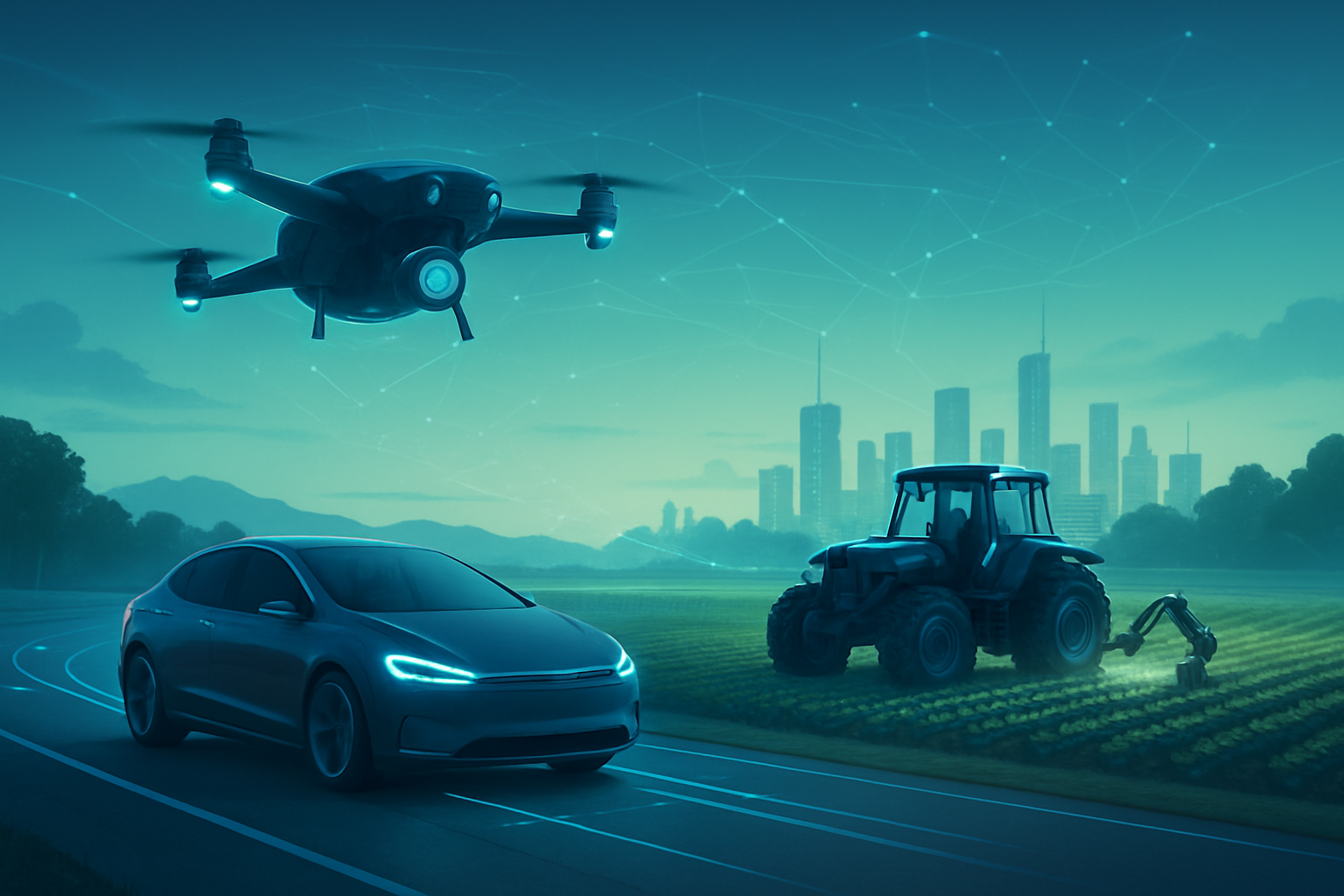
    The integration of artificial intelligence into the physical realm, often termed "Physical World AI" or "Embodied AI," is ushering in a transformative era for autonomous machines. Moving beyond purely digital computations, this advanced form of AI empowers robots, vehicles, and drones to perceive, reason, and interact with the complex and unpredictable real world with unprecedented sophistication. This shift is not merely an incremental improvement but a fundamental redefinition of what autonomous systems can achieve, promising to revolutionize industries from transportation and logistics to agriculture and defense.

    The immediate significance of these breakthroughs is profound, accelerating the journey towards widespread commercial adoption and deployment of self-driving cars, highly intelligent drones, and fully autonomous agricultural machinery. By enabling machines to navigate, adapt, and perform complex tasks in dynamic environments, Physical World AI is poised to enhance safety, dramatically improve efficiency, and address critical labor shortages across various sectors. This marks a pivotal moment in AI development, as systems gain the capacity for real-time decision-making and emergent intelligence in the chaotic yet structured reality of our daily lives.

    Unpacking the Technical Core: Vision-to-Action and Generative AI in the Physical World

    The latest wave of advancements in Physical World AI is characterized by several key technical breakthroughs that collectively enable autonomous machines to operate more intelligently and reliably in unstructured environments. Central among these is the integration of generative AI with multimodal data processing, advanced sensory perception, and direct vision-to-action models. Companies like NVIDIA (NASDAQ: NVDA) are at the forefront, with platforms such as Cosmos, revealed at CES 2025, aiming to imbue AI with a deeper understanding of 3D spaces and physics-based interactions, crucial for robust robotic operations.

    A significant departure from previous approaches lies in the move towards "Vision-Language-Action" (VLA) models, exemplified by XPeng's (NYSE: XPEV) VLA 2.0. These models directly link visual input to physical action, bypassing traditional intermediate "language translation" steps. This direct mapping not only results in faster reaction times but also fosters "emergent intelligence," where systems develop capabilities without explicit pre-training, such as recognizing human hand gestures as stop signals. This contrasts sharply with older, more modular AI architectures that relied on separate perception, planning, and control modules, often leading to slower responses and less adaptable behavior. Furthermore, advancements in high-fidelity simulations and digital twin environments are critical, allowing autonomous systems to be extensively trained and refined using synthetic data before real-world deployment, effectively bridging the "simulation-to-reality" gap. This rigorous virtual testing significantly reduces risks and costs associated with real-world trials.

    For self-driving cars, the technical evolution is particularly evident in the sophisticated sensor fusion and real-time processing capabilities. Leaders like Waymo, a subsidiary of Alphabet (NASDAQ: GOOGL), utilize an array of sensors—including cameras, radar, and LiDAR—to create a comprehensive 3D understanding of their surroundings. This data is processed by powerful in-vehicle compute platforms, allowing for instantaneous object recognition, hazard detection, and complex decision-making in diverse traffic scenarios. The adoption of "Chain-of-Action" planning further enhances these systems, enabling them to reason step-by-step before executing physical actions, leading to more robust and reliable behavior. The AI research community has largely reacted with optimism, recognizing the immense potential for increased safety and efficiency, while also emphasizing the ongoing challenges in achieving universal robustness and addressing edge cases in infinitely variable real-world conditions.

    Corporate Impact: Shifting Landscapes for Tech Giants and Disruptive Startups

    The rapid evolution of Physical World AI is profoundly reshaping the competitive landscape for AI companies, tech giants, and innovative startups. Companies deeply invested in the full stack of autonomous technology, from hardware to software, stand to benefit immensely. Alphabet's (NASDAQ: GOOGL) Waymo, with its extensive real-world operational experience in robotaxi services across cities like San Francisco, Phoenix, and Austin, is a prime example. Its deep integration of advanced sensors, AI algorithms, and operational infrastructure positions it as a leader in autonomous mobility, leveraging years of data collection and refinement.

    The competitive implications extend to major AI labs and tech companies, with a clear bifurcation emerging between those embracing sensor-heavy approaches and those pursuing vision-only solutions. NVIDIA (NASDAQ: NVDA), through its comprehensive platforms for training, simulation, and in-vehicle compute, is becoming an indispensable enabler for many autonomous vehicle developers, providing the foundational AI infrastructure. Meanwhile, companies like Tesla (NASDAQ: TSLA), with its vision-only FSD (Full Self-Driving) software, continue to push the boundaries of camera-centric AI, aiming for scalability and affordability, albeit with distinct challenges in safety validation compared to multi-sensor systems. This dynamic creates a fiercely competitive environment, driving rapid innovation and significant investment in AI research and development.

    Beyond self-driving cars, the impact ripples through other sectors. In agriculture, startups like Monarch Tractor are disrupting traditional farming equipment markets by offering electric, autonomous tractors equipped with computer vision, directly challenging established manufacturers like John Deere (NYSE: DE). Similarly, in the drone industry, companies developing AI-powered solutions for autonomous navigation, industrial inspection, and logistics are poised for significant growth, potentially disrupting traditional manual drone operation services. The market positioning and strategic advantages are increasingly defined by the ability to seamlessly integrate AI across hardware, software, and operational deployment, demonstrating robust performance and safety in real-world scenarios.

    Wider Significance: Bridging the Digital-Physical Divide

    The advancements in Physical World AI represent a pivotal moment in the broader AI landscape, signifying a critical step towards truly intelligent and adaptive systems. This development fits into a larger trend of AI moving out of controlled digital environments and into the messy, unpredictable physical world, bridging the long-standing divide between theoretical AI capabilities and practical, real-world applications. It marks a maturation of AI, moving from pattern recognition and data processing to embodied intelligence that can perceive, reason, and act within dynamic physical constraints.

    The impacts are far-reaching. Economically, Physical World AI promises unprecedented efficiency gains across industries, from optimized logistics and reduced operational costs in transportation to increased crop yields and reduced labor dependency in agriculture. Socially, it holds the potential for enhanced safety, particularly in areas like transportation, by significantly reducing accidents caused by human error. However, these advancements also raise significant ethical and societal concerns. The deployment of autonomous weapon systems, the potential for job displacement in sectors reliant on manual labor, and the complexities of accountability in the event of autonomous system failures are all critical issues that demand careful consideration and robust regulatory frameworks.

    Comparing this to previous AI milestones, Physical World AI represents a leap similar in magnitude to the breakthroughs in large language models or image recognition. While those milestones revolutionized information processing, Physical World AI is fundamentally changing how machines interact with and reshape our physical environment. The ability of systems to learn through experience, adapt to novel situations, and perform complex physical tasks with human-like dexterity—as demonstrated by advanced humanoid robots like Boston Dynamics' Atlas—underscores a shift towards more general-purpose, adaptive artificial agents. This evolution pushes the boundaries of AI beyond mere computation, embedding intelligence directly into the fabric of our physical world.

    The Horizon: Future Developments and Uncharted Territories

    The trajectory of Physical World AI points towards a future where autonomous machines become increasingly ubiquitous, capable, and seamlessly integrated into daily life. In the near term, we can expect continued refinement and expansion of existing applications. Self-driving cars will gradually expand their operational domains and weather capabilities, moving beyond geofenced urban areas to more complex suburban and highway environments. Drones will become even more specialized for tasks like precision agriculture, infrastructure inspection, and last-mile delivery, leveraging advanced edge AI for real-time decision-making directly on the device. Autonomous tractors will see wider adoption, particularly in large-scale farming operations, with further integration of AI for predictive analytics and resource optimization.

    Looking further ahead, the potential applications and use cases on the horizon are vast. We could see a proliferation of general-purpose humanoid robots capable of performing a wide array of domestic, industrial, and caregiving tasks, learning new skills through observation and interaction. Advanced manufacturing and construction sites could become largely autonomous, with robots and machines collaborating to execute complex projects. The development of "smart cities" will be heavily reliant on Physical World AI, with intelligent infrastructure, autonomous public transport, and integrated robotic services enhancing urban living. Experts predict a future where AI-powered physical systems will not just assist humans but will increasingly take on complex, non-repetitive tasks, freeing human labor for more creative and strategic endeavors.

    However, significant challenges remain. Achieving universal robustness and safety across an infinite variety of real-world scenarios is a monumental task, requiring continuous data collection, advanced simulation, and rigorous validation. Ethical considerations surrounding AI decision-making, accountability, and the impact on employment will need to be addressed proactively through public discourse and policy development. Furthermore, the energy demands of increasingly complex AI systems and the need for resilient, secure communication infrastructures for autonomous fleets are critical technical hurdles. What experts predict will happen next is a continued convergence of AI with robotics, material science, and sensor technology, leading to machines that are not only intelligent but also highly dexterous, energy-efficient, and capable of truly autonomous learning and adaptation in the wild.

    A New Epoch of Embodied Intelligence

    The advancements in Physical World AI mark the dawn of a new epoch in artificial intelligence, one where intelligence is no longer confined to the digital realm but is deeply embedded within the physical world. The journey from nascent self-driving prototypes to commercially operational robotaxi services by Waymo (NASDAQ: GOOGL), the deployment of intelligent drones for critical industrial inspections, and the emergence of autonomous tractors transforming agriculture are not isolated events but rather manifestations of a unified technological thrust. These developments underscore a fundamental shift in AI's capabilities, moving towards systems that can truly perceive, reason, and act within the dynamic and often unpredictable realities of our environment.

    The key takeaways from this revolution are clear: AI is becoming increasingly embodied, multimodal, and capable of emergent intelligence. The integration of generative AI, advanced sensors, and direct vision-to-action models is creating autonomous machines that are safer, more efficient, and adaptable than ever before. This development's significance in AI history is comparable to the invention of the internet or the advent of mobile computing, as it fundamentally alters the relationship between humans and machines, extending AI's influence into tangible, real-world operations. While challenges related to safety, ethics, and scalability persist, the momentum behind Physical World AI is undeniable.

    In the coming weeks and months, we should watch for continued expansion of autonomous services, particularly in ride-hailing and logistics, as companies refine their operational domains and regulatory frameworks evolve. Expect further breakthroughs in sensor technology and AI algorithms that enhance environmental perception and predictive capabilities. The convergence of AI with robotics will also accelerate, leading to more sophisticated and versatile physical assistants. This is not just about making machines smarter; it's about enabling them to truly understand and interact with the world around us, promising a future where intelligent autonomy reshapes industries and daily life in profound ways.


    This content is intended for informational purposes only and represents analysis of current AI developments.

    TokenRing AI delivers enterprise-grade solutions for multi-agent AI workflow orchestration, AI-powered development tools, and seamless remote collaboration platforms.
    For more information, visit https://www.tokenring.ai/.
  • Robotaxi Revolution Accelerates Demand for Advanced AI Chips, Waymo Leads the Charge

    Robotaxi Revolution Accelerates Demand for Advanced AI Chips, Waymo Leads the Charge

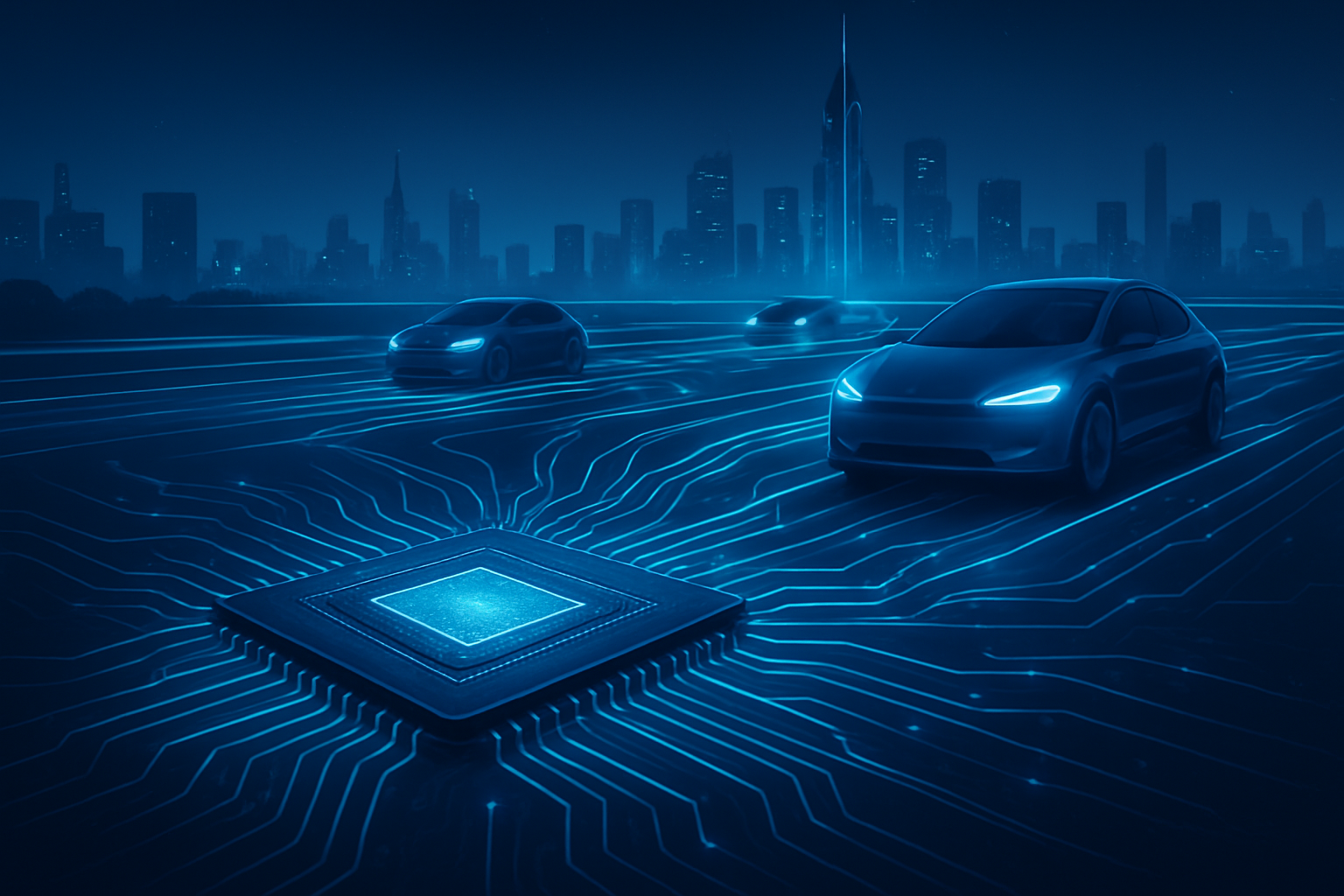
    The rapid expansion of autonomous vehicle technologies, spearheaded by industry leader Waymo (NASDAQ: GOOGL), is igniting an unprecedented surge in demand for advanced artificial intelligence chips. As Waymo aggressively scales its robotaxi services across new urban landscapes, the foundational hardware enabling these self-driving capabilities is undergoing a transformative evolution, pushing the boundaries of semiconductor innovation. This escalating need for powerful, efficient, and specialized AI processors is not merely a technological trend but a critical economic driver, reshaping the semiconductor industry, urban mobility, and the broader tech ecosystem.

    This growing reliance on cutting-edge silicon holds immediate and profound significance. It is accelerating research and development within the semiconductor sector, fostering critical supply chain dependencies, and playing a pivotal role in reducing the cost and increasing the accessibility of robotaxi services. Crucially, these advanced chips are the fundamental enablers for achieving higher levels of autonomy (Level 4 and Level 5), promising to redefine personal transportation, enhance safety, and improve traffic efficiency in cities worldwide. The expansion of Waymo's services, from Phoenix to new markets like Austin and Silicon Valley, underscores a tangible shift towards a future where autonomous vehicles are a daily reality, making the underlying AI compute power more vital than ever.

    The Silicon Brains: Unpacking the Technical Advancements Driving Autonomy

    The journey to Waymo-level autonomy, characterized by highly capable and safe self-driving systems, hinges on a new generation of AI chips that far surpass the capabilities of traditional processors. These specialized silicon brains are engineered to manage the immense computational load required for real-time sensor data processing, complex decision-making, and precise vehicle control.

    While Waymo develops its own custom "Waymo Gemini SoC" for onboard processing, focusing on sensor fusion and cloud-to-edge integration, the company also leverages high-performance GPUs for training its sophisticated AI models in data centers. Waymo's fifth-generation Driver, introduced in 2020, significantly upgraded its sensor suite, featuring high-resolution 360-degree lidar with over 300-meter range, high-dynamic-range cameras, and an imaging radar system, all of which demand robust and efficient compute. This integrated approach emphasizes redundant and robust perception across diverse environmental conditions, necessitating powerful, purpose-built AI acceleration.

    Other industry giants are also pushing the envelope. NVIDIA (NASDAQ: NVDA) with its DRIVE Thor superchip, is setting new benchmarks, capable of achieving up to 2,000 TOPS (Tera Operations Per Second) of FP8 performance. This represents a massive leap from its predecessor, DRIVE Orin (254 TOPS), by integrating Hopper GPU, Grace CPU, and Ada Lovelace GPU architectures. Thor's ability to consolidate multiple functions onto a single system-on-a-chip (SoC) reduces the need for numerous electronic control units (ECUs), improving efficiency and lowering system costs. It also incorporates the first inference transformer engine for AV platforms, accelerating deep neural networks crucial for modern AI workloads. Similarly, Mobileye (NASDAQ: INTC), with its EyeQ Ultra, offers 176 TOPS of AI acceleration on a single 5-nanometer SoC, claiming performance equivalent to ten EyeQ5 SoCs while significantly reducing power consumption. Qualcomm's (NASDAQ: QCOM) Snapdragon Ride Flex SoCs, built on 4nm process technology, are designed for scalable solutions, integrating digital cockpit and ADAS functions, capable of scaling to 2000 TOPS for fully automated driving with additional accelerators.

    These advancements represent a paradigm shift from previous approaches. Modern chips are moving towards consolidation and centralization, replacing distributed ECUs with highly integrated SoCs that simplify vehicle electronics and enable software-defined vehicles (SDVs). They incorporate specialized AI accelerators (NPUs, CNN clusters) for vastly more efficient processing of deep learning models, departing from reliance on general-purpose processors. Furthermore, the utilization of cutting-edge manufacturing processes (5nm, 4nm) allows for higher transistor density, boosting performance and energy efficiency, critical for managing the substantial power requirements of L4/L5 autonomy. Initial reactions from the AI research community highlight the convergence of automotive chip design with high-performance computing, emphasizing the critical need for efficiency, functional safety (ASIL-D compliance), and robust software-hardware co-design to tackle the complex challenges of real-world autonomous deployment.

    Corporate Battleground: Who Wins and Loses in the AI Chip Arms Race

    The escalating demand for advanced AI chips, fueled by the aggressive expansion of robotaxi services like Waymo's, is redrawing the competitive landscape across the tech and automotive industries. This silicon arms race is creating clear winners among semiconductor giants, while simultaneously posing significant challenges and opportunities for autonomous driving developers and related sectors.

    Chip manufacturers are undoubtedly the primary beneficiaries. NVIDIA (NASDAQ: NVDA), with its powerful DRIVE AGX Orin and the upcoming DRIVE Thor superchip, capable of up to 2,000 TOPS, maintains a dominant position, leveraging its robust software-hardware integration and extensive developer ecosystem. Intel (NASDAQ: INTC), through its Mobileye subsidiary, is another key player, with its EyeQ SoCs embedded in numerous vehicles. Qualcomm (NASDAQ: QCOM) is also making aggressive strides with its Snapdragon Ride platforms, partnering with major automakers like BMW. Beyond these giants, specialized AI chip designers like Ambarella, along with traditional automotive chip suppliers such as NXP Semiconductors (NASDAQ: NXPI) and Infineon Technologies (ETR: IFX), are all seeing increased demand for their diverse range of automotive-grade silicon. Memory chip manufacturers like Micron Technology (NASDAQ: MU) also stand to gain from the exponential data processing needs of autonomous vehicles.

    For autonomous driving companies, the implications are profound. Waymo (NASDAQ: GOOGL), as a pioneer, benefits from its deep R&D resources and extensive real-world driving data, which is invaluable for training its "Waymo Foundation Model" – an innovative blend of AV and generative AI concepts. However, its reliance on cutting-edge hardware also means significant capital expenditure. Companies like Tesla (NASDAQ: TSLA), Cruise (NYSE: GM), and Zoox (NASDAQ: AMZN) are similarly reliant on advanced AI chips, with Tesla notably pursuing vertical integration by designing its own FSD and Dojo chips to optimize performance and reduce dependency on third-party suppliers. This trend of in-house chip development by major tech and automotive players signals a strategic shift, allowing for greater customization and performance optimization, albeit at substantial investment and risk.

    The disruption extends far beyond direct chip and AV companies. Traditional automotive manufacturing faces a fundamental transformation, shifting focus from mechanical components to advanced electronics and software-defined architectures. Cloud computing providers like Google Cloud and Amazon Web Services (AWS) are becoming indispensable for managing vast datasets, training AI algorithms, and delivering over-the-air updates for autonomous fleets. The insurance industry, too, is bracing for significant disruption, with potential losses estimated at billions by 2035 due to the anticipated reduction in human-error-induced accidents, necessitating new models focused on cybersecurity and software liability. Furthermore, the rise of robotaxi services could fundamentally alter car ownership models, favoring on-demand mobility over personal vehicles, and revolutionizing logistics and freight transportation. However, this also raises concerns about job displacement in traditional driving and manufacturing sectors, demanding significant workforce retraining initiatives.

    In this fiercely competitive landscape, companies are strategically positioning themselves through various means. A relentless pursuit of higher performance (TOPS) coupled with greater energy efficiency is paramount, driving innovation in specialized chip architectures. Companies like NVIDIA offer comprehensive full-stack solutions, encompassing hardware, software, and development ecosystems, to attract automakers. Those with access to vast real-world driving data, such as Waymo and Tesla, possess a distinct advantage in refining their AI models. The move towards software-defined vehicle architectures, enabling flexibility and continuous improvement through OTA updates, is also a key differentiator. Ultimately, safety and reliability, backed by rigorous testing and adherence to emerging regulatory frameworks, will be the ultimate determinants of success in this rapidly evolving market.

    Beyond the Road: The Wider Significance of the Autonomous Chip Boom

    The increasing demand for advanced AI chips, propelled by the relentless expansion of robotaxi services like Waymo's, signifies a critical juncture in the broader AI landscape. This isn't just about faster cars; it's about the maturation of edge AI, the redefinition of urban infrastructure, and a reckoning with profound societal shifts. This trend fits squarely into the "AI supercycle," where specialized AI chips are paramount for real-time, low-latency processing at the data source – in this case, within the autonomous vehicle itself.

    The societal impacts promise a future of enhanced safety and mobility. Autonomous vehicles are projected to drastically reduce traffic accidents by eliminating human error, offering a lifeline of independence to those unable to drive. Their integration with 5G and Vehicle-to-Everything (V2X) communication will be a cornerstone of smart cities, optimizing traffic flow and urban planning. Economically, the market for automotive AI is projected to soar, fostering new business models in ride-hailing and logistics, and potentially improving overall productivity by streamlining transport. Environmentally, AVs, especially when coupled with electric vehicle technology, hold the potential to significantly reduce greenhouse gas emissions through optimized driving patterns and reduced congestion.

    However, this transformative shift is not without its concerns. Ethical dilemmas are at the forefront, particularly in unavoidable accident scenarios where AI systems must make life-or-death decisions, raising complex moral and legal questions about accountability and algorithmic bias. The specter of job displacement looms large over the transportation sector, from truck drivers to taxi operators, necessitating proactive retraining and upskilling initiatives. Safety remains paramount, with public trust hinging on the rigorous testing and robust security of these systems against hacking vulnerabilities. Privacy is another critical concern, as connected AVs generate vast amounts of personal and behavioral data, demanding stringent data protection and transparent usage policies.

    Comparing this moment to previous AI milestones reveals its unique significance. While early AI focused on rule-based systems and brute-force computation (like Deep Blue's chess victory), and the DARPA Grand Challenges in the mid-2000s demonstrated rudimentary autonomous capabilities, today's advancements are fundamentally different. Powered by deep learning models, massive datasets, and specialized AI hardware, autonomous vehicles can now process complex sensory input in real-time, perceive nuanced environmental factors, and make highly adaptive decisions – capabilities far beyond earlier systems. The shift towards Level 4 and Level 5 autonomy, driven by increasingly powerful and reliable AI chips, marks a new frontier, solidifying this period as a critical phase in the AI supercycle, moving from theoretical possibility to tangible, widespread deployment.

    The Road Ahead: Future Developments in Autonomous AI Chips

    The trajectory of advanced AI chips, propelled by the relentless expansion of autonomous vehicle technologies and robotaxi services like Waymo's, points towards a future of unprecedented innovation and transformative applications. Near-term developments, spanning the next five years (2025-2030), will see the rapid proliferation of edge AI, with specialized SoCs and Neural Processing Units (NPUs) enabling powerful, low-latency inference directly within vehicles. Companies like NVIDIA (NASDAQ: NVDA), Qualcomm (NASDAQ: QCOM), and Intel (NASDAQ: INTC) /Mobileye will continue to push the boundaries of processing power, with chips like NVIDIA's Drive Thor and Qualcomm's Snapdragon Ride Flex becoming standard in high-end autonomous systems. The widespread adoption of Software-Defined Vehicles (SDVs) will enable continuous over-the-air updates, enhancing vehicle adaptability and functionality. Furthermore, the integration of 5G connectivity will be crucial for Vehicle-to-Everything (V2X) communication, fostering ultra-fast data exchange between vehicles and infrastructure, while energy-efficient designs remain a paramount focus to extend the range of electric autonomous vehicles.

    Looking further ahead, beyond 2030, the long-term evolution of AI chips will be characterized by even more advanced architectures, including highly energy-efficient NPUs and the exploration of neuromorphic computing, which mimics the human brain's structure for superior in-vehicle AI. This continuous push for exponential computing power, reliability, and redundancy will be essential for achieving full Level 4 and Level 5 autonomous driving, capable of handling complex and unpredictable scenarios without human intervention. These adaptable hardware designs, leveraging advanced process nodes like 4nm and 3nm, will provide the necessary performance headroom for increasingly sophisticated AI algorithms and predictive maintenance capabilities, allowing autonomous fleets to self-monitor and optimize performance.

    The potential applications and use cases on the horizon are vast. Fully autonomous robotaxi services, expanding beyond Waymo's current footprint, will provide widespread on-demand driverless transportation. AI will enable hyper-personalized in-car experiences, from intelligent voice assistants to adaptive cabin environments. Beyond passenger transport, autonomous vehicles with advanced AI chips will revolutionize logistics through driverless trucks and significantly contribute to smart city initiatives by improving traffic flow, safety, and parking management via V2X communication. Enhanced sensor fusion and perception, powered by these chips, will create a comprehensive real-time understanding of the vehicle's surroundings, leading to superior object detection and obstacle avoidance.

    However, significant challenges remain. The high manufacturing costs of these complex AI-driven chips and advanced SoCs necessitate cost-effective production solutions. The automotive industry must also build more resilient and diversified semiconductor supply chains to mitigate global shortages. Cybersecurity risks will escalate as vehicles become more connected, demanding robust security measures. Evolving regulatory compliance and the need for harmonized international standards are critical for global market expansion. Furthermore, the high power consumption and thermal management of advanced autonomous systems pose engineering hurdles, requiring efficient heat dissipation and potentially dedicated power sources. Experts predict that the automotive semiconductor market will reach between $129 billion and $132 billion by 2030, with AI chips within this segment experiencing a nearly 43% CAGR through 2034. Fully autonomous cars could comprise up to 15% of passenger vehicles sold worldwide by 2030, potentially rising to 80% by 2040, depending on technological advancements, regulatory frameworks, and consumer acceptance. The consensus is clear: the automotive industry, powered by specialized semiconductors, is on a trajectory to transform vehicles into sophisticated, evolving intelligent systems.

    Conclusion: Driving into an Autonomous Future

    The journey towards widespread autonomous mobility, powerfully driven by Waymo's (NASDAQ: GOOGL) ambitious robotaxi expansion, is inextricably linked to the relentless innovation in advanced AI chips. These specialized silicon brains are not merely components; they are the fundamental enablers of a future where vehicles perceive, decide, and act with unprecedented precision and safety. The automotive AI chip market, projected for explosive growth, underscores the criticality of this hardware in bringing Level 4 and Level 5 autonomy from research labs to public roads.

    This development marks a pivotal moment in AI history. It signifies the tangible deployment of highly sophisticated AI in safety-critical, real-world applications, moving beyond theoretical concepts to mainstream services. The increasing regulatory trust, as evidenced by decisions from bodies like the NHTSA regarding Waymo, further solidifies AI's role as a reliable and transformative force in transportation. The long-term impact promises a profound reshaping of society: safer roads, enhanced mobility for all, more efficient urban environments, and significant economic shifts driven by new business models and strategic partnerships across the tech and automotive sectors.

    As we navigate the coming weeks and months, several key indicators will illuminate the path forward. Keep a close watch on Waymo's continued commercial rollouts in new cities like Washington D.C., Atlanta, and Miami, and its integration of 6th-generation Waymo Driver technology into new vehicle platforms. The evolving competitive landscape, with players like Uber (NYSE: UBER) rolling out their own robotaxi services, will intensify the race for market dominance. Crucially, monitor the ongoing advancements in energy-efficient AI processors and the emergence of novel computing paradigms like neuromorphic chips, which will be vital for scaling autonomous capabilities. Finally, pay attention to the development of harmonized regulatory standards and ethical frameworks, as these will be essential for building public trust and ensuring the responsible deployment of this revolutionary technology. The convergence of advanced AI chips and autonomous vehicle technology is not just an incremental improvement but a fundamental shift that promises to reshape society. The groundwork laid by pioneers like Waymo, coupled with the relentless innovation in semiconductor technology, positions us on the cusp of an era where intelligent, self-driving systems become an integral part of our daily lives.


    This content is intended for informational purposes only and represents analysis of current AI developments.

    TokenRing AI delivers enterprise-grade solutions for multi-agent AI workflow orchestration, AI-powered development tools, and seamless remote collaboration platforms.
    For more information, visit https://www.tokenring.ai/.
  • DoorDash and Waymo Forge Ahead: Autonomous Deliveries Take Root in Phoenix, Reshaping Last-Mile Logistics

    DoorDash and Waymo Forge Ahead: Autonomous Deliveries Take Root in Phoenix, Reshaping Last-Mile Logistics

    The landscape of last-mile delivery is undergoing a profound transformation as DoorDash (NYSE: DASH) and Waymo, Alphabet's (NASDAQ: GOOGL) pioneering autonomous driving technology company, deepen their collaboration with an autonomous vehicle delivery pilot program in Metro Phoenix. This strategic partnership represents a significant leap towards a multi-modal autonomous future for local commerce, integrating Waymo's proven self-driving technology into DoorDash's expansive delivery ecosystem. The immediate significance of this deployment lies in its potential to dramatically reshape the economics and operational efficiency of last-mile logistics, offering a glimpse into a future where AI-driven vehicles become a commonplace sight on our roads, fulfilling everyday needs.

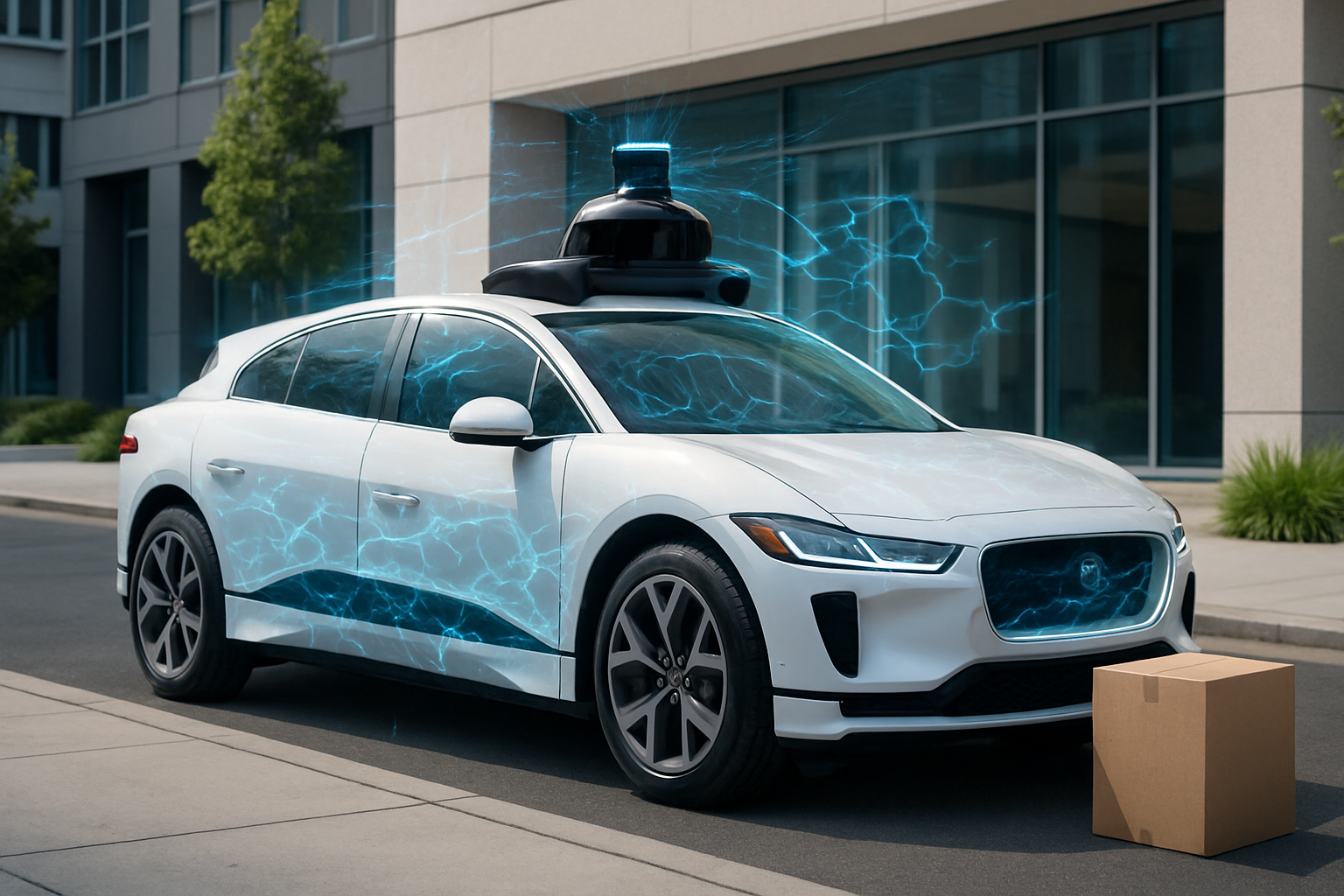
    The pilot program, currently underway in Metro Phoenix, enables DoorDash customers to receive orders delivered by fully autonomous Waymo vehicles. Initially focused on deliveries from DashMart, DoorDash's owned and operated convenience, grocery, and retail stores, the initiative is poised for future expansion to include other participating merchants. The process is designed for seamless customer interaction: eligible DoorDash customers in the designated Phoenix service area may be matched with a Waymo autonomous vehicle, with an option to select autonomous delivery during checkout. Upon the vehicle's arrival, customers receive instructions via the DoorDash app to unlock the vehicle's trunk and retrieve their items, ensuring a contact-free experience. This strategic move by DoorDash aims to reduce reliance on human drivers, lower delivery costs, and enhance efficiency, positioning it more competitively against rivals like Uber Eats (NYSE: UBER), which also has a similar delivery arrangement with Waymo. For Waymo, the partnership offers an additional revenue stream and optimizes fleet utilization by deploying vehicles for package deliveries during off-peak times for passenger rides, thereby reducing "deadhead miles."

    Unpacking the Autonomous Engine: Waymo Driver's Technical Prowess

    At the heart of this autonomous delivery system is Waymo's highly sophisticated Waymo Driver technology, a culmination of decades of research and development in artificial intelligence and robotics. The Waymo Driver, deployed in vehicles like the Jaguar I-Pace, leverages a redundant and diverse sensor array. The 5th-generation system integrates 360-degree LiDAR, perimeter LiDAR, high-resolution cameras (including long-range and 360-vision systems capable of seeing over 500 meters), and radar. The more recent 6th-generation Waymo Driver further refines this, featuring 13 cameras, 4 LiDAR units, 6 radar units, and external audio receivers (EARs), providing comprehensive, overlapping fields of view up to 500 meters, day and night, and across various weather conditions. This multi-modal sensor fusion is critical for accurately detecting objects, pedestrians, and other vehicles.

    Waymo's software architecture, often described as "Sense, Solve, Go," processes vast amounts of sensor data to create a detailed understanding of the environment ("Sense"). Powerful AI and machine learning algorithms then interpret this data, predict the behavior of other road users, and calculate safe, efficient routes in real-time ("Solve"). The deep-learning architecture, VectorNet, specifically uses graph neural networks to predict vehicle trajectories in complex traffic scenarios. Finally, the system executes precise control commands for navigation ("Go"). Waymo heavily relies on high-definition (HD) maps for localization and planning, continually improving its performance by feeding real-world driving data back into its AI models. Recent advancements include the "Waymo Foundation Model," which integrates Waymo's extensive autonomous vehicle domain knowledge with the general world knowledge and reasoning capabilities of Large Language Models (LLMs) and Vision-Language Models (VLMs), enabling more generalized and adaptable AI for autonomous driving.

    The integration with DoorDash's platform is facilitated by DoorDash's "Autonomous Delivery Platform," designed to orchestrate various delivery methods. DoorDash's system matches eligible orders with an available Waymo vehicle, and customers interact directly with the vehicle via the DoorDash app. This approach differs significantly from other autonomous delivery attempts, particularly smaller sidewalk robots or drones, by utilizing full-size autonomous cars. This allows for the delivery of larger grocery and retail orders that smaller bots cannot handle and operates within Waymo's extensive Operational Design Domain (ODD) for complex urban and suburban road conditions. While experts praise Waymo's robust, safety-focused approach and "superhuman" driving capabilities, discussions persist regarding the high cost of its sophisticated hardware and the challenges of scaling such comprehensive AV solutions broadly.

    Reshaping the AI and Tech Ecosystem: Winners and Challengers

    The DoorDash and Waymo partnership sends ripples throughout the AI and tech industry, creating both immense opportunities and intensified competitive pressures. At the forefront of beneficiaries are DoorDash (NYSE: DASH) and Waymo (NASDAQ: GOOGL) themselves. DoorDash gains a critical strategic advantage in the fiercely competitive last-mile delivery market by potentially reducing labor costs, increasing efficiency, and offering a differentiated, cutting-edge service. This move also reinforces DoorDash's image as a technology-driven platform, providing valuable data to refine its AI-powered Autonomous Delivery Platform. Waymo, as a subsidiary of Alphabet, diversifies its revenue streams beyond ride-hailing, leveraging its extensively validated autonomous technology for goods delivery. This increases the utilization of its autonomous fleet, particularly during off-peak hours, and provides further real-world data for its AI models, solidifying Alphabet's position in the broader autonomous driving and logistics sectors.

    The competitive implications for major AI labs and tech companies are significant. Uber (NYSE: UBER), which already partners with Waymo for Uber Eats deliveries in Phoenix, now faces a scenario where Waymo is collaborating with both major delivery platforms. This multi-partner strategy by Waymo suggests it aims to be a foundational autonomous technology provider rather than exclusively aligned with one platform, compelling Uber to continue investing heavily in its own autonomous solutions or strengthen existing AV partnerships. Other autonomous driving developers, such as Cruise (a General Motors subsidiary) and Aurora (NASDAQ: AUR), are under increased pressure to secure similar high-profile partnerships with major delivery or logistics providers to scale their technology and demonstrate commercial viability. Even tech giants with in-house AI labs, like Amazon (NASDAQ: AMZN), which is developing its own autonomous capabilities (e.g., drones, Rivian delivery vans), will need to accelerate their efforts to match or surpass the efficiency and reach offered by such collaborations.

    This partnership has the potential to disrupt existing products and services across the logistics chain. The most direct impact is on human delivery drivers, as DoorDash explicitly aims to reduce reliance on them, potentially shifting human couriers to more lucrative, long-distance orders while autonomous vehicles handle shorter sprints. This could lead to job displacement or a significant redefinition of delivery work. Traditional delivery models, heavily reliant on human labor, face accelerated disruption as the industry moves towards hybrid or fully autonomous operations. Merchants will also need to adapt their pickup procedures, and the differentiation offered by autonomous delivery could pressure other delivery services that do not adopt similar technologies, potentially leading to market share shifts. Ultimately, this collaboration provides significant market positioning and strategic advantages, including potential cost leadership, enhanced customer experience, and data supremacy, allowing both DoorDash and Waymo to future-proof their business models in a rapidly evolving market.

    A New Frontier in AI's March: Wider Significance and Societal Ripples

    The DoorDash and Waymo partnership is more than just a business deal; it's a pivotal moment in the broader AI landscape, demonstrating the maturation and practical application of advanced autonomous systems in daily life. This initiative squarely addresses the "last mile" challenge—historically the most expensive and inefficient segment of the delivery process. By deploying full-size autonomous vehicles, the partnership showcases AI's capability to manage complex real-world logistics, from intricate navigation and obstacle avoidance to precise delivery coordination. It fits squarely within the accelerating trend of automation in last-mile logistics, where AI-powered navigation, decision-making, and multi-modal delivery ecosystems are becoming increasingly prevalent.

    The societal, economic, and environmental impacts of such a deployment are far-reaching. Societally, autonomous delivery promises increased accessibility for individuals with mobility challenges and enhanced convenience for all consumers with faster, 24/7 delivery options. It also holds the potential for significant safety improvements by eliminating human error, distraction, and fatigue in driving. However, major concerns include the potential for widespread job displacement among human delivery drivers, necessitating proactive discussions around workforce retraining. Public acceptance and trust in AV technology, alongside cybersecurity risks and the need for adaptive urban planning, remain crucial hurdles.

    Economically, autonomous vehicles can significantly lower operational costs by reducing labor, fuel consumption (especially with electric ADVs), and maintenance. This translates into increased efficiency and productivity, with vehicles operating around the clock and optimizing routes. Studies suggest that autonomous delivery could generate trillions in economic value through increased productivity and reduced accidents. Environmentally, the shift towards electric autonomous vehicles can significantly reduce greenhouse gas emissions and air pollution, coupled with optimized routing leading to lower fuel usage. However, the environmental footprint of battery production and recycling remains a consideration.

    In the grand narrative of AI history, this development stands as a crucial operational milestone. It signifies the transition of advanced AI from experimental labs to commercial services that directly impact consumers. It validates the maturity and robustness of autonomous driving systems in complex, real-world environments and demonstrates the power of AI to orchestrate multi-modal delivery networks. The long-term impact could fundamentally reshape urban logistics, consumer expectations, and the very nature of work in the delivery sector. While questions about job displacement and infrastructure adaptation will persist, the potential for increased accessibility, efficiency, and safety is undeniable.

    The Road Ahead: Future Developments and Expert Predictions

    The DoorDash and Waymo autonomous delivery partnership, along with the broader autonomous vehicle logistics landscape, is poised for significant evolution in the coming years. In the near term, the partnership is expected to expand its operational footprint beyond initial DashMart deliveries in Metro Phoenix to include a wider array of restaurants and merchants. DoorDash's vision for a "multi-modal autonomous future" means we'll likely see further integration of Waymo's autonomous cars with DoorDash's existing network of human Dashers, sidewalk robots (like DoorDash's "Dot" robot), and drones, all orchestrated by its AI-powered delivery platform. The continued offering of discounted Waymo rides to DashPass members in select cities also hints at a deeper integration of ride-hailing and delivery services.

    Longer-term, the partnership is anticipated to scale to more of Waymo's service areas, leveraging Waymo's existing operational hubs in cities like Los Angeles and San Francisco, and upcoming launches in Miami and Washington, D.C. The overarching goal for DoorDash is to automate a substantial portion of its deliveries, meeting surging demand while driving down costs and enhancing efficiency. For Waymo, this means further diversifying its revenue streams and maximizing fleet utilization, particularly during non-peak ride-hailing hours.

    Beyond this specific partnership, the autonomous delivery market is projected for explosive growth, with estimates suggesting it could reach billions by 2030 and beyond. Potential applications and use cases are vast, extending beyond food and grocery delivery to e-commerce logistics, healthcare and pharmaceutical delivery, and even specialized tasks in dangerous or difficult environments. The industry will likely see continued diversification of vehicle types, from smaller sidewalk robots to larger self-driving vans and trucks, each optimized for specific delivery needs. Advanced AI and 5G connectivity will further enhance real-time data processing, predictive logistics, and overall system reliability.

    However, significant challenges remain for broader adoption and scaling. Regulatory fragmentation across different jurisdictions continues to be a major hurdle, requiring proactive collaboration between companies and legislative bodies. Technological maturity, particularly for unmonitored driverless operations in all public spaces, still needs refinement, and gaining widespread public acceptance and trust in AV safety is paramount. Infrastructure readiness, cybersecurity vulnerabilities, and the high initial operational costs also pose substantial barriers. Experts predict that while autonomous vehicles will become mainstream within a decade, transforming the logistics and supply chain industry, successful deployment will hinge on collaborative ecosystem development involving AV developers, fleet operators, infrastructure providers, city planners, and regulators. The long-term benefits of improved delivery times, reduced emissions, and significant cost reductions are expected to drive these investments.

    A Glimpse into Tomorrow: The Autonomous Delivery Revolution

    The DoorDash and Waymo partnership in Phoenix represents a tangible and significant step into the future of delivery, cementing the role of artificial intelligence and autonomous vehicles in our daily lives. The key takeaways are clear: this collaboration is a strategic maneuver by DoorDash to enhance efficiency, reduce costs, and maintain a competitive edge, while for Waymo, it's an expansion of its proven autonomous technology into new, lucrative markets. This isn't merely a pilot; it's a blueprint for how AI-driven automation can revolutionize last-mile logistics, making delivery services faster, more reliable, and potentially more sustainable.

    In the grand narrative of AI history, this development stands as a crucial operational milestone. It signifies the transition of advanced AI from experimental labs to commercial services that directly impact consumers. It validates the maturity and robustness of autonomous driving systems in complex, real-world environments and demonstrates the power of AI to orchestrate multi-modal delivery networks. The long-term impact could fundamentally reshape urban logistics, consumer expectations, and the very nature of work in the delivery sector. While questions about job displacement and infrastructure adaptation will persist, the potential for increased accessibility, efficiency, and safety is undeniable.

    As we move forward, several critical aspects bear watching in the coming weeks and months. The pace and scope of expansion beyond DashMart and Metro Phoenix will be a key indicator of the partnership's success. Feedback from both customers and merchants regarding the user experience of autonomous delivery will be vital, as will the evolution of regulatory frameworks to accommodate these new services. Furthermore, observing how competitors in the autonomous driving and delivery spaces react and adapt will shed light on the intensifying race to dominate this transformative market. The DoorDash and Waymo collaboration is not just delivering goods; it's delivering a vision of the future, one autonomous mile at a time.


    This content is intended for informational purposes only and represents analysis of current AI developments.

    TokenRing AI delivers enterprise-grade solutions for multi-agent AI workflow orchestration, AI-powered development tools, and seamless remote collaboration platforms.
    For more information, visit https://www.tokenring.ai/.