Tag: Wearables

  • AI-Powered Wearables Revolutionize Blood Pressure Monitoring: A New Era in Cardiovascular Health

    AI-Powered Wearables Revolutionize Blood Pressure Monitoring: A New Era in Cardiovascular Health

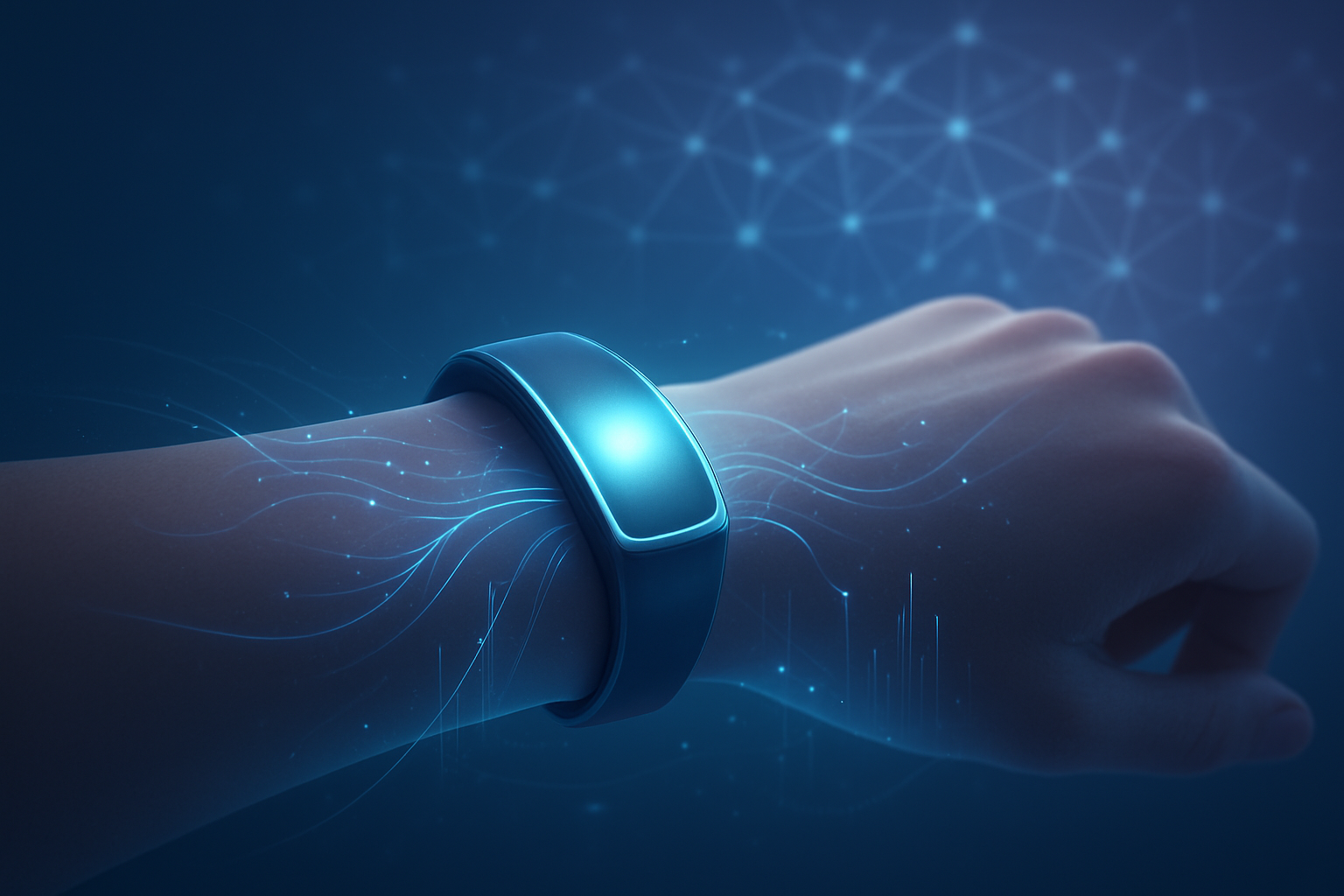
    The landscape of healthcare is undergoing a profound transformation with the advent of AI-powered wearable devices designed for continuous blood pressure monitoring. These innovative gadgets represent a monumental leap forward, moving beyond the limitations of traditional, intermittent cuff-based measurements to offer real-time, uninterrupted insights into an individual's cardiovascular health. This shift from reactive to proactive health management promises to redefine how hypertension and other related conditions are detected, monitored, and ultimately, prevented.

    The immediate significance of these AI-driven wearables lies in their ability to provide continuous, accurate, and personalized blood pressure data, addressing critical gaps in conventional monitoring methods. By capturing dynamic fluctuations throughout the day and night, these devices can detect subtle trends and anomalies often missed by sporadic readings, such as "white coat hypertension" or "masked hypertension." This capability empowers both patients and clinicians with unprecedented data, paving the way for earlier detection of potential health risks, more precise diagnoses, and highly personalized intervention strategies, ultimately leading to improved patient outcomes and a reduction in serious cardiovascular events.

    The Technical Marvel: AI's Role in Unlocking Continuous BP Monitoring

    The core of these revolutionary devices lies in the sophisticated integration of advanced sensing mechanisms with powerful Artificial Intelligence and Machine Learning (AI/ML) algorithms. Unlike rudimentary wearables, these new devices employ a multi-sensor approach, typically combining Photoplethysmography (PPG) sensors, which use light to detect changes in blood volume, with Electrocardiogram (ECG) sensors that measure the heart's electrical signals. Some even incorporate Pulse Transit Time (PTT) measurements or Diffuse Correlation Spectroscopy (DCS) for enhanced accuracy. This multi-modal data input is crucial for capturing the complex physiological signals required for reliable blood pressure estimation.

    What truly differentiates these devices is the AI/ML engine. These algorithms are trained on vast datasets to process complex physiological signals, filtering out "noise" caused by motion artifacts, variations in skin tone, and body habitus. They recognize intricate patterns in PPG and ECG waveforms that correlate with blood pressure, continuously learning and adapting to individual user profiles. This advanced processing allows for continuous, beat-to-beat, non-invasive blood pressure measurements 24/7, providing a comprehensive profile of a patient's BP variability throughout their daily activities, stress, rest, and sleep, something traditional methods could never achieve. Clinical trials have shown promising accuracy, with some cuffless devices demonstrating mean differences in systolic and diastolic measurements of less than 5.0 mmHg compared to standard cuff-based monitors, and high correlation with invasive arterial line measurements in advanced prototypes.

    This approach marks a significant departure from previous blood pressure monitoring technologies. Traditional cuff-based sphygmomanometers offer only intermittent "snapshot" readings, often missing critical fluctuations or patterns like nocturnal hypertension. Early wearable attempts at cuffless monitoring often struggled with accuracy and reliability due to the dynamic nature of blood pressure and the influence of various factors like motion and temperature. AI-powered wearables overcome these limitations by providing continuous, passive data collection and applying intelligent algorithms to contextualize and refine readings. This not only enhances accuracy but also promotes greater user comfort and compliance, as the cumbersome, inflatable cuff is often eliminated or miniaturized for occasional calibration.

    Initial reactions from the AI research community and industry experts are largely optimistic, yet tempered with a healthy dose of caution. While recognizing the immense potential to revolutionize hypertension management and preventive care, experts emphasize the need for rigorous, standardized validation protocols for cuffless BP devices. Concerns persist regarding consistent accuracy across diverse populations, the need for regular calibration in many current models, and the ethical implications of continuous data collection regarding privacy and security. Building clinician trust through explainable AI models and ensuring equitable access and generalizability across various demographics remain critical challenges for widespread adoption.

    Shifting Tides: Corporate Winners and Market Disruptions

    The emergence of AI-powered continuous blood pressure monitoring wearables is poised to trigger a significant reordering of the healthcare technology landscape, creating both immense opportunities and formidable challenges for established players and nimble startups alike. The global AI in blood pressure monitoring market is projected to reach an estimated USD 7,587.48 million by 2032, a substantial increase from USD 928.55 million in 2024, signaling a lucrative, yet highly competitive, future.

    Leading wearable device manufacturers stand to benefit most immediately. Tech giants like Apple Inc. (NASDAQ: AAPL), Samsung Electronics (KRX: 005930), and Alphabet Inc. (NASDAQ: GOOGL) through its Fitbit acquisition, are already integrating advanced health monitoring into their ecosystems, leveraging their vast user bases and R&D capabilities. Specialized health tech companies such as Omron Healthcare, Withings, Aktiia SA, and Biofourmis are also key players, focusing specifically on medical-grade accuracy and regulatory approvals. These companies are investing heavily in sophisticated AI and machine learning algorithms, which are the backbone of accurate, personalized, and predictive health insights, offering a distinct advantage in a market where algorithmic superiority is paramount.

    The competitive implications for major AI labs and tech companies revolve around ecosystem integration, algorithmic prowess, and regulatory navigation. Companies capable of seamlessly embedding continuous BP monitoring into comprehensive health platforms, while also demonstrating robust clinical validation and adherence to stringent data privacy regulations (like GDPR and HIPAA), will gain a significant edge. This creates a challenging environment for smaller players who may struggle with the resources required for extensive R&D, clinical trials, and regulatory clearances. The shift also disrupts traditional cuff-based blood pressure monitor manufacturers, whose intermittent devices may become secondary to the continuous, passive monitoring offered by AI wearables.

    This technological wave threatens to disrupt episodic healthcare models, moving away from reactive care to proactive, preventive health management. This could reduce the reliance on frequent in-person doctor visits for routine checks, potentially freeing up healthcare resources but also requiring existing healthcare providers and systems to adapt rapidly to remote patient monitoring (RPM) platforms. Companies that offer integrated solutions for telehealth and RPM, enabling seamless data flow between patients and clinicians, will find strategic advantages. Furthermore, the ability of AI to identify subtle physiological changes earlier than traditional methods could redefine diagnostic pathways and risk assessment services, pushing the industry towards more personalized and predictive medicine.

    A New Frontier in Health: Broader Implications and Ethical Crossroads

    The advent of AI-powered continuous blood pressure monitoring wearables is more than just a product innovation; it signifies a profound shift in the broader AI landscape and its application in healthcare. This technology perfectly embodies the trend towards proactive, personalized medicine, moving beyond reactive interventions to predictive and preventive care. By continuously tracking not only blood pressure but often other vital signs like heart rate, oxygen levels, and sleep patterns, AI algorithms on these devices perform real-time processing and predictive analytics, identifying subtle health shifts before they escalate into serious conditions. This aligns with the increasing emphasis on edge AI, where data processing occurs closer to the source, enabling immediate feedback and alerts crucial for timely health interventions.

    The impact of these devices is multifaceted and largely positive. They promise early detection and prevention of cardiovascular diseases, significantly improving chronic disease management for existing patients by offering continuous tracking and personalized medication adherence reminders. Patients are empowered with actionable, real-time insights, fostering greater engagement in their health. Furthermore, these wearables enhance accessibility and convenience, democratizing sophisticated health monitoring beyond clinical settings and potentially reducing healthcare costs by minimizing the need for frequent in-person visits and preventing costly complications. The ability to detect conditions like hypertension and diabetes from non-contact video imaging, as explored in some research, further highlights the potential for widespread, effortless screening.

    However, this transformative potential is accompanied by significant concerns. Foremost among these are data privacy and security, as continuous collection of highly sensitive personal health data necessitates robust safeguards against breaches and misuse. The accuracy and reliability of cuffless devices, especially across diverse populations with varying skin tones or body types, remain areas of intense scrutiny, requiring rigorous validation and standardization. Algorithmic bias is another critical consideration; if trained on unrepresentative datasets, AI models could perpetuate health disparities, leading to inaccurate diagnoses for underserved groups. Concerns about the "black box" nature of some AI algorithms, transparency, over-reliance, and the challenges of integrating this data seamlessly into existing healthcare systems also need to be addressed.

    Comparing this to previous AI milestones, these wearables represent a significant leap from basic fitness trackers to intelligent, predictive health tools. While earlier AI applications in medicine often focused on assisting diagnosis after symptoms appeared, these devices embody a shift towards proactive AI, aiming to predict and prevent. They move beyond processing static datasets to interpreting continuous, real-time physiological data streams, offering personalized micro-interventions that directly influence health outcomes. This democratization of sophisticated health monitoring, bringing advanced capabilities from the hospital to the home, stands as a testament to AI's evolving role in making healthcare more accessible and personalized than ever before.

    The Horizon of Health: What's Next for AI-Powered BP Monitoring

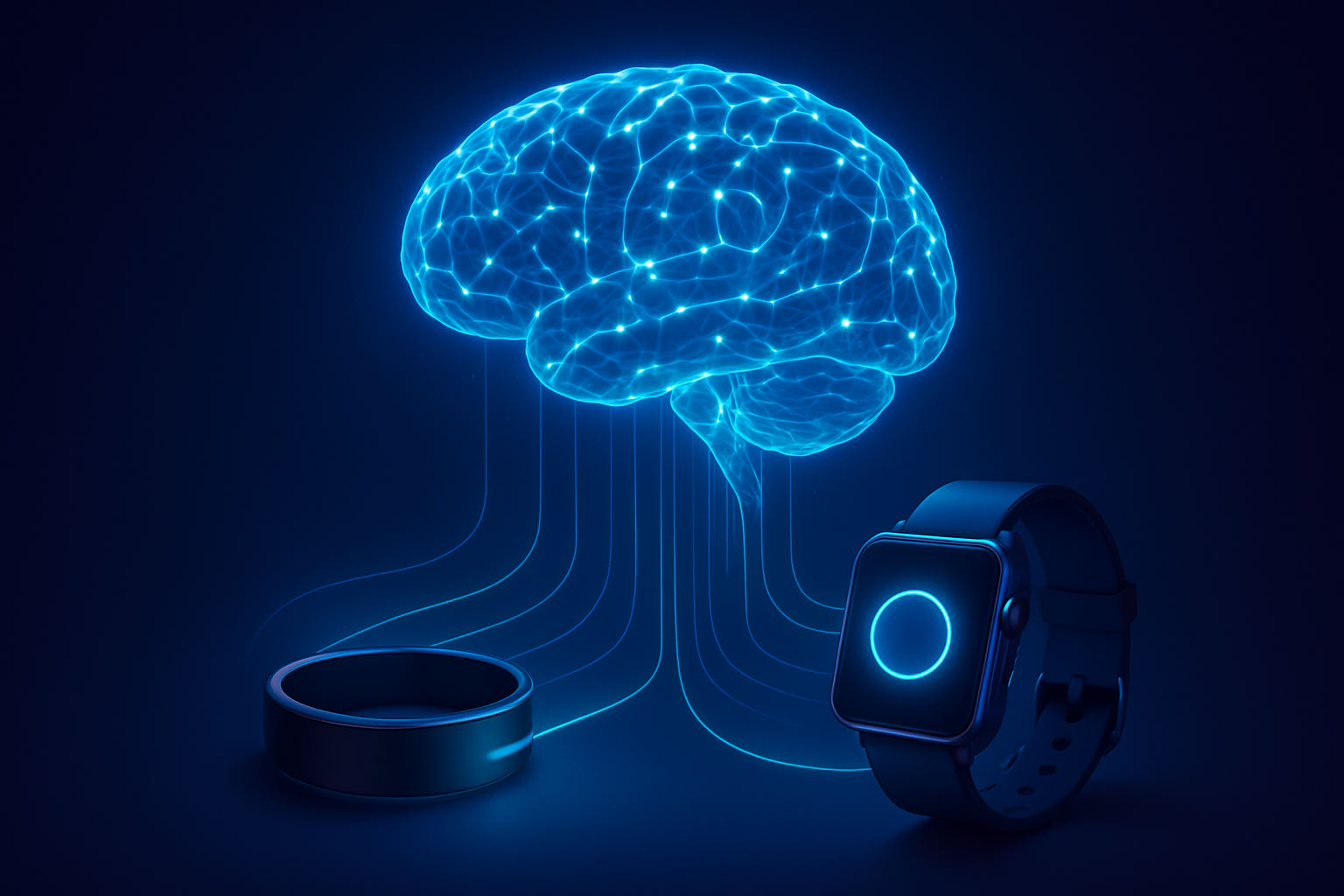
    The trajectory of AI-powered continuous blood pressure monitoring wearables points towards a future where health management is seamlessly integrated into daily life, offering unprecedented levels of personalization and proactive care. In the near term (1-3 years), we can expect to see widespread adoption of truly cuffless monitoring solutions in smartwatches, rings, and adhesive patches, with AI algorithms achieving even greater accuracy by meticulously analyzing complex physiological signals and adapting to individual variations. These devices will offer real-time monitoring and alerts, immediately notifying users of abnormal fluctuations, and providing increasingly personalized insights and recommendations based on a holistic view of lifestyle, stress, and sleep patterns. Enhanced interoperability with smartphone apps, telehealth platforms, and Electronic Health Record (EHR) systems will also become standard, facilitating seamless data sharing with healthcare providers.

    Looking further ahead (beyond 3 years), the long-term vision includes AI blood pressure wearables evolving into sophisticated diagnostic companions. This will involve continuous cuffless BP monitoring driven by highly advanced AI-modeled waveform interpretation, offering uninterrupted data streams. Experts predict highly personalized hypertension risk prediction, with AI analyzing long-term trends to identify individuals at risk well before symptoms manifest. Automated lifestyle recommendations, dynamically adapting to an individual's evolving health profile, will become commonplace. The "Dr. PAI" system from CUHK, focusing on lightweight AI architectures for low-computation devices, exemplifies the drive towards democratizing access to advanced blood pressure management, making it available to a wider population, including those in rural and remote areas.

    The potential applications and use cases on the horizon are vast. Beyond early detection and personalized health management for hypertension, these wearables will be invaluable for individuals managing other chronic conditions like diabetes and heart problems, providing a more comprehensive view of patient health than periodic clinic visits. They will play a crucial role in stroke prevention and recovery by identifying irregular heartbeats and blood pressure fluctuations. Remote Patient Monitoring (RPM) will be streamlined, benefiting individuals with limited mobility or access to care, and fostering improved patient-provider communication through real-time data and AI-generated summary reports.

    Despite the immense promise, several challenges remain. Achieving consistent medical-grade accuracy and reliability across diverse populations, especially for cuffless devices, requires continued breakthroughs in high-sensitivity sensors and sophisticated AI-driven signal processing. Data security and patient privacy will remain paramount, demanding robust measures to prevent misuse. Battery life, cost, and accessibility are also critical considerations to ensure equitable adoption. Furthermore, rigorous clinical validation and regulatory oversight, coupled with seamless interoperability and data standardization across various devices and healthcare systems, are essential for these technologies to be fully integrated into mainstream medical practice. Experts like Professor Keon Jae Lee of KAIST anticipate that ongoing advancements will soon lead to the commercialization of these trusted medical devices, transforming them from lifestyle accessories into clinically relevant diagnostic and monitoring tools.

    The Pulse of the Future: A Concluding Outlook

    The journey of AI-powered continuous blood pressure monitoring wearables from concept to clinical relevance marks a significant inflection point in healthcare technology. The key takeaway is the profound shift from episodic, reactive health monitoring to a continuous, proactive, and personalized approach. These devices, leveraging sophisticated sensors and advanced AI/ML algorithms, are not merely collecting data; they are interpreting complex physiological signals, identifying subtle patterns, and delivering actionable insights that were previously unattainable. This capability promises earlier detection of hypertension and other cardiovascular risks, personalized health management, and enhanced remote patient monitoring, ultimately empowering individuals and improving the efficiency of healthcare delivery.

    In the grand tapestry of AI history, this development stands as a testament to the technology's evolving role beyond automation to mimic and augment human analytical thought processes in diagnostics and personalized interventions. It signifies AI's maturation from basic data processing to intelligent systems that learn, predict, and offer tailored recommendations, fundamentally transforming wearables from passive trackers into active health companions. This move towards proactive AI in medicine, bringing sophisticated monitoring directly to the consumer, is a major breakthrough, democratizing access to critical health insights.

    The long-term impact of these AI wearables is poised to be transformative. They will drive a paradigm shift in cardiovascular risk management, leading to earlier detection of critical conditions, reduced hospitalizations, and improved quality of life for millions. The increasing accessibility, potentially even through contactless methods like smartphone camera analysis, could extend sophisticated blood pressure monitoring to underserved communities globally. For healthcare providers, continuous, real-time patient data will enable more informed clinical decisions, truly personalized treatment plans, and a more efficient, preventive healthcare system. This technology is creating a more connected health ecosystem, where personal devices seamlessly interact with telehealth services and electronic health records, fostering a healthier, more engaged populace.

    As we look to the coming weeks and months, several key areas warrant close attention. Expect continued breakthroughs in high-sensitivity sensor technology and even more sophisticated AI-driven signal processing algorithms, pushing towards consistent medical-grade accuracy and reliability in everyday settings. The evolving regulatory landscape, particularly with bodies like the EU AI Act and the US FDA, will be crucial in shaping the commercialization and clinical integration of these devices. Watch for further development and widespread adoption of truly cuffless and potentially contactless monitoring technologies. Furthermore, the expansion of these wearables to integrate a broader range of health metrics, coupled with advancements in personalized predictive analytics and enhanced interoperability across health ecosystems, will continue to redefine the boundaries of personal health management. Addressing persistent challenges around data privacy, cybersecurity, and algorithmic bias will be paramount to building trust and ensuring equitable healthcare outcomes for all.


    This content is intended for informational purposes only and represents analysis of current AI developments.

    TokenRing AI delivers enterprise-grade solutions for multi-agent AI workflow orchestration, AI-powered development tools, and seamless remote collaboration platforms.
    For more information, visit https://www.tokenring.ai/.
  • Nike’s ‘Project Amplify’: The Dawn of Robotic Footwear for the Everyday Athlete

    Nike’s ‘Project Amplify’: The Dawn of Robotic Footwear for the Everyday Athlete

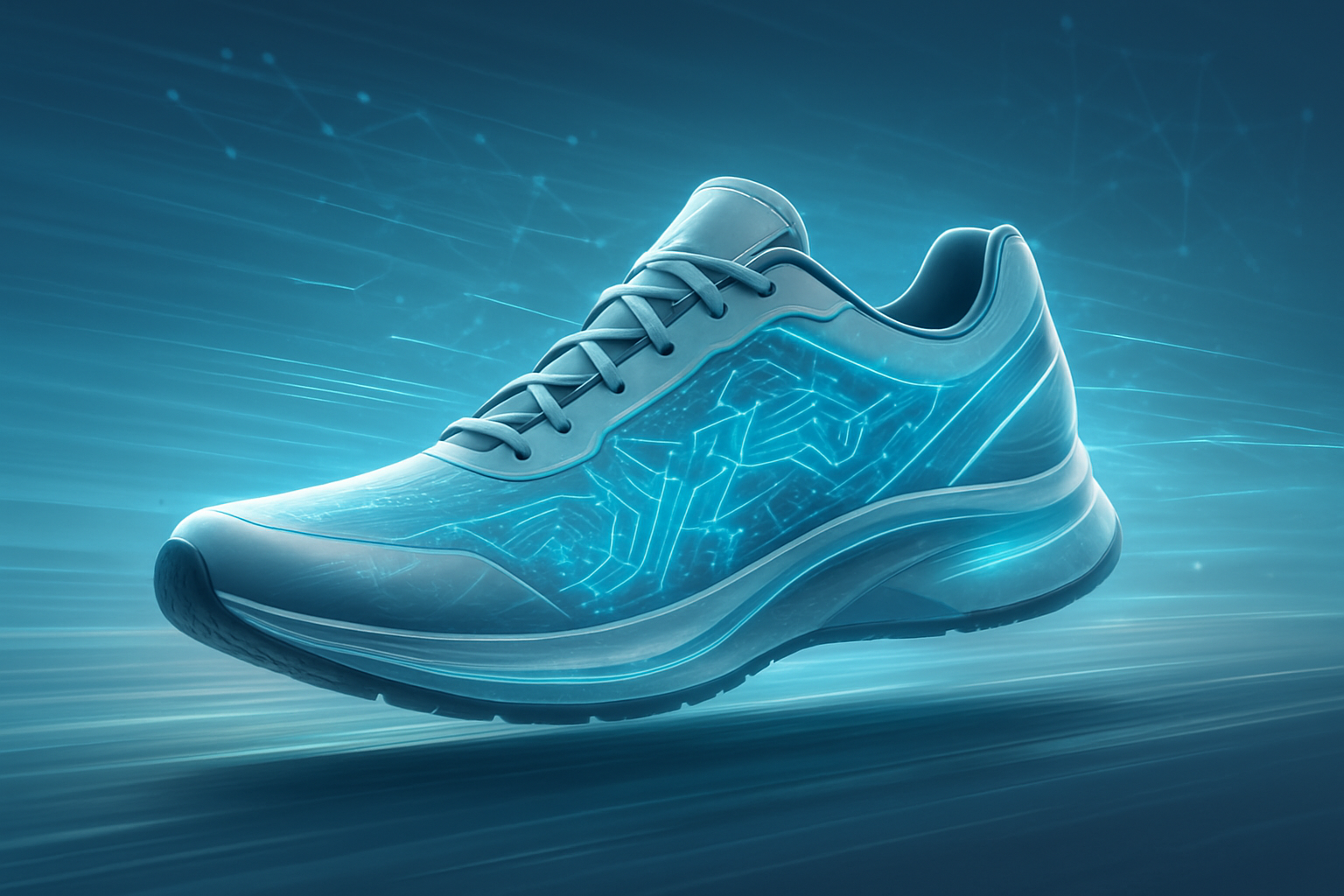
    In a groundbreaking move set to redefine personal mobility and athletic performance for the masses, Nike (NYSE: NKE) has officially unveiled 'Project Amplify,' an ambitious initiative introducing a revolutionary line of "robot shoes." This powered footwear system is meticulously engineered to enhance natural movement, enabling users to walk and run faster and farther with significantly less effort. Announced around October 2025, this development marks a pivotal moment in the convergence of AI, robotics, and sportswear, promising to democratize enhanced physical capabilities beyond the realm of elite athletes.

    'Project Amplify' represents Nike's bold leap into the future of active wear, moving beyond traditional cushioning and energy return to introduce active mechanical assistance. The immediate significance lies in its potential to transform how millions engage with physical activity, making running and walking more accessible and enjoyable for a broader demographic. It signals a shift from passive support to active augmentation, powered by intelligent systems that adapt to the wearer's unique biomechanics.

    The Engineering Marvel Behind Enhanced Movement

    At the heart of Project Amplify lies a sophisticated active exoskeleton system, developed in close collaboration with robotics partner Dephy. This cutting-edge technology integrates several key components designed to work in harmony with the human body. Each shoe incorporates a lightweight motor that provides mechanical assistance, connected to the footwear via an innovative drive belt. Powering this system is a compact, rechargeable cuff battery, strategically placed on the calf to maintain balance and minimize intrusion. The entire setup seamlessly integrates with a specialized carbon fiber-plated running shoe, which can also be worn independently, showcasing Nike's commitment to versatility.

    What truly sets Project Amplify apart is its reliance on advanced motion algorithms, meticulously informed by extensive research at the Nike Sport Research Lab. These algorithms analyze the wearer's lower leg and ankle movements in real-time, delivering a subtle yet powerful mechanical boost that Nike describes as feeling like "a second set of calf muscles." Unlike previous approaches that focused on passive energy return through materials and sole geometry, Project Amplify actively augments motion, effectively reducing the metabolic effort required for movement. Initial reactions from the AI research community and industry experts highlight the innovative application of soft robotics and intelligent control systems in a consumer product, differentiating it significantly from more cumbersome industrial exoskeletons. This is not merely an improvement; it's a re-imagining of footwear as an active participant in human locomotion.

    Reshaping the Landscape for Tech and Sportswear Giants

    Nike's Project Amplify is poised to send ripples across the AI, robotics, and sportswear industries. Nike (NYSE: NKE) itself stands to benefit immensely, solidifying its position as a leader in innovation and potentially opening up entirely new market segments. The collaboration with robotics partner Dephy also underscores the growing importance of inter-industry partnerships in bringing complex AI-powered hardware to market. This development could ignite a new arms race among major sportswear brands like Adidas (XTRA: ADS), Under Armour (NYSE: UAA), and Puma (XTRA: PUM), compelling them to invest heavily in similar advanced biomechanical augmentation technologies.

    The competitive implications extend to tech giants and AI labs, as the underlying AI and robotics technologies developed for Project Amplify could find applications in other areas of human-computer interaction and assistive devices. Companies specializing in AI-powered motion analysis, sensor technology, and lightweight power systems could see a surge in demand for their expertise. Furthermore, this initiative could disrupt the market for traditional fitness equipment and even personal transportation, much like how electric bikes have created a new category of mobility. Nike's strategic advantage lies in its deep understanding of athletic performance combined with its massive consumer reach, allowing it to bring such a sophisticated product to a broad audience, potentially setting a new standard for what consumers expect from their footwear.

    A Wider Leap for AI and Human Augmentation

    Project Amplify fits squarely into the broader AI landscape as a significant step forward in human-centric AI and assistive robotics. It exemplifies the trend of AI moving beyond purely digital applications into the physical world, enhancing human capabilities in a tangible, everyday manner. The impacts are profound: it promises to increase physical activity levels, improve overall health, and make movement more accessible for individuals across various fitness levels. By reducing the perceived effort of walking and running, it could encourage more people to adopt active lifestyles.

    However, potential concerns also arise, primarily around the cost, accessibility, and the ethical implications of augmented human performance. While Nike emphasizes its focus on "everyday athletes," the technology could eventually trickle down or inspire more performance-focused applications, raising questions about fairness in sports. Compared to previous AI milestones, Project Amplify represents a move from predictive AI (like in personalized training apps) to active, real-time physical augmentation, pushing the boundaries of what AI-powered wearables can achieve. This development highlights AI's increasing role in directly influencing and enhancing our physical world, rather than merely processing information about it.

    The Road Ahead: From Lab to Lifestyle

    Looking ahead, the immediate future for Project Amplify involves continued refinement of its hardware, software, usability, and aesthetics. Nike has indicated that a "broad consumer launch" is anticipated "in the coming years," suggesting ongoing challenges related to battery life, weight, cost-effectiveness, and durability need to be addressed before mass production. Experts predict that as these hurdles are overcome, the technology will likely see initial applications in specific niches, such as rehabilitation, elderly mobility assistance, and specialized occupational uses, before achieving widespread consumer adoption.

    Potential future developments include more personalized AI algorithms that learn and adapt to an individual's gait and preferences over time, offering a truly bespoke augmentation experience. Integration with other smart wearables for health monitoring and performance tracking is also a natural progression. The challenges primarily revolve around miniaturization, increasing power efficiency, and bringing down manufacturing costs to make the technology affordable for the average consumer. Experts foresee a future where such powered footwear becomes as common as smartwatches, fundamentally altering our relationship with movement and redefining what it means to be physically capable.

    A New Era of Personal Mobility

    Nike's Project Amplify is more than just a new shoe; it's a declaration of a new era in personal mobility and human augmentation. By leveraging advanced robotics and AI, Nike is not just making running easier; it's making movement more accessible and enjoyable for a vast population. This development stands as a significant milestone in AI history, demonstrating the power of intelligent systems to directly enhance human physical capabilities in a practical, consumer-friendly format. The implications for health, fitness, and daily life are immense, potentially fostering a more active and mobile society.

    As we move into the coming weeks and months, the tech and sportswear industries will be watching closely for further updates on Project Amplify's testing phases and any hints at a more definitive release timeline. The successful commercialization of these robot shoes could inspire a wave of innovation in assistive technologies, blurring the lines between human and machine and opening up exciting new possibilities for how we interact with the world around us. This is a story of innovation that will undoubtedly continue to unfold, shaping the future of how we move.


    This content is intended for informational purposes only and represents analysis of current AI developments.

    TokenRing AI delivers enterprise-grade solutions for multi-agent AI workflow orchestration, AI-powered development tools, and seamless remote collaboration platforms.
    For more information, visit https://www.tokenring.ai/.

  • Meta’s AI Glasses: A Glimpse into the Future, Shrouded in Privacy Concerns

    Meta’s AI Glasses: A Glimpse into the Future, Shrouded in Privacy Concerns

    Meta (NASDAQ: META) has ignited a fervent discussion in the technology world with the recent unveiling of its Meta Ray-Ban Display AI glasses. Officially announced by Mark Zuckerberg at the Meta Connect event on September 17, 2025, and made available for purchase in the US on September 30, 2025, these advanced smart glasses, starting at $799, represent a significant stride towards integrating artificial intelligence seamlessly into daily life. They aim to serve as a "personal superintelligence," offering an array of hands-free capabilities that blur the lines between the digital and physical realms.

    However, this technological leap is not without its complexities. While promising a future of ambient computing and enhanced interaction, the Meta Ray-Ban Display glasses have immediately sparked considerable debate, particularly concerning privacy implications, student safety, and data handling in sensitive environments like educational institutions. The immediate significance lies in Meta's aggressive push to establish dominance in the consumer-grade AI wearable market, challenging the status quo of personal computing and setting a new benchmark for what everyday smart glasses can achieve.

    Technical Prowess Meets Everyday Wearability

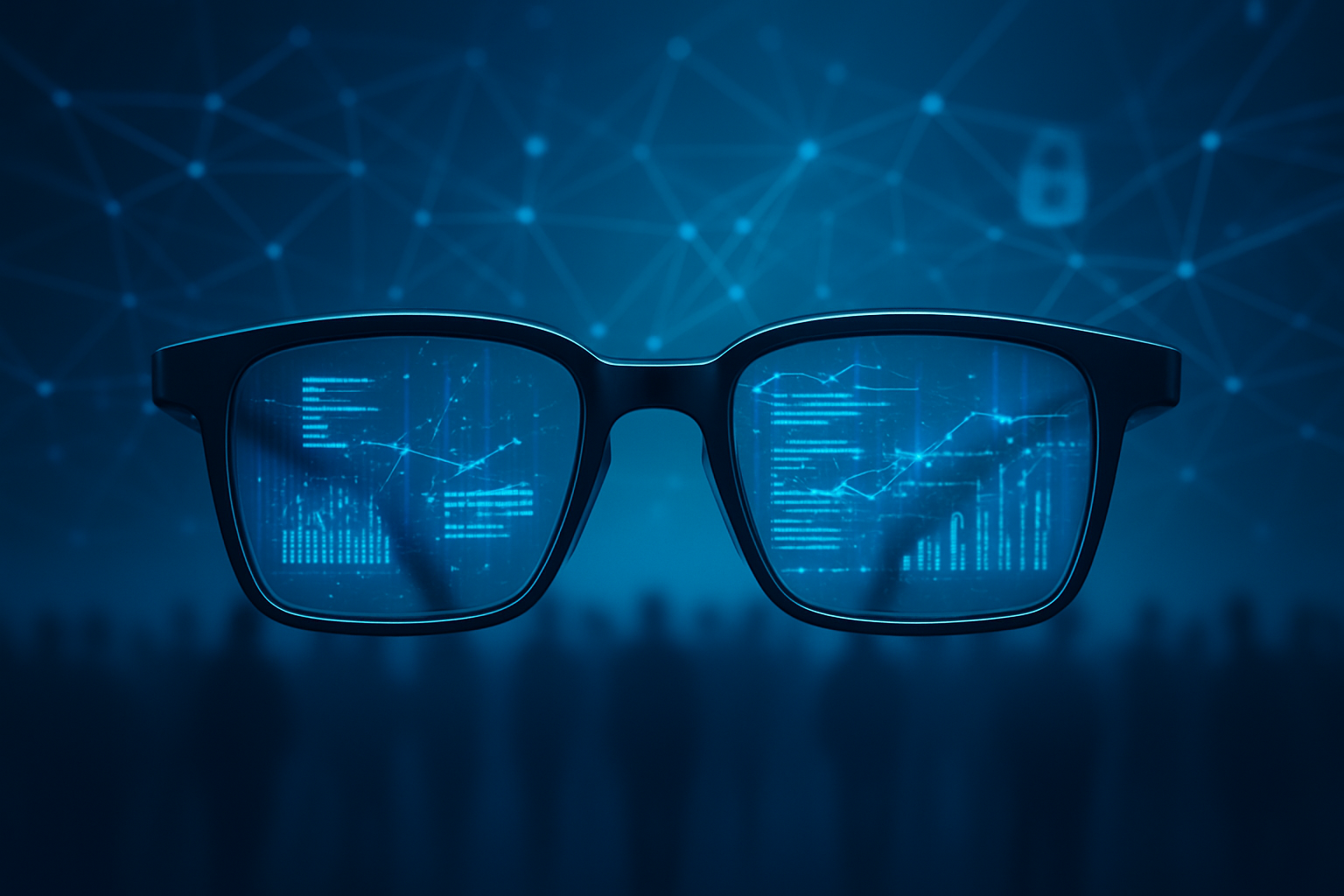
    The Meta Ray-Ban Display AI glasses are a collaboration between Meta and Ray-Ban (EssilorLuxottica, EPA: EL), meticulously designed to blend advanced technology with a familiar, stylish eyewear form factor. Unlike their predecessors, the Ray-Ban Meta Smart Glasses (Gen 1 and Gen 2), the "Display" model features a full-color, high-resolution 600×600 pixel display embedded discreetly in the right lens. This monocular display, utilizing advanced geometric reflective waveguide technology, projects glanceable information, notifications, real-time translations, and visual AI responses directly into the user's field of vision, visible only to the wearer.

    Powering these capabilities is a Qualcomm Snapdragon AR1 Gen 1 processor, enabling robust on-device AI processing. The glasses boast an ultra-wide 12-megapixel camera capable of capturing high-resolution photos and recording 3K video at 30 frames per second, complete with a viewfinder on the in-lens display. An improved open-ear audio system with six microphones ensures high-quality sound capture and playback, facilitating hands-free calls and immersive audio experiences while maintaining environmental awareness. A crucial innovation bundled with the display glasses is the Meta Neural Band, a wrist-worn device employing electromyography (EMG) technology. This band detects subtle electrical signals from muscle movements in the forearm, translating them into intuitive, silent gestures for hands-free navigation and interaction with the glasses' interface, offering a more private and natural input method than voice commands or overt hand gestures.

    Compared to earlier attempts like Google Glass, Meta's offering stands out with its superior display technology, fashionable design aimed at social acceptance, and the groundbreaking Neural Band for control. While Google Glass struggled with a "techy" appearance and limited functionality, Meta's integration of a sophisticated AI assistant and a discreet display represents a significant leap forward. However, unlike high-end AR/MR headsets such as Apple (NASDAQ: AAPL) Vision Pro or Microsoft (NASDAQ: MSFT) HoloLens, Meta's glasses focus on "glanceable" 2D information and AI assistance rather than immersive 3D augmented reality, positioning them as an everyday companion rather than a dedicated AR platform. Initial reactions from the AI research community and industry experts commend the technological advancements, particularly the display integration and the Neural Band, but also highlight challenges such as battery life, the inherent limitations of a monocular 2D display, and the perennial issue of social acceptance and privacy.

    Reshaping the AI and Wearables Landscape

    Meta's aggressive entry into the AI glasses market has profound implications for other AI companies, tech giants, and startups. With Meta (NASDAQ: META) reportedly securing over 73% of the global market share in the first half of 2025 for AI smart glasses, its dominant position is undeniable. This market leadership is not just about hardware sales but about establishing a foundational ecosystem that integrates Meta's Llama AI models, hardware, and its vast network of social platforms like Facebook, Instagram, and WhatsApp.

    Component suppliers are clear beneficiaries, with EssilorLuxottica (EPA: EL) playing a crucial role in manufacturing and distribution. Other key suppliers include Lens Technology (SHE: 300433) for core components, Qualcomm (NASDAQ: QCOM) for processors, and TSMC (NYSE: TSM) for advanced chips. Goertek (SHE: 002241) is also noted as a significant supplier. Beyond hardware, Meta's open developer platform and "Wearables Device Access Toolkit" offer a fertile ground for AI developers to create innovative applications, potentially fostering a new app economy for smart glasses. Content creators also stand to benefit from the hands-free, high-quality capture capabilities for social media and live streaming.

    The competitive landscape is intensifying. Apple (NASDAQ: AAPL) is expected to launch its own AI-based glasses by 2027, leveraging its premium brand and ecosystem integration. Google (NASDAQ: GOOGL), learning from the Google Glass experience, is pursuing a fresh start with its Android XR platform and partnerships with eyewear manufacturers. Samsung (KRX: 005930) is also planning its own AI glasses by 2026, often in collaboration with Google. This fierce competition is driving rapid innovation, compelling all major players to accelerate their wearable AI strategies. Meta's long-term vision positions its AI glasses as a potential smartphone replacement, disrupting traditional mobile computing and shifting the battleground for AI dominance to integrated hardware solutions and ambient computing.

    The Broader AI Horizon: Promise and Peril

    The Meta Ray-Ban Display AI glasses are more than just a new gadget; they represent a pivotal moment in the evolution of AI, pushing towards a future where intelligent systems are deeply embedded in our daily lives. This development aligns with the broader trend of pervasive, embodied AI, where technology moves from discrete devices to an ambient, always-on assistant seamlessly integrated into our physical world. Features like "Live AI," which continuously process visual and auditory information, exemplify this shift, laying the groundwork for more advanced augmented reality experiences like Meta's anticipated "Orion" project. The glasses also serve as a vast distributed sensor network, collecting real-time data crucial for training next-generation AI models, underscoring Meta's substantial investment in AI infrastructure.

    However, the promise of pervasive AI is inextricably linked with significant concerns, particularly regarding privacy, student safety, and data handling in educational environments. The discreet camera, even with its small LED indicator, raises fears of surreptitious recording and surveillance. Research has already demonstrated how such devices, combined with publicly available data, could enable real-time identification and retrieval of personal information, leading to a profound erosion of privacy. The use of captured photos and videos for training Meta's AI models, even if restricted to publicly shared content, adds another layer of unease, especially concerning bystander consent.

    In educational settings, these concerns are magnified. The potential for distraction, misuse for cyberbullying or harassment, and the collection of sensitive student data without explicit, informed consent pose direct threats to student safety and well-being. The lack of adequate safeguards and the rapid pace of technological advancement outstripping regulatory frameworks leave schools and policymakers grappling with how to balance potential educational benefits with critical risks. Compared to earlier AI milestones, Meta's glasses represent a move from abstract AI tasks to embodied AI that learns directly from human experience "in the wild," making their societal impact potentially much wider and faster than previous breakthroughs like Google Glass, which faced similar privacy backlashes but lacked the advanced AI integration seen today. The ethical implications are profound, touching upon the erosion of privacy, algorithmic bias, potential impacts on human autonomy, and the urgent need for robust ethical design and regulatory frameworks.

    The Road Ahead: Ambient Intelligence and Ethical Imperatives

    The trajectory for Meta's AI glasses and similar pervasive AI wearables points towards a future where these devices become central to an "ambient computing" paradigm, potentially supplanting smartphones in many daily interactions. In the near term, we can expect continued enhancements to core functionalities, including improved battery life, more robust on-device AI for offline processing, and expanded multimodal AI capabilities that blend voice, gesture, and gaze tracking. The Meta Neural Band is likely to evolve, offering even more intuitive and subtle control mechanisms.

    Longer term, Meta's vision extends to holographic displays and neural interfaces, with prototypes like "Orion" aiming for full augmented reality experiences that seamlessly blend virtual content with the real world. Potential applications are vast, ranging from personalized shopping experiences and proactive contextual assistance in everyday life to transformative uses in healthcare (predictive analytics, remote patient care), accessibility (real-time visual assistance for the visually impaired), and enhanced productivity in various professional fields.

    However, realizing this future hinges on addressing significant challenges. Technical hurdles include achieving vastly improved power efficiency for all-day use, compact design that manages heat dissipation, and developing robust AI algorithms that perform reliably across diverse real-world environments. Regulatory frameworks must catch up with the technology, particularly regarding data privacy, bystander consent, and algorithmic accountability. Ethically, the industry must confront the potential for pervasive surveillance, algorithmic bias, impacts on human autonomy, and the critical need for transparency and user control over personal data. Experts like Mark Zuckerberg predict a "post-smartphone era" where AI glasses handle many daily tasks, potentially by the 2030s, shifting revenue models towards "AI-as-a-service" subscriptions. For this vision to materialize responsibly, a "trust-first framework" emphasizing transparency, robust user controls, and adherence to social protocols and ethical design is paramount.

    A New Era of Computing: Weighing Innovation Against Responsibility

    Meta's introduction of the Ray-Ban Display AI glasses marks a defining moment in the evolution of personal technology. These devices are a testament to rapid advancements in AI, miniaturization, and human-computer interaction, offering a compelling glimpse into a future where technology is seamlessly integrated into our perception of reality. The immediate significance lies in Meta's bold move to lead the consumer AI wearable market, potentially redefining the landscape of personal computing and paving the way for a truly ambient intelligence.

    However, the excitement surrounding these technological breakthroughs is tempered by profound ethical and societal concerns, particularly the erosion of privacy, the implications for student safety, and the responsible handling of vast amounts of personal data. The ability to discreetly record, identify individuals, and process information in real-time demands immediate and thoughtful consideration from policymakers, educators, and the public alike. The success of Meta's AI glasses, and indeed the broader ambient computing paradigm, will ultimately depend not just on technological prowess but on the industry's ability to build trust, implement robust safeguards, and prioritize user privacy and well-being.

    As we move into the coming weeks and months, the tech world will be watching closely for how Meta addresses these privacy concerns, how competitors respond with their own innovations, and how regulatory bodies begin to shape the rules for this new era of pervasive AI wearables. The long-term impact of these glasses could be transformative, but only if innovation is responsibly balanced with a deep commitment to ethical principles and societal well-being.


    This content is intended for informational purposes only and represents analysis of current AI developments.

    TokenRing AI delivers enterprise-grade solutions for multi-agent AI workflow orchestration, AI-powered development tools, and seamless remote collaboration platforms.
    For more information, visit https://www.tokenring.ai/.

  • Apple Pivots from Vision Pro Overhaul to Accelerate AI Glasses Development

    Apple Pivots from Vision Pro Overhaul to Accelerate AI Glasses Development

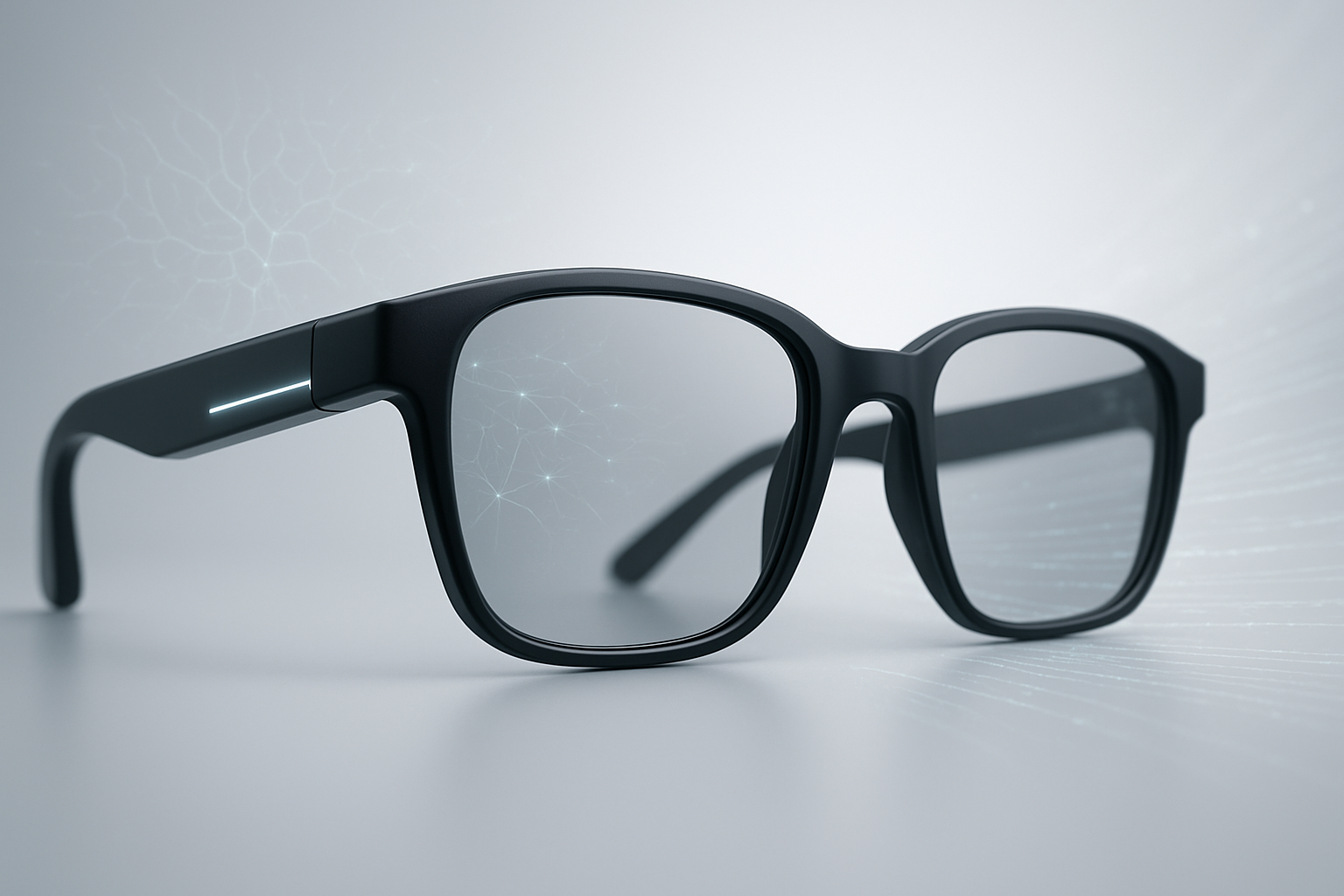
    Apple (NASDAQ: AAPL) is reportedly making a significant strategic pivot, shifting its focus from an overhaul of the Vision Pro headset to prioritize the accelerated development of AI-powered smart glasses. This decision marks a substantial redirection in the tech giant's wearable technology roadmap, signaling a strong intent to compete in the burgeoning market for more accessible and integrated AI wearables. The move underscores Apple's recognition of the challenges faced by the high-priced, immersive Vision Pro and its ambition to deliver a more mass-market friendly device that integrates seamlessly into daily life.

    This strategic redirection reflects a calculated response to the current market landscape, where consumer demand appears to favor lightweight, socially acceptable smart eyewear over bulky, albeit powerful, mixed-reality headsets. By reallocating engineering resources and accelerating its AI glasses project, Apple is setting the stage for a new era of personal computing, heavily reliant on artificial intelligence and a revamped user interaction paradigm.

    A Clear Vision for AI: Shifting Resources from Immersive to Integrated

    Apple's decision to halt the development of a cheaper and lighter iteration of its Vision Pro headset (reportedly code-named N100 or "Vision Air") in favor of AI-powered smart glasses highlights a fundamental re-evaluation of its wearable strategy. The initial Vision Pro, launched at a premium price point of $3,499, has faced considerable criticism for its prohibitive cost, substantial form factor, and niche appeal, leading to an underwhelming market reception and slower-than-anticipated adoption rates. Reports suggest sales have fallen short of initial projections, with some estimates placing units sold below 1 million since its February 2024 launch. This stands in stark contrast to the unexpected success and growing traction of more discreet, AI-equipped smart glasses from competitors like Meta (NASDAQ: META).

    Apple is reportedly pursuing at least two distinct models of AI-powered smart glasses. The first, an iPhone-dependent model (N50), is envisioned as a companion device that offloads much of its processing to a connected iPhone, notably lacking an integrated display. This design choice aims to achieve a significantly lighter, more comfortable, and potentially more affordable product, with a target price point below $1,000. This model is anticipated to be unveiled as early as next year, with a potential market release in 2027. The second, more advanced version, will feature an integrated display, and its development timeline is reportedly being accelerated to directly compete with display-equipped smart glasses already entering the market from rivals.

    The technical specifications and capabilities of these AI glasses are expected to revolve heavily around advanced AI integration, with a strong emphasis on voice controls powered by a "next-generation Siri." This revamped virtual assistant, anticipated for a spring 2026 launch, is central to the user experience, enabling seamless interaction through natural language. Key features are likely to include integrated cameras for recording, multiple microphones for superior voice command recognition, speakers for audio playback, and advanced health-tracking capabilities. Crucially, Apple plans to offer these glasses in a variety of styles and frame options, consciously positioning them as a fashion accessory rather than a purely technical gadget, a significant departure from the utilitarian design of the Vision Pro. This strategic shift moves away from the complex, immersive, and isolated experience of mixed reality towards a more subtle, always-on, and socially integrated form of spatial computing.

    Reshaping the Wearable Landscape: Industry Implications and Competitive Dynamics

    This strategic pivot by Apple carries profound implications for the AI and tech industries, reshaping competitive landscapes and potentially disrupting existing product categories. By prioritizing AI glasses, Apple is directly intensifying its rivalry with Meta (NASDAQ: META), which has already established a strong foothold in the smart eyewear market with its successful Ray-Ban Meta Smart Glasses. Meta's early success demonstrated a clear consumer appetite for a more discreet, fashion-forward, and AI-integrated wearable, a segment Apple now aims to dominate. This move will undoubtedly accelerate the race for advanced, AI-powered wearable devices, pushing both companies to innovate rapidly in areas like on-device AI, natural language processing, and sensor technology.

    Beyond Meta, this shift also puts pressure on other tech giants and startups exploring the wearable space. Companies like Google (NASDAQ: GOOGL), which has its own history with smart glasses, and numerous smaller firms developing niche AR/VR hardware, will need to reassess their strategies in light of Apple's renewed focus. The emphasis on an iPhone-dependent model initially suggests a tight integration within Apple's existing ecosystem, further solidifying customer loyalty and creating a powerful new accessory category. This could potentially disrupt the market for traditional smartwatches and other personal tech, as AI glasses could absorb some of their functionalities, offering a more seamless and hands-free interaction with digital information.

    Apple's market positioning stands to gain significant strategic advantages. By moving towards a more affordable and aesthetically pleasing form factor, the company aims for mass-market adoption, something the Vision Pro struggled to achieve. This democratizes access to spatial computing and AI-driven experiences, potentially creating a new paradigm for how users interact with technology daily. The reallocation of engineering talent and resources from the Vision Pro overhaul to the AI glasses project signifies a clear directive from Apple's leadership, indicating a strong belief in the long-term potential of this product category. This focus will also likely redirect developer attention, spurring the creation of new applications and experiences specifically tailored for the AI glasses ecosystem, particularly around the capabilities of the "next-generation Siri" and integrated camera functionalities.

    Broader AI Landscape: A New Frontier for Ubiquitous Computing

    Apple's strategic shift to AI glasses fits squarely within the broader AI landscape and emerging trends towards ubiquitous and ambient computing. The move signifies a strong endorsement of the concept that AI should be seamlessly integrated into our daily lives, accessible without the friction of traditional screens or bulky hardware. This vision aligns with the industry-wide push for more natural human-computer interaction, where voice, gestures, and contextual awareness driven by AI become primary modes of engagement. The development of an "iPhone-dependent" model, initially lacking its own display, underscores a belief that the true power of AI glasses lies not in a standalone immersive experience, but in enhancing and extending the capabilities of existing personal devices, acting as an intelligent interface to the digital world.

    The potential impacts of this development are far-reaching. On one hand, it could accelerate the adoption of AI-powered assistants and contextual computing, making information and digital services more readily available in real-time. Imagine receiving subtle, AI-driven notifications about your surroundings, instant translations, or augmented navigation cues directly within your field of vision or through discreet audio. This could revolutionize how we work, learn, and navigate our environments. However, potential concerns also arise, particularly regarding privacy. The integration of cameras and microphones into an always-on wearable device raises questions about data collection, surveillance, and the potential for misuse. Apple's historically strong stance on privacy will be rigorously tested as it ventures into this highly sensitive product category.

    Comparing this to previous AI milestones, Apple's move echoes the transformative impact of the original iPhone, which integrated multiple technologies into a single, intuitive device, fundamentally changing personal computing. While not a breakthrough in core AI research, this strategic hardware pivot is a significant step in democratizing AI's application. It represents a commitment to moving AI beyond cloud-based services and into personal, wearable hardware, similar to how smartphones brought powerful computing into everyone's pockets. The emphasis on a "next-generation Siri" also suggests a significant investment in improving conversational AI, a critical component for natural interaction with these glasses. This development marks a pivotal moment in the evolution of wearable technology, potentially defining the next major platform shift after smartphones.

    The Road Ahead: Anticipated Developments and Future Challenges

    The immediate future following Apple's strategic pivot will likely see an acceleration of internal development and external partnerships aimed at bringing its AI glasses to market. Experts predict that the initial iPhone-dependent model (N50) could see a public unveiling as early as next year, with a potential market release in 2027. This timeframe suggests intense engineering efforts to refine the hardware, optimize the AI integration, and ensure seamless connectivity with the iPhone ecosystem. The subsequent display-equipped model, while further out, is also expected to see an accelerated development timeline, driven by the competitive landscape.

    Potential applications and use cases for these AI glasses are vast and varied. Beyond basic notifications and hands-free communication, we can anticipate advanced augmented reality overlays for navigation, real-time language translation, intelligent contextual information delivery (e.g., identifying landmarks or products), and even sophisticated health and wellness monitoring. Imagine a device that discreetly guides you through a new city, provides instant nutritional information about food, or offers personalized fitness coaching based on your activity and surroundings – all without pulling out a phone. The revamped "next-generation Siri" will be crucial, enabling highly intuitive voice commands and proactive AI assistance.

    However, significant challenges lie ahead. Miniaturization of powerful AI chips, efficient battery life, and robust connectivity in a sleek, fashionable form factor remain formidable engineering hurdles. User acceptance and overcoming the "glasshole" stigma associated with early smart glasses will also be critical. Apple will need to strike a delicate balance between functionality, design, and privacy to ensure widespread adoption. What experts predict next is a fierce innovation race, particularly in on-device AI processing to reduce reliance on cloud computing, and in the development of sophisticated yet unobtrusive display technologies for the more advanced models. The integration of advanced sensors for environmental awareness and biometric data will also be key areas of focus.

    A New Chapter for Apple and AI Wearables

    Apple's strategic shift to halt the Vision Pro overhaul and instead focus its considerable resources on developing AI glasses marks a pivotal moment in the company's trajectory and the broader evolution of personal computing. This decision underscores a clear recognition of the market's demand for more accessible, integrated, and socially acceptable AI-powered wearables, moving away from the niche appeal of immersive mixed-reality headsets. The immediate significance lies in Apple's renewed commitment to democratizing spatial computing and defining the next generation of human-computer interaction through advanced AI.

    This development holds profound significance in AI history, not as a breakthrough in foundational AI research, but as a critical step in the commercialization and widespread integration of AI into everyday life. By leveraging its ecosystem and design prowess, Apple aims to make ambient intelligence a tangible reality for millions. The move solidifies the trend towards ubiquitous computing, where AI seamlessly augments our senses and interactions with the world.

    In the coming weeks and months, industry observers will be closely watching for further details on Apple's AI glasses roadmap, particularly any glimpses of design patents, software development kits, or official announcements regarding the "next-generation Siri." The competitive response from rivals like Meta (NASDAQ: META) and Google (NASDAQ: GOOGL) will also be a key area to monitor, as the race to dominate the smart eyewear market heats up. This strategic pivot by Apple is not merely a change in product focus; it represents a bold statement about the future of personal technology, where AI-integrated wearables are poised to become the next indispensable device.

    This content is intended for informational purposes only and represents analysis of current AI developments.

    TokenRing AI delivers enterprise-grade solutions for multi-agent AI workflow orchestration, AI-powered development tools, and seamless remote collaboration platforms.
    For more information, visit https://www.tokenring.ai/.